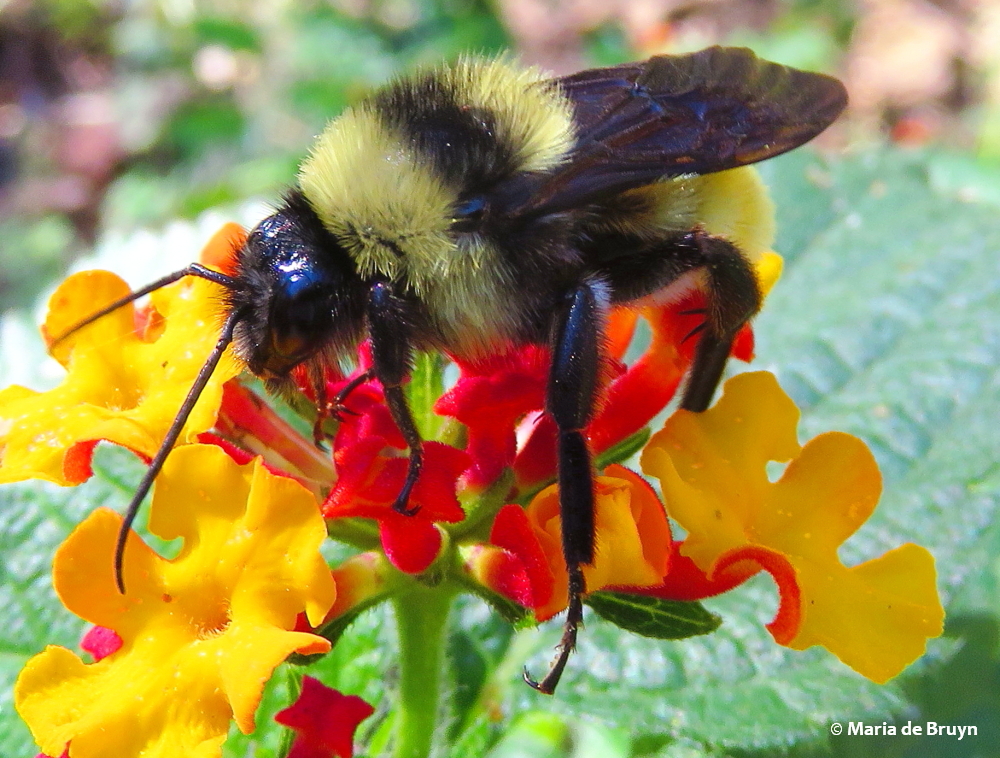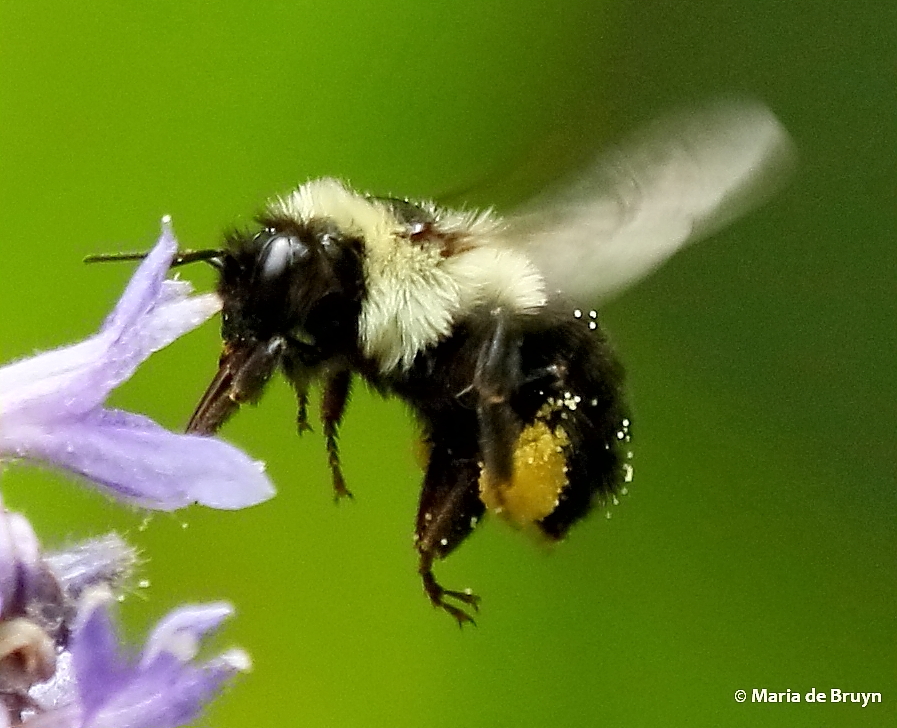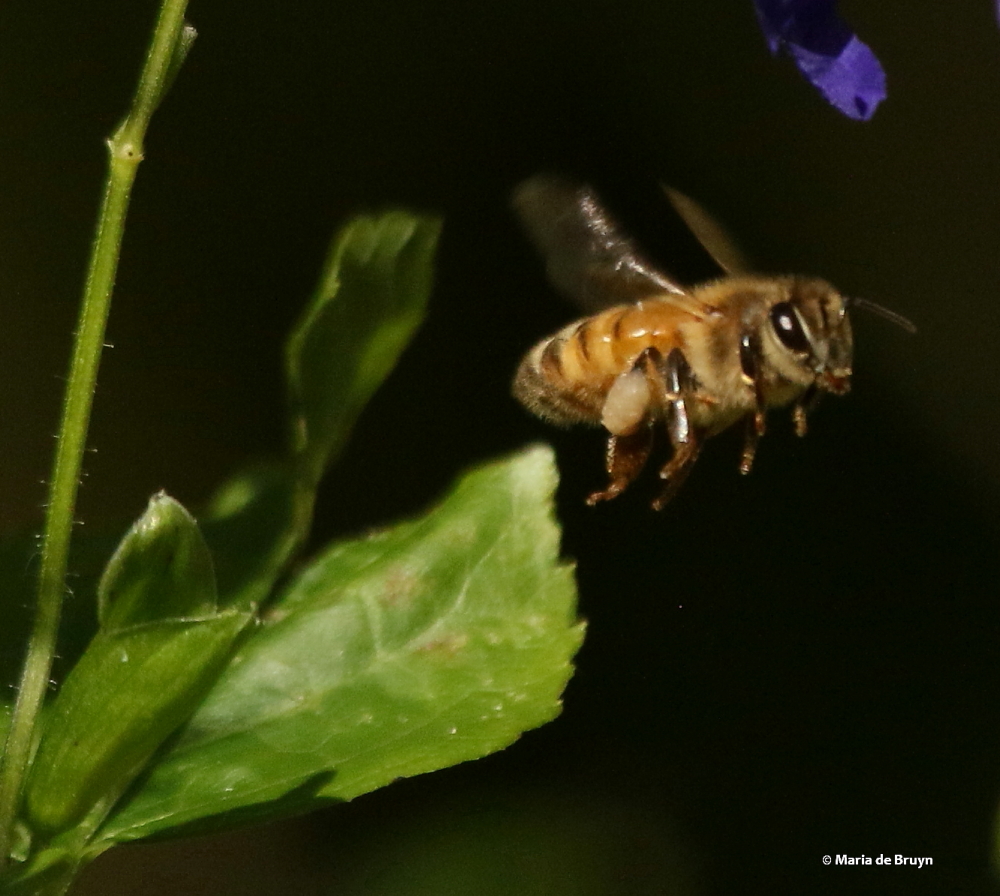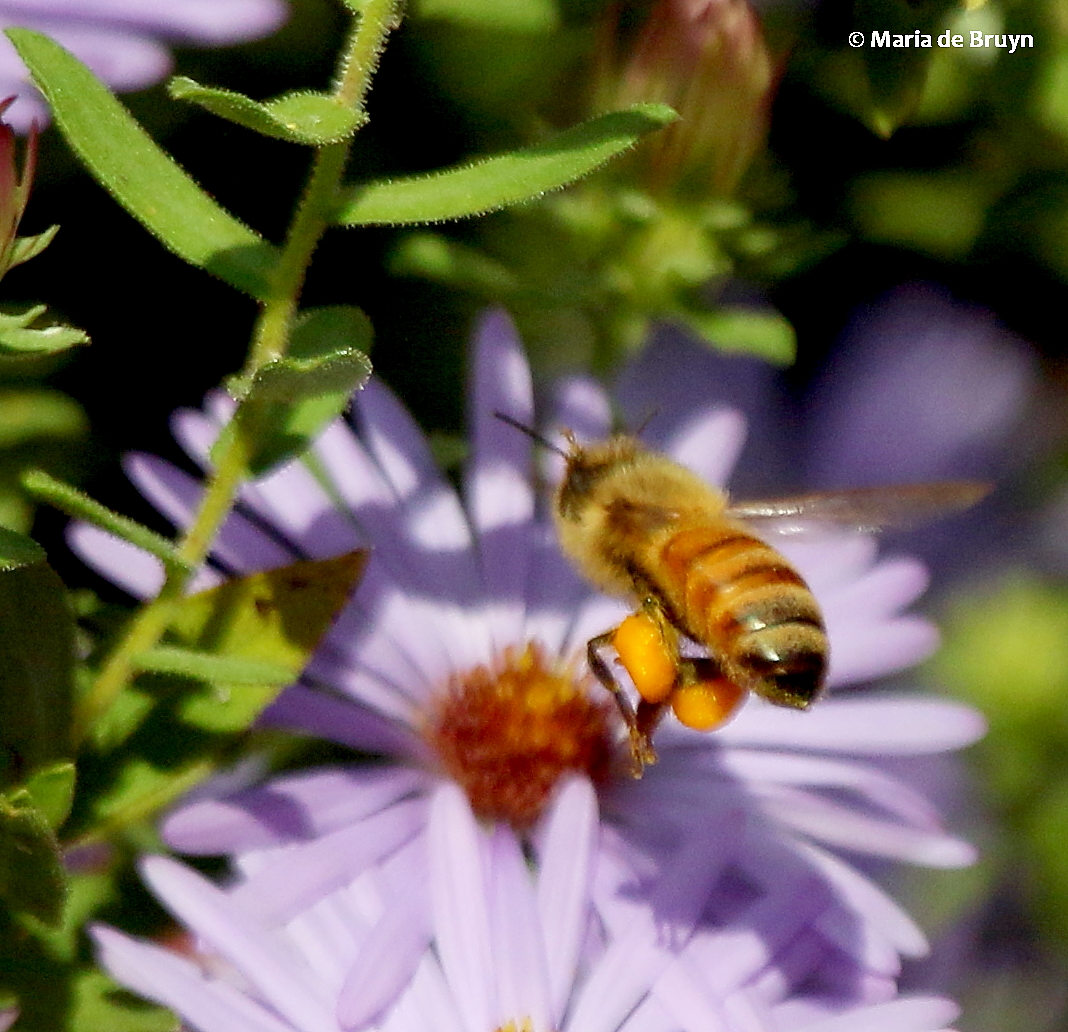
Soothing my spirit, seeking solace for the soul

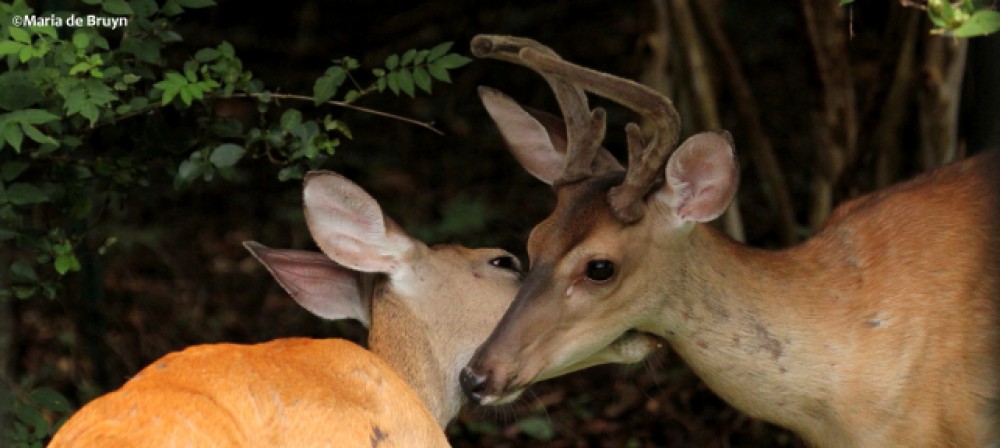
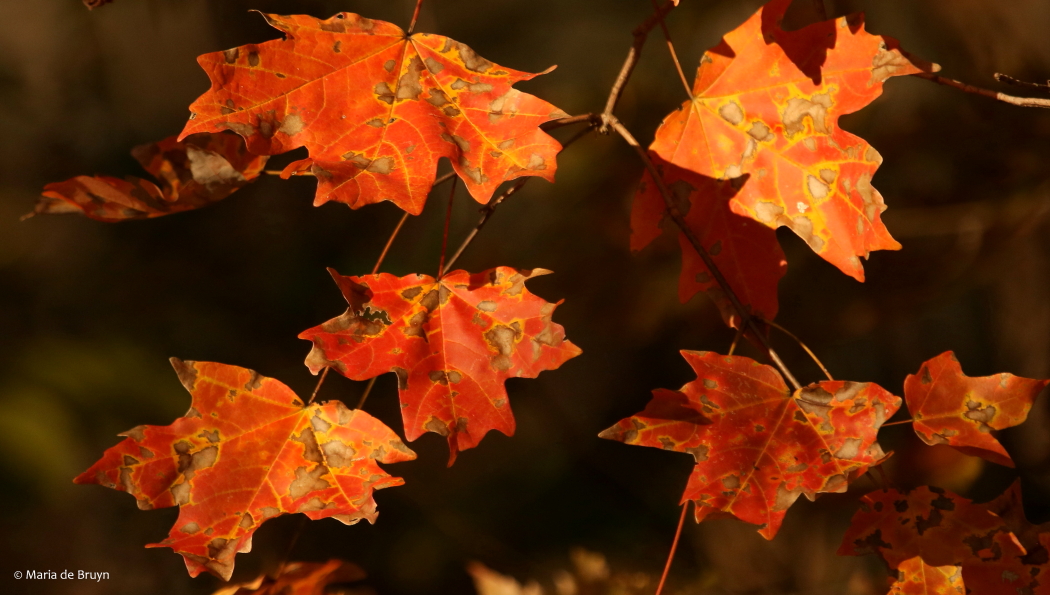
leaf-i77a2875-maria-de-bruyn-resAlthough more people in the USA voted for the Democratic ticket than the Republican one, the electoral college system will likely lead to the installation of a Republican presidency unless election re-counts affect those designated votes. This distresses me greatly given the persons who have been announced as top administration advisers and cabinet members. My work on social issues and on behalf of vulnerable people will continue and is increasing. But in the meantime, to keep from going into a 100% depressed mode, I have sought solace in nature walks and spiritual strengthening in the flora and fauna I see.
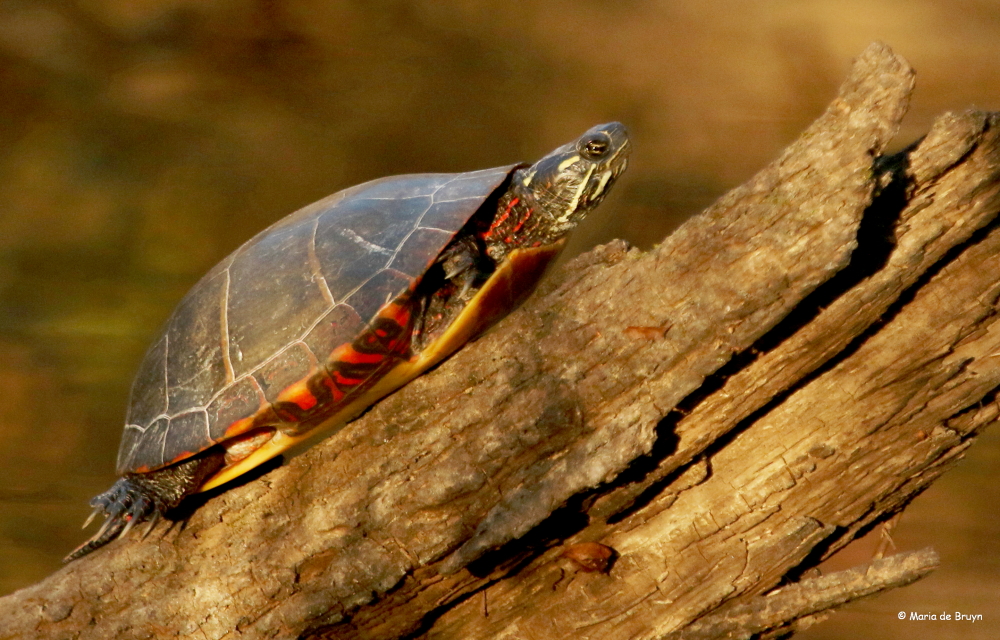
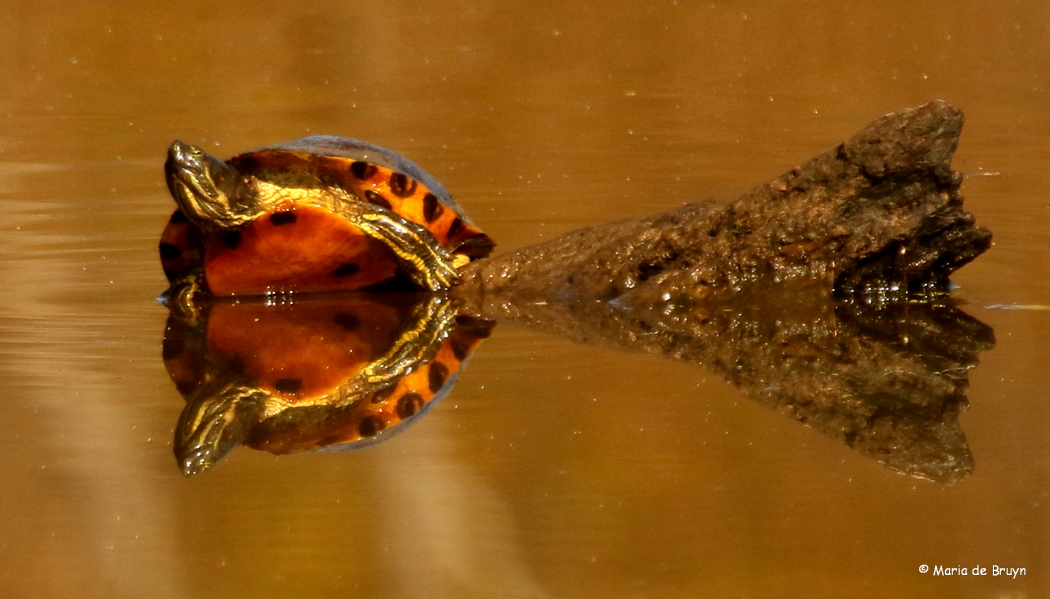
painted-turtle-i77a2277-maria-de-bruyn-resToday, I will share some of words of wisdom from a conscientious spiritual leader with you, along with some photos of nature’s beauties seen during my walks at the Cane Creek Reservoir, Sandy Creek Park and Mason Farm Biological Reserve just before and since the November election. It’s a bit of a long blog but offers some visual sustenance to ponder, like the painted turtle (Chrysemys picta, above) at Mason Farm and the yellow-bellied slider (Trachemys scripta scripta) at Sandy Creek sunning in the morning sun despite chilly temperatures. (From a distance, the slider looked a bit as if there was something with open jaws in the pond!)
yellow-bellied-slider-i77a2954-maria-de-bruyn-res

flower-77a1303maria-de-bruyn-res


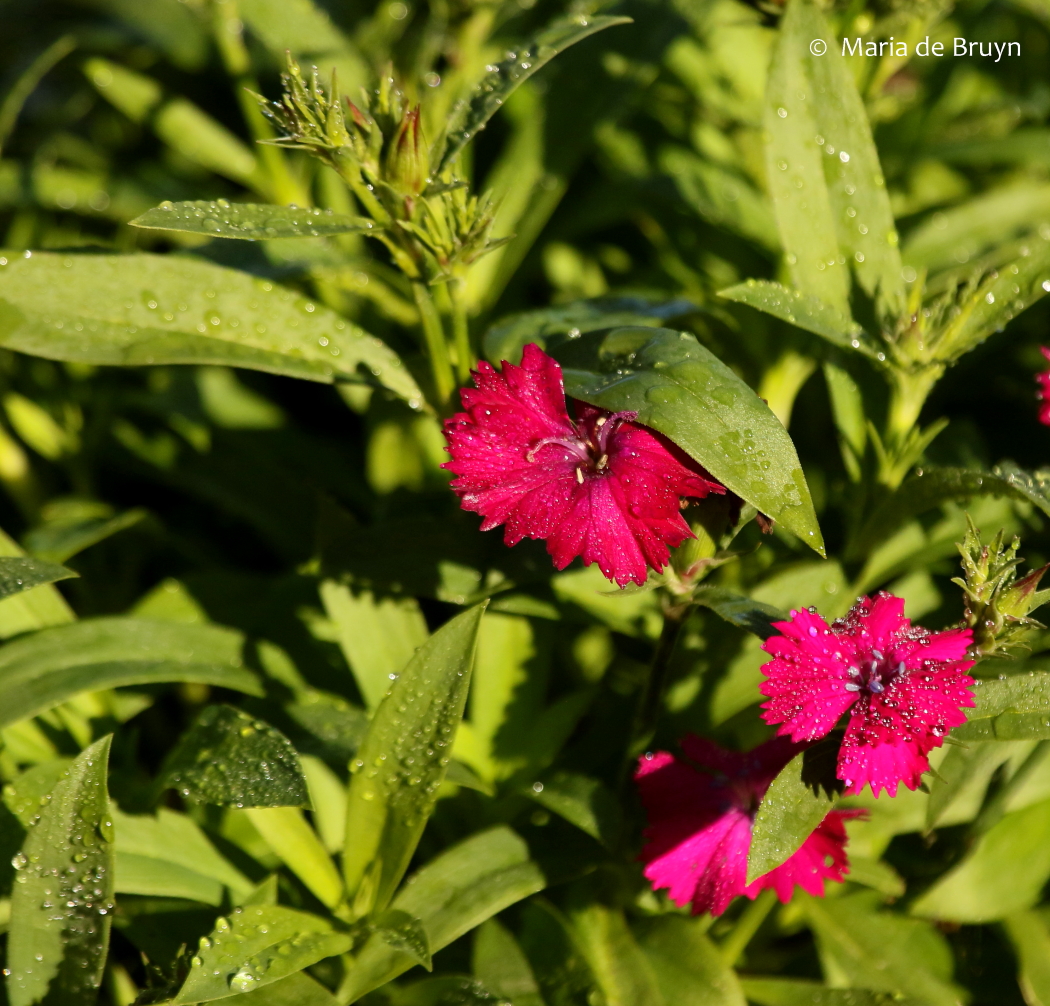
Early in the morning, you can find frost- and dew-covered plants and a few remaining flowers glistening in the sun.
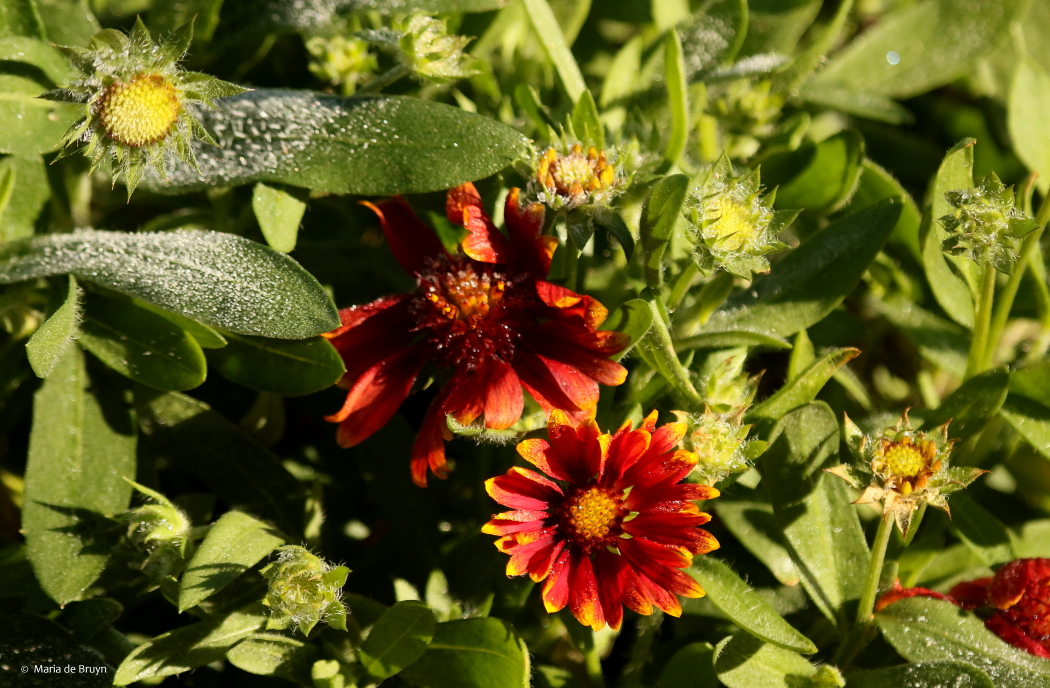
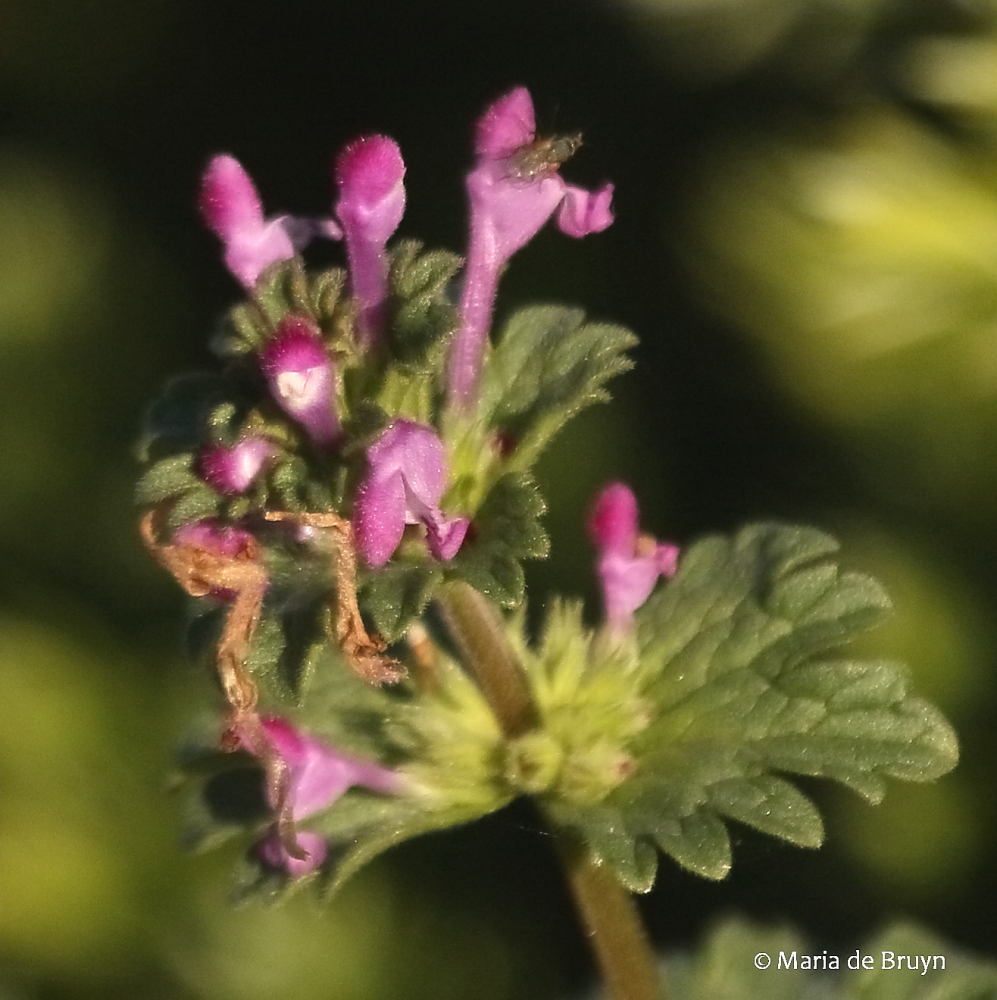


blanket-flower-i77a1309maria-de-bruyn-res  henbit-i77a0825maria-de-bruyn-res

Blanket flower (Gaillardia)                           Henbit (Lamium amplexicaule)
leaf-bird-i77a2906-maria-de-bruyn-res


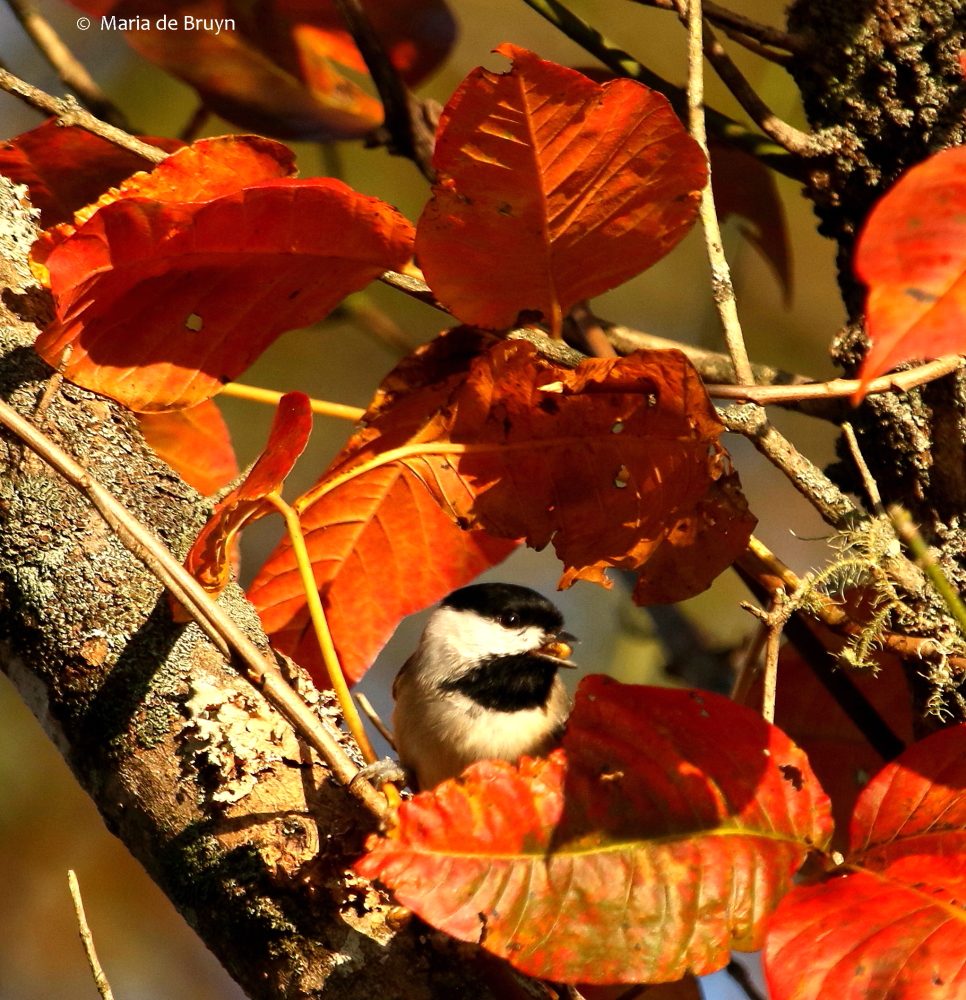
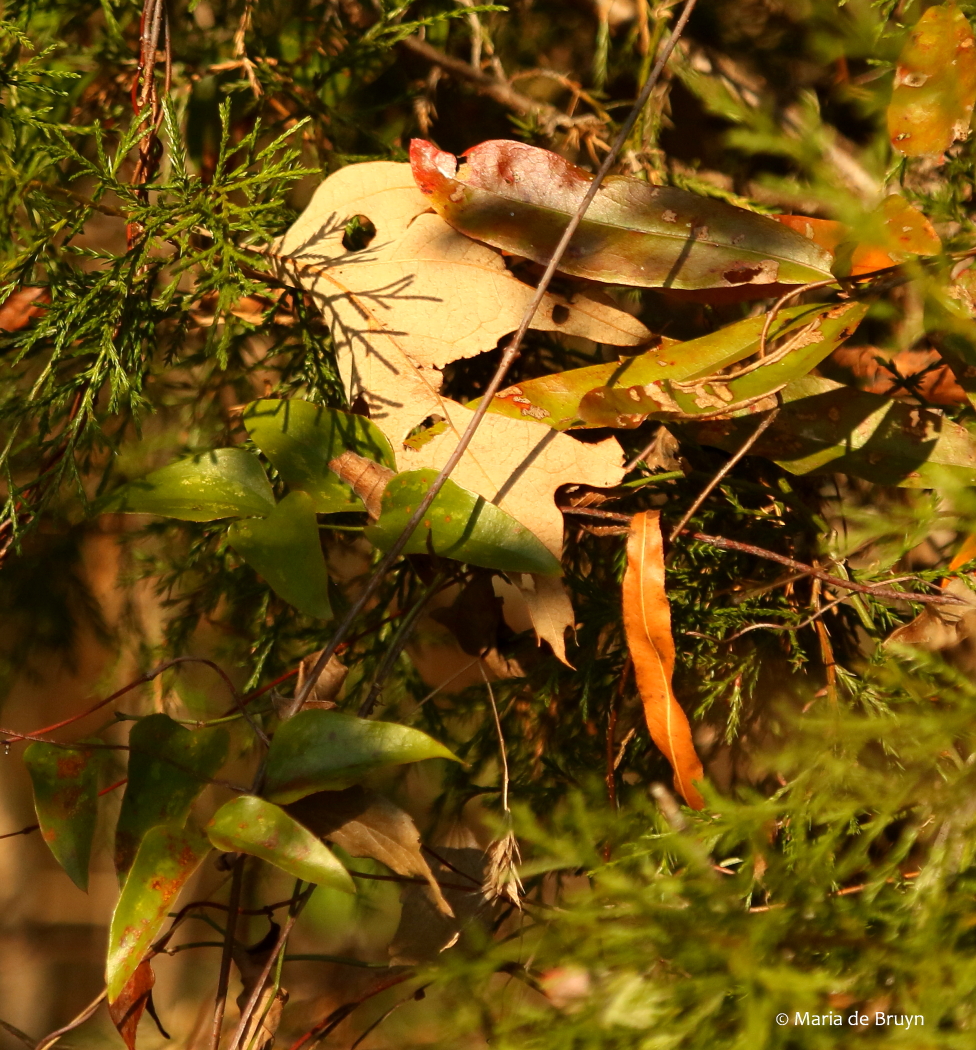
Later in the morning, the autumn-colored leaves make nice patterns as you search for birds high and low. And occasionally you get to see the fabled “leaf bird”.
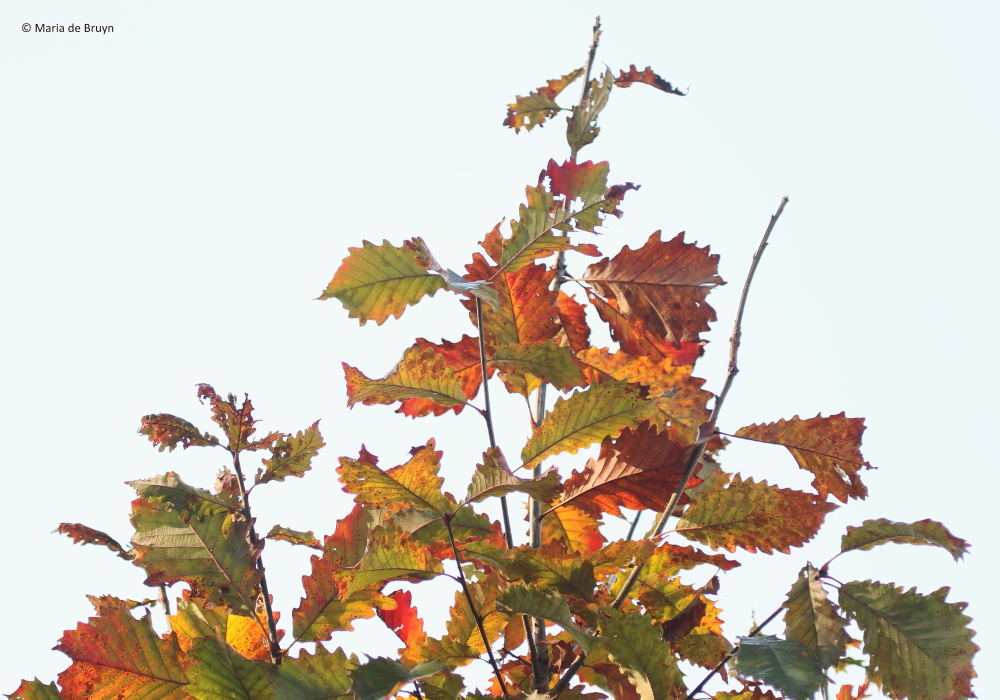
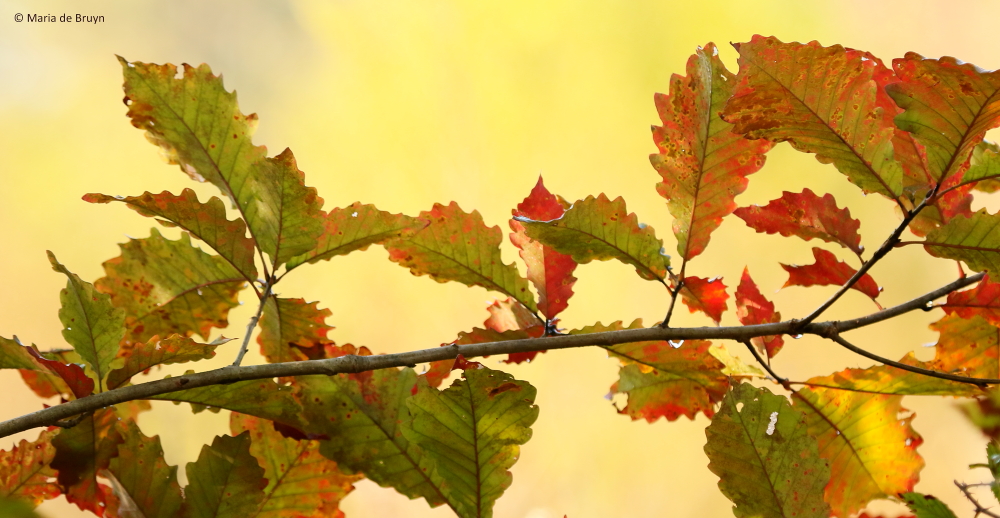


leaves-i77a2893-maria-de-bruyn-res   leaves-i77a2882-maria-de-bruyn-res

When looking high, you may find the birds looking down on you; face-level stares as you gaze straight ahead may also occur!
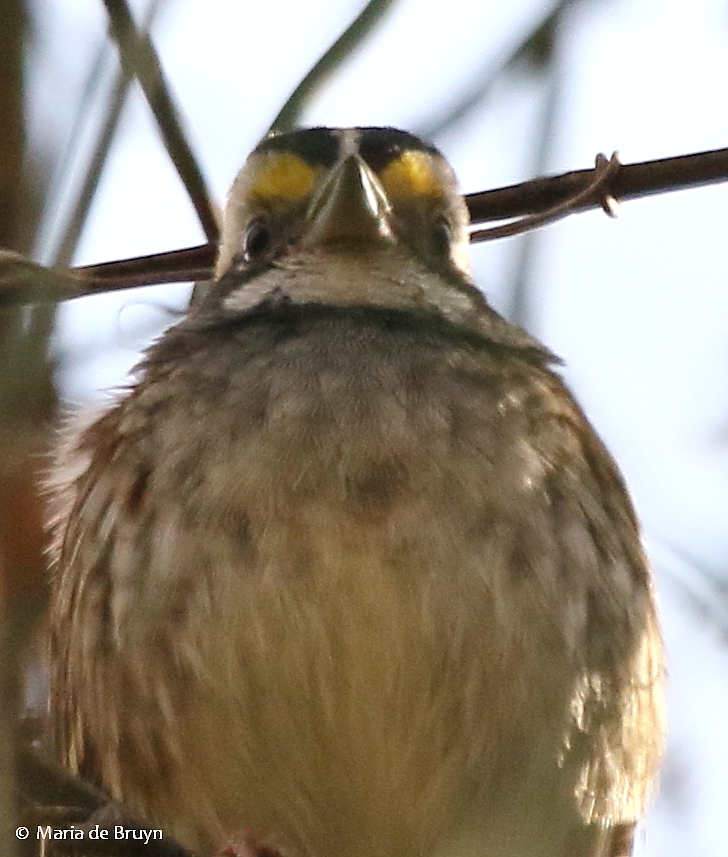
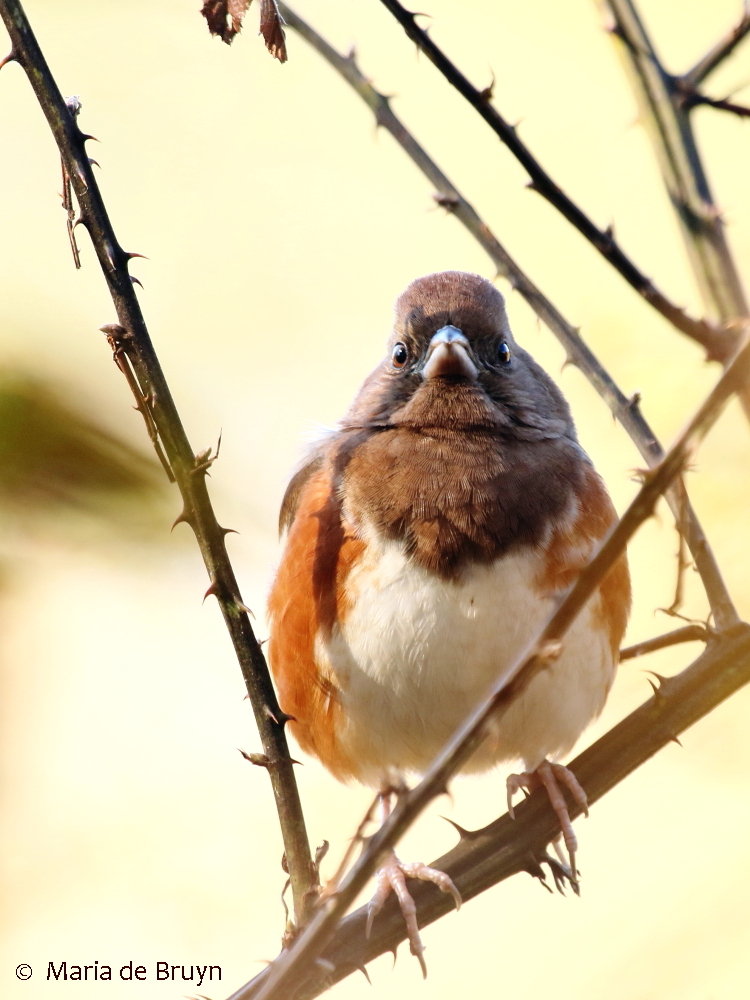
white-throated-sparrow-i77a6365-maria-de-bruyn-res                     eastern-towhee-i77a1659maria-de-bruyn-res

White-throated sparrow (Zonotrichia albicollis)  Eastern towhee (Pipilo erythrophthalmus)
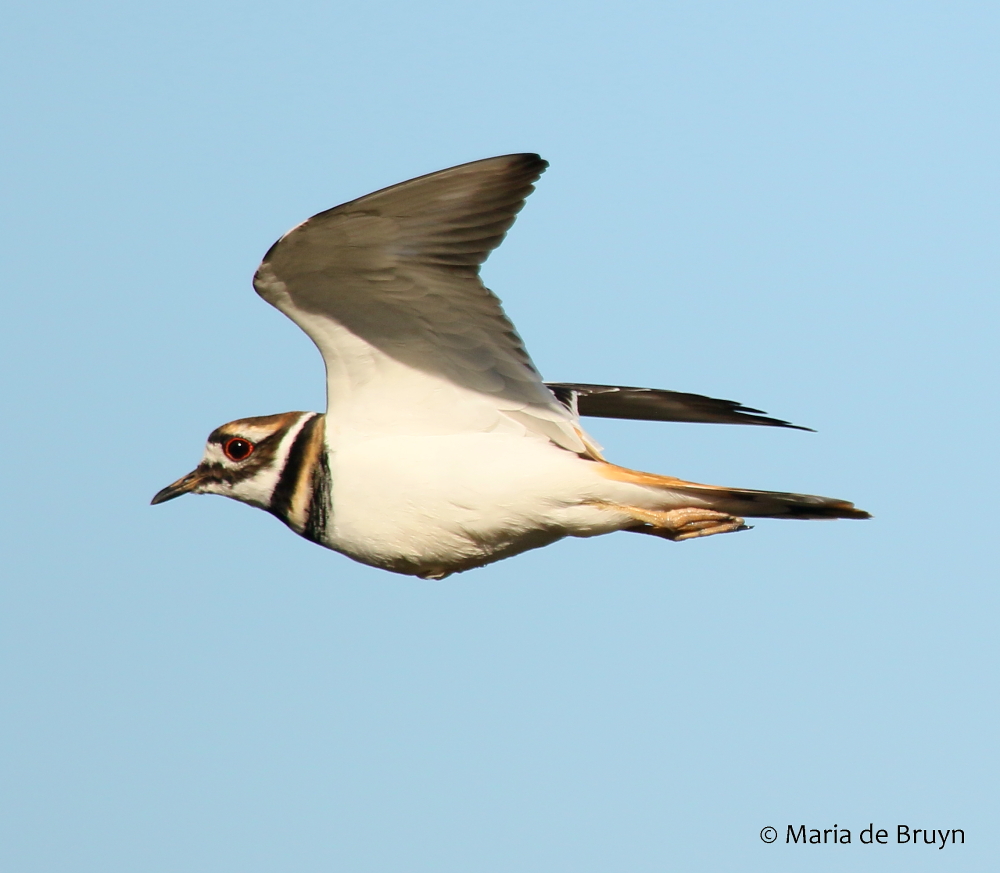
killdeer-i77a0916maria-de-bruyn-res


At Cane Creek, the killdeer (Charadrius vociferous) make their presence known by their distinctive calls and you can enjoy their gorgeous appearance as they fly over the lake.
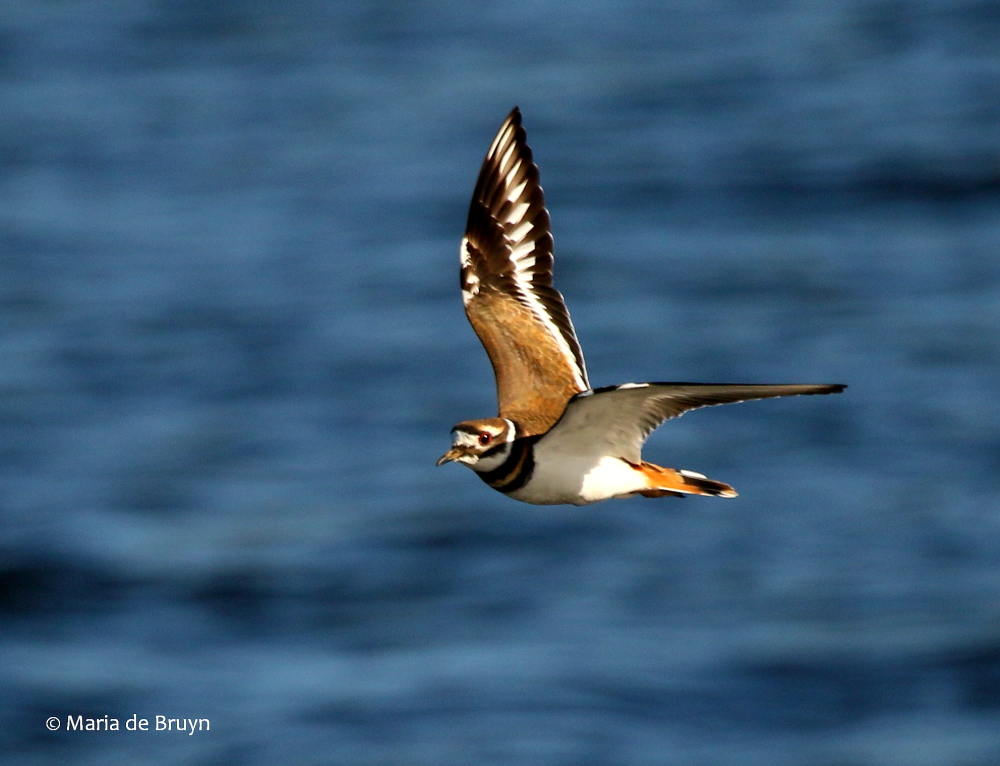
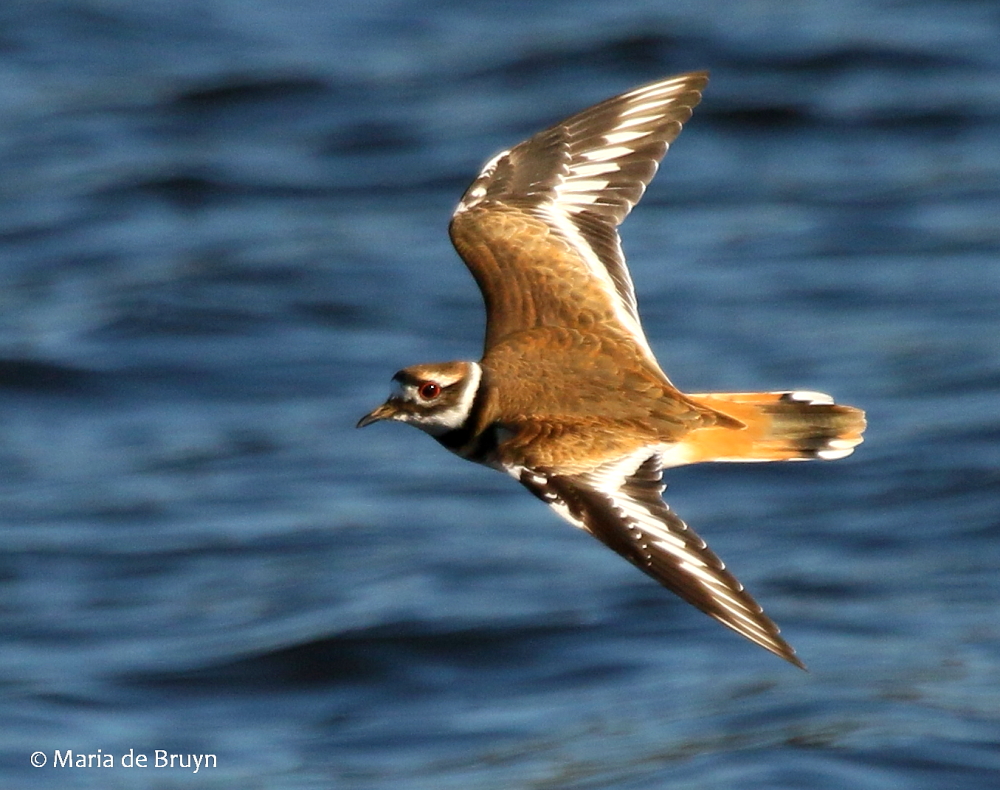


killdeer-i77a0913maria-de-bruyn-res  killdeer-i77a0911maria-de-bruyn-res

Taking care of our planet is like taking care of our houses. Since we human beings come from Nature, there is no point in our going against Nature, which is why I say the environment is not a matter of religion or ethics or morality. These are luxuries, since we can survive without them. But we will not survive if we continue to go against Nature.  – Dalai Lama
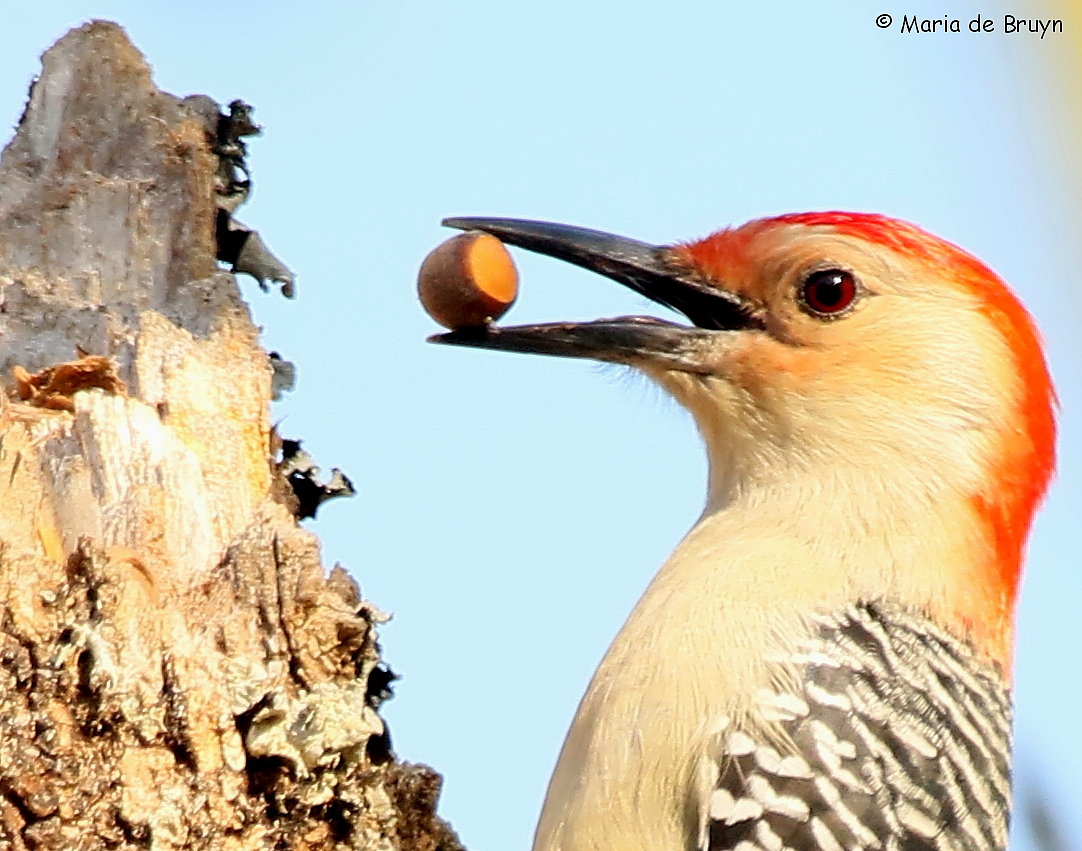
red-bellied-woodpecker-i77a2988maria-de-bruyn-res


Many birds, like this red-bellied woodpecker (Melanerpes carolinus), are busy finding seeds and nuts for their meals.
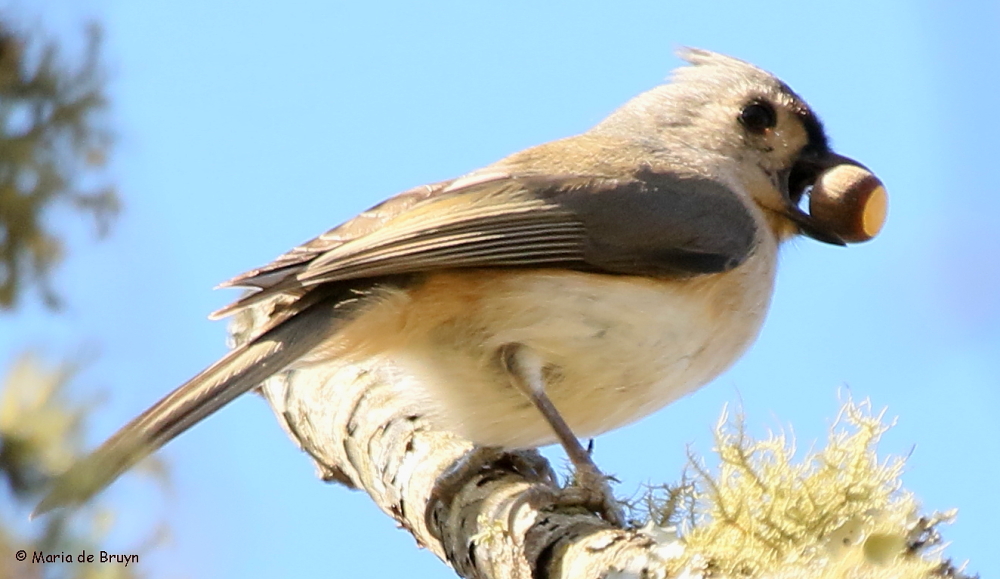
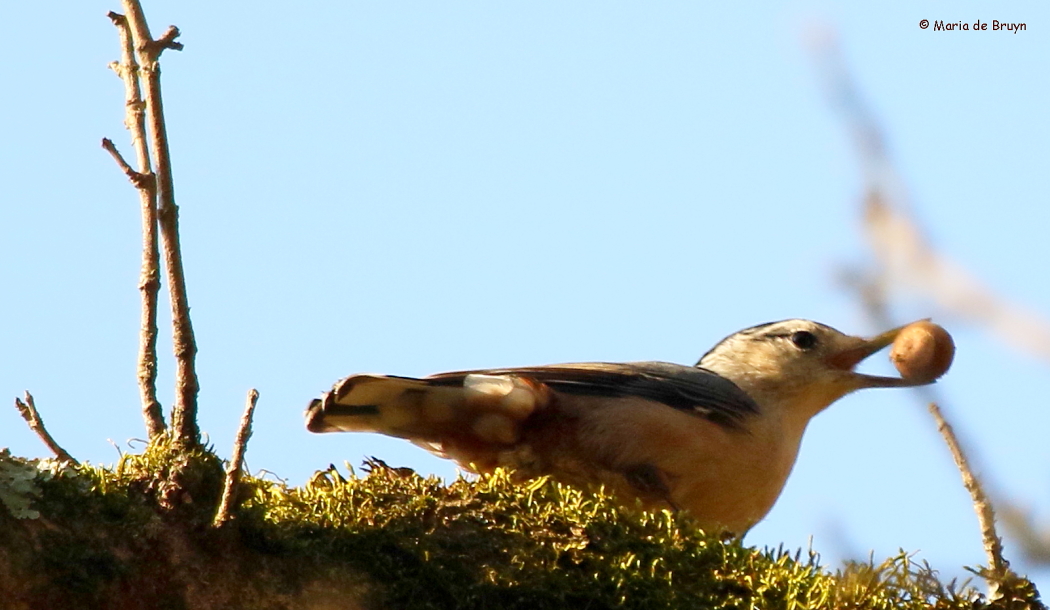


tufted-titmouse-i77a1965maria-de-bruyn-res  white-breasted-nuthatch-i77a2671maria-de-bruyn-res

Tufted titmouse (Baeolophus bicolor)          White-breasted nuthatch (Sitta carolinensis)
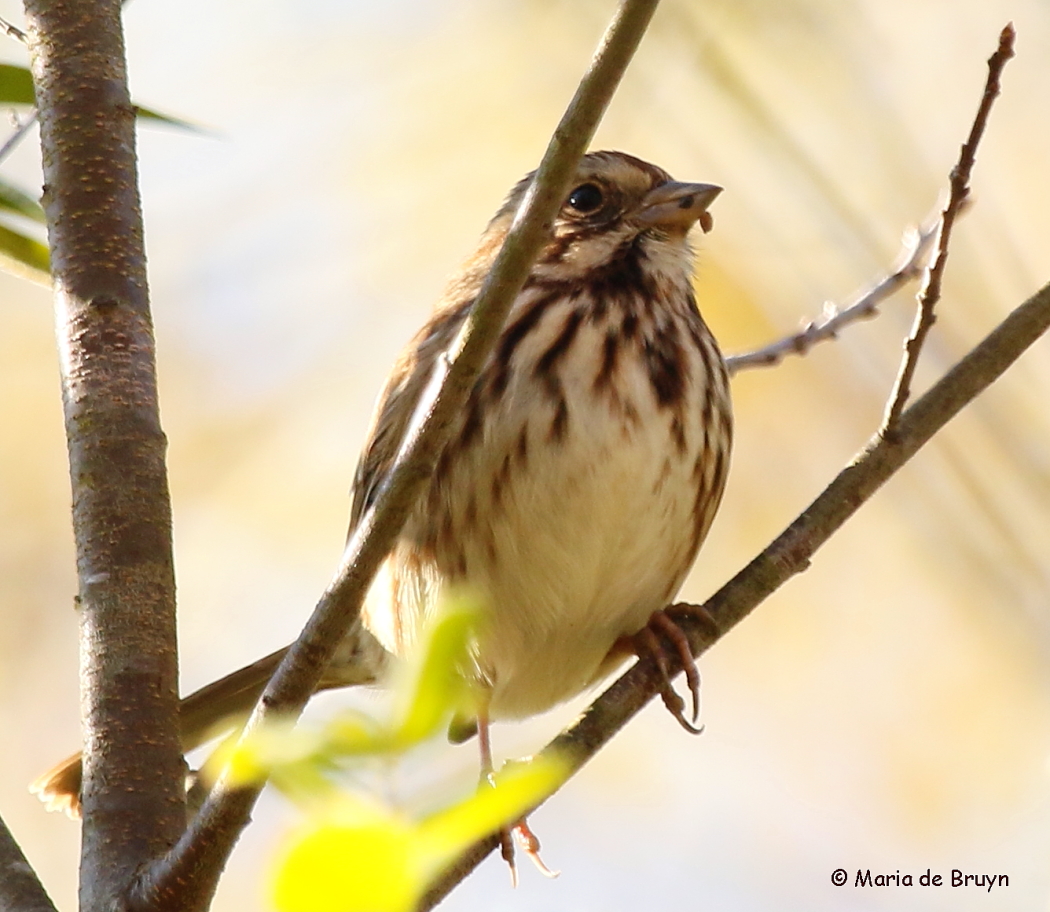
song-sparrow-i77a1499maria-de-bruyn-res   carolina-chickadee-i77a8444-maria-de-bruyn-res

Song sparrow (Melospiza melodia)                 Carolina chickadee (Poecile carolinensis)

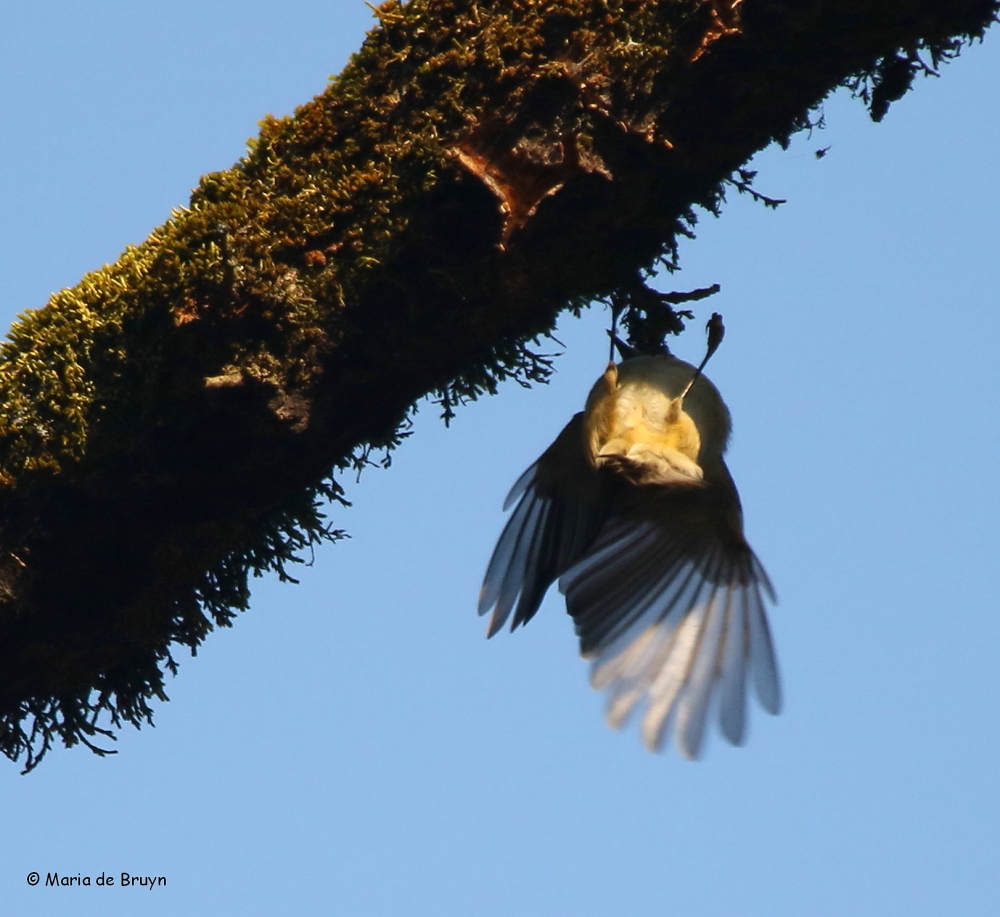
Sometimes, it involves hanging upside down to snag a tasty morsel and their wings help in balancing.
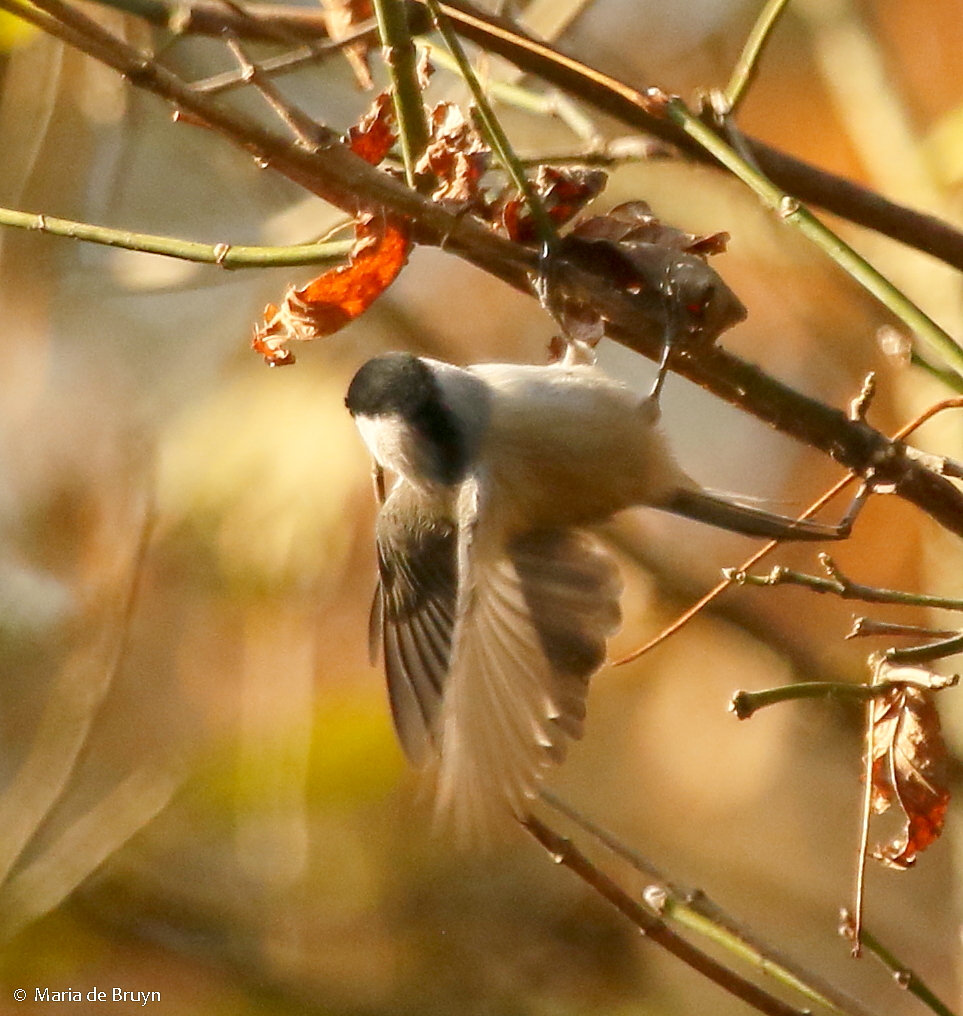
carolina-chickadee-i77a2699maria-de-bruyn    ruby-crowned-kinglet-i77a2565-maria-de-bruyn-res

Carolina chickadee                                    Ruby-crowned kinglet (Regulus calendula)

If we unbalance Nature, humankind will suffer. Furthermore, as people alive today, we must consider future generations: a clean environment is a human right like any other. It is therefore part of our responsibility towards others to ensure that the world we pass on is as healthy, if not healthier, than when we found it. – Dalai Lama
american-crow-i77a6327-maria-de-bruyn-res


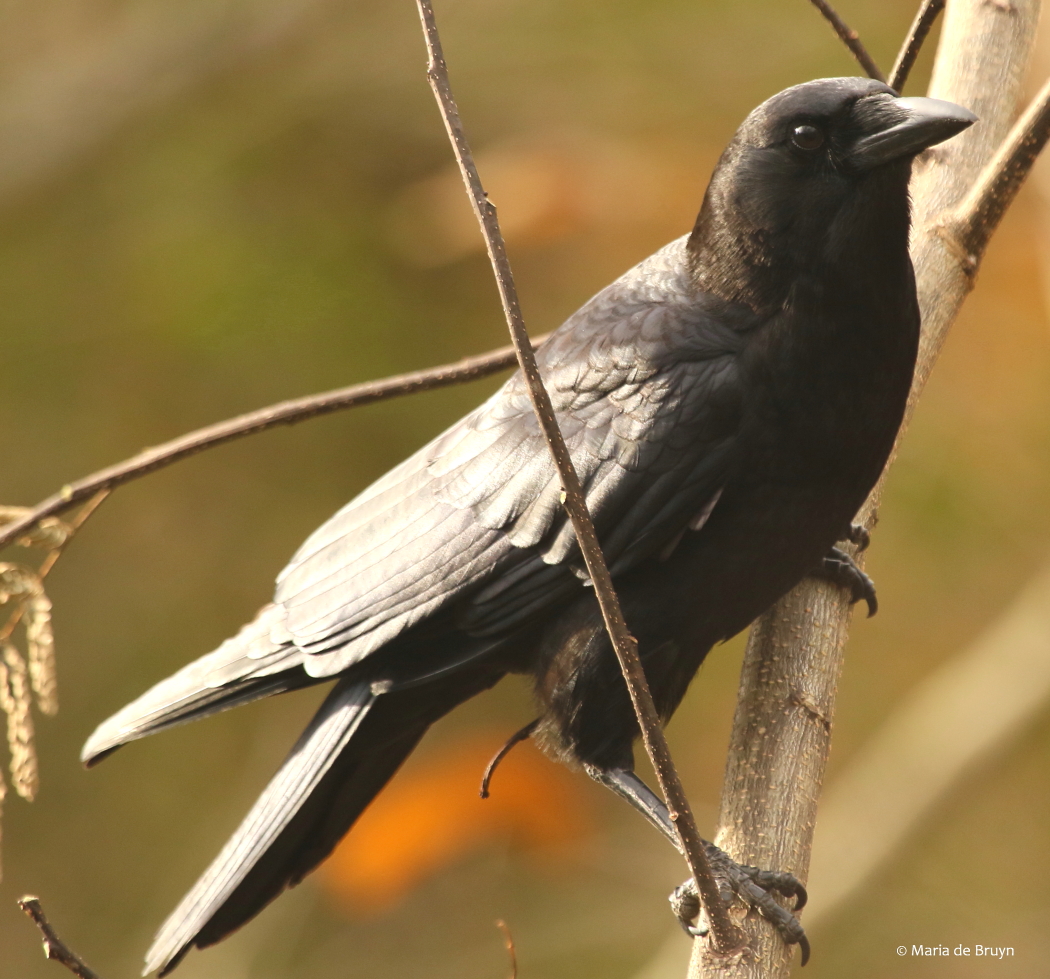
At Sandy Creek, a group of American crows (Corvus brachyrhynchos) flew down to investigate what had dropped to the ground from an overflowing garbage can but they soon flew off to seek more normal food elsewhere.


great-blue-heron-i77a1936maria-de-bruyn-res


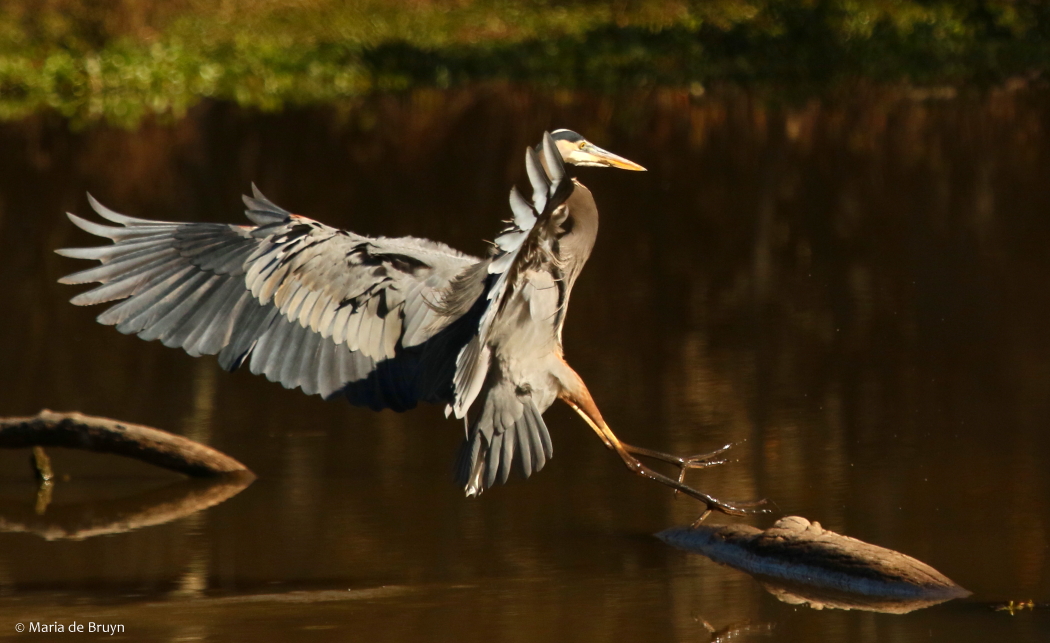
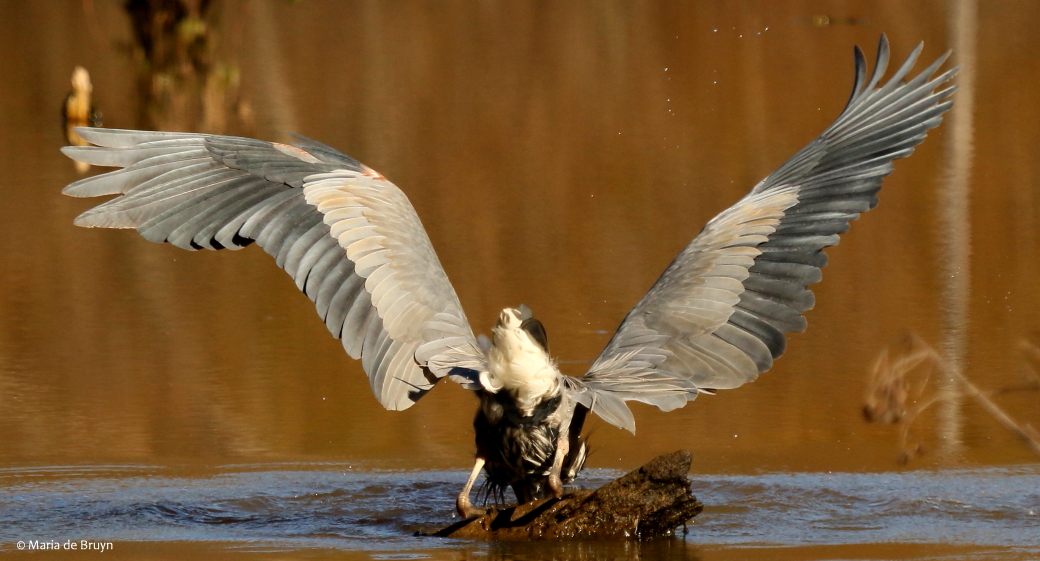
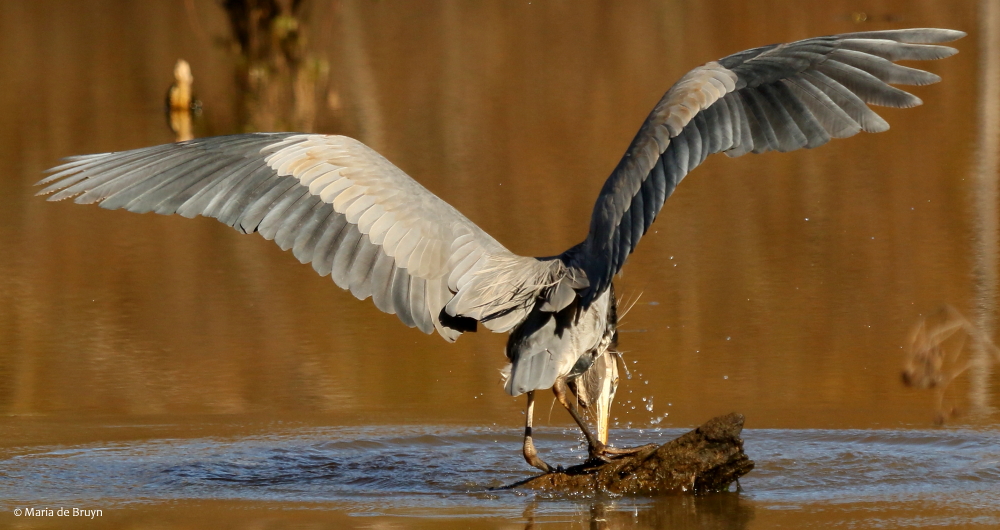
A great blue heron (Ardea herodias) was stalking the pond for fish; after I saw him (or her) snag a medium-sized fish, he turned his back so I saw the fishing technique from the rear.
great-blue-heron-i77a1438maria-de-bruyn-2-res  great-blue-heron-i77a1440maria-de-bruyn-res

flowering-dogwood-i77a0882maria-de-bruyn-res


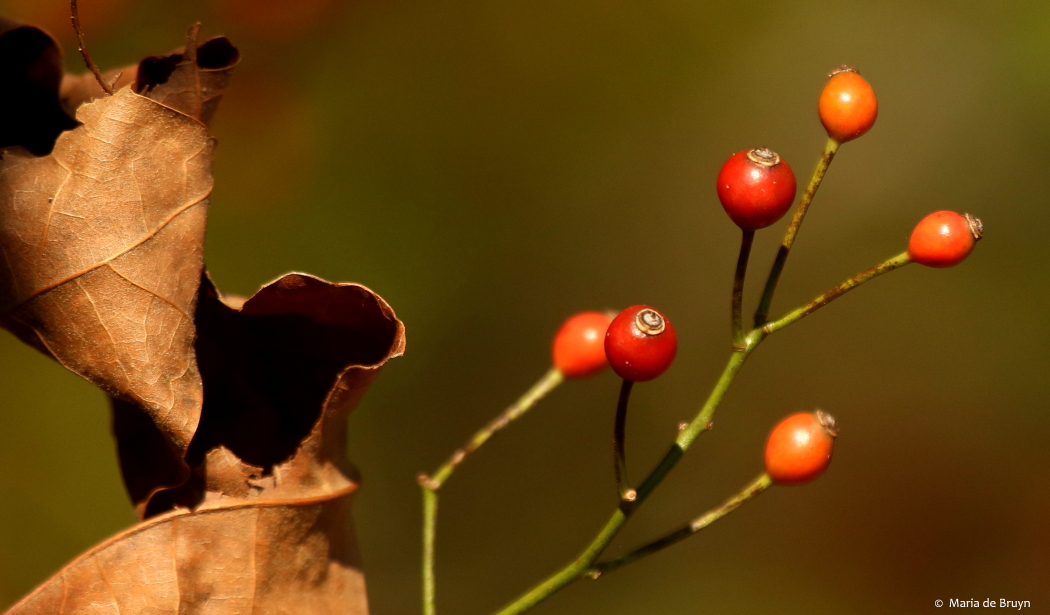
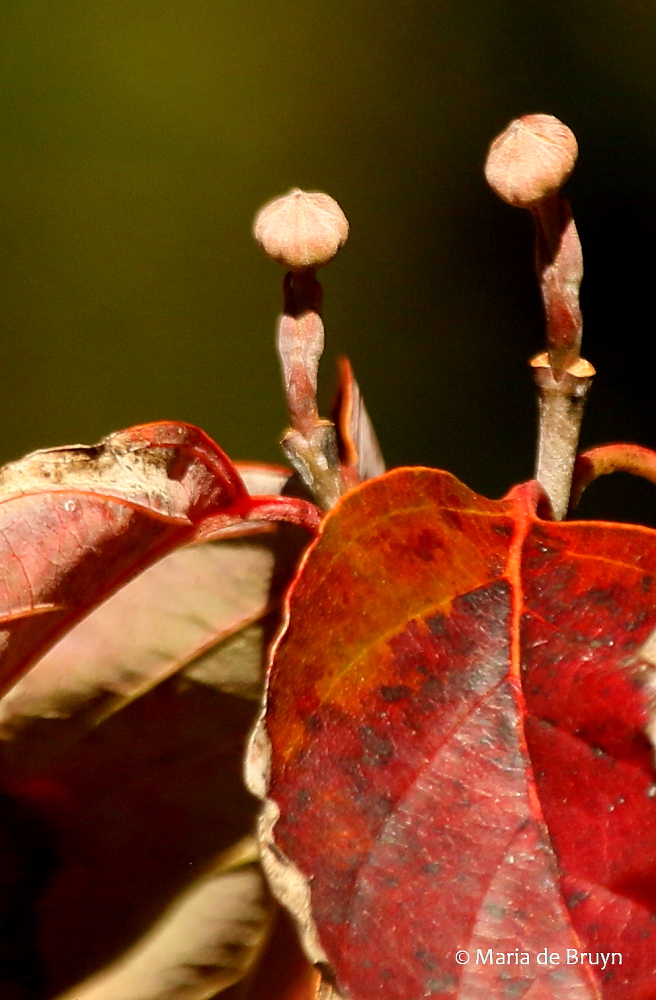
The flowering dogwoods (Cornus florida) at Cane Creek still had a few blossoms; at Sandy Creek and Mason Farm, they offered bright berries. On one tree, they made me think of a movie-inspired alien peeking out of the branches with eyes on stalks.
 

flowering-dogwood-i77a5820-maria-de-bruyn-res       flowering-dogwood-i77a1012maria-de-bruyn-res

Destruction of nature and nature resources results from ignorance, greed and lack of respect for the earth’s living things. – Dalai Lama

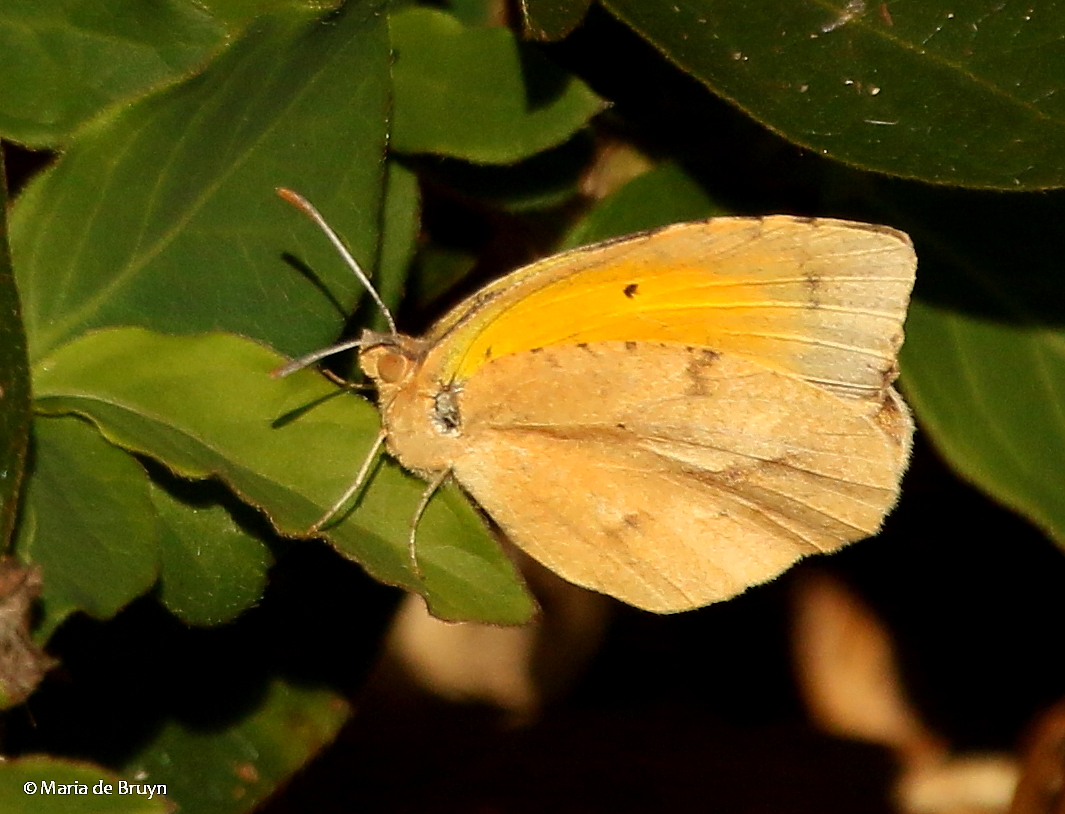
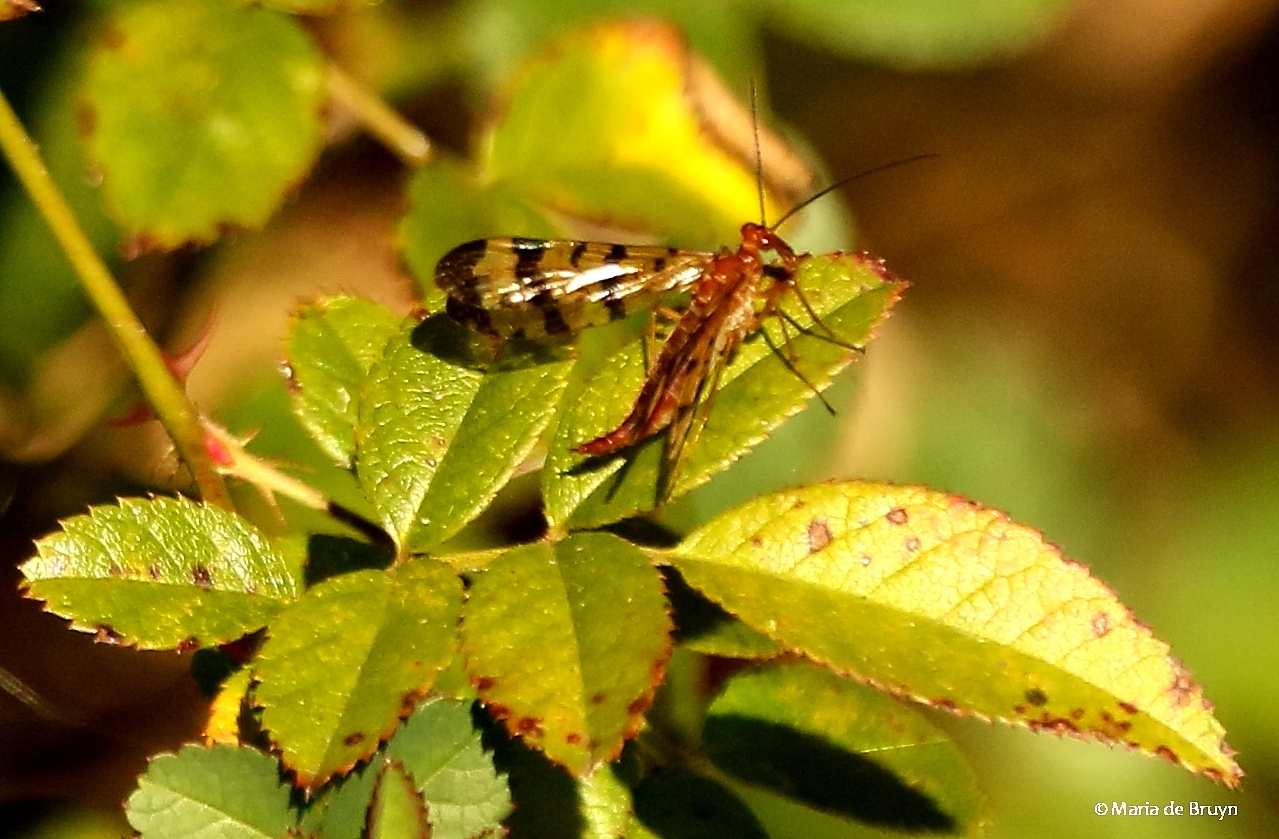
Up until the first morning frost this autumn, butterflies were still around, like this sleepy orange (Eurema nicippe); now that we have had several mornings of below-freezing temperatures, the butterflies are mostly gone as are the majority of bees. A scorpion fly (Panorpa) was in evidence at Cane Creek to my surprise.
sleepy-orange-i77a1003maria-de-bruyn-res  scorpion-fly-i77a0991maria-de-bruyn-res

eastern-gray-squirrel-i77a2505-maria-de-bruyn-res


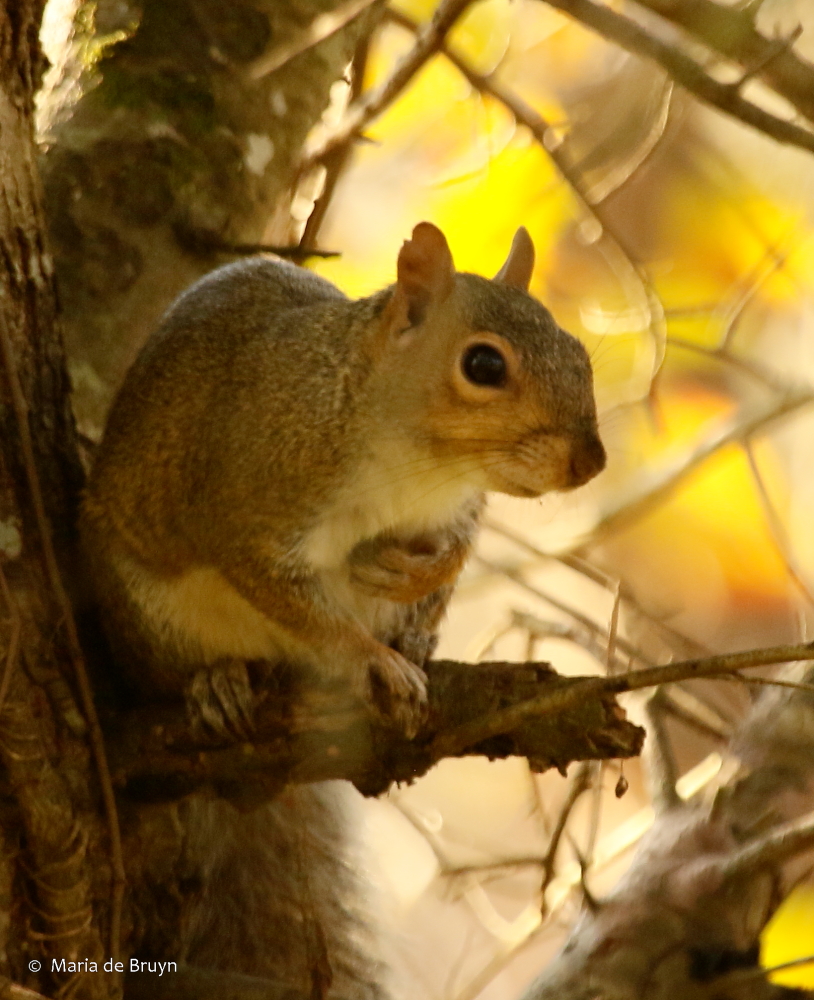
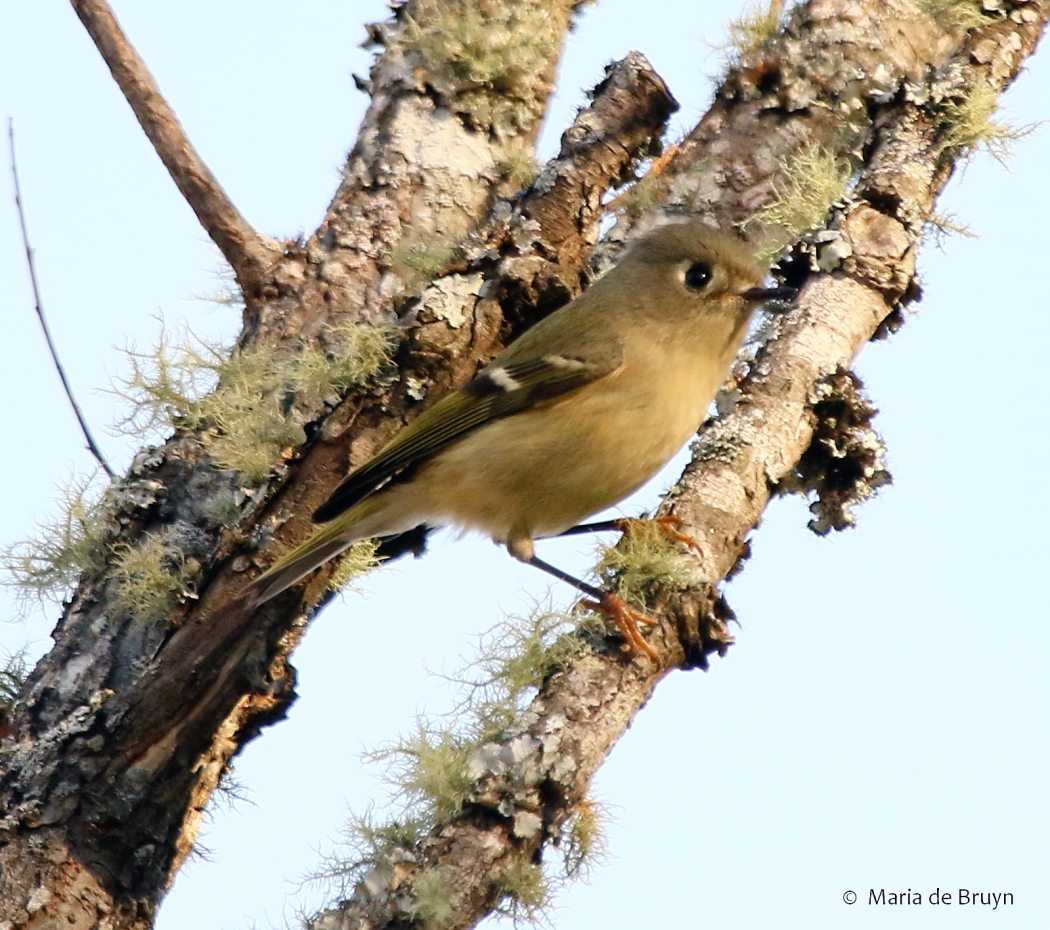
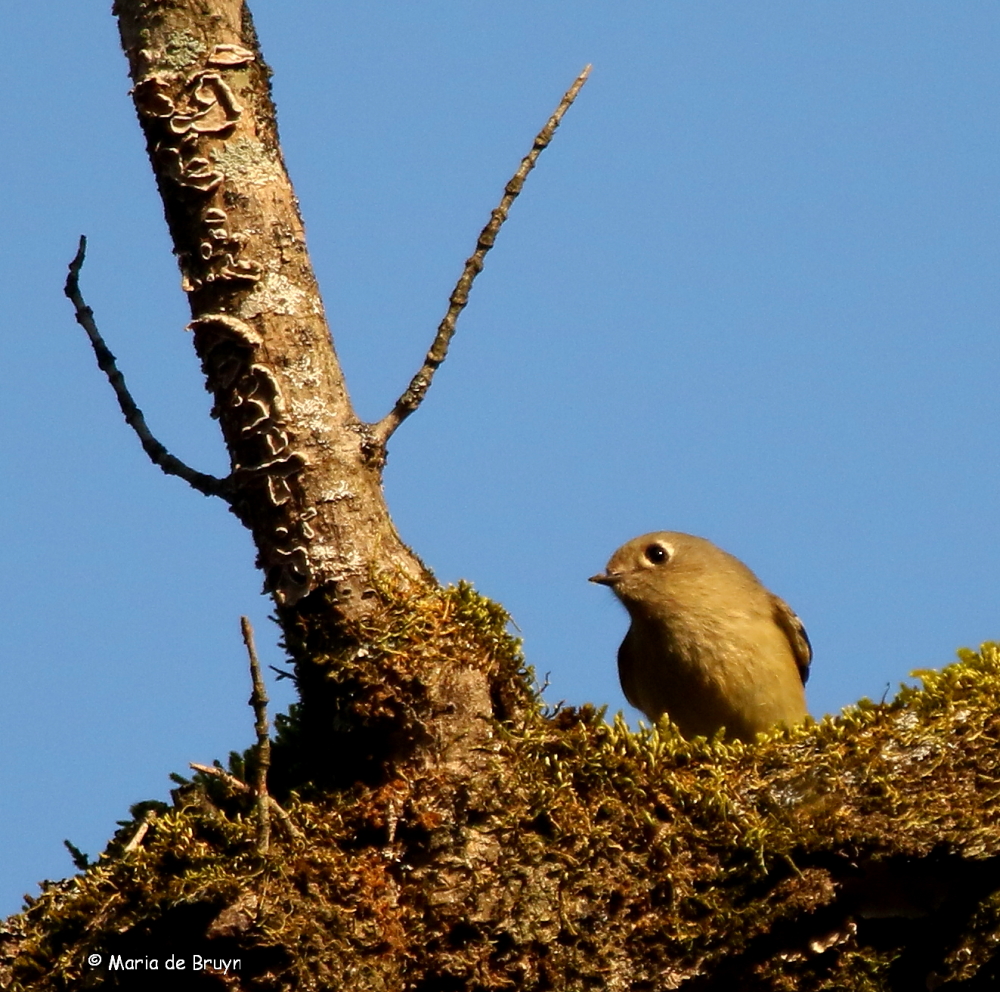
In between bird spottings, Eastern gray squirrels (Sciurus carolinensis) chittered at me at all three parks. And I was pleased to see some ruby-crowned kinglets since the one that has enjoyed the suet at my house the past three years hasn’t appeared yet.


ruby-crowned-kinglet-i77a6241-maria-de-bruyn-res     ruby-crowned-kinglet-i77a2574-maria-de-bruyn-res

…until now, Mother Earth has been able to tolerate our sloppy house habits. However, the stage has now been reached where she can no longer accept our behaviour in silence. The problems caused by environmental disasters can be seen as her response to our irresponsible behaviour. She is warning us that there are limits even to her tolerance. –  Dalai Lama

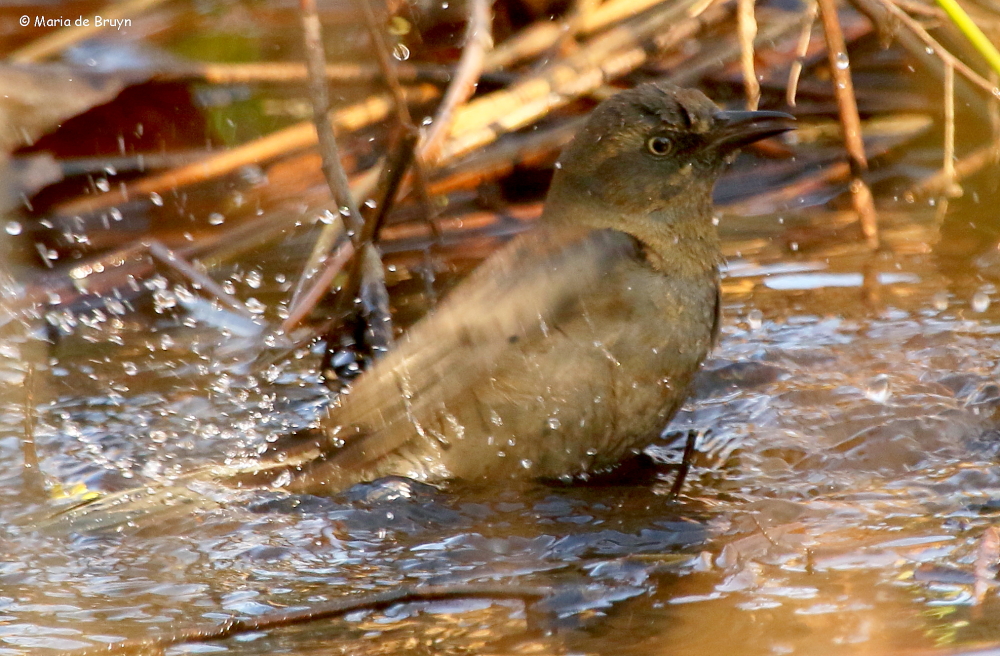
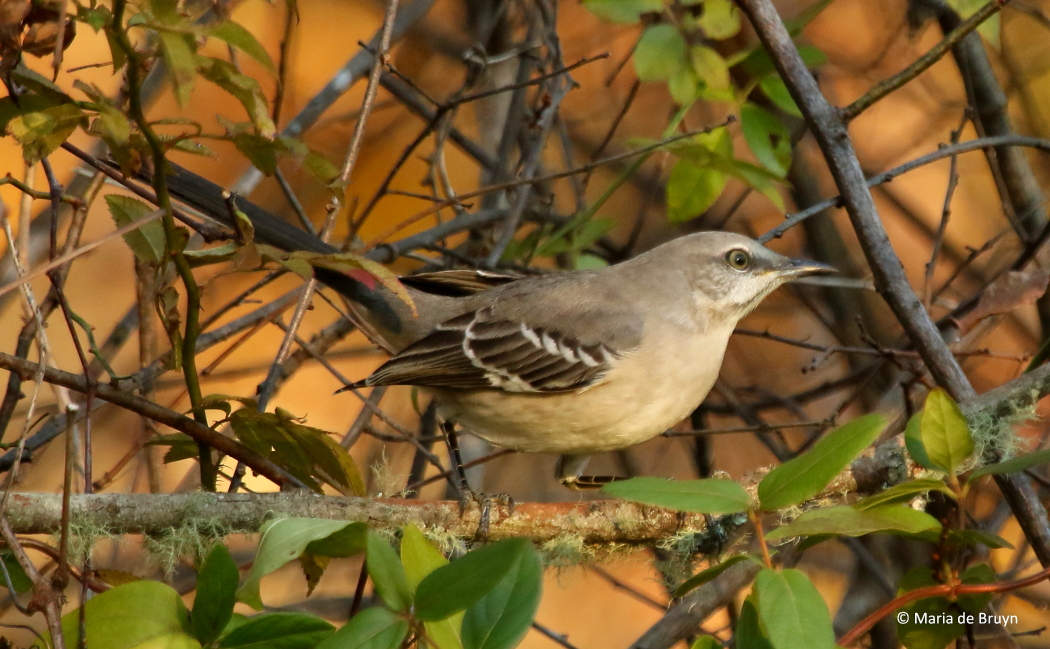
Some of the birds common in my yard are welcome sights at the nature reserves, too.
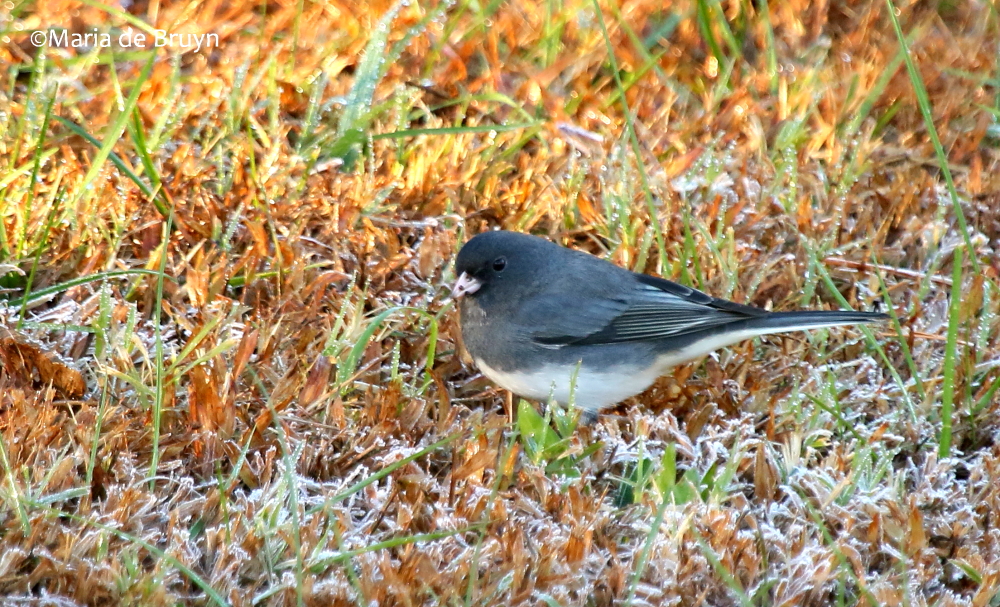
northern-mockingbird-i77a2312-maria-de-bruyn-res    dark-eyed-junco-i77a0624maria-de-bruyn-res

Northern mockingbird (Mimus polyglottos)         Dark-eyed junco (Junco hyemalis)
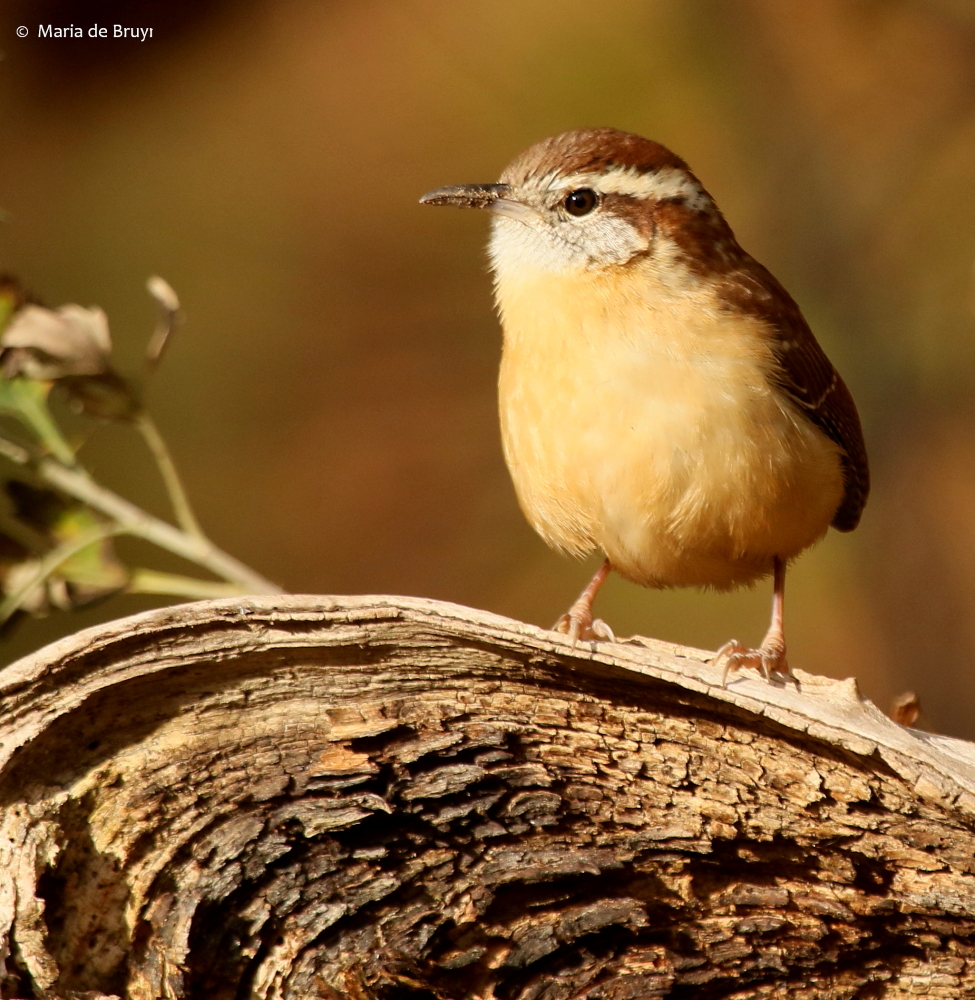
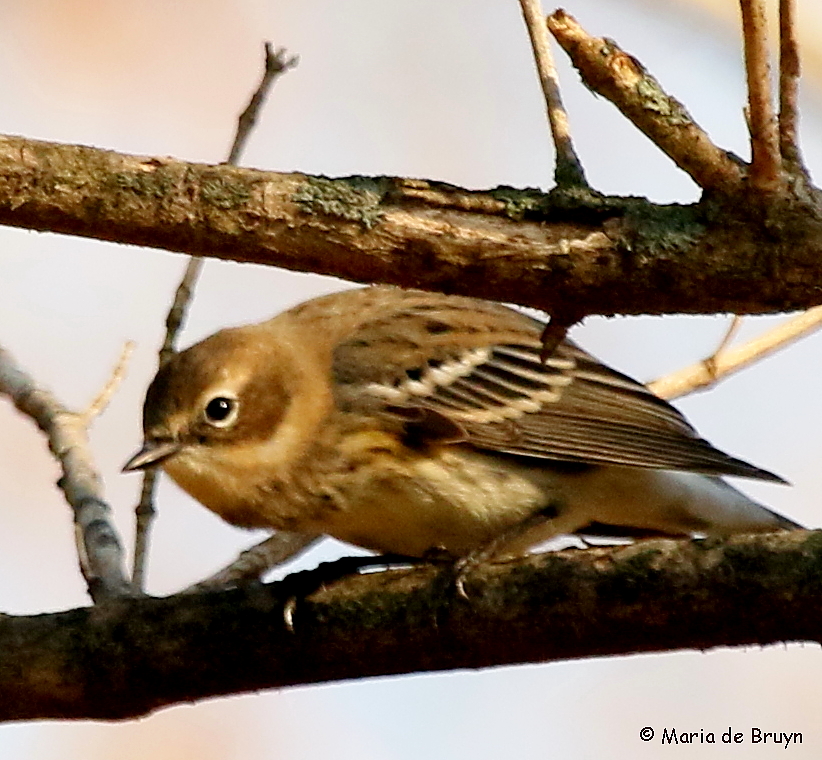
carolina-wren-i77a6358-maria-de-bruyn-res   yellow-rumped-warbler-i77a2780maria-de-bruyn-res

Carolina wren (Thryothorus ludovicianus)   Yellow-rumped warbler (Setophaga coronata)
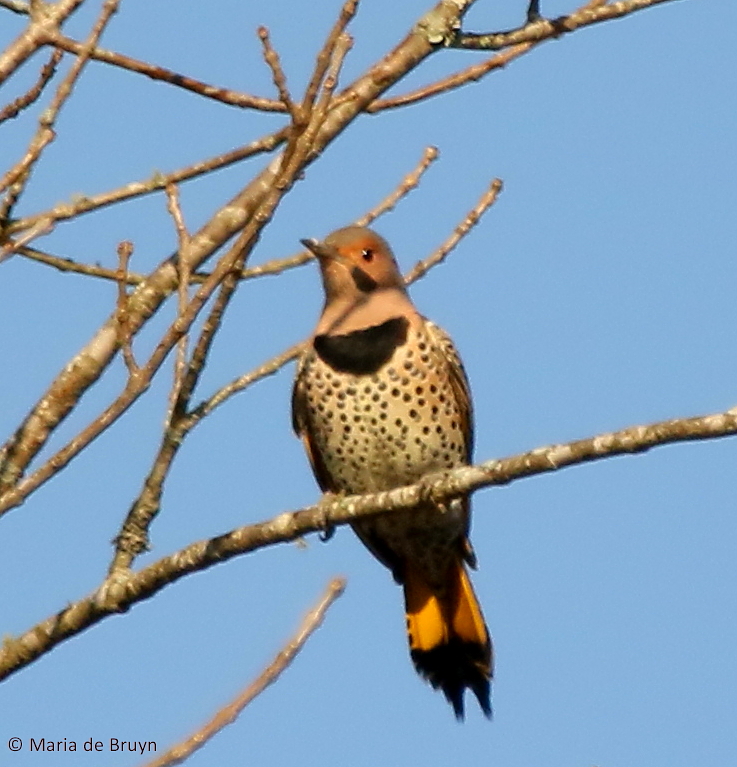
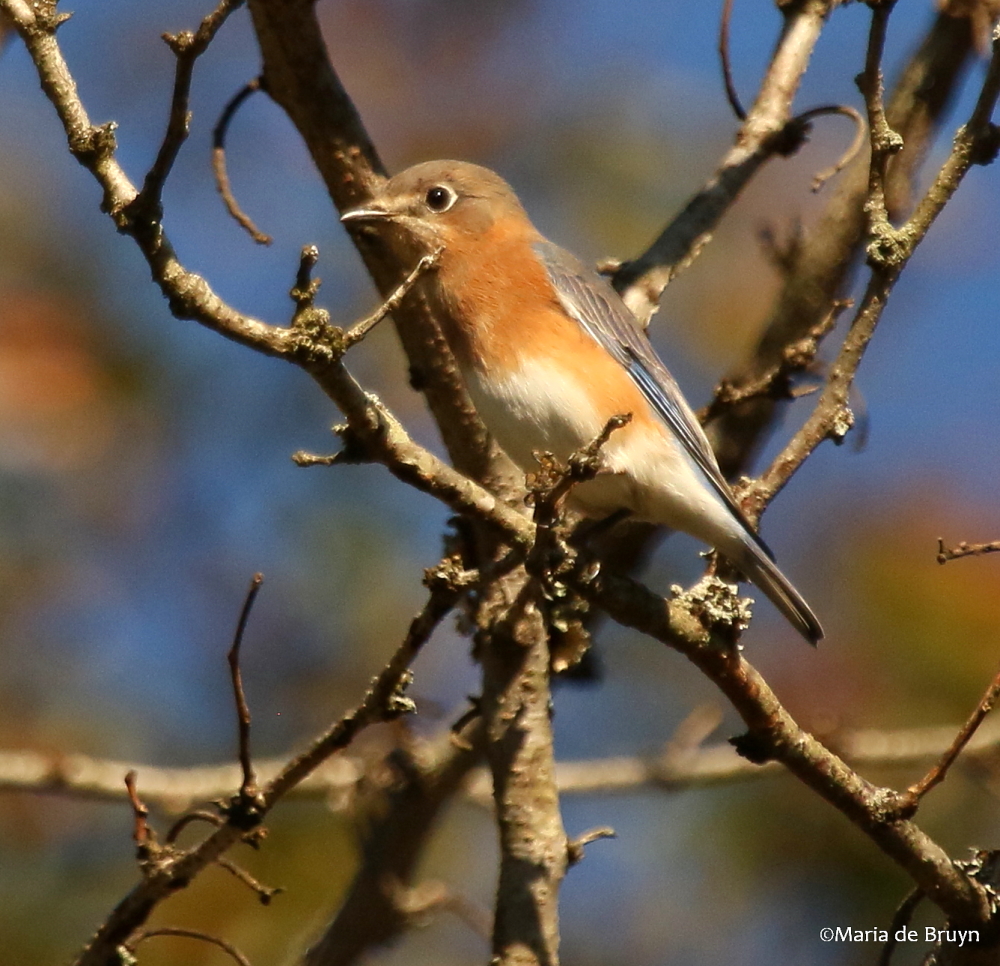
northern-flicker-i77a2485-maria-de-bruyn-res          eastern-bluebird-i77a0688maria-de-bruyn-res

Northern flicker (Colaptes auratus)               Eastern bluebird (Sialia sialis)
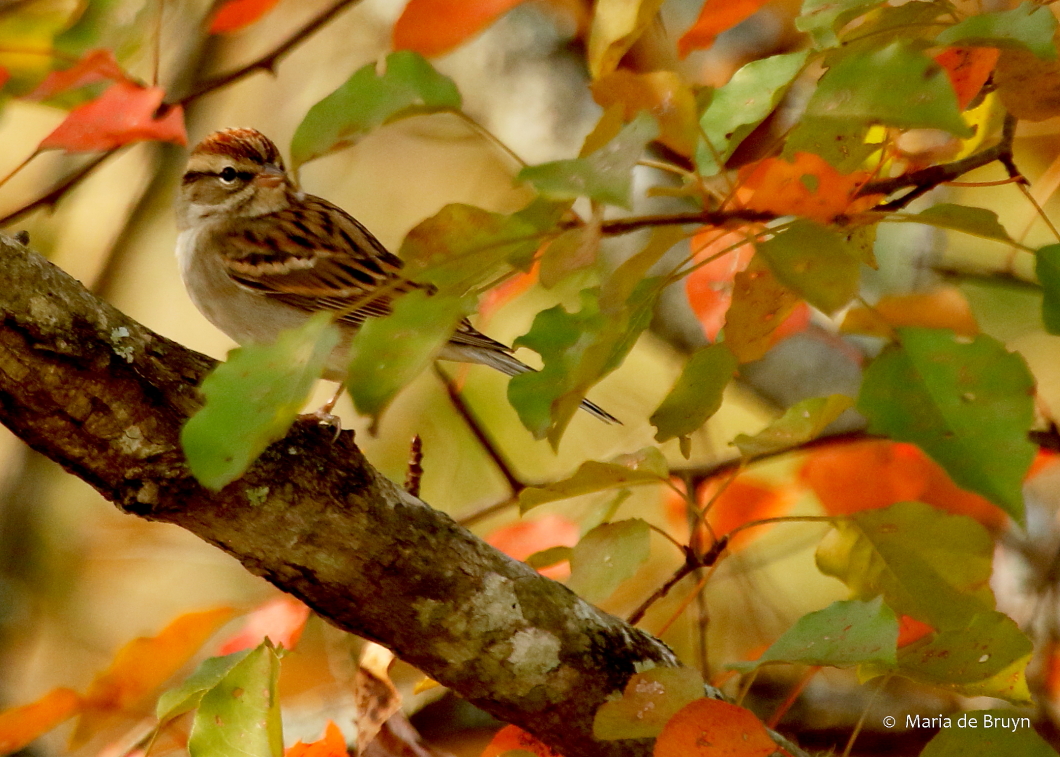
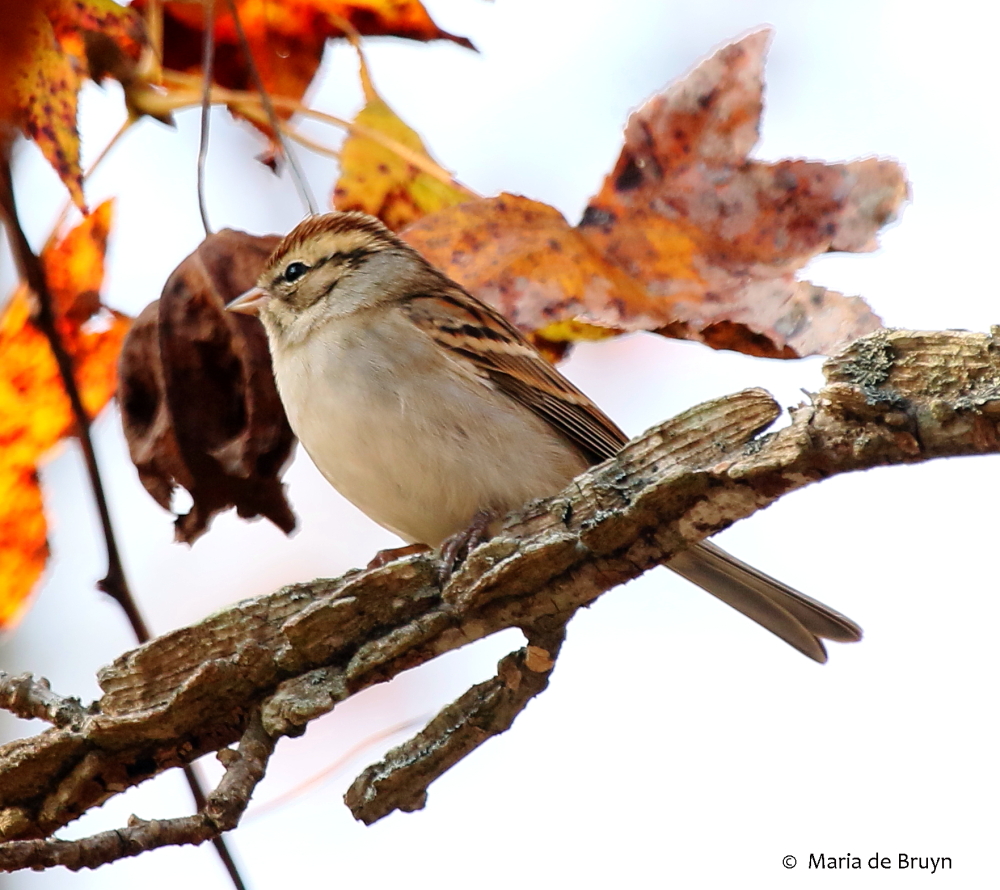
chipping-sparrow-i77a2915-maria-de-bruyn-res    chipping-sparrow-i77a2925-maria-de-bruyn-res

Chipping sparrow (Spizella passerina)

Many of the earth’s habitats, animals, plants, insects, and even microorganisms that we know of as rare or endangered, may not be known at all by future generations. We have the capacity, and the responsibility. We must act before it is too late.    Dalai Lama

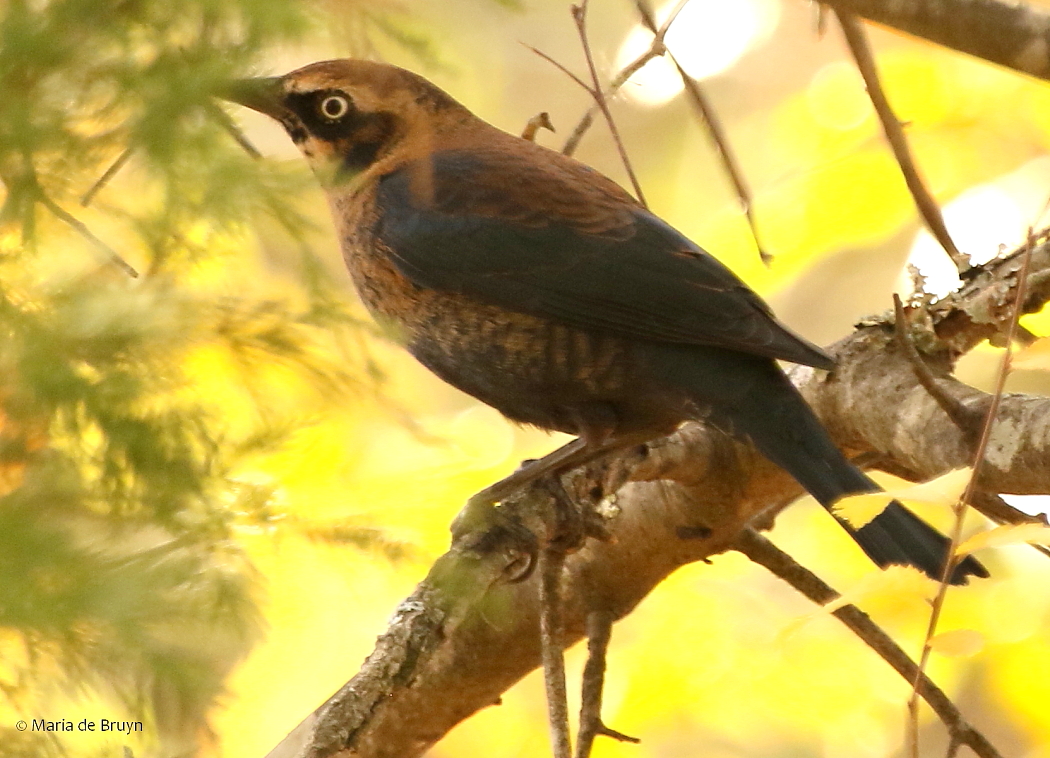
And the occasional or rare visitors to my yard are appreciated in the woods and fields, too!
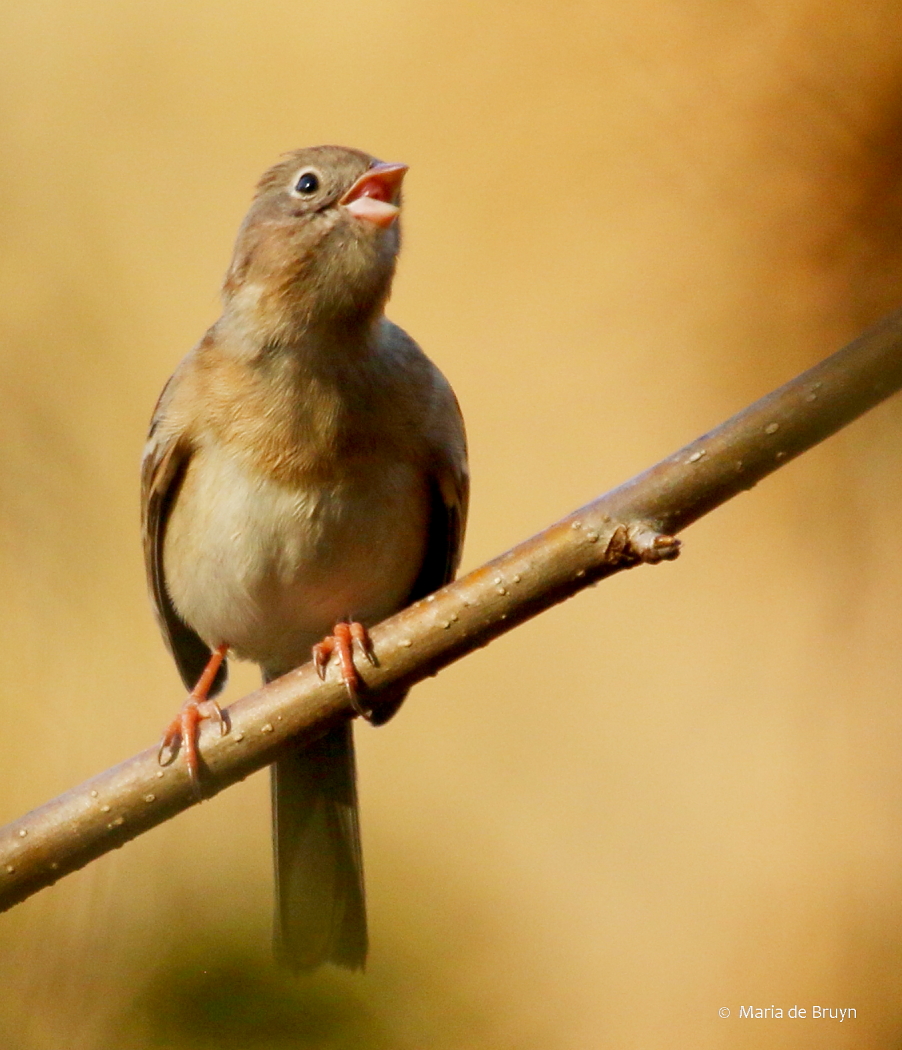
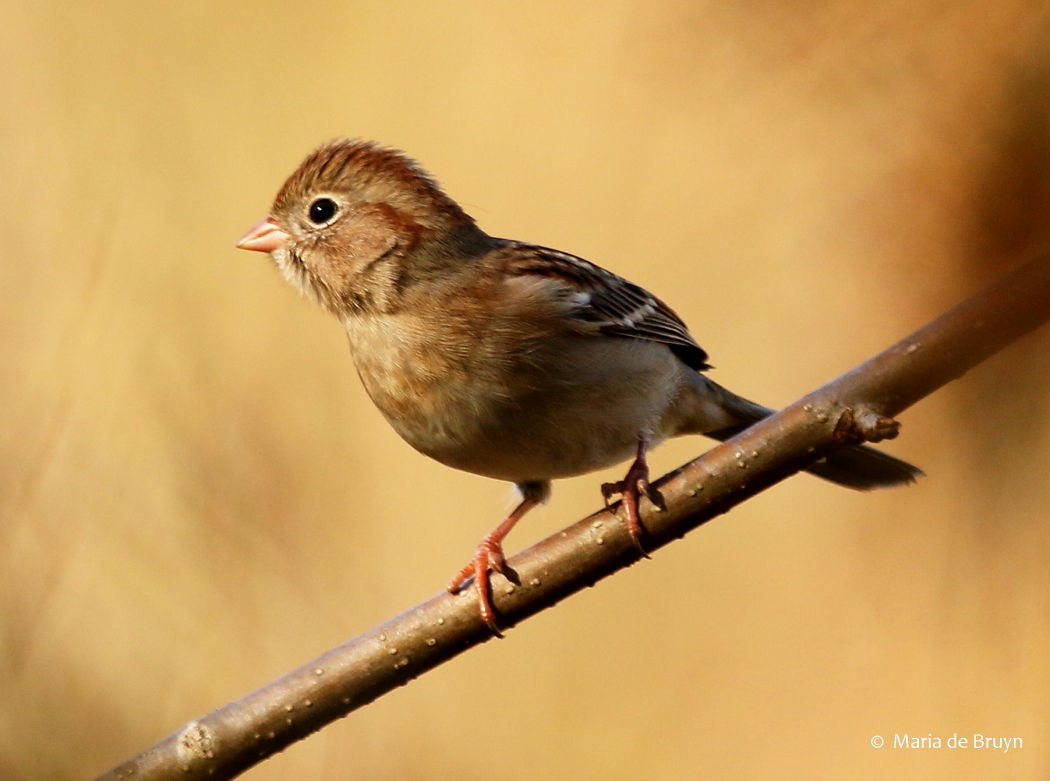
field-sparrow-i77a1587maria-de-bruyn-res      field-sparrow-i77a1634maria-de-bruyn-res

Field sparrow (Spizella pusilla)

rusty-blackbird-i77a3199-maria-de-bruyn-res rusty-blackbird-i77a3110maria-de-bruyn-res

Rusty blackbird (Euphagus carolinus)
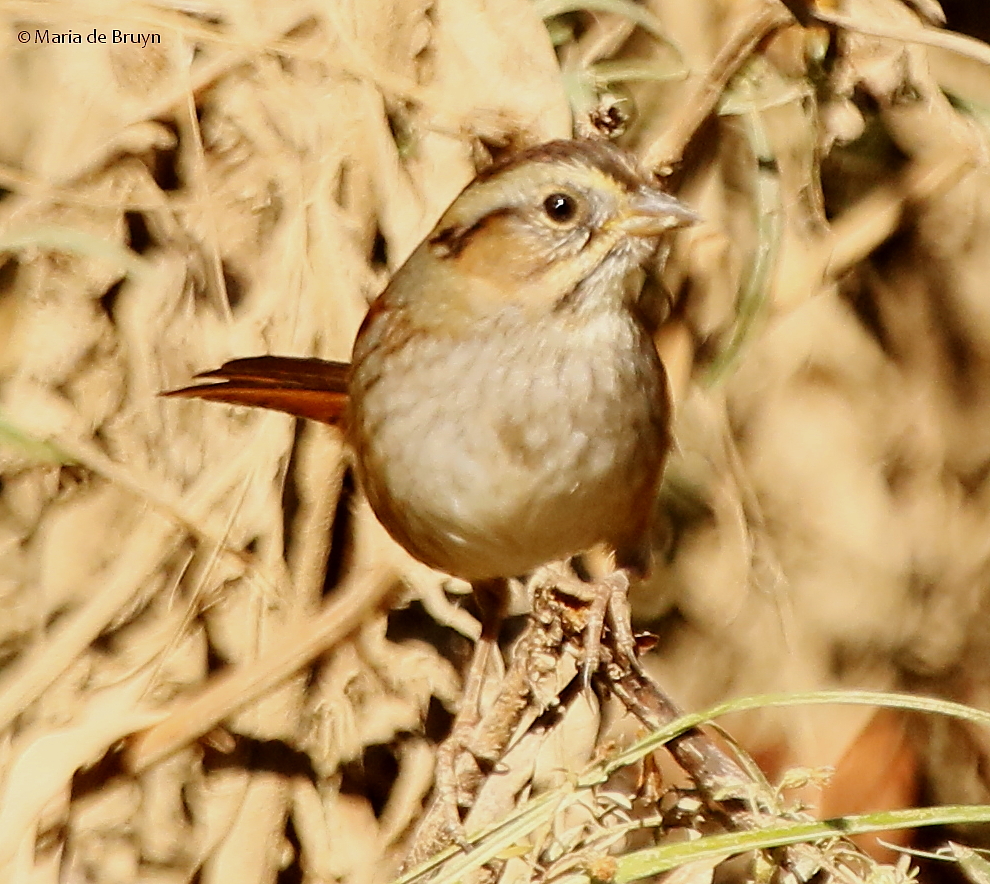
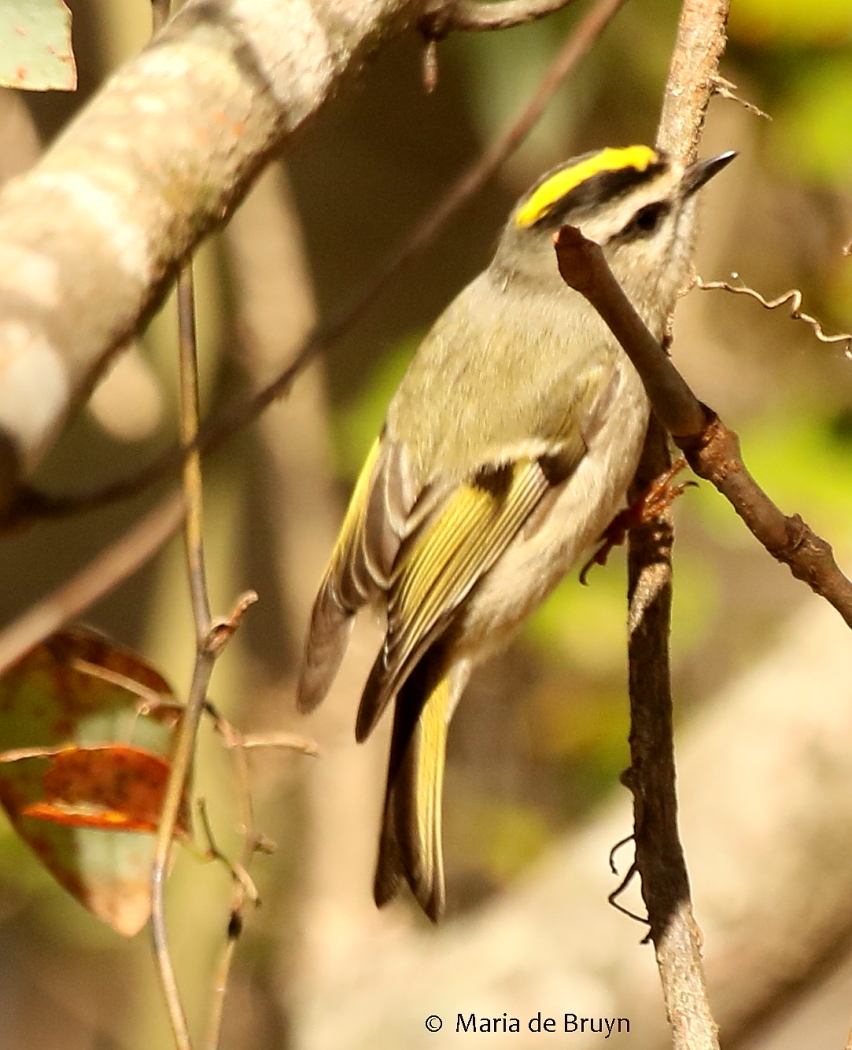
swamp-sparrow-i77a6063-maria-de-bruyn-res      golden-crowned-kinglet-maria-de-bruyn-i77a1711maria-de-bruyn-res

Swamp sparrow (Melospiza georgiana)             Golden-crowned kinglet (Regulus satrapa)

I feel that it is extremely important that each individual realize their responsibility for preserving the environment, to make it a part of daily life, create the same attitude in their families, and spread it to the community. – Dalai Lama
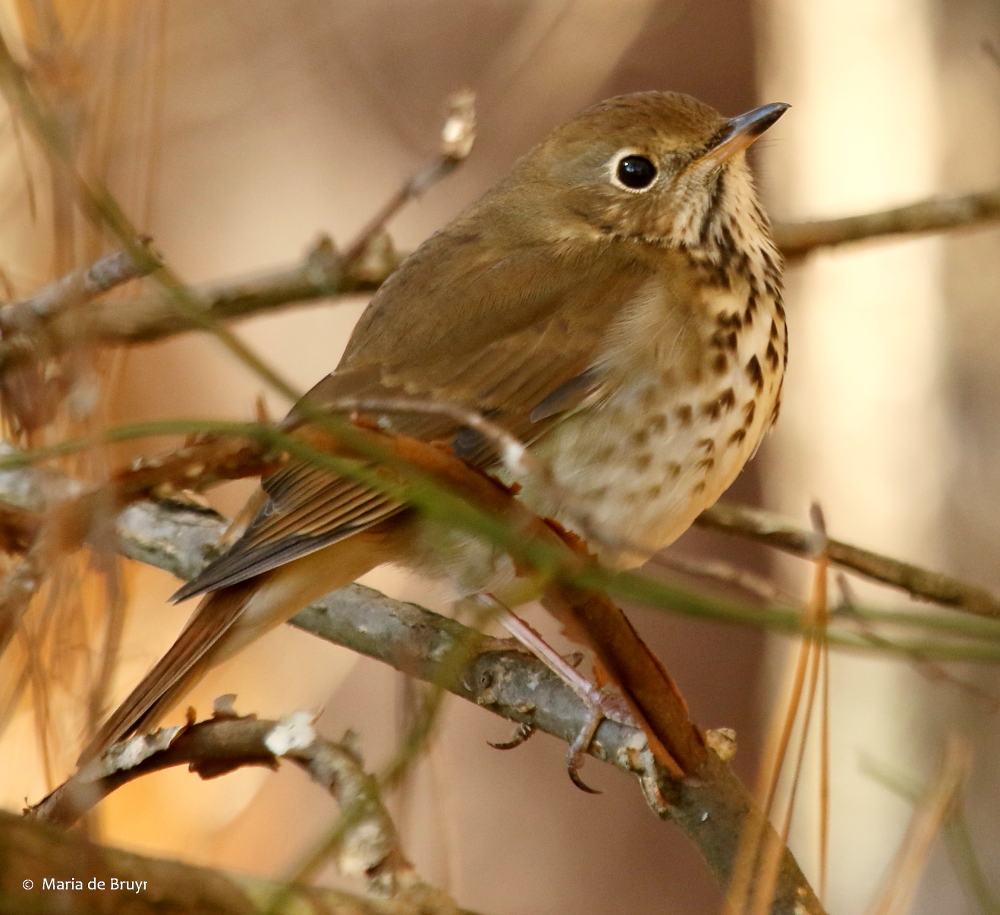
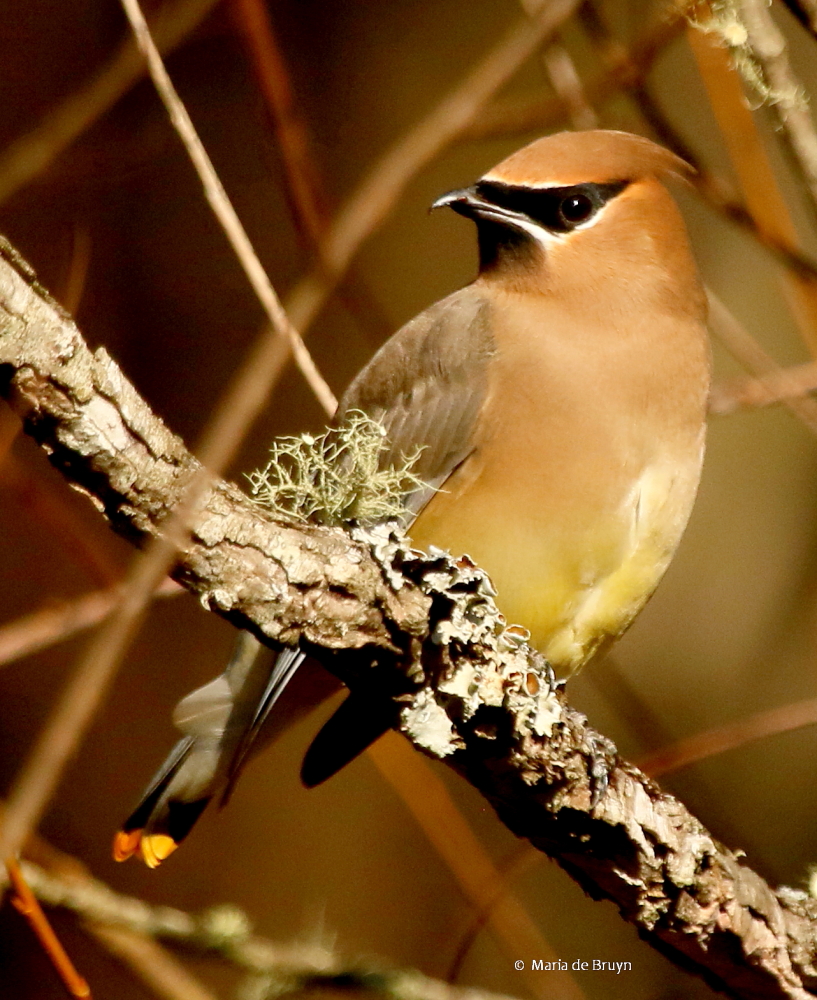
hermit-thrush-i77a6034-maria-de-bruyn-res  cedar-waxwing-i77a5945-maria-de-bruyn-res

Hermit thrush (Catharus guttatus)                          Cedar waxwing (Bombycilla cedrorum)
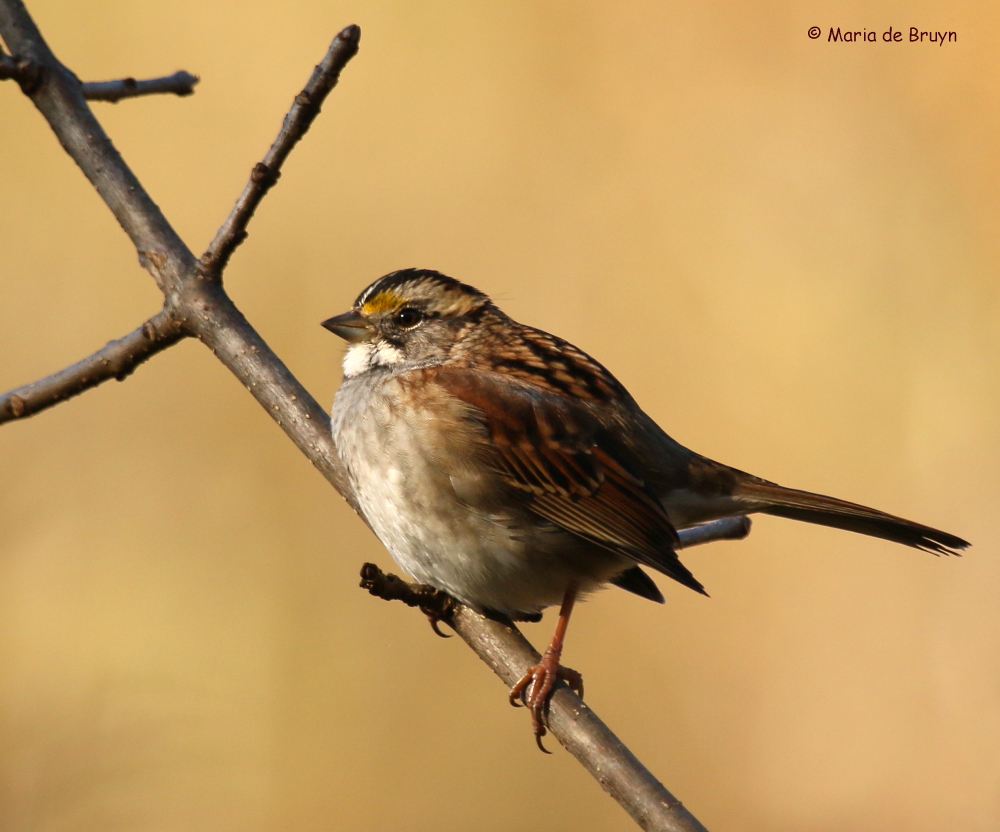
white-throated-sparrow-i77a1564maria-de-bruyn-res


What a great quote and slogan material:


Preserve the environment, make it part of your daily life and spread it to the community!
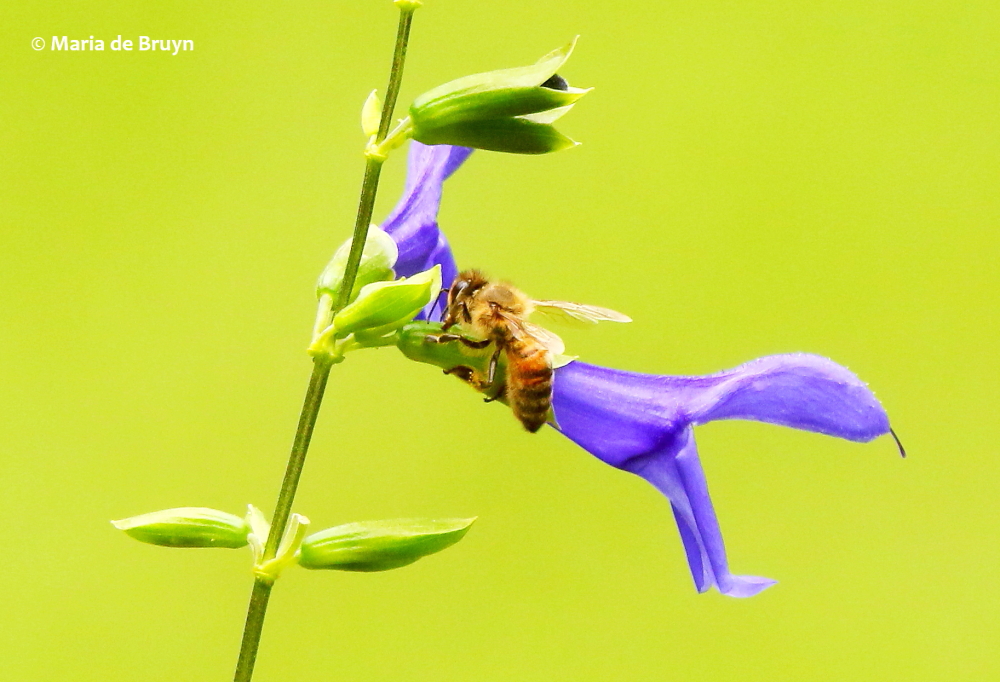
Busy as a bee is no joke! Our hardworking pollinators – pretty and persevering!

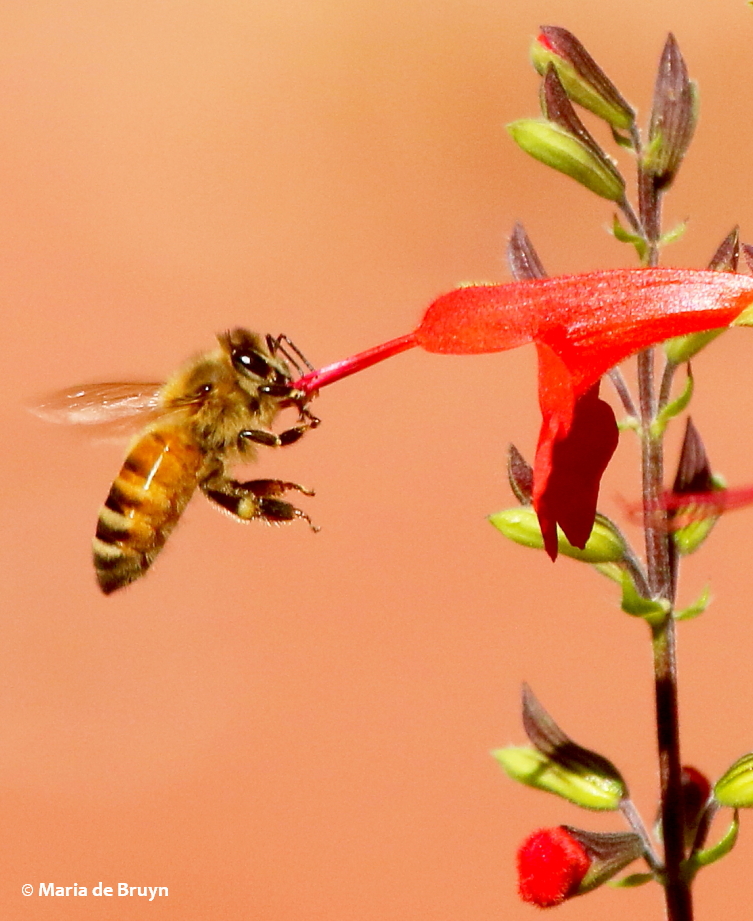
honey-bee-brazilian-sage-i77a1269-maria-de-bruyn-resHere it is, 7 November, and the honey bees were still busily working over the Brazilian sage, lantana and chrysanthemums in my garden. The Eastern carpenter bees were absent today, perhaps because of the cold night we had, but a few butterflies were flying among the flowers. We know that some of our pollinators are in serious trouble, but my garden has nevertheless been blessed this year with a steady stream of pollinating visitors who were to be seen on the varied blooms morning, noon and almost night.

bees02fin02



I’d enjoyed seeing the bees, butterflies and syrphid flies in the past, but started paying even more attention to them as pollinators this year as I worked on the “Healthy Bee, Healthy Me” project initiated by the non-profit organization Keep Durham Healthy.


eastern-tiger-swallowtail-i77a8131-maria-de-bruyn-res


The project expresses its goal as follows: “…to establish educational pollinator gardens in proximity to pre-existing community gardens to ensure the sustainability of nectar and pollen sources for our honey bees, native bees, butterflies and other pollinators throughout the year, and to increase the yield of the food crops grown within the community gardens.” Some of my photos were used in one of their interpretive garden signs and next year more community gardens will join the project.

hummingbird-clearwing-moth-i77a3130maria-de-bruyn-res

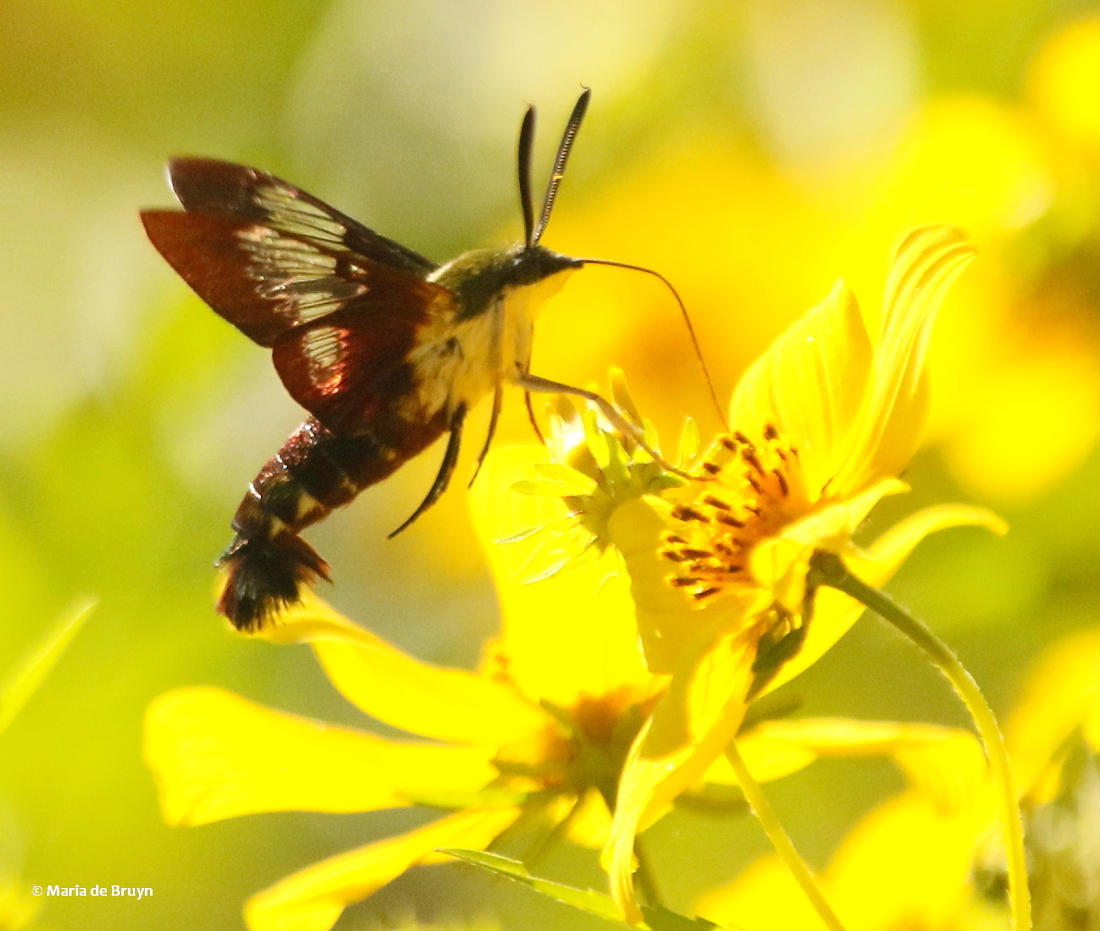
Science knows that more than 250,000 plants are pollinated by over 100,000 different types of animals, but not all plants require assistance from pollinators for fertilization. In abiotic pollination, fertilization occurs without another organism as an intermediary – for example, through movement of pollen from male vegetative anthers to female stigma by the wind (called anemophily) or water (called hydrophily). However, much fertilization occurs with assistance from biotic vectors, which not only include bees, butterflies and flies but also moths, birds and mammals (e.g., lemurs, squirrels, opossums, monkeys and bats; here you see a hummingbird clearwing moth – Hemaris thysbe – getting nectar.) How cool is that!

honey-bee-i77a5677-maria-de-bruyn-res


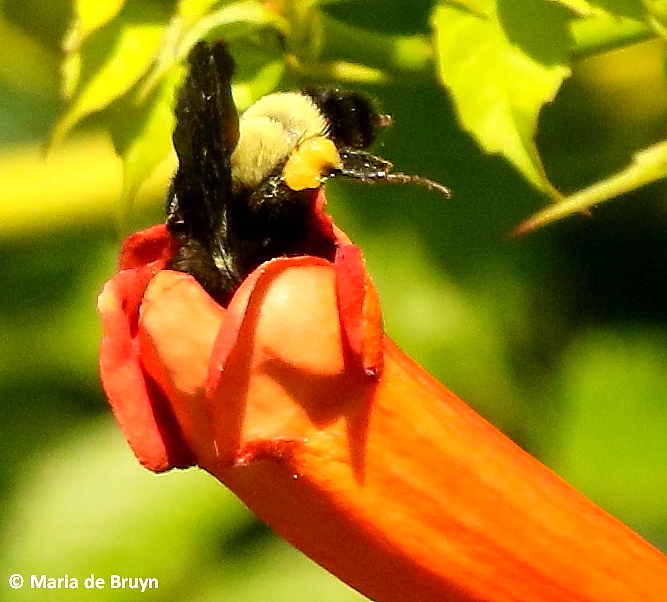
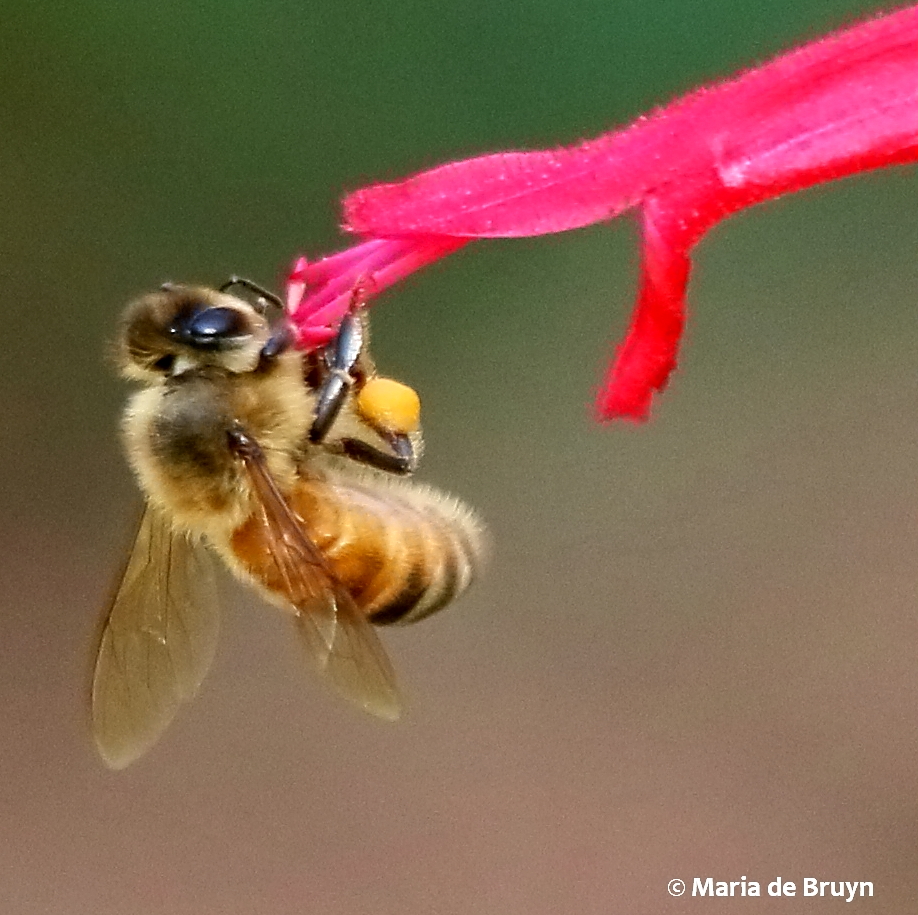
The most efficient pollinators are the bees. Some species like honey bees (Apis mellifera) and bumble bees have pollen baskets (corbiculae) on their legs – a concave portion of their hind leg in which pollen can be stored as a ball. It starts out small but eventually gets fairly big so their little tibia begin to look like barbells. The color of the pollen can differ from bright yellow to brown to red to white, depending on the pollen of the flowers visited most often.


american-bumble-bee-i77a0763-maria-de-bruyn2-res    american-bumble-bee-male-img_5492-maria-de-bruyn-bg

American bumble bee (Bombus pensylvanicus)

common-eastern-bumble-bee-bombus-impatiens-i77a9625-maria-de-bruyn-bg

Common Eastern bumble bee (Bombus impatiens)

honey-bee-i77a8142-maria-de-bruyn-res      honey-bee-i77a2099-maria-de-bruyn

Honey bees

The attractive little honey bees, which vary in their coloring, are known to pollinate about one-third of the popular foods eaten by humans, including items such as tomatoes, peas, beans and other fruit.

honey-bee-i77a7652-maria-de-bruyn-res    honey-bee-i77a6542-maria-de-bruyn-res

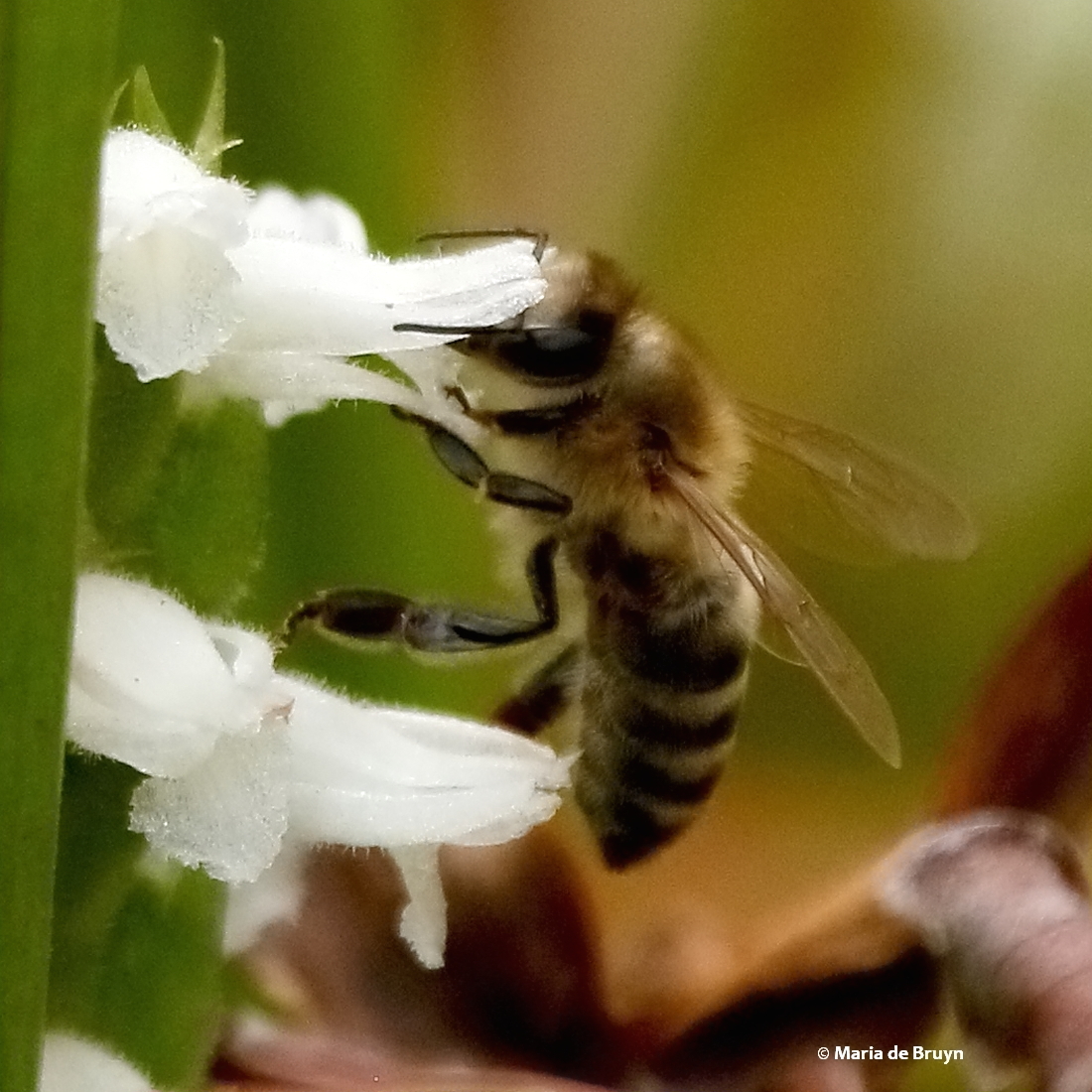
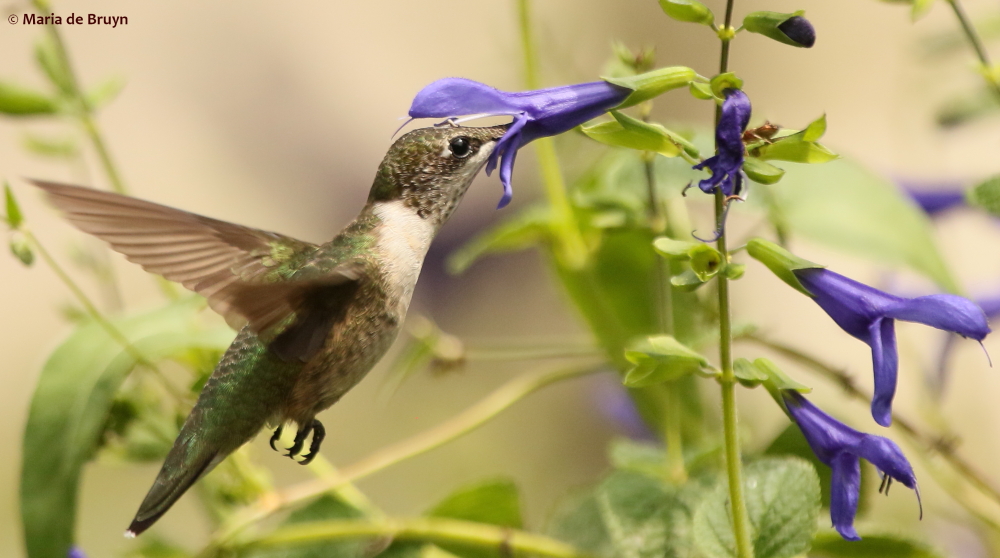
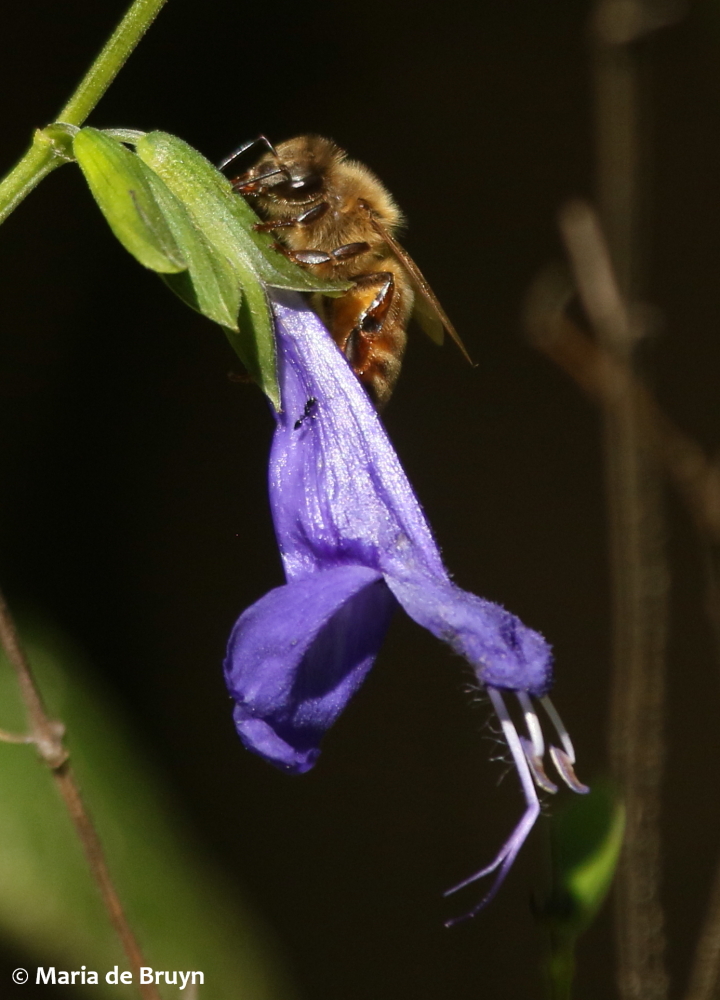
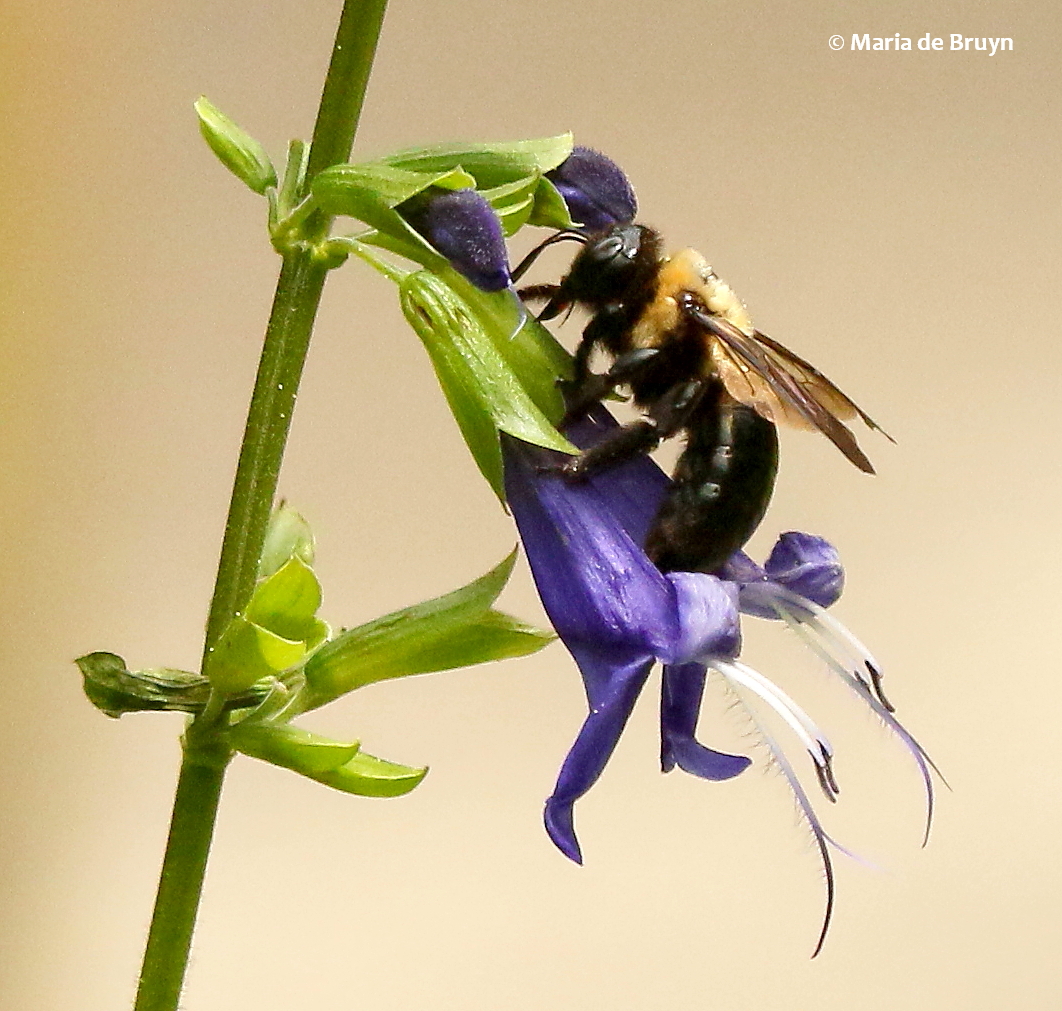
ruby-throated-hummingbird-i77a1315-maria-de-bruyn-resWhen visiting tubular flowers, like the Brazilian sage (Salvia guaranitica), the bees don’t look for nectar by entering the flower as do the ruby-throated hummingbirds (Archilochus colubris) with their long bills. Rather, they alight on the base of the corolla tube so that they can drill down into the flower to extract the nectar at the source.

honey-bee-i77a7849-maria-de-bruyn-res       de-bruyn-maria-carpenter-bee-brazilian-sage-2-i77a7250

Honey bee                                                  Eastern carpenter bee (Xylocopa virginica)

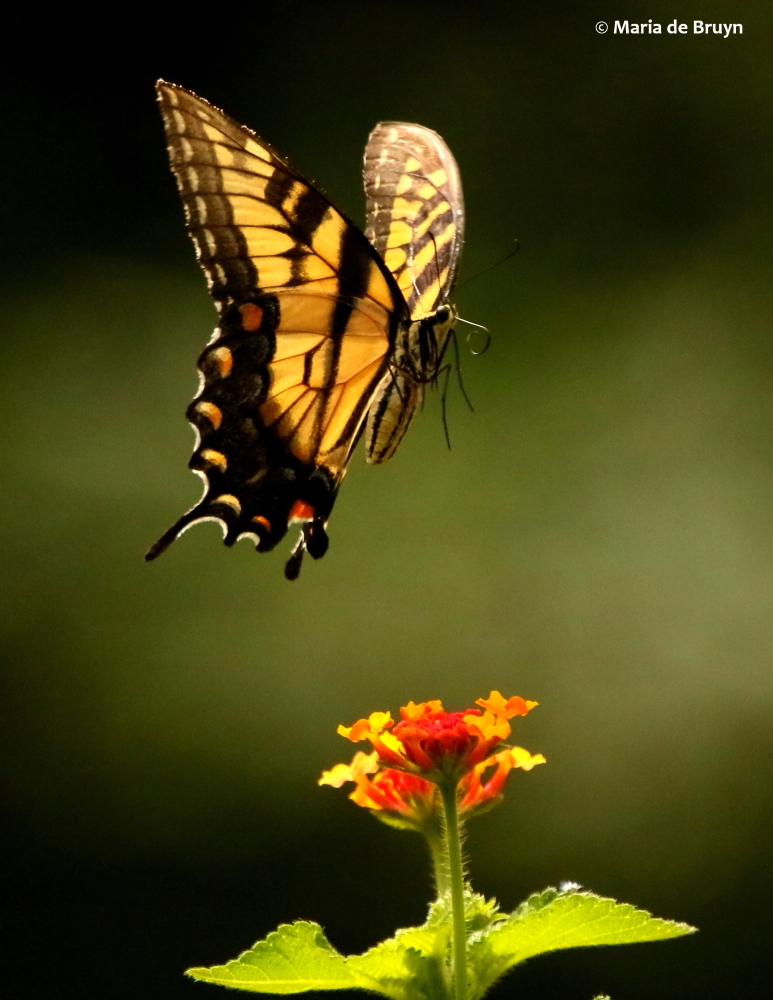
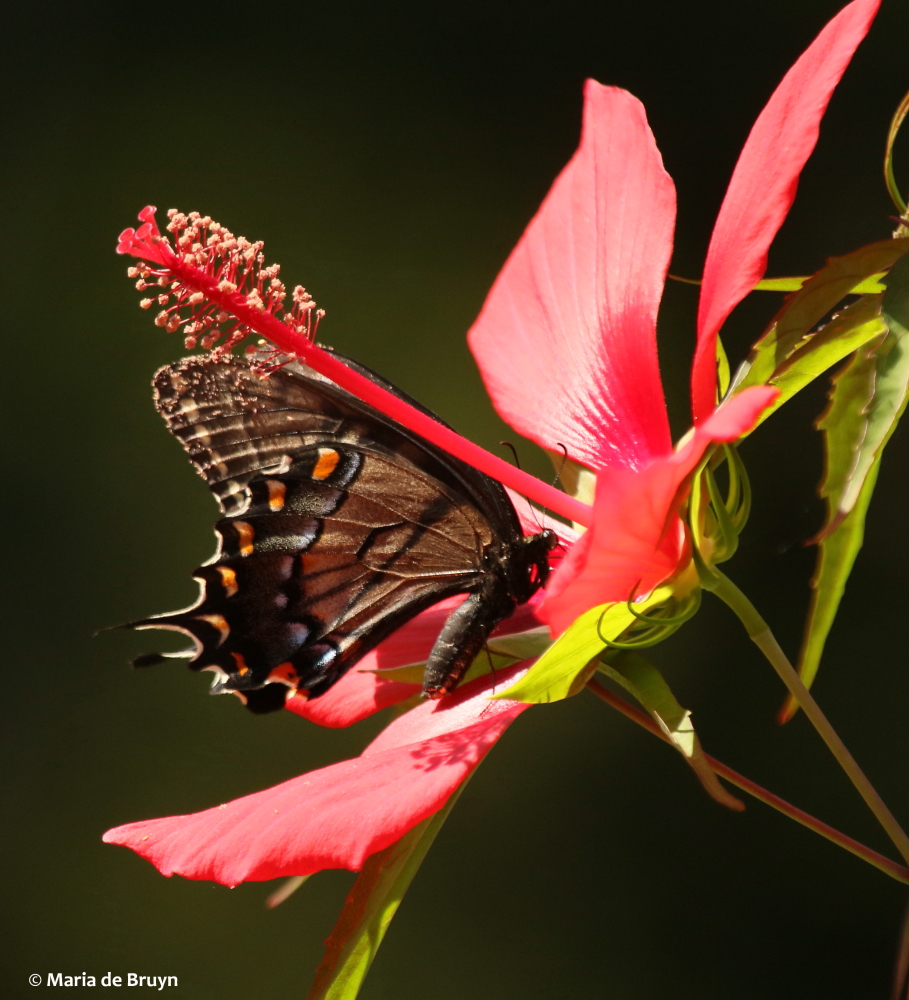
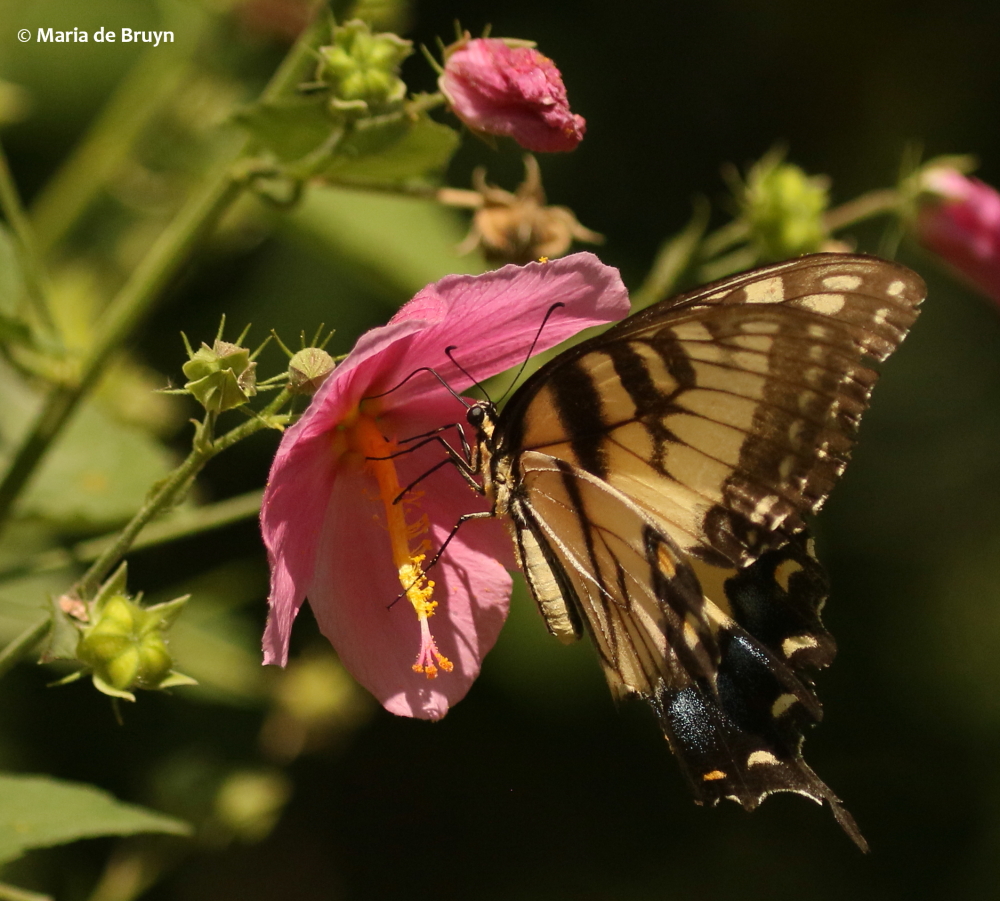
The clearwing moths and butterflies, like the Eastern tiger swallowtails (Papilio glaucus), have long tongues that they use to probe the flowers as they hover. Nevertheless, they can get pollen on their legs or bodies and transport it to another plant, although they are not as efficient at this as, for example, the sweat bees and carpenter bees.

eastern-tiger-swallowtail-pollen-i77a5259-maria-de-bruyn-res    eastern-tiger-swallowtail-i77a3693maria-de-bruyn-res

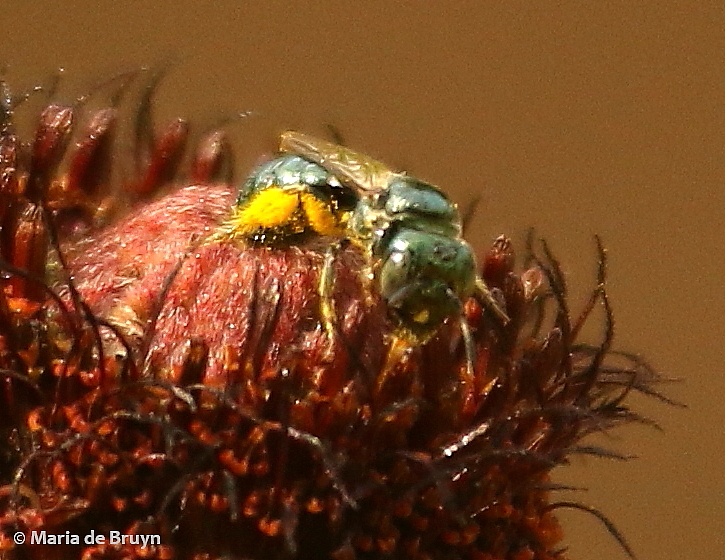
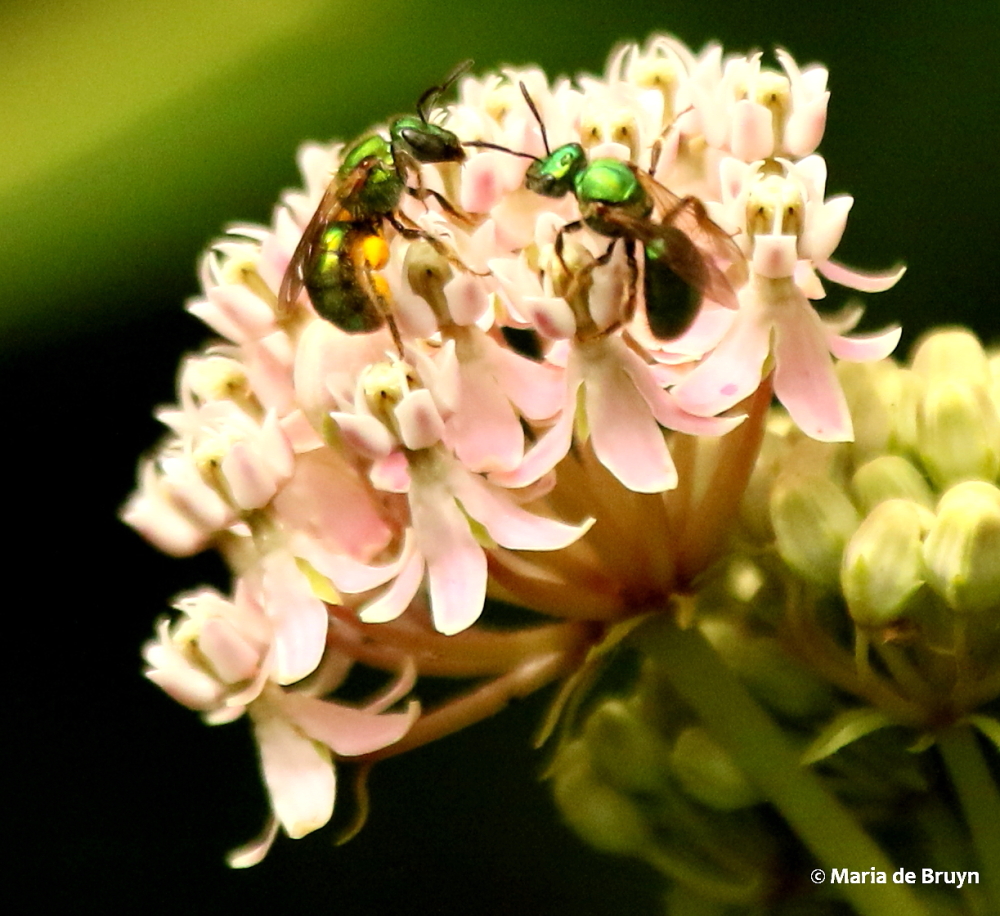
These bees have scopae rather than pollen baskets on their legs, i.e., structures comprising dense masses of compressed hairs into which pollen grains are pressed.

small-carpenter-bee-ceratina-dk7a0015-maria-de-bruyn-res-signed

Small carpenter bee (Ceratina)

sweat-bee-on-milkweed-i77a7861-maria-de-bruyn-res

Female sweat bees (Augochlorella)

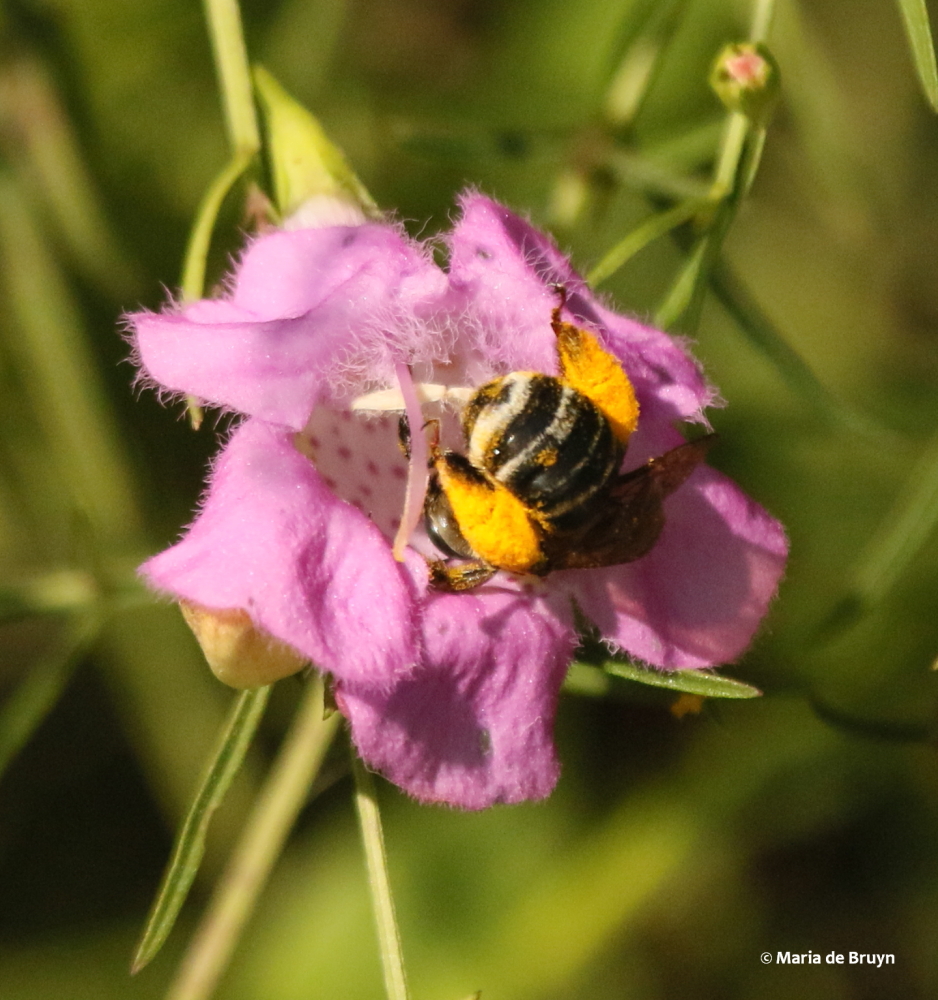
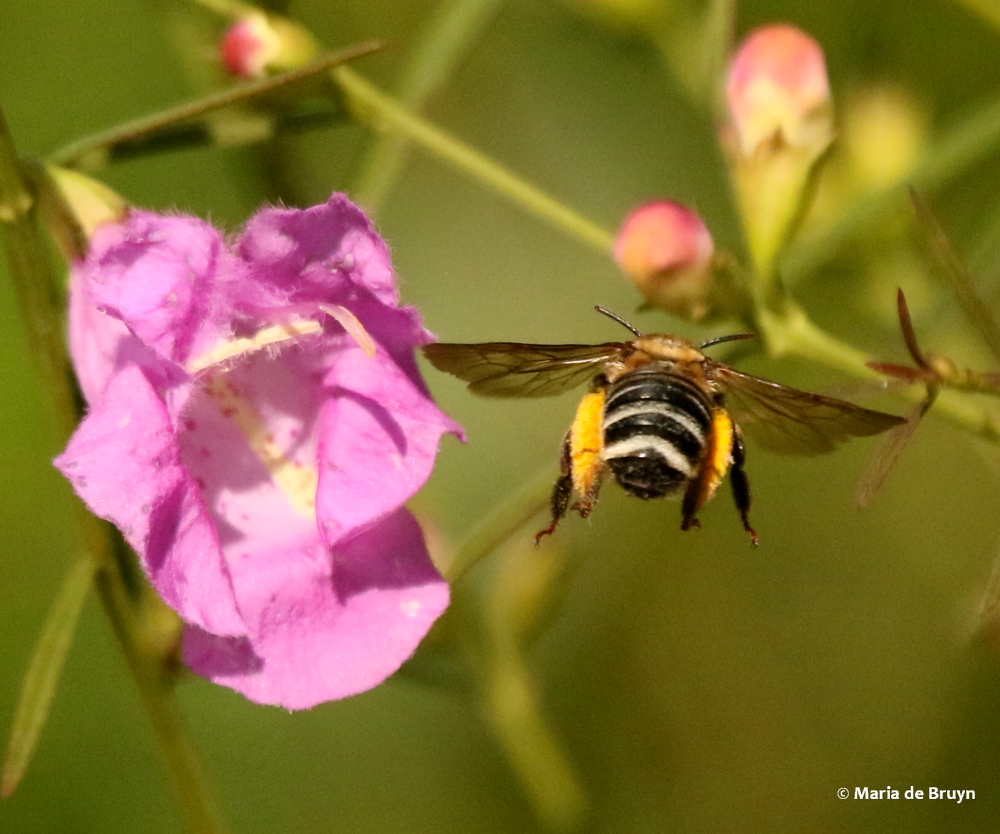
long-horned-bee-melissodes-i77a3343-maria-de-bruyn-res   long-horned-bee-melissodes-i77a3428-maria-de-bruyn-res

Long-horned bee (Melissodes)

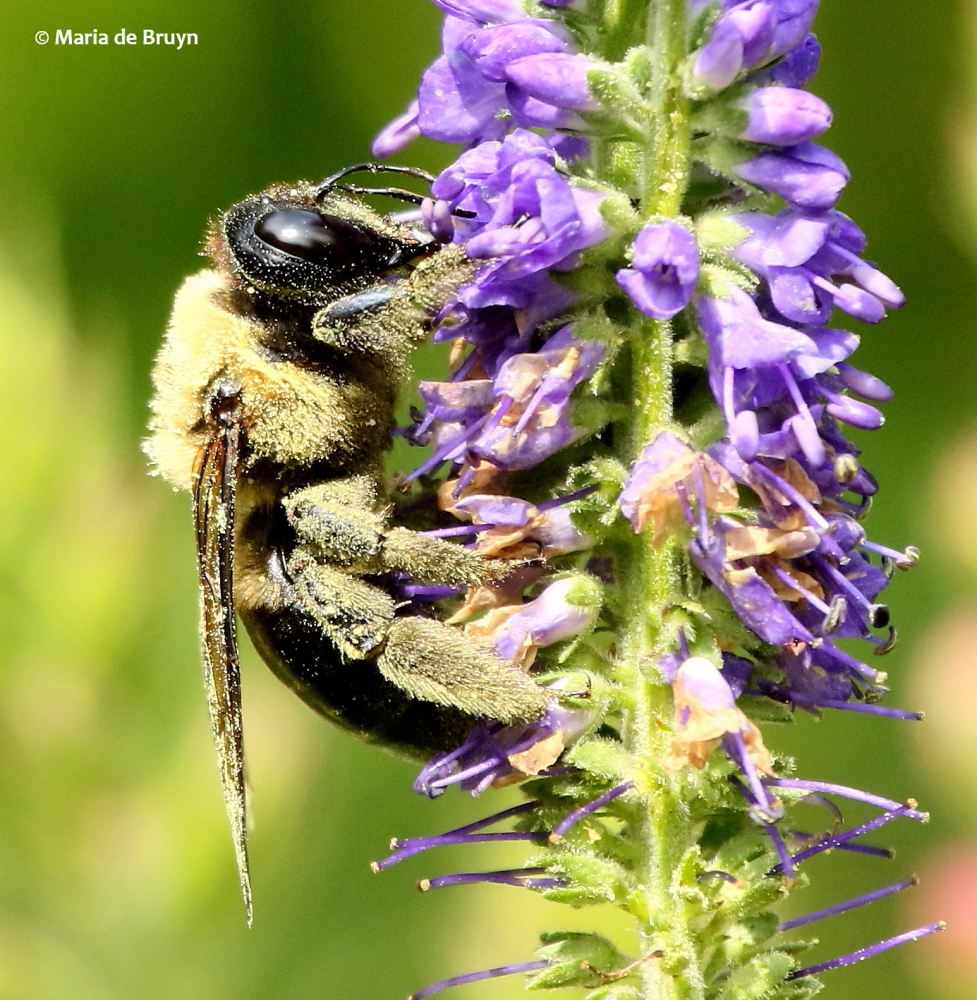
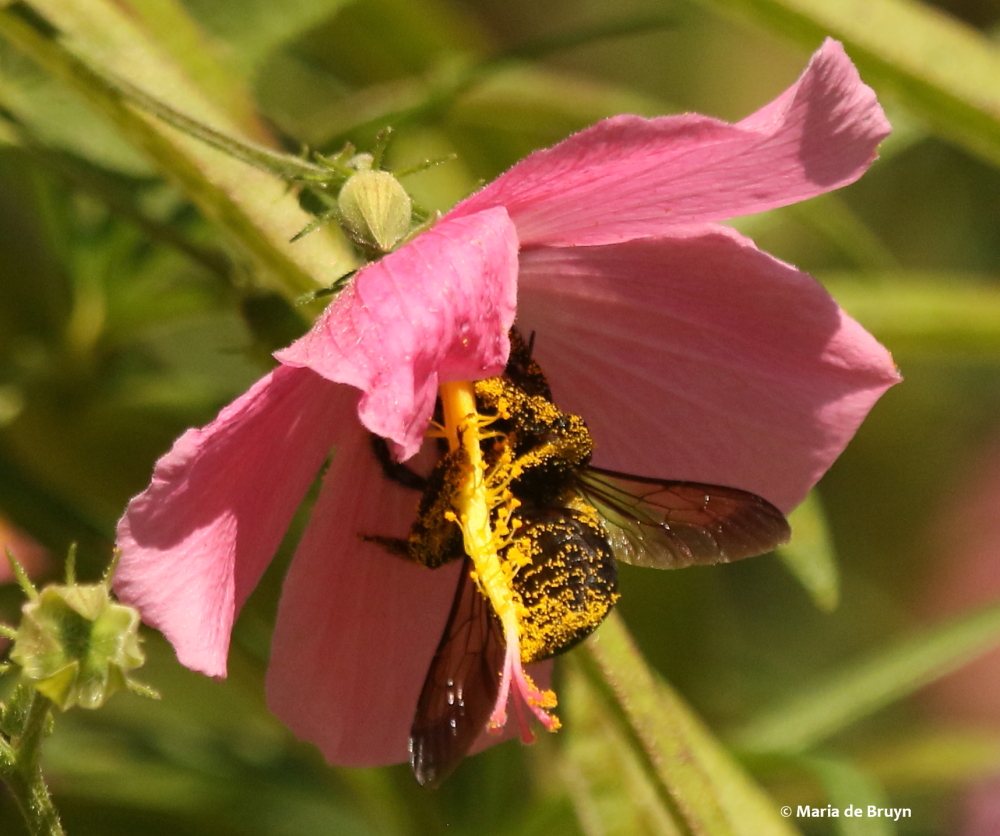
Sometimes the bees manage to get their whole bodies covered with pollen, which can make species identification more difficult but creates some interesting views.

eastern-carpenter-bee-i77a2601-maria-de-bruyn-res    eastern-carpenter-bee-i77a3750maria-de-bruyn-res

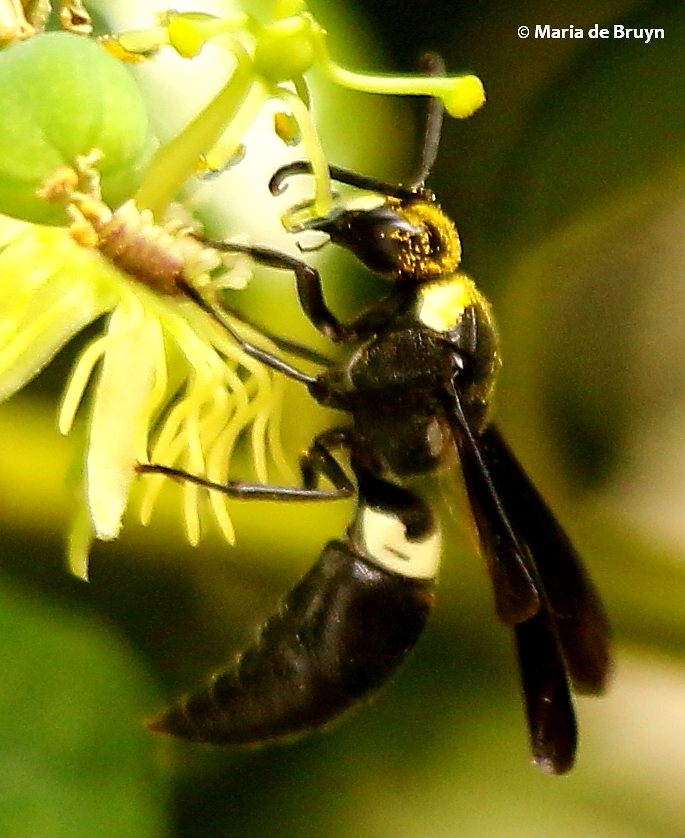
four-toothed-mason-wasp-monobia-quadridens-i77a2039-maria-de-bruyn-bgWasps can carry pollen as I saw almost daily when the four-toothed mason wasps (Monobia quadridens) visited my yellow passionflowers (Passiflora lutea). Here you can see the pollen collecting on the head of a male, whose sex can be determined by the fact he has 7 abdominal segments and curved antennae (females have straight antennae and 6 abdominal segments). How’s that for a bit of obscure information for the non-entomologist?

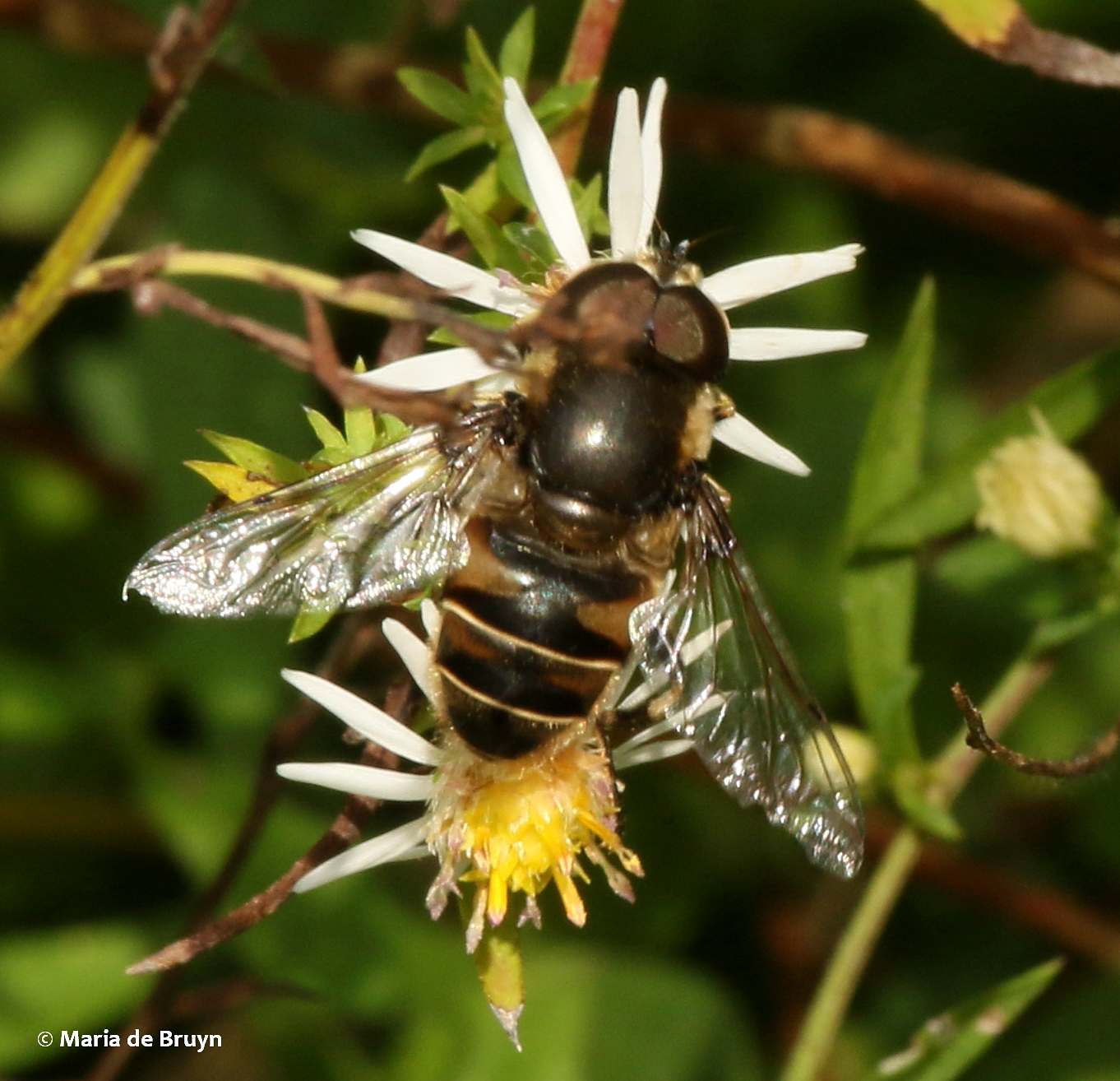
The syrphid flies, often known as bee mimics, help pollinate, too. A number of these flies are honey-bee size and can be confused with the bees easily.

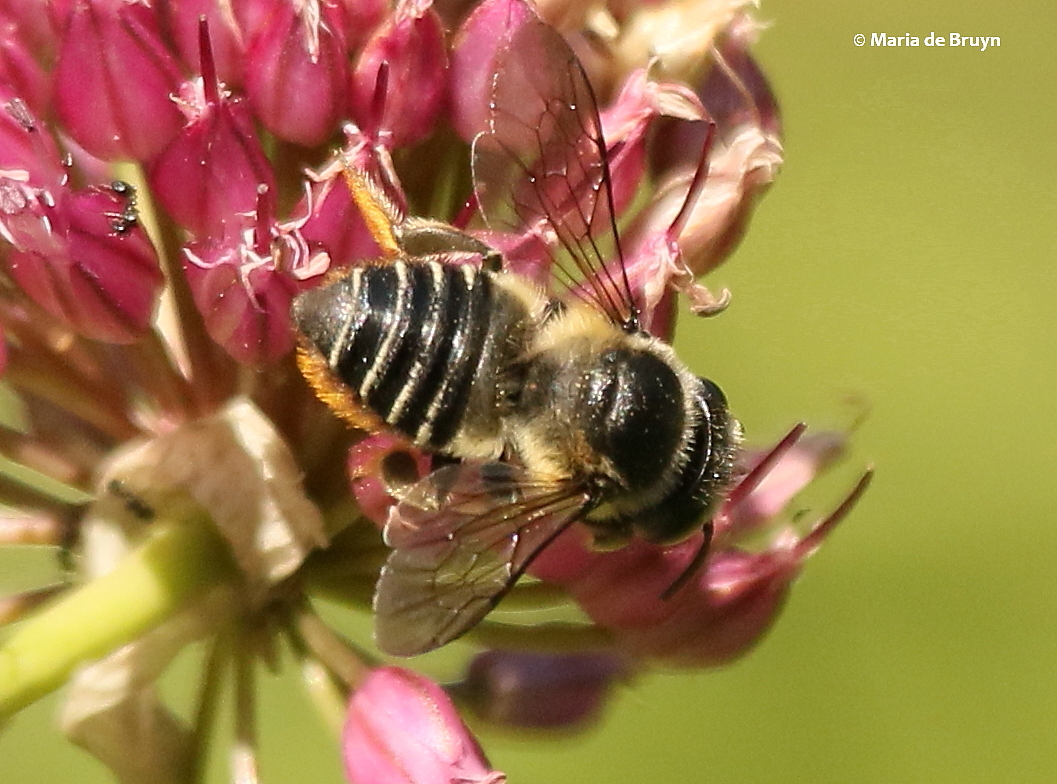
flat-tailed-leaf-cutter-bee-i77a4043-maria-de-bruyn-res

Flat-tailed leaf-cutter bee (Megachile mendica)

transverse-flower-fly-eristalis-transversa-i77a2116-maria-de-bruyn

Transverse flower fly (Eristalis transversa)

syrphid-fly-eristalis-dimidiata-i77a2060-maria-de-bruyn

Syrphid fly (Eristalis dimidiata)

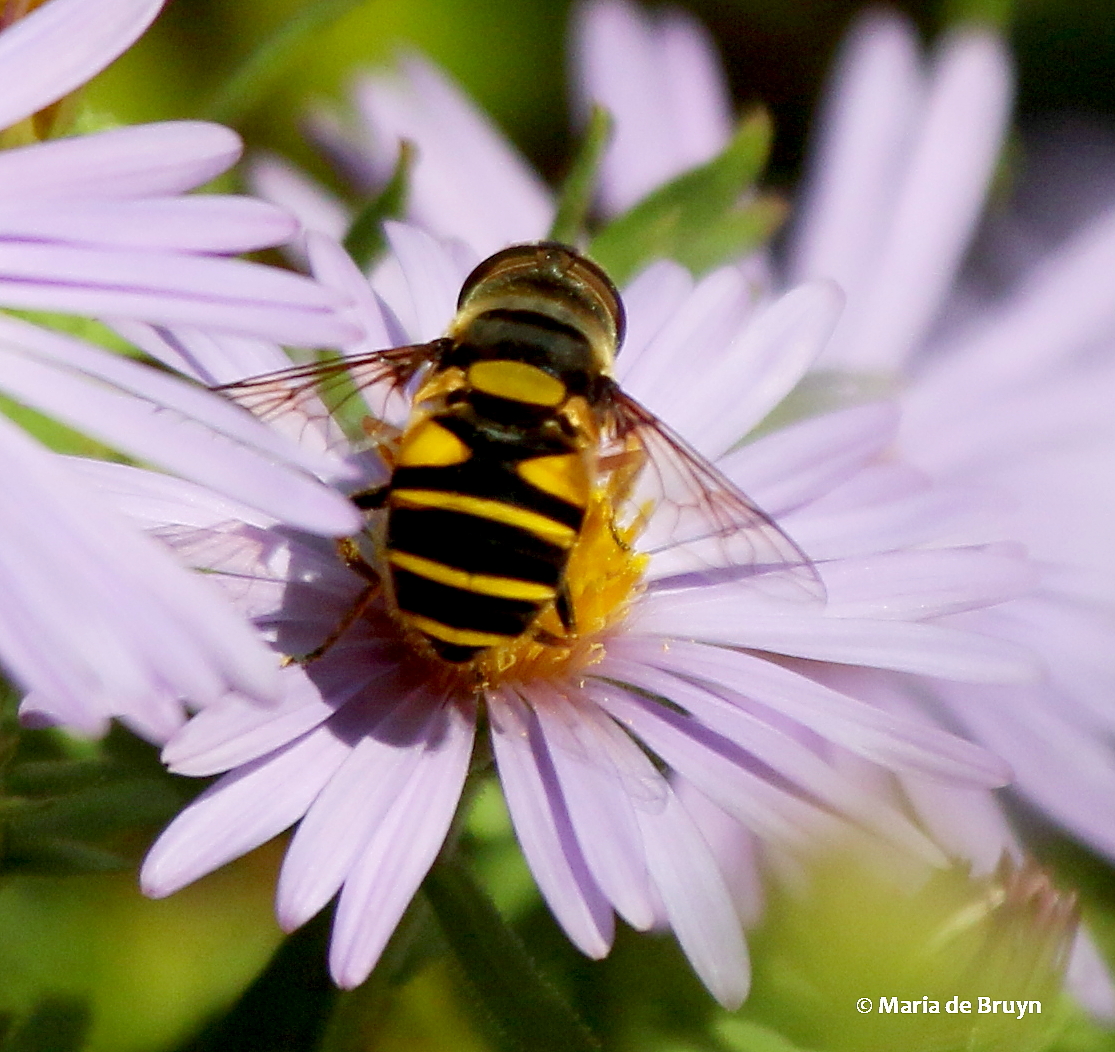
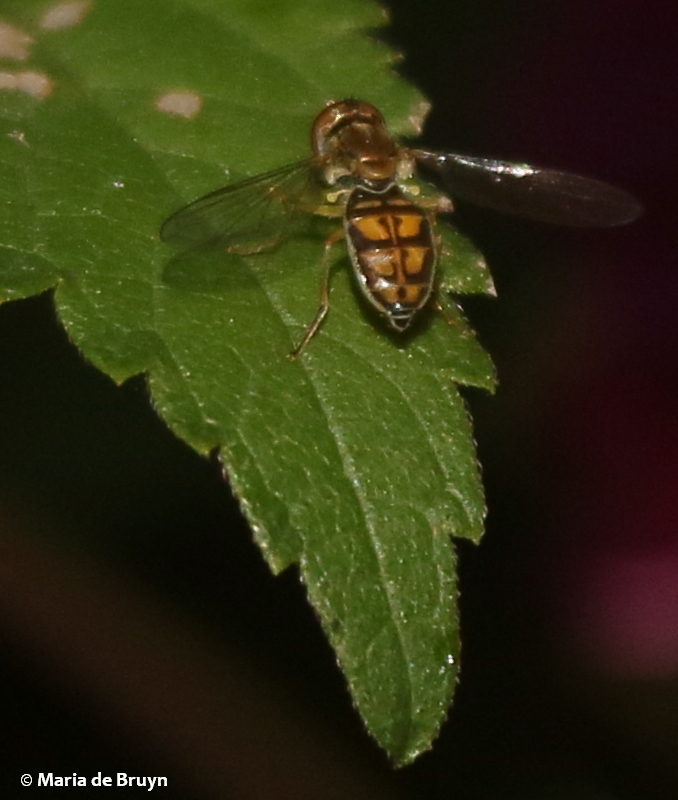
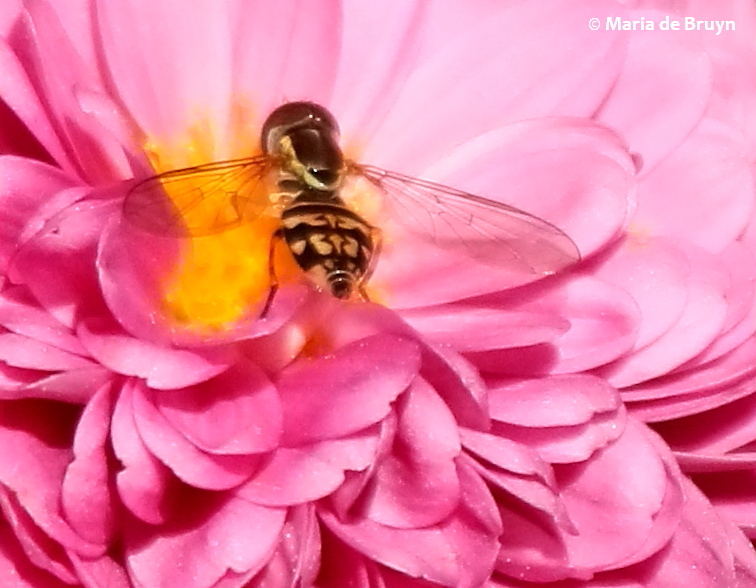
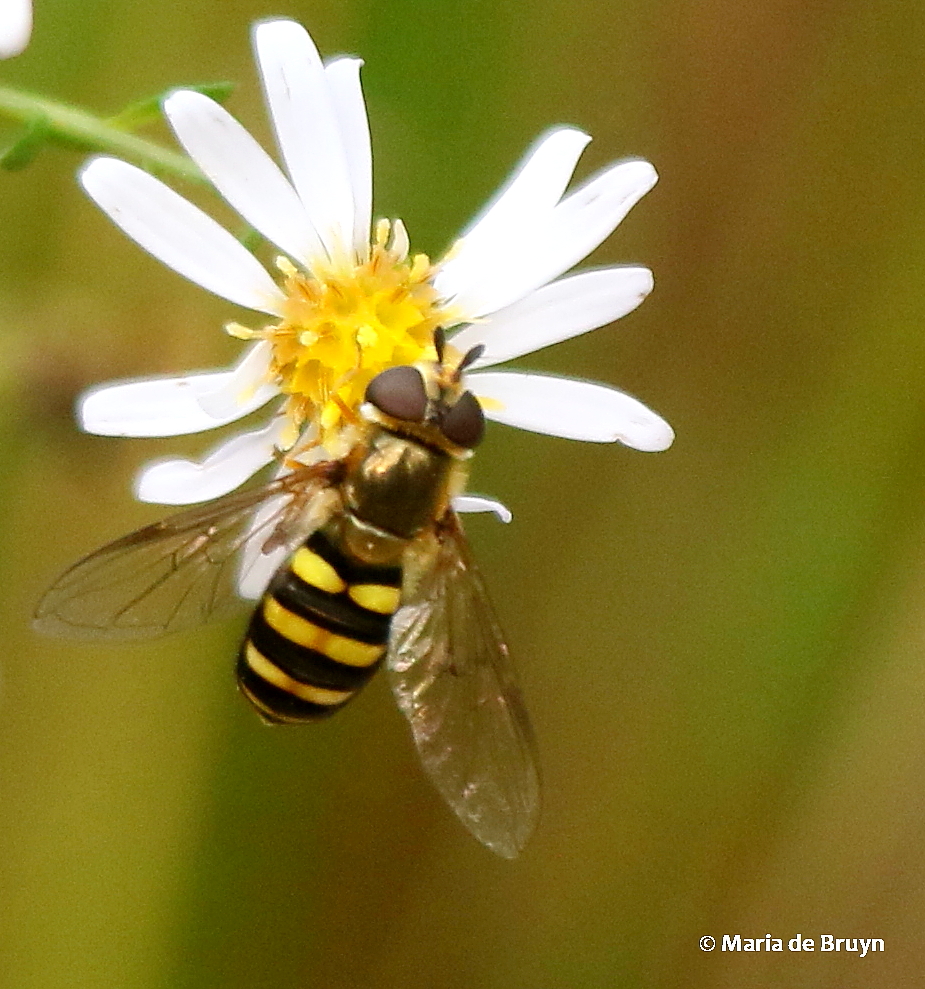
Others are itsy bitsy, tiny flyers that can have pretty interesting abdominal patterns. I couldn’t see the patterns even with my glasses on; enlarging the photos revealed their beauty, which could make for interesting fabric patterns in my opinion.

syrphid-fly-toxomerus-marginatus-i77a5952-maria-de-bruyn-res   syrphid-fly-toxomerus-geminatus-i77a5943-maria-de-bruyn-res

Syrphid fly (Toxomerus marginatus)                      Syrphid fly (Toxomerus geminatus)

syrphid-fly-eupeodes-subgenus-metasyrphus-i77a6061-maria-de-bruyn

Syrphid fly with a lovely golden sheen (Eupeodes subgenus Metasyrphus)

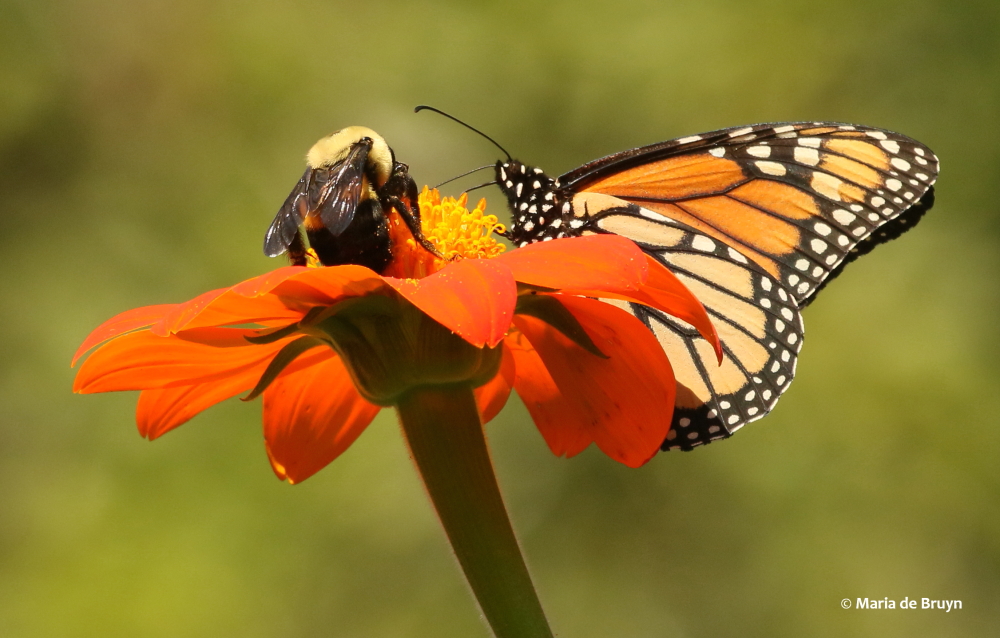
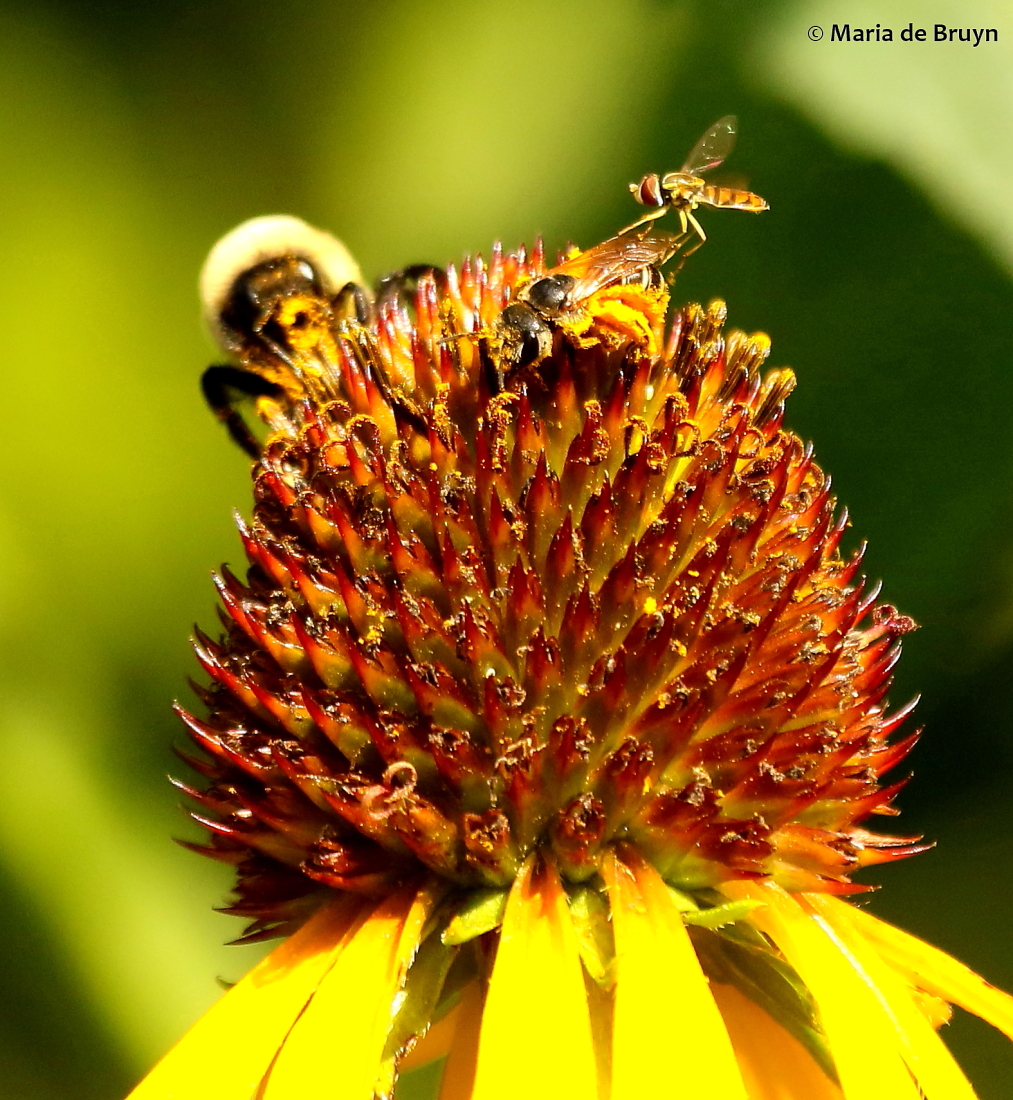
The pollinators don’t appear to begrudge one another nectar – different species will share space on particularly popular plants.

monarch-and-eastern-carpenter-bee-i77a4010maria-de-bruyn-res

Eastern carpenter bee and monarch butterfly (Danaus plexippus)

bumble-bee-brazilian-sage-i77a7263-maria-de-bruyn-res

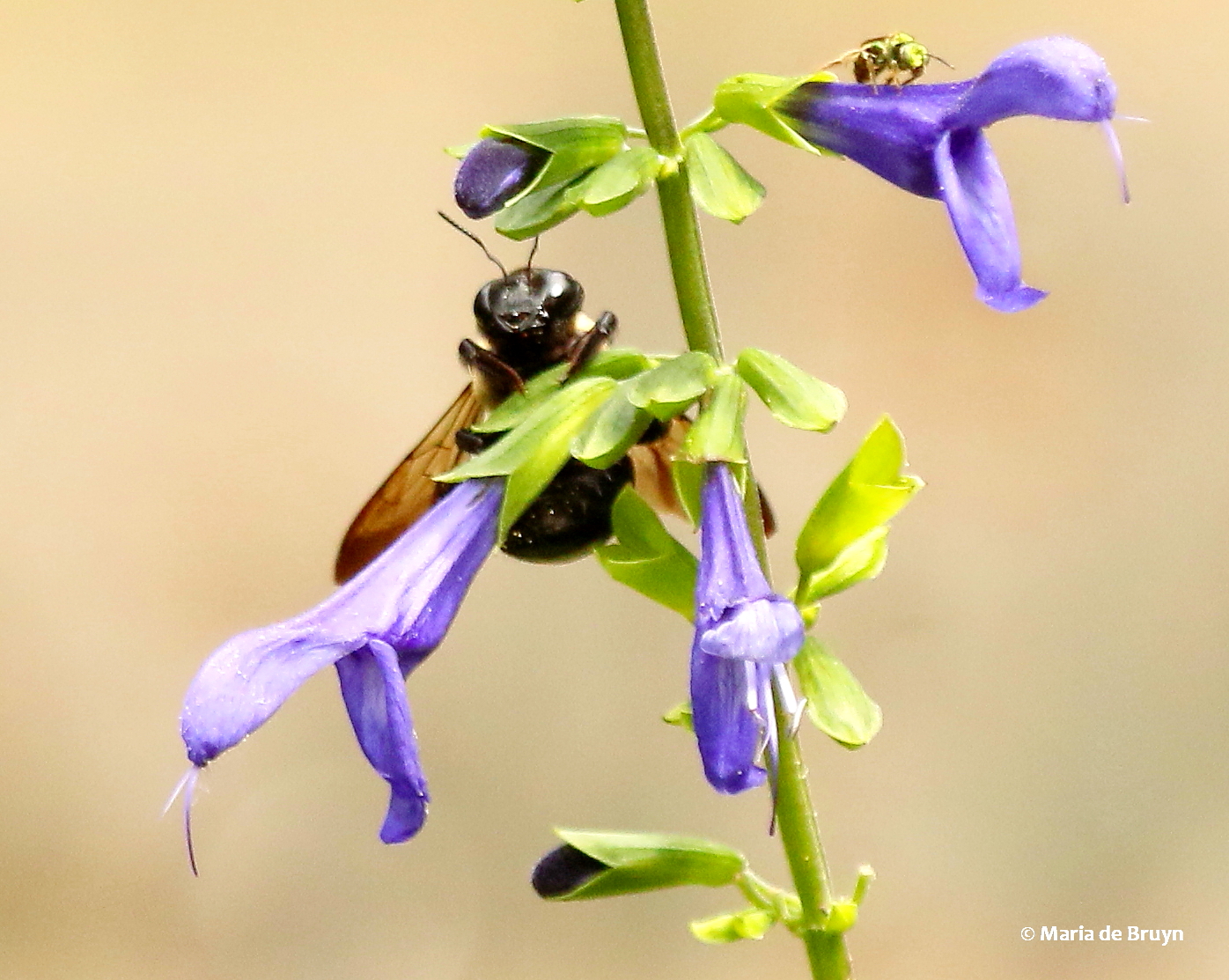
Eastern carpenter bee and sweat bee

bumble-bee-halictus-sweat-bee-toxomerus-marginatus-i77a6296-maria-de-bruyn-res

Eastern carpenter bee, sweat bee and syrphid fly

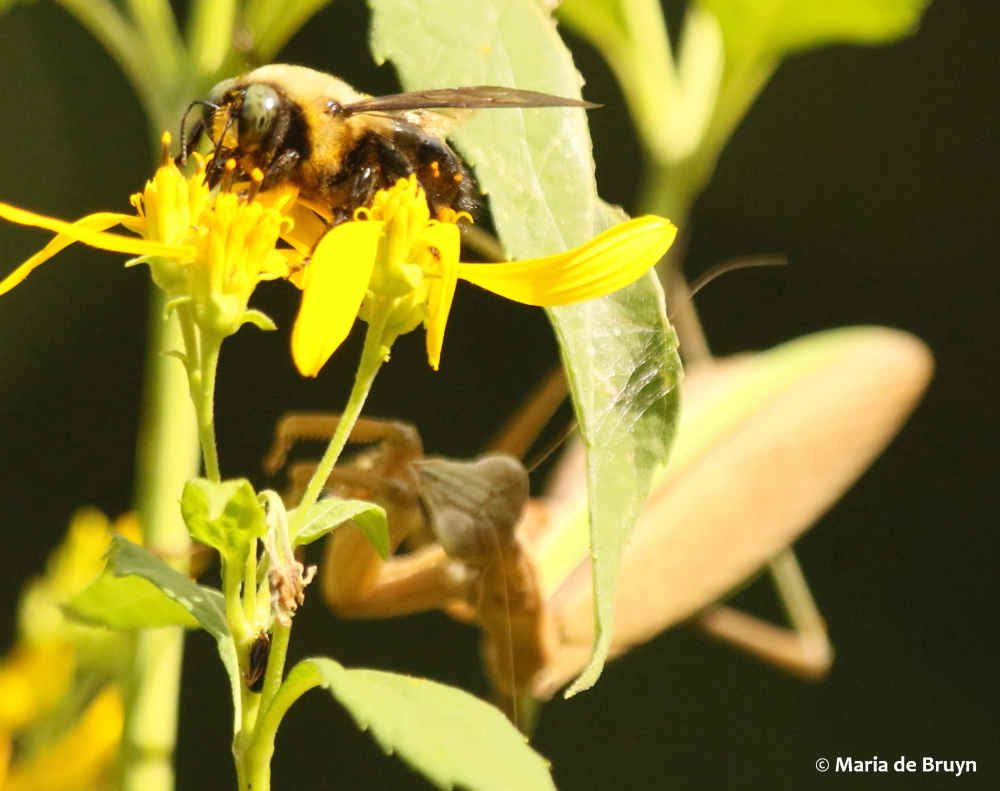
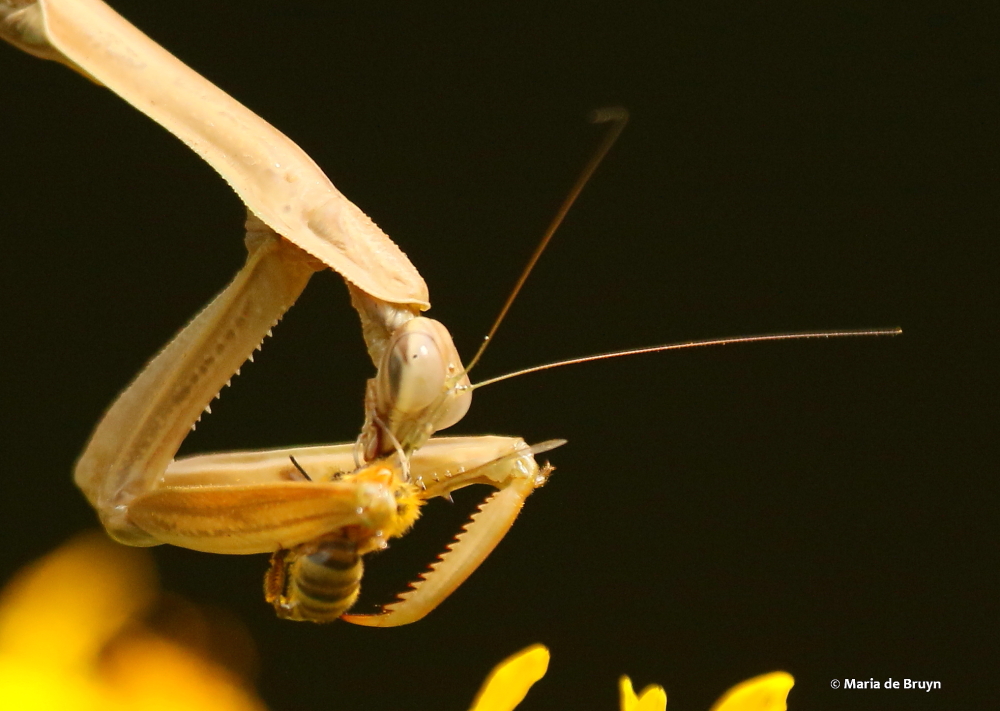
Occasionally, the pollinators do not live out their usual short lifespans as predators catch them for food. This Chinese mantis (Tenodera sinensis) had been eyeing a bumble bee and was slowly moving toward it but the bee flew off before the mantis could complete its lunge. Later the mantis managed to snag a honey bee, however.

chinese-mantis-eastern-carpenter-bee-i77a4937maria-de-bruyn-res   chinese-mantis-and-honey-bee-i77a4795maria-de-bruyn-res

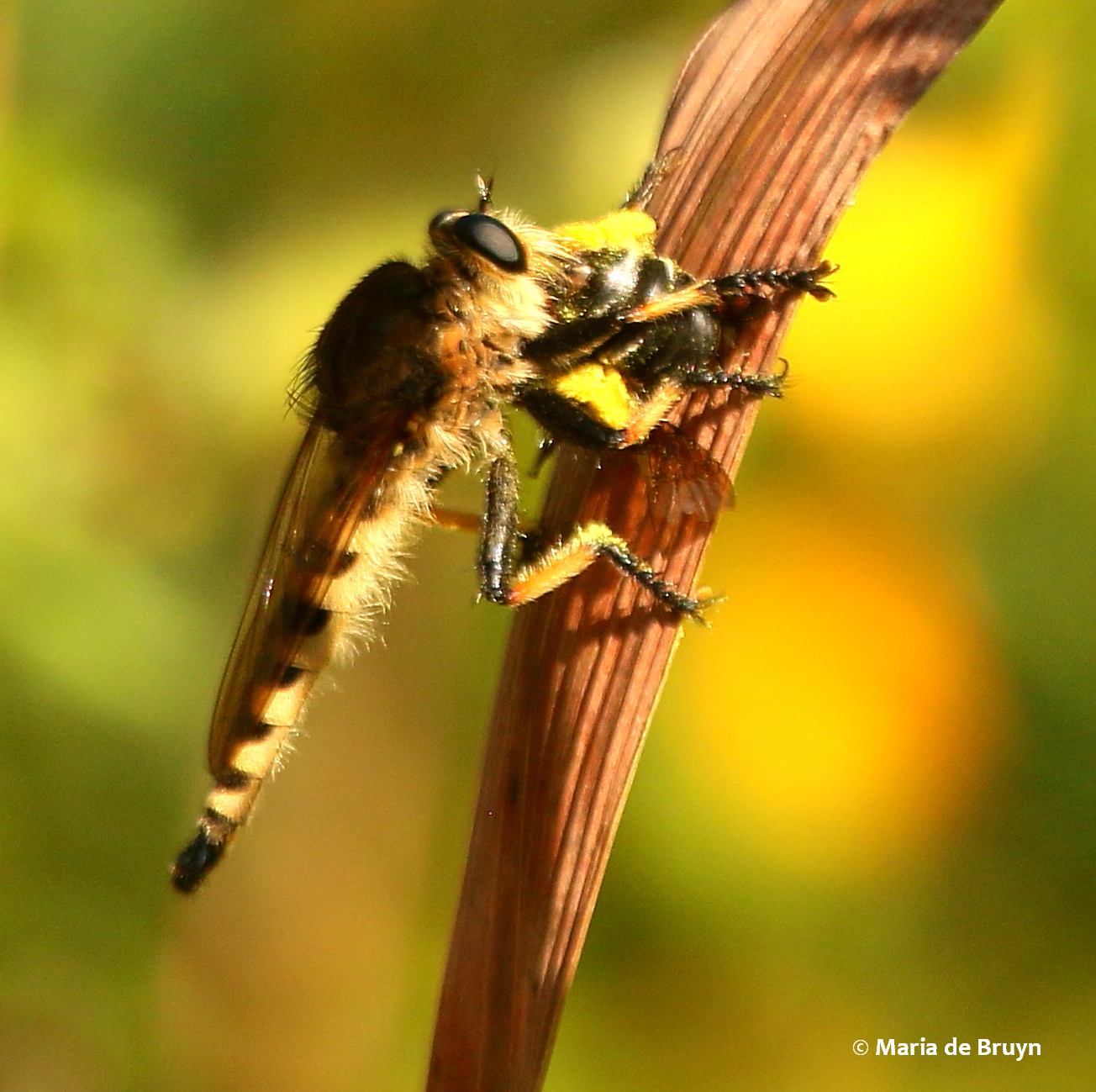
robber-fly-bumblebee-77a2813maria-de-bruyn


While on a walk one day, I suddenly was startled by the loudest buzzing I had ever heard, coming up behind me. It sounded angry, intense and was rather piercing for a buzz. I turned just in time to witness a giant robber fly (Promachus) settle on a grass stem with a bumble bee that it had just caught. The buzzing stopped fairly quickly as the fly proceeded to ingest its meal.


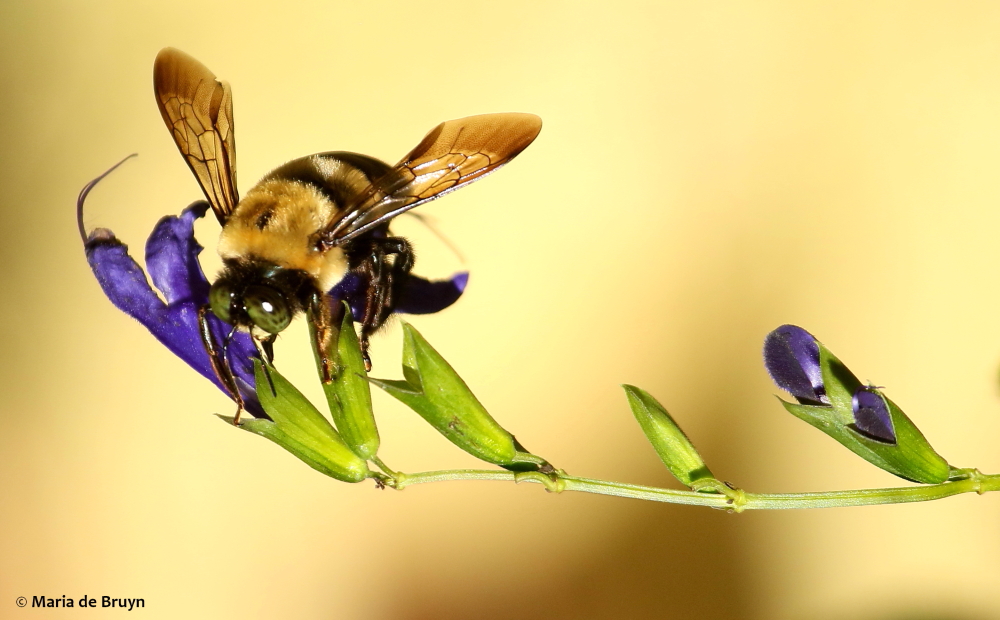
eastern-carpenter-bee-i77a7906-maria-de-bruyn-signed-res

Various organizations and agencies, including the US Fish and Wildlife Service, are drawing attention to the endangerment of pollinator species. The main threats include loss and degradation of habitat as we pave over an increasing amount of natural space and plant lawns instead of native plants in yards. Using pesticides in landscaping areas is further threatening many of the insects on which pollination depends.

eastern-carpenter-bee-i77a6424-maria-de-bruyn-res3


Planting pollinator gardens is a way in which we all can contribute to saving our pollinators; if you don’t have your own yard, you can volunteer with a project to create a community garden. And then you can watch these fascinating insects with appreciation for their contributions to us!