Avian generations in the making – part 3B: fledgling and post-fledgling care

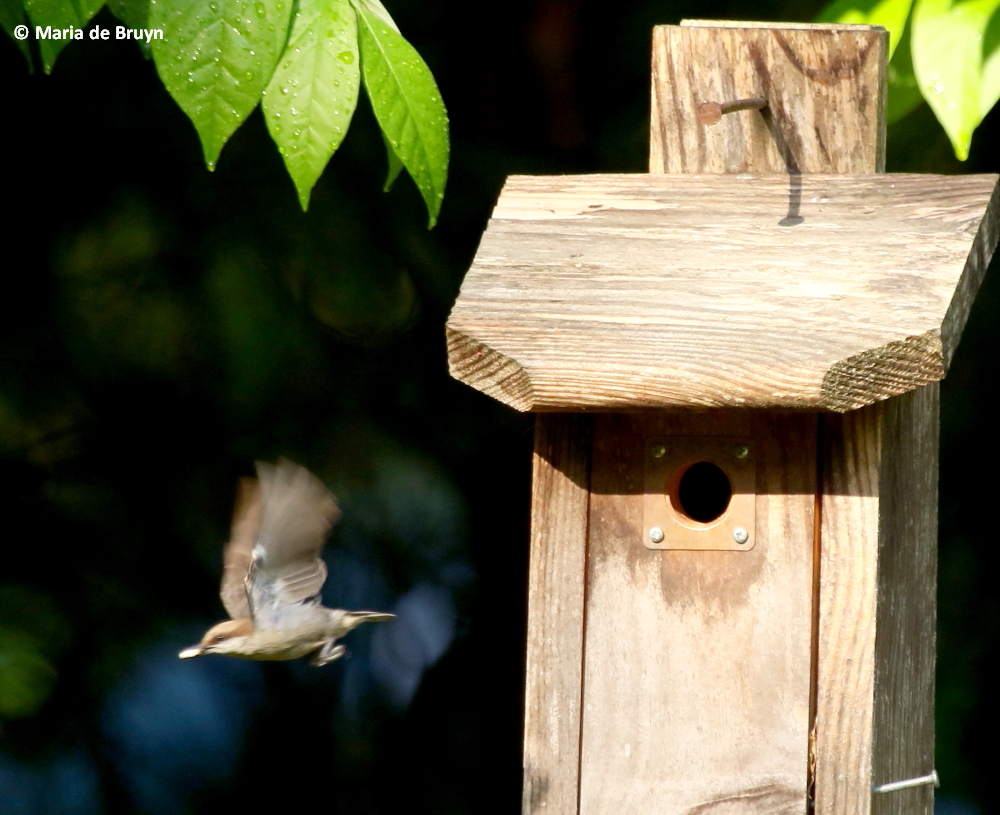
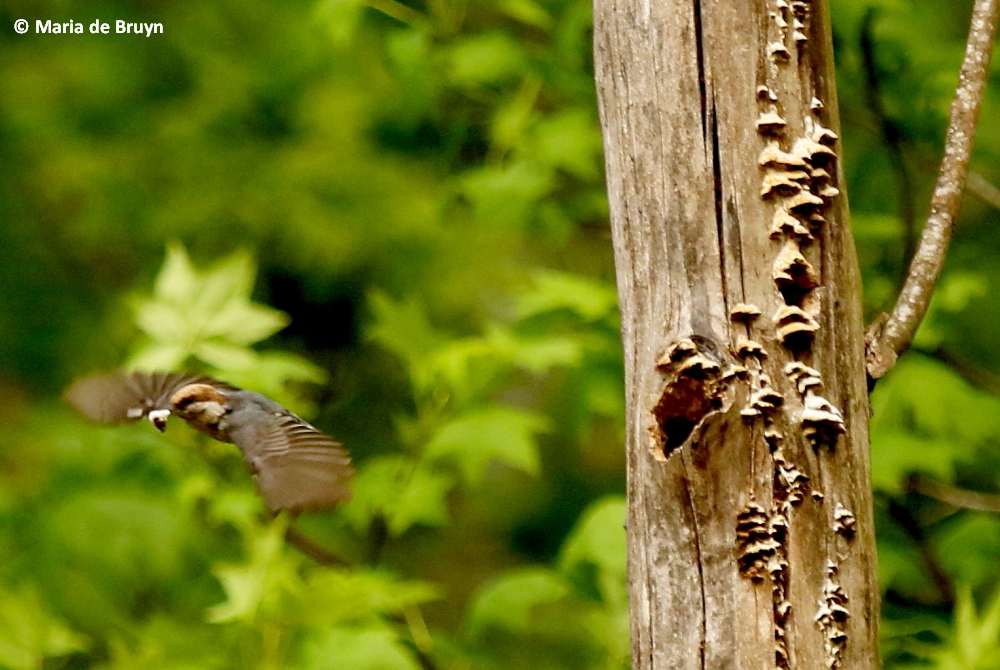
The number of days after hatching when young altricial birds leave the nest is fairly predictable for many species; knowing those approximate dates is helpful if you want to plan a day to watch fledging happen. I can often arrange to sit and watch a nest box on the appointed day for several hours.This has enabled me to see several broods of Eastern bluebirds and brown-headed nuthatches make their leaps to freedom on the path to adulthood.

When it is time for fledging, parent birds encourage their babies to leave the nest. They may entice them by perching nearby with some food but not bringing it to them. Or they fly to the box with food and then go to a branch instead of feeding. The Eastern bluebirds (Sialia sialis) in my yard will hover in front of the nest box like a hummingbird, sometimes with food in their mouths; perhaps they are showing the young ones that flight involves flapping wings.

While in some species, parents appreciate help from older children in caring for a current brood, Eastern bluebirds apparently do not. This may be because they see the previously fledged young as competitors for food. In my yard, father bluebird especially was chasing the young of earlier nests away from the feeders, not only when they begged but also when they fed themselves.


When fledging day arrived for the bluebirds’ third brood, one of the older siblings (I’m not sure if it was a female or male) was very interested in seeing the third brood fledge. He imitated his parents, hovering in front of the nest box so the young ones could see him.


Again, however, the parent bluebirds chased him away.

This did not deter the immature bird, however. He waited for the parents to go get food and again took on encouraging the young siblings. It was fascinating to watch!


The parents returned and drove him off with a show of bad temper.

Eventually, the babies did fly out of the nest box into a nearby crepe myrtle. There, they continued to call for food with a wide-open mouth.


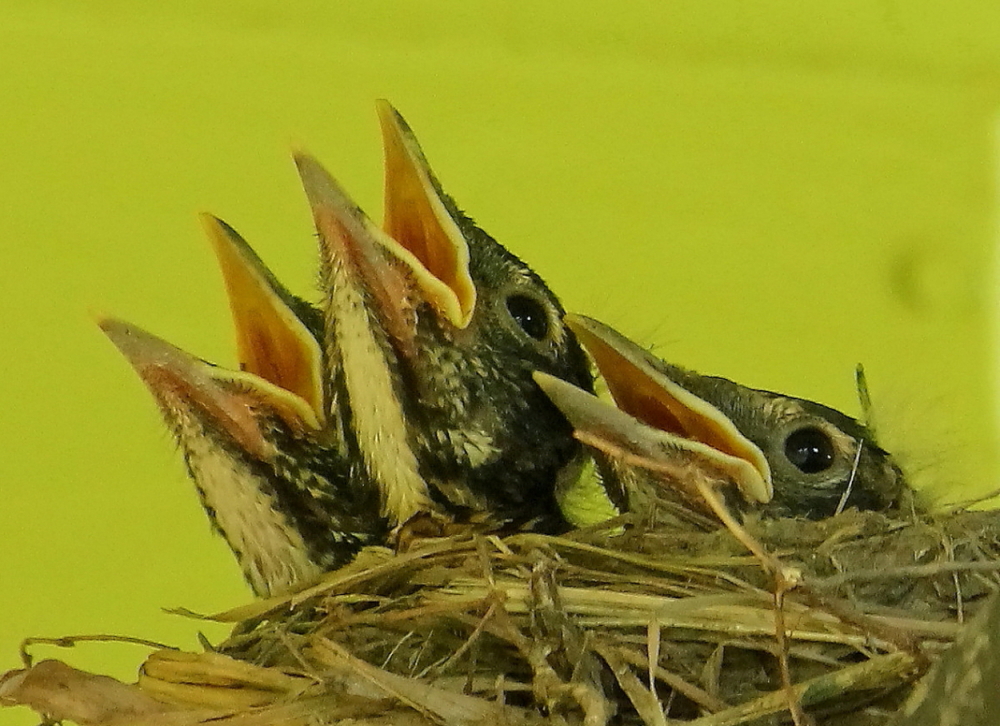
This gaping behavior stimulates the parents to feed their offspring and the offspring can be very insistent and persistent in begging for food.


Eastern starling (Sturnus vulgaris)


Carolina wrens (Thryothorus ludovicianus)


Common grackle (Quiscalus quiscula)     Royal tern   (Thalasseus maximus)

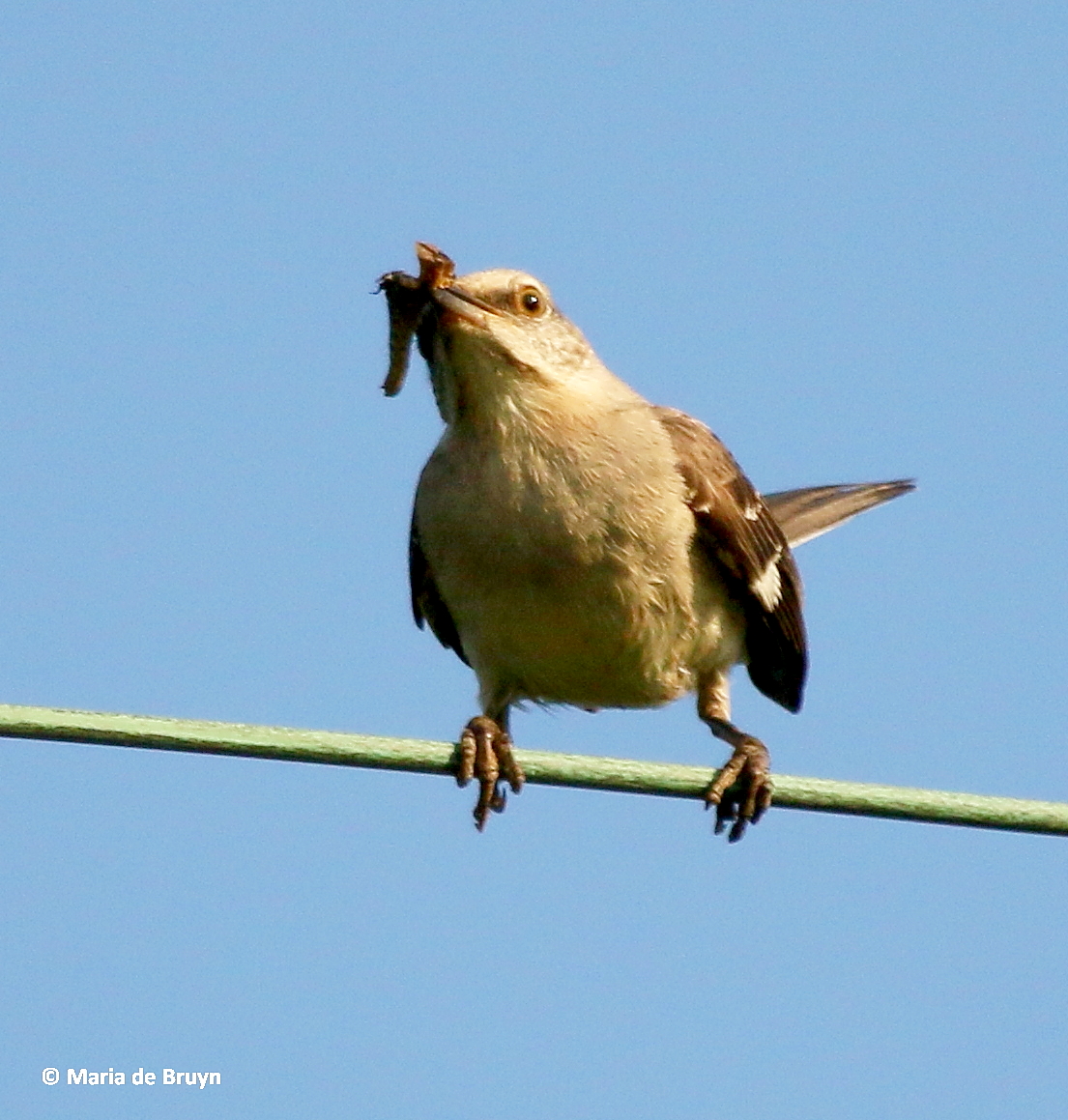
This behavior can go on for days, especially when the young ones cannot yet fly, like this recently fledged Northern mockingbird (Mimus polyglottos).


The birds that feed their young ones on the ground, like the American robins (Turdus migratorius) have it a bit easier than those that feed juveniles perched on wires, like these barn swallows (Hirundo rustica).


I can imagine that the mother and father get to a point of thinking, “Enough already!” as those large fledglings continue to beg for food; this parent Northern cardinal (Cardinalis cardinalis) did not seem willing to go out for yet another bug for the young one.

But some young birds can be very insistent, even when it is obvious that they are now fully capable of finding some food on their own. This parent chipping sparrow (Spizella passerina) seemed willing to be a feeder for a while longer.


The parent-child feeding routine that often catches people’s eye is when a young brown-headed cowbird is being fed by a (non-voluntary) adoptive parent. For example, here we see a male hooded warbler (Setophaga citrina) bringing food to a brown-headed cowbird baby (Molothrus ater) after the youngster spent quite a while loudly crying out for a meal and hopping around on branches after the parent to convince him that he needed to be fed.


Of course, at a certain point the parents do stop feeding and the young set off on their own. They may check out nearby nest boxes, either scouting homes for next season or looking for roosting boxes for the cold winter nights, like these Eastern bluebirds. They may groom a bit to remove the last bits of fluffy feathers, like this red-shouldered hawk (Buteo lineatus). And then they are ready to spend an autumn and winter getting ready to repeat the cycle, this time as the parent birds. And we can look forward to watching the process again. 😊


Avian generations in the making – part 3A: raising and feeding babies

So here in North America, it’s approaching winter and it may seem a bit weird to have another blog at this time on birds raising their young. But I wanted to complete the series even though it has been delayed because of my volunteer activities and commitments the past month. Also, it is now late spring in the Southern hemisphere so for some people this is seasonal and there are other birds around them that are getting ready for babies, though different species than these American robins (Turdus migratorius). Because this part kept growing longer as I worked on it, I’ve divided it into two parts – this one on raising the babies until fledging and the next one on fledging and post-fledgling care. I hope all of you who read this will enjoy it no matter where you live.

It’s fascinating to me to watch the birds during their reproductive cycle; I always learn something new. Once parent birds have completed a nest to their liking, the female lays her eggs and proceeds to brood them, with some species sitting on the eggs almost full time right away and others taking breaks.


Carolina wren (Thryothorus ludovicianus)              Eastern bluebird (Sialia sialis)

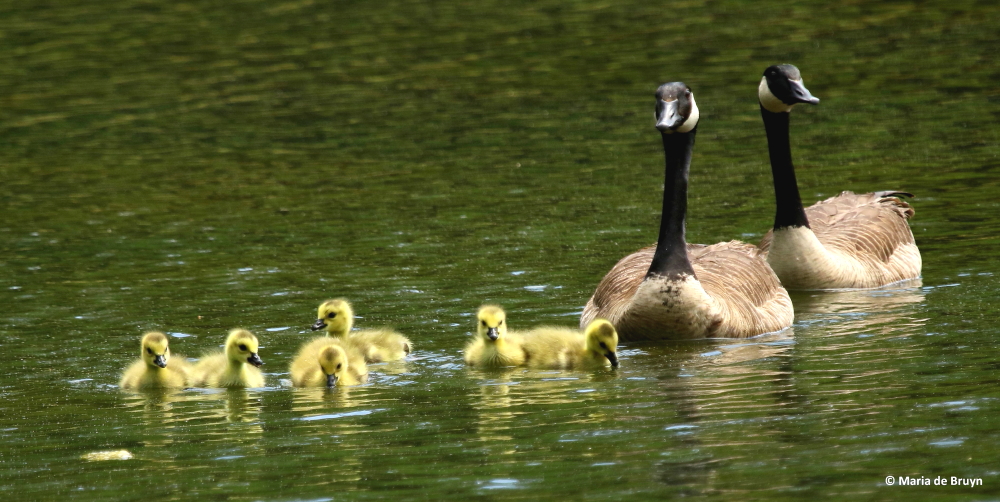
An acquaintance recently told me about a friend of hers who commented that she had seen a very pregnant goose that was so fat, she was waddling. The acquaintance proceeded to give an avian reproduction lesson to her friend – a woman in her 80s – who apparently did not know all birds lay eggs! Even after babies hatch, the Canada goose (Branta canadensis) may still look well-fed!

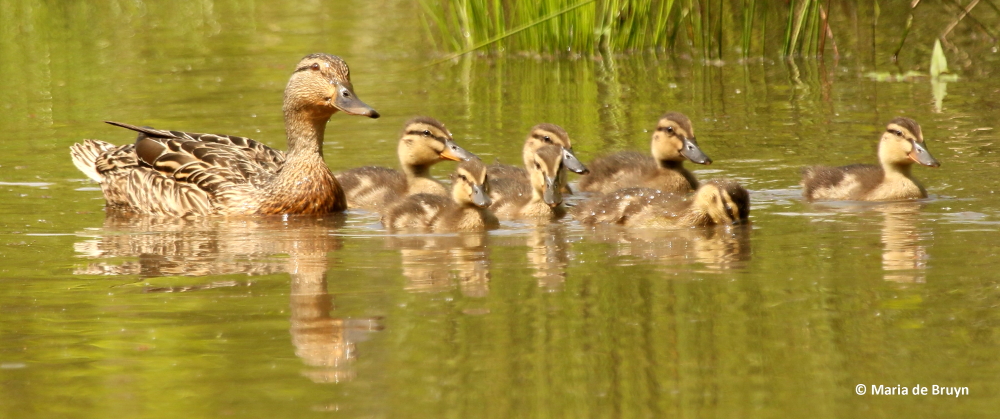
Some bird species have young who are “precocial”, that is, they are covered with downy feathers and have open eyes when they hatch and are soon able to feed themselves. These species include turkeys and ducks, like these mallards (Anas platyrhynchos), and the young often leave the nest soon after birth (which makes them “nidifugous” – good Scrabble word!). The newborns may look fuzzy but it’s not long before they start to take after their parents’ looks.

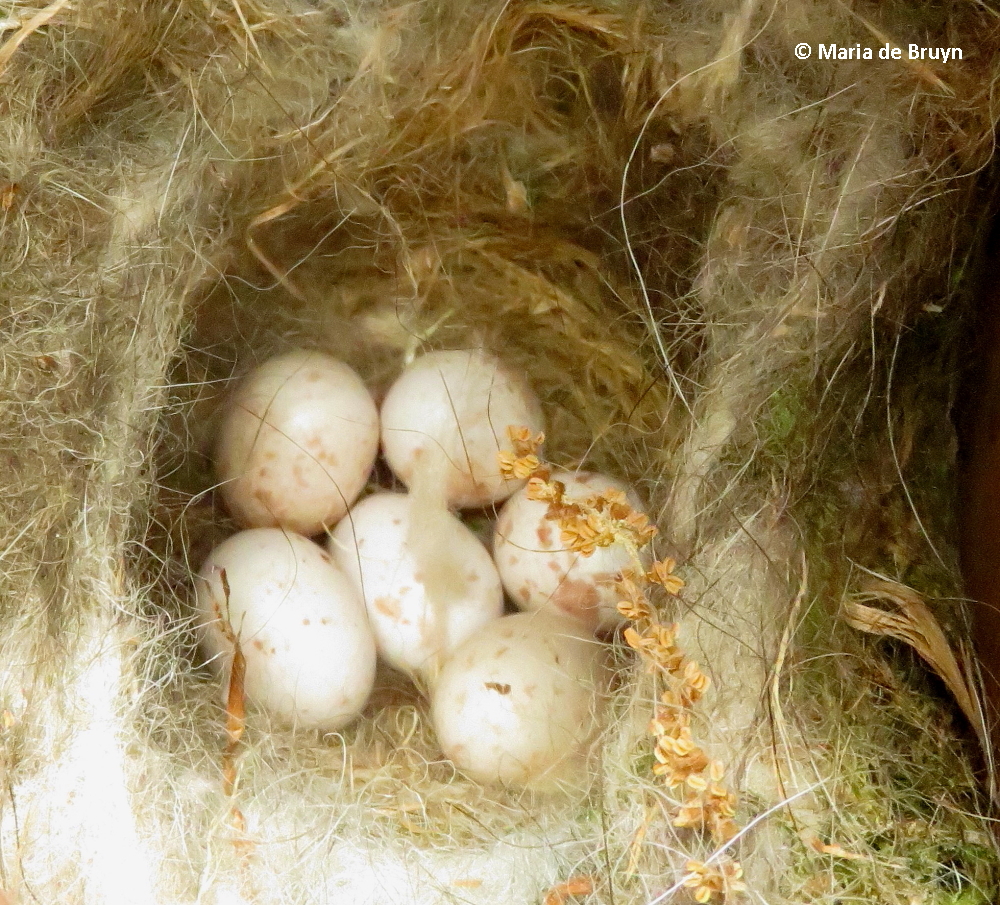
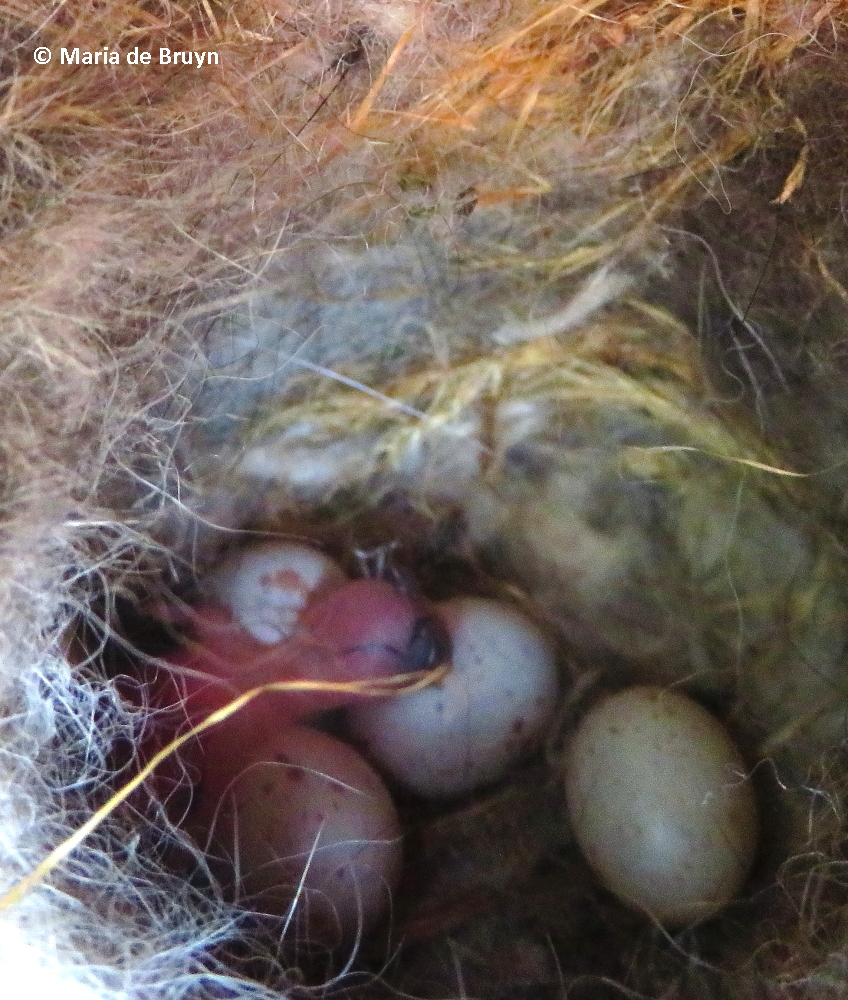
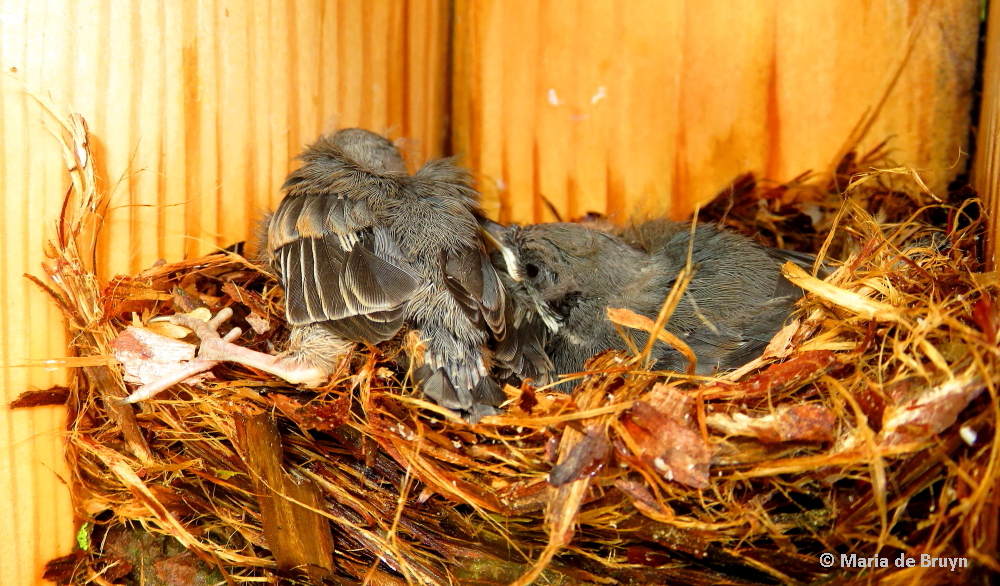
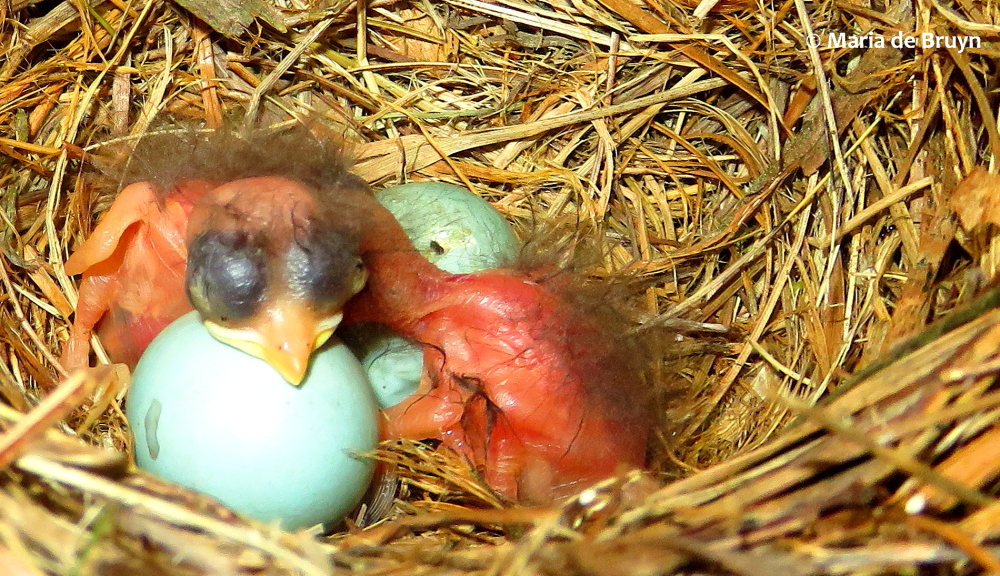
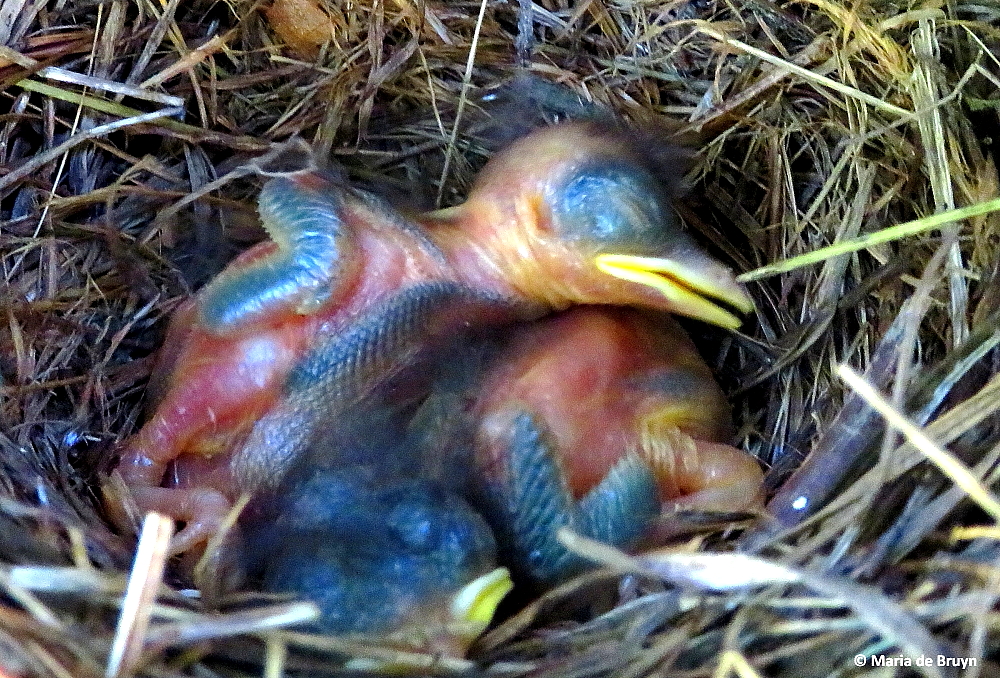
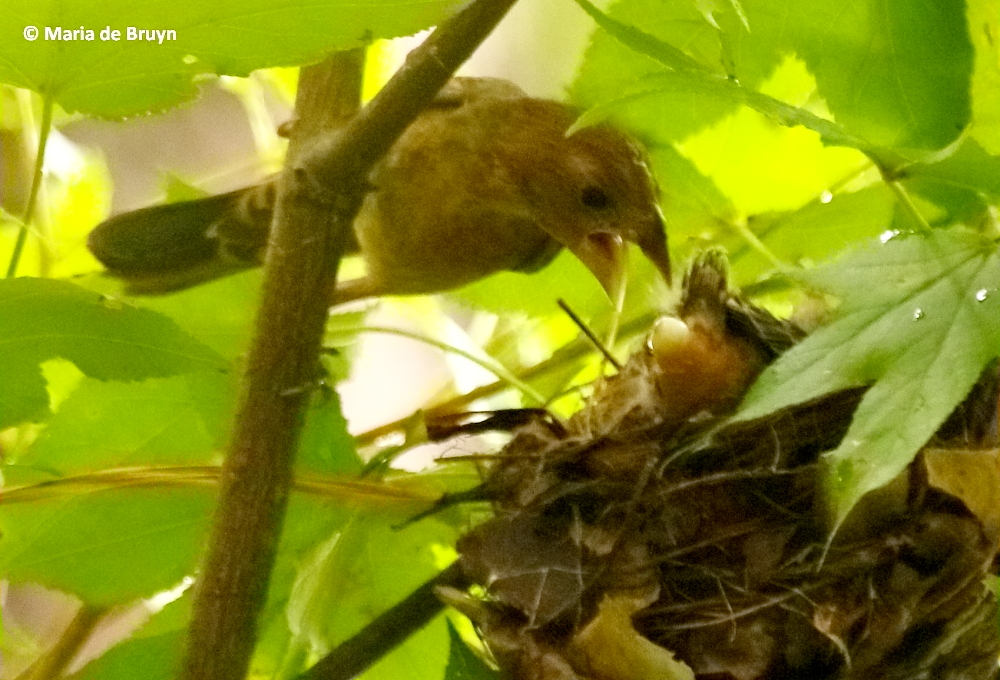
Other birds, such as songbirds, are altricial (as are human beings) – they are naked and helpless at birth and require considerable care before they can walk, fly and feed themselves. If you have some in a nest that is easily observable (and you can take photos when parents are not there so you don’t distress them), it’s interesting to see how the babies develop.


Carolina chickadees (Poecile carolinensis) on 18 and 22 April           

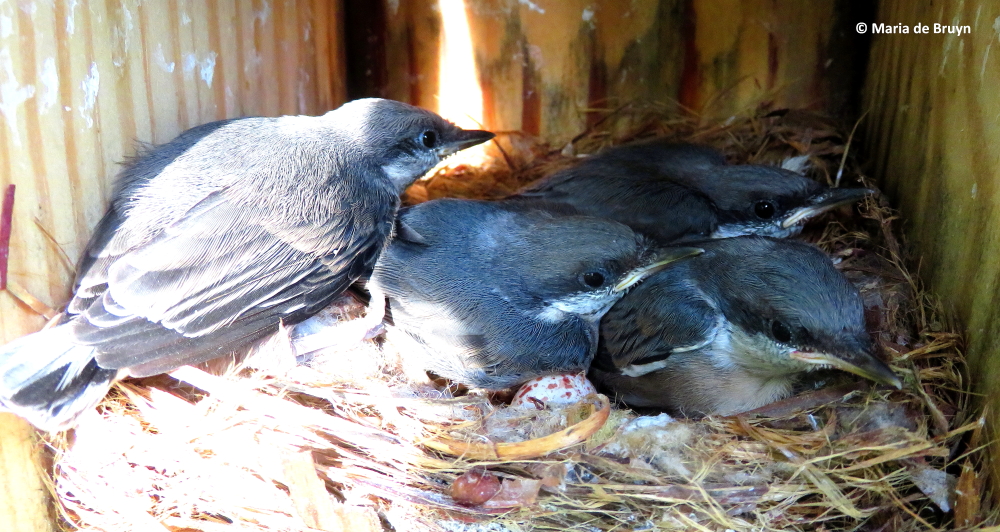
Brown-headed nuthatches (Sitta pusilla) on 13, 25 and 29 April


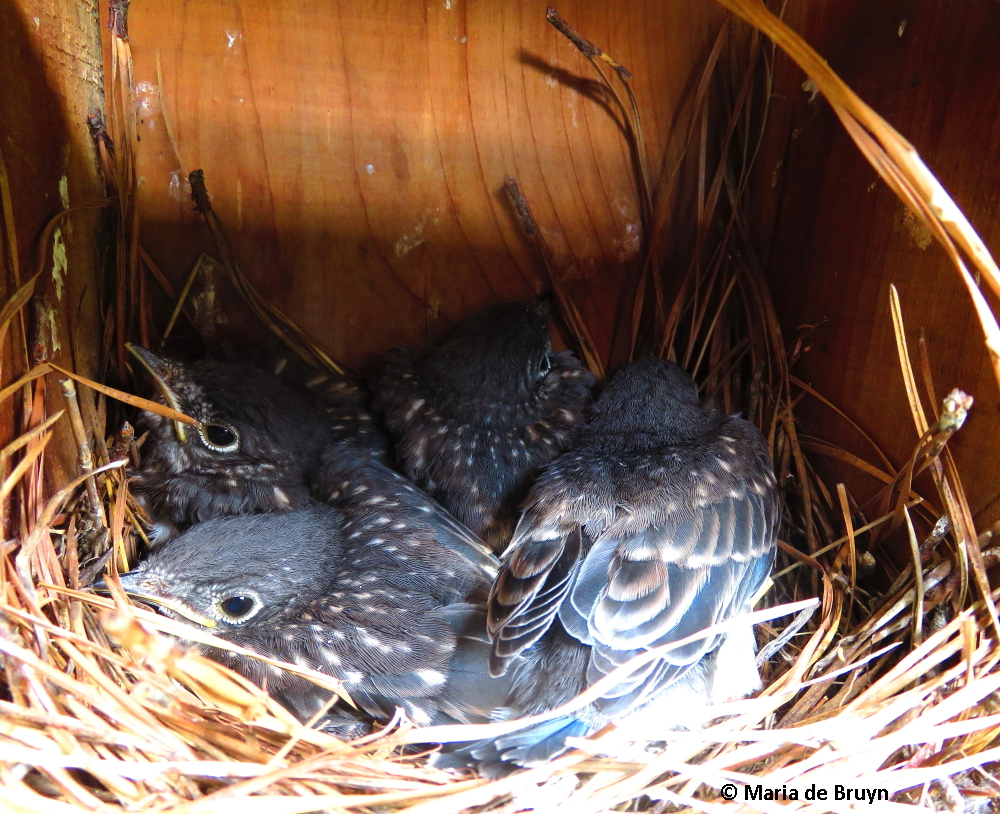
Eastern bluebirds (below)


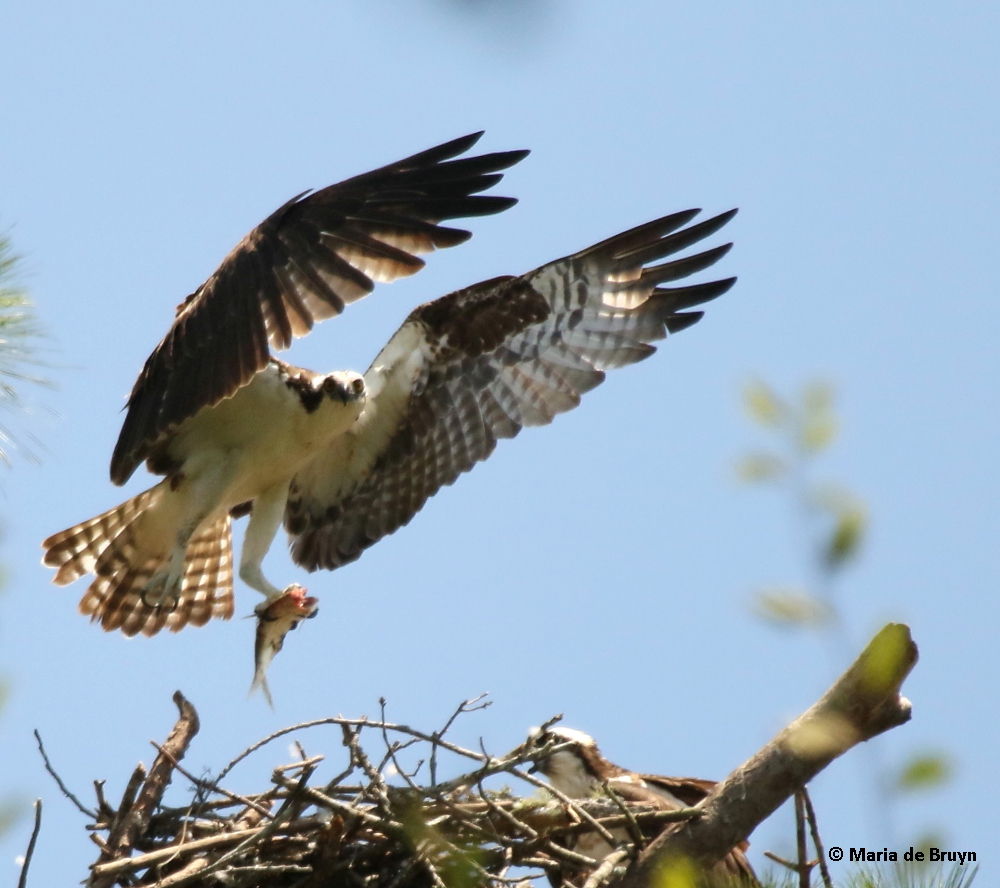
As the mother incubates the eggs, her mate will often feed her so she doesn’t have to leave the nest. This young osprey (Pandion haliaetus) was assiduous in bringing his female life companion fish. Then as the babies hatch, in many species both the male and female parents get busy bringing the young frequent meals.  It’s estimated that Carolina chickadees, for example, will bring over 5000 insects to their brood before fledging!

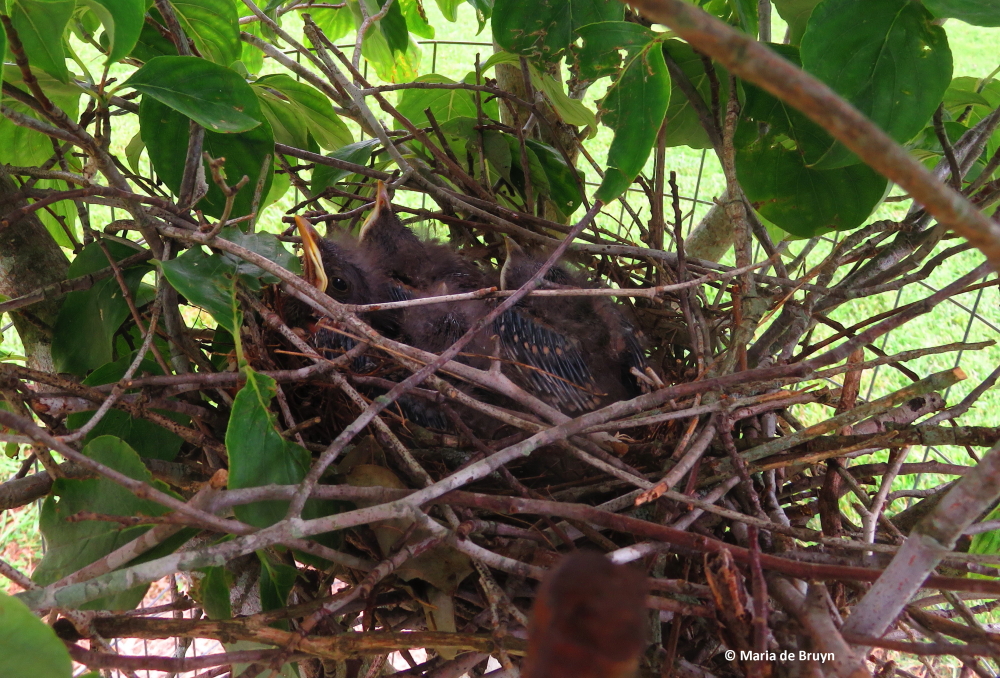
Northern mockingbird (Mimus polyglottos)


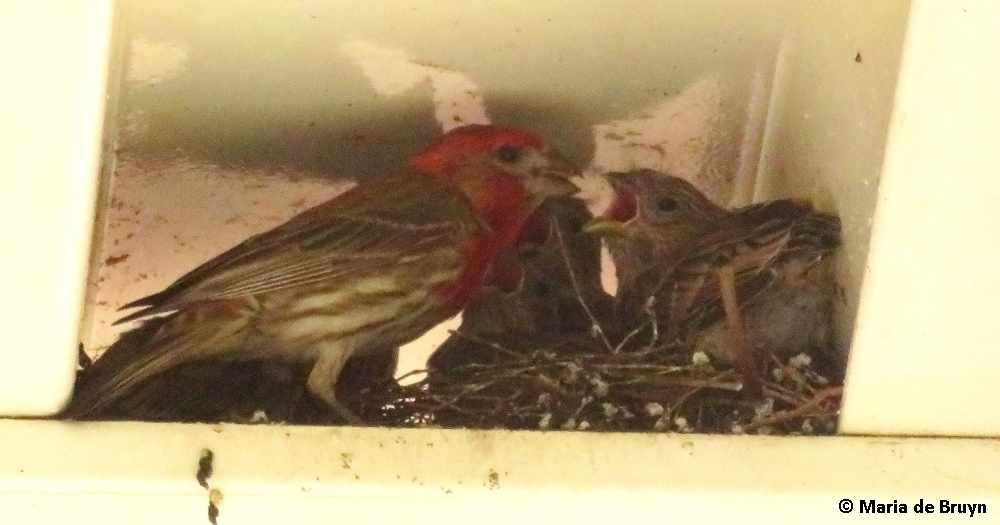
House finch (Haemorhous mexicanus)  and Red-headed woodpecker                (Melanerpes erythrocephalus)


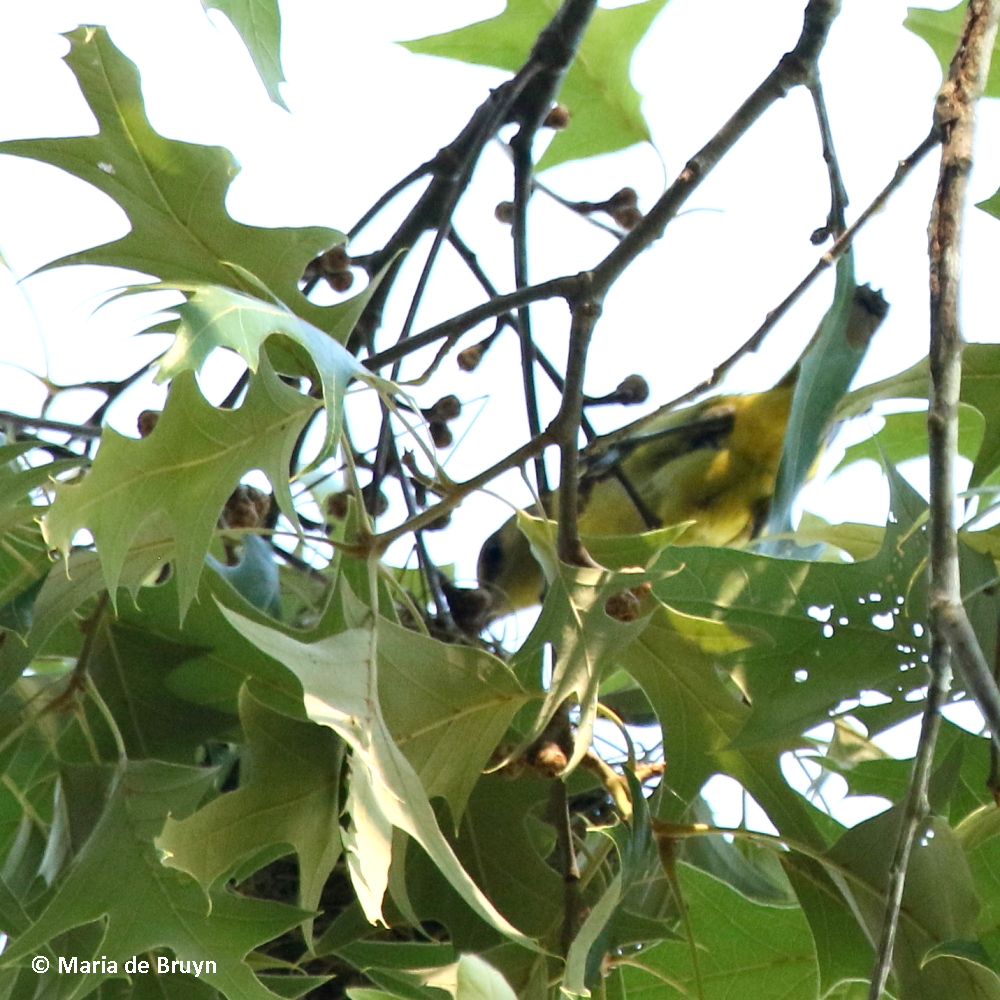
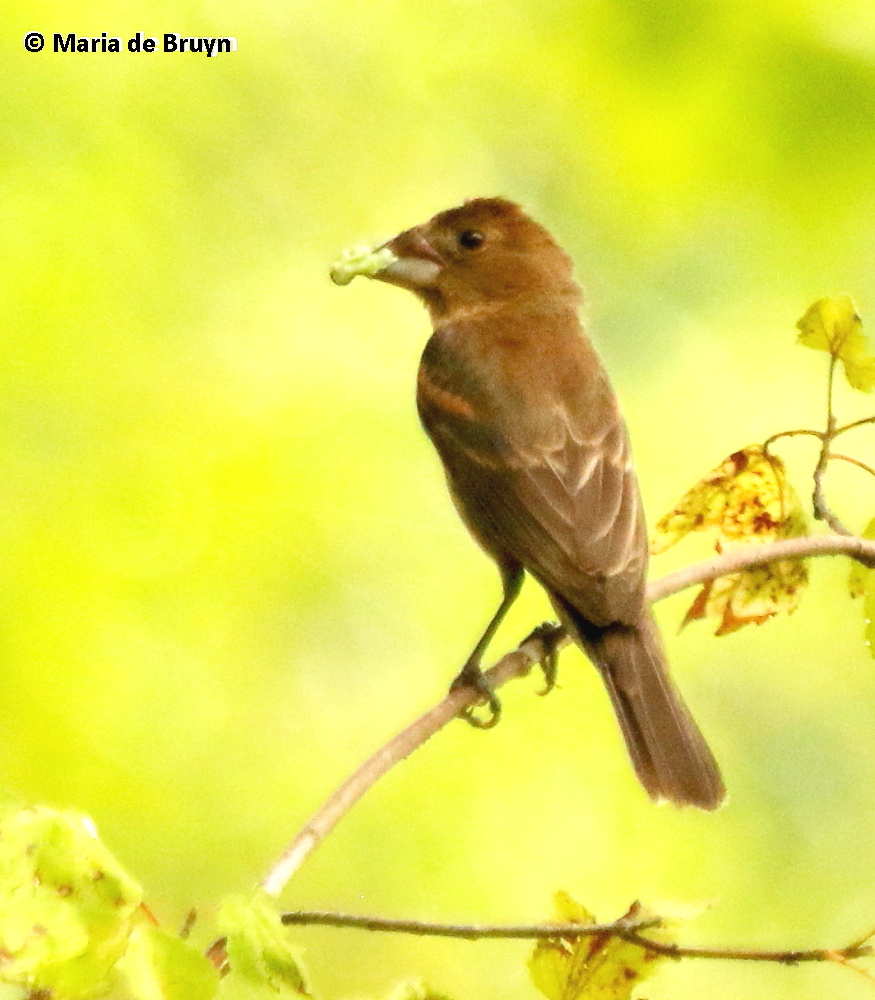
Orchard oriole (Icterus spurius)                  Blue grosbeak (Passerina caerulea


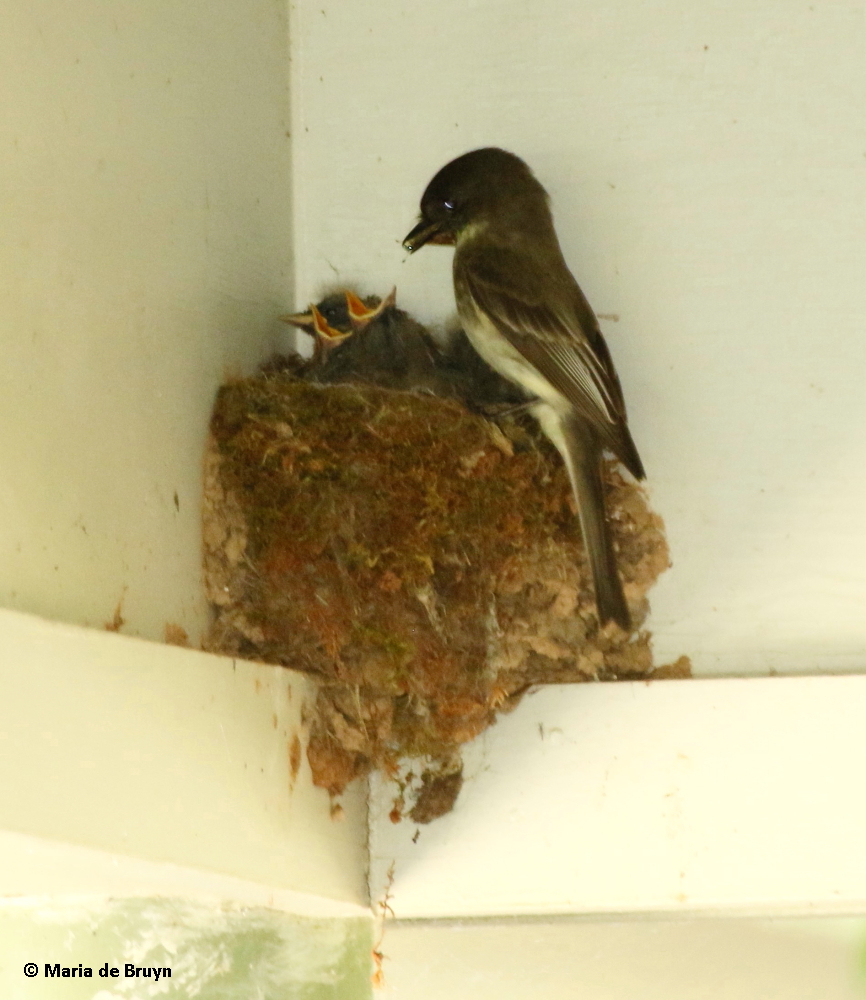
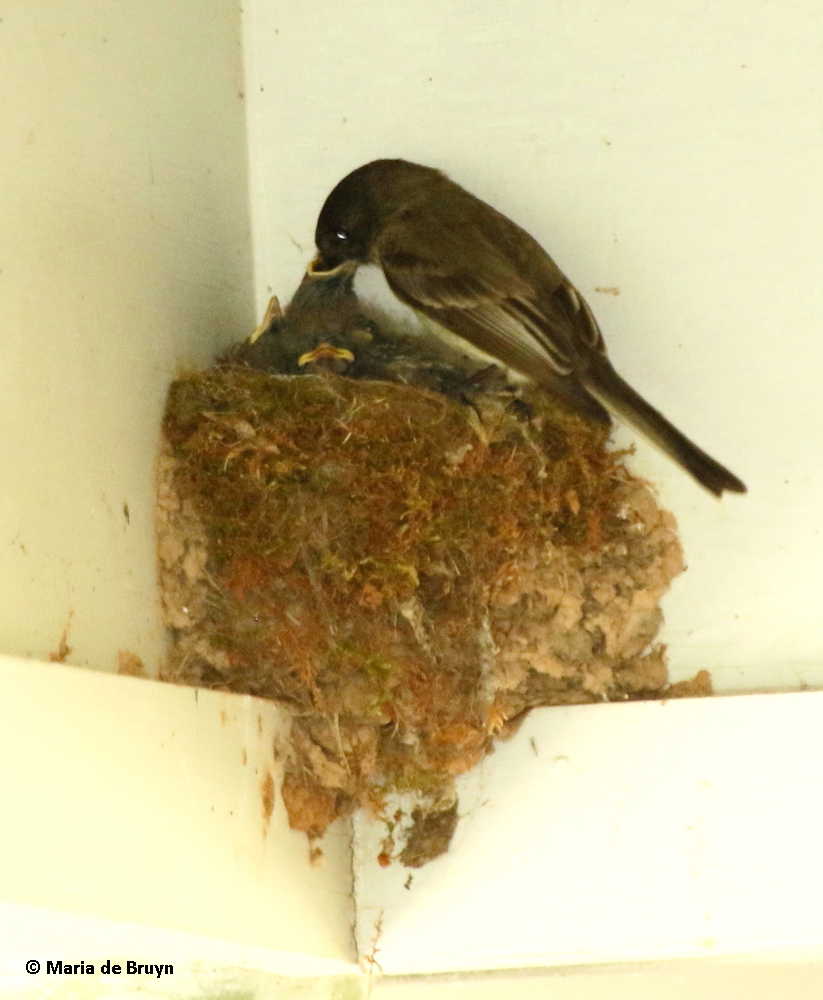
Eastern phoebe (Sayornis phoebe)

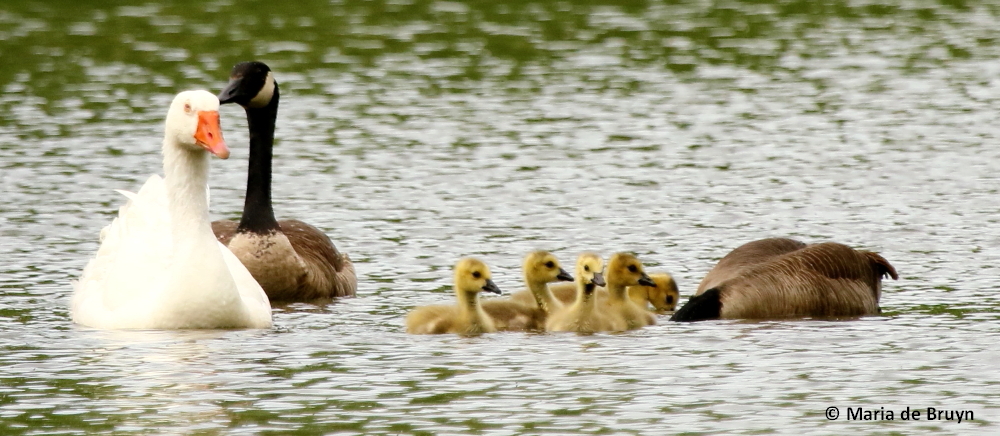
In some species, the previous year’s young will help their parents with the new brood. Brown-headed nuthatches and American crows are examples of this. A pair of Canada geese that I observed this past spring seemed to have a domestic goose helping them out.

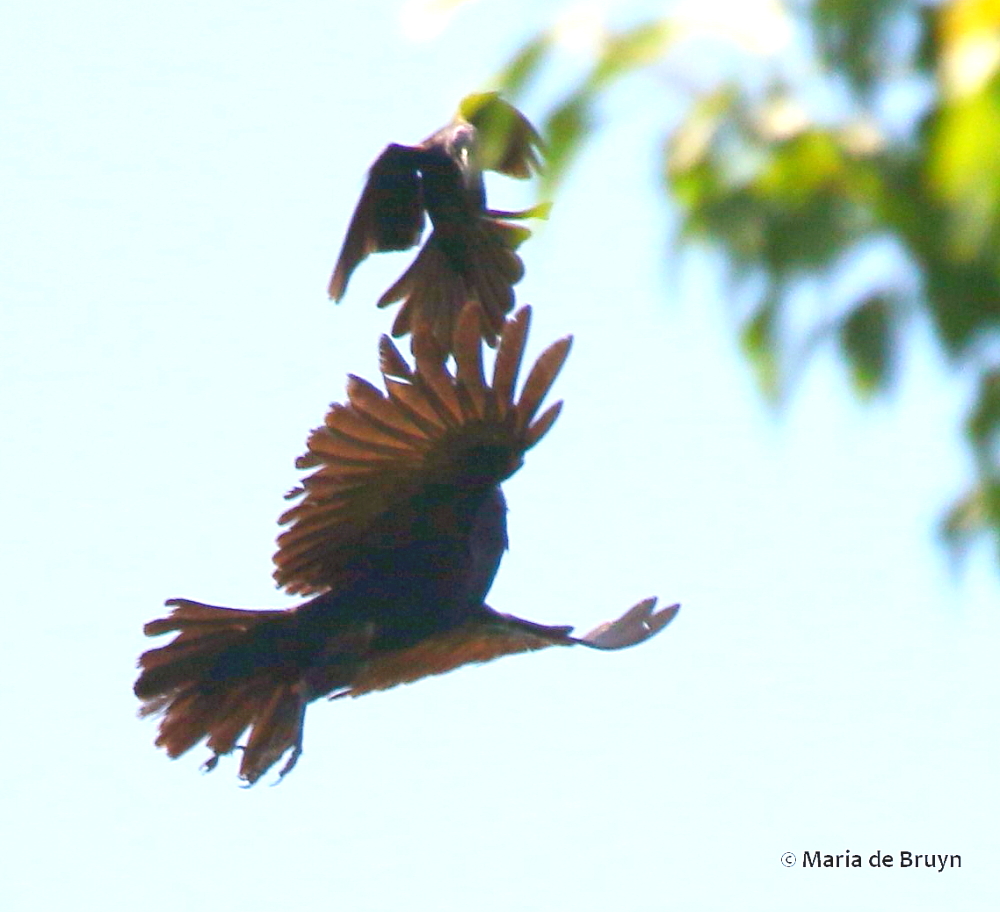
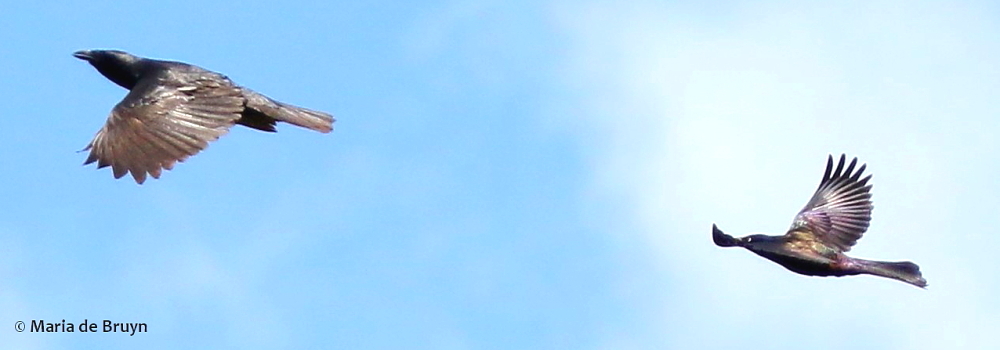
The parents have other chores, too. They must keep the babies safe from predators – Both American crows (Corvus brachyrhynchos) and common grackles (Quiscalus quiscula) will be chased away by songbirds, for example, because these birds will raid nests to eat eggs and babies. But the grackles must also protect their own young against the crows, pursuing them non-stop to drive them away.


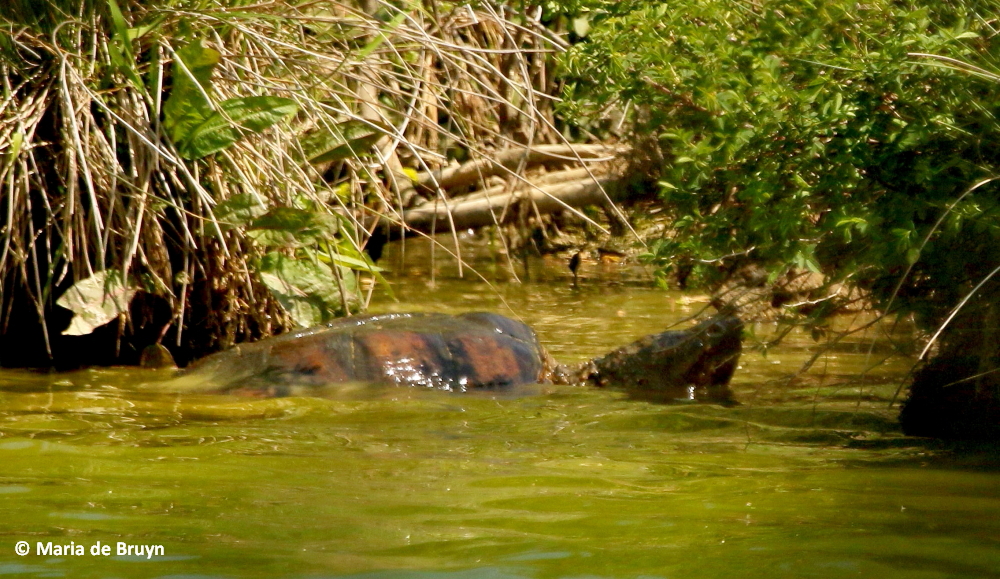
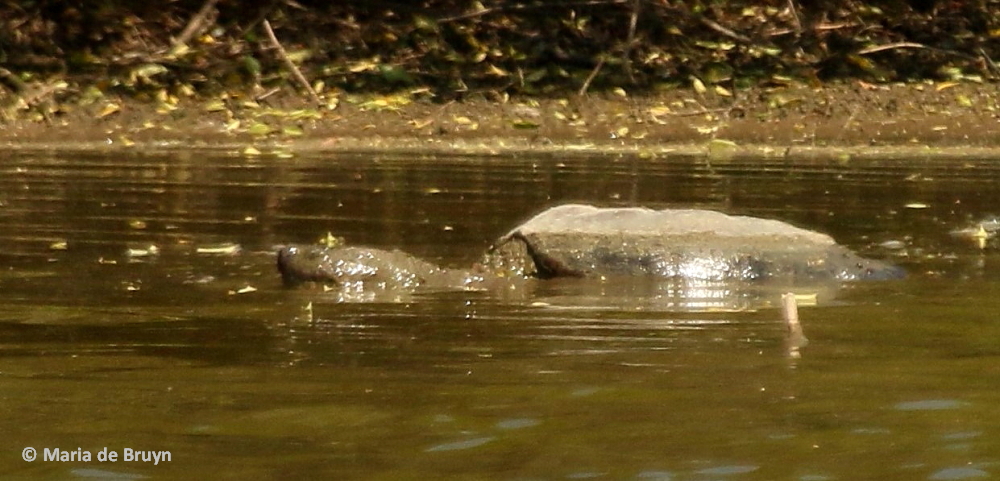
For other birds, protecting the young can be more difficult. This mother wood duck (Aix sponsa) was raising her brood in a pond that was home to at least three large snapping turtles (Chelydra serpentina). Ultimately, another birder and I thought she only had two ducklings survive.   

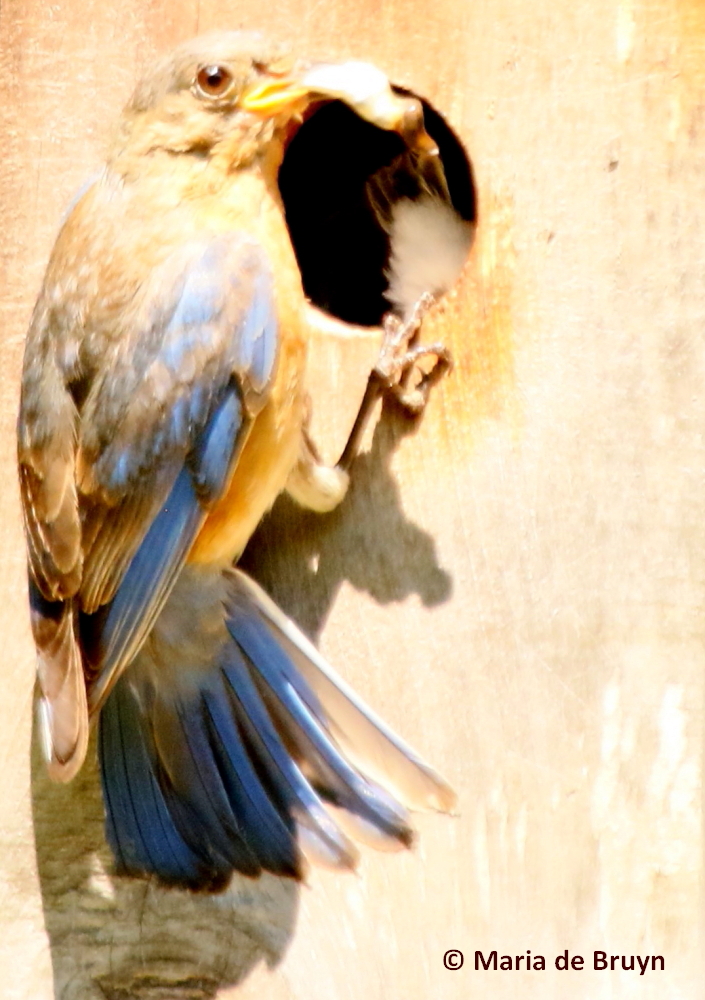
Keeping the nest reasonably clean is another chore. The babies make this task a little easier than you might think because they defecate into a mucous membrane that forms a sac. When you watch a nest box, especially when it gets closer to fledging time, you can periodically see the parents flying out of the box with a white blob in their mouth, which turns out to be a fecal sac. They either discard it elsewhere or sometimes eat it for some nutritional benefit.


Brown-headed nuthatches

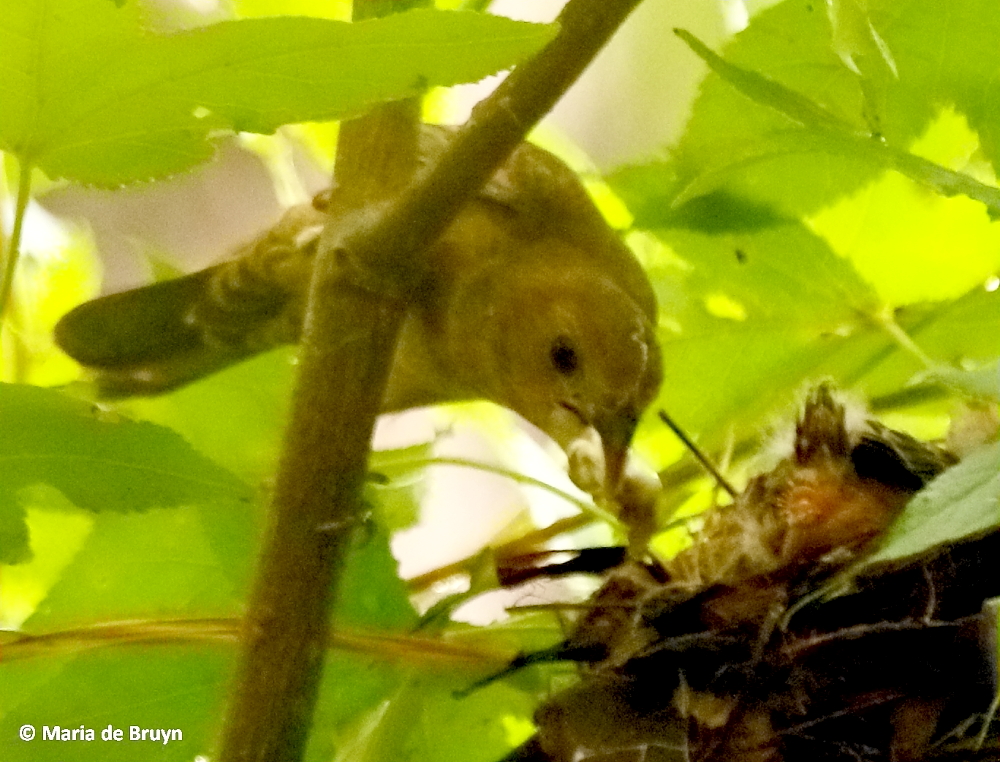
This year, I was surprised to have caught a female blue grosbeak during the cleaning – it appeared that she was actually pulling the fecal sac from the baby! Later, I read that some species stimulate defecation by prodding the babies’ cloaca so they can get on with the chore. I also caught a photo in which a baby bluebird had just presented its rear end to the parent for removal of a sac. I could imagine that some human parents might think a fecal sac would be a cool avian adaptation for their babies to have – no more dirty diapers and expense for diapers either! (An idea for an SF short story?)


After all their efforts, the parents are usually ready for those babies to fledge – the subject of the upcoming last blog in the series.


* Not all the photos in this blog are of great quality, I know, but my intention was first to show behaviors and secondarily to have some nice shots in the blog.


Avian generations in the making – part 2B: nesting in nature

My last blog looked at birds’ nests in man-made structures and there are plenty of birds who take the opportunity to use such sites. Most birds, however, make their homes out in nature – in shrubs, trees and on the ground. This is a bit of a long blog but I want to share views of different species at work.

There are different types of nests; a few types that we see in North Carolina include:

  • Cavity nests – holes in trees, made by the parents themselves or adopted as a home when birds like the cavities made by others
  • Simple scrapes – these are shallow depressions scratched out on the ground and they may be lined with materials or left to look like the rest of the surrounding ground
  • Cup-shaped nests – these structures are like small bowls and may be lined with materials like those used in nest box nests. They can be made of varied materials – swallows use mud while American robins and other birds use plant materials.
  • Platform nests – these nests are usually quite large and comprise large twigs and small branches
  • Plate nests are a bit similar to platform nests but much smaller and less organized; they may consist simply of a few twigs arranged in a shallow bundle
  • Pendant nests hang from branches.

When birds look for a cavity site, they may seek out a new spot on a tree trunk or investigate already existing cavities. These Eastern bluebirds (Sialia sialis) at Sandy Creek Park were examining one particular hole with interest, but a downy woodpecker was interested as well so there was some rivalry. The female bluebird chose to just sit on a nearby branch while her mate looked at the hole numerous times trying to make a decision.


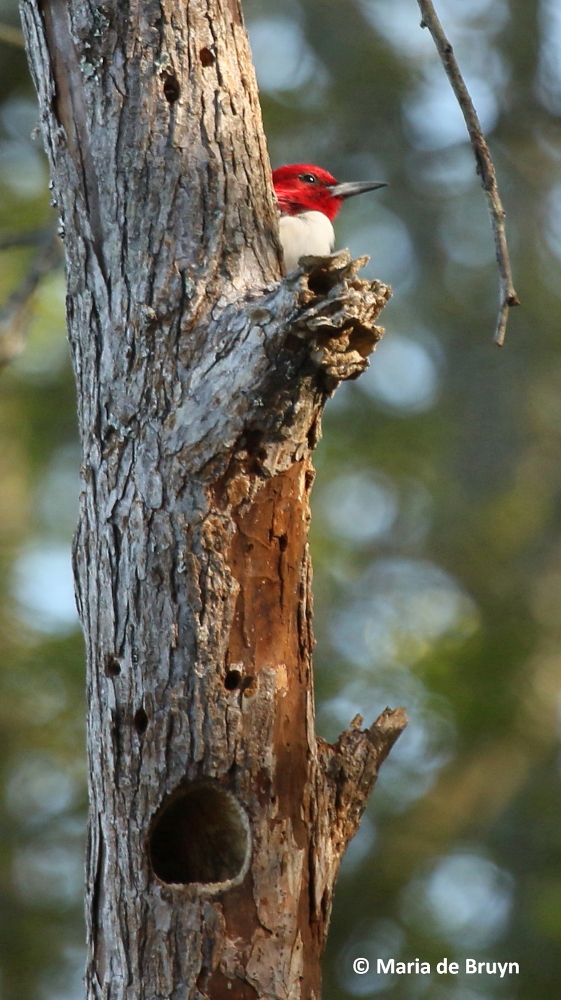
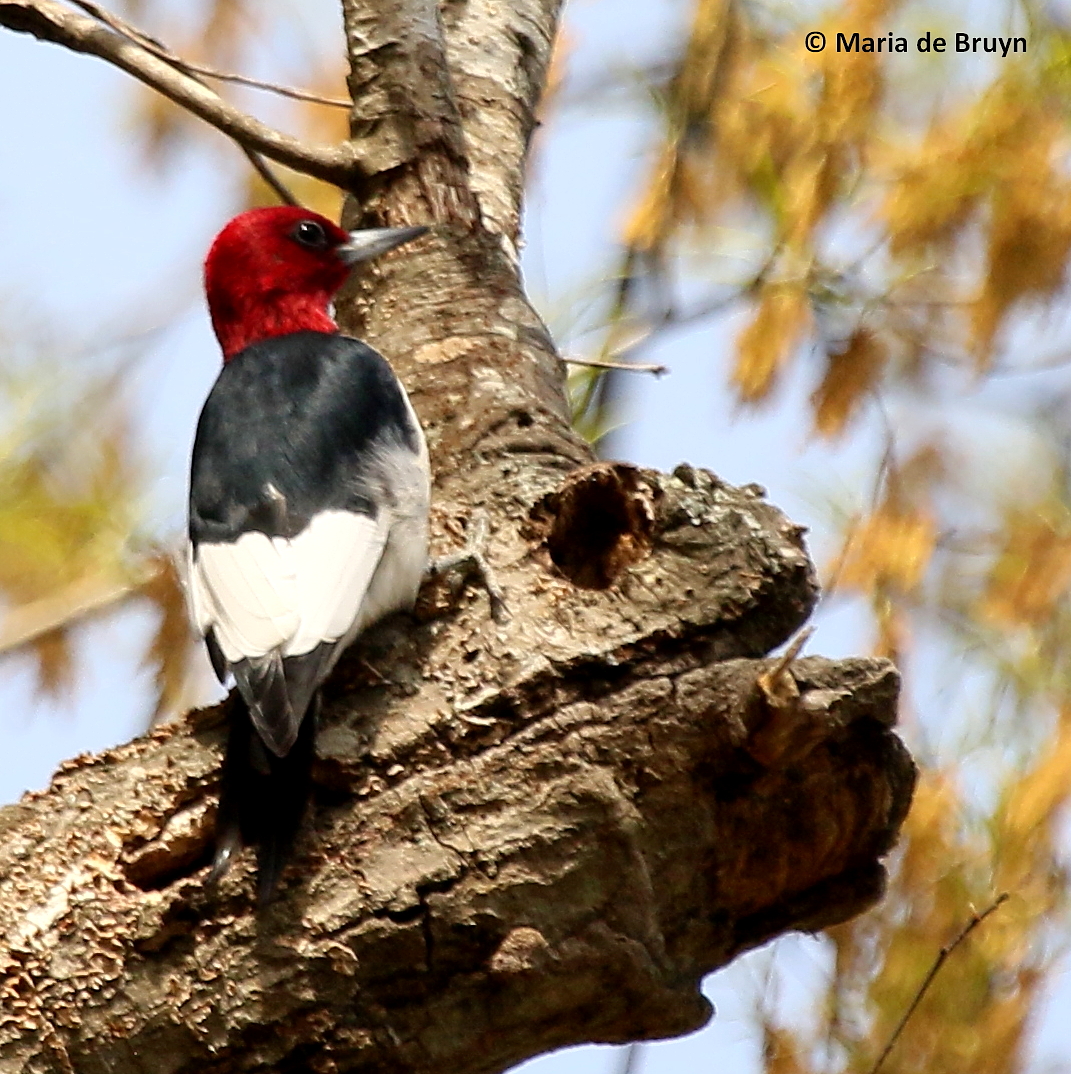
Red-headed woodpeckers (Melanerpes erythrocephalus) excavate larger cavities in tree trunks to raise their broods. They may visit various trees before deciding on a spot.


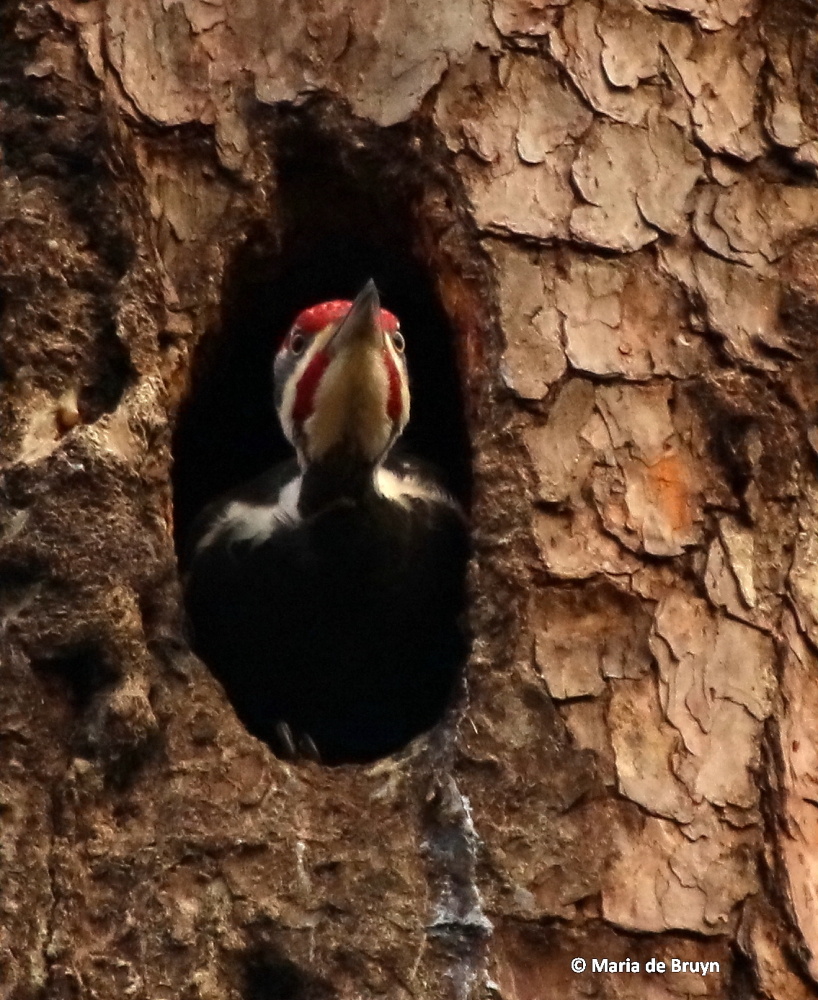
Pileated woodpeckers (Hylatomus pileatus) may use the same holes year after year. They make holes for resting as well as for nesting and often include a “back door” so they can make a quick escape if a snake shows up.


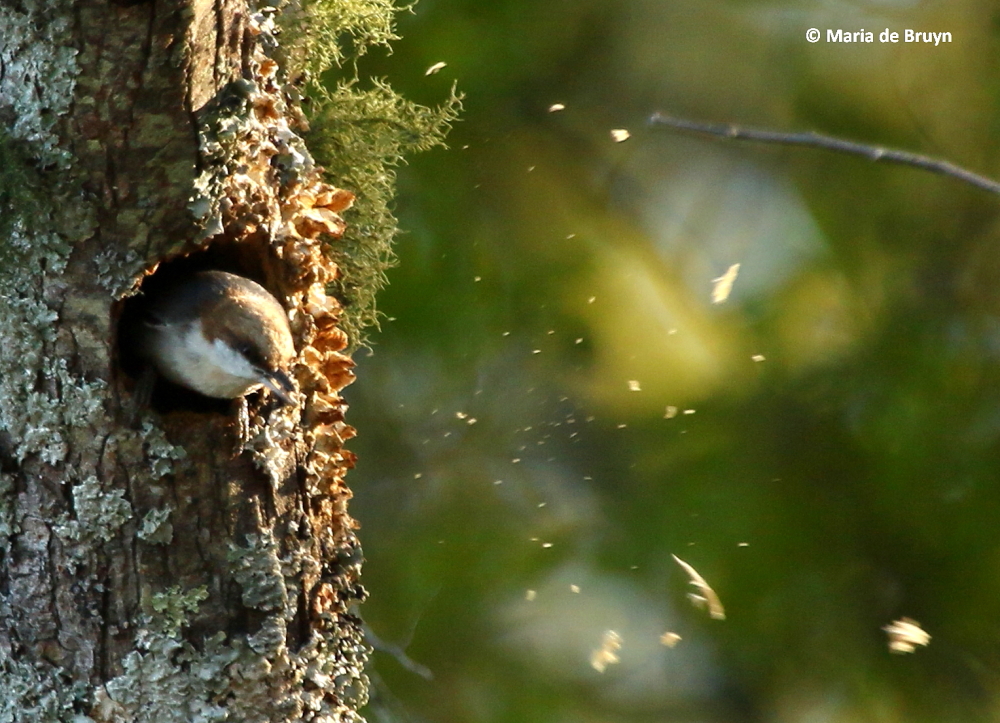
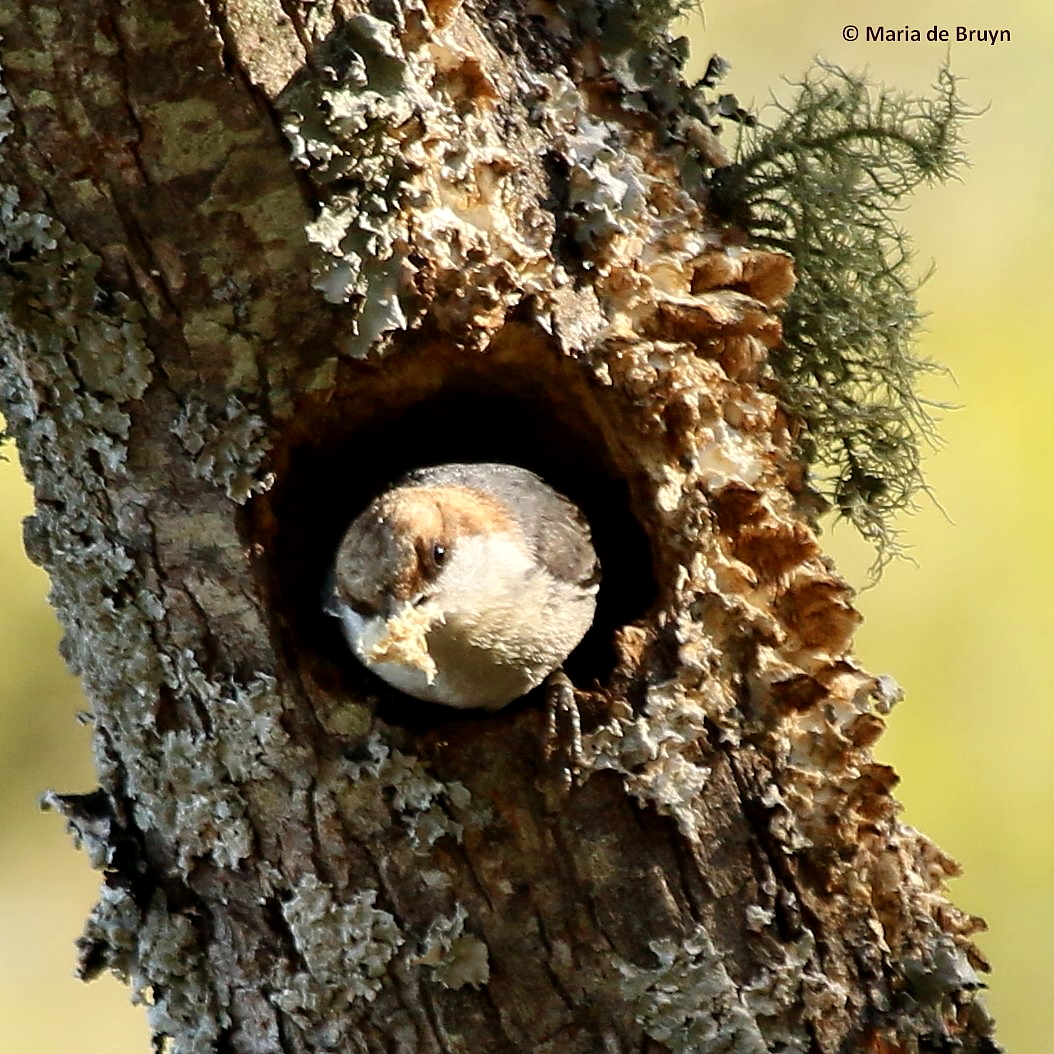
Brown-headed nuthatches (Sitta pusilla), like this one at Jordan Lake, can be very industrious in excavating their nest cavities. You can watch them pecking away at the wood of a tree trunk or branch, scattering wood shavings and removing bigger bits of softened wood in their beaks to achieve a hole of the right depth for their babies. (See a short video of one at work here.)


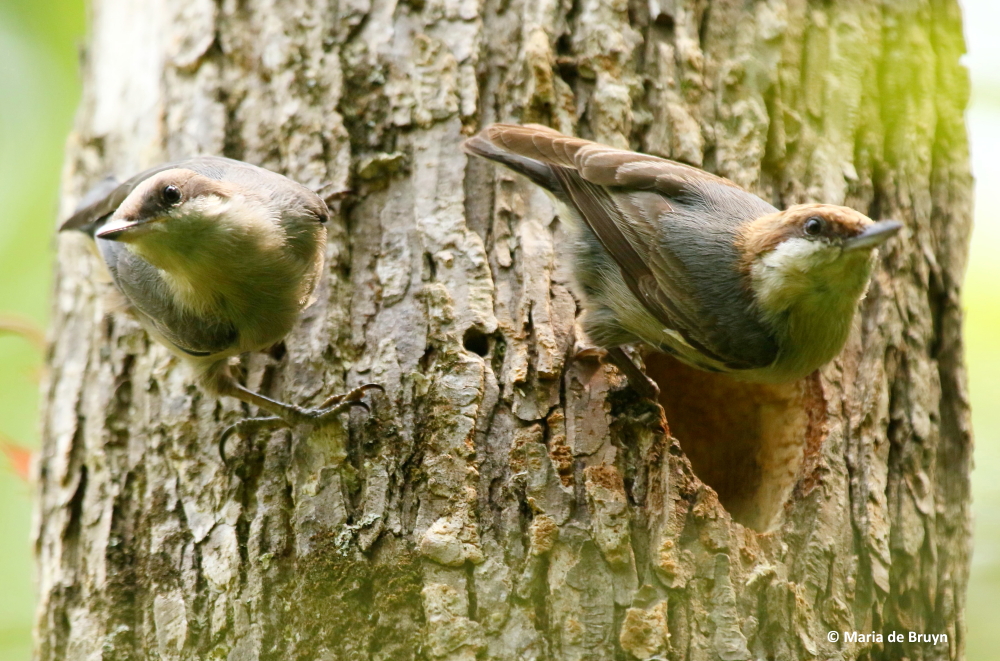
I also saw nuthatches making nests on the edges of a farm and near the NC Botanical Garden. The pair working on a nest at the Garden were doing this with a great horned owl on a branch overhead, as well as a red-tailed hawk and crows who were raising a racket. Their presence didn’t bother the little birds; these nuthatches also appeared to have help from a previous year’s youngster willing to help the parents raise the new siblings.


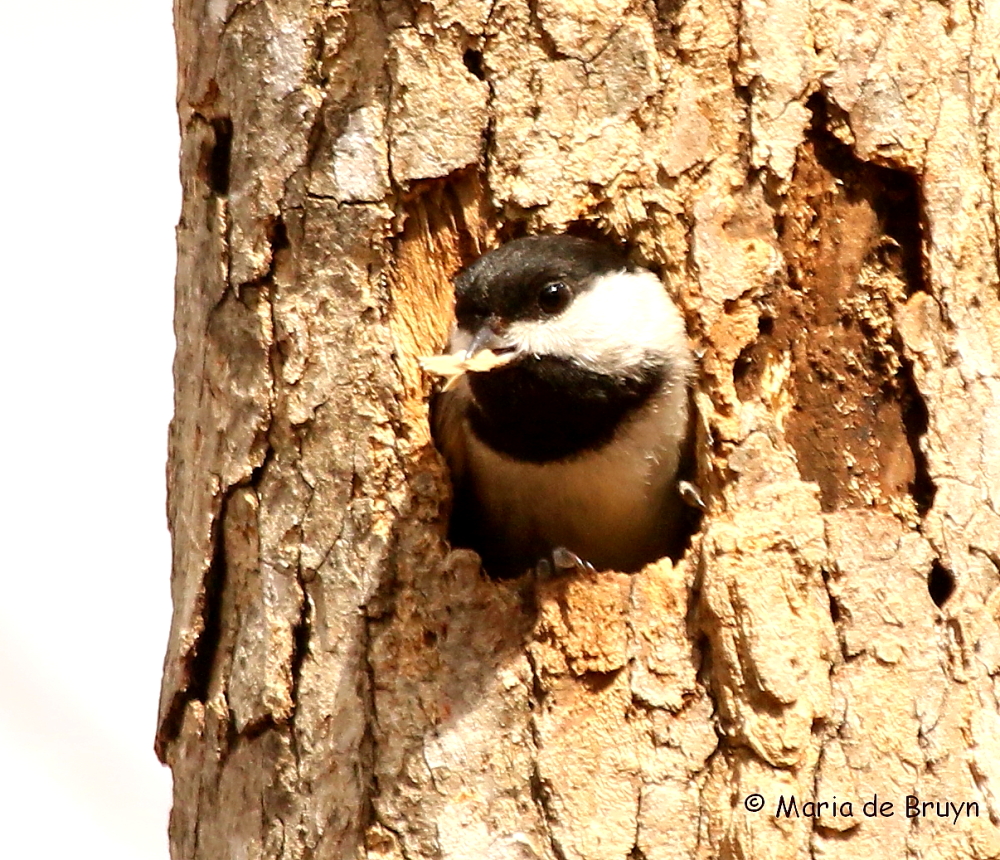
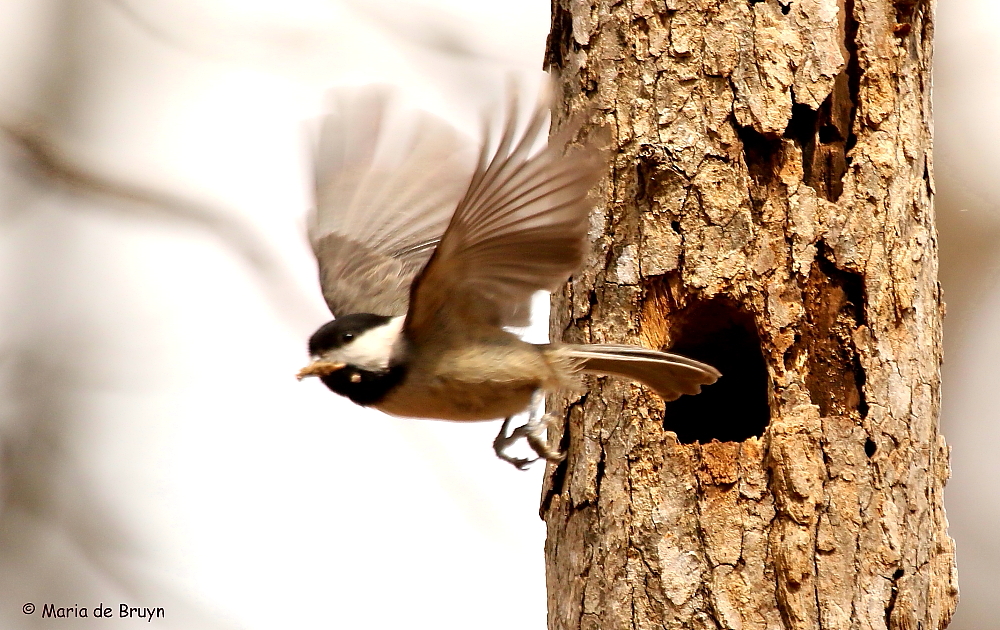
Carolina chickadees (Poecile carolinensis) also dig out small holes in trees and snags.


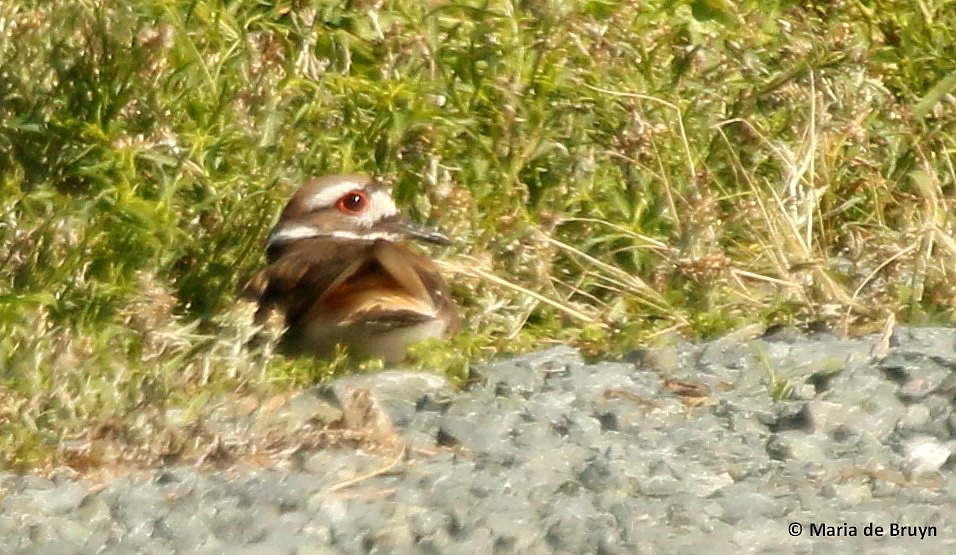
Killdeer (Charadrius vociferous) use scrape nests which may look exactly like the surrounding area; their eggs then blend in really well with the environment and can be difficult to see.

When I first saw this nest suspended from a tree near a bridge, I had no idea which bird had built it. A birding friend had fortunately seen the parent bird fly to the nest – it belonged to a Northern parula like the one shown below (Setophaga americana).


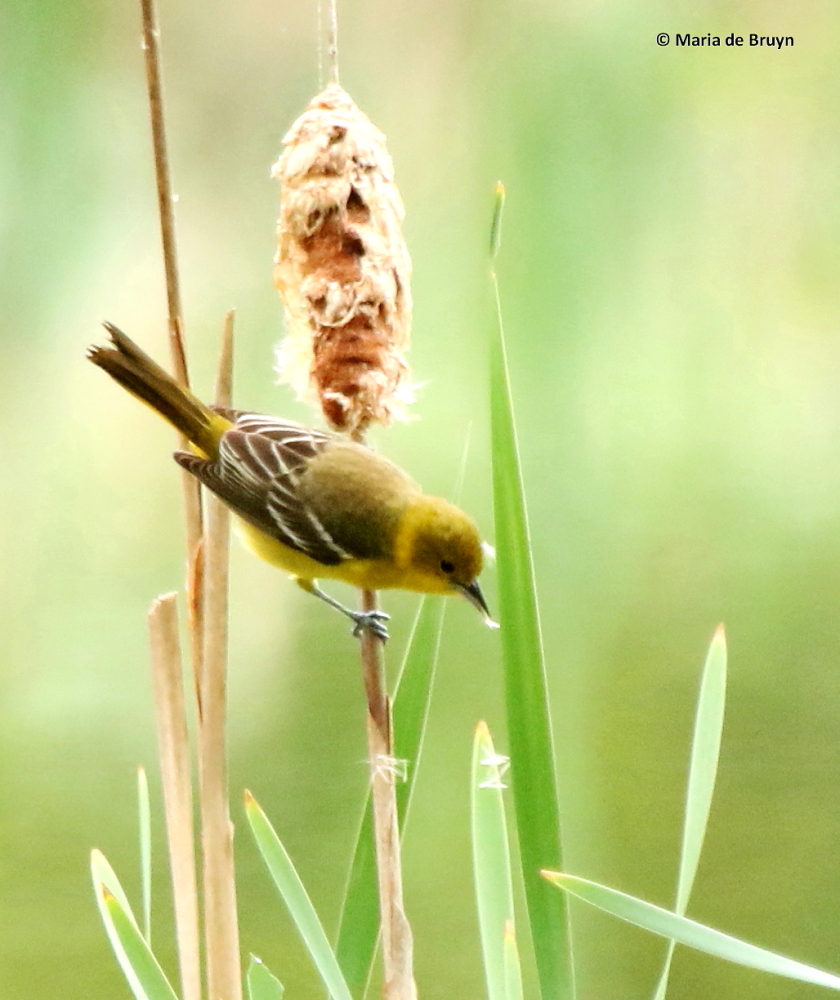
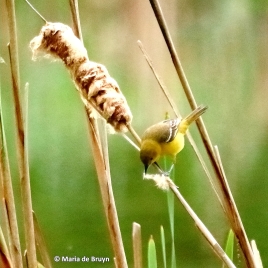
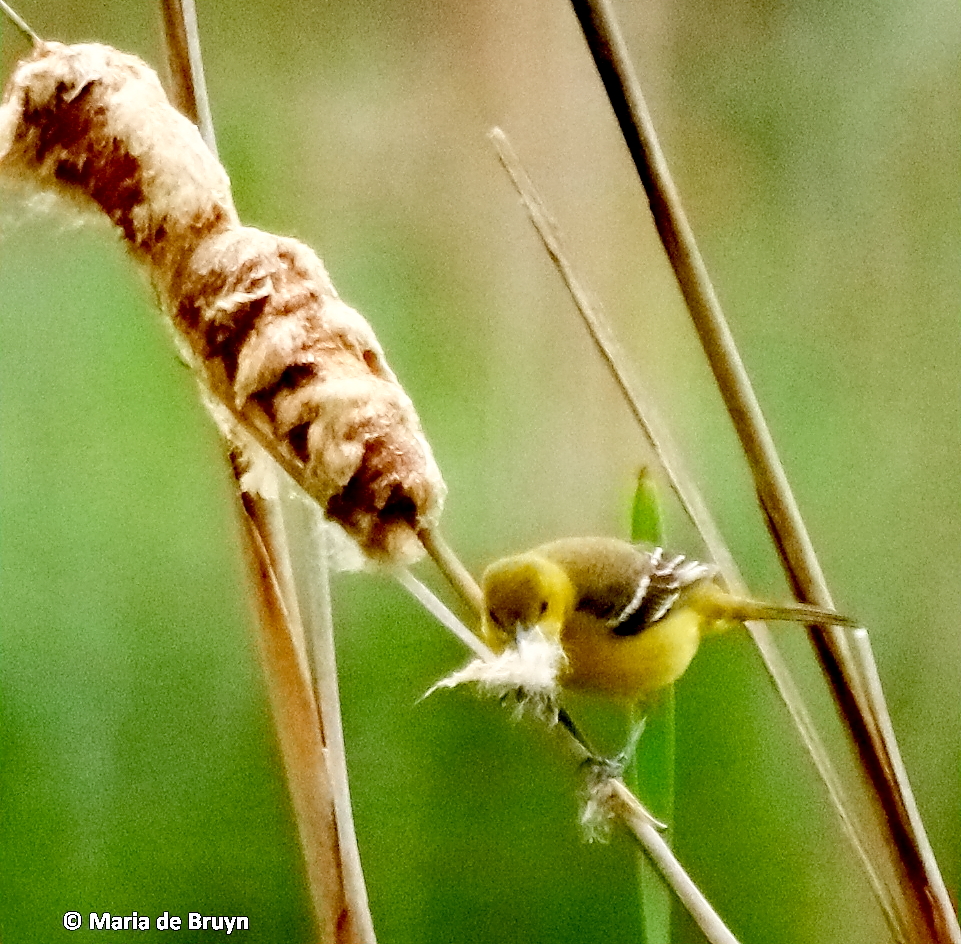
I was lucky to see a female orchard oriole (Icterus spurius) collecting nice soft lining materials for its nest this past spring.


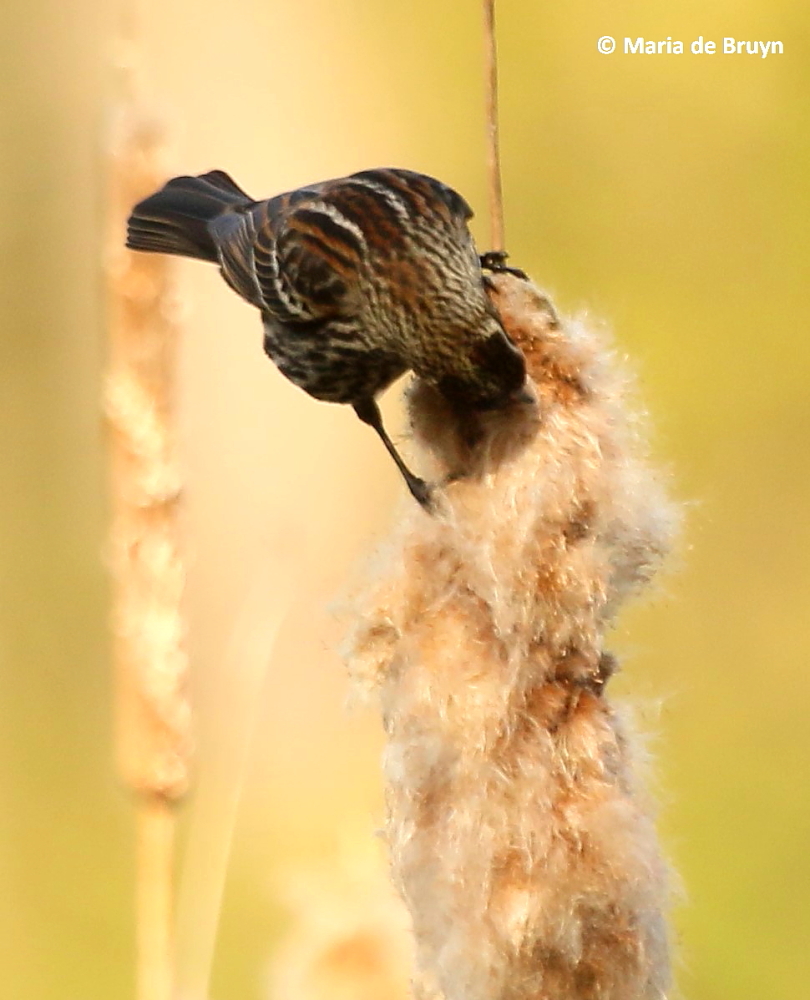
A red-winged blackbird (Agelaius phoeniceus) was doing the same with cattails – an obviously appropriate source for bird bedding!


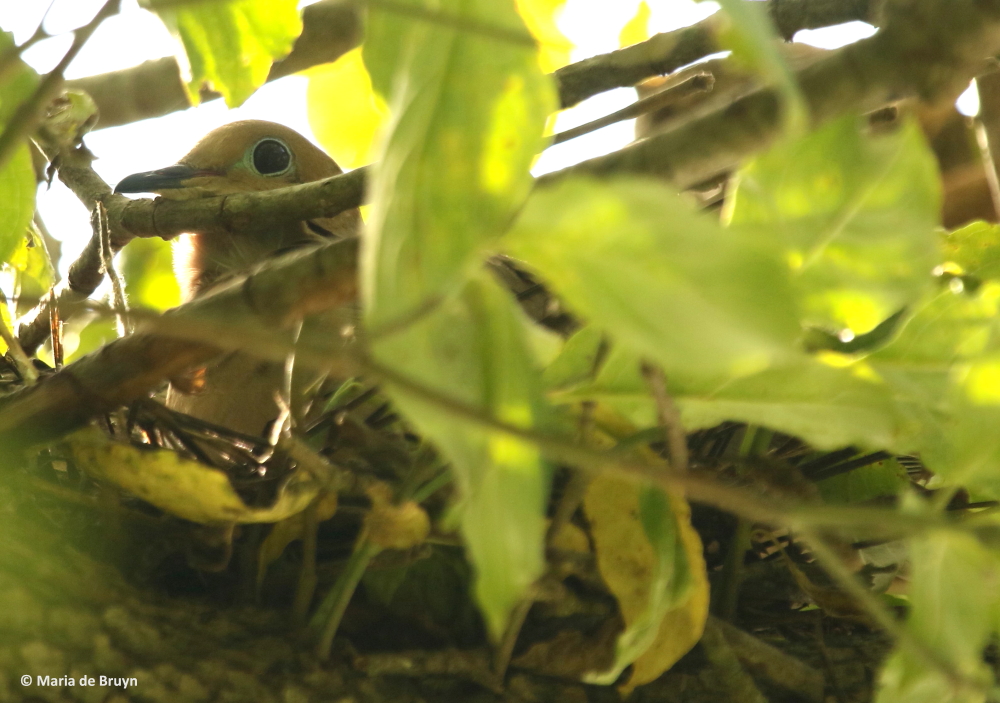
Mourning doves (Zenaida macroura) and Northern mockingbirds (Mimus polyglottos) make fairly shallow, twiggy nests (“plate nests”). It makes you wonder if eggs ever roll out of them through cracks in the loose, low walls.


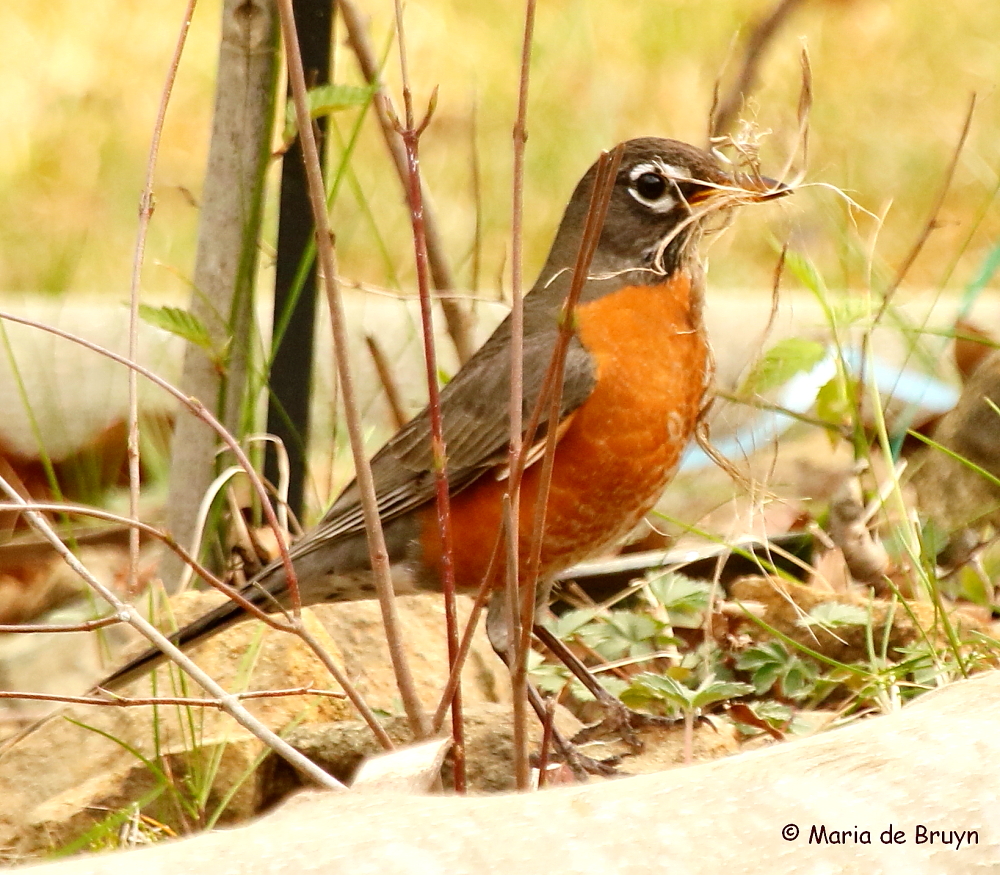
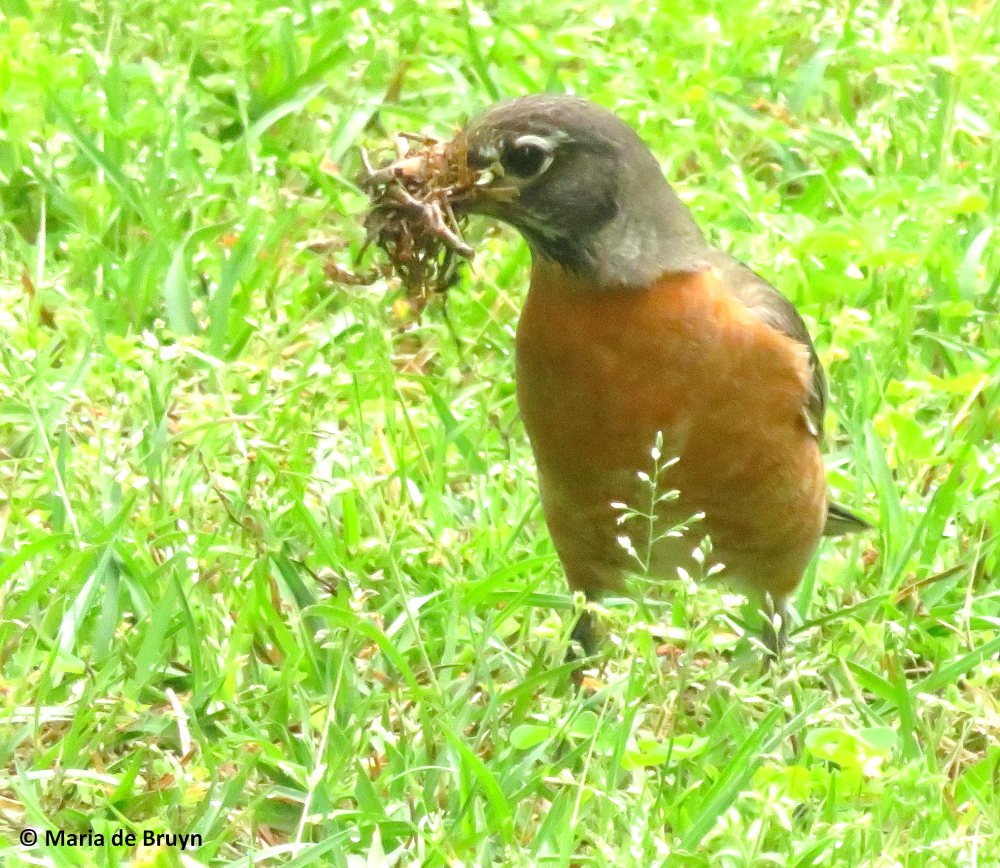
Many birds make cup nests and spend a good amount of time collecting the materials to produce them. Here you see American robins (Turdus migratorius) gathering grasses – they tend to fill their mouths as much as possible before flying off to the nest-in-the making.


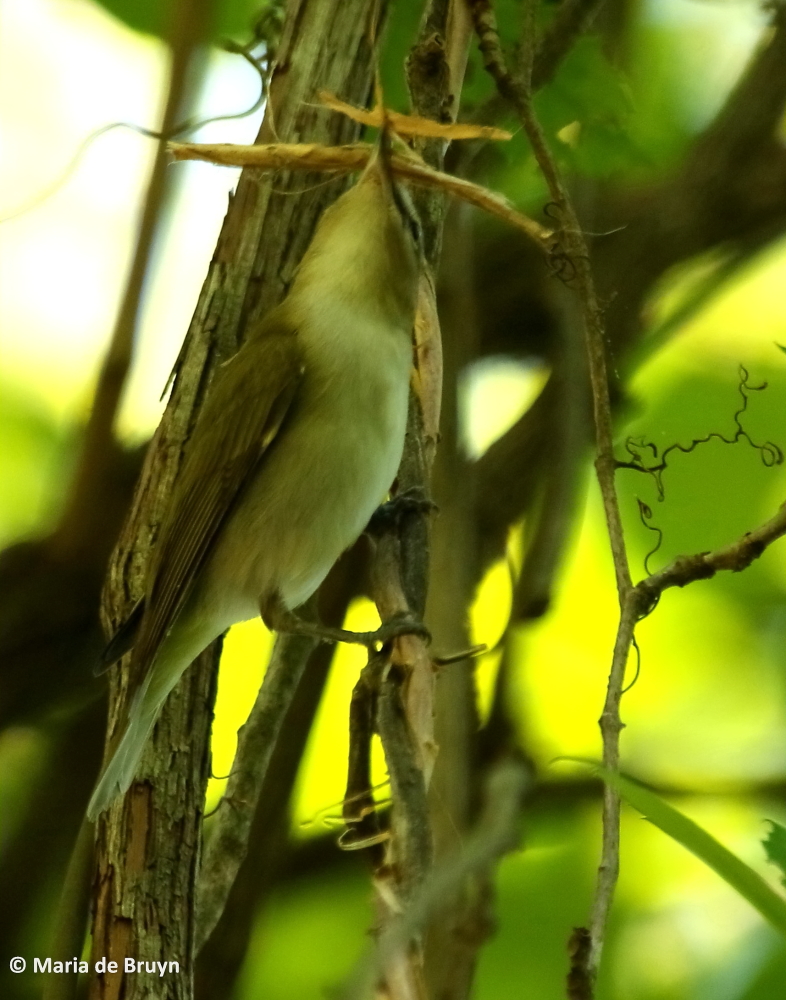
Red-eyed vireos (Vireo olivaceus) will also attempt to get several pieces of bark into their beaks before flying back to the home site. The photos here are dark as the bird was deep in shrubs where little light was penetrating.


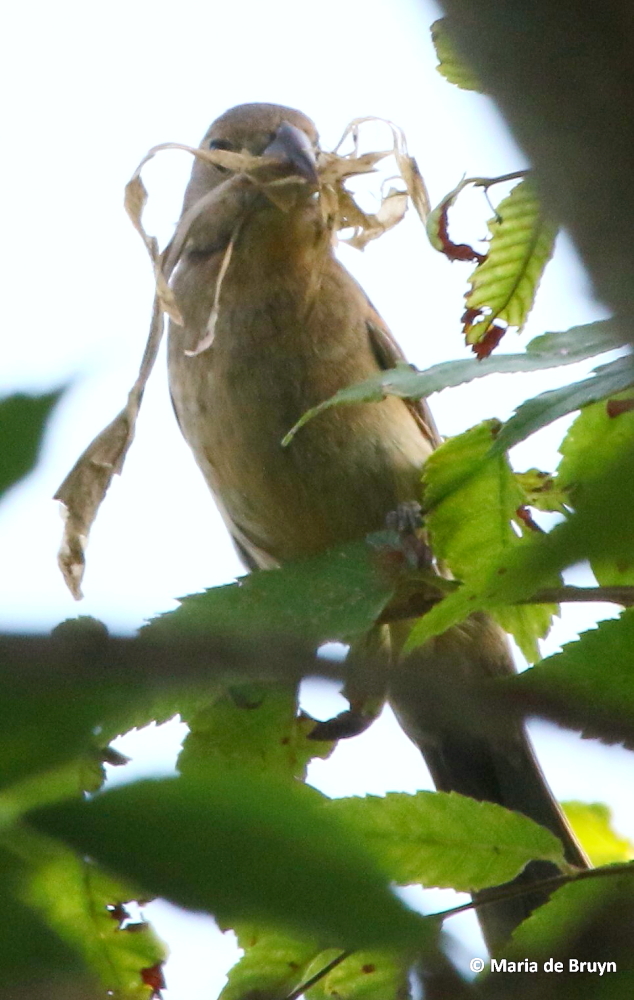
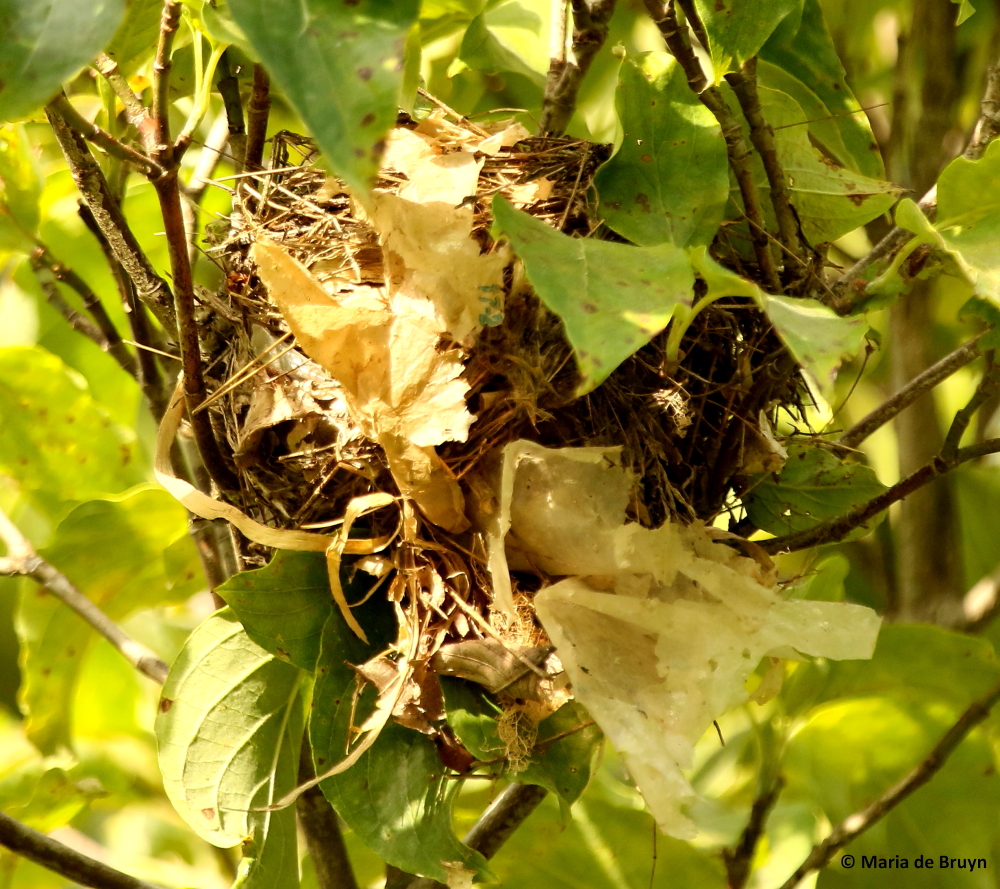
Blue grosbeaks (Passerina caerulea) weave what looks like a cross between a pendant nest and a cup nest; they also add man-made materials such as rags, cellophane, newspaper and bits of plastic.


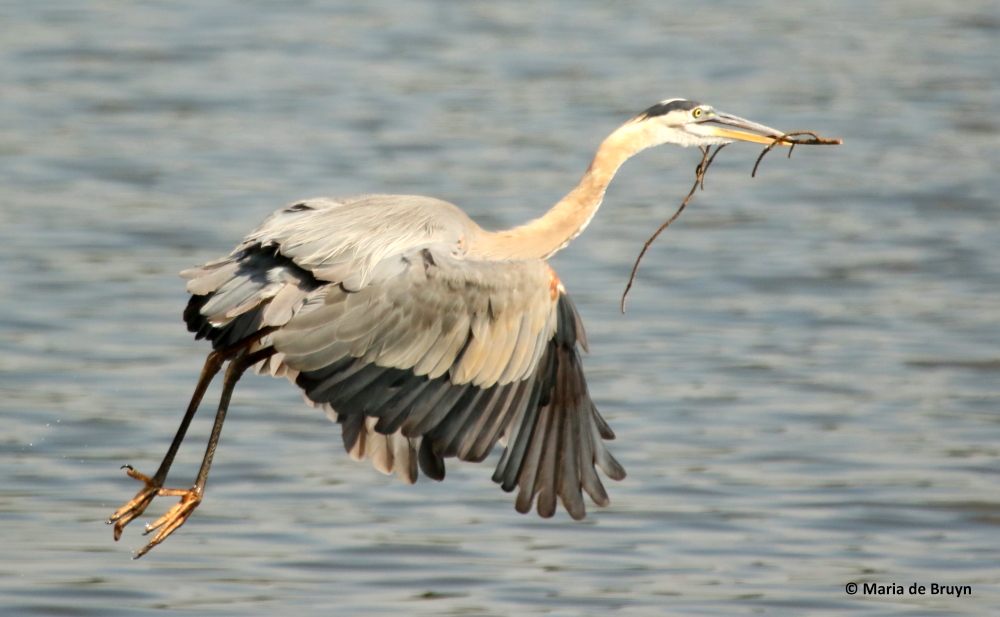
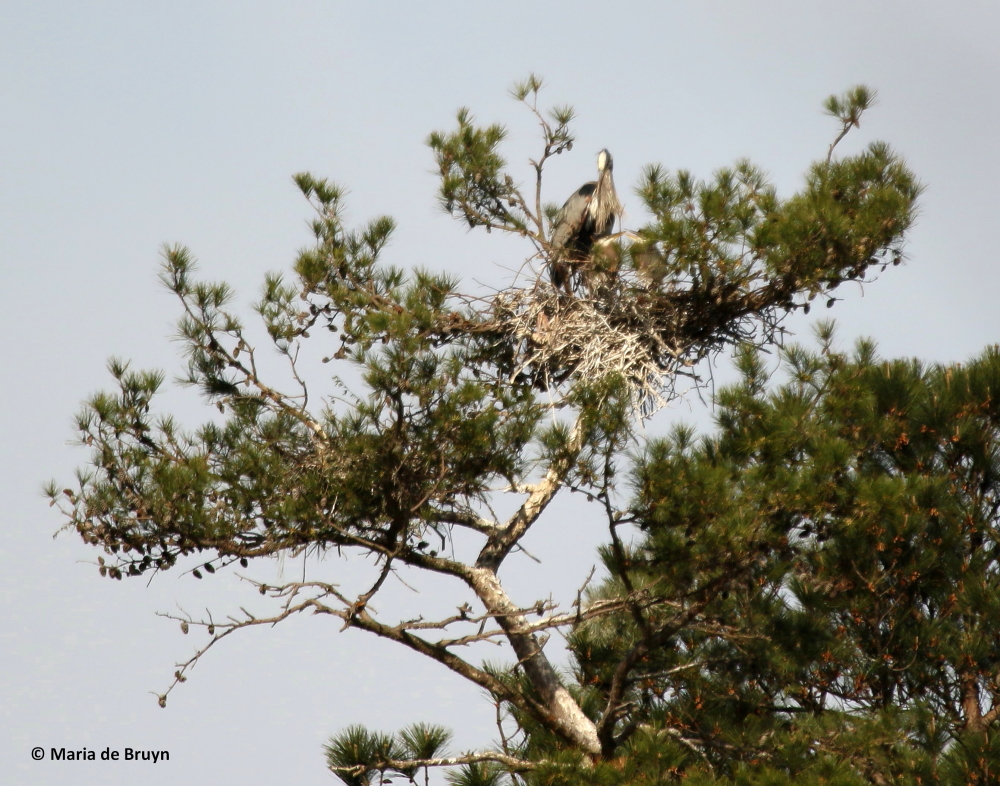
Great blue herons and ospreys are builders of platform nests.The great blue herons (Ardea herodias) carry large twigs and branches to furnish a nest. At Sandy Creek Park they have been using the same tree-top platforms for several years now.


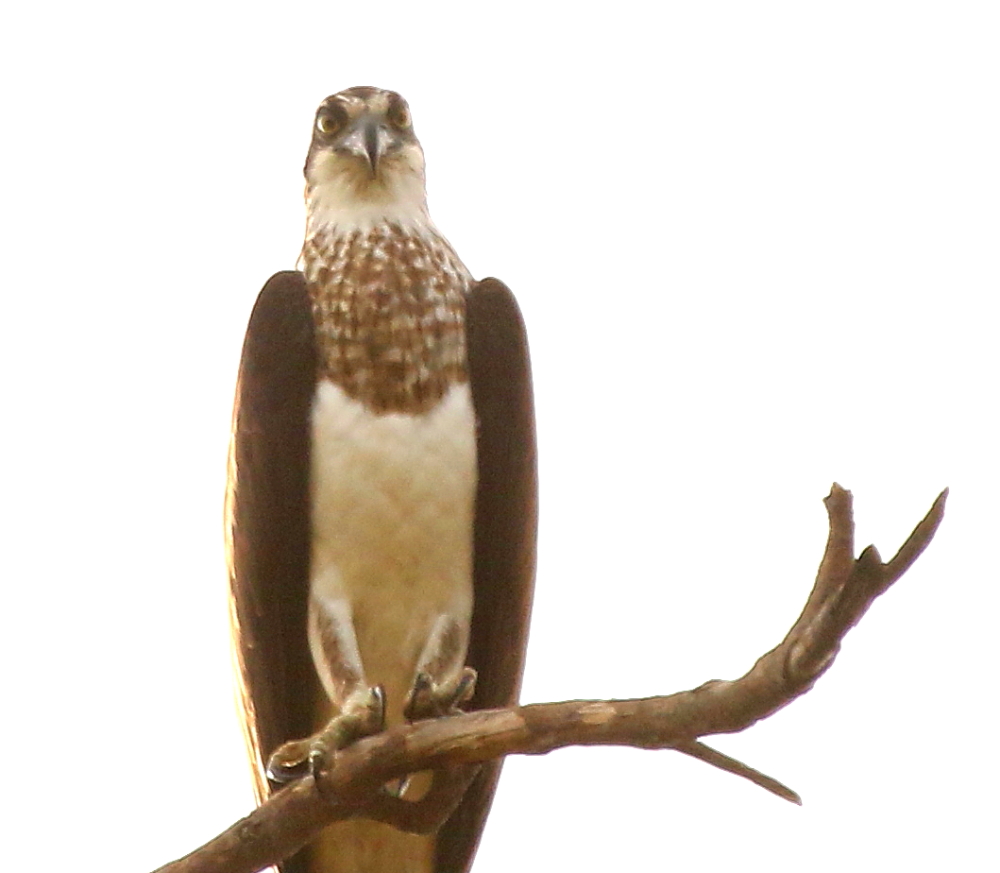
Last year, I saw this osprey pair (Pandion haliaetus) build their first nest from scratch; they weren’t enthusiastic about me being in the vicinity and would perch or fly overhead to give me “the evil eye” – sometimes calling to one another to sound the alert that they had spotted me down below.


This year, they were busy refurbishing the nest – these birds with longer-term mates may use the same nest year after year. Again, they would stop their work to stare me down.


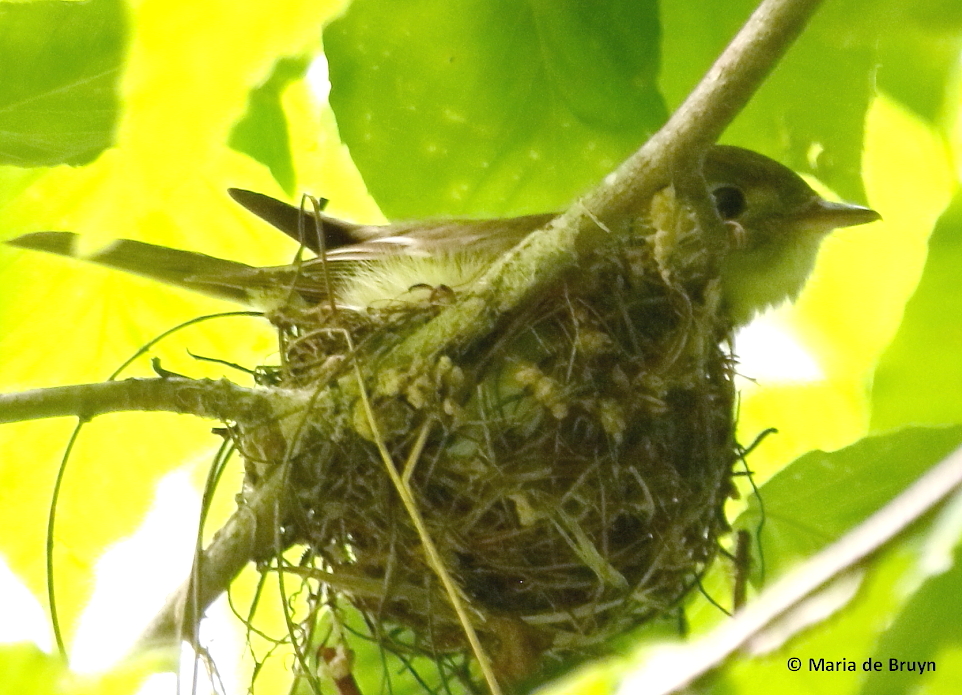
The Acadian flycatcher (Empidonax virescens) makes a cup nest that is well-hidden among the leaves of the tree spot it chooses. A friend saw the pair constructing this nest and it was done by the time I visited. It seemed quite a tight fit for mom to sit in while brooding her eggs.

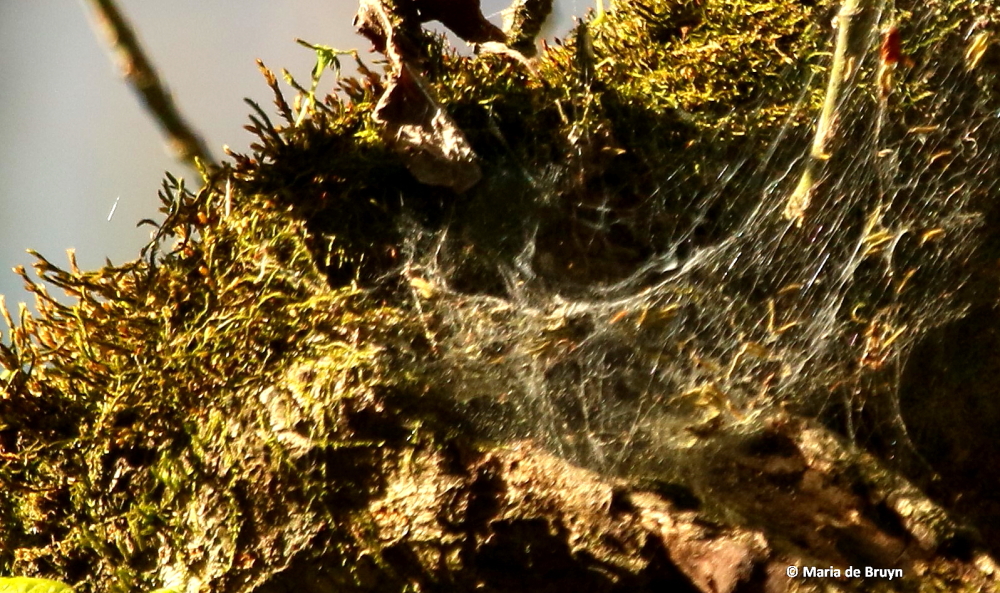
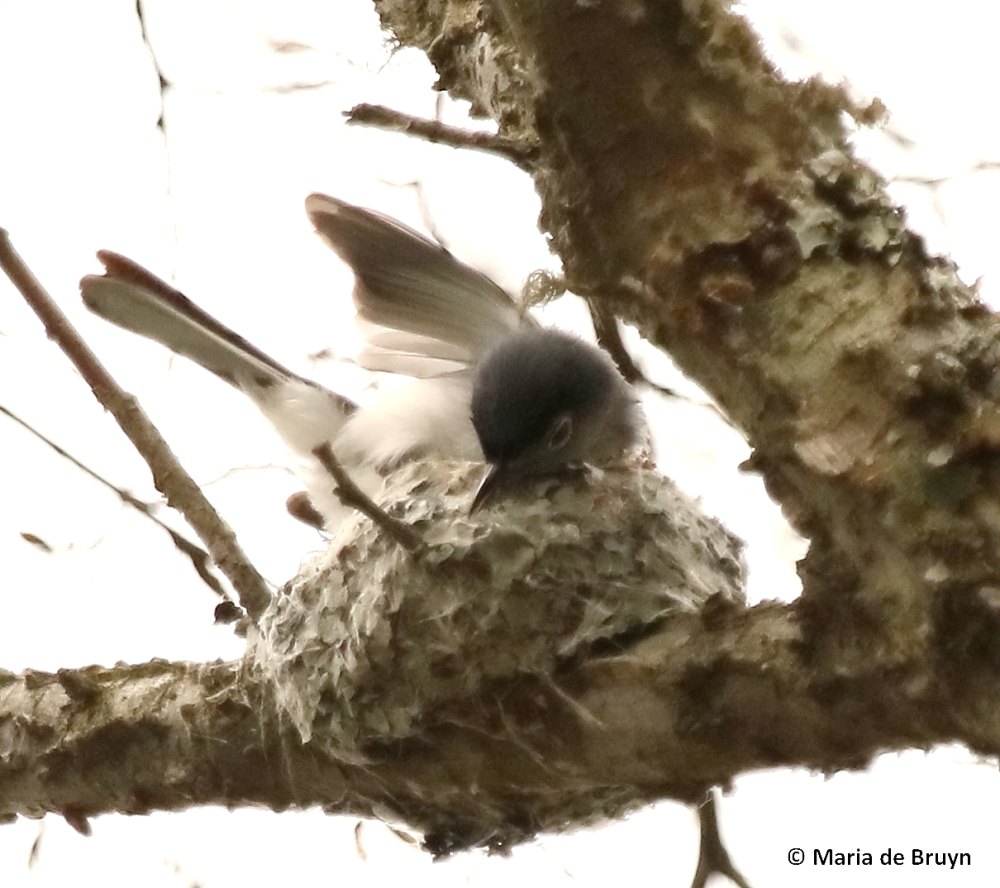
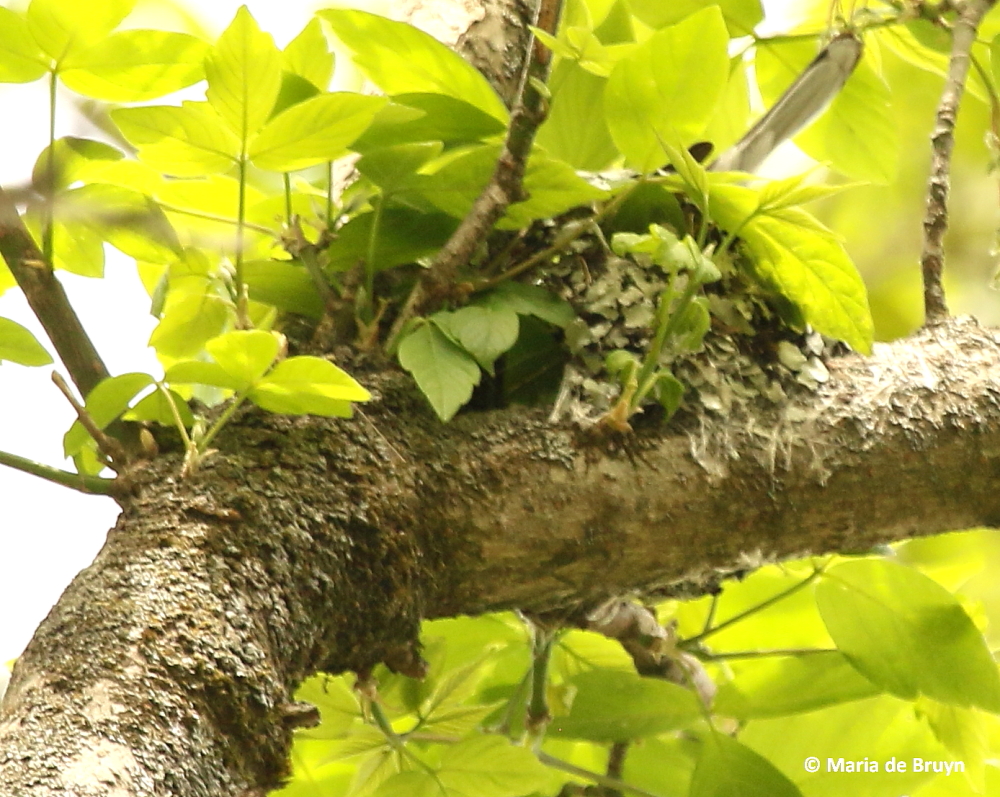
The bird whom I enjoy seeing most during nest construction is the blue-gray gnatcatcher (Polioptila caerulea). These little birds are very active and often don’t sit still for long as they feed in shrubs and trees. When they are busy making a new home though, they take their time to do a good job. First, they locate good locations for the materials they use – leaves, spider web to hold the leaves together and pieces of lichen to cover the outside walls.


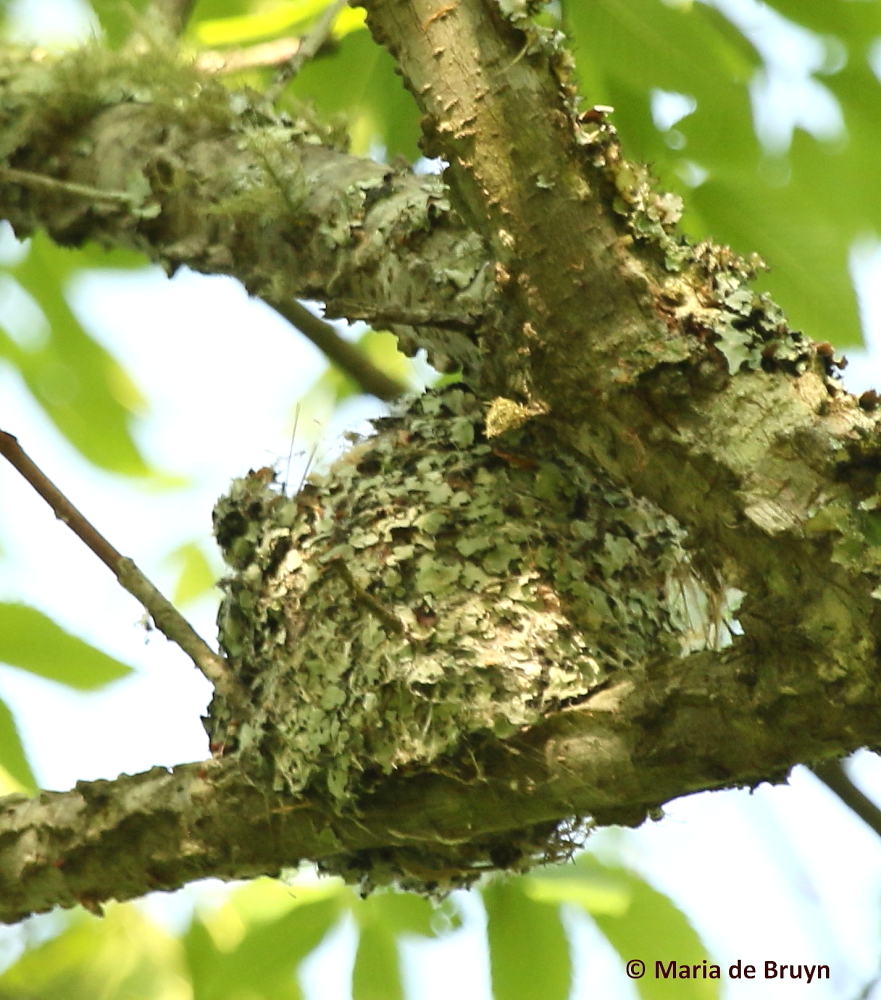
They affix the lichen carefully to make a really beautiful, compact and elegant little cup. The female then sits in it and moves her body to ensure it gets the right shape and dimensions for her upcoming brooding.


The male and female both work hard on the nests and this year I got to see three pairs at work. In two cases, it was lucky I saw them flying to and fro because their nests blended in really well with the tree.

Unlike the cavity and platform nesters, the cup and pendant nesters usually need to build a new nest each year. At the end of the summer, for example, the blue-gray gnatcatcher nest had already deteriorated considerably with the rain and wind, even though it was a fairly calm and dry season.


Once the nest is complete, the avian parents brood and feed their babies before fledging and this will be the third part of this series. For now, I leave you with the male and female ospreys as they watch the birdwatcher….


Avian generations in the making – part 1: courtship

The tragedies being faced in the Caribbean islands after hurricanes Maria, Jose and Irma are horrible and other than donate cash to help alleviate the needs, I’m not in a position to offer more assistance. I’m grateful for all those who can and hope government assistance will be forthcoming to help all the people in those nations recover.
The effects of the hurricanes also will be noticeable for the wildlife. Many of those living on land will drown or die of hunger; some birds may be a little luckier – able to shelter against the winds if they are native to a place or able to change their migratory pattern (e.g., delay arrival on wintering grounds) for a time. But when the effects of the storms are immense with lots of habitat destruction, the birds, too, will lack places to shelter and not have sufficient food supplies to survive.

It’s thought that some birds endemic to the islands may be severely endangered as a species. On 22 September, birders were happy to hear that eight Barbuda warblers (Setophaga subita) had been spotted on that island; not a lot but they may help ensure this tiny bird doesn’t become extinct.  At the time of writing this blog, the fate of some other bird species was still unknown. I hope that all the Caribbean bird species survive and will be thinking of them as I share this series with you on how birds take measures to ensure future generations. (It might seem odd to write this series now, but some birds are still feeding their young here.)

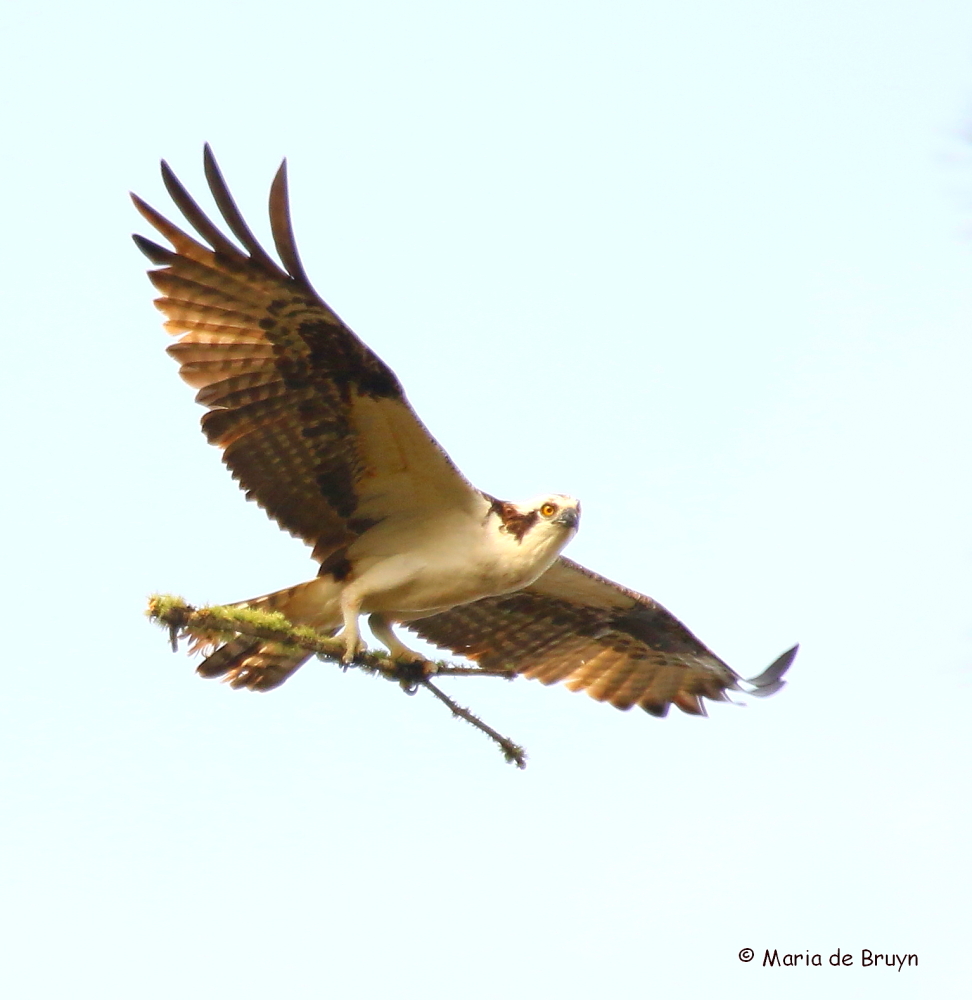
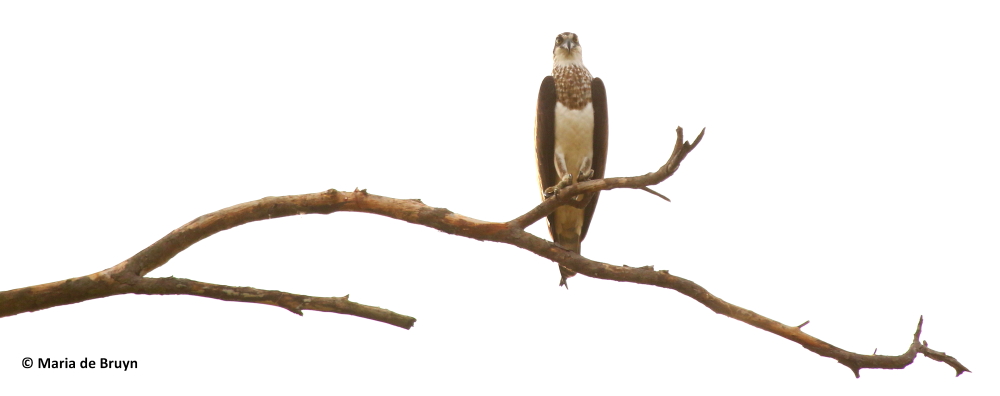
So, the process begins with courtship. Some birds mate for life, or at least form long-term (multiple-year) bonded relationships. They include bald eagles, black vultures, blue jays, Canada geese, white-breasted nuthatches, brown-headed nuthatches, Northern cardinals, Carolina chickadees, American crows, pileated woodpeckers and my favorite raptor shown above, the osprey (Pandion haliaetus).

Those who form ongoing bonds may have a courtship period that consists of the male bringing the female some food to indicate it’s time to get ready for nest-building. This was the case for these lovely Northern cardinals (Cardinalis cardinalis).

The American crow (Corvus brachyrhynchos) has a similar behavior; in my yard, I sometimes throw out bits of apple or bread for them in the spring as these seem to be considered real treats. The female will sit on a branch overhead calling until the male brings her some – and sometimes almost shoves it down her throat!

The Northern mockingbird (Mimus polyglottos) males will sing their repertoire in the spring to entice female mates – often they perch on the top of trees and fly up and down with spread wings in a beautiful display while singing.


The yellow-billed cuckoo (Coccyzus americanus) seeks new mates each year but has an interesting courtship behavior described by All About Birds: “A receptive female perches with its head up, pumping its tail slowly up and down…Just prior to mating, the male Yellow-Billed Cuckoo snaps off a short twig that he presents to the female as he perches on her back and leans over her shoulder. Both birds then grasp the twig as they copulate.”


The downy woodpecker (Picoides pubescens) females and males may both flutter between trees with slow wingbeats. Two females may also compete for the attention of a single male, a behavior I observed this past spring and which surprised me.


The male brown-headed cowbird (Molothrus ater) will vocalize for the female while spreading his wings in a display.

The killdeer (Charadrius vociferus) has a somewhat prettier courtship dance, bending forward and spreading its tail feathers to show off the colorful underside.


Next year, I hope to see more of the birds courting as it gives me a happy feeling.

The next step for the birds is nest-building. We don’t have the bowerbirds in North Carolina, who build elaborate nests as part of their courtship. But the species we have do spend a good deal of time on their nests and I’ll share some of their efforts in the next part of the series. (But one or two blogs on another topic will come first.)


Credit map: By Kmusser (Own work, all data from Vector Map.) [CC BY-SA 3.0 (https://creativecommons.org/licenses/by-sa/3.0)%5D, via Wikimedia Commons

Who wants to eat?

First, let me welcome those of you who have become new followers of my blog – nice to have you reading here and I hope you comment on what you like! I am way behind on my postings for the blog but will try to remedy that. There are photos almost ready for a series on bird courtship and child-rearing, as well as some other non-bird topics, but various issues have been keeping me from completing the texts. Now that I have had to take my preferred camera in for repairs, however, I have a bit more time to work on the blog and a recent brief trip to Topsail Island is providing some almost ready-made postings.

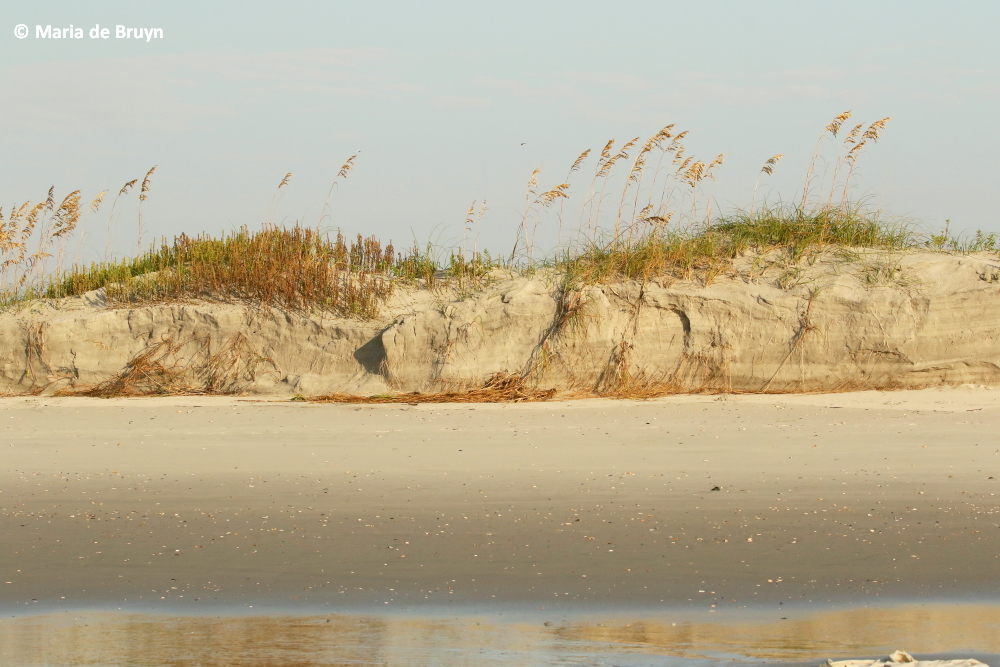
The south end of Topsail Island has been eroded greatly by the Atlantic storms, including effects from Hurricane Irma. Where normally the beach sloped up gently to beautiful dunes, these have now been sheared off vertically and the sea grasses and other vegetation before the dunes have been swept away.


That is of concern as the sea turtles nest there; hopefully, there will be sufficient places for their eggs next year. There were far fewer shells on the beach but at low tide the swath of empty sand was very wide.


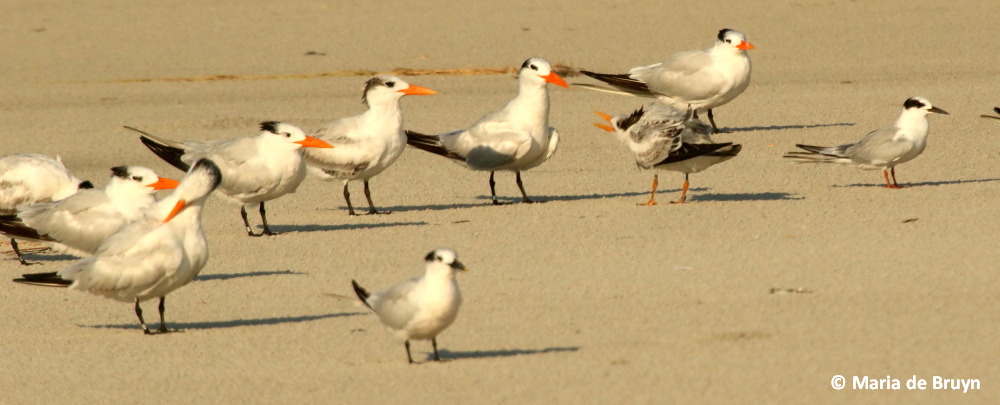
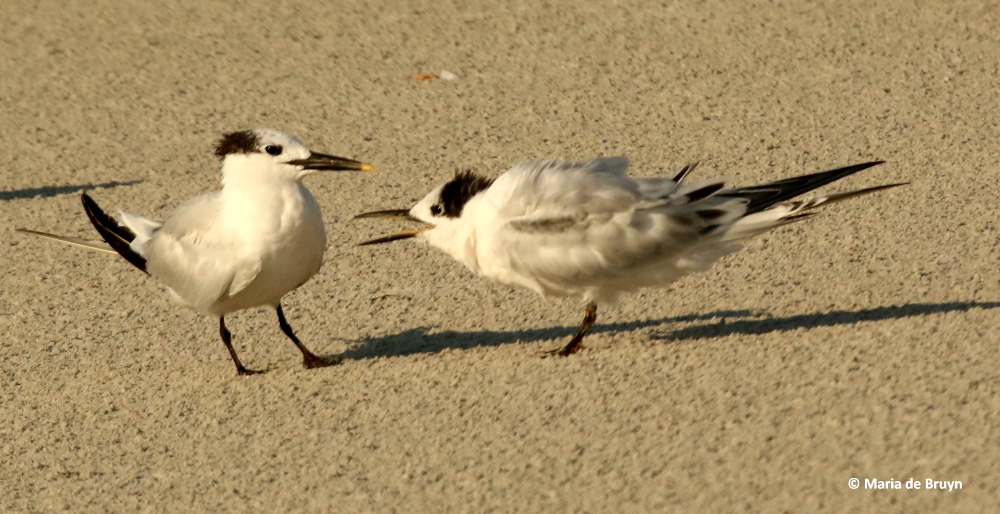
Mixed groups of birds were resting there in between ocean fishing expeditions. There were a couple immature common terns (Sterna hirundo) who were begging for food incessantly, but the adults pretty much ignored them, preferring to preen or settle down for a rest.

Some of the begging was pretty vigorous, accompanied by feather ruffling and shaking but I didn’t see any parents go off for food.

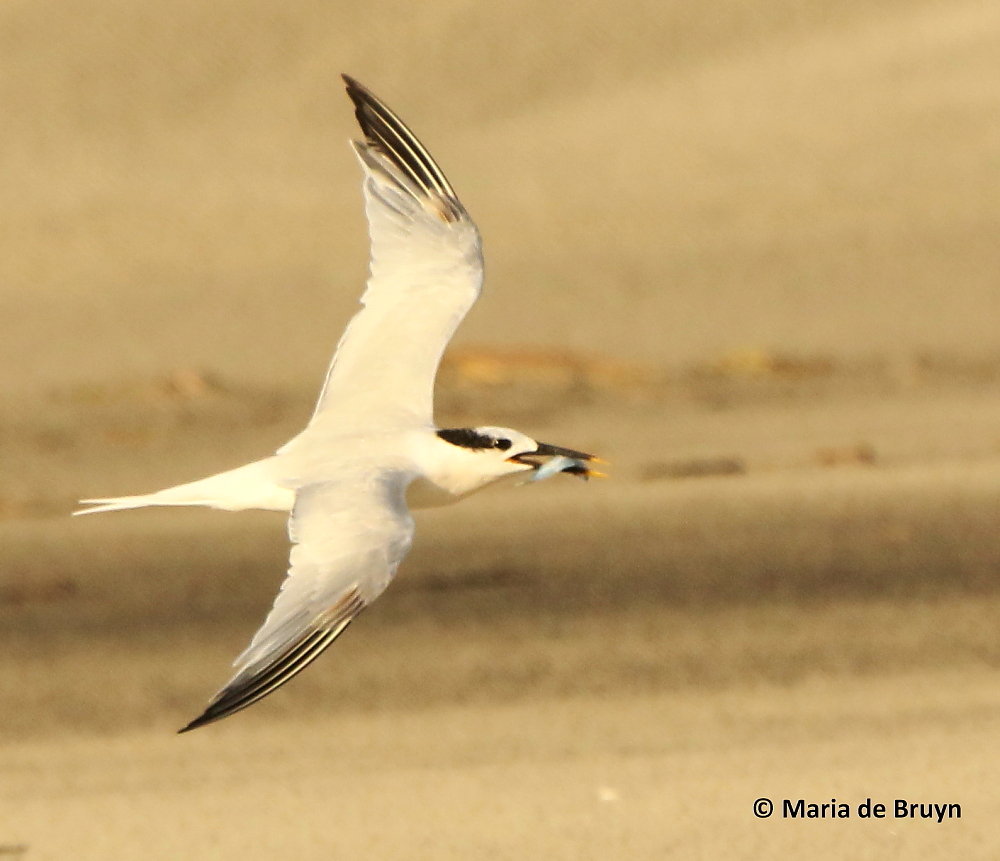
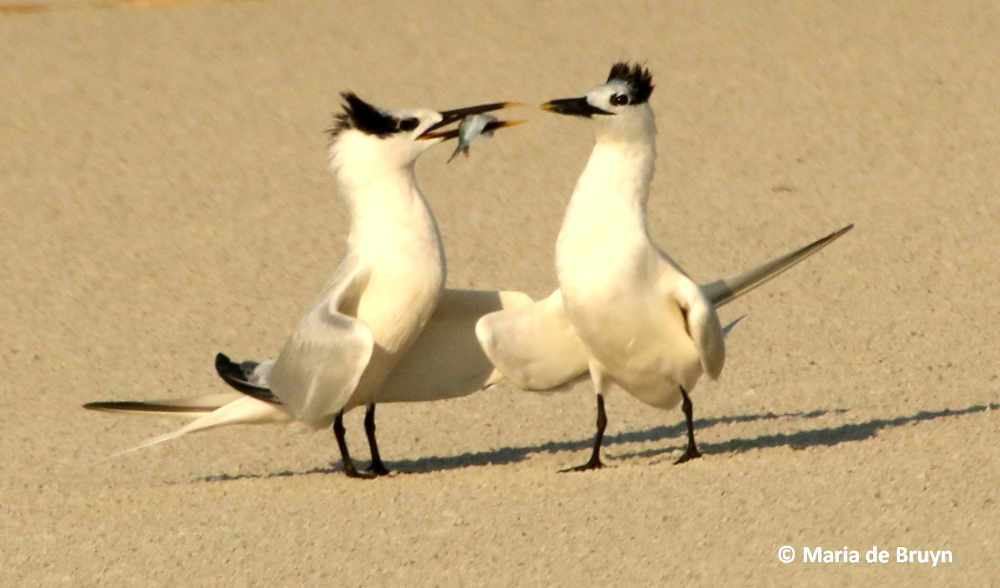
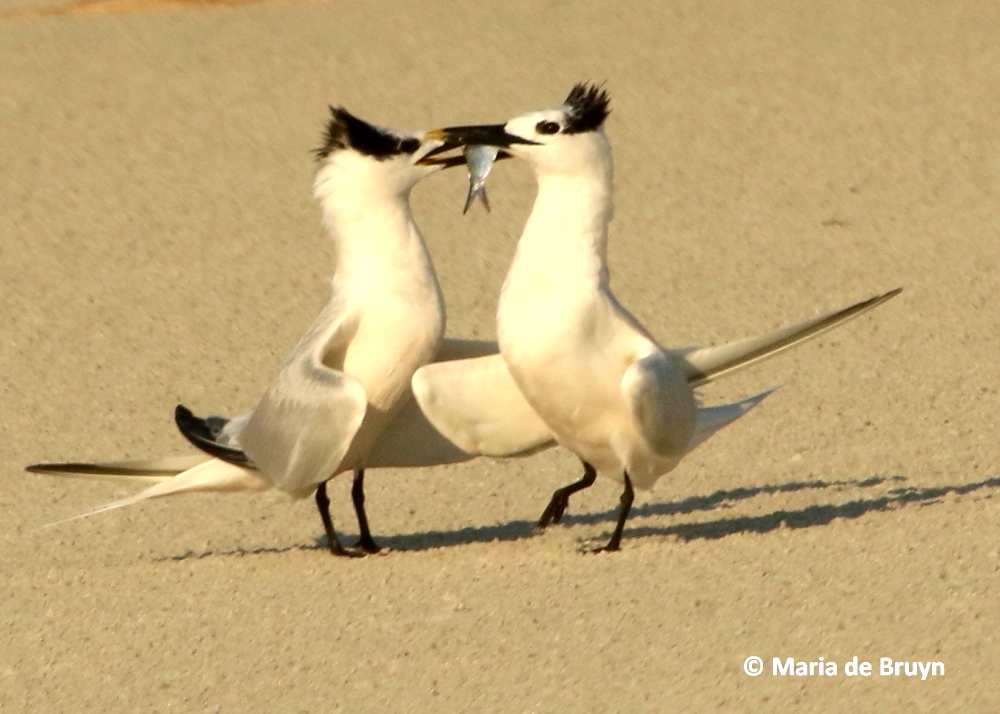
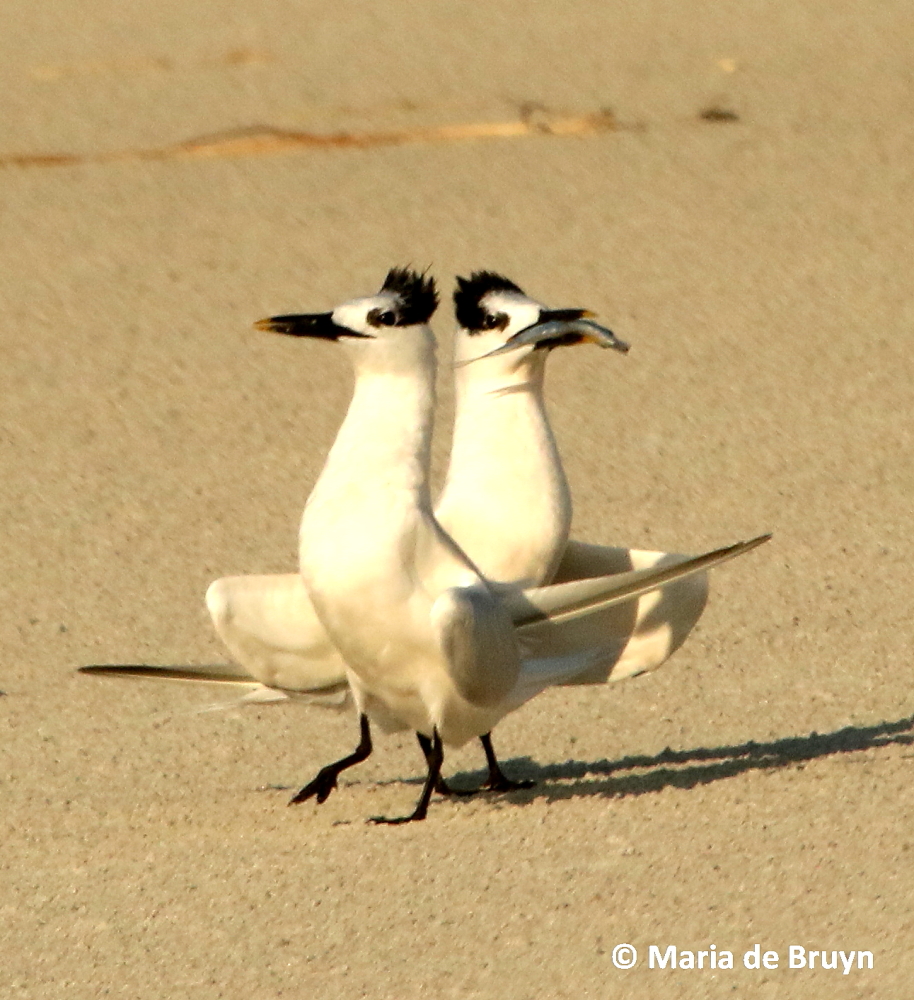
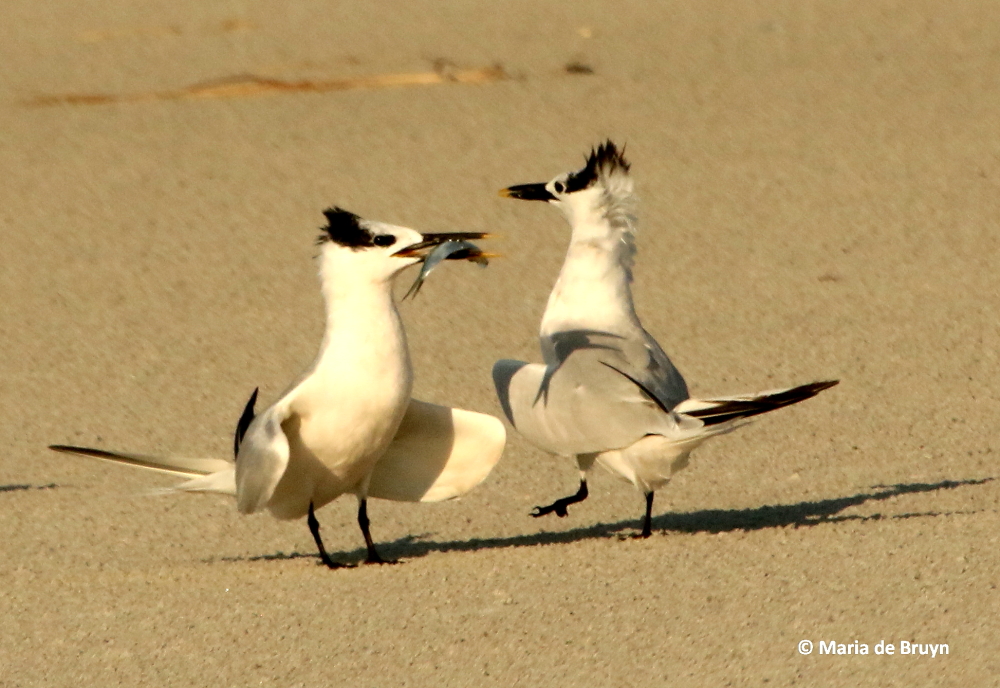
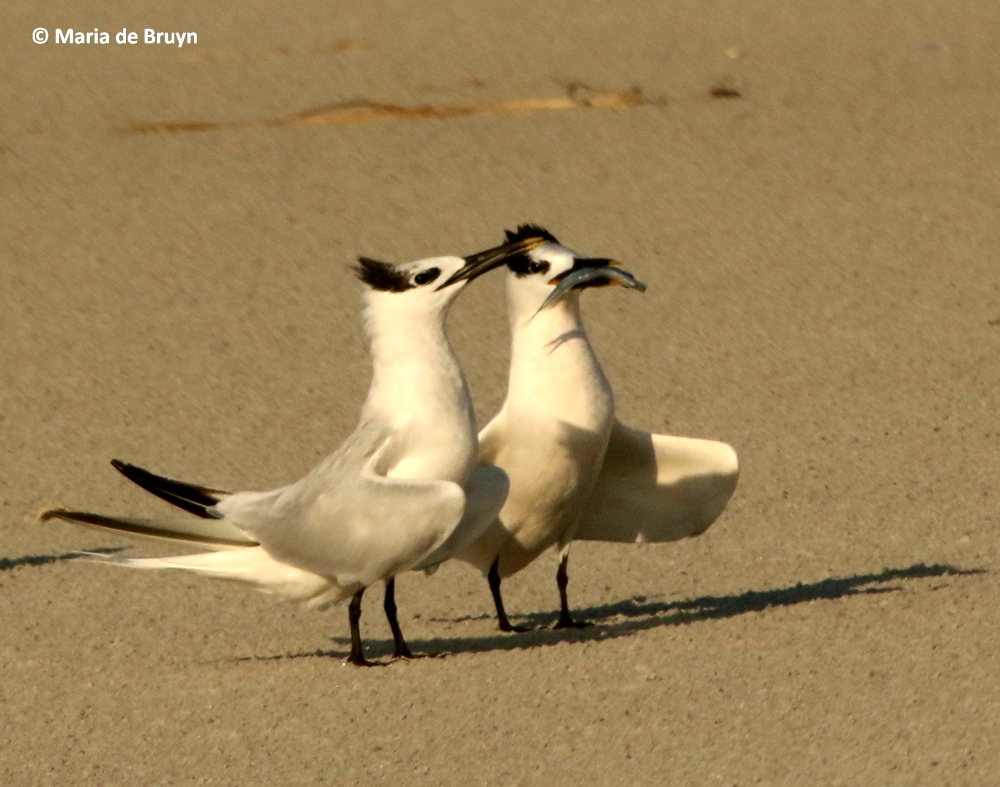
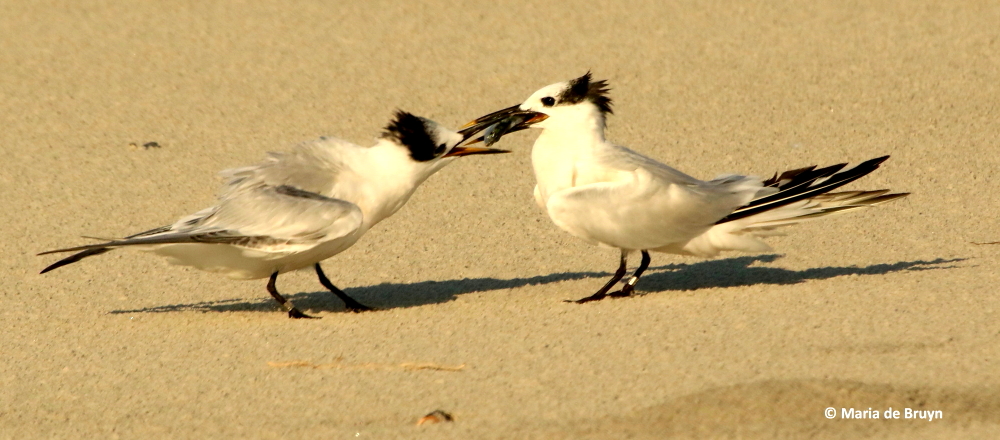
The sandwich terns (Thalasseus sandvicensis) were also resting but individuals took off frequently for a fishing flight. These terns are easily identifiable by the yellow tips on their black bills and their Groucho Mark hair-dos, a boon for people like me who are challenged in recognizing which shorebird they have before them. Sometimes, you could imagine a conversation taking place between them.

Hi! I’m back from fishing!

Didn’t take long, did it?

See, I got a fish!

Wanna smell it?

Not to your liking, huh?

Walking in circles around me won’t make it any different

I think I’ll go feed a young one!

There were two immature sandwich terns who were very persistent in asking for a meal.

Come on, Ma, I’m hungry!

I am really really hungry!

Oh yum, lunch!

That’s right, put it right here!

Thank goodness you brought me something!

I’m STILL hungry!

Perhaps the adult sandwich terns were accommodating to their young as they have a lot of experience in raising them – the oldest one on record lived in North Carolina and reached the ripe old age (for a bird) of 24 years and 2 months! (However, the oldest common tern on record was 25 years, so perhaps the sandwich terns are just more caring?)

The birds were quite entertaining to watch and I have more photos to share from that trip. I will try to intersperse them between postings on avian child-rearing. Have a nice day!