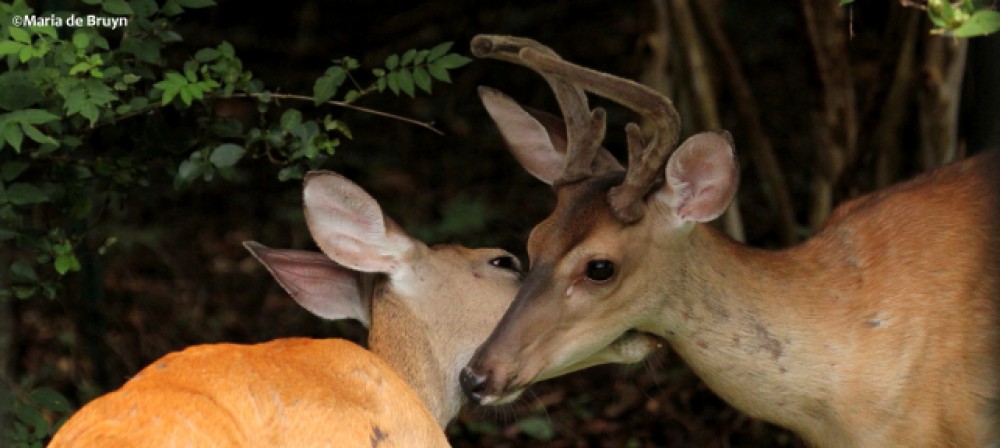
So this wasn’t my last blog of 2015 after all. An unexpected hospital admission on 30 December brought about quite a delay in my blogging efforts. But I managed to complete this in instalments over the past days and hope you enjoy the final version, which I am happily able to post on my second day at home in 2016!
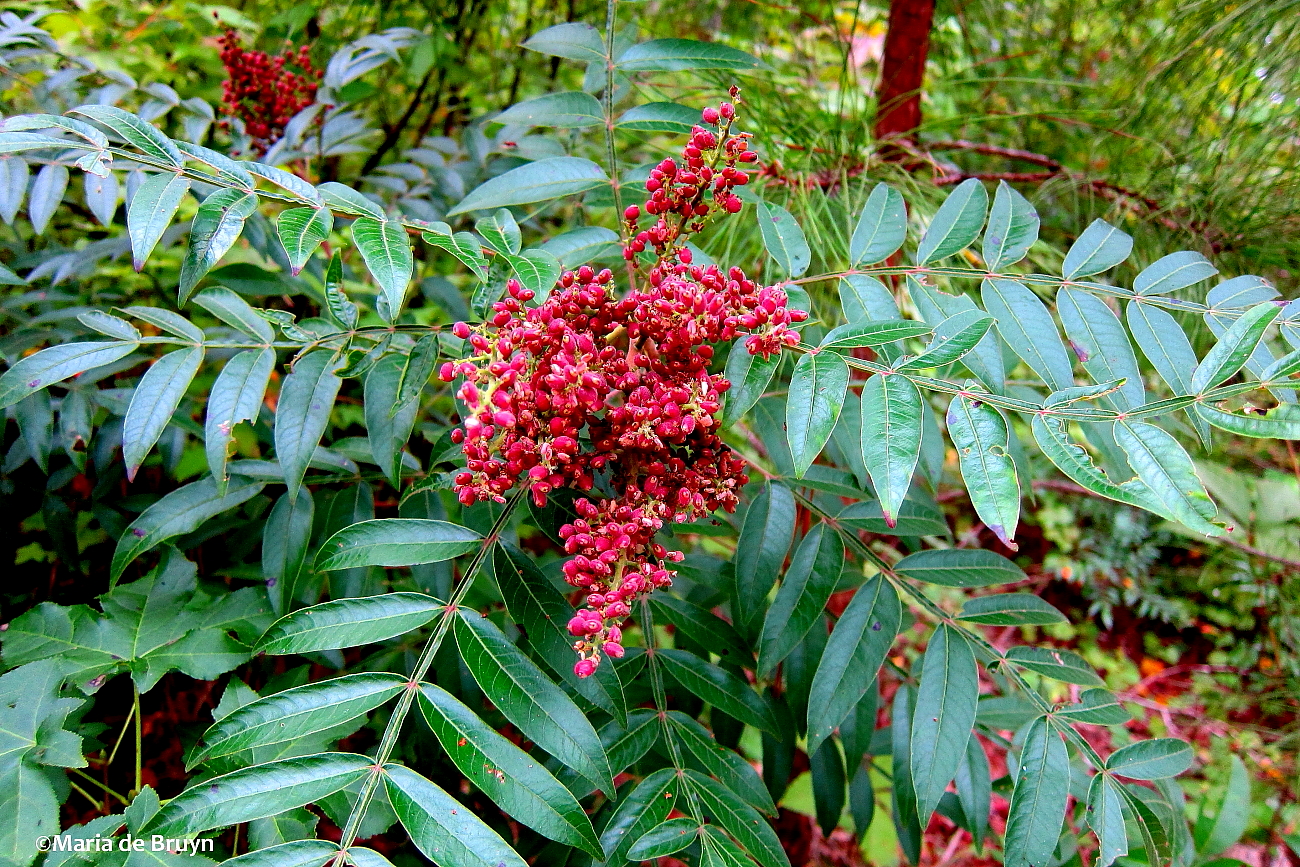
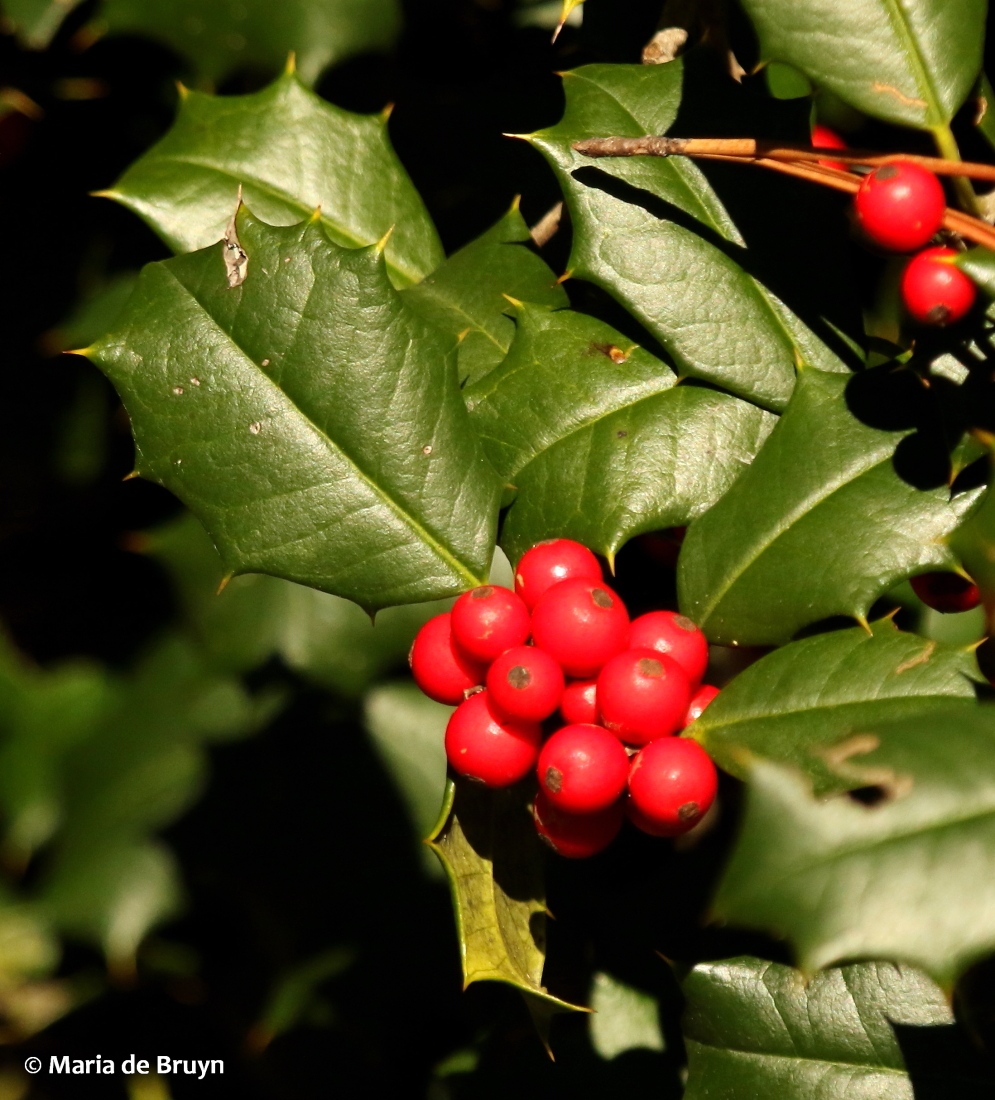
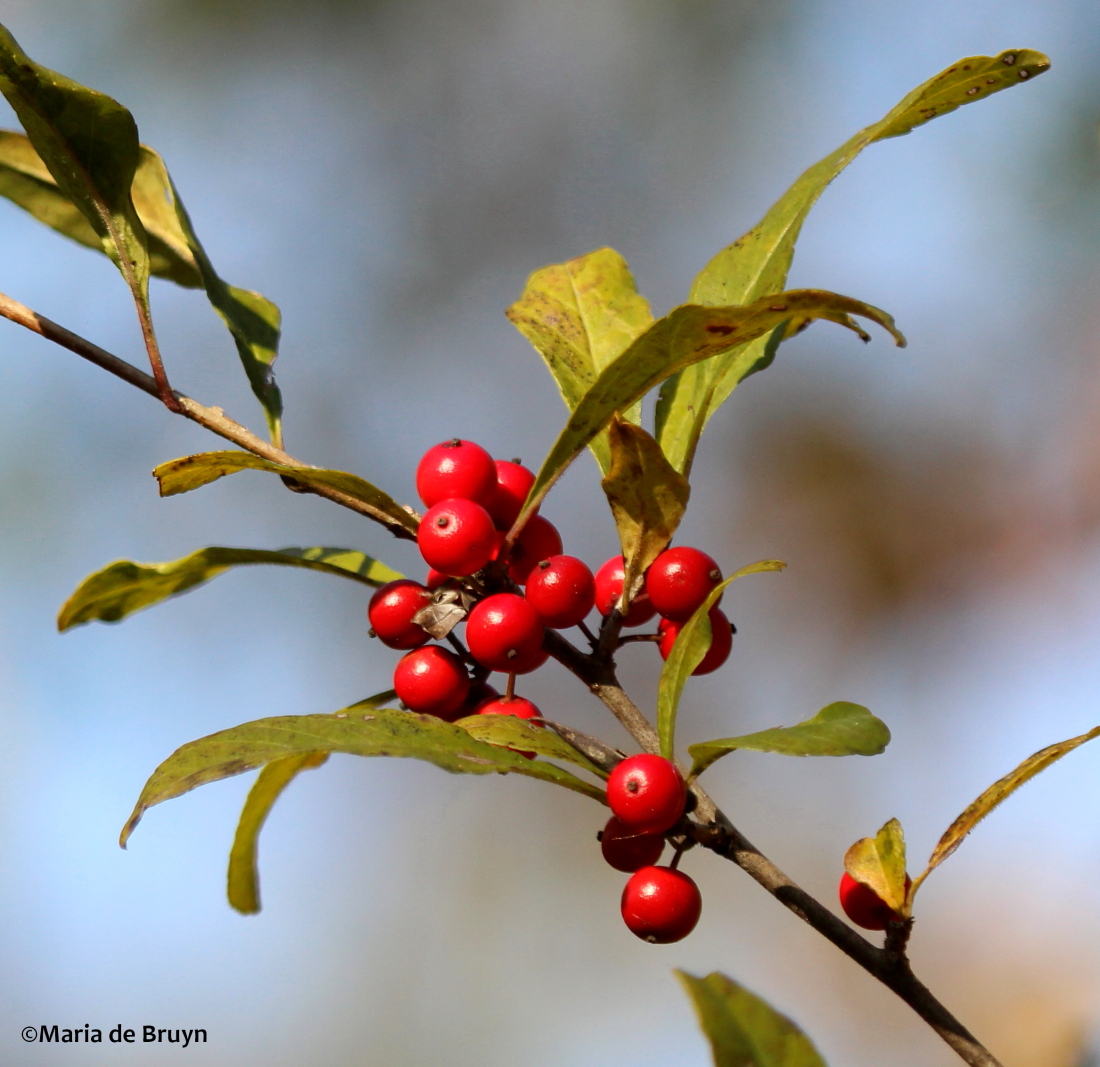
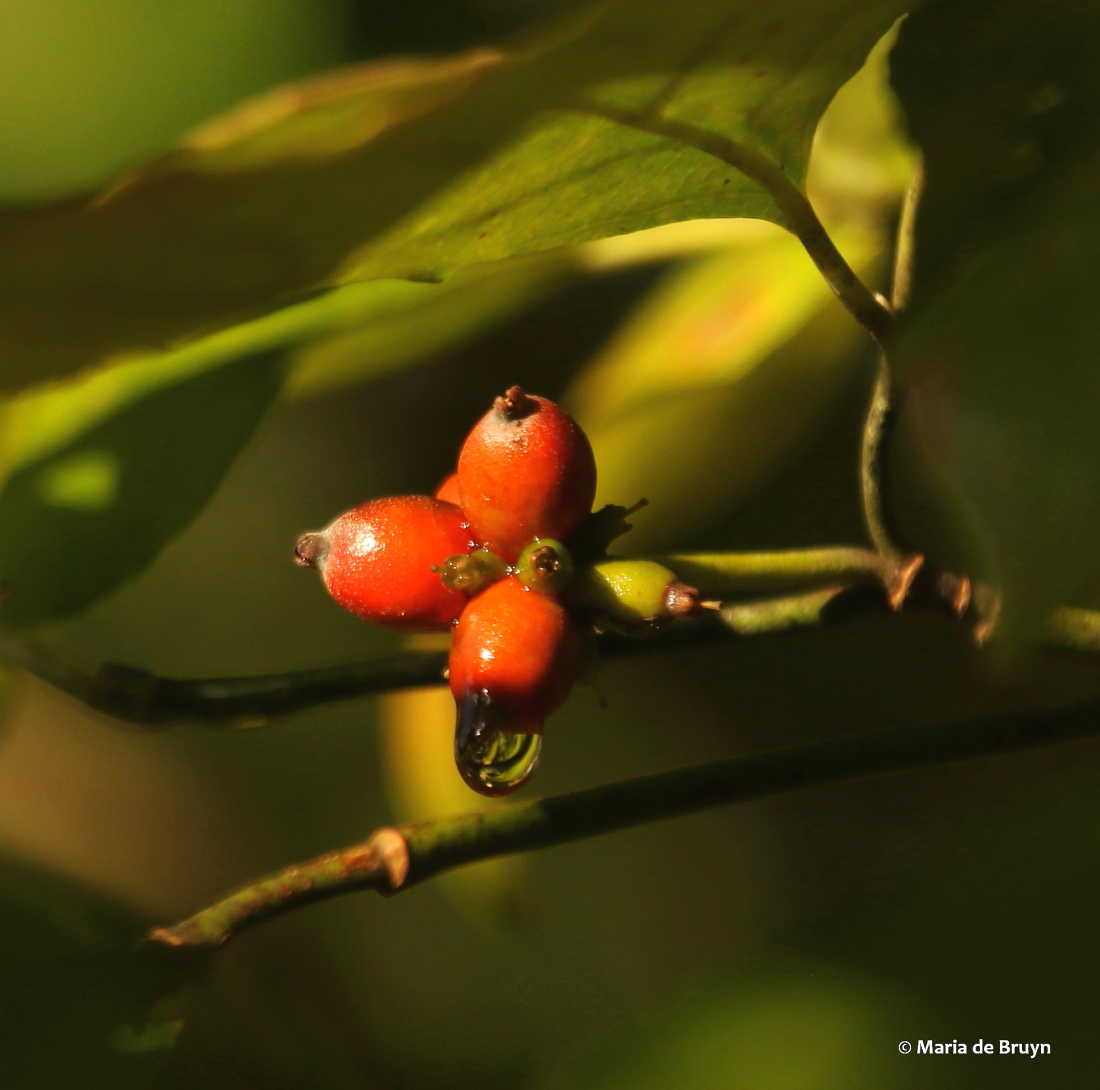
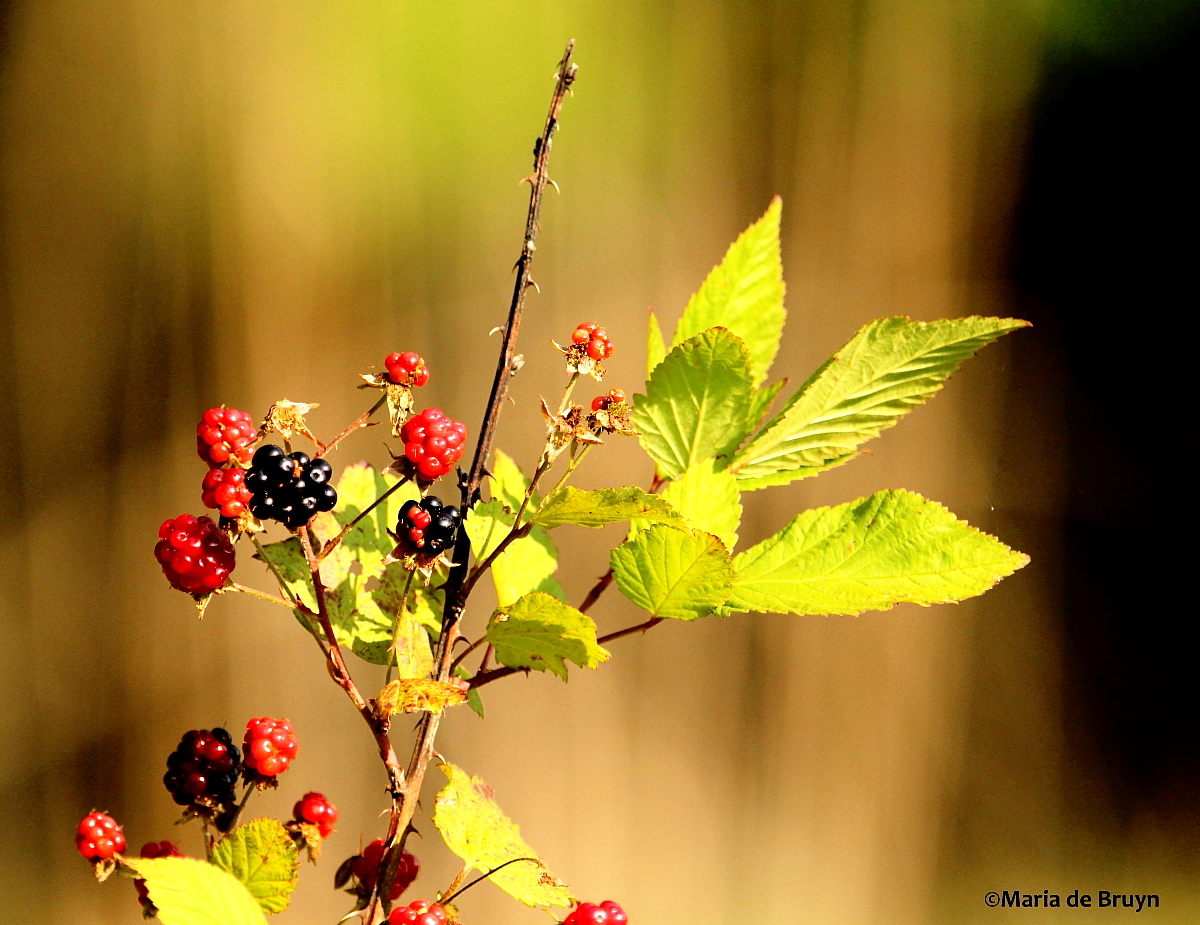
During late summer, when various plants have or start developing fruit, the birds begin to enjoy nature’s bounty. Here in North Carolina, they will eat the berries of native plants such as American beautyberry (Callicarpa americana), winged sumac (Rhus copallinum), American holly (Ilex opaca), possumhaw (deciduous holly, Ilex decidua), flowering dogwood (Cornus florida) and wild blackberries (Rubus).

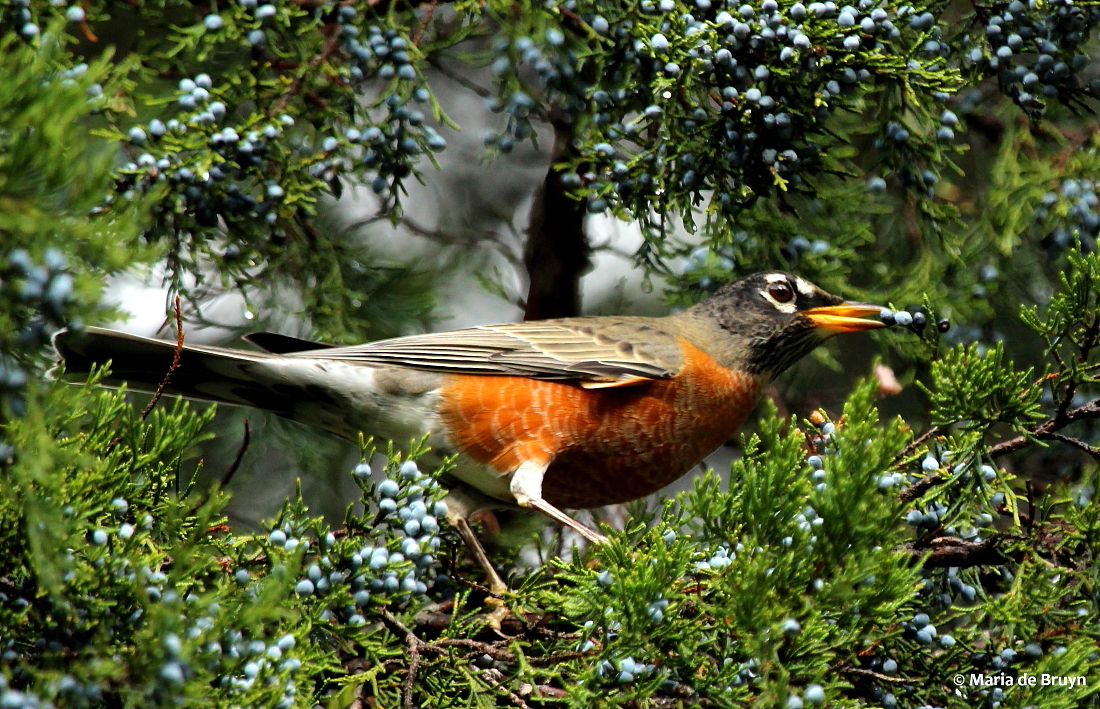
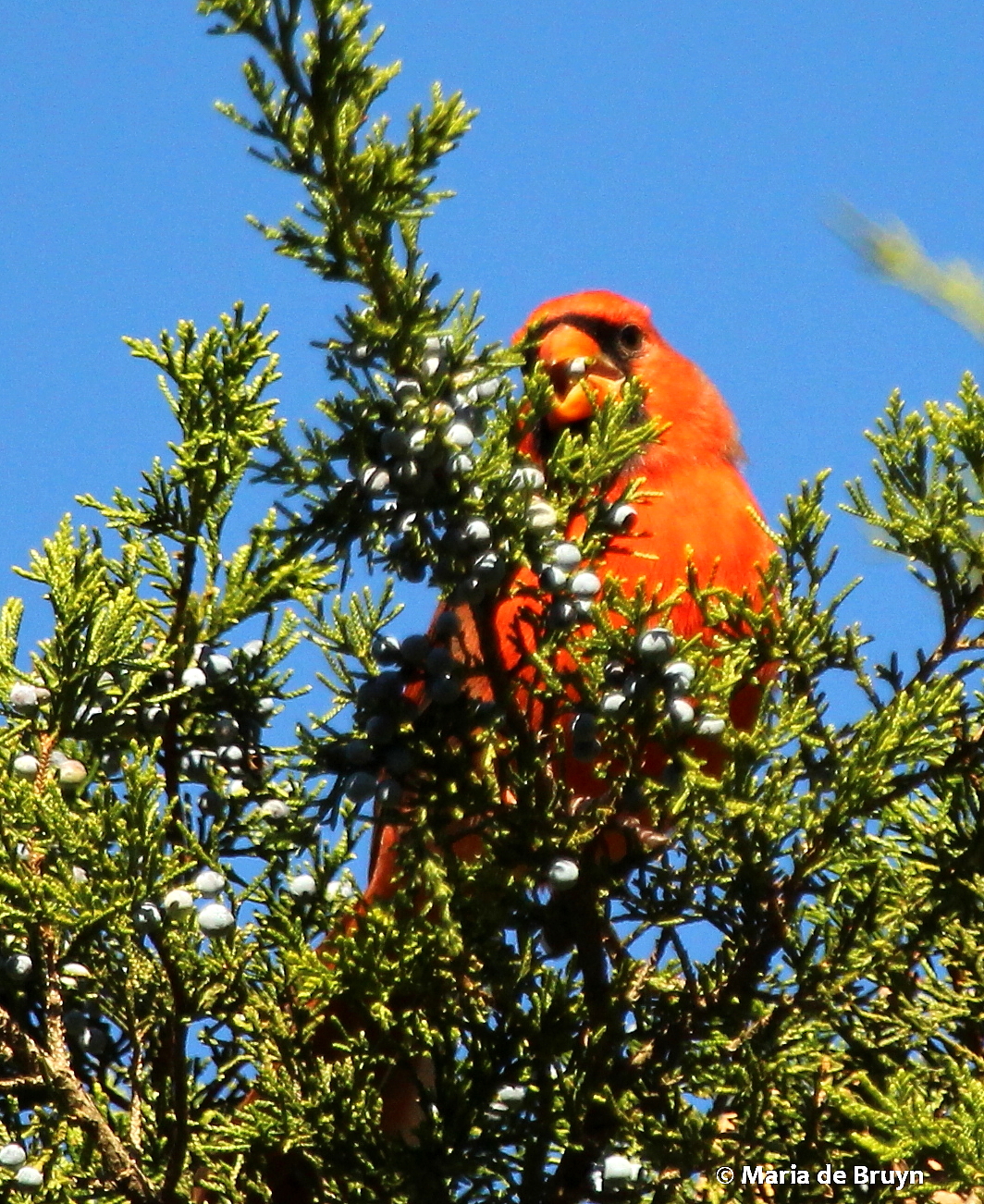
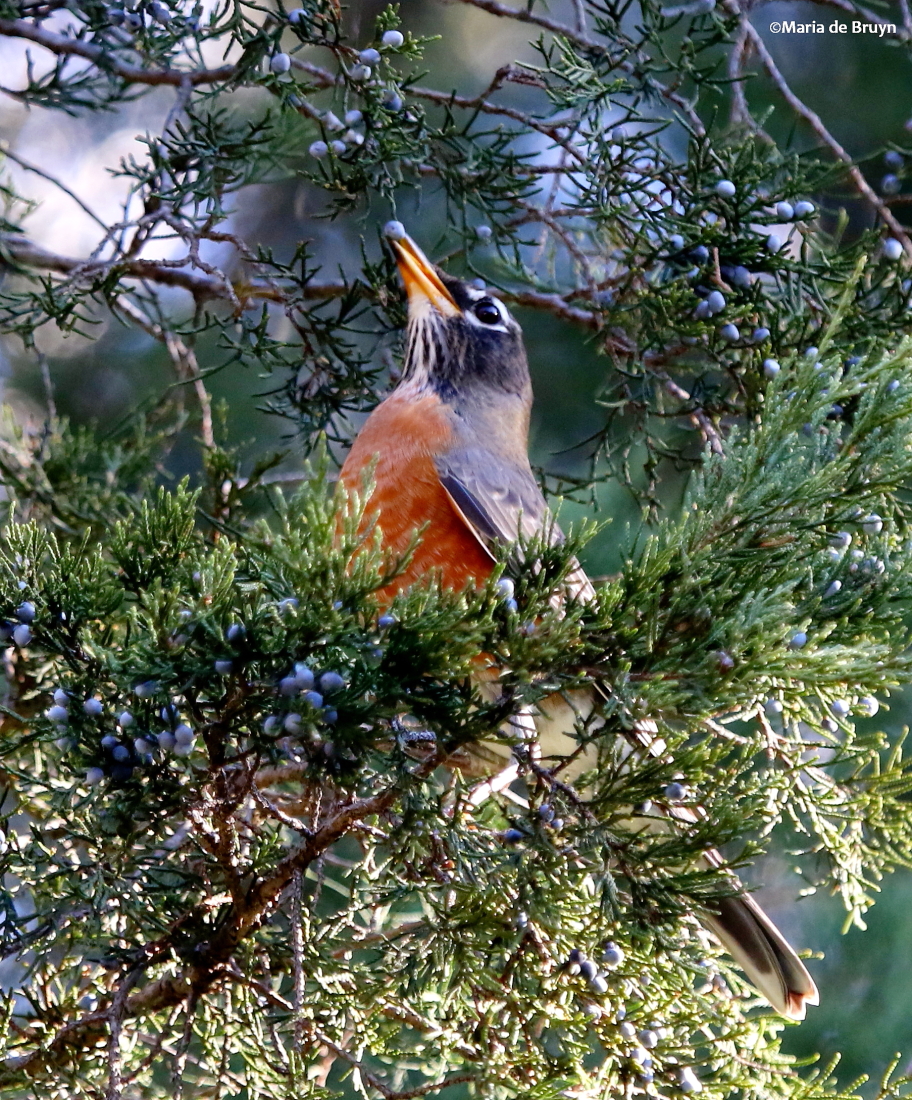
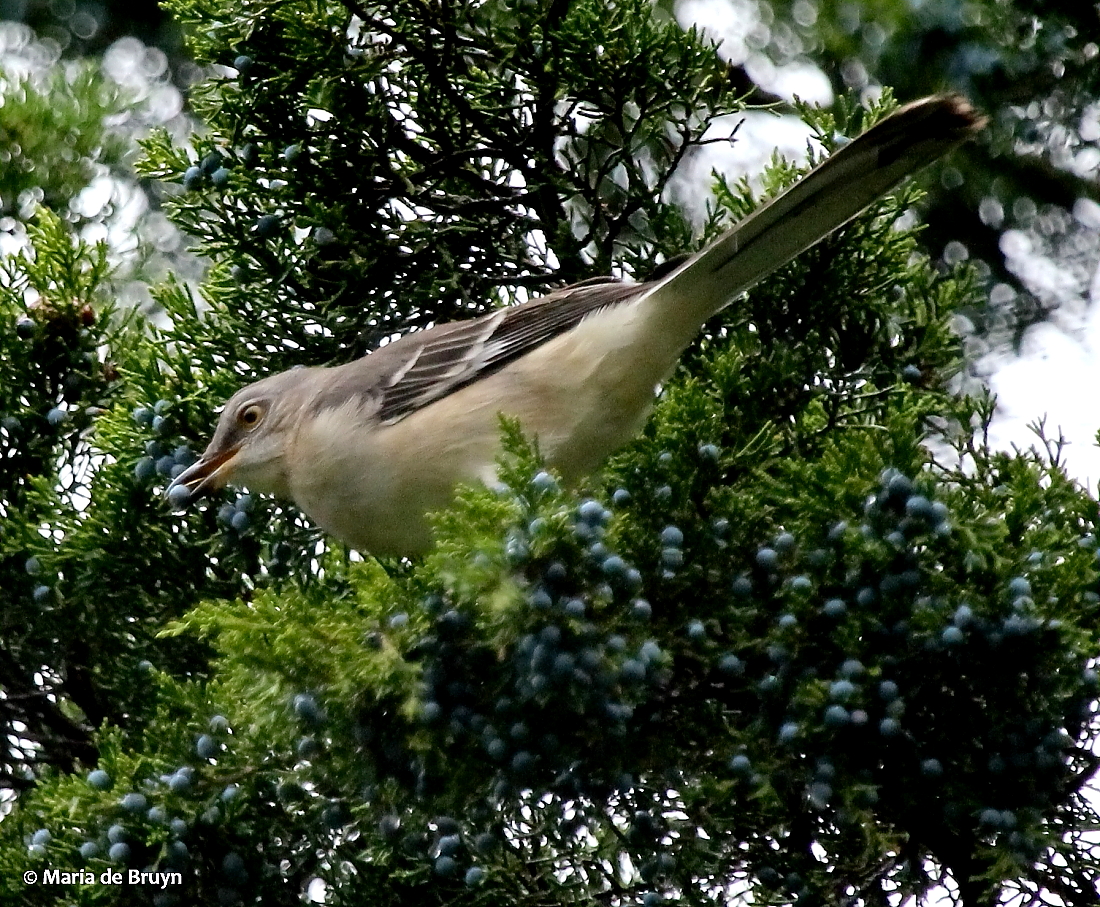
This year, the juniper berries were a real crowd pleaser. The American robins (Turdus migratorius) went for them first, soon followed by Northern cardinals (cardinalis cardinalis), Eastern bluebirds (Sialia sialis), Northern mockingbirds (Mimus polyglottos polyglottos) and Northern flickers (Colaptes auratus).

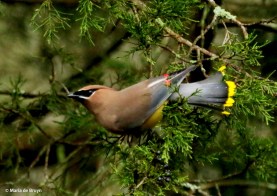
The beautiful cedar waxwings (Bombycilla cedrorum) enjoyed the cedar berries, too.
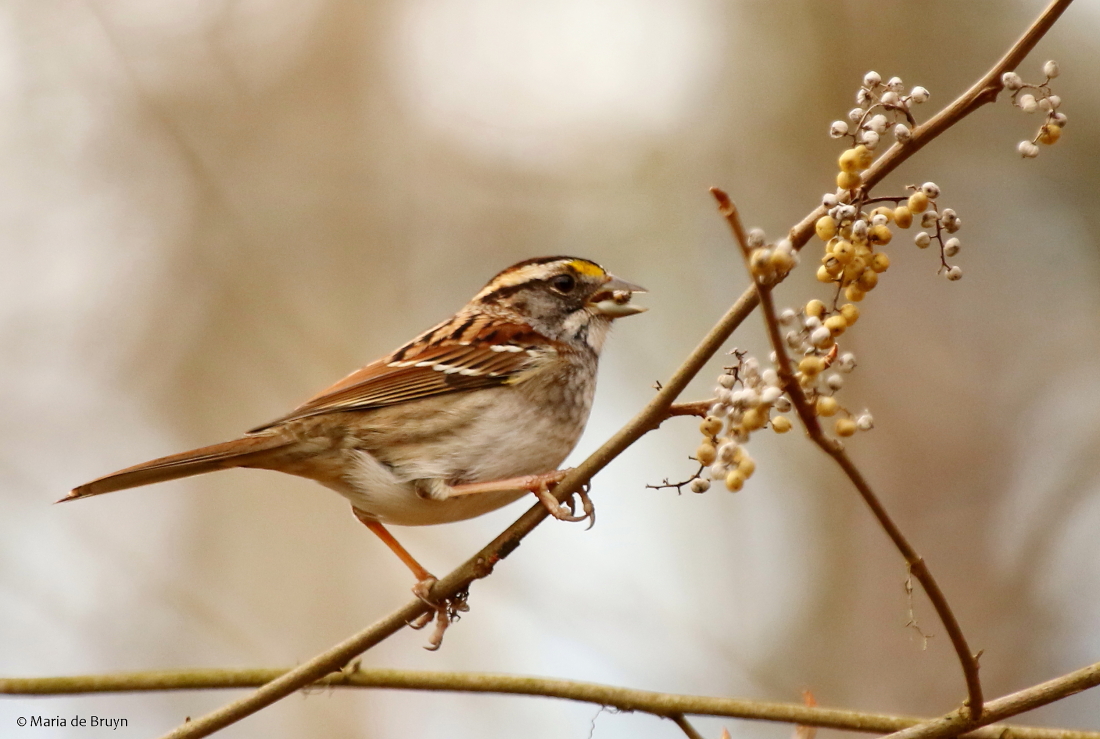
Birds like th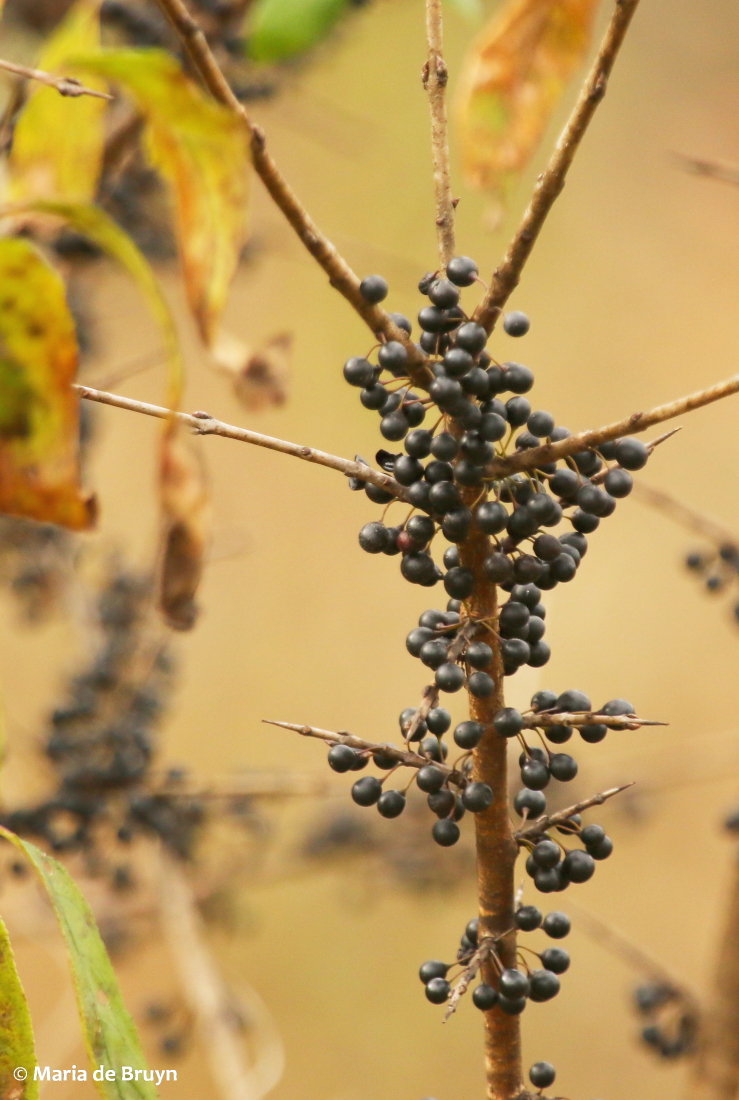 e Northern mockingbird and white-throated sparrow (Zonotrichia albicollis) also enjoy the berries of invasive plants such as privet (Ligustrum), common buckthorn (Rhamnus cathartica. left), Chinaberry (Melia azedarach) and autumn olive (Eleagnus umbellata).
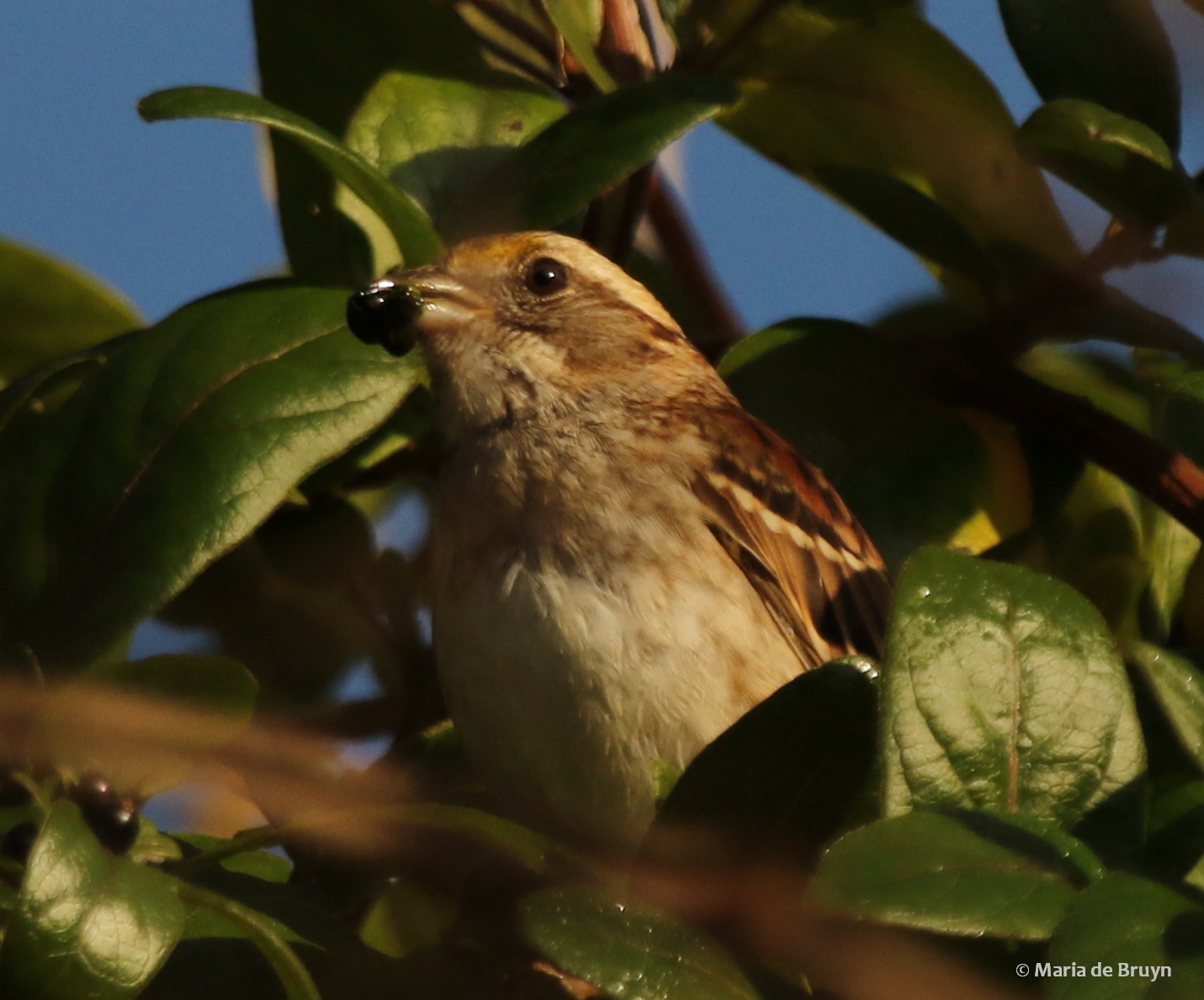
Watching our avian friends enjoy snapping up berries from vines can create enjoyment for the birdwatcher, too!
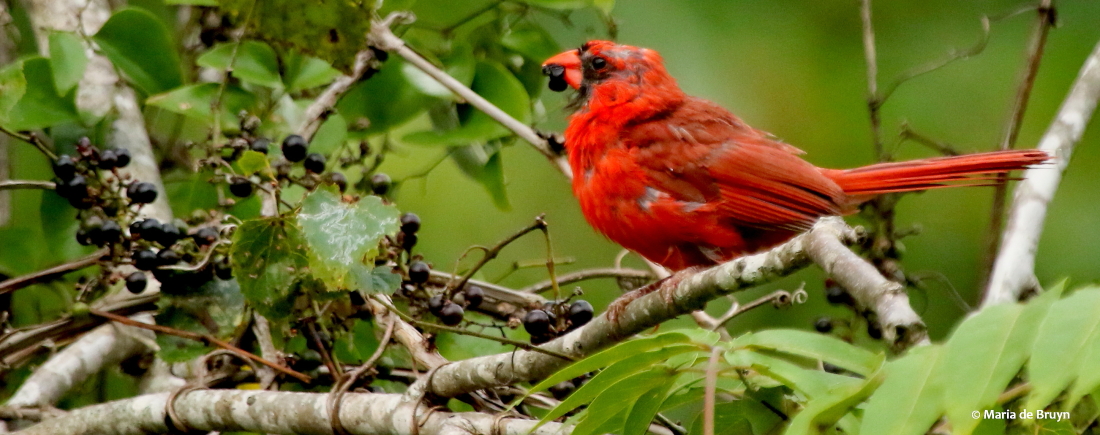
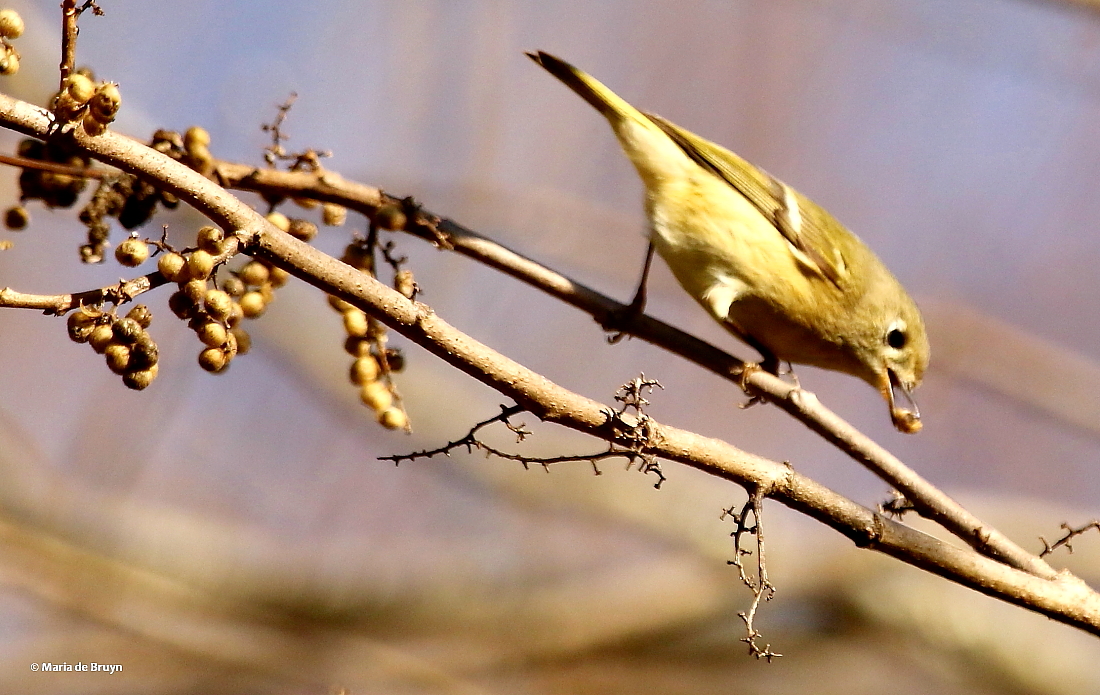
Ruby-crowned kinglet (Regulus calendula)
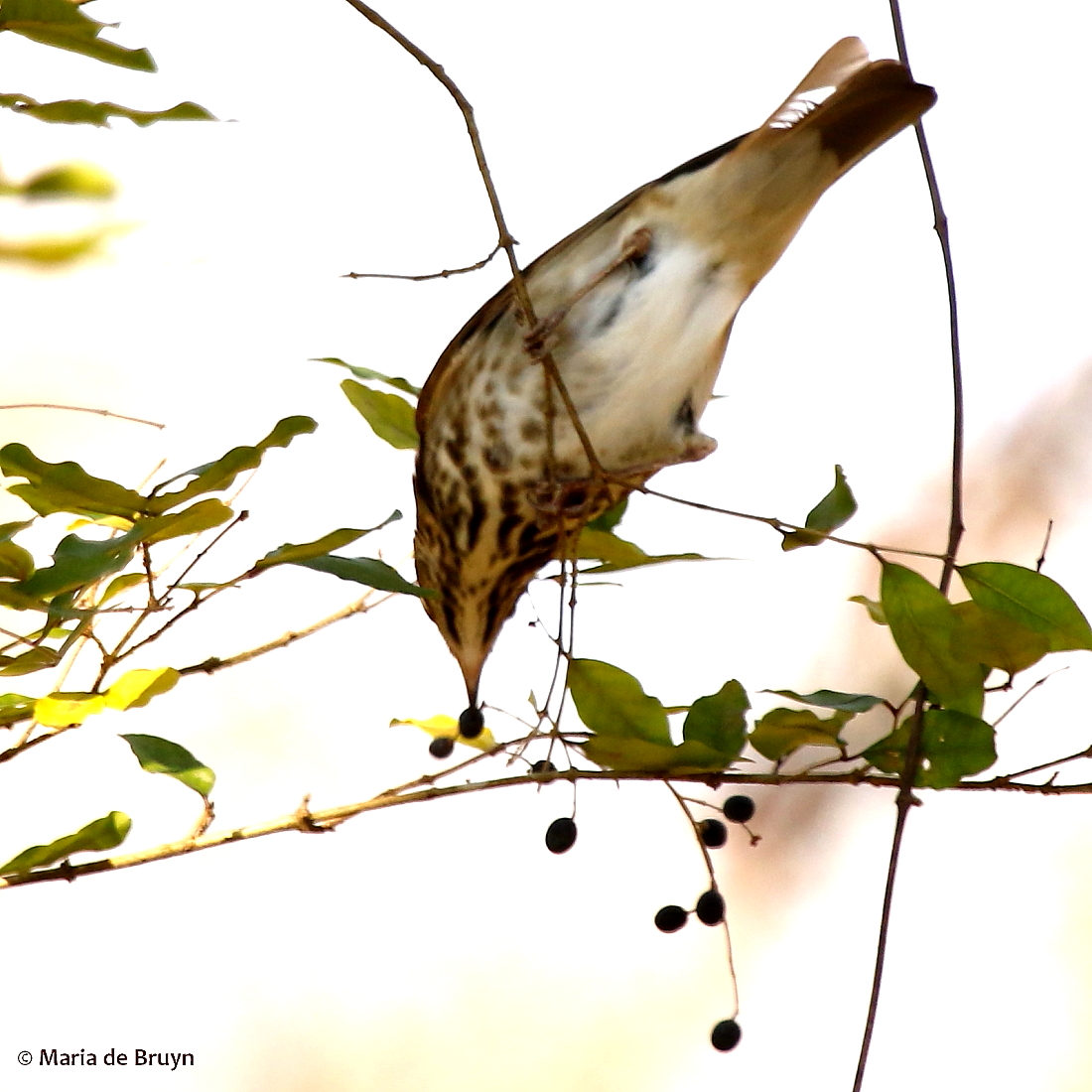
Hermit thrush (Catharus guttatus)
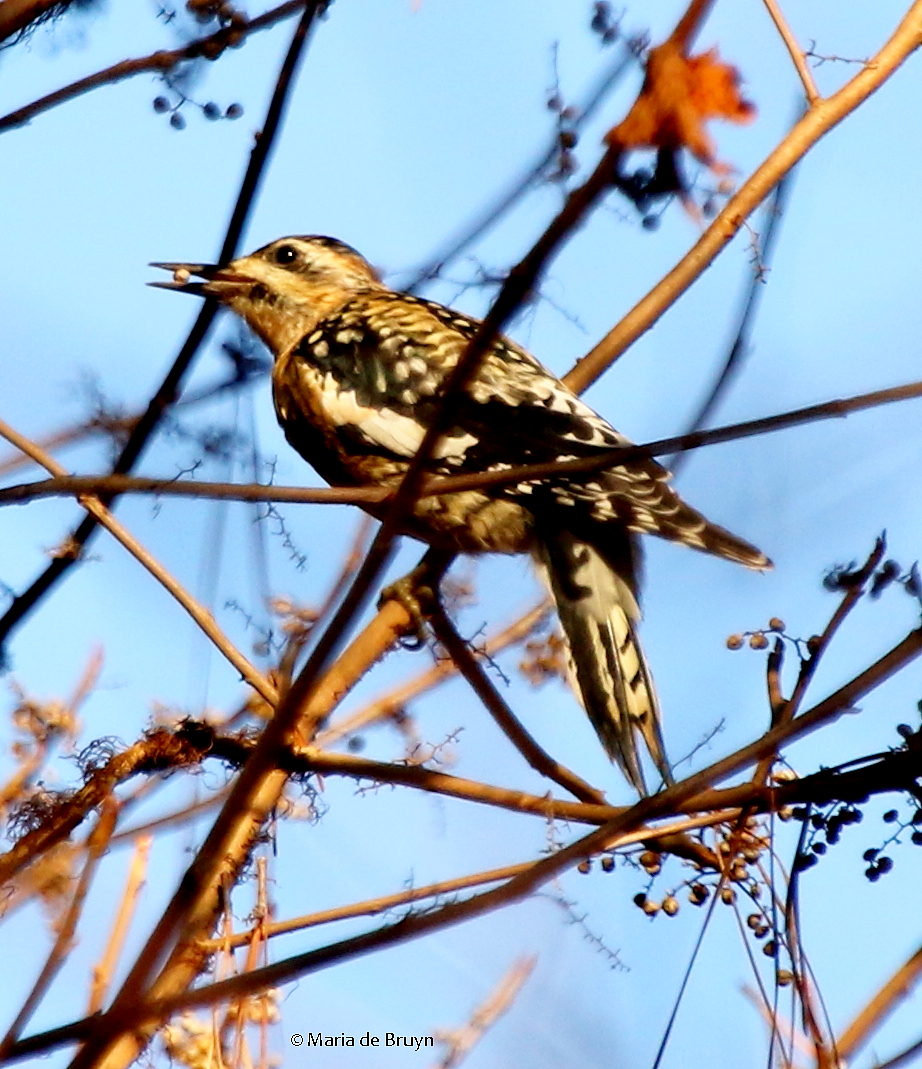
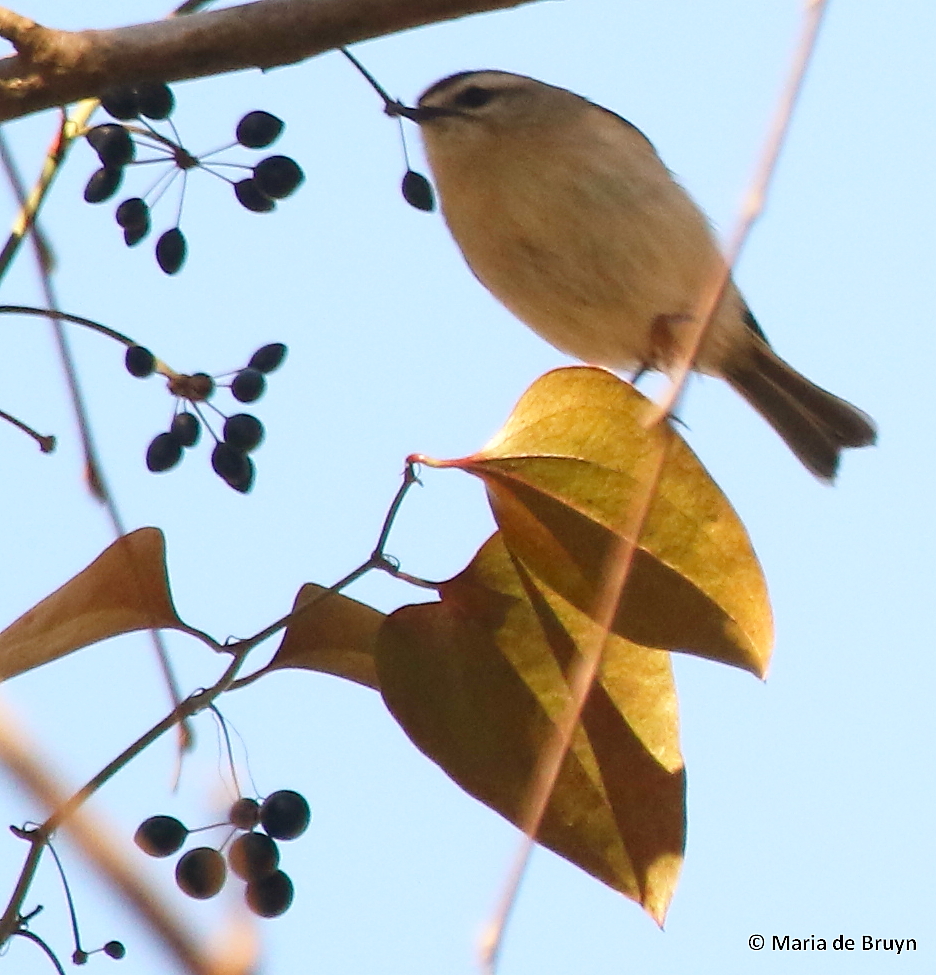
In some cases, they may also be seeking insects along with the berries, as this yellow-bellied sapsucker (Sphyrapicus varius) and tiny golden-crowned kinglet (Melanerpes erythrocephalus) may have been doing.

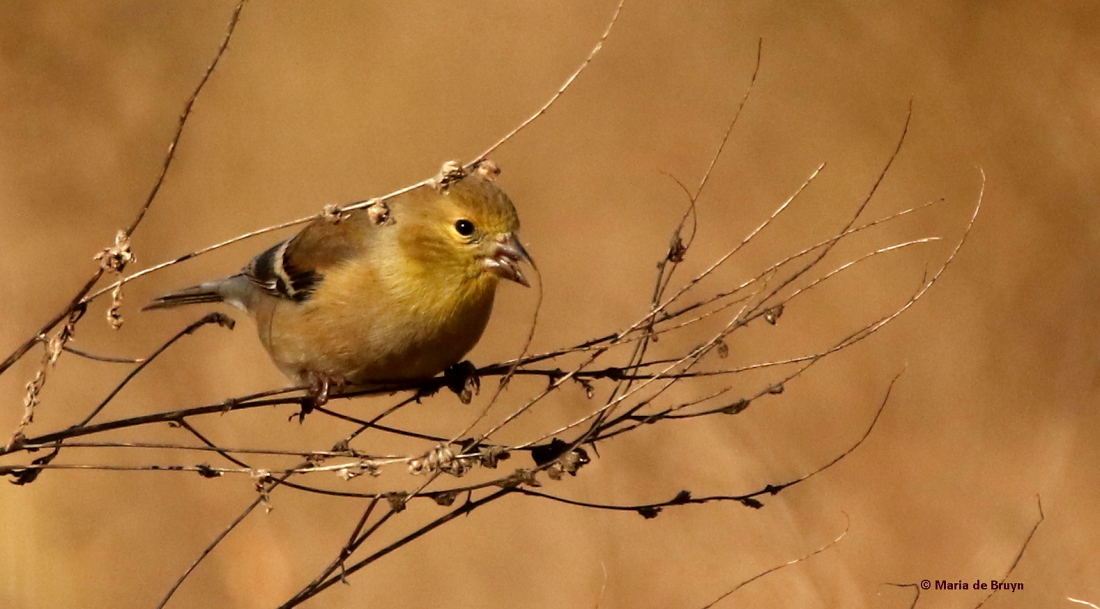
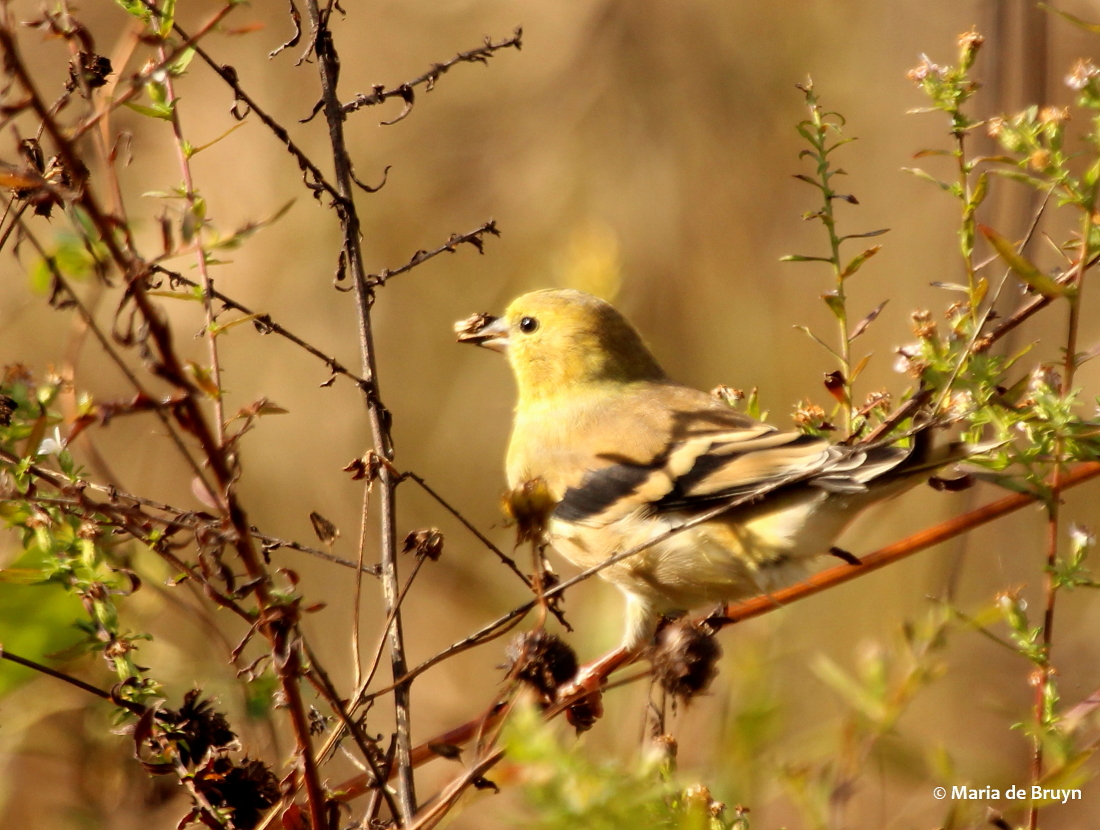
It’s not only the fruit that draws them away from the bird feeders in the autumn though. Sunflower seeds (Helianthus) are a big hit with the American goldfinches (Spinus tristis), who also seek out different kinds of seed pods.
Pods on trees, like the crepe myrtle (Lagerstroemia fauriei), and on vines such as the trumpet creeper (Campsis radicans) offer attractive meals, too.
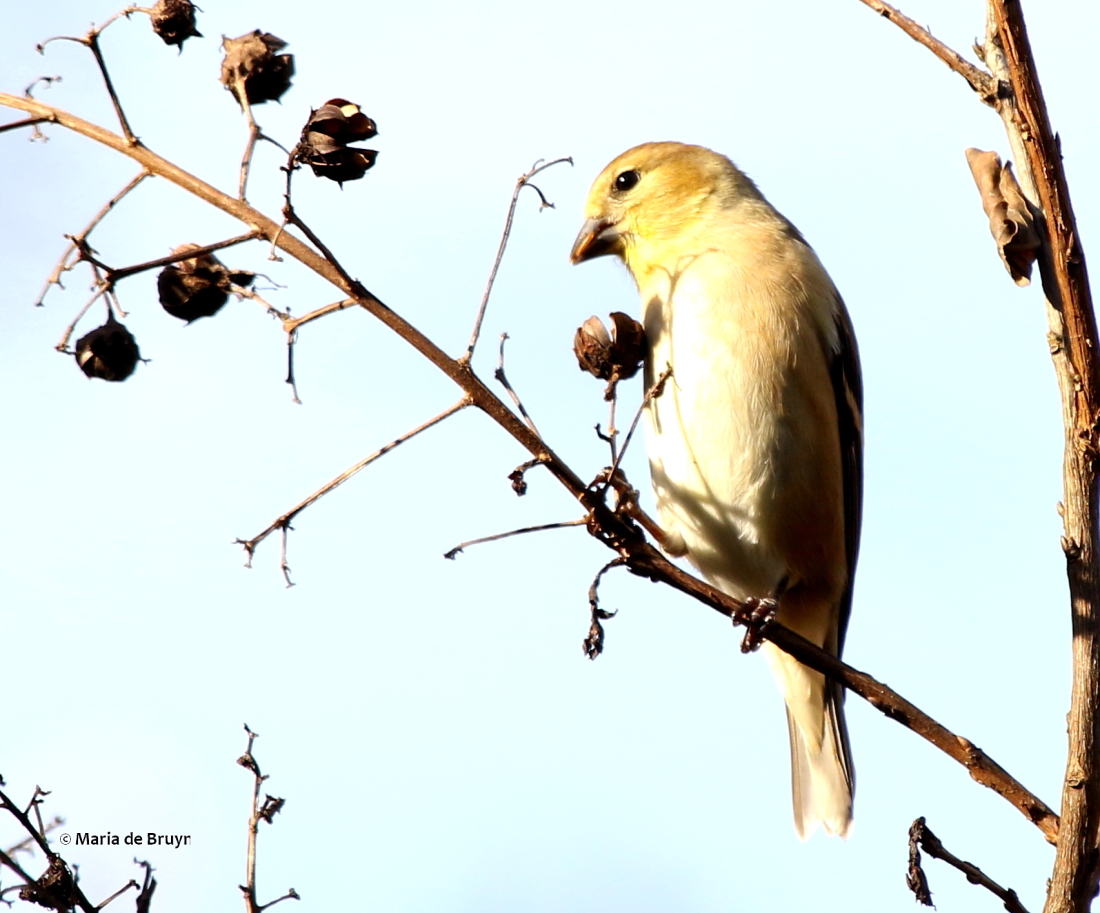
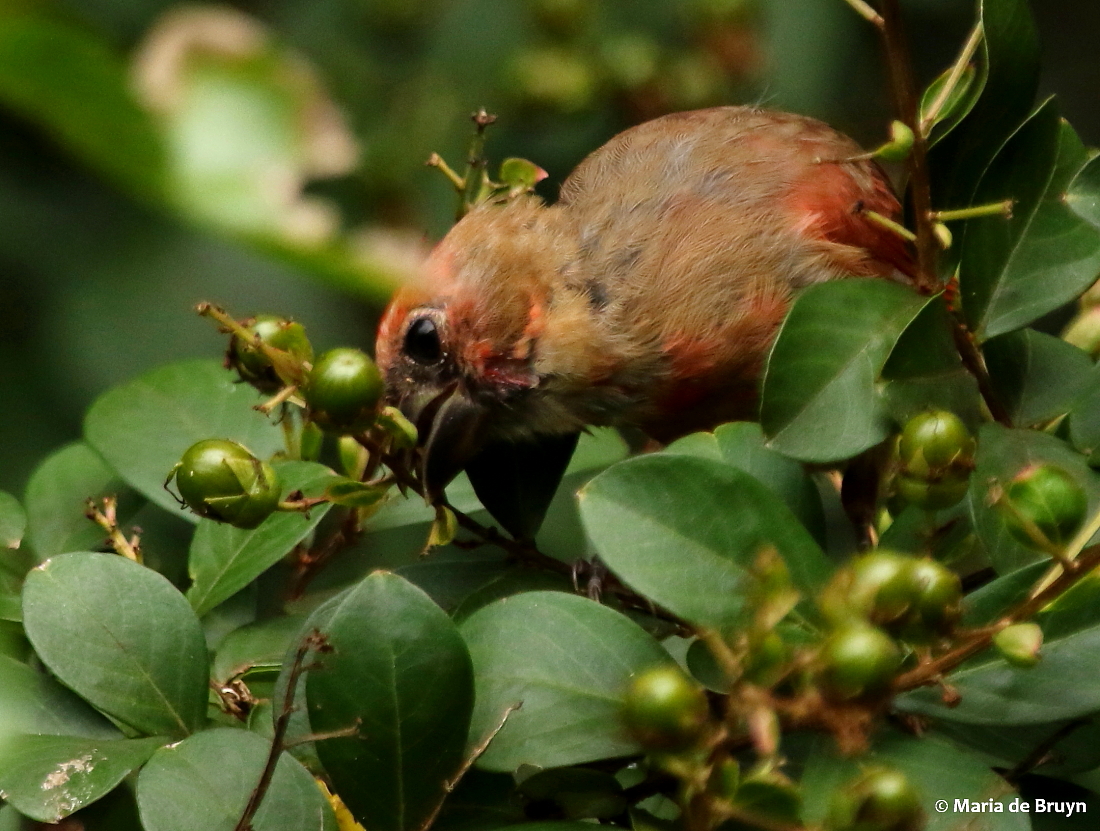
American goldfinch and Northern cardinal both eating crepe myrtle
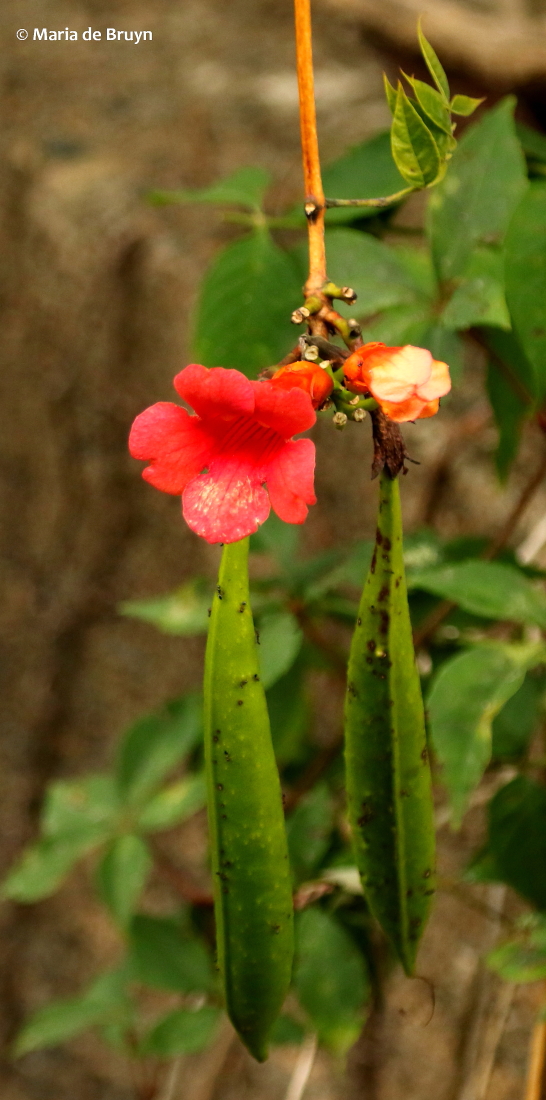
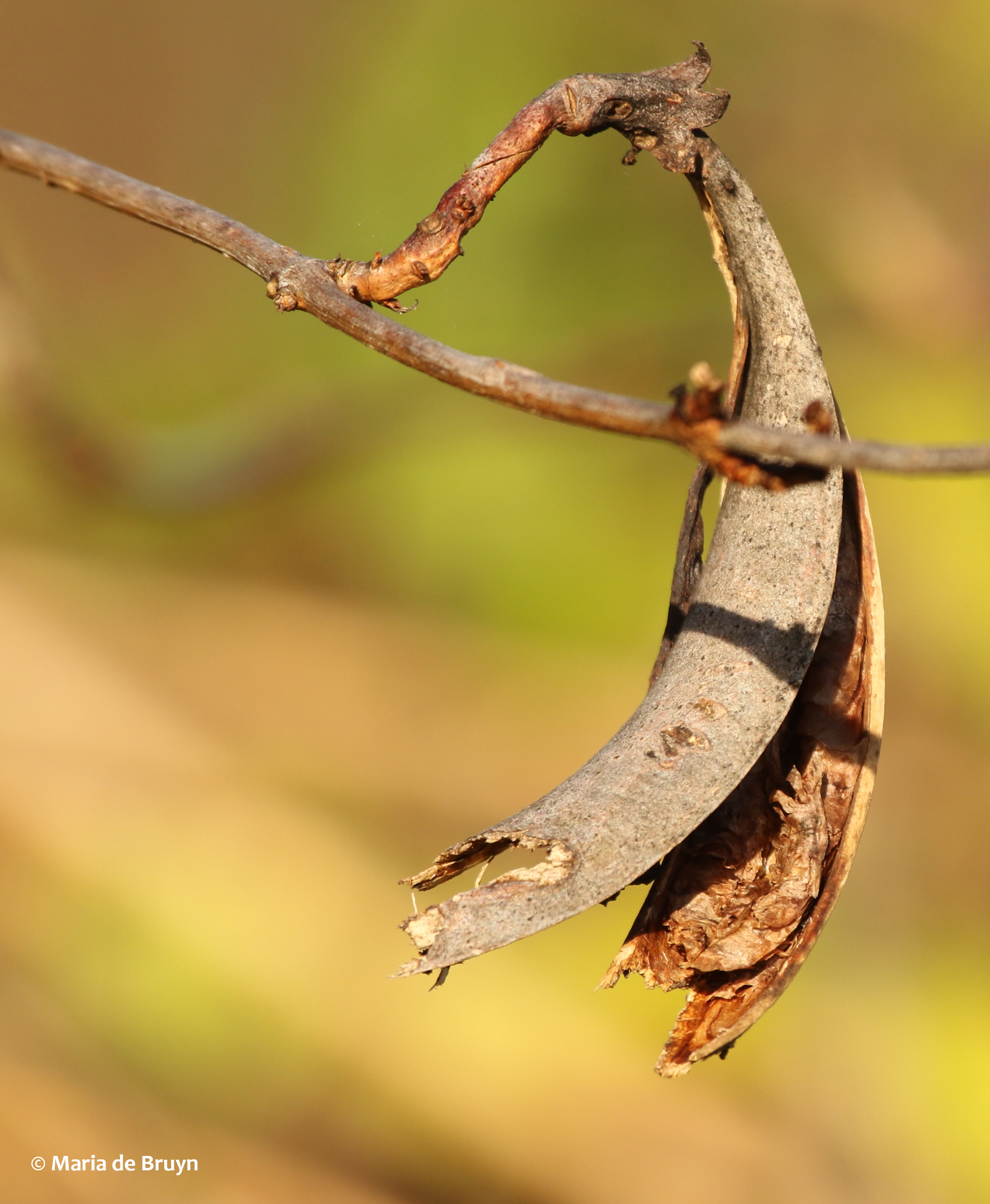
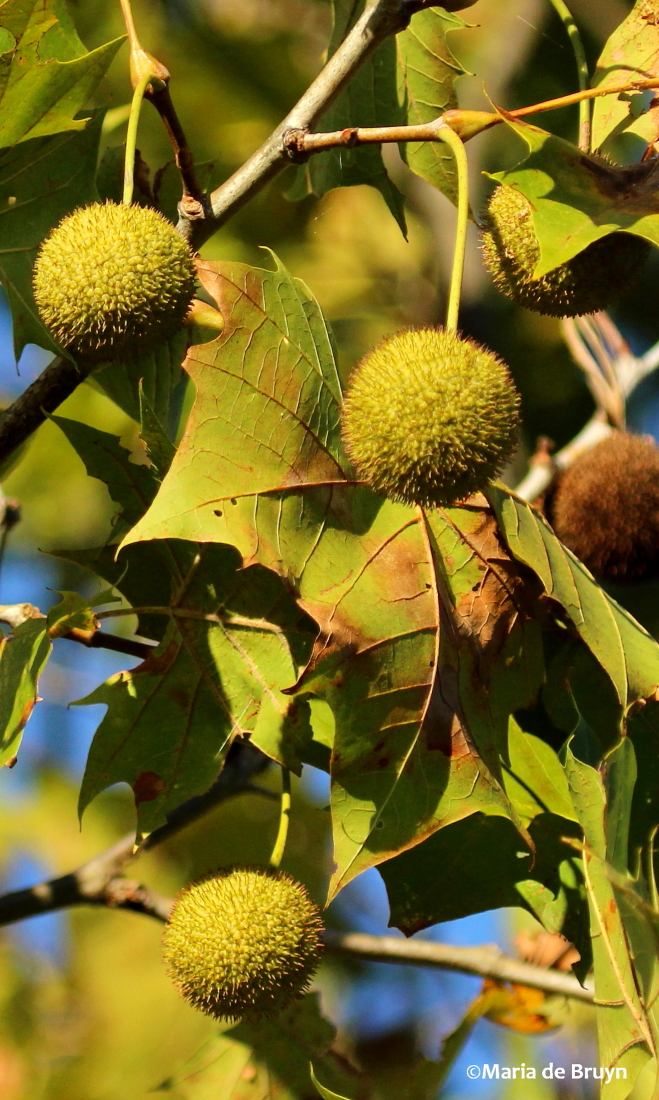
Trumpet vine American sycamore (Platanus occidentalis)
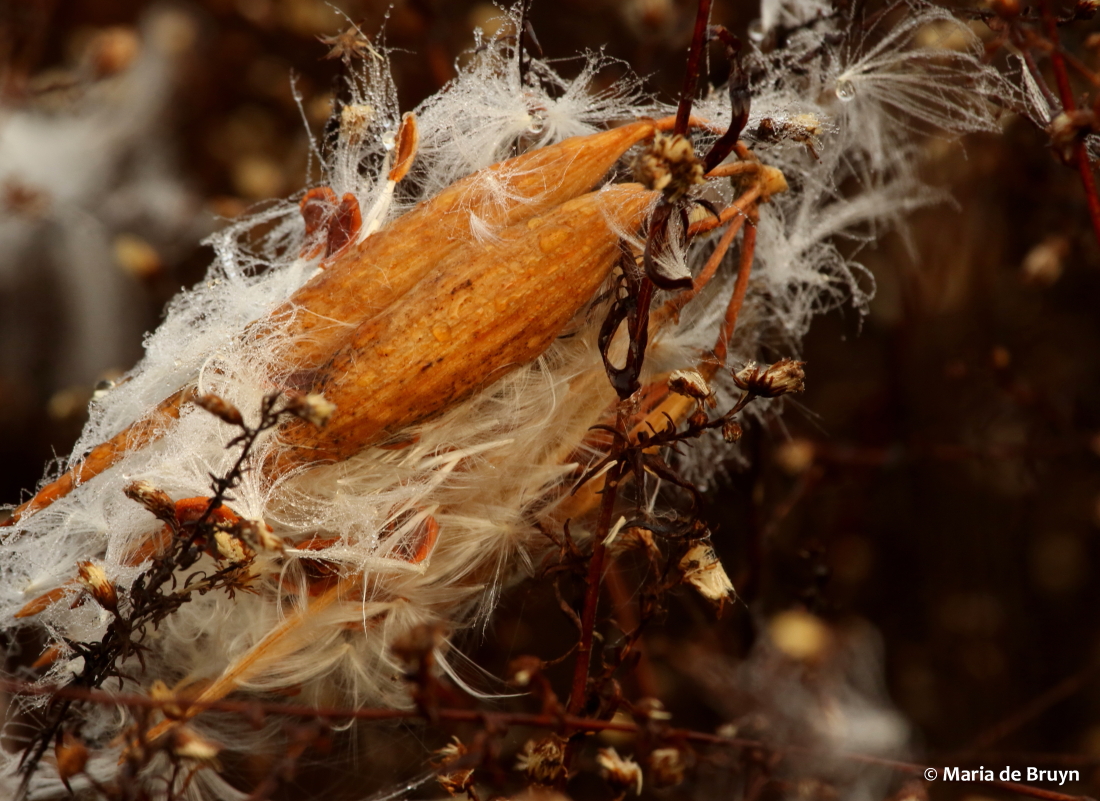

Milkweed (Asclepius) and Carolina chickadee (Poecile carolinensis)
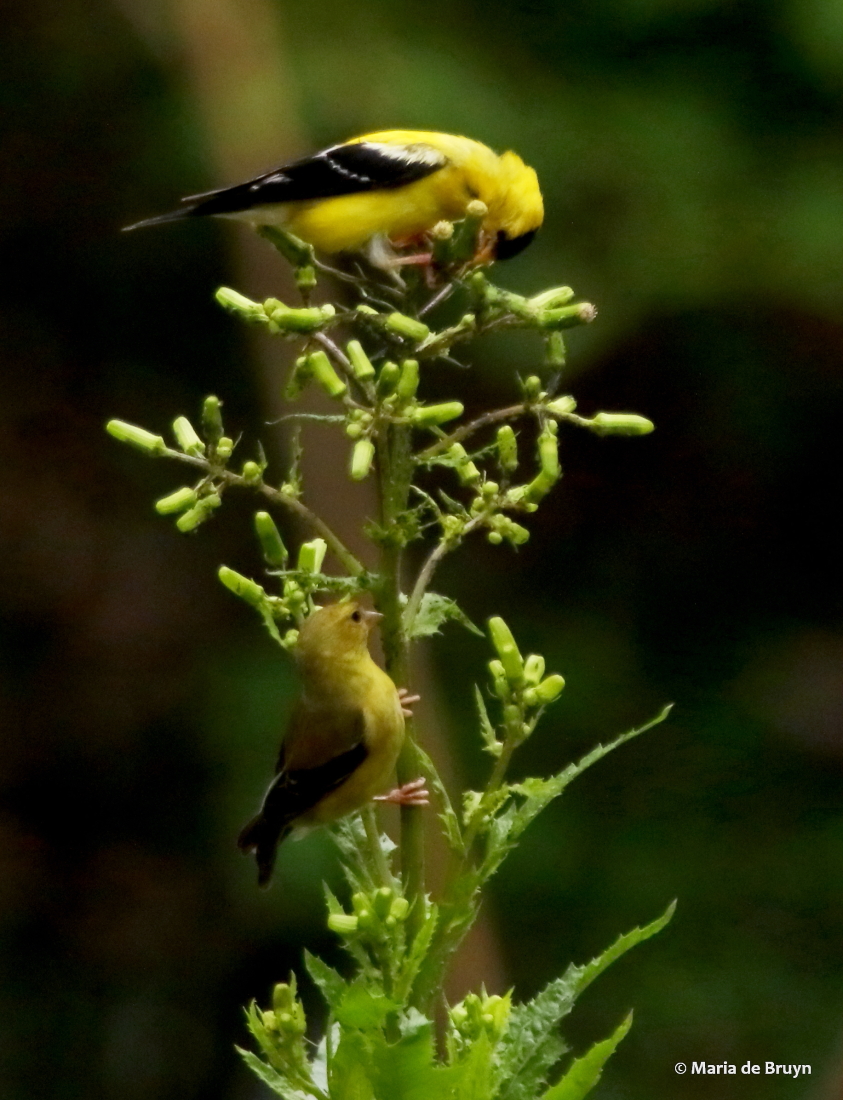
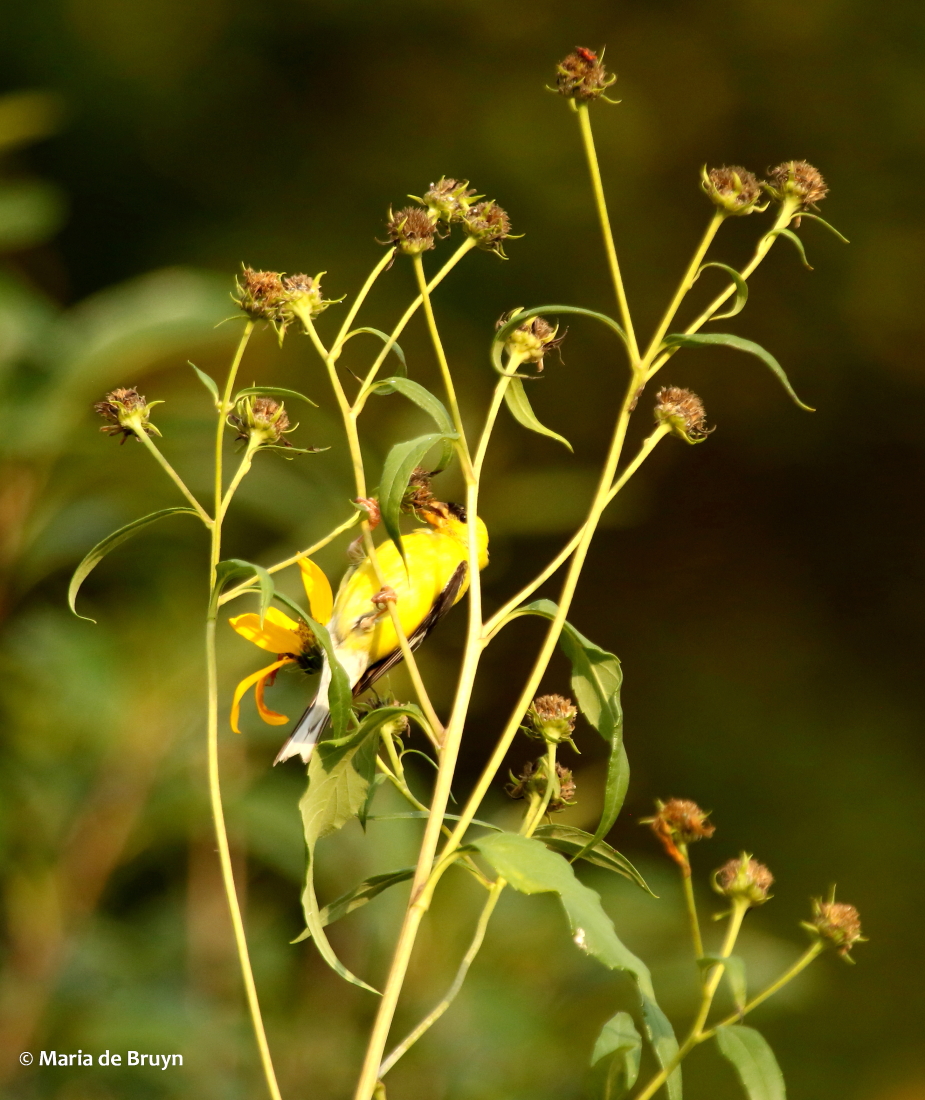
American goldfinches
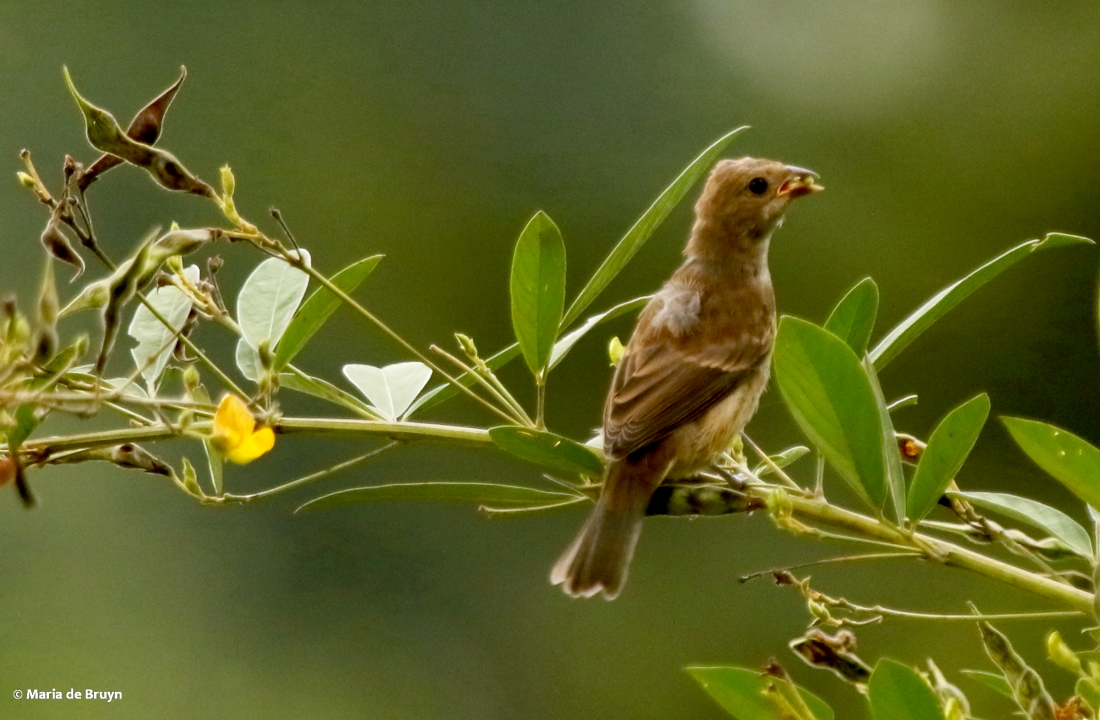
Indigo bunting ( Passerina cyanea)
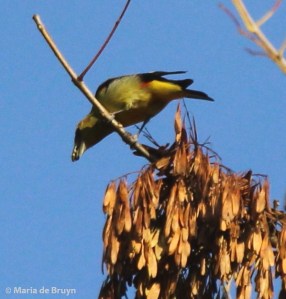
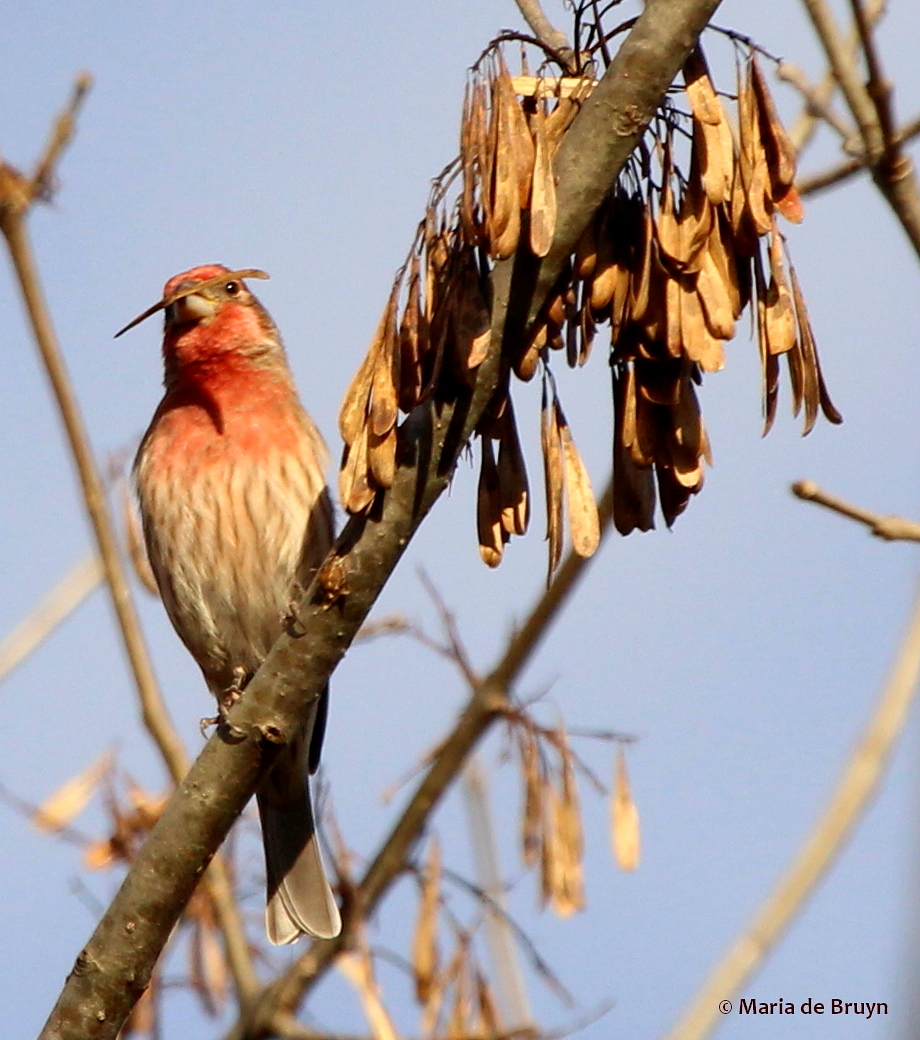
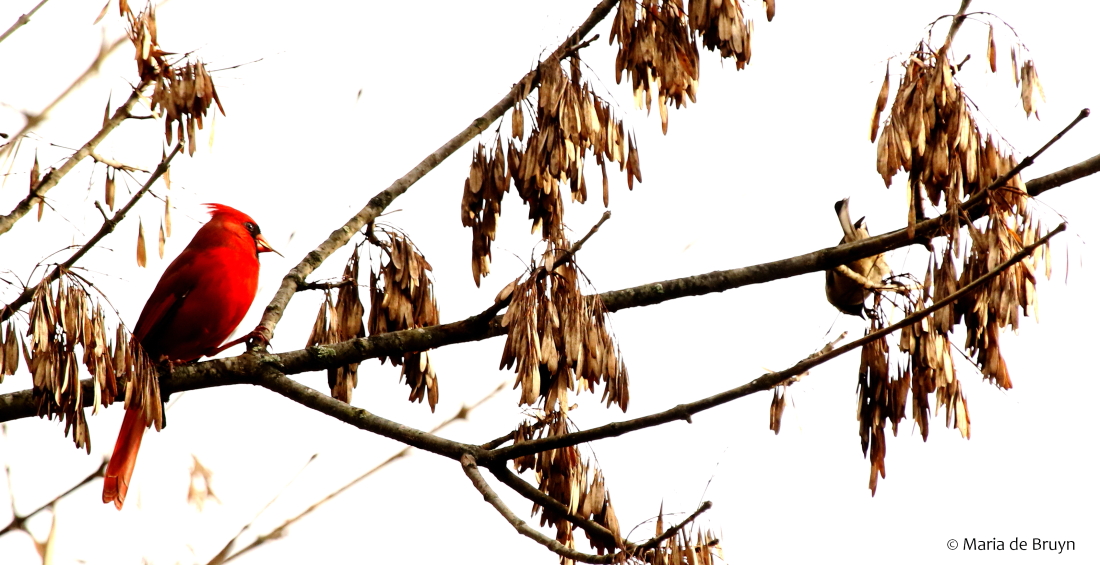
Some trees like maples have samara seed pods, in which a single seed is surrounded by a paper-like tissue that is dispersed by the wind. Ash trees have samaras that grow in clusters. Here a young scarlet tanager (Piranga olivacea) is dining. Below are an American goldfinch, house finch (Haemorhous mexicanus) and Northern cardinal, all of them males.
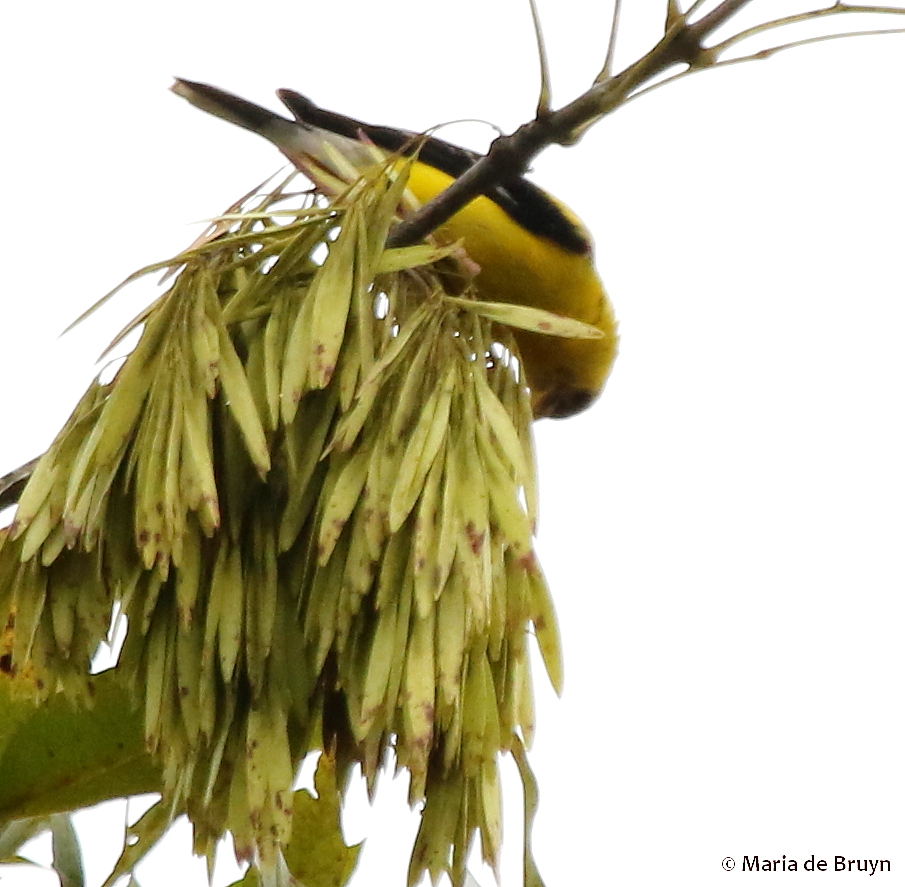
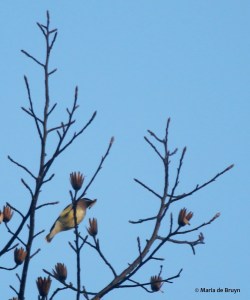
Cedar waxwing (left) with samara of the tulip tree (Liriodendron tulipifera)
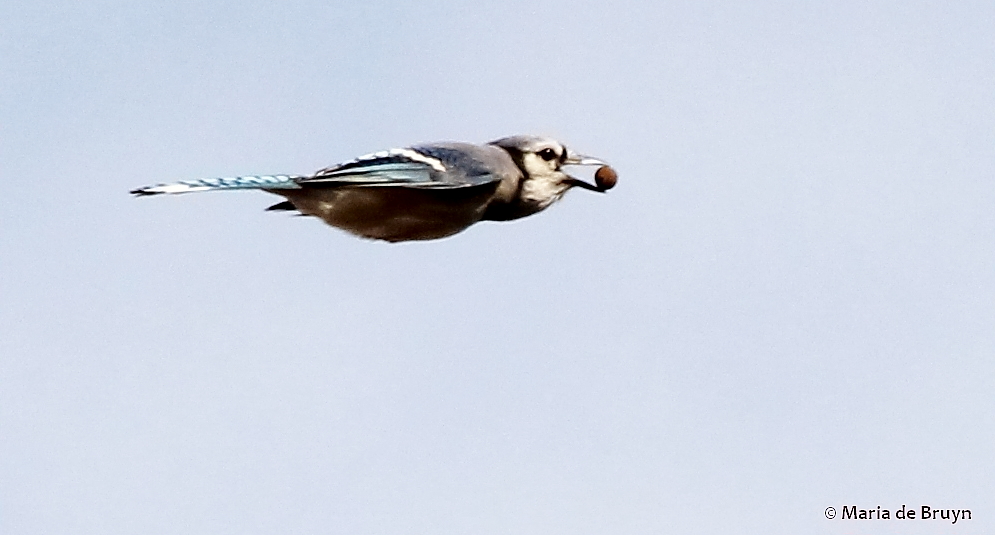
Blue jays (Cyanocitta cristata, above) like nuts a great deal and can often be seen flying away with a prize.

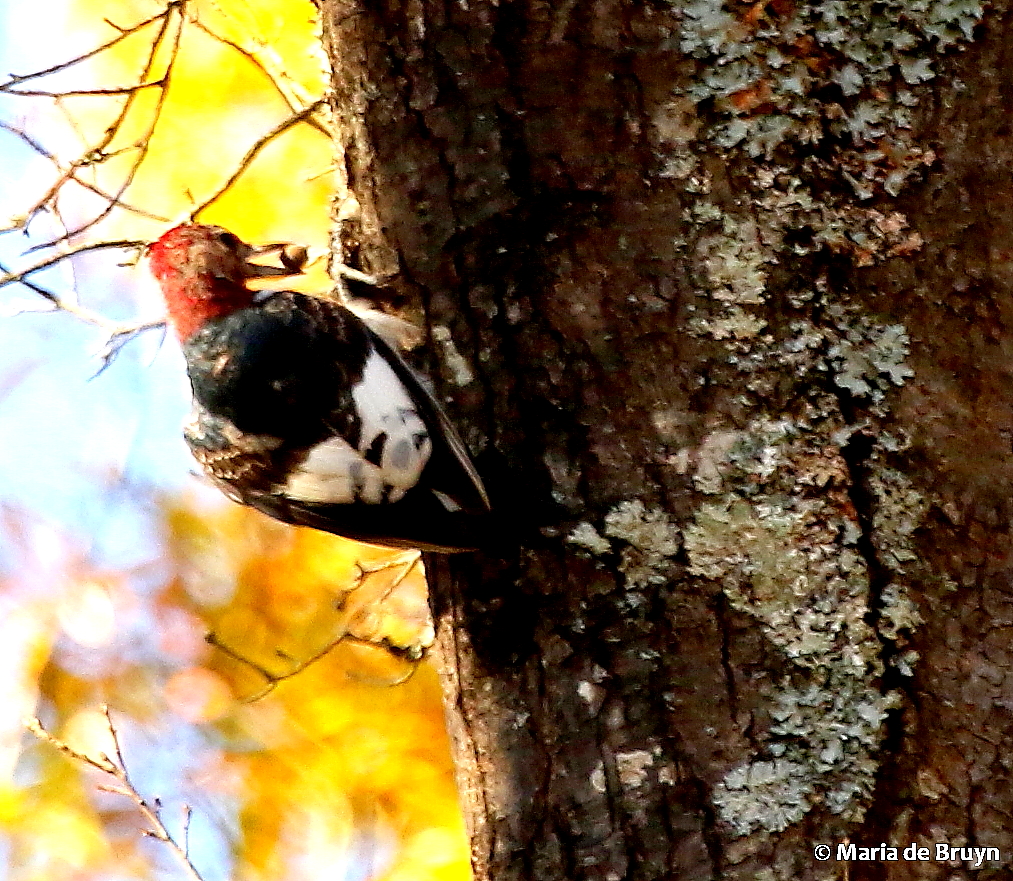
The red-bellied woodpeckers (Melanerpes carolinus) and red-headed woodpeckers (Melanerpes erythrocephalus) don’t turn away from nuts either.

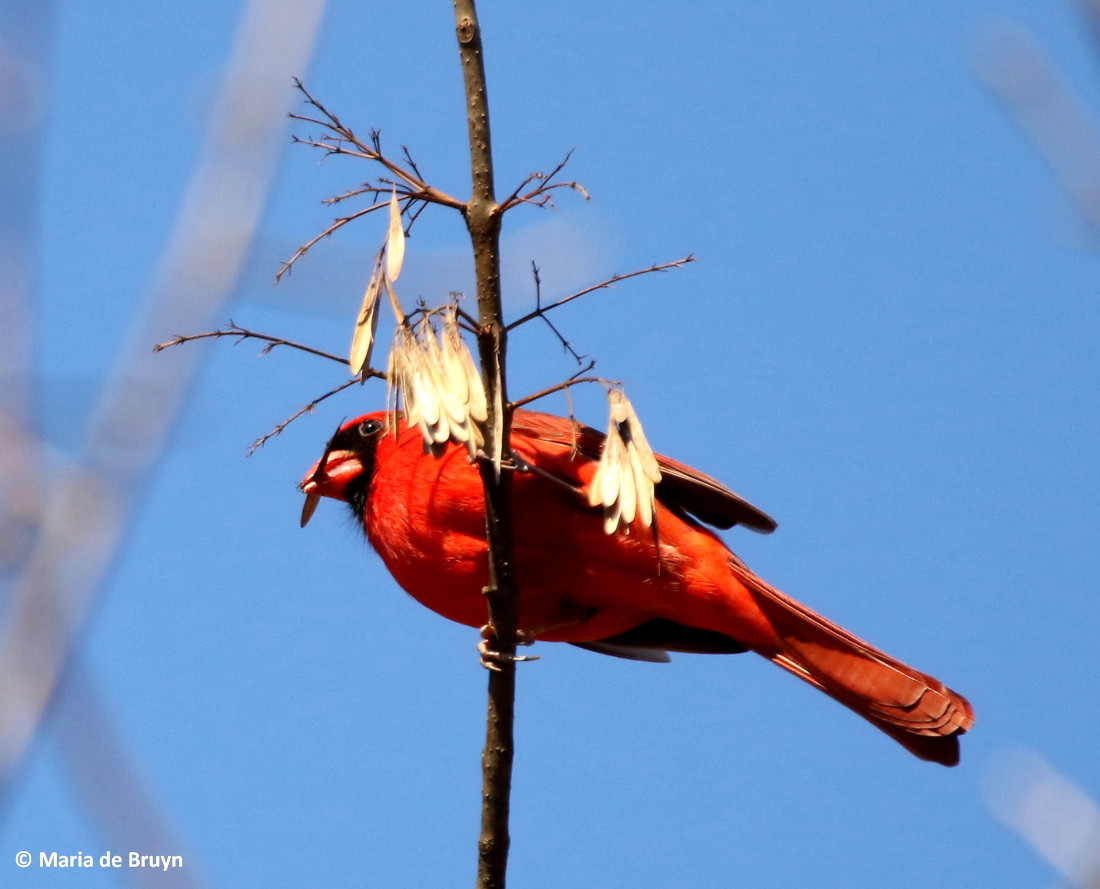
It may feel a bit sad when activity dies down at the feeders for a time, but if you can manage to have nut-, seed- and fruit-bearing vegetation around your home, you can still enjoy watching your avian friends forage – and the natural surroundings can make for lovelier photos, too!
 We usually don’t know who gave a bird species its common name and sometimes may scratch our heads wondering how and why someone ended up choosing a particular name. But birders faithfully learn to identify birds with those names, even when they may seem illogical. For example, many people would have chosen to call red-bellied woodpeckers red-headed woodpeckers since the reddish belly feathers are much less obvious than the red on the back of their heads.


 My beautiful world