Living above a restaurant

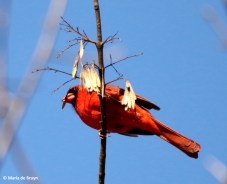
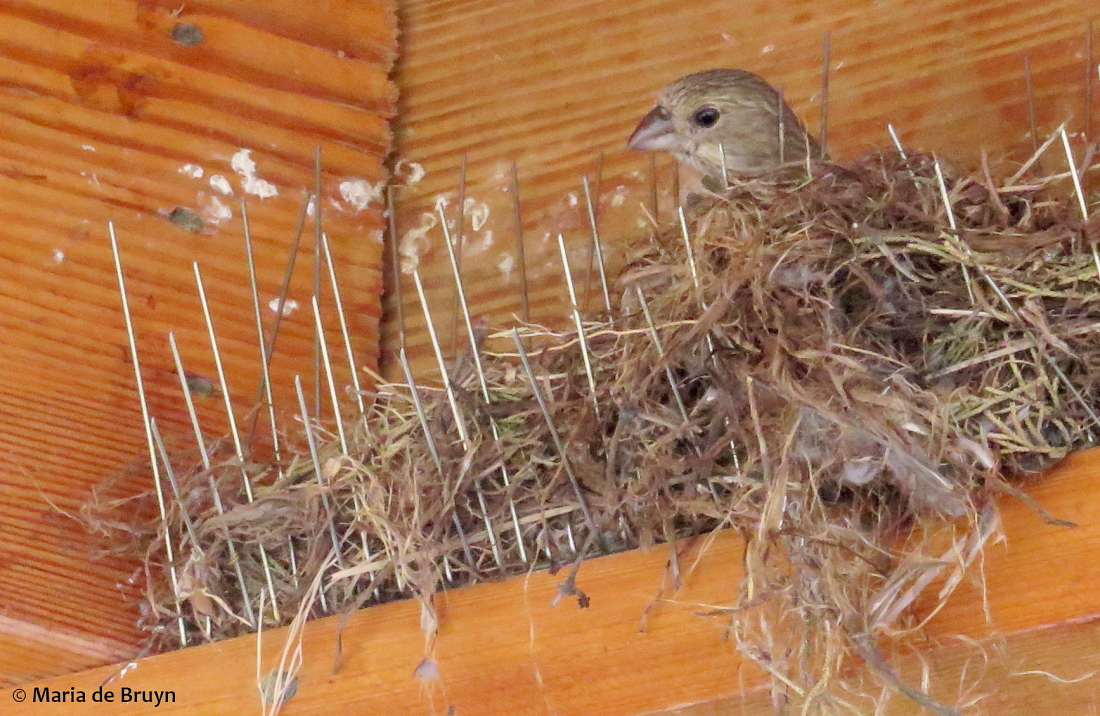
house finch nest 1 IMG_4358© Maria de Bruyn resAt one point in Amsterdam, I lived in a room with a shared kitchen and toilet above a butcher shop. It was a cramped space but I made some nice friends there. Eventually, I painted the hallway with flowers and snails to bring a bit of nature inside. Today, on my way to a prompt writing session, I saw that some birds also choose to live above commercial establishments, including those who established homes above one of my favorite restaurants, El Tigre.

House finch nest 1IMG_4373© Maria de Bruyn res


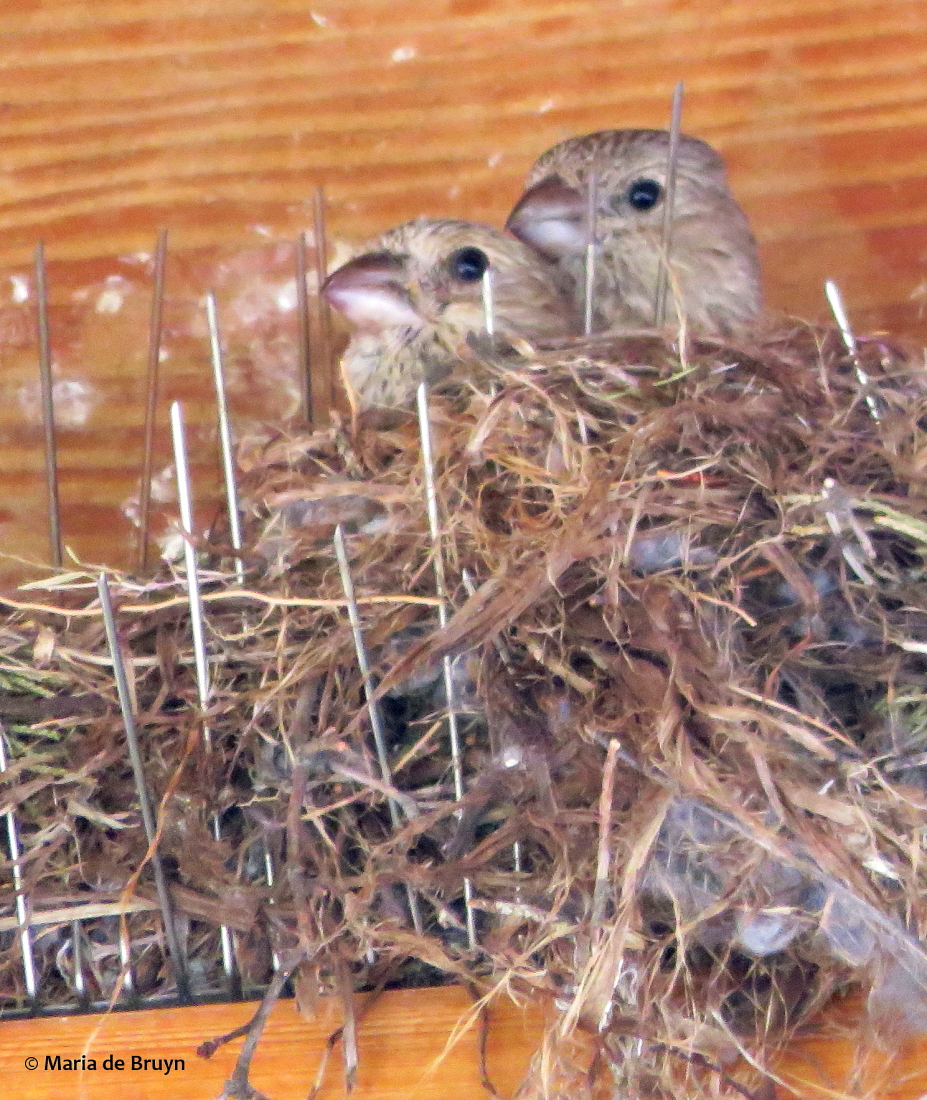
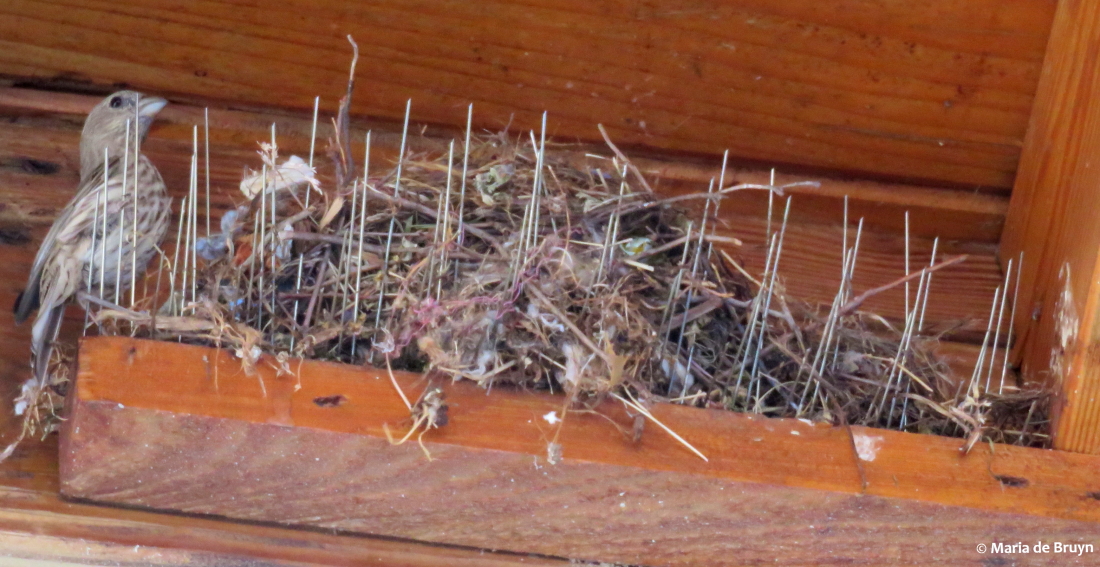
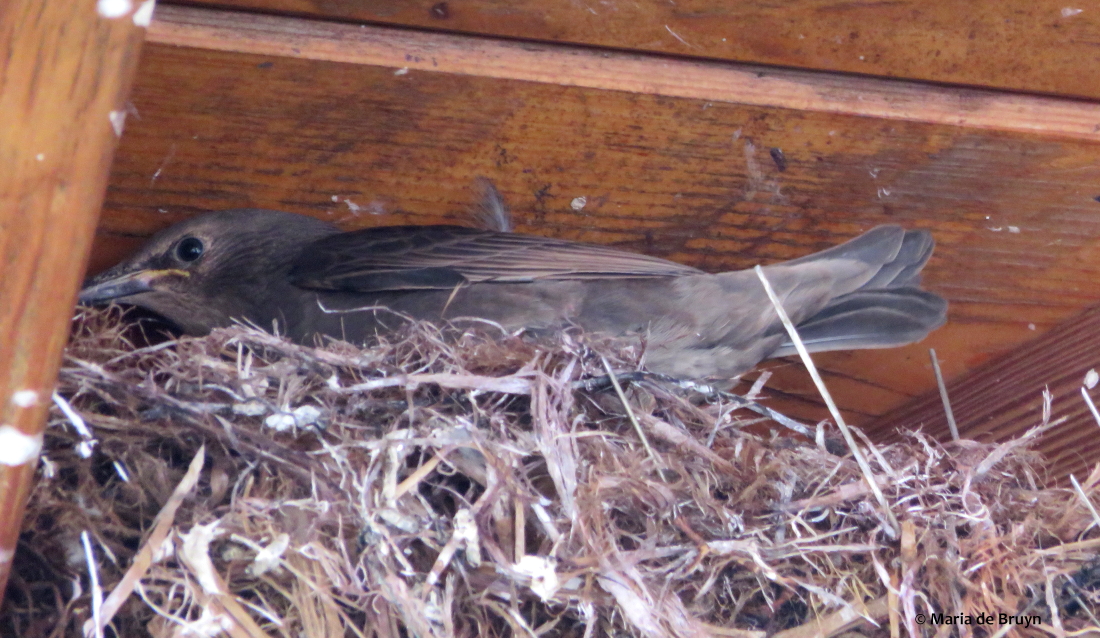
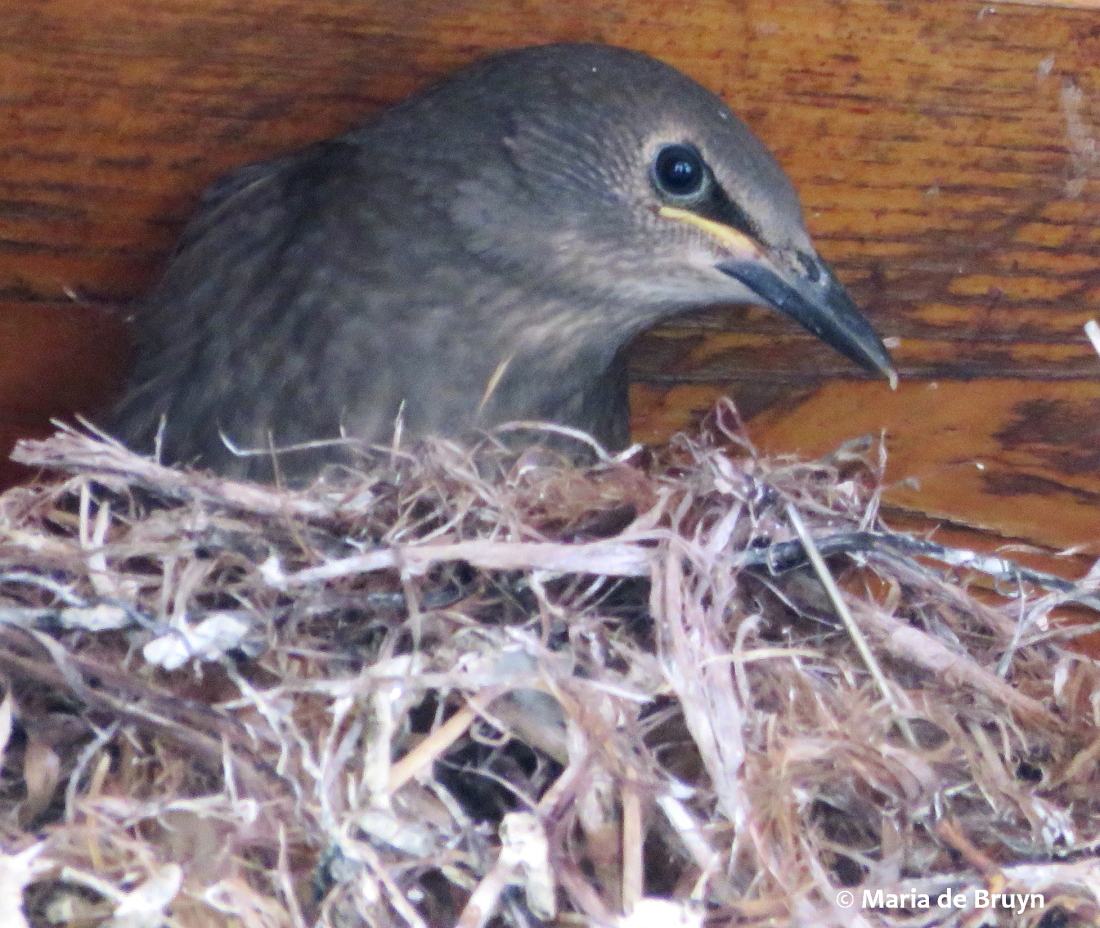
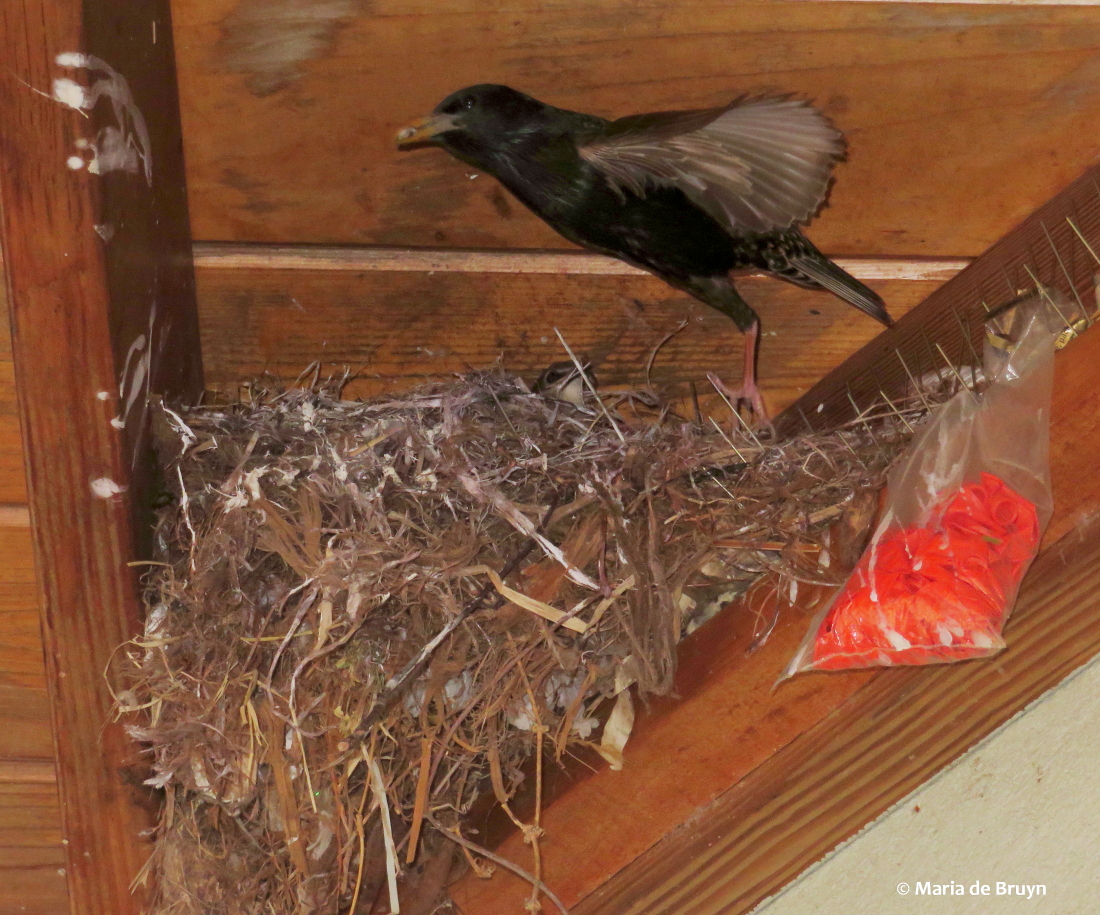
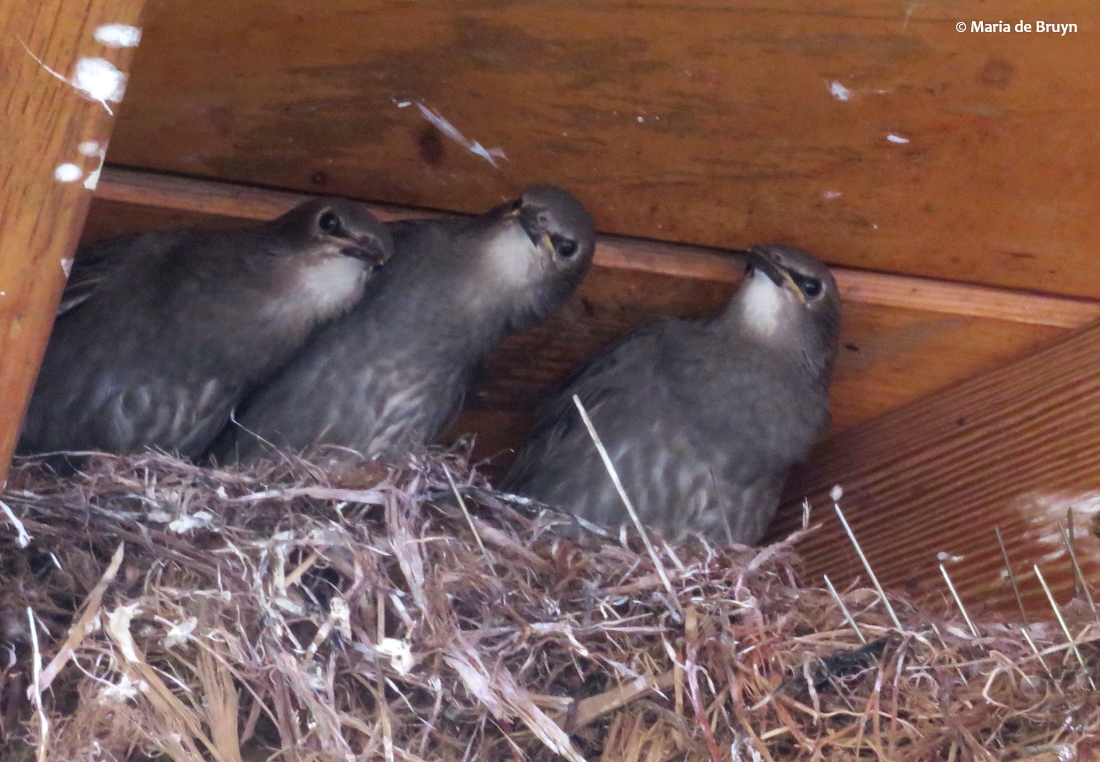
There were three nests (at least – I didn’t look around to the other wall), with house finches (Haemorhous mexicanus) on either side of a European starling (Sturnus vulgaris) home in the middle. Nest 1 had a female bird visiting while a couple stayed inside.


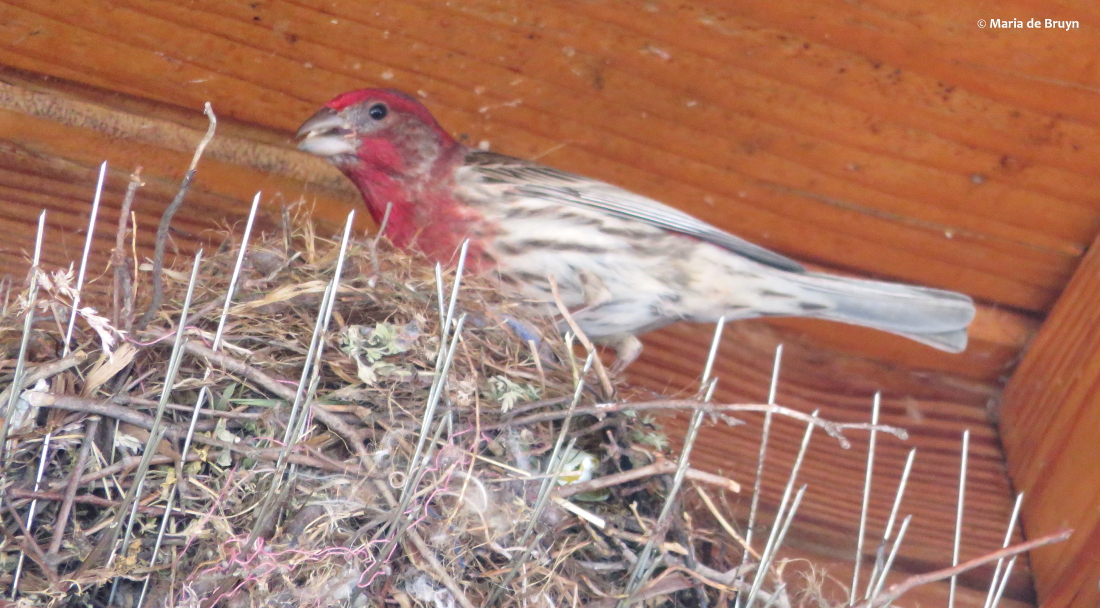
The other finch nest was attended by both mother and father.

house finch nest 3 IMG_4375© Maria de Bruyn res house finch nest 3 IMG_4351© Maria de Bruyn res

house finch nest 3 IMG_4396© Maria de Bruyn res

European starling IMG_4390© Maria de Bruyn resThe nest with starlings had rather large babies in it. At one point, an adult bird flew in with a worm or insect but then took off before feeding anyone – perhaps alarmed when it saw me watching the nest. The babies didn’t say much, in contrast to the somewhat older baby starlings in my yard who make quite a racket asking to be fed.

European starling IMG_4387© Maria de Bruyn resEuropean starling IMG_4347© Maria de Bruyn res


European starling IMG_4397© Maria de Bruyn res

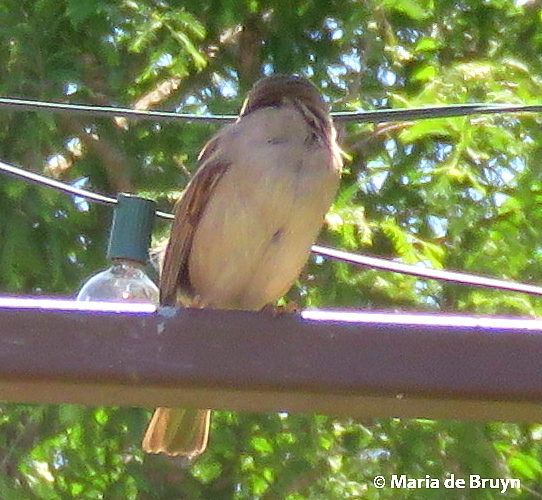
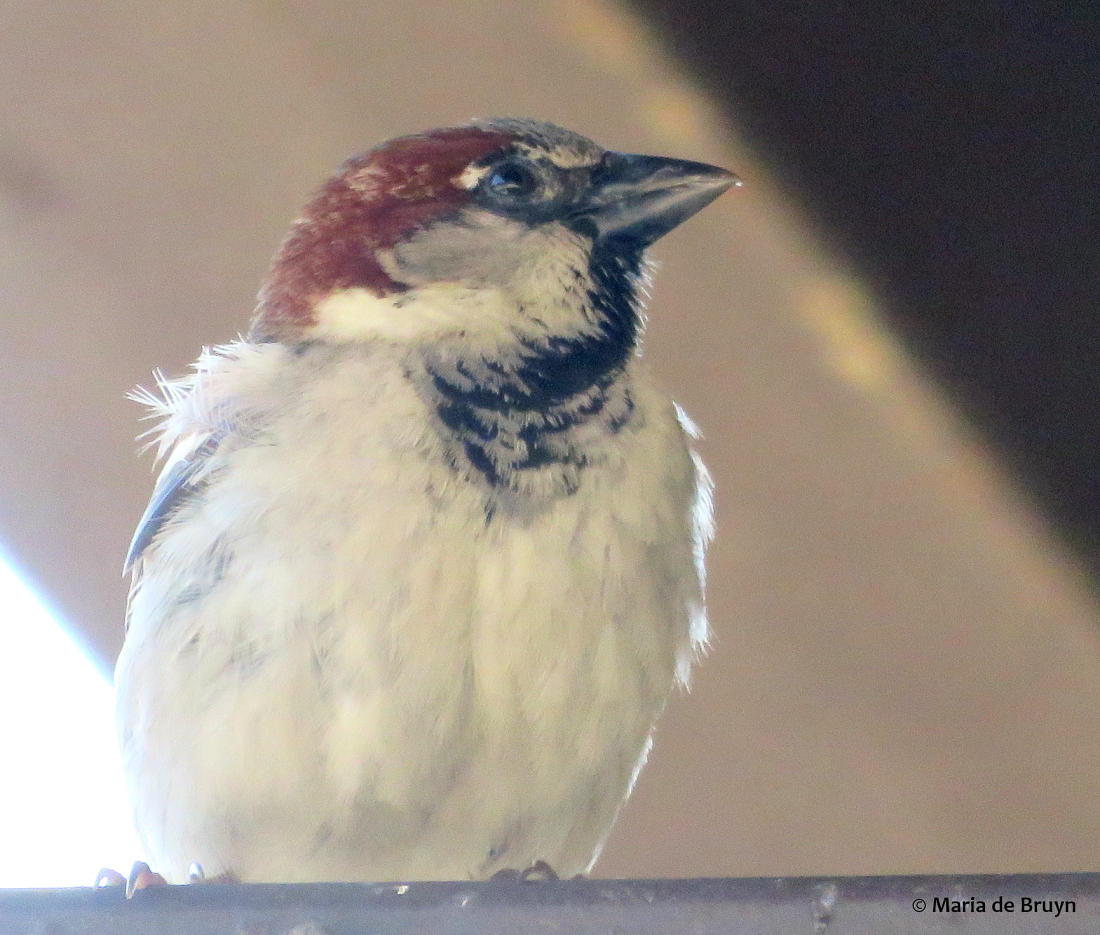
I wasn’t the only observer, however; a couple house sparrows (Passer domesticus) were also observing the comings and goings to and from the nests.

house sparrow IMG_4412© Maria de Bruyn res house sparrow IMG_4355© Maria de Bruyn res

I had a busy day and didn’t think I’d get to do much nature observation – but then those adaptable birds showed me that even in an urban environment, I can grab a few moments to see what other species are doing on a lovely spring day!


Birds, berries, nuts and seeds – enjoyment of nature’s bounty

So this wasn’t my last blog of 2015 after all. An unexpected hospital admission on 30 December brought about quite a delay in my blogging efforts. But I managed to complete this in instalments over the past days and hope you enjoy the final version, which I am happily able to post on my second day at home in 2016!

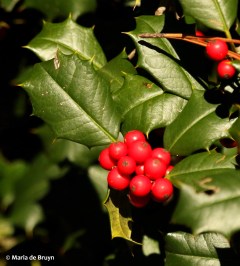
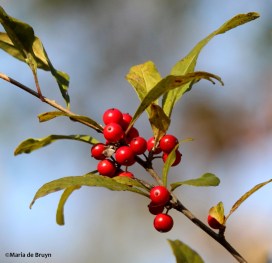
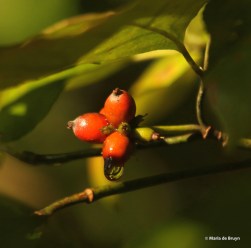
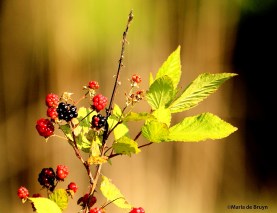
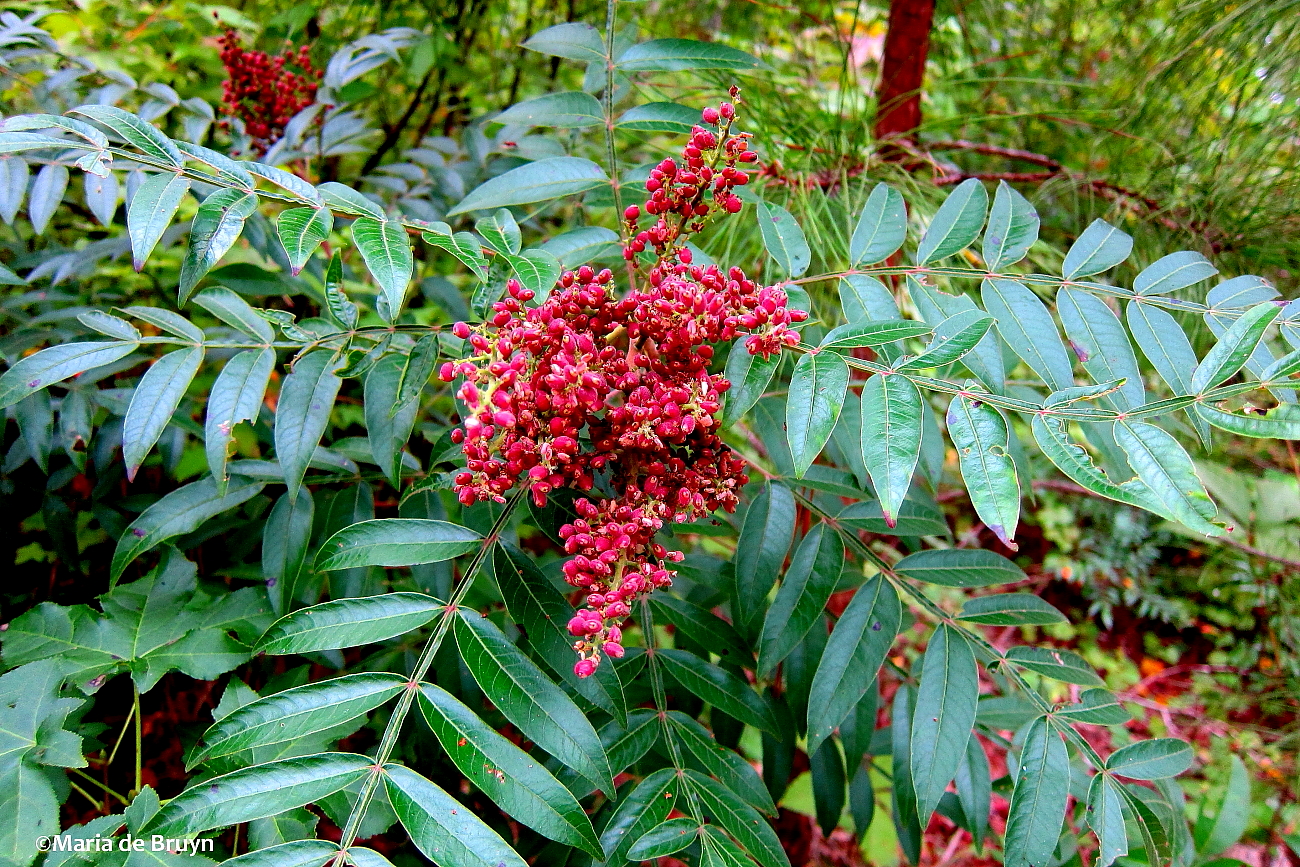
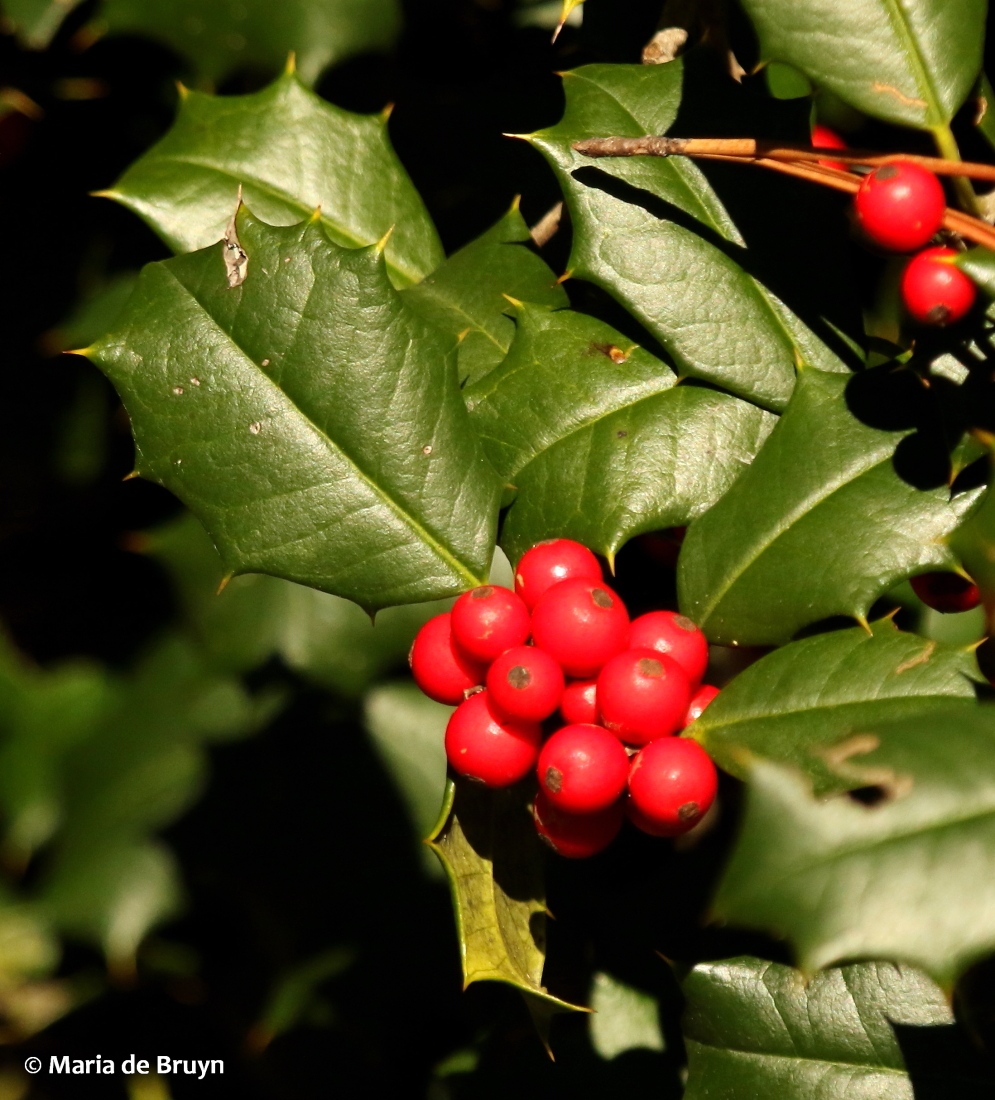
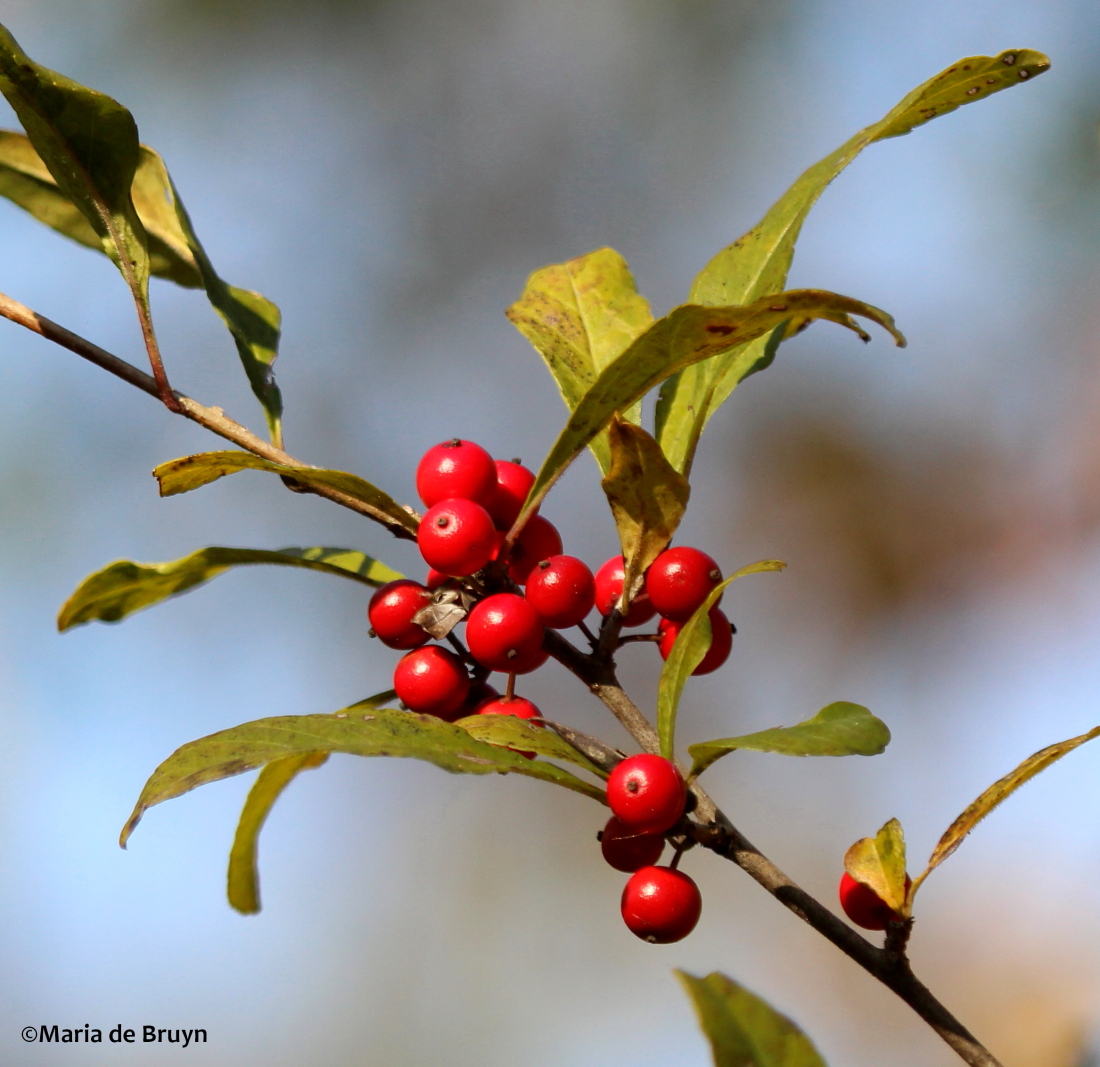
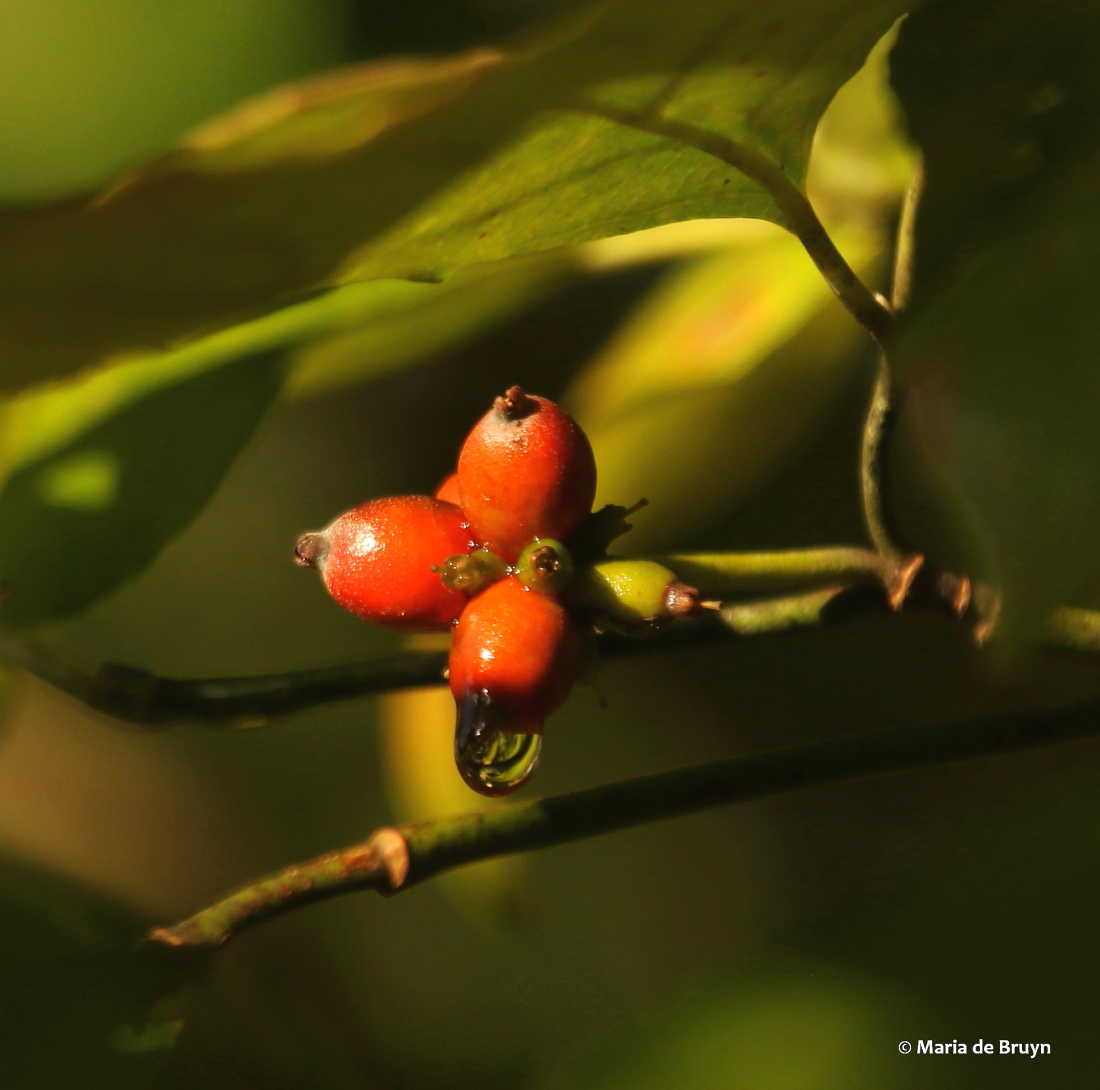
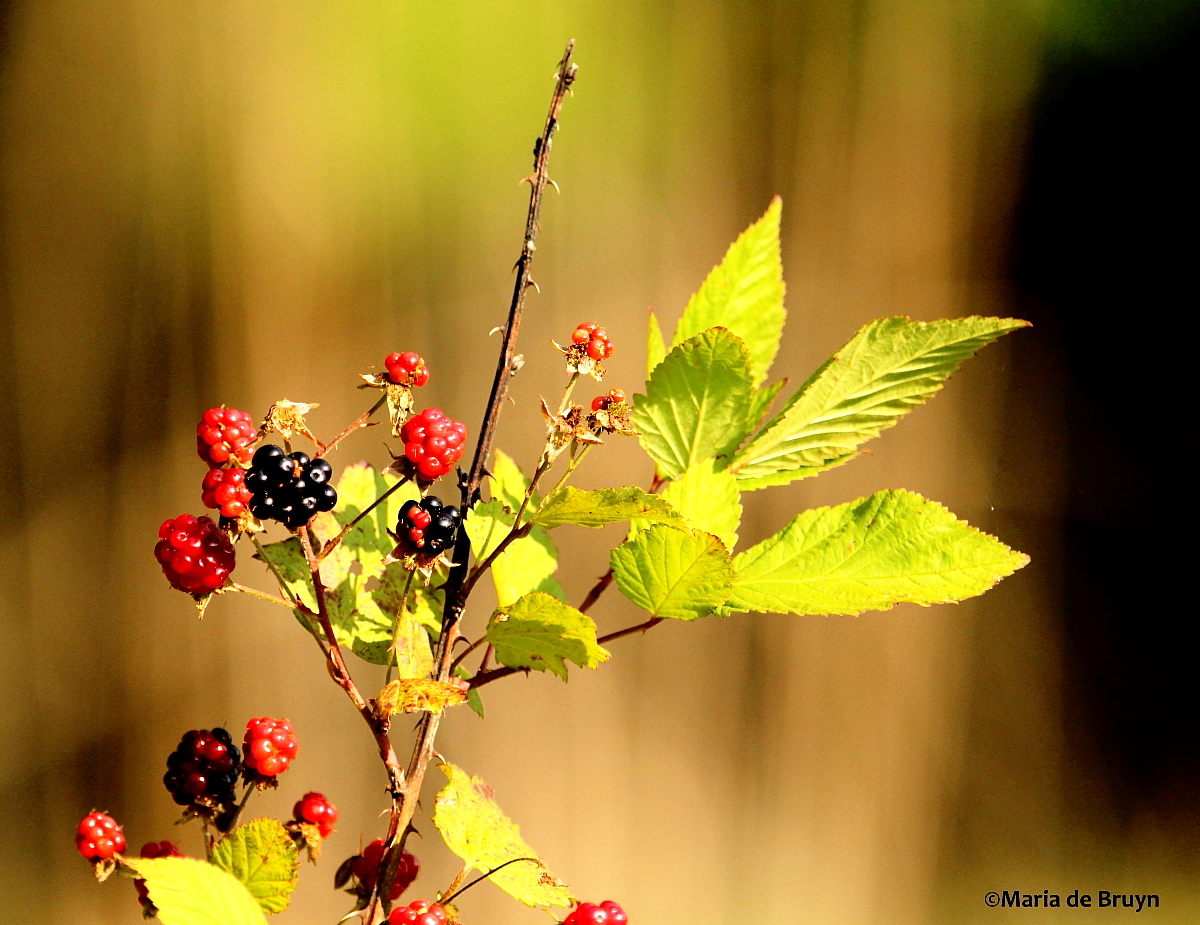
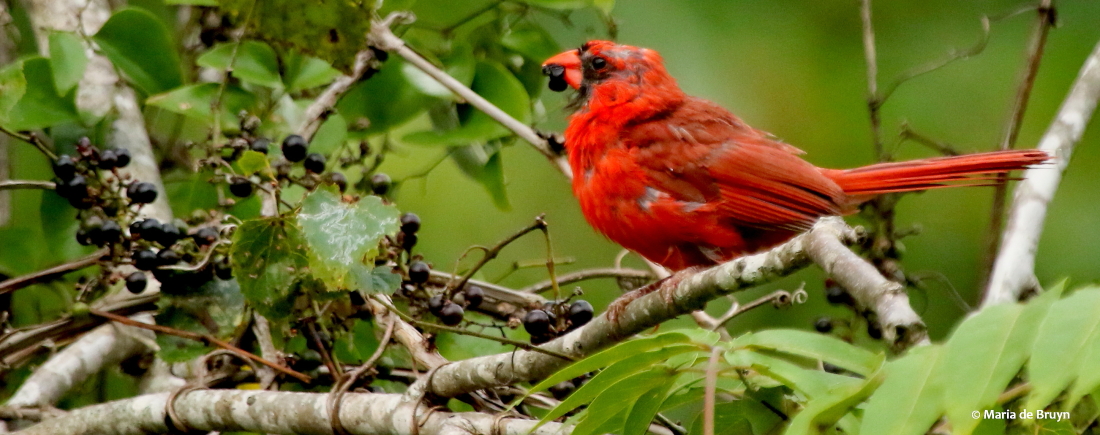
During late summer, when various plants have or start developing fruit, the birds begin to enjoy nature’s bounty. Here in North Carolina, they will eat the berries of native plants such as American beautyberry (Callicarpa americana), winged sumac (Rhus copallinum), American holly (Ilex opaca), possumhaw (deciduous holly, Ilex decidua), flowering dogwood (Cornus florida) and wild blackberries (Rubus).

American beautyberry IMG_7637© Maria de Bruyn resWinged sumac IMG_5377©Maria de Bruyn res

American holly I77A3150© Maria de Bruyn resDeciduous holly IMG_4428© Maria de Bruyn res

Flowering dogwood DK7A7731© Maria de Bruyn reswild blackberryIMG_2588©Maria de Bruyn res


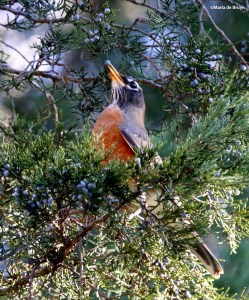
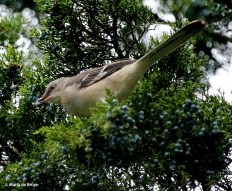
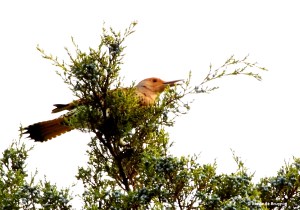
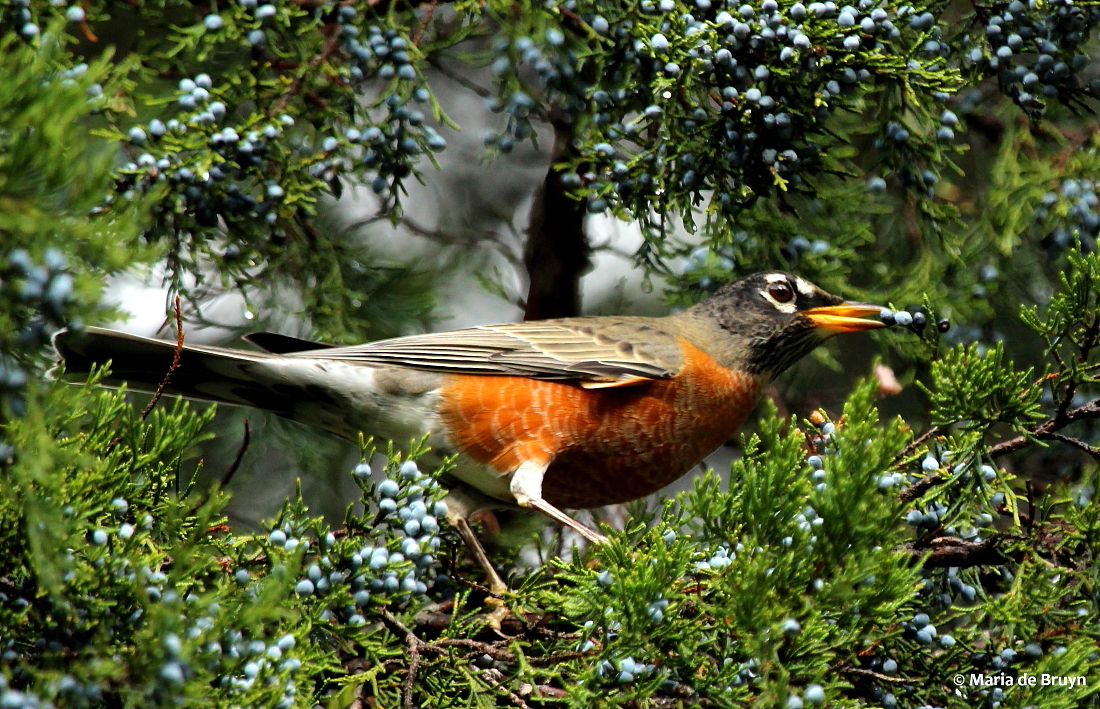
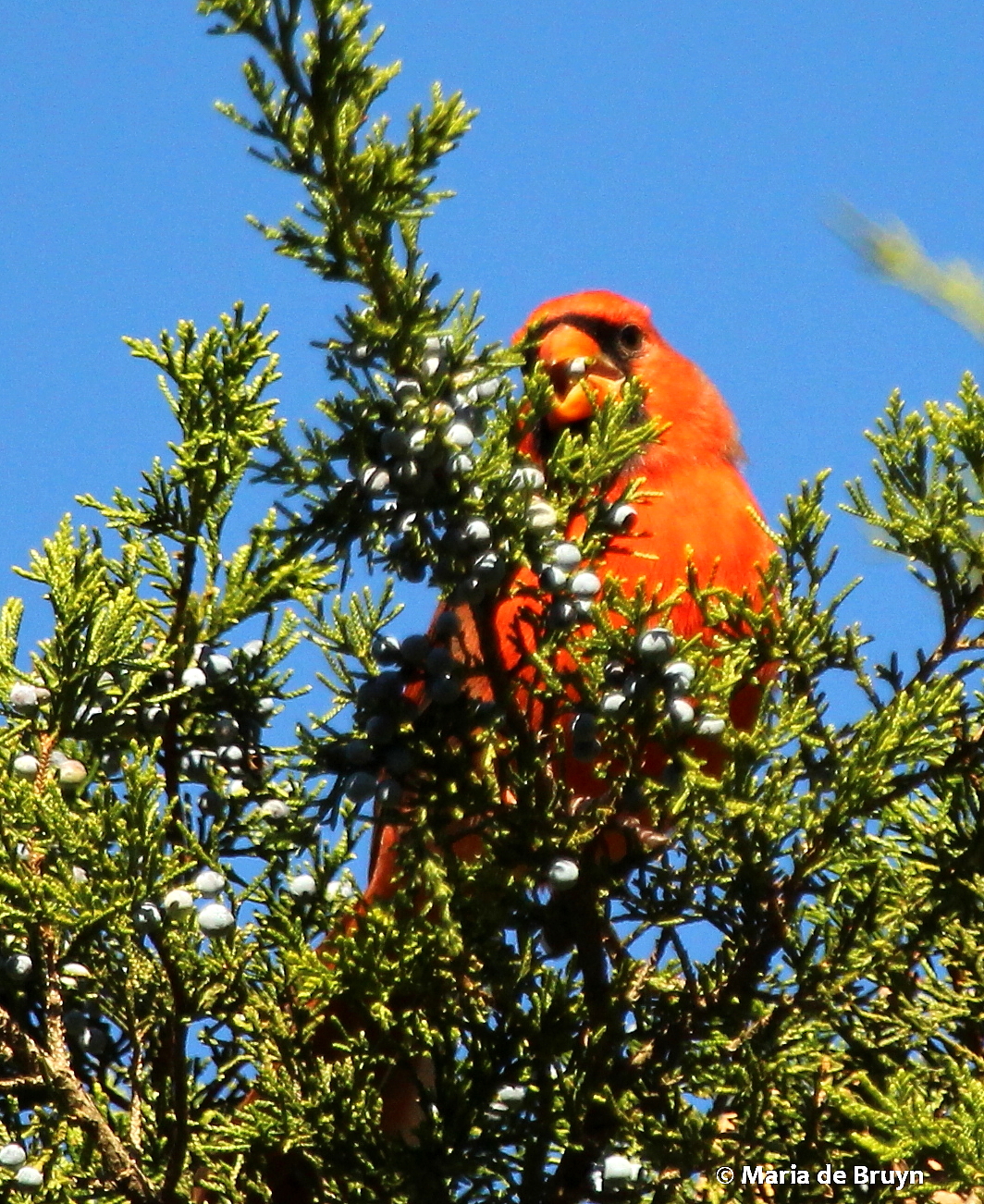
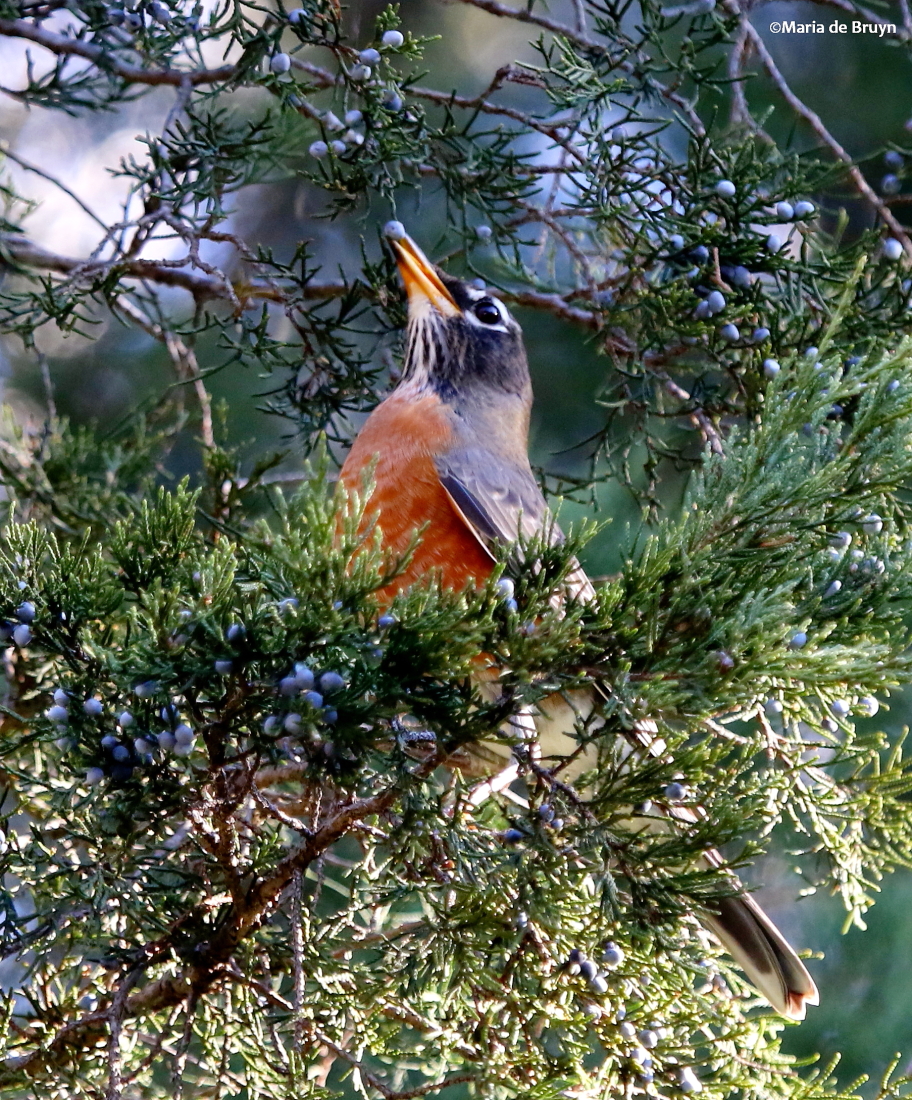
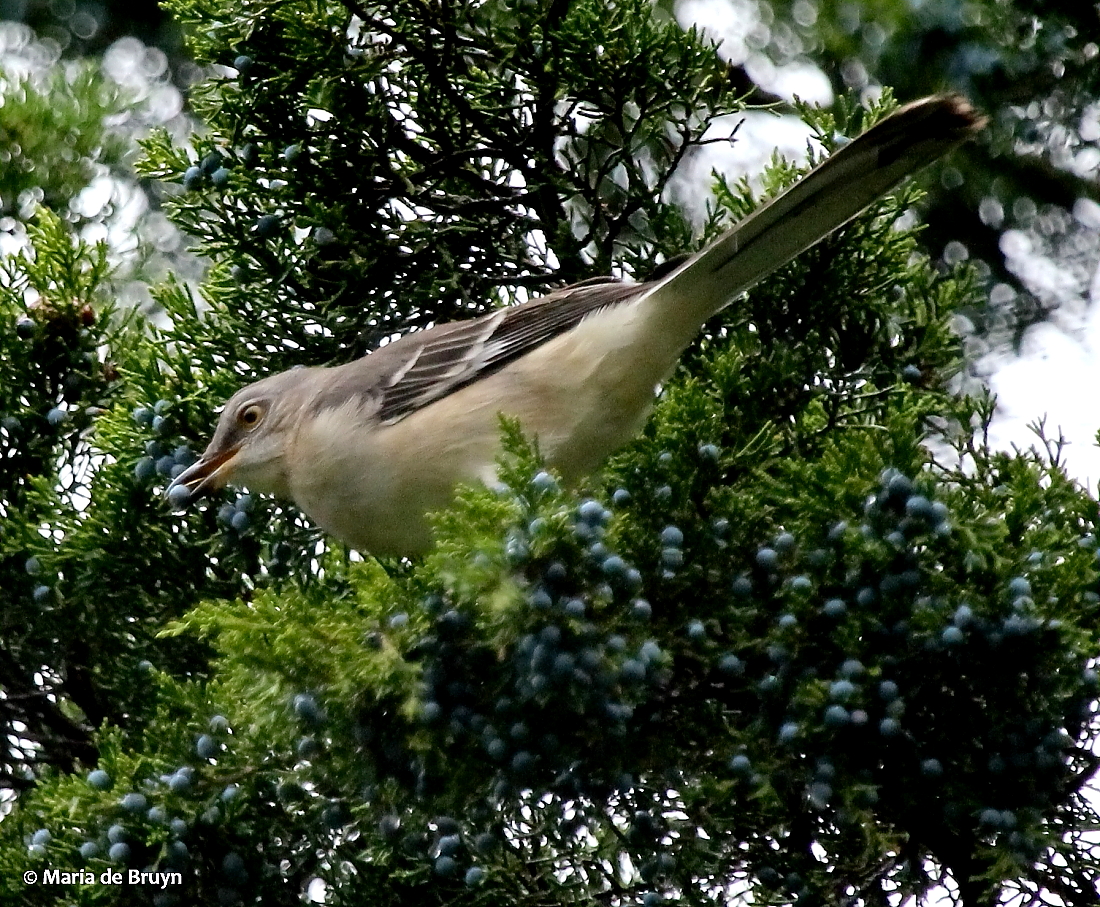
This year, the juniper berries were a real crowd pleaser. The American robins (Turdus migratorius) went for them first, soon followed by Northern cardinals (cardinalis cardinalis), Eastern bluebirds (Sialia sialis), Northern mockingbirds (Mimus polyglottos polyglottos) and Northern flickers (Colaptes auratus).
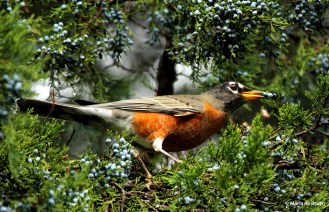
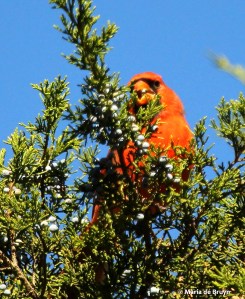
American robin IMG_6567© Maria de Bruyn res

Northern cardinal IMG_3653© Maria de BruynAmerican robin I77A0801©Maria de Bruyn res

Eastern bluebird I77A0913©Maria de Bruyn resNorthern mockingbird 2 IMG_6308© Maria de Bruyn res

Northern flicker IMG_5853© Maria de Bruyn res

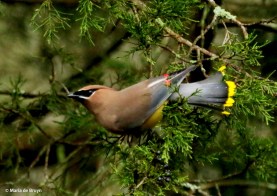
The beautiful cedar waxwings (Bombycilla cedrorum) enjoyed the cedar berries, too.
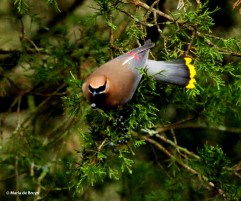
cedar waxwing I77A4266© Maria de Bruyn res

cedar waxwing I77A4293© Maria de Bruyn res

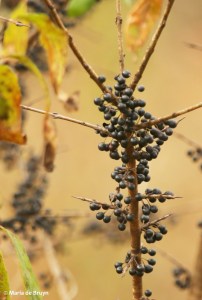
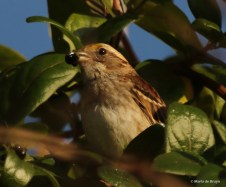
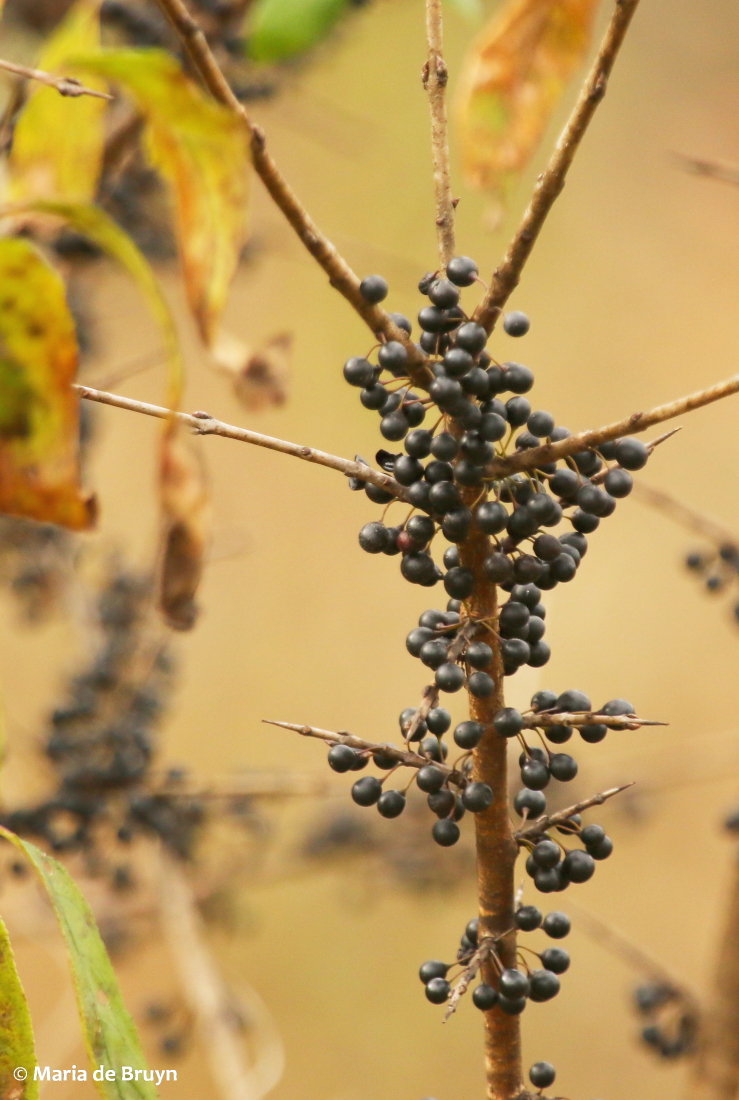
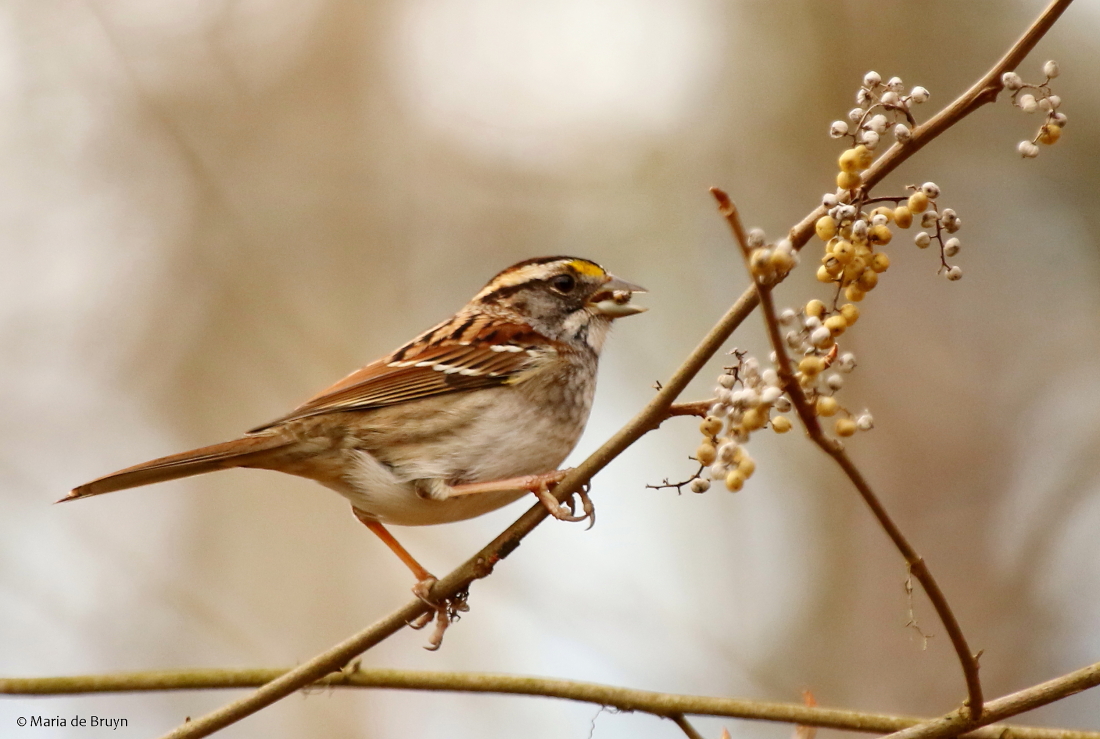
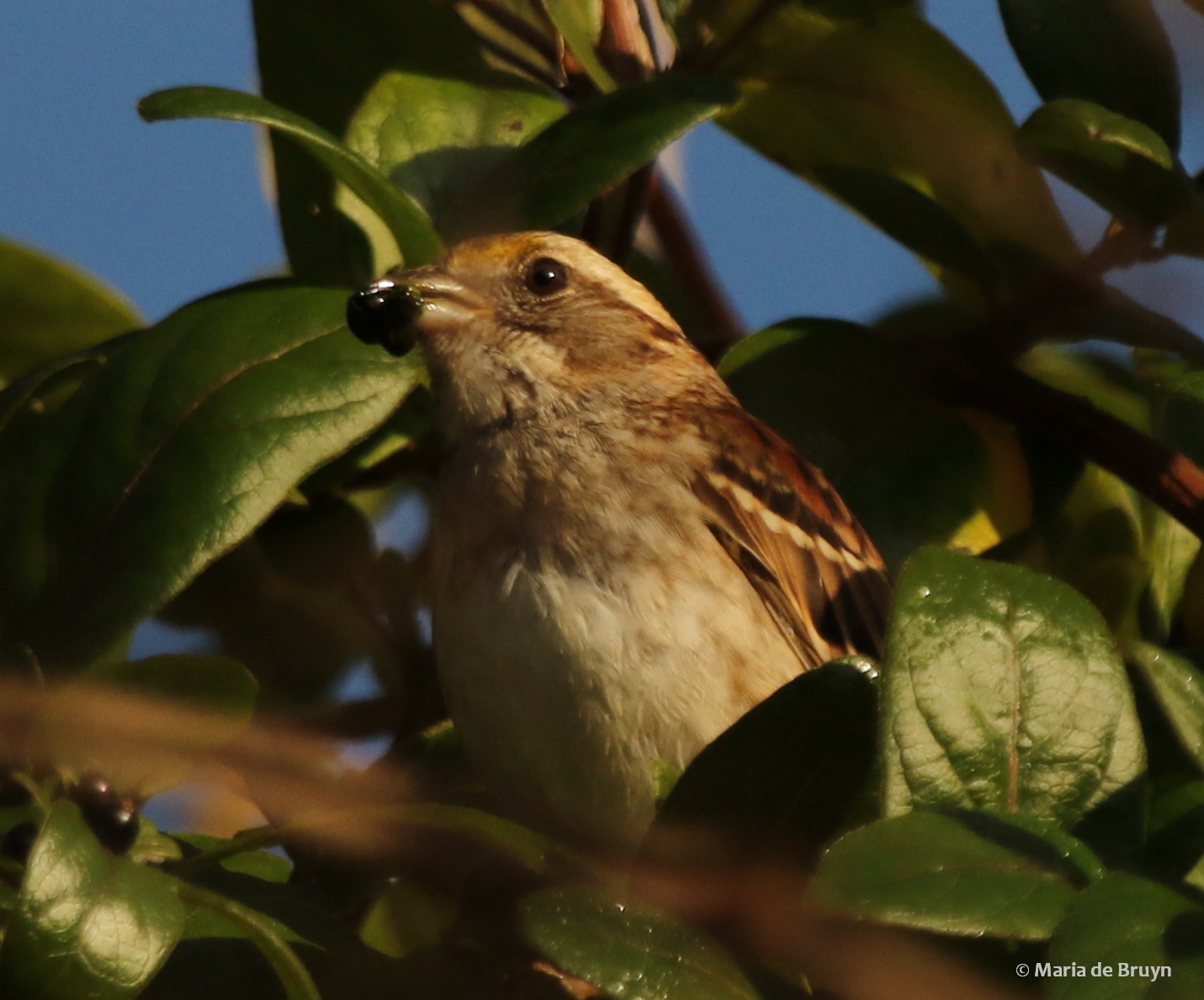
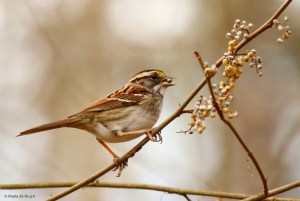
Birds like thbuckthorn I77A2455© Maria de Bruyn signed rese Northern mockingbird and white-throated sparrow (Zonotrichia albicollis) also enjoy the berries of invasive plants such as privet (Ligustrum), common buckthorn (Rhamnus cathartica. left), Chinaberry (Melia azedarach) and autumn olive (Eleagnus umbellata).
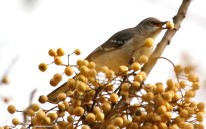
Northern mockingbird I77A2924© Maria de Bruyn res
white-throated sparrow I77A8188© Maria de Bruyn 2 reswhite-throated sparrow I77A4714© Maria de Bruyn signed

Watching our avian friends enjoy snapping up berries from vines can create enjoyment for the birdwatcher, too!
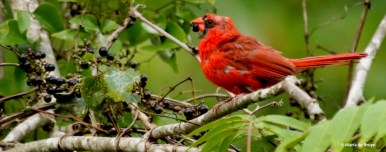
Northern cardinal DK7A8841© Maria de Bruyn signed res

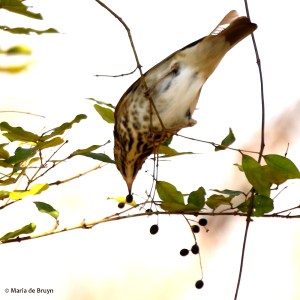
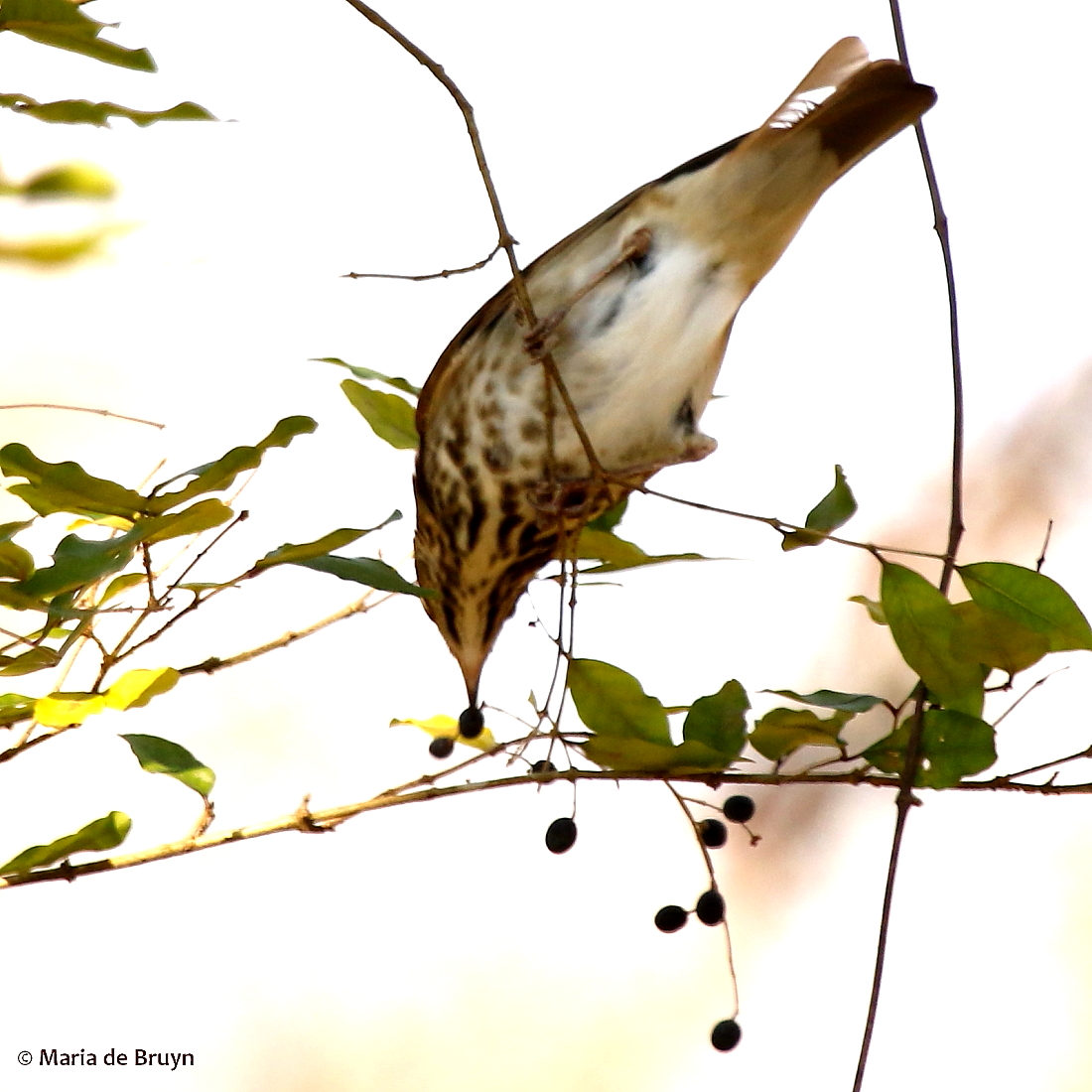
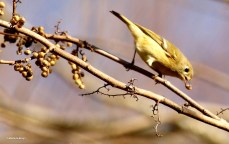
ruby-crowned kinglet I77A5319© Maria de Bruyn reshermit thrush I77A5816© Maria de Bruyn signed res

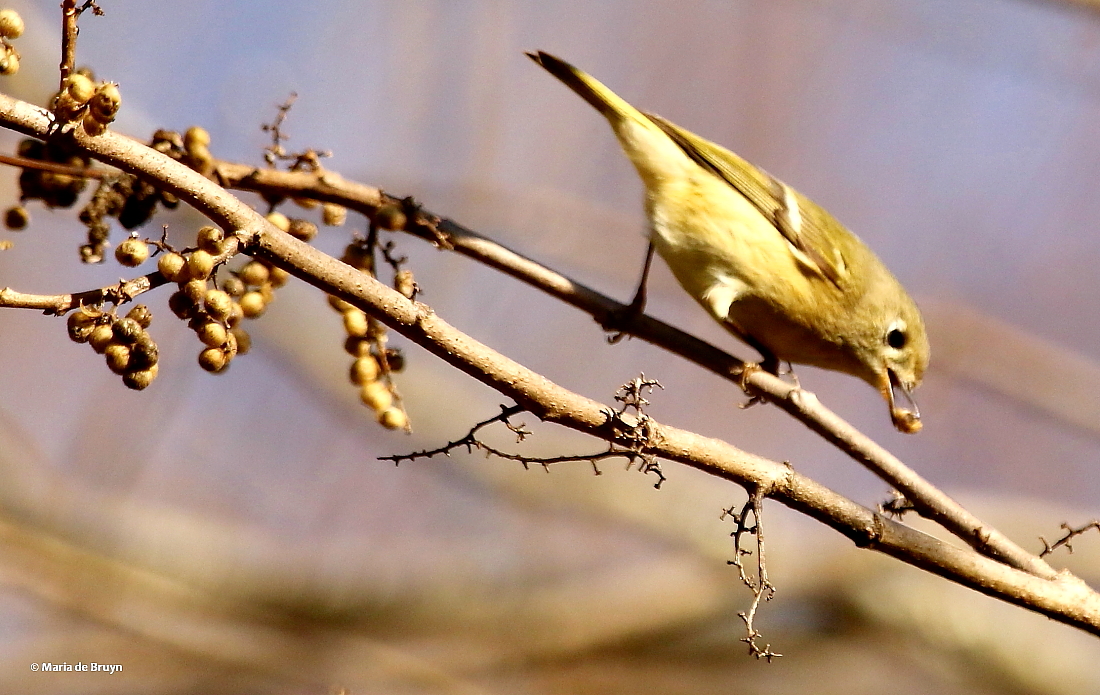
Ruby-crowned kinglet (Regulus calendula)

Hermit thrush (Catharus guttatus)


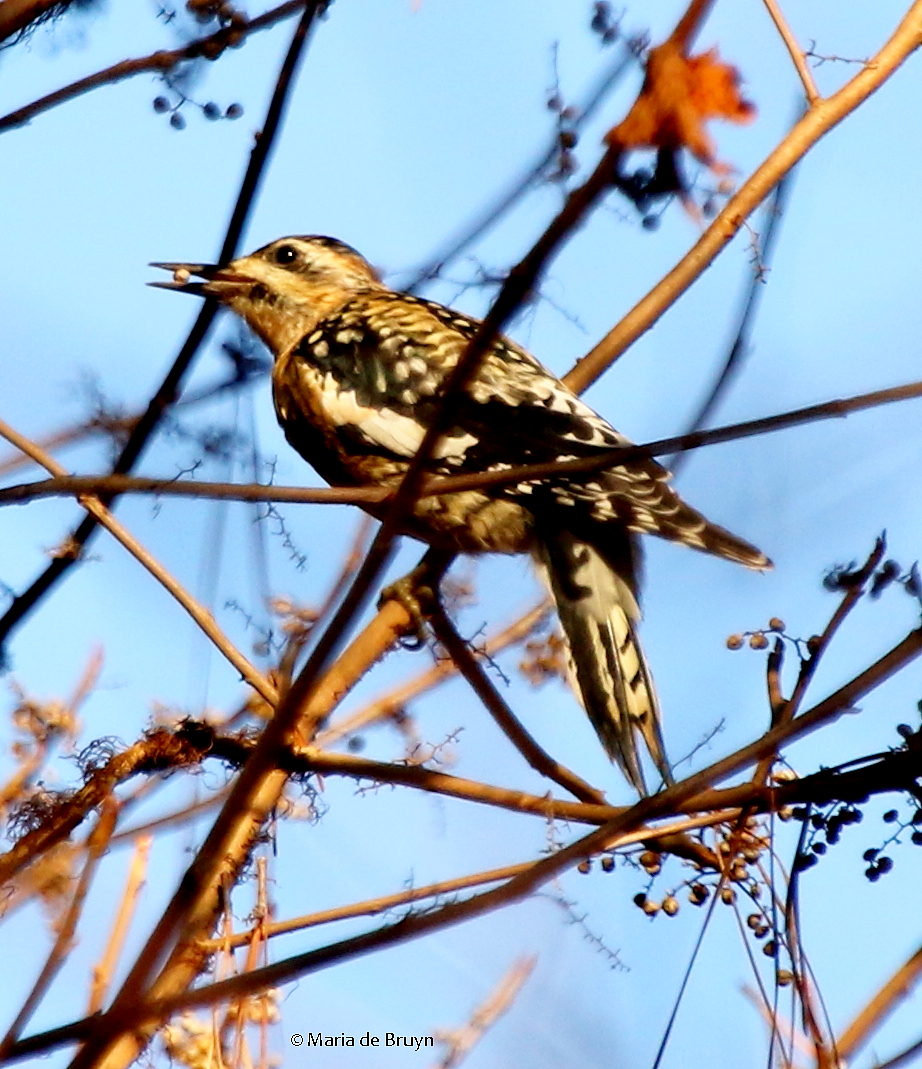
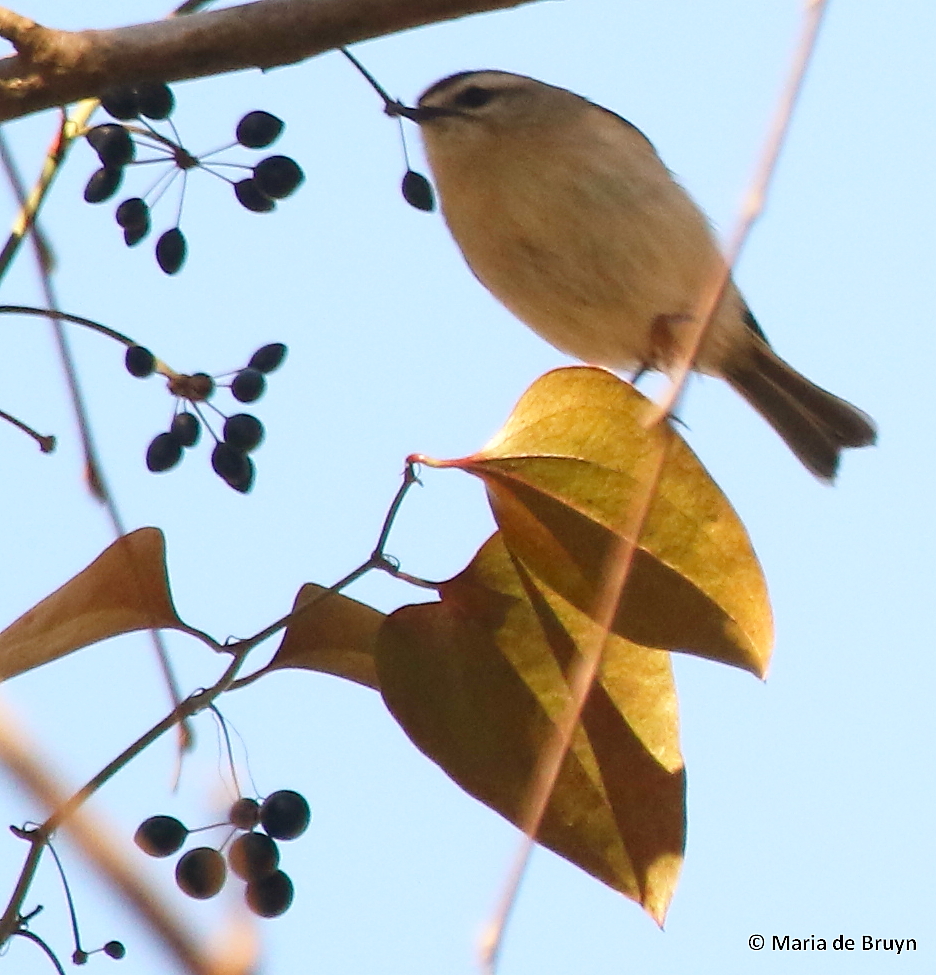
In some cases, they may also be seeking insects along with the berries, as this yellow-bellied sapsucker (Sphyrapicus varius) and tiny golden-crowned kinglet (Melanerpes erythrocephalus) may have been doing.
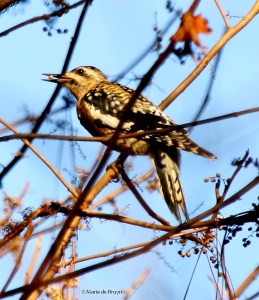
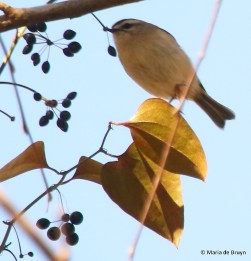
Yellow-bellied sapsucker I77A9133© Maria de Bruyngolden-crowned kinglet I77A1918© Maria de Bruyn

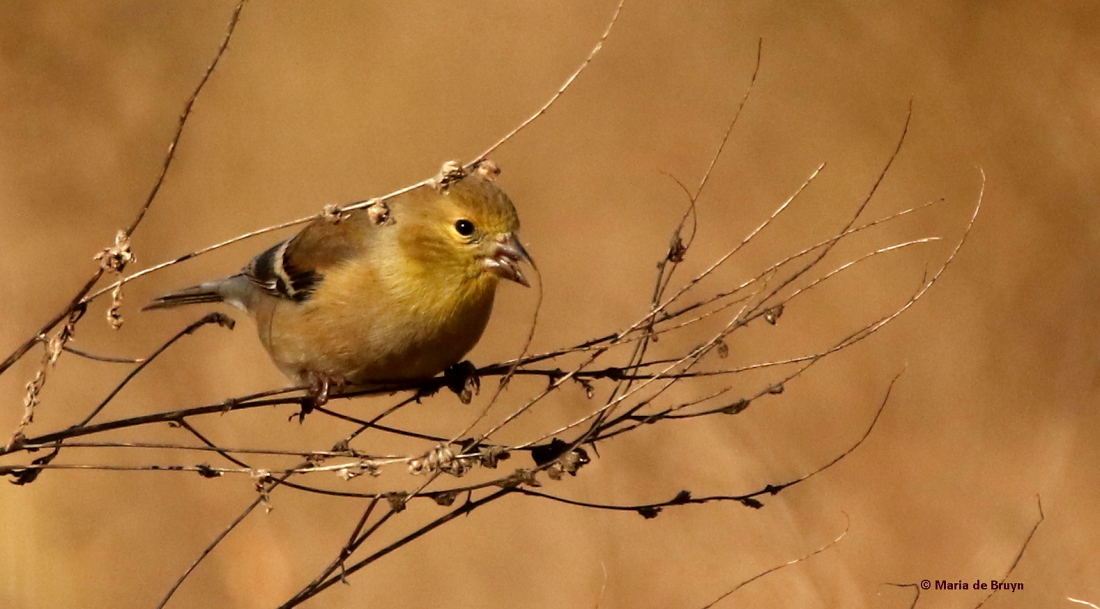
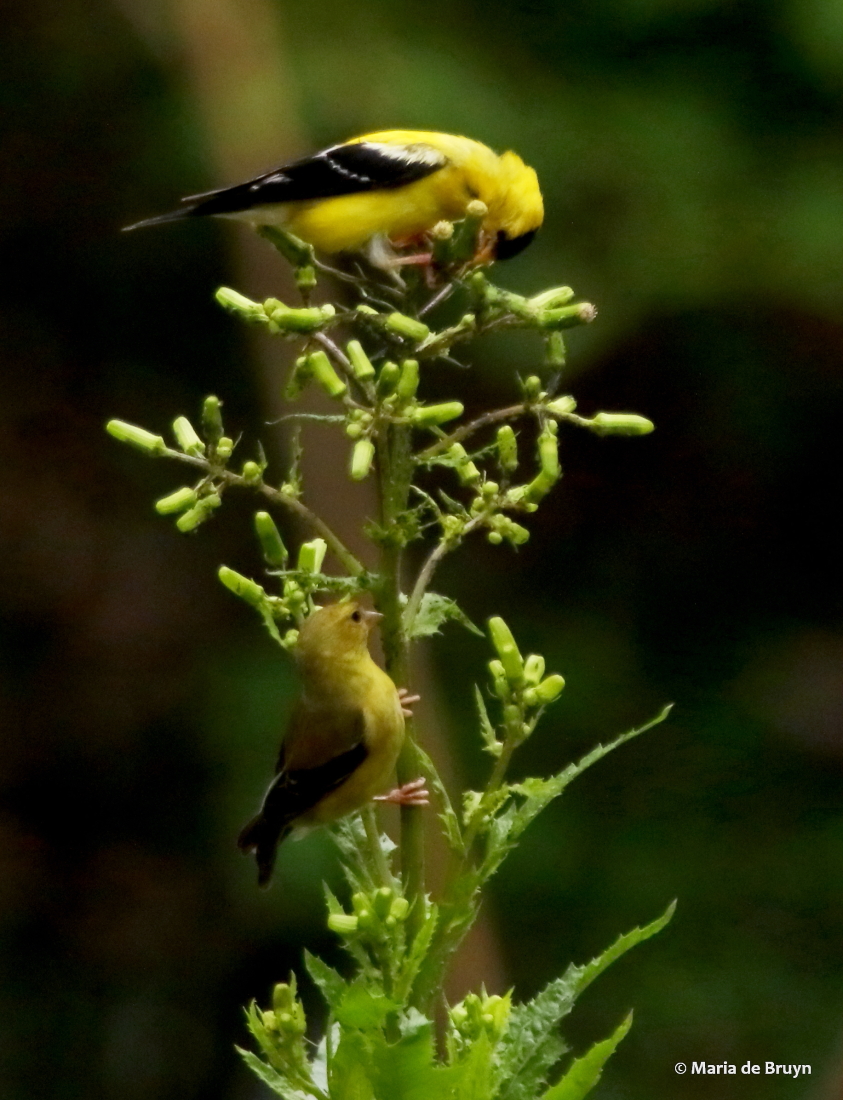
American goldfinch DK7A4411© Maria de Bruyn signed


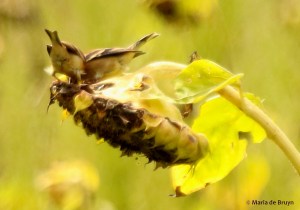
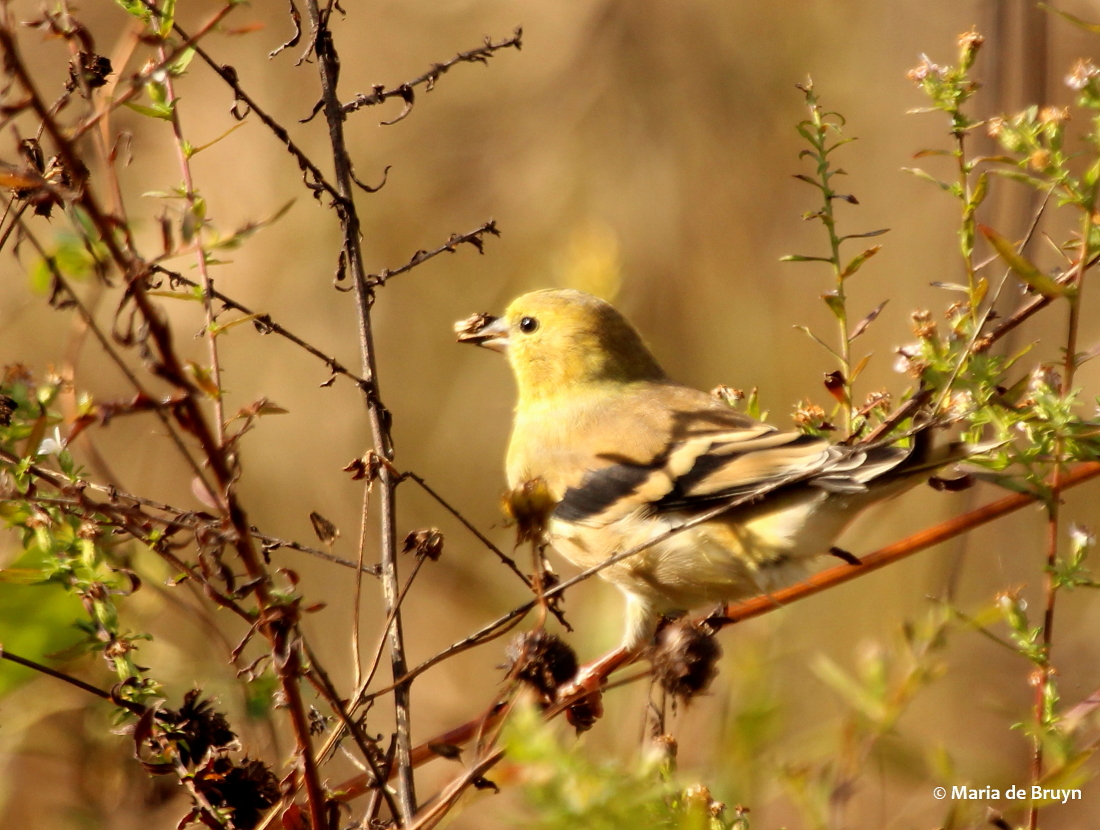
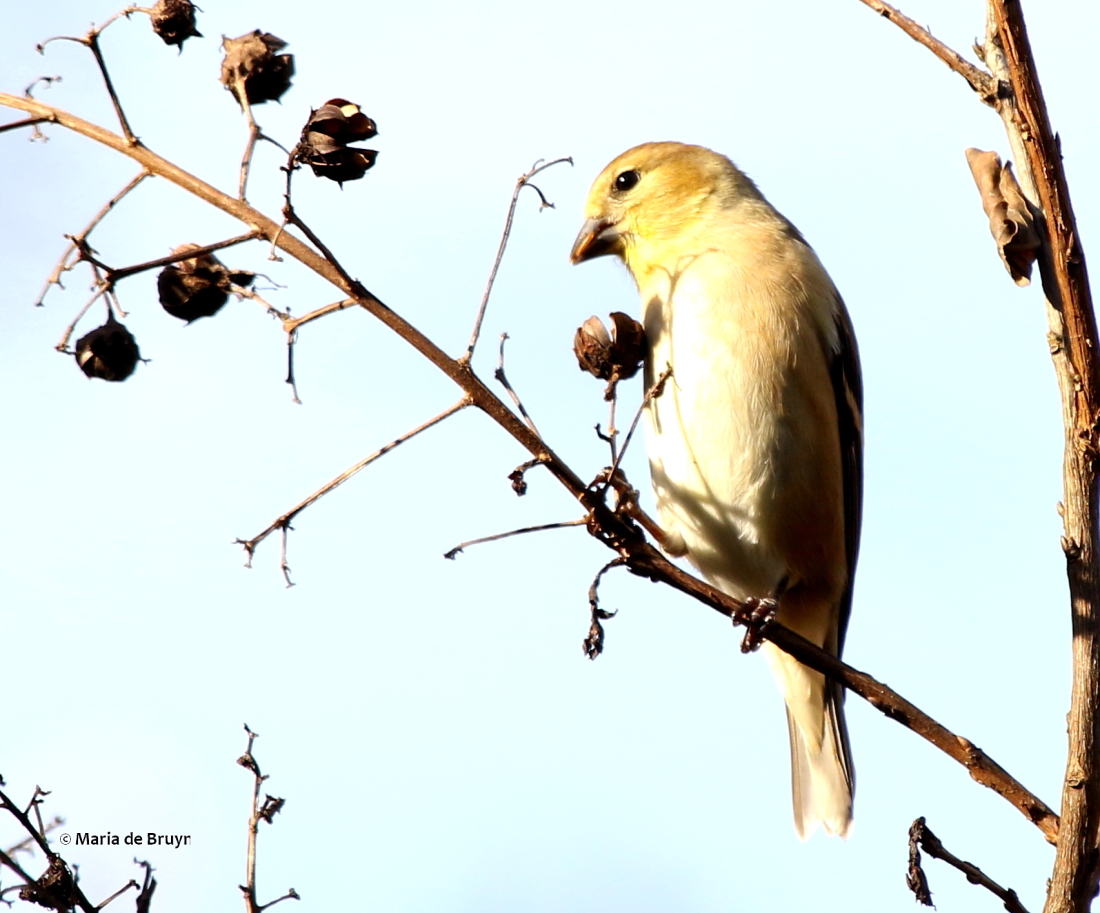
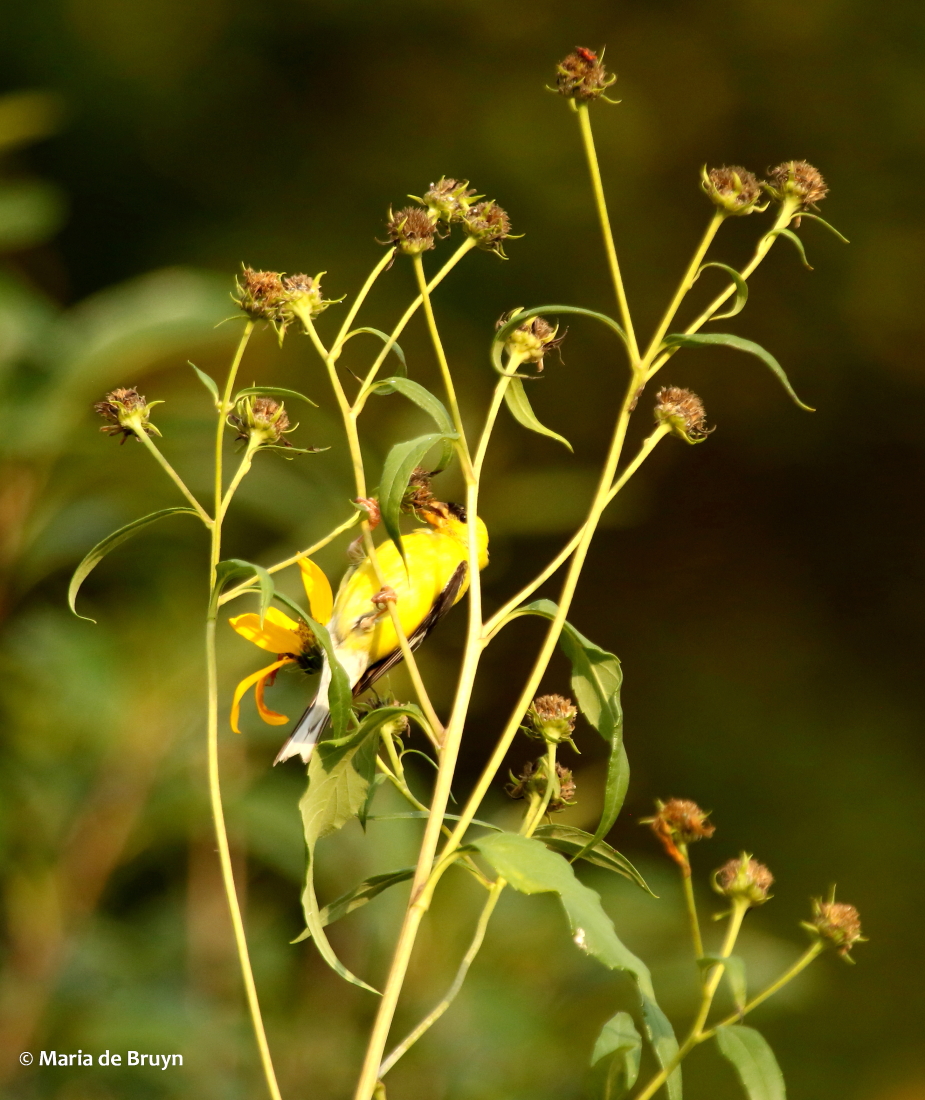
It’s not only the fruit that draws them away from the bird feeders in the autumn though. Sunflower seeds (Helianthus) are a big hit with the American goldfinches (Spinus tristis), who also seek out different kinds of seed pods.
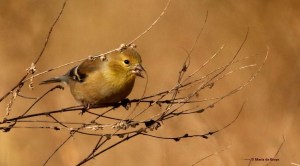
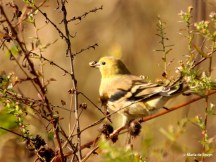
 

American goldfinch I77A2510© Maria de Bruyn res American goldfinch IMG_7947© Maria de Bruyn signed res

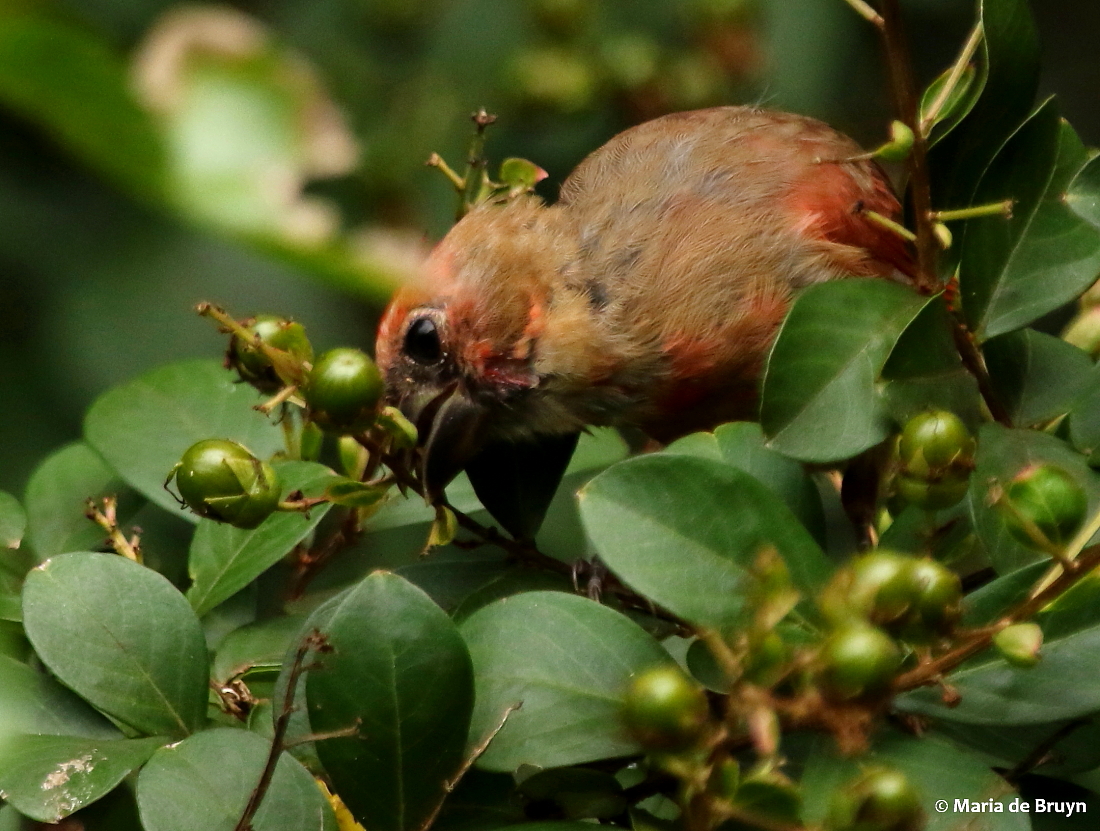
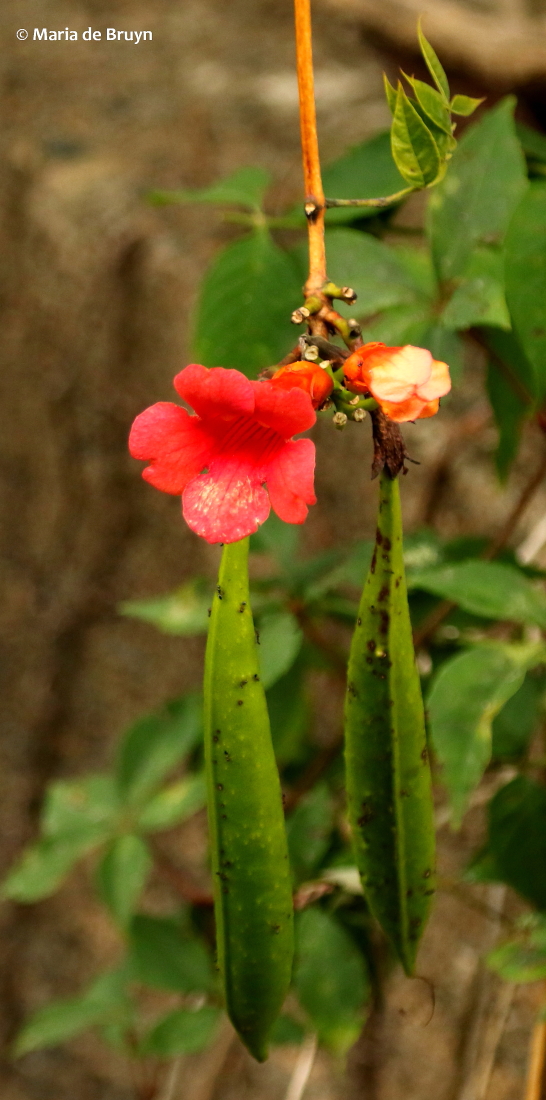
Pods on trees, like the crepe myrtle (Lagerstroemia fauriei), and on vines such as the trumpet creeper (Campsis radicans) offer attractive meals, too.
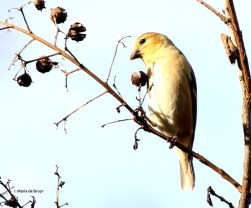
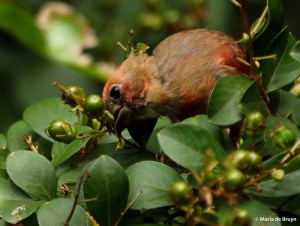
goldfinch I77A2097© Maria de Bruyn resNorthern cardinal DK7A1206© Maria de Bruyn signed res

American goldfinch and Northern cardinal both eating crepe myrtle
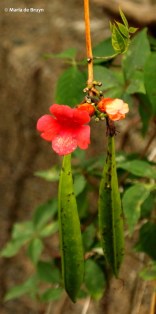
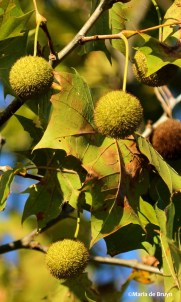
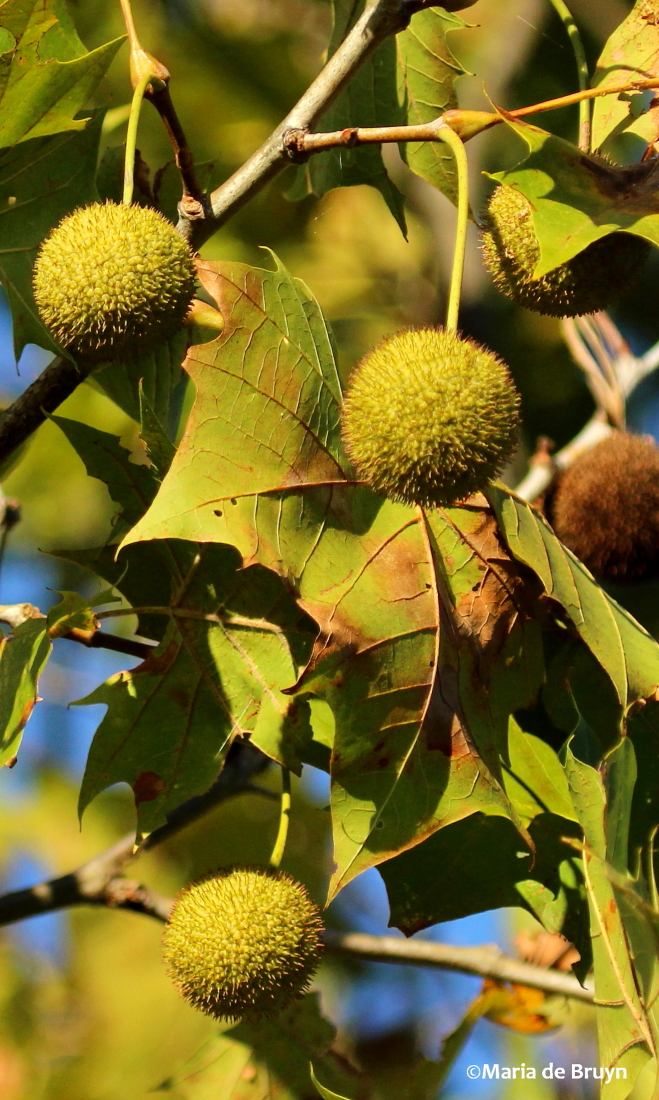
Trumpet vine DK7A9266© Maria de Bruyn signed restrumpet vine I77A1487© Maria de Bruyn ressycamore IMG_2339©Maria de Bruyn res

Trumpet vine                                         American sycamore (Platanus occidentalis)
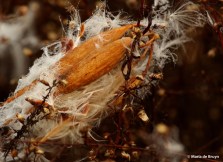
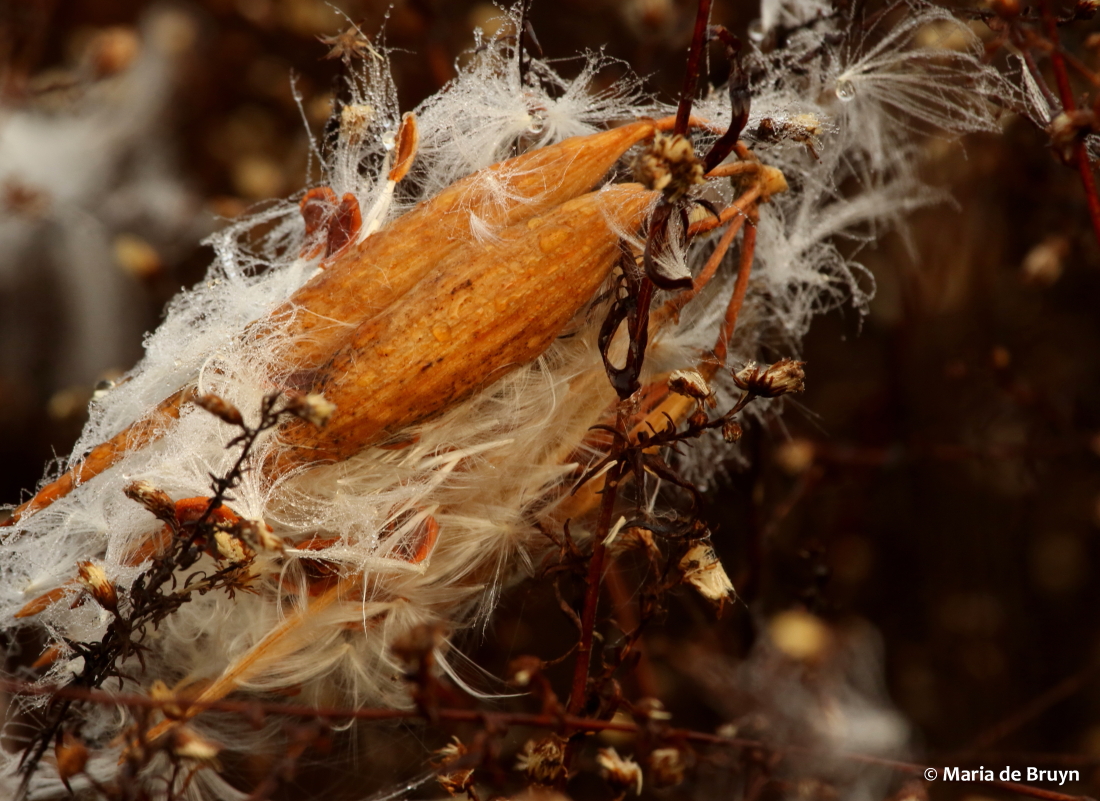
milkweed I77A7144© Maria de Bruyn signed resCarolina wren I77A8006©Maria de Bruyn res

Milkweed (Asclepius) and Carolina chickadee (Poecile carolinensis)
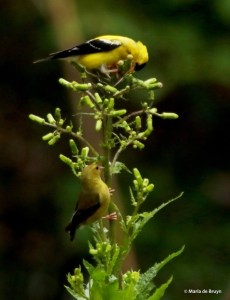
American goldfinch DK7A1355© Maria de Bruyn SIGNED RESamerican goldfinch DK7A7127© Maria de Bruyn signed res

American goldfinches

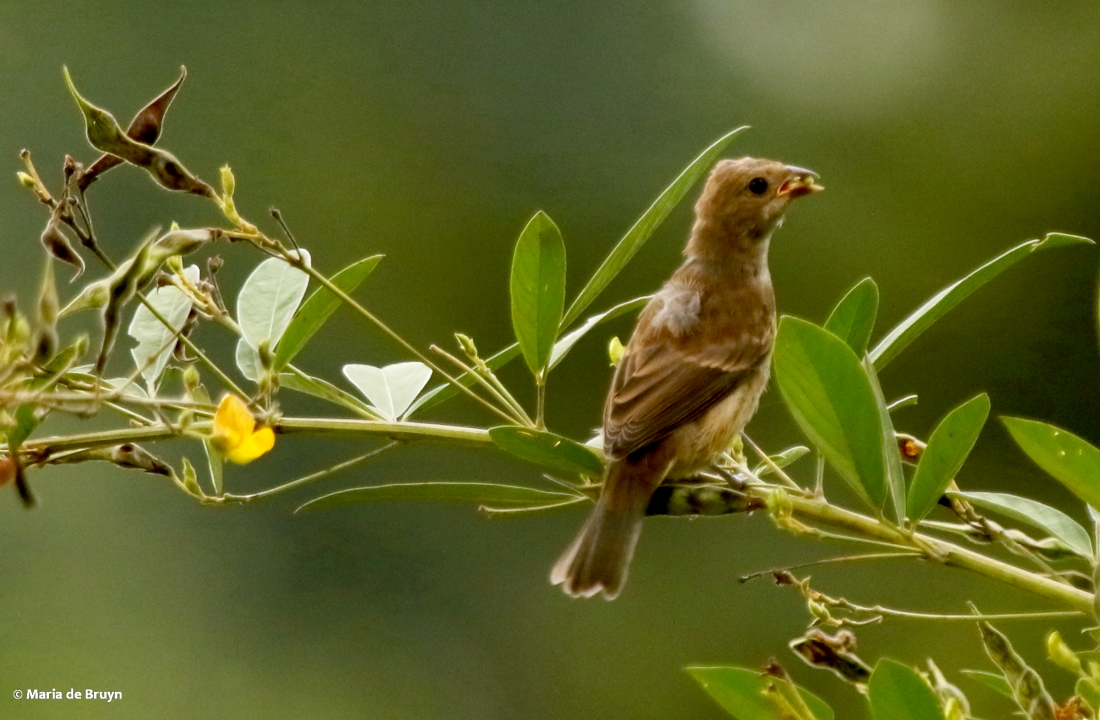
Indigo bunting DK7A7525© Maria de Bruyn signed res

Indigo bunting ( Passerina cyanea)

Scarlet tanager IMG_7415© Maria de Bruyn signed

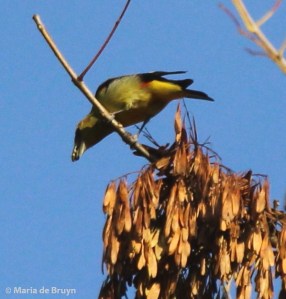
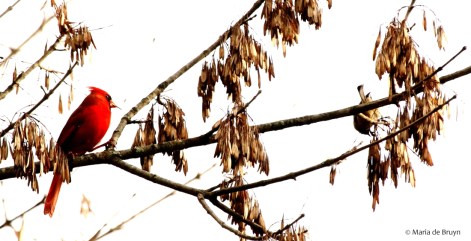
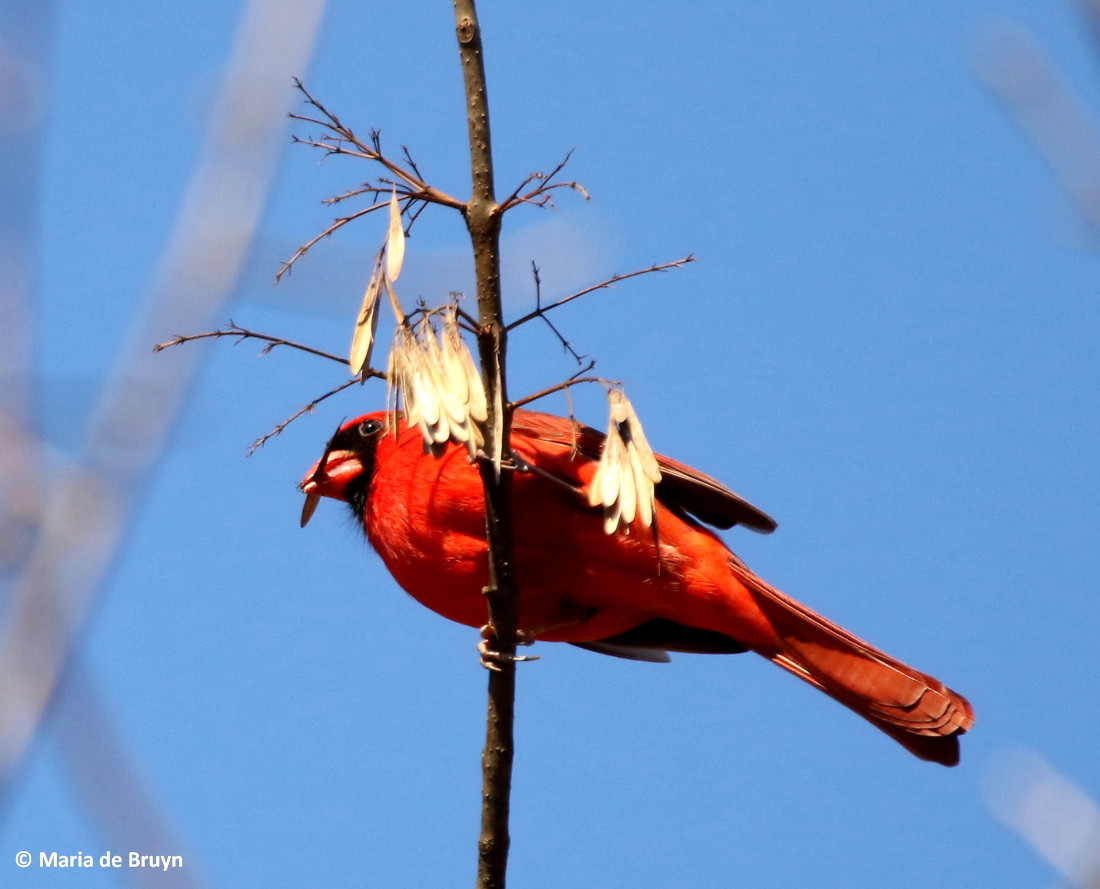
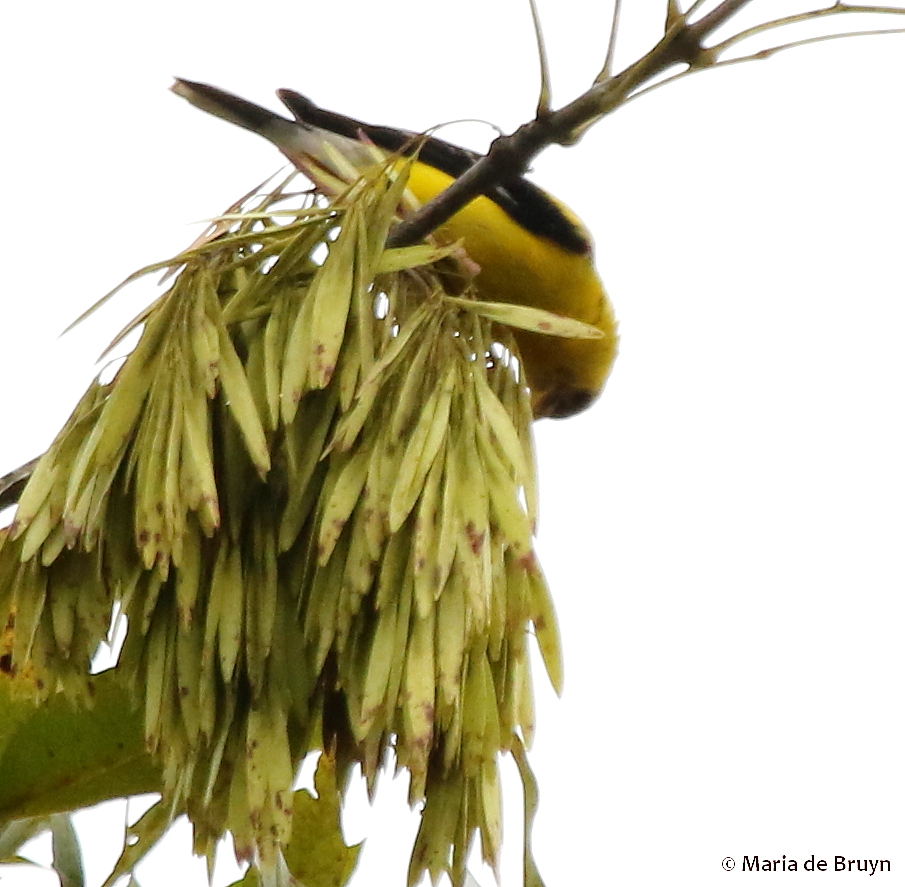
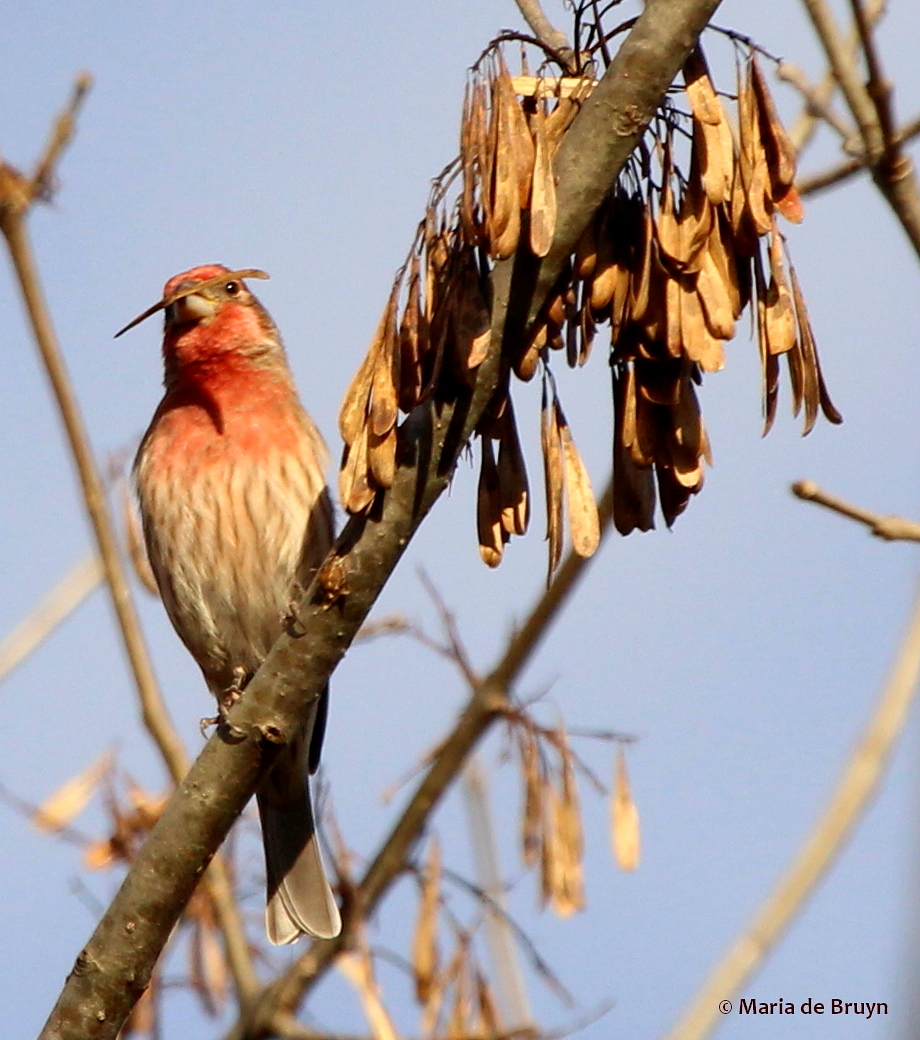
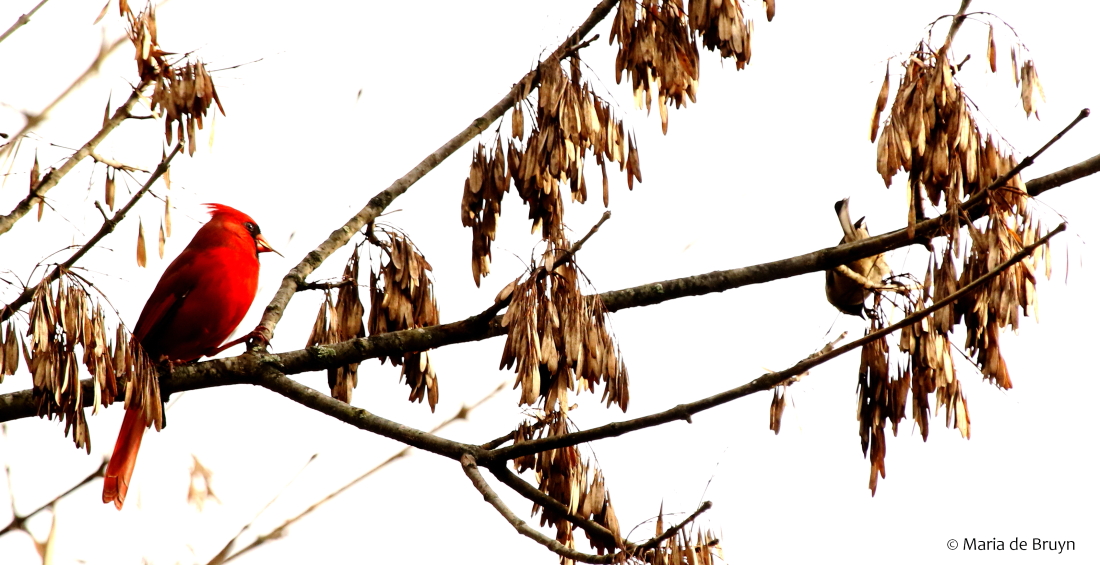
Some trees like maples have samara seed pods, in which a single seed is surrounded by a paper-like tissue that is dispersed by the wind. Ash trees have samaras that grow in clusters. Here a young scarlet tanager (Piranga olivacea) is dining. Below are an American goldfinch, house finch (Haemorhous mexicanus) and Northern cardinal, all of them males.
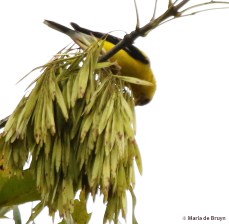
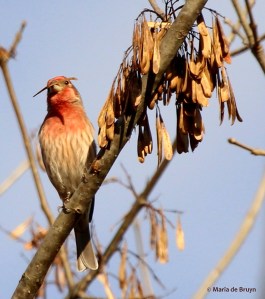
 

American goldfinch DK7A5026© Maria de Bruyn signedHouse finch IMG_7718© Maria de Bruyn signed


Northern cardinal I77A8006© Maria de Bruyn res


cedar waxwing I77A6594© Maria de Bruyn signed res

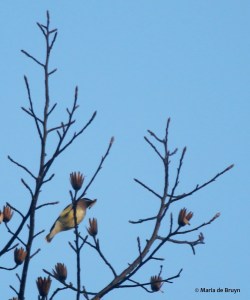
Cedar waxwing (left) with samara of the tulip tree (Liriodendron tulipifera)
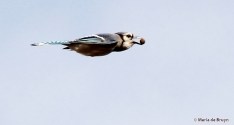
 

blue jay IMG_7806© Maria de Bruyn signed


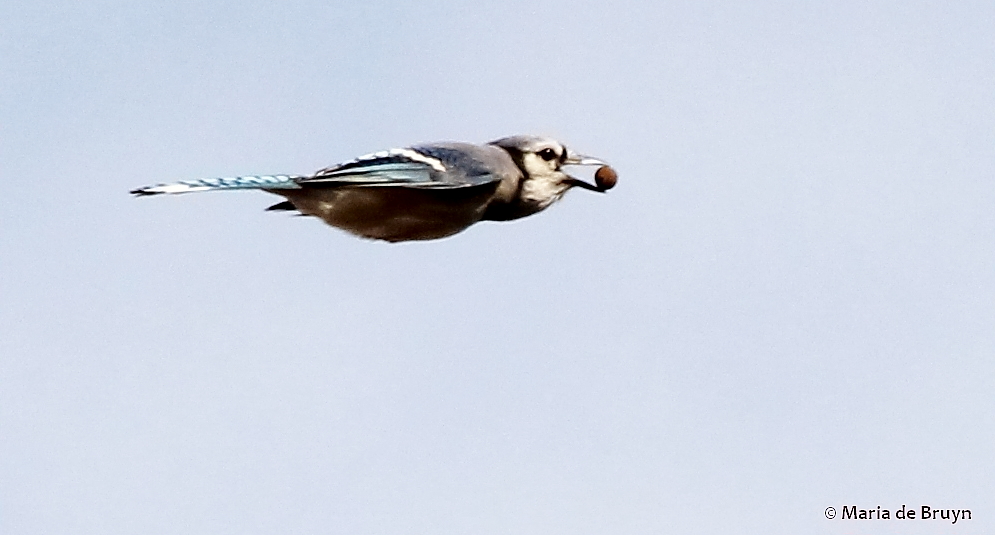
Blue jays (Cyanocitta cristata, above) like nuts a great deal and can often be seen flying away with a prize.
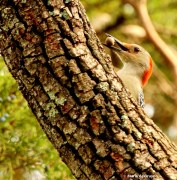
red-bellied woodpecker IMG_5780© Maria de Bruyn (2)


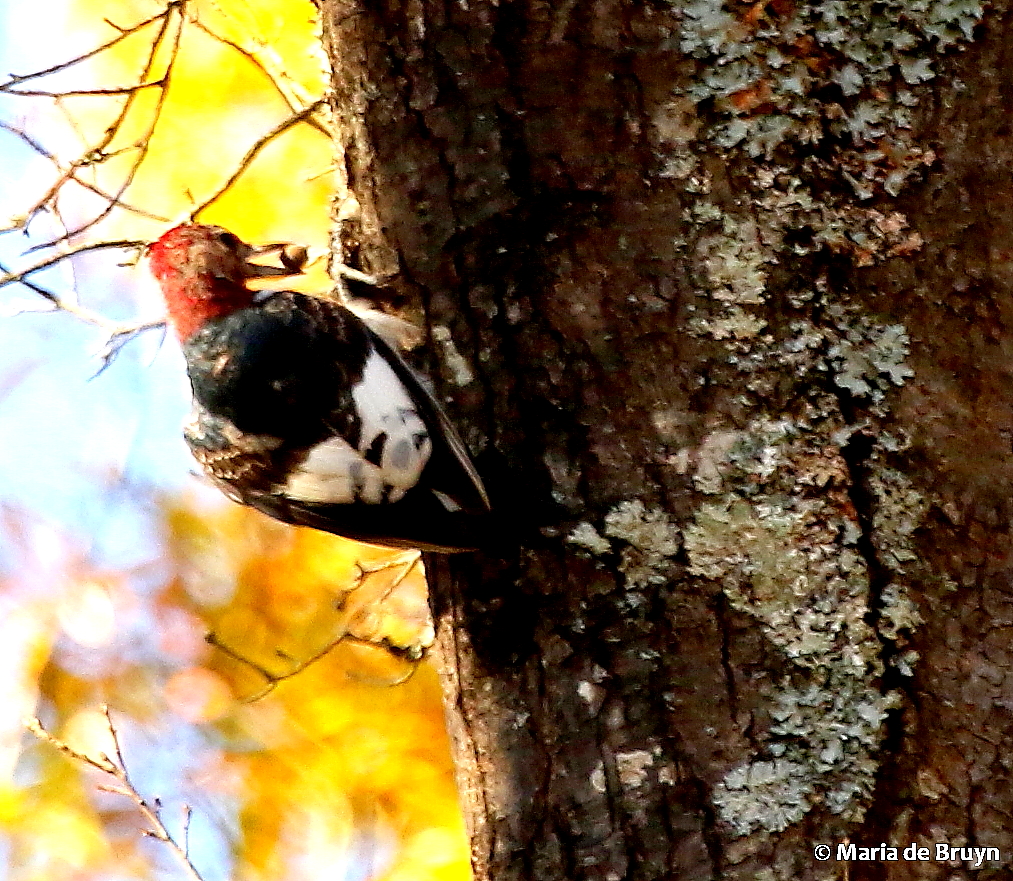
The red-bellied woodpeckers (Melanerpes carolinus) and red-headed woodpeckers (Melanerpes erythrocephalus) don’t turn away from nuts either.
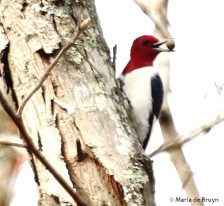
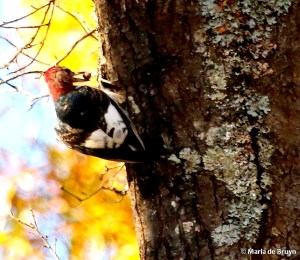


Red-headed woodpecker I77A7844© Maria de Bruyn signed       red-headed woodpecker I77A5149© Maria de Bruyn res

Northern cardinal I77A2153© Maria de Bruyn res

It may feel a bit sad when activity dies down at the feeders for a time, but if you can manage to have nut-, seed- and fruit-bearing vegetation around your home, you can still enjoy watching your avian friends forage – and the natural surroundings can make for lovelier photos, too!
Dining out in winter

cardinal and crowd DK7A9445© Maria de Bruyn resIn the spring, summer and fall, when birds have insects and other favorite foods available, many of us see moderate numbers of avian visitors at our feeders — although there are always exceptions, such as parents looking for easy meals to satisfy the voracious appetites of their offspring. Come wintertime, though, we may have whole flocks of different species flying busily to and fro to take food from our feeders.


tufted titmouse IMG_0635© Maria de BruynOur avian friends need to eat more, and more often, in autumn and winter to ensure that they can gain sufficient fat reserves to see them through the cold weather. Some of the smallest birds will consume up to 30% of their body weight. Nuts are a favored food for tufted titmice (Baeolophus bicolor).

cedar waxwing IMG_7967 ©Maria de Bruyn 2

In the autumn, there are still many berries available and these are a popular food. Birds that tend to eat insects much of the year will switch to berries in winter since their prey has died, is dormant and awaiting rebirth in larval form, or otherwise scarce. The berries of honeysuckle (Lonicera), privet (Ligustrum, an invasive plant) and other plants are popular foods for species such as cedar waxwings (Bombycilla cedrorum).

 Holly berries (Ilex opaca) are a favorite for American robins (Turdus migratorius).

American robin IMG_3302 © Maria de Bruyn American robin IMG_0326©Maria de Bruyn res

Pine siskin IMG_6226©Maria de Bruyn resEven when much of the vegetation has dried up, seeds and seed pods remain. Pine siskins (Spinus pinus), downy woodpeckers (Dryobates pubescens) and American goldfinches (Spinus tristis) will feast on the seeds found in the pods of honeysuckles and trumpet vines (Campsis radicans).


American goldfinch IMG_6251 ©Maria de Bruyn res Downy woodpecker IMG_9184M de Bruyn

In some cases, dried leaves and the remains of caterpillar tents form clumps that attract tufted titmice and white-throated sparrows (Zonotrichia albicollis) as they search for sustenance.

tufted titmouse IMG_9714© Maria de Bruyn res white-throated sparrow DK7A6171© Maria de Bruyn res

Pine siskins will eat moss growing on tree trunks. Other birds search the vegetation alongside ponds, like this song sparrow (Melospiza melodia).

pine siskin IMG_7546©Maria de Bruyn ressong sparrow IMG_6959© Maria de Bruyn (2) res

The seed pods of my crepe myrtle trees (Lagerstroemia) are a magnet in winter for various avian species such as pine siskins, white-throated sparrows, red-winged blackbirds (Agelaius phoeniceus) and Northern cardinals (Cardinalis cardinalis), as well as Eastern gray squirrels (Sciurus carolinensis).

white-throated sparrow IMG_2653©Maria de Bruyn respine siskin IMG_8177 ©Maria de Bruyn

Northern cardinal IMG_4887©Maria de Bruyn resred-winged blackbird DK7A7754© Maria de Bruyn res

Eastern gray squirrel IMG_3547© Maria de Bruyn res Eastern gray squirrel IMG_3528© Maria de Bruyn res (2)

Various species of smaller birds will flock together in winter, both for purposes of safety and help in finding food. As the season progresses, the supply of seeds, pods and berries diminishes. In addition, the variety of natural plants has often decreased in urban areas as homeowners remove “weeds” from their yards. Wildlife organizations therefore encourage bird lovers to add native plants to their property, especially those that attract birds, and to provide extra food through feeders.

white-throated sparrow IMG_1608© Maria de Bruyn ruby-crowned kinglet IMG_1635© Maria de Bruyn res

Northern mockingbird DK7A4279© Maria de Bruyn resMaking available mixed seeds, oil-rich sunflower seeds and suet (traditional or vegetarian made with vegetable shortening) will help the birds like this Northern mockingbird (Mimus polyglottos) keep up their energy. And it’s a good idea to keep those feeders filled — did you know that many songbirds are able to collect food in a special storage pouch within their esophagus so that they can then digest it after dark and overnight? This may help account for the fact that certain birds come back to the feeders over and over again within a short span of time.


The area where I live has had a long winter, with alternating days of relatively high temperatures and then very cold days and nights. Crocuses, daffodils and tulips are beginning to emerge in my gardens despite snow and ice and trees and shrubs are beginning to bud, giving the Eastern gray squirrels and house finches (Haemorhous mexicanus) a new source of food. I think that both the birds and I will be happy when spring arrives and stays! In the meantime, I’ll keep the feeders filled.
Eastern gray squirrel DK7A7410© Maria de Bruyn res House finch DK7A0286© Maria de Bruyn res

Plenty of persimmon pleasure!

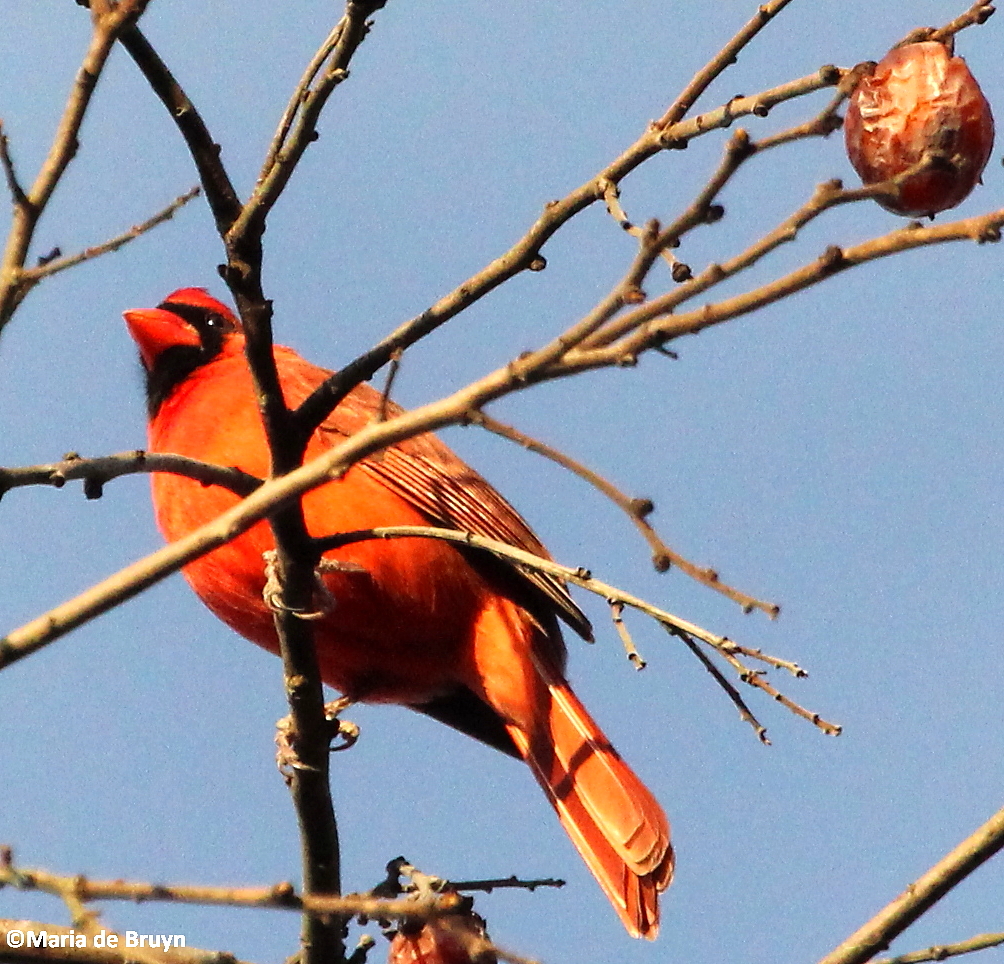
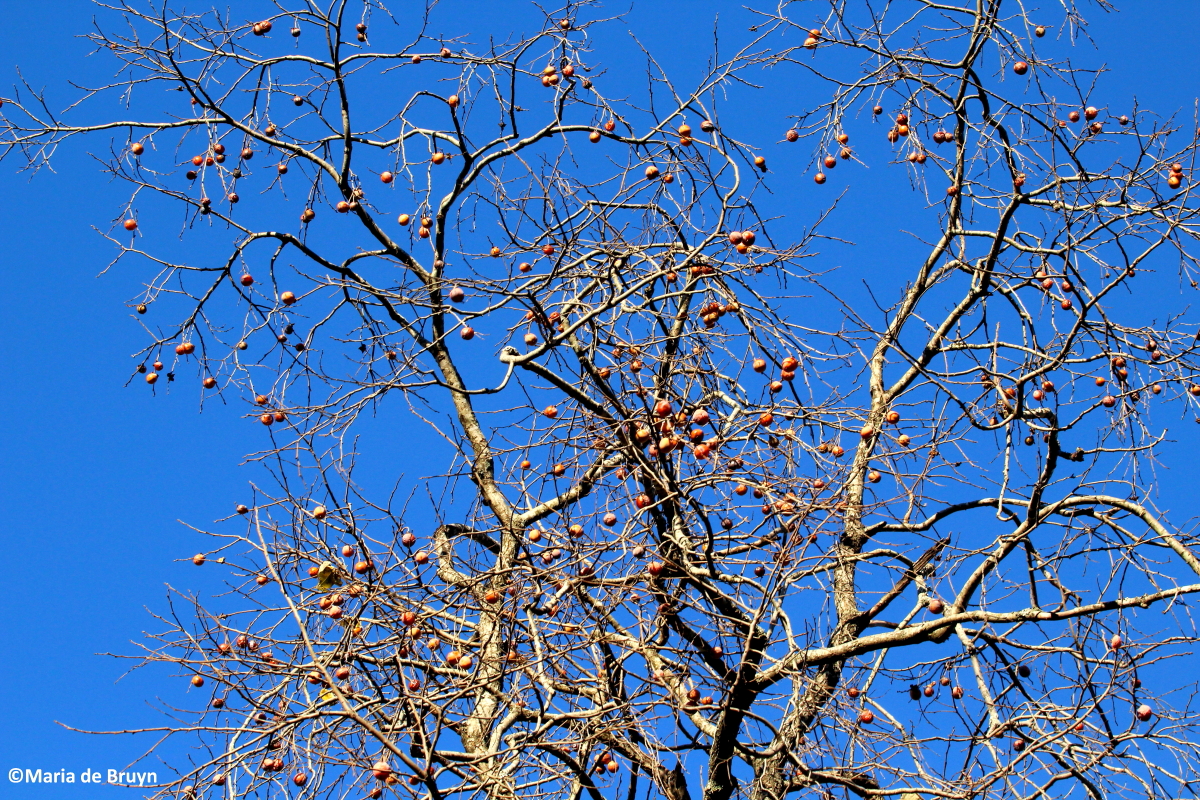
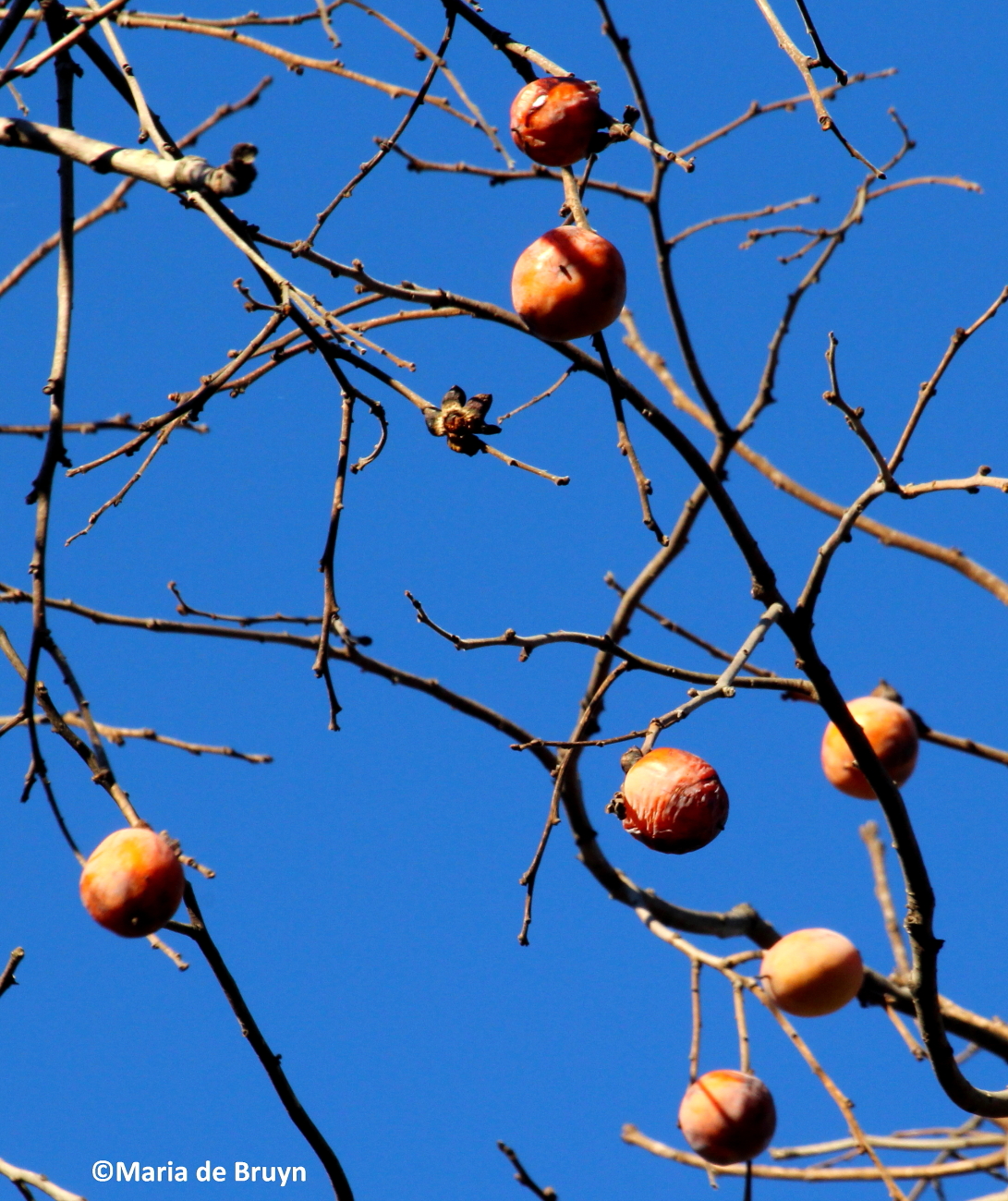
Northern cardinal  IMG_7335© Maria de BruynMy side- and backyards are both blessed with a persimmon tree (Diospyros virginiana) but the one out back only produces small hard fruit for some reason. The large persimmon at the side of my house, however, is the exact opposite. Each year it is laden with fruit; much of it begins falling while the persimmons are still unripe or only half-ripe but plenty remains on the tree through the first frost. You need to have both male and female plants for the fruit to grow, but I don’t know where the male trees are – likely in a neighbor’s yard.
Persimmon tree IMG_6996© Maria de Bruyn resPersimmon tree IMG_6993© Maria de Bruyn res

I’d been warned that an unripe or only partly ripe persimmon would not be tasty and, when I tried one, that advice turned out to be very true. I later tried a really ripe persimmon as so many North Carolinians find it a wonderful fruit, especially in pudding, but I can’t say that it is much to my liking. You won’t find me using persimmons to make tea, wine, beer or bread.
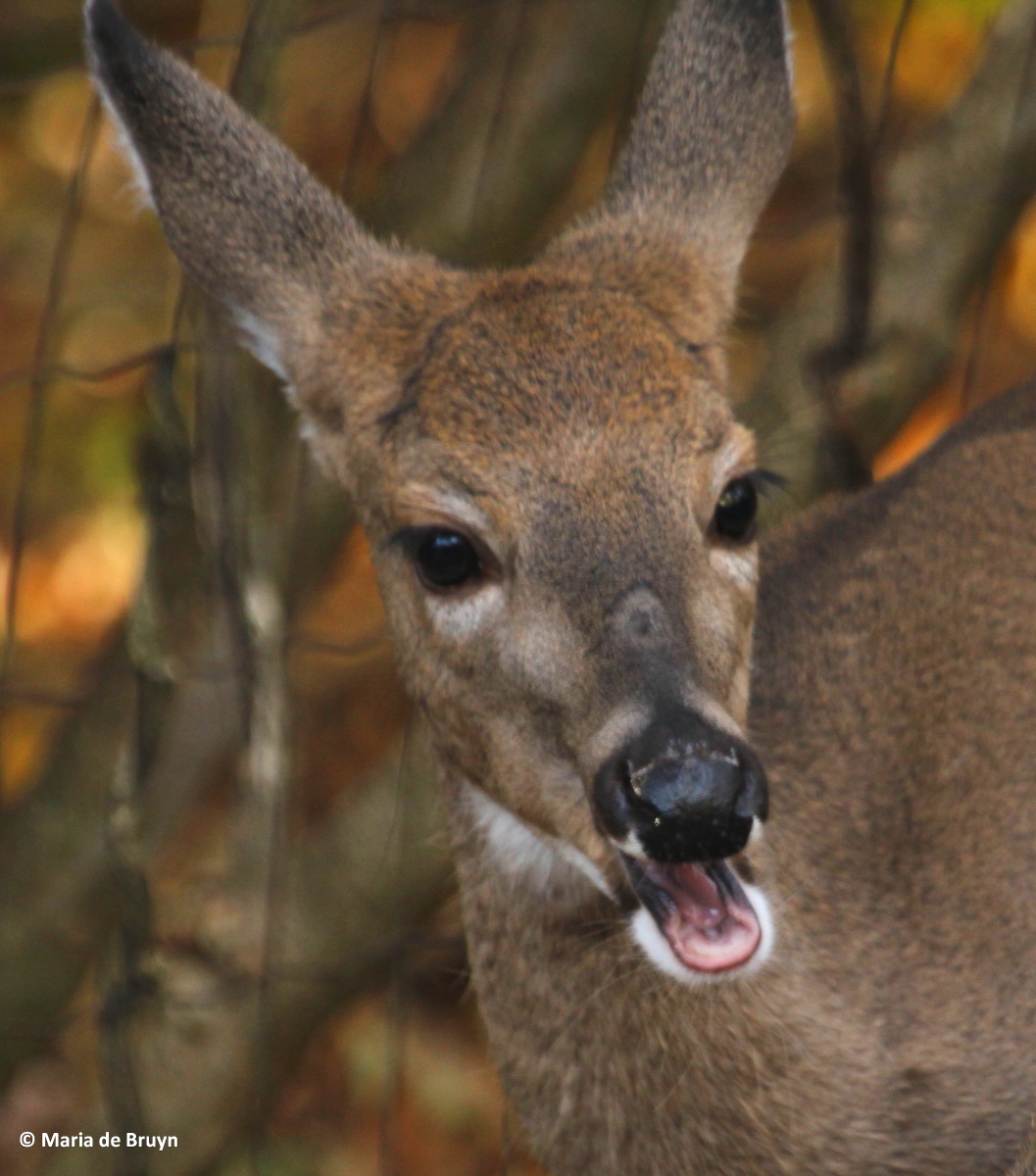
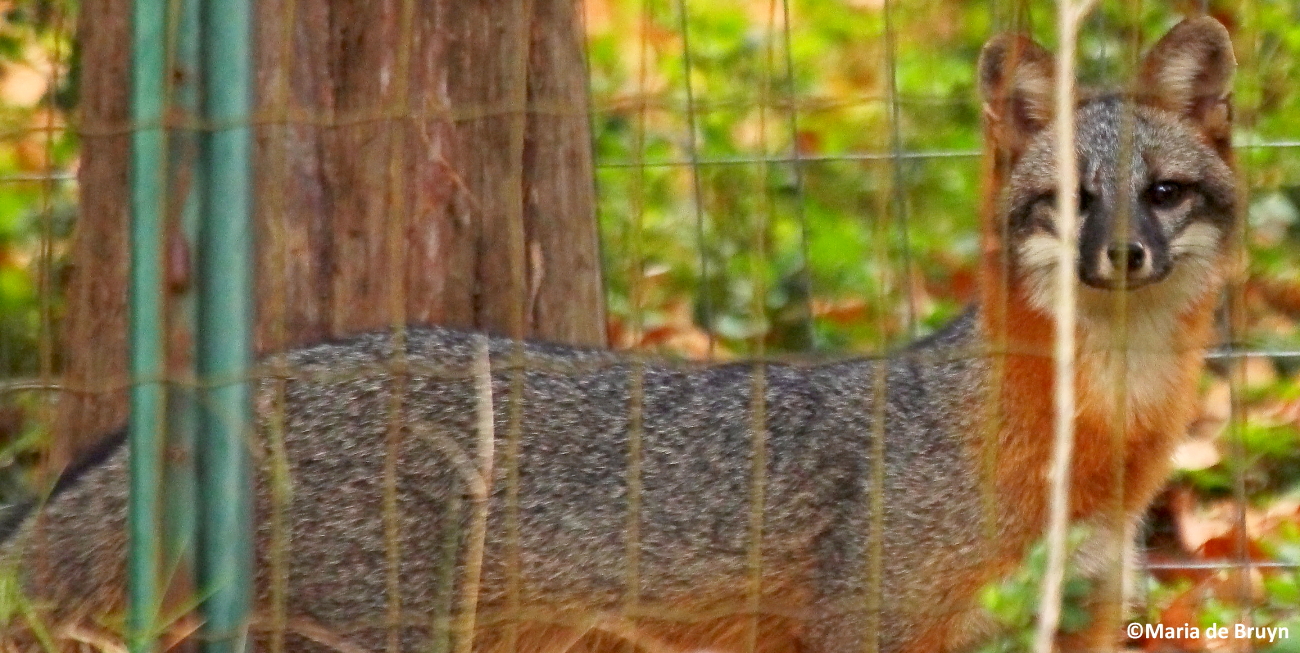
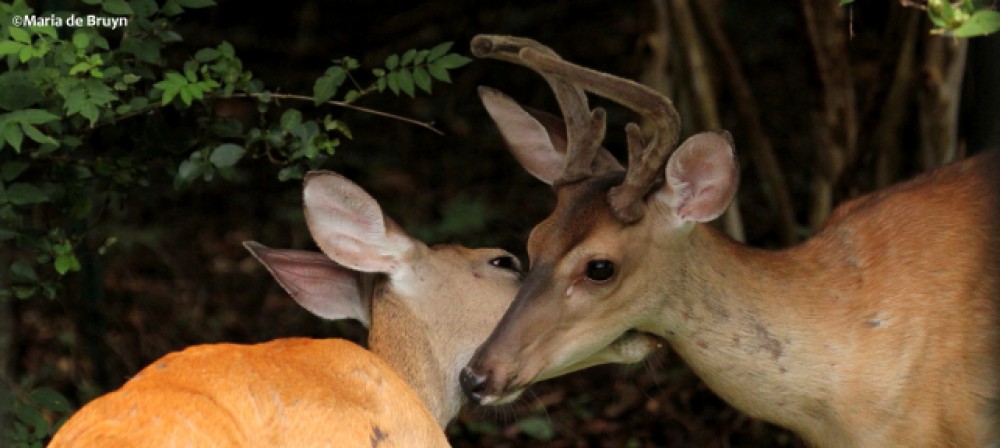
white-tailed deer IMG_9971© Maria de Bruyn resIt is, however, VERY popular with the wildlife that is around my house. The first fallen persimmons are gobbled up by the white-tailed deer (Odocoileus virginianus), who don’t seem to mind a bit of astringent fruit. Our neighborhood has opossums, raccoons, coyotes and gray foxes (Urocyon cinereoargenteus) , but I haven’t seen their persimmon seed-filled scat – I think the deer get the fruit before they have a chance. (Too bad the stem was in front of the fox’s face; I don’t use Photoshop, but you can still see its beauty.)

Gray fox IMG_1124 MdB res

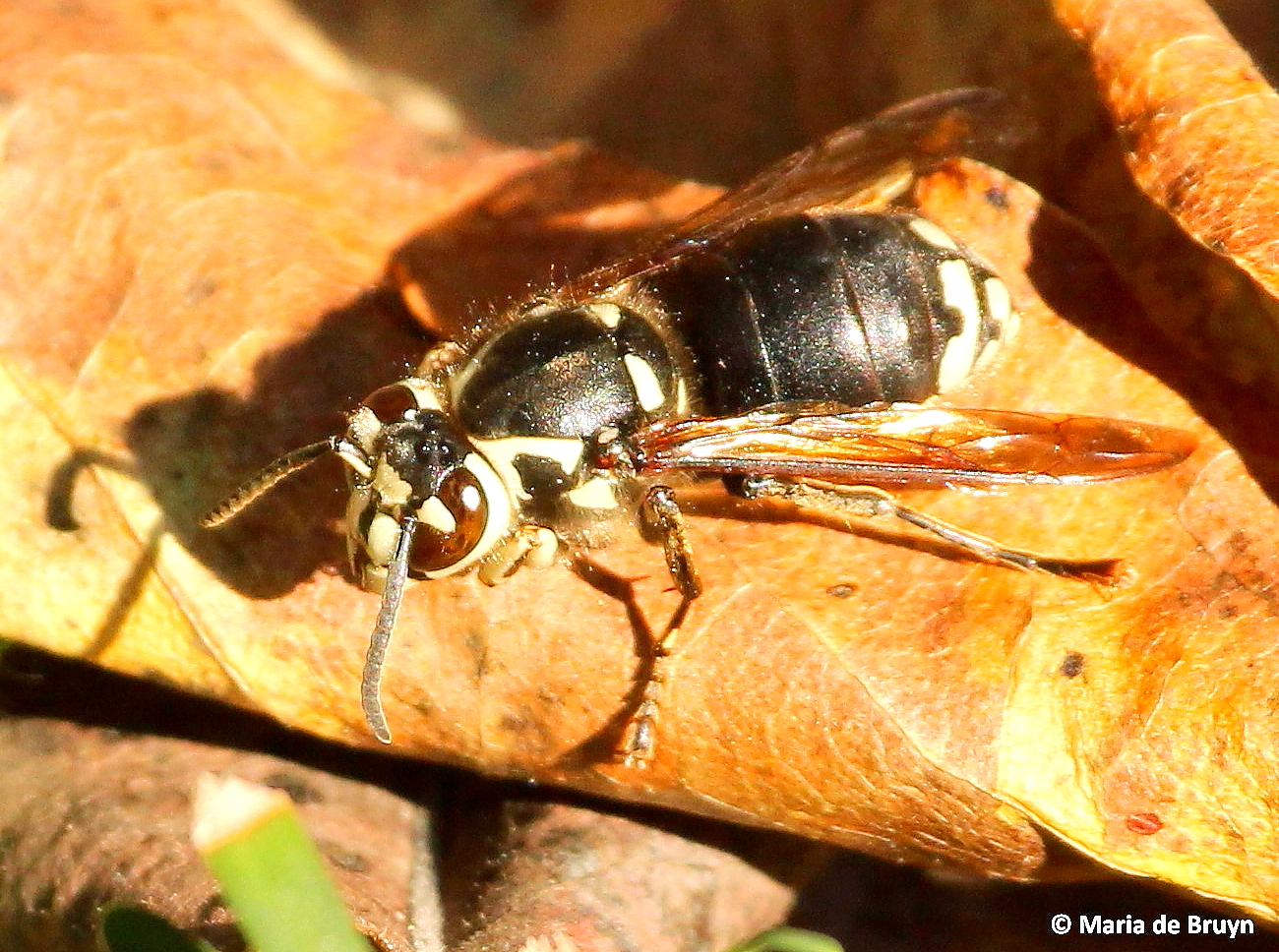
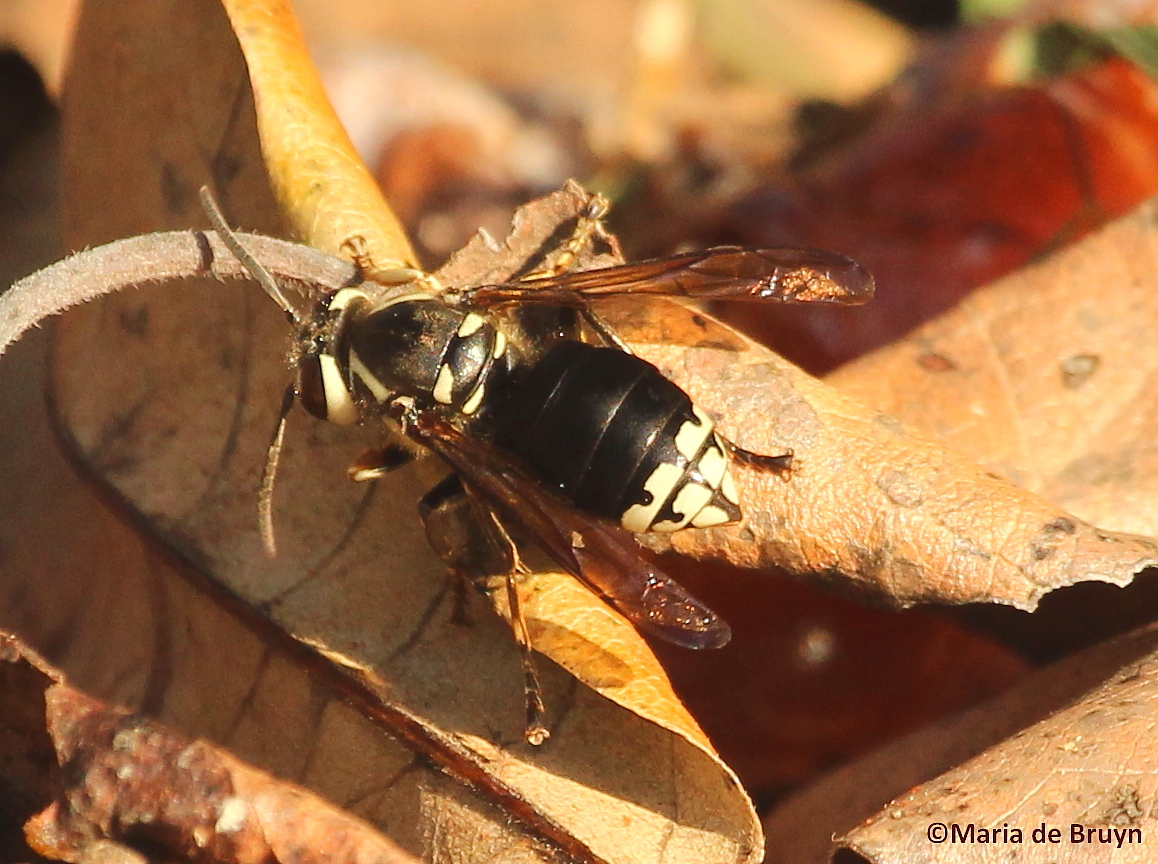
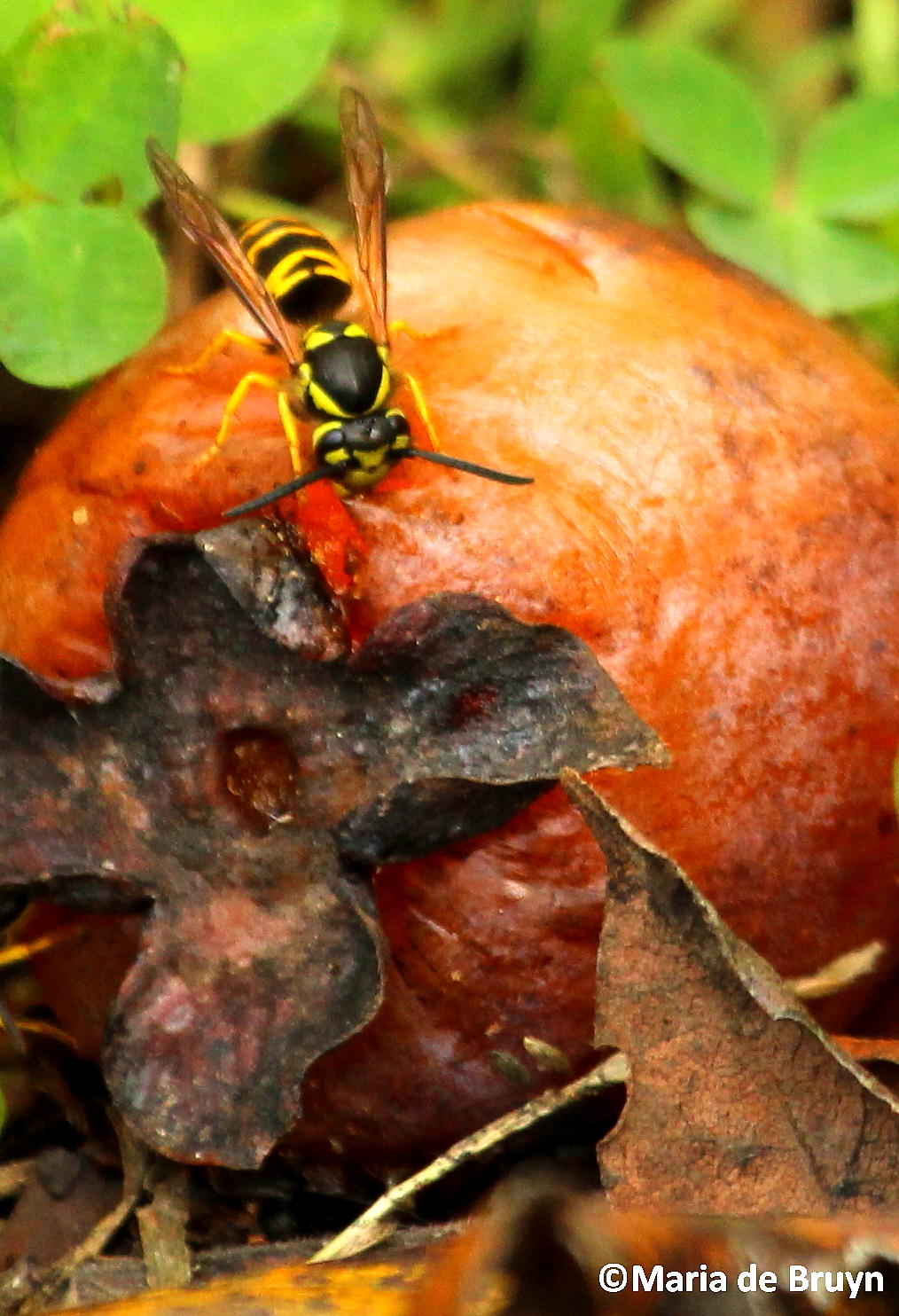
When the large orange berries begin falling on the ground in an ever riper state, the first diners include the bald-faced hornets (Dolichovespula maculata), whose beautiful large nest must be in a neighbor’s tree.

bald-faced hornet IMG_3348©Maria de Bruynbald-faced hornet IMG_3486©Maria de Bruyn

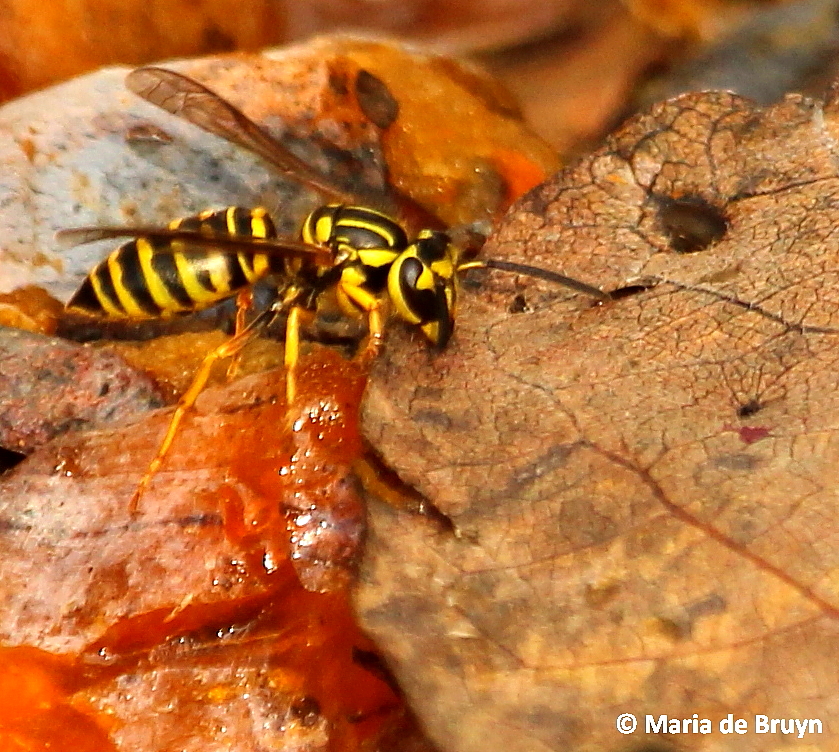
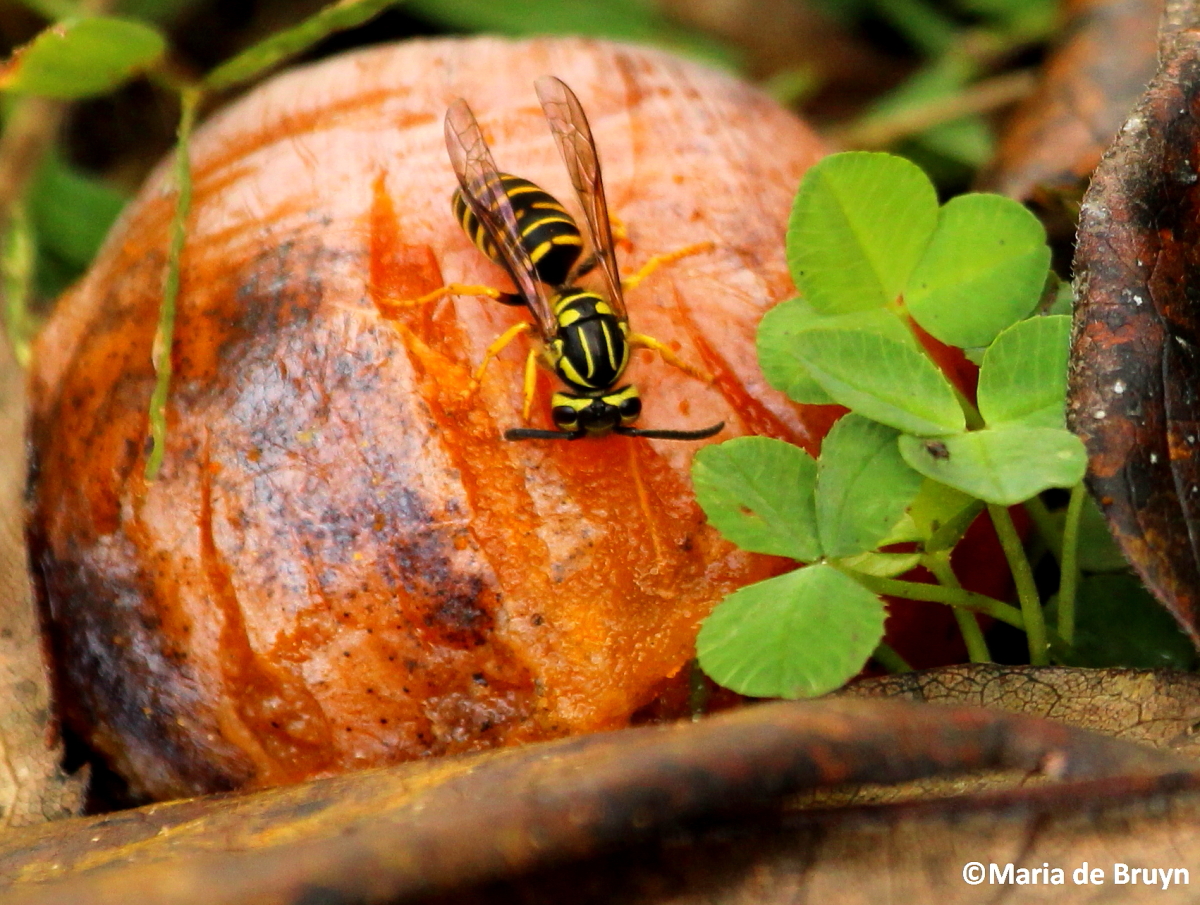
Eastern yellowjacket IMG_2502©Maria de BruynEastern yellowjacket wasps (Vespula maculifrons), which can deliver a very nasty sting, show no interest in a human hovering over the persimmons to get a shot – they are totally engrossed in getting a piece of juicy fruit.

Southern yellowjackets (Vespula squamosa), also painful stingers, act likewise – their focus is entirely on the orange pulp.


Southern yellowjacket IMG_2473©Maria de BruynSouthern yellowjacket IMG_2507©Maria de Bruyn res

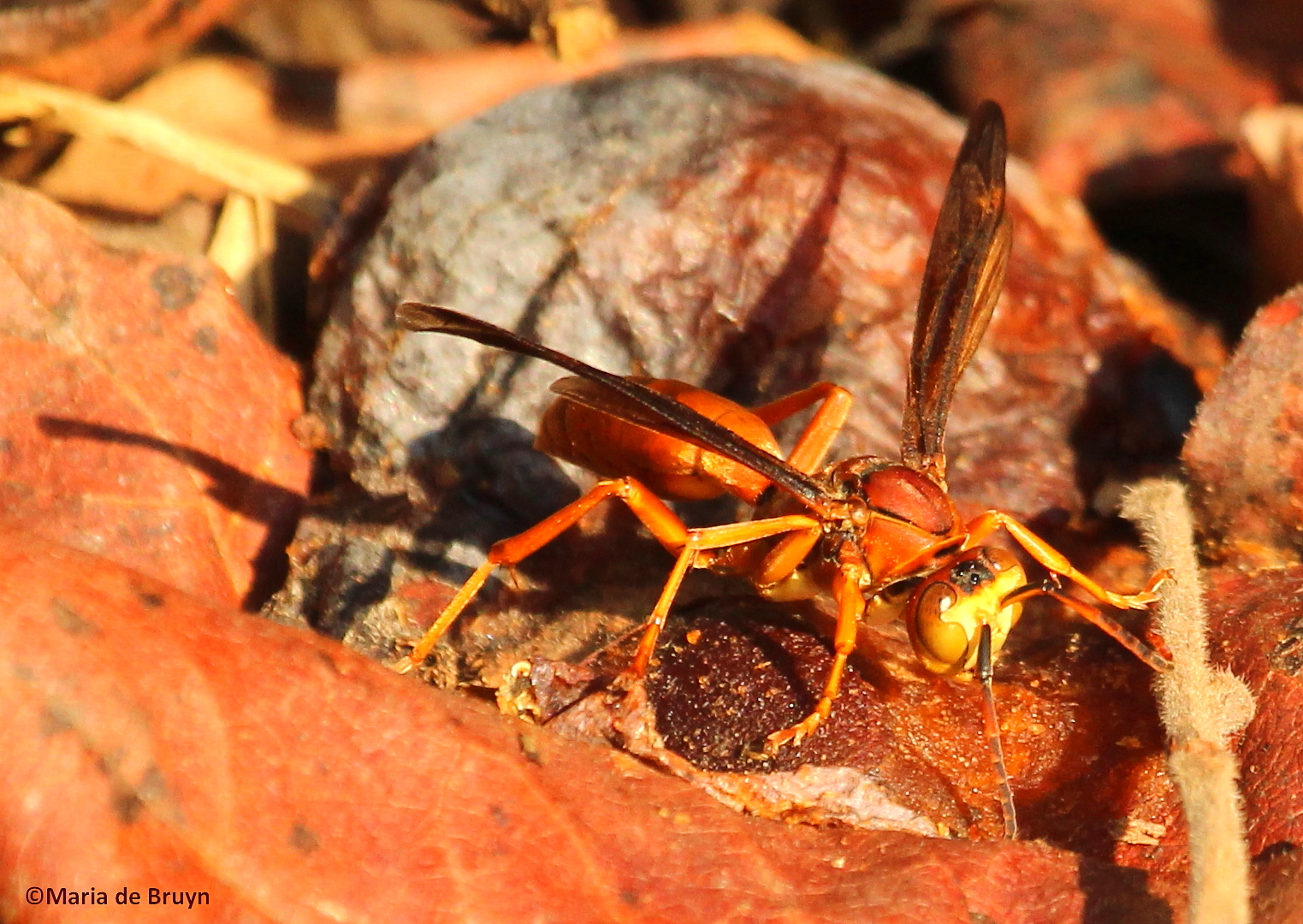
Paper wasp polistes metricus IMG_4359©Maria de BruynThe paper wasps (Polistes metricus) dig deep into the persimmon to extract some sweetness.

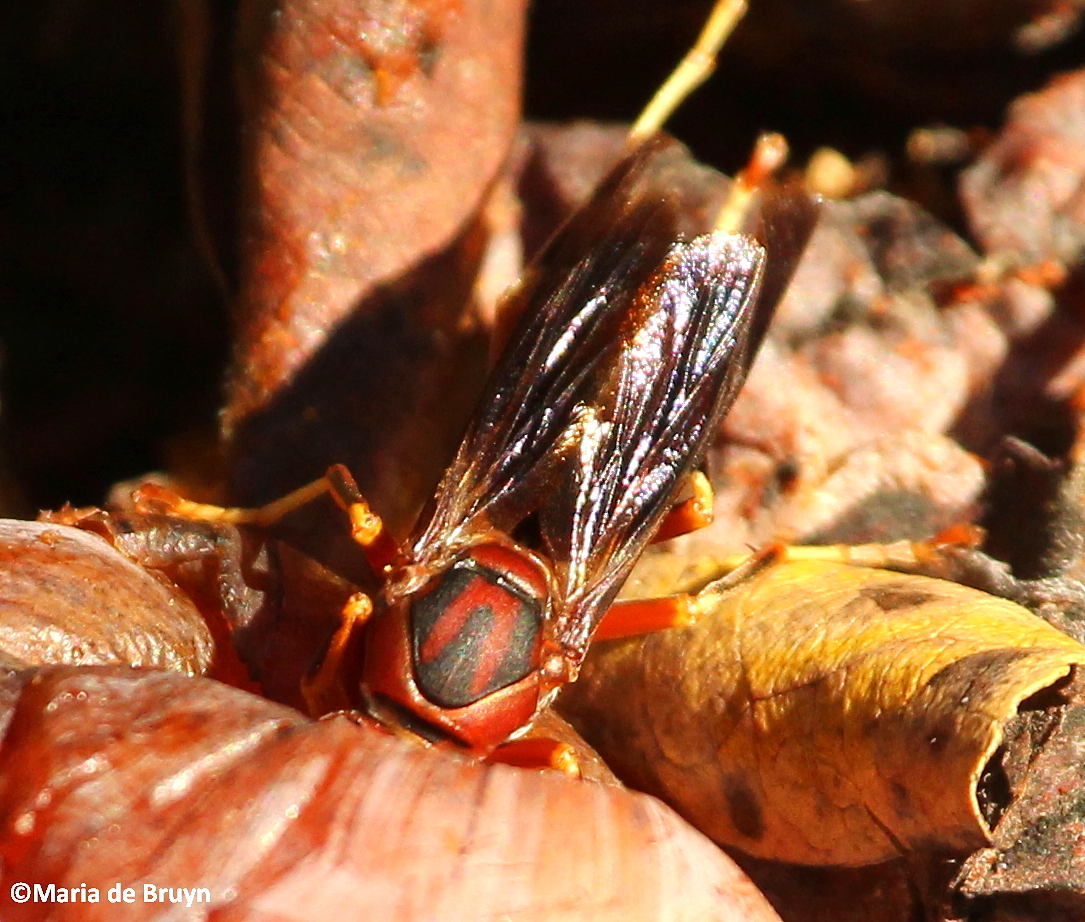
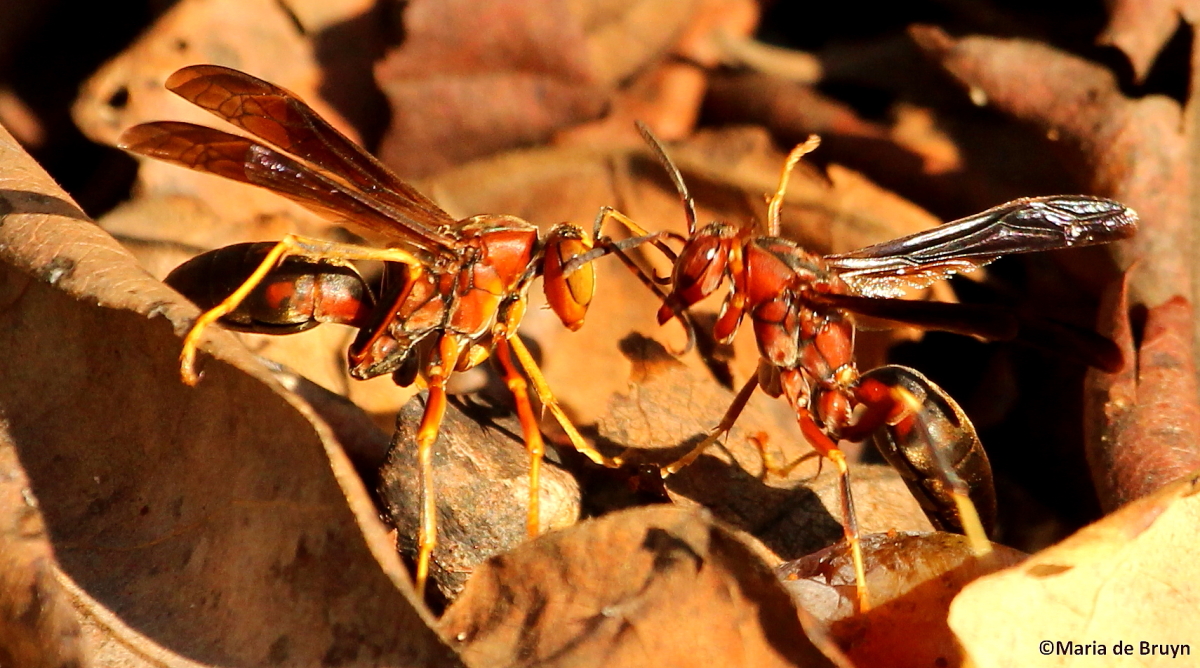
The red wasps (either Polistes carolina or rubiginosus; entomologists can only tell by examining the insect) also enjoy flitting from one fallen fruit to another in search of the sweetest bits. Sometimes they and the paper wasps challenge one another for territory.

Red wasp P carolina IMG_3495©Maria de Bruyn

Paper wasp polistes metricus IMG_3513©Maria de Bruyn res

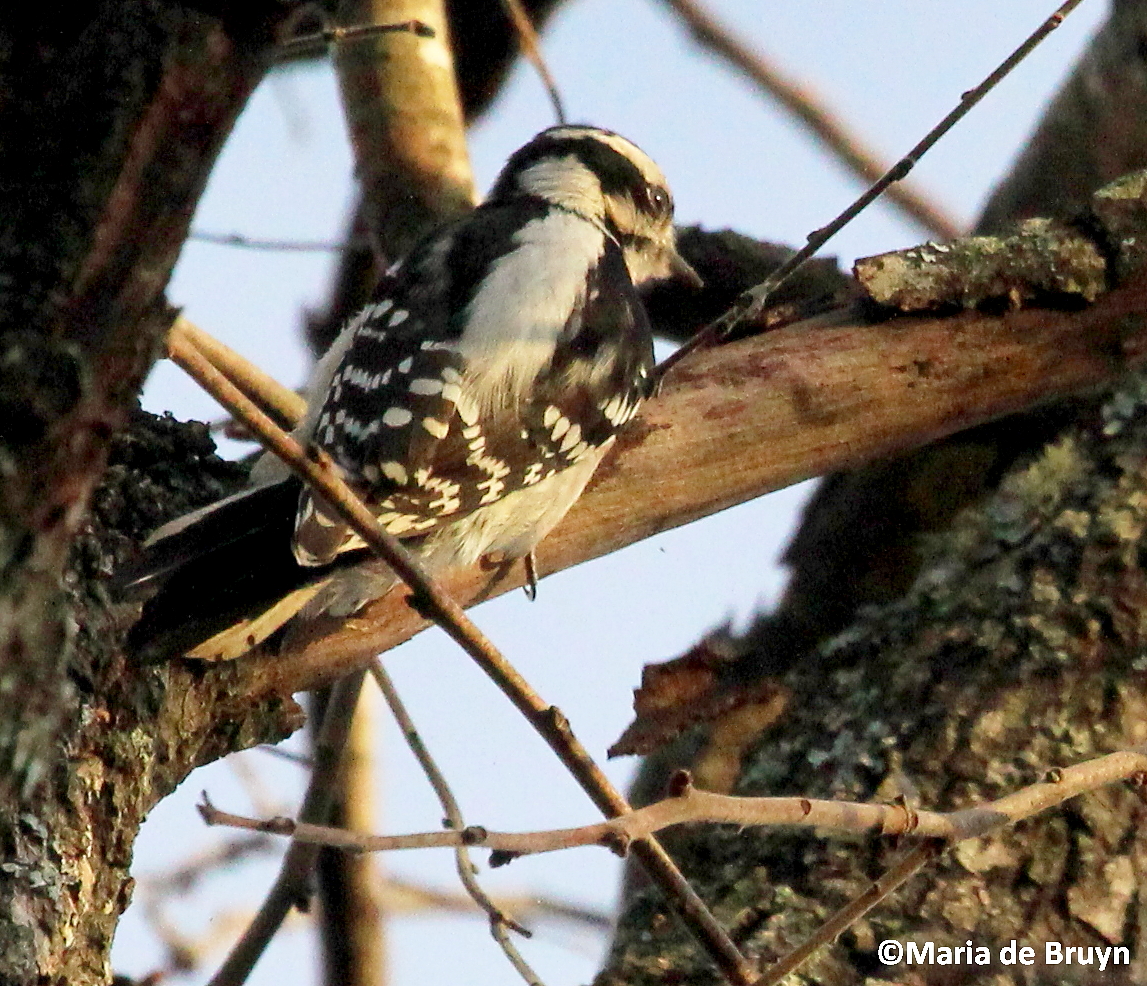
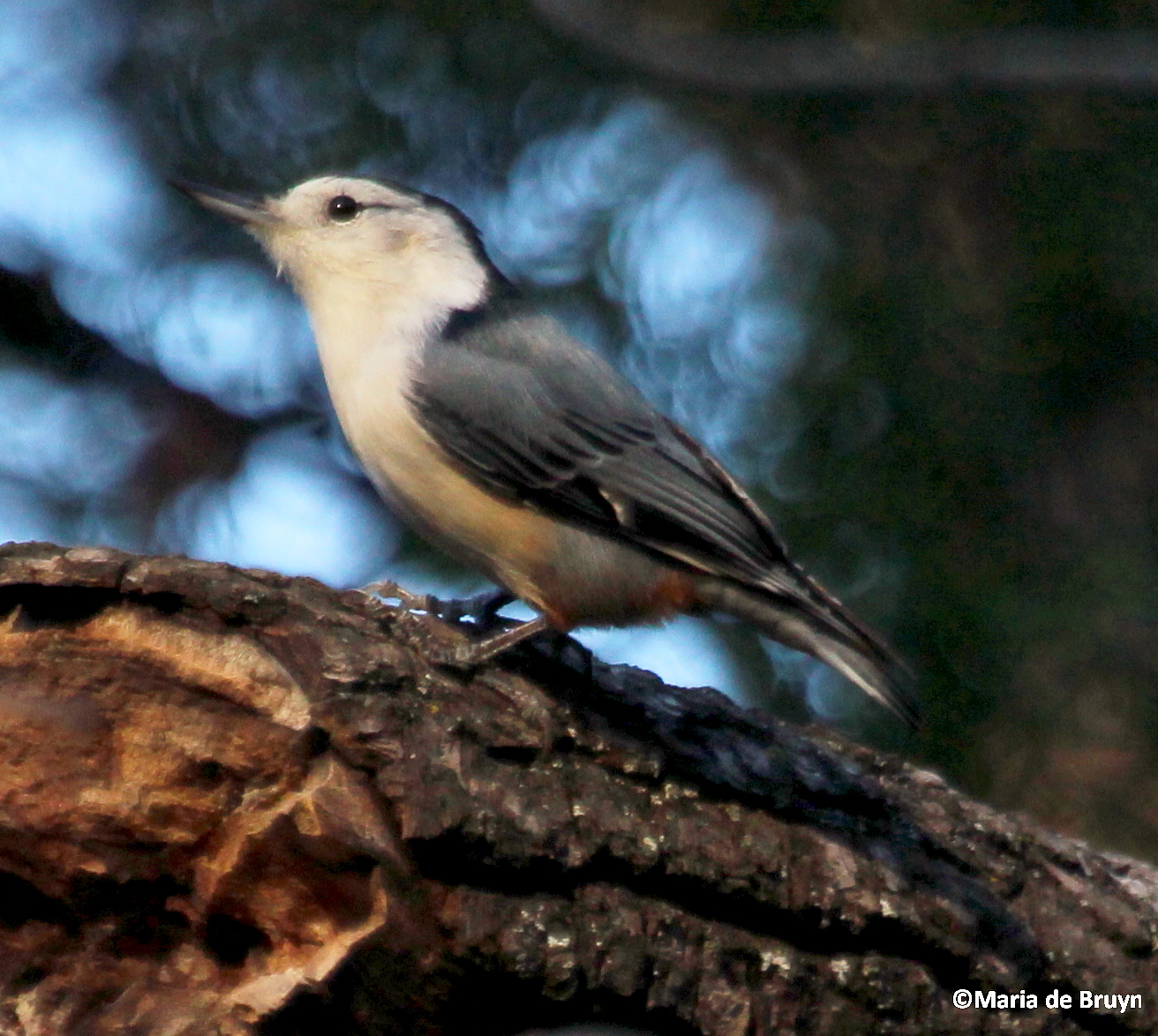
Downy woodpecker IMG_7248© Maria de BruynThe next group of persimmon pickers are the birds. Some birds only visit the tree to rest or look for insects, like the downy woodpecker (Picoides pubescens) and the white-breasted nuthatch (Sitta carolinensis).

White-breasted nuthatch IMG_5997© Maria de Bruyn


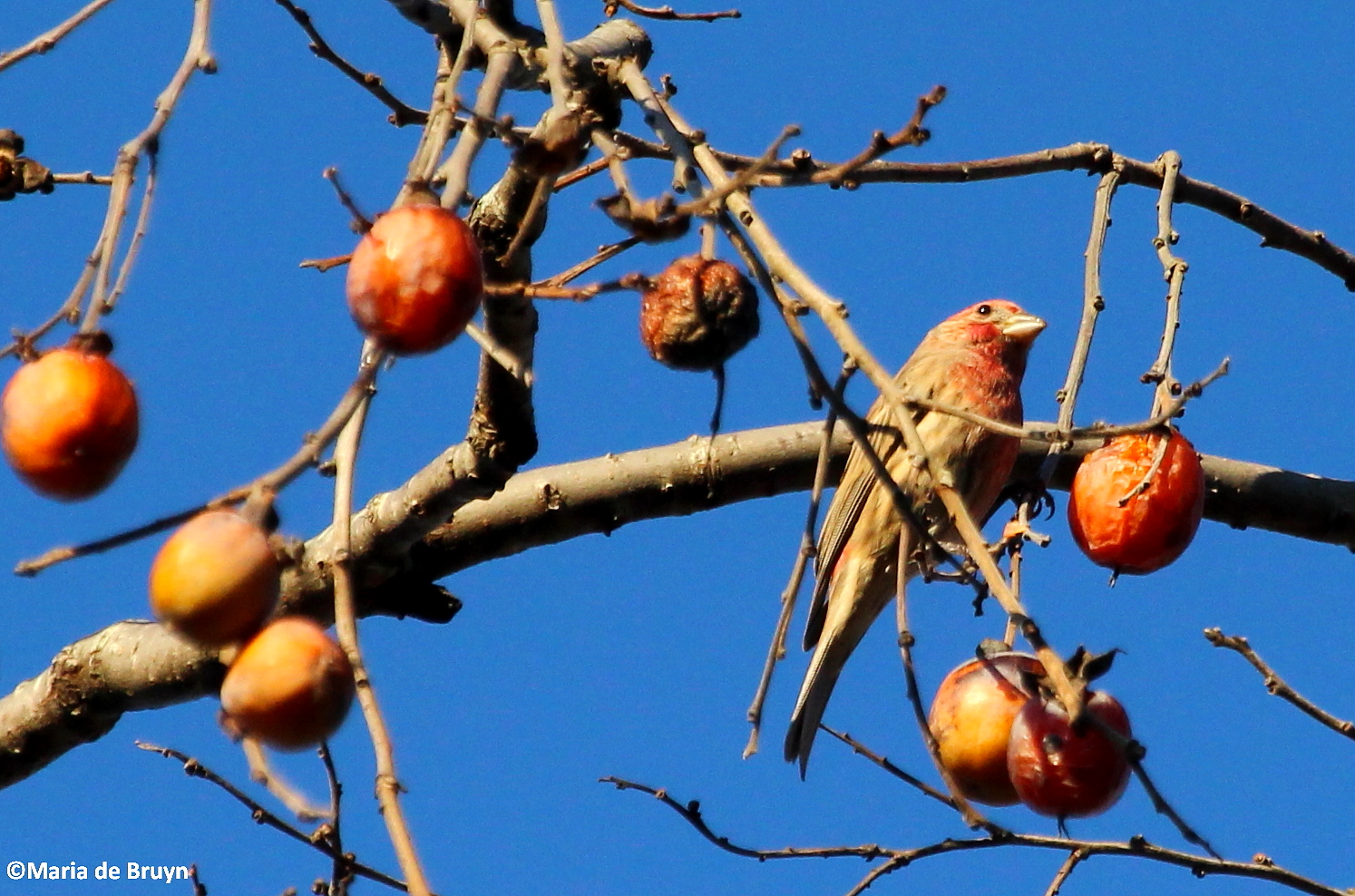
A few birds just rest in the tree and others rest and occasionally peck at a berry, like the house finches (Haemorhous mexicanus).


House finch IMG_5956© Maria de Bruyn

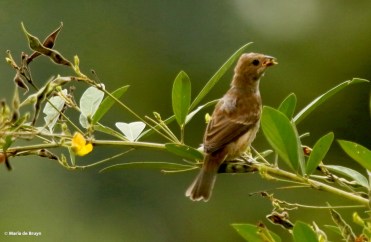
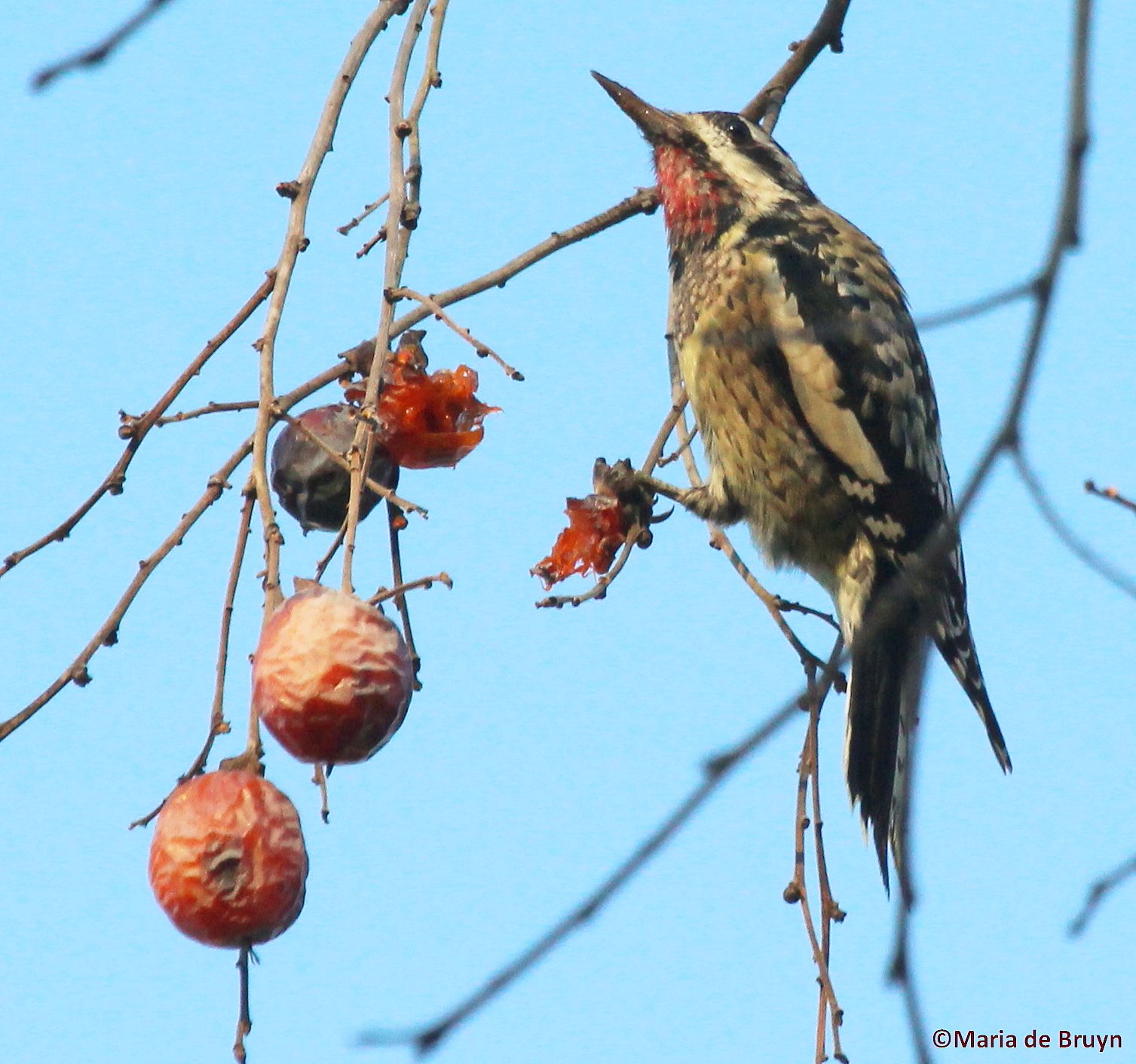
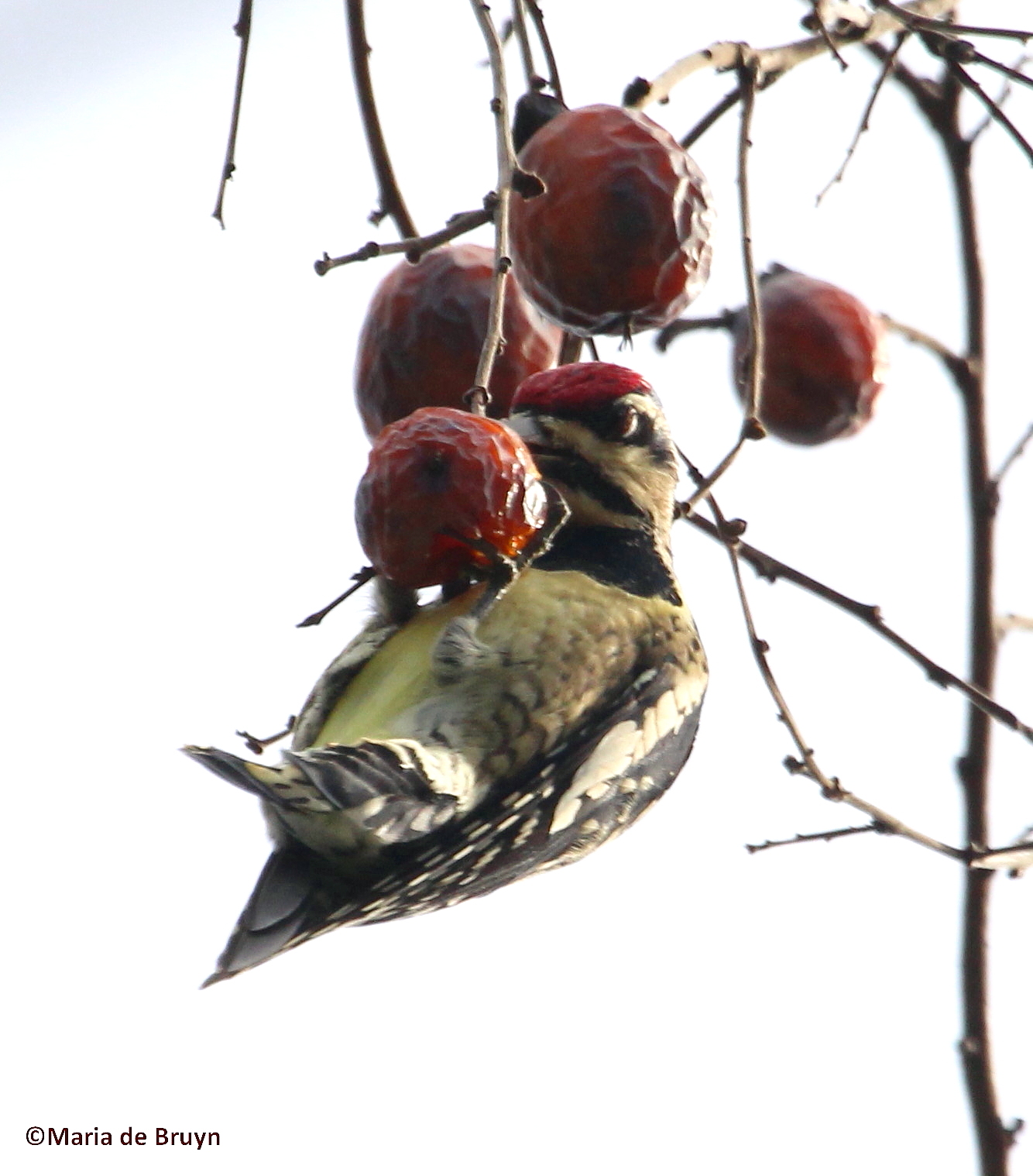
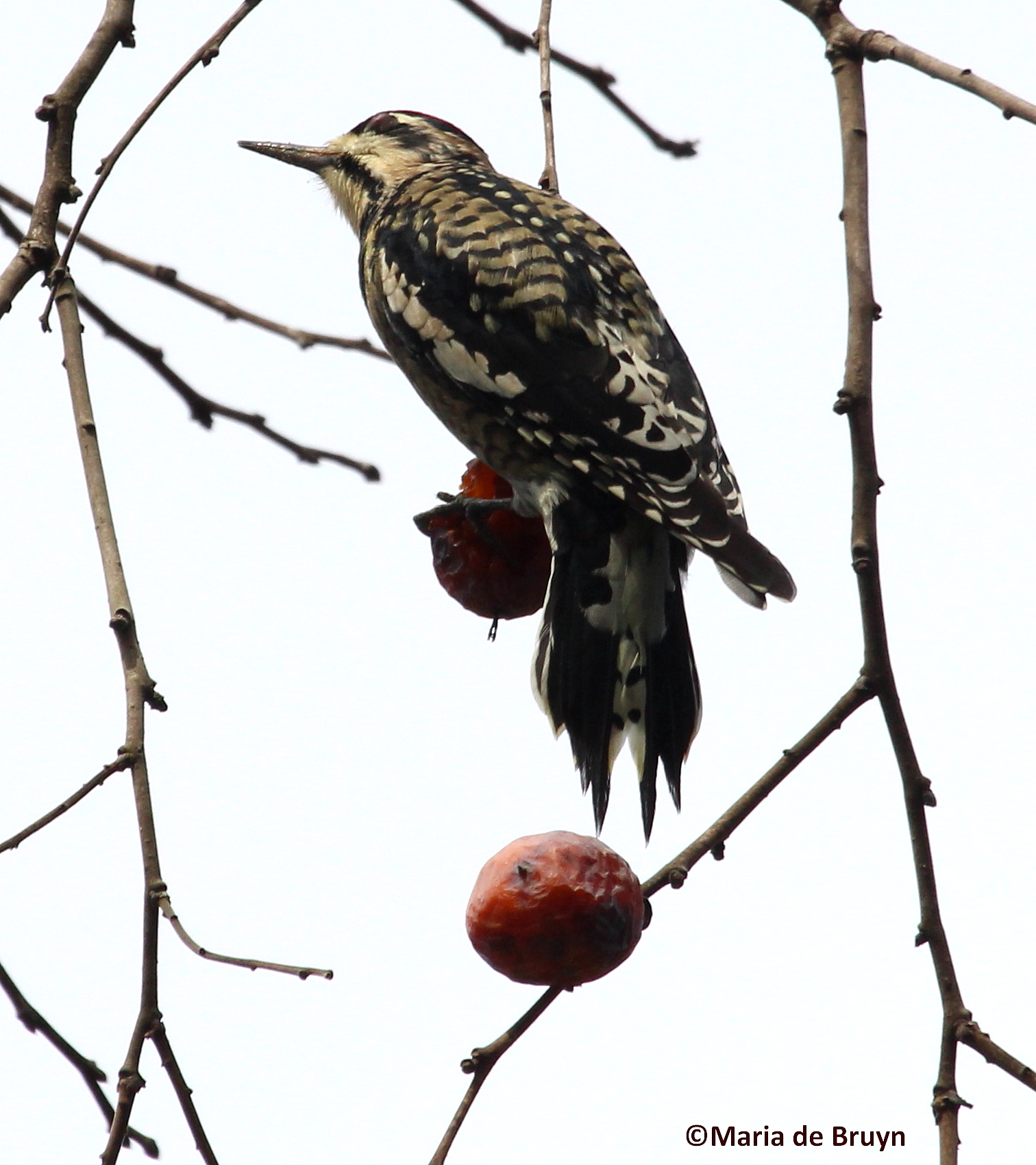
Yellow-bellied sapsucker IMG_8379© Maria de Bruyn The yellow-bellied sapsucker (Sphyrapicus varius) though is a woodpecker that is highly attracted by the fruit. A few of these attractive birds – both adults and juveniles – have been visiting the tree every day for weeks now to enjoy a sweet treat.


Yellow-bellied sapsucker IMG_8263© Maria de BruynYellow-bellied sapsucker IMG_8233© Maria de Bruyn

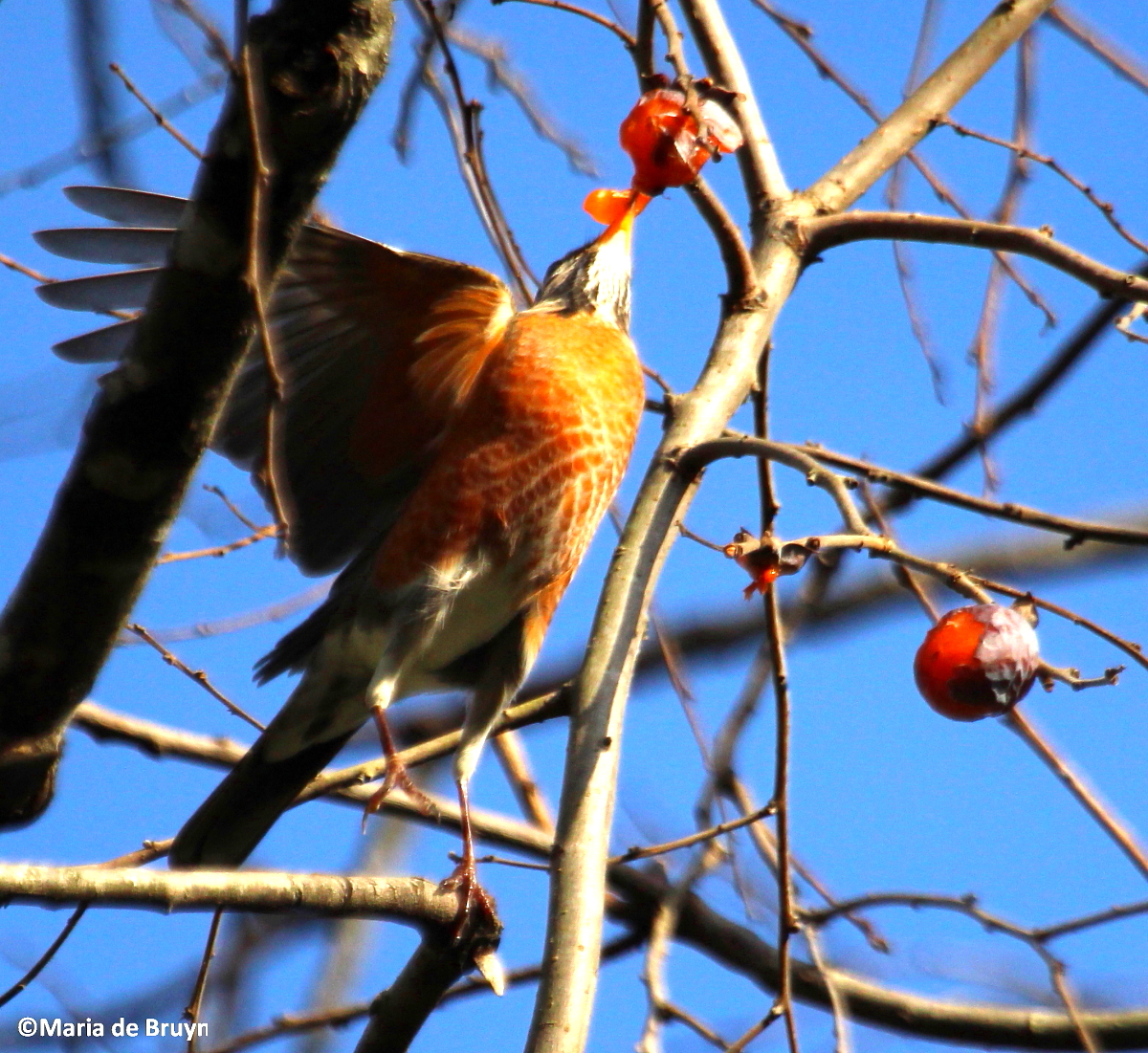
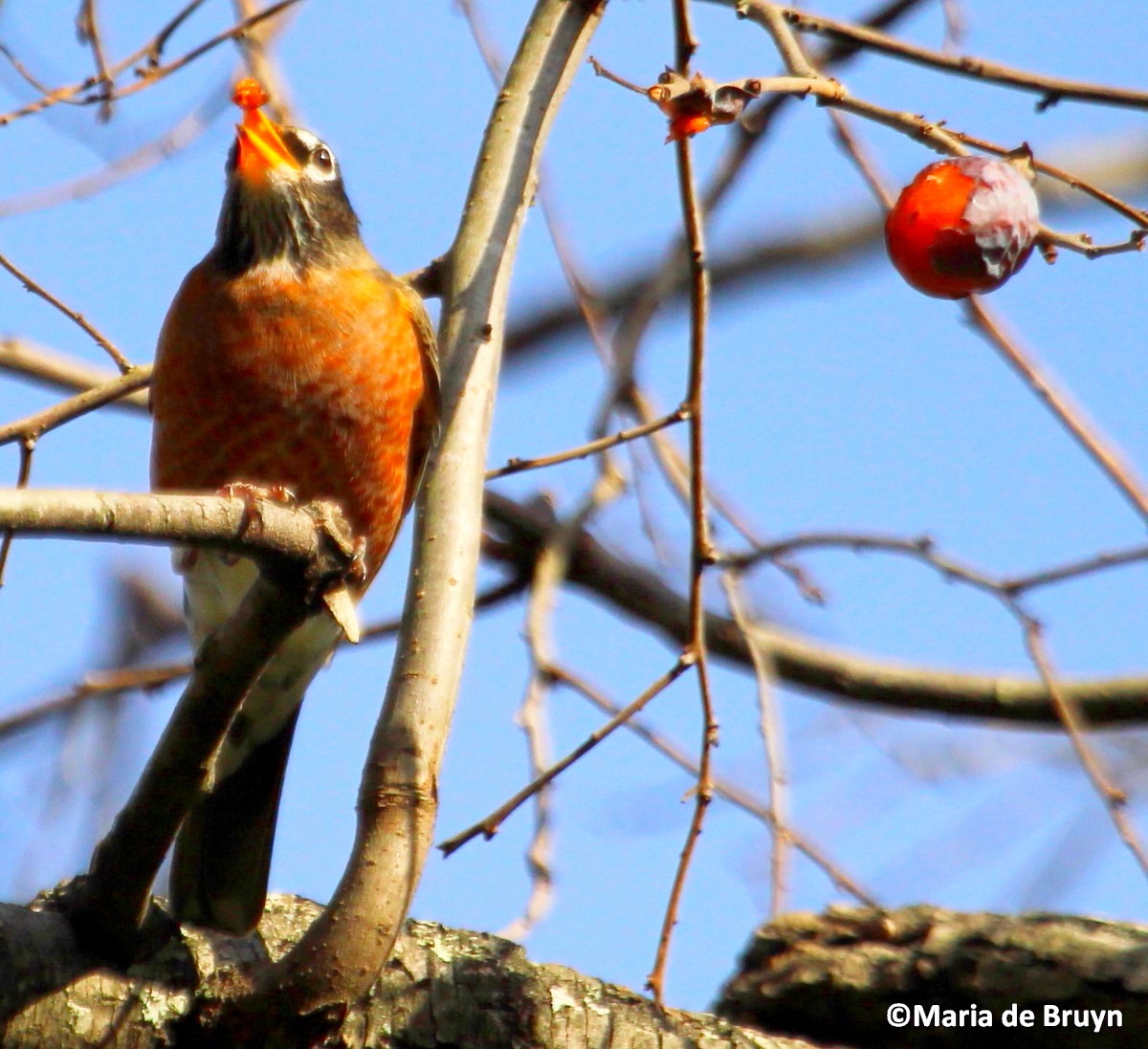
The American robin (Turdus migratorius) will not turn up its beak at a piece of persimmon either. Perhaps next year I should take a leaf from their books and collect a few fruits to try a pudding??

American robin IMG_9826©Maria de Bruyn resAmerican robin IMG_9813©Maria de Bruyn res


Birds using salt blocks

In the past, I have put out salt blocks for the deer to use in winter, but then I learned that other animals will use them as well. I have seen squirrels and rabbits licking at the blocks and chipmunks in their vicinity, but I was most surprised when I first saw purple finches (Haemorhous purpureus) pecking away at them.

squirrel at salt block IMG_5209 ©Maria de Bruynsigned resrabbit at salt block IMG_6254©Maria de Bruynsigned

At first, I thought this was abnormal or unusual but a specialist with the Audubon Society/North Carolina wildlife department told me that finches and other bird species will do this regularly to obtain salt when it is lacking from their diet. They also use the salt to help clean out their gizzards (an organ behind the stomach that helps break down seeds and food so that the bird can digest it more easily).

male and female purple finch at salt block IMG_7614©Maria de Bruynsignedresmale and female purple finch at salt block IMG_2733© Maria de Bruynsigned res

Apparently, mourning doves, sparrows, grosbeaks, pine siskins, goldfinches, house finches (Haemorhous mexicanus) and purple finches (like those in the photos) will all peck at salt blocks. So far, I have only seen the purple and house finches doing it.

Sometimes, they have had mini-gatherings there, making the salt block a place for socializing!

purple finches at salt block IMG_7605©Maria de Bruynsignedrespurple finches gathering at salt block IMG_4244©Maria de Bruynsignedres

Balancing on the block can also involve some acrobatics.

house finch IMG_9840©Maria de Bruynreshouse finch IMG_9841©Maria de Bruynres

It’s nice to have something to offer them besides suet, bird seed and bird baths.

Next week’s blog: acrobatic squirrels