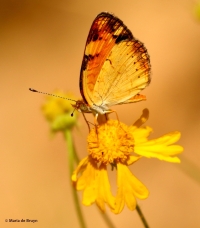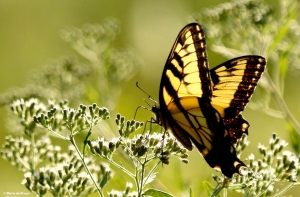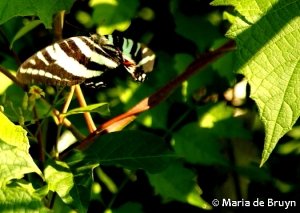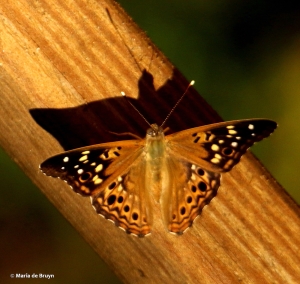
Flying rays of sunshine, spirits on the wing – part 2

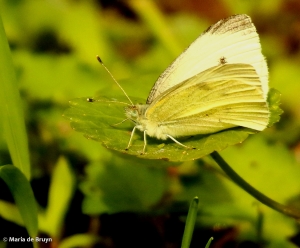
Cabbage white butterfly DK7A2287© Maria de Bruyn resWhen a butterfly like the cabbage white (Pieris rapae) alights on a flower or leaf, we sometimes have a little time to see them more clearly and appreciate their beauty; capturing a photo for leisurely viewing gives us the chance to focus on details. And those details are important if we want to determine their correct scientific names since entomologists have differentiated many species and sub-species, sometimes on the basis of factors such as the shape of their spots.

One butterfly pair that can be puzzling are the silvery checkerspot (Chlosyne nycteis, top), with a small white center to one of its spots in the lower row, and the pearl crescent (Phyciodes tharos), which was abundant this year.
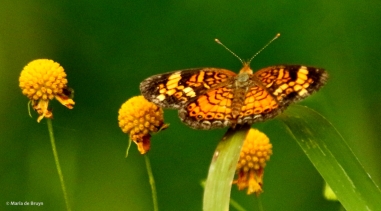
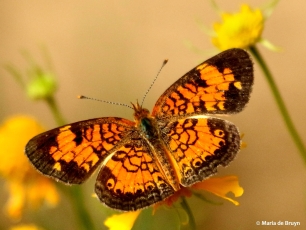
silvery checkerspot DK7A1405© Maria de Bruyn res

pearl crescent DK7A1469© Maria de Bruyn res pearl crescent DK7A4689© Maria de Bruyn res

The Eastern comma (Polygonia comma) and question mark (Polygonia interrogationis) look really similar, too. Perhaps the difference in their distinguishing underside marking is really apparent to proofreaders.
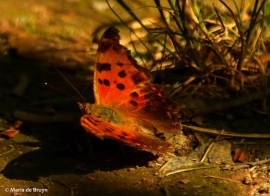
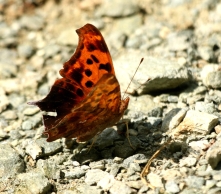
Eastern comma DK7A5636© Maria de Bruyn resQuestion mark DK7A3181© Maria de Bruyn res

The easiest way to distinguish the endangered monarch (Danaus plexippus) and the viceroy (Limenitis archippus) is that the viceroy has a black stripe running horizontally across its lower wings.
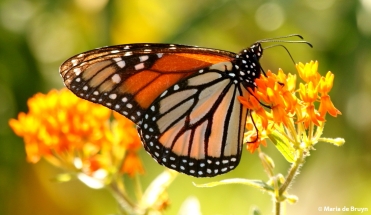
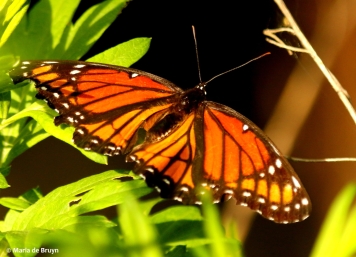
monarch DK7A7941© Maria de Bruyn res

viceroy DK7A5128© Maria de Bruyn res

Eastern tiger swallowtail DK7A2096© Maria de Bruyn res

The swallowtails are always a favorite, including the Eastern tiger swallowtail (Papilio glaucus) with differently colored males (yellow) and females (yellow and also blue).

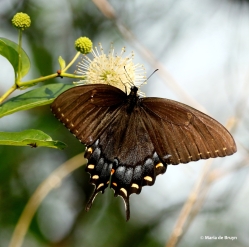
 

Eastern tiger swallowtail DK7A7768© Maria de Bruyn res Eastern tiger swallowtail DK7A0256© Maria de Bruyn res

Zebra swallowtail DK7A0046© Maria de Bruyn res

The zebra swallowtail (Protographium marcellus) really catches your eye as it flutters about, while the pipevine swallowtail (Battus philenor) is a little more subdued.
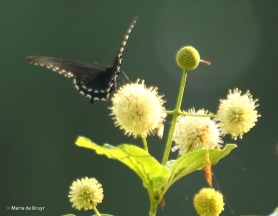
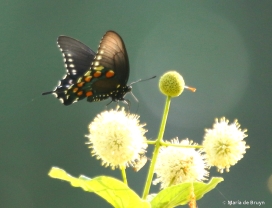
 

Pipevine swallowtail DK7A9681© Maria de Bruyn res Pipevine swallowtail DK7A9691© Maria de Bruyn

The red spotted purples (Limenitis arthemis) come in different variations; this one enjoyed the hummingbird nectar this summer.
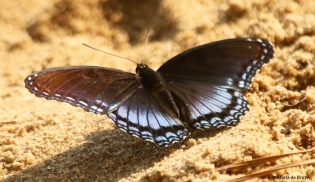
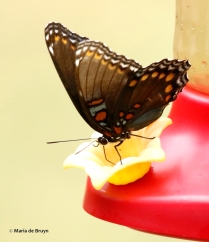
Red-spotted purple DK7A0518© Maria de Bruyn res Red-spotted purple DK7A0998© Maria de Bruyn res

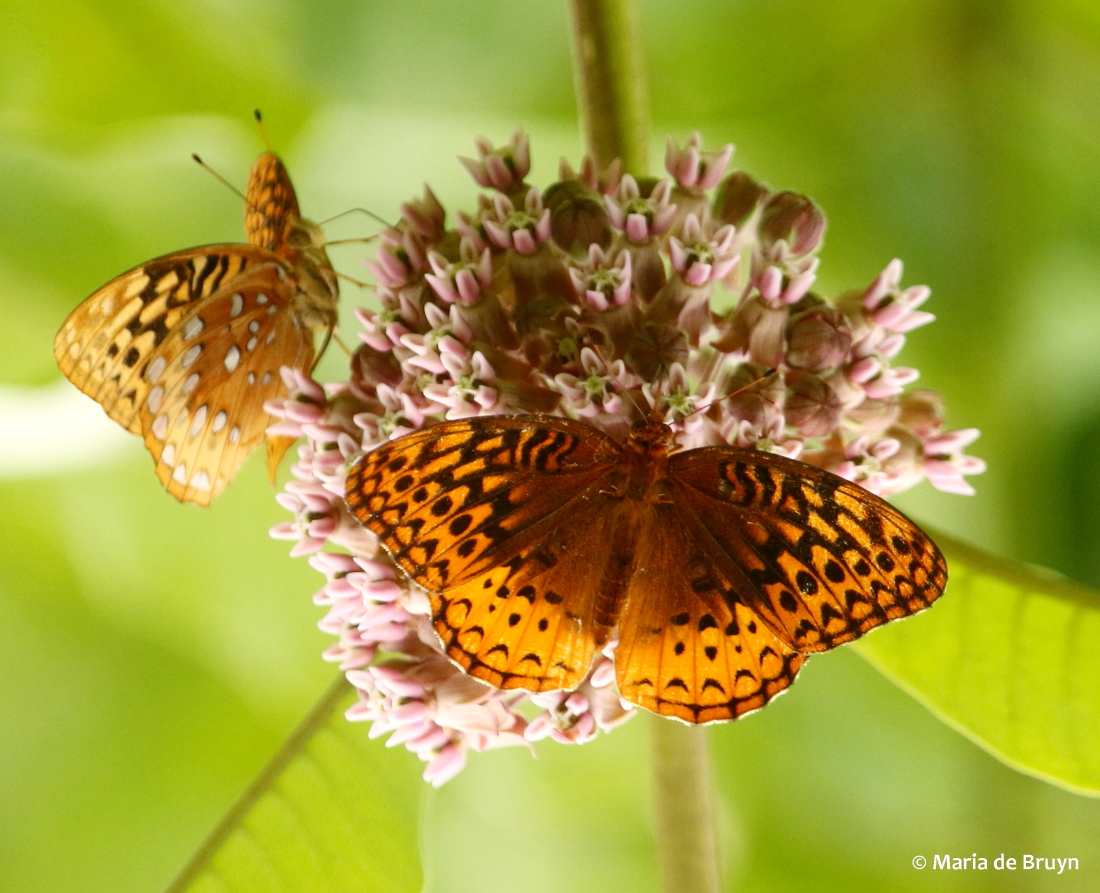
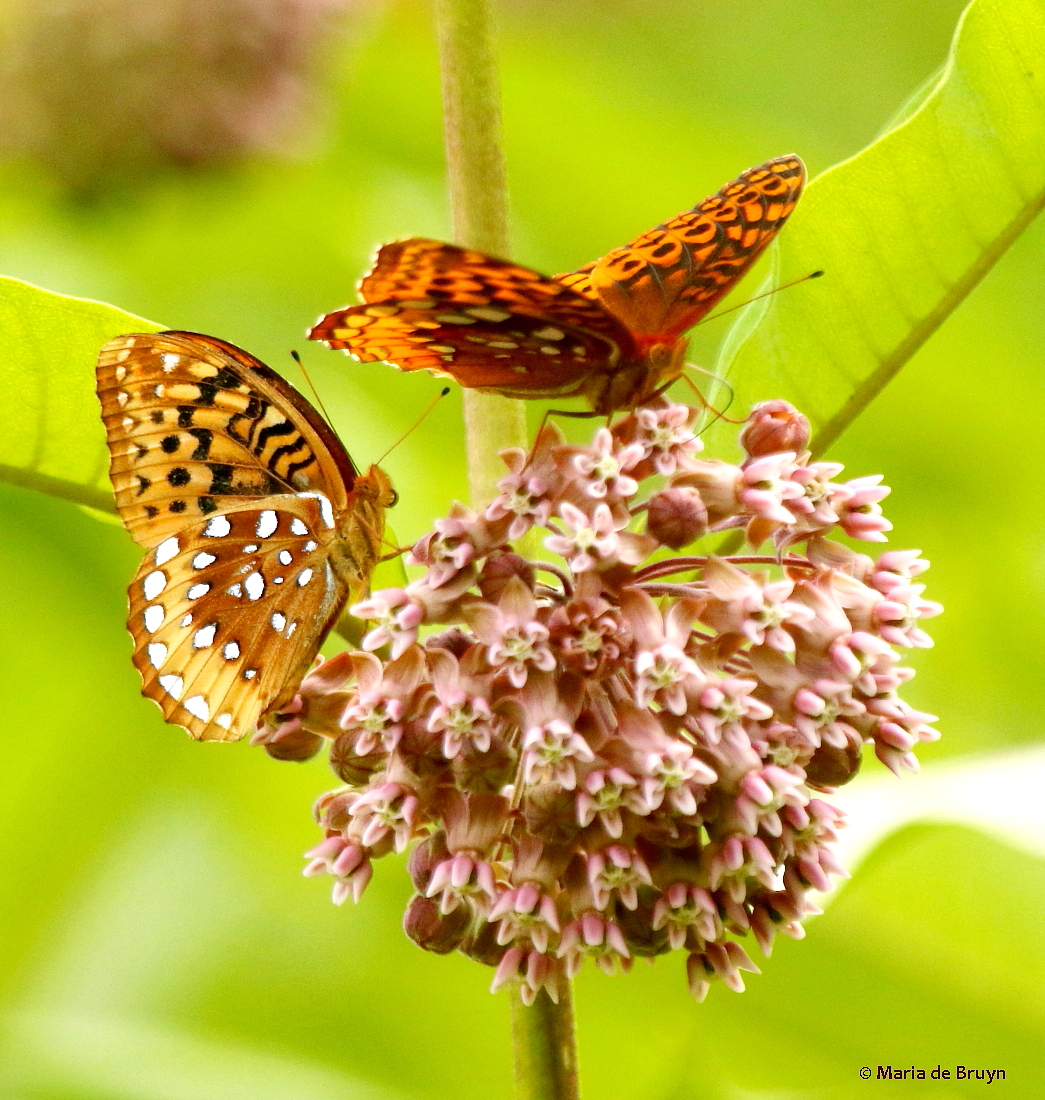
Another new butterfly for me this year was the great spangled fritillary (Speyeria cybele), which I enjoyed seeing as they enjoyed common milkweed (Asclepias syriaca) at the Horton Grove Nature Reserve.
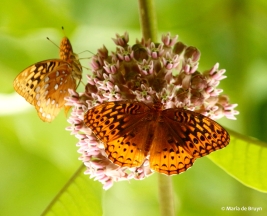
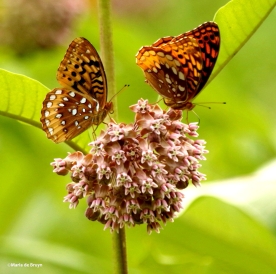
great spangled fritillary DK7A5377© Maria de Bruyn res Great spangled fritillary DK7A5052© Maria de Bruyn res

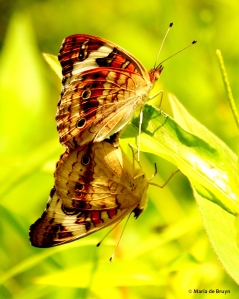
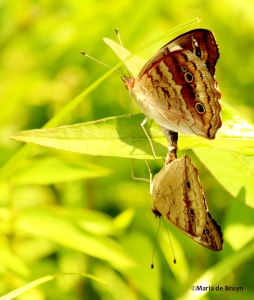
Hackberry emperor DK7A6150© Maria de Bruyn resThe hackberry emperor (Asterocampa celtis) turned up at Jordan Lake, while the common buckeye (Junonia coenia) – whose beauty is anything but common! – was in my yard and various nature reserves. I also observed a pair getting ready to propagate the next generation.
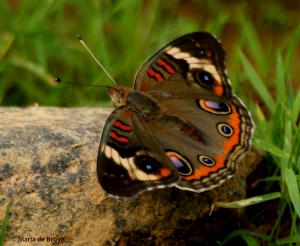
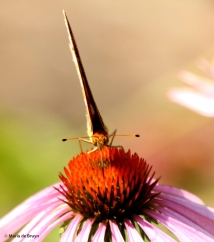


common buckeye DK7A1181© Maria de Bruyn common buckeye DK7A8729© Maria de Bruyn res common buckeye IMG_9470© Maria de Bruyn res common buckeye IMG_9538© Maria de Bruyn res

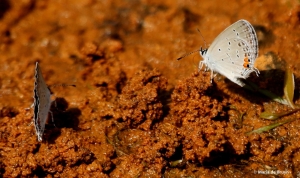
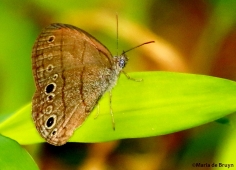
Some of the tinier butterflies are delicate beauties, like the Summer azure (Celastrina neglecta), the gray hairstreak – which can look brown (Strymon melinus), the Eastern tailed-blue (Cupido comyntas) and the Carolina satyr (Hermeuptychia sosybius).
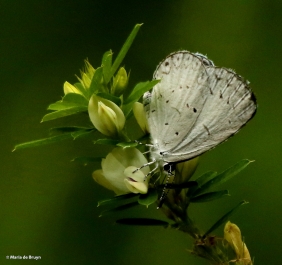
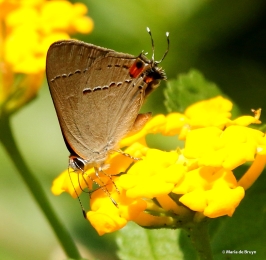
Summer azure DK7A5424© Maria de BruynGray hairstreak DK7A4495© Maria de Bruyn

Eastern tailed-blue DK7A1141© Maria de Bruyn resCarolina Satyr DK7A5279 © Maria de Bruyn res2

To end, here are two more beauties that I had the privilege to see this year. I hope  seeing these butterflies and those in my previous blog brightened your day, especially if you have been dealing with sorrow as I have while this year approaches its end.
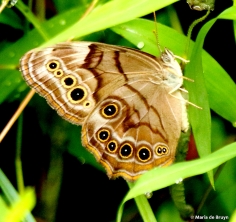
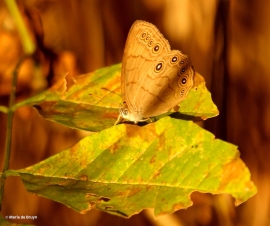
Southern pearly eye DK7A9953© Maria de Bruyn resNorthern pearly-eye DK7A7752©Maria de Bruyn res

Southern pearly eye (Lethe portlandia) and Northern pearly-eye (Enodia anthedon)


Flying rays of sunshine, spirits on the wing – part 1

Fiery and dun skippers IMG_7262© Maria de Bruyn resIt is now early December and late autumn in the Northern hemisphere, so why a blog about butterflies? When I was writing this on the last day of November, I had still seen a few of these beauties a couple days previously, and in the Southern hemisphere it is late spring, so it seems fine as a topic for a nature blog. Also, three weeks ago, my mother passed away, while in two weeks the anniversary of my father’s death comes again — I like to think of butterflies as nature’s emissaries for spirits on the wing. They allow me to think of my parents in somewhat lighter terms than the sadness that predominated during their dying processes. Because there are so many butterflies to highlight, this will be a two-part blog.

This past spring, summer and fall gifted me with a large variety of butterflies – a boon compared to last year when there seemed to be a dearth of them. I had some new butterflies to my garden, like the tawny emperor (Asterocampa clyton clyton), which I also saw at the Mason Farm Biological Reserve when one landed on my arm.

Tawny emperor DK7A2536© Maria de Bruyn resTawny emperor IMG_4926© Maria de Bruyn (2)

juniper hairstreak DK7A1677© Maria de BruynThe juniper hairstreak (Callophrys gryneus) was another new visitor that at first made me think it was covered in pollen.

A second-time visitor to my yard was the American snout (Libytheana carinenta), which looks quite distinctive with the long protrusion from its face.

American snout butterfly IMG_0257© Maria de Bruyn res

It was a good year for the little skipper butterflies, of which there are many. Quite a few look similar to one another and pose difficulties in identification; fortunately, BugGuide helps me figure out which ones I have been seeing.


Common checkered skipper DK7A8473©Maria de BruynCommon checkered skipper DK7A8483©Maria de Bruyn

Common checkered skipper (Pyrgus communis)

silver-spotted skipper IMG_0885© Maria de Bruyn Fiery skipper DK7A3463© Maria de Bruyn

Silver-spotted skipper (Epargyreus clarus) & Fiery skipper (Hylephila phyleus)

Zabulon skipper female DK7A8091© Maria de Bruyn Zabulon skipper DK7A2945© Maria de Bruyn res

Zabulon skipper (Poanes zabulon), female on the left and male on the right

sachem skipper DK7A6355© Maria de BruynSachem skipper male DK7A7657©Maria de Bruyn res Sachem skipper DK7A1271© Maria de Bruyn bg

The Sachem skipper (Atalopedes campestris) also illustrates how males (top) and females can differ.

A few skippers were new for me this year, like the little glassywing skipper (Pompeius verna) and the somewhat drabber dun skipper (Euphyes vestris) and Ocola skipper (Panoquina ocola).

Little glassywing skipper DK7A2843© Maria de Bruyn  Dun skipper DK7A3364© Maria de BruynOcola skipper IMG_4247©Maria de Bruyn

Even though dark in color, the Horace’s duskywing (Erynnis horatius) and the Juvenal’s duskywing (Erynnis juvenalis) have beautiful dorsal patterns.

Horace's duskywing DK7A3695© Maria de Bruyn

Juvenal's duskywing DK7A9907© Maria de Bruyn res

It’s always fascinating to see how different the butterflies’ color patterns can be on the upper and undersides of their wings, as shown here by the American lady (Vanessa virginiensis).

American Lady DK7A2242© Maria de Bruyn res American Lady DK7A2292© Maria de Bruyn res

The red admiral (Vanessa atalanta) is a gorgeous butterfly; a somewhat tattered individual rode along on me and my camera for a while at Mason Farm.

Red Admiral DK7A6667©Maria de Bruyn (2) res

red admiral IMG_4769© Maria de Bruyn red admiral IMG_4767© Maria de Bruyn res

A group that can sometimes be challenging to identify are the sulphurs. Distinguishing the sleepy orange (Abaeis nicippe, top) and the orange sulphur (Colias eurytheme) is no easy task. Both are quite lovely and a delight in flight when they reveal their brightly colored dorsal pattern.

Sleepy orange DK7A8367© Maria de Bruyn Sleepy orange DK7A8263© Maria de Bruyn

Orange sulphur DK7A0410© Maria de Bruyn resOrange sulphur DK7A0476© Maria de Bruyn res

Cloudless sulphur DK7A2774© Maria de Bruyn res

The larger yellow butterflies like the cloudless sulphur (Phoebis sennae) are great to see, especially when they frequent the brightly colored blooms such as the red cardinal flower (Lobelia cardinalis).

cloudless sulphur DK7A8466©Maria de Bruyn resCloudless sulphur DK7A0063© Maria de Bruyn res

Clouded sulphur DK7A0269© Maria de Bruyn

The clouded sulphur (Colias philodice) may be a bit harder to see when it feeds on clover in the grass.

Stay tuned for more butterflies to admire in part 2 of this blog!


Juneteenth, historic Stagville and wildlife at Horton Grove

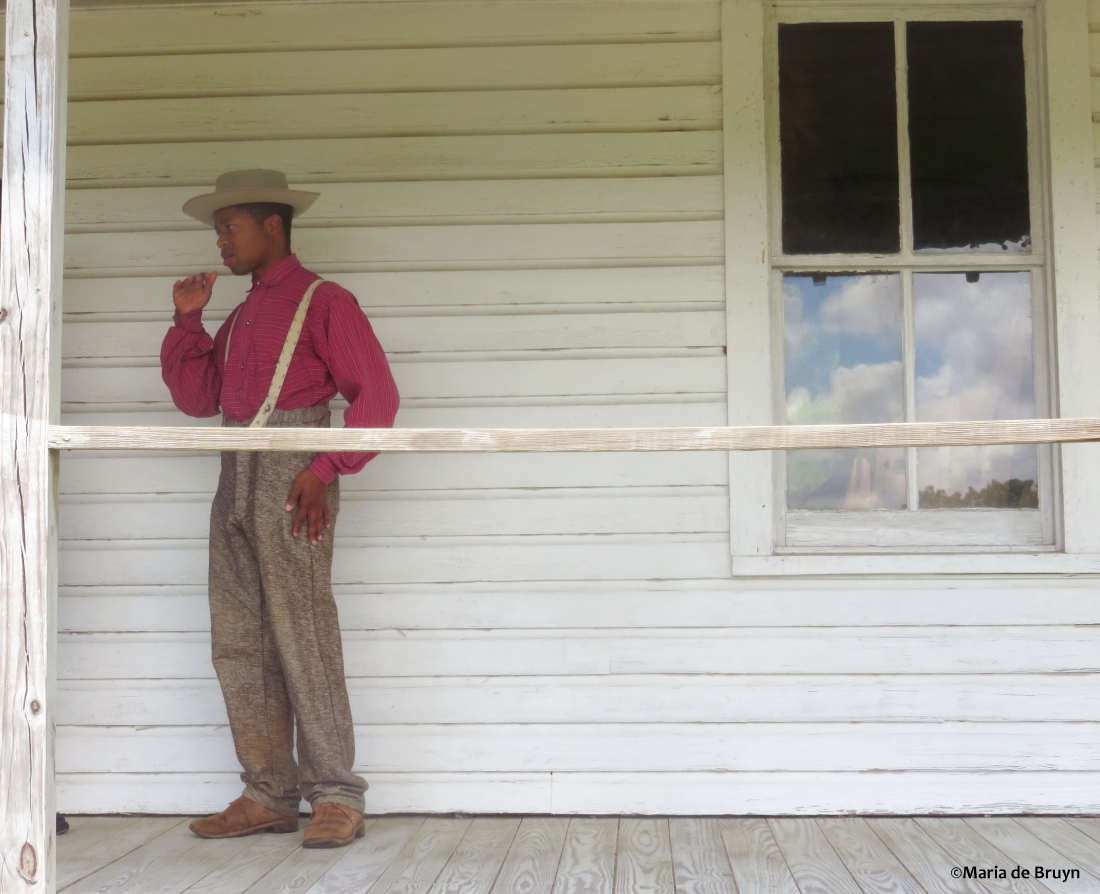
volunteer IMG_3788© Maria de Bruyn resSeveral weeks ago, in honor of Juneteenth, the local Triangle Land Conservancy partnered with the Stagville Foundation to inform people about the remnants of a former plantation and its surrounding meadows and forest. I attended and was indeed educated and enlightened about the local history and excited by the local wildlife.

Juneteenth (June 19th) is the oldest celebration commemorating the end of slavery in the United States. “Historic Stagville” was once the largest plantation in the state of North Carolina. The almost 30,000 acres were tended by some 900 slaves, most of whom lived in family groups as the plantation owner families tended not to sell the laborers they “owned”.

Stagville IMG_3824© Maria de Bruyn res Stagville IMG_3747© Maria de Bruyn res

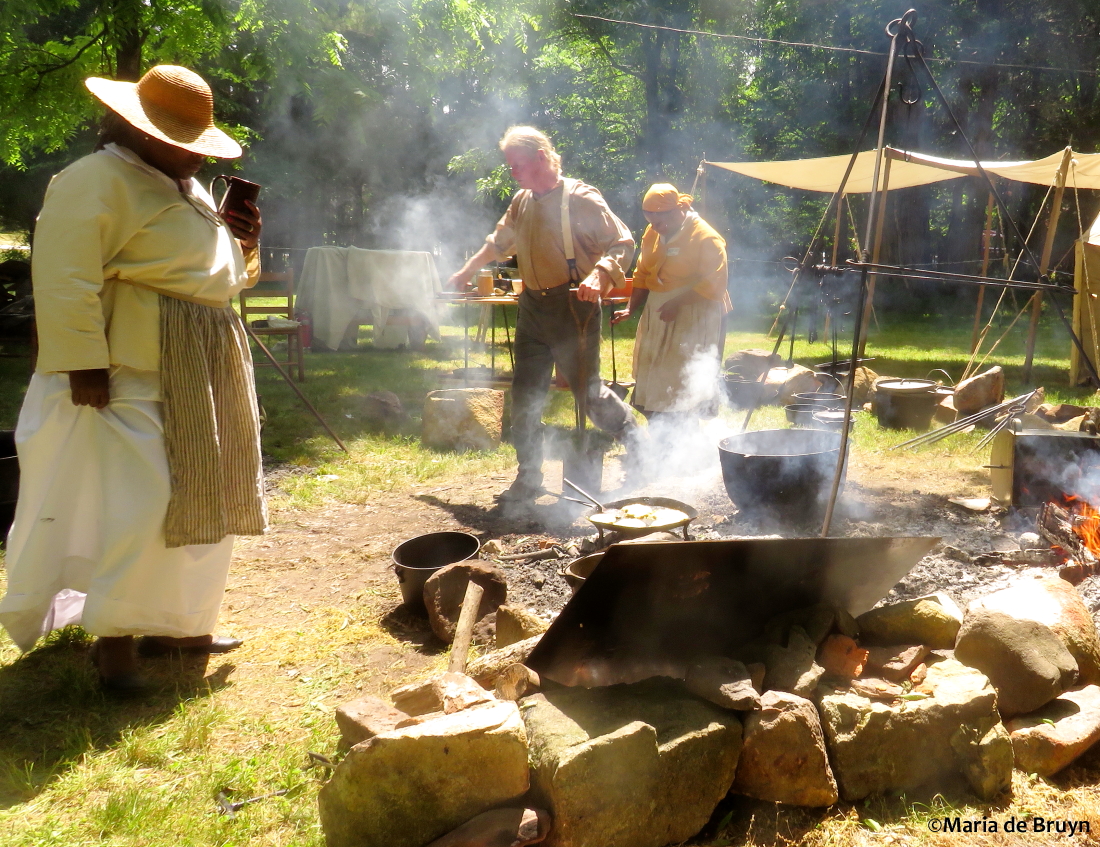
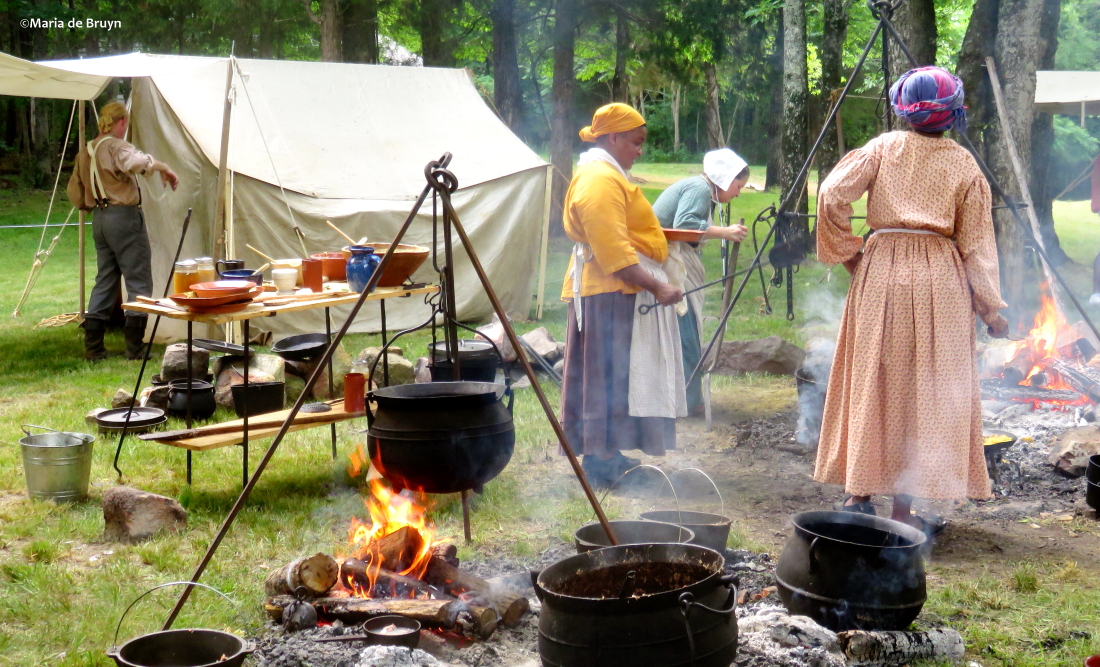
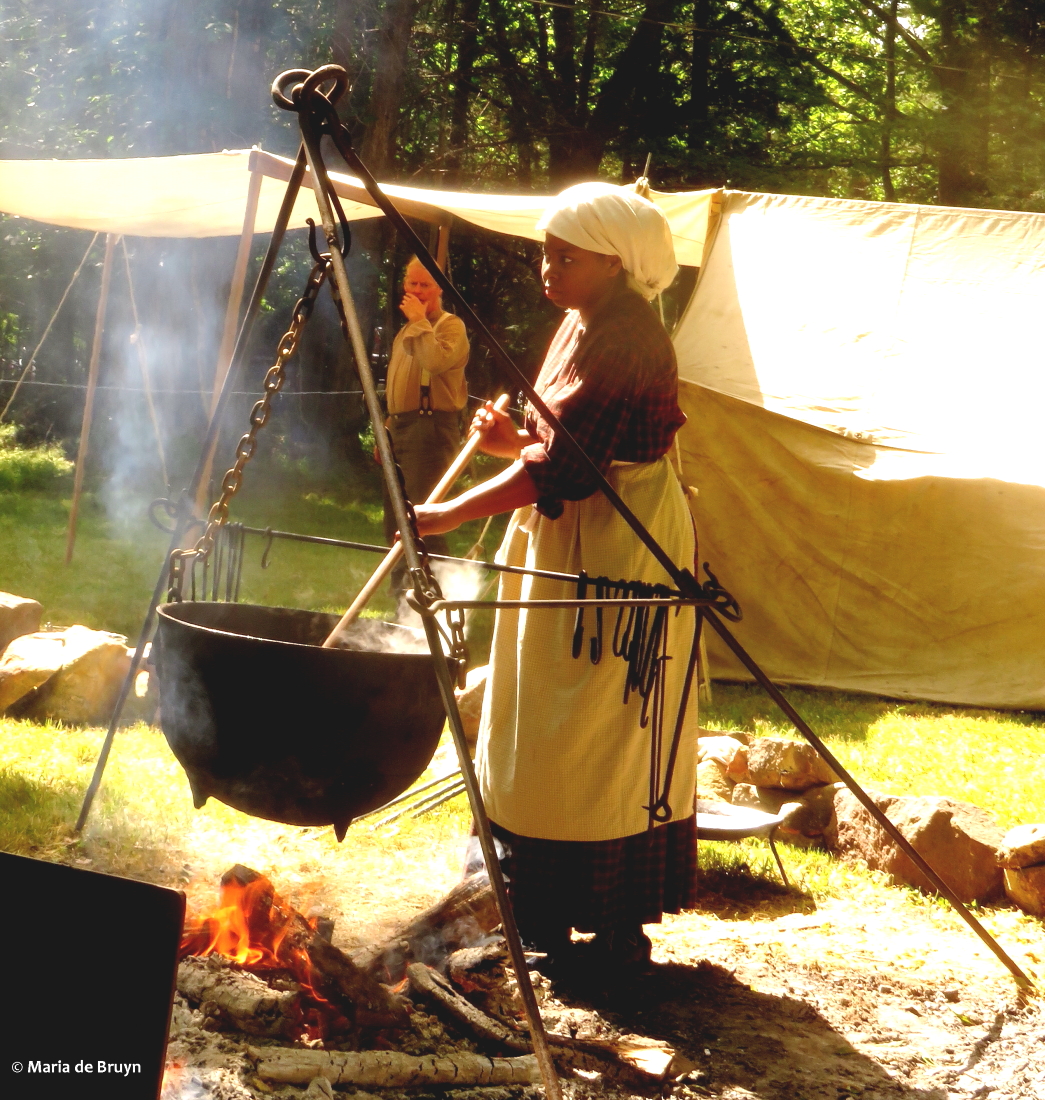
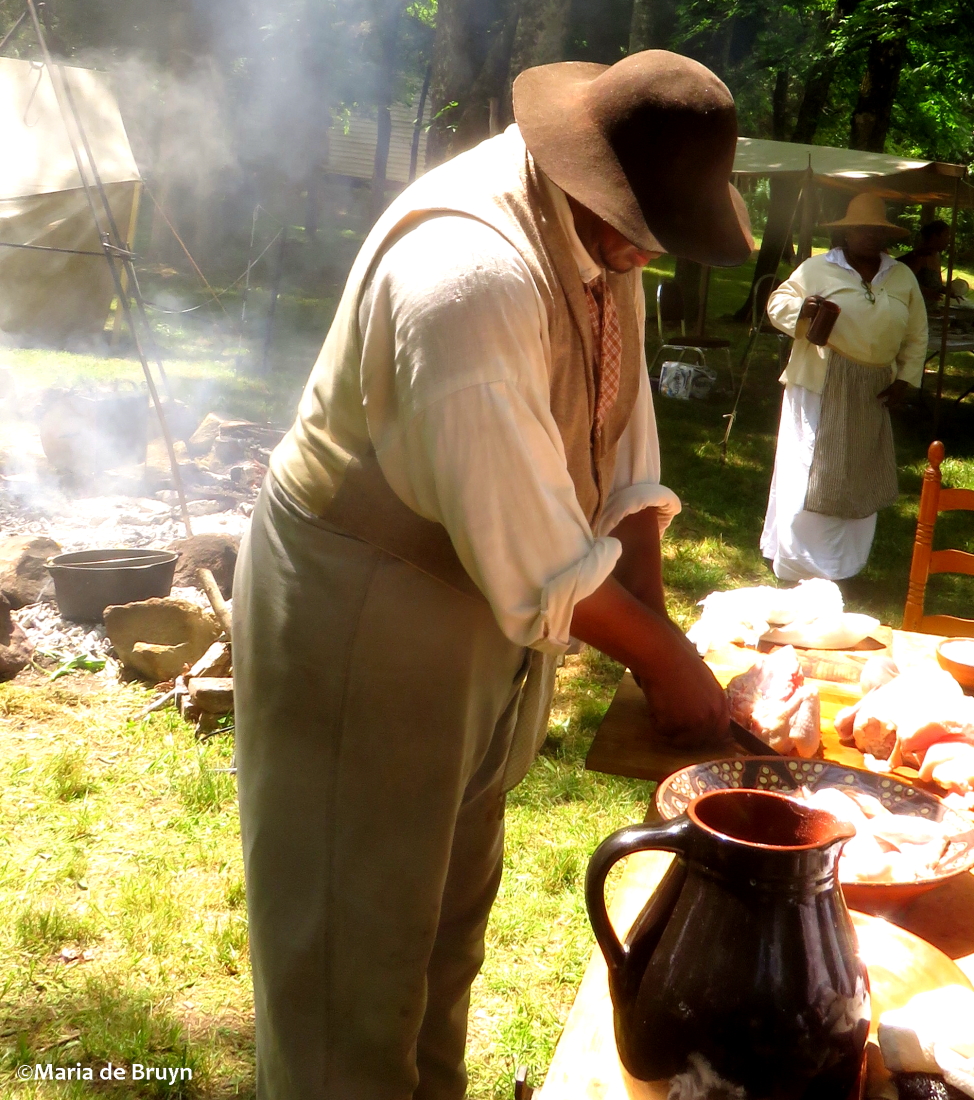
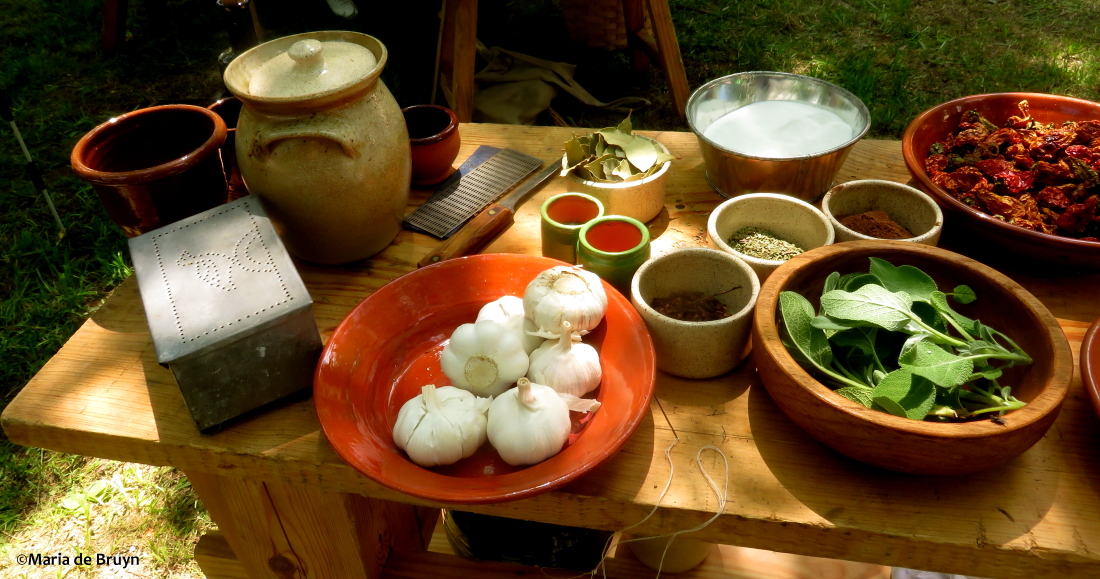
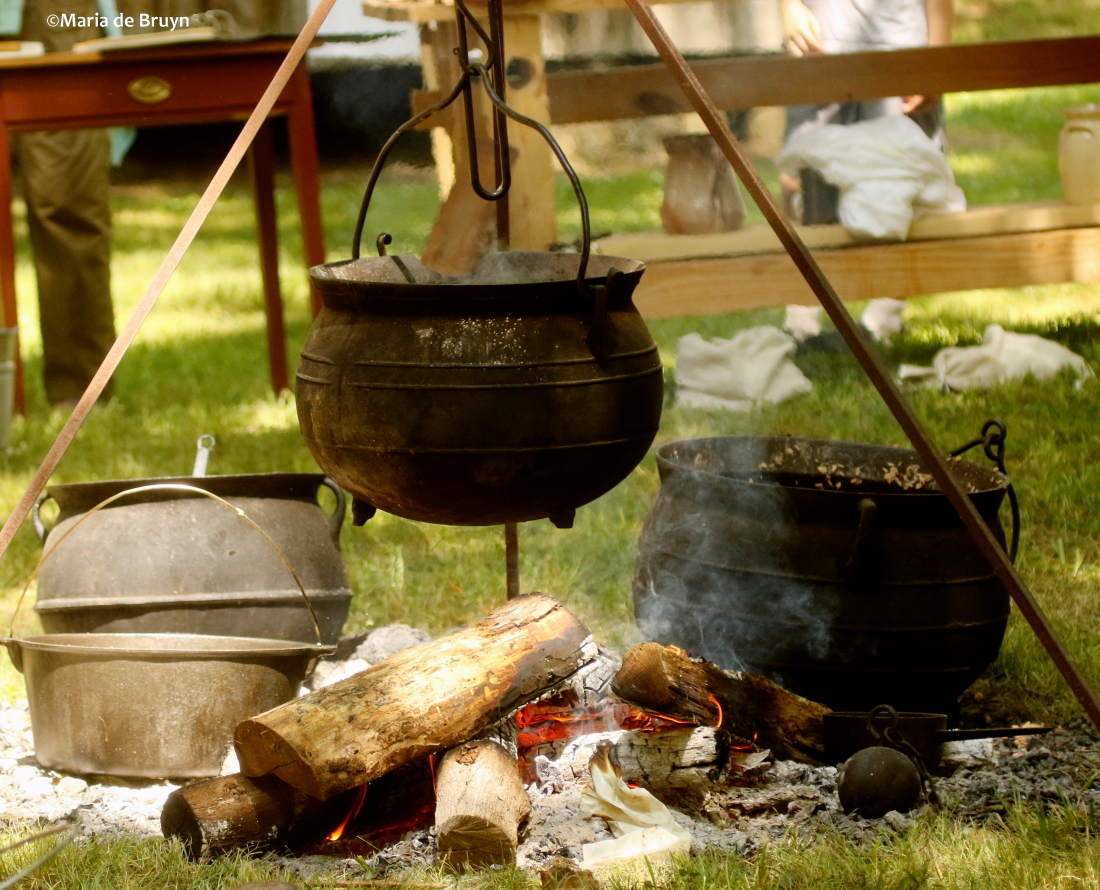
Local volunteers were dressed in period costume and demonstrated Southern cooking as they prepared a one-pot (non-vegetarian) meal for visitors and a more sumptuous traditional dinner to be served to all the volunteers at the end of the festivities.

Stagville IMG_3813© Maria de Bruyn res Stagville IMG_3810© Maria de Bruyn res

Stagville DK7A4791© Maria de Bruyn resThey cooked over open fires and explained which local vegetables they were using to prepare the dishes.

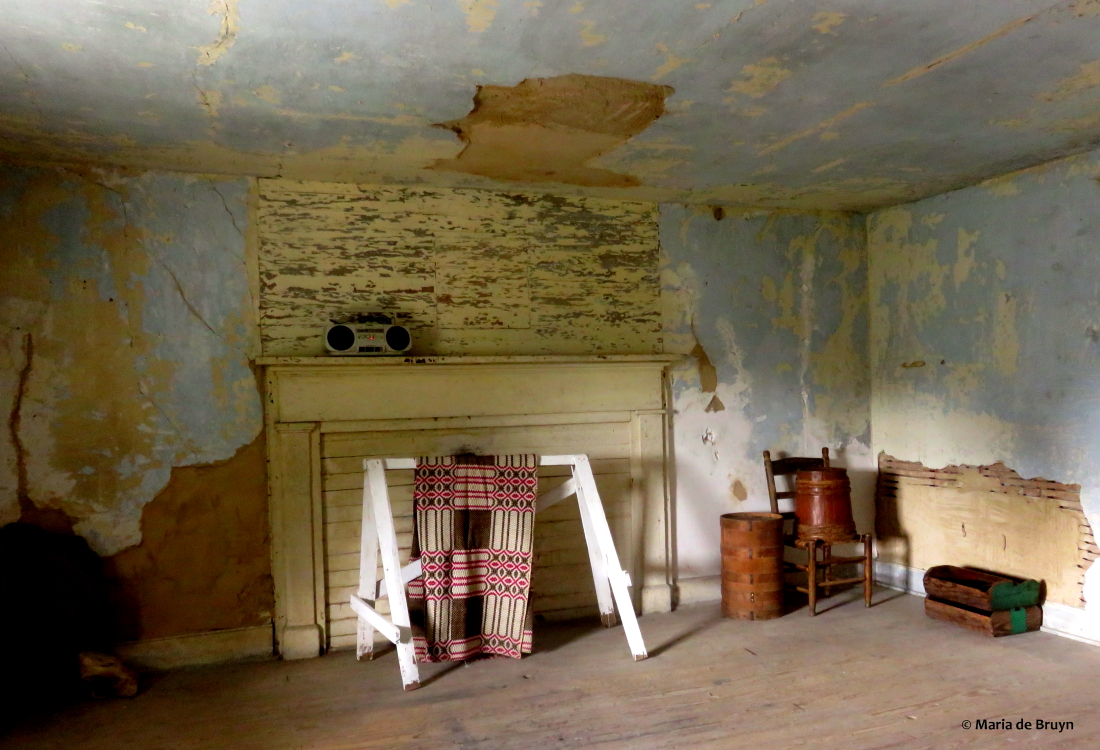
Meanwhile, other volunteers gave us some history about Stagville as we visited the Great Barn, one of the multifamily houses built for slaves and another home constructed by freed slaves who became sharecroppers after the US Civil War ended. The structures were produced by the slaves, who included a number of skilled craftsmen.
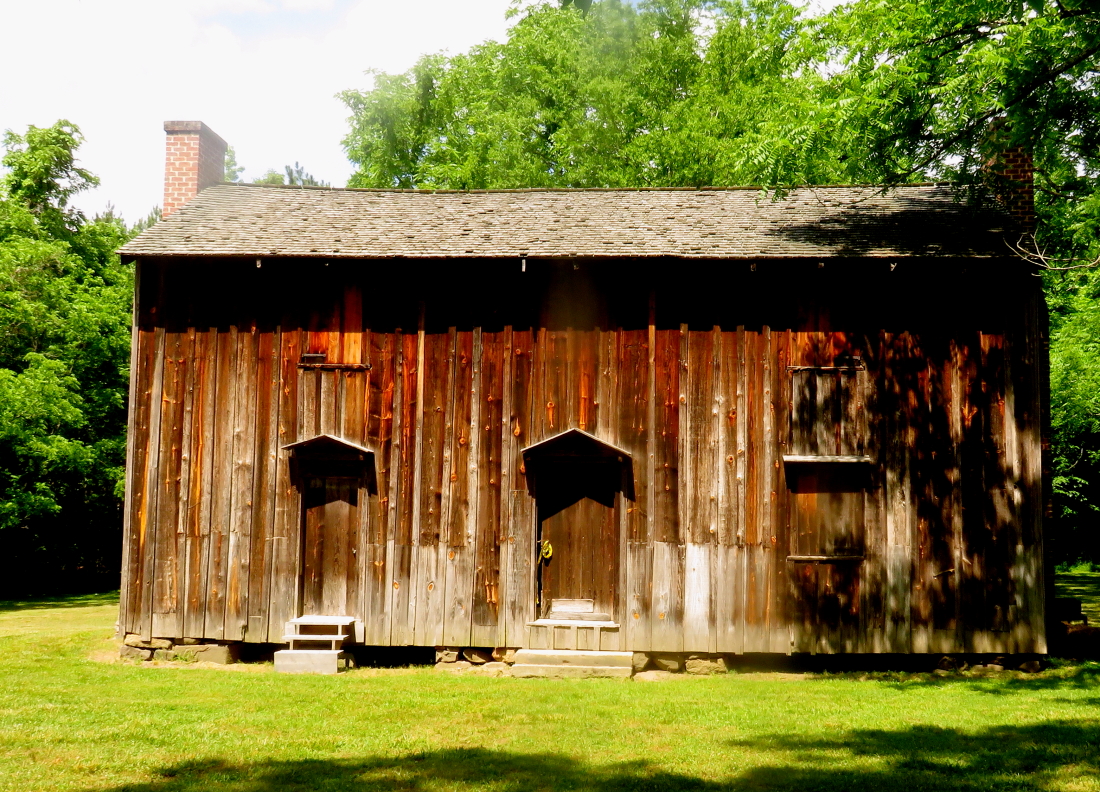
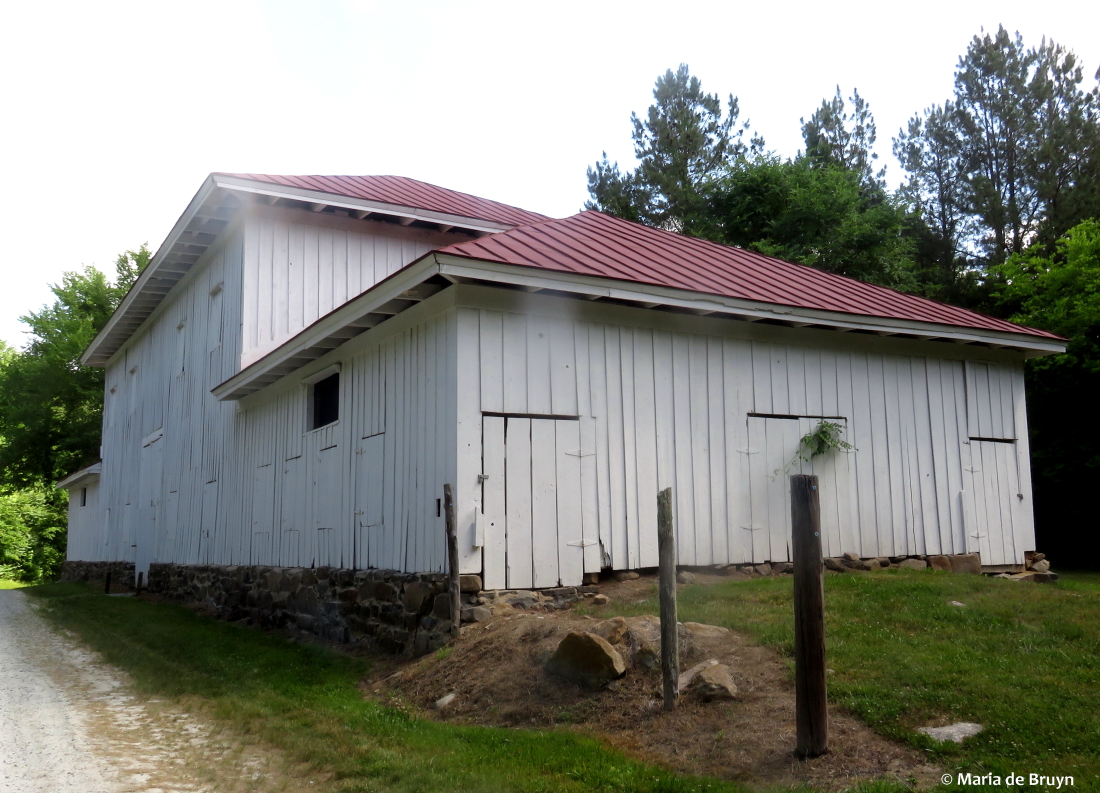
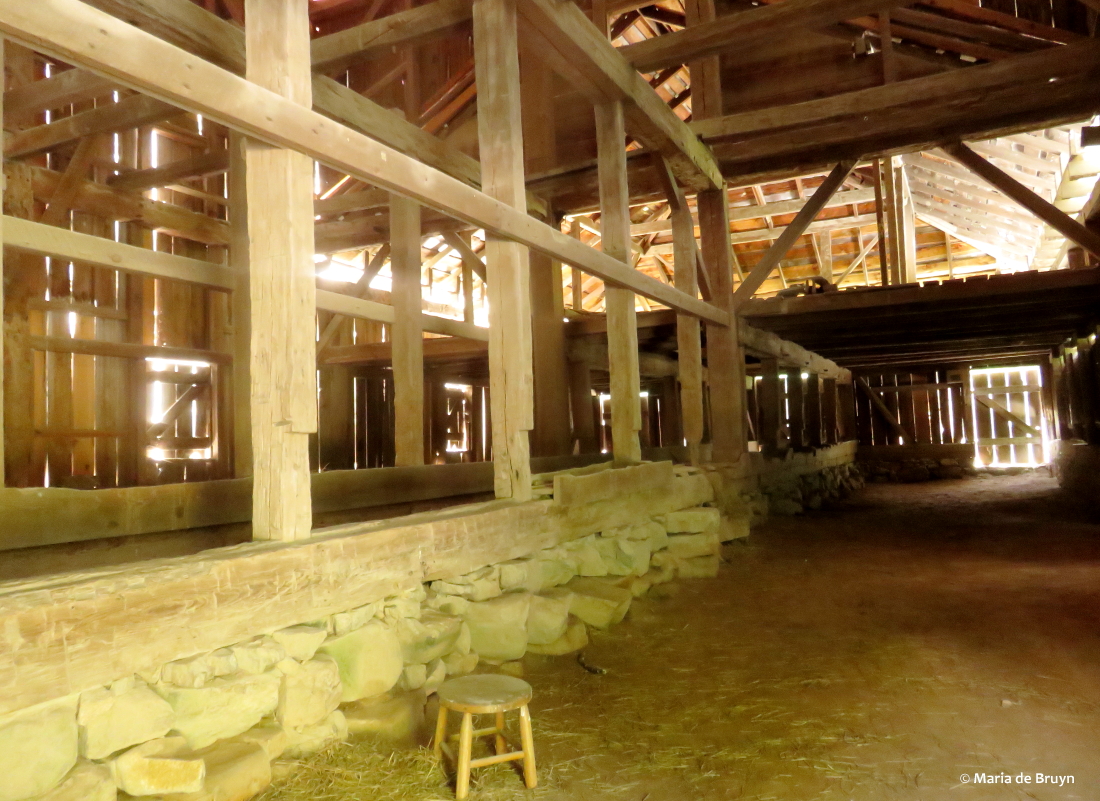
great barn IMG_3759© Maria de Bruyn resThe 3-story Great Barn was the largest structure of its kind when it was built in the space of five months in 1860, housing some farming tools and equipment but primarily serving as an enclosure for 75 mules.


Great barn IMG_3721© Maria de Bruyn resGreat barn IMG_3728© Maria de Bruyn res Great barn  IMG_3720© Maria de Bruyn res

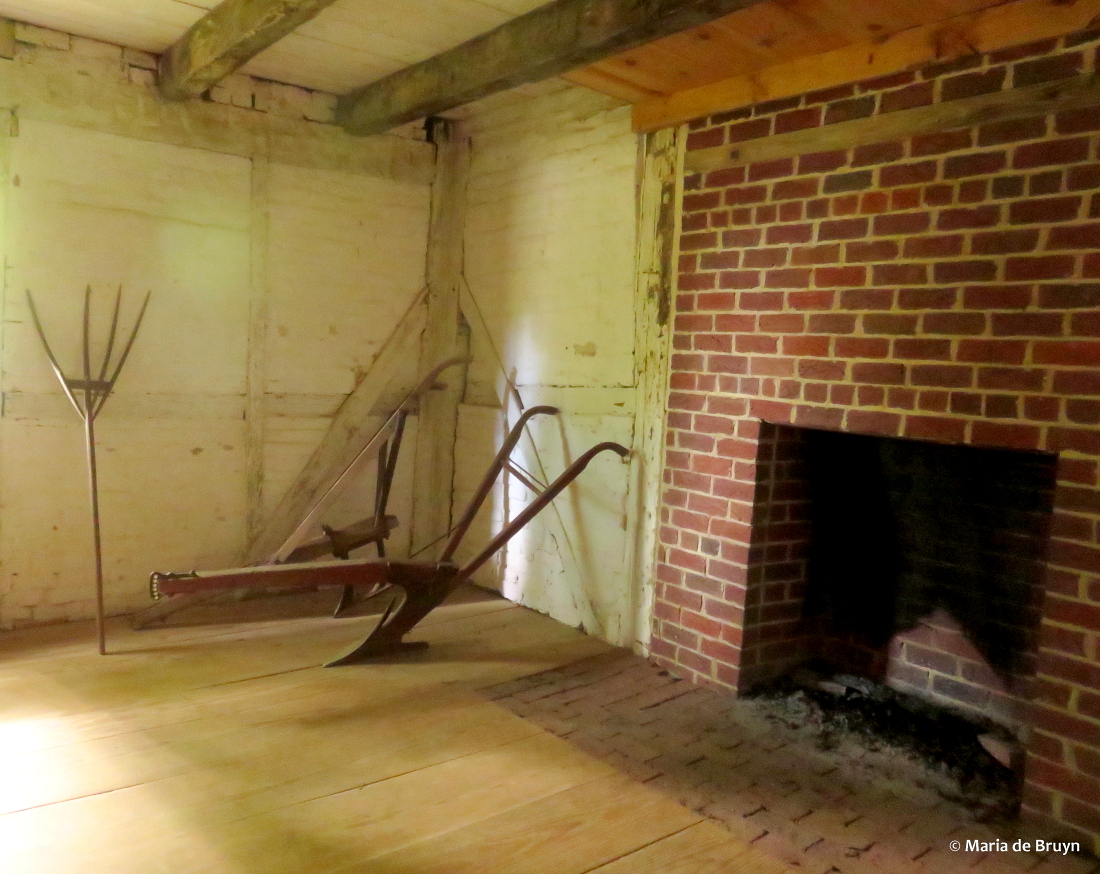
slave house IMG_3791© Maria de Bruyn resThe houses for the slave families were well built with wooden floors and fireplaces. This was not benevolence on the part of the plantation owners but done from an economic perspective – it would cost less to have the workers housed a bit decently rather than to have to pay medical bills to keep them healthy enough for labor.

Slave house IMG_3750© Maria de Bruyn res sharecropper house IMG_3752© Maria de Bruyn res

A couple slaves were freed before emancipation and a very few escaped. In North Carolina, some slaves were taught to read and write and letters written by two individuals who left Stagville provide some written history about the conditions there. Today, some descendants of freed Stagville slaves still live in this area.

slave house IMG_3771© Maria de Bruyn res quilt IMG_3779© Maria de Bruyn resquilt IMG_3780© Maria de  res

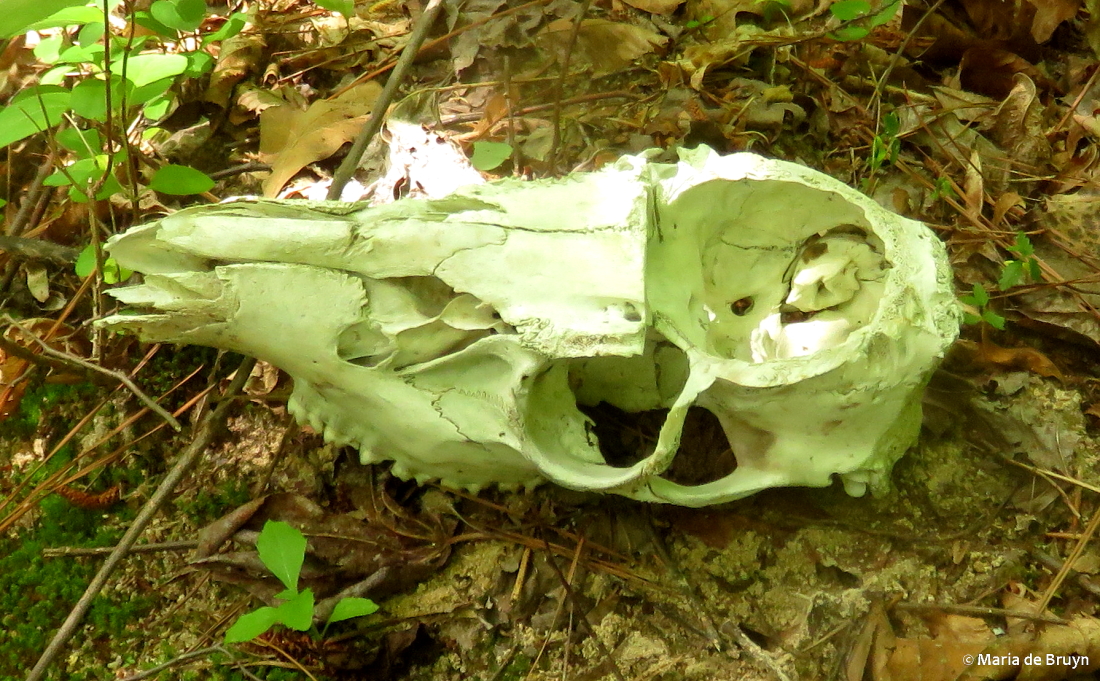
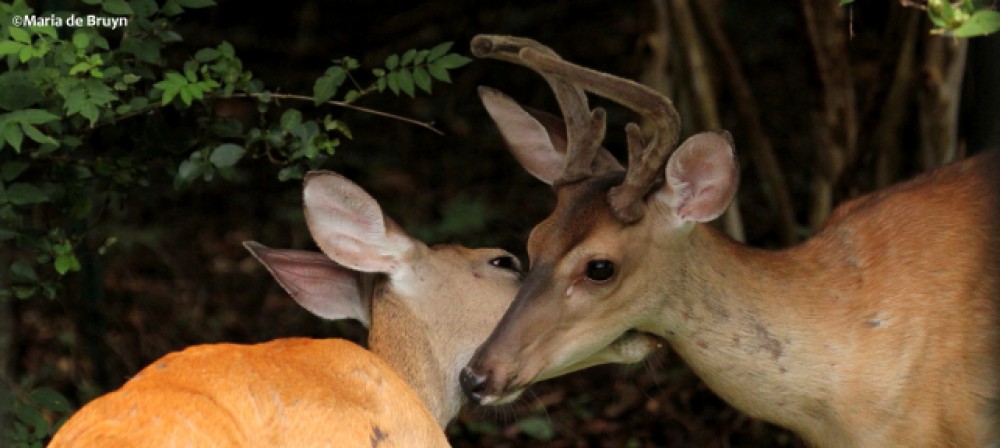
deer skull IMG_3770© Maria de Bruyn resAfter the tour of the remaining buildings and seeing two quilts on display in the sharecropper home open to the public, I joined a few others for a walk through the surrounding forest. We came across the skull of a white-tailed deer (Odocoileus virginianus) with an odd shape – the Conservancy tour guide explained that the top of the deer’s head had been sawed off so a hunter could take home its antlers.

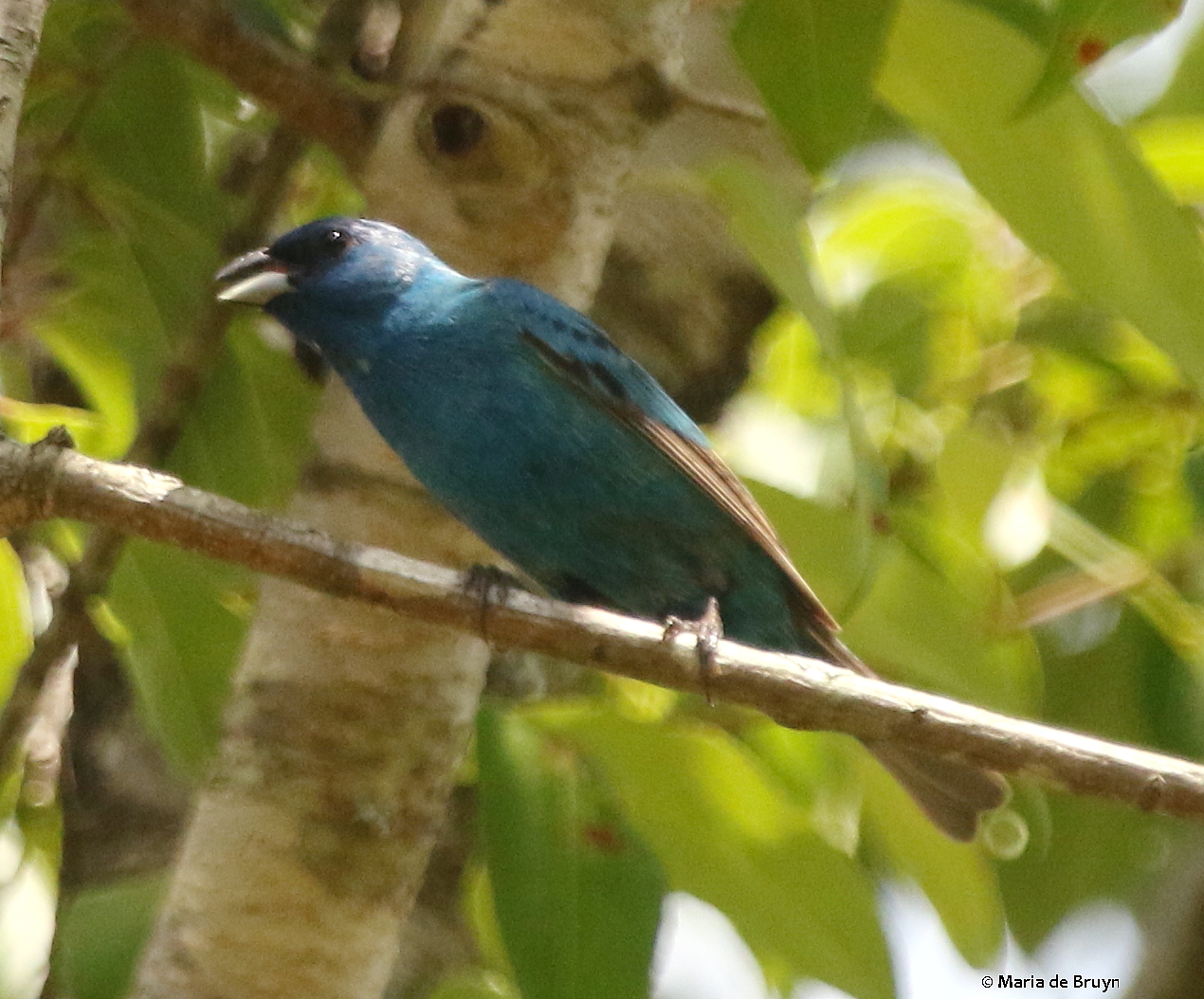
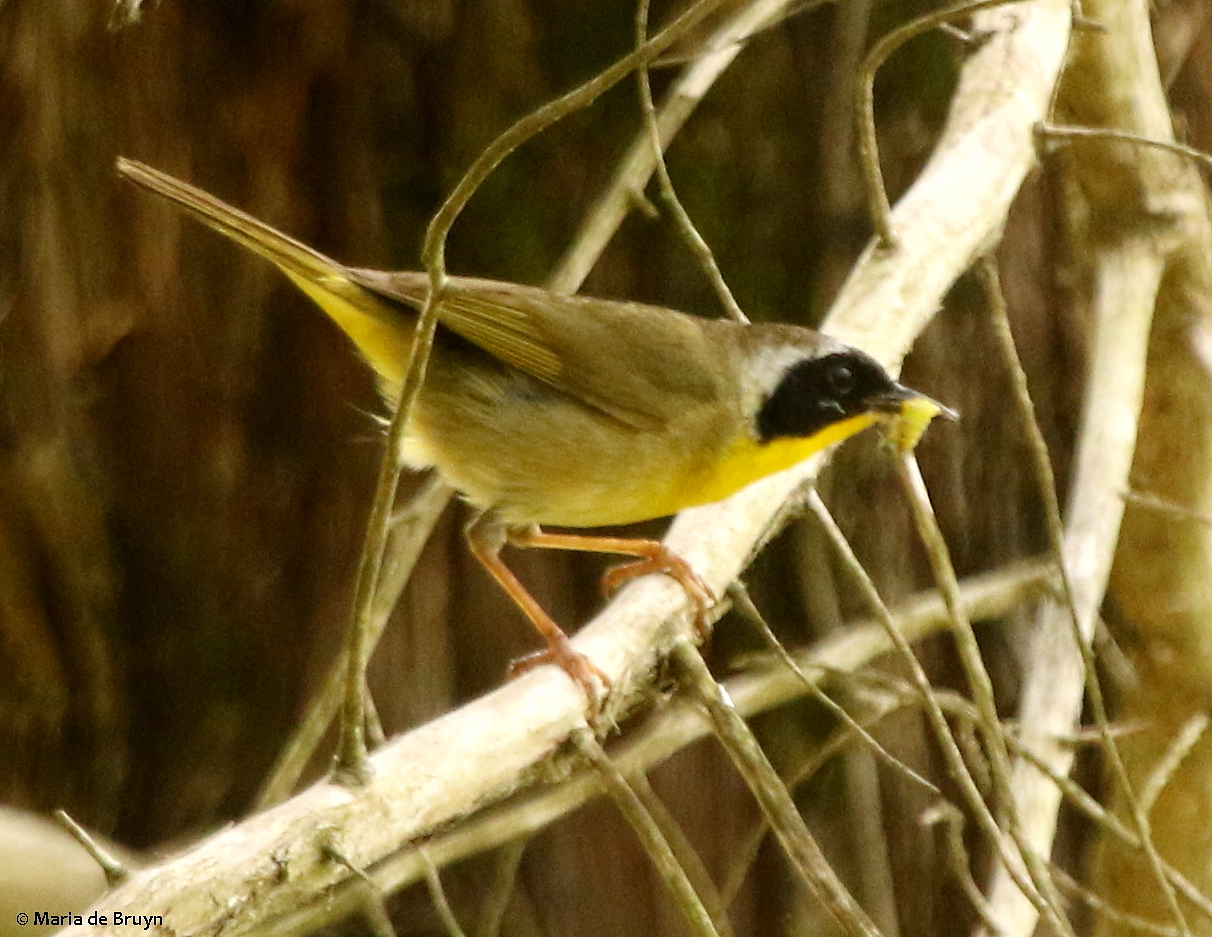
Indigo bunting DK7A4816© Maria de BruynAfter the walk, I went on to the Horton Grove Nature Preserve, up the road from Stagville. The walking and hiking trails are all named after slave families that lived on the plantation.  For example, the Justice trail commemorates a family that included a man who was interviewed for a slave narrative project in 1937. I saw some indigo buntings (Passerina cyanea), who sang loudly, a couple red-eyed vireos (Vireo olivaceus) who were collecting nest materials, and a male common yellowthroat (Geothlypis trichas) who was having a meal.
red-eyed vireo DK7A4922© Maria de BruynCommon yellowthroat DK7A5611© Maria de Bruyn

Some great spangled fritillary butterflies (Speyeria cybele) were very busy feeding in a part of the meadow that was crowded with common milkweed flowers (Asclepias syriaca) in full bloom.

great spangled fritillary DK7A5377© Maria de Bruyn res great spangled fritillary DK7A5350© Maria de Bruyn res


great spangled fritillary DK7A5011© Maria de Bruyn resGreat spangled fritillary DK7A5052© Maria de Bruyn res

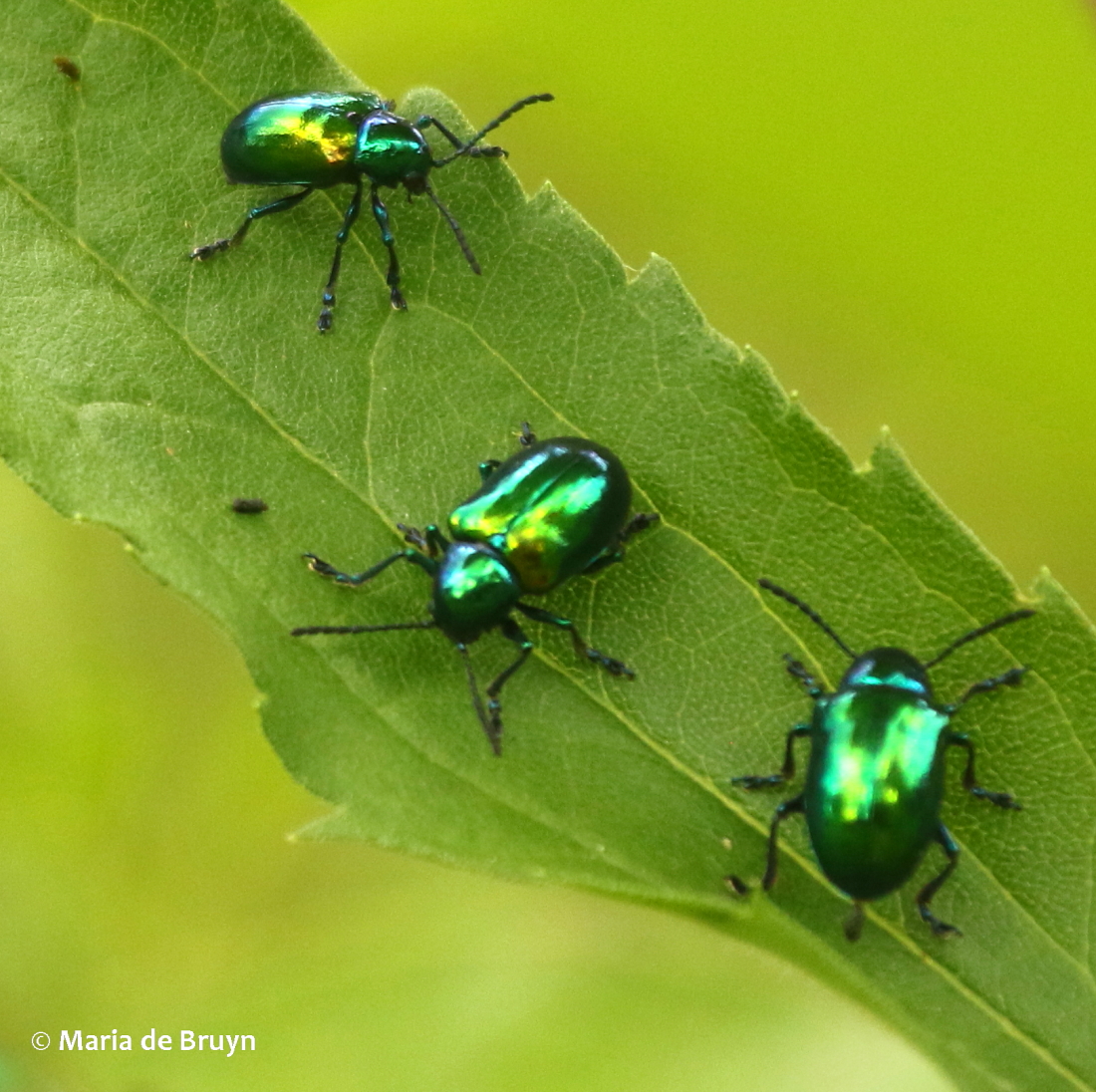
The dogbane beetles (Chrysochus auratus) were numerous and looking for mates as they trundled around on the dogbane plants (Apoynum cannabinum).

dogbane beetle DK7A5209© Maria de Bruyn resdogbane beetle DK7A5441© Maria de Bruyn

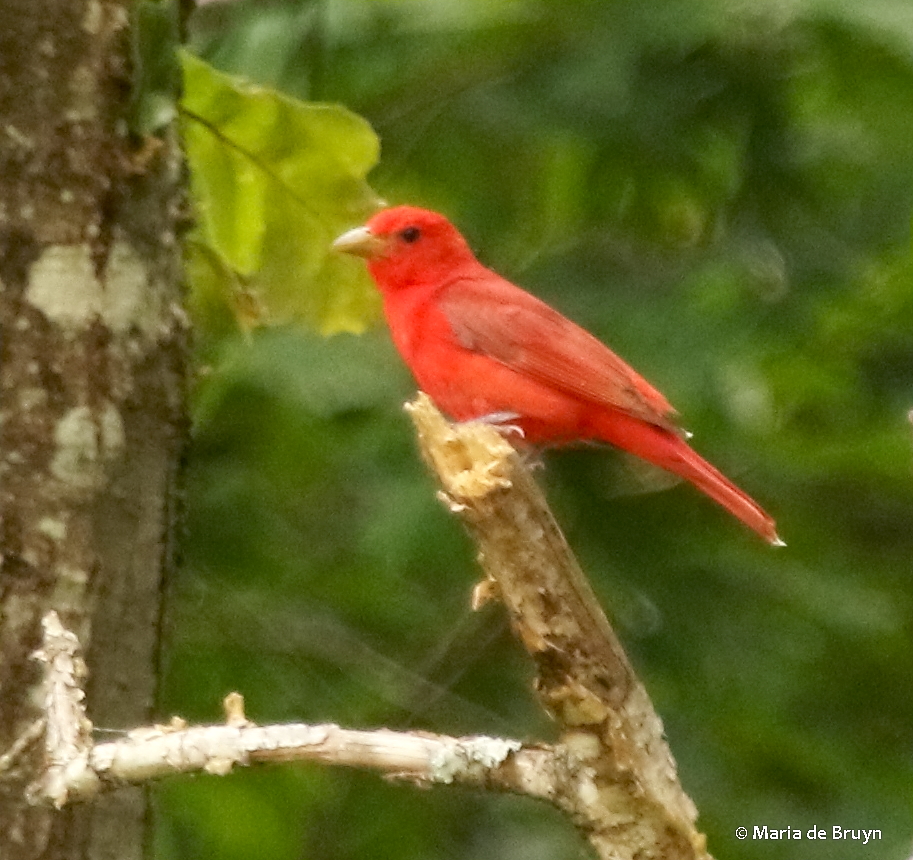
summer tanager DK7A5572© Maria de Bruyn


The morning ended with a brief glimpse of a male summer tanager (Piranga rubra) in the distance, a bright note to end the outing.


volunteer IMG_3782© Maria de Bruyn resUnfortunately, recent events in Charleston have emphasized once again that the racism underlying the system that created Stagville still exists and still leads to violence against non-Caucasian people. This blog does not intend to imply that the Stagville plantation and its heritage contribute to making my world more beautiful – what IS beautiful is the way in which the Stagville Foundation volunteers work to inform and educate others about the history that affects our current society.

We must all continue to address the aberrations of hatred and discrimination based on race (and other culturally assigned characteristics such as gender and ethnicity) and work to educate ourselves, our fellow adults and young people on the need to simply treat everyone as we personally wish to be treated — we are all part of the human race and no other “races” (should) matter.


It’s a bird! No, it’s not! It’s an insect??!!

Clearwing moth first photo©Maria de BruynSeveral years ago, as I was beginning to photograph wildlife more seriously, I became quite excited at the North Carolina Botanical Garden. Buzzing around some profusely blooming flowers was what I thought might be the smallest hummingbird I had ever seen. I was not used to taking shots of something that was in almost constant motion, but I persisted until I got photos that made it at least a little recognizable. I lost the original photo when both my computer and my back-up hard drive crashed at almost the same time, but I “rescued” one of those first photos from a Word document.

Hummingbird clearwing moth brown IMG_2701 M de Bruyn resizedI soon learned that what I had seen was actually an insect – a hummingbird clearwing moth (Hemaris thysbe) to be precise. This is likely one of the first insects that I ever got enthusiastic about.

I have seen a second, similar, species called the snowberry clearwing moth (Hemaris diffinis), seen below.


Snowberry clearwing moth IMG_8436dddd nr MdBSnowberry Clearwing moth IMG_8492

So, how do you tell the species apart? The snowberry clearwing has a dark band running from its eye down its throat and thorax and its legs are black, while the hummingbird clearwing lacks the thick dark band and has yellowish or paler legs.

snowberry and hummingbird clearwing moths IMG_7461©Maria de BruynresSome people identify these moths as bumblebee mimics, which also makes sense since they are similar in size to bumblebees. Here you see a hummingbird clearwing moth next to a silver-spotted skipper butterfly (Epargyreus clarus, one of the smaller butterflies).

Snowberry clearwing moth IMG_8252dnr MdBAnd here you see a snowberry clearwing next to a large milkweed bug (Oncopeltus fasciatus). The adult moths are about 1.25-2 inches (3.18-5 cm) long.

Large milkweed bug and snowberry clearwing moth IMG_6290©Maria de Bruynres

The clearwings have an upper body color that ranges from tan to green. They are quite “furry” and have cute little tufts at their posteriors. Underneath they are pale, whitish or yellowish.

Hummingbird clearwing moth brown IMG_1822 MdBHummingbird clearwing moth green IMG_2200 MdB

Both species have dark abdomens. The juvenile moths have dark wings but scales fall away as they mature leaving clear, transparent, panels in their wings. They would make good subjects for a stained glass artist!

Hummingbird clearwing moth IMG_0027 MdB

Like butterflies, these moths have a long proboscis (tongue) that they can curl up when resting or during flight. The adult moths sip nectar from a variety of plants including Japanese honeysuckle, beebalm, red clover, lilacs, phlox and thistles. In my yard, they are especially fond of the butterfly bushes (Buddleja davidii), which I just discovered can be an invasive plant (so I have to keep them trimmed and make sure to lop off the dried flowers before seeds spread).

Hummingbird clearwing moth IMG_9982 MdBHummingbird clearwing moth green IMG_1955 MdB

Snowberry clearwing moth IMG_4435©Maria de Bruyn resTheir caterpillars are called hornworms as they have a horn at the rear; I have not seen one yet but they must be around somewhere. They pupate in leaf litter and on the ground; since I leave the fallen leaves around, I’ve been providing them with a childhood and adolescent home! And that’s good as I really look forward now to welcoming them to my yard each year!


Hoppers – insects not frogs!

leafhopper IMG_7673©Maria de BruynMuch of the insect world consists of animals that we usually don’t even see or notice because: a) we don’t know they exist and therefore don’t look for them and b) they are tiny and only well visible with an enlarging lens. But once you get a good look at them, they turn out to be fascinating and sometimes quite attractive. One group of these insects is the hoppers – leaf- and planthoppers, that is, like the gray lawn leafhopper (Exitianus exitiosus) to the left.

As their name indicates, leaf- and planthoppers jump to get around, but they also move by flying, scuttling sideways like crabs, or walking slowly or quickly along plant stems and leaves. Both juveniles and adults are very aware of what is around them and if you do manage to spot one, you’ll see that they are watching you and, for example, may move underneath a leaf to get away from you.This broad-headed sharpshooter (Oncometopia orbona) stayed still for a moment.

Broad-headed sharpshooter IMG_9350©Maria de Bruyn (2)

Acanaloid hopper nymph IMG_8738©Maria de BruynLeafhoppers are only 1/16 to 5/8 of an inch (2-15 mm) long. About 20,000 different leafhoppers have been described around the world; they feed by sucking plant sap from grass, shrubs, or trees. Planthoppers, some of which look like leaves and may be a bit bigger, also feed on plants.The nymphs (juveniles) are tiny, too, as seen in this photo where you see my fingertip above the nymph of an Acanaloid planthopper .

Leafhoppers, such as the speckled sharpshooter (Paraulacizes irrorata) below generally have wide, flattened and pointy heads with large eyes.

speckled sharpshooter IMG_1059©Maria de Bruynsigned

Planthoppers come in different forms and, in tropical countries, some of them are quite unique. While many keep their wings flat against their bodies, the derbid planthopper (Mysidia mississippiensis) looks like Derbid planthopper IMG_0717©Maria de Bruyn (2)a delicate little fly while resting.

Leafhoppers’ hind legs are covered with hairs that help them spread a secretion over their body which is water repellant. Some planthopper nymphs’ back legs have gears that help them jump away in the blink of an eye.

Versute sharpshooter IMG_1179©Maria de Bruyn (2) Versute sharpshooters (Graphocephala versuta) in love


Broad-headed sharpshooter 772©Maria de Bruyn

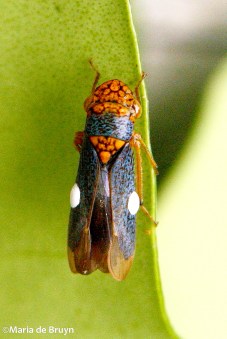
The female broad- headed sharpshooter (Oncometopia orbona) develops white spots on her wings, which are egg brochosomes; these indicate she is ready to oviposit (lay eggs). These spots are made of a white waxy secretion that she places there; they dry to look like “chalky” spots. After she inserts her eggs into a plant, she uses her hind legs to scrape off the brochosomes onto the oviposition site as a way of hiding the eggs from predators.


Leaf- and planthopper nymphs can look as if they are completely different insects from the adult forms. As they mature, they begin to look similar to adults but are often of a different color and don’t yet have full wings. Below you see the colorful adult glassy-winged sharpshooter (Homalodisca vitripennis) and below that some nymphs of this leafhopper.

glassy-winged sharpshooter IMG_8955©Maria de BruynGlassy-winged sharpshooter IMG_8996©Maria de Bruyn

Glassy-winged sharpshooter nymph IMG_9008©Maria de BruynGlassy-winged sharpshooter nymph IMG_8910©Maria de Bruyn

As juveniles, hoppers go through a process called ecdysis. They pass through several stages to reach adulthood, molting and leaving behind their old exoskeleton in order to grow. They are called instars during these stages.

Leafhopper ecdysis IMG_9286©Maria de BruynLeafhopper ecdysis IMG_9325©Maria de Bruyn

Leafhopper ecdysis IMG_9379©Maria de BruynThe instar stages of the same hopper can look very different from one another, including color changes. Some of the nymphs, with their striped faces and big eyes, look to me as if they’d be great models for cartoon characters or Halloween masks like these coppery leafhopper juveniles (Coelidia olitoria).

Coppery leafhopper nymph IMG_9631©Maria de BruynCoppery leafhopper nymph IMG_2058©Maria de BruynCoppery leafhopper nymph IMG_2070©Maria de Bruyn (2)

Acanaloniid planthopper nymph Acanalonia bivittata IMG_8201©Maria de BruynresPlanthopper nymphs, like the two-striped planthopper (Acanalonia bivittata) and the Acanalonia servillei below, are known for producing waxy strands from their bodies which repel water. These strands also help protect them from predators, who might grab onto the showy white hairs, which break off so that the hopper can escape. The nymphs can ultimately be entirely covered in white wax.

Two-striped planthopper nymph IMG_9517©Maria de BruynAcanaloniid Planthopper nymph Acanalonia servillei IMG_8943©Maria de Bruyn

The colors and patterns on the adults can be quite beautiful, especially on the leafhoppers in the area where I live. The planthoppers tend to be white, gray or green. The colors on the coppery leafhopper are wonderful and varied.

Coppery leafhopper IMG_9646©Maria de Bruyn resCoppery leafhopper IMG_2160©Maria de Bruyn

Citrus flatid planthopper IMG_3201©Maria de BruynFlatid planthopper IMG_8772©Maria de Bruyn

Citrus flatid planthopper (Metcalfa pruinosa) and flatid planthopper (Acanalonia conica)

Sharpshooter Sibovia occatoria IMG_0126© Maria de BruynRed-banded leafhopper IMG_6376©Maria de BruynsignedLeafhopper Texananus IMG_1546©Maria de Bruyn

Sharpshooter (Sibovia occatoria), Red-banded sharpshooter (Graphocephala coccinea) and leafhopper (Texananus)

Leaf hopper Chlorotettix IMG_7677 M de BruynLeafhopper - Coelidia IMG_2649©Maria de Bruynhopper 4 IMG_8029©Maria de Bruynsigned
Leafhopper (Chlorotettix), leafhopper (Coelidia) and leafhopper (unidentified species)

As tiny as these insects are, they can be parasitized and play host to even smaller insects. This flatid planthopper (Ormenoides venusta), for example, was carrying red mites that weren’t harming it but hitching a ride. It must be annoying though.

Flatid planthopper Ormenoides venusta IMG_9737©Maria de BruynFlatid planthopper Ormenoides venusta IMG_9763©Maria de Bruyn

hopper 4 IMG_8036©Maria de BruynsignedI imagine there are many more interesting behaviors to observe with the hoppers. Maybe one day I will get a macro lens so that I can really get some good photos of these cute little insects. In the meantime, as there are several thousand species in North America, I can look forward to finding new ones – with my camera in hand as I wouldn’t be able to see anything but specks on plants without it!