A bit late to fellow blogger Denzil’s latest challenge, I still wanted to post some photos of the beautiful autumn colors we are seeing in the Southeast USA. I ended up saving many photos for this, so this will be a 3-part blog: colorful trees, fungi and some autumn creatures and blooms.
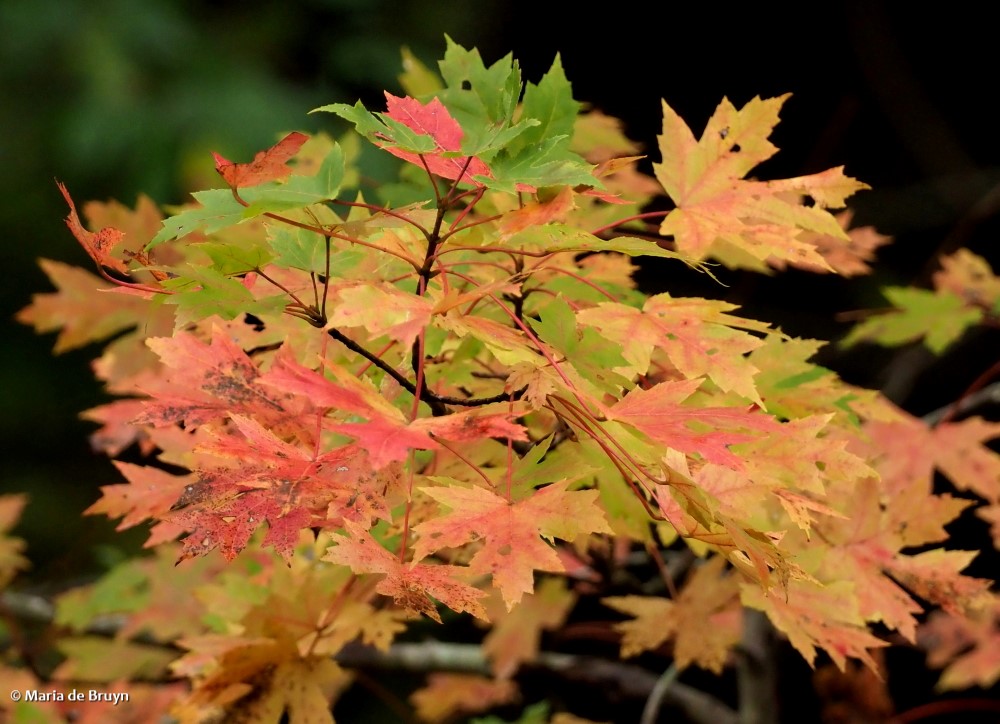
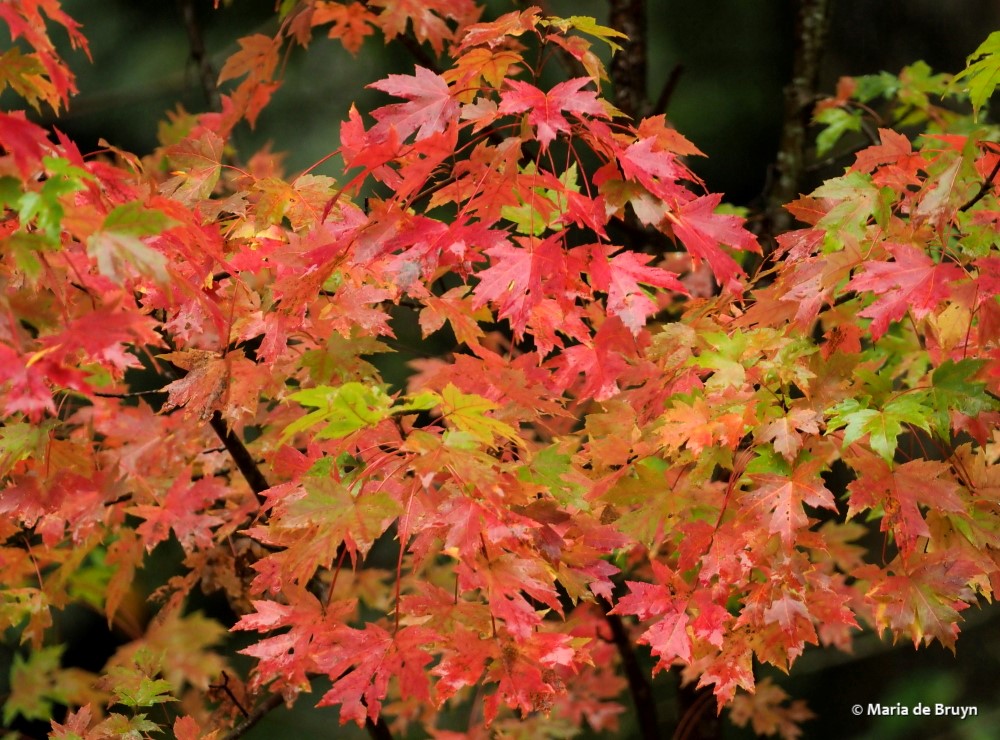
Several trees and shrubs I’ve planted in my yard are quite colorful in autumn to my delight.
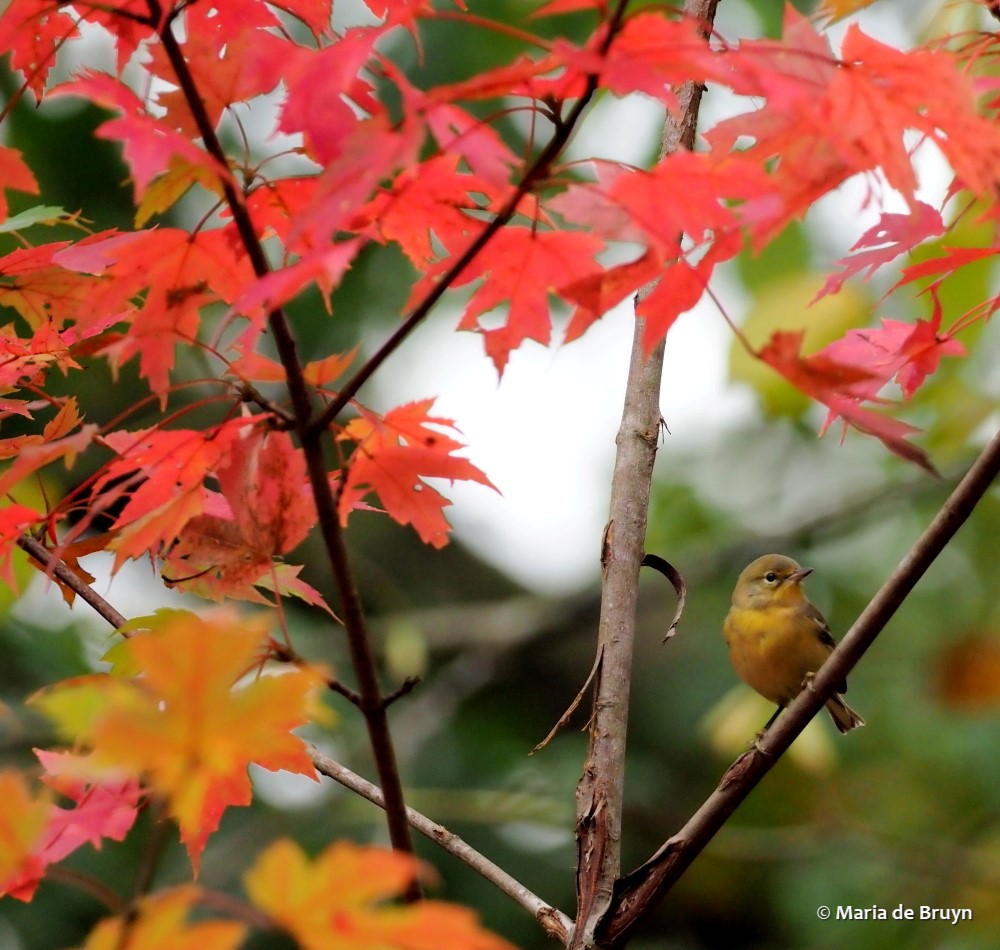
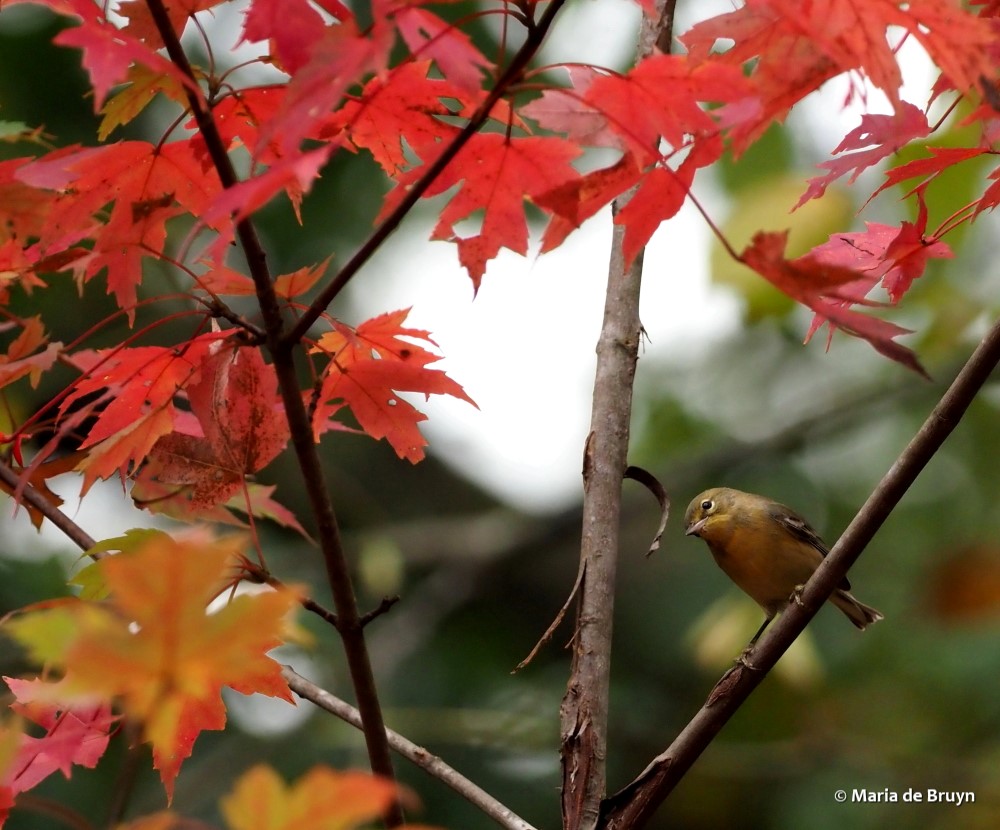
The birds (like the pine warbler above) look lovely in the maples.
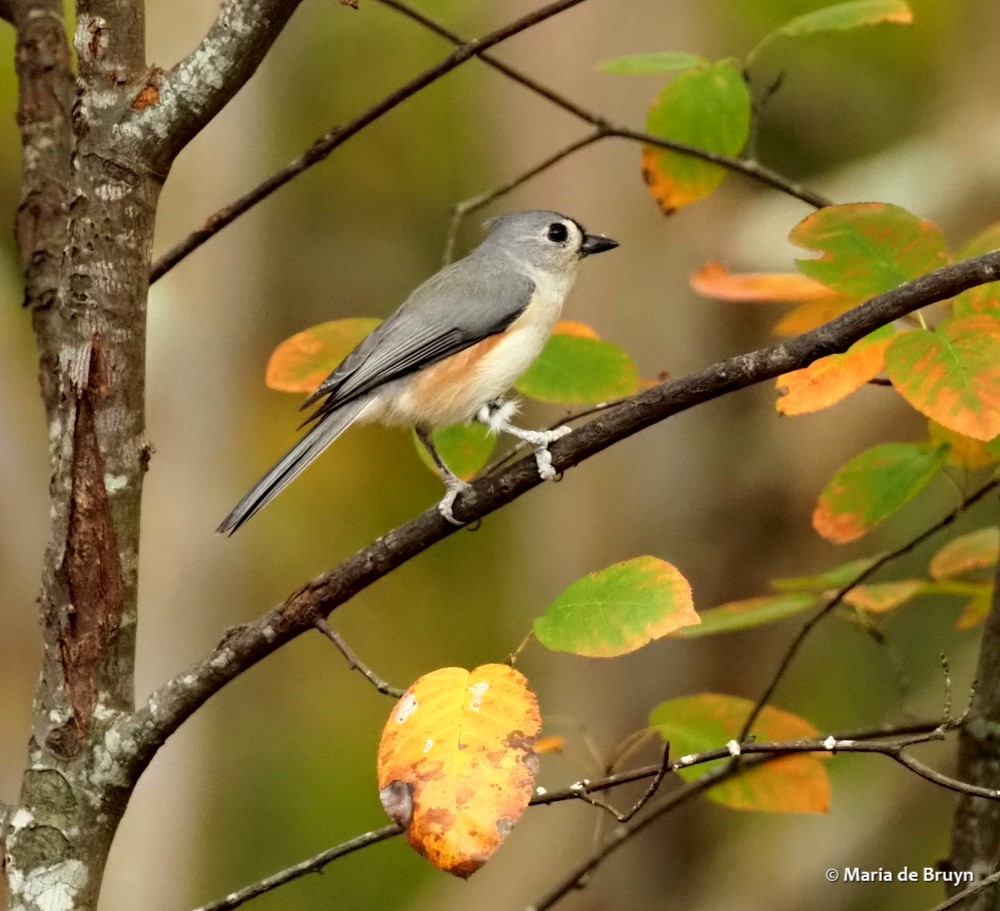
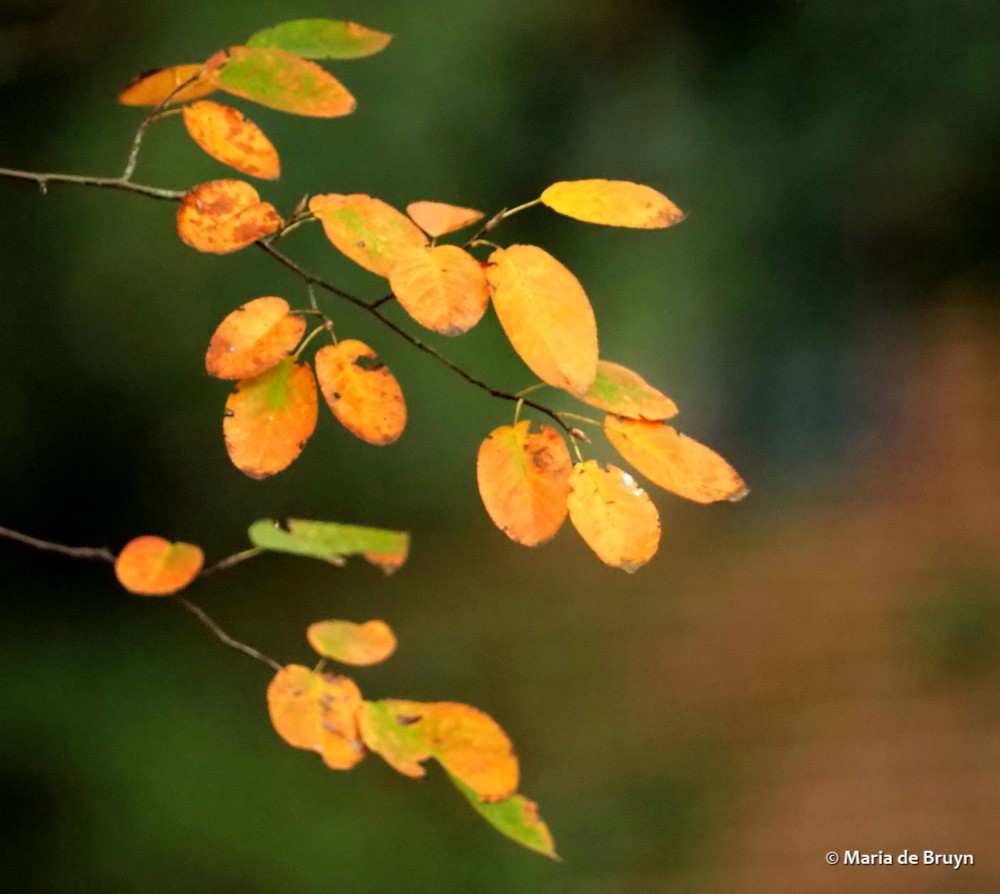 The serviceberries have different hues in their ready-to-fall leaves. The largest one is a favorite spot for birds to perch while deciding whether to visit the feeders or not. (One of the tufted titmice who enjoy the feeders also takes time to preen in this tree.)
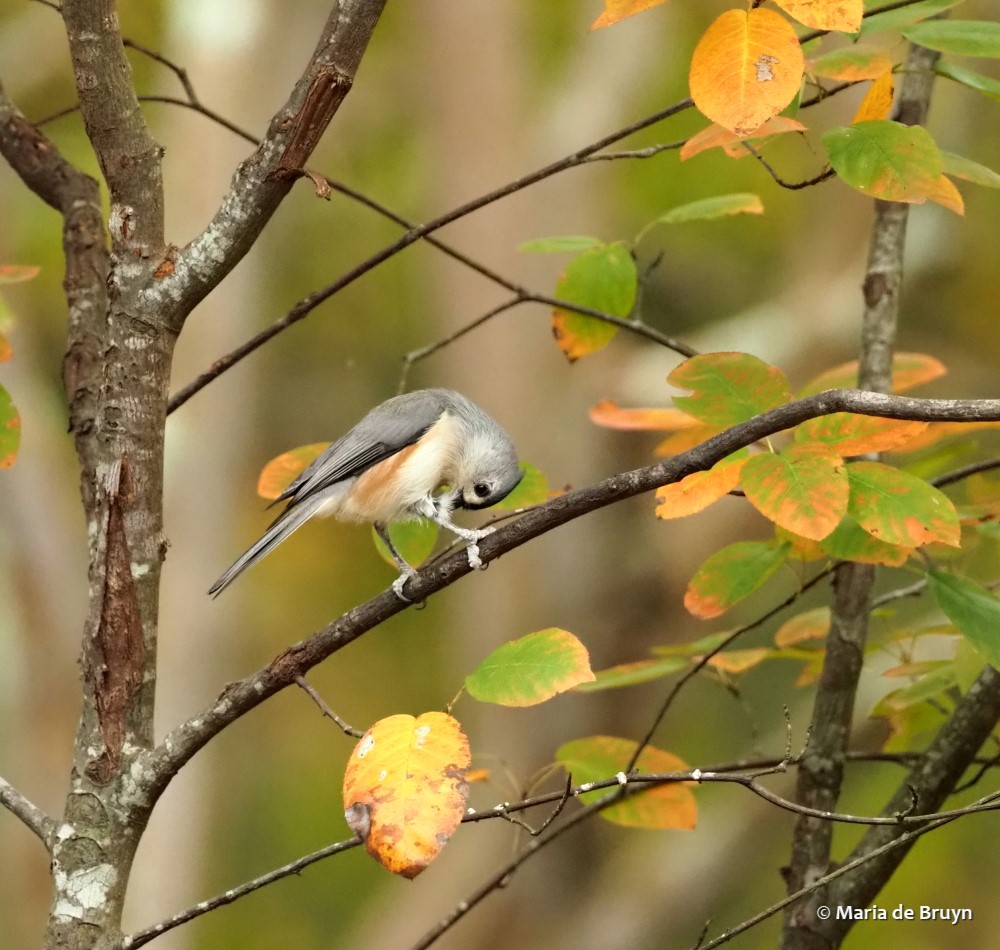
They also just like to stop there to rest, like this downy woodpecker.
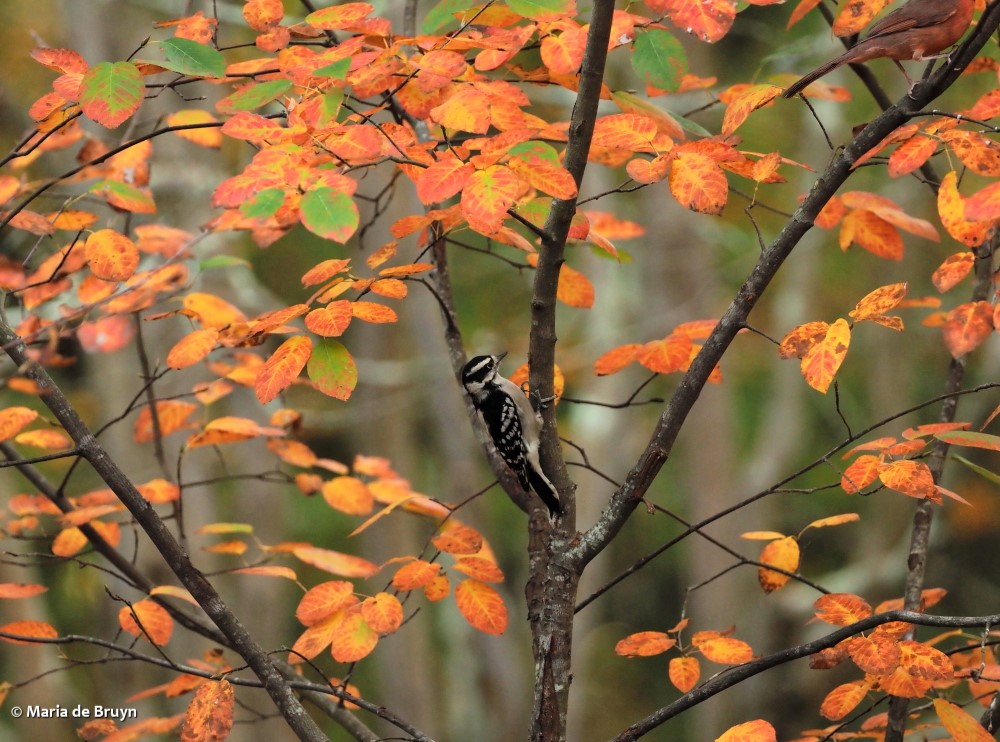
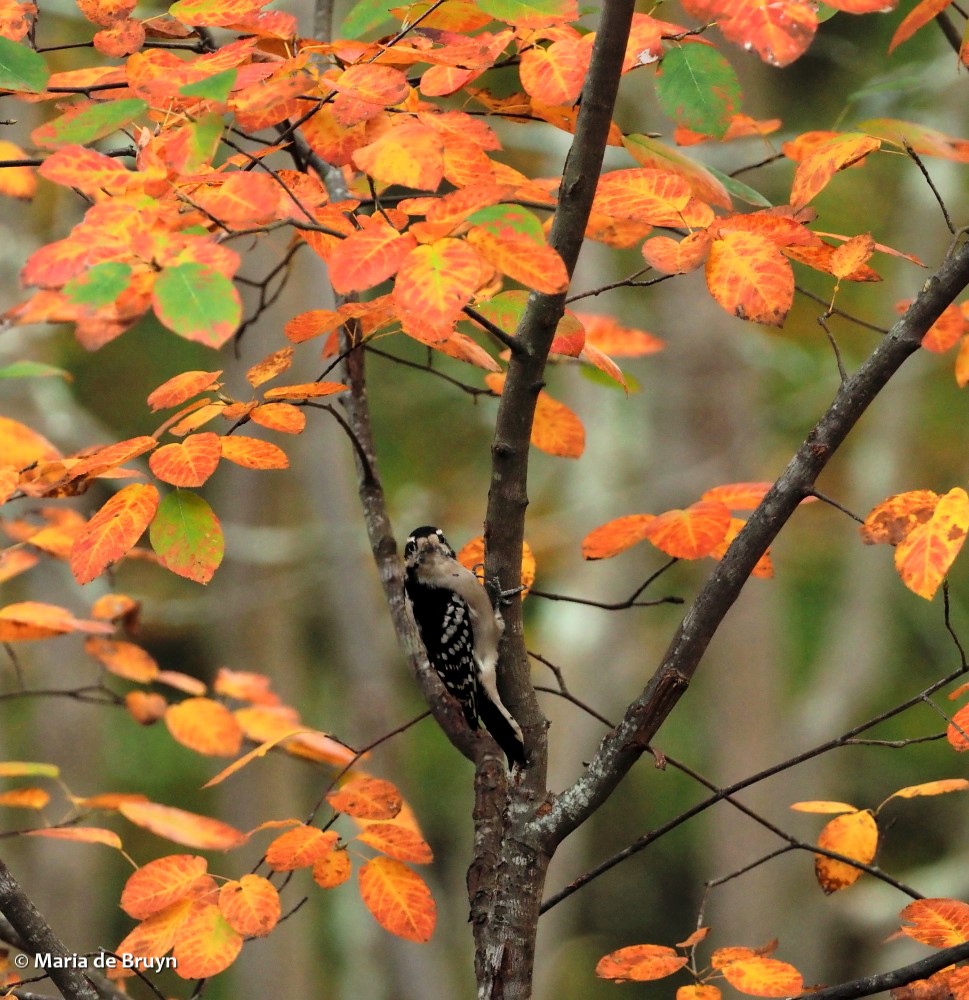
The kousa dogwood is a loner (so far) and not producing berries but it is a favorite perching tree for birds.
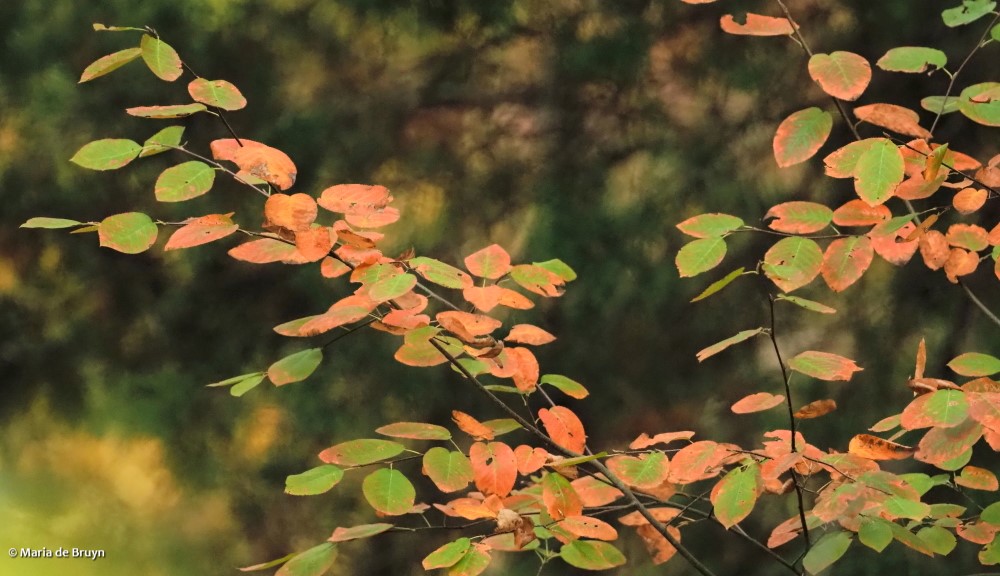
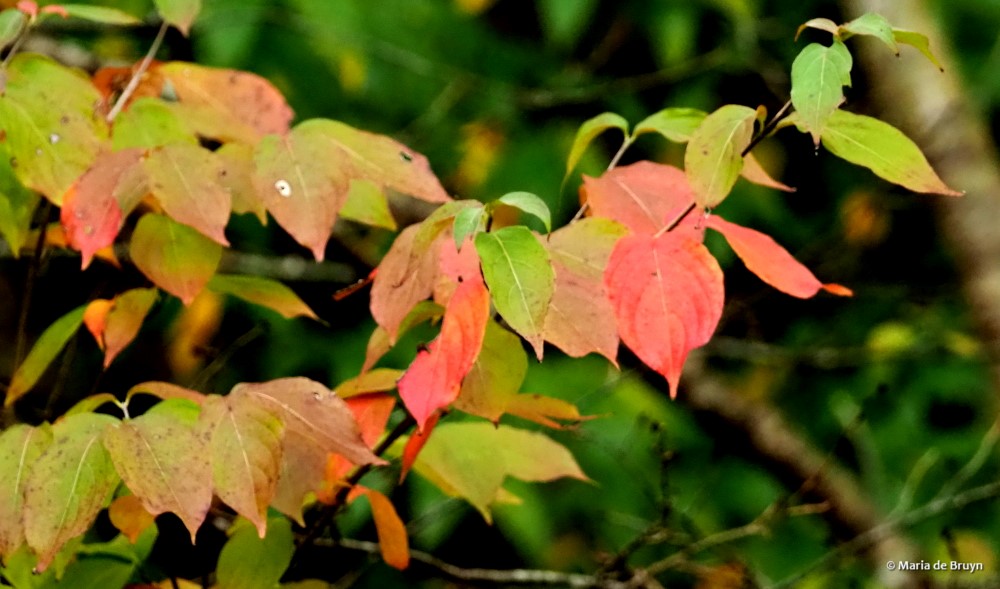
A couple more colorful shrubs and trees in my yard.
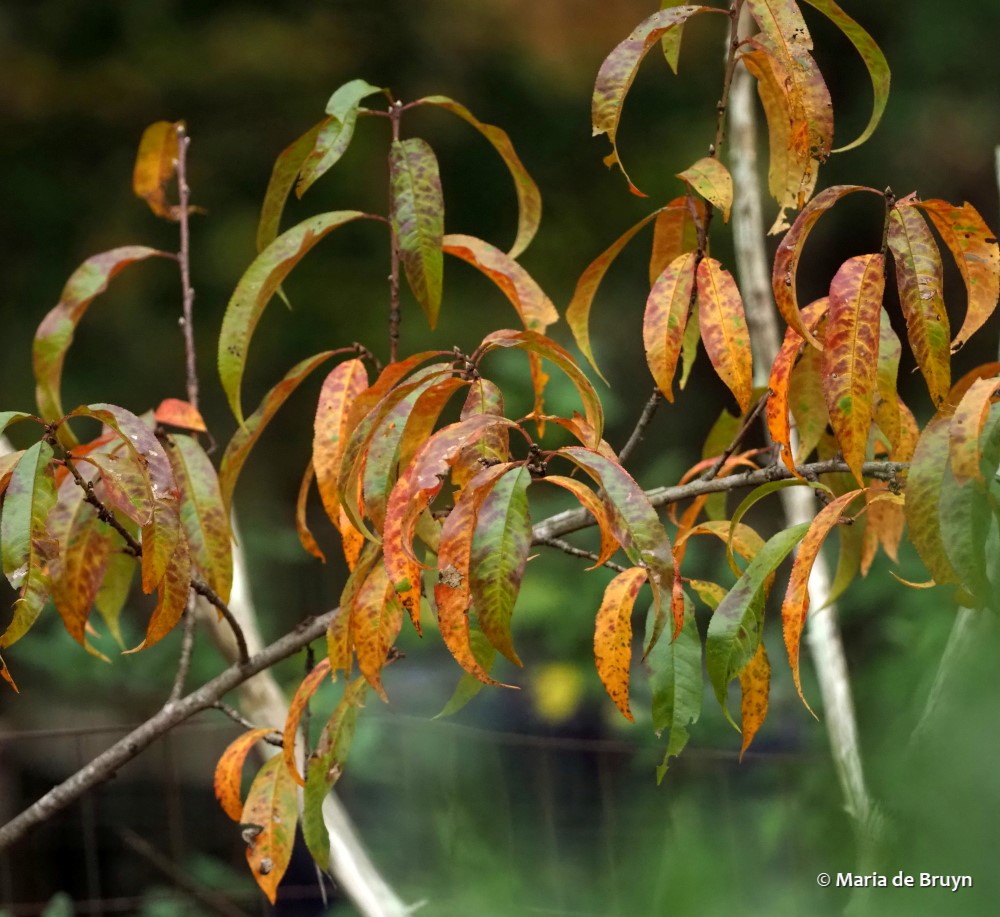
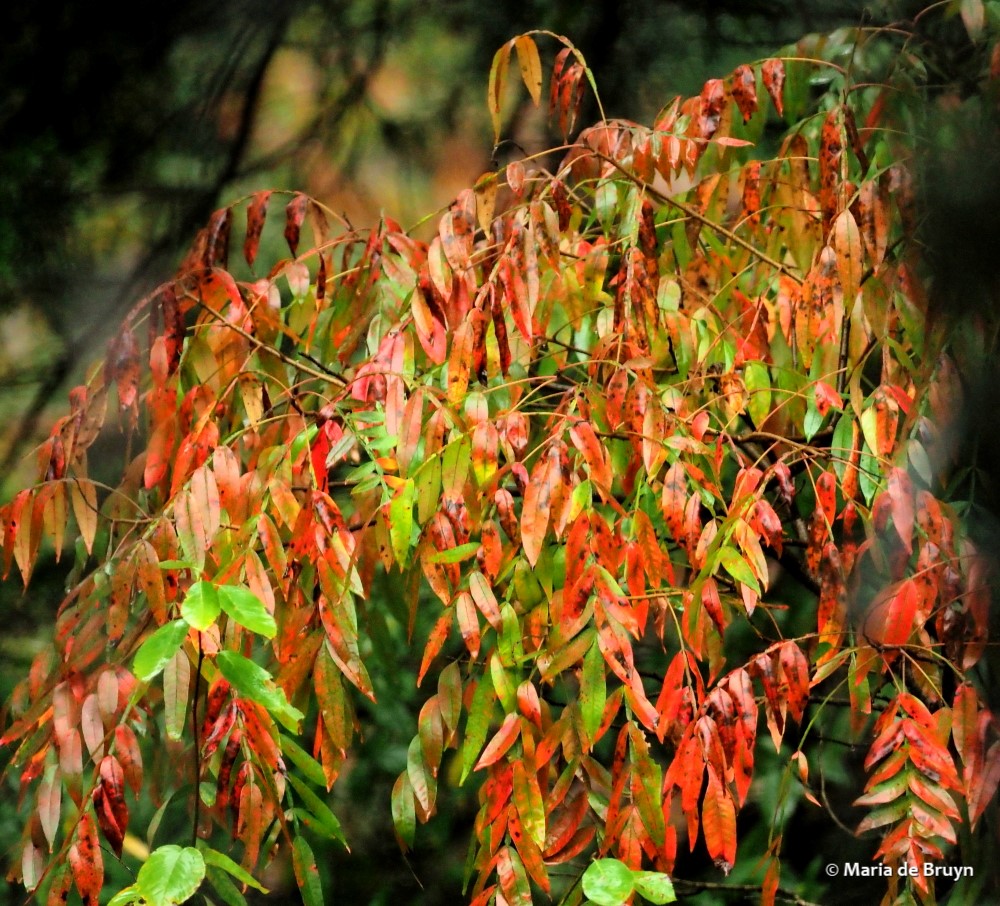
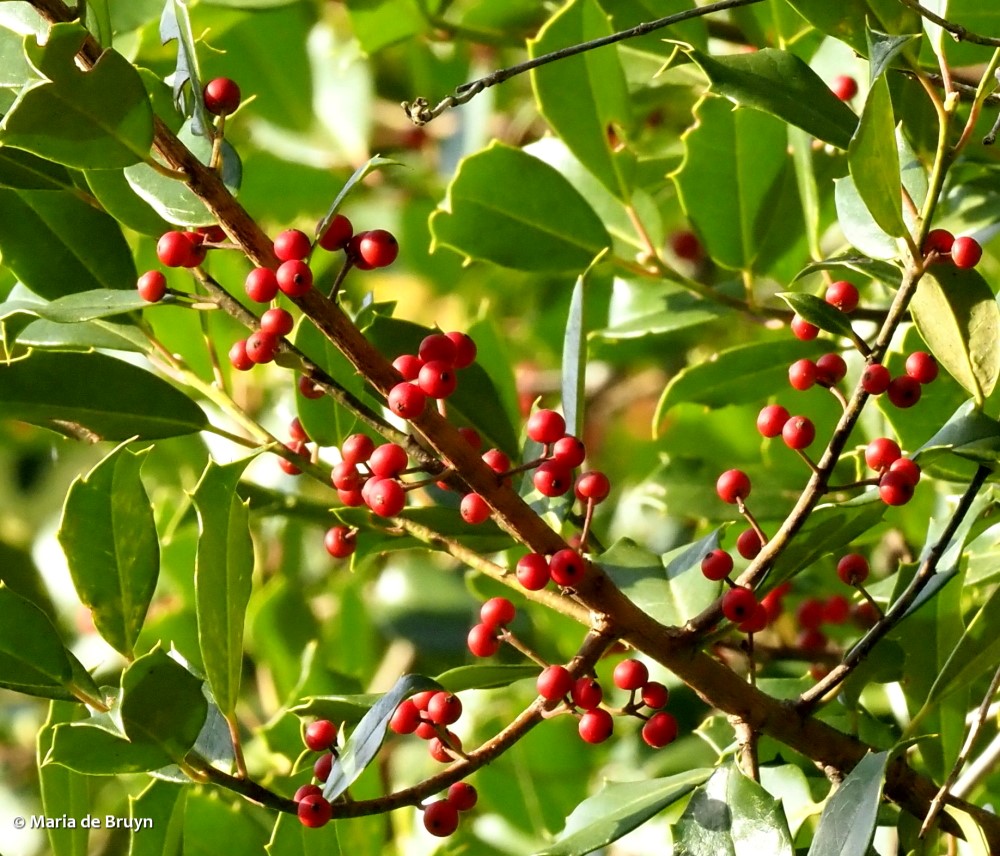
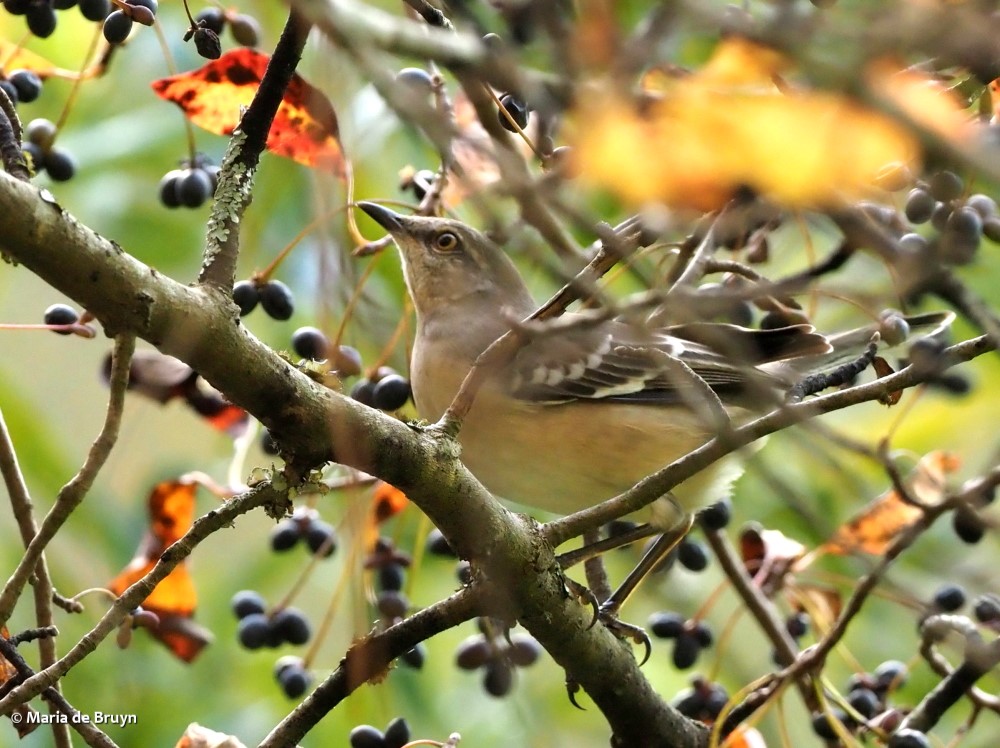
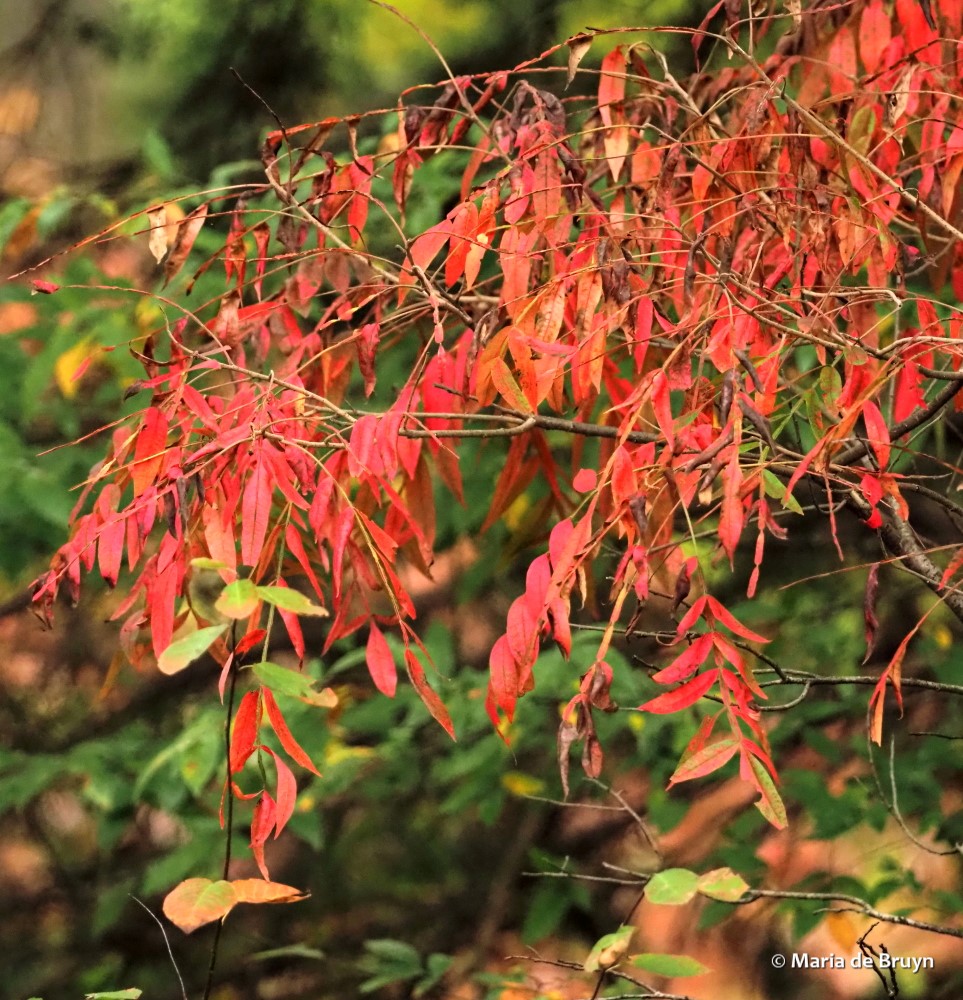 On walks in various parks and nature reserves, the berries on trees and vines have become quite noticeable and the birds are really enjoying them.
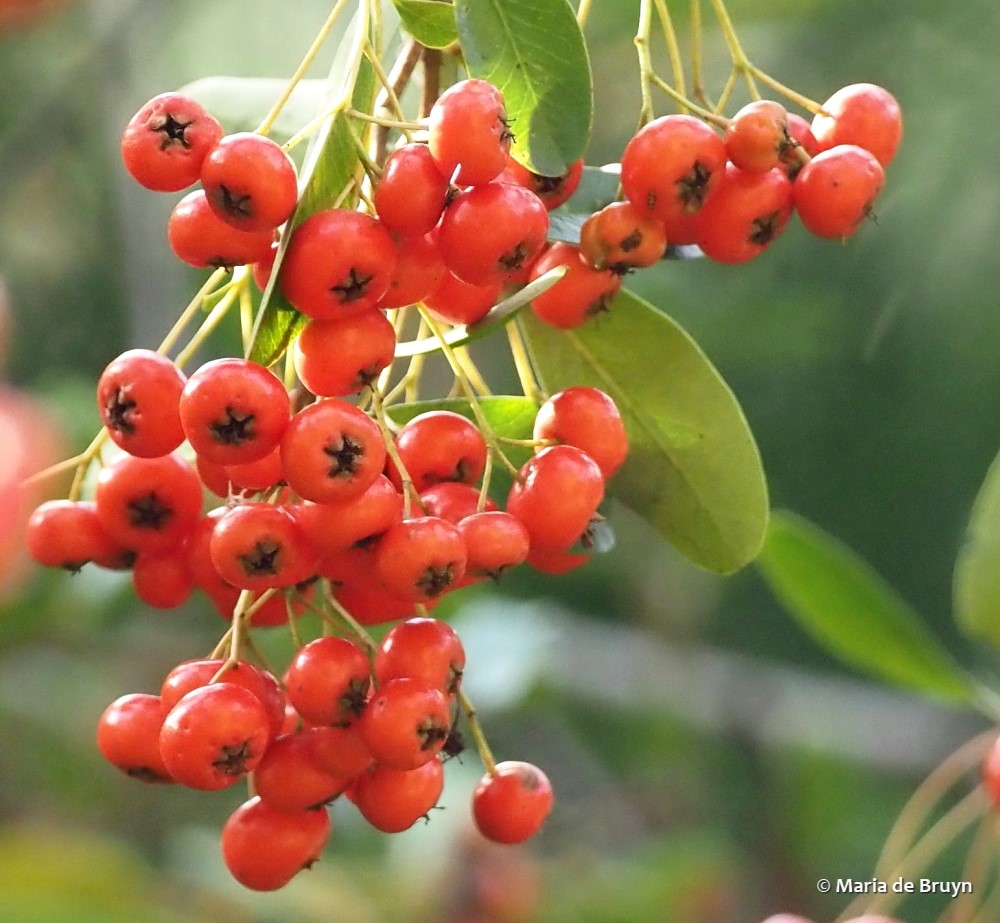
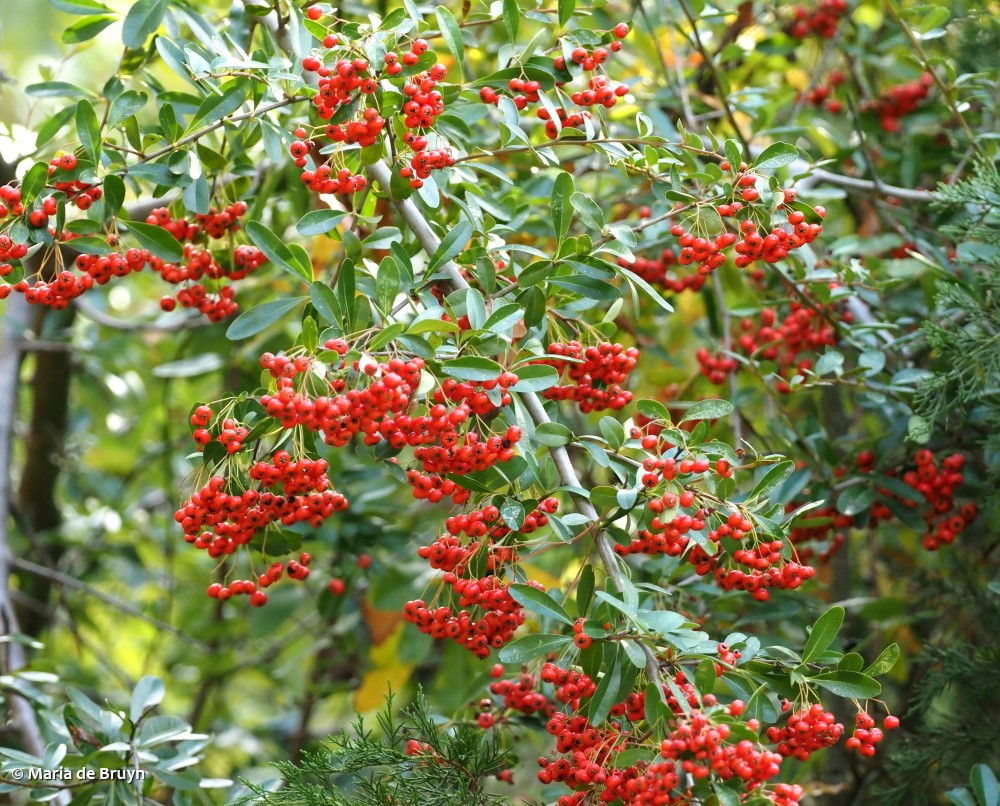
When they finish with the red and black berries, they will be going for the white ones provided by poison ivy – a real favorite of theirs. Below a Northern mockingbird.
The color patterns on fallen leaves catch your eye when you look down while walking.
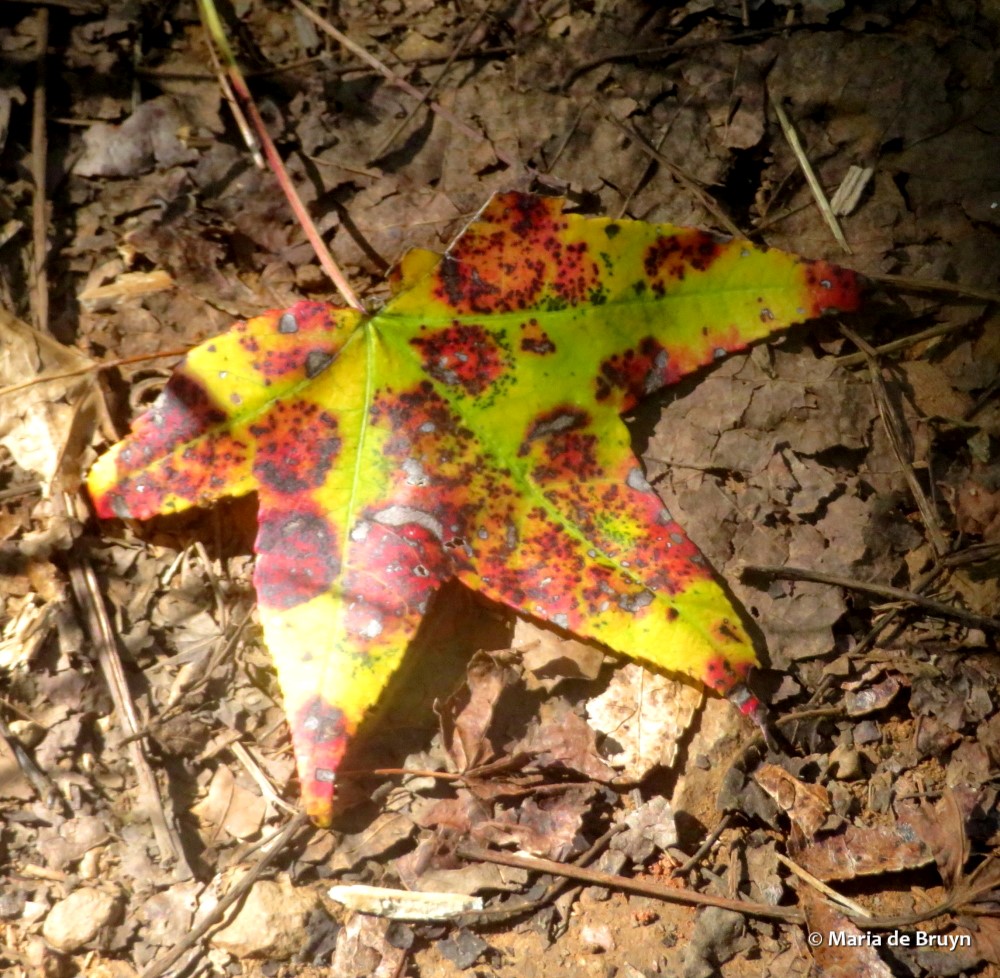
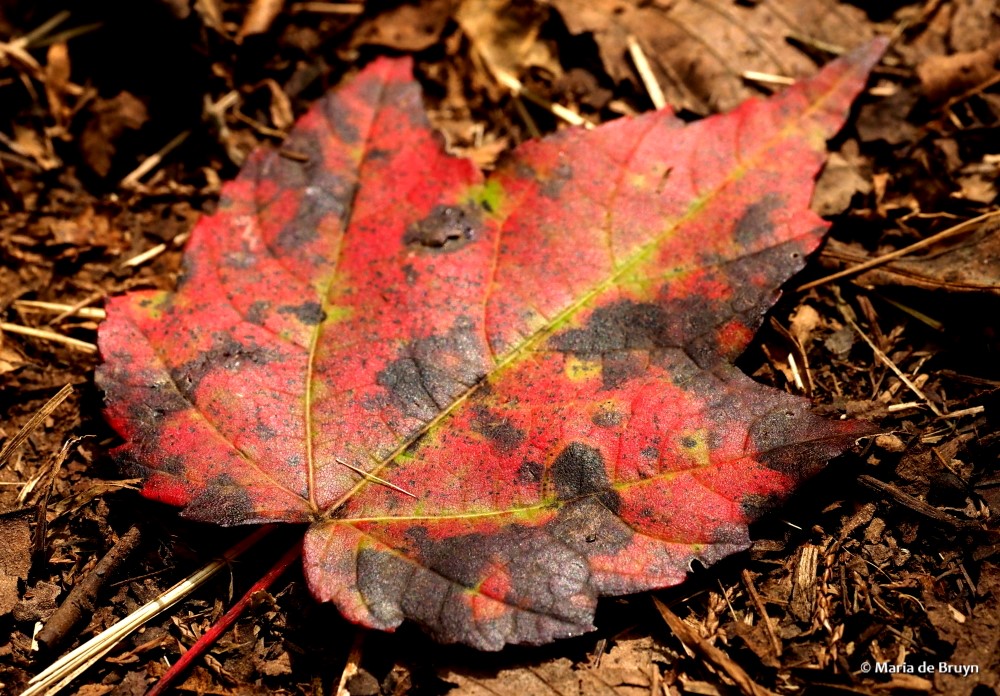
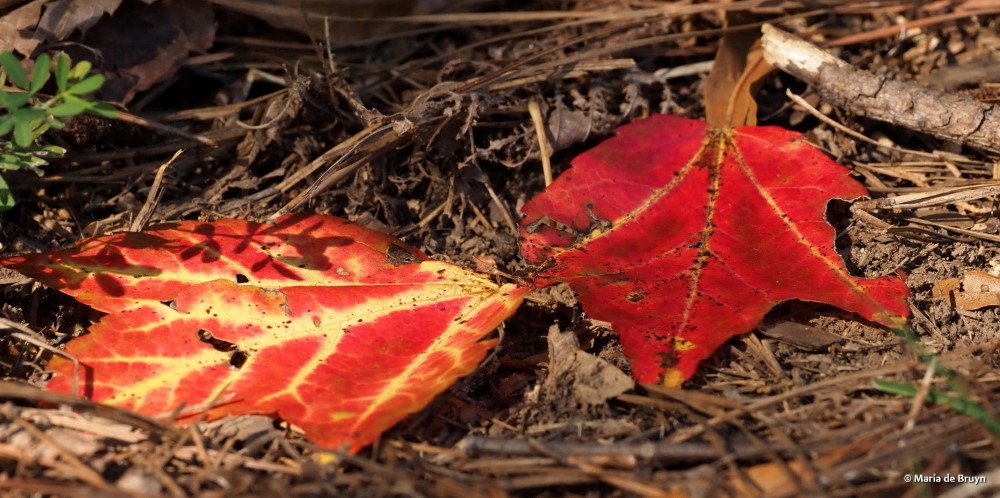
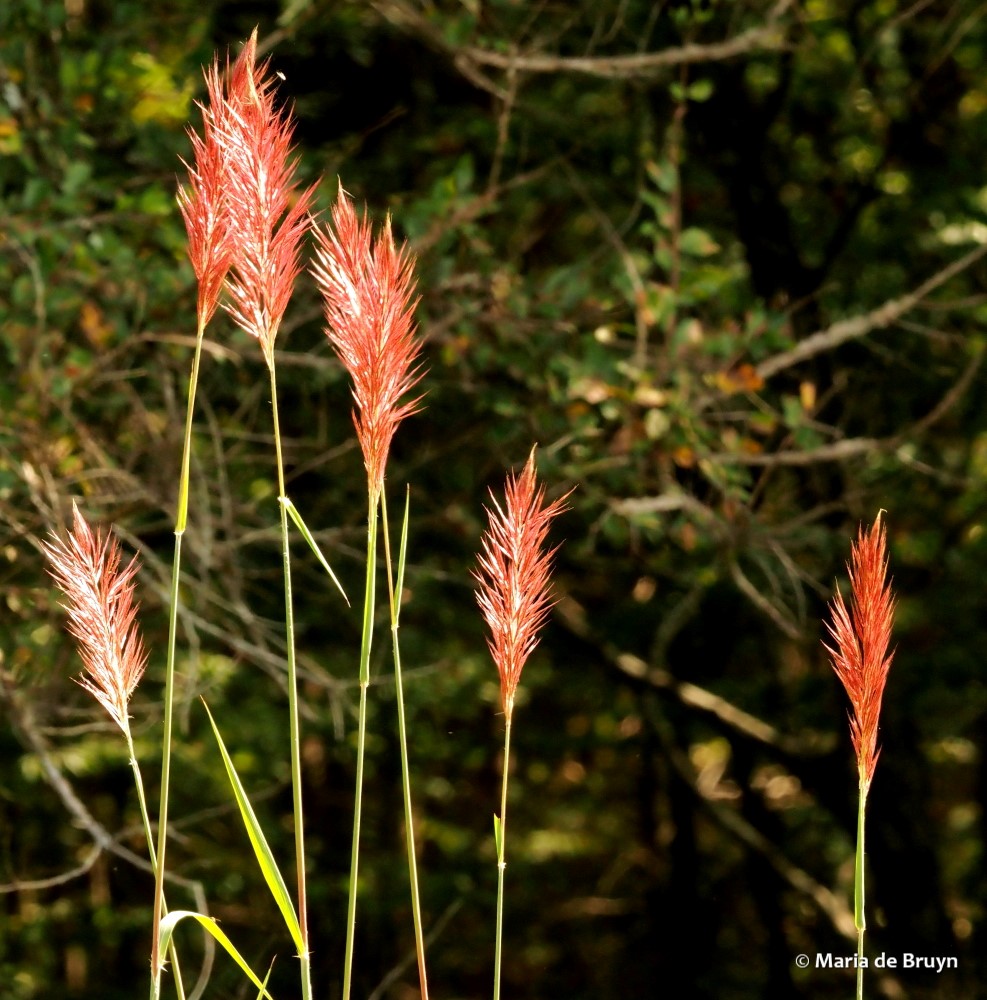
And the plumed plants waving in the wind get your attention, too.
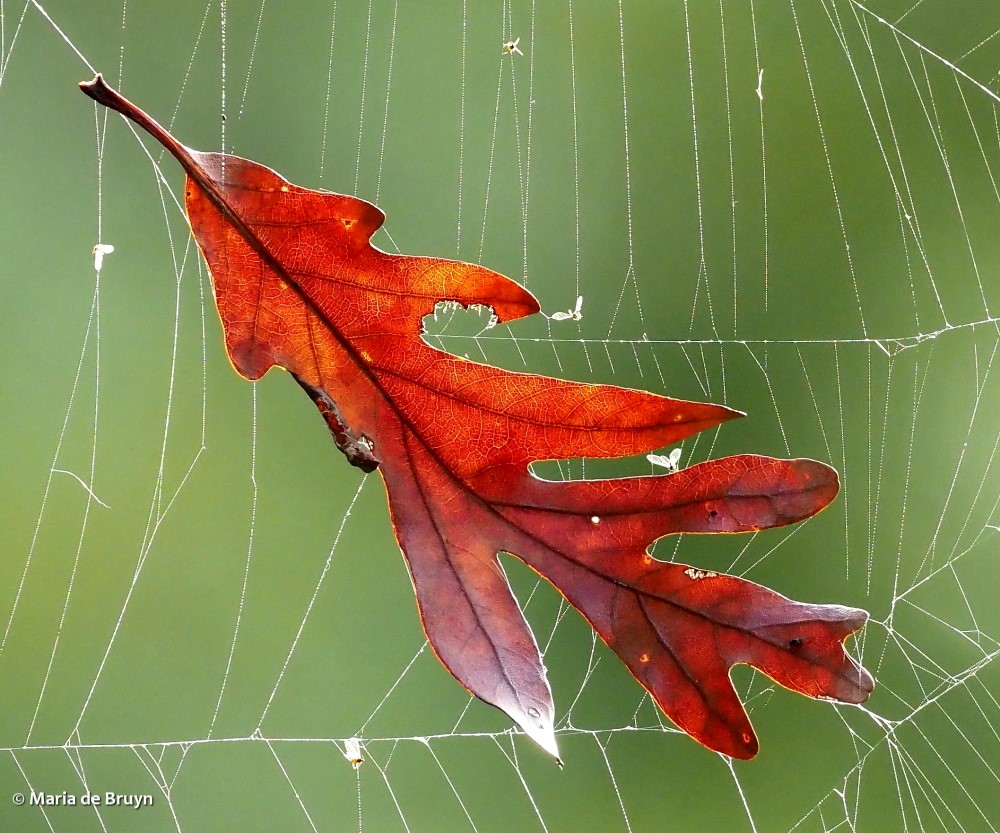
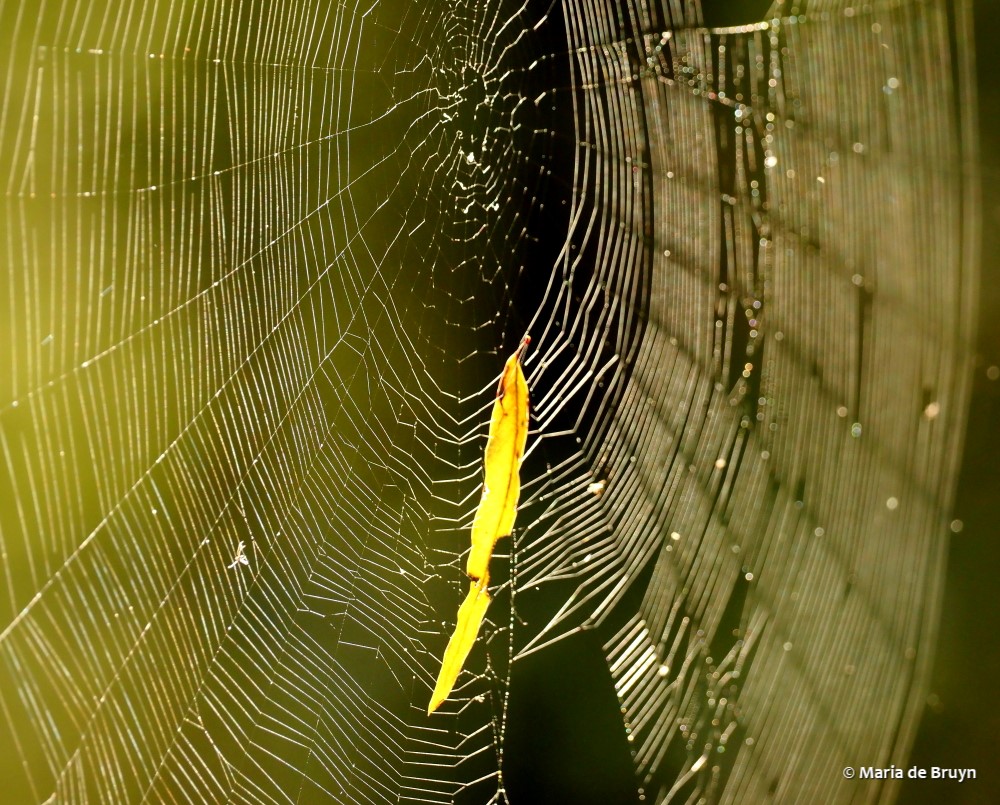
Some falling leaves end up adorning spider webs.
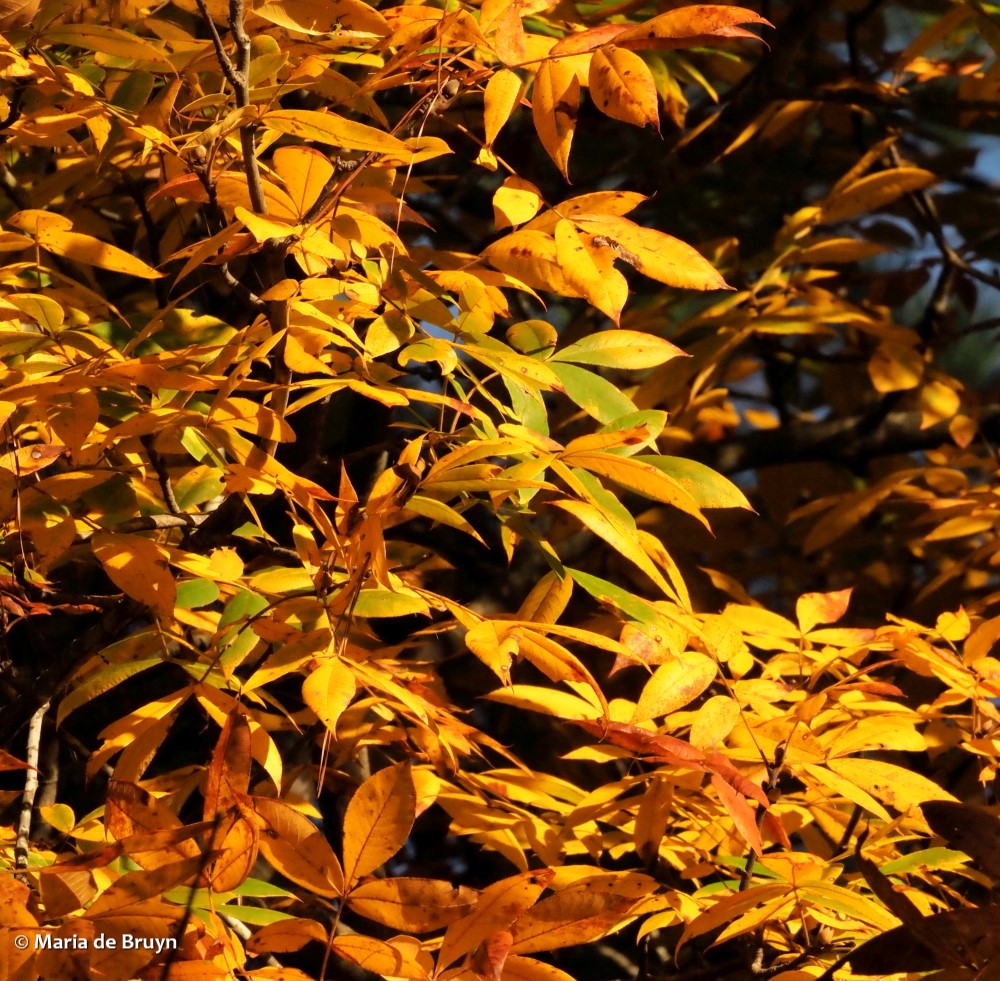
The yellow-colored shrubs are also eye-catching.
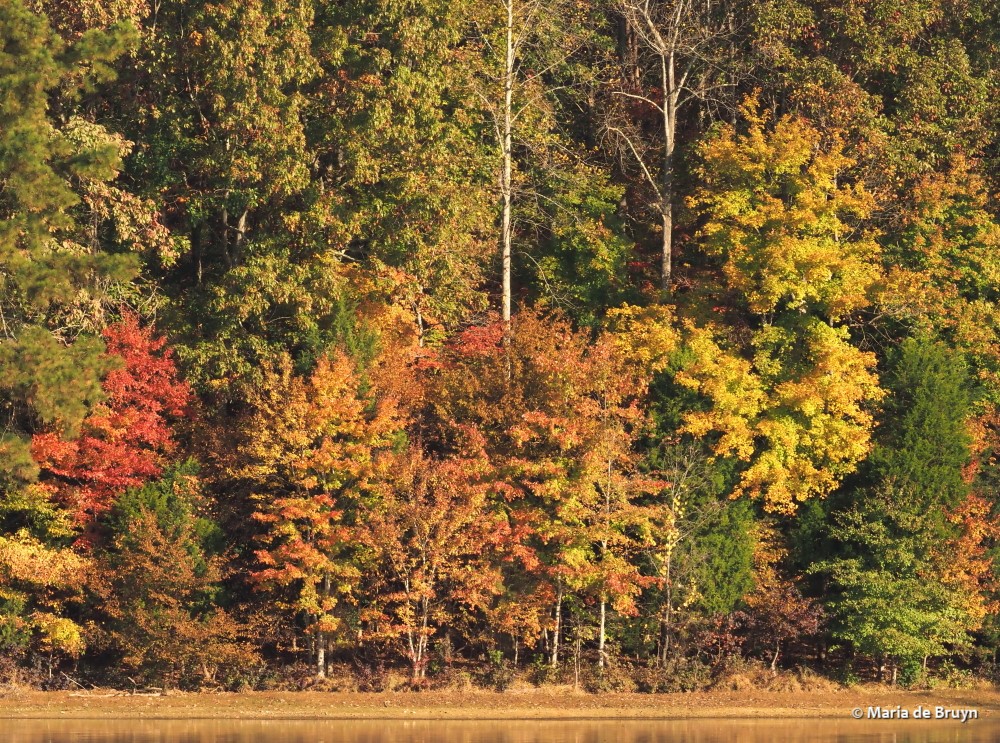
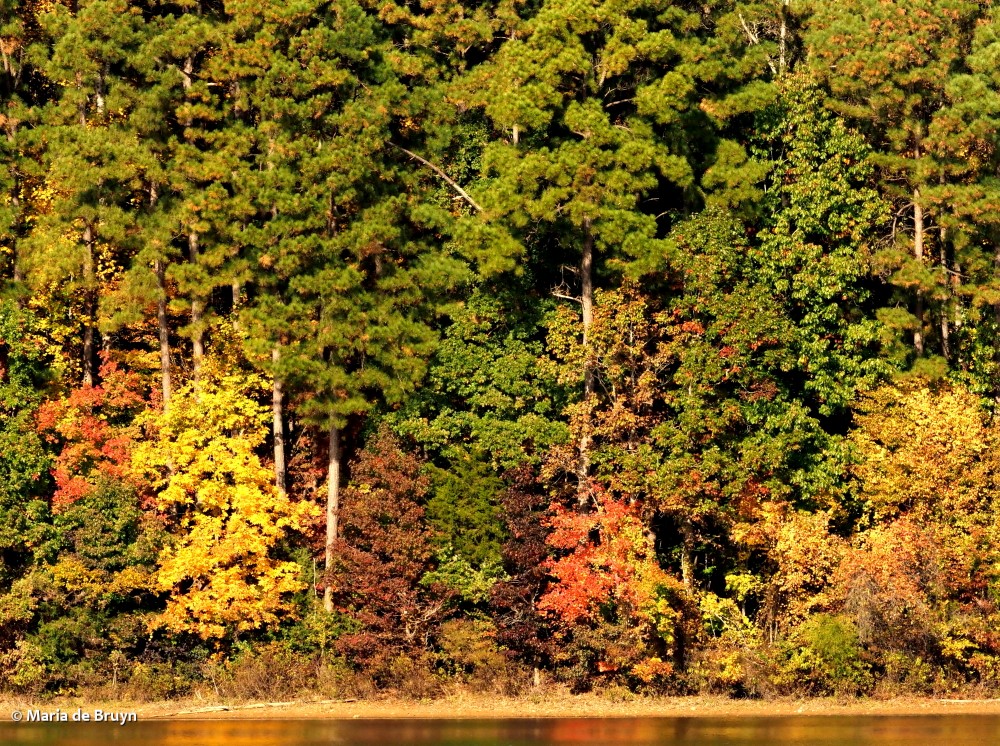
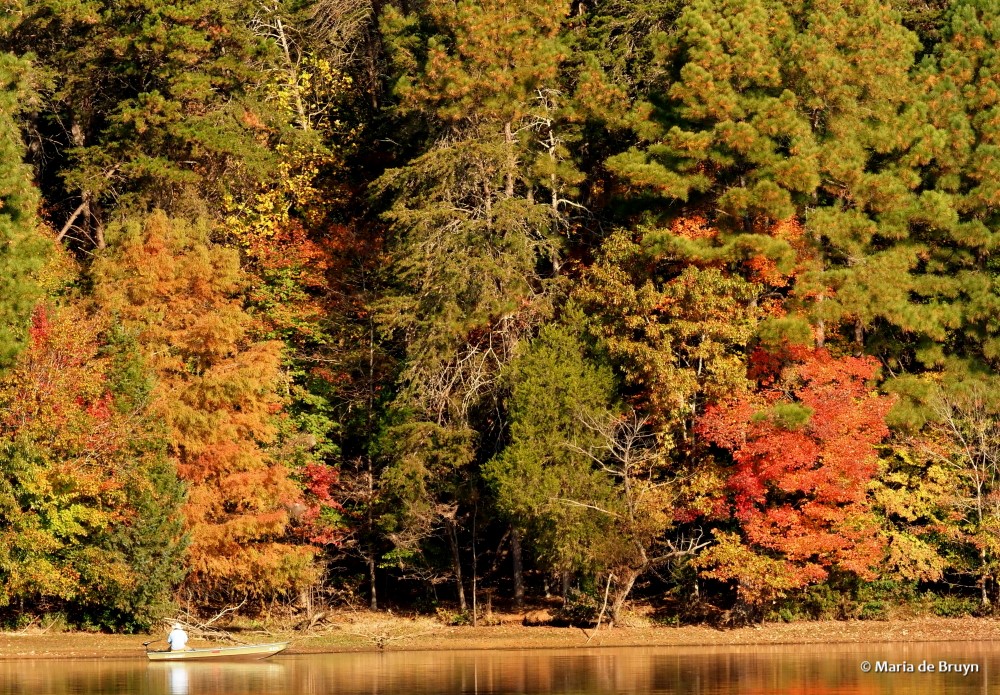
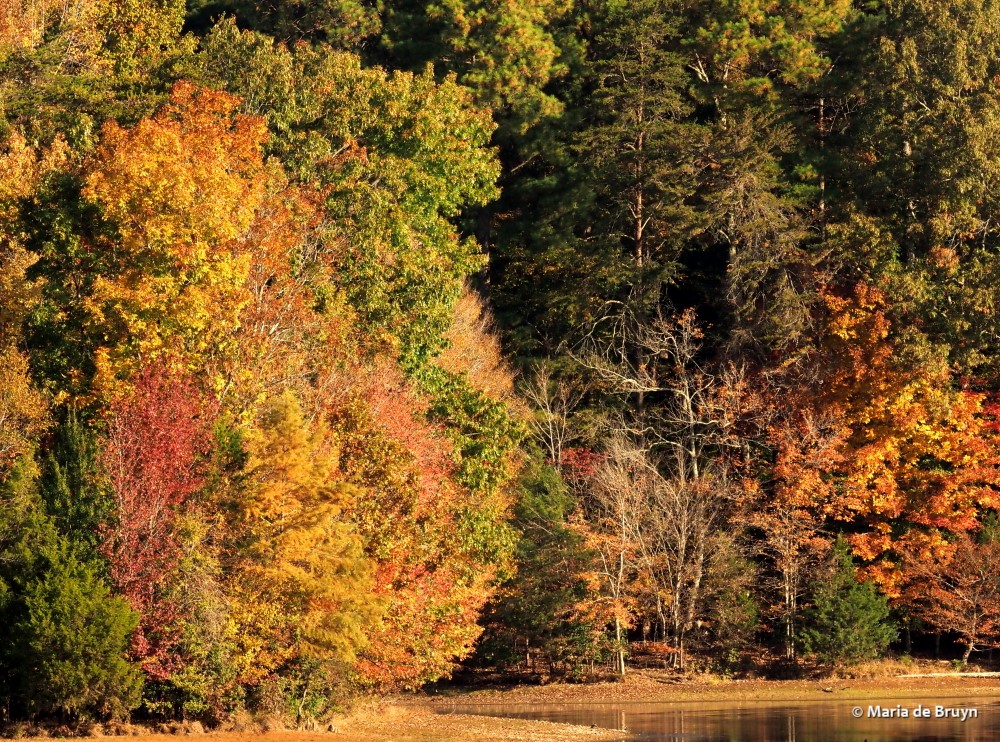
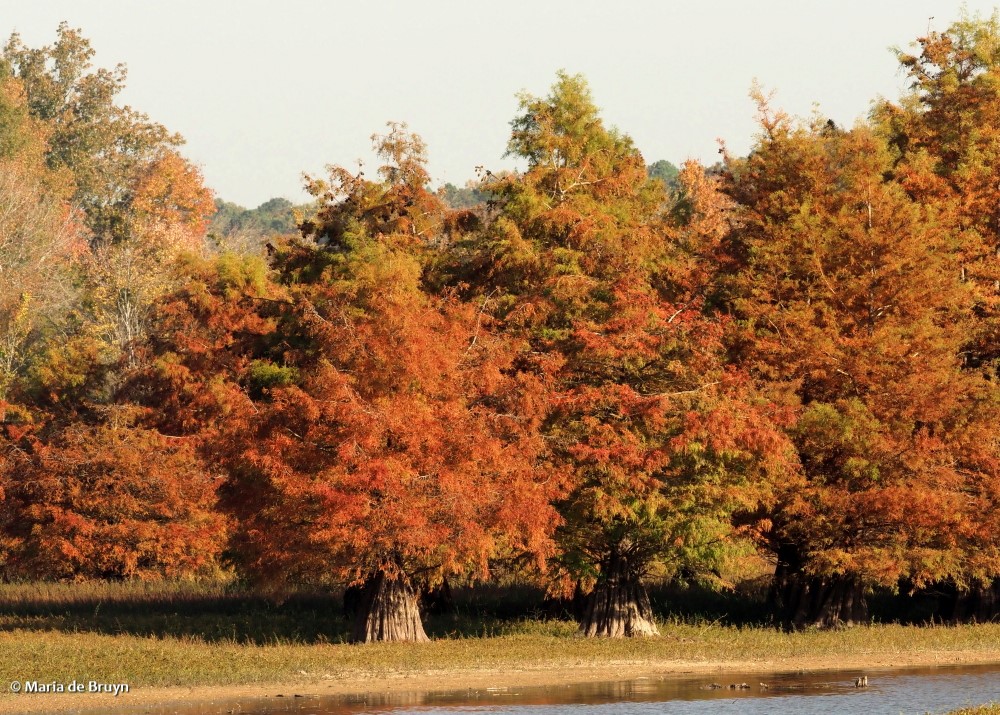
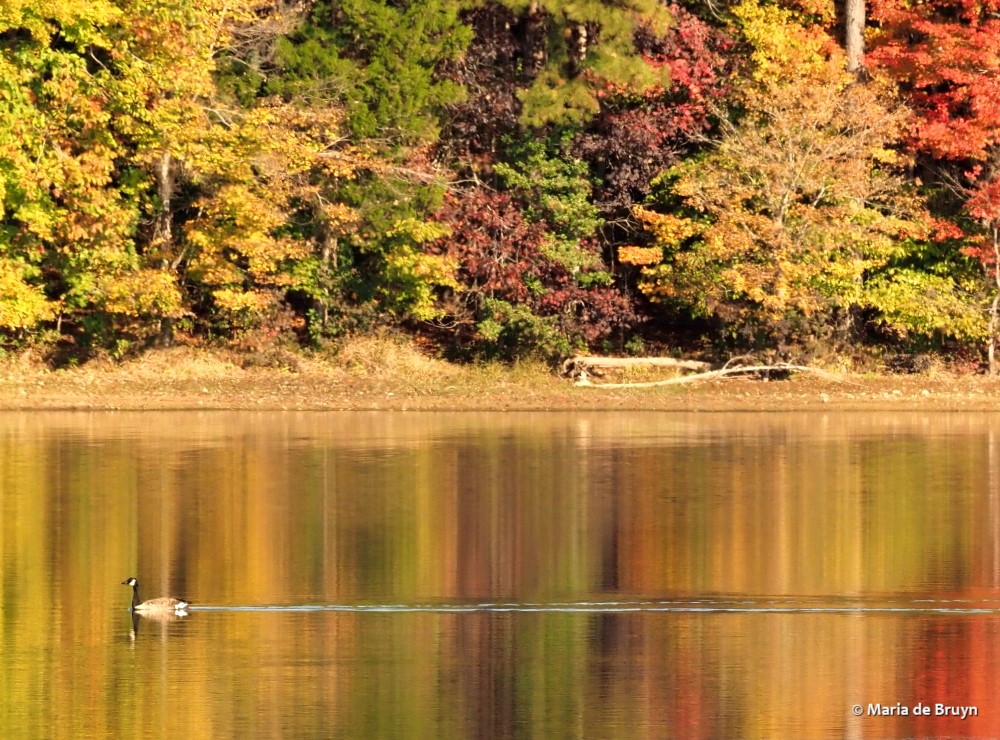
 I’ll leave you for now with some views of trees presenting gorgeous vistas along lakes and ponds.(Next instalment: colorful fungi!)


 My beautiful world