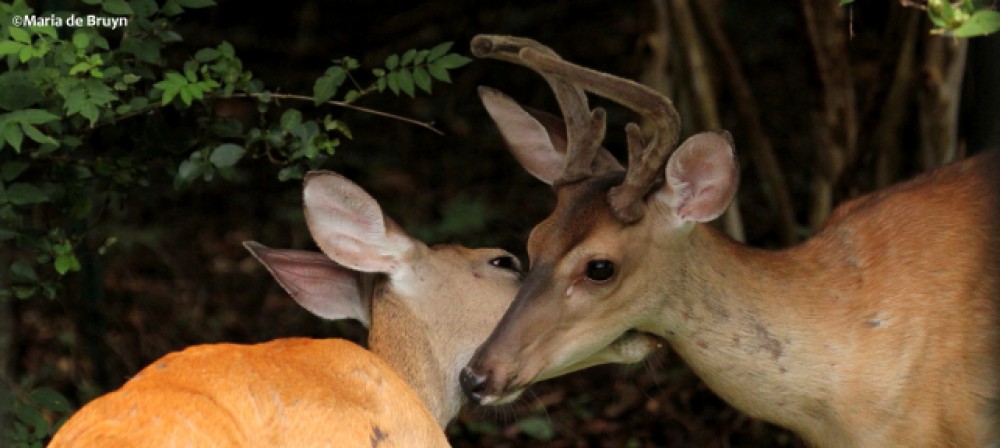
 Birding is an activity I enjoy, especially since I can usually spot at least one bird during my outdoor excursions. I’d prefer to call myself a “wildlifer” rather than a “birder”, however, since all kinds of other wildlife also fascinate me. Here is a selection of some wildlife surprises and new species I saw last year, including a new plant – the honeyvine milkweed (Cynanchum laeve).
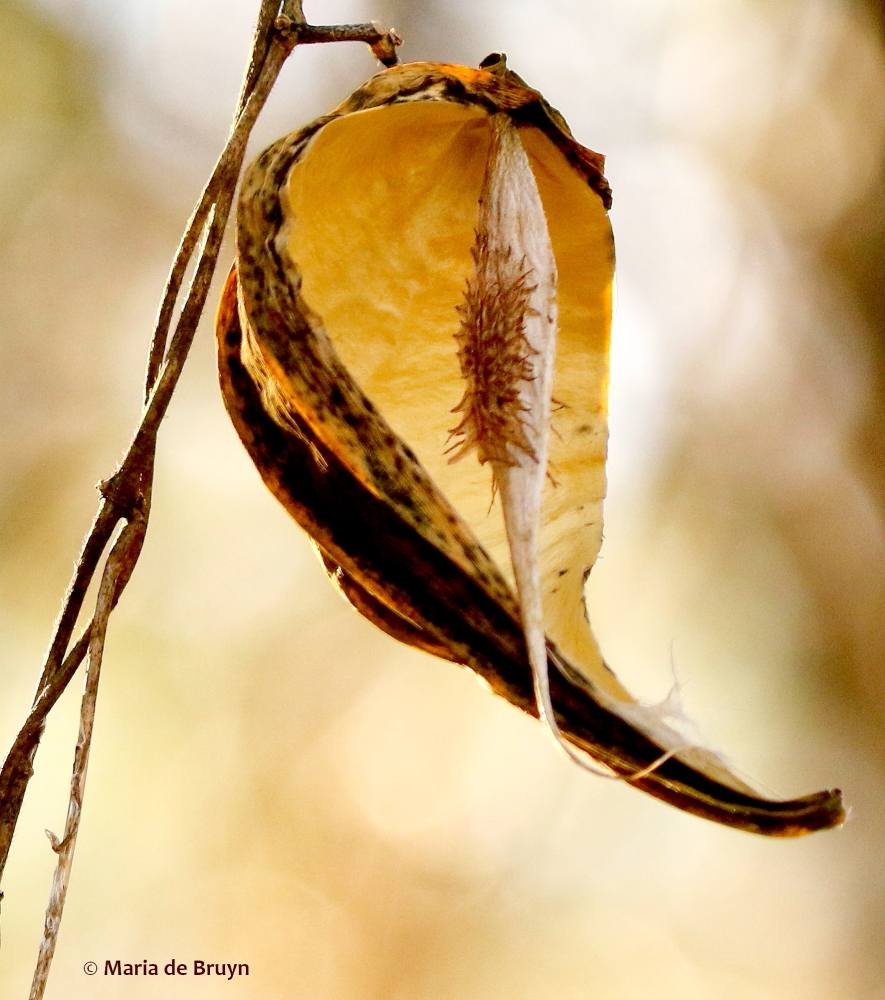
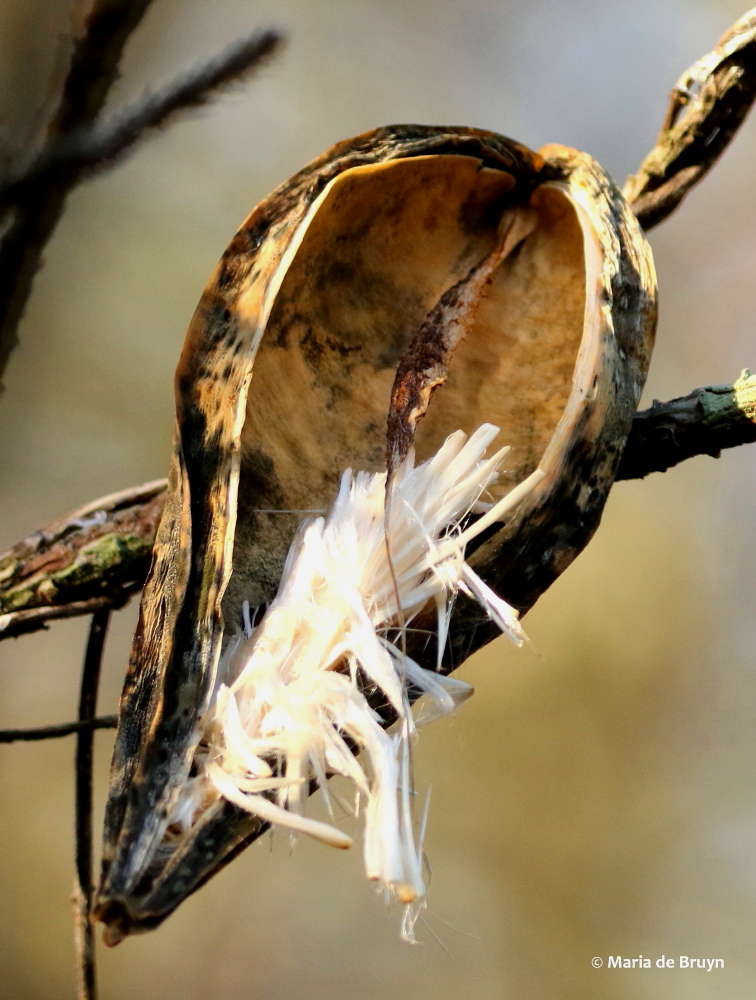
This vine is sometimes described simply as a native plant that spreads by seed and long roots; other websites call it a noxious weed. It does perhaps spread quickly but it is also a food source for monarch butterfly caterpillars so it seems like a desirable plant to me.
 This mushroom was another one of my favorite vegetation spottings last year – it looks to me as if it is an animal with large ears.
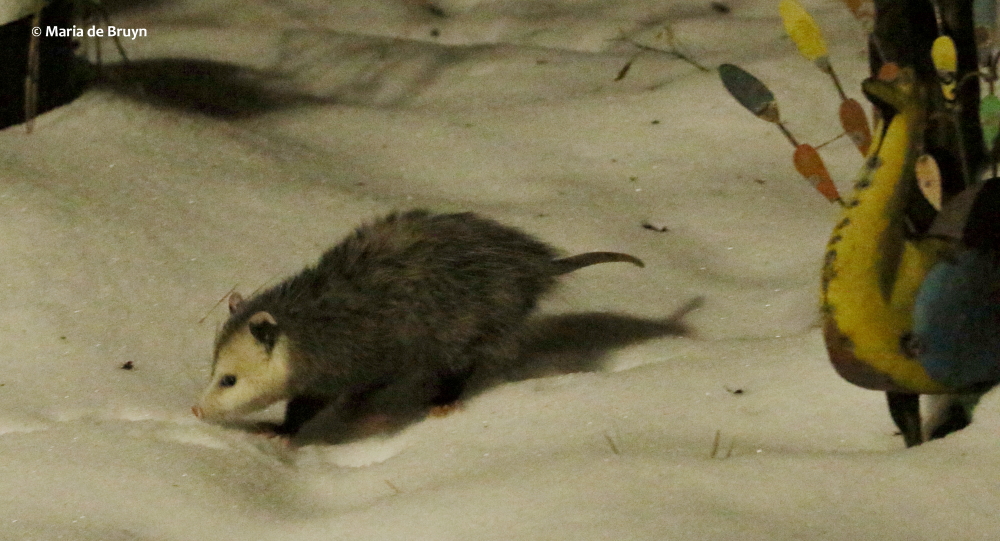
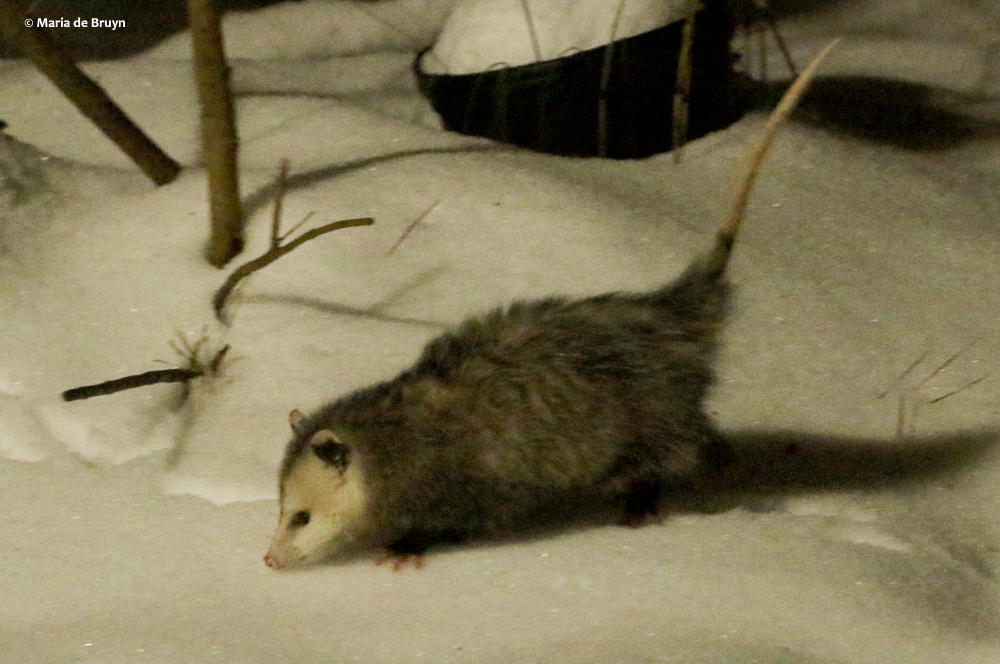
Mammals are favorites of mine but I only see a restricted number regularly – white-tailed deer, Eastern squirrels, raccoons, Eastern chipmunks. When I get to see an opossum (Didelphis virginiana) – like one who visited the yard at night during our early December snowstorm, it was a treat. It seems many people dislike North Carolina’s state marsupial (and the only marsupial in North America) but it is a valuable neighbor since it eats up to 4000 ticks a week. There likely weren’t many ticks around for it to eat but I hope it found something for a meal!

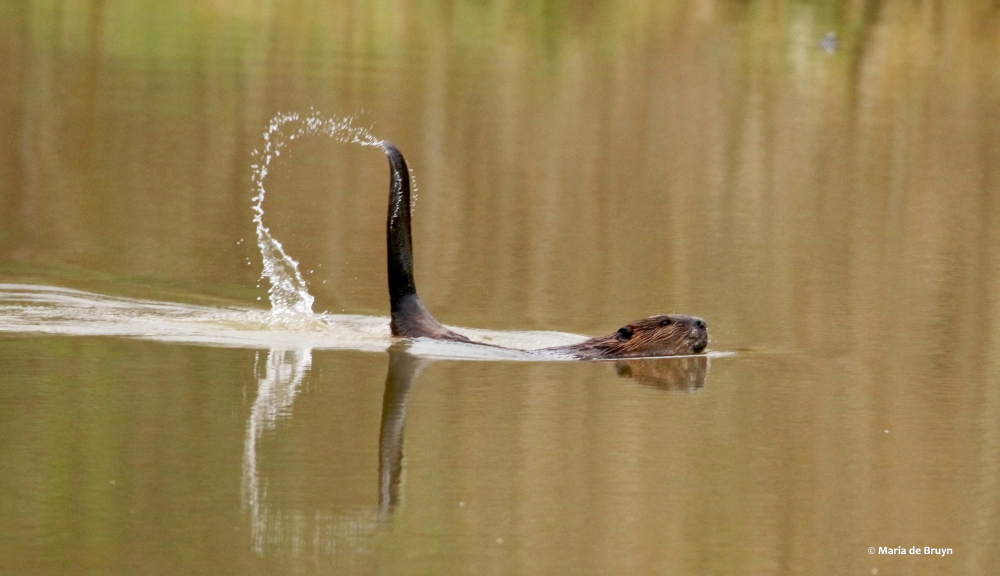
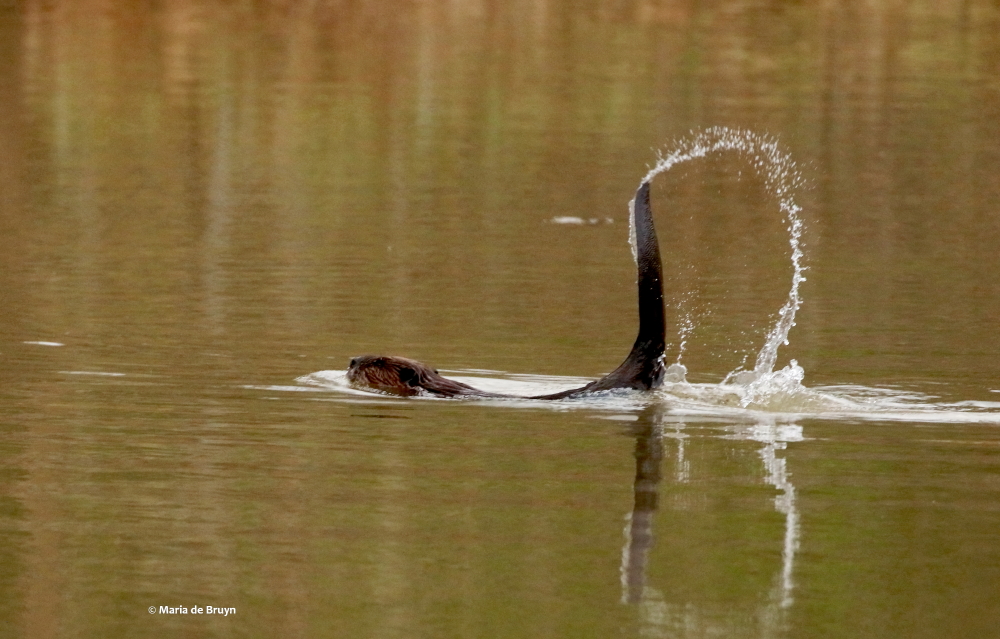
This past year was my “year of the beavers” as I had a chance to follow these nature landscape architects in three different places. And as mentioned in a previous blog, I was so thrilled to get a shot of the warning tail-slapping behavior.
2018 was a good year for seeing new insects. Some are so tiny that you can’t really see their body patterns without magnification. Here are a few of my “discoveries”. The flies can be very interesting.
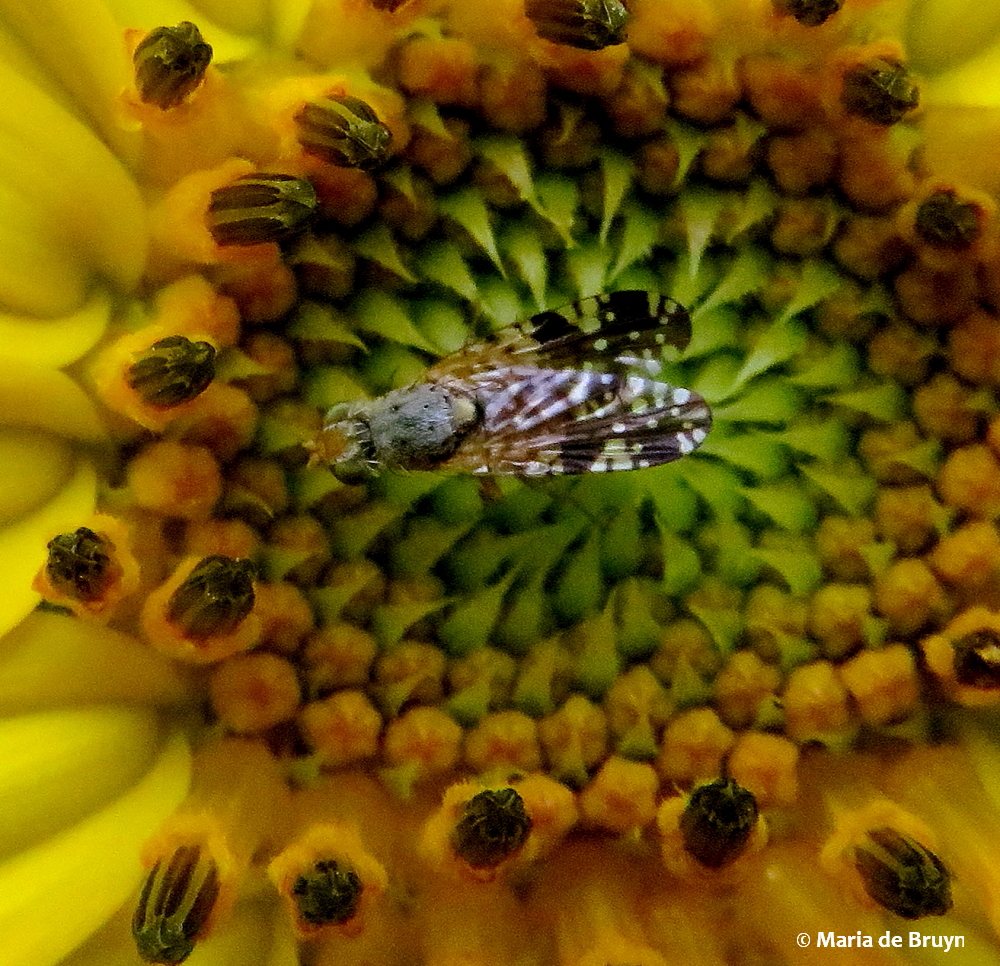
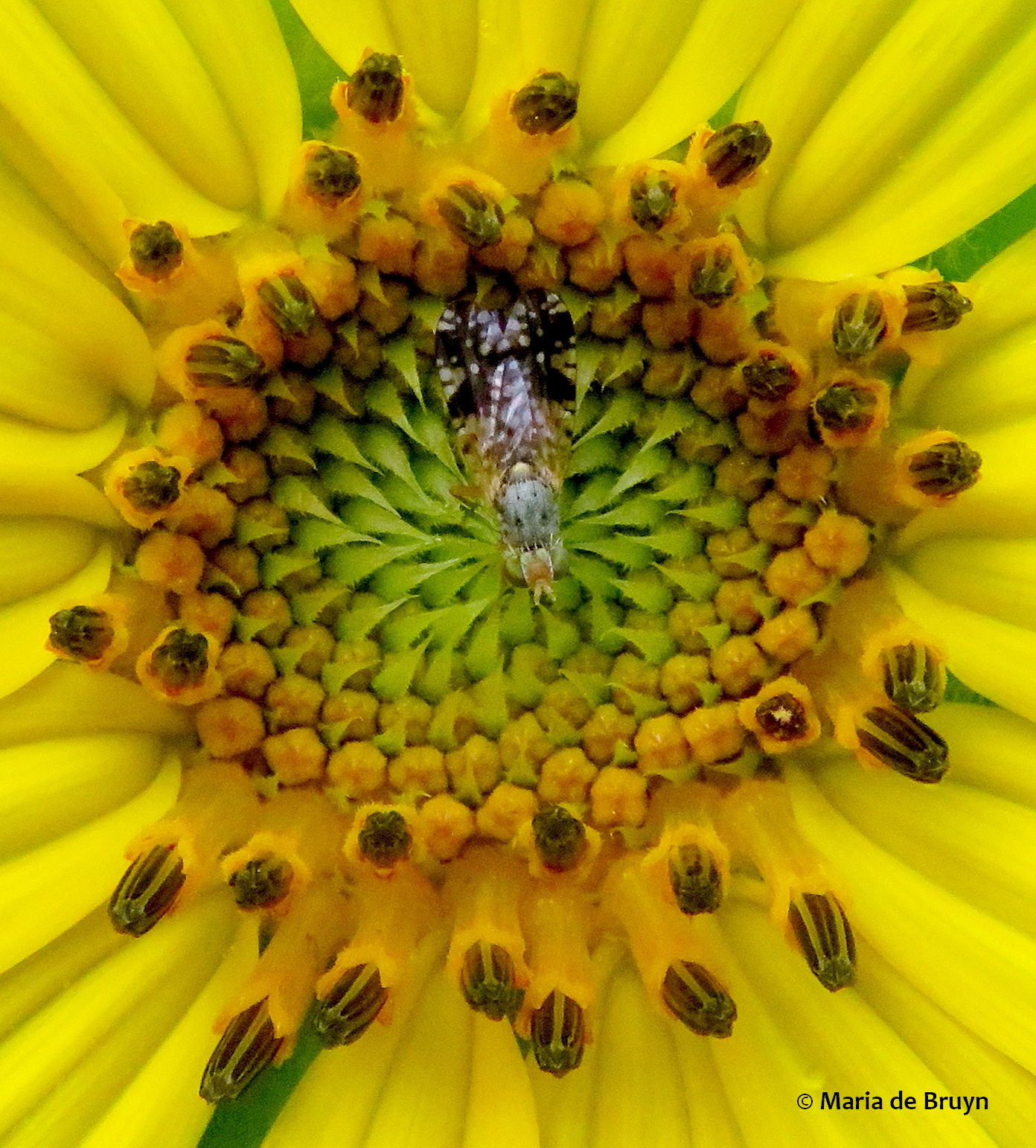
Sunflower seed maggot fruit fly (Neotephritis finalis)
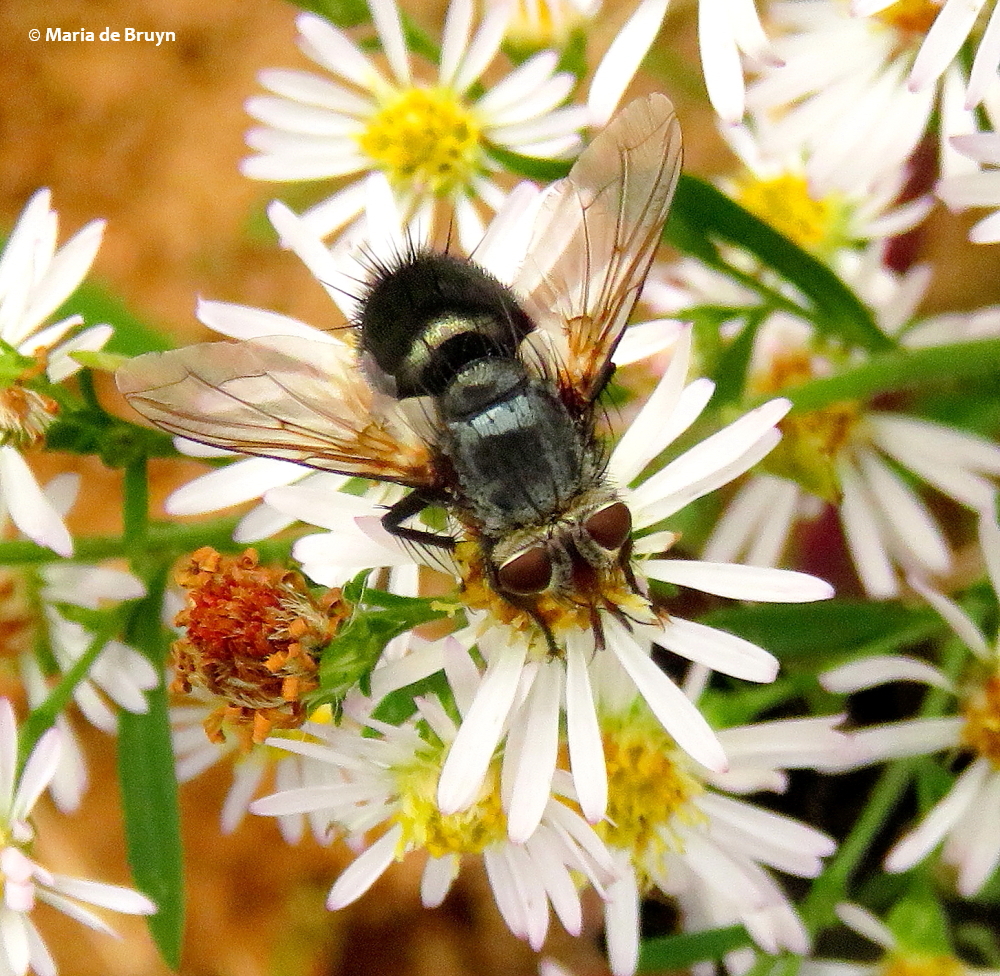
Parasitic fly (Archytas)
2018 was a year for learning about reproduction among the bugs; not only did I see caterpillars but also chrysalids and arthropod parents caring for offspring. The green lynx spider (Peucetia viridans) is a very attentive mother; she often hangs her egg sac from a grass stalk and then encircles it with her body to keep predators away.


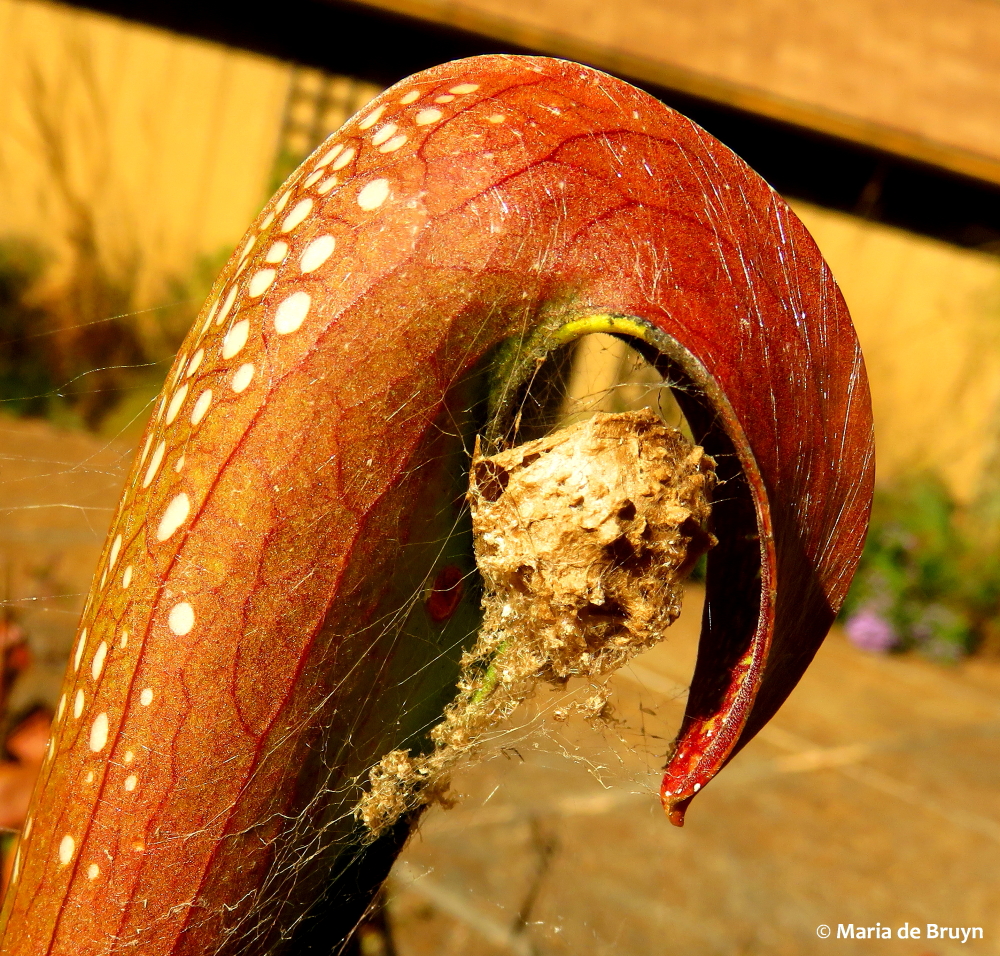
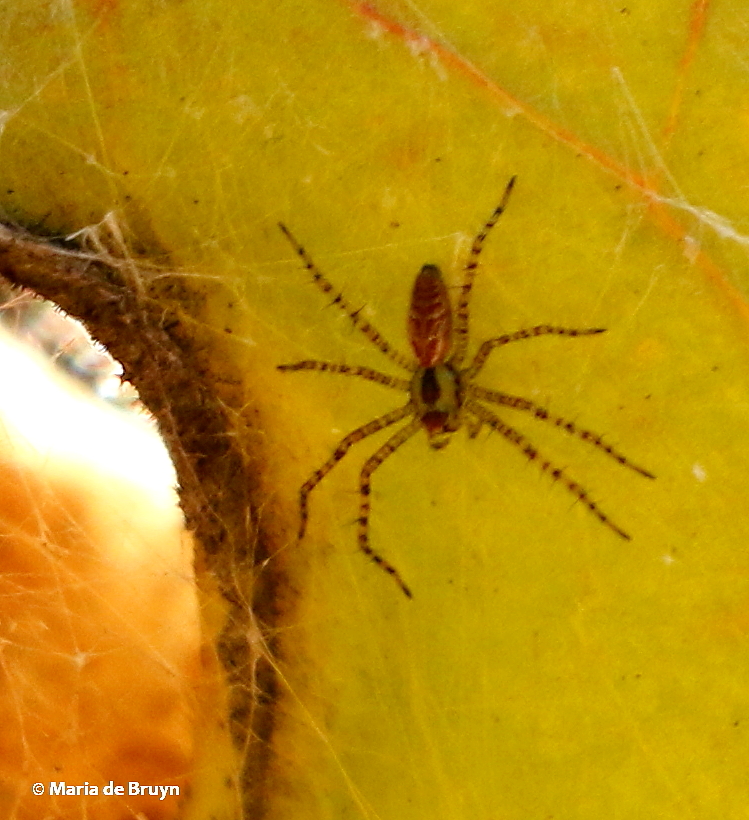
One green lynx at the NC Botanical Garden placed her egg sac underneath the “lid” of a pitcher plant and then hung out on that and neighboring plants to keep an eye on the sac. I was lucky to see one of the babies after it hatched.

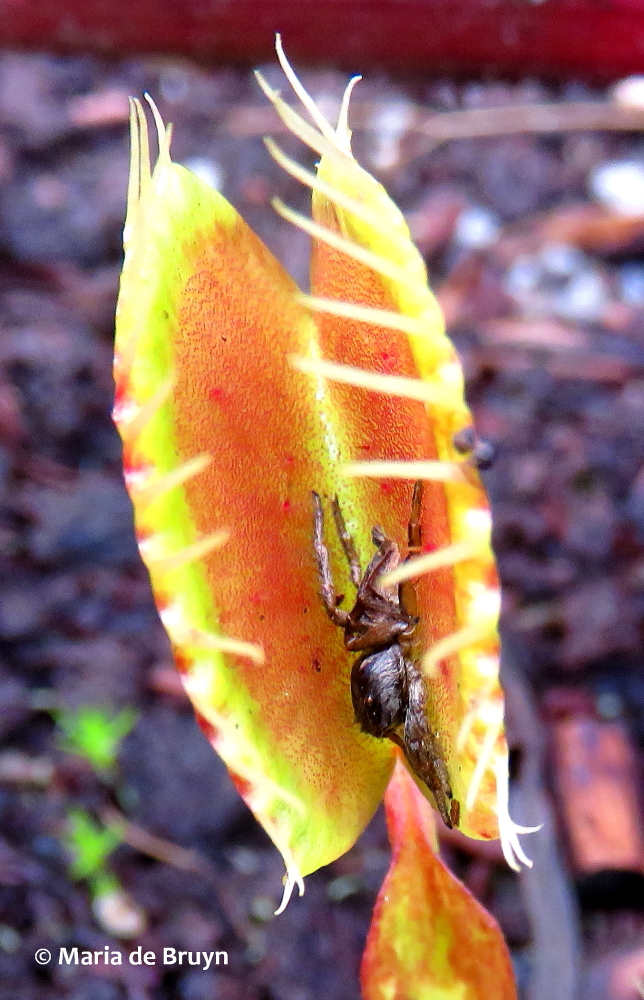
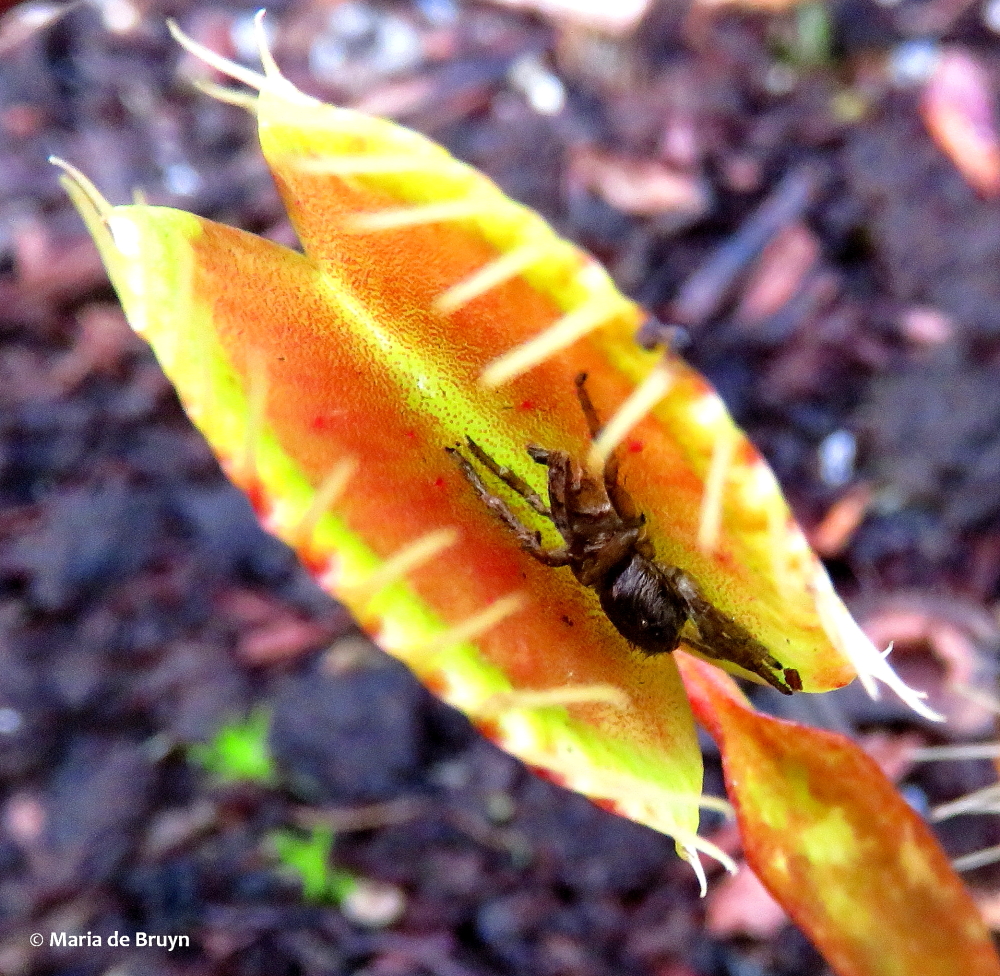
Another spider was not so lucky – it became a meal for one of North Carolina’s endemic “special plants”, the Venus flytrap (Dionaea muscipula).
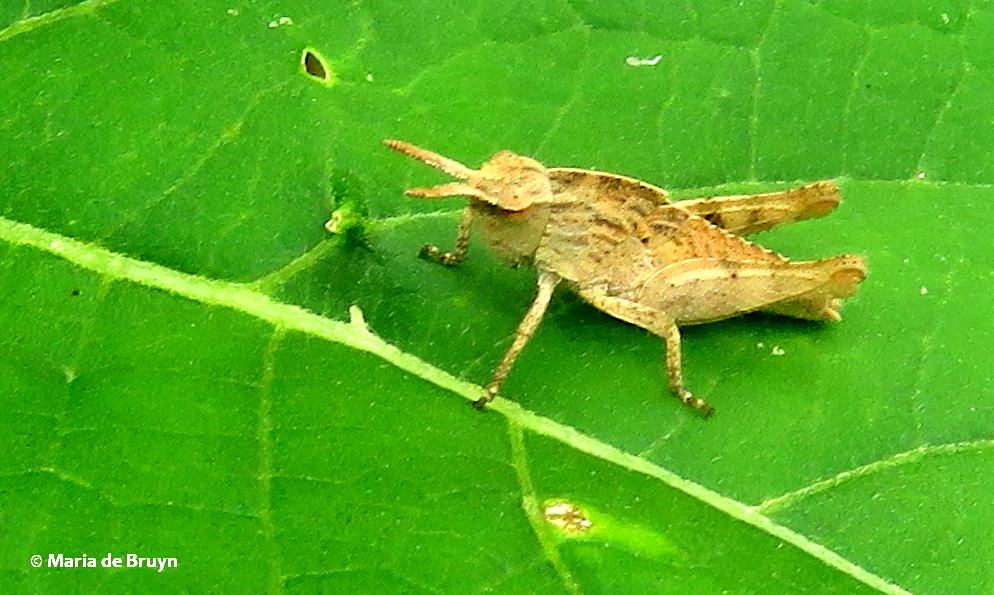 North Carolina has many species of grasshoppers; I saw several species this past year, including several mating pairs. Here is a young short-horned grasshopper.
It’s always nice to see some pollinators.
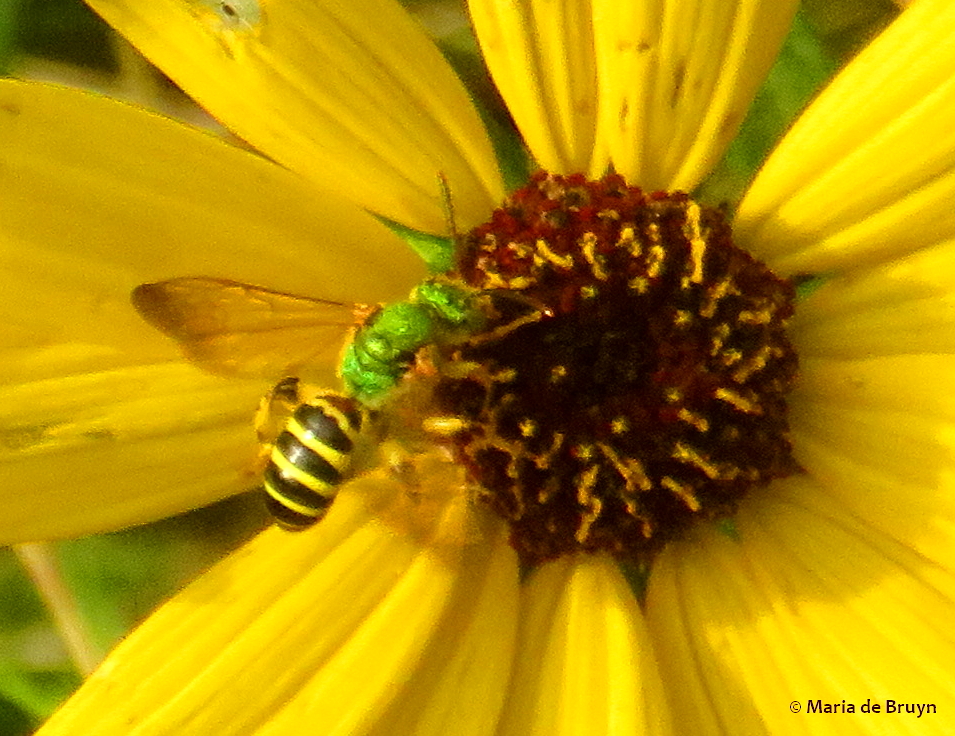
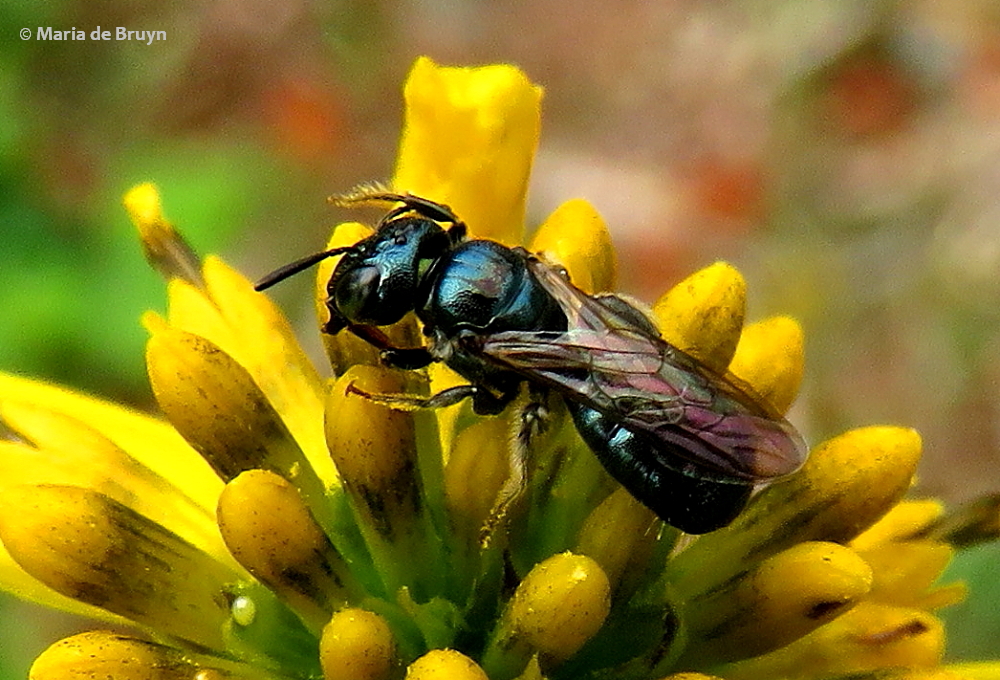
Brown-winged striped sweat bee Small carpenter bee (Agapostemon splendens) (Ceratina)

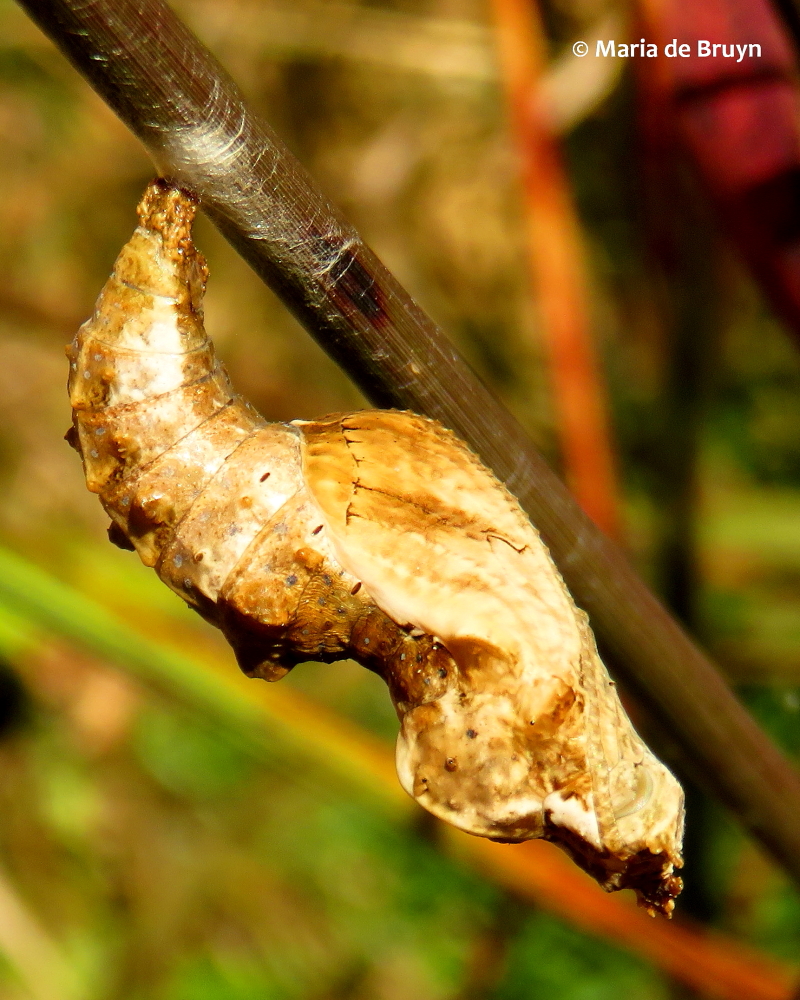
I got to see the chrysalids of two fritillary butterfly species, the variegated fritillary (Euptoieta Claudia, left) and the gulf fritillary (Agraulis vanilla, below).
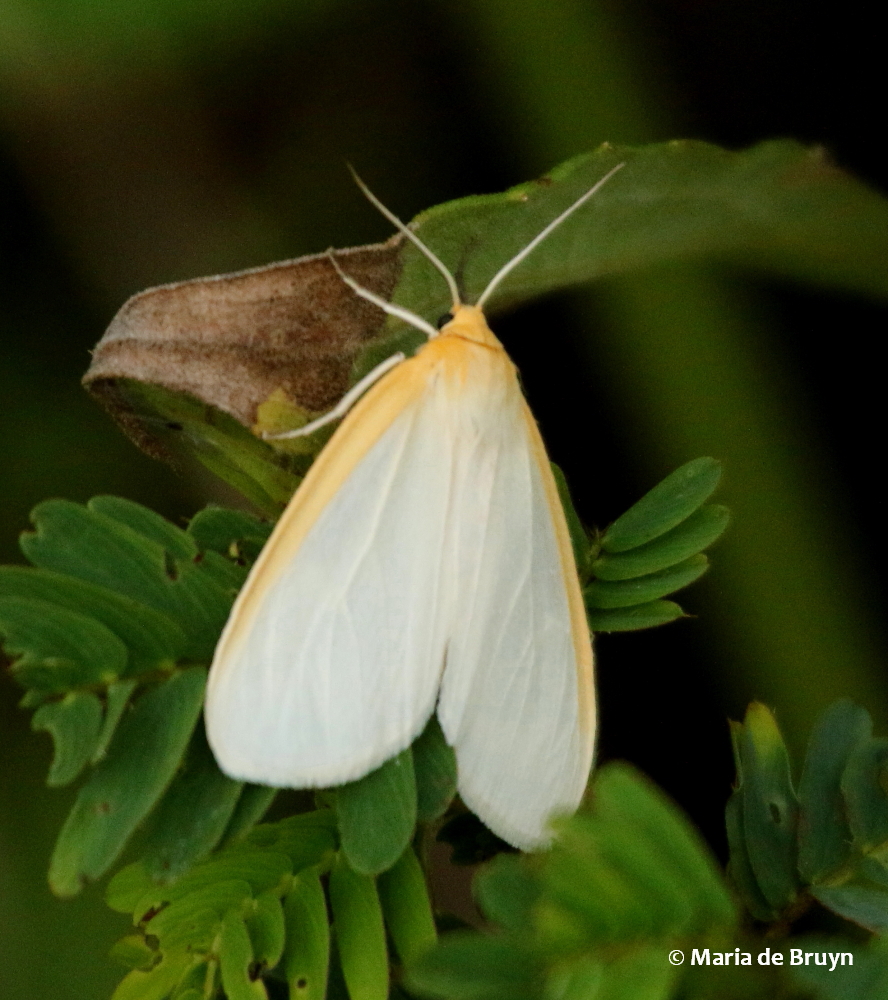
Sometimes, I think the moths get a bum rap, being seen as poor cousins to the “beautiful butterflies”. But there are many really beautiful moths, like the lunate zale moth (Zale lunata) and delicate cycnia moth (Cycnia tenera).

I got to see several moth caterpillars this year; the experts at BugGuide were very helpful in identifying them for me.
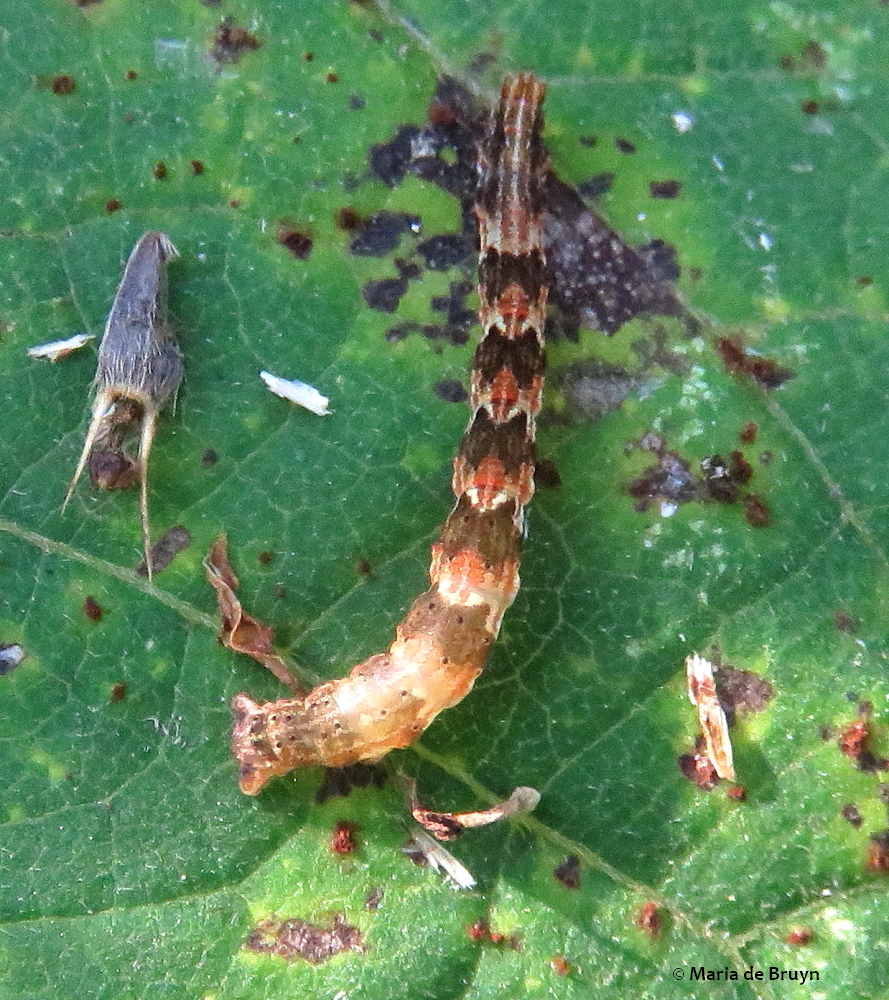
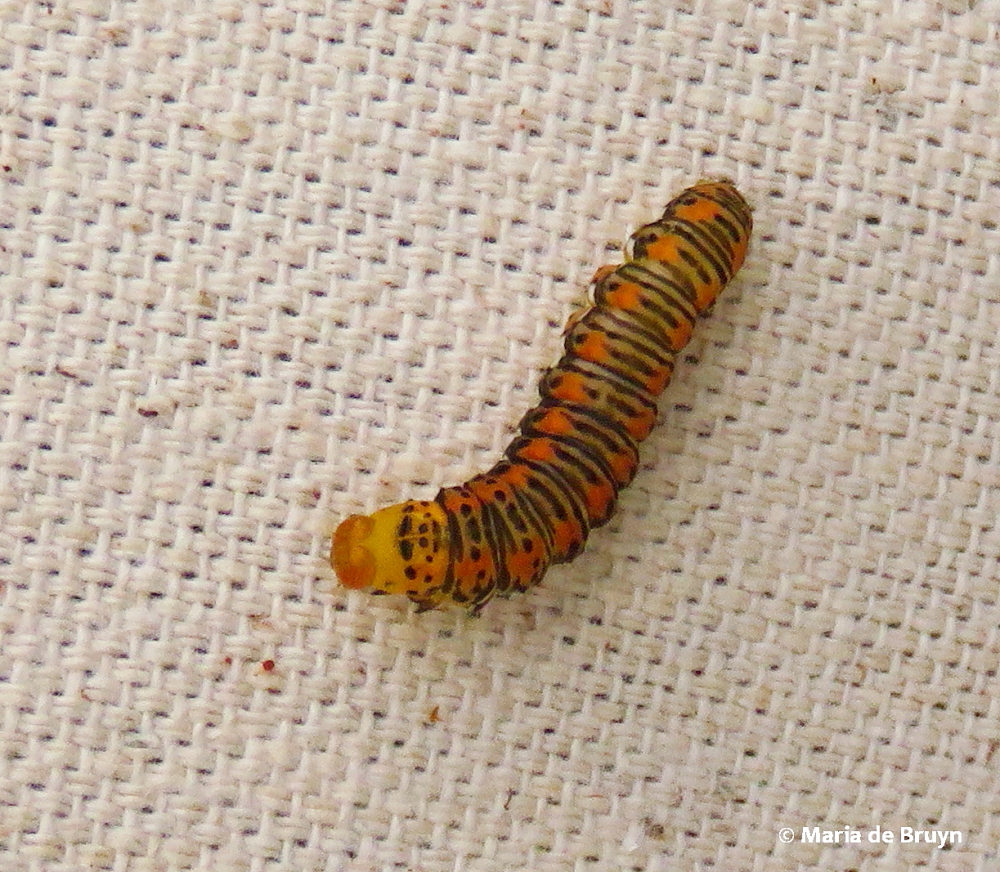
Common tan wave moth Gold moth caterpillar (Basilodes pepita) (Pleuroprucha insulsaria)
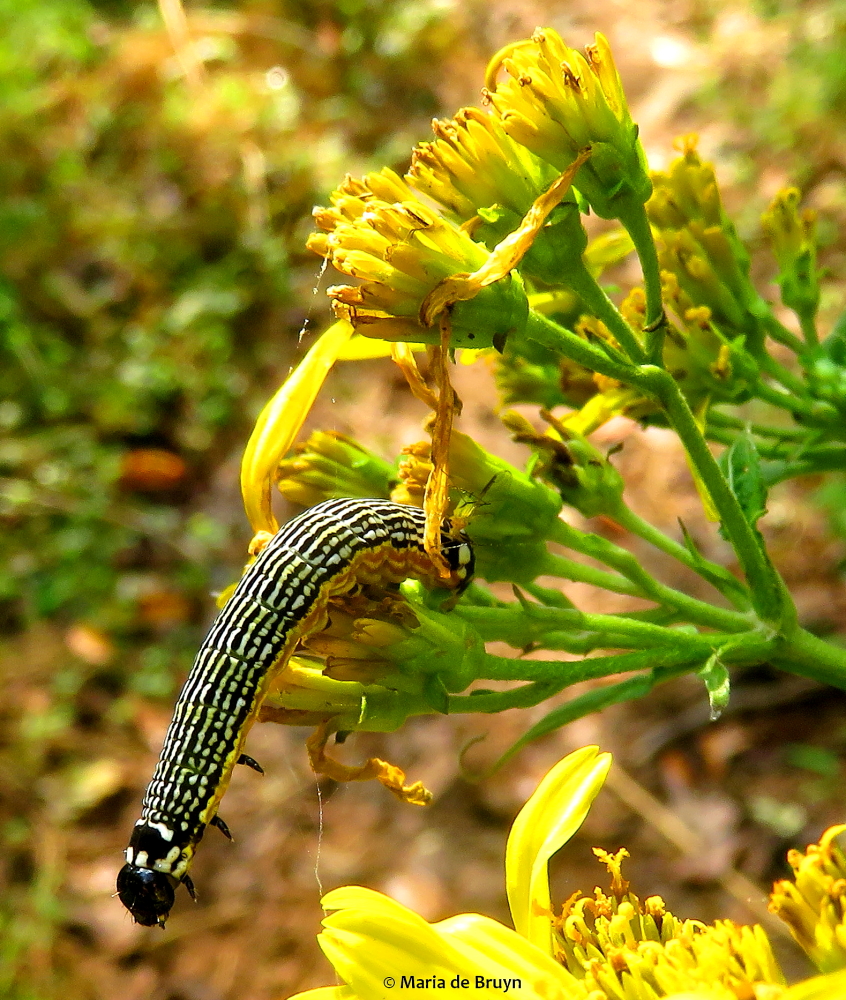

Turbulent phosphila moth caterpillar (Phosphila turbulenta)
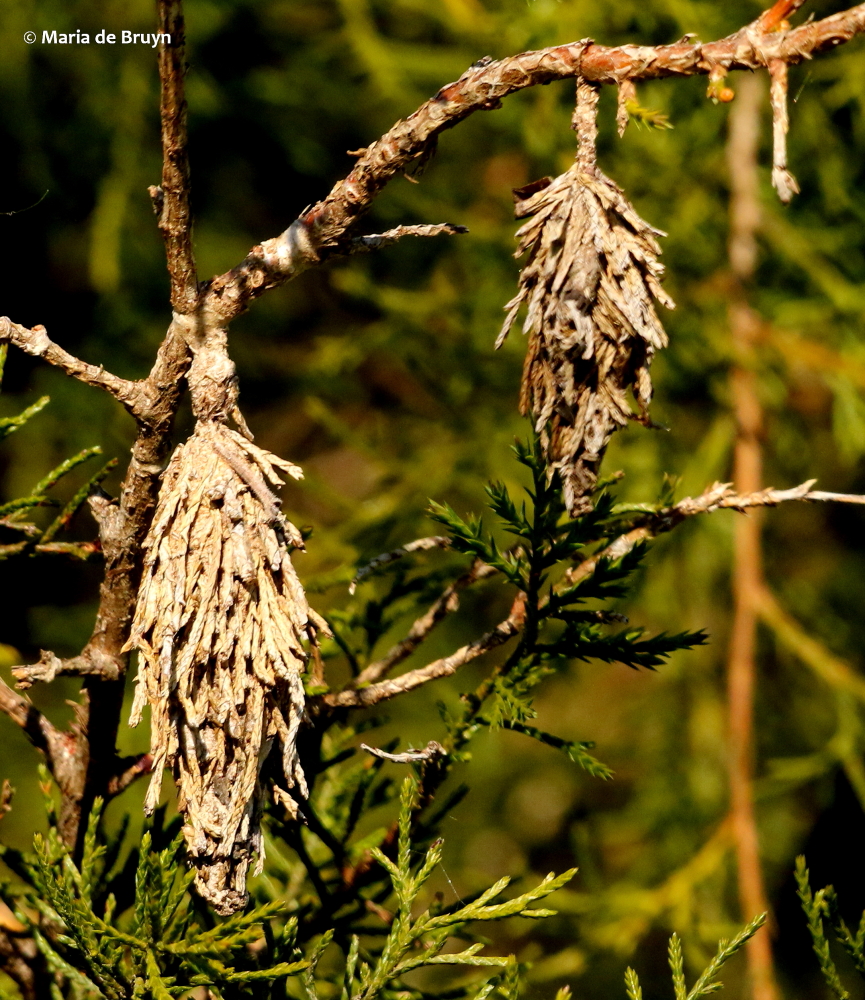
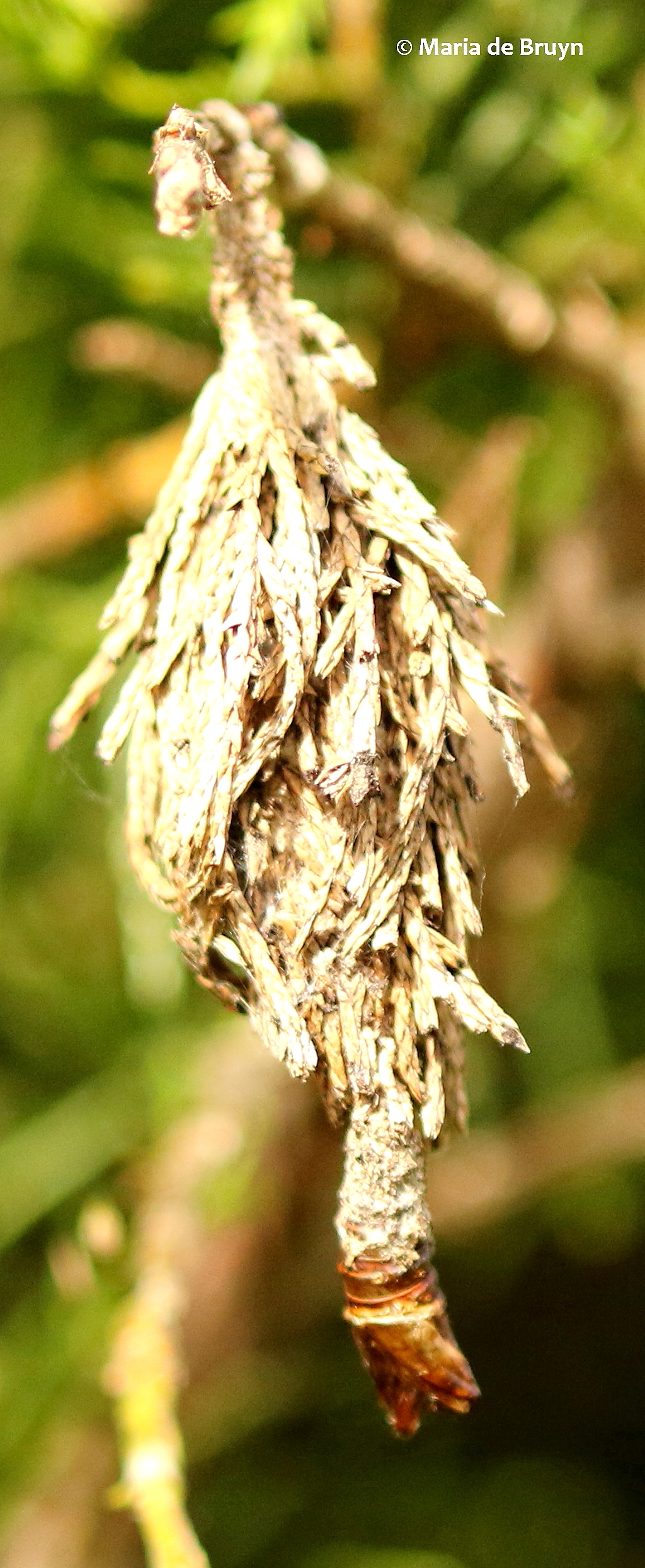
For the first time, I got to see an evergreen bagworm moth (Thyridopteryx ephemeraeformis). There were several hanging out in trees next to a rural farm pond – they did not restrict themselves to an evergreen tree but hung themselves from a persimmon, privet and cedar tree. I think the last photo shows the caterpillar as it was completing the “bag” into which it would insert itself.


In the summer, I was lucky to see a cecropia moth (Hyalophora cecropia).
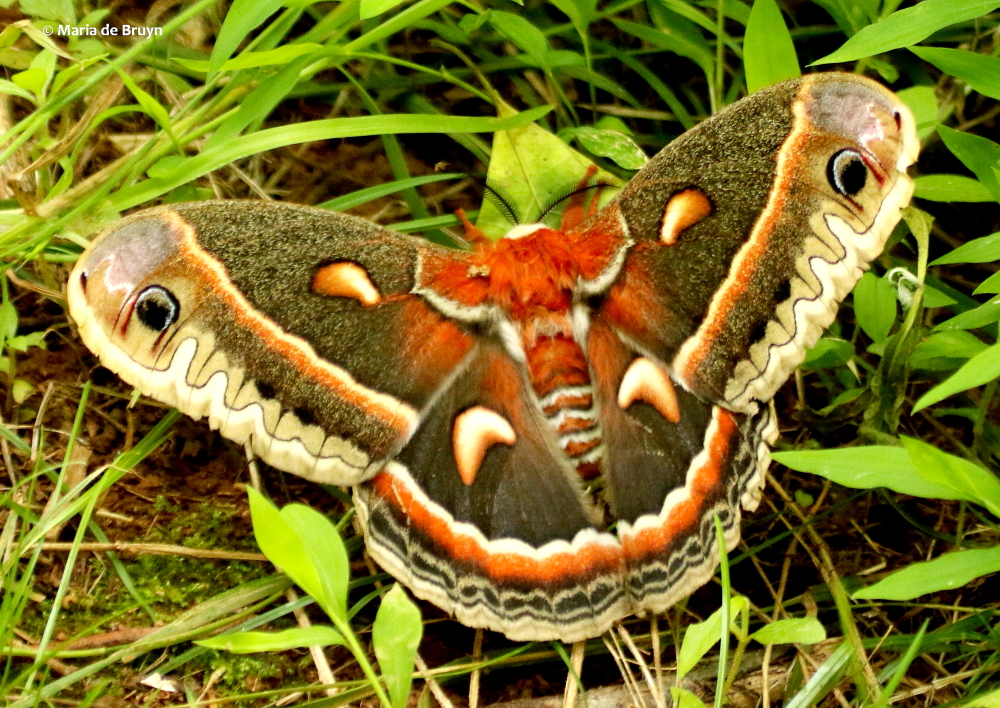
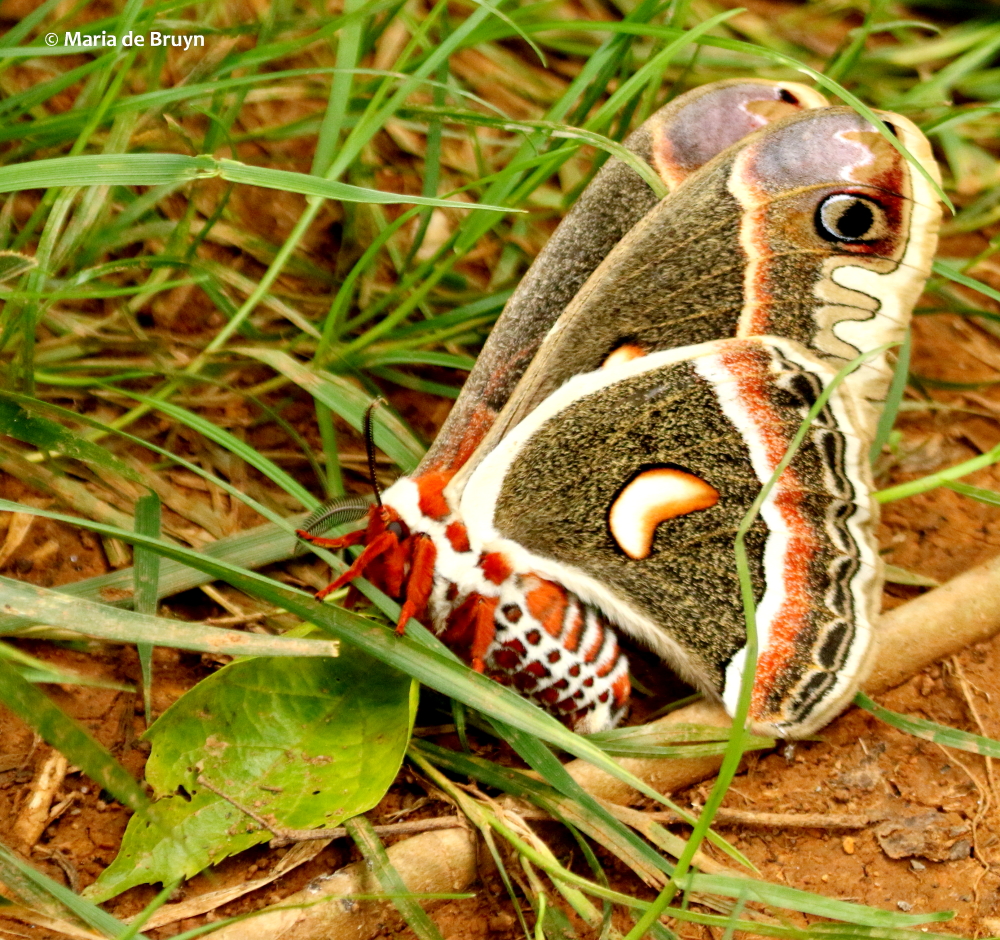
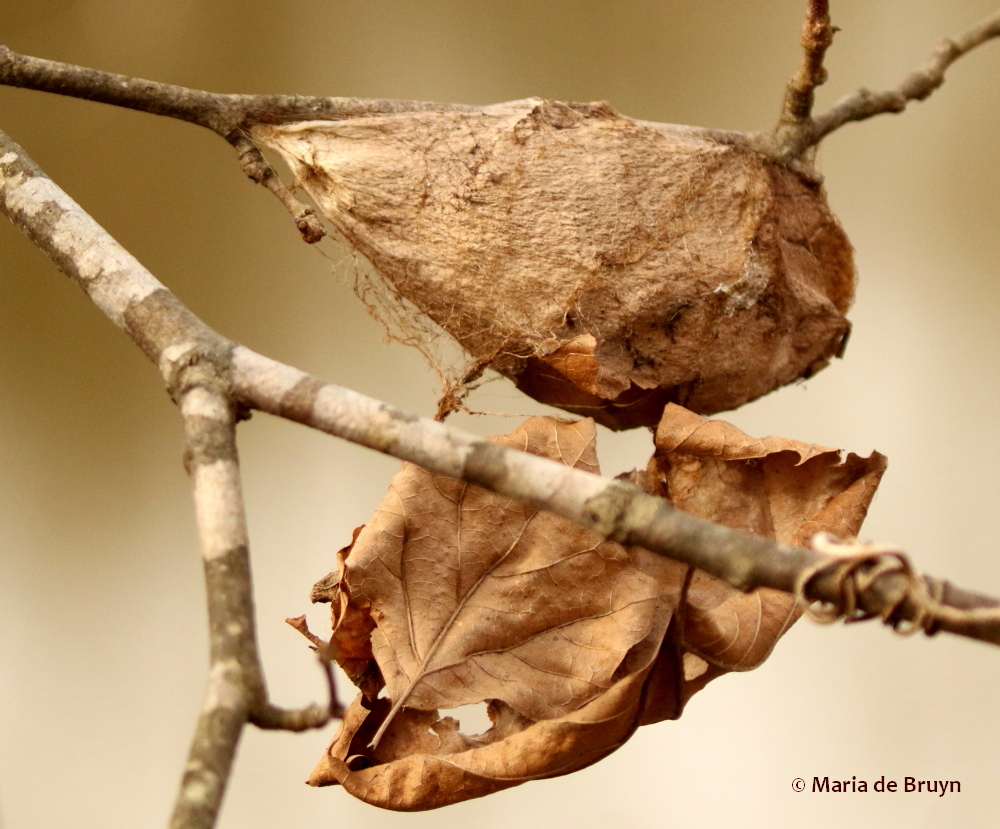
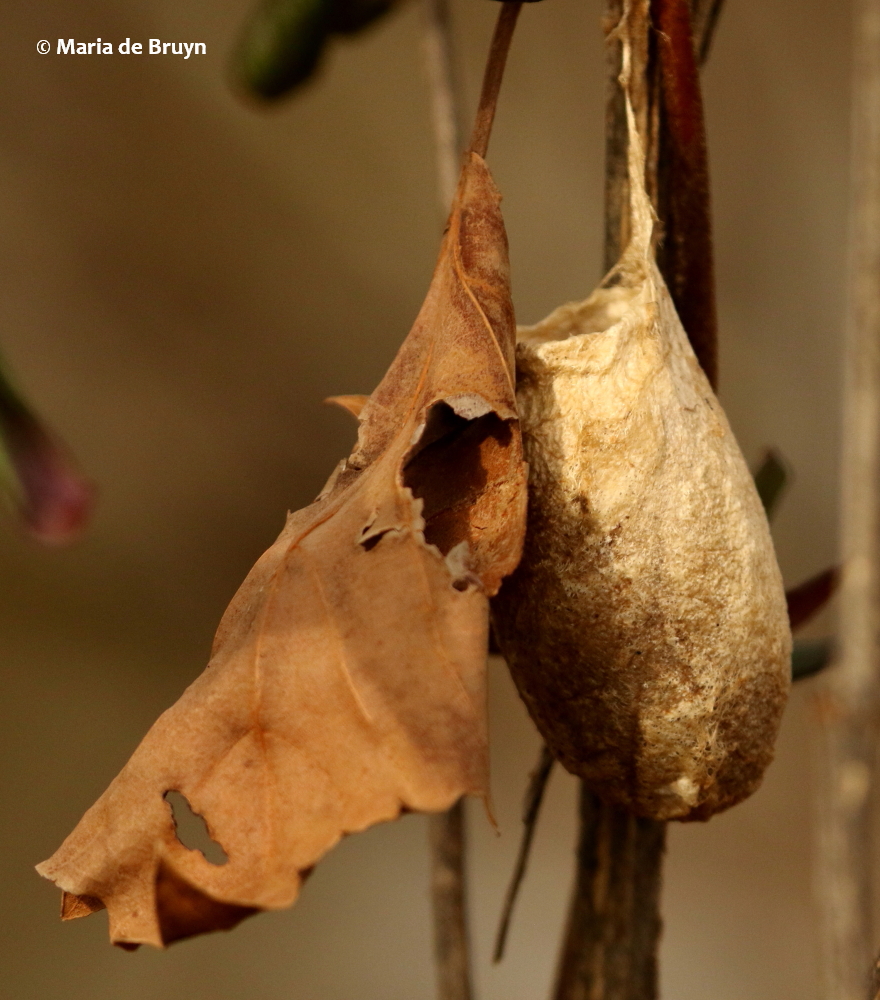
In December, I discovered two cecropia chrysalids, as well as the cup-like chrysalis of a polyphemus moth (Antheraea Polyphemus, which was empty).
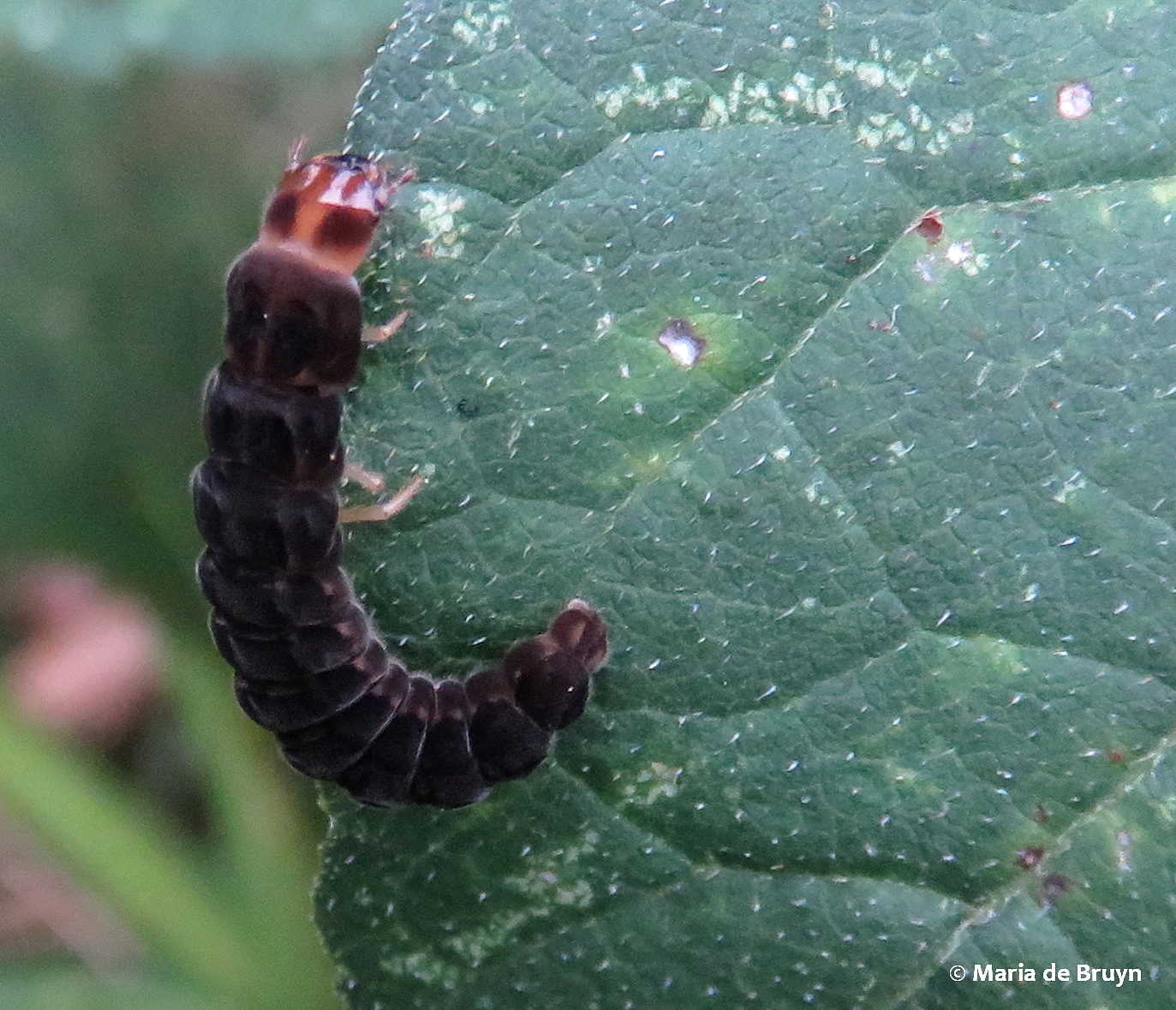 Another discovery was that the larvae of soldier beetles look like some type of caterpillar as well.
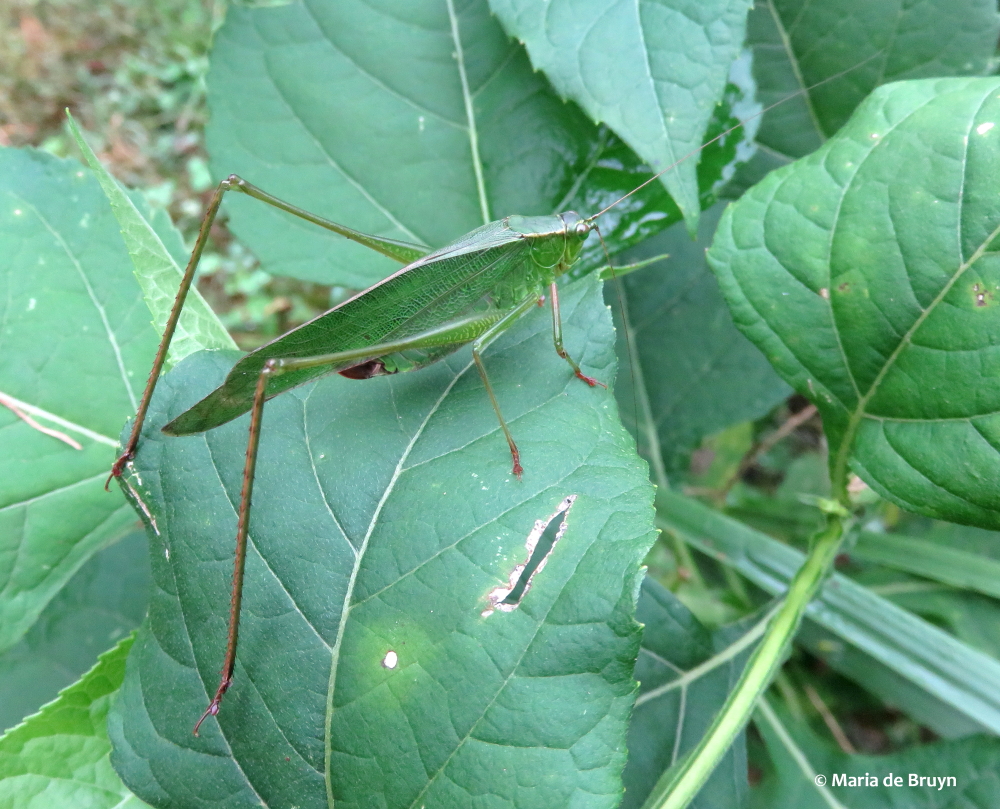
There were lots of katydids around, including the slender straight-lanced katydid (Conocephalus strictus) and the stockier Scudderia bush katydid.

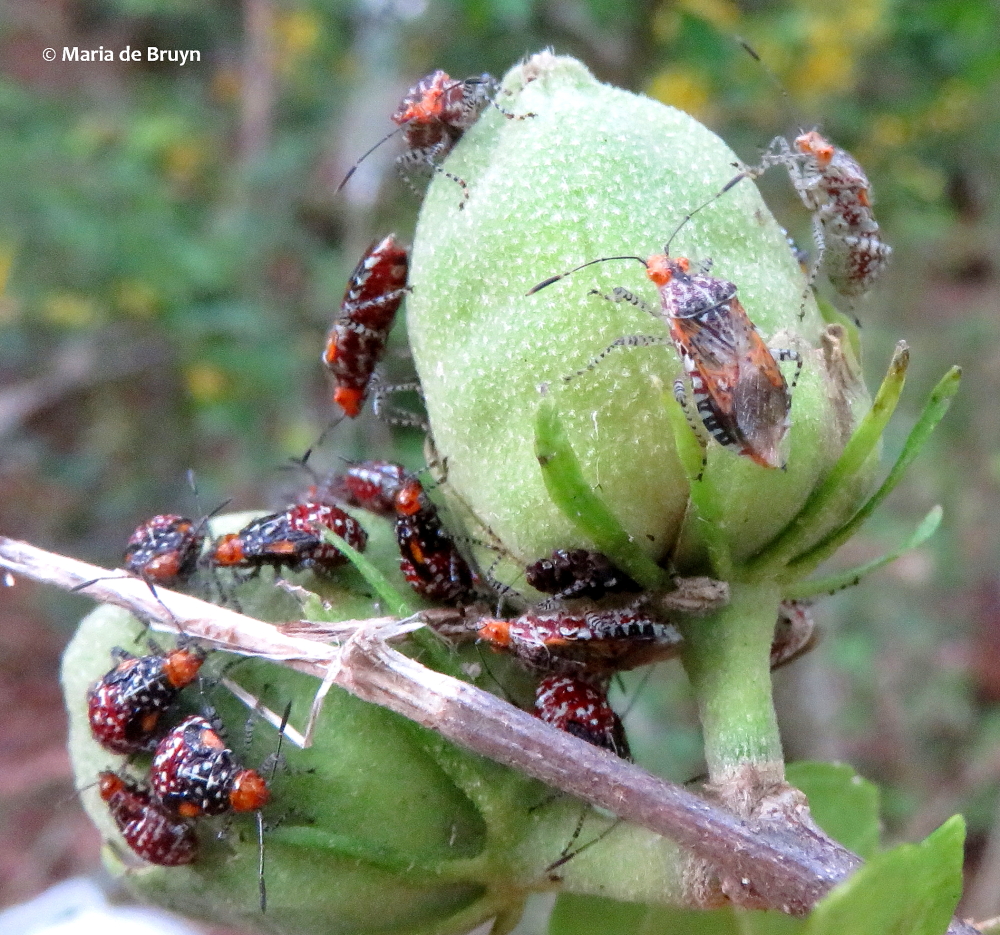
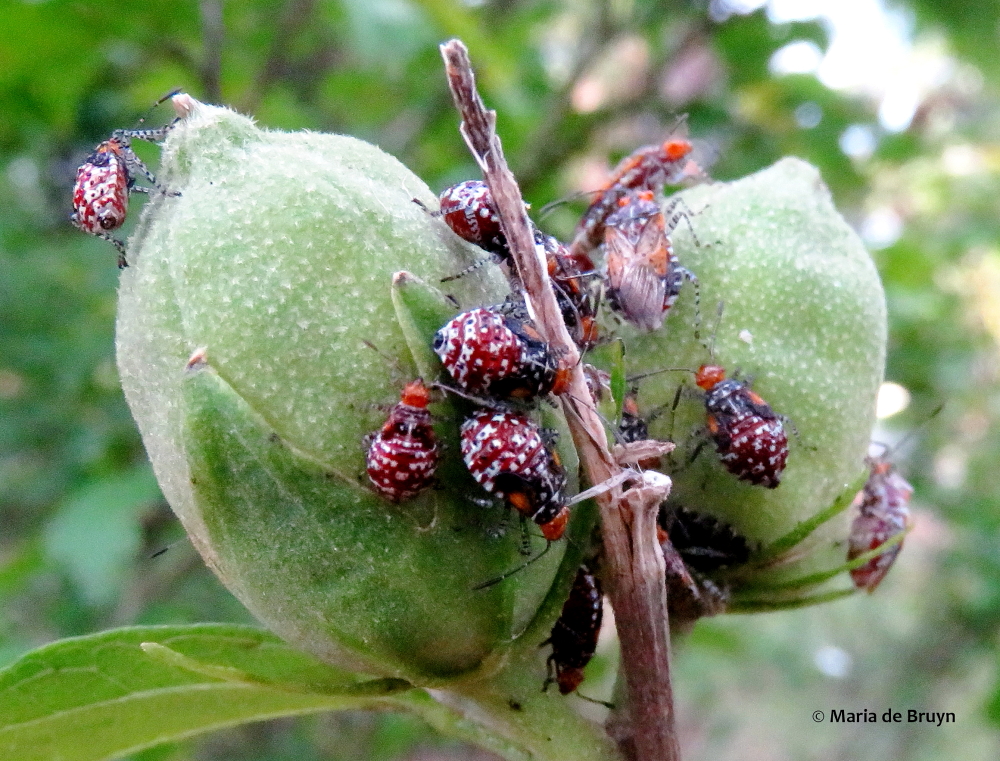
Some new bugs appeared in my yard, including a plant bug with muted colors (not yet identified to species) and some more colorful scentless plant bugs (Niesthrea louisianica) on my Rose of Sharon shrubs.


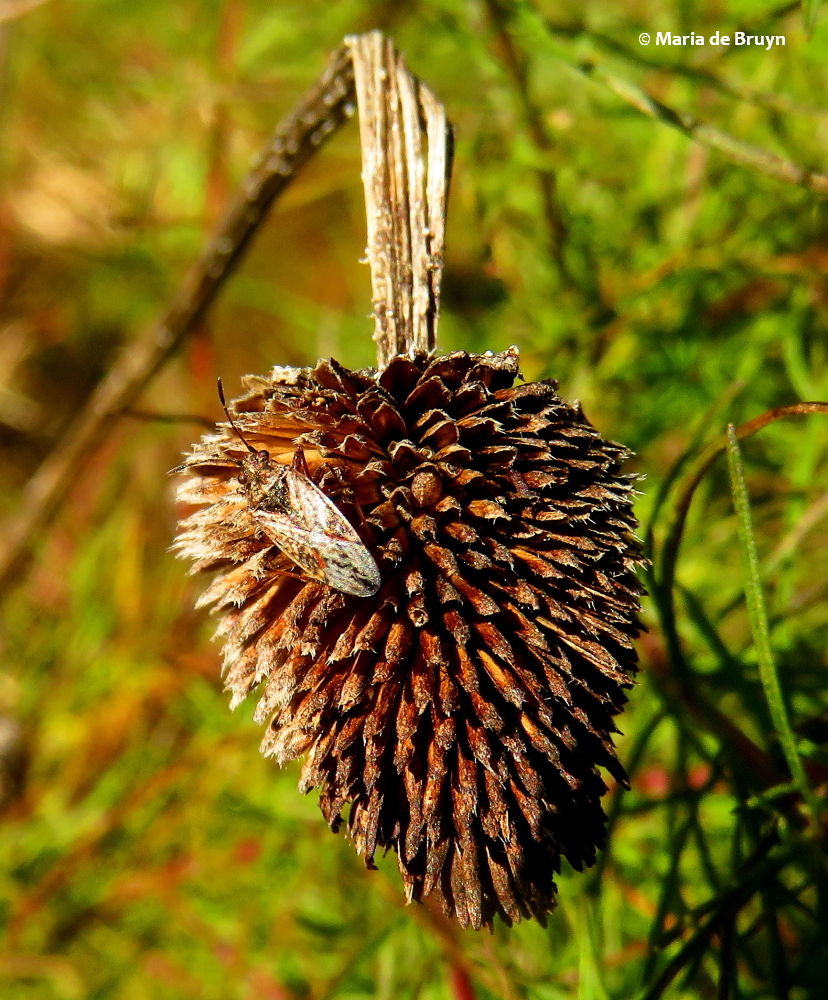
A seed bug on a seed pod and a head-on photo of a millipede (Narceus americanus-annularis-complex) were cool sightings, too.

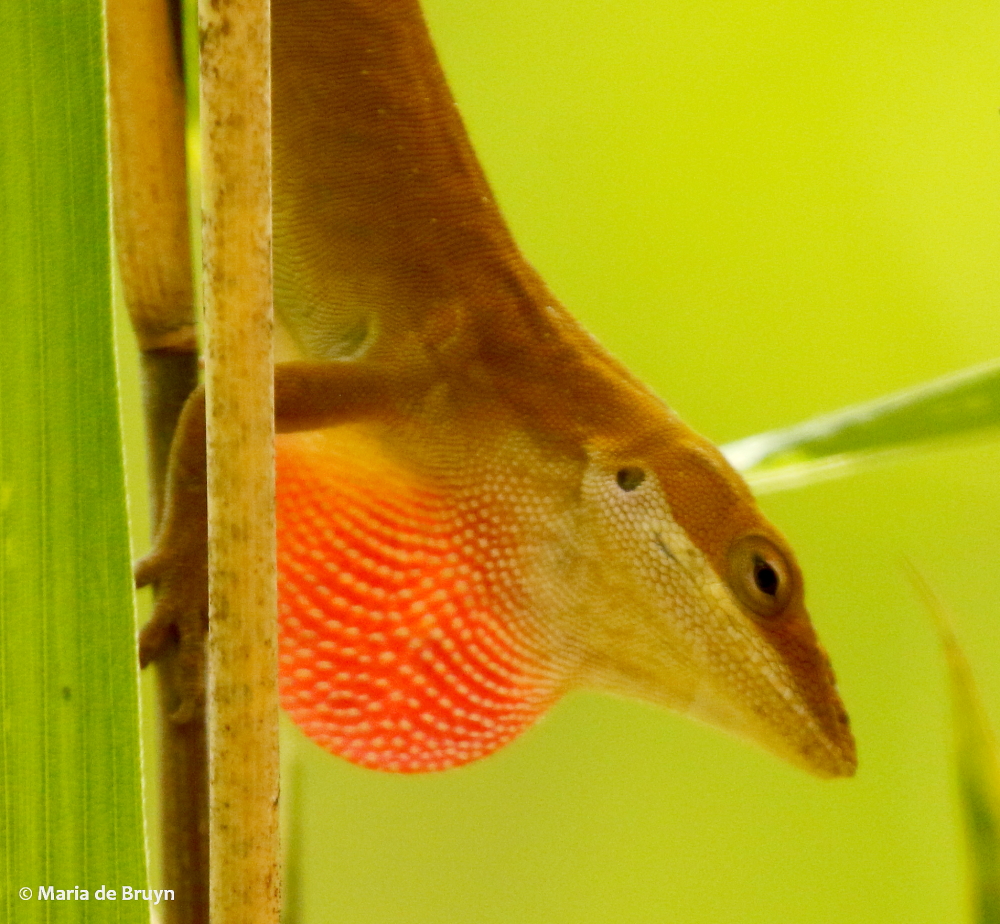
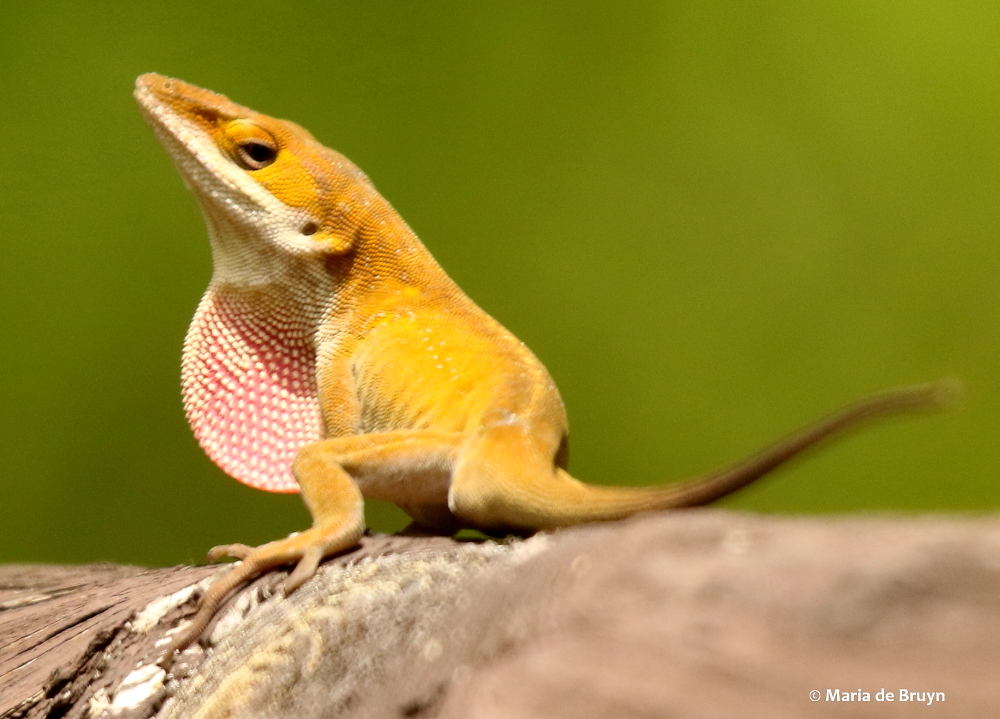
2018 was a good year for my observations of reptiles, too. Seeing a Carolina anole (Anolis carolinensis) flash its red dewlap (also known as a throat fan) was not a new experience but the fact that it was only a foot away from me doing it was a surprise.
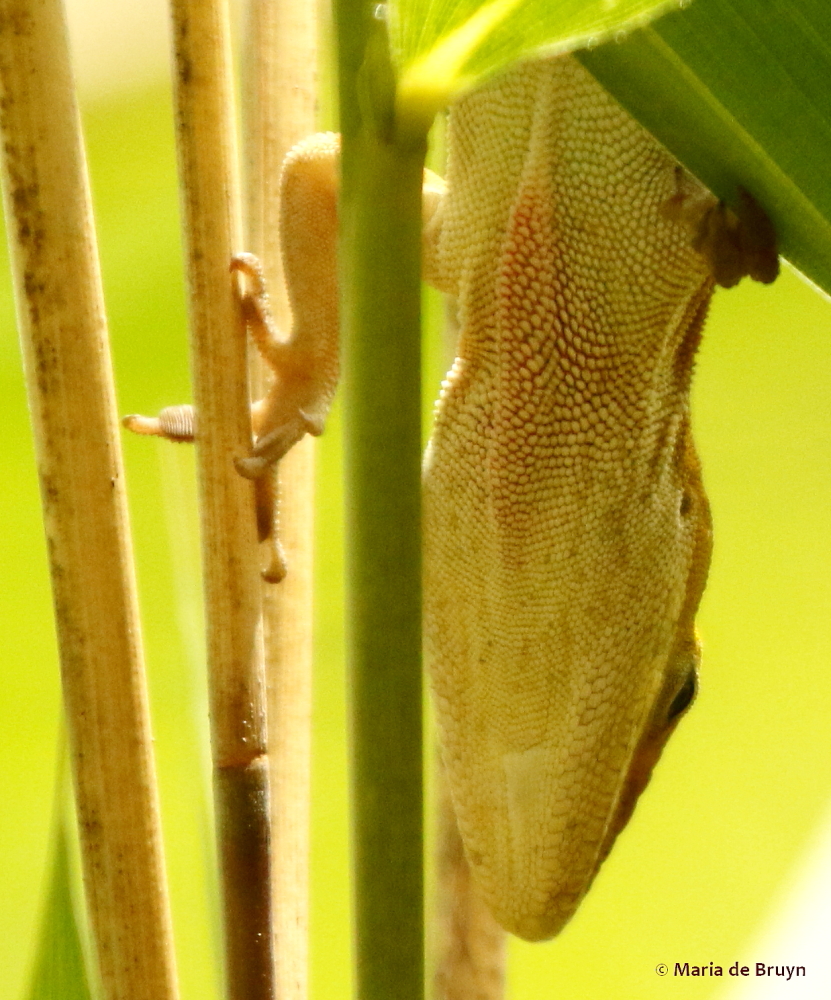
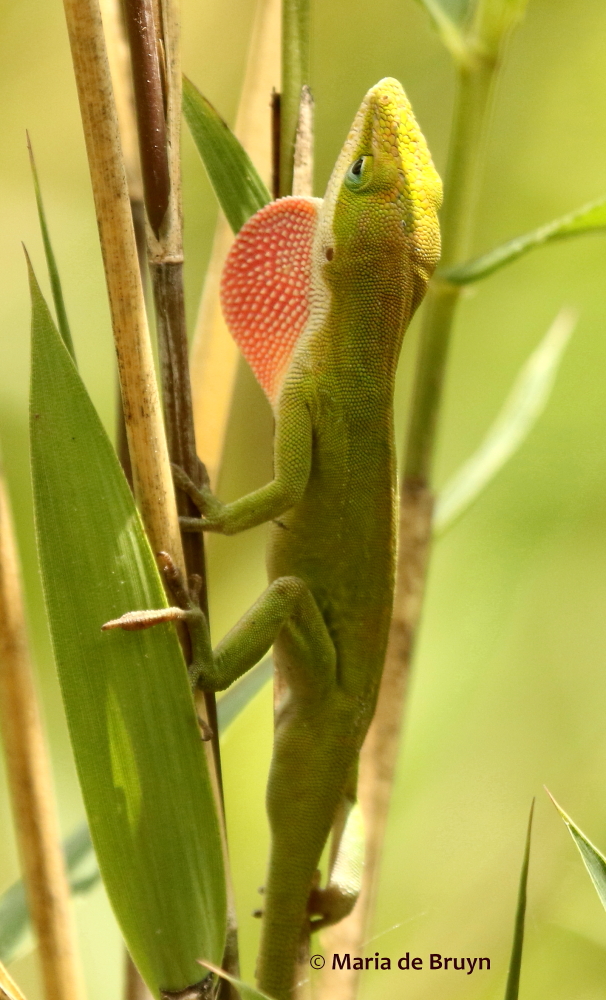

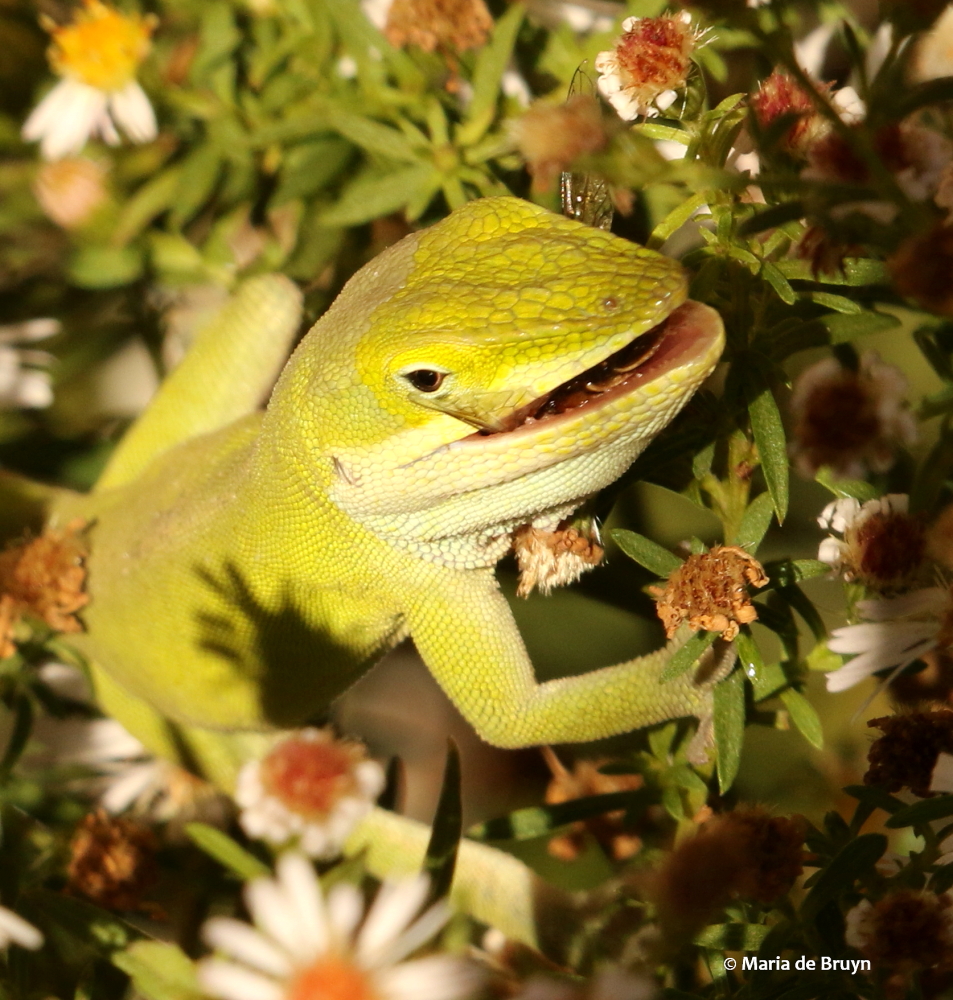
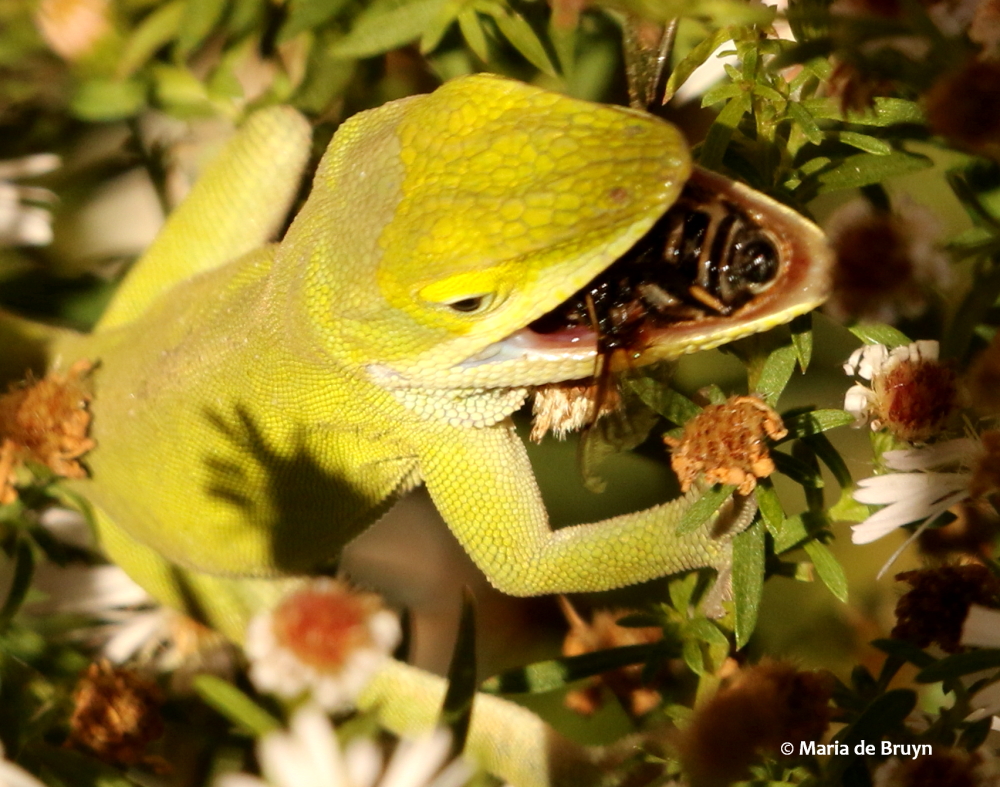
Seeing one of these anoles jump from one small flower twig to another in order to catch a bee for supper was a surprise – I didn’t know they eat bees. I felt a little sad that we lost a pollinator that way, but the anoles have to eat, too.

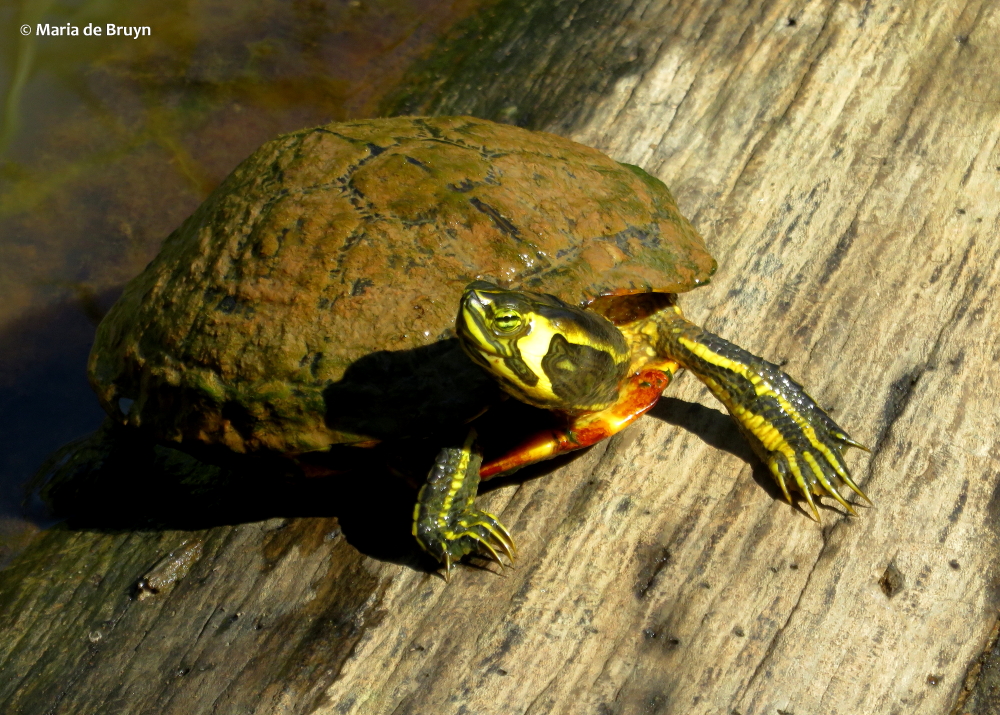
One day, when walking at the same wetlands where the anole hung out I came across some beautifully colored turtles. The yellow-bellied slider (Trachemys scripta) had a beautiful pattern on its face.
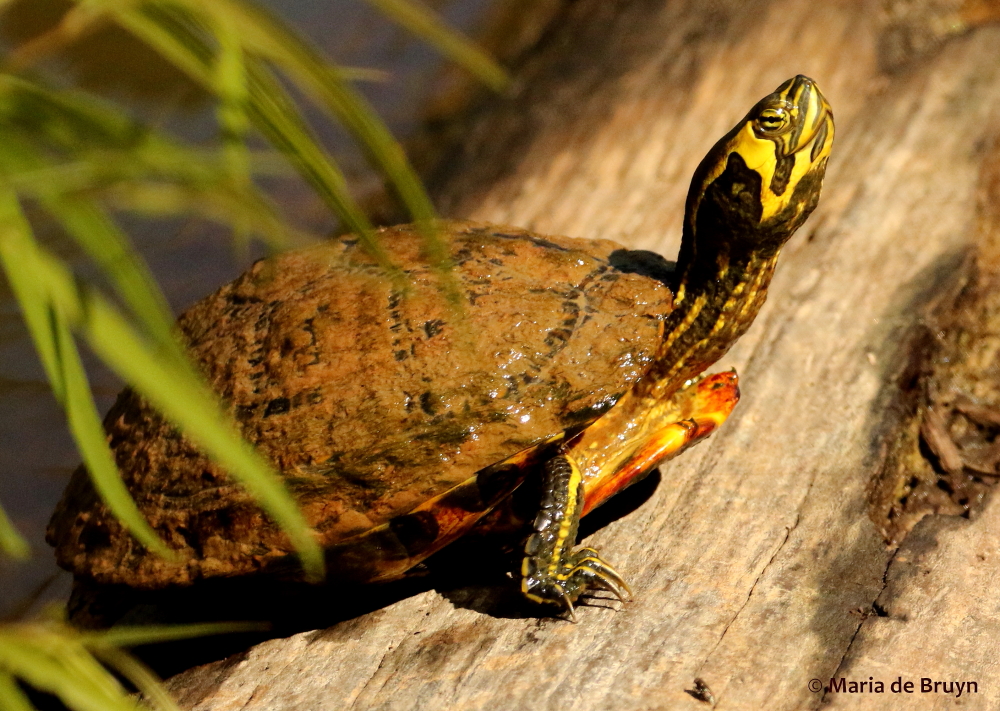
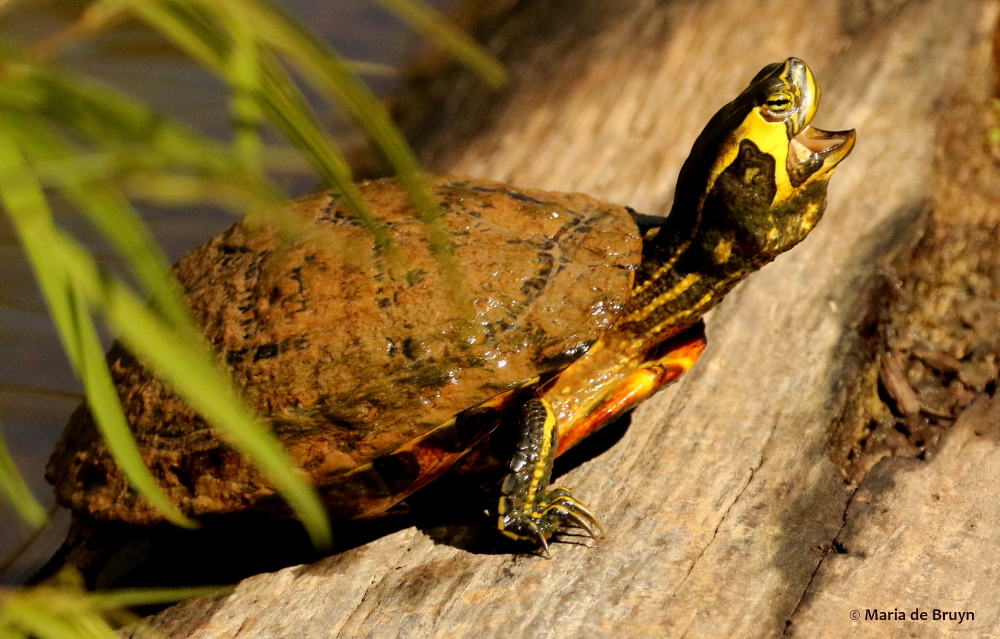
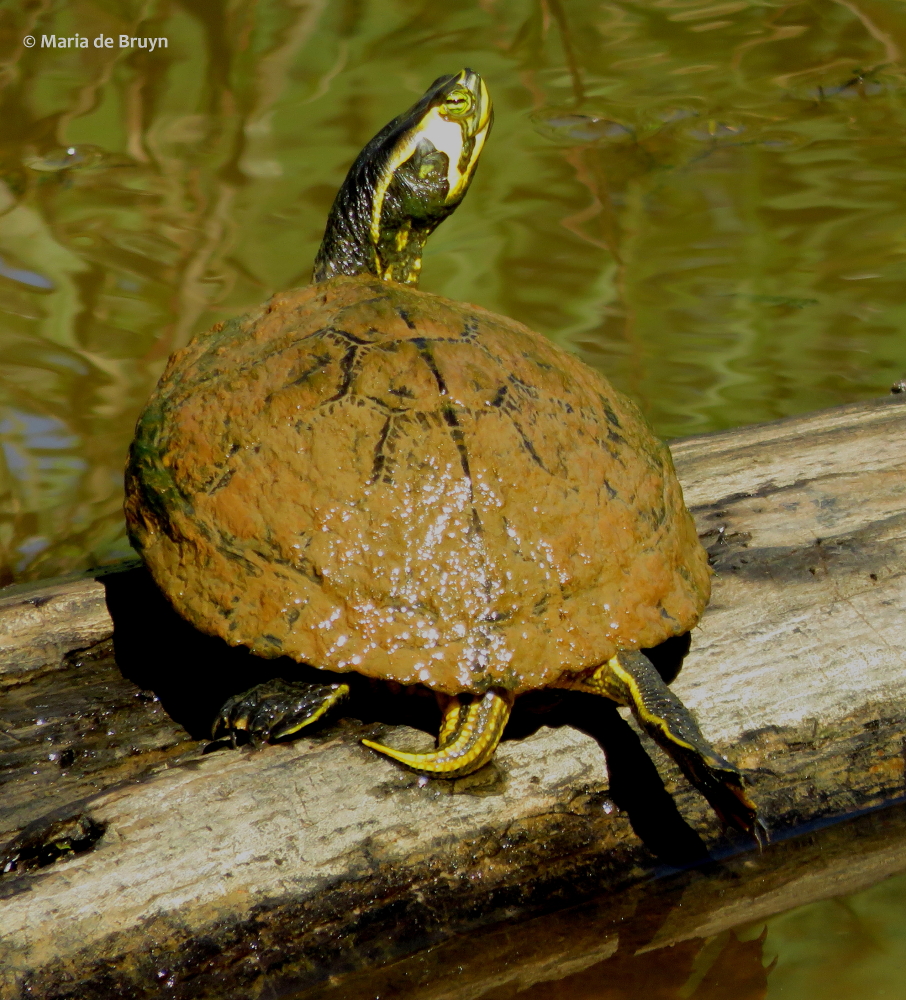
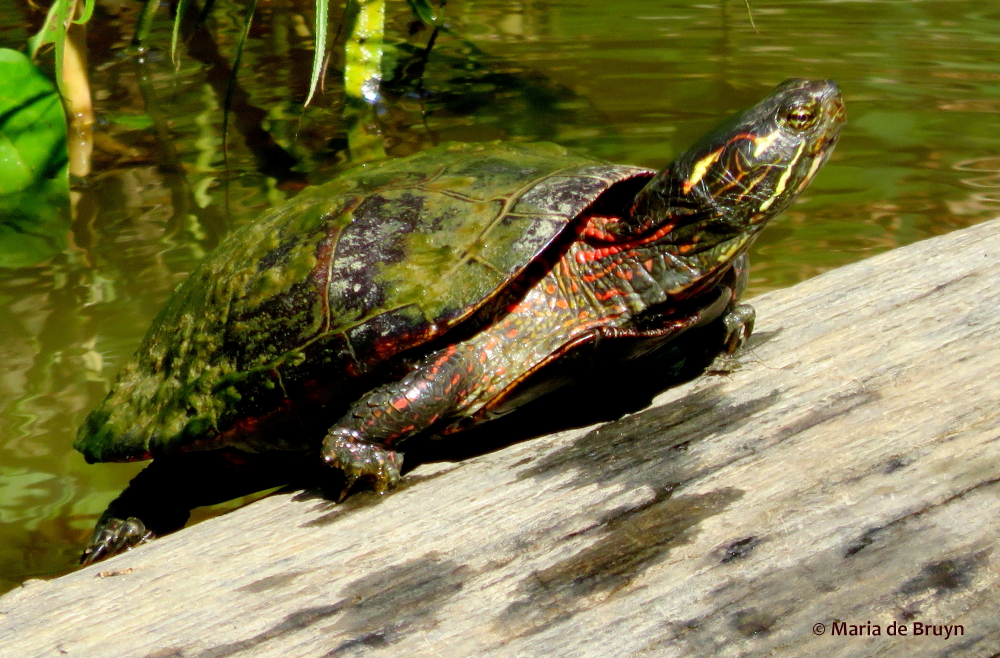
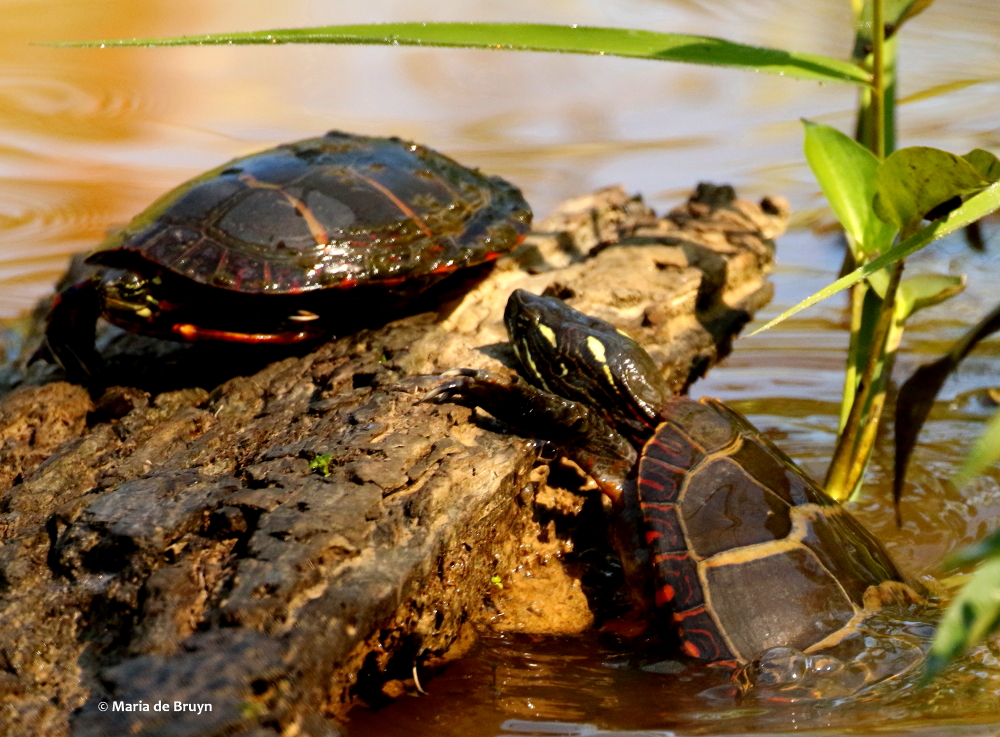
The painted turtle (Chrysemys picta picta) with its long claws had some beautiful bright red striping. It had gotten a prime sunning spot on a log that another turtle wanted for itself; the first turtle held it off.

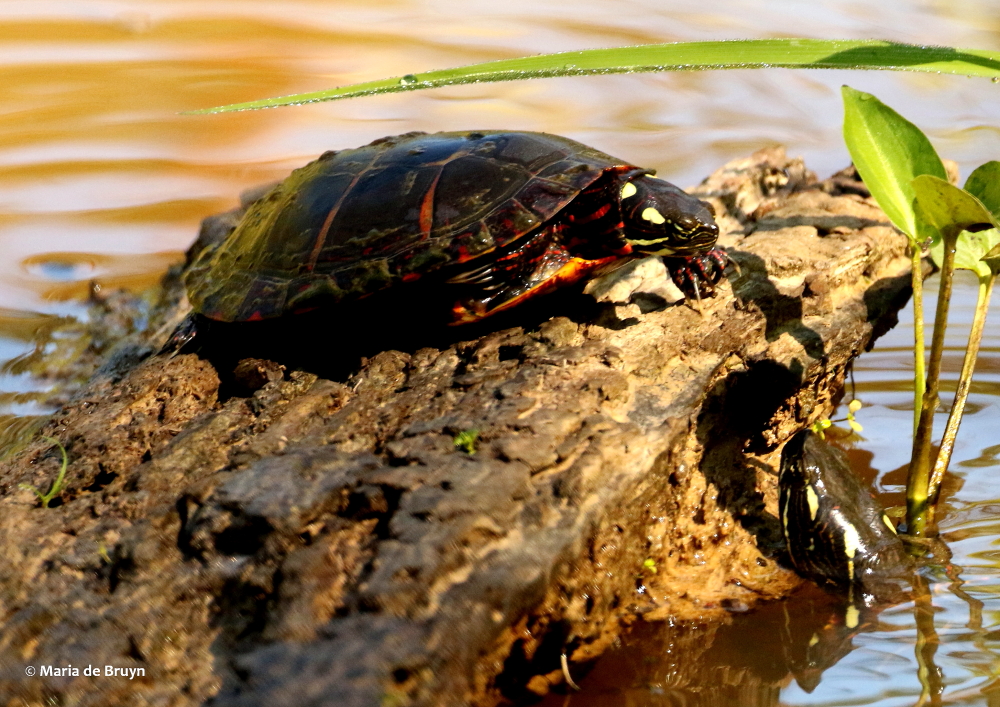
The second turtle circled around and tried to get on board from the other side but turtle No. 1 kept it at bay.


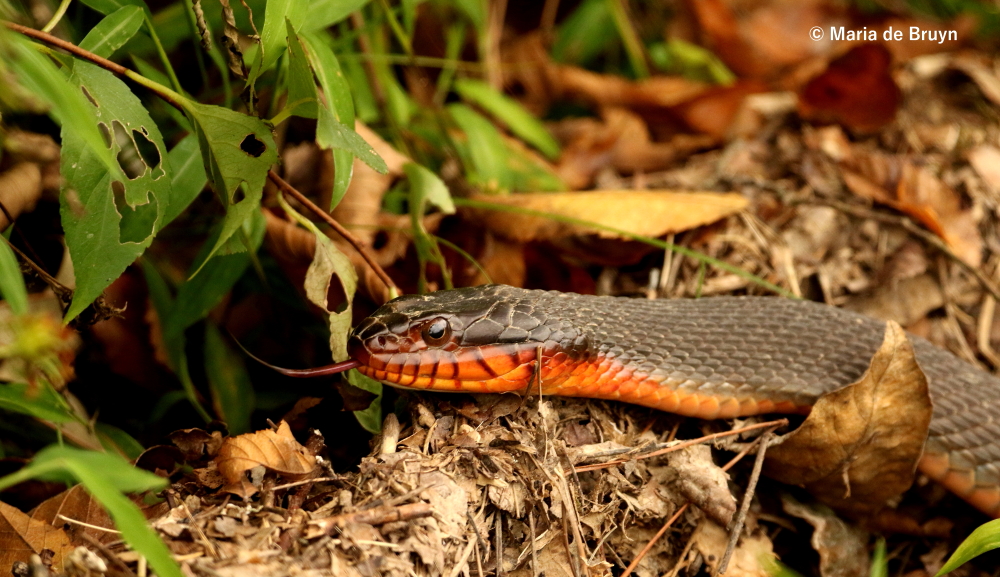
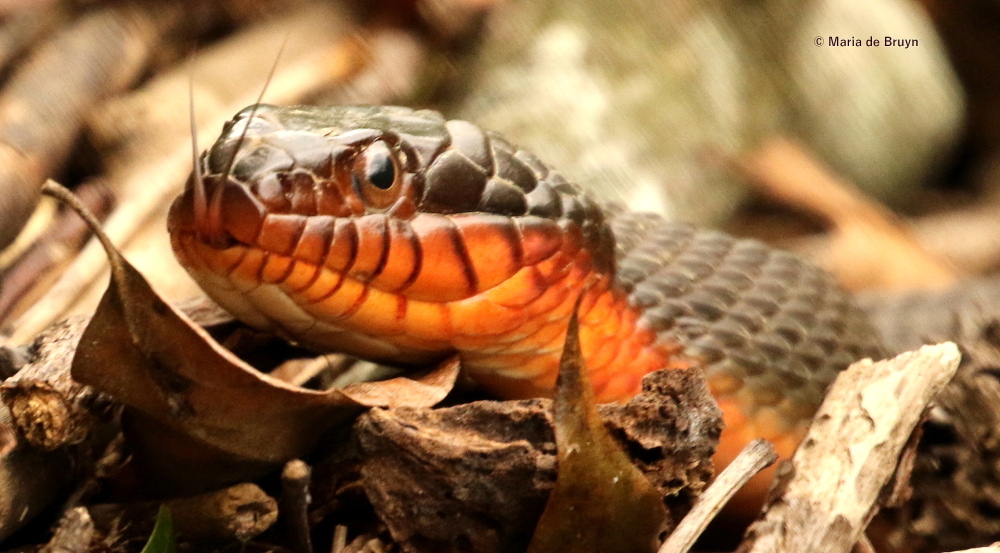
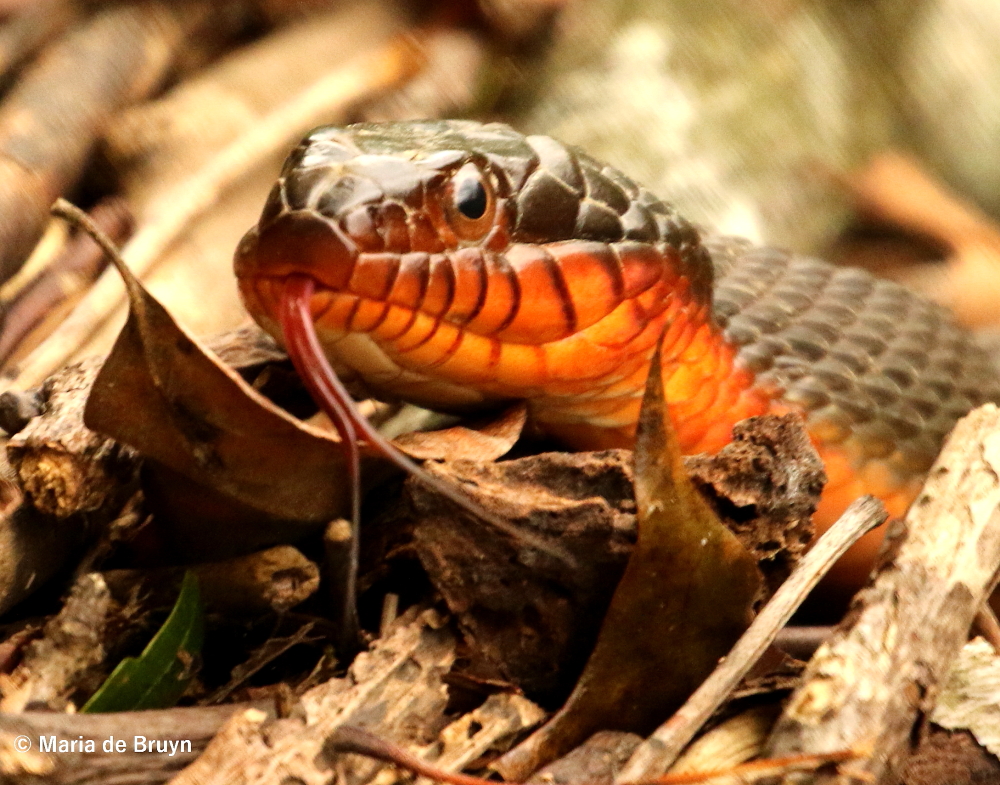
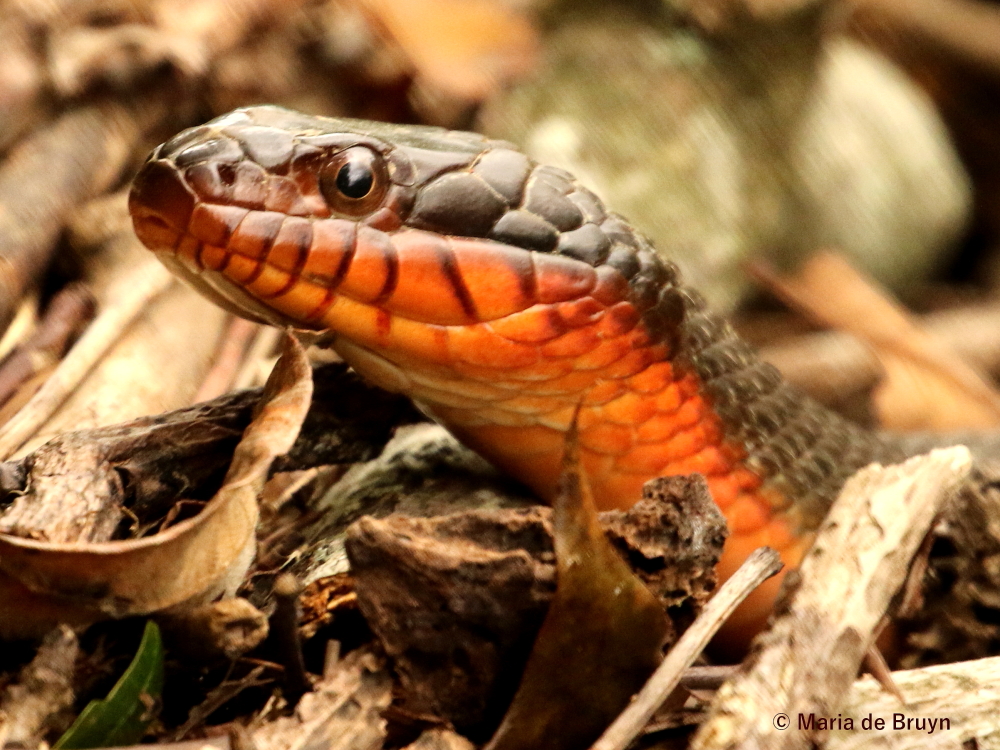
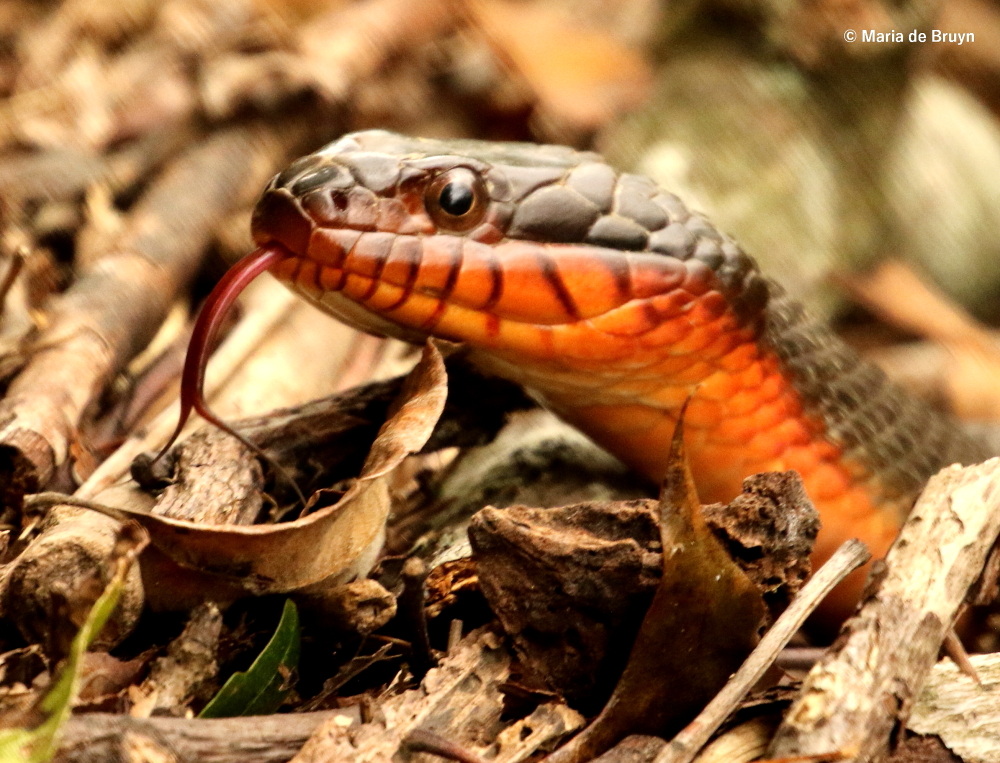
My snake encounters included seeing Northern water snakes and rat snakes. It was a beautiful red-bellied water snake (Nerodia erythrogaster) that caught me by surprise when it suddenly veered off its course toward me. I backed up and the reptile stopped approaching, flicking its tongue out as it explored what was going on.
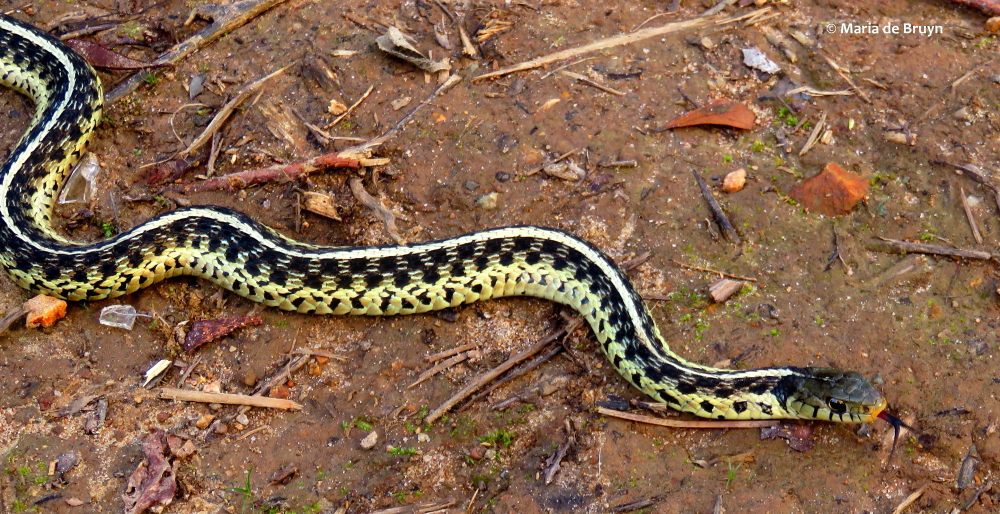
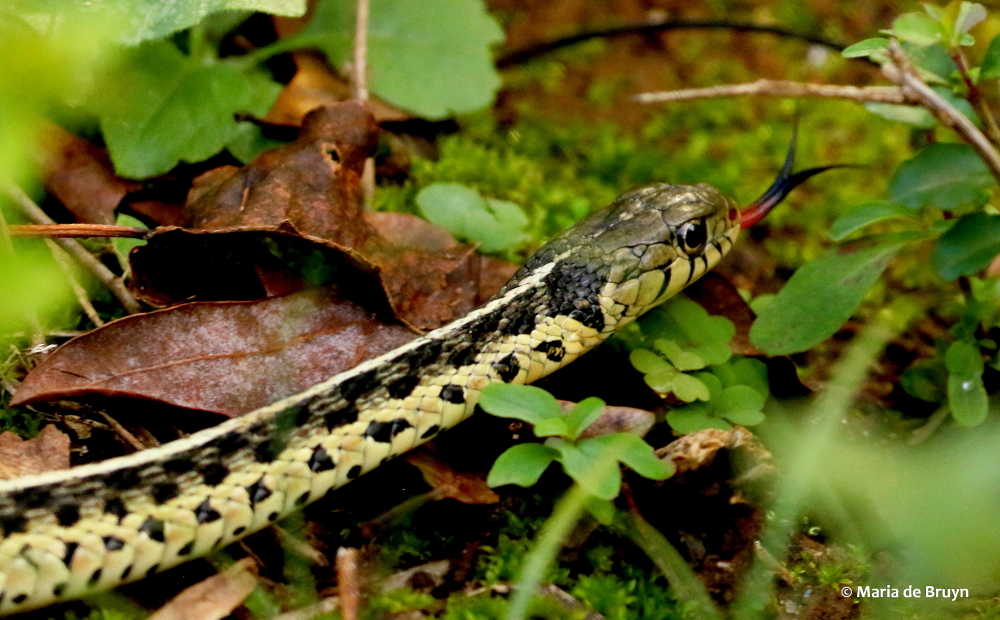
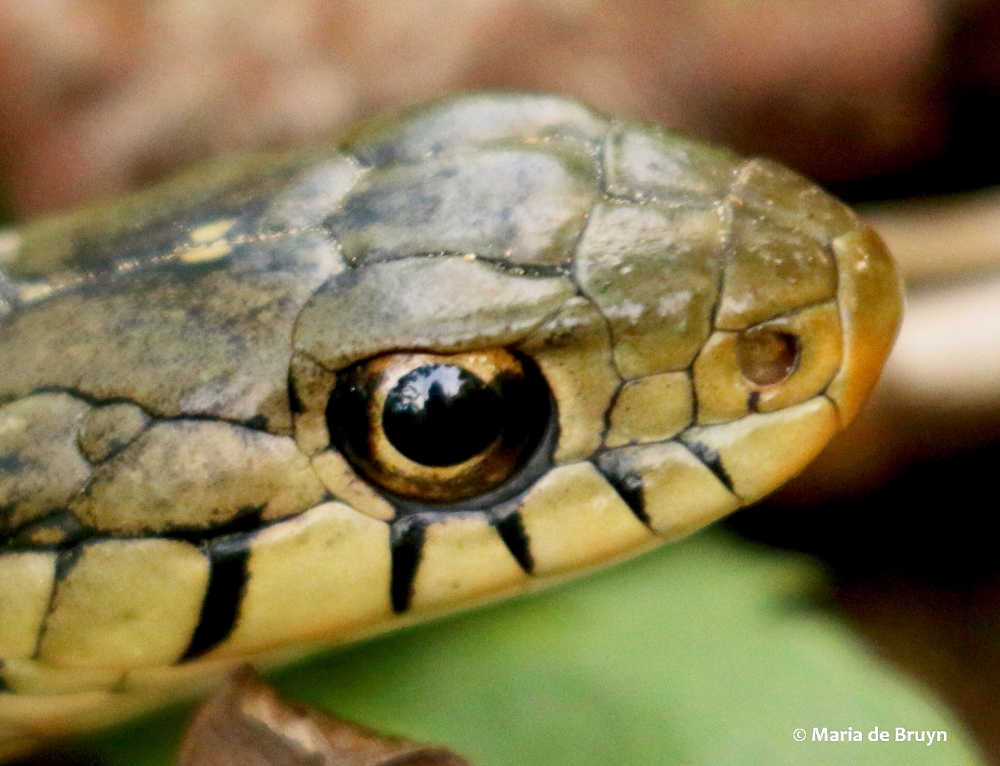
 My final spotting to share with you today is another gorgeous snake – a common garter snake (Thamnophis sirtalis). It had been a long time since I had encountered one and this individual had quite vivid colors.


Next up – some beautiful raptors.

 ee a record number of snakes (and Eastern box turtles). It began with a presentation at my camera club when a wildlife photographer brought in a pit viper for photo opportunities. I only had my old point-and-shoot camera with a no longer functioning flash so my photo was not so great; the poor snake’s cage was also surrounded by so many people flashing around it, I had no appetite for trying to get a better shot. I much prefer taking photos of animals in the wild (and sometimes a zoo).
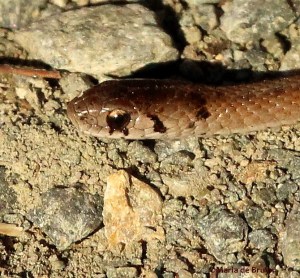 Last year, I saw a few snakes, including at an Audubon Society presentation. In the wild, I came across this thin brown snake (Storeria dekayi) crossing a path at the Mason Farm Biological Reserve. It actually was kind of a pretty with the brown markings on its head. These snakes eat snails, earthworms and slugs, so you might find it useful if they are around your garden to cut down on the plant-eating slugs.
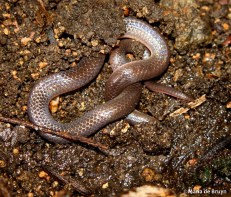 amoenus) in my garden. These smallish snakes (growing to about 15 inches max) are mostly active at night and use their small pointed heads to help root in the soil where they find insects and worms to eat.
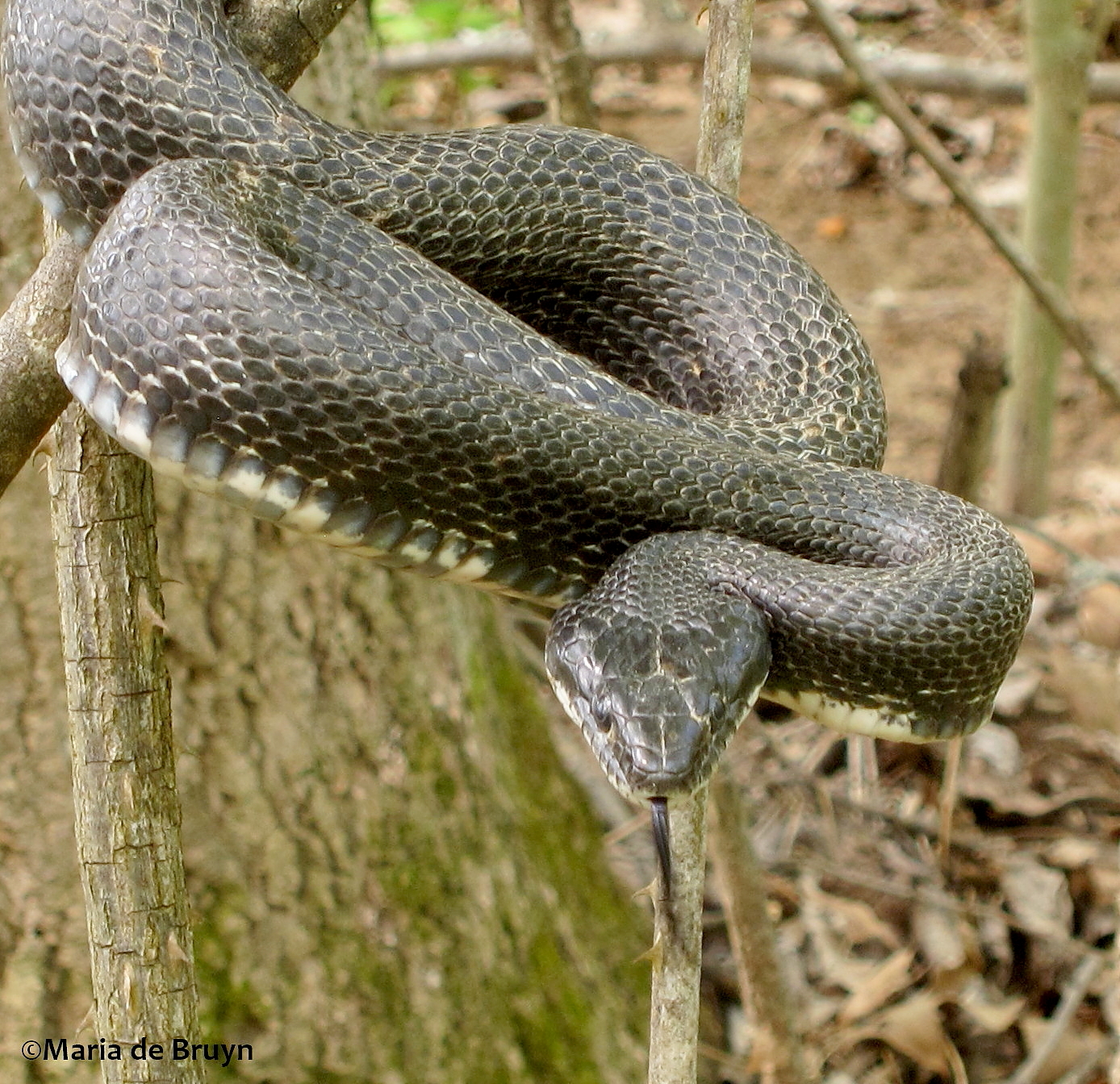


 eresting sighting lately has not been a rat snake itself but its skin! They are very good tree climbers and this one obviously decided to shed its skin while hanging on a high tree limb in a park along the Blue Ridge Parkway in the Appalachian Mountains.
 copperhead (Agkistrodon contortrix), the only venomous snake in this part of the state. They can be very beautiful and actually will not attack quickly. When threatened, they will often vibrate their tail and release a musky odor. If they feel they are in danger, however, they will bite – as my next-door neighbor unfortunately discovered when he put his arms around a tree to tie a ribbon on and disturbed an unseen snake on the other side of the tree. He had to go to the hospital and had a severely swollen arm, describing the bite and its after-effects as incredibly painful.
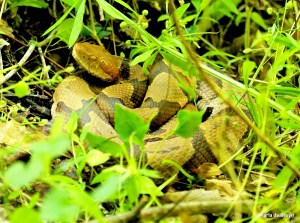 Knowing all this made me incredibly grateful that I encountered this snake on a cool early morning. Just before a nature walk, I needed to relieve myself badly and snuck off a path to do so before other hikers arrived. Perhaps distracted by the idea that someone might come upon me in an ungraceful position, I looked around quickly but obviously not thoroughly enough because as I half-squatted and looked down at my feet, I discovered my right foot was right next to this reptile. I backed away quietly but quickly and only later when I retrieved my camera from the car did I get a shot of this merciful snake.

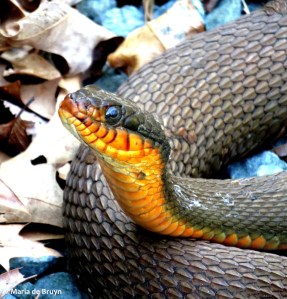 When our volunteer group at Mason Farm recently began a task of preparing wood for a new boardwalk, we discovered another native snake was keeping us company – a red-bellied watersnake (Nerodia erythrogaster). These somewhat short-tempered but beautiful reptiles consume a varied diet but mainly eat amphibians such as frogs, toads, and salamanders.
 My beautiful world