Nature Photo Challenge: Autumn colors, part 2: “shrooms!”


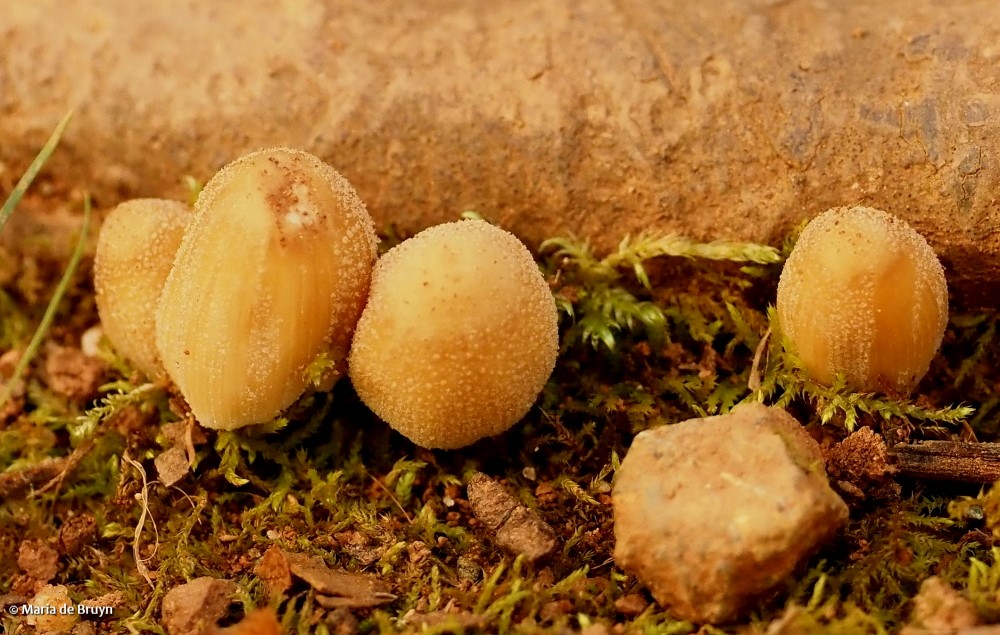
One of my favorite things to spot during autumn outings are mushrooms, the fruiting above-ground bodies of fungi. The most abundant ones in our area appear to be white and ivory in color and it’s not unusual to find small “colonies” of them growing in fields and woods.
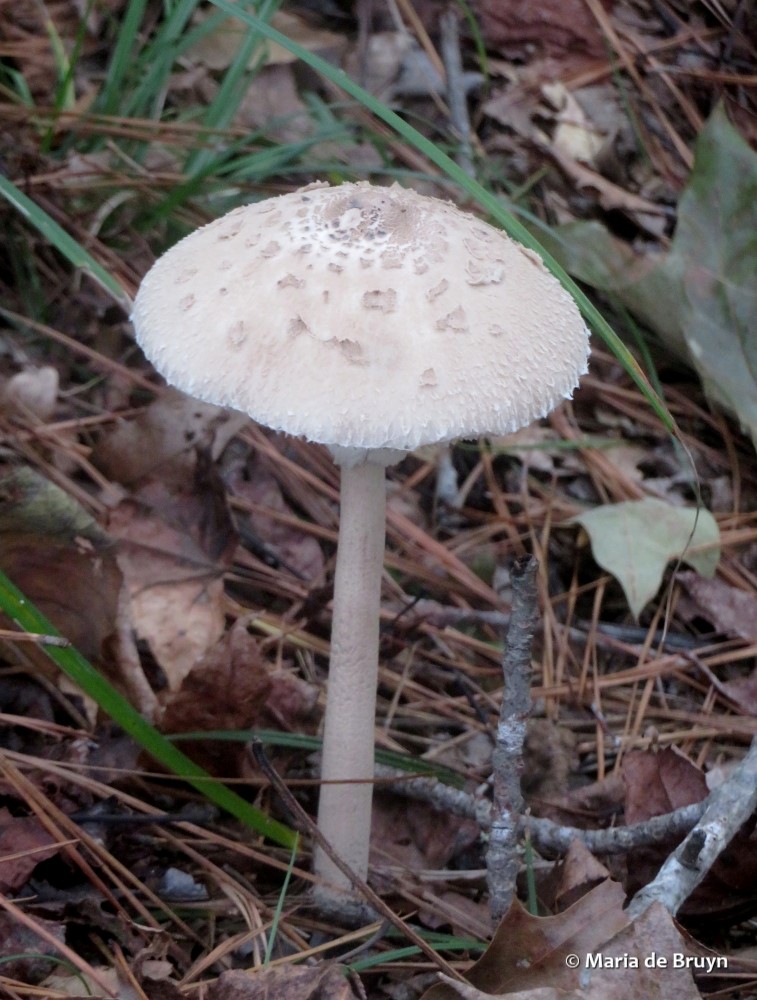
 

Admittedly, I don’t know much about fungi except that they play a very important role in the natural environment. Suzanne Simard’s book, Finding the Mother Tree, was an eye-opener for me regarding how trees communicate and thrive through use of underground fungal networks. I’m now looking forward to reading Martin Sheldrake’s book, Entangled Life: How Fungi Make Our Worlds, Change Our Minds, and Shape Our Futures.
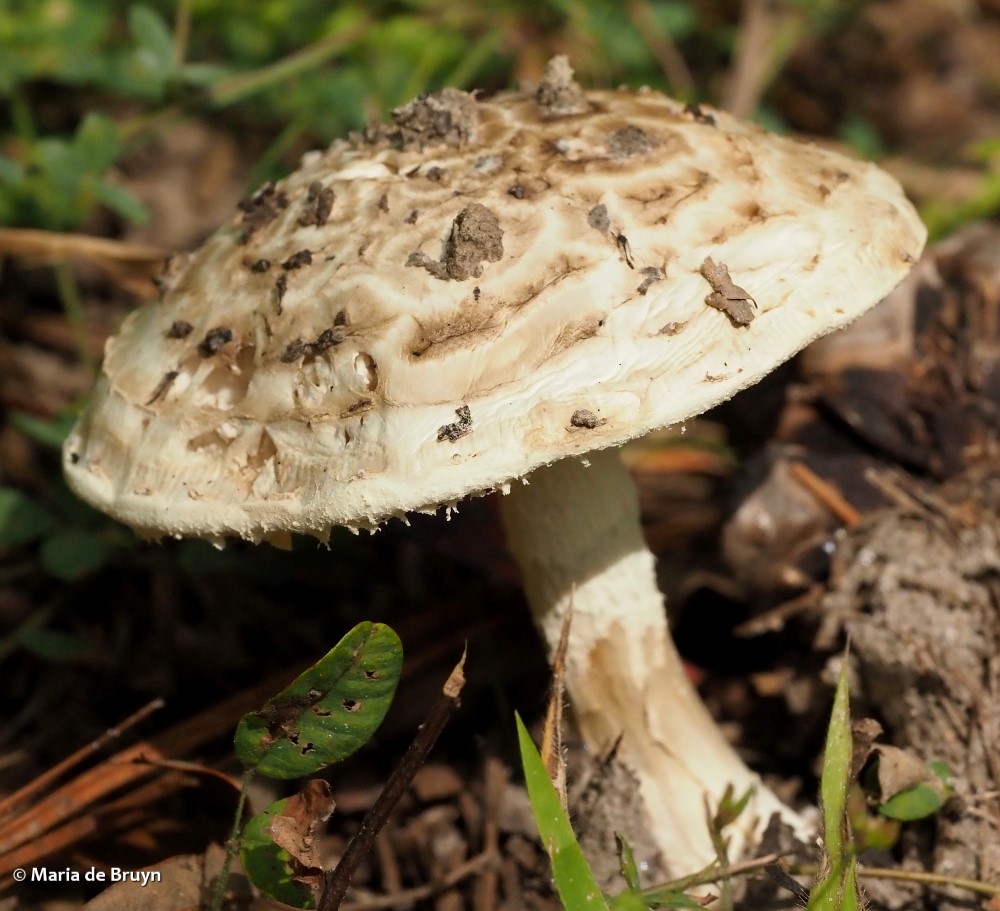
And I want to read more of the scientific writing that is challenging ideas about cooperative fungal and tree networks and cautioning us to await further studies that can show how fungi and plants may both collaborate and compete.


In the meantime, I just enjoy looking for ‘shrooms during my nature walks. Some of the white ones have interesting shapes that remind me of corals. Others have veins of bluish color.


Some of the more beige/brown fungal fruits have shapes similar to the common white mushrooms. Sheldrake has pointed out how important it is that we learn more about all of them: “They are neglected in conservation frameworks, educational curriculums, and scientific and medical research. Part of the challenge is raising awareness of fungal life and the many vital roles they play in the biosphere, of course.”

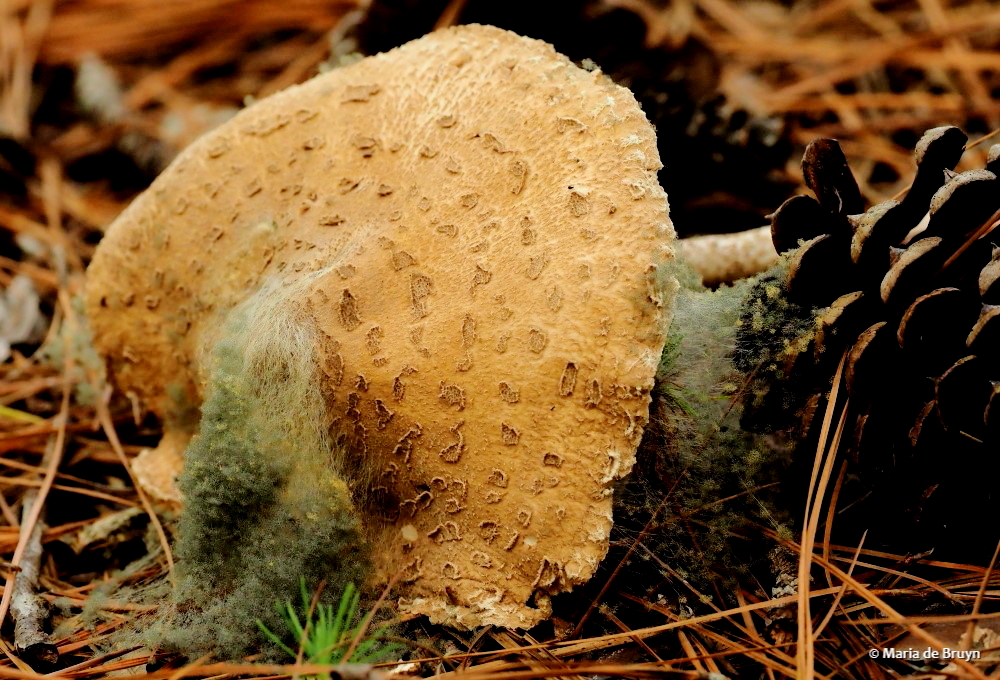
   

Did you know, for example, that mycorrhizal fungi absorb “the equivalent of more than a third (36%) of the world’s annual carbon emissions from fossil fuels – every year?”


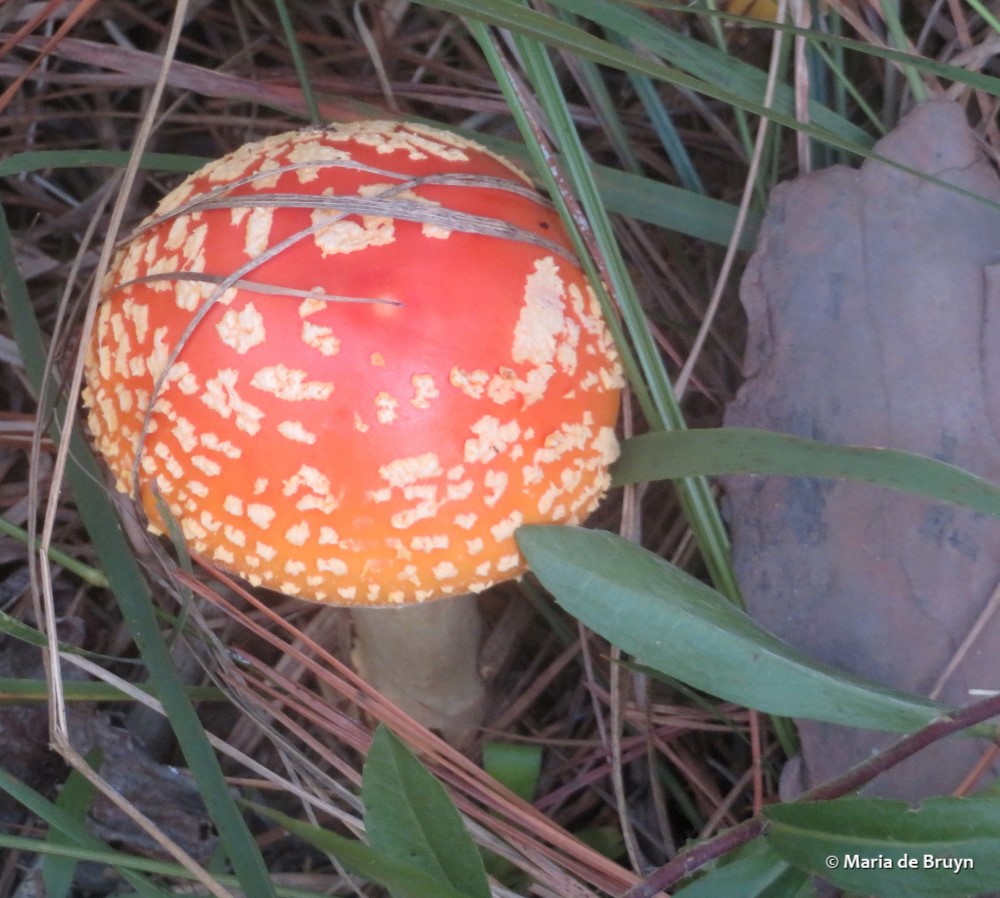
Some of my nature-oriented conservation colleagues know something about mushrooms because they enjoy collecting them for consumption. You do need to know a good deal about them, however, to do this safely as some mushrooms are poisonous. One easily recognizable one is the fly agaric mushroom with its pretty red cap dotted with white spots.

Although I went on a mushroom walk once where a knowledgeable leader encouraged us to collect specimens which he then identified at the end of the collection period, I admittedly am not so interested in learning which wild ones are edible. The cultivated mushrooms sold in stores satisfy my culinary tastes.


Spotting interesting clusters and shapes during outings is fun, however, and has led to interesting conversations with fellow walkers and photographers.


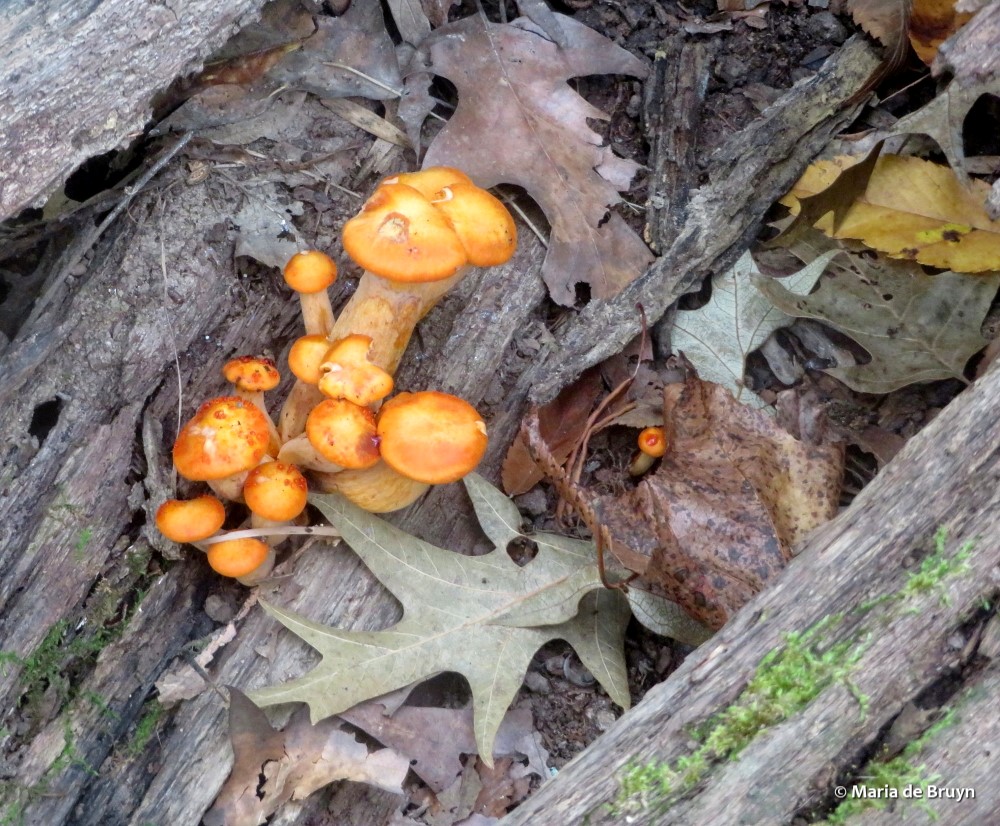
The color variations also attract me.
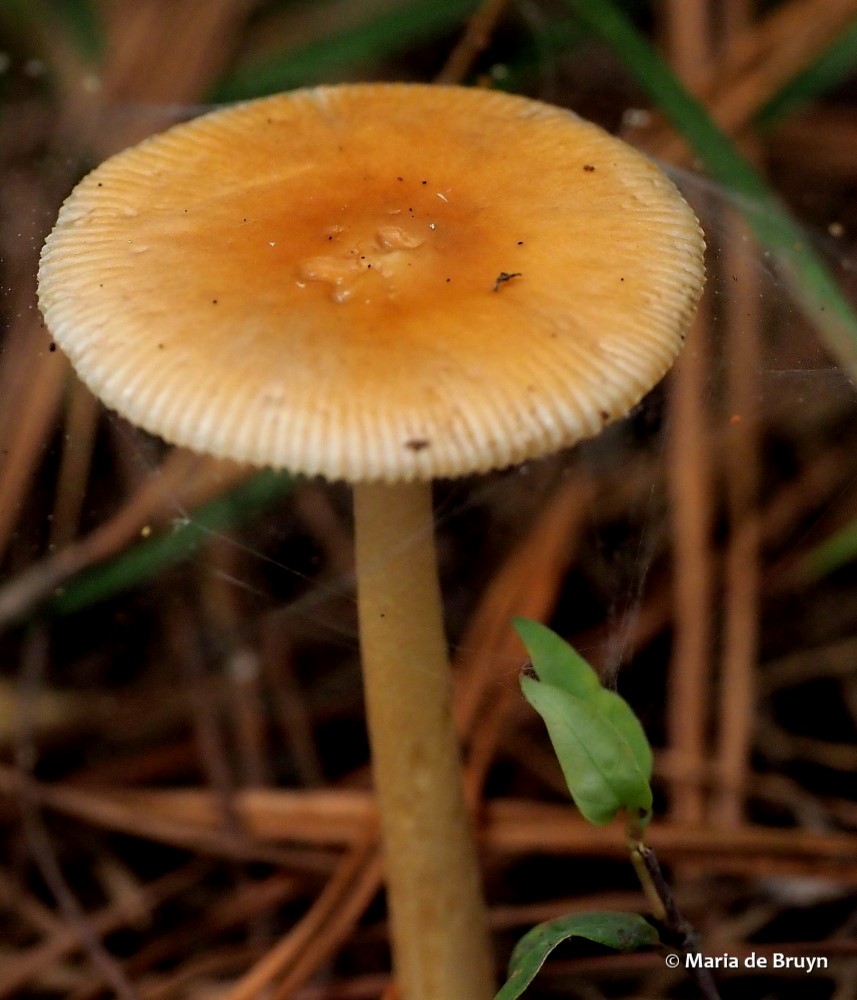
I always find the clusters of ‘shrooms with multi-colored lines appealing.


It’s also interesting to know that mushrooms can be used to create vivid dyes to color natural fibers such as wool.


Three of my fungal finds that were favorites this autumn are shown below. Their vivid colors really caught my eye from far away and they were quite large.

I’ll leave you with a find that has puzzled me as I have no idea what it is. Several green plants were covered with these fine white filaments. I don’t know if they were produced by fungi or some type of insect; my Internet searches have not produced an answer yet. If any of you readers know what this is, please enlighten me!  And have a nice day!

My welcome American crow friends

On numerous occasions over the past months, I’ve had ideas for new blogs and set aside photos for posting. But then other things crop up that need to be handled (health, car/house issues and a monthly newspaper column) and I put off blogging. So when fellow blogger Denzil asked his followers to post some photos of corvids, it was a great opportunity to share with you some of my latest photos of favorite visitors to my yard.

A pair of crows have been coming to visit my yard for many years now. I’ve had numerous opportunities to see them courting and looking for treats at bird feeders (and occasional pieces of apple that I put out when they come by). Above, one of them was addressing me and then gave him/herself a kind of creepy look when s/he covered her/his eyes with the nictitating membrane.

Each year, mom and dad return with their newest brood in tow. Sometimes I think offspring from previous years also join the group as this year I’ve had 6 or 7 of them come by at a time.

They are fond of several kinds of bird food that I put out for other birds, including dried mealworms and my homemade suet.

They hang their big bodies off the feeders and then usually fly down to consume whatever morsels they have gotten.

They are a loquacious lot, communicating loudly among themselves much of the time.

They are loudest, however, when they gather together to chase off the red-tailed and Cooper’s hawks who also live in the neighborhood. The crow family does not like them at all and make it known to all their neighbors, avians and humans alike. The other birds are likely happy with their alarm calls as they disappear when warned of hawks in the vicinity.

And then the corvids can also relax, enjoying drinks and bathing in the yard birdbaths. When they appear to have enjoyed a treat, I sometimes find “gifts” left behind in the  brightest birdbath. One day, when I apparently had not given them something special for some time, they took off with a small ceramic turtle that they often would leave in the birdbath after a visit. I now wonder if they gifted another neighbor with that trinket.

Their visits are always welcome to me, perhaps because I haven’t seen them harassing any of the smaller birds. Denzil’s suggestion to post about corvids was a nice reminder of the birding pleasure “my” family of crows brings along.

Learning to love an over-protective bird

When house wrens (Troglodytes aedon) first began visiting my yard some years ago, I was not aware that they are extremely protective parents. I didn’t see them as often as birds of other species since they don’t come to my feeders and were not using nest boxes.


The past couple years, however, they have become more comfortable in my yard and began building their nests in boxes after all. This became problematic for me and especially the other species who use the boxes — Eastern bluebirds, Carolina chickadees and brown-headed nuthatches. The reason?

House wrens do their utmost to drive other birds out of their territory so that there is no competition for food needed by their nestlings and fledglings. This protectiveness makes them go so far as to peck other birds’ eggs, which they have done with chickadees and bluebirds in my yard.

Very unfortunately (and upsetting to me), they even killed two nestling nuthatches one year. The other two nuthatch babies managed to fledge. This behavior led a birder, Althea Sherman, to launch a crusade against house wrens in scientific journals in the early 1900s. Now, there are instructions online on how the wrens can be discouraged, for example, on a website devoted to bluebirds.

This year, Eastern bluebirds (Sialia sialis) were tending four eggs in one box and a house wren tried to invade. The parents were very protective and successfully drove the wren away (photo below). Another pair of bluebirds had nested early and managed to guide their young to fledging. They then abandoned my backyard for nesting and the house wrens had no rivals for nest boxes in that area for the rest of breeding season.

House wrens are one of the bird species banded in my yard each year for the Smithsonian Institution’s Neighborhood Nestwatch program. This year the bird bander noticed their nest with babies in a backyard nest box, so she upped the chances of catching one by counting on their extremely protective nature.

A net was put up not far from the box and the bird bander played the call of another house wren. This resulted in both mama and papa wren getting inadvertently caught up in the net while trying to drive away the intruder. They were both banded and then immediately let go so they could resume feeding their babies.

The four woodpiles in my backyard were like a larder for them because they host a plethora of insects.


And the house wrens are obviously not that choosy about which insects they eat. Mama and Papa brought a large variety to their ever-hungry nestlings.


The parents were also very good at keeping the nest clean.

The three nestlings appeared to be producing numerous fecal sacs so that mom and dad were constantly checking the nest for them and flying them away.


At one point, it was interesting that when the male wren brought a large insect to the nest, he handed it over to the female, who was waiting a bit after having just given the babies food.


Eventually, the large meal was delivered to the nestlings.


As the days went by, the nestlings became louder and more insistent on being fed and the parents scarcely paused in their efforts to keep the meals coming and the nest clean. It must have been a relief for the parents when the babies finally left the nest box because they could now take a breather now and then.


Right after fledging, the parents were still busy. The fledglings had not yet flown far so I could see the first post-fledging feeding session for one young wren.

I had learned that house wrens sometimes incorporate spider egg sacs into the nests they build because the hatched spiders eat nest parasites and thereby help protect the developing nestlings! The parents also fed mother spiders and egg sacs to their young. Just after fledging I caught a circle-of-life moment when a parental wren fed a mother spider with her attached egg sac to a fledgling – the death of the poor insect furthered the life of the new bird.

I could see and hear the parent house wrens continuing to feed the fledglings that afternoon. But after a while they appear to have moved to another yard, where they likely weren’t dealing with humans closely watching.


The Eastern bluebirds have a new nest in my front yard now with four eggs, so my nest watching can continue for a while. And the juvenile birds of other species coming to the feeders are entertaining, too.

Our largest North American woodpecker — a real delight!

During nesting season, we have a good chance of seeing many birds whom we might not notice otherwise because they’re out in the open, collecting nesting material and scrounging for as much food as possible because they have hungry mouths to feed. I was very grateful to my friend Carol when she told me about a pileated woodpecker (Dryocopus pileatus) nest where the babies might be fledging soon. Pileated woodpeckers are also nesting somewhere near my home, but I rarely see them.

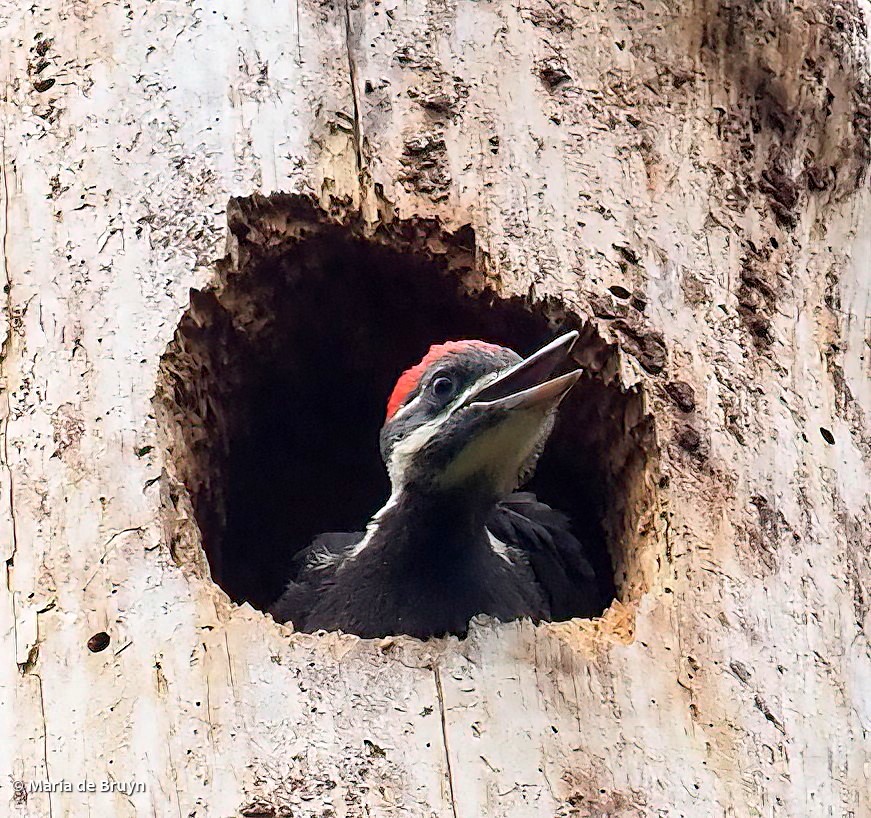
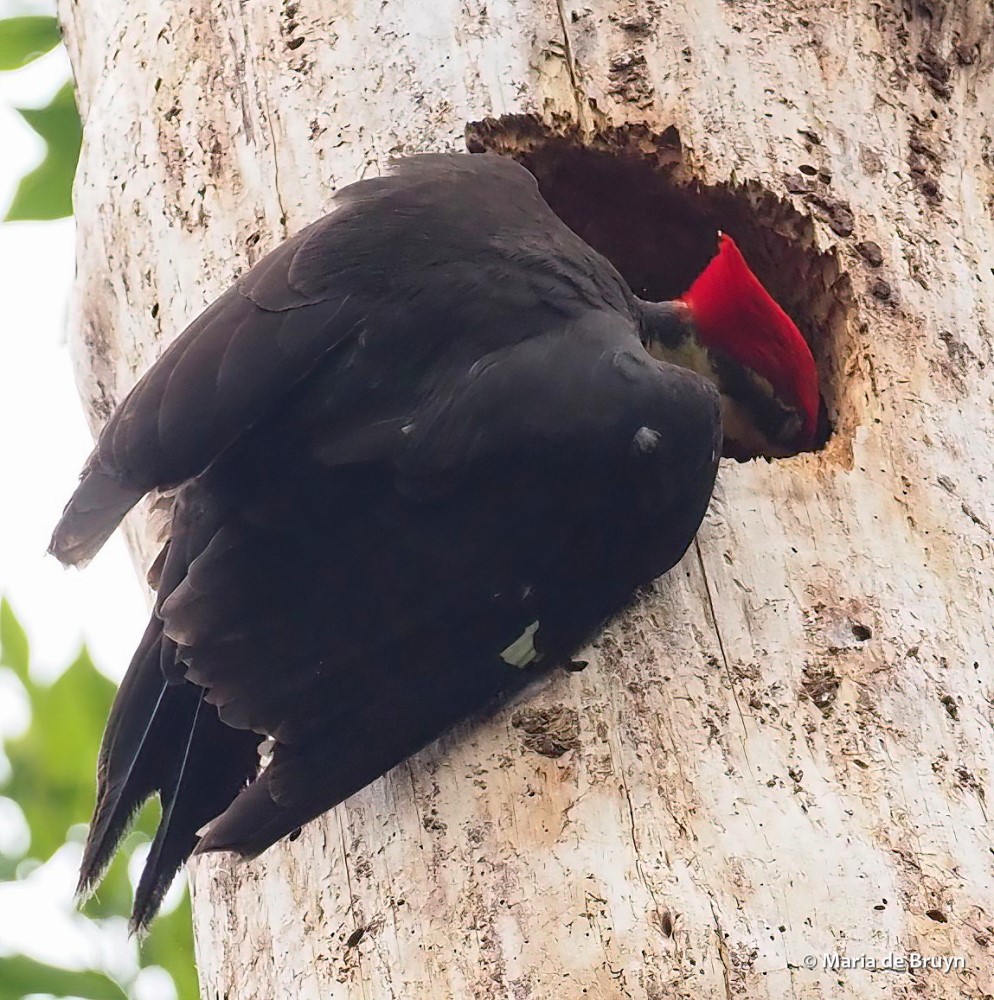
When we arrived at the nesting site, one baby was poking its head out of the oblong nest hole about two-thirds the way up a very tall snag.


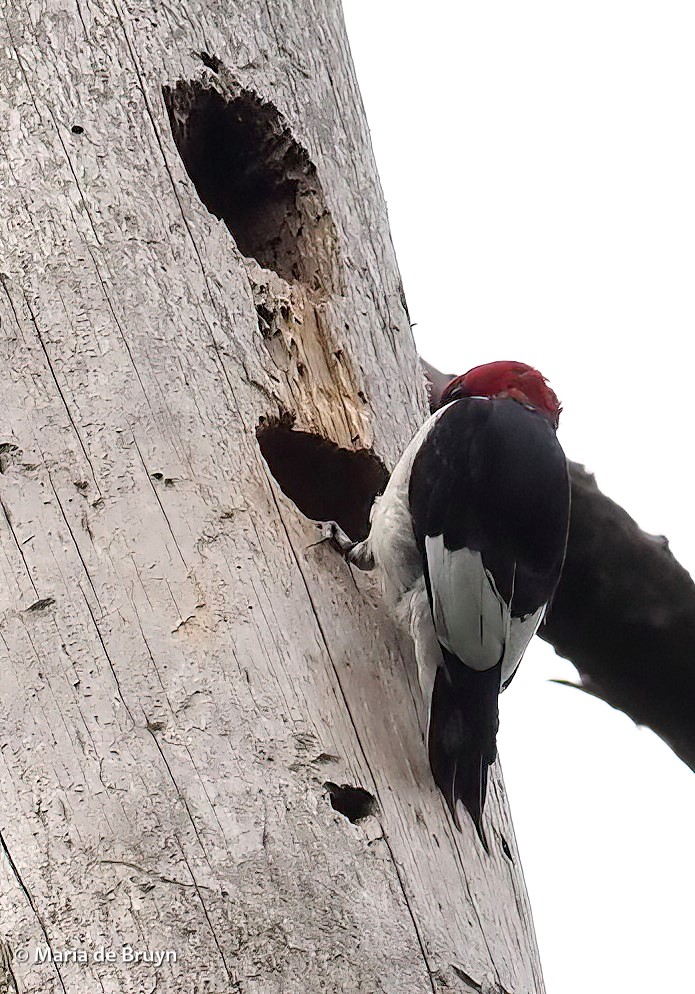
Above it, a red-headed woodpecker (see right) was maintaining a nest. A red-bellied woodpecker was also visiting higher up.

While we watched, the young one continued scanning the skies while calling out to its parents. The baby persisted in watching from the nest, which was only lined with wood chips. Unlike other birds, pileated parents do not line their nests with nesting material such as soft grasses.


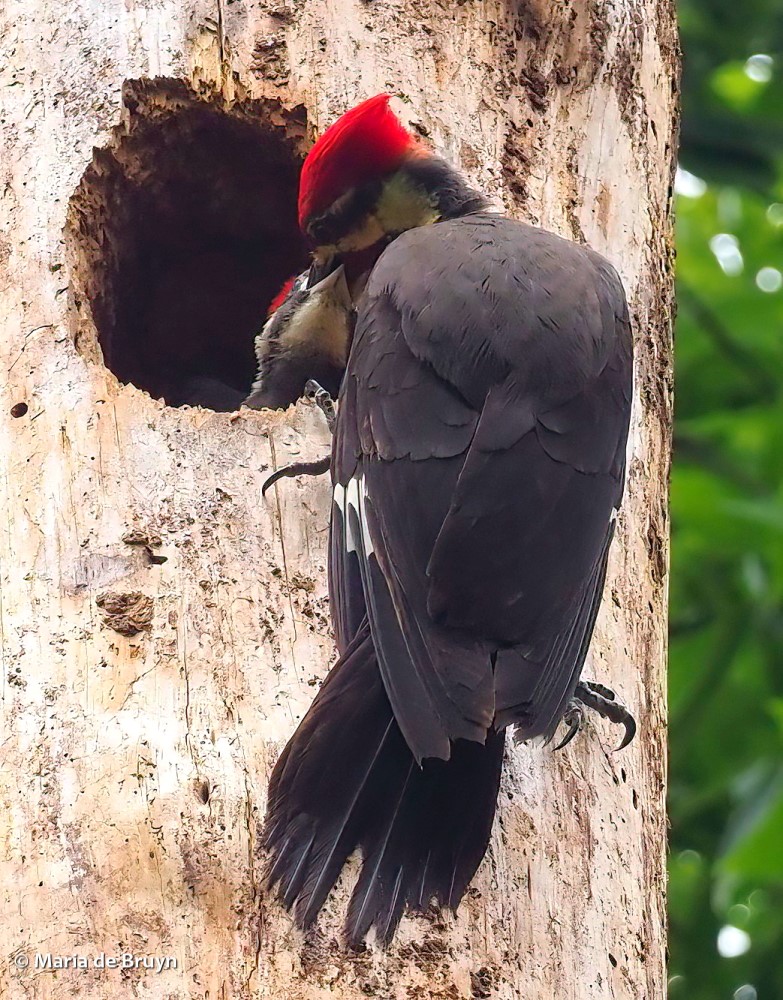
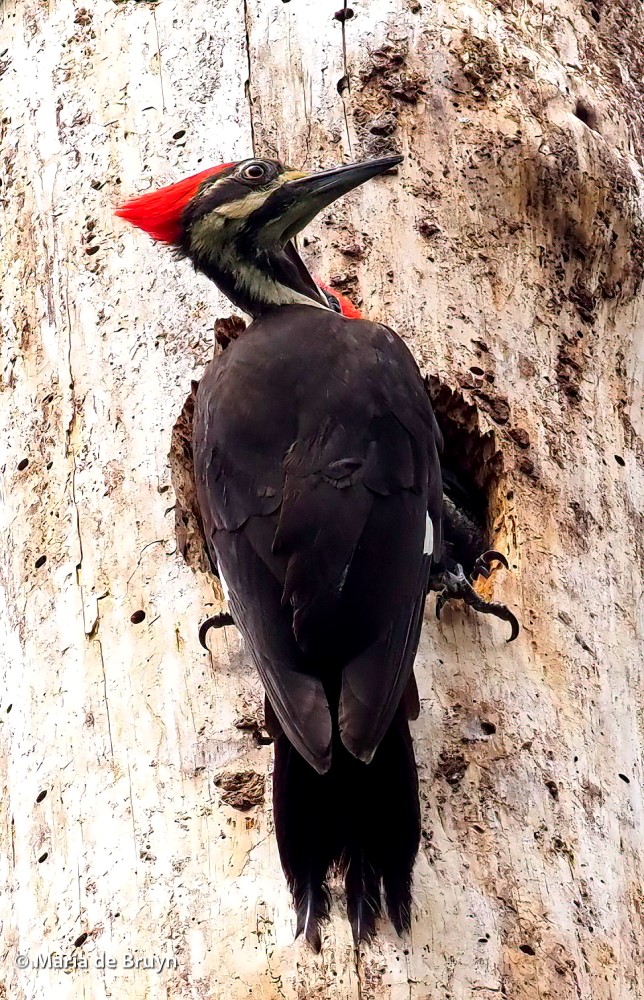
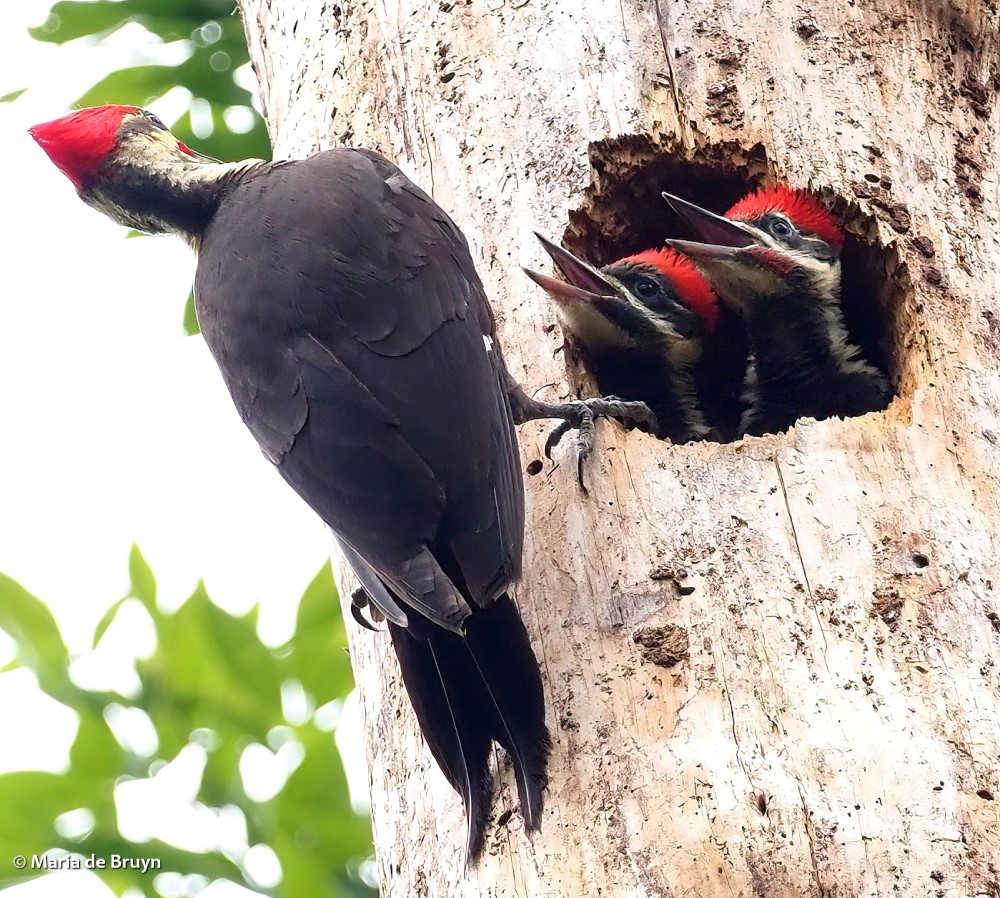
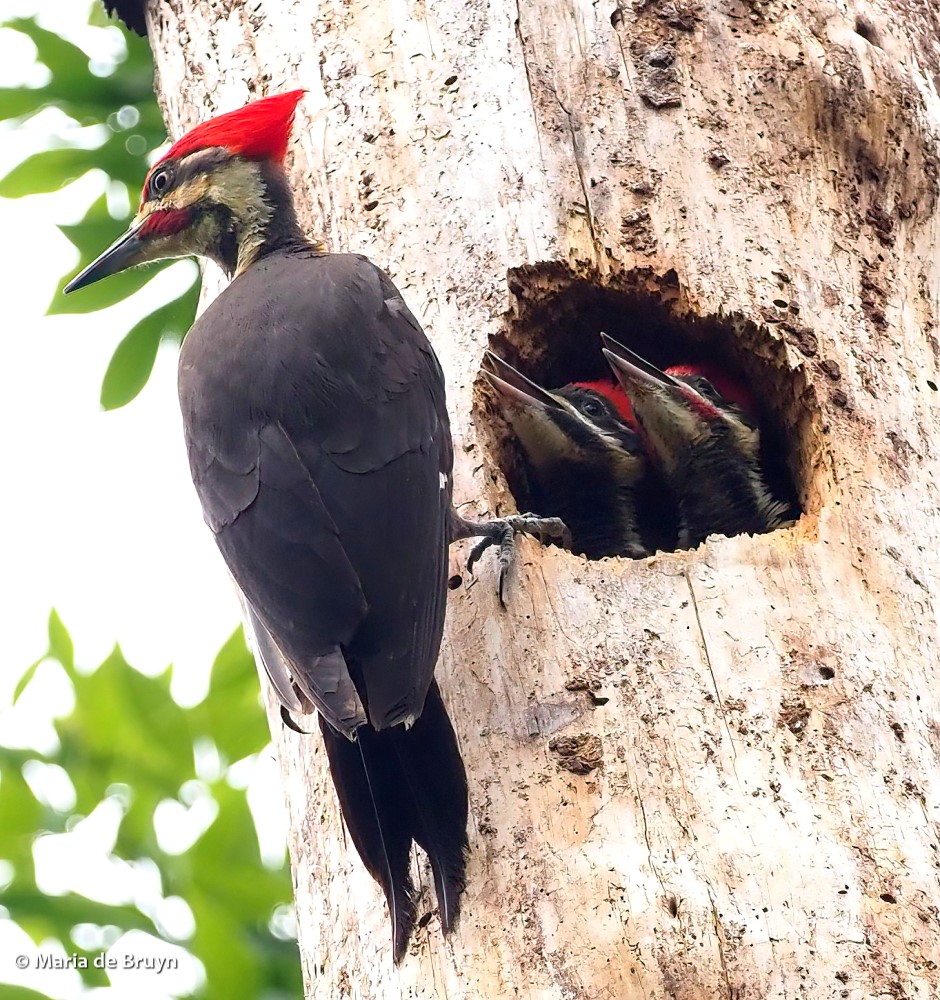
Occasionally, the parents answered and, after about 15-20 minutes, one flew over to check us out. It was the father, who could be identified by his red crest that extended down to his bill and the red cheek or moustache stripe (right photo). The left photo shows a female who was foraging in a tree on another occasion. Her red crest is only on top of her head and her cheek stripe is black.


The young one looked back into the nest; I wondered whether another nestling might be there. No one else peered out at that moment and we speculated as to whether one might already have fledged as two had been seen the previous day. When the father visited the nest, still only one baby showed itself, so we didn’t know whether there might be another one around (nests usually have 1-3 babies).


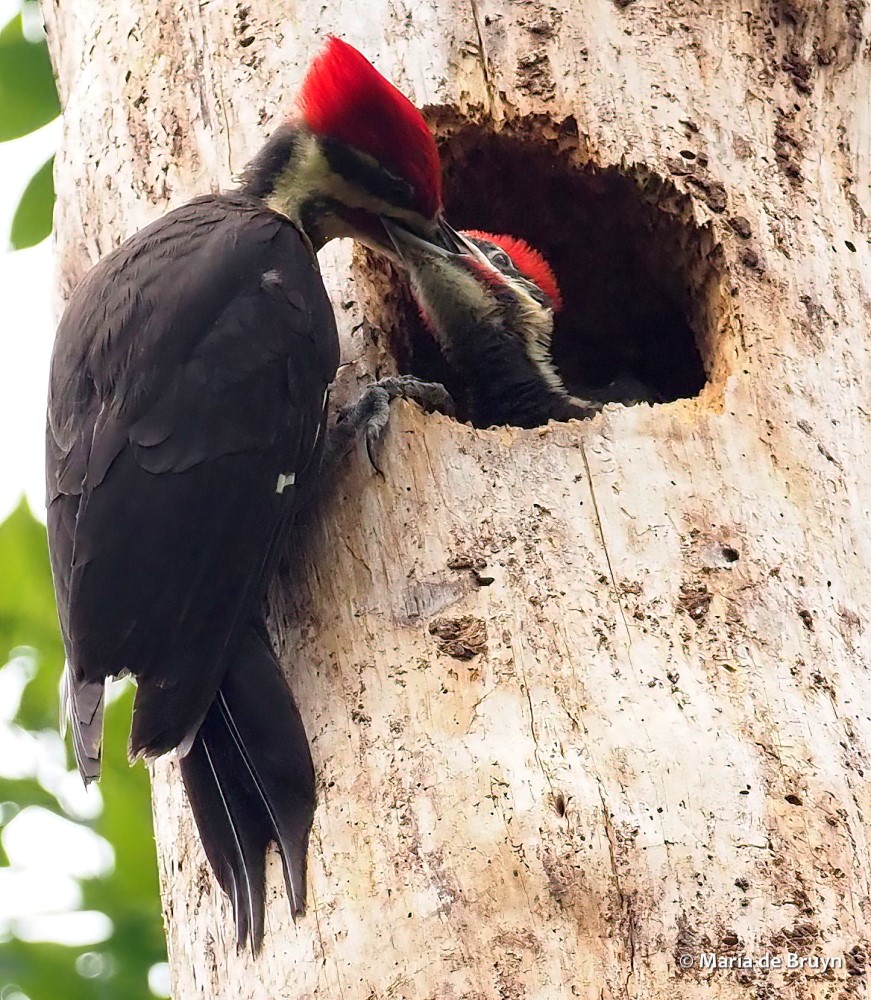
The father fed his offspring by regurgitating whatever he had been eating. The pileated woodpeckers’ diet comprises mostly carpenter ants (40-97% of their diet in various studies), supplemented by other insects including worms, caterpillars, roaches, flies, and grasshoppers.


They also eat nuts and wild fruit. If you have a garden and want to attract them, they like persimmons and many berries, including those of poison ivy, sumacs, dogwoods, elderberries, greenbriers and sassafrass.  

Many landowners tend to clear their yards and gardens of fallen logs and dead standing trees. I keep several woodpiles in various spots as the decomposing wood is home to many of the insects that the pileated woodpeckers and other birds need for their diet.

Papa took off again, leaving a satisfied young one behind (at least for the time being).

These woodpeckers are the largest in North America (15.8-19.3 in/40-49 cm), since the ivory-billed woodpeckers have been declared extinct. They are monogamous and luckily have plenty of opportunities to find mates. Pileated woodpeckers had been in serious decline in the 18th-19th centuries as forests were logged for the timber industry and to clear land for ranches and farms. Since then, they have rebounded to just over 2.5 million individuals.

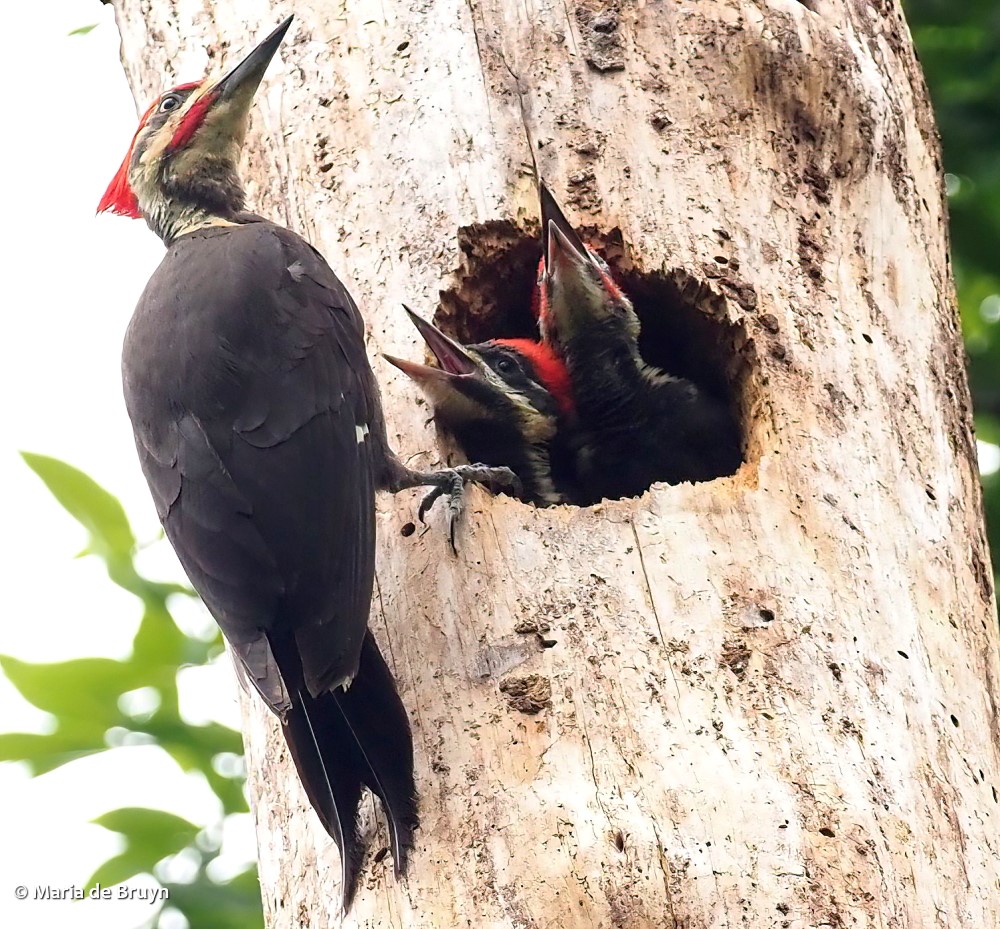
I realized when I looked at my photos later that I had not been paying enough attention to the coloring of the parents and offspring. When I went away for a short time and then returned, mama pileated was visiting the nest. In addition, whereas I had been watching a female nestling first, now a male baby was calling out for food. A view of the two looking up, shows the male’s red cheek stripes were obvious, but I had been oblivious at the time. The female is on the left and the male is on the right.


The next time that papa returned, the male offspring stuck his head out for a feeding.


Papa didn’t want to play favorites, so he stuck his head in the nest to apparently call them both to come out.

They opened their beaks wide, begging for food.


Papa let them ask for a while, sticking his tongue out at them as they begged.


He also decided to take out some fecal matter. I don’t know how long the nestlings had been in there (they usually grow in the nest for a month), but a clean nest is desirable.


After the babies fledge, they may stay with their parents for up to three months.


I’m so glad that Carol and her sister Donna, near whose home the nest is located, invited me to come see the family. It was time well spent as it got my mind completely off an ongoing series of problems complicating my life lately. Hope seeing these photos was also a bright moment for you!

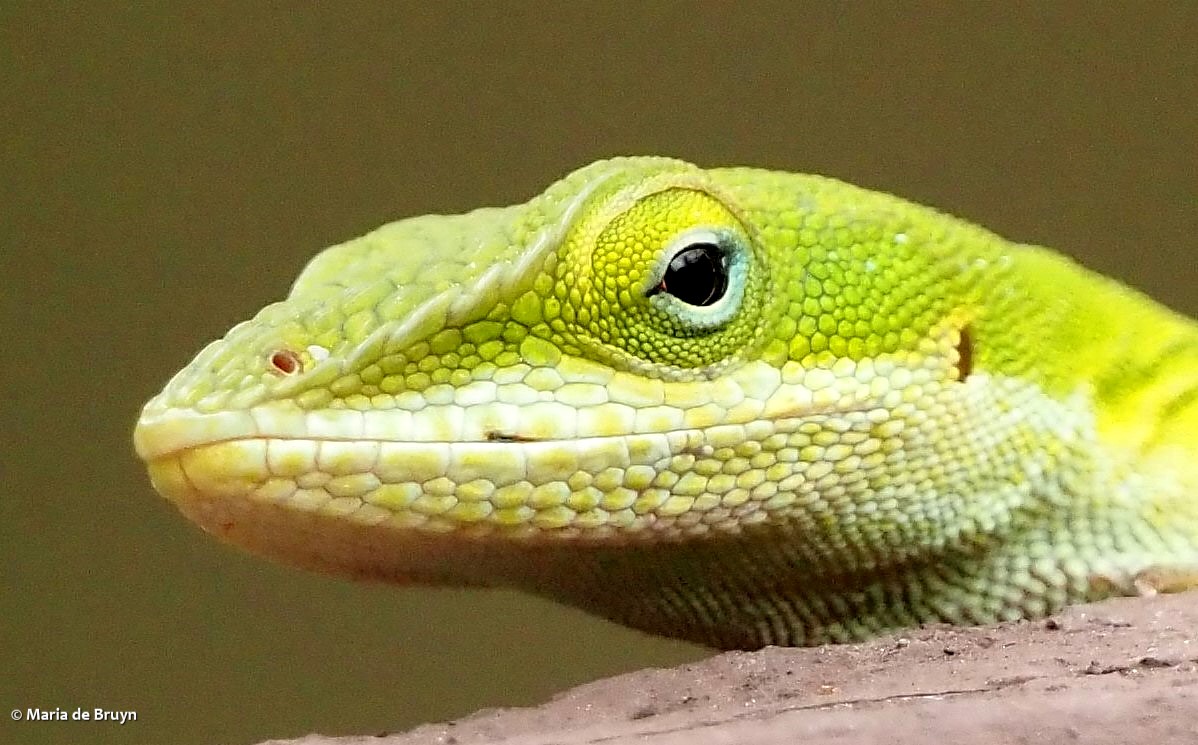
Adorable anoles — lizards with moods!

Hello, readers — it’s been a while! Time seems to be passing ever faster for me with each new year of life. I was surprised to realize that it’s been a couple months since I posted a blog. So here is a column that I just submitted to a local newspaper with a few more photos than the paper could accommodate.

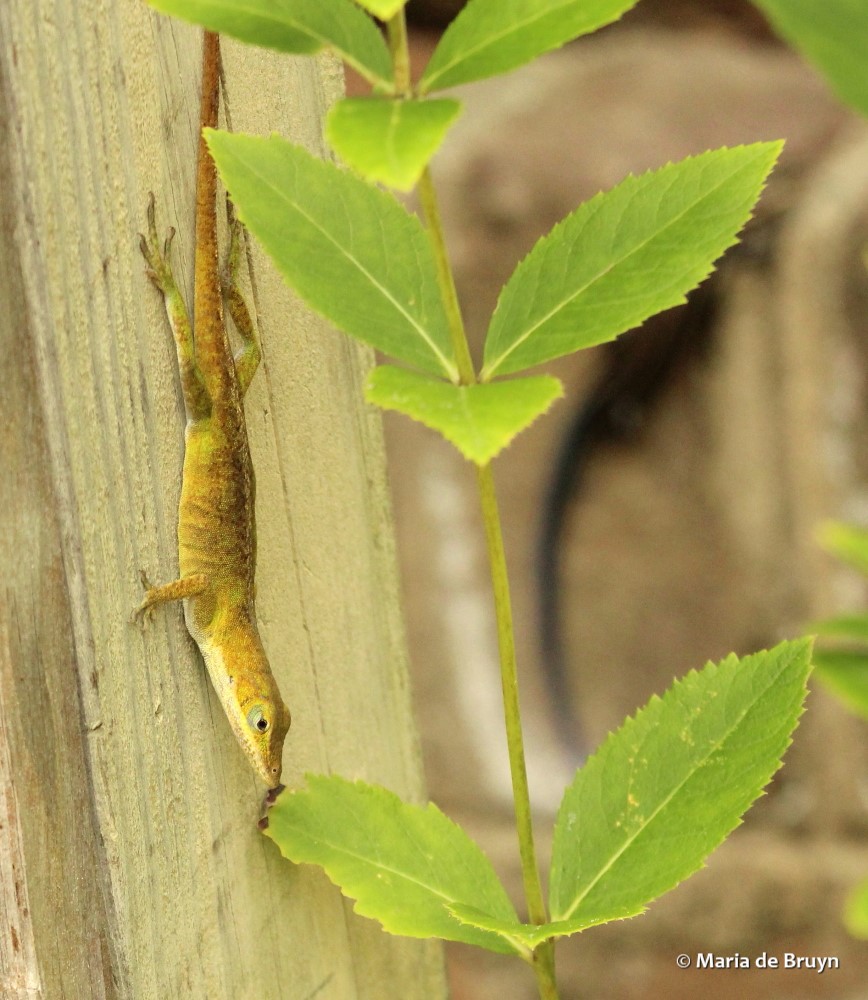
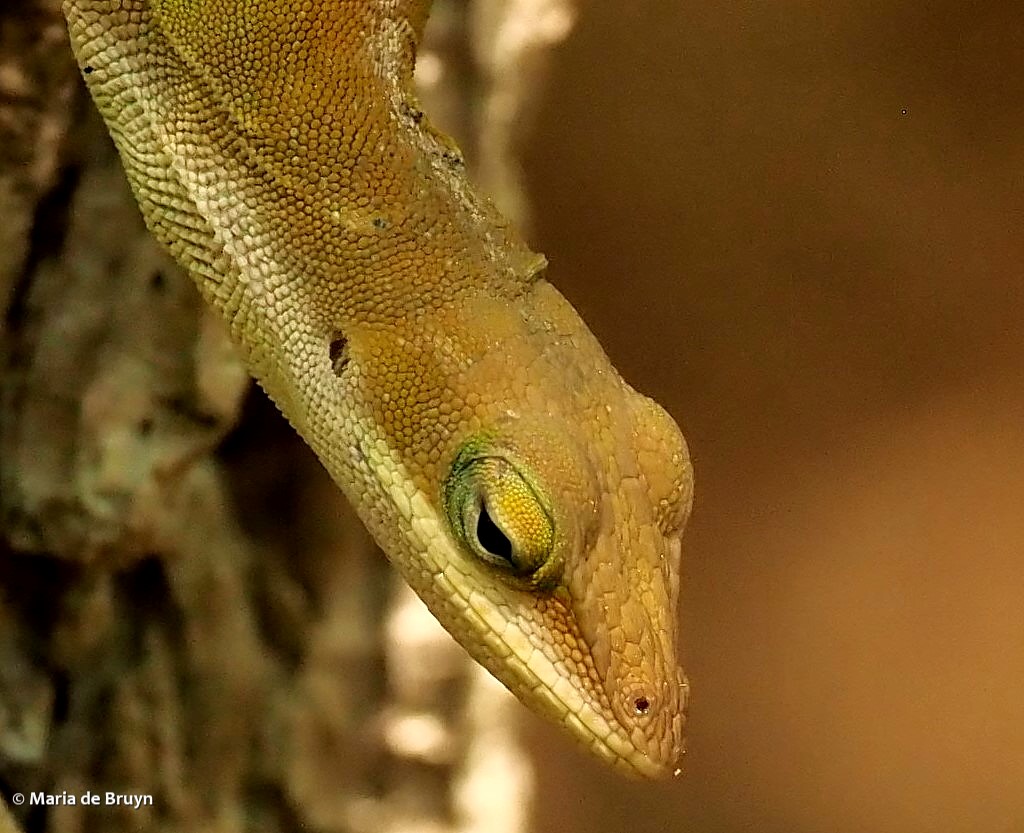
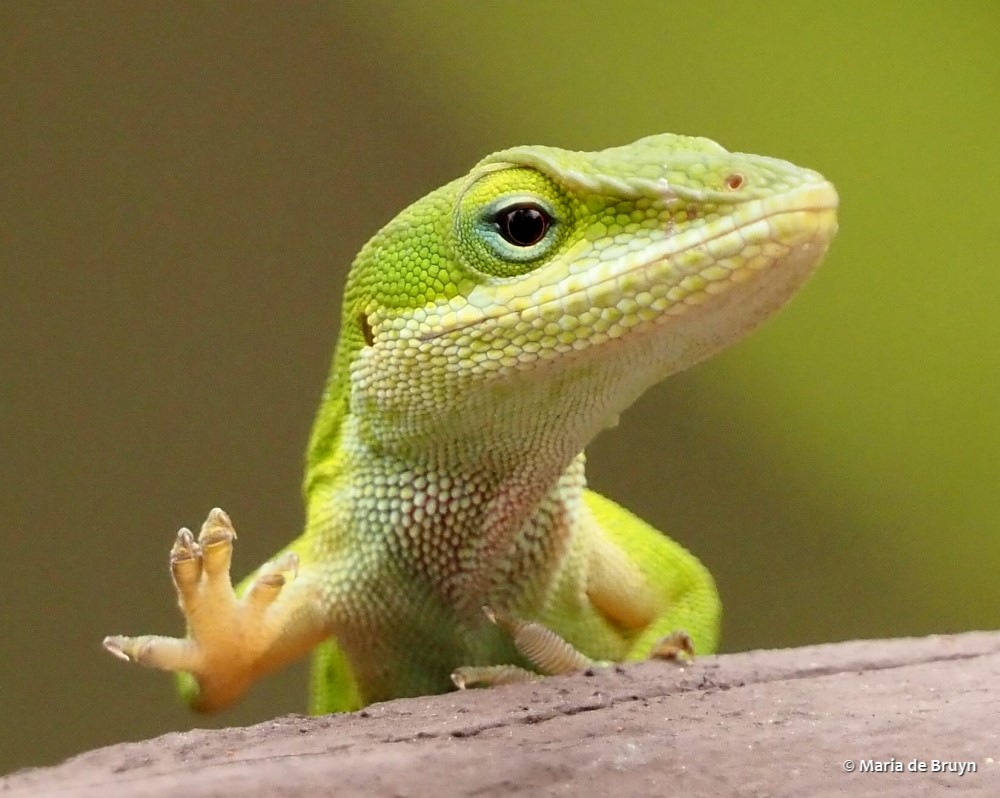
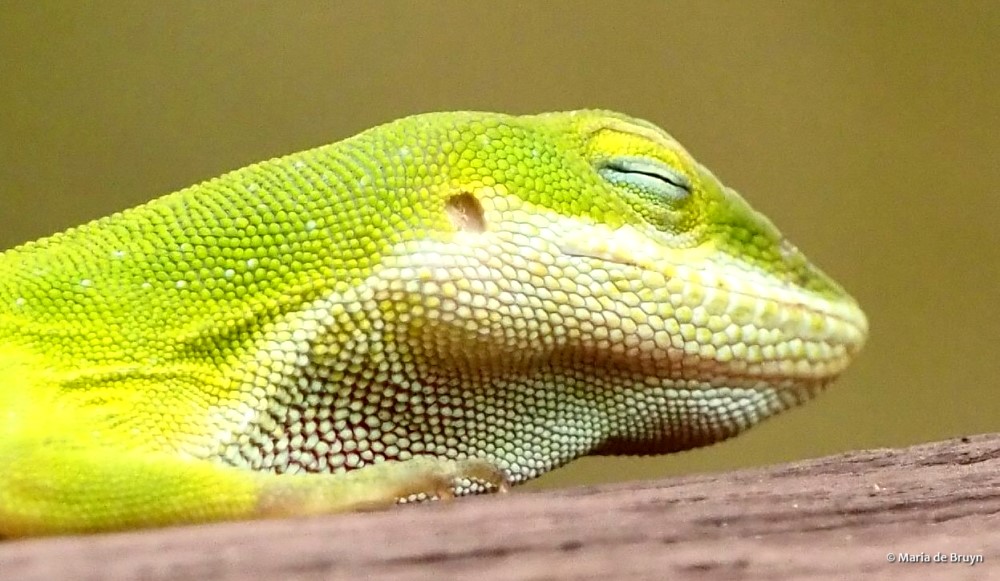
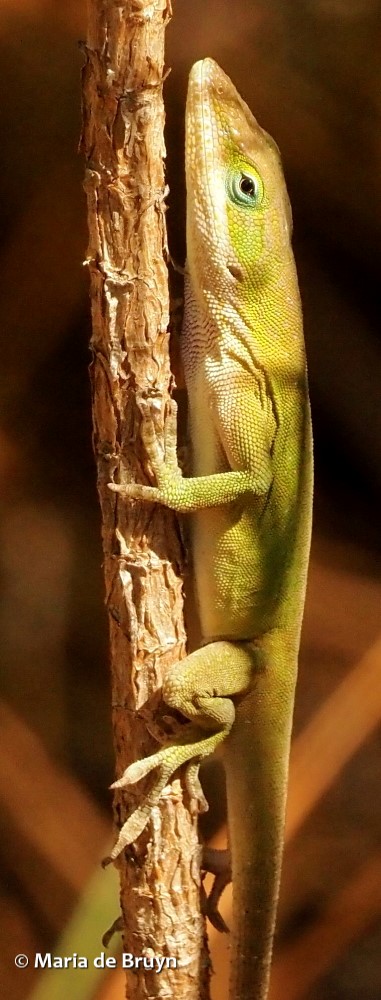
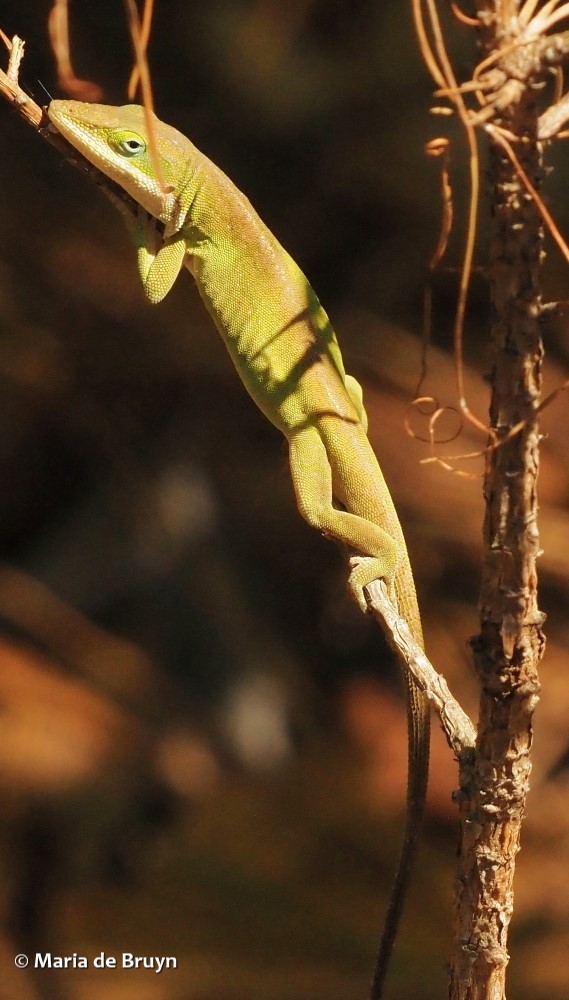
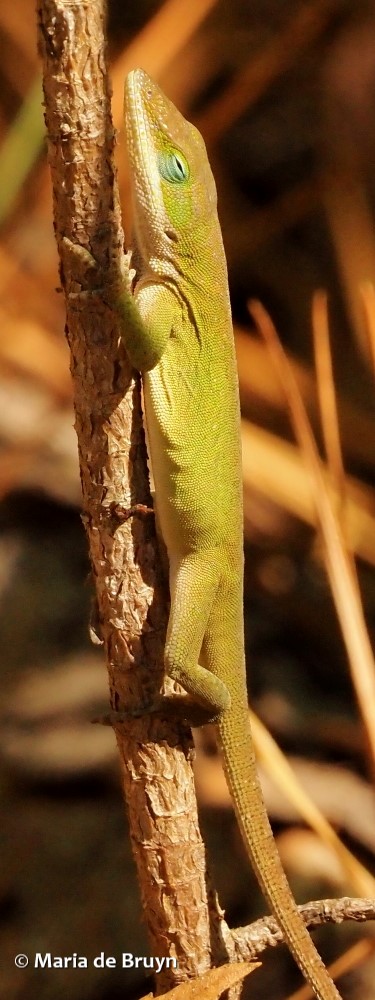
One of my favorite local reptiles is the Carolina anole (Anolis carolinensis). These cute lizards can be seen year-round since they don’t hibernate. In my experience, however, they seem to be more active — or at least viewable — in late summer and early autumn.

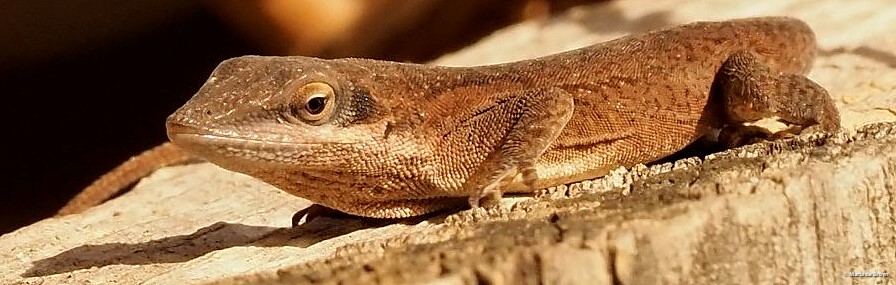
Also known as green anoles, they are the only anoles native to the southeastern United States. Green is nevertheless not their only color. You may encounter dark brown, light brown and green/brown anoles and they might even change their coloring as you watch them.

Unlike chameleons, who change color to blend in with their surroundings so that they can hide more easily from predators, anoles mainly change their skin hues in response to stress or their mood, when they are active or when they want to defend a territory. Darker colors may indicate that they are feeling cold or stressed out.

Sometimes when I’ve watched individuals at length, it’s seemed to me as if they were expressing a variety of moods, even if they didn’t change color.


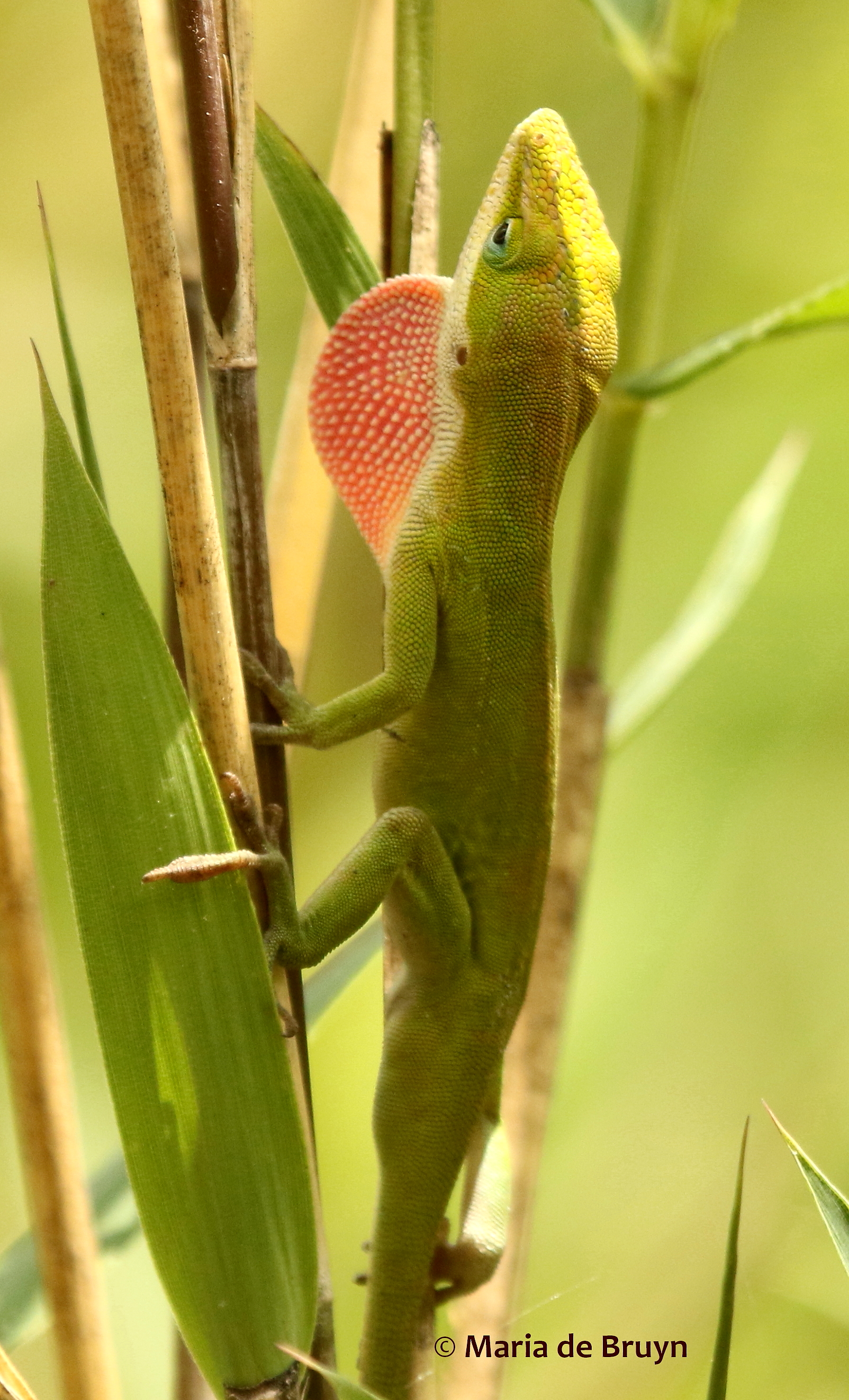
Full-grown males are larger than females, but you can also guess their sex based on anatomical features. When males hope to attract a female for mating, they display a brightly colored reddish flap underneath their jaws called a dewlap. When a female sees it, this may induce her to ovulate. Males also show their dewlaps when defending territory against other males.


Female anoles can often be distinguished by a row of white markings along their spine, which most males lack.

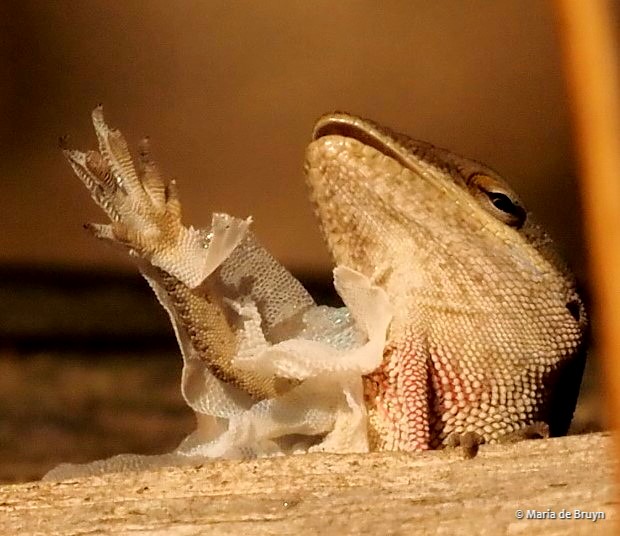
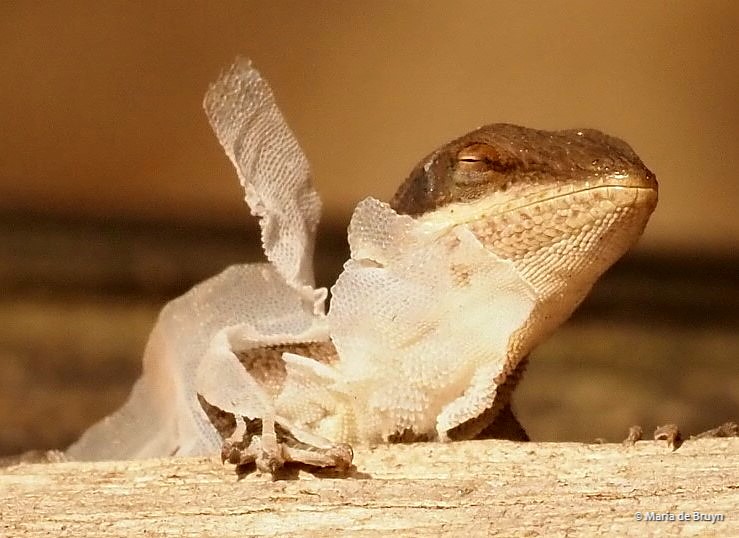
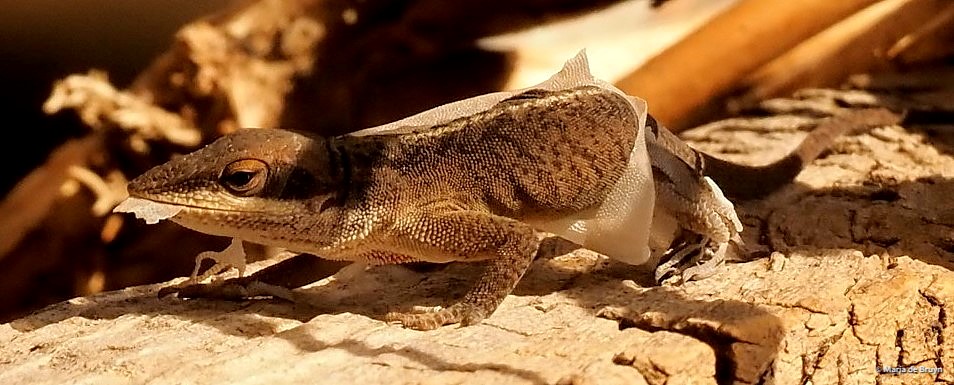
Like other lizards, anoles regularly shed their skin. Observation last year taught me that they may also eat that skin since this provides them with extra nutrients that may be lacking in their direct environment.


Their regular diet is varied, including flies, beetles, spiders, cockroaches, worms, ants, termites, moths and butterflies. Seeds and grains can form part of their meals as well.


Carolina anoles are known as arboreal lizards because they spend a lot of time in trees and shrubs. From a higher perch, they can survey their surroundings. Climbing up shrubs and trees can also help them escape from predators who cannot follow them because they lack the sticky foot pads that enable anoles to ascend vertically. Other predators, such as tree snakes and larger lizards, can catch them if they are quick.


Sometimes, a predator may catch a green anole by the tail and the anole escapes by dropping its tail—a defensive behavior known as caudal autotomy. A new tail will grow but will be weaker as it contains cartilage instead of bone and often will not be as long.


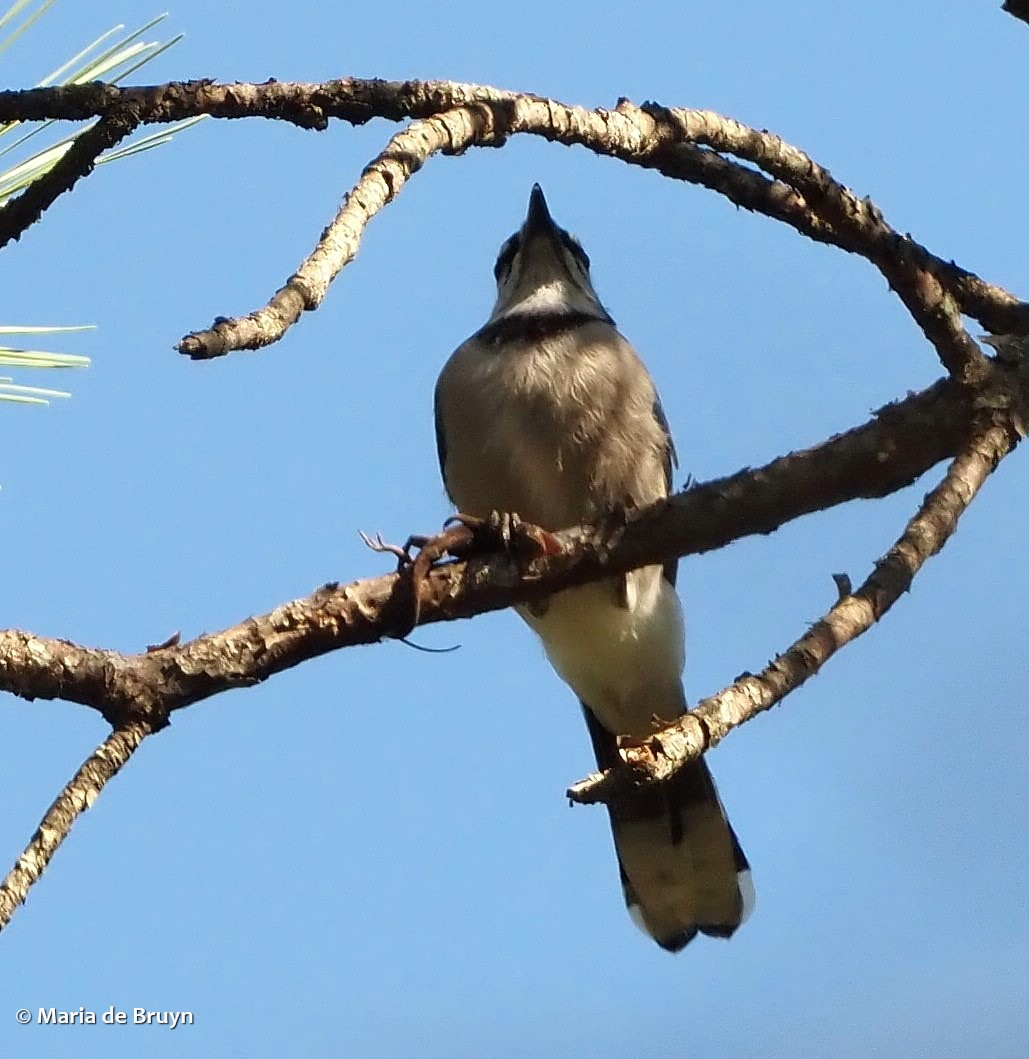
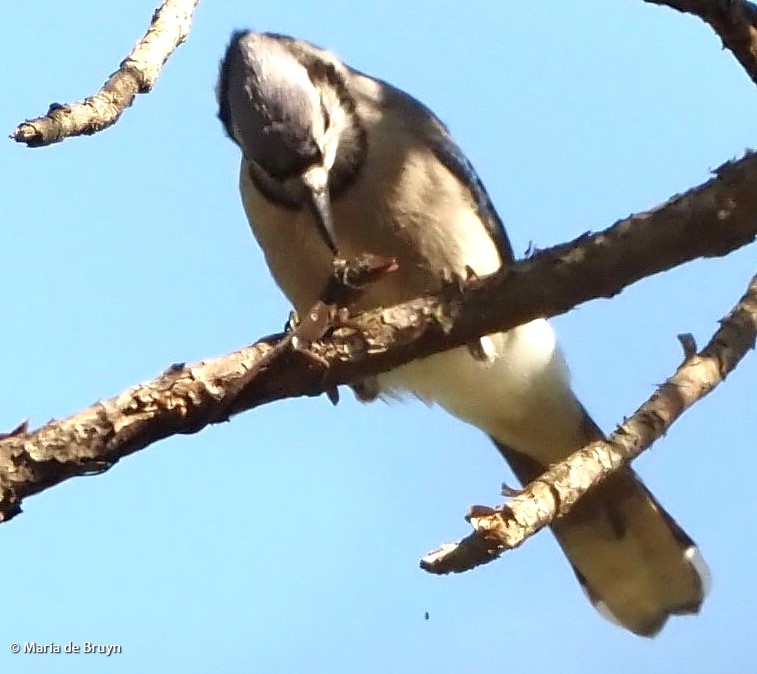
Recently, I learned that birds also hunt anoles when I photographed a blue jay who had caught one. Other birds in our area who go after them include kestrels and bluebirds.


The Carolina anoles usually live from about 2 to 8 years. A few who live around my front porch sometimes approach me closely and it’s noticeable that they are watching me, too.


Another one decided that an unused bluebird nest box was a good place to hide from predators, obviously not during birds’ nesting season!

It’s been so nice to see the anoles out and about the past weeks. Tonight, we’re having our first freeze of the 2022 autumn/winter season so the anoles may start seeking warm places to hang out. Hopefully, they will have found good places to over-winter.

Readers in the southeast USA who would like information on how to create habitats that can harbor anoles and other native reptiles and amphibians can check out this information site: Reptiles and Amphibians in Your Backyard.


My next blog will be the first of a series about Yellowstone National Park. I’d originally planned to post the series this past summer but then couldn’t find some photos I’d taken. The missing card “turned up,” so a photographic tour of the park before it flooded this past June will soon commence.

Have a great day!