 In the birding world, a “nemesis bird” often refers to a species of bird that is eluding a birder intent on adding to their life list of bird species seen in person. For me, however, a nemesis bird is one that is emptying my feeders and depriving other birds of their bit of nutritional goodness because it descends in such great numbers that no one else has a chance. Which bird is this? It’s the European starling (Sturnus vulgaris), a bird which I admittedly find visually beautiful but rather unattractive as far as temperament goes.
 Other birders who spend time attracting birds to their yards often comment on how Northern mockingbirds (Mimus polyglottos) chase other birds away – those in my yard feed quite happily alongside other species, however, and even wait their turn for the suet feeders. Another large bird, the brown thrasher (Toxostoma rufum), does the same. In fact, most of the species that visit my yard are content to share feeder space and/or wait their turn.


 Other species that are called “bully birds” include common grackles (Quiscalus quiscula, below), who can look quite beautiful with iridescent feathers, blackbird species and house sparrows. The grackles and red-winged blackbirds (Agelaius phoeniceus) in my yard have not been too dominant; they do sometimes come in numbers but let other birds near. I haven’t had crowds of grackles lately and when they’ve come, their main concern was to attempt to drive away the American crows (Corvus brachyrhynchos, above), so my main foe has been the starlings.


They discovered my yard as a buffet about a year ago and introduced their young to the feasting area this past summer.


What is striking to me is the fact that they not only will “yell” at other species to go away but also compete vigorously with one another for a spot at the platform and other feeders, indicating a rather nasty disposition.


The young starlings pick up on this behavior quickly.
If I come outside, they quickly fly off and roost high up in the tallest trees; sometimes, they will actually fly off to another place in the neighborhood. Clapping my hands and banging on the window will also get them to leave. However, they stick around to assess whether I will appear and if I don’t come out, they are back in short order.


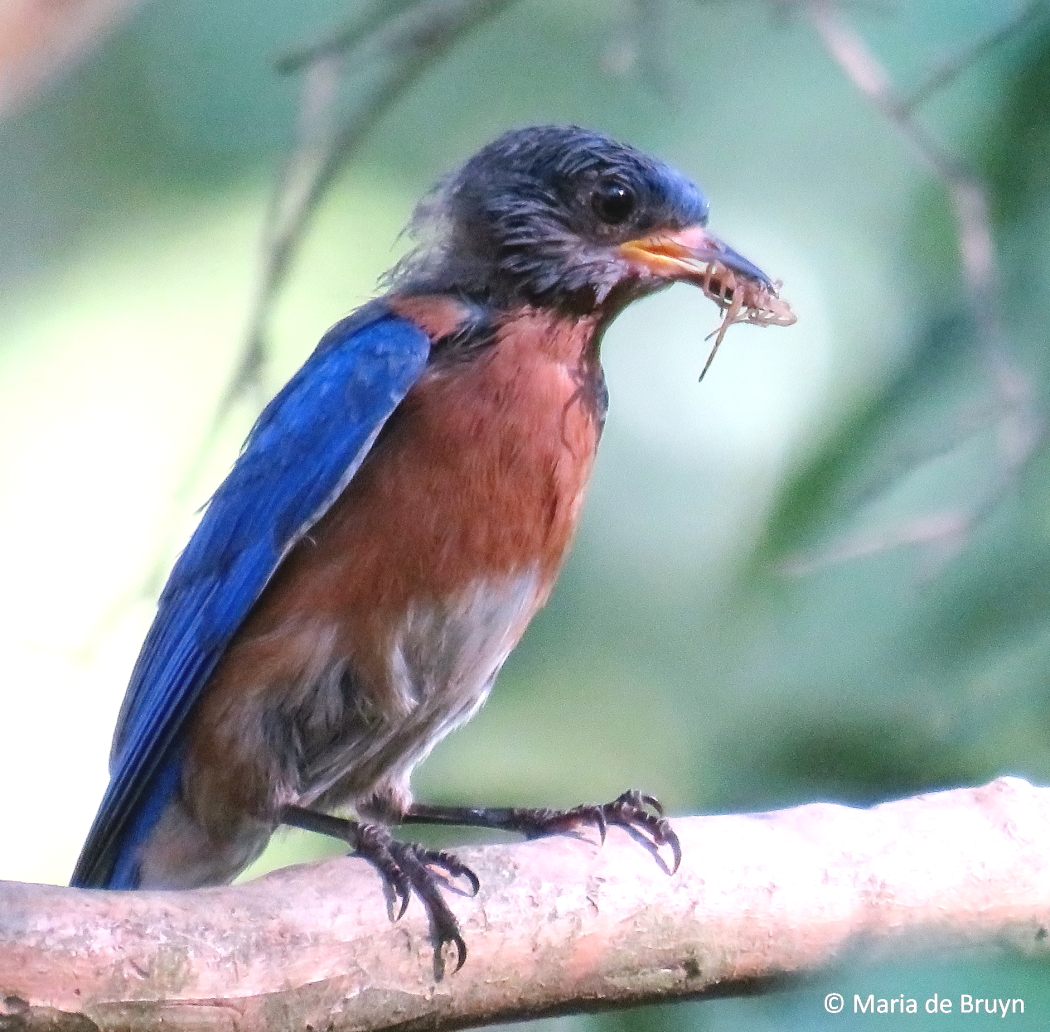
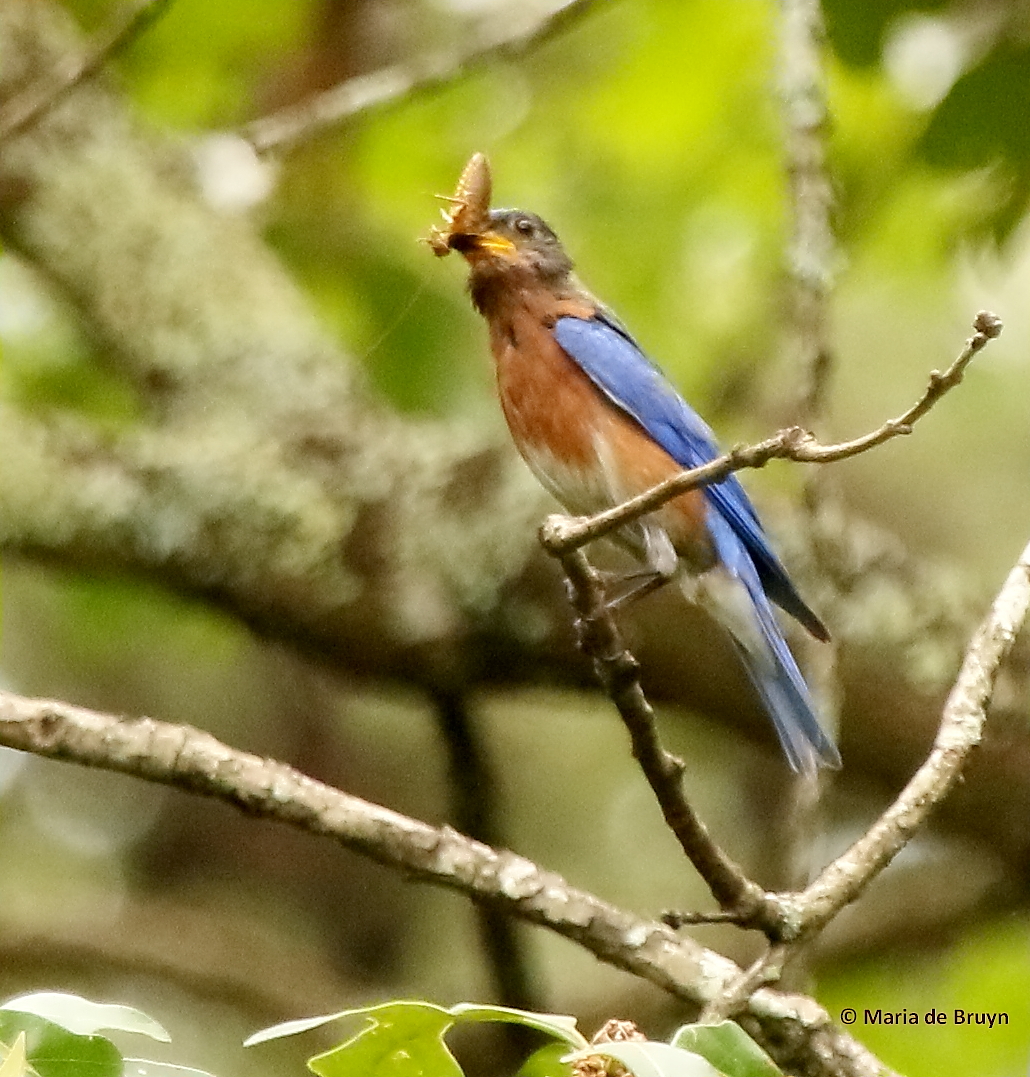
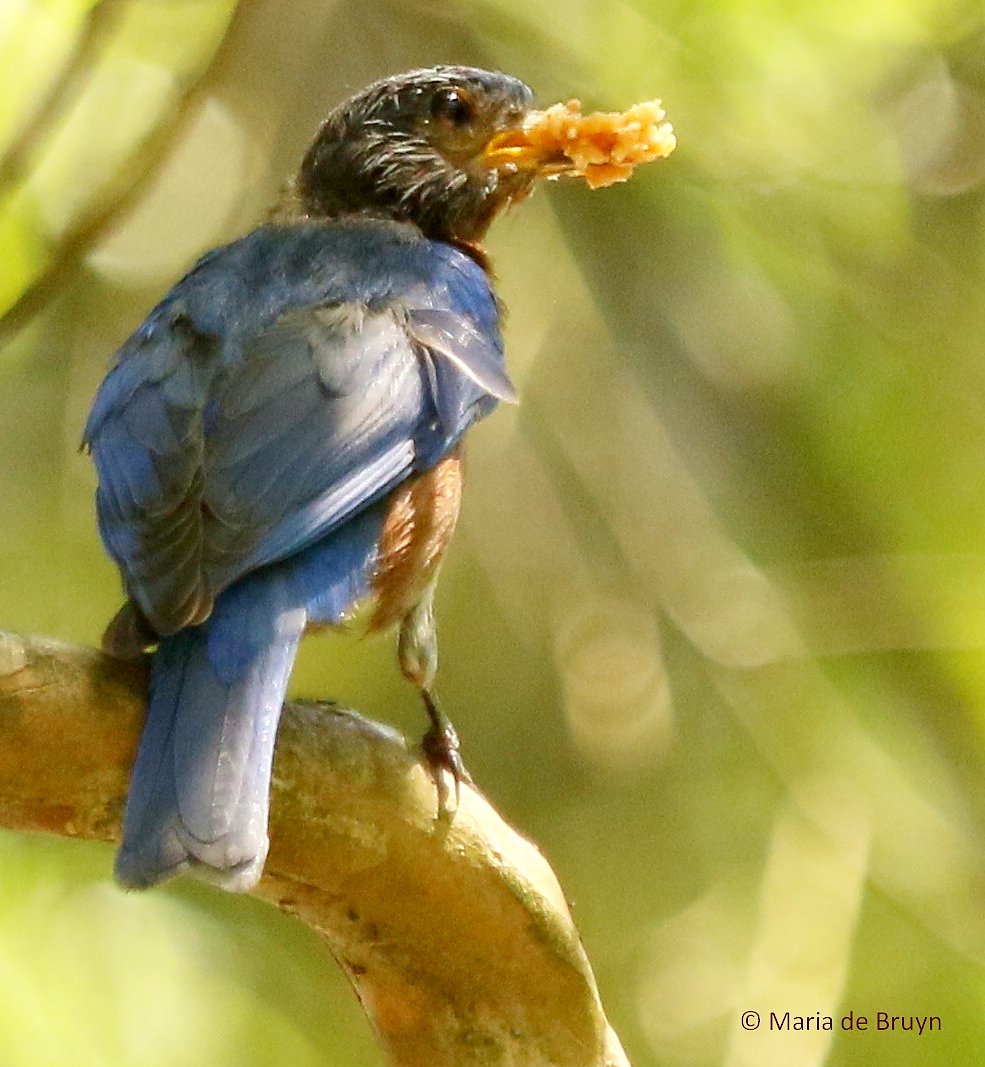
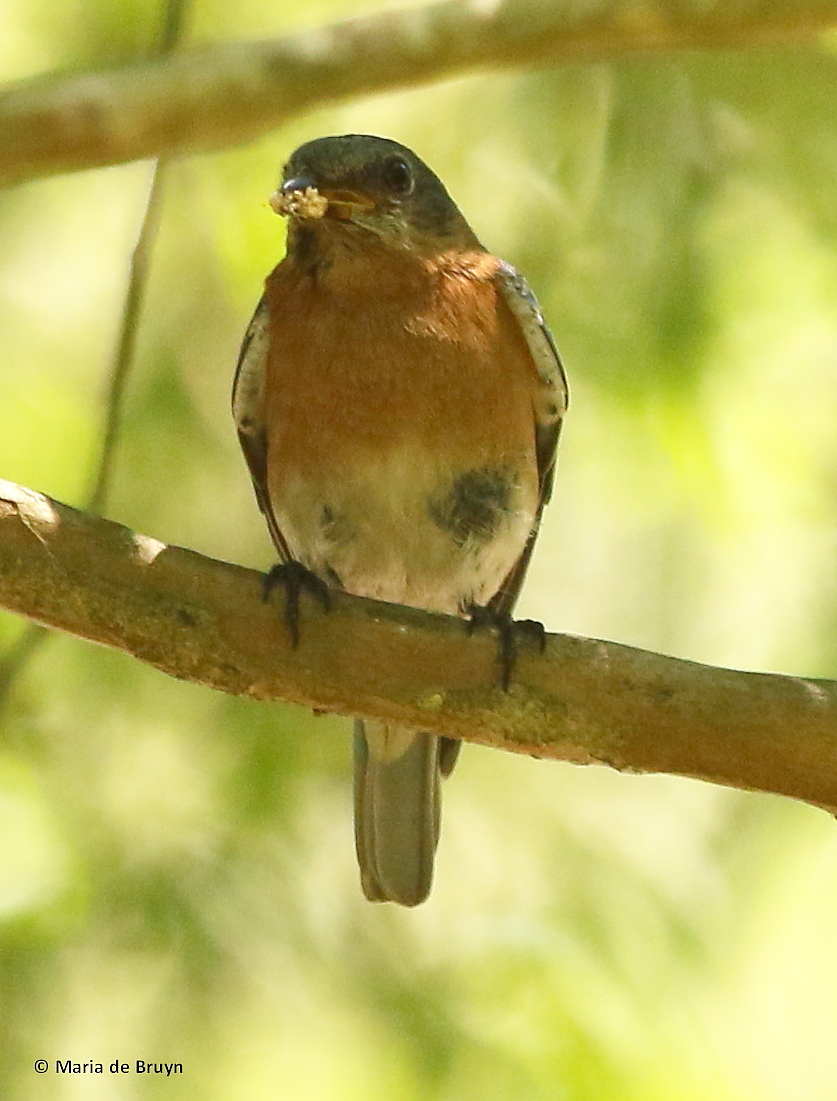
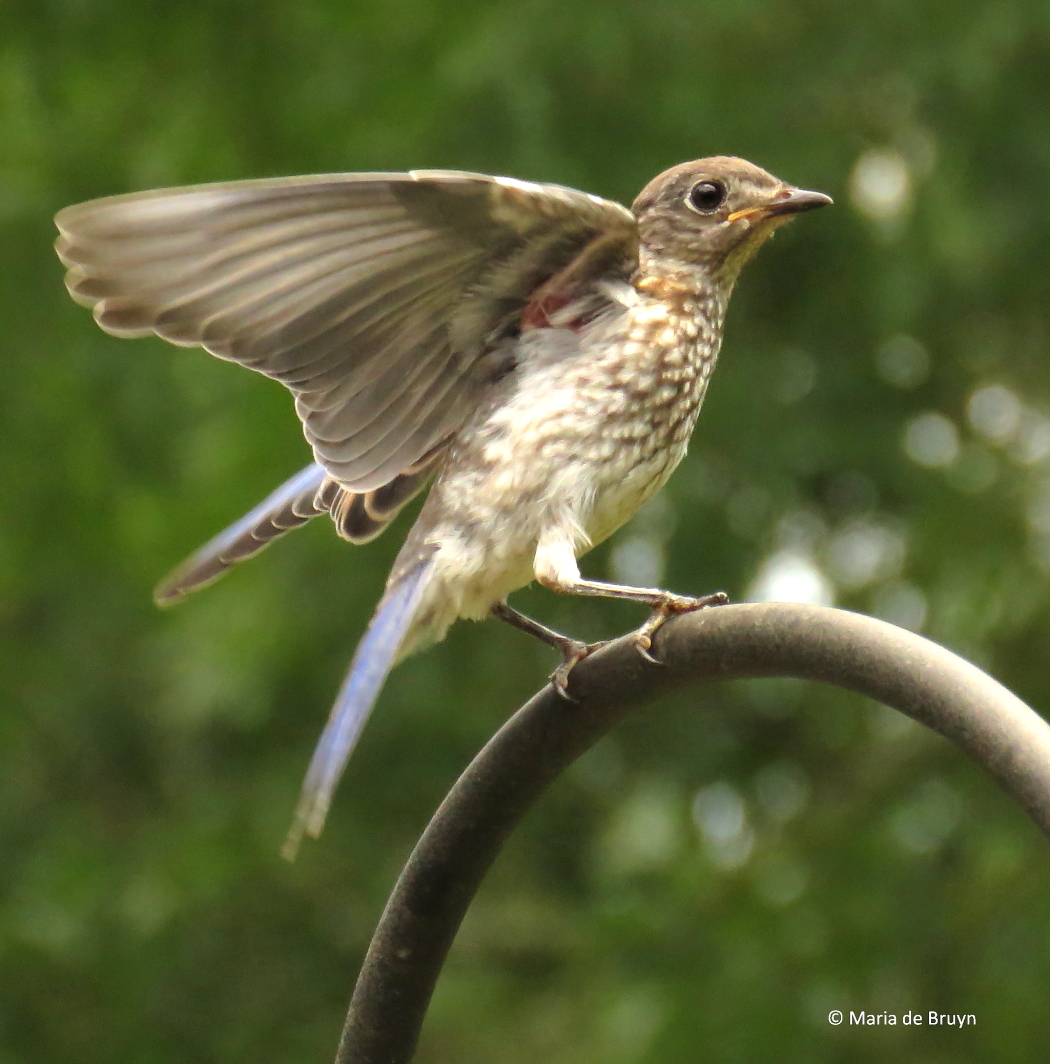
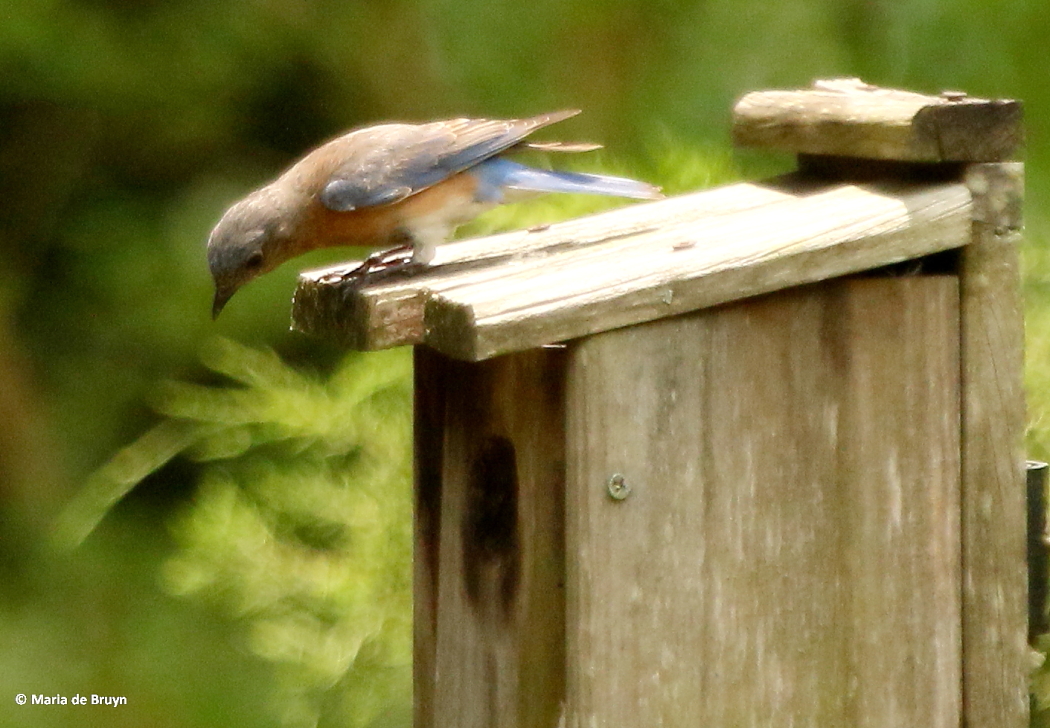
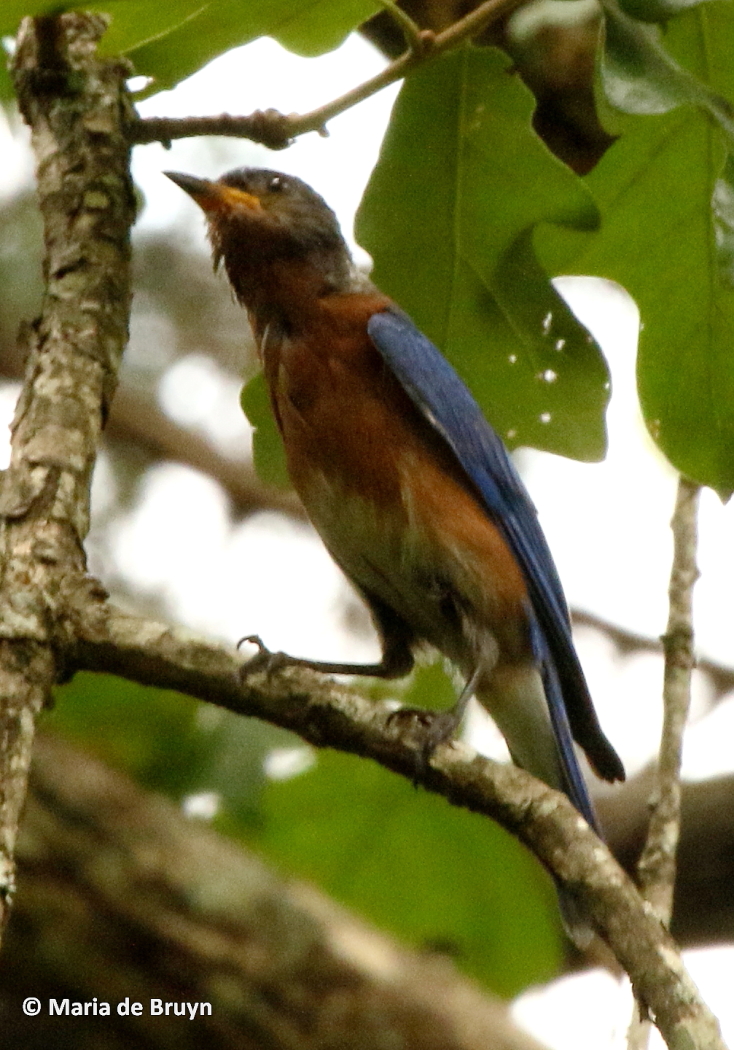
Their first love turned out to be the dried mealworms, which are a big hit with the Eastern bluebirds (Sialia sialis), tufted titmice (Baeolophus bicolor), Carolina chickadees (Poecile carolinensis), Carolina wrens (Thryothorus ludovicianus) and pine warblers (Setophaga pinus, left) among other species.


It’s always a pleasure to see the banded birds return, like the Carolina wren below.


When five or more starlings gather around a feeder, they literally gulp the mealworms down, making short shrift of a good-sized supply.


 I began putting out only mixed seed, sunflower seeds (Helianthus annuus) and my home-made vegetarian suet, the latter being a favorite for many species: the bluebirds, chickadees, wrens, titmice, yellow-rumped warblers (Setophaga coronata), brown-headed nuthatches (Sitta pusilla), Northern cardinals (Cardinalis cardinalis, left), and downy and red-bellied woodpeckers (Picoides pubescens and Melanerpes carolinus).


My resident ruby-crowned kinglet (Regulus calendula) hasn’t returned this winter (though I hope he is just late), so he doesn’t have to compete with the much, much larger starlings for his beloved meals.


 To my dismay, when the starlings discovered no mealworms were available, they decided that suet could be a nice substitute. Oy vey! They manage to empty the suet holders in record time.
I waited to put out the suet until I saw no starlings in any of the tall trees surrounding the yard.

 The smaller birds came but this lasted only a little while. Soon the starlings showed up, leading me to think that either “scout” or “watch birds” were left behind to warn the flock when preferred food arrived, or they had a tremendous sense of smell that led them to my yard. It does turn out that starlings use their sense of smell to identify plants for their nests, so who’s to say they don’t use it to find food, too?
 One bird advice website recommends avoiding sunflower seeds as “bully birds” prefer them. Well, so far, the starlings have assiduously avoided any seeds. So a couple days ago, I filled all the feeders with seed except for the suet feeders – and I stood outside next to them so that the songbirds could have a go at the suet without their bigger avian neighbors chasing them away. It was gratifying to see the little ones enjoy a bit of suet while the starlings perched high above, unwilling to come down in my presence. Today, it was raining persistently but the songbirds were flying to and fro among the feeders so I put suet in three holders and some mealworms in one.
For an hour or so, they had the dried worms and peanut butter-based treat to themselves; then a starling appeared. I went outside but this particular bird didn’t seem to mind. When three of its compatriots arrived and saw me, they swooped away so the little birds still could grab some suet and mealworms.

Now I’ll wait to see if the starlings begin eating the seed or finally move on or stay away for longer periods. I’m guessing as long as there is occasional suet, they will leave their scouts in place to warn them when a tasty meal is available. And I do want to put out some mealworms now and again so I don’t disappoint the chickadees and wrens who greet me with loud twittering when I approach empty feeders. Non-birders probably think that’s silly (to put it mildly) but I think bird lovers will understand….

 My beautiful world