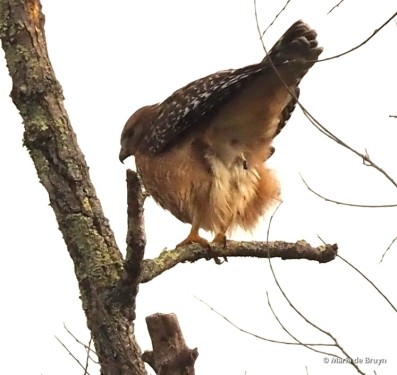
 When facing unpleasant challenges, it’s helpful to have an interest to help put them mentally aside while you find enjoyment doing something else. Observing and connecting with wildlife and plant life does that for me. For at least a while, I can think, “I don’t give a shit,” and instead focus on what’s going on immediately around me, like the red-shouldered hawk (Buteo lineatus) above actually giving a shit. 😊
Observing nature also has the added advantage of providing a way to keep learning and being able to appreciate wonders around me that I might otherwise never notice. A number of people have also told me that they enjoy my sharing some of those “discoveries.”
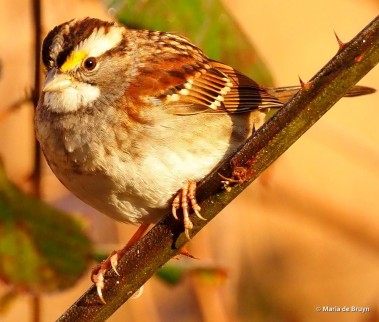
White-throated sparrow (Zonotrichia albicollis)
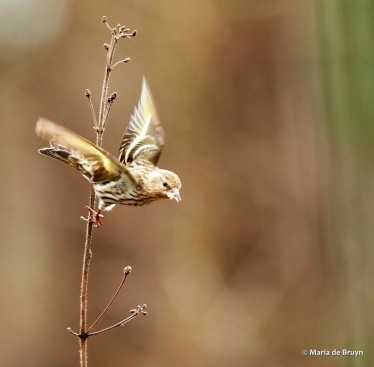
One thing I discovered this year was that I shouldn’t expect pine siskins to come down here to Orange County, NC, every year in winter. I’ve had them visiting during this season many years but so far not one has appeared in my yard. So I’ll share a photo of one from last year; a lovely bird with a scientific name that appeals to me: Spinus pinus.
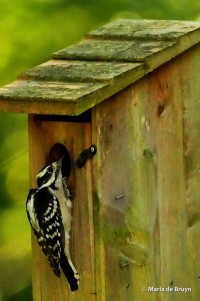 It’s my good fortune to live in a home with sizeable front and backyards where I can entice birds to spend time. Nest boxes border the yards and nesting gourds hang on the front porch, so that attracts pairs who raise young ones here in the spring. They also use these nesting sites to spend the night during cold autumn and winter nights. Downy woodpeckers (Dryobates pubescens) seem especially fond of one nest box next to the driveway.
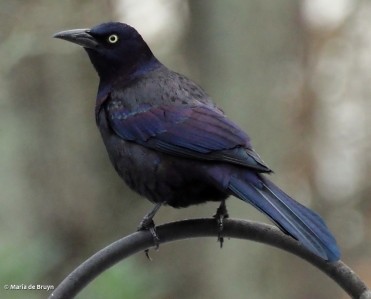
There are varied types of feeders hanging on poles, offering sunflower and other seeds, mixed fruit and nuts, dried mealworms and home-made suet. This arrangement also attracts my avian friends, like the common grackle (Quiscalus quiscula) with its iridescent plumage.
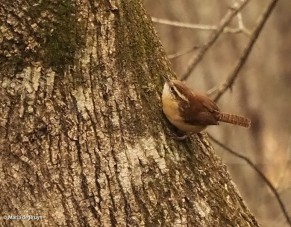 Since converting much of my front yard lawn into flower gardens (and I’m working on that in the back, although there I’ve planted more flowering and berry-bearing trees), the insect population has increased. That has helped the pollination of my flowers and provided the resident birds with meals, like one of the 6 or so Carolina wrens (Thryothorus ludovicianus) who occupy specific niches. One pair hangs out near a water-filled tub; another pair hangs out near a brush pile out back and the third pair hops in and out of a brush pile in the front yard.
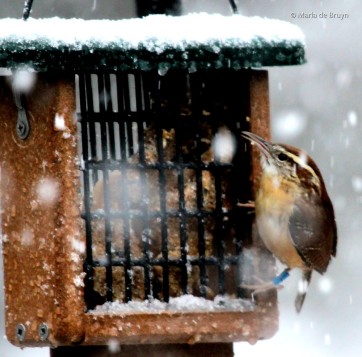
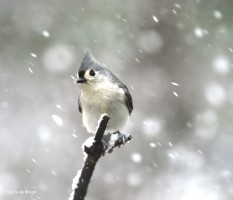
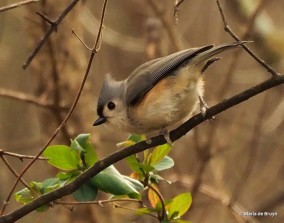
The wrens change up their diet a bit in winter since being purely insectivorous is difficult then. For example, one of my yard-banded wrens enjoys a bit of suet from time to time. He also likes mealworms, as do the titmice (Baeolophus bicolor).
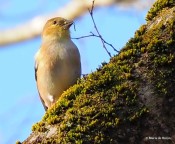
Occasionally, an American goldfinch pair (Spinus tristis) will visit but I’ve been seeing them more often on walks. They like seeds a lot and have eaten many of the grass seeds in my yard already. They search the mosses for tidbits, too.
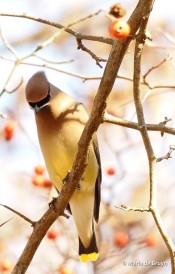 The cedar waxwings (Bombycilla cedrorum) are picky eaters. The American robins in my yard ate a lot of the juniper berries they prefer and there weren’t many other berries around (as was the case at the local arboretum). At my house, they’ve mostly been using the small ponds to drink and bathe.
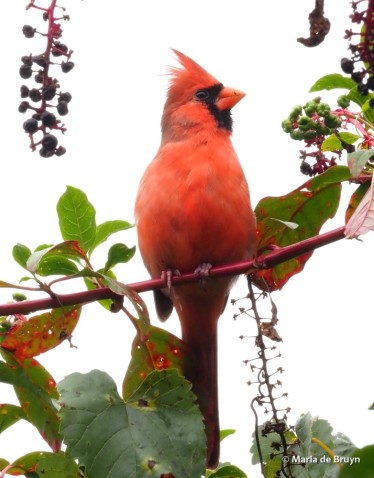
The most numerous species at my yard is the Northern cardinal (Cardinalis cardinalis). At times, I have up to 18-20 of them flying to the tray feeders for seeds. The pokeweed berries are long gone now.
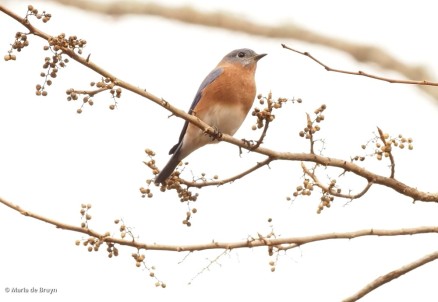
There are two pairs of Eastern bluebirds (Sialia sialis) in the yard; at first, they didn’t like having to share space but now they all come to the mealworm feeder at the same time.
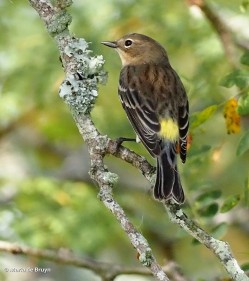
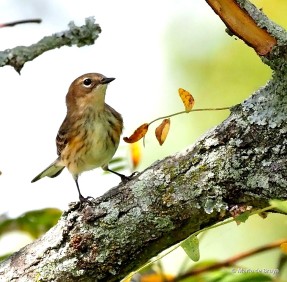 In past years, the visiting yellow-rumped warblers (Setophaga coronata) have lived peacefully with one another. This year, however, I have two birds who seem to be quite incensed when they spy each other. If one is at a feeder, the other zooms in to chase it off and often they flutter upward in a tangle with wings spread. So far, I’ve always been a couple seconds too late to capture the mid-air tussle – it is one of my goals for yard birding this year.
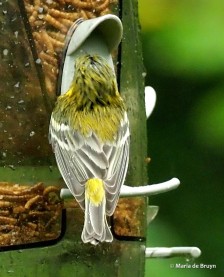
I do enjoy their visits as I find them quite beautiful birds. And they spend a lot of time at the feeders, even when it is raining. Some people here call them myrtle warblers, but I prefer the term yellow-rumped as it is quite accurately descriptive. I loathe the slang term “butter butt” that lots of people here use. Since these warblers are present in many of the nature reserves where I walk, I unfortunately end up hearing the term from time to time. Not sure why it irritates me so much.
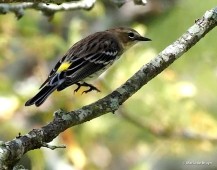
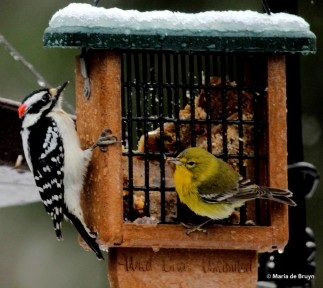 The pine warblers (Setophaga pinus) in my yard are quite tolerant and polite.
They will share a feeder happily and sometimes also just wait their turn until the feeding area is less crowded.
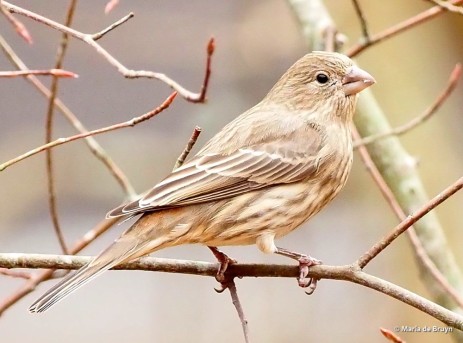
Less colorful but also a pleasure to see are the female house finches (Haemorhous mexicanus). They seem to come to the feeders less often than their male counterparts.
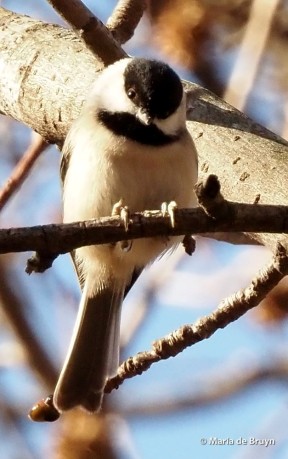
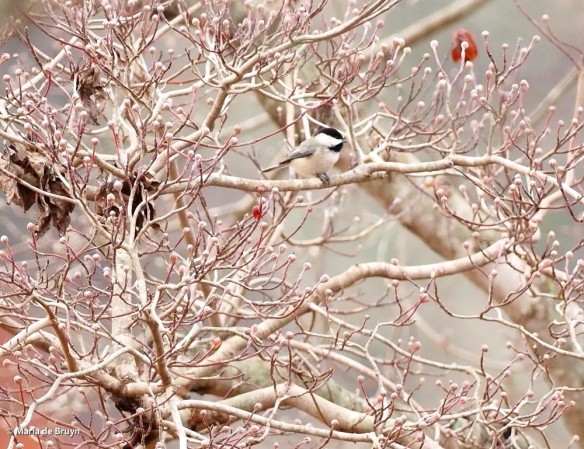
The Carolina chickadees (Poecile carolinensis) are a delight to see, even if they seem to be in almost constant motion.
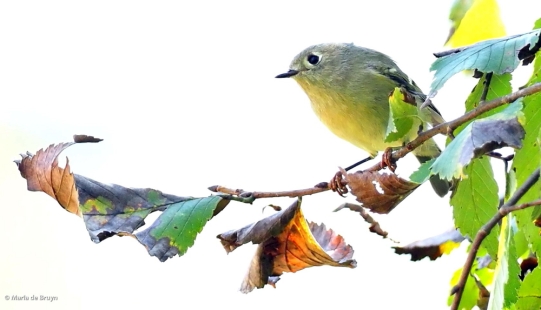
The other bird who also rarely sits still is the lovely little ruby-crowned kinglet (Corthylio calendula). A few years back, I had one that came several winters in a row and who had apparently come to trust me as he would fly over when I brought out fresh suet and even sit on the feeder while I was holding it. He may have attained his natural lifespan (4-6 years) and perhaps it is one of his offspring who now comes.
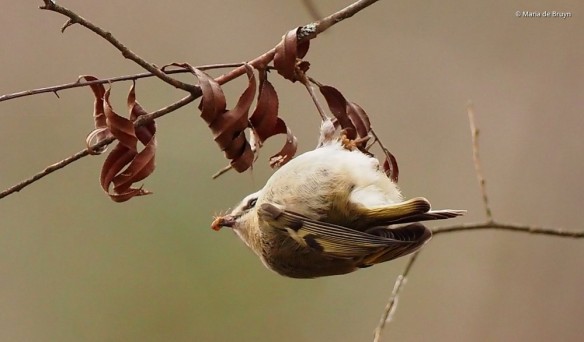
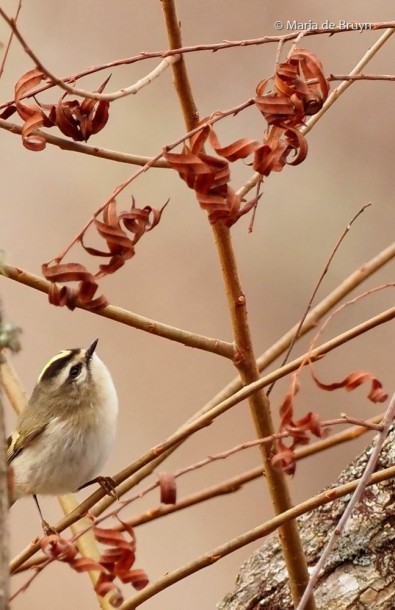
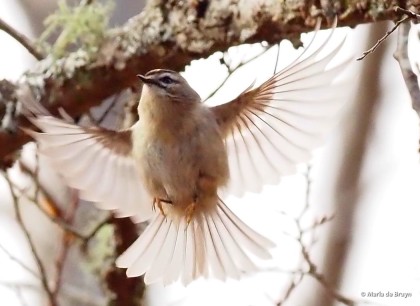
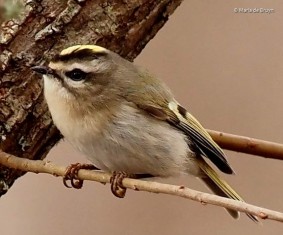 I hadn’t had golden-crowned kinglets (Regulus satrapa) in my yard much before this year; now I have at least one living here but s/he never comes to the feeders. Because this bird stays very high and I haven’t had access to my long camera lens for some time, it’s been difficult to get photos at home. I’ve had somewhat more success on walks.
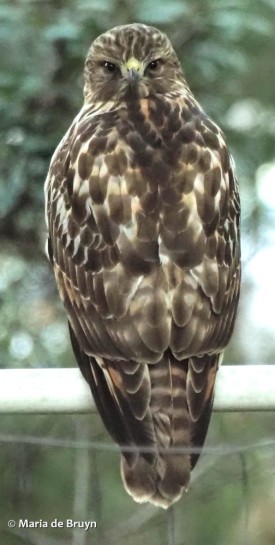
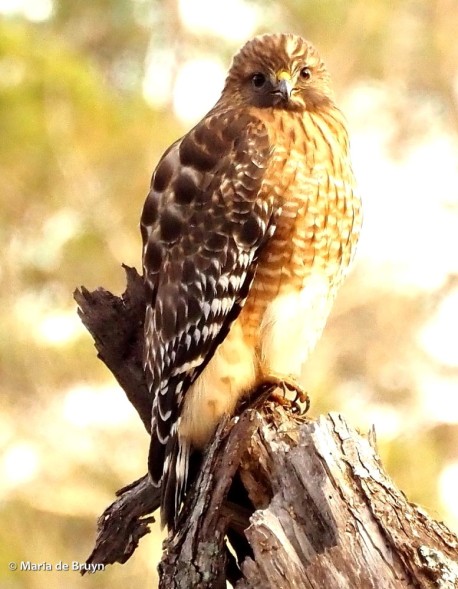
Some of my more spectacular yard birds have been the neighborhood red-shouldered hawks. When they fly in, the other birds don’t seem bothered.
These hawks have targeted the amphibians and reptiles (successfully) near the small ponds; they also look for small mammals. While I’ve seen them catch frogs, I haven’t seen them catch birds or mammals.
The young ones are not as reddish as the adults.
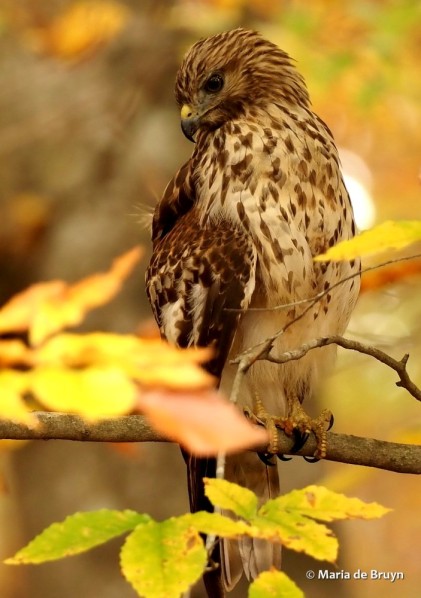
I also enjoy seeing these gorgeous raptors on my visits to nature reserves. Some have what seems to me like a sweet expression (like this one below).
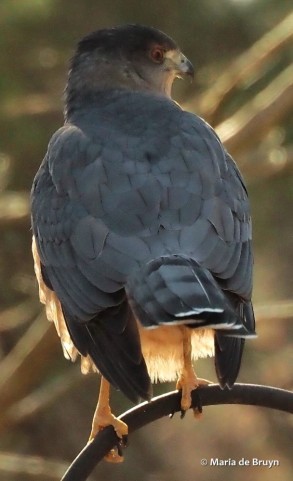
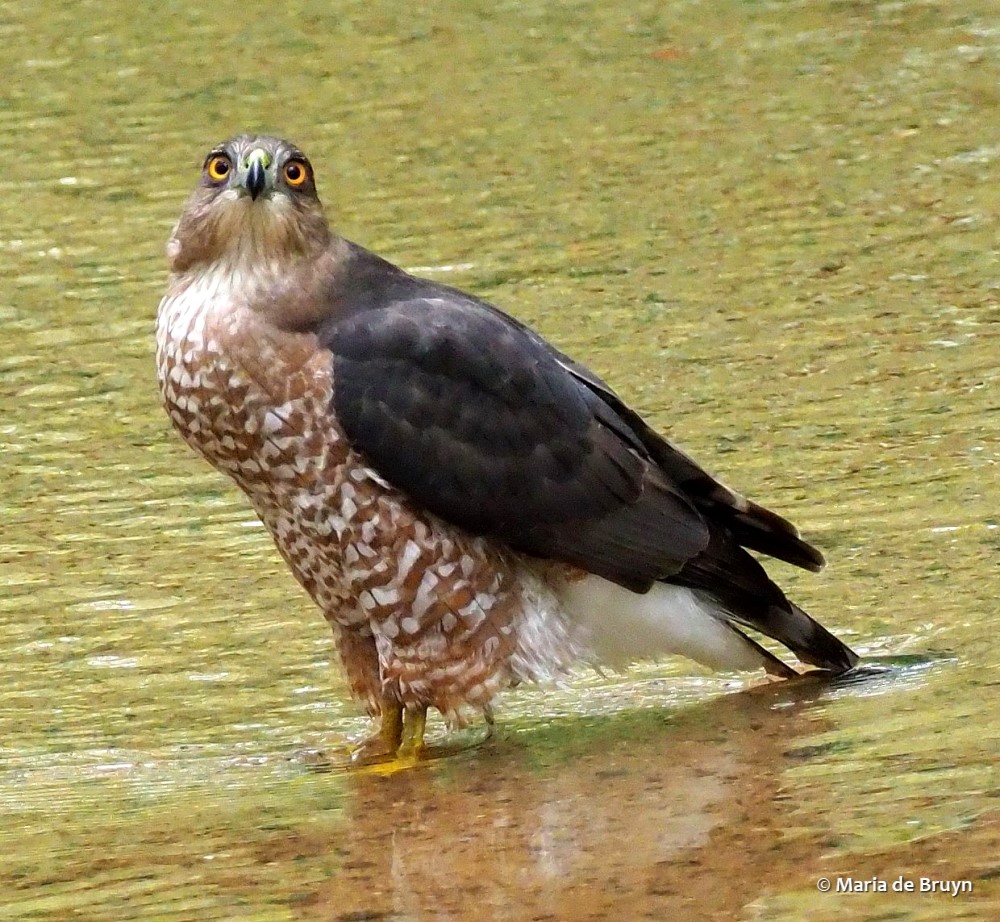
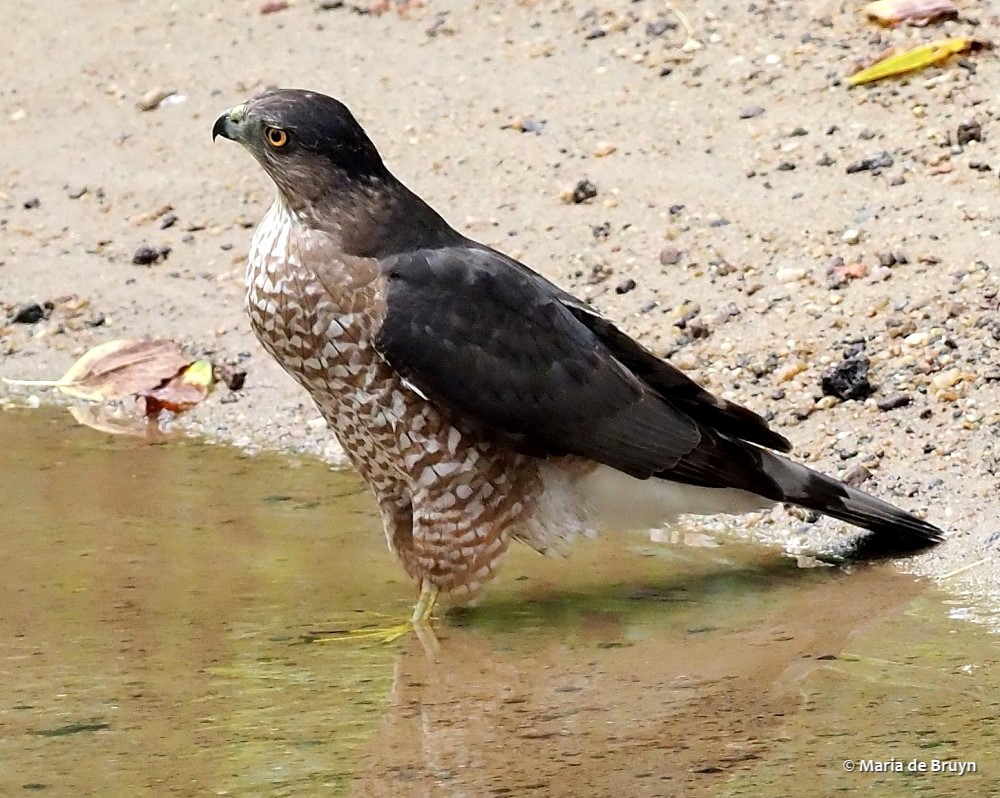
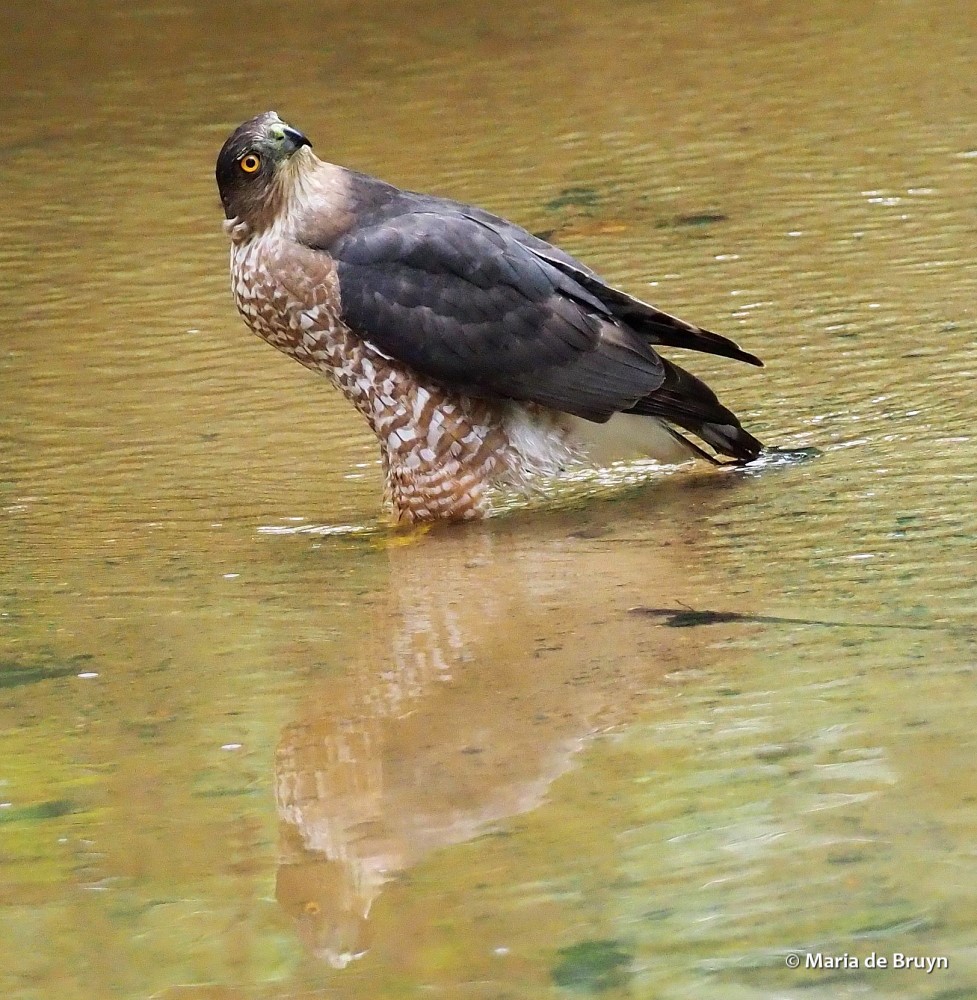
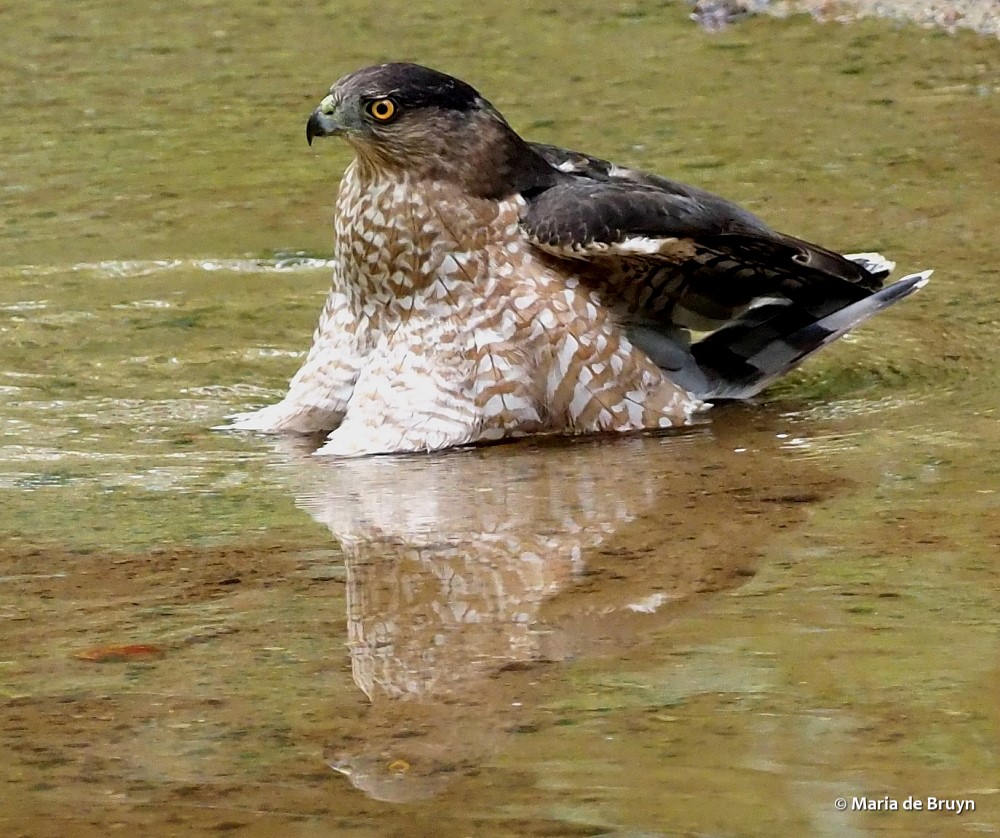
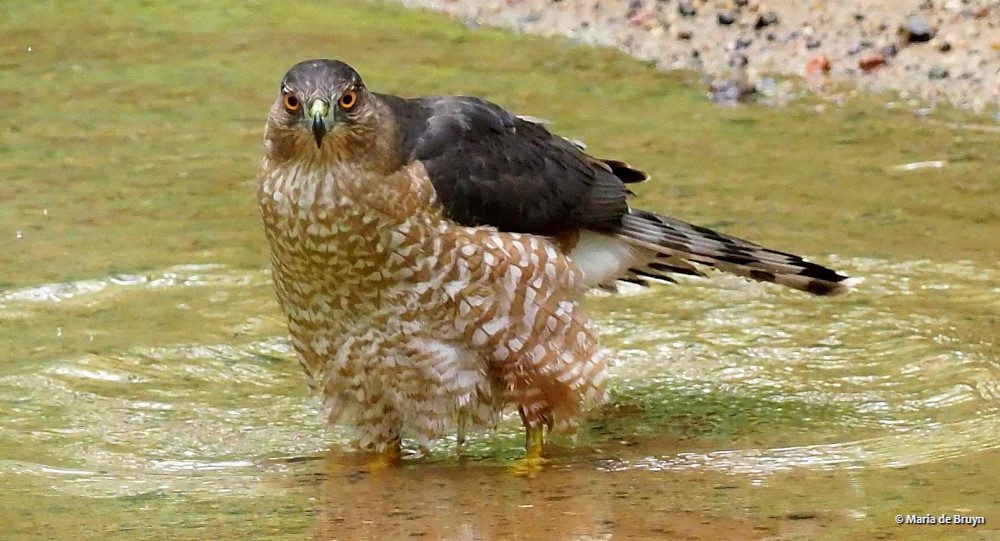
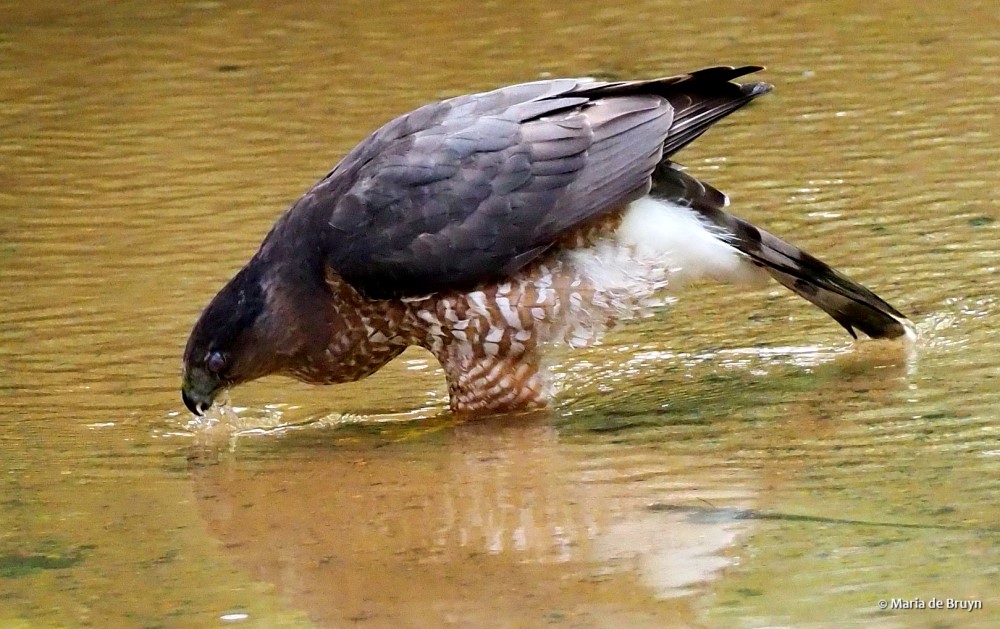
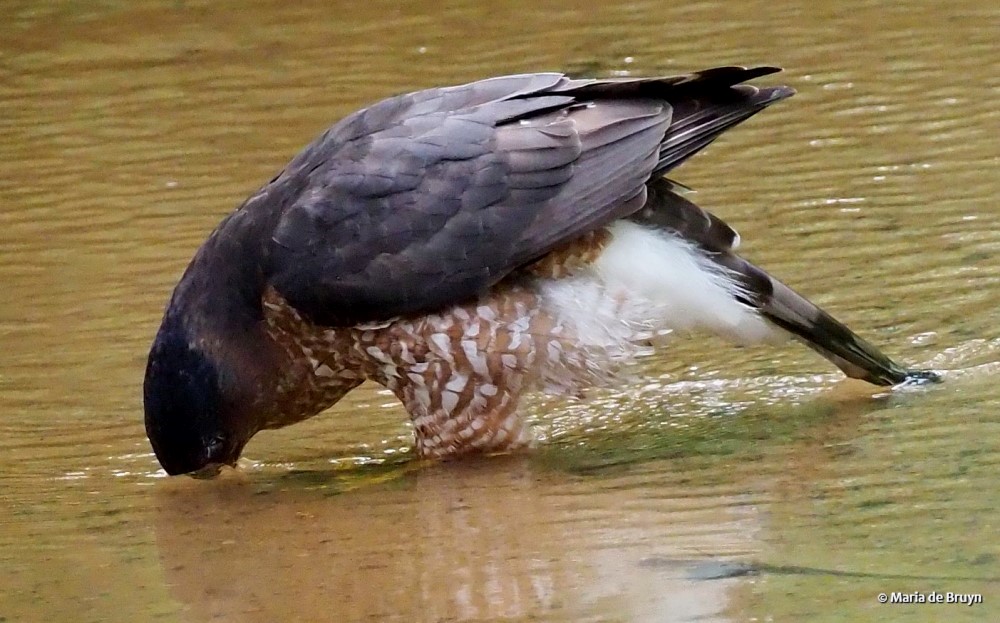
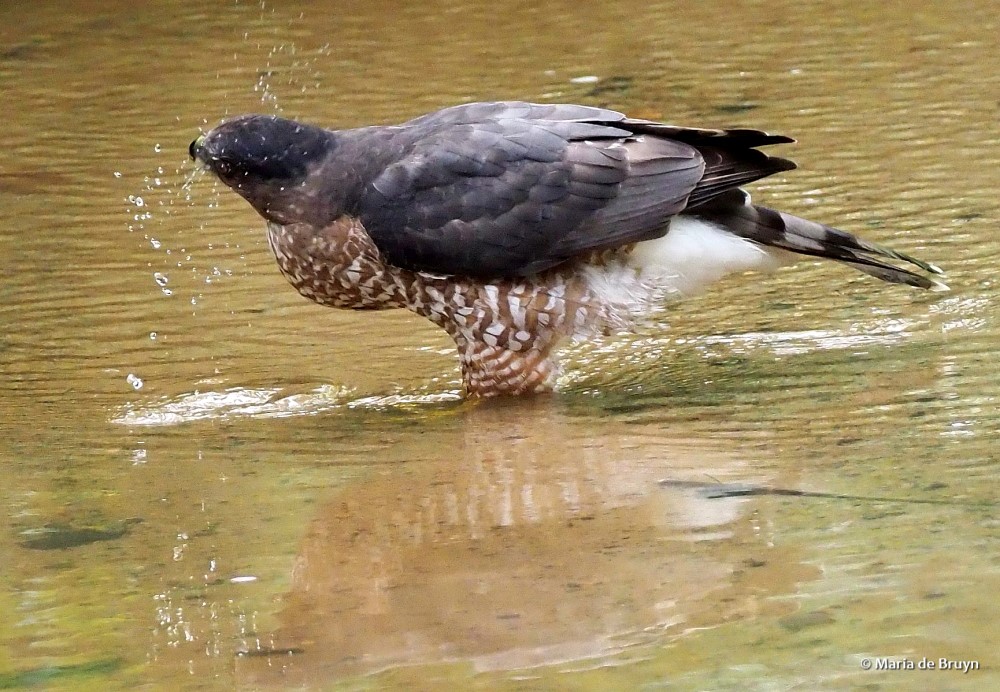
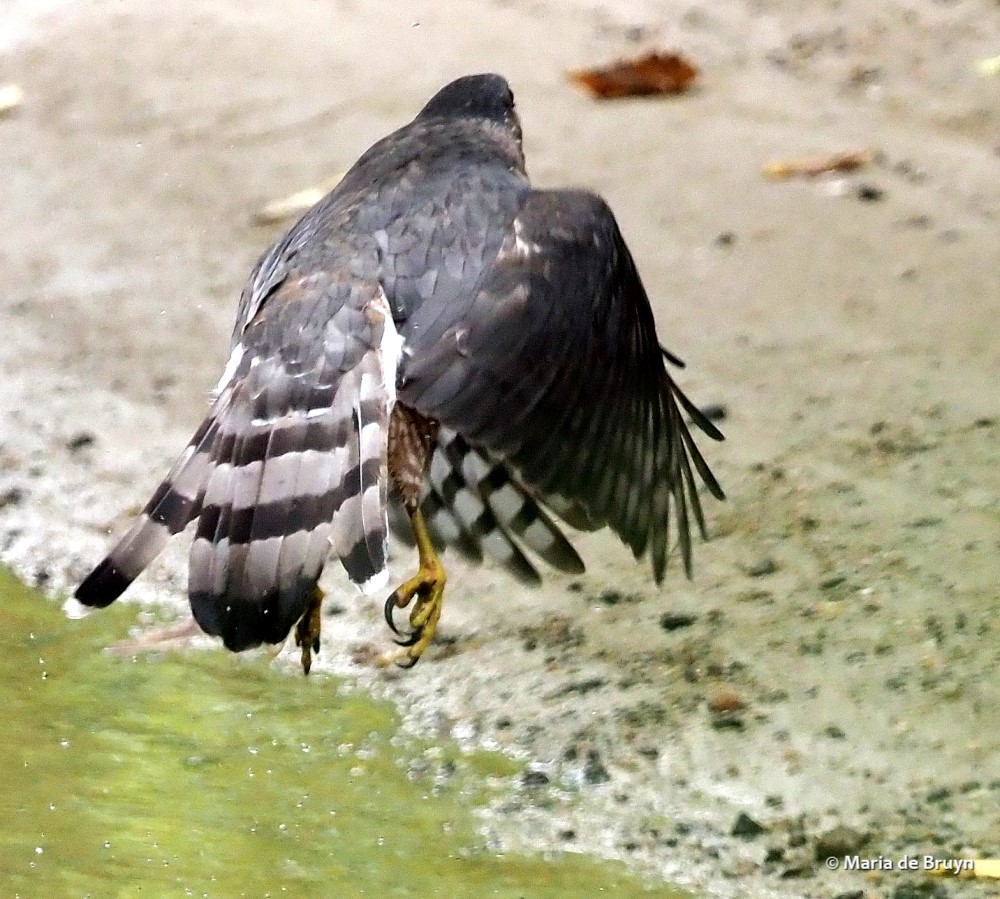
Finally, there is one bird that does make the other birds flee the feeders to seek shelter in bushes, shrubs, woodpiles, etc. That is the neighborhood Cooper’s hawk (Accipiter cooperii). A sharp-shinned hawk visits occasionally, but it is the Cooper’s who comes by regularly. S/he is not shy; about a week ago, the bird flew onto the front porch where it had chased a female cardinal into the living room window. The cardinal flapped on a chair as the hawk peered at her. I banged on the window and ran outside to rescue her. I know the hawk has to eat as well, but I didn’t want to see the dismemberment of this poor bird. I put her in a box in a corner of the porch and she fortunately recovered.
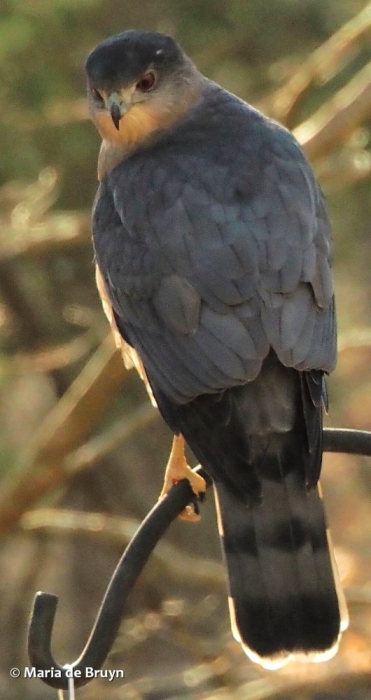
Feathers in the yard and under feeders have shown that the Cooper’s has had successful hunts, so it is doing well.
Next up – my water-loving mammalian friends. Have a nice weekend!


















 My beautiful world