
Well, time has passed again quite quickly since my last blog (at least for me), but I hope you find this posting worth the wait! I’d like to introduce you to my favorite herons.

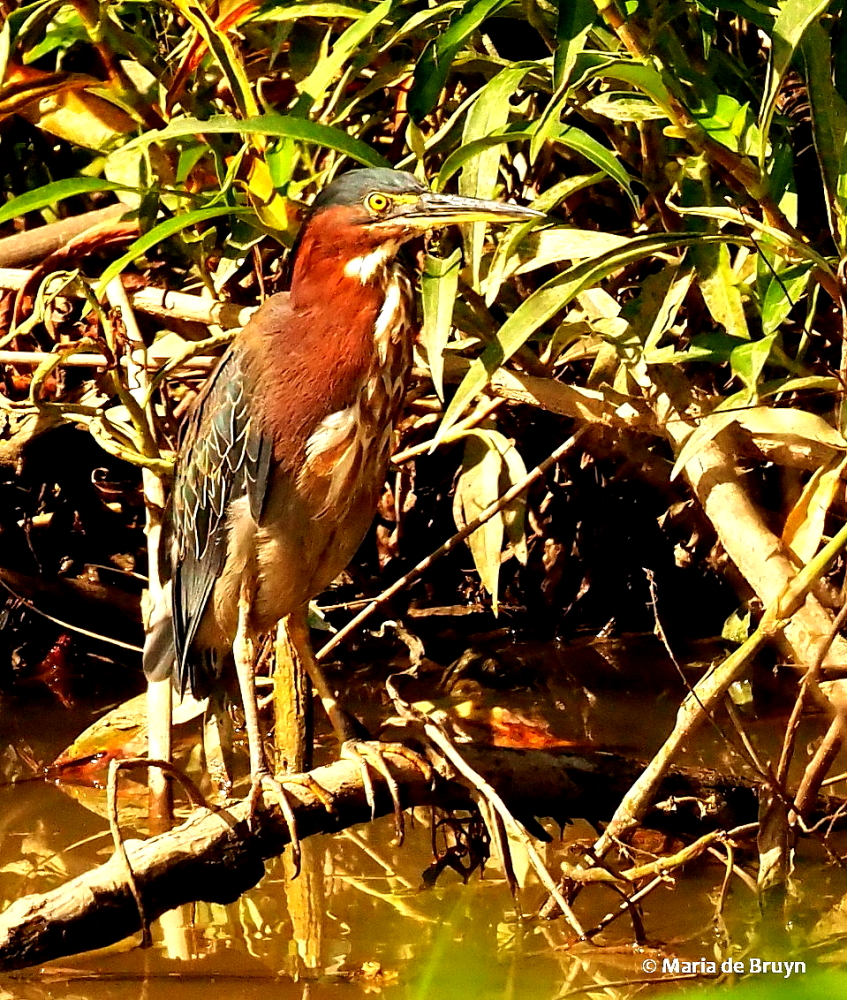
There are 16 heron species in the USA, and many are fairly large birds. But my favorite is the smallest one — the green heron (Butorides virescens)!
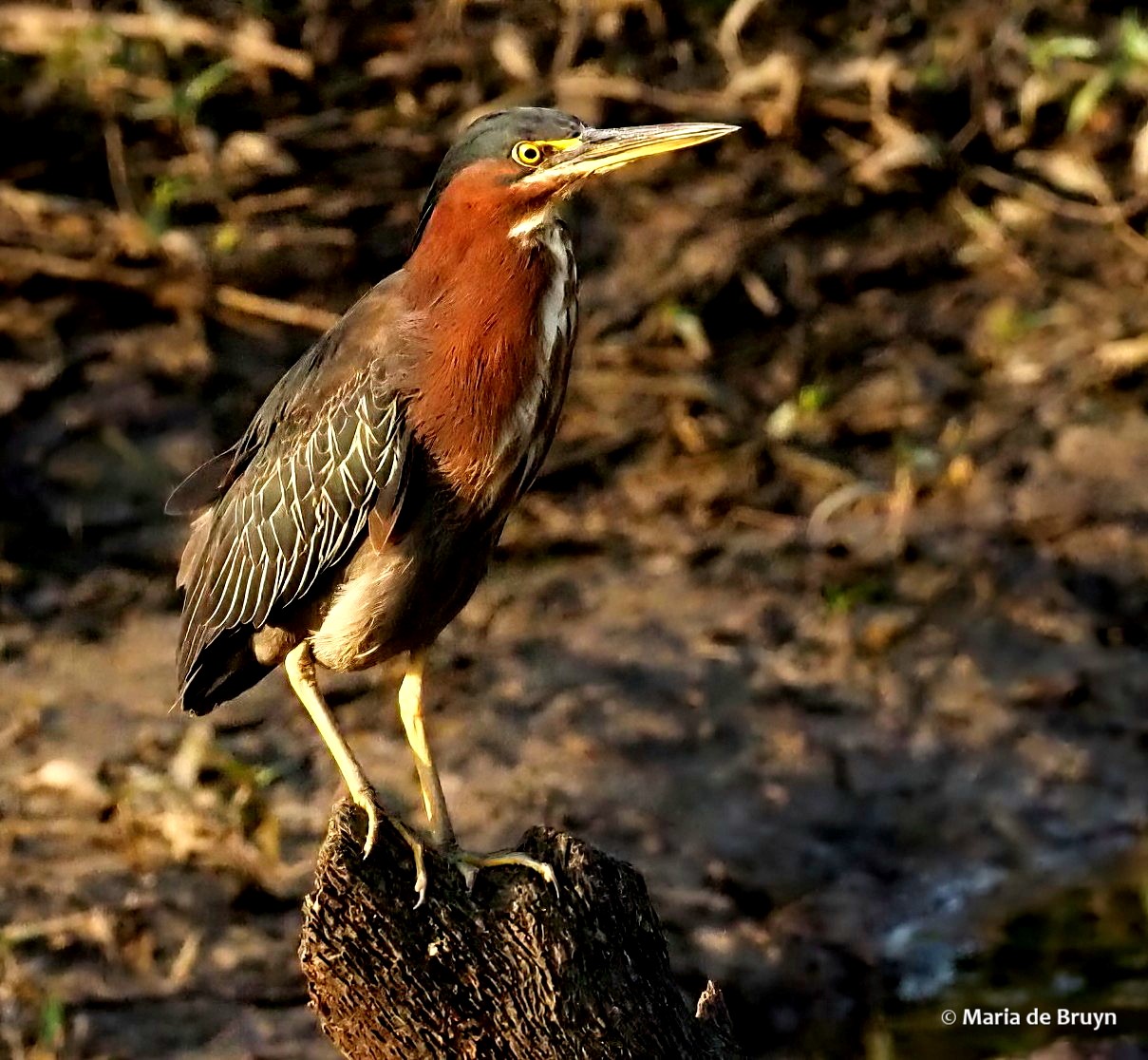
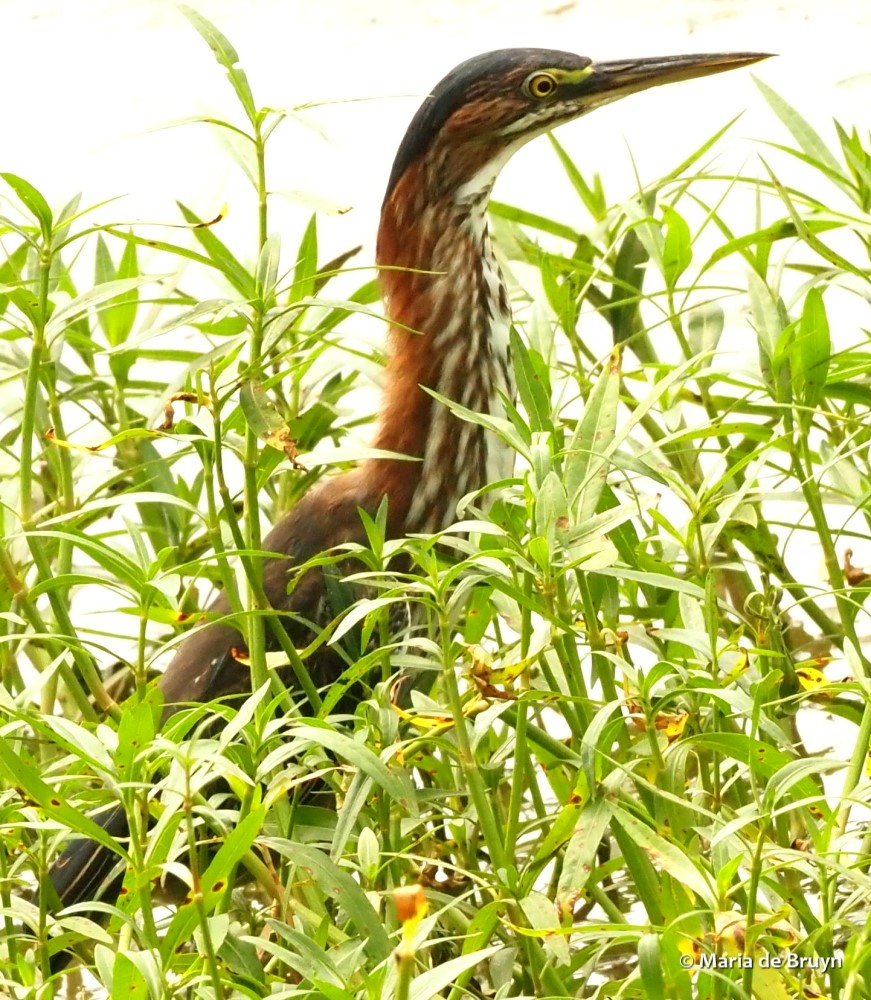
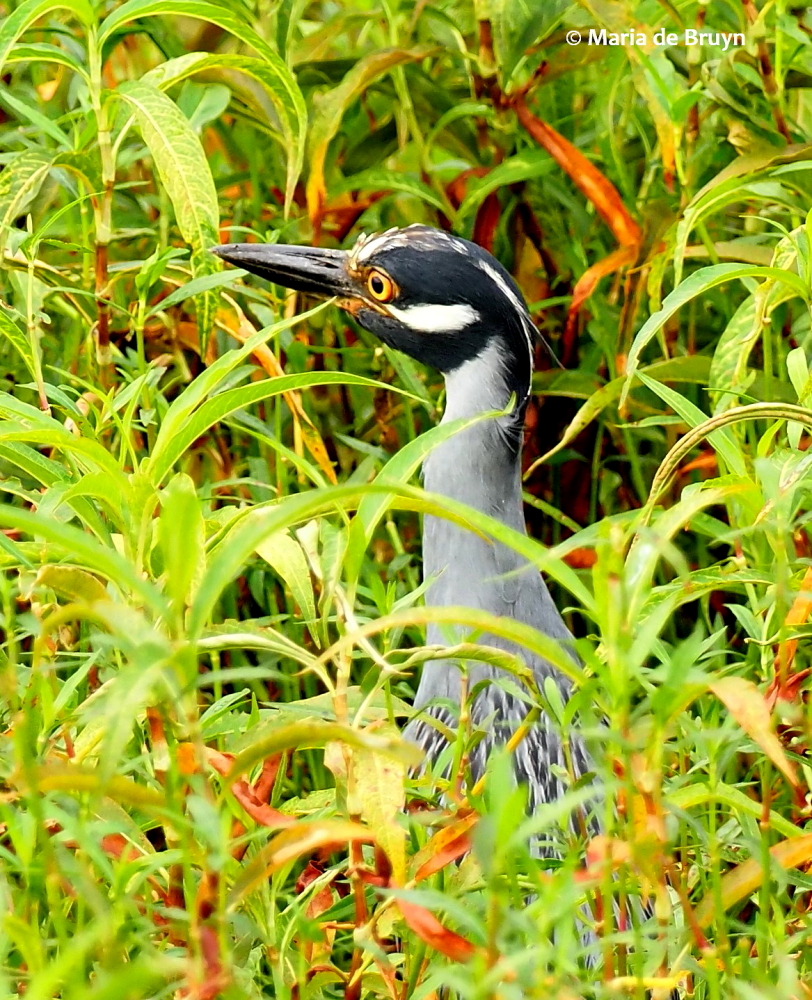
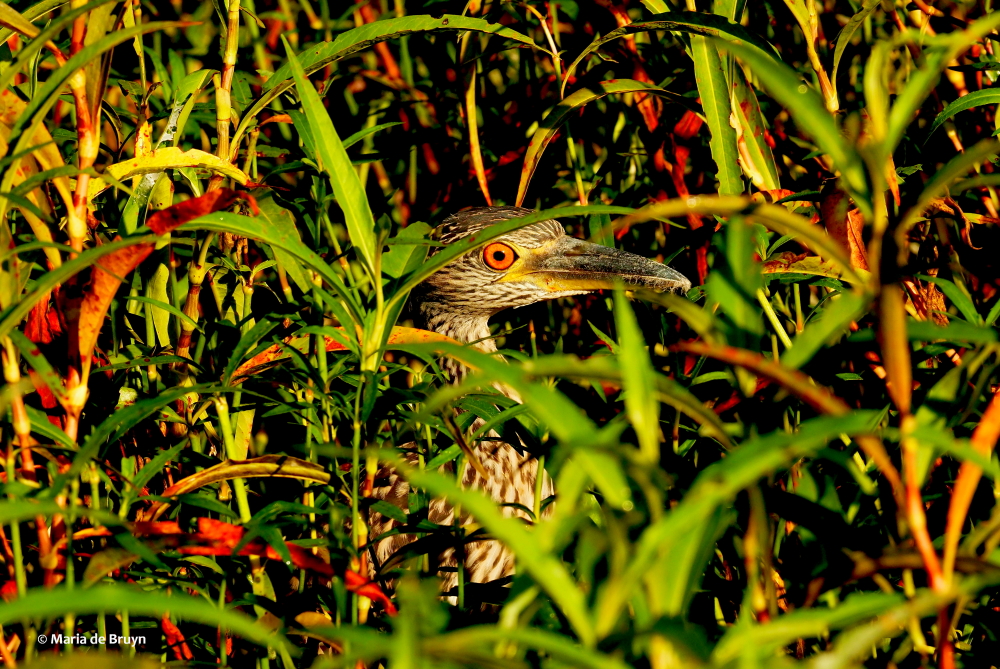
They are sometimes considered rather “secretive” birds, avoiding being out in the open or in full sight. When they sit and stalk near vegetation, they can indeed be difficult to spot.

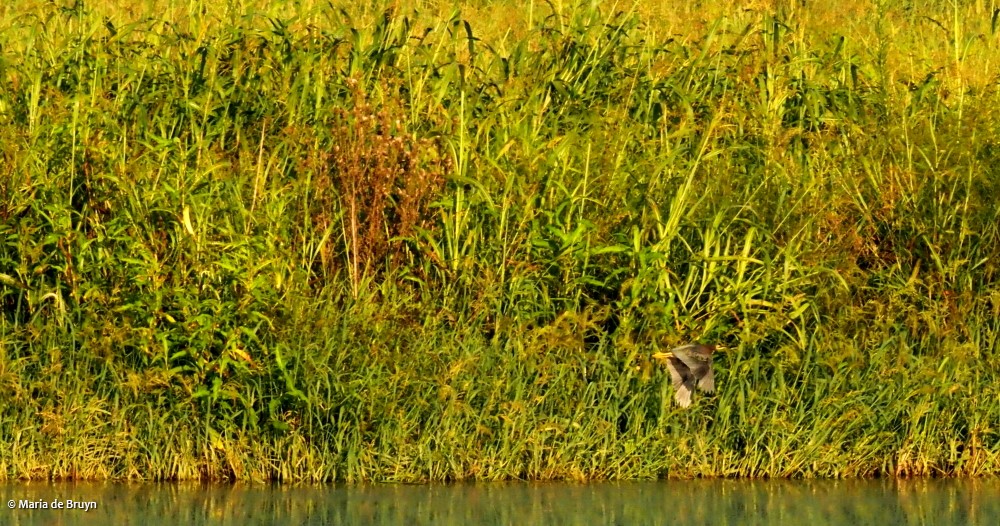
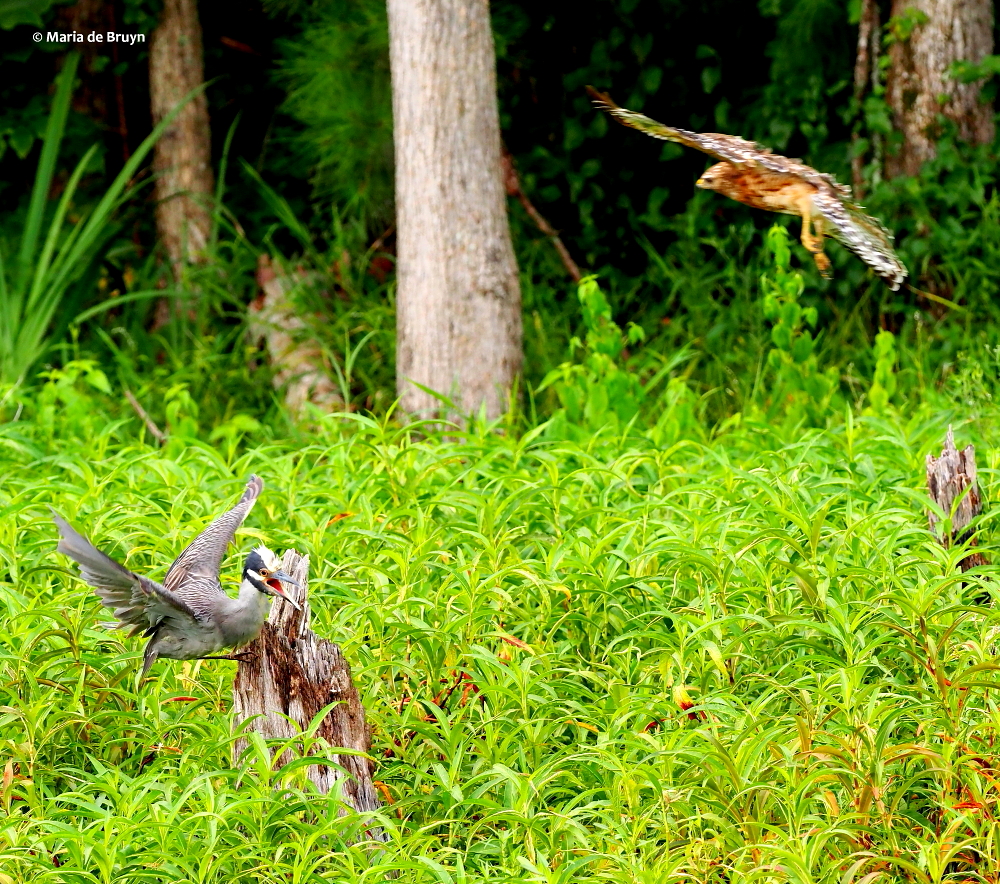
Even when flying, they can blend in well with background bushes and trees.
This year I was fortunate enough to see them out and about fairly often. They accommodated birders by staying for a while at four different ponds and a small lake.

What used to be a decent pond behind a shopping center was drained a couple years back and became a barren and often trashy area. The beavers who helped keep it water-filled were chased away. But when our area had copious rains in late summer this year, the pond filled partly and sometimes fully. A pair of green herons took up residence for several weeks alongside mallards, a lone hooded merganser, a young ibis, some egrets and little blue herons.

Green herons are known by various common names, some of which I find rather weird:
- Fly-up-the-creek (likely inspired by their swift flight when startled or disturbed)
- Poke (perhaps referring to how they forage)
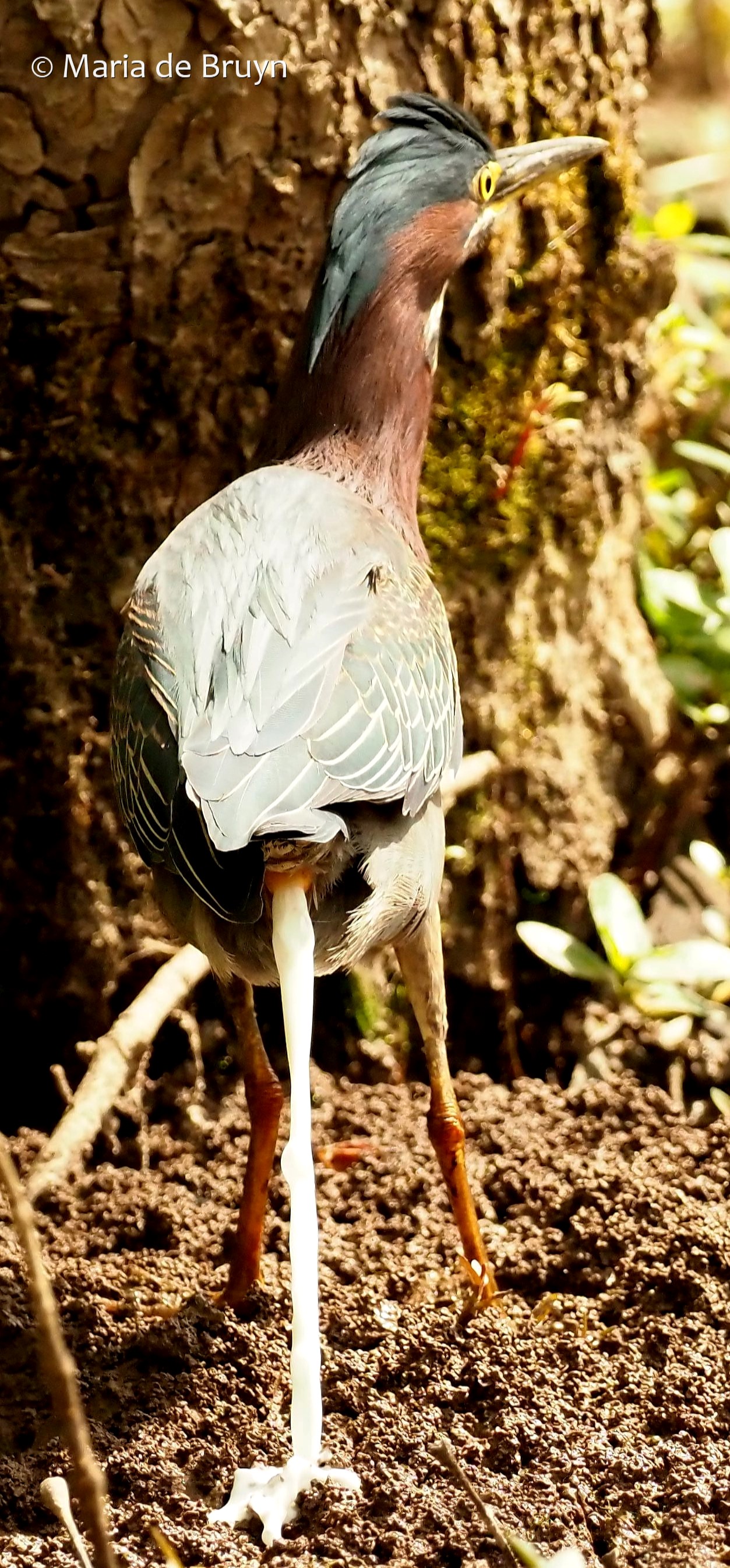
- Shitepoke (referring to their projected fecal matter; see left!)
- Chalkline
- Indian Hen and
- Chucklehead.
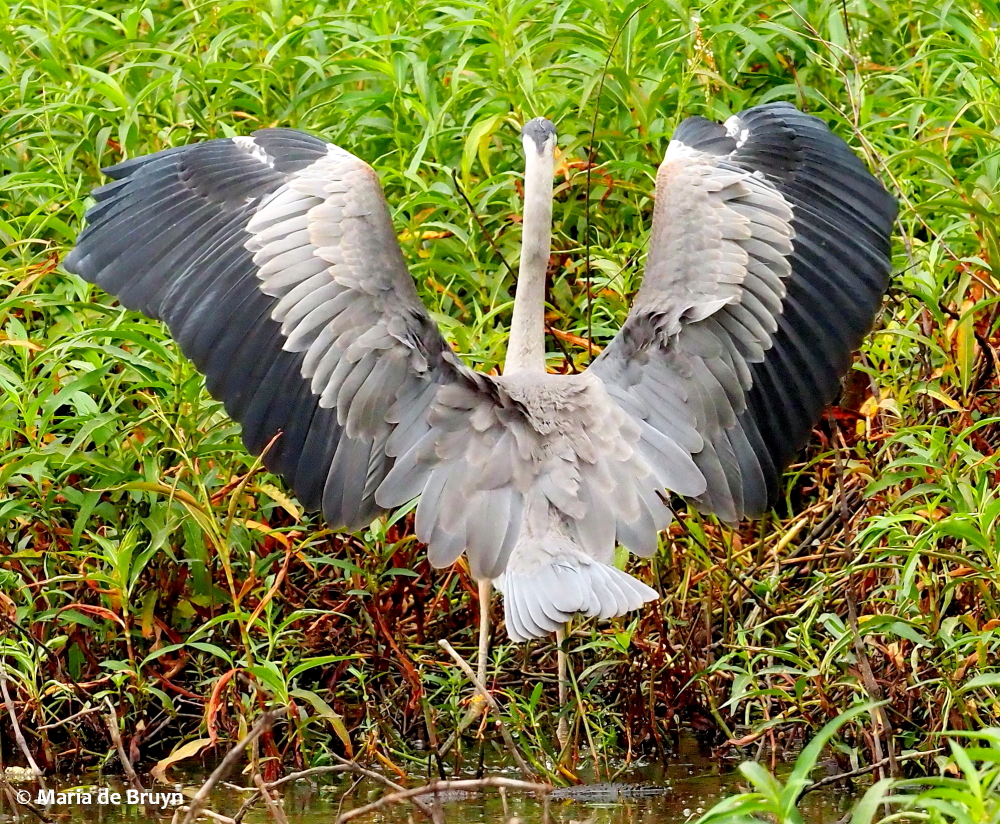
In my experience, great blue herons tend to ignore people for the most part, but the greens always seem very aware of our presence and sometimes curious about why we’re watching. So, I might be inclined to give them a nickname like Puzzlers, befitting their sometimes-intent perusal of watchers.

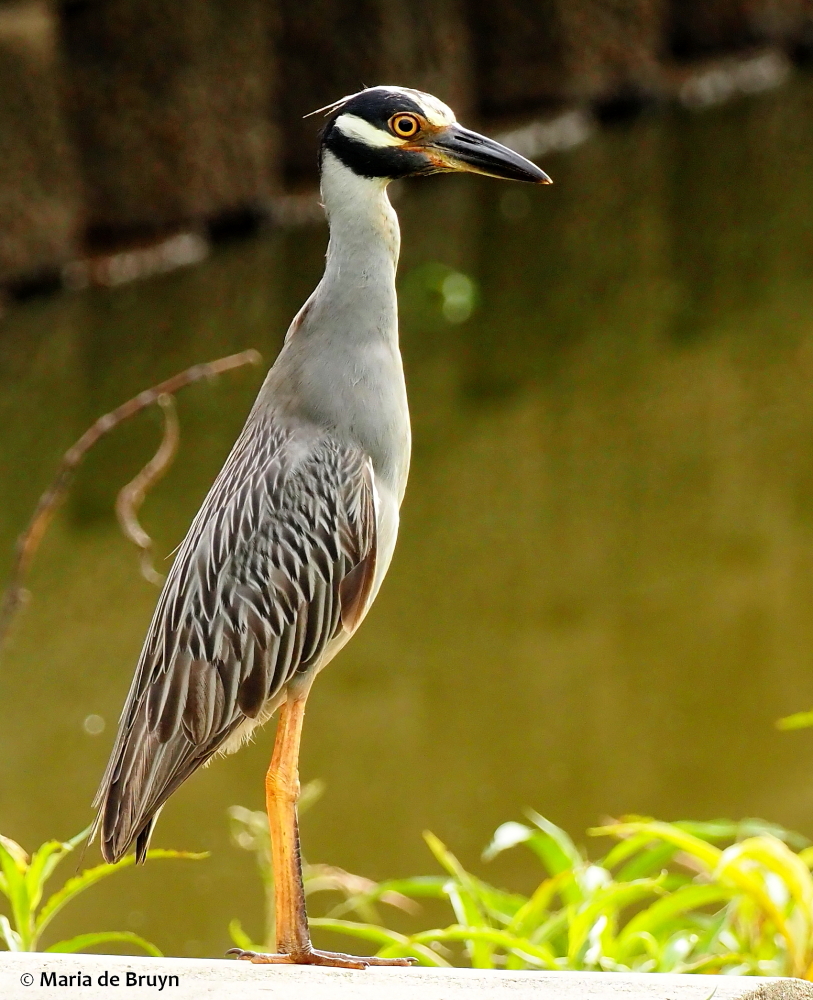
When not stalking prey, these herons often perch or stand with their long neck pulled in and they look like they’re hunching their shoulders. When you see their neck extended, though, you get a good idea of how tall they can be!
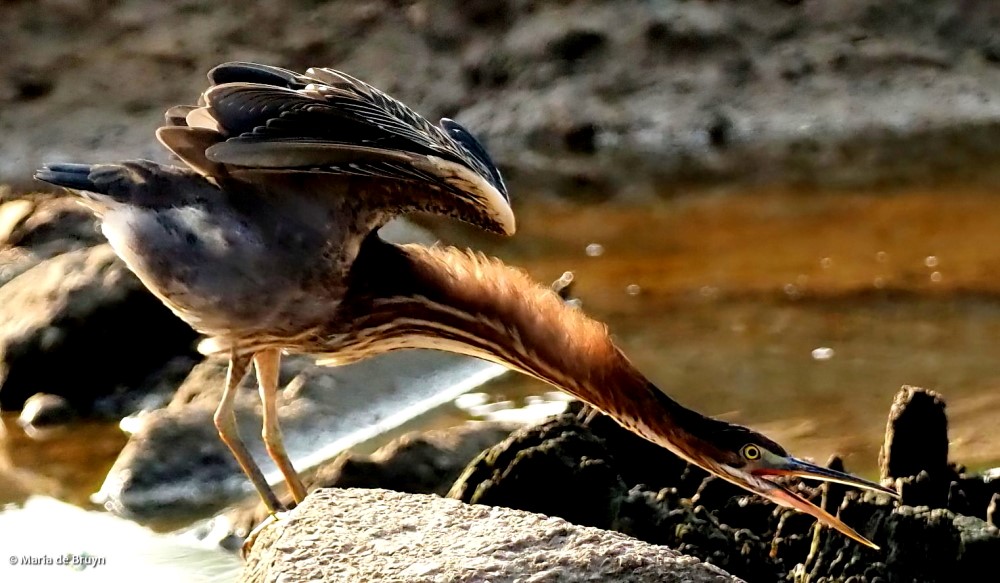
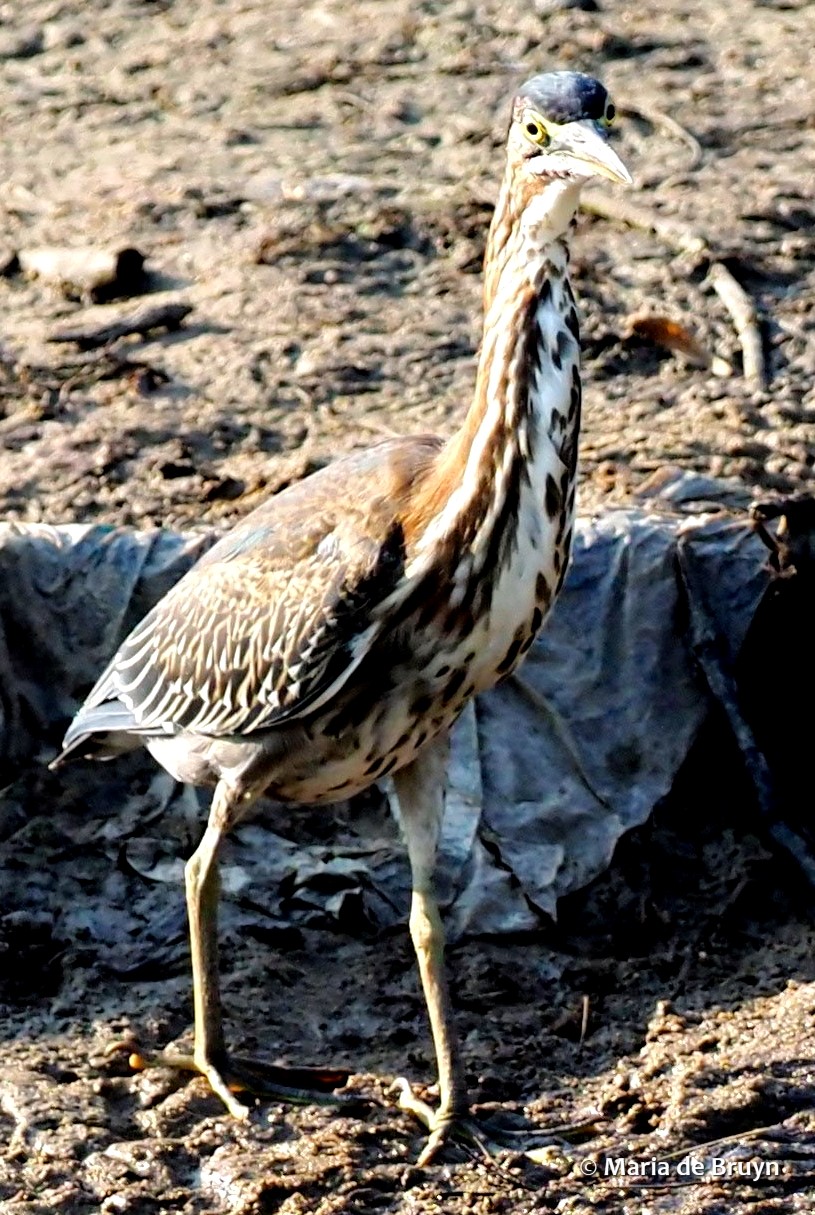
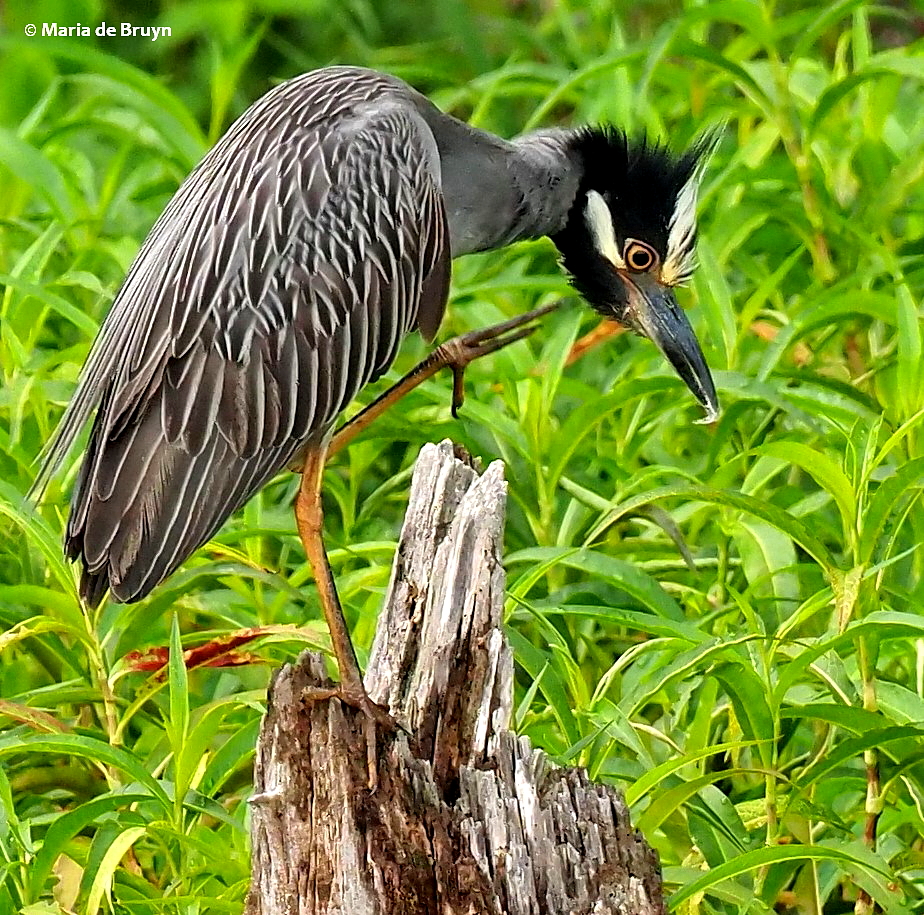
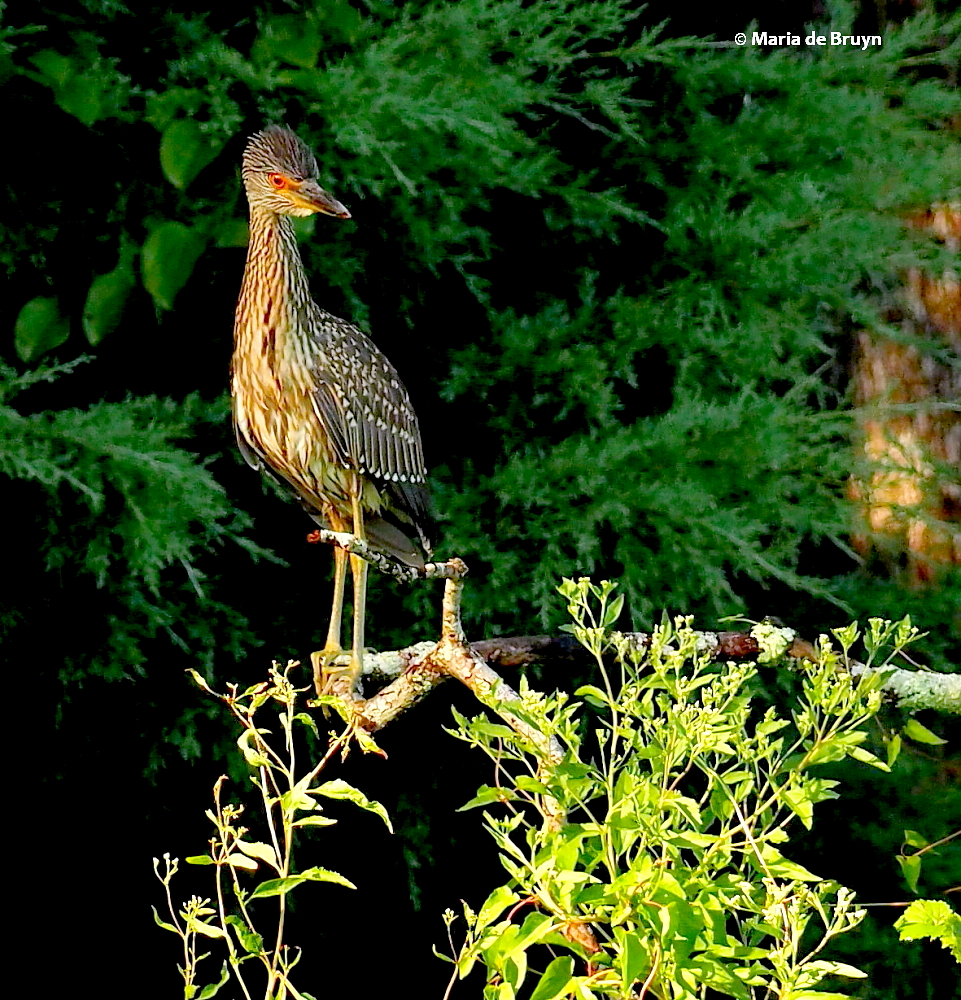
Other herons are not quite as colorful as the greens. These small herons change their appearance much more, displaying feathers of white, cream, chestnut, green, brown, gray and black colors. This is set off against a pair of yellow or orange legs, making for quite an attractive bird.


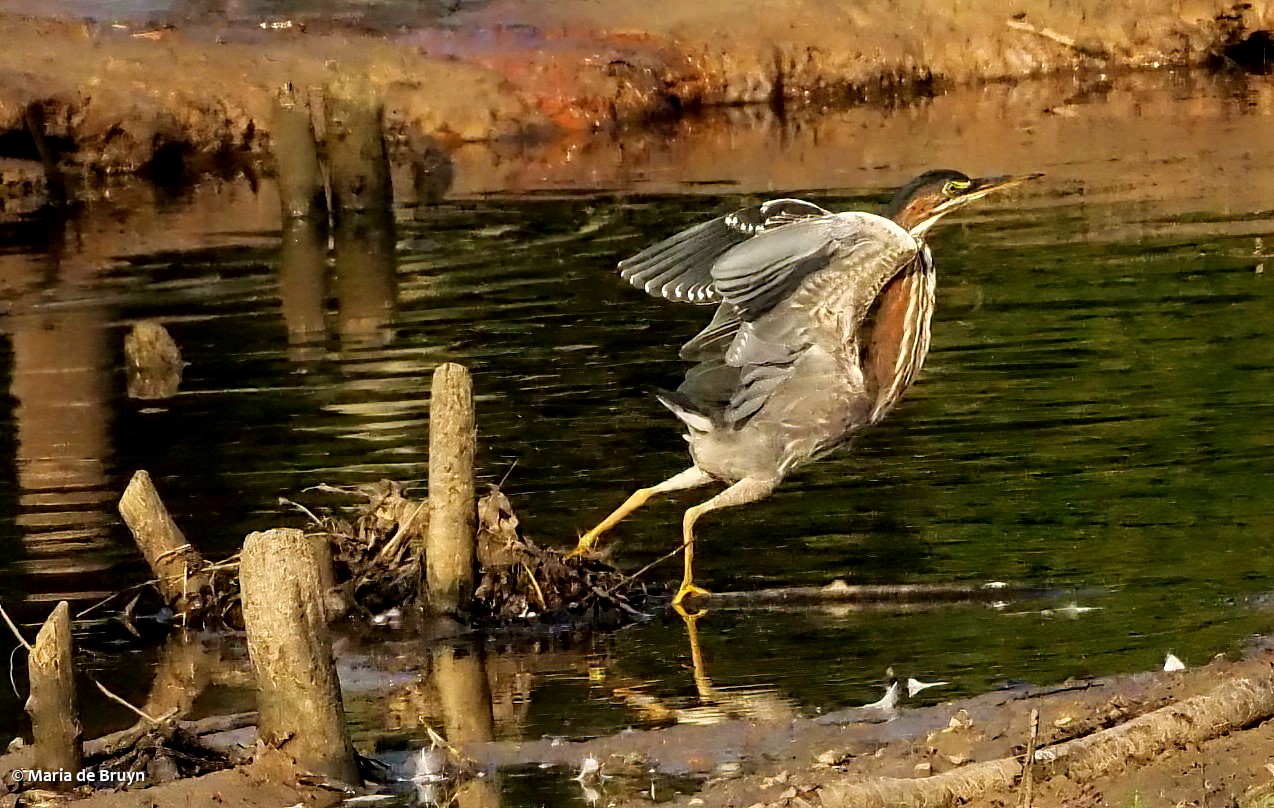
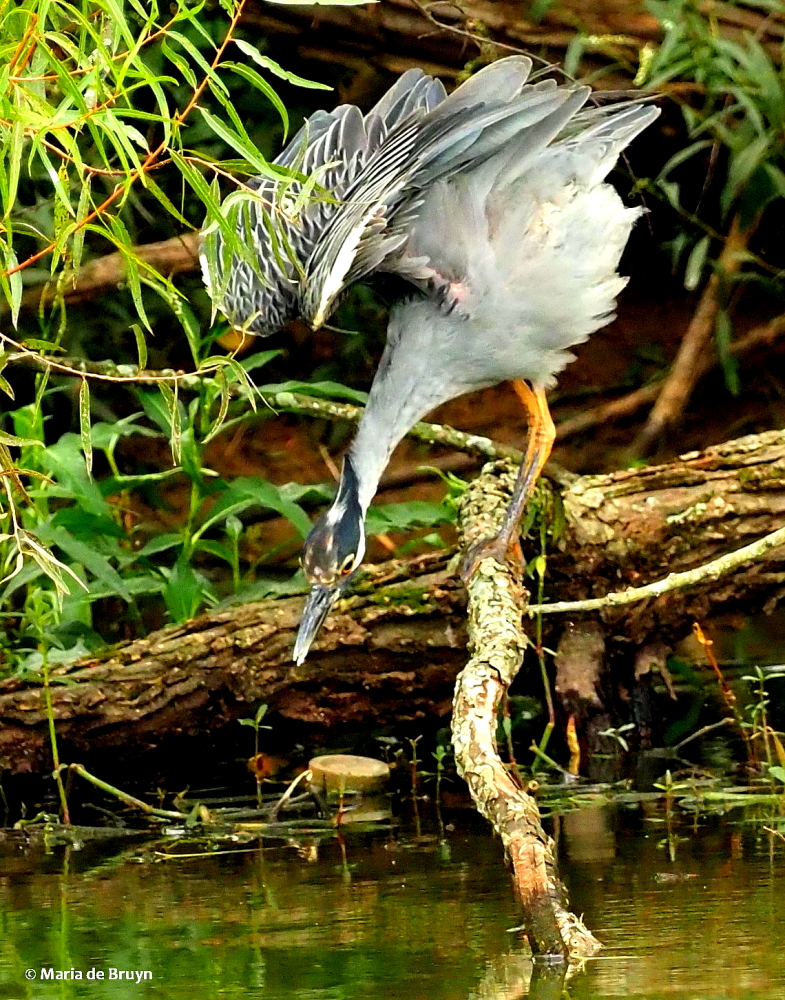
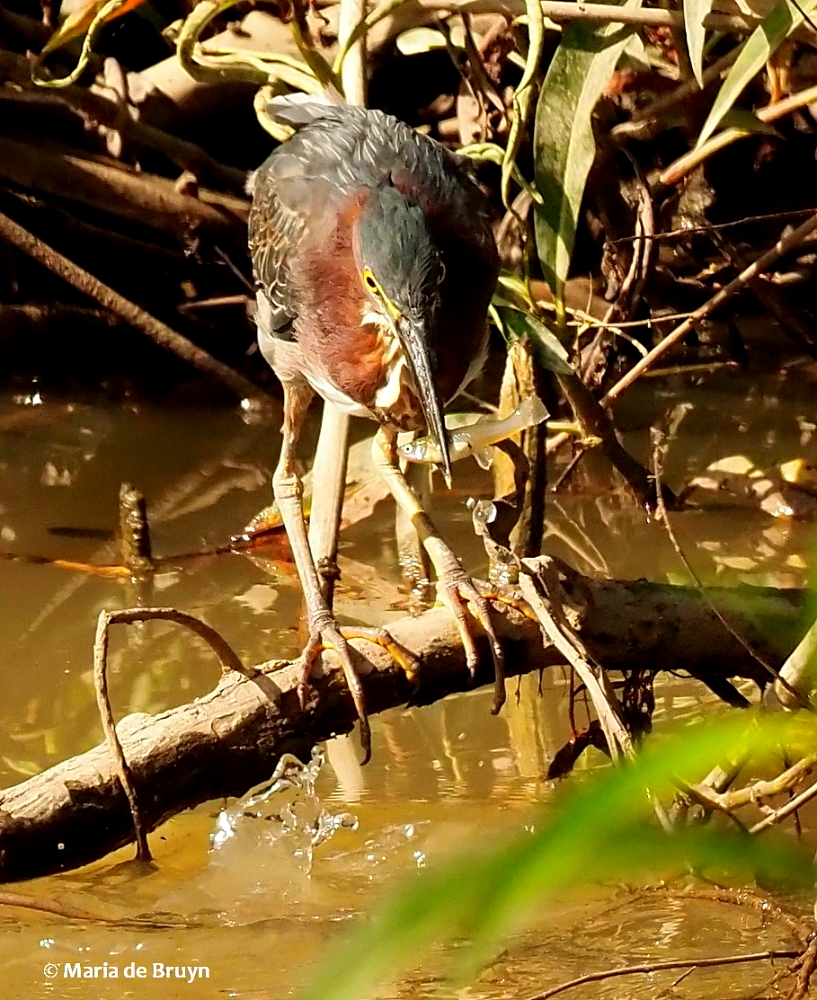
The green herons are among the tool-users of the animal world. They fetch different items to serve as bait to lure fish to the water’s surface, including insects, bread, leaves or feathers. They mostly look for prey while wading along waterways or stalking in shallow areas. Occasionally, they also go after prey in deeper water, evening diving in and needing to swim back to land.
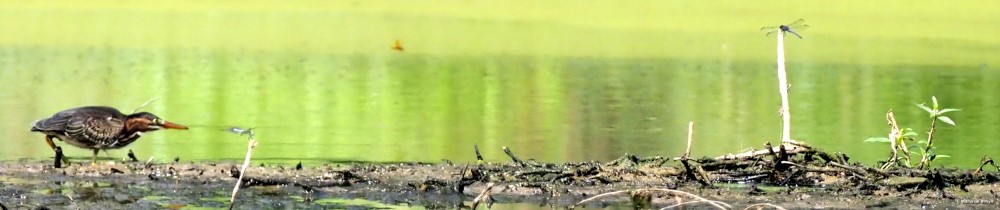
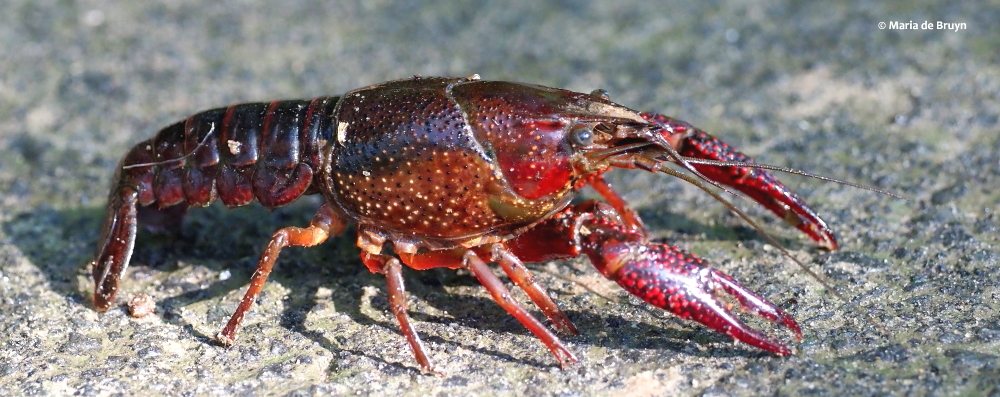
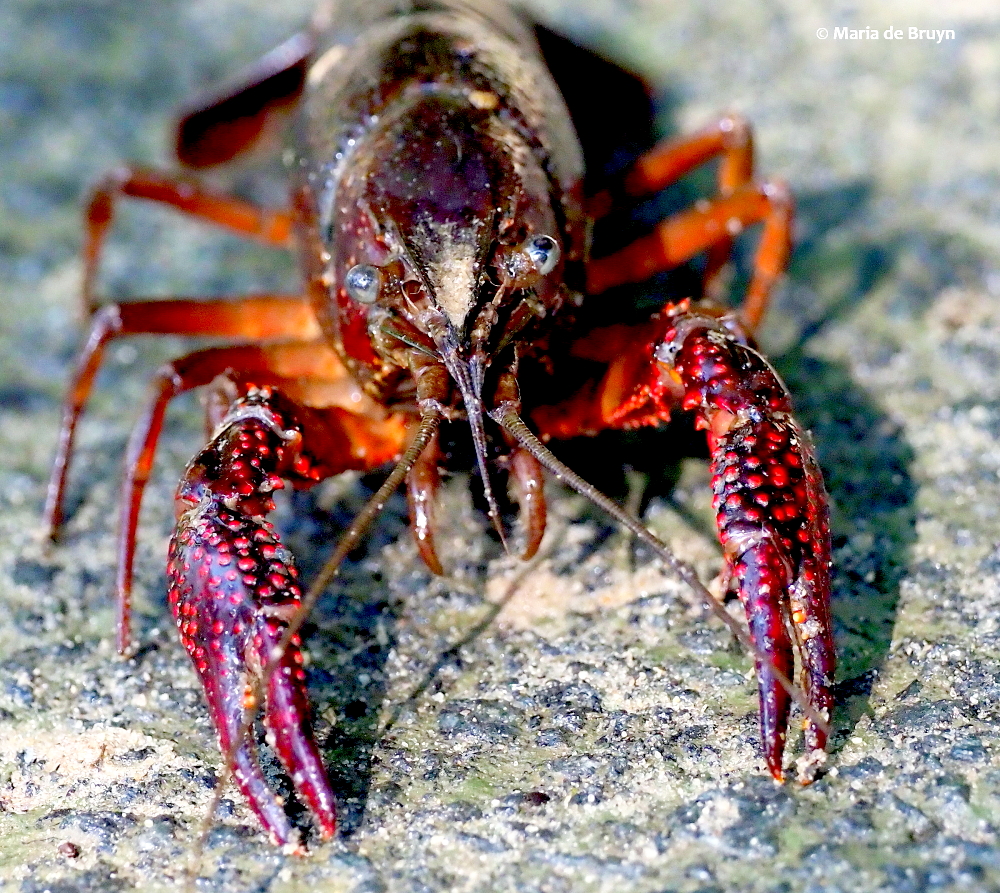
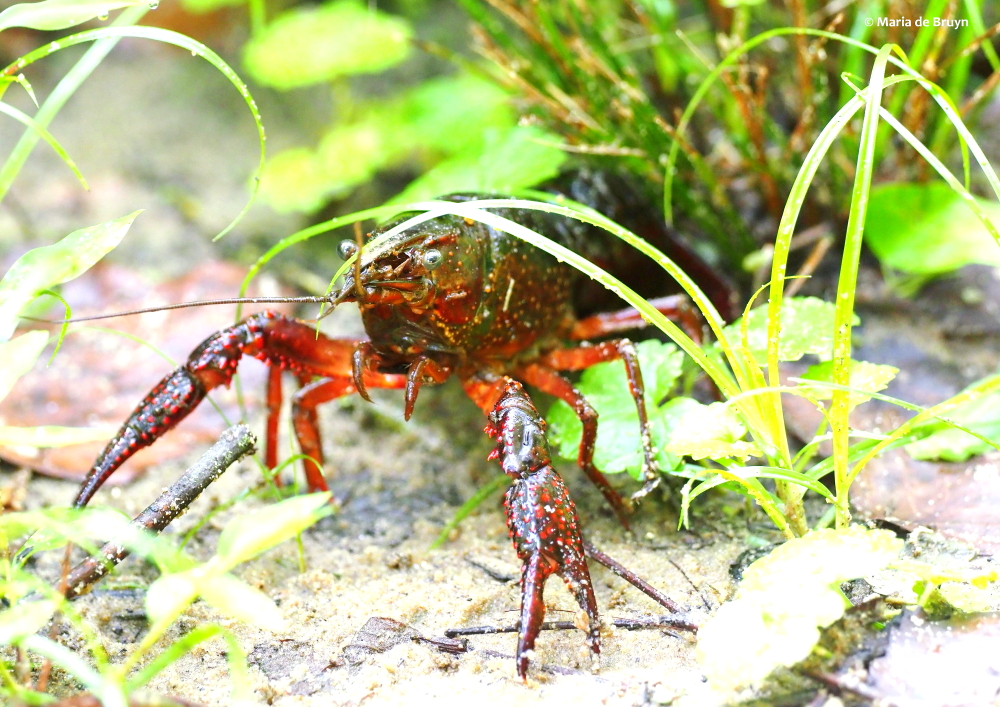
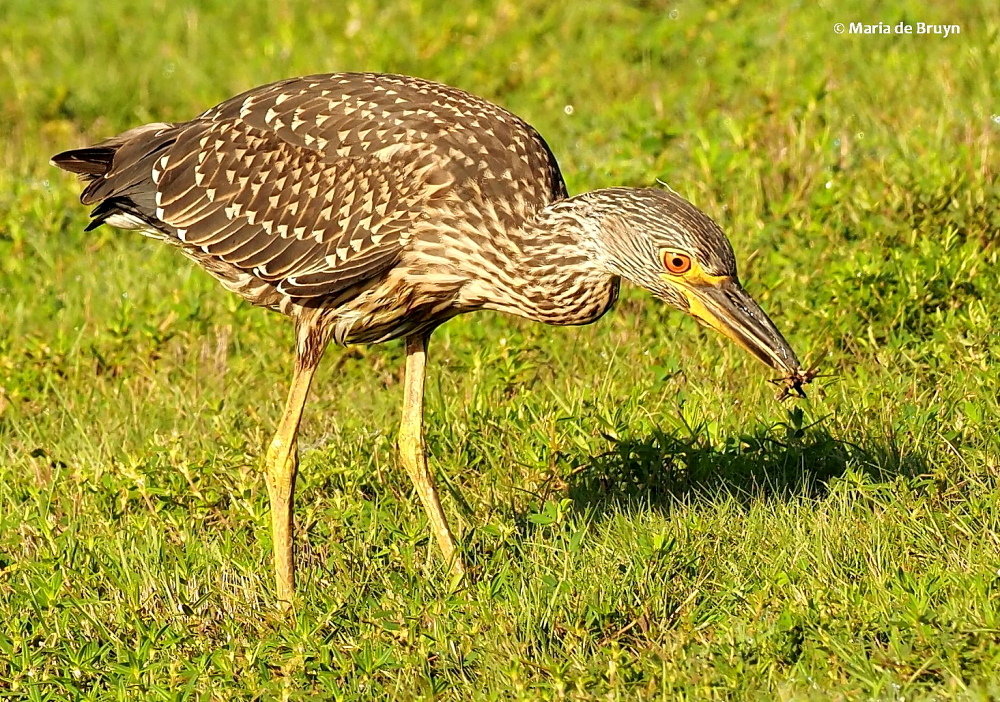
Their diet can be varied, including animals such as frogs, tadpoles, lizards, crayfish, snakes, dragonflies, grasshoppers and other insects, and sometimes small rodents.

This summer I saw one green heron catch a very large frog that was at least as long as its beak, if not longer. Unfortunately, I didn’t get a clear photo as my camera has been malfunctioning. ☹
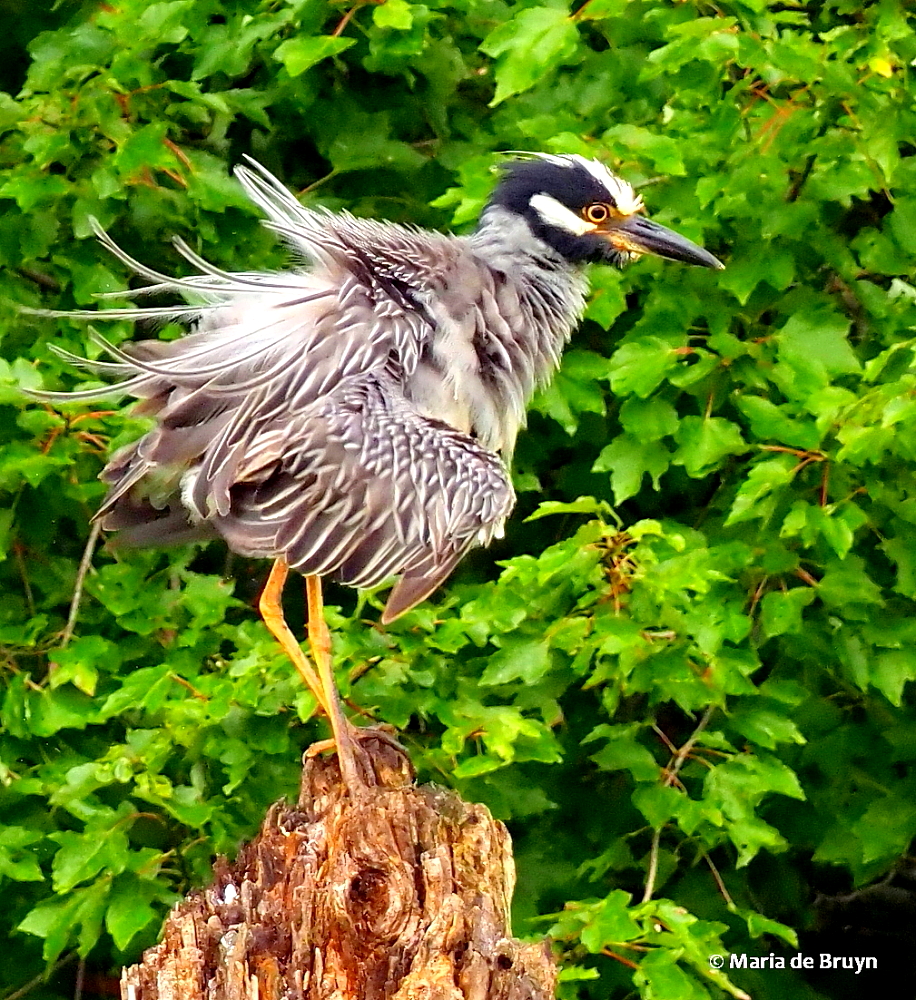
 After watching them often, it’s still not entirely clear to me why they sometimes raise their crests. Perhaps it’s a way of warning those around them that they are on the alert and not willing to share space. I do think it gives them an attractive look, although they can be stunning when simply resting on a branch while they survey the surrounding area.

At the end of August, I thought the greens had begun moving on to their winter abodes as I wasn’t spotting them. But then a few days ago, I caught one chilling out at a vineyard pond with no other wading birds in sight.
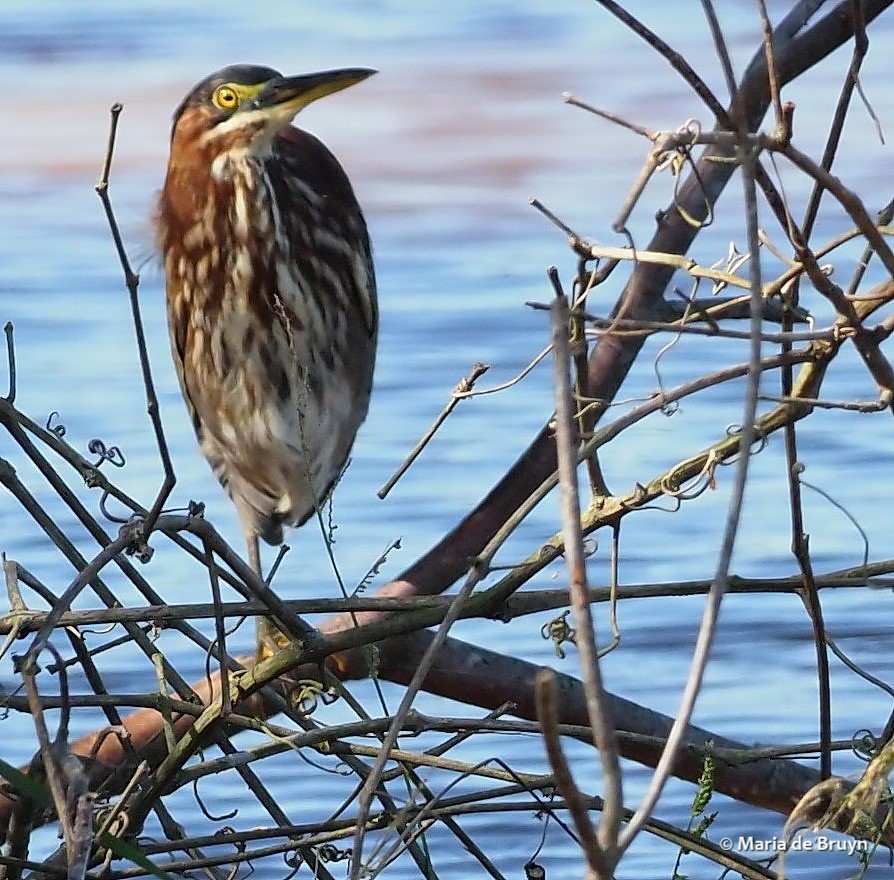
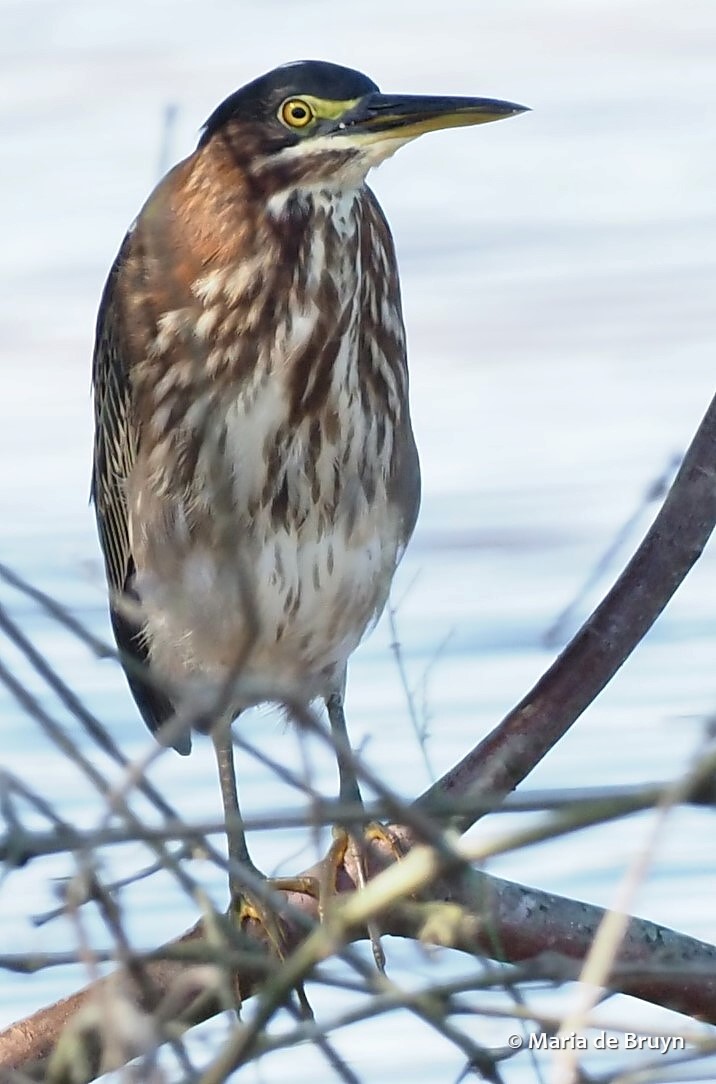
My late summer sighting was perched on branches at the pond’s edge, standing on one leg. Since a large snapping turtle was floating right behind him/her, I hoped that the other leg was simply tucked up under its feathers — and luckily, that was correct.

A threat to these entertaining birds is the alteration and loss of wetlands, which are proceeding quickly. Green herons are not (yet) among the birds whose survival is threatened as a species and individuals can live as long as 9 years. Nevertheless, this year the U.S. Fish and Wildlife Service reported that wetland loss rates have increased by 50% since 2009 and North Carolina, where I live, was particularly affected.

This continuing decline can only be stopped with more action to preserve existing wetlands, as well as measures to deal with the effects of climate change. I very much hope that I’ll be able to continue seeing the green herons and other wetlands wildlife for a long time to come.



















 My beautiful world