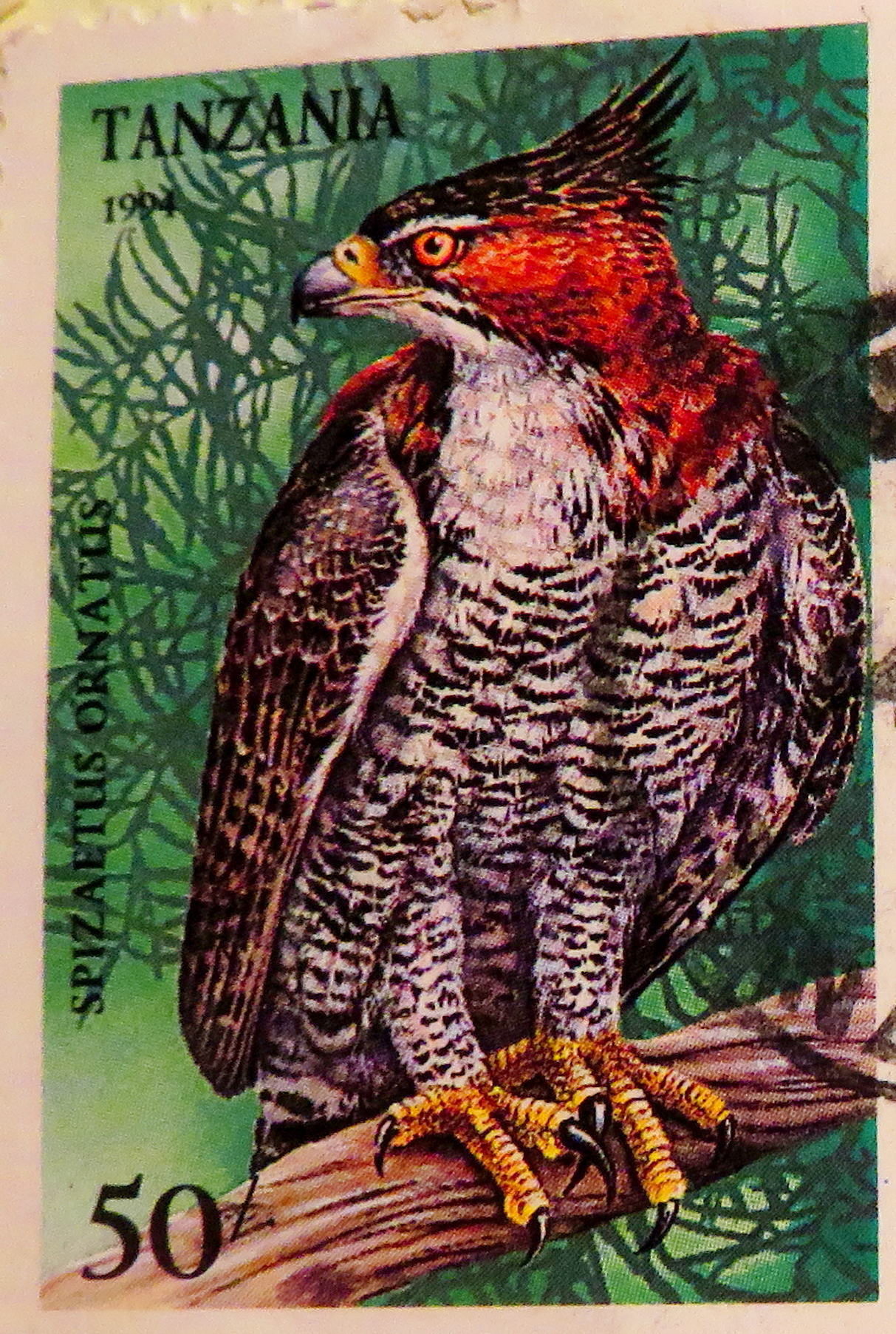
And now for something different…

indonesia-img_0067-maria-de-bruynRecently, I was pondering what I might choose as a subject for a column that I contribute to a bird club newsletter. And then as I was getting New Year’s cards ready to send, a topic emerged. So as I work on some new wildlife photography blogs, here is one with a bit of a different focus, based on the newsletter article I wrote.

Many birders are focused on a few goals when they go out looking for birds – increasing their life-lists, finding a “nemesis bird” that has continued to elude them, celebrating new birds to add to their yard lists, getting a great photographic shot, exploring a new nature area, etc. But there are other ways to celebrate birds as well and one that might help get young people interested in them is to help them begin a bird stamp collection. Or you might find it fun for yourself!
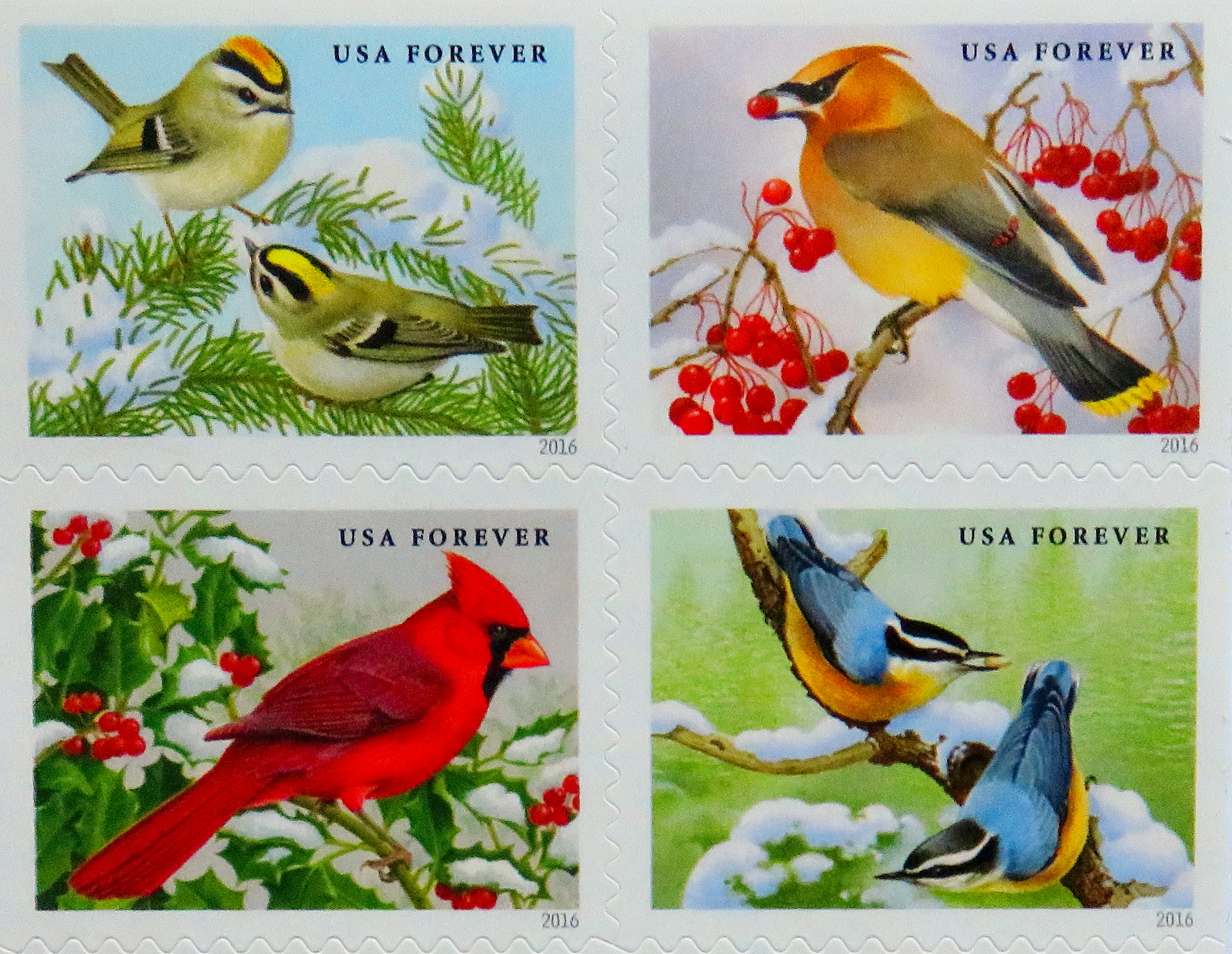
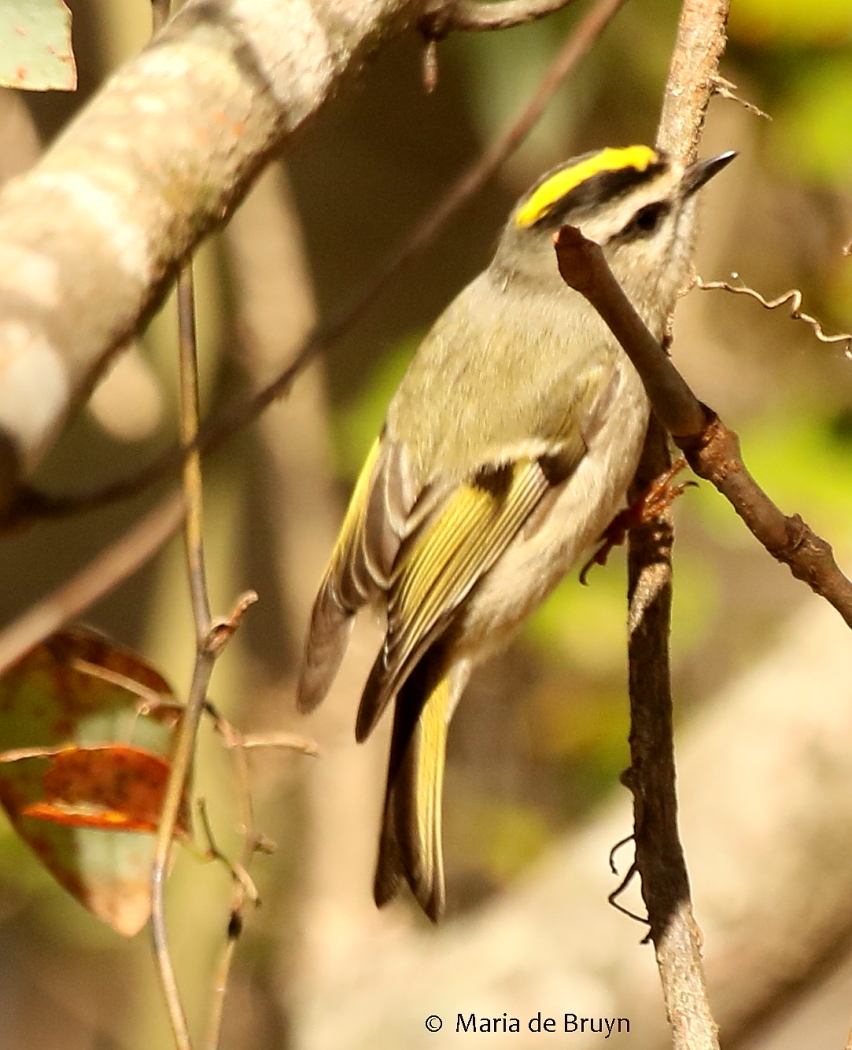
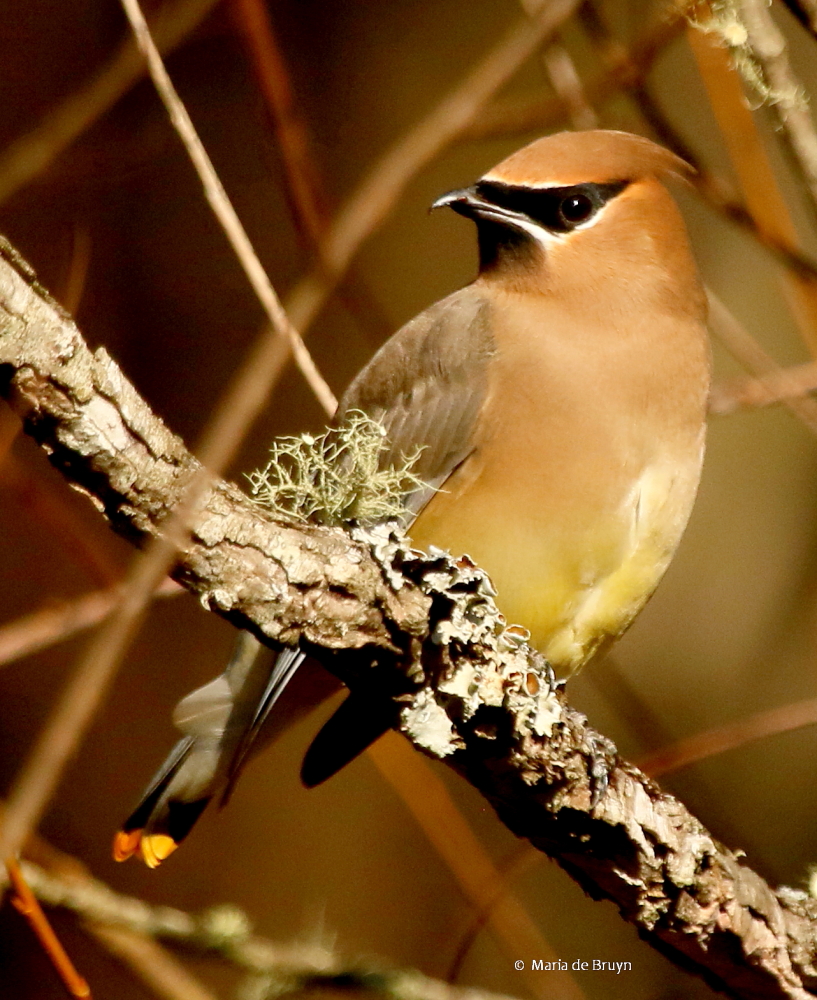
usa-img_0210-maria-de-bruynThe US Postal Service is doing its bit for the stamp collectors with their newest set of stamps issued this month – beautiful songbirds: golden-crowned kinglets, a cedar waxwing, male Northern cardinal and red-breasted nuthatch.

Many other countries also regularly issue stamps honoring popular, unusual and particularly beautiful birds found within their borders. African, Asian and South American countries have particularly disseminated some beauties.
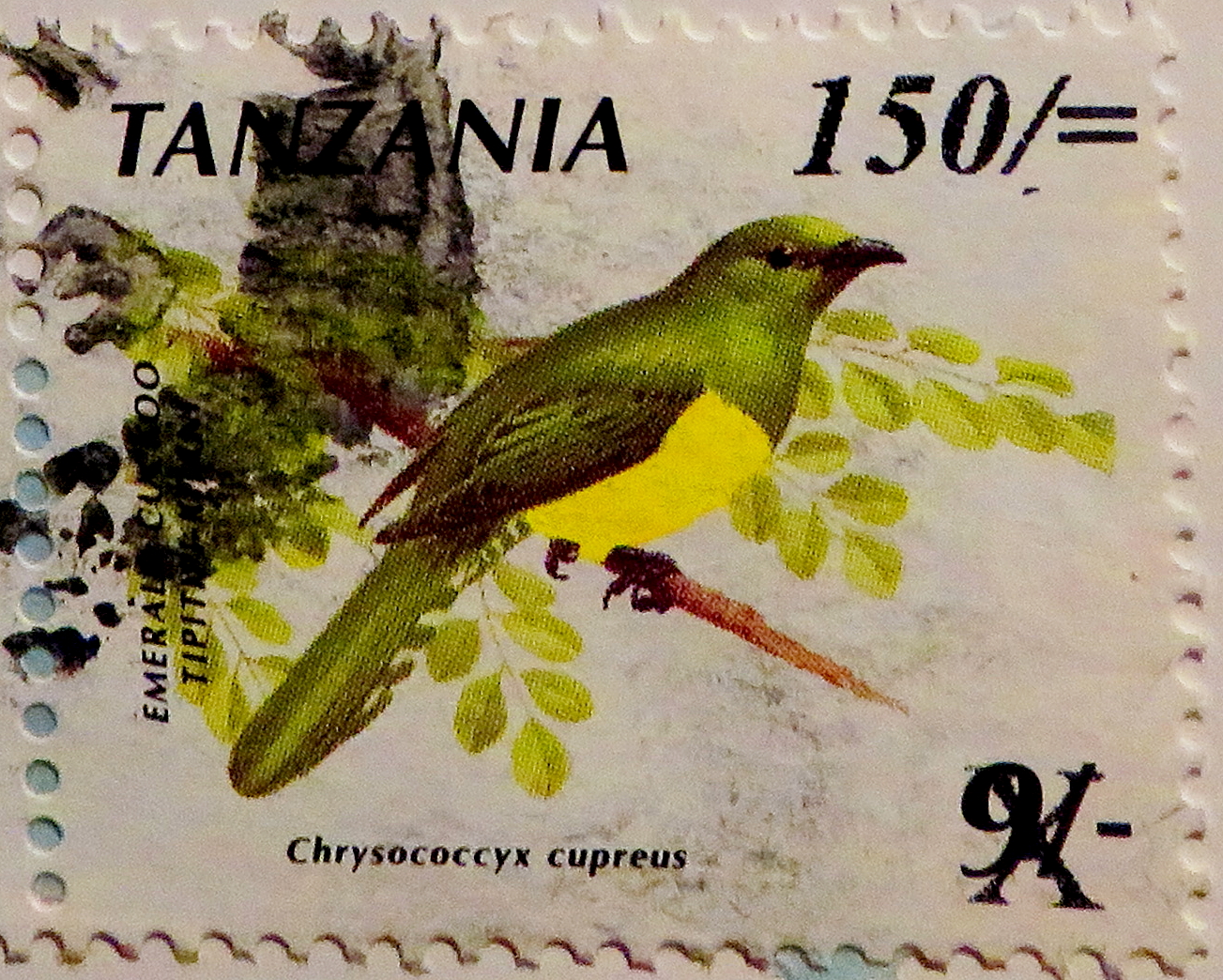
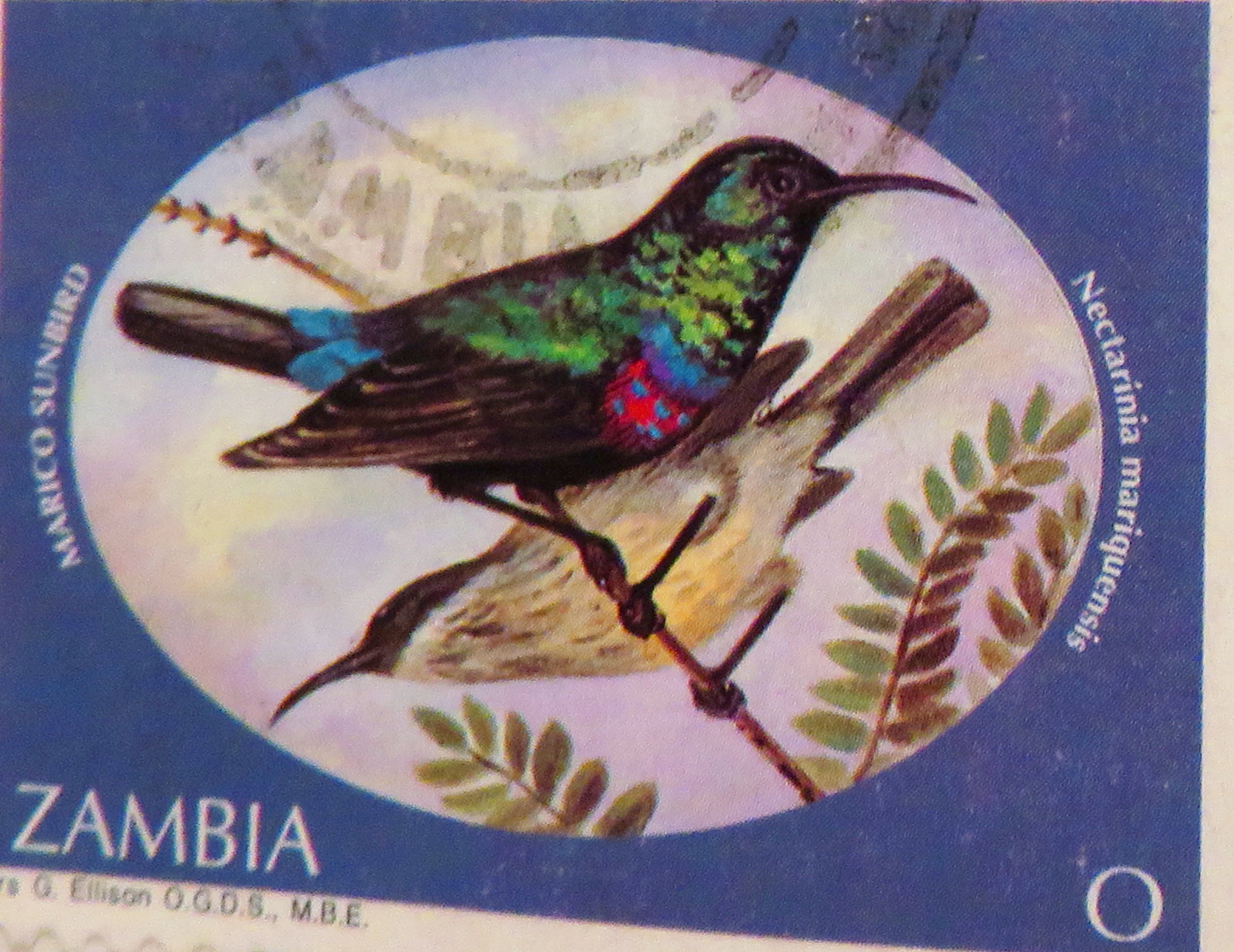
tz-stamp-2-img_0092-maria-de-bruyn  zambia-2-img_0080-maria-de-bruyn   kenya-img_0088-maria-de-bruyn

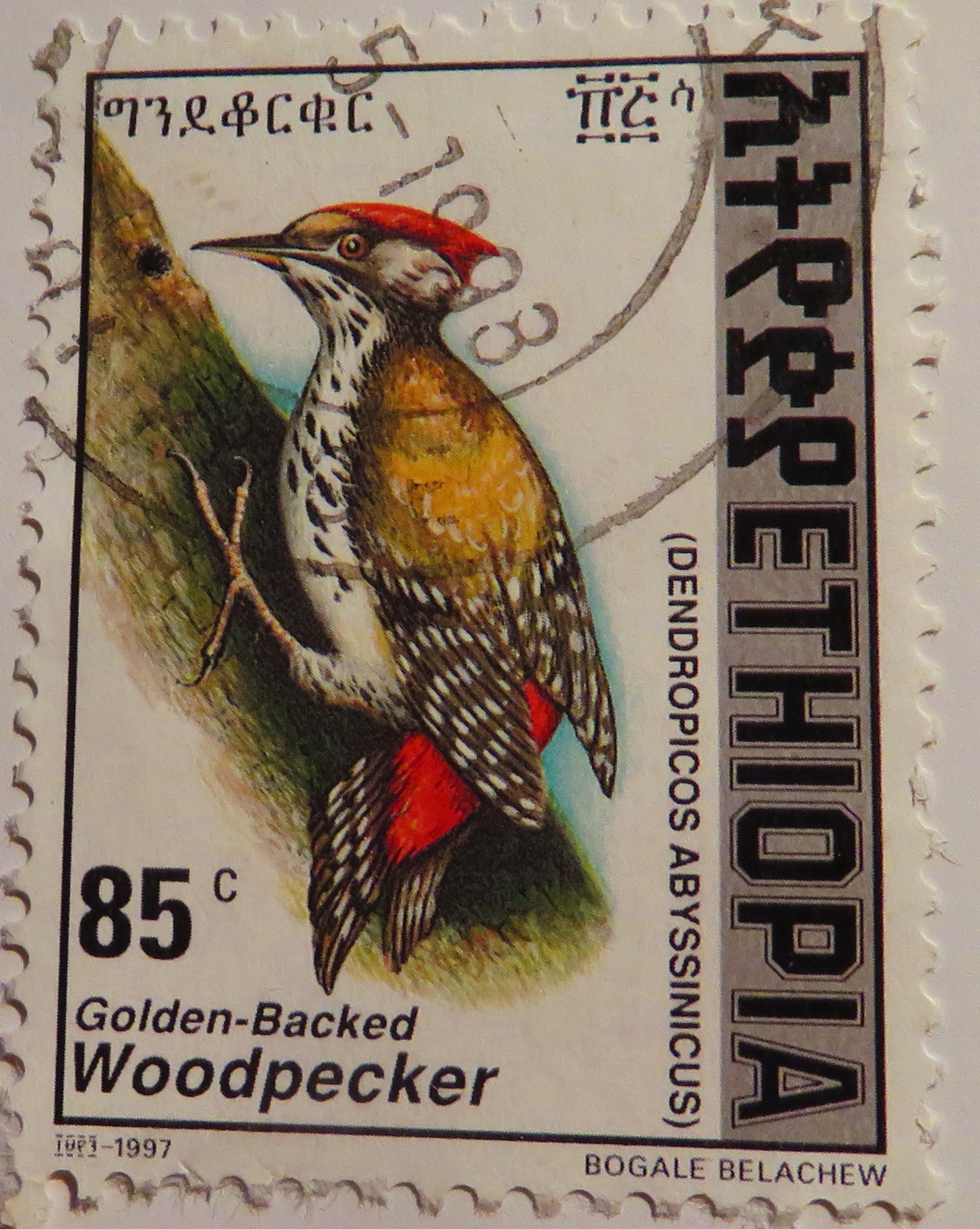
ethiopia-img_0074-maria-de-bruynIn the 1990s, I received lots of “snail mail” from developing countries since I managed a resource center focused on documentation from those nations. Many organizations and individuals sending me envelopes and parcels did not have postage machines, so they put colorful postage on their mailings and quite a few of those stamps featured birds.

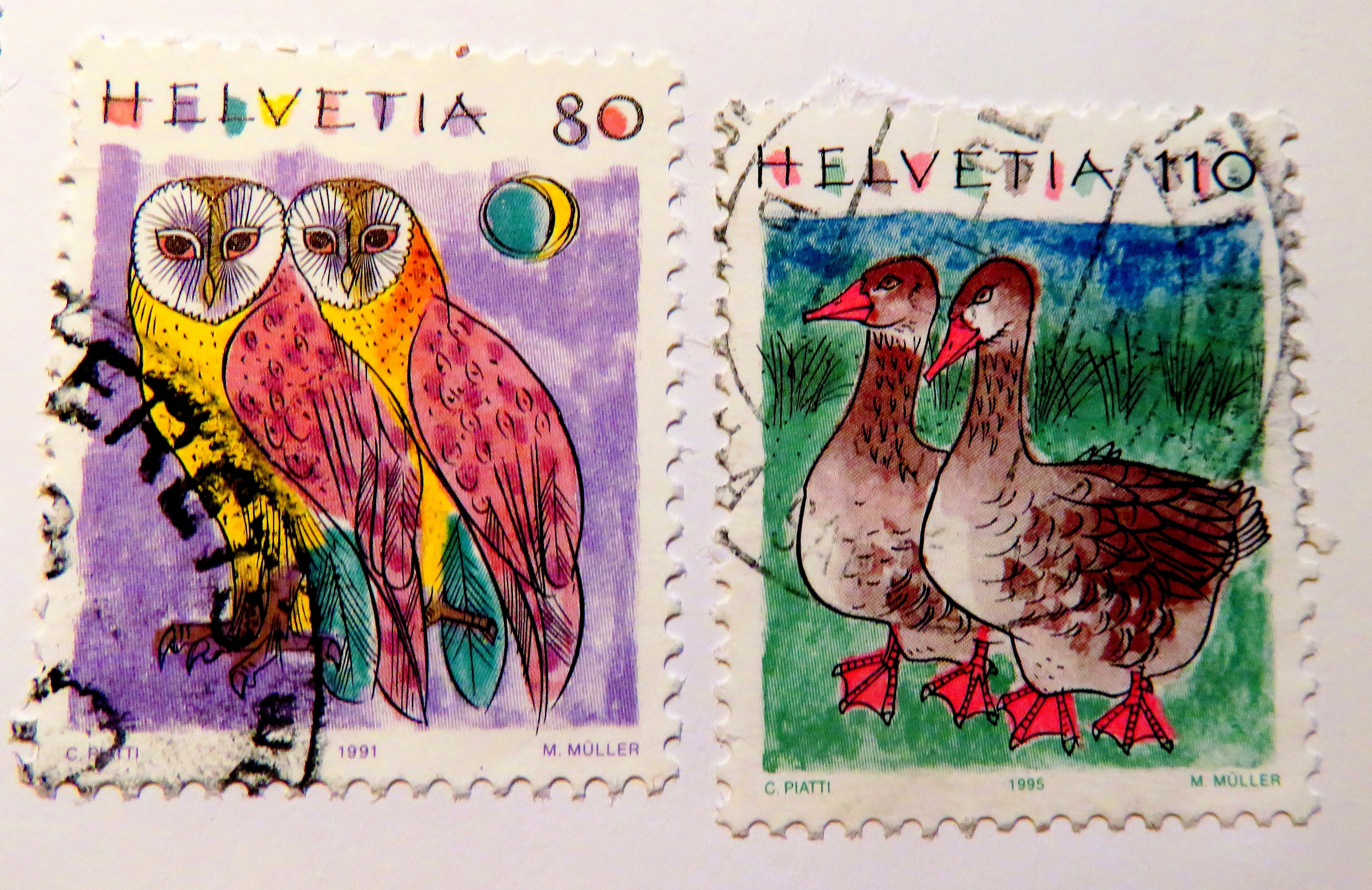
Many of the depictions seem true to life and others are more impressionistic.
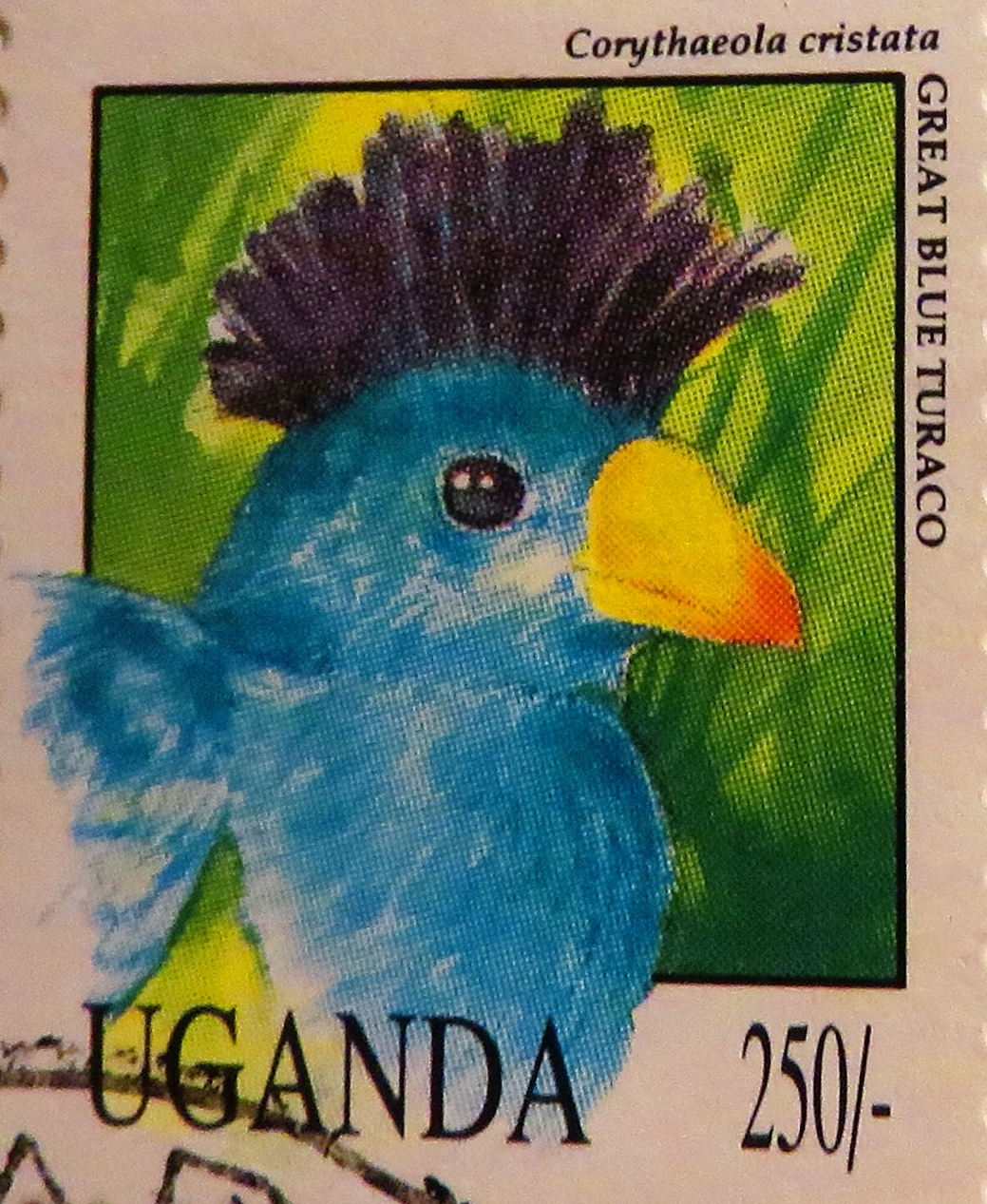
 

uganda-img_0072-maria-de-bruyn  switzerland-img_0055-maria-de-bruyn  korea-img_0064-maria-de-bruyn

tz-stamp-img_0092-maria-de-bruyn


Not all the stamps have shown birds that would meet everyone’s definition of beautiful but they are interesting.

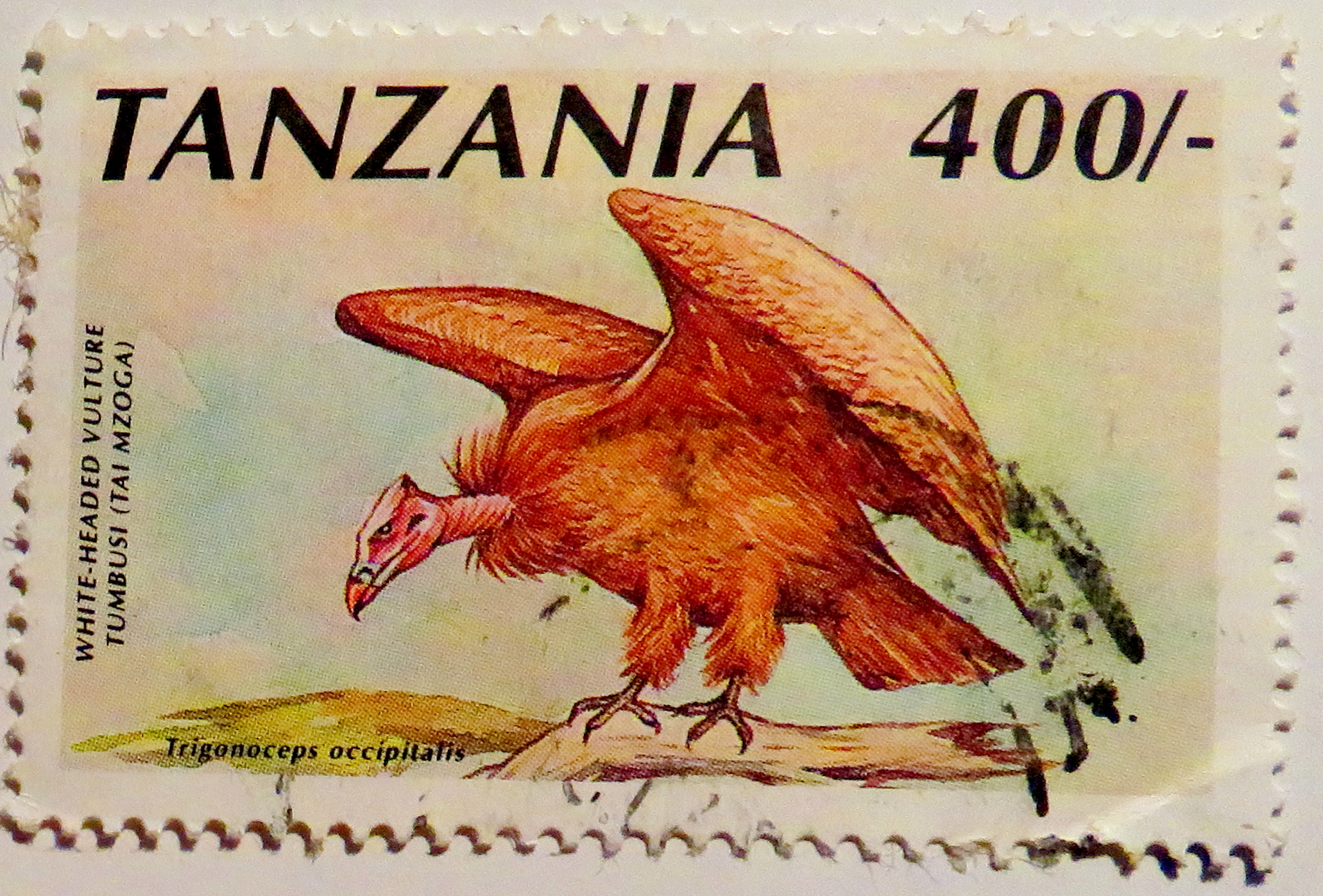
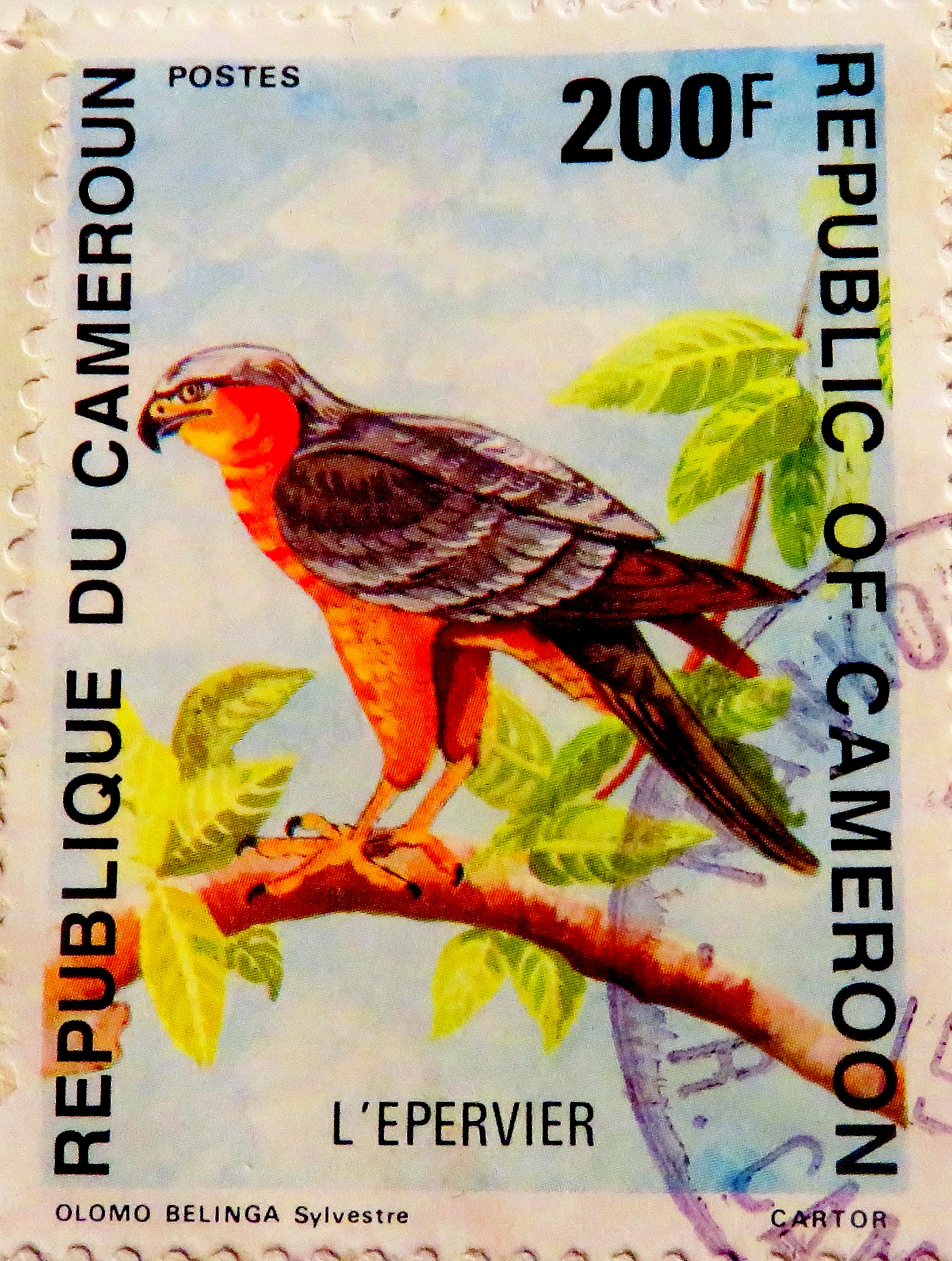
And raptors appear to be a favored subject.
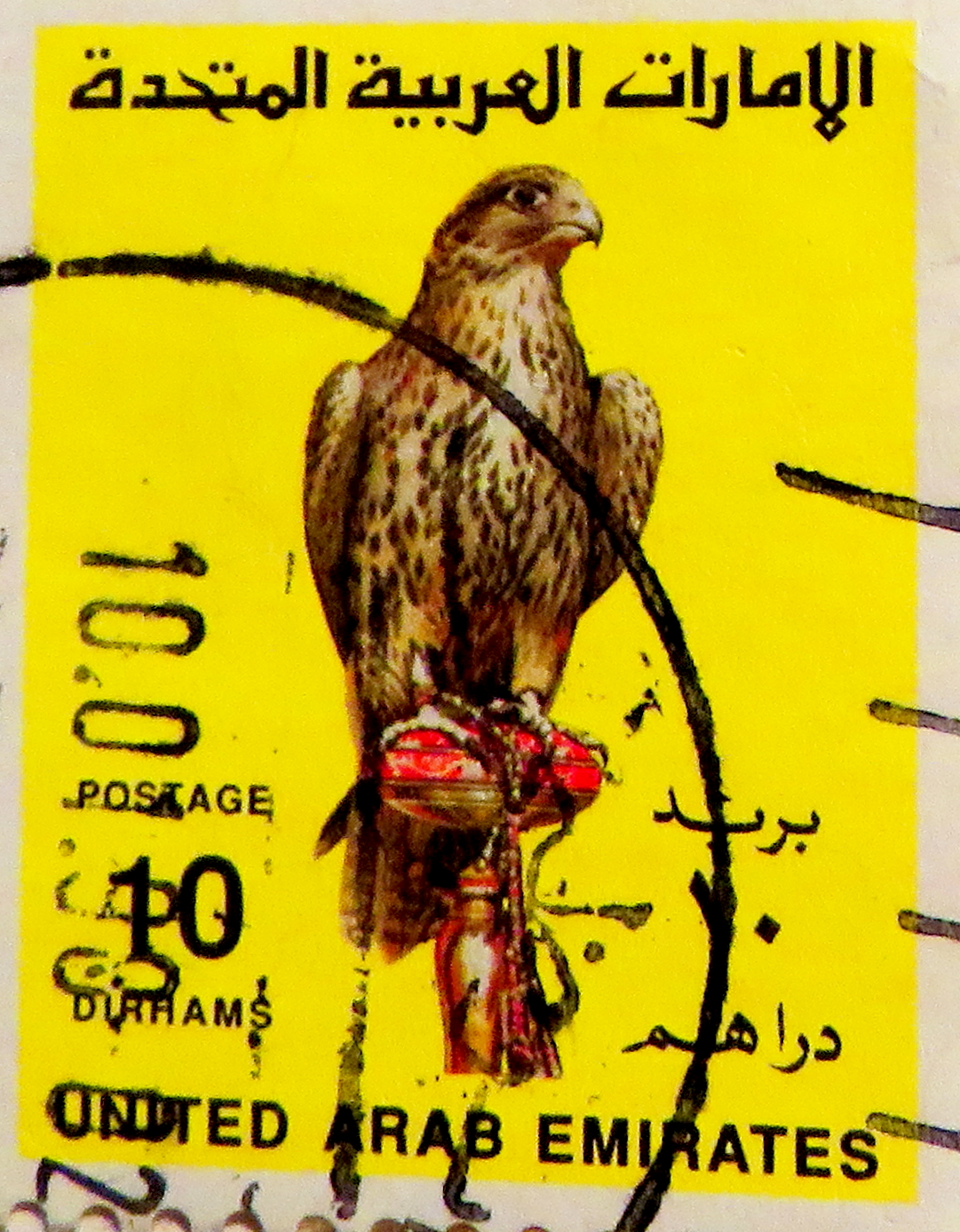
 

uar-img_0077-maria-de-bruyn   cameroon-img_0059-maria-de-bruyn   tz-stamp-img_0094-maria-de-bruyn-red

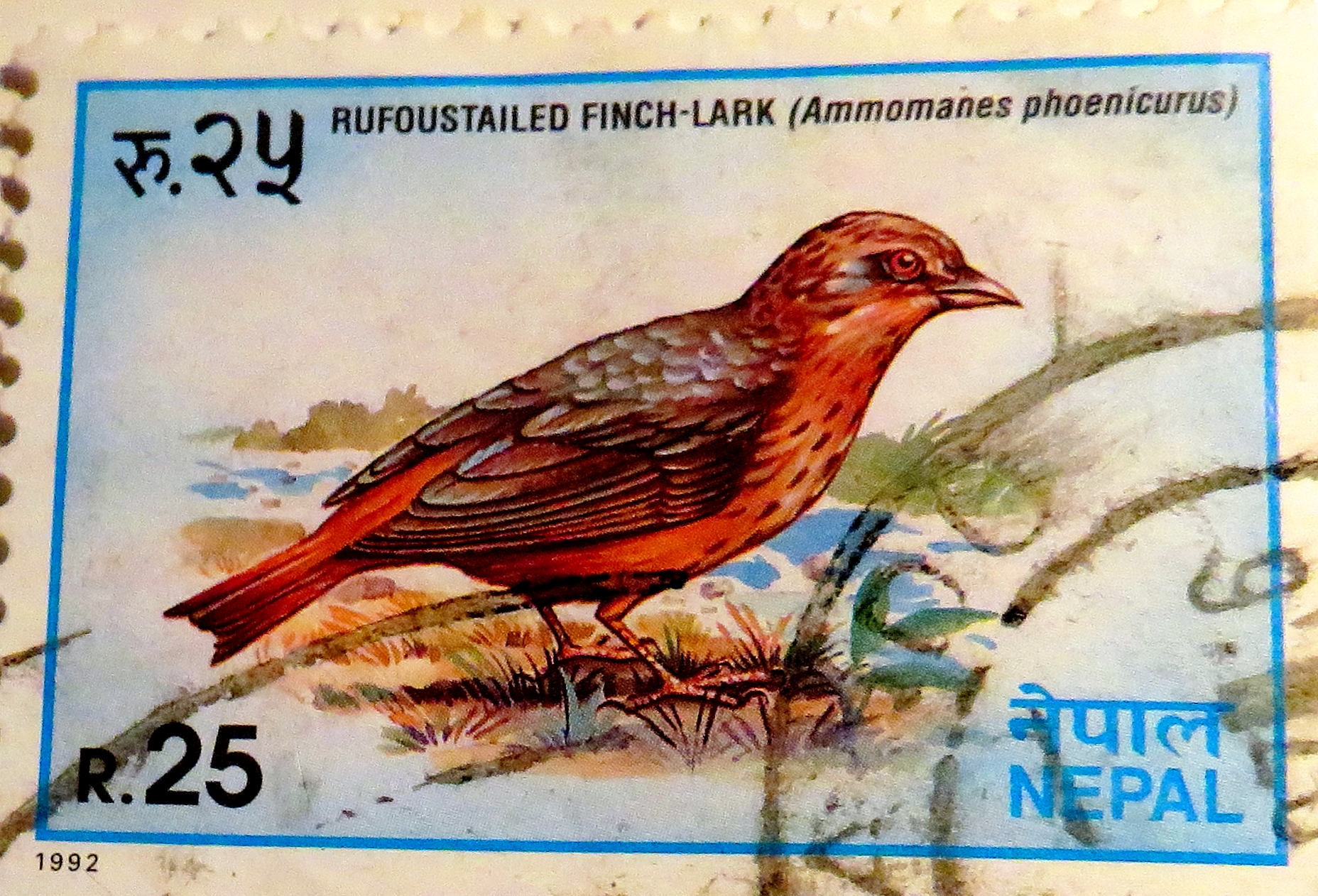
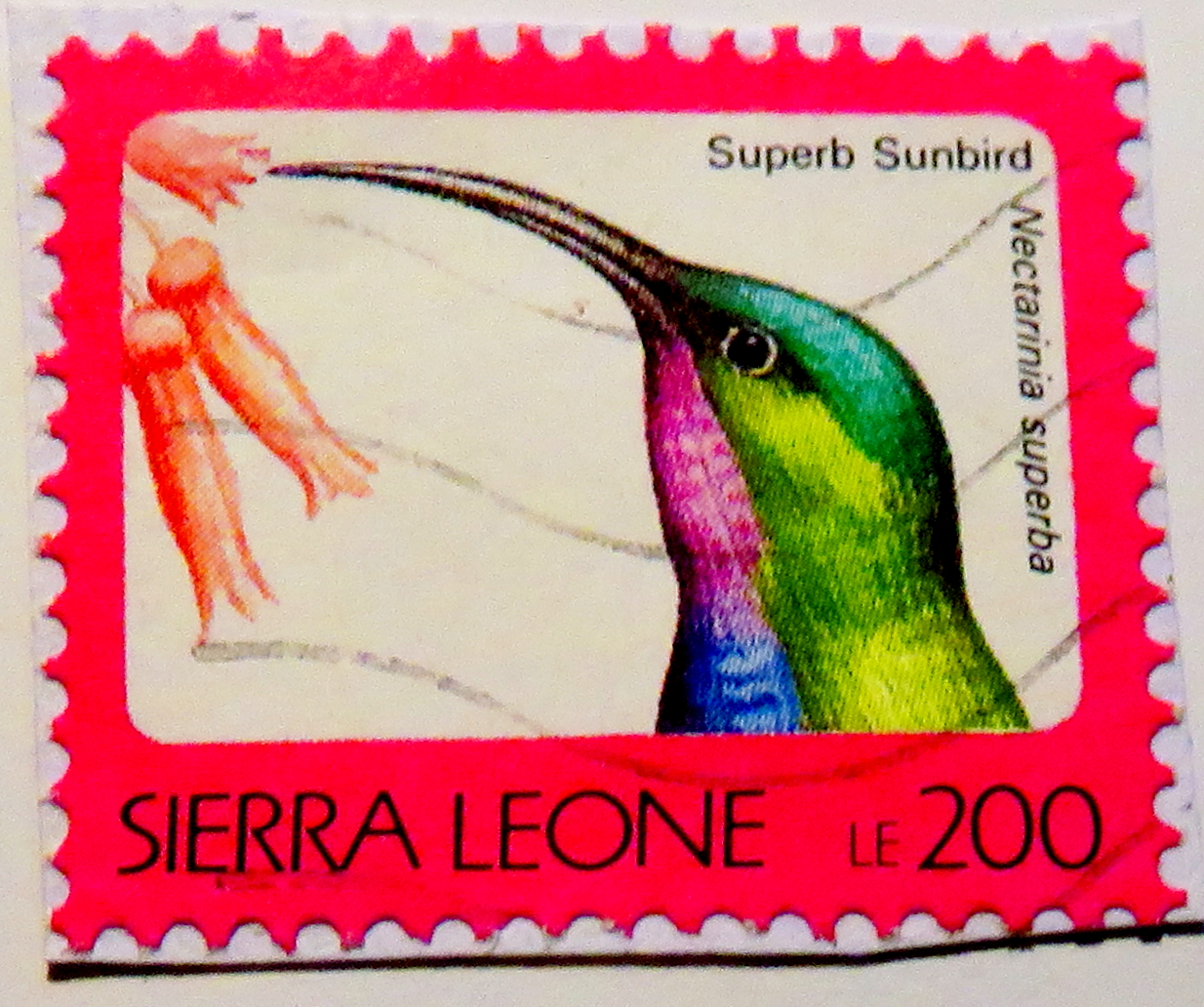
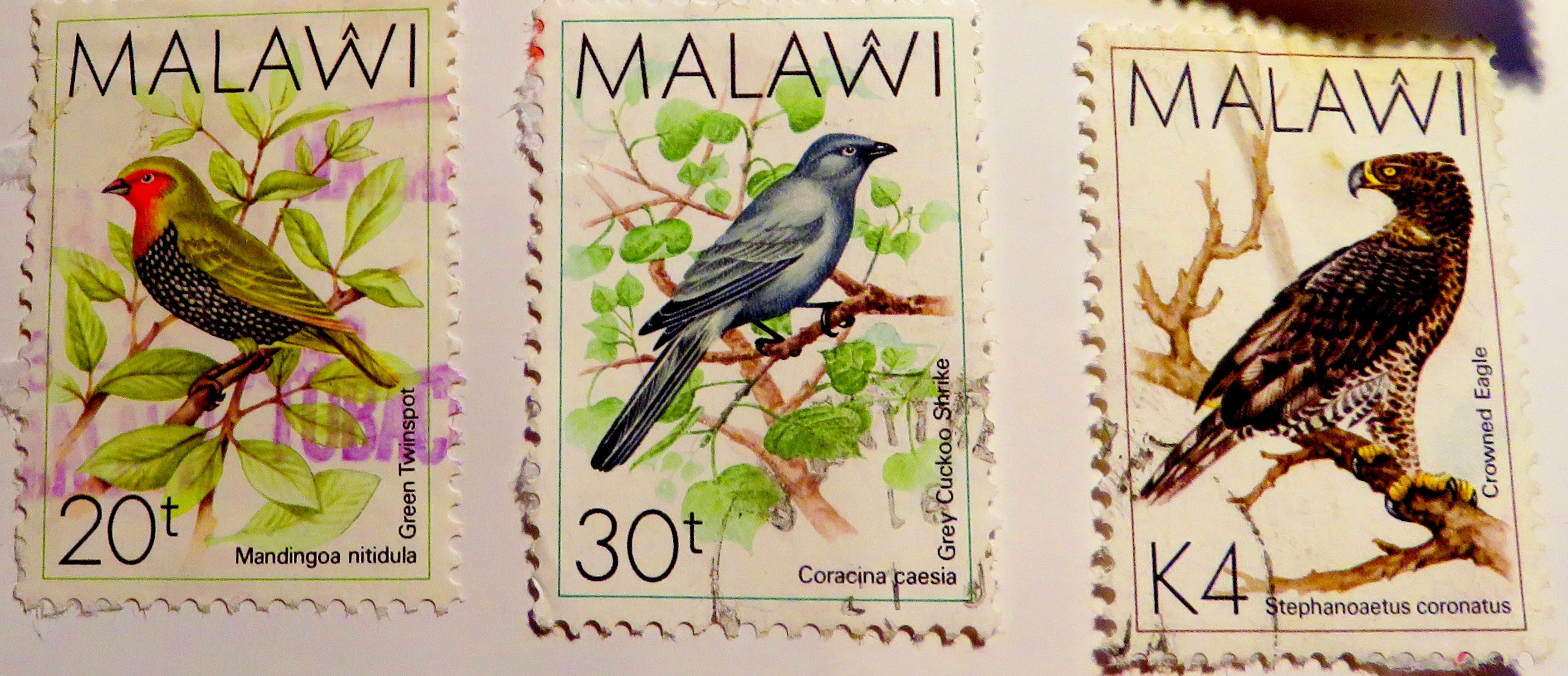
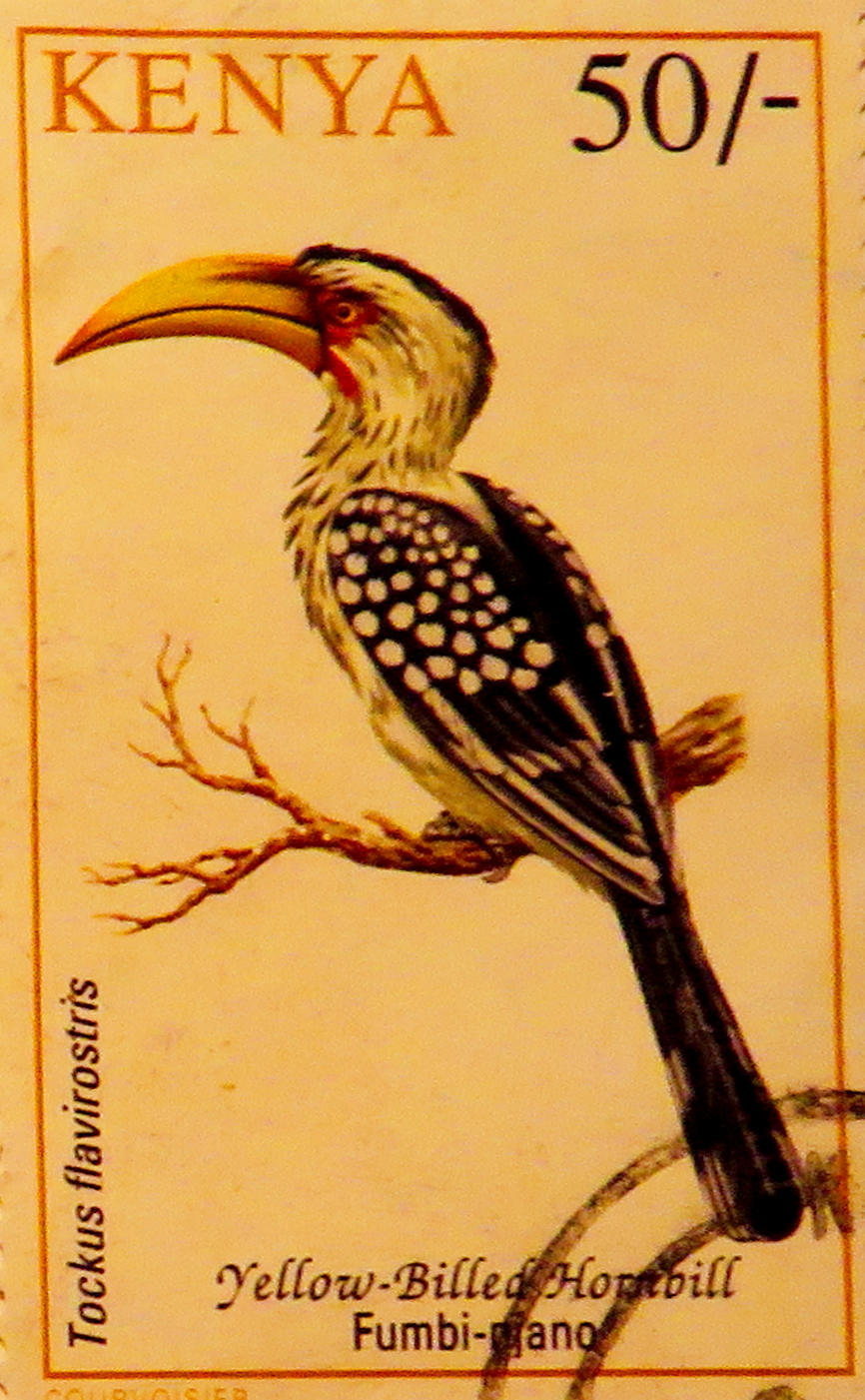
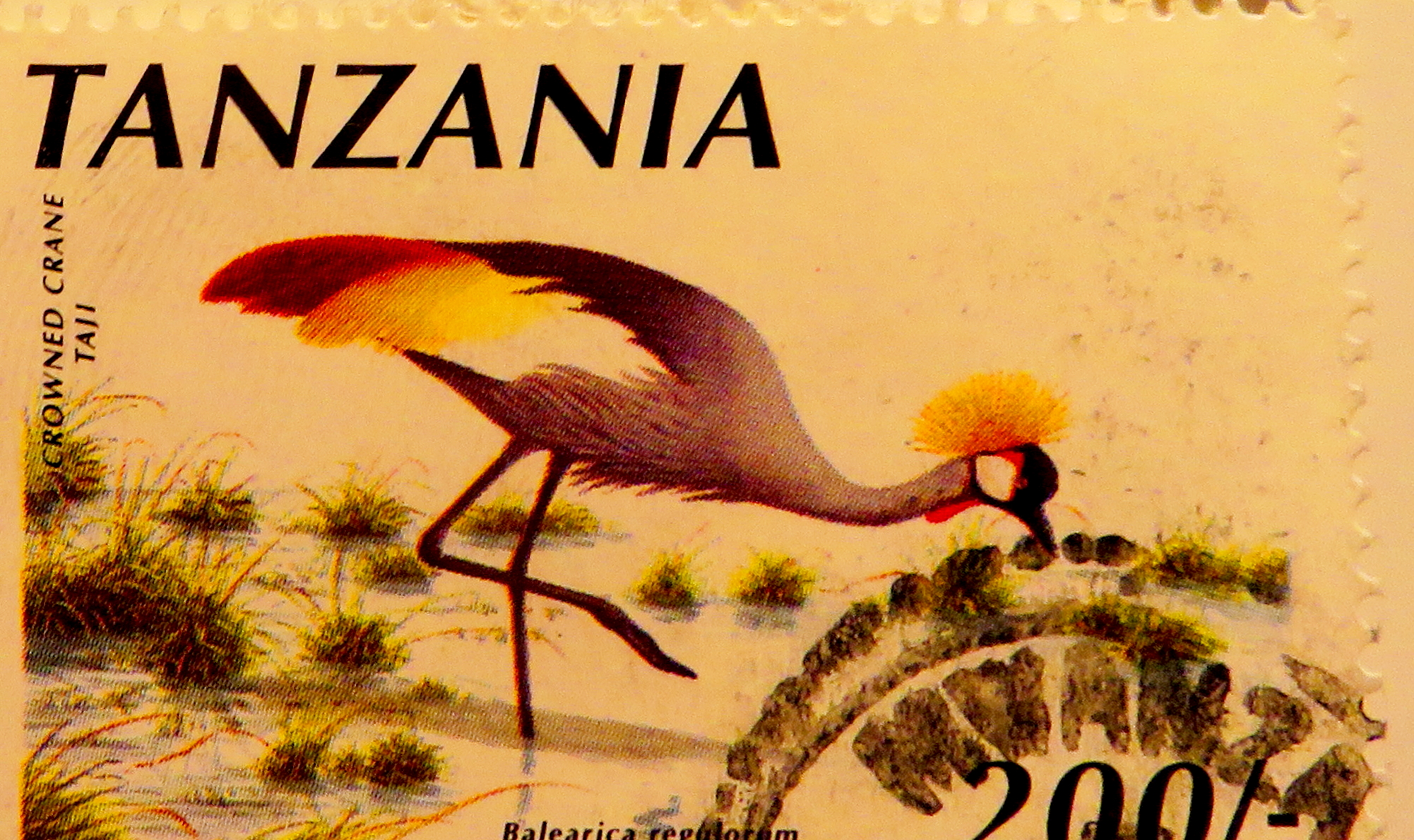
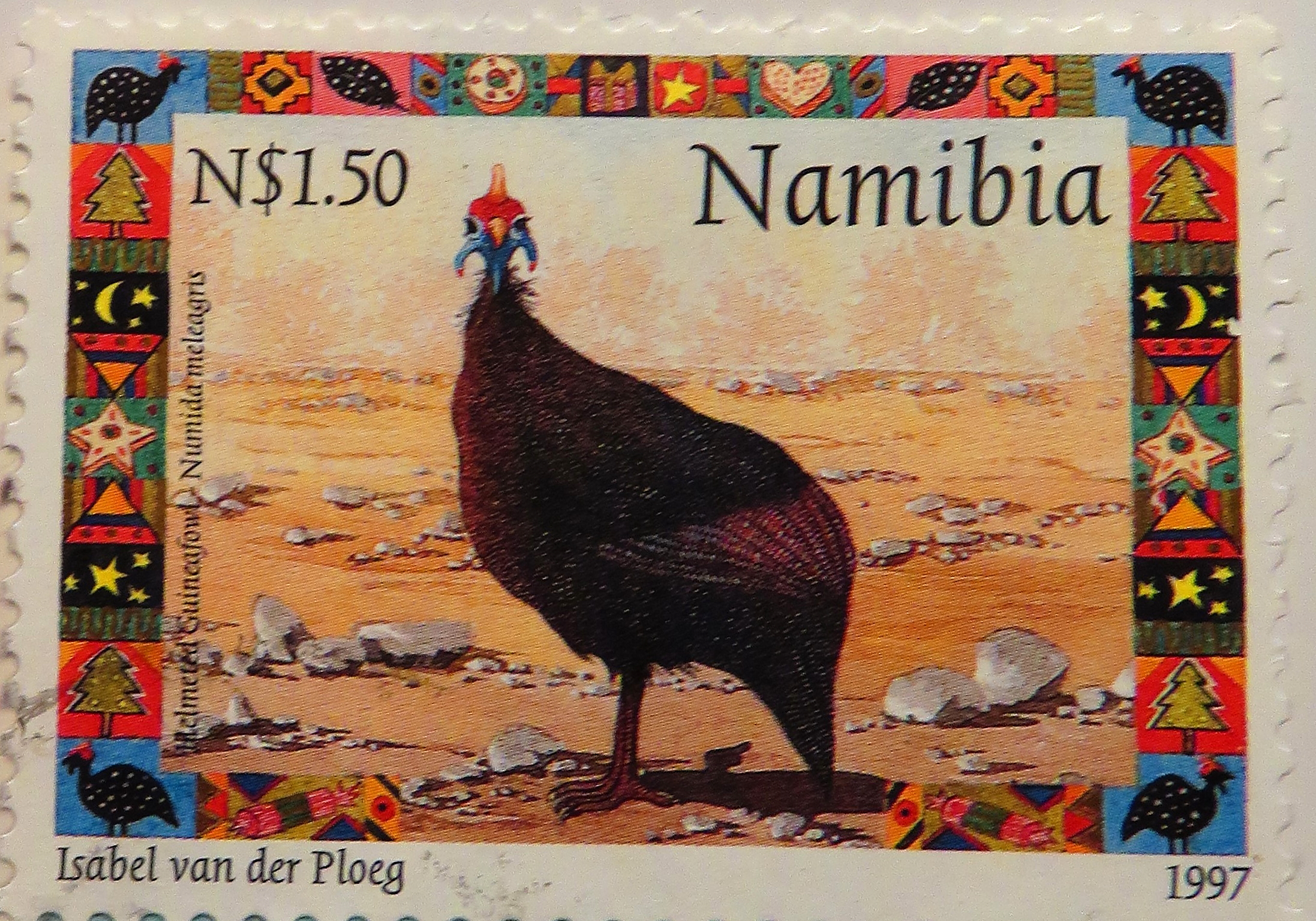
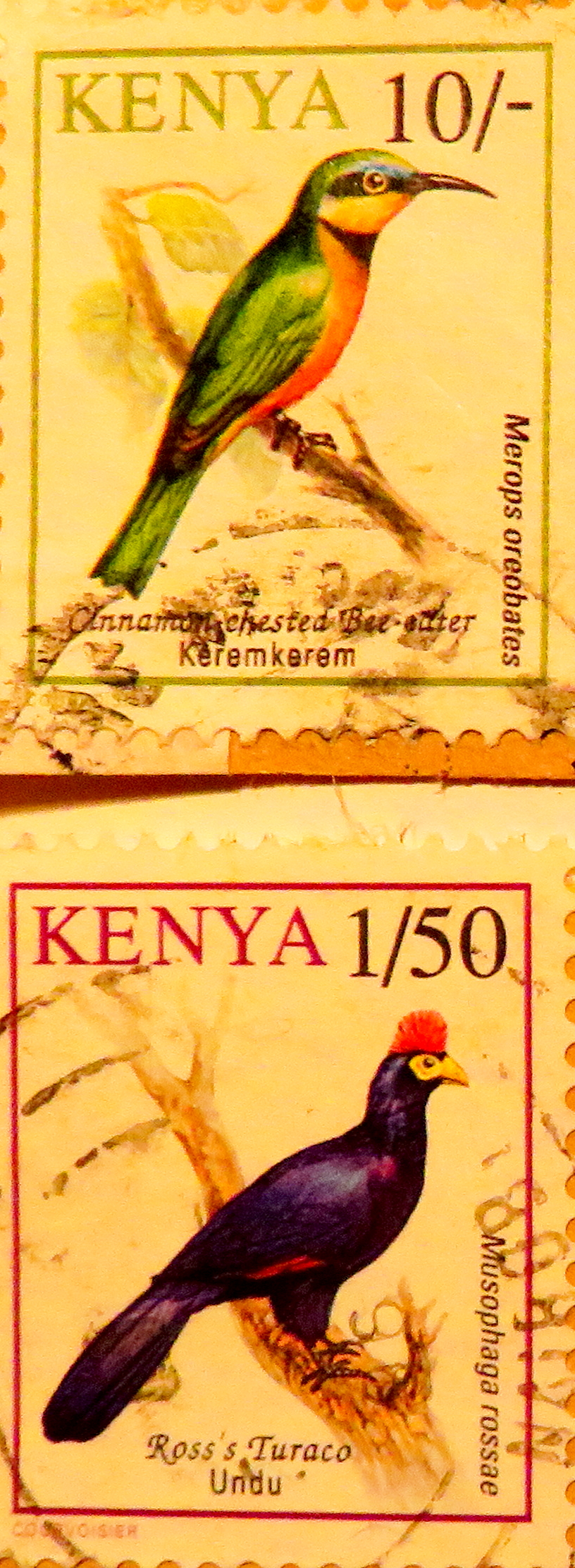
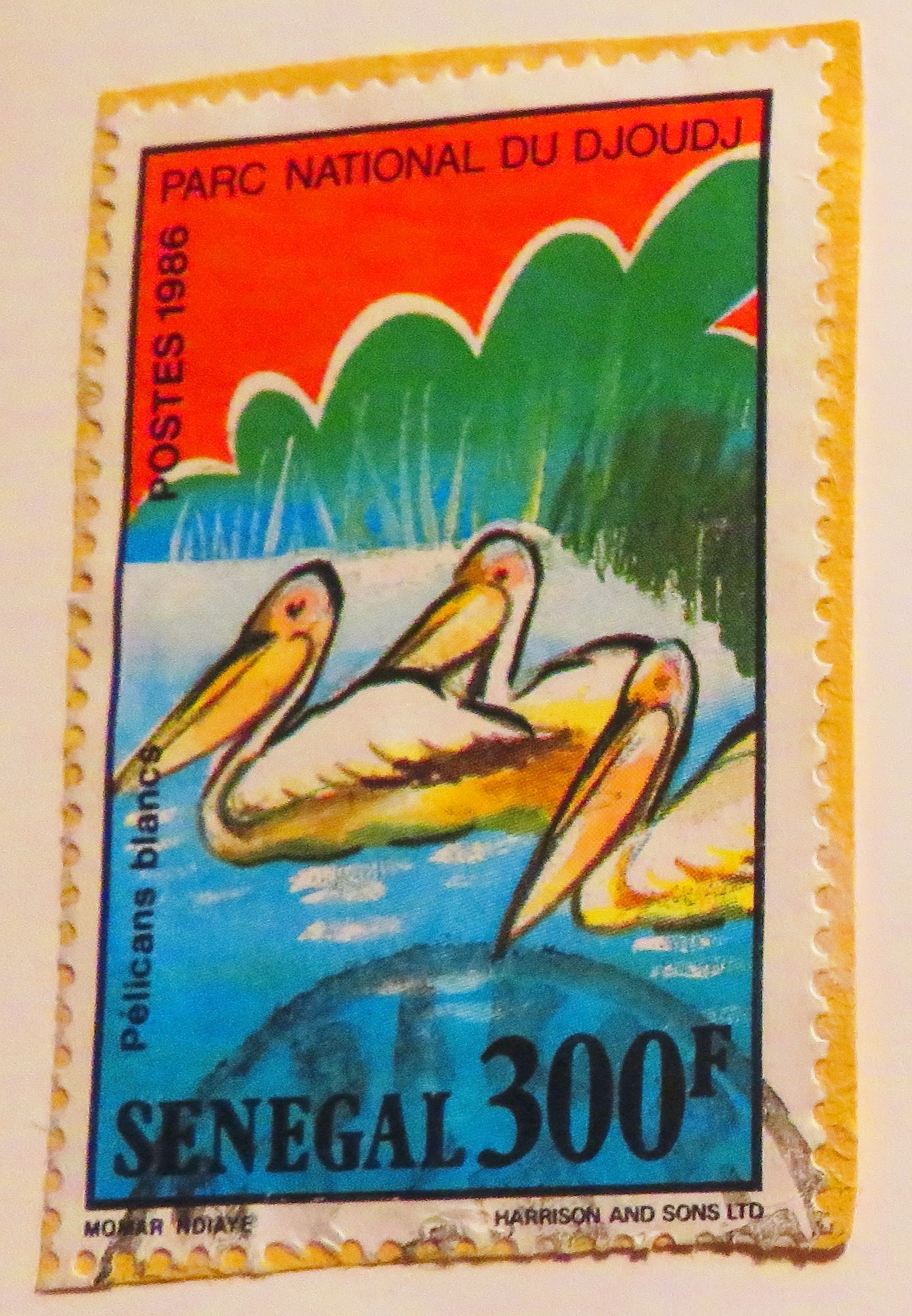
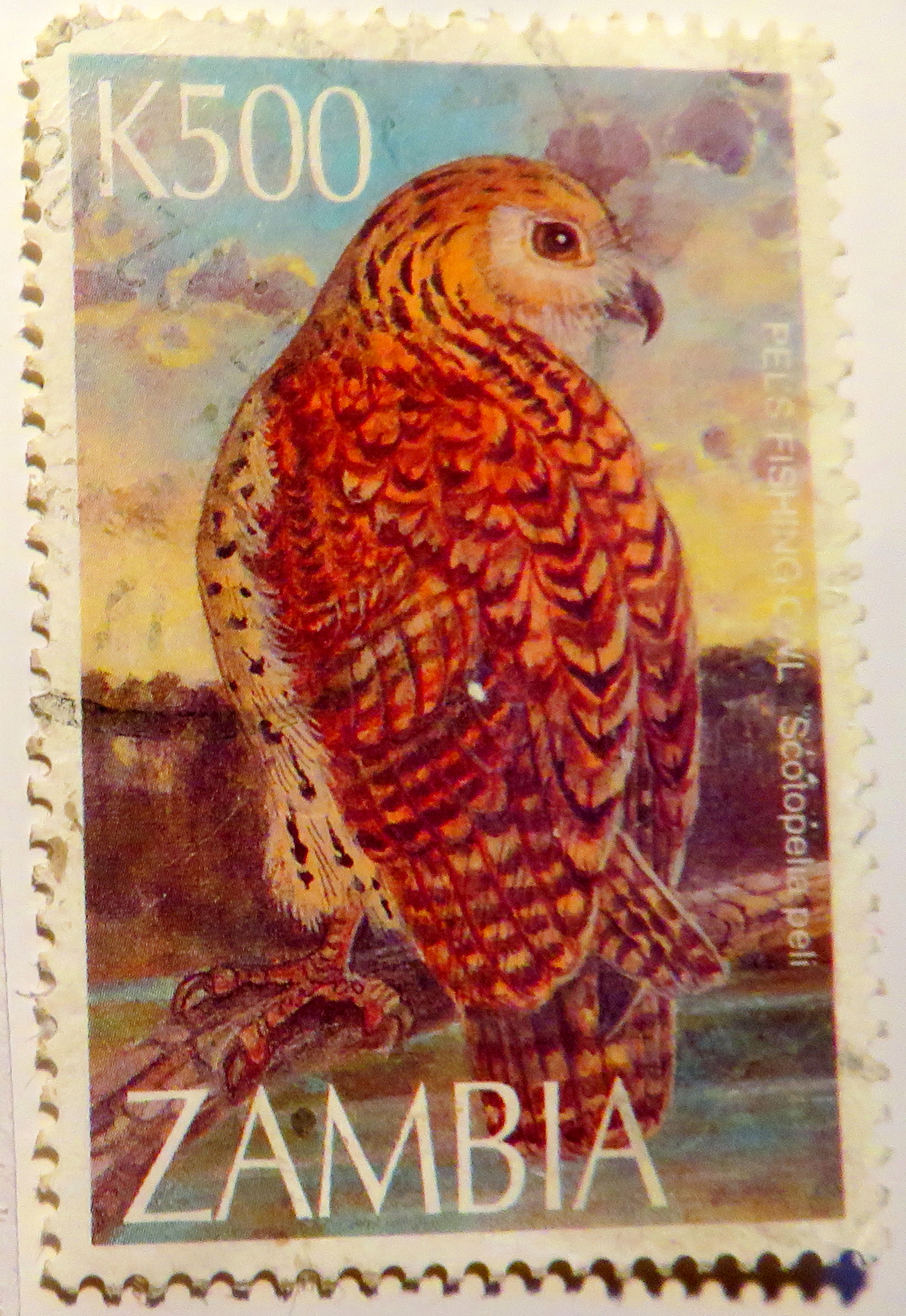
Some stamps not only provide common names but scientific names for the pictured birds.
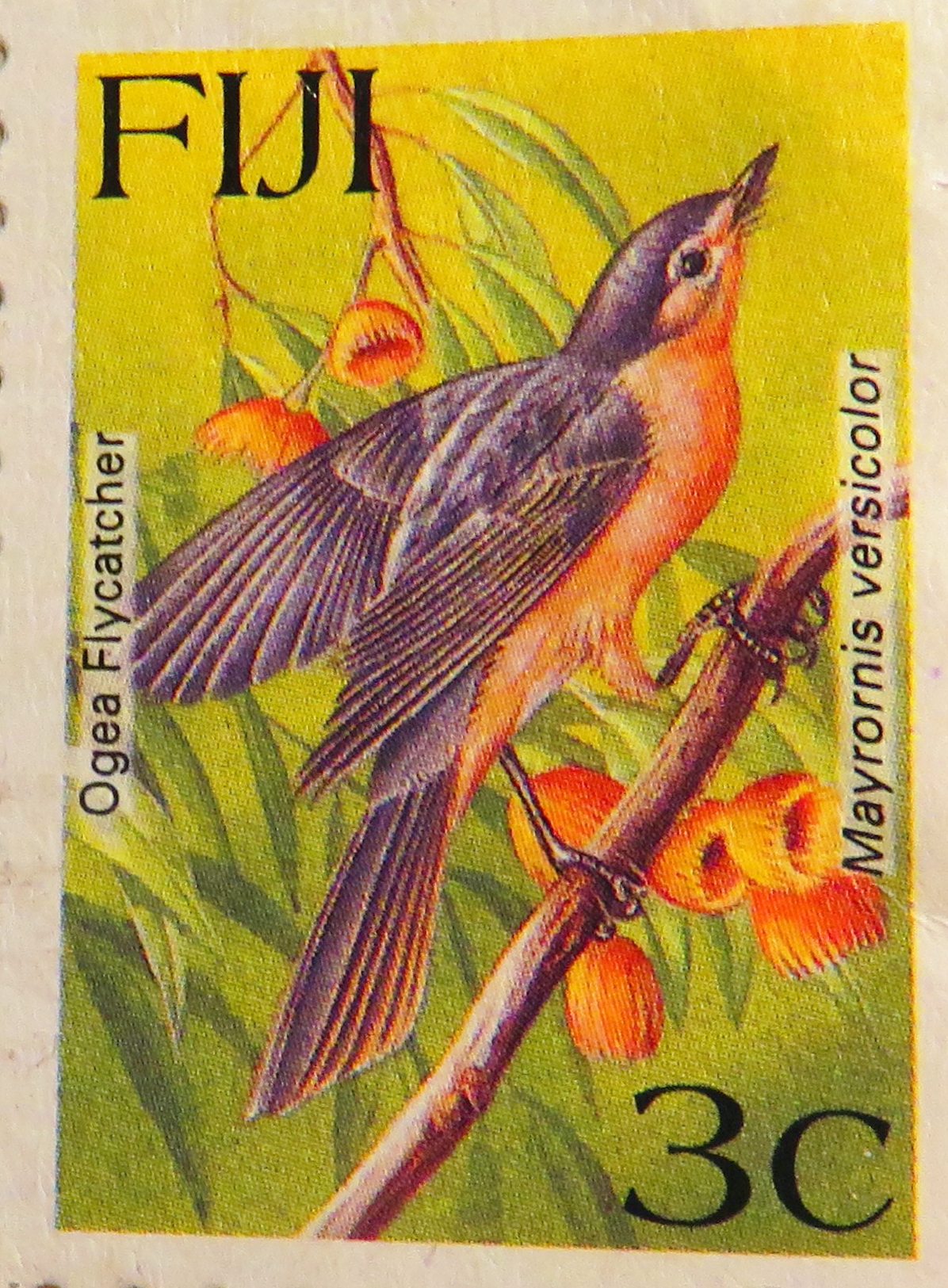
fiji-img_0062-maria-de-bruyn   nepal-img_0063-maria-de-bruyn  sierra-leone-img_0057-maria-de-bruyn

malawi-img_0084-maria-de-bruyn

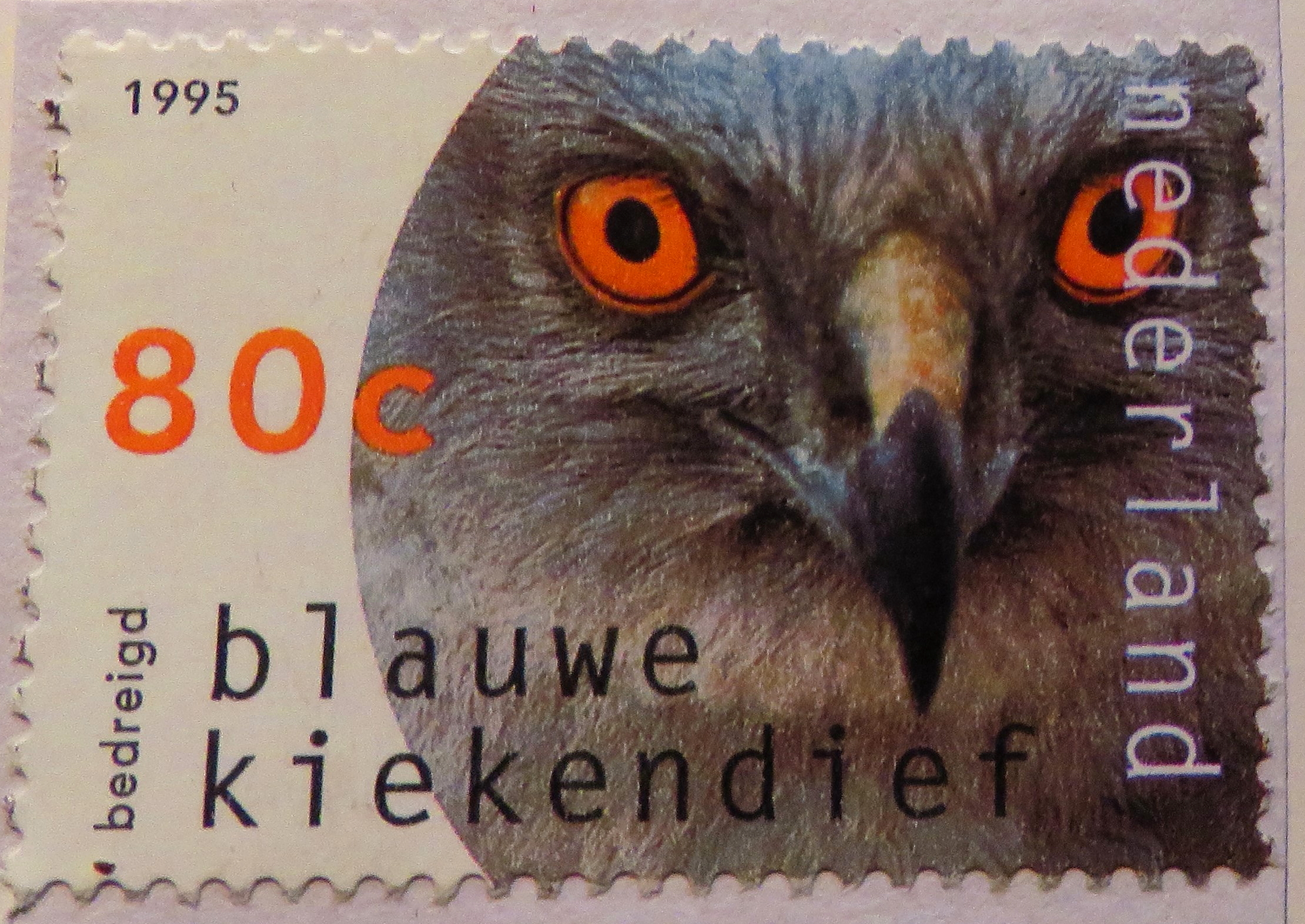
nl-img_0056-maria-de-bruynAnd some, like this one from The Netherlands, memorialize endangered species.

Nowadays, with the advent of electronic documentation, books, reports and email, Twitter and other social media slowly replacing typed or handwritten letters and cards, many of us receive much less “old-fashioned” mail than in years past. (To my regret, I will add, as I still really appreciate a handwritten letter and tangible card with words of greeting – the extra effort put into selecting a card or stationery, putting it into an envelope, addressing it and making sure it has postage is a reminder of people’s caring.)  Granted the electronic messaging is cheaper and faster and some venues allow you to select a “stamp” to add to an ecard, like care2. But receiving paper mail is still an enjoyable event for me – and our neighborhood has quite a nice mailman, too!

I am pleased to note that my saved stamps include bird species that I’ve had the privilege of seeing in person.
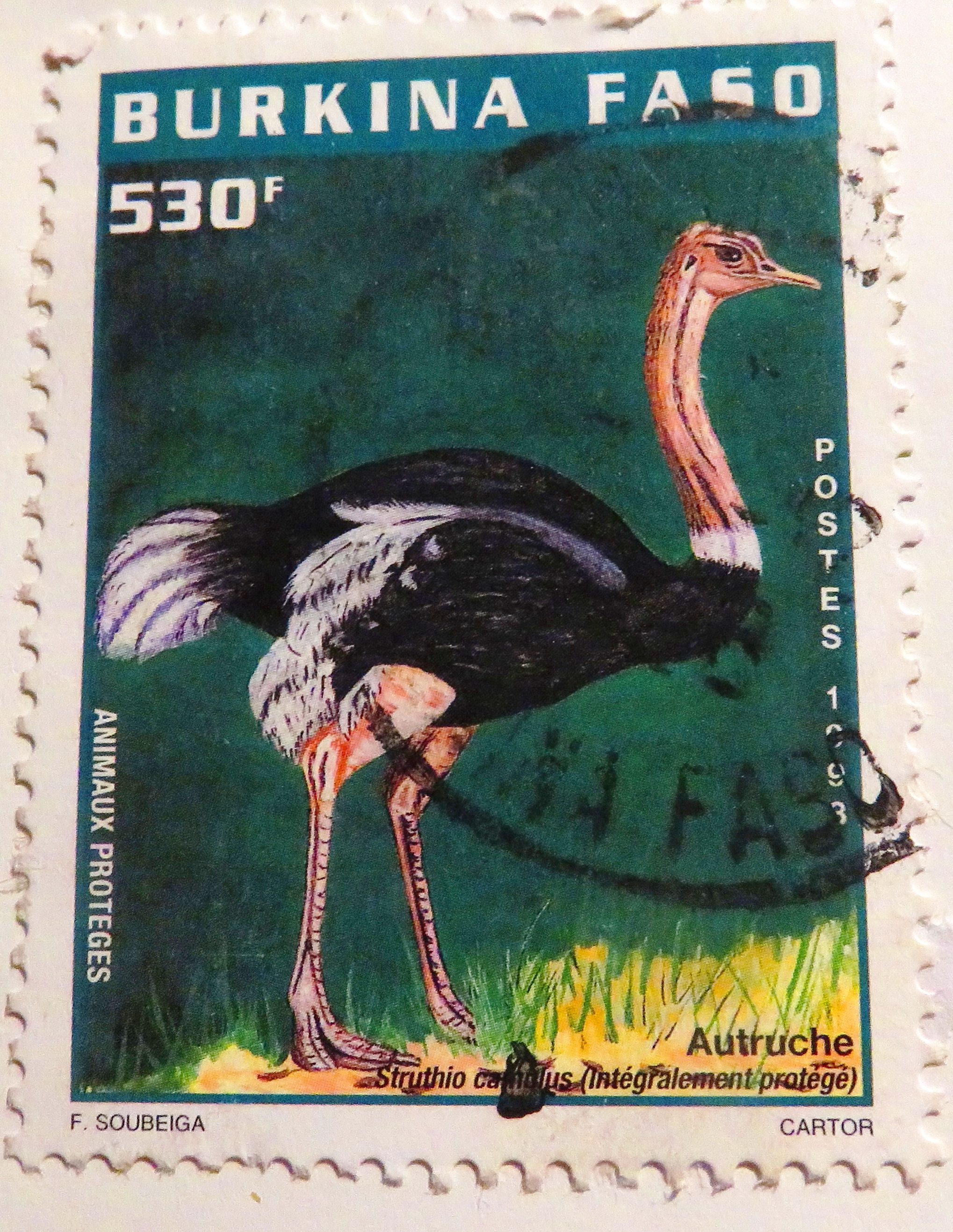
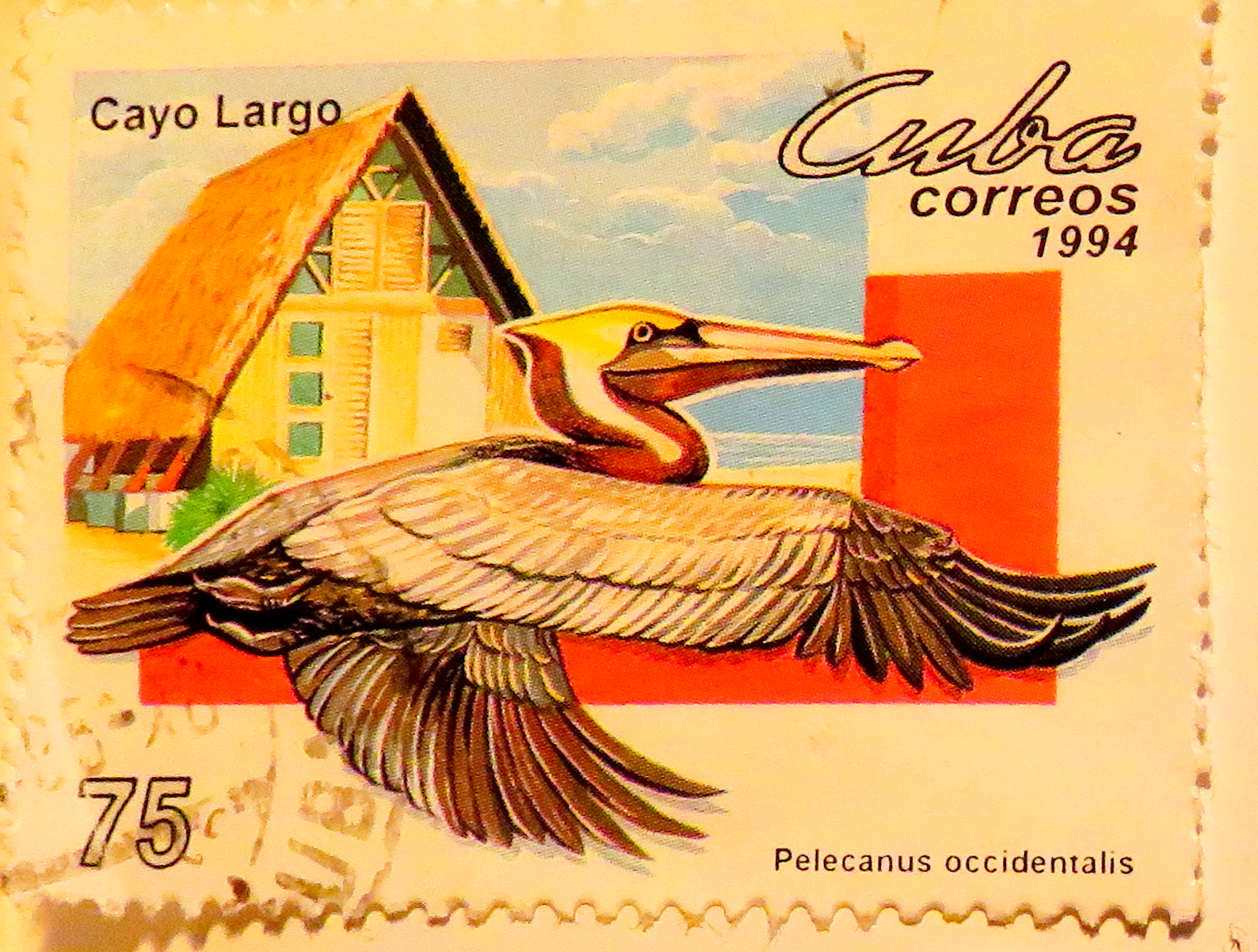
burkina-faso-img_0058-maria-de-bruyn     cuba-img_0050-maria-de-bruyn  kenya-img_0089-maria-de-bruyn

tz-stamp-img_0099-maria-de-bruyn-red   namibia-img_0076-maria-de-bruyn

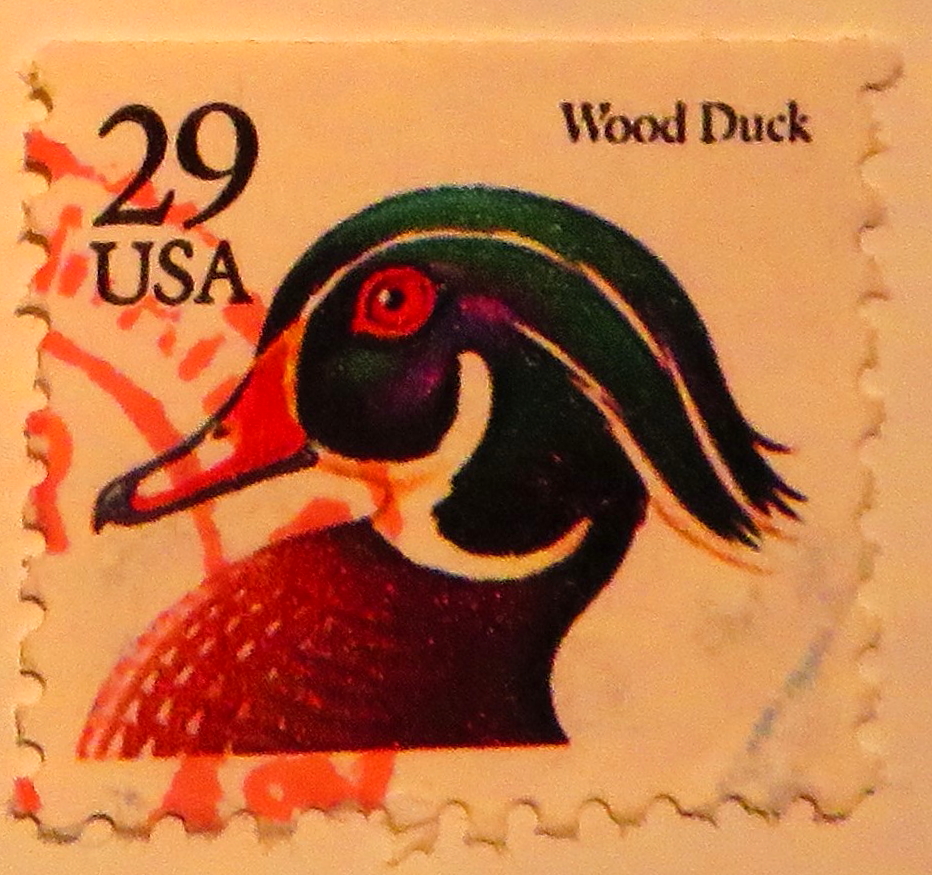
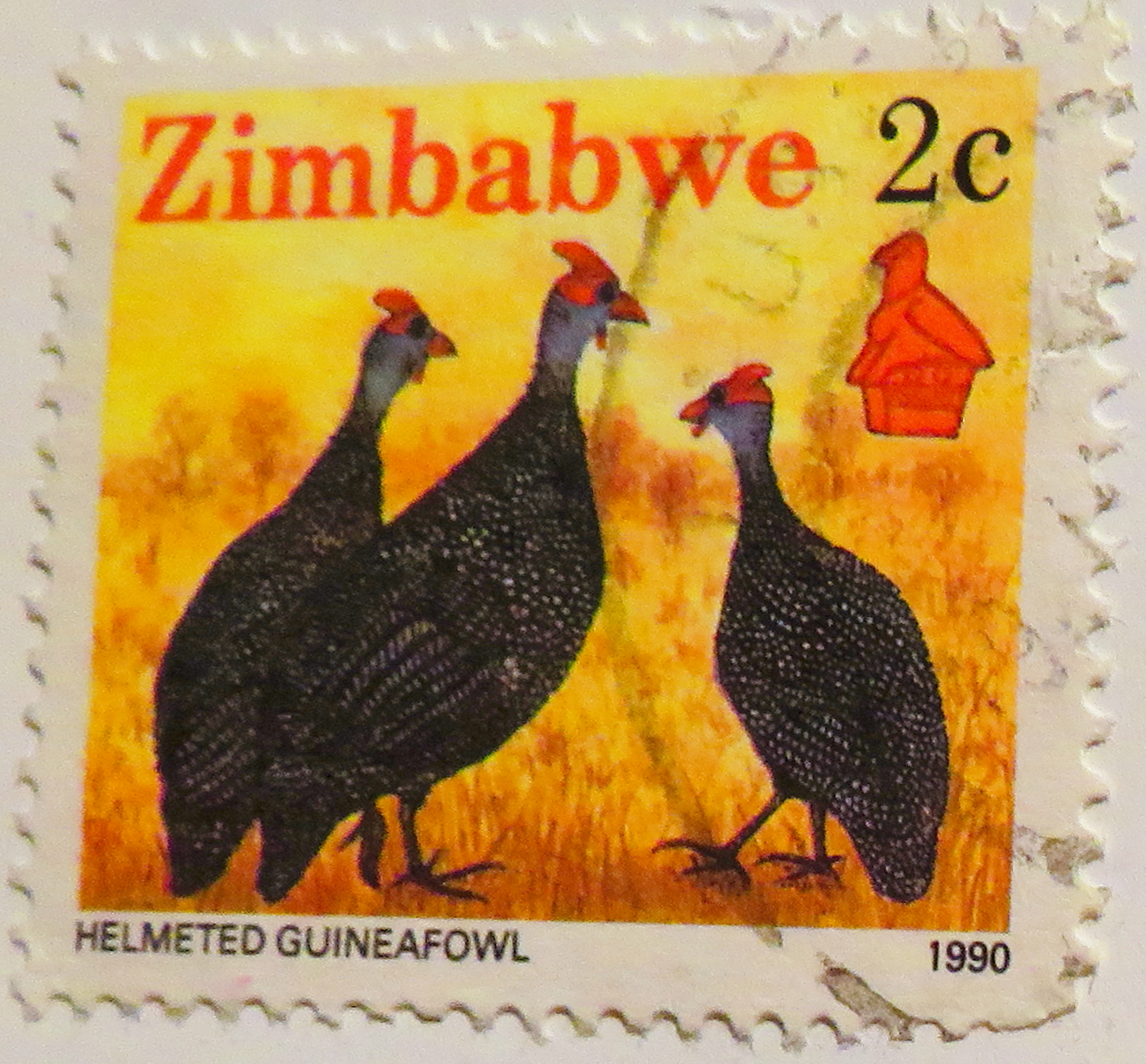
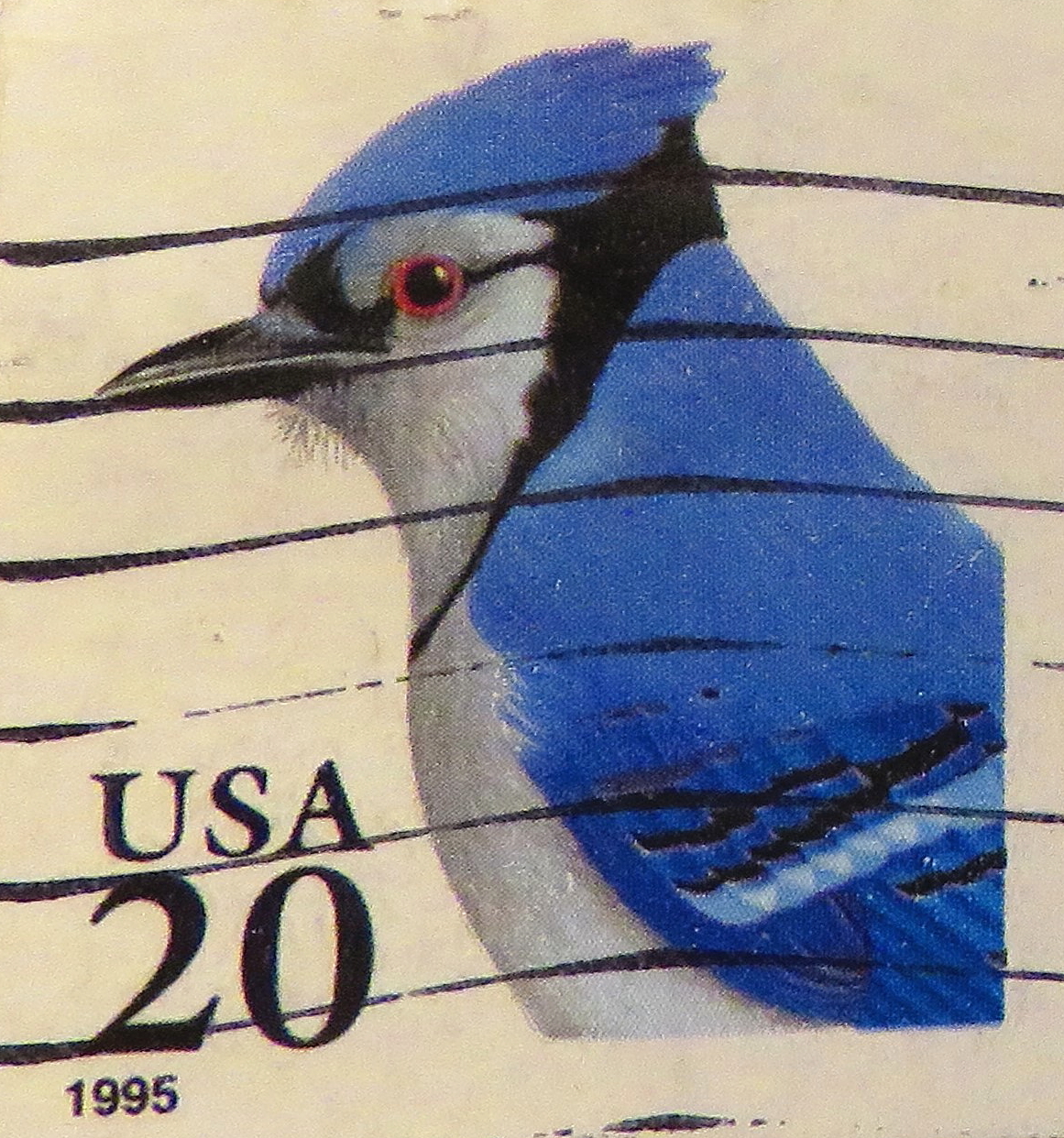
usa-img_0050-maria-de-bruyn   zimbabwe-img_0077-maria-de-bruyn  usa-img_0051-maria-de-bruyn

If you are interested in this type of hobby and don’t get much paper mail, there are online purveyors of bird stamps where you can purchase items to add to your collection:

http://www.bird-stamps.org/

https://www.postbeeld.com/stamps-shop/bird-postage-stamps

http://www.birdtheme.org/

http://www.avionstamps.com/ambrowCart/shop/show_products.php?search=Birds
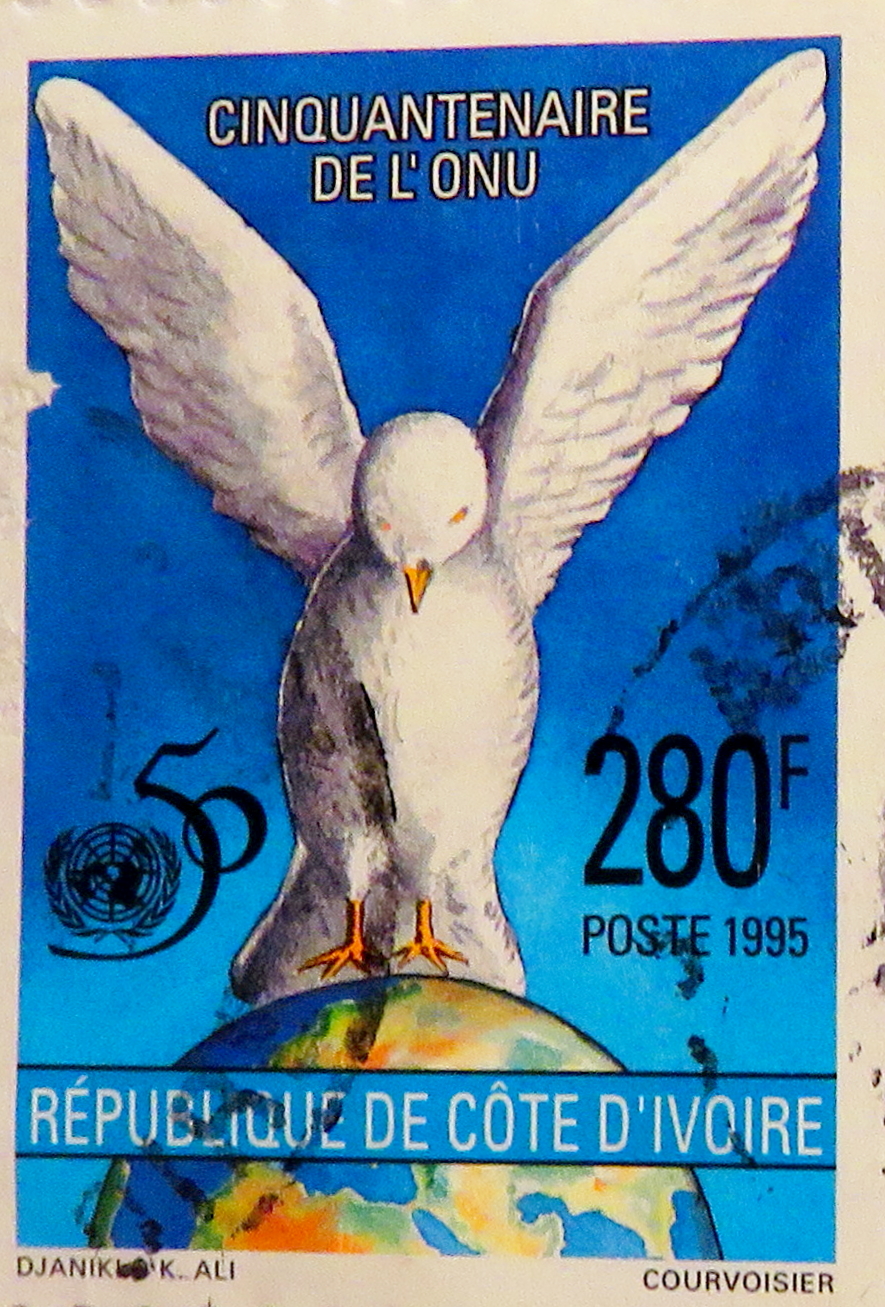
ivory-coast-img_0049-maria-de-bruyn


And there is a society dedicated to bird stamp collectors.  So, if you’re looking for a new pastime to while away some time when the weather just doesn’t invite you outdoors to see birds in person, there is an avian-focused option! And maybe you can persuade friends and family to send you some snail mail to support your new avocation. 🙂

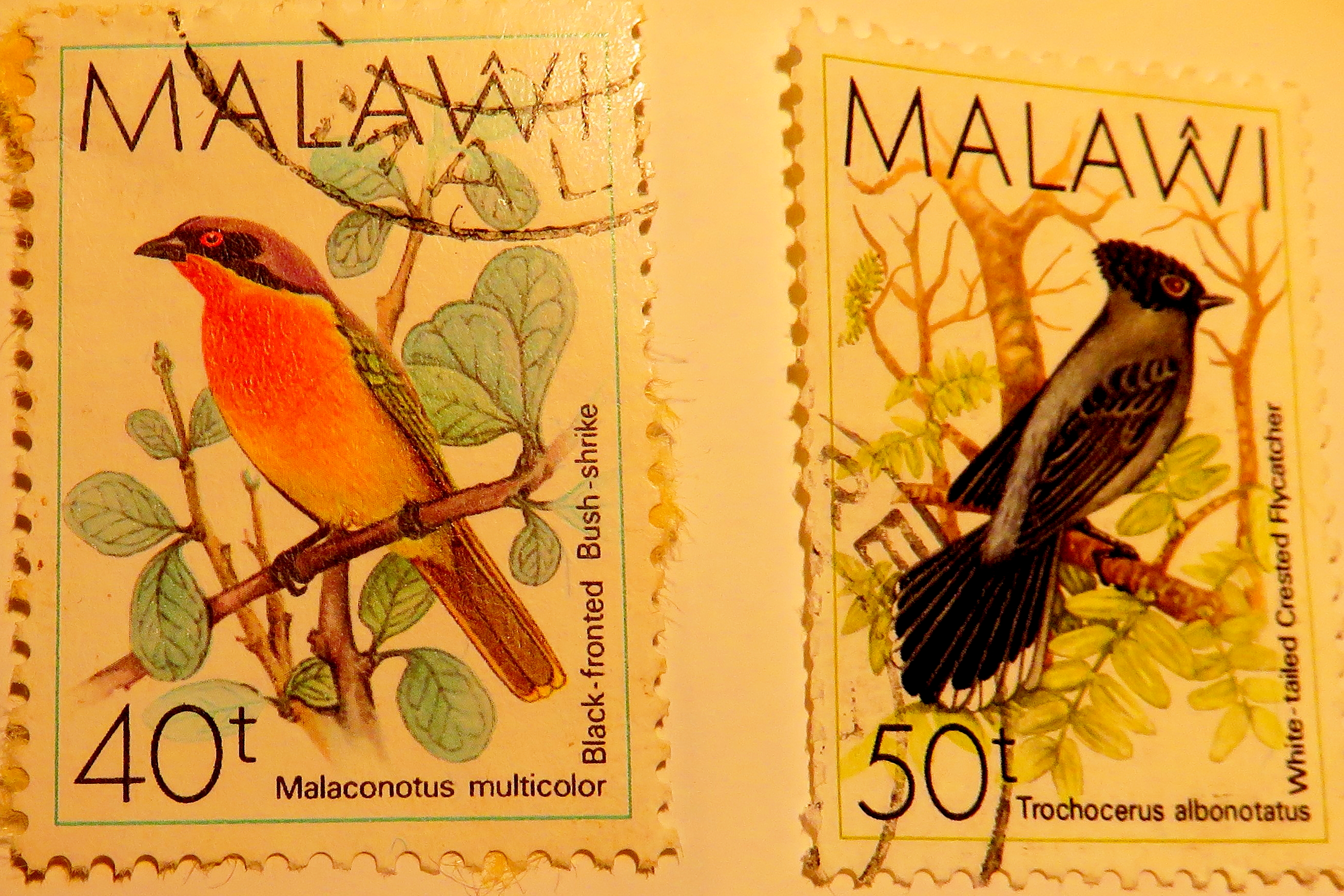


ecuador-img_0069-maria-de-bruyn    malawi-img_0085-maria-de-bruyn-red

kenya-img_0091-maria-de-bruyn  senegal-img_0060-maria-de-bruyn  zambia-1-img_0080-maria-de-bruyn

My nemesis birds!

european-starling-dk7a5386-maria-de-bruyn-resIn the birding world, a “nemesis bird” often refers to a species of bird that is eluding a birder intent on adding to their life list of bird species seen in person. For me, however, a nemesis bird is one that is emptying my feeders and depriving other birds of their bit of nutritional goodness because it descends in such great numbers that no one else has a chance. Which bird is this? It’s the European starling (Sturnus vulgaris), a bird which I admittedly find visually beautiful but rather unattractive as far as temperament goes.

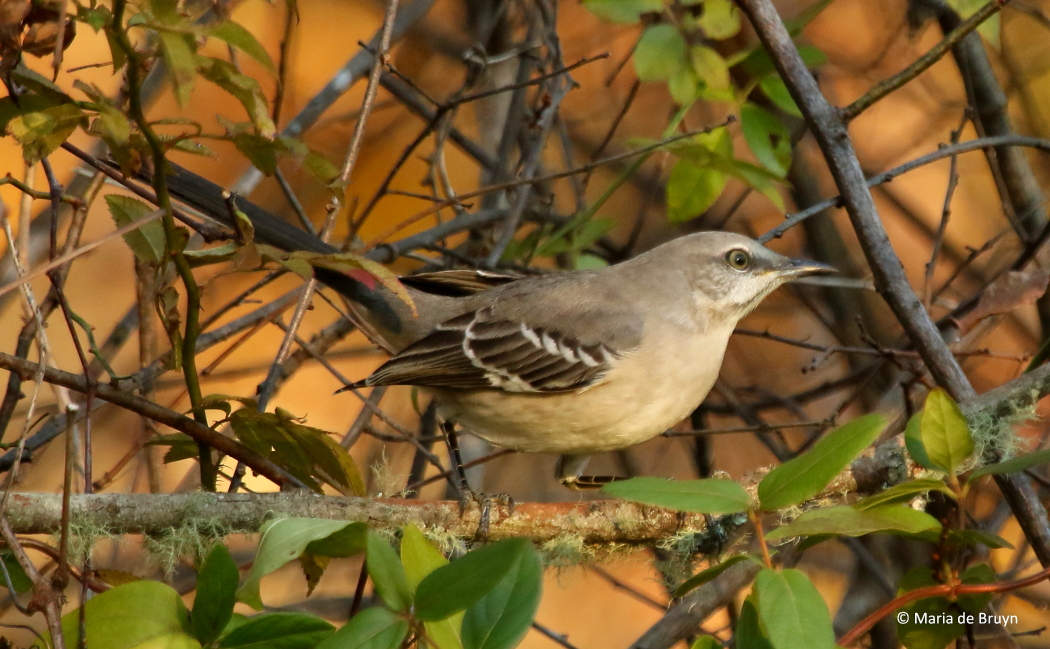
northern-mockingbird-i77a9648-maria-de-bruyn-resOther birders who spend time attracting birds to their yards often comment on how Northern mockingbirds (Mimus polyglottos) chase other birds away – those in my yard feed quite happily alongside other species, however, and even wait their turn for the suet feeders. Another large bird, the brown thrasher (Toxostoma rufum), does the same. In fact, most of the species that visit my yard are content to share feeder space and/or wait their turn.

brown-thrasher-img_9913-maria-de-bruyn-res     sharing-feeders-i77a9154-maria-de-bruyn-res

american-crow-dk7a2281-maria-de-bruyn-resOther species that are called “bully birds” include common grackles (Quiscalus quiscula, below), who can look quite beautiful with iridescent feathers, blackbird species and house sparrows. The grackles and red-winged blackbirds (Agelaius phoeniceus) in my yard have not been too dominant; they do sometimes come in numbers but let other birds near. I haven’t had crowds of grackles lately and when they’ve come, their main concern was to attempt to drive away the American crows (Corvus brachyrhynchos, above), so my main foe has been the starlings.

common-grackle-dk7a2236-maria-de-bruyn-res   common-grackle-i77a1447-maria-de-bruyn-res

They discovered my yard as a buffet about a year ago and introduced their young to the feasting area this past summer.

european-starling-dk7a3396-maria-de-bruyn-res  european-starling-dk7a3404-maria-de-bruyn-res


european-starling-dk7a5233-maria-de-bruyn-res


What is striking to me is the fact that they not only will “yell” at other species to go away but also compete vigorously with one another for a spot at the platform and other feeders, indicating a rather nasty disposition.

european-starling-dk7a5130-maria-de-bruyn-res   european-starling-dk7a0871-maria-de-bruyn-res

european-starling-i77a7396-maria-de-bruyn-res

The young starlings pick up on this behavior quickly.

If I come outside, they quickly fly off and roost high up in the tallest trees; sometimes, they will actually fly off to another place in the neighborhood. Clapping my hands and banging on the window will also get them to leave. However, they stick around to assess whether I will appear and if I don’t come out, they are back in short order.

european-starling-i77a1048maria-de-bruyn-res

pine-warbler-dk7a0358-maria-de-bruyn-res


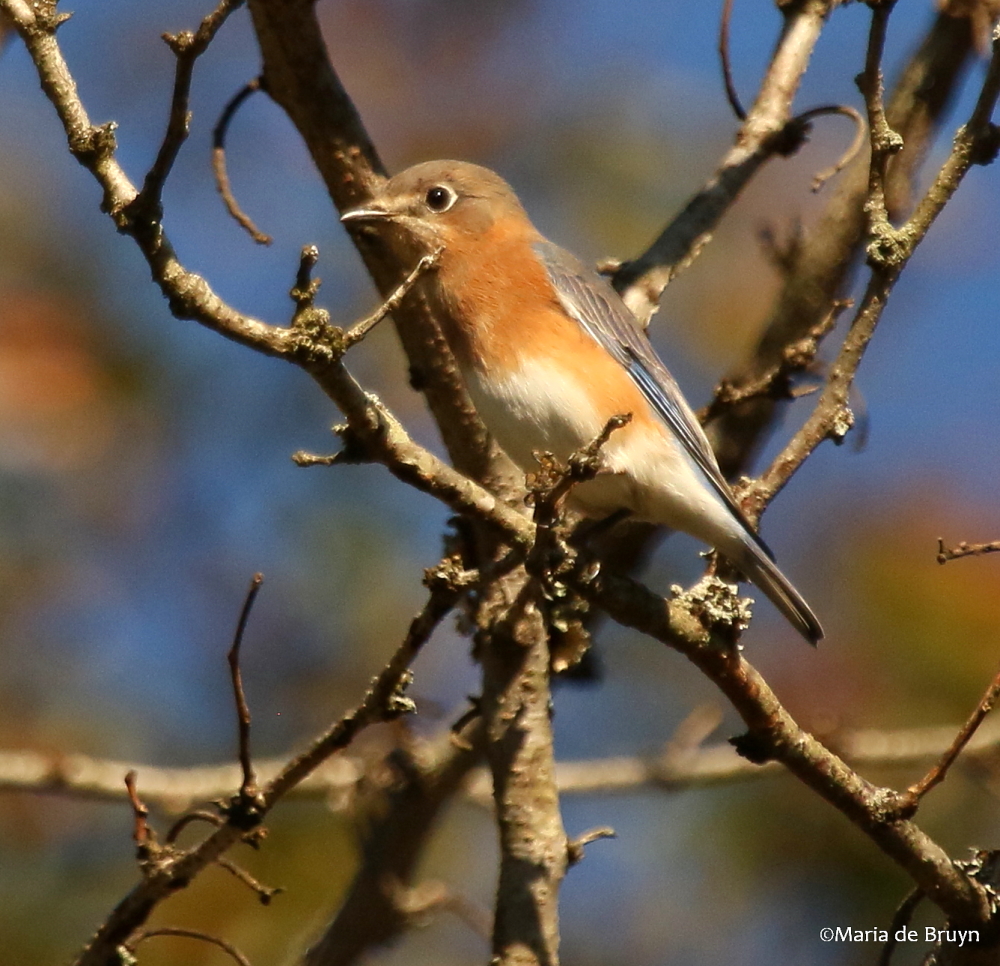
Their first love turned out to be the dried mealworms, which are a big hit with the Eastern bluebirds (Sialia sialis), tufted titmice (Baeolophus bicolor), Carolina chickadees (Poecile carolinensis), Carolina wrens (Thryothorus ludovicianus) and pine warblers (Setophaga pinus, left) among other species.

eastern-bluebird-i77a6862-maria-de-bruyn-res  eastern-bluebird-i77a9596-maria-de-bruyn-res

tufted-titmouse-img_4143-maria-de-bruyn-res   tufted-titmouse-i77a9678-maria-de-bruyn-res

carolina-chickadee-i77a9738-maria-de-bruyn-res   carolina-wren-i77a7312-maria-de-bruyn-res

It’s always a pleasure to see the banded birds return, like the Carolina wren below.

carolina-wren-i77a9548-maria-de-bruyn-res   carolina-wren-i77a9547-maria-de-bruyn-res

When five or more starlings gather around a feeder, they literally gulp the mealworms down, making short shrift of a good-sized supply.

european-starling-dk7a0937-maria-de-bruyn-res   european-starling-dk7a2433-maria-de-bruyn-res

northern-cardinal-i77a2061-maria-de-bruyn-resI began putting out only mixed seed, sunflower seeds (Helianthus annuus) and my home-made vegetarian suet, the latter being a favorite for many species: the bluebirds, chickadees, wrens, titmice, yellow-rumped warblers (Setophaga coronata), brown-headed nuthatches (Sitta pusilla), Northern cardinals (Cardinalis cardinalis, left), and downy and red-bellied woodpeckers (Picoides pubescens and Melanerpes carolinus).

yellow-rumped-warbler-i77a9778-maria-de-bruyn-res

brown-headed-nuthatch-i77a6423-maria-de-bruyn-res

downy-woodpecker-dk7a1967-maria-de-bruyn-res   downy-woodpecker-dk7a1961-maria-de-bruyn-res

red-bellied-woodpecker-i77a4258maria-de-bruyn-res red-bellied-woodpecker-dk7a0440-maria-de-bruyn-res

My resident ruby-crowned kinglet (Regulus calendula) hasn’t returned this winter (though I hope he is just late), so he doesn’t have to compete with the much, much larger starlings for his beloved meals.

ruby-crowned-kinglet-img_1776-maria-de-bruyn-res  ruby-crowned-kinglet-dk7a0538-maria-de-bruyn-res

european-starling-dk7a5647-maria-de-bruyn-resTo my dismay, when the starlings discovered no mealworms were available, they decided that suet could be a nice substitute. Oy vey! They manage to empty the suet holders in record time.

I waited to put out the suet until I saw no starlings in any of the tall trees surrounding the yard.

european-starling-img_0035-maria-de-bruyn-res

european-starling-i77a7189-maria-de-bruyn-resThe smaller birds came but this lasted only a little while. Soon the starlings showed up, leading me to think that either “scout” or “watch birds” were left behind to warn the flock when preferred food arrived, or they had a tremendous sense of smell that led them to my yard. It does turn out that starlings use their sense of smell to identify plants for their nests, so who’s to say they don’t use it to find food, too?


red-bellied-woodpecker-dk7a1833-maria-de-bruyn-resOne bird advice website recommends avoiding sunflower seeds as “bully birds” prefer them. Well, so far, the starlings have assiduously avoided any seeds. So a couple days ago, I filled all the feeders with seed except for the suet feeders – and I stood outside next to them so that the songbirds could have a go at the suet without their bigger avian neighbors chasing them away. It was gratifying to see the little ones enjoy a bit of suet while the starlings perched high above, unwilling to come down in my presence. Today, it was raining persistently but the songbirds were flying to and fro among the feeders so I put suet in three holders and some mealworms in one.

For an hour or so, they had the dried worms and peanut butter-based treat to themselves; then a starling appeared. I went outside but this particular bird didn’t seem to mind. When three of its compatriots arrived and saw me, they swooped away so the little birds still could grab some suet and mealworms.

european-starling-i77a9669-maria-de-bruyn-res

Now I’ll wait to see if the starlings begin eating the seed or finally move on or stay away for longer periods. I’m guessing as long as there is occasional suet, they will leave their scouts in place to warn them when a tasty meal is available. And I do want to put out some mealworms now and again so I don’t disappoint the chickadees and wrens who greet me with loud twittering when I approach empty feeders. Non-birders probably think that’s silly (to put it mildly) but I think bird lovers will understand….

Soothing my spirit, seeking solace for the soul

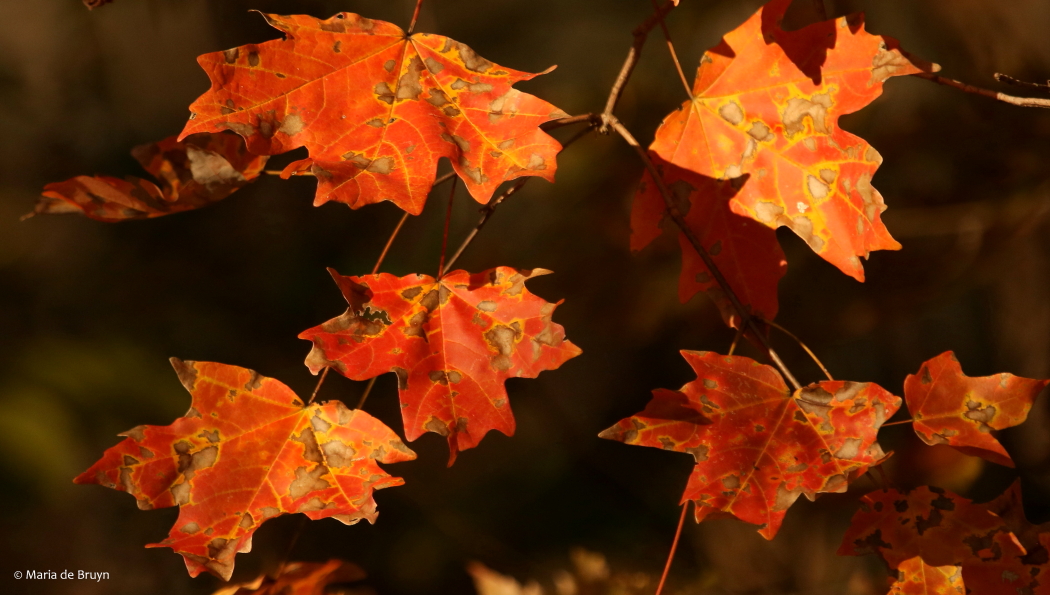
leaf-i77a2875-maria-de-bruyn-resAlthough more people in the USA voted for the Democratic ticket than the Republican one, the electoral college system will likely lead to the installation of a Republican presidency unless election re-counts affect those designated votes. This distresses me greatly given the persons who have been announced as top administration advisers and cabinet members. My work on social issues and on behalf of vulnerable people will continue and is increasing. But in the meantime, to keep from going into a 100% depressed mode, I have sought solace in nature walks and spiritual strengthening in the flora and fauna I see.

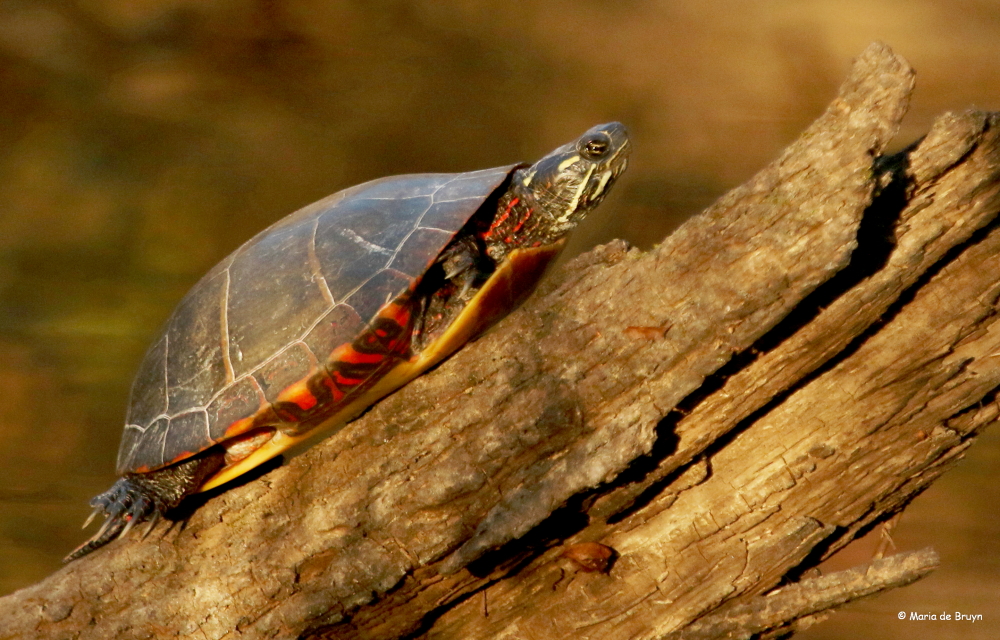
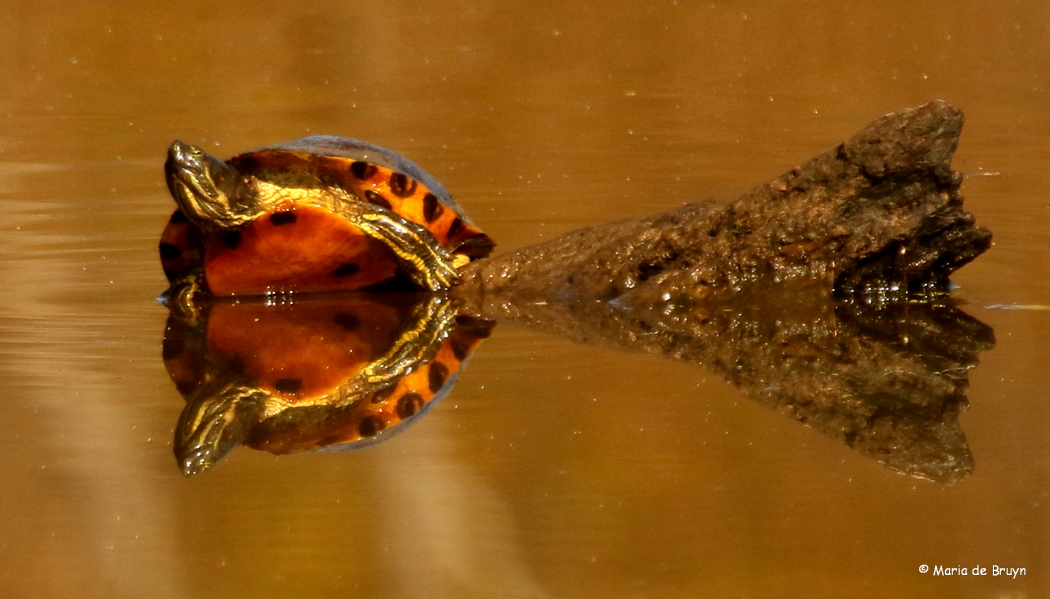
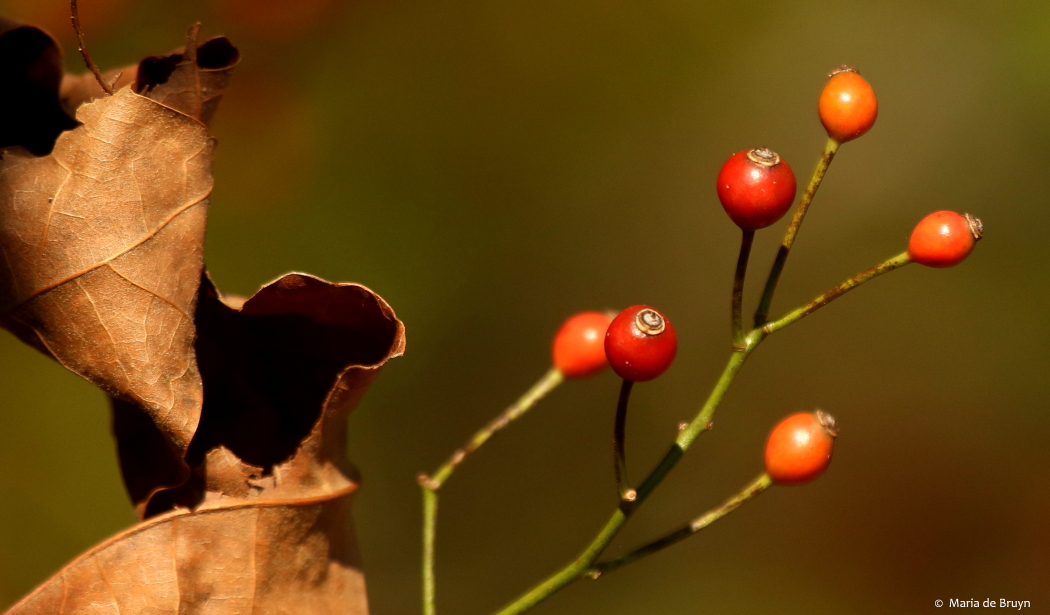
painted-turtle-i77a2277-maria-de-bruyn-resToday, I will share some of words of wisdom from a conscientious spiritual leader with you, along with some photos of nature’s beauties seen during my walks at the Cane Creek Reservoir, Sandy Creek Park and Mason Farm Biological Reserve just before and since the November election. It’s a bit of a long blog but offers some visual sustenance to ponder, like the painted turtle (Chrysemys picta, above) at Mason Farm and the yellow-bellied slider (Trachemys scripta scripta) at Sandy Creek sunning in the morning sun despite chilly temperatures. (From a distance, the slider looked a bit as if there was something with open jaws in the pond!)

yellow-bellied-slider-i77a2954-maria-de-bruyn-res

flower-77a1303maria-de-bruyn-res


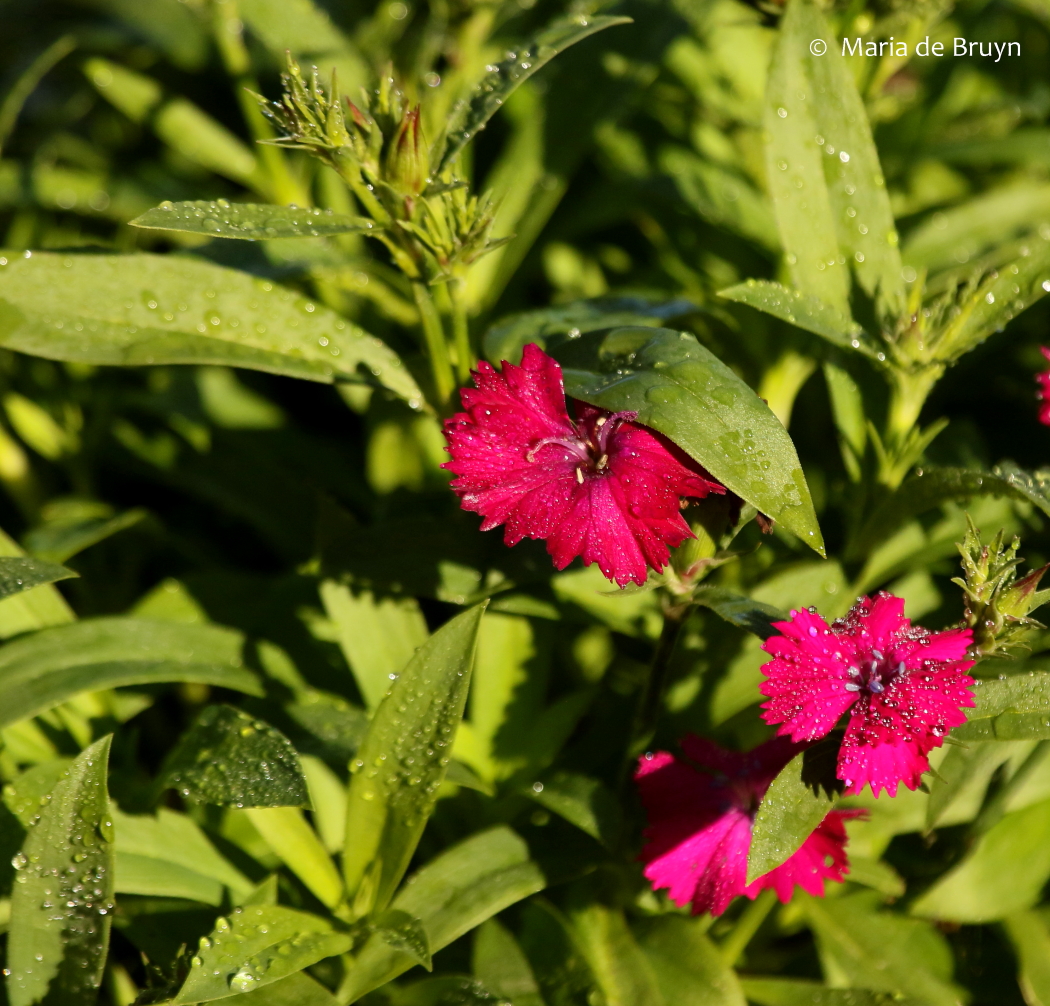
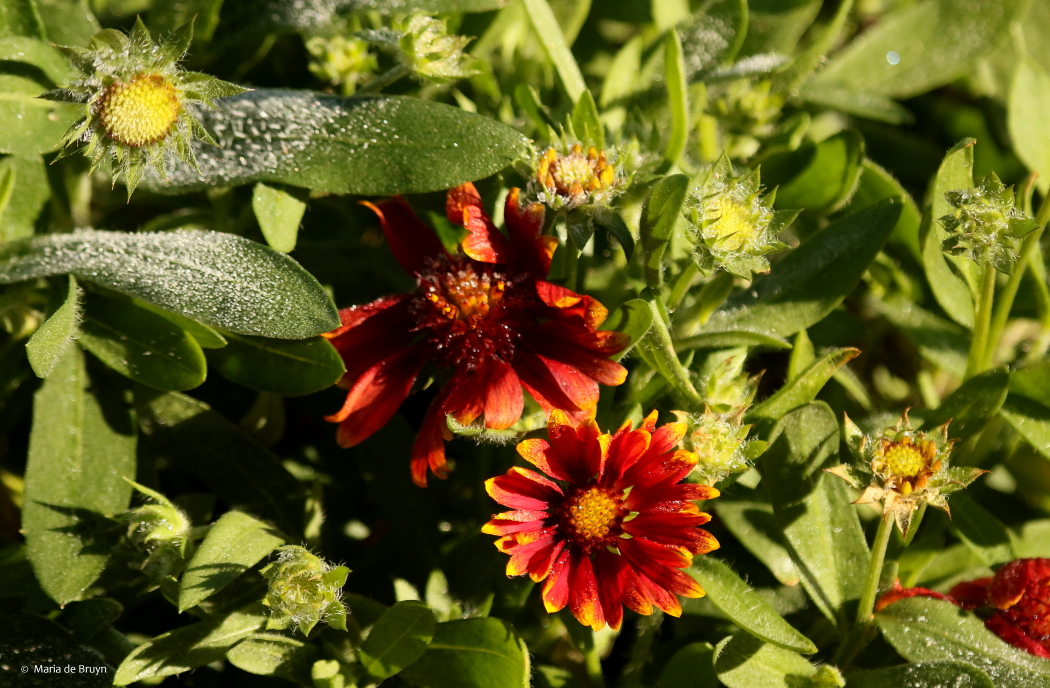
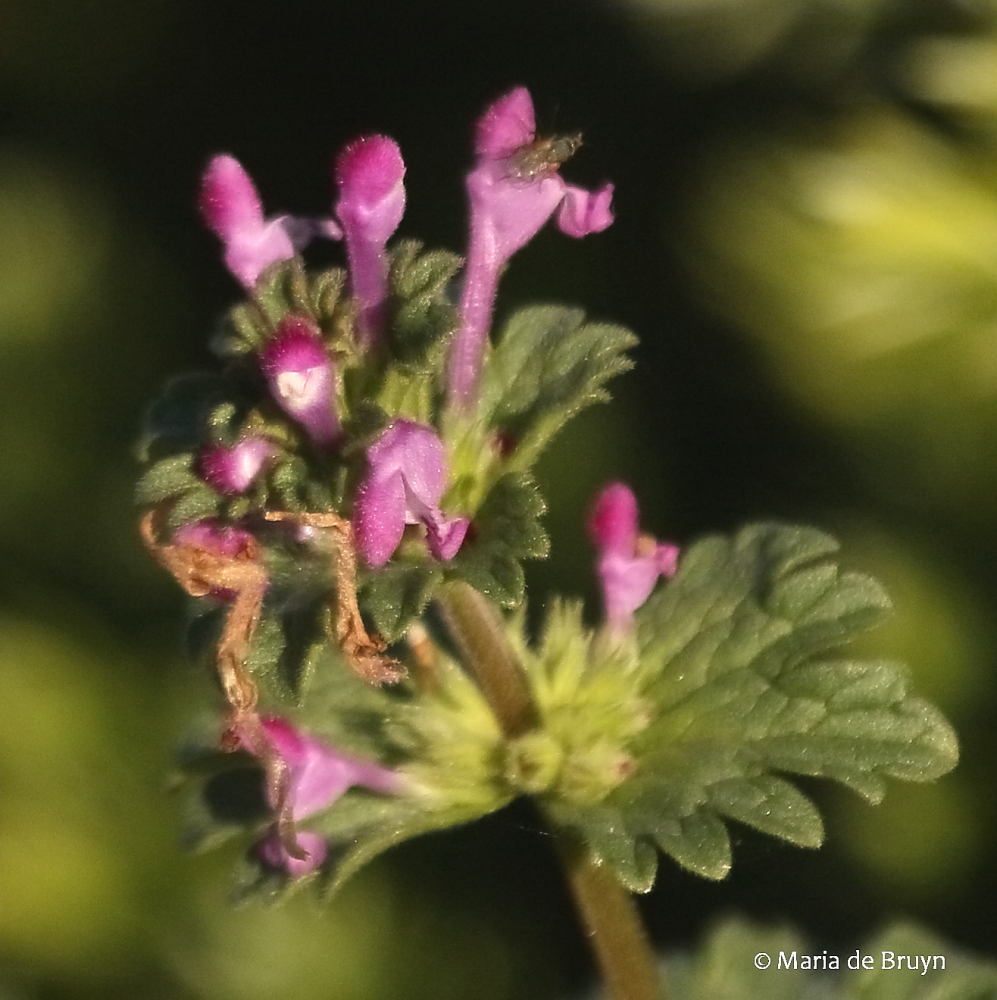
Early in the morning, you can find frost- and dew-covered plants and a few remaining flowers glistening in the sun.


blanket-flower-i77a1309maria-de-bruyn-res  henbit-i77a0825maria-de-bruyn-res

Blanket flower (Gaillardia)                           Henbit (Lamium amplexicaule)

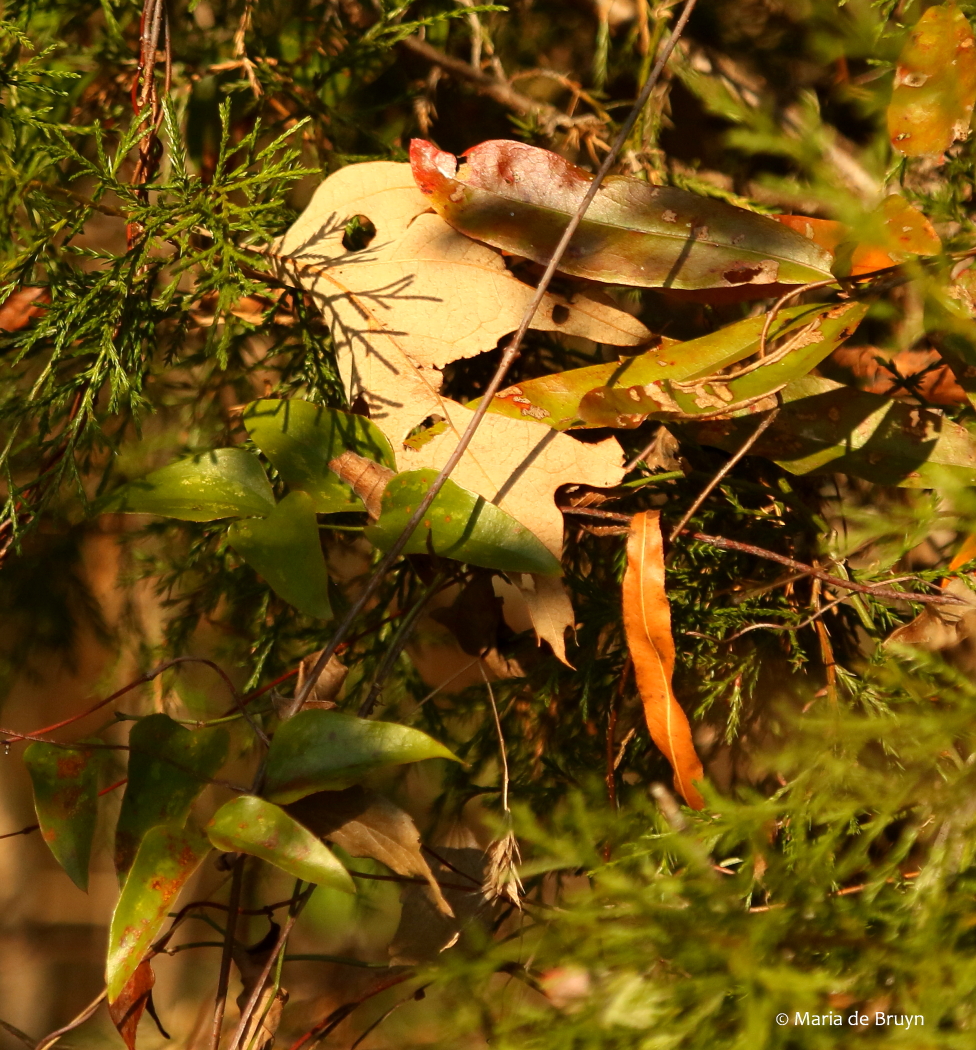
leaf-bird-i77a2906-maria-de-bruyn-res


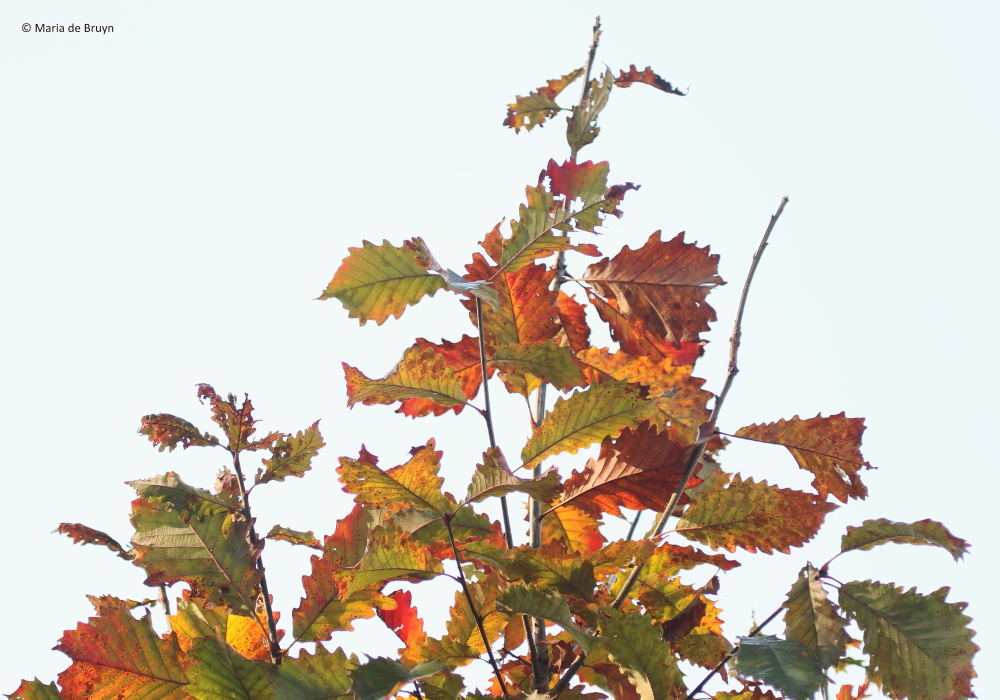
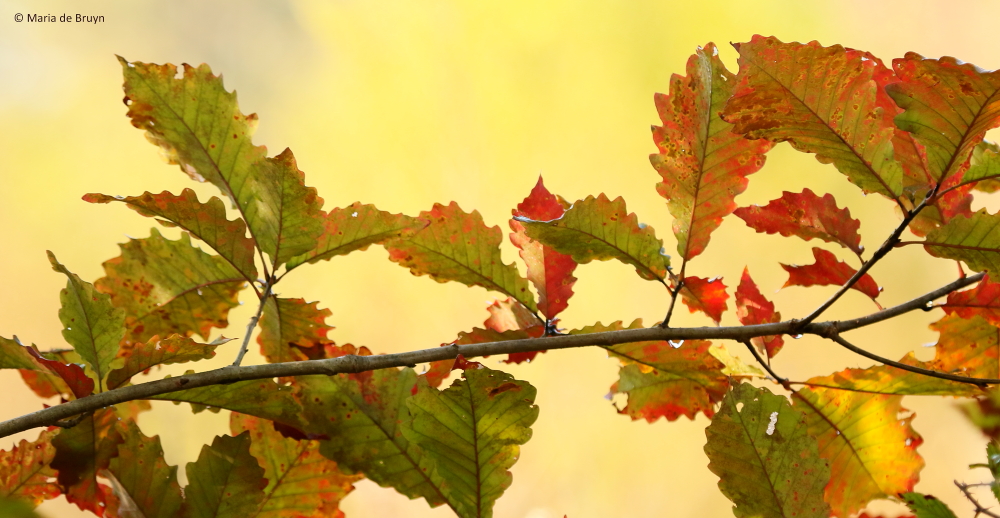
Later in the morning, the autumn-colored leaves make nice patterns as you search for birds high and low. And occasionally you get to see the fabled “leaf bird”.


leaves-i77a2893-maria-de-bruyn-res   leaves-i77a2882-maria-de-bruyn-res

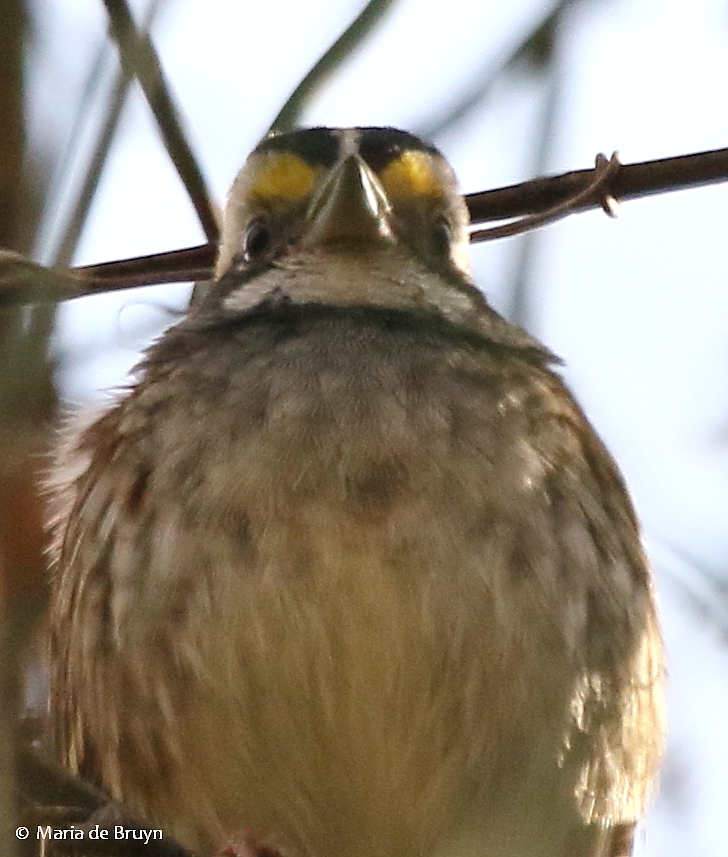
When looking high, you may find the birds looking down on you; face-level stares as you gaze straight ahead may also occur!

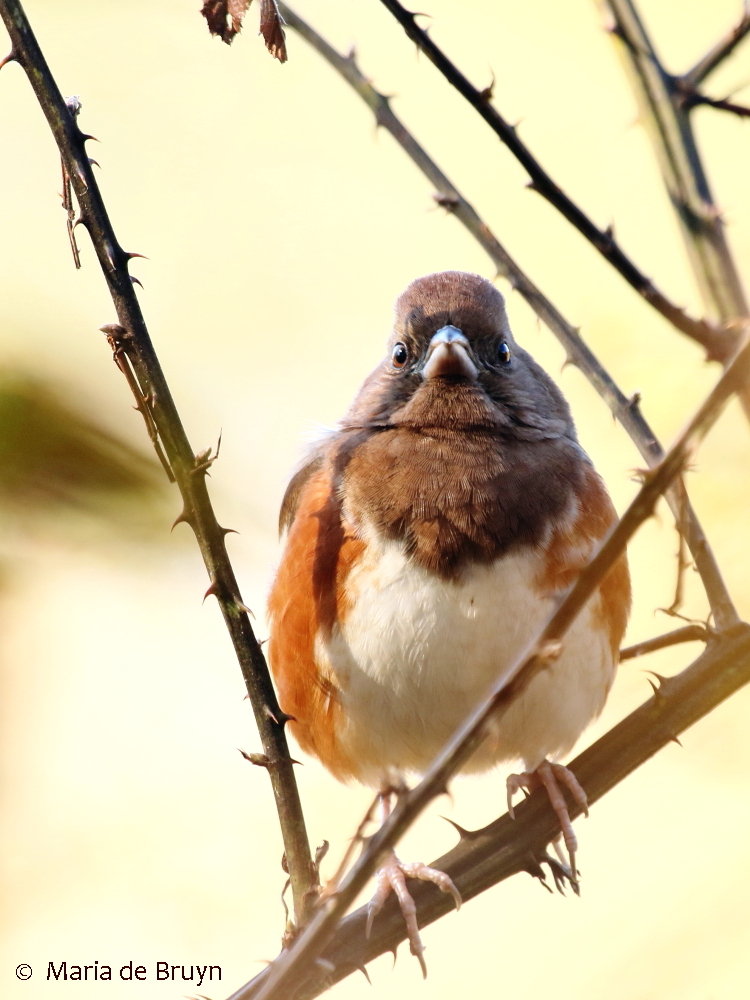
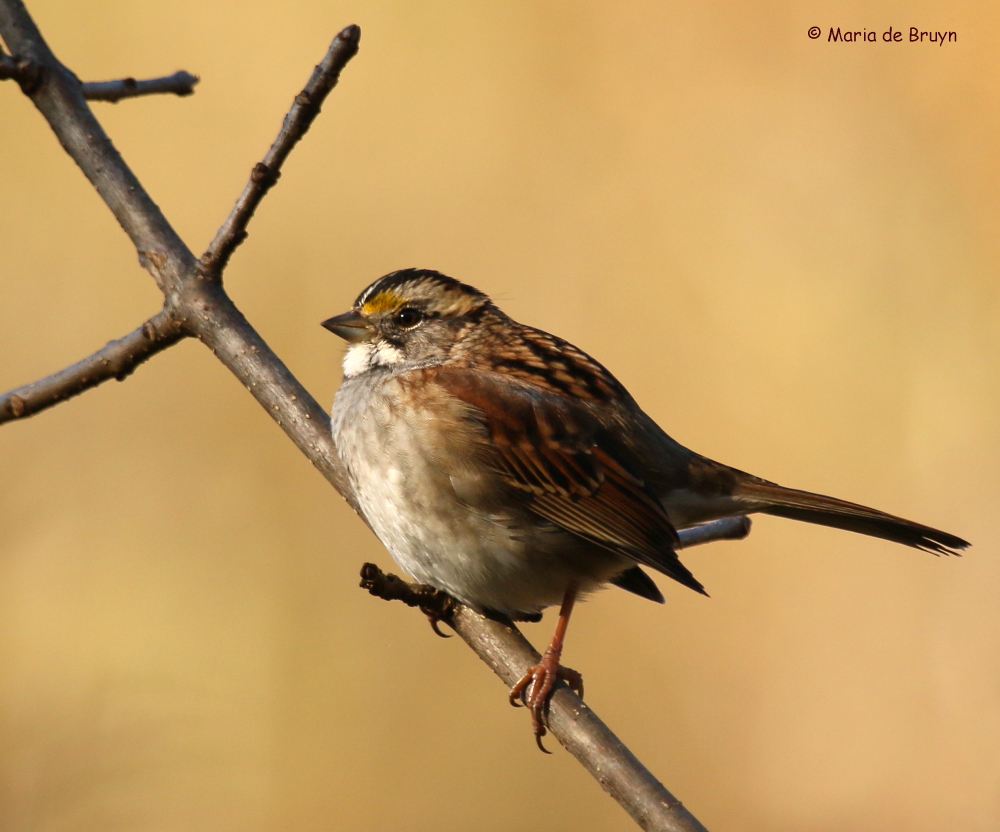
white-throated-sparrow-i77a6365-maria-de-bruyn-res                     eastern-towhee-i77a1659maria-de-bruyn-res

White-throated sparrow (Zonotrichia albicollis)  Eastern towhee (Pipilo erythrophthalmus)

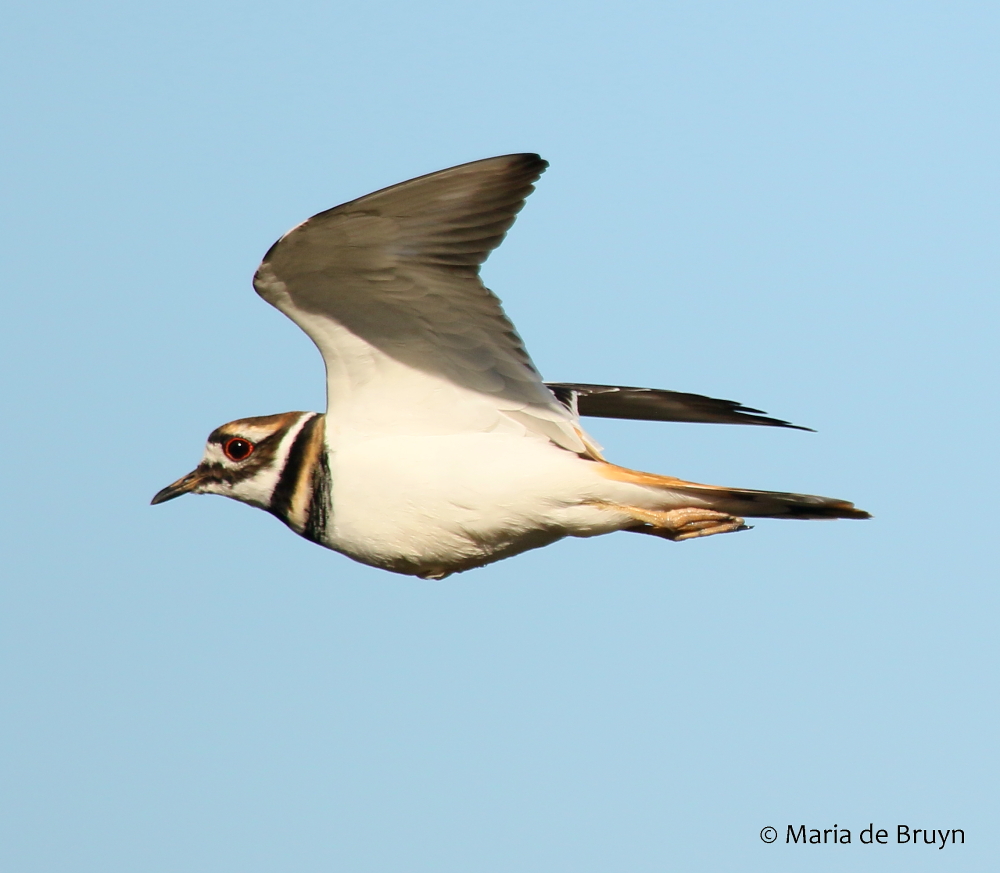
killdeer-i77a0916maria-de-bruyn-res


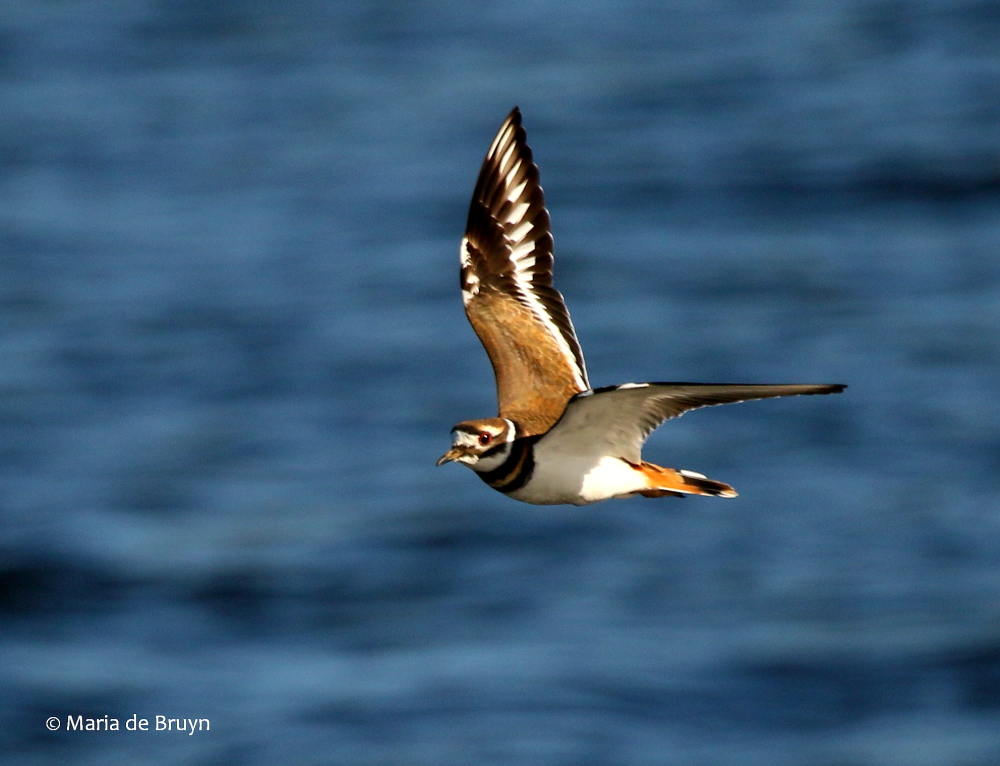
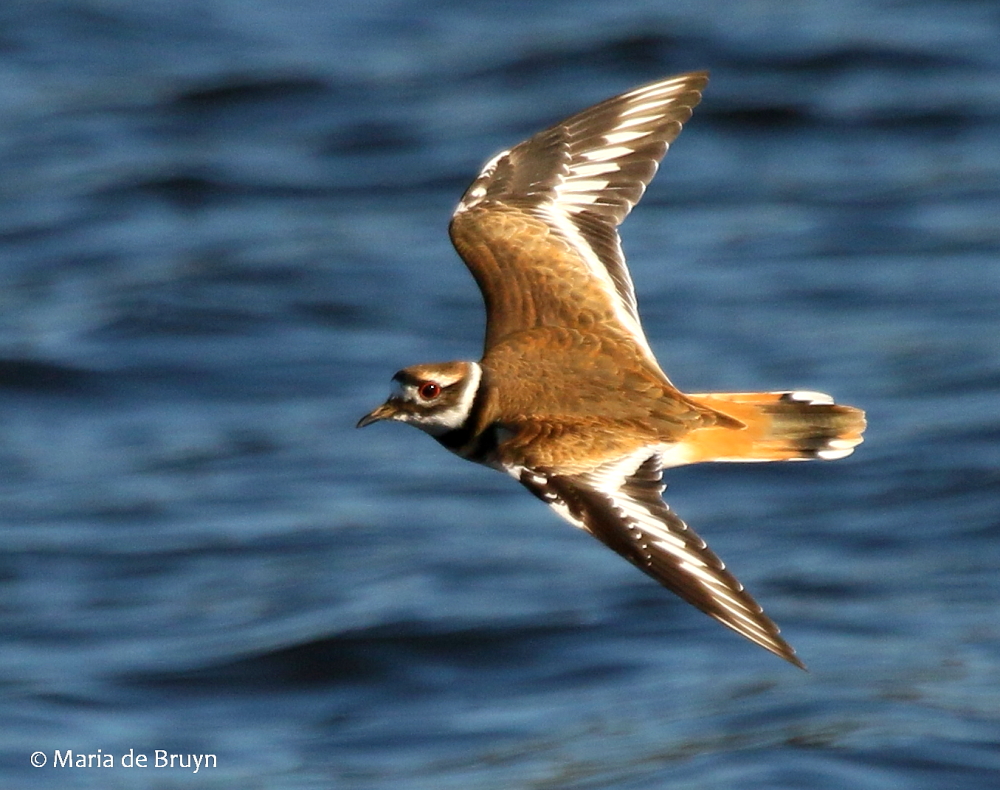
At Cane Creek, the killdeer (Charadrius vociferous) make their presence known by their distinctive calls and you can enjoy their gorgeous appearance as they fly over the lake.


killdeer-i77a0913maria-de-bruyn-res  killdeer-i77a0911maria-de-bruyn-res

Taking care of our planet is like taking care of our houses. Since we human beings come from Nature, there is no point in our going against Nature, which is why I say the environment is not a matter of religion or ethics or morality. These are luxuries, since we can survive without them. But we will not survive if we continue to go against Nature.  – Dalai Lama

red-bellied-woodpecker-i77a2988maria-de-bruyn-res


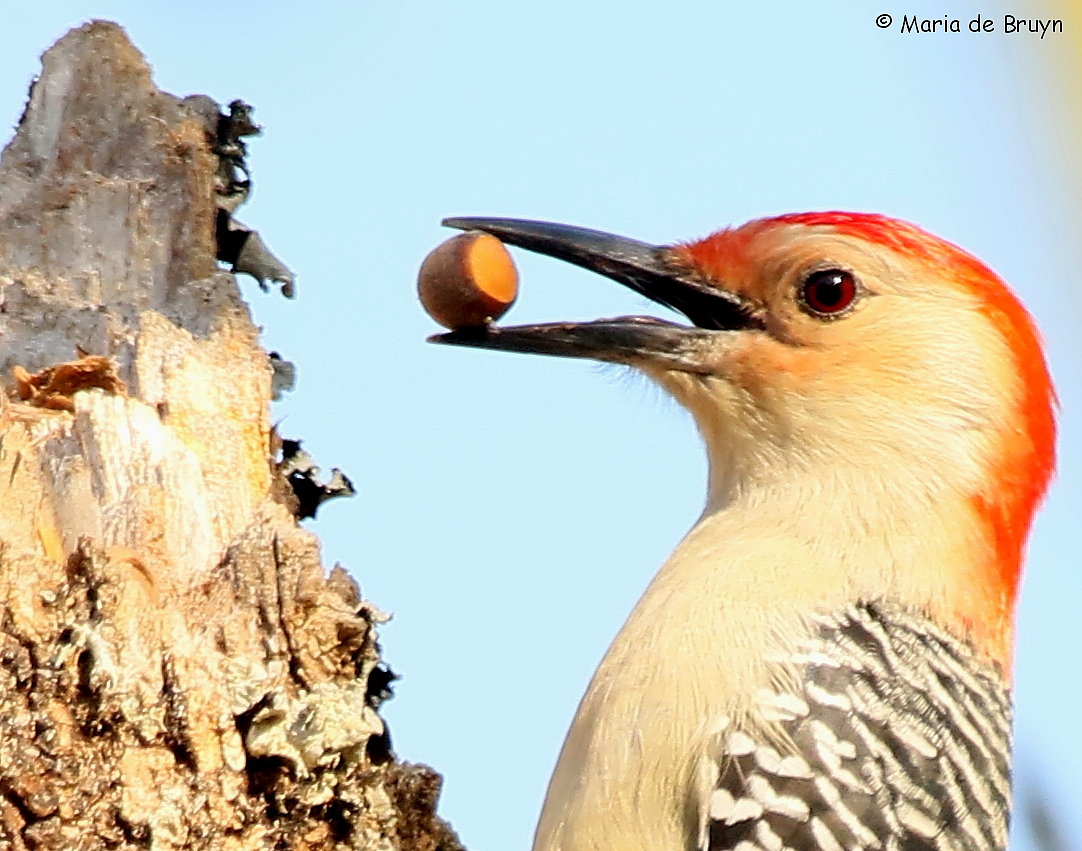
Many birds, like this red-bellied woodpecker (Melanerpes carolinus), are busy finding seeds and nuts for their meals.


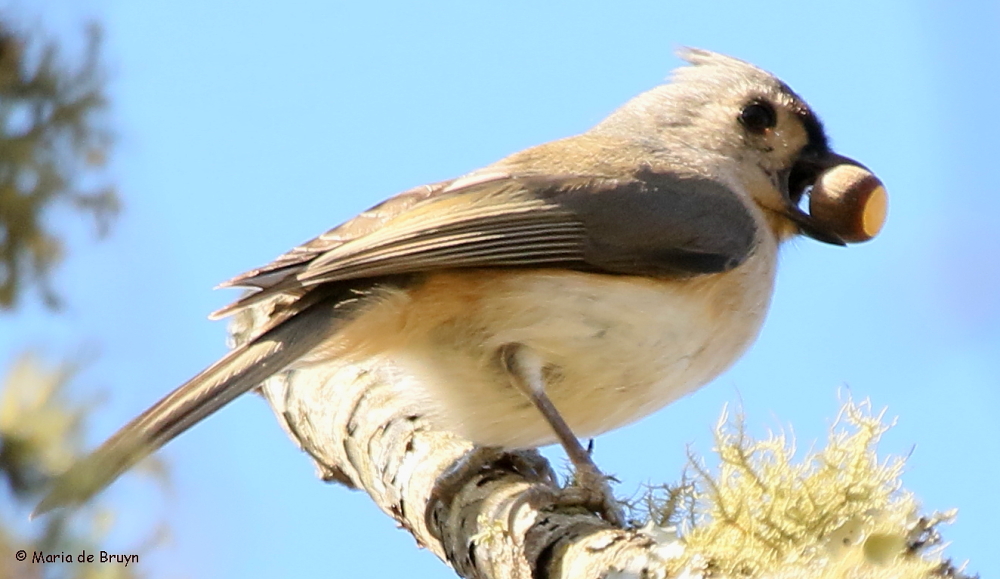
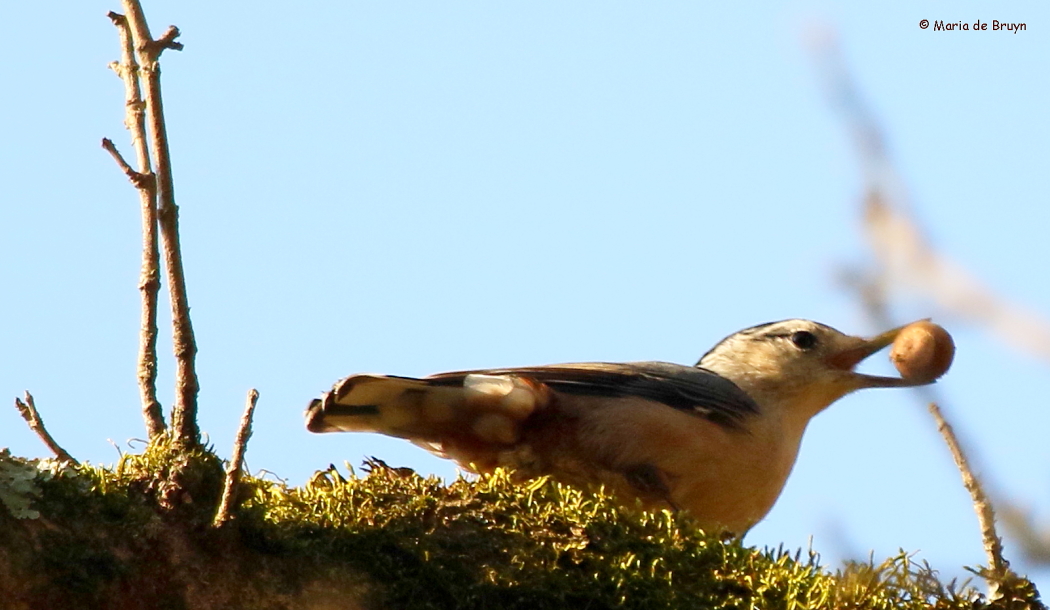
tufted-titmouse-i77a1965maria-de-bruyn-res  white-breasted-nuthatch-i77a2671maria-de-bruyn-res

Tufted titmouse (Baeolophus bicolor)          White-breasted nuthatch (Sitta carolinensis)

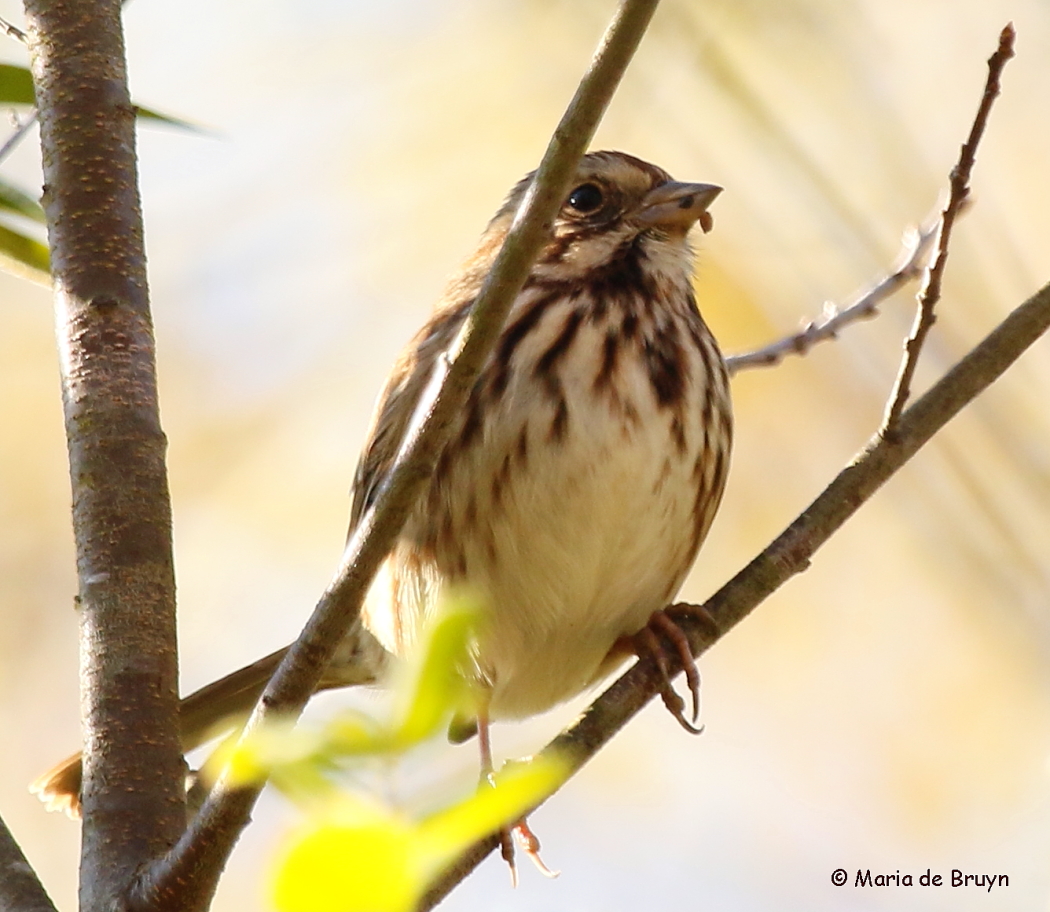
song-sparrow-i77a1499maria-de-bruyn-res   carolina-chickadee-i77a8444-maria-de-bruyn-res

Song sparrow (Melospiza melodia)                 Carolina chickadee (Poecile carolinensis)

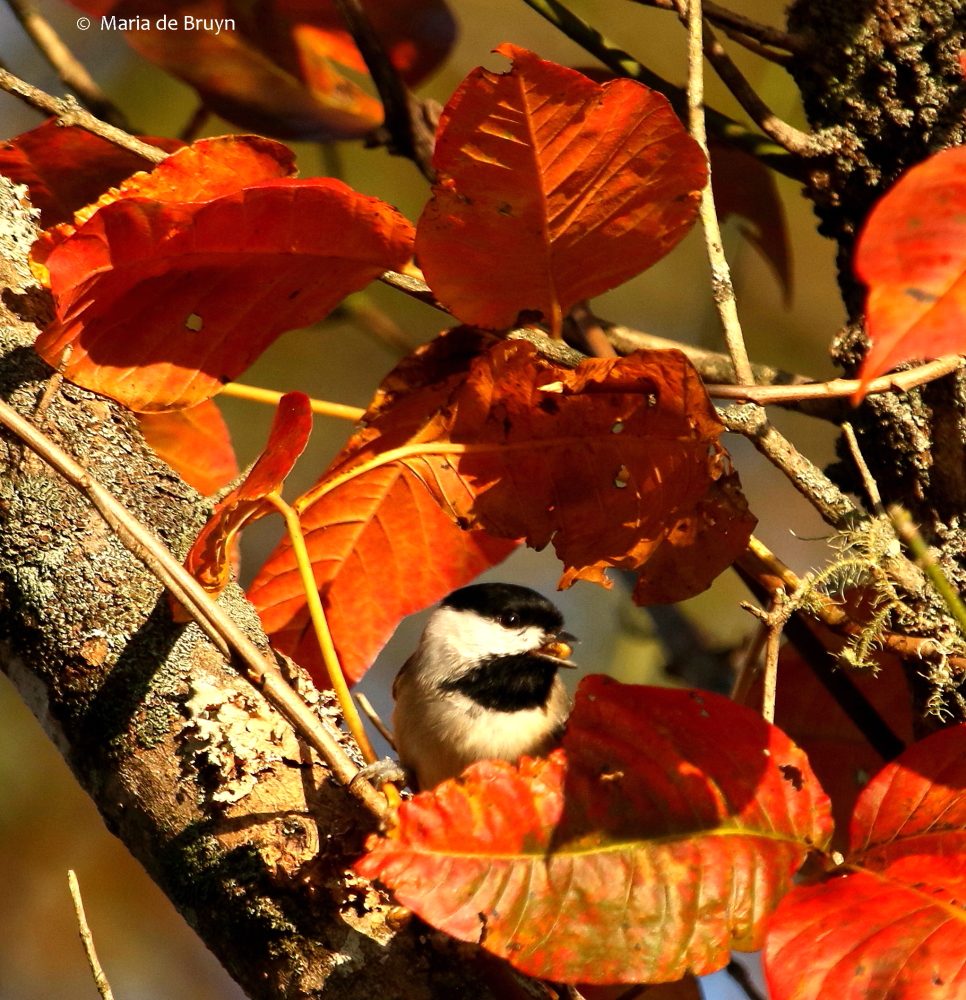
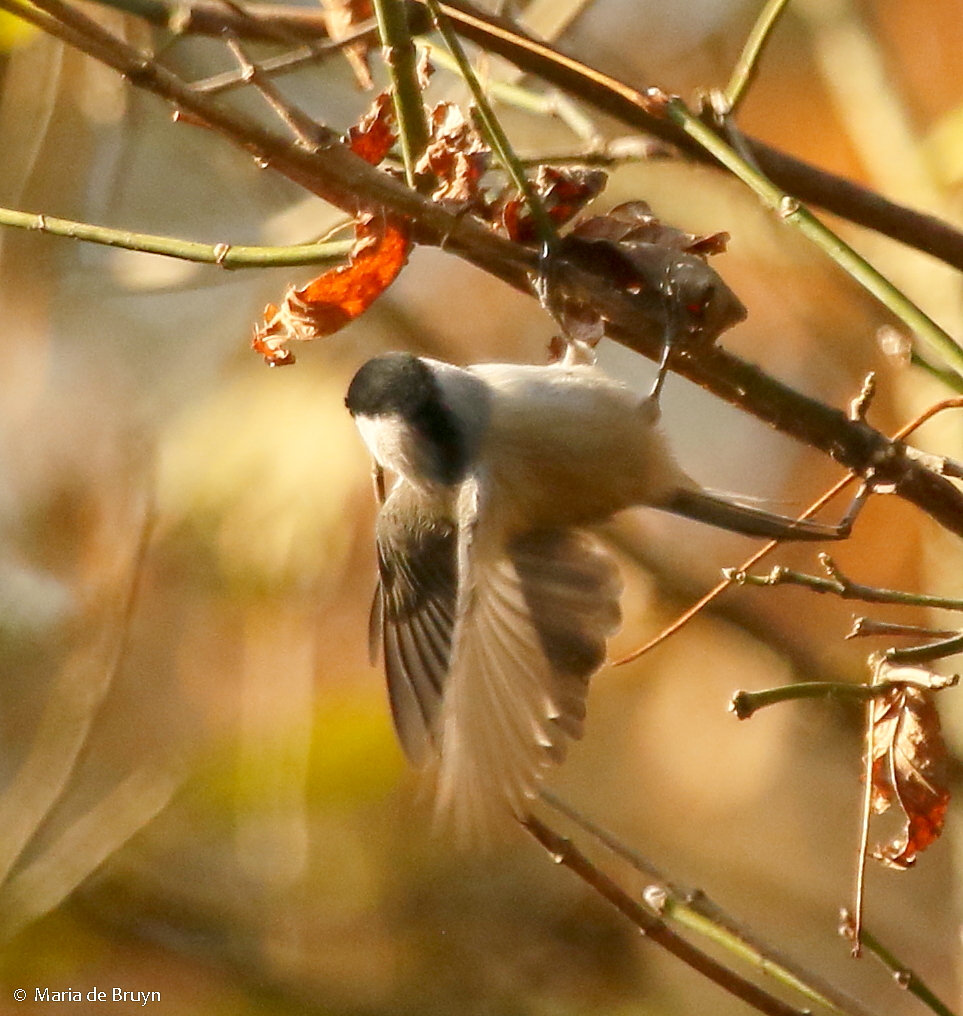
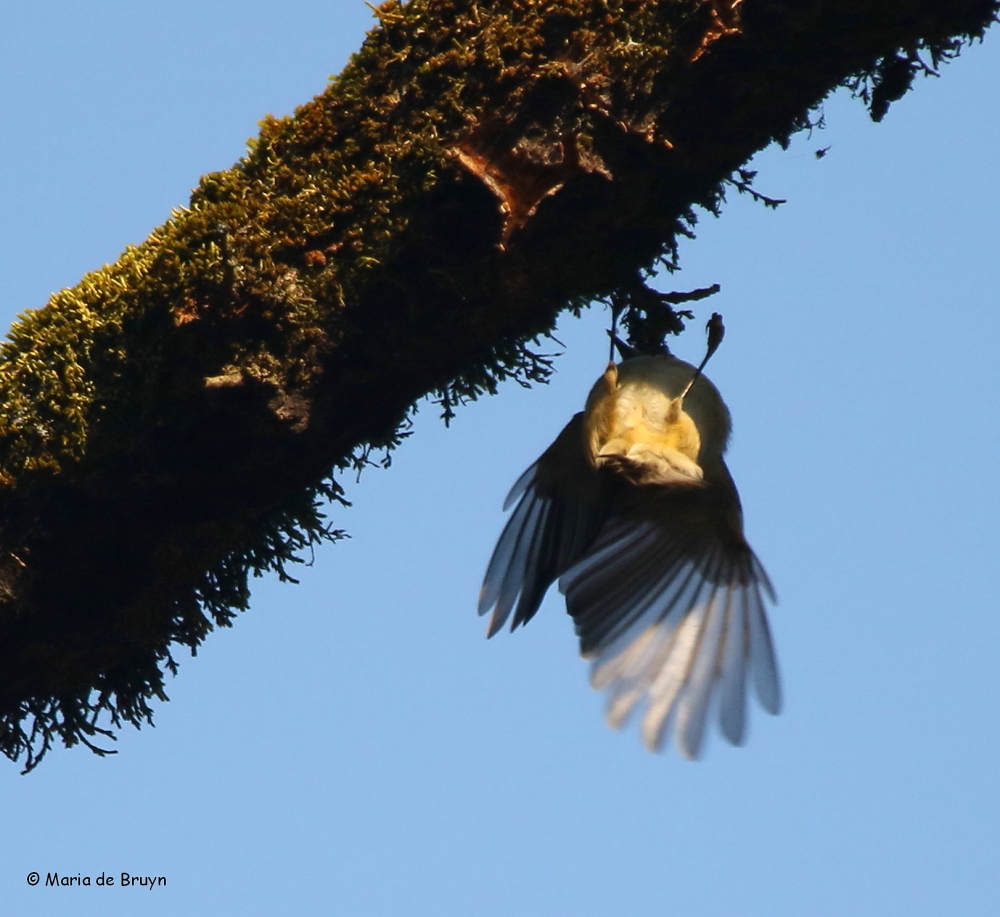
Sometimes, it involves hanging upside down to snag a tasty morsel and their wings help in balancing.

carolina-chickadee-i77a2699maria-de-bruyn    ruby-crowned-kinglet-i77a2565-maria-de-bruyn-res

Carolina chickadee                                    Ruby-crowned kinglet (Regulus calendula)

If we unbalance Nature, humankind will suffer. Furthermore, as people alive today, we must consider future generations: a clean environment is a human right like any other. It is therefore part of our responsibility towards others to ensure that the world we pass on is as healthy, if not healthier, than when we found it. – Dalai Lama

american-crow-i77a6327-maria-de-bruyn-res


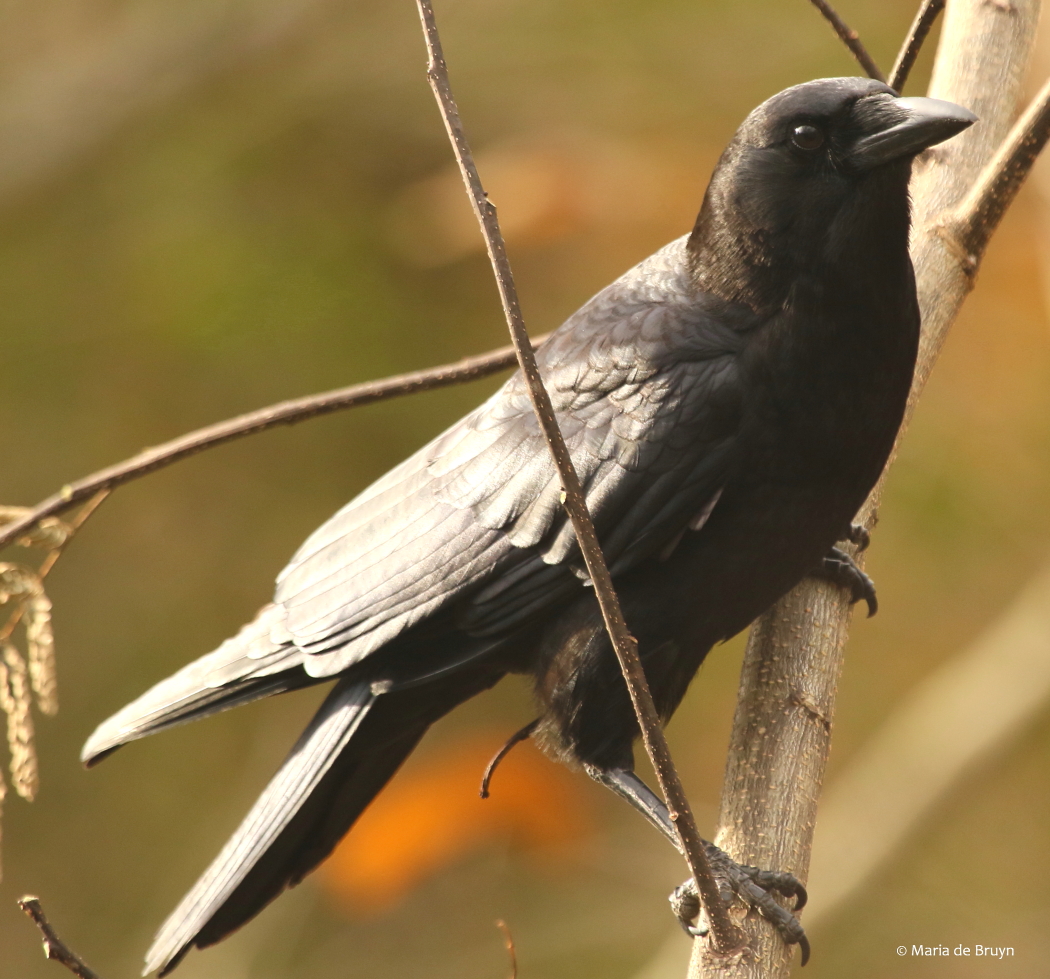
At Sandy Creek, a group of American crows (Corvus brachyrhynchos) flew down to investigate what had dropped to the ground from an overflowing garbage can but they soon flew off to seek more normal food elsewhere.


great-blue-heron-i77a1936maria-de-bruyn-res


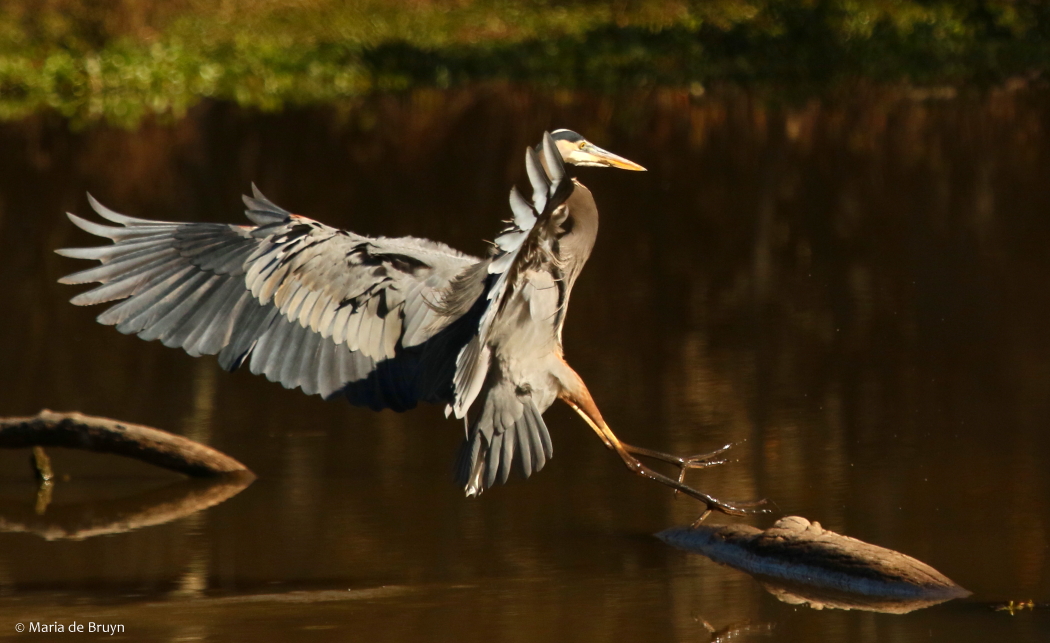
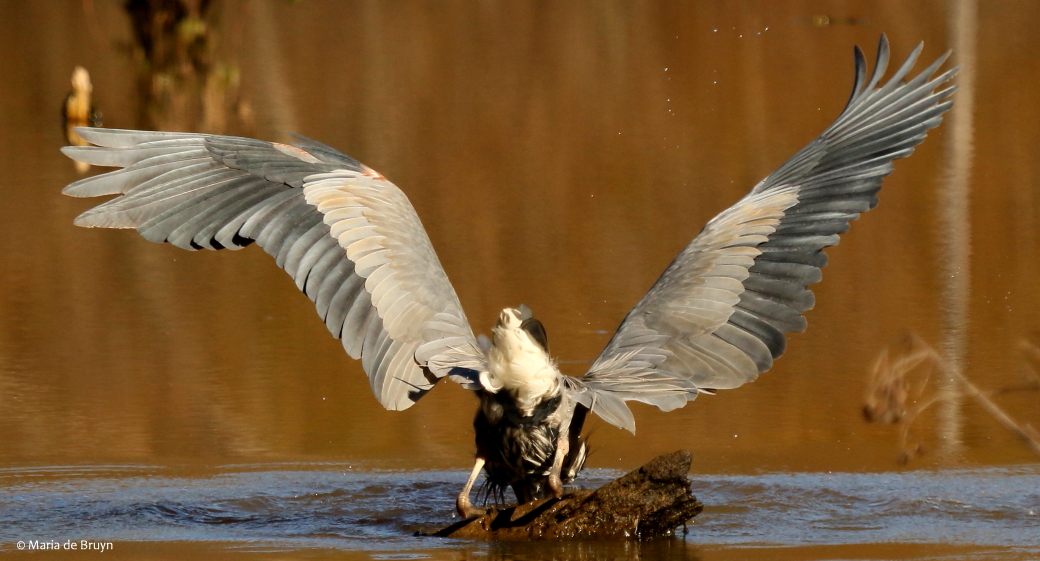
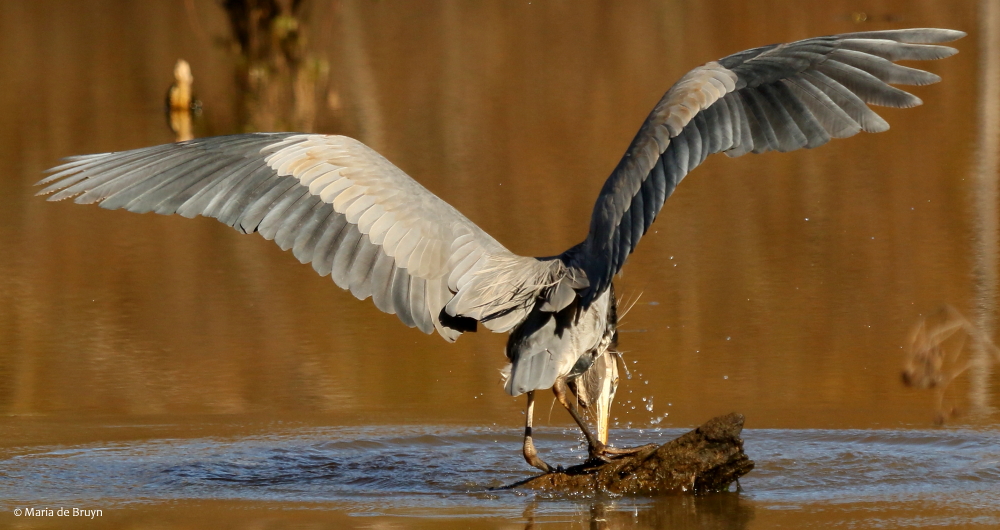
A great blue heron (Ardea herodias) was stalking the pond for fish; after I saw him (or her) snag a medium-sized fish, he turned his back so I saw the fishing technique from the rear.

great-blue-heron-i77a1438maria-de-bruyn-2-res  great-blue-heron-i77a1440maria-de-bruyn-res

flowering-dogwood-i77a0882maria-de-bruyn-res


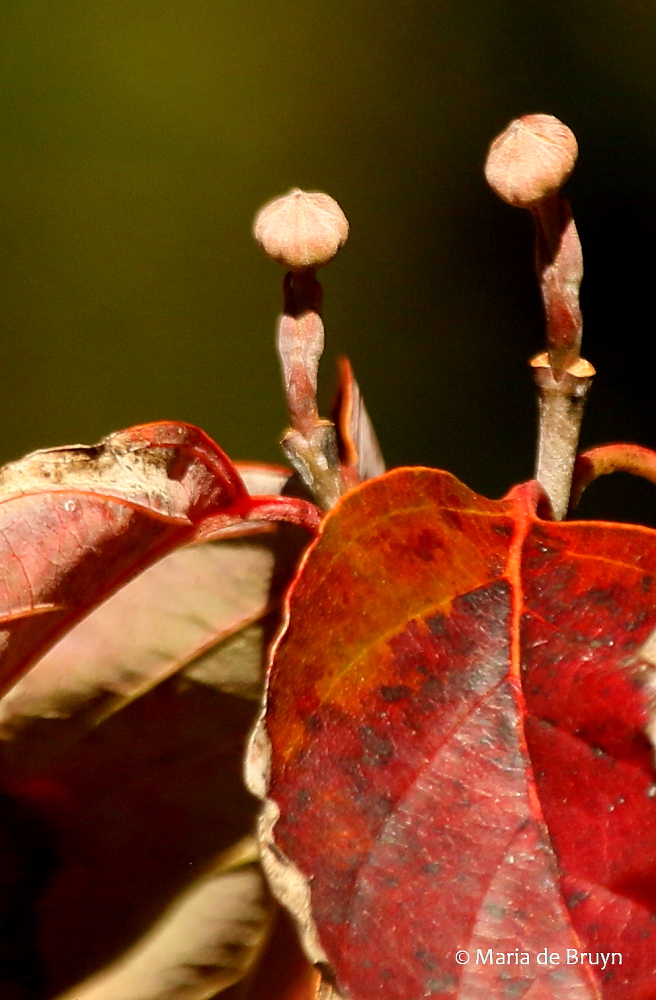
The flowering dogwoods (Cornus florida) at Cane Creek still had a few blossoms; at Sandy Creek and Mason Farm, they offered bright berries. On one tree, they made me think of a movie-inspired alien peeking out of the branches with eyes on stalks.


flowering-dogwood-i77a5820-maria-de-bruyn-res       flowering-dogwood-i77a1012maria-de-bruyn-res

Destruction of nature and nature resources results from ignorance, greed and lack of respect for the earth’s living things. – Dalai Lama

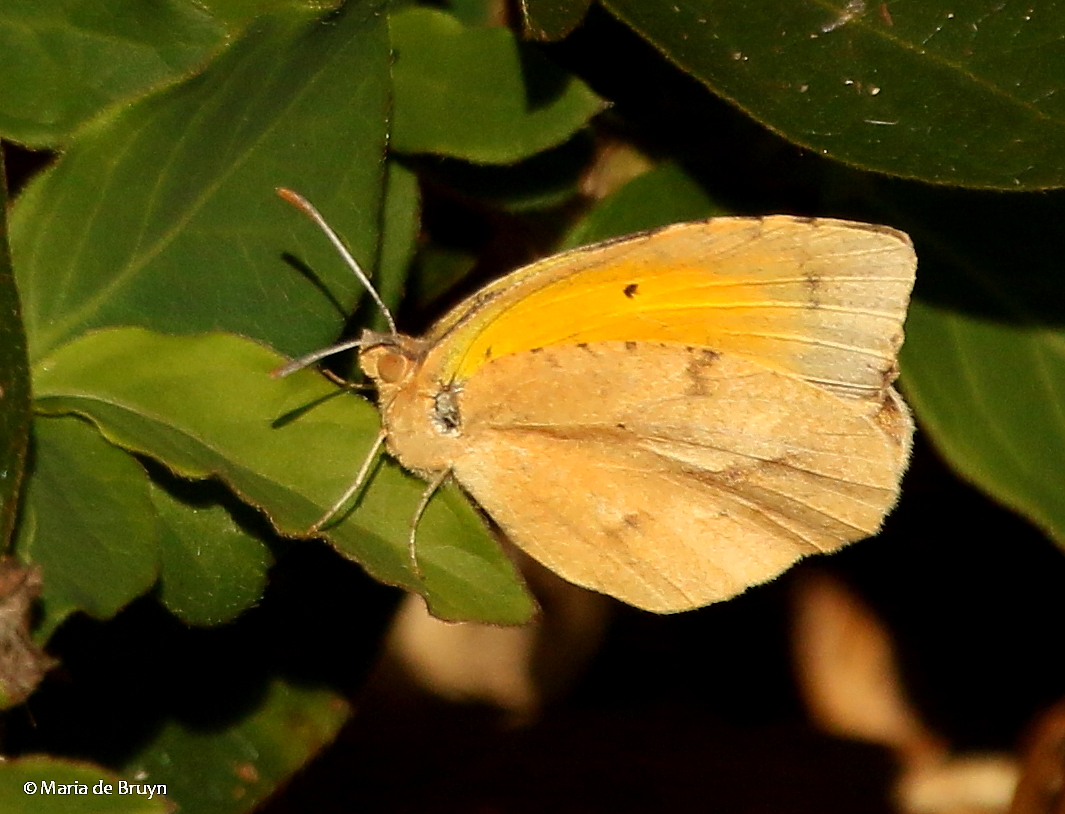
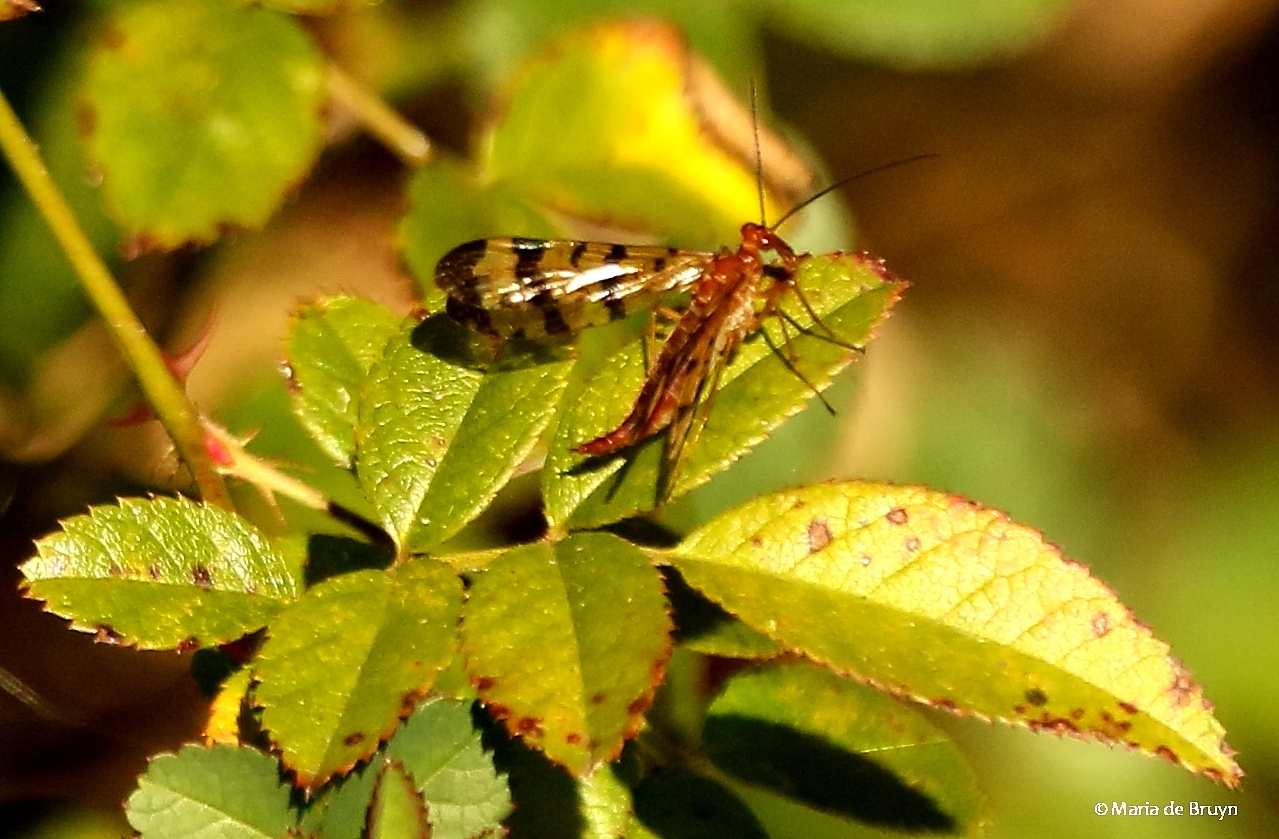
Up until the first morning frost this autumn, butterflies were still around, like this sleepy orange (Eurema nicippe); now that we have had several mornings of below-freezing temperatures, the butterflies are mostly gone as are the majority of bees. A scorpion fly (Panorpa) was in evidence at Cane Creek to my surprise.

sleepy-orange-i77a1003maria-de-bruyn-res  scorpion-fly-i77a0991maria-de-bruyn-res

eastern-gray-squirrel-i77a2505-maria-de-bruyn-res


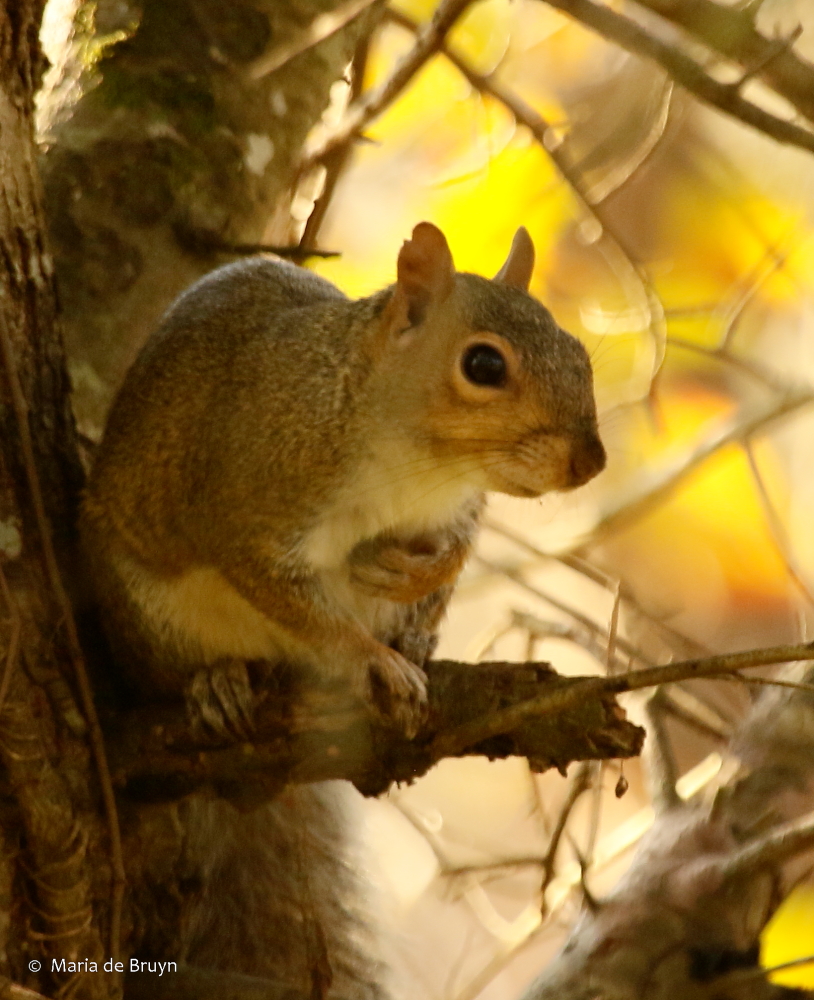
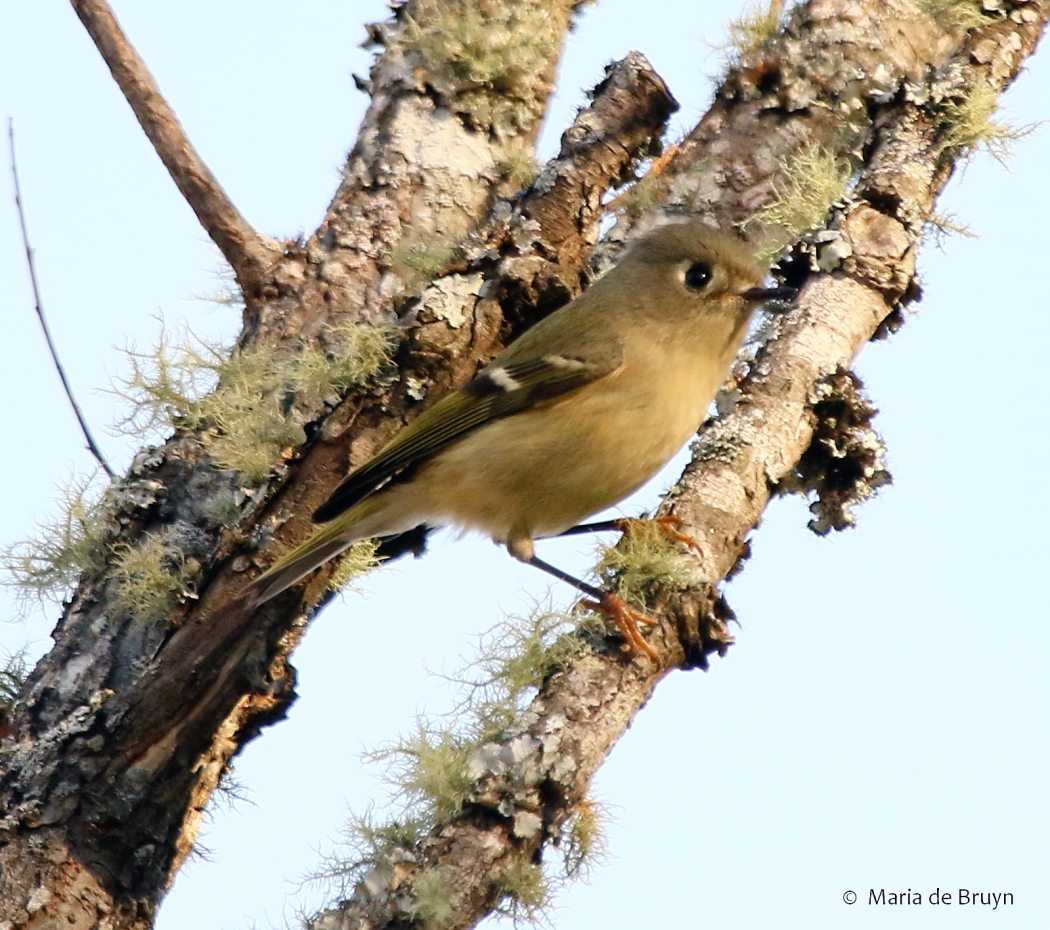
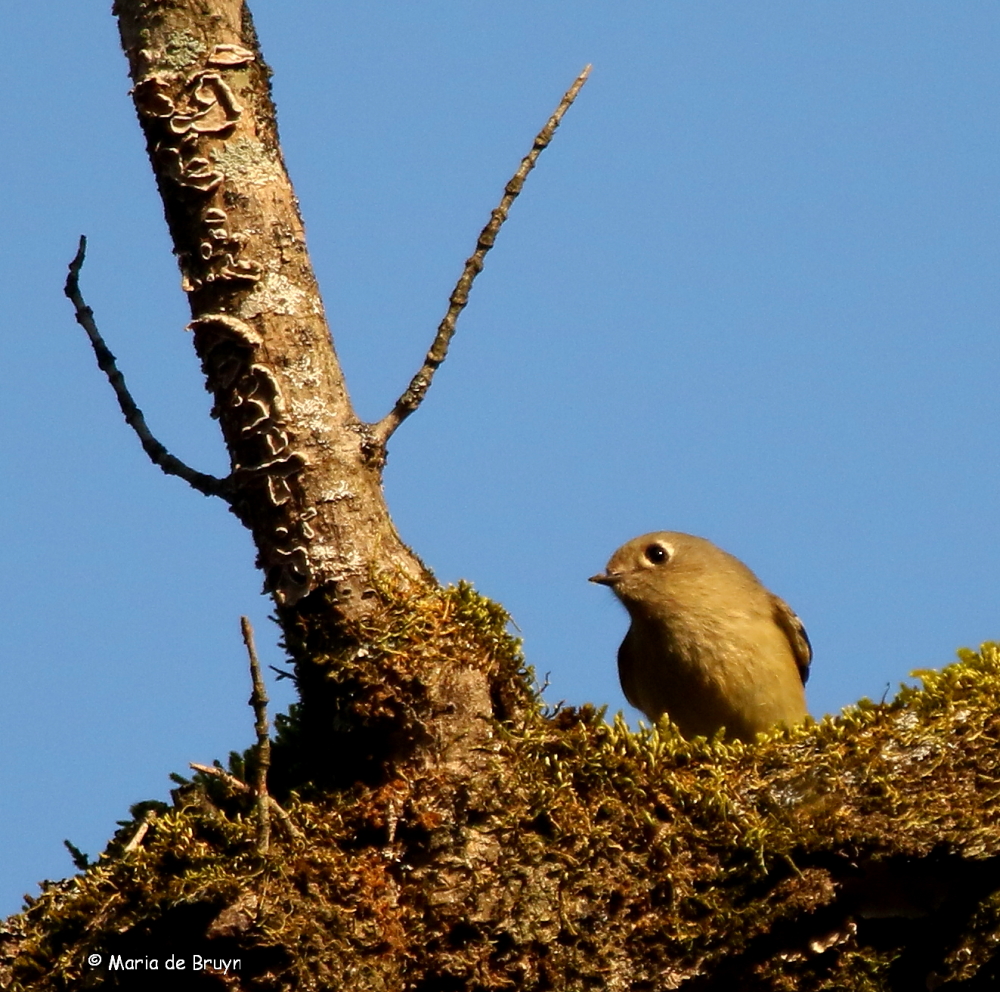
In between bird spottings, Eastern gray squirrels (Sciurus carolinensis) chittered at me at all three parks. And I was pleased to see some ruby-crowned kinglets since the one that has enjoyed the suet at my house the past three years hasn’t appeared yet.


ruby-crowned-kinglet-i77a6241-maria-de-bruyn-res     ruby-crowned-kinglet-i77a2574-maria-de-bruyn-res

…until now, Mother Earth has been able to tolerate our sloppy house habits. However, the stage has now been reached where she can no longer accept our behaviour in silence. The problems caused by environmental disasters can be seen as her response to our irresponsible behaviour. She is warning us that there are limits even to her tolerance. –  Dalai Lama

Some of the birds common in my yard are welcome sights at the nature reserves, too.

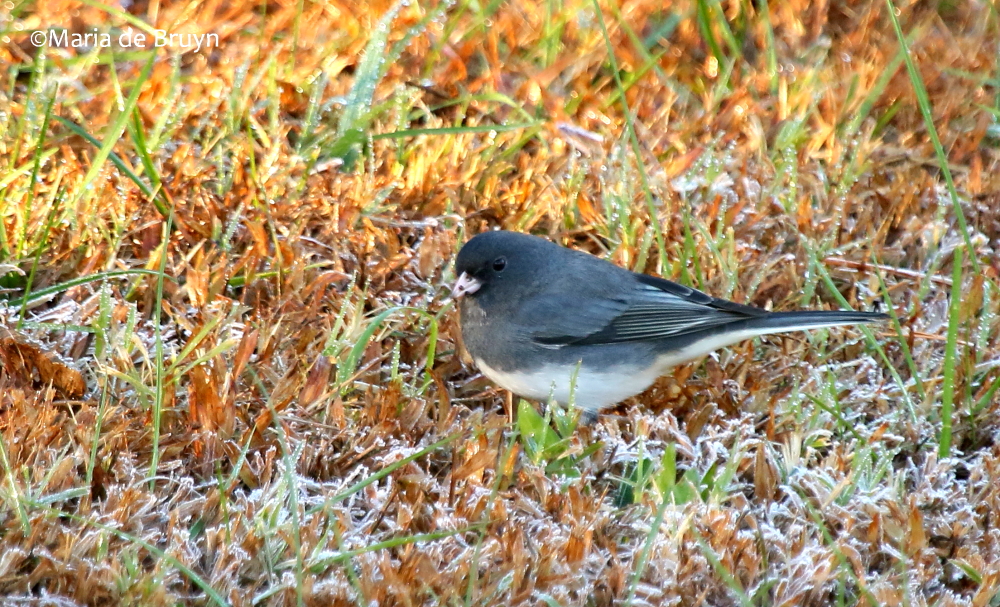
northern-mockingbird-i77a2312-maria-de-bruyn-res    dark-eyed-junco-i77a0624maria-de-bruyn-res

Northern mockingbird (Mimus polyglottos)         Dark-eyed junco (Junco hyemalis)

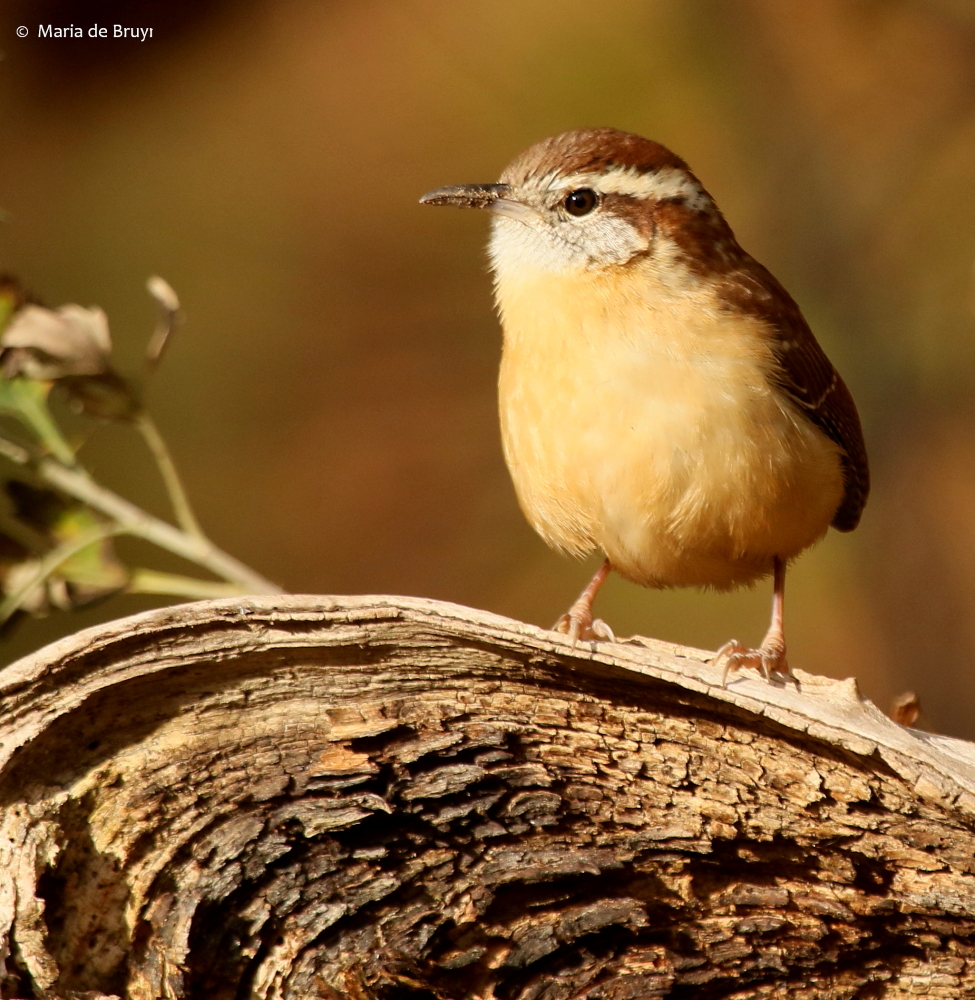
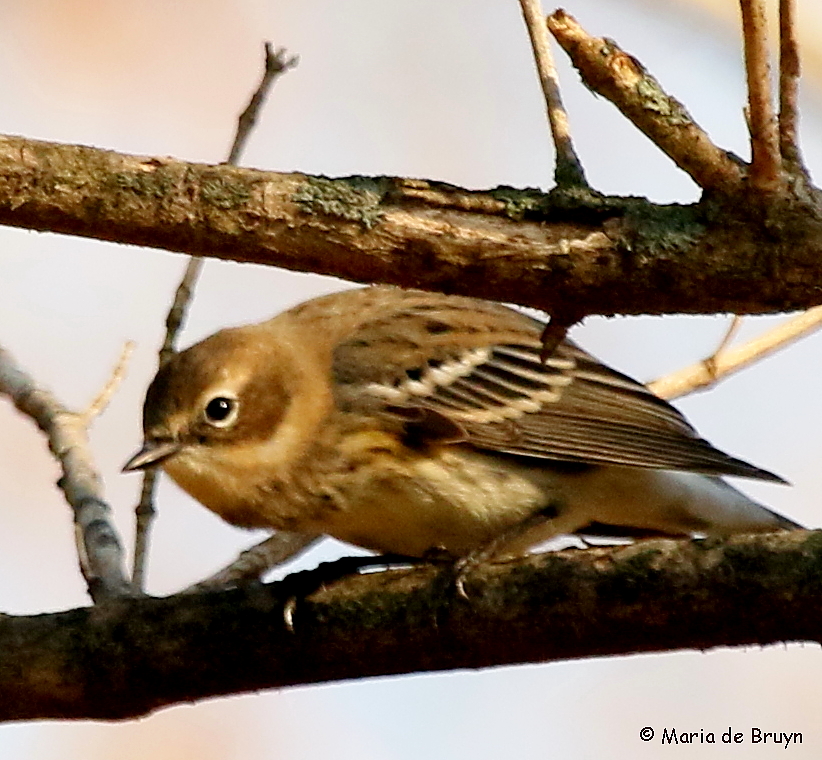
carolina-wren-i77a6358-maria-de-bruyn-res   yellow-rumped-warbler-i77a2780maria-de-bruyn-res

Carolina wren (Thryothorus ludovicianus)   Yellow-rumped warbler (Setophaga coronata)

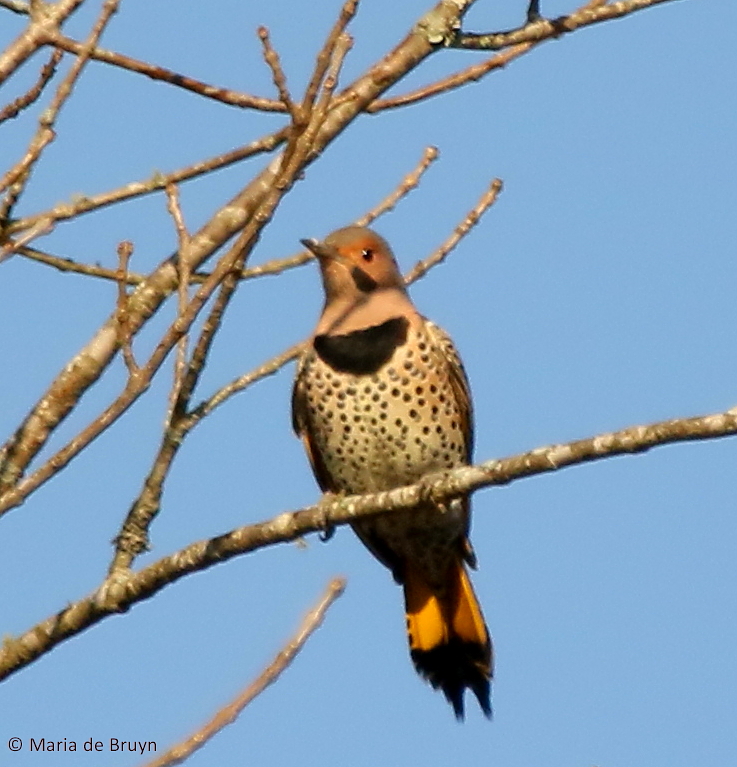
northern-flicker-i77a2485-maria-de-bruyn-res          eastern-bluebird-i77a0688maria-de-bruyn-res

Northern flicker (Colaptes auratus)               Eastern bluebird (Sialia sialis)

chipping-sparrow-i77a2915-maria-de-bruyn-res    chipping-sparrow-i77a2925-maria-de-bruyn-res

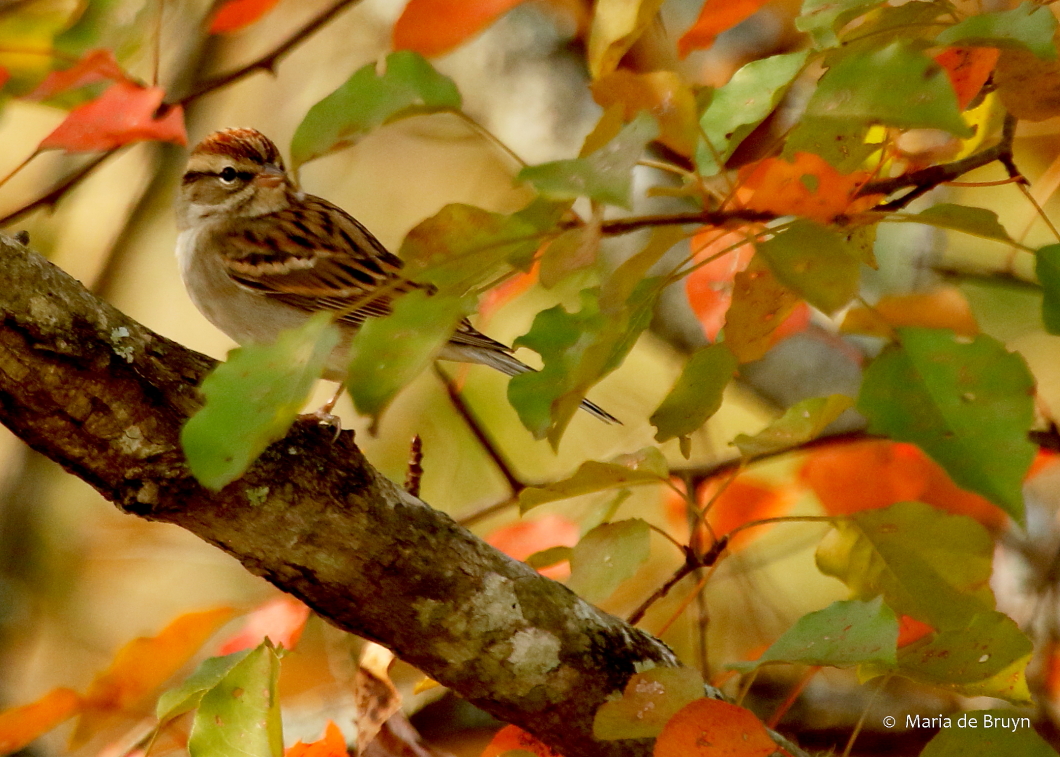
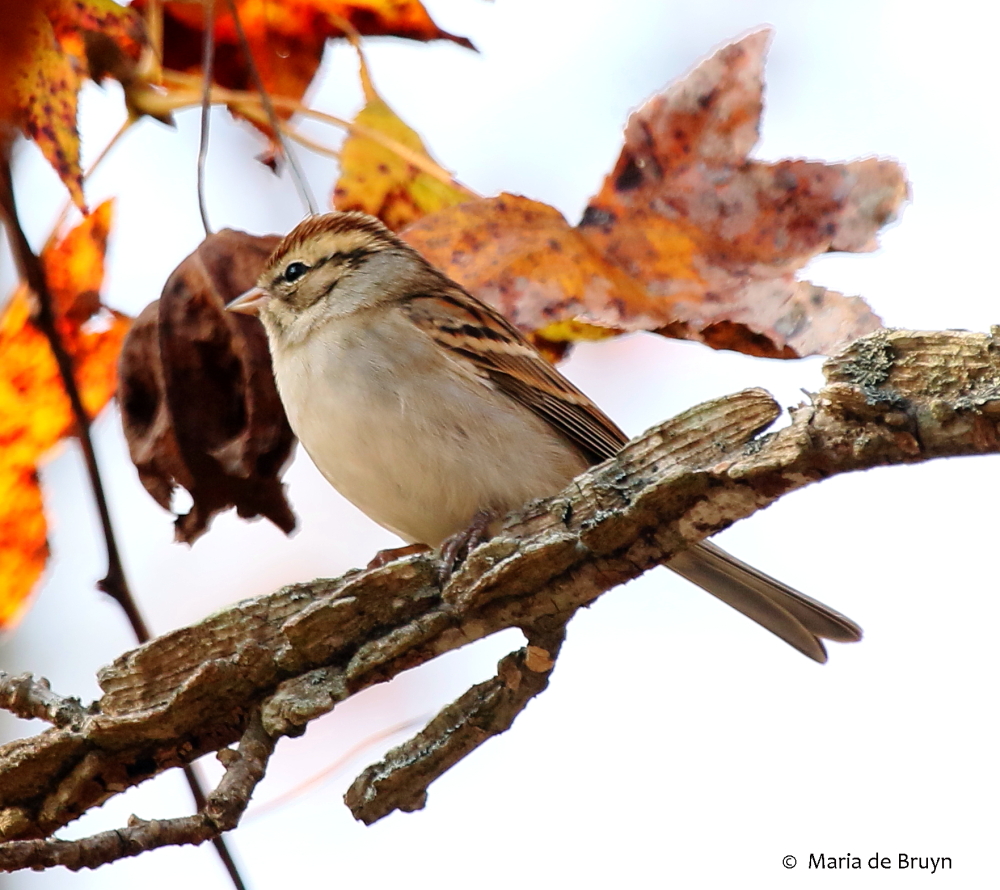
Chipping sparrow (Spizella passerina)

Many of the earth’s habitats, animals, plants, insects, and even microorganisms that we know of as rare or endangered, may not be known at all by future generations. We have the capacity, and the responsibility. We must act before it is too late.    Dalai Lama

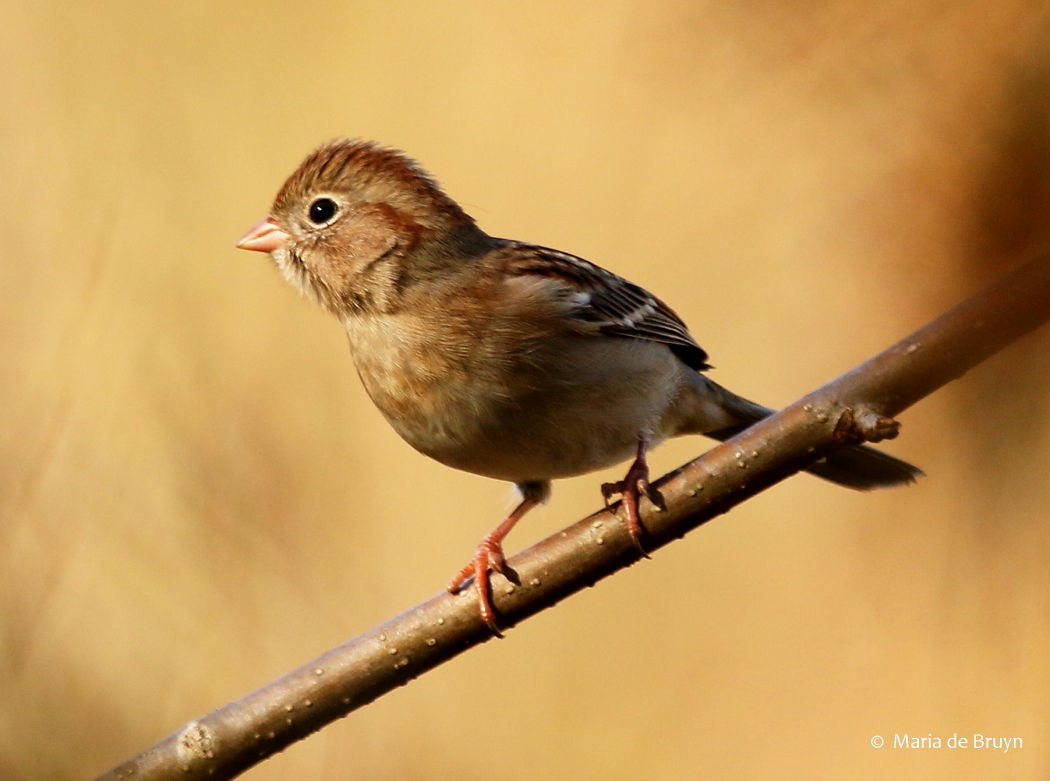
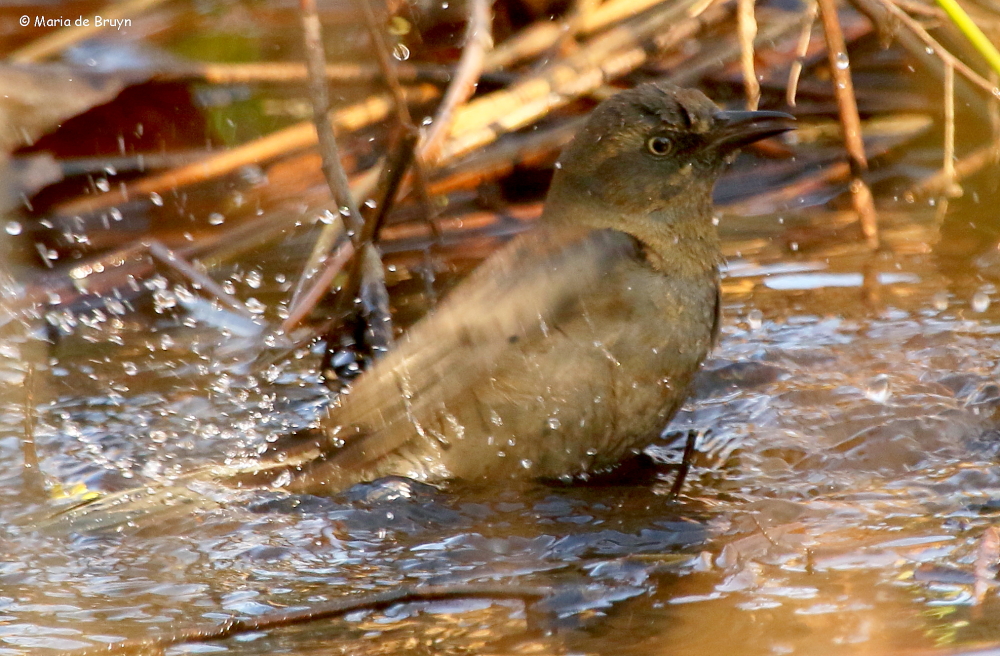
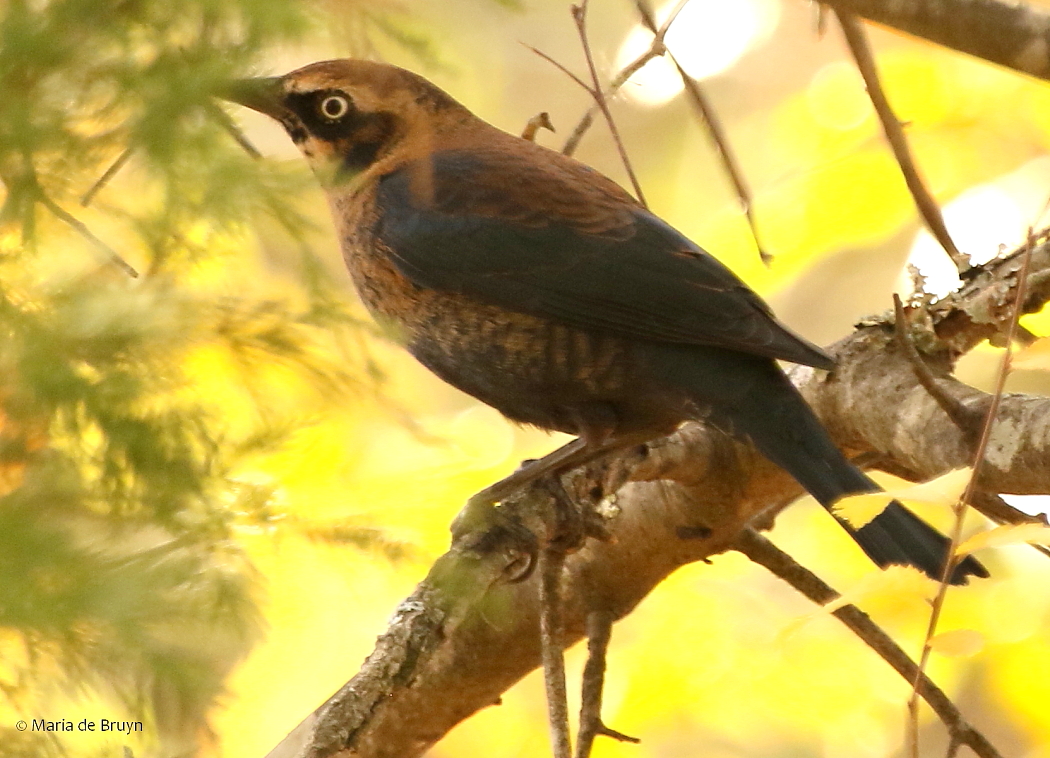
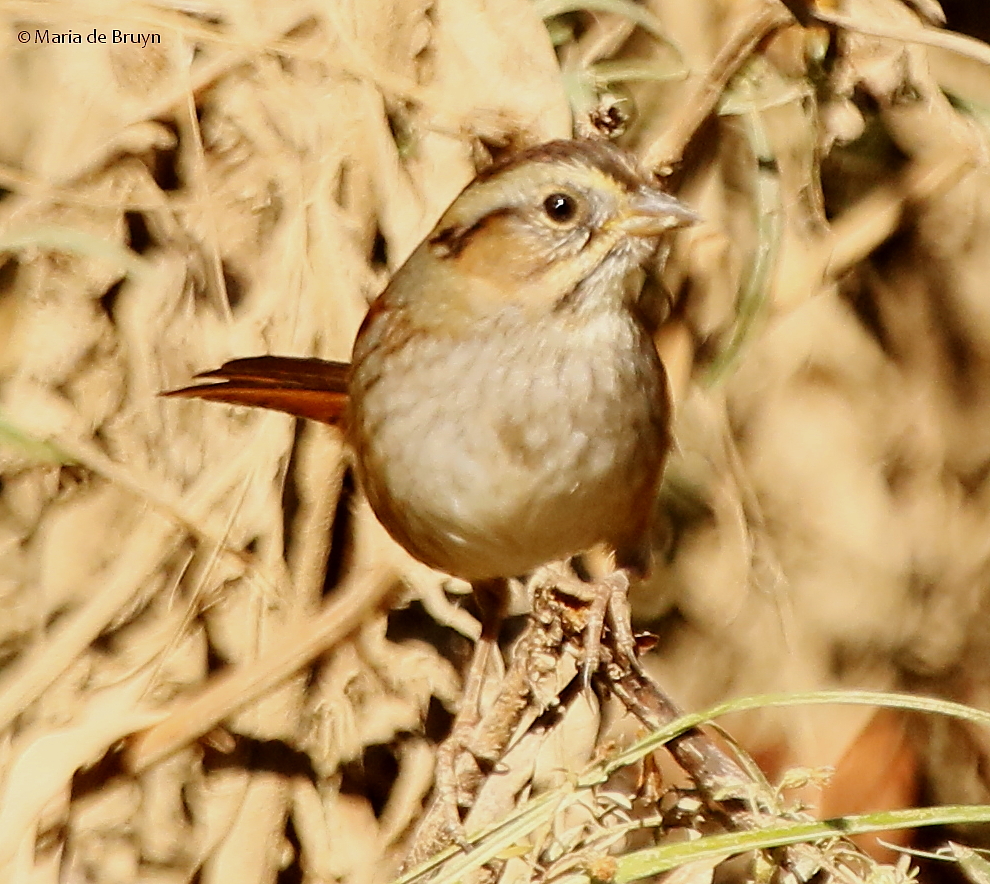
And the occasional or rare visitors to my yard are appreciated in the woods and fields, too!

field-sparrow-i77a1587maria-de-bruyn-res      field-sparrow-i77a1634maria-de-bruyn-res

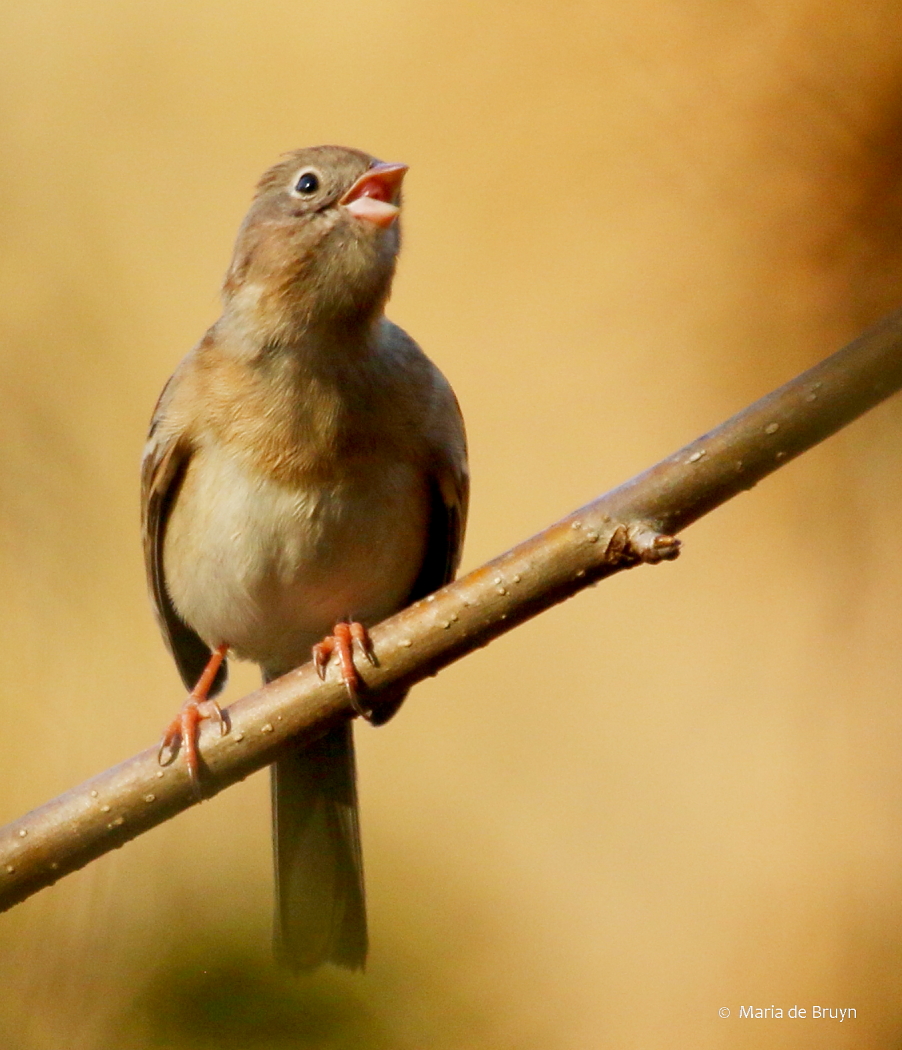
Field sparrow (Spizella pusilla)

rusty-blackbird-i77a3199-maria-de-bruyn-res rusty-blackbird-i77a3110maria-de-bruyn-res

Rusty blackbird (Euphagus carolinus)

swamp-sparrow-i77a6063-maria-de-bruyn-res      golden-crowned-kinglet-maria-de-bruyn-i77a1711maria-de-bruyn-res

Swamp sparrow (Melospiza georgiana)             Golden-crowned kinglet (Regulus satrapa)

I feel that it is extremely important that each individual realize their responsibility for preserving the environment, to make it a part of daily life, create the same attitude in their families, and spread it to the community. – Dalai Lama

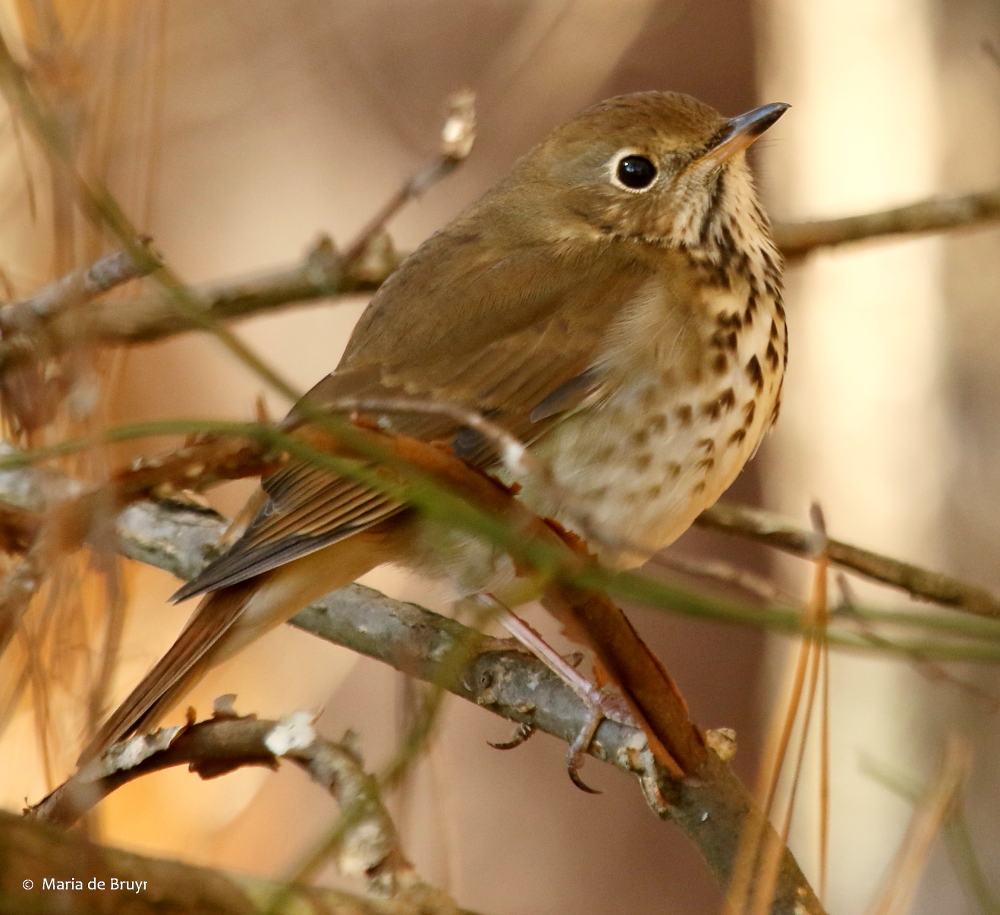
hermit-thrush-i77a6034-maria-de-bruyn-res  cedar-waxwing-i77a5945-maria-de-bruyn-res

Hermit thrush (Catharus guttatus)                          Cedar waxwing (Bombycilla cedrorum)

white-throated-sparrow-i77a1564maria-de-bruyn-res


What a great quote and slogan material:


Preserve the environment, make it part of your daily life and spread it to the community!

Warbler watching and migration – a shared pleasure for birders!

black-and-white-warbler-i77a3458-maria-de-bruynAutumn migration in North America has been underway for some weeks and our bird populations in North Carolina are changing in composition. Some birds stay year-round – for example, I see robins, blue jays, Carolina wrens, Carolina chickadees and tufted titmice in all seasons to my great delight. However, other birds who have been here since spring are now getting ready to leave for a southerly jaunt to a place that will be warmer for them in winter – most of the ruby-throated hummingbirds and some gray catbirds have departed already. (I have had a catbird stay year-round but others leave.) Many black and white warblers (Mniotilta varia) will be leaving, too.

american-redstart-i77a4367maria-de-bruyn-resThe Nature Conservancy has noted that the autumn songbird migration is one of the top four migrations in this state. The Audubon Society has even published a guide to this migration and when certain species usually begin their travels. (Left: American redstart male)


This seasonal event means that dedicated birders make special efforts to visit places where it’s likely we’ll see warblers. Many of North America’s 50 species don’t eat seed or suet, so you won’t find them visiting your feeders often. I have found, however, that pine warblers (Setophaga pinus) and yellow-rumped warblers (Setophaga coronata) are pretty social and those who are here for the winter are already joining my “regular” birds at feeding stations. The pine warblers especially like suet (female left, male right below).

pine-warbler-i77a0184-maria-de-bruyn-res        pine-warbler-i77a0409-maria-de-bruyn-8-x-10

The yellow rumps are still looking around a lot for insects; this one snagged a skipper butterfly.

yellow-rumped-warbler-i77a5552-maria-de-bruyn-res

In the autumn, many of these songbirds no longer have their beautiful breeding plumage, which is often so distinctive that you can identify them easily, especially the males. I was lucky enough to see some of those beauties during spring migration as well as in the summer for the ones that spend the warmer months here.

prothonotary-warbler-i77a2854-maria-de-bruyn-res   prothonotary-warbler-i77a9933-maria-de-bruyn-res

Prothonotary warbler male (Protonotaria citrea)

yellow-throated-warbler-img_0418-maria-de-bruyn        prairie-warbler-i77a1622-maria-de-bruyn-res

Yellow-throated (Setophaga dominica) & prairie warblers (Setophaga discolor)

american-redstart-i77a7811-maria-de-bruyn-res


The warblers’ non-breeding coloration is frequently duller and drabber than their breeding plumage. Often only experienced birders can tell some species apart on first sight. Added to that is the fact that young birds don’t yet have their adult plumage and the immature males often look just like adult females. So it is a challenging time for identification, especially for me, but an exciting time for discoveries.


blackpoll-warbler-i77a1289-maria-de-bruyn-resGetting photos of these lovely birds can be tricky since they move about a lot in search of their insect meals. It is ultimately the pursuit of those culinary delights that leads the warblers to migrate South, since the insect population declines dramatically in areas with cold weather.

Nature photographer Mary had discovered a spot where the warblers could bathe in a relatively protected fashion; she kindly shared the location with some of us and a number of avid birders sat with her for hours waiting for the birds to appear. Some of our more “common” avian friends used the site, too, including a gray catbird (Dumetella carolinensis) and a brown thrasher (Toxostoma rufum).

gray-catbird-i77a4922maria-de-bruyn-res    brown-thrasher-i77a4880maria-de-bruyn-res

northern-waterthrush-i77a5013maria-de-bruyn-res


A Northern waterthrush (also a warbler, Parkesia noveboracensis) found the spot enticing.

The trees around the water hosted birds as they looked for insects, like the black-throated blue warblers below (Setophaga caerulescens), seen a few weeks apart.


black-throated-blue-warbler-i77a8117-maria-de-bruyn-res  black-throated-blue-i77a4426maria-de-bruyn-res

A female American redstart (Setophaga ruticilla) spent time working the shrubs surrounding the creek with some success.

american-redstart-i77a4981maria-de-bruyn-res    american-redstart-i77a4996maria-de-bruyn-res

The male redstarts hopped about the branches and rocks hanging over the creek for a while before venturing below to bathe.

american-redstart-i77a7628-maria-de-bruyn-res american-redstart-i77a4217-maria-de-bruyn-res

american-redstart-i77a4477maria-de-bruyn-res  american-redstart-i77a4480maria-de-bruyn-res

The birds appeared to enjoy their bathing spot immensely, sometimes dipping under water over and over again.

american-redstart-i77a4685-maria-de-bruyn-res  american-redstart-i77a4693-maria-de-bruyn-res

american-redstart-i77a4658-maria-de-bruyn   american-redstart-i77a4629-maria-de-bruyn-res

american-redstart-i77a4710-maria-de-bruyn-res


They also didn’t mind sharing the space with each other (or sometimes other species)..

magnolia-warbler-i77a2250-maria-de-bruyn-res


The Magnolia warblers (Setophaga magnolia) did the same, giving me some good looks and making my first in-person sighting of this species (lifer!) quite special.


magnolia-warbler-i77a5161-maria-de-bruyn-res    magnolia-warbler-i77a5184-maria-de-bruyn-res

chestnut-sided-warbler-i77a5210-maria-de-bruyn-res


The chestnut-sided warbler (Setophaga pensylvanica)was a very vigorous bather!

chestnut-sided-warbler-i77a5230-maria-de-bruyn-res

chestnut-sided-warbler-i77a5207-maria-de-bruyn-res    chestnut-sided-warbler-i77a5203-maria-de-bruyn-res

hooded-warbler-i77a4728-maria-de-bruyn-res


A male hooded warbler (Setophaga citrina) made a brief appearance one day, followed by some female and male common yellowthroats (Geothlypis trichas).


common-yellowthroat-i77a4431maria-de-bruyn-2common-yellowthroat-i77a4316maria-de-bruyn-res

Another water body that provided me with some excellent views of warblers was the Haw River. In the small town of Bynum, a bridge crosses the river and gives birders a great vantage point to see birds in the tree canopy close to eye level. There I was able to see two more lifers a couple weeks ago – the first was a bay-breasted warbler (Setophaga castanea).

bay-breasted-warbler-i77a1004-maria-de-bruyn-res    bay-breasted-warbler-i77a1003-maria-de-bruyn-res

blackpoll-warbler-i77a1315-maria-de-bruyn-resThis beauty was followed by another that had me confused. At first, I thought I was seeing a kinglet but this bird was a bit large and then as I got closer looks, I realized it looked like a bay-breasted warbler but had yellow feet. A search on the Internet showed I had seen a blackpoll warbler (Setophaga striata), likely a non-breeding male. Experts on an American Birding Association Internet site confirmed the ID for me.

blackpoll-warbler-i77a1320-maria-de-bruyn-res    blackpoll-warbler-i77a1329-maria-de-bruyn-res

black-and-white-warbler-i77a7204-maria-de-bruyn-resMy migration warbler watching culminated with some exciting finds in my own yard. I was surprised by several I hadn’t seen at home before, including common yellowthroats, a black and white warbler looking for insects in my willow oak and a gorgeous Northern parula (Setophaga americana), who even came to my feeders before pursuing a caterpillar in a Rose of Sharon nearby.

northern-parula-i77a7131-maria-de-bruyn-res   northern-parula-i77a7117-maria-de-bruyn-res

northern-parula-i77a7076-maria-de-bruyn-res


I’m now hoping to see some birds that breed further North during the summer arrive here for their late fall/winter/early spring sojourn, such as a ruby-crowned kinglet who has spent time with me each winter for the last three years. Next time I’ll share some of my pollinator sightings with you, in the hope you find them as fascinating as me. Have a nice day!

My hummer summer, part 2 — beauty in flight, beauty at rest

ruby-throated-hummingbird-i77a8438-maria-de-bruynIn my previous blog, I mentioned that the ruby-throated hummingbirds (Archilocus colubris) had a greater variety of flowering plants to visit in my yard this year and that increased the size and diversity of their nectar buffet. The availability of multiple food sources also meant that they spent a bit more time visiting – they didn’t just dash to a feeder, perch or hover for a drink and then take off. They visited feeders, different blooms and took little rests between meals, giving me numerous chances to watch them and practice my hummingbird photography – a win-win for both us!

ruby-throated-hummingbird-i77a7246-maria-de-bruyn-res


One of their favorite flowers were the lantanas (Lantana), which are also a favorite of mine as they attract many smaller pollinators such as bees and butterflies and are still profusely blooming in the latter half of October.


ruby-throated-hummingbird-i77a6866-maria-de-bruyn-res

ruby-throated-hummingbird-i77a7168-maria-de-bruyn-res

ruby-throated-hummingbird-i77a1023-maria-de-bruyn-res


This year, several types of sage brightened my gardens. Some deep blue Brazilian sage plants (Salvia guaranitica), kindly donated to me by Gail, a fellow birder, added color and provided the hummers with deep blooms into which they could insert their long bills.


ruby-throated-hummingbird-i77a1315-maria-de-bruyn-res

ruby-throated-hummingbird-i77a7519-maria-de-bruyn-resA small-leaf sage (also known as Festival or little-leaf sage, Salvia microphylla “San Carlos Festival”) provided an ongoing splash of deep red blooms that attracted the hummers over and over again. This plant not only graced the garden in the summer but is still blooming profusely now, making it another one of my favorites. A couple other different red sages and a red beebalm (Monarda didyma) were good nectar choices but they didn’t bloom as long or in such abundance. Perhaps next year, they will have gained strength.

ruby-throated-hummingbird-i77a7782-maria-de-bruyn-res

ruby-throated-hummingbird-i77a1160-maria-de-bruyn-resThe two stonecrop plants (Hylotelephium Autumn joy), in my front garden, with their rounded bunches of little pink flowers, had hummer visitors on a few occasions, but these are not one of their preferred blooms. The milkweed plants (Asclepias syriaca) also only had a few visits as far as I could tell.


ruby-throated-hummingbird-i77a1086-maria-de-bruyn-res


And it was the same story for the blue balloon flower (Platycodon grandiflorus), which does get its fair share of bees.


ruby-throated-hummingbird-i77a2198-maria-de-bruyn-resI had planted cardinal flowers (Lobelia cardinalis), which unfortunately didn’t get any flowers. I did see a bird visiting this plant species near Bolin Creek, however. The same happened with a trumpet vine (Campsis radicans), but at a vine cluster near the Haw River I saw how they inserted their heads entirely into the tubular blooms.

ruby-throated-hummingbird-i77a5851-maria-de-bruyn-res

ruby-throated-hummingbird-i77a6177-maria-de-bruyn-res


In between feedings, the hummingbirds will perch to watch for intruders into “their space”. But they also will take sun-baths, pointing their faces upward and puffing themselves up.

ruby-throated-hummingbird-i77a8401-maria-de-bruyn-res


They will then change shape, stretching their necks and spreading their wings and tail feathers to expose as much of their bodies as possible to the sunlight.

ruby-throated-hummingbird-i77a6885maria-de-bruyn-res   ruby-throated-hummingbird-i77a6891maria-de-bruyn-res

They may relieve themselves while they are in flight and then later take a little power nap of a few seconds.

ruby-throated-hummingbird-i77a1170-maria-de-bruyn-res       ruby-throated-hummingbird-i77a0553-maria-de-bruyn-res

ruby-throated-hummingbird-i77a7826-maria-de-bruyn-res

Grooming is also a frequent activity – these little avians make sure that they stay just as beautiful as the sweet flowers that they frequent!

ruby-throated-hummingbird-i77a6905-maria-de-bruyn-res   ruby-throated-hummingbird-i77a8283-maria-de-bruyn

When the males turn their heads so that the light hits them in different ways, they do a nice job of demonstrating that their bright gorget colors are not in the feathers themselves but the result of prism cells in their feathers that change how the light is reflected depending on the angle we see.

ruby-throated-hummingbird-i77a1126-maria-de-bruyn-res    ruby-throated-hummingbird-i77a1120-maria-de-bruyn-res

ruby-throated-hummingbird-i77a6366-maria-de-bruyn-resWhen they’re done sun bathing, grooming and resting, the hummingbirds need to take off again. However, their feet are so tiny that they can’t walk and, when they lift off, they also don’t have the foot strength to push.  So they rise into the air using the power of their wings, quickly flapping as they set off and rapidly reaching their usual rate of about 50-53 beats per second.

ruby-throated-hummingbird-2-i77a5105-maria-de-bruyn-res

ruby-throated-hummingbird-i77a9703-maria-de-bruyn-res

ruby-throated-hummingbird-i77a7167-maria-de-bruyn-resMy last summer hummingbird residents appear to have left for their Central American wintering grounds on 7 October, just before Hurricane Matthew arrived in North Carolina. I really hope that they were able to get through the windy environment without problems as they began their long migratory journeys and I am already looking forward to seeing them arrive next spring. In the meantime, I’m keeping a couple feeders up in case another hummer species decides to over-winter here – and the Carolina chickadees (Poecile carolinensis), Northern cardinals (Cardinalis cardinalis) and tufted titmice (Baeolophus bicolor) can continue to use the ant guards over the feeders as their preferred watering holes.