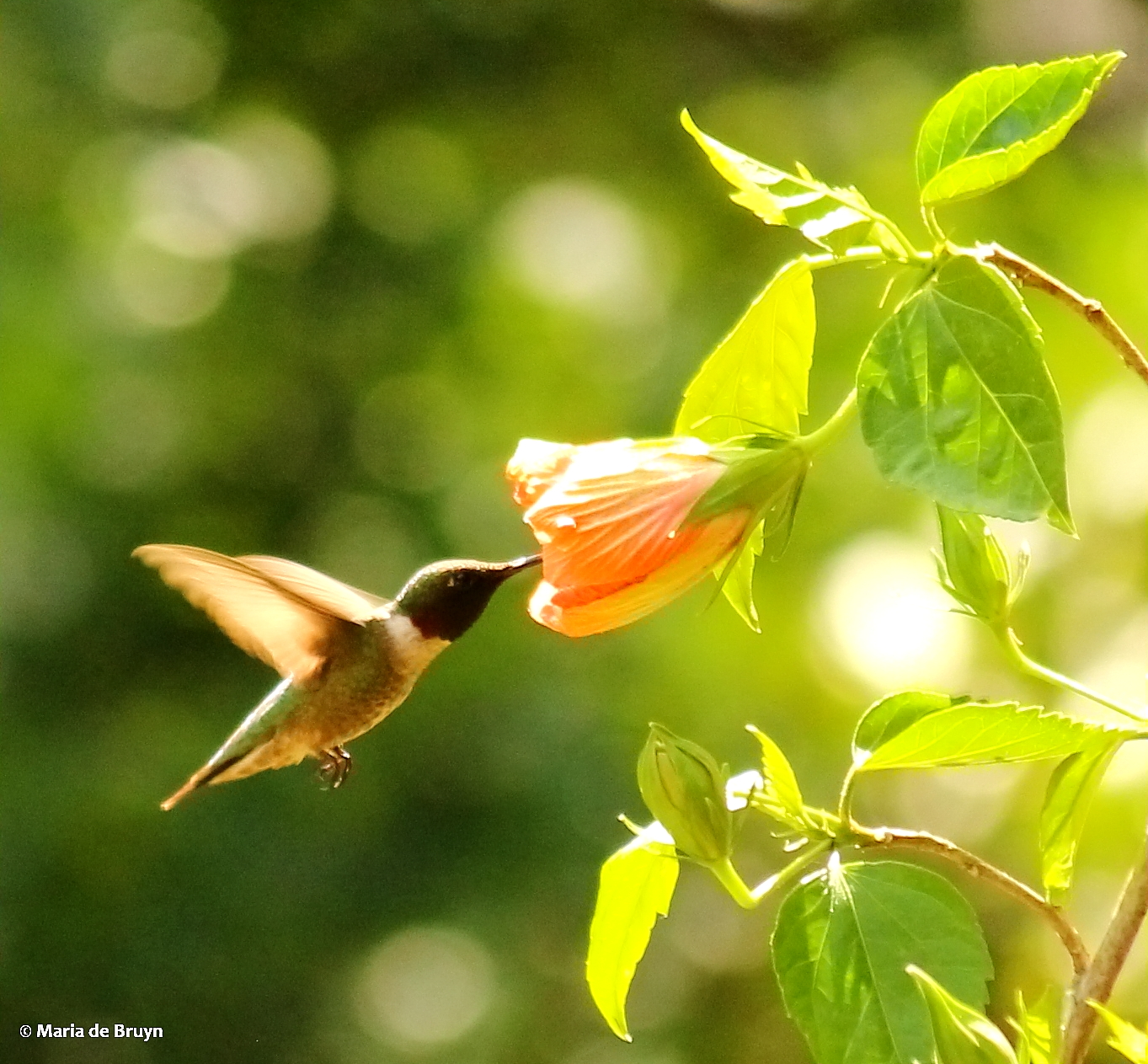
 At times, we may see on Facebook or the Internet a photo or video of hummingbird nectar feeders surrounded by at least 6 and sometimes dozens of these small birds, sharing space as they take turns at imbibing some of the sweet water. Here in my part of North Carolina, however, it seems that the ruby-throated hummingbirds (Archilochus colubris) are just NOT interested in having their territory host family members or neighbors. This species is known for being territorial and those in my vicinity live up to that reputation for sure.
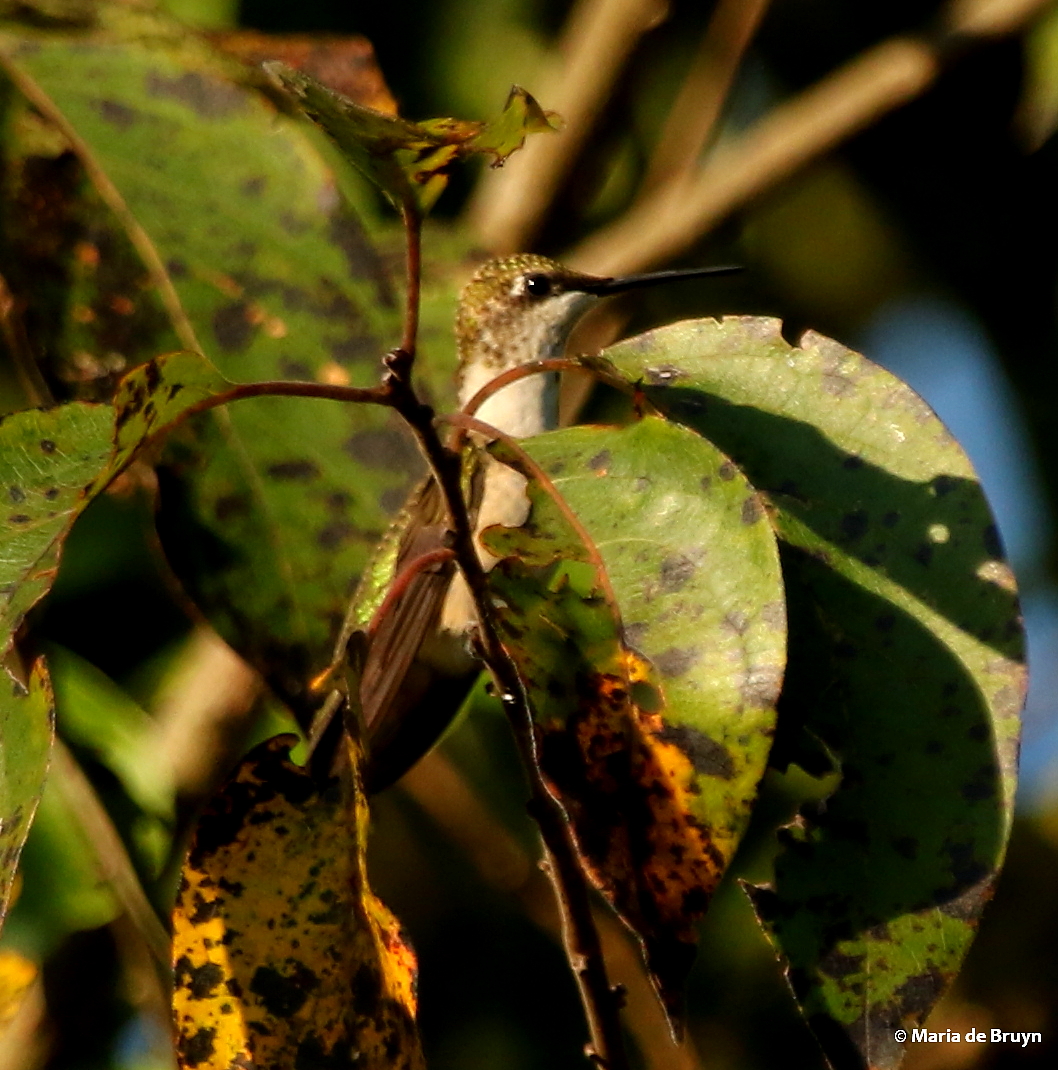
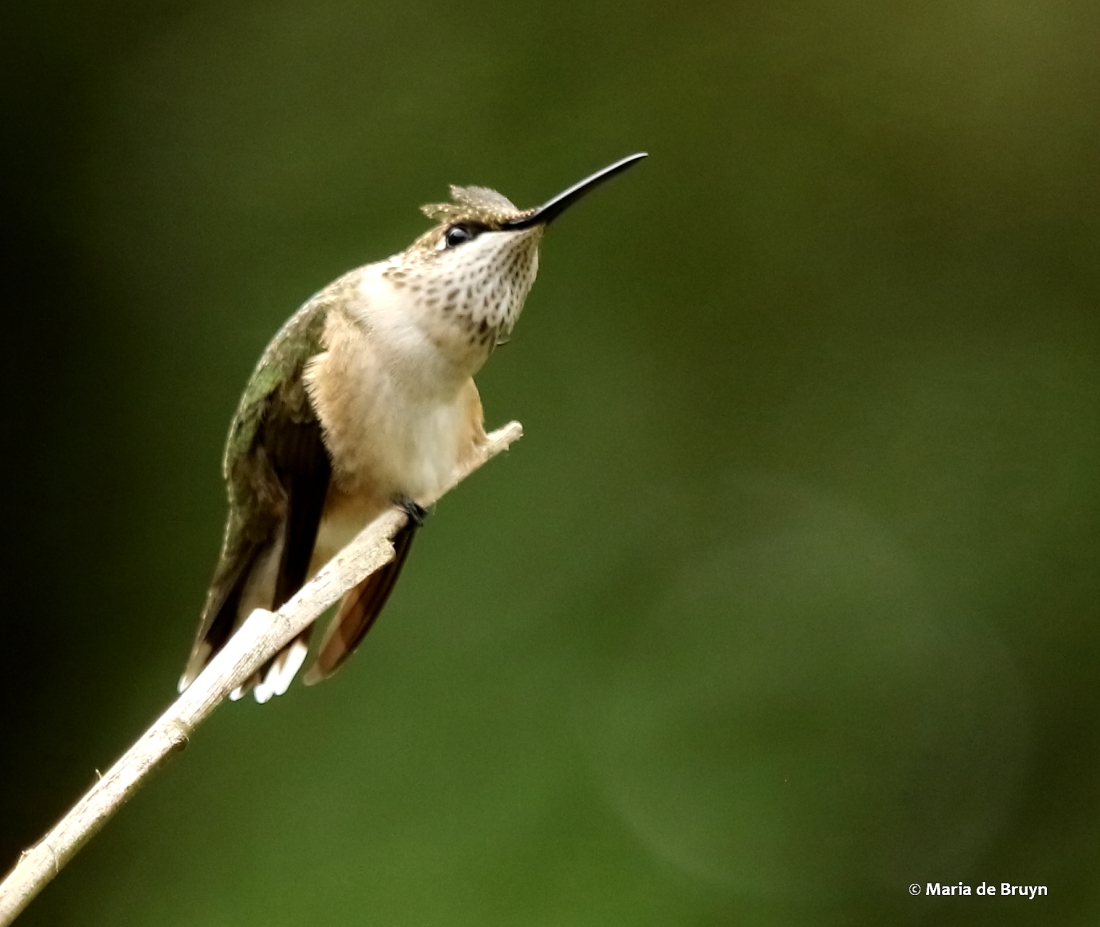
Both at home and in nature reserves, I’ve watched these tiny birds stake out a claim to a feeder or some choice blooms. They drink a little and then will take up a post on a vantage point where they can keep an eye out for other birds. Occasionally, the waiting spot is out in the open and often it is in a nearby shrub or tree.
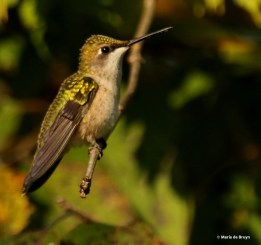

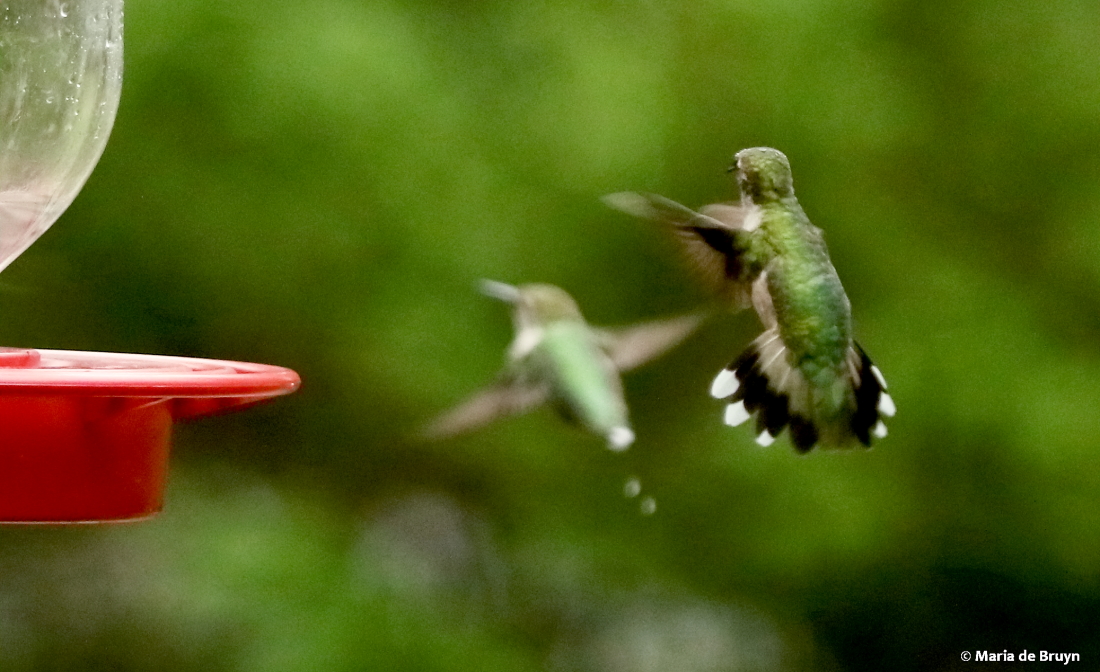
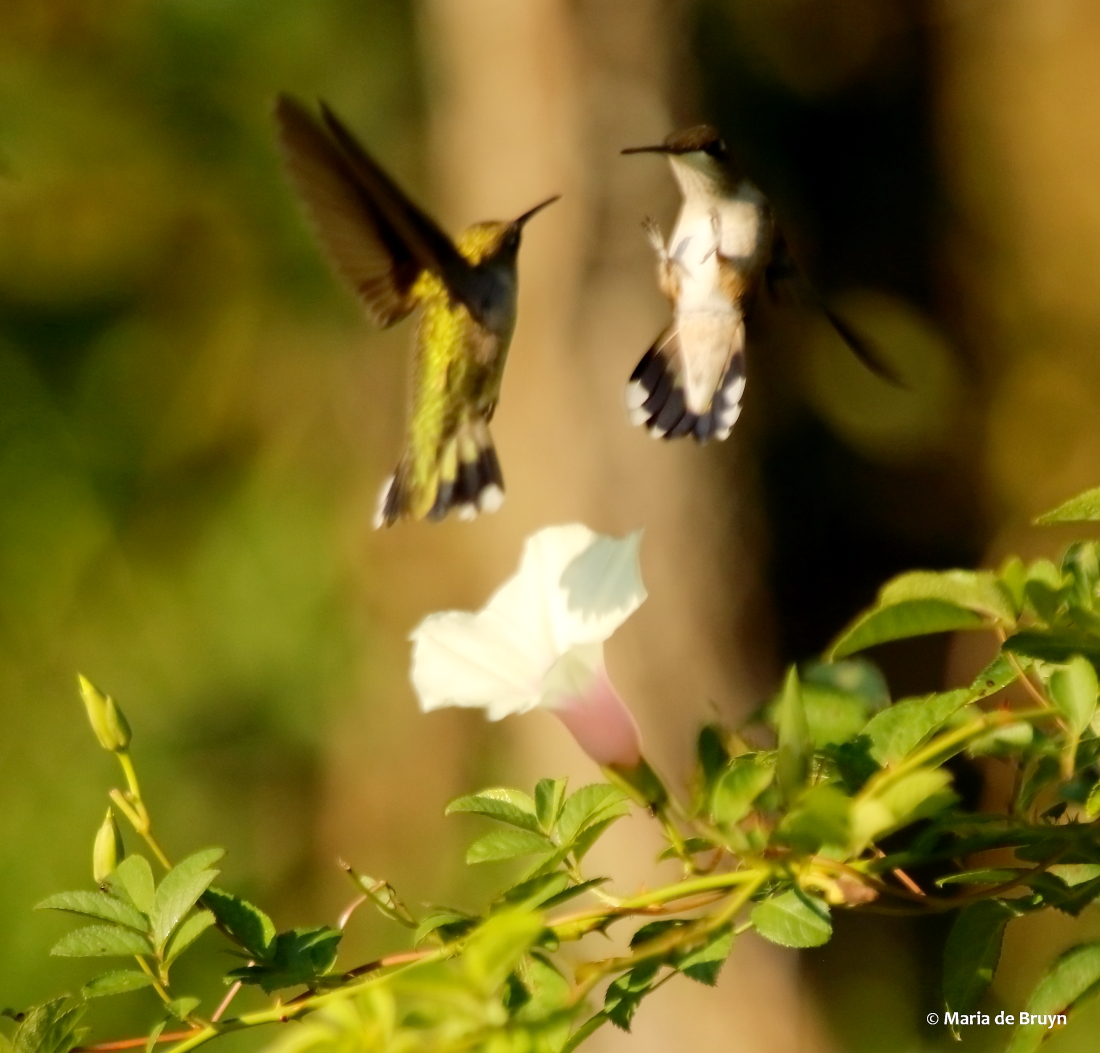
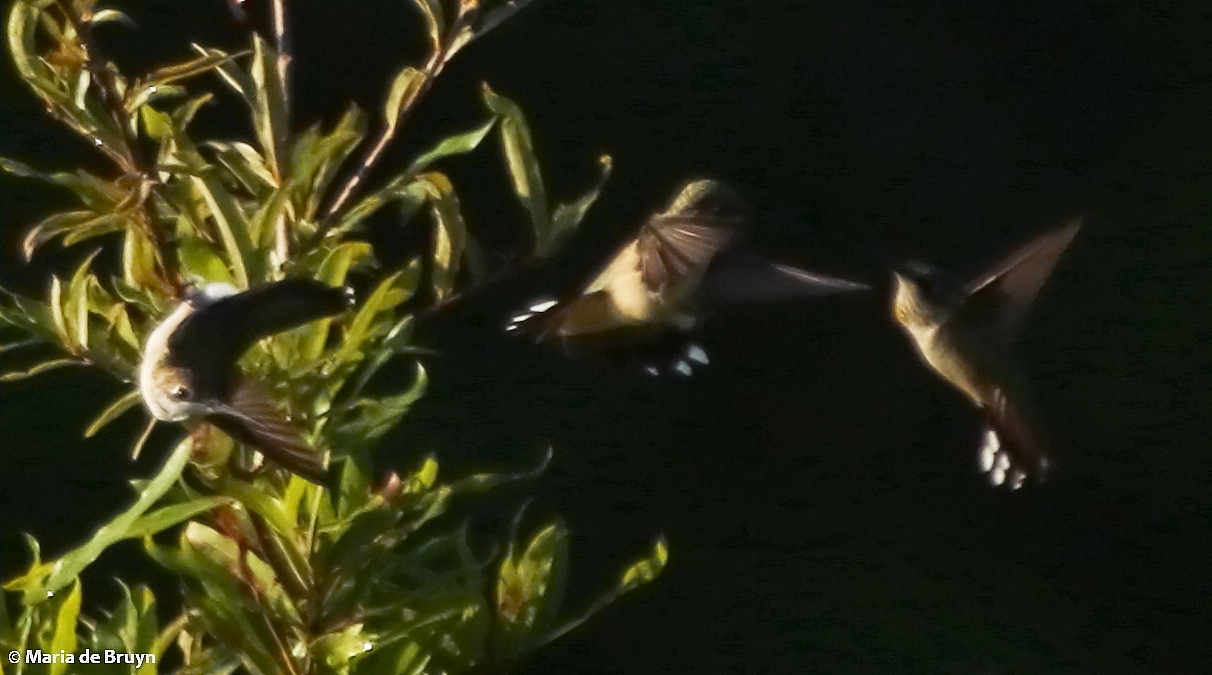
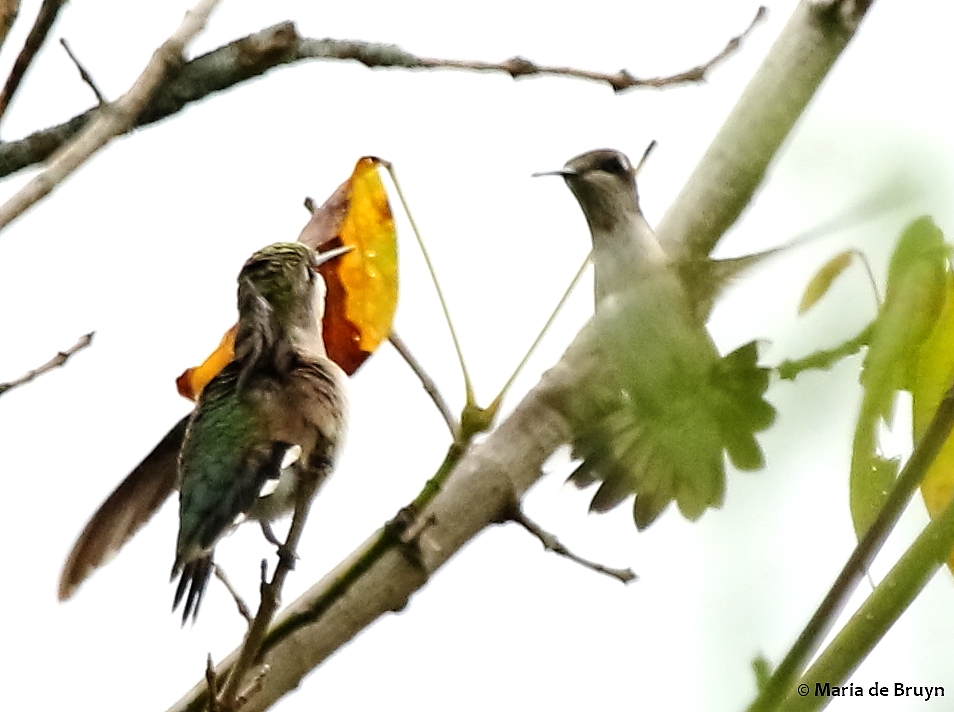
When they spot a rival approaching the food source, they may either immediately give chase or first engage in a threat display.


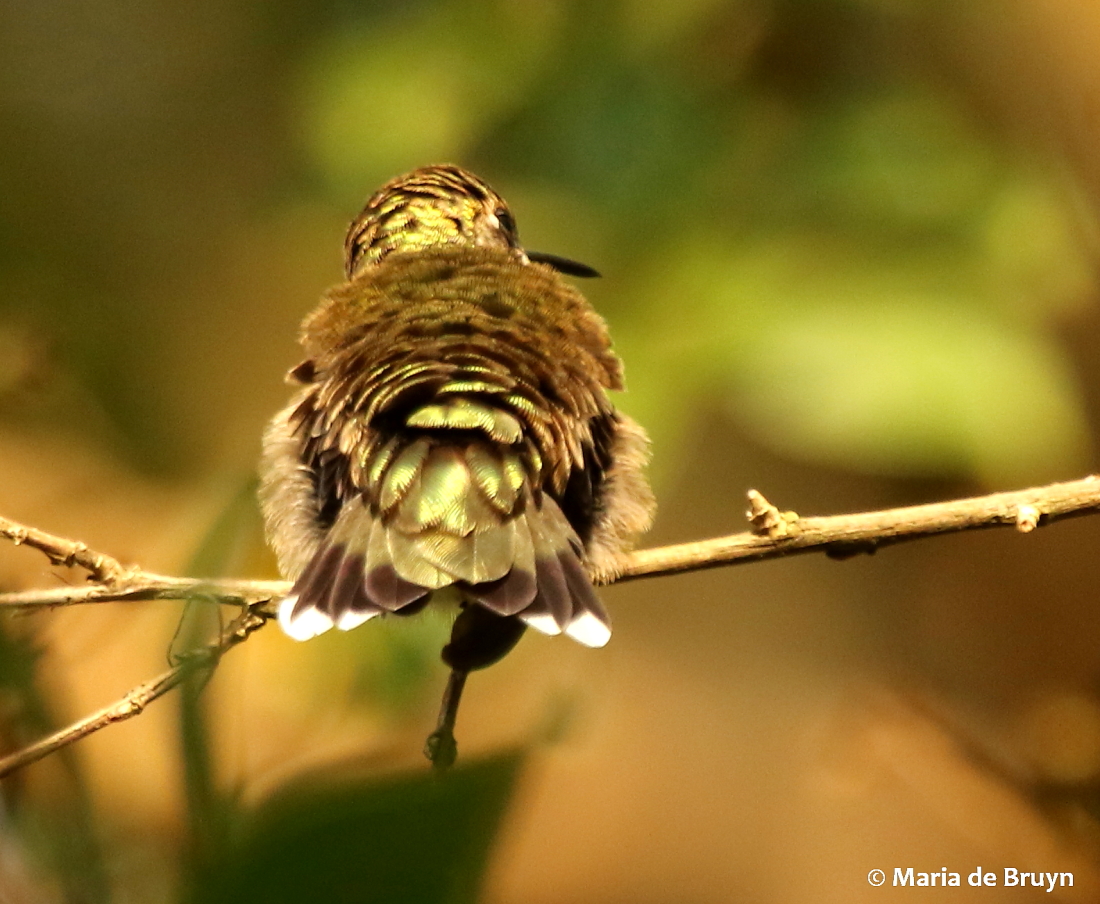
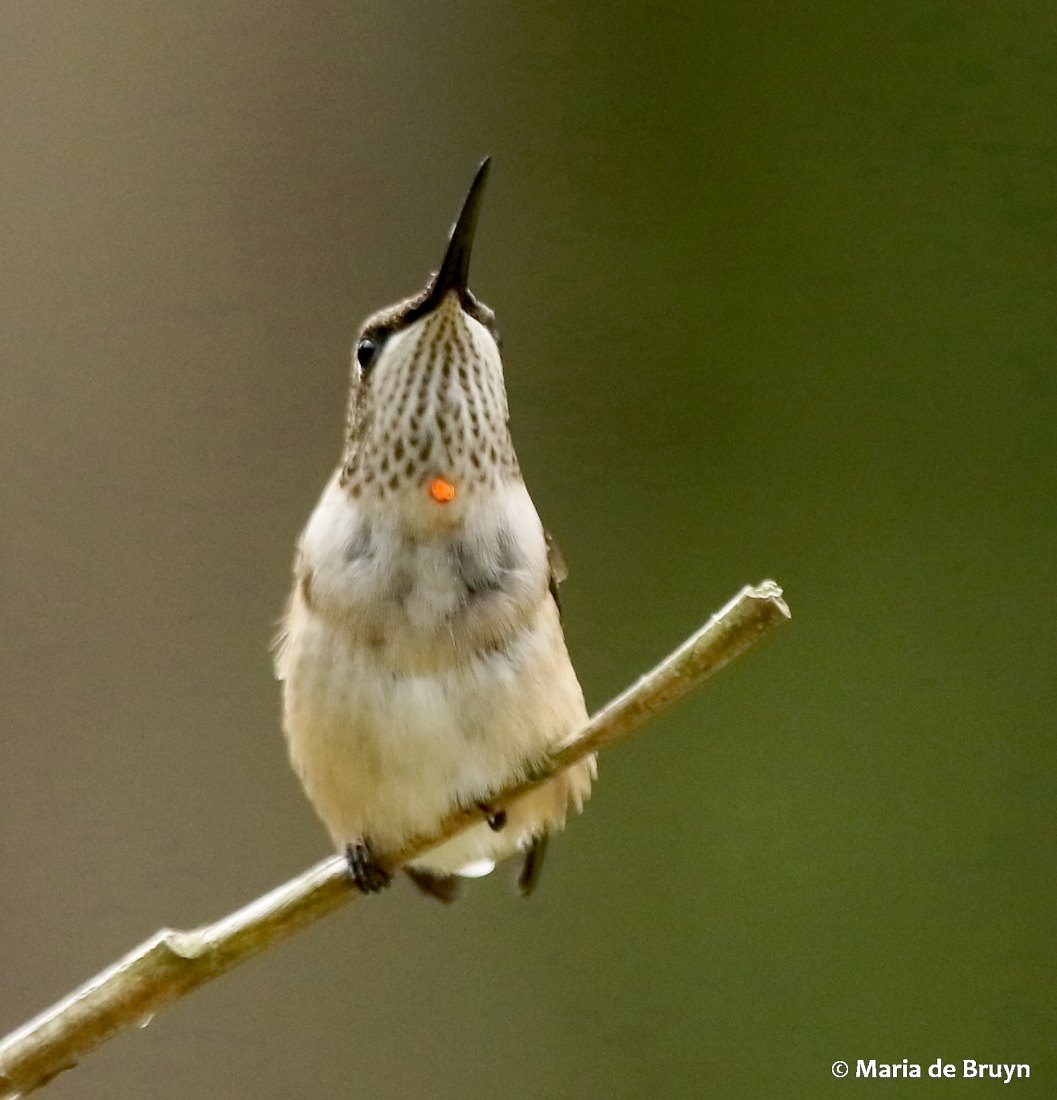
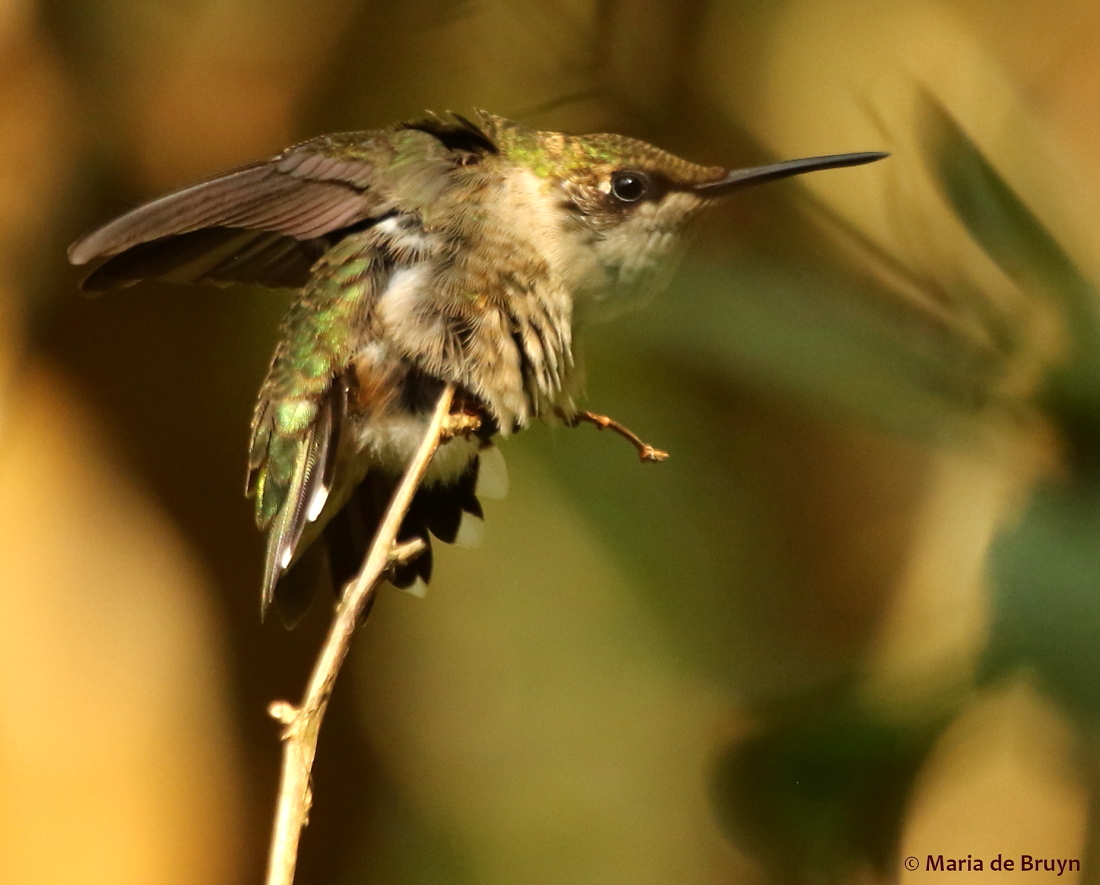
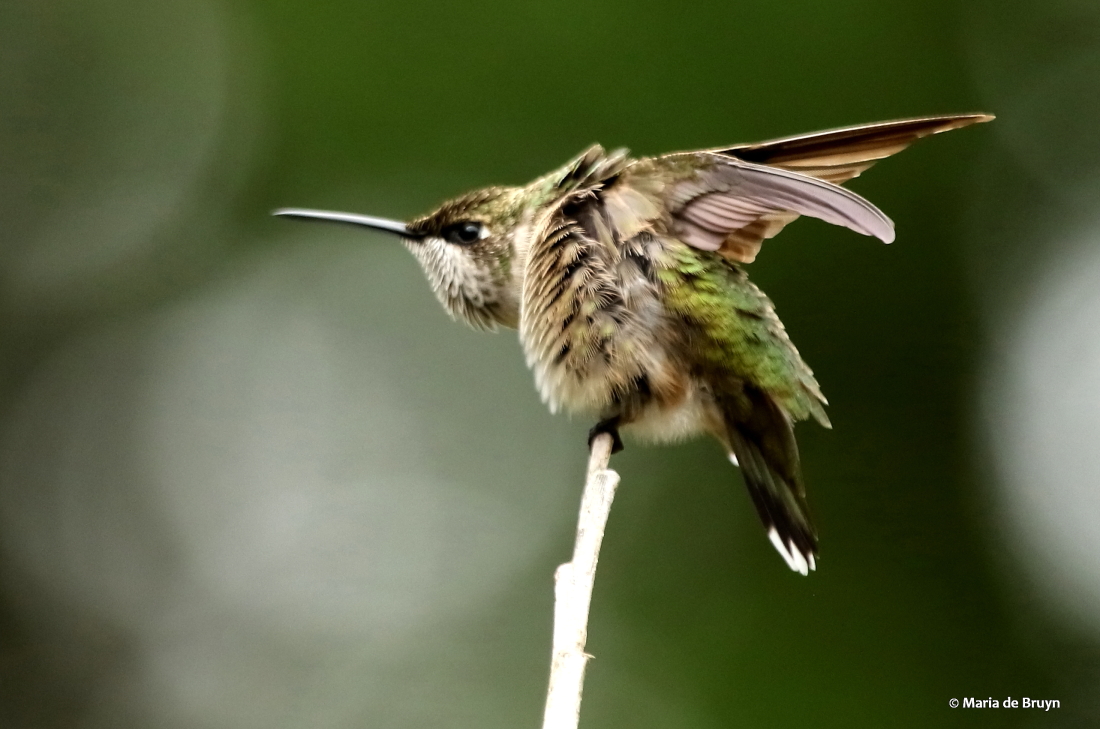
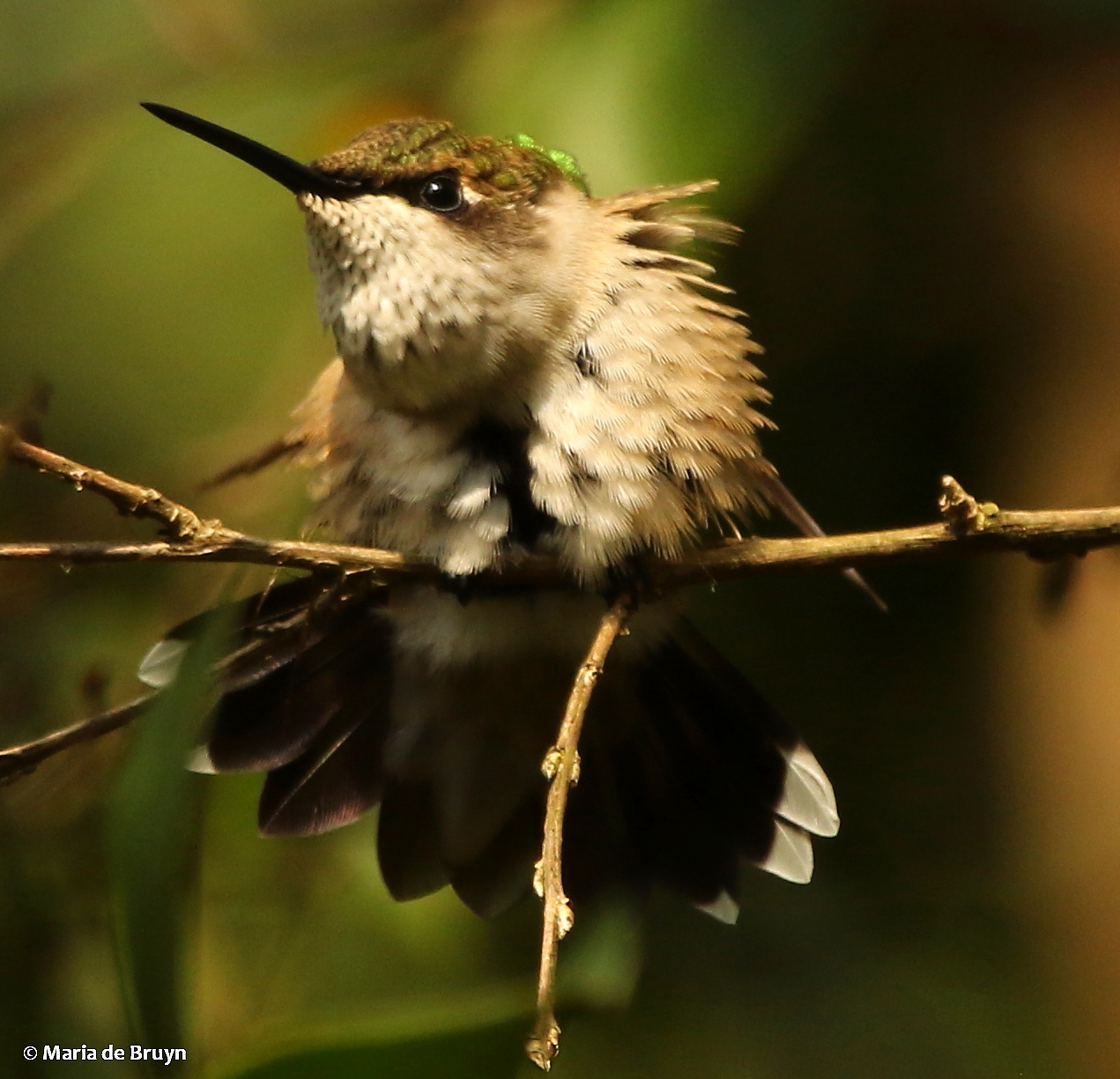
Their displays include both posturing and sound. To warn off other birds, they may chirp both quickly and loudly. Their threat postures aim to frighten away intruders by displaying size and strength and include pointing their long bills at the other bird(s), puffing up their throats, spreading and raising their wings, and flaring their tail feathers, .
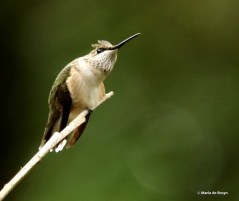


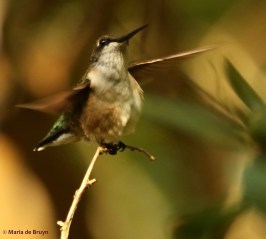

 They don’t really use their bills to battle as they need to protect this body part but they can fly into each other. On one occasion, in my front yard, I heard a loud thump when the two birds actually collided during a high-speed chase.
The drive to protect territory is not for lack of food. My yard has three nectar feeders out back and one in the front and three of them have at least four feeding holes. This year, a brightly colored male laid claim to the yard while the female was caring for her brood. When the female and young birds began coming to the feeders, “Red” was not pleased. Later, the young males also vied with one another.

Chittering loudly, they sweep in to make the other birds take off; occasionally they do get a chance to have a short drink before another hummer shows up. At my house, the birds can feed because they have to patrol both the front and back yards and can’t be in two places at once.
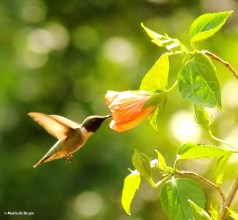
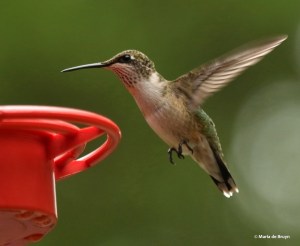
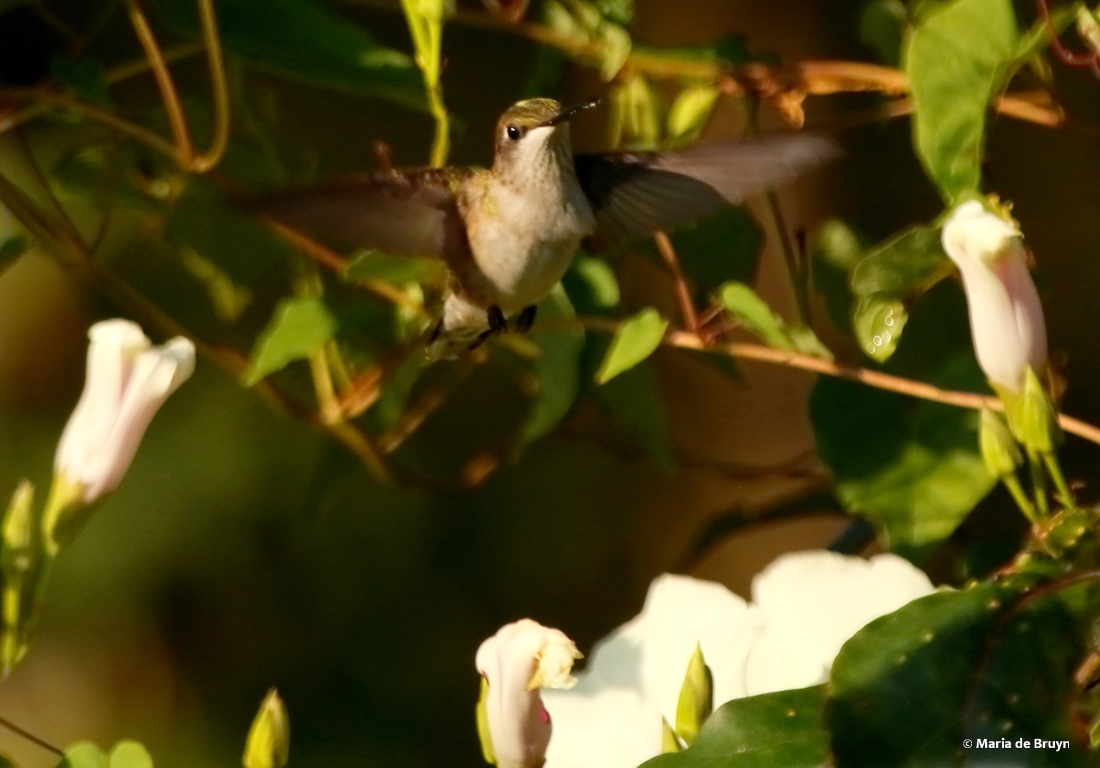
I witnessed a similar scenario at the Mason Farm Biological Reserve. There was a spot with plenty of blooming trumpet vines (Campsis radicans) and morning glories (Ipomoea pandurata), which were attracting a variety of pollinators. Three hummingbirds were also visiting and, again, chasing one another from the site as soon as they caught sight of their rivals.
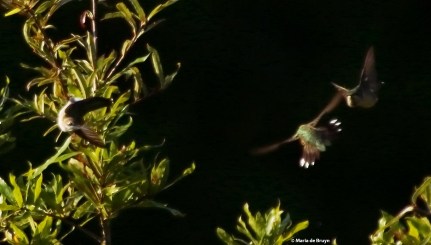
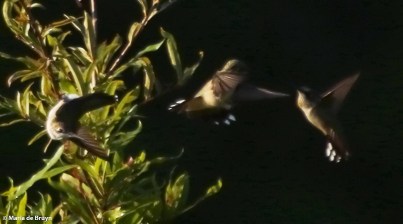
In an area near the Haw River where many wildflowers bloom, a similar scenario took place.
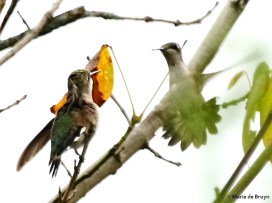

This is the time of year when the ruby-throated hummingbirds undertake their migration to Central America, a distance of at least 1000 miles. They need to store energy for this and may double their body mass while feeding during the preparatory phase. However, it seems to me that chasing away other birds from their preferred feeding sites must take an enormous amount of energy and it seems to be an endless activity. In my yard, it goes on all day long!
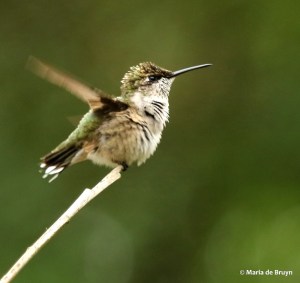 These birds’ flight muscles take up 25% of their weight; when they rest, their hearts beat at a rate of 250 beats per minute but during flight, their hearts speed up to 1220, so the zipping back and forth and up and down in hot pursuits must use lots of calories and energy. They also may hover mid-air for a while rather than sitting on an outpost twig; the other day, one of Red’s rivals spent a quarter minute suspended about 18 inches from my face, looking me over until Red dive-bombed him.
 This summer I’ve been lucky to see the hummers in several places, including Sandy Creek Park, near the Haw River and a farm cultivated by refugees from Myanmar. In all cases, the birds appeared unwilling to share their dining areas. Once in a while, though, one would have the space to him- or herself for a while and I could watch them feed, afterwards flicking out their long tongues.

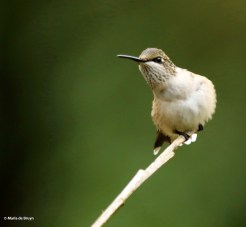
When they return next year, I hope to learn more about these wonderful little birds through daily observation in my garden habitat.

More interesting information on ruby-throated hummingbirds can be found here:
http://www.rubythroat.org/rthufactsmain.html
http://www.allaboutbirds.org/guide/ruby-throated_hummingbird/lifehistory
http://www.worldofhummingbirds.com/behavior.php

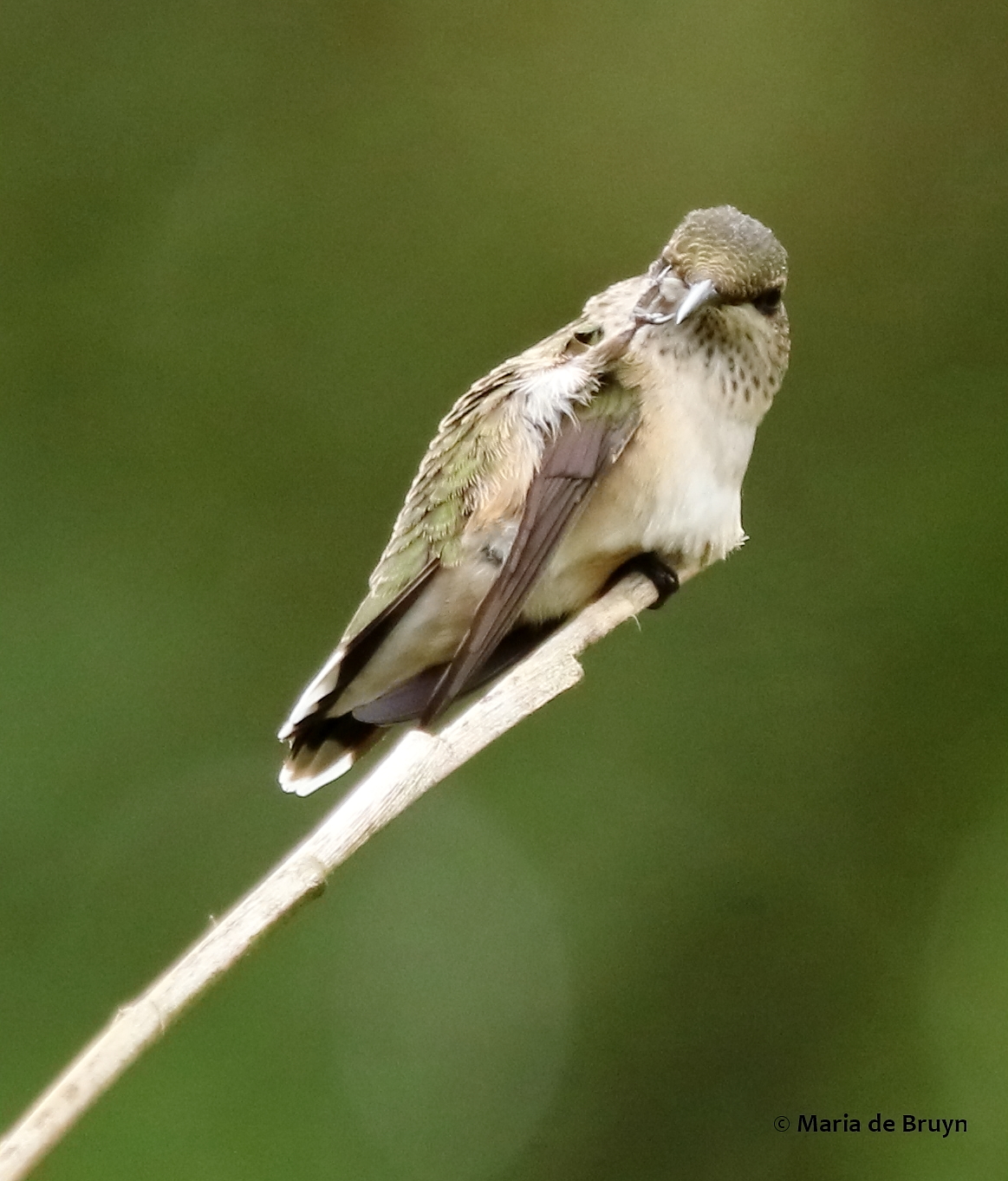
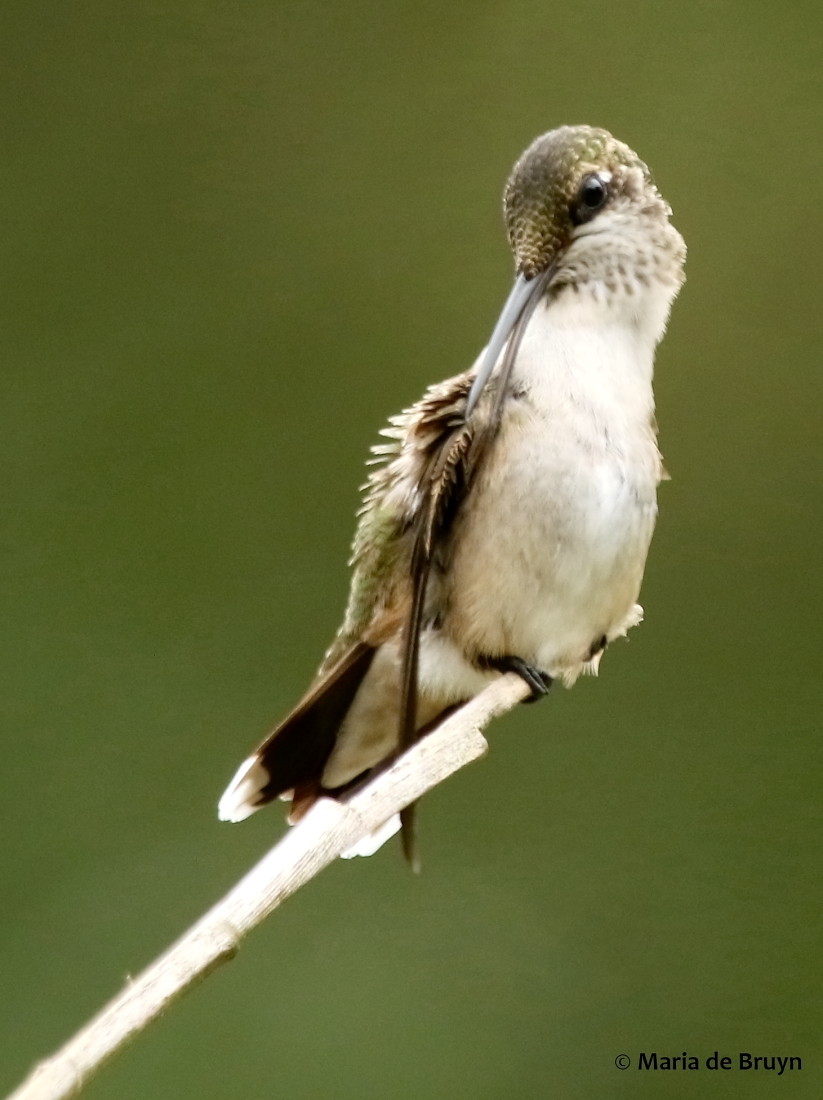
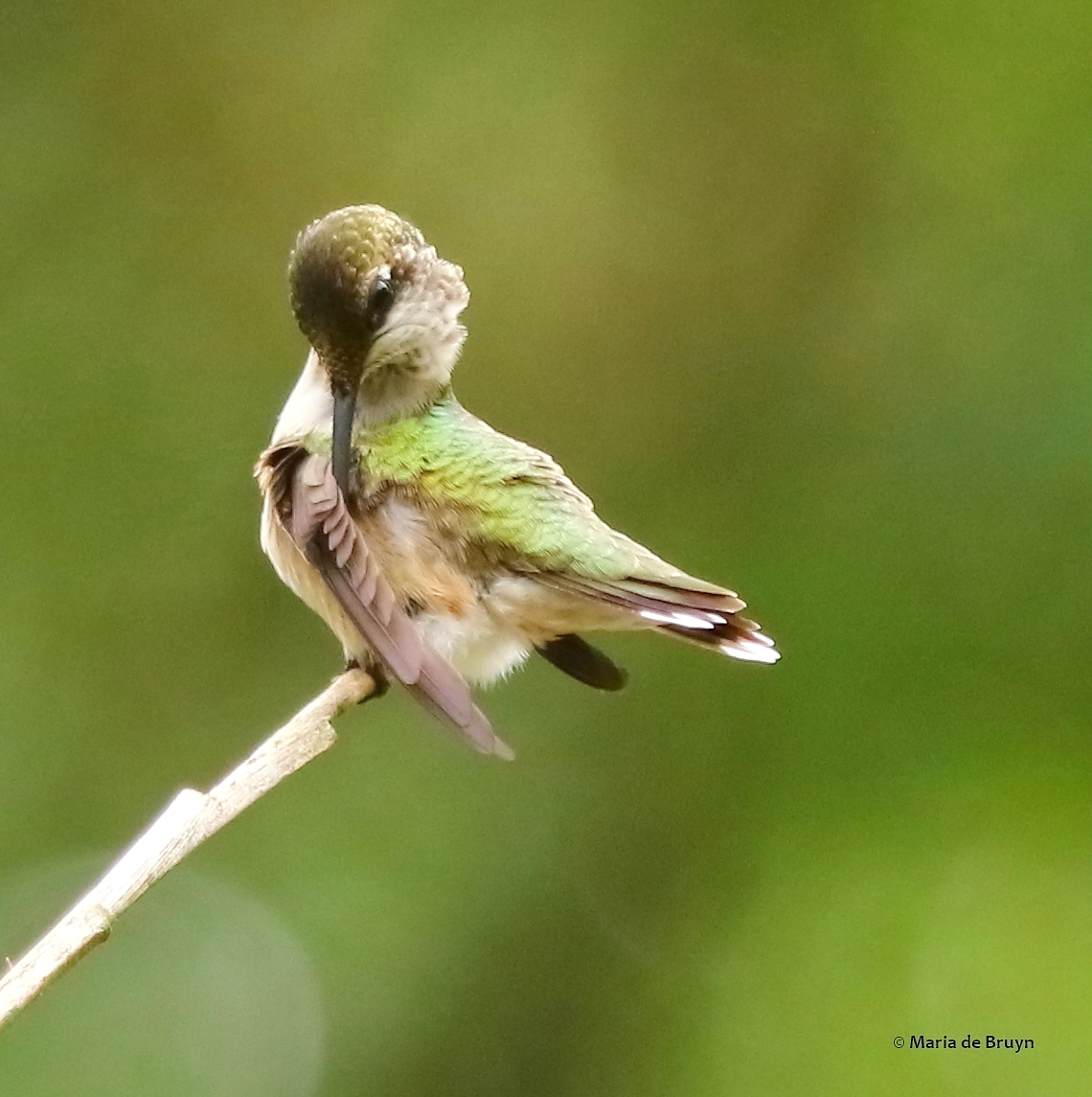
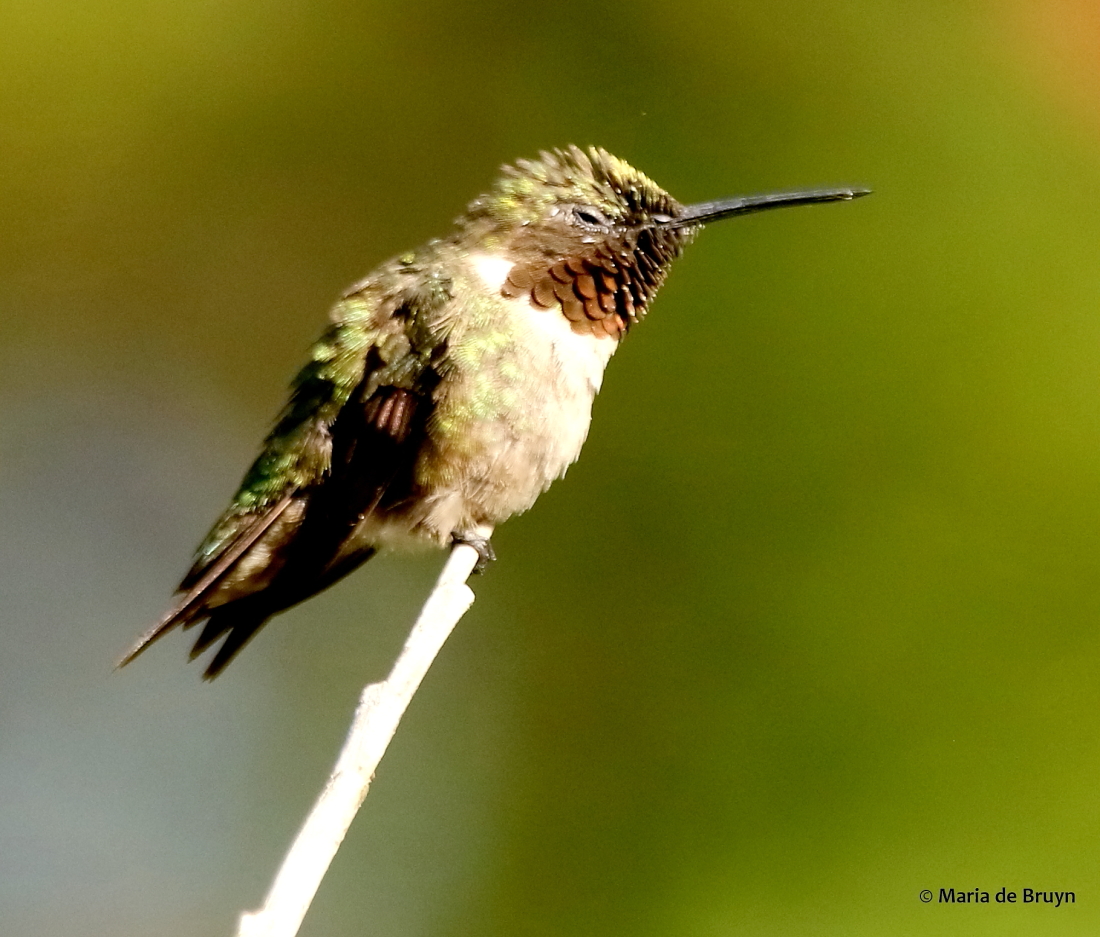
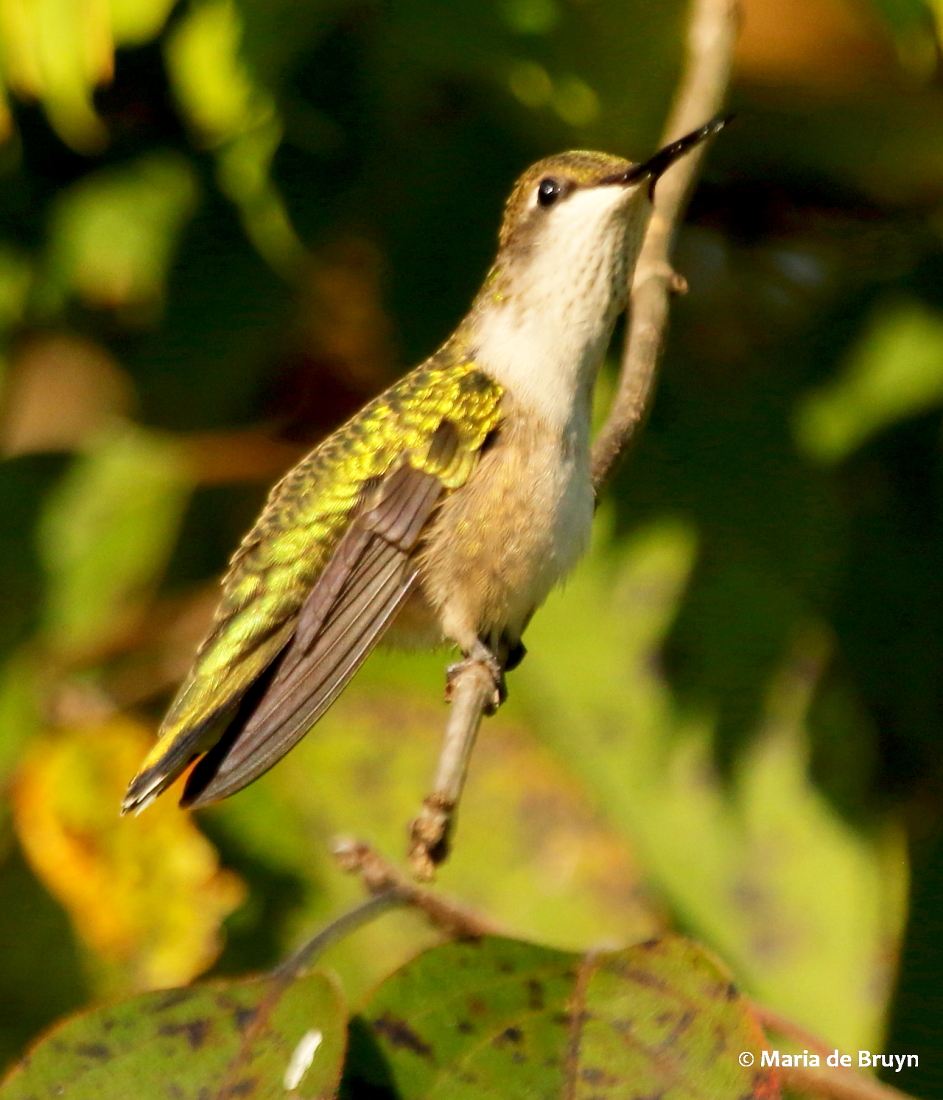
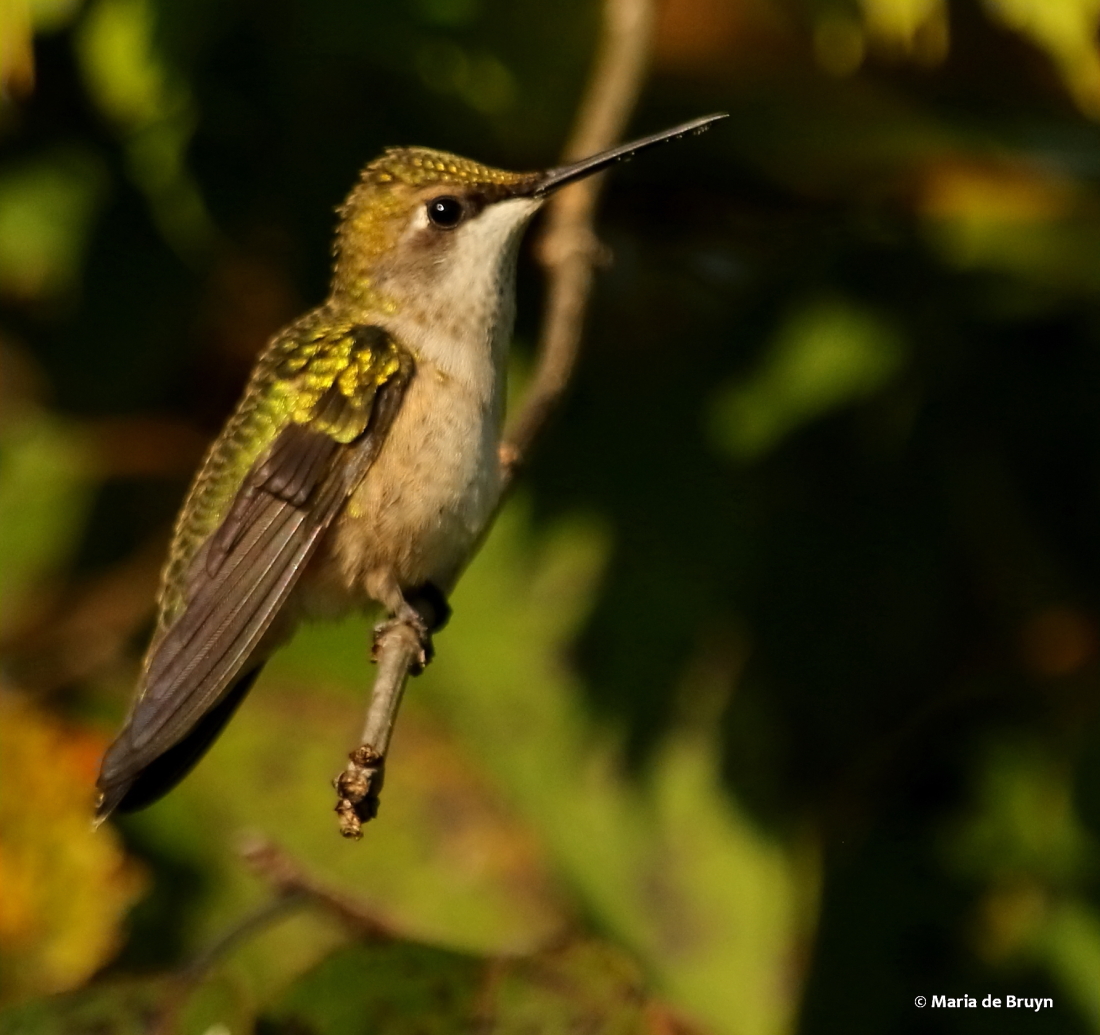
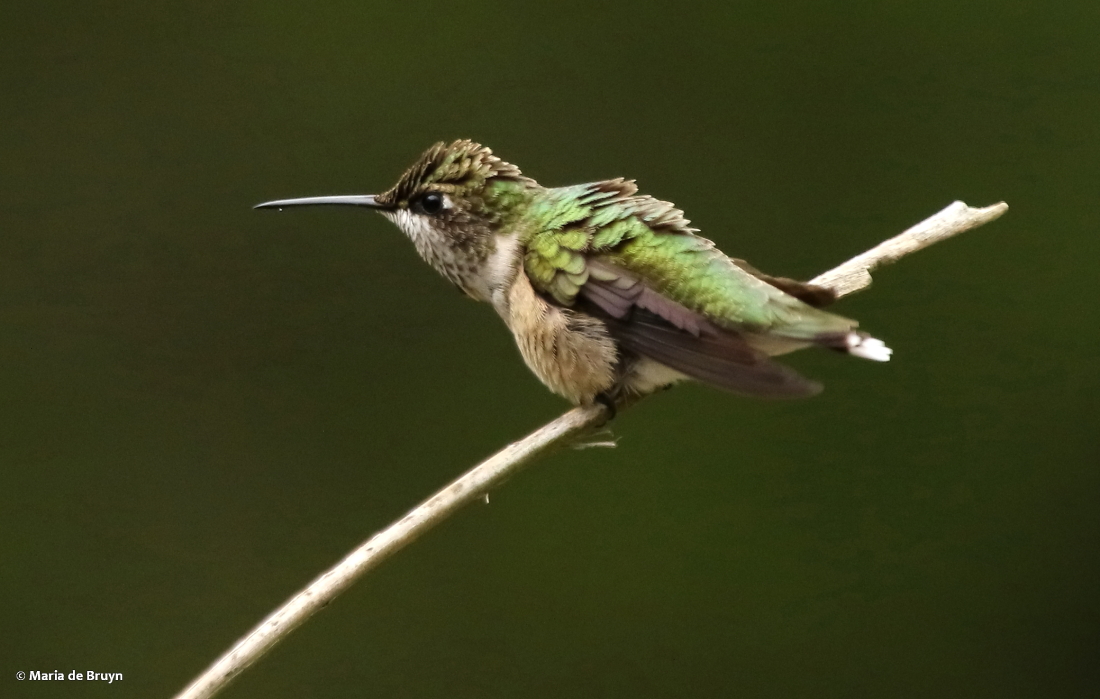
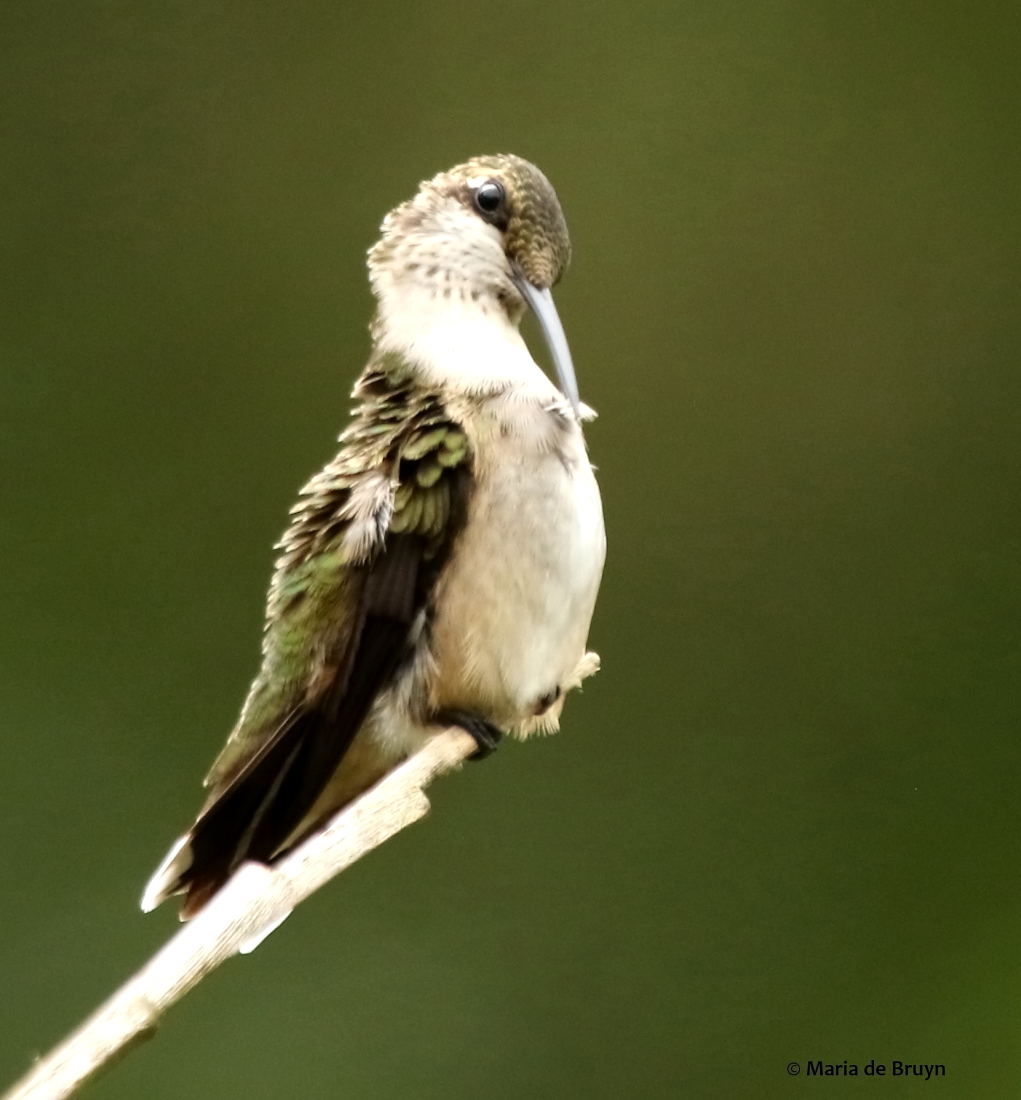 It has been great to welcome back the sun and dispel some of the gloom resulting from the record number of rainy days we’ve had. Watching the ruby-throated hummingbirds (Archilochus colubris) in my yard and at nature reserves is also a day brightener and has taught me that these tiny avians are quite fastidious, grooming often and at length.



















 One bird that seems to almost universally delight people and bring smiles to their days are the hummingbirds. These wonderful little fliers now only live in the Western hemisphere of our earth, but two 30-million-year-old hummingbird fossils were discovered in Germany so they did live elsewhere.


 heir tongues, which have tubes running down their lengths.


 My beautiful world