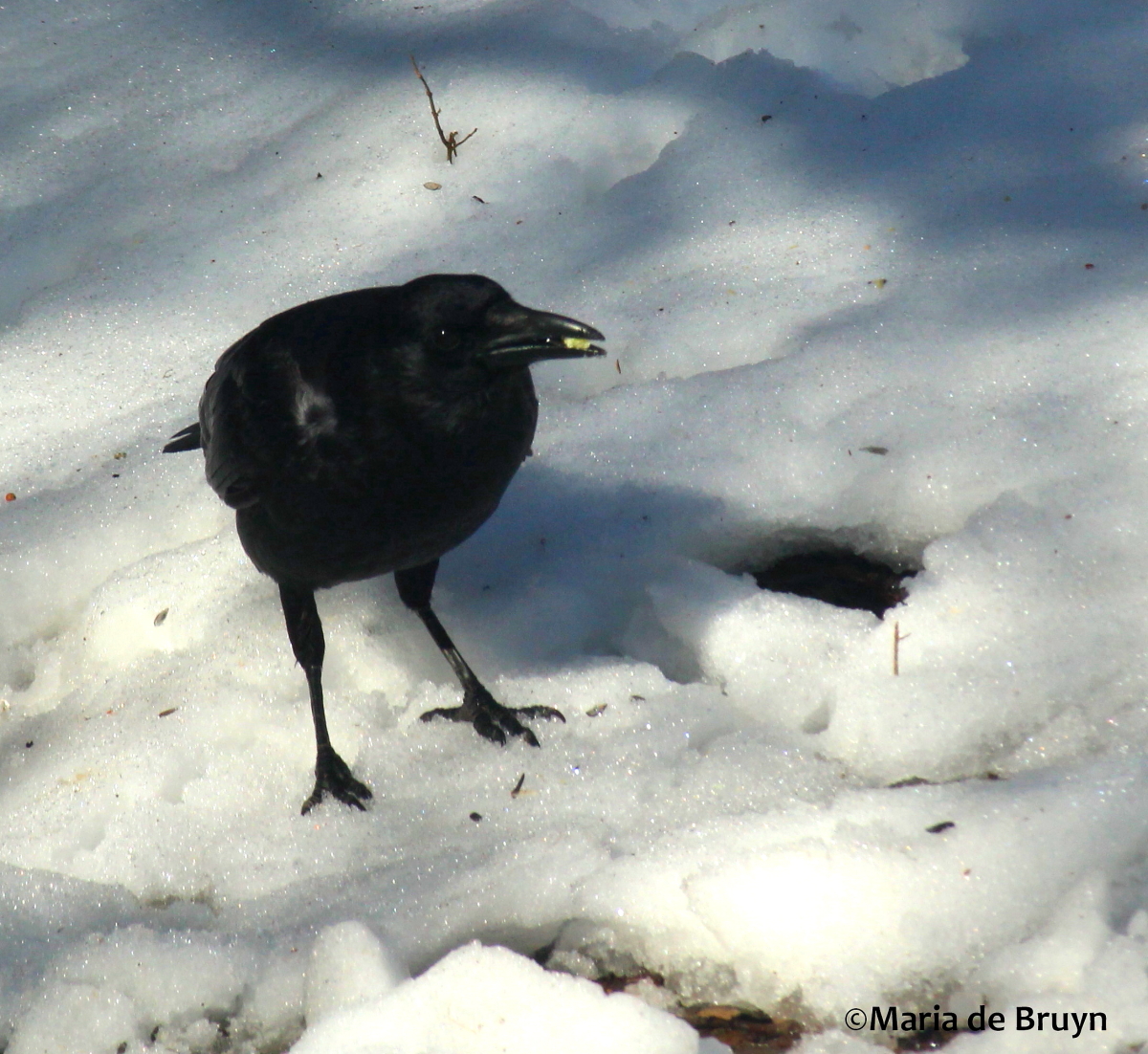
 In years past, I have had the occasional American crow (Corvus brachyrhynchos) visit my yard. For example, this past spring when it was snowing, a few came to eat fruit but they never really hung around – except for one that flew in with a half-eaten squirrel (or rabbit) that it was reluctant to leave behind.
Now, however, it seems that the one of these fine-feathered friends has decided to adopt my residence as a temporary home – or at least as a spot for some occasional R & R.
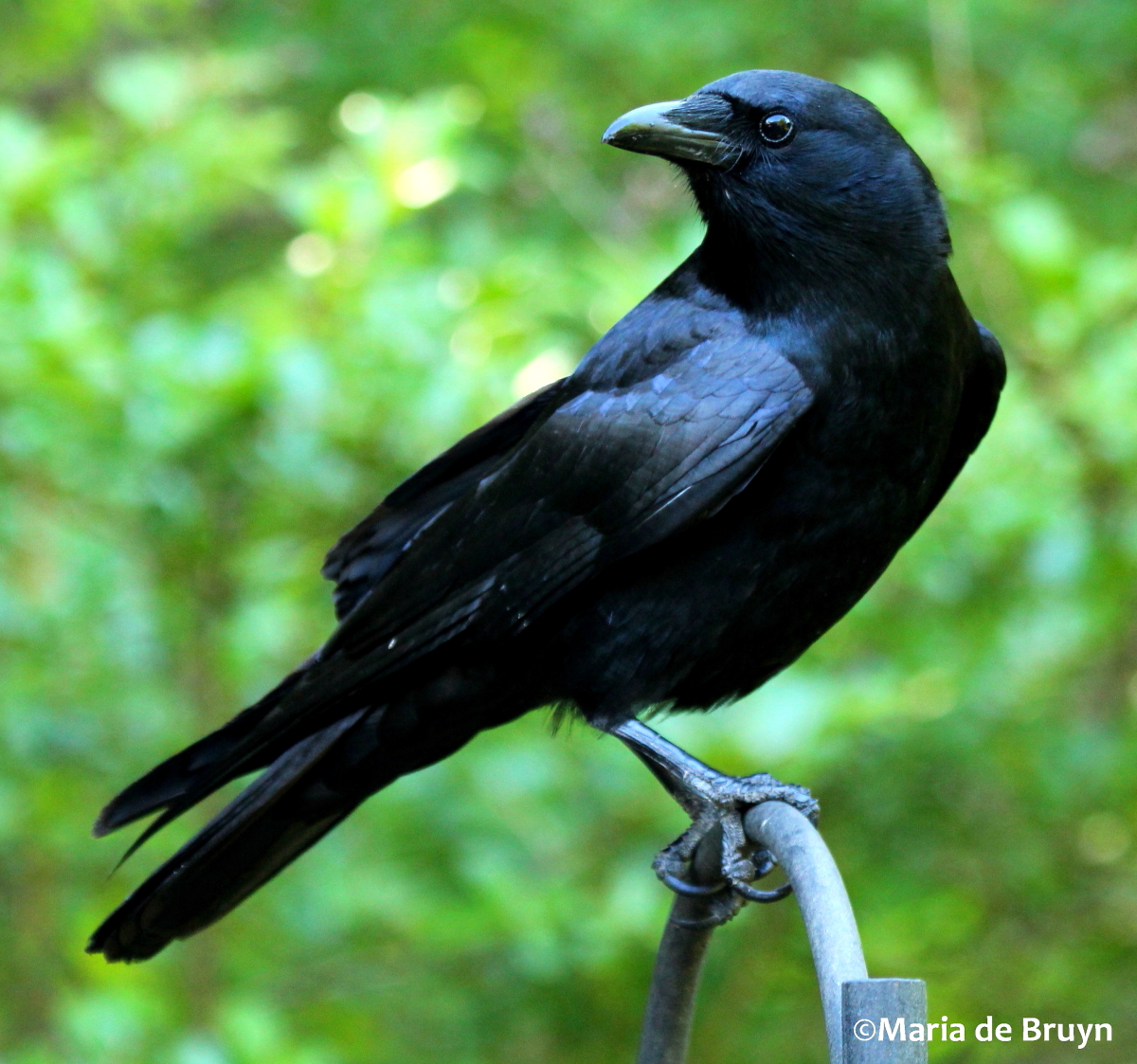
Since I don’t know if this crow is female or male, I’ve named “it” Casey, a nice gender-neutral name. Casey is quite large and has grown bolder as time progresses. At first, Casey would alight on a branch and observe for quite a while before venturing toward a feeder; if I appeared, Casey would leave.
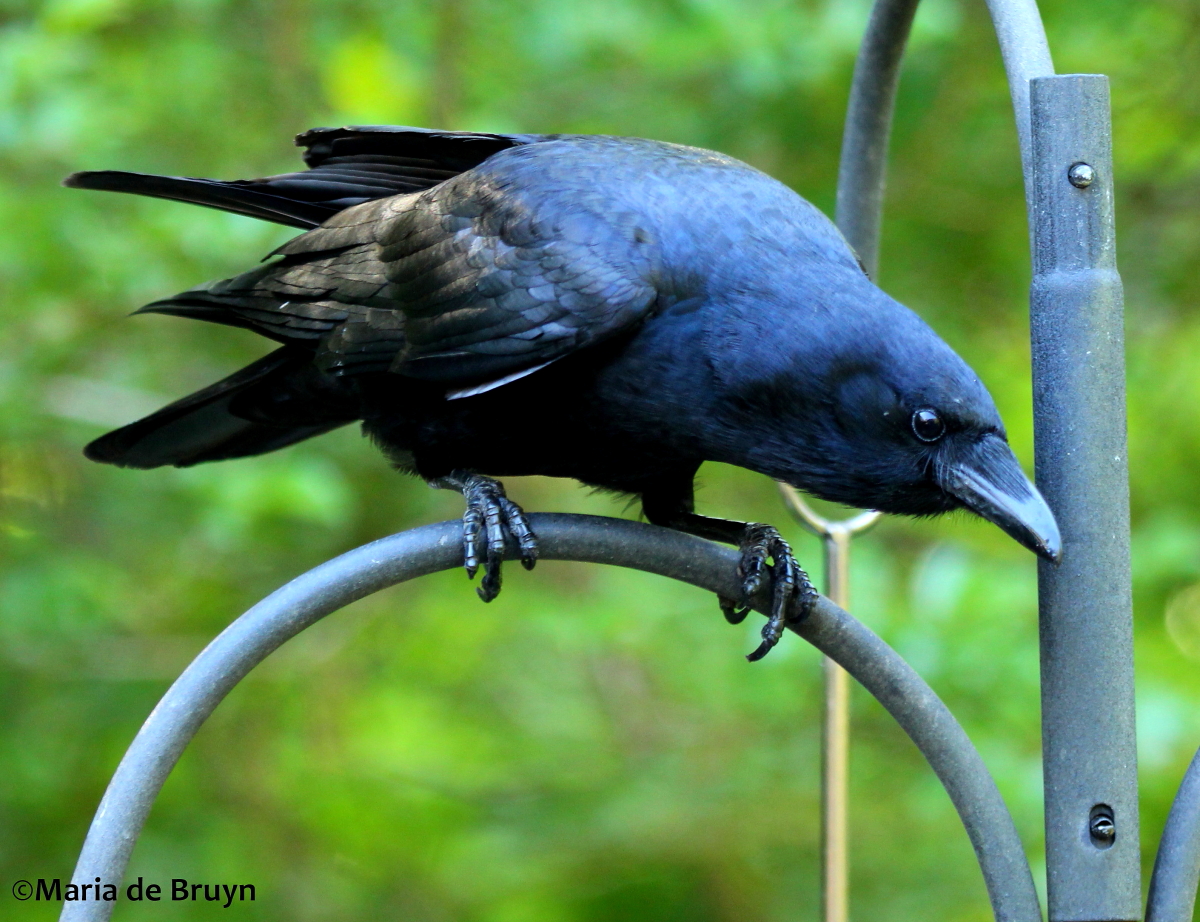
Now Casey flies in to perch on the roof, a nearby tree or a feeder not far from the back door, balancing as well as possible. S/he often announces his/her arrival with a few loud caws and sometimes what seems to be irritation when grackles decide to carry out a little harassment.
 One of my old plastic seed feeders broke, leaving only a bit of skeletal structure. Rather than toss it out, however, I’ve recycled it to become a grape jelly holder. No orioles have visited but it appears that grape jelly has become quite the treat for Casey, who balances in odd and sometimes contorted ways to be able to snag some.
Casey is much too large to balance at other feeders but has obviously been searching for some additional food. A short while ago, I learned that Casey can be quite fond of apples.
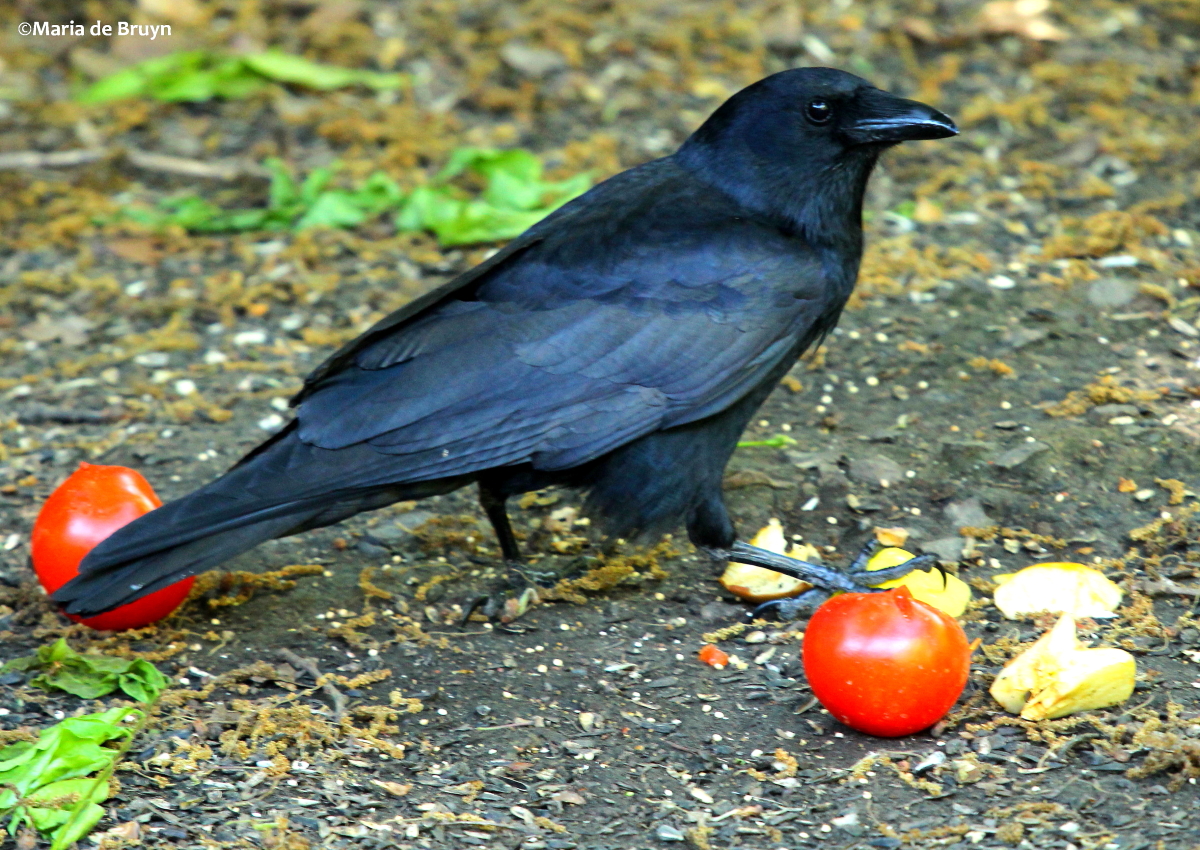
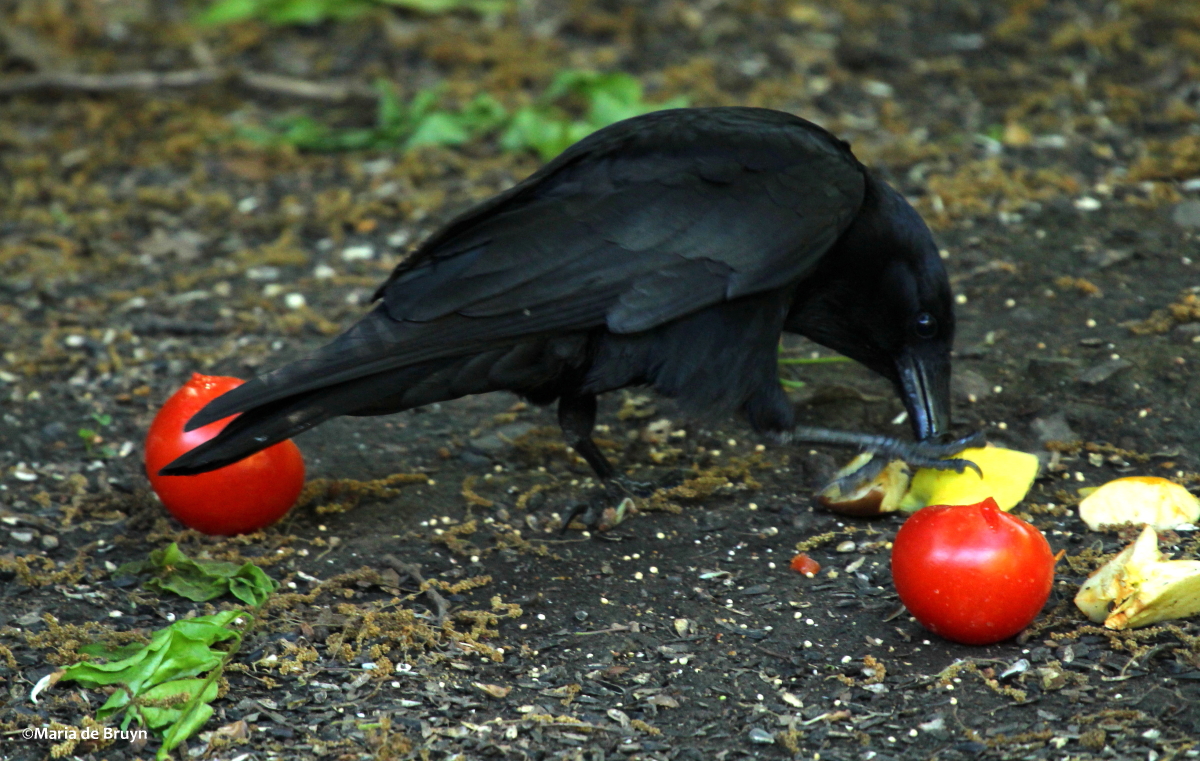
Casey is quite the handsome bird and sometimes seems to be posing for portraits. I assume that it is the same crow that is visiting from day to day, but haven’t been able to figure out any real distinguishing marks yet to be sure. No other crows appear willing to remain near feeders if I go outside, though, so I guess it is always Casey who remains.
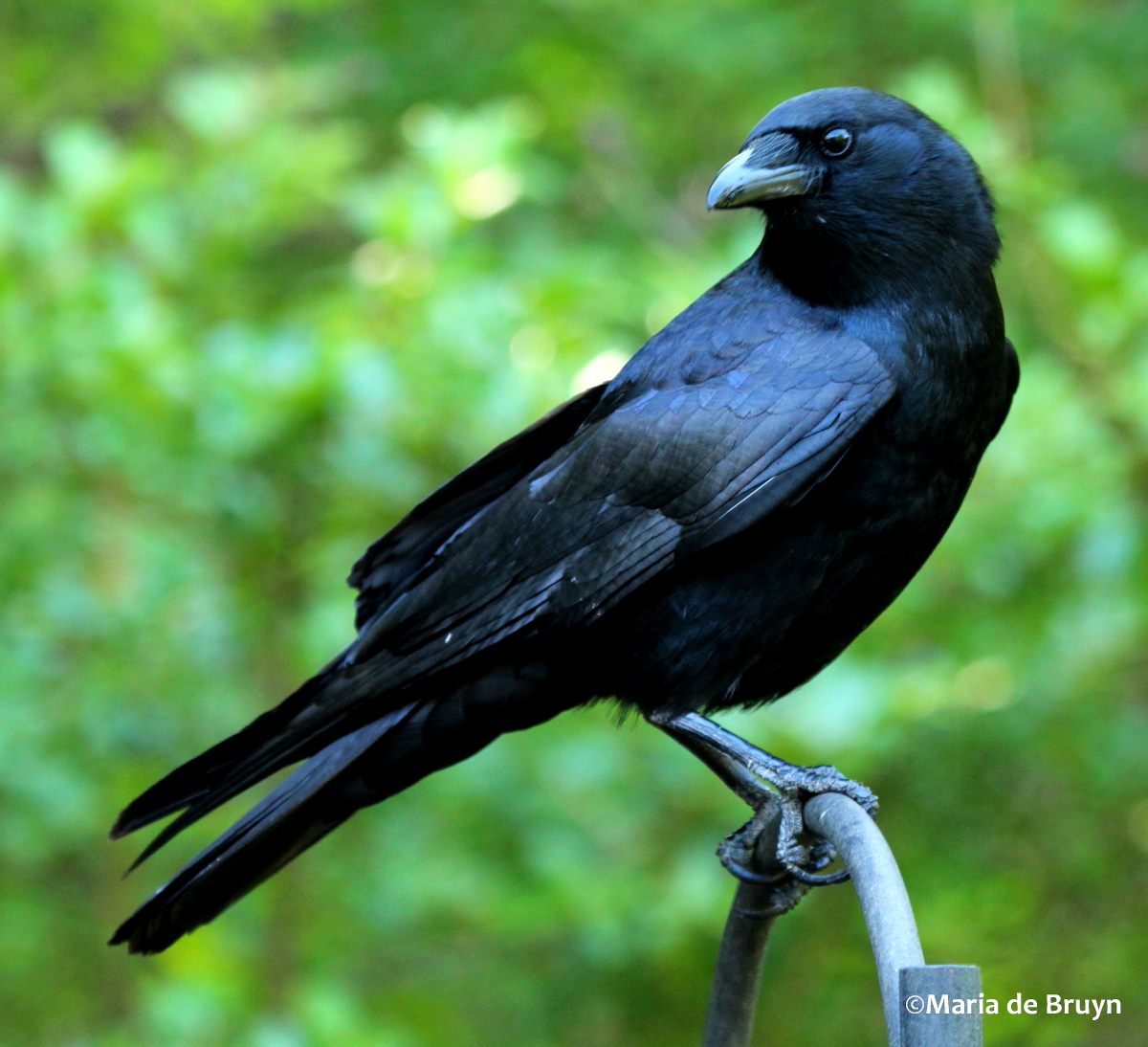
I enjoy Casey’s visits but am glad now that the robin pair decided not to re-use their nest on the downspout from last year. Though there wasn’t much room for Casey to perch, I did see her/him fly to that nest and examine it, obviously investigating if there were some nestlings there to serve as a meal. I was quite happy there weren’t any in residence!
I don’t know how much longer Casey will be a regular visitor but it will be interesting to learn more about his/her likes and dislikes as time goes by!

 hickadees had begun nests in two others. It is not uncommon for them to begin a couple nests and then finally settle on one. On 12 April, I discovered that Mom had laid five white with brown-specked eggs in a nice soft nest made of moss, soft grasses and some down, even using a bit of pillow stuffing I had left out for interested nest-builders.


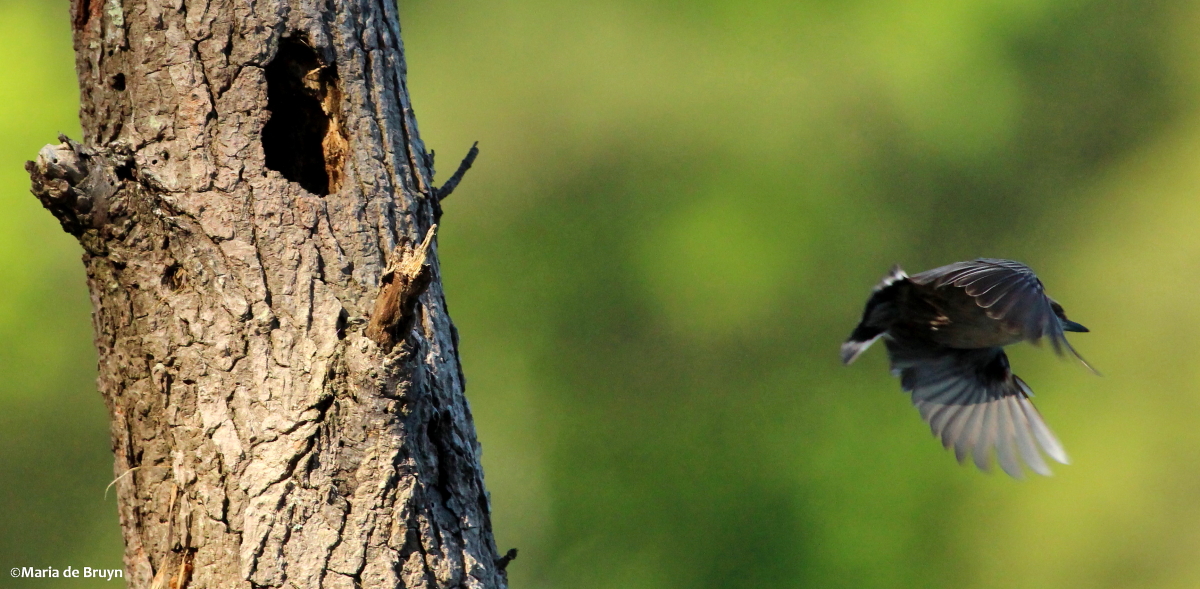
 spent time looking out of the box before venturing out. One took a flying leap and swerved up into a tree.


 ckadees’ nest (after removing some remaining fecal matter). One chickadee ventured back to peer into the box but the wren pair loudly chased the original owner away.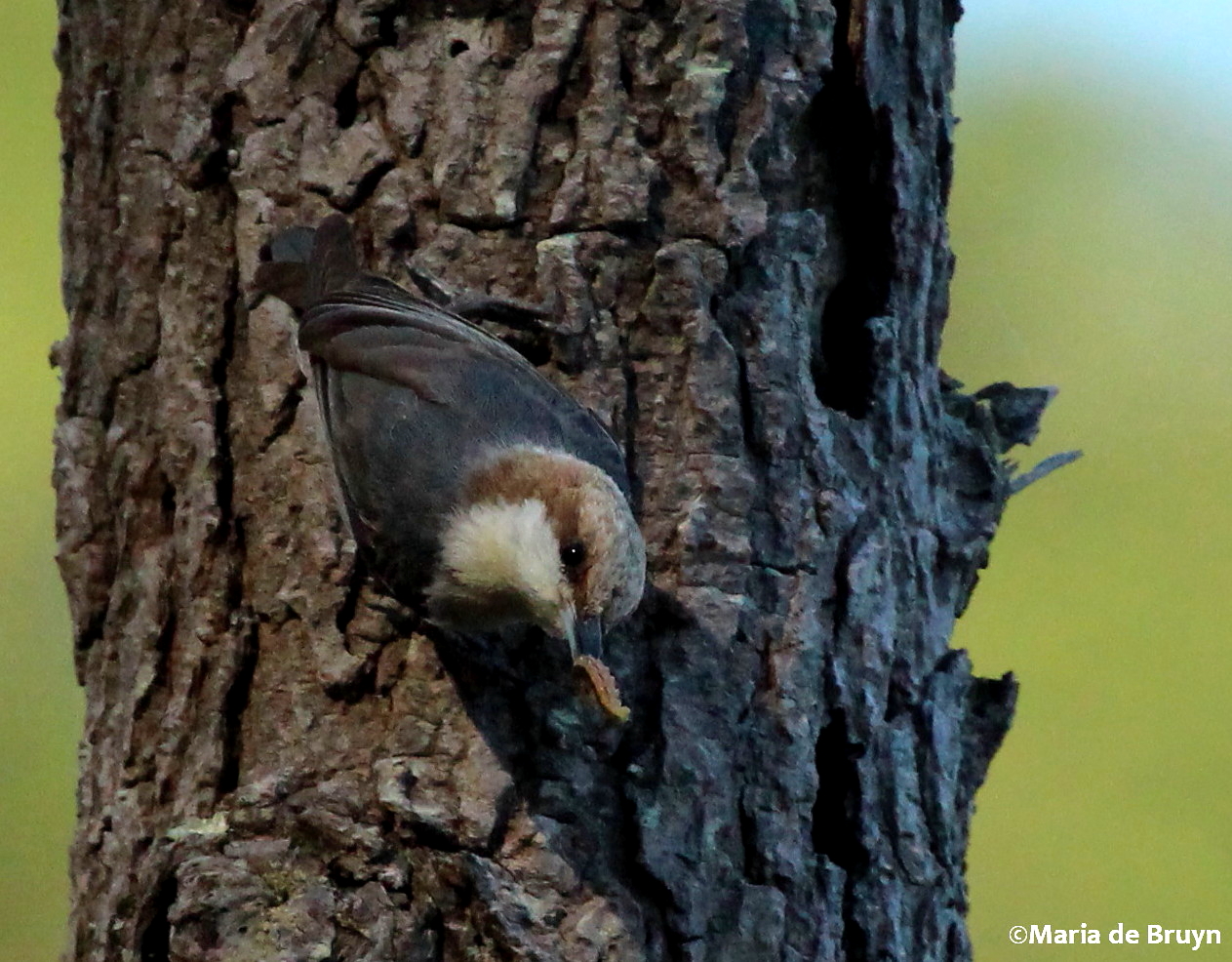
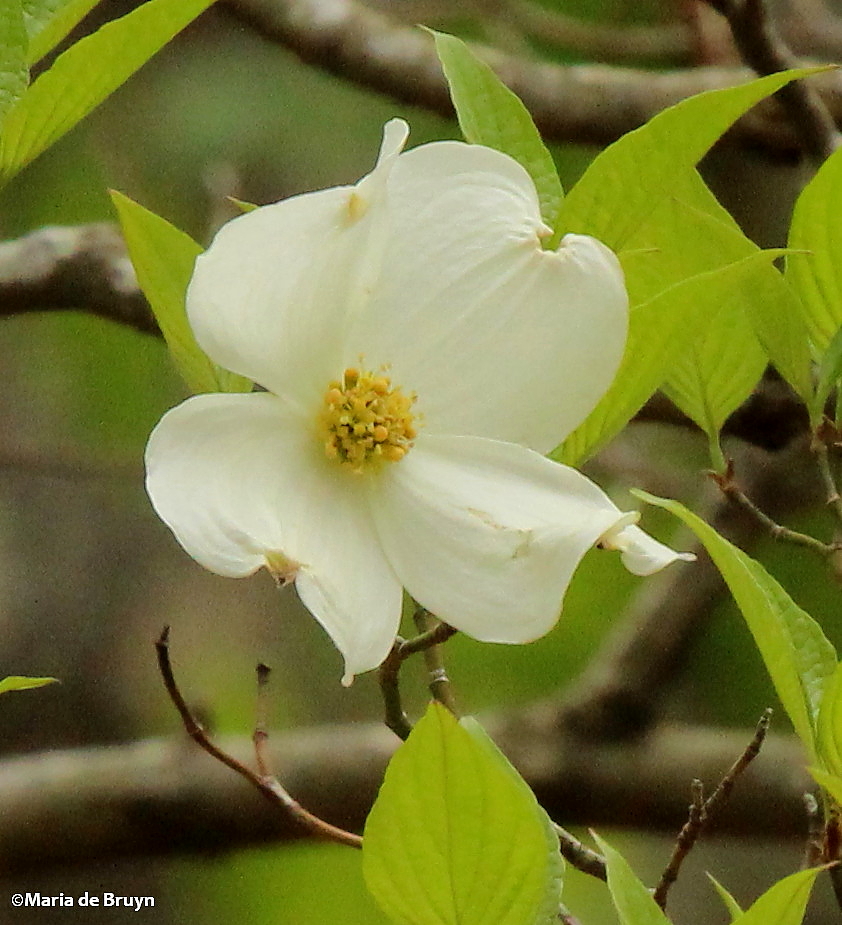
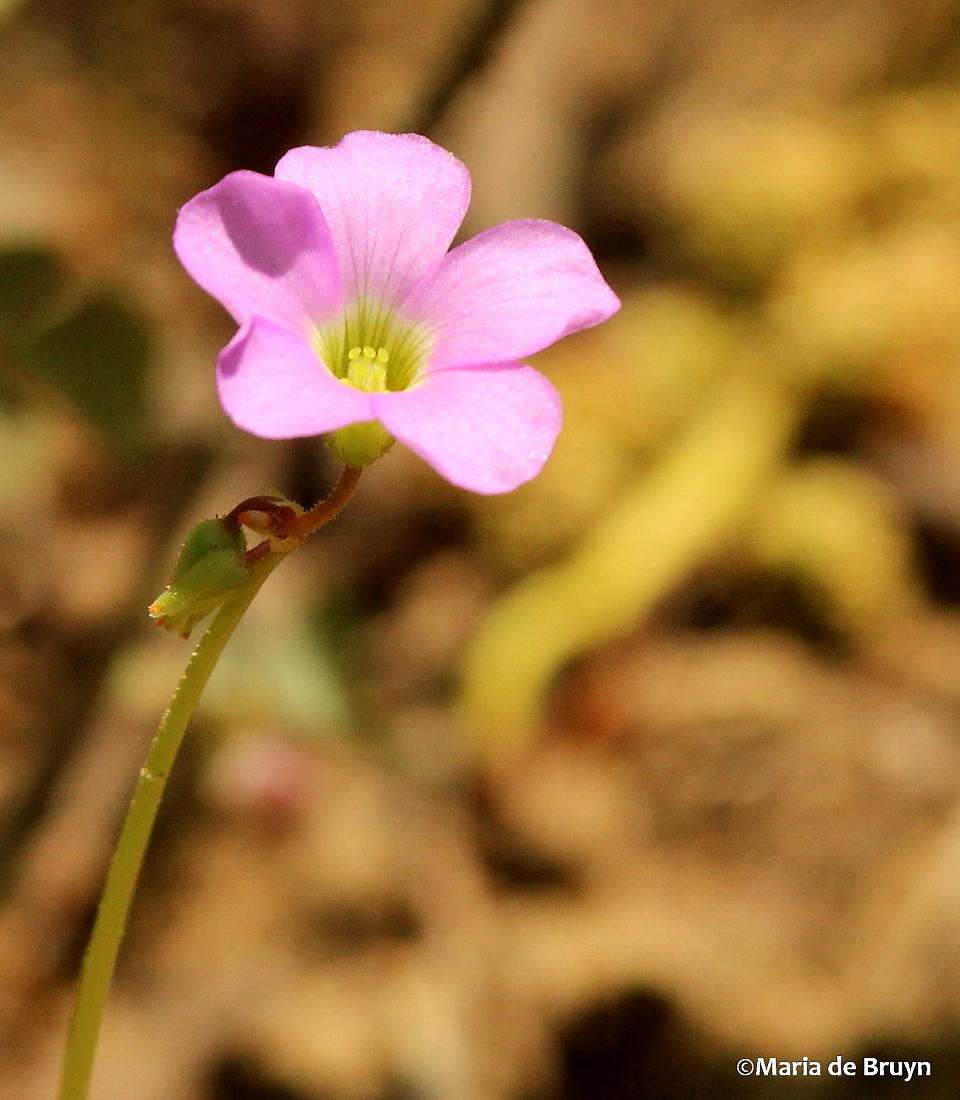
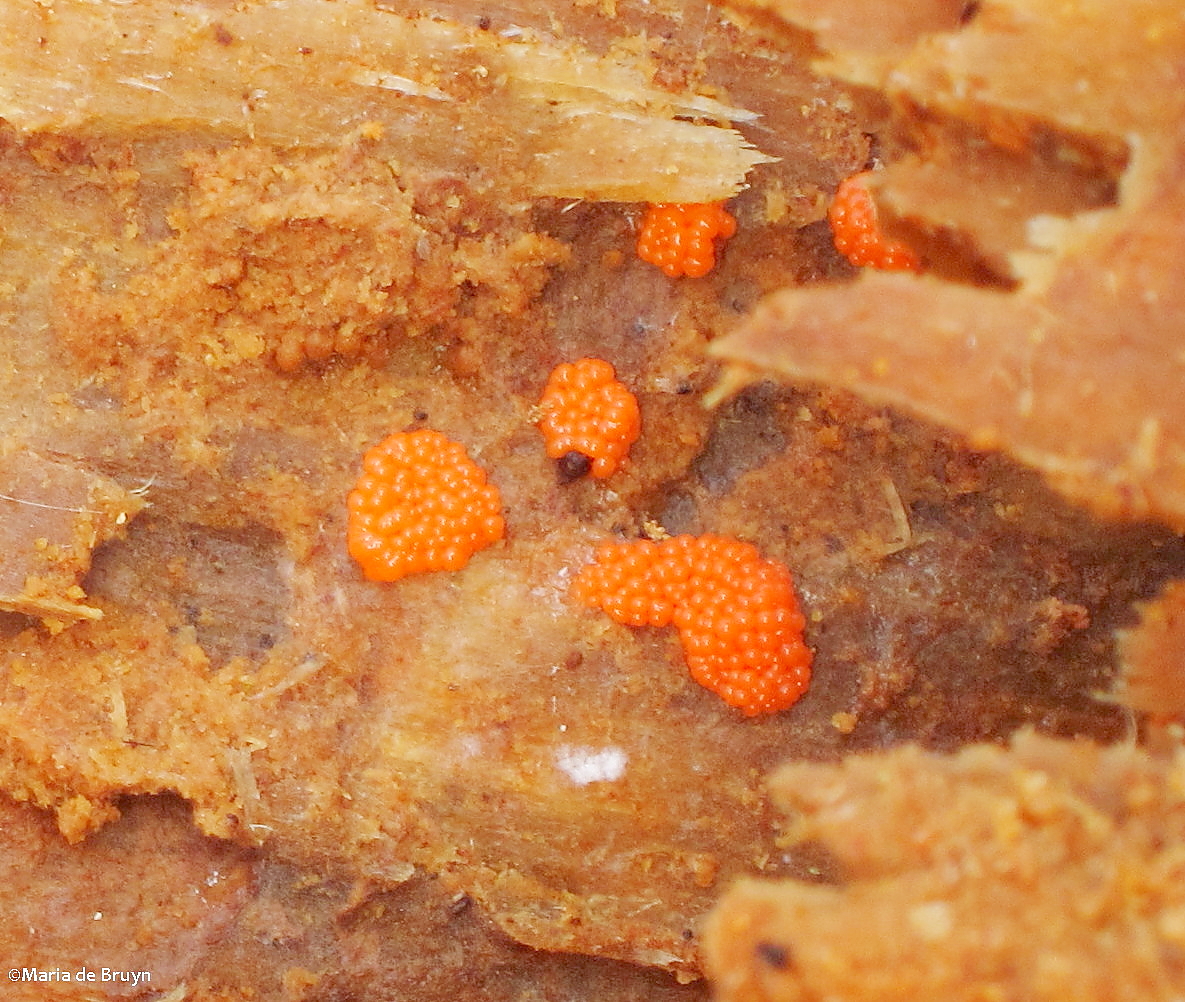
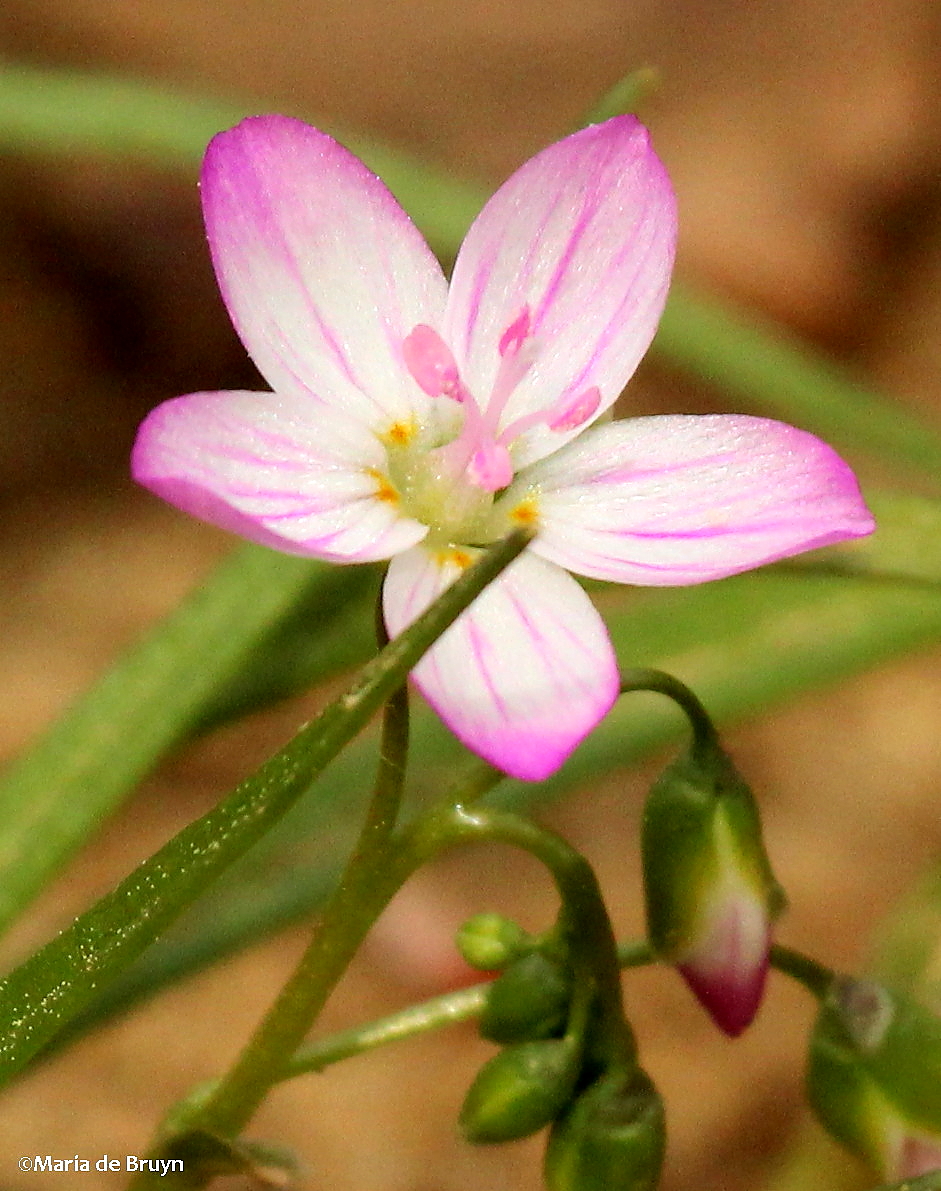
 working on an advocacy paper and then awakened by a tornado alert on my cell phone at 5 a.m. a few days ago, seeing bright flashes of lightening through the blinds and hearing rumbling thunder as the rain poured down. After what seemed like a somewhat lengthy and lingering winter, we’ve had a rather wet spring with temperatures yo-yo-ing. The flowers seemed a bit confused, too, but they have been blooming albeit not always when expected!

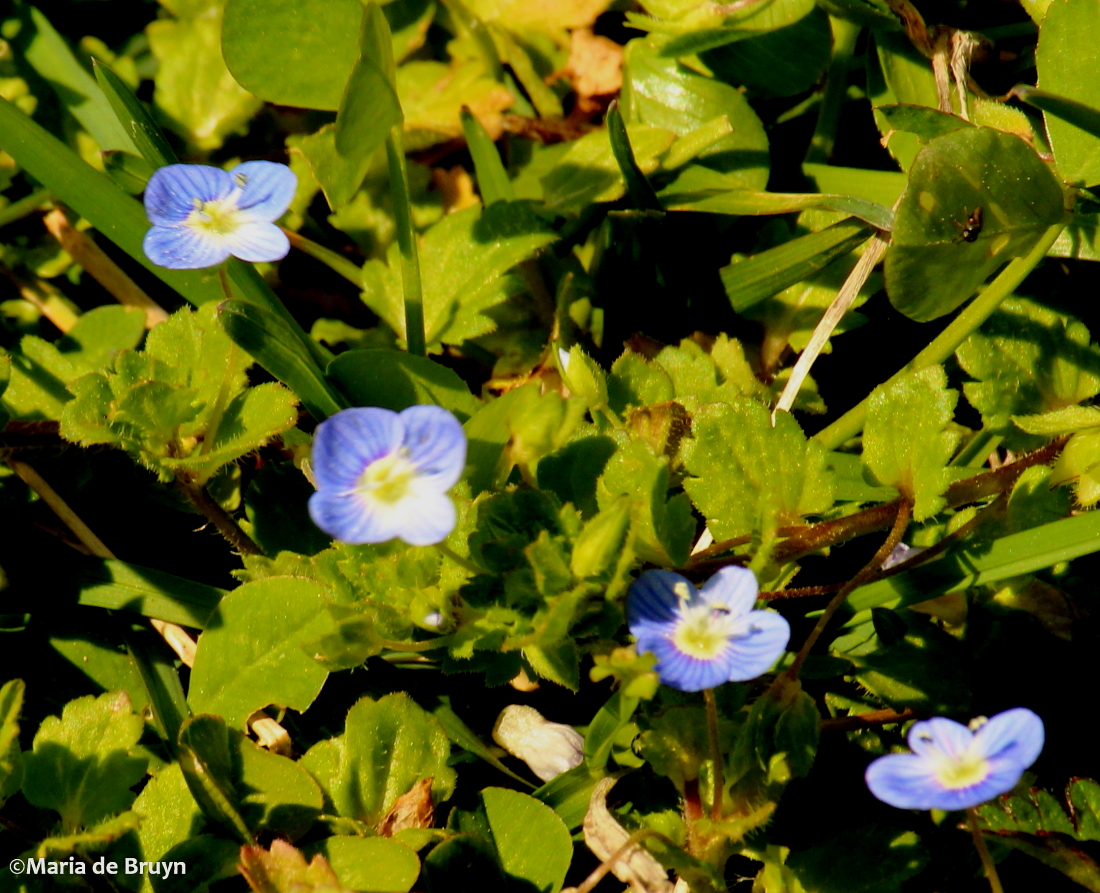
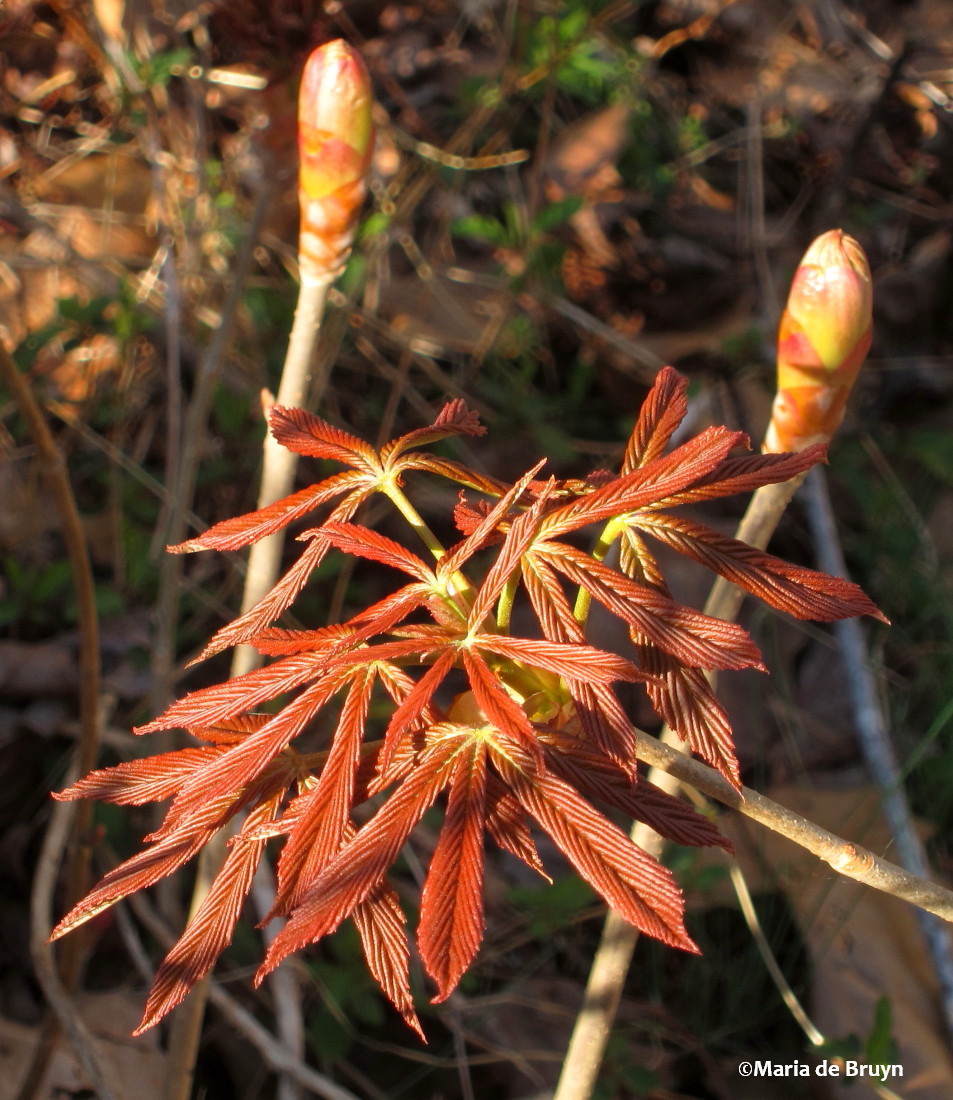

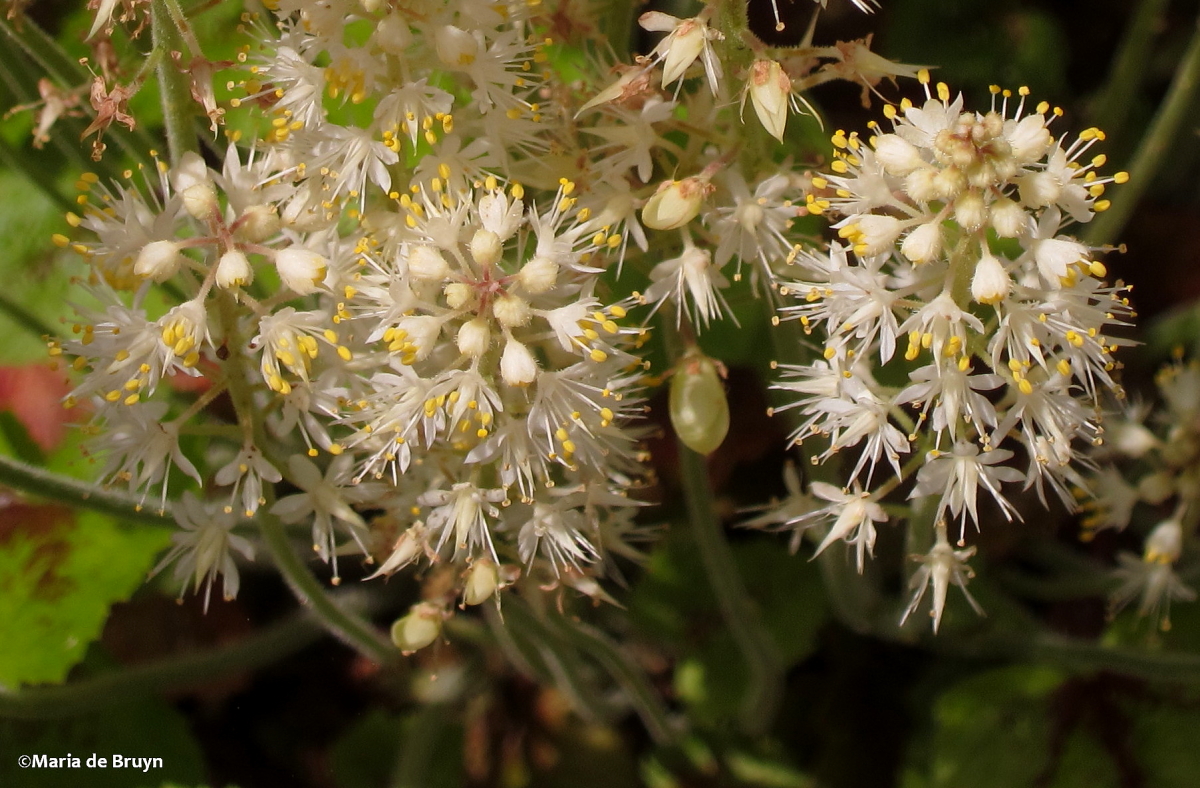

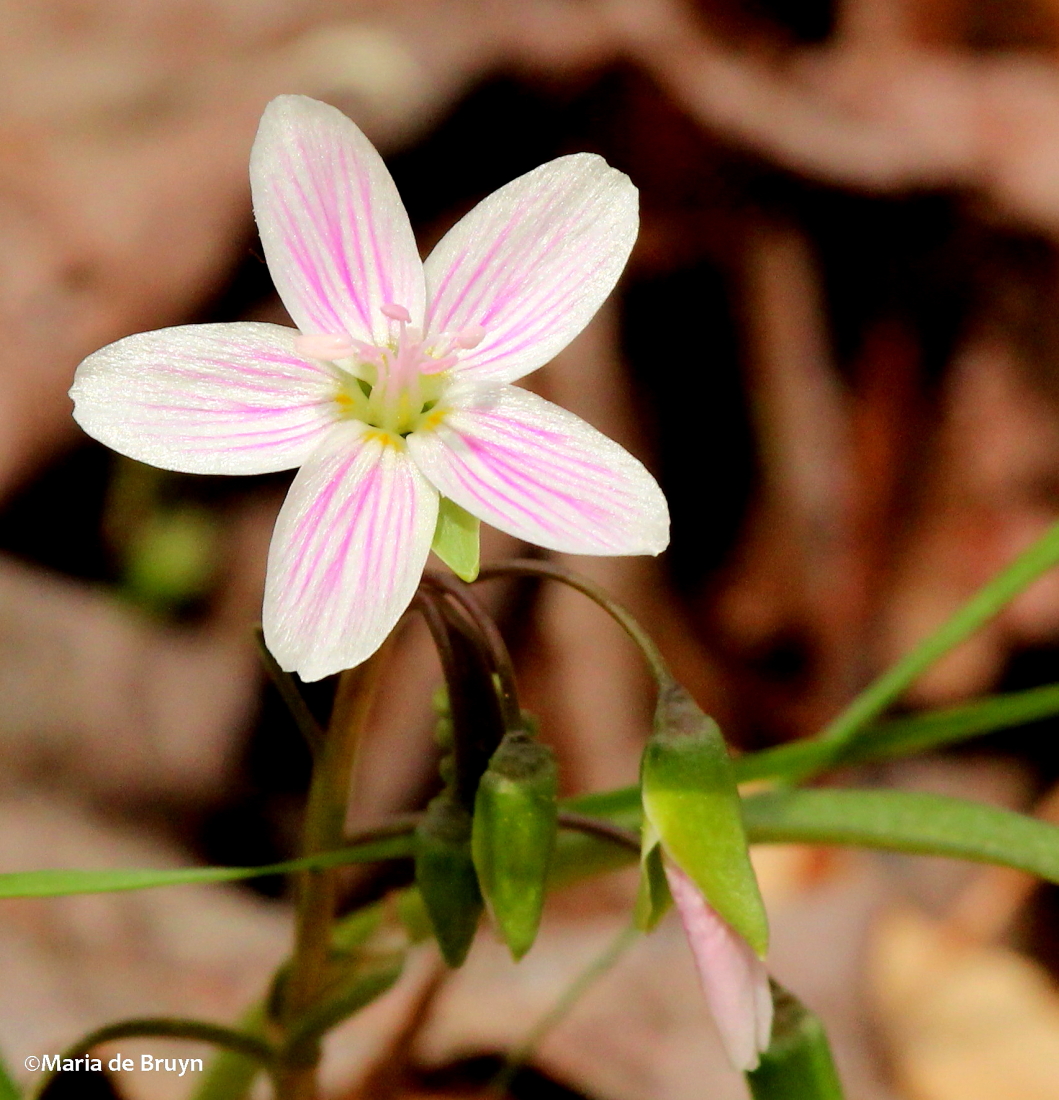
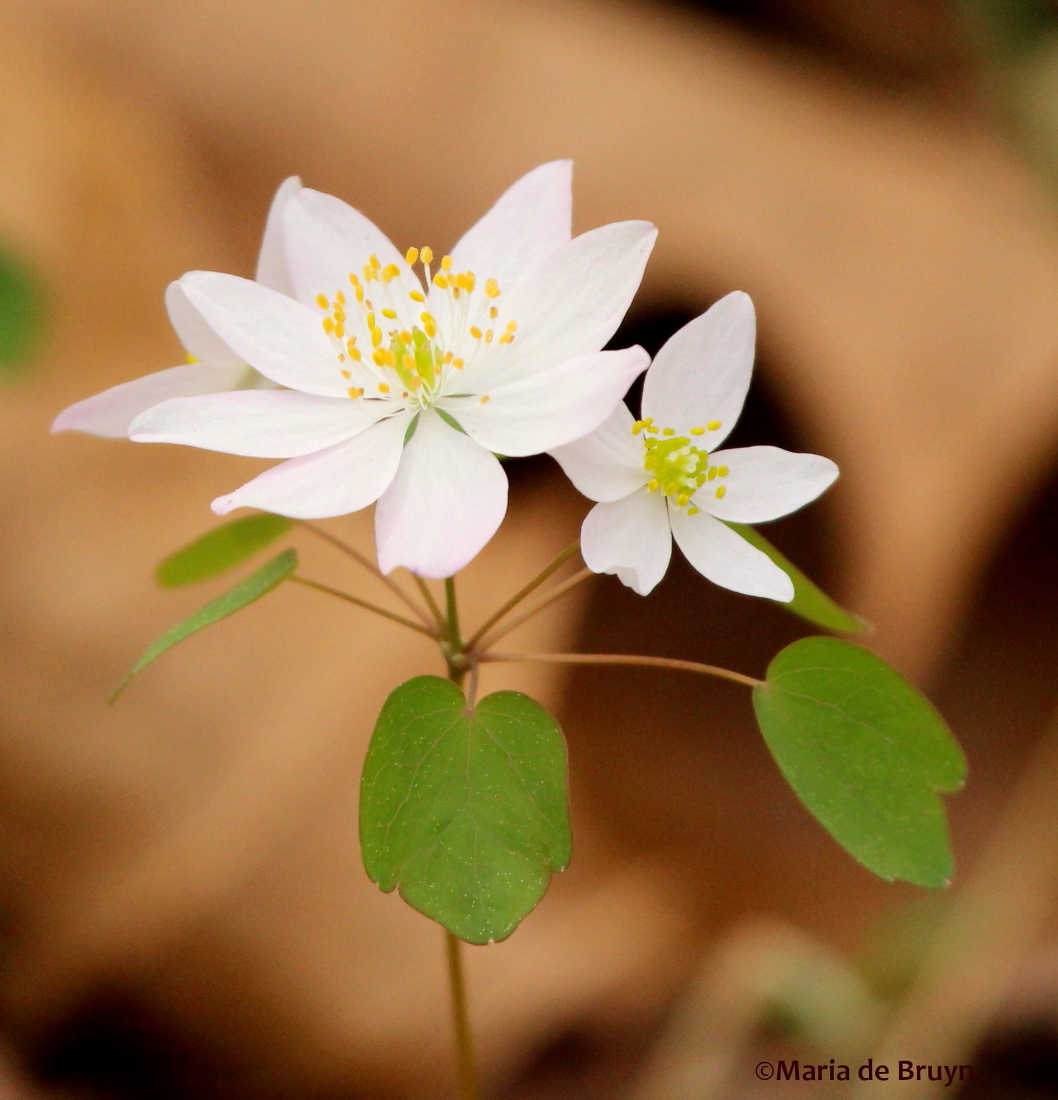
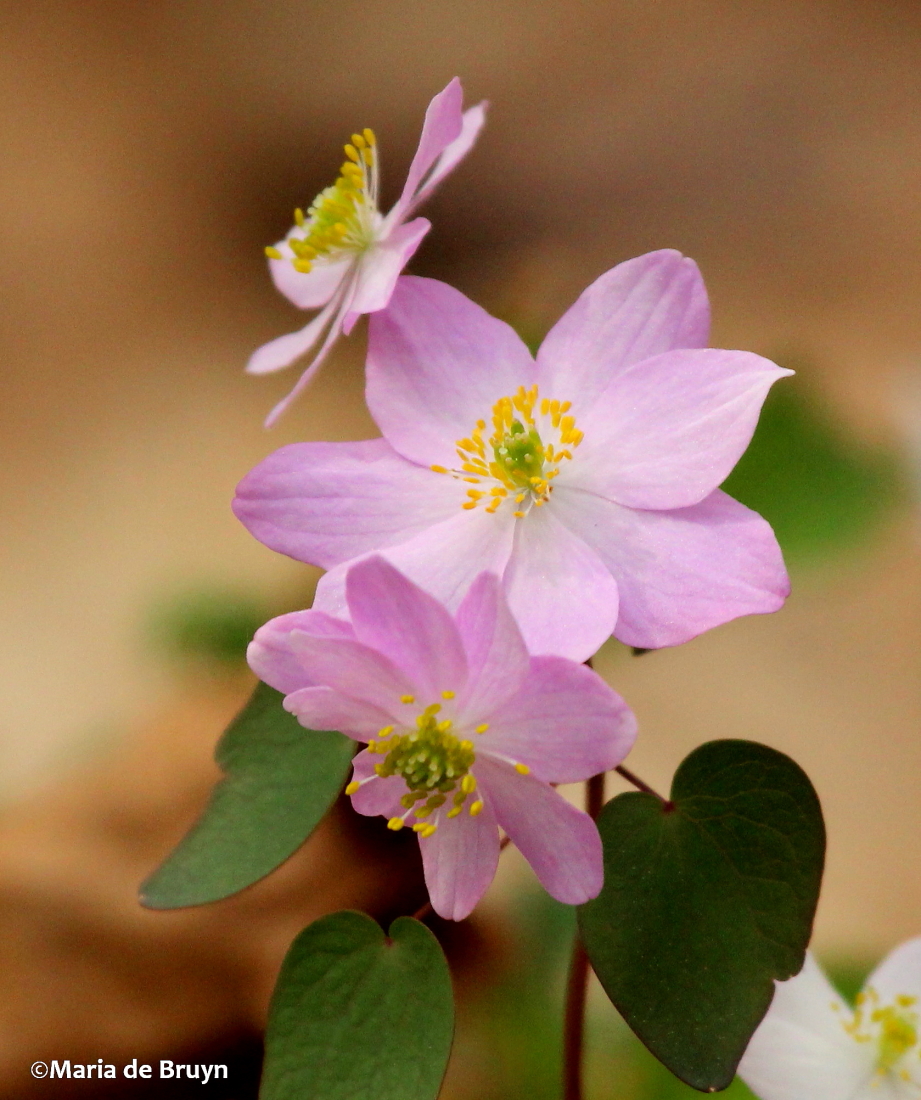
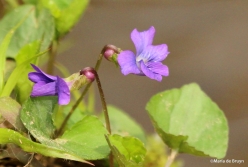 ough they are fairly common, the violets (Viola sororia) are among
 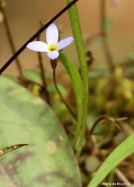 my favorites. Their deep blue or purple blooms look wonderful against the deep green leaves. The azure bluets (Houstonia caerulia), on the other hand, have a very subtle bluish tinge.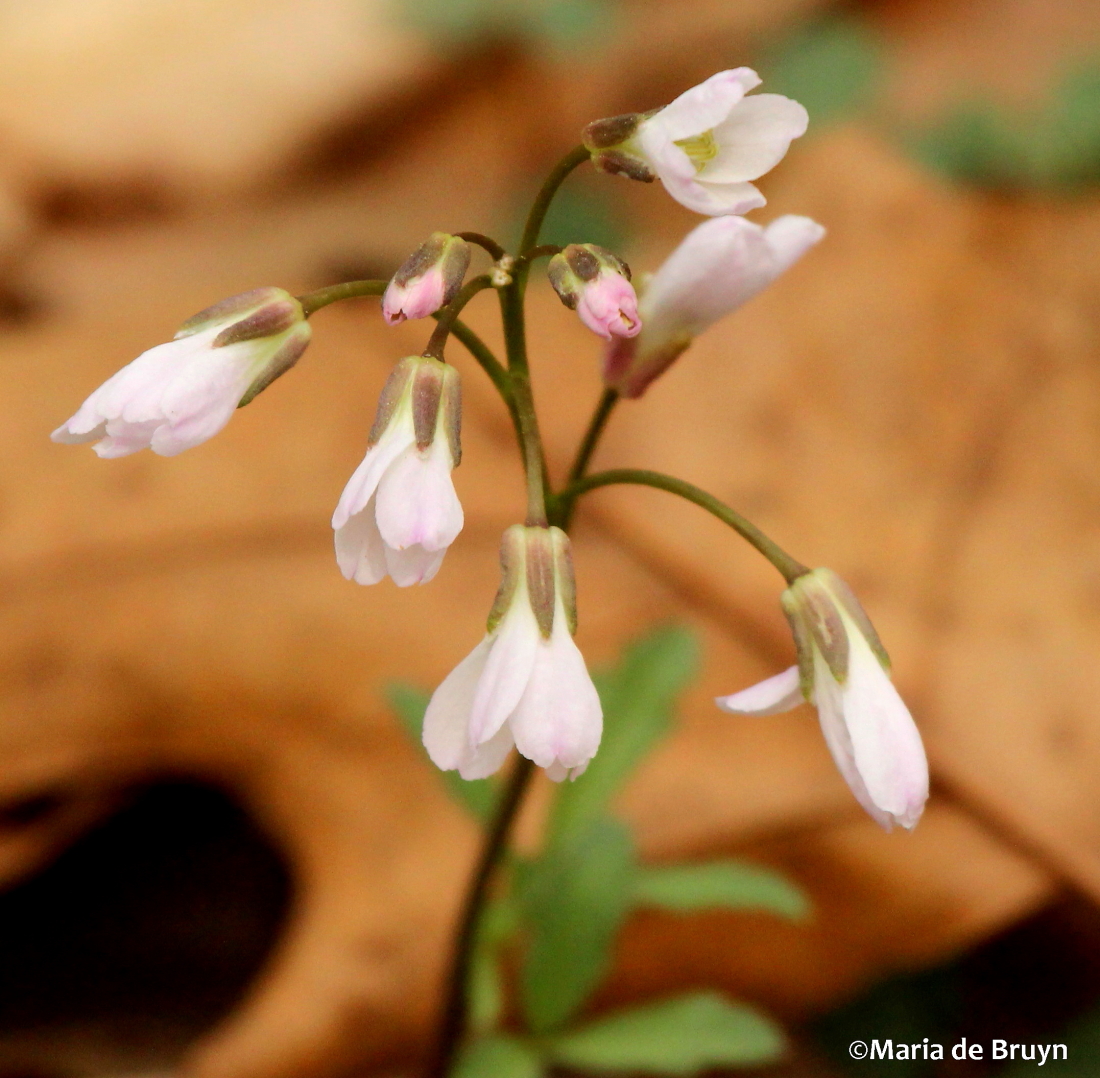
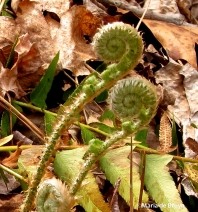 ferns (Polystichum acrostichoides). These curled fern fronds are collected to be cooked and served as vegetables, although the fiddleheads of this particular fern are not recommended as being particularly edible. It is a useful fern, though, as the full-grown leaves lie flat on the ground and contribute to controlling erosion and conserving soil by keeping fallen leaves in place as they decompose.
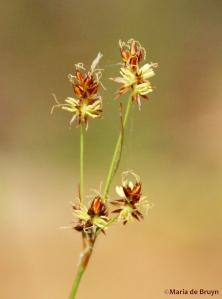 odrush (Lazula multiflora) is not such a spectacularly beautiful flower from my perspective but perhaps it is because of the muted colors. The turkey tail mushrooms (Trametes versicolor) also often appear with browns, rust and blackish colors but I find that they always create a beautiful image as they grow on stumps with bands of different colors.
 My beautiful world