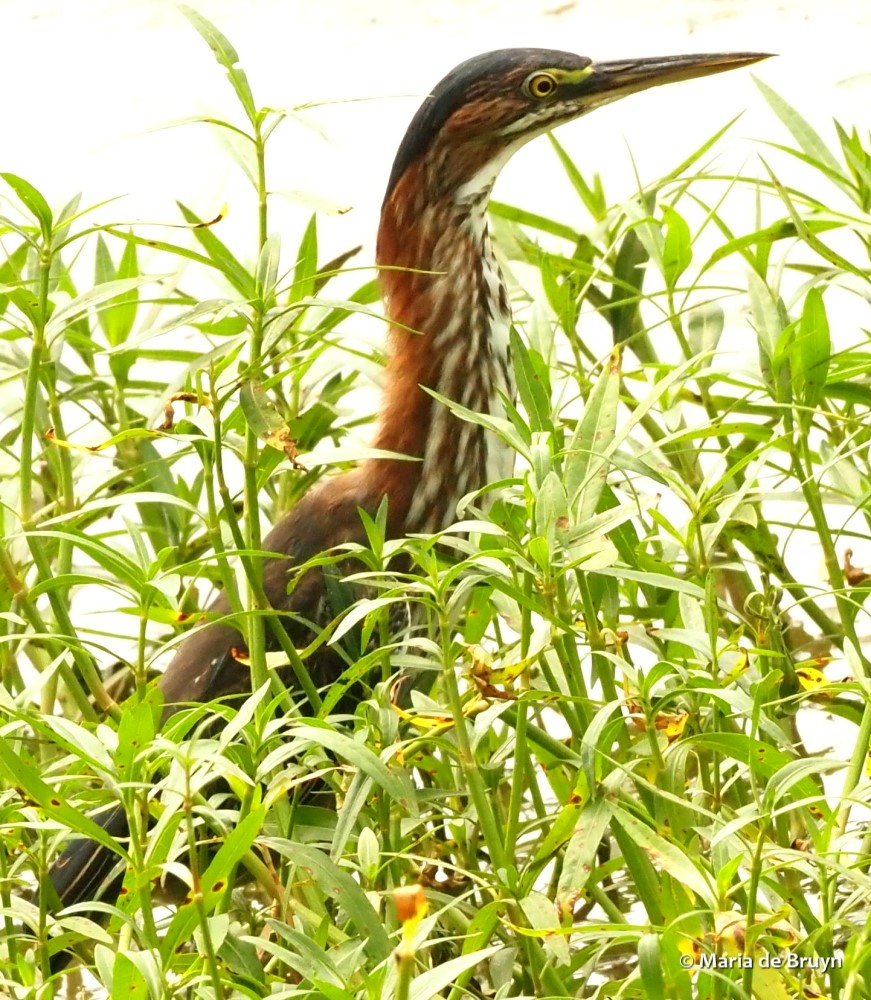
Small, feisty and fascinating — my favorite herons!

Well, time has passed again quite quickly since my last blog (at least for me), but I hope you find this posting worth the wait! I’d like to introduce you to my favorite herons.

There are 16 heron species in the USA, and many are fairly large birds. But my favorite is the smallest one — the green heron (Butorides virescens)!
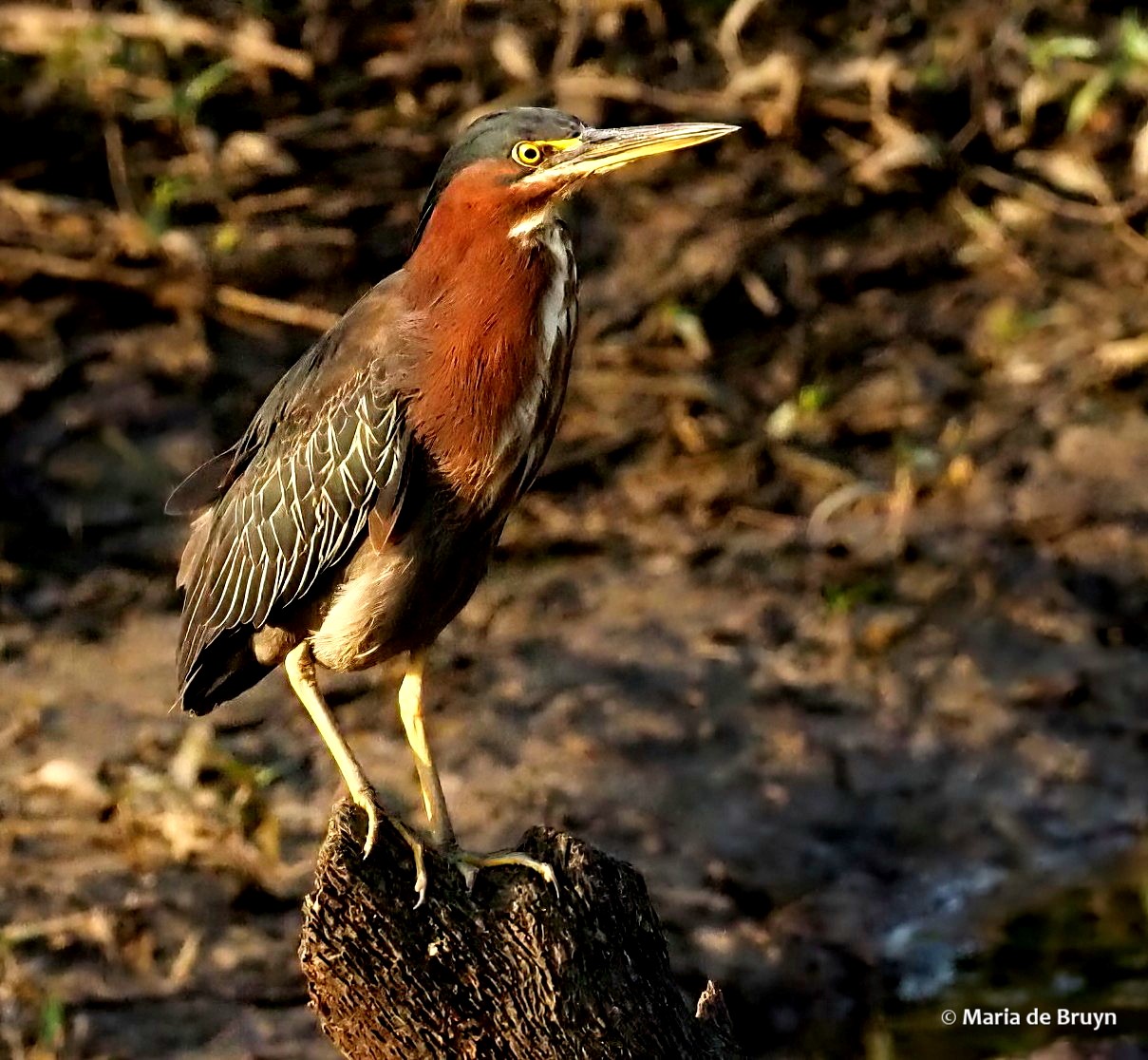
They are sometimes considered rather “secretive” birds, avoiding being out in the open or in full sight. When they sit and stalk near vegetation, they can indeed be difficult to spot.

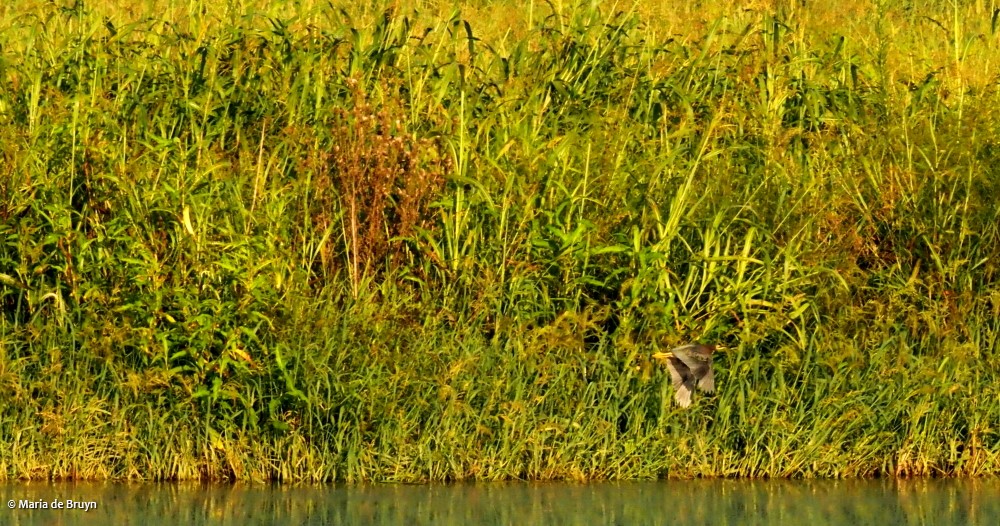
Even when flying, they can blend in well with background bushes and trees.
This year I was fortunate enough to see them out and about fairly often. They accommodated birders by staying for a while at four different ponds and a small lake.

What used to be a decent pond behind a shopping center was drained a couple years back and became a barren and often trashy area. The beavers who helped keep it water-filled were chased away. But when our area had copious rains in late summer this year, the pond filled partly and sometimes fully. A pair of green herons took up residence for several weeks alongside mallards, a lone hooded merganser, a young ibis, some egrets and little blue herons.

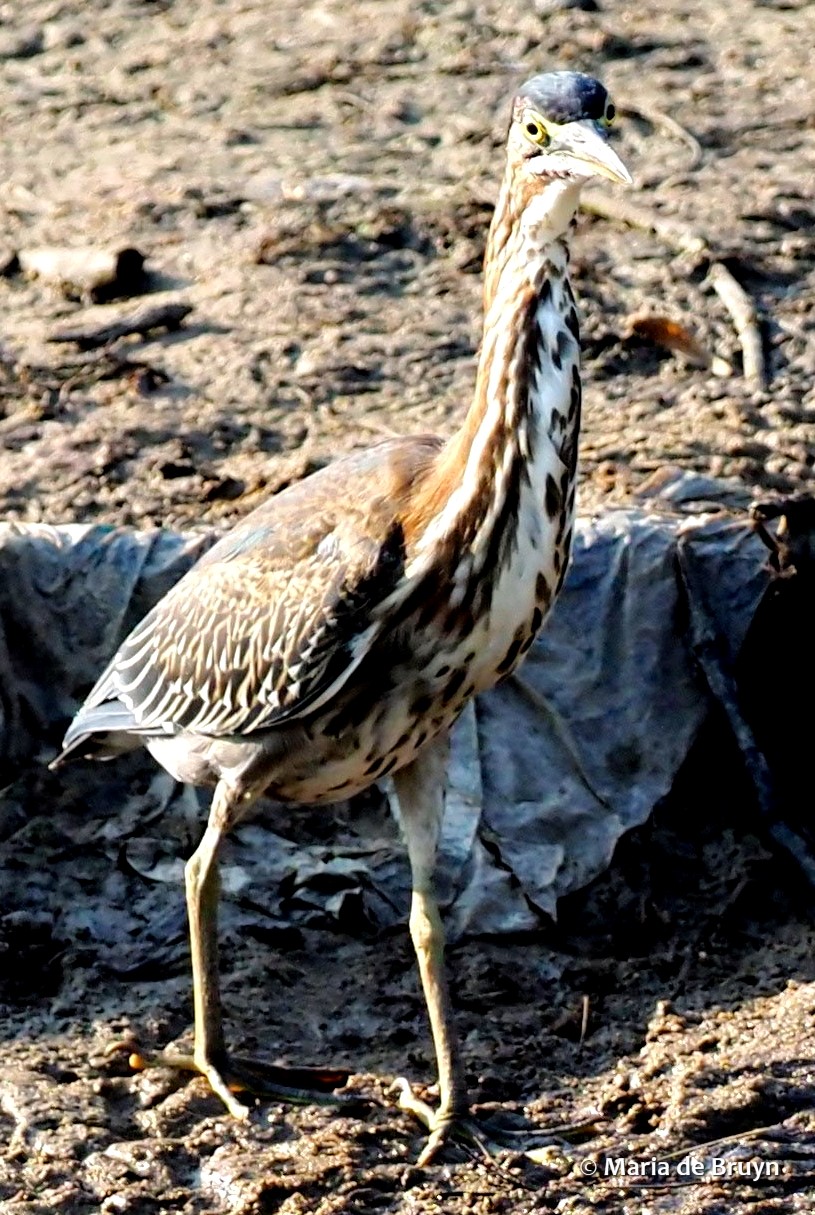
     

Green herons are known by various common names, some of which I find rather weird:
  • Fly-up-the-creek (likely inspired by their swift flight when startled or disturbed)
  • Poke (perhaps referring to how they forage)
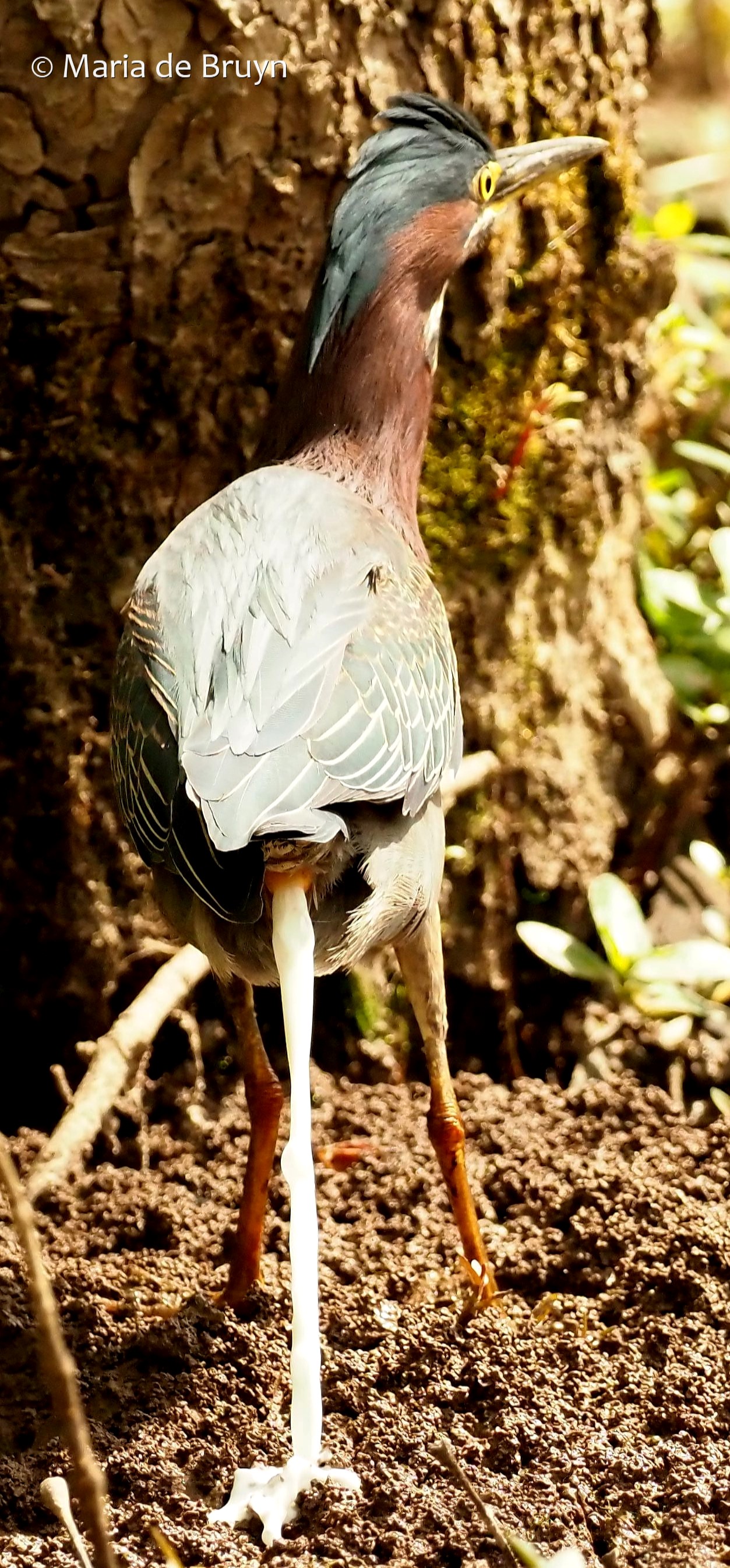
  • Shitepoke (referring to their projected fecal matter; see left!)
  • Chalkline
  • Indian Hen and
  • Chucklehead.

In my experience, great blue herons tend to ignore people for the most part, but the greens always seem very aware of our presence and sometimes curious about why we’re watching. So, I might be inclined to give them a nickname like Puzzlers, befitting their sometimes-intent perusal of watchers.


When not stalking prey, these herons often perch or stand with their long neck pulled in and they look like they’re hunching their shoulders. When you see their neck extended, though, you get a good idea of how tall they can be!
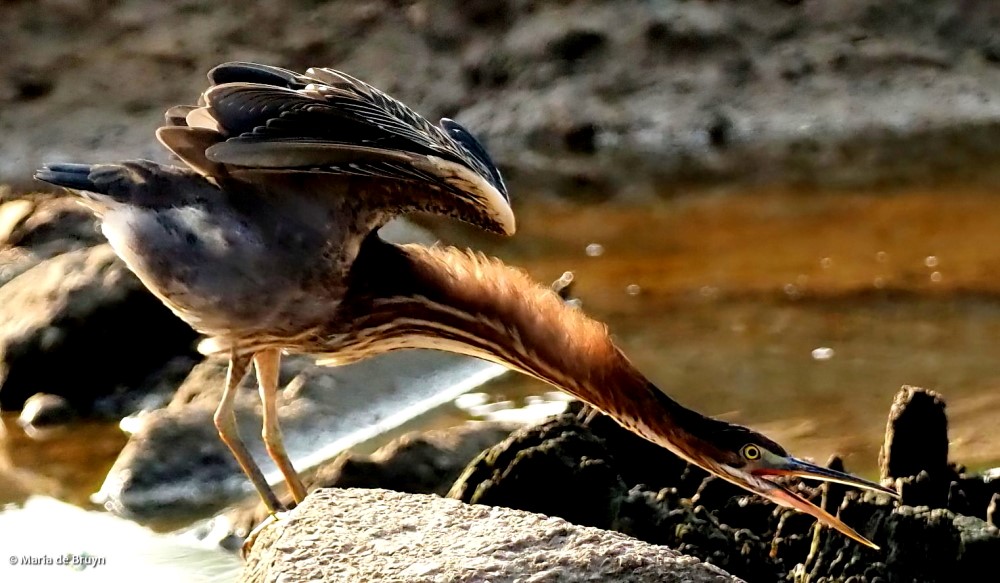


Other herons are not quite as colorful as the greens. These small herons change their appearance much more, displaying feathers of white, cream, chestnut, green, brown, gray and black colors. This is set off against a pair of yellow or orange legs, making for quite an attractive bird.


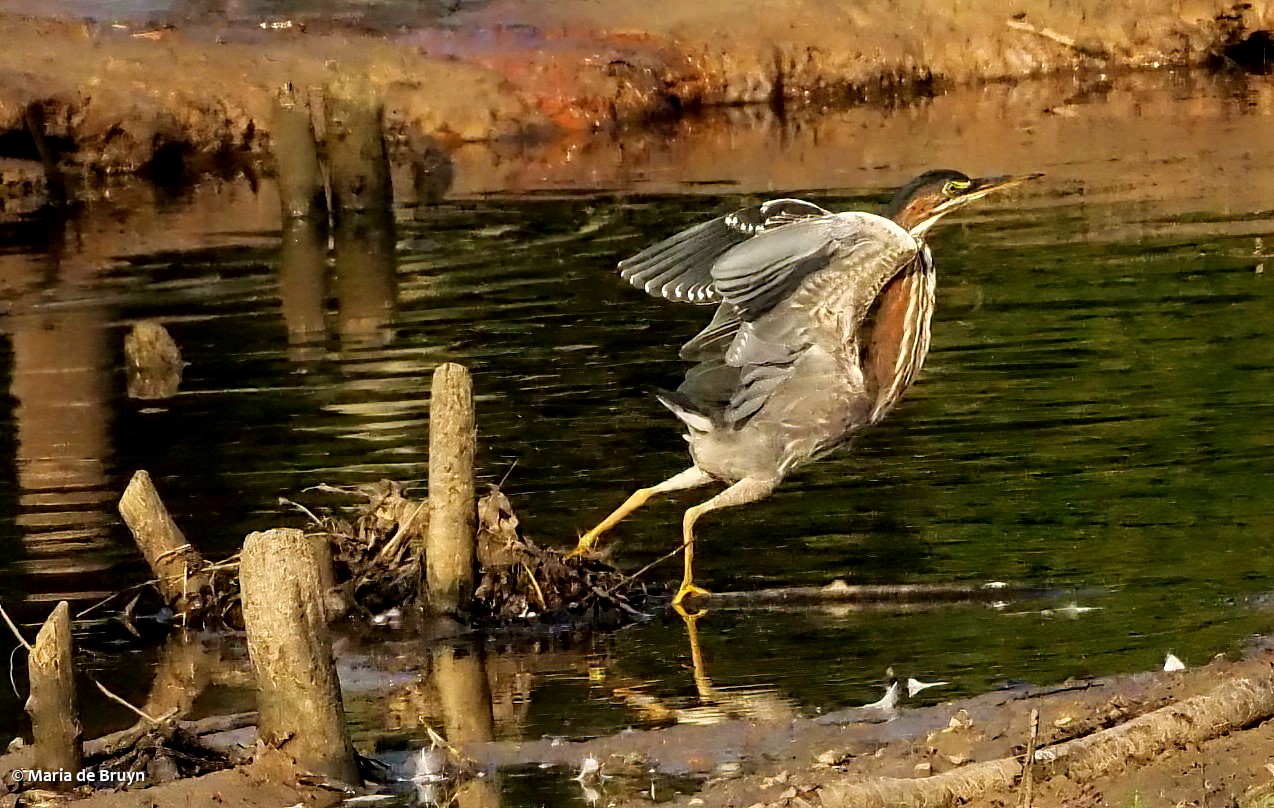
The green herons are among the tool-users of the animal world. They fetch different items to serve as bait to lure fish to the water’s surface, including insects, bread, leaves or feathers. They mostly look for prey while wading along waterways or stalking in shallow areas. Occasionally, they also go after prey in deeper water, evening diving in and needing to swim back to land.
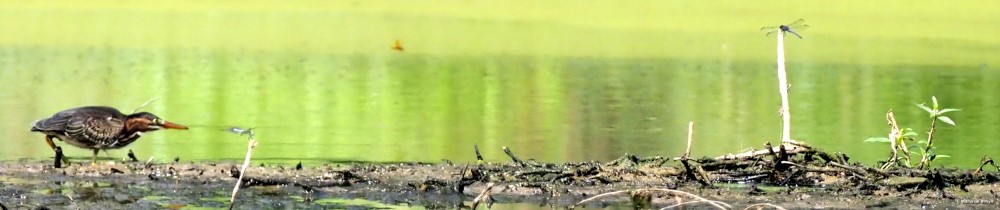
Their diet can be varied, including animals such as frogs, tadpoles, lizards, crayfish, snakes, dragonflies, grasshoppers and other insects, and sometimes small rodents.

This summer I saw one green heron catch a very large frog that was at least as long as its beak, if not longer. Unfortunately, I didn’t get a clear photo as my camera has been malfunctioning. ☹

After watching them often, it’s still not entirely clear to me why they sometimes raise their crests. Perhaps it’s a way of warning those around them that they are on the alert and not willing to share space. I do think it gives them an attractive look, although they can be stunning when simply resting on a branch while they survey the surrounding area.

At the end of August, I thought the greens had begun moving on to their winter abodes as I wasn’t spotting them. But then a few days ago, I caught one chilling out at a vineyard pond with no other wading birds in sight.
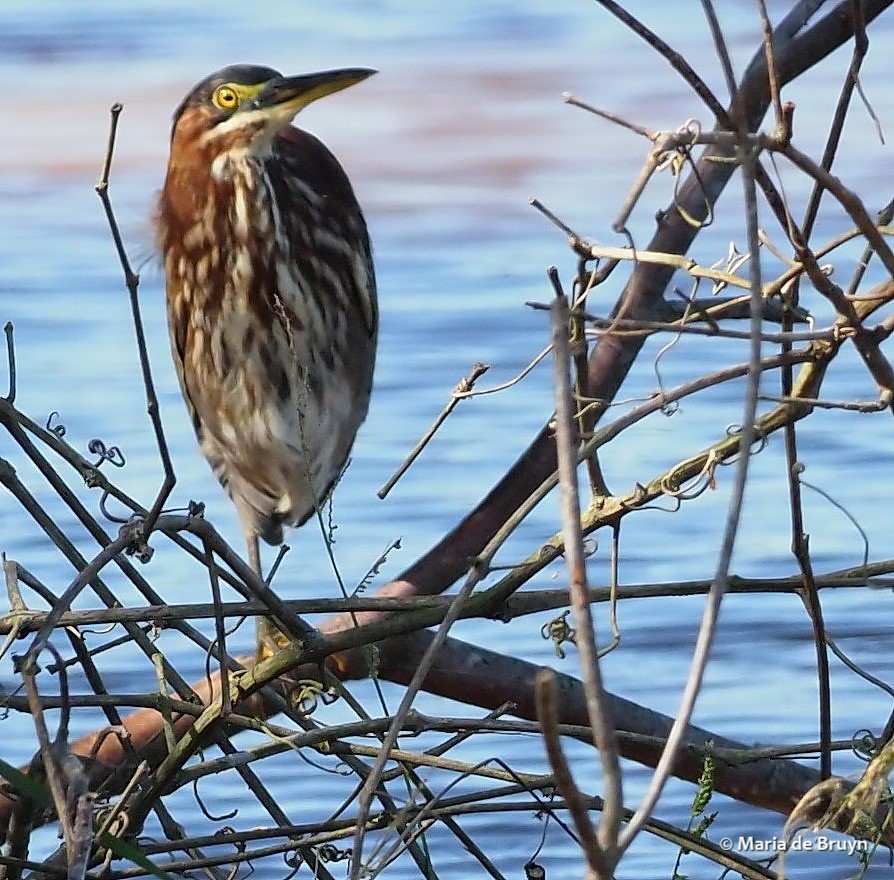
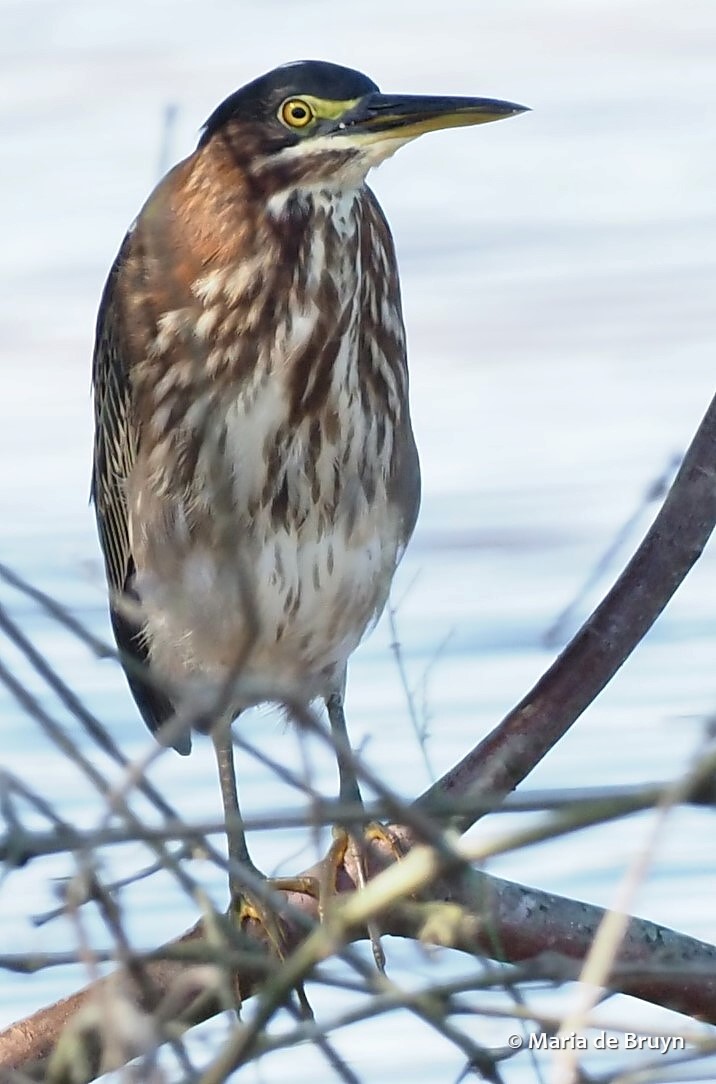
               

My late summer sighting was perched on branches at the pond’s edge, standing on one leg. Since a large snapping turtle was floating right behind him/her, I hoped that the other leg was simply tucked up under its feathers — and luckily, that was correct.

A threat to these entertaining birds is the alteration and loss of wetlands, which are proceeding quickly. Green herons are not (yet) among the birds whose survival is threatened as a species and individuals can live as long as 9 years. Nevertheless, this year the U.S. Fish and Wildlife Service reported that wetland loss rates have increased by 50% since 2009 and North Carolina, where I live, was particularly affected.

This continuing decline can only be stopped with more action to preserve existing wetlands, as well as measures to deal with the effects of climate change. I very much hope that I’ll be able to continue seeing the green herons and other wetlands wildlife for a long time to come.
Learning to love an over-protective bird

When house wrens (Troglodytes aedon) first began visiting my yard some years ago, I was not aware that they are extremely protective parents. I didn’t see them as often as birds of other species since they don’t come to my feeders and were not using nest boxes.


The past couple years, however, they have become more comfortable in my yard and began building their nests in boxes after all. This became problematic for me and especially the other species who use the boxes — Eastern bluebirds, Carolina chickadees and brown-headed nuthatches. The reason?

House wrens do their utmost to drive other birds out of their territory so that there is no competition for food needed by their nestlings and fledglings. This protectiveness makes them go so far as to peck other birds’ eggs, which they have done with chickadees and bluebirds in my yard.

Very unfortunately (and upsetting to me), they even killed two nestling nuthatches one year. The other two nuthatch babies managed to fledge. This behavior led a birder, Althea Sherman, to launch a crusade against house wrens in scientific journals in the early 1900s. Now, there are instructions online on how the wrens can be discouraged, for example, on a website devoted to bluebirds.

This year, Eastern bluebirds (Sialia sialis) were tending four eggs in one box and a house wren tried to invade. The parents were very protective and successfully drove the wren away (photo below). Another pair of bluebirds had nested early and managed to guide their young to fledging. They then abandoned my backyard for nesting and the house wrens had no rivals for nest boxes in that area for the rest of breeding season.

House wrens are one of the bird species banded in my yard each year for the Smithsonian Institution’s Neighborhood Nestwatch program. This year the bird bander noticed their nest with babies in a backyard nest box, so she upped the chances of catching one by counting on their extremely protective nature.

A net was put up not far from the box and the bird bander played the call of another house wren. This resulted in both mama and papa wren getting inadvertently caught up in the net while trying to drive away the intruder. They were both banded and then immediately let go so they could resume feeding their babies.

The four woodpiles in my backyard were like a larder for them because they host a plethora of insects.


And the house wrens are obviously not that choosy about which insects they eat. Mama and Papa brought a large variety to their ever-hungry nestlings.


The parents were also very good at keeping the nest clean.

The three nestlings appeared to be producing numerous fecal sacs so that mom and dad were constantly checking the nest for them and flying them away.


At one point, it was interesting that when the male wren brought a large insect to the nest, he handed it over to the female, who was waiting a bit after having just given the babies food.


Eventually, the large meal was delivered to the nestlings.


As the days went by, the nestlings became louder and more insistent on being fed and the parents scarcely paused in their efforts to keep the meals coming and the nest clean. It must have been a relief for the parents when the babies finally left the nest box because they could now take a breather now and then.


Right after fledging, the parents were still busy. The fledglings had not yet flown far so I could see the first post-fledging feeding session for one young wren.

I had learned that house wrens sometimes incorporate spider egg sacs into the nests they build because the hatched spiders eat nest parasites and thereby help protect the developing nestlings! The parents also fed mother spiders and egg sacs to their young. Just after fledging I caught a circle-of-life moment when a parental wren fed a mother spider with her attached egg sac to a fledgling – the death of the poor insect furthered the life of the new bird.

I could see and hear the parent house wrens continuing to feed the fledglings that afternoon. But after a while they appear to have moved to another yard, where they likely weren’t dealing with humans closely watching.


The Eastern bluebirds have a new nest in my front yard now with four eggs, so my nest watching can continue for a while. And the juvenile birds of other species coming to the feeders are entertaining, too.

Yellowstone National Park: Part 3. Red dog at play!

When I visited Yellowstone in 2016, seeing the American baby bison at play was one of my favorite sightings; I was certainly looking forward to seeing them again in May 2022. They did not disappoint; the first group of bison (Bison bison) that stopped us on the road on Day 1 included a good number of babies.

During our week’s stay in Yellowstone, the weather was very changeable. On one and the same day, we would have snow flurries, cold winds and hours of bright sunshine and balmy warmth leading us to shed warm jackets. That didn’t stop us from seeing bison everywhere though.

As you drive through Yellowstone, your progress is often slowed down or stopped as herds of bison take over the roads. They have the right of way, so cars need to stop as the group walks around the parked vehicles. People are not allowed to get out as the protective parents could seriously harm anyone nearby.

Sitting in your stopped car does give you a good look at the molting adults and cute youngsters as they pass by your window, sometimes within a couple of feet.

Bison are the largest mammals in the USA. They were designated the country’s National Mammal on 9 May 2016 through the National Bison Legacy Act.

They literally go everywhere. When we walked through thermal areas, we often saw bison “patties” lying about.

When I asked a ranger how they could traverse the hot springs, she said that their hooves can withstand the heat; in some areas, their thick fur even shields them and they lie down to rest in the warmth for a while. However, rangers have seen some with burns on their legs.

Bison patties are also left in grasslands, hillsides and forests. I don’t recall seeing many on roads, however.

Most calves are born in late April and May. They can stand within an hour of birth and begin walking soon thereafter. It doesn’t take long at all for them to become rather independent even though their mothers care for them for about a year.

Apart from their obvious small size, the baby bison are notable for their reddish coloring; their fur will turn adult brown during their first mid-winter. When they are about 2 months of age, the characteristic shoulder humps begin to emerge.

The babies can be extremely playful; their relatively small size enables them to run and jump in seeming jubilance, leading to the nickname “red dogs”.

Perhaps it was the climatic circumstances, but we didn’t see as many playful red dogs as I’d seen in 2016. One youngster did give us a sample of youthful exuberance, however, running, jumping and generally exuding joy.

I did learn this year that Yellowstone’s bison are quite unique. The Park is the only place with bison that are direct descendants (without cattle genes) of the millions of early bison that roamed the area in prehistoric times.

By the late 1800s, only a few hundred bison remained, having been hunted to near-extinction and deprived of needed habitat. Then, by 1902, poachers had reduced Yellowstone’s herd to only about two dozen animals.

Today, their Yellowstone population varies from 2,300 to 5,500 animals and there are groups at other National Parks as well. The Native American Inter-Tribal Buffalo Council collaborates with the National Park Service to transfer bison from national parks to tribal lands.

It’s so fortunate that strides have been made in preserving these iconic animals for us to see in person. And dedicated people are providing resources for people who want to learn more about bison: https://allaboutbison.com/

Adorable anoles — lizards with moods!

Hello, readers — it’s been a while! Time seems to be passing ever faster for me with each new year of life. I was surprised to realize that it’s been a couple months since I posted a blog. So here is a column that I just submitted to a local newspaper with a few more photos than the paper could accommodate.

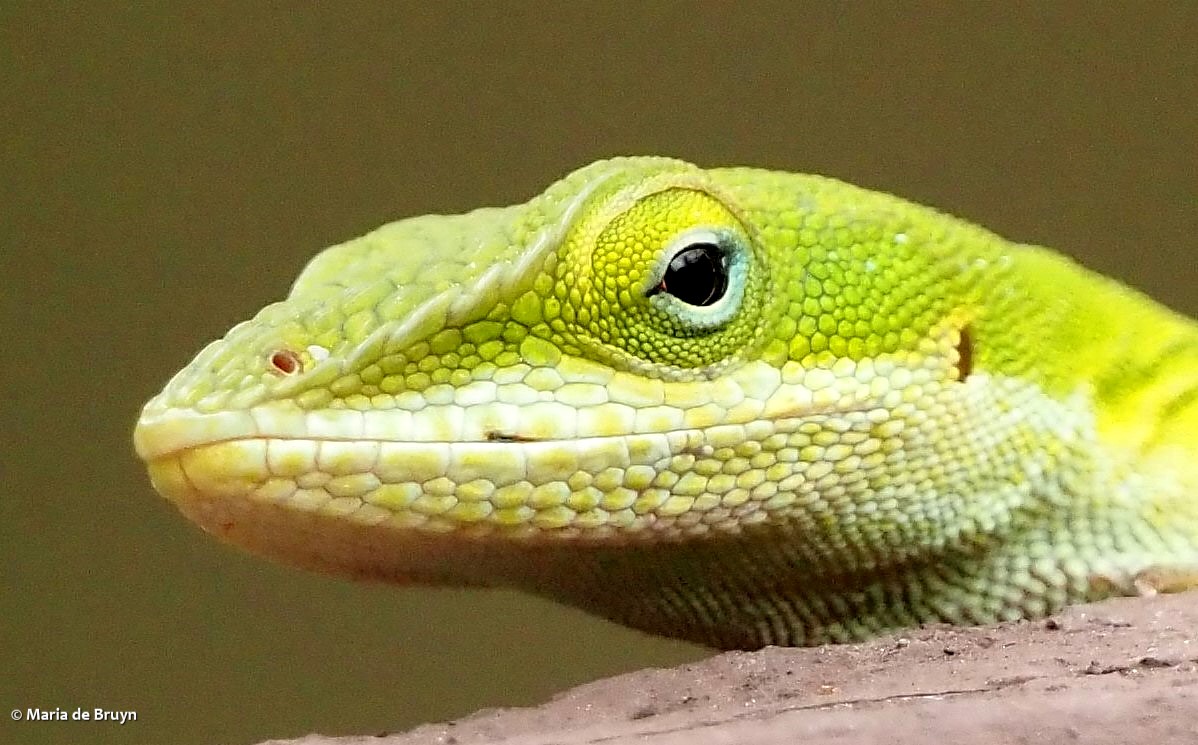
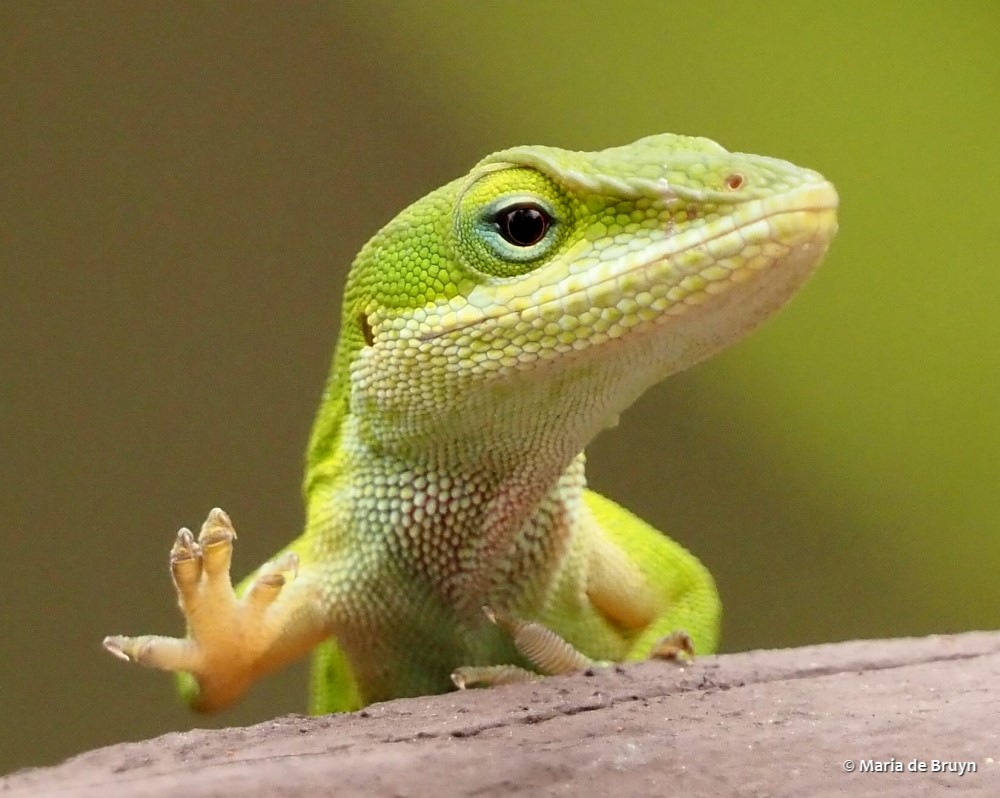
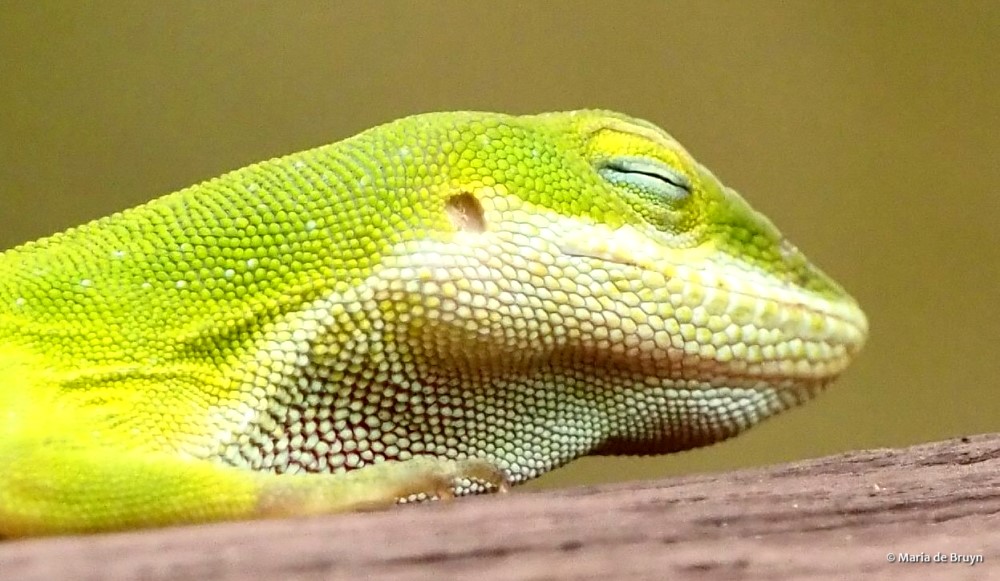
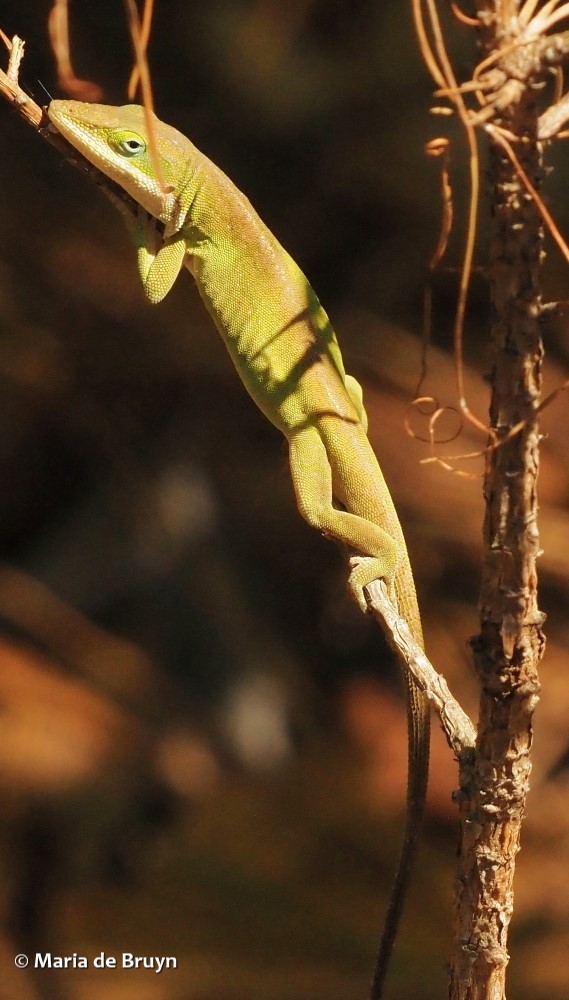
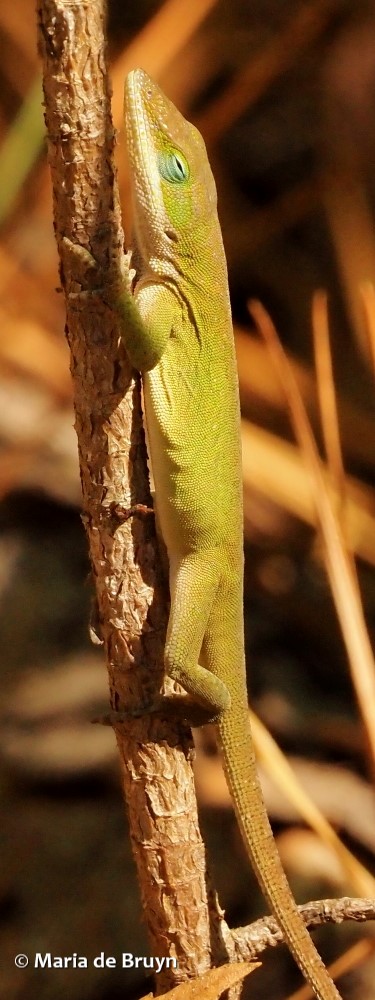
One of my favorite local reptiles is the Carolina anole (Anolis carolinensis). These cute lizards can be seen year-round since they don’t hibernate. In my experience, however, they seem to be more active — or at least viewable — in late summer and early autumn.

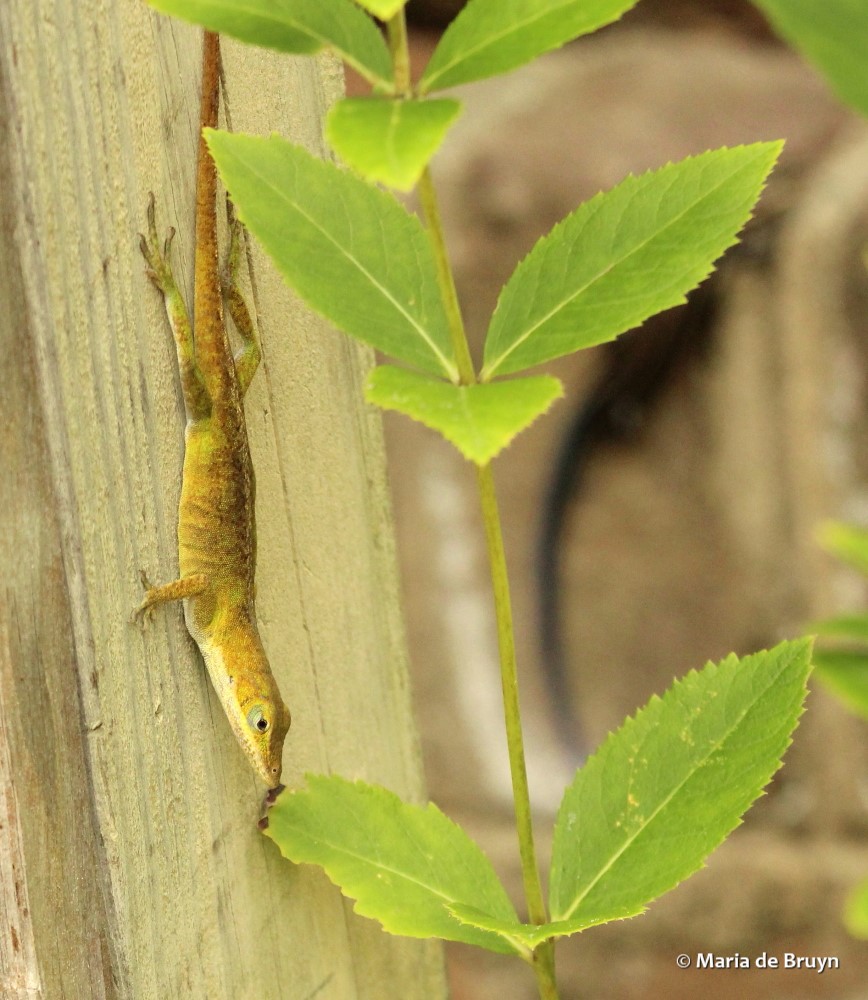
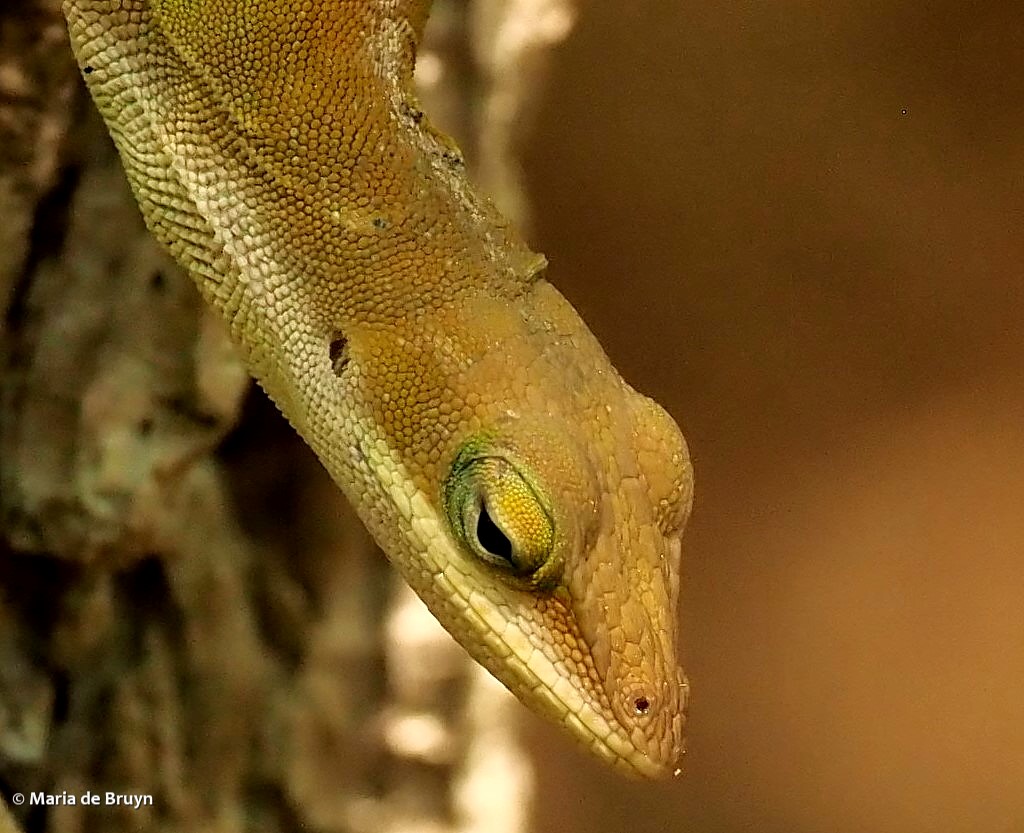
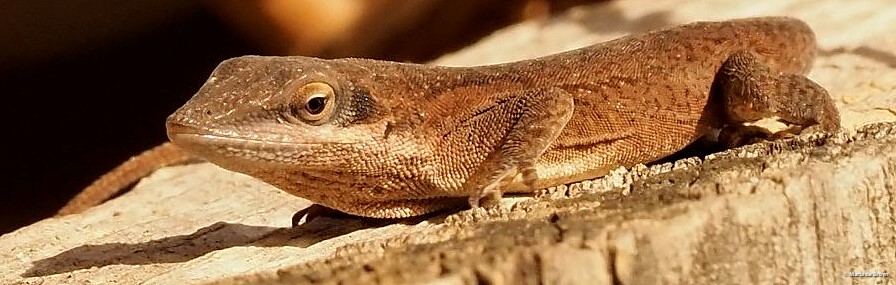
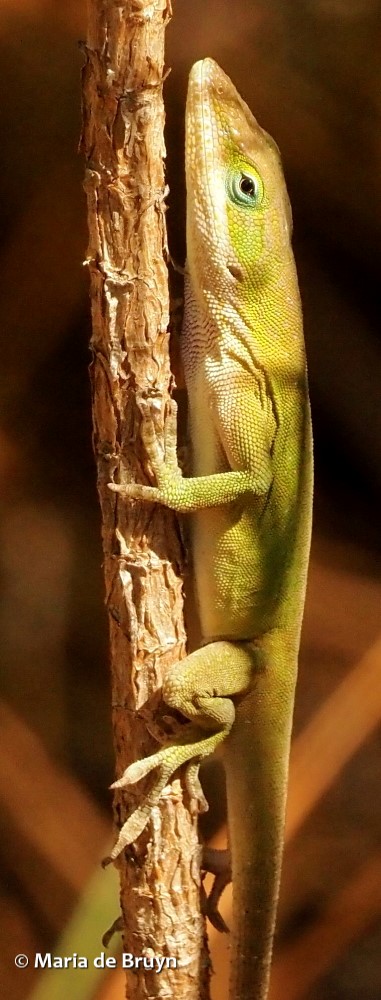
Also known as green anoles, they are the only anoles native to the southeastern United States. Green is nevertheless not their only color. You may encounter dark brown, light brown and green/brown anoles and they might even change their coloring as you watch them.

Unlike chameleons, who change color to blend in with their surroundings so that they can hide more easily from predators, anoles mainly change their skin hues in response to stress or their mood, when they are active or when they want to defend a territory. Darker colors may indicate that they are feeling cold or stressed out.

Sometimes when I’ve watched individuals at length, it’s seemed to me as if they were expressing a variety of moods, even if they didn’t change color.


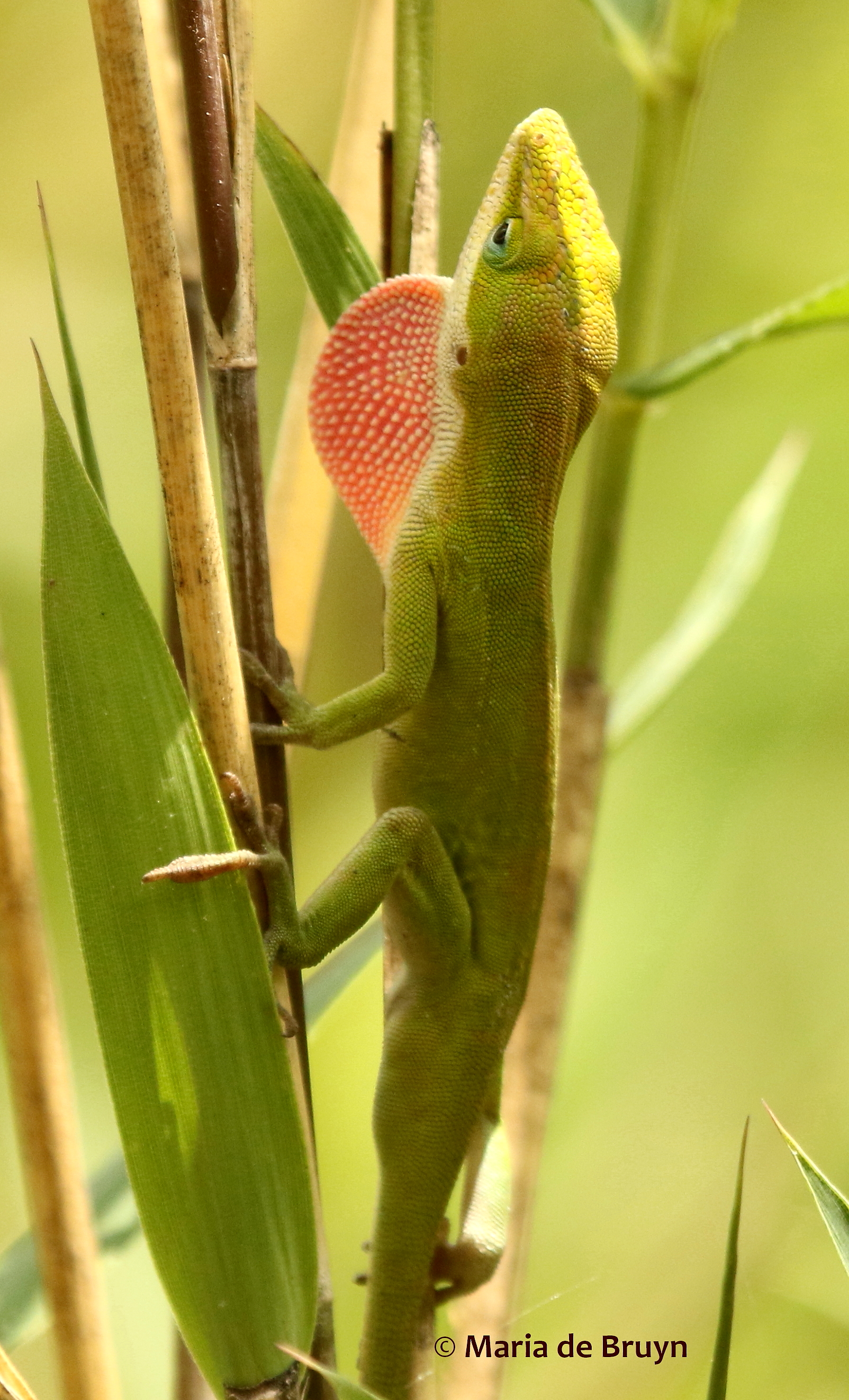
Full-grown males are larger than females, but you can also guess their sex based on anatomical features. When males hope to attract a female for mating, they display a brightly colored reddish flap underneath their jaws called a dewlap. When a female sees it, this may induce her to ovulate. Males also show their dewlaps when defending territory against other males.


Female anoles can often be distinguished by a row of white markings along their spine, which most males lack.

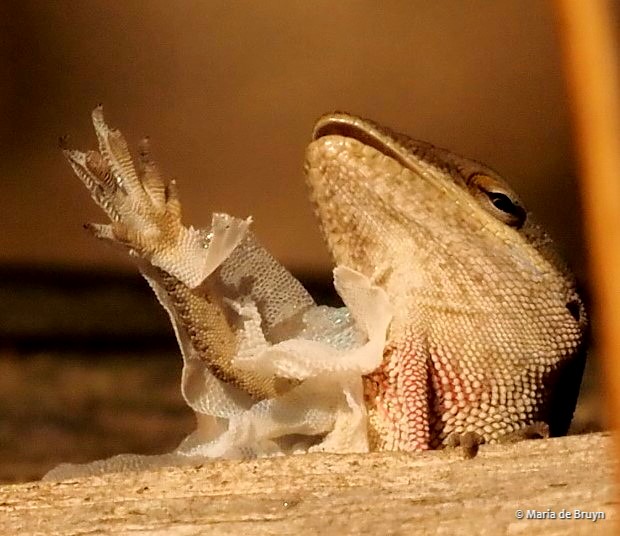
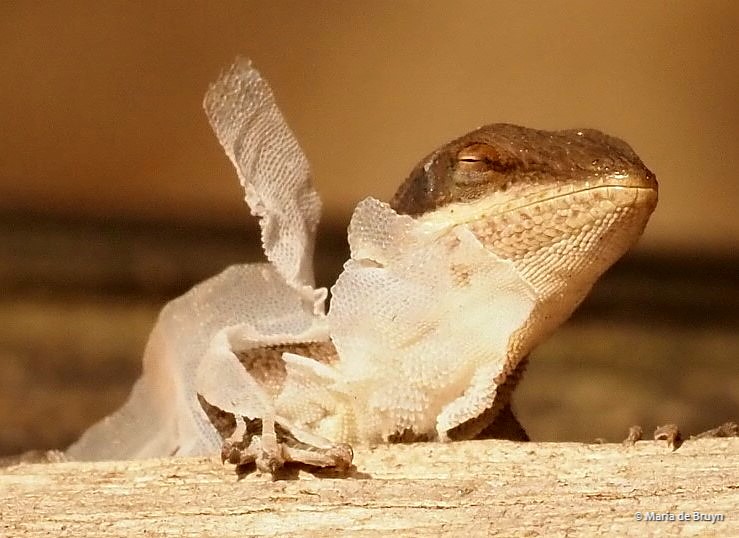
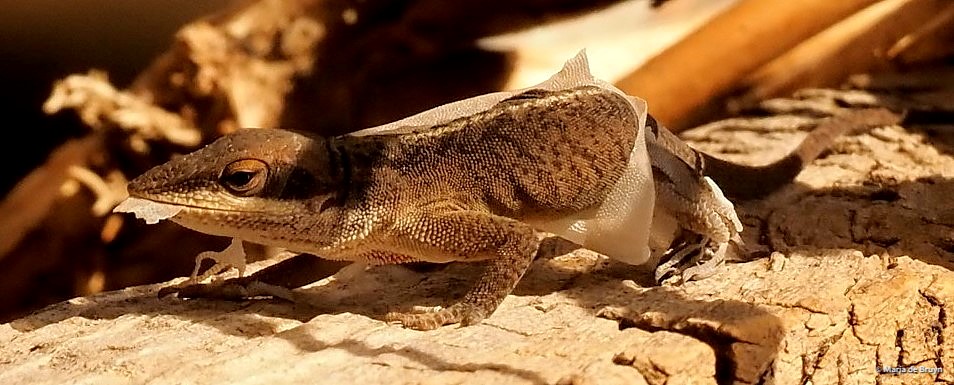
Like other lizards, anoles regularly shed their skin. Observation last year taught me that they may also eat that skin since this provides them with extra nutrients that may be lacking in their direct environment.


Their regular diet is varied, including flies, beetles, spiders, cockroaches, worms, ants, termites, moths and butterflies. Seeds and grains can form part of their meals as well.


Carolina anoles are known as arboreal lizards because they spend a lot of time in trees and shrubs. From a higher perch, they can survey their surroundings. Climbing up shrubs and trees can also help them escape from predators who cannot follow them because they lack the sticky foot pads that enable anoles to ascend vertically. Other predators, such as tree snakes and larger lizards, can catch them if they are quick.


Sometimes, a predator may catch a green anole by the tail and the anole escapes by dropping its tail—a defensive behavior known as caudal autotomy. A new tail will grow but will be weaker as it contains cartilage instead of bone and often will not be as long.


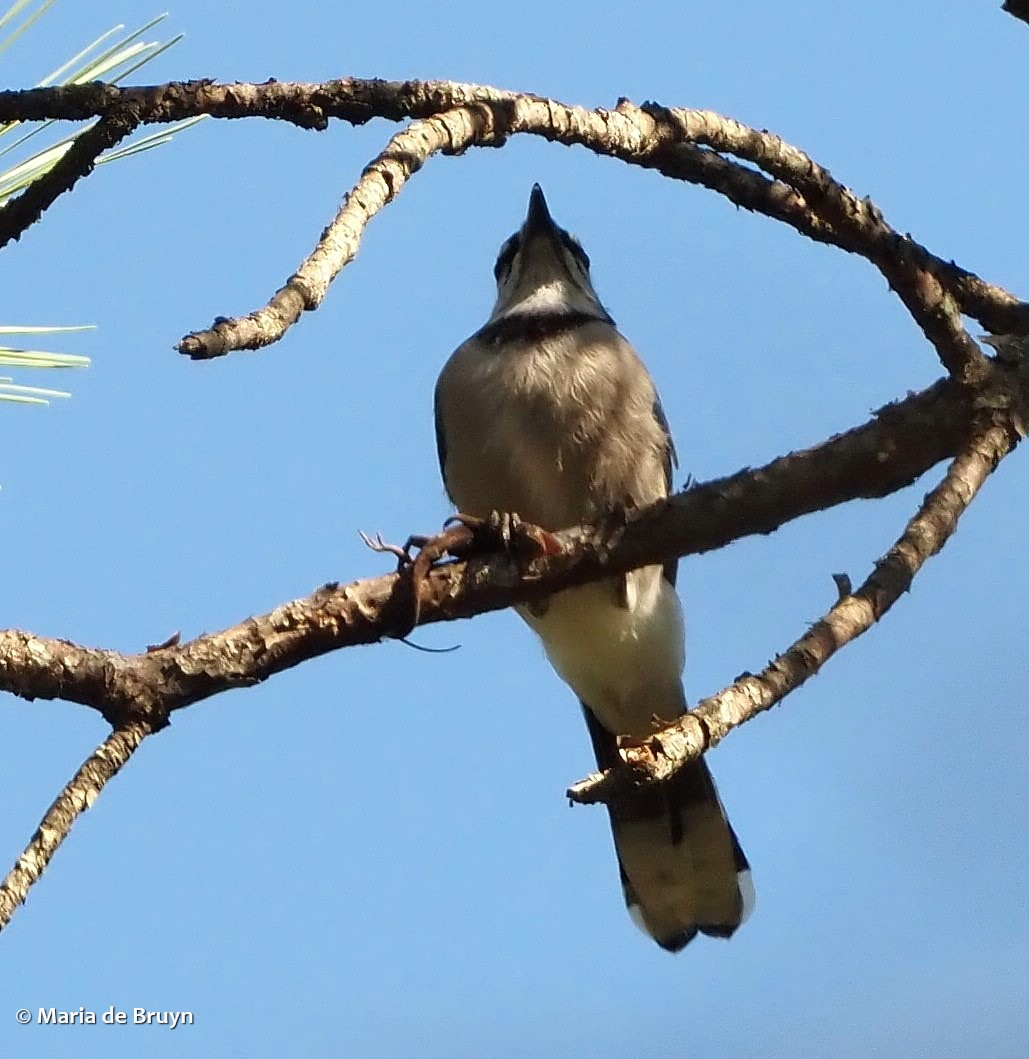
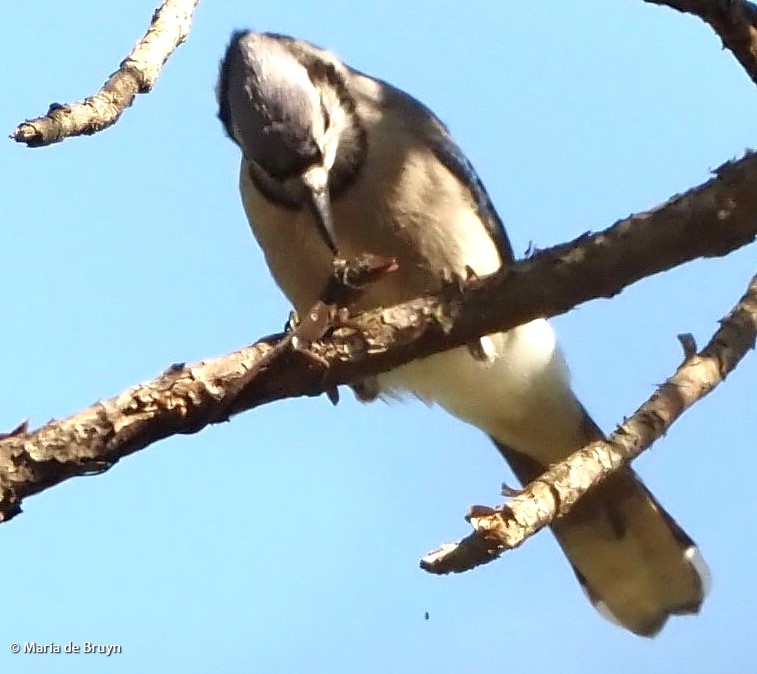
Recently, I learned that birds also hunt anoles when I photographed a blue jay who had caught one. Other birds in our area who go after them include kestrels and bluebirds.


The Carolina anoles usually live from about 2 to 8 years. A few who live around my front porch sometimes approach me closely and it’s noticeable that they are watching me, too.


Another one decided that an unused bluebird nest box was a good place to hide from predators, obviously not during birds’ nesting season!

It’s been so nice to see the anoles out and about the past weeks. Tonight, we’re having our first freeze of the 2022 autumn/winter season so the anoles may start seeking warm places to hang out. Hopefully, they will have found good places to over-winter.

Readers in the southeast USA who would like information on how to create habitats that can harbor anoles and other native reptiles and amphibians can check out this information site: Reptiles and Amphibians in Your Backyard.


My next blog will be the first of a series about Yellowstone National Park. I’d originally planned to post the series this past summer but then couldn’t find some photos I’d taken. The missing card “turned up,” so a photographic tour of the park before it flooded this past June will soon commence.

Have a great day!

Sunflower fields as critter-friendly habitats — part 2: bees and bugs

Do you know why the common name in English for Helianthus is sunflower? The common name is the same in Dutch (zonnebloem), German (Sonnenblume) and several other languages. In French (tournesol) and Spanish (girasol), the common names refer to “turning to the sun”, an accurate description of how this plant behaves.

Sunflowers exhibit a phenomenon known as heliotropism — an inclination to turn East in the morning so that the developing buds are warmed by the sun. The plant heads track the sun during the day and, at night, they reorient themselves to face East again. So if you pay attention when you visit a sunflower field at different times of day, you’ll notice they face a different direction in the morning and afternoon.

It’s not only birds, butterflies — and people! — that enjoy sunflowers. When these flowers grow in abundance, plenty of varied insects come to enjoy them and I’ll share something about these “sun worshippers” with you.

Bees of varying sizes were feeding in the sunflower fields that I visited. The large carpenter bees (Xylocopa) were not difficult to spot with their smooth shiny abdomens.

The similar-sized, fuzzy-looking bumble bees (Bombus) were actively visiting one sunflower after another.

American bumble bees (Bombus pensylvanicus) were foraging on nearby hibiscus blooms.

At a different site in neighboring Durham county, where sunflowers bloom later, I saw bumble bees on partridge peas and other yellow flowers.


There, too, my attention was caught by a bee that looked quite different from others that I’d seen. It proved to be a leafcutter bee (Megachilid), which has large mouthparts that enables it to cut pieces of leaves, plant resins and soil to line its nest.

The leafcutter bees are interesting in their unique method of carrying pollen. Rather than collect pollen in baskets called corbicula on their hind legs, they gather the substance in a clump of abdominal hairs called a scopa or pollen brush.

Back at the sunflower fields, I observed one medium-sized cuckoo bee (Epeolini) eventually become covered with sunflower pollen. These bees do not have an anatomical structure for carrying collected pollen and the females, like avian cuckoos (or cowbirds), lay their eggs in other bees’ nests.

The much smaller Western honey bees (Apis mellifera) were very numerous. It was interesting to discover that for some time, the NASA website included a section on honey bees! It stopped being updated when the principal investigator retired but NASA maintains the site because of the valued information it contains. Some of the interesting facts they listed about these insects:

  • Bees can fly about 20 mph (32 kph).
  • The highest recorded number of eggs laid by a queen was 2,000 per day!
  • Bees have been on our planet for about 30 million years!
  • To make 1 pound (0.45 kg) of honey, bees need to collect nectar from about 2 million flowers!!
  • The average foraging bee (all females) makes about 1/12th of a teaspoon of honey in her lifetime.
  • The main way in which honey bees communicate among themselves is via chemicals called pheromones.

The honey bees and common Eastern bumble bees make a good choice by spending lots of time in sunflower fields. Scientific studies indicate that ingested sunflower pollen enables them to suffer less infection from two common parasites, a real boon for bees who might otherwise succumb to colony collapse as a result of disease.


Both in the sunflower and other fields, it was fascinating to see other types of small bees as well. The small green sweat bees perhaps prefer more colorful blooms as that is where I mostly saw them.

These tiny non-aggressive bees are attracted to sweat because it provides them with moisture and salts.

There were some other interesting insects besides butterflies and bees in the sunflower fields and surrounding vegetation. While looking at some bumble bees circling a large sunflower head, I had inadvertently photographed a pair of much tinier insects near the center of the flower. I actually only noticed them when I was looking at the photos at home or I would have tried to focus on them better in the field.

When I enlarged the photo, I was able to get a somewhat fuzzy look at them and BugGuide identified them for me as sunflower seed maggots (Neotephritis finalis). These tiny insects have prettily patterned wings, but I discovered there is not a lot of information available about them; some research in North Dakota in 2008 concluded they might be a pest but no other data were easily available. They are a species of fruit fly.

Another insect seen on the sunflowers that many people find distasteful were the green June beetles (Cotinis nitida). The larva can damage vegetable and other plant roots, while the adults will feed on ripening fruit, so many gardeners will try to get rid of them.

A cute little syrphid fly, which BugGuide couldn’t identify specifically (a Palpada species), seemed to be alone with no fellow flies nearby.

There were several slender meadow katydids (Conocephalus fasciatus) to admire with their extremely long antennae.

The most interesting fact I discovered about them is that they have a soft song comprising ticks and buzzes that alternate for time periods of 1–20 seconds.

Sunflower fields are beautiful and spending time observing them as interesting wildlife habitats can really be enjoyable. These flowers also constitute a beneficial cash crop for farmers who can sell the seeds for sunflower oil, for human and avian consumption and the stalks for cattle feed.

And as if all those benefits don’t make sunflowers enough of a value-laden plant, scientific studies have also shown that they assist in phytoremediation, a process that helps remove and destroy polluting contaminants in soil, water, and air. Their deep taproots help aerate soil and make it richer for growing other subsequent crops as well.

Some sunflower fields may still be blooming through August and an online search can help you find them if you’d like to enjoy these wonderful flowers and their wildlife beneficiaries. If you have a garden, you might consider adding sunflowers to your vegetation mix if you don’t have them already. You can still plant some now in hopes of late autumn blooms.

This is a good time also to remember that the Ukraine became the world’s leading exporter of sunflower seeds until the currently ongoing invasion of the country brought this trade to a halt. Farmers who were still able to grow the country’s national flower are stuck with supplies and no income. Consider supporting organizations that are working to provide the Ukrainian people with humanitarian aid: