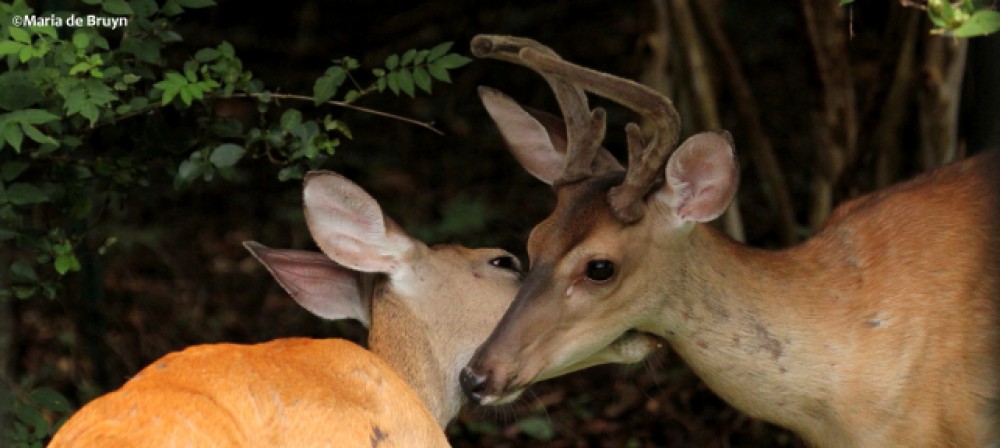
Corvid courtship – something to crow about

American crow DK7A7017©Maria de Bruyn res

American crow DK7A5544© Maria de Bruyn resAs I was sorting out photos of birds in our recent snow and sleet storm, my attention was drawn by the raucous cawing of one of our neighborhood crows. He had found some apple slices that I had put out with the bird seed and was one happy bird. He spent a lot of time calling, presumably to alert family members to the presence of this desired food source. And his enthusiasm made me decide to post a blog about corvid courtship now, since this late winter/early springtime ritual may be coming sooner than I thought.

Depending on geographic location and weather conditions, some birds begin nest building quite early in the year and American crows (Corvus brachyrhynchos) are among the early mating pairs and nest builders. Last year, a male crow who visited my home discovered and enjoyed both grape jelly and apple slices around early March.American crow DK7A7423©Maria de Bruyn res

American crow DK7A0779© Maria de Bruyn


American crow DK7A5569© Maria de Bruyn resHe even tried to add the homemade suet to his diet but he was a bit large to balance well on the small feeder.

Last year, he only had to visit my yard a few times before he was accompanied by his mate. She would sit on a branch or on the ground and caw loudly like him, but she was demanding that he feed her.

American crow DK7A7678©Maria de Bruyn res

He met her demands but was not about to just give up his treats. He would often grab a piece of apple, fly up to a branch near her but then first eat about half of it himself as she continued her raucous cries for food.

American crow DK7A7321©Maria de Bruyn res

American crow DK7A4616© Maria de Bruyn res

American crow DK7A7022©Maria de Bruyn res


She could have easily flown down to the ground to grab a piece of apple but refused. On a few occasions, she did fly down but just refused to pick up the apple herself, waiting for him to stuff it down her throat.


American crow DK7A8031© Maria de Bruyn res


He fed her in the trees and on the ground, pushing the food way down her throat.


American crow DK7A7655©Maria de Bruyn (2) res

American crow DK7A7672©Maria de Bruyn res

Some preening went on as they perched in the backyard oak tree, too.

American crow DK7A8104© Maria de Bruyn res

American crow DK7A7504©Maria de Bruyn (2) resAmerican crow DK7A7530©Maria de Bruyn res


.I learned that offspring will remain with their parents up to five years. These “helpers” will assist in feeding the female as she incubates eggs and also bring food to their new siblings.

American crow DK7A5642© Maria de Bruyn res

It seems that our warm days in December and January this year may be getting my faithful crow in a romantic mood a bit sooner this year.The crows are loud, especially when three or more show up at a time, but I do enjoy their visits and look forward to watching the corvid courtship again this spring.

American crow DK7A8461©Maria de Bruyn res

Woodpecker welcome!

My celebration for the arrival of 2016 happened on 21 January, when I had my first nature walk of the year. It was delayed by a hospitalization at the start of the year and home treatments for a couple weeks after that. When a relatively warm and sunny day arrived, I just had to get out there despite still dealing with some recovery-related issues. I chose the North Carolina Botanical Garden as my venue since it has plenty of benches for short rests in between walking. It was simply lovely.

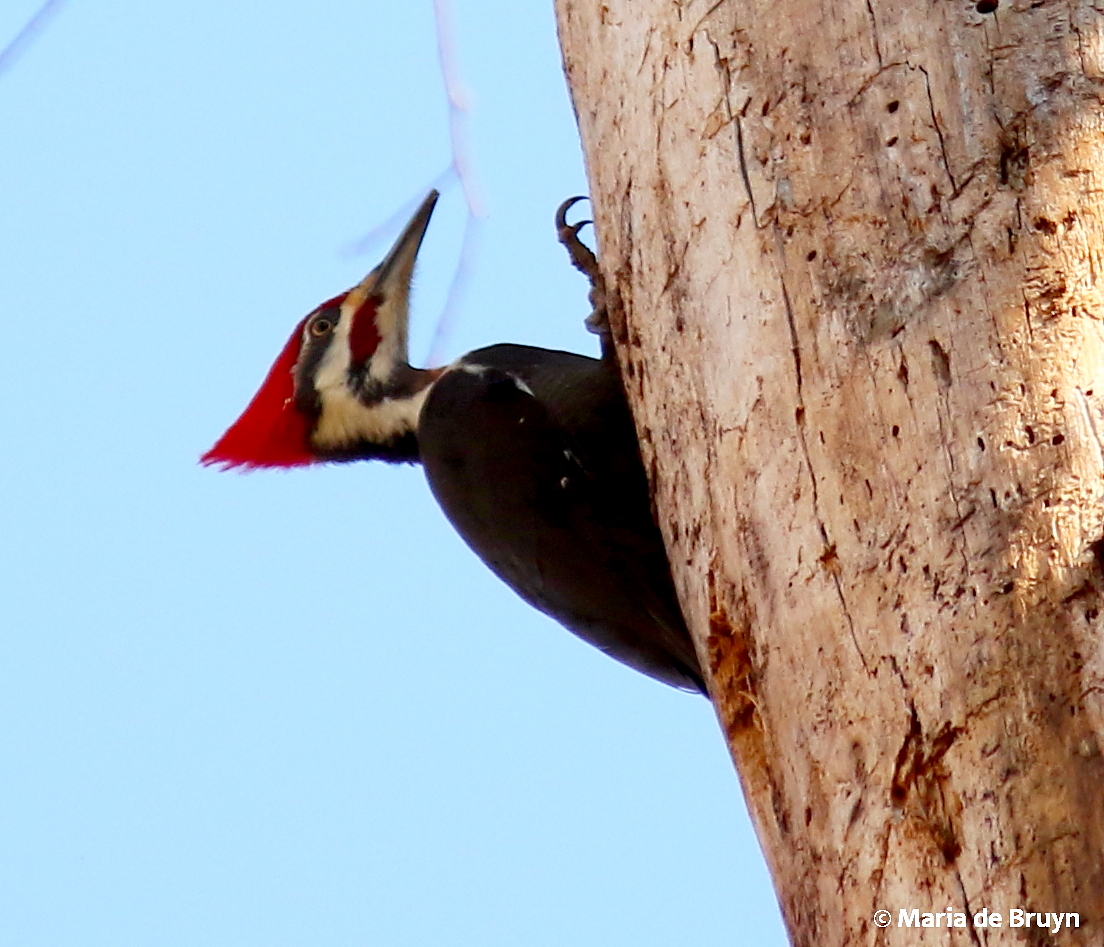
pileated woodpecker I77A7321© Maria de BruynMy first bird of the day was a beautiful male pileated woodpecker (Dryocopus pileatus), a harbinger of the day’s theme – the woodpeckers were my welcome committee!

Loud rhythmic hammering had me searching the snags among the tall trees for the next greeter – it reminded me of the facts I had learned about woodpeckers and their adaptations to a pecking life.

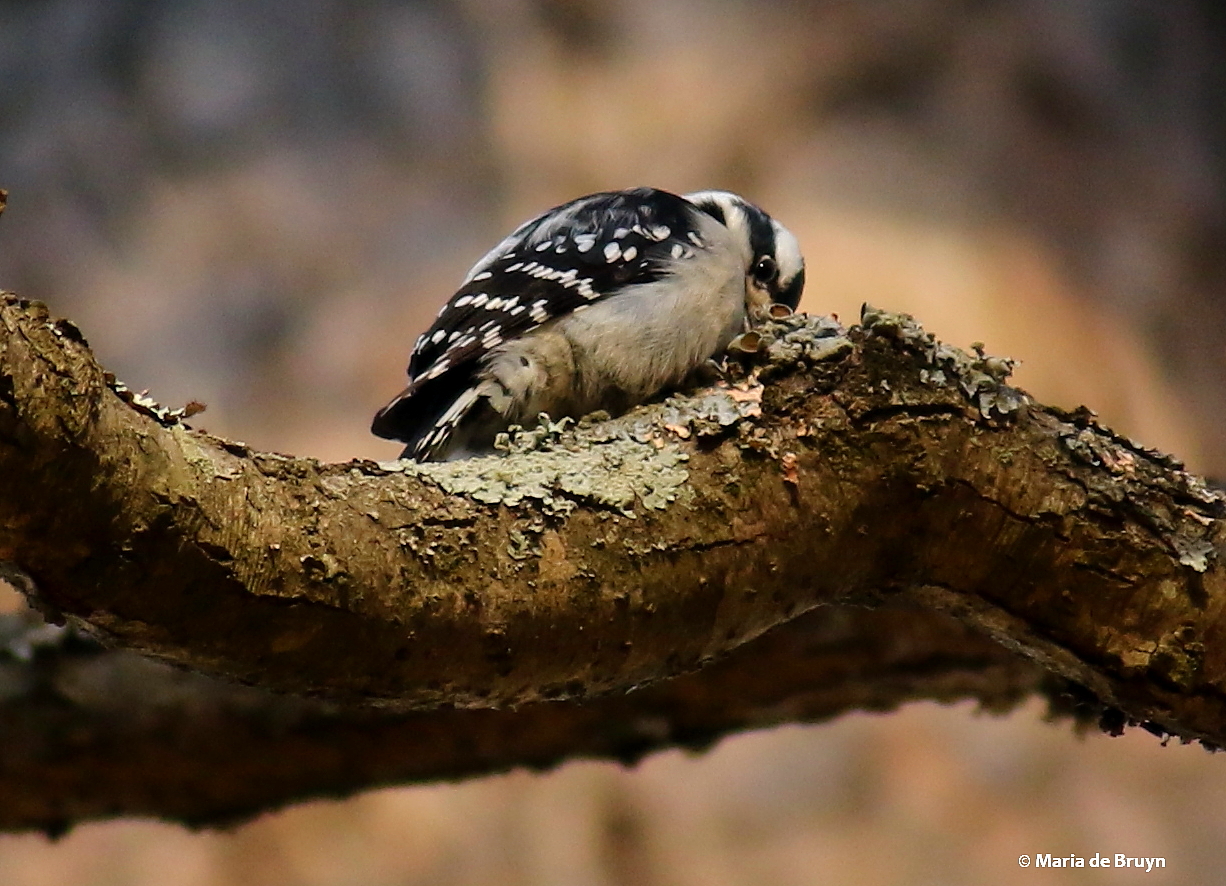
downy woodpecker I77A7372© Maria de BruynIt turned out to be a diminutive downy woodpecker (Dryobates pubescens), whose hammering sounds were enhanced by the hollow stem with which he was busy.
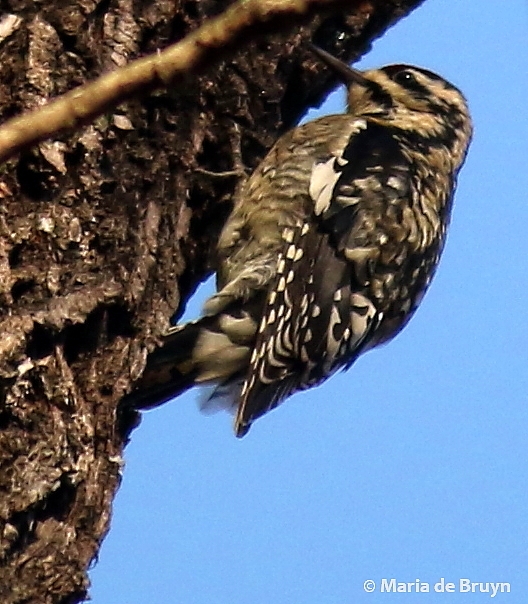
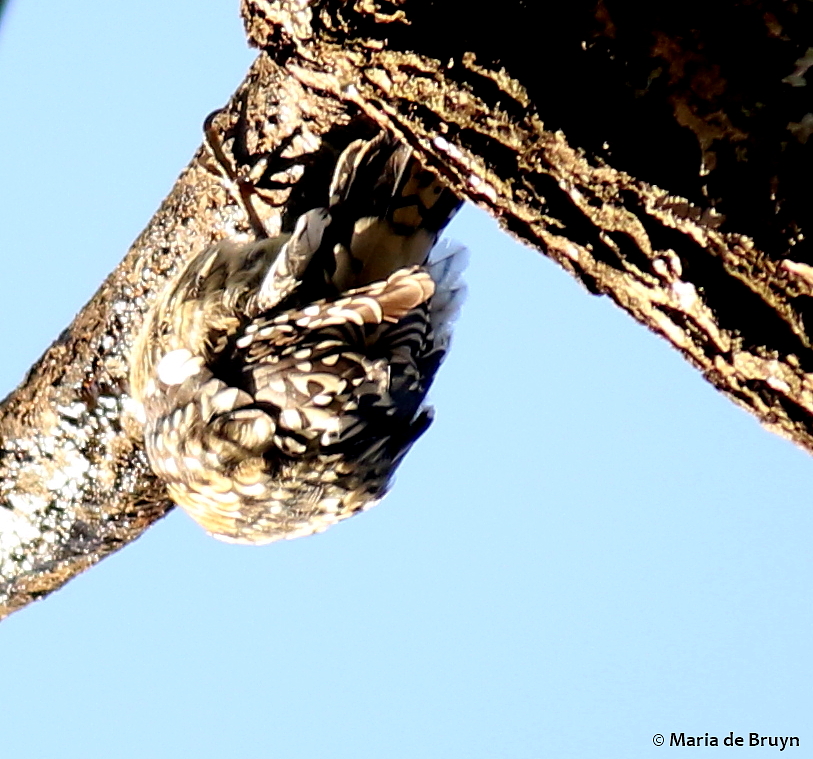
Next up was a lovely female yellow-bellied sapsucker (Sphyrapicus varius) who was very industriously flitting from branch to branch in search of sustenance.

yellow-bellied sapsucker I77A7419© Maria de Bruynyellow-bellied sapsucker I77A7582© Maria de Bruyn

When flattened against tree trunks, she demonstrated how well camouflaged her back feathers make her. A male sapsucker showed it, too.

yellow-bellied sapsucker I77A7476© Maria de Bruyn

yellow-bellied sapsucker I77A7860© Maria de Bruyn res

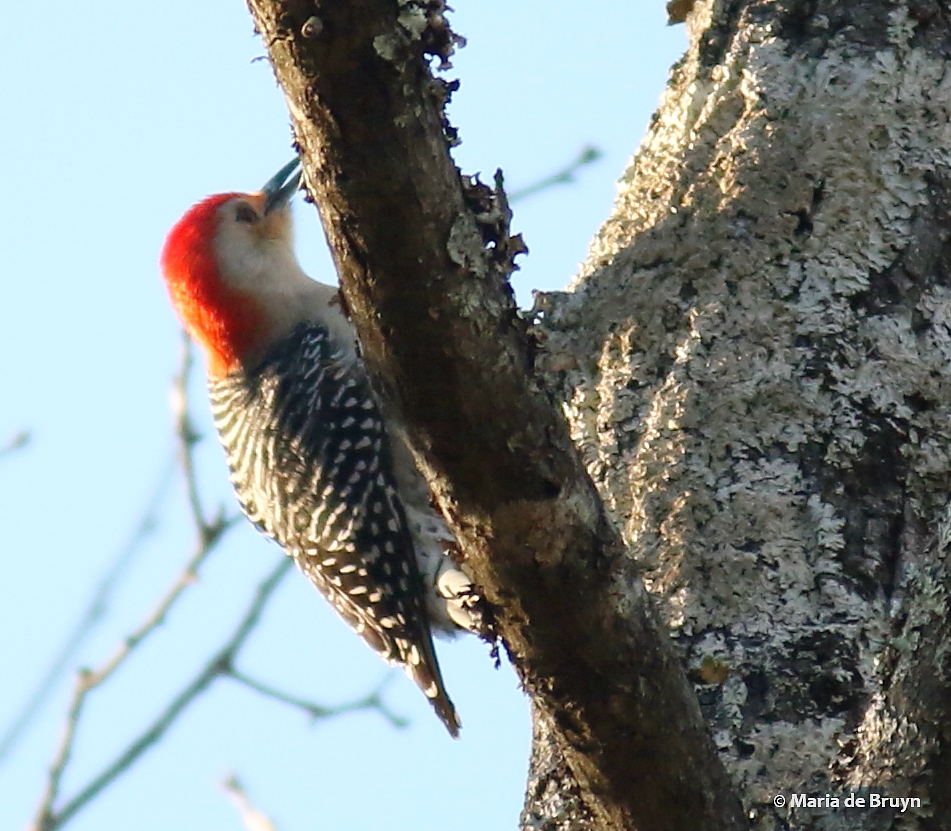
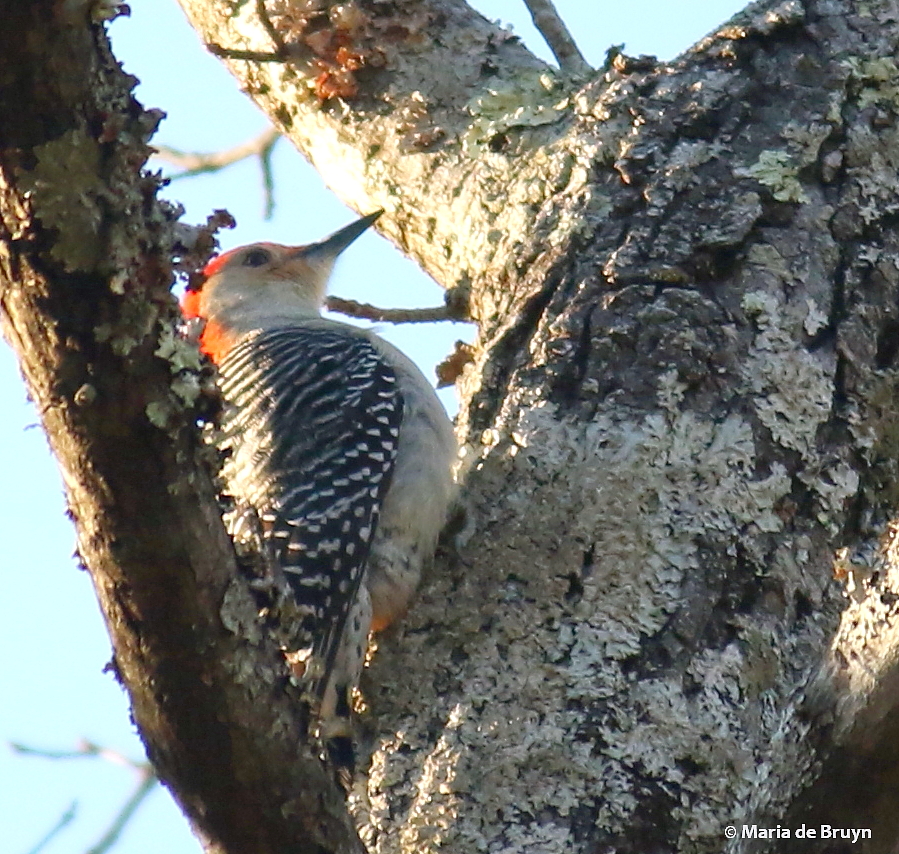
red-bellied woodpecker I77A8242© Maria de BruynA red-bellied woodpecker (Melanerpes carolinus) rounded out the welcoming committee.

The other birds didn’t disappoint. Several species were in the woods and at the feeders near the Garden’s bird blind. A lovely Carolina chickadee (Poecile carolinensis) flitted about. A tufted titmouse (Baeolophus bicolor) was singing.


Carolina chickadee I77A7639© Maria de Bruyn tufted titmouse I77A7388© Maria de Bruyn


white-breasted nuthatch I77A8203© Maria de Bruyn


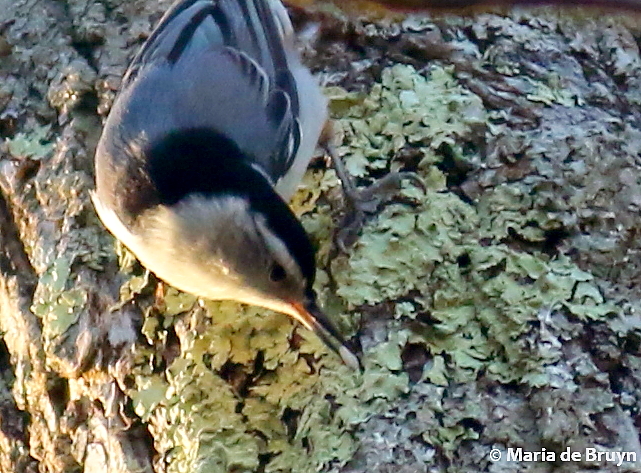
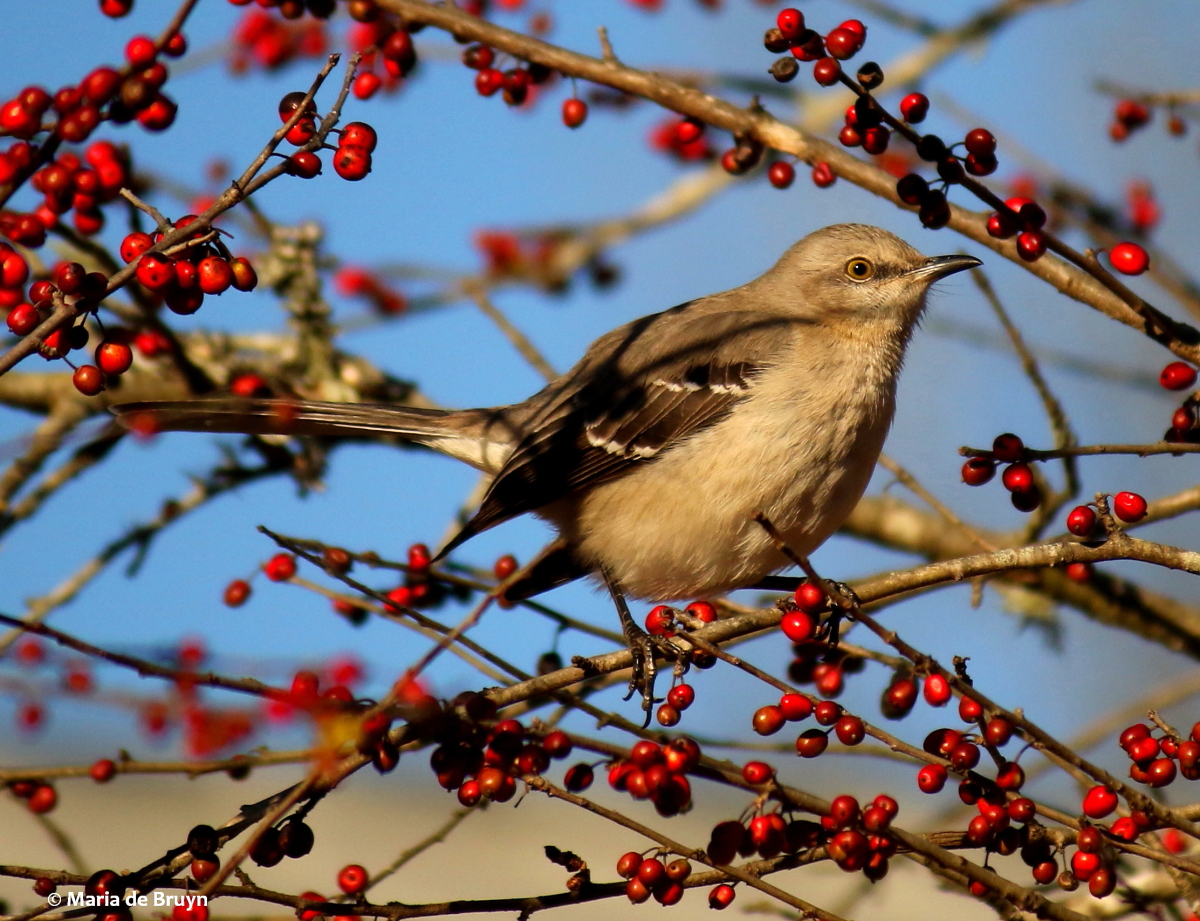
A white-breasted nuthatch (Sitta carolinensis) foraged on tree trunks overhead. A Northern mockingbird (Mimus polyglottos polyglottos) posed among red winter berries.


Northern mockingbird I77A7737© Maria de Bruyn res

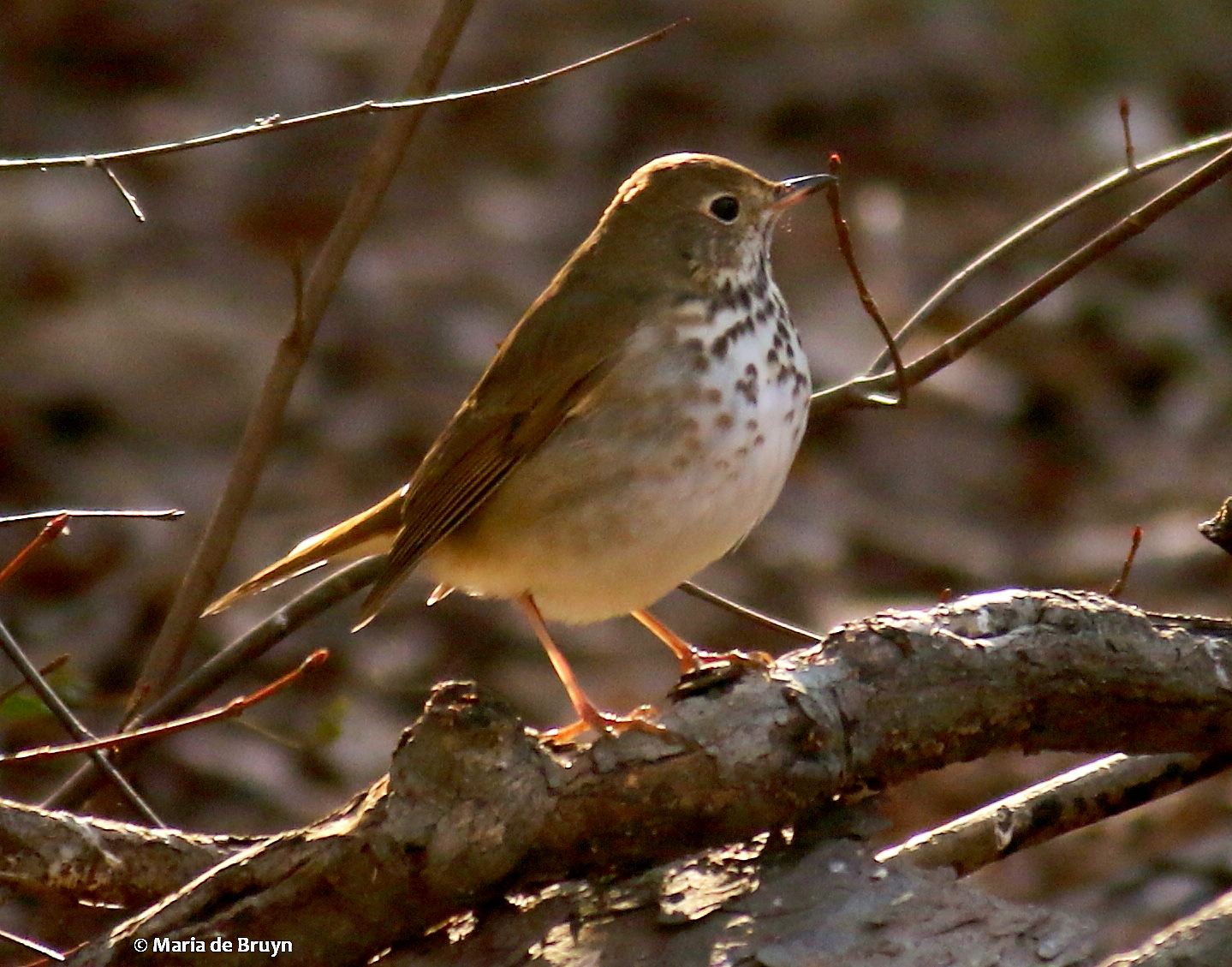
hermit thrush I77A7658© Maria de Bruyn


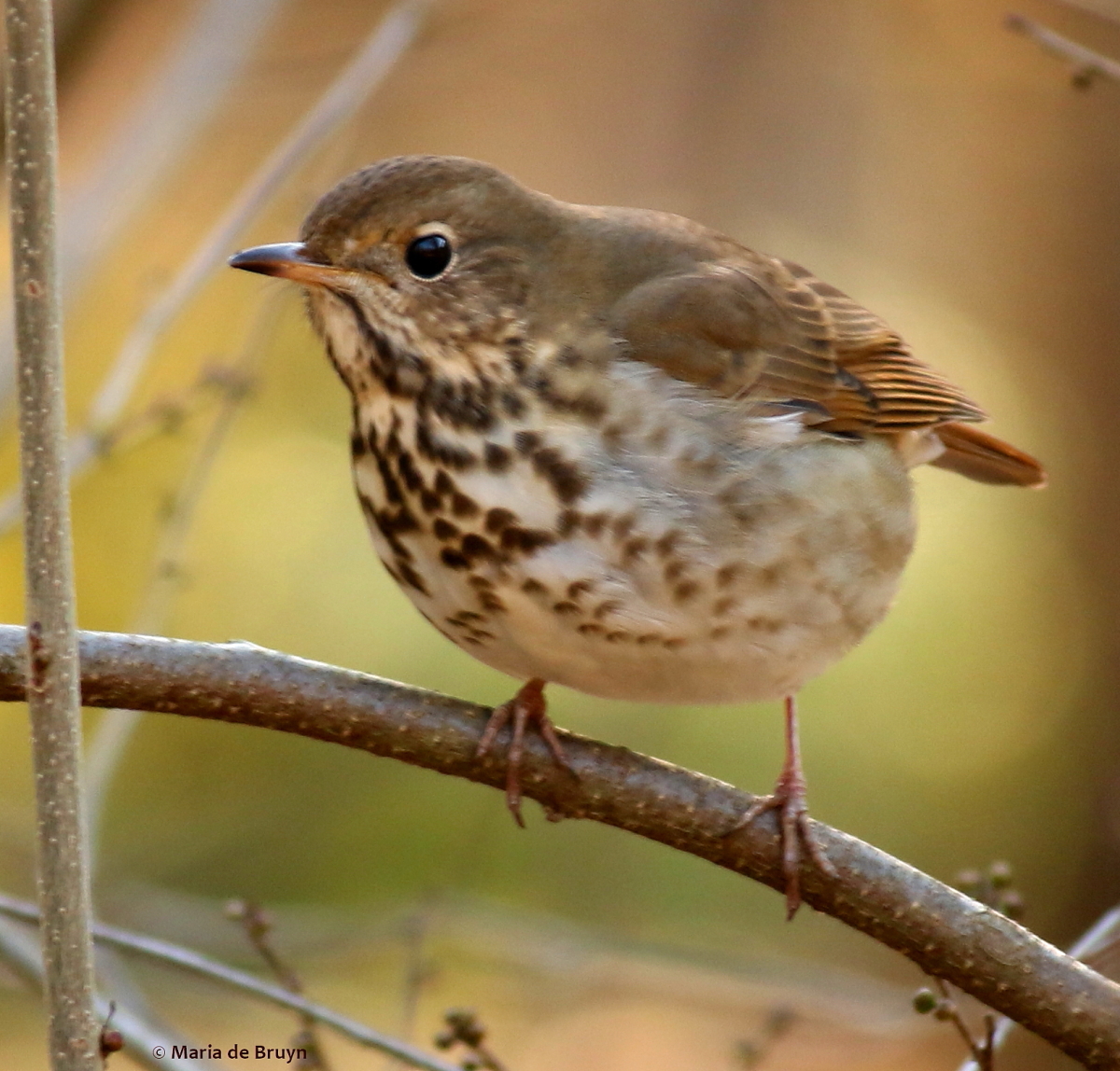
A hermit thrush (Catharus guttatus) emerged near the bird blind, and then the same bird or another seemed to accompany me as I walked another part of the native habitats garden.


hermit thrush I77A7818© Maria de Bruyn

hermit thrush I77A7788© Maria de Bruyn res

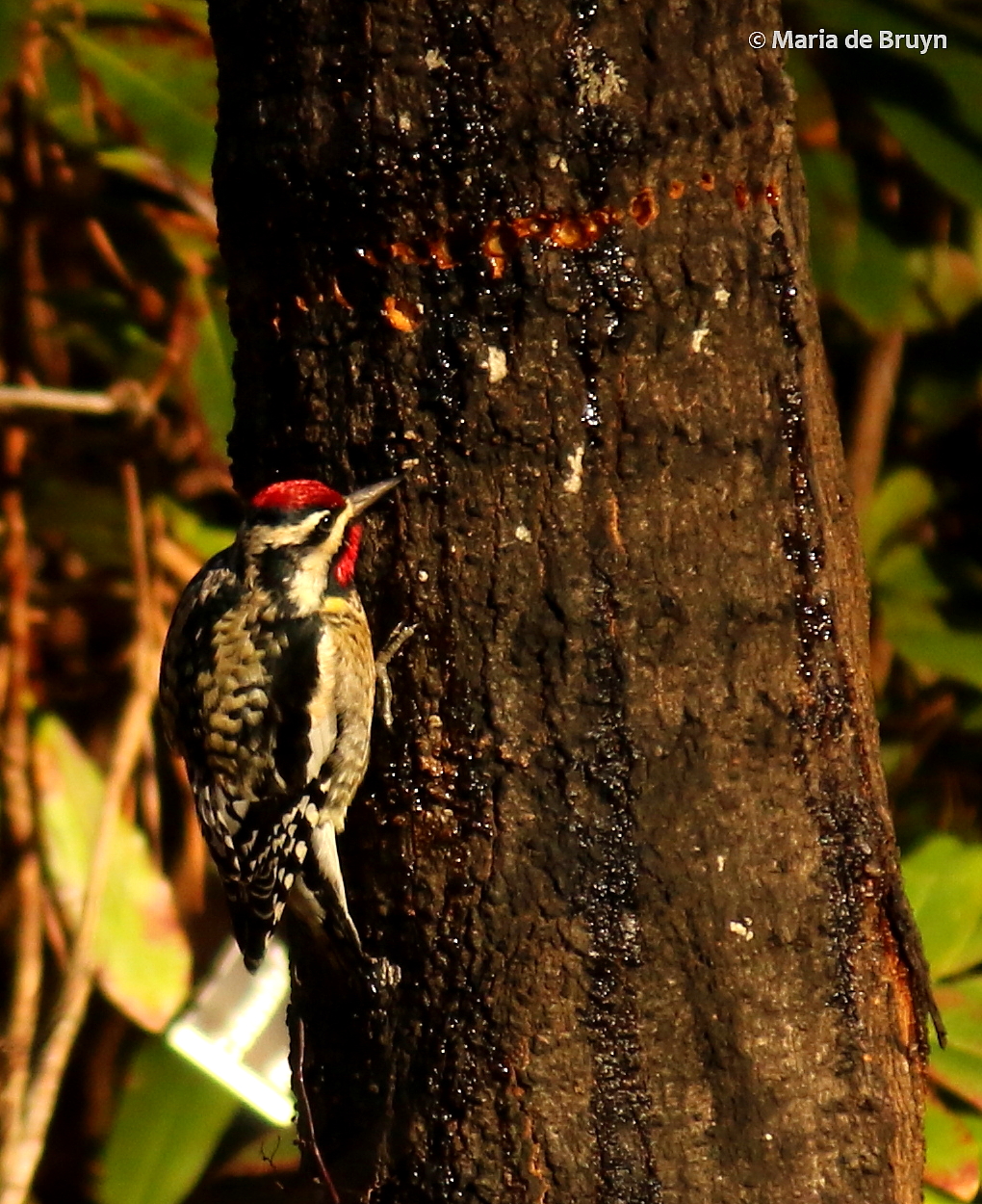
Later, a male sapsucker (identifiable by his red throat) appeared near the Paul Green cabin, where he had been busy working on his sapwells.

yellow-bellied sapsucker I77A7858© Maria de Bruyn res yellow-bellied sapsucker I77A7854© Maria de Bruyn res

Shortly thereafter a downy woodpecker came to the same spot and sampled sap (or something else) from the row of holes left by the sapsucker! That was a nice example of how what one animal does can benefit another, too.

downy woodpecker I77A7912© Maria de Bruyn

downy woodpecker I77A7921© Maria de Bruyn res

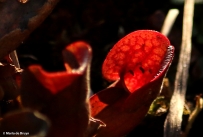
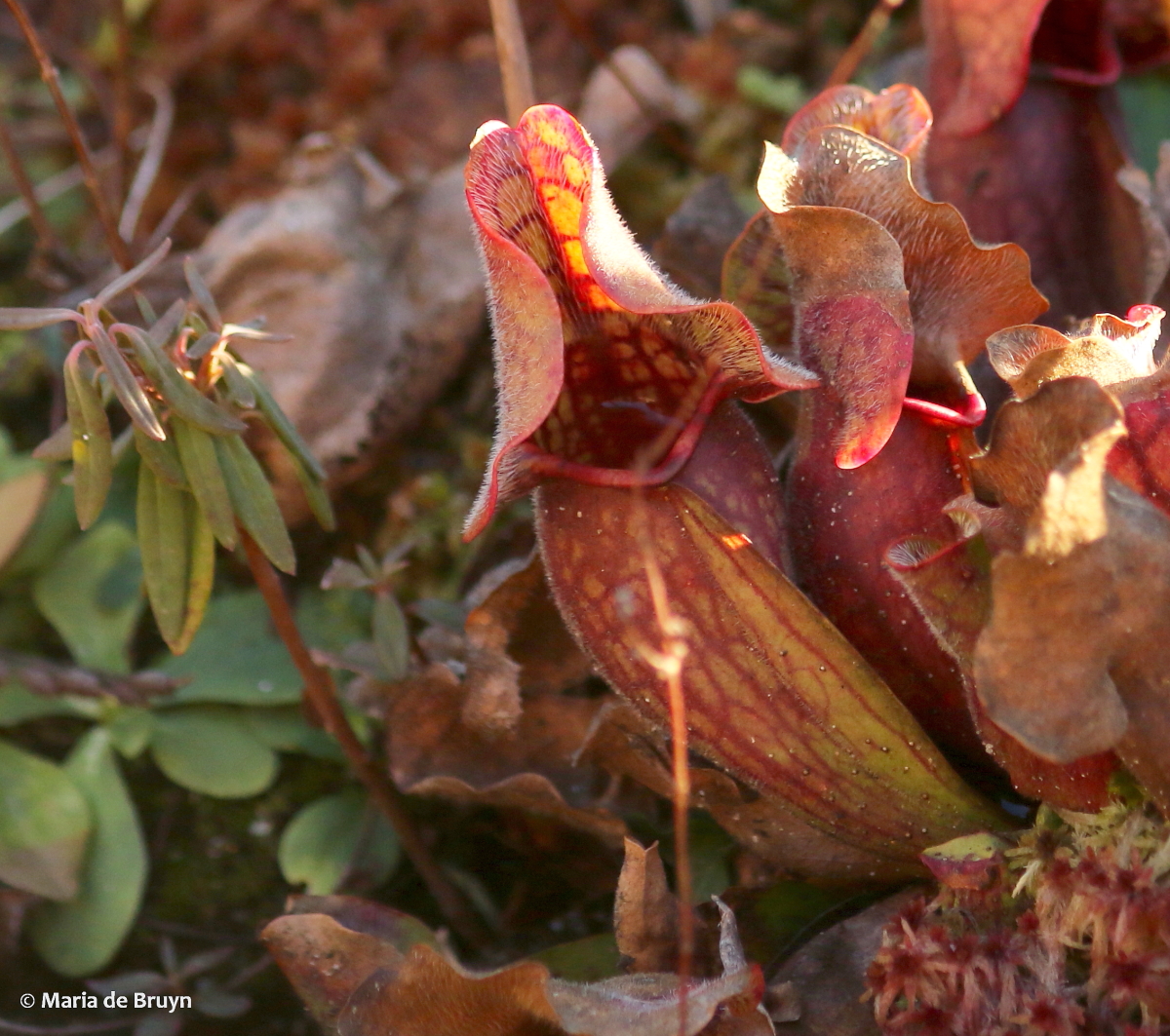
During a plant interlude, I was surprised to see some Southern purple pitcher plants (Sarracenia purpurea) that had not yet shriveled up in the cold.

Southern purple pitcher plant I77A8086© Maria de Bruyn Southern purple pitcher plant I77A8081© Maria de Bruyn res


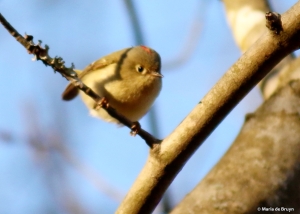
When, I was leaving, a ruby-crowned kinglet (Regulus calendula) alighted overhead,

ruby-crowned kinglet I77A8165© Maria de Bruyn ruby-crowned kinglet I77A8164© Maria de Bruyn

a red-bellied woodpecker arrived, and one more woodpecker made an appearance – a Northern flicker (Colaptes auratus) high up behind some branches in a tall tree. I was using my small zoom lens so the photo quality isn’t great, but you can see that s/he was there.

red-bellied wooodpecker I77A8234© Maria de Bruyn Northern flicker I77A8154© Maria de Bruyn

downy woodpecker I77A8006© Maria de BruynThe only woodpeckers that are common in our town that I missed were the red-headed and hairy woodpeckers – it was truly a woodpecker welcome and a really lovely start to my wildlife photography outings for this year!

Flying rays of sunshine, spirits on the wing – part 2

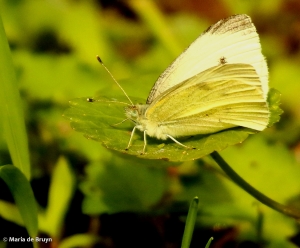
Cabbage white butterfly DK7A2287© Maria de Bruyn resWhen a butterfly like the cabbage white (Pieris rapae) alights on a flower or leaf, we sometimes have a little time to see them more clearly and appreciate their beauty; capturing a photo for leisurely viewing gives us the chance to focus on details. And those details are important if we want to determine their correct scientific names since entomologists have differentiated many species and sub-species, sometimes on the basis of factors such as the shape of their spots.
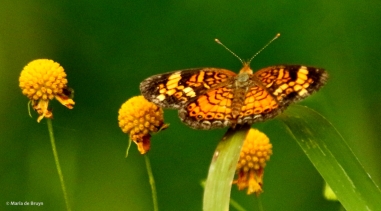
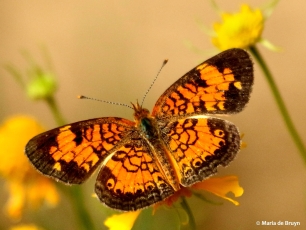
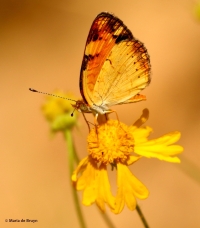
One butterfly pair that can be puzzling are the silvery checkerspot (Chlosyne nycteis, top), with a small white center to one of its spots in the lower row, and the pearl crescent (Phyciodes tharos), which was abundant this year.

silvery checkerspot DK7A1405© Maria de Bruyn res

pearl crescent DK7A1469© Maria de Bruyn res pearl crescent DK7A4689© Maria de Bruyn res

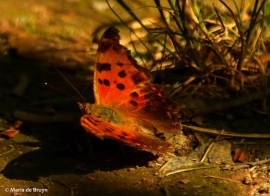
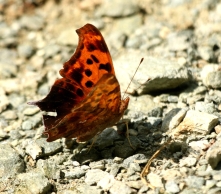
The Eastern comma (Polygonia comma) and question mark (Polygonia interrogationis) look really similar, too. Perhaps the difference in their distinguishing underside marking is really apparent to proofreaders.

Eastern comma DK7A5636© Maria de Bruyn resQuestion mark DK7A3181© Maria de Bruyn res

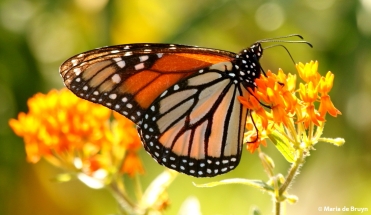
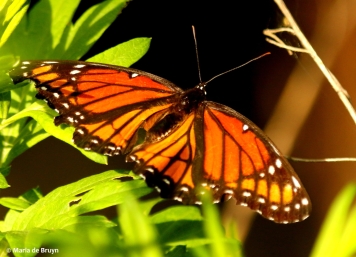
The easiest way to distinguish the endangered monarch (Danaus plexippus) and the viceroy (Limenitis archippus) is that the viceroy has a black stripe running horizontally across its lower wings.

monarch DK7A7941© Maria de Bruyn res

viceroy DK7A5128© Maria de Bruyn res

Eastern tiger swallowtail DK7A2096© Maria de Bruyn res

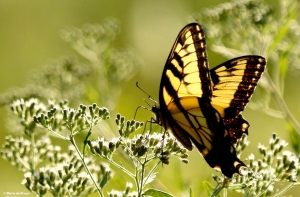
The swallowtails are always a favorite, including the Eastern tiger swallowtail (Papilio glaucus) with differently colored males (yellow) and females (yellow and also blue).


Eastern tiger swallowtail DK7A7768© Maria de Bruyn res Eastern tiger swallowtail DK7A0256© Maria de Bruyn res

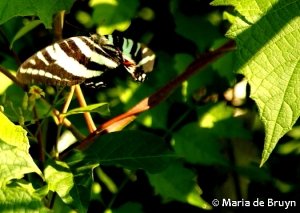
Zebra swallowtail DK7A0046© Maria de Bruyn res

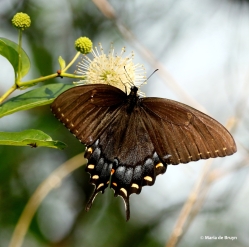
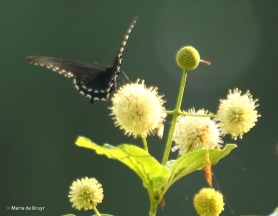
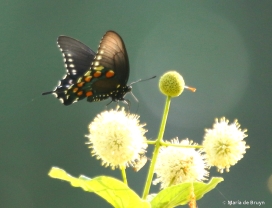
The zebra swallowtail (Protographium marcellus) really catches your eye as it flutters about, while the pipevine swallowtail (Battus philenor) is a little more subdued.


Pipevine swallowtail DK7A9681© Maria de Bruyn res Pipevine swallowtail DK7A9691© Maria de Bruyn

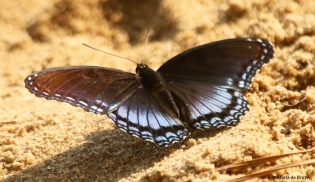
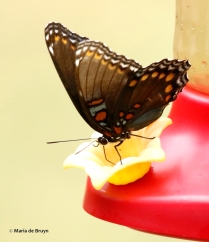
The red spotted purples (Limenitis arthemis) come in different variations; this one enjoyed the hummingbird nectar this summer.

Red-spotted purple DK7A0518© Maria de Bruyn res Red-spotted purple DK7A0998© Maria de Bruyn res

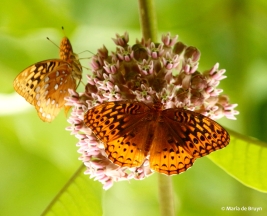
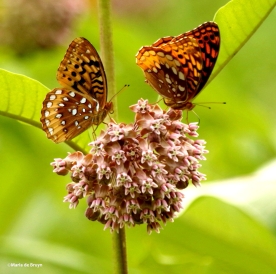
Another new butterfly for me this year was the great spangled fritillary (Speyeria cybele), which I enjoyed seeing as they enjoyed common milkweed (Asclepias syriaca) at the Horton Grove Nature Reserve.

great spangled fritillary DK7A5377© Maria de Bruyn res Great spangled fritillary DK7A5052© Maria de Bruyn res

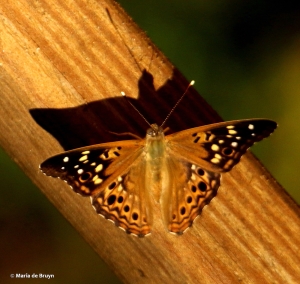
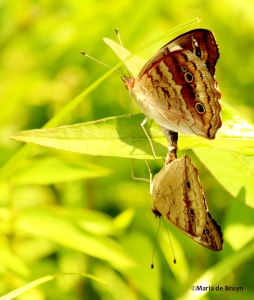
Hackberry emperor DK7A6150© Maria de Bruyn resThe hackberry emperor (Asterocampa celtis) turned up at Jordan Lake, while the common buckeye (Junonia coenia) – whose beauty is anything but common! – was in my yard and various nature reserves. I also observed a pair getting ready to propagate the next generation.
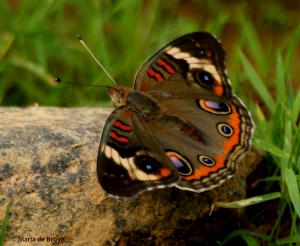
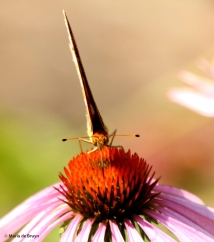
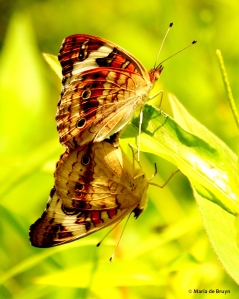


common buckeye DK7A1181© Maria de Bruyn common buckeye DK7A8729© Maria de Bruyn res common buckeye IMG_9470© Maria de Bruyn res common buckeye IMG_9538© Maria de Bruyn res

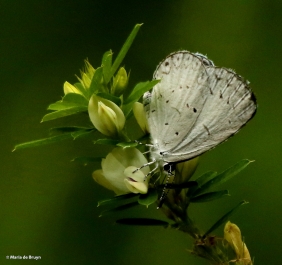
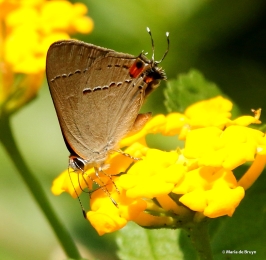
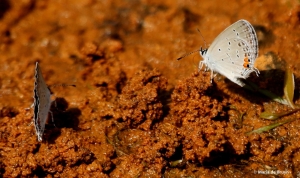
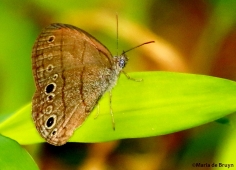
Some of the tinier butterflies are delicate beauties, like the Summer azure (Celastrina neglecta), the gray hairstreak – which can look brown (Strymon melinus), the Eastern tailed-blue (Cupido comyntas) and the Carolina satyr (Hermeuptychia sosybius).

Summer azure DK7A5424© Maria de BruynGray hairstreak DK7A4495© Maria de Bruyn

Eastern tailed-blue DK7A1141© Maria de Bruyn resCarolina Satyr DK7A5279 © Maria de Bruyn res2

To end, here are two more beauties that I had the privilege to see this year. I hope  seeing these butterflies and those in my previous blog brightened your day, especially if you have been dealing with sorrow as I have while this year approaches its end.

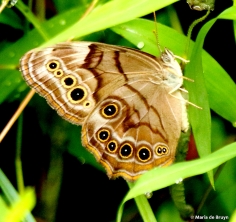
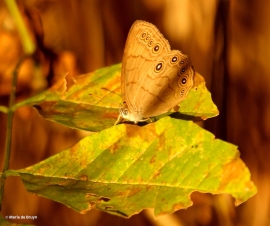
Southern pearly eye DK7A9953© Maria de Bruyn resNorthern pearly-eye DK7A7752©Maria de Bruyn res

Southern pearly eye (Lethe portlandia) and Northern pearly-eye (Enodia anthedon)


Flying rays of sunshine, spirits on the wing – part 1

Fiery and dun skippers IMG_7262© Maria de Bruyn resIt is now early December and late autumn in the Northern hemisphere, so why a blog about butterflies? When I was writing this on the last day of November, I had still seen a few of these beauties a couple days previously, and in the Southern hemisphere it is late spring, so it seems fine as a topic for a nature blog. Also, three weeks ago, my mother passed away, while in two weeks the anniversary of my father’s death comes again — I like to think of butterflies as nature’s emissaries for spirits on the wing. They allow me to think of my parents in somewhat lighter terms than the sadness that predominated during their dying processes. Because there are so many butterflies to highlight, this will be a two-part blog.

This past spring, summer and fall gifted me with a large variety of butterflies – a boon compared to last year when there seemed to be a dearth of them. I had some new butterflies to my garden, like the tawny emperor (Asterocampa clyton clyton), which I also saw at the Mason Farm Biological Reserve when one landed on my arm.

Tawny emperor DK7A2536© Maria de Bruyn resTawny emperor IMG_4926© Maria de Bruyn (2)

juniper hairstreak DK7A1677© Maria de BruynThe juniper hairstreak (Callophrys gryneus) was another new visitor that at first made me think it was covered in pollen.

A second-time visitor to my yard was the American snout (Libytheana carinenta), which looks quite distinctive with the long protrusion from its face.

American snout butterfly IMG_0257© Maria de Bruyn res

It was a good year for the little skipper butterflies, of which there are many. Quite a few look similar to one another and pose difficulties in identification; fortunately, BugGuide helps me figure out which ones I have been seeing.


Common checkered skipper DK7A8473©Maria de BruynCommon checkered skipper DK7A8483©Maria de Bruyn

Common checkered skipper (Pyrgus communis)

silver-spotted skipper IMG_0885© Maria de Bruyn Fiery skipper DK7A3463© Maria de Bruyn

Silver-spotted skipper (Epargyreus clarus) & Fiery skipper (Hylephila phyleus)

Zabulon skipper female DK7A8091© Maria de Bruyn Zabulon skipper DK7A2945© Maria de Bruyn res

Zabulon skipper (Poanes zabulon), female on the left and male on the right

sachem skipper DK7A6355© Maria de BruynSachem skipper male DK7A7657©Maria de Bruyn res Sachem skipper DK7A1271© Maria de Bruyn bg

The Sachem skipper (Atalopedes campestris) also illustrates how males (top) and females can differ.

A few skippers were new for me this year, like the little glassywing skipper (Pompeius verna) and the somewhat drabber dun skipper (Euphyes vestris) and Ocola skipper (Panoquina ocola).

Little glassywing skipper DK7A2843© Maria de Bruyn  Dun skipper DK7A3364© Maria de BruynOcola skipper IMG_4247©Maria de Bruyn

Even though dark in color, the Horace’s duskywing (Erynnis horatius) and the Juvenal’s duskywing (Erynnis juvenalis) have beautiful dorsal patterns.

Horace's duskywing DK7A3695© Maria de Bruyn

Juvenal's duskywing DK7A9907© Maria de Bruyn res

It’s always fascinating to see how different the butterflies’ color patterns can be on the upper and undersides of their wings, as shown here by the American lady (Vanessa virginiensis).

American Lady DK7A2242© Maria de Bruyn res American Lady DK7A2292© Maria de Bruyn res

The red admiral (Vanessa atalanta) is a gorgeous butterfly; a somewhat tattered individual rode along on me and my camera for a while at Mason Farm.

Red Admiral DK7A6667©Maria de Bruyn (2) res

red admiral IMG_4769© Maria de Bruyn red admiral IMG_4767© Maria de Bruyn res

A group that can sometimes be challenging to identify are the sulphurs. Distinguishing the sleepy orange (Abaeis nicippe, top) and the orange sulphur (Colias eurytheme) is no easy task. Both are quite lovely and a delight in flight when they reveal their brightly colored dorsal pattern.

Sleepy orange DK7A8367© Maria de Bruyn Sleepy orange DK7A8263© Maria de Bruyn

Orange sulphur DK7A0410© Maria de Bruyn resOrange sulphur DK7A0476© Maria de Bruyn res

Cloudless sulphur DK7A2774© Maria de Bruyn res

The larger yellow butterflies like the cloudless sulphur (Phoebis sennae) are great to see, especially when they frequent the brightly colored blooms such as the red cardinal flower (Lobelia cardinalis).

cloudless sulphur DK7A8466©Maria de Bruyn resCloudless sulphur DK7A0063© Maria de Bruyn res

Clouded sulphur DK7A0269© Maria de Bruyn

The clouded sulphur (Colias philodice) may be a bit harder to see when it feeds on clover in the grass.

Stay tuned for more butterflies to admire in part 2 of this blog!