
On 29 November our area had its first really cold morning of the season, dawning at 25°F (-3.88°C). I fortunately had gotten my spring bulbs and seeds in the ground a few days earlier, so I was mostly ok with it except feeling bad for the outside critters having to deal with morning frost in the coming weeks.
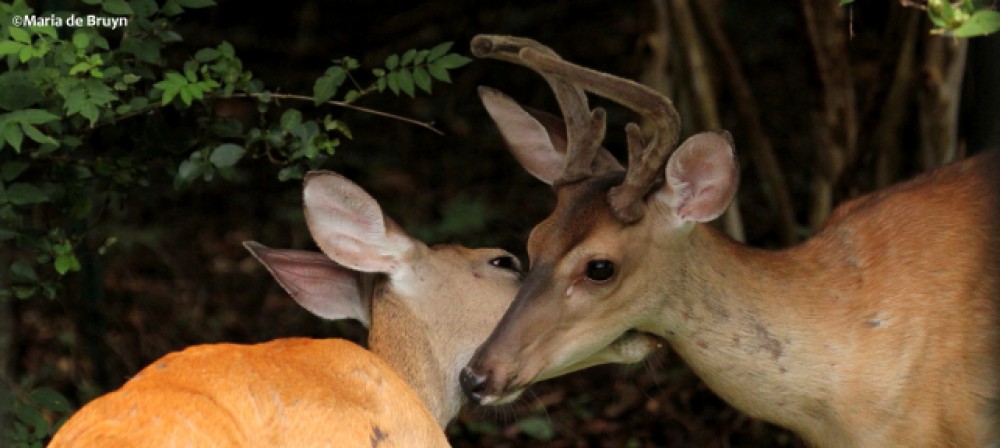
There were still a few very hardy flowers blooming in the yard; a few were eaten by the deer, which was ok with me. However, the neighborhood honeybees had slim pickings, which may be why I suddenly found them swarming the nectar feeder which I’ve left in place in case a winter hummer shows up!

 So before doing needed grocery shopping, I stopped at a local pond. The parking area near the path to the water is in an area usually filled with birds but scarcely any wildlife was to be seen. A song sparrow briefly popped up, but it was very quiet. Finally, I heard some pecking and there was a yellow-bellied sapsucker working on a new row of sap holes in a nearby tree.


 Walking towards the pond, I crossed a bridge over the feeder creek. Usually, this area has numerous birds but not a sound or movement was present. When I started nearing the pond, I finally spotted mallard ducks — 16 as far as my count through the trees could tell.
A pair of geese was perched on a stump, and they seemed to be just chilling out, preening, paddling and resting.


Scarcely any other birds were around; a few sparrows popped up quickly and some turkey vultures were parked in area trees.


Finally, I noticed the great blue heron perched on the beaver lodge, not moving a muscle or feather. Its statue imitation was impressive. I began walking back and forth along the shore, hoping to spot wildlife but the cold even had the bugs laying low.

After a while, I figured it was cold enough to make the visit shorter than usual when I was stopped by the sight of a couple new dark lumps on the beaver lodge behind dried vegetation..

It turned out to be a couple of otters — a delightful sighting to be sure even if not clear as they were far away behind dried vegetation.

After waiting to see if the otters would leave their resting spot, I decided they had settled down for a lengthy nap. As I turned to leave, I suddenly saw movement and the two otters slipped into the water, with me turning and trying to get a few quick photos.

They swam quickly to the beaver dam, crossed and dropped down to the lower swamp on the other side.

I counted myself lucky to have seen them and was pleased with this unexpected encounter. I stared at the dam hoping for some movement, saw nothing and again began to leave when suddenly a head popped up again.

To my astonishment, not one, not two, but four otters came over the dam and swam over to the far shore behind the beaver lodge. They were going fast and I only got glimpses, but it was still so rewarding to see them.


They were underwater much of the time but finally popped into view at the edge of the pond vegetation behind the lodge.


They were obviously feeding on something, but it wasn’t possible to see what they were catching.


They moved along the shoreline, swimming together and alone.


The otters must have been having considerable feeding success because the heron left the beaver lodge and began following them along the shoreline.

I tried to follow along on the other side of the pond and caught glimpses of them until they disappeared into a vegetation-heavy area of the pond. The heron kept following them so they must have been good guides to where the foraging was rewarding.

It finally became time to really call an end to my pond visit, so I left along the path which was still almost wholly silent without bird song. Back near my car, the sapsucker was still busy in the same tree working on the same line of new sap holes. The woodpecker had obviously found itself a good feeding spot and I felt fortunate, too, to have had a surprise encounter with those beautiful sleek water mammals at the pond.


This sighting was indeed something to be thankful for the day after Thanksgiving. It followed my chance a few days earlier to see our county’s first tundra swan on record. A friend alerted me to its presence and many people went to our county’s water reservoir, where the bird was hanging out far across the lake. Some very cool sightings to mark a holiday week! 😊

(Apologies for the somewhat blurry photos but the wildlife was fairly distant and my camera lens is no longer working optimally. But I still wanted to share the good fortune of these wildlife sightings!)


 My beautiful world