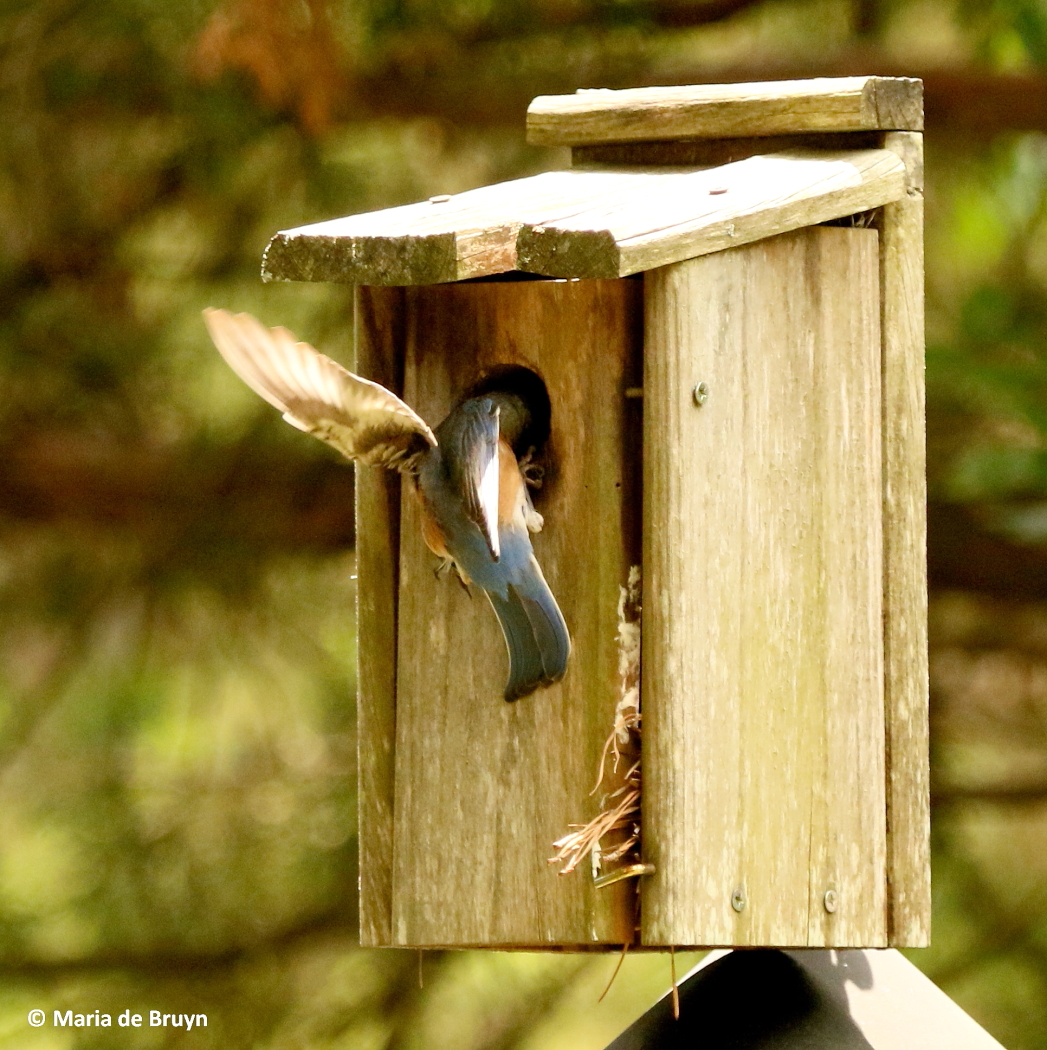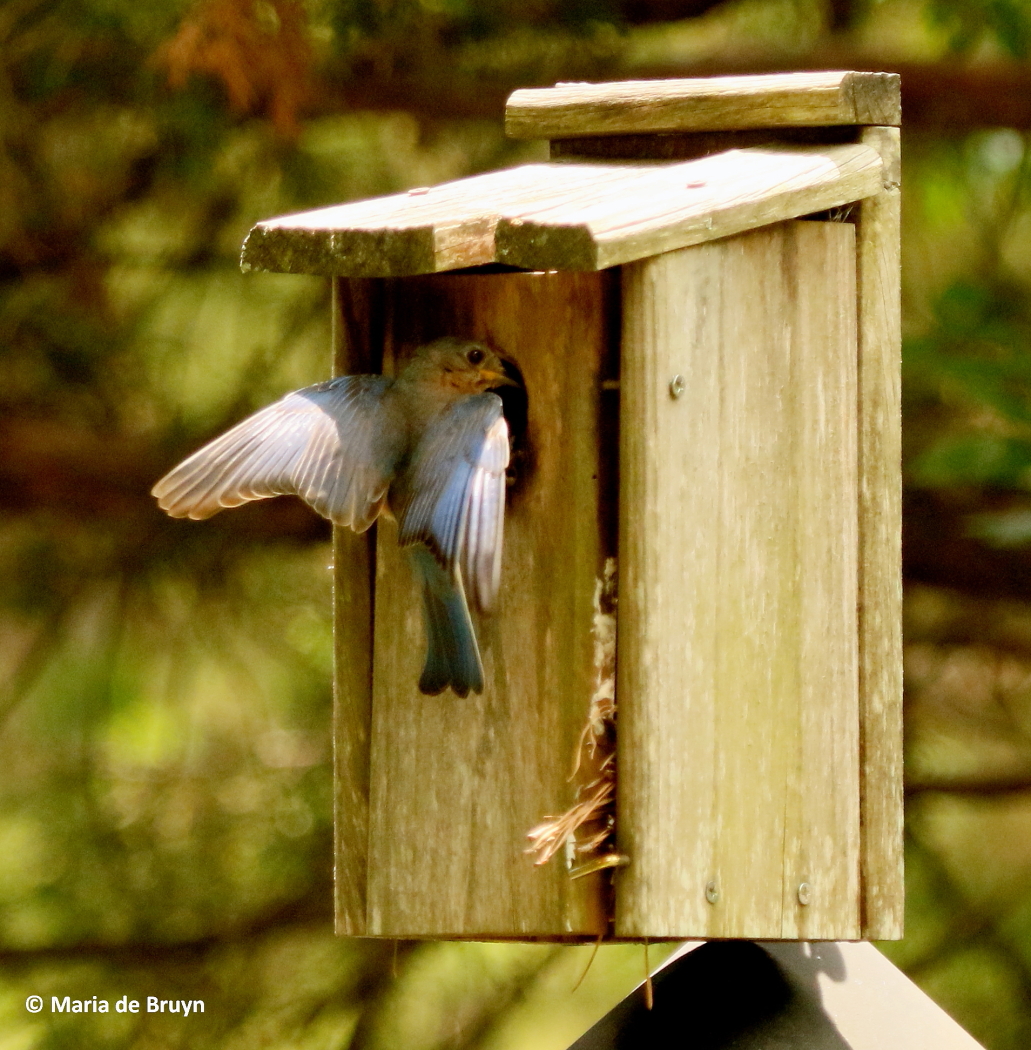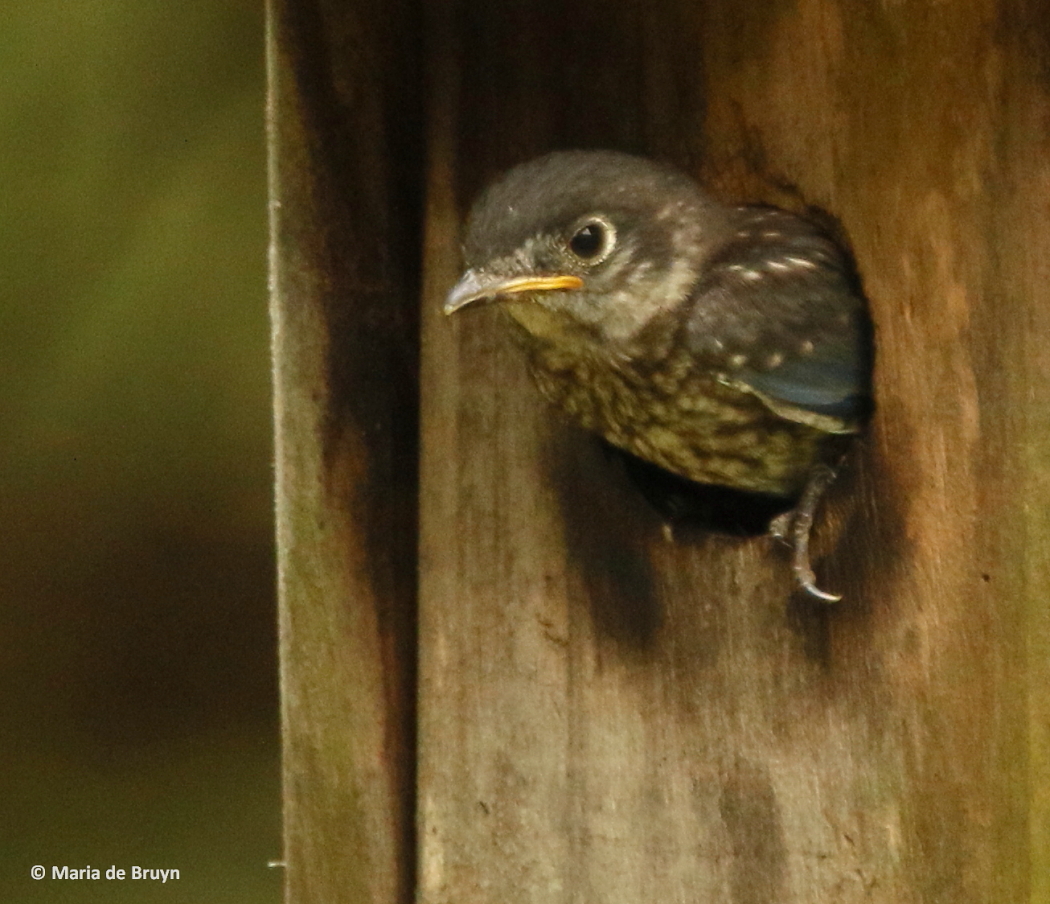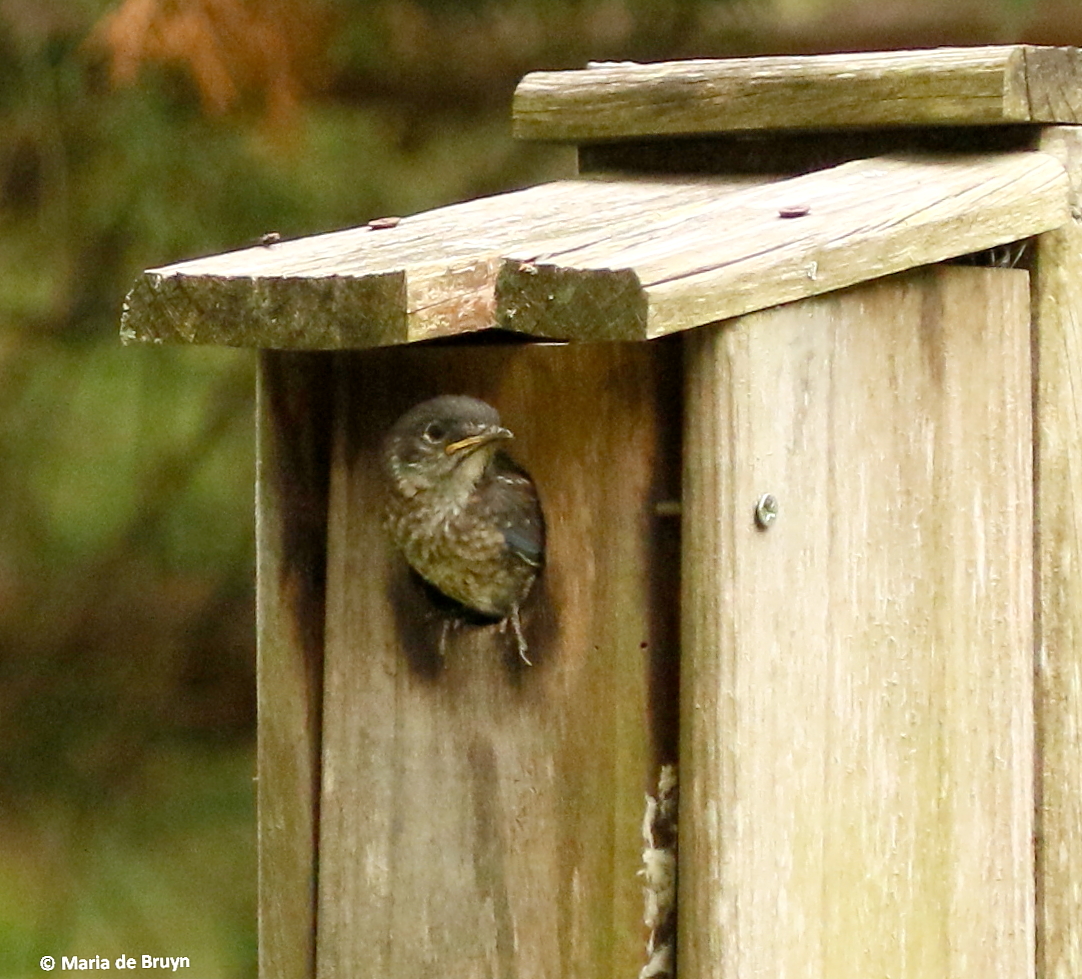
Can you go home again? Apparently so!

brown-headed-nuthatch-i77a3736-maria-de-bruyn-res


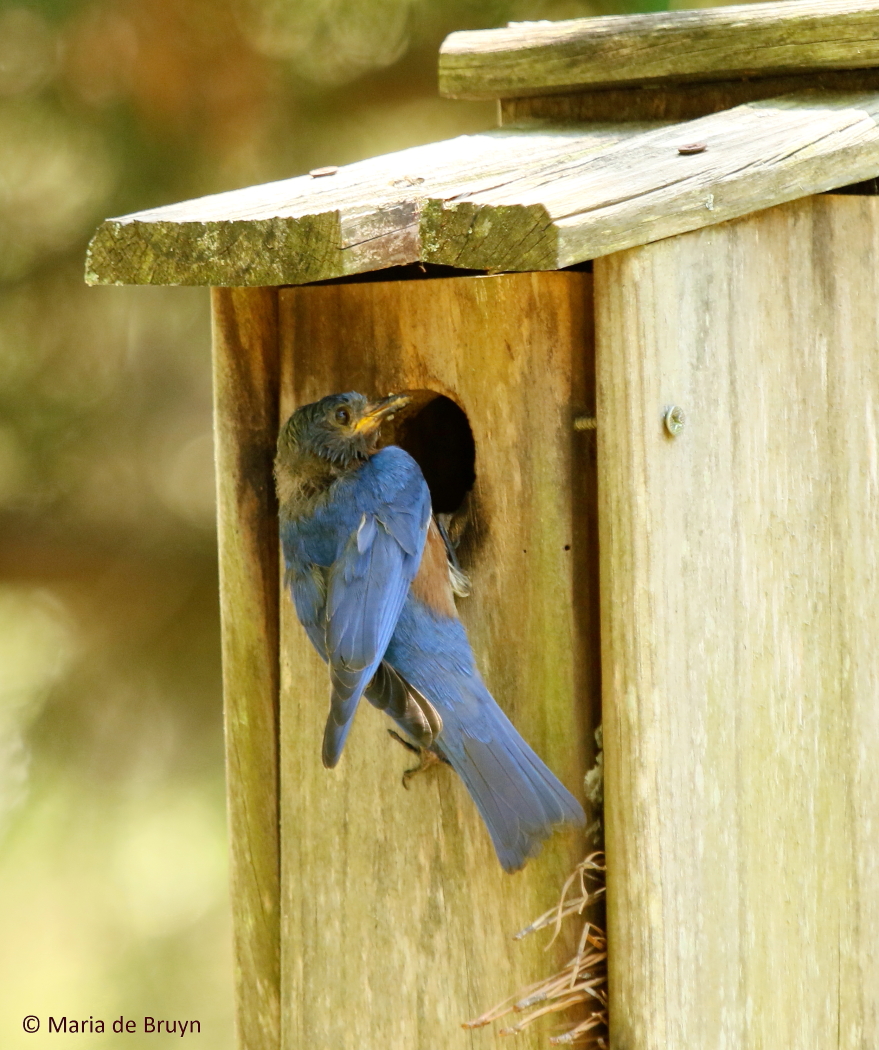
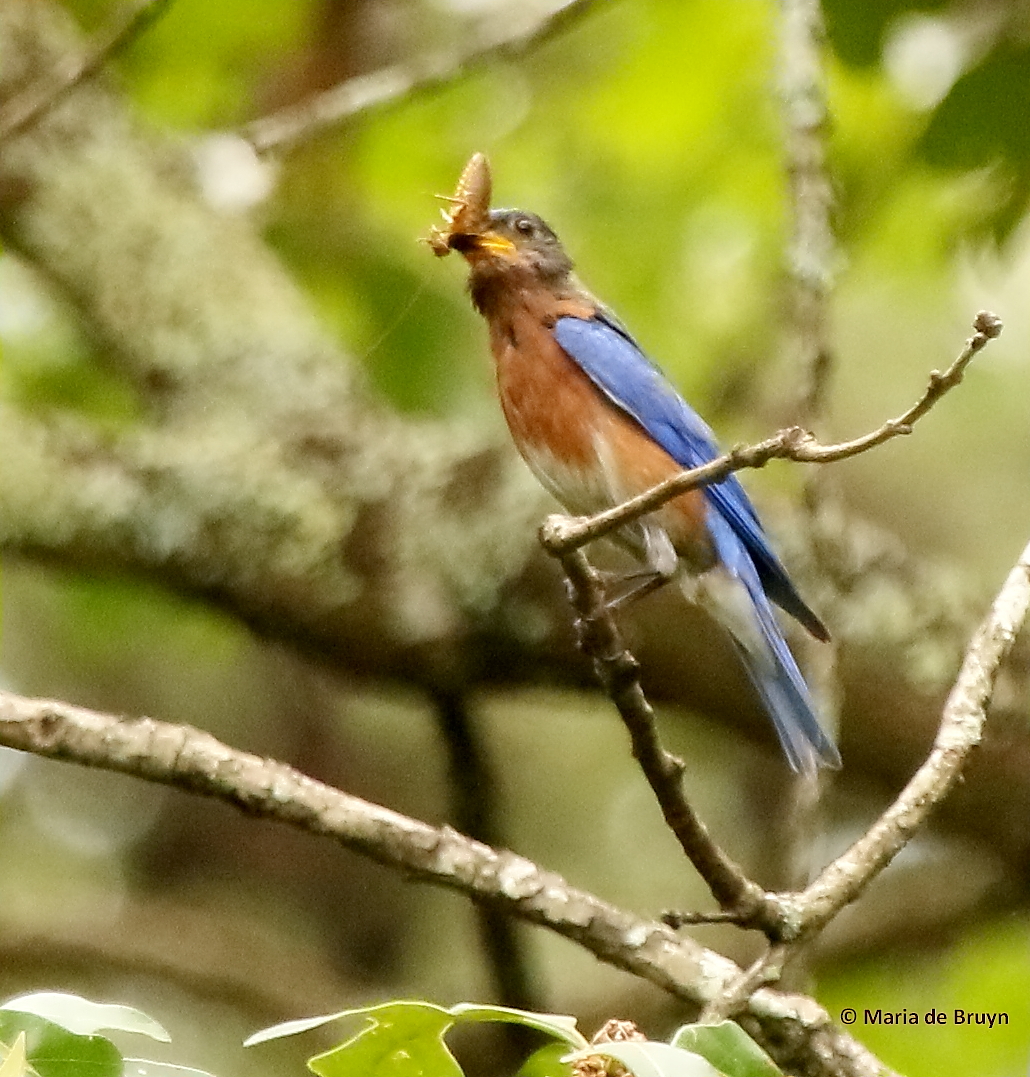
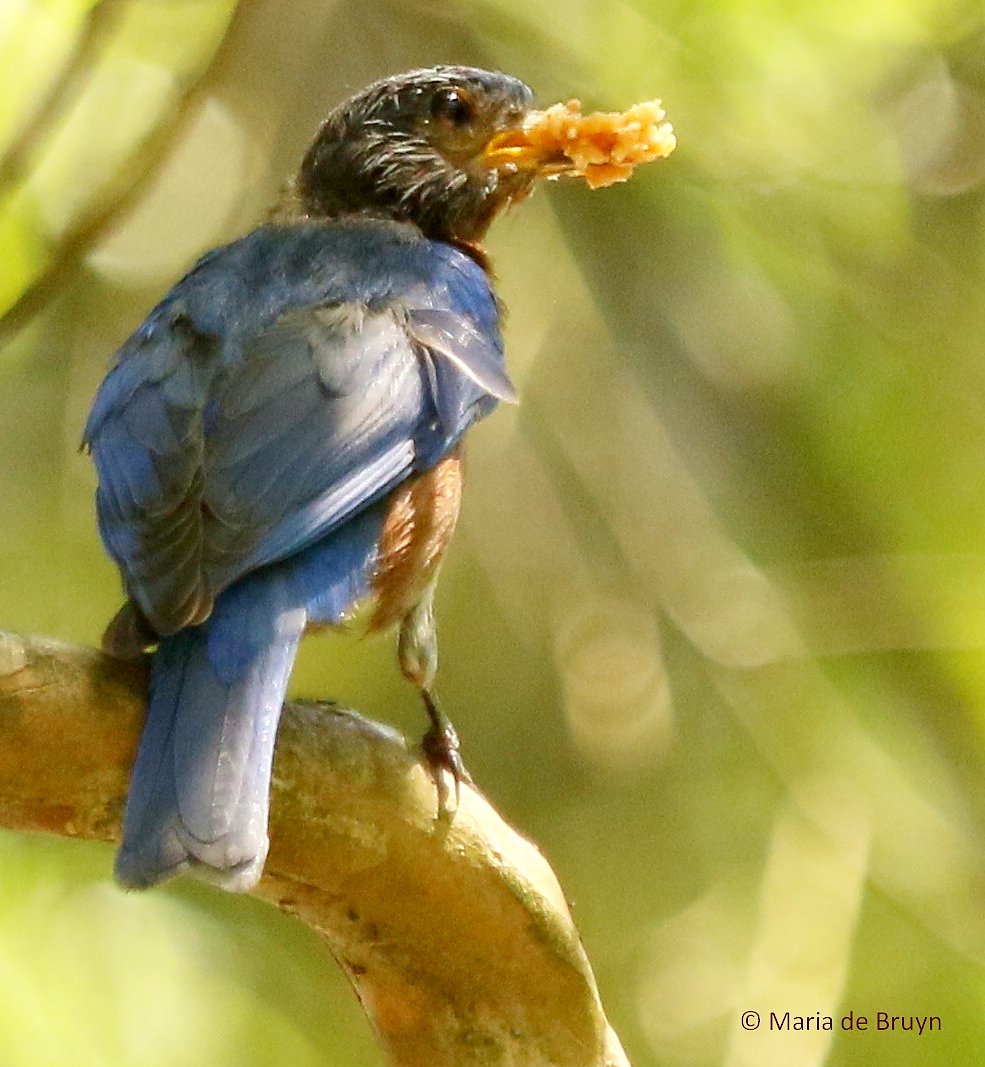
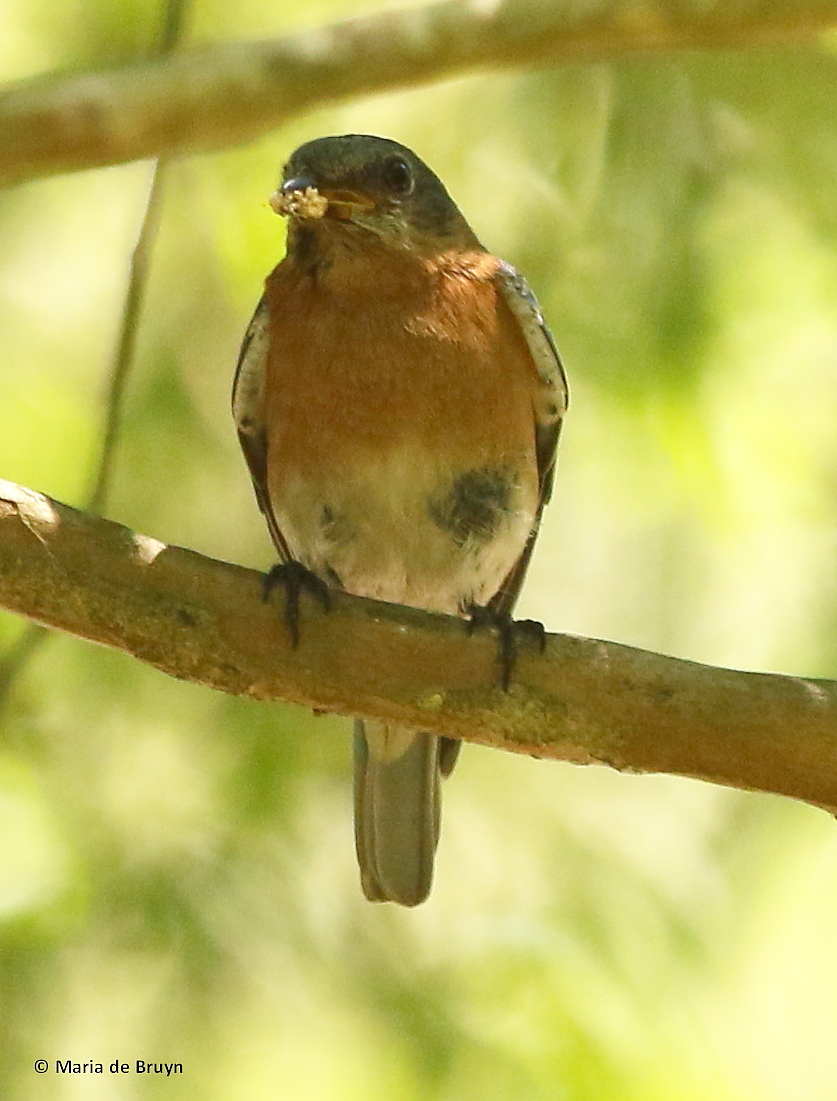
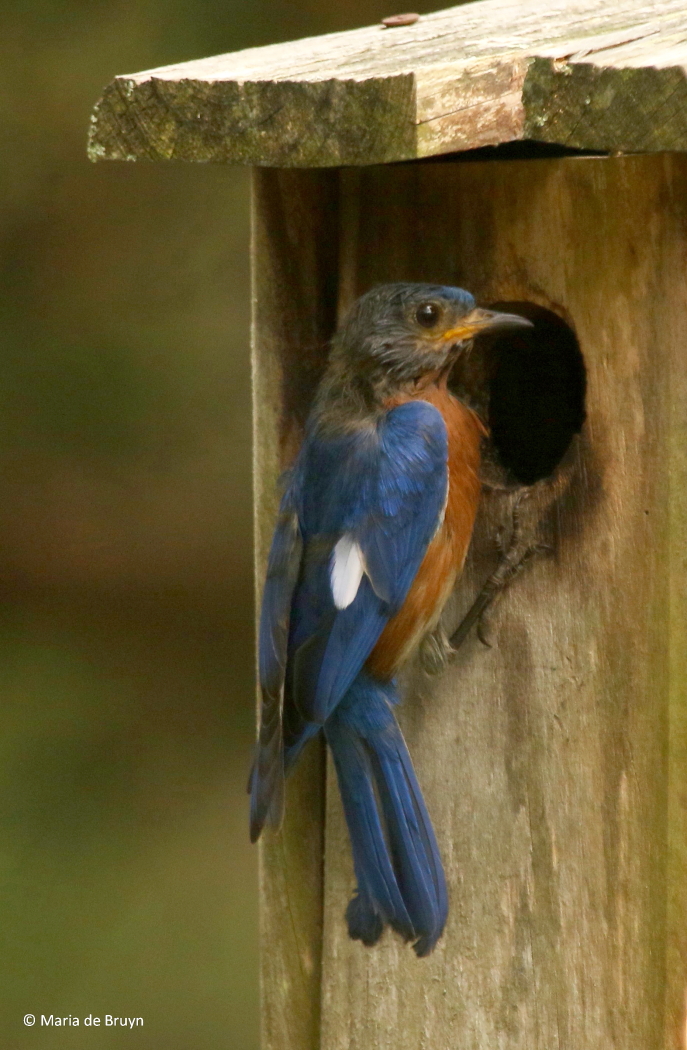
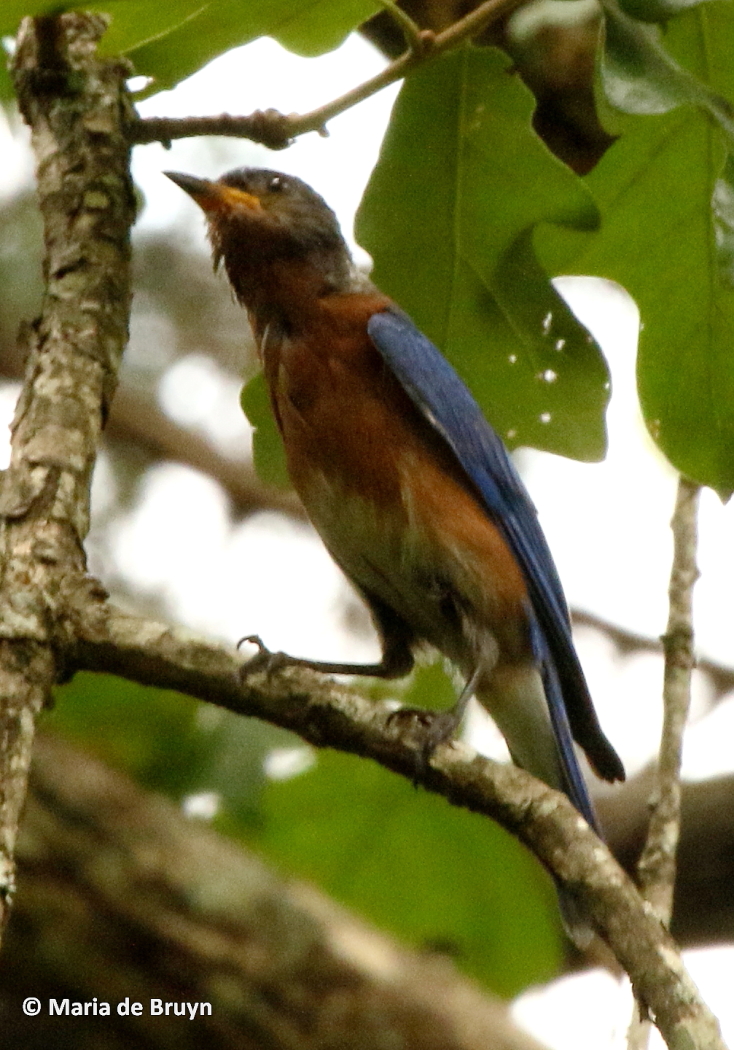
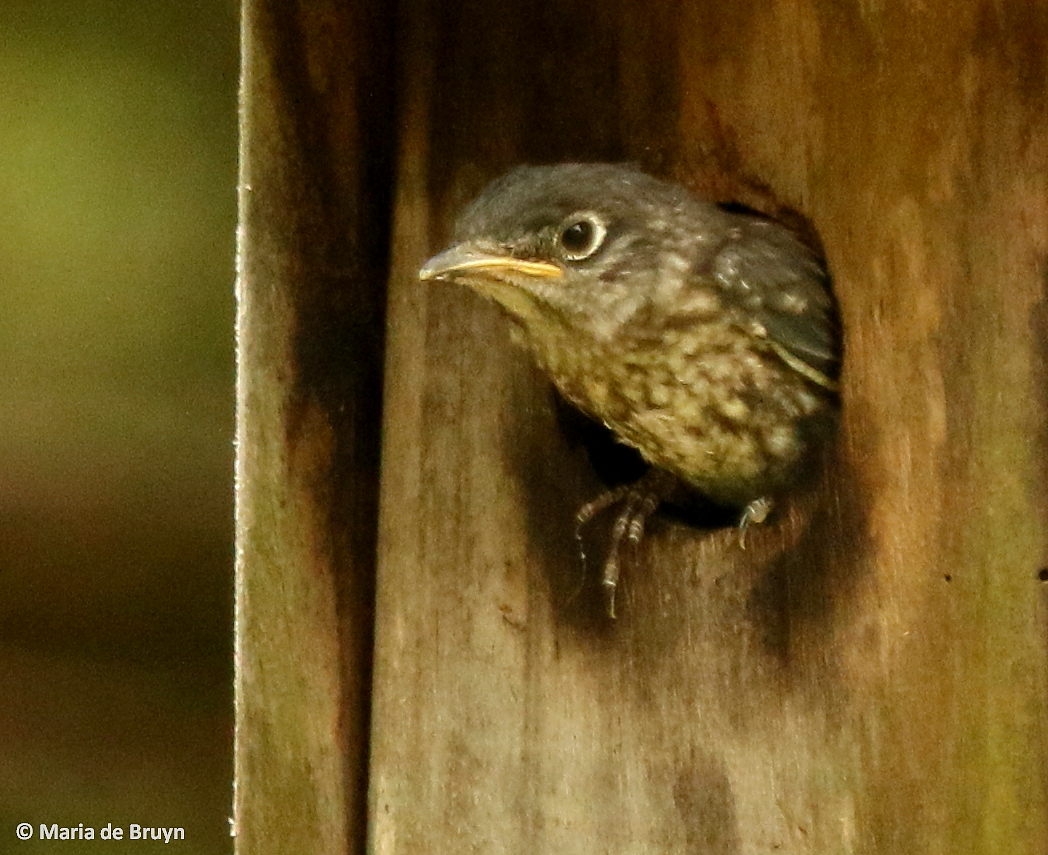
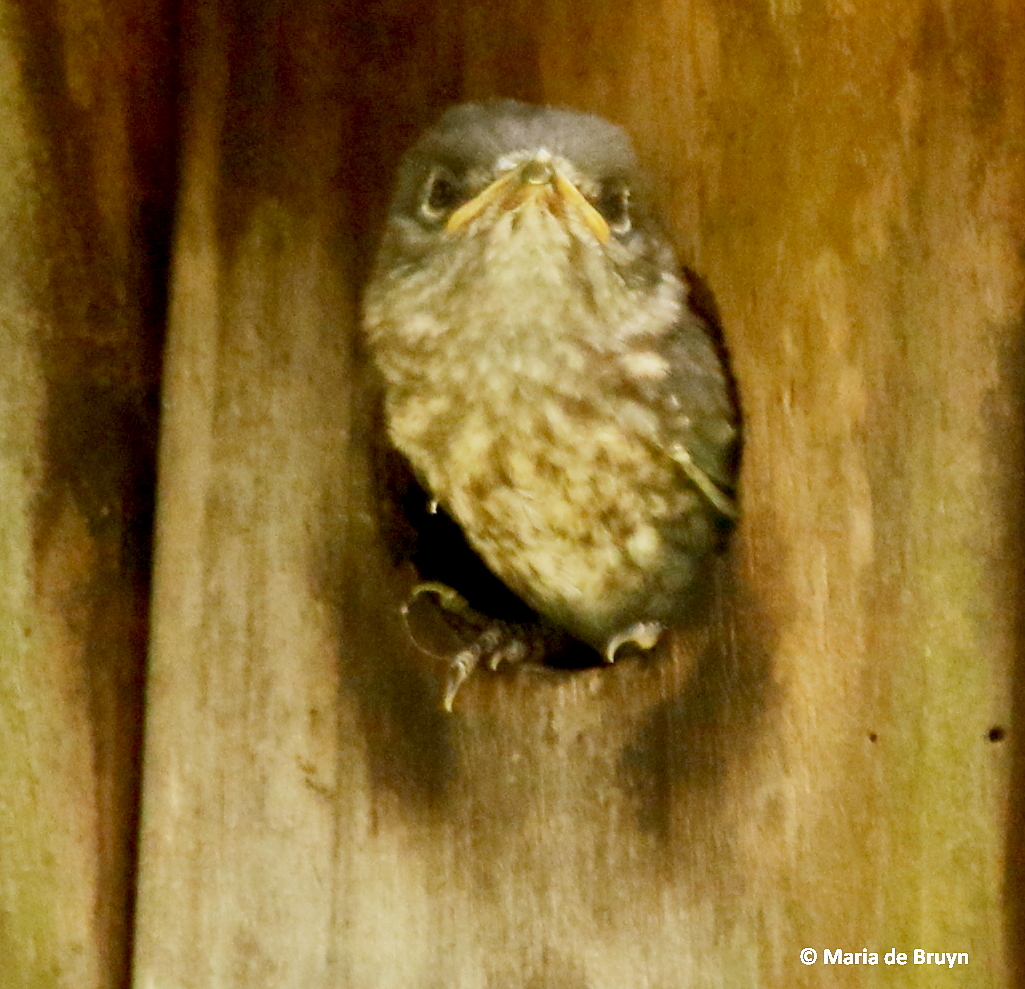
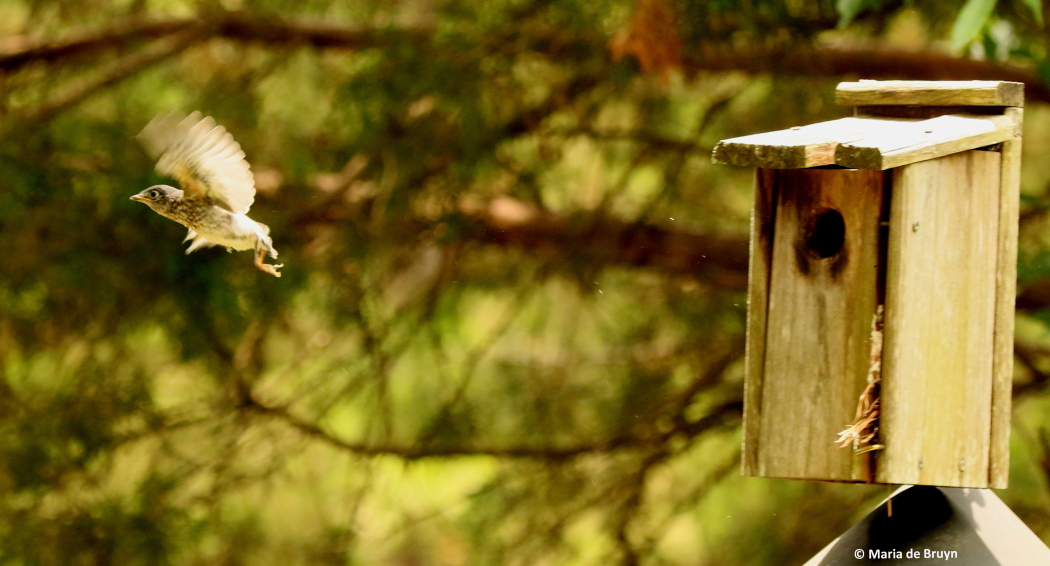
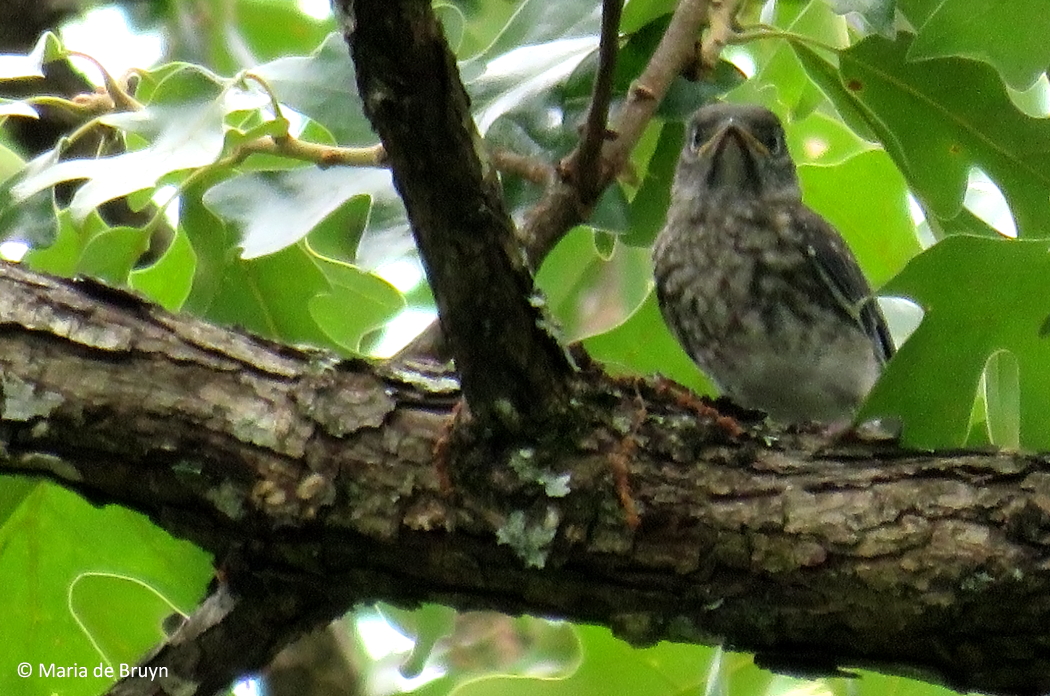
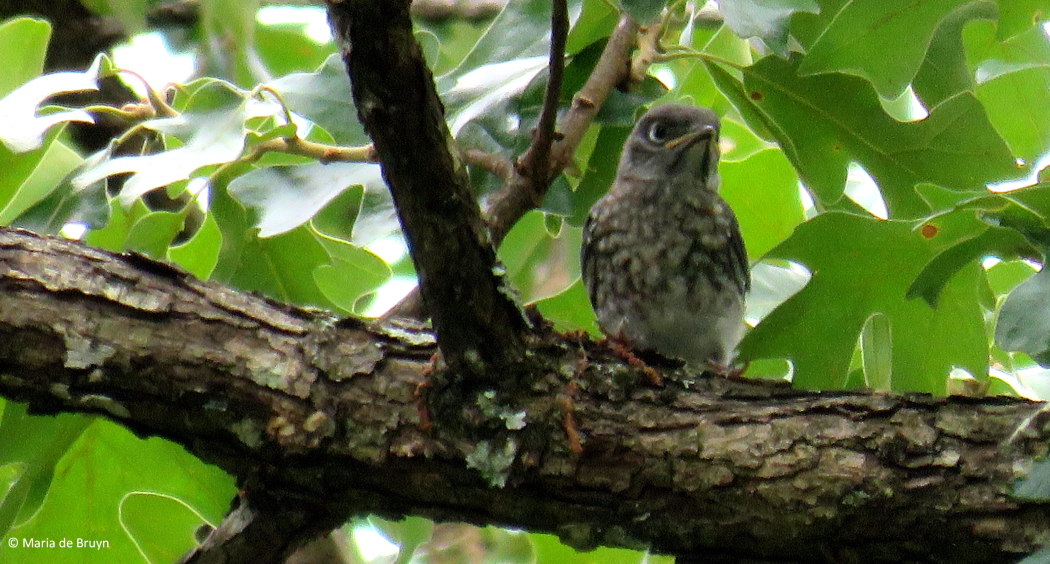
This year, I had the good fortune to see both brown-headed nuthatches (Sitta pusilla) and Eastern bluebirds (Sialia sialis) raise broods in some of my nest boxes. I saw the babies fledge, which was truly an enjoyable event.


eastern-bluebird-i77a7134-maria-de-bruyn-res

For some time, the parents continued feeding their babies after they left home, but eventually they got to the point that they could catch or find their own food. As summer progressed, the parents and children both visited my feeders and it was gratifying to see the families thrive. Then during September and October, I saw a behavior that I don’t remember from years past.

brown-headed-nuthatch-i77a7426-maria-de-bruyn-resbrown-headed-nuthatch-i77a7439-maria-de-bruyn-res

The nuthatches started to return to their nest box almost daily. They didn’t check out nearby boxes but went to their original home and today they are still visiting there, sitting on top, fluttering around it and looking inside.

tufted-titmouse-i77a7417-maria-de-bruyn-res

Their frequent visits seem to have intrigued a local tufted titmouse (Baeolophus bicolor) who decided to take a look in their box, too,but that was only a one-time visit as far as I could see.

It’s not only the parents doing this, but also one or more of their offspring. So how true is the saying “you can never go home again” (origin a novel by Thomas Wolfe)? It originally meant that you can’t recapture exactly how things were in your youth because changes take place in situations and places. But people do often journey back to the places where they grew up and apparently birds do, too! Maybe they are wondering if their nest box is still the same good place for a home.

brown-headed-nuthatch-i77a7459-maria-de-bruyn-resbrown-headed-nuthatch-i77a7441-maria-de-bruyn-res

i77a0203-maria-de-bruyn-res


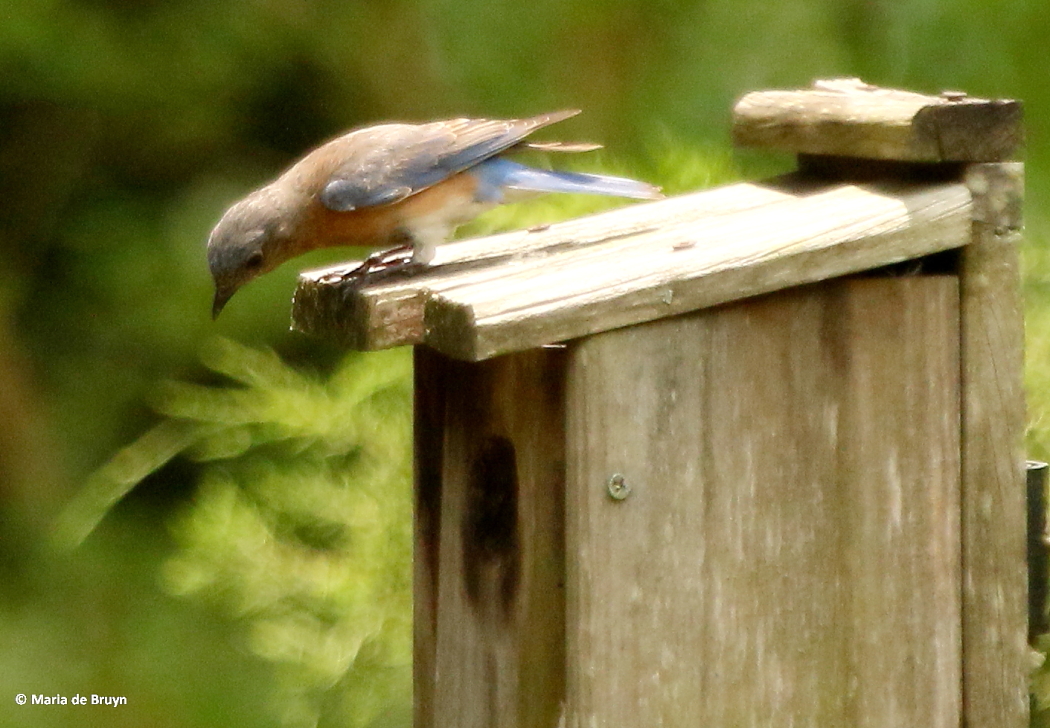
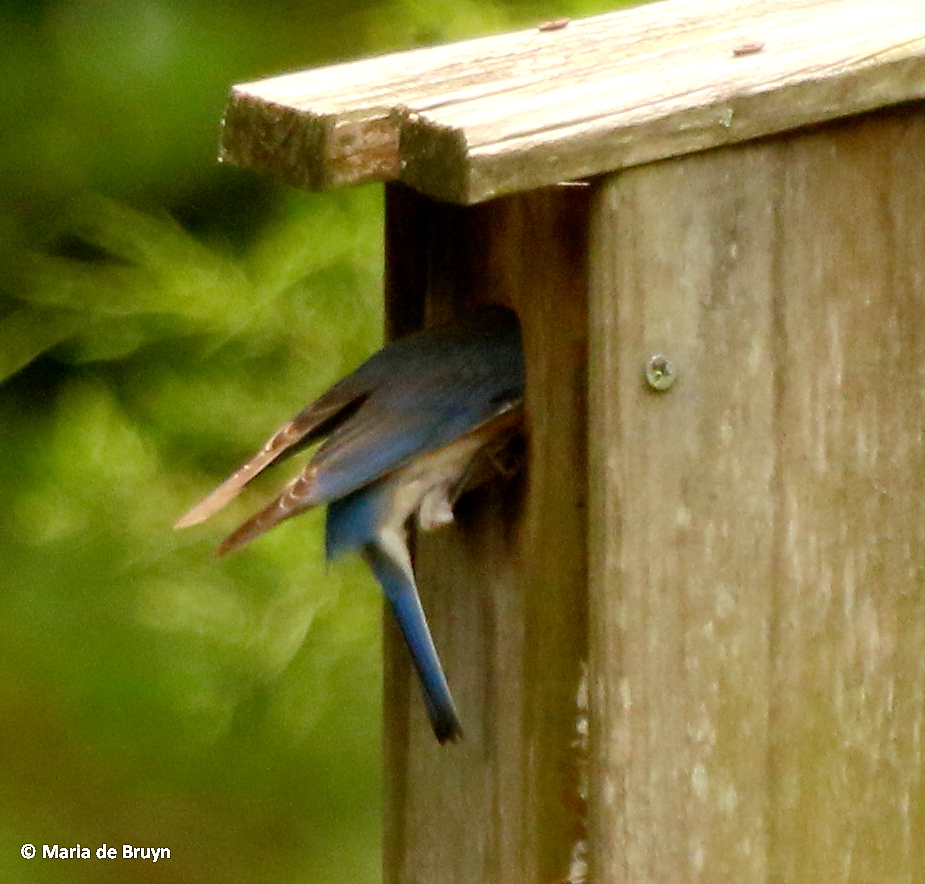
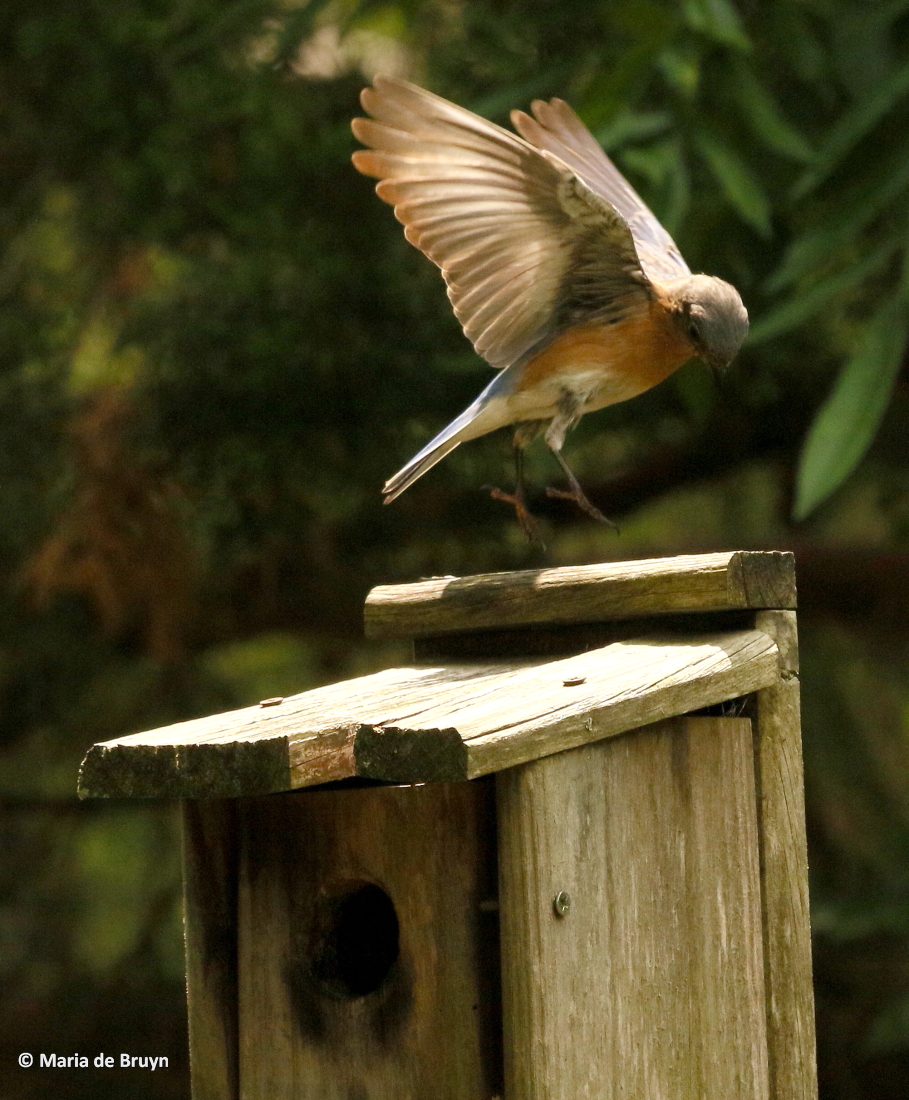
The bluebirds began doing the same with their home nest box as well. They take turns flying from nearby branches to cling to the box and investigate the now empty dwelling. While the nuthatches just lean and peer inside, the bluebirds eventually go inside for a bit.


eastern-bluebird-i77a9732-maria-de-bruyn-res brown-headed-nuthatch-i77a9653-maria-de-bruyn-res


Oddly, there seems to be some contention involved. For example, when this pair was investigating, they had a little tiff for some reason.

eastern-bluebird-i77a9722-maria-de-bruyn-res eastern-bluebird-i77a9725-maria-de-bruyn-res

eastern-bluebird-i77a9723-maria-de-bruyn-res eastern-bluebird-i77a9726-maria-de-bruyn-res

I can only guess that the birds are checking out the nest boxes in anticipation of next year’s nesting season. The nuthatches and bluebirds will begin breeding again around March, although nuthatches might already begin building a new nest as early as December. It will also be interesting to see if they end up roosting in the boxes during the colder winter nights.

brown-headed-nuthatch-i77a4527-maria-de-bruyn-resWatching the nuthatches and bluebirds nest, fledge and feed is an enjoyable pastime and I’m looking forward to seeing them repeat the process next year. In the meantime, perhaps I’ll continue seeing them around the nest boxes this winter – as Pliny the Elder said, “Home is where the heart is” and something is sure attracting them back! (And yes, I know, that is a bit of anthropomorphizing.)
Leaping into the wide – and sometimes wet – world!

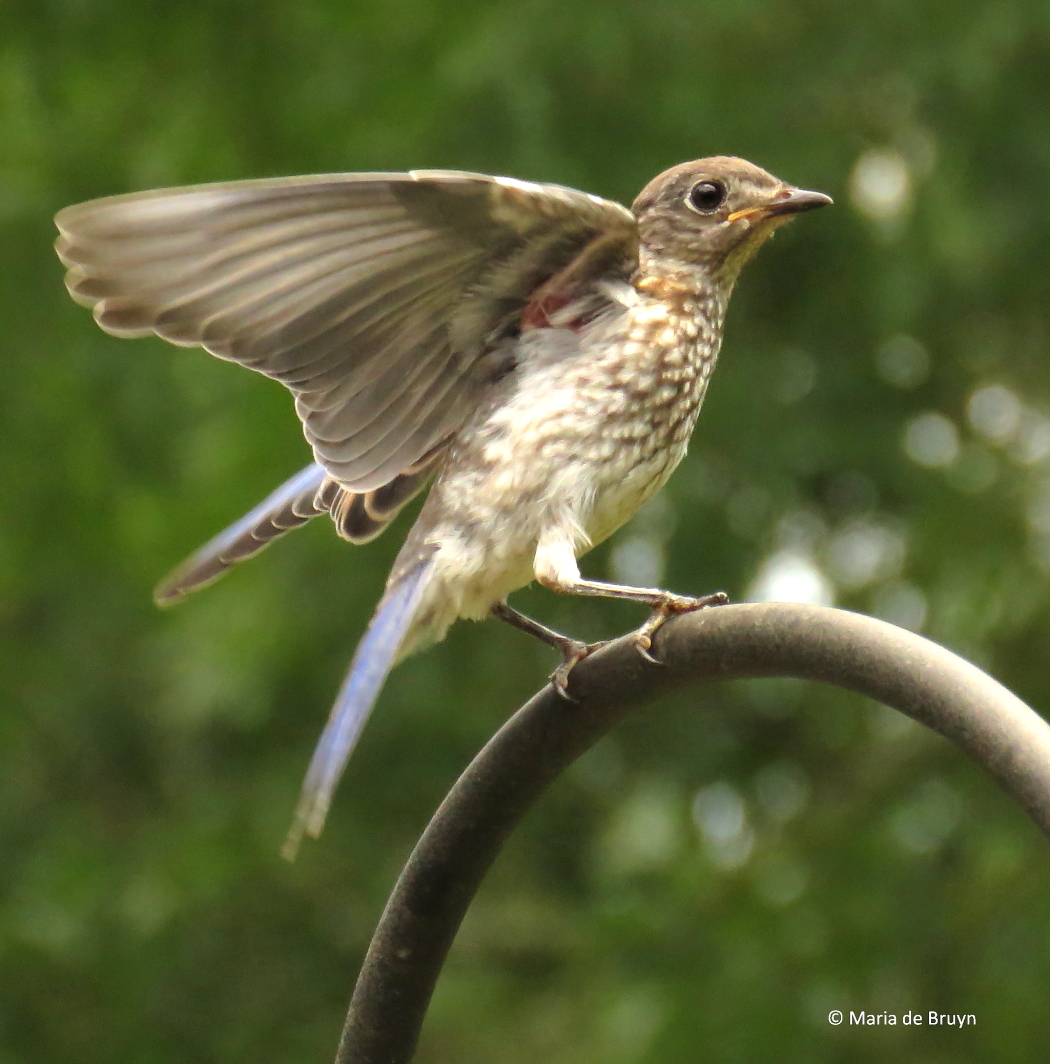
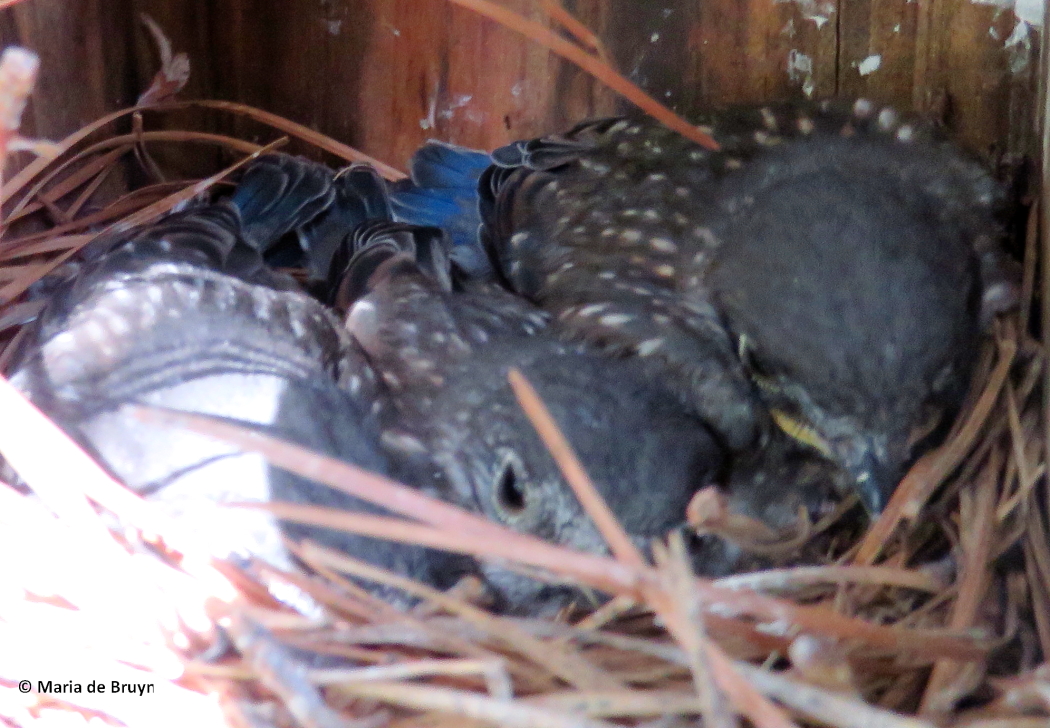
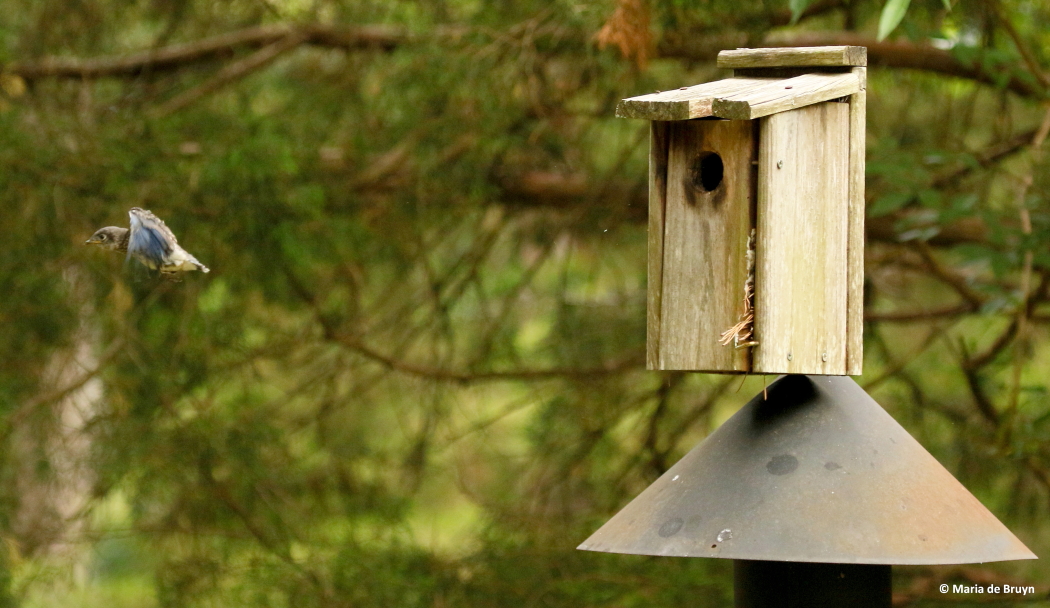
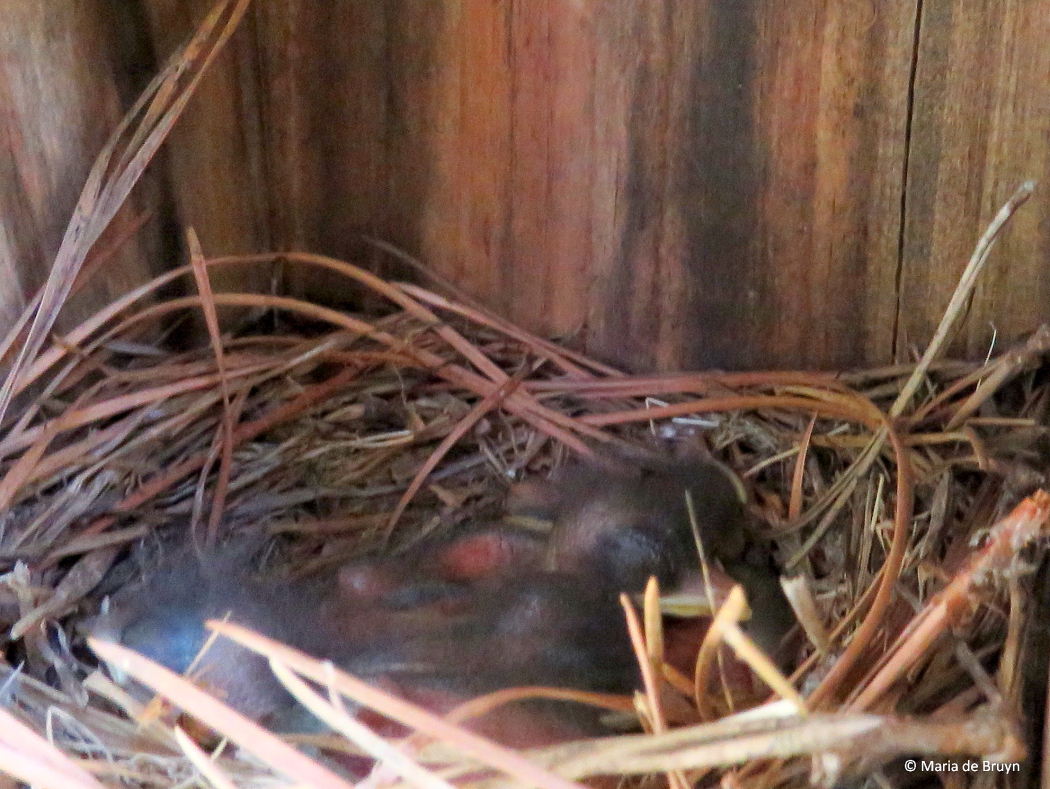
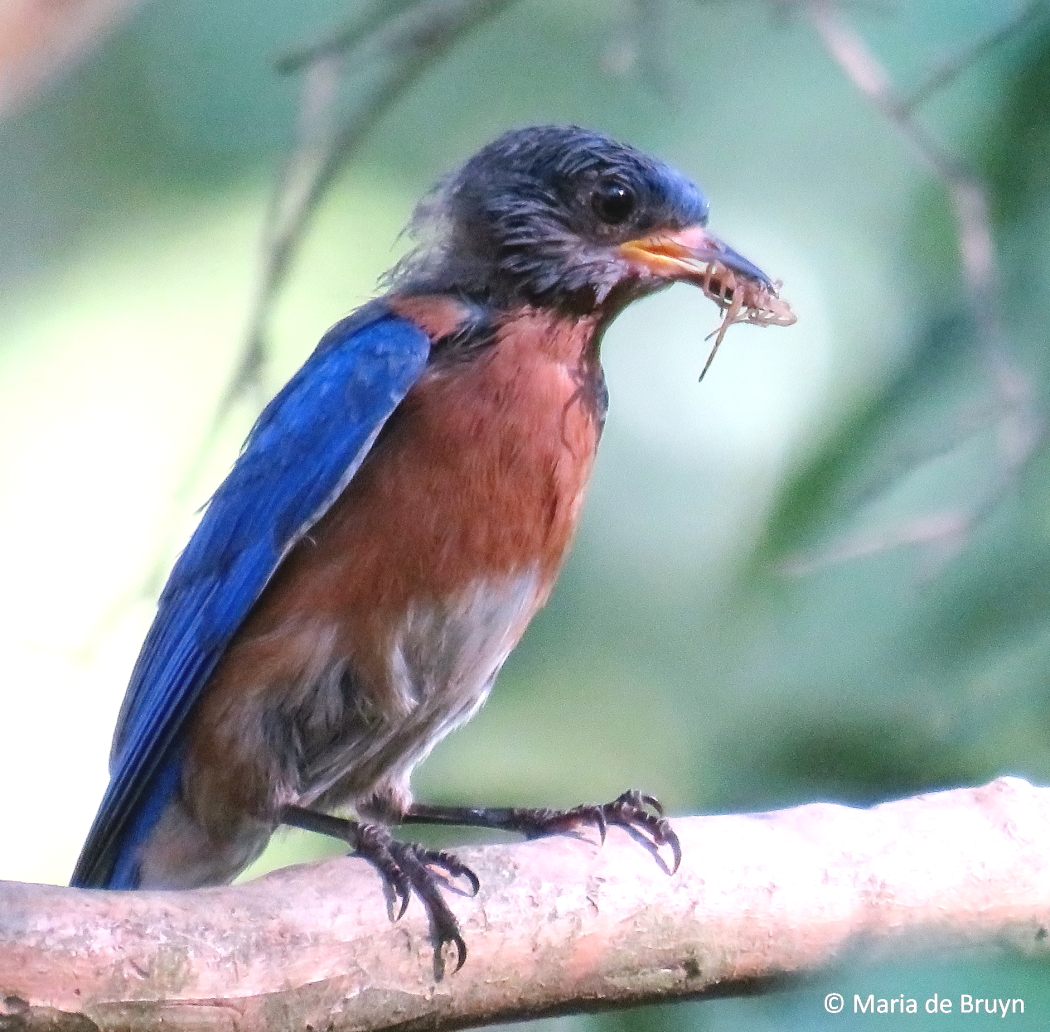
Eastern bluebird IMG_2991© Maria de Bruyn resEarlier this past week, I calculated that the Eastern bluebird (Sialia sialis) babies in my front-yard nest box were close to fledging. I knew approximately when mom had finished laying her eggs (four in total), so that I could guess when they reached normal fledging age (16-18 days after hatching). When I looked at the nest on 10 June, I saw that there were only three babies; I have no clue what happened to egg No. 4.  But the three survivors were progressing well as mom and dad made frequent forays to gather caterpillars and insects for them.
Eastern bluebird IMG_2819© Maria de Bruyn res Eastern bluebird I77A5733© Maria de Bruyn res

Eastern bluebird I77A8417© Maria de Bruyn

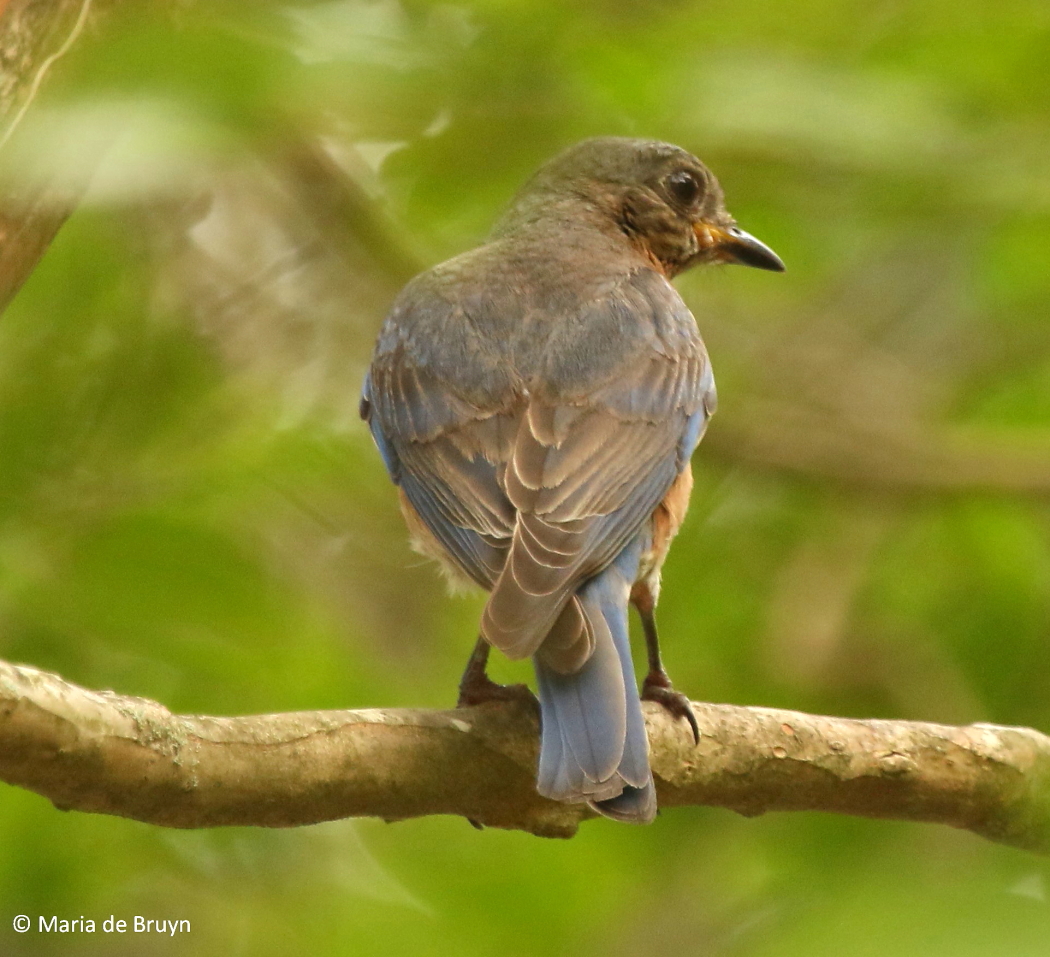
Occasionally, the male and also the female bluebird, identifiable by her subtler coloring and her brood patch, would visit the suet and meal worm feeders for a fast food repast for themselves. It was hard work keeping their growing offspring fed!

Eastern bluebird I77A6411 © Maria de Bruyn         Eastern bluebird I77A5769© Maria de Bruyn

They also had to let one of their older offspring from a previous brood know that they were no longer going to feed him, even when he begged.

Eastern bluebird IMG_1509© Maria de Bruyn res

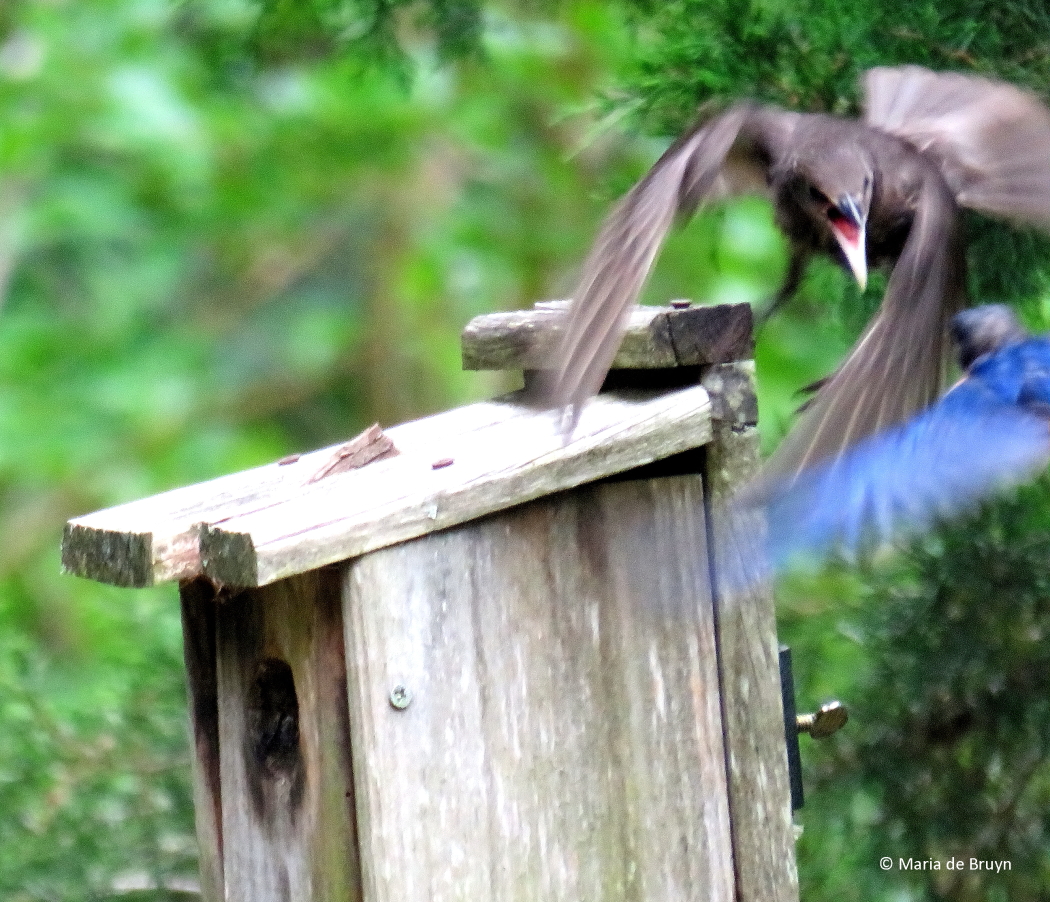
As fledging time neared, mom and dad had to contend with other birds coming near the box. Dad was especially angry with a young starling (Sturnus vulgaris) who wanted to settle on top of the box. Starlings have been known to eat young birds and papa bluebird was obviously taking no chances! (I just caught the action out of the corner of my eye so the photos aren’t great but do give an idea of the argument!). The parents also chased away squirrels from the tree in front of the box, which alerted me to the fact that fledging was probably imminent since the parents become especially protective at this time. I started using a smaller camera with a very long zoom (but somewhat lesser photo quality) as they weren’t excited by me being too close either.

Eastern bluebird IMG_3841© Maria de Bruyn res     Eastern bluebird IMG_3840© Maria de Bruyn res

Eastern bluebird IMG_4618© Maria de Bruyn res

On Wednesday, I checked the box before going out for the morning and there were still three babies there. When I came home a few hours later, mama and papa were sitting on branches, with or without food, calling to their little ones to come on out. They would also fly to the box for a quick look inside.

Eastern bluebird I77A7702© Maria de Bruyn res           Eastern bluebird I77A7729 © Maria de Bruyn res

Mama also repeated behavior I had seen last year – flying to the box, standing on top and then hovering in front of the hole as a form of encouragement.  When she and dad left, I approached to take a look and discovered bluebird baby No. 1 had already flown away. This meant that the parents had to watch the first baby out in the trees somewhere, as well as their two lagging offspring in the box.

Eastern bluebird I77A8584© Maria de Bruyn res        Eastern bluebird I77A8791© Maria de Bruyn res

Eastern bluebird I77A8592© Maria de BruynAt one point, mother bluebird seemed a bit fed up – she flew over to the box (without food) and finally entered, staying inside for a good 60-90 seconds at least. I imagined her giving the babies a lecture about how they had to be courageous and willing to jump.

Her admonishments seemed to have had an effect; the babies began calling loudly from inside their birth home. Finally, after about 30 minutes, one poked its head out to take a look at the big wide world. Mom and dad seemed glad, waiting together in the tree to see how long it would take baby No. 2 to join them.

Eastern bluebird I77A8685© Maria de Bruyn    Eastern bluebird I77A8648© Maria de Bruyn

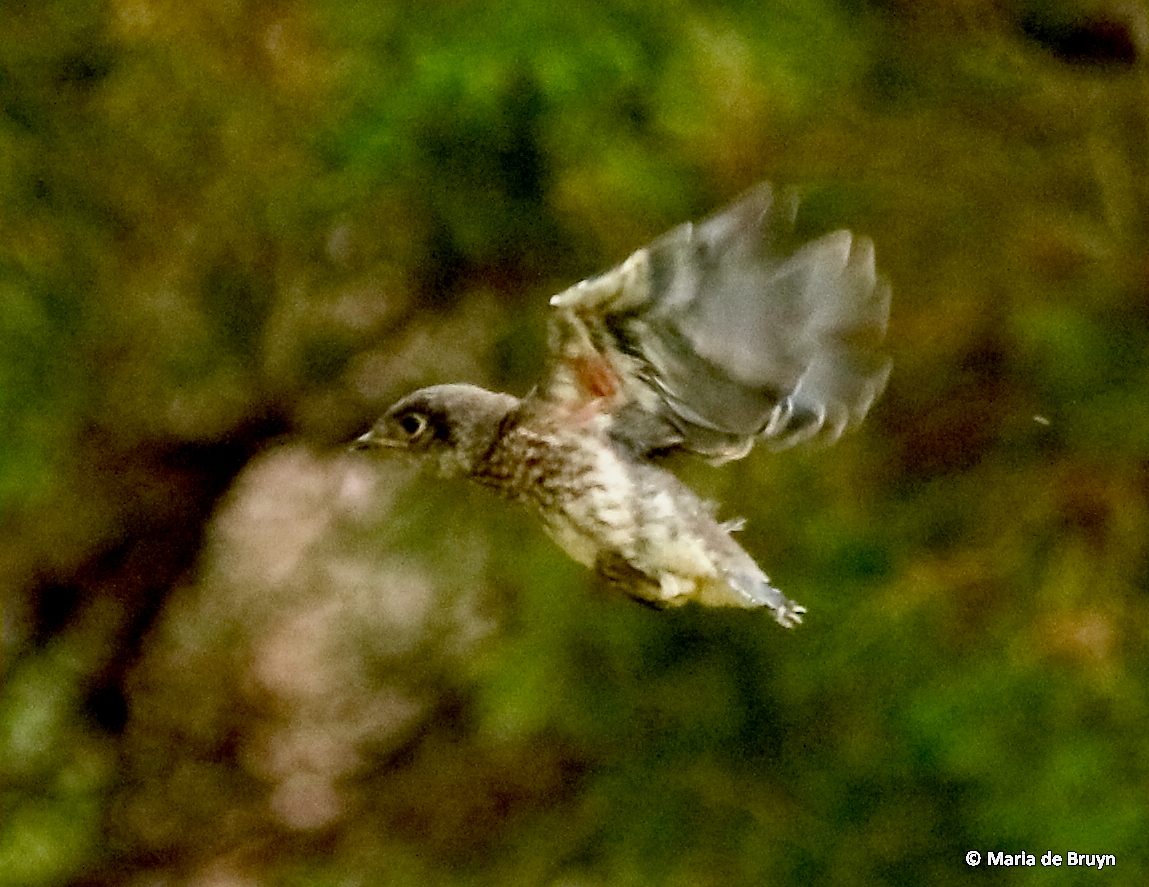
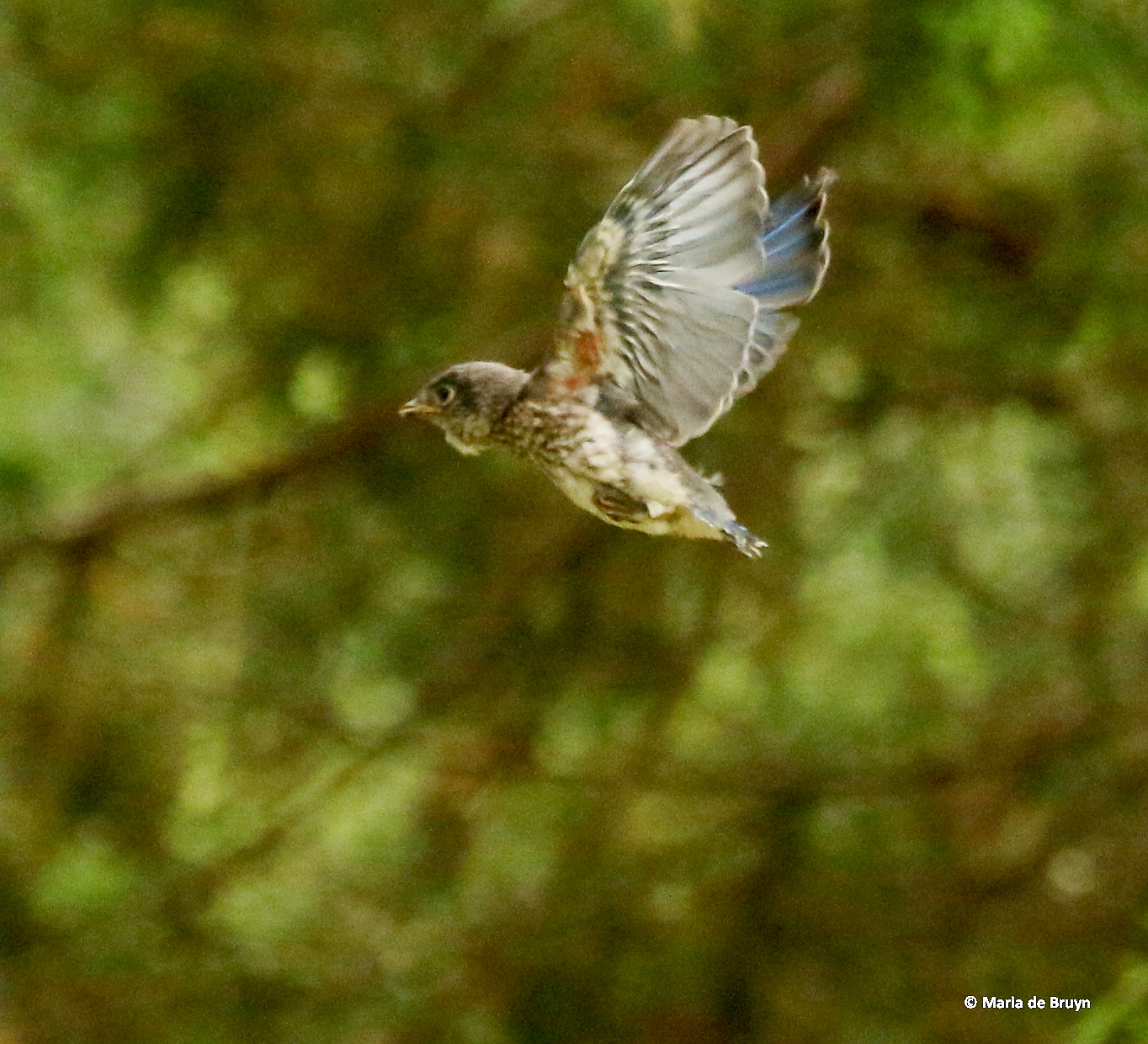
The baby looked around a lot, also staring at me; s/he went back inside and then looked out a few more times, finally taking the great leap into the outside world. Baby 2 was a very strong flier – not even alighting in the tree in front of the box but circling around to land high in a juniper and then in a tall oak tree behind the box.

Eastern bluebird I77A8746© Maria de Bruyn res

Eastern bluebird I77A8877© Maria de Bruyn res


Sibling No. 3 took a little while longer and mama bluebird again went to the box to give encouragement. The baby then spent a little more time observing the new environment and also made a strong flight out.

Eastern bluebird I77A8899© Maria de Bruyn res Eastern bluebird I77A8891© Maria de Bruyn res

Eastern bluebird I77A8861© Maria de Bruyn res  Eastern bluebird I77A8925© Maria de Bruyn

Eastern bluebird I77A8930© Maria de Bruyn res Eastern bluebird I77A8931© Maria de Bruyn     Eastern bluebird I77A8932© Maria de Bruyn res

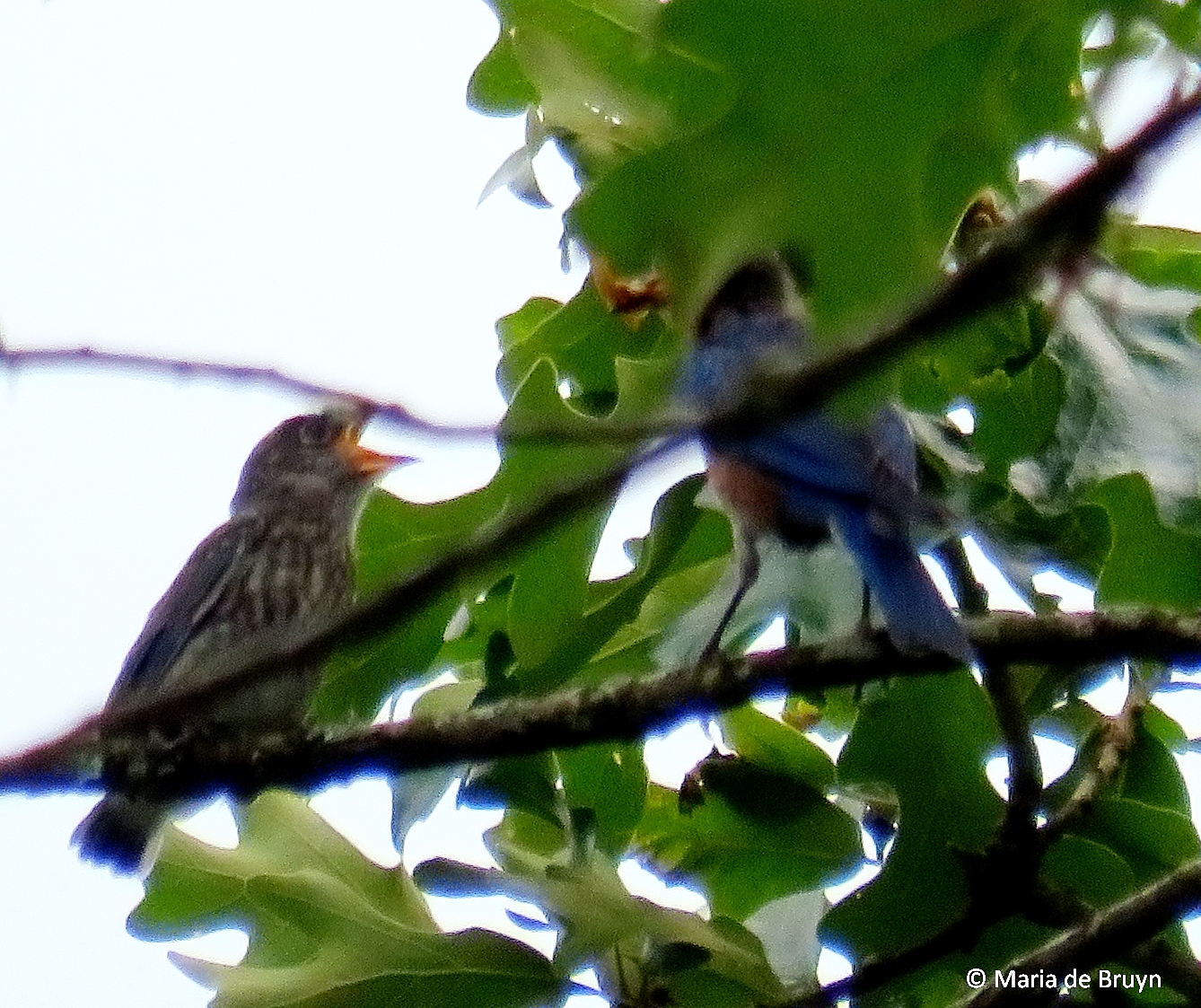
It rained that night and I hoped that the bluebird babies were ok; between the thunderstorms and a neighbor’s cat who comes to hunt birds in my yard, their environment seemed precarious for their first days of life. In the afternoon, I was happy to see papa bluebird feeding one of the three babies at the top of an oak tree. Mama was also flying around up there, so I assumed they were all hanging out in the high branches.

Eastern bluebird IMG_4723© Maria de Bruyn        Eastern bluebird IMG_4777© Maria de Bruyn res

Thursday night, it rained heavily again for many hours; Friday was an easier day and night. I haven’t seen the fledglings again yet but have seen their parents coming for suet and meal worms and flying up to the oak tree, so I assume at least a couple are there. I look forward to seeing their speckled selves at the feeders along with their parents – and will be curious to see if their parents go for a third brood this year.

Eastern bluebird IMG_4779© Maria de Bruyn res


Living above a restaurant

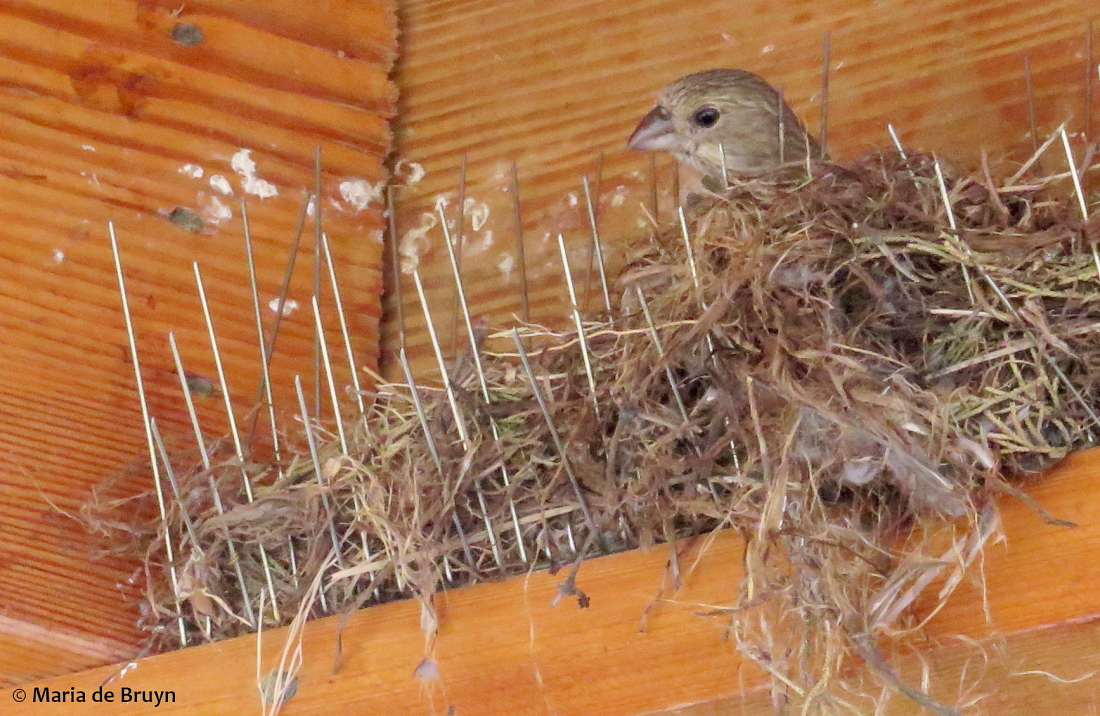
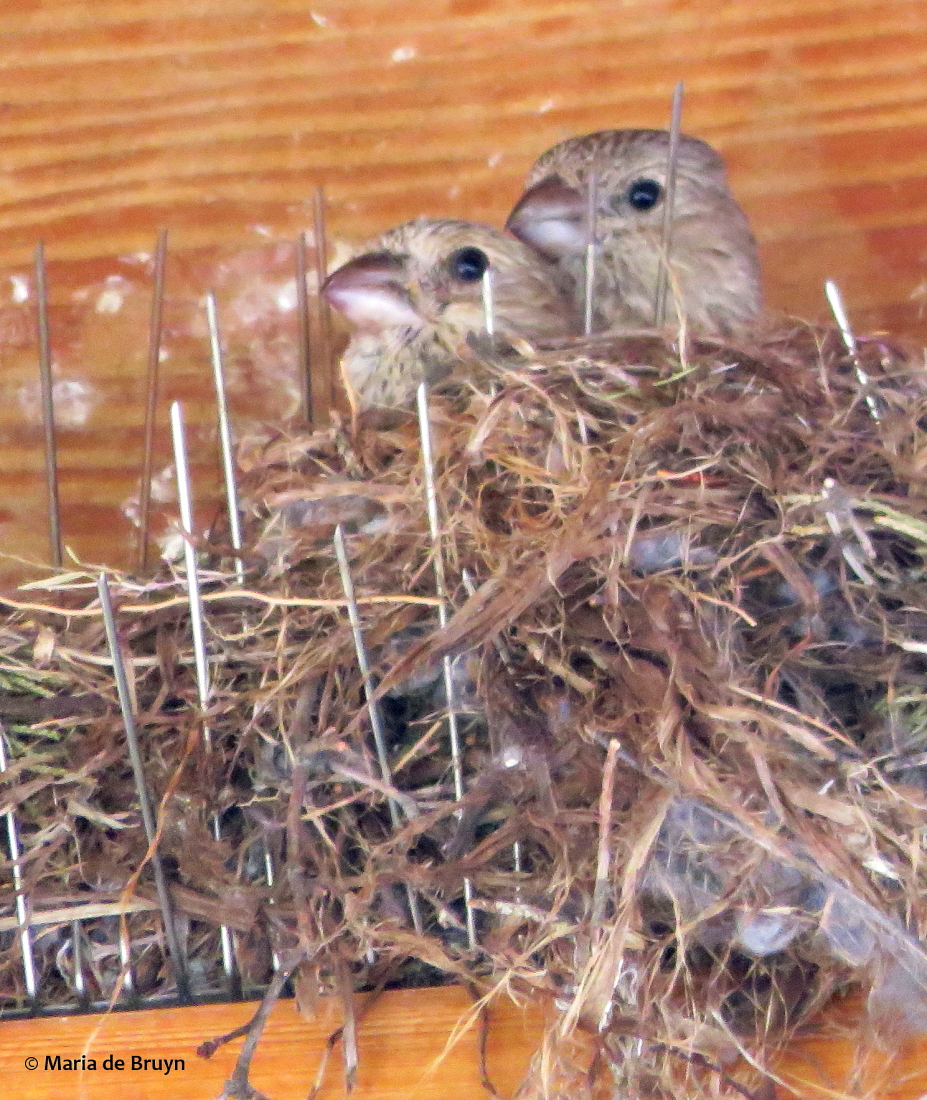
house finch nest 1 IMG_4358© Maria de Bruyn resAt one point in Amsterdam, I lived in a room with a shared kitchen and toilet above a butcher shop. It was a cramped space but I made some nice friends there. Eventually, I painted the hallway with flowers and snails to bring a bit of nature inside. Today, on my way to a prompt writing session, I saw that some birds also choose to live above commercial establishments, including those who established homes above one of my favorite restaurants, El Tigre.

House finch nest 1IMG_4373© Maria de Bruyn res


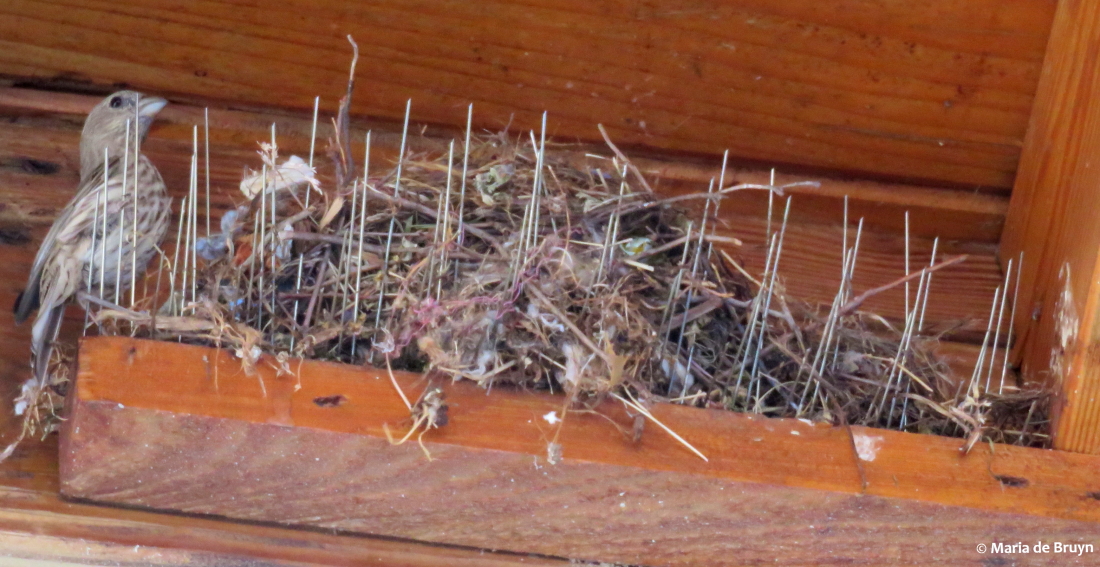
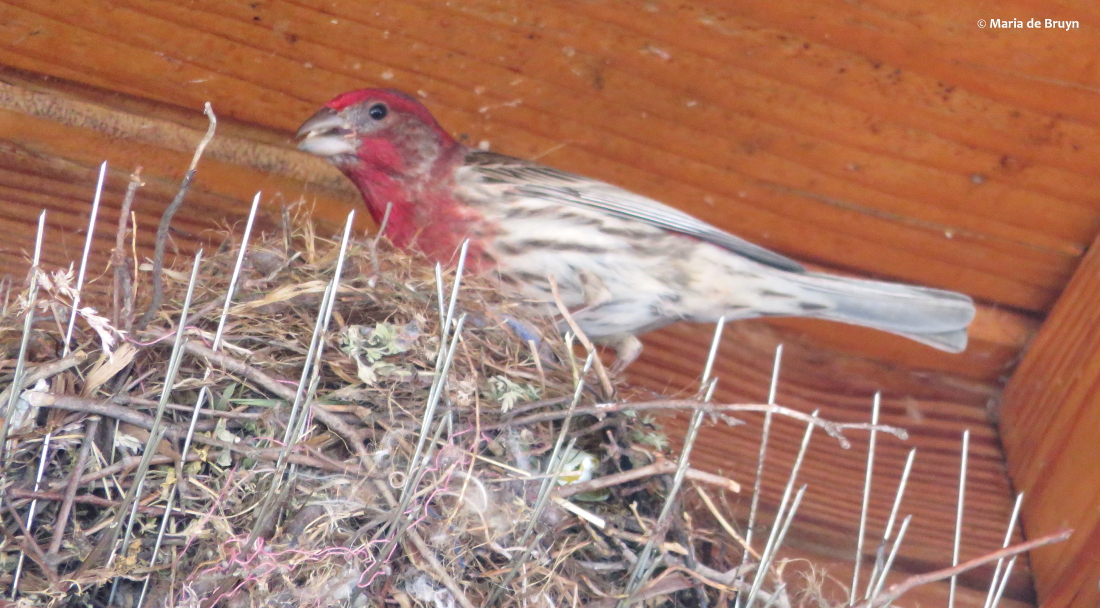
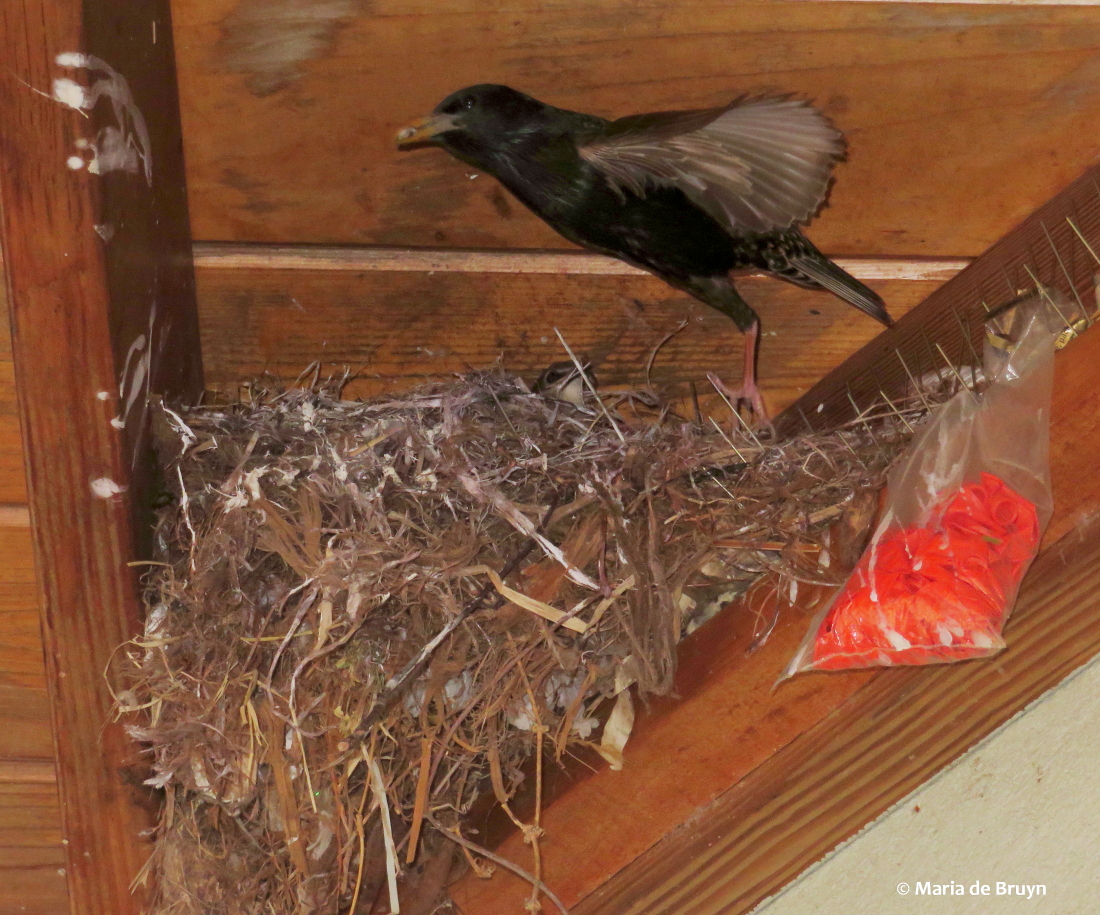
There were three nests (at least – I didn’t look around to the other wall), with house finches (Haemorhous mexicanus) on either side of a European starling (Sturnus vulgaris) home in the middle. Nest 1 had a female bird visiting while a couple stayed inside.


The other finch nest was attended by both mother and father.

house finch nest 3 IMG_4375© Maria de Bruyn res house finch nest 3 IMG_4351© Maria de Bruyn res

house finch nest 3 IMG_4396© Maria de Bruyn res

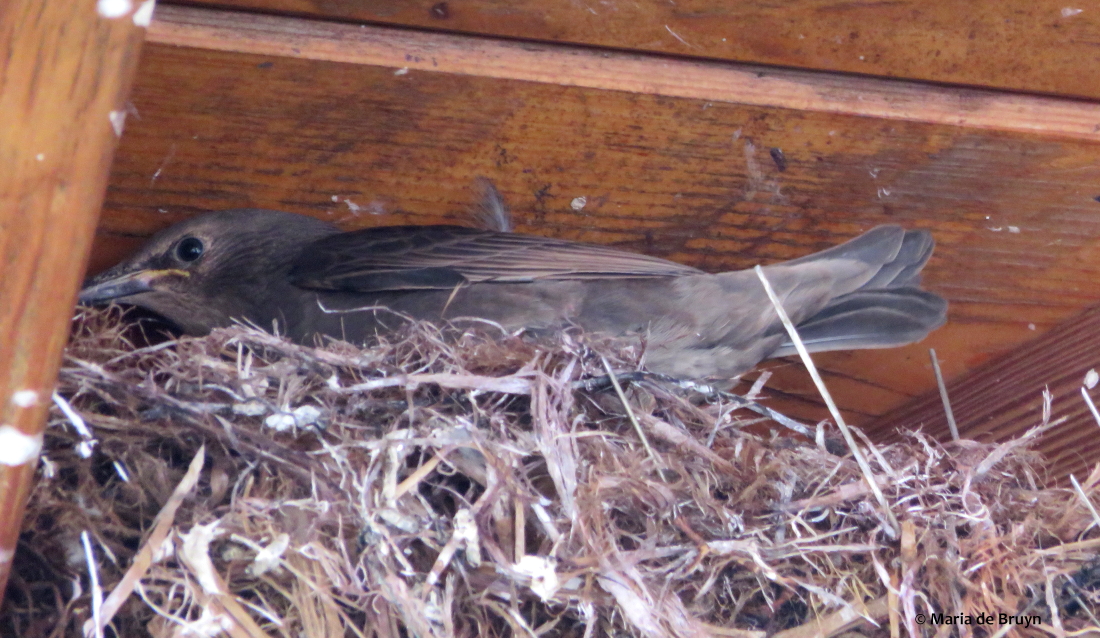
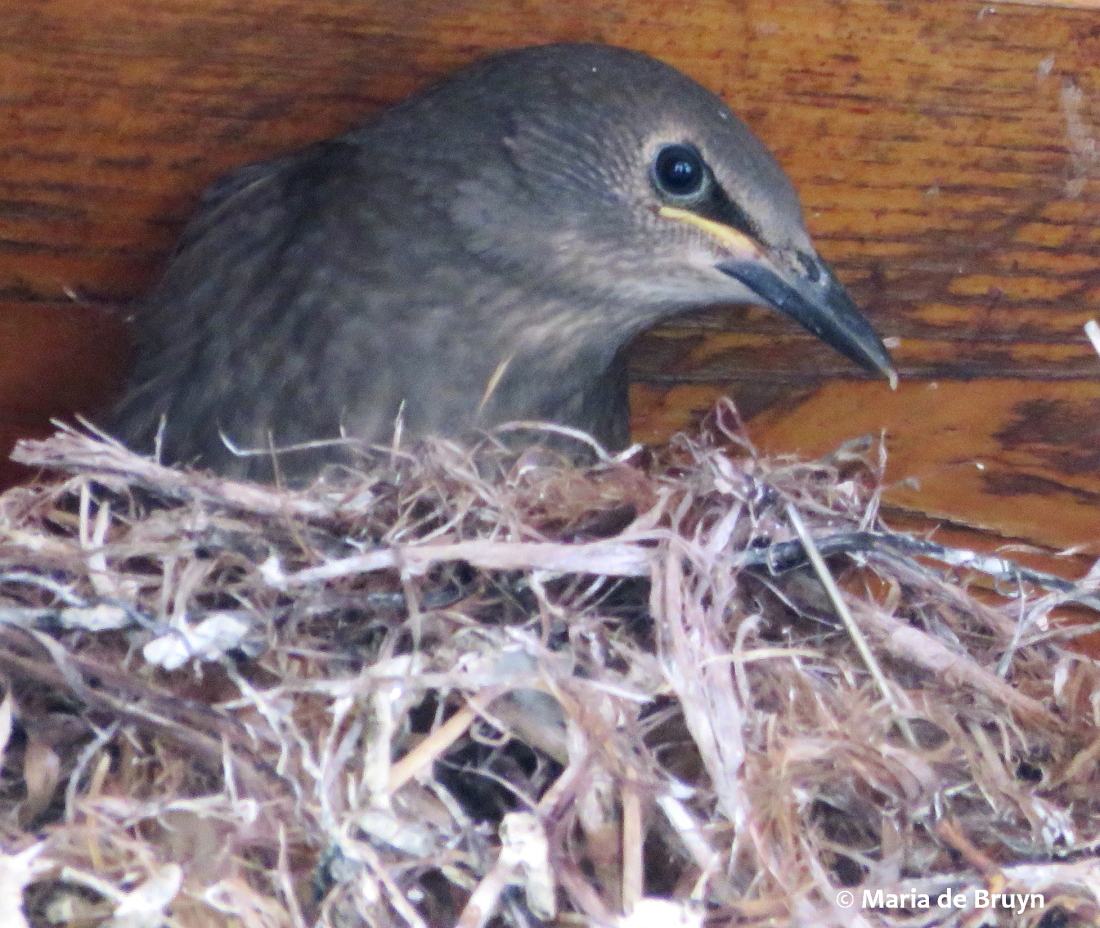
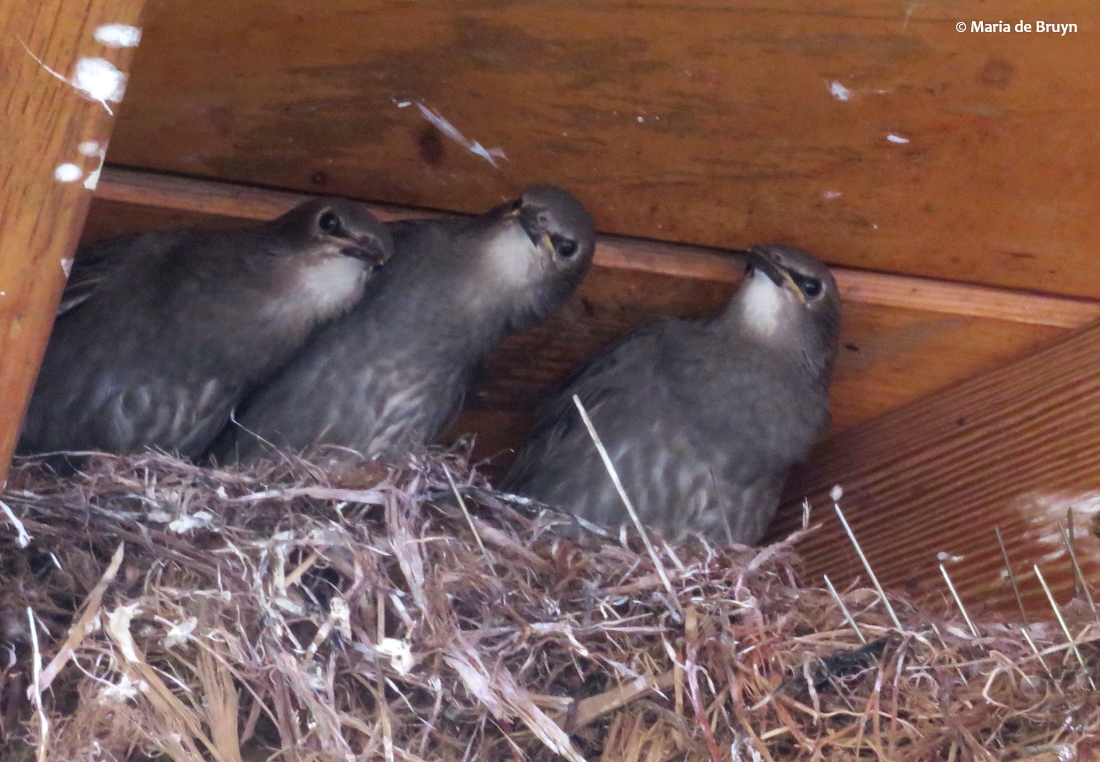
European starling IMG_4390© Maria de Bruyn resThe nest with starlings had rather large babies in it. At one point, an adult bird flew in with a worm or insect but then took off before feeding anyone – perhaps alarmed when it saw me watching the nest. The babies didn’t say much, in contrast to the somewhat older baby starlings in my yard who make quite a racket asking to be fed.

European starling IMG_4387© Maria de Bruyn resEuropean starling IMG_4347© Maria de Bruyn res


European starling IMG_4397© Maria de Bruyn res

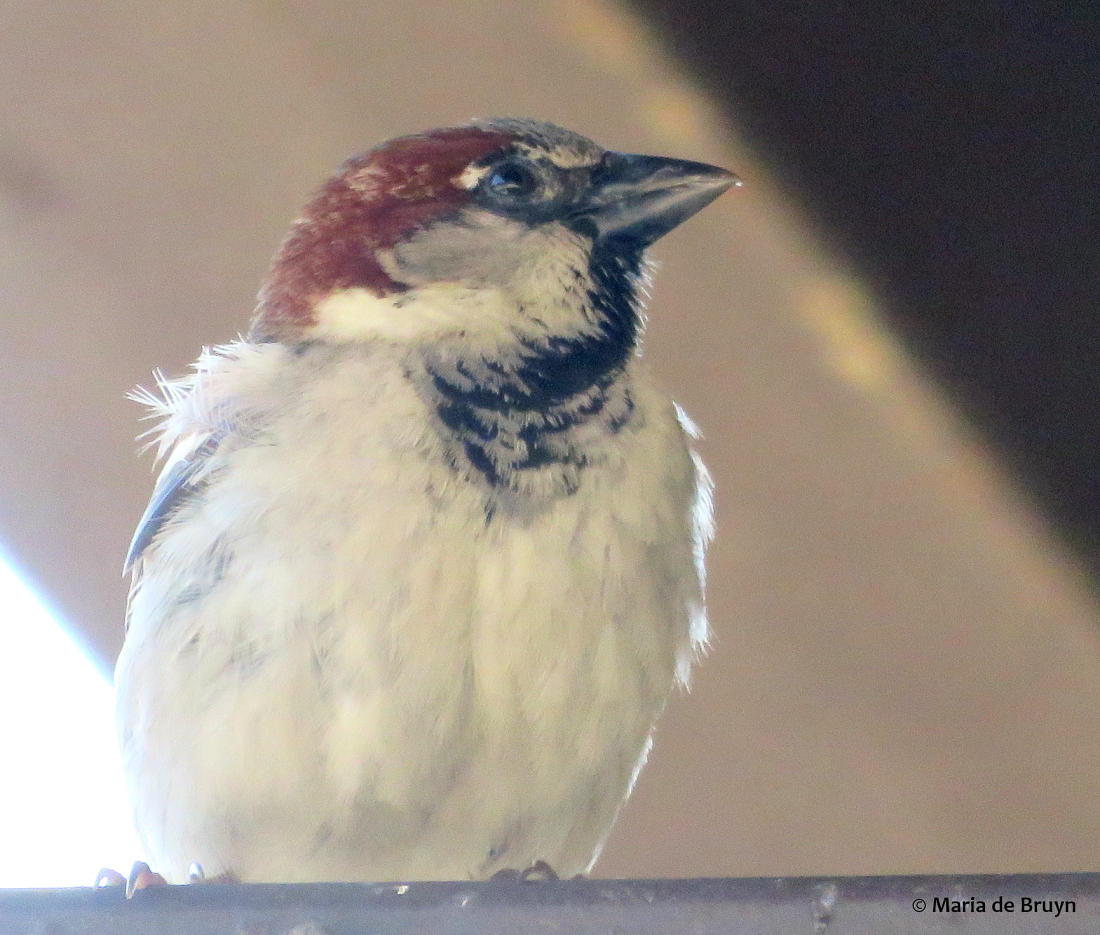
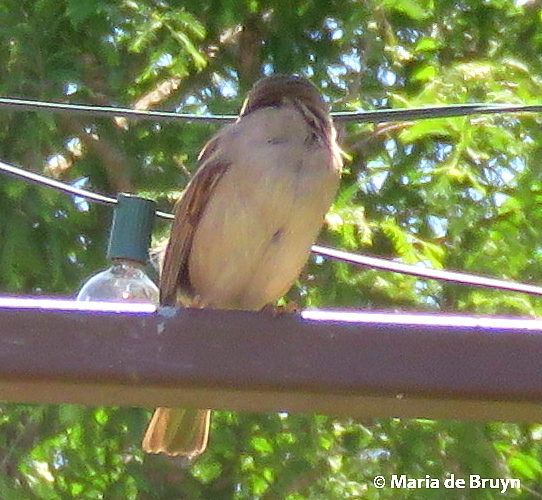
I wasn’t the only observer, however; a couple house sparrows (Passer domesticus) were also observing the comings and goings to and from the nests.

house sparrow IMG_4412© Maria de Bruyn res house sparrow IMG_4355© Maria de Bruyn res

I had a busy day and didn’t think I’d get to do much nature observation – but then those adaptable birds showed me that even in an urban environment, I can grab a few moments to see what other species are doing on a lovely spring day!


Nest Watch citizen science – 2016 edition

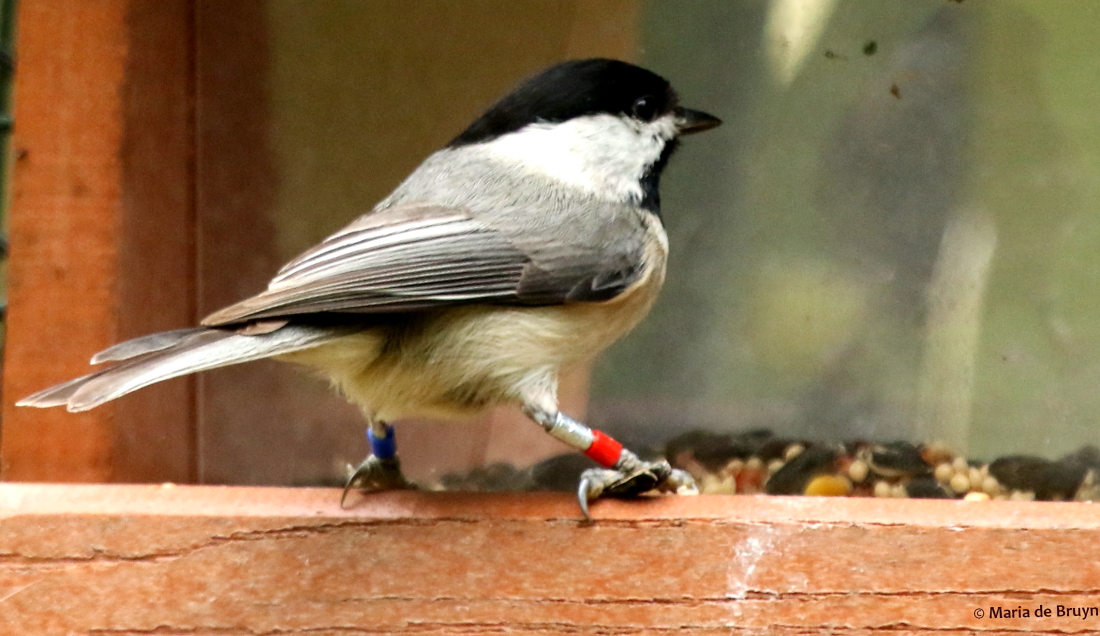
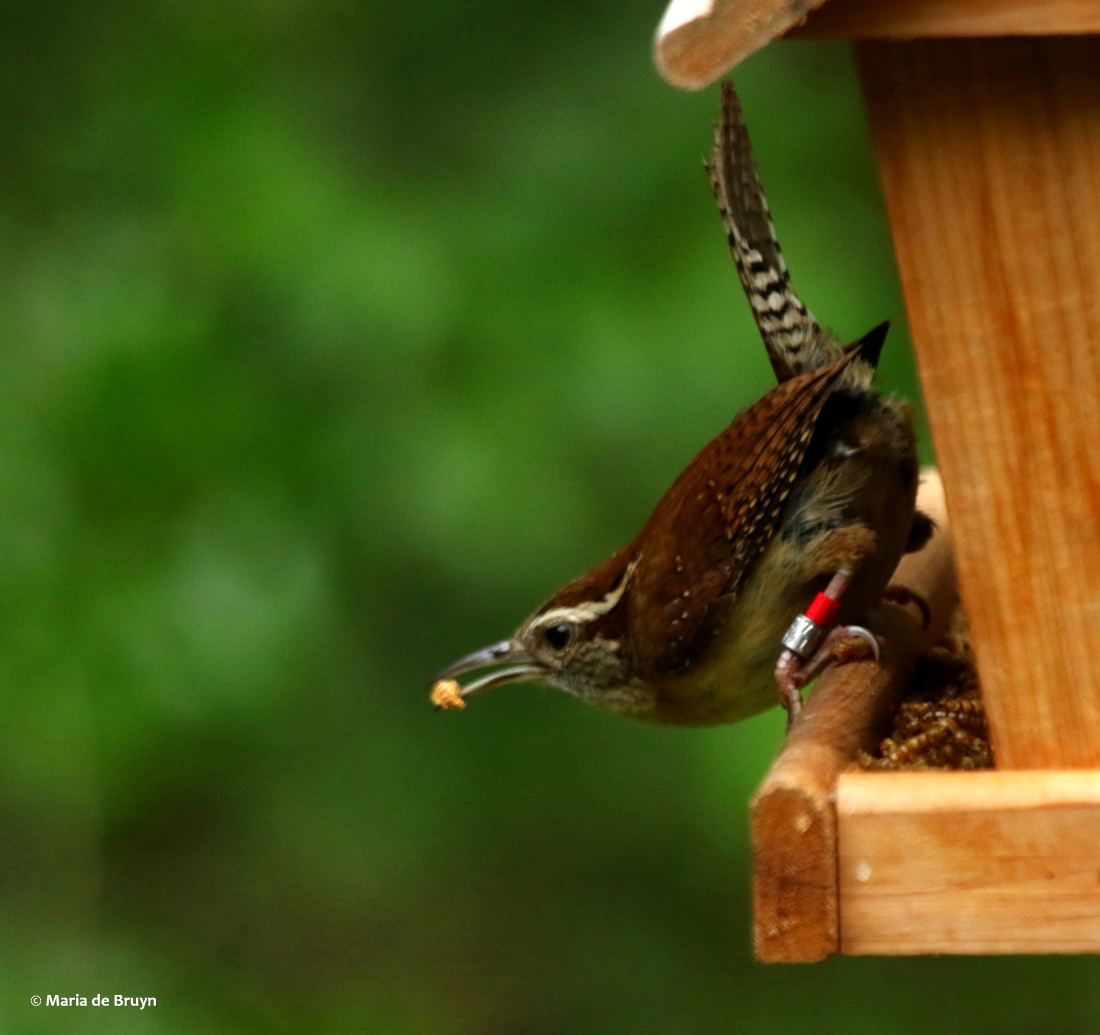
Carolina wren Renee and Riley I77A9074© Maria de Bruyn resLast year, I became a Nest Watch volunteer, which involves having birds banded in your yard so that you can follow and report to researchers the birds’ presence over time as they visit and leave your yard.

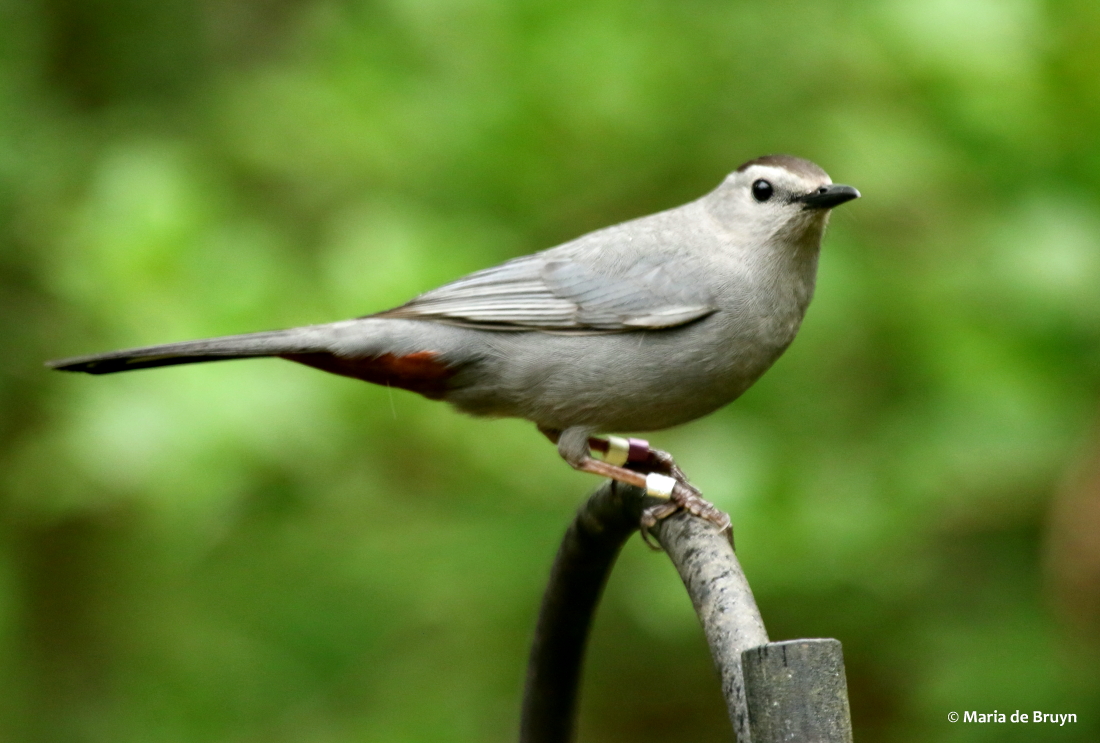
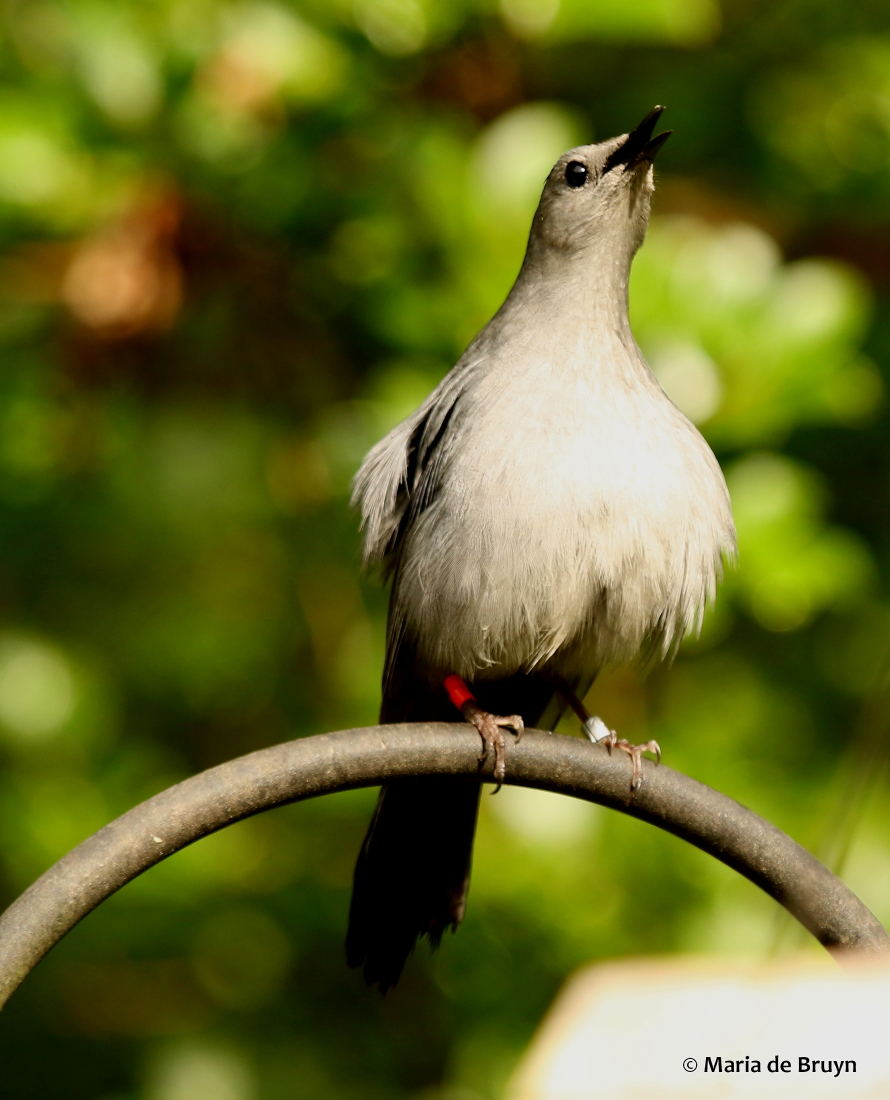
In 2015, we banded six birds. If a bird is only a temporary visitor or if it died outside the yard due to disease, old age or predation, you just won’t see it again and have no idea what became of it. The American robin (Turdus migratorius) that was banded last year never returned. If the birds stick around, however, you have the enjoyment of observing birds you get to know. The three gray-headed catbirds (Dumetella carolinensis) stayed around all summer and fall, and two of them – Camden and Corey – returned to my yard from winter migration a few days ago. They have been accompanied by females whom they appear to be assiduously courting.
gray-headed catbird Camden I77A8990© Maria de Bruyn res

gray-headed catbird Corey I77A8083© Maria de Bruyn res

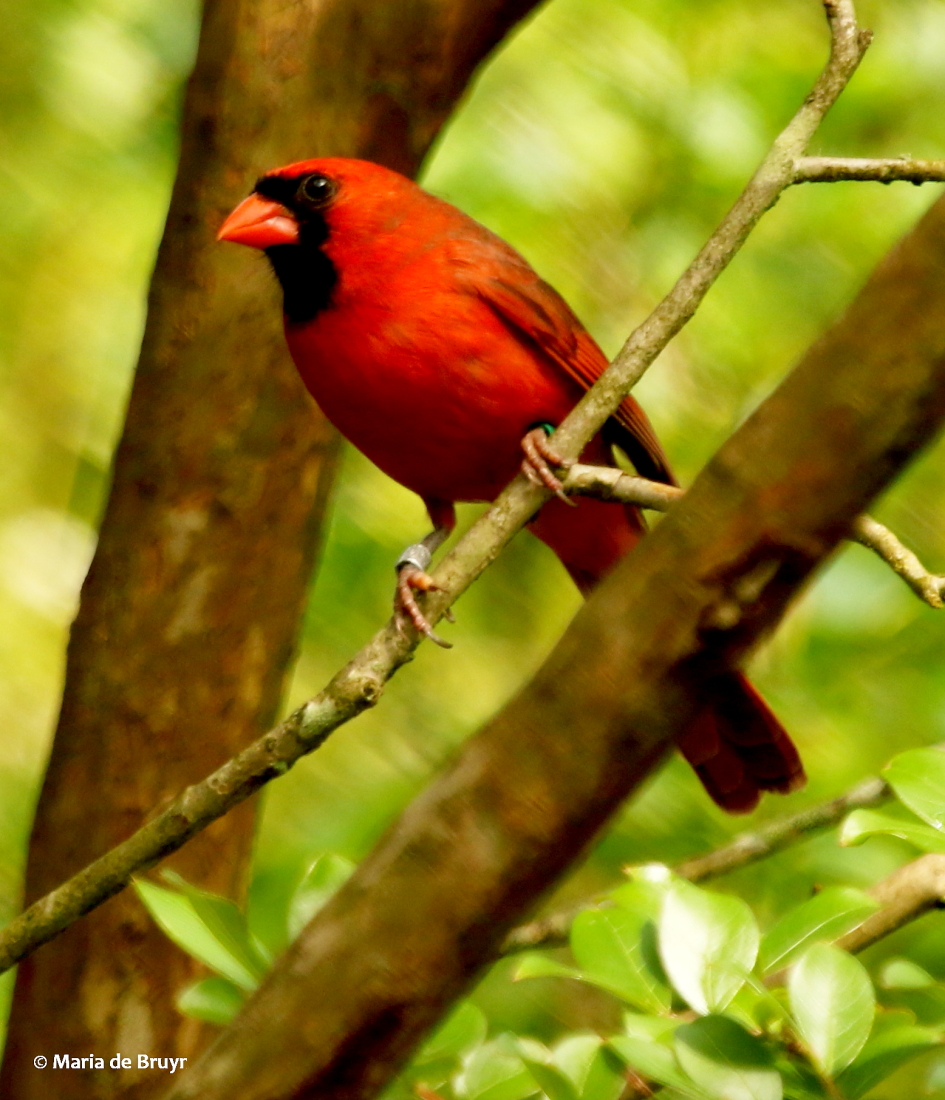
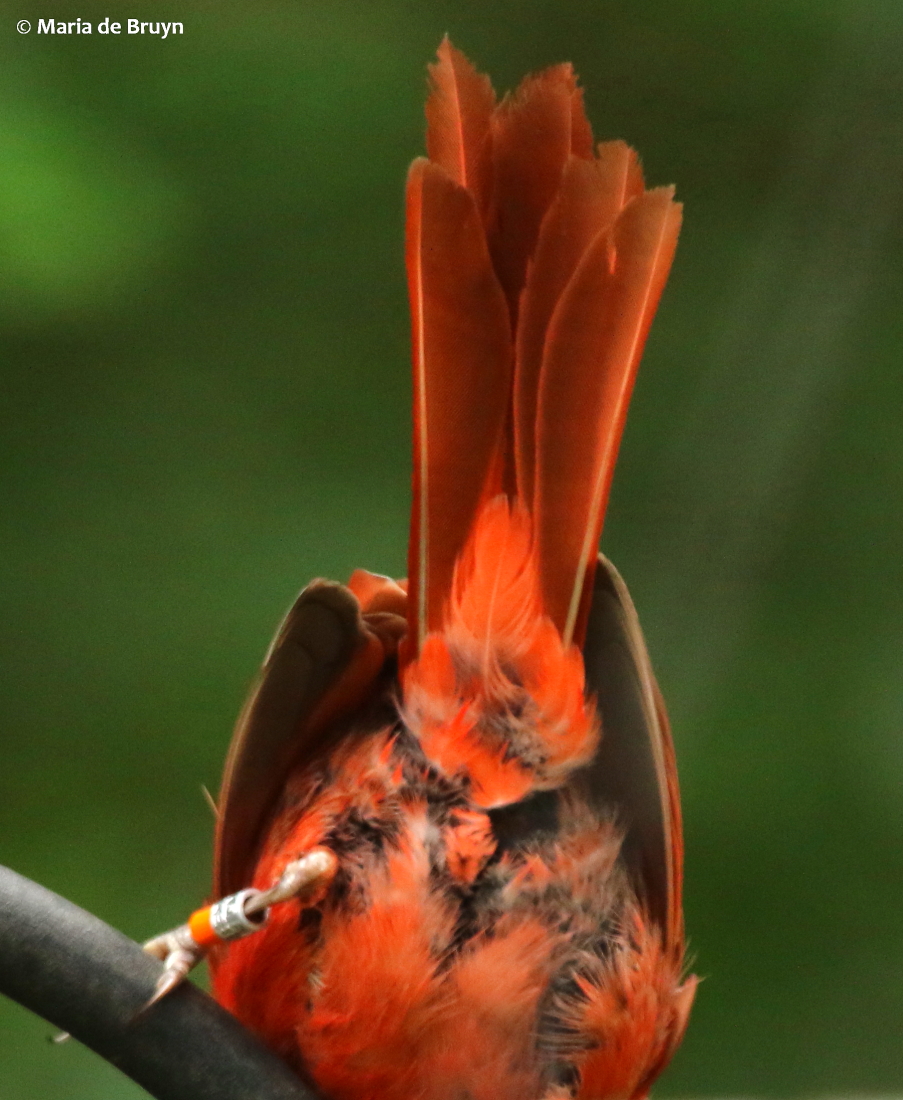
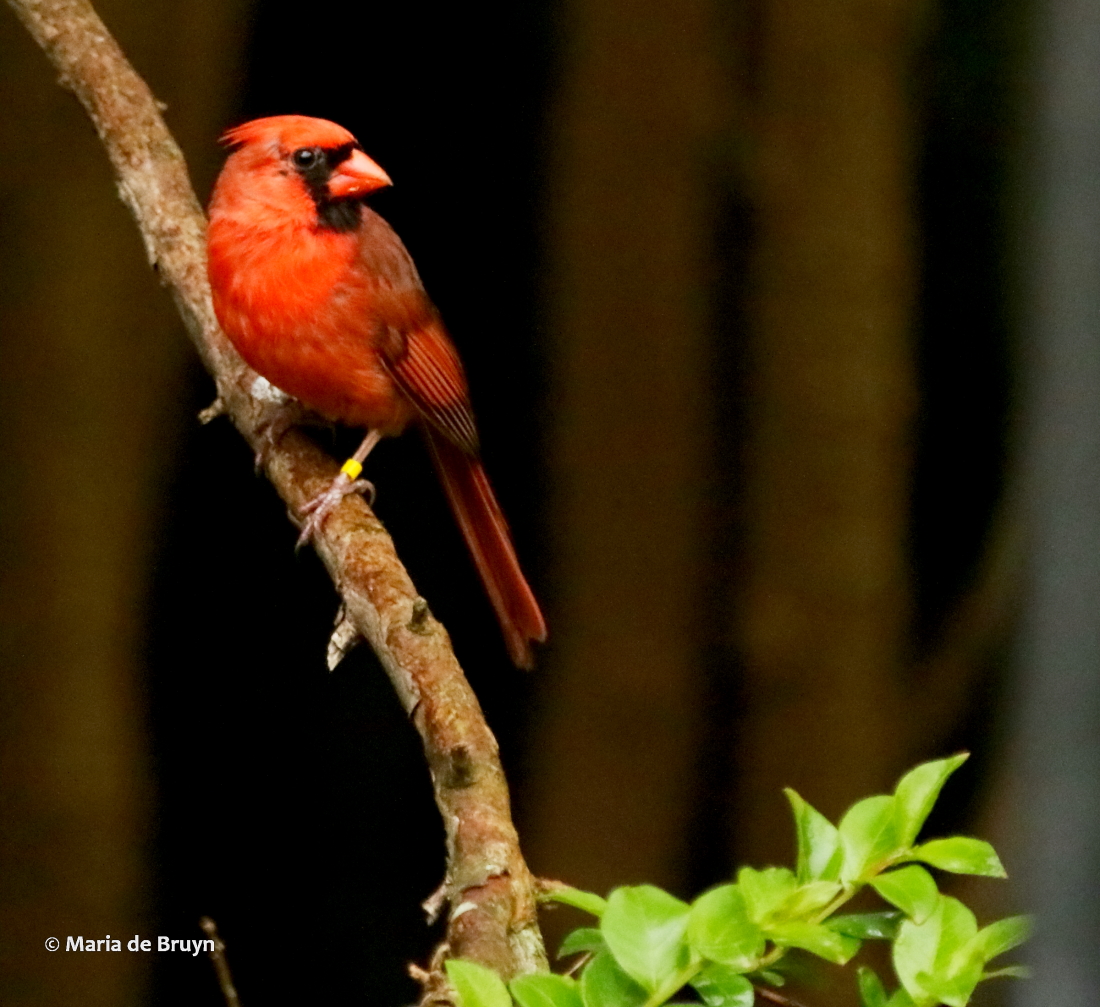
Northern cardinal Clancy I77A8123© Maria de Bruyn resOne Northern cardinal (Cardinalis cardinalis) was banded last year, but Clancy only stayed a few days and then disappeared for the rest of the summer, fall and winter. He suddenly appeared yesterday – perhaps encouraged to spend time at the feeders by the other birds with bracelets.

Three days ago, a second round of banding was done and we put the colorful anklets on a total of 10 birds. They were caught in two mist nets – one near my back garden and one near the backyard feeders.

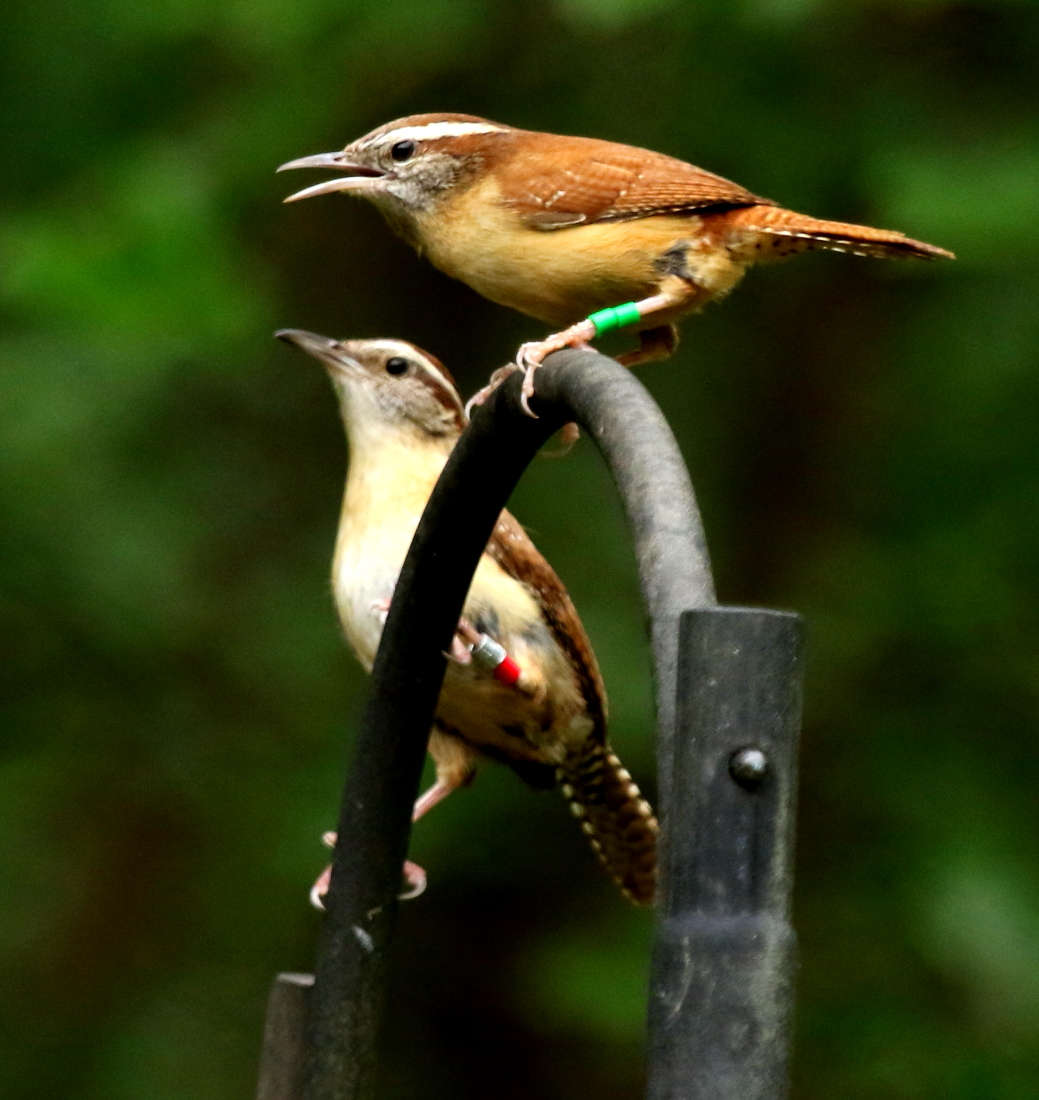
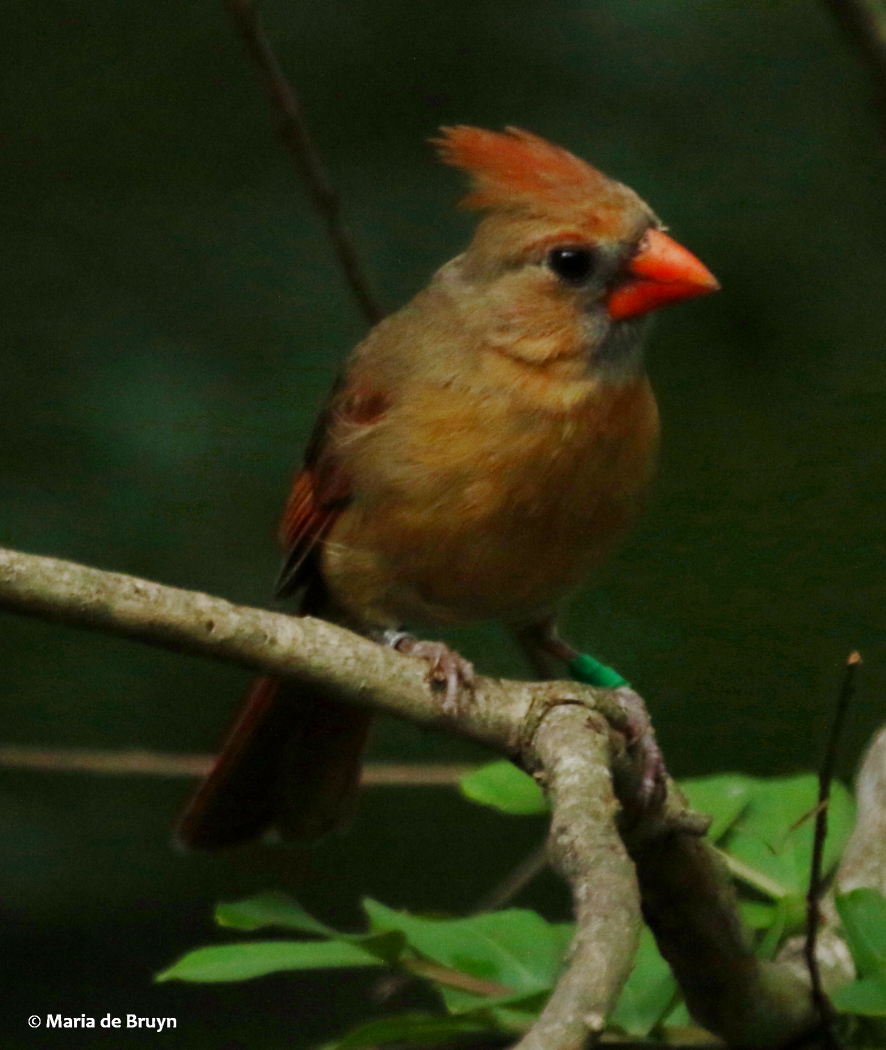
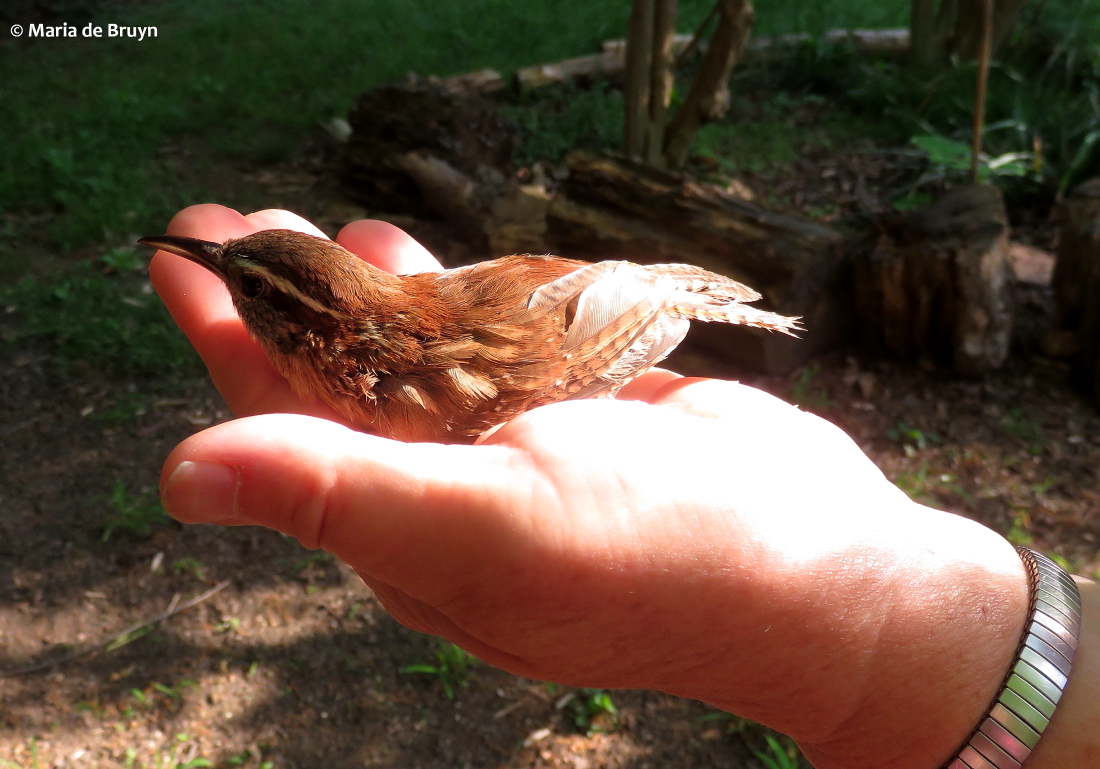
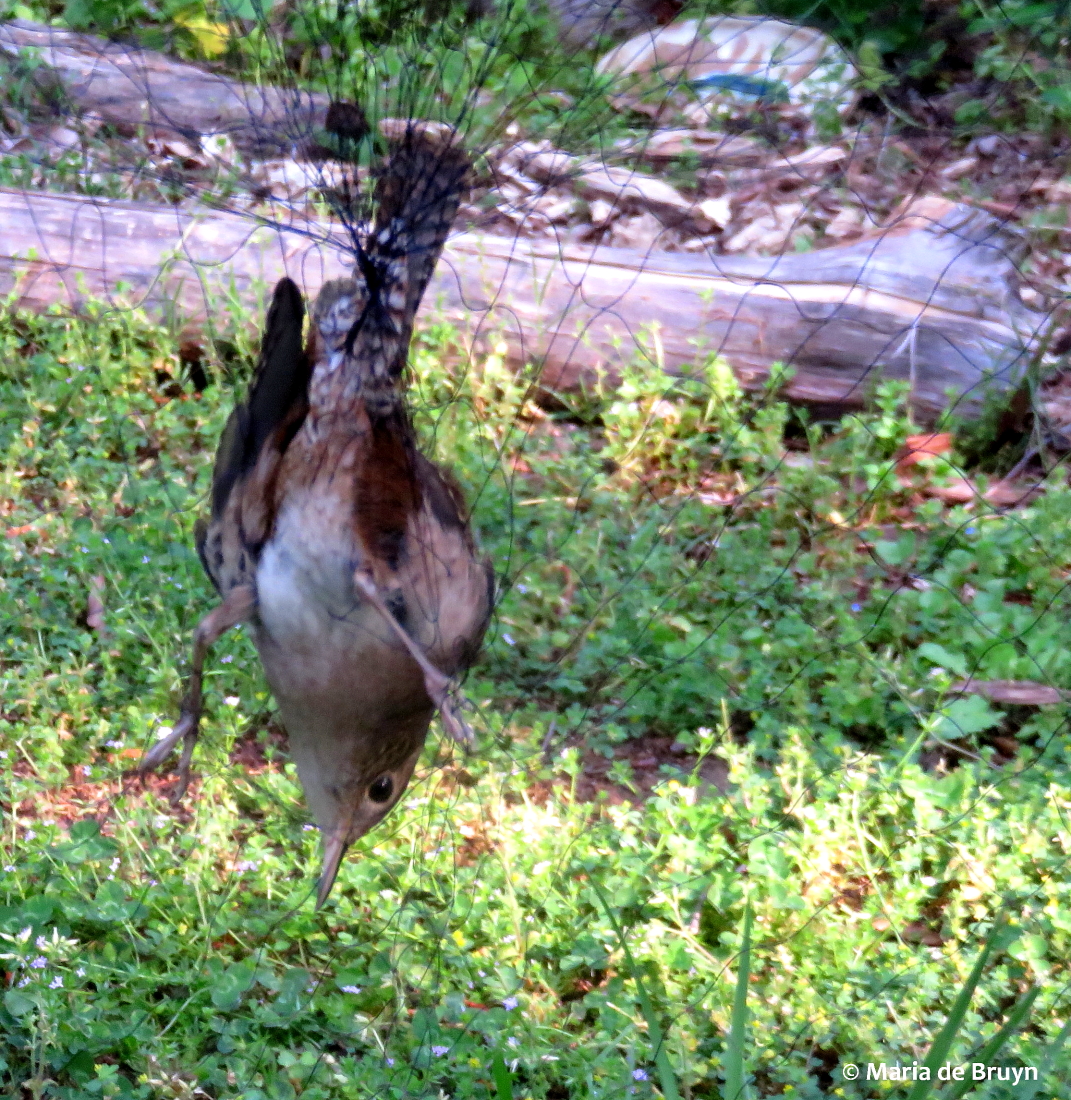
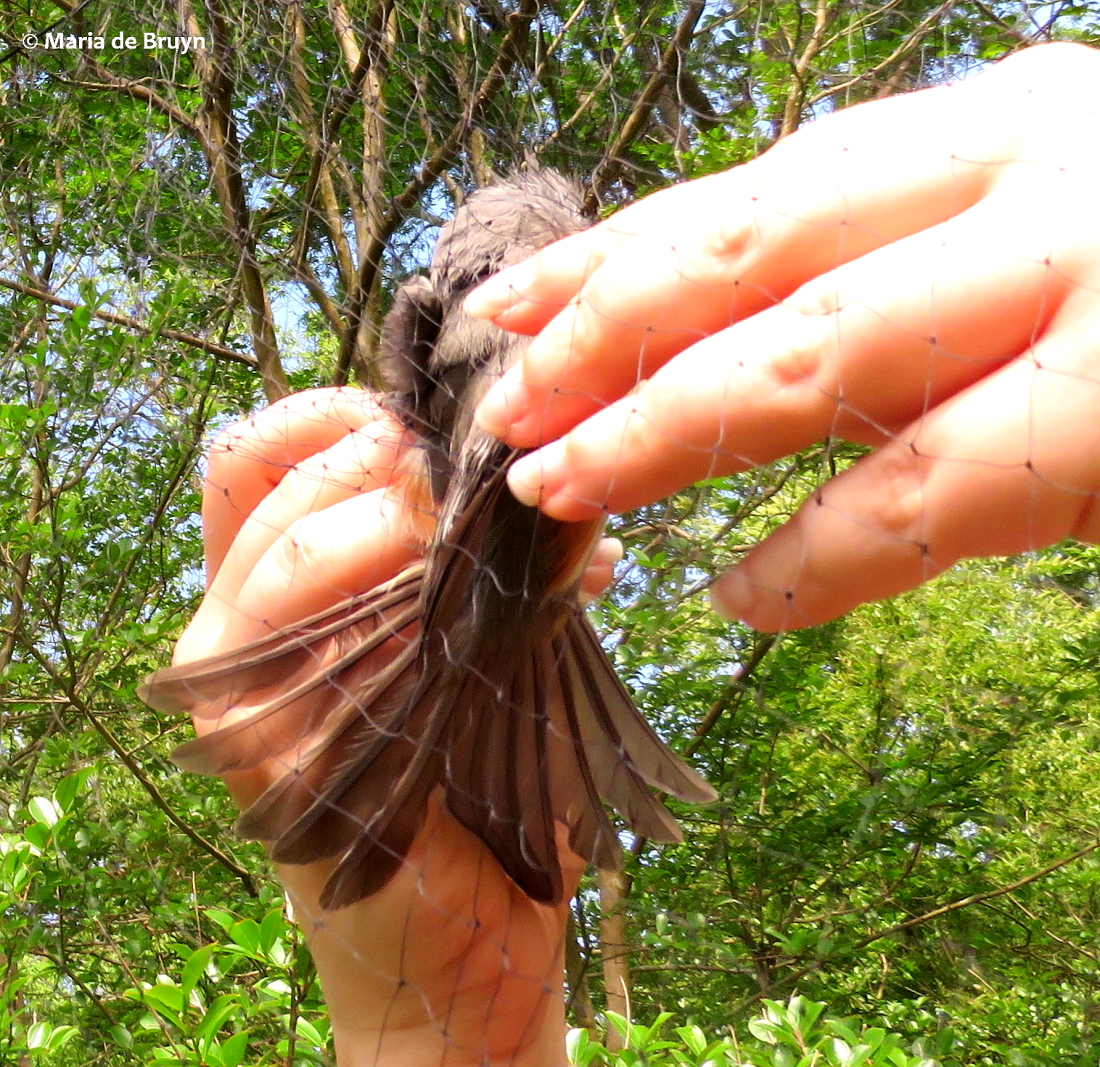
Northern cardinal Camilla I77A9127© Maria de Bruyn resThe nets had just been installed when our first visitor, a female Northern cardinal, was caught. She was not happy and when put in a bag until she could be banded, weighed, examined and measured, she did not remain still and calm. She had a little wait, however, as a female Carolina wren (Thryothorus ludovicianus) flew into the other net at just about the same time, followed by her mate within seconds. As the cardinals can tolerate being in a bag better than the smaller birds, the two wrens were banded first. Alicia let the first one go and then I released the second one, who rested on my palm for a bit. He felt so nice and soft!

Carolina wren Riley IMG_3832© Maria de Bruyn res

Forty-five minutes later, playback of a house wren’s song (Troglodytes aedon) led to the capture of a male who immediately came to investigate who was invading his territory. His mate, who was busy putting the finishing touches on a nest in a box near the mist net, didn’t go near the net.

house wren Hans IMG_3842© Maria de Bruyn reshouse wren Hans IMG_3844© Maria de Bruyn res

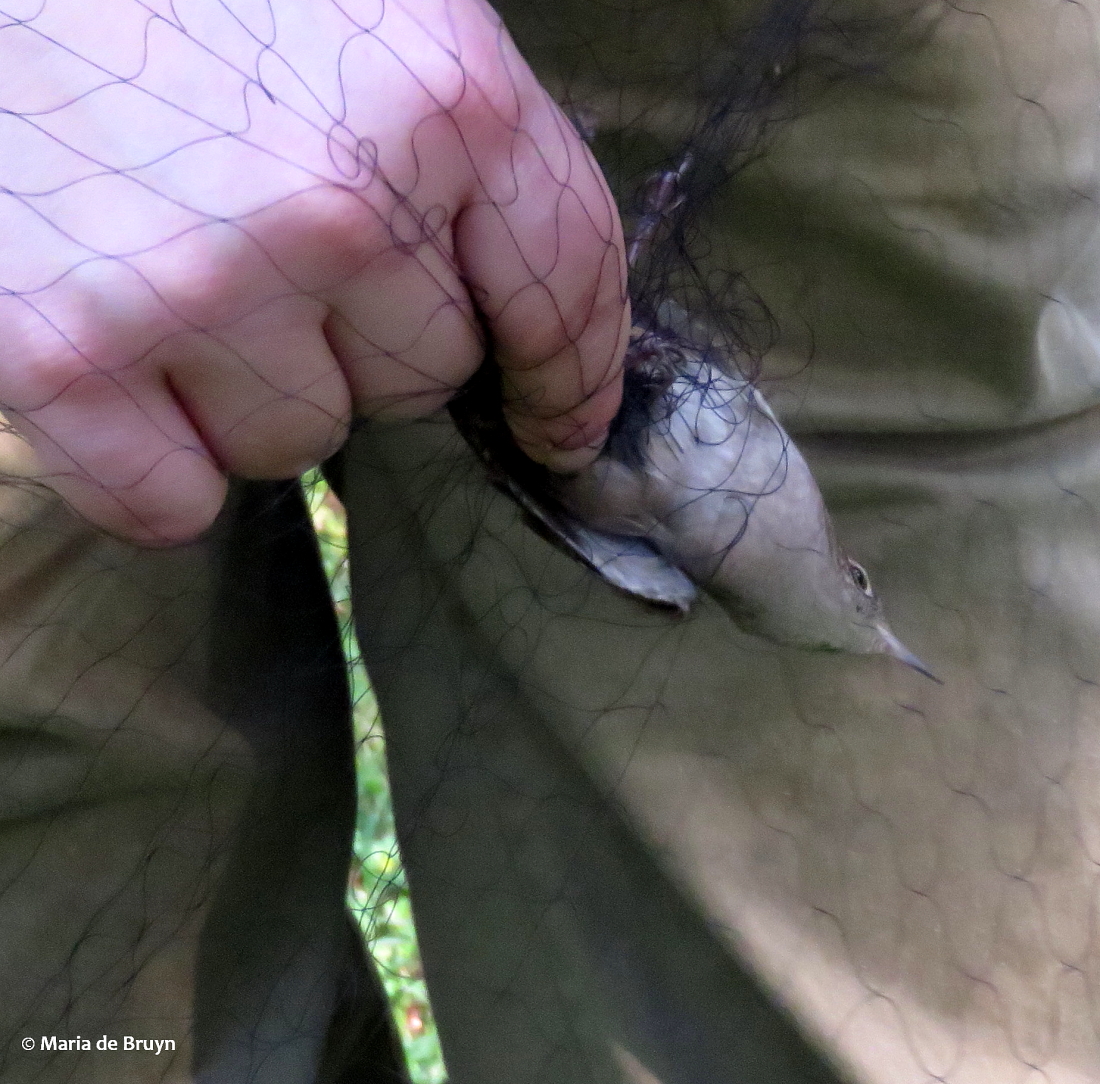
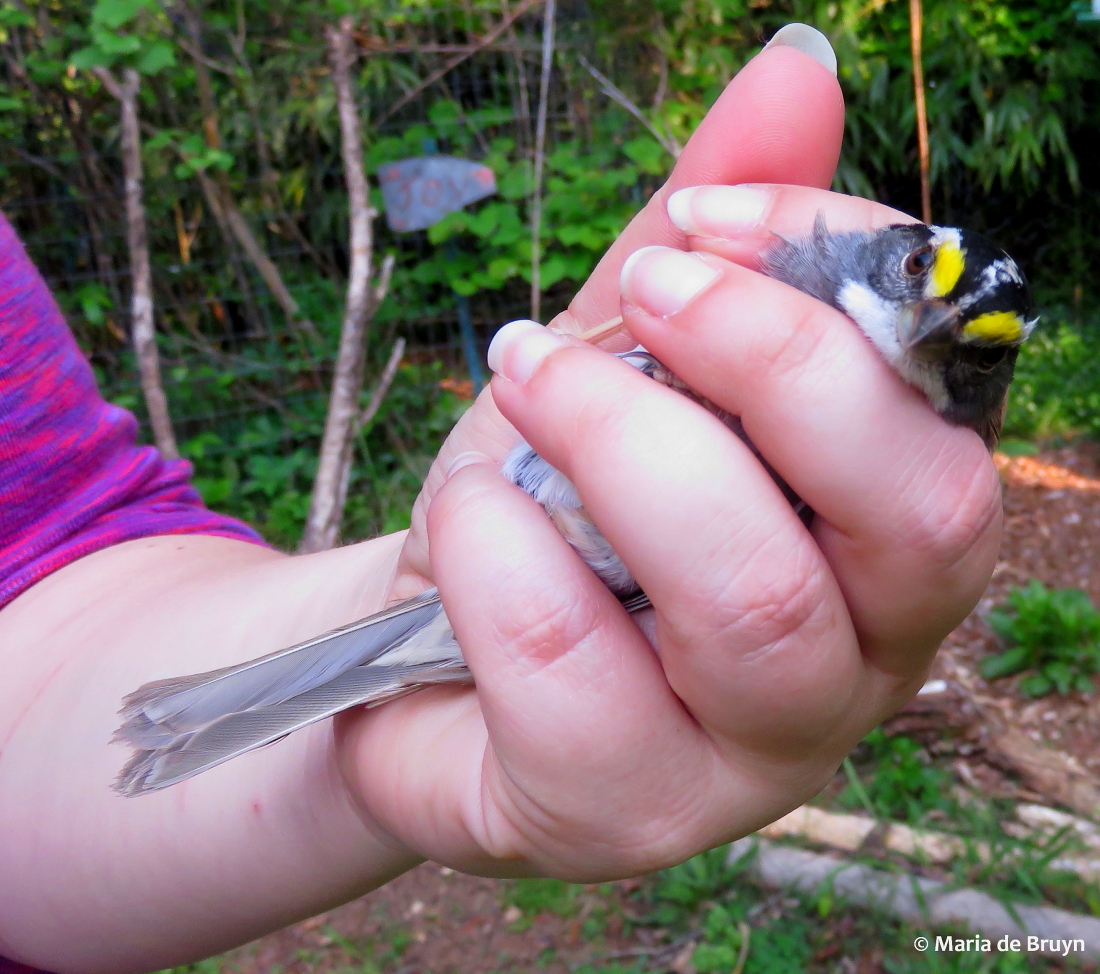
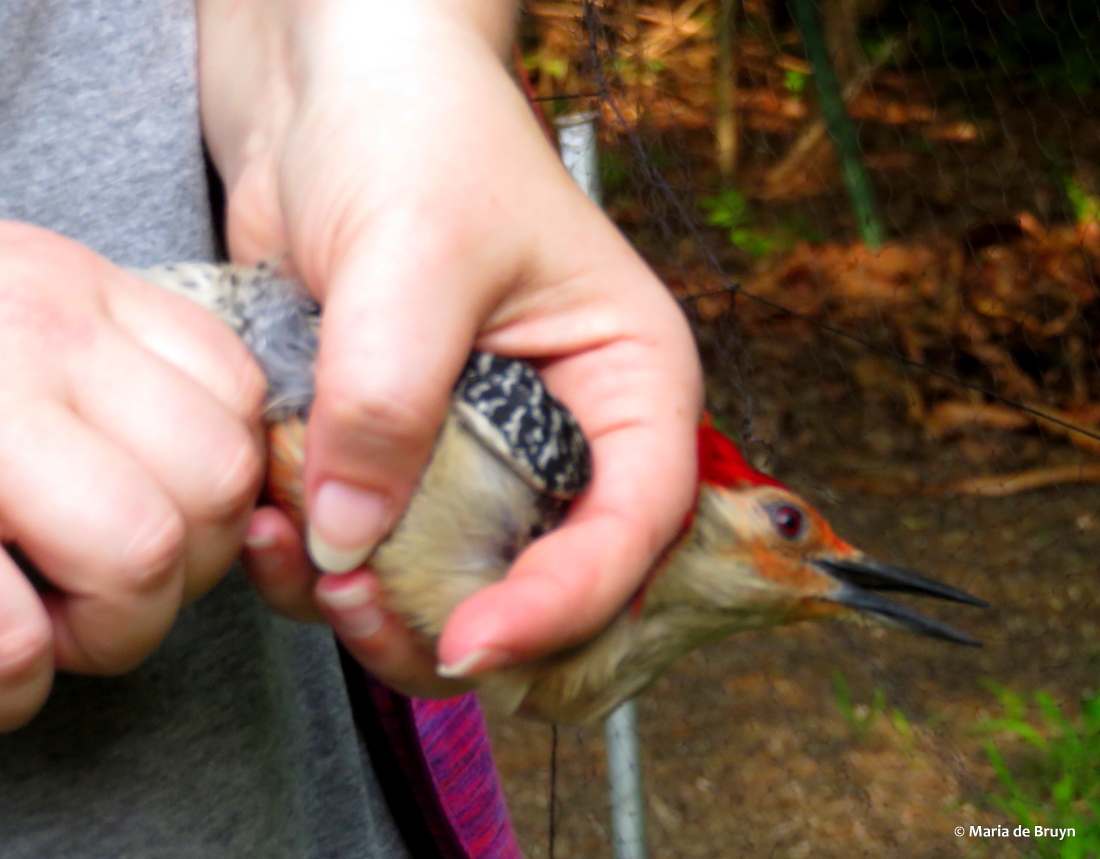
A few birds not targeted for the study ended up tangled in a net. A white-throated sparrow (Zonotrichia albicollis) had beautiful vivid breeding colors on his head. A red-bellied woodpecker (Melanerpes carolinus) was not calm like the sparrow, fluttering his wings constantly as Alicia, the bird bander, got him loose.

white-throated sparrow IMG_3837© Maria de Bruyn res red-bellied woodpecker IMG_3822© Maria de Bruyn res

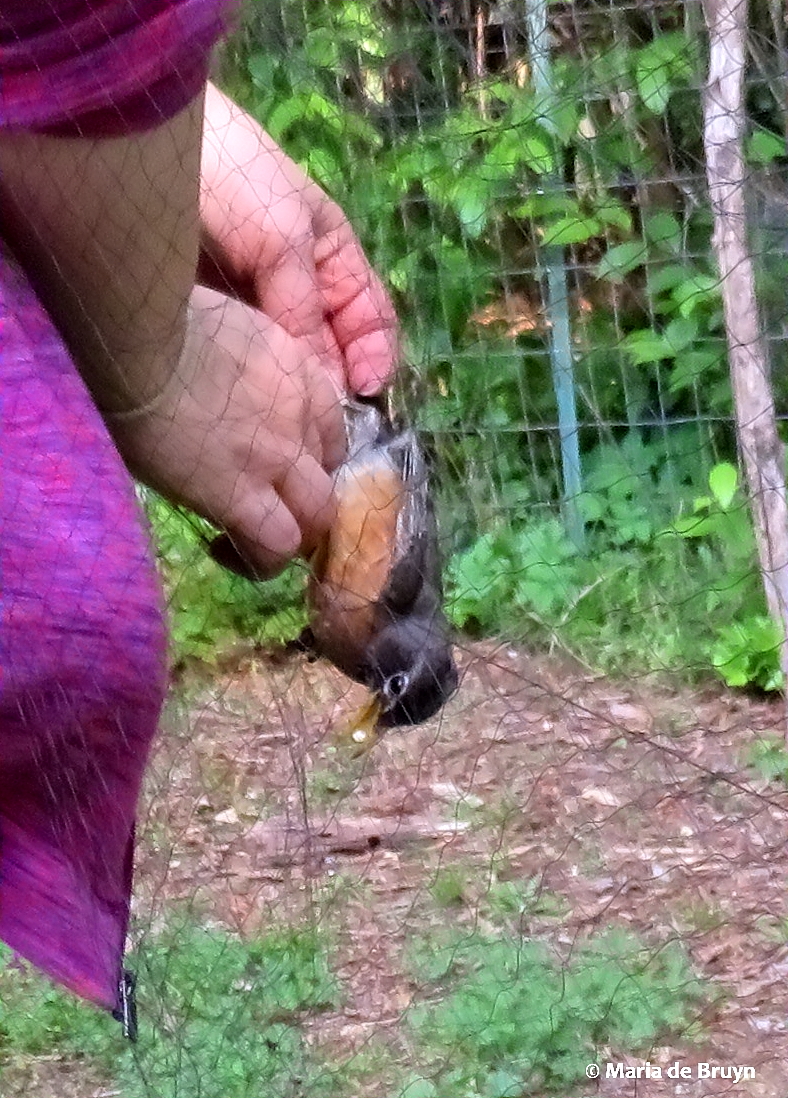
Next up were a male cardinal and a female American robin. Like last year, the birds were measured and weighed. Although about the same length, the weight difference between the heaviest Northern cardinal we banded (41.2 oz) and the American robin was striking (79.6oz). The robin’s fondness for worms and other dietary preferences helps account for this. When I let her go, she didn’t feel very heavy in my hand as she rested a second before flying off.

American robin Raisin IMG_3854© Maria de Bruyn

Except for birds that were molting their tail feathers, Alicia also removed the third left tail feather; this is done primarily for stable isotope analysis, which allows a researcher to estimate where the bird was when that feather was grown.

Northern cardinal Crake I77A0559© Maria de Bruyn res

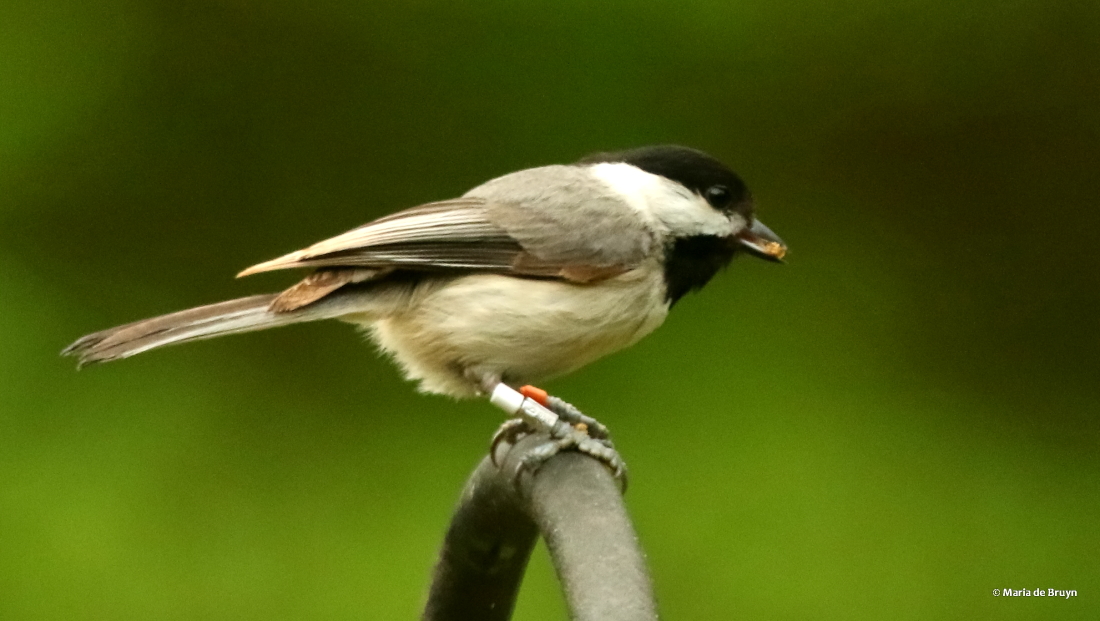
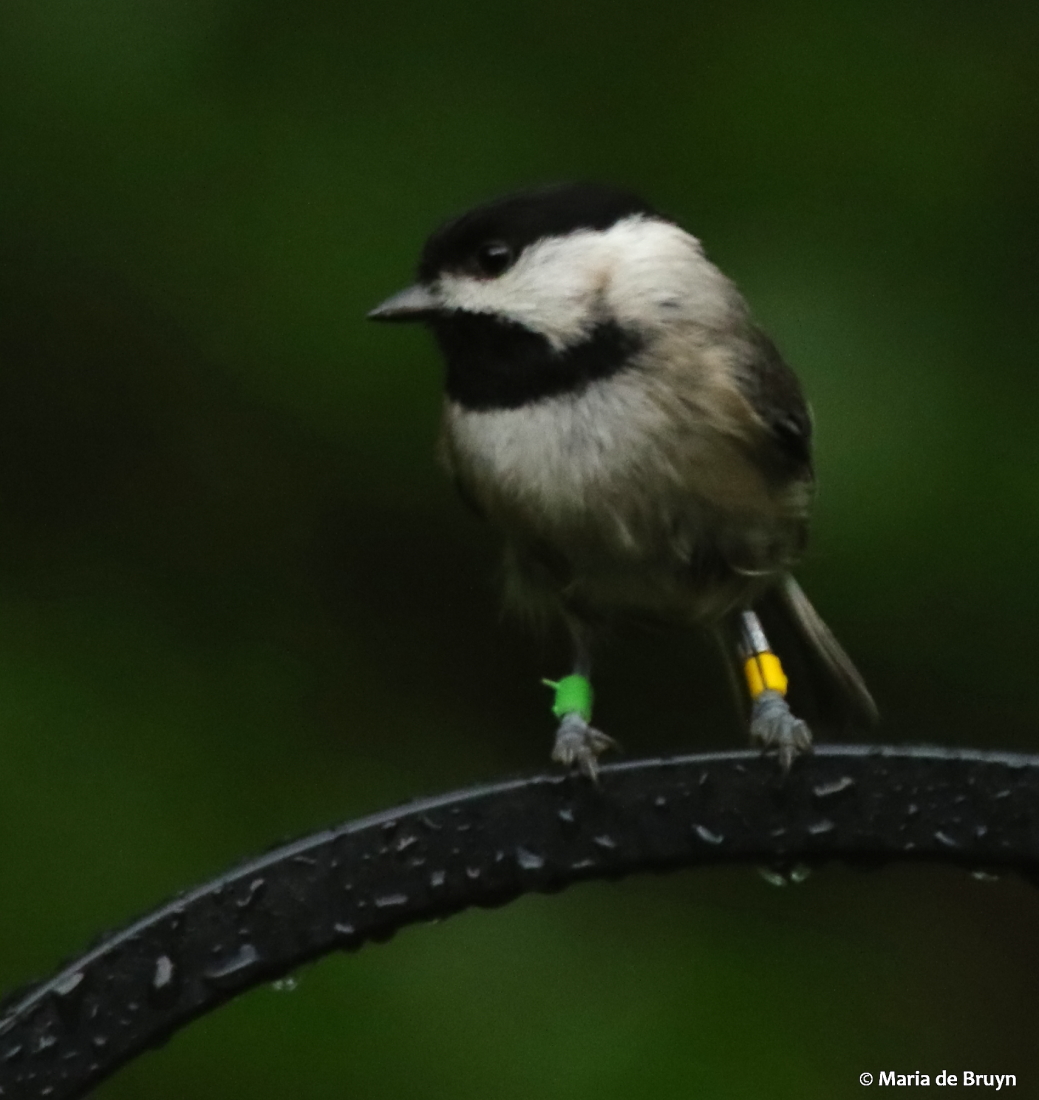
Carolina chickadee Chancey I77A7762© Maria de Bruyn resThe catbirds avoided the mist nets skillfully this year. Playback of their songs drew them to the vicinity but the two pairs visiting the feeders were more interested in chasing each other away from the territory. Alicia hoped that we could get a Carolina chickadee (Poecile carolinensis); with playback we got a male and then, 45 minutes later after banding another cardinal, we got a pair of them.

Carolina chickadee Chase I77A0348© Maria de Bruyn res Carolina chickadee Chantal I77A9525© Maria de Bruyn res

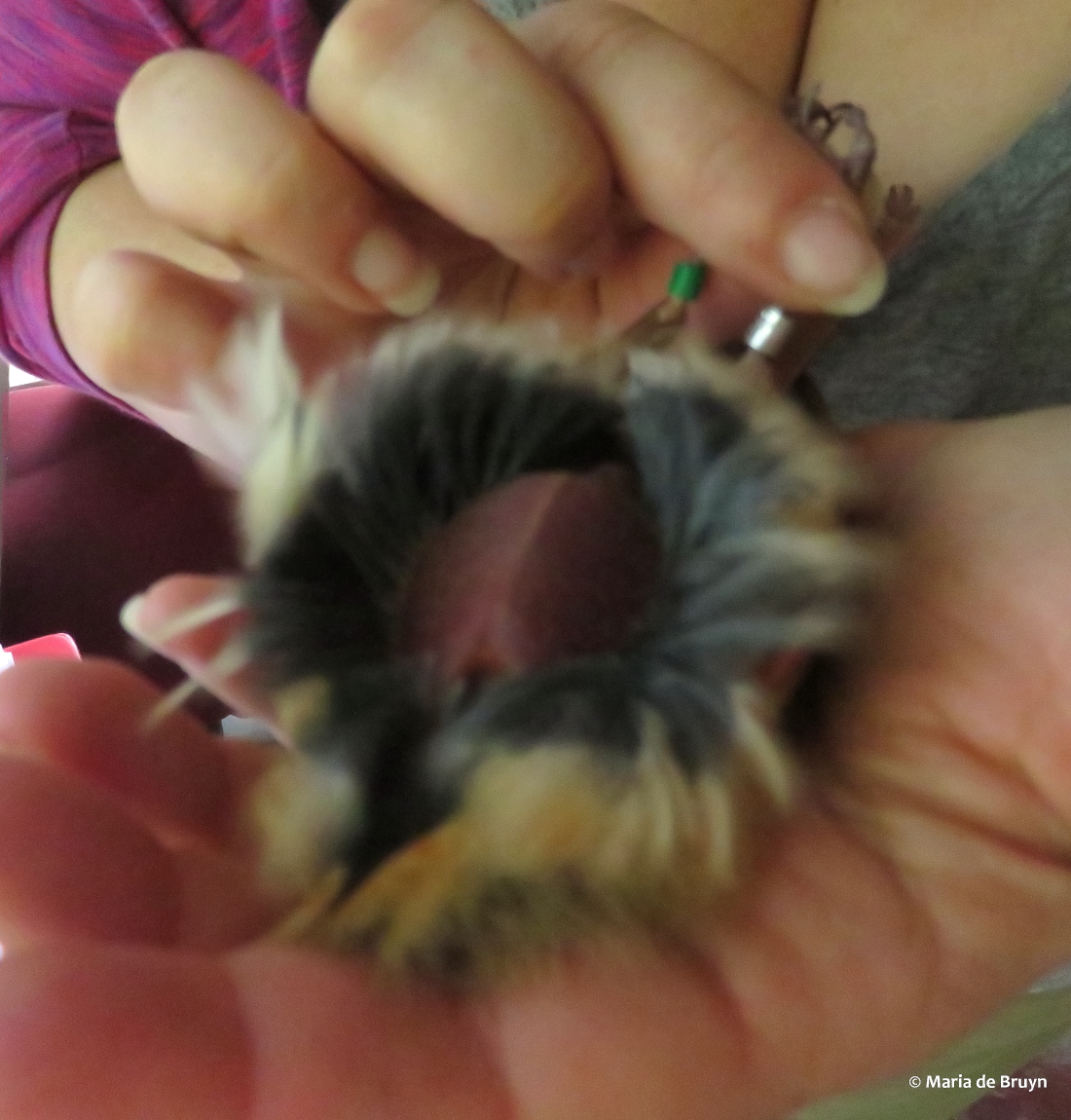
Alicia blew on the birds’ undersides (forgive the blurry photo) to assess fat reserves, which are stored along the flanks and up near the furcula by the collar bone. She could also determine sex that way and thought that one chickadee might be developing an egg – hopefully, one of the females who lost a nest to predators in my yard a week ago. The last male chickadee released was out of sorts after the experience; before leaving my hand to fly off rapidly, he turned and bit me as a parting shot.

Carolina wren Renee IMG_3813© Maria de Bruyn res Carolina chickadee IMG_3856© Maria de Bruyn res

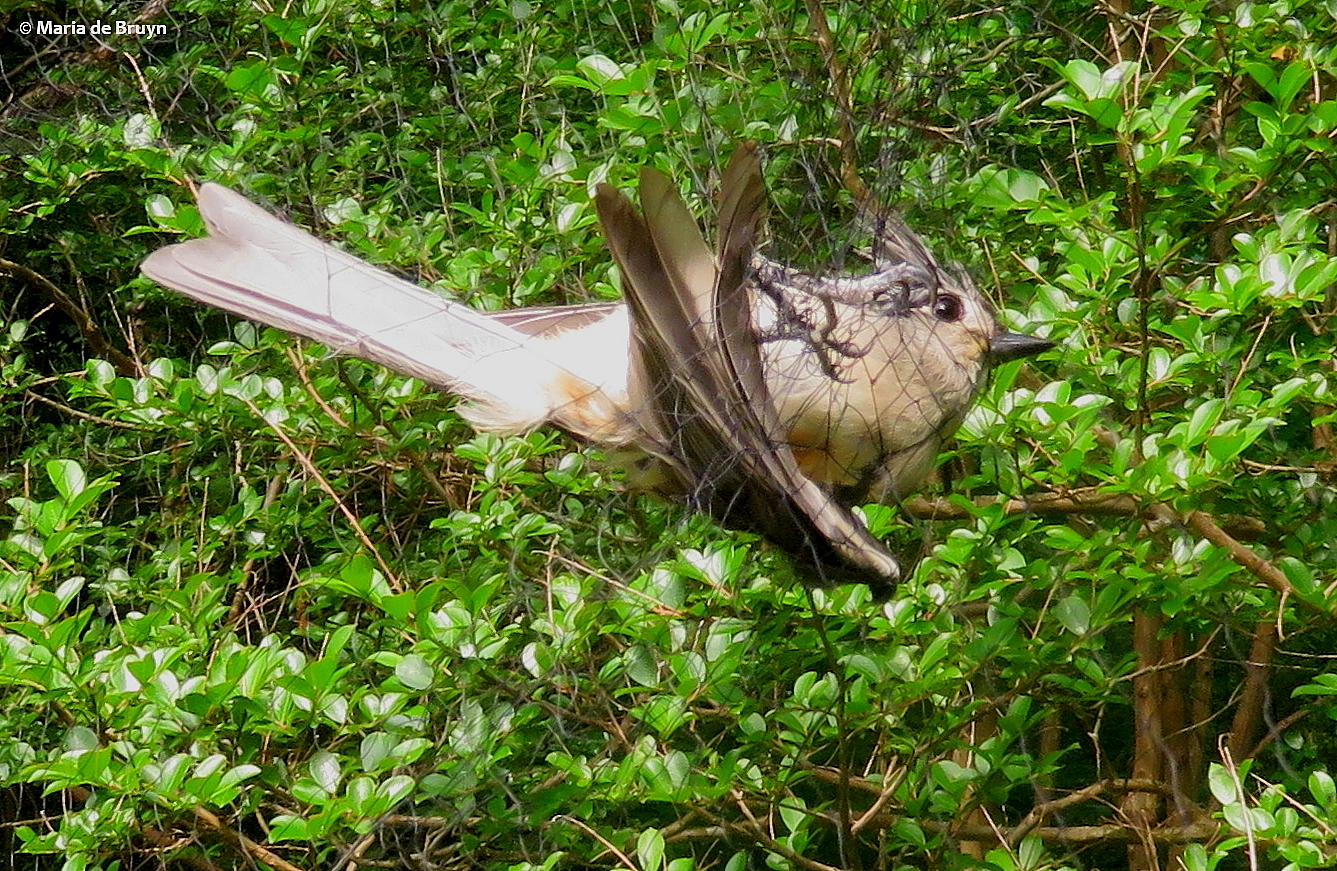
Alicia had remarked that she hoped no tufted titmouse (Baeolophus bicolor) would be caught; they are not part of the study and she said they are so feisty that their bites can be a bit painful like those of the cardinals. Unfortunately, one leaving a feeder did end up in a net and lived up to its reputation as a feisty bird. A chipping sparrow (Spizella passerina), who was the last bird in a net remained fairly calm as the net was removed from its claws.

tufted titmouse IMG_3858© Maria de Bruyn res

Tufted titmouse IMG_3861© Maria de Bruyn res

Yesterday, I spent some time watching the feeders and yard to see if all the banded birds had left. Luckily, some of them showed up and were here again today. So here are a few of “my birds” with bling – this is a truly enjoyable citizen science project. 🙂

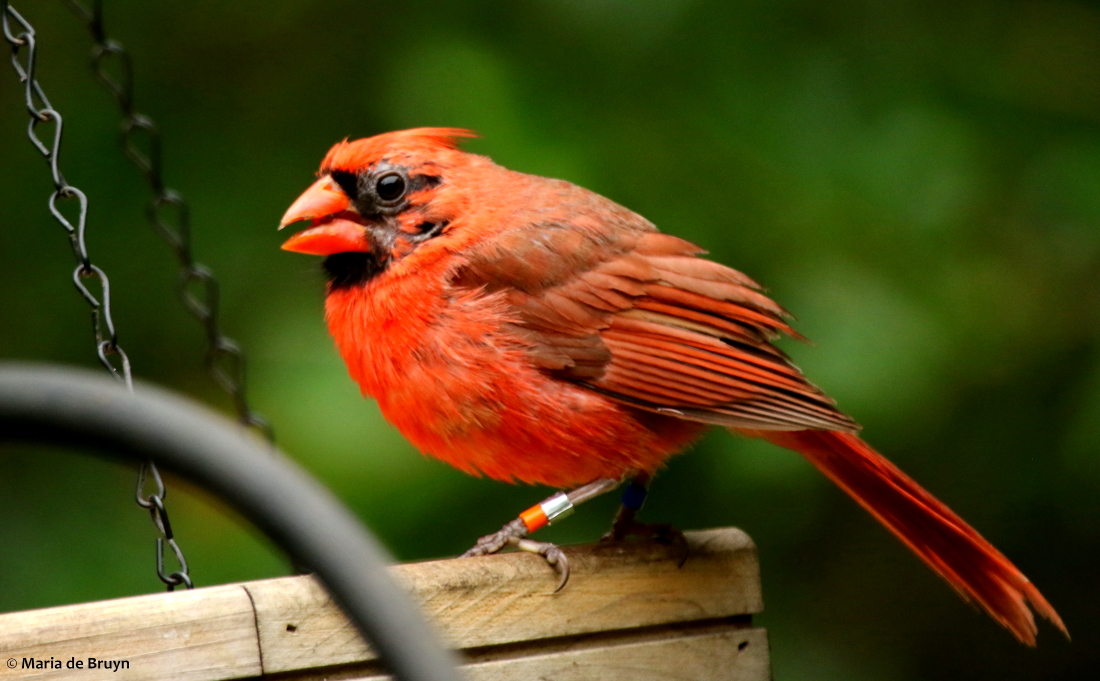
Northern cardinal Clarence I77A0124© Maria de Bruyn res Northern cardinal Crake I77A0593© Maria de Bruyn res

Clarence                                                                       Crake

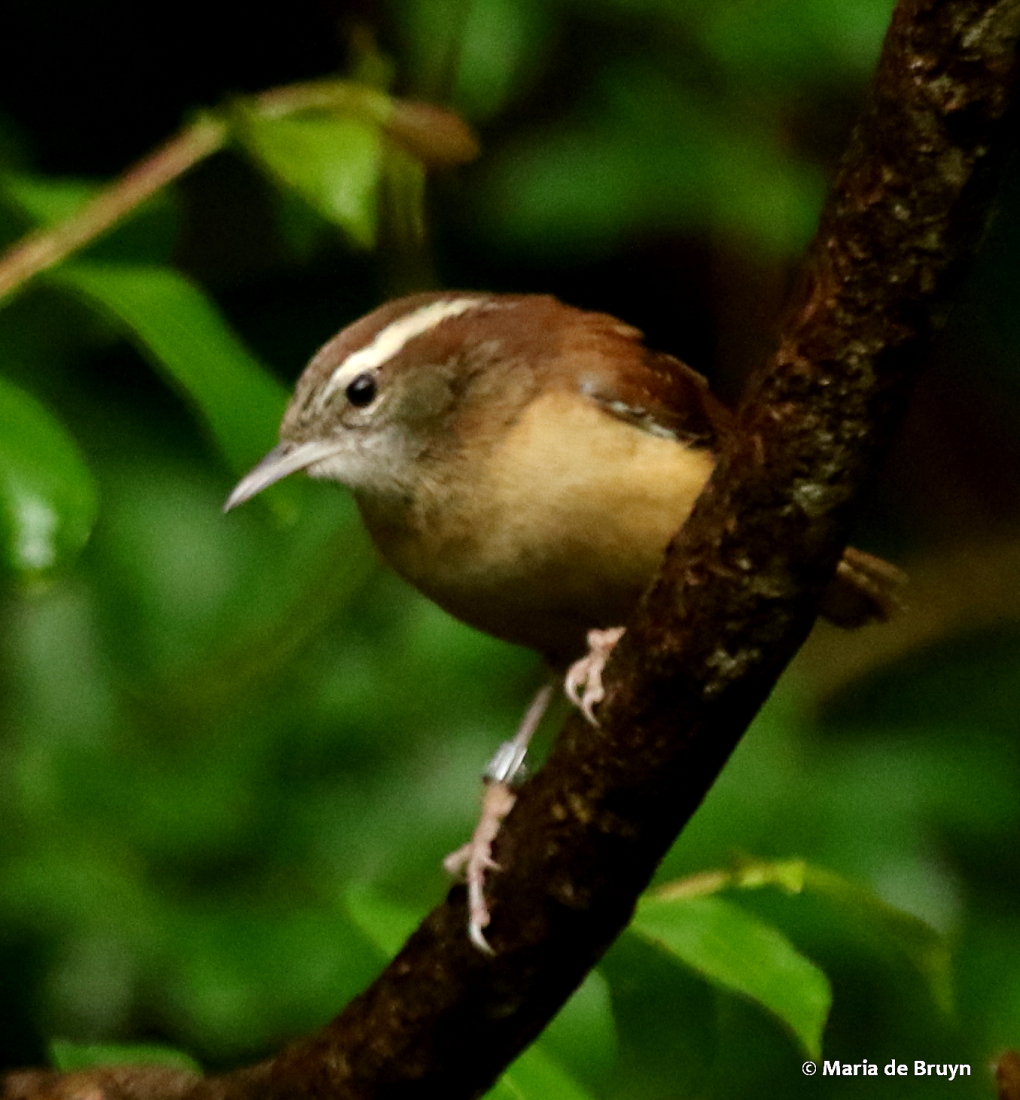
Carolina wren Renee I77A9354© Maria de Bruyn resCarolina wren Riley I77A0508© Maria de Bruyn res

Renee and Riley Carolina wrens


Shades of brown at the end of winter

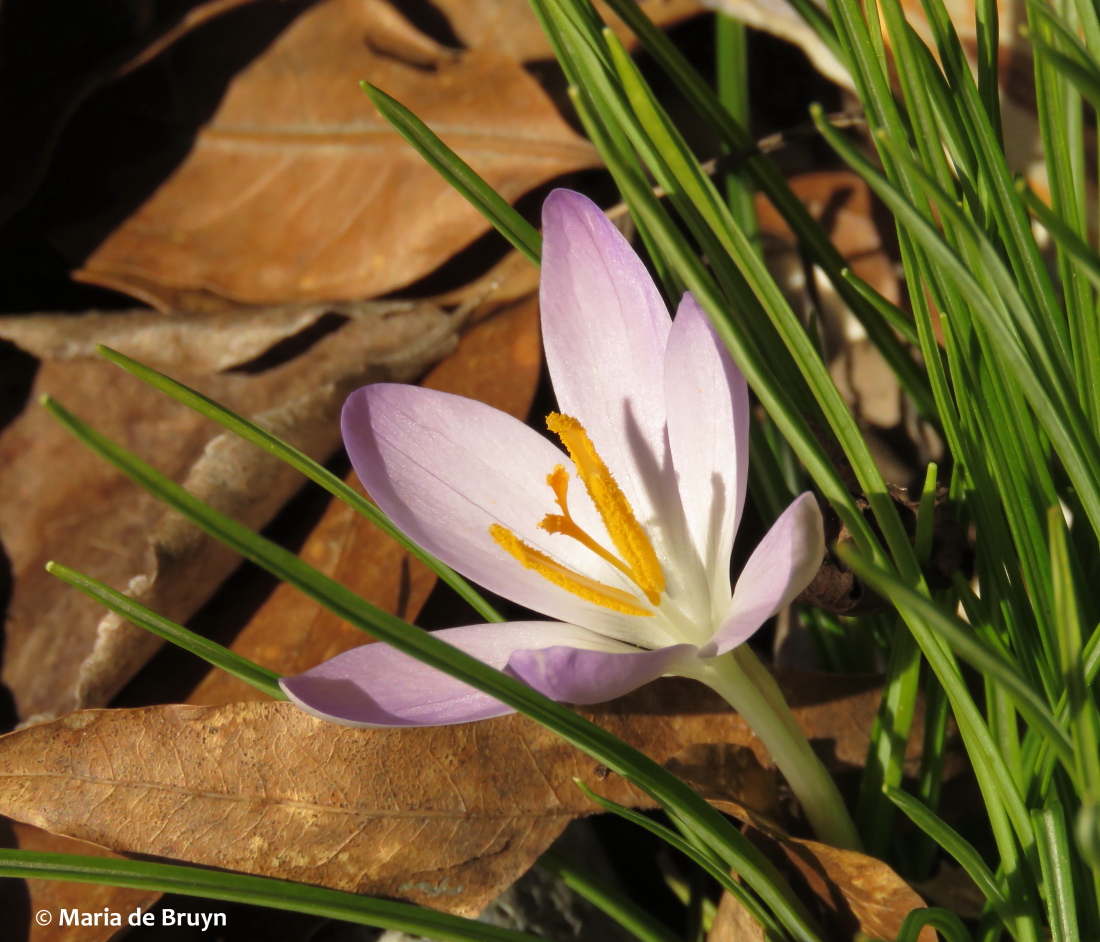
As this crocus (Crocuscrocus IMG_2199© Maria de Bruyn) shows, spring is coming to our part of North Carolina and the last days of winter have not infrequently been warm and sunny. This led me to take a break a couple weeks ago for a walk in our neighborhood woods.

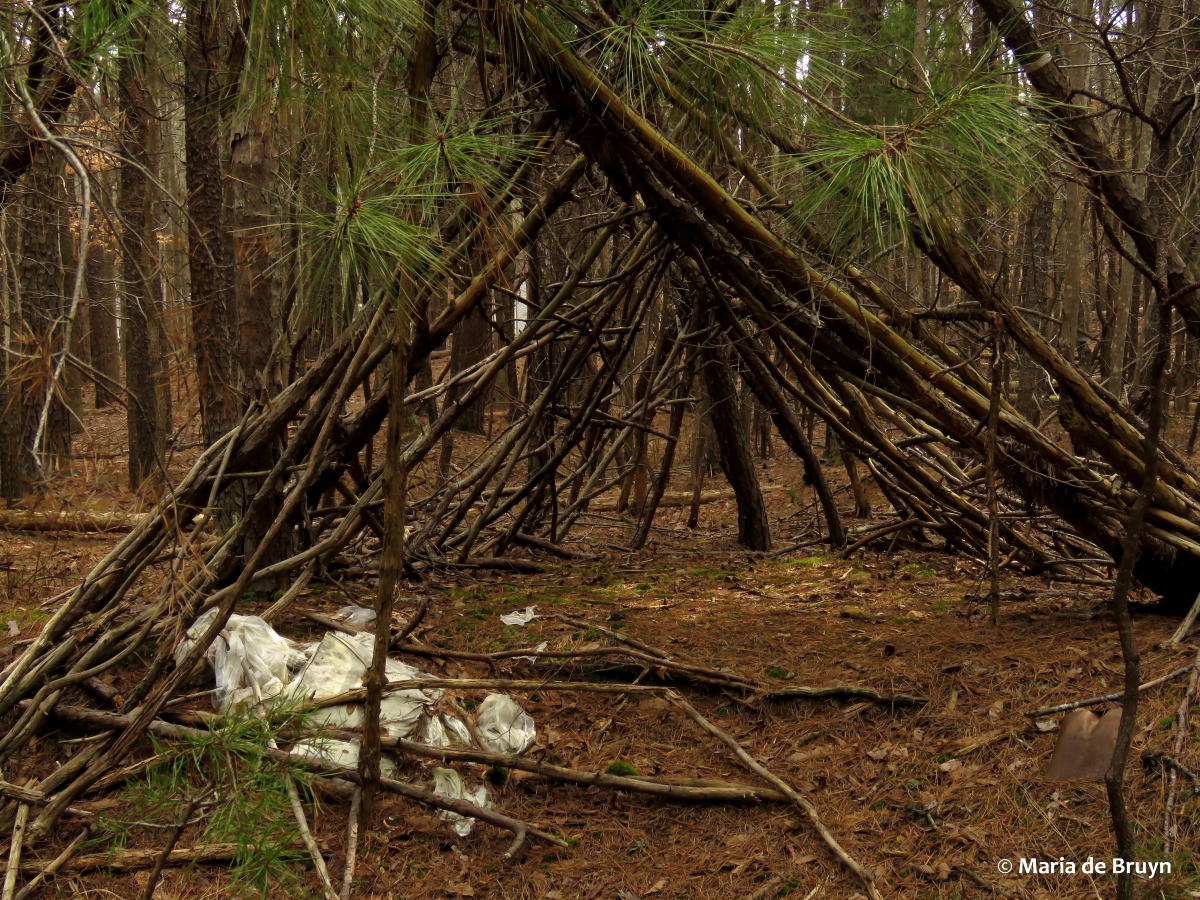
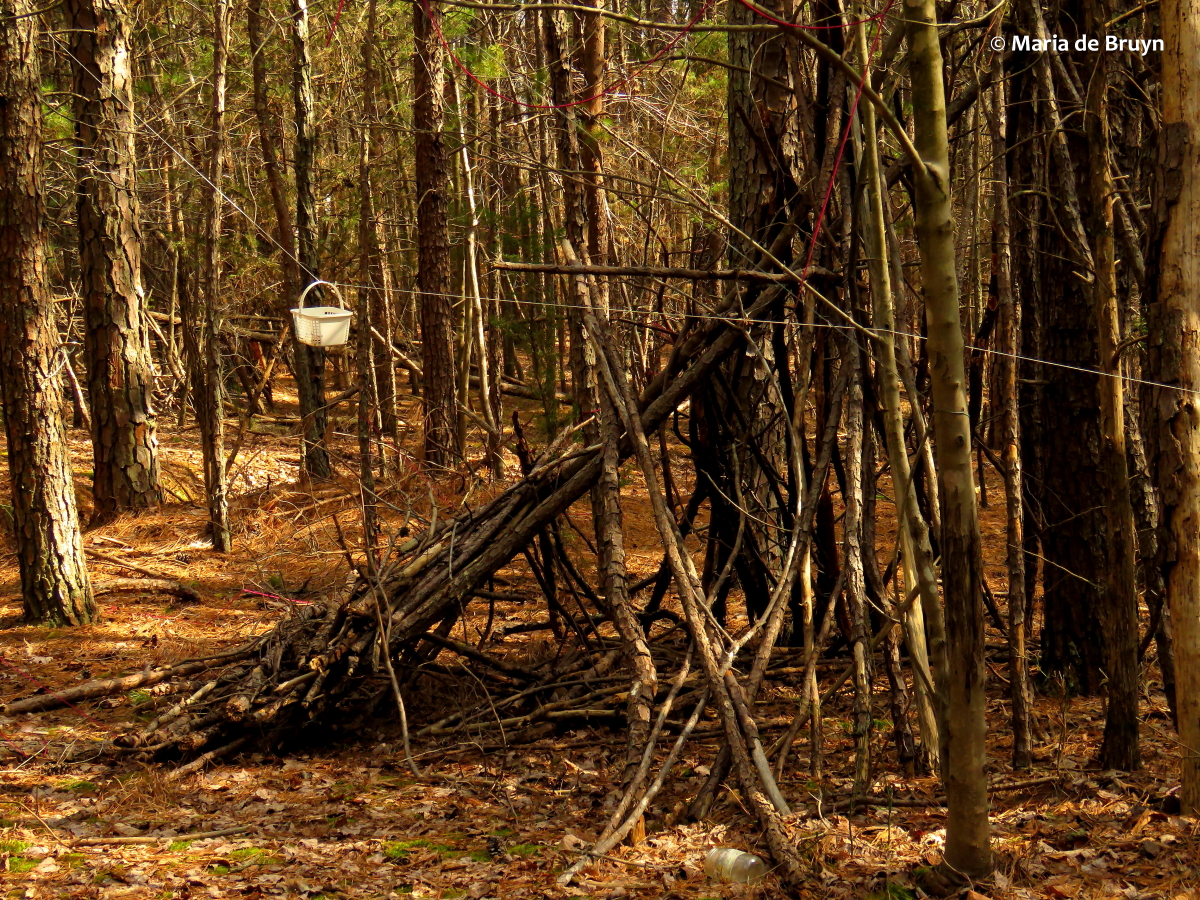
The sunlight filtered through the trees, creating lots of shadows and sunlit patches on the forest floor. I was looking to see if the natural shelters constructed by homeless people still were up and found three. None appeared to have been made or used recently.

homeless shelter IMG_2360© Maria de Bruyn res     homeless shelter IMG_2351© Maria de Bruyn res

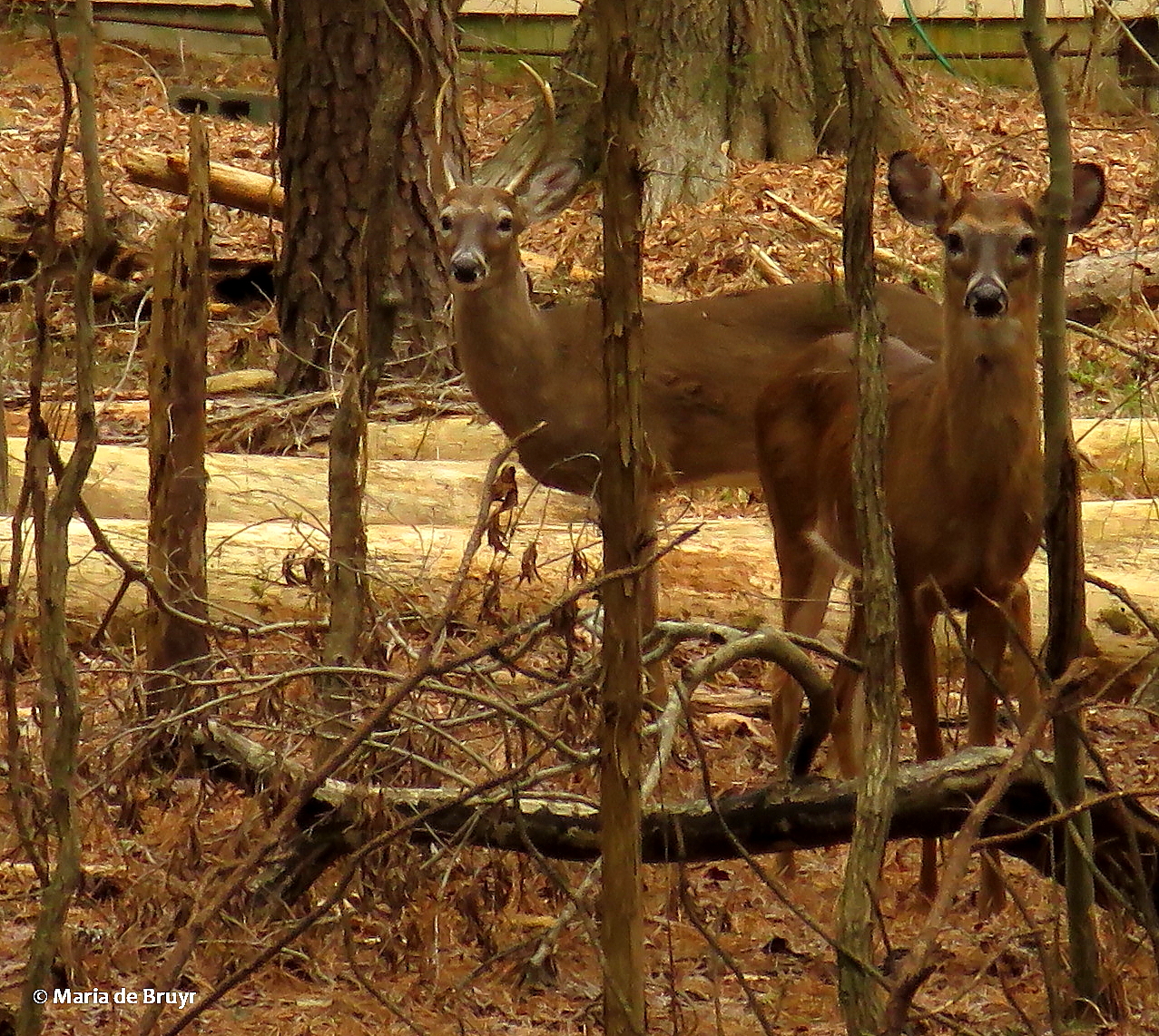
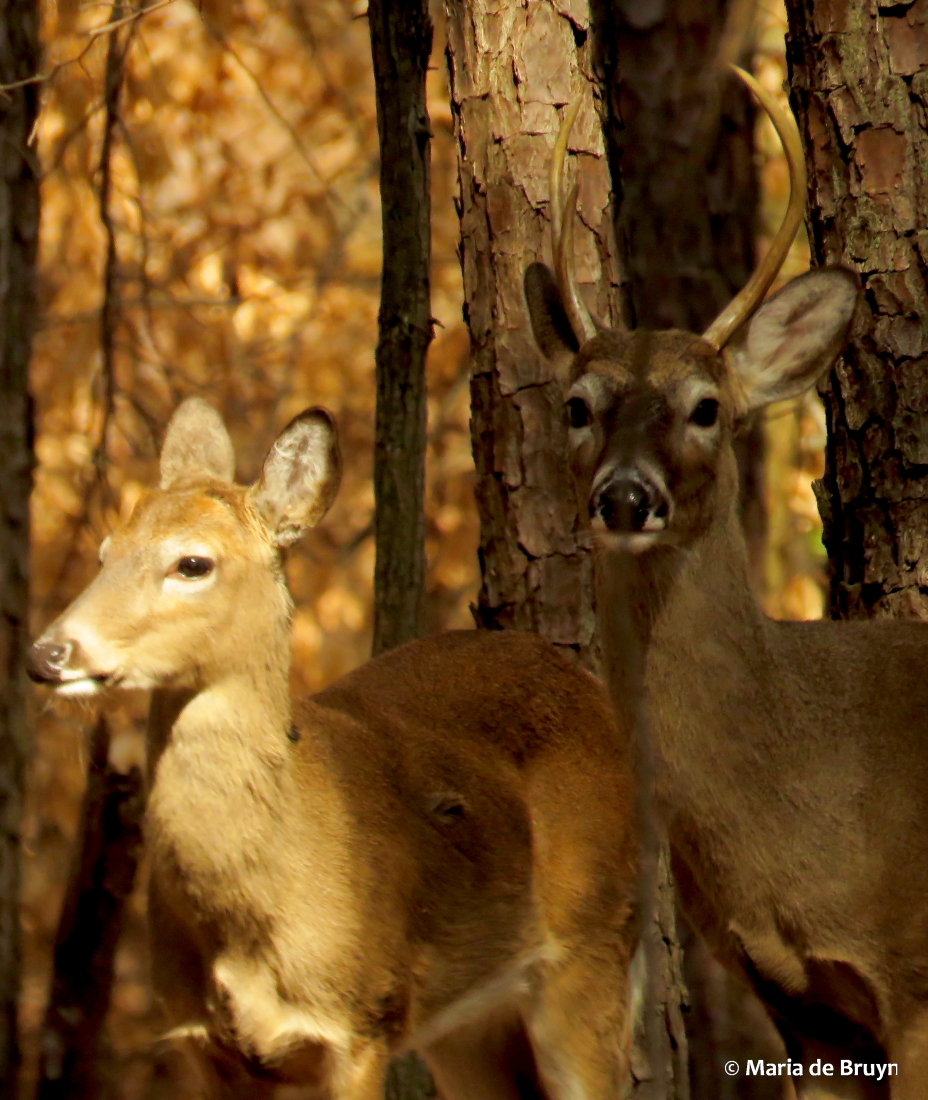
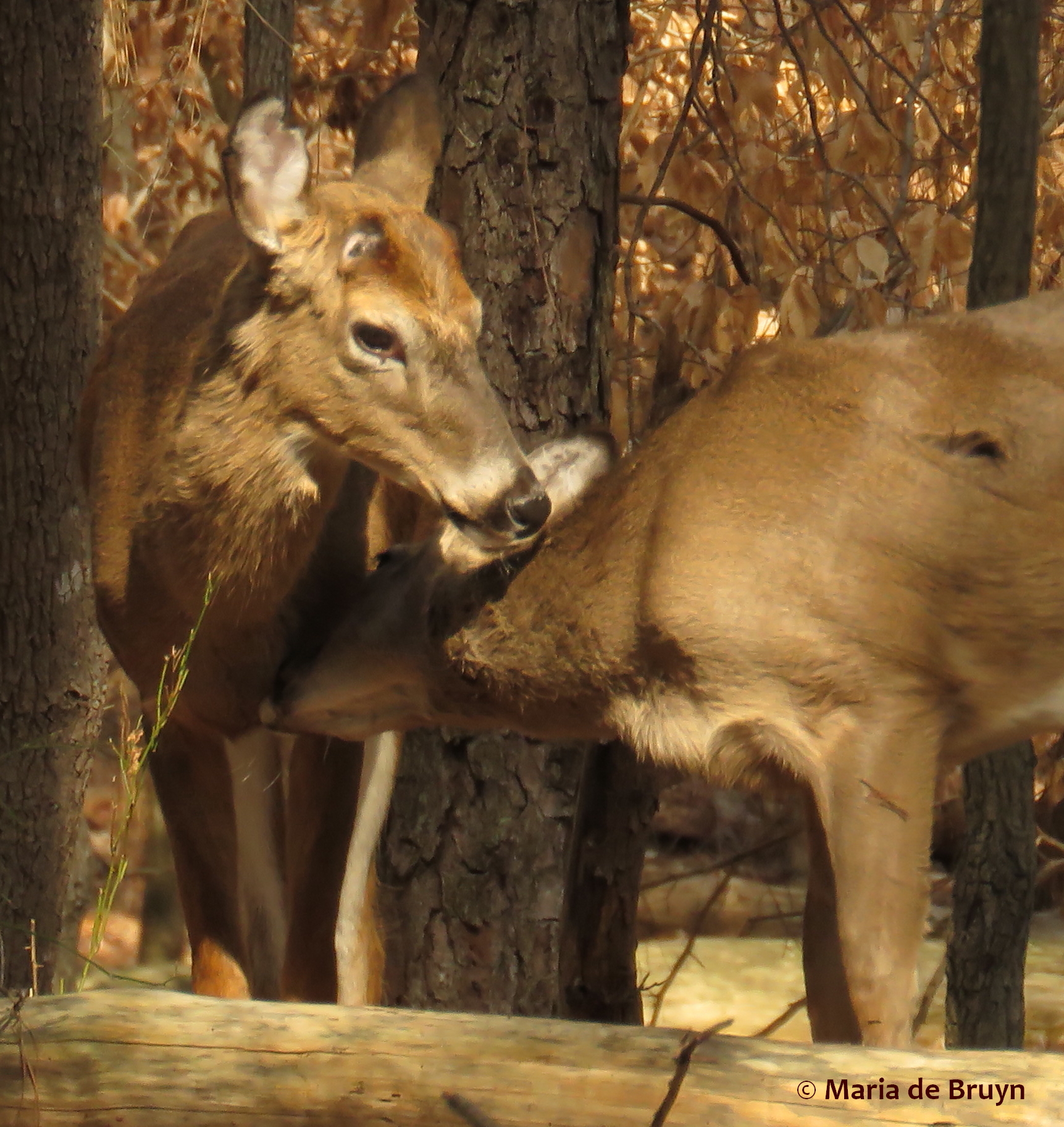
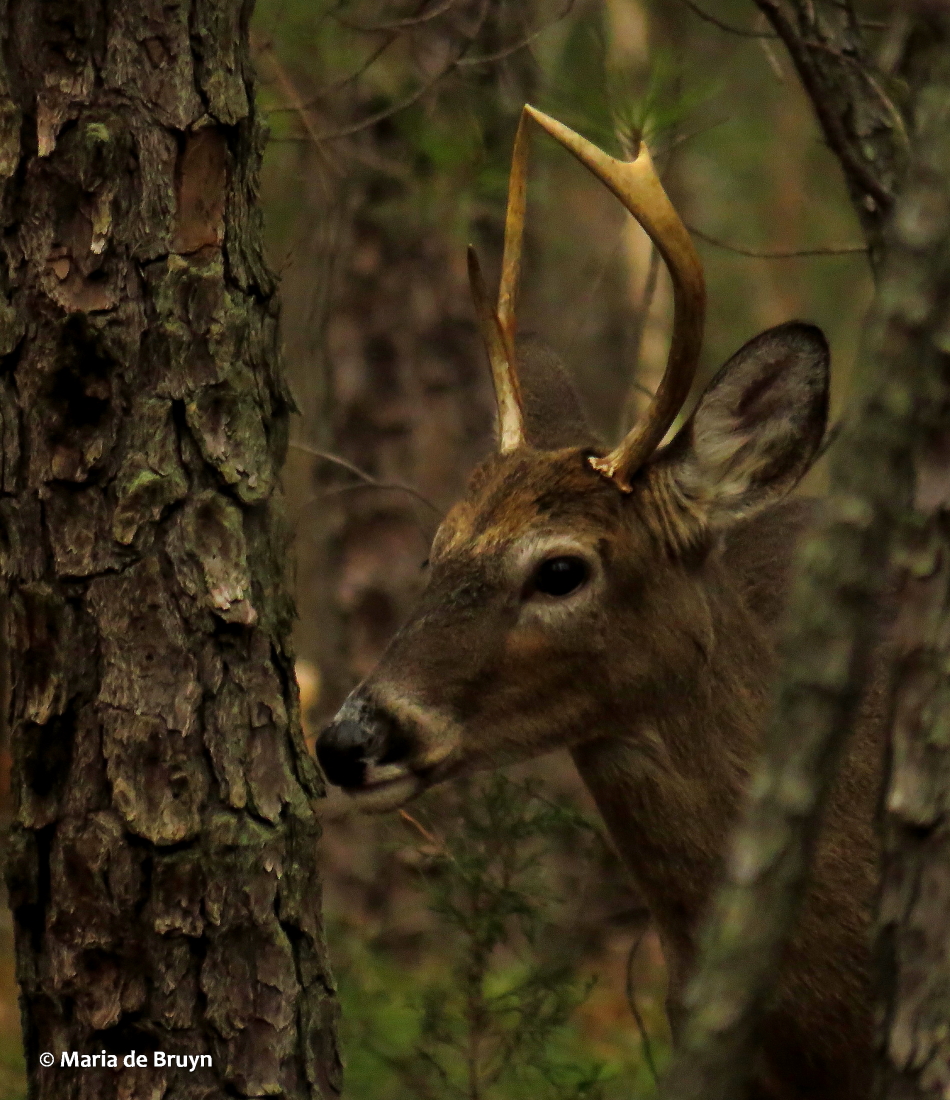
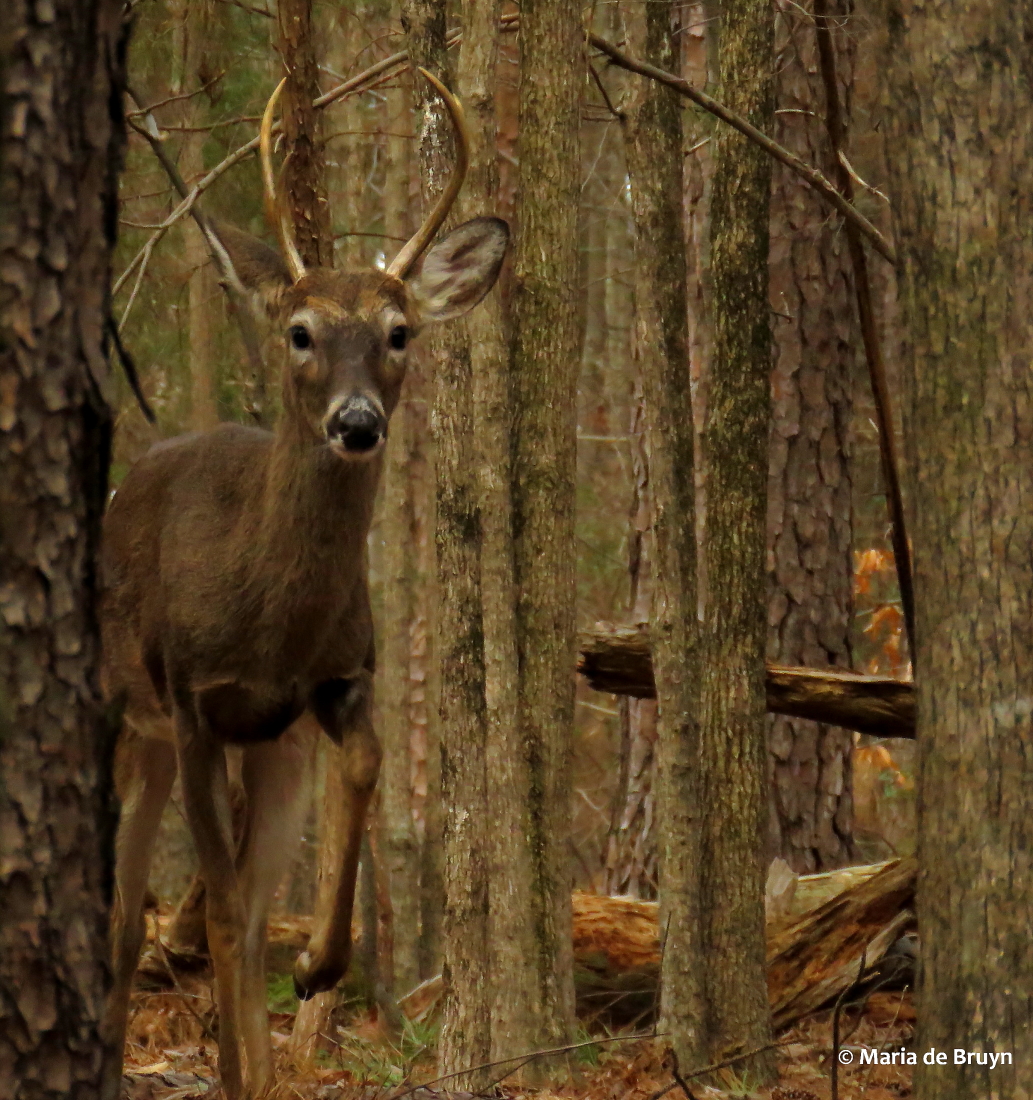
white-tailed deer IMG_2374© Maria de BruynAs I was walking around one to photograph it, my footsteps and movement rustled up some other neighborhood residents, who had been taking a rest at the edge of the woods. Four white-tailed deer (Odocoileus virginianus) got to their feet and gave me some looks of irritation at having disturbed their R&R.

As I walked another way, they began keeping pace with me at a distance. I thought they would just choose another patch to lie in but, for some reason, they decided to see where I was going. At first, I thought it was a buck and some does.

white-tailed deer IMG_2440© Maria de Bruynwhite-tailed deer IMG_2413© Maria de Bruyn


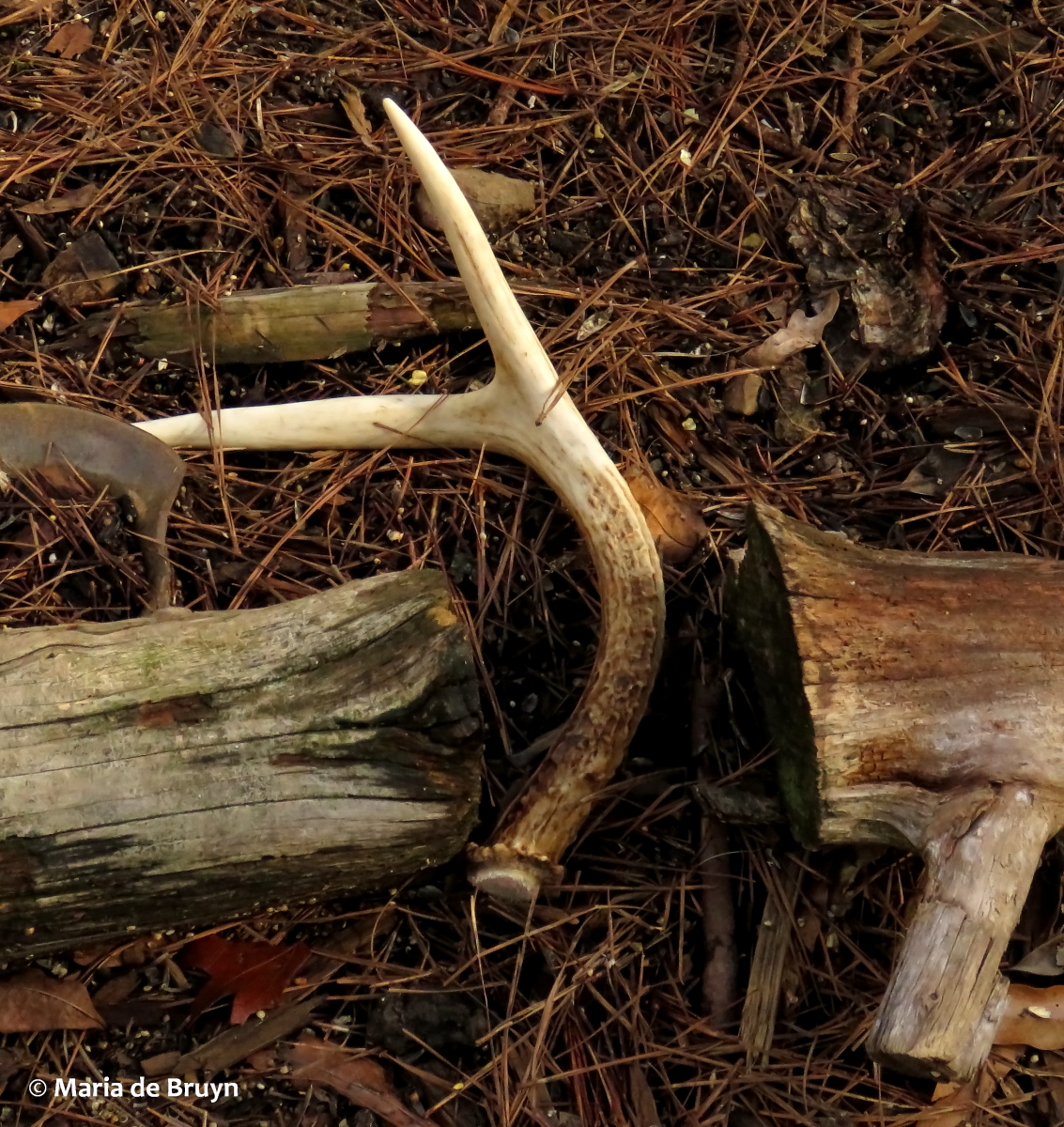
deer antler IMG_1211© Maria de Bruyn resLater, I realized it was a group of bucks, some of whom had already shed their antlers. I kept a lookout for antlers but didn’t see any. However, one local buck had gifted me with one in my front yard recently.

For some odd reason, I rarely see or hear birds in this particular woodsy area, but that day I encountered a Carolina chickadee (Poecile carolinensis) singing away.

Carolina chickadee IMG_2469© Maria de Bruyn


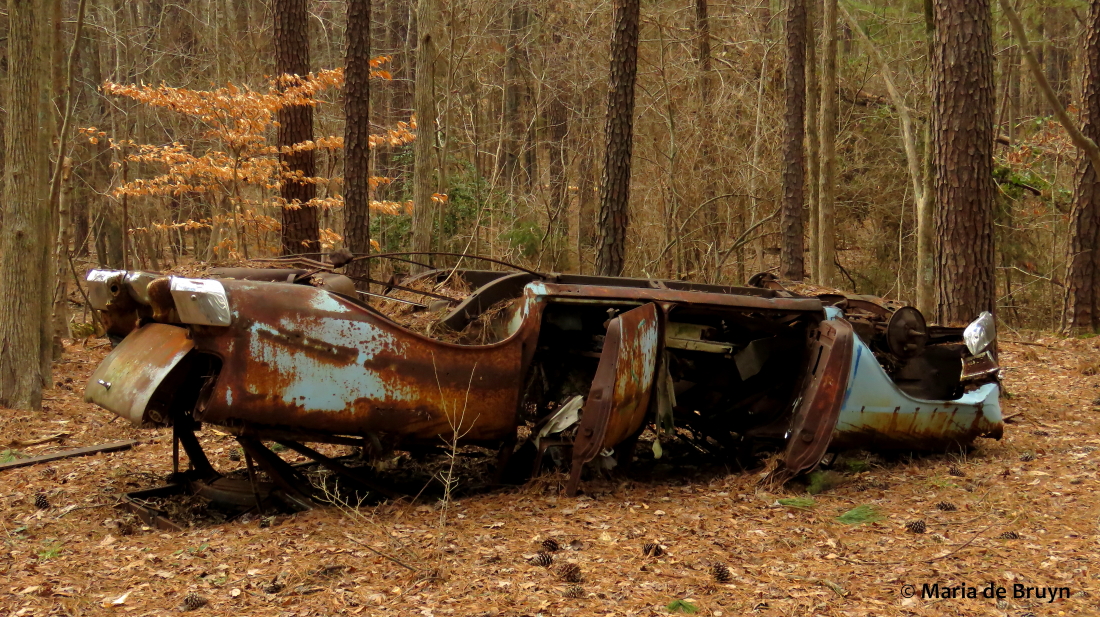
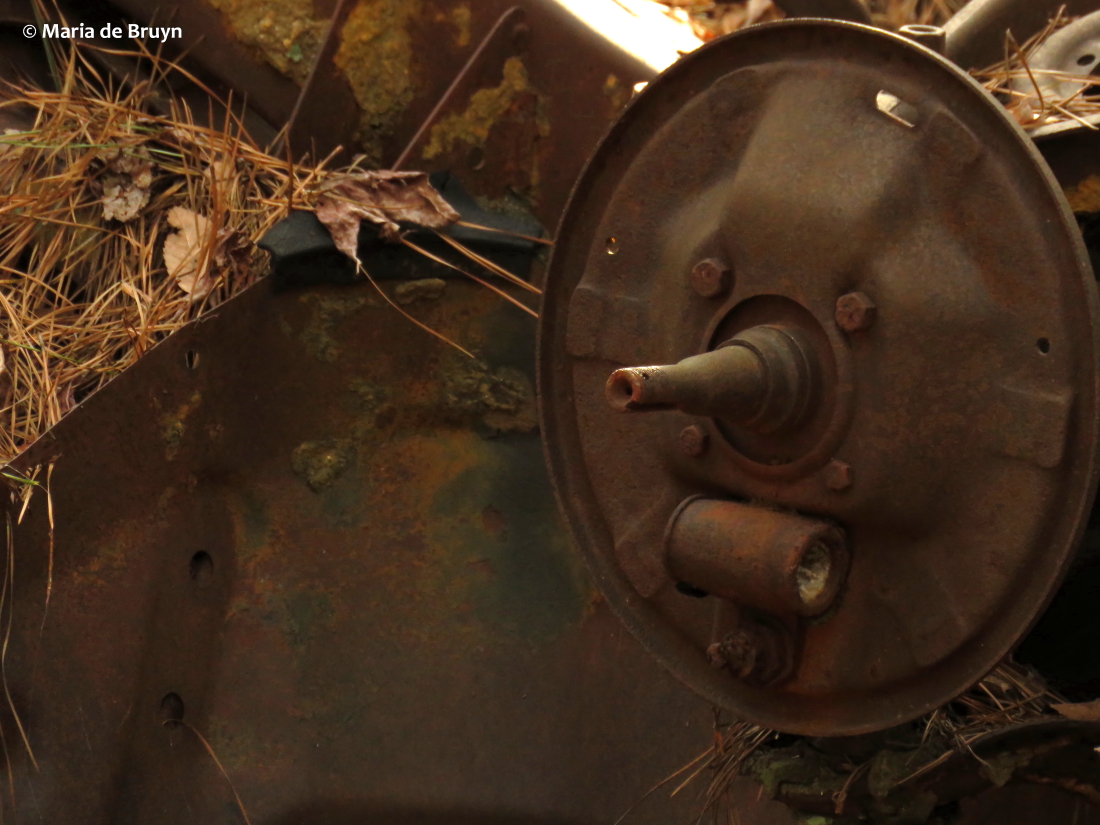
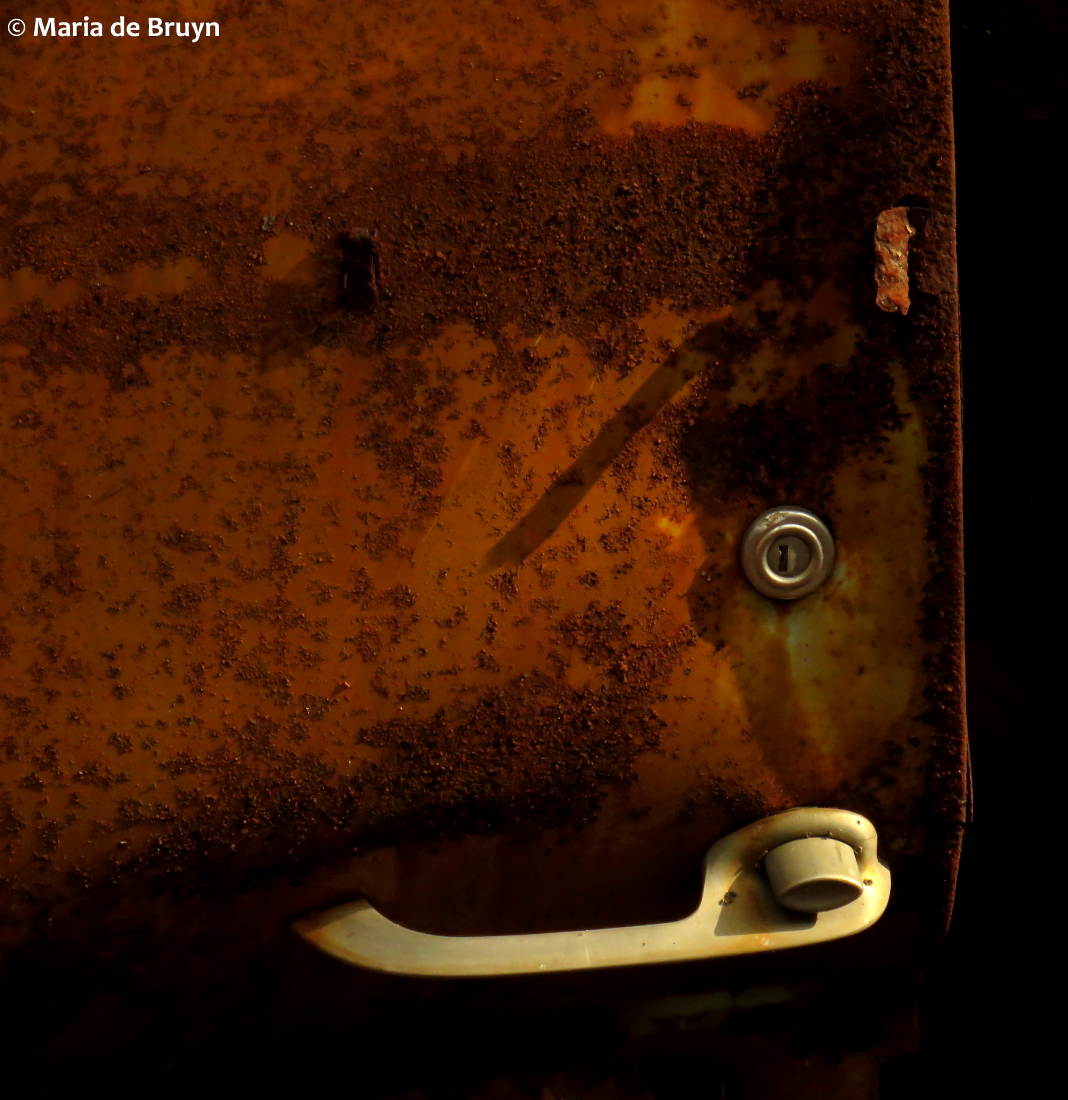
My next stop was to see how the two abandoned cars in these woods were faring. They must have been left here decades ago and have been like evolving metal sculptures as the scouring winds, sun, rain and ice change their appearance.


car IMG_2525 © Maria de Bruyn

car IMG_2558© Maria de Bruyn RES  car IMG_2582© Maria de Bruyn

white-tailed deer IMG_2496 © Maria de BruynAs I was taking photos of the cars, I heard movement behind me and there was the group of deer, still keeping tabs on me. The big male who still had antlers stamped his foot to warn me off, even though I hadn’t turned in their direction. Given his wariness, I certainly wasn’t going to go charging up to them for close-ups!white-tailed deer IMG_2489© Maria de Bruyn

hermit thrush IMG_2614© Maria de Bruyn


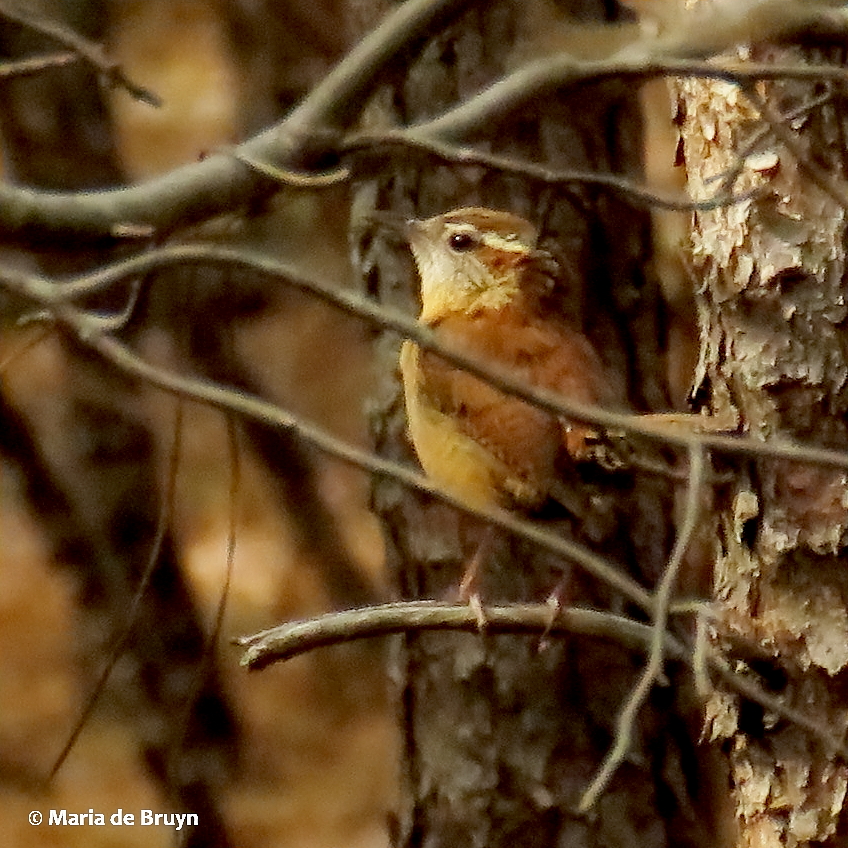
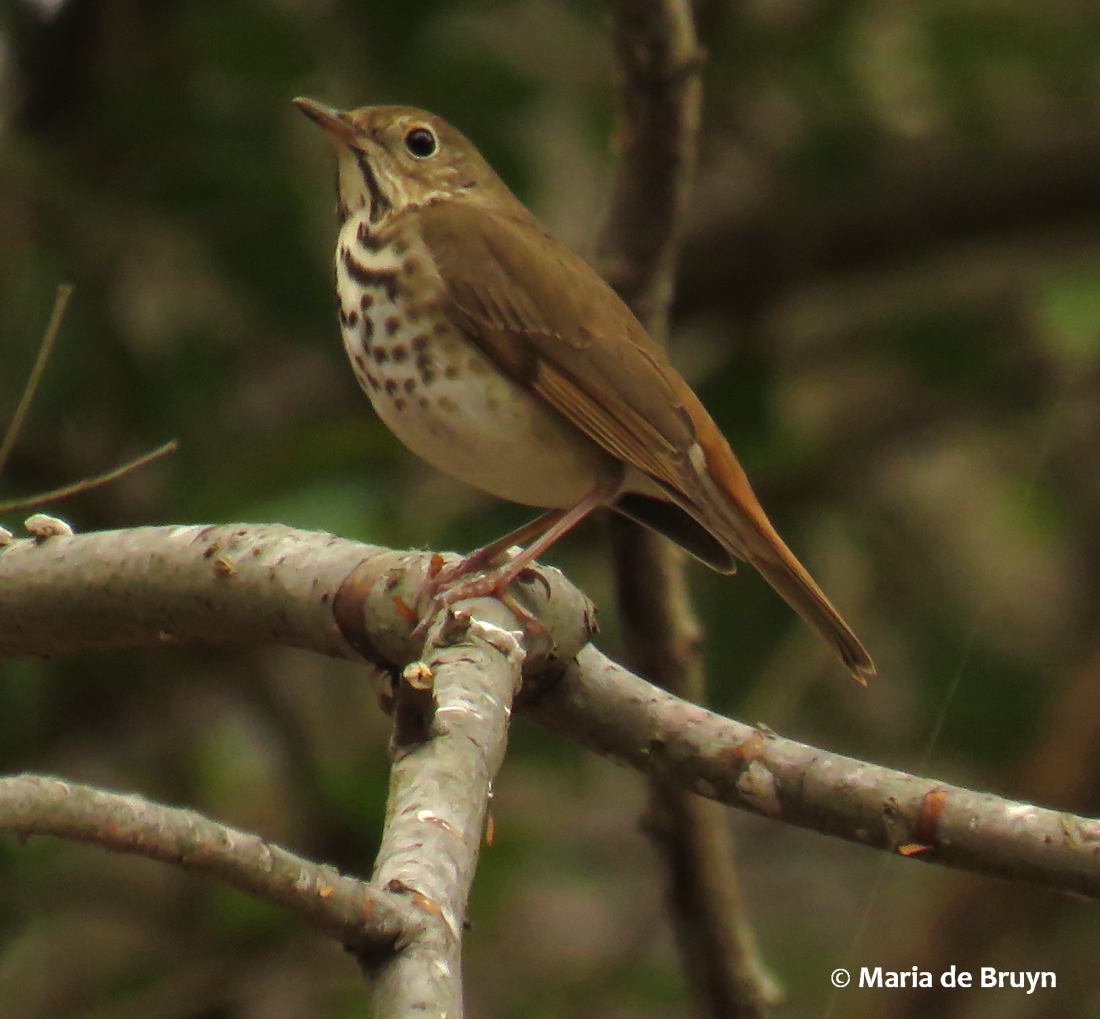
My walk ended with some surprising good views of a hermit thrush (Catharus guttatus). They rarely come to my yard so it was lovely to see one in the woods that day. They will likely be migrating soon and we will have new birds to welcome as spring arrives in her full glory. It was a very pleasant winter walk!