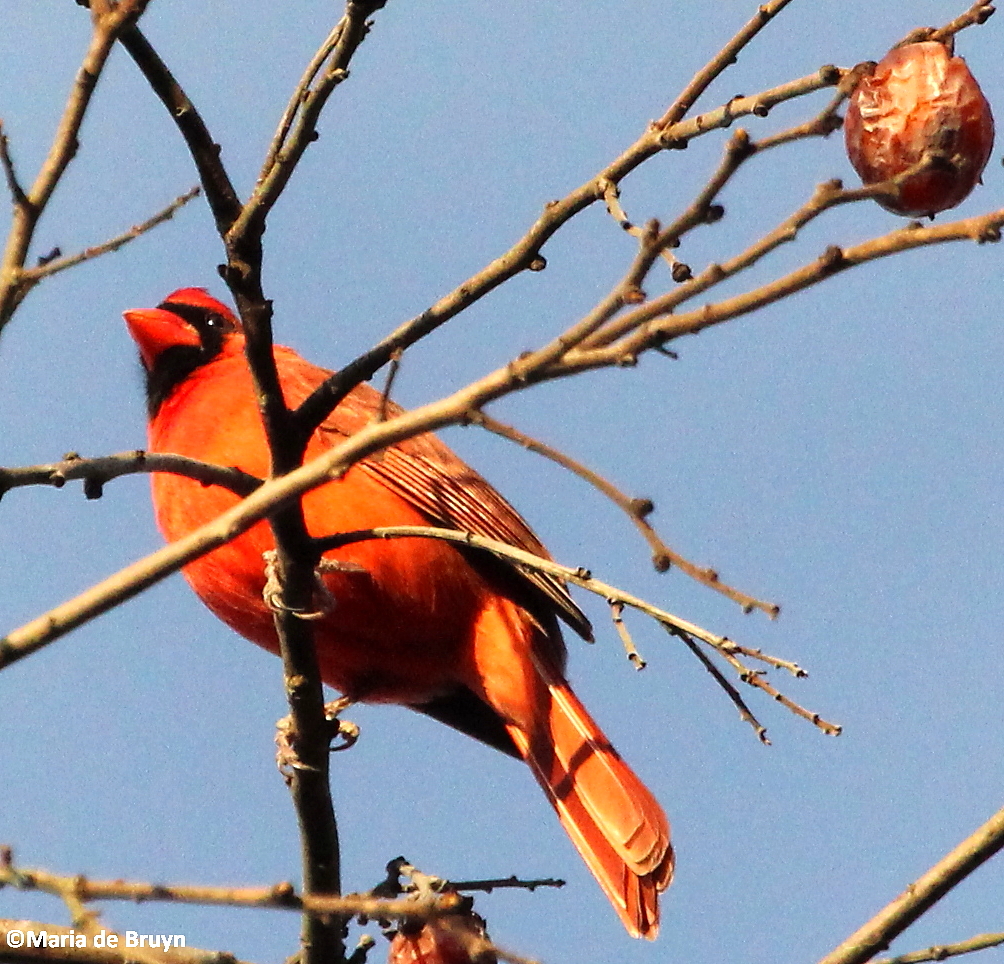
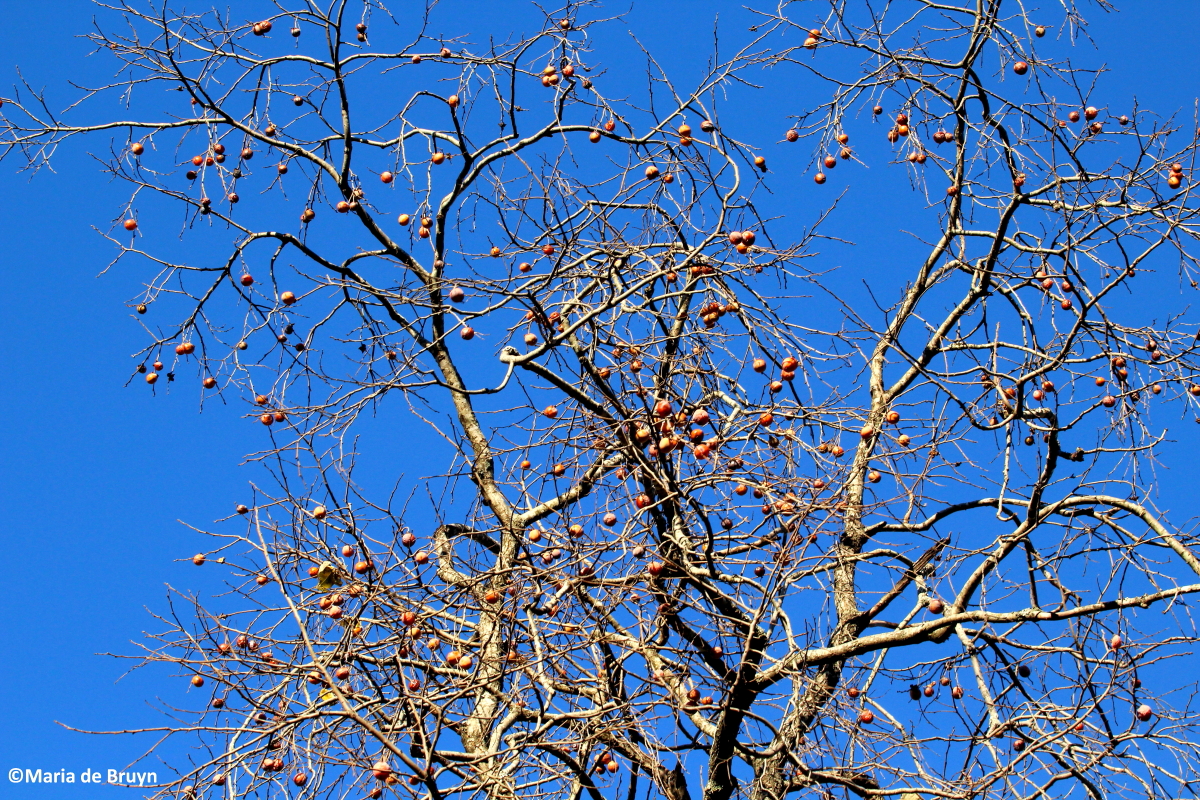
 My side- and backyards are both blessed with a persimmon tree (Diospyros virginiana) but the one out back only produces small hard fruit for some reason. The large persimmon at the side of my house, however, is the exact opposite. Each year it is laden with fruit; much of it begins falling while the persimmons are still unripe or only half-ripe but plenty remains on the tree through the first frost. You need to have both male and female plants for the fruit to grow, but I don’t know where the male trees are – likely in a neighbor’s yard.
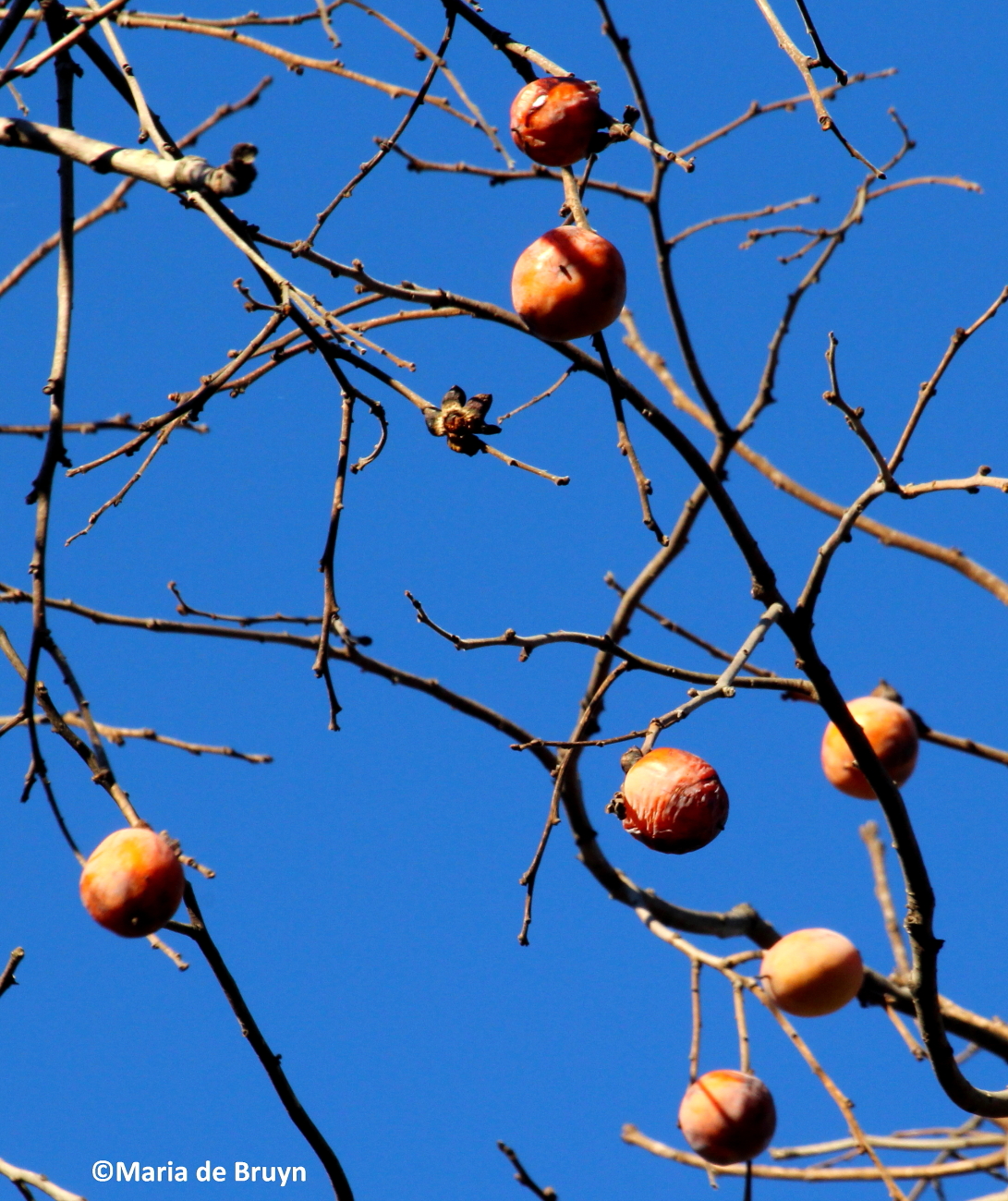
I’d been warned that an unripe or only partly ripe persimmon would not be tasty and, when I tried one, that advice turned out to be very true. I later tried a really ripe persimmon as so many North Carolinians find it a wonderful fruit, especially in pudding, but I can’t say that it is much to my liking. You won’t find me using persimmons to make tea, wine, beer or bread.
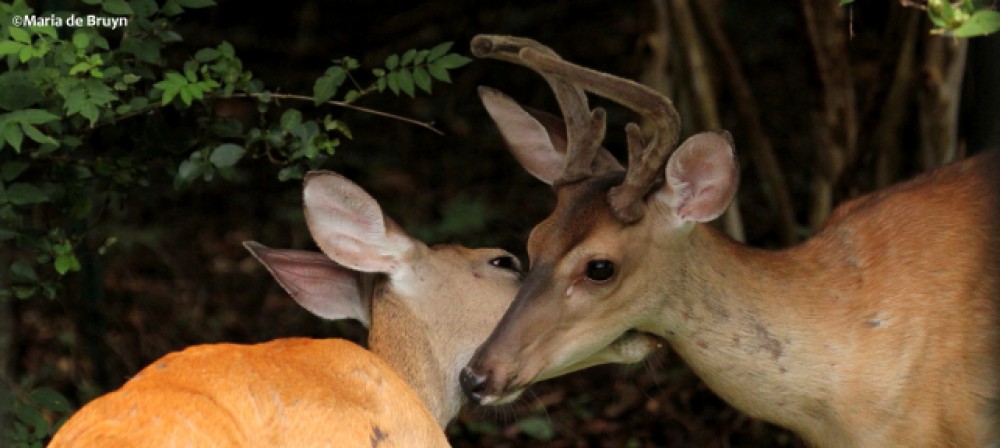
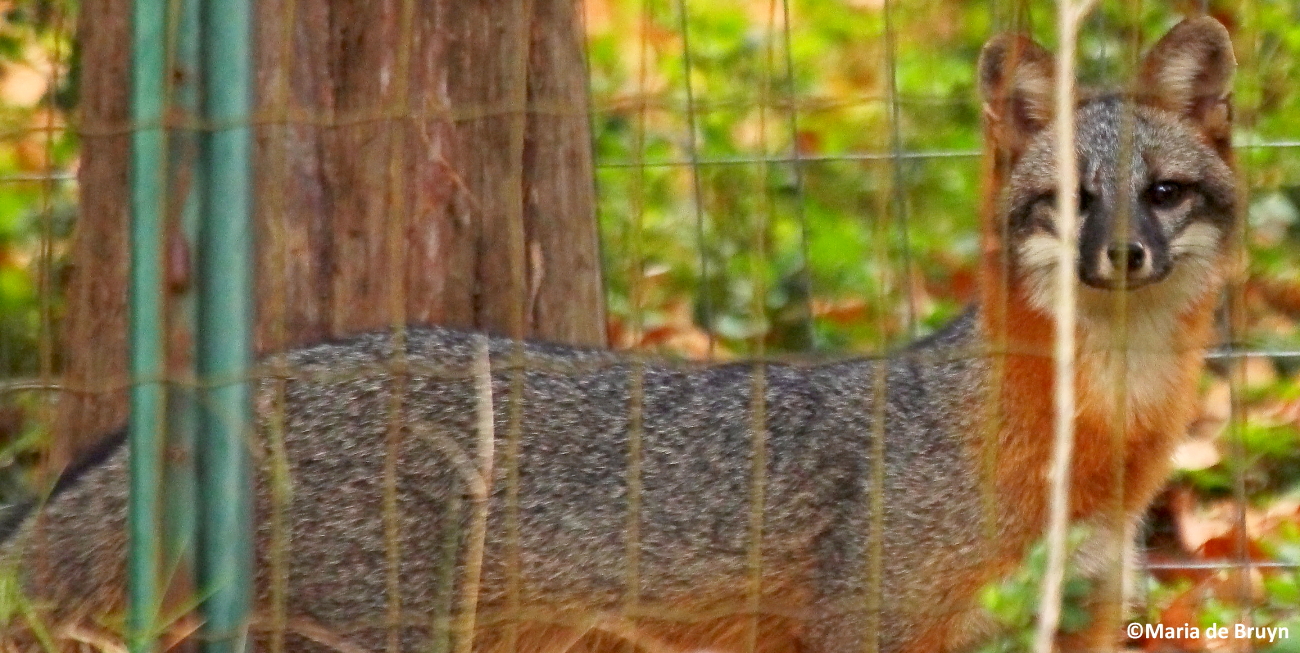
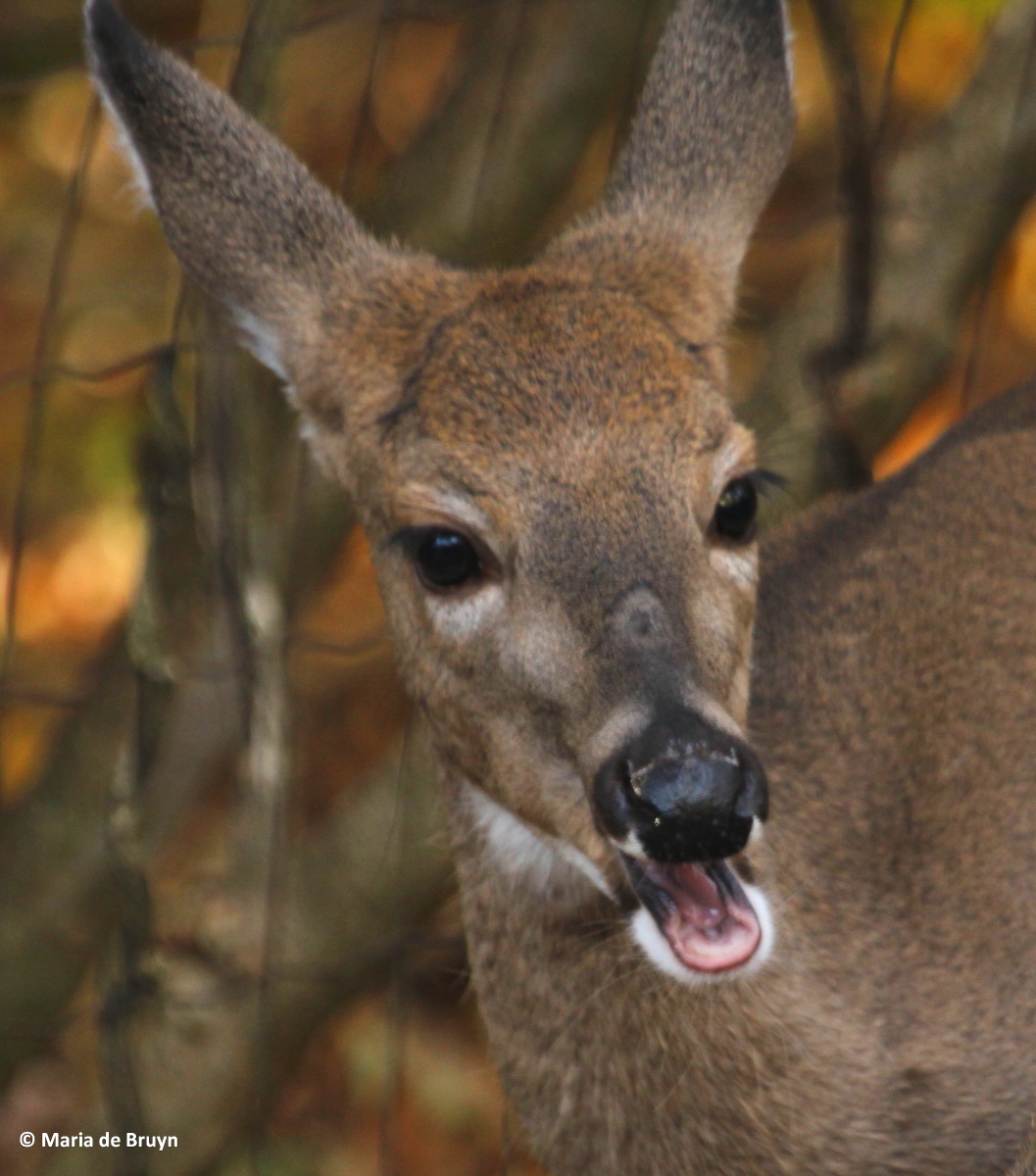 It is, however, VERY popular with the wildlife that is around my house. The first fallen persimmons are gobbled up by the white-tailed deer (Odocoileus virginianus), who don’t seem to mind a bit of astringent fruit. Our neighborhood has opossums, raccoons, coyotes and gray foxes (Urocyon cinereoargenteus) , but I haven’t seen their persimmon seed-filled scat – I think the deer get the fruit before they have a chance. (Too bad the stem was in front of the fox’s face; I don’t use Photoshop, but you can still see its beauty.)
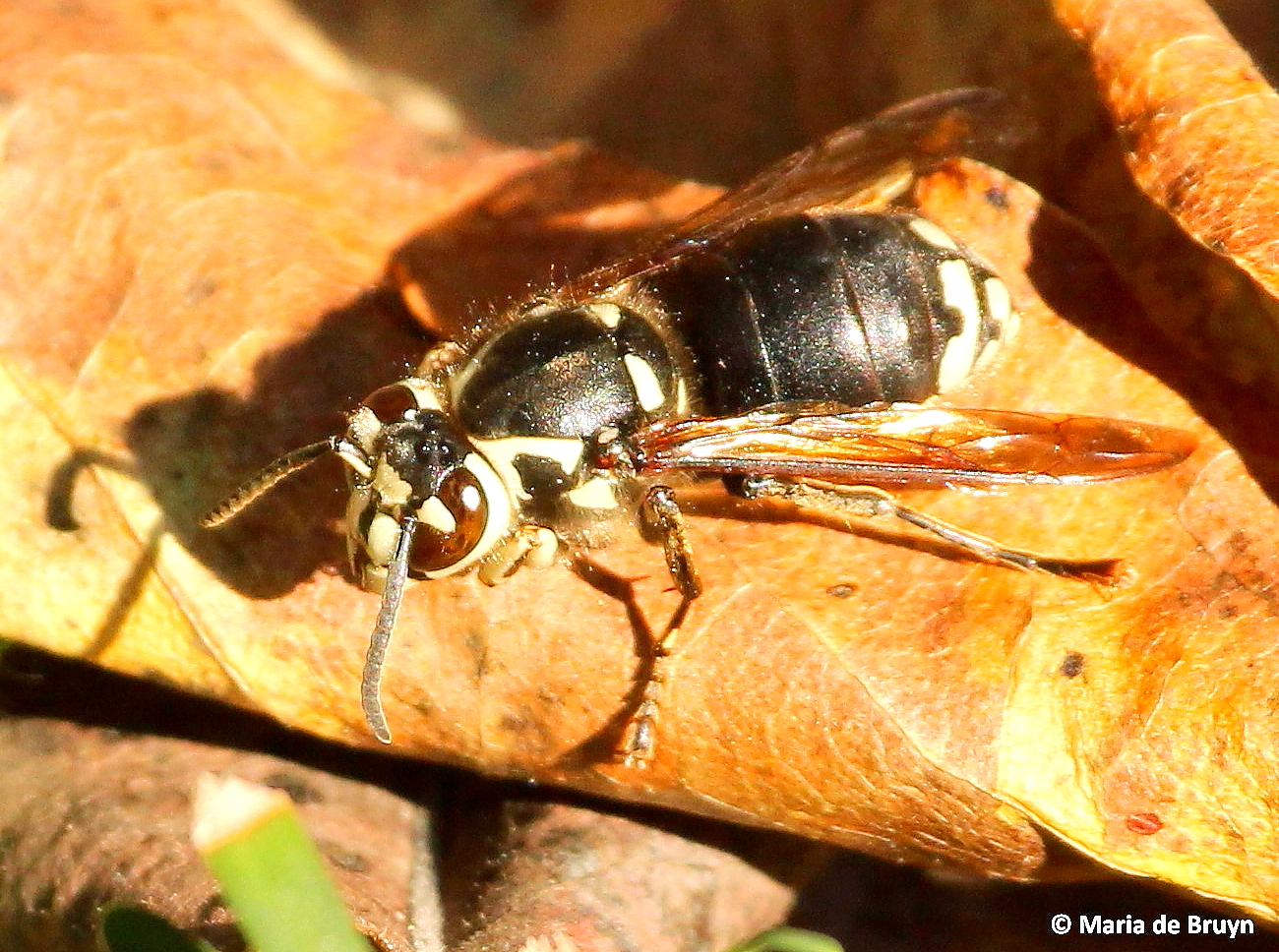
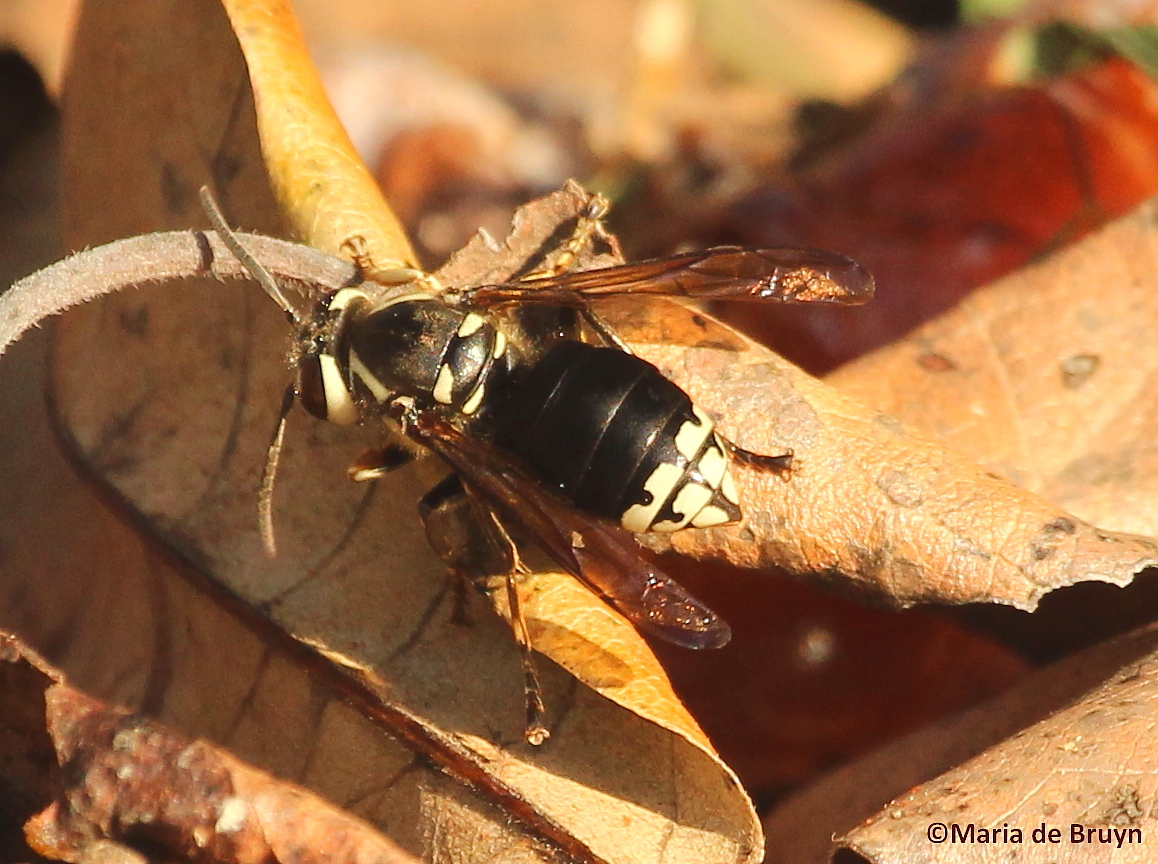
When the large orange berries begin falling on the ground in an ever riper state, the first diners include the bald-faced hornets (Dolichovespula maculata), whose beautiful large nest must be in a neighbor’s tree.
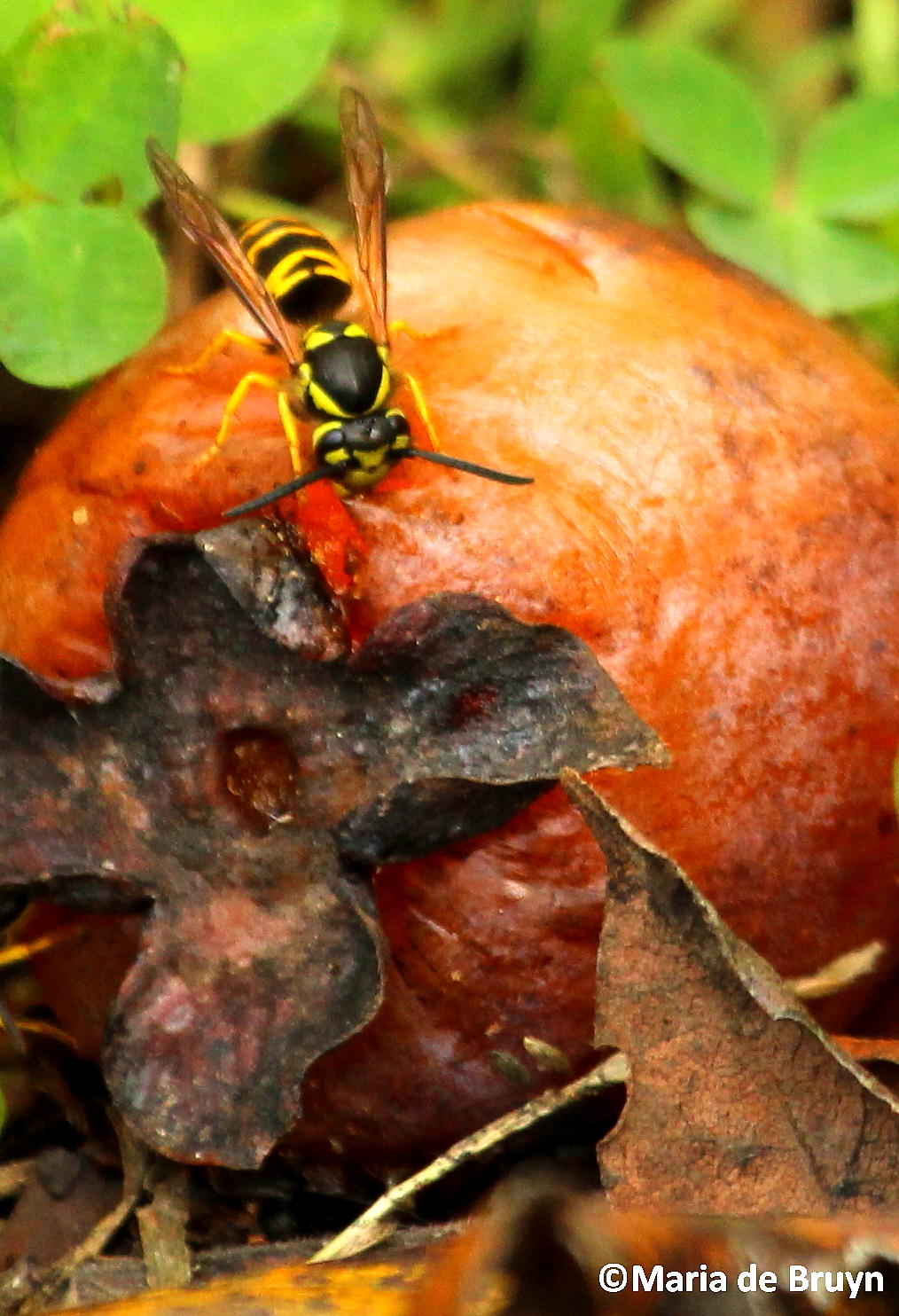 Eastern yellowjacket wasps (Vespula maculifrons), which can deliver a very nasty sting, show no interest in a human hovering over the persimmons to get a shot – they are totally engrossed in getting a piece of juicy fruit.
Southern yellowjackets (Vespula squamosa), also painful stingers, act likewise – their focus is entirely on the orange pulp.
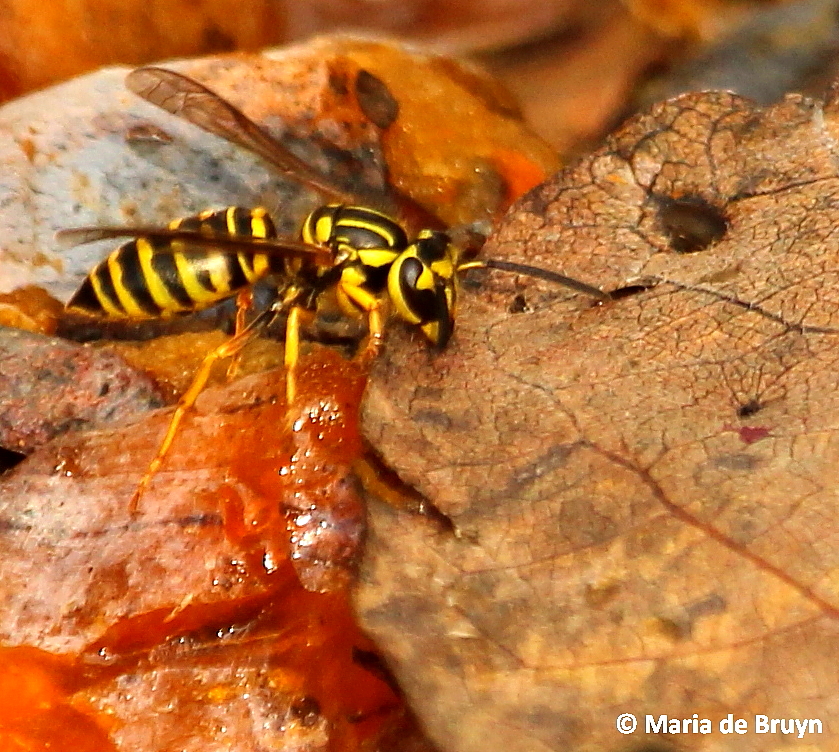
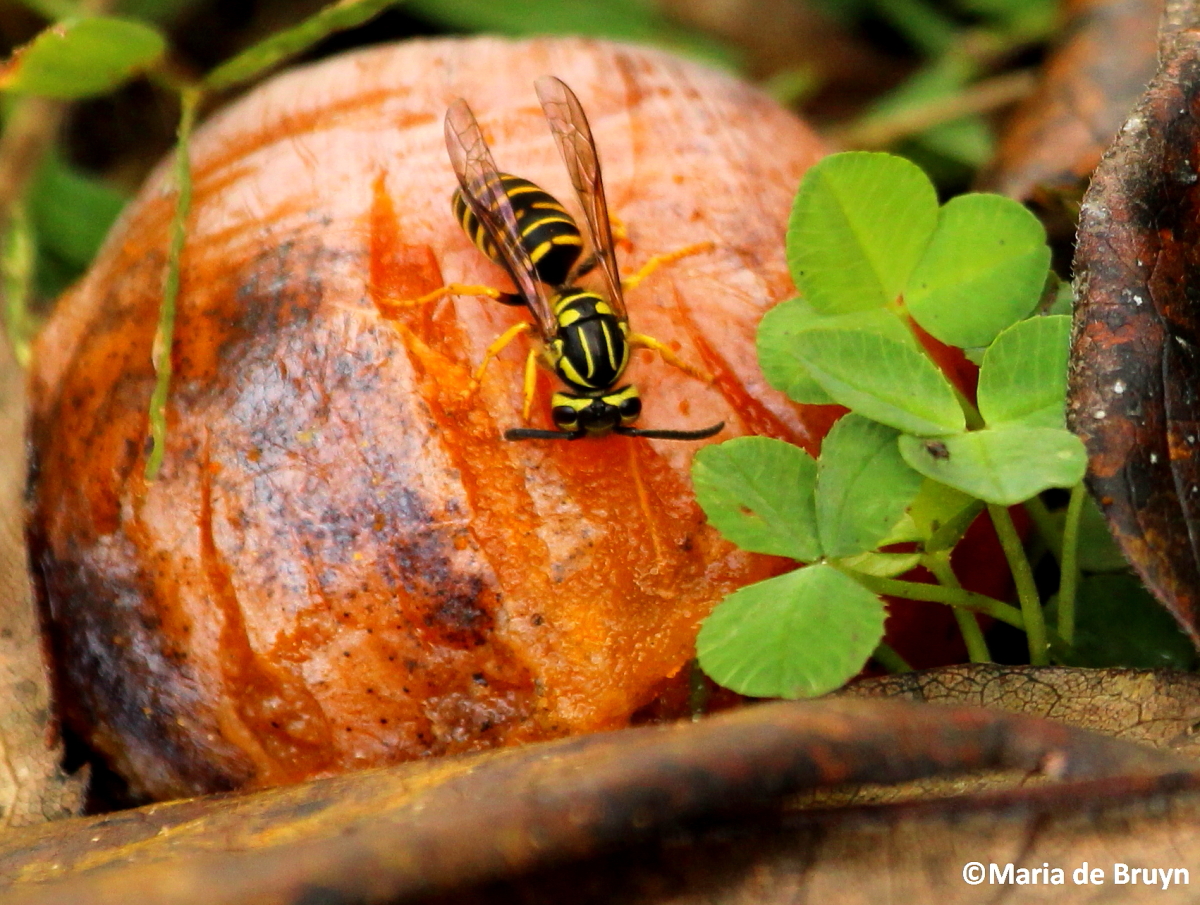
 The paper wasps (Polistes metricus) dig deep into the persimmon to extract some sweetness.
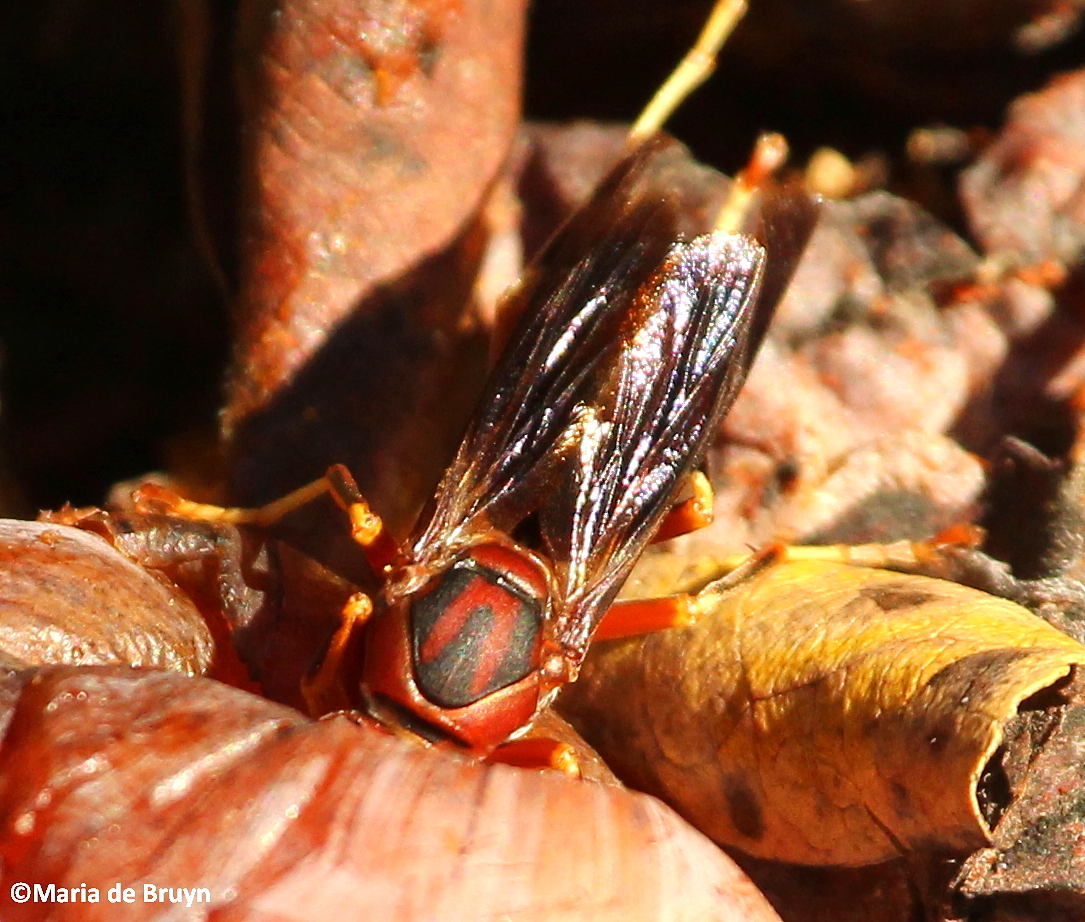
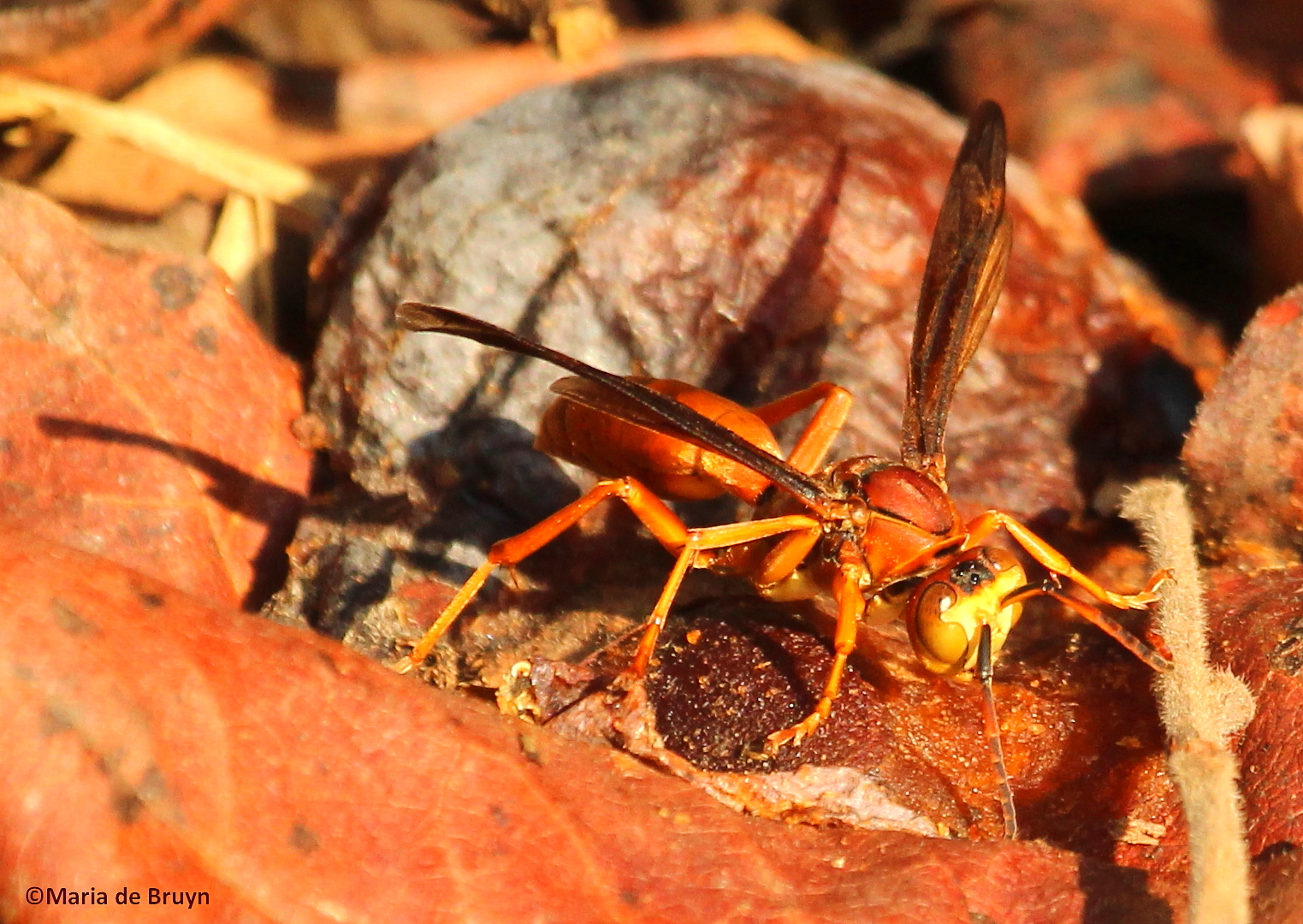
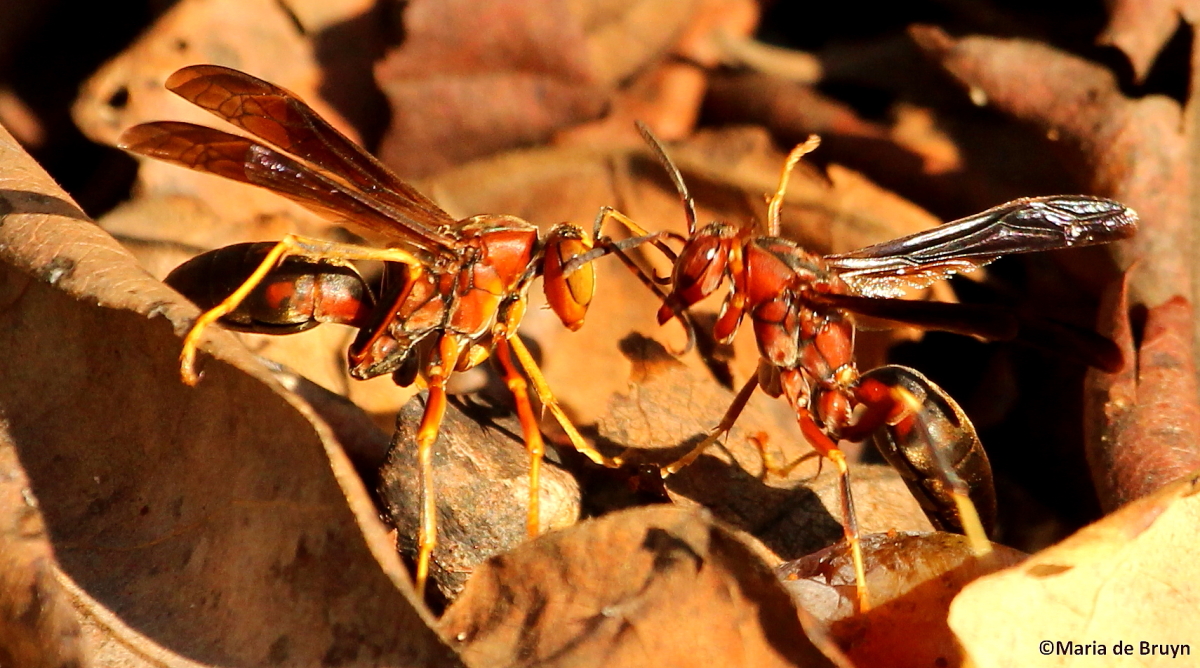
The red wasps (either Polistes carolina or rubiginosus; entomologists can only tell by examining the insect) also enjoy flitting from one fallen fruit to another in search of the sweetest bits. Sometimes they and the paper wasps challenge one another for territory.
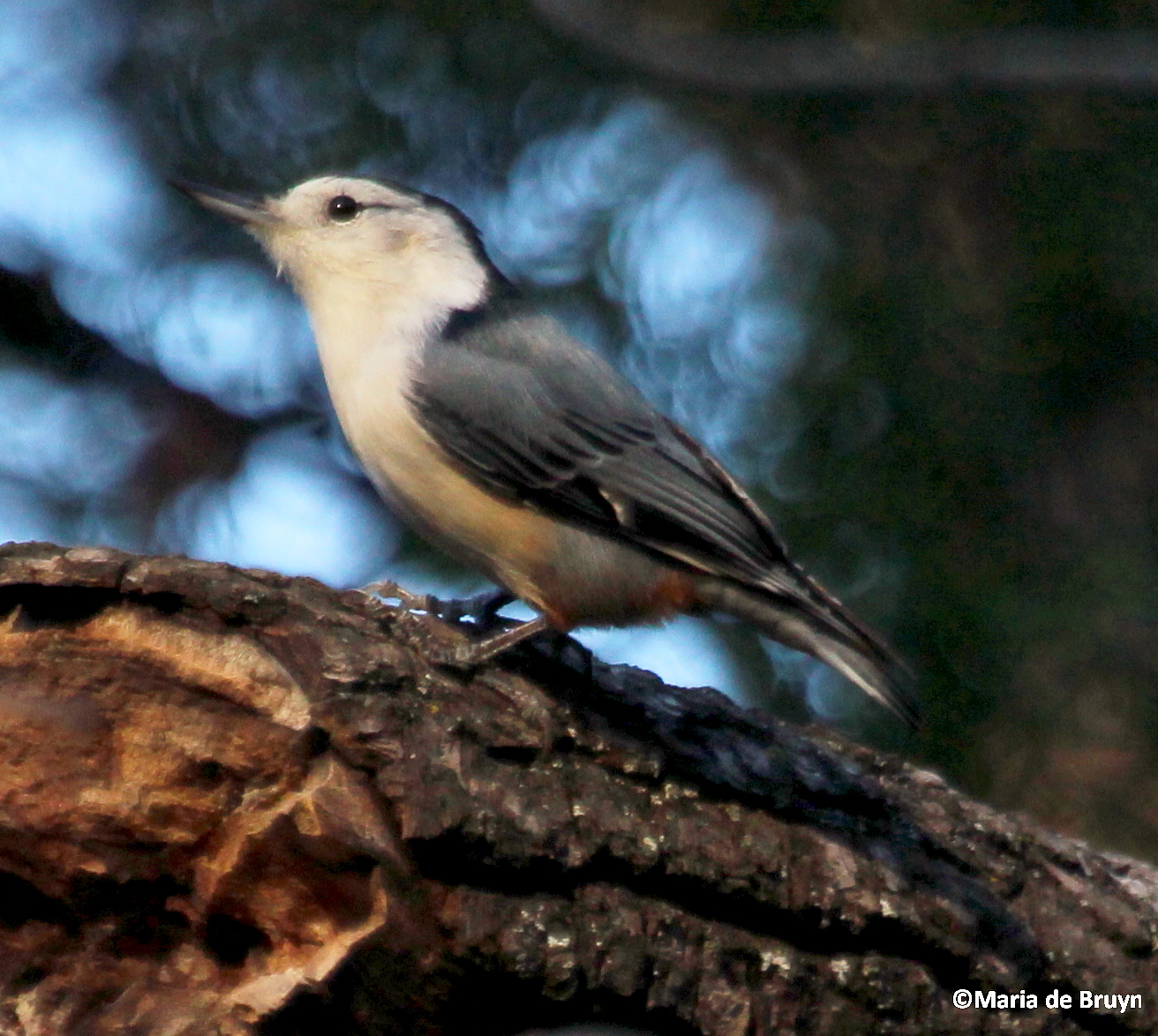
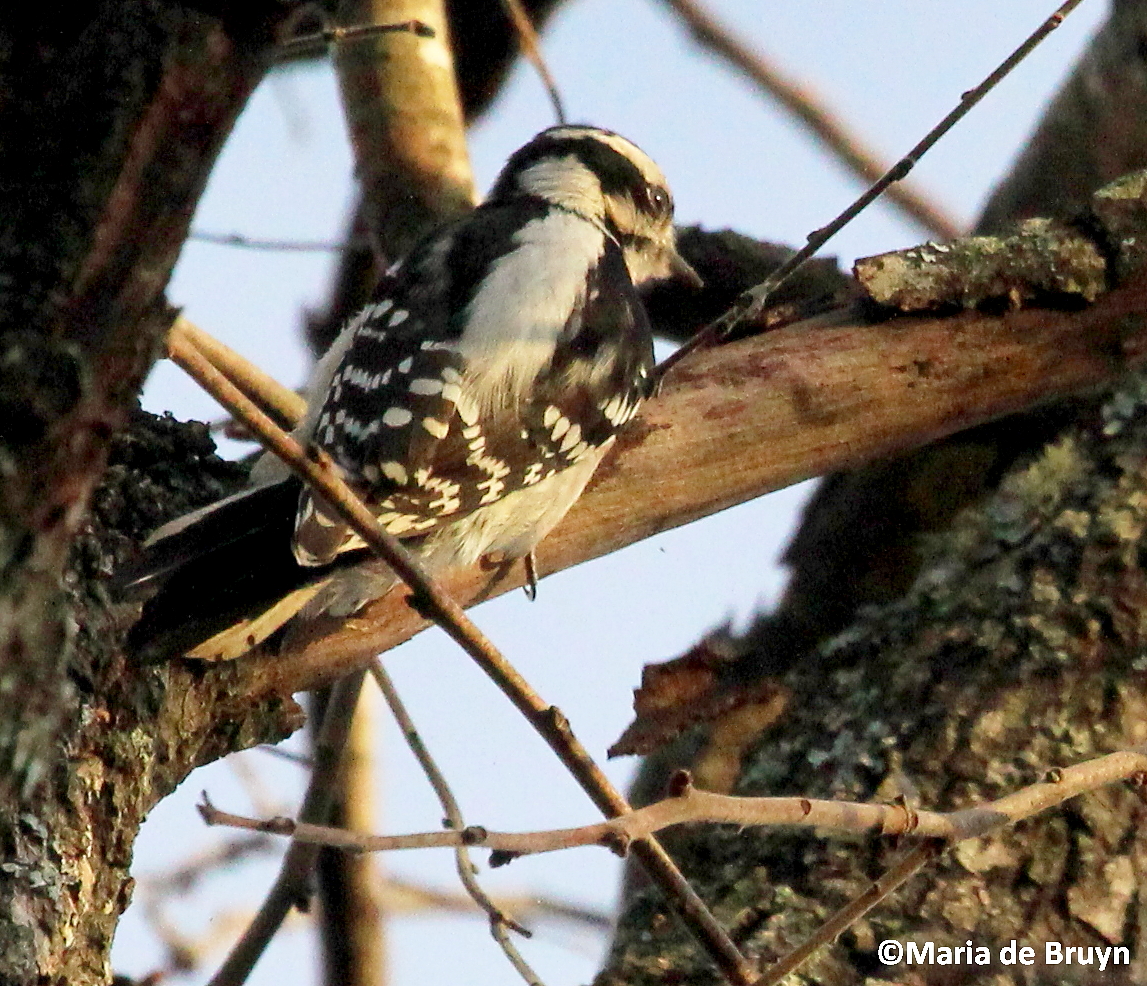 The next group of persimmon pickers are the birds. Some birds only visit the tree to rest or look for insects, like the downy woodpecker (Picoides pubescens) and the white-breasted nuthatch (Sitta carolinensis).
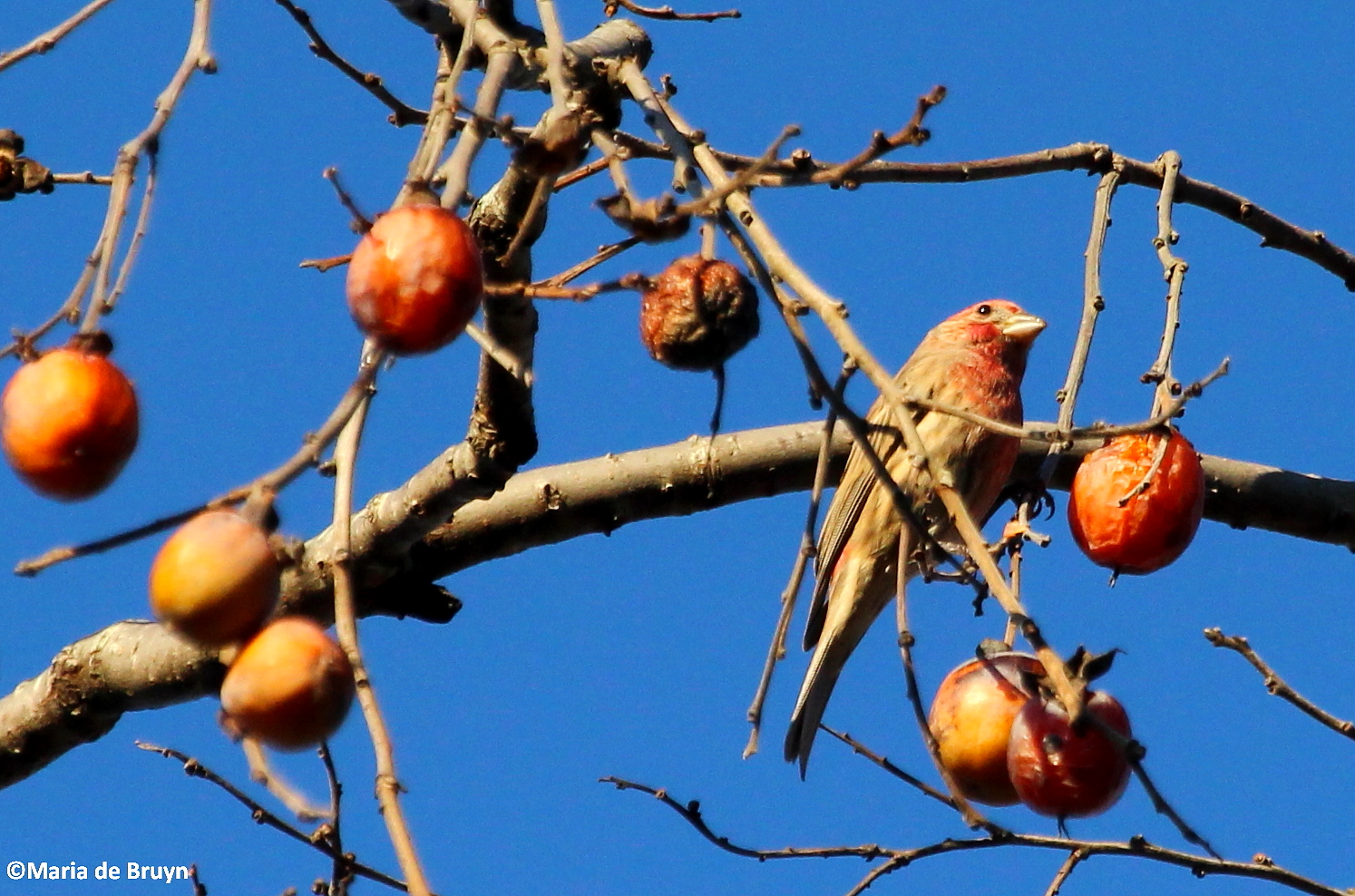
A few birds just rest in the tree and others rest and occasionally peck at a berry, like the house finches (Haemorhous mexicanus).
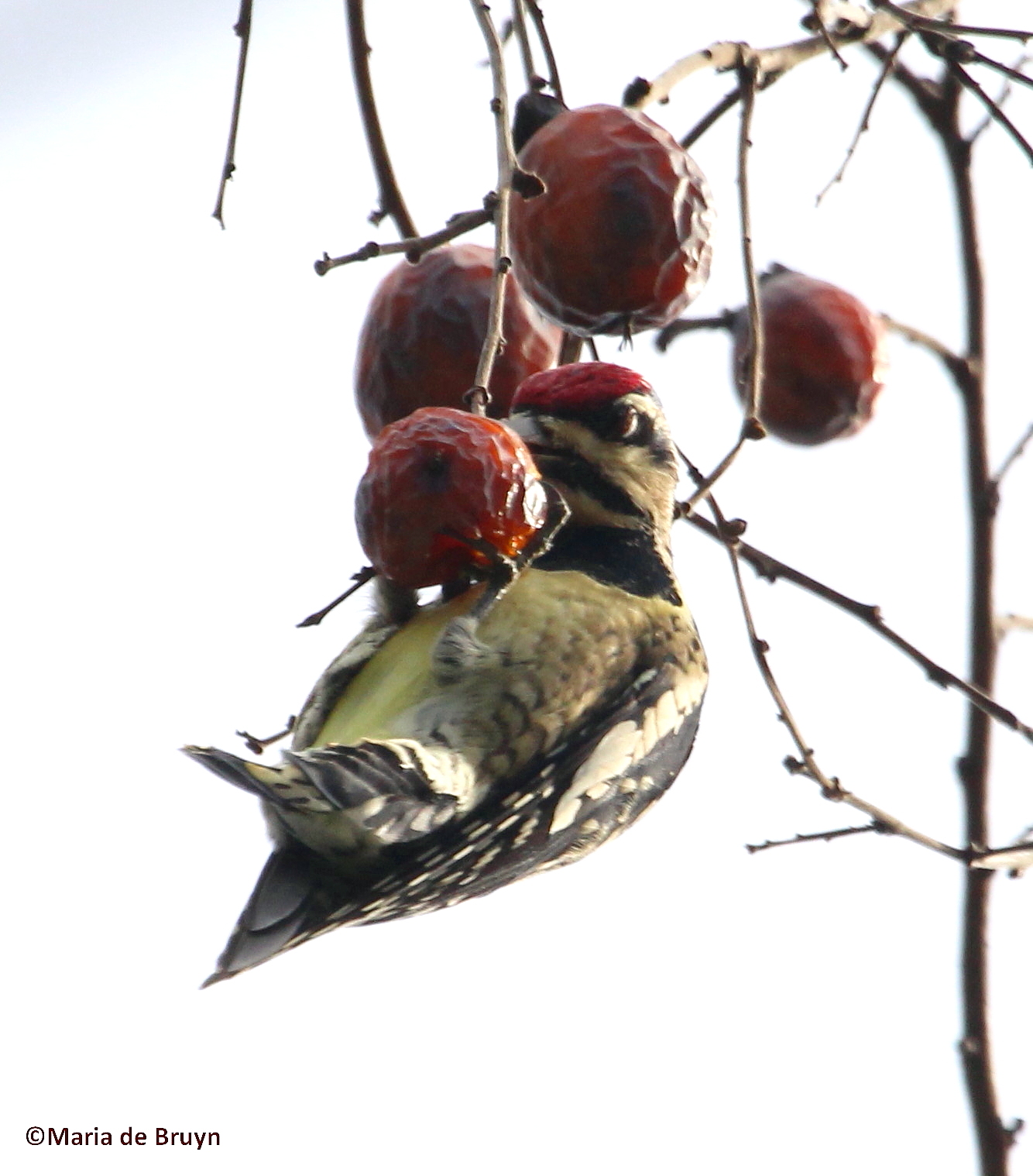
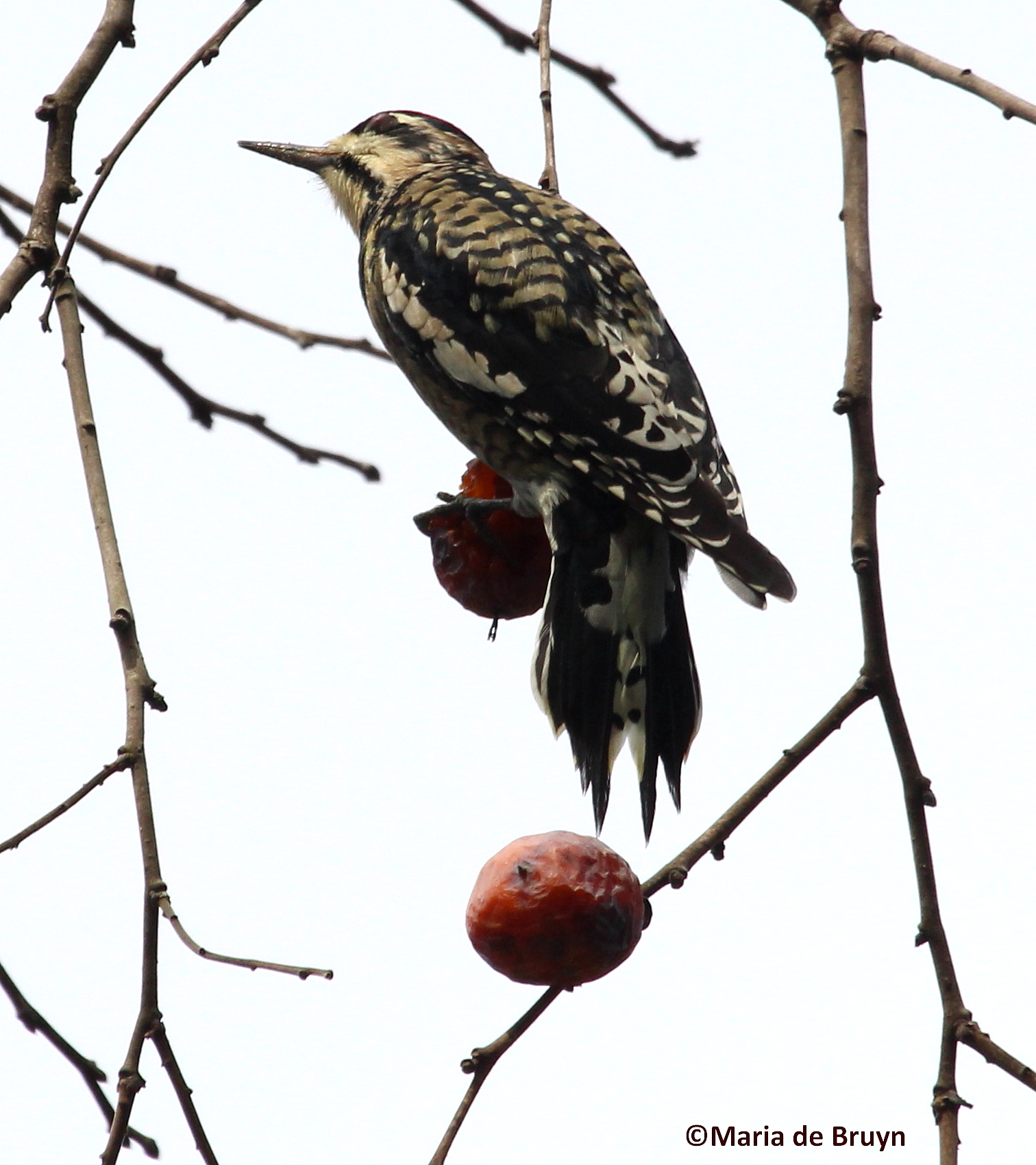
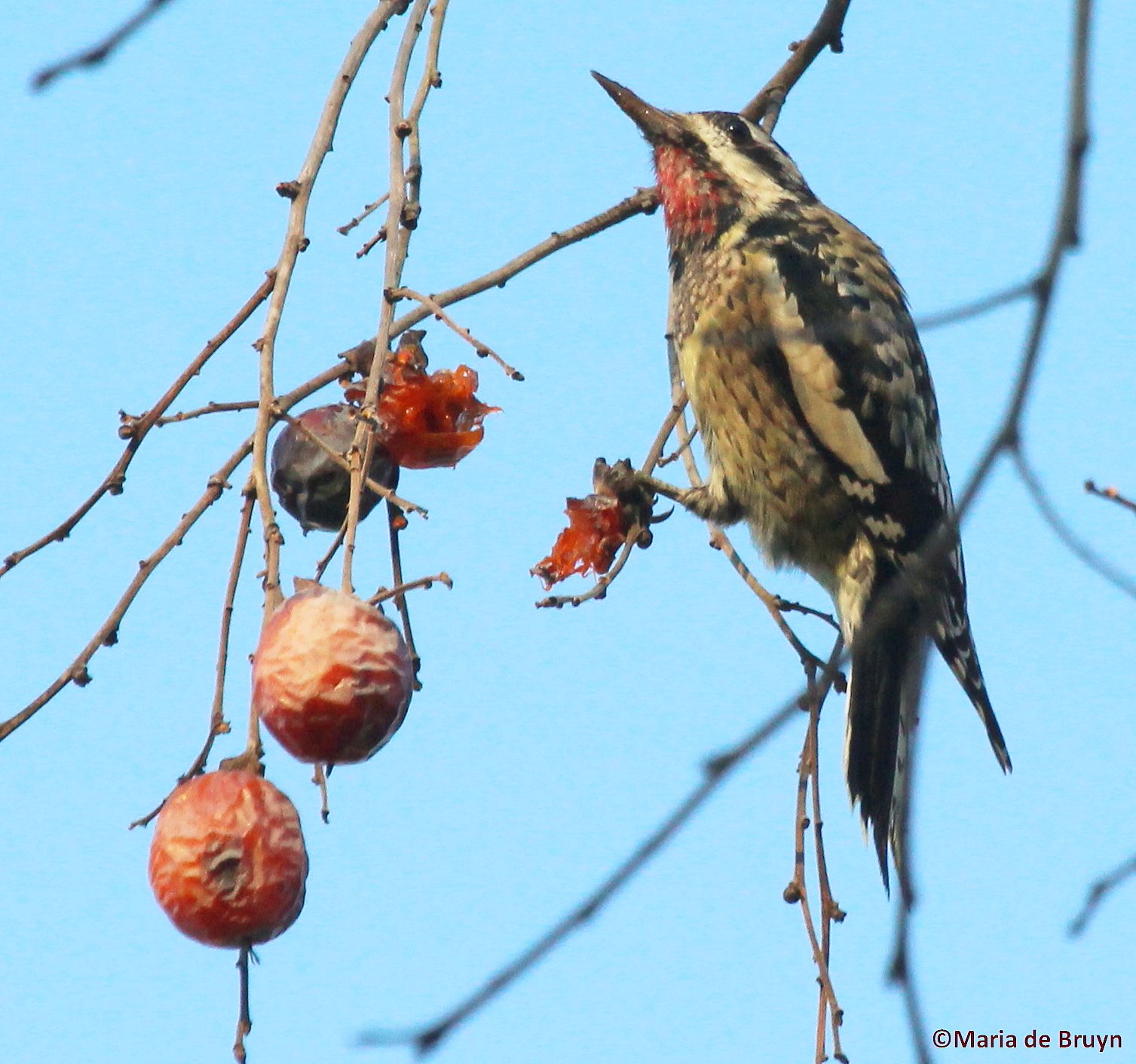 The yellow-bellied sapsucker (Sphyrapicus varius) though is a woodpecker that is highly attracted by the fruit. A few of these attractive birds – both adults and juveniles – have been visiting the tree every day for weeks now to enjoy a sweet treat.
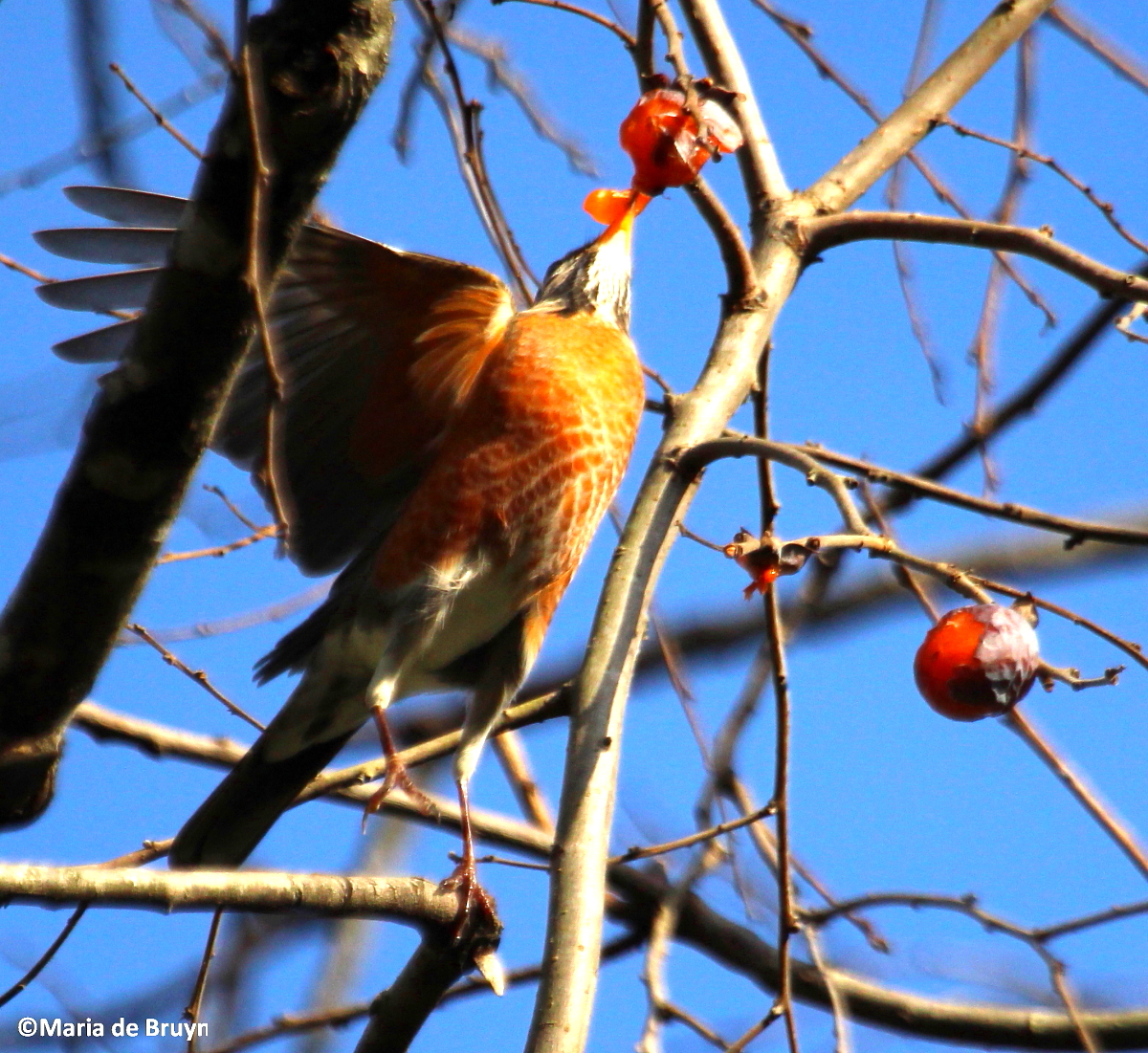
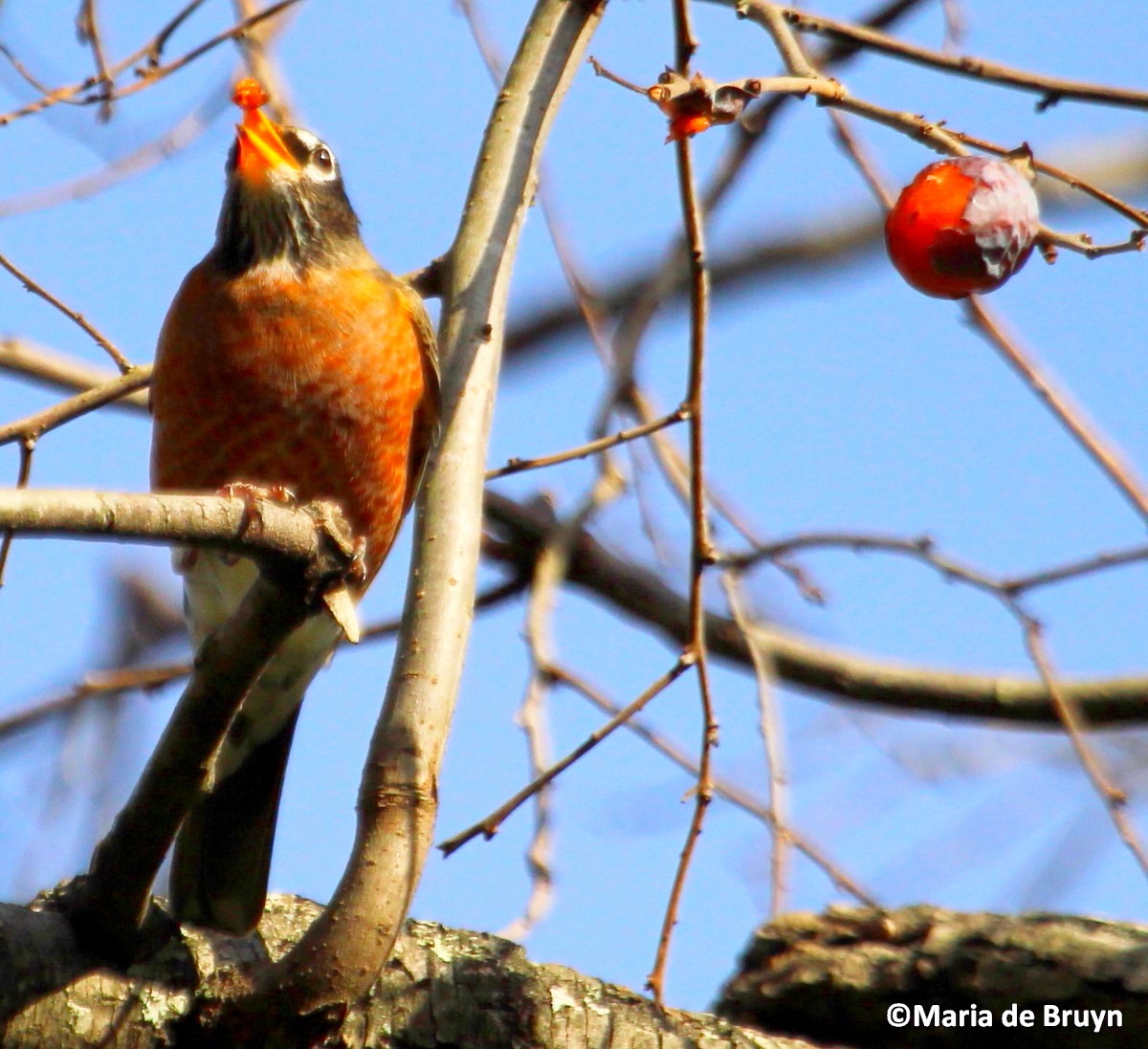
The American robin (Turdus migratorius) will not turn up its beak at a piece of persimmon either. Perhaps next year I should take a leaf from their books and collect a few fruits to try a pudding??
 Several years ago, as I was beginning to photograph wildlife more seriously, I became quite excited at the North Carolina Botanical Garden. Buzzing around some profusely blooming flowers was what I thought might be the smallest hummingbird I had ever seen. I was not used to taking shots of something that was in almost constant motion, but I persisted until I got photos that made it at least a little recognizable. I lost the original photo when both my computer and my back-up hard drive crashed at almost the same time, but I “rescued” one of those first photos from a Word document.
 I soon learned that what I had seen was actually an insect – a hummingbird clearwing moth (Hemaris thysbe) to be precise. This is likely one of the first insects that I ever got enthusiastic about.


 Their caterpillars are called hornworms as they have a horn at the rear; I have not seen one yet but they must be around somewhere. They pupate in leaf litter and on the ground; since I leave the fallen leaves around, I’ve been providing them with a childhood and adolescent home! And that’s good as I really look forward now to welcoming them to my yard each year!
 So, in honor of International Cat Day 2014, a departure from wildlife to celebrate my family cats. My household is currently graced with three feline companions, two males and a female. Jonahay, the senior cat, is 15.5 years old and the only one allowed to go outside now and again. According to my vet, he is the strongest cat and most stubborn cat he has met – it has taken two guys over 6 feet tall to try and hold him down to get a pill into him. In the end, they gave him a shot while he was immobilized.
 thing but to bring interesting, living and moving “toys” inside. Over time, I had to remove birds, a baby rabbit, chipmunks, garter snake and field mouse from inside the house. During that time, only a couple birds and a couple mice did not survive when he clamped down a bit hard to prevent them from getting away or me taking them from him. Now, he will sit in the yard or rest on the front porch rocker with a squirrel or bird two feet away and just cast them a glance. The only creature that will rouse him for a chase is a chipmunk – for some reason, he still finds them too cool to leave alone.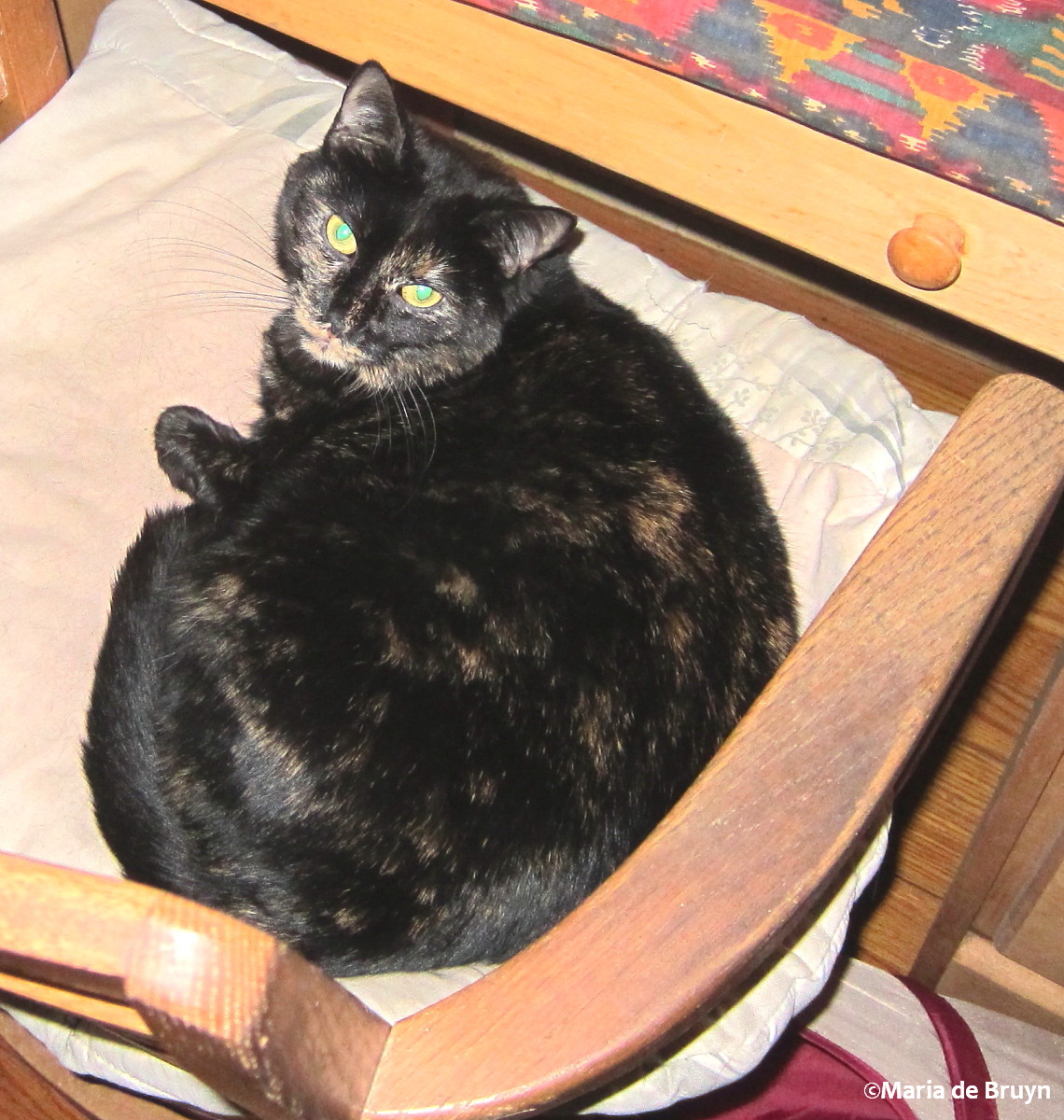
 he mouth and in obvious distress – she had likely eaten a stink bug, which is not a good thing for cats. About a week ago, she yelped with an open mouth and had some pain; a wasp that had gotten into the porch was gone.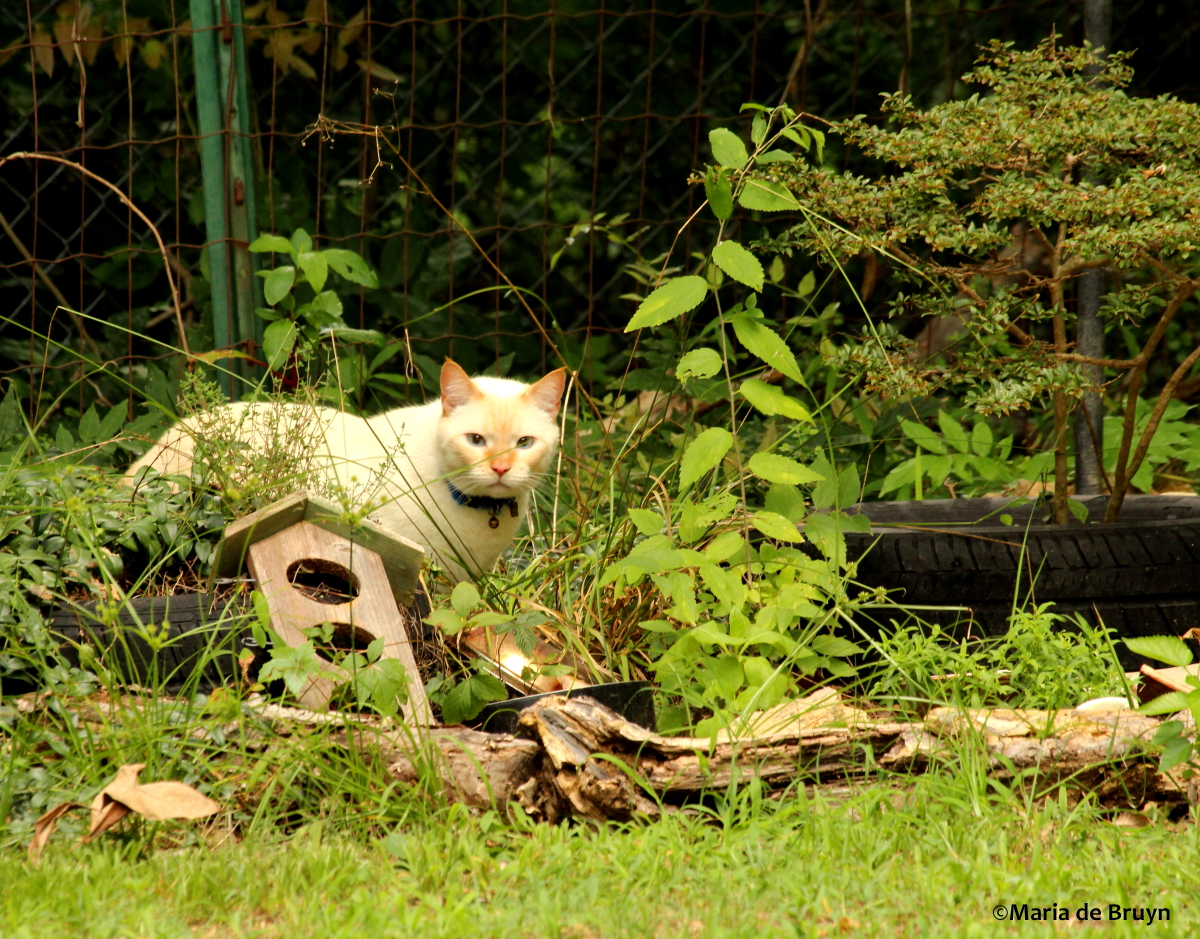
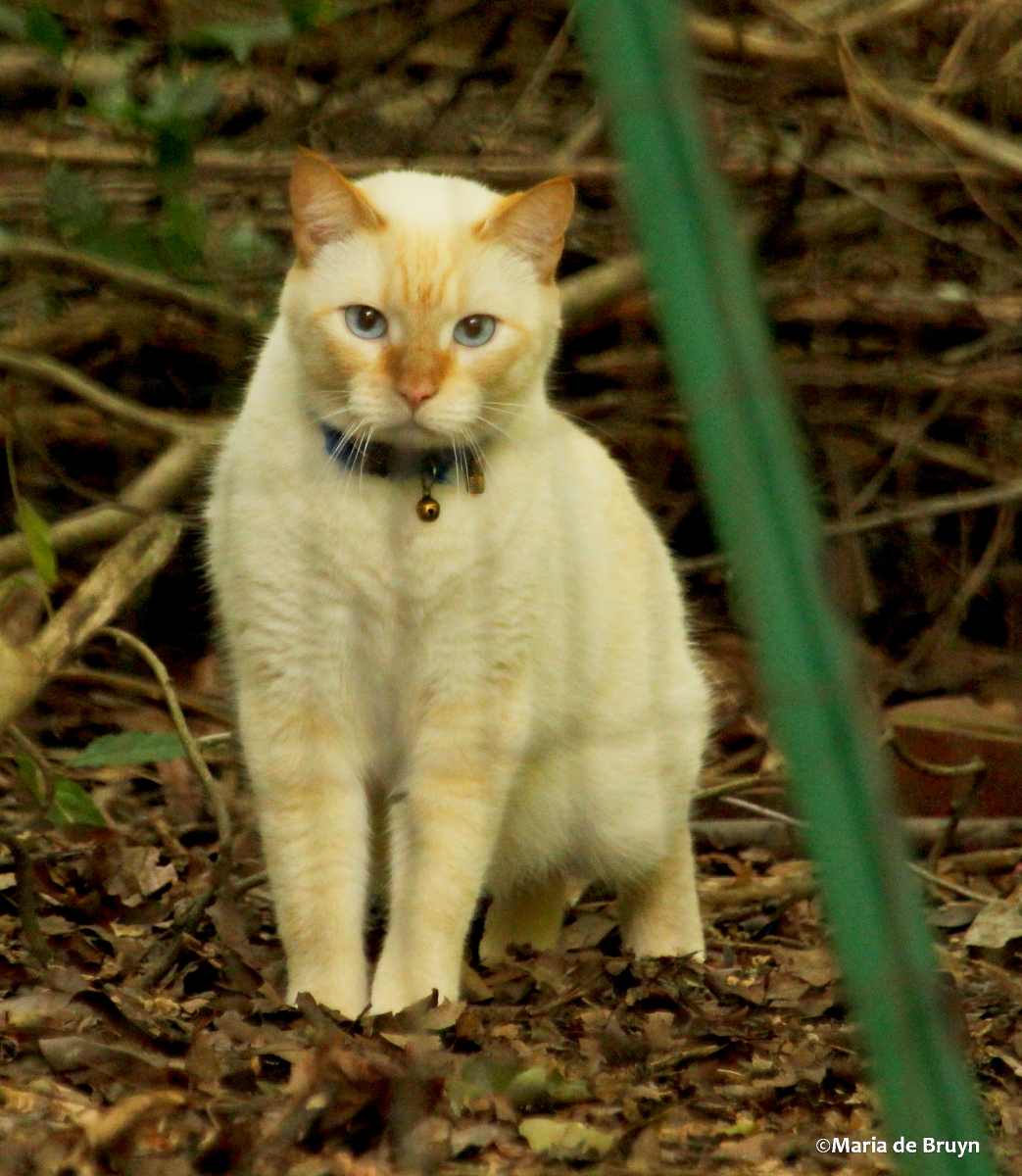

 ther day, Ogi made another great escape. He hung out by the ground feeding station and stayed put until one deer came too close.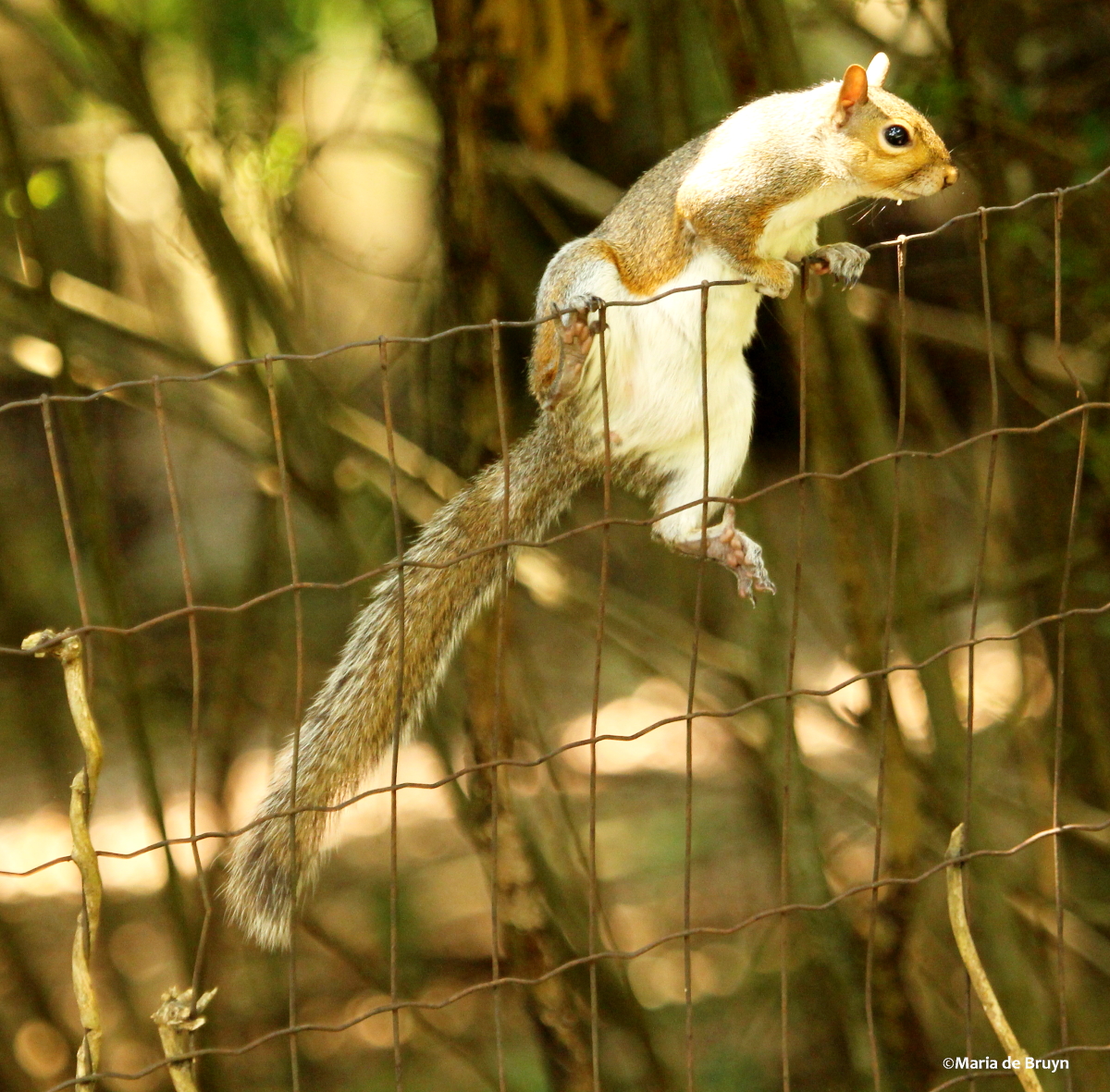


 One bird that seems to almost universally delight people and bring smiles to their days are the hummingbirds. These wonderful little fliers now only live in the Western hemisphere of our earth, but two 30-million-year-old hummingbird fossils were discovered in Germany so they did live elsewhere.


 heir tongues, which have tubes running down their lengths.


 pring, undoubtedly adjusting to the urban environment. We have had very little rain this summer and their food supplies have dwindled way down. The ground-feeding birds do not always get to the seed first.


 My beautiful world