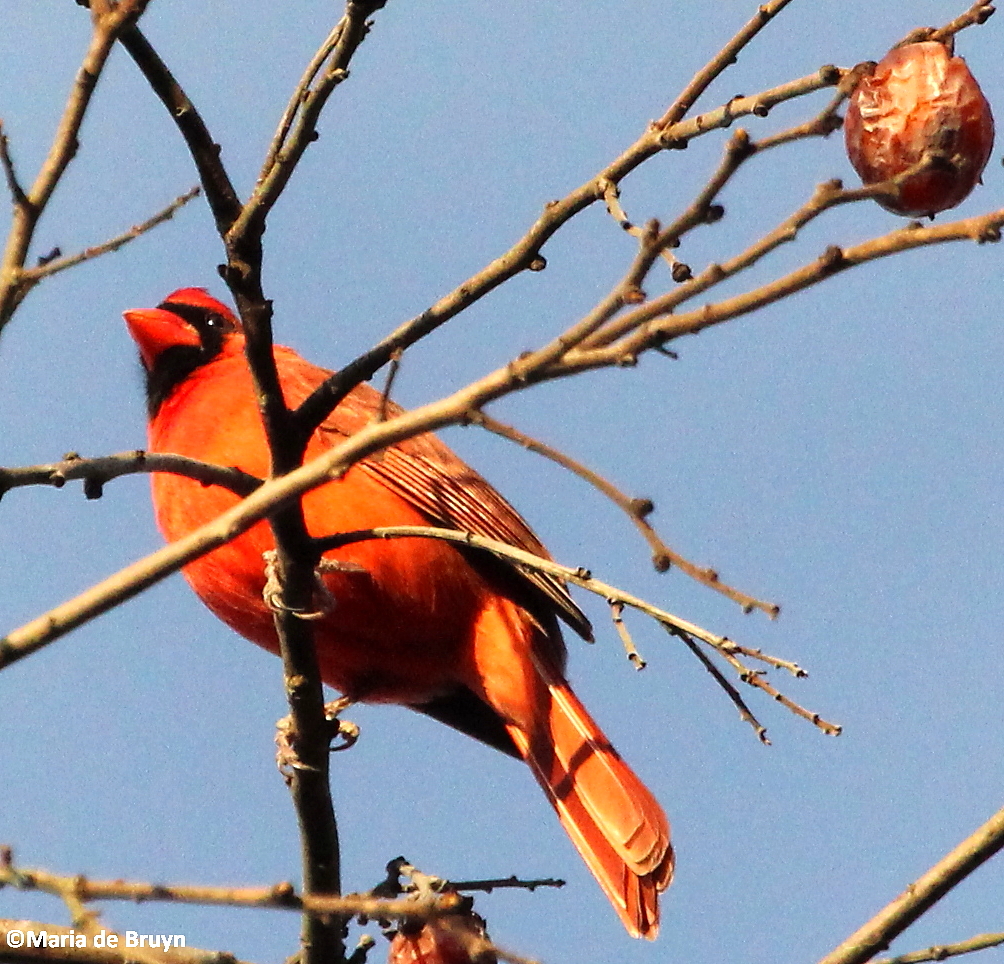
 My side- and backyards are both blessed with a persimmon tree (Diospyros virginiana) but the one out back only produces small hard fruit for some reason. The large persimmon at the side of my house, however, is the exact opposite. Each year it is laden with fruit; much of it begins falling while the persimmons are still unripe or only half-ripe but plenty remains on the tree through the first frost. You need to have both male and female plants for the fruit to grow, but I don’t know where the male trees are – likely in a neighbor’s yard.
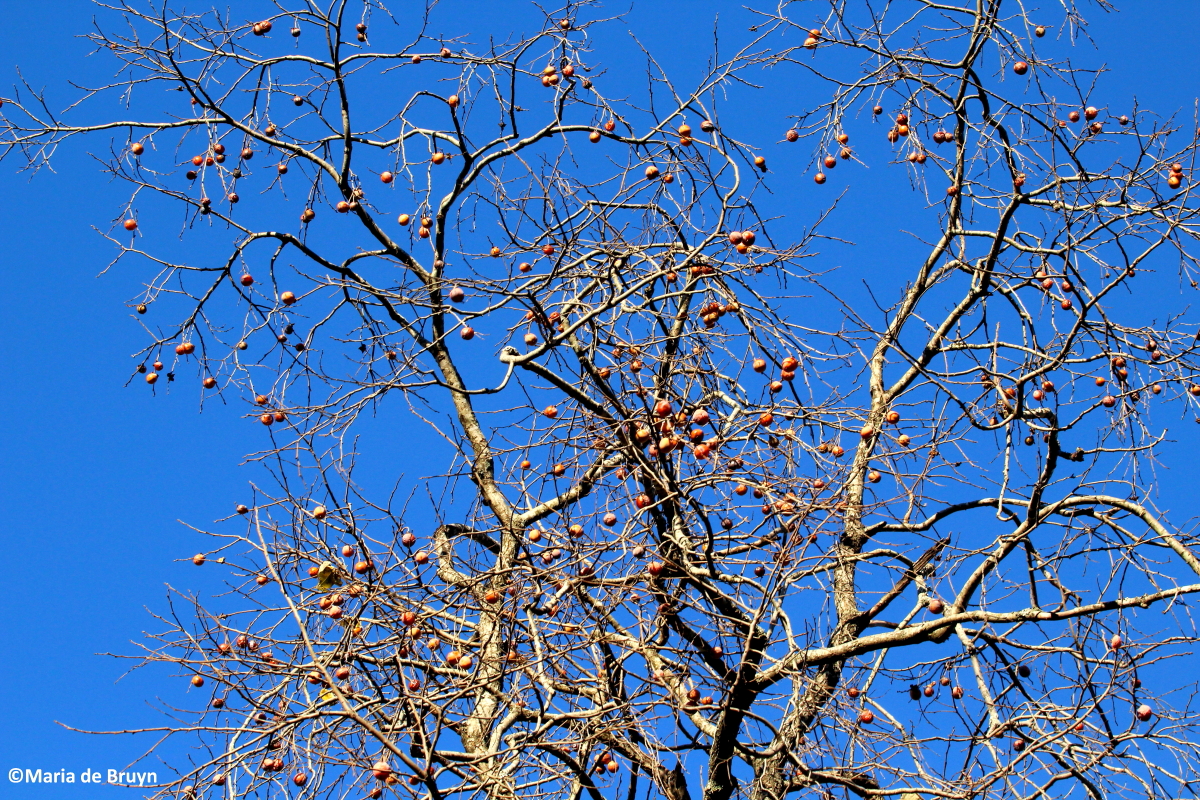
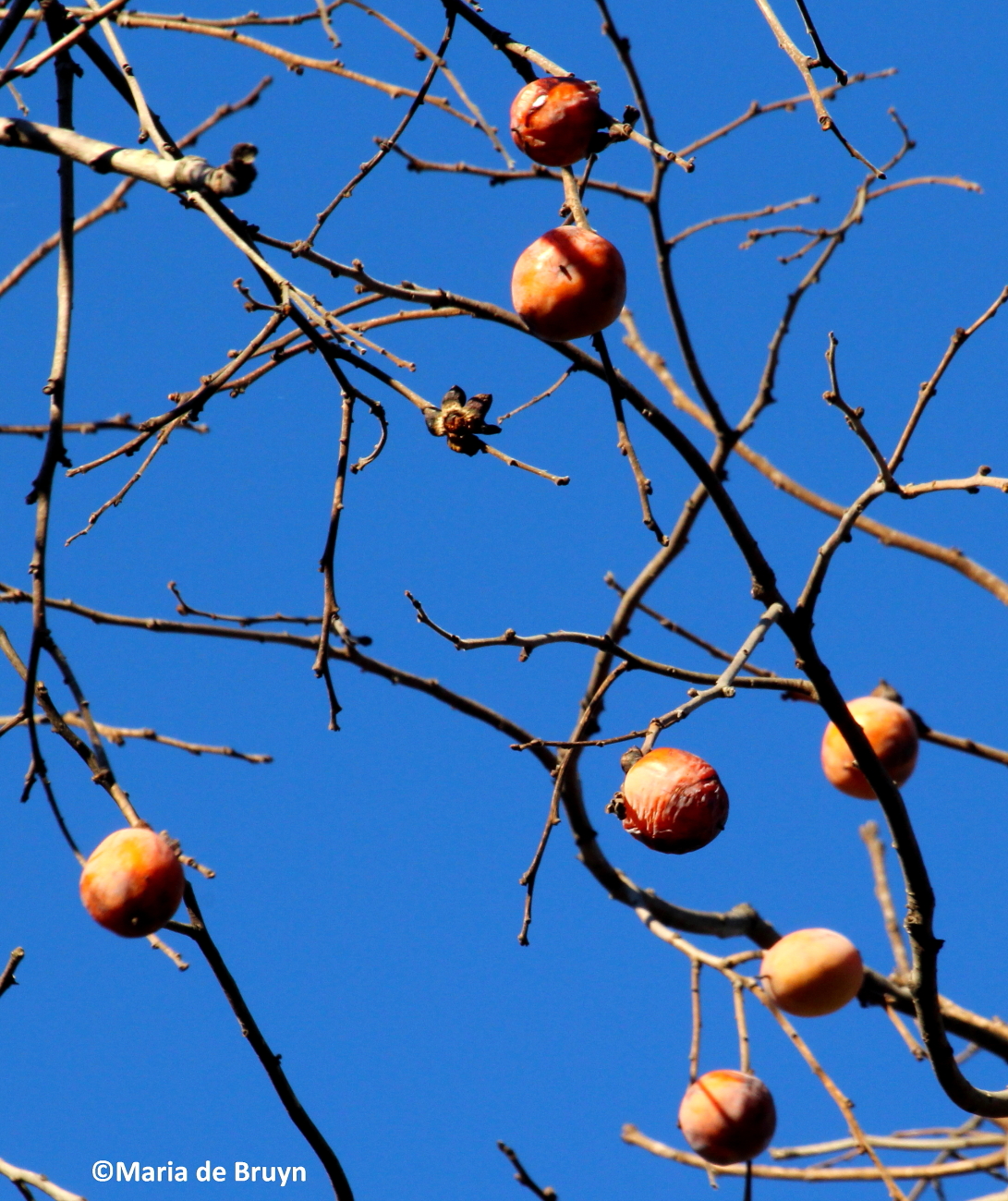
I’d been warned that an unripe or only partly ripe persimmon would not be tasty and, when I tried one, that advice turned out to be very true. I later tried a really ripe persimmon as so many North Carolinians find it a wonderful fruit, especially in pudding, but I can’t say that it is much to my liking. You won’t find me using persimmons to make tea, wine, beer or bread.
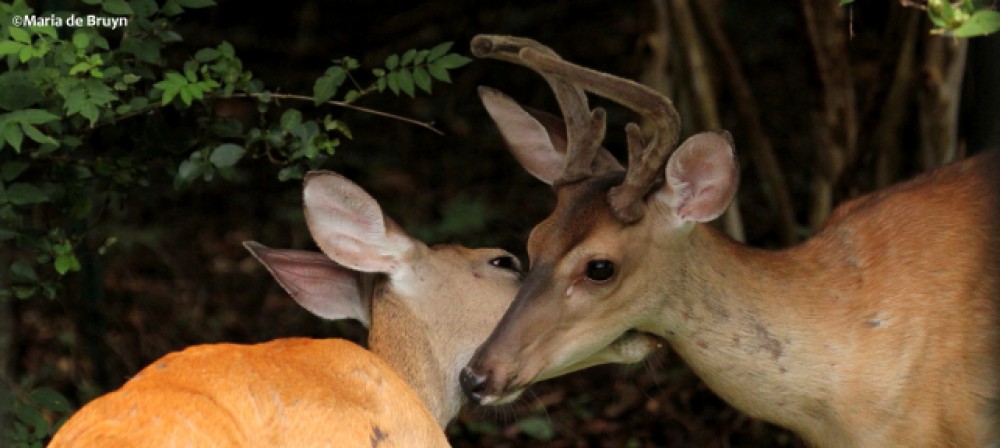
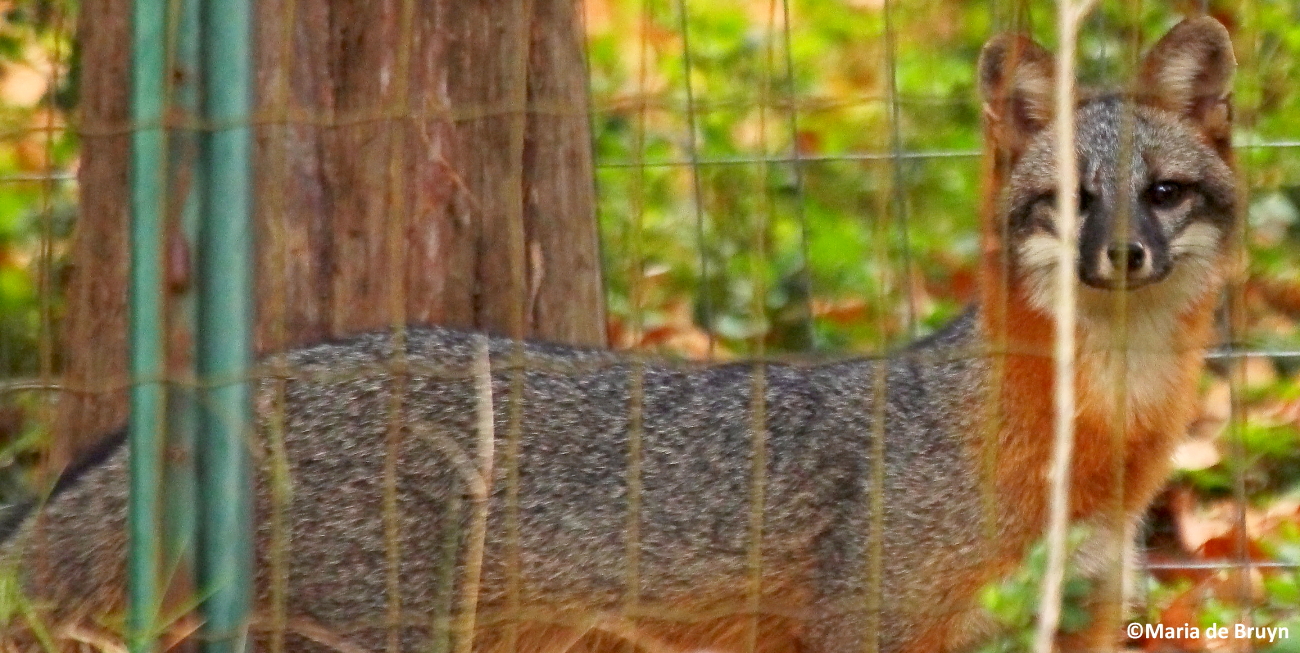
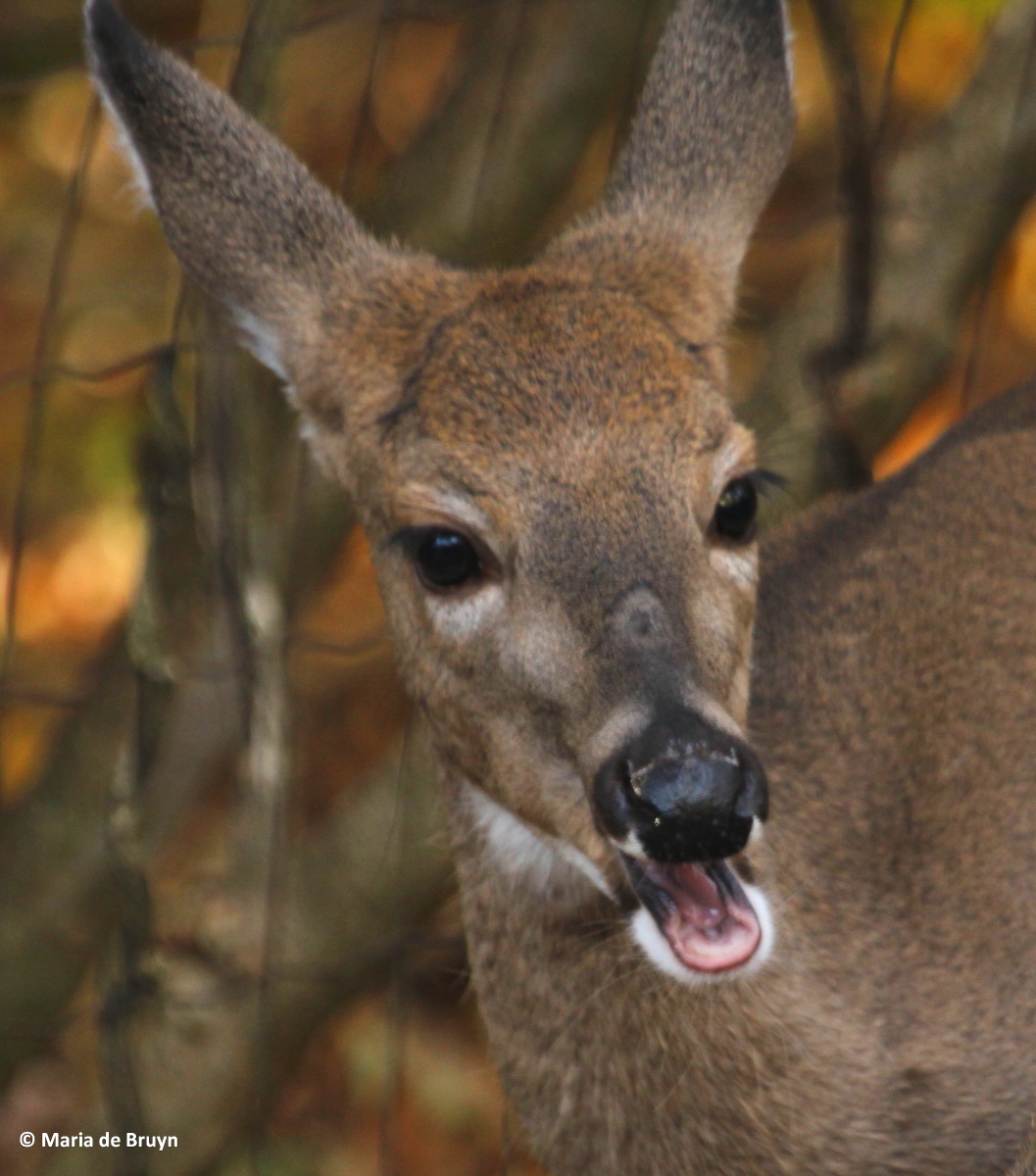 It is, however, VERY popular with the wildlife that is around my house. The first fallen persimmons are gobbled up by the white-tailed deer (Odocoileus virginianus), who don’t seem to mind a bit of astringent fruit. Our neighborhood has opossums, raccoons, coyotes and gray foxes (Urocyon cinereoargenteus) , but I haven’t seen their persimmon seed-filled scat – I think the deer get the fruit before they have a chance. (Too bad the stem was in front of the fox’s face; I don’t use Photoshop, but you can still see its beauty.)
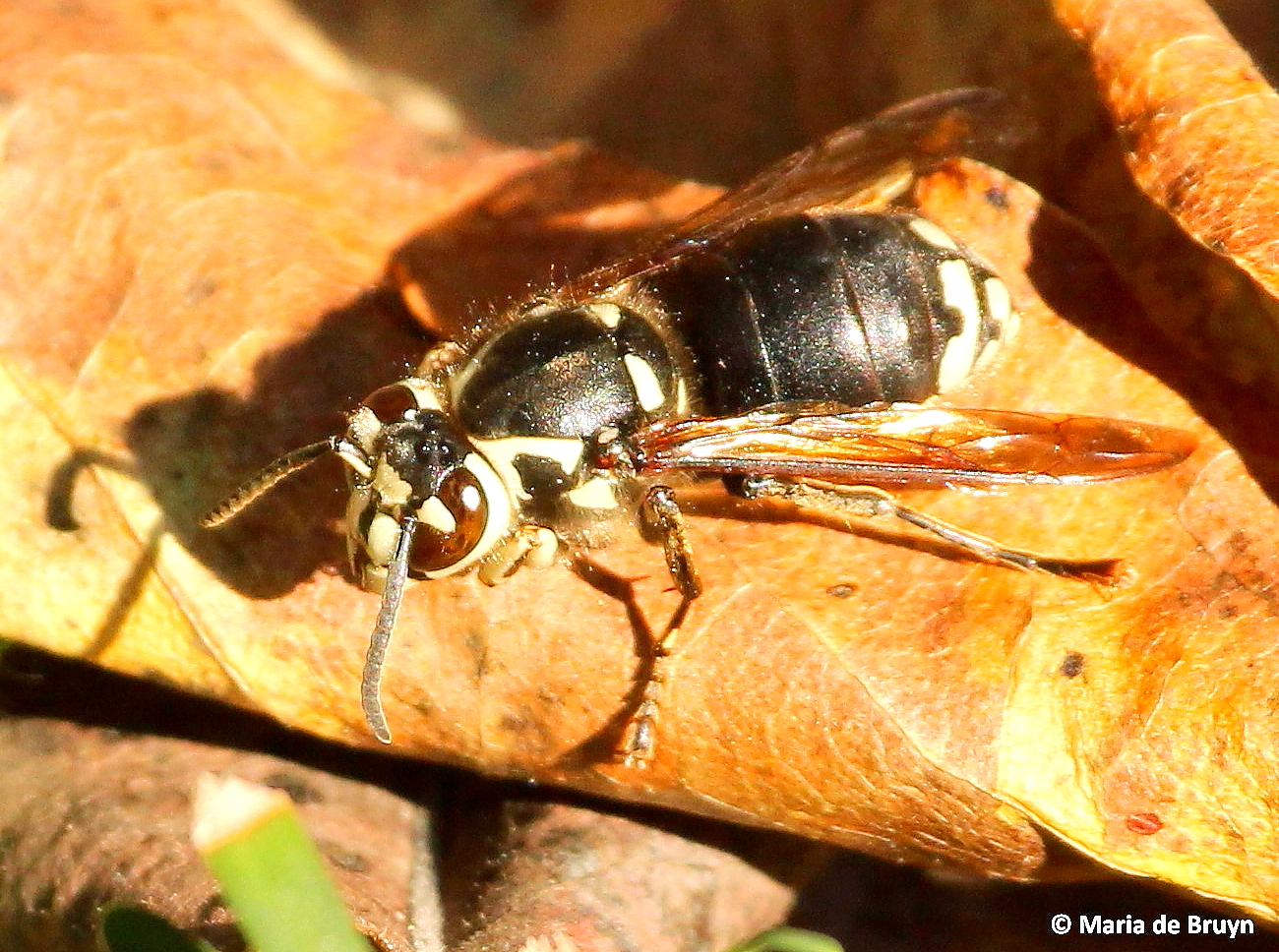
When the large orange berries begin falling on the ground in an ever riper state, the first diners include the bald-faced hornets (Dolichovespula maculata), whose beautiful large nest must be in a neighbor’s tree.
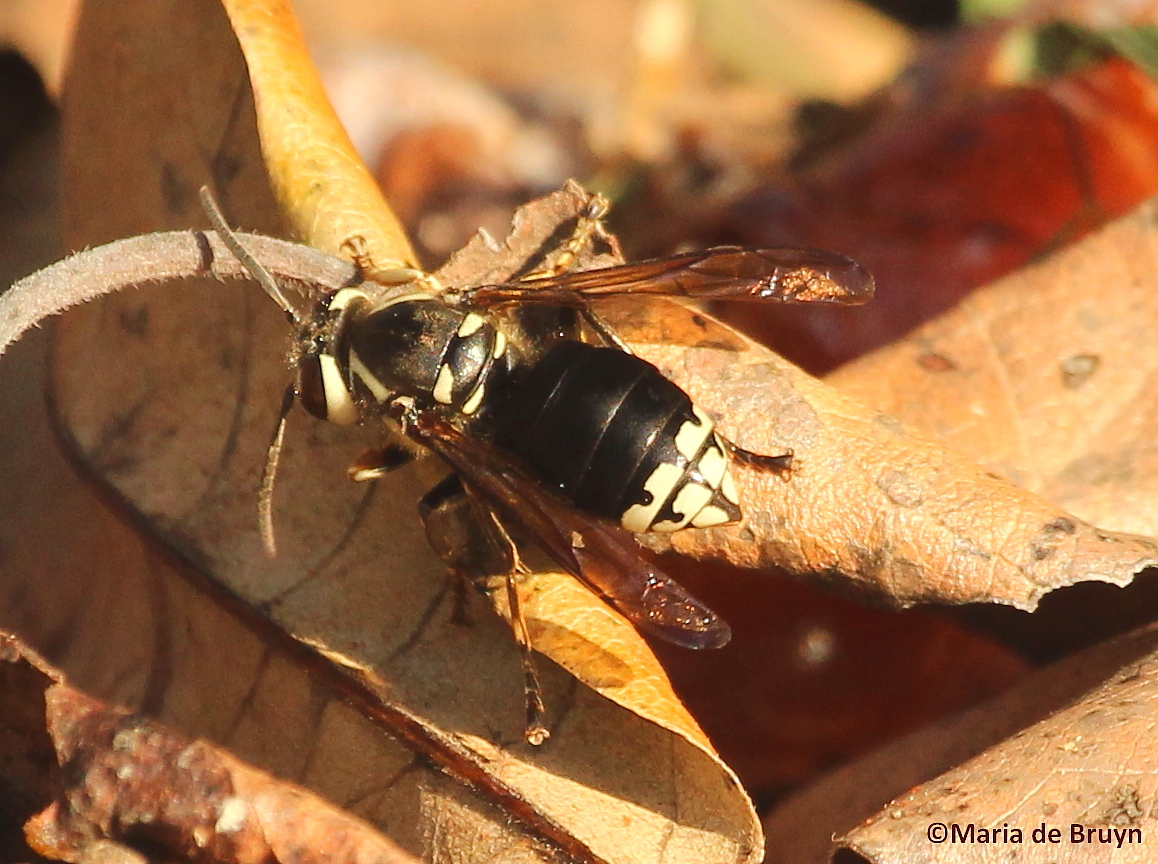
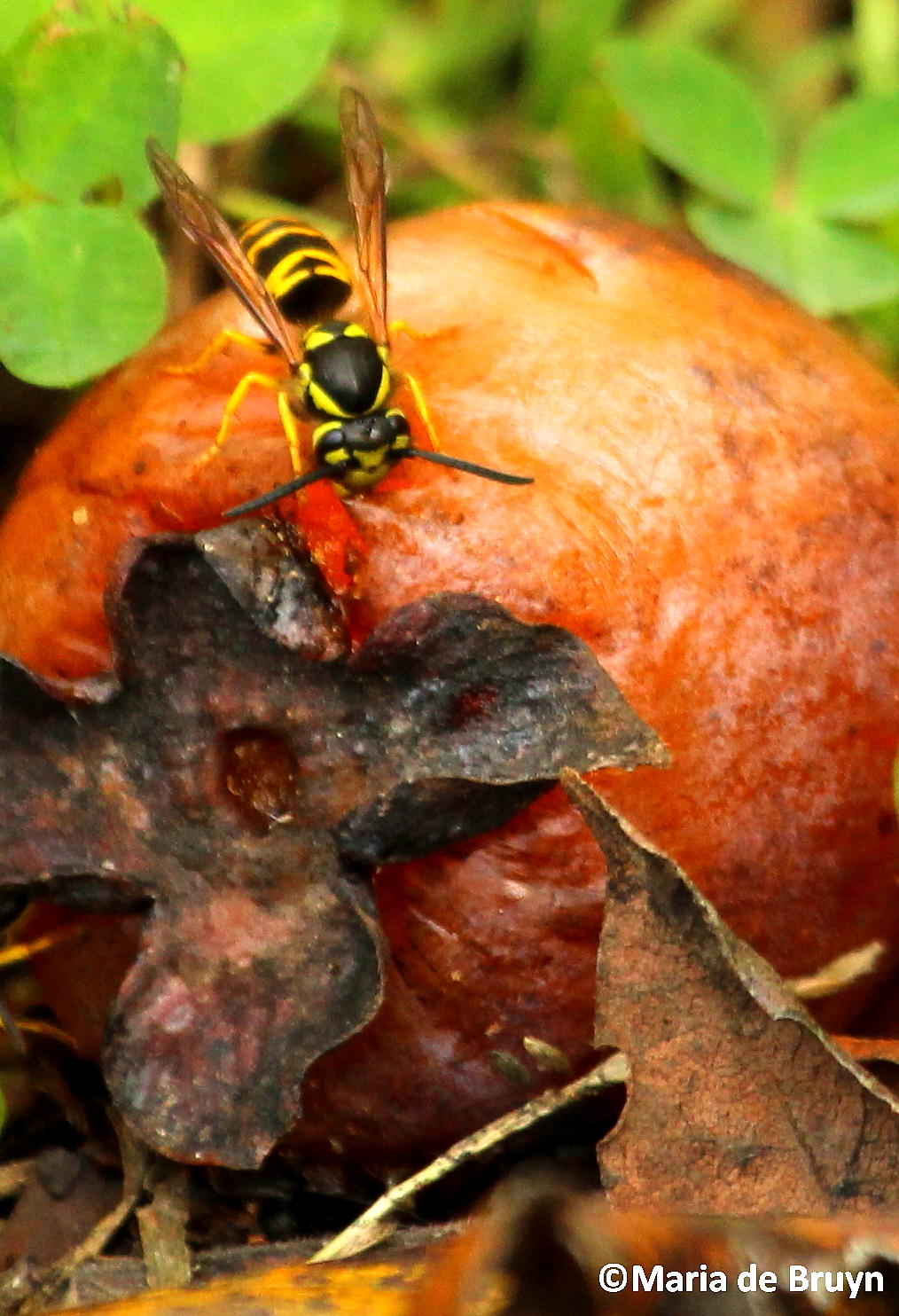 Eastern yellowjacket wasps (Vespula maculifrons), which can deliver a very nasty sting, show no interest in a human hovering over the persimmons to get a shot – they are totally engrossed in getting a piece of juicy fruit.
Southern yellowjackets (Vespula squamosa), also painful stingers, act likewise – their focus is entirely on the orange pulp.
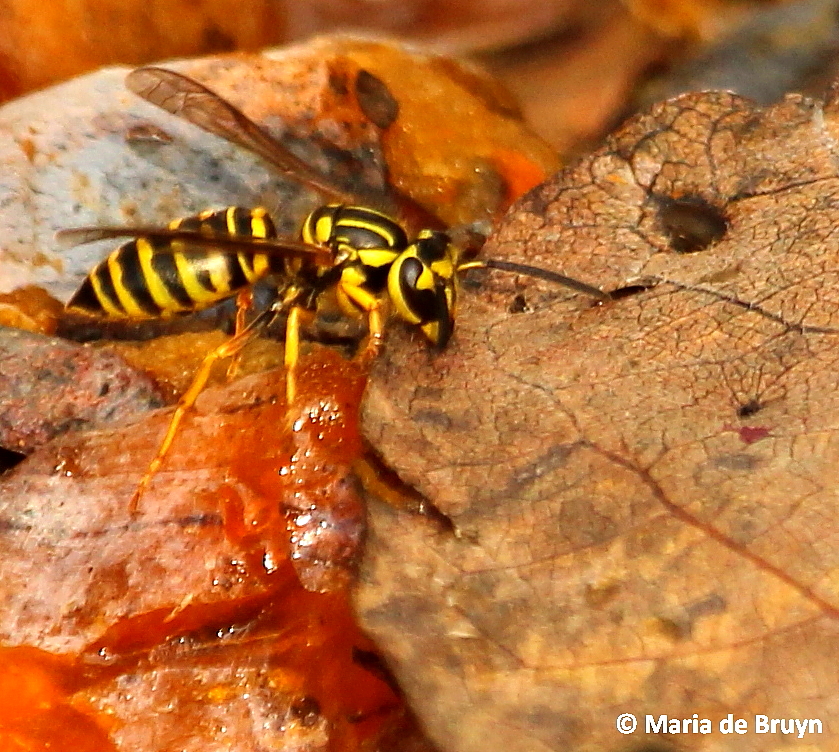
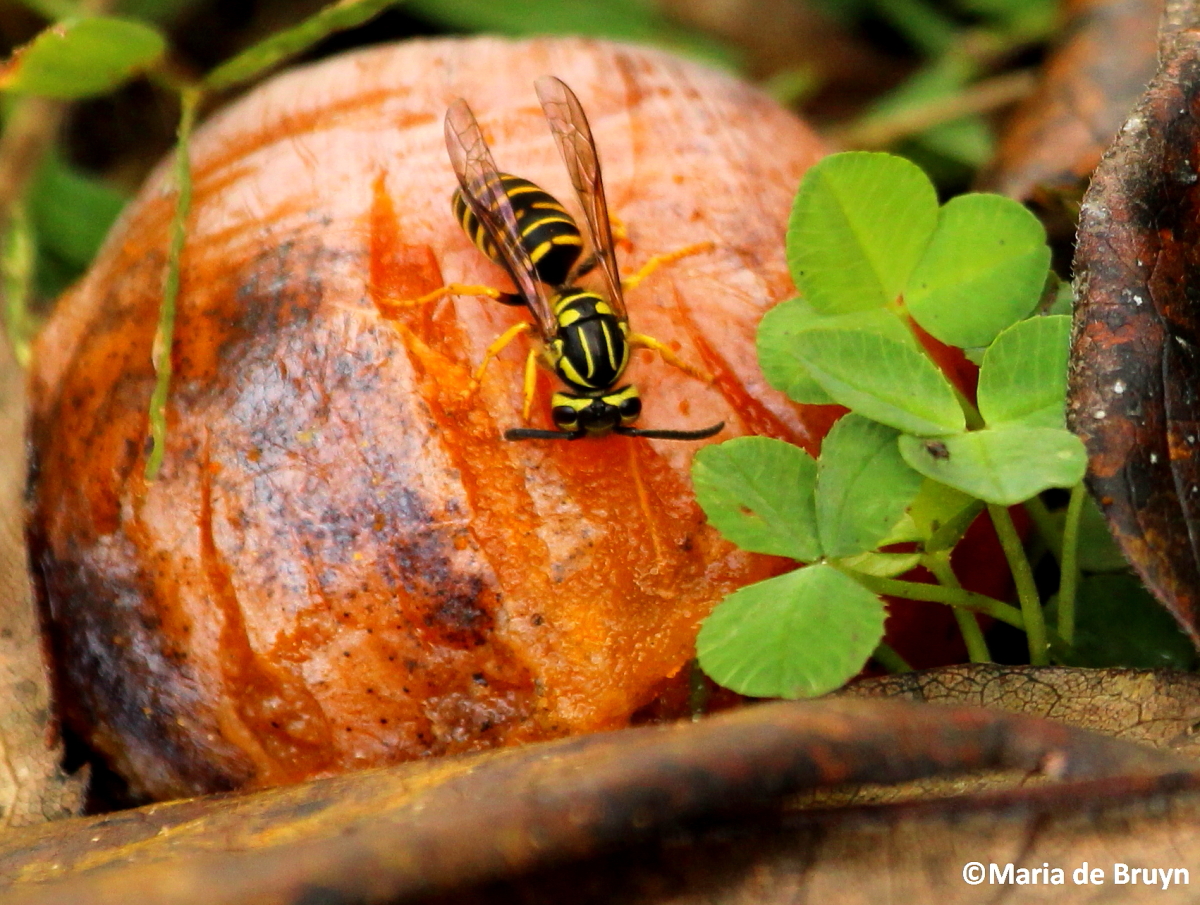
 The paper wasps (Polistes metricus) dig deep into the persimmon to extract some sweetness.
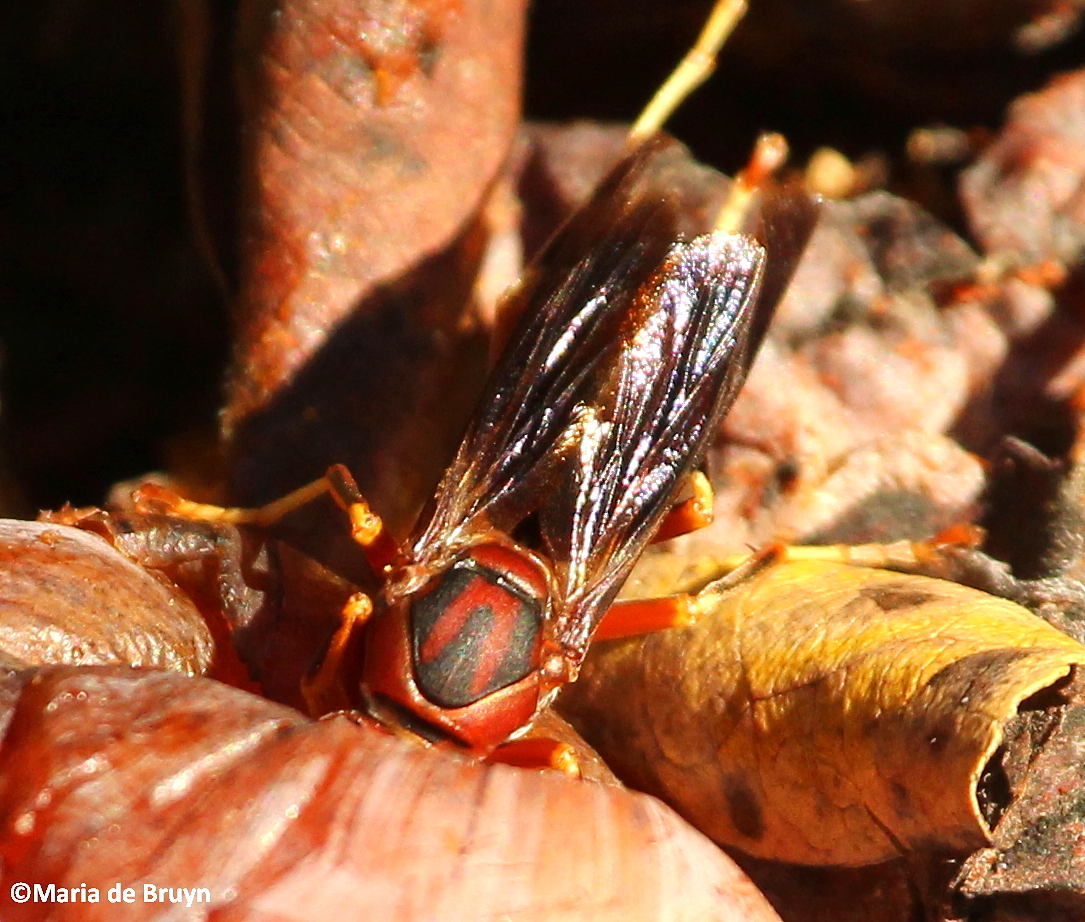
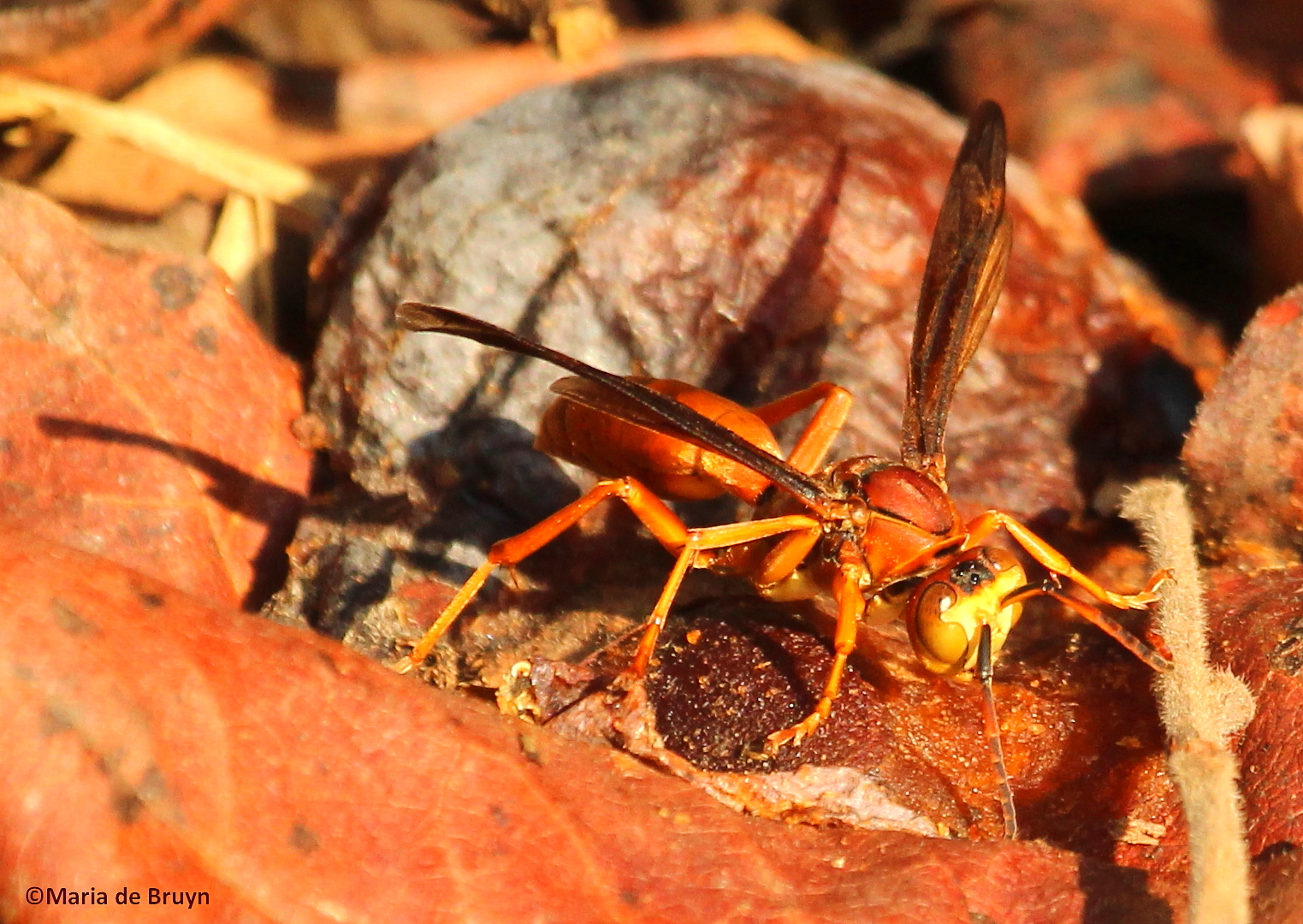
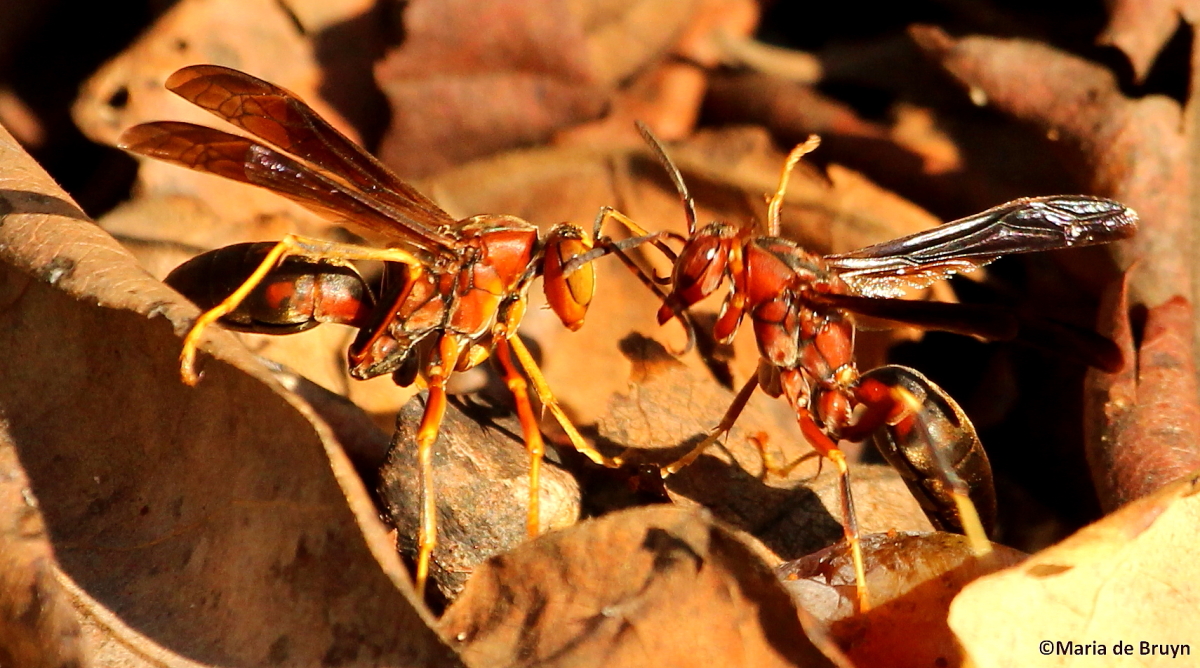
The red wasps (either Polistes carolina or rubiginosus; entomologists can only tell by examining the insect) also enjoy flitting from one fallen fruit to another in search of the sweetest bits. Sometimes they and the paper wasps challenge one another for territory.
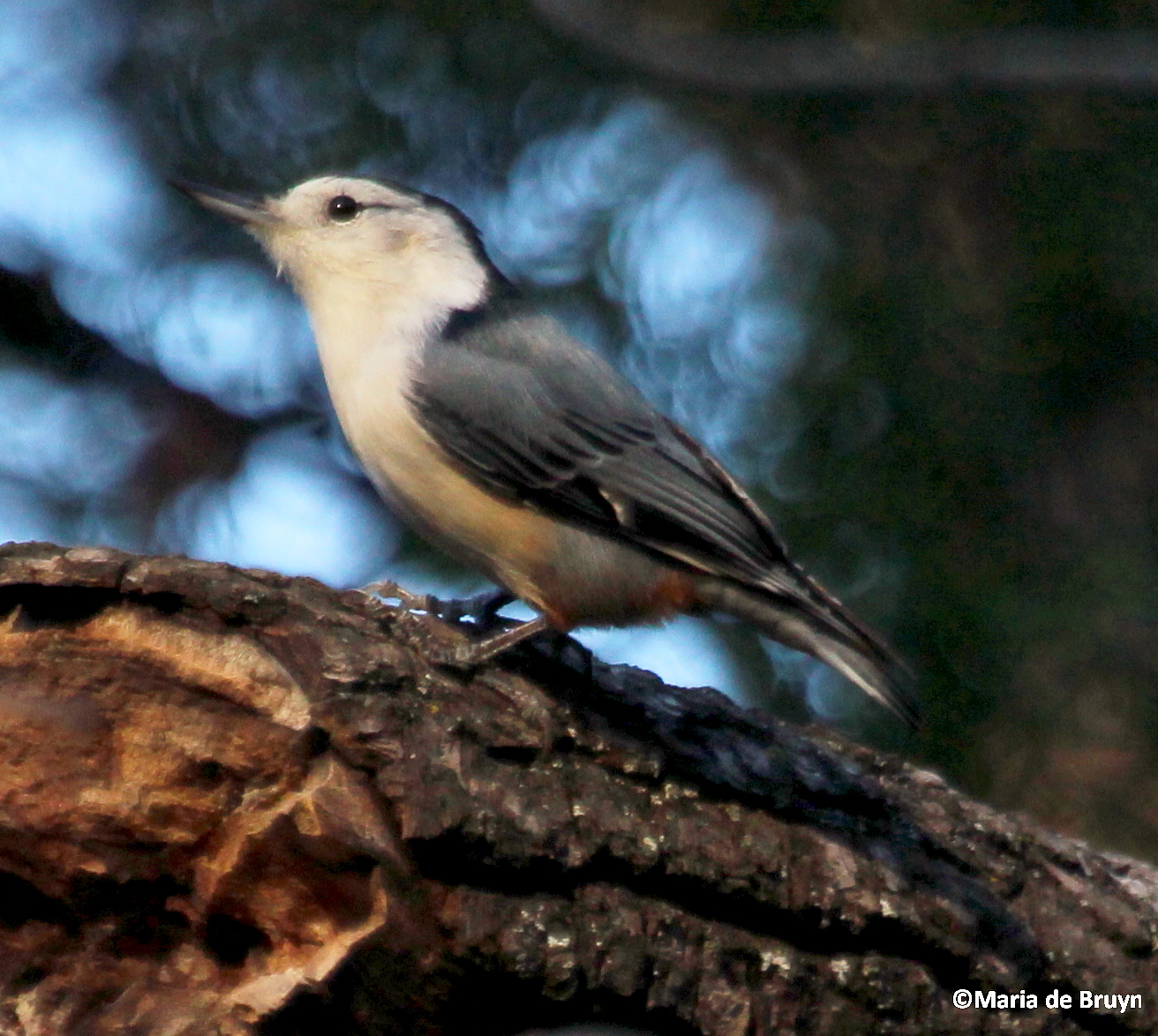
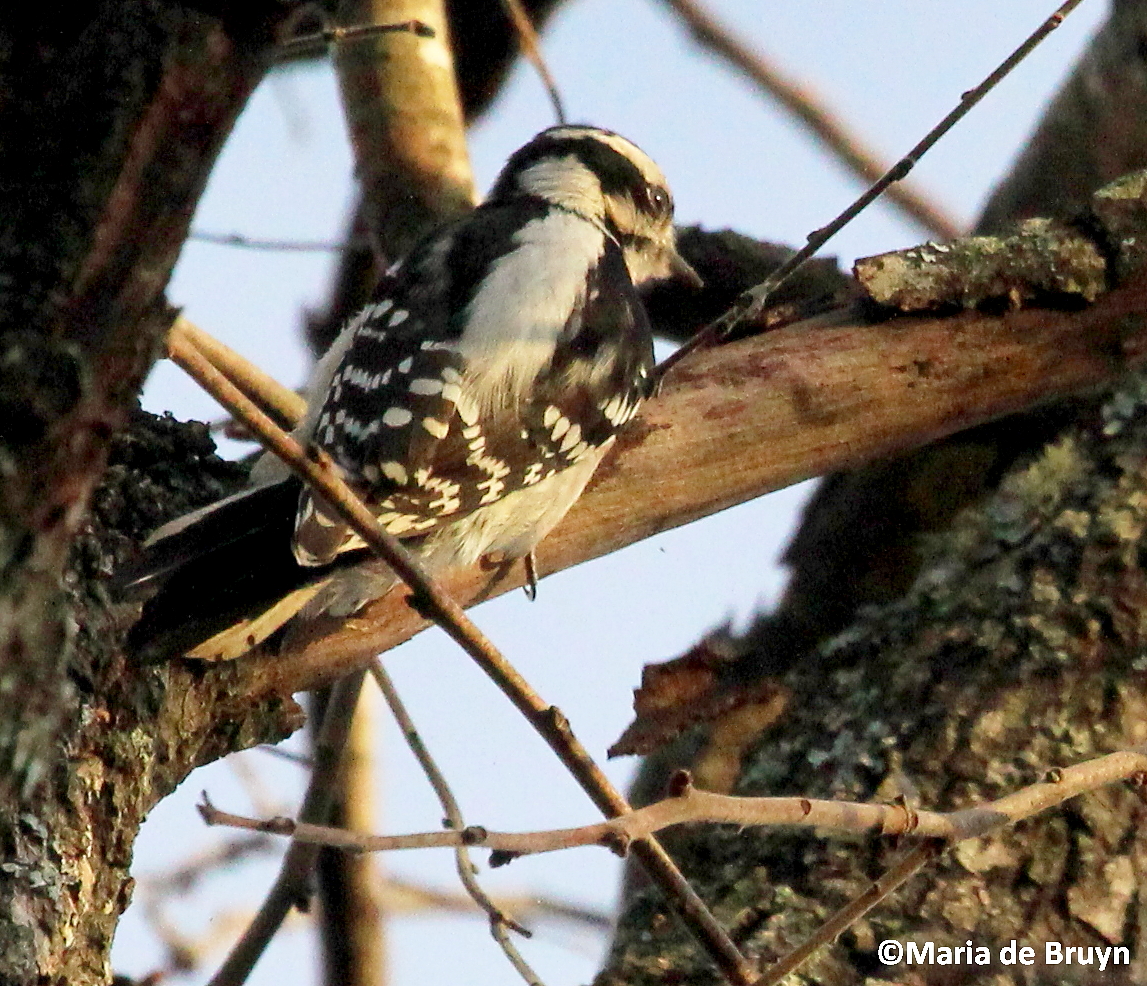 The next group of persimmon pickers are the birds. Some birds only visit the tree to rest or look for insects, like the downy woodpecker (Picoides pubescens) and the white-breasted nuthatch (Sitta carolinensis).
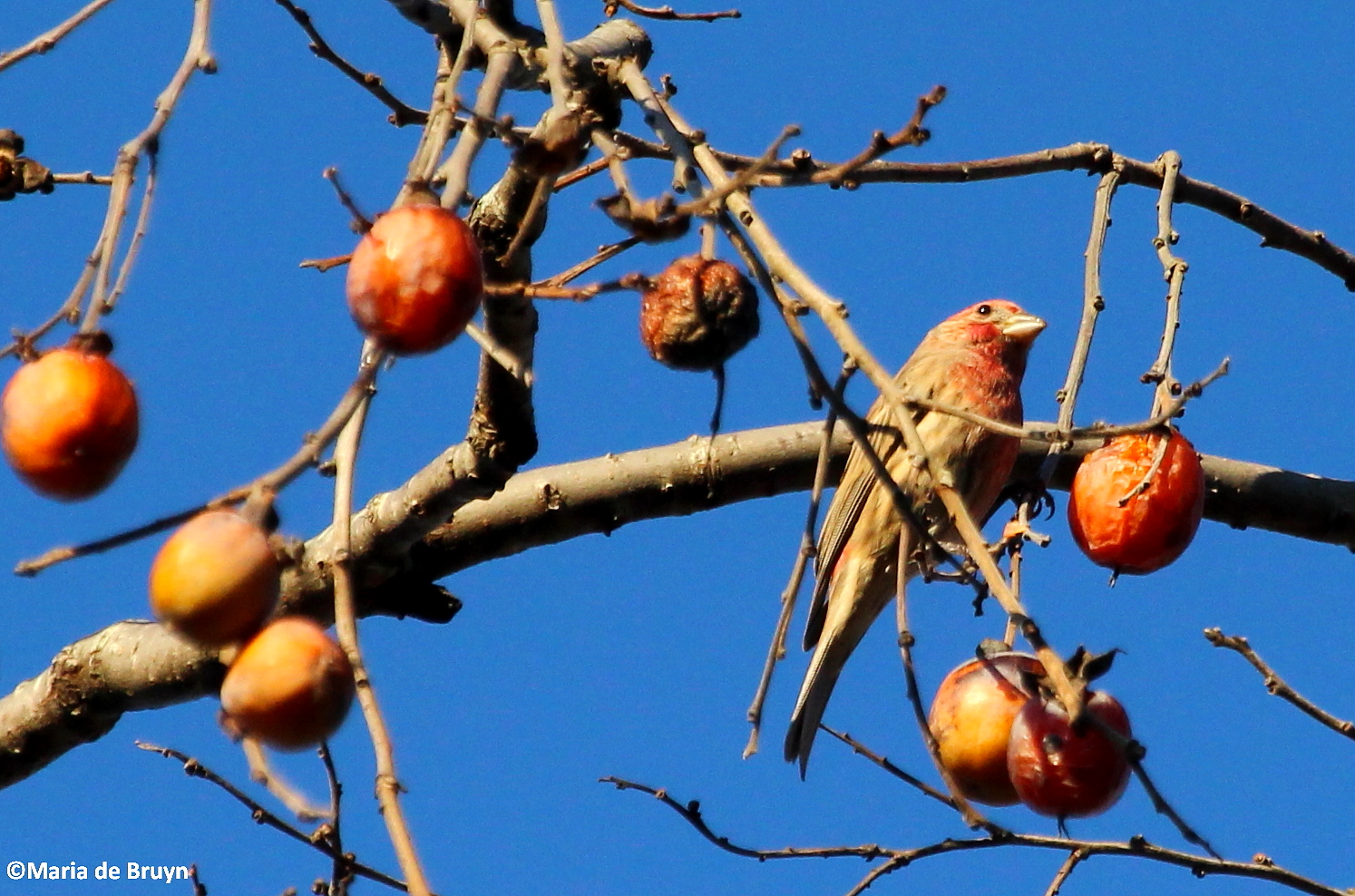
A few birds just rest in the tree and others rest and occasionally peck at a berry, like the house finches (Haemorhous mexicanus).
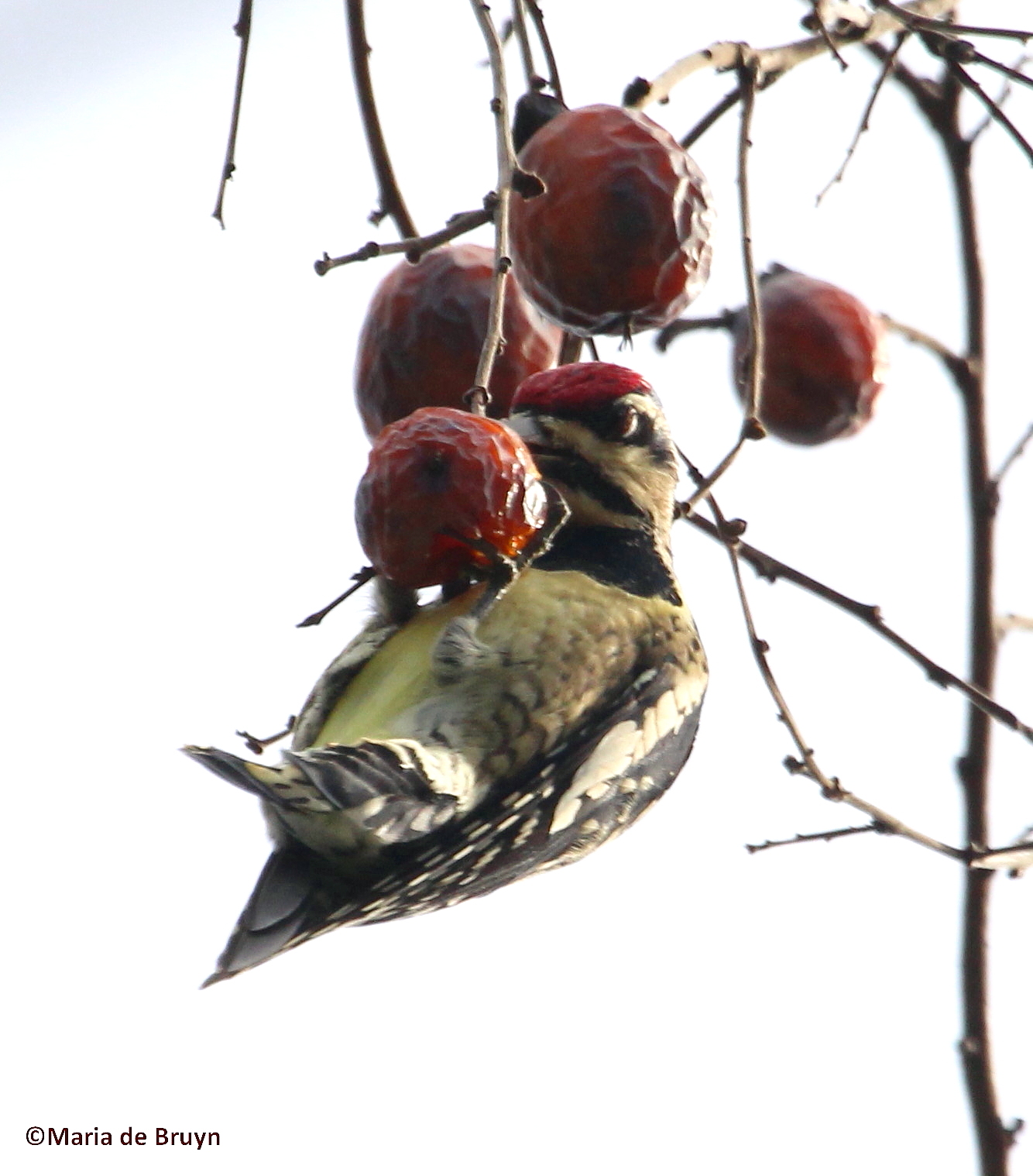
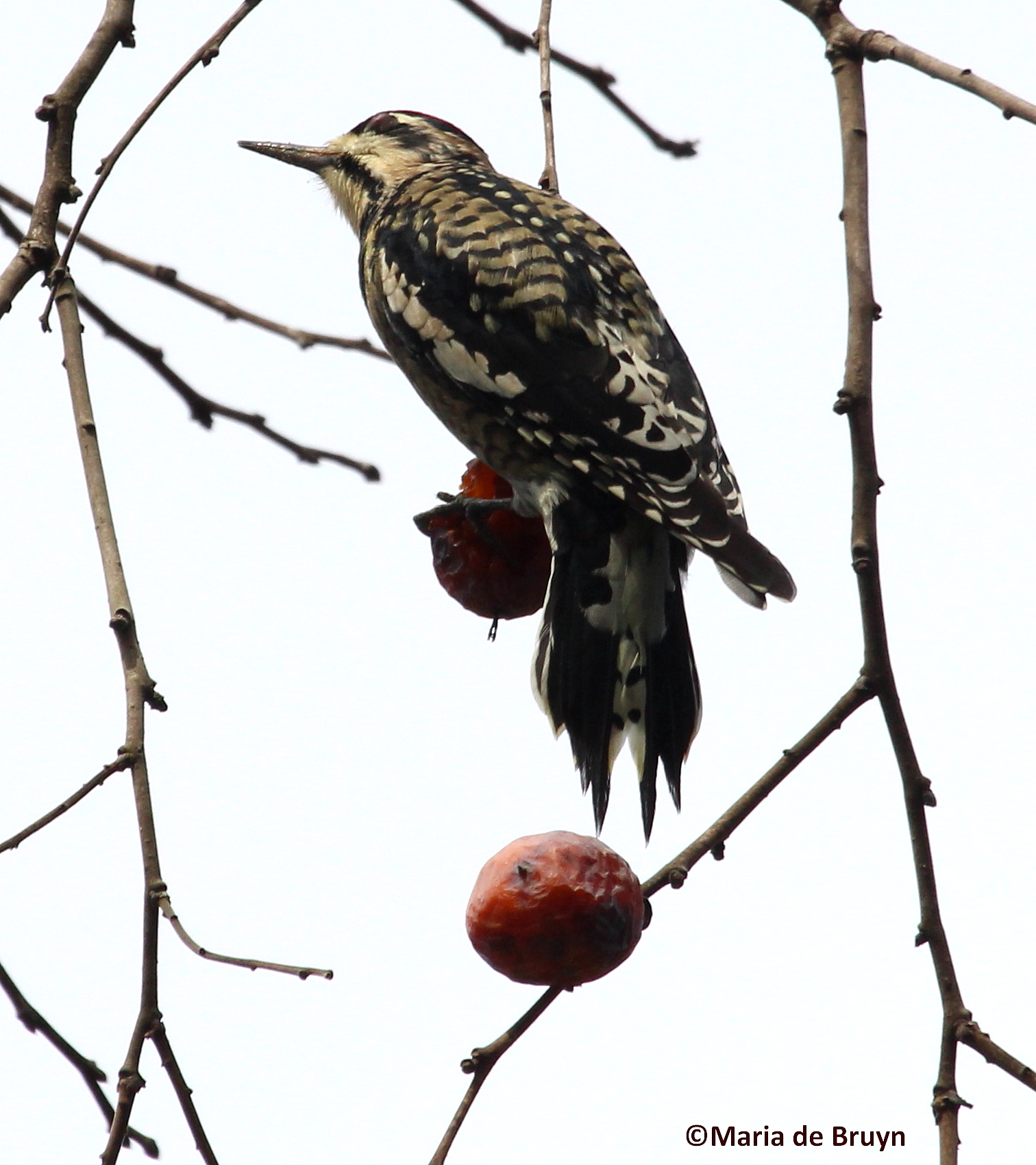
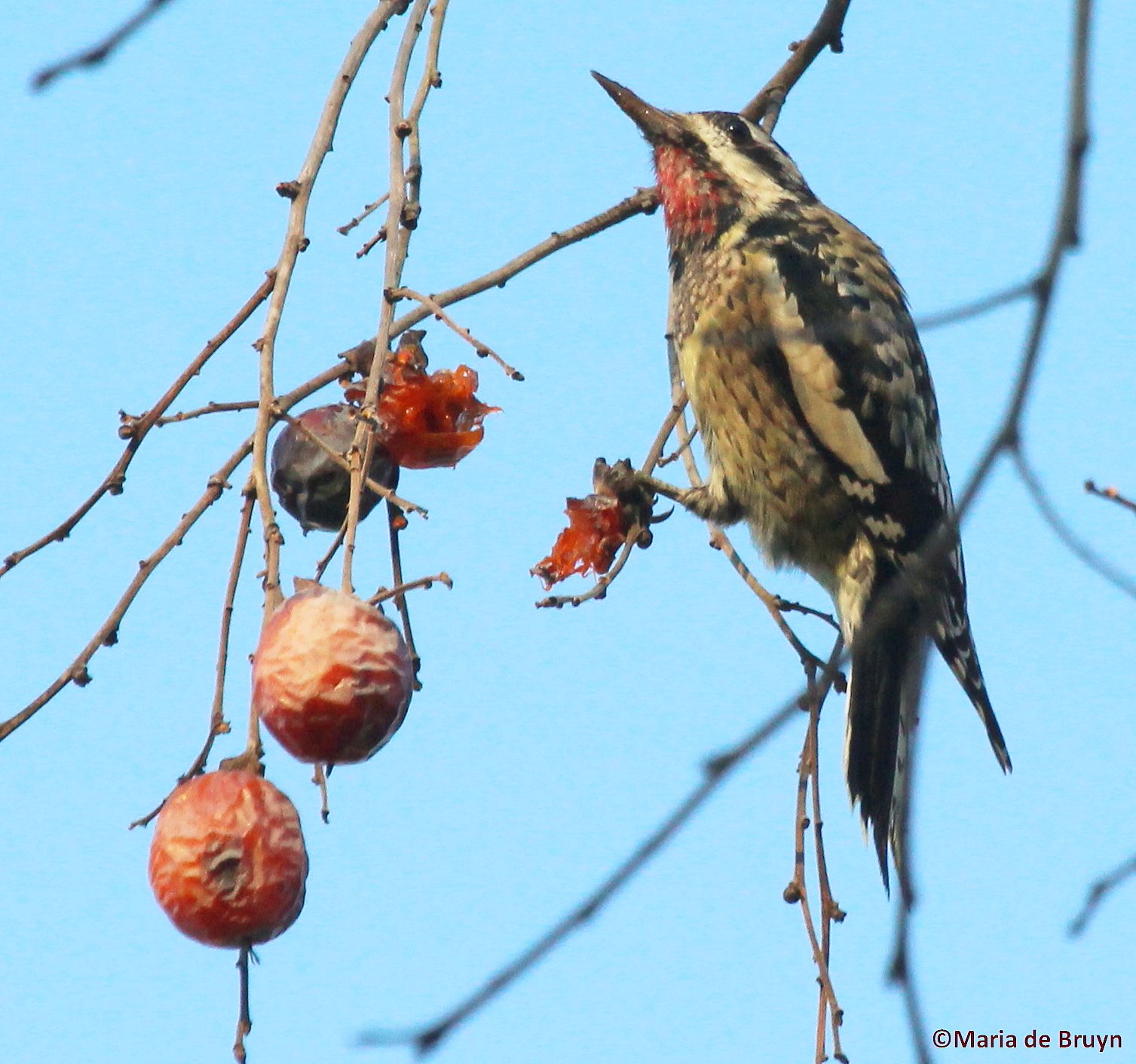 The yellow-bellied sapsucker (Sphyrapicus varius) though is a woodpecker that is highly attracted by the fruit. A few of these attractive birds – both adults and juveniles – have been visiting the tree every day for weeks now to enjoy a sweet treat.
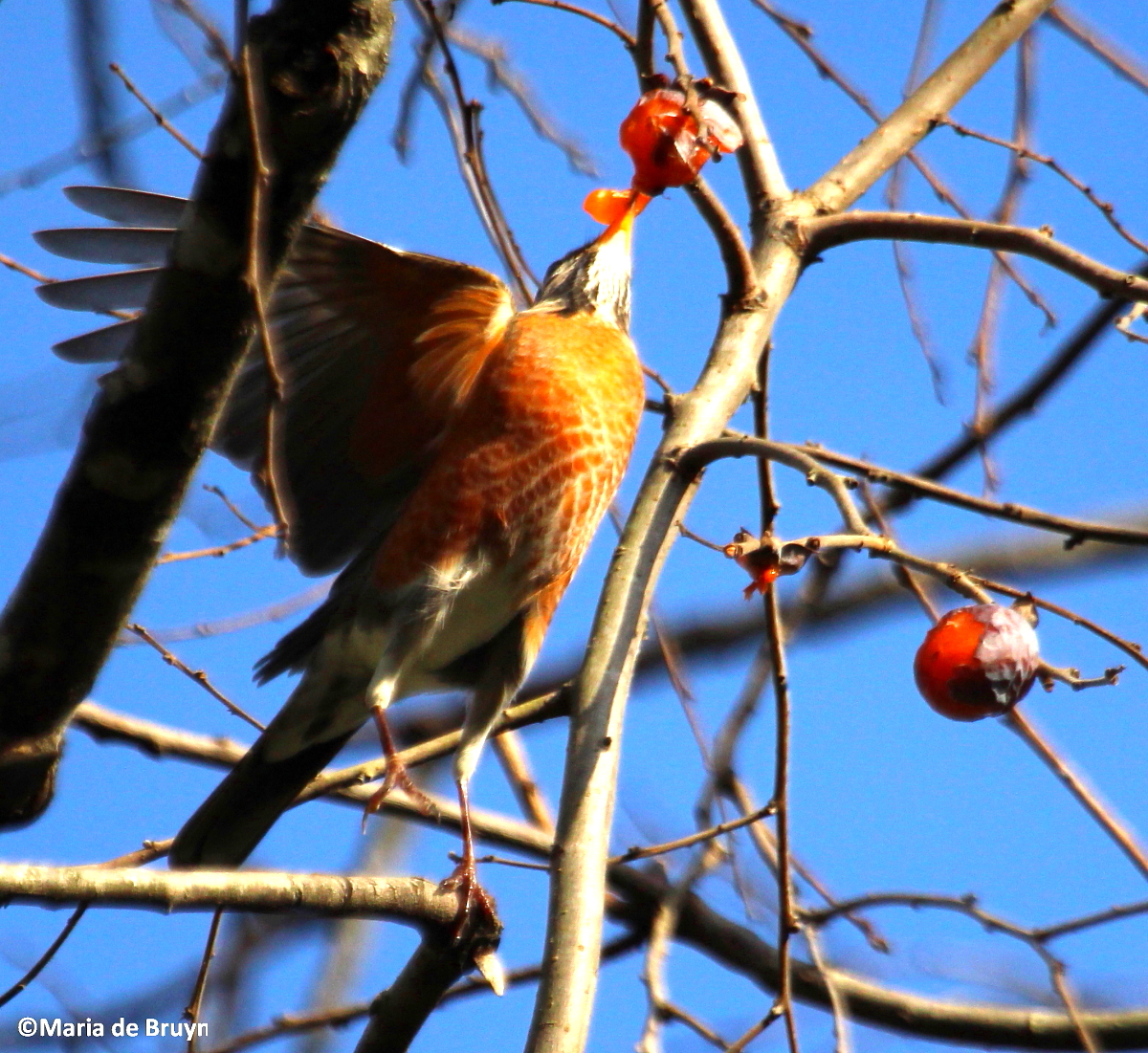
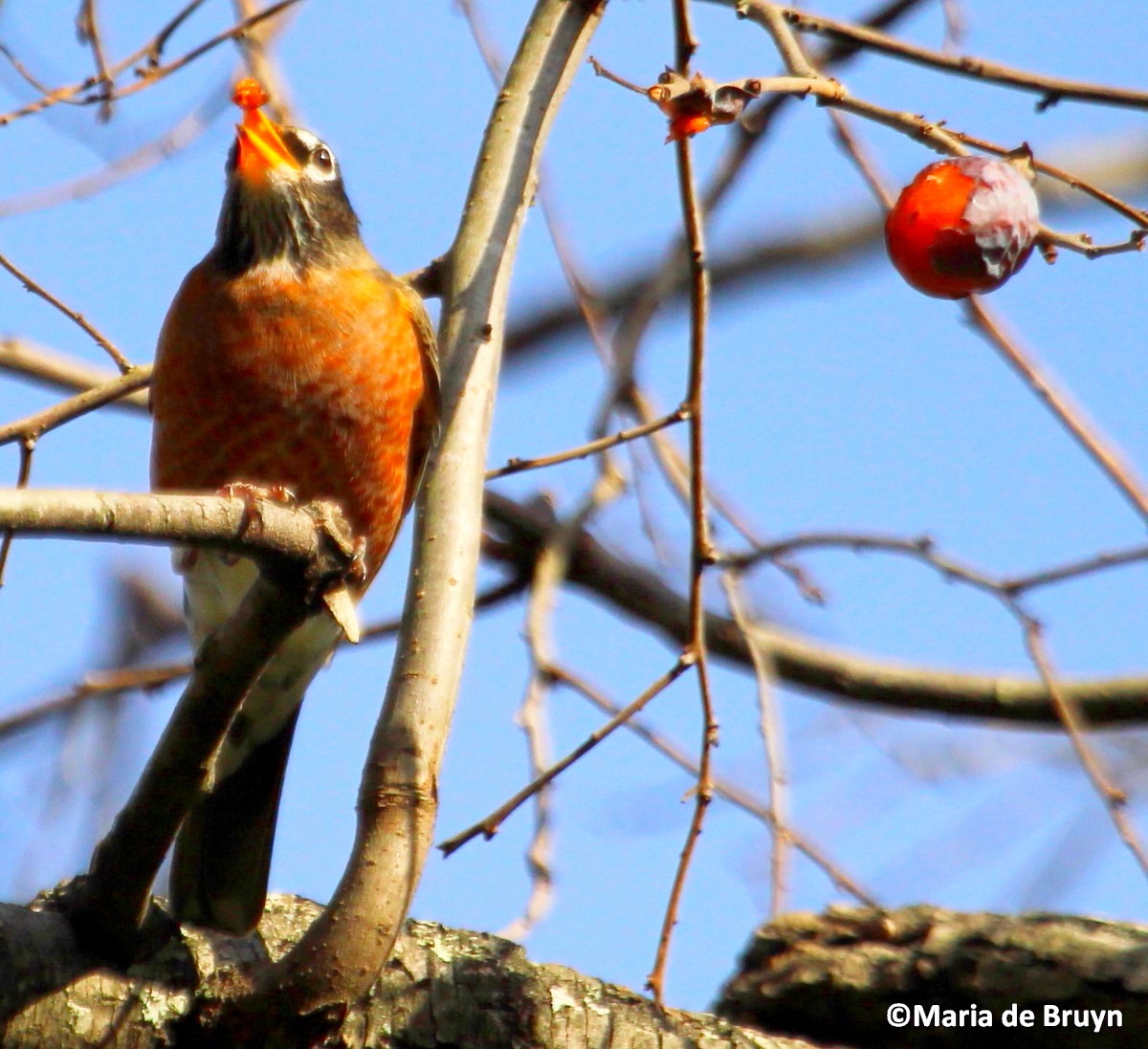
The American robin (Turdus migratorius) will not turn up its beak at a piece of persimmon either. Perhaps next year I should take a leaf from their books and collect a few fruits to try a pudding??
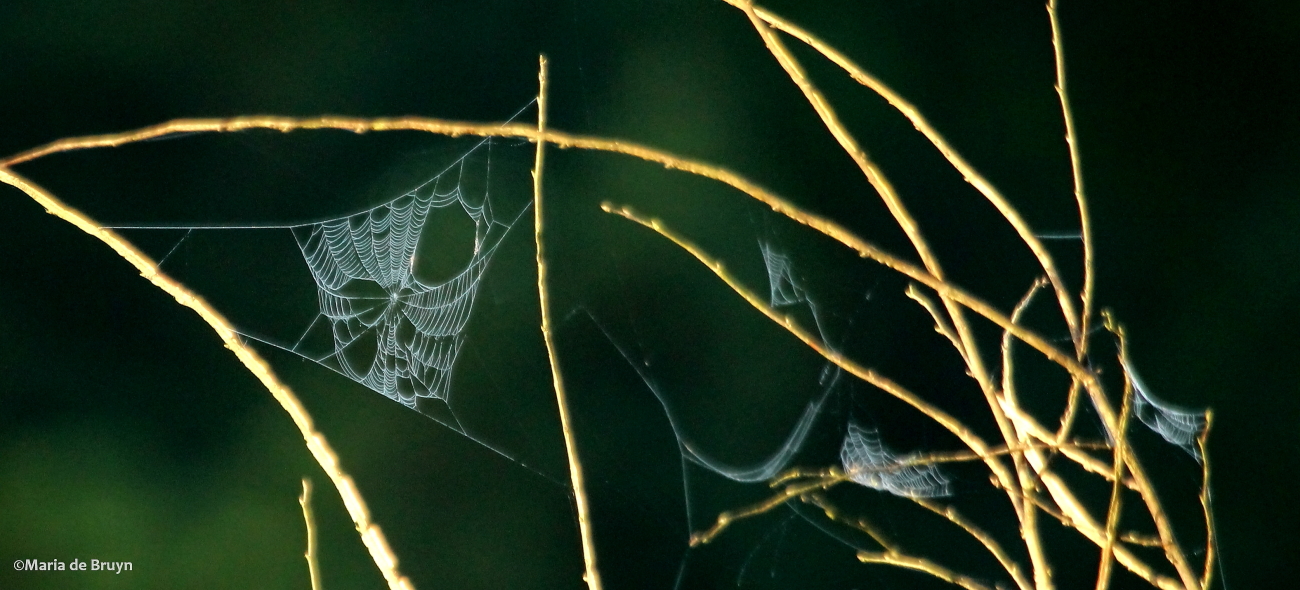
 admire the handiwork of spiders as they build temporary or semi-permanent abodes and hunting traps. During my walks in different areas this fall, I’ve seen various forms of webs, but none as large the

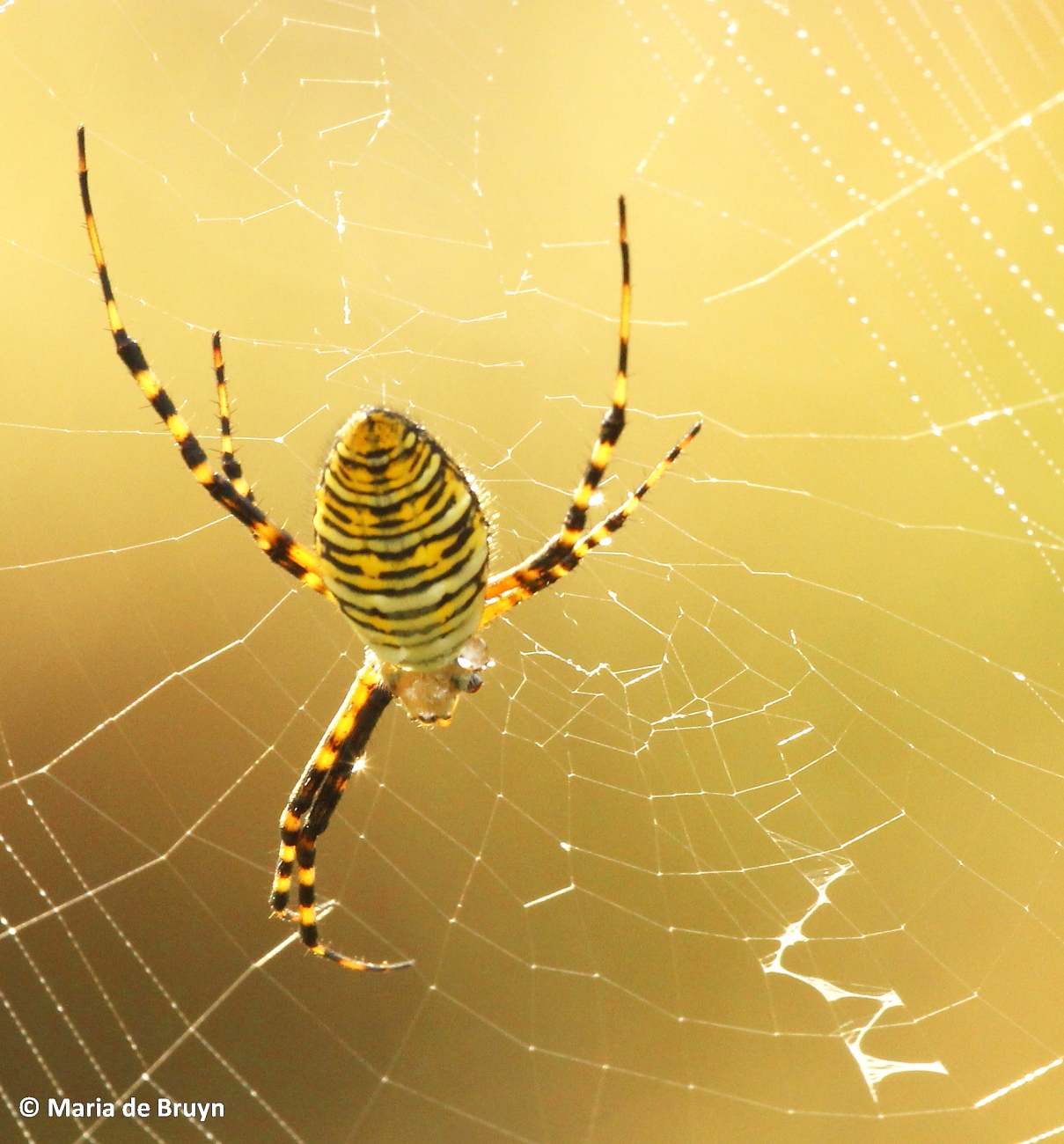
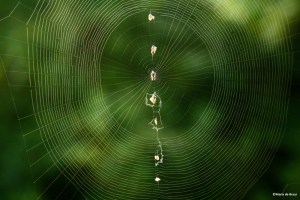 The trashline orbweaver (Cyclosa turbinata) arranges bits of old prey in a line in its web, apparently helping to camouflage itself as it looks like another piece of trash in the web.
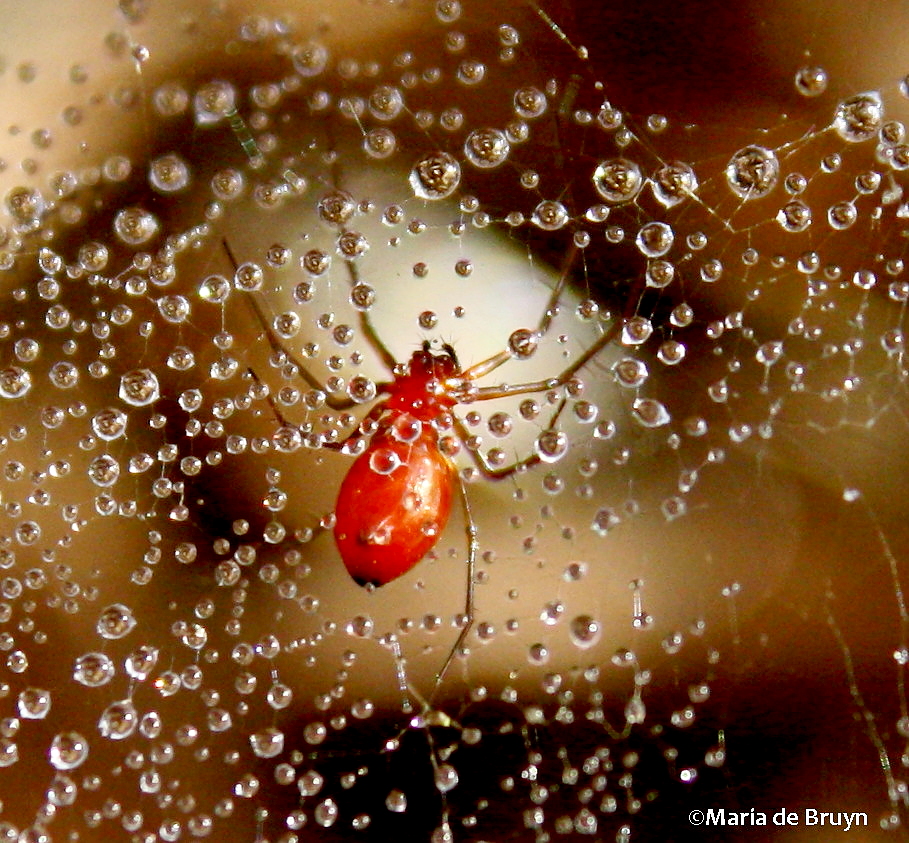
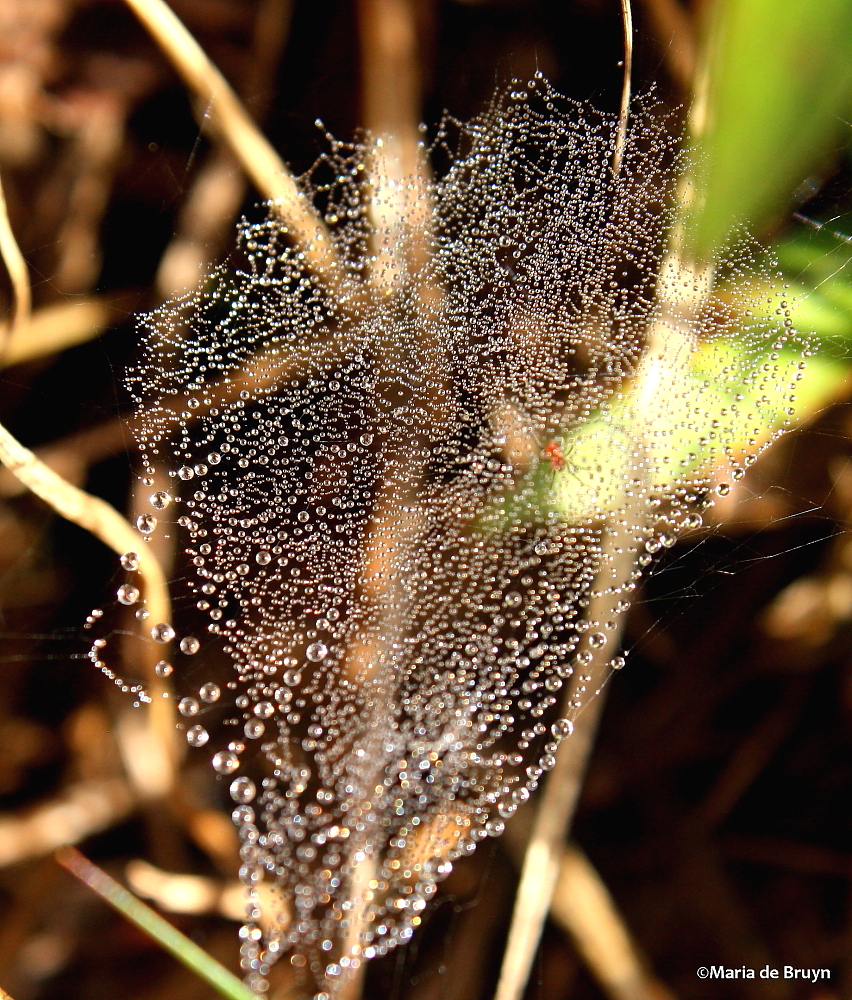
 Arrowhead spiders (Verrucosa arenata) suspend a few or more strands of silk along or across trails at about head height. Have you wondered how they manage to suspend a web across a trail that is quite wide? They first produce a fine adhesive thread that can drift over the gap with a breeze. When the thread sticks to something at the other side of the gap, the spider feels a change in the vibrations of the thread and then reels it in and tightens it. The spider then crosses the gap on this thread and strengthens it by placing a second thread and so the web begins.
 Orbweavers tend to make large vertical webs, like the ones being spun by the marbled orbweavers (Araneus marmoreus) in the next photos.

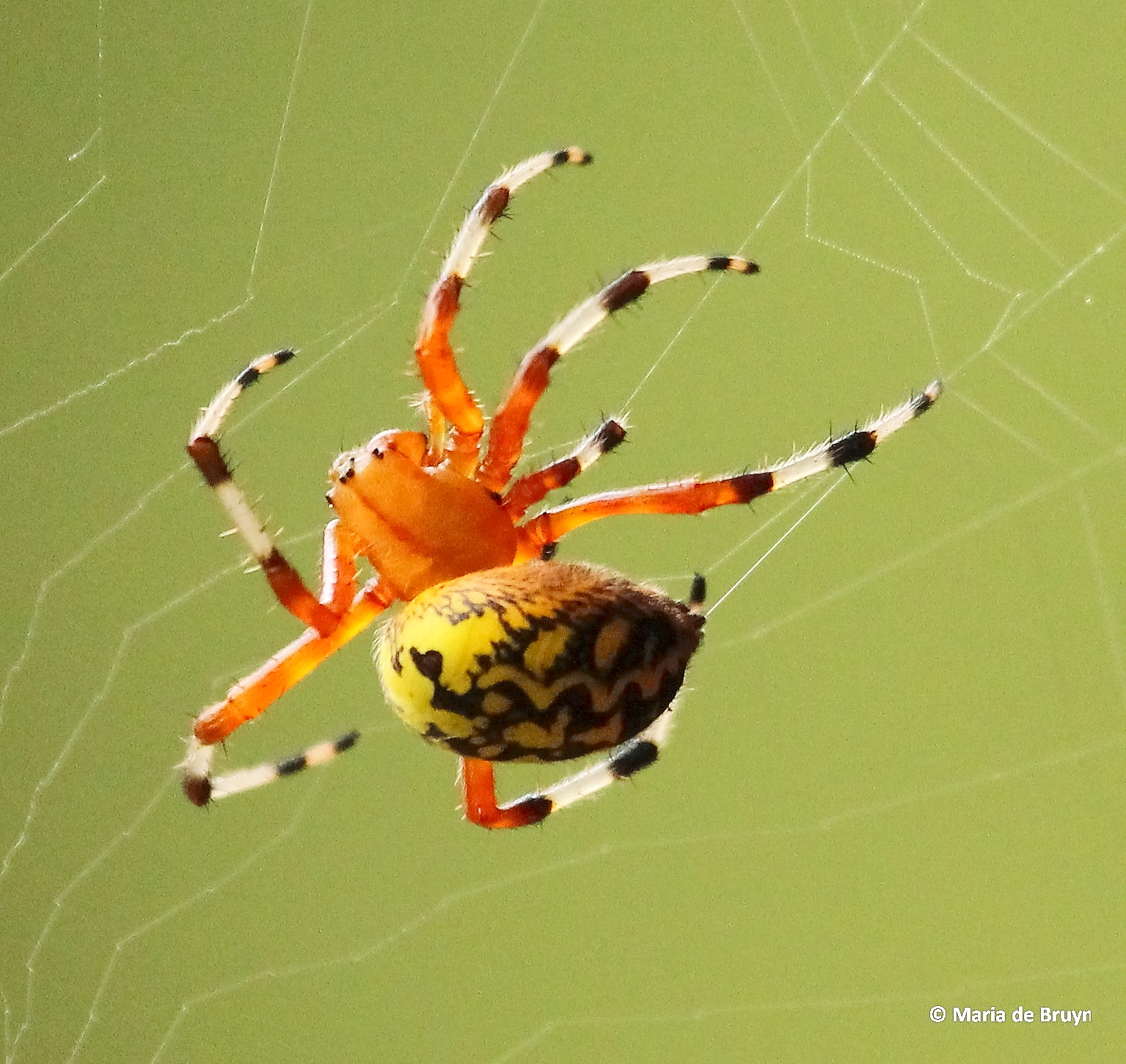
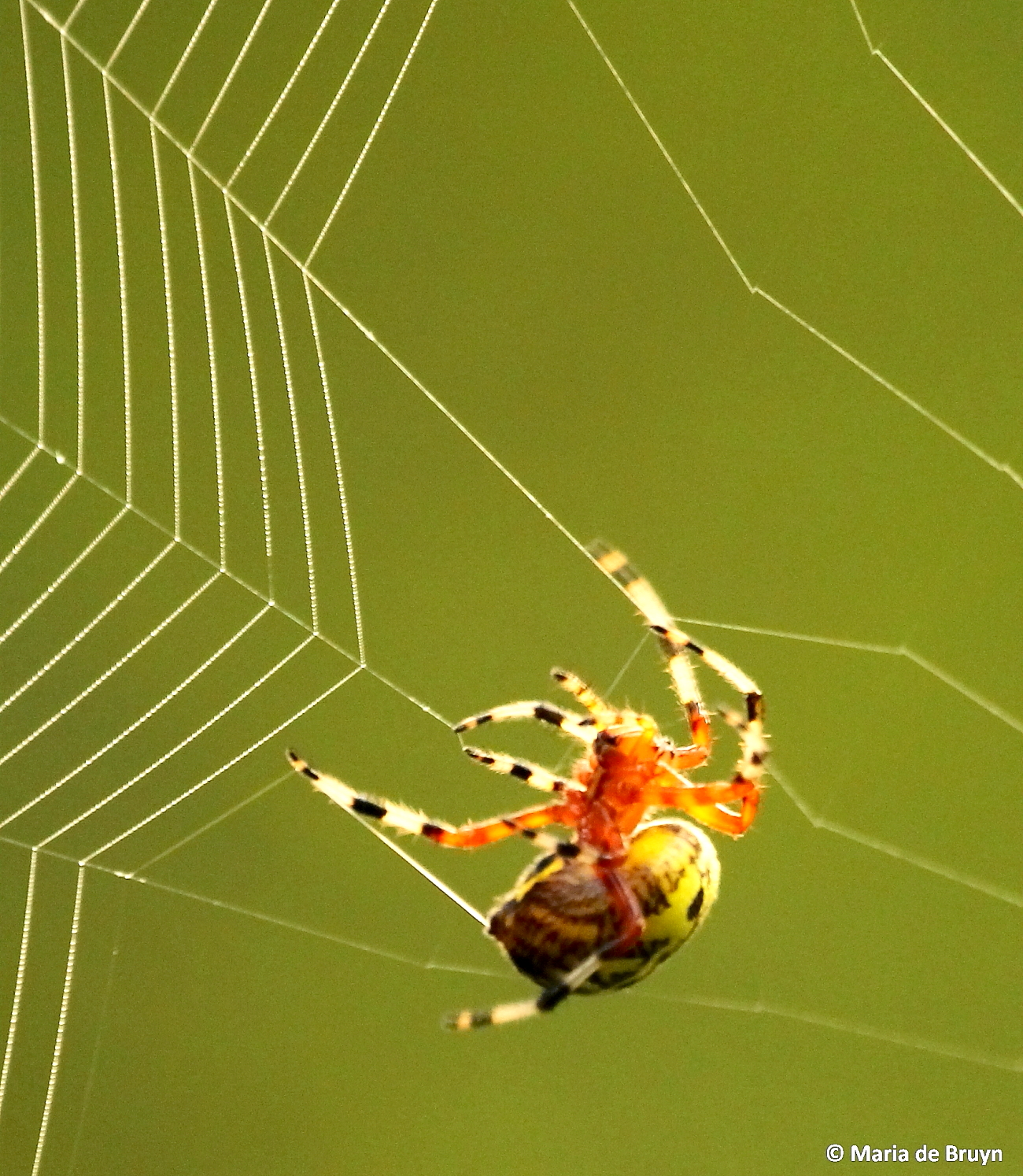
 of energy building webs and it is not uncommon for them to eat their own web in order to re-gain some energy used in spinning.
 One day when I was at a beautiful nature park in the neighboring city of Durham, I was – of course – looking for wildlife. For a while I watched a Northern mockingbird (Mimus polyglottos) pecking along the path in a quest for insects. It wasn’t until I got to the pond, however, that a scene unfolded which kept me occupied for a while.
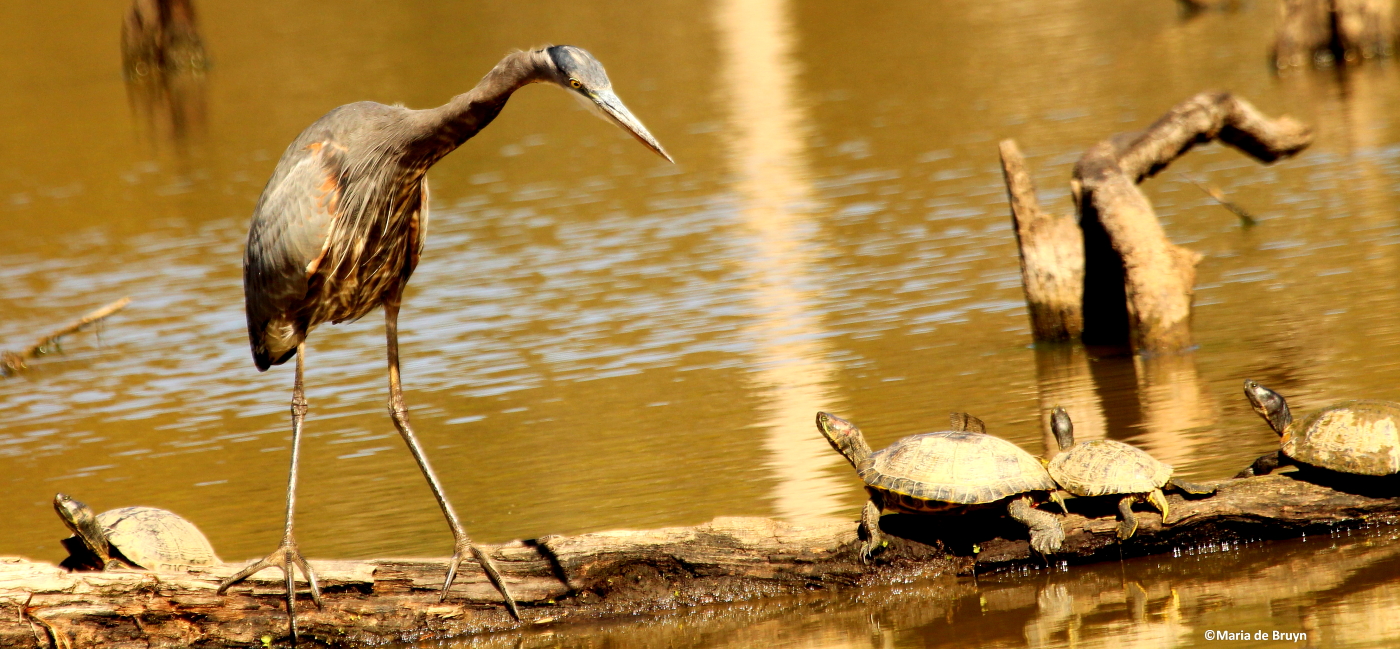
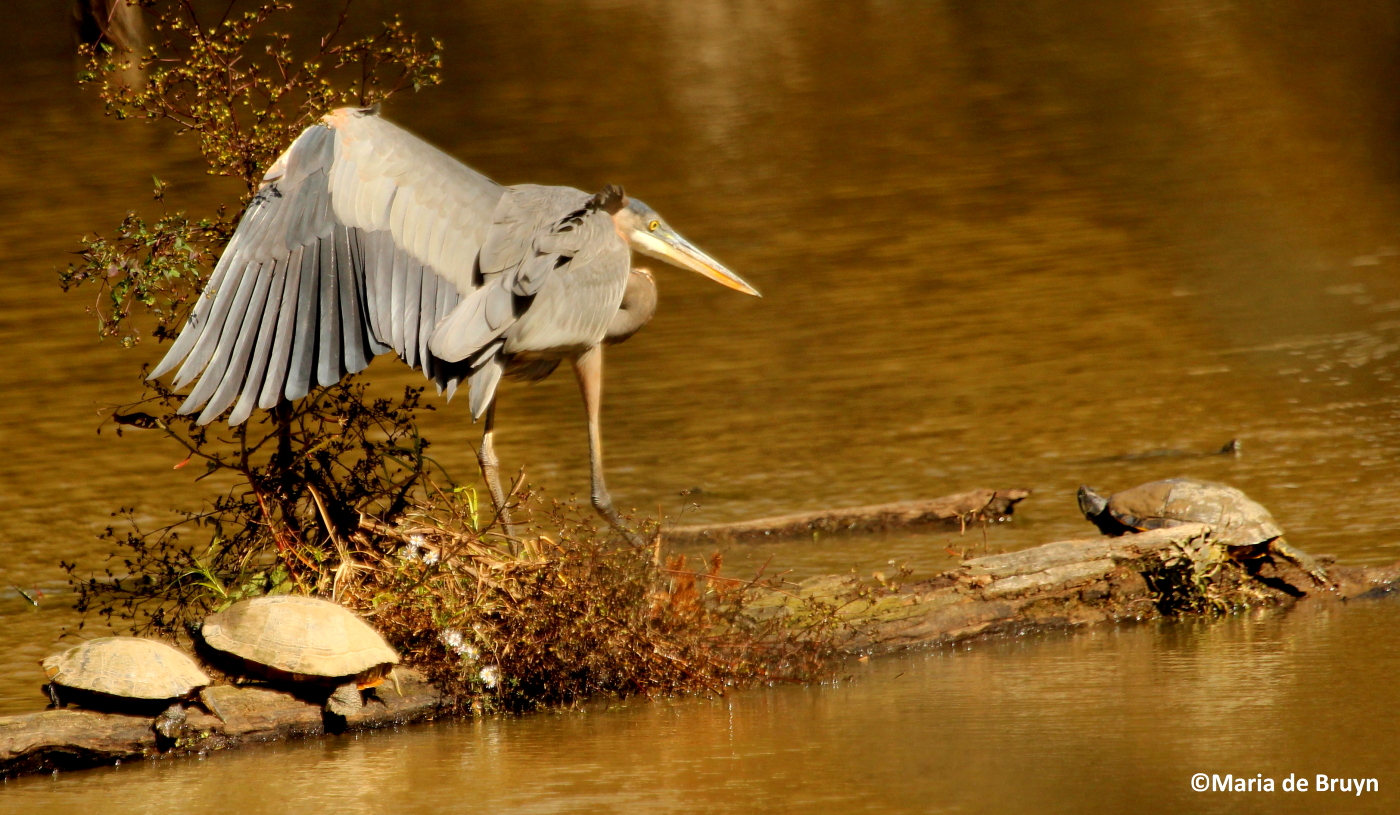
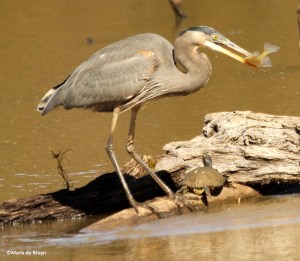 The resident great blue heron (Ardea herodias) had stationed him (or her) self at the end of a log on which several pond slider turtles (Trachemys scripta) were basking. He seemed to be staring in their direction, so I wondered if he was considering eating one. After seeing a video of a heron swallowing a groundhog whole, I knew that they can consume quite large meals. After a time, though, it seemed that the bird wasn’t interested in the turtles but in the fish swimming in front of them. After patiently waiting for a time, the heron stabbed and had success!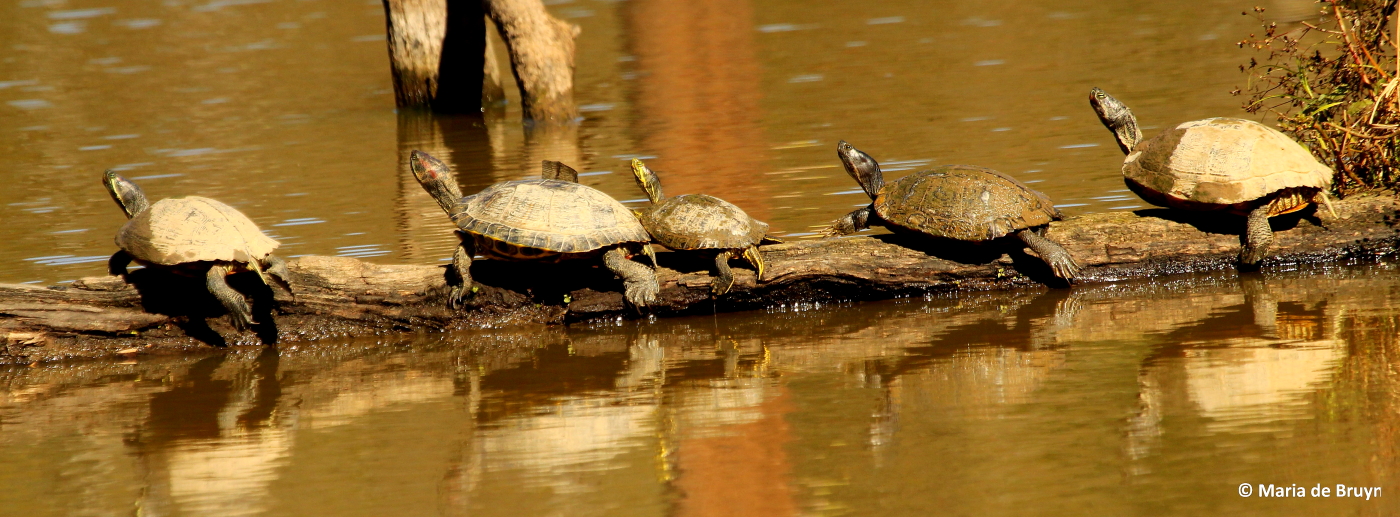
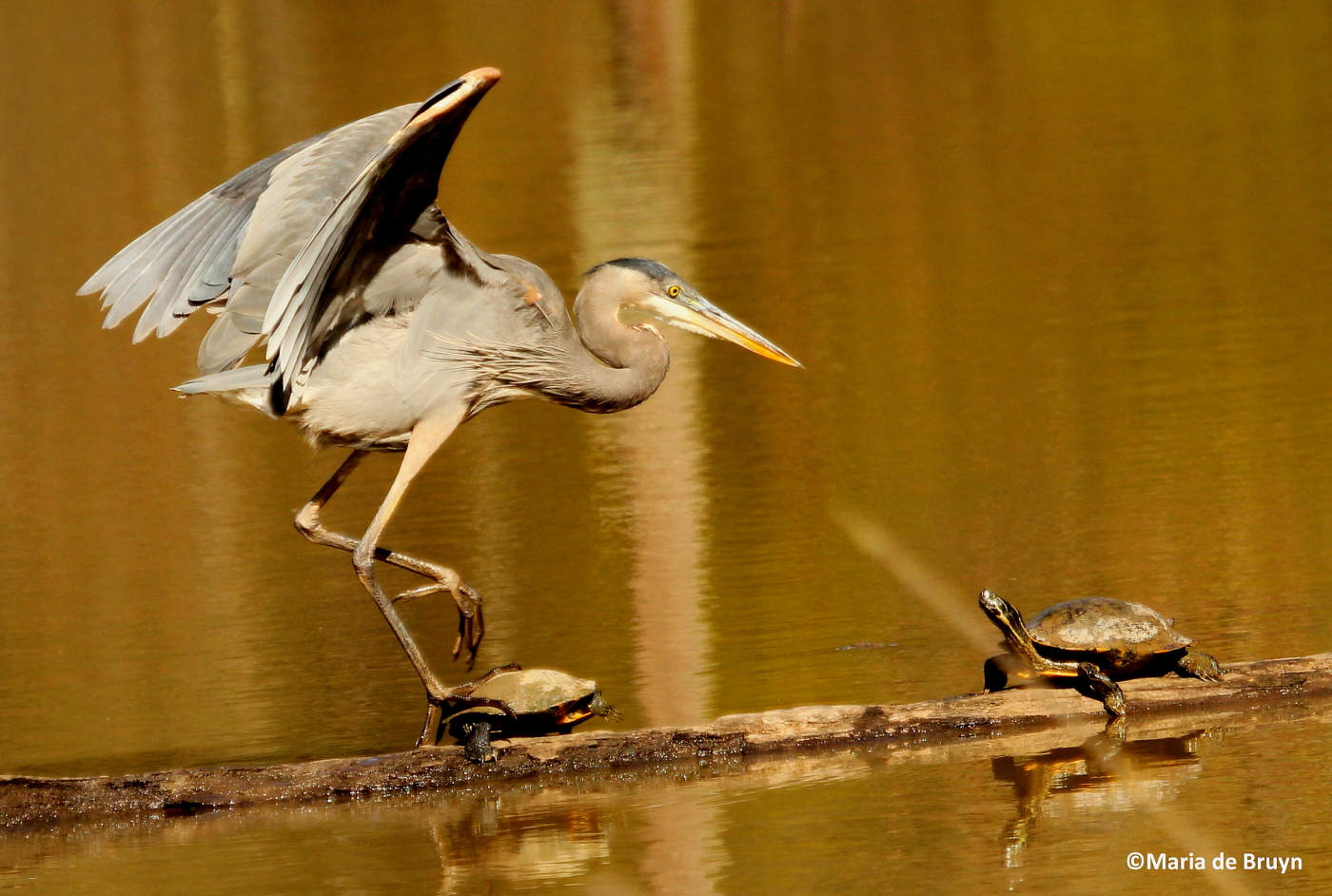
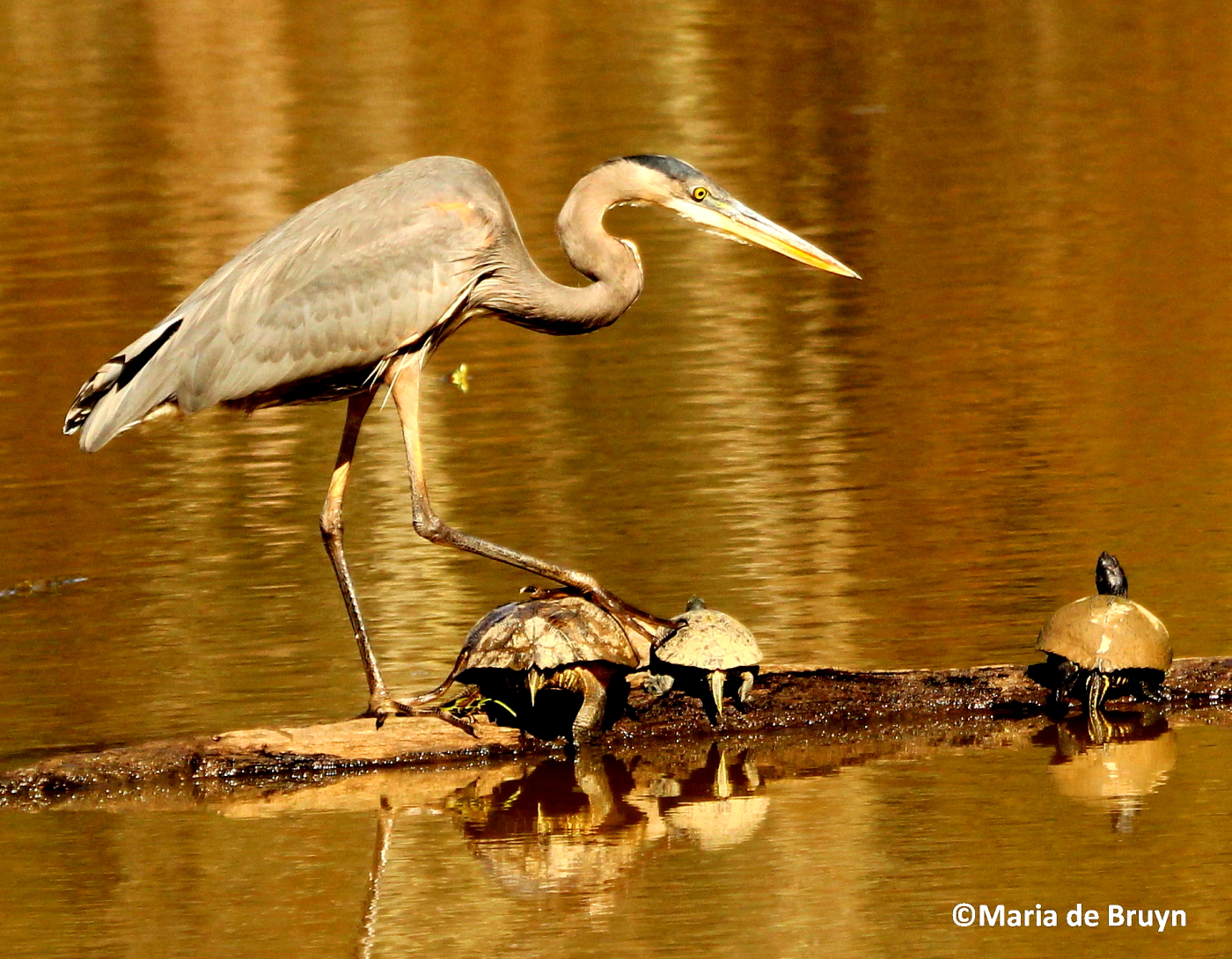
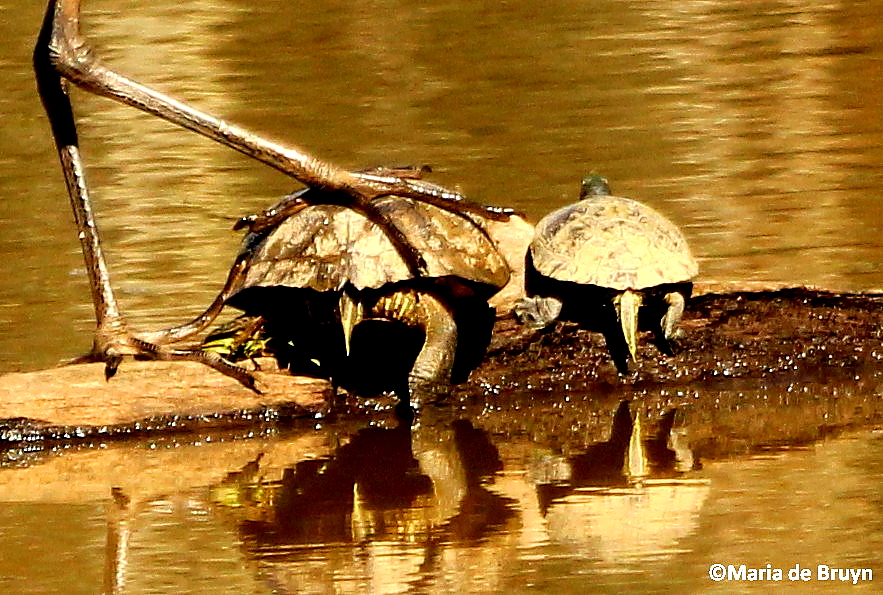

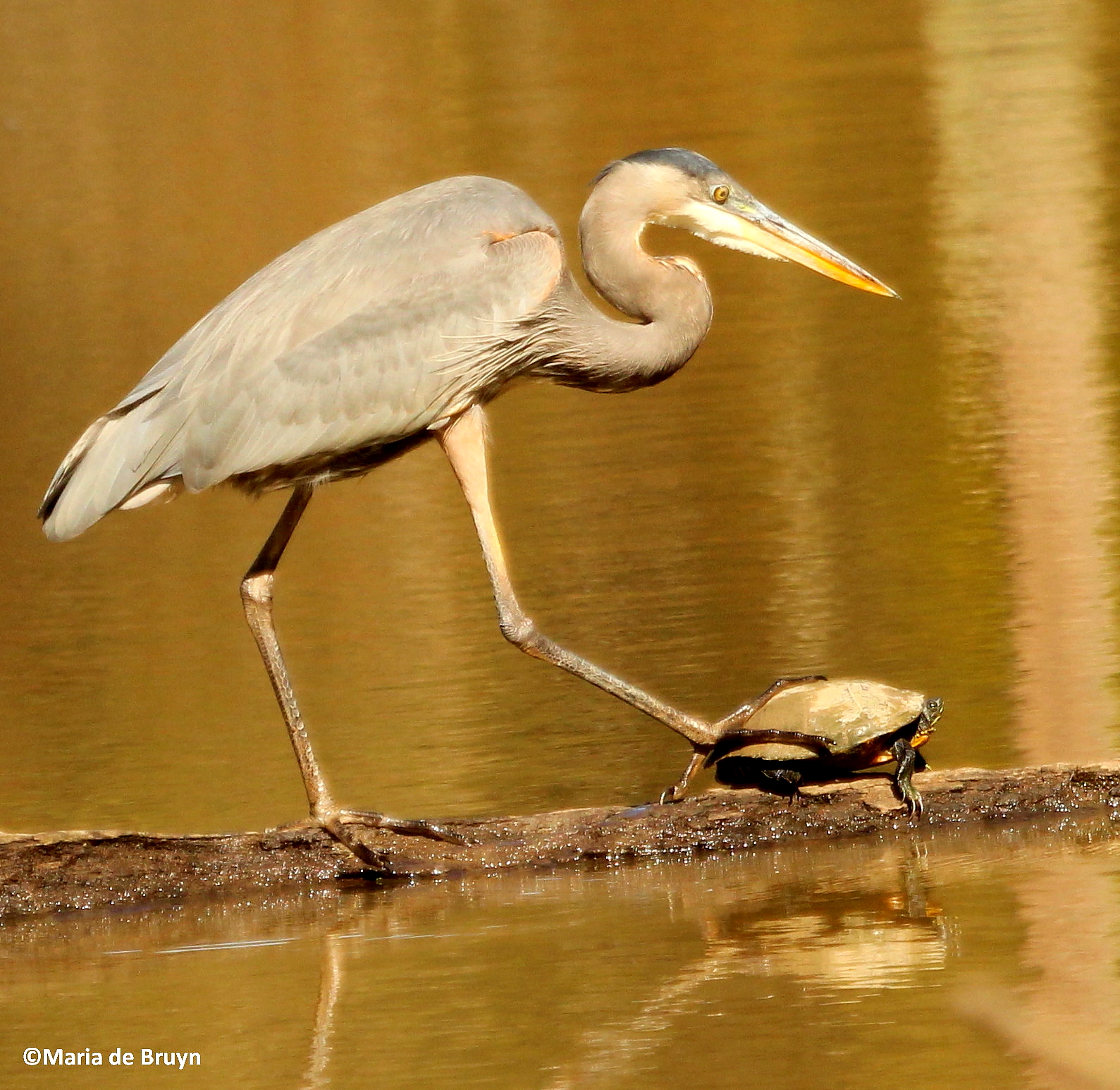

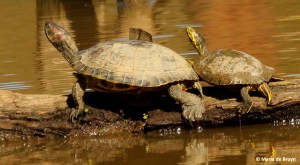 At home, I did an Internet search and found out that turtles shed their scutes from time to time and that was apparently what I was seeing. So I learned that turtles shed! Turtles’ shells are extensions of their rib cage and attached to their spine; terrestrial turtles don’t shed but aquatic turtles do shed scutes, which are made of keratin (like the material of horns or fingernails).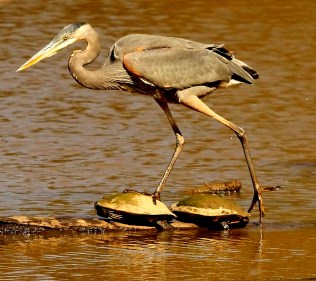
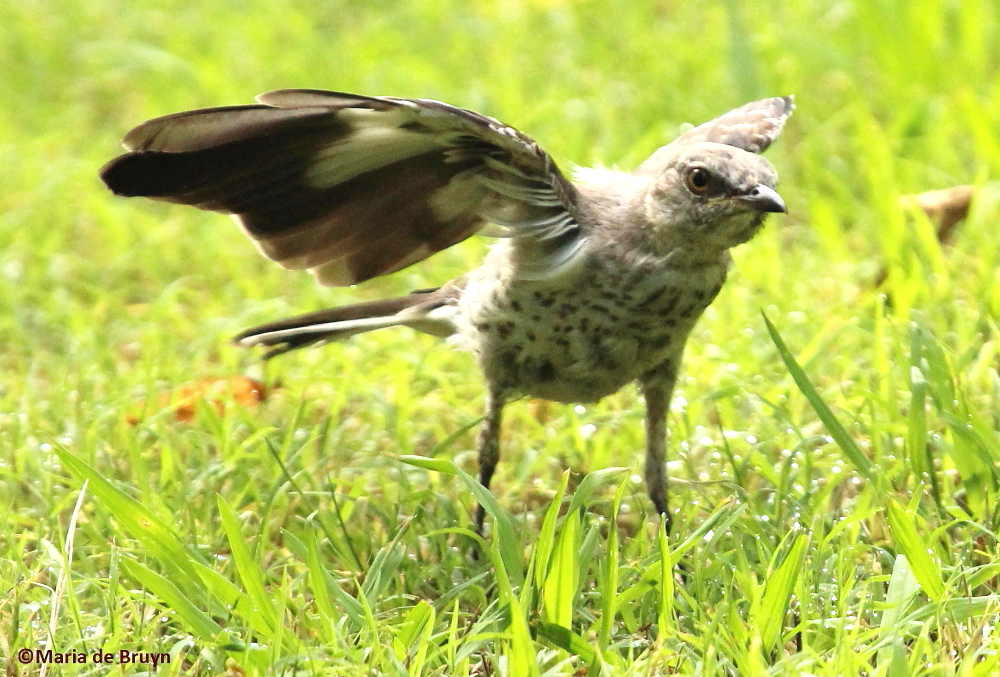
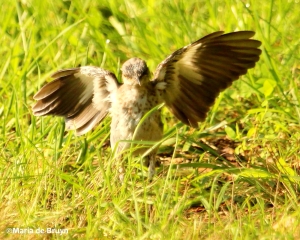 Last year, during a nature walk, I witnessed young Northern mockingbirds (Mimus polyglottos) displaying odd behavior as they strutted around on the ground. They would walk and hop a bit and then suddenly spread their wings wide and wider still, then close them and continue pecking on the ground.


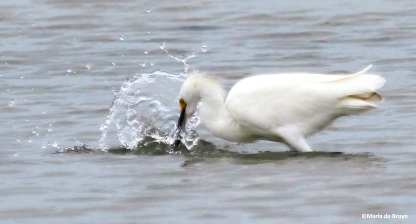
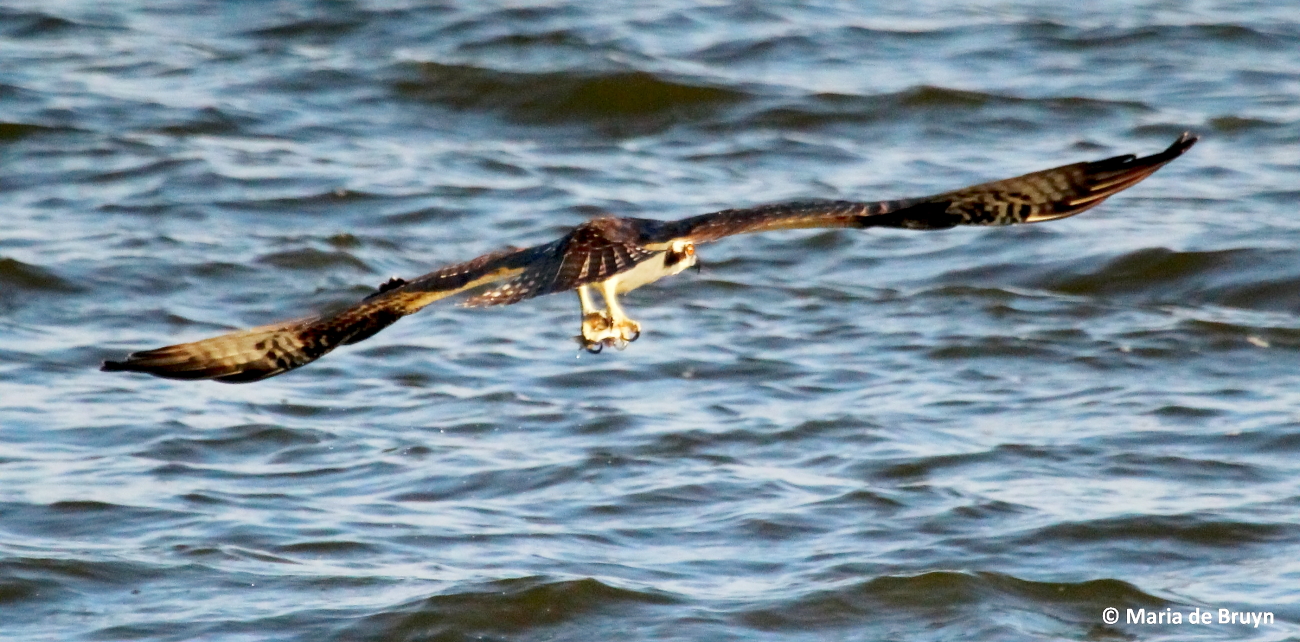
 This worked at least part of the time for this particular bird, as s/he got a few fish down. It required a lot of patience, however.
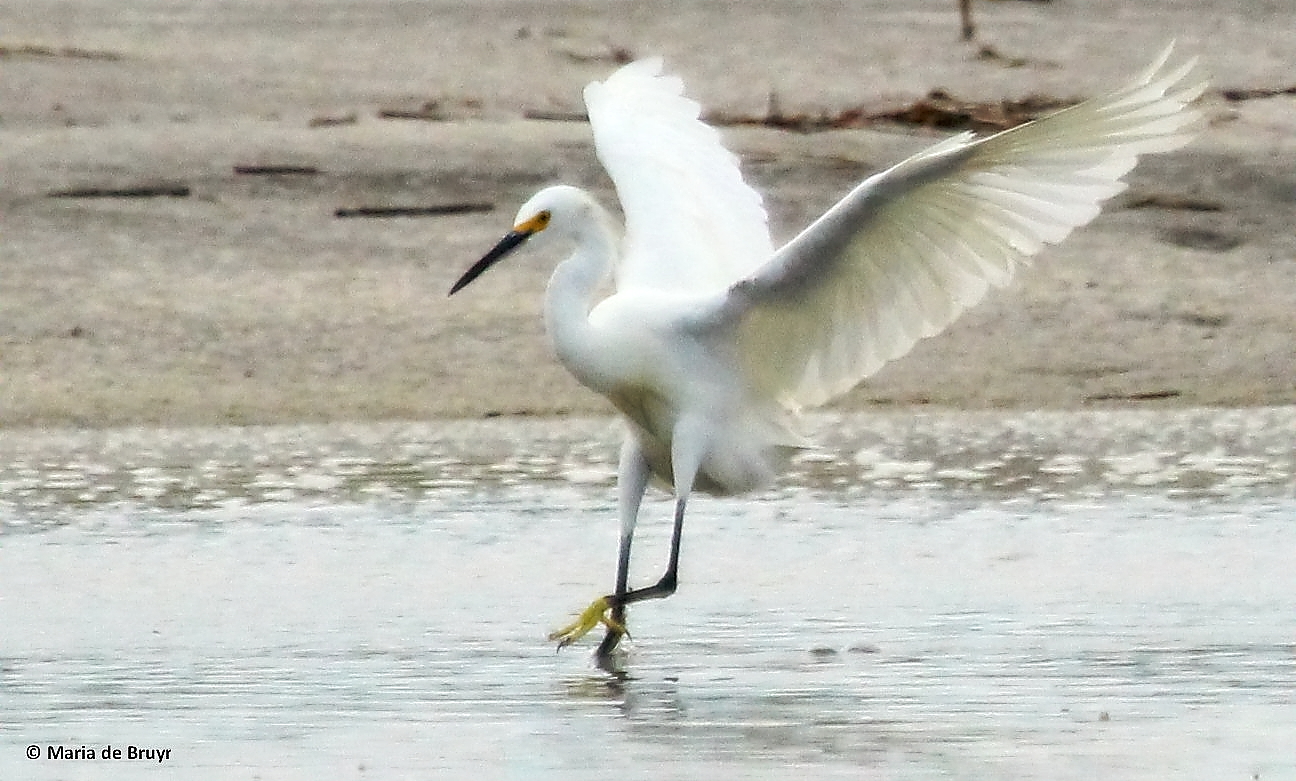

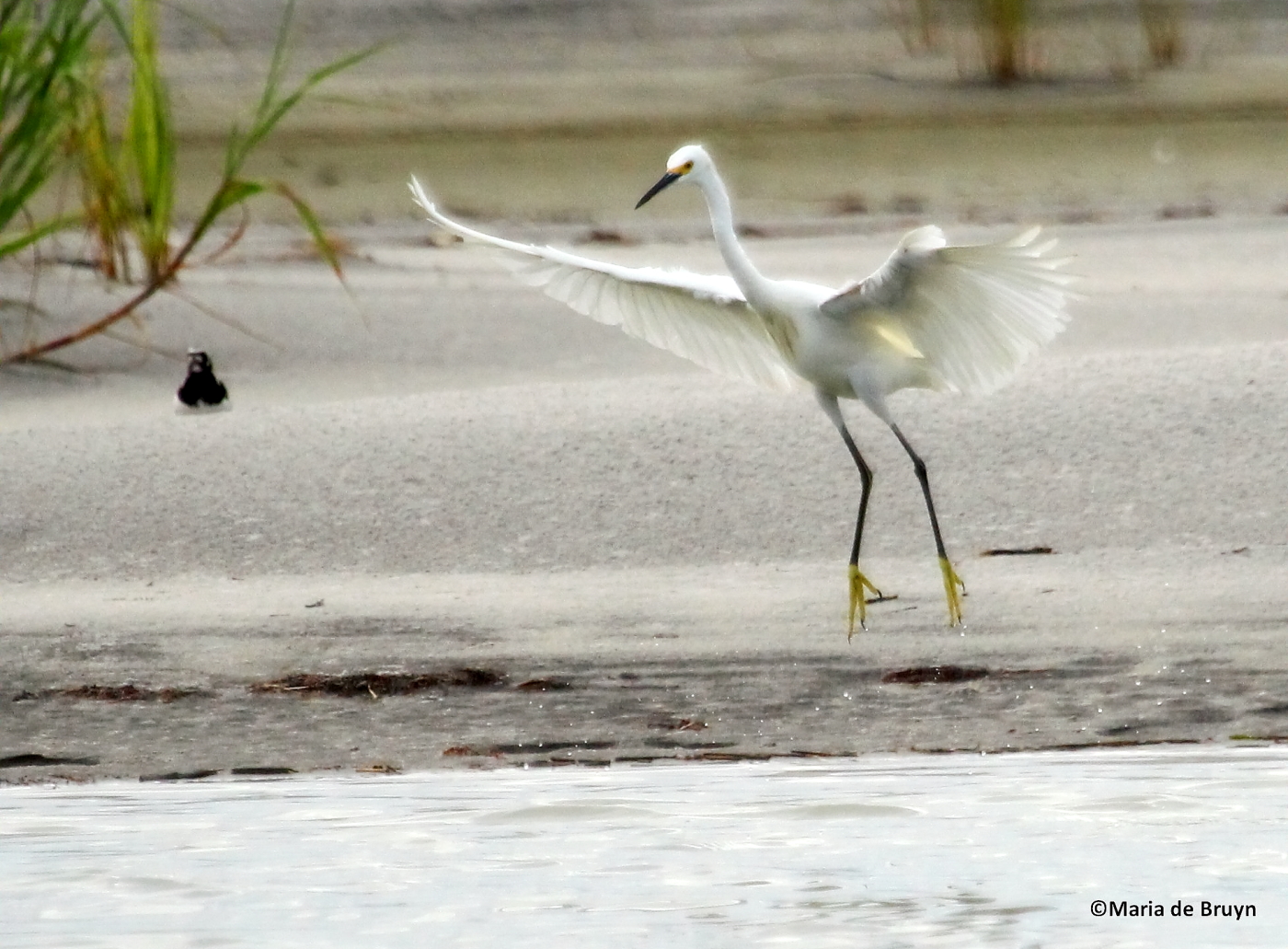
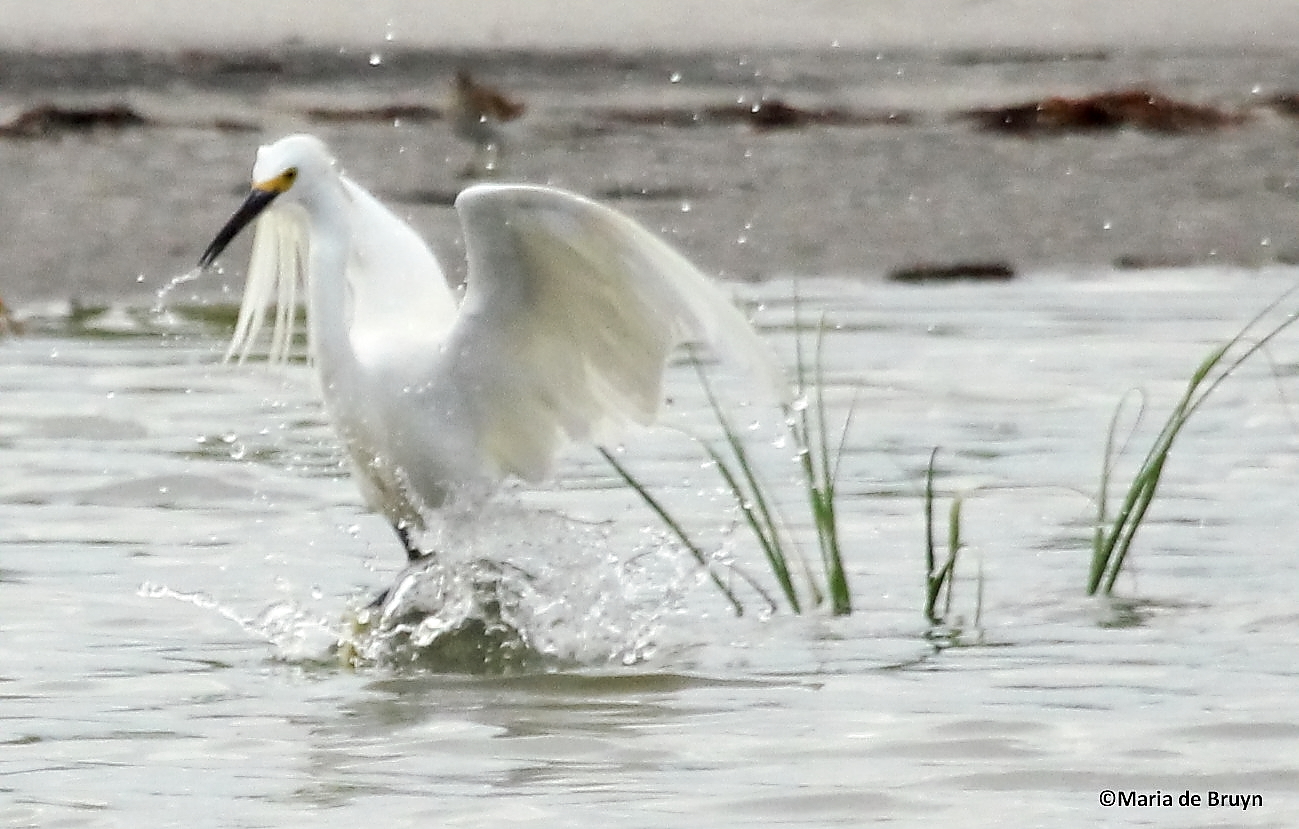
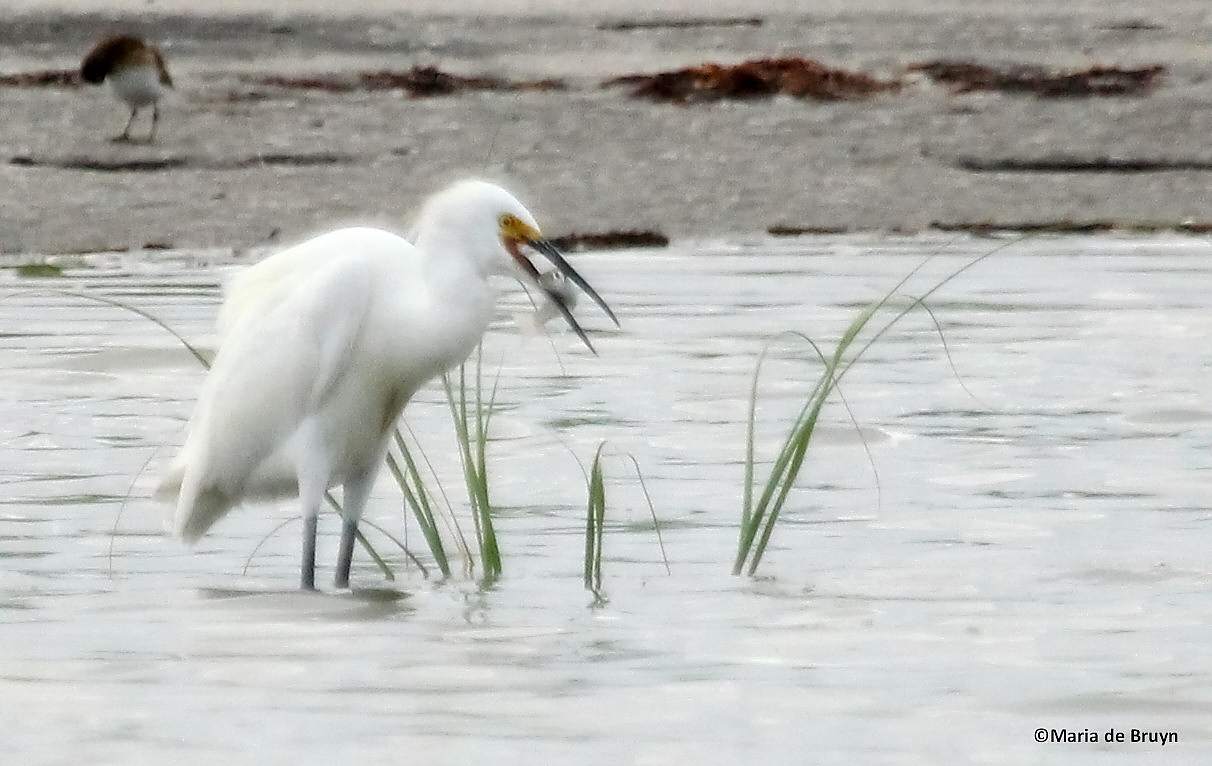

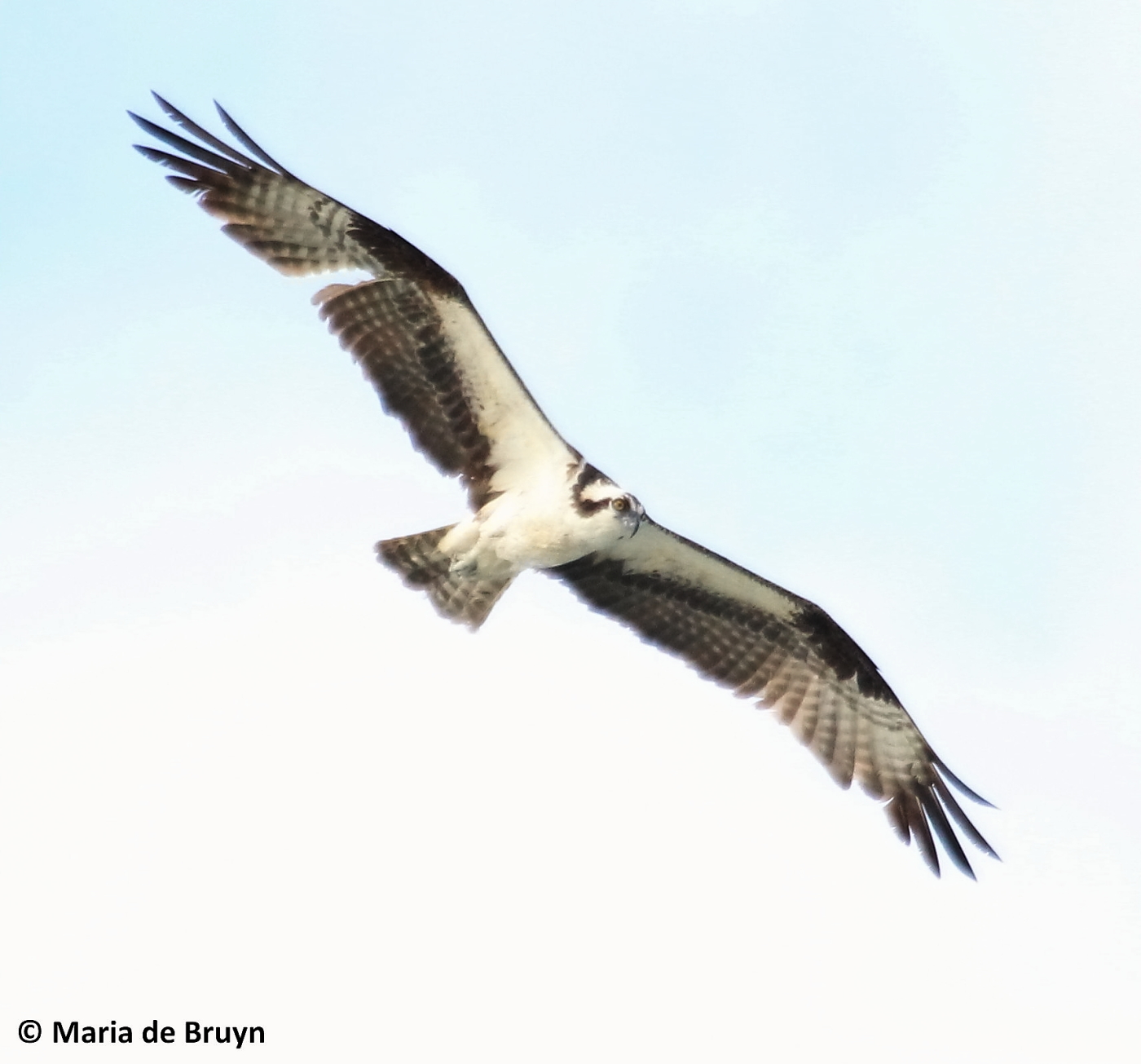
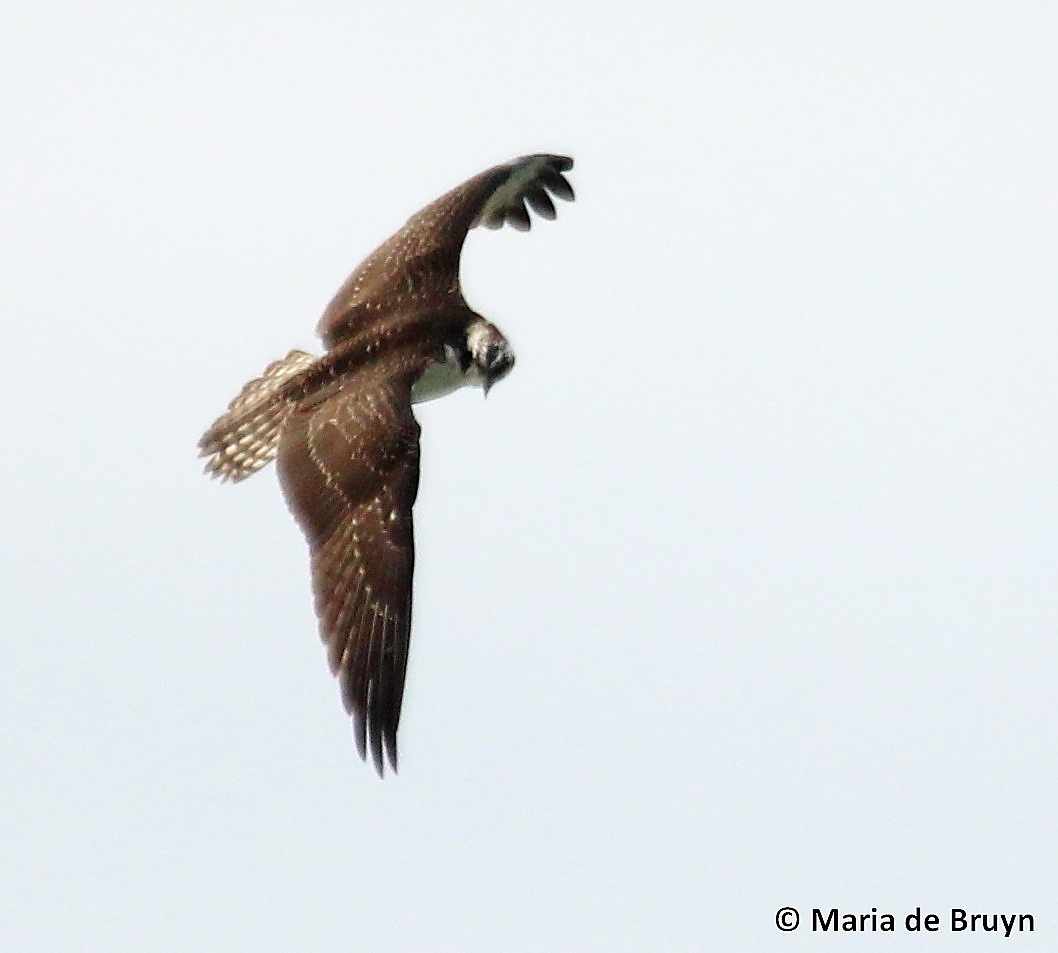
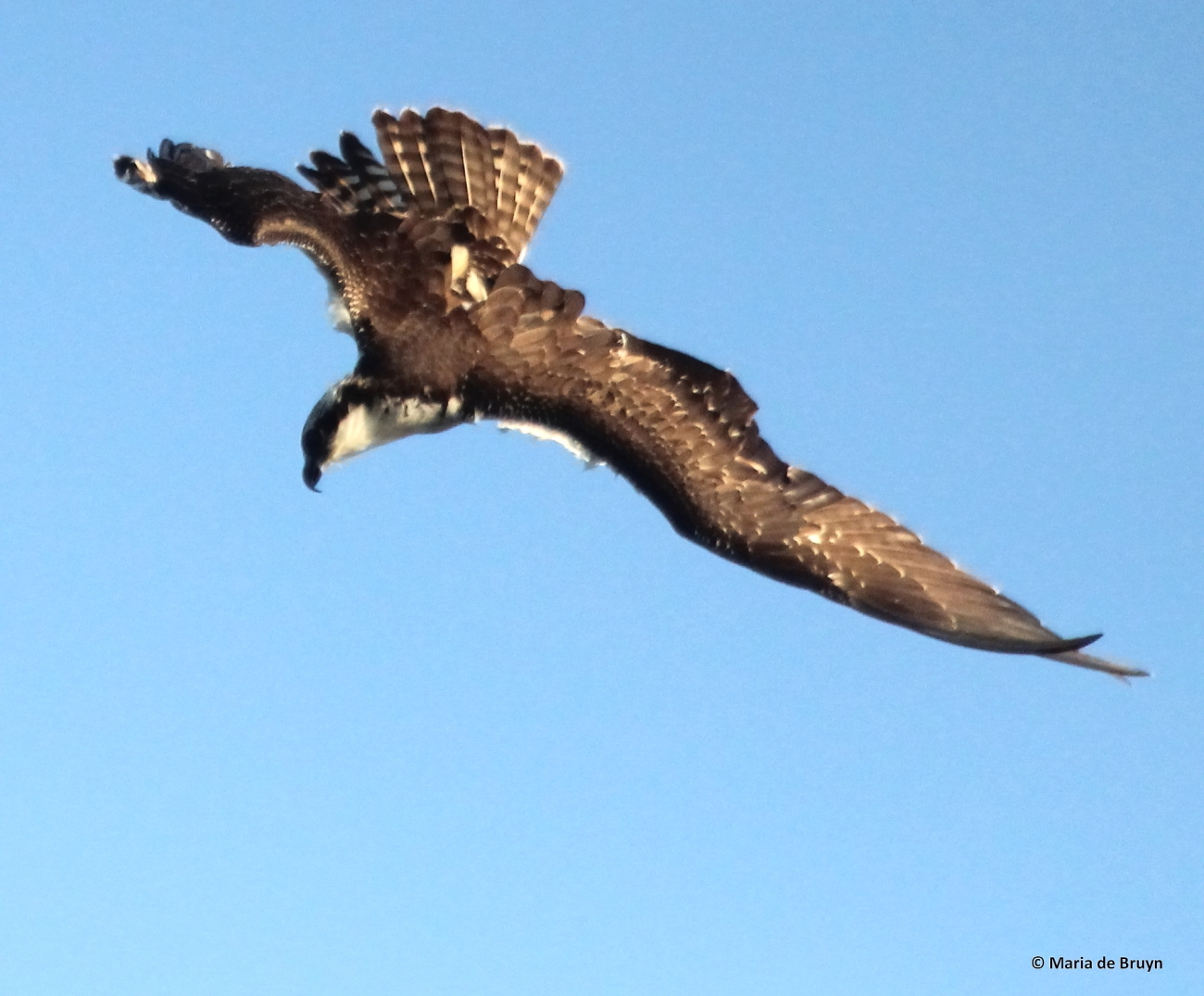
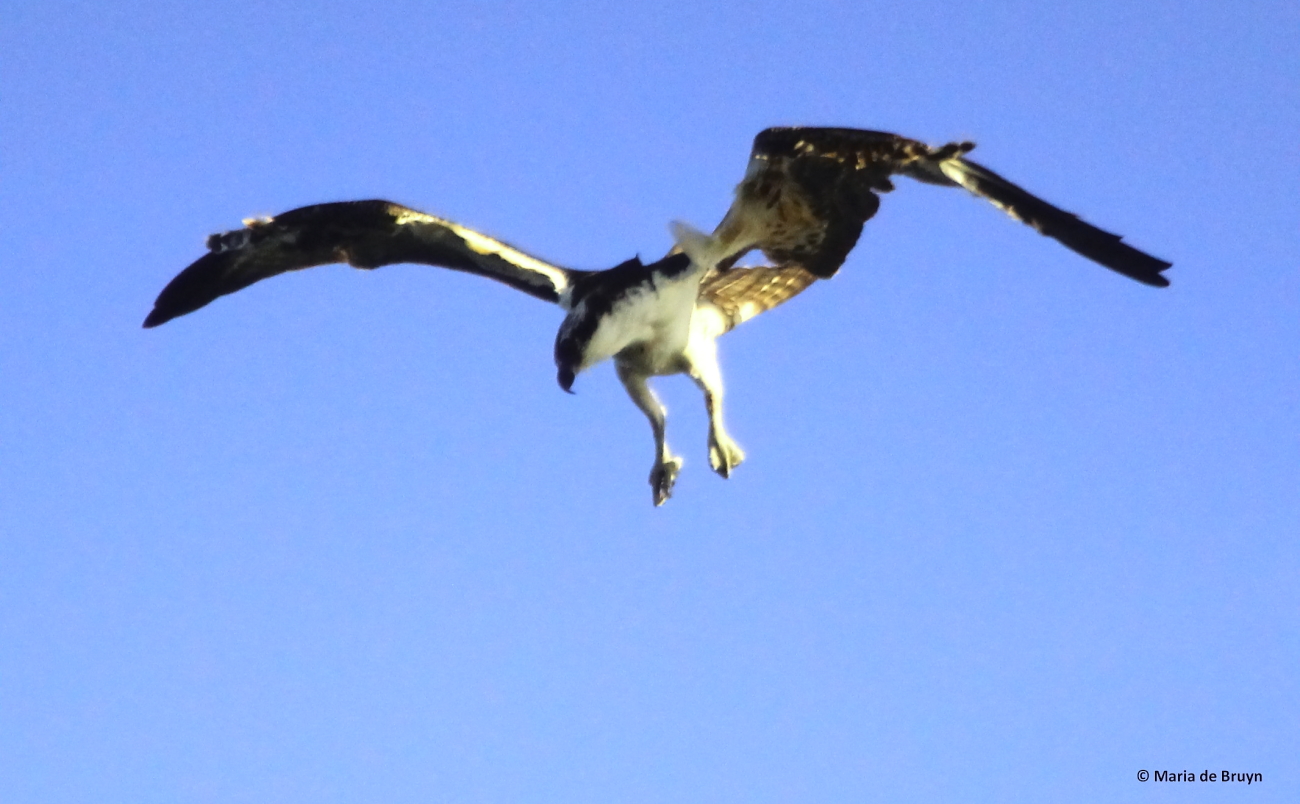
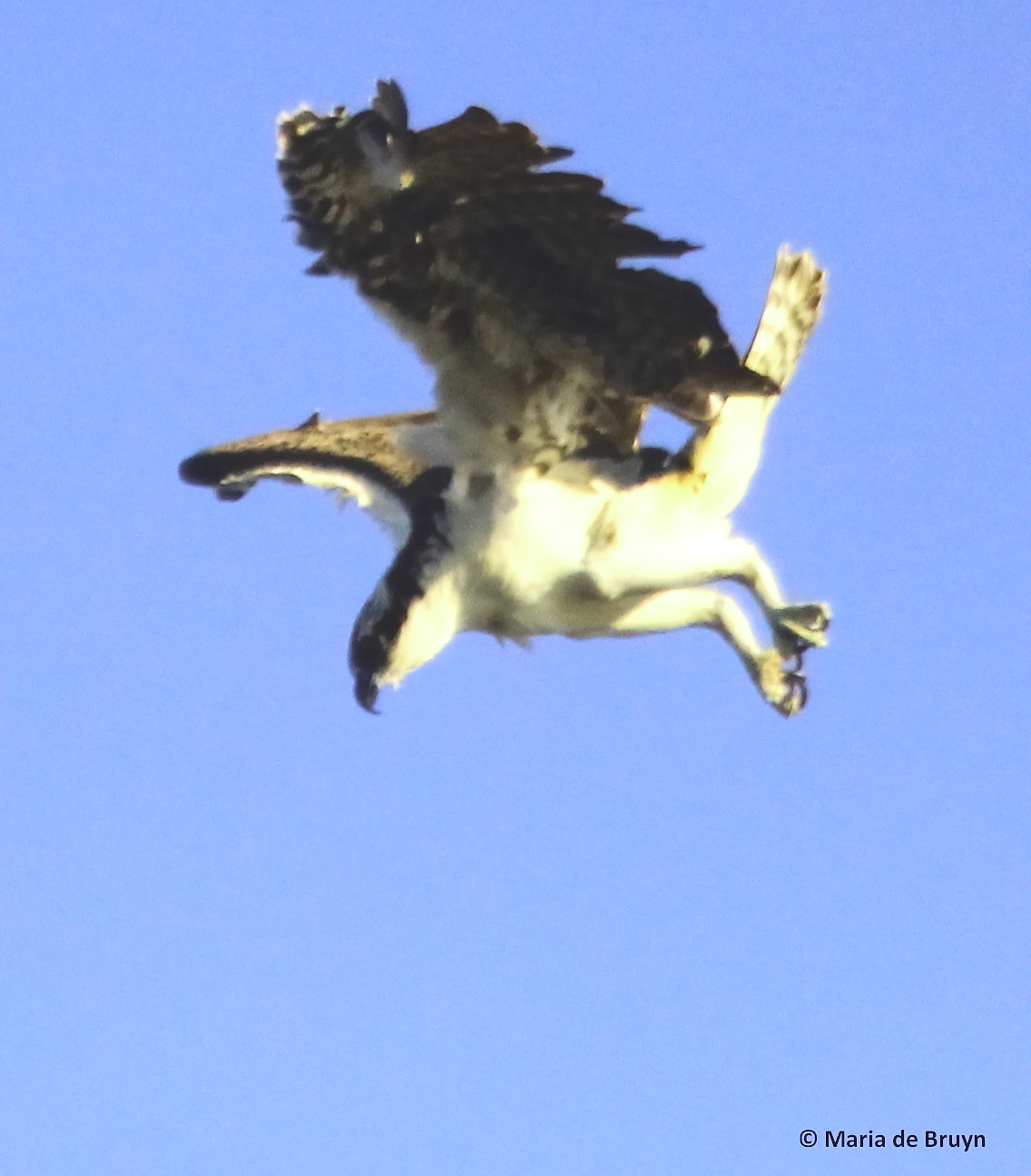
 Sometimes the birds will face forward to dive down and then flip upwards at the last minute so they enter the water feet first. This bird did most of the dive with its feet down in the clutching position, ready to strike.
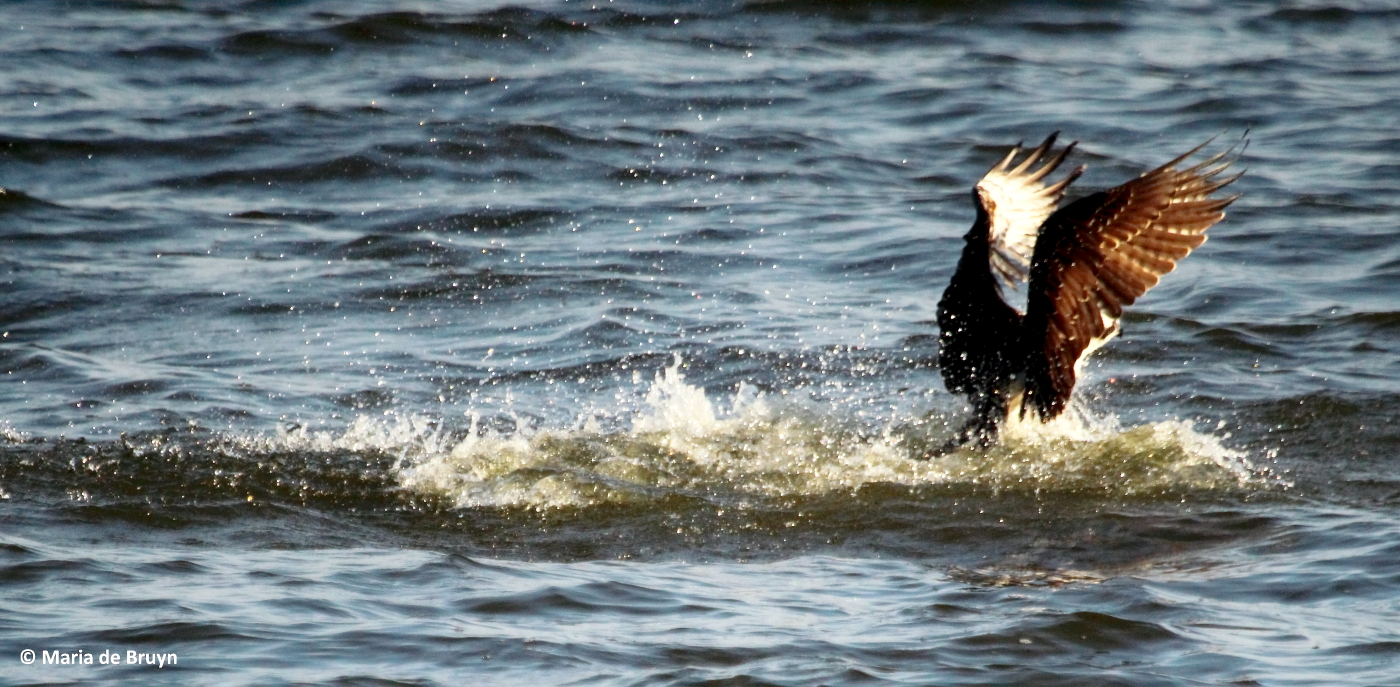

 My beautiful world