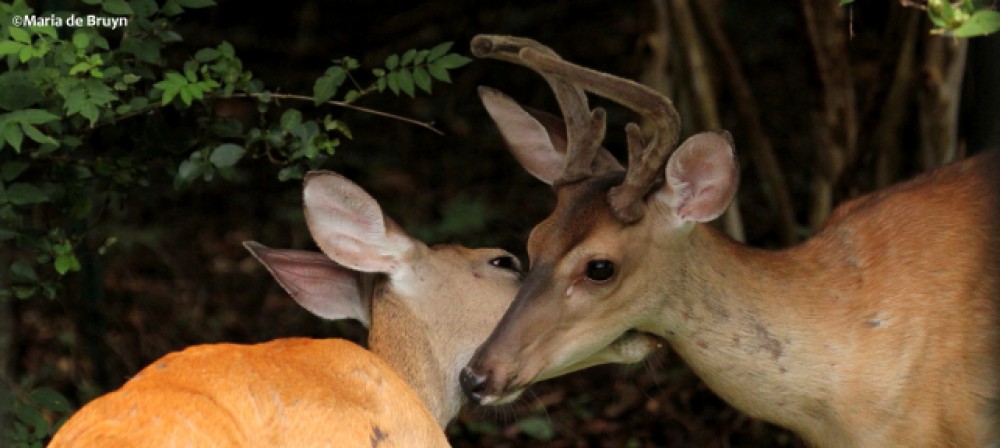
As I mentioned a few weeks ago, as part of an eMammal citizen science project, a motion trap camera was placed in my yard for three weeks. I am used to a variety of wildlife passing through and living here, including: white-tailed deer (Odocoileus virginianus), Eastern chipmunks, Eastern cottontail rabbits (Sylvilagus floridanus), opossums, raccoons, Eastern gray squirrels (Sciurus carolinensis), field and house mice and the occasional vole. My hope was that the camera would capture the gray fox that has been wandering our neighborhood lately or maybe even a coyote visiting at night.
The project started with the placement of a camera at knee level on a crepe myrtle tree facing a path through which animals enter and leave my back yard. The objective was to record all the mammal species that visit (or at least those passing in front of the camera) for three weeks.
 As neighborhood cats come to the yard, I was sure to get some photos of them, if nothing else. My senior deaf cat, who is now suffering from some dementia, only goes out when I accompany him (the other two family cats must stay inside). He checked out the camera right away and I wondered if he was going to pee on it to mark it as a new part of his territory. Instead, he went off to mark another part of the yard.
It was with great anticipation that I looked at the photos on the card after it was taken down, only to discover that the camera may have been aimed too high.
 It seems that a squirrel may have been captured one evening, and in another case, it seems an opossum was entering the yard. However, the main captures (and there were not that many) were glimpses of deer.
A rabbit had decided to have a lie-down in front of the camera one day, perhaps 1½ feet away. It was not photographed and the project coordinator told me that the camera has a large blind spot right in front of it extending out roughly 3 feet.


Staring at the night shots made me think in a few instances that some creature had been photographed but I wasn’t really sure if that was it or just my imagination running amok.

A few times a deer stopped and the camera got a portrait shot, occasionally with a gesture that in humans might equate to thumbing their noses at something.


A few shots were close-ups.
Other times, we see an ear or the deer’s behind as she moves out of range.


One day, I caught a doe giving the camera a good look; this led to a few blank photos as her face or tongue covered the lens area.


Despite the paucity of cool camera captures, I enjoyed participating in the project and will consider taking their 30-minute course so I can have a camera placed here for a longer period. And if it is aimed lower, who knows what we may see then!


 So, in honor of International Cat Day 2014, a departure from wildlife to celebrate my family cats. My household is currently graced with three feline companions, two males and a female. Jonahay, the senior cat, is 15.5 years old and the only one allowed to go outside now and again. According to my vet, he is the strongest cat and most stubborn cat he has met – it has taken two guys over 6 feet tall to try and hold him down to get a pill into him. In the end, they gave him a shot while he was immobilized.
 thing but to bring interesting, living and moving “toys” inside. Over time, I had to remove birds, a baby rabbit, chipmunks, garter snake and field mouse from inside the house. During that time, only a couple birds and a couple mice did not survive when he clamped down a bit hard to prevent them from getting away or me taking them from him. Now, he will sit in the yard or rest on the front porch rocker with a squirrel or bird two feet away and just cast them a glance. The only creature that will rouse him for a chase is a chipmunk – for some reason, he still finds them too cool to leave alone.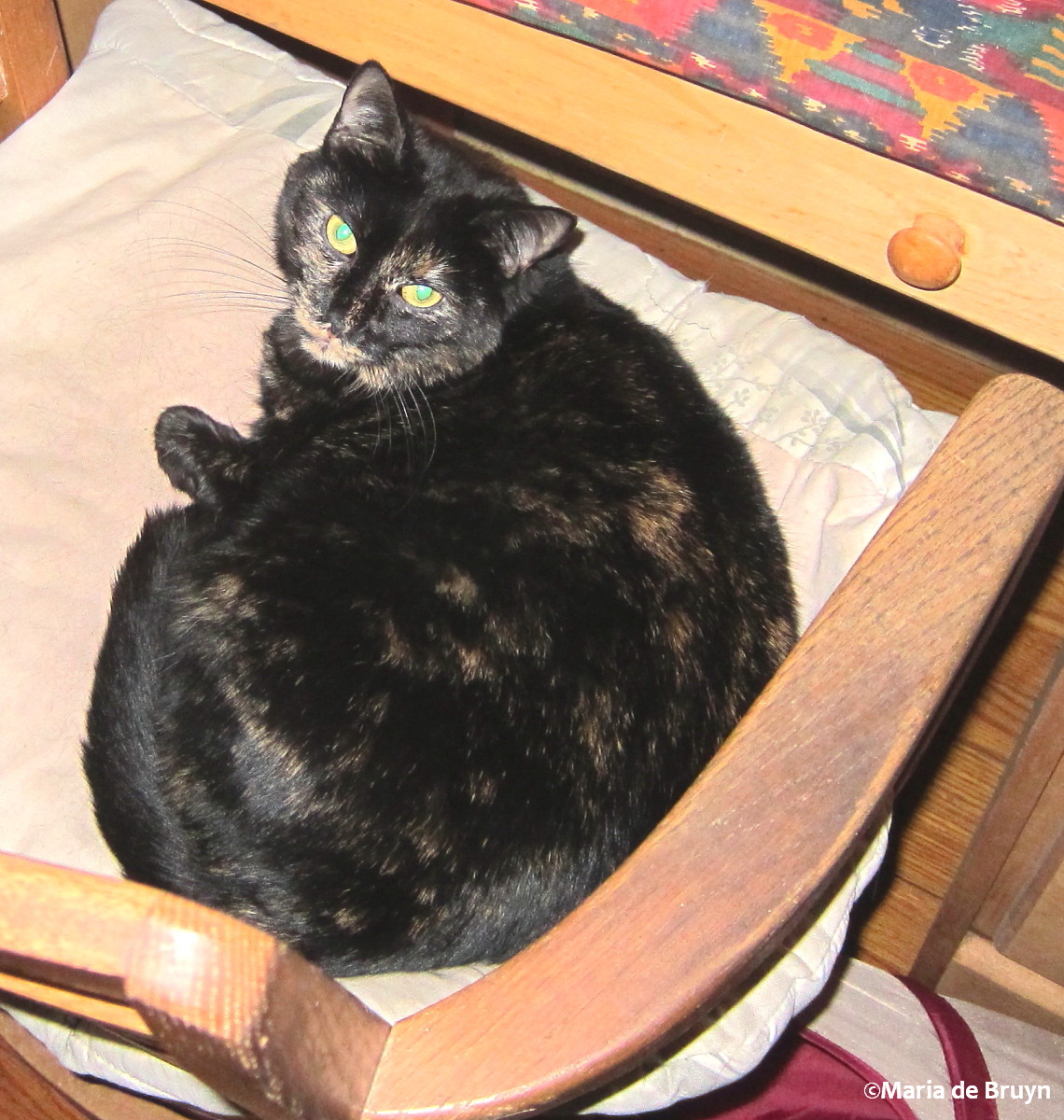
 he mouth and in obvious distress – she had likely eaten a stink bug, which is not a good thing for cats. About a week ago, she yelped with an open mouth and had some pain; a wasp that had gotten into the porch was gone.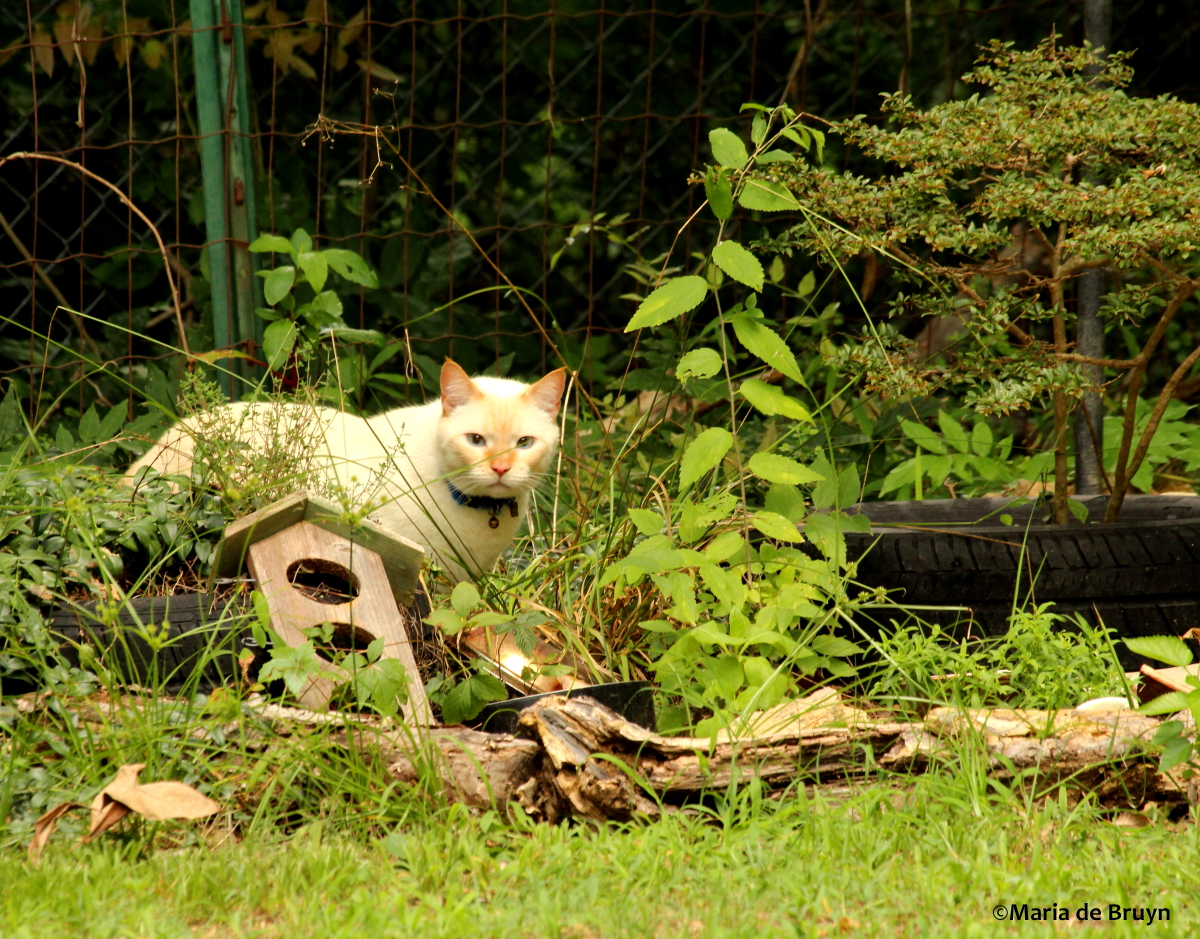
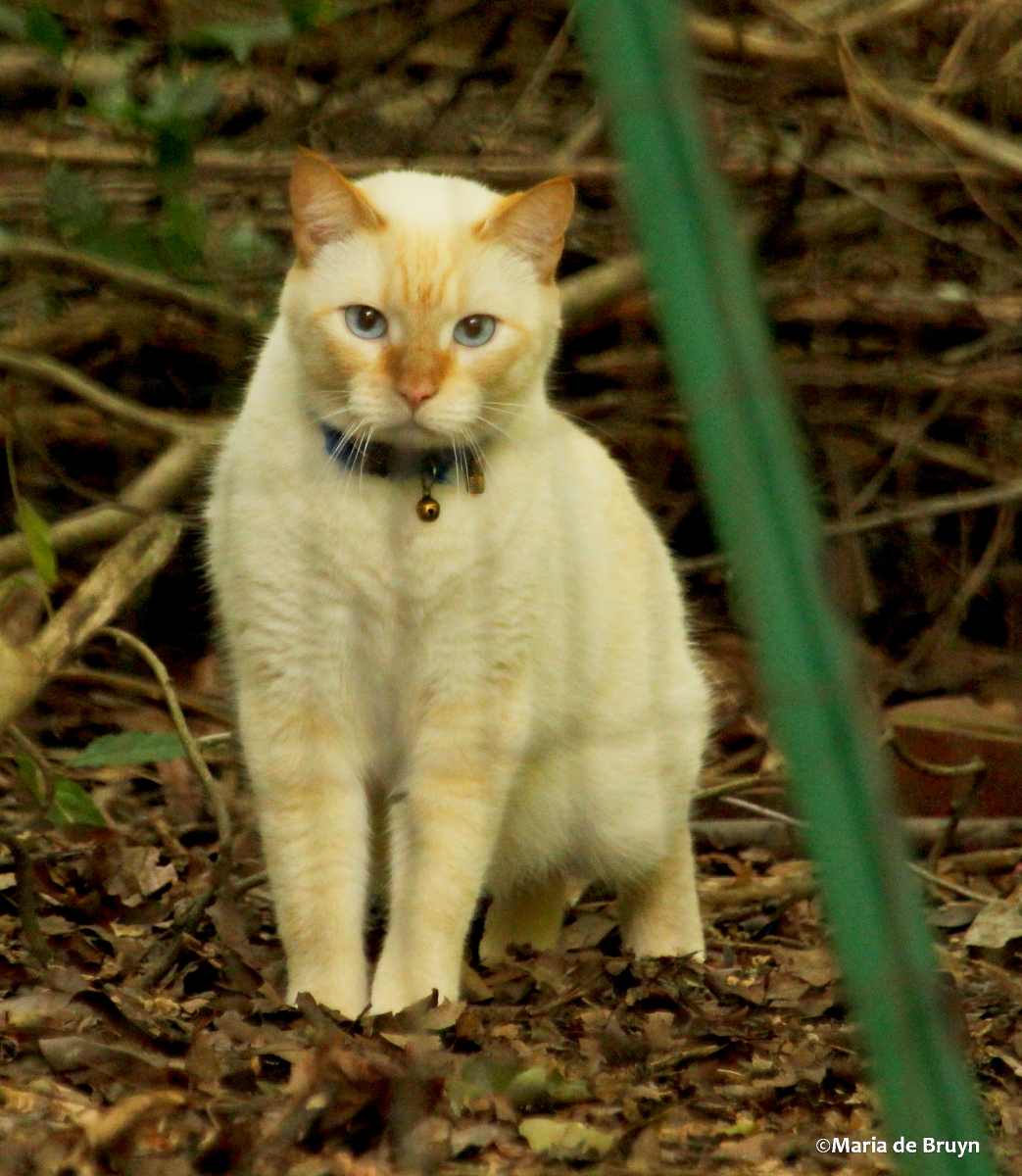
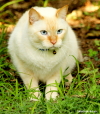

 ther day, Ogi made another great escape. He hung out by the ground feeding station and stayed put until one deer came too close.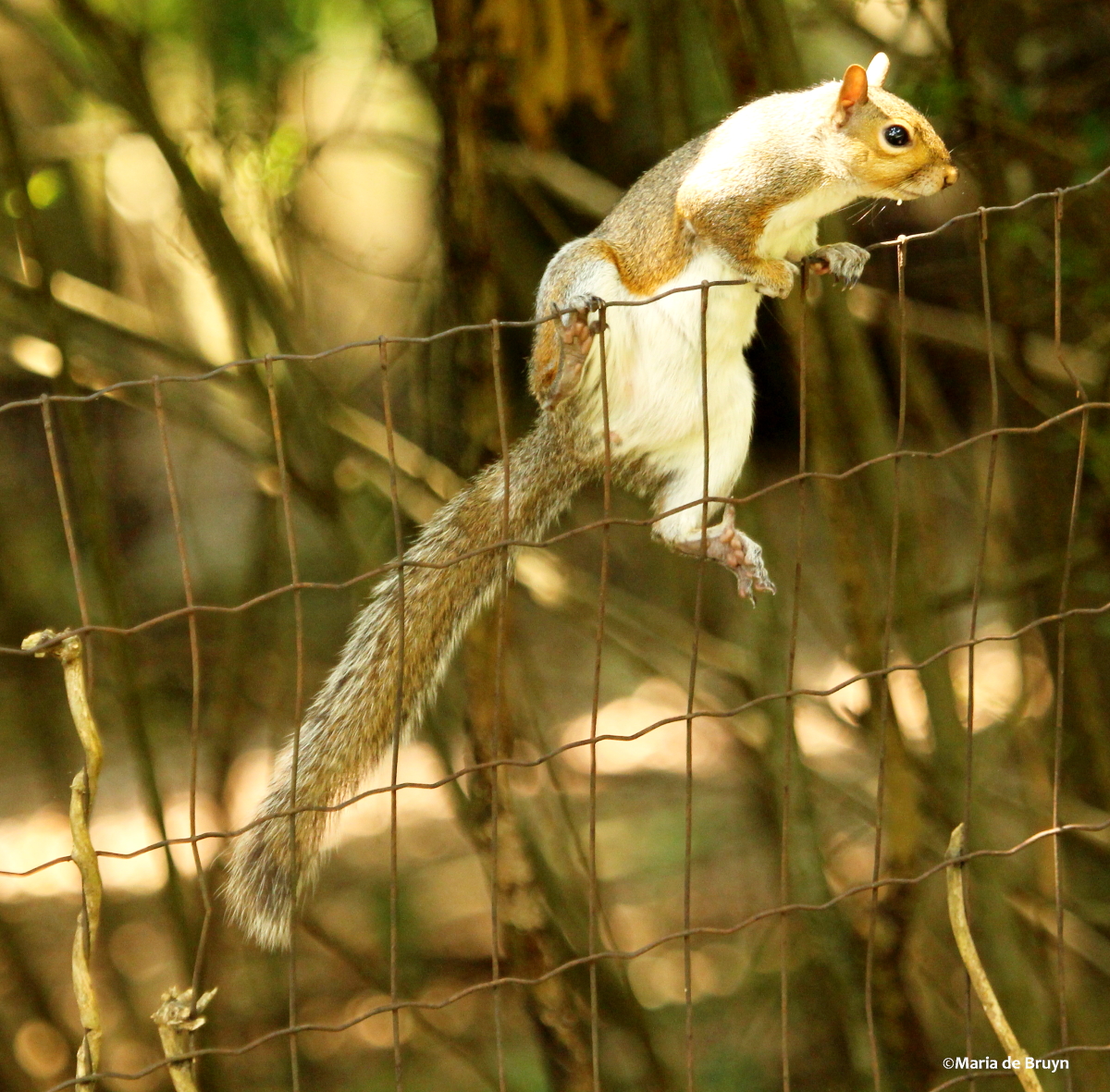


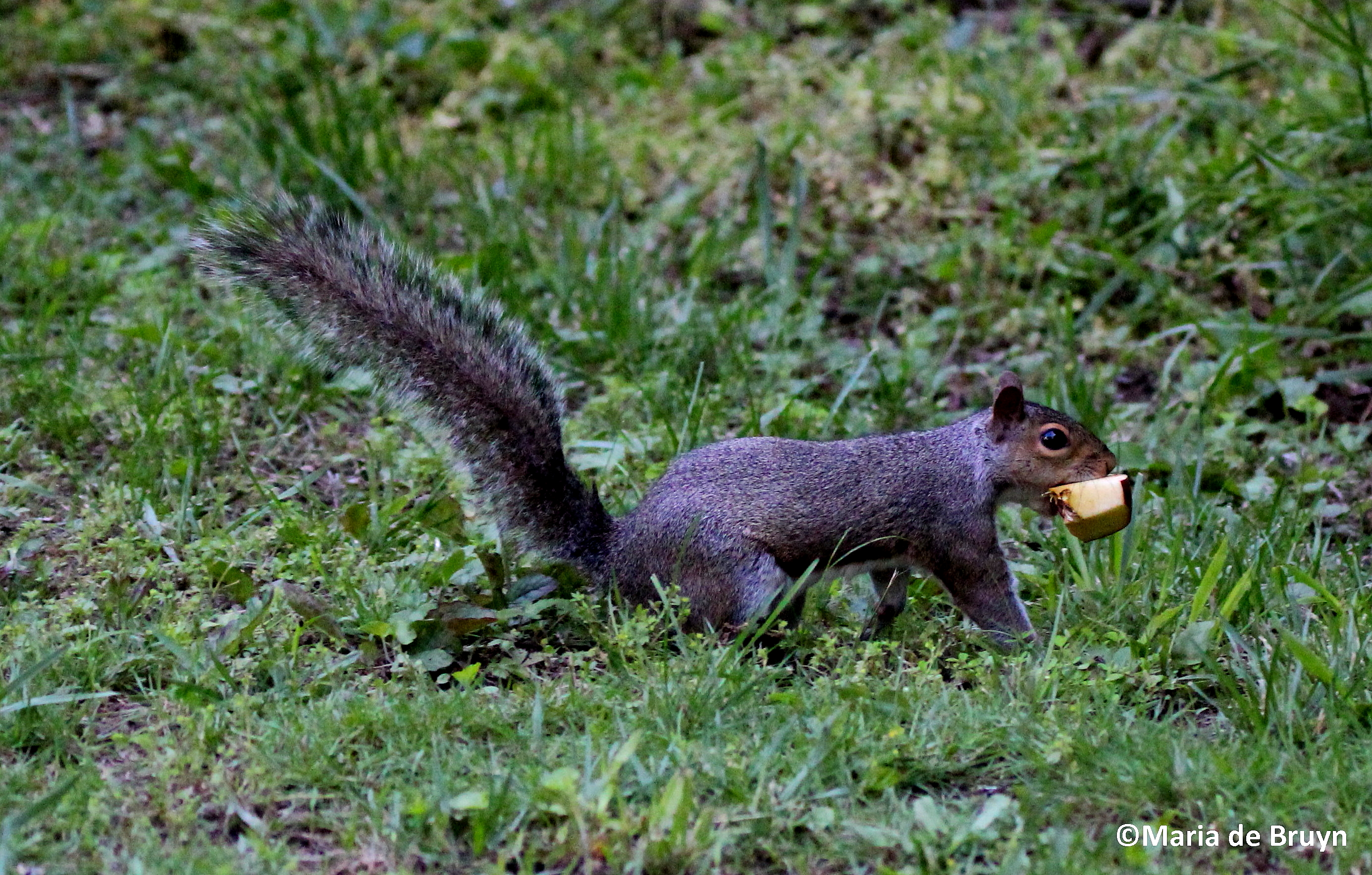
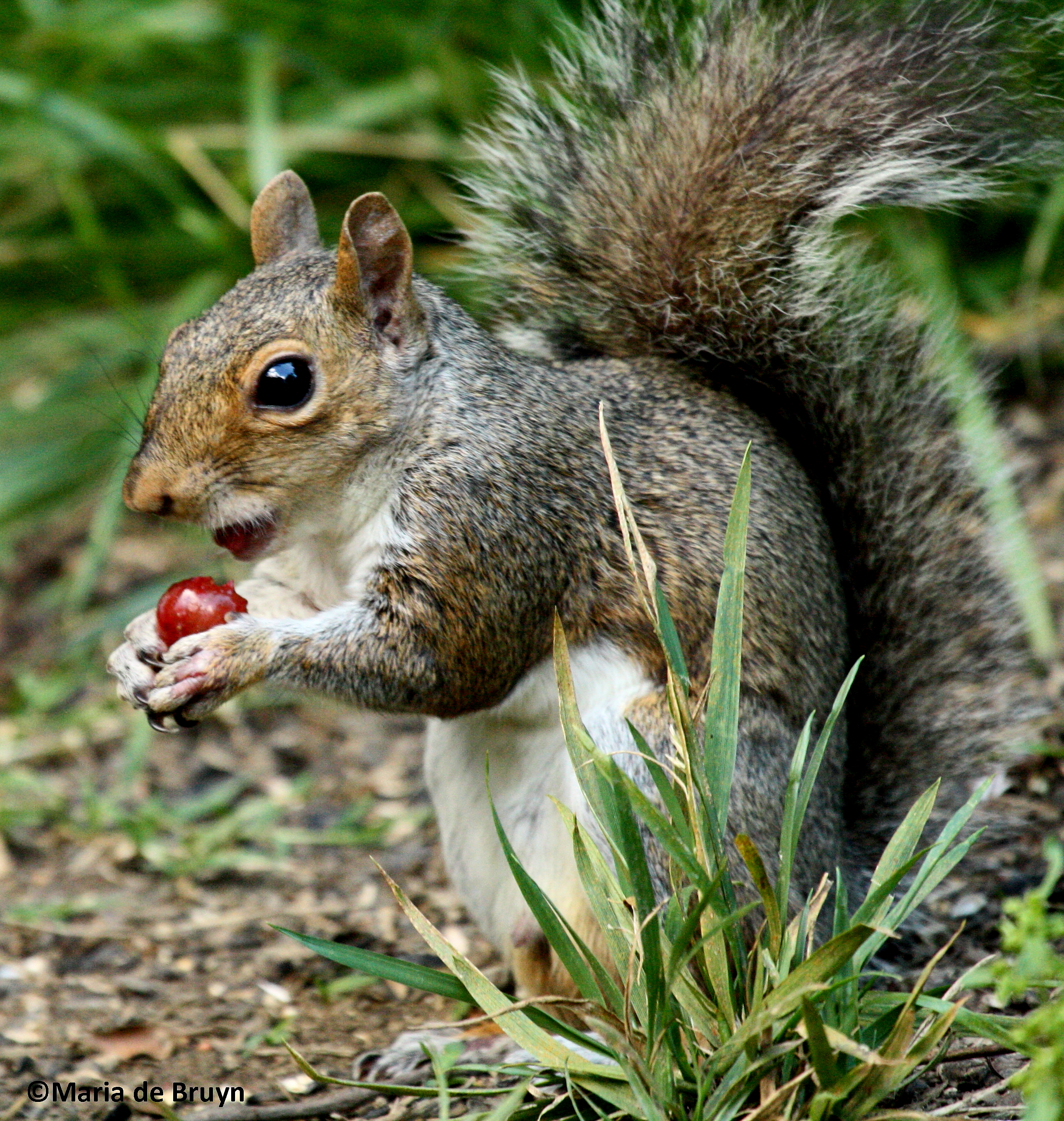
 pring, undoubtedly adjusting to the urban environment. We have had very little rain this summer and their food supplies have dwindled way down. The ground-feeding birds do not always get to the seed first.




 My beautiful world