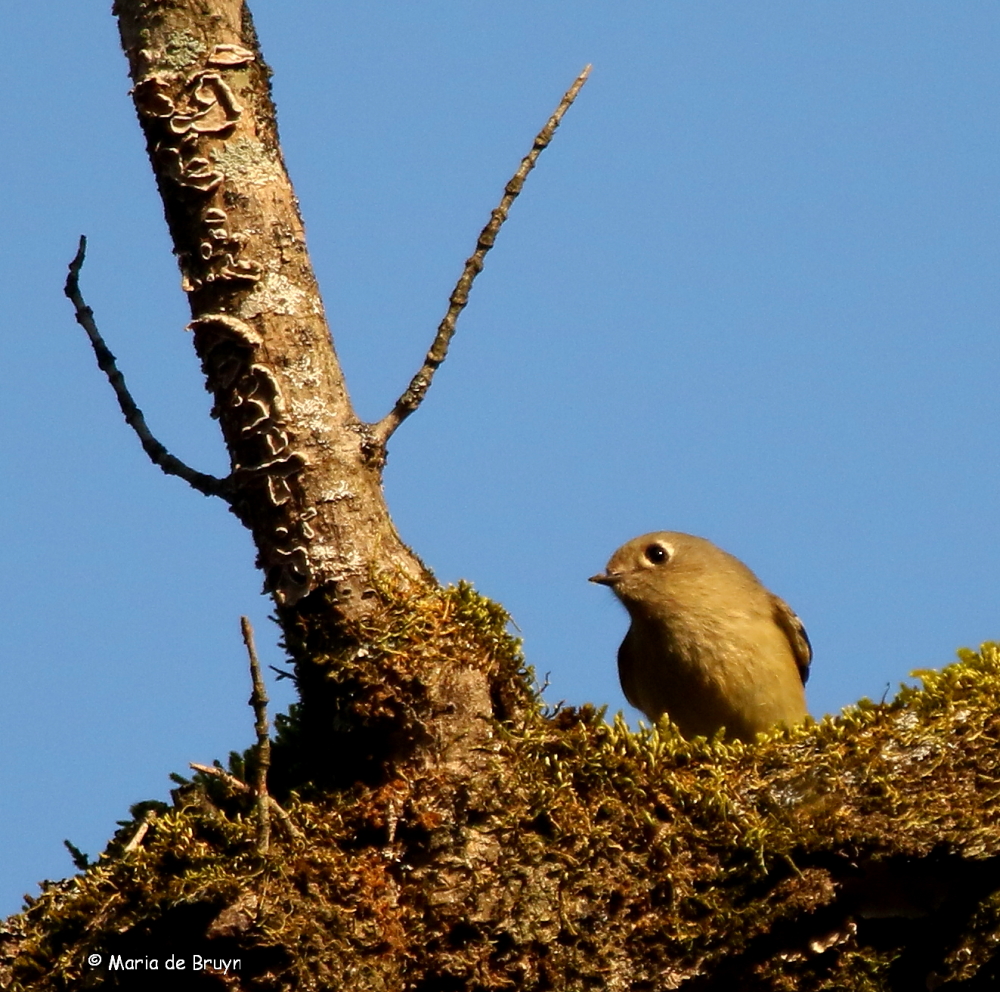
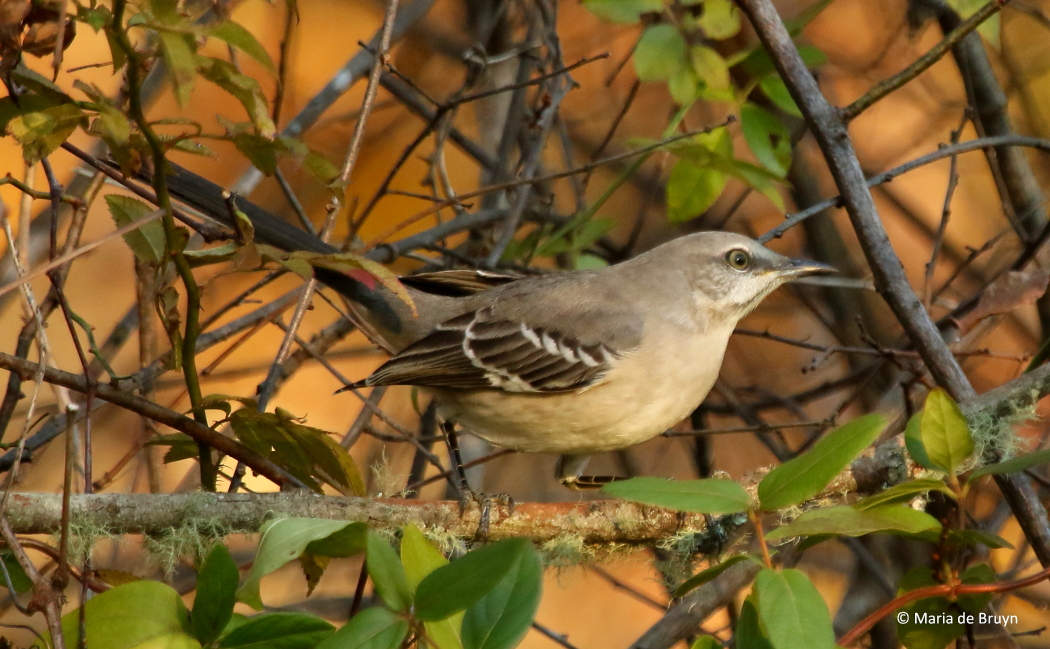
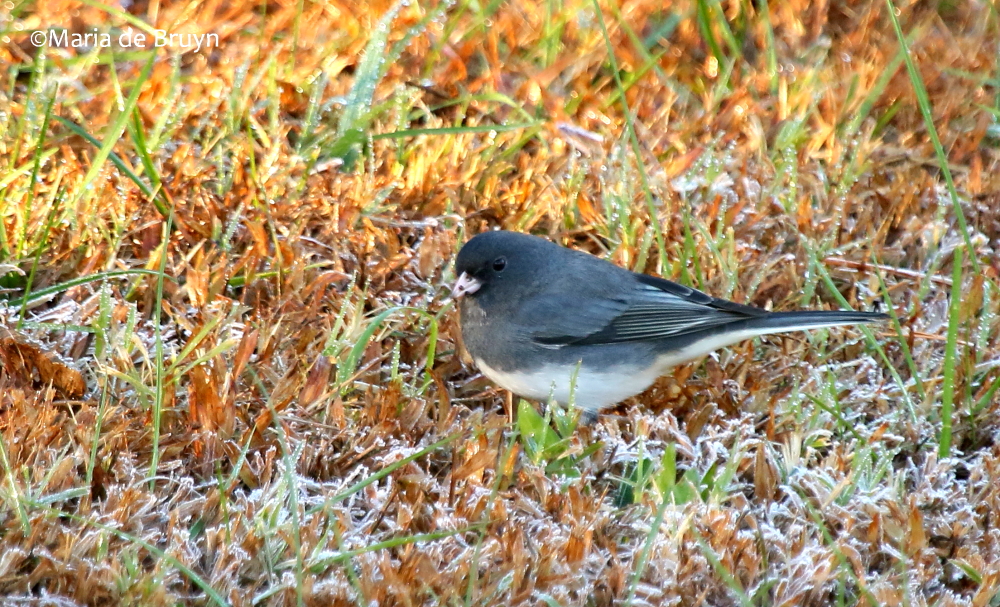
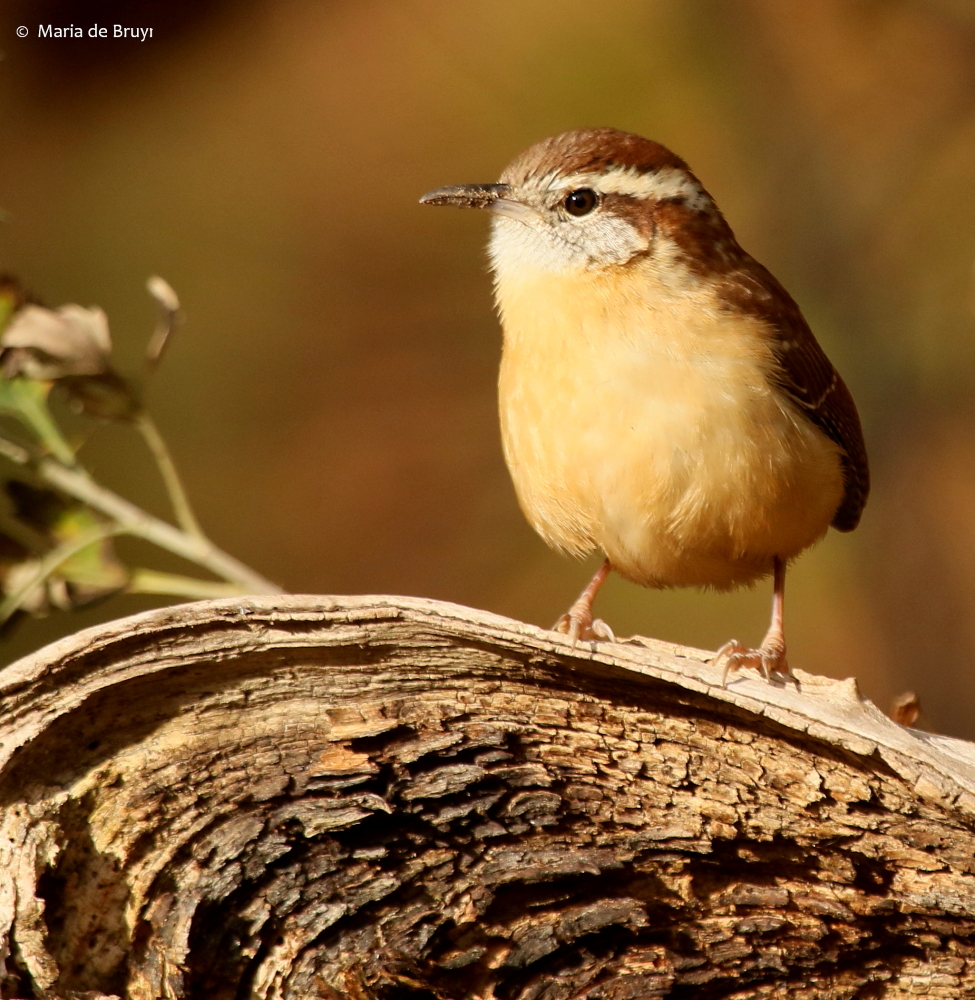
The beautiful “baker” bird

Recently, I’ve had the good fortune to observe a small bird at close quarters that I had only seen in a couple glimpses in the past, the ovenbird (Seiurus aurocapilla). Like the ruby-crowned and golden-crowned kinglets, this little avian also has a stripe atop its head. Like the golden-crowned kinglet, the stripe is always visible and orange in color, blending in nicely with its other muted brownish and cream colors.


The ovenbird gets its name from the shape of its nest, which is built on the ground in a shape reminiscent of an outdoor or Hopi oven. It is domed and has a side entrance and can be difficult to see.

The ovenbirds spend the winters in the Caribbean region and Central America and then come North for the summer breeding season. My sightings of the singing male have been at our local nature reserve, Mason Farm Biological Reserve, where I volunteer as an invasive plant eradicator and sometime planter of native flowers.


The male sings a three- to-five note call in the spring as part of his courting behavior and the call varies among individuals. When males are in neighboring territories, they will sing together in duets and it can be difficult to know how many birds are singing.


The sound is so loud that you expect to see a much larger bird and his song inspired poet Robert Frost to dedicate a poem to him.


If he is sitting on a branch, you can eventually find him but it can be a challenge since they prefer to reside in forests with heavy canopy cover so that it is fairly dark.


Once you see him, you may be able to watch for a while as they don’t seem to be very wary of people. This individual let me observe as he groomed on a low tree branch, pausing now and again to let out a few notes.


These birds prefer areas with heavy leaf litter for their homes – the leaves provide cover for their ground nests and they blend in really, really well as they scurry about foraging in the leaves for insects, worms and snails to eat. Both the females and males participate in feeding the fledglings until they can fly at about 30 days.

When they emerge into a patch with a bit of sunlight filtering down through the leaves overhead, you have a bit better chance to see them. Otherwise, you may end up staring at ground cover until you catch a bit of movement and can zero in on the motion to see them.


Photographing the bird is a challenge since they spend their time in areas with so little direct light. My first photos were a bit dark, but then I increased the ISO on my camera considerably (a tip from fellow photographer, Mary – thanks!) and the photos were a bit better. Still, the somewhat darker photos reflect the environment in which you discover these little troubadour warblers. Now that I know where to look for them, I hope to see them more often in years to come.

Pulling privet, banishing buckthorn and mimicking Mother Nature

The (somewhat) varied life of a Mason Farm Biological Reserve volunteer

sign-dk7a3365-maria-de-bruyn-res

Today marks the third anniversary for my work as a Green Dragon – volunteers who help maintain the 367-acre Mason Farm Biological Reserve in Chapel Hill, North Carolina. On Tuesdays, a small group gathers to carry out tasks assigned by Neville, who is the Land Manager for this and two other preserves managed by the North Carolina Botanical Garden/UNC.

neville-img_4702-maria-de-bruyn-res

Neville, string-trimming Japanese stiltgrass (Microstegium vimineum)

winter-wren-i77a8901-maria-de-bruynWhile we work, we can listen to the songs and calls of lovely birds, like the winter wren (Troglodytes hiemalis), and if we’re lucky, we can see wildlife like painted turtles, raccoons, opossums and coyotes (Canis latrans).

coyote-i77a8913-maria-de-bruyn-res


Being outdoors and helping keep the Reserve a peaceful and beautiful area for research and enjoyment of the natural world provides me with a feeling of civic contribution, as well as satisfaction, chances for discovery and learning, and well-being. So I’d like to share with you a bit of what we do in a lengthier blog than usual.

sign-img_0076-maria-de-bruyn-res sign-dk7a2339-maria-de-bruyn-res

wisteria-cutting-img_0427-maria-de-bruyn-resOne of our major tasks is helping make a dent in the eradication process for invasive plants. Some have found their way to the Reserve through natural dispersal mechanisms (seeds carried by the wind and wildlife), while others were unfortunately introduced by humans who didn’t know at the time just how destructive the plants would become in overshadowing native vegetation. Cutting down Chinese and Japanese wisteria vines (Wisteria sinensis, W. floribunda) is a recurrent job.

Some invasives are really beautiful and it’s easy to see why they are still sold in some garden shops, like oriental bittersweet (Celastrus orbiculatus) and porcelain berry (Ampelopsis glandulosa); they are really attractive plants – nevertheless, we remove them when feasible. Autumn and thorny olive (Elaeagnus umbellata and E. pungens) are two others that grow as vines or shrubs.

oriental-bittersweet-8-oriental-bittersweet-img_5343m-de-bruyn-signed   porcelainberry-img_0739-2maria-de-bruyn

buckthorn-i77a2455-maria-de-bruyn-signed-resAnother botanical foe is buckthorn (Rhamnus species), a shrub which can grow into a small tree when unchecked. It has nasty thorns which can pierce clothing and shoes and when it gets older and larger, a weed wrench and extra manpower may be needed to get it out of the ground. On the other hand, pulling up the “baby” buckthorns, especially after rain, can be much easier, though unkind work for your back.

buckthorn-img_5724-maria-de-bruyn-res

pete-img_1764-maria-de-bruyn-res  buckthorn-img_4403-maria-de-bruyn-signed-res

Volunteer Pete wields a weed wrench; the small buckthorns can be pulled by hand

marbled-salamander-img_3320maria-de-bruyn-resWhen digging holes into some areas, you may come upon salamanders – this female marbled salamander (Ambystoma opacum) was guarding her eggs when we uncovered her (and quickly covered her again).

The buckthorn produces prolific black berries which are a great favorite of the cedar waxwings (Bombycilla cedrorum) – flocks will descend to enjoy the sweet treat.

cedar-waxwing-i77a6144-maria-de-bruyn-res   cedar-waxwing-i77a6020-maria-de-bruyn-res

The cedar waxwings also really like privet (Ligustrum sinense and L. japonicum), which produces numerous black berries a little smaller than the buckthorn. The privet also produces many offspring but when they are very young, they are quite easy to pull up. The privets that grow into trees, however, pose the same challenges as the large buckthorns, calling for multiplied manpower to extract them from the ground and resulting in exhaltation when success is achieved.

privet-img_1234-maria-de-bruyn-res privet-img_1233-maria-de-bruyn-res

privet-img_1262-maria-de-bruyn-res

buckthorn-img_5597-maria-de-bruyn-res


While working on invasive eradication, we often come upon smaller wildlife, like American toads (Anaxyrus americanus, formerly Bufo americanus), bullfrogs (Lithobates catesbeianus), green and gray tree frogs (Hyla cinereal and H. chrysoscelis/versicolor), spring peepers (Pseudacris crucifer) and rat snakes (Pantherophis obsoletus).

american-toad-img_0013-maria-de-bruyn-res  bullfrog-img_0226-maria-de-bruyn-res

buckthorn-img_4403-maria-de-bruyn-signed-res  frog-i77a3959-maria-de-bruyn-res

copes-gray-tree-frog-img_6145-maria-de-bruyn-res   spring-peeper-img_4391-maria-de-bruyn-res

rat-snake-img_3470-maria-de-bruyn-res

The many brush piles dotting the landscape in the Reserve, both in wooded areas and fields, are the result of our labors – providing birds and small animals with ready-made homes and hiding places.

brush-piles-img_4394-maria-de-bruyn-res

Volunteer Giles and Neville pile up privet and buckthorn

A second major task is planting native plants in various areas of the Reserve – seedlings and young plants are provided by the Botanical Garden and Land Manager and may include flowering species such as Hibiscus and cardinal flowers (Lobelia cardinalis), fruiting shrubs like common elderberry (Sambucus nigra Canadensis), and varied grasses.

grasses-are-hollow-img_0274maria-de-bruyn-signed-res   planting-img_0217maria-de-bruyn-res

bill-resting-sore-back-img_0284maria-de-bruyn-signedWhen we do this in summer, the temperatures can get quite high early in the day; water breaks are welcome, as shown by Mason Farm Green Dragon supreme – Bill, who has been volunteering since 2004!

We put in flags to mark the new plantings in case they will need some watering to thrive. When the weather is hotter and drier, watering takes place right away to give the young vegetation a better chance at survival. It’s a real pleasure to see the plants take hold and flower!

grasses-img_1282-maria-de-bruyn-signed-res   aaron-watering-asters-img_0277maria-de-bruyn-signed

flame-i77a0237-maria-de-bruyn-resSome plants are fire-dependent, meaning their environment must be burned with some regularity if they are to survive and thrive.

Prescribed burns are therefore done at Mason Farm to mimic the natural fires which took place centuries ago before development took over many areas. Woods and fields are burned every few years and great attention is paid to the weather, taking care that no high winds are predicted that could carry embers far away to start fires in unwanted areas. The Green Dragons helped clear fire lines last week for a recent burn – raking away leaves and twigs and bark from areas where the fire will normally die out.

flame-i77a0238-maria-de-bruyn-res flame-i77a0239-maria-de-bruyn-res

neville-i77a0232-maria-de-bruyn-resMembers of the fire team receive instructions on their roles – the fire starters ignite the leaves and grasses in stages, pausing to see how fast the fire is moving and how the wind is blowing.


flame-i77a0239-maria-de-bruyn-res   johnny-i77a0244-maria-de-bruyn-res

Several people will serve as spotters, watching the fire lines to ensure that any escaping embers are put out and some team members clear areas around trees and snags that will be protected against burning (e.g., because they provide homes for woodpeckers).

fire-team-img_1400-maria-de-bruyn-res

Where the leaf litter is not 100% dry, some areas will burn and others will remain untouched.

flame-i77a0246-maria-de-bruyn-res

Dry grasses can catch quickly and the spreading fire generates intense heat as the flames spread rapidly across a field.

i77a0266-maria-de-bruyn-res  ignition-img_1404-maria-de-bruyn-res

flame-i77a0276-maria-de-bruyn-res  flame-i77a0274-maria-de-bruyn-res

broad-tipped-conehead-katydid-neoconocephalus-triops-img_1403-maria-de-bruyn-resMy concern is always that not all animals will make it out in time. Fellow volunteer Giles spotted a broad-tipped conehead katydid (Neoconocephalus triops), which he carried to a safe spot. I hope that the Eastern box turtles (Terrapene carolina carolina) have dug down deeply enough to be unharmed by the spreading fire. We saw grasshoppers and bugs fleeing the field being burned this past week and I was happy to see a pair of hispid cotton rats (Sigmodon hispidus) rush out.

eastern-box-turtle-img_4536-maria-de-bruyn-res  eastern-box-turtle-img_5682-maria-de-bruyn-res

After the fire is mostly burned out, the team walks the edges to tamp out still burning places. The next day, the woods and field look mostly gray, black and sere but experience has taught me that in a few weeks they will begin turning green again.

neville-i77a0286-maria-de-bruyn-res     fire-team-i77a0282-maria-de-bruyn-res

There is one more task we carry out which is less frequent but also important – aiding in construction and some clean-up in the Reserve. When funding was received for a boardwalk to make a bog area more accessible after rain, volunteers associated with the Botanical Garden and New Hope Audubon Society as well as Green Dragons built the sections of the board walk, transported them to the site and installed them.

img_8306maria-de-bruyn-res  img_8549maria-de-bruyn-res

flooding-img_1936-maria-de-bruyn-resVisitors were very happy with the new walkway but it turned out that the flooding which occurs when Morgan Creek overflows its banks with heavy rains can sometimes be strong enough to lift up boardwalk sections, necessitating repairs. When funds are available, a new solution will be sought to hold the boardwalk more permanently in place.


mason-farm-img_4883-maria-de-bruyn-res mason-farm-img_4877-maria-de-bruyn-res

The researchers who make “temporary” structures when conducting their studies (e.g., bird blinds, platforms, etc.) unfortunately do not always remove these when their research is done. When time permits, we have helped clear away some of this garbage. We also helped repair a sign and the entry road and parking lot after flooding.

bill-img_0227-maria-de-bruyn-res   bill-img_0229-maria-de-bruyn-res

re-installing-the-map-img_0189maria-de-bruyn-signed-res

road-repair-img_4866-maria-de-bruyn-res

buckthorn-img_5725-maria-de-bruyn-res

Our volunteer crew is usually a small group of retired persons and a couple students (2-5 people). We’d love to have more people join us so we could get more done and have more input for our conversations covering a range of topics such as botany, geology, wildlife observation, music, sports, travel and current events. The volunteer time of Tuesday mornings unfortunately rules out people who have jobs requiring their presence there on weekdays but we remain hopeful that new volunteers will join us. If you live in the local area and are interested, contact the volunteer coordinator at the NC Botanical Garden!
Soothing my spirit, seeking solace for the soul

leaf-i77a2875-maria-de-bruyn-resAlthough more people in the USA voted for the Democratic ticket than the Republican one, the electoral college system will likely lead to the installation of a Republican presidency unless election re-counts affect those designated votes. This distresses me greatly given the persons who have been announced as top administration advisers and cabinet members. My work on social issues and on behalf of vulnerable people will continue and is increasing. But in the meantime, to keep from going into a 100% depressed mode, I have sought solace in nature walks and spiritual strengthening in the flora and fauna I see.

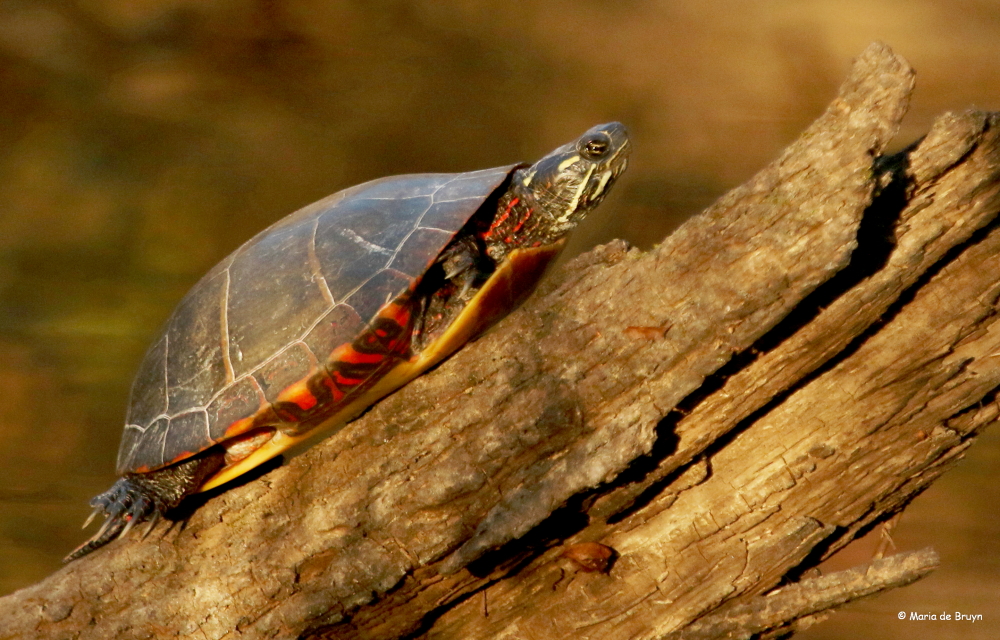
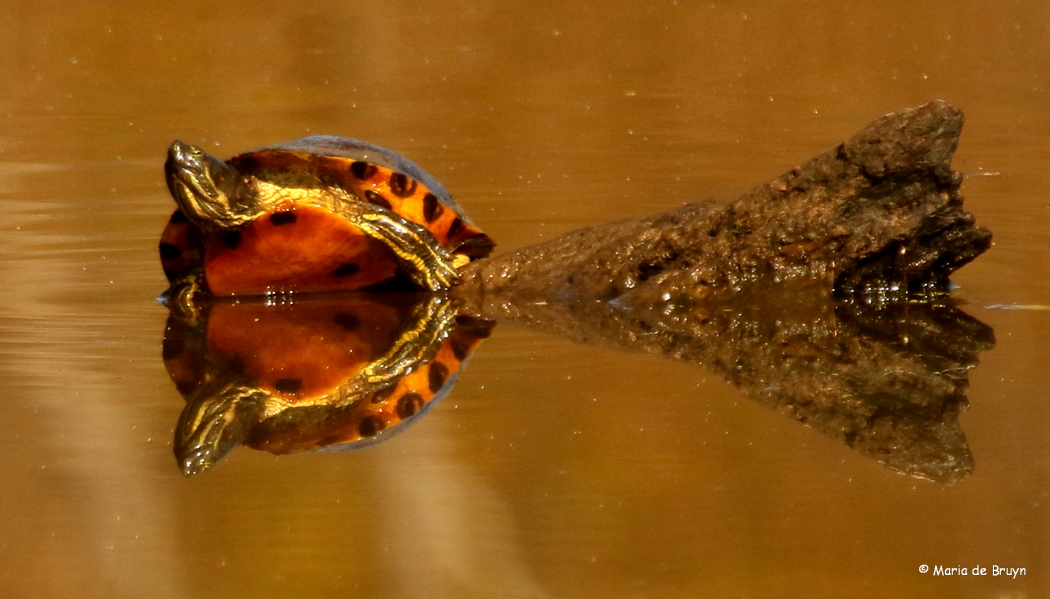
painted-turtle-i77a2277-maria-de-bruyn-resToday, I will share some of words of wisdom from a conscientious spiritual leader with you, along with some photos of nature’s beauties seen during my walks at the Cane Creek Reservoir, Sandy Creek Park and Mason Farm Biological Reserve just before and since the November election. It’s a bit of a long blog but offers some visual sustenance to ponder, like the painted turtle (Chrysemys picta, above) at Mason Farm and the yellow-bellied slider (Trachemys scripta scripta) at Sandy Creek sunning in the morning sun despite chilly temperatures. (From a distance, the slider looked a bit as if there was something with open jaws in the pond!)

yellow-bellied-slider-i77a2954-maria-de-bruyn-res

flower-77a1303maria-de-bruyn-res


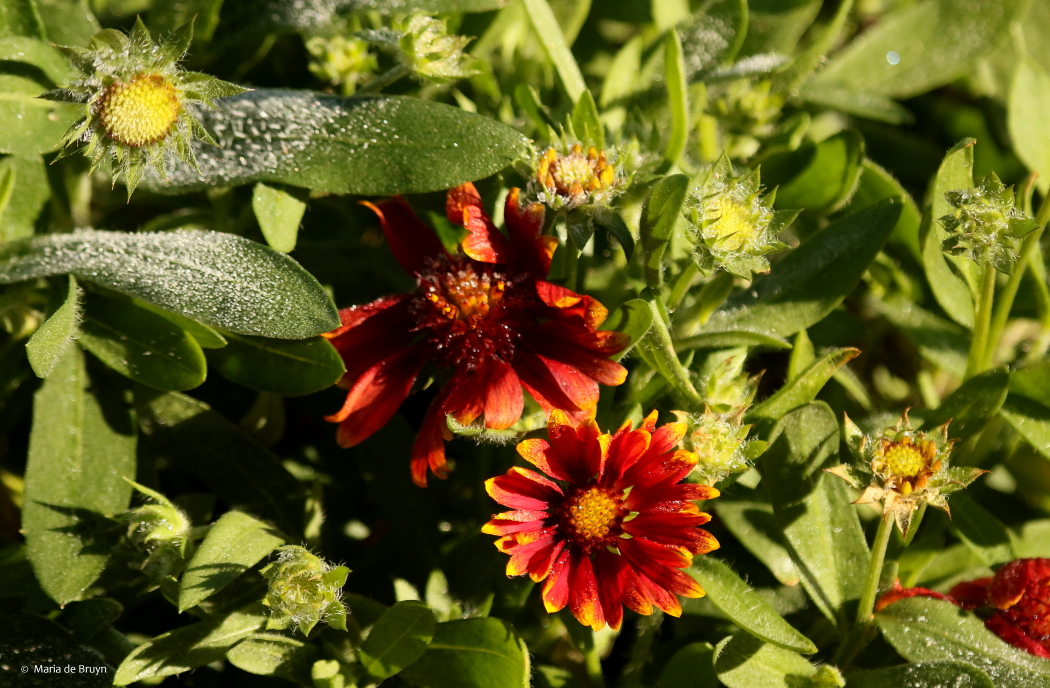
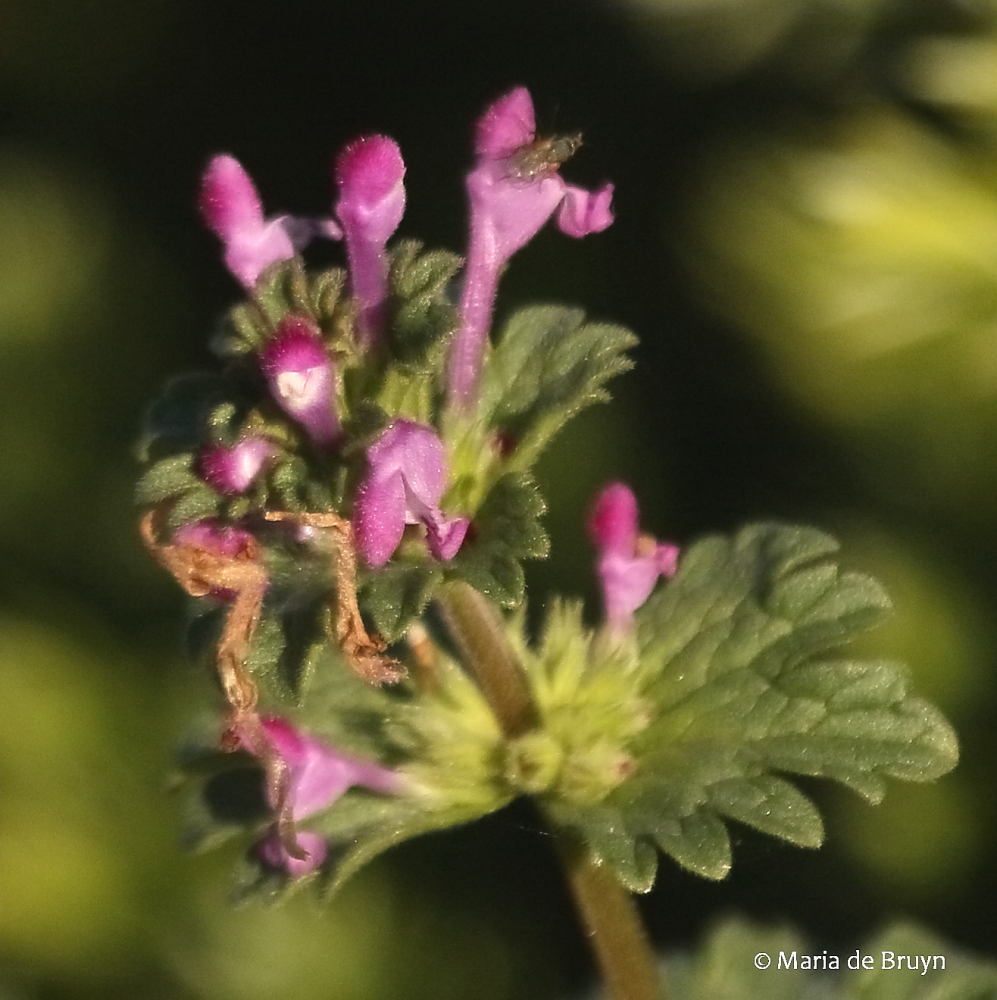
Early in the morning, you can find frost- and dew-covered plants and a few remaining flowers glistening in the sun.


blanket-flower-i77a1309maria-de-bruyn-res  henbit-i77a0825maria-de-bruyn-res

Blanket flower (Gaillardia)                           Henbit (Lamium amplexicaule)

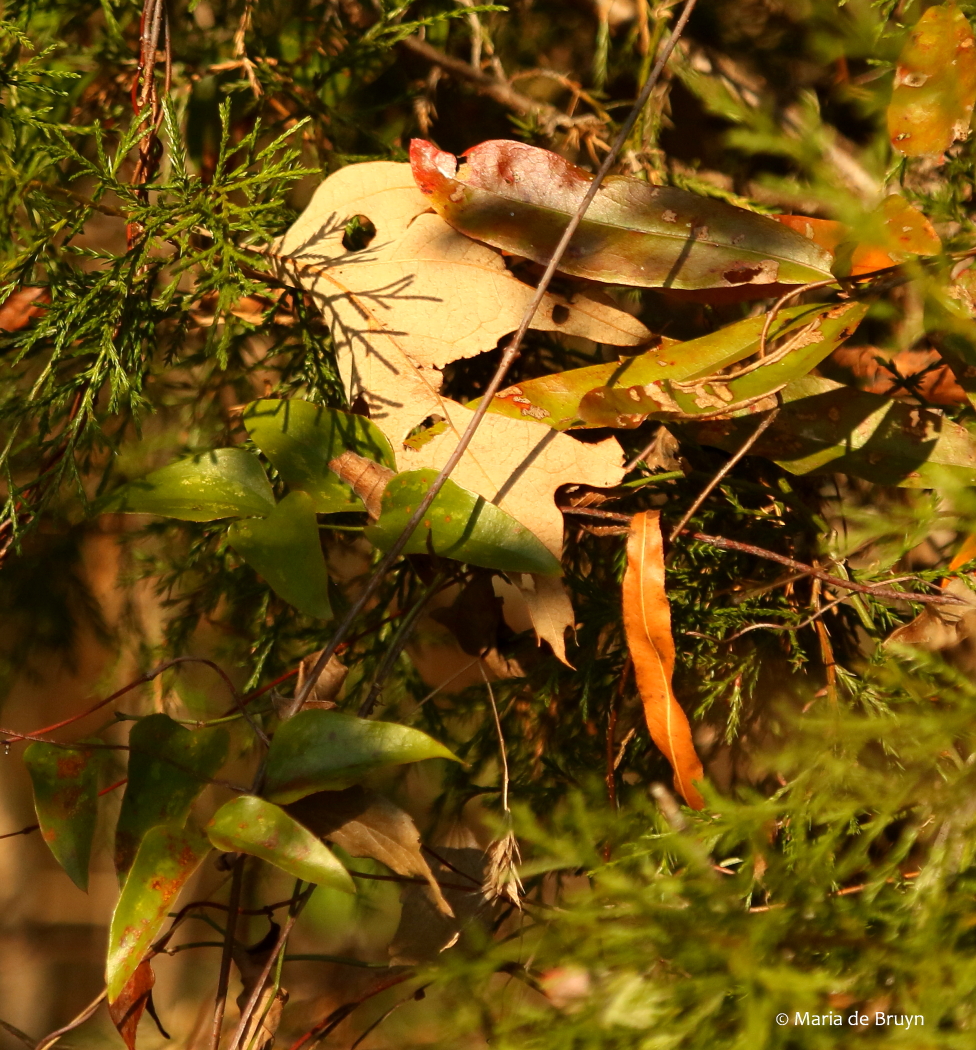
leaf-bird-i77a2906-maria-de-bruyn-res


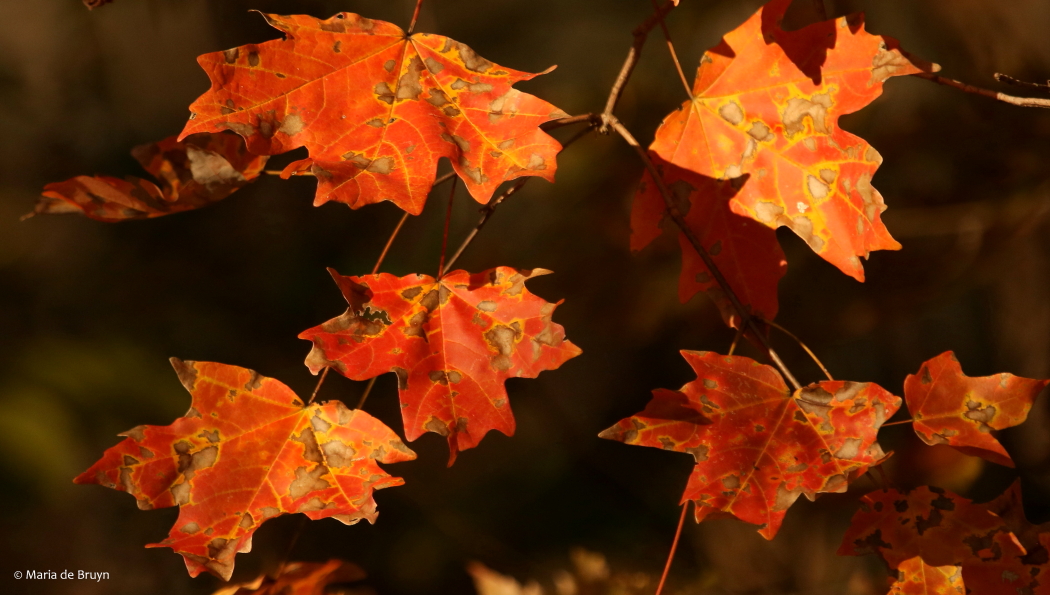
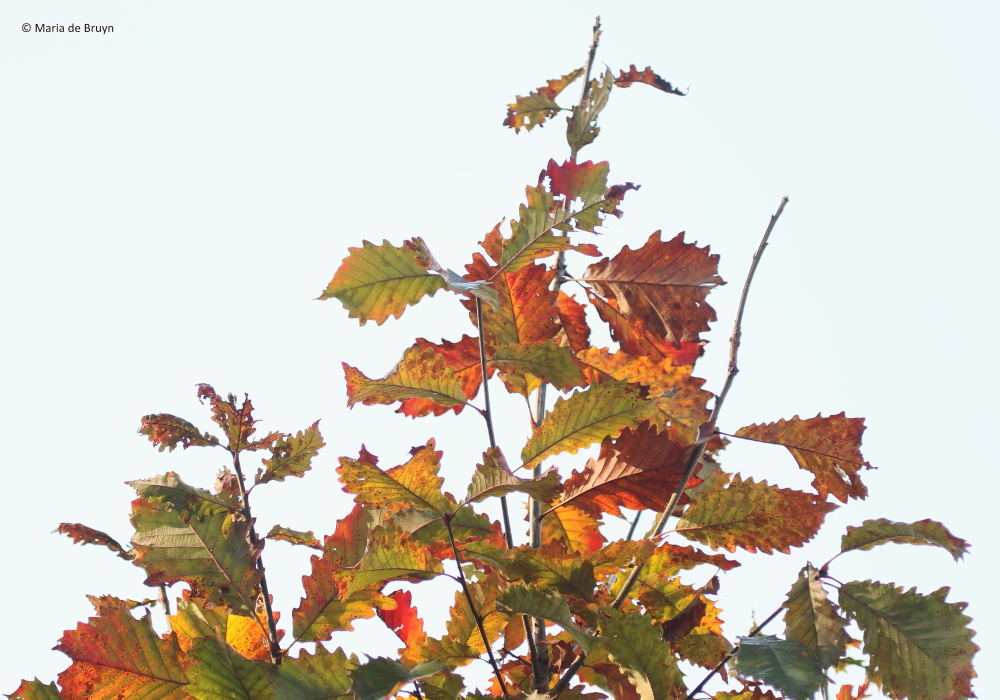
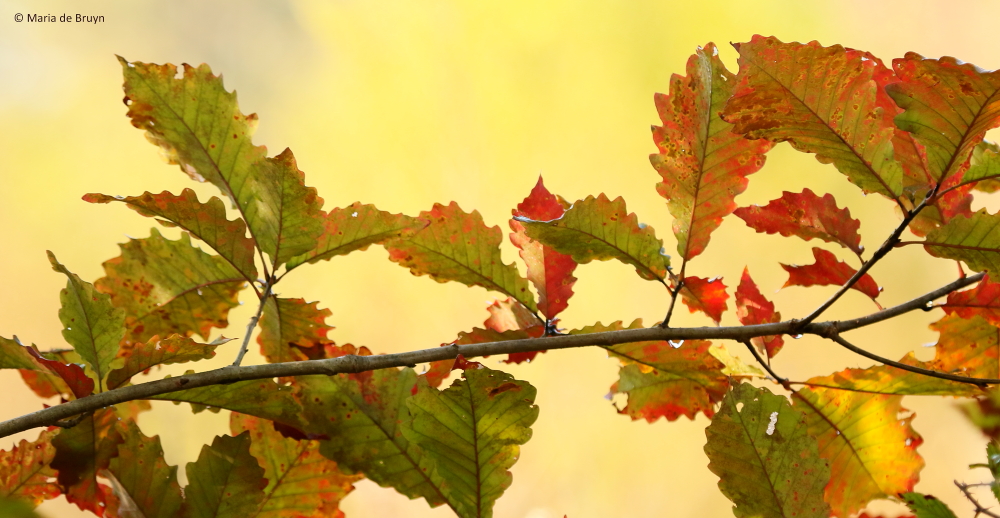
Later in the morning, the autumn-colored leaves make nice patterns as you search for birds high and low. And occasionally you get to see the fabled “leaf bird”.


leaves-i77a2893-maria-de-bruyn-res   leaves-i77a2882-maria-de-bruyn-res

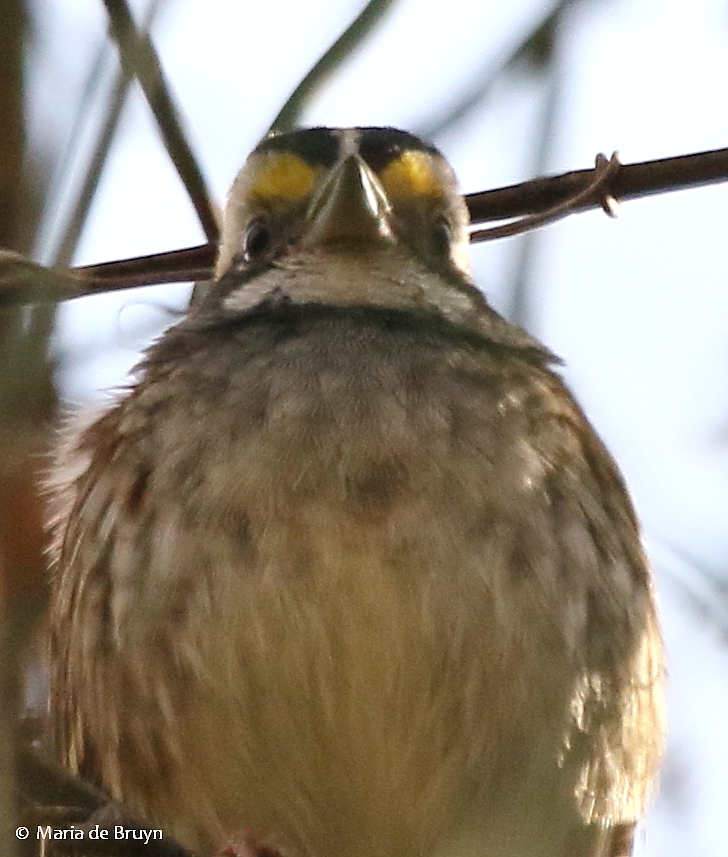
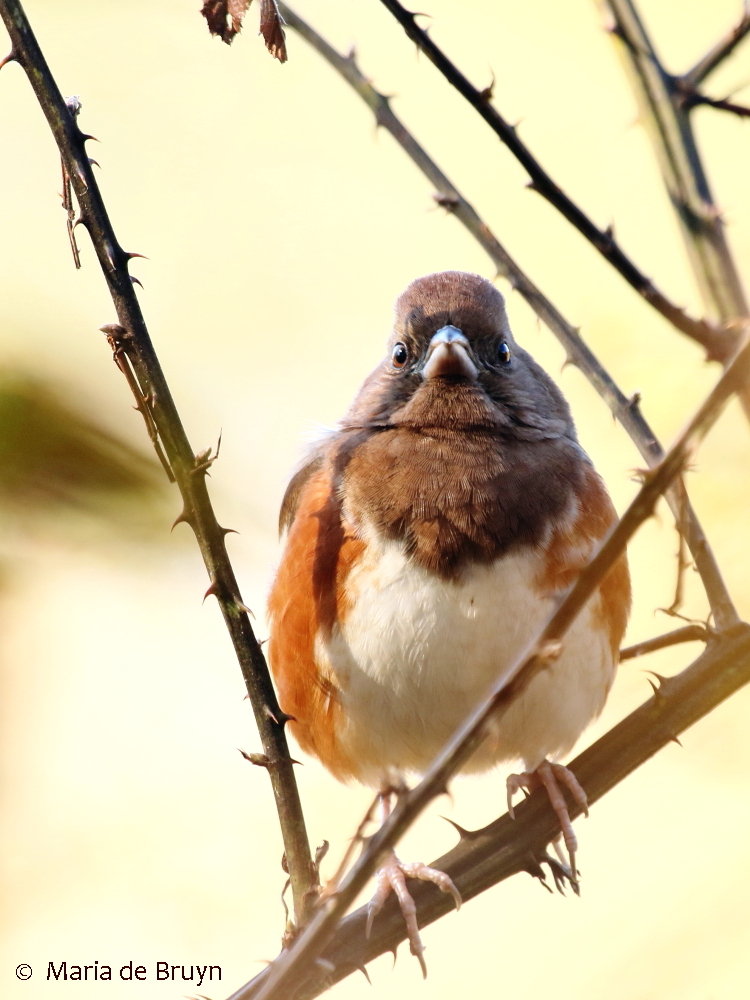
When looking high, you may find the birds looking down on you; face-level stares as you gaze straight ahead may also occur!

white-throated-sparrow-i77a6365-maria-de-bruyn-res                     eastern-towhee-i77a1659maria-de-bruyn-res

White-throated sparrow (Zonotrichia albicollis)  Eastern towhee (Pipilo erythrophthalmus)

killdeer-i77a0916maria-de-bruyn-res


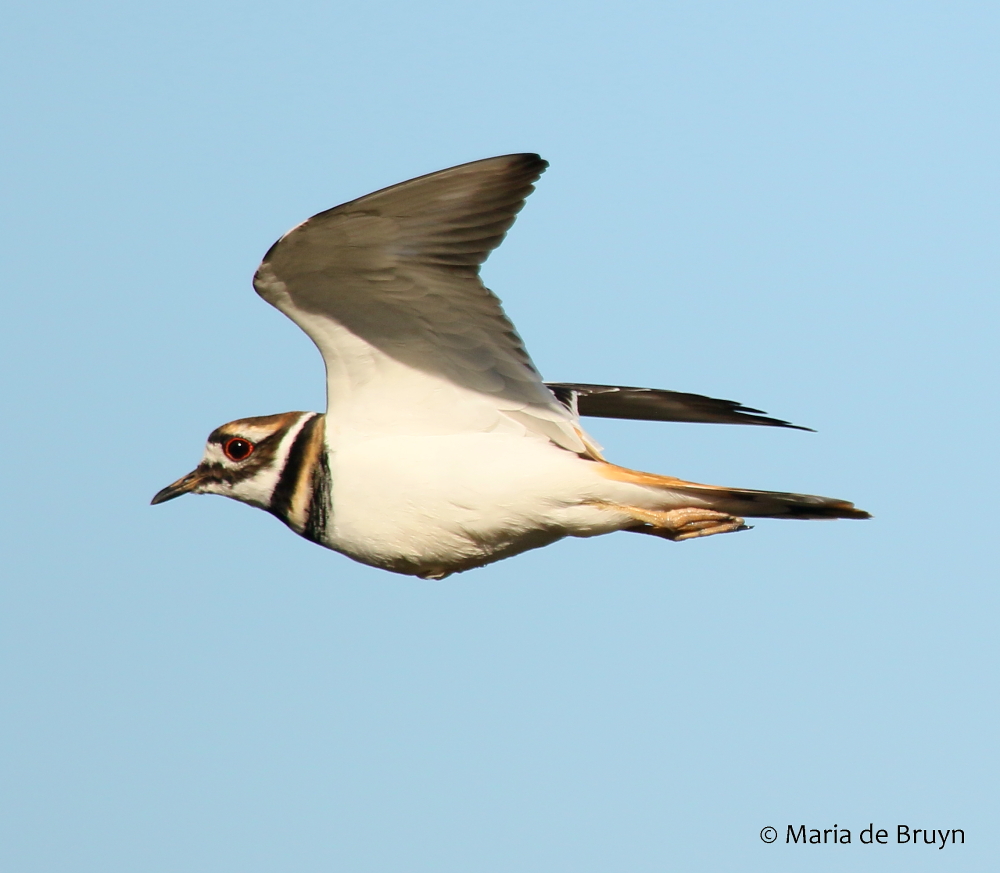
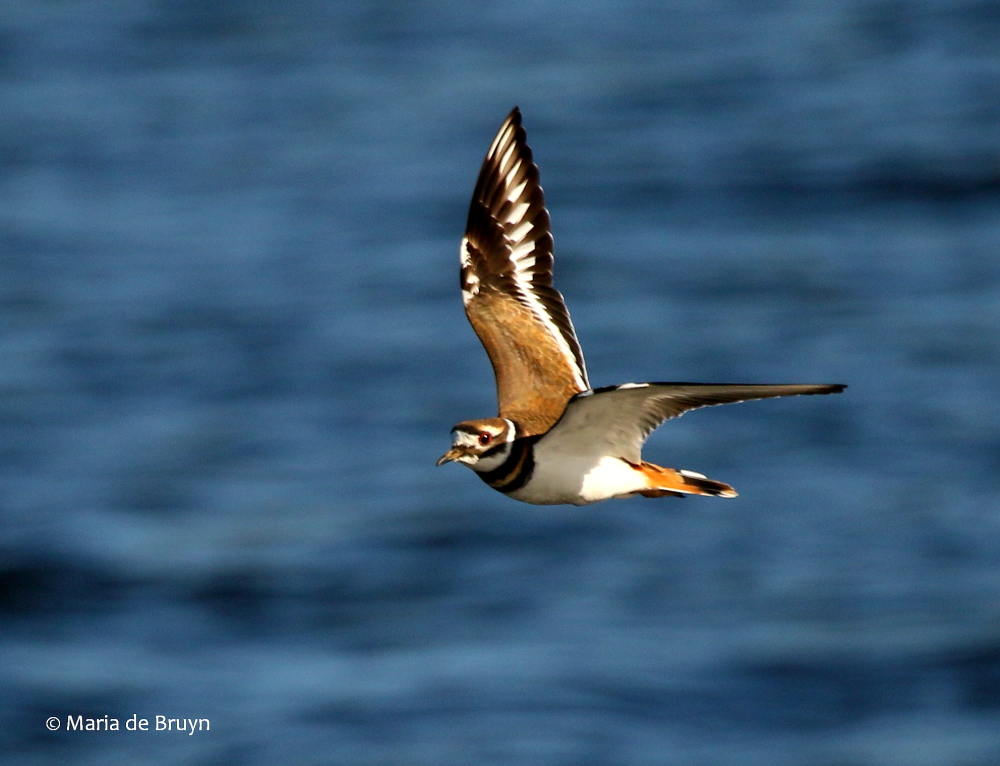
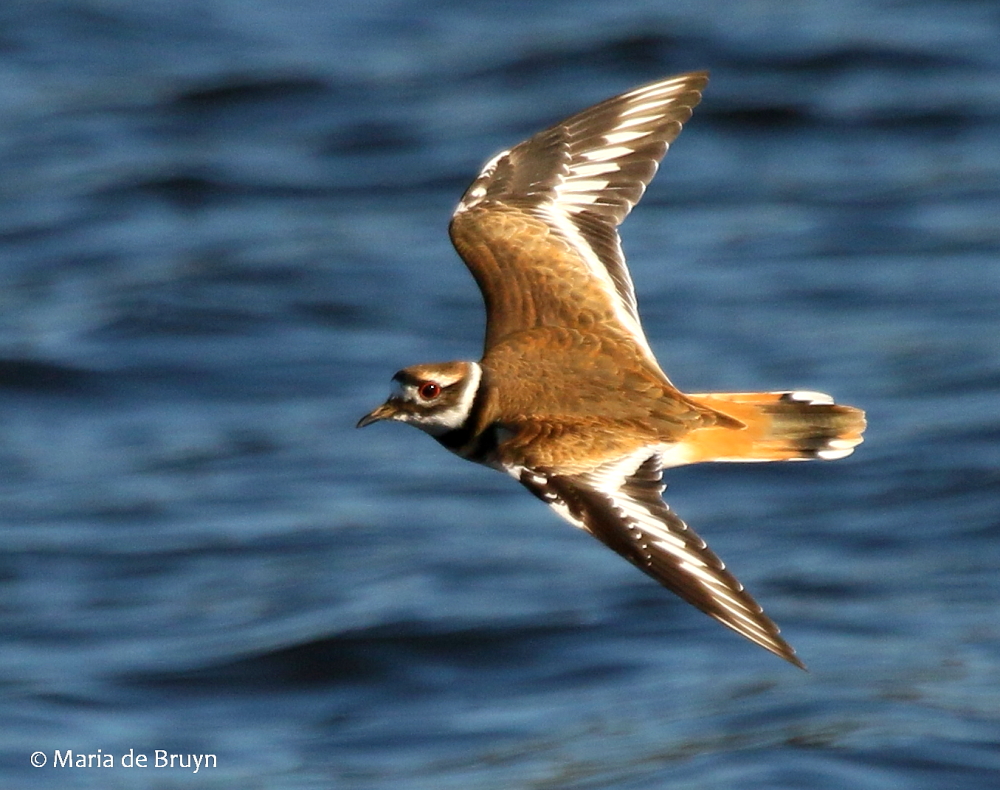
At Cane Creek, the killdeer (Charadrius vociferous) make their presence known by their distinctive calls and you can enjoy their gorgeous appearance as they fly over the lake.


killdeer-i77a0913maria-de-bruyn-res  killdeer-i77a0911maria-de-bruyn-res

Taking care of our planet is like taking care of our houses. Since we human beings come from Nature, there is no point in our going against Nature, which is why I say the environment is not a matter of religion or ethics or morality. These are luxuries, since we can survive without them. But we will not survive if we continue to go against Nature.  – Dalai Lama

red-bellied-woodpecker-i77a2988maria-de-bruyn-res


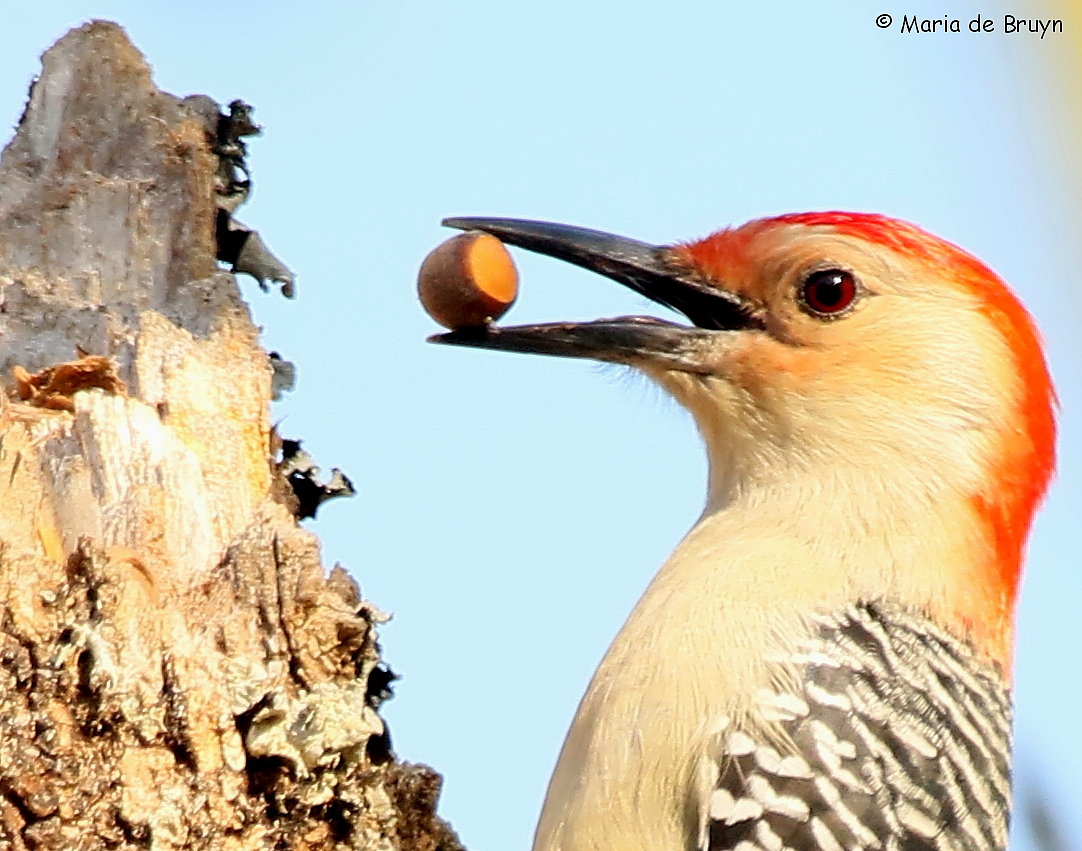
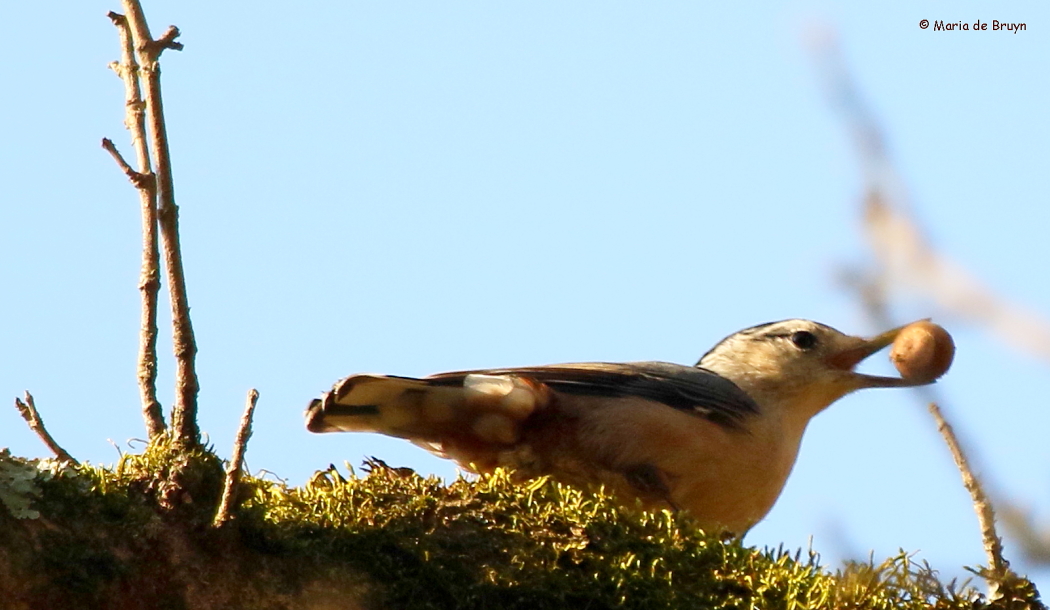
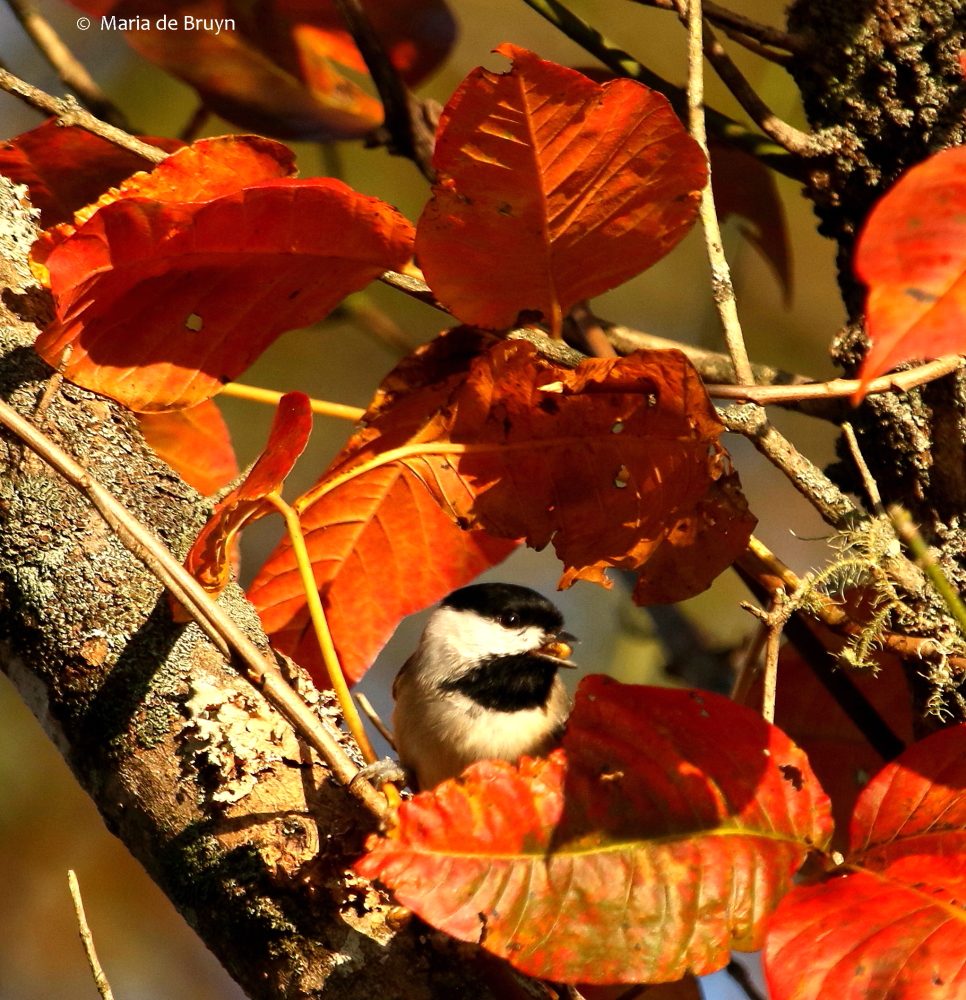
Many birds, like this red-bellied woodpecker (Melanerpes carolinus), are busy finding seeds and nuts for their meals.


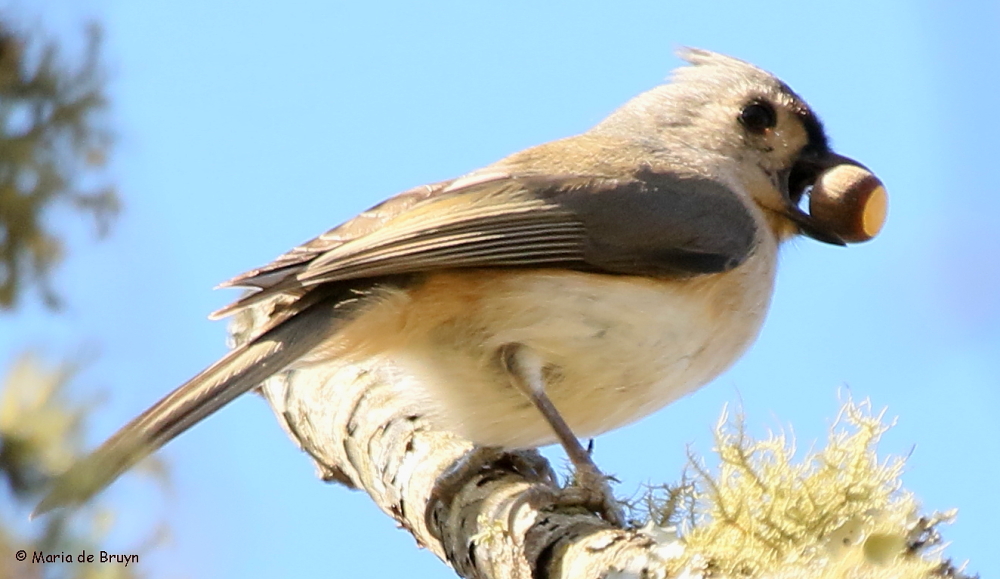
tufted-titmouse-i77a1965maria-de-bruyn-res  white-breasted-nuthatch-i77a2671maria-de-bruyn-res

Tufted titmouse (Baeolophus bicolor)          White-breasted nuthatch (Sitta carolinensis)

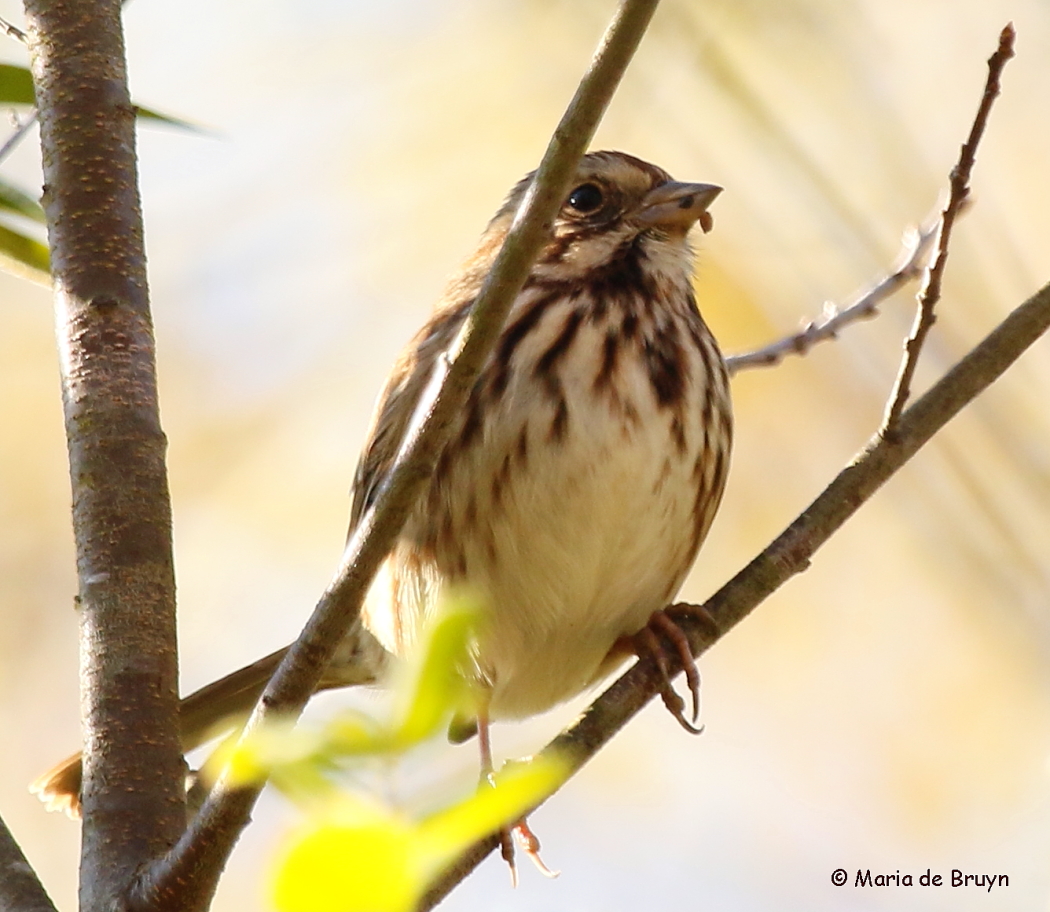
song-sparrow-i77a1499maria-de-bruyn-res   carolina-chickadee-i77a8444-maria-de-bruyn-res

Song sparrow (Melospiza melodia)                 Carolina chickadee (Poecile carolinensis)

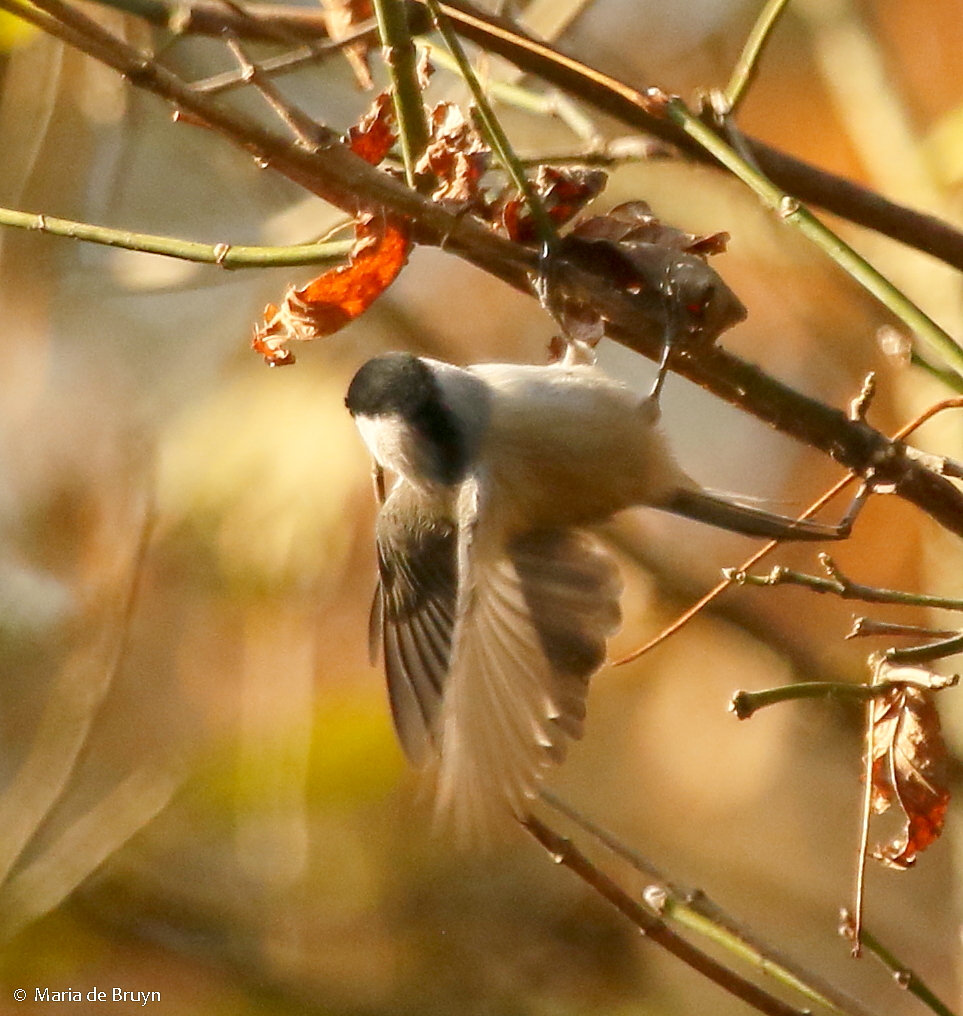
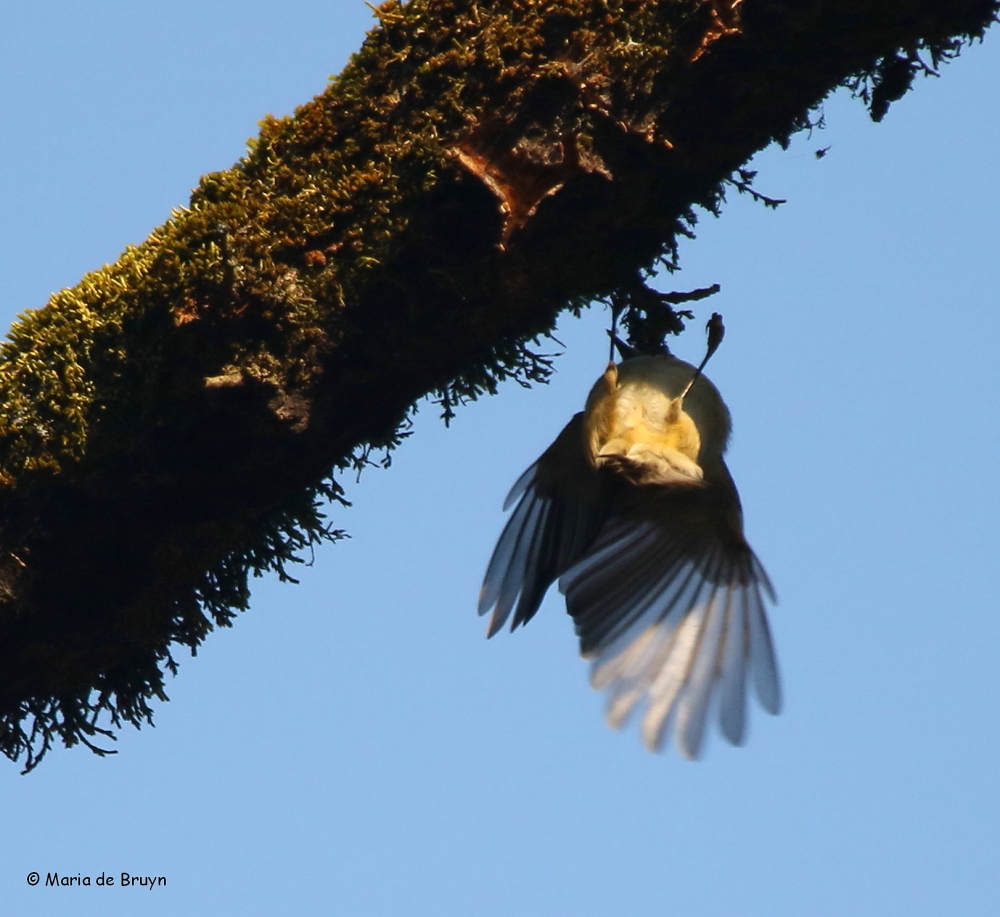
Sometimes, it involves hanging upside down to snag a tasty morsel and their wings help in balancing.

carolina-chickadee-i77a2699maria-de-bruyn    ruby-crowned-kinglet-i77a2565-maria-de-bruyn-res

Carolina chickadee                                    Ruby-crowned kinglet (Regulus calendula)

If we unbalance Nature, humankind will suffer. Furthermore, as people alive today, we must consider future generations: a clean environment is a human right like any other. It is therefore part of our responsibility towards others to ensure that the world we pass on is as healthy, if not healthier, than when we found it. – Dalai Lama

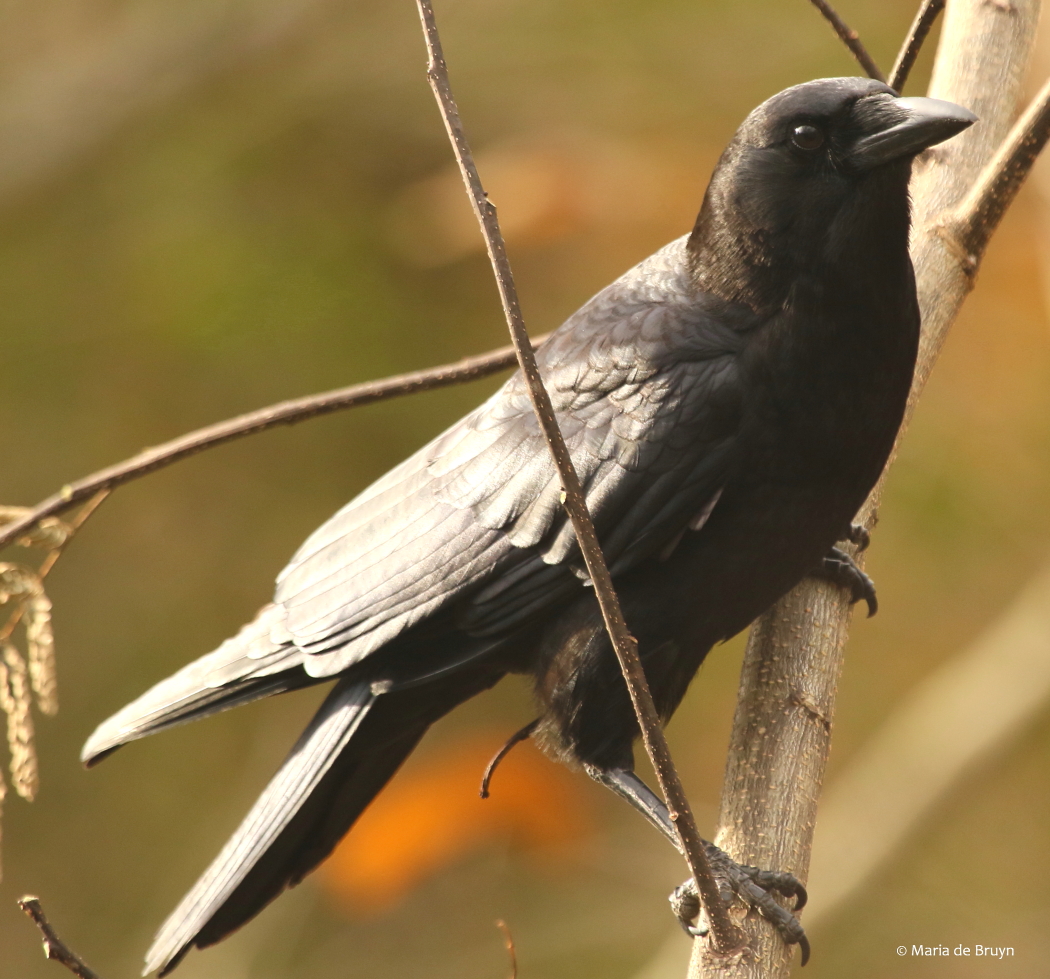
american-crow-i77a6327-maria-de-bruyn-res


At Sandy Creek, a group of American crows (Corvus brachyrhynchos) flew down to investigate what had dropped to the ground from an overflowing garbage can but they soon flew off to seek more normal food elsewhere.


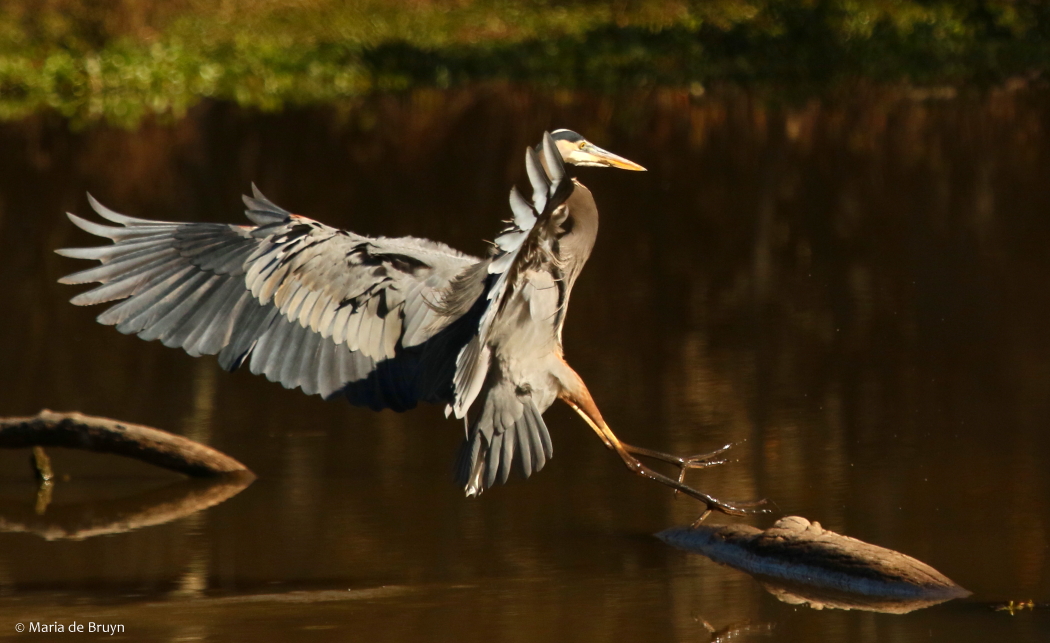
great-blue-heron-i77a1936maria-de-bruyn-res


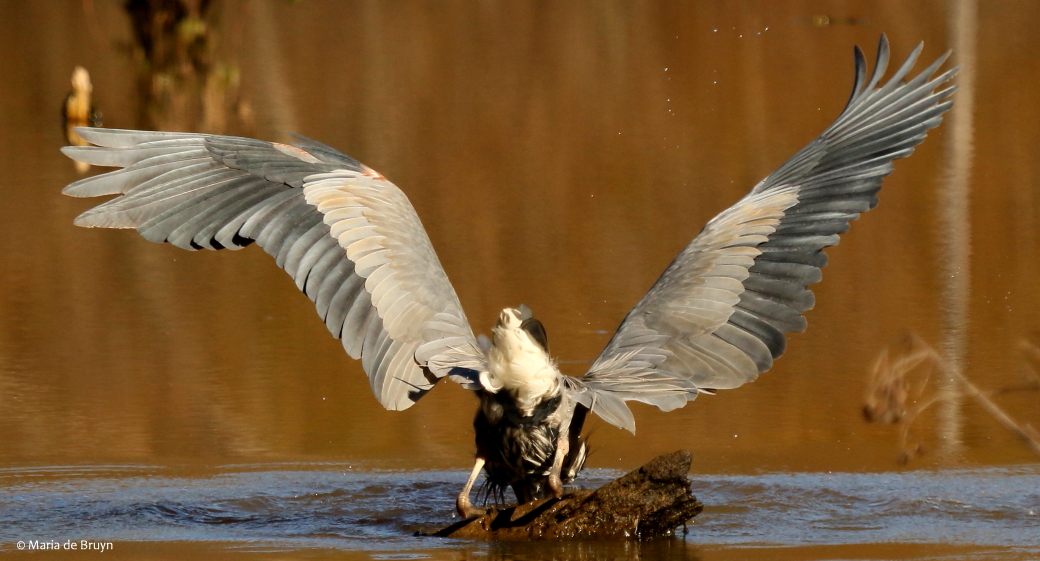
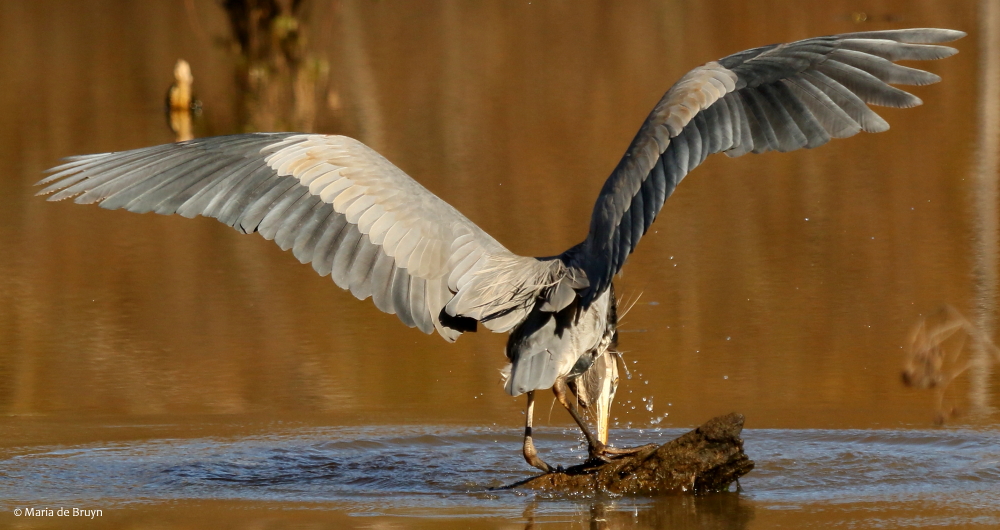
A great blue heron (Ardea herodias) was stalking the pond for fish; after I saw him (or her) snag a medium-sized fish, he turned his back so I saw the fishing technique from the rear.

great-blue-heron-i77a1438maria-de-bruyn-2-res  great-blue-heron-i77a1440maria-de-bruyn-res

flowering-dogwood-i77a0882maria-de-bruyn-res


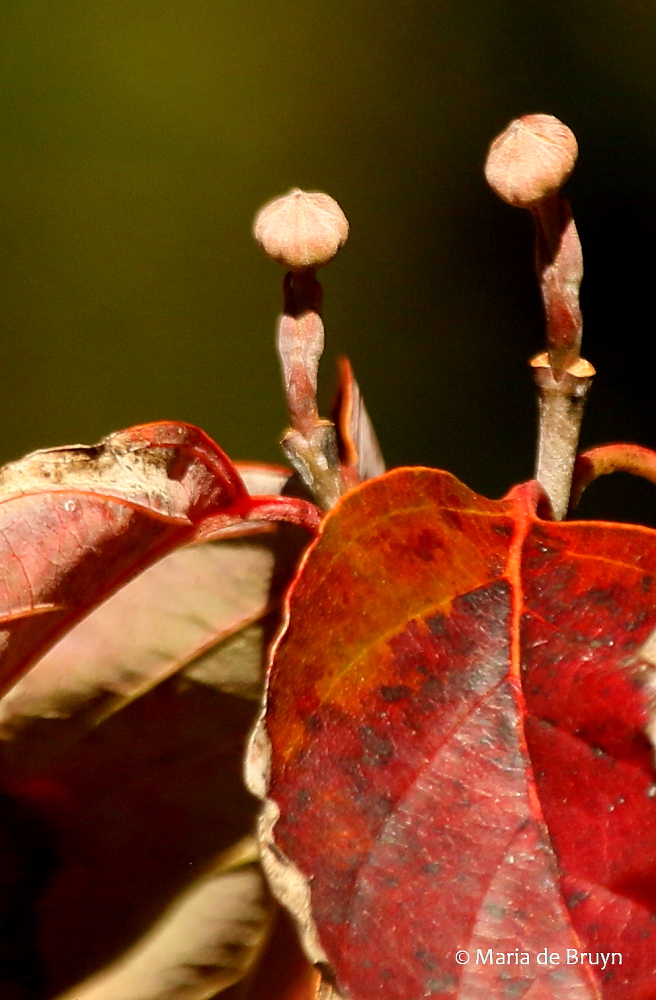
The flowering dogwoods (Cornus florida) at Cane Creek still had a few blossoms; at Sandy Creek and Mason Farm, they offered bright berries. On one tree, they made me think of a movie-inspired alien peeking out of the branches with eyes on stalks.


flowering-dogwood-i77a5820-maria-de-bruyn-res       flowering-dogwood-i77a1012maria-de-bruyn-res

Destruction of nature and nature resources results from ignorance, greed and lack of respect for the earth’s living things. – Dalai Lama

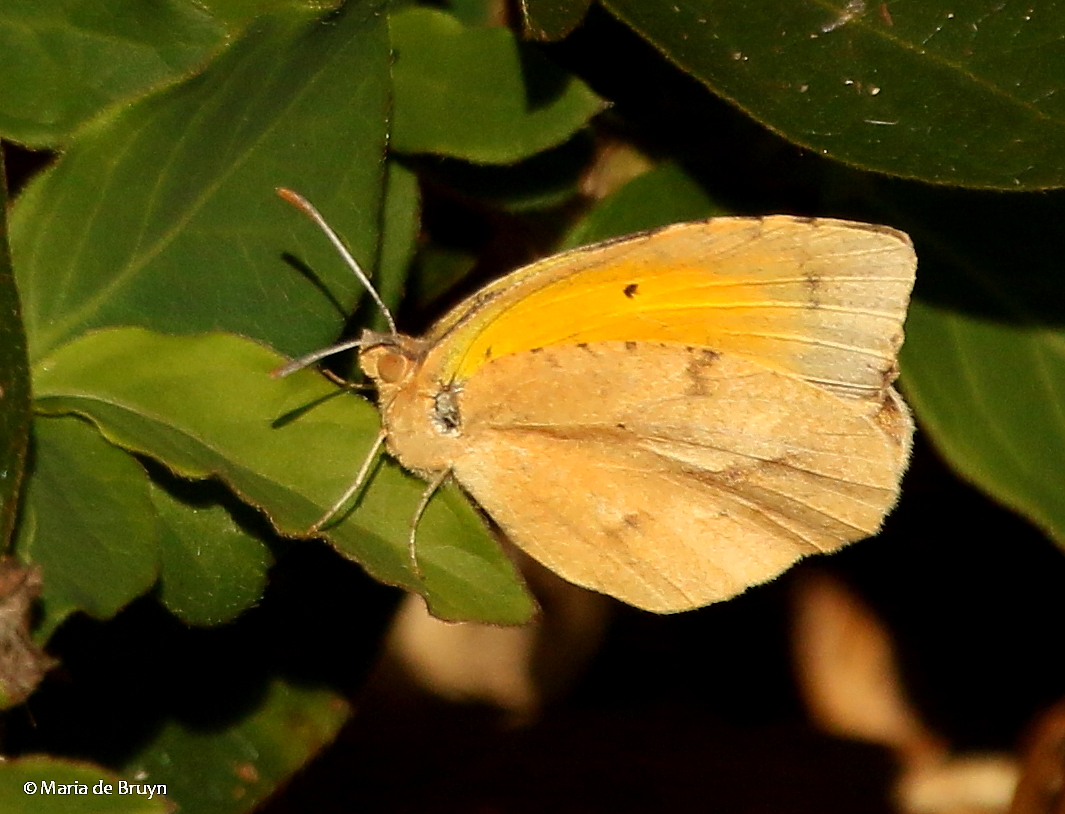
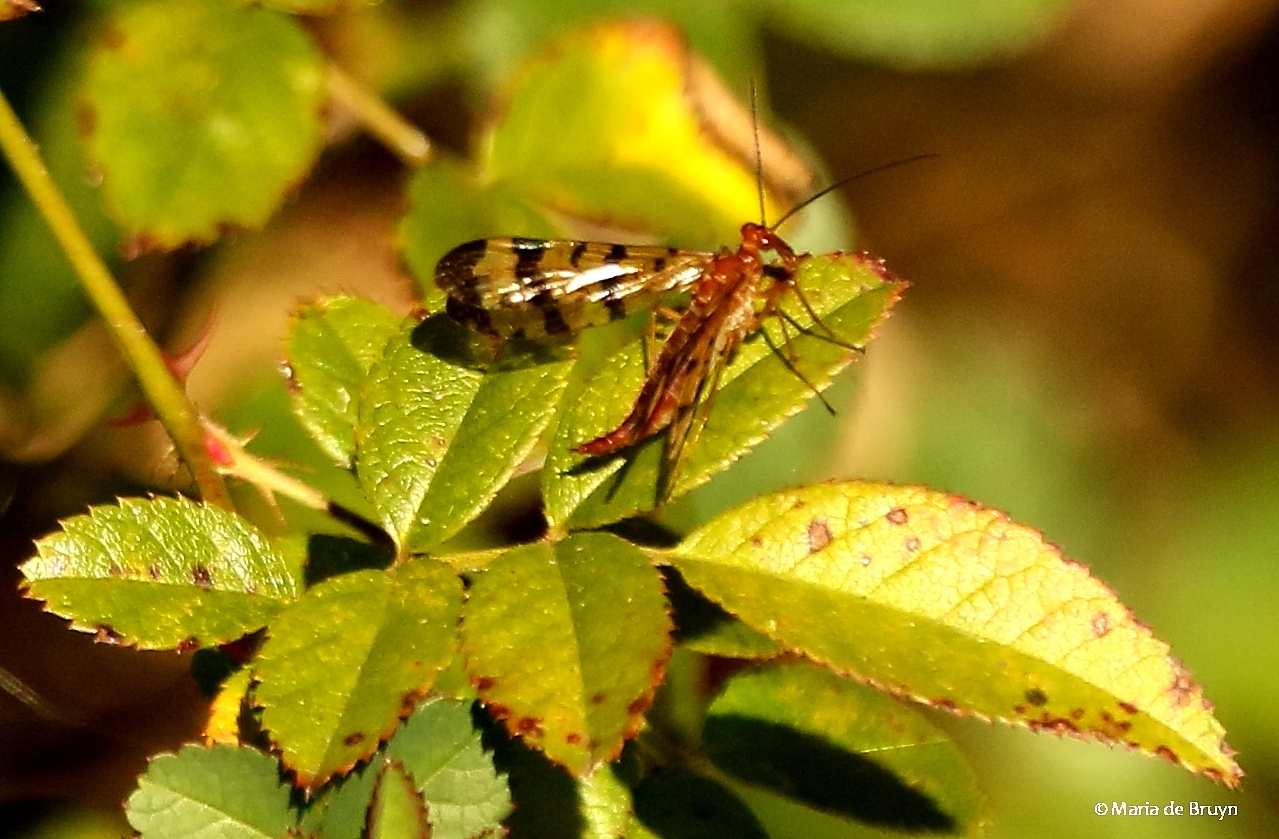
Up until the first morning frost this autumn, butterflies were still around, like this sleepy orange (Eurema nicippe); now that we have had several mornings of below-freezing temperatures, the butterflies are mostly gone as are the majority of bees. A scorpion fly (Panorpa) was in evidence at Cane Creek to my surprise.

sleepy-orange-i77a1003maria-de-bruyn-res  scorpion-fly-i77a0991maria-de-bruyn-res

eastern-gray-squirrel-i77a2505-maria-de-bruyn-res


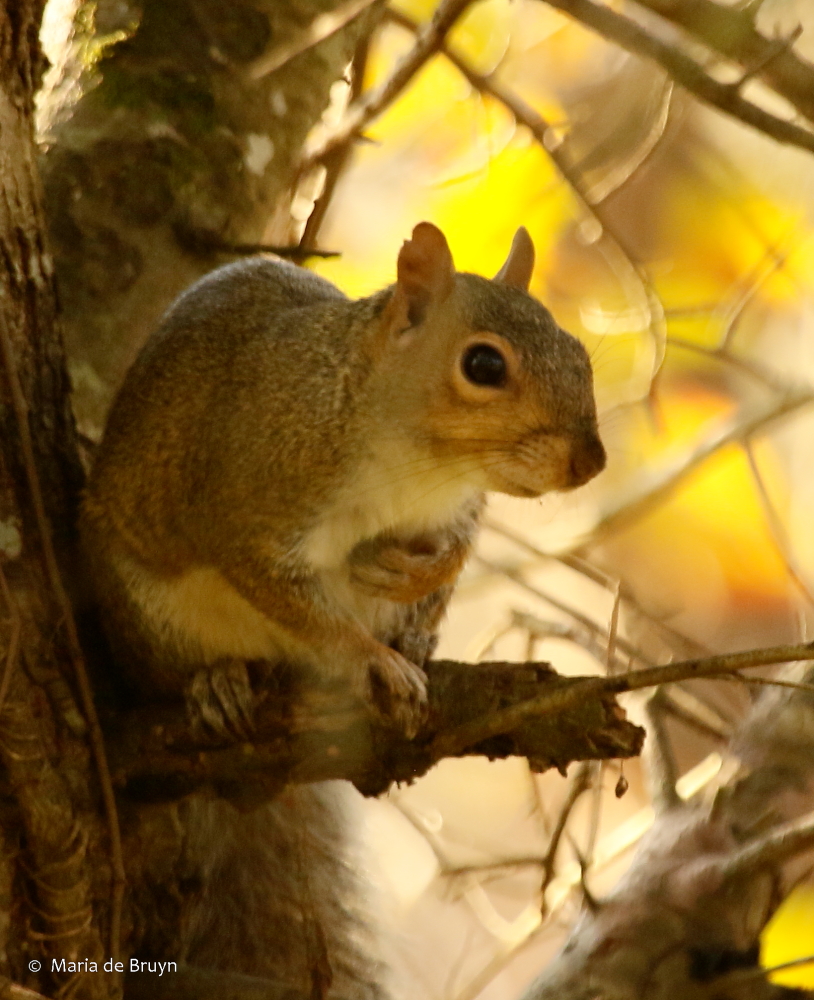
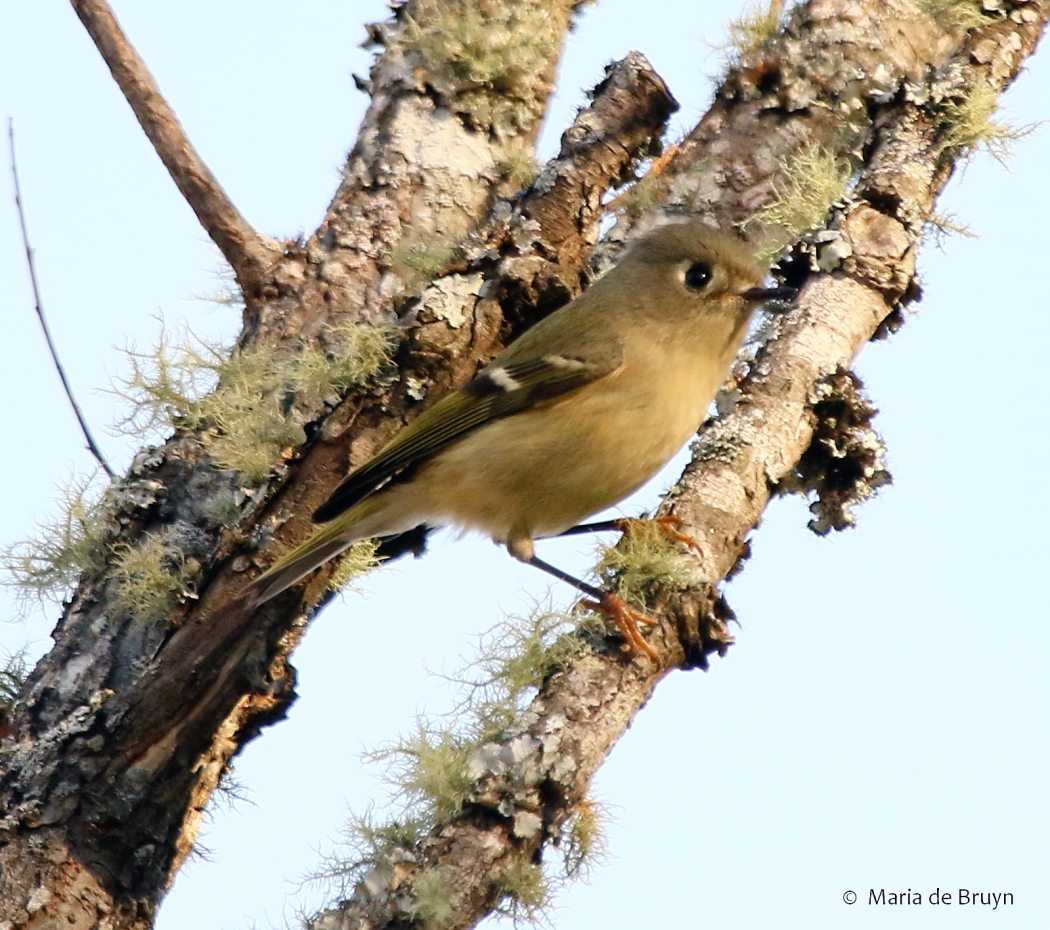
In between bird spottings, Eastern gray squirrels (Sciurus carolinensis) chittered at me at all three parks. And I was pleased to see some ruby-crowned kinglets since the one that has enjoyed the suet at my house the past three years hasn’t appeared yet.


ruby-crowned-kinglet-i77a6241-maria-de-bruyn-res     ruby-crowned-kinglet-i77a2574-maria-de-bruyn-res

…until now, Mother Earth has been able to tolerate our sloppy house habits. However, the stage has now been reached where she can no longer accept our behaviour in silence. The problems caused by environmental disasters can be seen as her response to our irresponsible behaviour. She is warning us that there are limits even to her tolerance. –  Dalai Lama

Some of the birds common in my yard are welcome sights at the nature reserves, too.

northern-mockingbird-i77a2312-maria-de-bruyn-res    dark-eyed-junco-i77a0624maria-de-bruyn-res

Northern mockingbird (Mimus polyglottos)         Dark-eyed junco (Junco hyemalis)

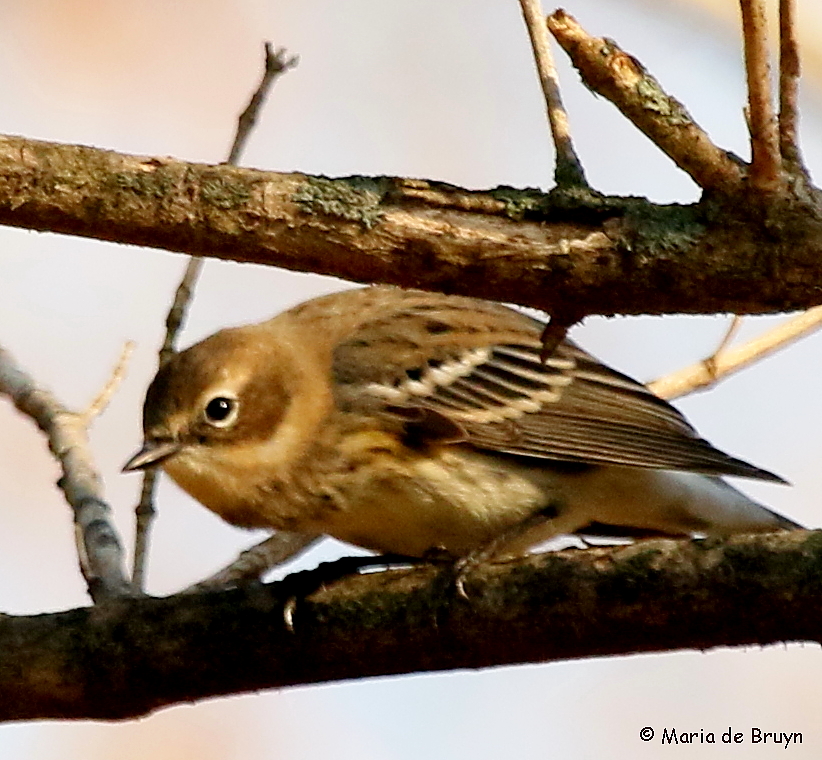
carolina-wren-i77a6358-maria-de-bruyn-res   yellow-rumped-warbler-i77a2780maria-de-bruyn-res

Carolina wren (Thryothorus ludovicianus)   Yellow-rumped warbler (Setophaga coronata)

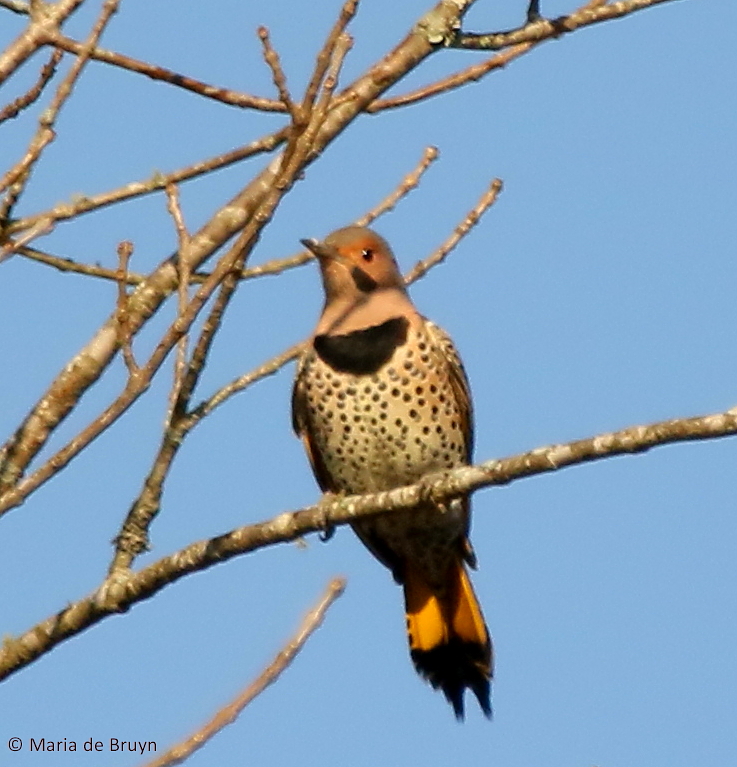
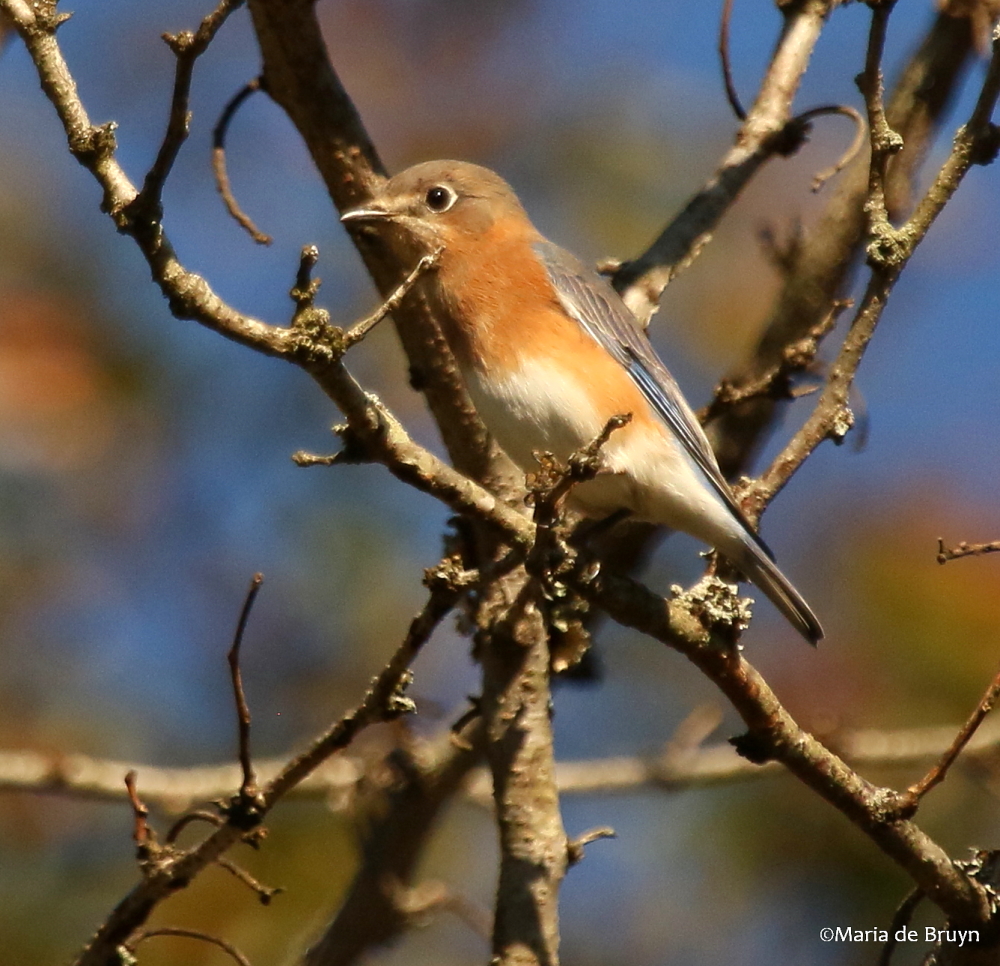
northern-flicker-i77a2485-maria-de-bruyn-res          eastern-bluebird-i77a0688maria-de-bruyn-res

Northern flicker (Colaptes auratus)               Eastern bluebird (Sialia sialis)

chipping-sparrow-i77a2915-maria-de-bruyn-res    chipping-sparrow-i77a2925-maria-de-bruyn-res

Chipping sparrow (Spizella passerina)

Many of the earth’s habitats, animals, plants, insects, and even microorganisms that we know of as rare or endangered, may not be known at all by future generations. We have the capacity, and the responsibility. We must act before it is too late.    Dalai Lama

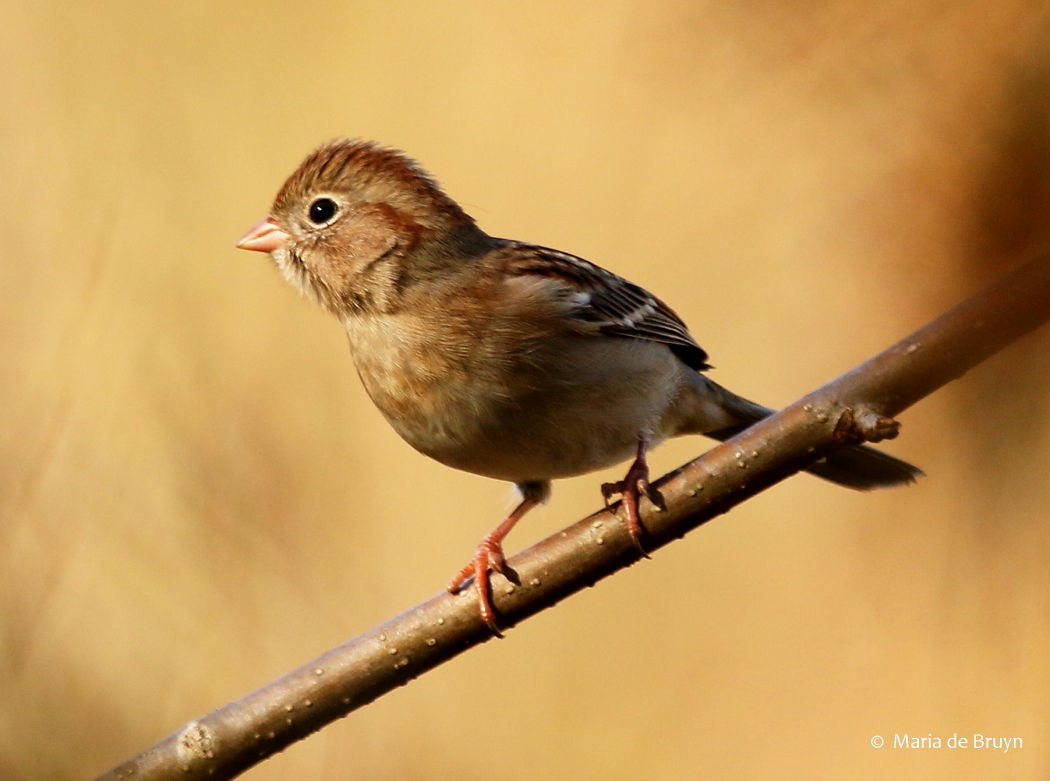
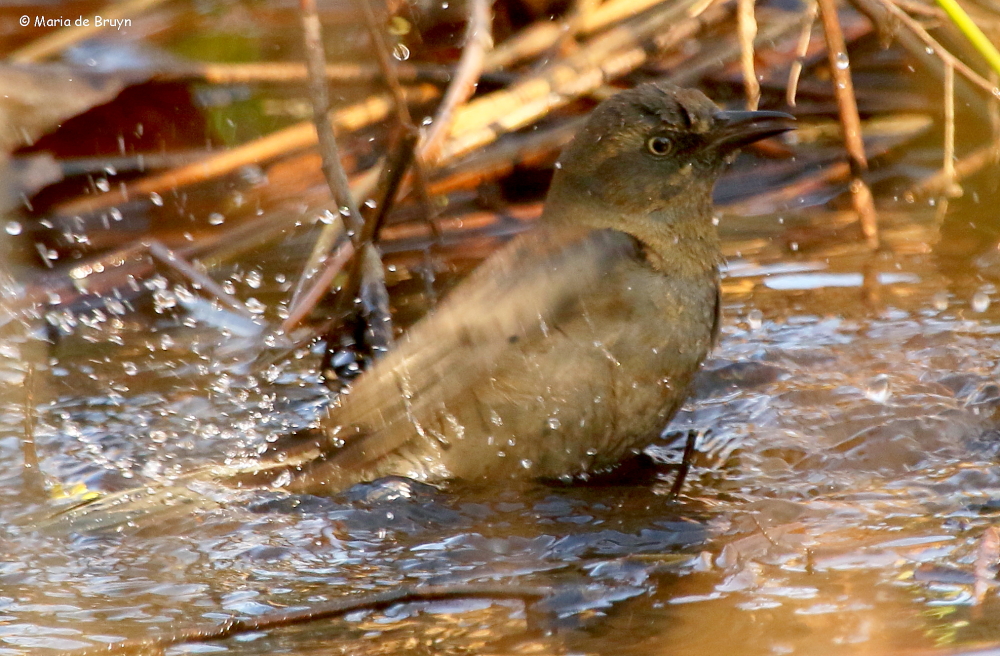
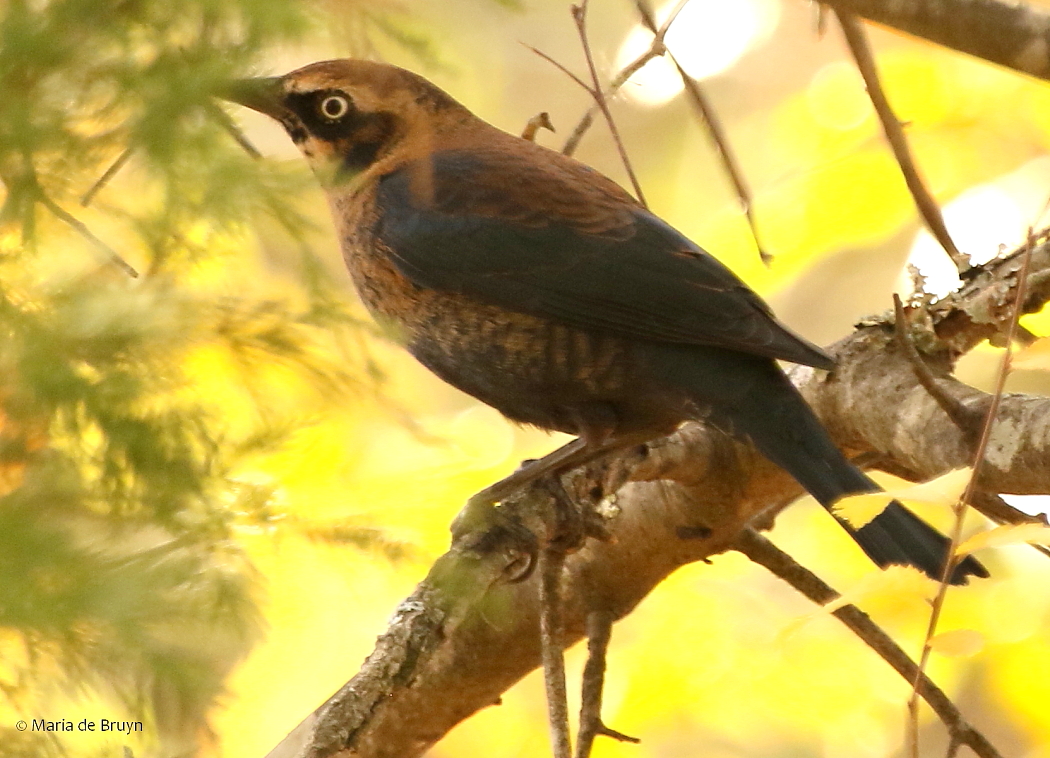
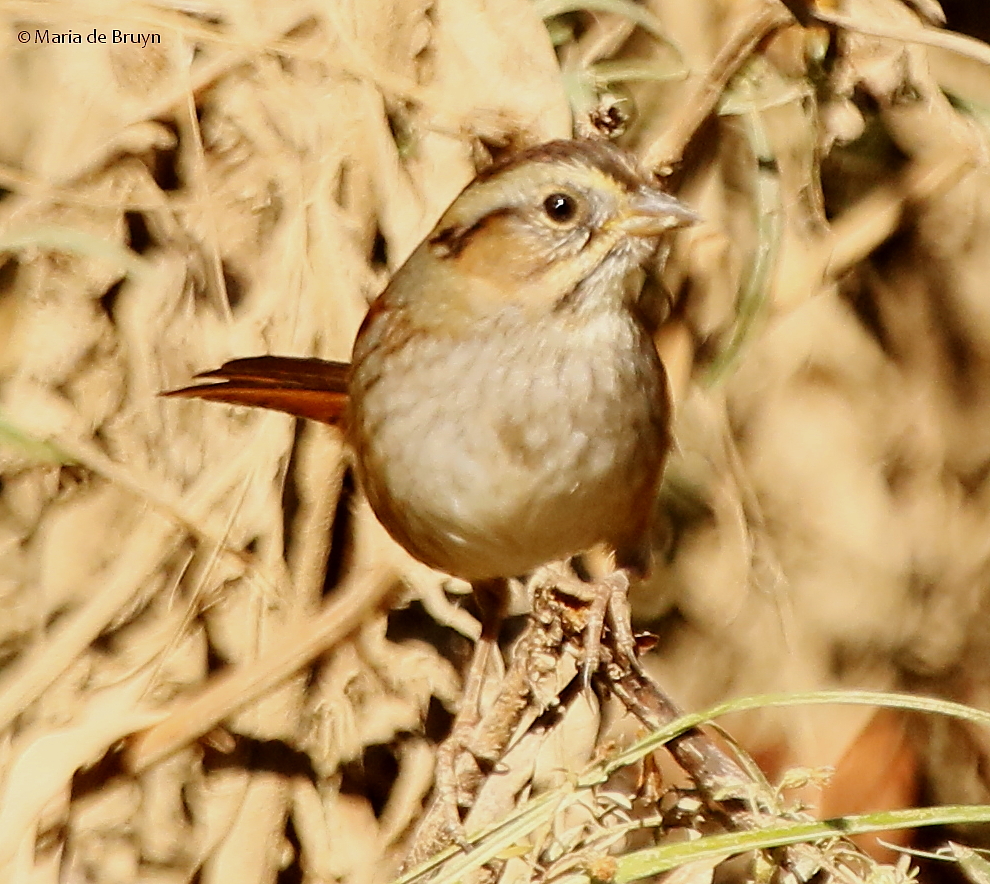
And the occasional or rare visitors to my yard are appreciated in the woods and fields, too!

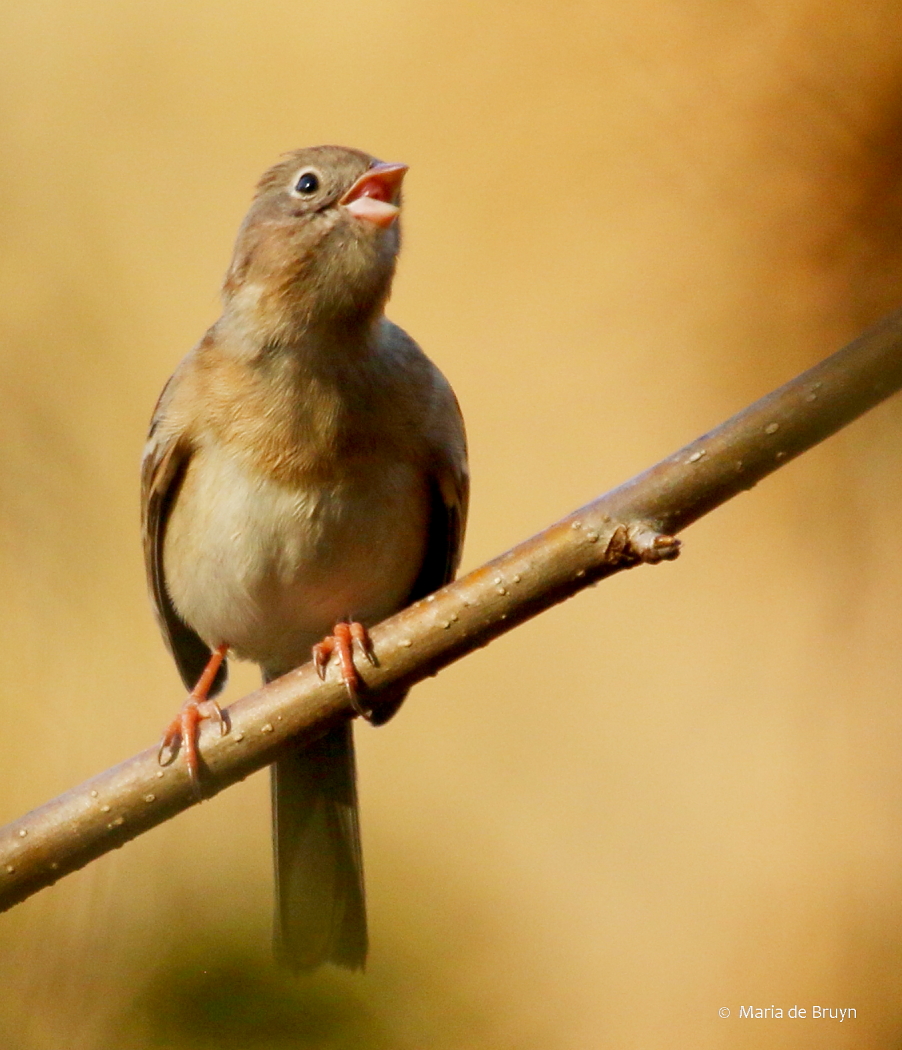
field-sparrow-i77a1587maria-de-bruyn-res      field-sparrow-i77a1634maria-de-bruyn-res

Field sparrow (Spizella pusilla)

rusty-blackbird-i77a3199-maria-de-bruyn-res rusty-blackbird-i77a3110maria-de-bruyn-res

Rusty blackbird (Euphagus carolinus)

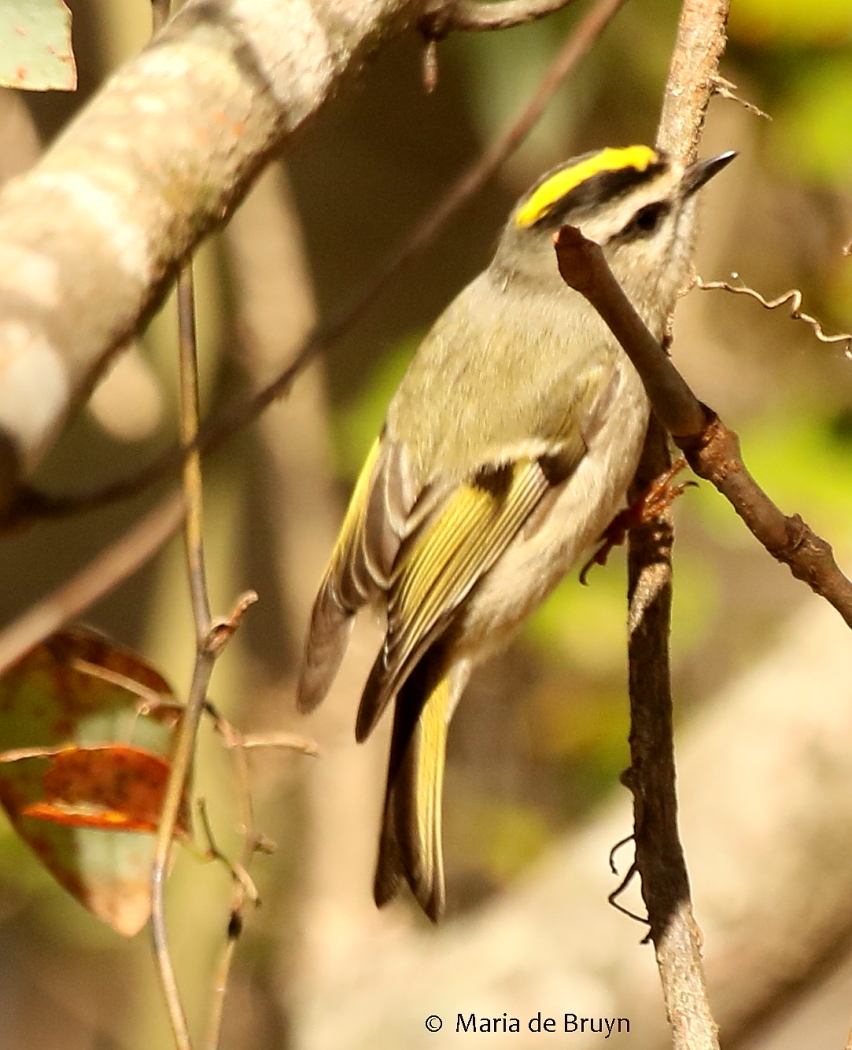
swamp-sparrow-i77a6063-maria-de-bruyn-res      golden-crowned-kinglet-maria-de-bruyn-i77a1711maria-de-bruyn-res

Swamp sparrow (Melospiza georgiana)             Golden-crowned kinglet (Regulus satrapa)

I feel that it is extremely important that each individual realize their responsibility for preserving the environment, to make it a part of daily life, create the same attitude in their families, and spread it to the community. – Dalai Lama

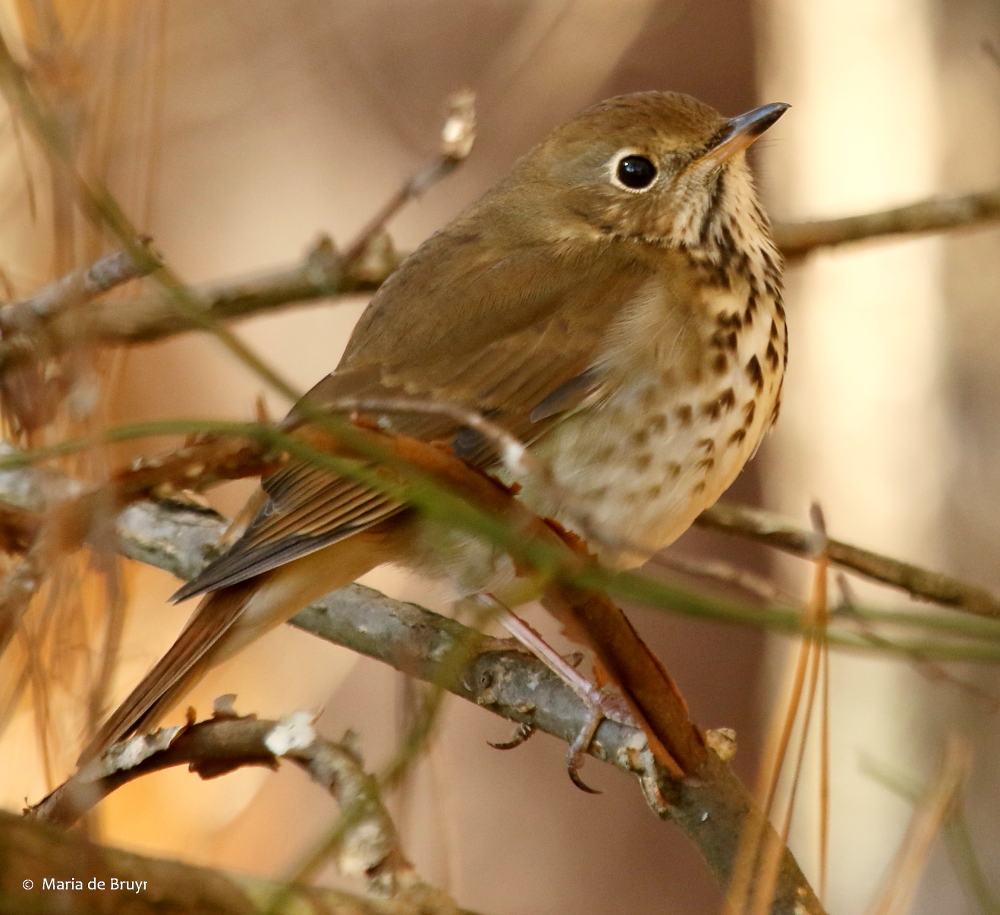
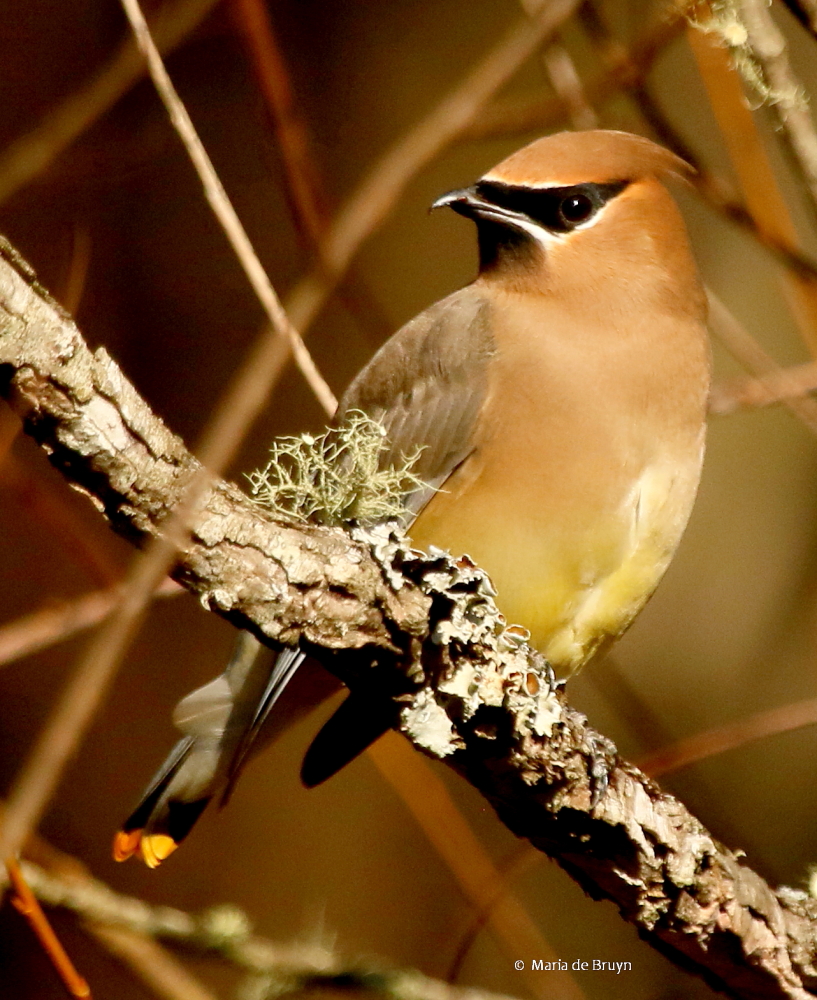
hermit-thrush-i77a6034-maria-de-bruyn-res  cedar-waxwing-i77a5945-maria-de-bruyn-res

Hermit thrush (Catharus guttatus)                          Cedar waxwing (Bombycilla cedrorum)

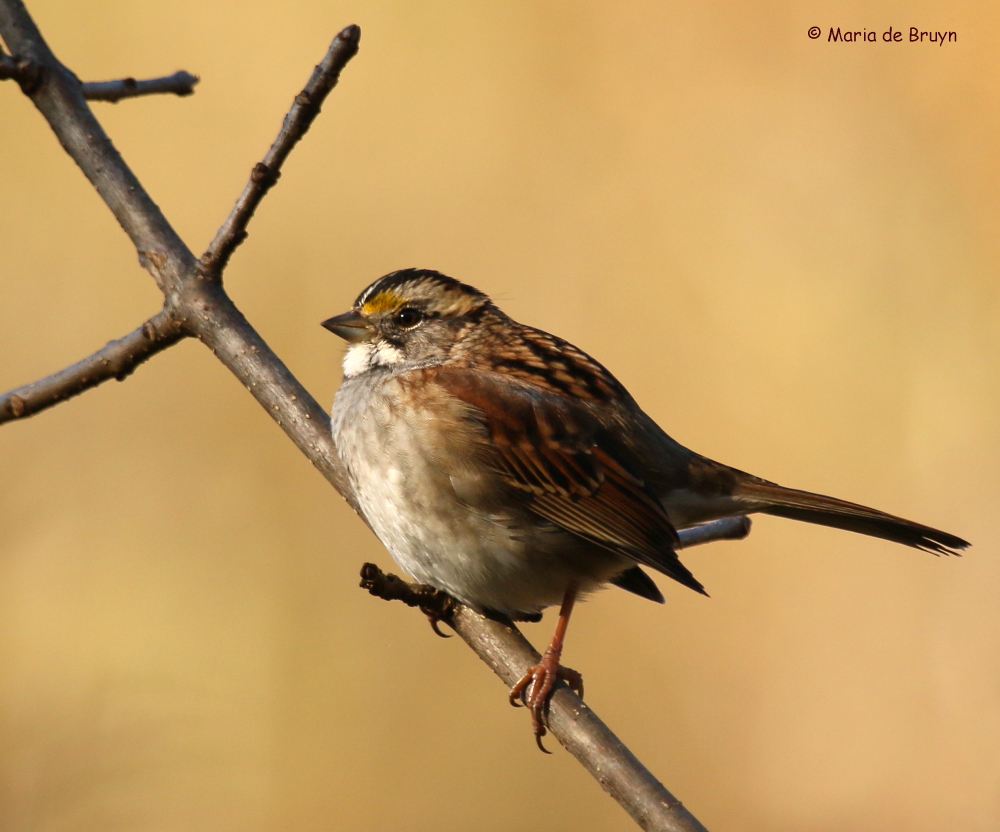
white-throated-sparrow-i77a1564maria-de-bruyn-res


What a great quote and slogan material:


Preserve the environment, make it part of your daily life and spread it to the community!

Braeburn Farm is for the birds!

I don’t often get the chance to visit a farm (other than organized farm tours, which are a bit pricey and then might be crowded). Last year, I was invited to one during an annual llama shearing, which was educational. This year, however, I’ve had the chance to visit Braeburn Farm four times so far because the owner and manager have decided to make it a nature reserve as well as a cattle farm. Nick, the land manager, is a birder who is more than willing to share his knowledge with the visitors.

pond I77A6227© Maria de Bruyn res

My first visit to this farmland/nature reserve was in the early spring to see Wilson’s snipes at one of the five ponds. By late June, these birds had moved on but the ponds were now harboring mallards (Anas platyrhynchos), red-winged blackbirds (Agelaius phoeniceus), belted kingfishers (Megaceryle alcyon) and killdeer (Charadrius vociferous).

mallard duck I77A7320© Maria de Bruyn res     red-winged blackbird I77A6920© Maria de Bruyn res

belted kingfisher I77A6936© Maria de Bruyn (2)   killdeer I77A6934© Maria de Bruyn res

My quest to see green herons at one pond was unsuccessful, but my 20-minute walk there was accompanied by the non-stop screaming of a red-tailed hawk (Buteo jamaicensis), who called both from tree tops and the air as she circled overhead.

red-tailed hawk I77A6030© Maria de Bruyn res   red-tailed hawk I77A6044© Maria de Bruyn res

A non-native bird who might greet you as you come down the road near the farm manager’s home is a helmeted guineafowl (Numida meleagris), the sole survivor of a neighbor’s flock. This bird now comes to visit the domestic chickens (Gallus gallus domesticus) at Braeburn, perhaps seeking some companionship in addition to the easily available chicken feed.

helmeted guineafowl I77A5648© Maria de Bruyn res    chicken I77A6958© Maria de Bruyn (2)

chicken I77A6949© Maria de Bruyn resThe farm chickens are in a large pen while other chickens run free, including one with a wild hairdo.

A trio of wild turkeys left the woods and entered a field during one of my visits but they were at a considerable distance; still, I could say I had seen them that day! The Eastern meadowlarks (Sturnella magna) have often been visible at a distance in the fields, but on my last visit I saw one a bit closer on a fence post, giving me the chance to enjoy its beautiful plumage.


Eastern meadowlark I77A8597© Maria de Bruyn    Eastern meadowlark I77A5898© Maria de Bruyn

Eastern kingbird I77A5683© Maria de Bruyn res


Eastern kingbirds (Tyrannus tyrannus) can be seen in many of the fields and on wires. They take advantage of the ponds to snag dragonfly meals and the dry grasses provide materials for nests.


Eastern kingbird I77A7653© Maria de Bruyn        Eastern kingbird I77A7099© Maria de Bruyn res

They also pose very prettily on the shrubbery!

Eastern kingbird I77A7007© Maria de Bruyn   Eastern kingbird I77A6380© Maria de Bruyn res

grasshopper sparrow I77A7118© Maria de Bruyn res


The grasshopper sparrows (Ammodramus savannarum) are numerous, which was lovely for me as this species was a lifer for me. If you approach on foot, they fly off, but Nick said they are so used to his motorized cart, they stay put as he chugs on by!


grasshopper sparrow I77A6976© Maria de Bruyn res      grasshopper sparrow I77A5738© Maria de Bruyn res

Savannah sparrow I77A8690© Maria de Bruyn res


In the spring, when we had gone to see the snipes, we were lucky to see savannah sparrows (Passerculus sandwichensis) running about in the grass (I had at first thought we were seeing field mice scurrying about).


orchard oriole I77A7271© Maria de Bruyn resIn June, a pair of orchard orioles (Icterus scpurius) had built a nest in a tree bordering one pond and I was excited to see two babies just days before they fledged. The father was feeding them and brought one baby a large cricket, which seemed to be too large for it swallow easily. Dad tried to help by pushing it down but when I left, the insect was still sticking out of baby’s mouth and its sibling was still hungry, too.

orchard oriole I77A7475© Maria de Bruyn res

orchard oriole I77A7510© Maria de Bruyn    orchard oriole I77A7500© Maria de Bruyn

barn swallow I77A7161© Maria de Bruyn resThe barn swallows (Hirundo rustica) adopted an abandoned barn as their hotel of choice. When I visited in June, the young had just been fledging; they and their parents were circling the barn and resting on fences nearby, showing off their beautiful colors.

In July, a few stragglers remained in nests. Some that had taken the great leap were hanging around outside, even clutching the barn wall.

barn swallow I77A7062© Maria de Bruyn res        barn swallow IMG_4527© Maria de Bruyn

barn swallow I77A7145© Maria de Bruyn res

barn swallow I77A7139© Maria de Bruyn res

Others were enjoying the view on a wire line, together with some purple martins.

barn swallow I77A6990© Maria de Bruyn res

The fence posts and other farm structures offer resting places for various birds, like the Eastern wood peewee (Contopus virens), chipping sparrow (Spizella passerina), house finches (Haemorhous mexicanus) and Eastern bluebirds (Sialia sialis).

Eastern wood-peewee I77A6694© Maria de Bruyn res    Eastern wood peewee I77A6675© Maria de Bruyn res

chipping sparrow I77A6665© Maria de Bruyn res   house finch I77A6529© Maria de Bruyn res

Eastern bluebird I77A5859© Maria de Bruyn res  Eastern bluebird I77A5847© Maria de Bruyn res

turkey vulture I77A7105© Maria de Bruyn res


The turkey vultures (Cathartes aura) take advantage of the cattle’s well-water stations to get a drink, but then may retire to a tree branch for a bit of sunning. Nick likes them better than the black vultures, who had killed a newborn calf when its mother wasn’t taking care of it.


turkey vulture I77A7107© Maria de Bruyn res    turkey vulture IMG_4469© Maria de Bruyn res

Northern mockingbird I77A7669© Maria de Bruyn res


Other birds, like the Northern mockingbirds (Mimus polyglottos) and great-crested flycatchers (Myiarchus crinitus) enjoy the view from the vantage of high branches in trees.


great-crested flycatcher I77A7199© Maria de Bruyn res     great-crested flycatcher I77A7193© Maria de Bruyn res

While the 500-acre farm is mostly advertised in relation to its beef and opportunities to hold events such as receptions there, the farm management is now increasingly promoting it as a place for wildlife observation as well. The biodiversity in birds, mammals, insects, reptiles and plants is wonderful and my next blog will focus on examples of the non-avian wildlife to be seen there. If you’d like to visit the farm, do contact them!
Birds and blooms at Sandy Creek Park – more of the “good ones”

moon I77A9993© Maria de Bruyn res

Birds are a favorite photographic subject of mine, even though catching them in late spring and summer is challenging when the lush foliage offers them many places to hide. Their songs and calls and warbles tell me that they are there, but often I need to wait quite a while until I finally catch a flutter of movement out of the corner of my eye to locate them.
 

white-eyed vireo I77A0007©Maria de Bruyn

One early morning, when the moon was still in the sky, I was fortunate enough to see a lot of fluttering in trees near the park’s parking lot – and I discovered an immature white-eyed vireo (Vireo griseus) with a parent who looked as if she or he was really practicing forbearance.

white-eyed vireo I77A0010©Maria de Bruyn      white-eyed vireo I77A0006©Maria de Bruyn

Carolina wren I77A0188©Maria de Bruyn res

Nearby, a Carolina wren (Thryothorus ludovicianus) was singing loudly; these little avians have an outsized voice so that you can hardly miss them even when they are hidden behind leaves.

A handsome male goldfinch (Spinus tristis) was in a field, while a female was visiting the coneflowers (Echinacea), of which there were various species in the cultivated butterfly garden.


American goldfinch I77A0382©Maria de Bruyn res American goldfinch I77A0177©Maria de Bruyn res

coneflower I77A7325© Maria de Bruyn res      coneflower I77A6365© Maria de Bruyn res   coneflower I77A6250© Maria de Bruyn res

Eastern bluebird I77A6188© Maria de Bruyn res


Other birds were busy finding insect meals, like the male, female and immature Eastern bluebirds (Sialia sialis).


Eastern bluebird I77A6022© Maria de Bruyn res    Eastern bluebird I77A5558© Maria de Bruyn res

Common grackle I77A6377© Maria de Bruyn res


The common grackle (Quiscalus quiscula) scored a meal, while the pine warbler (Setophaga pinus) and blue-gray gnatcatcher (Polioptila caerulea) were busy in the trees searching for caterpillars and insects.

Other birds (and mammals, I think) had been getting crayfish from the ponds but I guess there were so many that they only ate the tastiest parts.

Pine warbler I77A5605© Maria de Bruyn res   Pine warbler I77A5598© Maria de Bruyn


blue-gray gnatcatcher I77A0302©Maria de Bruyn res     crayfish IMG_4926©Maria de Bruyn res

The American robins (Turdus migratorius) were looking for earthworms on the ground, and the song sparrows (Melospiza melodia) alternated between the ground and shrubs in their search for food.

American robin IMG_0550© Maria de Bruyn res     song sparrow I77A6195© Maria de Bruyn

The male red-winged blackbirds (Agelaius phoeniceus) were calling and flying from shrub to shrub, showing off their handsome black plumage with a red highlight.

red-winged blackbird I77A6090© Maria de Bruyn res  red-winged blackbird I77A6126© Maria de Bruyn res

Over at a nearby pond, the Northern rough-winged swallows (Stelgidopteryx serripennis) were swooping over the water and then sharing space on a snag; meanwhile, a mother wood duck (Aix sponsa) led her brood along the shoreline.

rough-winged swallow I77A0234© Maria de Bruyn res    wood duck I77A7225© Maria de Bruyn

In a tree beside another pond, the immature great blue herons (Ardea herodias) were still at their nest at the start of June; later in the month, they were no longer hanging out there.

great blue heron IMG_0430© Maria de Bruyn res   great blue heron IMG_0402© Maria de Bruyn res

milkweed I77A0079©Maria de Bruyn res


Botanists can have a great time at Sandy Creek, too. The milkweed plants in the butterfly garden attract both butterflies and bees.

Carolina horsenettles (Solanum carolinense) are common but pretty little plants, while the orange jewelweed (Impatiens capensis) enjoys a good reputation as having stem juice that relieves the pain caused by poison ivy for many people.

Carolina horsenettle I77A5581© Maria de Bruyn res      orange jewelweed I77A0511© Maria de Bruyn res

The fairywand (Chamaelirium luteum) grows profusely on the edges of Sandy Creek ponds and the swamp rose (Rosa palustris) sprouts near them as well.

fairywand I77A7293© Maria de Bruyn res      swamp rose Rosa palustris I77A5621© Maria de Bruyn res

Japanese honeysuckle I77A5711© Maria de Bruyn res


Japanese honeysuckle (Lonicera japonica), an invasive plant, attracts pollinators but so does the more vibrant and native coral honeysuckle (Lonicera sempervirens L.).


coral honeysuckle I77A0159© Maria de Bruyn res      coral honeysuckle I77A0127© Maria de Bruyn 2 res

In the fields, you can see lovely brown-eyed Susans (Rudbeckia) and coreopsis.

Brown-eyed Susan IMG_0504© Maria de Bruyn res  brown-eyed Susan IMG_0497© Maria de Bruyn res


coreopsis flower IMG_0494© Maria de Bruyn res   coreopsis flower IMG_0486© Maria de Bruyn res

Stoke's aster I77A6353© Maria de Bruyn resThe cultivated garden in the park gets plenty of color from the Stoke’s asters (Stokesia laevis) and red bee balm (Monarda didyma), which is a real magnet for hummingbirds. I recently bought a couple for my home garden and was rewarded with seeing the hummers visit them within 2 days.


red bee balm I77A7307© Maria de Bruyn res    red bee balm I77A6390© Maria de Bruyn res

What makes my walks so interesting is discovering new species. A native grass (Bromus) was lovely; helpful facebook group members gave me suggestions for possible species but we couldn’t narrow it down. The group also helped me identify a plant that I hadn’t seen before, a Germander (Teucrium canadense).

grass Bromus IMG_4811© Maria de Bruyn res   Germander Teucrium canadense I77A0544© Maria de Bruyn res

I managed to find an ID myself for a common flower that seems to grow all over the place – the Asiatic dayflower (Commelina communis). It is considered an invasive plant and is on the watch list for North Carolina, but I have to say that I find it quite attractive. Each flower blooms for only one day and to me they look like little faces and make me smile. And so I continue learning as each new walk invariably ends up teaching me something new. Enjoy your day!

Asiatic dayflower Commelina communis I77A0667© Maria de Bruyn res    Asiatic dayflower I77A0677© Maria de Bruyn res