Lest y’all (“you all”, some Southern vocabulary is finally entering my repertoire) come to think that I’m only interested in the birds inhabiting my beautiful world, today I’d like to focus on a much less appreciated animal species – the snakes.
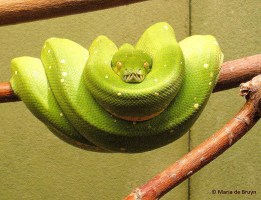 I’ve gone for years without ever spotting a snake in the wild; this one to the left was a green tree python (Morelia viridis) seen at a zoo. Since I moved to my house with a yard, I still have seen them only occasionally or witnessed the effects of unfortunate encounters with them, like when my indoor-outdoor cat (I also have two indoor cats only, much to their dismay) was bitten twice by a copperhead (with some years in between).
This year, however, seems on its way to becoming the year in which I s ee a record number of snakes (and Eastern box turtles). It began with a presentation at my camera club when a wildlife photographer brought in a pit viper for photo opportunities. I only had my old point-and-shoot camera with a no longer functioning flash so my photo was not so great; the poor snake’s cage was also surrounded by so many people flashing around it, I had no appetite for trying to get a better shot. I much prefer taking photos of animals in the wild (and sometimes a zoo).
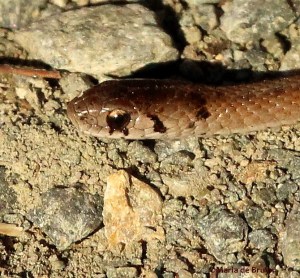 Last year, I saw a few snakes, including at an Audubon Society presentation. In the wild, I came across this thin brown snake (Storeria dekayi) crossing a path at the Mason Farm Biological Reserve. It actually was kind of a pretty with the brown markings on its head. These snakes eat snails, earthworms and slugs, so you might find it useful if they are around your garden to cut down on the plant-eating slugs.
I also came across this Eastern worm snake (Carphophis amoenus 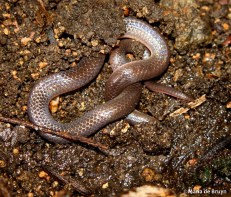 amoenus) in my garden. These smallish snakes (growing to about 15 inches max) are mostly active at night and use their small pointed heads to help root in the soil where they find insects and worms to eat.
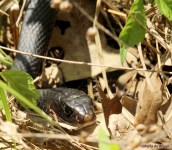
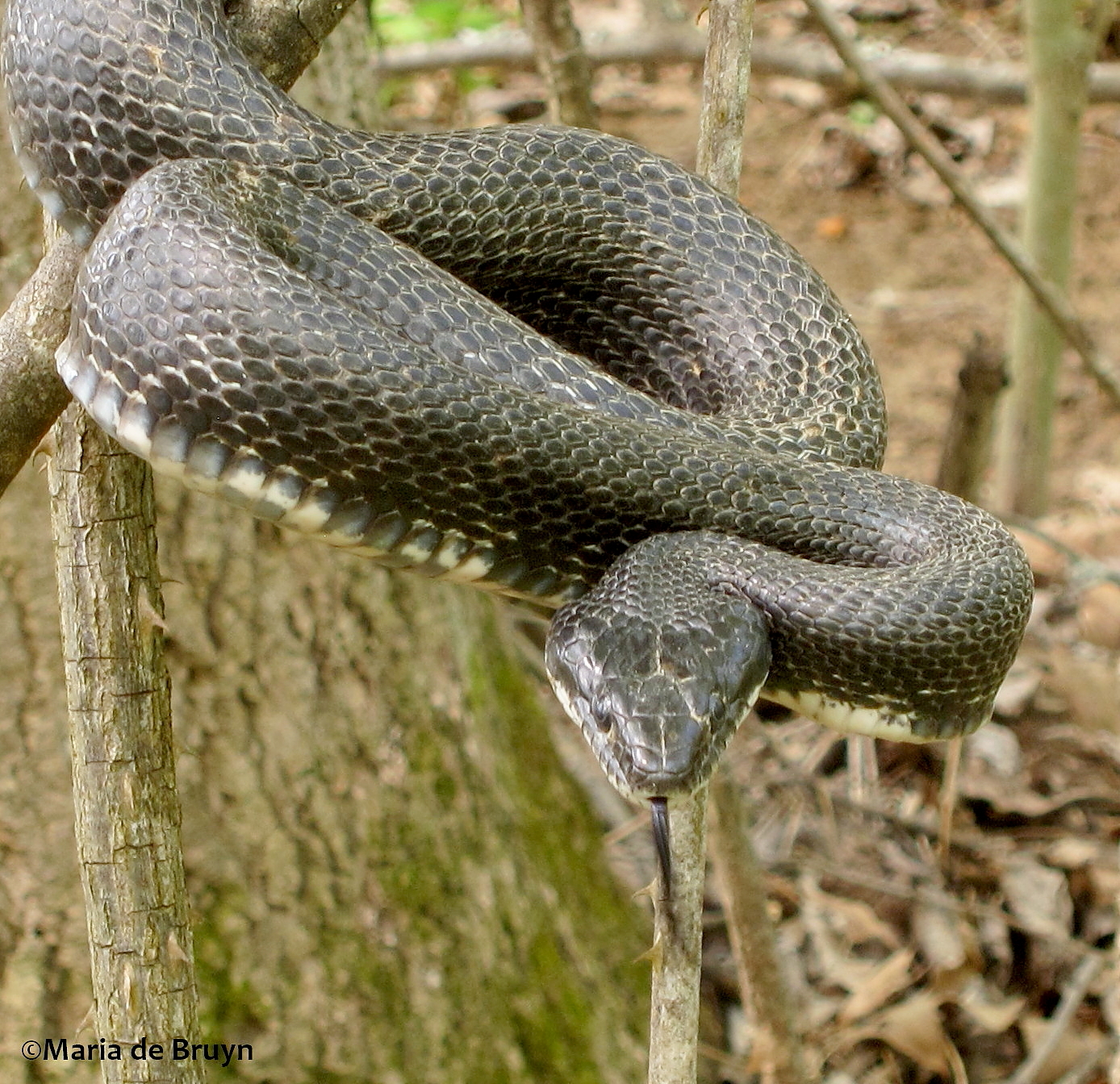
On walks with my brother, we came across Western rat snakes (Elaphe obsoleta) a few times. They come in different colors (yellow, gray, black) and can become quite large. This sizeable one was lounging in a tree during one of my volunteer shifts at Mason Farm. I only had my small point-and-shoot camera with me, so I didn’t think I was disturbing it much by taking some portrait shots but it did lunge at me at one point, so I backed up a bit.


The rat snakes are constrictors that suffocate their prey, such as rodents, frogs, lizards, chipmunks, squirrels, juvenile rabbits and opossums, songbirds, and bird eggs – the latter being the main reason that I have raccoon baffles on my bird box poles! I have come across them several more times in the past months.
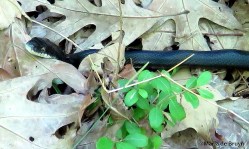
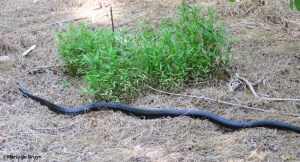
Perhaps the most int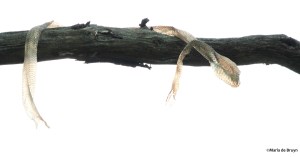 eresting sighting lately has not been a rat snake itself but its skin! They are very good tree climbers and this one obviously decided to shed its skin while hanging on a high tree limb in a park along the Blue Ridge Parkway in the Appalachian Mountains.
The snake that has me most wary here in North Carolina is the copperhead (Agkistrodon contortrix), the only venomous snake in this part of the state. They can be very beautiful and actually will not attack quickly. When threatened, they will often vibrate their tail and release a musky odor. If they feel they are in danger, however, they will bite – as my next-door neighbor unfortunately discovered when he put his arms around a tree to tie a ribbon on and disturbed an unseen snake on the other side of the tree. He had to go to the hospital and had a severely swollen arm, describing the bite and its after-effects as incredibly painful.
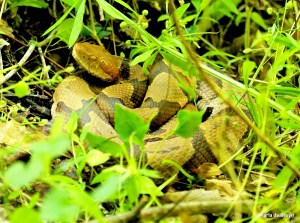 Knowing all this made me incredibly grateful that I encountered this snake on a cool early morning. Just before a nature walk, I needed to relieve myself badly and snuck off a path to do so before other hikers arrived. Perhaps distracted by the idea that someone might come upon me in an ungraceful position, I looked around quickly but obviously not thoroughly enough because as I half-squatted and looked down at my feet, I discovered my right foot was right next to this reptile. I backed away quietly but quickly and only later when I retrieved my camera from the car did I get a shot of this merciful snake.
Having read an increasing amount about snakes through Project Noah and coming across them more and more often has made me less fearful of these animals and able to much better appreciate their beauty and important role in our ecosystems. However, when I came home to find my female cat had cornered this young black racer (Coluber constrictor) in my dining room, my admiration for the species did not make me want to entertain it inside for a while, even though they eat rodents and my cats have caught a few mice in the house. I quickly went to get a box, caught it and brought it outside where it quickly slithered off.

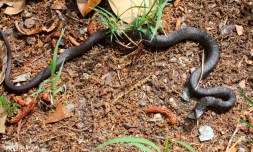
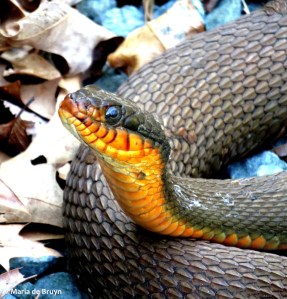 When our volunteer group at Mason Farm recently began a task of preparing wood for a new boardwalk, we discovered another native snake was keeping us company – a red-bellied watersnake (Nerodia erythrogaster). These somewhat short-tempered but beautiful reptiles consume a varied diet but mainly eat amphibians such as frogs, toads, and salamanders.

I took the photos from a distance as these snakes will bite repeatedly if they feel threatened – even if non-venomous, I don’t seek a snake bite as an experience. I do wonder if I’ll see some new kinds of snakes in the wild before the year is out though!
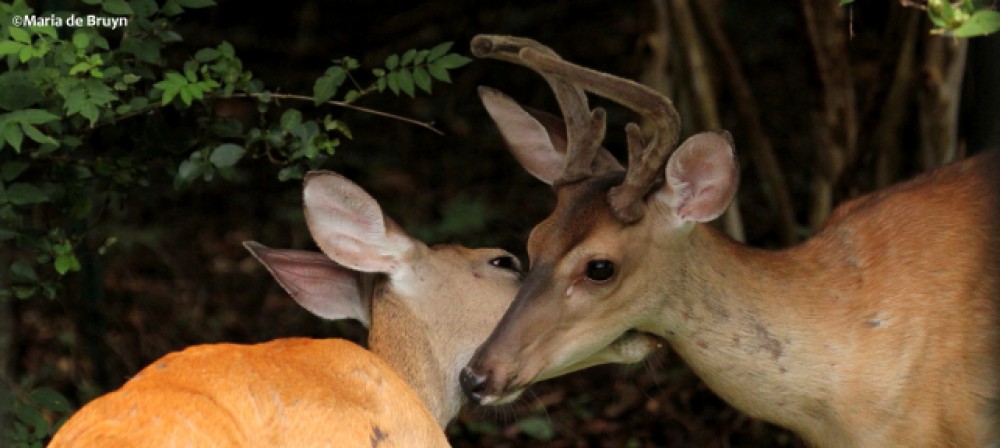
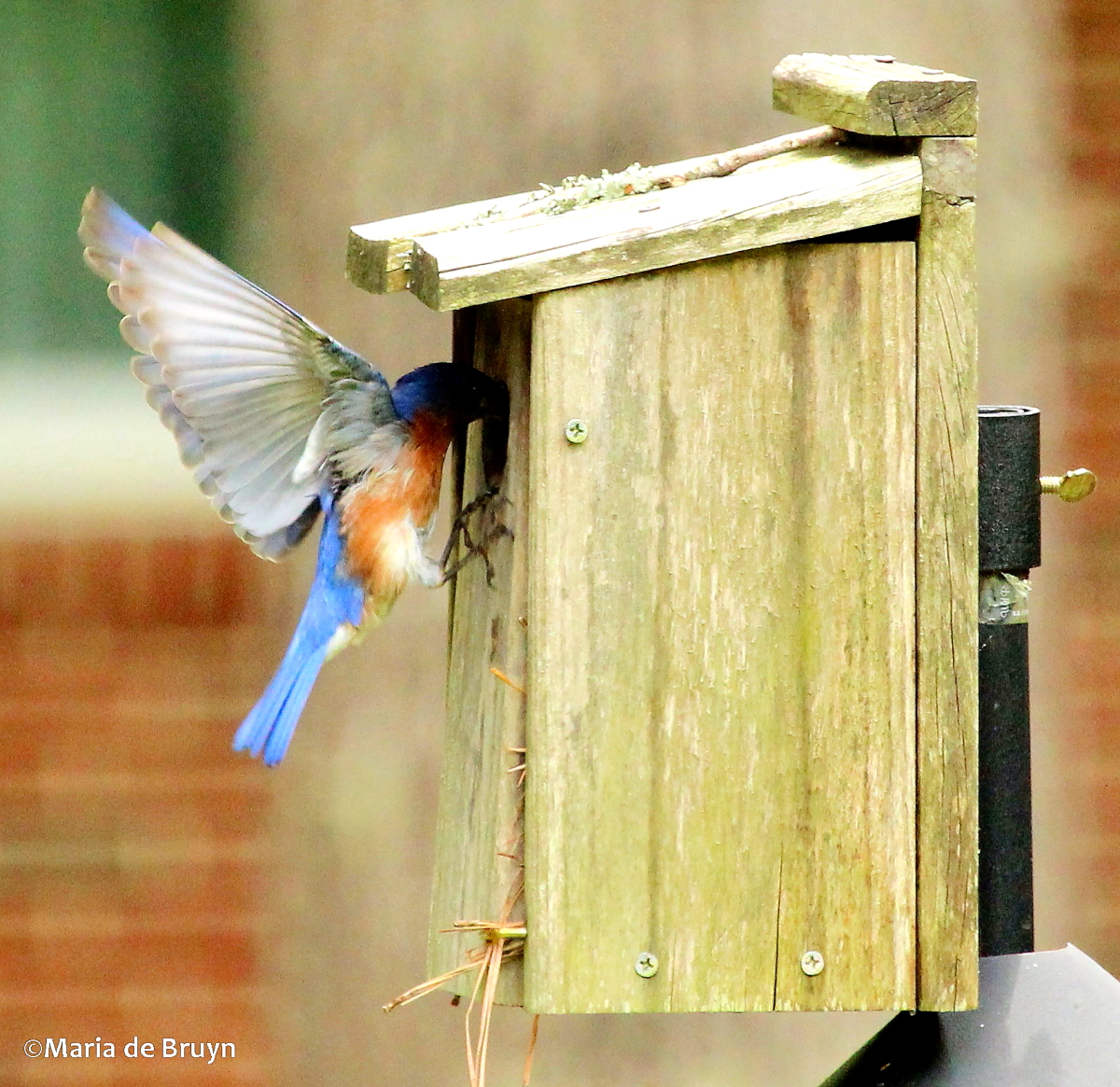
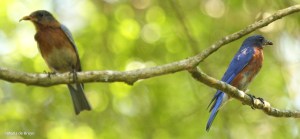
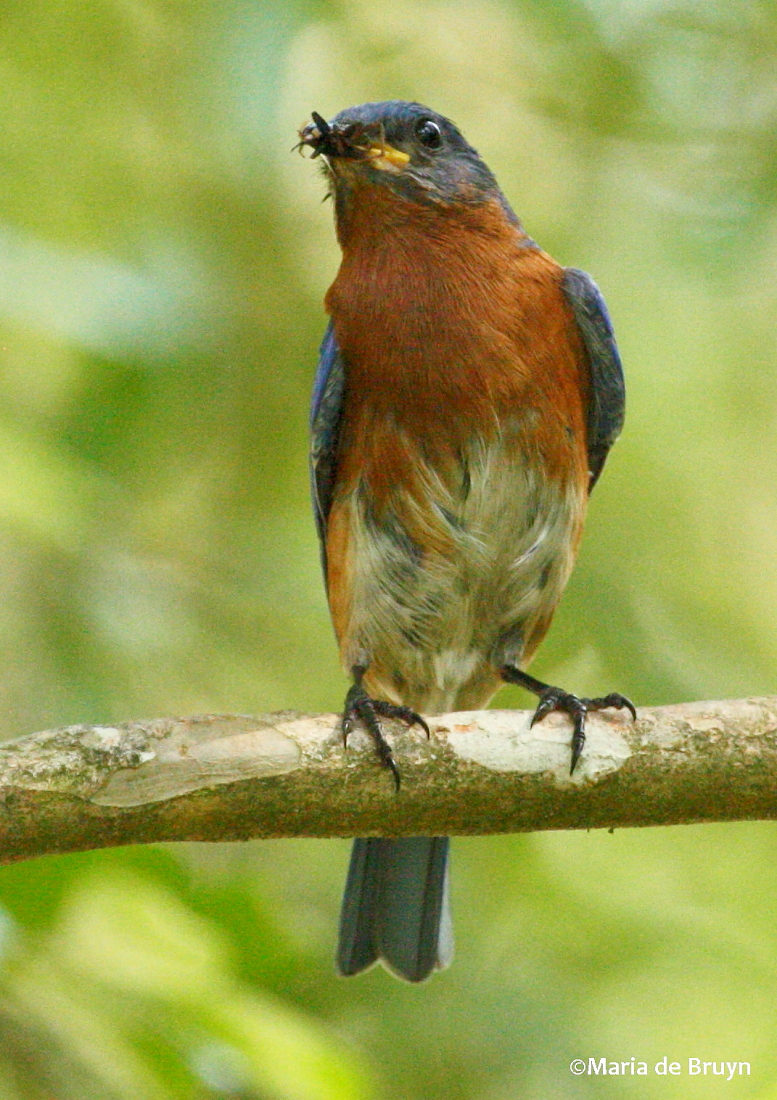
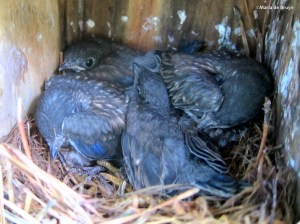
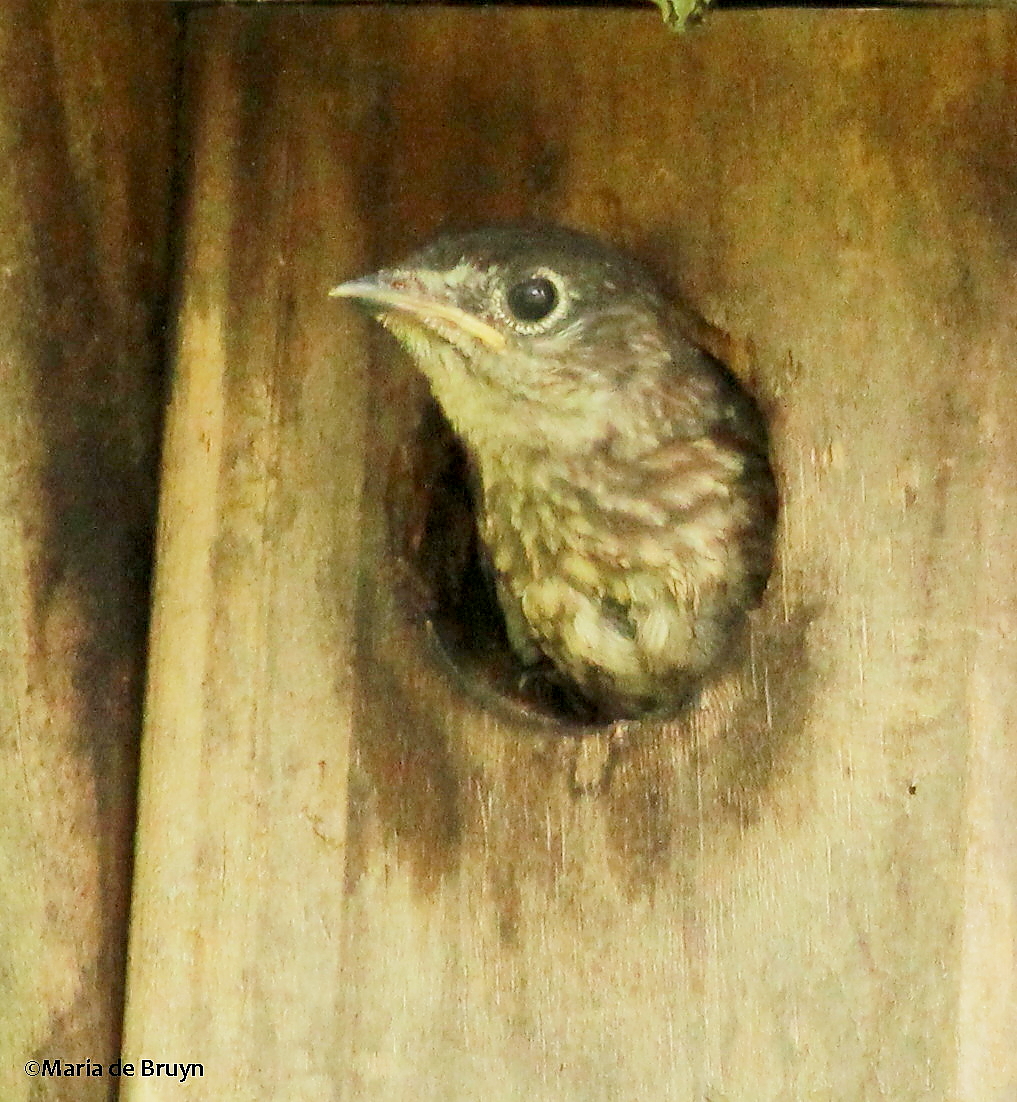
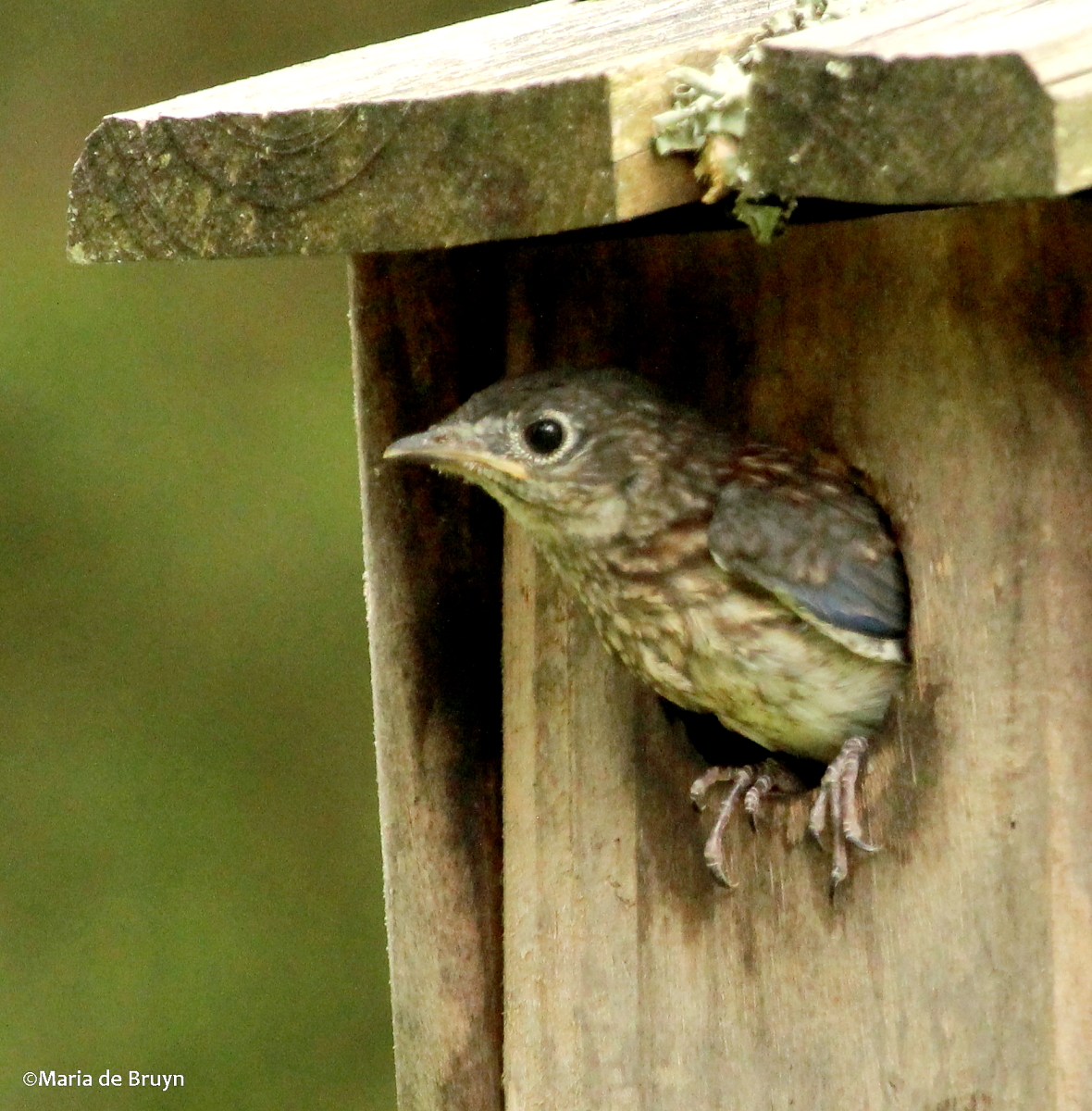
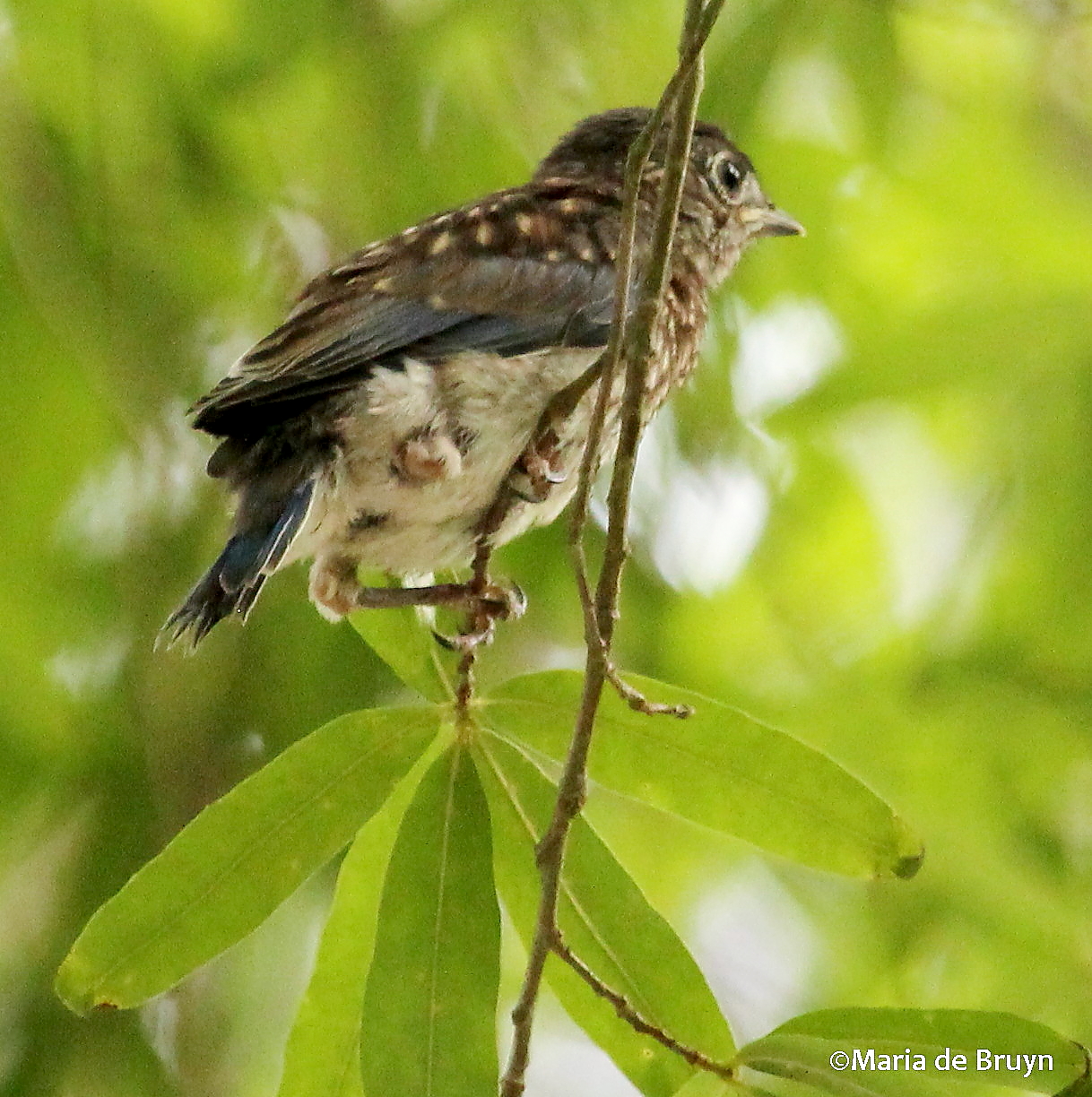
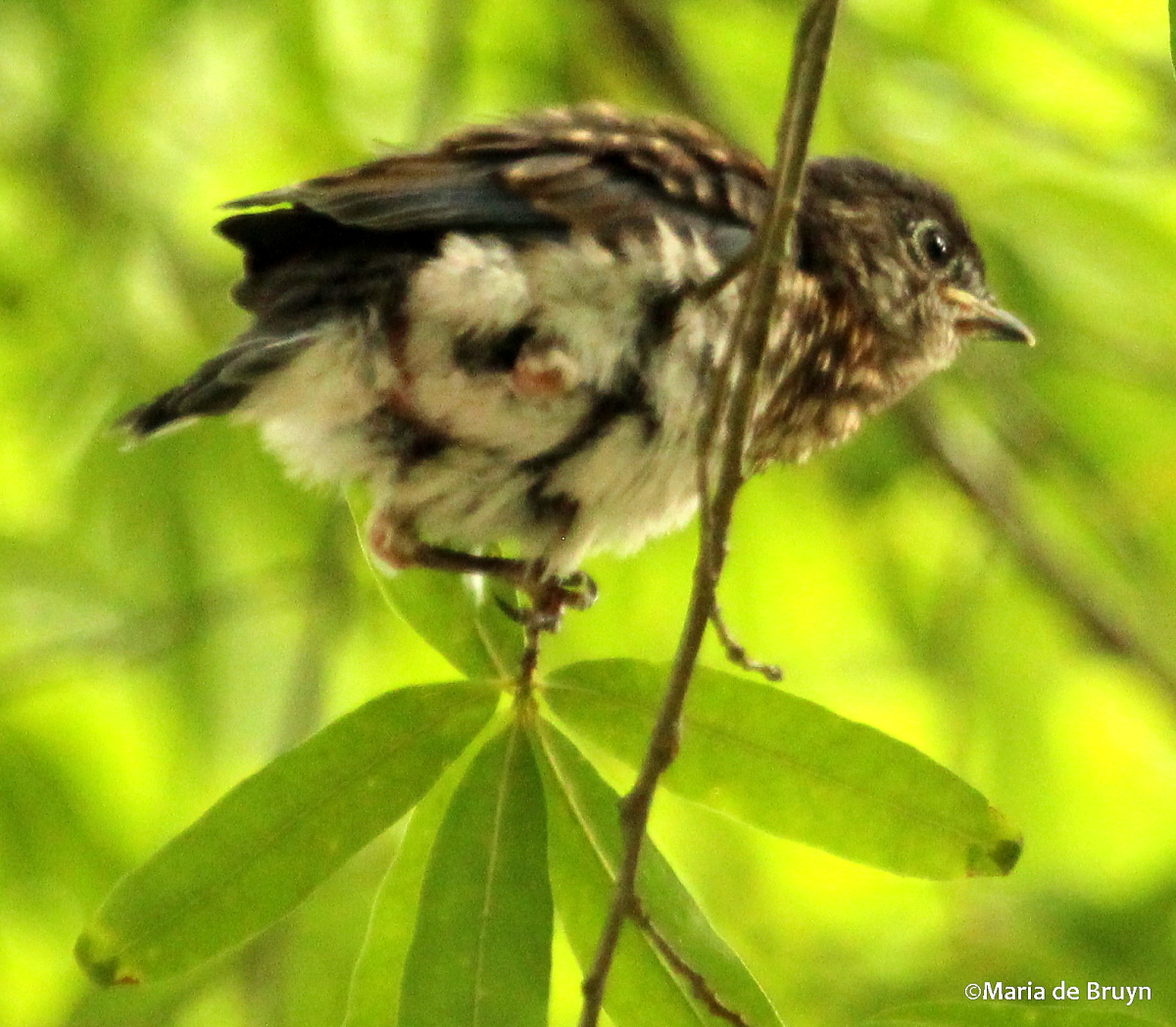
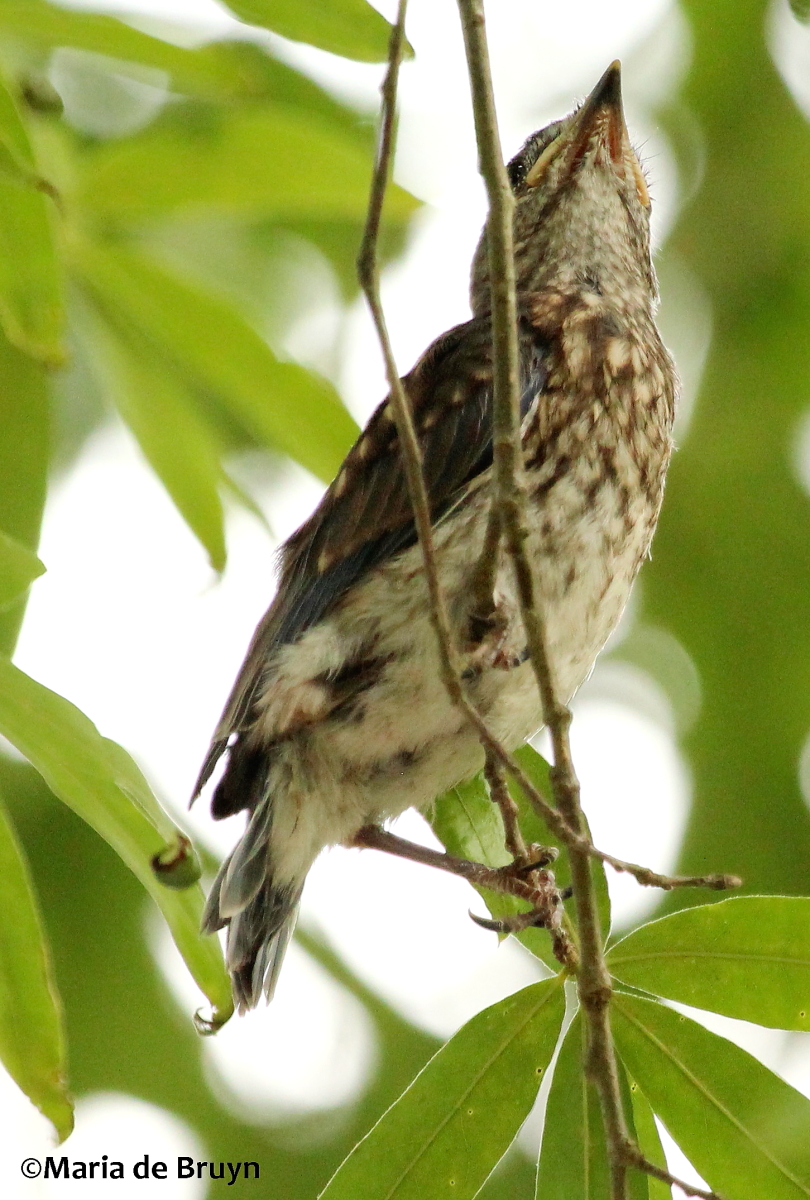
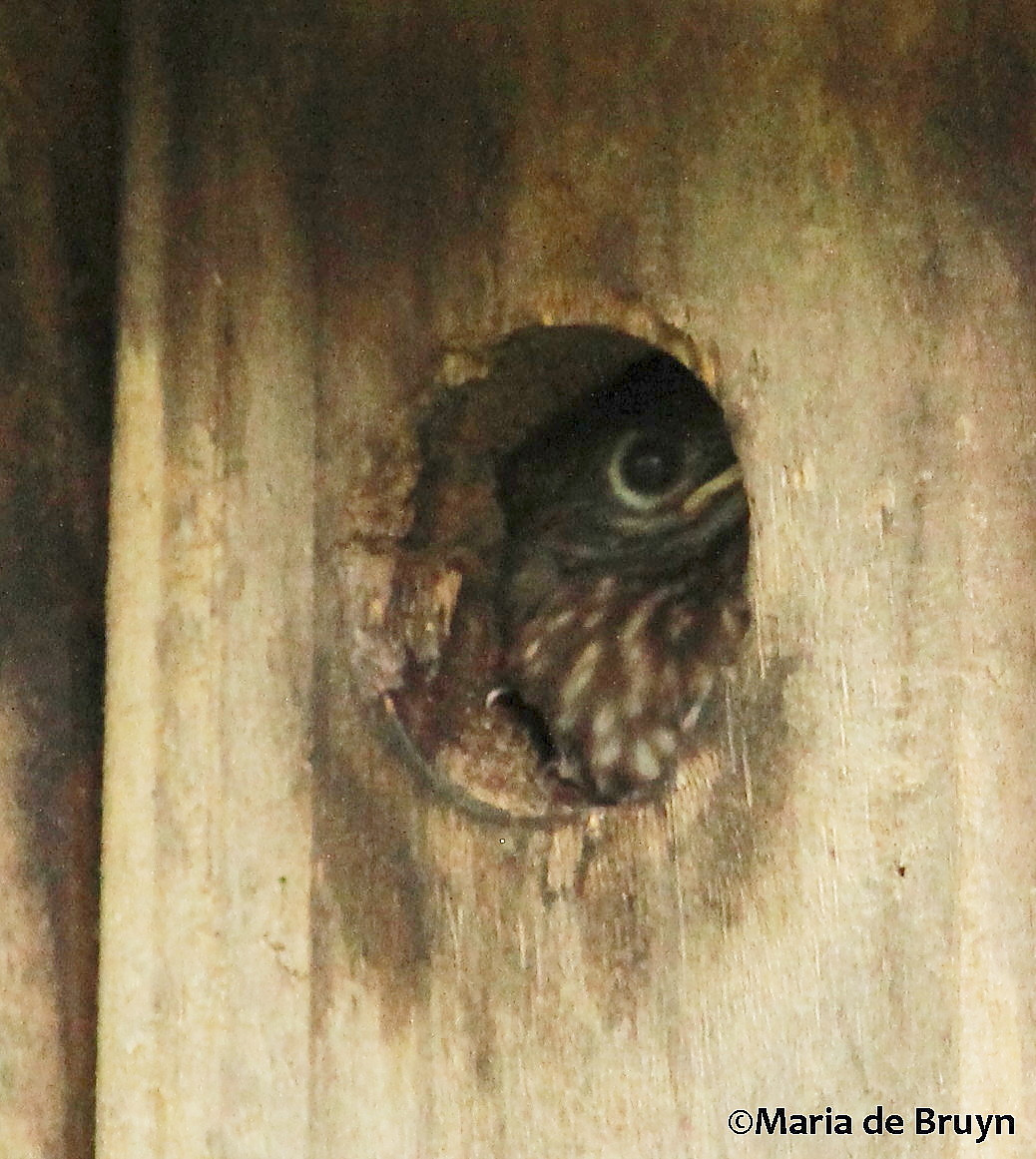
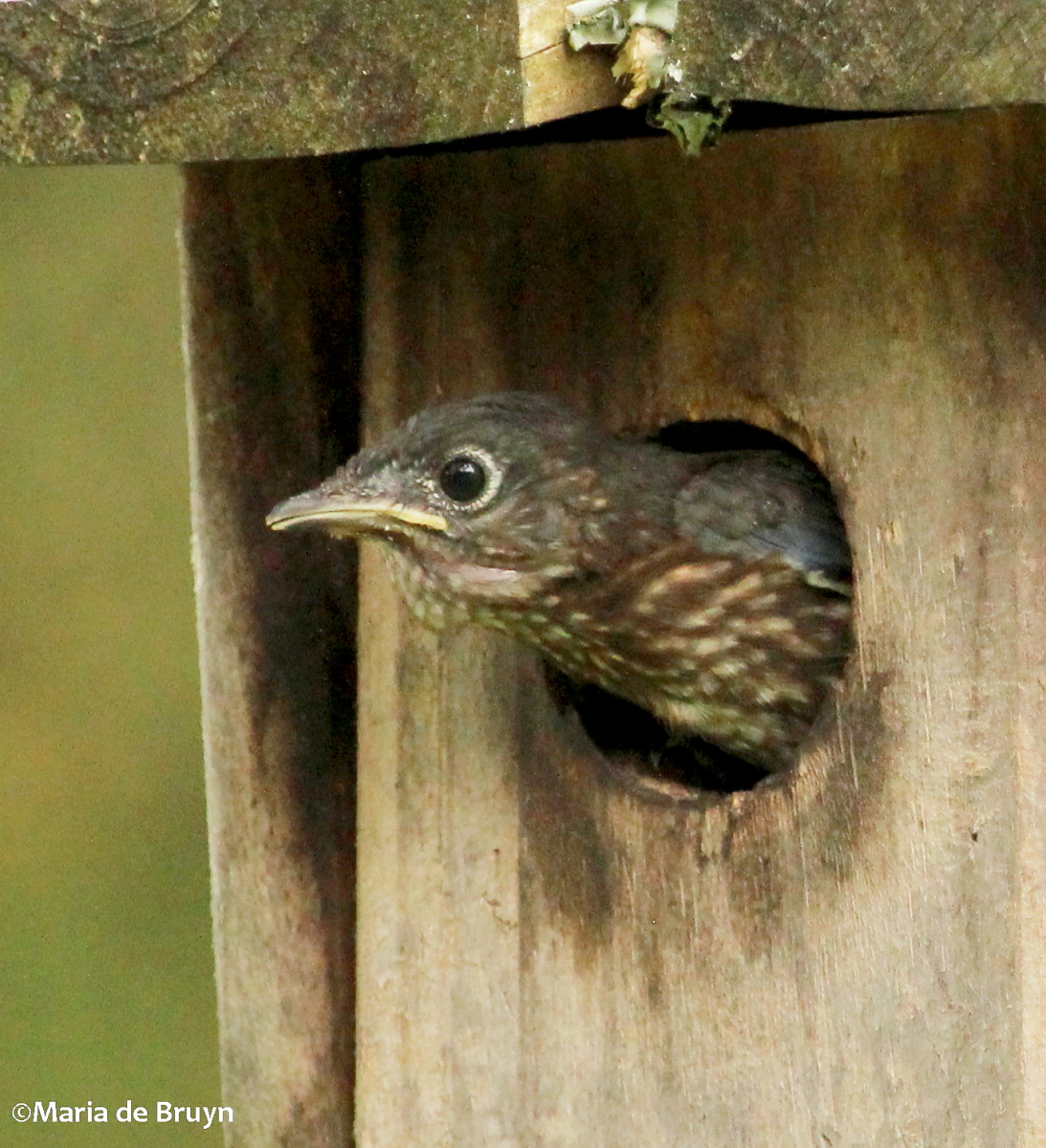
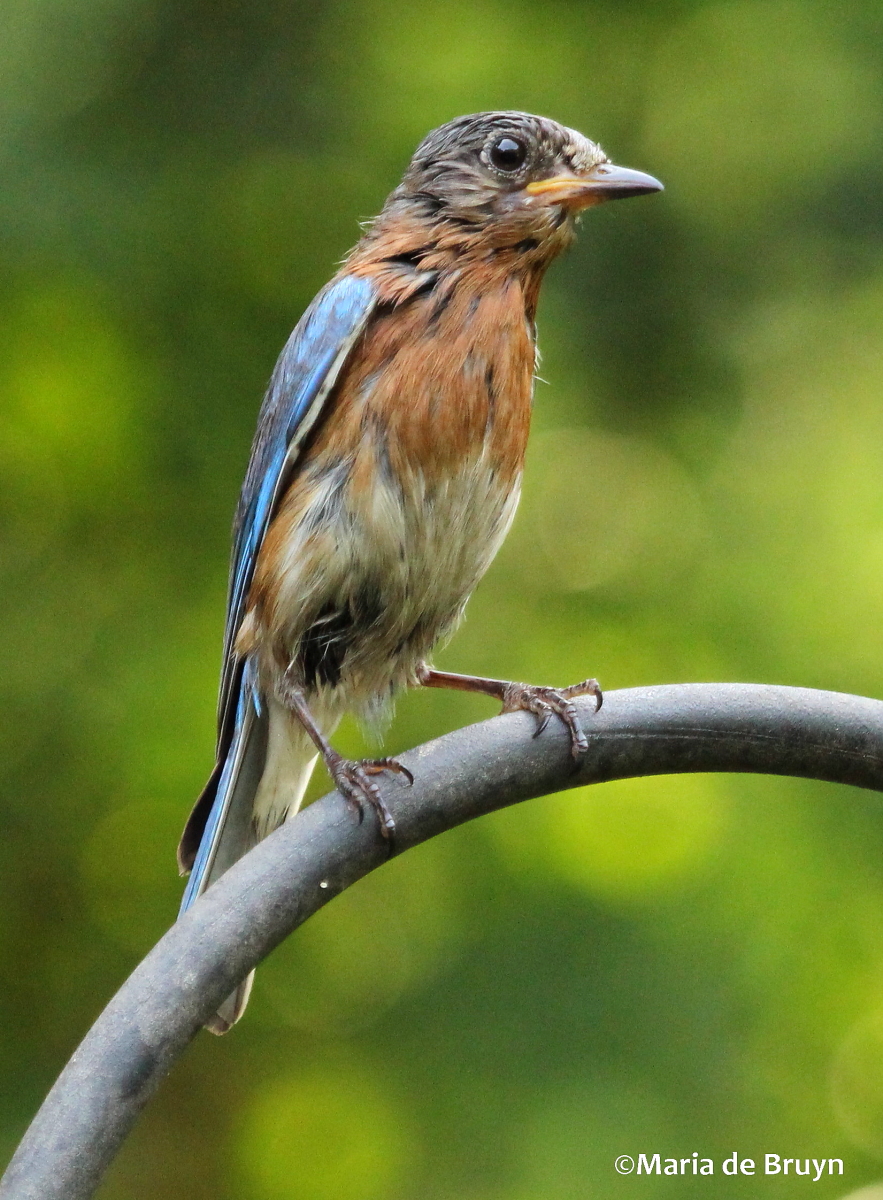
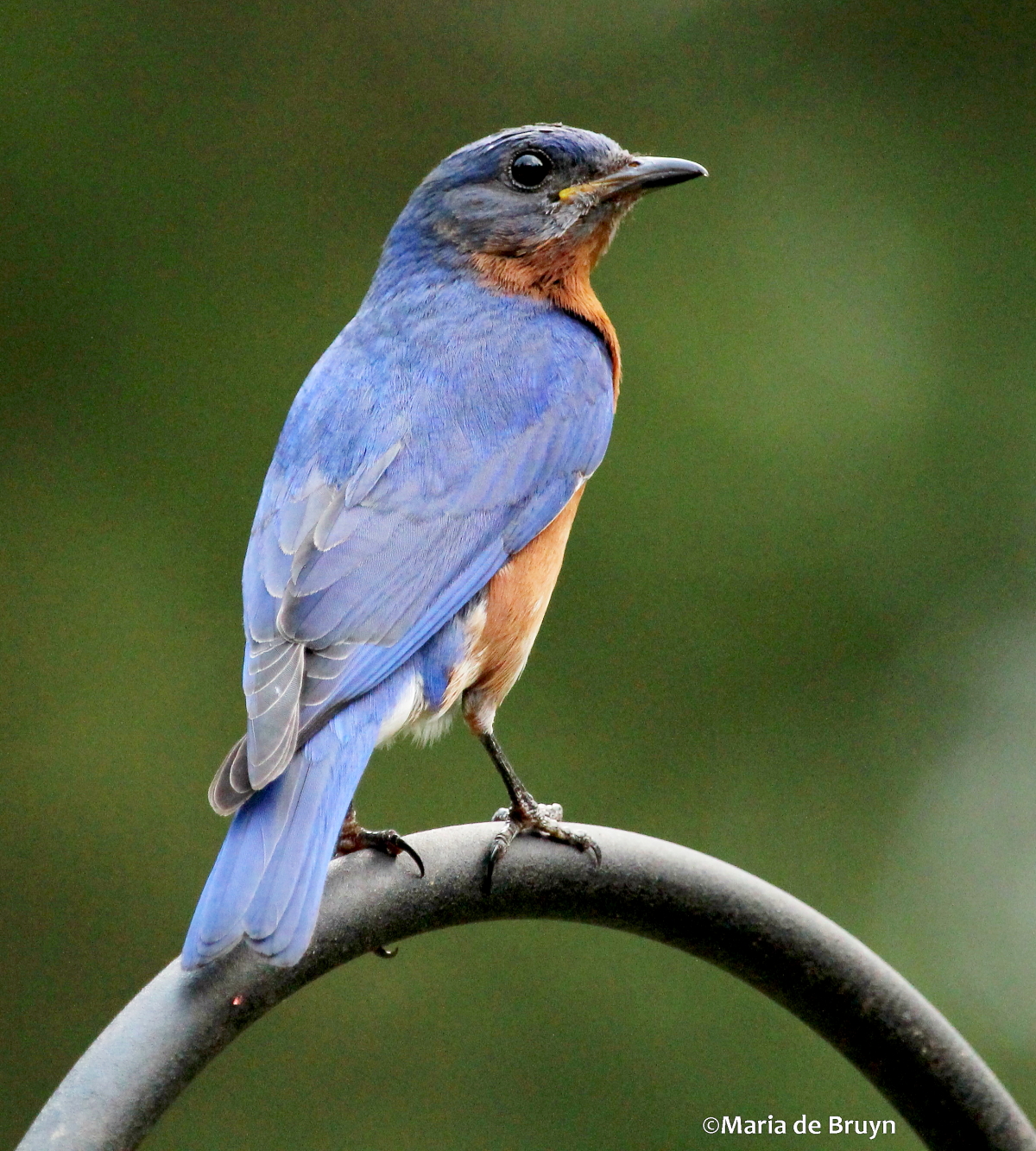
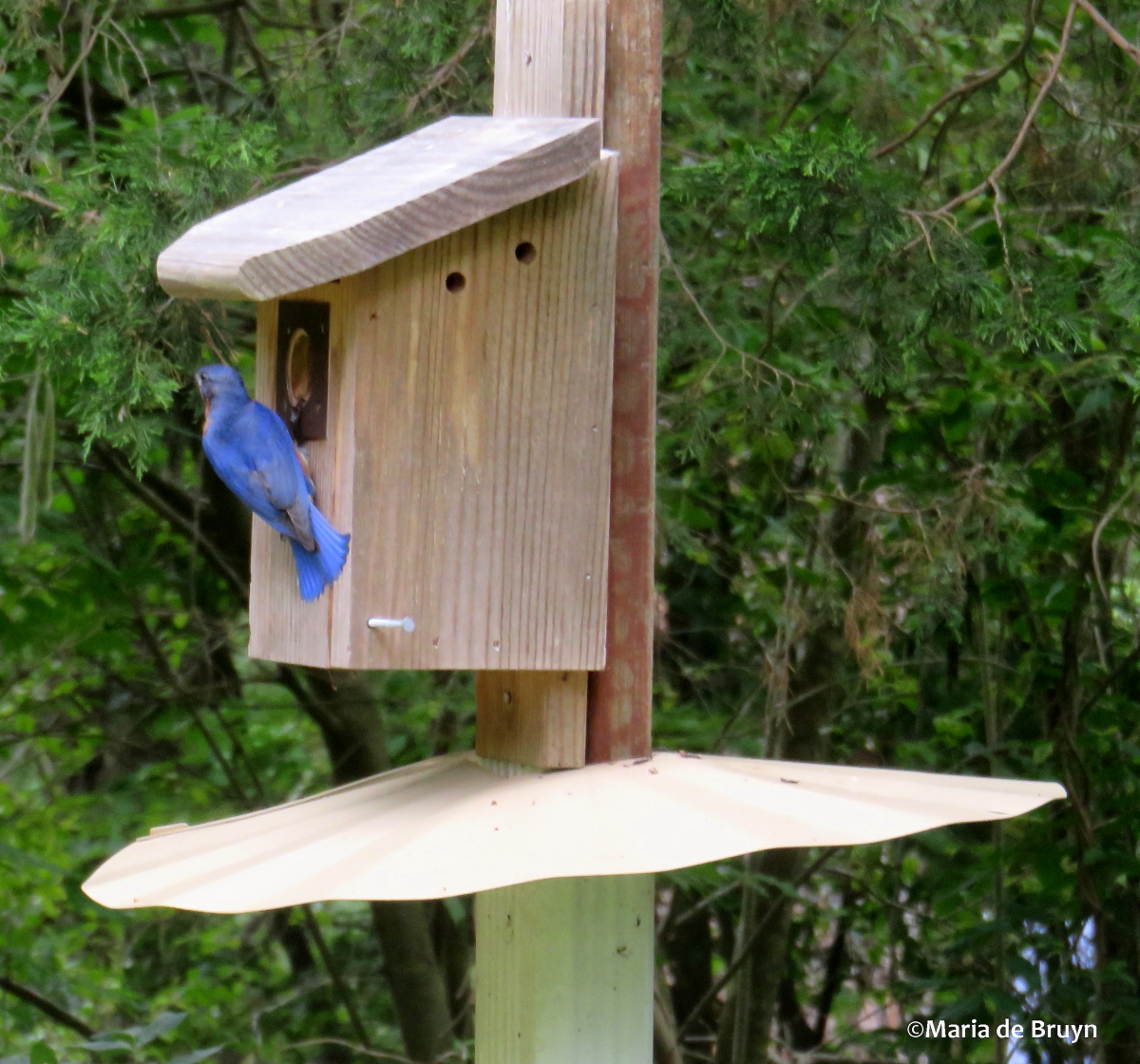
 The first week after they fledged, I didn’t see the baby Eastern bluebirds (Sialia sialis), although their parents were frequent visitors to the suet/meal worm feeders. I hoped that they had made it and not fallen prey to a neighborhood cat or other predator. When I decided to take photos at the time of the summer solstice, however, I discovered they are all doing quite well and keeping mama and papa quite busy!









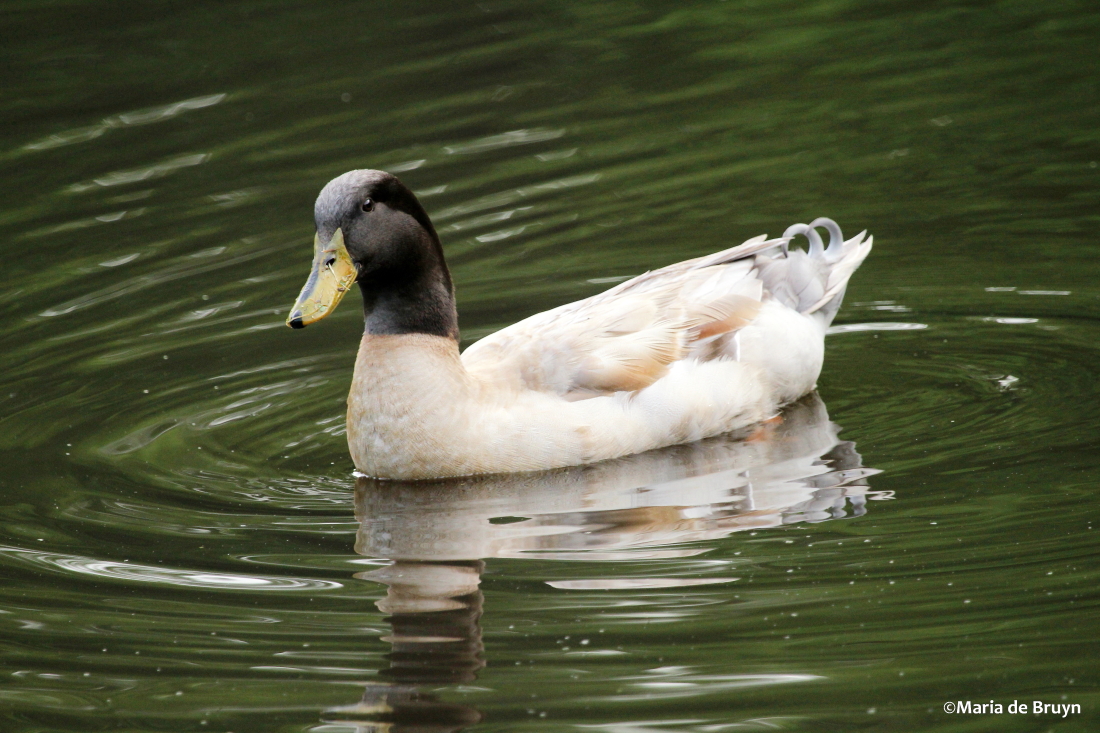
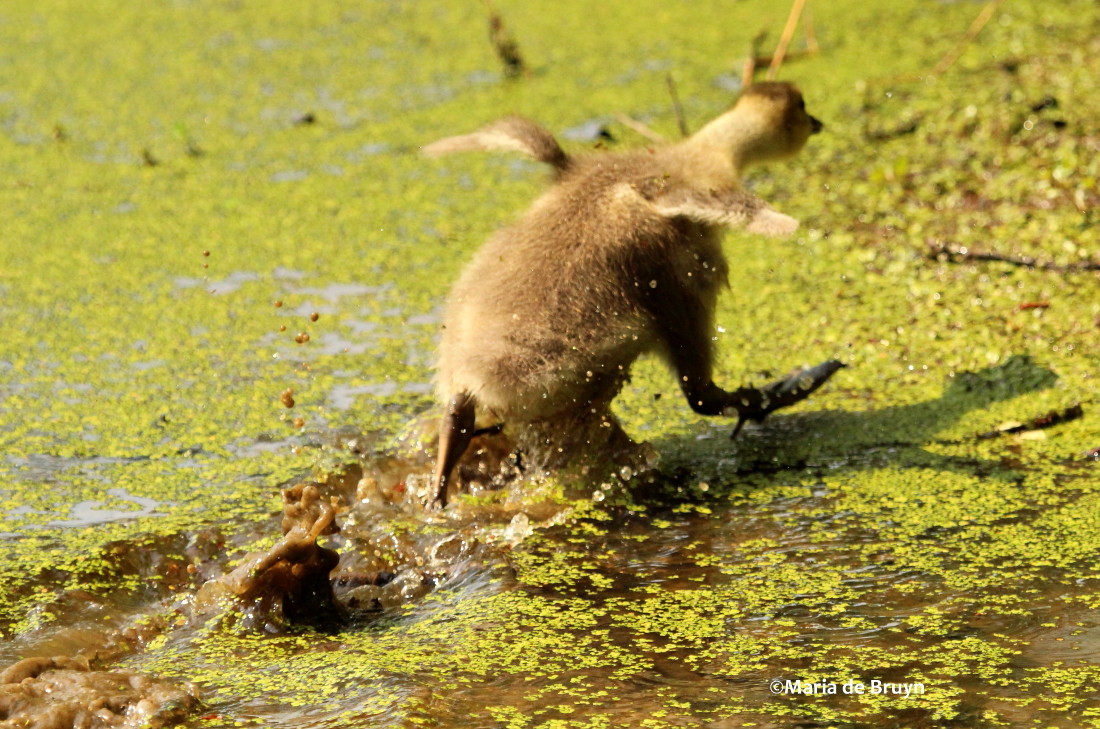
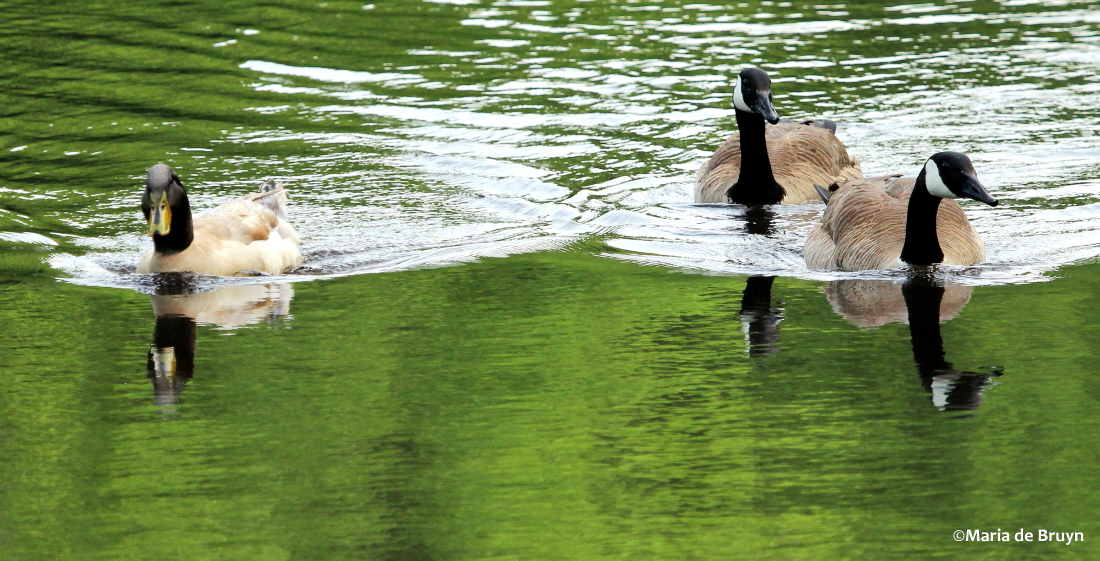
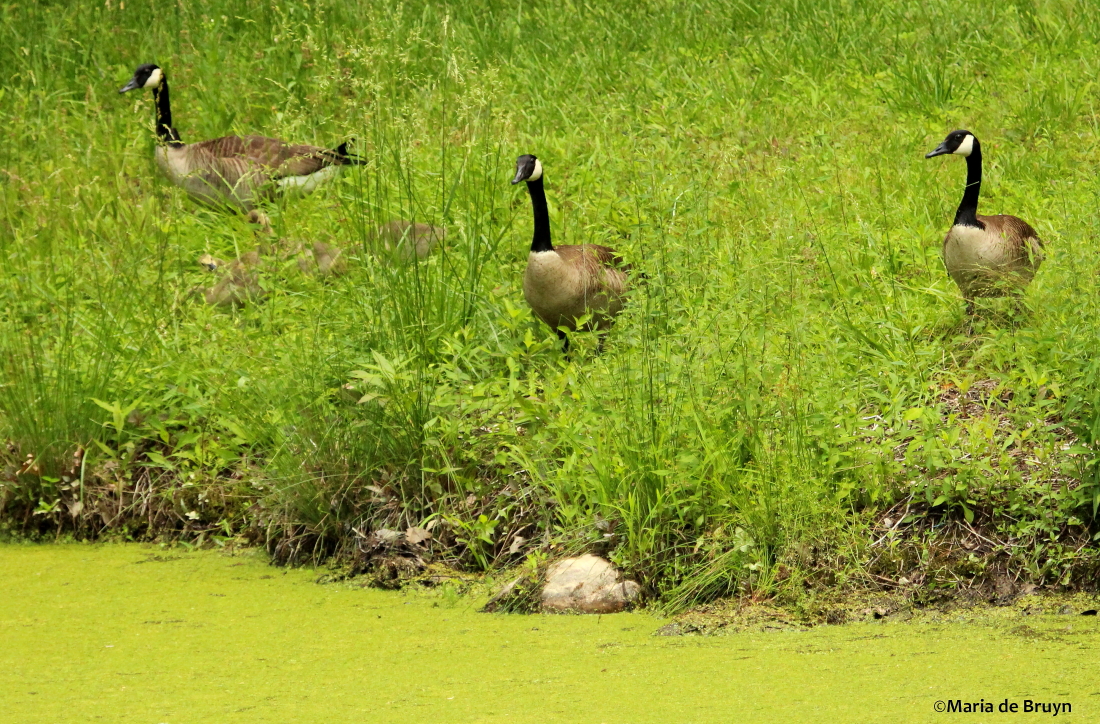
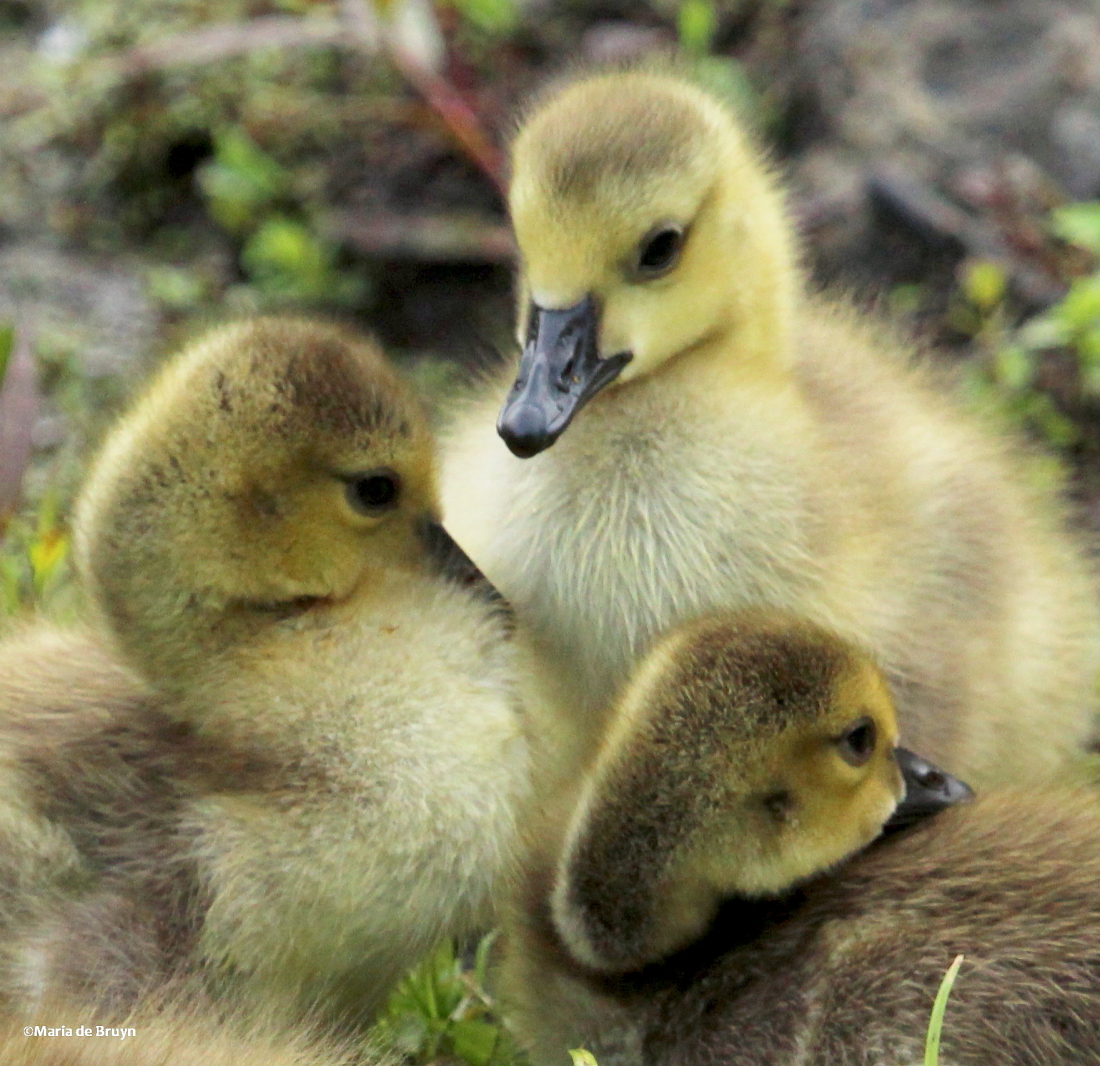
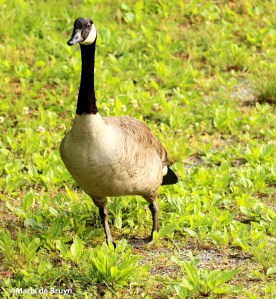 ensis), who I have named Clara; she is currently raising four goslings. Canada geese are monogamous and the fathers help raise the young, but Clara appears to be a single mom. At least, she doesn’t have a male goose partner.
 ten and even attack people who come too close to their babies, they become pretty mellow when they are often around humans who have shown they will not harm them. Mama kept an eye on all the people taking a stroll around the pond, but she simply shepherded the goslings aside when a person came too close. Harry also kept an eye on the people wandering about.
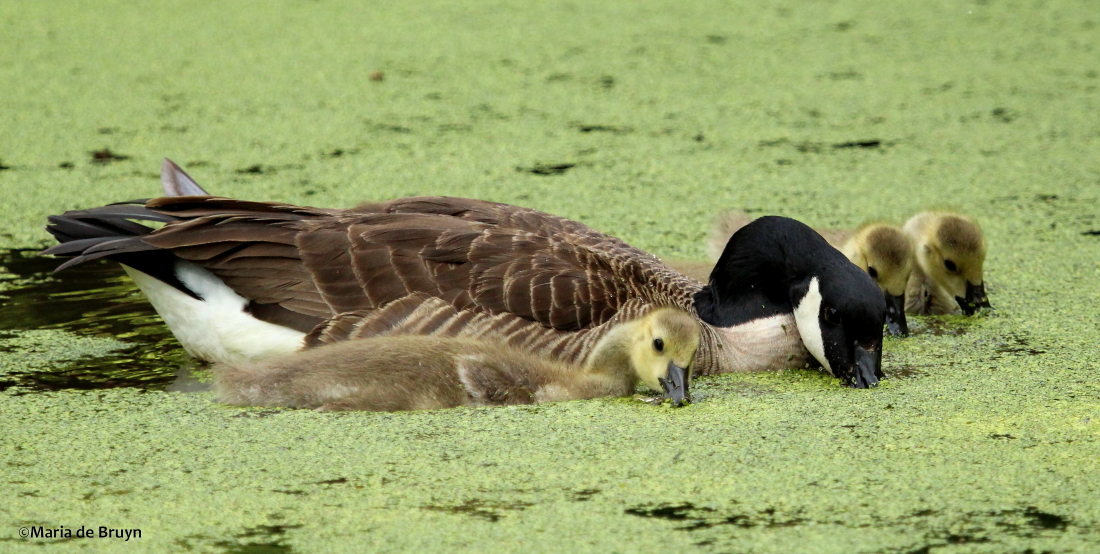
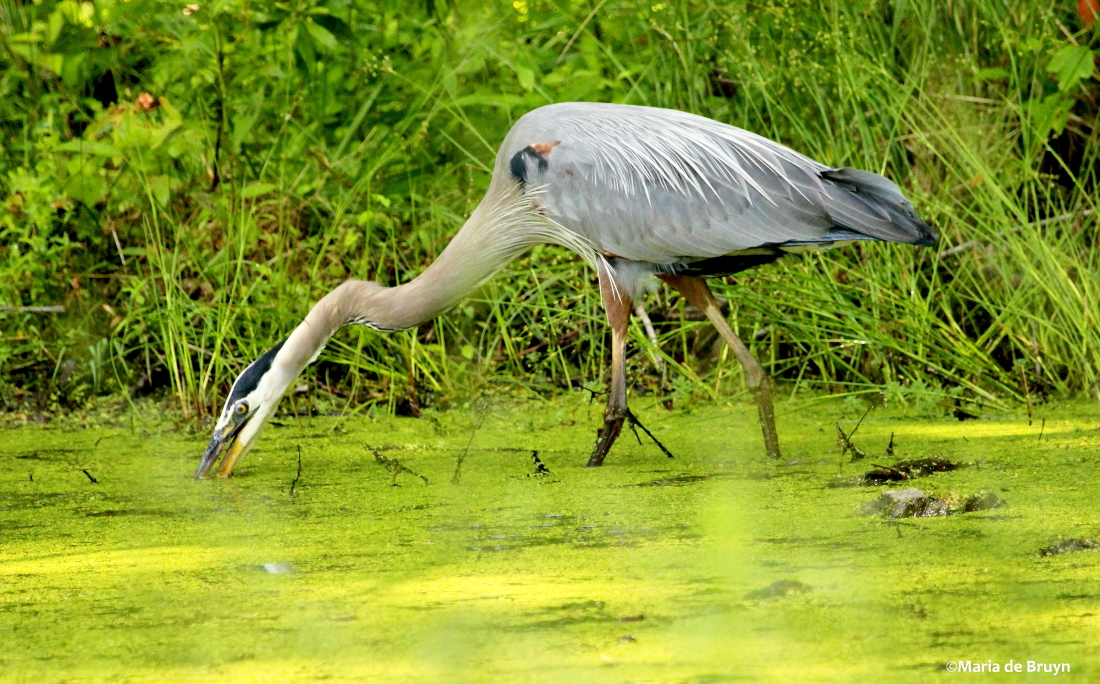
 xample when foraging in water, tipping forward and extending their necks and heads underwater to scoop up vegetation and even the occasional fish.




 My beautiful world