My nature muse and a delightful experience

Dear unseen spirit,

You are a muse for me who permeates the air and leaves and water and earth that form the sphere in which I feel so at home, at rest yet invigorated, excited, awed, happy and amazed in turn and sometimes simultaneously, in a welter of positive emotion and feeling.

Yesterday, you brought me one of those moments. A smallish, perhaps teenaged, painted turtle (Chrysemys picta), with a smooth ebony carapace with some iron oxide-like highlights, was busy laying her eggs. My friend Lucretia and I stopped to watch.

Lucretia had discovered her while walking a fence line near a lake cove, sticking to that border of mostly bare dirt except for some leaves and twigs so she could avoid the longish grass that could very well be harboring ticks and chiggers – the nemesis bugs for birders and naturalists!


Ms Turtle was not quite vertical but leaning like the Tower of Pisa with her bottom in a hole she’d dug and her red-striped front legs anchoring her above. She was using her back legs and toes to move aside dampened clay earth, sometimes moving her body side to side to widen the depression. We wondered how much she’d had to urinate to get the dry ground to a nice malleable consistency; it turns out that painted turtles can store water in their urinary bladder, which helps with buoyancy in the water – and nest digging on land.

When we first stopped, she withdrew her head into her shell and stayed motionless but not for longer than 45 seconds or so. Her natural impulse for self-protection was weaker than her need to procreate, so she resumed moving small mounds of earth.

After some 15 minutes or so, we moved on along the cove, Lucretia noting birds and me looking for dragonflies to photograph. Spring was still in the air with one female widow skimmer (Libellula luctuosa) being chased by 3 to 5 males in an aerial ballet as they sought to be the one who could grab her head and become her temporary mate.

One pair of conjoined dragonflies skimmed the water’s surface while others hovered over water plants or rested on shoreline foliage for a few minutes.

Spangled skimmer (Libellula cyanea)


Eastern amberwing (Perithemis tenera)   Halloween pennant (Celithemis eponina)

Thoughts of Ms Turtle came back to me and I cut my insect investigations short to go back around the cove to her birthing site. Lucretia was already there and waved me over – she’d just seen Ms Turtle expel two white eggs, which I saw below her tail as she resumed her back-leg maneuvering of damp earth. She was now covering the eggs and perhaps that is also what she had been doing when we arrived. Painted turtles lay from 1 to 11 eggs and we wondered if she had already laid some and was covering them in layers.

At any rate, she was now obviously done with placing her progeny in the nest and was filling in the hole. She deliberately and meticulously grasped balls of soft earth and maneuvered them over the eggs. Her instincts were good and she apparently was doing this all by feel as she couldn’t see what she was doing. Her back legs unerringly found the next clump to move into position and she was quite thorough in making sure it was placed and smoothed over in just the right spot.

The process was slow but careful and as she gathered in the mud, her body began going more and more horizontal – a really noticeable change from when we first saw her more or less standing on end to deposit her clutch.

Ms Turtle was no longer bothered by our presence at all – nothing was going to stop her completing the process, although she occasionally did pause for a moment or two. She’d been at this for at least 70 minutes or so – or perhaps longer if she’d already laid some eggs before our arrival. Lucretia commented on what a hard worker she was!

When Ms Turtle was finally entirely horizontal, resting on the packed earth that was even with its surroundings, she took one more precaution to prevent predators (e.g., snakes, chipmunks, squirrels, foxes, raccoons) from finding her developing offspring. She used her back legs to draw in leaves and twigs to top off the dirt over the nesting site so that it looked exactly like the surroundings!

This, too, was done deliberately and carefully and by feel – never once did she turn around to look at what she’d done. In fact, when she was finished, she set off at an angle to trundle rapidly through the grass to the lake, never casting an eye on the covered nest.


We vowed to investigate egg incubation times (on average, 72 days, making 19 August a possible hatching day) and Lucretia tied a paper towel on the fence in front of the site so we could re-locate it. I also tied some weeds into the mesh of the fence.


In the meantime, Ms Turtle was making good time to the lake and we saw her tip over the shoreline edge, only to end up on her back. Within 10 seconds, she’d righted herself and plopped into the water, briefly floating and then submerging.


We spoke about her wonderful work – even if instinctual, it was amazing to watch and we felt privileged to have borne witness to it. Suddenly, not far off-shore, up popped Ms Turtle; she floated at the water’s surface enjoying a well-earned rest after her double labors (birthing and excavation/reconstruction). Her carapace glistened and she was a beauty to see and admire.

It would be super to be able to see her hatchlings emerge in August. I don’t know if we will be so lucky but recalling their mother’s construction of a nursery will be a great nature memory for sure. And who knows what new event you, my nature muse, will bring along in the meantime – when I arrived home, two of the Eastern bluebird (Sialia sialis) had hatched!

Mother Nature, you always delight and/or edify to be sure!

Many thanks! Maria


The beautiful “baker” bird

Recently, I’ve had the good fortune to observe a small bird at close quarters that I had only seen in a couple glimpses in the past, the ovenbird (Seiurus aurocapilla). Like the ruby-crowned and golden-crowned kinglets, this little avian also has a stripe atop its head. Like the golden-crowned kinglet, the stripe is always visible and orange in color, blending in nicely with its other muted brownish and cream colors.


The ovenbird gets its name from the shape of its nest, which is built on the ground in a shape reminiscent of an outdoor or Hopi oven. It is domed and has a side entrance and can be difficult to see.

The ovenbirds spend the winters in the Caribbean region and Central America and then come North for the summer breeding season. My sightings of the singing male have been at our local nature reserve, Mason Farm Biological Reserve, where I volunteer as an invasive plant eradicator and sometime planter of native flowers.


The male sings a three- to-five note call in the spring as part of his courting behavior and the call varies among individuals. When males are in neighboring territories, they will sing together in duets and it can be difficult to know how many birds are singing.


The sound is so loud that you expect to see a much larger bird and his song inspired poet Robert Frost to dedicate a poem to him.


If he is sitting on a branch, you can eventually find him but it can be a challenge since they prefer to reside in forests with heavy canopy cover so that it is fairly dark.


Once you see him, you may be able to watch for a while as they don’t seem to be very wary of people. This individual let me observe as he groomed on a low tree branch, pausing now and again to let out a few notes.


These birds prefer areas with heavy leaf litter for their homes – the leaves provide cover for their ground nests and they blend in really, really well as they scurry about foraging in the leaves for insects, worms and snails to eat. Both the females and males participate in feeding the fledglings until they can fly at about 30 days.

When they emerge into a patch with a bit of sunlight filtering down through the leaves overhead, you have a bit better chance to see them. Otherwise, you may end up staring at ground cover until you catch a bit of movement and can zero in on the motion to see them.


Photographing the bird is a challenge since they spend their time in areas with so little direct light. My first photos were a bit dark, but then I increased the ISO on my camera considerably (a tip from fellow photographer, Mary – thanks!) and the photos were a bit better. Still, the somewhat darker photos reflect the environment in which you discover these little troubadour warblers. Now that I know where to look for them, I hope to see them more often in years to come.

The sad spring saga of Sassy squirrel

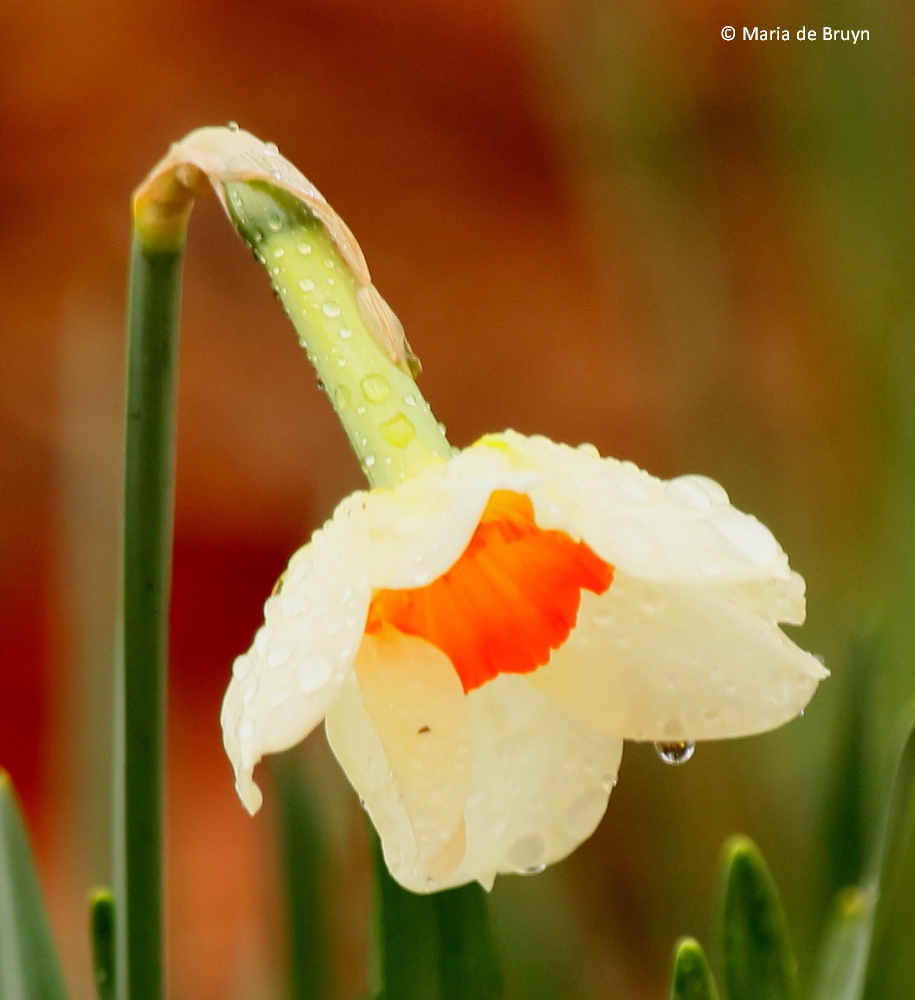
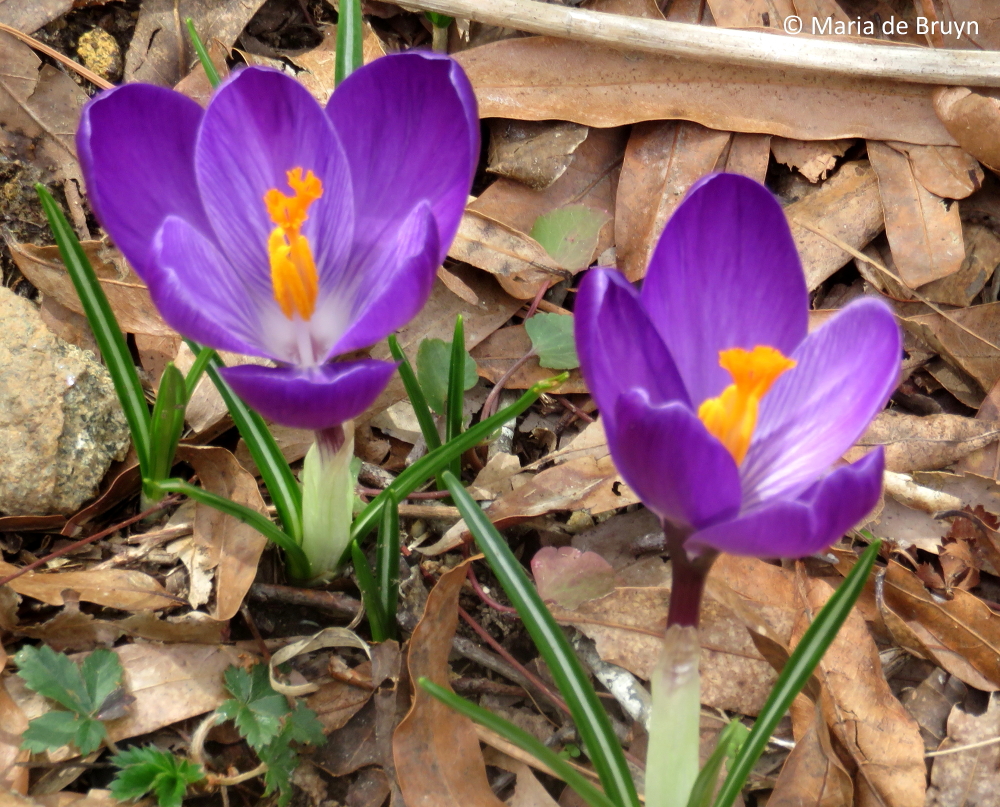
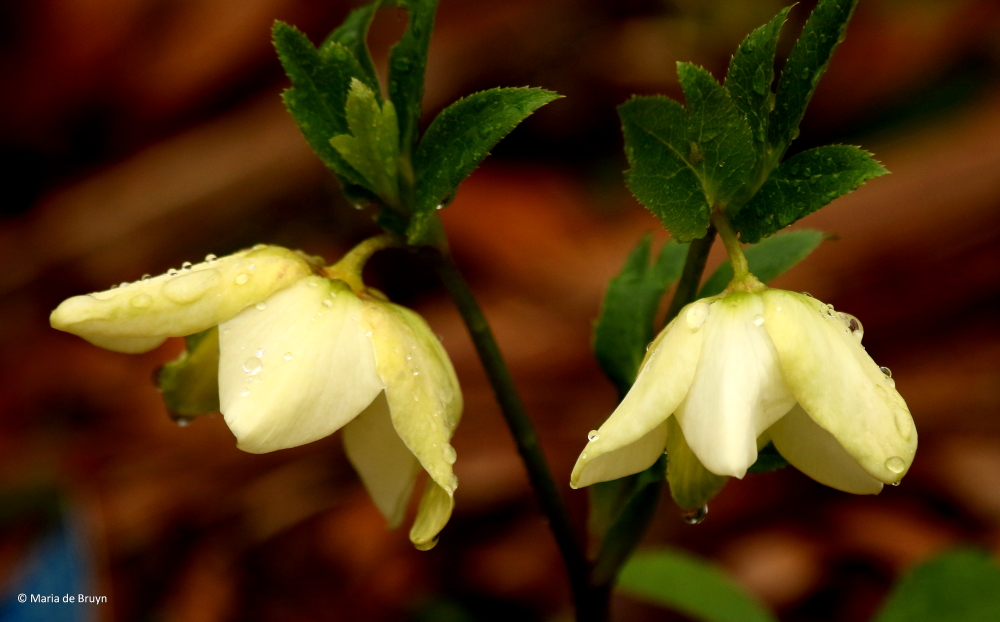
cape-may-warbler-i77a5989-maria-de-bruyn-2resSpring has come early to North Carolina, leading to some early bird migration (like this Cape May warbler, Setophaga tigrina, on its way North), avian courtship and nest building, as well as spring blossoms already emerging in profusion. My garden has seen some lovely flowers, both cultivated and wild: daffodils (Narcissus), crocuses (Crocus), winter jasmine (Jasminum nudiflorum), henbit (Lamium amplexicaule) and lenten rose (Helleborus orientalis).

daffodil-i77a2964-maria-de-bruyn-res    daffodil-i77a2325-maria-de-bruyn-res

crocus-img_1813-maria-de-bruyn-res   crocus-img_1790-maria-de-bruyn-res

winter-jasmine-i77a0793-maria-de-bruyn-res    henbit-i77a1155-maria-de-bruyn-res

lenten-rose-i77a2951-maria-de-bruyn-res lenten-rose-i77a1903-maria-de-bruyn-res

lenten-rose-i77a2970-maria-de-bruyn-res

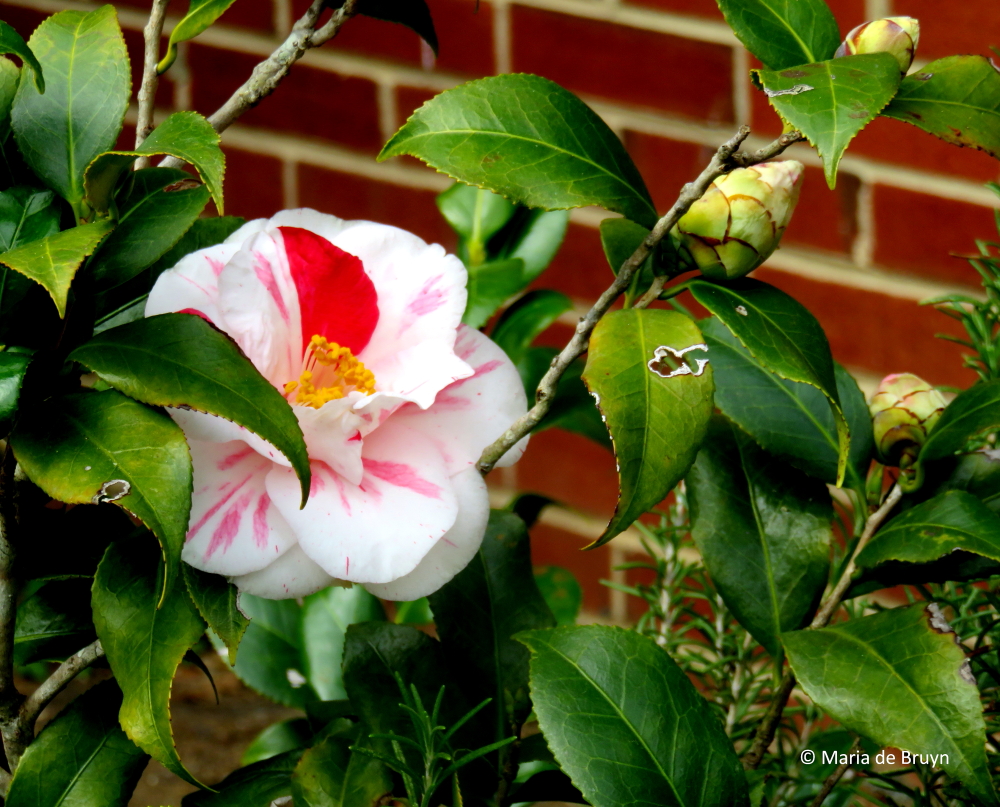
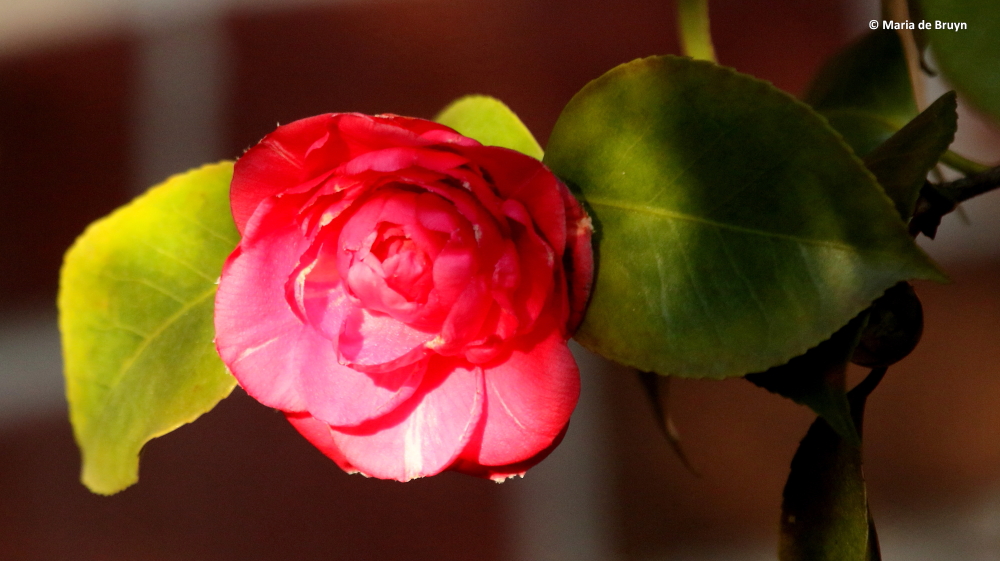
My camellias ( Camellia) bloomed in much greater profusion than ever before.

camellia-img_1816-maria-de-bruyn-res    camellia-i77a1922-maria-de-bruyn-res

The shrubs and trees also sent out their buds weeks “ahead of schedule” – since the past month was the warmest recorded February in this area, my plants advanced their springtime blossoming, including the serviceberry (Amelanchier arborea), viburnums, dogwoods (Cornus kousa and Cornus florida) and common elderberry (Sambucus nigra).

serviceberry-i77a1965-maria-de-bruyn-res  tree-i77a1949-maria-de-bruyn-res

tree-i77a1963-maria-de-bruyn-res tree-i77a1950-maria-de-bruyn-res

My new blueberry bushes burgeoned with delicate little flowers, but the past two nights I had to cover them up so that they wouldn’t shrivel up as the temperatures dropped below freezing.

eastern-gray-squirrel-i77a0079-maria-de-bruyn-res


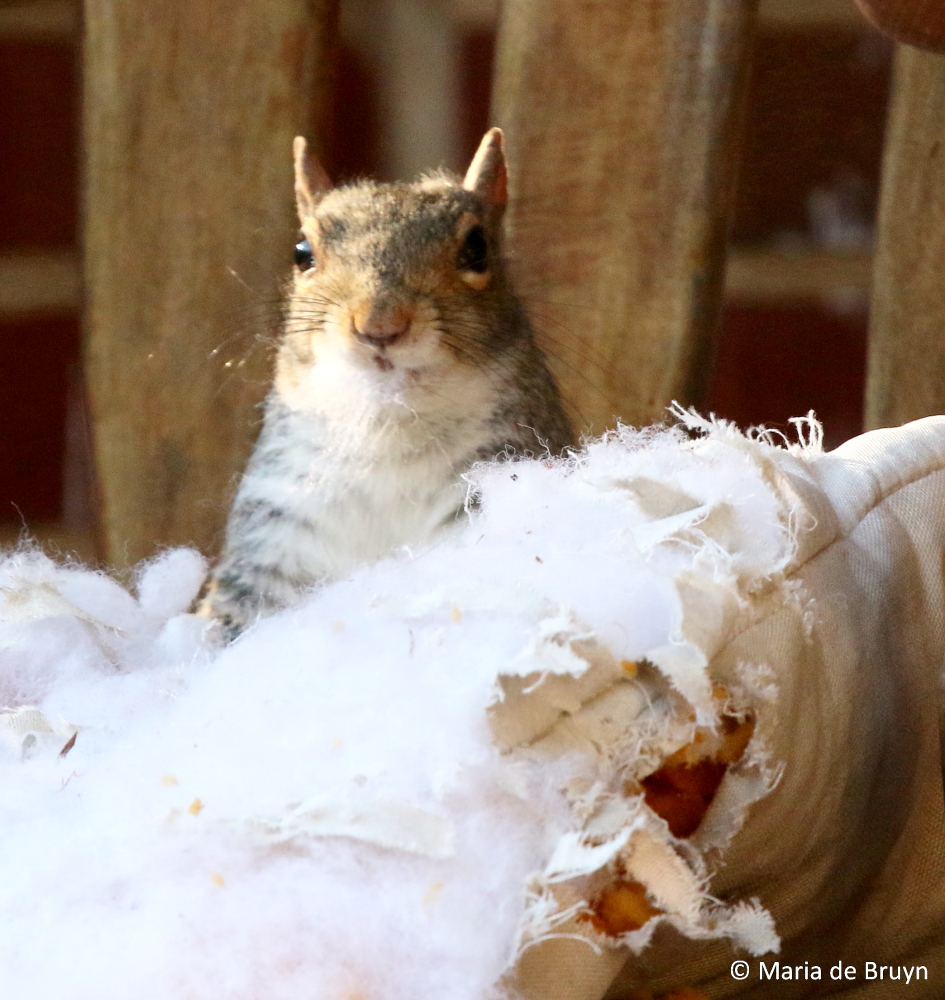
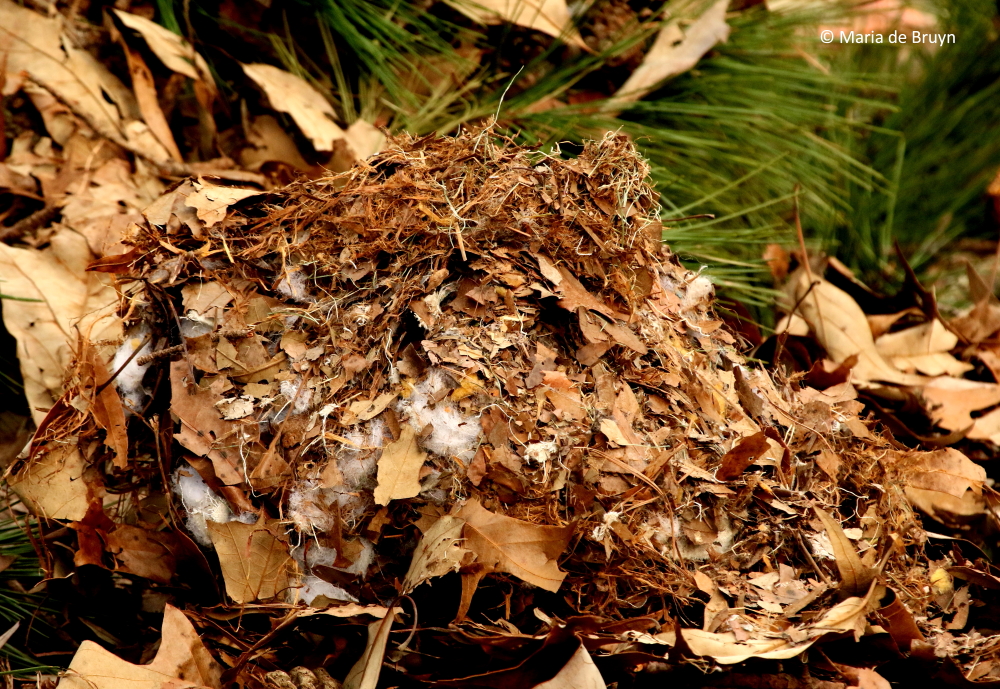
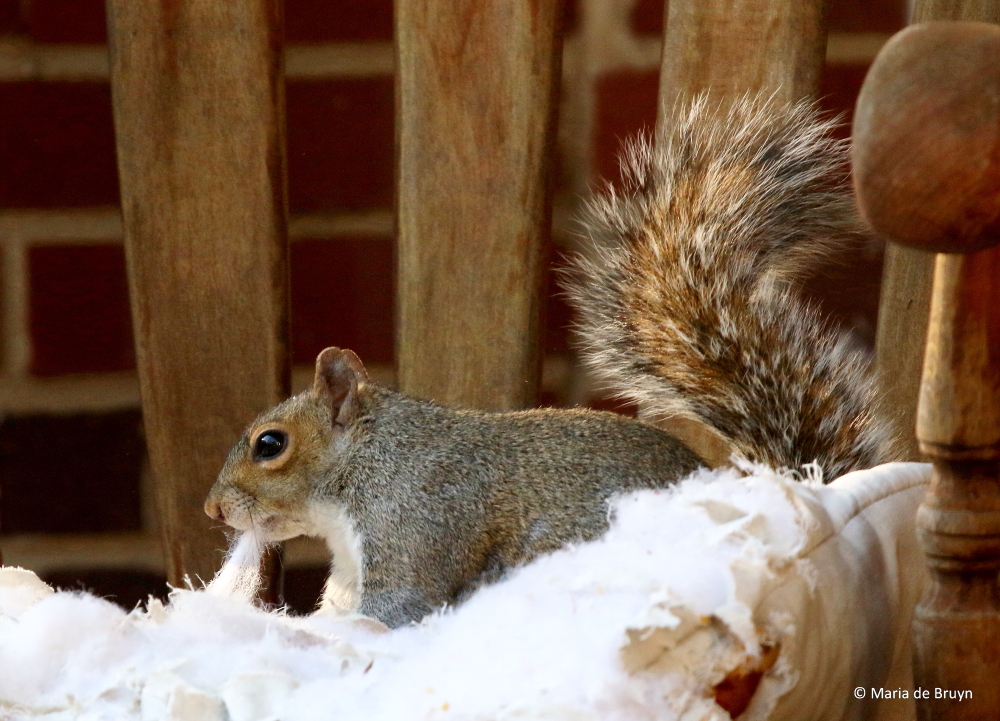
It wasn’t only the plant and bird life responding to the unusually changing season, though, as I discovered when I finally noticed the altered pillow on my front porch rocking chair. I first saw that the cloth covering the pillow had been torn; upon closer examination, I saw that the pillow had been opened up with its filling tufting up in places.


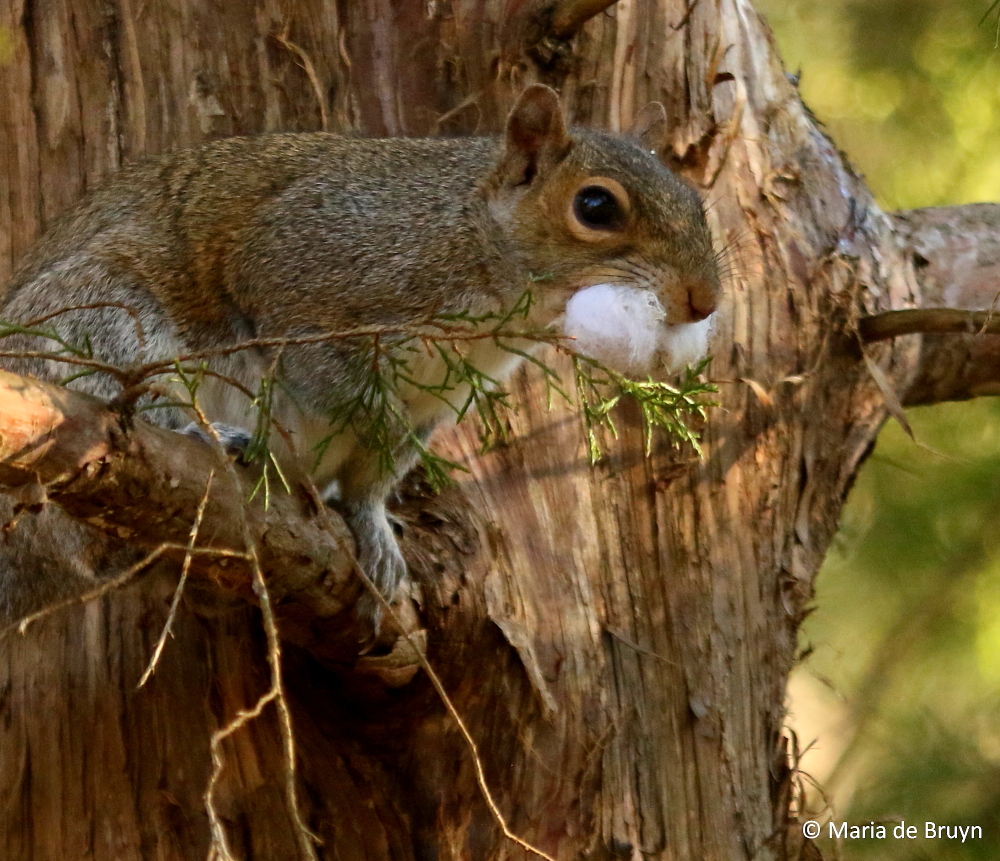
eastern-gray-squirrel-i77a0093-maria-de-bruyn-resWhen I began watching the rocker in addition to the bird feeders, I discovered the culprit – an industrious Eastern gray squirrel (Sciurus carolinensis), whom I named Sassy as she shows no fear, just a little caution.

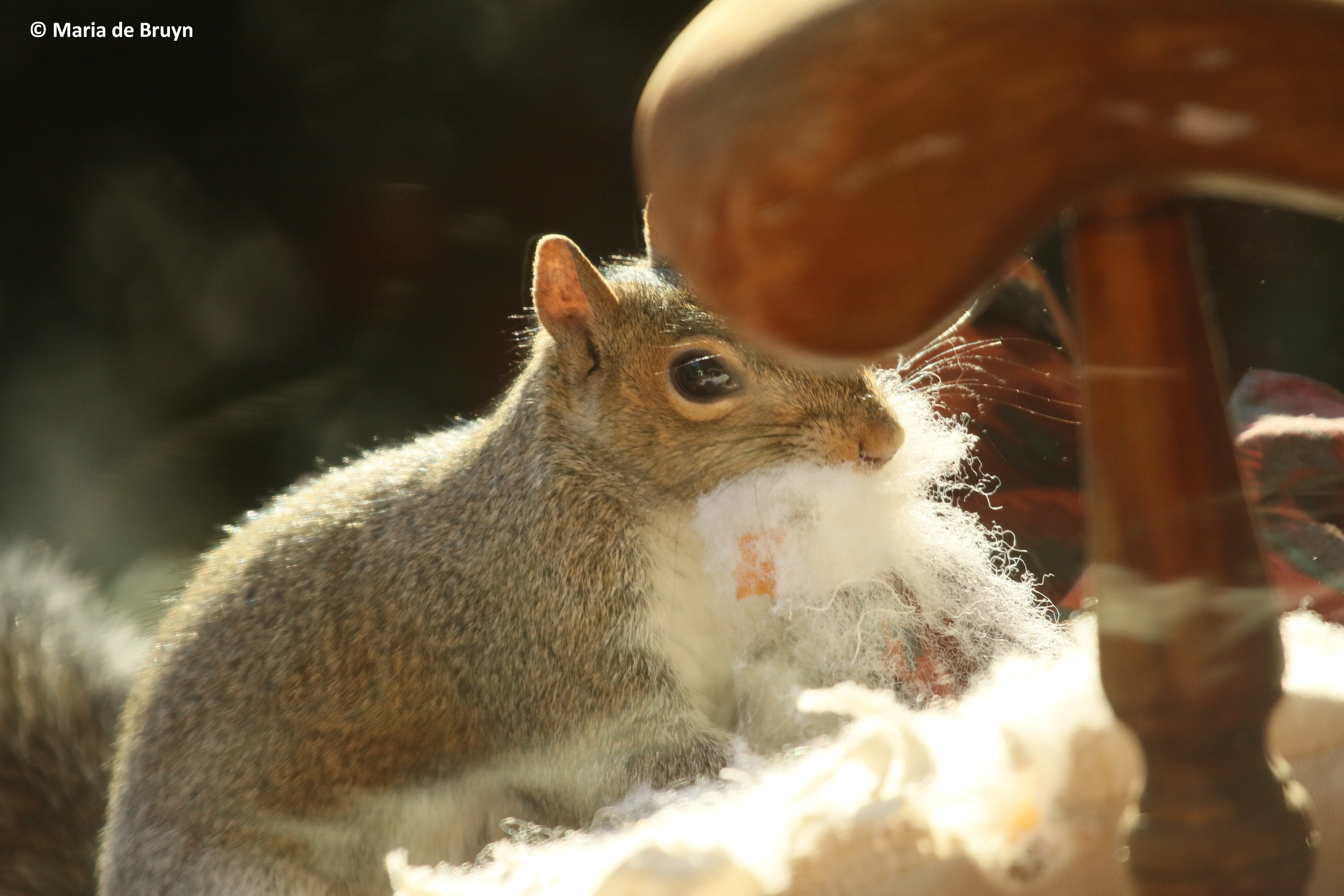
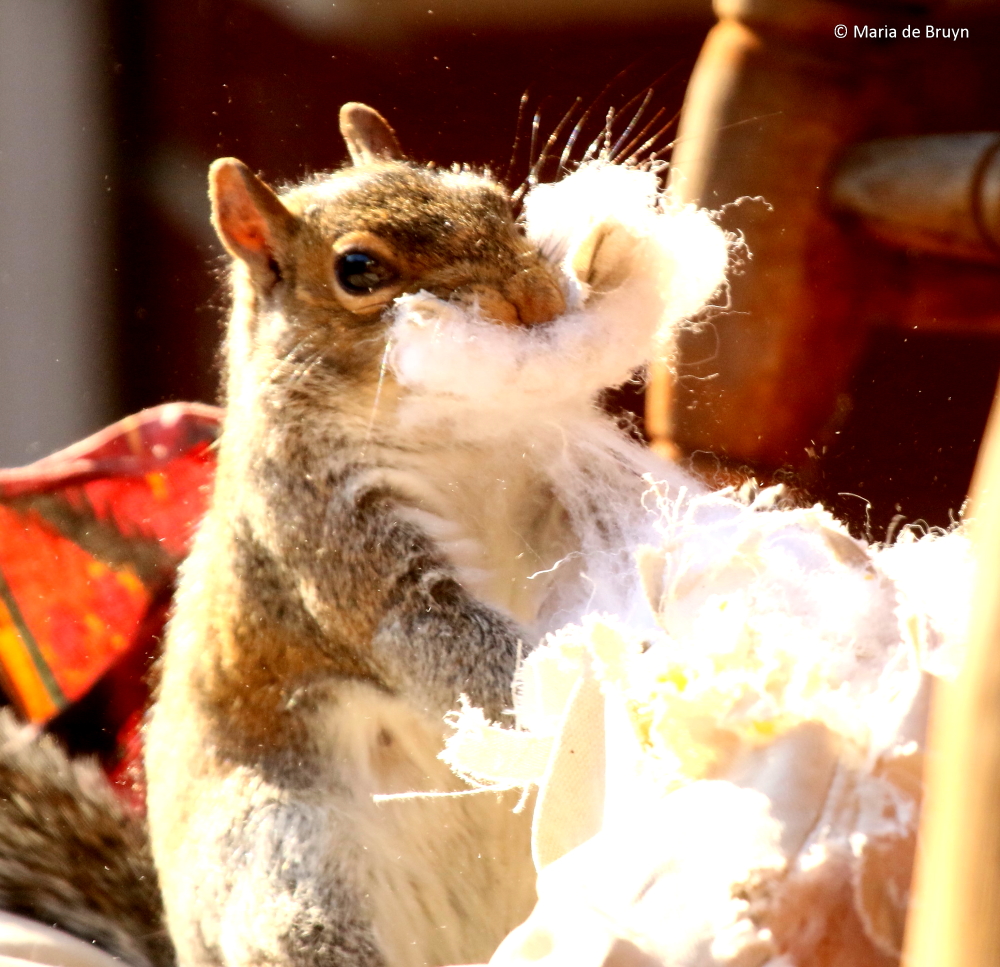
Sassy is quite bold, coming up onto the porch even when I’m seated there. She keeps an eye on me but goes about her business in a calm and confident mood. This was also the case for her nest building activities. She perched on the pillow and used her teeth to tear out the insides.

eastern-gray-squirrel-i77a9708-maria-de-bruyn  eastern-gray-squirrel-i77a0073-maria-de-bruyn-res

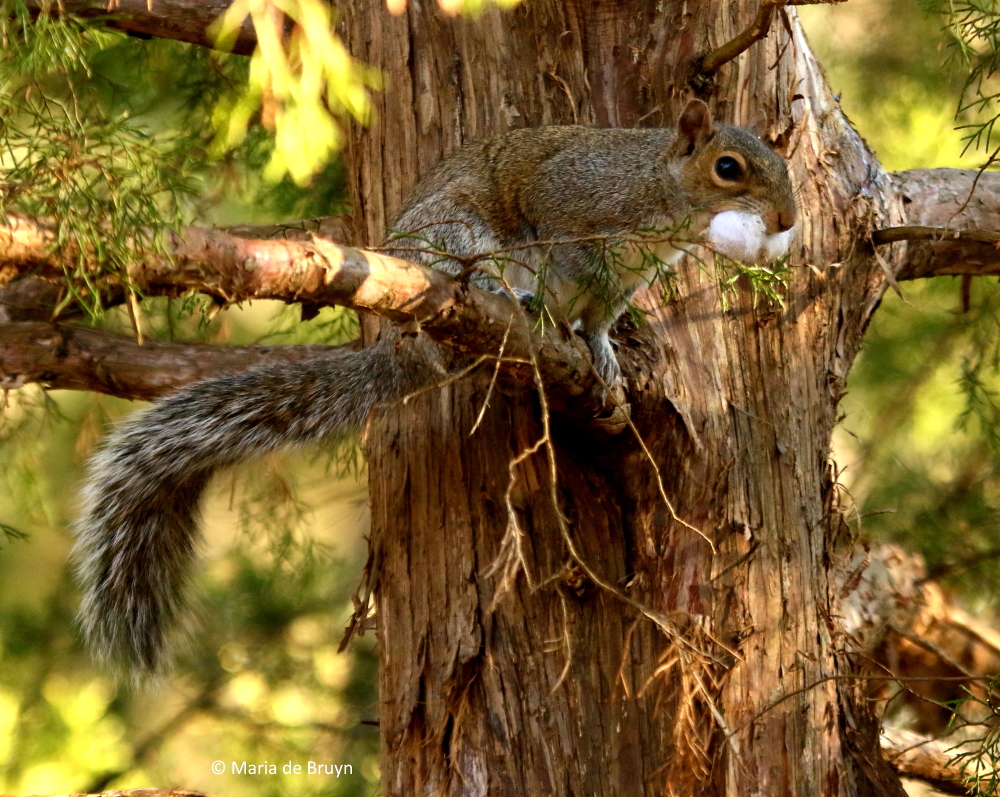
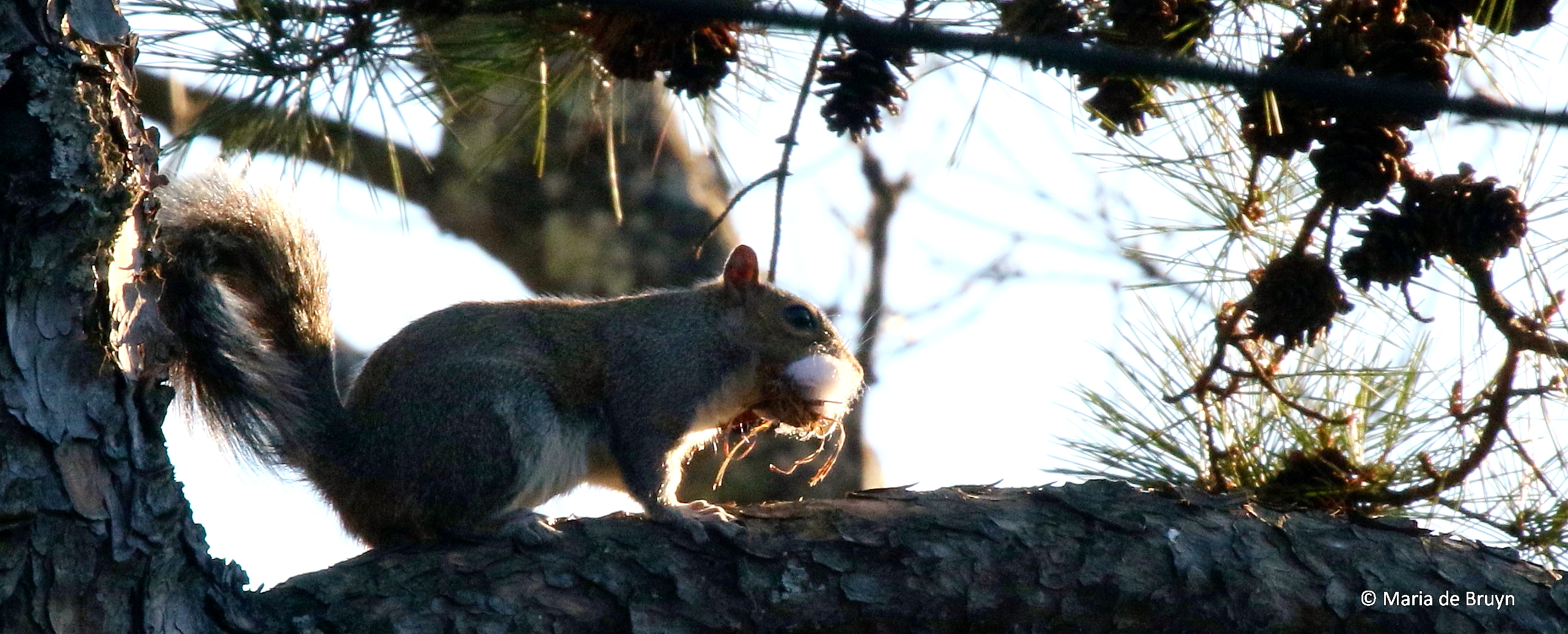
She then manipulated the tufts with her paws and teeth to form them into neat little oblong packages that she could easily transport in her mouth.

eastern-gray-squirrel-i77a9795-maria-de-bruyn-res eastern-gray-squirrel-i77a9796-maria-de-bruyn-res

eastern-gray-squirrel-i77a9801-maria-de-bruyn-res eastern-gray-squirrel-i77a9802-maria-de-bruyn-res

Sometimes, she added some dried leaves to the mixture.

eastern-gray-squirrel-i77a1995-maria-de-bruyn-res

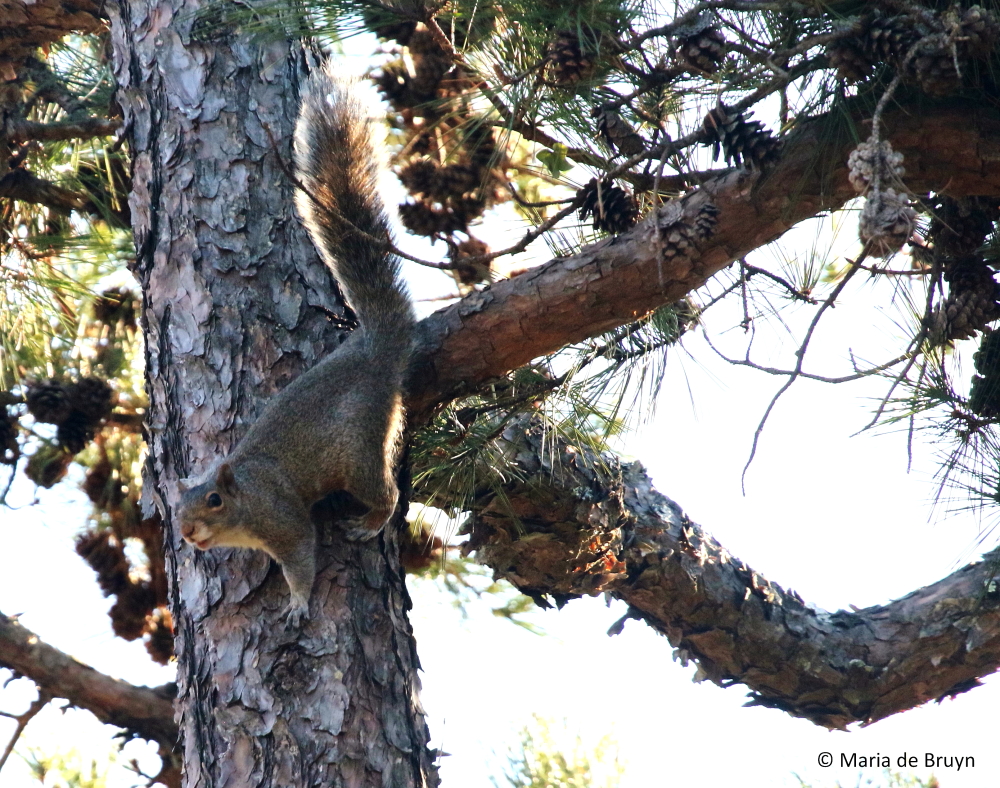
When her mouth was filled with enough material, she left to transport it to the nest that she was constructing – as it turned out, high in a loblolly pine (Pinus taeda) in a neighbor’s front yard. As I followed behind her, she stayed aware of my movements.

eastern-gray-squirrel-i77a0107-maria-de-bruyn-reseastern-gray-squirrel-i77a0108-maria-de-bruyn-res

Then she crossed the street and scurried up the tree, where she deposited her “mattress stuffing” among the leaves and other materials lining the nest.

eastern-gray-squirrel-i77a0125-maria-de-bruyn-res  eastern-gray-squirrel-i77a0139-maria-de-bruyn

Since Sassy was so very industrious and the pillow was no longer salvageable, I left it out for her. She returned for several days, systematically dismantling her found source of nest material and carrying off her little woolly trophies.

eastern-gray-squirrel-i77a0099-maria-de-bruyn-res eastern-gray-squirrel-i77a0093-maria-de-bruyn-res

When the stuffing began to disperse with the wind, I finally gathered it up and threw out what was left, figuring she had had plenty of manmade contributions to her home.

eastern-gray-squirrel-i77a0142-maria-de-bruyn-res eastern-gray-squirrel-i77a9817-maria-de-bruyn-res

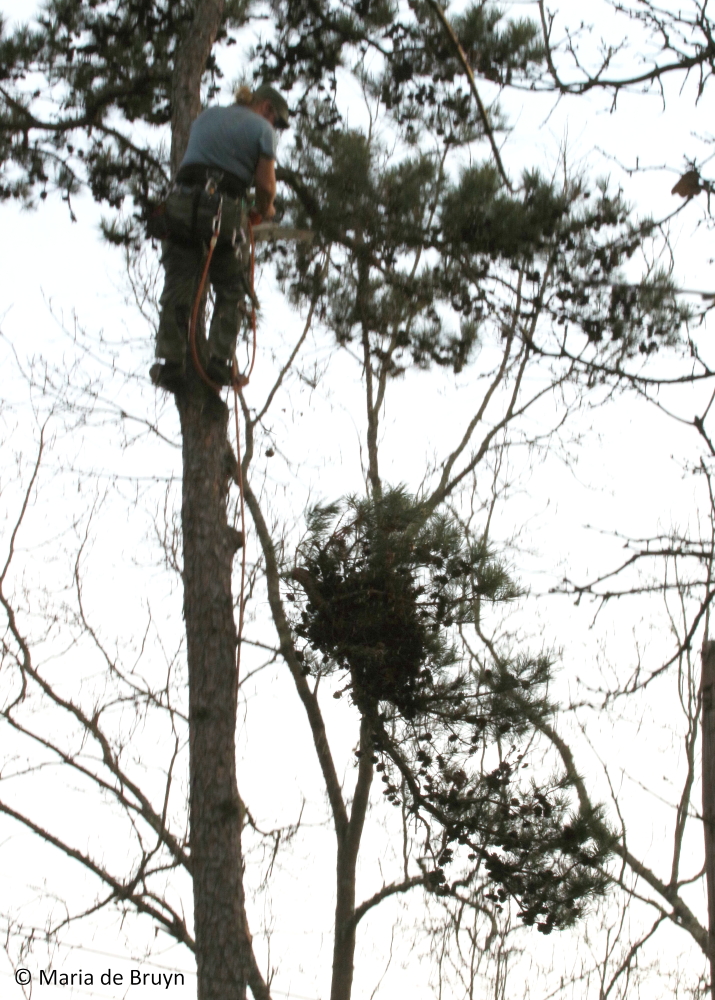
Then a couple days later, I was dismayed on her behalf to see that the new neighbors had decided to remove the tree where her nest was located. The landscapers said Sassy’s nest was not a factor in their decision; they just thought the tree was in the way. I watched with sadness as Sassy’s tree was dismantled and her nest plunged to the ground.

squirrel-nest-i77a9820-maria-de-bruyn-res  squirrel-nest-i77a2239-maria-de-bruyn-res

squirrel-nest-i77a2248-maria-de-bruyn-res

I didn’t see where Sassy was during this event but am sure she was watching from some other vantage point. I felt badly for her – all her innovative and dedicated work was destroyed. Of course, people lose their homes, too, to flooding, fires, tornadoes, etc.  and that is horrible. But I still regretted that this hard-working mammal had lost her home as well.

I presume Sassy has been building a new nest elsewhere. And given her boldness, I’m fairly certain that she was the squirrel I saw yesterday afternoon who had decided that she likes dried mealworms.

eastern-gray-squirrel-img_1911-maria-de-bruyn-res

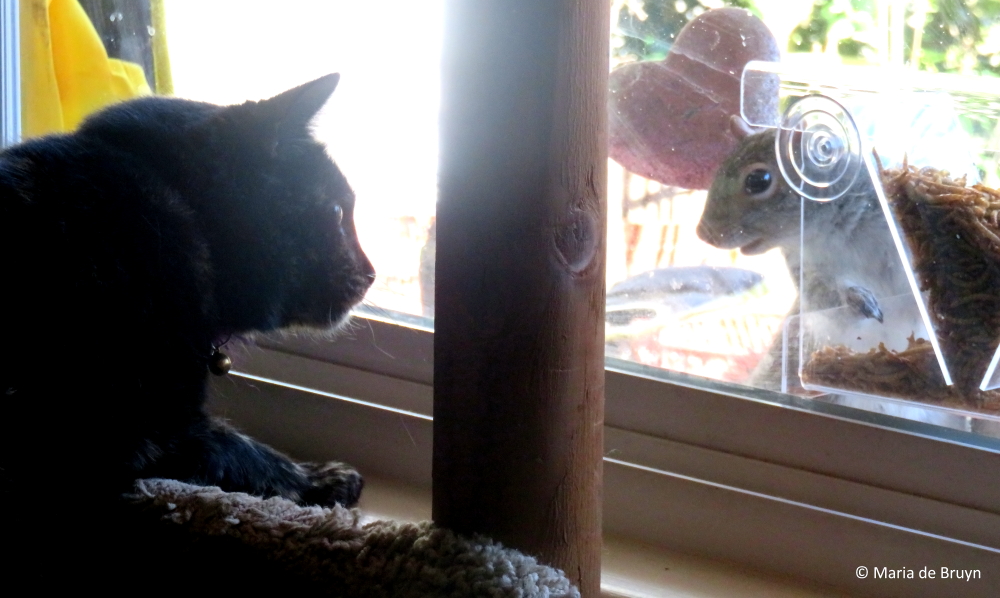
As my feline companion Moasi watched from her cat tree perch in the living room, Sassy was busy on the other side of the window chowing down on the worms in a new window feeder that I had actually bought for the Carolina wrens and chickadees, who often perch on the chair in front of the window.

eastern-gray-squirrel-img_1920-maria-de-bruyn-res

flower-i77a3037maria-de-bruyn-res


Sassy didn’t seem to mind Moasi watching her and she wasn’t fazed when I approached either. It was only when I knocked on the window that she finally descended to the porch and then left for the yard. I like to think that Sassy has made a new home and is now busy getting extra nutrition for the babies to come. And spring continues to unfold with temperatures varying from 24 to 70 degrees and above!

The dance of the sandhill cranes

sandhill crane I77A7926© Maria de Bruyn resDuring my trip to Yellowstone National Park, I had the privilege of seeing what birders call “lifers” – bird species that one sees for the first time. One spectacular sighting – for me – was of sandhill cranes (Grus canadensis). I didn’t spot them first; I was traveling with two photographers from Michigan who were used to seeing these beautiful birds in their backyards. We had already passed but they kindly returned so I could take a few photos – and then to our delight, the pair of birds performed their mating dance for us!
These birds mate for life and may live to a considerable age. The oldest known sandhill crane was 36.5 years old.

sandhill crane I77A7910© Maria de Bruyn resWhile many of these birds are grayish in color, some have rusty orange coloring, attributable to iron-rich mud in their environment. In Yellowstone, the birds use their long bills to spread the reddish mud over their feathers when they preen and this helps to camouflage them when nesting. Cranes that are not yet mature also have reddish upper parts. Their heads are topped by a red patch.
 

sandhill crane I77A7925© Maria de Bruyn res
 

These birds have very long legs and necks as you can see. Their windpipes curl up in the sternum and give their sounds a lower pitch. Mated pairs will sing in unison, with the female calling twice for every call that her mate makes.


The males dance when they display to one another. Courtship dances can involve bowing followed by leaps into the air. They may stretch their wings and pump their heads as well.

SANDHILL CRANE I77A7932© Maria de Bruyn RES

sandhill crane I77A7934© Maria de Bruyn res

The pair would dance and stop, dance and stop. A real pas de deux (in French and ballet terms)!

sandhill crane I77A7931© Maria de Bruyn res

sandhill crane I77A7936© Maria de Bruyn ressandhill crane I77A7938© Maria de Bruyn res

sandhill crane I77A7955© Maria de Bruyn ressandhill crane I77A7974© Maria de Bruyn res

Perhaps some ballet terminology was inspired (unconsciously) by the graceful cranes.

sandhill crane I77A7915© Maria de Bruyn res

Grand jeté (jump from one foot to the other)

sandhill crane I77A8005© Maria de Bruyn res

Sur les pointes (on tiptoes)

sandhill crane I77A7935© Maria de Bruyn res

Demi-plié (Half-bend of the knees)

`11111111111111111 sandhill crane I77A7940© Maria de Bruyn

Fondu (sinking down)

Dancers have tried to mimic cranes and while they created a beautiful dance, the sandhill cranes had more varied moves.

sandhill crane I77A7947© Maria de Bruyn res sandhill crane I77A7952© Maria de Bruyn res

sandhill crane I77A8010© Maria de Bruyn ressandhill crane I77A7917© Maria de Bruyn2 res


sandhill crane I77A7928© Maria de Bruyn res


The courtship dance was a tour de force and a highlight of my first day at this national park. In hindsight, I wish I had taped it but I was so enthralled, I forgot. 🙂


Youthful exuberance in Yellowstone

bison IMG_8457© Maria de Bruyn resOne of the frequent wildlife sightings during a visit to Yellowstone National Park are the bison, also known as American buffalo (Bison bison). Sometimes you see a single individual, sometimes a group of 3-5 animals and often larger groups or even huge herds. Females and their calves and males usually hang out in separate groups except when it is breeding season. The males can be distinguished by their somewhat longer horns, larger size (up to 2000 lbs) and heavier beards.  The babies are reddish-brown for their first 2.5 months of life, whereafter they begin to develop the dark brown coloring of their species.

bison I77A7891© Maria de Bruyn res

bison IMG_4583© Maria de BruynDuring my recent visit, I learned that you should not get out of your car near a buffalo – they may look placid but they will attack if they feel provoked and can run over 30 mph. From 1980-1999, triple the number of people were injured by bison as by bears in Yellowstone! In 2015, five people were gored by buffalo.Unfortunately, some people still will approach, as shown in this 1992 video showing some frightening consequences. You may then have to photograph them through (dirty) unopened car windows, which doesn’t make for excellent photos, but you can record what you see as memory reminders.

bison IMG_4562© Maria de Bruyn resIn the wintertime, the bison have thick shaggy coats and these are shed in the spring, so that you see individuals with bare patches of skin alternating with woolly areas.

A park ranger told me that they rub on trees to help remove their winter coats; there are whole areas of forest where many trees have bare spots devoid of bark as a result. The bison also “horn” trees, mostly in the autumn, rubbing their horns on cedars and pines by preference; the trees then emit a fragrance which is thought to be an insect deterrent.

bison IMG_4573© Maria de Bruyn res bison IMG_4569© Maria de Bruyn res

Another sign that buffalo are nearby are the bison wallows – these shallow depressions in the ground are used year after year, both during dry and rainy weather. The wallows have multiple functions, including offering dust and mud covering to protect against insects, a place for resting, grooming and play.

I77A6602© Maria de Bruyn resbison I77A6605© Maria de Bruyn res

bison IMG_4578© Maria de Bruyn res

When walking in meadows, along roads and on hillsides, you can often come across bison dung, popularly known as meadow muffins and buffalo chips. These large deposits used to be used as a fire source as they burn well and could be easily gathered.

Given the bison’s size and their habituation to people in the Park, human beings will find that they not infrequently have to share the road with these mammals. They will cross the road from one side to another and sometimes spend some time ambling down the road, so that you can have one pass within about a foot of your car window.

bison IMG_4563© Maria de Bruyn resbison I77A7869© Maria de Bruyn res

bison I77A7490© Maria de Bruyn res

During these “bison jams”, cars are supposed to stop and give them right of way – we are the intruders in their home after all. You then may see an individual through the car window who has been collared or tagged, presumably for research.

bison I77A1714© Maria de Bruyn resbison I77A1739© Maria de Bruyn res

The bison can have very expressive faces, even if at first sight it seems they always have the same expression. This mother demonstrated when she was nursing her calf.

bison I77A1679© Maria de Bruyn res bison I77A1667© Maria de Bruyn res

bison I77A1624© Maria de Bruyn res

bison I77A1473© Maria de Bruyn res

If you had asked me a month ago which adjectives I might associate with bison, my answer likely would have been something like: massive, placid when undisturbed, woolly, furry, huge, plodding. Playful would not have been on the list, but I discovered that American buffalo babies can be very exuberant and know how to have a good time!

A group of three spent quite some time chasing one another, jumping and leaping – one in particular seemed to be the instigator of the play session.

bison I77A1539© Maria de Bruyn res bison I77A1519© Maria de Bruyn res

bison I77A1441© Maria de Bruyn res  bison I77A1453© Maria de Bruyn res

bison I77A1525© Maria de Bruyn res

bison I77A9171© Maria de Bruyn resAt one point, I was in a car where I could observe a group of bison fording a river very near to the road. It was shallow where they entered but grew deeper toward the middle and other side and it turned out there was a strong current. It posed a challenge to the pregnant bison and the babies were really having a tough go. We watched them struggle across, keeping their chins above water as they slowly progressed while being swept downstream from the adults.

bison I77A9113© Maria de Bruyn res bison I77A9103© Maria de Bruyn res

bison I77A9135© Maria de Bruyn res

Luckily, all of the babies made it to the other side, including one who thought s/he was going after her/his mother when s/he got to the top of the riverbank. s/he trotted after a smaller bison, then was followed by a much larger female who began butting her/him – turned out the baby may have been confused after the strenuous river crossing because the smaller bison was not going to nurse. The mother kept after the baby until finally the young one turned and realized who mom really was!

bison I77A9283© Maria de Bruyn resbison I77A9293© Maria de Bruyn res

bison I77A9321© Maria de Bruyn res

bison I77A1450© Maria de Bruyn resBefore Europeans came to the United States, these magnificent mammals ranged as far as the Atlantic seaboard, meaning they could have been in my neighborhood at one time! Now the wild bison are largely confined to some national parks after almost going extinct in the 19th century and the most genetically pure ones are in Yellowstone. So I’m lucky that I had the chance to observe them several times during my recent trip out West and I’d love to see them there again. 🙂