 We usually don’t know who gave a bird species its common name and sometimes may scratch our heads wondering how and why someone ended up choosing a particular name. But birders faithfully learn to identify birds with those names, even when they may seem illogical. For example, many people would have chosen to call red-bellied woodpeckers red-headed woodpeckers since the reddish belly feathers are much less obvious than the red on the back of their heads.
Sometimes we can guess at why a bird got a certain name, however. The species with some form of “king” in their names were apparently felt to have something regal in their bearing or behavior. These birds don’t look similar though.
Some are quite small, like the ruby-crowned kinglet (Regulus calendula). This tiny bird, which weighs only 5-10 g (0.2-0.4 oz), is a bit dull in color except for the ruby crown that the males occasionally display. They are very active and very cute and having them leave the forest and woody areas to visit your bird feeders is a real treat.


The golden-crowned kinglet (Regulus satrapa) is even smaller, weighing on average 4-7.8 g (0.14-0.28 oz). The males and females both have crowns, although the males can have an orange patch in the middle of their crowns.


The tropical kingbird (Tyrannus melancholicus) is larger and has a crown stripe that is less obvious than the kinglet crowns.


The belted kingfisher is larger still (Megaceryle alcyon) weighing 113-178 g (4-6.3 oz). The females are more brightly colored than the males, showing a reddish band across their breasts (both male and female juveniles have the reddish bands but adult males lose theirs).


Some birds don’t have regal names in English but do so in other languages. For example, in Dutch and German, wrens are called kinglets; in North Carolina, we talk about Carolina wrens (Thryothorus ludovicianus).


And then we have the large raptor (weighing in at 0.9–2.1 kg (2.0–4.6 lb) whose regal background is expressed in its scientific name, Pandion haliaetus. Pandion was the name of the Greek king of Athens who was grandfather to Theseus, who was transformed into an eagle. Haliaetus comes from the Greek word for sea eagle. We call this regal eagle by the simpler name osprey.


So these kingly birds are all quite different, ranging from the tiny kinglets to the robust osprey. What they do have in common is their loveliness, displayed in diverse size, color and plumage, and our appreciation for their beauty.

 Much of the insect world consists of animals that we usually don’t even see or notice because: a) we don’t know they exist and therefore don’t look for them and b) they are tiny and only well visible with an enlarging lens. But once you get a good look at them, they turn out to be fascinating and sometimes quite attractive. One group of these insects is the hoppers – leaf- and planthoppers, that is, like the gray lawn leafhopper (Exitianus exitiosus) to the left.
 Leafhoppers are only 1/16 to 5/8 of an inch (2-15 mm) long. About 20,000 different leafhoppers have been described around the world; they feed by sucking plant sap from grass, shrubs, or trees. Planthoppers, some of which look like leaves and may be a bit bigger, also feed on plants.The nymphs (juveniles) are tiny, too, as seen in this photo where you see my fingertip above the nymph of an Acanaloid planthopper .
 a delicate little fly while resting.
 Versute sharpshooters (Graphocephala versuta) in love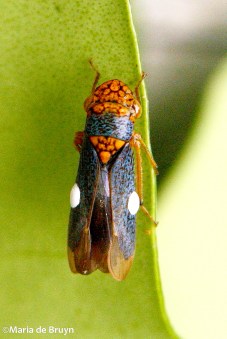


 Planthopper nymphs, like the two-striped planthopper (Acanalonia bivittata) and the Acanalonia servillei below, are known for producing waxy strands from their bodies which repel water. These strands also help protect them from predators, who might grab onto the showy white hairs, which break off so that the hopper can escape. The nymphs can ultimately be entirely covered in white wax.


 I imagine there are many more interesting behaviors to observe with the hoppers. Maybe one day I will get a macro lens so that I can really get some good photos of these cute little insects. In the meantime, as there are several thousand species in North America, I can look forward to finding new ones – with my camera in hand as I wouldn’t be able to see anything but specks on plants without it!
 So, in honor of International Cat Day 2014, a departure from wildlife to celebrate my family cats. My household is currently graced with three feline companions, two males and a female. Jonahay, the senior cat, is 15.5 years old and the only one allowed to go outside now and again. According to my vet, he is the strongest cat and most stubborn cat he has met – it has taken two guys over 6 feet tall to try and hold him down to get a pill into him. In the end, they gave him a shot while he was immobilized.
 thing but to bring interesting, living and moving “toys” inside. Over time, I had to remove birds, a baby rabbit, chipmunks, garter snake and field mouse from inside the house. During that time, only a couple birds and a couple mice did not survive when he clamped down a bit hard to prevent them from getting away or me taking them from him. Now, he will sit in the yard or rest on the front porch rocker with a squirrel or bird two feet away and just cast them a glance. The only creature that will rouse him for a chase is a chipmunk – for some reason, he still finds them too cool to leave alone.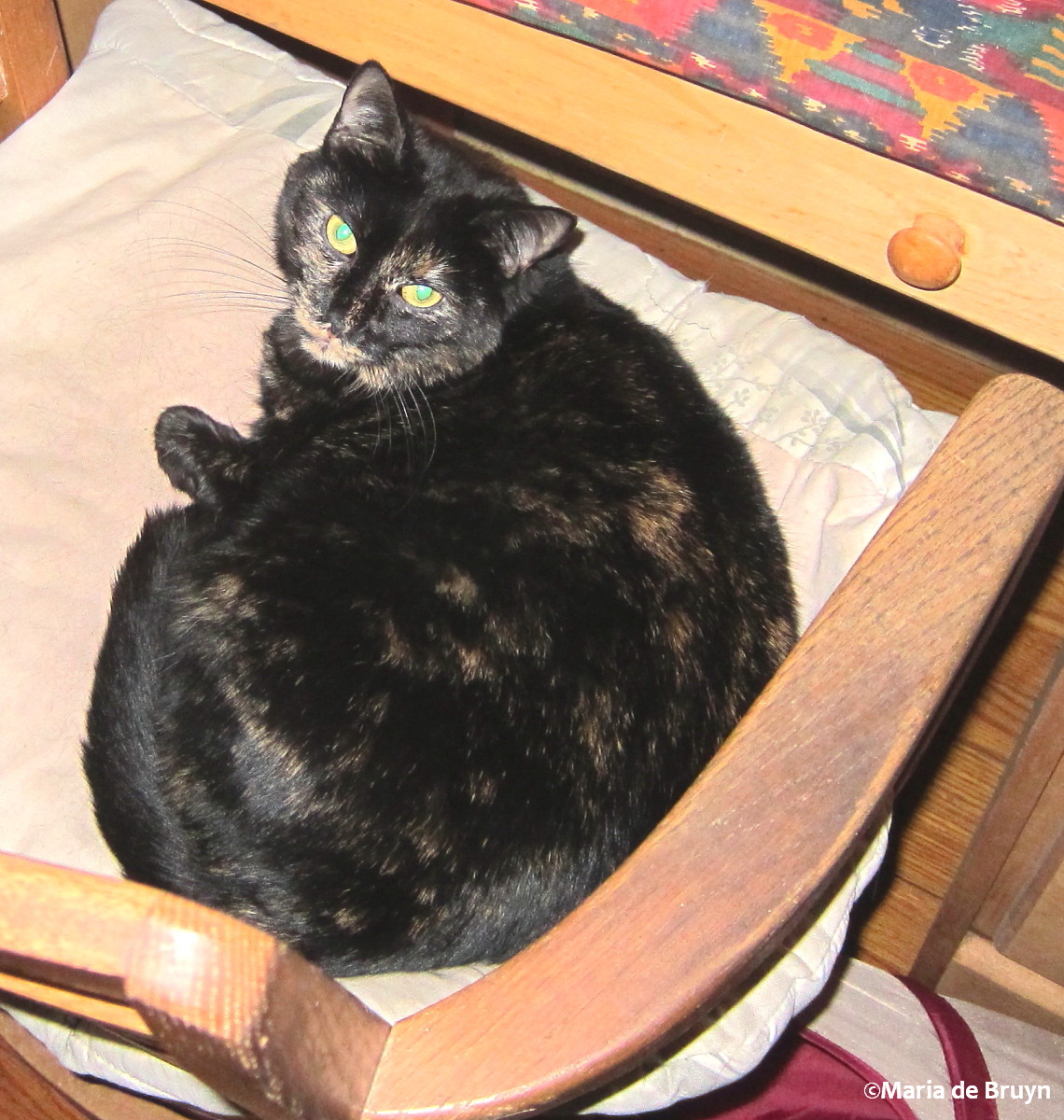
 he mouth and in obvious distress – she had likely eaten a stink bug, which is not a good thing for cats. About a week ago, she yelped with an open mouth and had some pain; a wasp that had gotten into the porch was gone.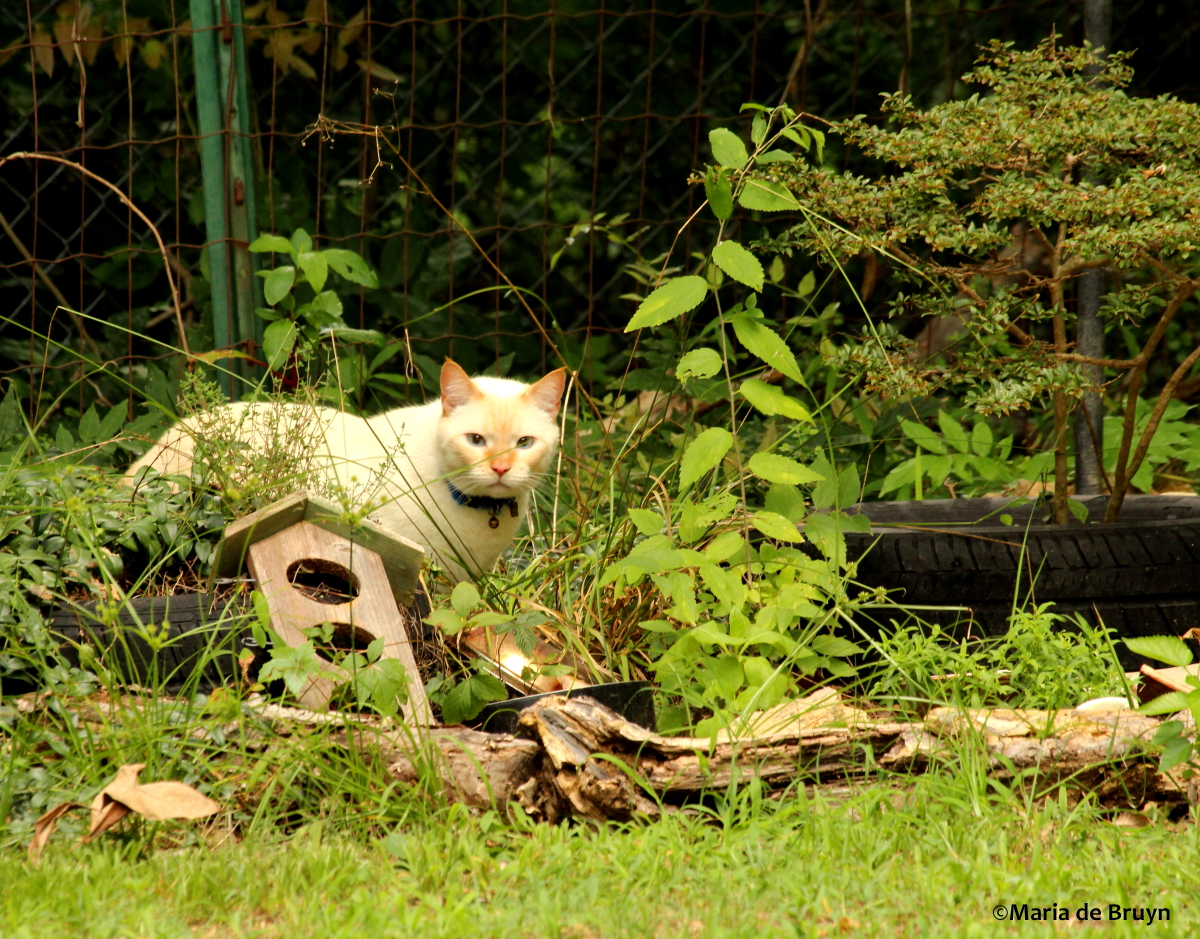
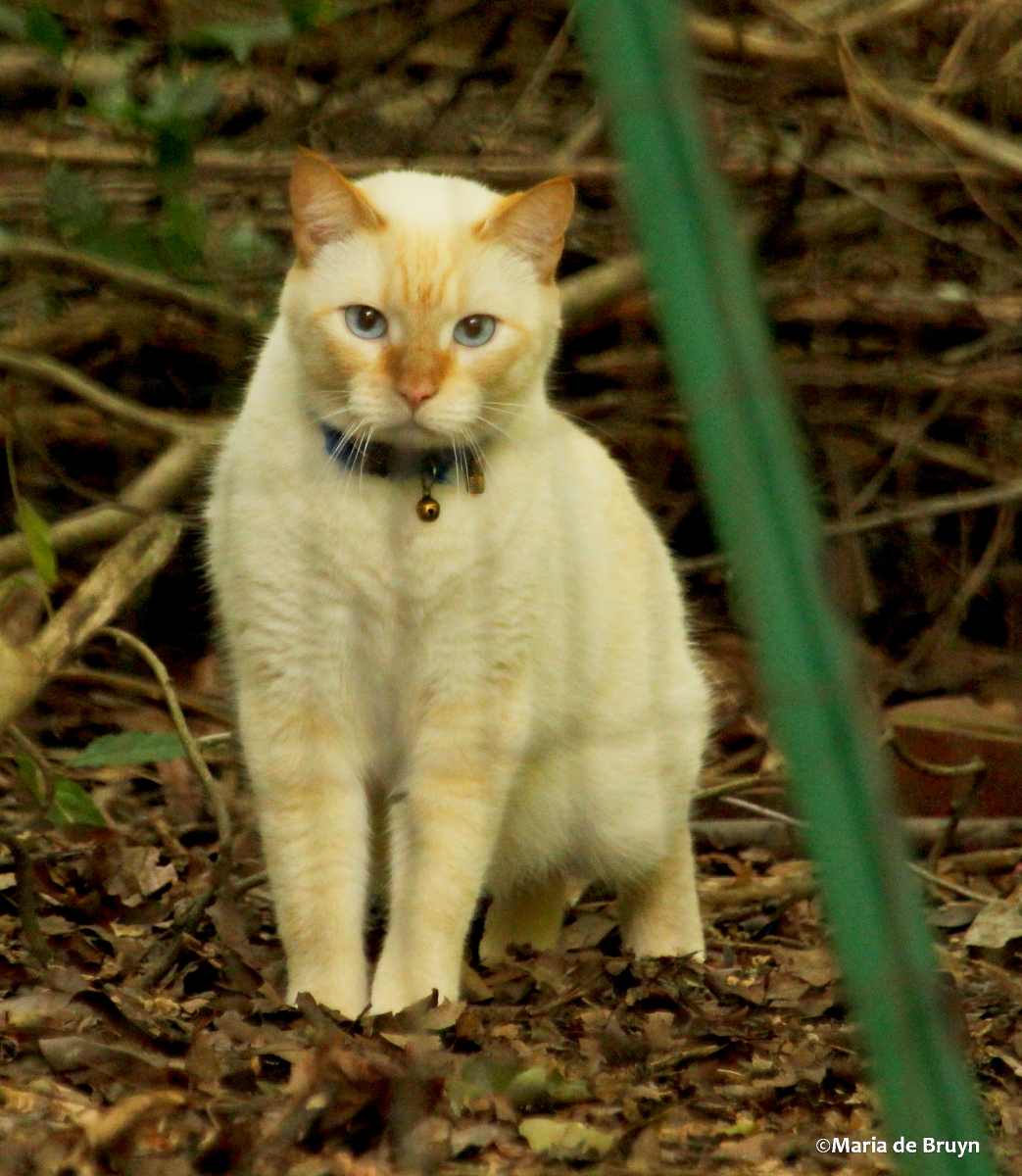

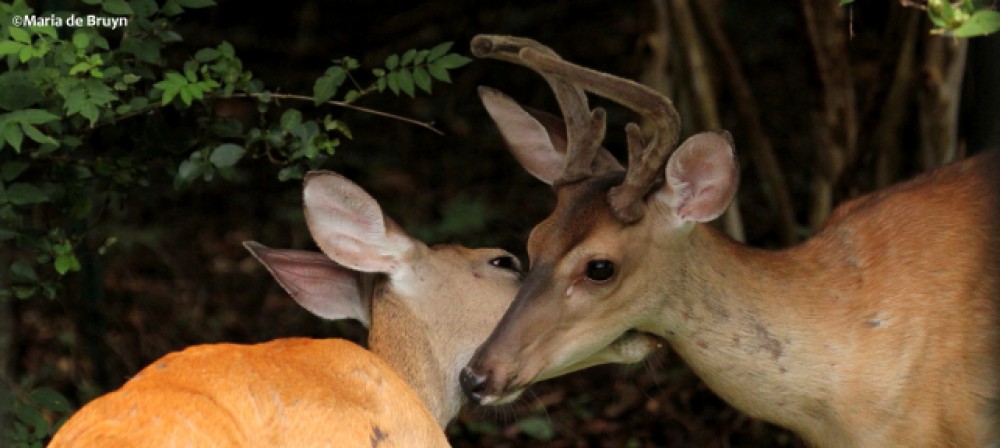
 ther day, Ogi made another great escape. He hung out by the ground feeding station and stayed put until one deer came too close.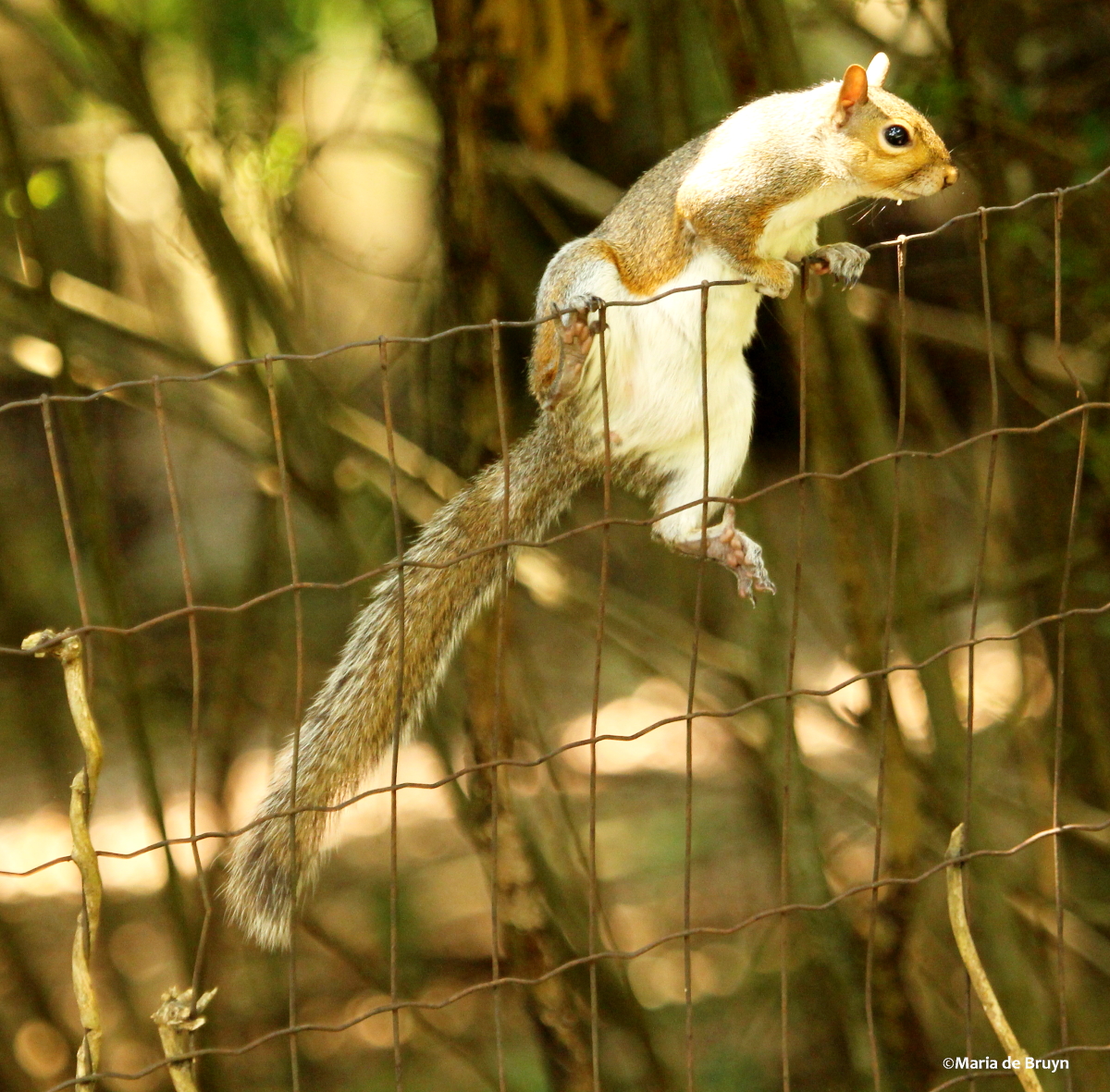


 One bird that seems to almost universally delight people and bring smiles to their days are the hummingbirds. These wonderful little fliers now only live in the Western hemisphere of our earth, but two 30-million-year-old hummingbird fossils were discovered in Germany so they did live elsewhere.


 heir tongues, which have tubes running down their lengths.


 pring, undoubtedly adjusting to the urban environment. We have had very little rain this summer and their food supplies have dwindled way down. The ground-feeding birds do not always get to the seed first.


 My beautiful world