 Hello, readers — it’s been a while! Time seems to be passing ever faster for me with each new year of life. I was surprised to realize that it’s been a couple months since I posted a blog. So here is a column that I just submitted to a local newspaper with a few more photos than the paper could accommodate.
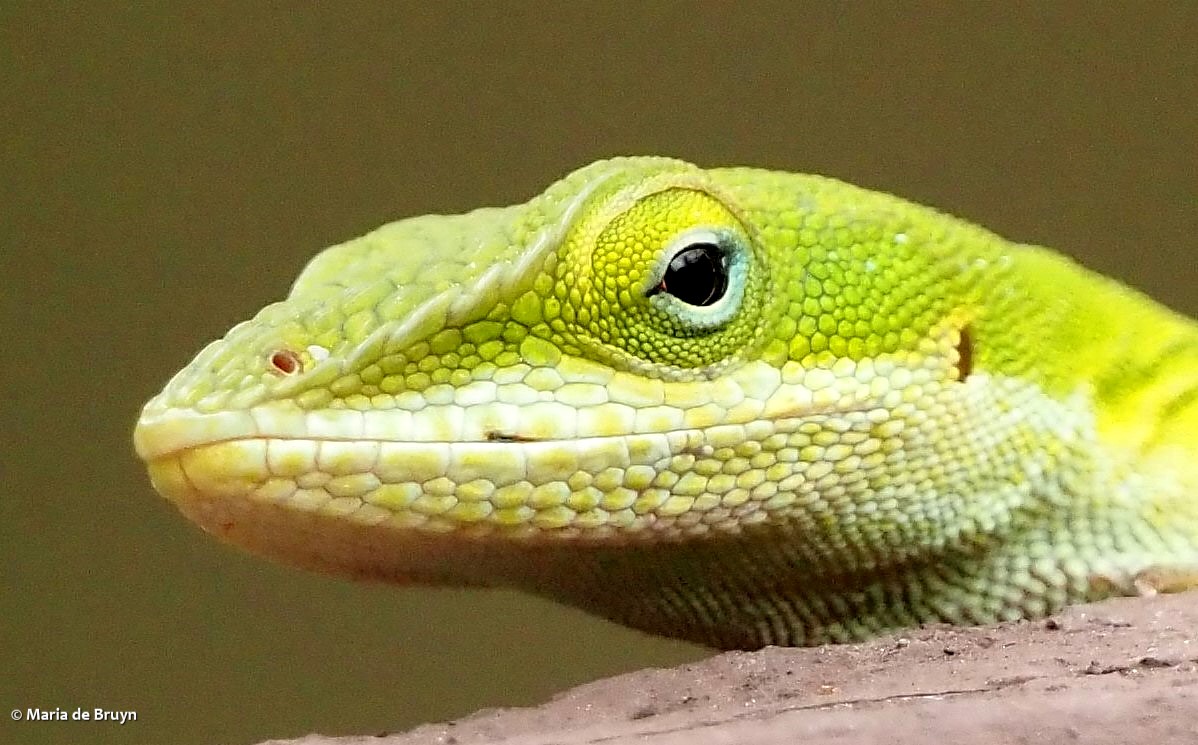
 One of my favorite local reptiles is the Carolina anole (Anolis carolinensis). These cute lizards can be seen year-round since they don’t hibernate. In my experience, however, they seem to be more active — or at least viewable — in late summer and early autumn.
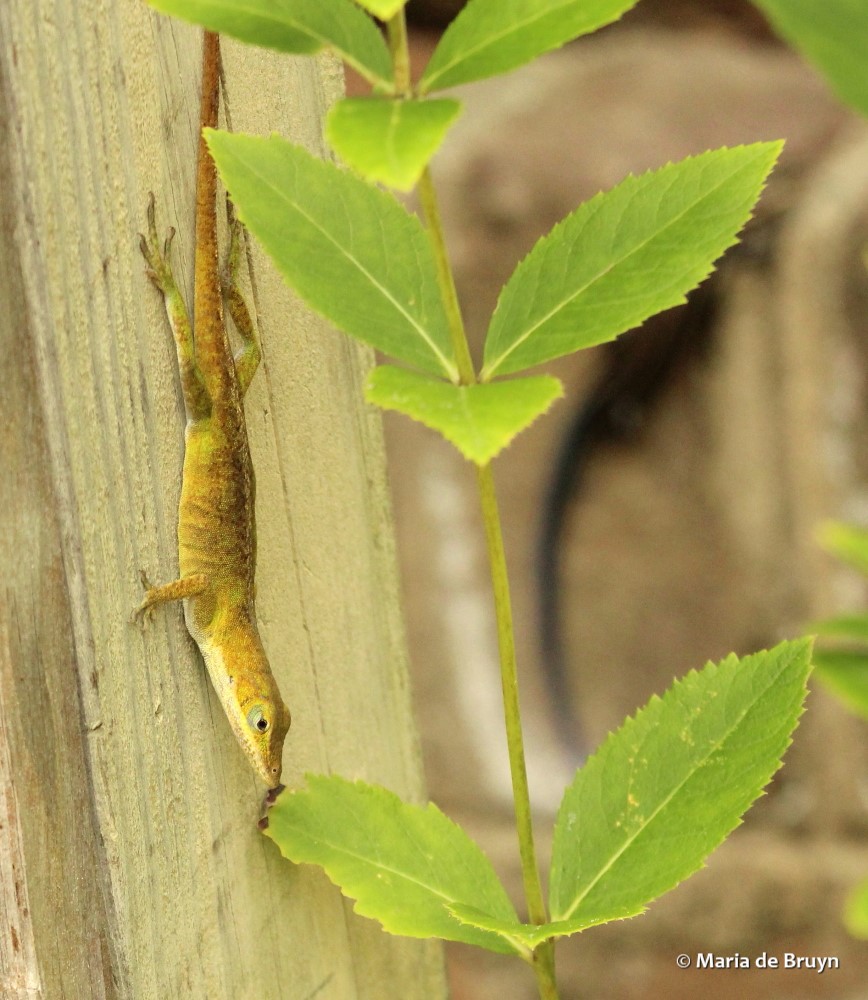 Also known as green anoles, they are the only anoles native to the southeastern United States. Green is nevertheless not their only color. You may encounter dark brown, light brown and green/brown anoles and they might even change their coloring as you watch them.
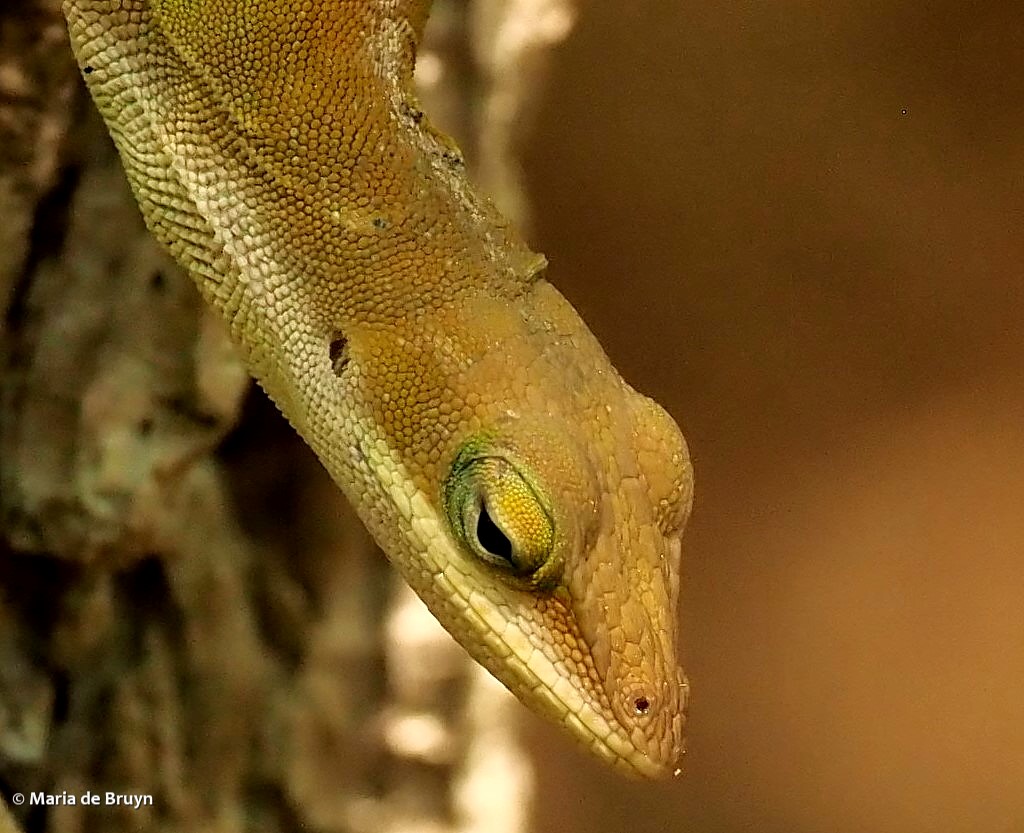 Unlike chameleons, who change color to blend in with their surroundings so that they can hide more easily from predators, anoles mainly change their skin hues in response to stress or their mood, when they are active or when they want to defend a territory. Darker colors may indicate that they are feeling cold or stressed out.
Sometimes when I’ve watched individuals at length, it’s seemed to me as if they were expressing a variety of moods, even if they didn’t change color.


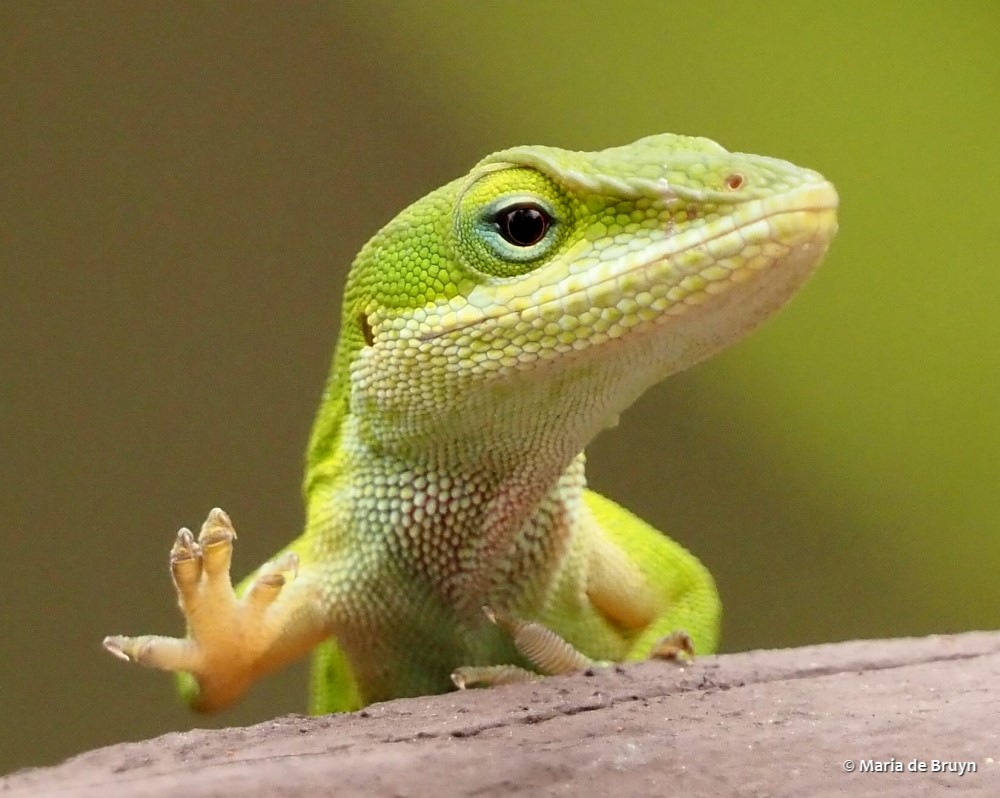

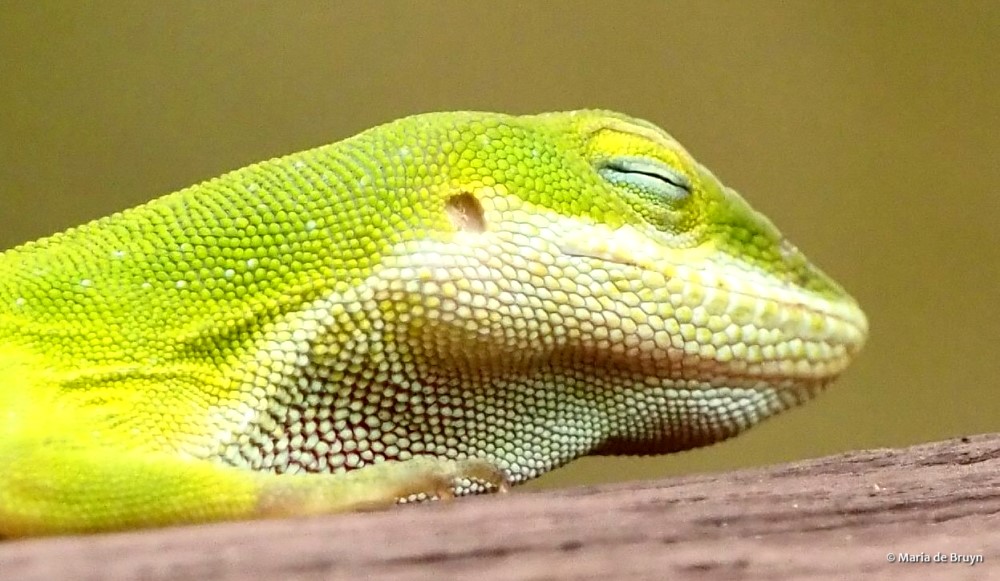
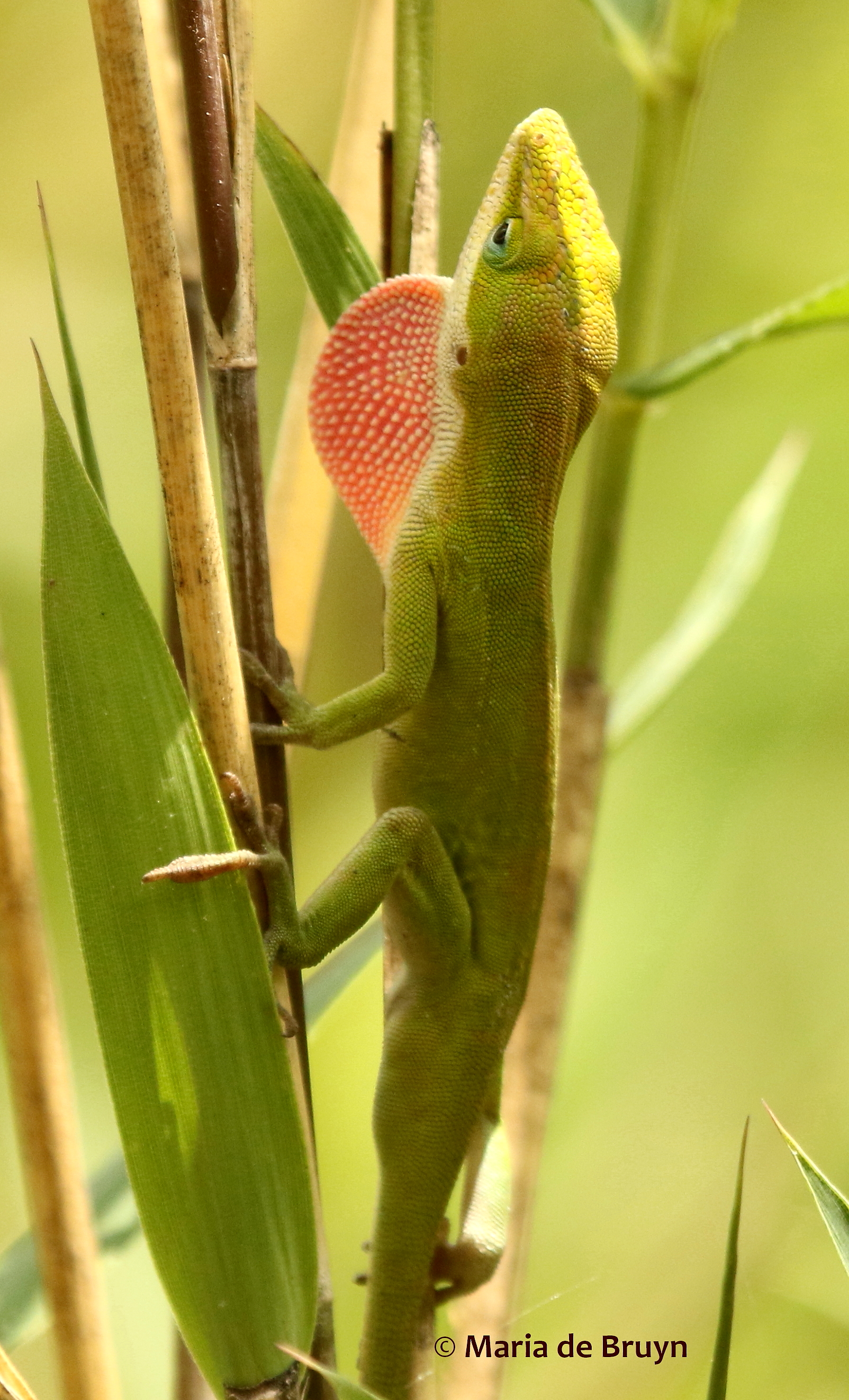
Full-grown males are larger than females, but you can also guess their sex based on anatomical features. When males hope to attract a female for mating, they display a brightly colored reddish flap underneath their jaws called a dewlap. When a female sees it, this may induce her to ovulate. Males also show their dewlaps when defending territory against other males.

Female anoles can often be distinguished by a row of white markings along their spine, which most males lack.
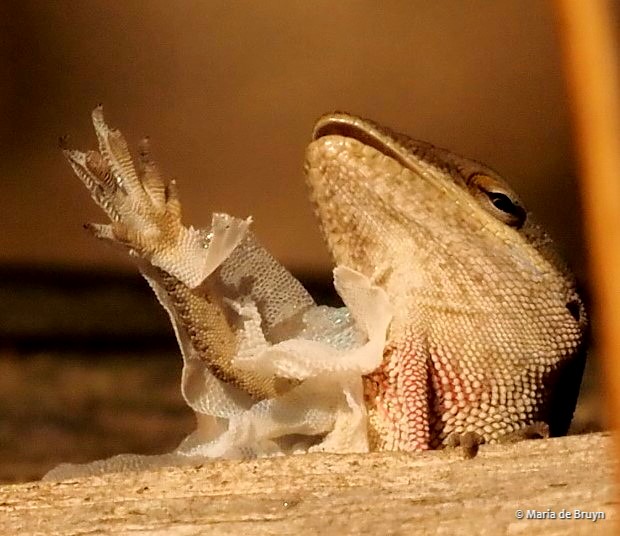
 Like other lizards, anoles regularly shed their skin. Observation last year taught me that they may also eat that skin since this provides them with extra nutrients that may be lacking in their direct environment.

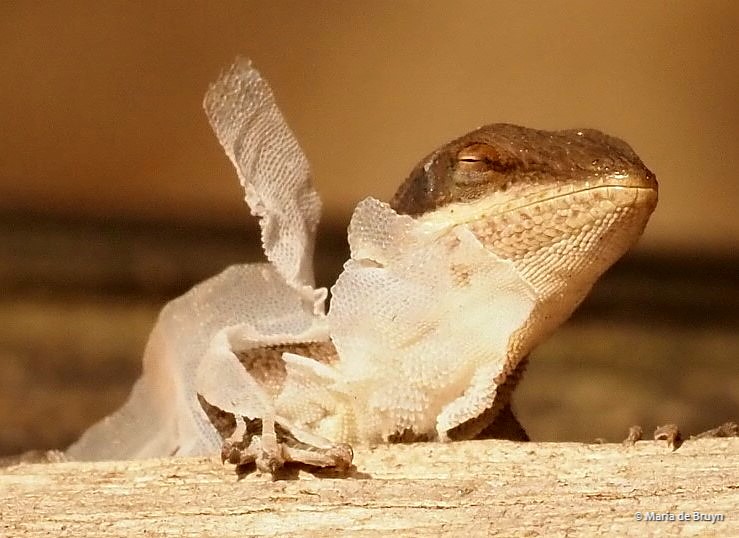
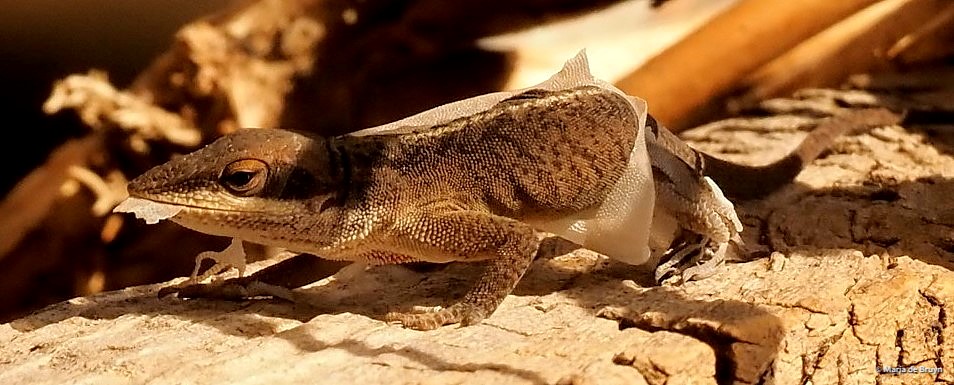
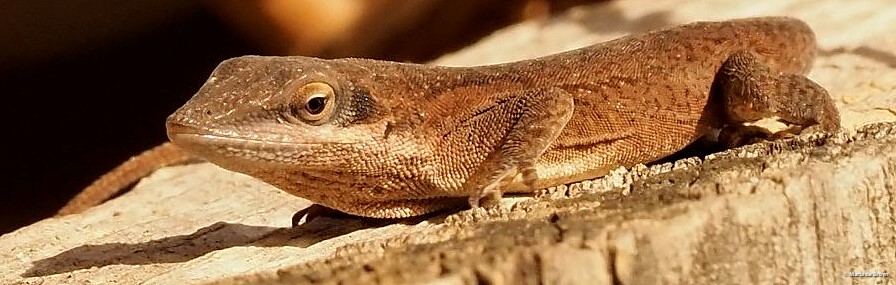
Their regular diet is varied, including flies, beetles, spiders, cockroaches, worms, ants, termites, moths and butterflies. Seeds and grains can form part of their meals as well.


Carolina anoles are known as arboreal lizards because they spend a lot of time in trees and shrubs. From a higher perch, they can survey their surroundings. Climbing up shrubs and trees can also help them escape from predators who cannot follow them because they lack the sticky foot pads that enable anoles to ascend vertically. Other predators, such as tree snakes and larger lizards, can catch them if they are quick.
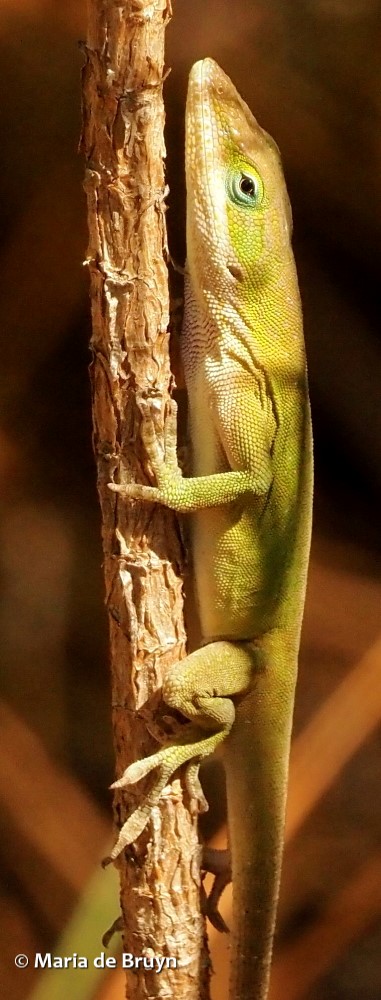
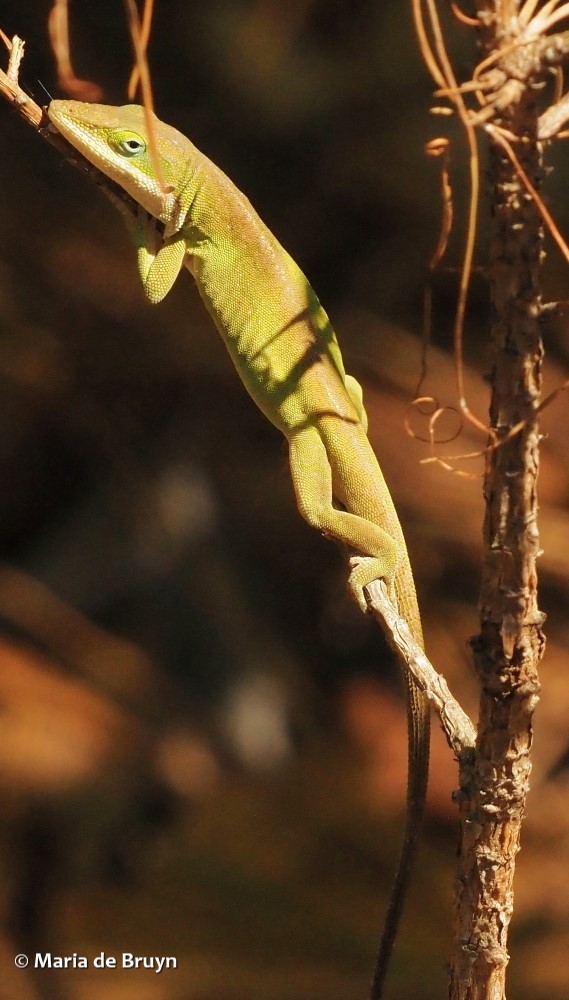
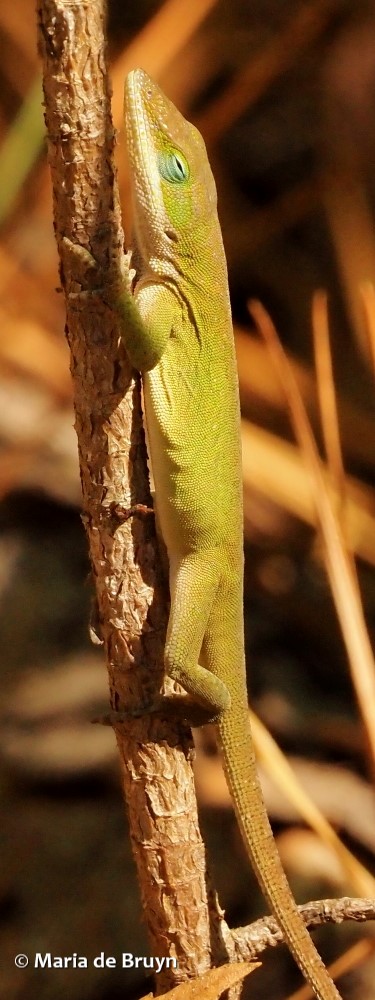
Sometimes, a predator may catch a green anole by the tail and the anole escapes by dropping its tail—a defensive behavior known as caudal autotomy. A new tail will grow but will be weaker as it contains cartilage instead of bone and often will not be as long.


Recently, I learned that birds also hunt anoles when I photographed a blue jay who had caught one. Other birds in our area who go after them include kestrels and bluebirds.
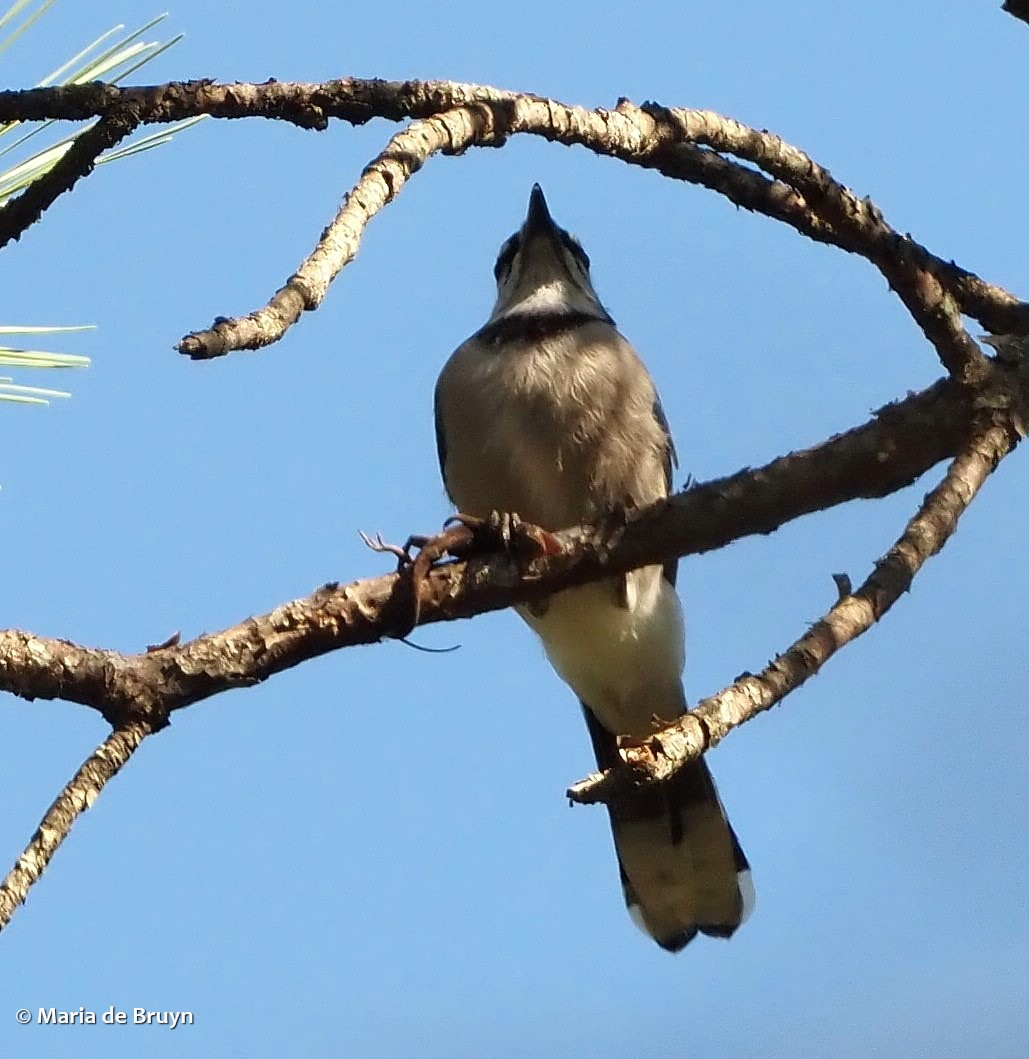
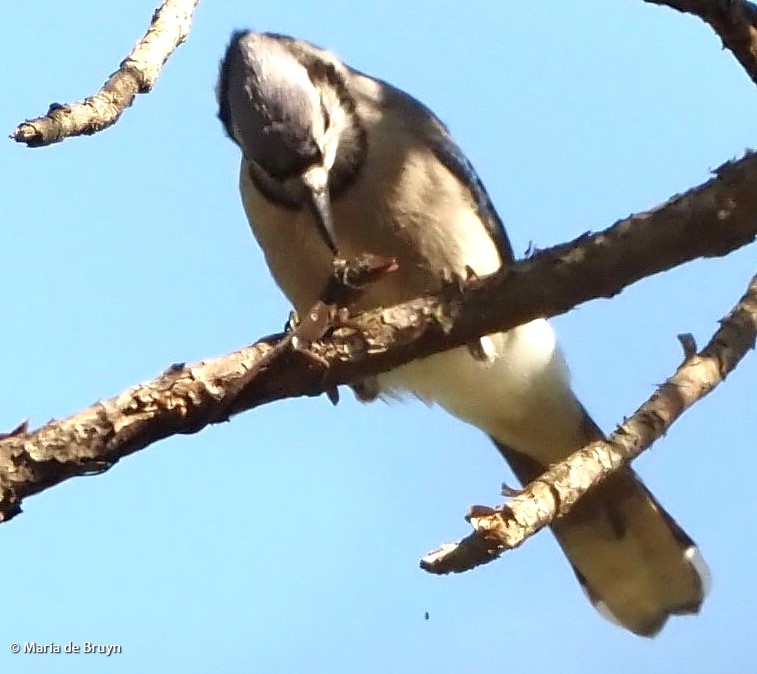
The Carolina anoles usually live from about 2 to 8 years. A few who live around my front porch sometimes approach me closely and it’s noticeable that they are watching me, too.


Another one decided that an unused bluebird nest box was a good place to hide from predators, obviously not during birds’ nesting season!
 It’s been so nice to see the anoles out and about the past weeks. Tonight, we’re having our first freeze of the 2022 autumn/winter season so the anoles may start seeking warm places to hang out. Hopefully, they will have found good places to over-winter.
 Readers in the southeast USA who would like information on how to create habitats that can harbor anoles and other native reptiles and amphibians can check out this information site: Reptiles and Amphibians in Your Backyard.


My next blog will be the first of a series about Yellowstone National Park. I’d originally planned to post the series this past summer but then couldn’t find some photos I’d taken. The missing card “turned up,” so a photographic tour of the park before it flooded this past June will soon commence.
Have a great day!







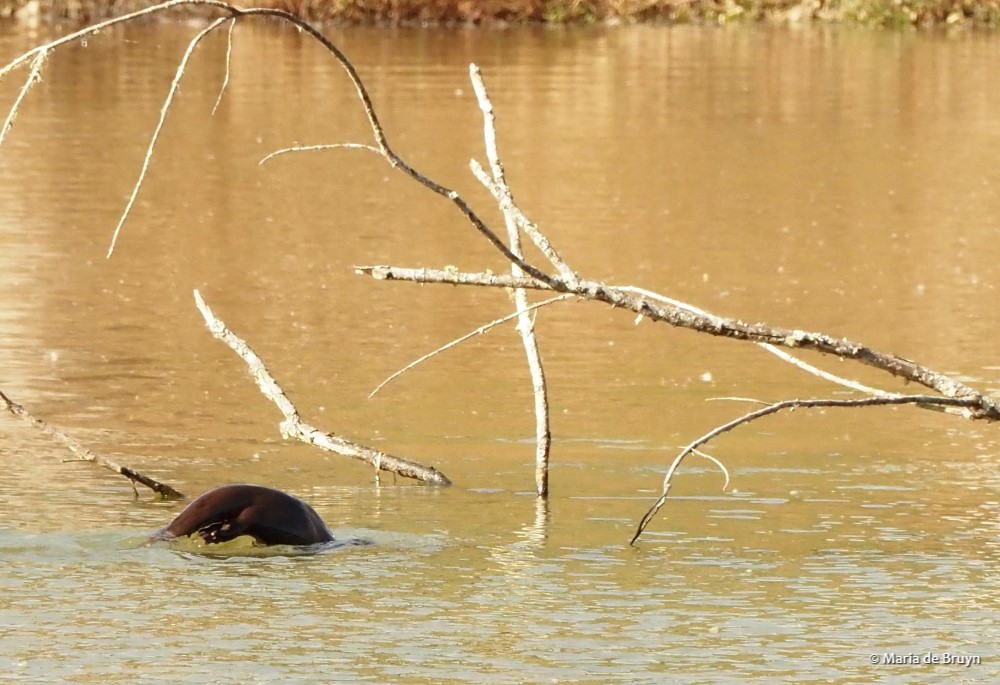

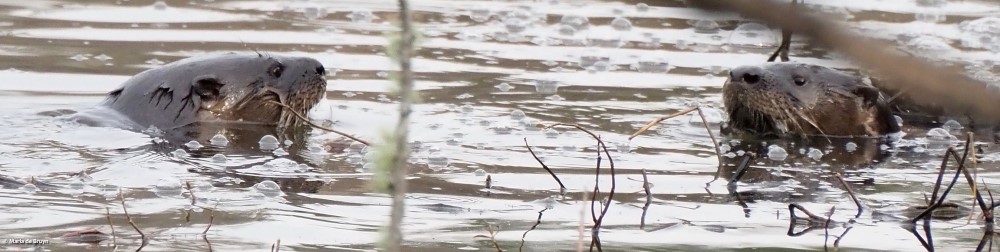
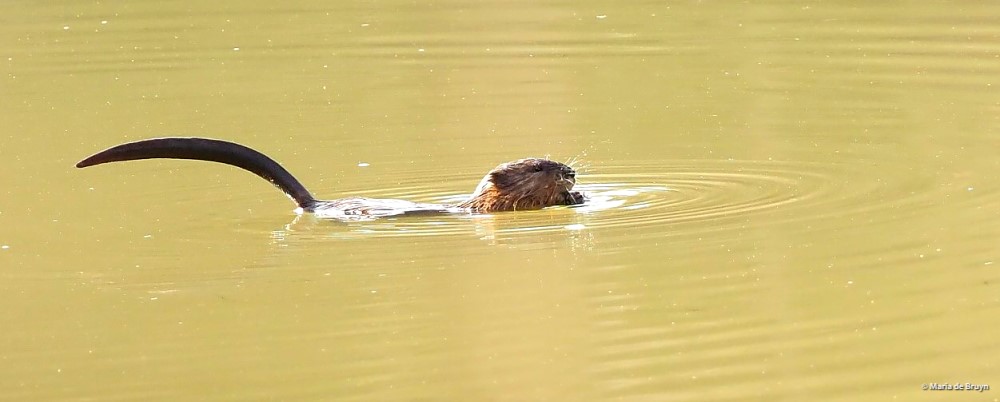
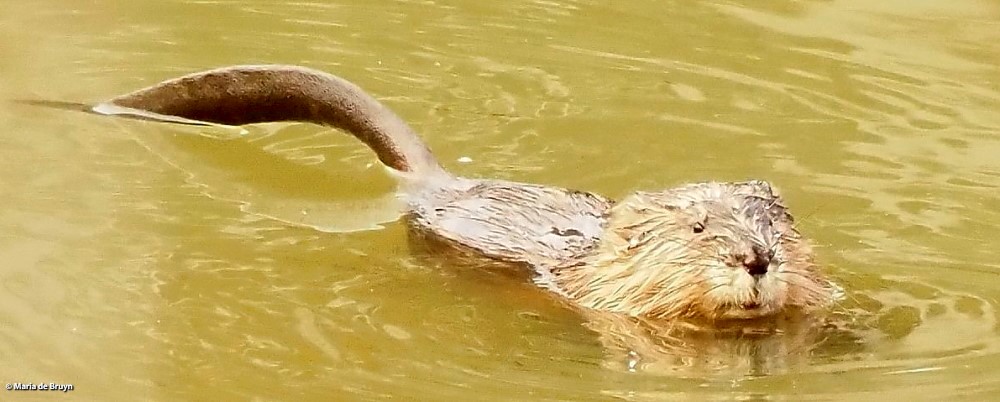
 The otters don’t always appreciate spectators. Sometimes, they emerge from the water briefly and give me a view shrouded by vegetation before they dive back down. That’s frustrating when you’re trying to get a nice photo, but at least I’ve never scared them enough for them to sound their alarm scream, which apparently can be
  The other day at another pond, I was lucky enough to see a pair close to shore. They were foraging and when they finally disappeared, they appeared to have entered a beaver lodge located next to a walking path (seen here). The beavers may have abandoned this lodge as they have at least two others in this park.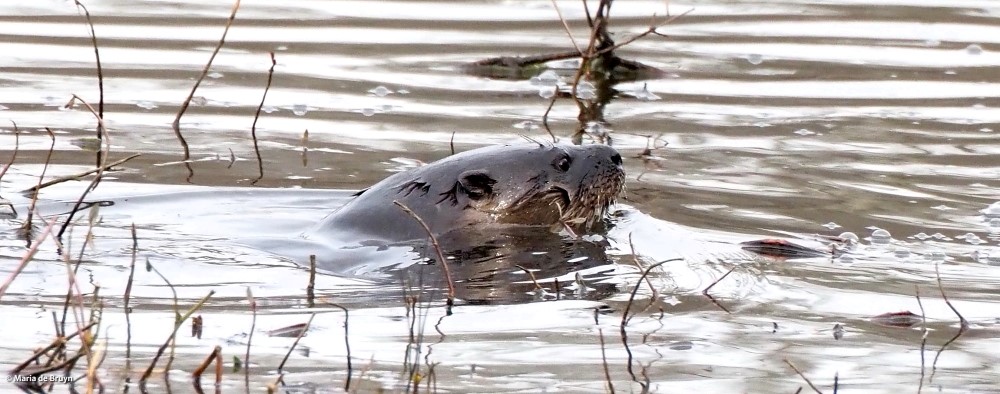
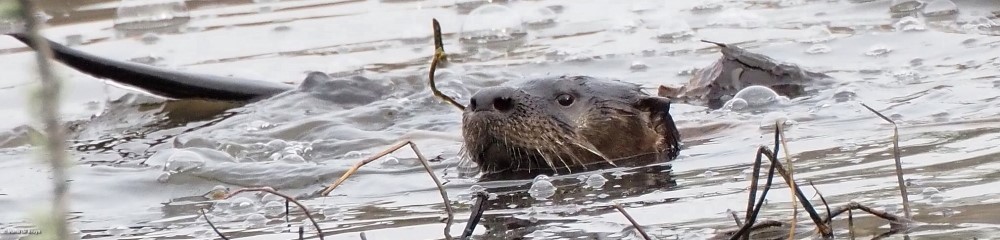


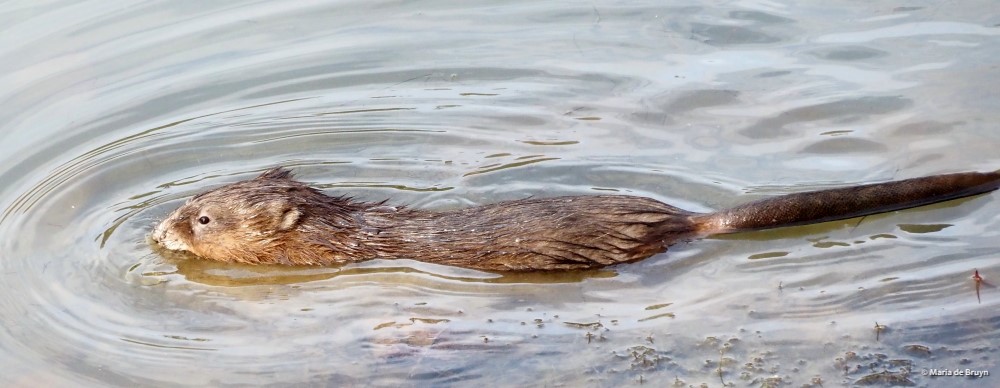
 That’s lucky because last year our county had its 12th


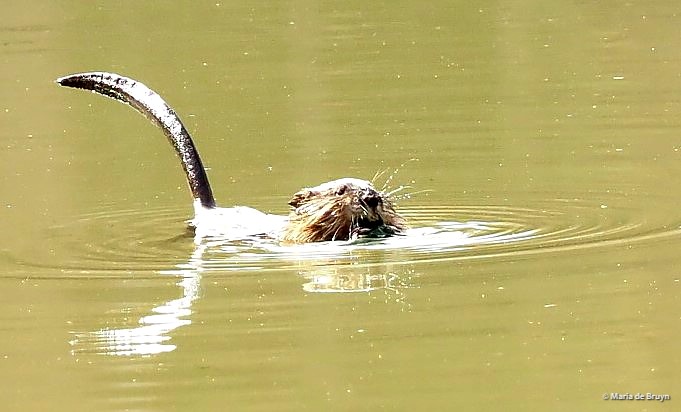
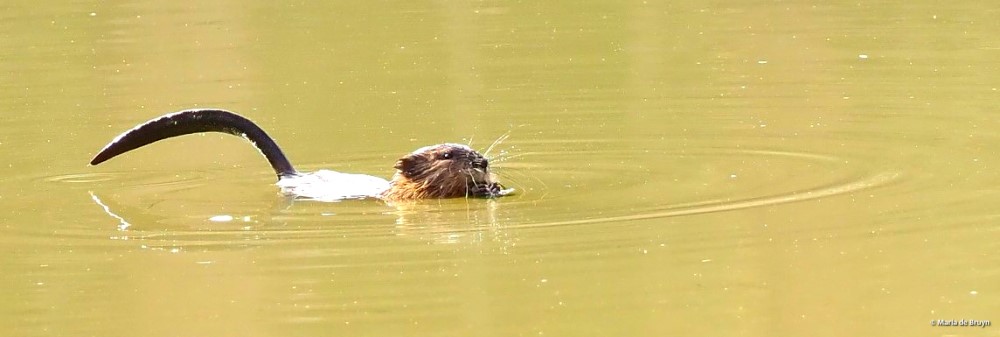
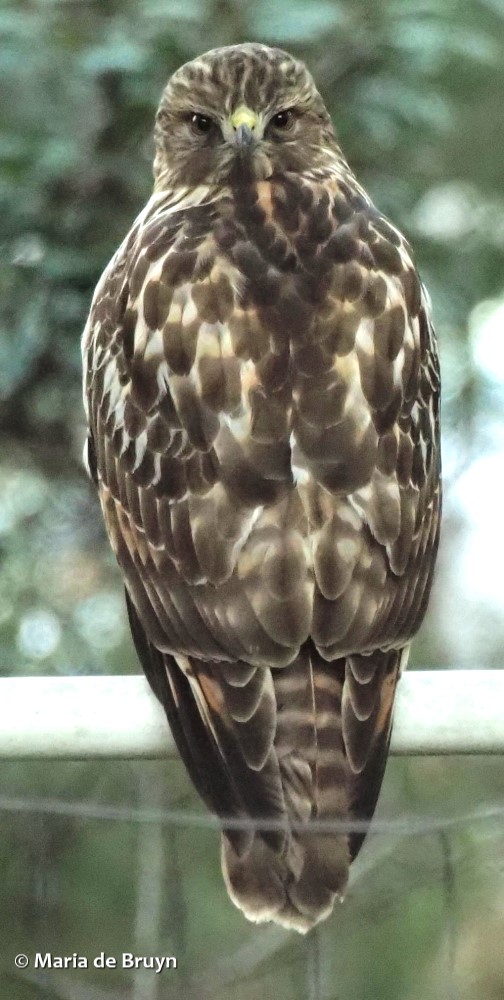
 When facing unpleasant challenges, it’s helpful to have an interest to help put them mentally aside while you find enjoyment doing something else. Observing and connecting with wildlife and plant life does that for me. For at least a while, I can think, “I don’t give a shit,” and instead focus on what’s going on immediately around me, like the red-shouldered hawk (Buteo lineatus) above actually giving a shit. 😊
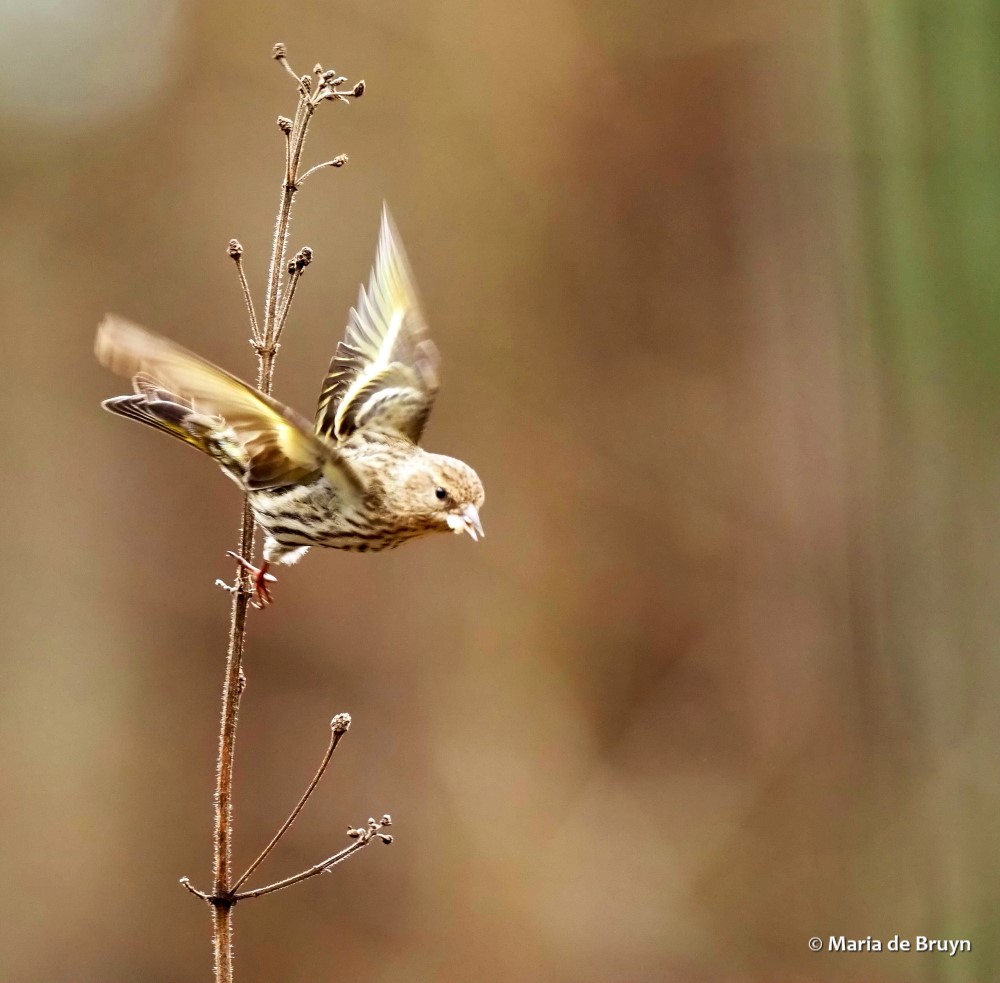
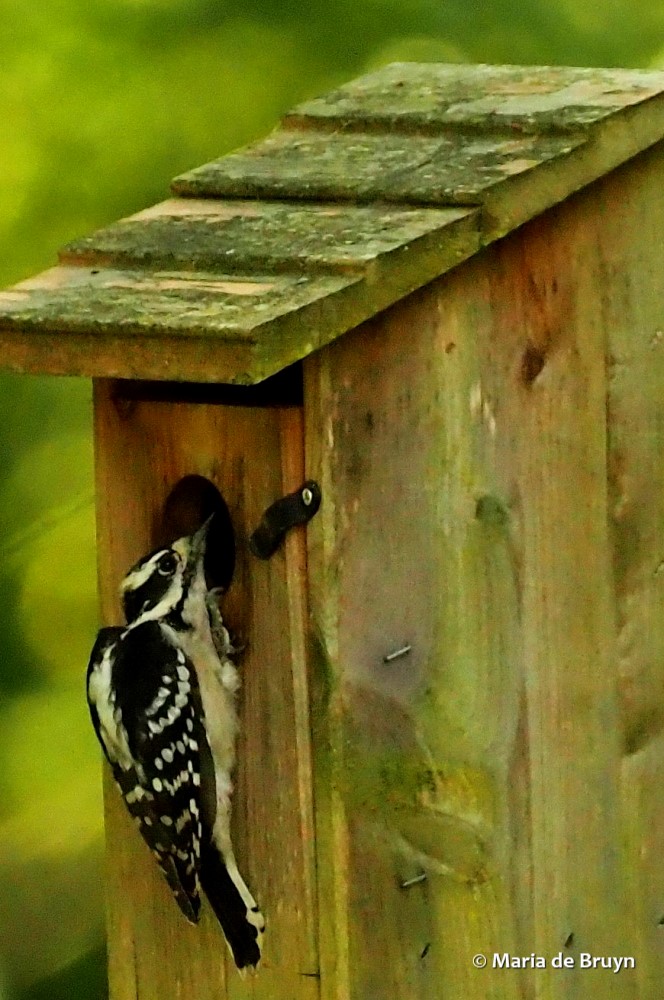 It’s my good fortune to live in a home with sizeable front and backyards where I can entice birds to spend time. Nest boxes border the yards and nesting gourds hang on the front porch, so that attracts pairs who raise young ones here in the spring. They also use these nesting sites to spend the night during cold autumn and winter nights. Downy woodpeckers (Dryobates pubescens) seem especially fond of one nest box next to the driveway.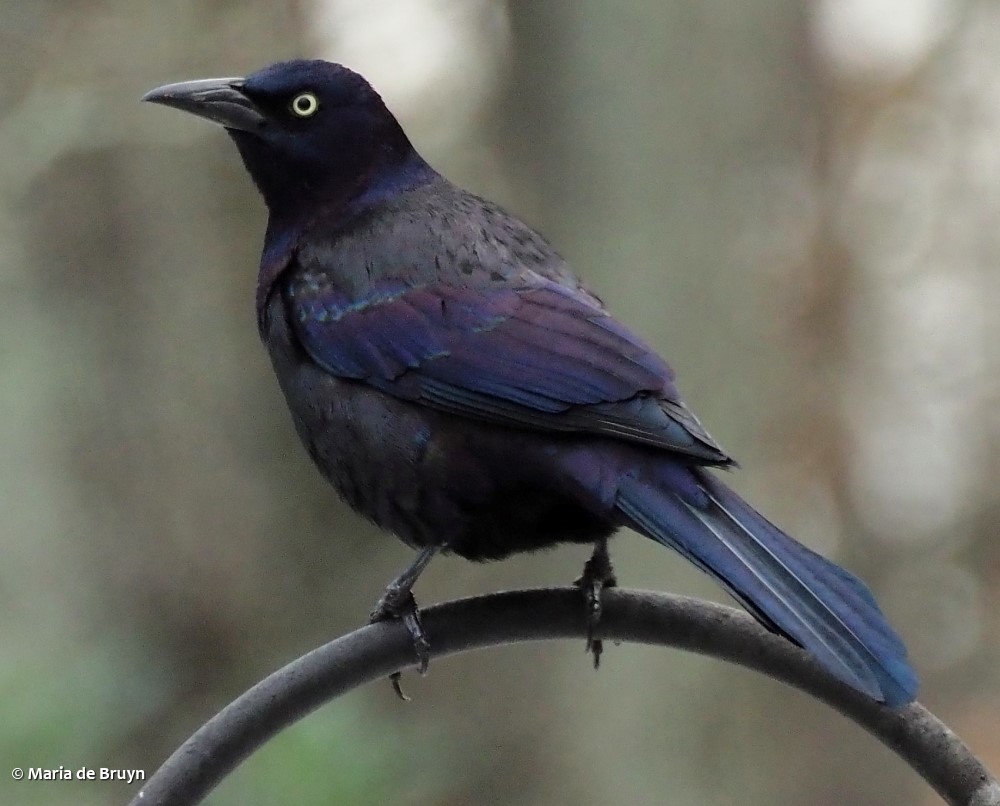
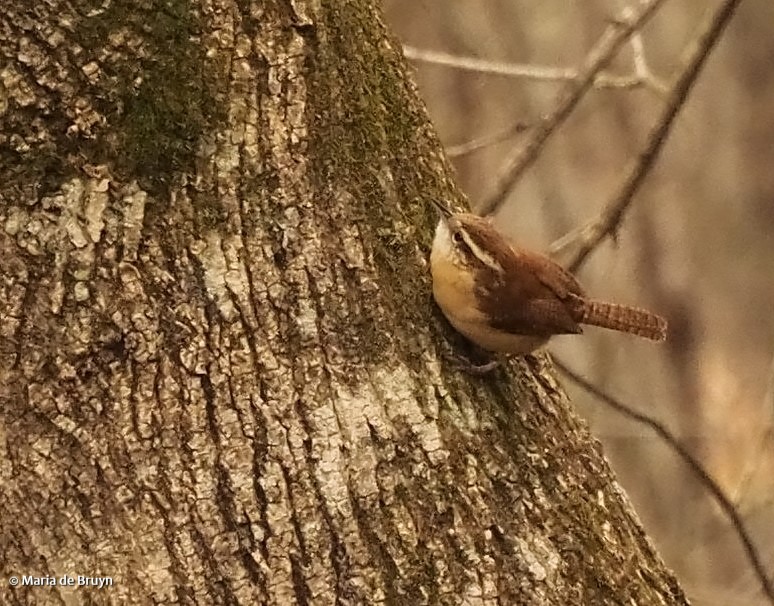 Since converting much of my front yard lawn into flower gardens (and I’m working on that in the back, although there I’ve planted more flowering and berry-bearing trees), the insect population has increased. That has helped the pollination of my flowers and provided the resident birds with meals, like one of the 6 or so Carolina wrens (Thryothorus ludovicianus) who occupy specific niches. One pair hangs out near a water-filled tub; another pair hangs out near a brush pile out back and the third pair hops in and out of a brush pile in the front yard.
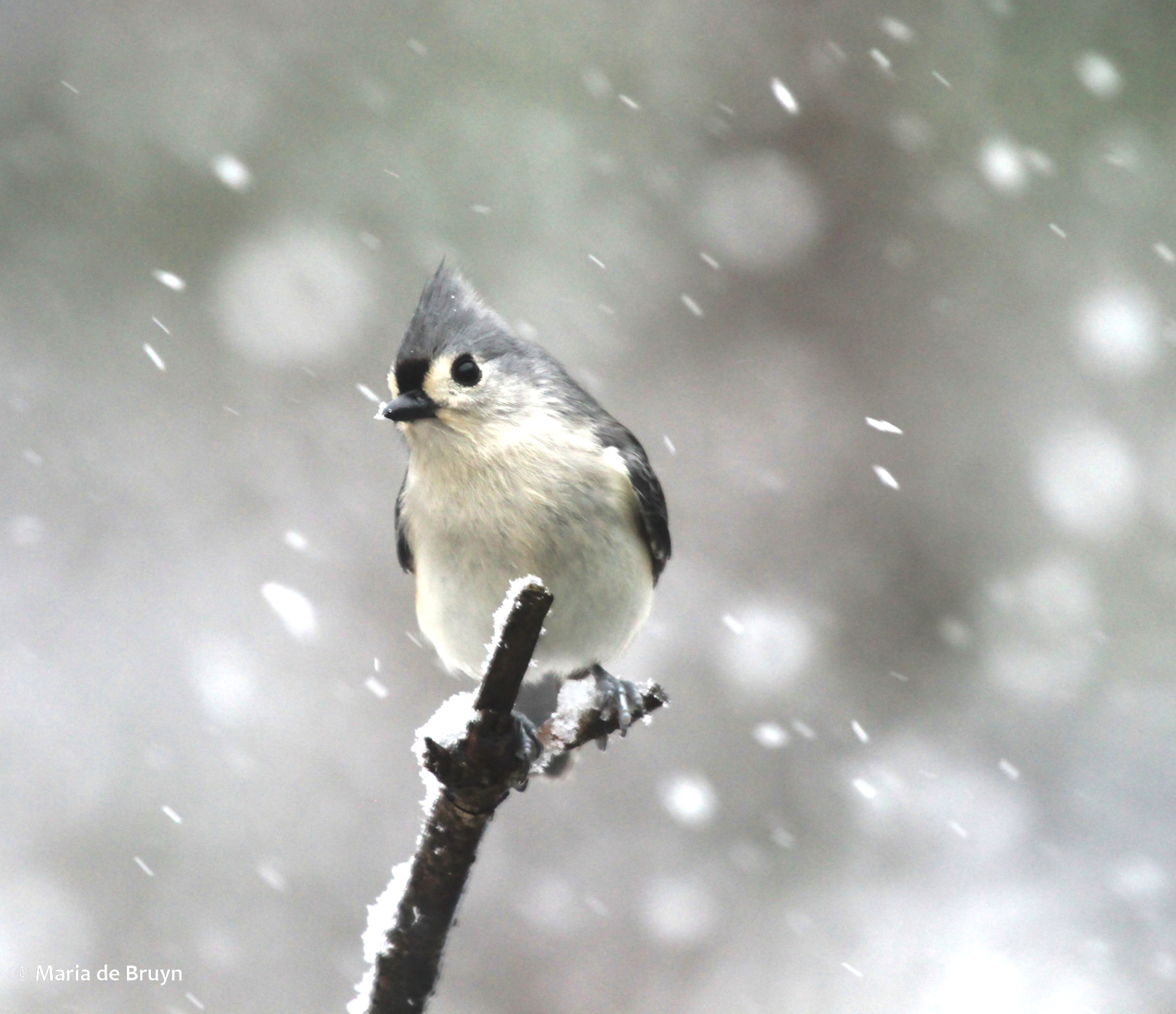
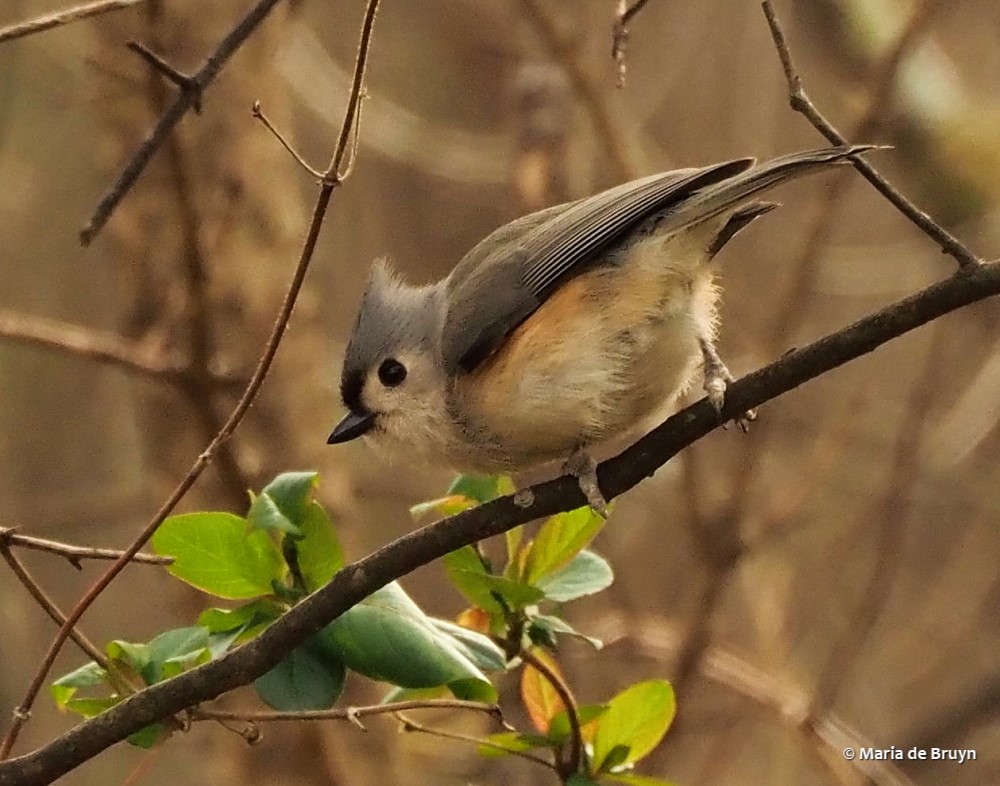
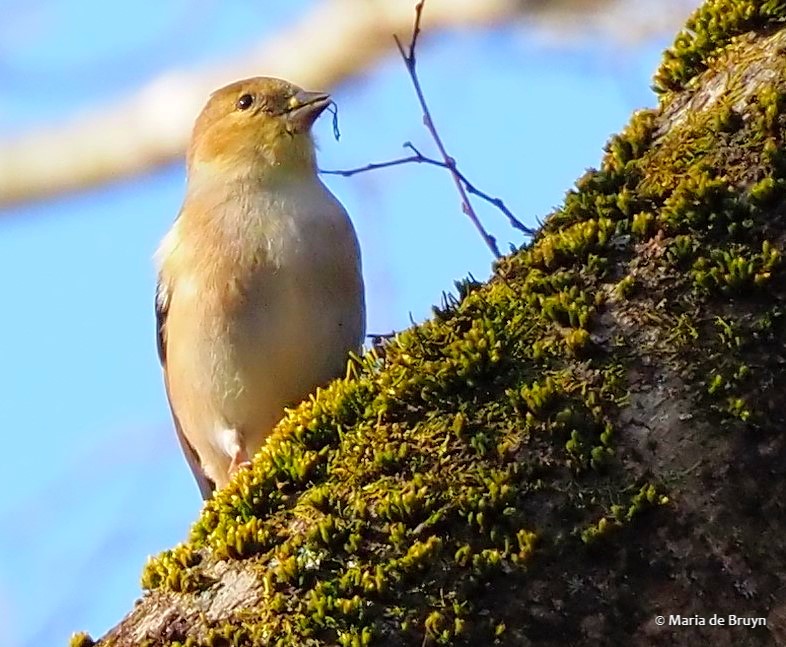
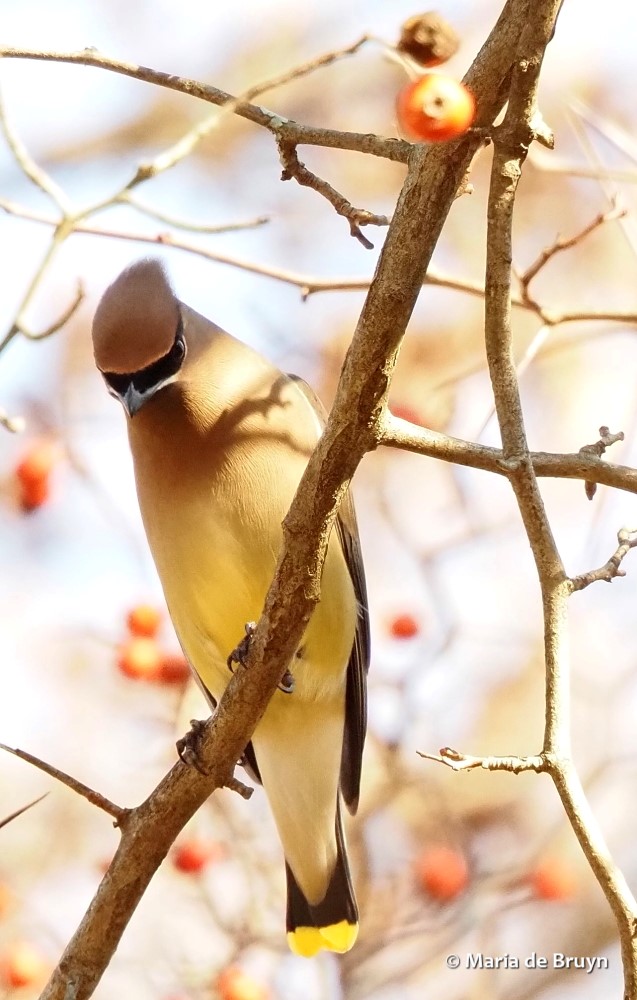 The cedar waxwings (Bombycilla cedrorum) are picky eaters. The American robins in my yard ate a lot of the juniper berries they prefer and there weren’t many other berries around (as was the case at the local arboretum). At my house, they’ve mostly been using the small ponds to drink and bathe.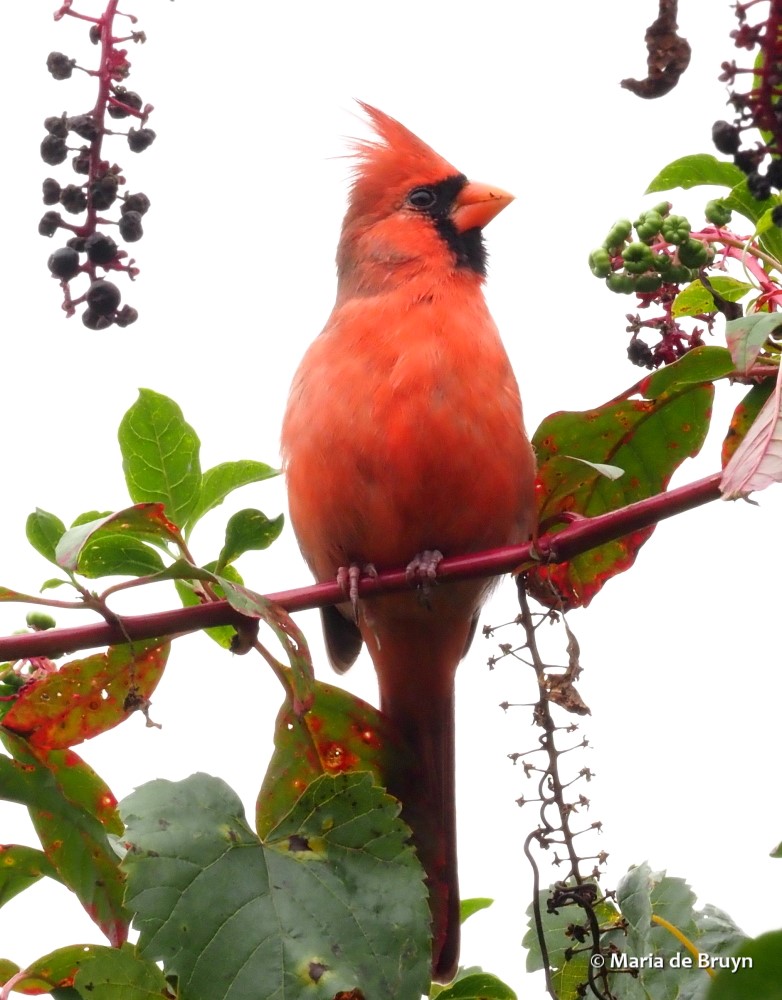
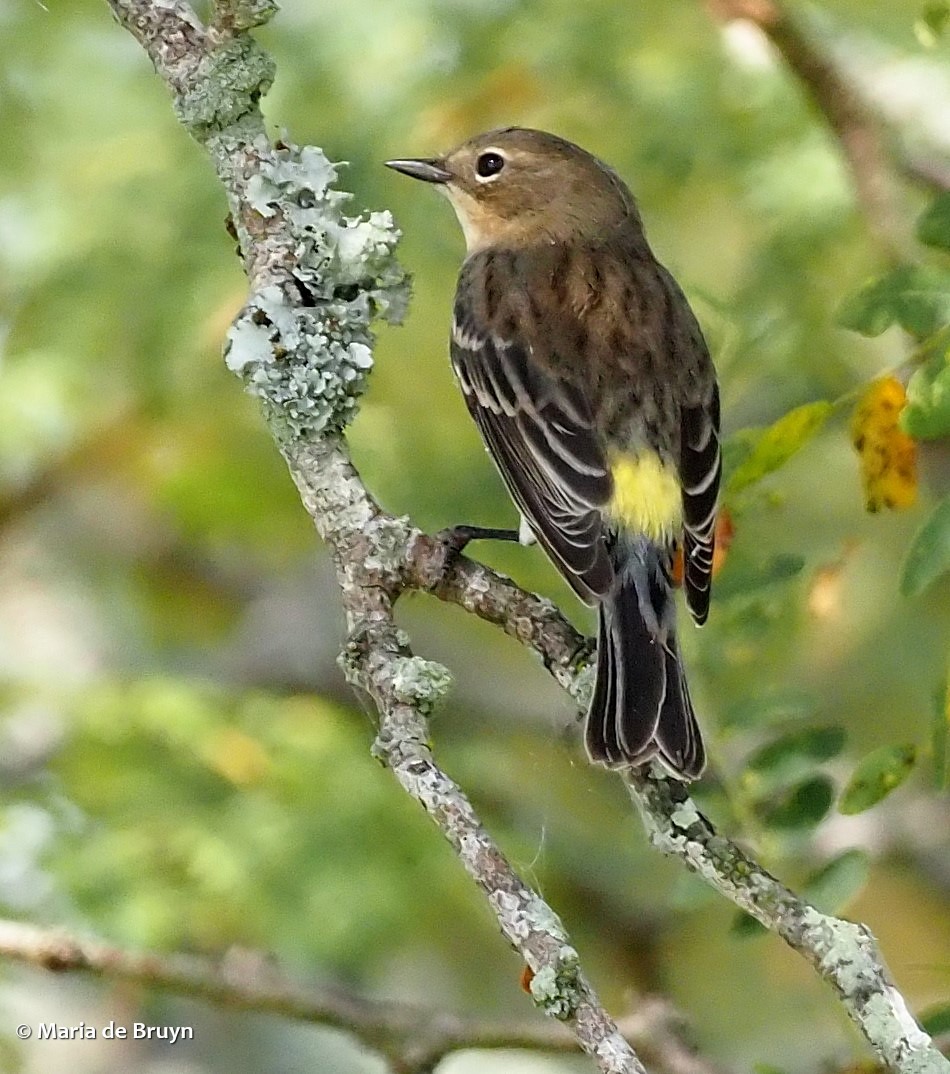
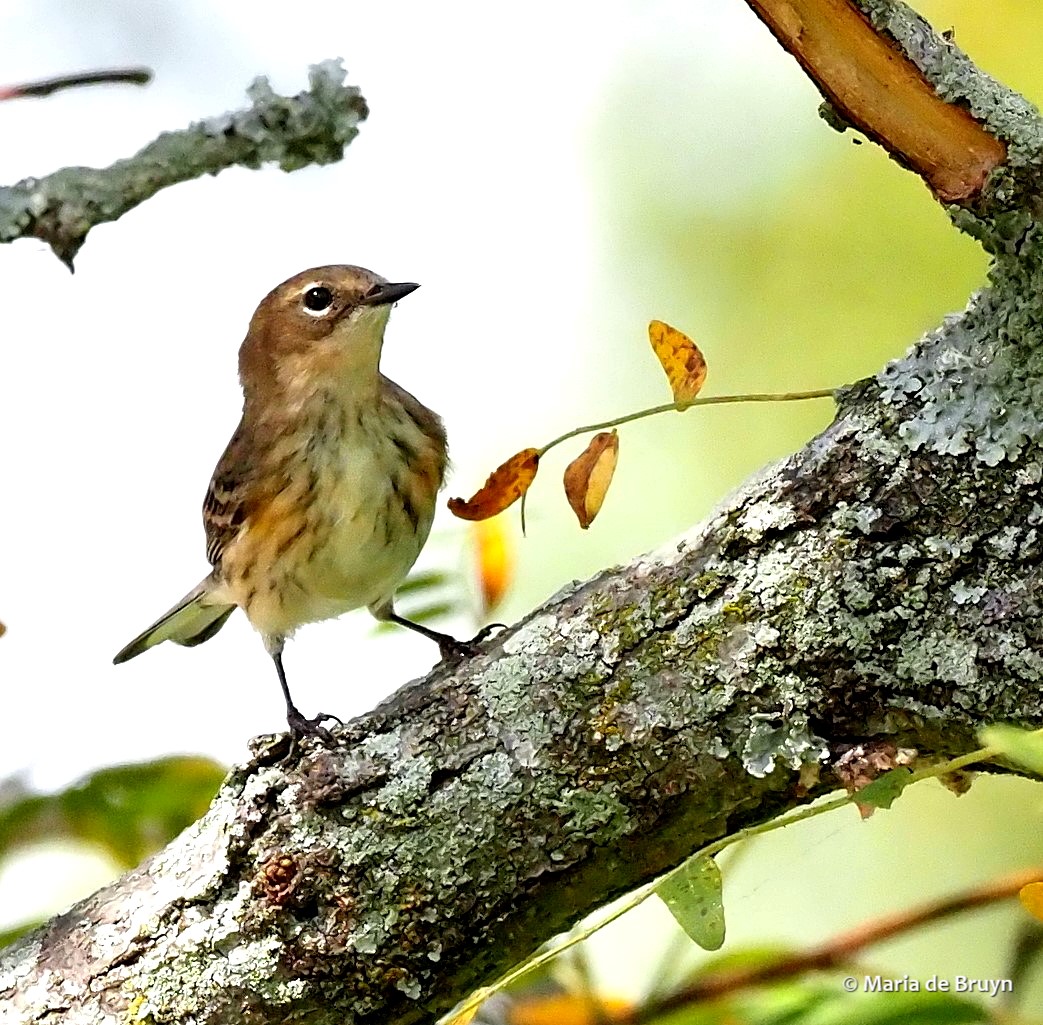 In past years, the visiting yellow-rumped warblers (Setophaga coronata) have lived peacefully with one another. This year, however, I have two birds who seem to be quite incensed when they spy each other. If one is at a feeder, the other zooms in to chase it off and often they flutter upward in a tangle with wings spread. So far, I’ve always been a couple seconds too late to capture the mid-air tussle – it is one of my goals for yard birding this year.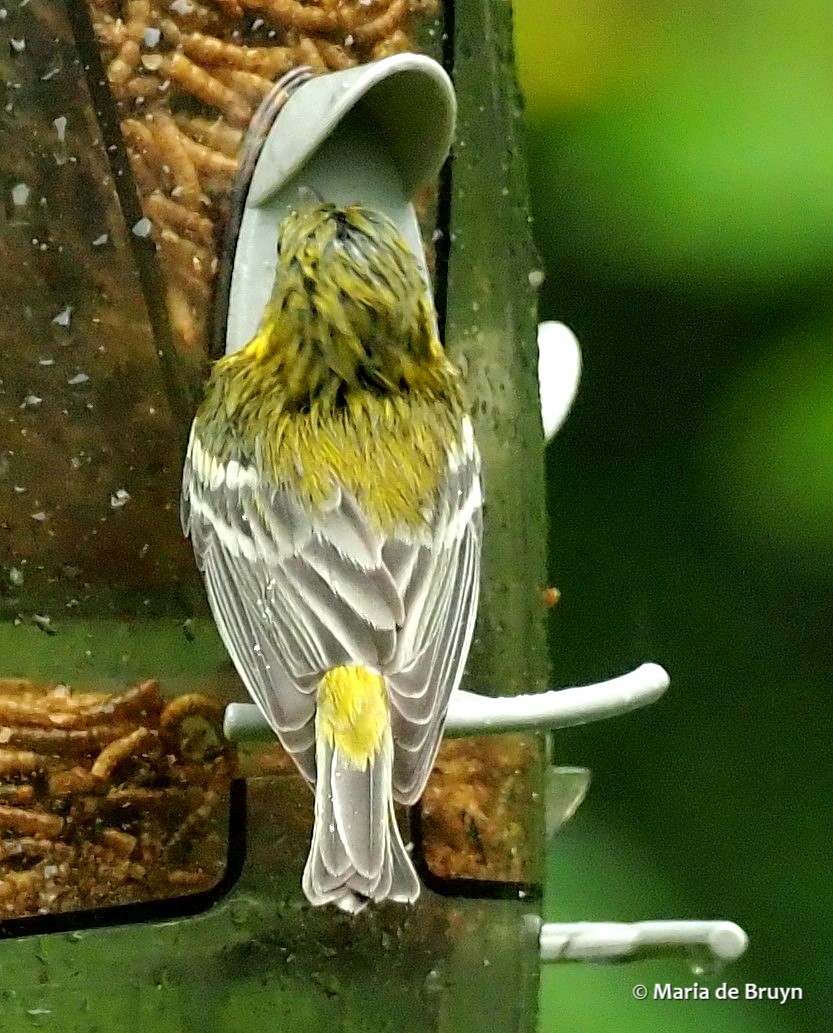
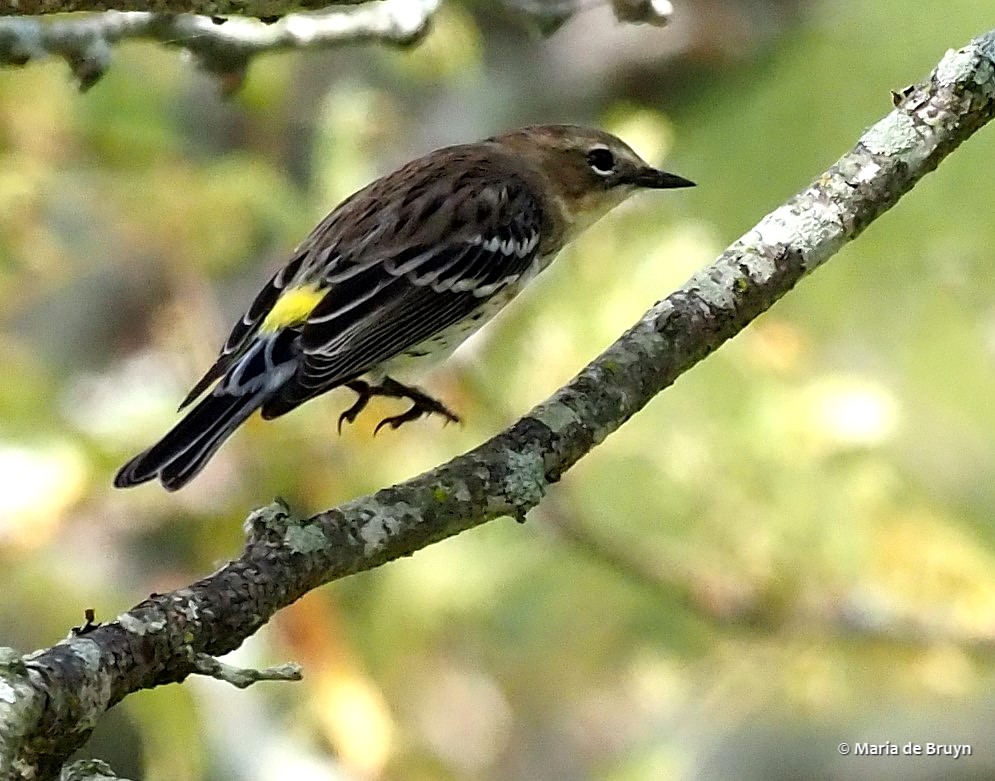
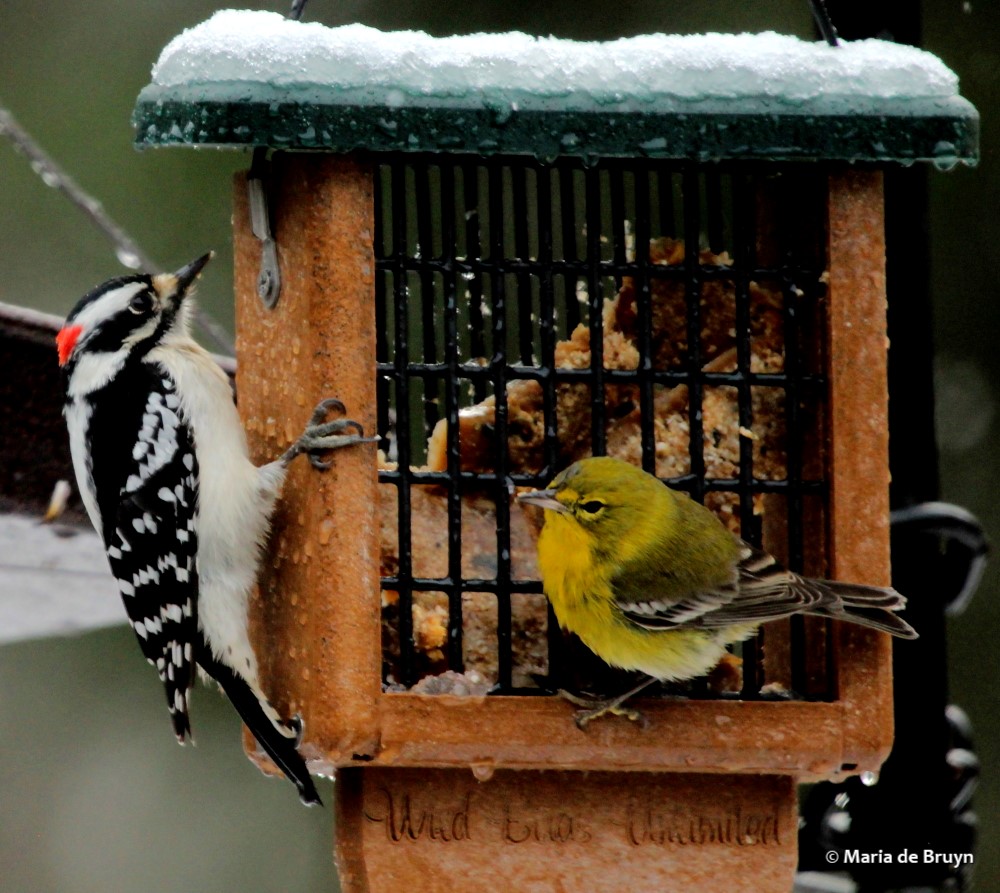 The pine warblers (Setophaga pinus) in my yard are quite tolerant and polite.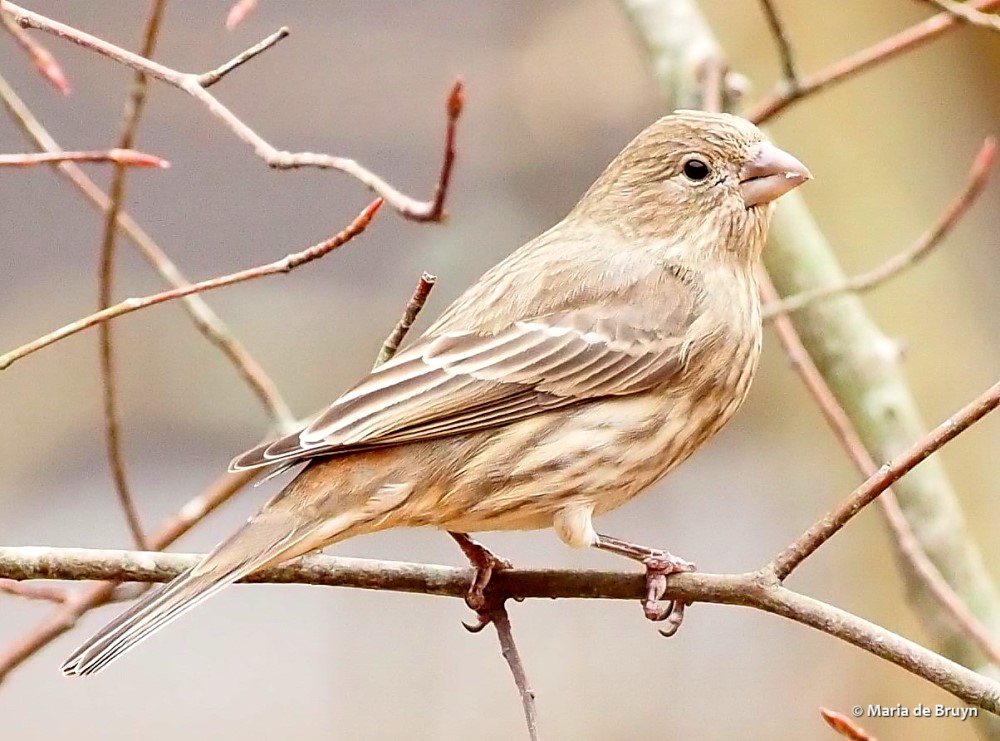

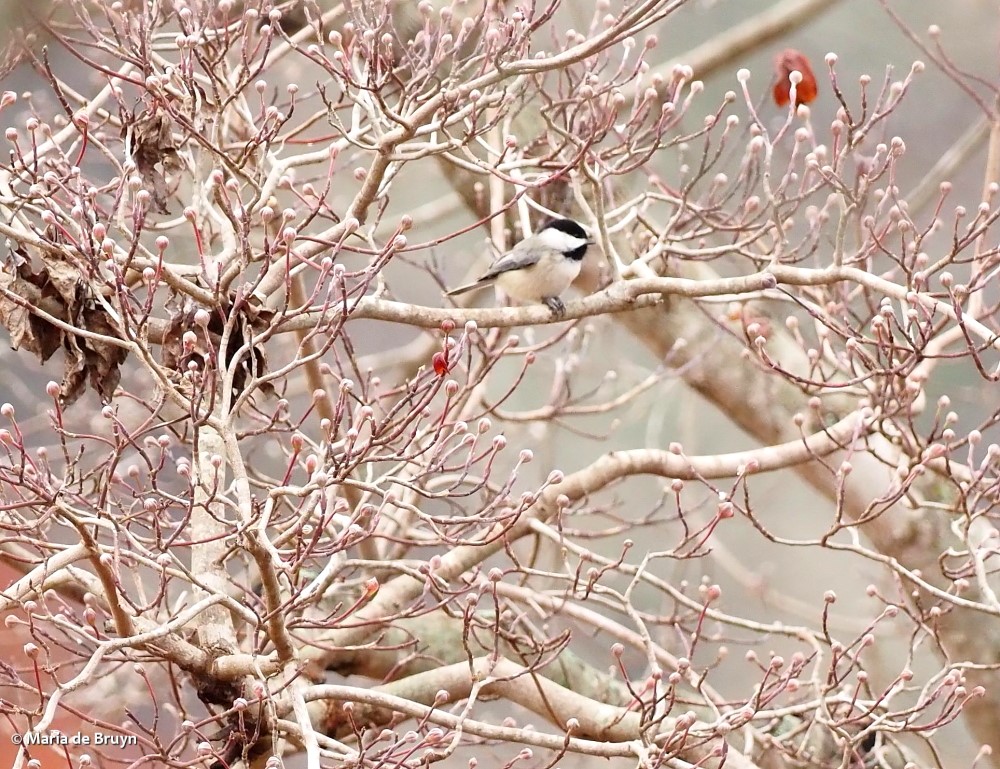
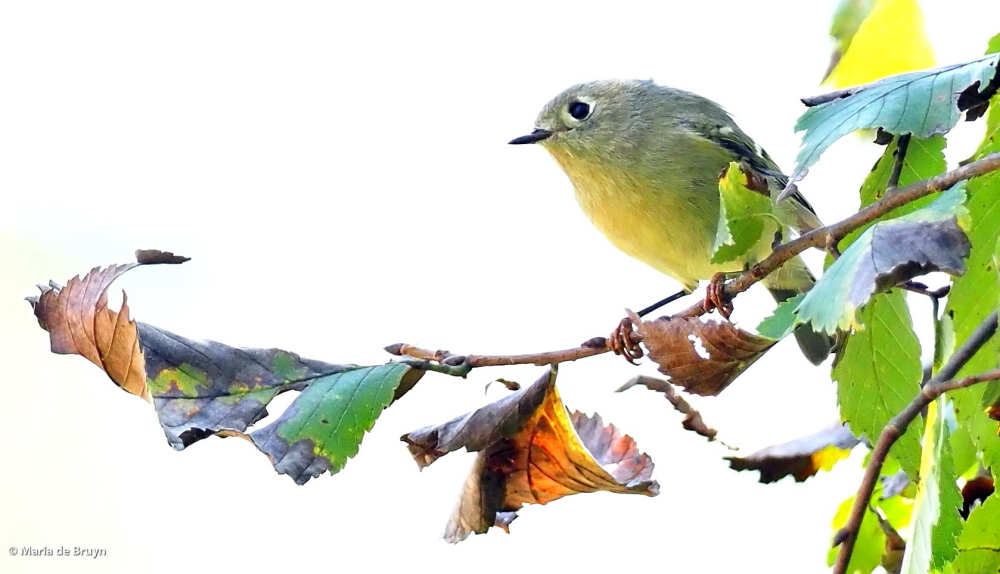
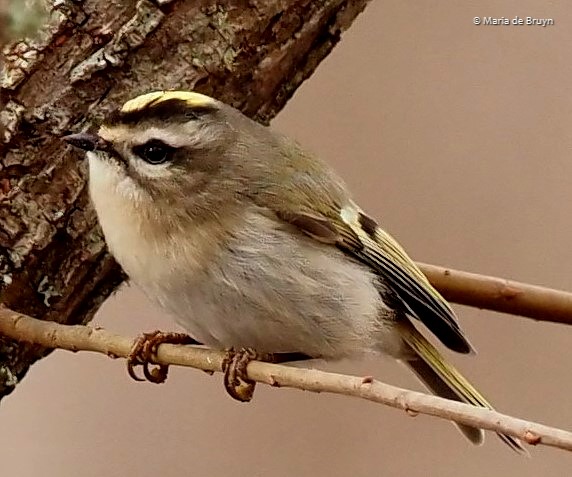 I hadn’t had golden-crowned kinglets (Regulus satrapa) in my yard much before this year; now I have at least one living here but s/he never comes to the feeders. Because this bird stays very high and I haven’t had access to my long camera lens for some time, it’s been difficult to get photos at home. I’ve had somewhat more success on walks.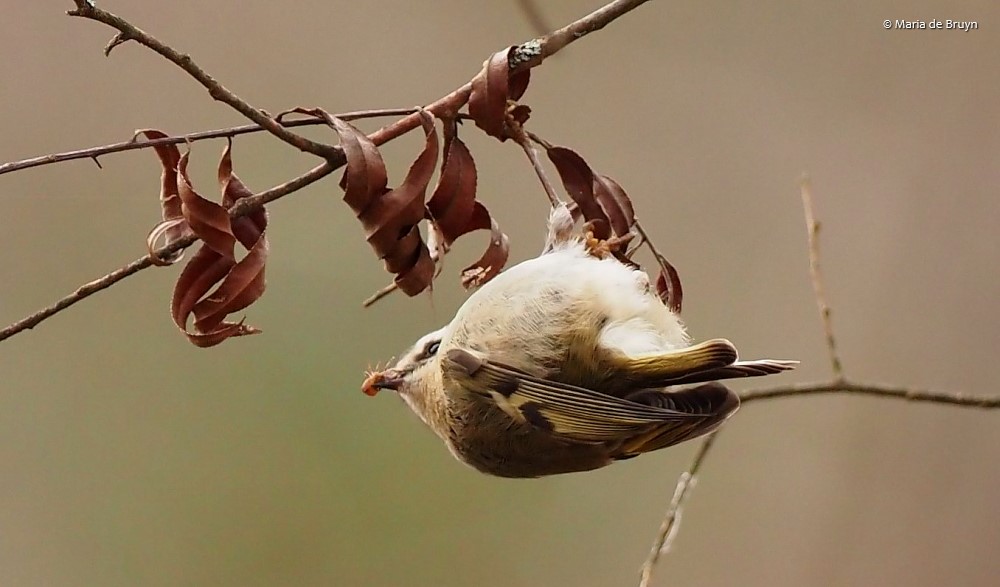


 My beautiful world