Birds, berries, nuts and seeds – enjoyment of nature’s bounty

So this wasn’t my last blog of 2015 after all. An unexpected hospital admission on 30 December brought about quite a delay in my blogging efforts. But I managed to complete this in instalments over the past days and hope you enjoy the final version, which I am happily able to post on my second day at home in 2016!

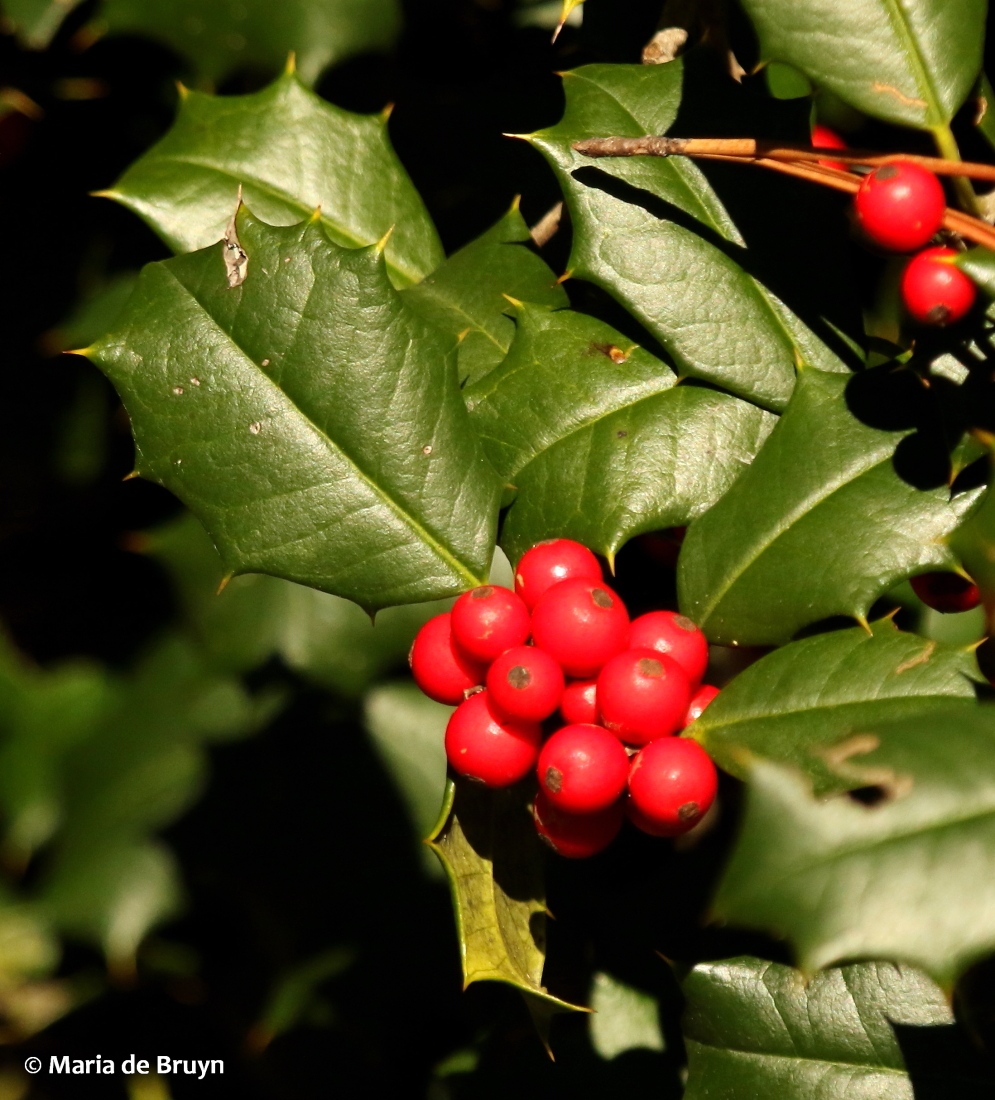
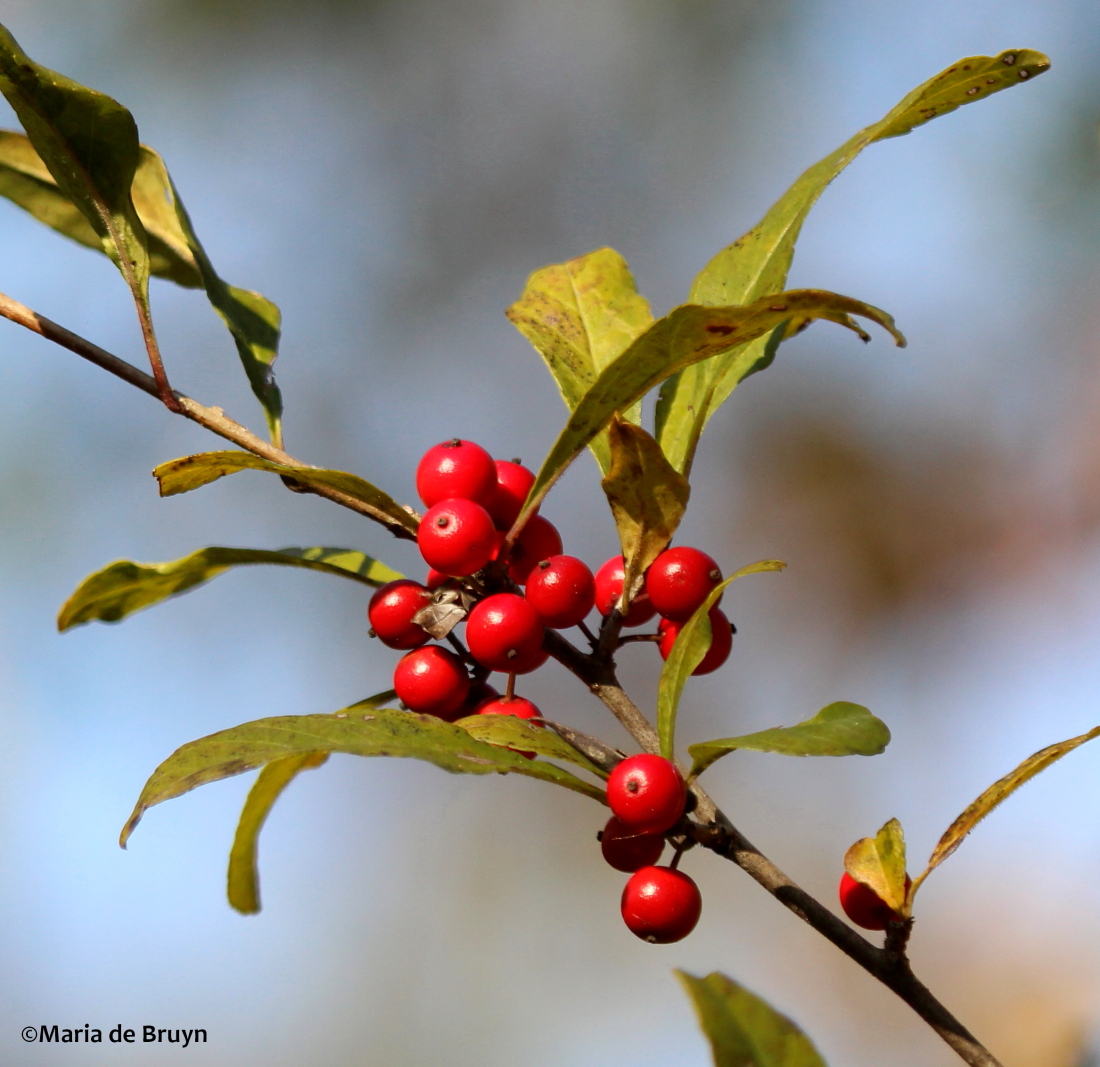
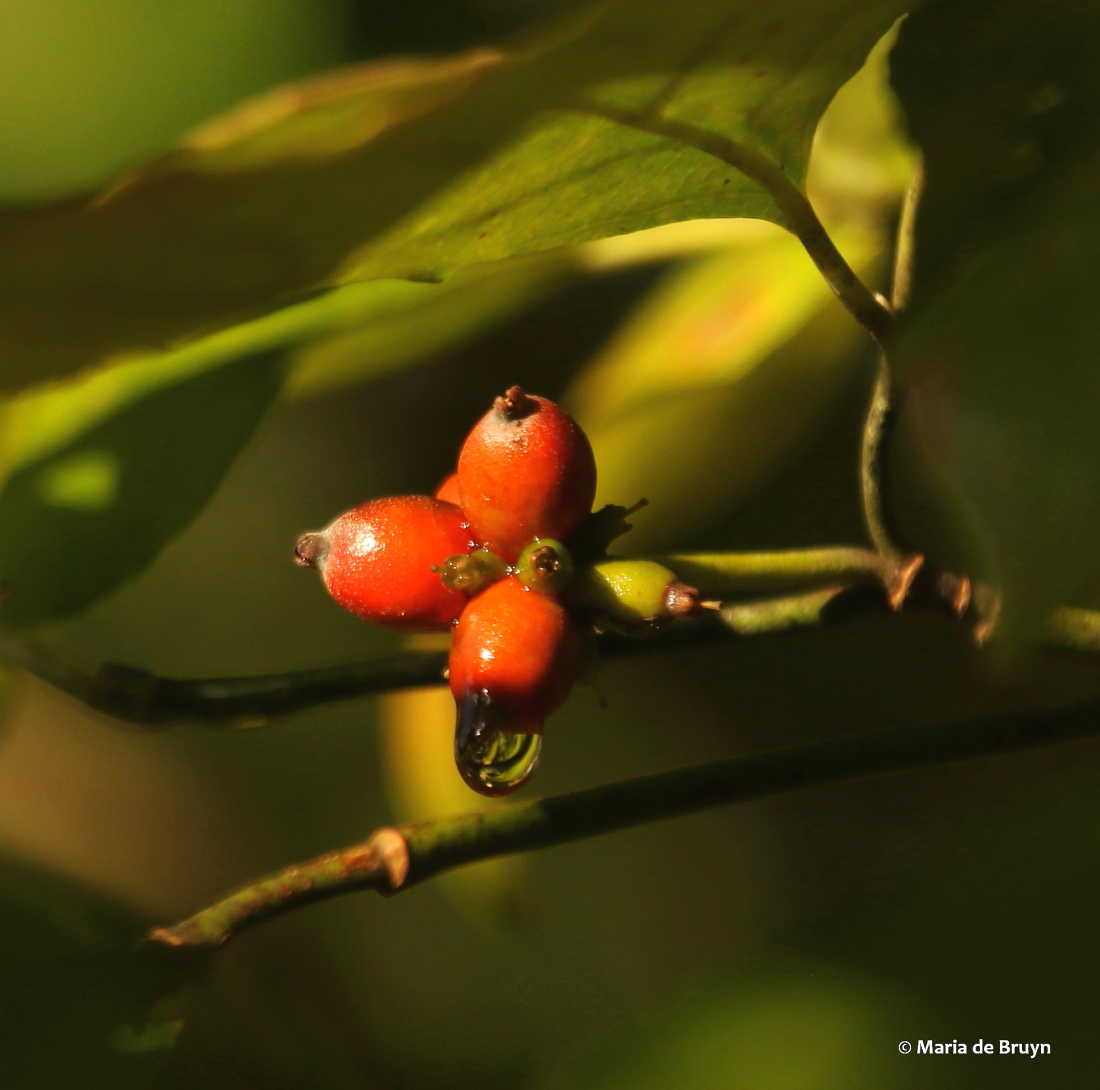
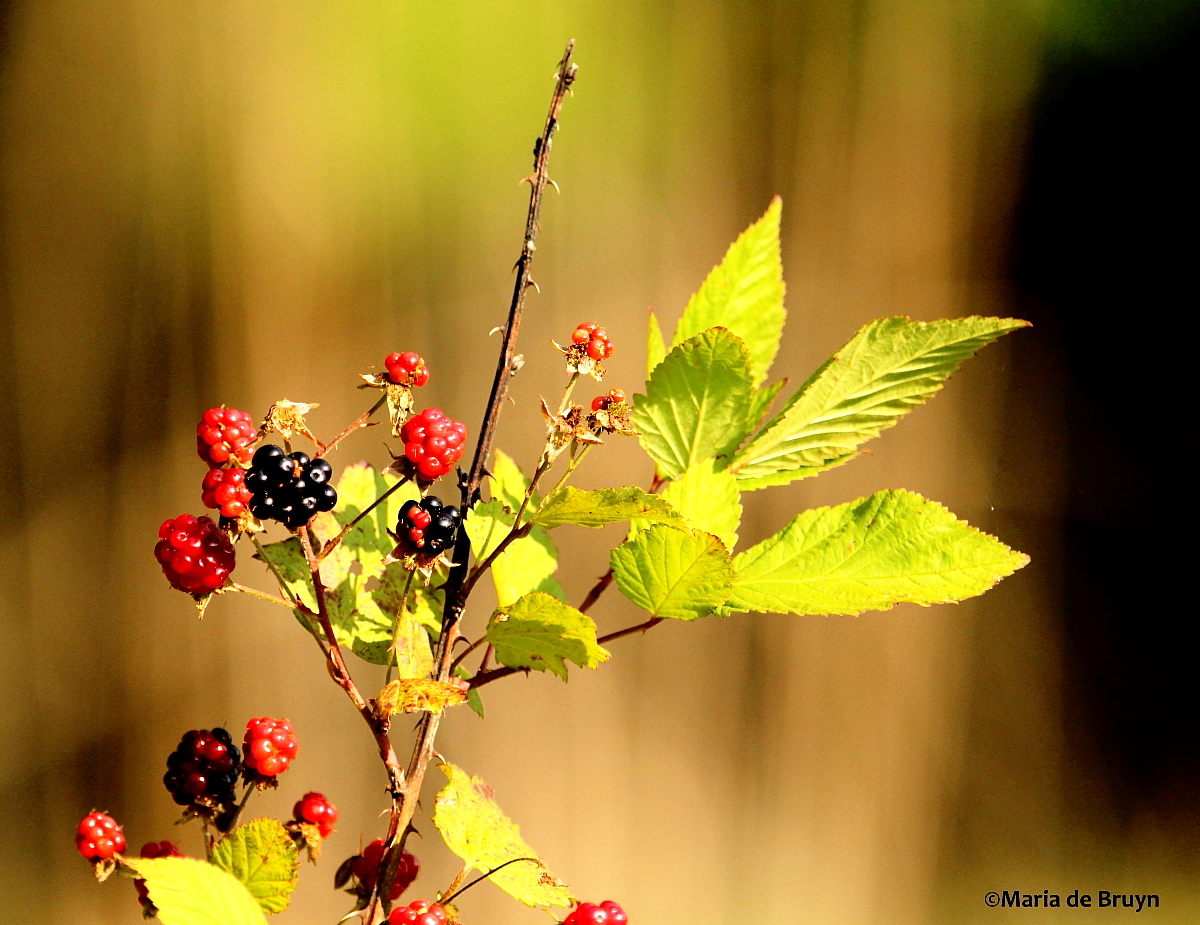
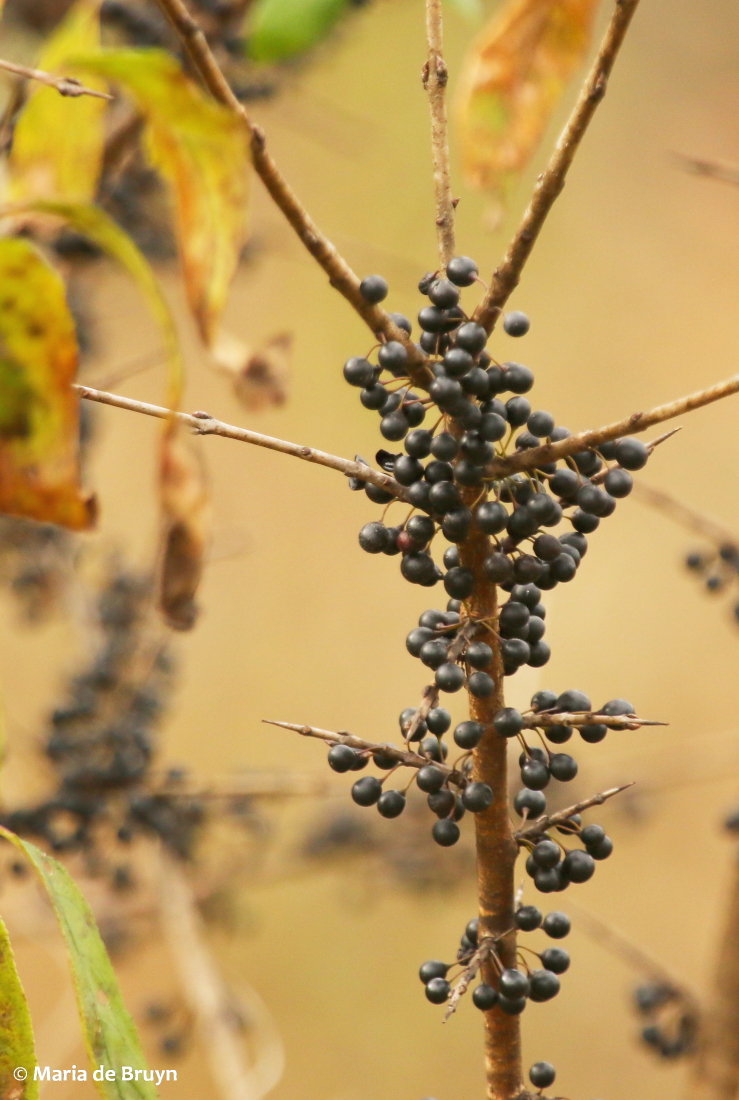
During late summer, when various plants have or start developing fruit, the birds begin to enjoy nature’s bounty. Here in North Carolina, they will eat the berries of native plants such as American beautyberry (Callicarpa americana), winged sumac (Rhus copallinum), American holly (Ilex opaca), possumhaw (deciduous holly, Ilex decidua), flowering dogwood (Cornus florida) and wild blackberries (Rubus).

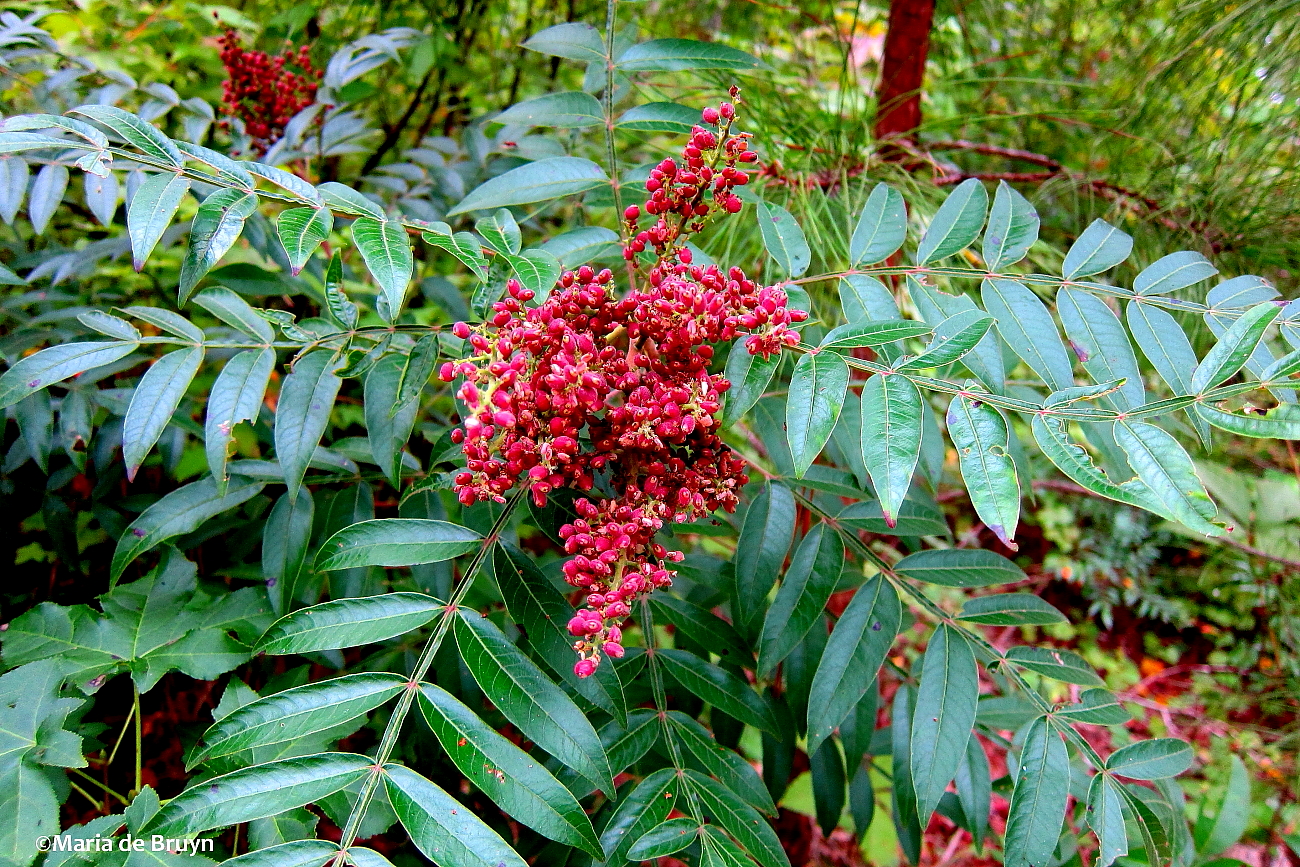
American beautyberry IMG_7637© Maria de Bruyn resWinged sumac IMG_5377©Maria de Bruyn res

American holly I77A3150© Maria de Bruyn resDeciduous holly IMG_4428© Maria de Bruyn res

Flowering dogwood DK7A7731© Maria de Bruyn reswild blackberryIMG_2588©Maria de Bruyn res


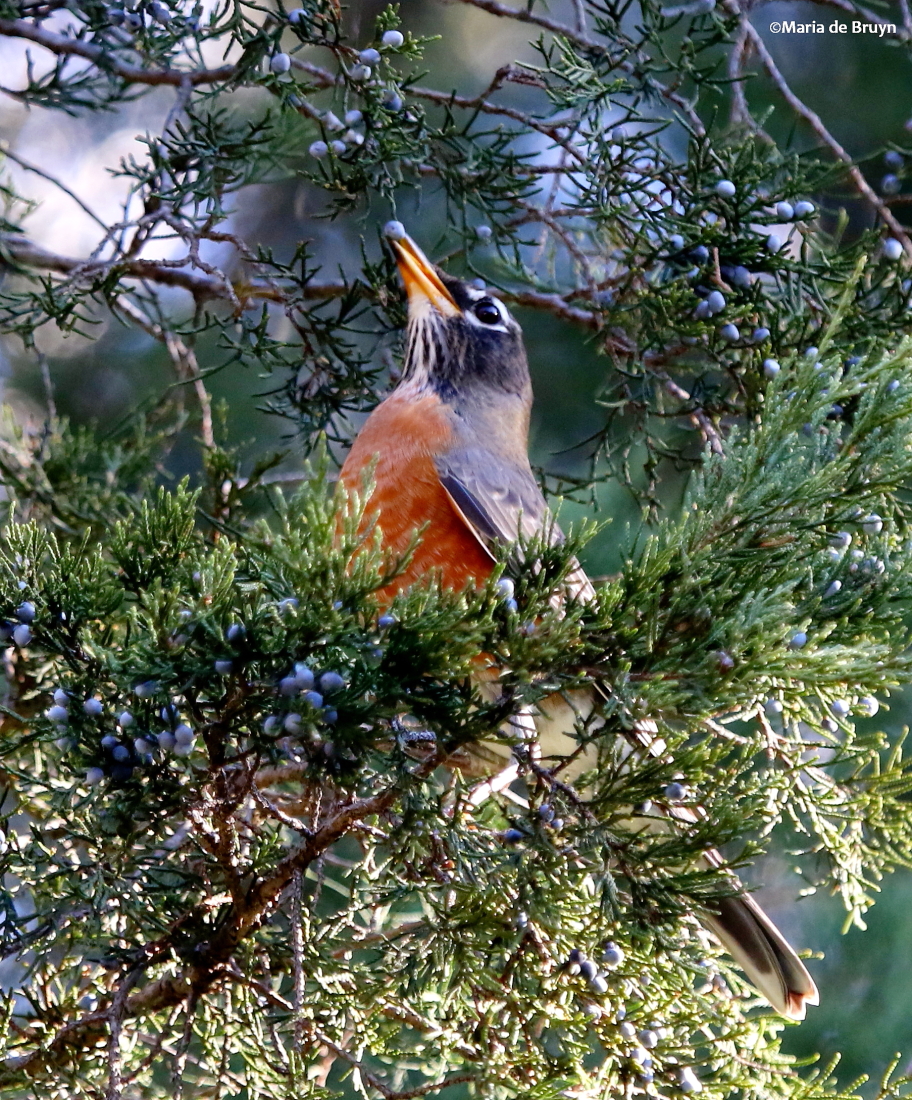
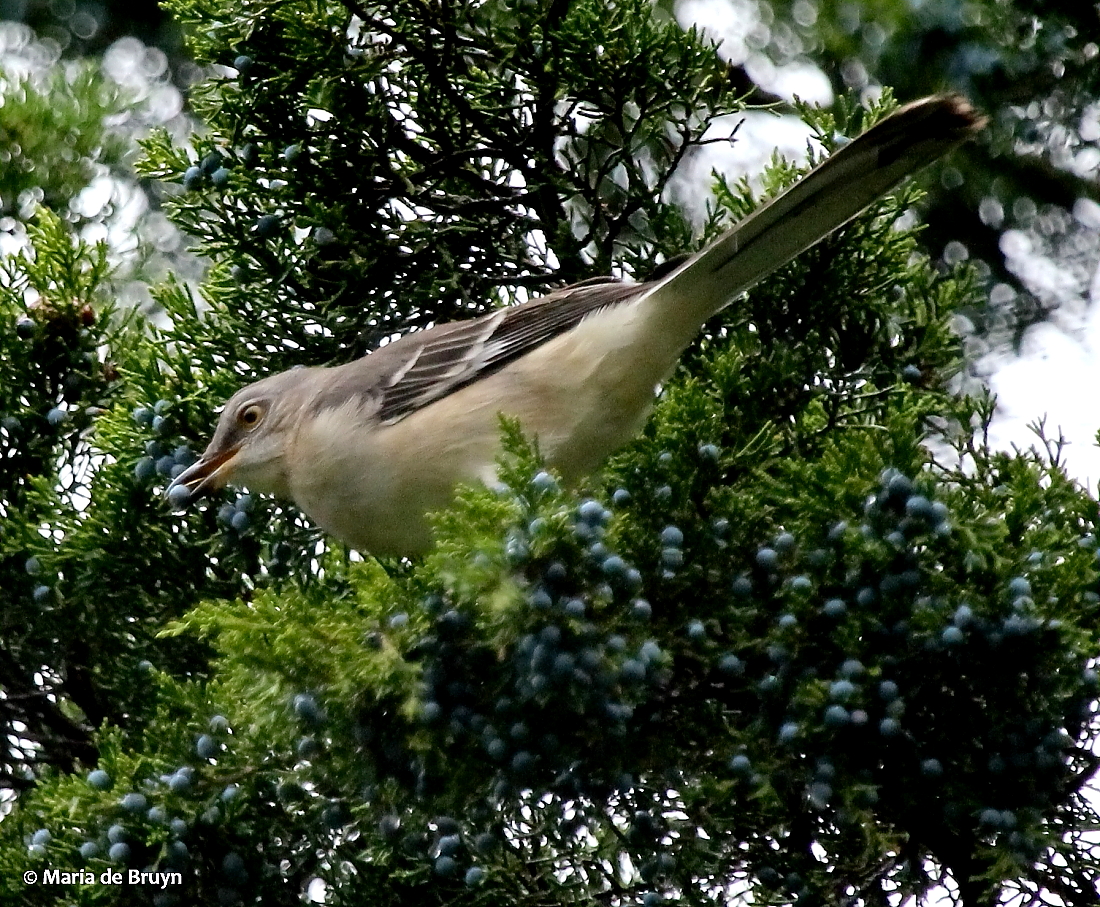
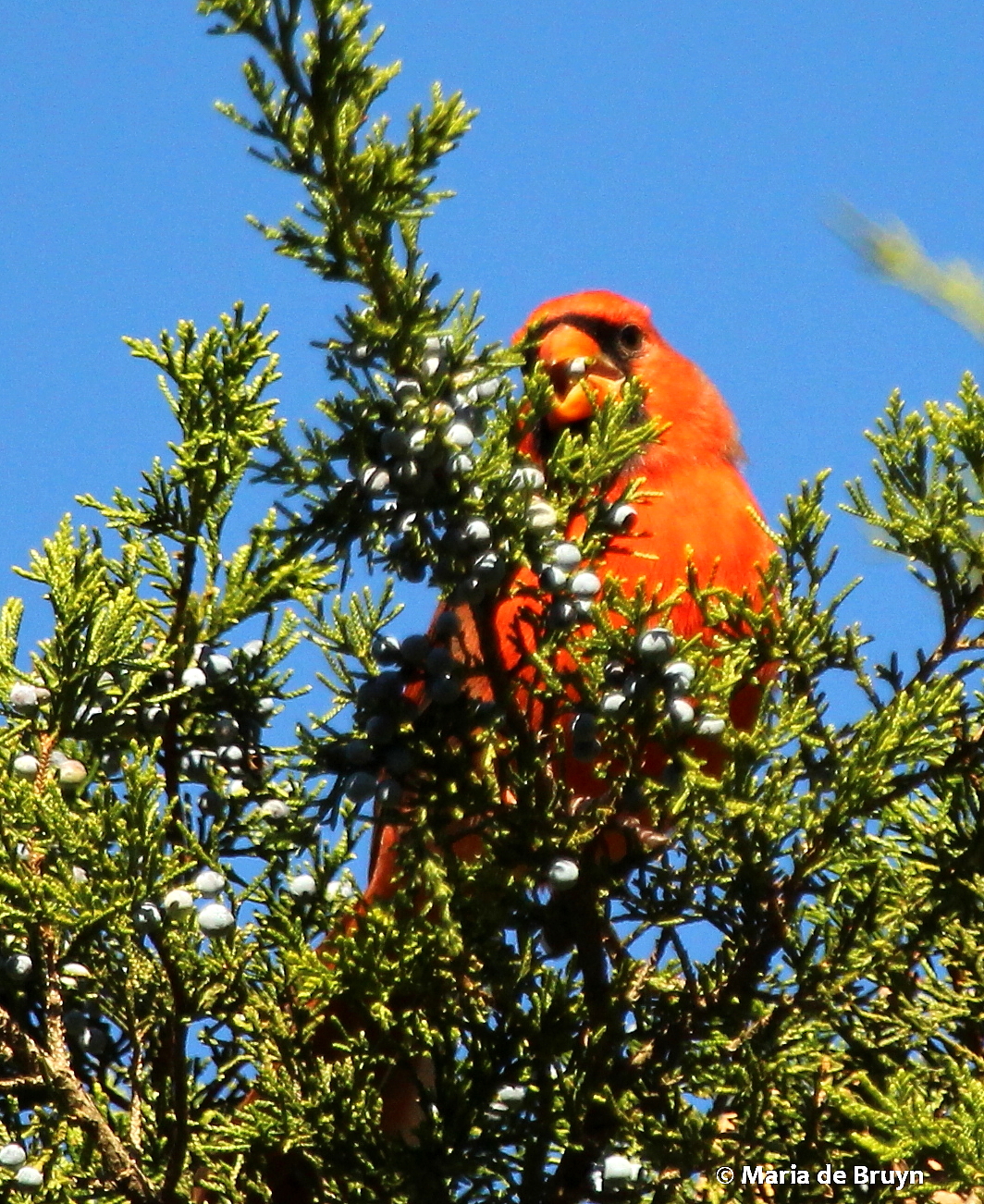
This year, the juniper berries were a real crowd pleaser. The American robins (Turdus migratorius) went for them first, soon followed by Northern cardinals (cardinalis cardinalis), Eastern bluebirds (Sialia sialis), Northern mockingbirds (Mimus polyglottos polyglottos) and Northern flickers (Colaptes auratus).
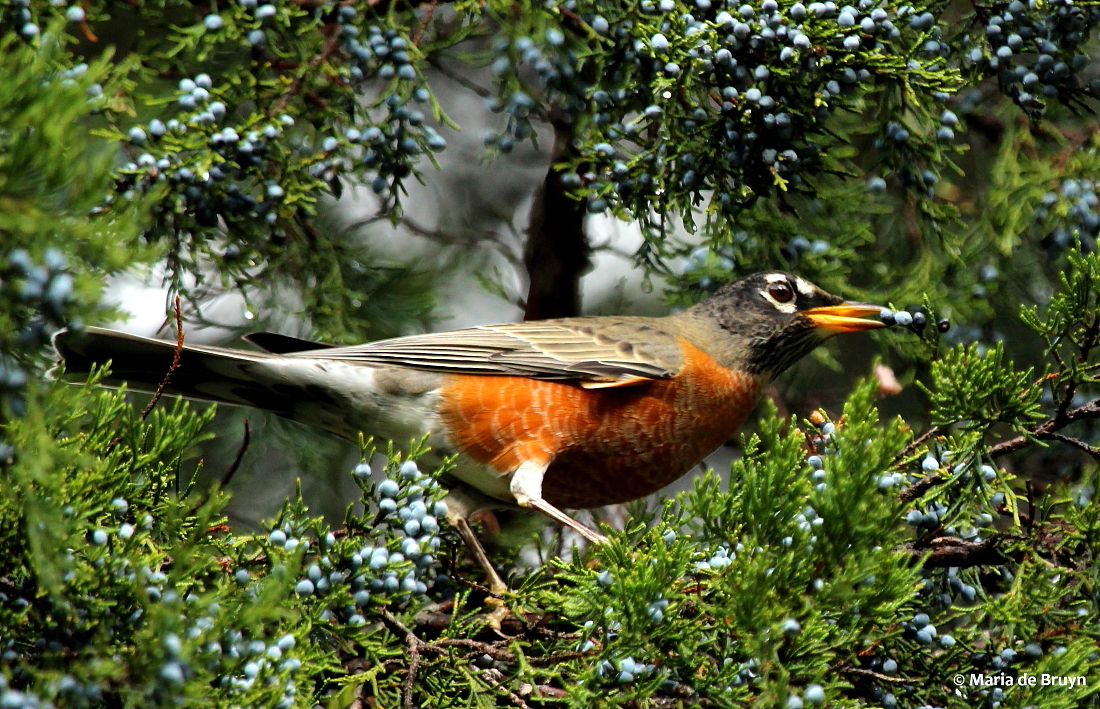
American robin IMG_6567© Maria de Bruyn res

Northern cardinal IMG_3653© Maria de BruynAmerican robin I77A0801©Maria de Bruyn res

Eastern bluebird I77A0913©Maria de Bruyn resNorthern mockingbird 2 IMG_6308© Maria de Bruyn res

Northern flicker IMG_5853© Maria de Bruyn res

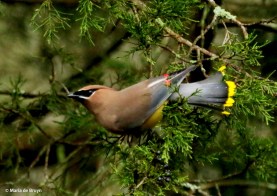
The beautiful cedar waxwings (Bombycilla cedrorum) enjoyed the cedar berries, too.
cedar waxwing I77A4266© Maria de Bruyn res

cedar waxwing I77A4293© Maria de Bruyn res

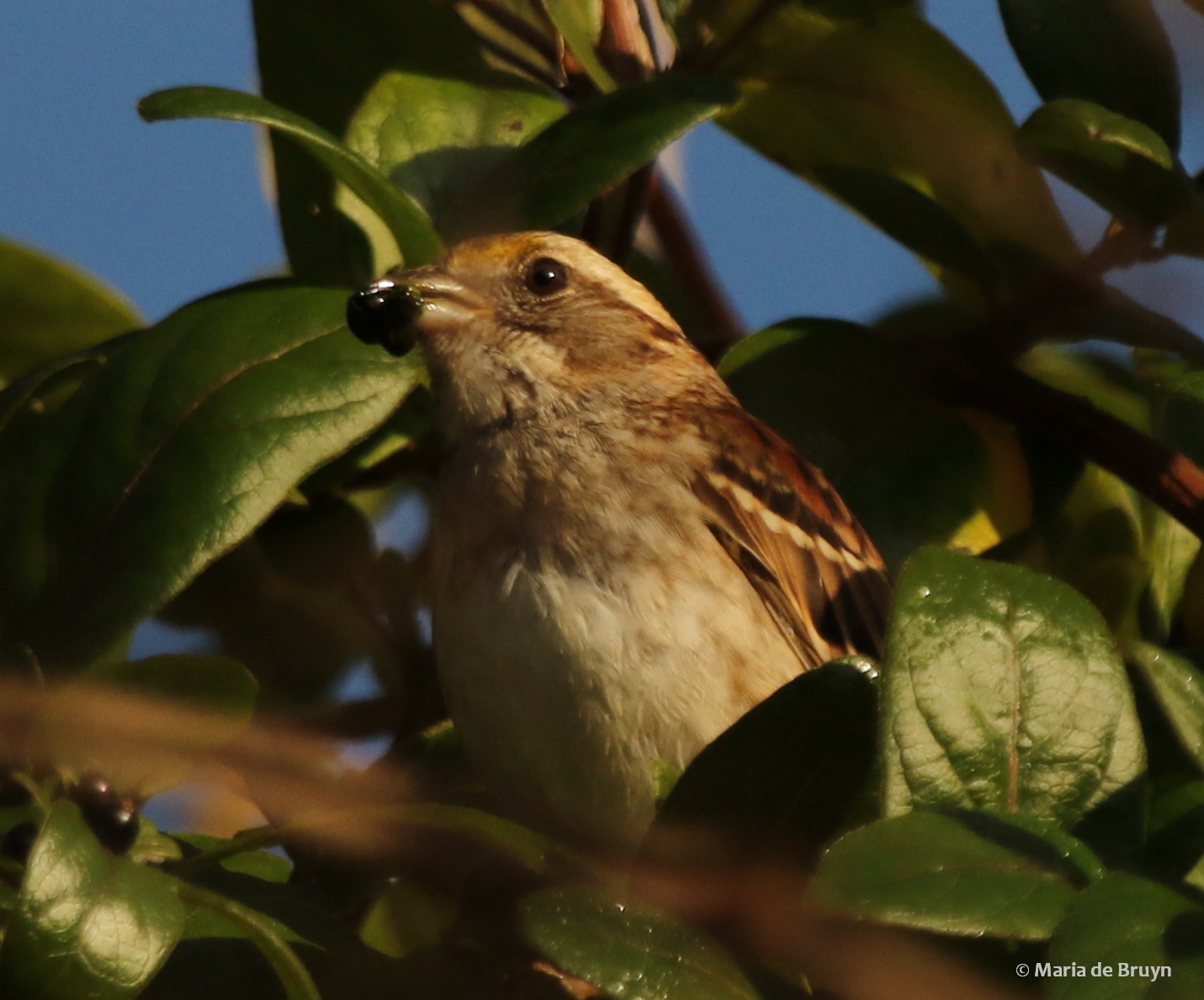
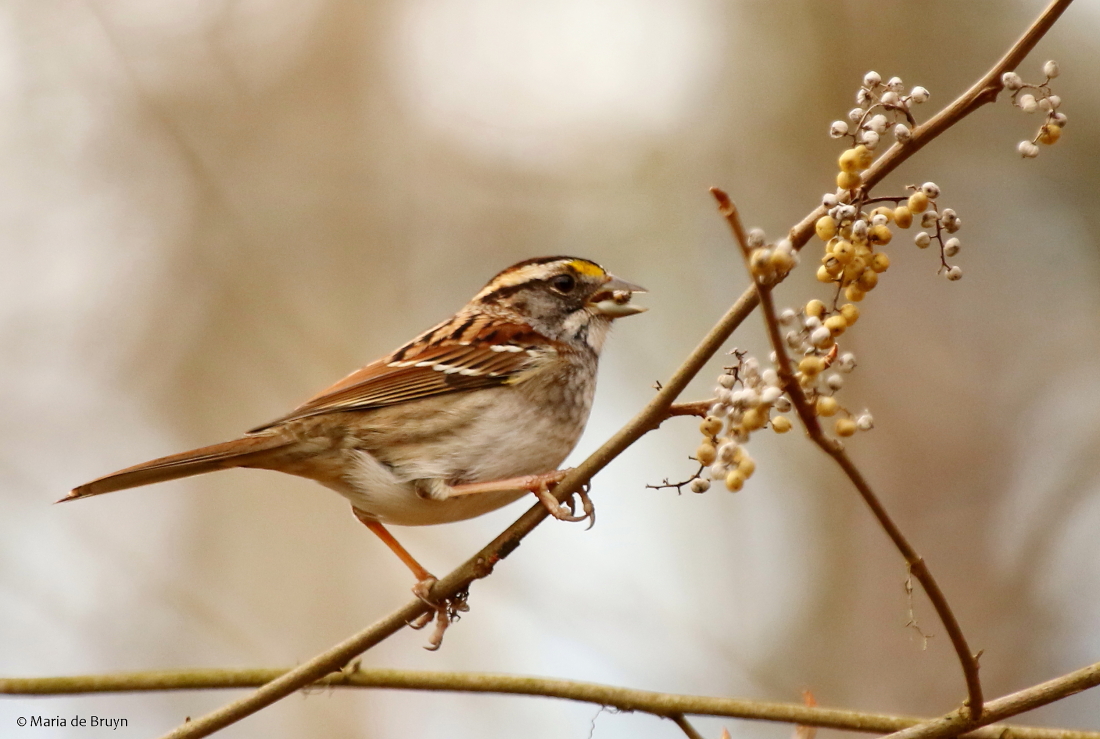
Birds like thbuckthorn I77A2455© Maria de Bruyn signed rese Northern mockingbird and white-throated sparrow (Zonotrichia albicollis) also enjoy the berries of invasive plants such as privet (Ligustrum), common buckthorn (Rhamnus cathartica. left), Chinaberry (Melia azedarach) and autumn olive (Eleagnus umbellata).
Northern mockingbird I77A2924© Maria de Bruyn res
white-throated sparrow I77A8188© Maria de Bruyn 2 reswhite-throated sparrow I77A4714© Maria de Bruyn signed

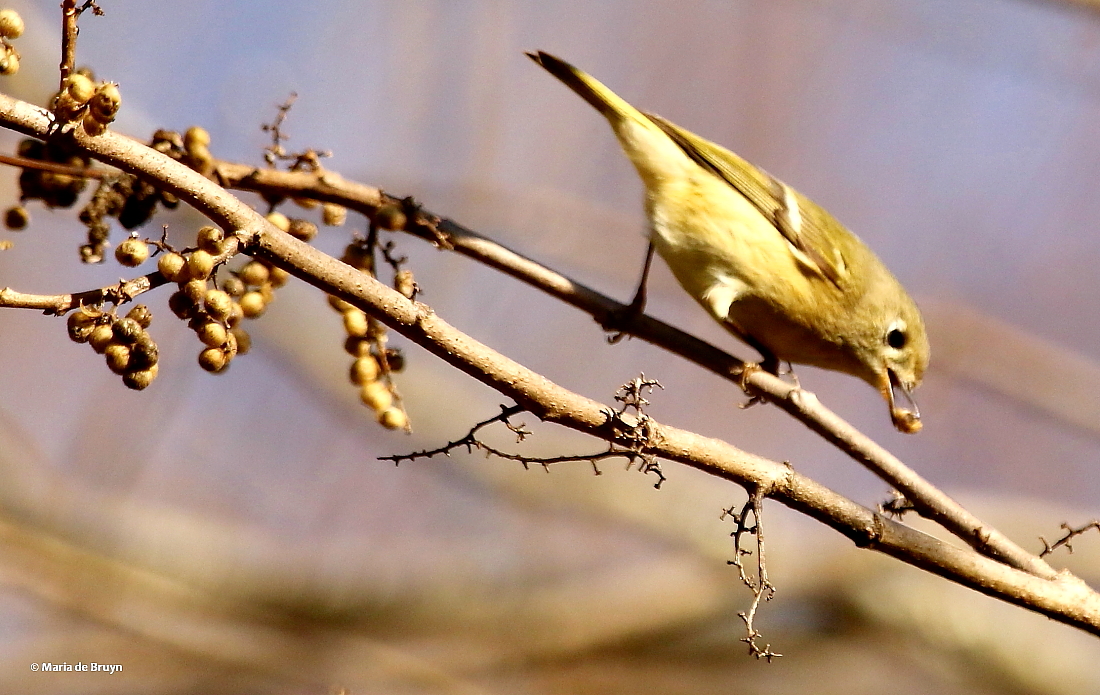
Watching our avian friends enjoy snapping up berries from vines can create enjoyment for the birdwatcher, too!
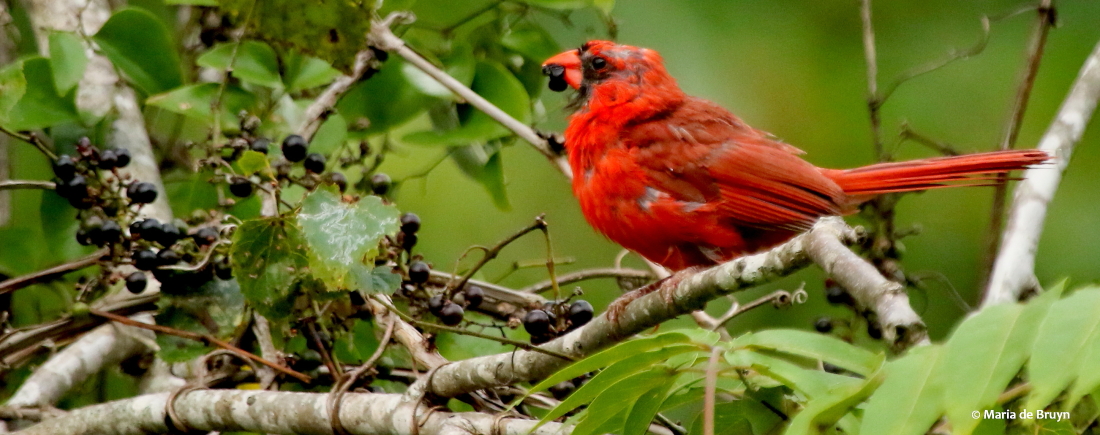
Northern cardinal DK7A8841© Maria de Bruyn signed res

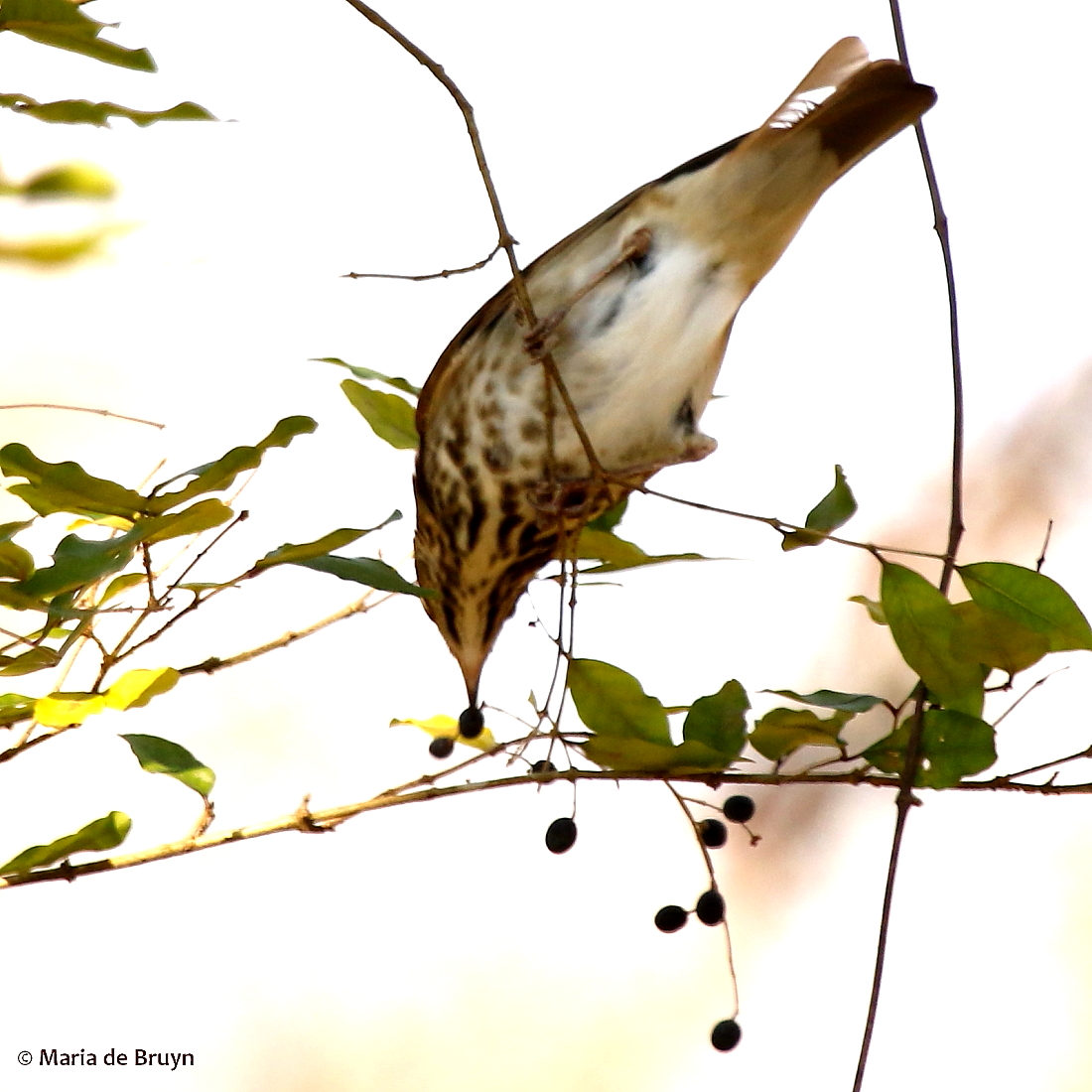
ruby-crowned kinglet I77A5319© Maria de Bruyn reshermit thrush I77A5816© Maria de Bruyn signed res

Ruby-crowned kinglet (Regulus calendula)

Hermit thrush (Catharus guttatus)


In some cases, they may also be seeking insects along with the berries, as this yellow-bellied sapsucker (Sphyrapicus varius) and tiny golden-crowned kinglet (Melanerpes erythrocephalus) may have been doing.
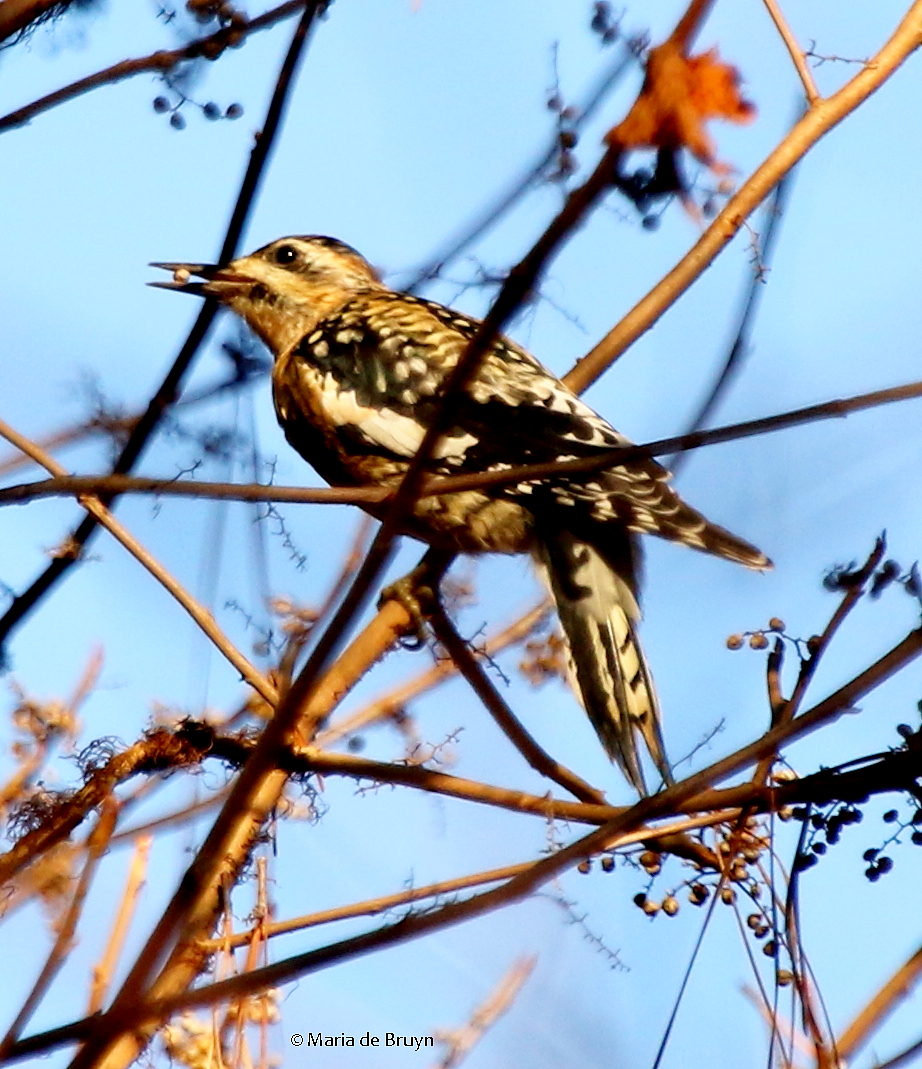
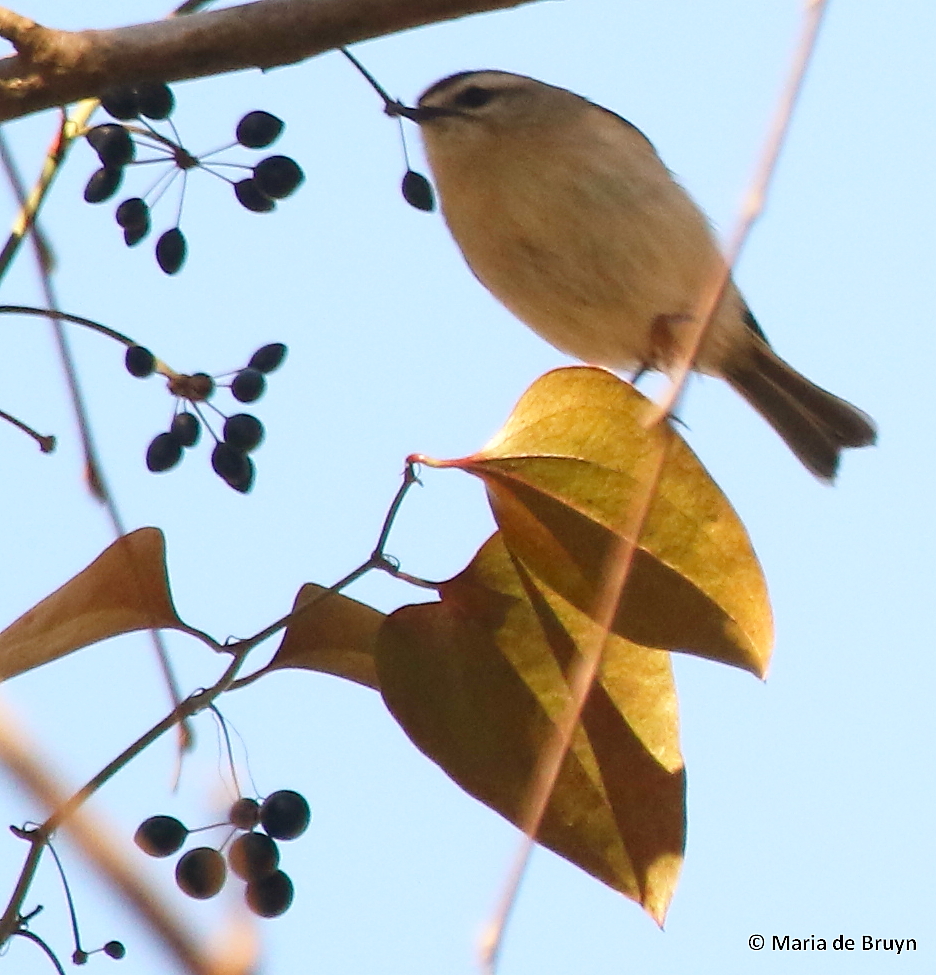
Yellow-bellied sapsucker I77A9133© Maria de Bruyngolden-crowned kinglet I77A1918© Maria de Bruyn

American goldfinch DK7A4411© Maria de Bruyn signed


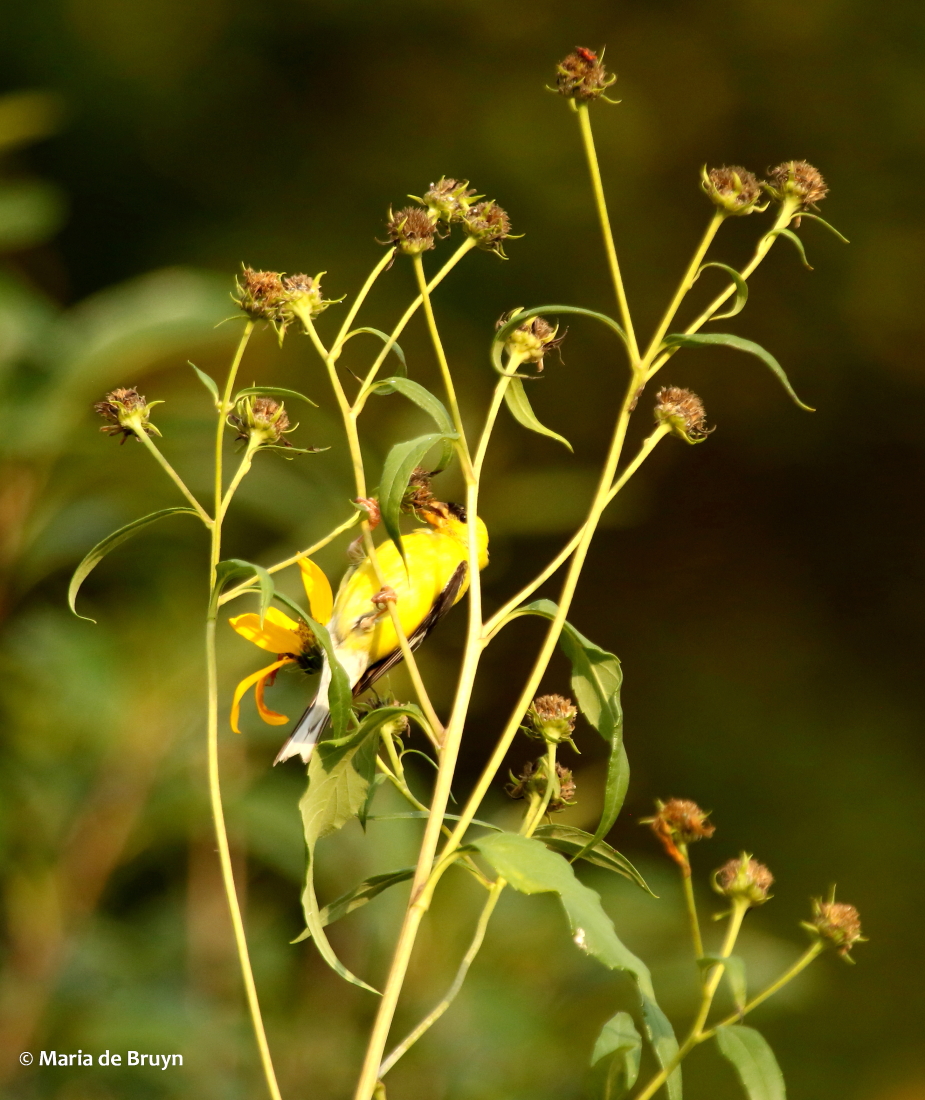
It’s not only the fruit that draws them away from the bird feeders in the autumn though. Sunflower seeds (Helianthus) are a big hit with the American goldfinches (Spinus tristis), who also seek out different kinds of seed pods.
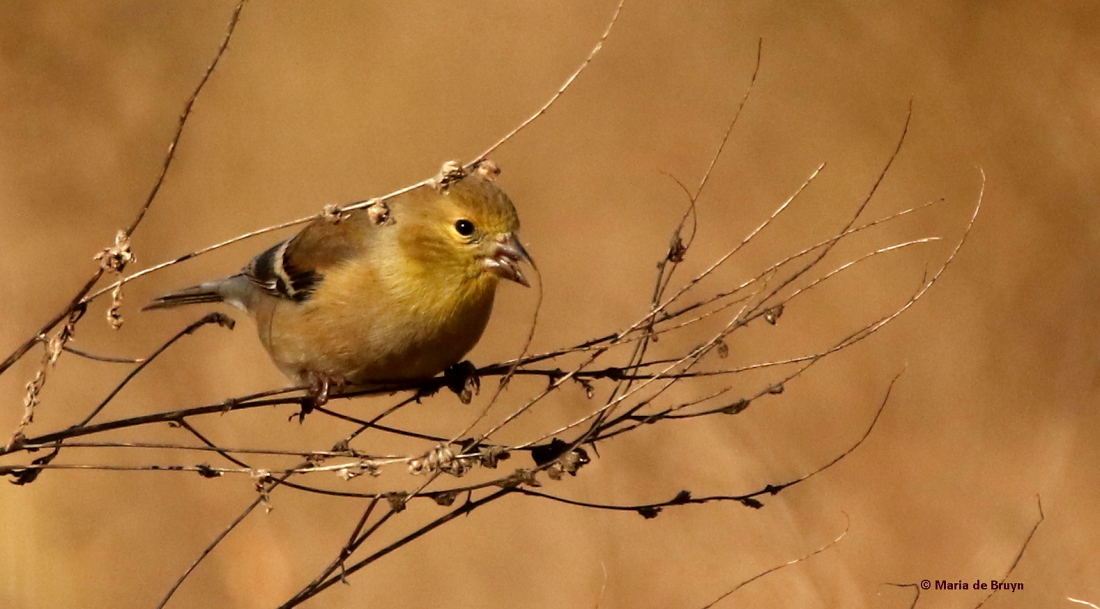
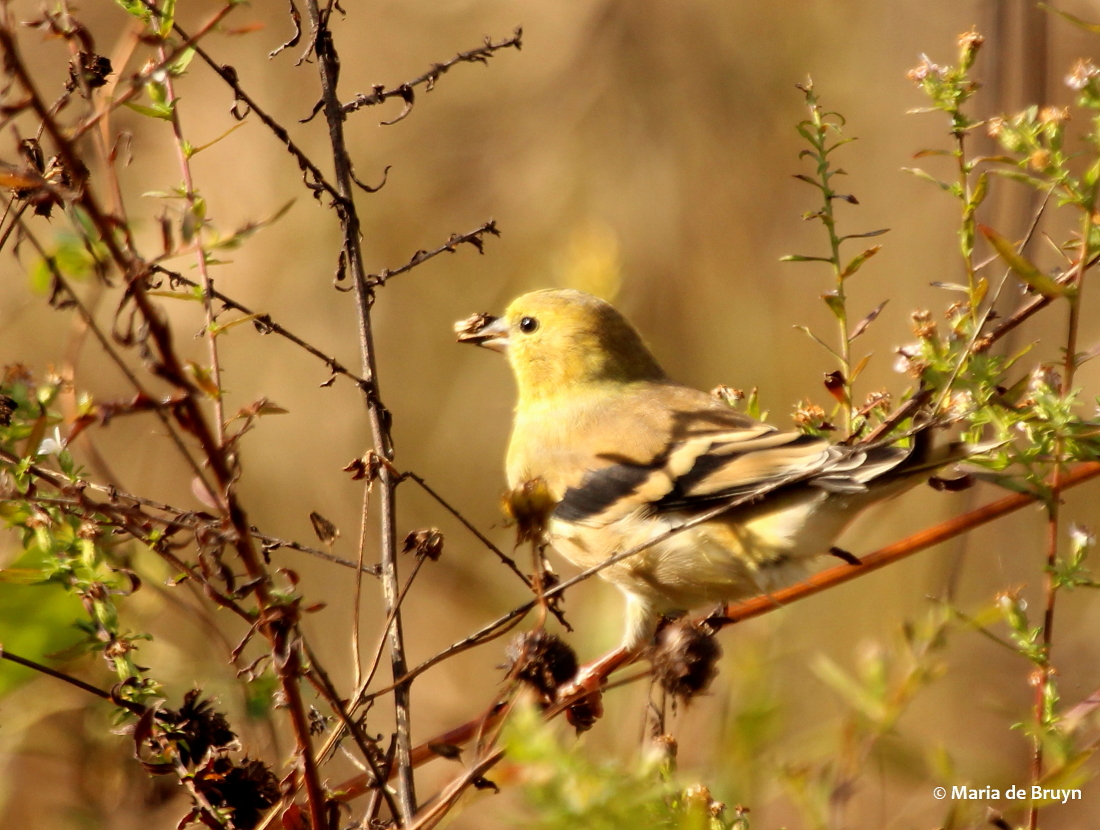
 

American goldfinch I77A2510© Maria de Bruyn res American goldfinch IMG_7947© Maria de Bruyn signed res

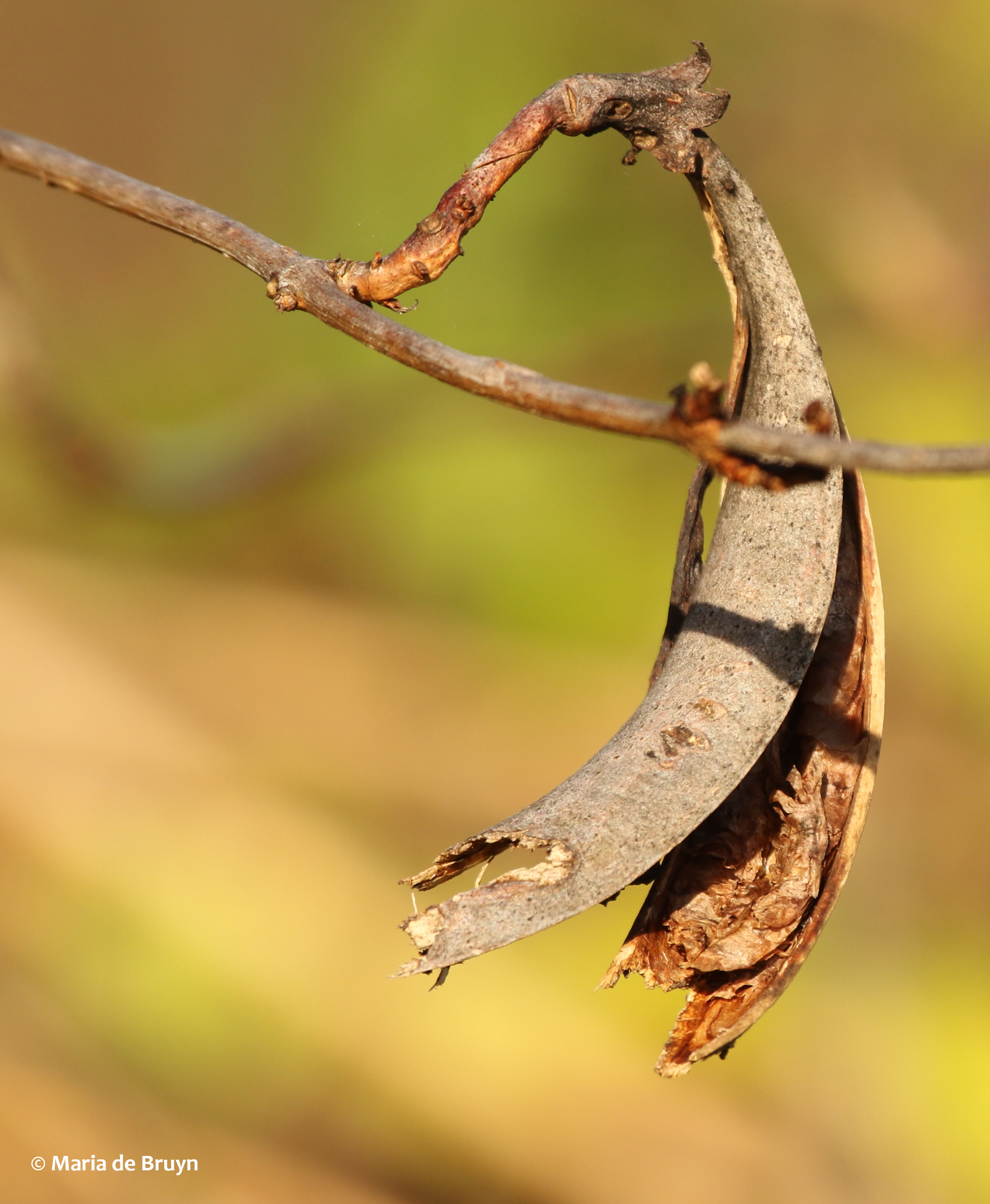
Pods on trees, like the crepe myrtle (Lagerstroemia fauriei), and on vines such as the trumpet creeper (Campsis radicans) offer attractive meals, too.
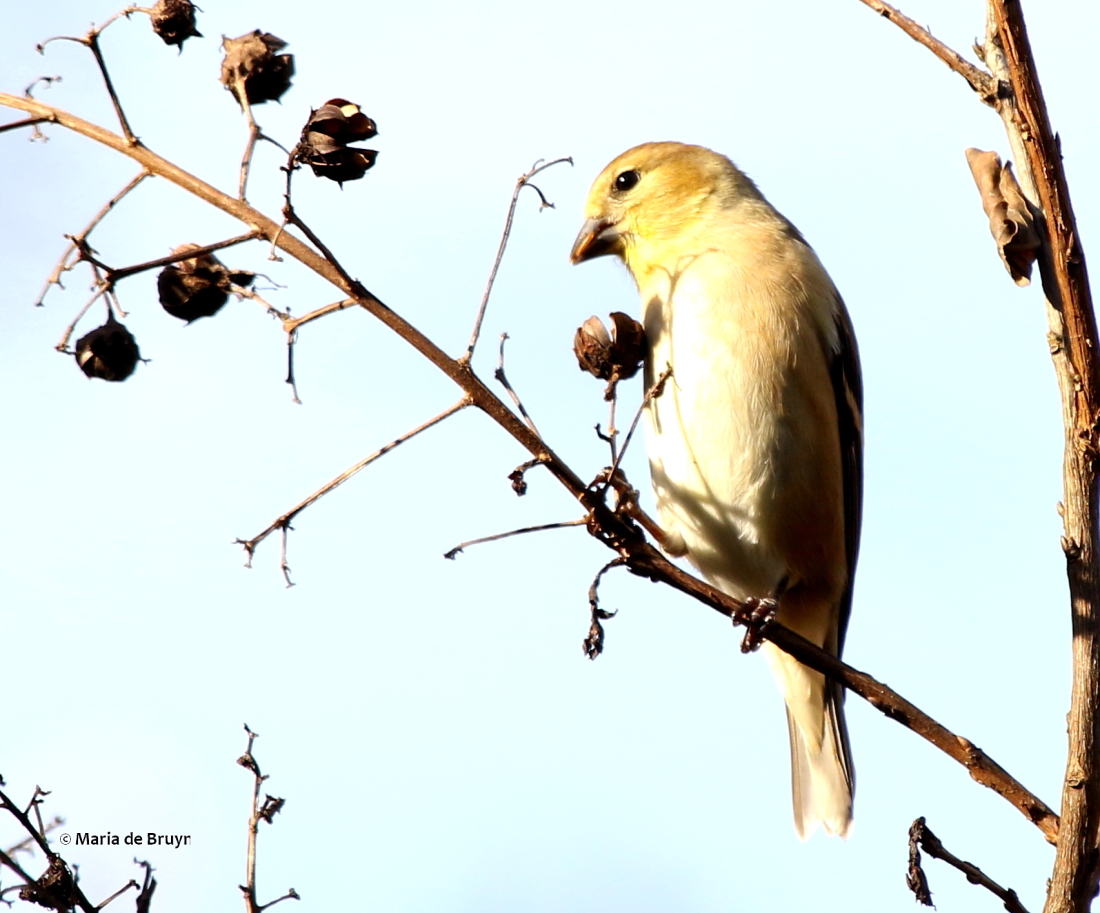
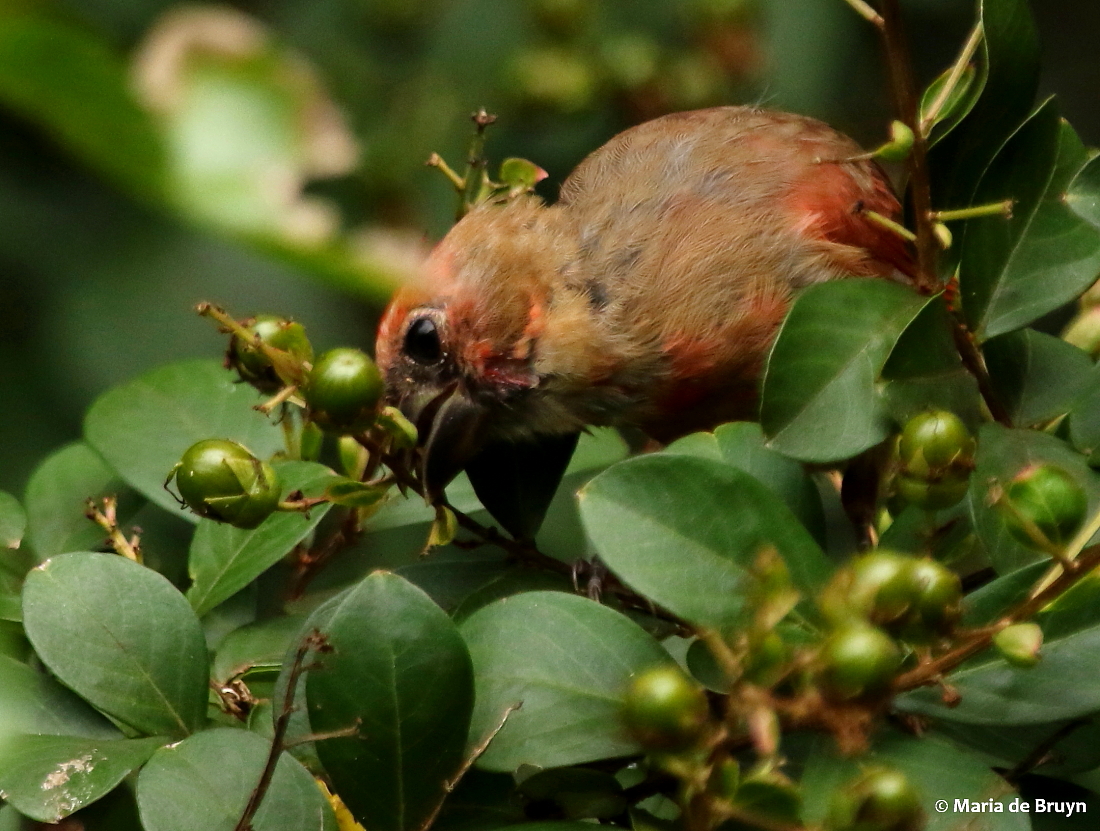
goldfinch I77A2097© Maria de Bruyn resNorthern cardinal DK7A1206© Maria de Bruyn signed res

American goldfinch and Northern cardinal both eating crepe myrtle
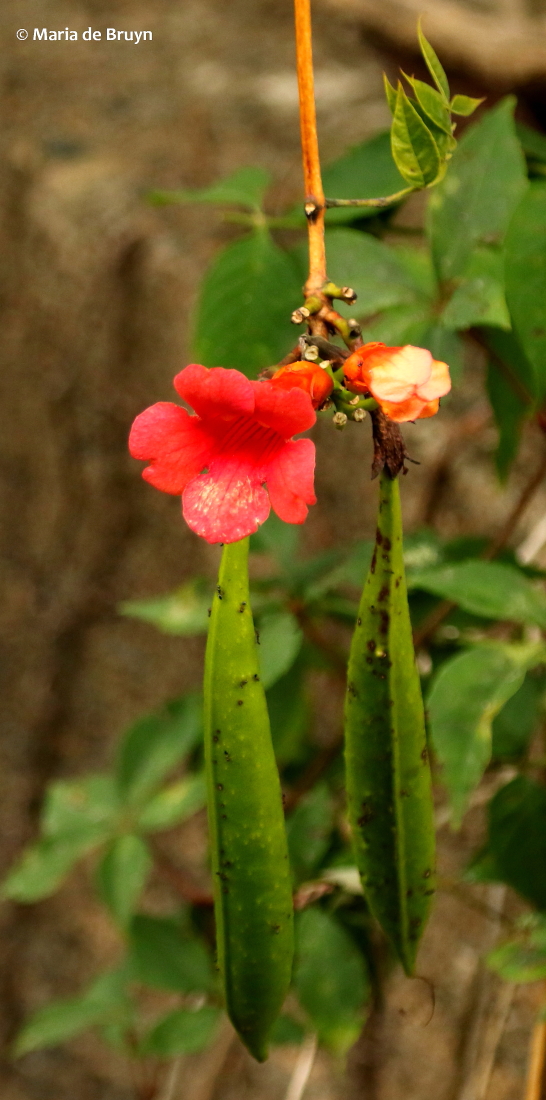
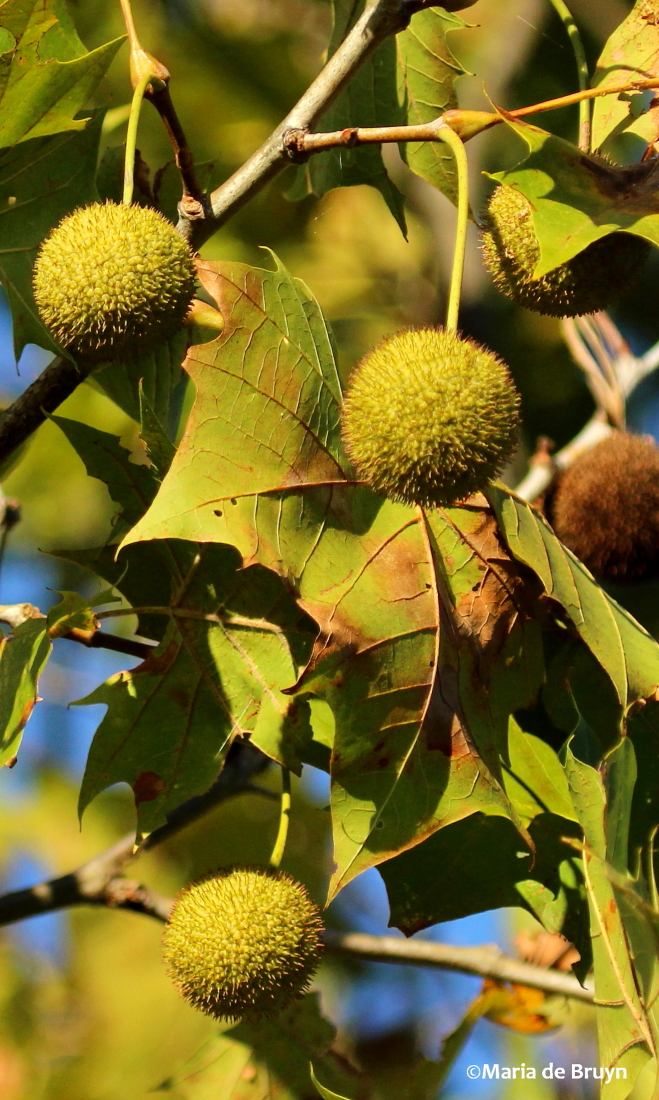
Trumpet vine DK7A9266© Maria de Bruyn signed restrumpet vine I77A1487© Maria de Bruyn ressycamore IMG_2339©Maria de Bruyn res

Trumpet vine                                         American sycamore (Platanus occidentalis)
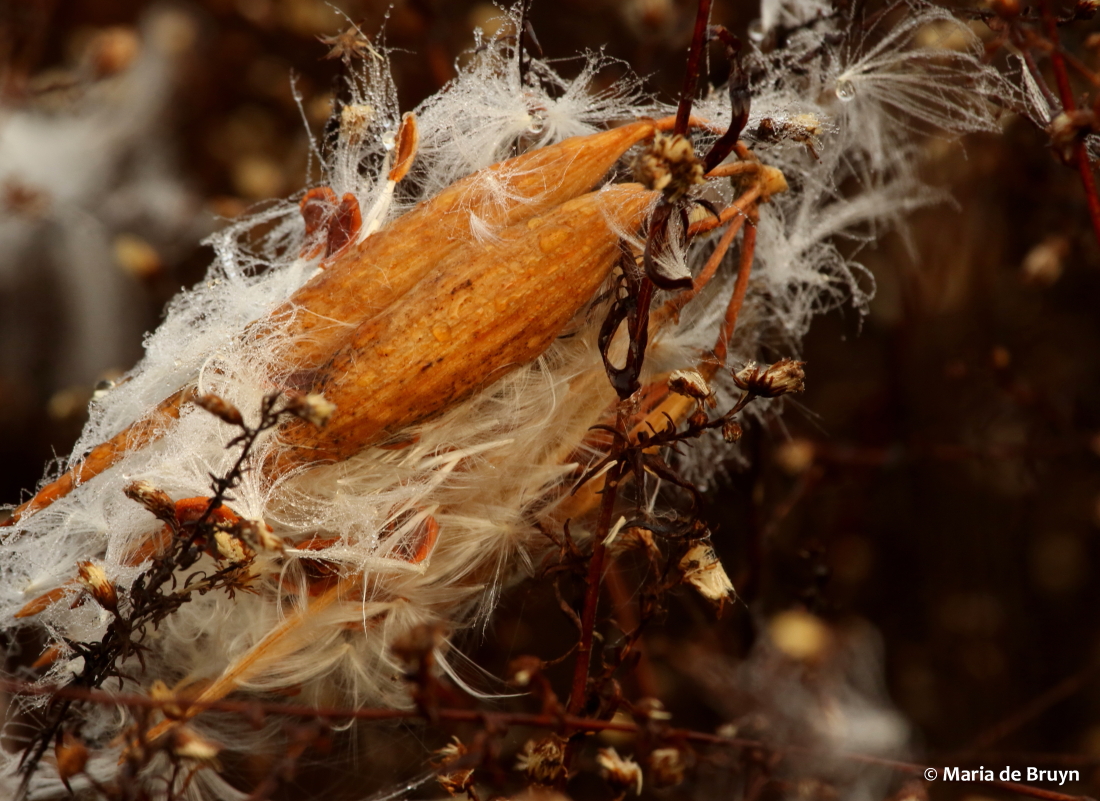
milkweed I77A7144© Maria de Bruyn signed resCarolina wren I77A8006©Maria de Bruyn res

Milkweed (Asclepius) and Carolina chickadee (Poecile carolinensis)
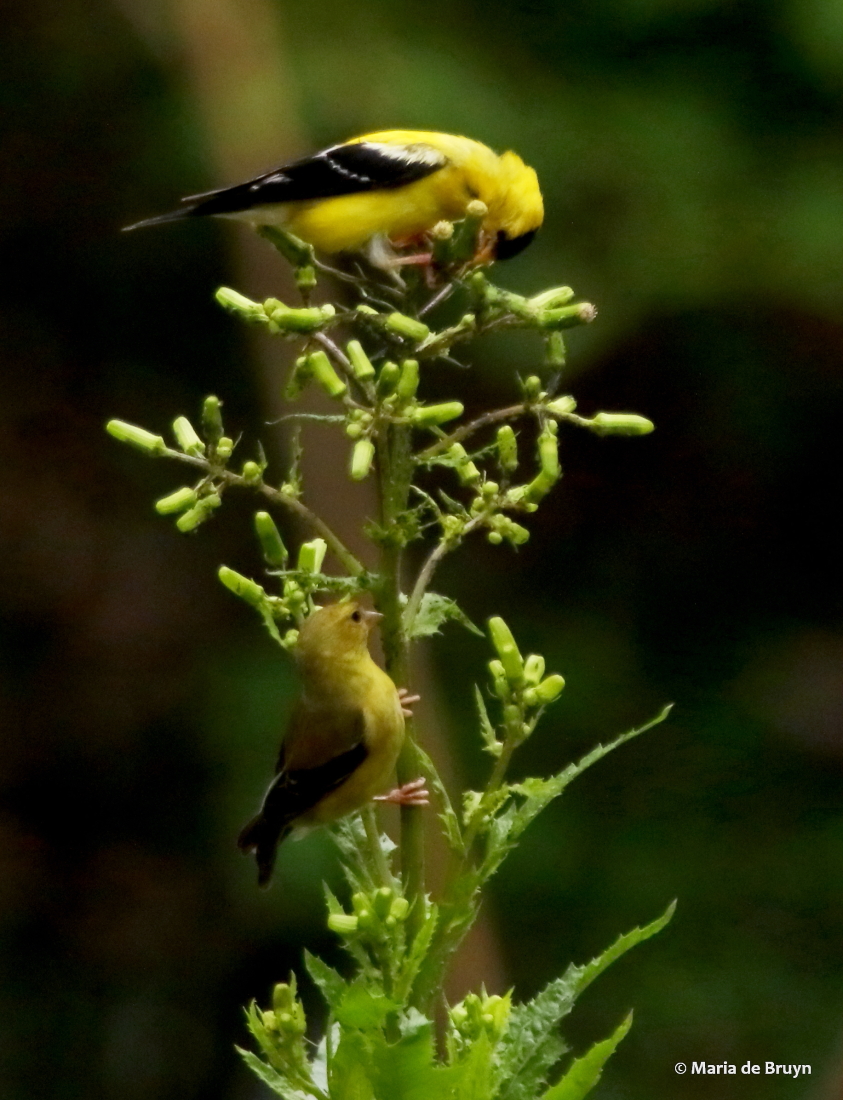
American goldfinch DK7A1355© Maria de Bruyn SIGNED RESamerican goldfinch DK7A7127© Maria de Bruyn signed res

American goldfinches

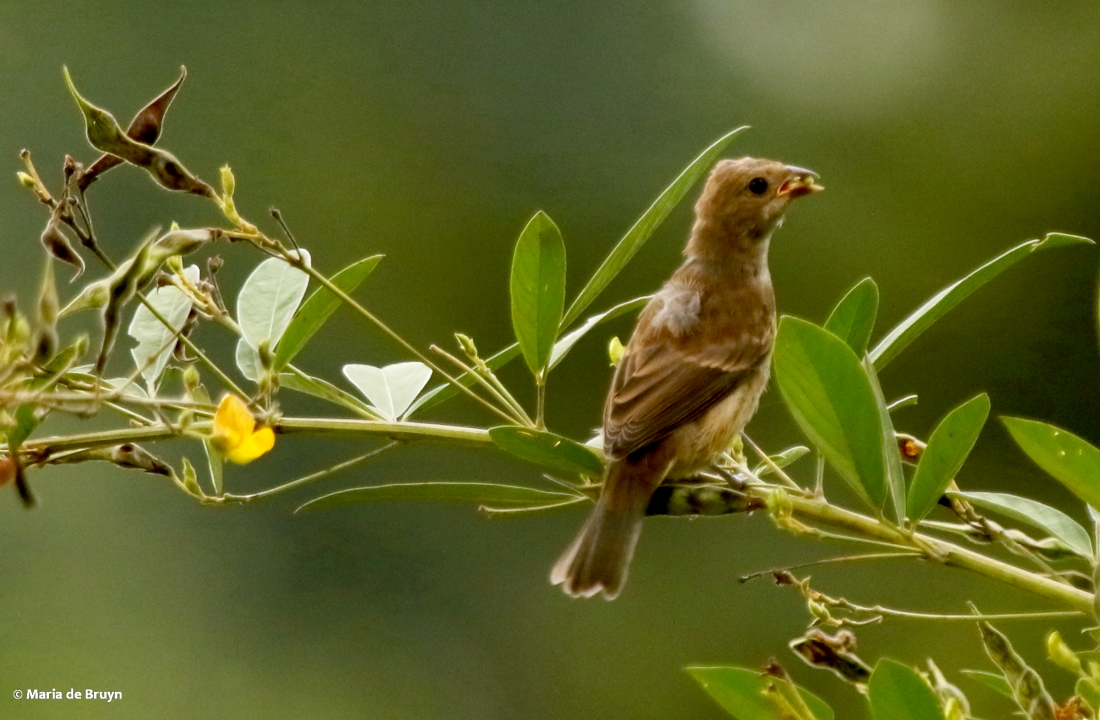
Indigo bunting DK7A7525© Maria de Bruyn signed res

Indigo bunting ( Passerina cyanea)

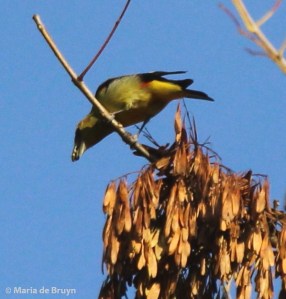
Scarlet tanager IMG_7415© Maria de Bruyn signed

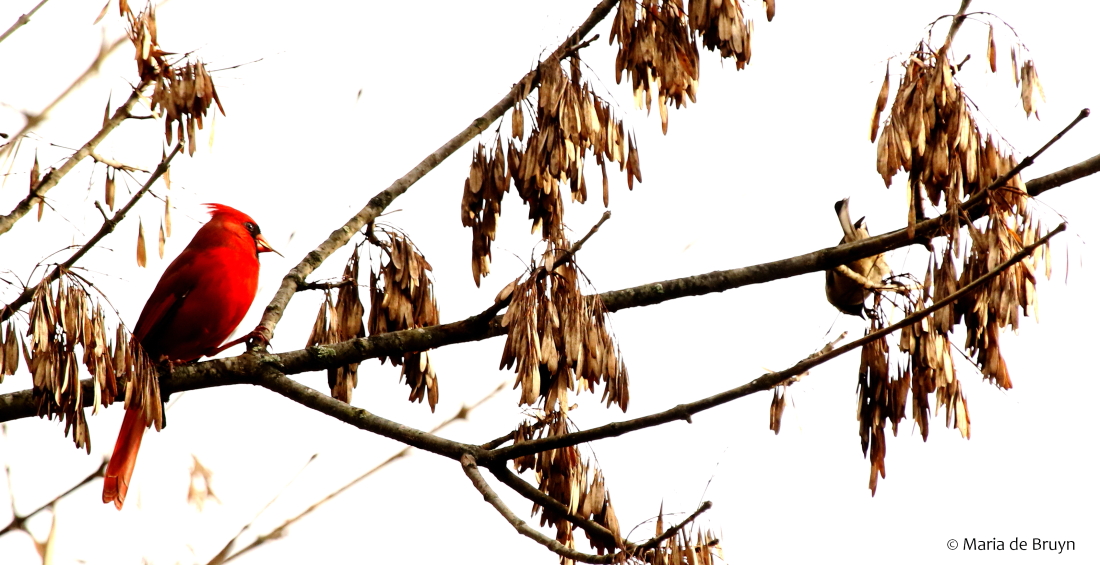
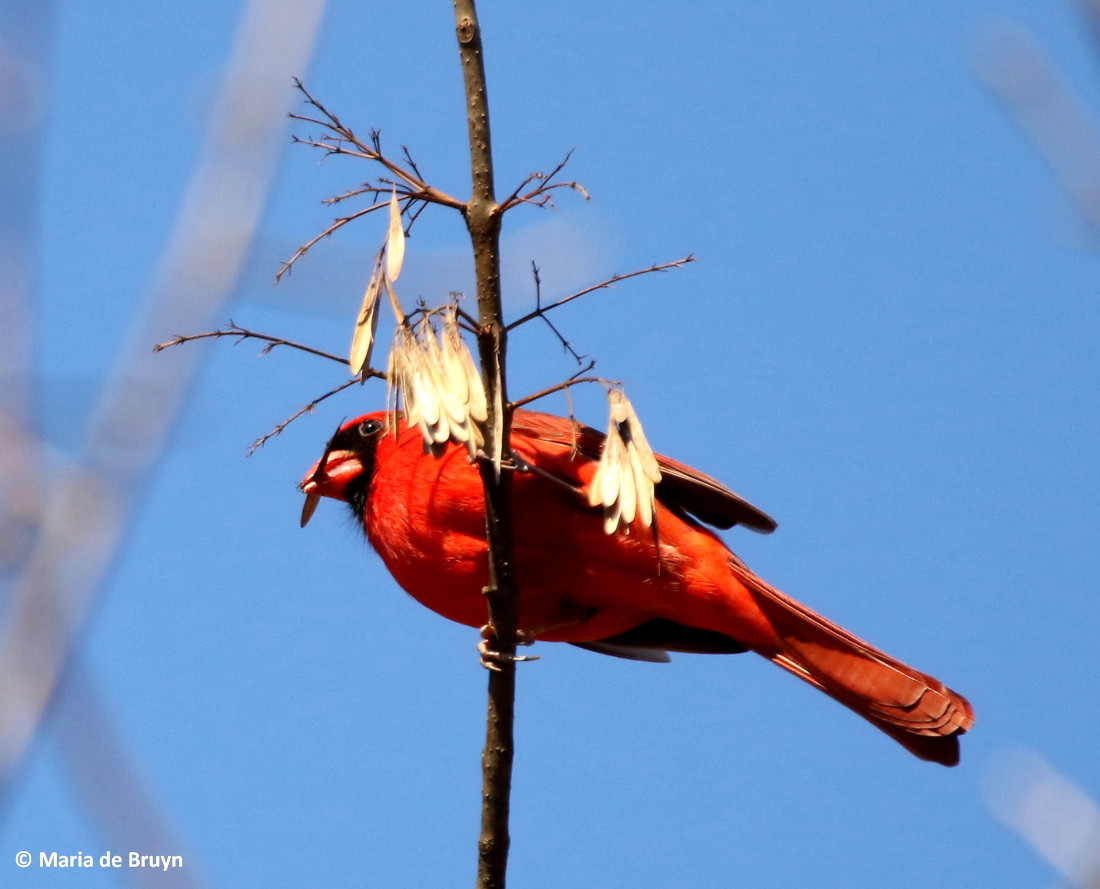
Some trees like maples have samara seed pods, in which a single seed is surrounded by a paper-like tissue that is dispersed by the wind. Ash trees have samaras that grow in clusters. Here a young scarlet tanager (Piranga olivacea) is dining. Below are an American goldfinch, house finch (Haemorhous mexicanus) and Northern cardinal, all of them males.
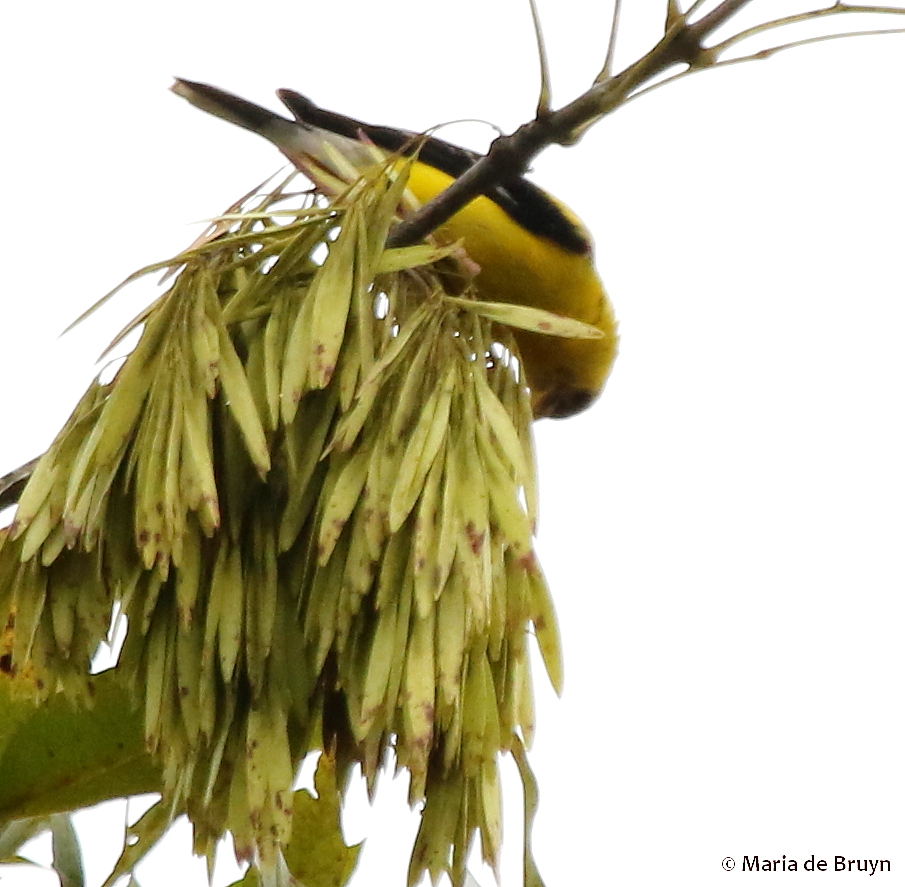
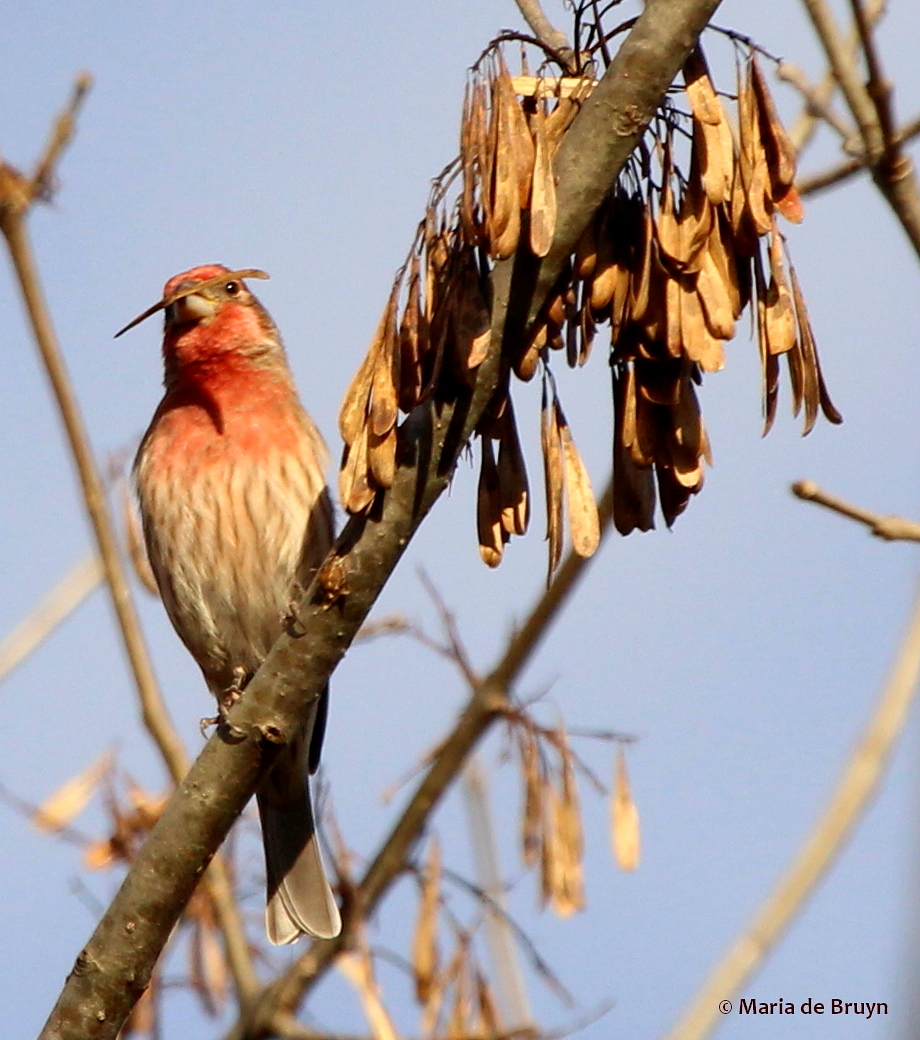
 

American goldfinch DK7A5026© Maria de Bruyn signedHouse finch IMG_7718© Maria de Bruyn signed


Northern cardinal I77A8006© Maria de Bruyn res


cedar waxwing I77A6594© Maria de Bruyn signed res

Cedar waxwing (left) with samara of the tulip tree (Liriodendron tulipifera)
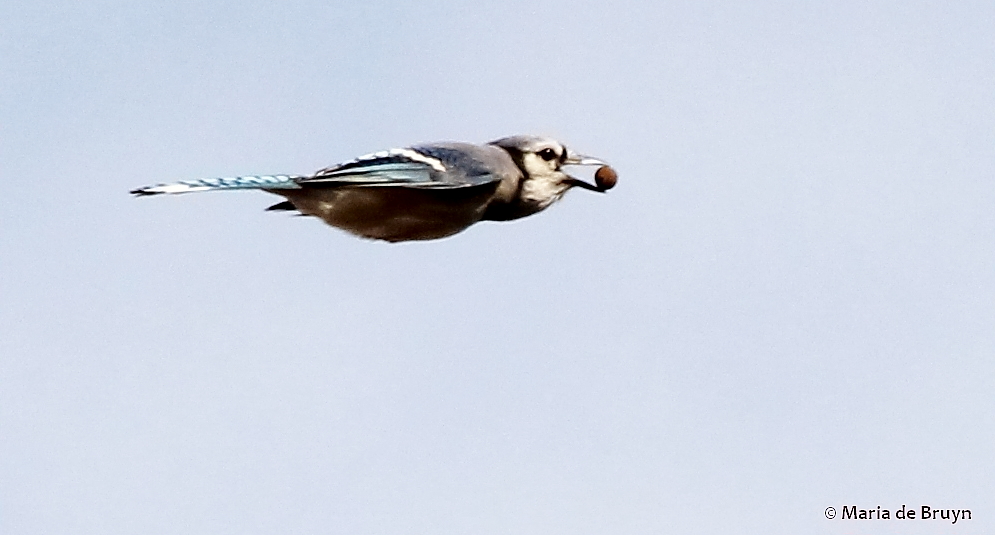
 

blue jay IMG_7806© Maria de Bruyn signed


Blue jays (Cyanocitta cristata, above) like nuts a great deal and can often be seen flying away with a prize.

red-bellied woodpecker IMG_5780© Maria de Bruyn (2)


The red-bellied woodpeckers (Melanerpes carolinus) and red-headed woodpeckers (Melanerpes erythrocephalus) don’t turn away from nuts either.

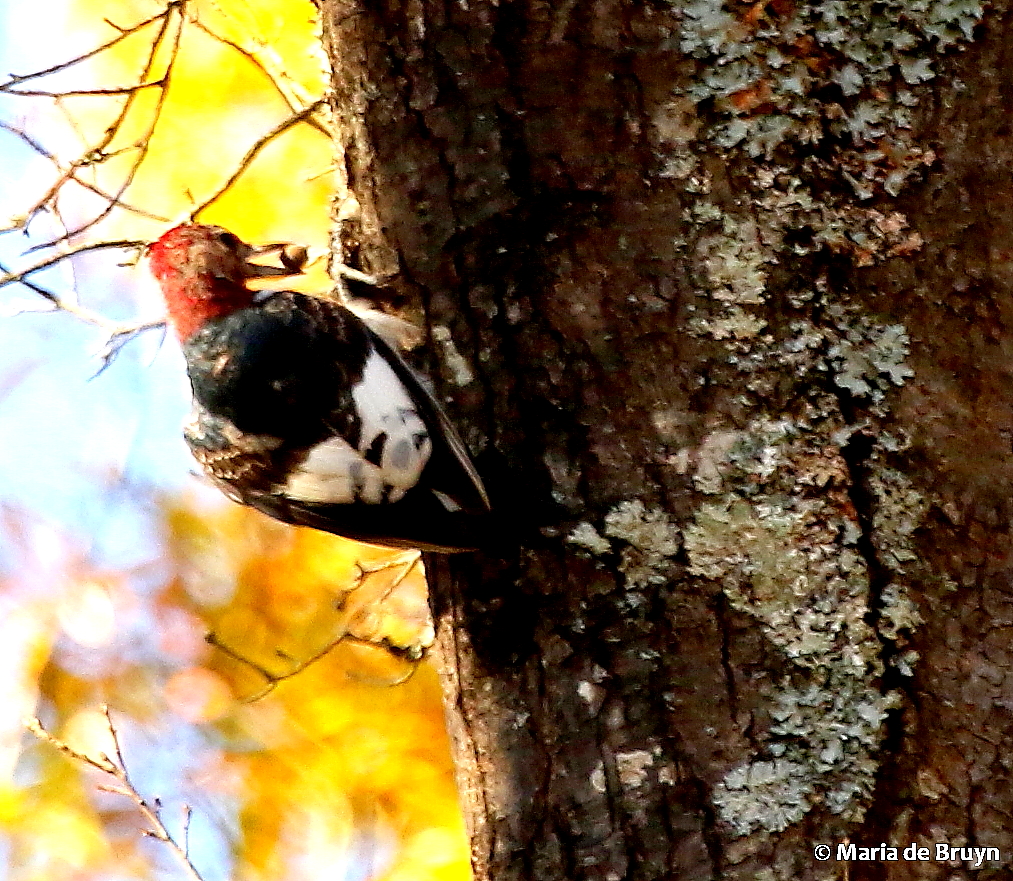


Red-headed woodpecker I77A7844© Maria de Bruyn signed       red-headed woodpecker I77A5149© Maria de Bruyn res

Northern cardinal I77A2153© Maria de Bruyn res

It may feel a bit sad when activity dies down at the feeders for a time, but if you can manage to have nut-, seed- and fruit-bearing vegetation around your home, you can still enjoy watching your avian friends forage – and the natural surroundings can make for lovelier photos, too!
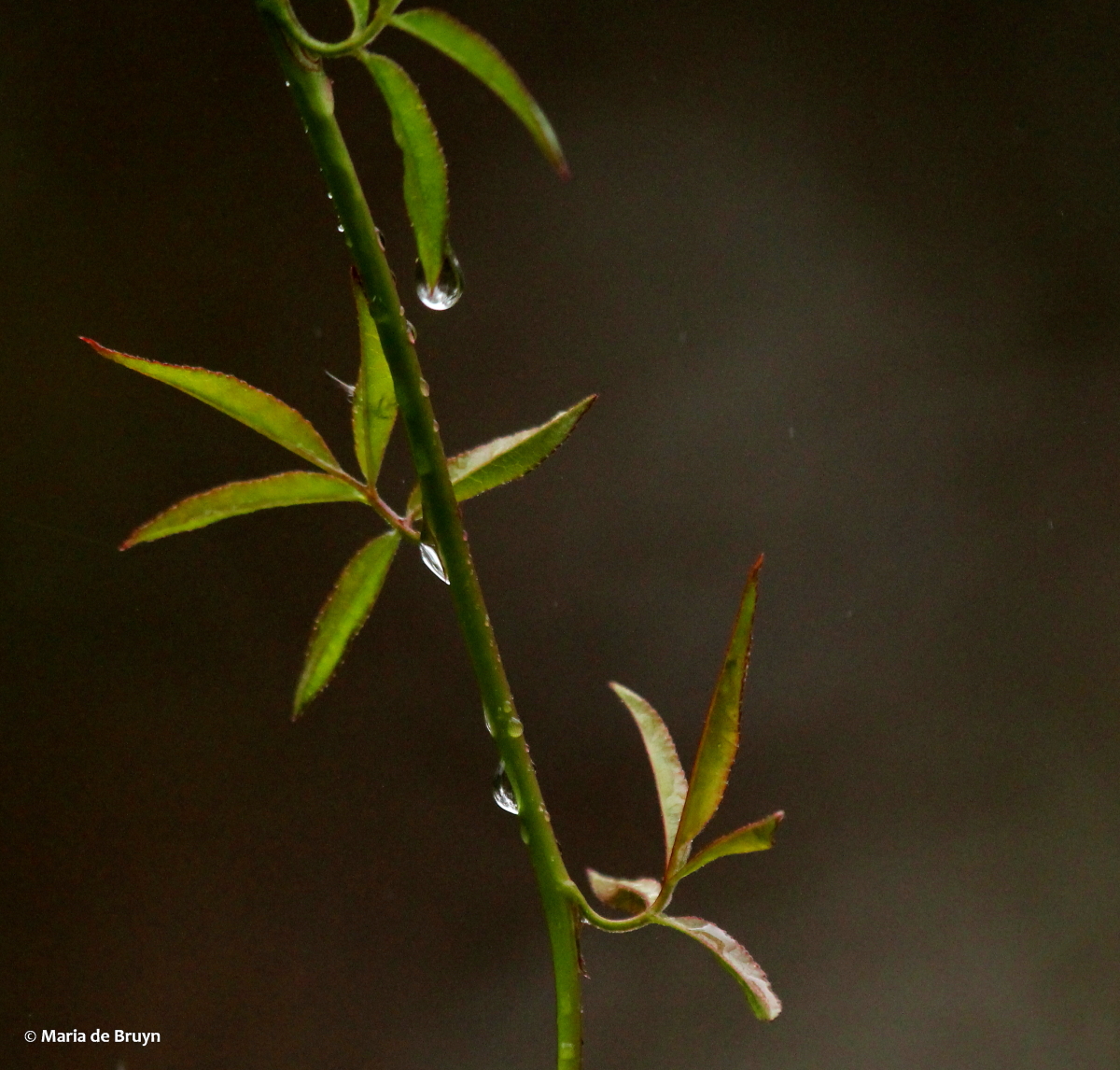
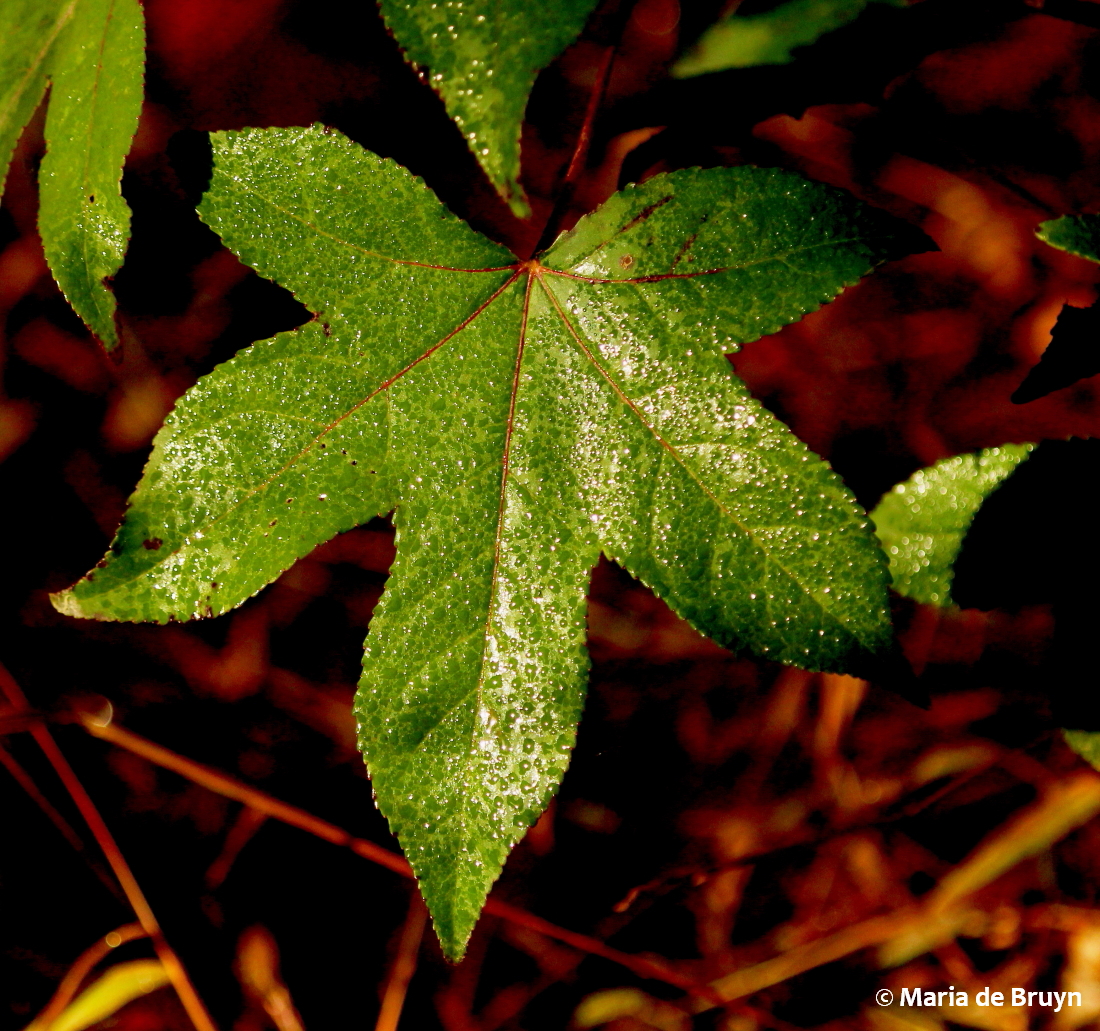
Rain drops, dewdrops and frost – Mother Nature’s adornments

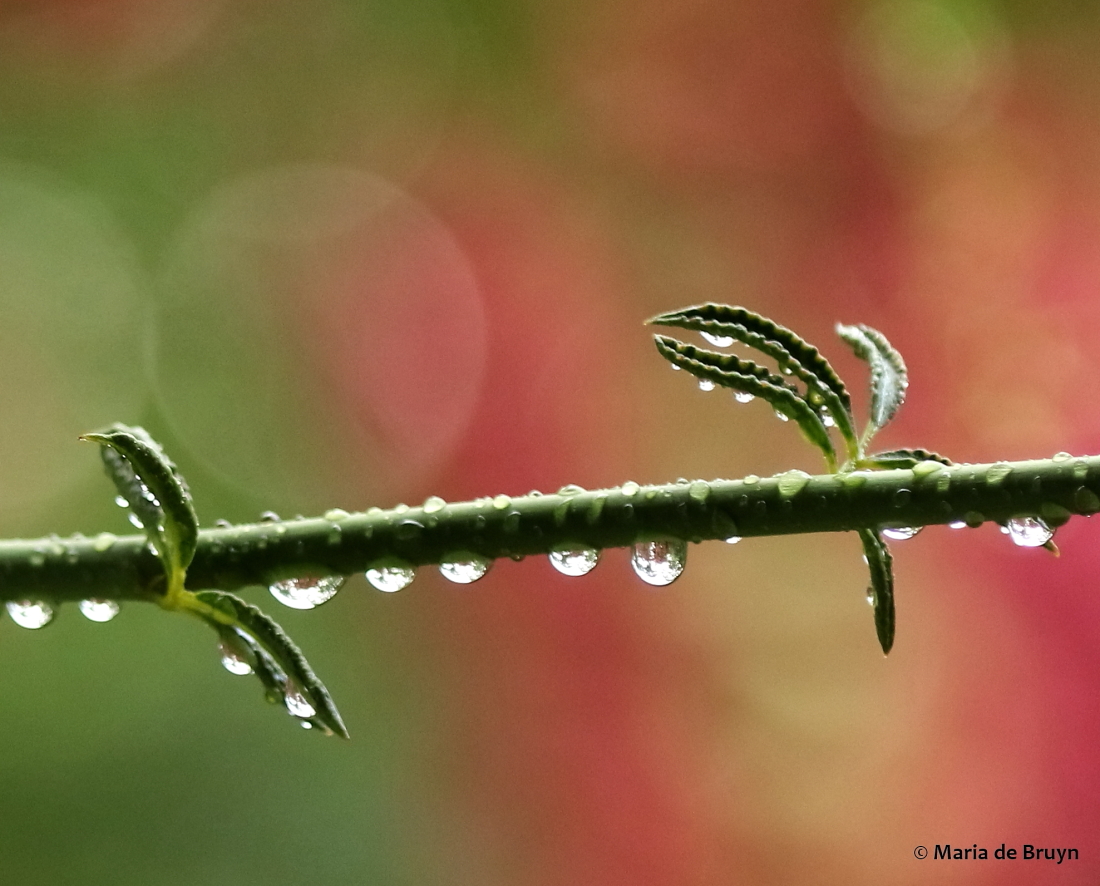
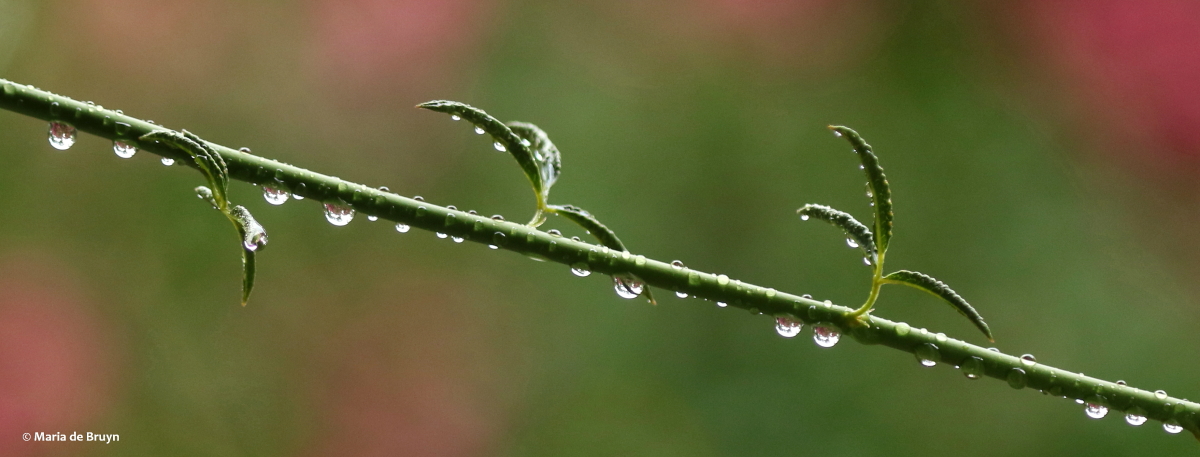
rain drops IMG_8843© Maria de Bruyn resDewdrops in the early morning, raindrops during the day, and frost covering everything outdoors can be seen merely as various manifestations of heavenly water on earth, but another way of looking at them can be as nature’s jewels. When light and sunshine illuminate the drops and crystals, they lend an air of elegance and beauty to whatever they have covered.

When it rains, leaves and blooms may look uniformly slick with moisture but we often see them covered in rain drops. Have you ever wondered why the rain drops are of different sizes?

dewdrops IMG_7571© Maria de Bruyn res day lily with rain drops IMG_5259© Maria de Bruyn res

The US Geological Survey’s Water Science School reports that water vapor wraps around particles in the air (salt, smoke, dust) which are of different sizes; then when the drops begin falling to earth, they bump into other drops and merge. The drops that merge with more “neighbors” become larger. Rain drops suspended from branches and leaves are quite lovely.

rain drops DK7A8019© Maria de Bruyn res rain drops DK7A8052© Maria de Bruyn 2 res

rain drops DK7A8020© Maria de Bruyn resruby-throated hummingbird DK7A8190© Maria de Bruyn resThey often roll right off birds’ feathers but occasionally adhere, as was the case for this ruby-throated hummingbird (Archilochus colubris) at a feeder sheltered by a roof overhang.

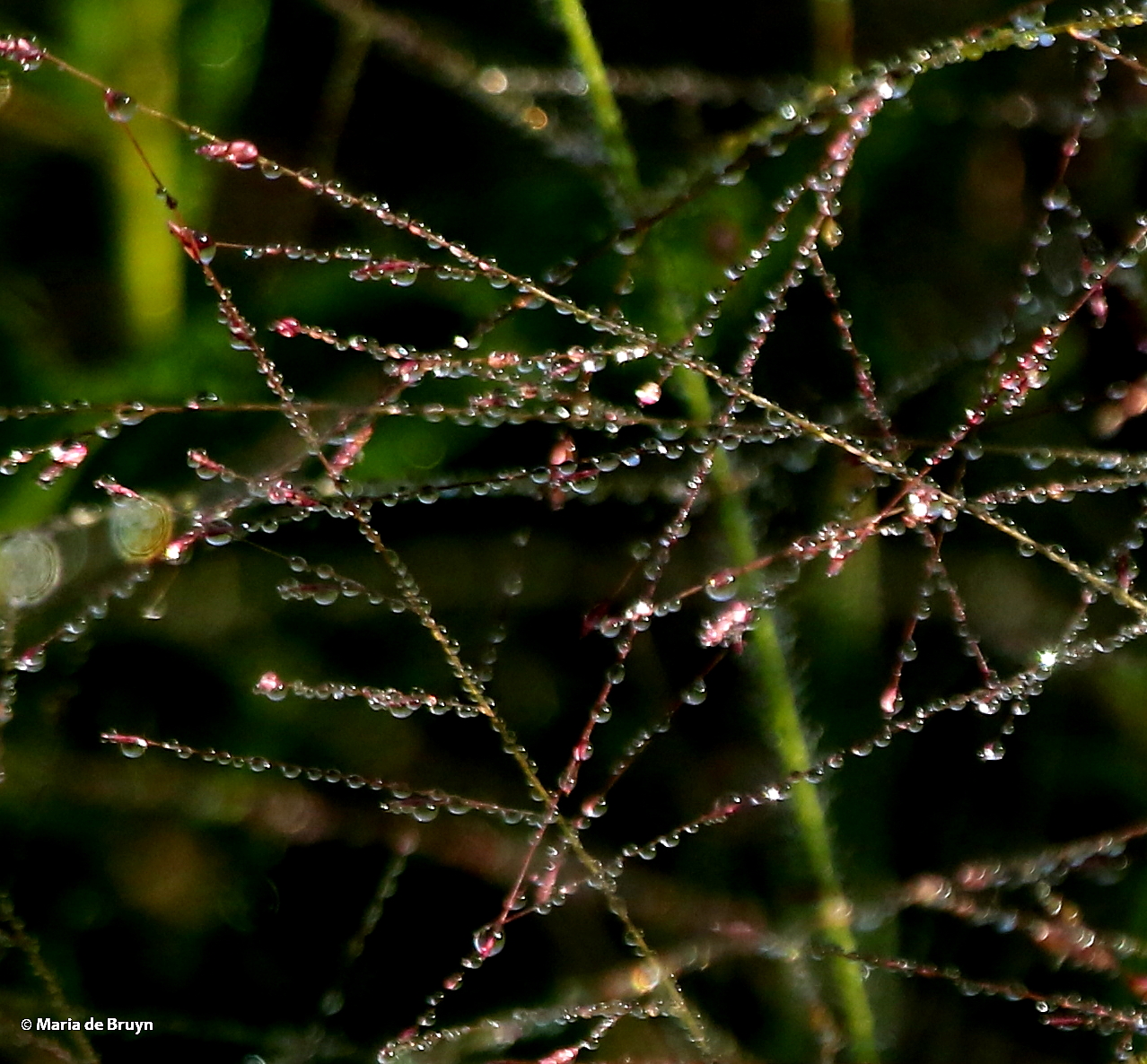
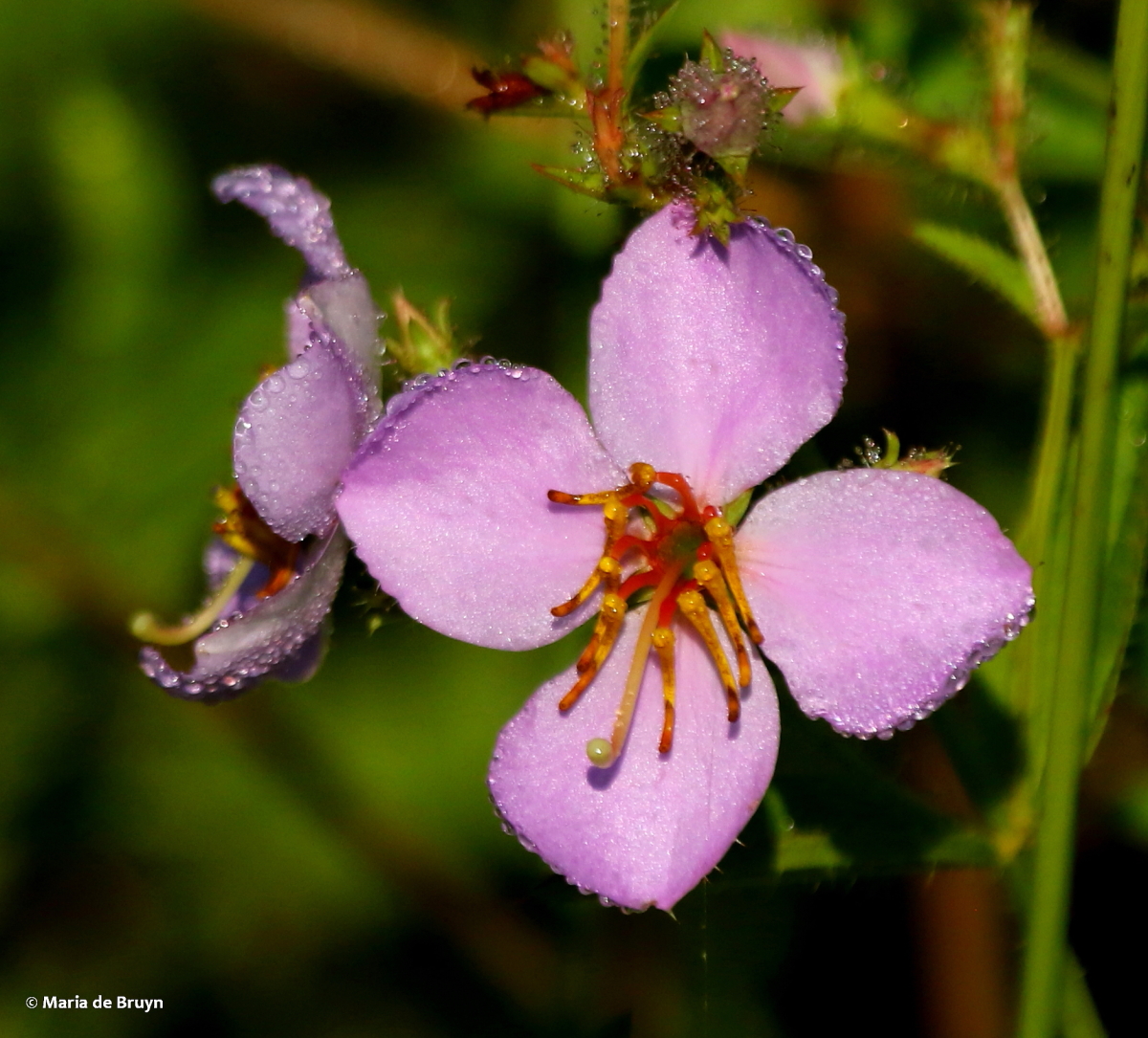
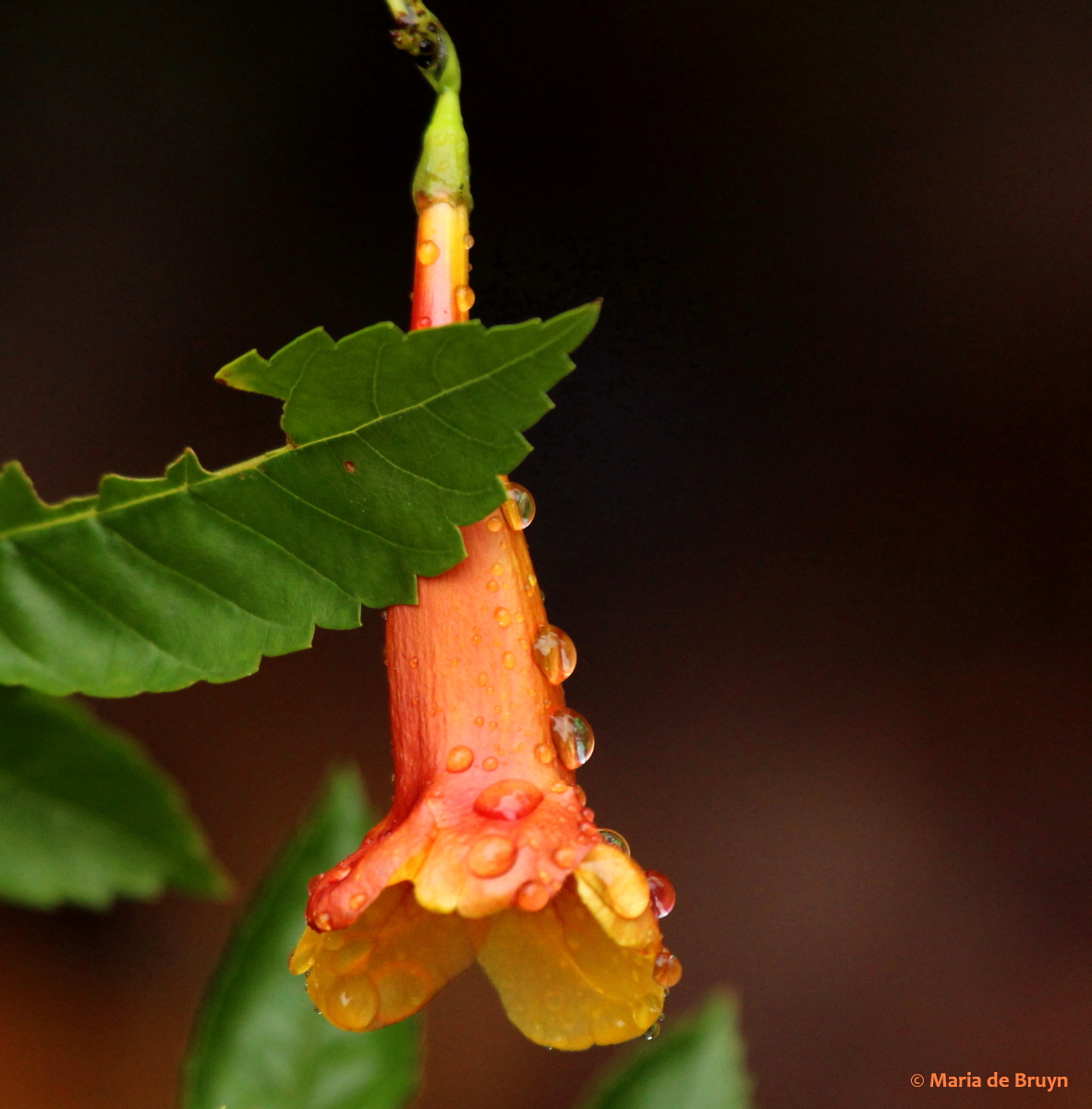
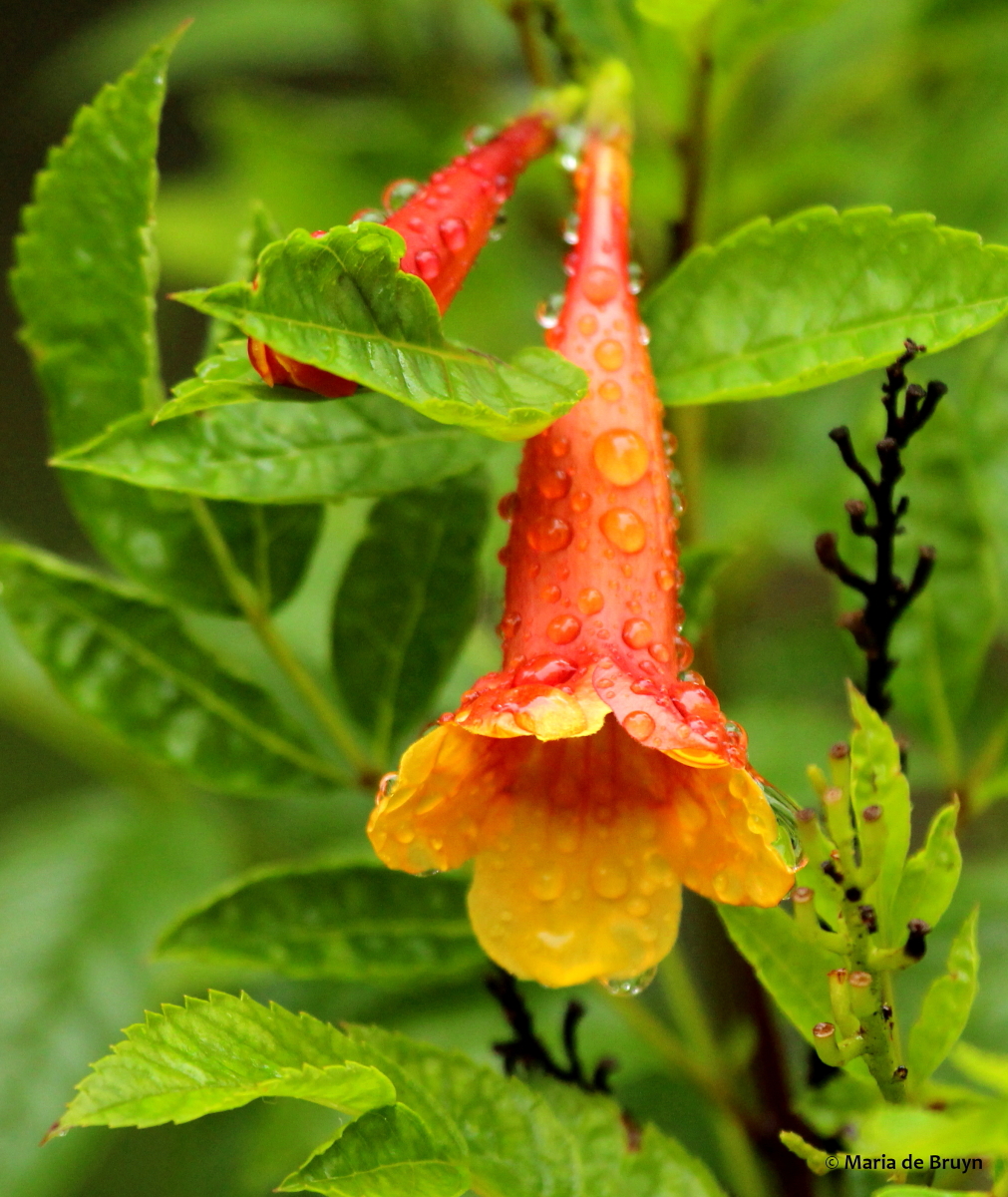
Dew – water droplets on surfaces of objects and vegetation – forms when an exposed surface cools down by radiating its heat and the moisture in the atmosphere then condenses faster than it evaporates. It looks beautiful on flowers and other plants, such as these grasses, the Virginia meadow beauty (Rhexia virginica) and the Orange mahogany esperanza (Tecoma stans “Orange Mahogany”).

dewdrops DK7A2989© Maria de Bruyngrass dewdrops DK7A3012© Maria de Bruyn res

Virginia meadow beauty DK7A3083© Maria de Bruyn res

Orange mahagony esperanza IMG_6425© Maria de Bruyn res Orange mahagony esperanza IMG_6414© Maria de Bruyn res

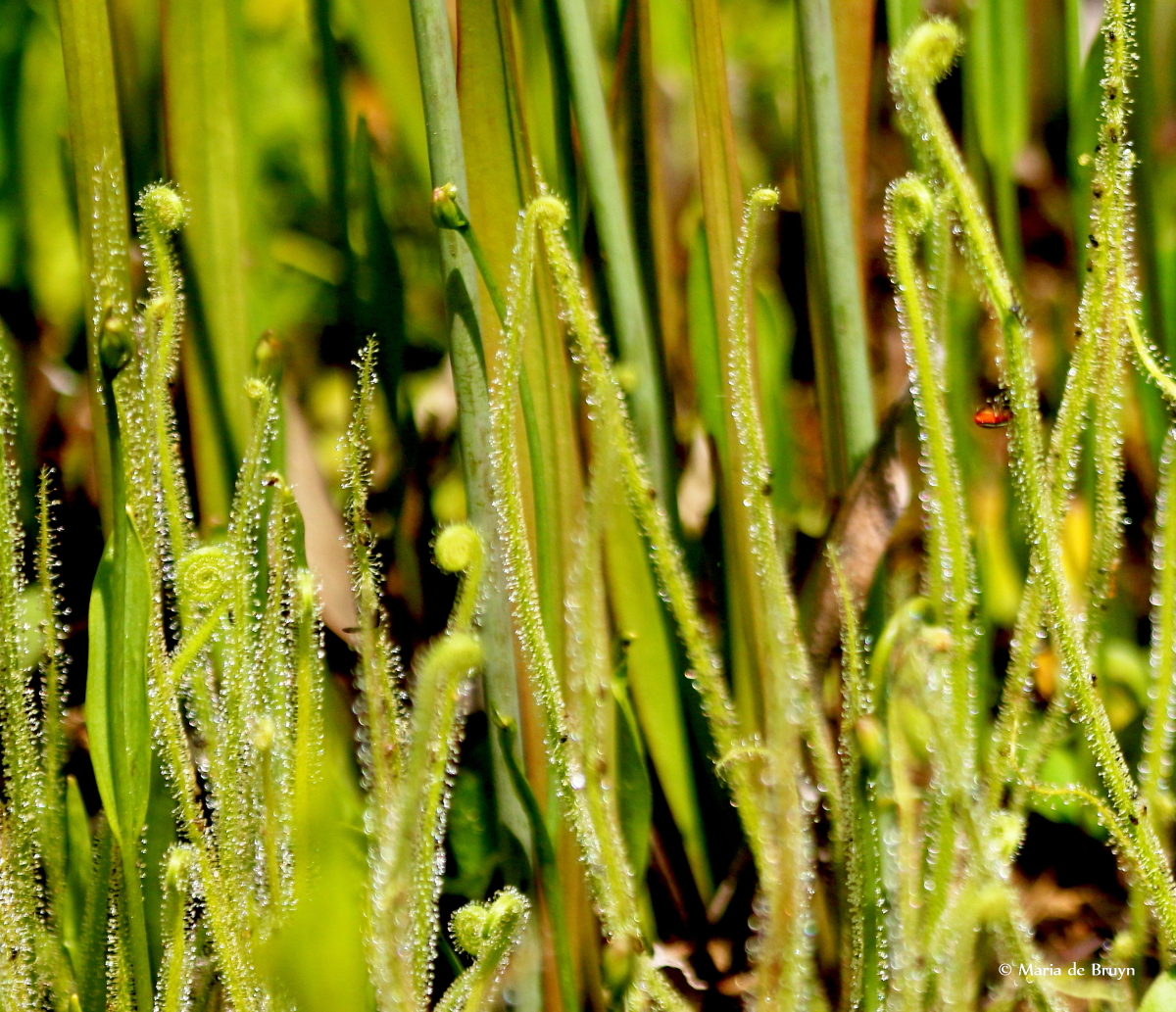
Some plants actually mimic dewdrops, like Tracey’s sundew.

Tracy's sundew DK7A5228© Maria de Bruyn res Tracy's sundew IMG_4952© Maria de Bruyn

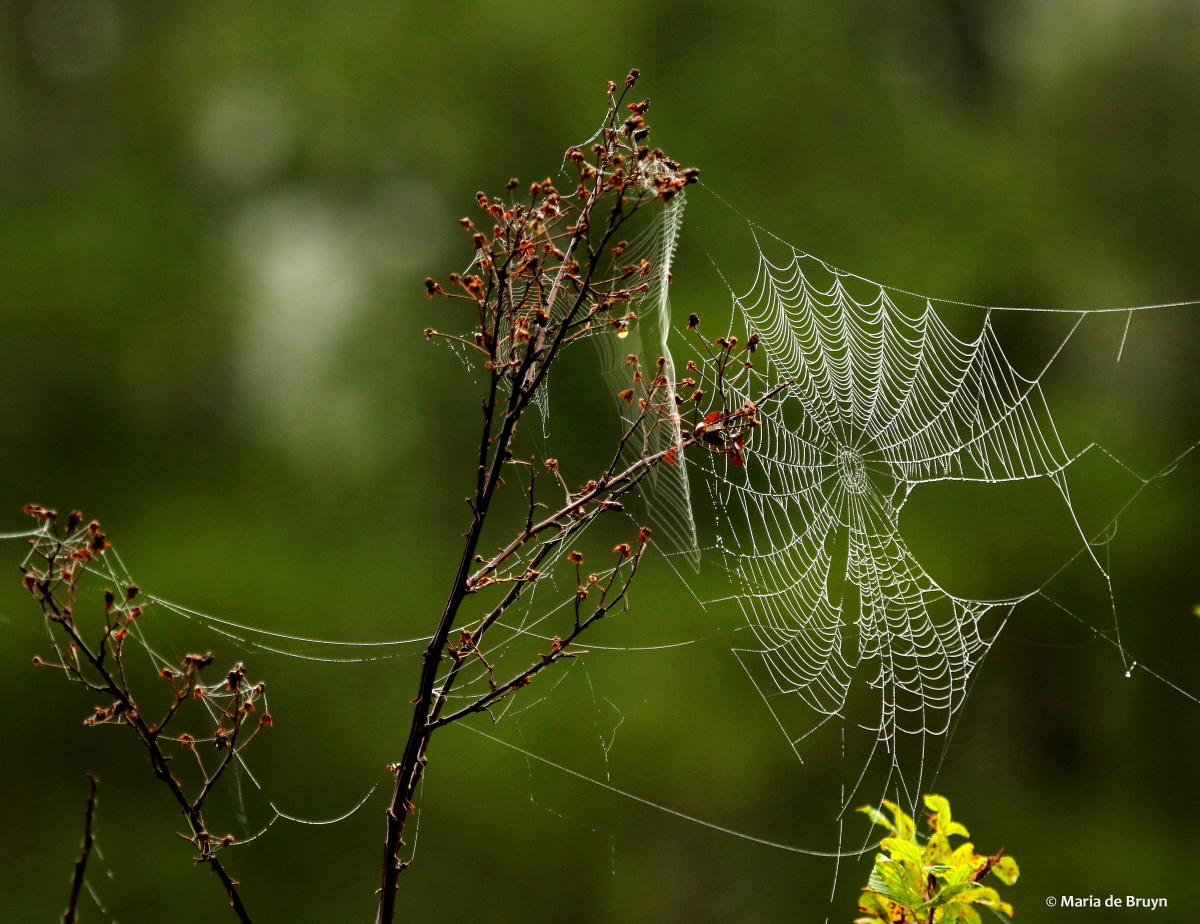
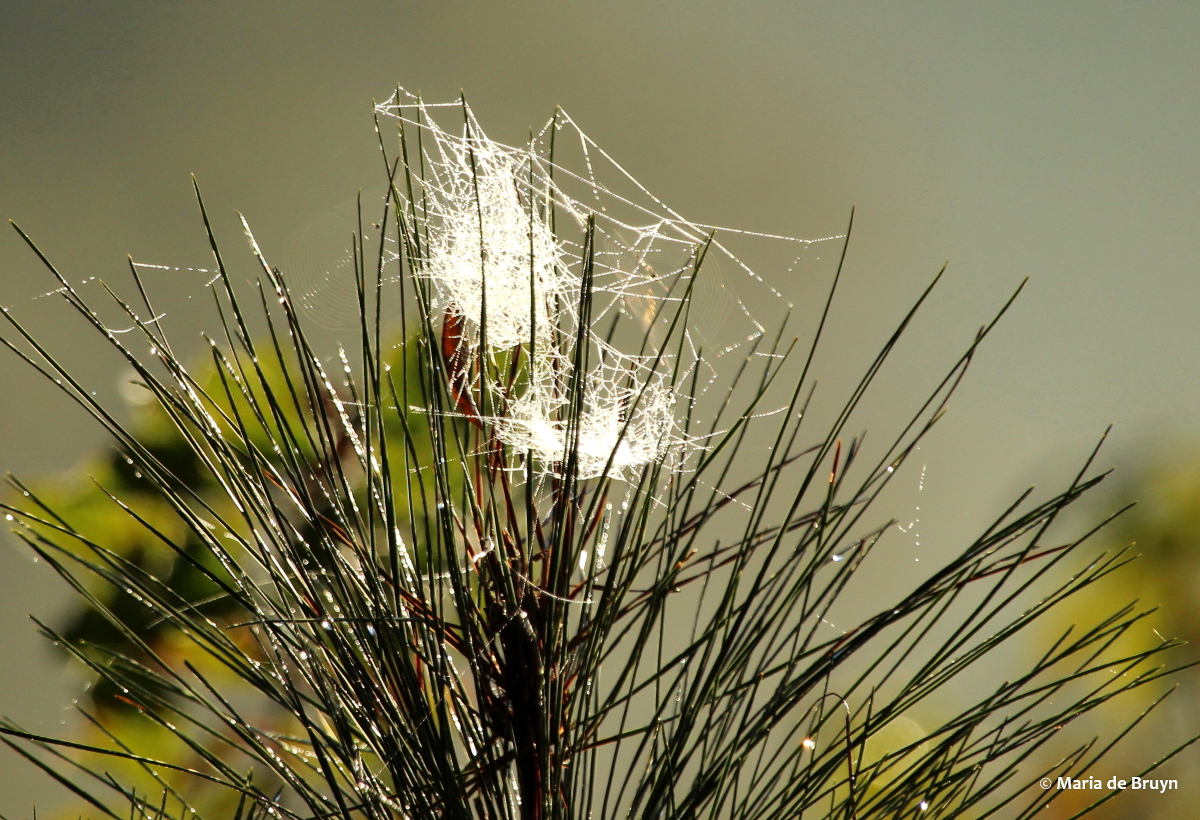
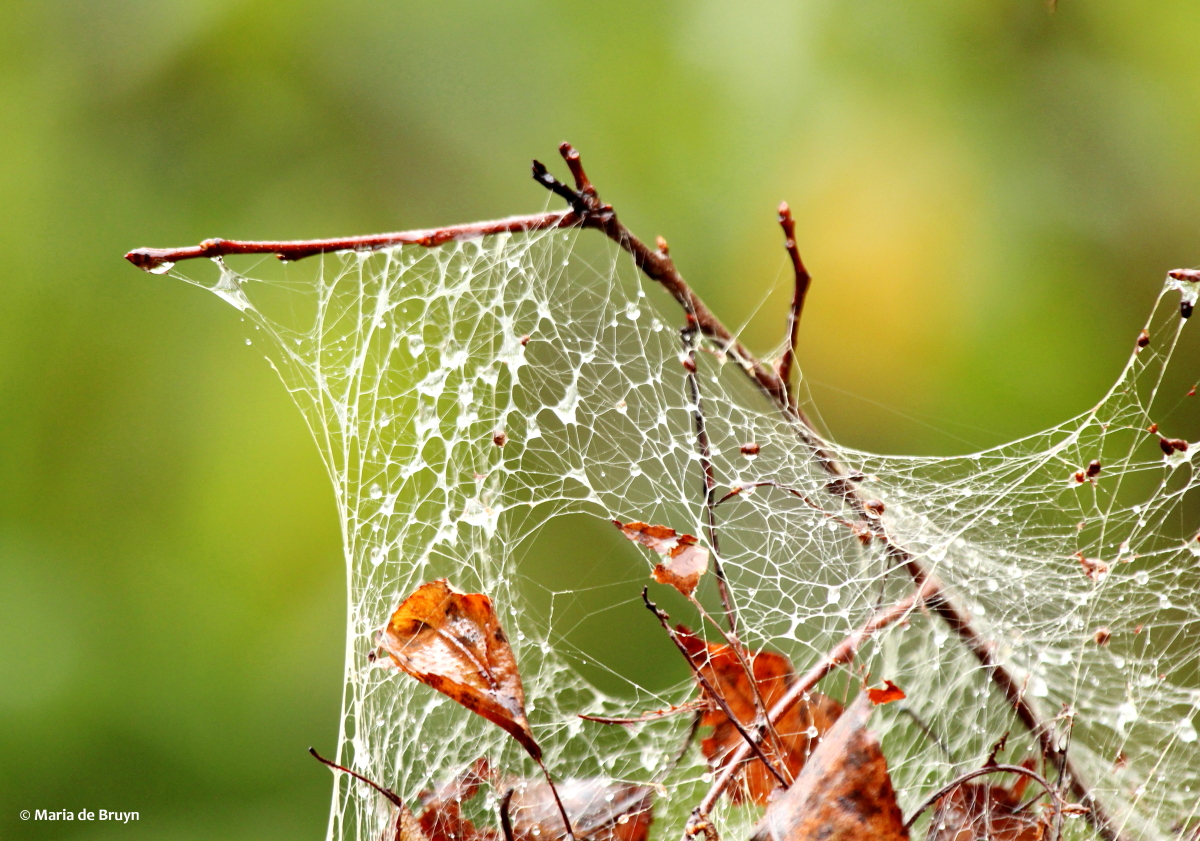
On spider webs, water and ice droplets outline the architecture created by the arachnids, showing off the symmetry and beauty of the lines.

spider web DK7A6479© Maria de Bruyn res spider web with dewdrops IMG_2683©Maria de Bruyn res

spider web with dewdrops IMG_6438© Maria de Bruyn res spider web with dewdrops IMG_6396© Maria de Bruyn res

sheetweb dwarf spider IMG_0959©Maria de Bruynsigned


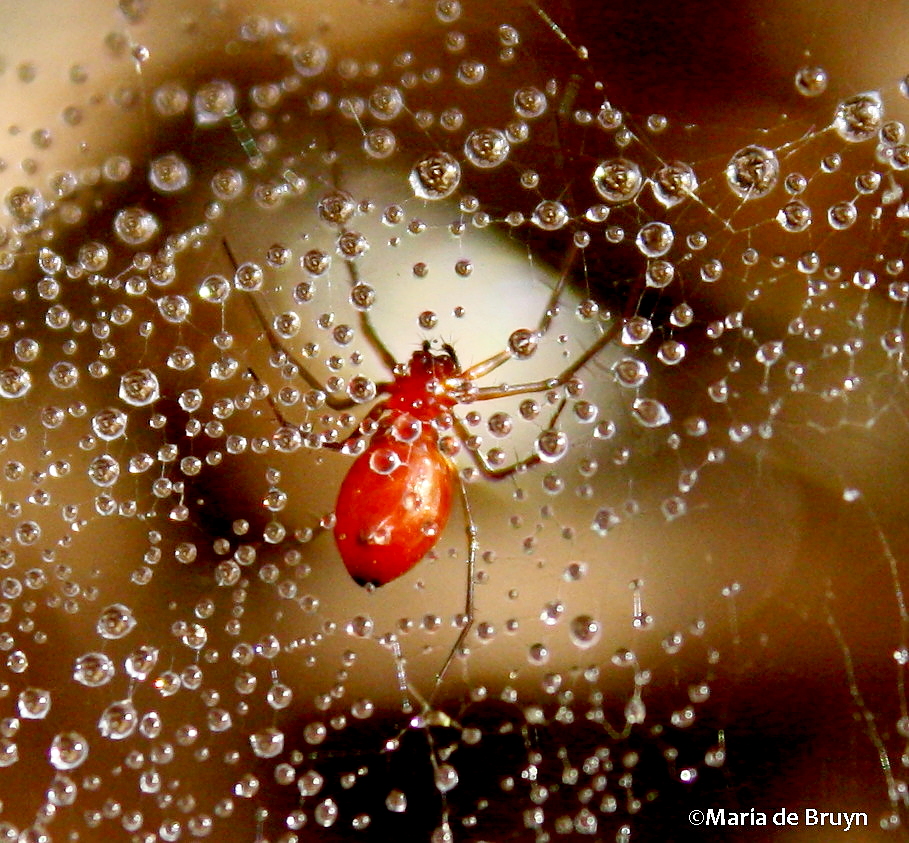
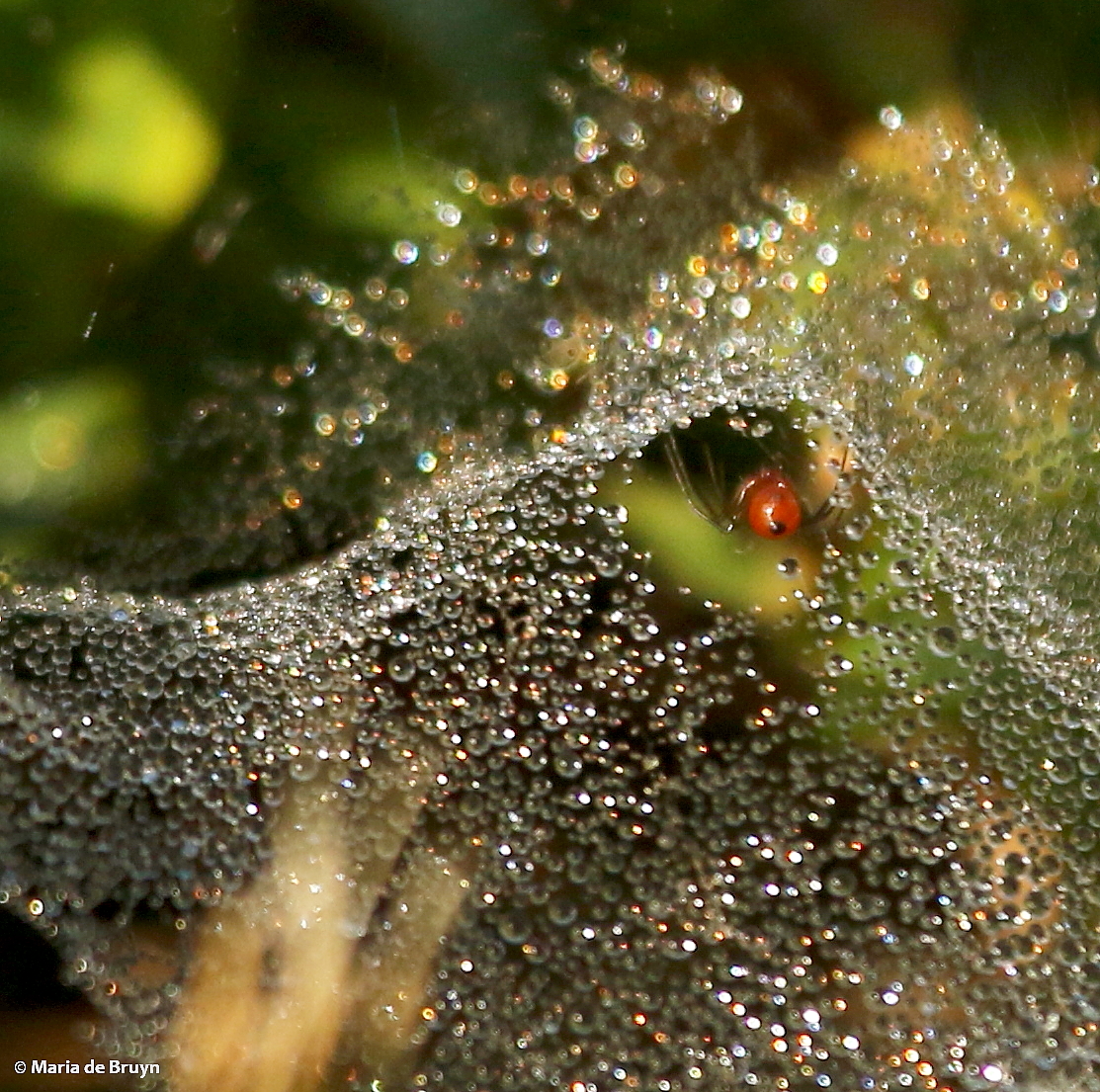
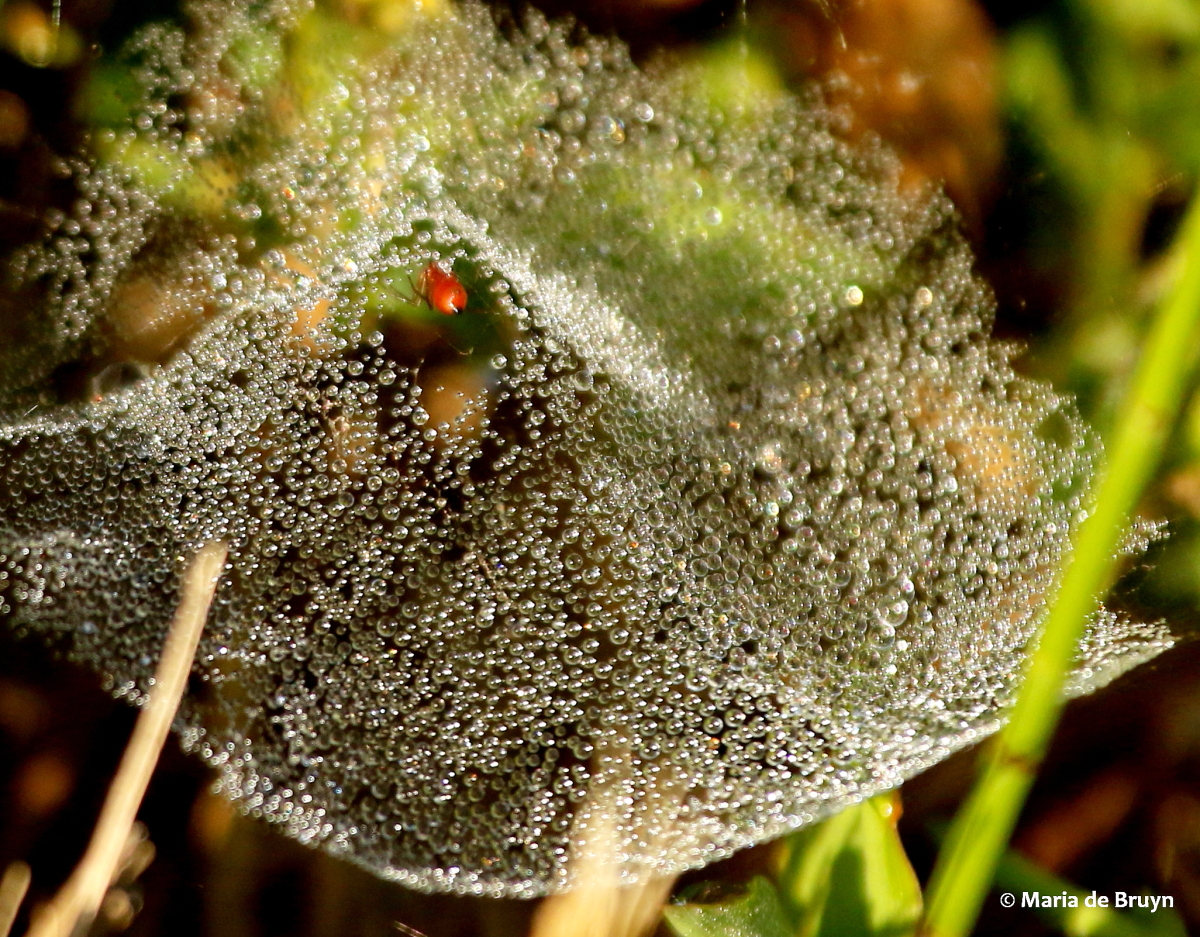
The webs of sheetweb dwarf spiders (Florinda coccinea), often not so visible in the grass, become quite noticeable when covered in dewdrops and then you can often spot the little red spider hanging underneath waiting for its prey.

sheetweb spider DK7A4086© Maria de Bruyn sheetweb dwarf spider DK7A4076© Maria de Bruyn res

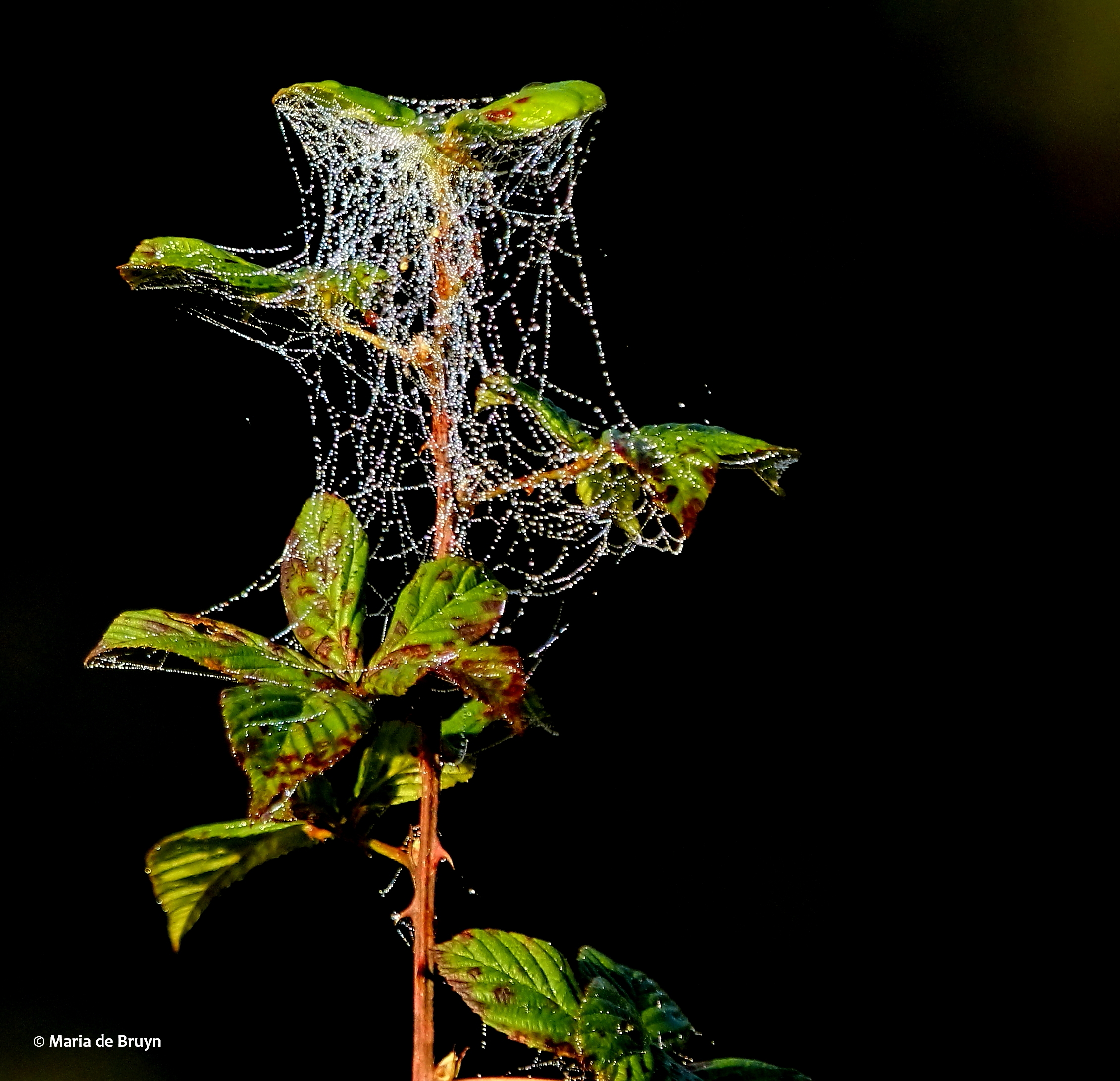
spider web splendor IMG_2727©Maria de Bruyn res


In this case, the plant looked like a natural jewelry stand for strings of glass or diamond beads.

It was interesting for me to learn that the Indian Institute of Management Ahmedabad (IIMA) and the International Organisation for Dew Utilization (OPUR) created a dew harvesting system for a semi-arid area in India. Their condensers can collect more than 200 liters of dew each night from October through May and could provide an additional water source for people in arid coastal regions.

Leaves and flowers, like this coral honeysuckle (Lonicera sempervirens) can seem bedecked with glistening jewels when the ice crystals of frozen dewdrops adhere to their surfaces and edges.

Coral honeysuckle DK7A6792© Maria de Bruyn resCoral honeysuckle DK7A6805© Maria de Bruyn res

frosty morning leaves IMG_7351©Maria de Bruyn Nat GeoFrost may appear to be translucent or crystal clear; when a mass of crystals are together, they look white in color because they scatter light in all directions. The ice crystals of wind frost (also known as advection frost) arise when a very cold wind blows over tree branches, leaves and flowers; they can form gorgeous borders on these surfaces.

Early morning can be a great time for nature walks – beautiful sunrises, brisk (or cooler) temperatures and awakening wildlife make for interesting viewing. And raindrops, dew and frost can add extra scenes of beauty for us to appreciate!

Yearning and burning for biological diversity

Burn 18 March 2015 DK7A1575© Maria de Bruyn resOn 18 March, a controlled burn again took place on 18 March at the Mason Farm Biological Reserve as part of the management strategy to promote the biological diversity of native plants at this nature refuge. During a controlled understory burn, the undergrowth of a defined area is set afire in a simulation of the wildfires that have historically been a part of meadow and forest ecology.

Burn 18 March 2015 IMG_1047© Maria de Bruyn resThe area to be burned is prepared by clearing a broad border of flammable materials such as leaves and twigs. If there are trees or plants that should remain but that could catch fire, for example because there are vines going up their trunks, the area around them can be raked clear or sprayed with water, creating a firebreak.


Burn 18 March 2015 IMG_1107© Maria de Bruyn resA controlled burn requires permission from safety authorities and is monitored by a team of people, some of whom will ignite the fire and others who will patrol the perimeters and help ensure that the fire is quenched before leaving for the day. Duties are assigned during pre-burn briefings and team members have copies of maps showing which sections of the designated burn area are their responsibility. They carry out a radio check before the burn begins to ensure they can be in communication when needed.

Burn 18 March 2015 IMG_1076© Maria de Bruyn resBurn 18 March 2015 IMG_1078© Maria de Bruyn res

Burn 18 March 2015 IMG_1157© Maria de Bruyn resdrip torch IMG_1156© Maria de Bruyn resAt Mason Farm, the fires were ignited in lines through the use of a drip torch, which allows the person wielding it to direct a stream of flaming fuel to the area to be burned.


Burn 18 March 2015 DK7A1407© Maria de Bruyn res Burn 18 March 2015 DK7A1393© Maria de Bruyn res

Perimeter and interior monitors use implements such as shovels, rakes, “fire flappers” (long-handled instruments with flexible ends to swat down flames and embers) and portable water sprayers to contain the burn within its boundaries.

Burn 18 March 2015 IMG_1117© Maria de Bruyn resBurn 18 March 2015 DK7A1460© Maria de Bruyn res

The burn at Mason Farm was ignited first in a small patch so that the team could observe the speed with which the fire spread and burned the ground vegetation.

Burn 18 March 2015 DK7A1421© Maria de Bruyn res Burn 18 March 2015 IMG_1080© Maria de Bruyn res

Burn 18 March 2015 IMG_1090© Maria de Bruyn resBurn 18 March 2015 IMG_1119© Maria de Bruyn resThey also paid careful attention to the wind direction, which could transport embers and bits of burned debris away from the burn site.

Burn 18 March 2015 DK7A1427© Maria de Bruyn res Burn 18 March 2015 DK7A1446© Maria de Bruyn res

Controlled burns are important in eradicating invasive plants (e.g., Microstegium vimineum, commonly known as Japanese stiltgrass) and enabling native plants to thrive. Some plants are fire-resistant and suffer little damage during a burn. A variety of grasses, flowers and trees need fire for their seeds to germinate, while other plants may need less dense areas as prime growth habitat. Some of the minerals contained in slowly decaying plant matter become soluble and more available in ash, contributing to quicker rejuvenation of the soil.

Burn 18 March 2015 IMG_1120© Maria de Bruyn resBurn 18 March 2015 DK7A1520© Maria de Bruyn res

Some areas of the work area burned quickly and turned into smoldering ash that occasionally flared up with a rise or turn of the wind. During this burn, some patches did not catch fire; others at first appeared immune to the fire only to burst into flame after some time.

Burn 18 March 2015 IMG_1154© Maria de Bruyn resThe flames could be quite beautiful and even mesmerizing as they flickered and flashed.

Burn 18 March 2015 DK7A1627© Maria de Bruyn res Burn 18 March 2015 DK7A1577© Maria de Bruyn res

At times the wind turned and brought smoke in our direction, obscuring the view but then the wind shifted again and we could see the crackling, shifting fire on logs and stumps.

Burn 18 March 2015 DK7A1496© Maria de Bruyn res Burn 18 March 2015 DK7A1498© Maria de Bruyn res

Burn 18 March 2015 DK7A1573© Maria de Bruyn resA concern for wildlife lovers is the possible demise of animals during a burn. Birds may lose nests but if the burn takes place outside the breeding season, the majority of birds can fly to safety. Many mammals can flee to other areas, while some reptiles and amphibians can burrow into the ground and survive. Occasionally, some animals may perish such as slow-moving turtles and arthropods (e.g., spiders) and insects. That is certainly a sad and regrettable outcome but team members sometimes can help rescue fleeing wildlife. During this burn, the marbled salamander larvae (Ambystoma opacum) continued to swim about placidly in a vernal pool in the woods across from the fire.

Marbled salamander DK7A1338© Maria de Bruyn resOverall, promoting a healthy environment for native plants not only helps restore the natural environment but is also important for wildlife species that depend on the fire-dependent plants for sustenance and habitat. Watching a burn can be an interesting and educational experience. People who want to participate in controlled burns can volunteer for this with the managers of preserved natural areas.


Russet-colored shorebird beauties – feminists among the waders!

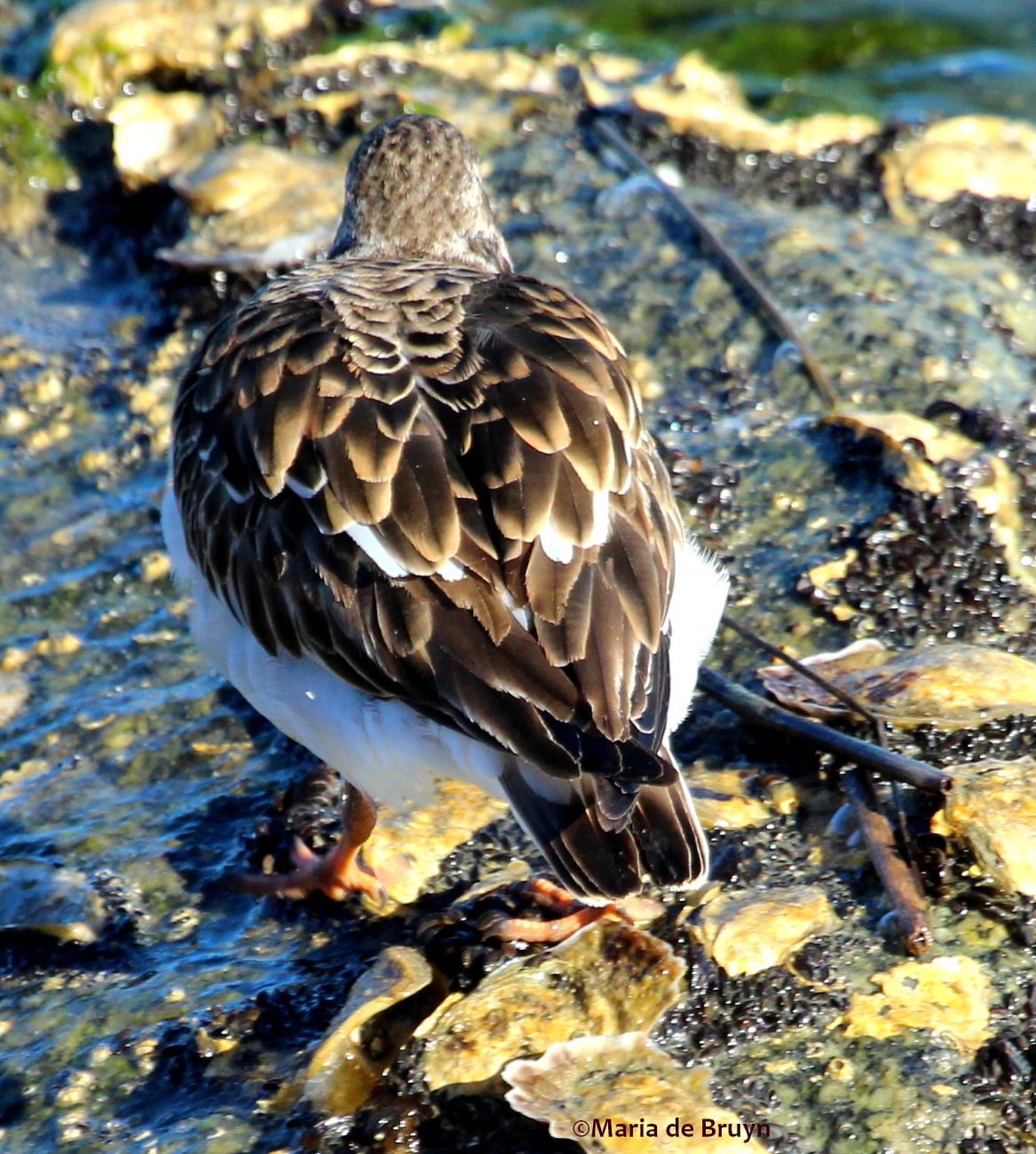
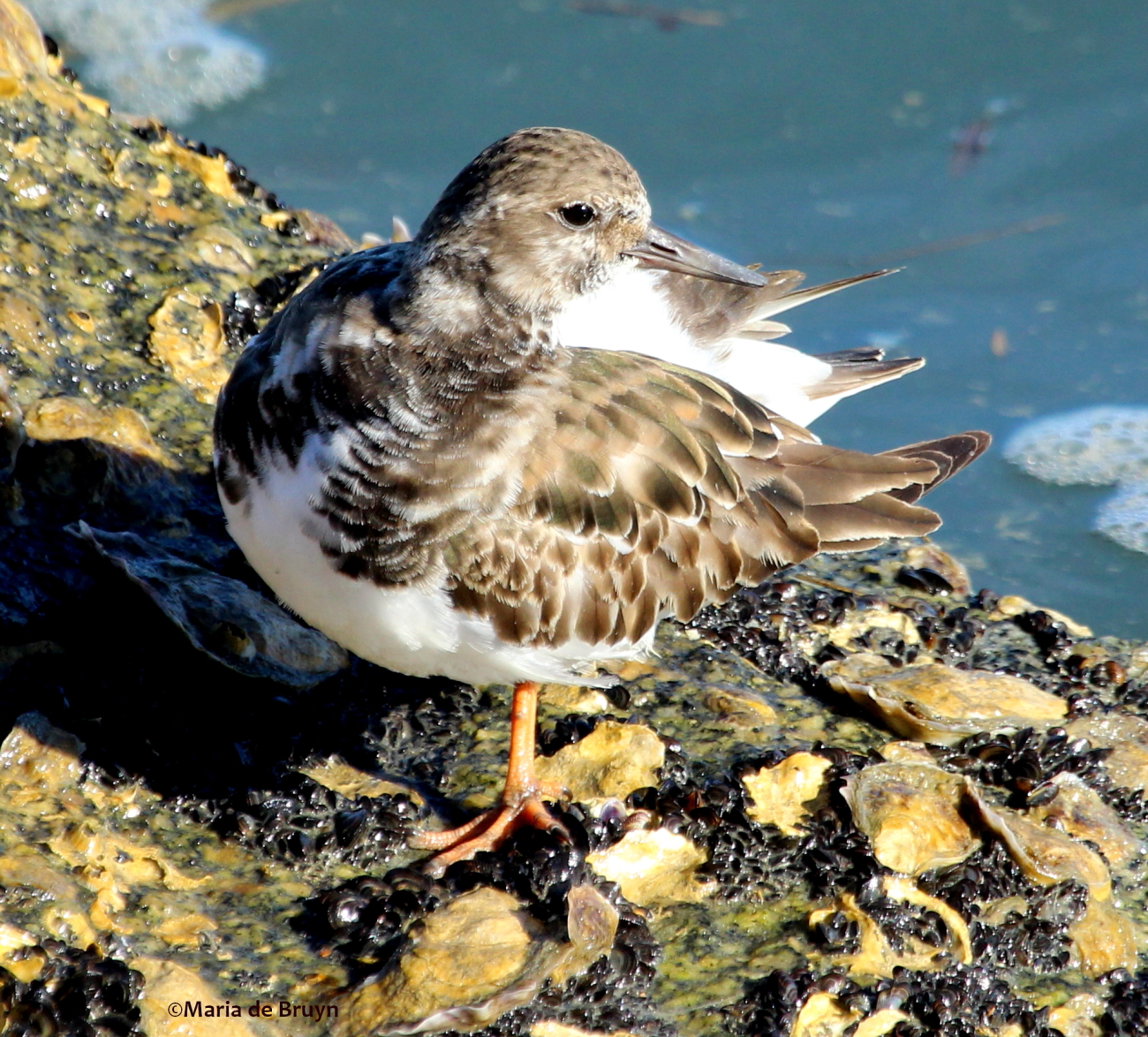
ruddy turnstone IMG_8605©Maria de Bruyn resOne of my favorite shorebirds is the small sandpiper called a ruddy turnstone (Arenaria interpres). Their coloring is a mix of black, white and reddish colors, with adults being more brightly colored when mating and breeding.

These birds are very territorial during the breeding season; they recognize variations in plumage patterns and can identify individuals, which helps them chase away intruders into their territories. Pairs are monogamous when breeding and may mate for several years.

ruddy turnstone IMG_0329©Maria de Bruyn resruddy turnstone IMG_8596©Maria de Bruyn res

ruddy turnstone IMG_8651©Maria de Bruyn resWhen they fly, a stunning pattern is revealed in their spread wings, with striking white patches and bars.

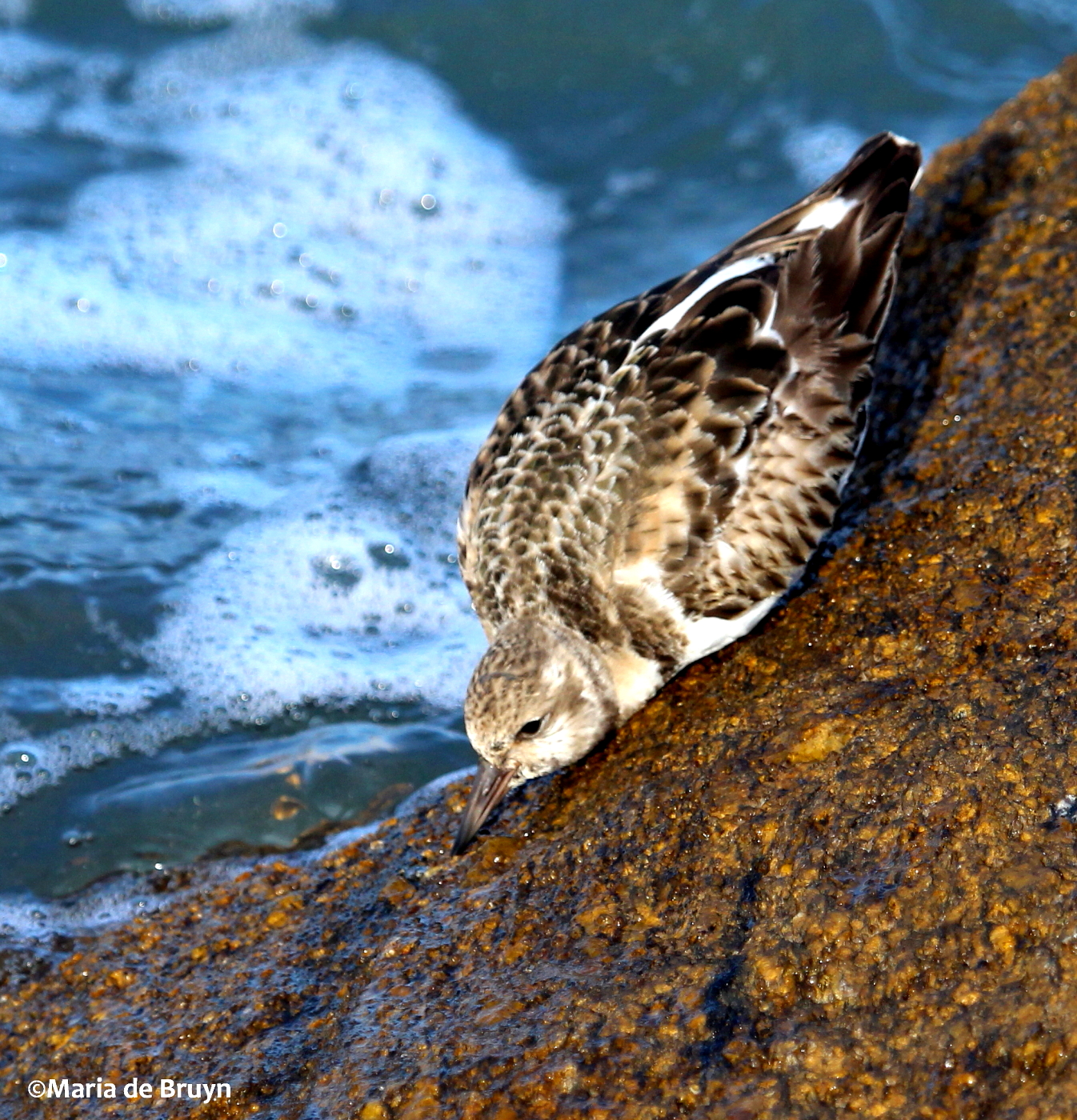
The name turnstone comes from the fact that the birds tend to turn over stones while foraging for insects, crustaceans, worms and mollusks. Several birds may cooperate to overturn larger rocks. This carnivorous diet is supplemented with moss, fruit and berries. Occasionally, the turnstones have also been seen to prey on the eggs of other birds but this behavior appears to be uncommon.

ruddy turnstone IMG_0337©Maria de Bruyn resruddy turnstone IMG_8654©Maria de Bruyn res

They search for their food on rocky outcroppings, among stones, in sand and the ground, inserting their bills into the earth or flipping over seaweed to find meals hidden there.

ruddy turnstone IMG_8629©Maria de Bruyn res ruddy turnstone IMG_8619©Maria de Bruyn res

ruddy turnstone IMG_8782©Maria de BruynThese small birds breed in Northern arctic and tundra regions and then migrate South in the winter, quite often returning to the same wintering grounds each year. Their chicks leave the nest within hours after hatching and abandon the nest within a day. It is the males who take on the major childrearing tasks, guarding the territorial perimeters and warning the female when predators (owls, merlins, gulls, foxes) are near. They also show the young fledglings where to find food after the females have left to pursue other activities.

Outside breeding season and during winter migration, the birds are quite sociable. They have been seen preening and grooming for long periods.

ruddy turnstone IMG_0284©Maria de Bruyn res ruddy turnstone IMG_0305©Maria de Bruyn res

ruddy turnstone IMG_0278©Maria de Bruyn resruddy turnstone IMG_0317©Maria de Bruyn resruddy turnstone IMG_0206©Maria de Bruyn res

The populations of ruddy turnstones are fairly stable and they are not threatened at this time – good news for the bird lovers among us!

A marine mystery for the uninitiated

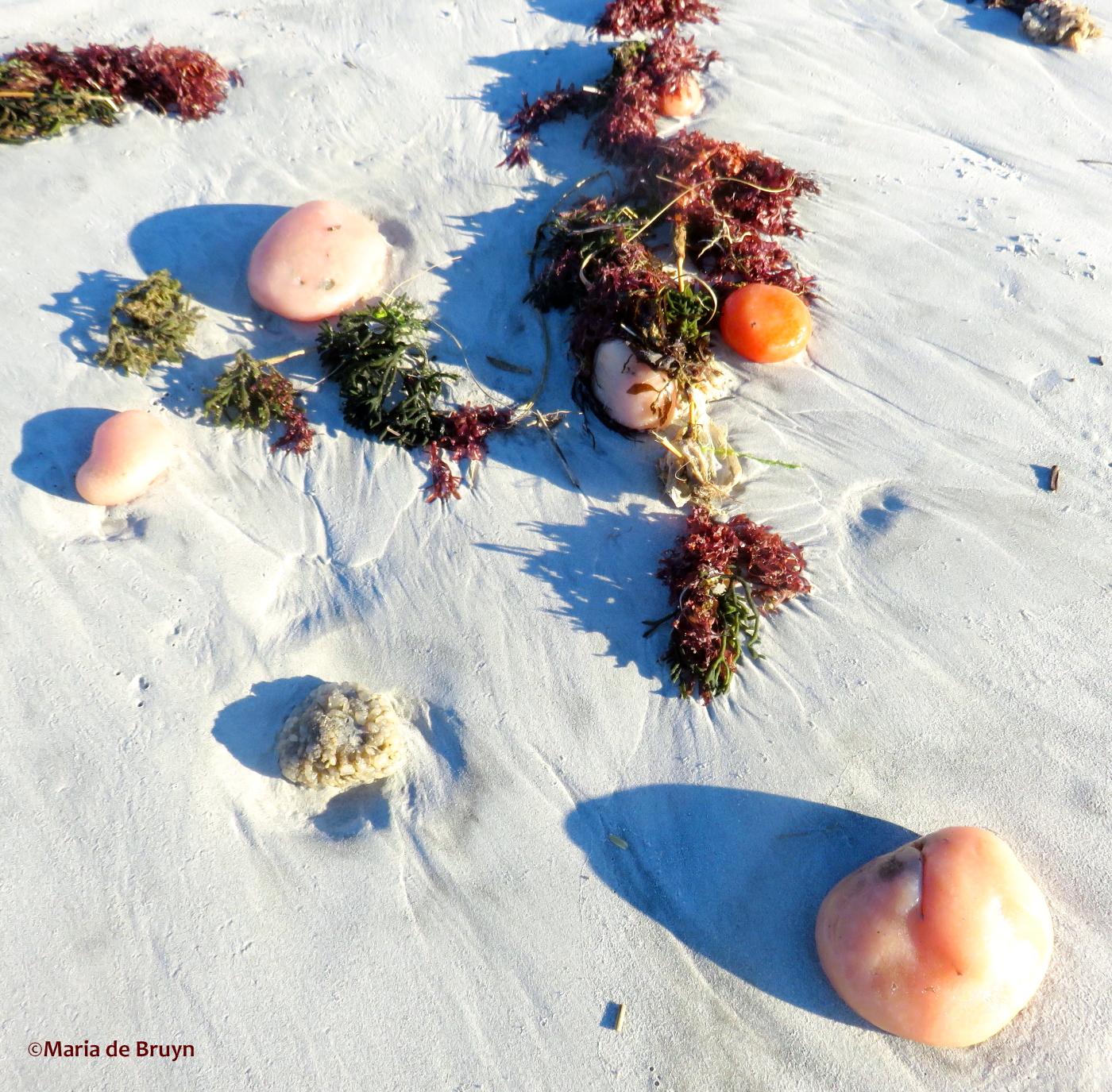
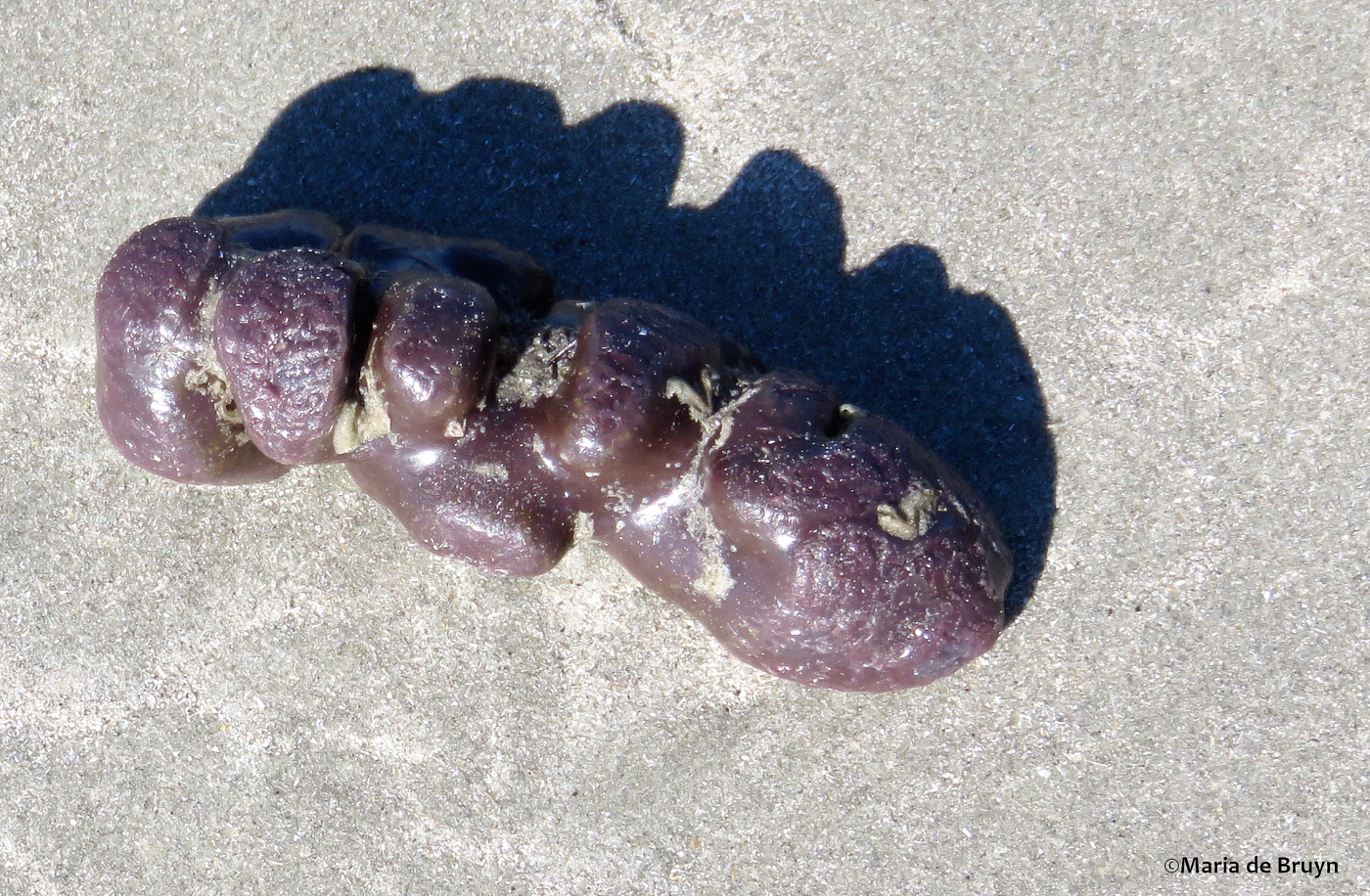
sea pork IMG_0159_1©Maria de Bruyn resFor my friends who know me as a staunch vegetarian, it might come as a surprise that I have become fascinated with sea pork (Aplidium stellatum). It is one of the most colorful yet odd forms of sea life I have personally encountered.

My introduction to this interesting creature occurred on Topsail Island in May 2013, where I found two specimens on the beach.

Sea pork IMG_7631© Maria de Bruynres sea pork IMG_7029© Maria de Bruyn

sea pork IMG_0136_1©Maria de Bruyn res

Then, on 19 January this year, I saw some sea pork again – oodles and oodles of it, actually, accompanied by sea liver as well!

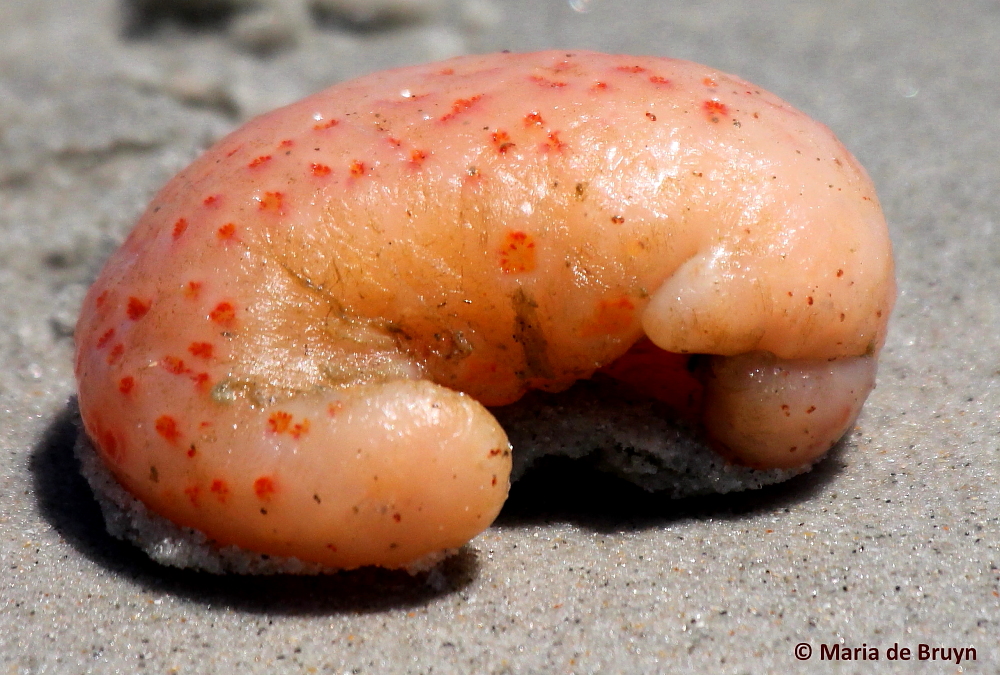
So what is sea pork, you might ask? Each blob or globule is a tunicate: an invertebrate animal that can be one individual or a collection of individuals that reproduce to form colonies measuring an inch or more in height. The larvae look a bit like tadpoles until they join to create the colonies, living in water-filled sac-like structures that are rubbery or cartilaginous to the touch.

sea pork IMG_0152_1©Maria de Bruyn ressea pork IMG_0161_1©Maria de Bruyn resThese creatures are marine filter feeders. The sacs have two tubular siphons, through which water is drawn in and expelled during feeding and respiration. The zooids extract nutrients from the water.

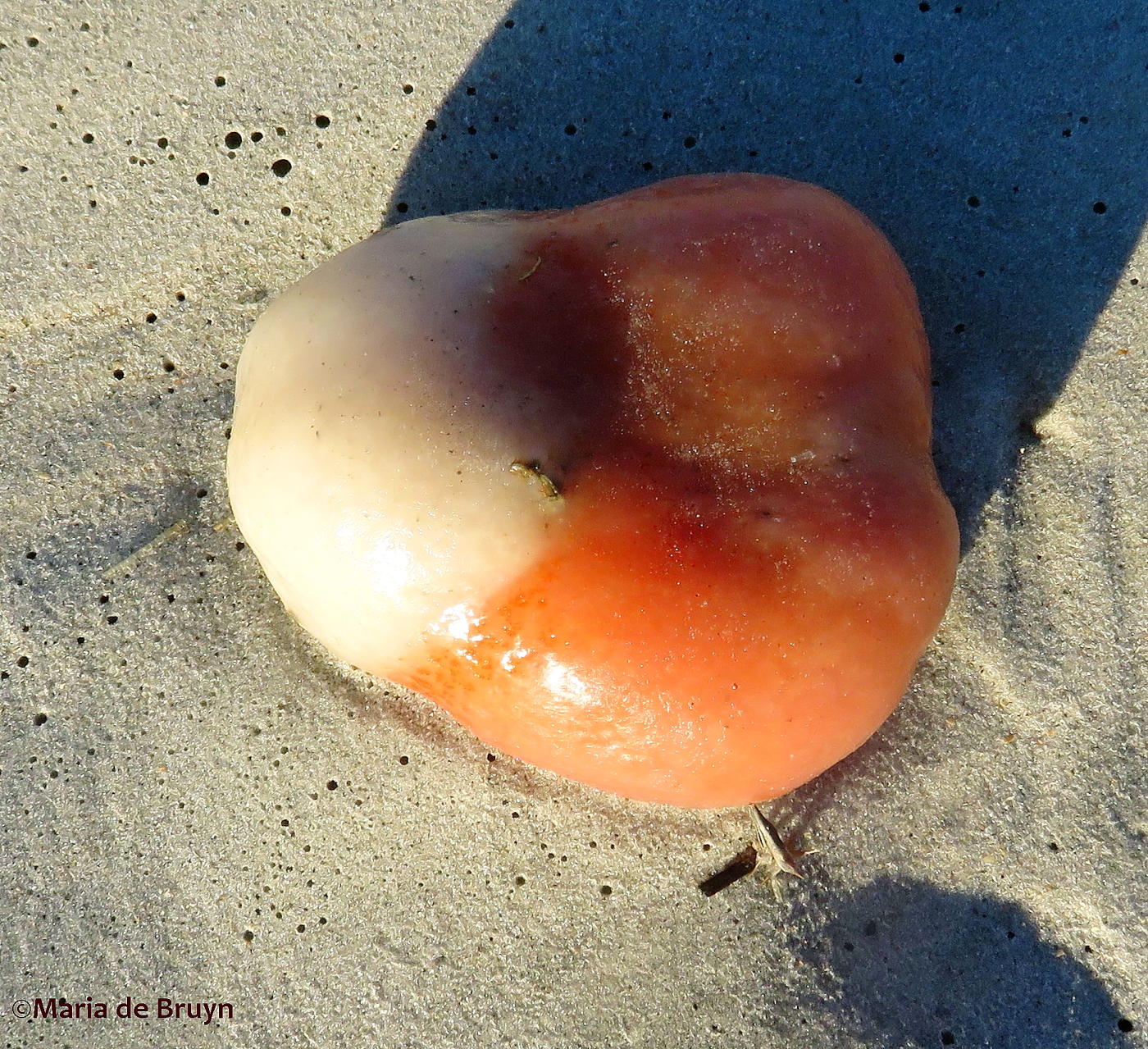
What are zooids? These are the reddish-colored individuals that form a colony. You can see them in circular groups under the sac’s tunic, which varies in color, including creamy pinks, orange, green, red, lavender, deep purple and black. The colonies can become large, spreading 12 inches or more and weighing up to 10 pounds.

sea pork IMG_0153_1©Maria de Bruyn res sea pork IMG_0154_1©Maria de Bruyn res
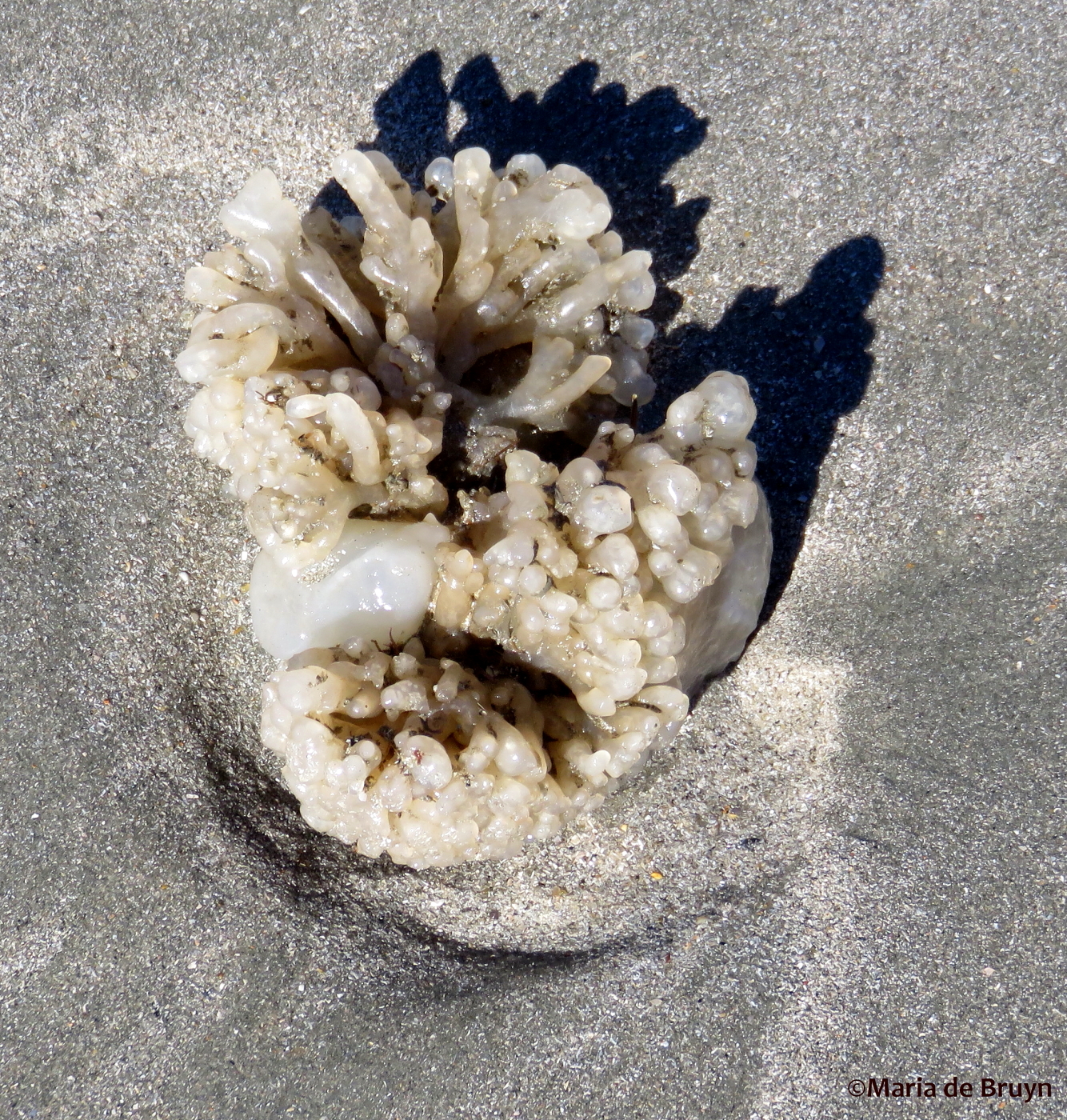
Sea pork was given this name because the rubbery tunic bleaches to white, resembling salt pork or fatback, after the colony dies. While alive, sea pork is eaten by bottom-dwelling fish, sharks and skates.

sea pork IMG_0144_1©Maria de Bruyn res sea pork IMG_0190_1©Maria de Bruyn res
Apparently other creatures also find a home on sea pork, including barnacles and sea whips (Leptogorgia).

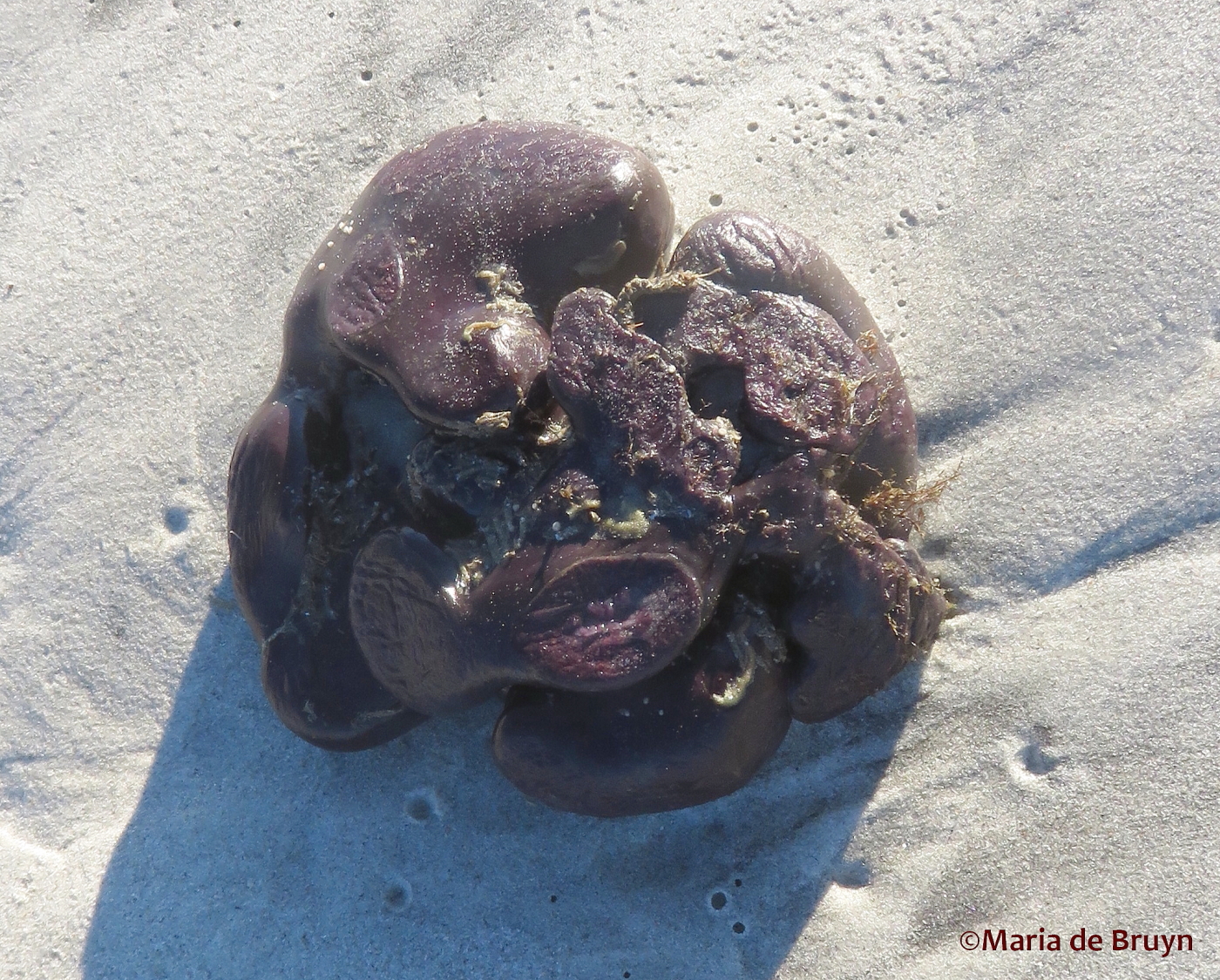
Sea pork with barnacle IMG_0141_1©Maria de Bruyn ressea pork and sea whip IMG_0126_1©Maria de Bruyn resSea liver (Eudistoma hepaticum) looks similar to sea pork, but the tunic is softer. It is said to feel slimy in comparison to sea pork but the consistency seemed the same to me.

sea liver IMG_0186_1©Maria de Bruyn ressea pork IMG_0147_1©Maria de Bruyn resHowever, the difference may be more apparent when they are in their natural habitat, fastened to the sea floor or some other substrate rather than torn loose from their underground homes and cast ashore.

I spent some time throwing live sea pork back into the ocean until I came on a stretch of beach that was covered with these blobs; I hoped the tide would come in and carry the creatures back to their watery homes where they might continue their colonial lives.


unknown alga IMG_0177_1©Maria de Bruyn resI now have a query in to a Smithsonian marine botanist for help in identifying this organism. A scientist at the North Carolina Museum of Natural Sciences ruled it out as a marine invertebrate and said he and colleagues surmised it is a marine alga. Suggested IDs are welcome!