Shades of brown at the end of winter

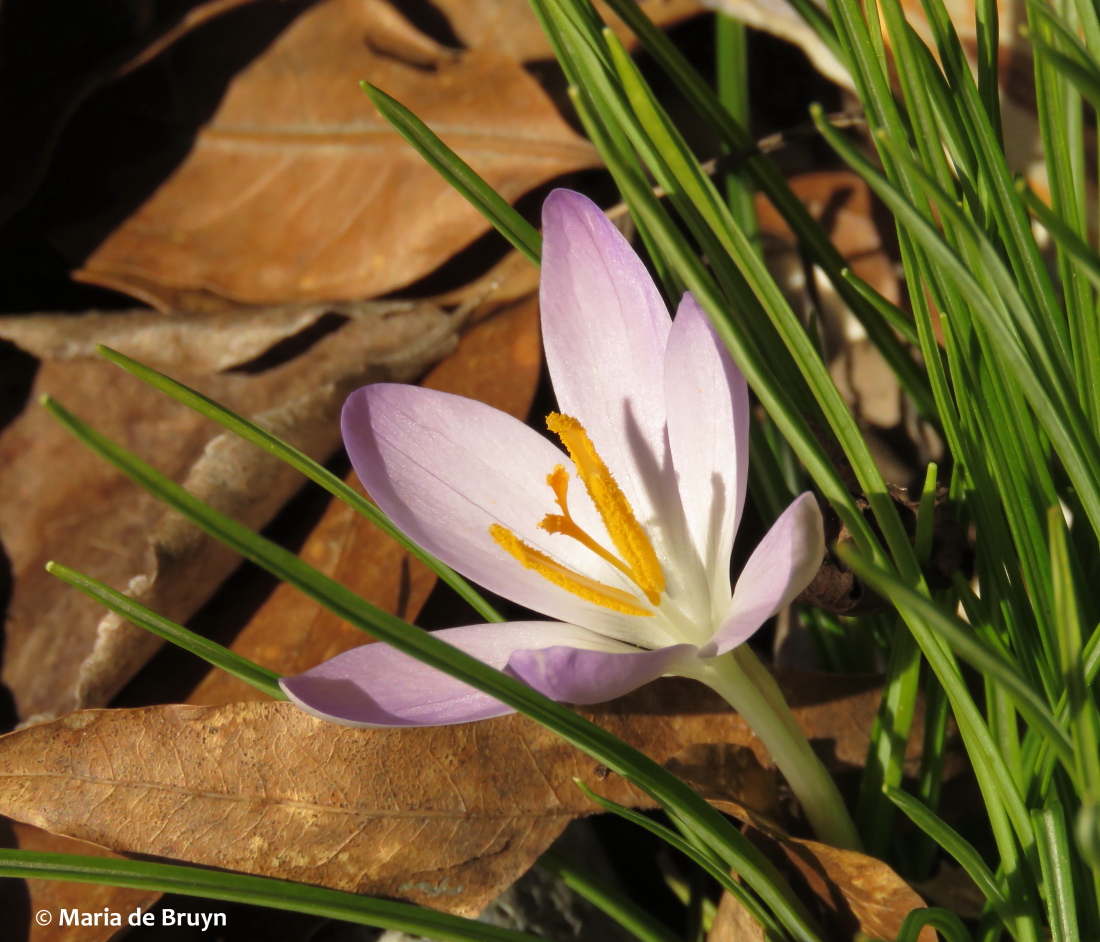
As this crocus (Crocuscrocus IMG_2199© Maria de Bruyn) shows, spring is coming to our part of North Carolina and the last days of winter have not infrequently been warm and sunny. This led me to take a break a couple weeks ago for a walk in our neighborhood woods.

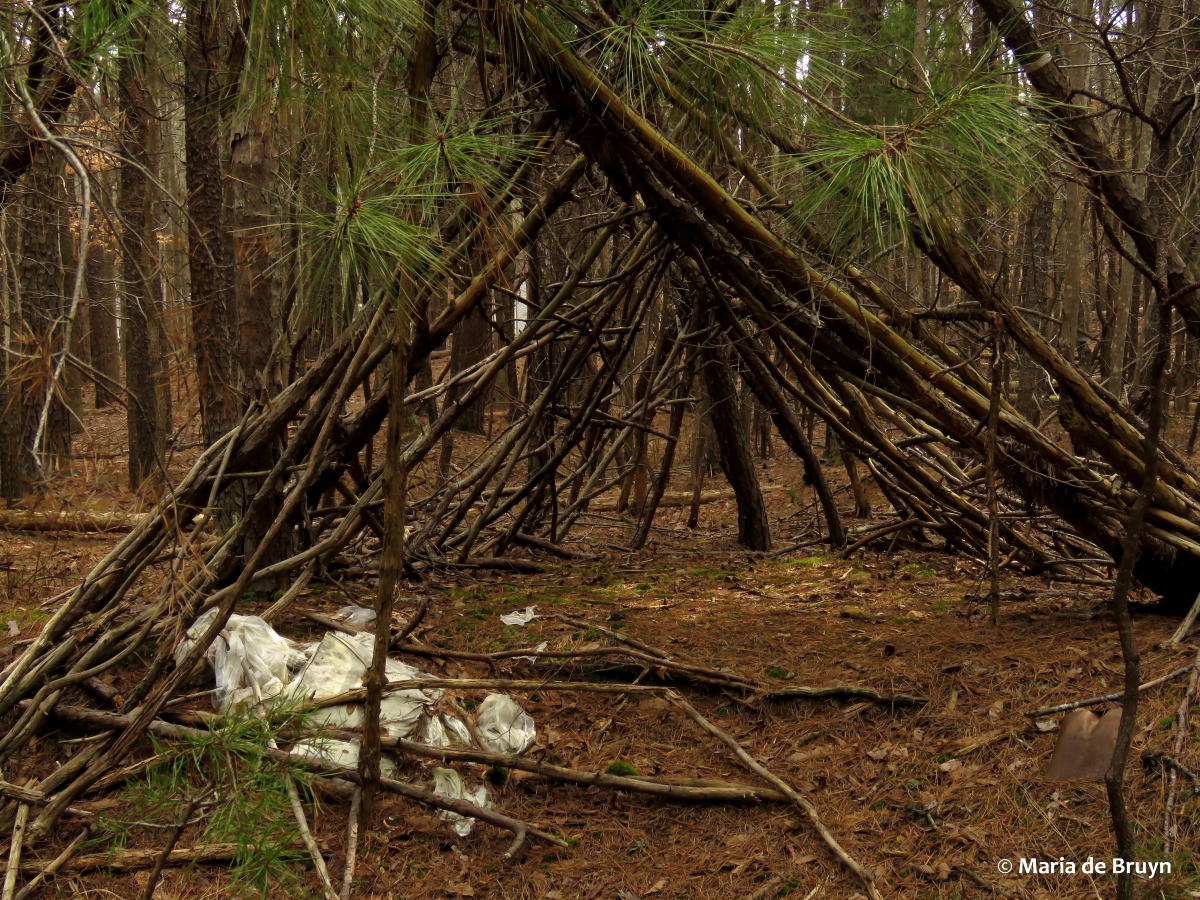
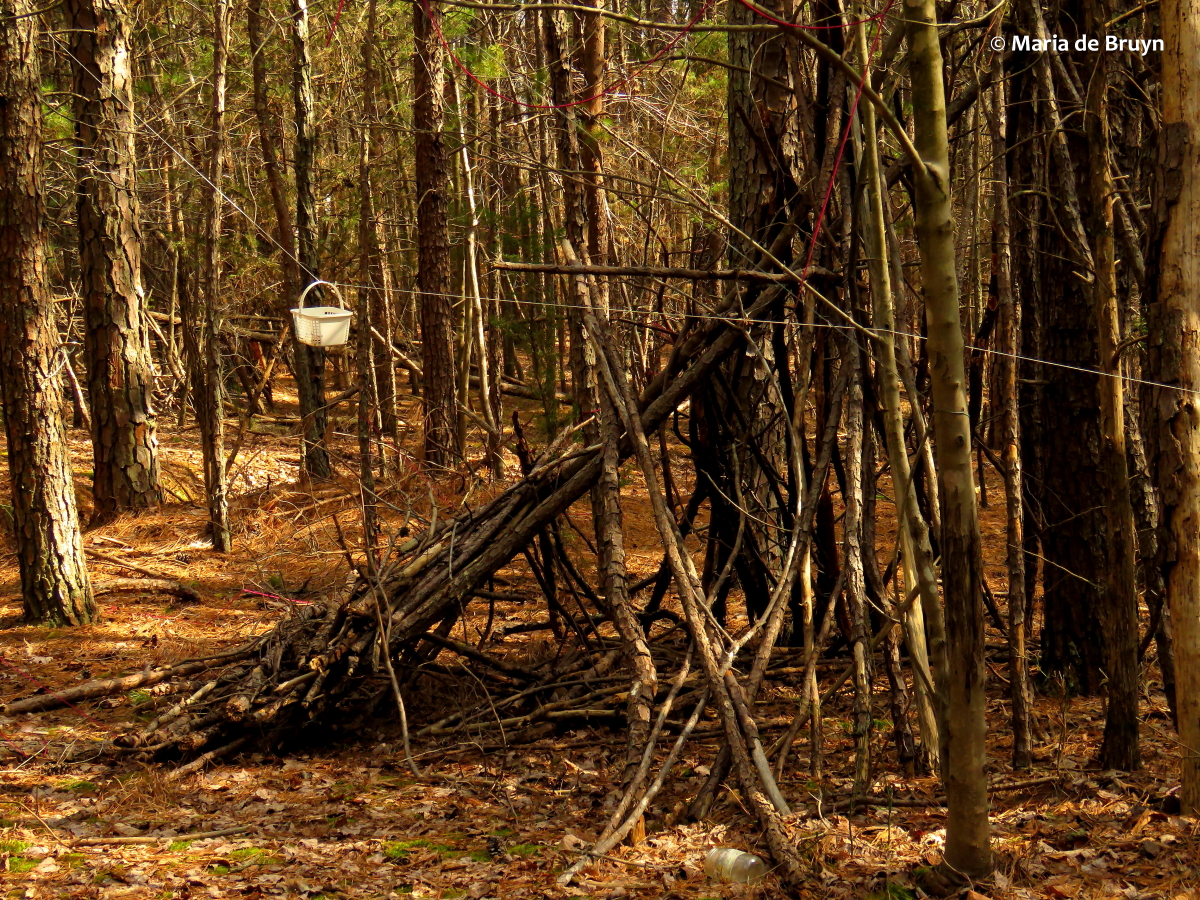
The sunlight filtered through the trees, creating lots of shadows and sunlit patches on the forest floor. I was looking to see if the natural shelters constructed by homeless people still were up and found three. None appeared to have been made or used recently.

homeless shelter IMG_2360© Maria de Bruyn res     homeless shelter IMG_2351© Maria de Bruyn res

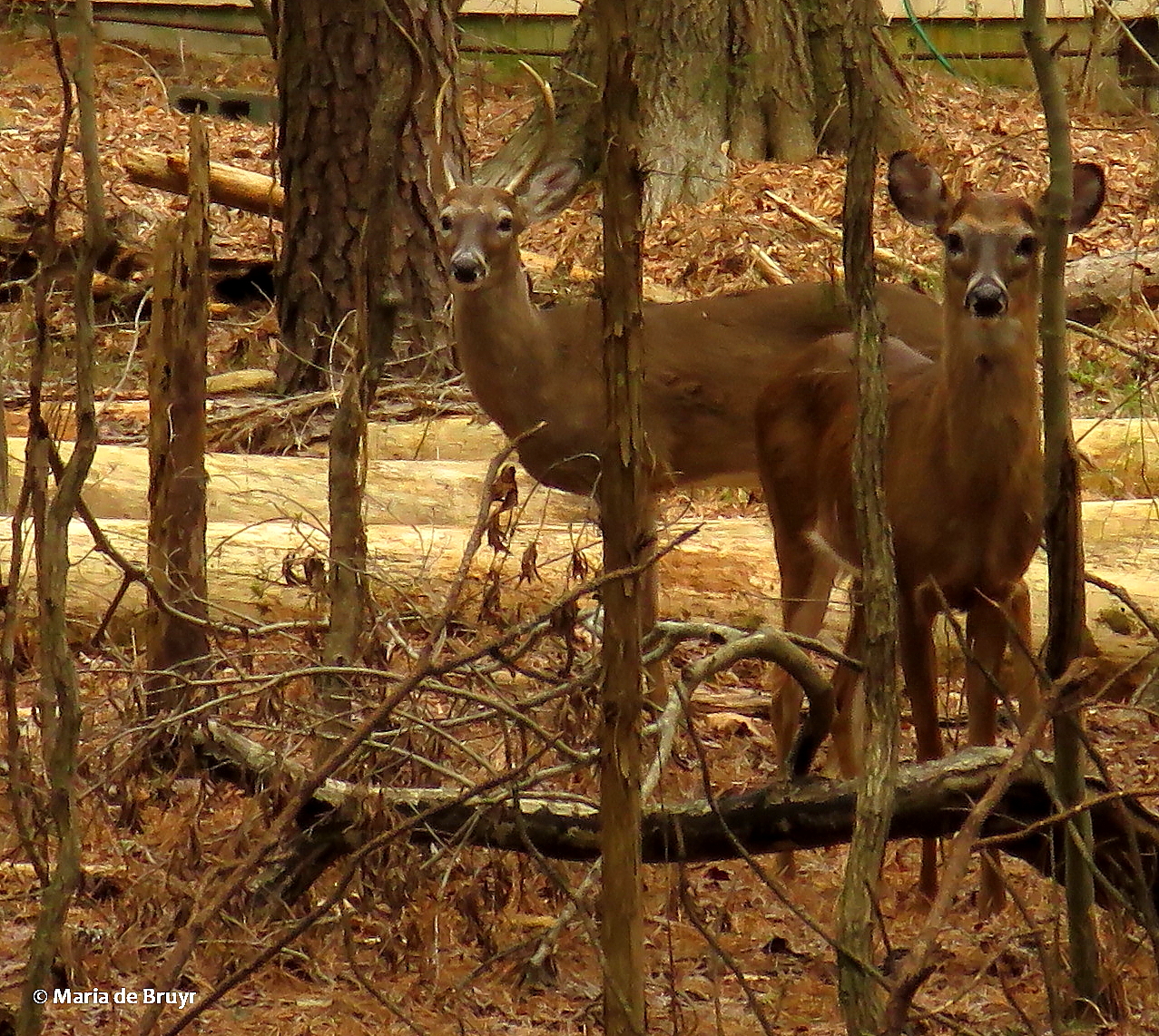
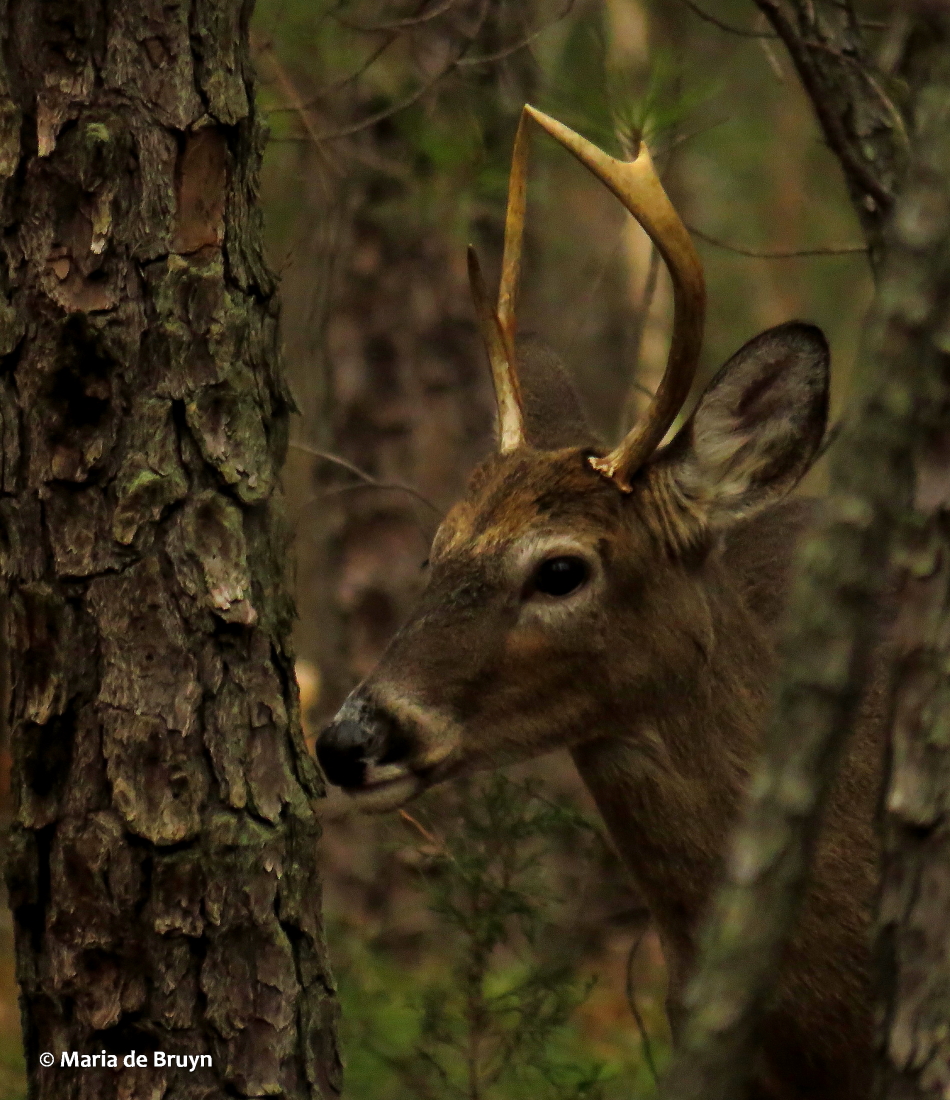
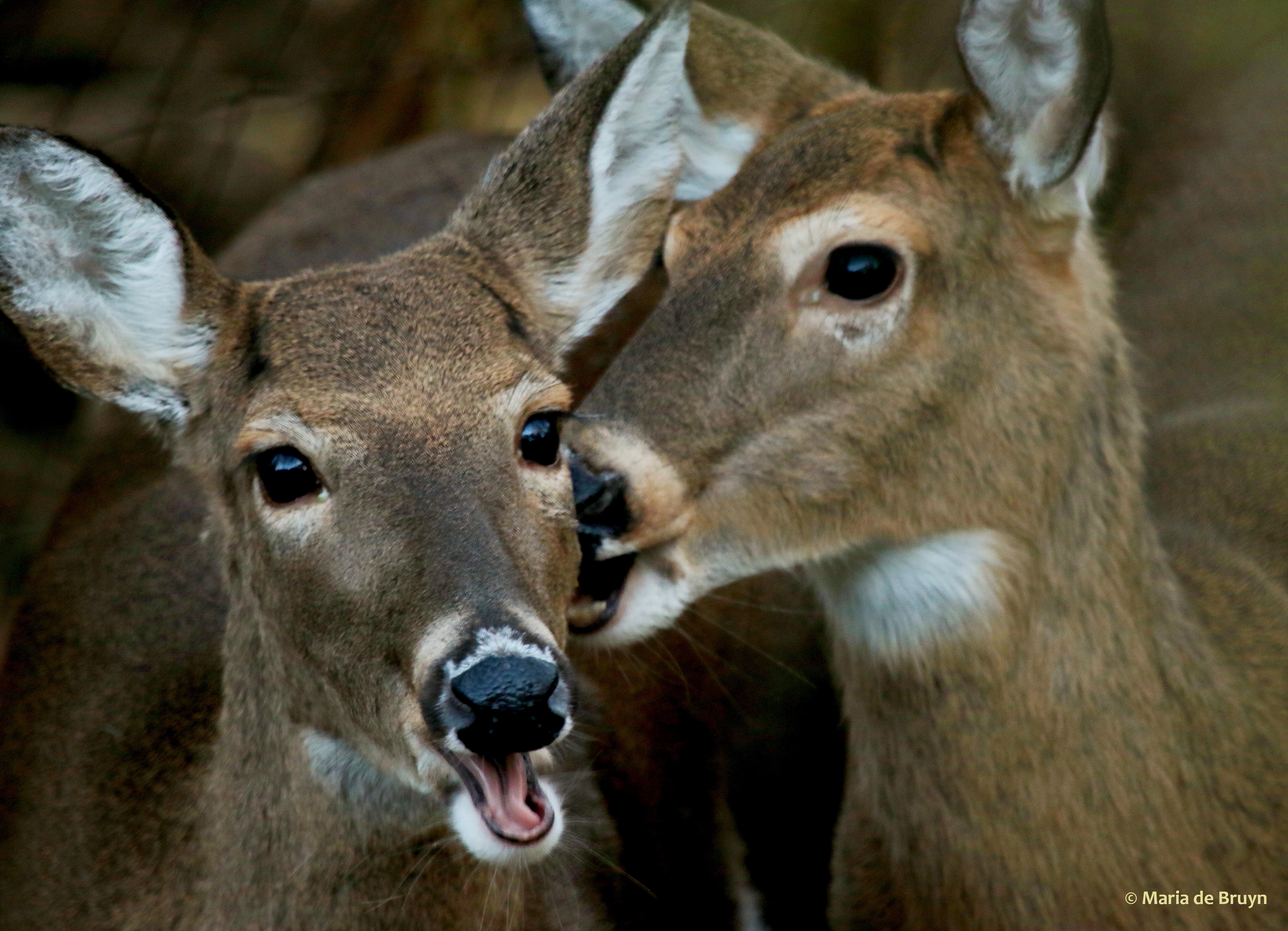
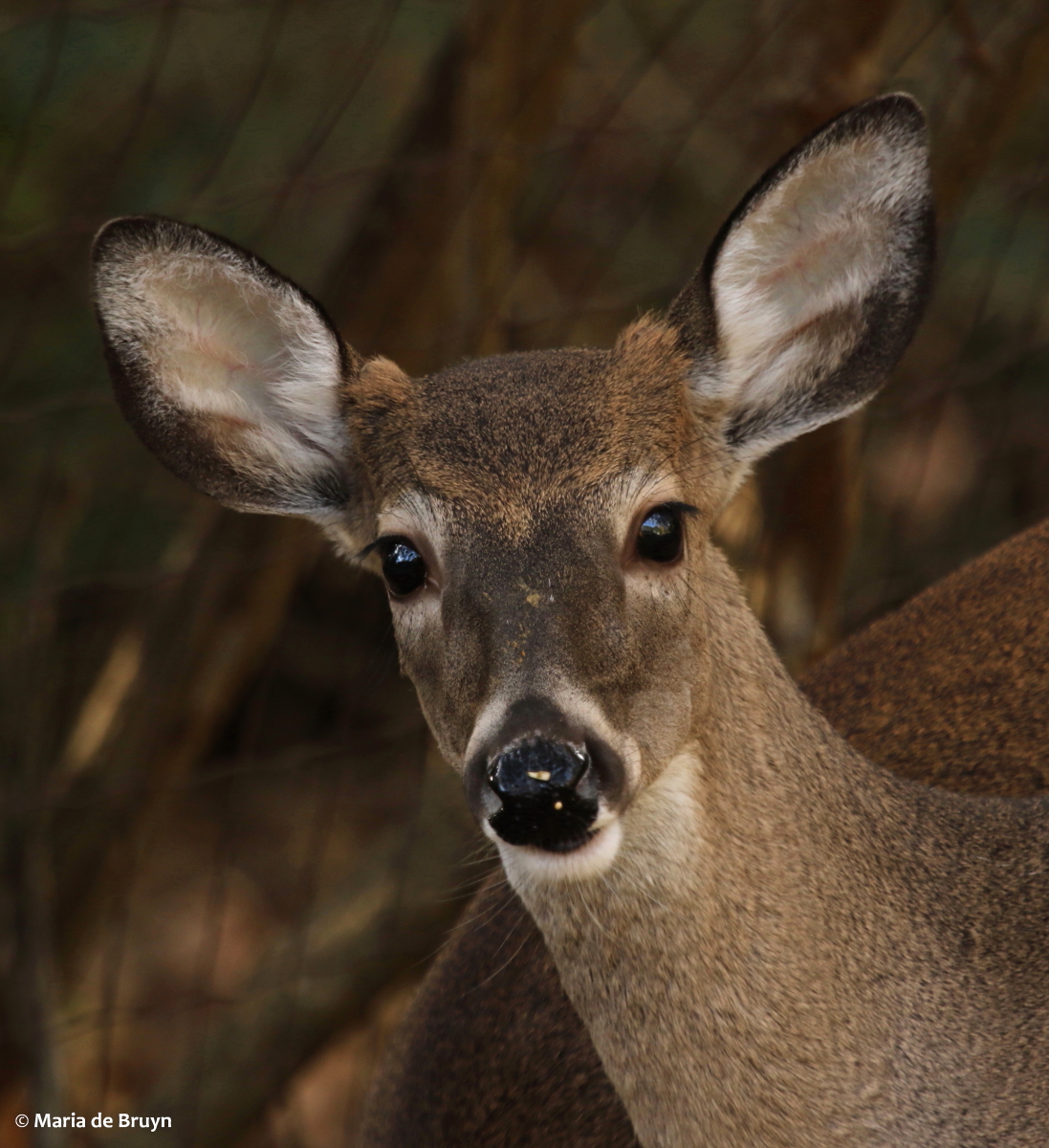
white-tailed deer IMG_2374© Maria de BruynAs I was walking around one to photograph it, my footsteps and movement rustled up some other neighborhood residents, who had been taking a rest at the edge of the woods. Four white-tailed deer (Odocoileus virginianus) got to their feet and gave me some looks of irritation at having disturbed their R&R.

As I walked another way, they began keeping pace with me at a distance. I thought they would just choose another patch to lie in but, for some reason, they decided to see where I was going. At first, I thought it was a buck and some does.

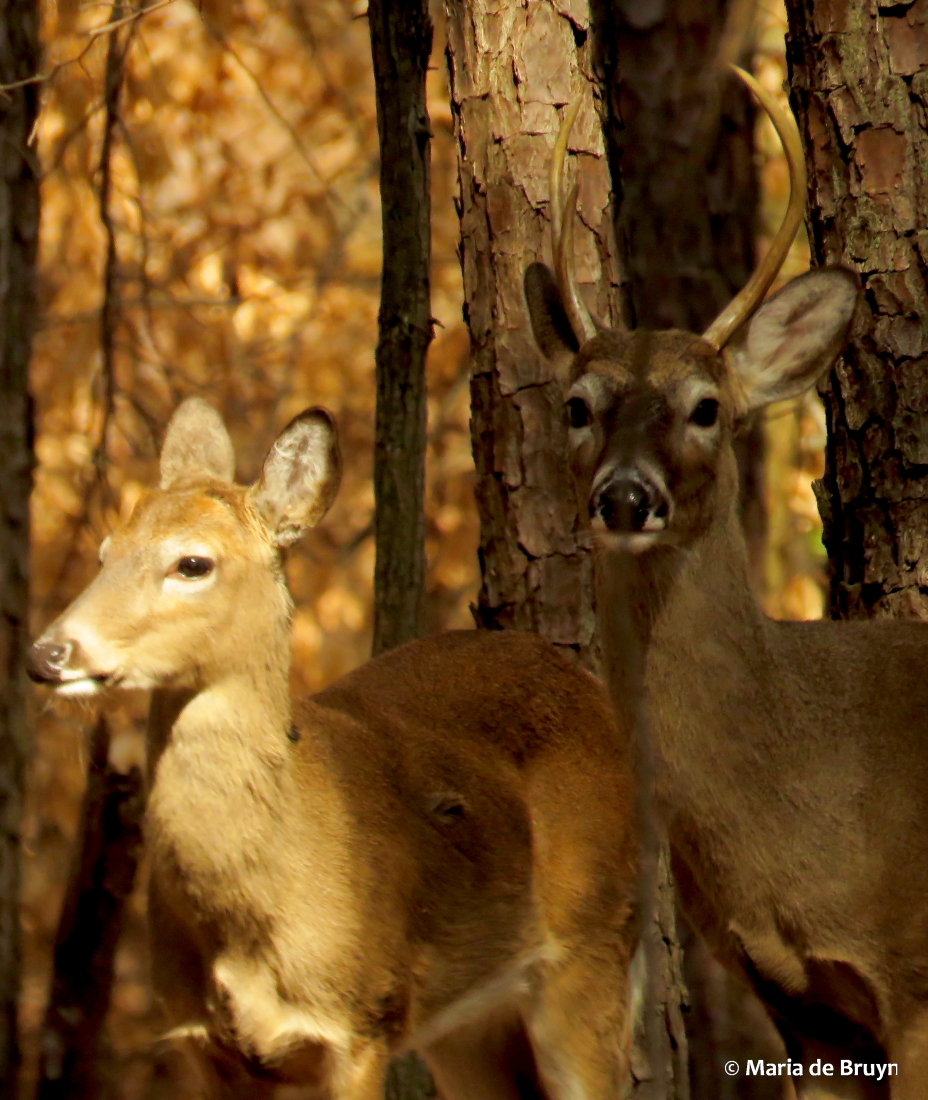
white-tailed deer IMG_2440© Maria de Bruynwhite-tailed deer IMG_2413© Maria de Bruyn


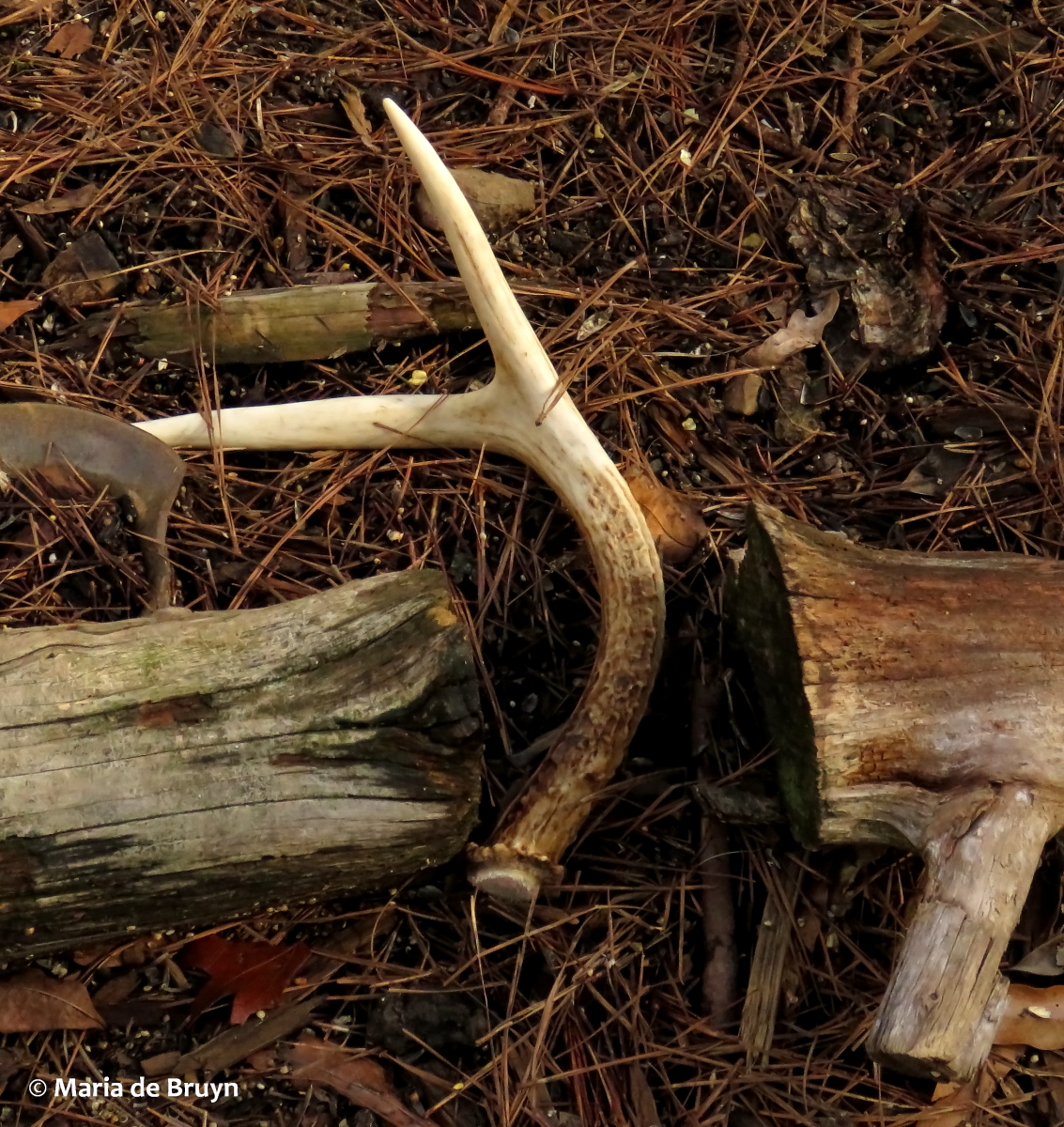
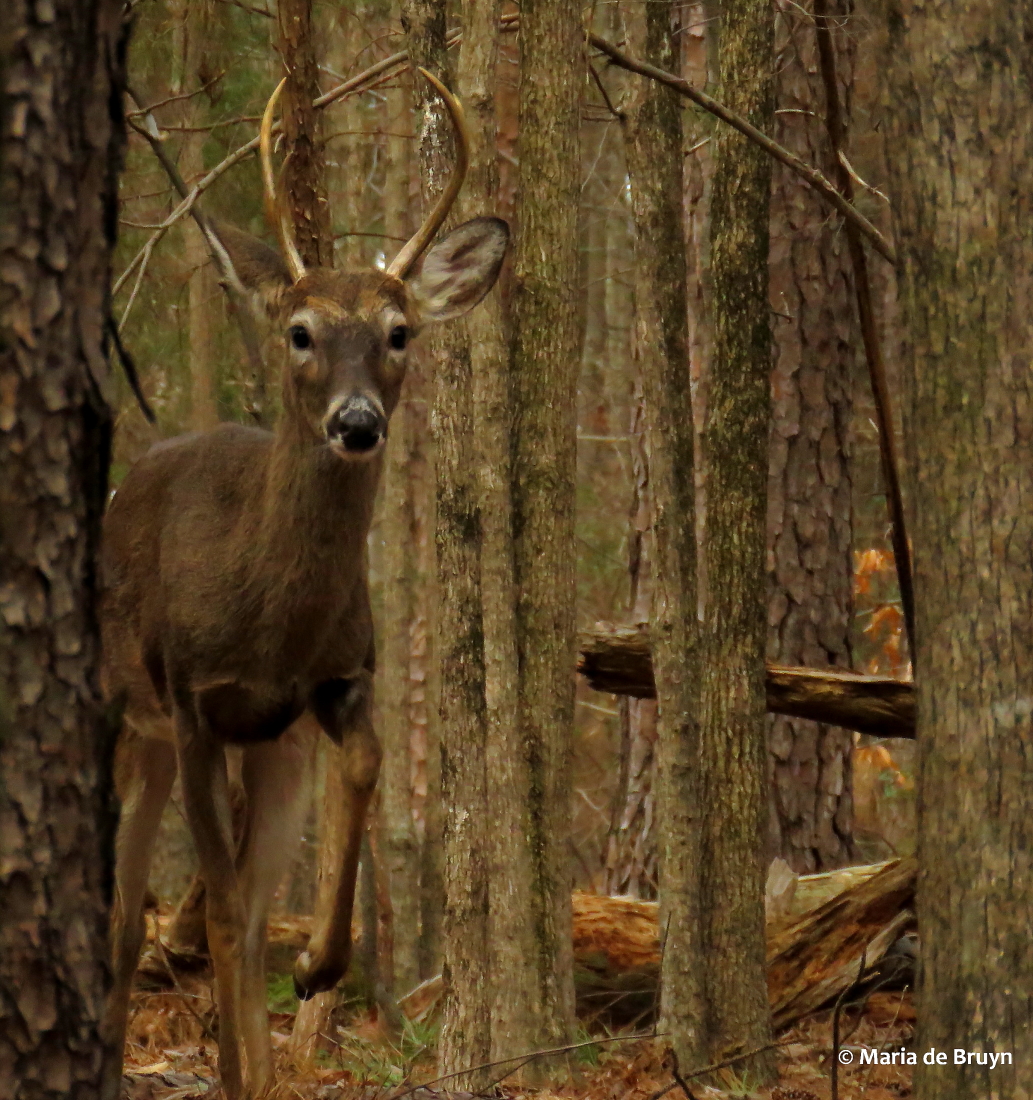
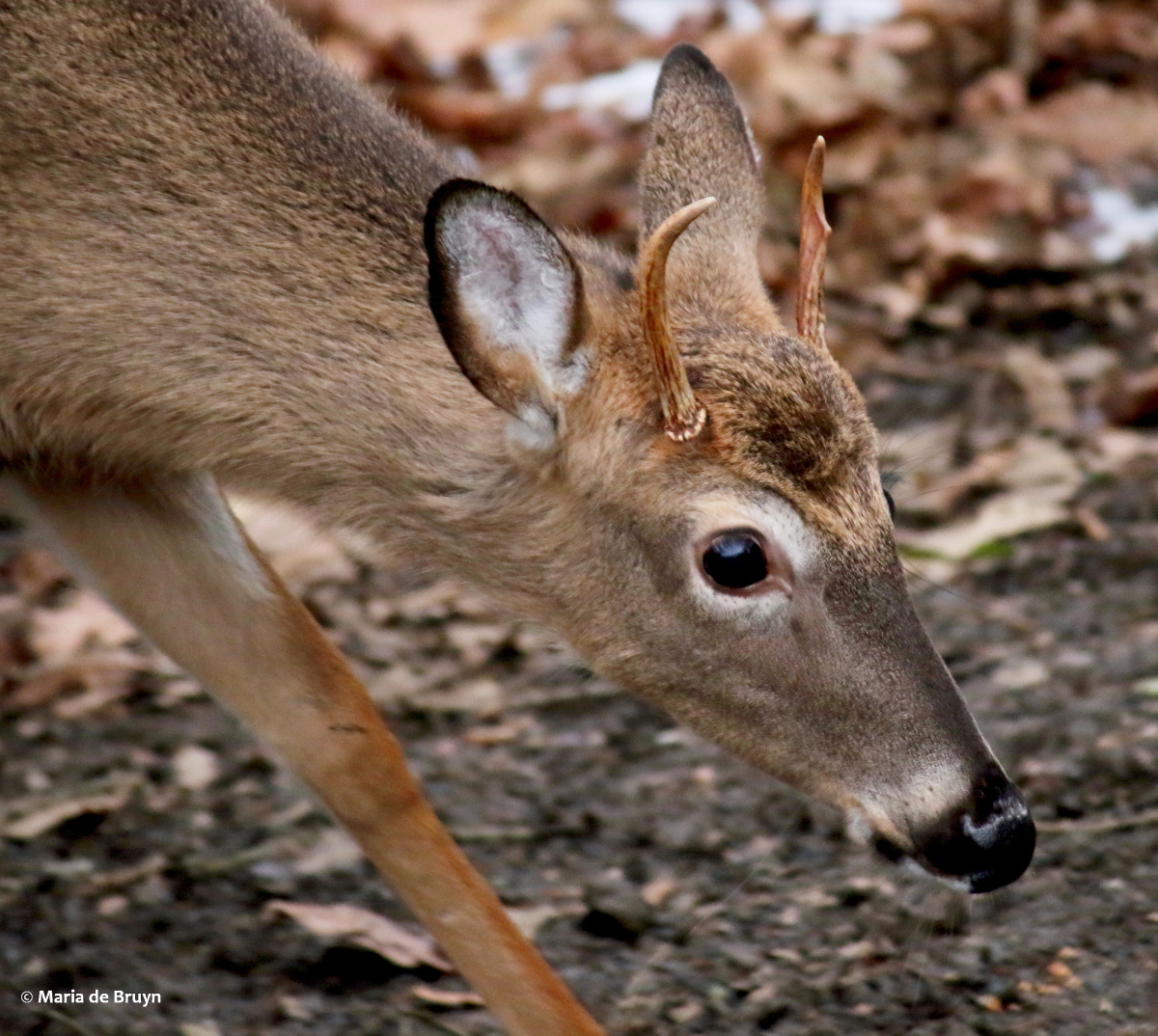
deer antler IMG_1211© Maria de Bruyn resLater, I realized it was a group of bucks, some of whom had already shed their antlers. I kept a lookout for antlers but didn’t see any. However, one local buck had gifted me with one in my front yard recently.

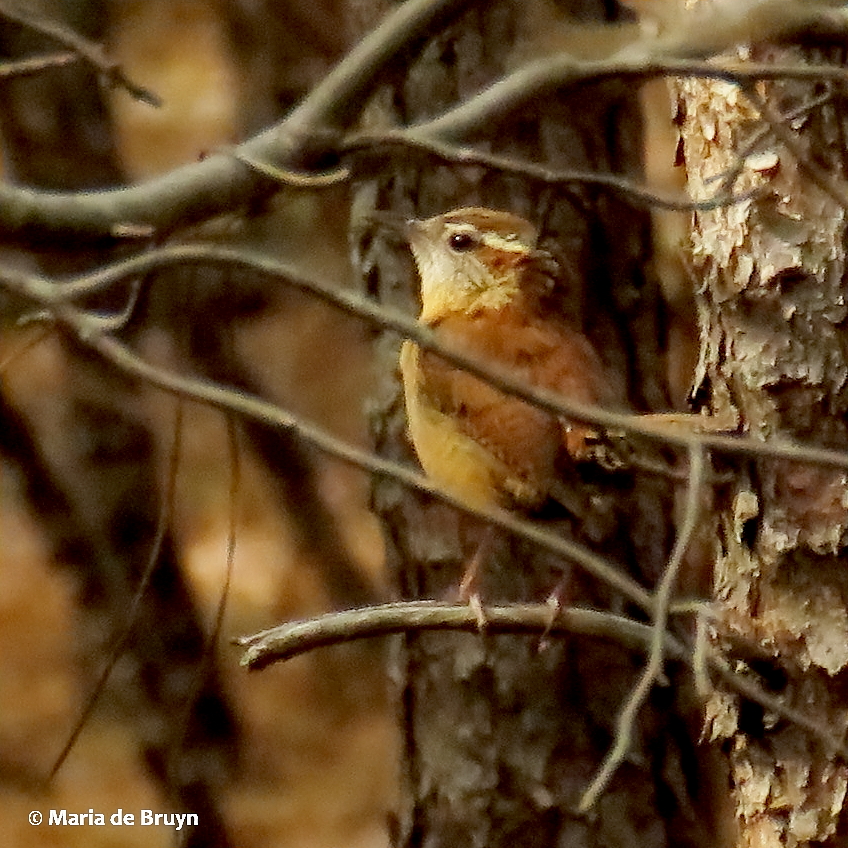
For some odd reason, I rarely see or hear birds in this particular woodsy area, but that day I encountered a Carolina chickadee (Poecile carolinensis) singing away.

Carolina chickadee IMG_2469© Maria de Bruyn


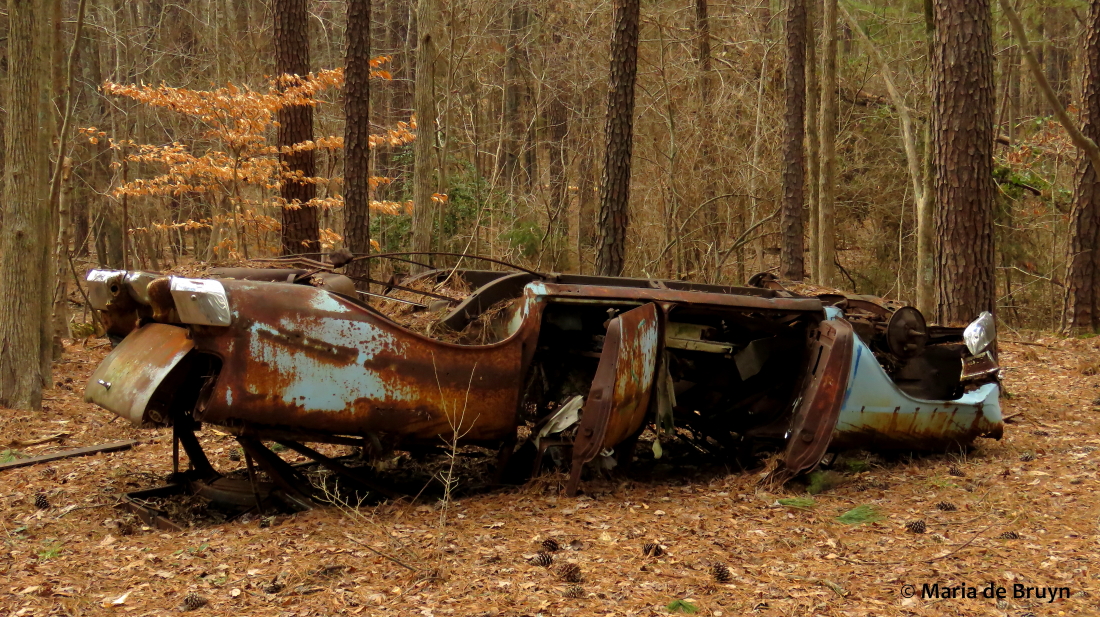
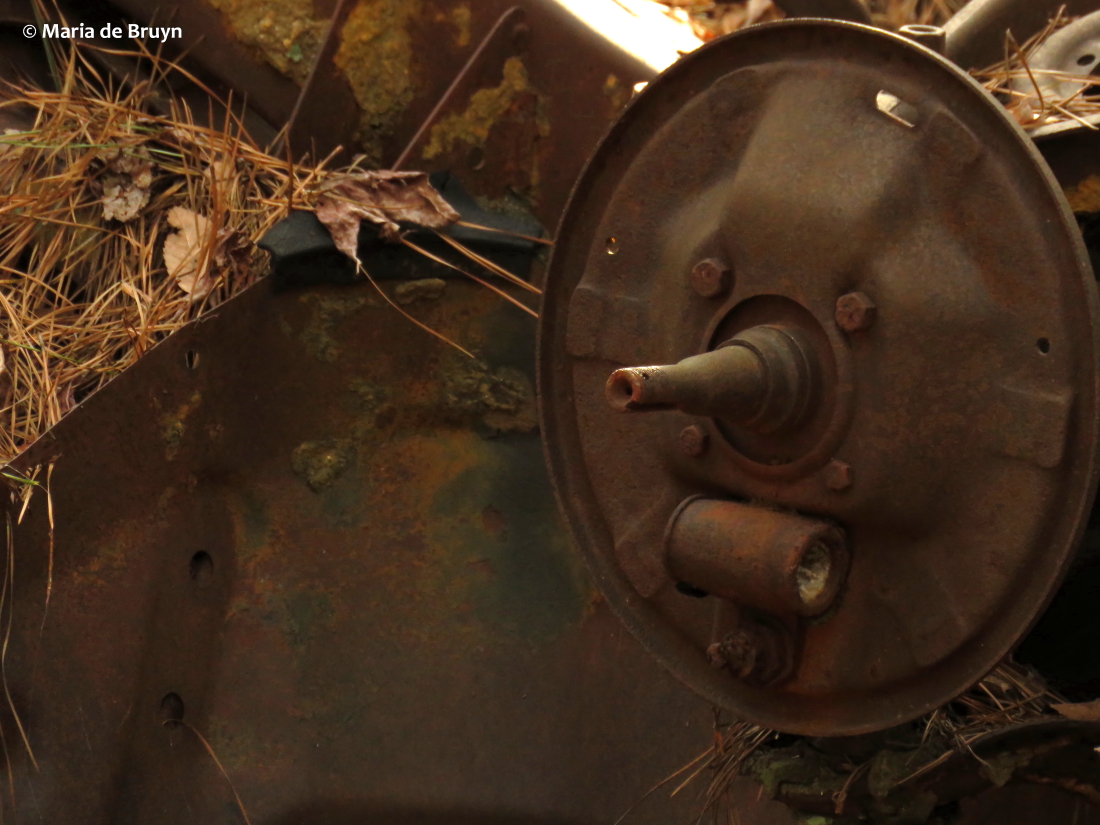
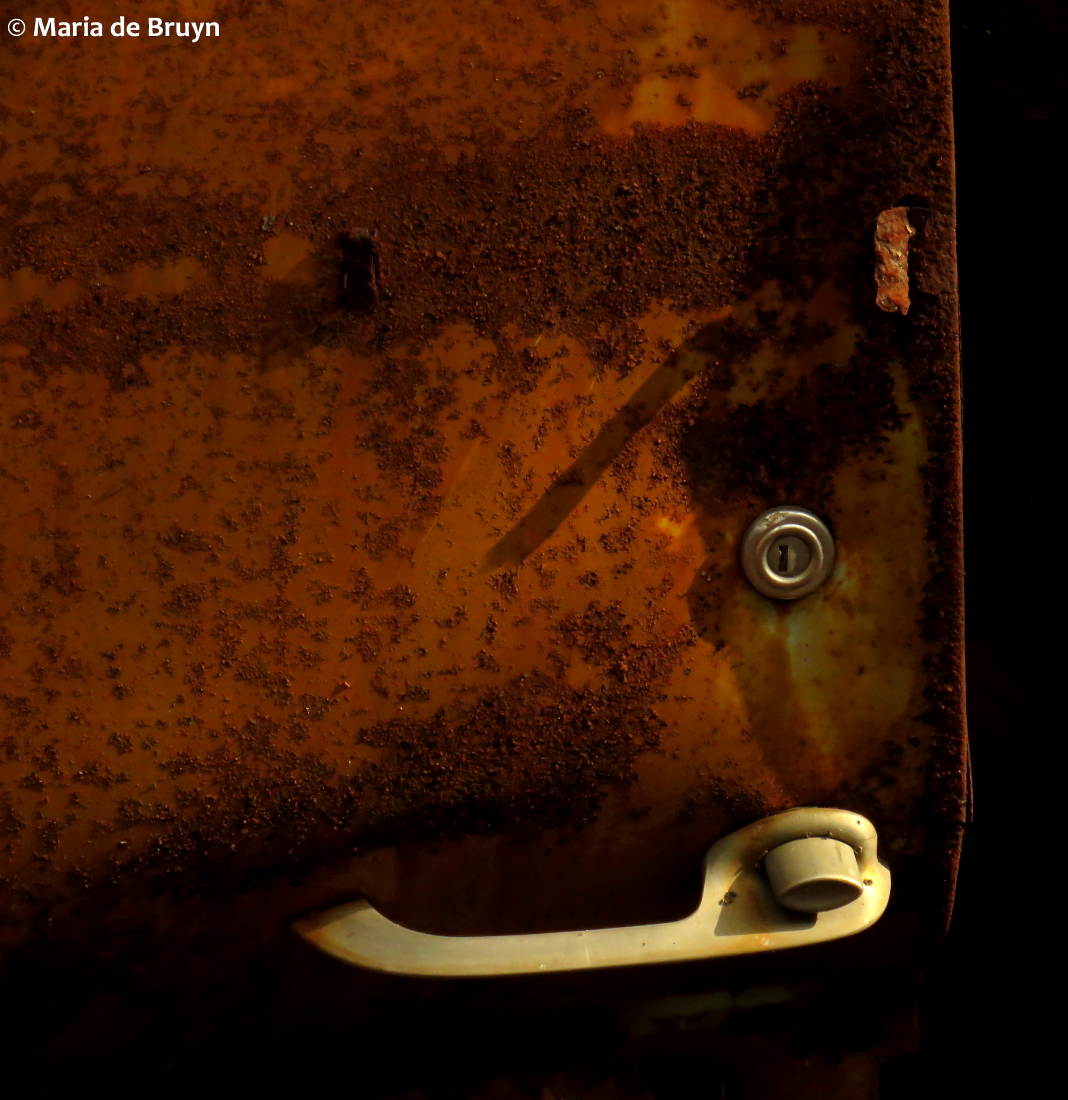
My next stop was to see how the two abandoned cars in these woods were faring. They must have been left here decades ago and have been like evolving metal sculptures as the scouring winds, sun, rain and ice change their appearance.


car IMG_2525 © Maria de Bruyn

car IMG_2558© Maria de Bruyn RES  car IMG_2582© Maria de Bruyn

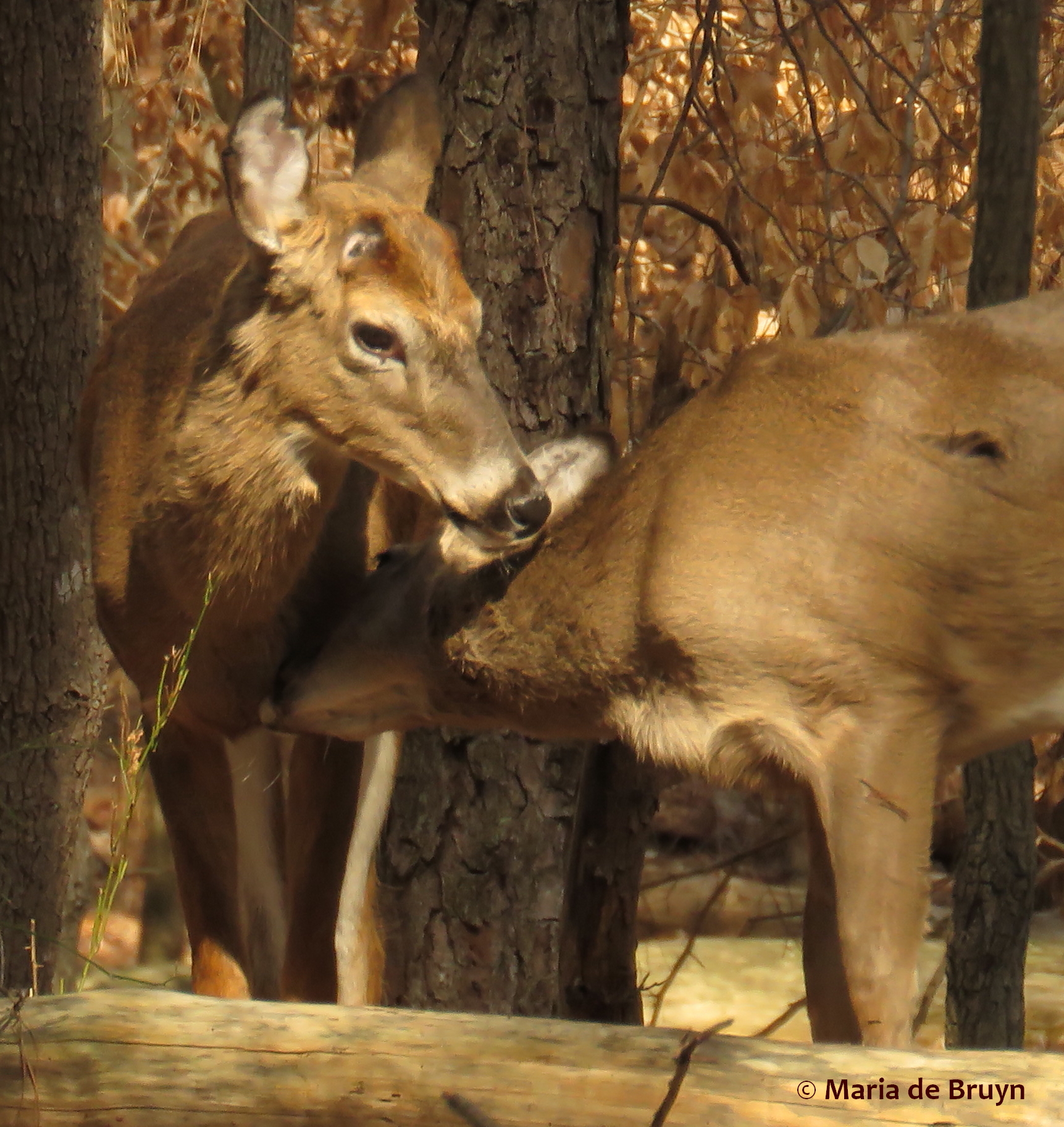
white-tailed deer IMG_2496 © Maria de BruynAs I was taking photos of the cars, I heard movement behind me and there was the group of deer, still keeping tabs on me. The big male who still had antlers stamped his foot to warn me off, even though I hadn’t turned in their direction. Given his wariness, I certainly wasn’t going to go charging up to them for close-ups!white-tailed deer IMG_2489© Maria de Bruyn

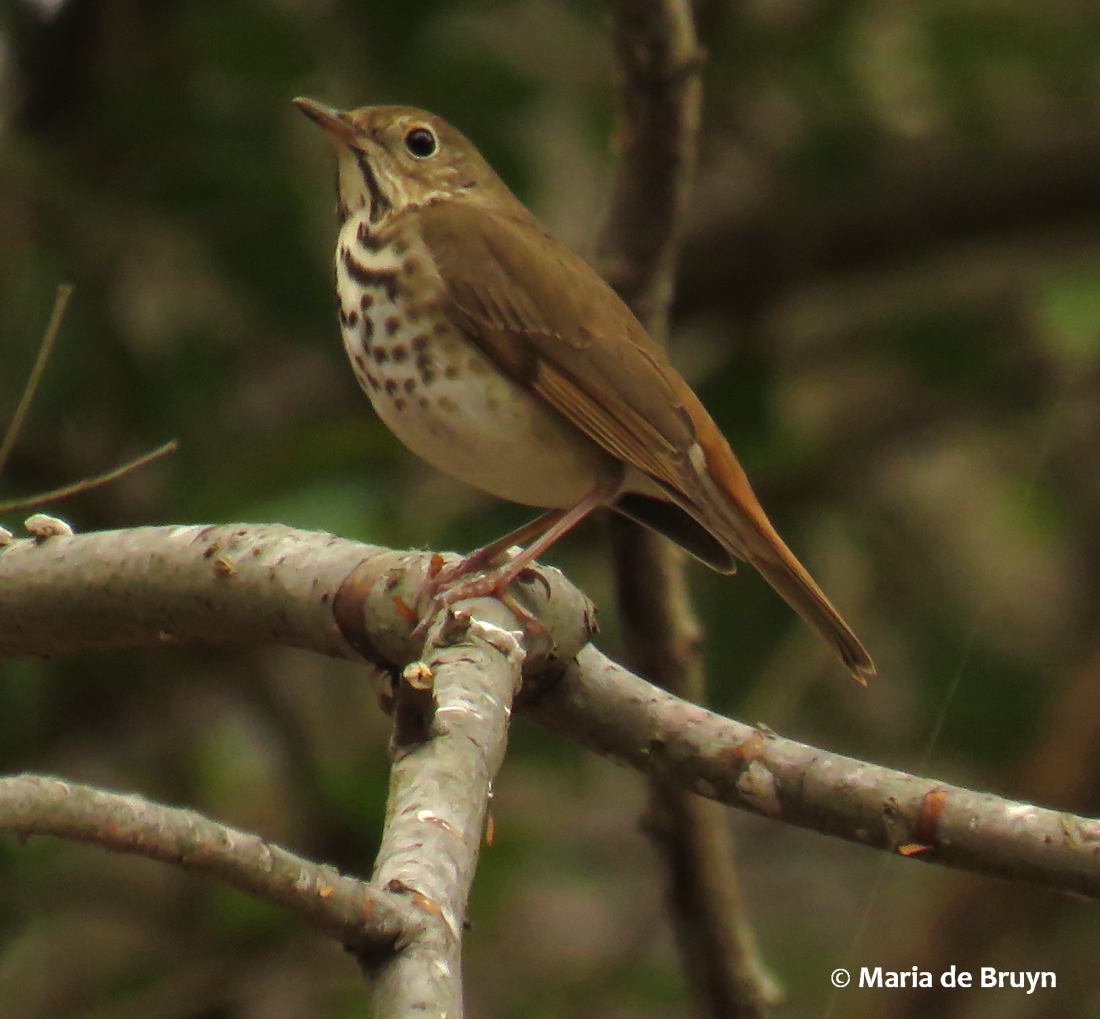
hermit thrush IMG_2614© Maria de Bruyn


My walk ended with some surprising good views of a hermit thrush (Catharus guttatus). They rarely come to my yard so it was lovely to see one in the woods that day. They will likely be migrating soon and we will have new birds to welcome as spring arrives in her full glory. It was a very pleasant winter walk!

Mammal merriment, misery and markings

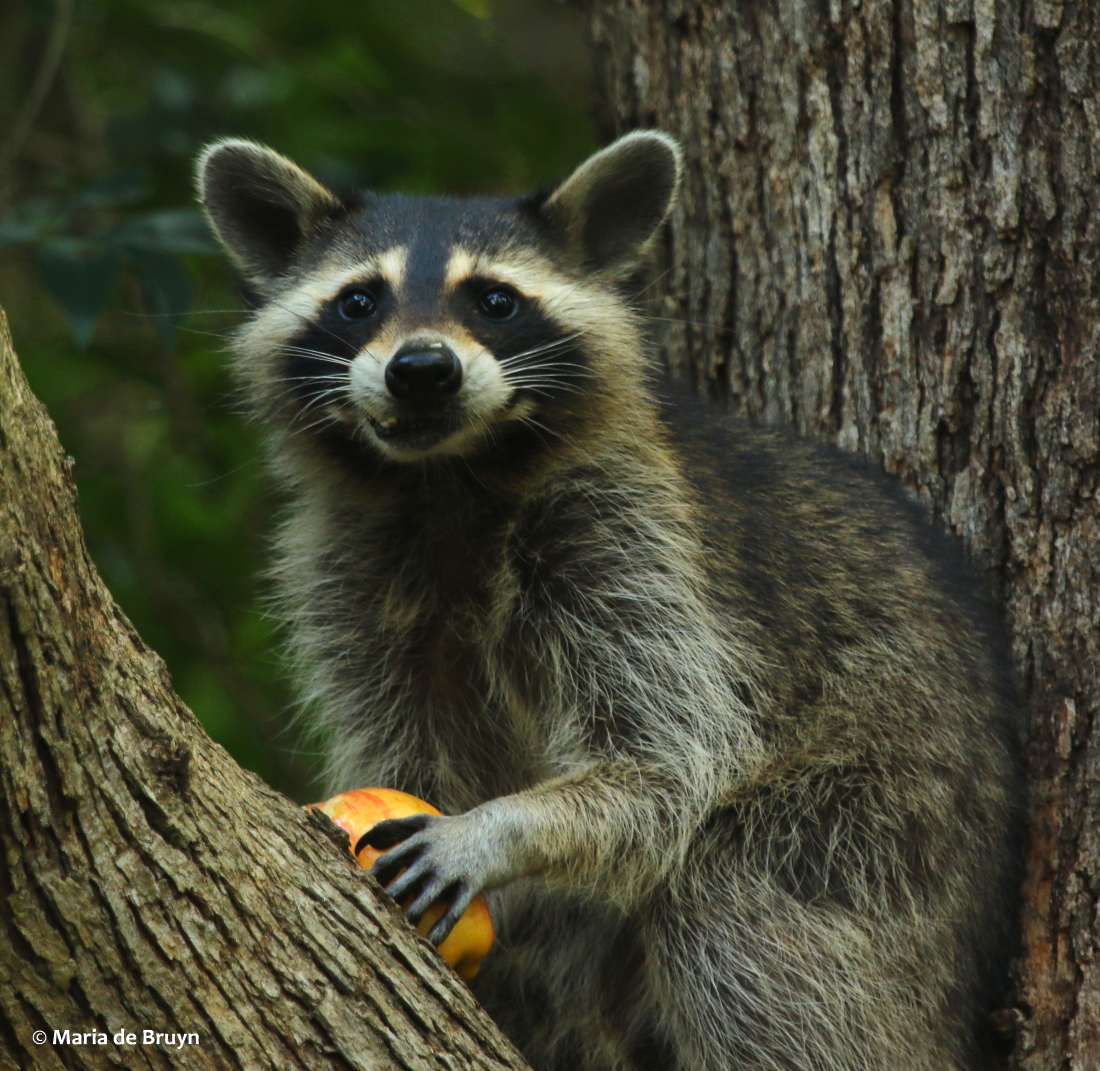
Lately, many of my blogs have been about birds, mostly because they have been the easiest wildlife to photograph during the colder months. The mammals – and insects, reptiles and amphibians – have not been around much and likely have often visited when I’m not watching. I’m fairly certain that raccoons (Procyon lotor) and opossums (Didelphis virginiana) come to my yard after dark; perhaps the odd fox or coyote does as well. Nevertheless, after she stopped weaning her young and since summer ended, I haven’t seen Raquel raccoon all winter.
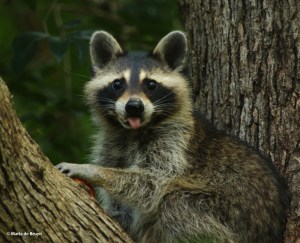
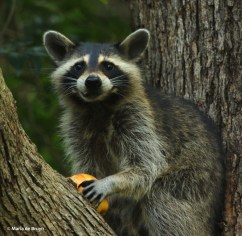
raccoon DK7A4351© Maria de Bruyn   raccoon DK7A4248© Maria de Bruyn res

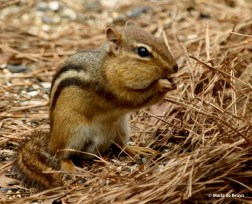
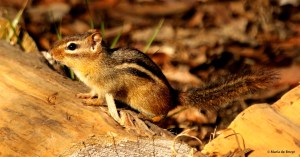
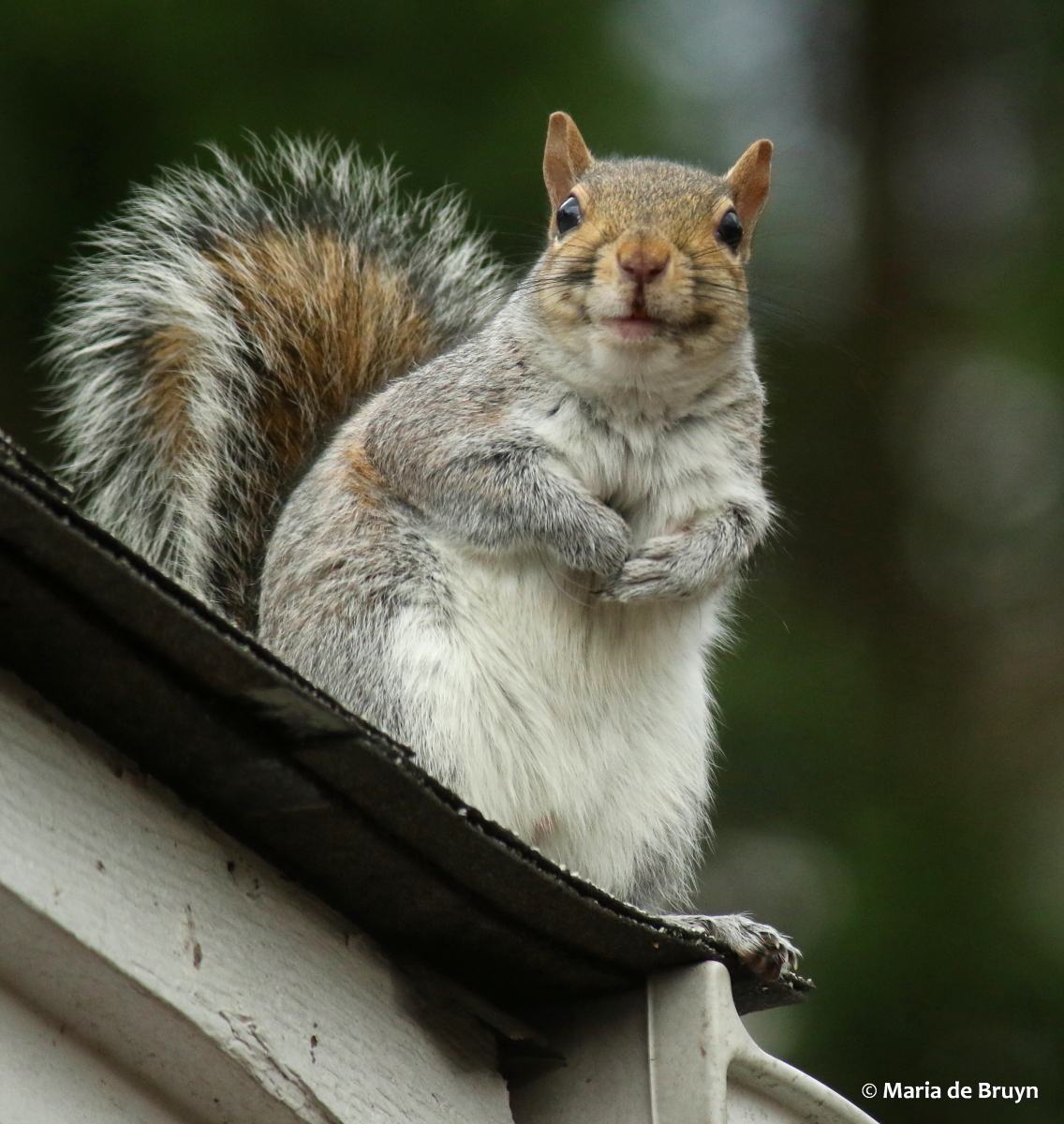
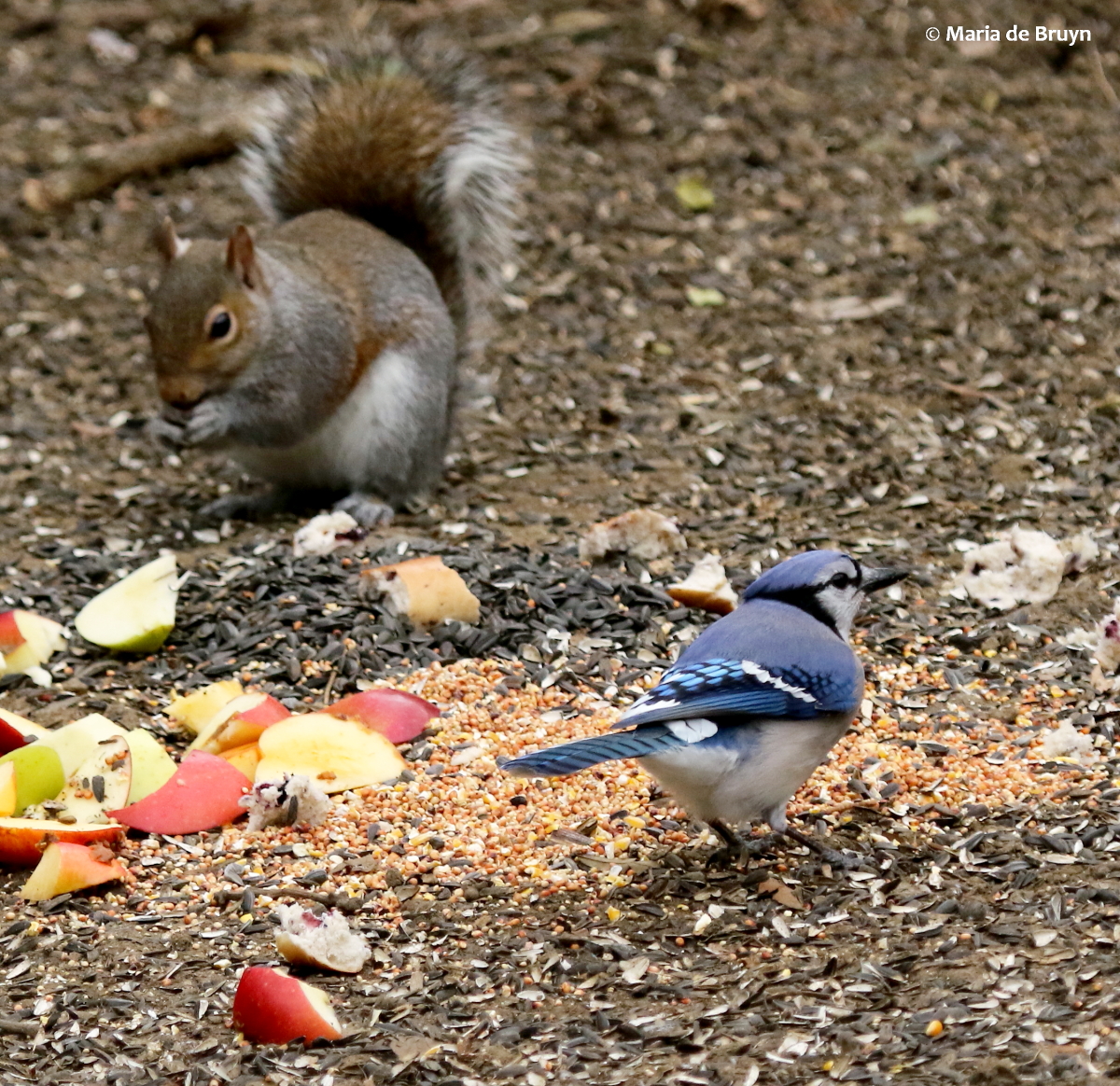
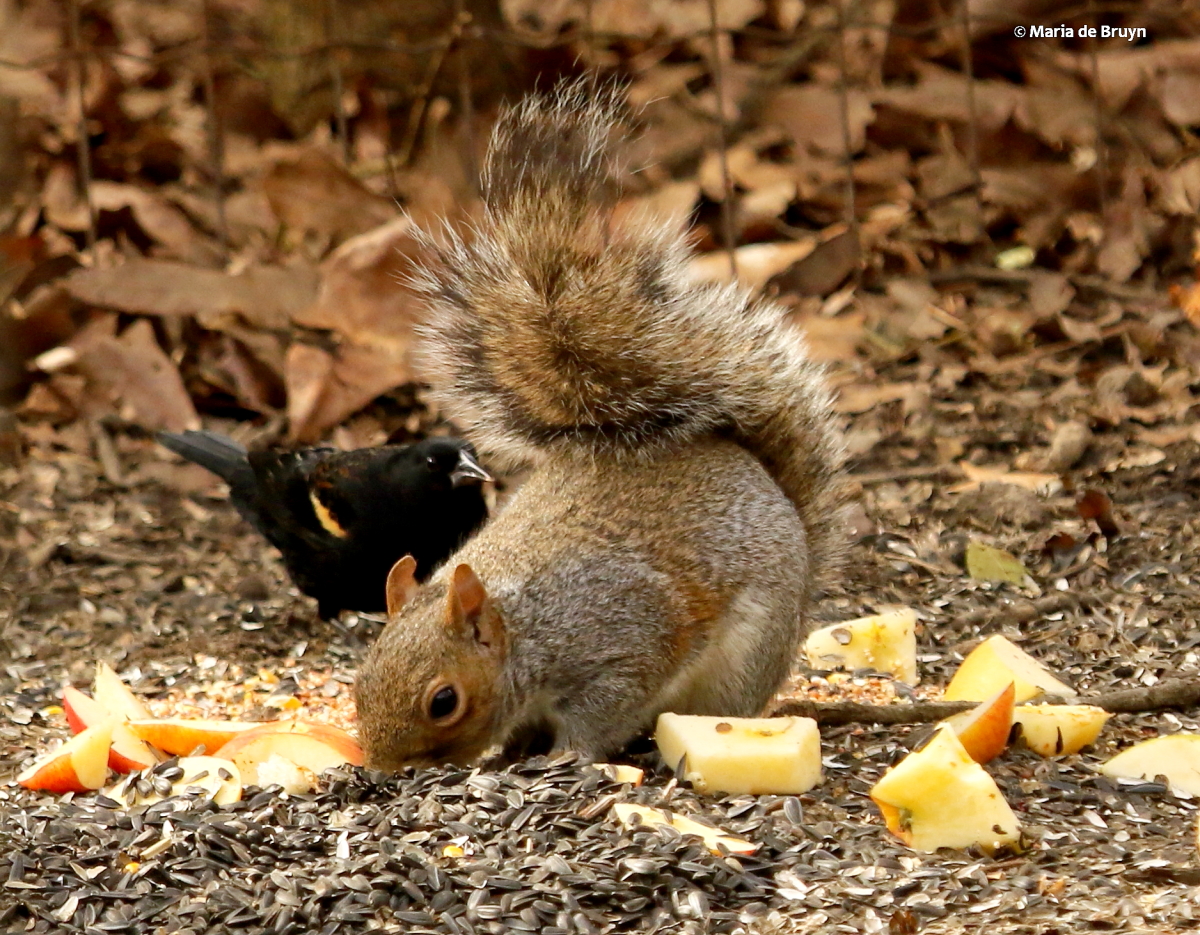
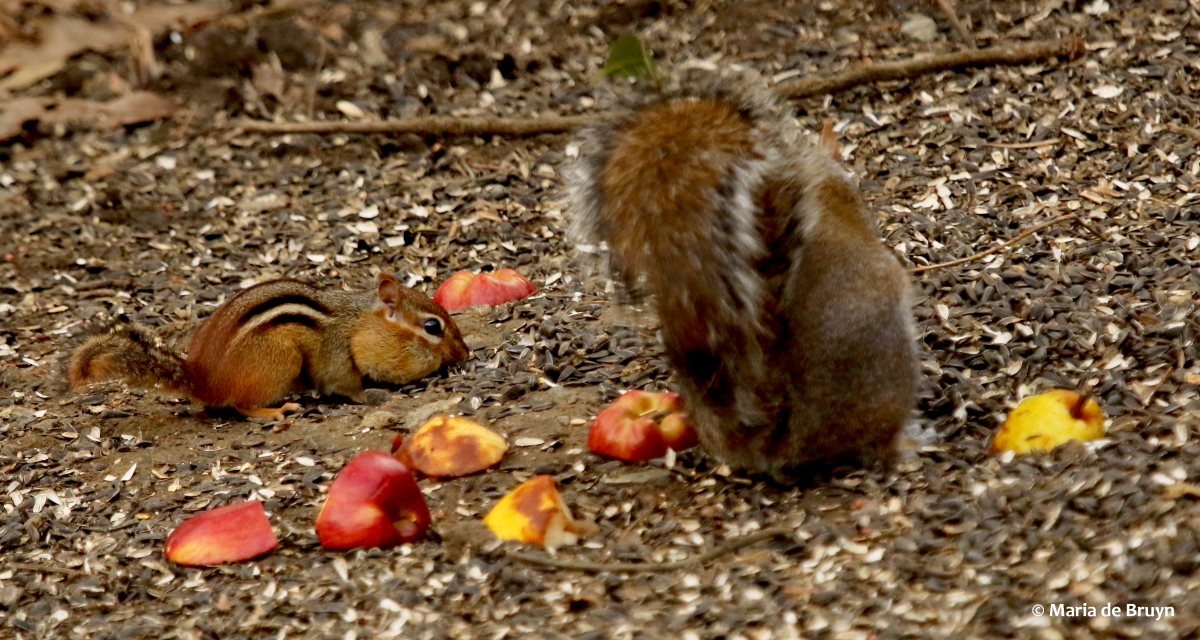
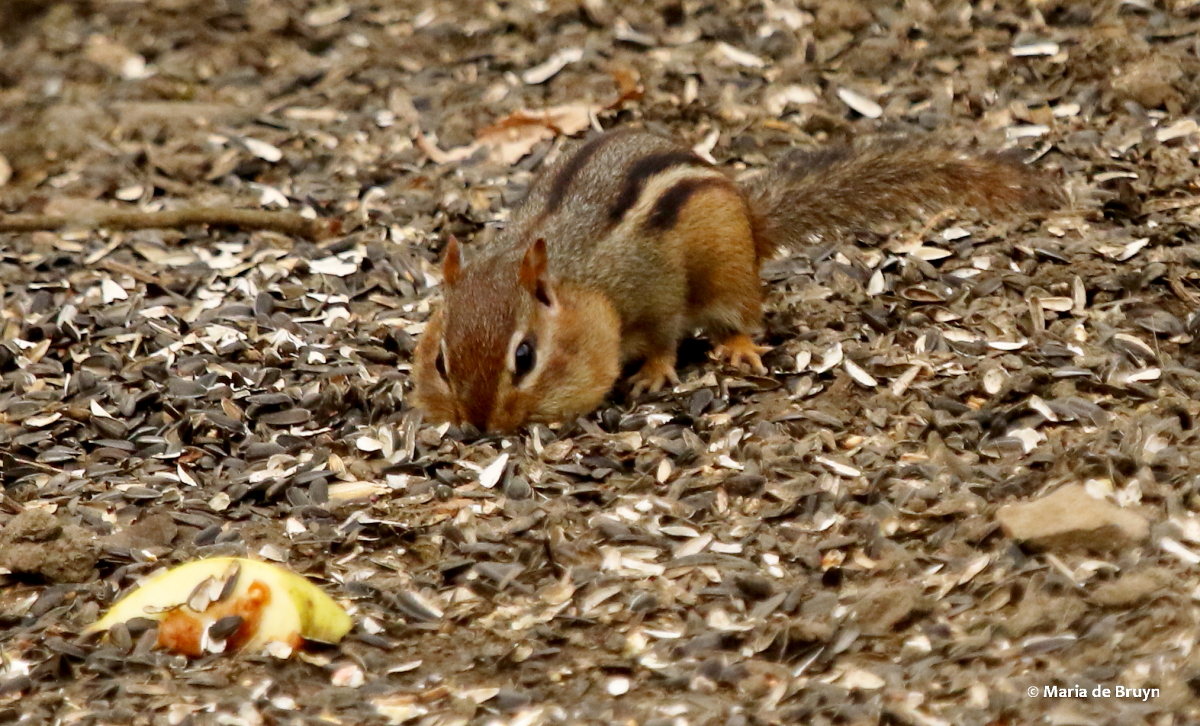
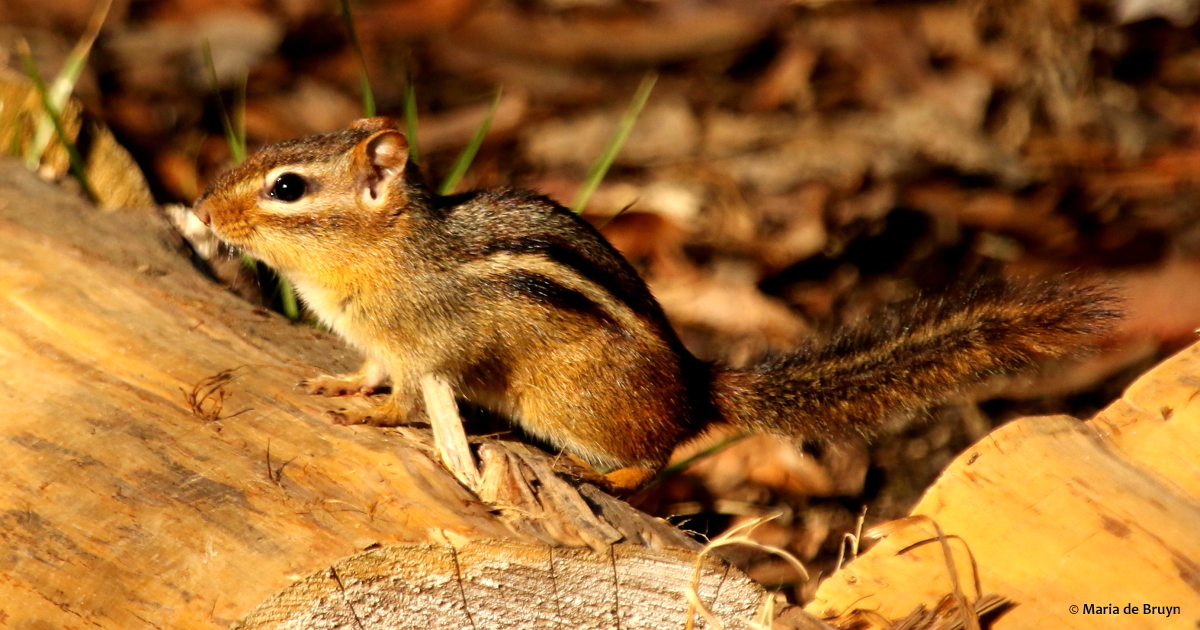
Eastern chipmunk I77A8790© Maria de Bruyn resThere a couple mammals, however, that I can count on to see every day because they have grown accustomed to having a food source at my house. Fallen bird seed (and seed and apples put out deliberately for ground feeders) does not get entirely gobbled up by the avian visitors, leaving pickings for the Eastern gray squirrels (Sciurus carolinensis), Eastern chipmunks (Tamias striatus) and white-tailed deer (Odocoileus virginianus).

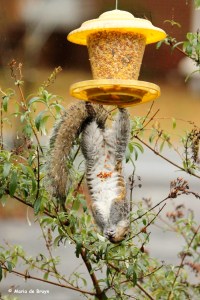
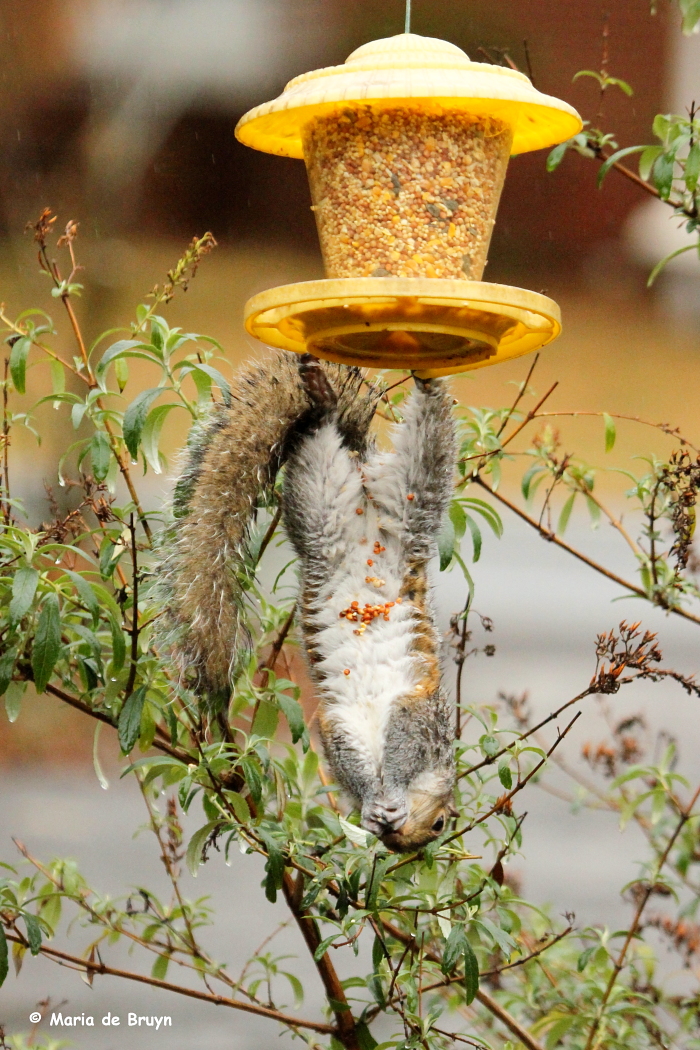
The squirrels keep a watch from the trees and underbrush and appear very quickly after the bird seed is replenished. My combined squirrel and raccoon baffles – and placing the feeder poles at least 10 feet away from any structures from which they launch themselves onto the poles – have proved successful in keeping them from the feeders. But they continue to look for vantage points from which they can attempt a jump to the feeders.
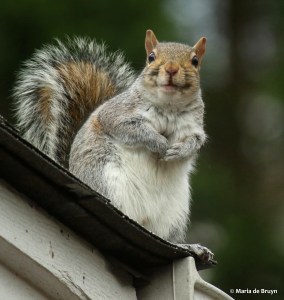
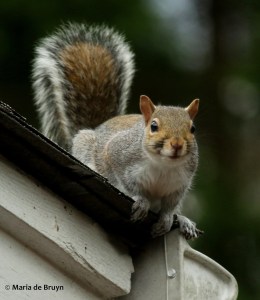
Eastern gray squirrel I77A5504© Maria de Bruyn res  Eastern gray squirrel I77A5494© Maria de Bruyn res

Eastern gray squirrel IMG_3643 mdb


Before I learned how to thwart them, they made off with plenty of seed and suet – one squirrel even carrying off the entire suet feeder when s/he couldn’t get it open. I saw it happening and chased that squirrel, but they were faster than me!

They will share space happily with birds but don’t always want to share with other squirrels or chipmunks.
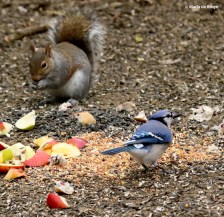
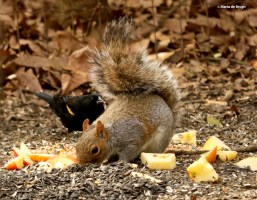


Eastern gray squirrel I77A8350© Maria de Bruyn Eastern gray squirrel I77A0711© Maria de Bruyn res

The chipmunks don’t let that selfish attitude deter them; they just keep a sharp eye out for when a squirrel might turn on them. They wolf down seed after seed, giving themselves a very fat-cheeked countenance!
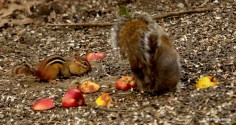
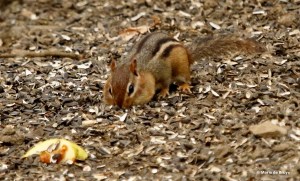
Eastern chipmunk I77A3326© Maria de Bruyn  Eastern chipmunk I77A3335© Maria de Bruyn

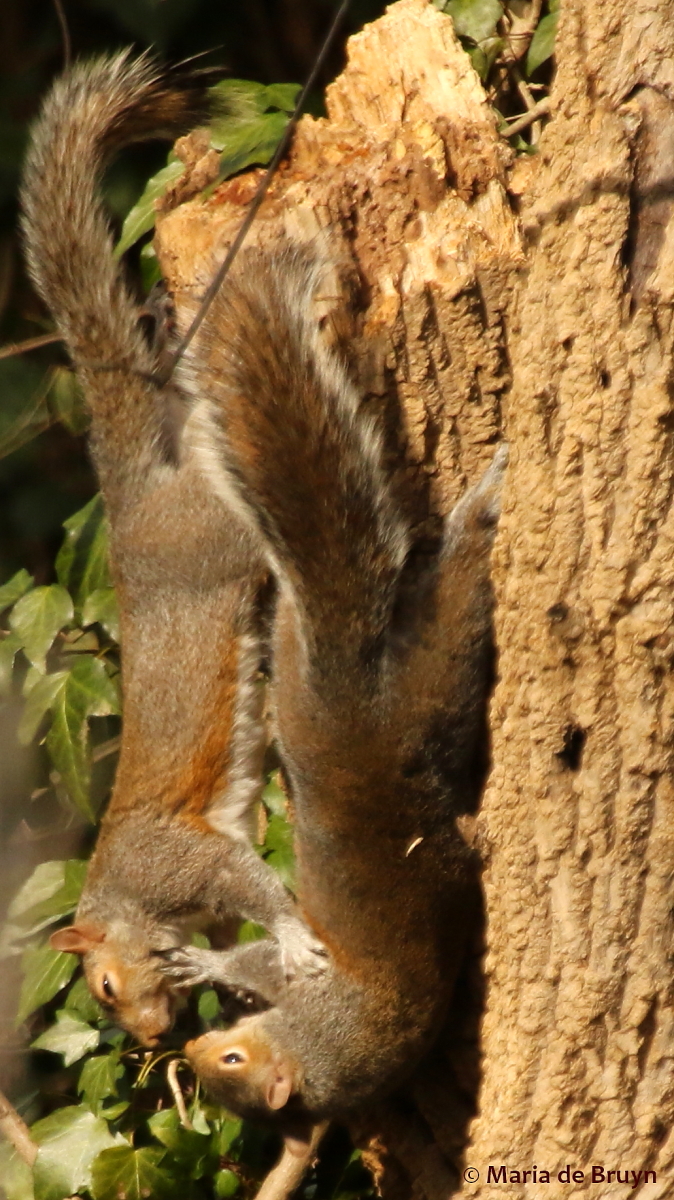
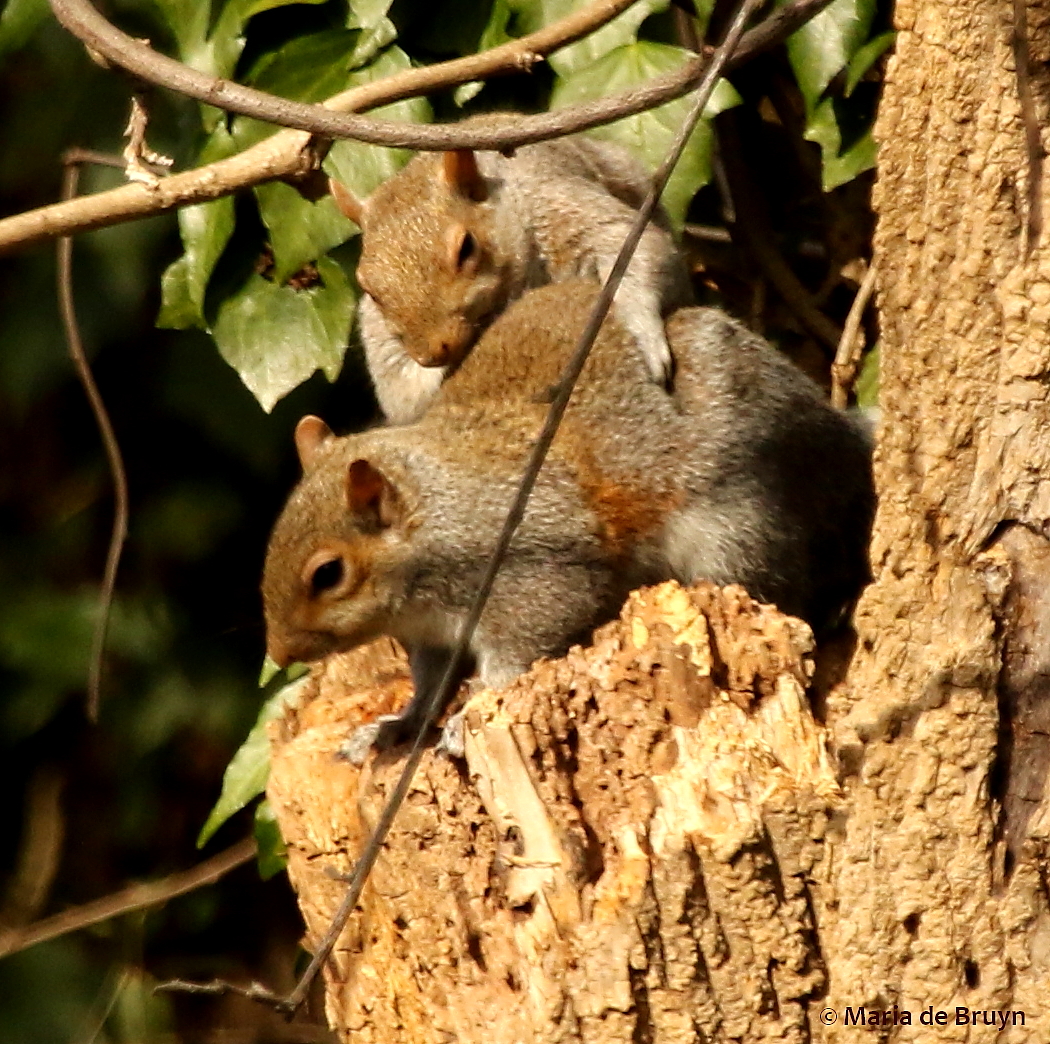
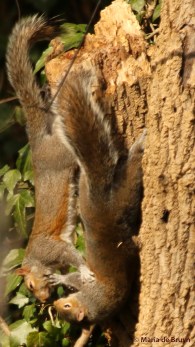
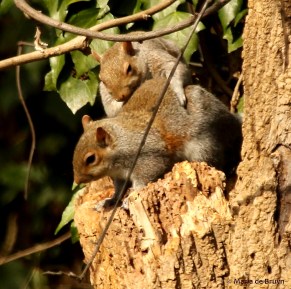
The past few days, the squirrels have continued their chasing, but now it is not always in rivalry or play. Instead, their romantic side is showing and the merriment goes on for a good length of time. They appear to have designated a particular tree stump/snag in my back yard as their trysting spot.
Eastern gray squirrel I77A1104© Maria de Bruyn res              Eastern gray squirrel I77A0980© Maria de Bruyn

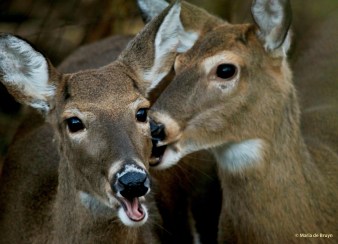
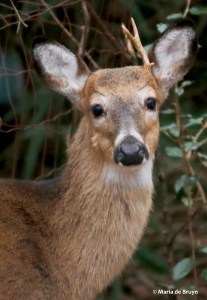
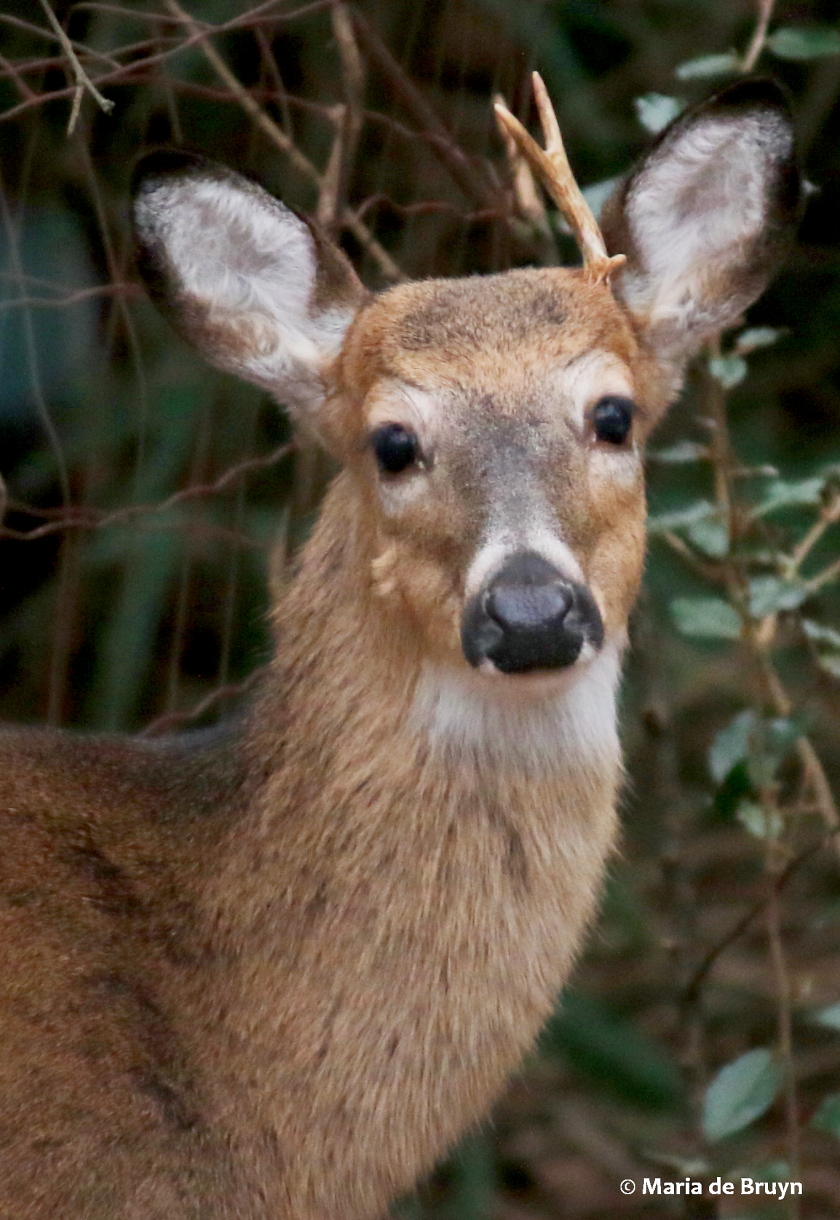
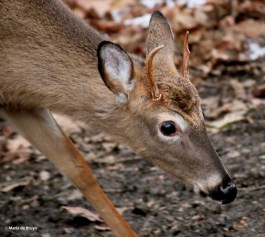
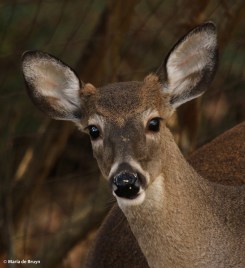
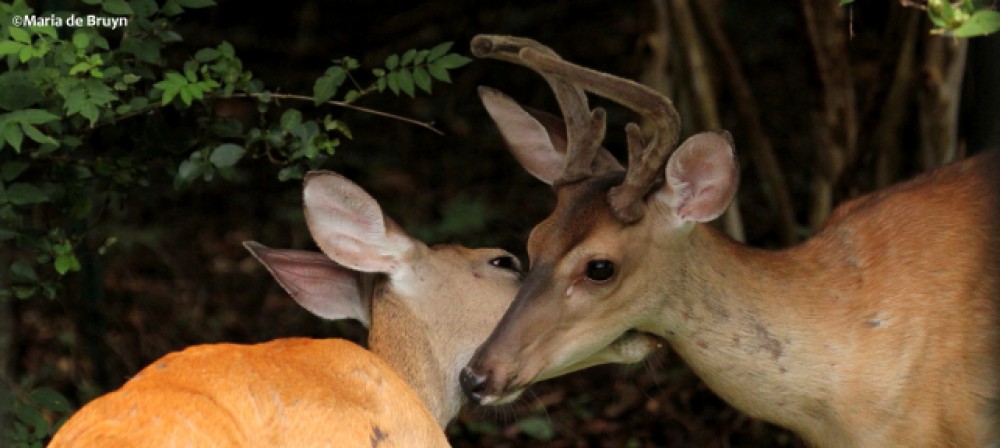
white-tailed deer I77A0963© Maria de Bruyn resThe white-tailed deer carry on their mating elsewhere but I know it’s happening as the males are evidence. Usually, one small family group comes to my home – mom, her one-year-old daughter and one-year-old son (a button buck, so-called for his tiny little antler nubs). They were occasionally accompanied by a couple second-year bucks with little antlers – I suspect mama’s sons from the previous year.
white-tailed deer I77A1367© Maria de Bruyn res    white-tailed deer I77A2025© Maria de Bruyn res

white-tailed deer I77A1366© Maria de Bruyn res


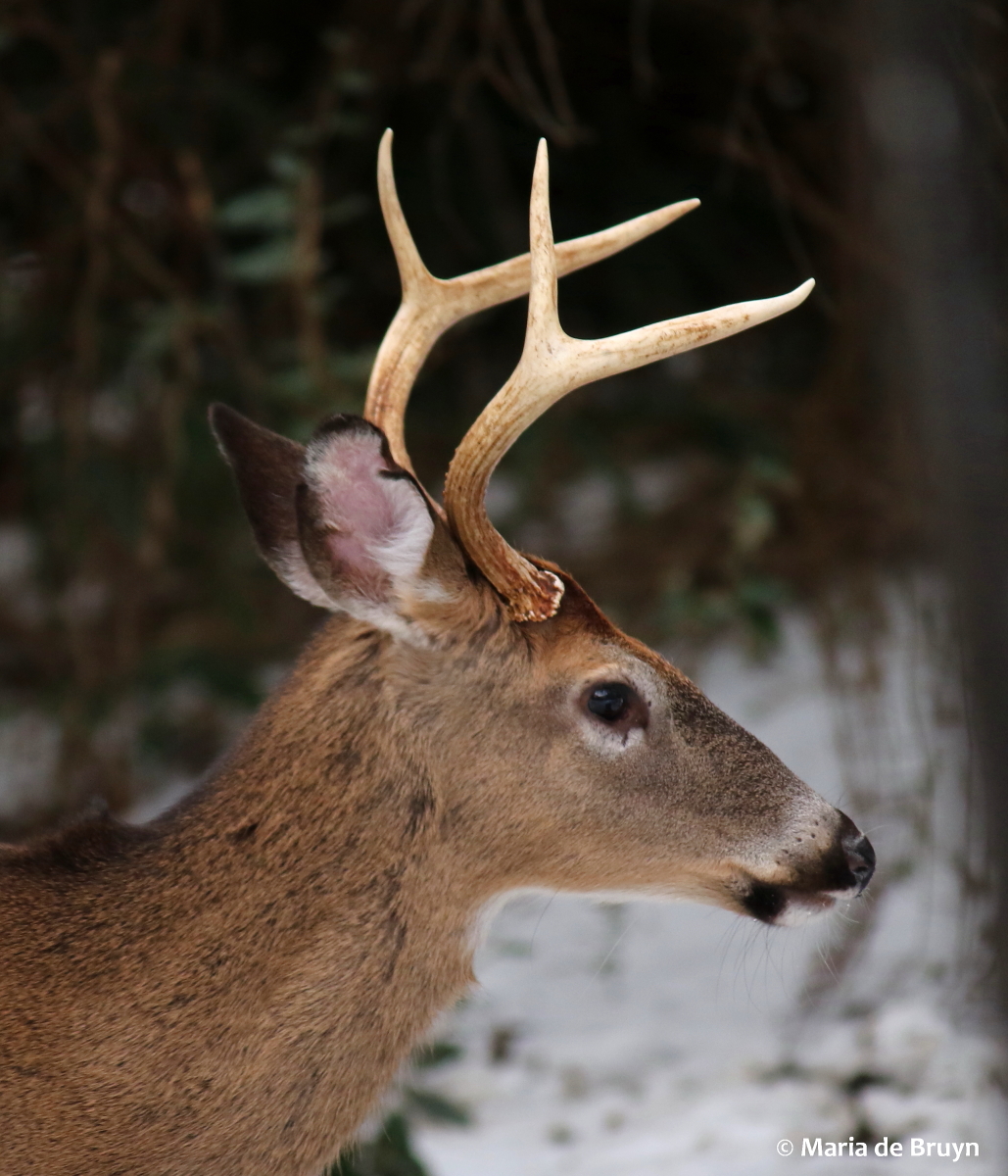
One of them lost one of his antlers early, but whether this was the result of a fight or accident is unknown to me. It seems that mama has allowed an orphaned button buck to join their group occasionally, too.

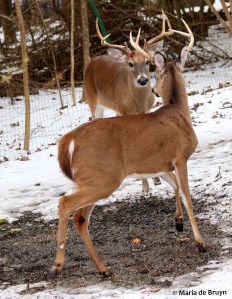
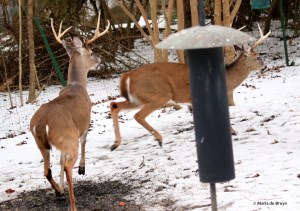
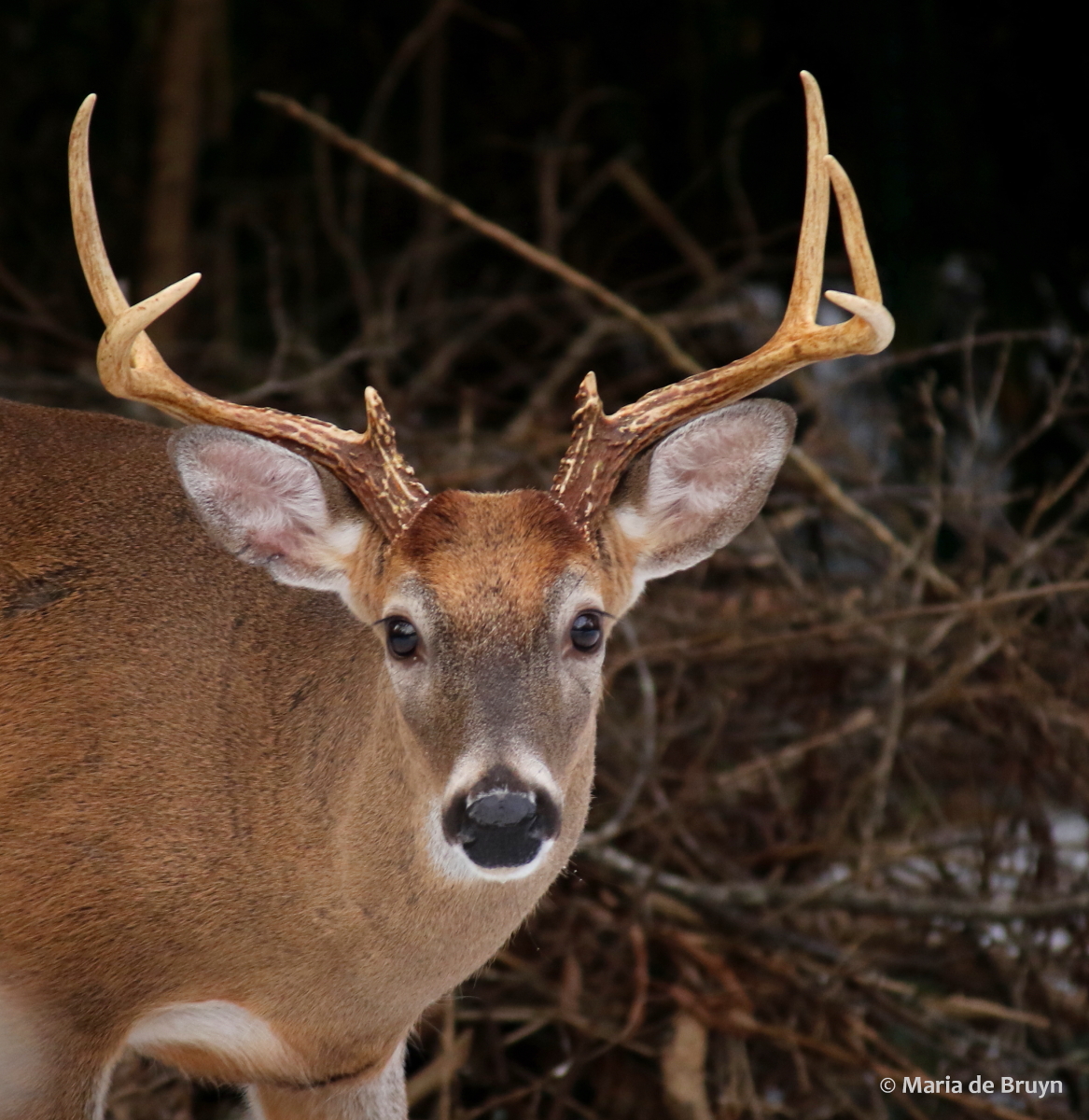
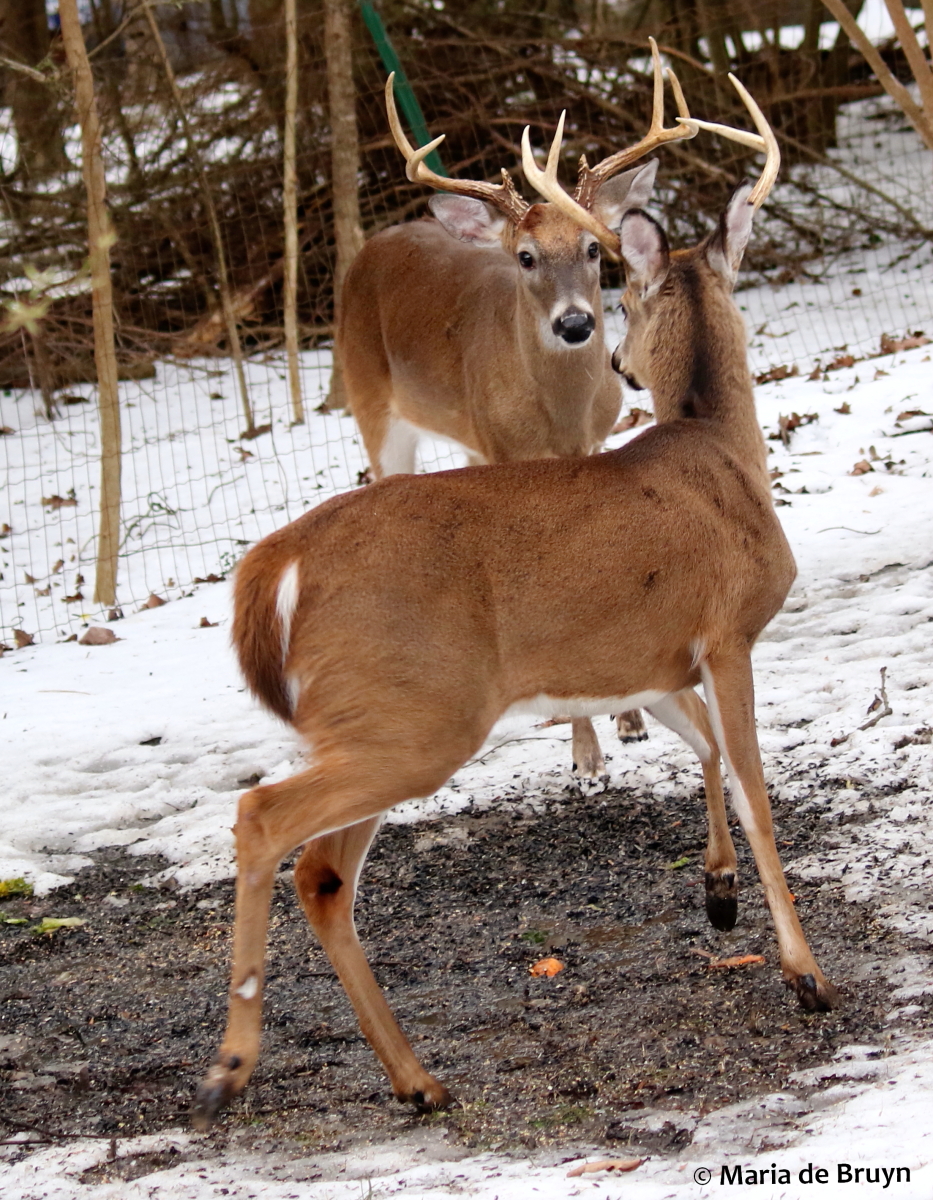
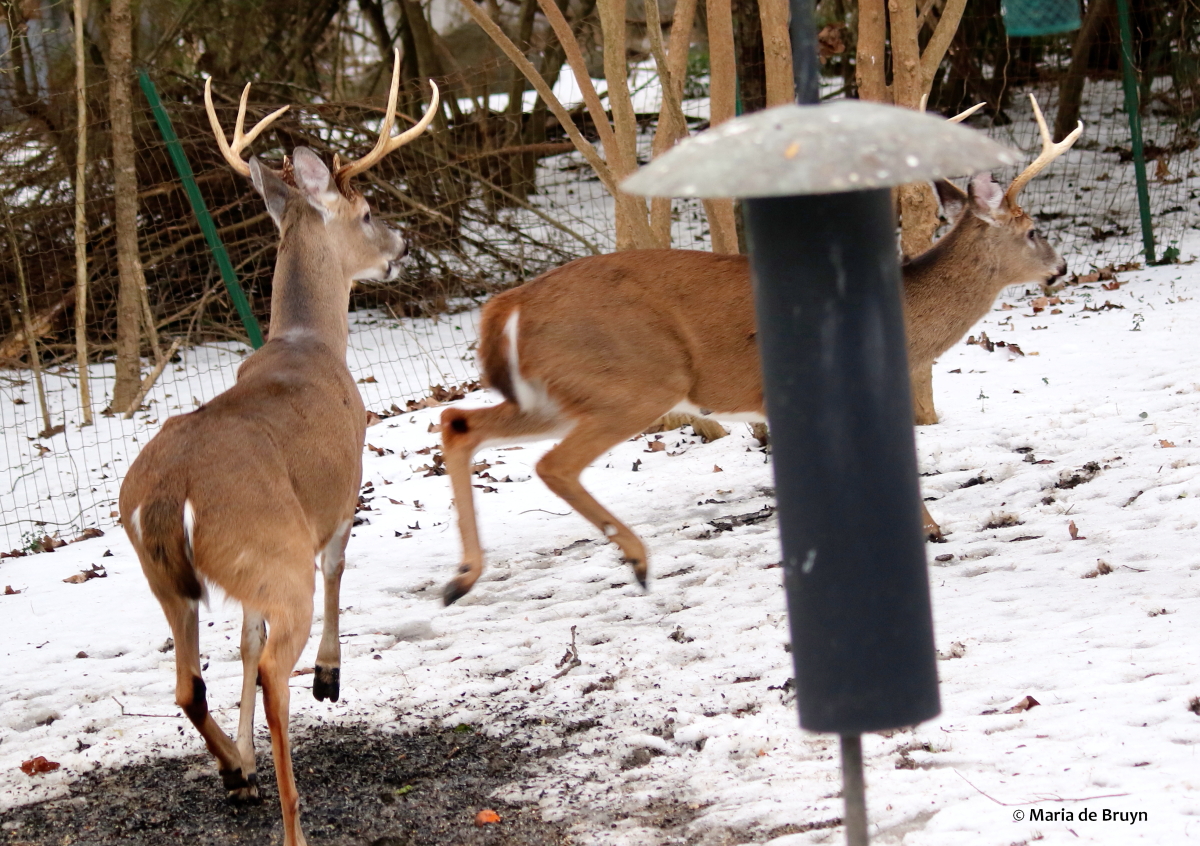
A couple weeks ago, two of the older males came down from the woods in search of does and food in the cold weather. This pair was traveling together but that didn’t stop some rivalry where first-access to the available food was concerned.
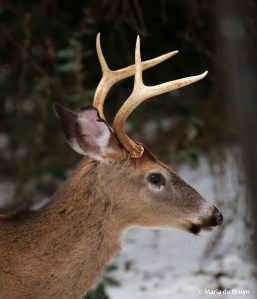
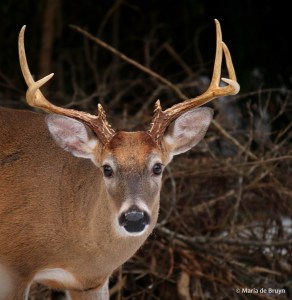
 

white-tailed deer I77A1061© Maria de Bruyn res white-tailed deer I77A1005© Maria de Bruyn res


white-tailed deer I77A1127© Maria de Bruyn res  white-tailed deer I77A1150© Maria de Bruyn res

white-tailed deer I77A1893© Maria de Bruyn res


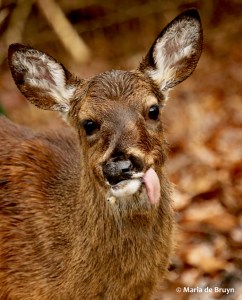
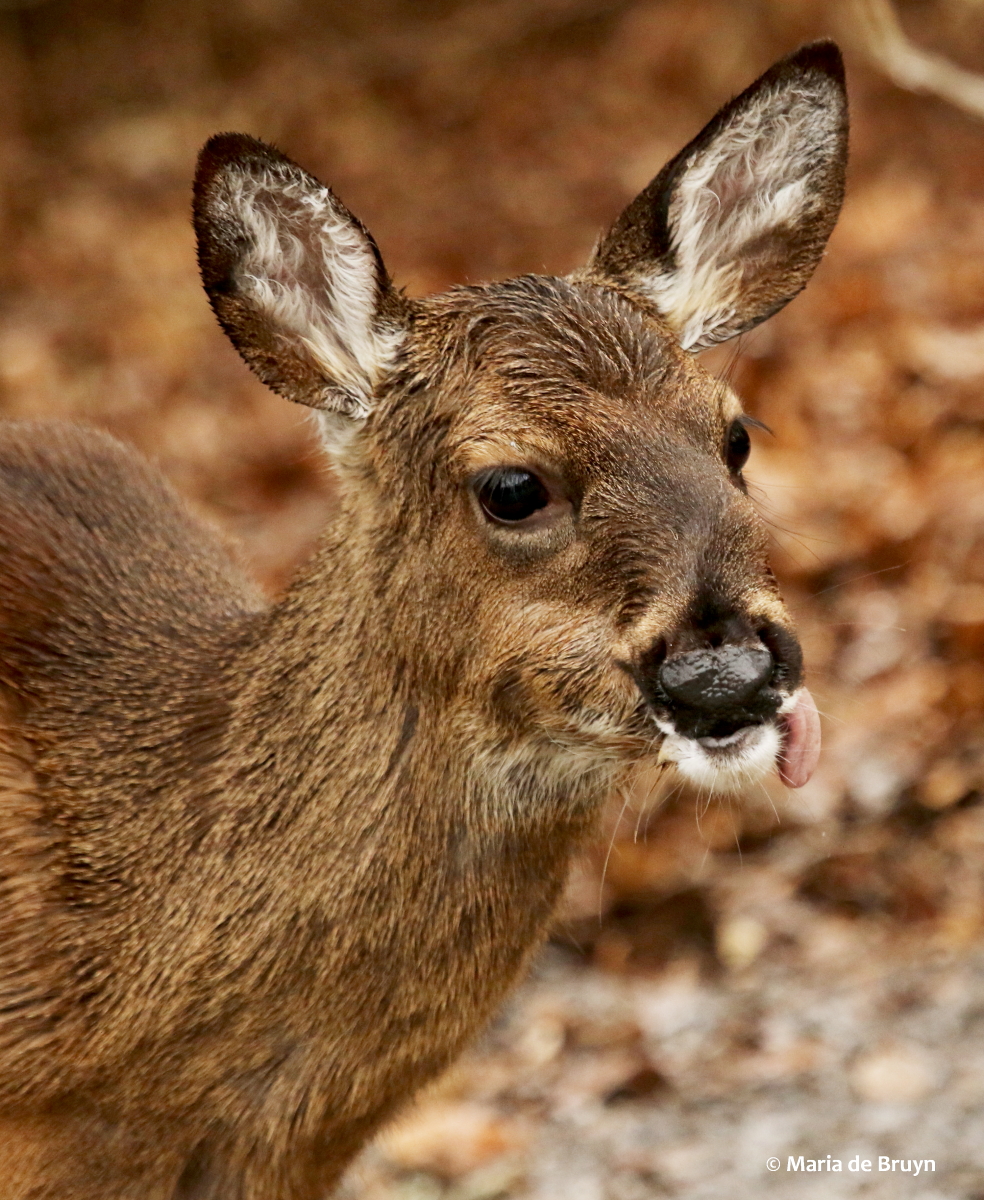
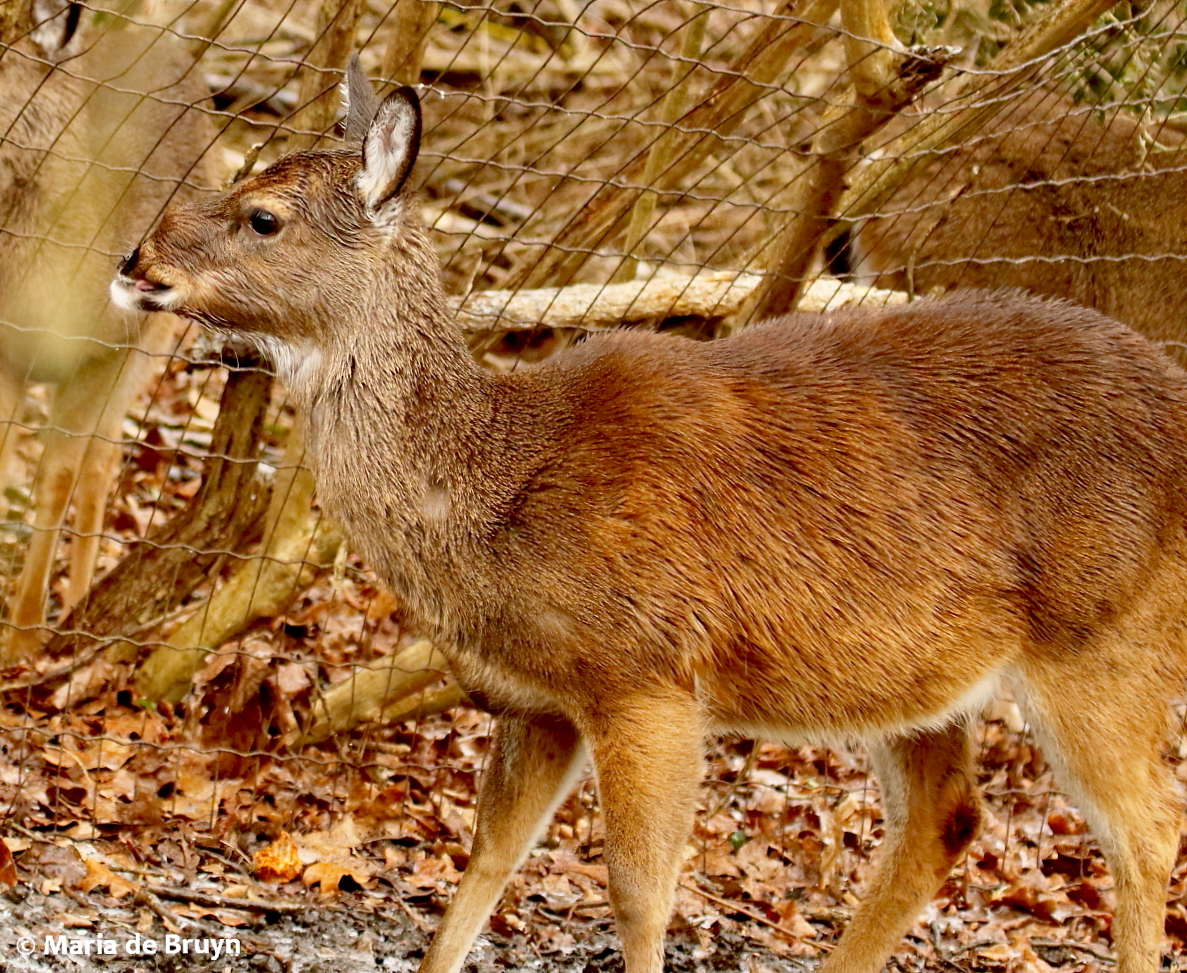
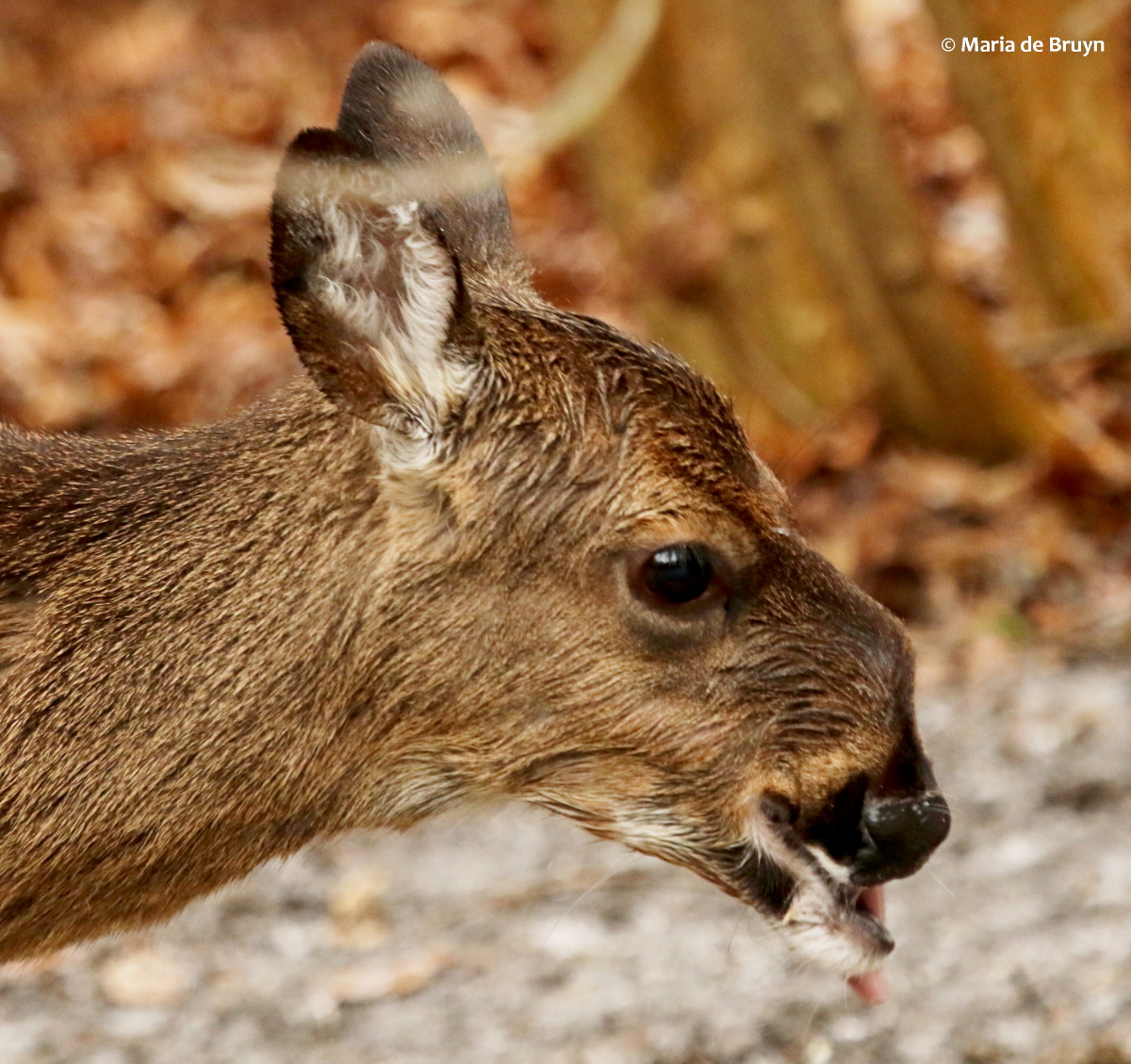
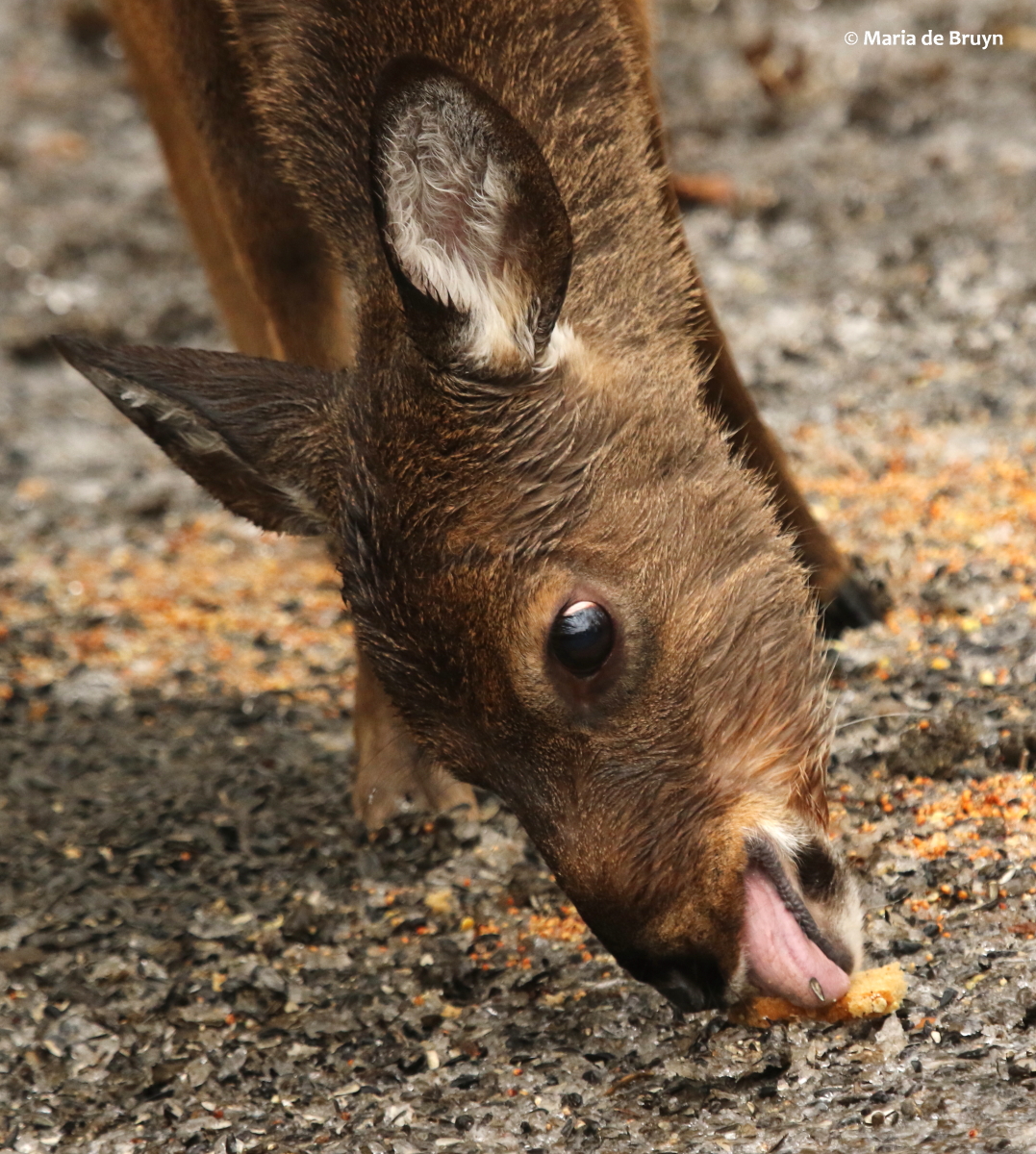
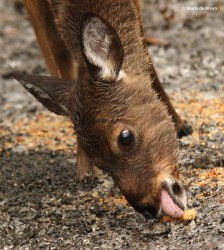
Then one day about a week ago when we had some very icy weather, I was surprised by a new and unfamiliar family group for a day. I didn’t mind them eating some seed and the resident family wasn’t around to chase them away. But then I felt immensely sad as I saw that one of them had been injured. Her tongue was lolling out but it was only when she came into the yard that I saw she must have been in an accident.


I felt miserable for her, seeing her face had been smashed in but after watching for a while, I realized the accident must have happened some time ago as she had no open wounds.
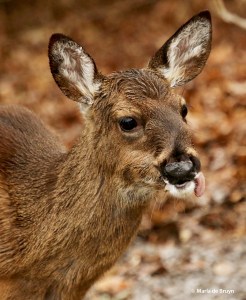
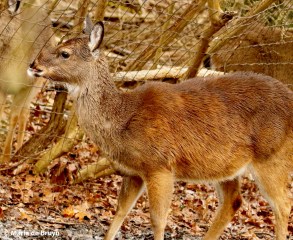
white-tailed deer I77A1917© Maria de Bruyn res white-tailed deer I77A1869© Maria de Bruyn

It must have been terribly painful though. I decided to call her Camelia as her profile reminded me of a camel.

white-tailed deer I77A1932© Maria de Bruyn res   white-tailed deer I77A1906© Maria de Bruyn res

white-tailed deer I77A1887© Maria de Bruyn res

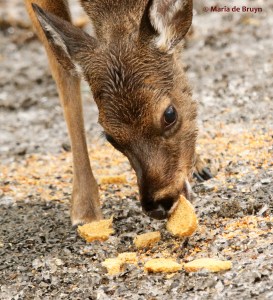
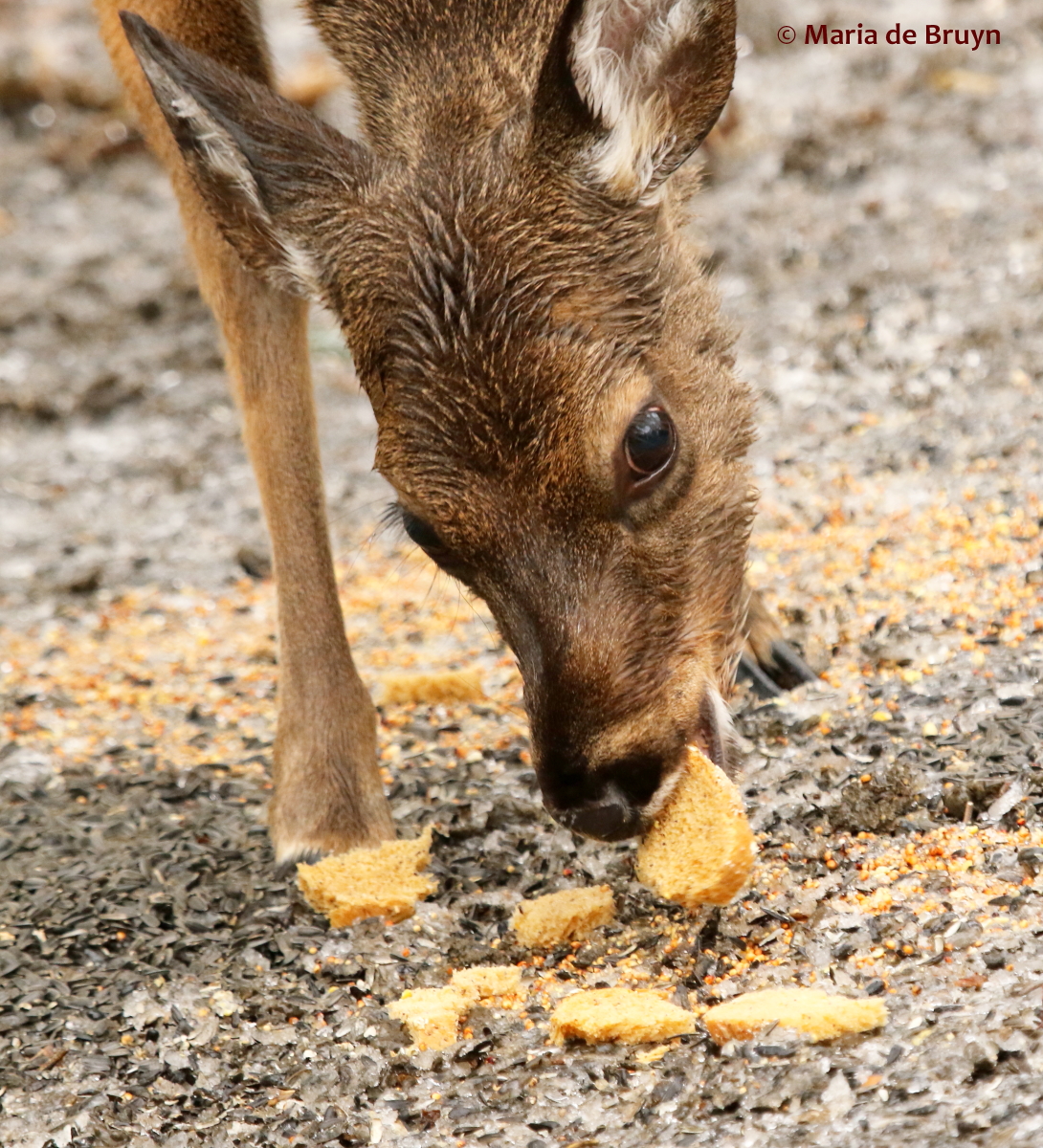
I put out some soft bread for her because I don’t know how easily she can eat. She does seem well-fed, however, so perhaps her disability is not hampering her nutritional intake. I haven’t seen her or her family again and don’t know if they will ever return, but it reminded me of how many deer are hurt and killed in accidents. I continue to think it would be worthwhile for research to continue on reducing deer populations through contraceptive use.
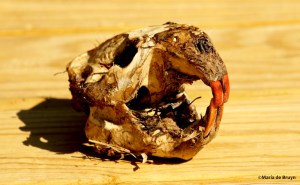
 

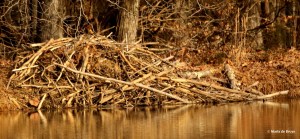
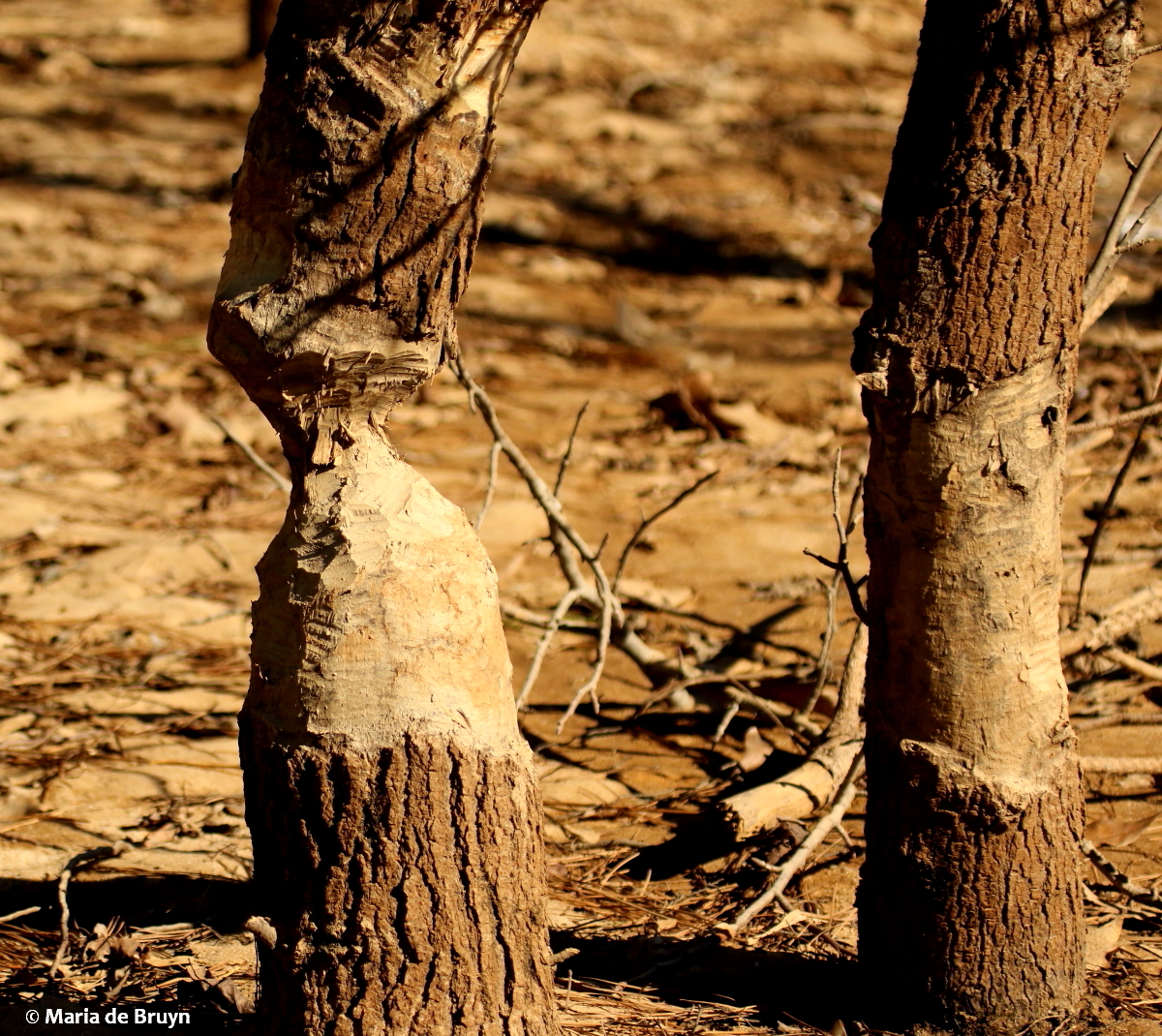
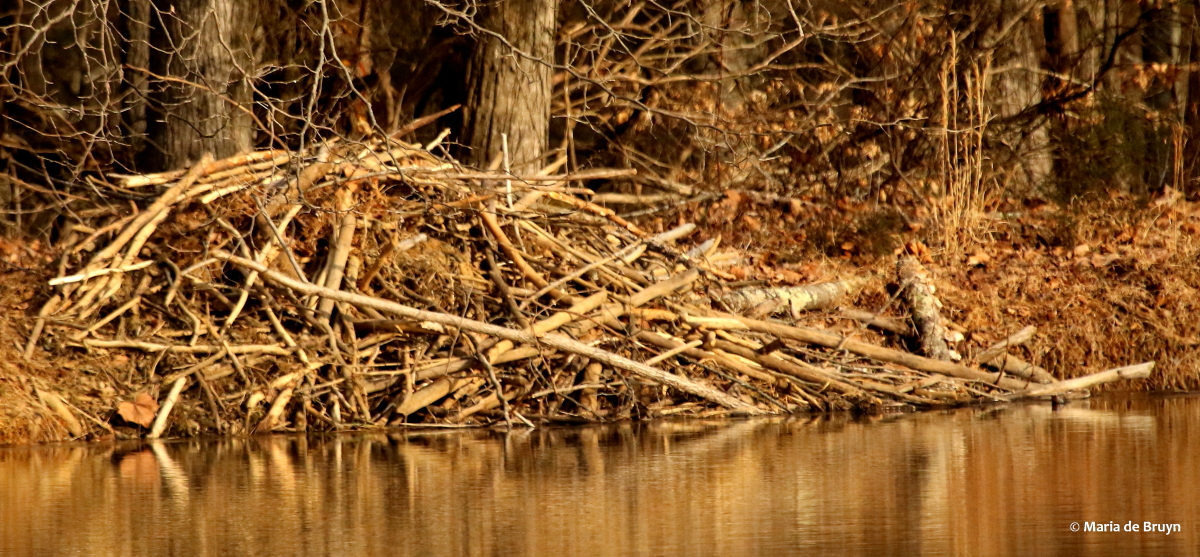
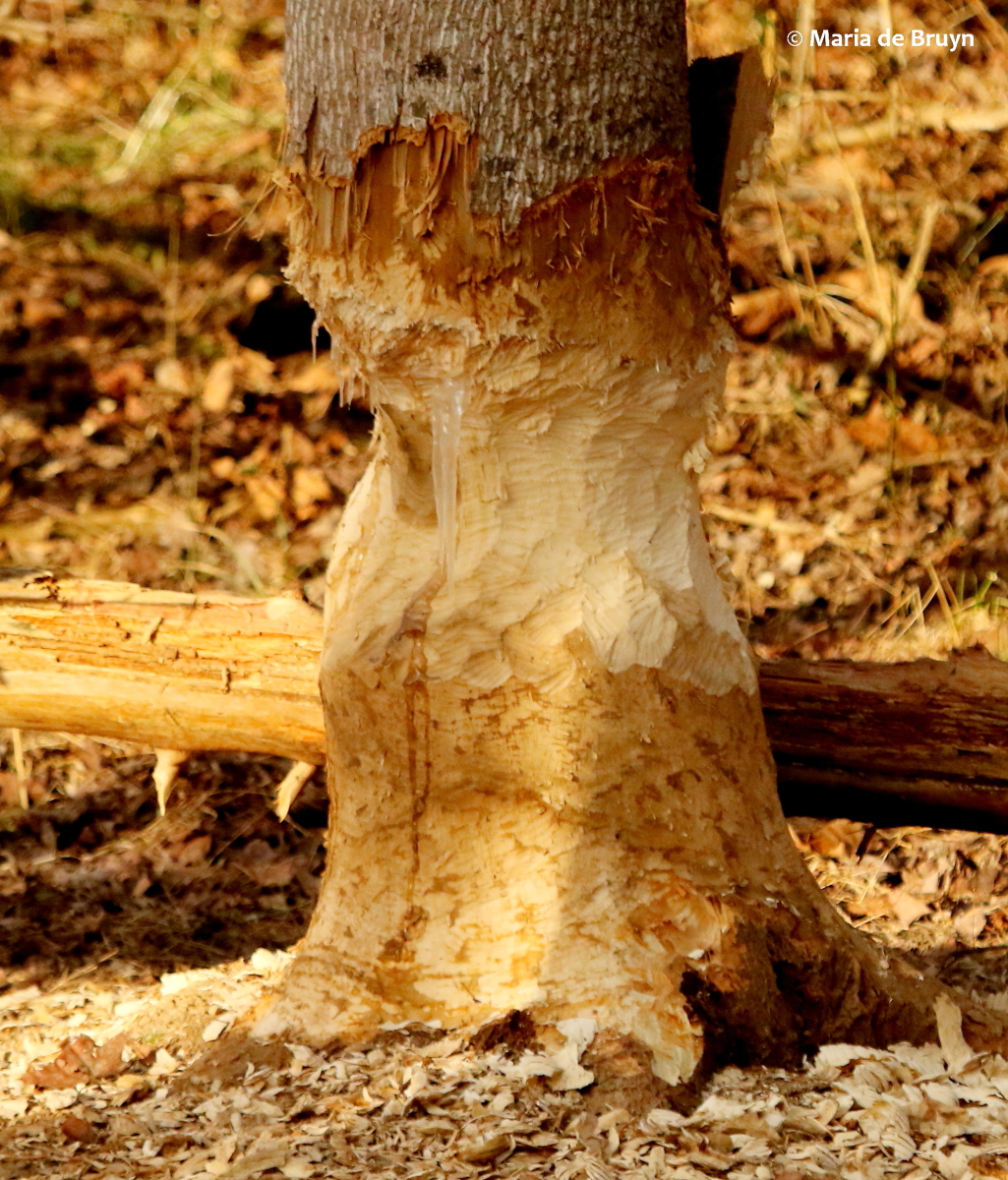
Beaver DK7A4173©Maria de Bruyn resOutside my yard, I’ve been seeing many signs of beavers (Castor canadensis) in the parks and reserves I visit. Their teeth are strong and I recently learned why their teeth are reddish brown – the enamel contains iron!


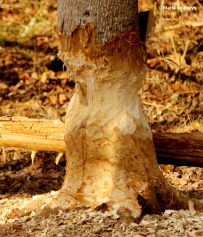
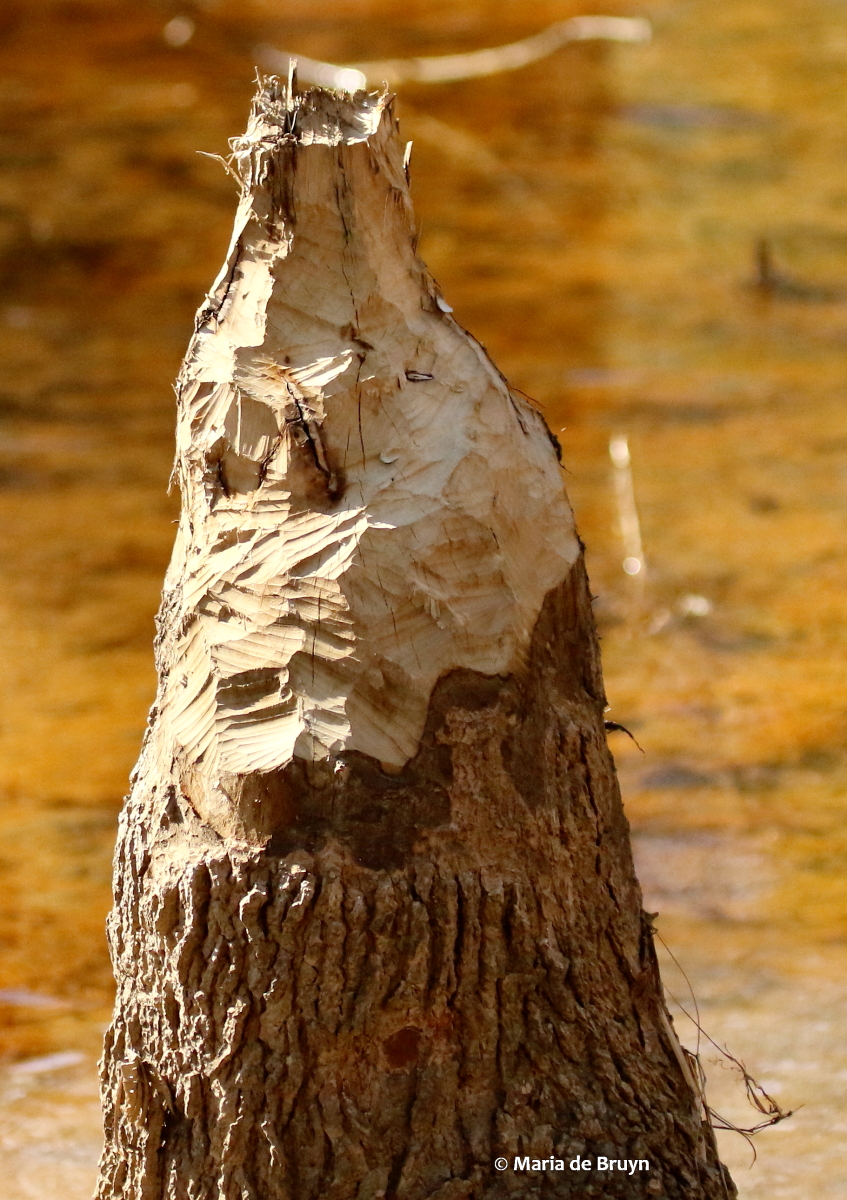
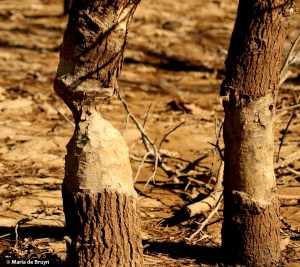
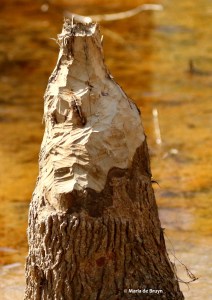
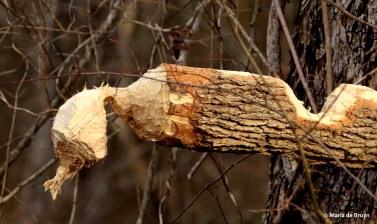
They have left tree stumps, half-gnawed trees and detached trees that they have apparently not yet been able to drag over to their dams and dens.
beaver tree I77A2950© Maria de Bruyn res  beaver I77A0313© Maria de Bruyn res

beaver I77A0125© Maria de Bruyn res  beaver I77A0098© Maria de Bruyn res

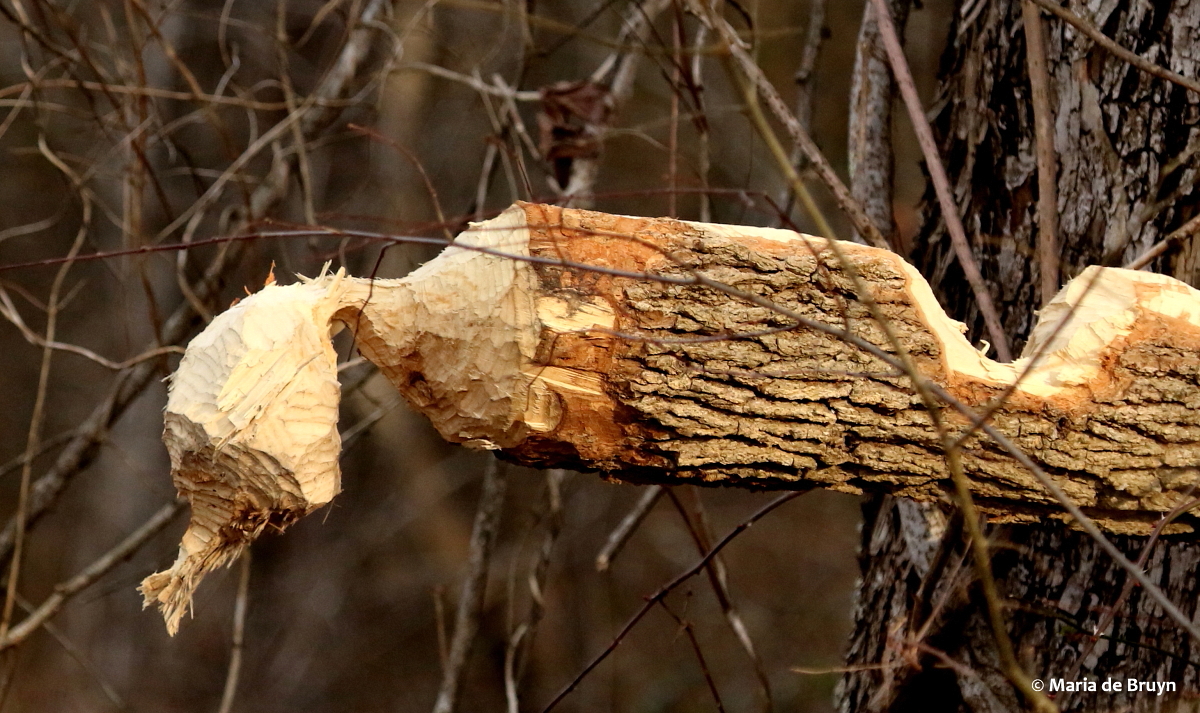
One downed tree in particular looked to me like they had been working on a bird sculpture!
beaver I77A0090© Maria de Bruyn res


Eastern chipmunk I77A6221© Maria de Bruyn resI’m guessing that some of the other animals will be coming out in the daytime soon around my home – at the very least, the frogs and rabbits, whom I have seen only very occasionally. Spring is coming and while I enjoy seasonal variety, I will welcome it with open arms!
Winter mornings at Jordan Lake

Mist on the lake I77A5266© Maria de BruynSpending two cold early mornings at Jordan Lake the past couple weeks reinforced my conviction that getting out into nature is a restorative and calming activity. And it doesn’t need to be warm. Although a doctor pronounced me healed after my recent hospitalization and home treatment, it turns out that I’m not completely healthy after all. Starting a new treatment was a bit stressful, but seeing the birds at the lake was a joy.

snag I77A6203© Maria de Bruyn res

Mind you, I’d love to see other wildlife there, but the mammals, reptiles and amphibians have been hiding out or keeping away from areas frequented by people. The fact that it is still hunting season probably makes some of them somewhat shy, too. I did manage to see a fly on one morning though.

fly I77A2979© Maria de Bruyn

The animals do leave behind signs of their presence, however. Tracks in the sand is one give-away that they passed by.

animal tracks I77A2998© Maria de Bruyn res

The beavers (Castor canadensis) leave behind distinctively gnawed tree stumps – and here you can also see one tree that they haven’t quite finished felling yet.

beaver tree I77A2933© Maria de Bruyn res beaver tree I77A2950© Maria de Bruyn res

The shoreline vegetation was decorated with gull feathers in various areas of the lake.

bird feather I77A2711© Maria de Bruyn res bird feather I77A2697© Maria de Bruyn res

heron track I77A2924© Maria de Bruyn res


A sandy track of what I assumed was a great blue heron (Ardea herodias) didn’t produce a bird at that site, but I saw these beauties in flight at two other sites.


great blue heron I77A3926© Maria de Bruyn res

great blue heron I77A2558© Maria de Bruyn res

At one area, I spotted a bird that seemed unfamiliar just as it was turning to take off. Friendly birders online identified it as an American pipit (Anthus rubescens), the first time I had seen this species (known as a “lifer” among the birding crowd). The next week I saw a killdeer (Charadrius vociferous) in the same spot but got a better shot.

American pipit I77A2526© Maria de Bruynkilldeer I77A5908© Maria de Bruyn

The killdeer didn’t hang around too long either, but I was able to get a couple of nice flight photos this time.

killdeer I77A5933© Maria de Bruyn res killdeer I77A5931© Maria de Bruyn res

American crow I77A2810© Maria de Bruyn res


The American crows (Corvus brachyrhynchos) were foraging in the shoreline woods, while the song sparrow was looking for food among the woody detritus left at lakeside.


song sparrow I77A5877© Maria de Bruyn res song sparrow I77A5866© Maria de Bruyn res

In another place, the crows were very loudly making their presence known – it turned out that a red-tailed hawk (Buteo jamaicensis) was perched nearby and they were making sure everyone knew the hawk was there.

red-tailed hawk I77A3850© Maria de Bruyn resAmerican crow I77A3878© Maria de Bruyn res

In the trees near the lake, various birds could be seen: the ruby-crowned kinglet (Regulus calendula) was very busy as usual, flying from a sweet gum (Liquidambar styraciflua) to other trees in rapid succession.

ruby-crowned kinglet I77A5662© Maria de Bruyn ruby-crowned kinglet I77A6049© Maria de Bruyn

At one site, there were many dark-eyed juncos foraging on the ground and taking pauses in the trees and shrubs around. Juncos are actually a type of sparrow and a group of sparrows is known by several names: a crew, a flutter, a meinie, a quarrel and an ubiquity.

dark-eyed junco I77A2838© Maria de Bruyn dark-eyed junco I77A2379© Maria de Bruyn

The downy woodpeckers (Dryobates pubescens) and red-bellied woodpeckers (Melanerpes carolinus) were in evidence at various lake sites.

downy woodpecker I77A2504© Maria de Bruyn resRed-bellied woodpecker I77A5384© Maria de Bruyn res

Overhead, the double-crested cormorants (Phalacrocorax auritus) flew by; they would land and share space with the ring-billed gulls (Larus delawarensis).


double-crested cormorant I77A2731© Maria de Bruyn resring-billed gull I77A3558© Maria de Bruyn res

ring-billed gull I77A2389© Maria de Bruyn res


The ring-billed gulls were numerous and occasionally one swooped down to fish not too far from shore.

ring-billed gull I77A5489© Maria de Bruyn resring-billed gull I77A5497© Maria de Bruyn res

While I was watching, the horned grebes (Odiceps auritus) were more successful in getting meals as they dove into the cold water.

Horned grebe I77A3662© Maria de Bruynhorned grebe I77A3094© Maria de Bruyn

belted kingfisher I77A4014© Maria de BruynA couple times I was very surprised by a bird that suddenly seemed to emerge out of nowhere to fly over my head or just in front of me. That was the case with a beautiful male wood duck (Aix sponsa) and a belted kingfisher (Megaceryle alcyon).


wood duck I77A3719© Maria de Bruyn res wood duck I77A3718© Maria de Bruyn res

bald eagle I77A3030© Maria de BruynAn adult bald eagle (Haliaeetus leucocephalus) soared by just as I was approaching an observation platform in one area; the distance and height were considerable but I managed a shot. A Bonaparte’s gull (Chroicocephalus philadelphia) flew by a little lower, while a Carolina chickadee (Poecile carolinensis) sat still for a portrait.


Bonaparte's gull I77A3962© Maria de Bruyn


Carolina chickadee I77A5806© Maria de Bruyn res

My last avian companions during my latest lake walk were a white-throated sparrow (Zonotrichia albicollis) and a lovely hermit thrush (Catharus guttatus).

white-throated sparrow I77A6115© Maria de Bruynhermit thrush I77A6165© Maria de Bruyn

I returned home on both occasions a satisfied birder!


Motherhood in the wild

yellow-bellied slider IMG_3703© Maria de Bruyn res After watching the baby herons today at the Sandy Creek Park rookery (blog coming on that!!), I walked down a path taking photos of plants and flowers, ending in a spot where I wanted to check on what had happened to a moth cocoon. To my surprise and delight, when I glanced to the side, I saw a yellow-bellied slider (I think, Trachemys scripta scripta) in the process of laying her eggs.

yellow-bellied slider MG_3704© Maria de BruynI didn’t want to get too close but was really curious as well since this would be the first time I had seen a turtle laying eggs. So I inched a bit closer and witnessed her last egg dropping down into the nest. Happy turtle and happy me!

She immediately began covering it by pushing dampened earth over it with her hind legs and feet.

yellow-bellied slider IMG_3706© Maria de Bruyn res yellow-bellied slider DK7A4271© Maria de BruynMother turtle kept an eye on me during this process, pausing if I moved too close.

yellow-bellied slider DK7A4273© Maria de Bruyn resAt one point, I continued along the path to give her a little privacy and came upon another turtle – perhaps also looking for a nesting site?

Yellow-bellied slider DK7A4294© Maria de Bruyn res yellow-bellied slider DK7A4296© Maria de Bruyn res

This turtle’s eggs will now incubate for a period of two to three months. When the babies hatch, they will likely stay near the nest during the winter, eating insects, spiders, carrion – an almost exclusively carnivorous diet. If left alone by humans and predators, they can grow up to live as long as 30 years in the wild.yellow-bellied slider DK7A4270© Maria de Bruyn res yellow-bellied slider DK7A4439© Maria de Bruyn res

yellow-belllied slider DK7A4286© Maria de Bruyn resI left mom to the task of covering the site and returned about 20 minutes later. She was nowhere in sight and it was only because I had seen her on the nest that I could tell where she had laid the eggs. I hope I remember the site so that I can return in a couple months and perhaps be lucky enough to see the babies emerge.


Yearning and burning for biological diversity

Burn 18 March 2015 DK7A1575© Maria de Bruyn resOn 18 March, a controlled burn again took place on 18 March at the Mason Farm Biological Reserve as part of the management strategy to promote the biological diversity of native plants at this nature refuge. During a controlled understory burn, the undergrowth of a defined area is set afire in a simulation of the wildfires that have historically been a part of meadow and forest ecology.

Burn 18 March 2015 IMG_1047© Maria de Bruyn resThe area to be burned is prepared by clearing a broad border of flammable materials such as leaves and twigs. If there are trees or plants that should remain but that could catch fire, for example because there are vines going up their trunks, the area around them can be raked clear or sprayed with water, creating a firebreak.


Burn 18 March 2015 IMG_1107© Maria de Bruyn resA controlled burn requires permission from safety authorities and is monitored by a team of people, some of whom will ignite the fire and others who will patrol the perimeters and help ensure that the fire is quenched before leaving for the day. Duties are assigned during pre-burn briefings and team members have copies of maps showing which sections of the designated burn area are their responsibility. They carry out a radio check before the burn begins to ensure they can be in communication when needed.

Burn 18 March 2015 IMG_1076© Maria de Bruyn resBurn 18 March 2015 IMG_1078© Maria de Bruyn res

Burn 18 March 2015 IMG_1157© Maria de Bruyn resdrip torch IMG_1156© Maria de Bruyn resAt Mason Farm, the fires were ignited in lines through the use of a drip torch, which allows the person wielding it to direct a stream of flaming fuel to the area to be burned.


Burn 18 March 2015 DK7A1407© Maria de Bruyn res Burn 18 March 2015 DK7A1393© Maria de Bruyn res

Perimeter and interior monitors use implements such as shovels, rakes, “fire flappers” (long-handled instruments with flexible ends to swat down flames and embers) and portable water sprayers to contain the burn within its boundaries.

Burn 18 March 2015 IMG_1117© Maria de Bruyn resBurn 18 March 2015 DK7A1460© Maria de Bruyn res

The burn at Mason Farm was ignited first in a small patch so that the team could observe the speed with which the fire spread and burned the ground vegetation.

Burn 18 March 2015 DK7A1421© Maria de Bruyn res Burn 18 March 2015 IMG_1080© Maria de Bruyn res

Burn 18 March 2015 IMG_1090© Maria de Bruyn resBurn 18 March 2015 IMG_1119© Maria de Bruyn resThey also paid careful attention to the wind direction, which could transport embers and bits of burned debris away from the burn site.

Burn 18 March 2015 DK7A1427© Maria de Bruyn res Burn 18 March 2015 DK7A1446© Maria de Bruyn res

Controlled burns are important in eradicating invasive plants (e.g., Microstegium vimineum, commonly known as Japanese stiltgrass) and enabling native plants to thrive. Some plants are fire-resistant and suffer little damage during a burn. A variety of grasses, flowers and trees need fire for their seeds to germinate, while other plants may need less dense areas as prime growth habitat. Some of the minerals contained in slowly decaying plant matter become soluble and more available in ash, contributing to quicker rejuvenation of the soil.

Burn 18 March 2015 IMG_1120© Maria de Bruyn resBurn 18 March 2015 DK7A1520© Maria de Bruyn res

Some areas of the work area burned quickly and turned into smoldering ash that occasionally flared up with a rise or turn of the wind. During this burn, some patches did not catch fire; others at first appeared immune to the fire only to burst into flame after some time.

Burn 18 March 2015 IMG_1154© Maria de Bruyn resThe flames could be quite beautiful and even mesmerizing as they flickered and flashed.

Burn 18 March 2015 DK7A1627© Maria de Bruyn res Burn 18 March 2015 DK7A1577© Maria de Bruyn res

At times the wind turned and brought smoke in our direction, obscuring the view but then the wind shifted again and we could see the crackling, shifting fire on logs and stumps.

Burn 18 March 2015 DK7A1496© Maria de Bruyn res Burn 18 March 2015 DK7A1498© Maria de Bruyn res

Burn 18 March 2015 DK7A1573© Maria de Bruyn resA concern for wildlife lovers is the possible demise of animals during a burn. Birds may lose nests but if the burn takes place outside the breeding season, the majority of birds can fly to safety. Many mammals can flee to other areas, while some reptiles and amphibians can burrow into the ground and survive. Occasionally, some animals may perish such as slow-moving turtles and arthropods (e.g., spiders) and insects. That is certainly a sad and regrettable outcome but team members sometimes can help rescue fleeing wildlife. During this burn, the marbled salamander larvae (Ambystoma opacum) continued to swim about placidly in a vernal pool in the woods across from the fire.

Marbled salamander DK7A1338© Maria de Bruyn resOverall, promoting a healthy environment for native plants not only helps restore the natural environment but is also important for wildlife species that depend on the fire-dependent plants for sustenance and habitat. Watching a burn can be an interesting and educational experience. People who want to participate in controlled burns can volunteer for this with the managers of preserved natural areas.