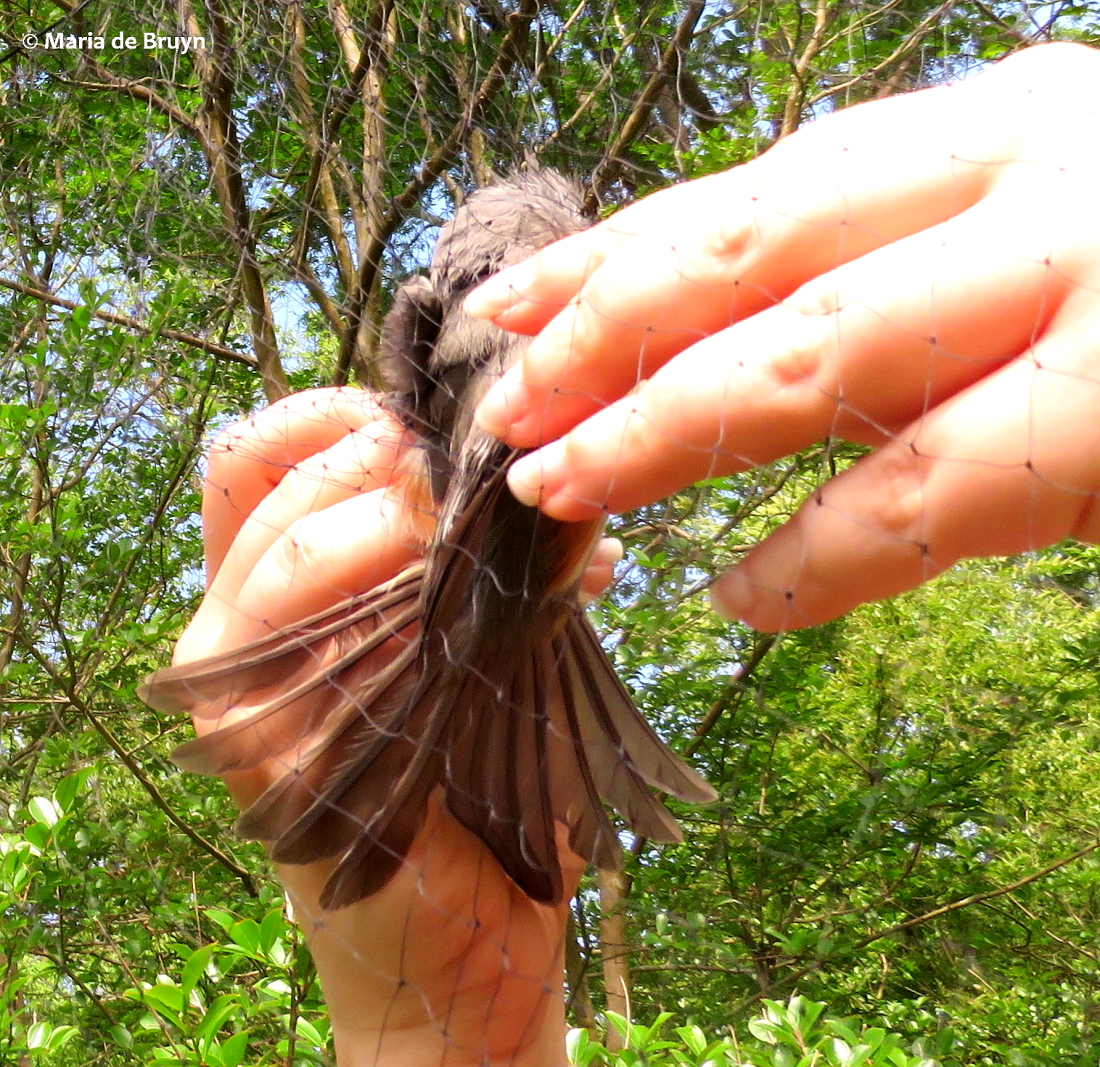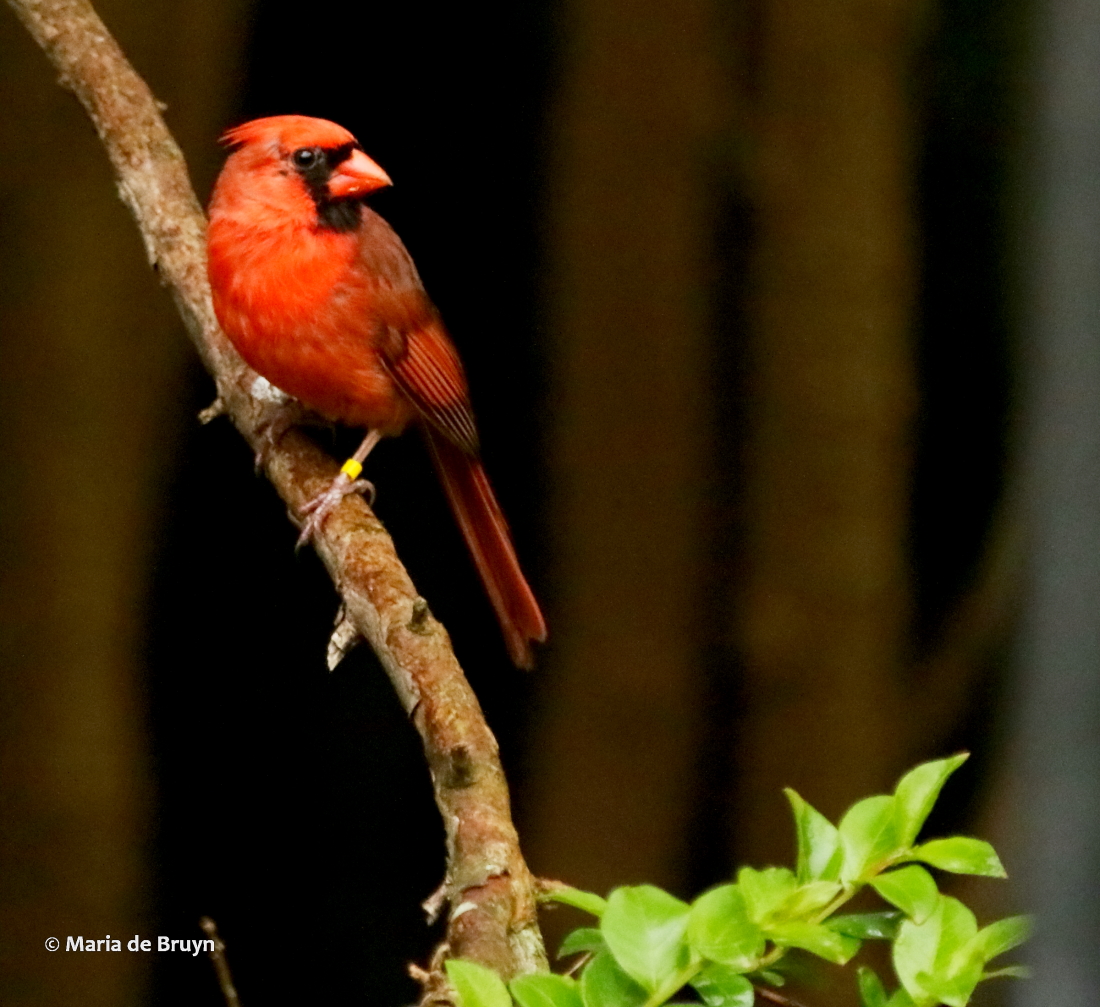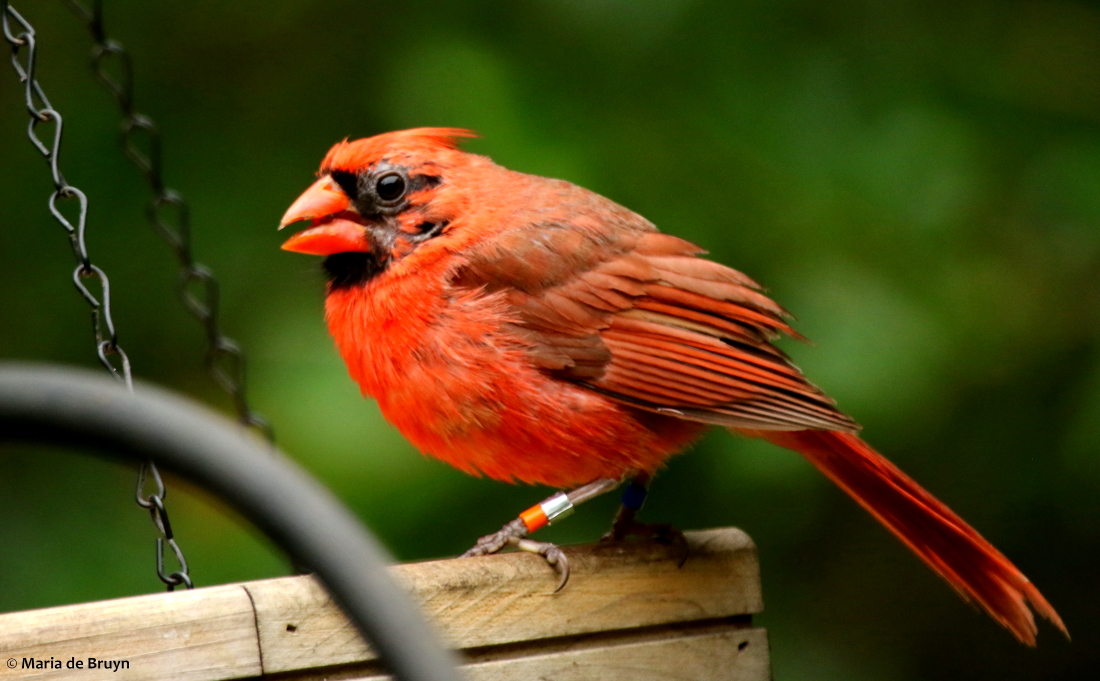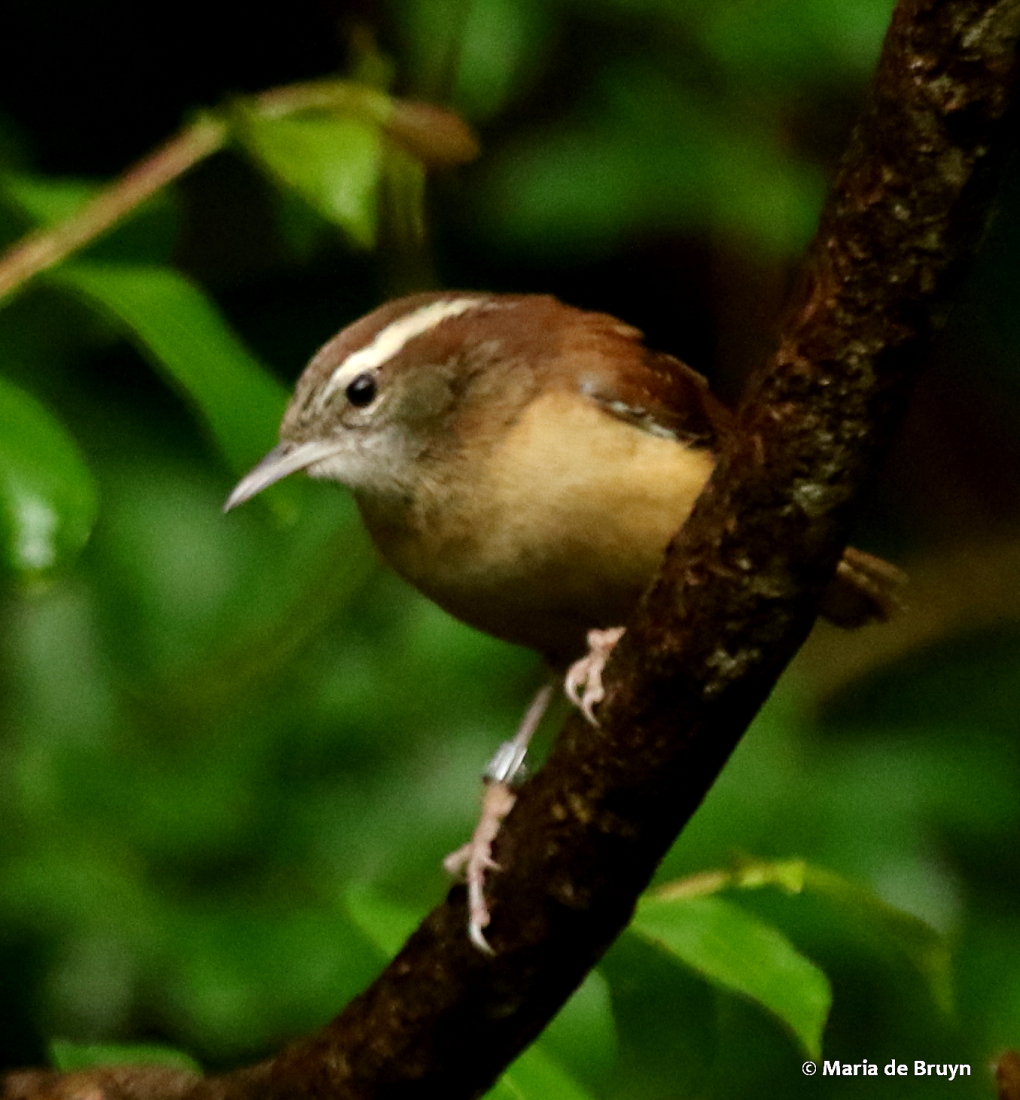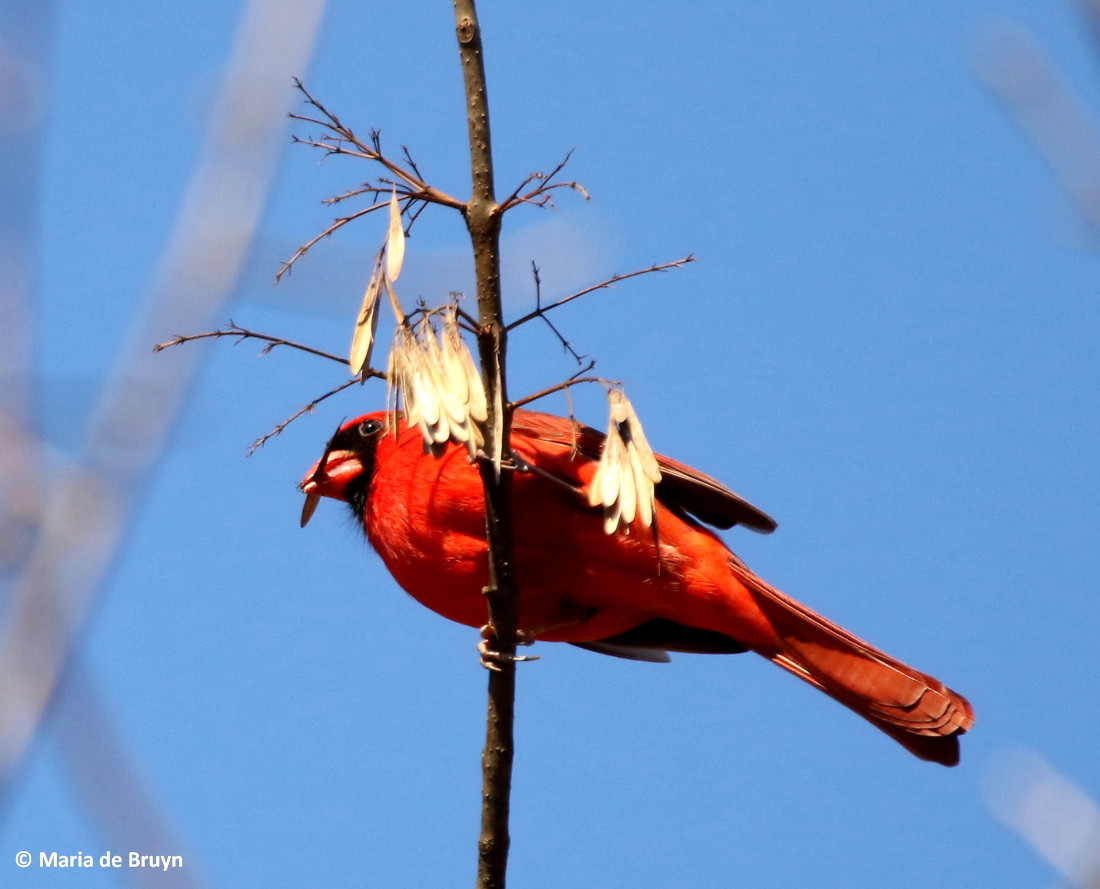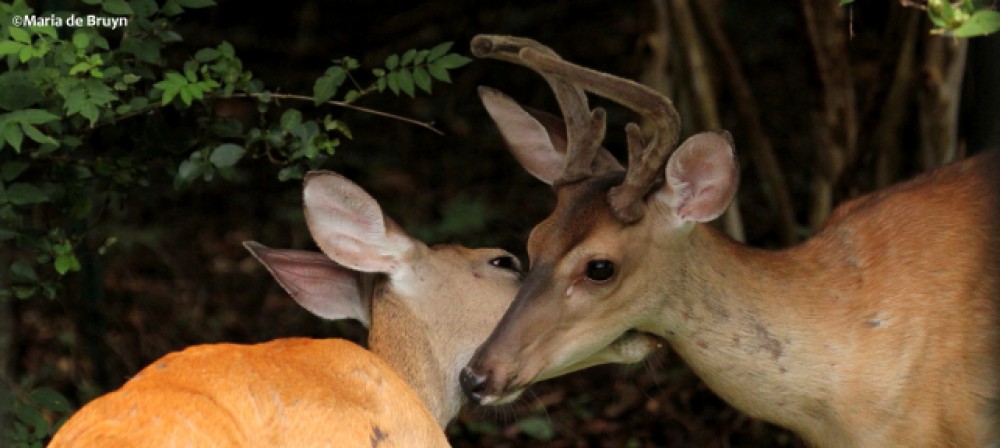
Avian generations in the making – part 2A: nesting and man-made construction

Hi folks — today I’d like to share with you some of my observations on the second part of avian reproduction — the process in which birds make a nest and lay eggs. (By the way, if you look up “bird nesting” on the Internet, the search will lead you to a human activity: a shared custody arrangement where children reside in one house and the parents take turns living there with them. In the bird world, some avian parents will actually share a home, such as this very old and enormous sociable weaver nest (Philetairus socius) that I saw in Namibia.)

Females of a few species will deposit their eggs in the nests of another, such as some cuckoos and brown-headed cowbirds (Molothrus ater). Some people dislike cowbirds intensely because of their nest parasitism (the cowbird baby will hatch first and eat all the food or perhaps get rid of the other eggs or babies). I figure that this is how the cowbird evolved – it didn’t make a choice to wipe out other species so I can’t blame or hate the bird for it. But the cowbirds do appear to pick on particular species as involuntary “foster parents” and this may be affecting the success of the other species’ reproduction.

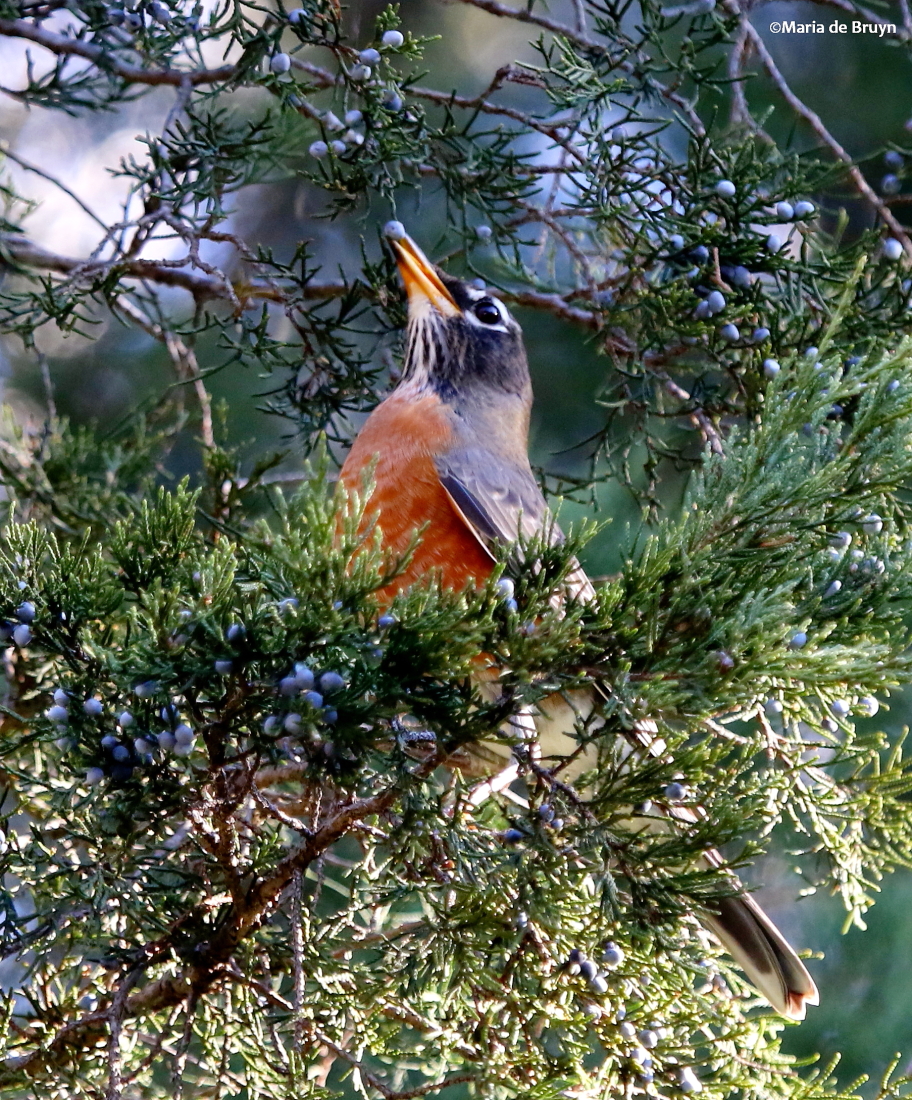
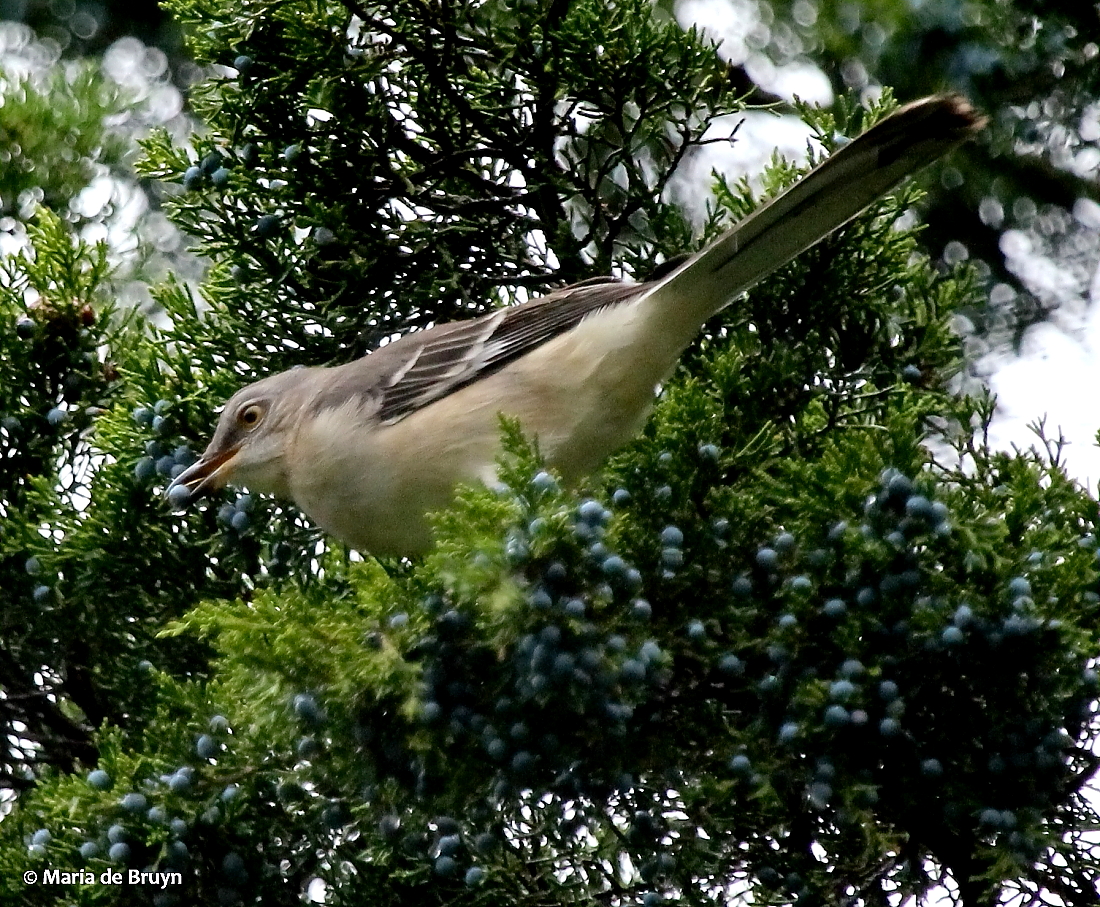
There are two general broad categories of bird nests – those located in or on man-made objects such as nest boxes, atop downspouts, in vehicles, in plant pots and other places and those constructed by birds in trees, shrubs and on the ground (i.e., the natural environment which I will discuss in the next blog so this doesn’t get too long!). When birds make a nest in a “human area”, people will often try to accommodate them, not using the object or vehicle or making the space safer. For example, when American robins (Turdus migratorius) put a nest on one of my downspouts, I covered the rainwater container underneath it so the fledglings wouldn’t drown when they leapt to freedom. (I did it just in time, too!)

Swallows and phoebes will also use human constructions as places to situate their homes. The cliff swallows (Petrochelidon pyrrhonota) gather up mud, making countless trips to wad up small balls of the material to carry back to a place like this pier at Cane Creek Reservoir where they line up their nests in a row.


Barn swallows (Hirundo rustica) locate their nests inside, using rafters to place a nest; they may end up sharing space with paper wasps and organ pipe mud dauber wasps (Trypoxylon politum), which doesn’t seem to bother them.

The Eastern phoebe (Sayornis phoebe) may use an inside corner of a patio overhang as a site that is conveniently accessible from outside.

Purple martins (Progne subis) living east of the Rocky Mountains almost exclusively nest in homes provided by people. The hanging gourd nests can be seen in fields but nowadays other types of plastic constructions are also used.


In order to attract barn owls (Tyto alba) back to areas where many traditional barns have been razed, people are also placing special boxes in fields with plenty of open space in front of them so that the owls will have a hunting territory adjacent to their front door. Made of heavy plastic, these boxes may be monitored by organized groups in an effort to document their use.


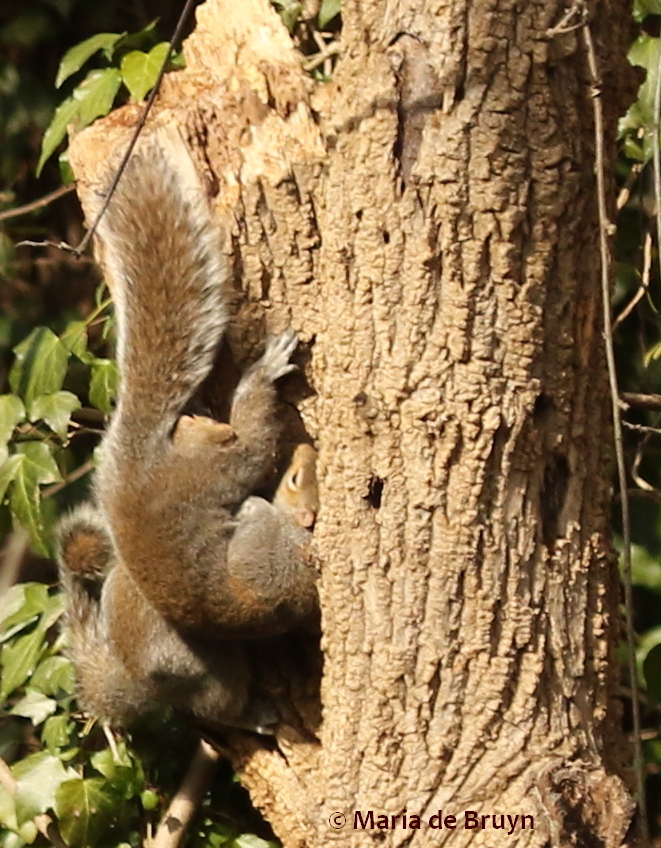
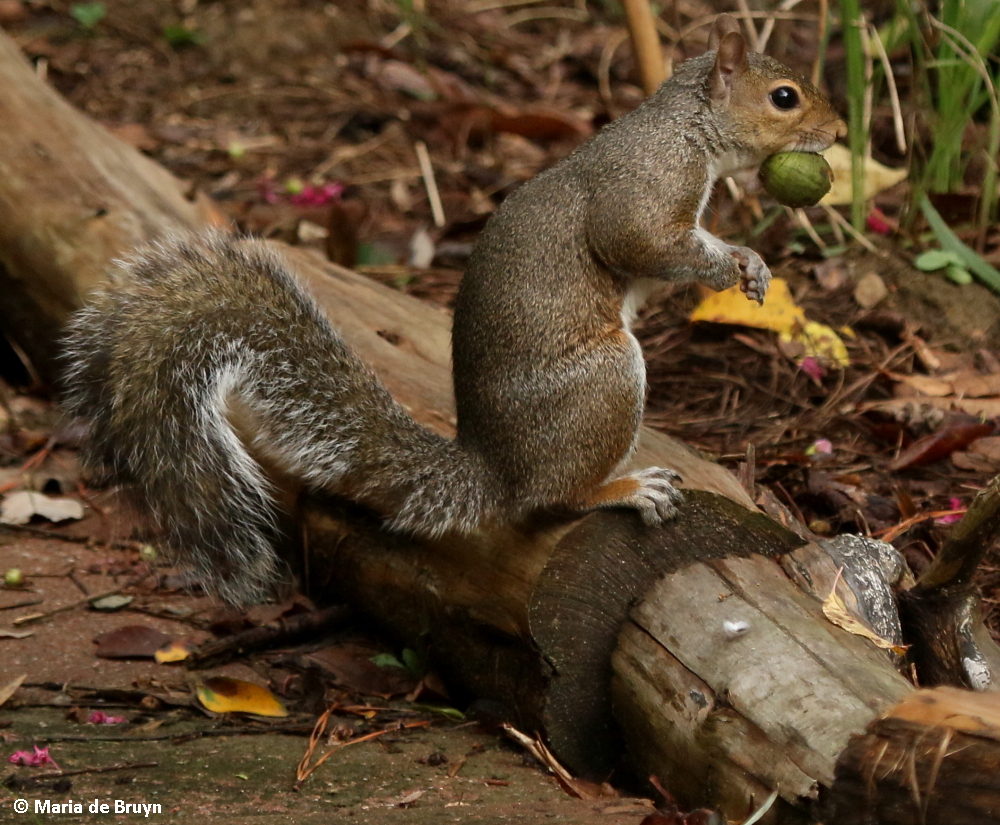
At the Mason Farm Biological Reserve, an eagle scout project involved bringing in cranes to attach very large nest boxes to the tops of trees for barred owls (Strix varia) – so far, I have only seen Eastern gray squirrels making use of these nests.

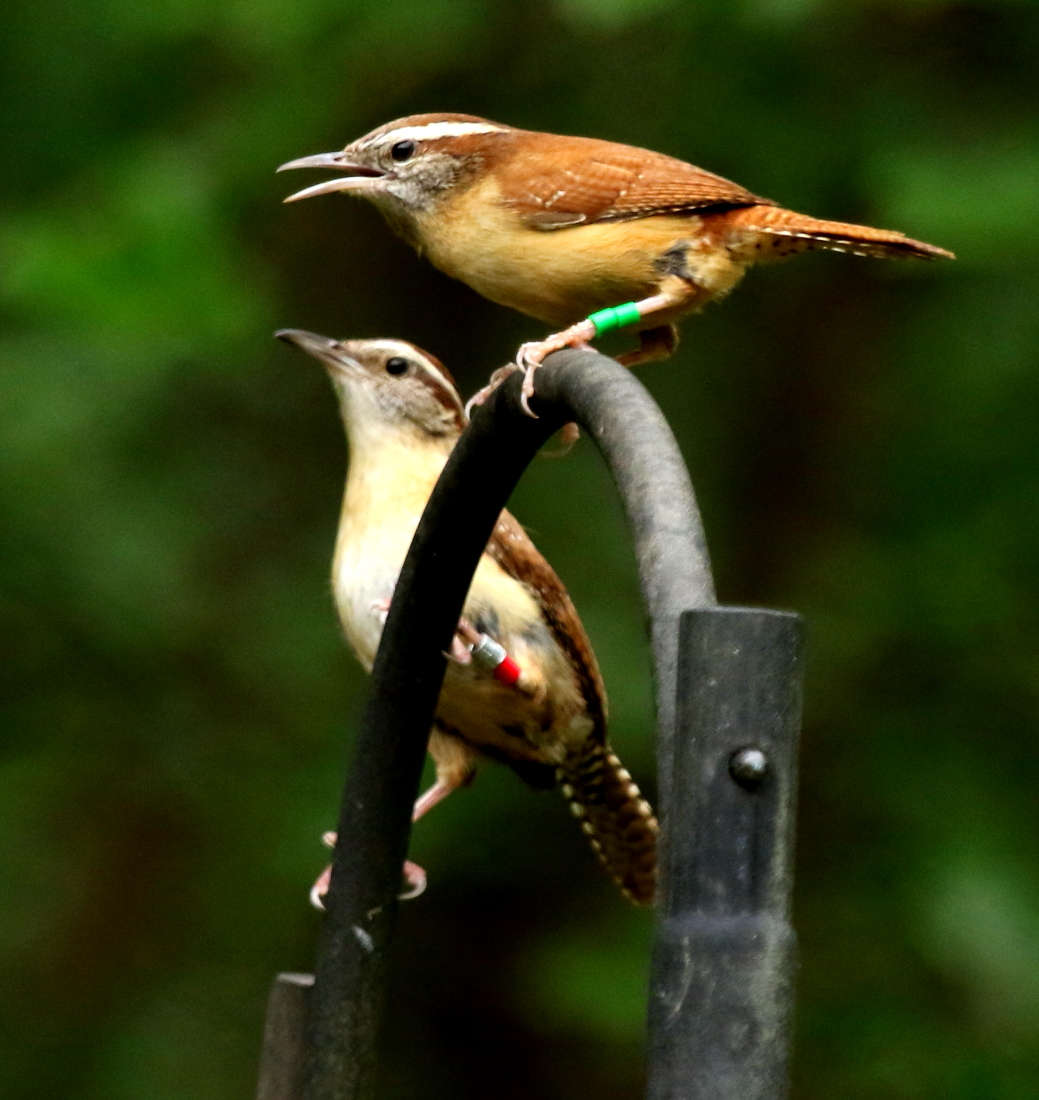
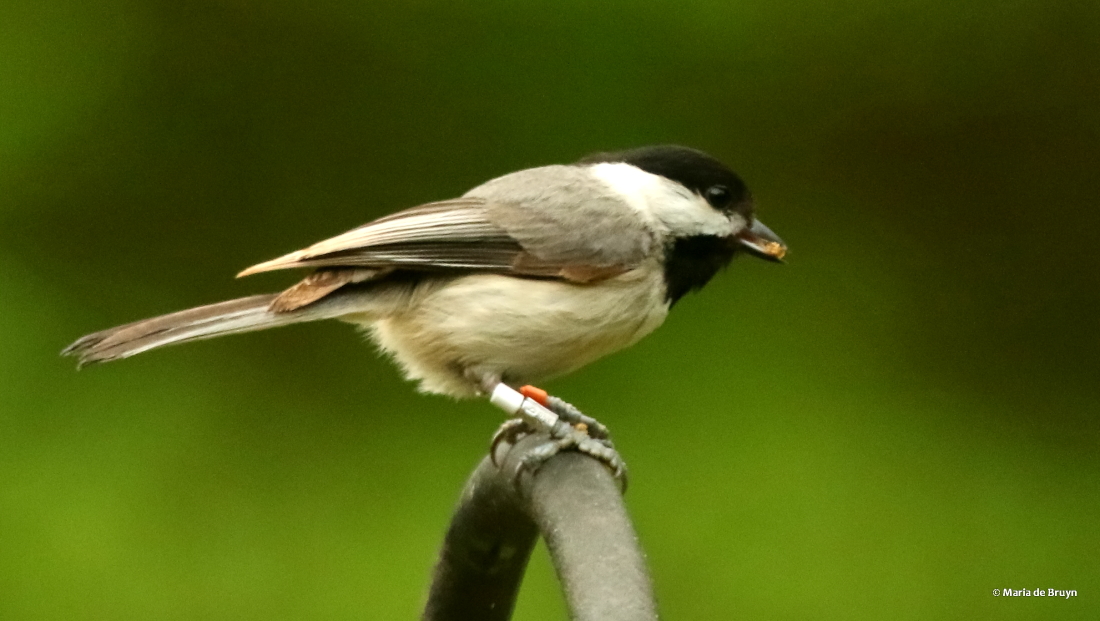
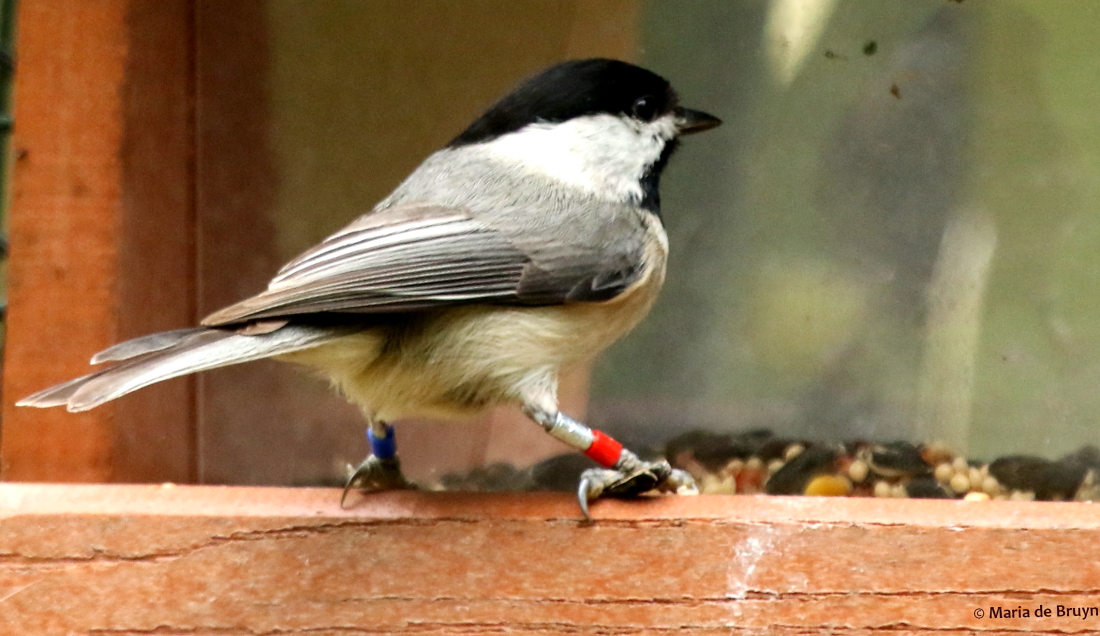
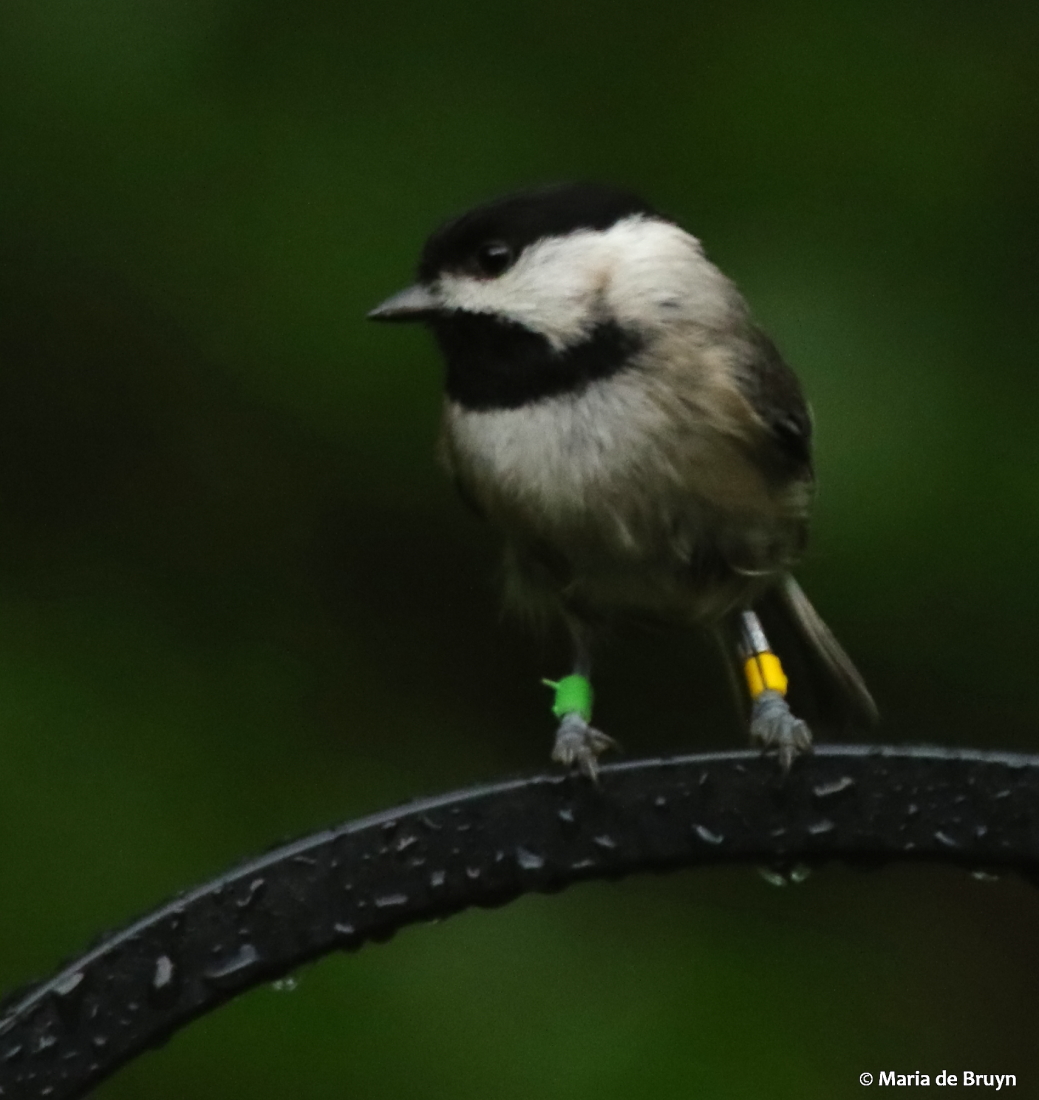
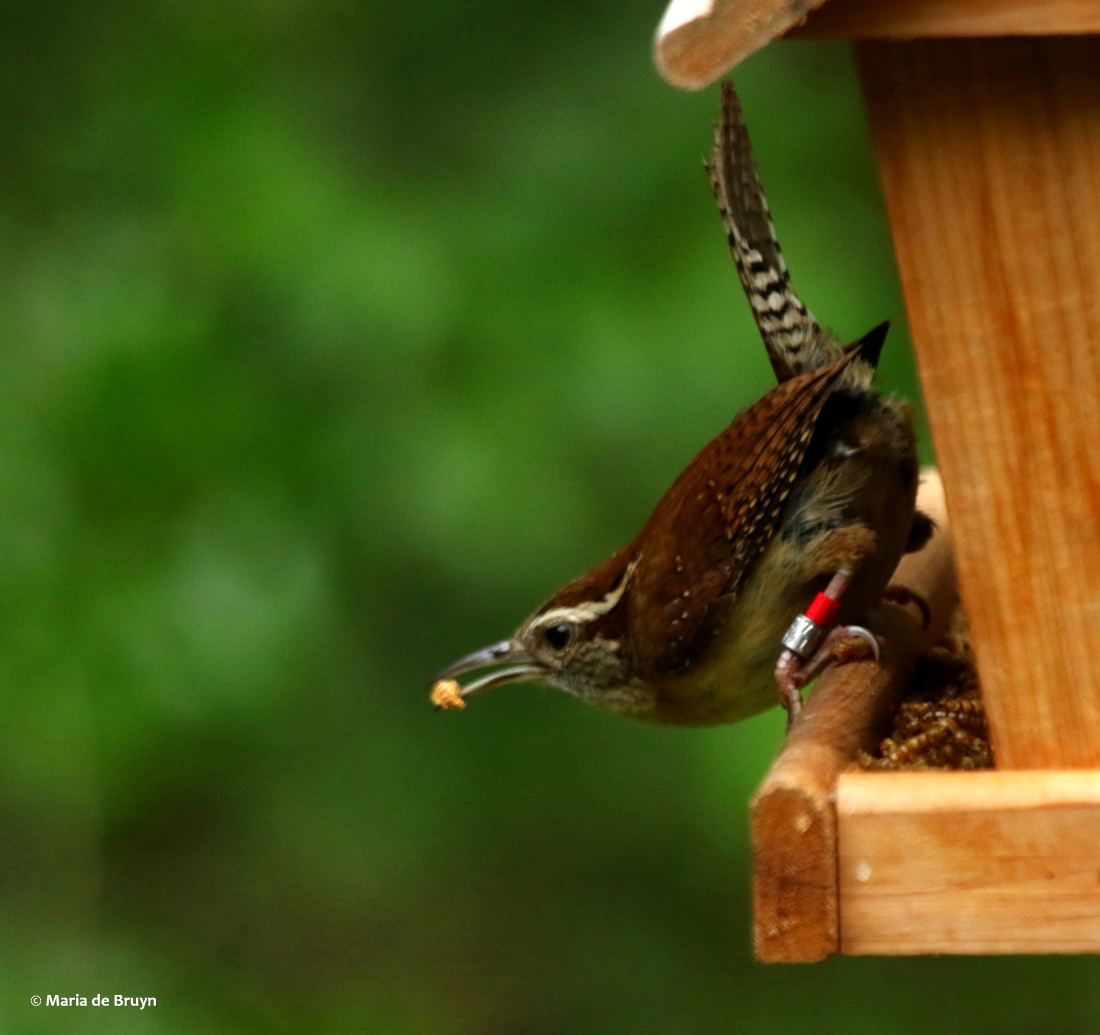
And then there are the nest boxes that people put up to attract Eastern bluebirds (Sialia sialis), brown-headed nuthatches (Sitta pusilla) and screech owls. In my yard, other birds use these boxes, too, including the Carolina chickadees (Poecile carolinensis) such as my one-legged,  banded friend Chantal, Carolina wrens (Thryothorus ludovicianus) who may puzzle about how to get a long twig into the box and house wrens (Troglodytes aedon), who pile up twigs in a rather untidy stack inside the box.


Chickadees construct lovely mossy nests lined with hair, fur or plant fibers.


The nuthatches have nests with bark strips.


Sometimes people will intervene when a nest is in danger. A Carolina wren put her nest into a boat at Cane Creek Reservoir that was rented out to people and keeping the nest there was not a good option as she would be missing her nest for hours when the boat was gone. The land manager was so kind as to relocate the nest into a tree right in front of the boat’s resting place; unfortunately, inclement weather caused the nest to dislodge that evening.


Another danger may also threaten the birds and their nests – predators. A friend and I found it unusual to see a tree swallow (Tachycineta bicolor) putting a nest in a bluebird box on the edges of a farm. Several days later, we saw a black rat snake (Pantherophis obsoletus) peering out of the box and the swallows were nowhere to be seen.


If you can manage to mount your boxes on poles rather than trees, put both squirrel and raccoon baffles on them and also place them away from overhanging branches, they should stay relatively safe from the squirrels, snakes and raccoons. Next up: birds’ nests with no human connections.


Love my yard!

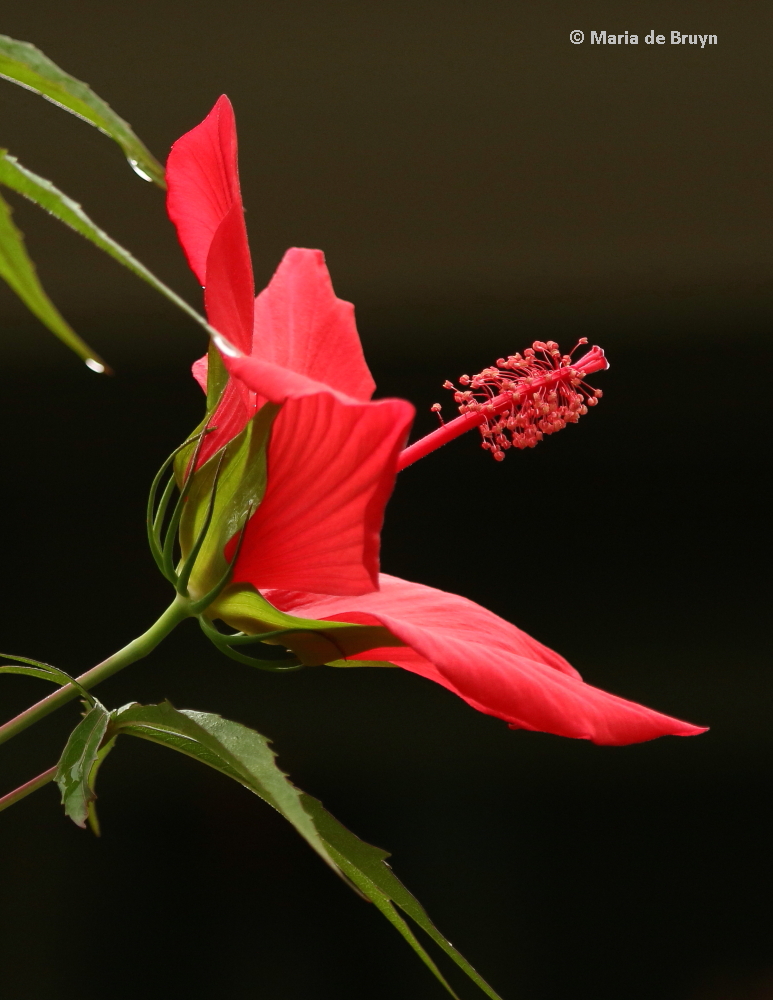
scarlet-mallow-i77a6509-maria-de-bruyn-res2016 began with distress for me, having just been admitted to hospital in considerable pain and worried about expenses. So when I was able to get home again and find diversion from the necessity of self-administering an IV medication twice daily by admiring what nature has to offer in my yard, it was a more-than-welcome event.
Even when my mood is down, walks in nature soothe my spirit since my mind becomes totally absorbed by what I’m observing and there’s no space for any other thoughts. Even aches and pains recede to the background so when I can’t get out to a reserve or park, taking advantage of the little plot of land I call my own is a real delight.

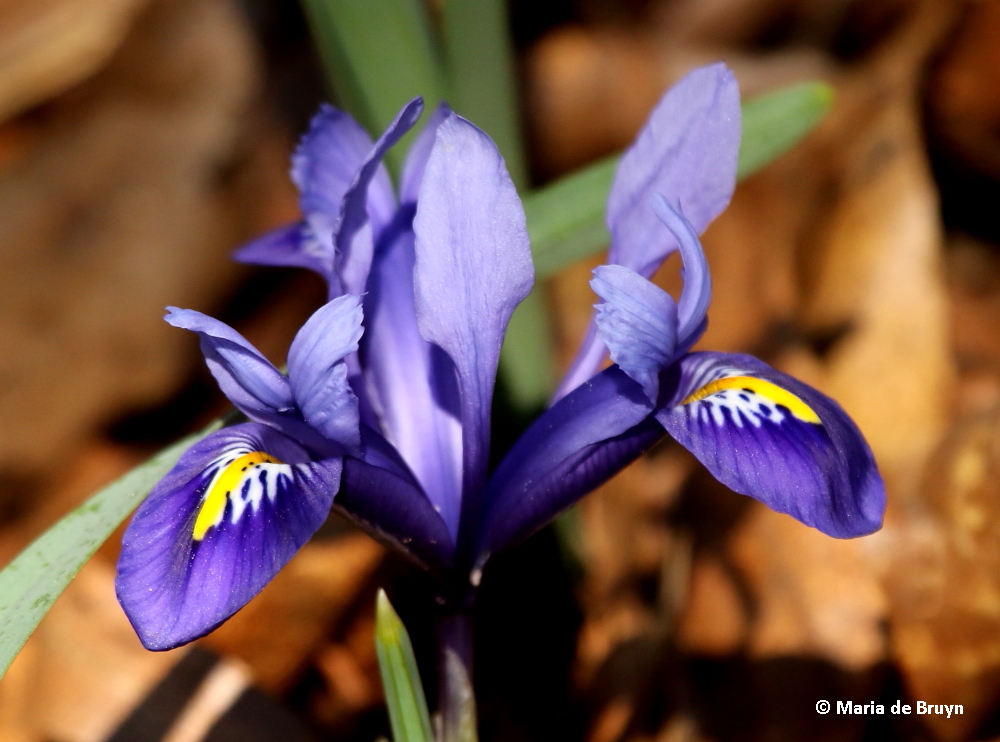
iris-i77a4541maria-de-bruyn-res


The yard has everything – plants, insects, amphibians, reptiles, birds and mammals, which is very cool indeed. Spring and summer are especially lovely with the blooming flowers and I’ve taken care to include many native vegetative species among the plantings.


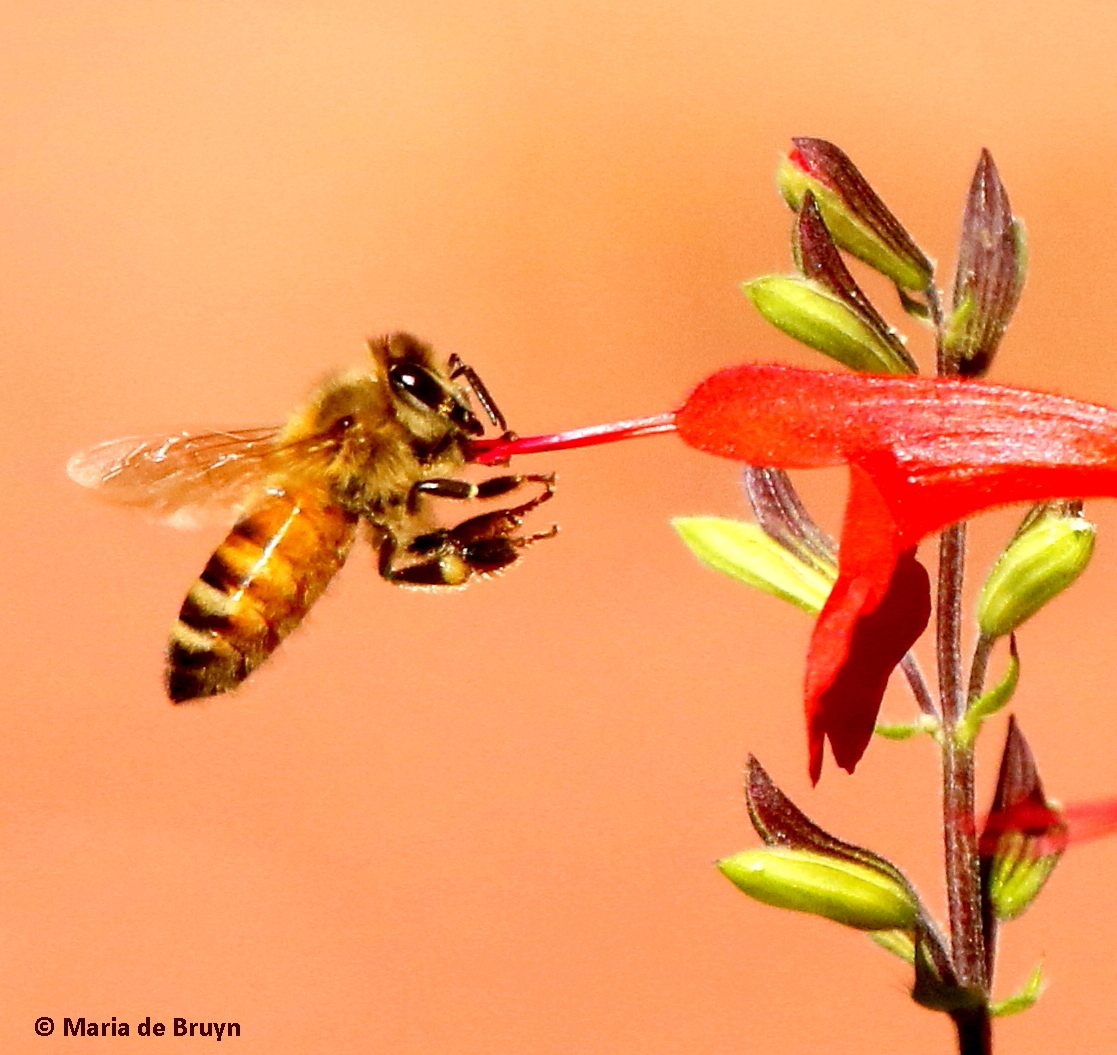
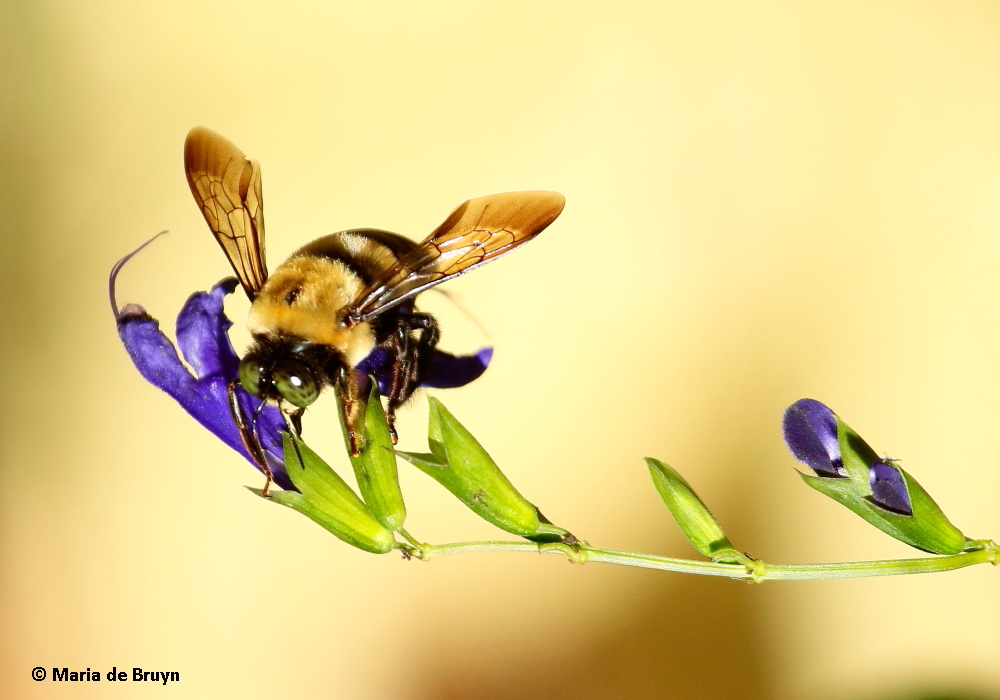
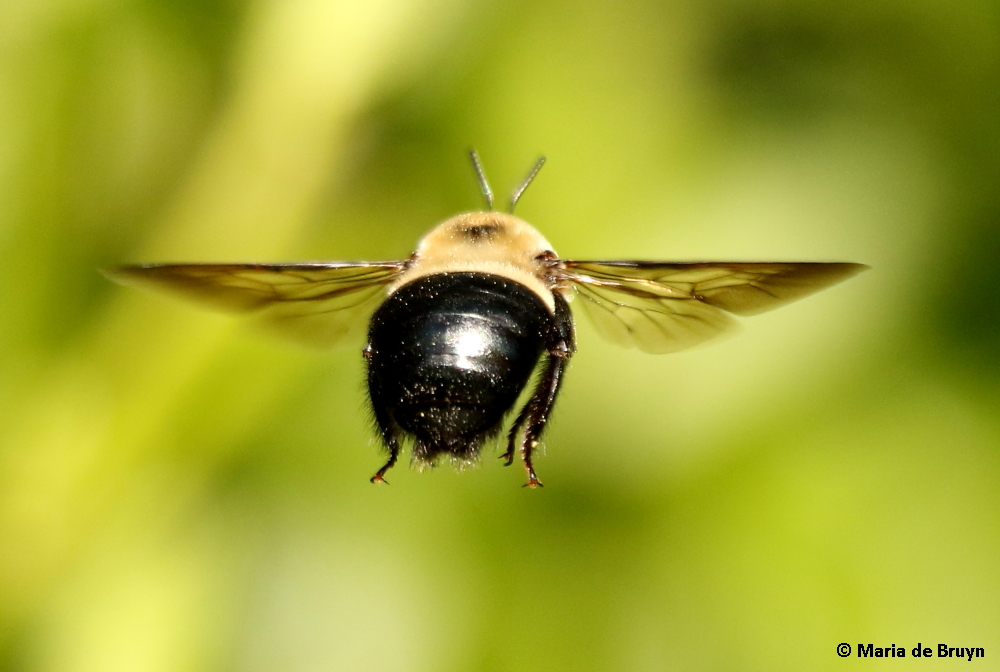
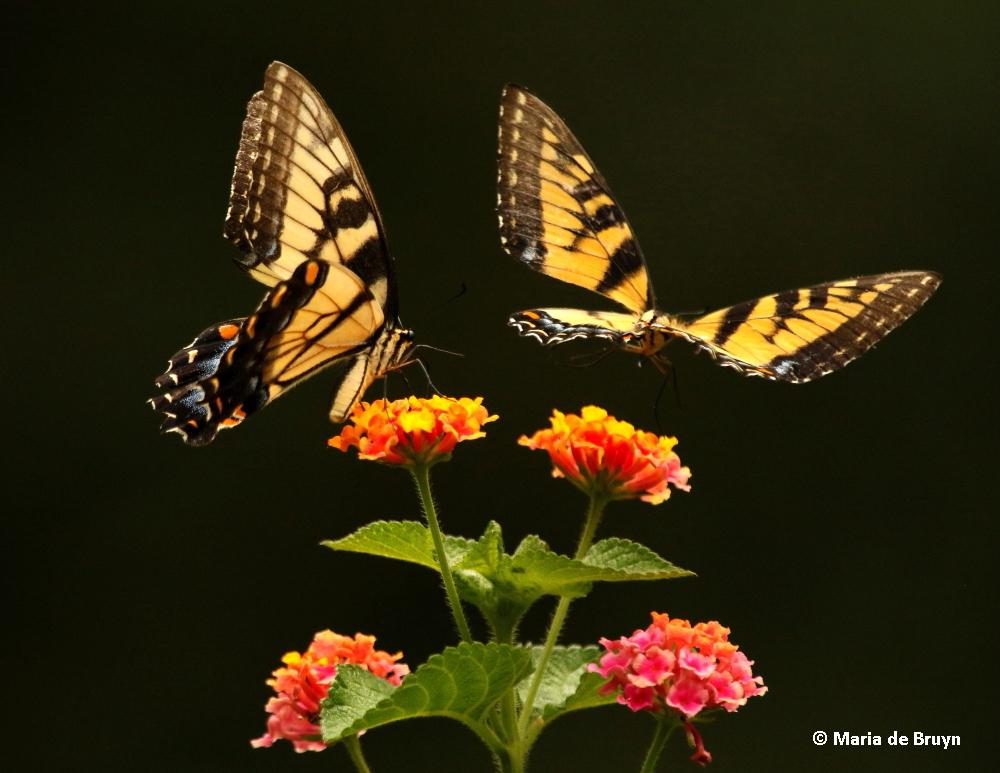
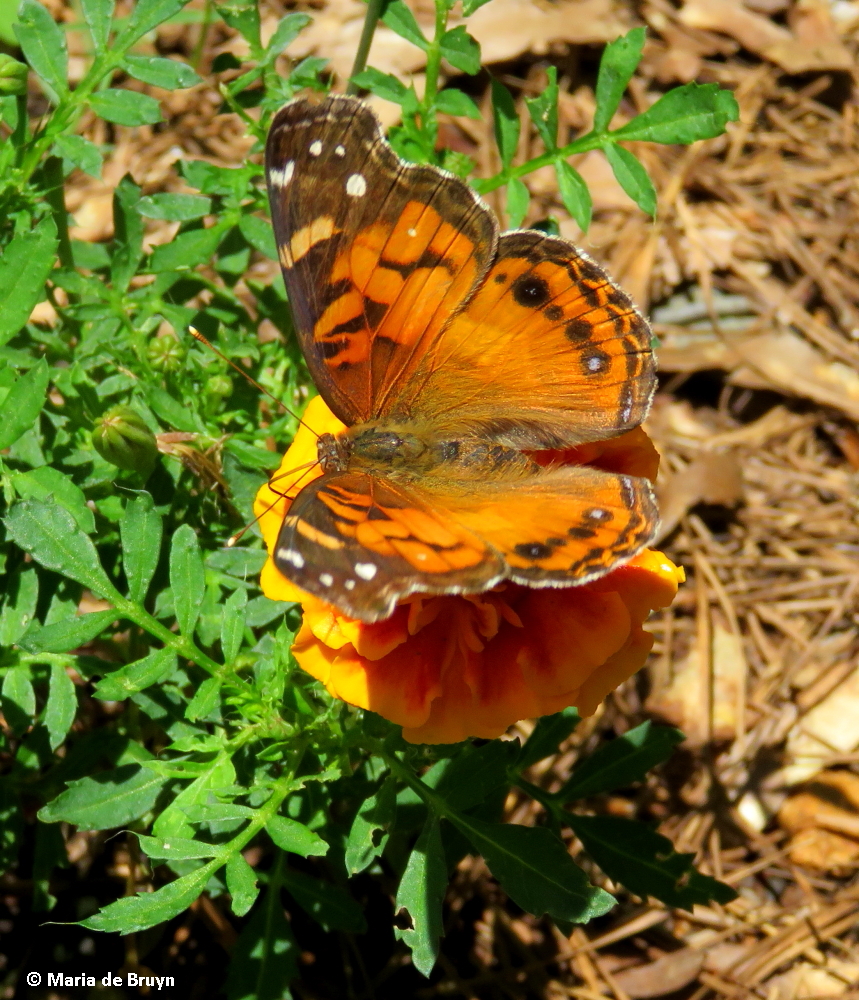
honey-bee-morning-calisthenics-i77a5676-maria-de-bruyn-resThe flowers and shrubs not only attract birds but many species of insects, too, and give me plenty of chances to practice photographing bees in flight and butterflies nectaring. The Eastern carpenter bees (Xylocopa virginica), and European honey bees (Apis mellifera) were good models, as were the Eastern tiger swallowtails (Papilio glaucus) and American lady (Vanessa virginiensis) butterflies.

eastern-carpenter-bee-2-i77a7906-maria-de-bruyn-res  eastern-carpenter-bee-i77a8678-maria-de-bruyn-res

eastern-tiger-swallowtail-i77a8669-maria-de-bruyn-res  american-lady-img_0069-maria-de-bruyn-res

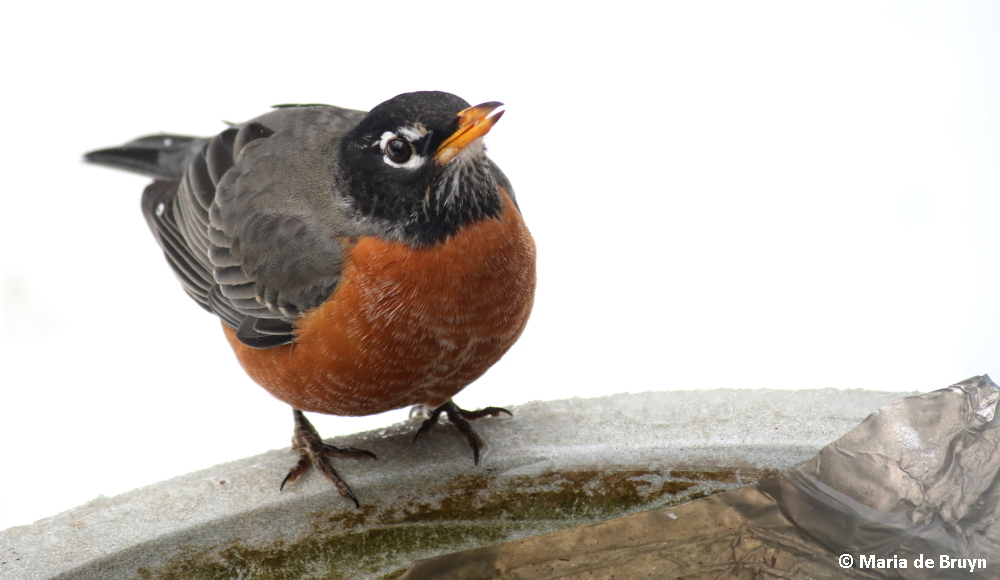
blue-pickerel-weed-i77a3947-maria-de-bruyn-resThe front yard has one small pond with blue pickerel weed (Pontederia cordata) and the back yard has two ponds and a heated bird bath in winter. Deer, raccoons and birds, like this American robin (Turdus migratorius) use these as watering holes.

american-robin-i77a9005-maria-de-bruyn-res

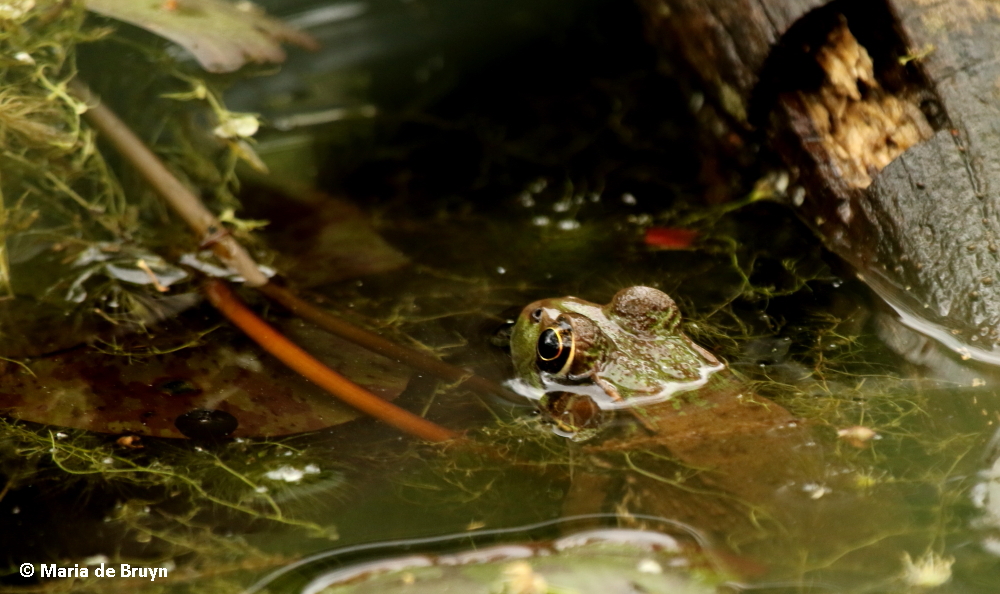
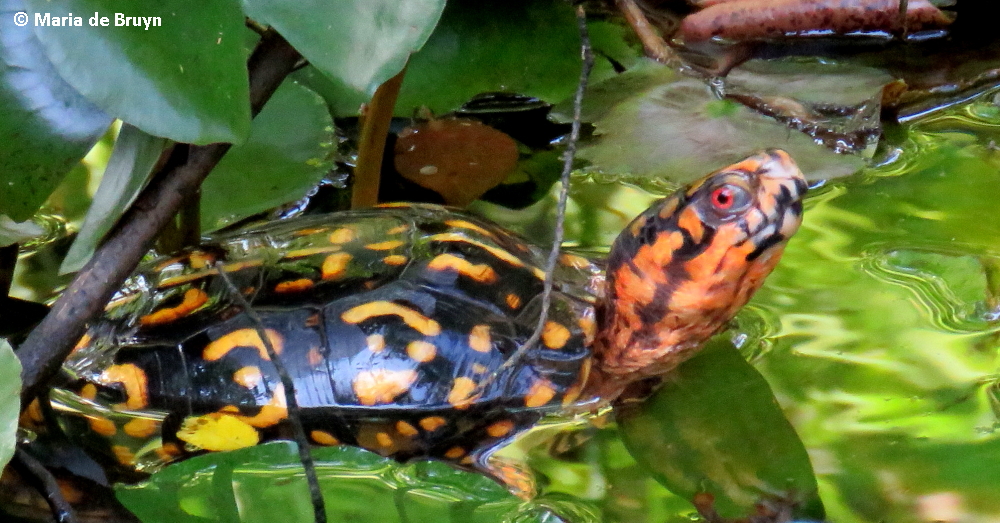
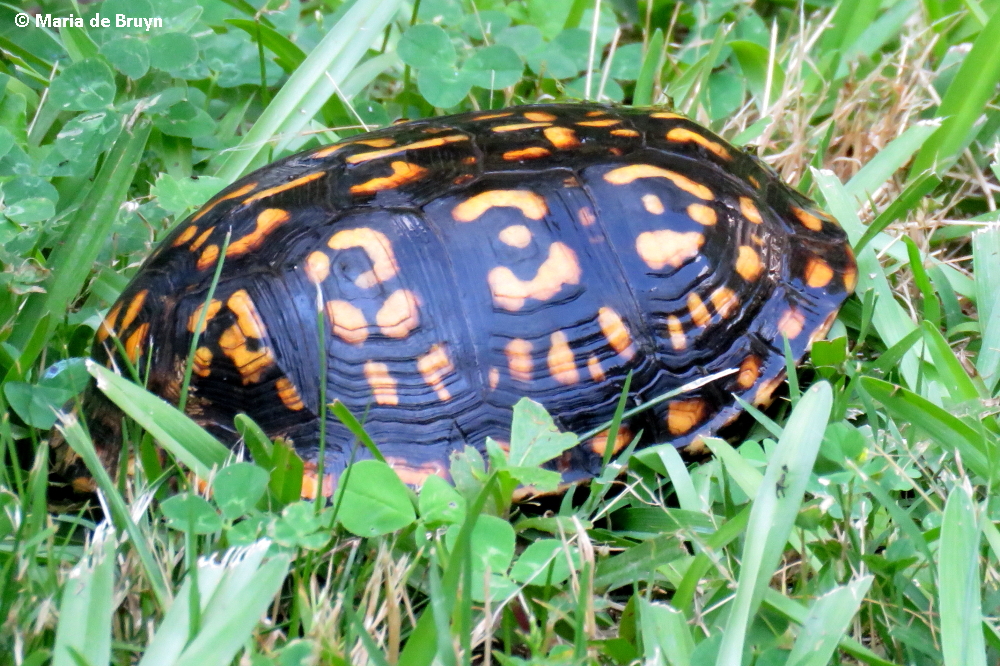
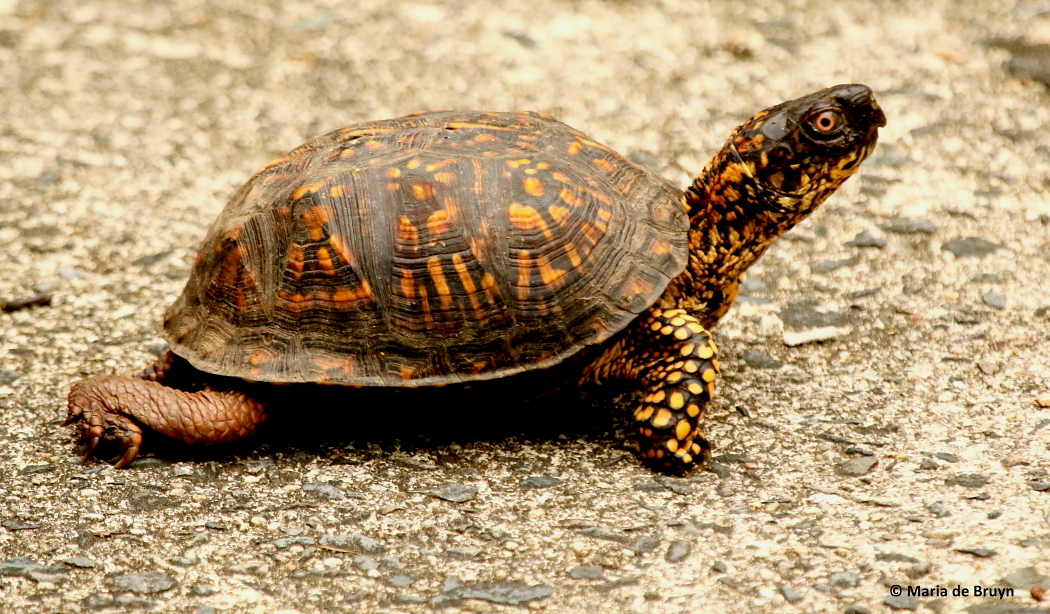
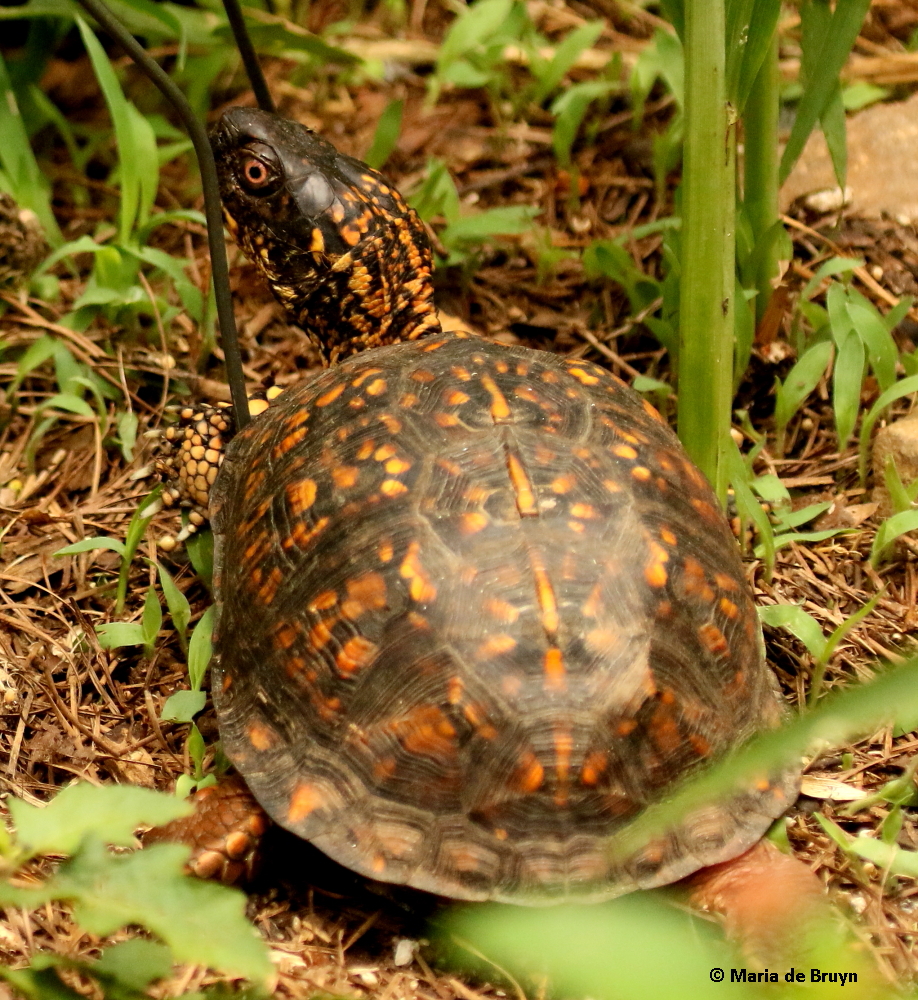
bullfrog-i77a9694-maria-de-bruyn-resFish live in one pond along with green and/or bullfrogs (Lithobates catesbeianus). Occasionally, I’ve had to rescue an adventurous Eastern box turtle (Terrapene carolina carolina) that didn’t seem able to climb out again on the logs provided as bridges out of the water. Other turtles trundle around in other parts of the yard.

eastern-box-turtle-img_1392-maria-de-bruyn-res    eastern-box-turtle-img_1422-maria-de-bruyn-res

eastern-box-turtle-male-i77a8333-maria-de-bruyn-res   eastern-box-turtle-i77a8380-maria-de-bruyn-res

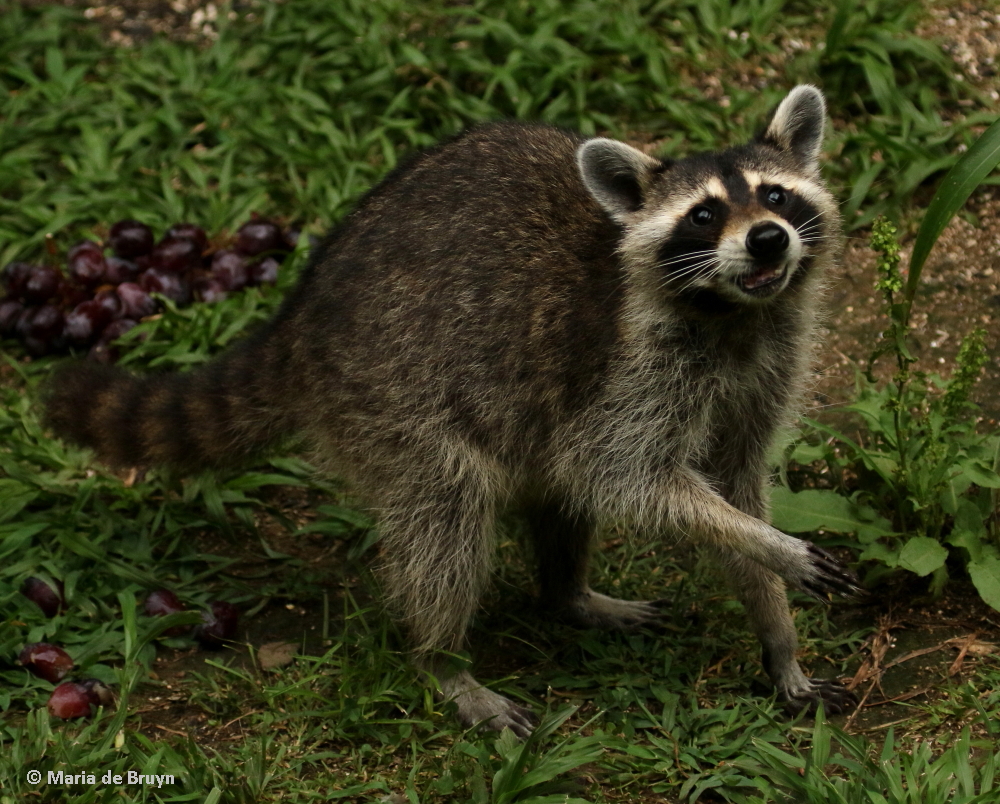
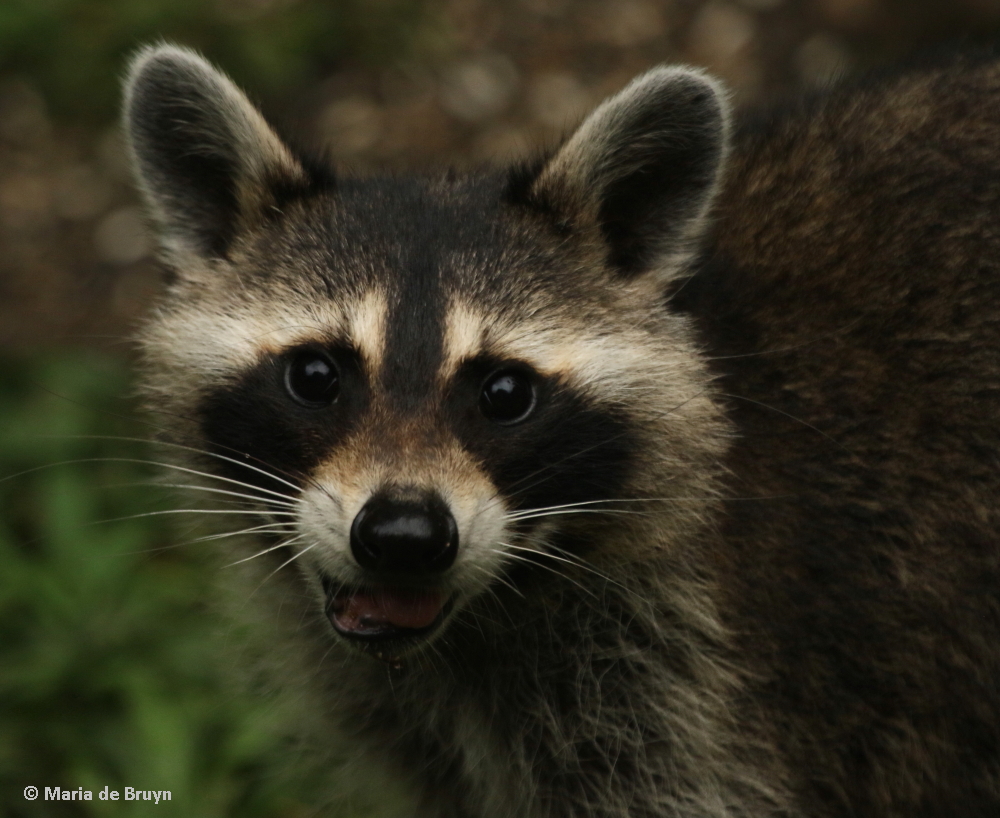
Raquel raccoon (Procyon lotor) and members of her family usually appear at night, as do the local opossums, of whom I have few photos. When Raquel is expecting another brood or in nursing mode, she gets more adventurous and comes round in the daytime.

raccoon-i77a5969-maria-de-bruyn-res   raccoon-i77a5906-maria-de-bruyn-res

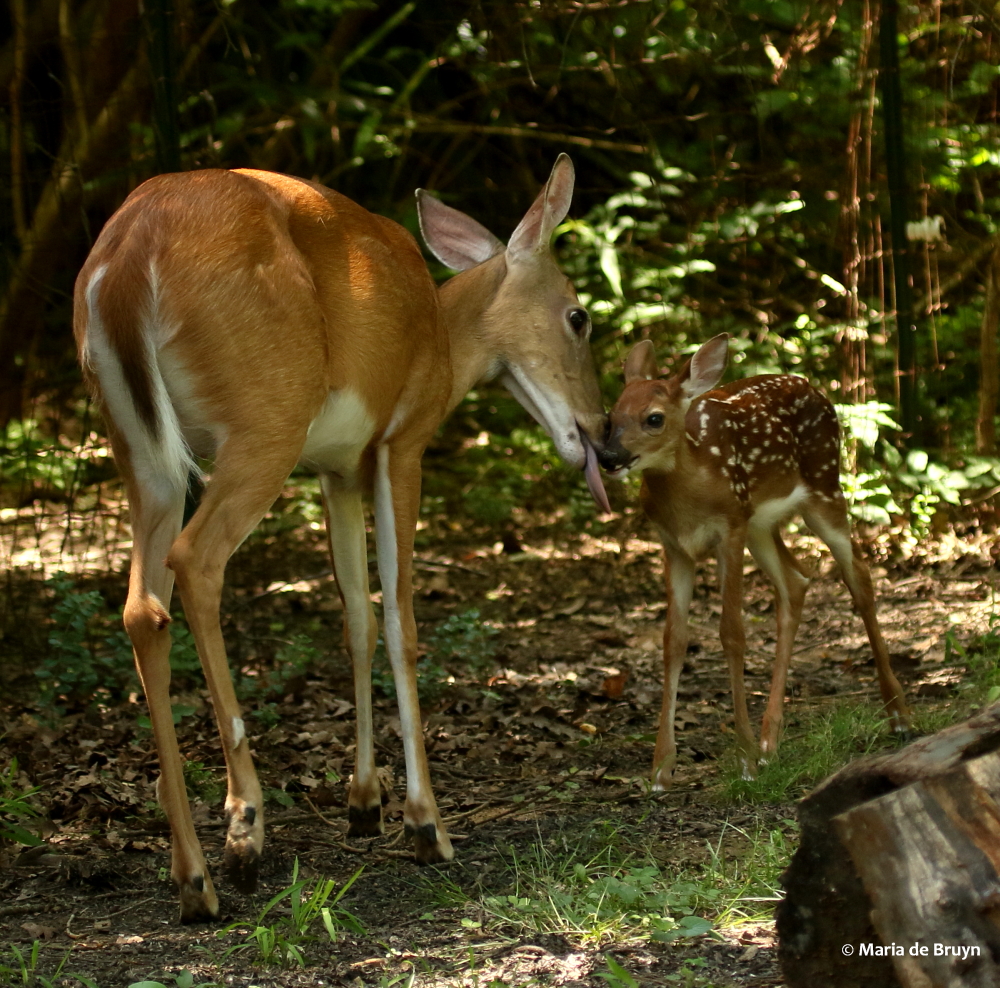
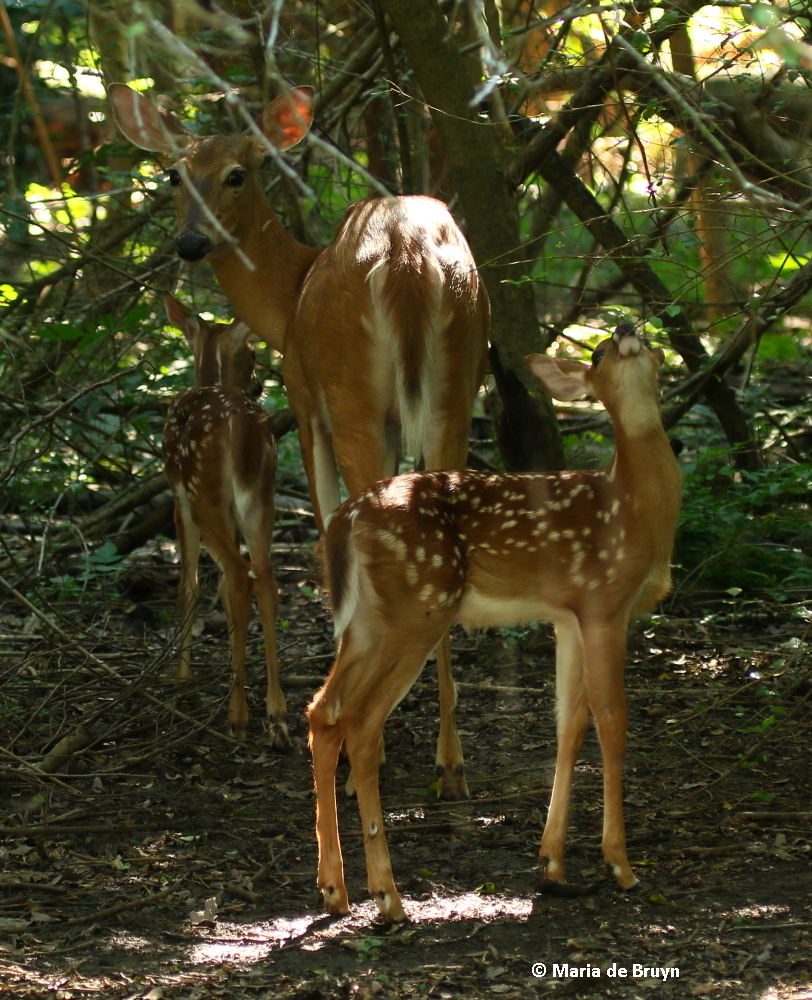
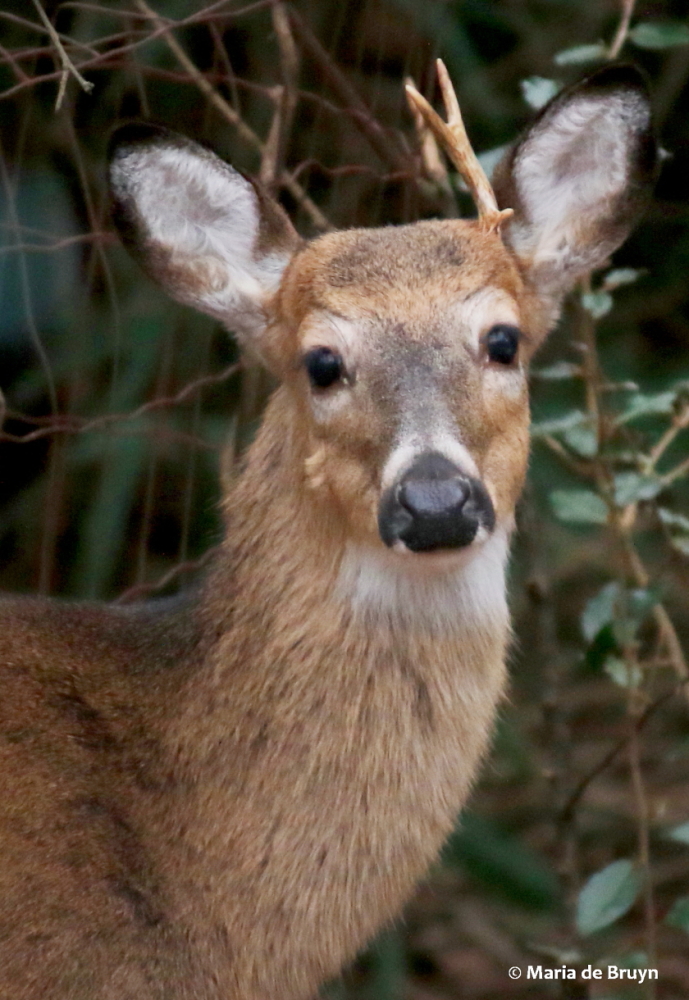
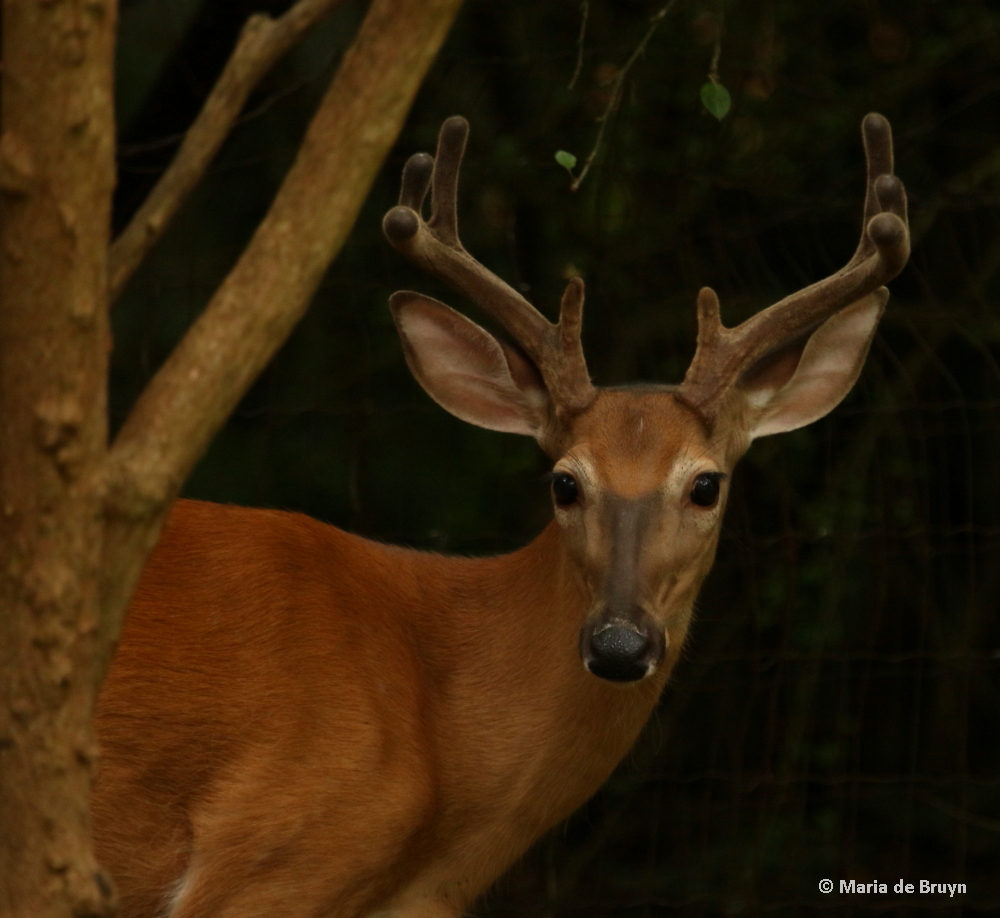
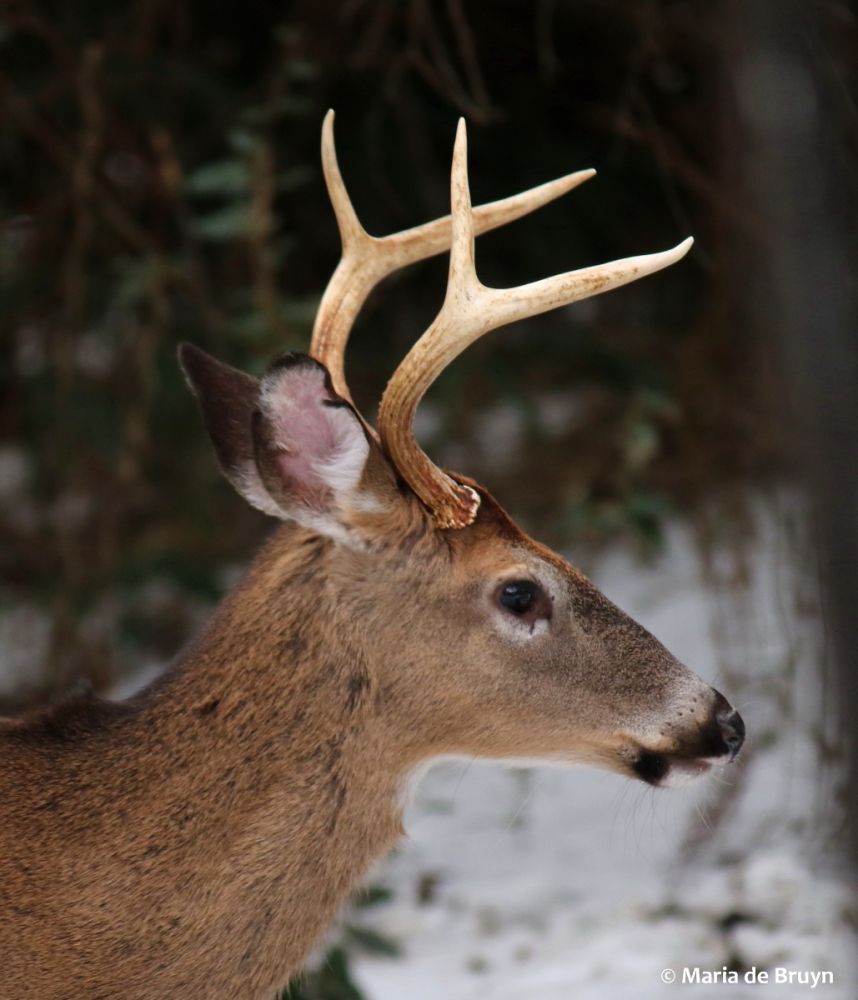
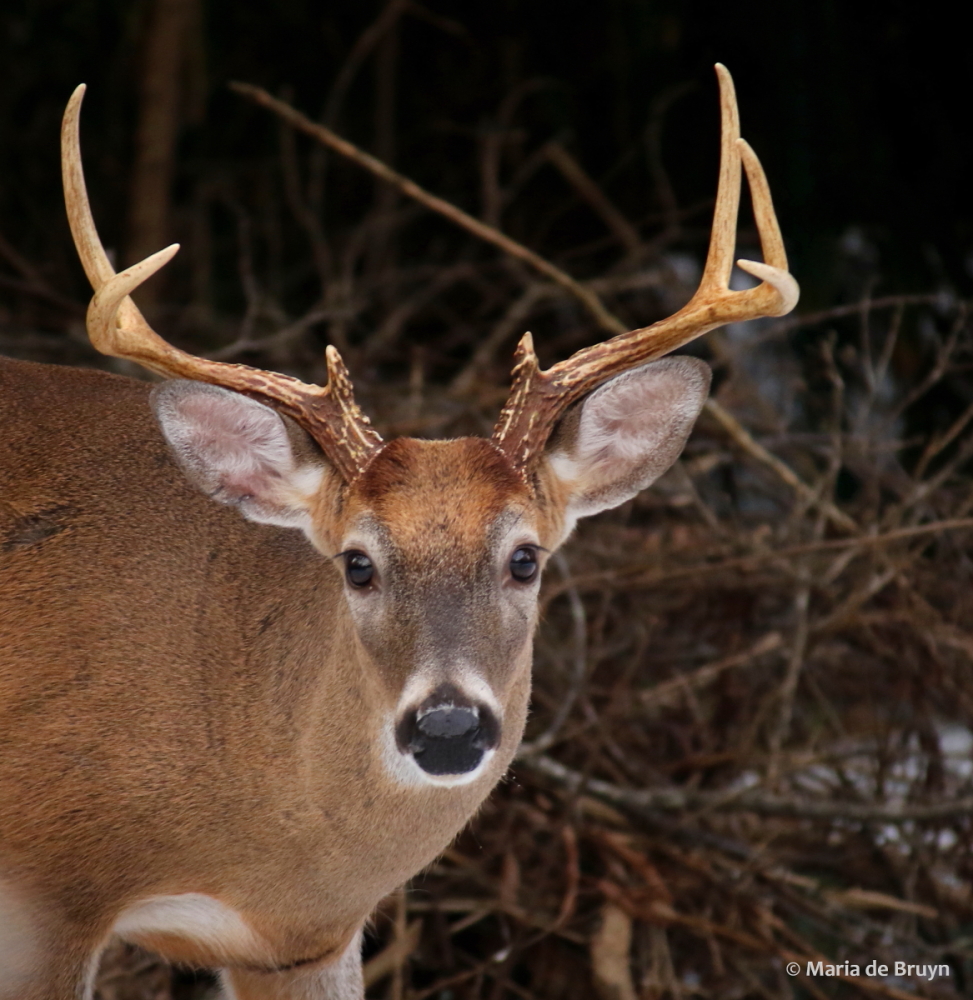
The white-tailed deer (Odocoileus virginianus) come by all months of the year and provide opportunities to see how the fawns learn about the other creatures sharing their space.

white-tailed-deer-i77a7463-maria-de-bruyn white-tailed-deer-i77a2126-maria-de-bruyn-res

white-tailed-deer-i77a7826-maria-de-bruyn-res

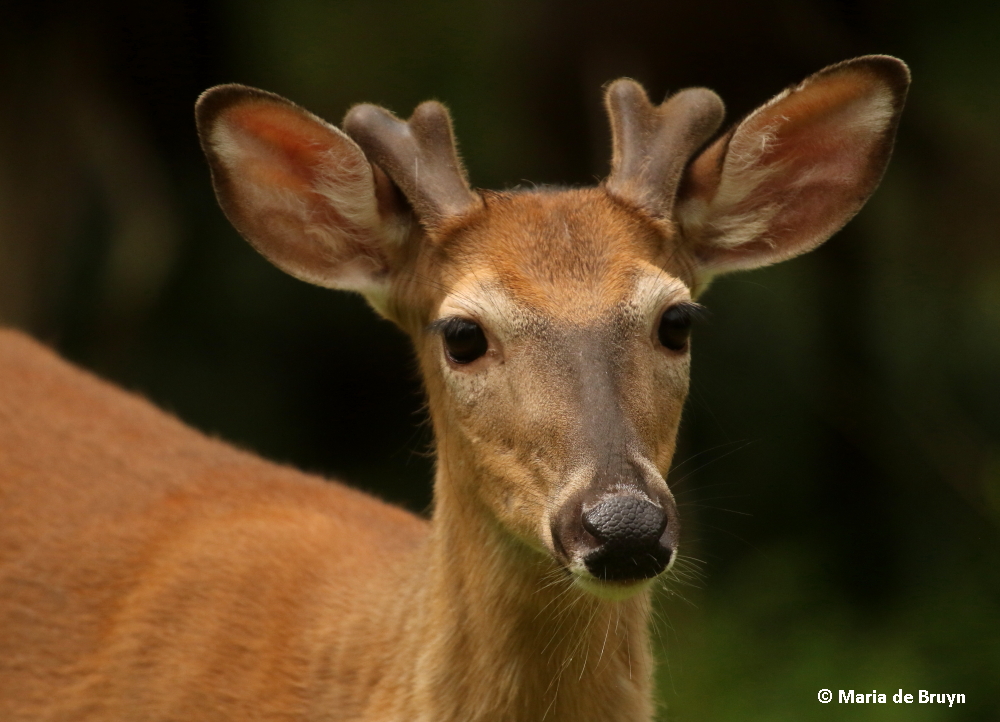
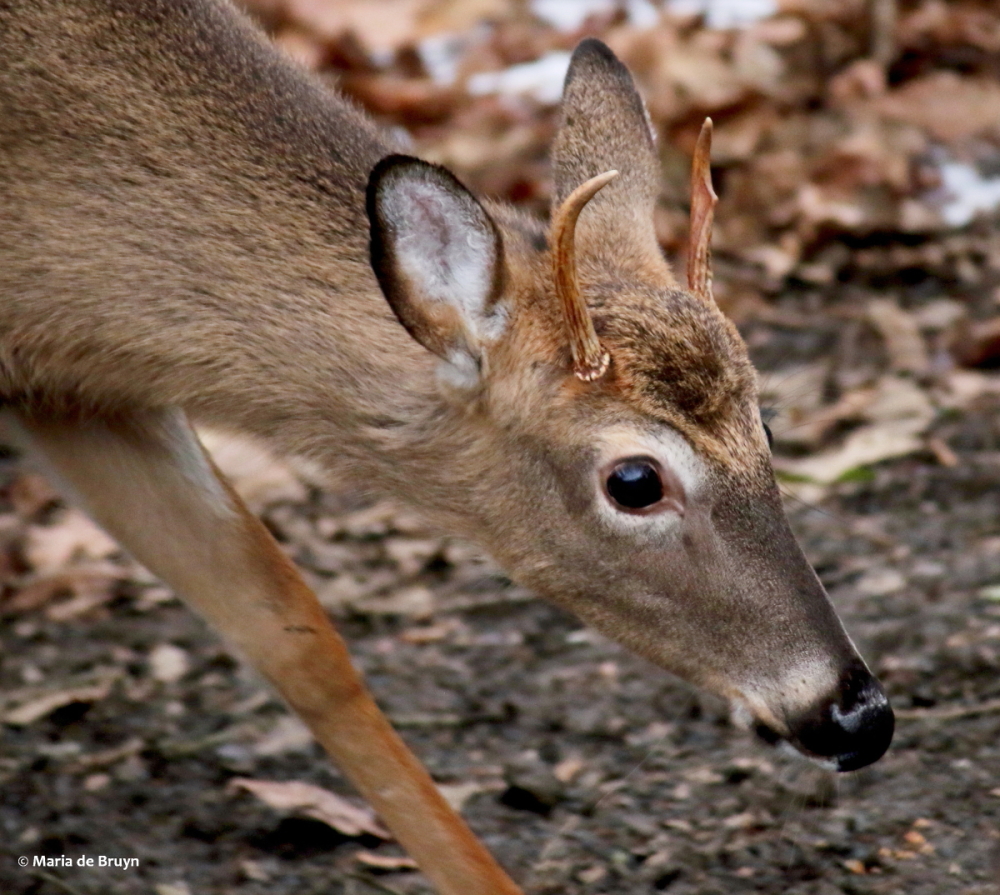
It’s interesting to see how button bucks are followed by yearlings with nubby antlers and eventually grow up to become handsome 5- or more point bucks.

white-tailed-deeri77a4099-maria-de-bruyn-res      white-tailed-deer-i77a4097-maria-de-bruyn-res

white-tailed-deer-i77a1367-maria-de-bruyn-res  white-tailed-deer-i77a1366-maria-de-bruyn-res

white-tailed-deer-i77a9813-maria-de-bruyn-res

white-tailed-deer-i77a1061-maria-de-bruyn-res white-tailed-deer-i77a1005-maria-de-bruyn-res

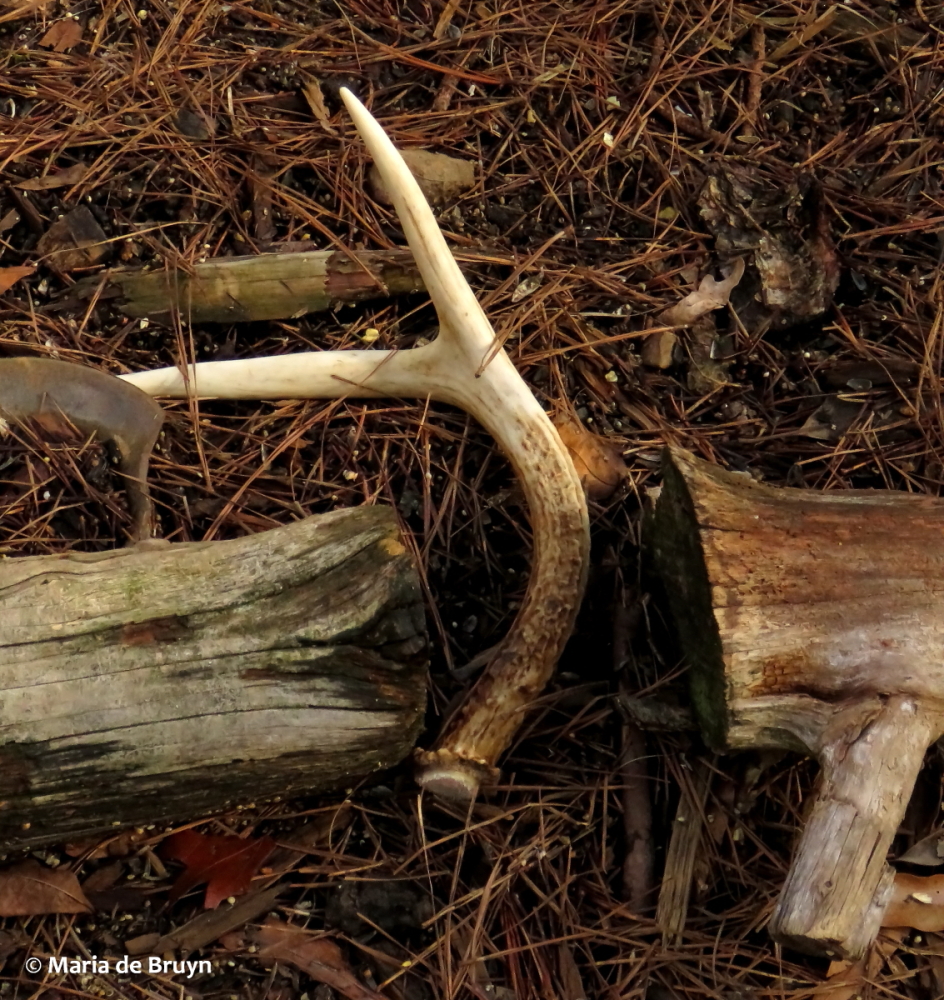
white-tailed-deer-antler-img_1211-maria-de-bruyn-resThis past year, one of the bucks was kind enough to drop one of his antlers in my yard as a souvenir.

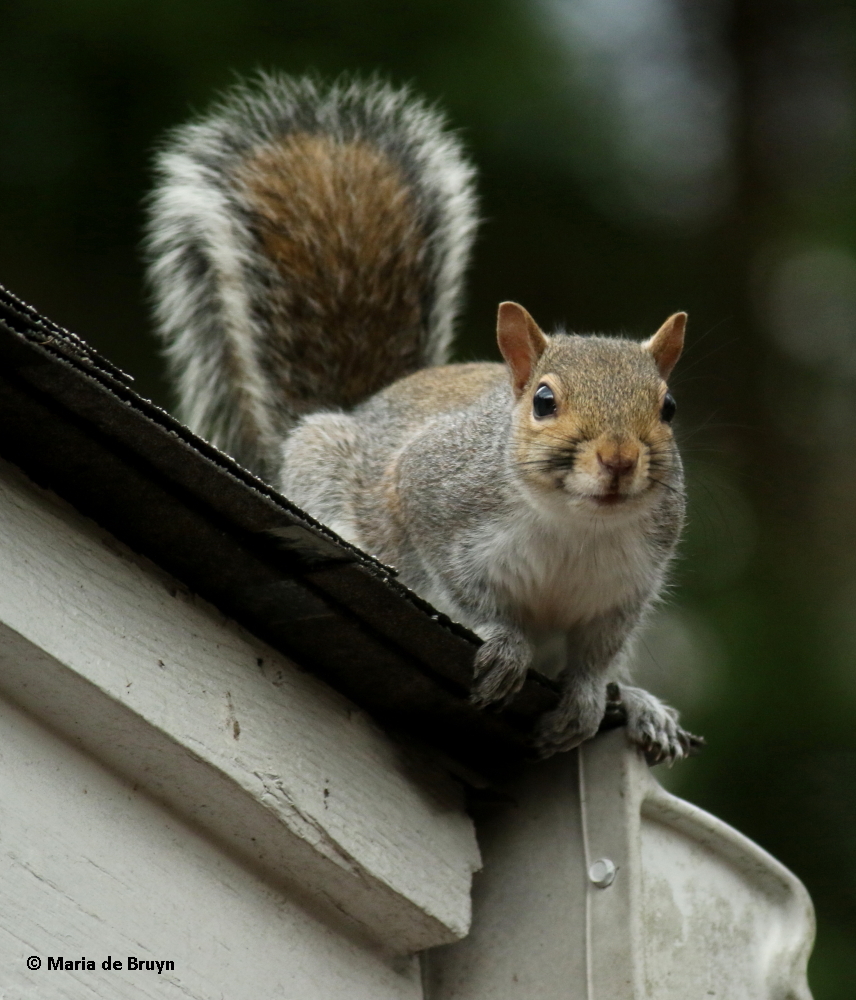
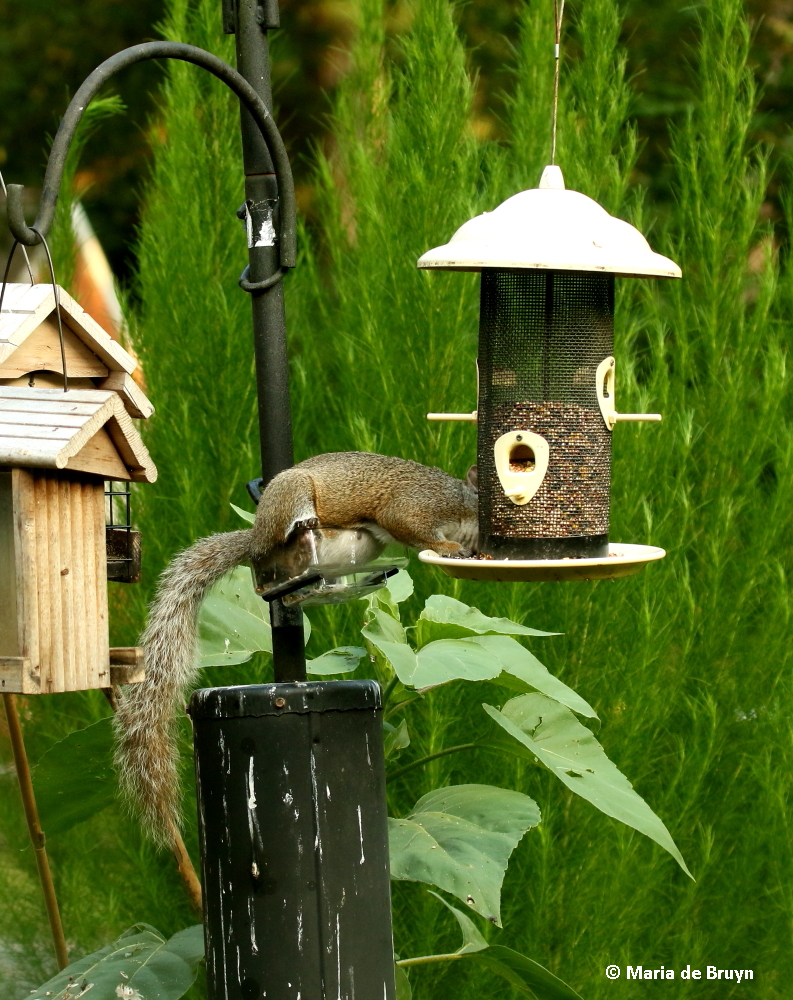
The Eastern gray squirrels (Sciurus carolinensis) provide endless amusement – one way is by investigating various techniques to find a way onto the bird feeders. These are largely unsuccessful, even when they climb up on the roof to see if they can launch themselves far enough to reach a feeder pole. This year, however, one enterprising squirrel managed to finally get onto a feeder by climbing up a rather large sunflower stem that held his/her weight until it bent over close to a pole.

eastern-gray-squirrel-i77a5492-maria-de-bruyn-res   eastern-gray-squirrel-i77a7478-maria-de-bruyn-res

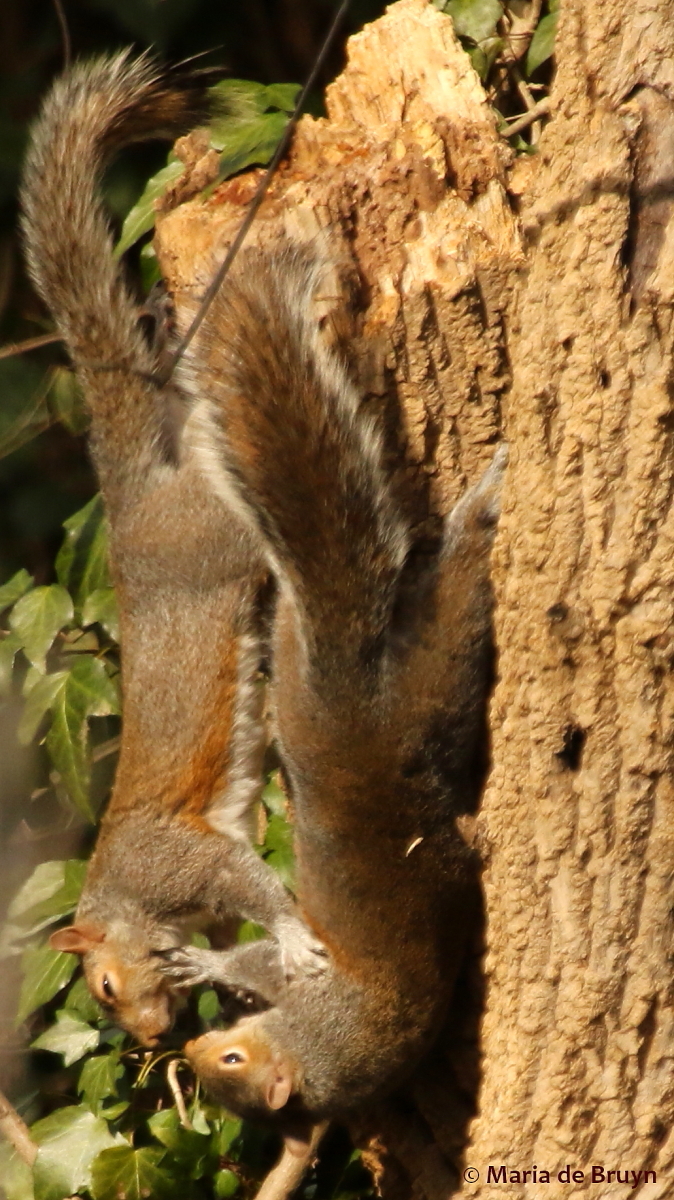
Their antics as they chase one another in play and for amorous purposes, too, are also quite entertaining.

eastern-gray-squirrel-i77a1104-maria-de-bruyn-res      eastern-gray-squirrel-77a0929-maria-de-bruyn

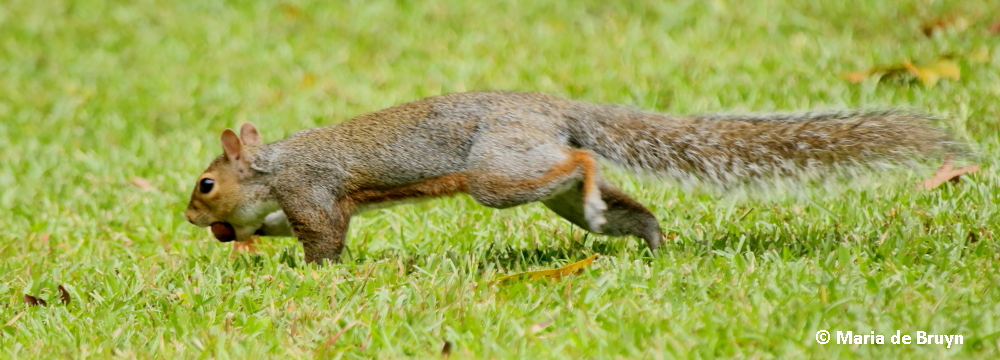
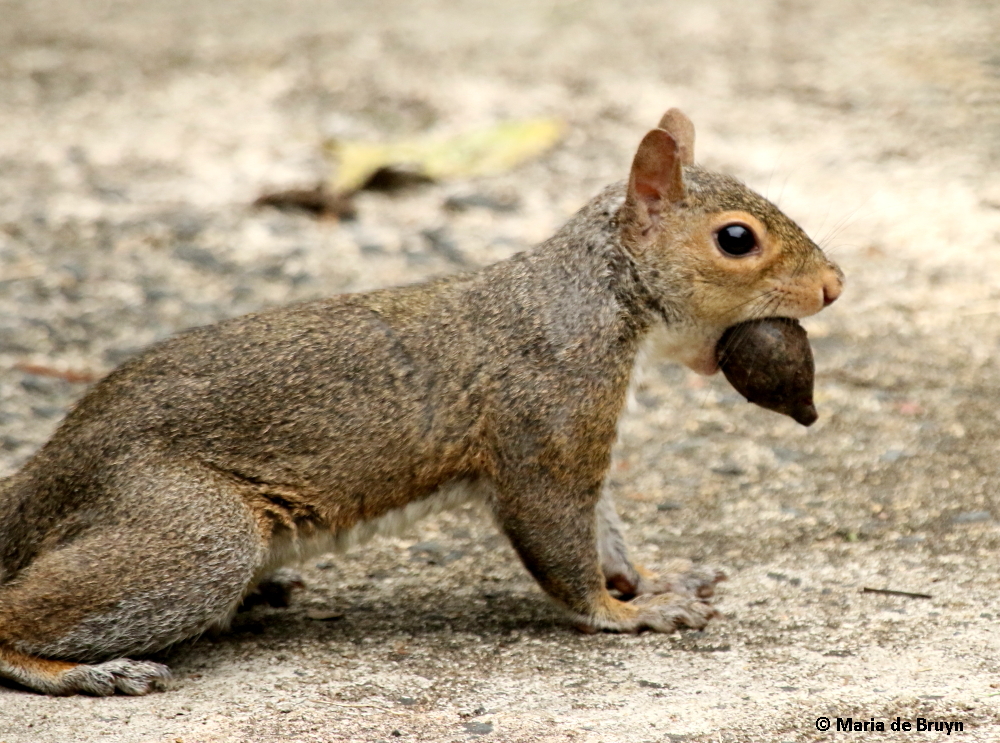
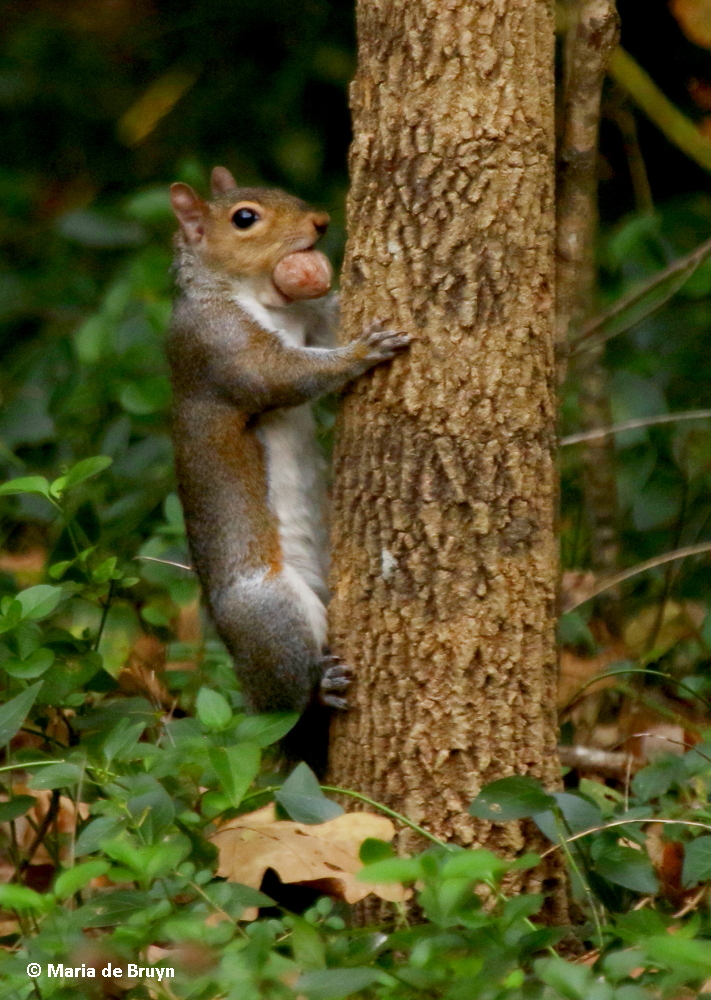
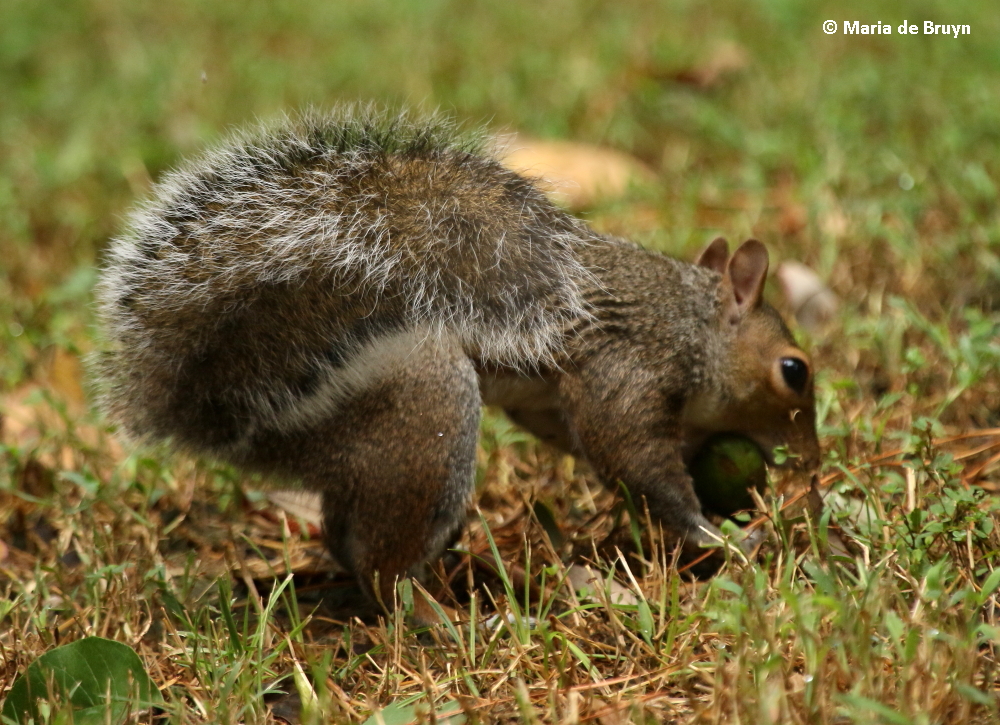
It’s fun to watch them caching seeds as well; sometimes, they decide a spot in the middle of the lawn is the best hiding place!

eastern-gray-squirrel-i77a0026-maria-de-bruyn-res

eastern-gray-squirrel-i77a9947-maria-de-bruyn-res   eastern-gray-squirrel-i77a6837-maria-de-bruyn-res

eastern-gray-squirrel-i77a4579-maria-de-bruyn-res   eastern-gray-squirrel-i77a4938-maria-de-bruyn-res

eastern-chipmunk-i77a4007-maria-de-bruyn-res


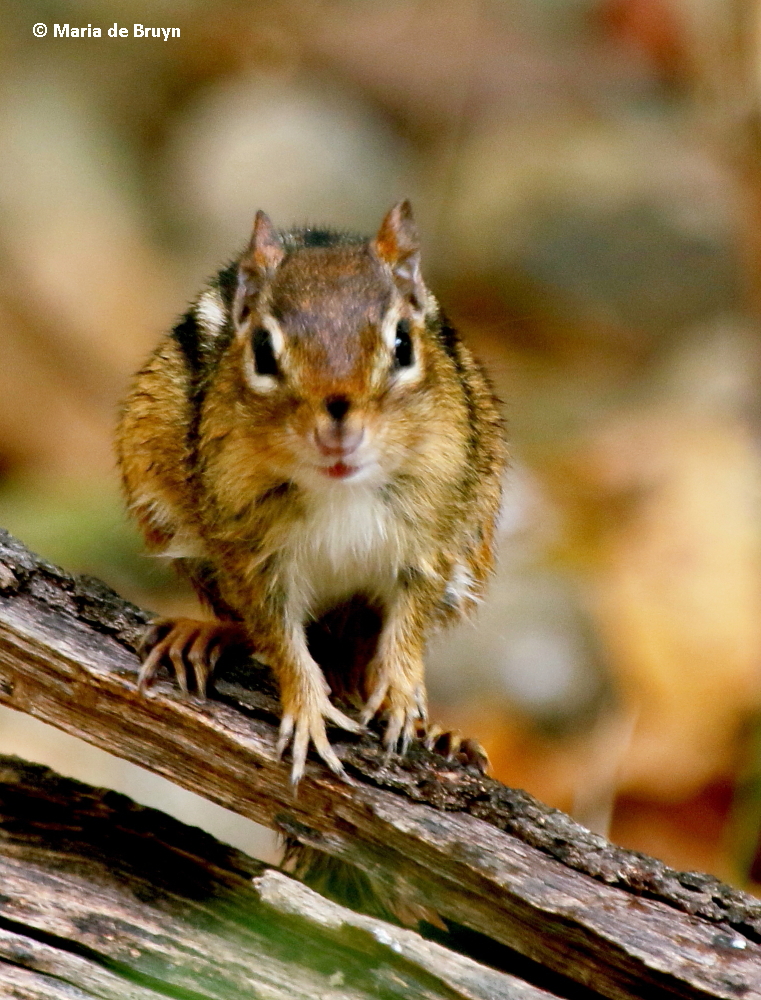
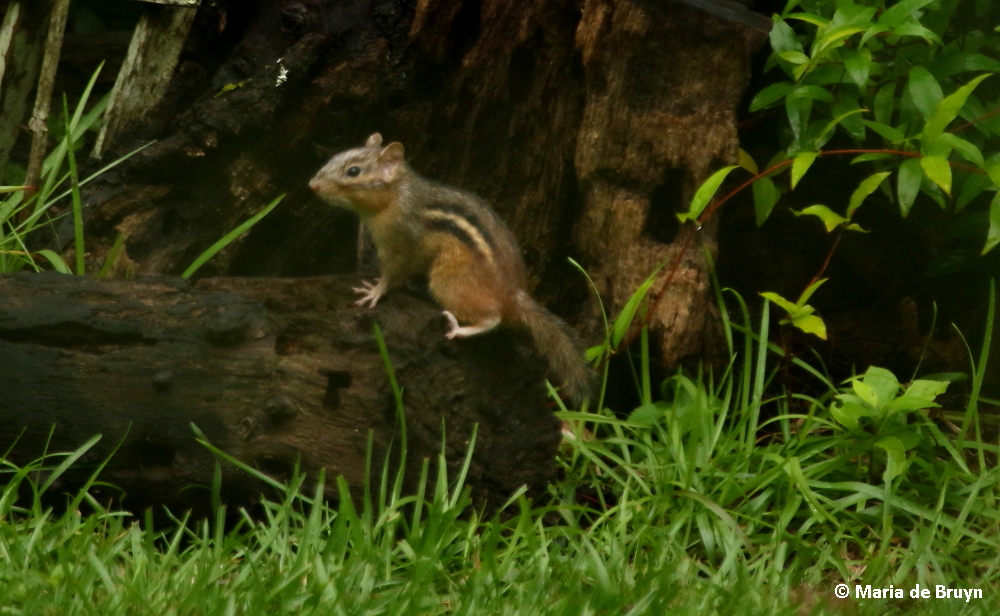
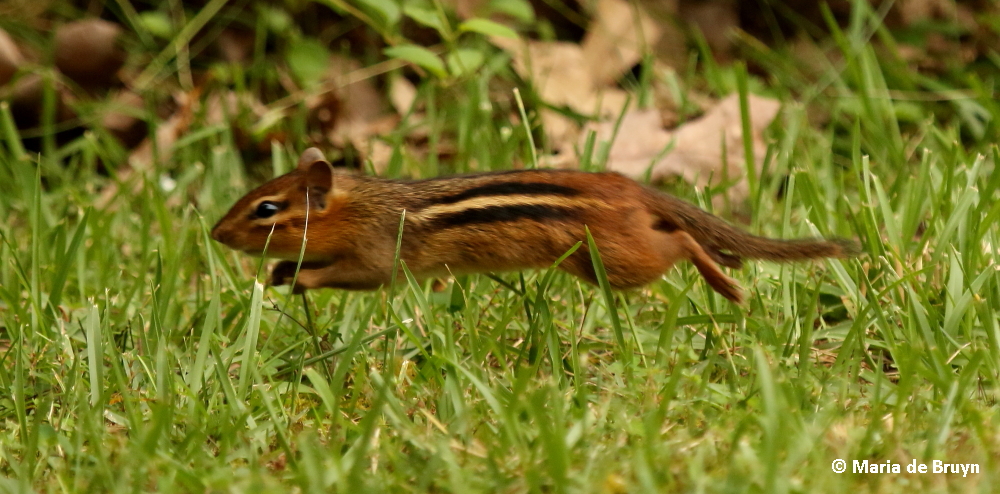
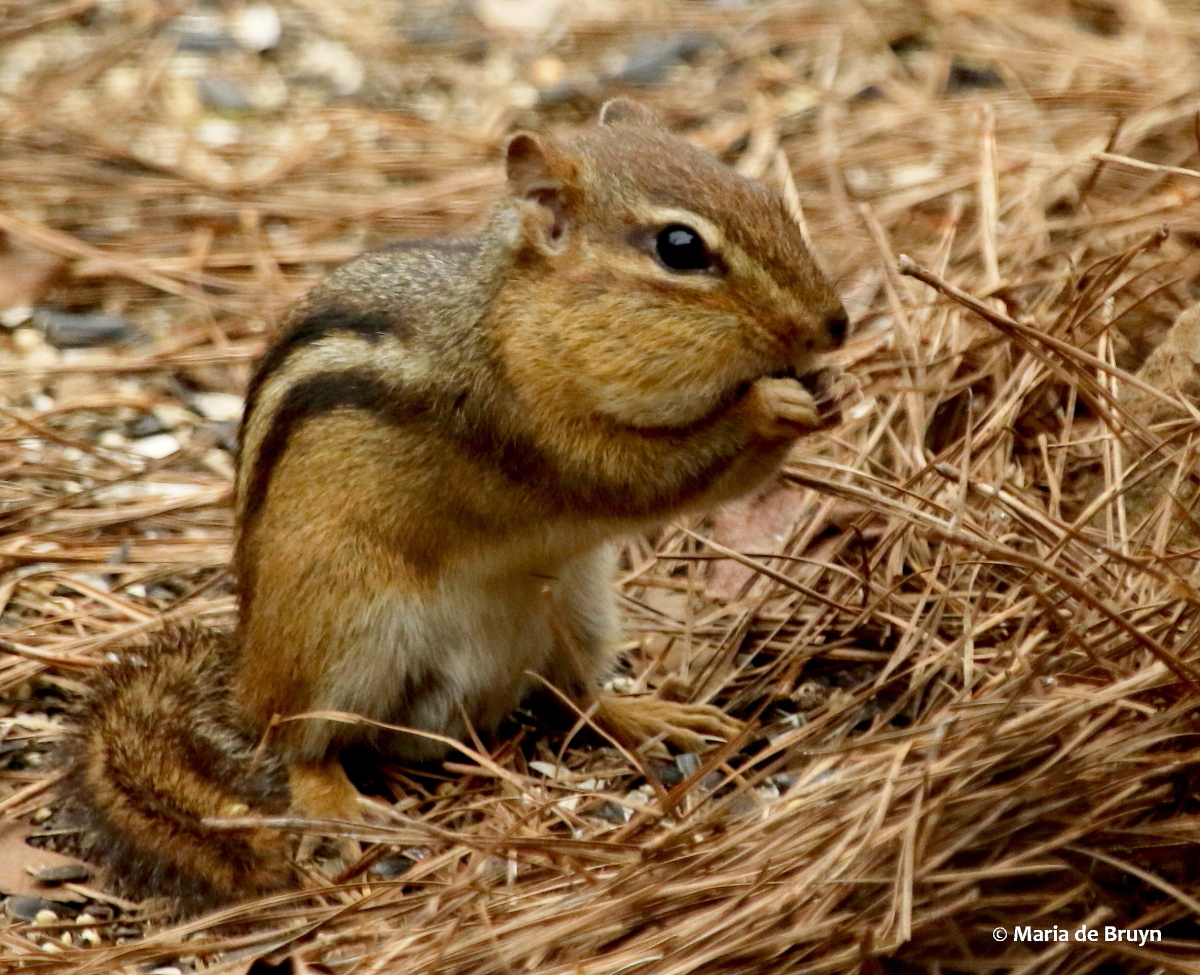
They often will chase non-family members away from the food I put out on the ground – seeds, bits of bread and apples for the birds (crows and catbirds are especially fond of apples). They are usually (not always!) willing to tolerate the Eastern chipmunks (Tamias striatus) who come to get some goodies, too.

eastern-chipmunk-i77a7935-maria-de-bruyn-res

eastern-chipmunk-i77a8790-maria-de-bruyn-res  eastern-chipmunk-i77a3418-maria-de-bruyn-res

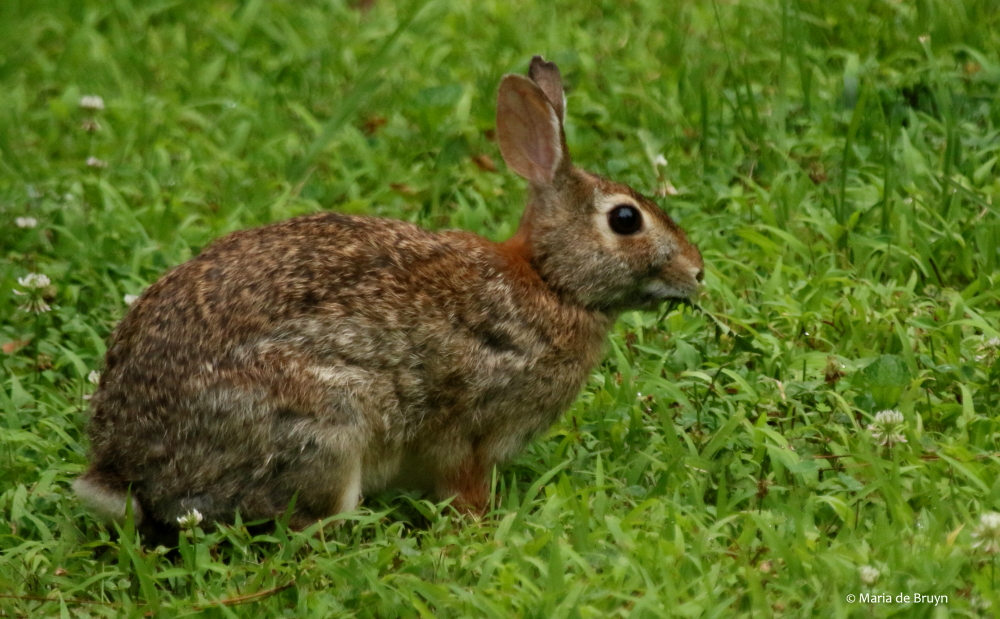
eastern-cottontail-i77a9747-maria-de-bruyn-resThe Eastern cottontail rabbits (Sylvilagus floridanus) don’t often go for the bird food but prefer to munch on the grasses and other plants growing on the “lawn”.

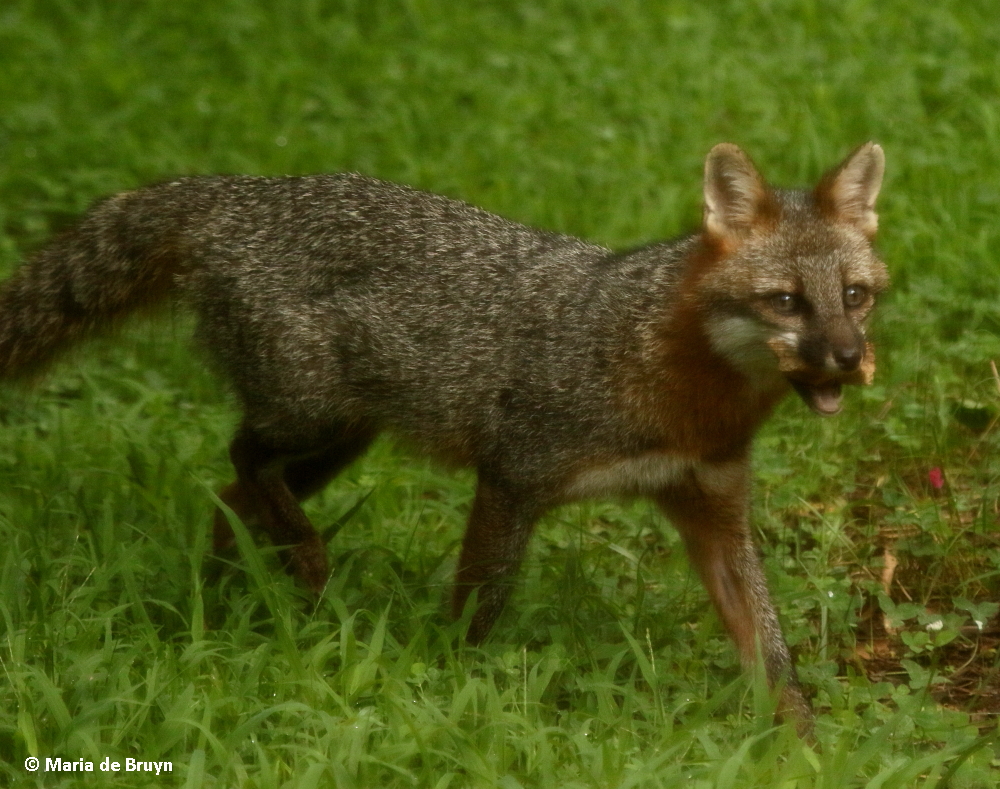
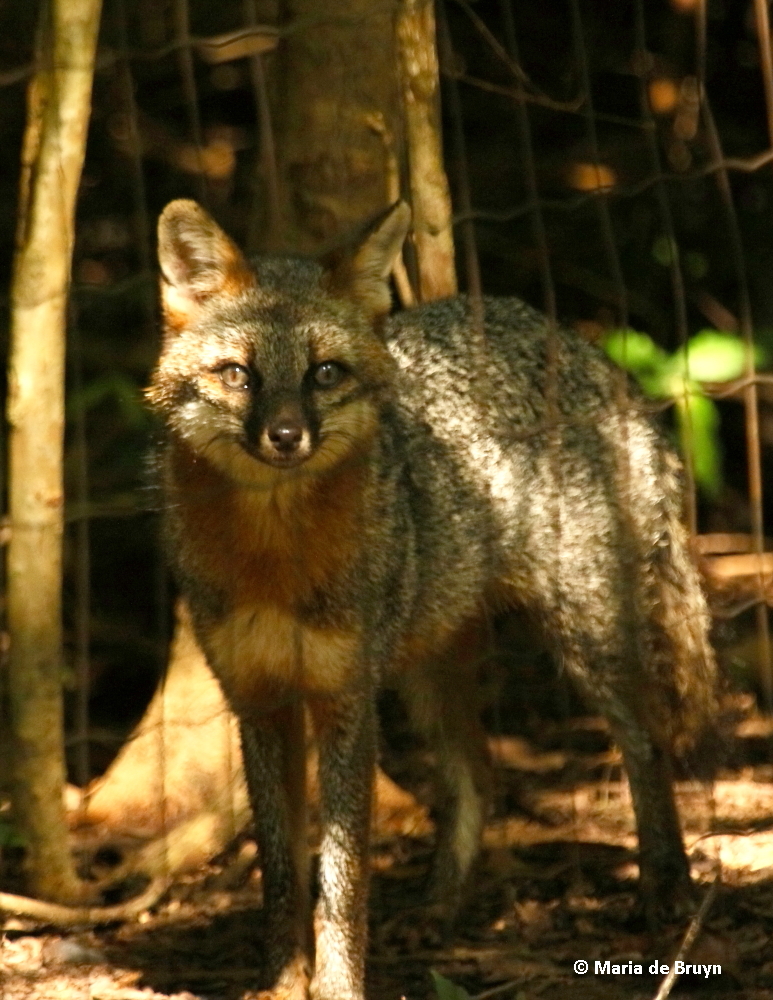
I was surprised this summer when I discovered that the beautiful neighborhood gray fox (Urocyon cinereoargenteus) was fond of bread.

gray-fox-i77a1236-maria-de-bruyn-res gray-fox-faith-i77a1197-maria-de-bruyn-res

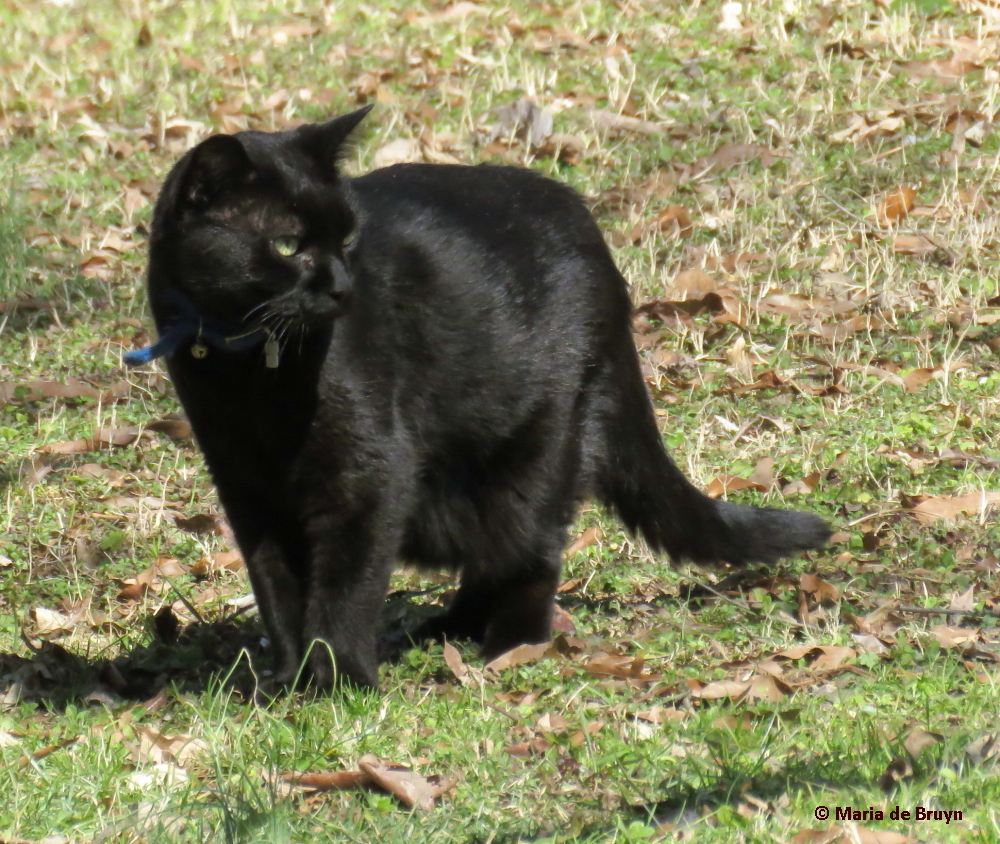
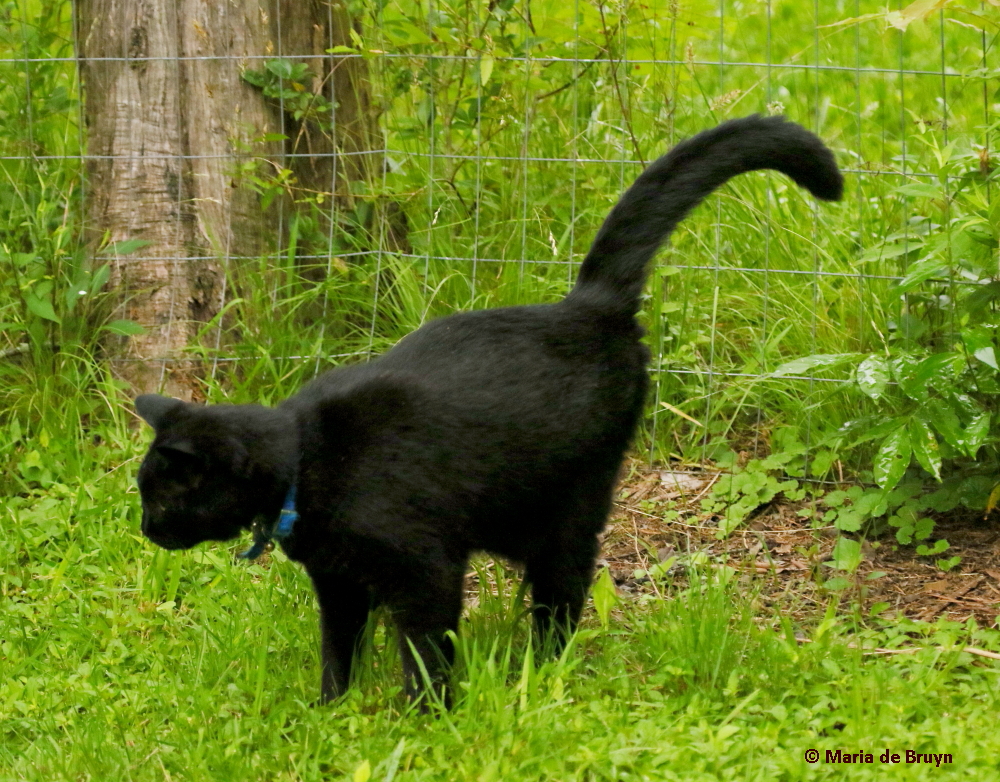
Her presence in the yard reinforced my resolve to no longer let my former indoor-outdoor cat, Jonahay, out by himself anymore. He has almost reached the ripe old age of 18 years and is going strong despite suffering arthritis, mild kidney disease, mild dementia and deafness. But all the years of having roamed outside have preserved a strong will to go outdoors so I take him for walks around the yard, which give him opportunities to mark his territory anew. (My other two cats are strictly indoor felines, although one of them likes to escape now and again.)

jonahay-img_0058-maria-de-bruyn-res jonahay-i77a5004-maria-de-bruyn-res

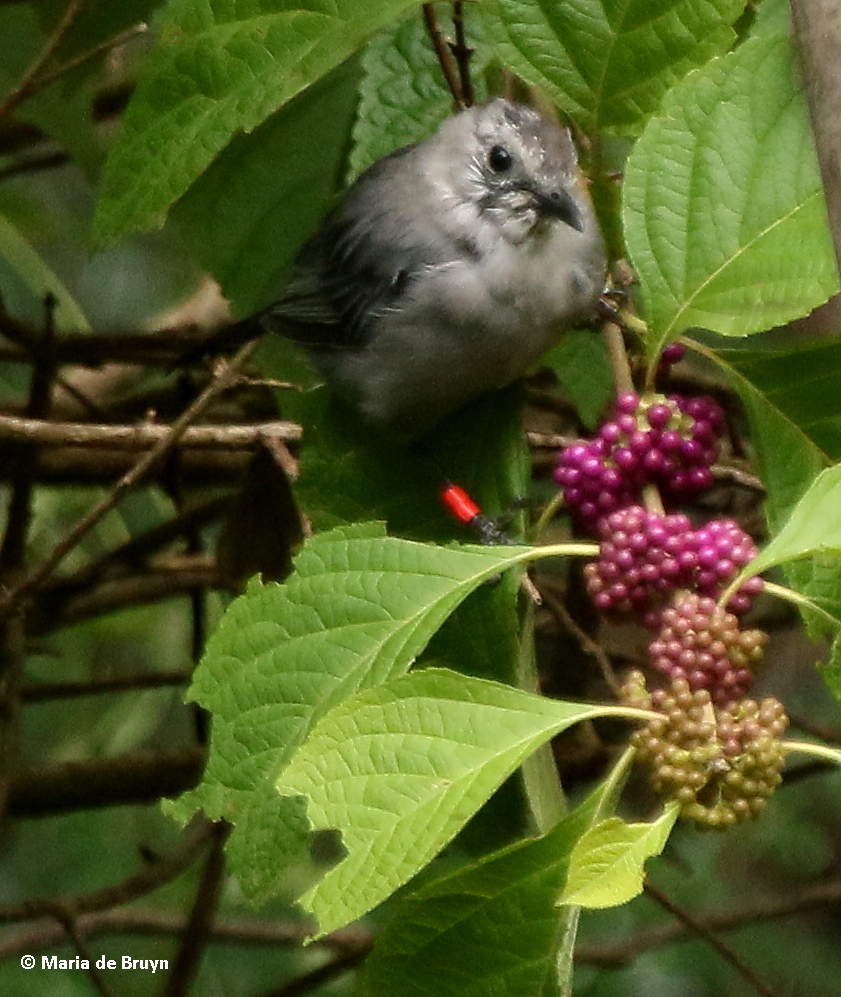
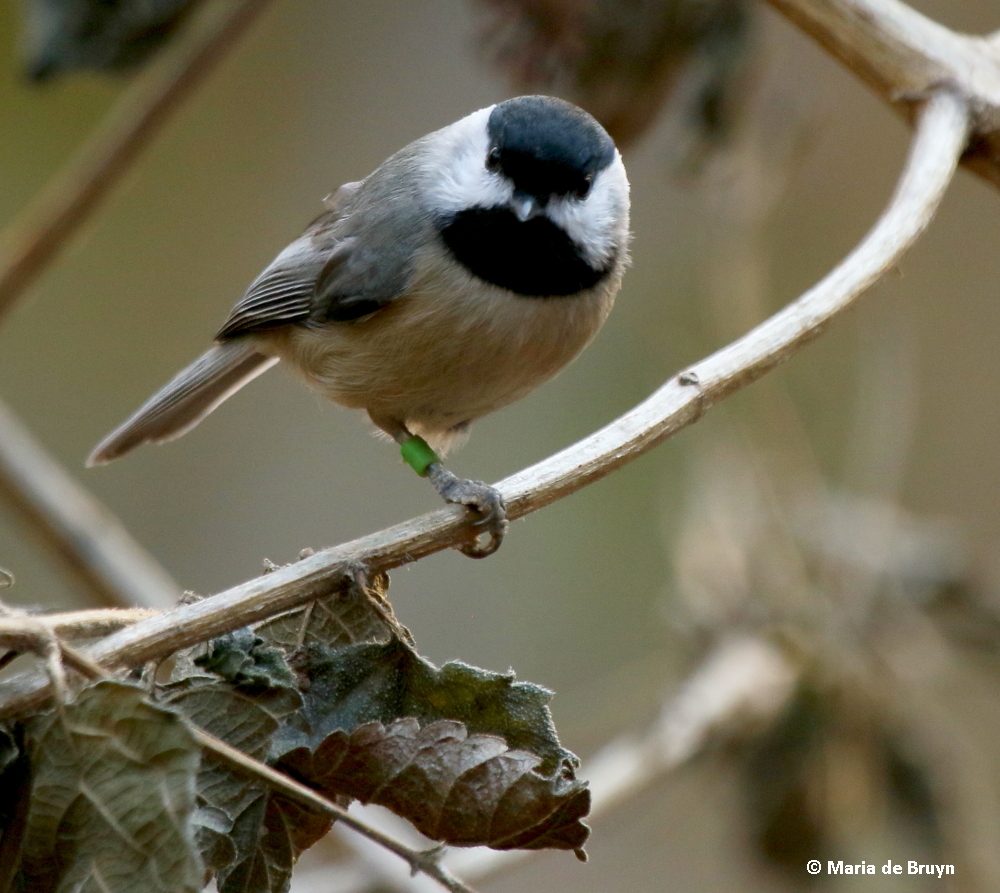
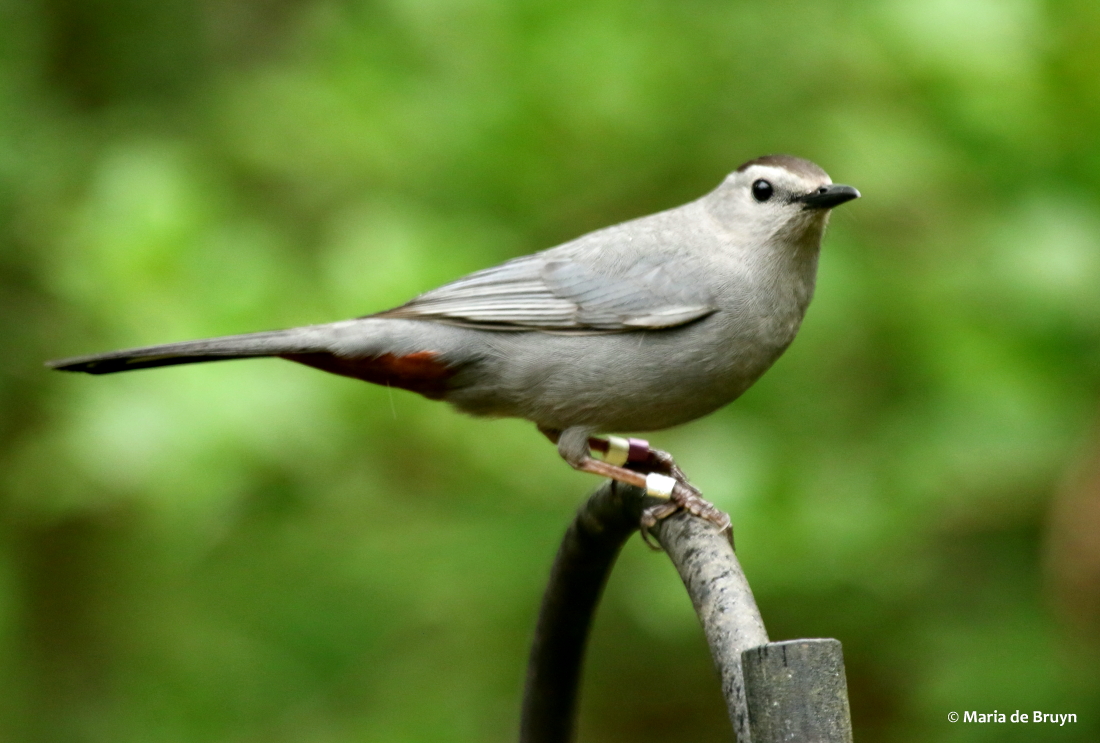
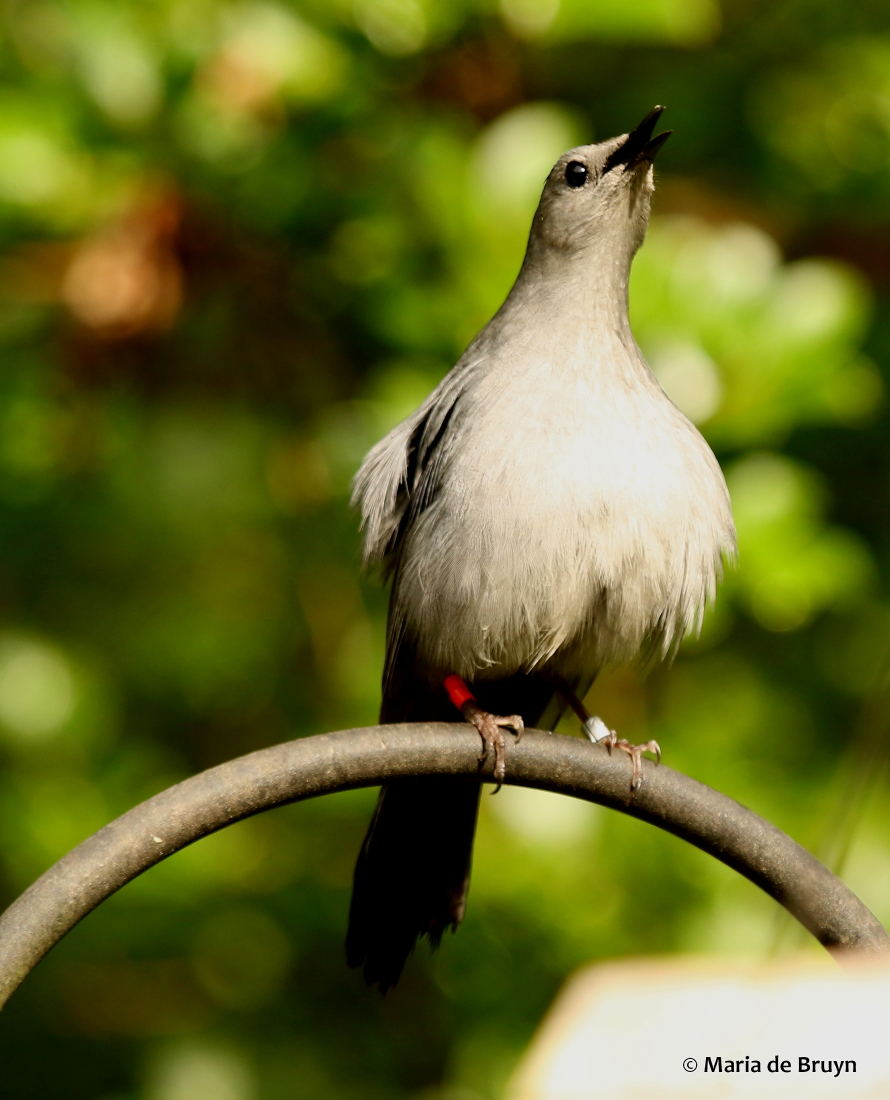
Two years running now, my yard has served as a venue for a citizen-science bird banding exercise and it’s always a pleasure to see banded birds returning to the feeders, like Corey catbird (Dumetella carolinensis) who enjoys American beautyberries. They also include my intrepid Carolina chickadee (Poecile carolinensis), Chantal, who unfortunately lost a leg (I think because she had scaly leg when she was banded and the bands were too tight but I don’t know this for sure). She is a feisty little bird and manages to balance remarkably well on her remaining leg; her daily return is always a joyous sight for me.

gray-catbird-corey-i77a4763-maria-de-bruyn-res  carolina-chickadee-chantal-i77a7263-maria-de-bruyn-res

sphinx-moth-caterpillar-img_4314-maria-de-bruyn-res


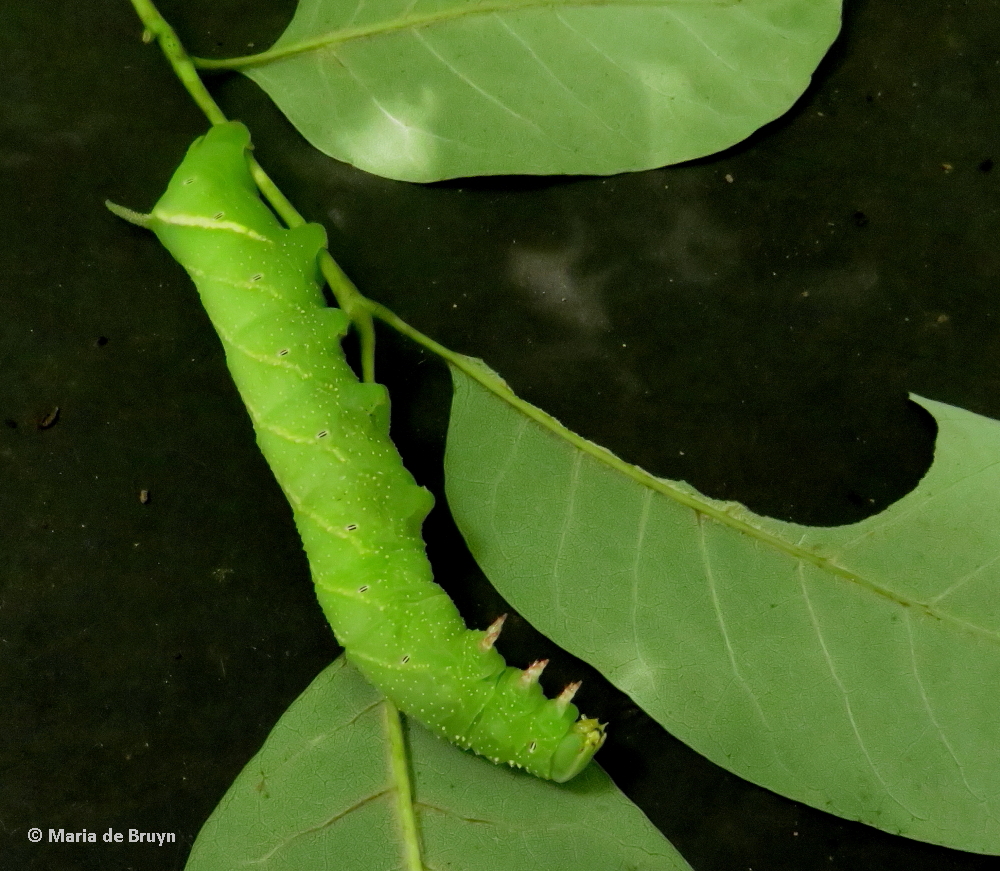
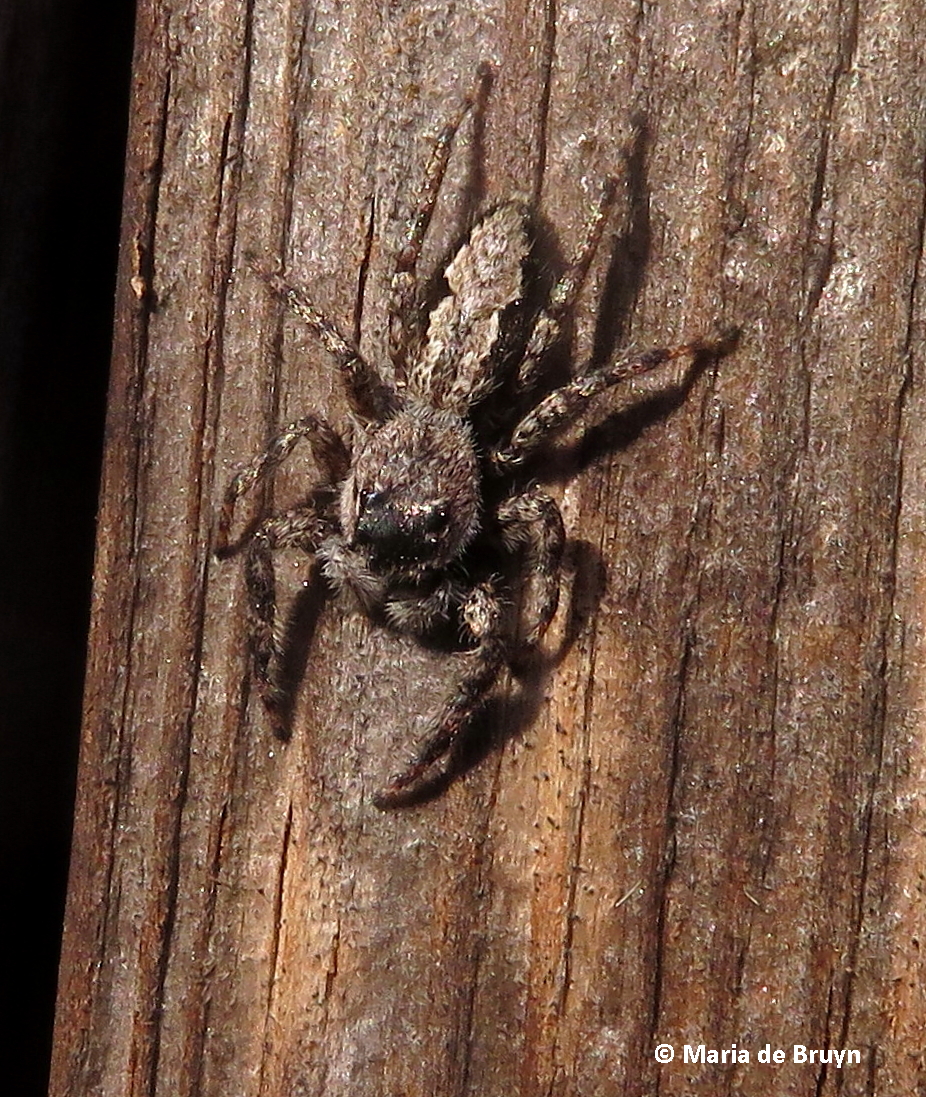
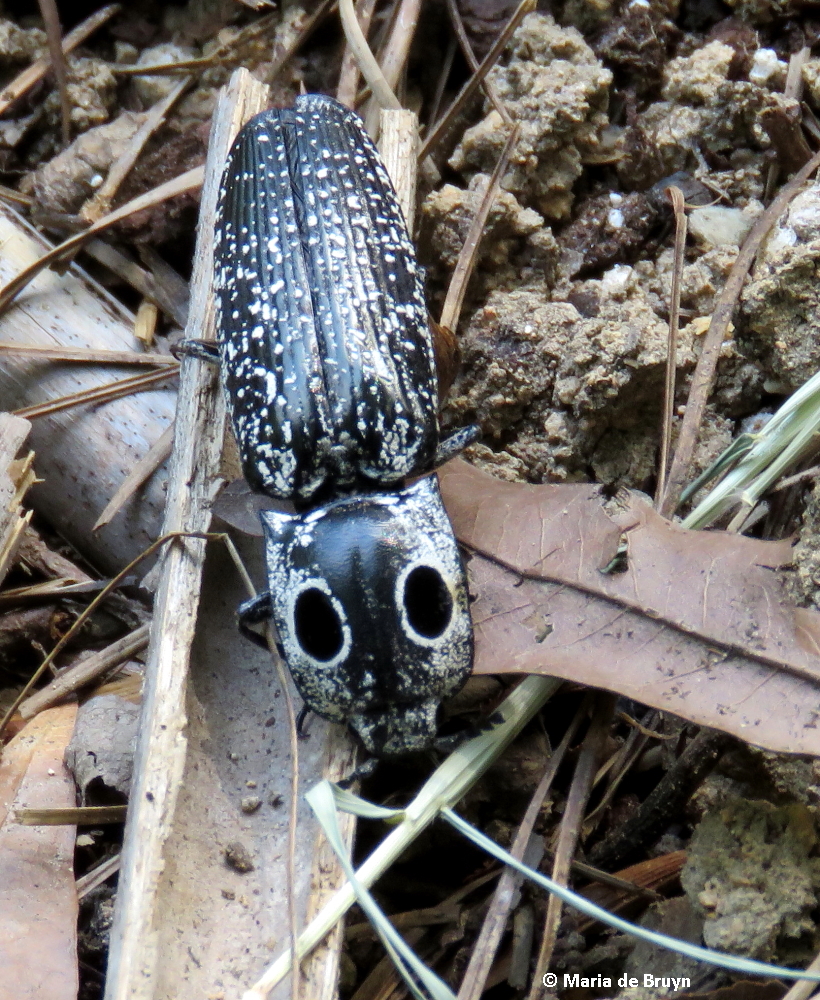
2016 was an exciting year as far as caterpillars went since a large sphinx moth caterpillar (Paonias) graced the yard for the first time (at least that I had noticed).  Cute little jumping spiders (Salticidae) climb onto bird nest boxes and Eastern eyed click beetles (Alaus oculatus) are found in the leaf litter.


jumping-spider-img_0562_1-maria-de-bruyn   click-beetle-img_4582-maria-de-bruyn-res

stink-bug-img_0575maria-de-bruyn-res


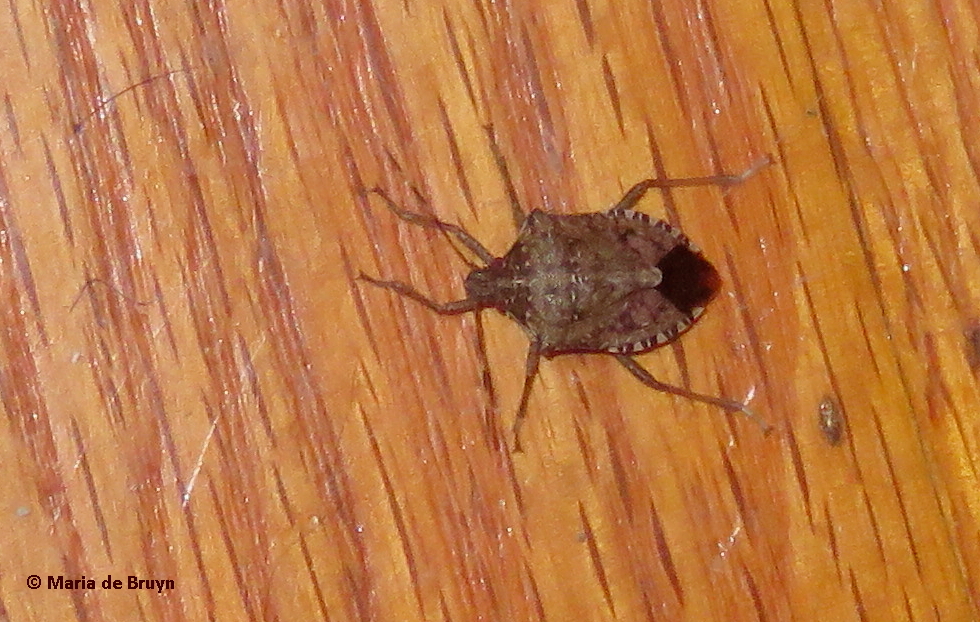
Unfortunately, some of the stink bugs (Halyomorpha) make their way into the house so that I have to take them back outside. One of my cats made the mistake of eating one that I hadn’t got in time and she ended up quite sick, even foaming at the mouth!

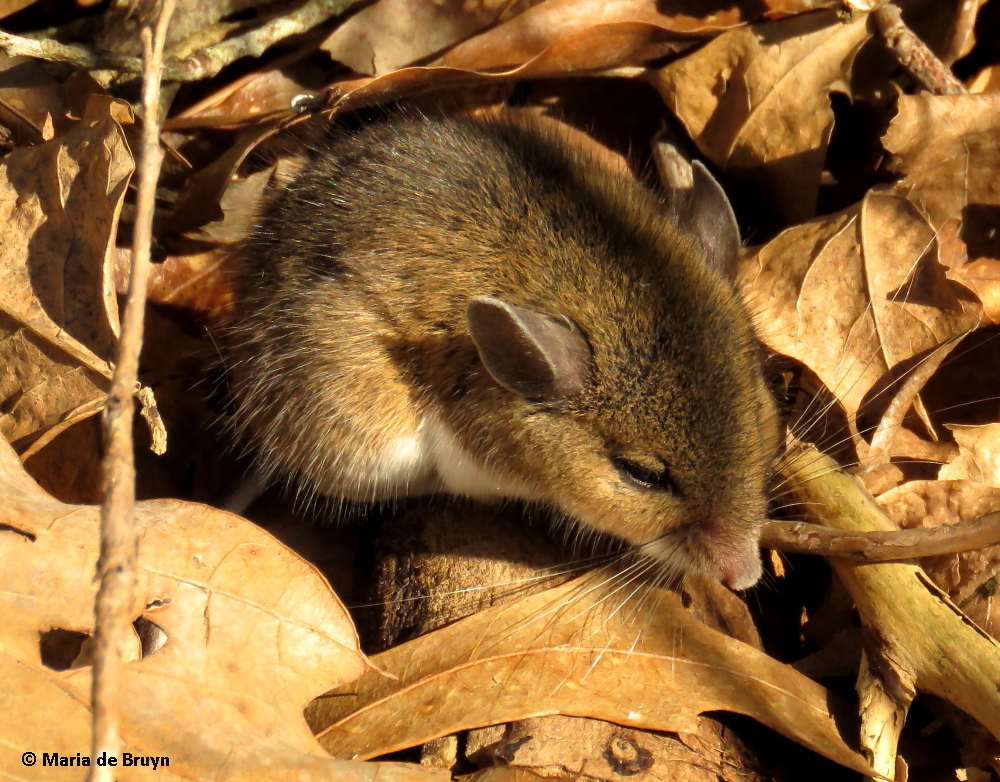
mouse-img_2726-maria-de-bruyn-resOccasionally, mice (Mus) get into the house. The cats don’t eat them and aren’t out to kill them but if they catch one at night and I don’t awaken, the rodent will be dead in the morning. Otherwise, I manage to get hold of the animal (sometimes with a lot of effort) and let it go outside again.

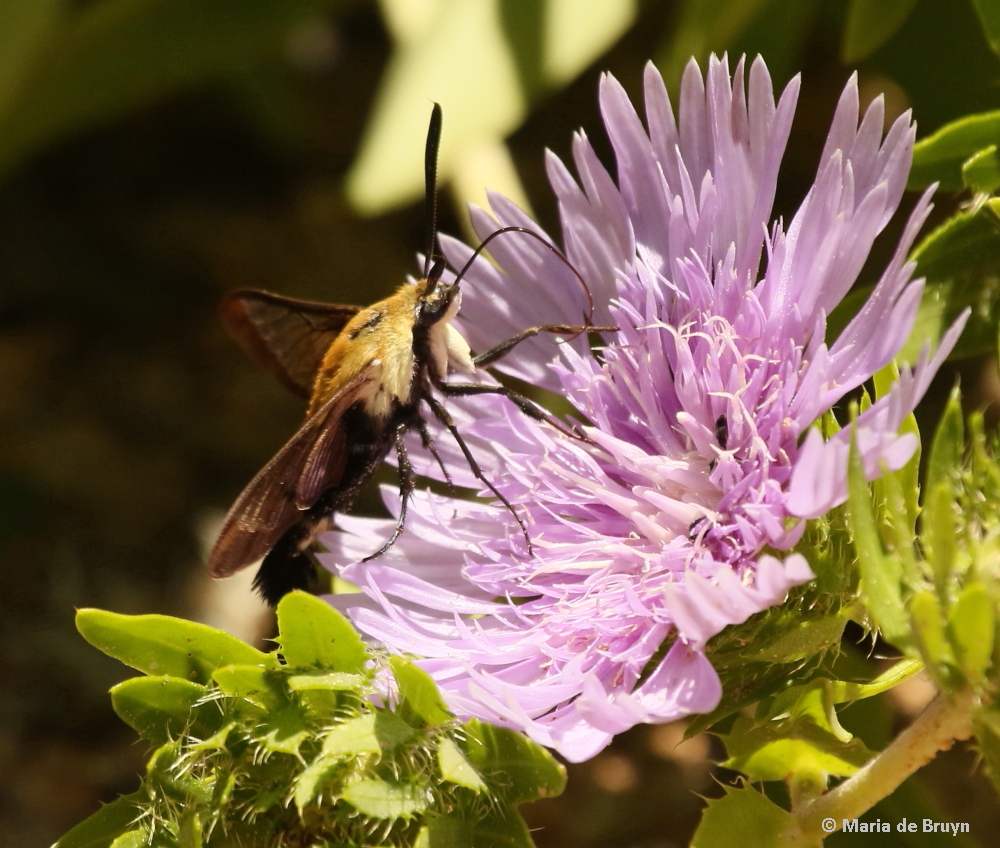
The snowberry (Hemaris diffinis) & hummingbird clearwing moths (Hemaris thysbe) are delightful.

snowberry-clearwing-moth-i77a5324-maria-de-bruyn-res   clearwing-hummingbird-moth-i77a7002-maria-de-bruyn-res

great-crested-flycatcher-i77a6714-maria-de-bruyn-res


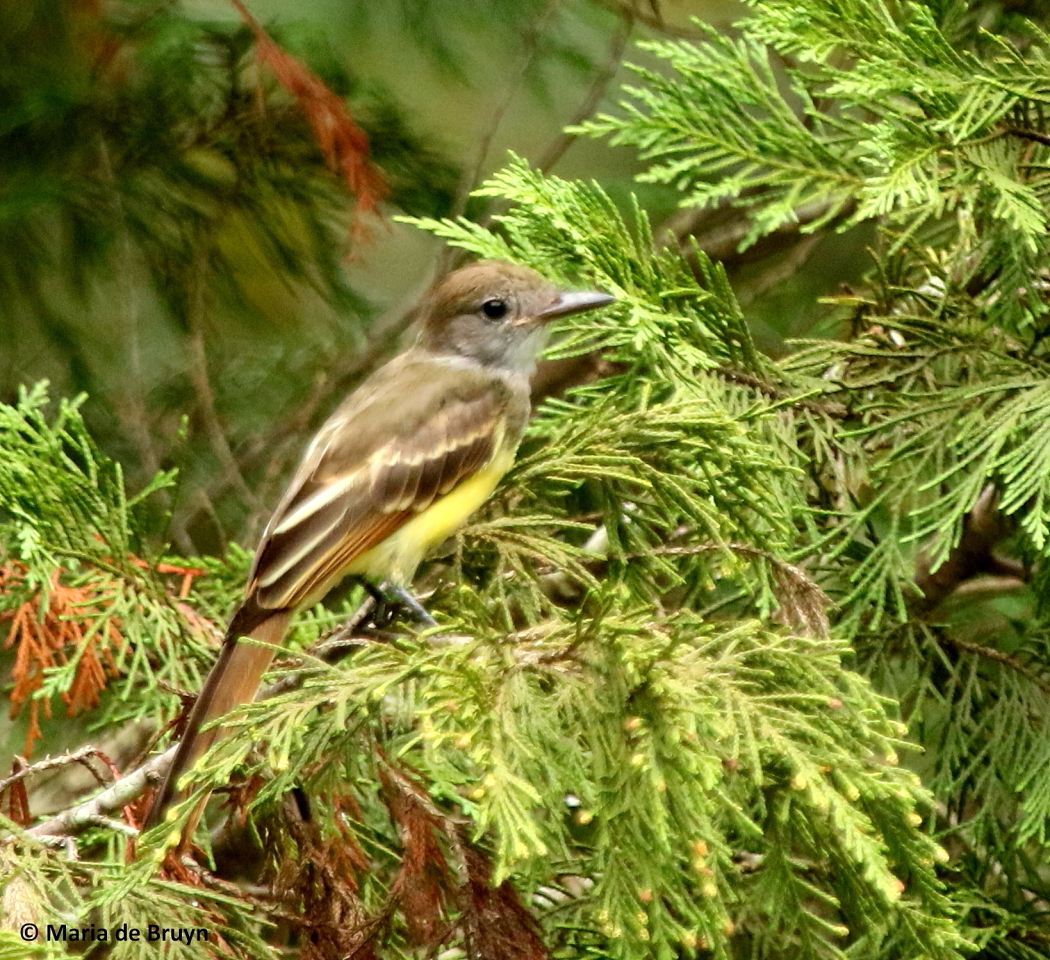
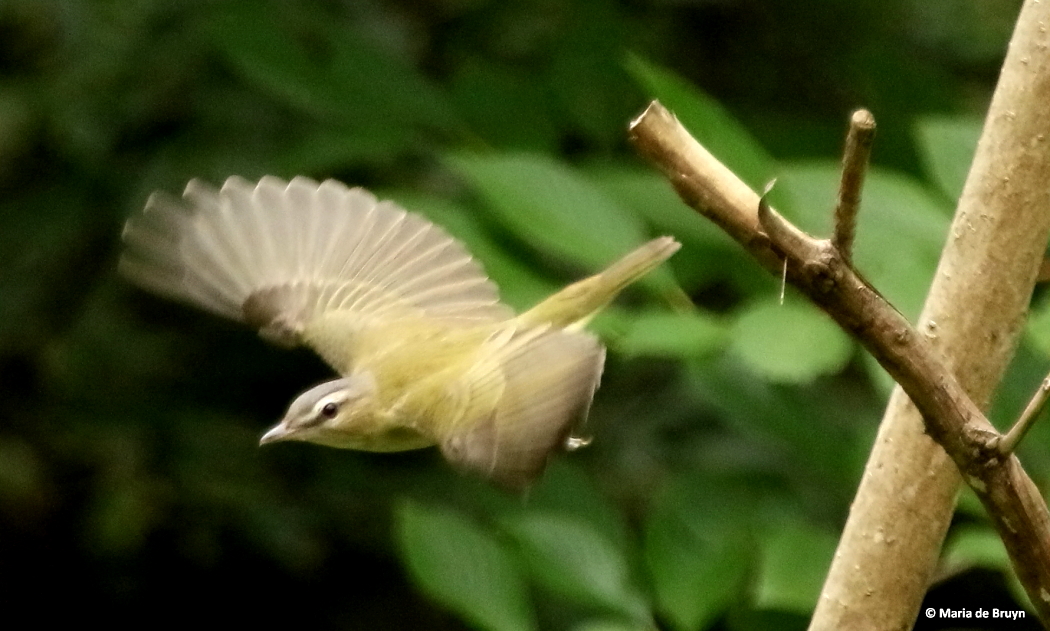
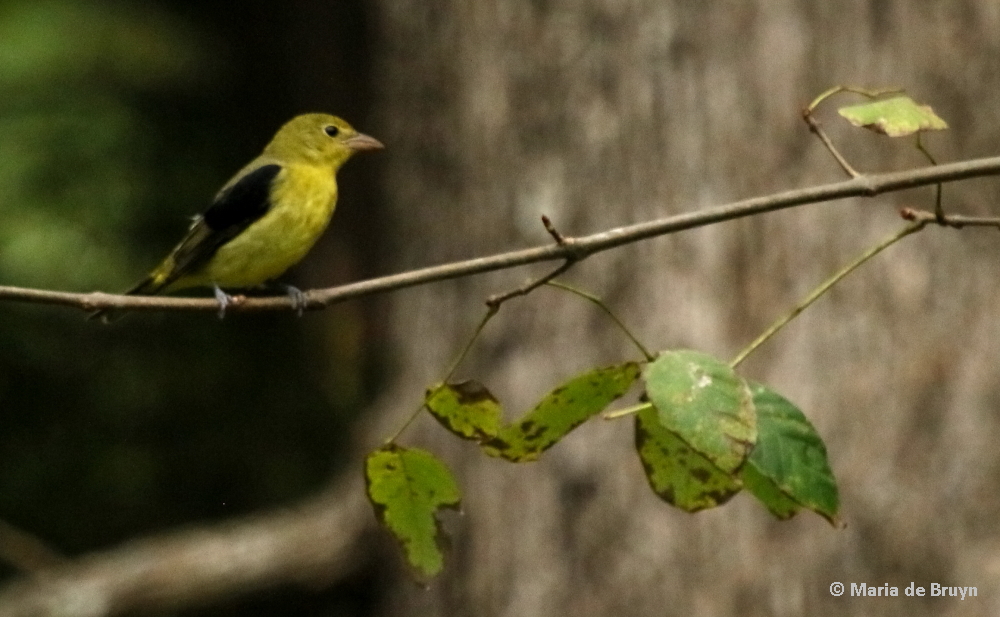
And so were various birds that visited my yard for the first time this year (or at least as far as I had noticed)! They included the black and white warbler, chestnut-sided warbler and Northern parula. Here are three more, plus the beautiful great crested flycatcher (Myiarchus crinitus, left), which I’d seen before but not well.


red-eyed-vireo-i77a6755-maria-de-bruyn-res

Red-eyed vireo (Vireo olivaceus)

scarlet-tanager-i77a0102-maria-de-bruyn-res

Scarlet tanager (Piranga olivacea)

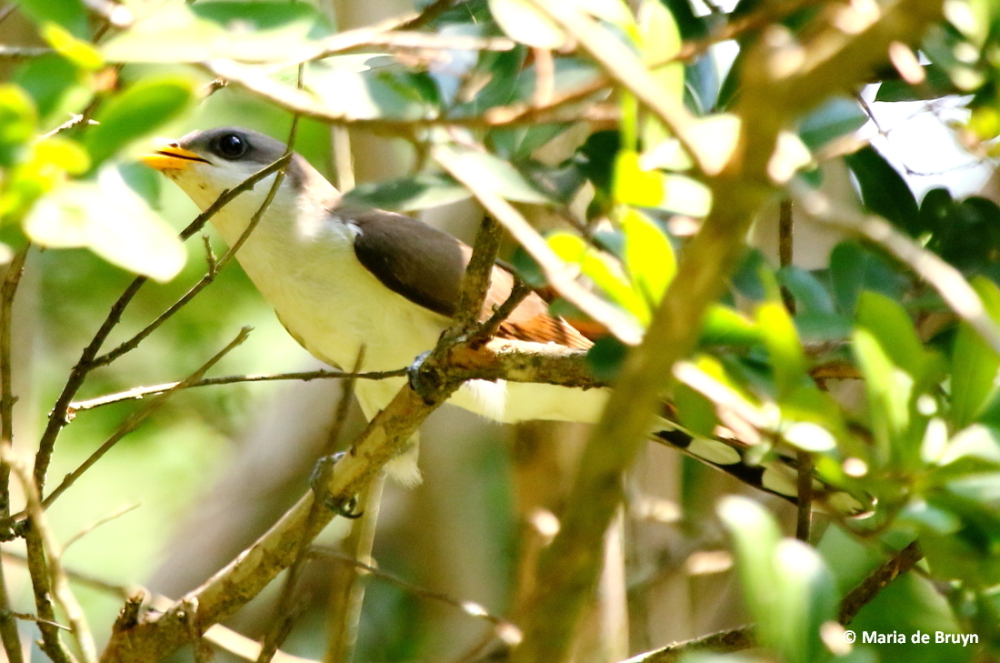
yellow-billed-cuckoo-i77a1564-maria-de-bruyn-res

Yellow-billed cuckoo (Coccyzus americanus)

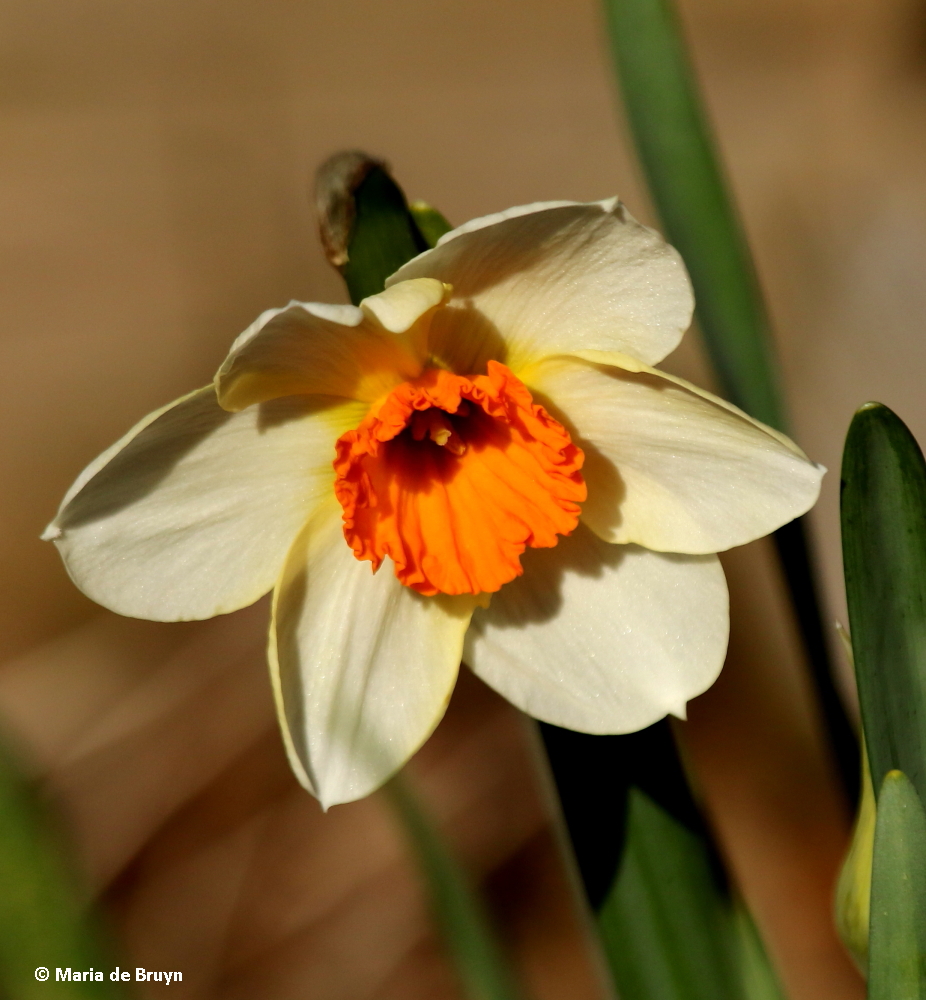
daffodil-i77a8465-maria-de-bruyn-res


I’m so pleased to begin this year in my home and really hope that circumstances in 2017 will allow me to continue enjoying nature, especially in my yard as I work to make it ever more welcoming to the local wildlife. And I hope all of you who read my blog will have many opportunities to get out and appreciate our beautiful natural world, too! Happy New Year to you!


Humankind has not woven the web of life.
We are but one thread within it.
Whatever we do to the web, we do to ourselves.
All things are bound together.
All things connect.

~ Chief Seattle, 1854 ~

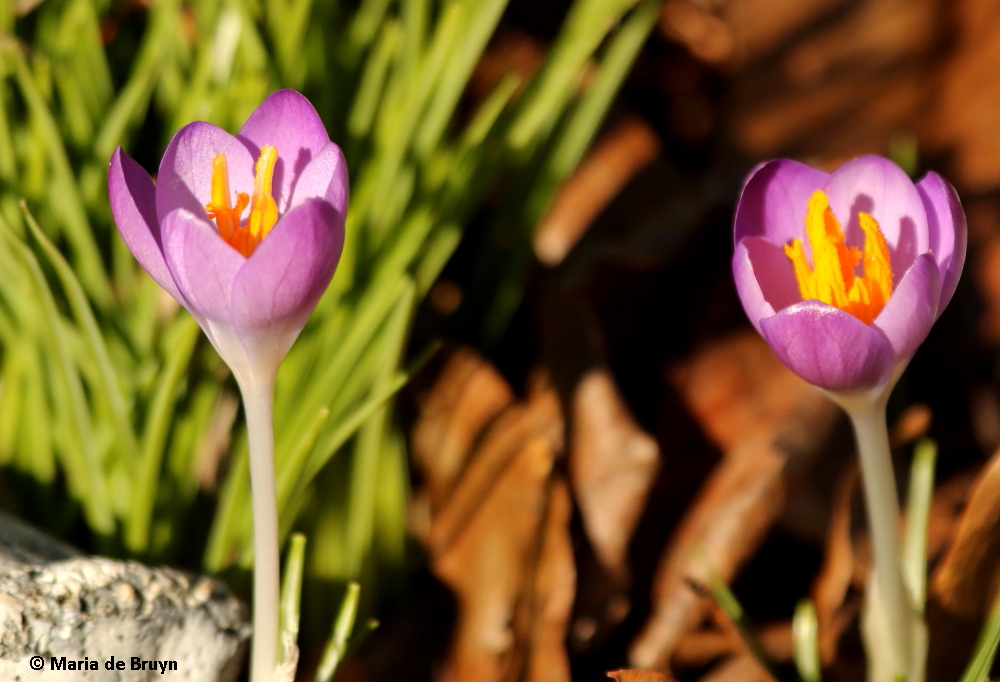
crocus-i77a6296-maria-de-bruyn-res

Birds and blooms at Sandy Creek Park – more of the “good ones”

moon I77A9993© Maria de Bruyn res

Birds are a favorite photographic subject of mine, even though catching them in late spring and summer is challenging when the lush foliage offers them many places to hide. Their songs and calls and warbles tell me that they are there, but often I need to wait quite a while until I finally catch a flutter of movement out of the corner of my eye to locate them.


white-eyed vireo I77A0007©Maria de Bruyn

One early morning, when the moon was still in the sky, I was fortunate enough to see a lot of fluttering in trees near the park’s parking lot – and I discovered an immature white-eyed vireo (Vireo griseus) with a parent who looked as if she or he was really practicing forbearance.

white-eyed vireo I77A0010©Maria de Bruyn      white-eyed vireo I77A0006©Maria de Bruyn

Carolina wren I77A0188©Maria de Bruyn res

Nearby, a Carolina wren (Thryothorus ludovicianus) was singing loudly; these little avians have an outsized voice so that you can hardly miss them even when they are hidden behind leaves.

A handsome male goldfinch (Spinus tristis) was in a field, while a female was visiting the coneflowers (Echinacea), of which there were various species in the cultivated butterfly garden.


American goldfinch I77A0382©Maria de Bruyn res American goldfinch I77A0177©Maria de Bruyn res

coneflower I77A7325© Maria de Bruyn res      coneflower I77A6365© Maria de Bruyn res   coneflower I77A6250© Maria de Bruyn res

Eastern bluebird I77A6188© Maria de Bruyn res


Other birds were busy finding insect meals, like the male, female and immature Eastern bluebirds (Sialia sialis).


Eastern bluebird I77A6022© Maria de Bruyn res    Eastern bluebird I77A5558© Maria de Bruyn res

Common grackle I77A6377© Maria de Bruyn res


The common grackle (Quiscalus quiscula) scored a meal, while the pine warbler (Setophaga pinus) and blue-gray gnatcatcher (Polioptila caerulea) were busy in the trees searching for caterpillars and insects.

Other birds (and mammals, I think) had been getting crayfish from the ponds but I guess there were so many that they only ate the tastiest parts.

Pine warbler I77A5605© Maria de Bruyn res   Pine warbler I77A5598© Maria de Bruyn


blue-gray gnatcatcher I77A0302©Maria de Bruyn res     crayfish IMG_4926©Maria de Bruyn res

The American robins (Turdus migratorius) were looking for earthworms on the ground, and the song sparrows (Melospiza melodia) alternated between the ground and shrubs in their search for food.

American robin IMG_0550© Maria de Bruyn res     song sparrow I77A6195© Maria de Bruyn

The male red-winged blackbirds (Agelaius phoeniceus) were calling and flying from shrub to shrub, showing off their handsome black plumage with a red highlight.

red-winged blackbird I77A6090© Maria de Bruyn res  red-winged blackbird I77A6126© Maria de Bruyn res

Over at a nearby pond, the Northern rough-winged swallows (Stelgidopteryx serripennis) were swooping over the water and then sharing space on a snag; meanwhile, a mother wood duck (Aix sponsa) led her brood along the shoreline.

rough-winged swallow I77A0234© Maria de Bruyn res    wood duck I77A7225© Maria de Bruyn

In a tree beside another pond, the immature great blue herons (Ardea herodias) were still at their nest at the start of June; later in the month, they were no longer hanging out there.

great blue heron IMG_0430© Maria de Bruyn res   great blue heron IMG_0402© Maria de Bruyn res

milkweed I77A0079©Maria de Bruyn res


Botanists can have a great time at Sandy Creek, too. The milkweed plants in the butterfly garden attract both butterflies and bees.

Carolina horsenettles (Solanum carolinense) are common but pretty little plants, while the orange jewelweed (Impatiens capensis) enjoys a good reputation as having stem juice that relieves the pain caused by poison ivy for many people.

Carolina horsenettle I77A5581© Maria de Bruyn res      orange jewelweed I77A0511© Maria de Bruyn res

The fairywand (Chamaelirium luteum) grows profusely on the edges of Sandy Creek ponds and the swamp rose (Rosa palustris) sprouts near them as well.

fairywand I77A7293© Maria de Bruyn res      swamp rose Rosa palustris I77A5621© Maria de Bruyn res

Japanese honeysuckle I77A5711© Maria de Bruyn res


Japanese honeysuckle (Lonicera japonica), an invasive plant, attracts pollinators but so does the more vibrant and native coral honeysuckle (Lonicera sempervirens L.).


coral honeysuckle I77A0159© Maria de Bruyn res      coral honeysuckle I77A0127© Maria de Bruyn 2 res

In the fields, you can see lovely brown-eyed Susans (Rudbeckia) and coreopsis.

Brown-eyed Susan IMG_0504© Maria de Bruyn res  brown-eyed Susan IMG_0497© Maria de Bruyn res


coreopsis flower IMG_0494© Maria de Bruyn res   coreopsis flower IMG_0486© Maria de Bruyn res

Stoke's aster I77A6353© Maria de Bruyn resThe cultivated garden in the park gets plenty of color from the Stoke’s asters (Stokesia laevis) and red bee balm (Monarda didyma), which is a real magnet for hummingbirds. I recently bought a couple for my home garden and was rewarded with seeing the hummers visit them within 2 days.


red bee balm I77A7307© Maria de Bruyn res    red bee balm I77A6390© Maria de Bruyn res

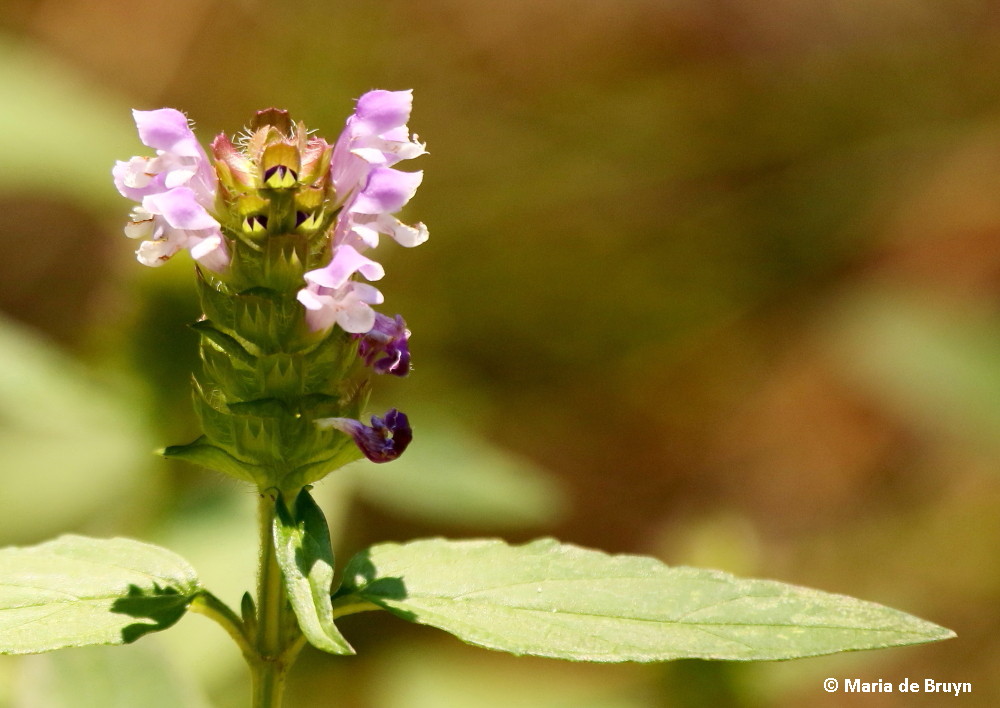
What makes my walks so interesting is discovering new species. A native grass (Bromus) was lovely; helpful facebook group members gave me suggestions for possible species but we couldn’t narrow it down. The group also helped me identify a plant that I hadn’t seen before, a Germander (Teucrium canadense).

grass Bromus IMG_4811© Maria de Bruyn res   Germander Teucrium canadense I77A0544© Maria de Bruyn res

I managed to find an ID myself for a common flower that seems to grow all over the place – the Asiatic dayflower (Commelina communis). It is considered an invasive plant and is on the watch list for North Carolina, but I have to say that I find it quite attractive. Each flower blooms for only one day and to me they look like little faces and make me smile. And so I continue learning as each new walk invariably ends up teaching me something new. Enjoy your day!

Asiatic dayflower Commelina communis I77A0667© Maria de Bruyn res    Asiatic dayflower I77A0677© Maria de Bruyn res

Nest Watch citizen science – 2016 edition

Carolina wren Renee and Riley I77A9074© Maria de Bruyn resLast year, I became a Nest Watch volunteer, which involves having birds banded in your yard so that you can follow and report to researchers the birds’ presence over time as they visit and leave your yard.

In 2015, we banded six birds. If a bird is only a temporary visitor or if it died outside the yard due to disease, old age or predation, you just won’t see it again and have no idea what became of it. The American robin (Turdus migratorius) that was banded last year never returned. If the birds stick around, however, you have the enjoyment of observing birds you get to know. The three gray-headed catbirds (Dumetella carolinensis) stayed around all summer and fall, and two of them – Camden and Corey – returned to my yard from winter migration a few days ago. They have been accompanied by females whom they appear to be assiduously courting.
gray-headed catbird Camden I77A8990© Maria de Bruyn res

gray-headed catbird Corey I77A8083© Maria de Bruyn res

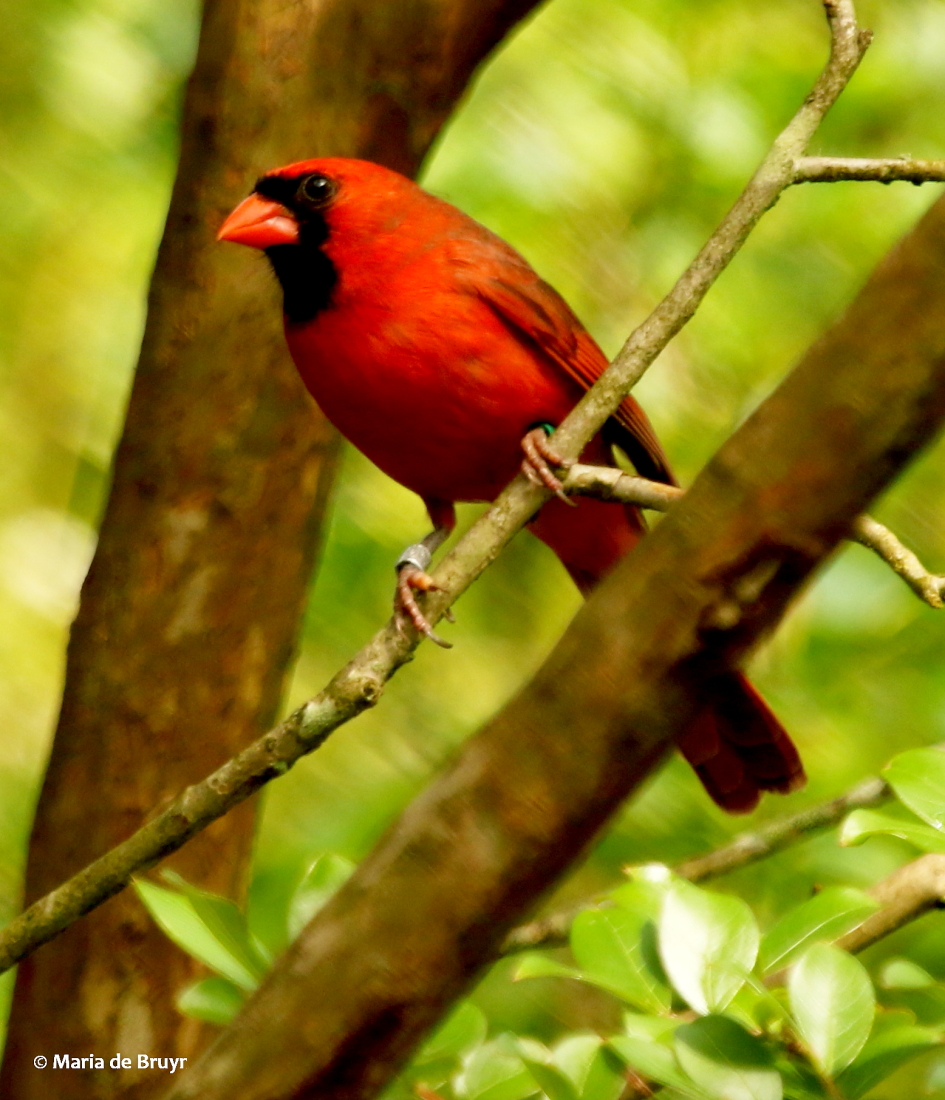
Northern cardinal Clancy I77A8123© Maria de Bruyn resOne Northern cardinal (Cardinalis cardinalis) was banded last year, but Clancy only stayed a few days and then disappeared for the rest of the summer, fall and winter. He suddenly appeared yesterday – perhaps encouraged to spend time at the feeders by the other birds with bracelets.

Three days ago, a second round of banding was done and we put the colorful anklets on a total of 10 birds. They were caught in two mist nets – one near my back garden and one near the backyard feeders.

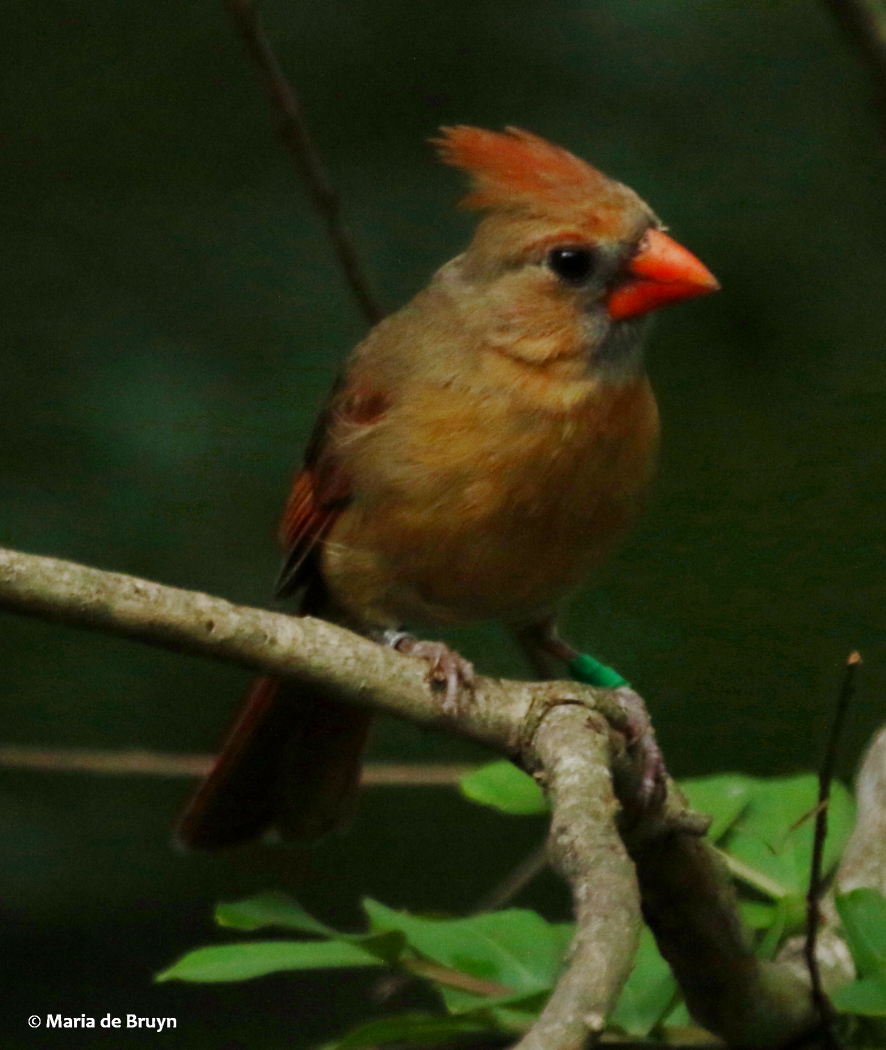
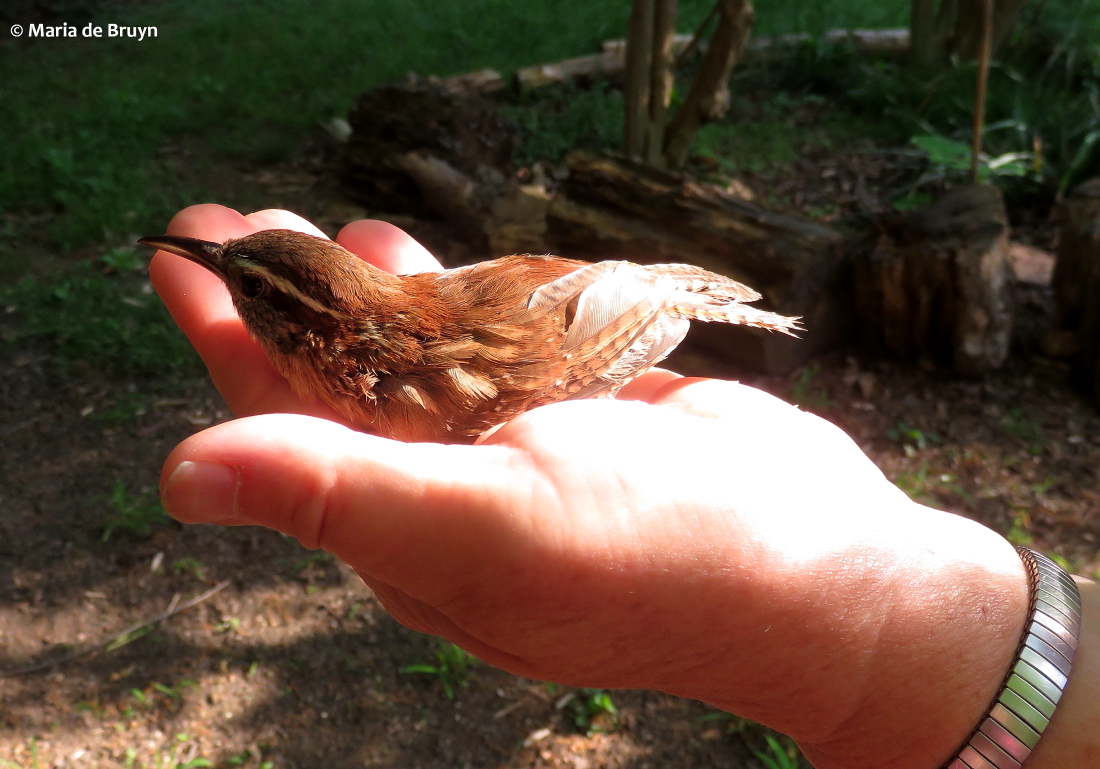
Northern cardinal Camilla I77A9127© Maria de Bruyn resThe nets had just been installed when our first visitor, a female Northern cardinal, was caught. She was not happy and when put in a bag until she could be banded, weighed, examined and measured, she did not remain still and calm. She had a little wait, however, as a female Carolina wren (Thryothorus ludovicianus) flew into the other net at just about the same time, followed by her mate within seconds. As the cardinals can tolerate being in a bag better than the smaller birds, the two wrens were banded first. Alicia let the first one go and then I released the second one, who rested on my palm for a bit. He felt so nice and soft!

Carolina wren Riley IMG_3832© Maria de Bruyn res

Forty-five minutes later, playback of a house wren’s song (Troglodytes aedon) led to the capture of a male who immediately came to investigate who was invading his territory. His mate, who was busy putting the finishing touches on a nest in a box near the mist net, didn’t go near the net.

house wren Hans IMG_3842© Maria de Bruyn reshouse wren Hans IMG_3844© Maria de Bruyn res

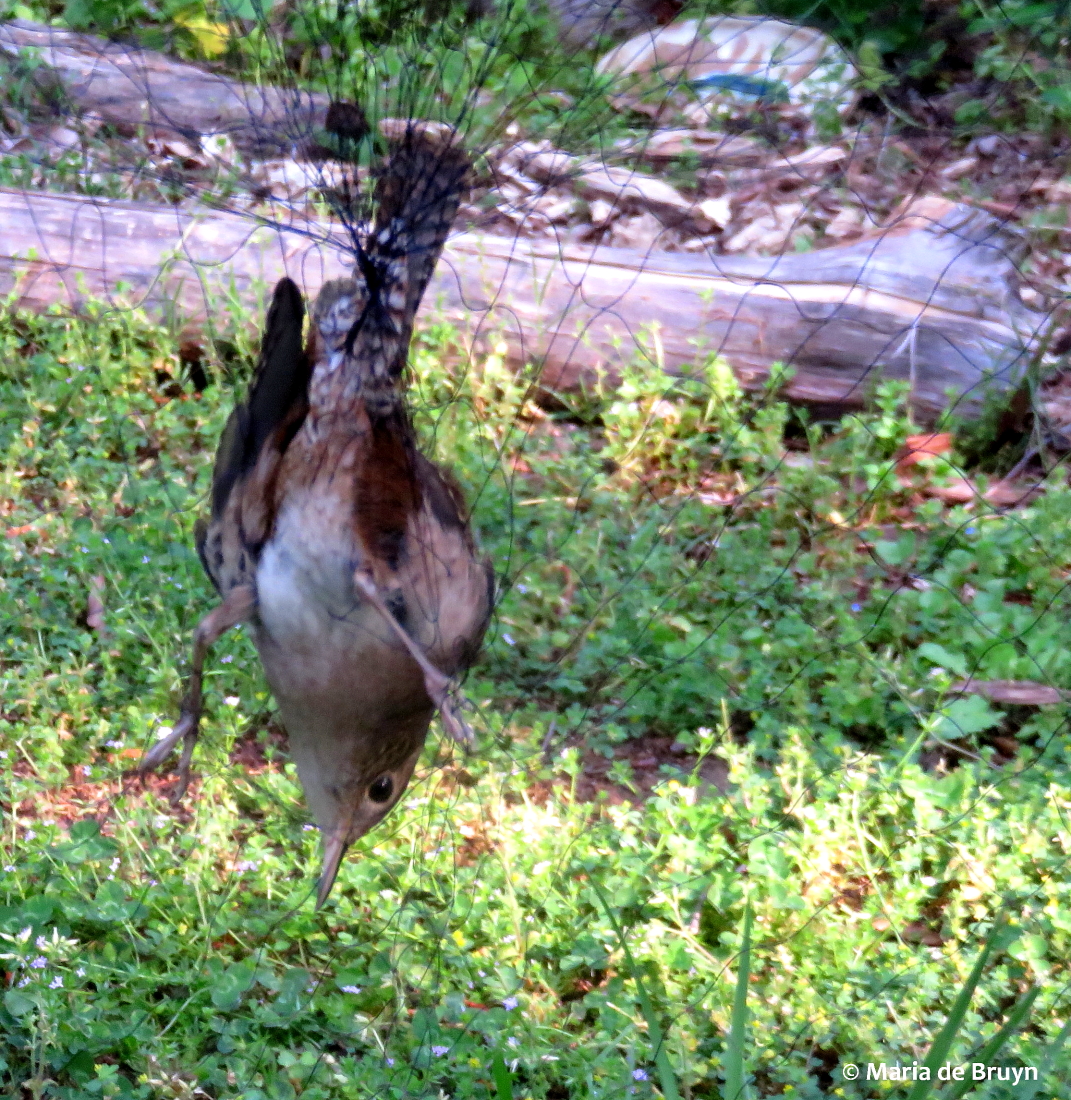
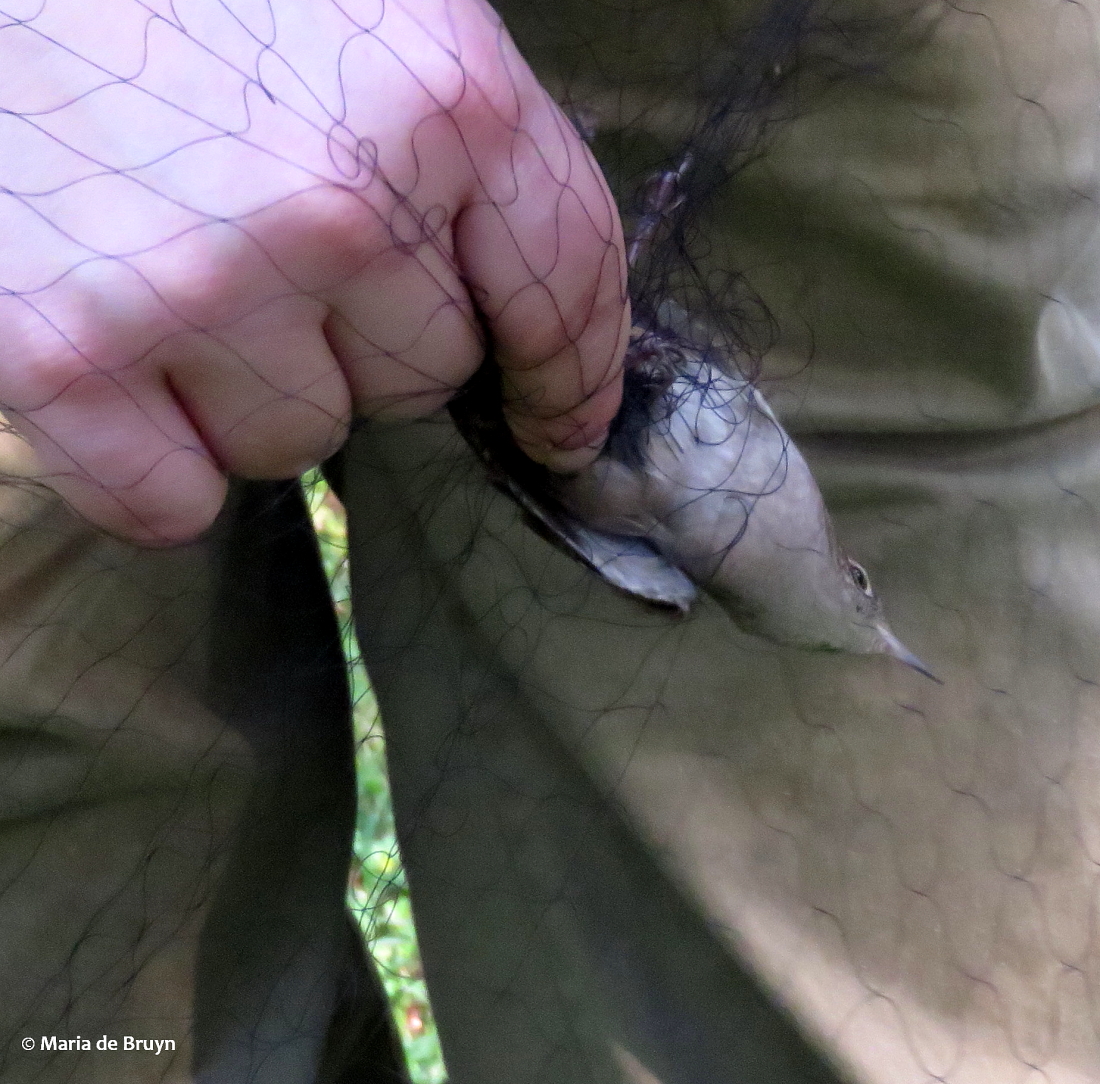
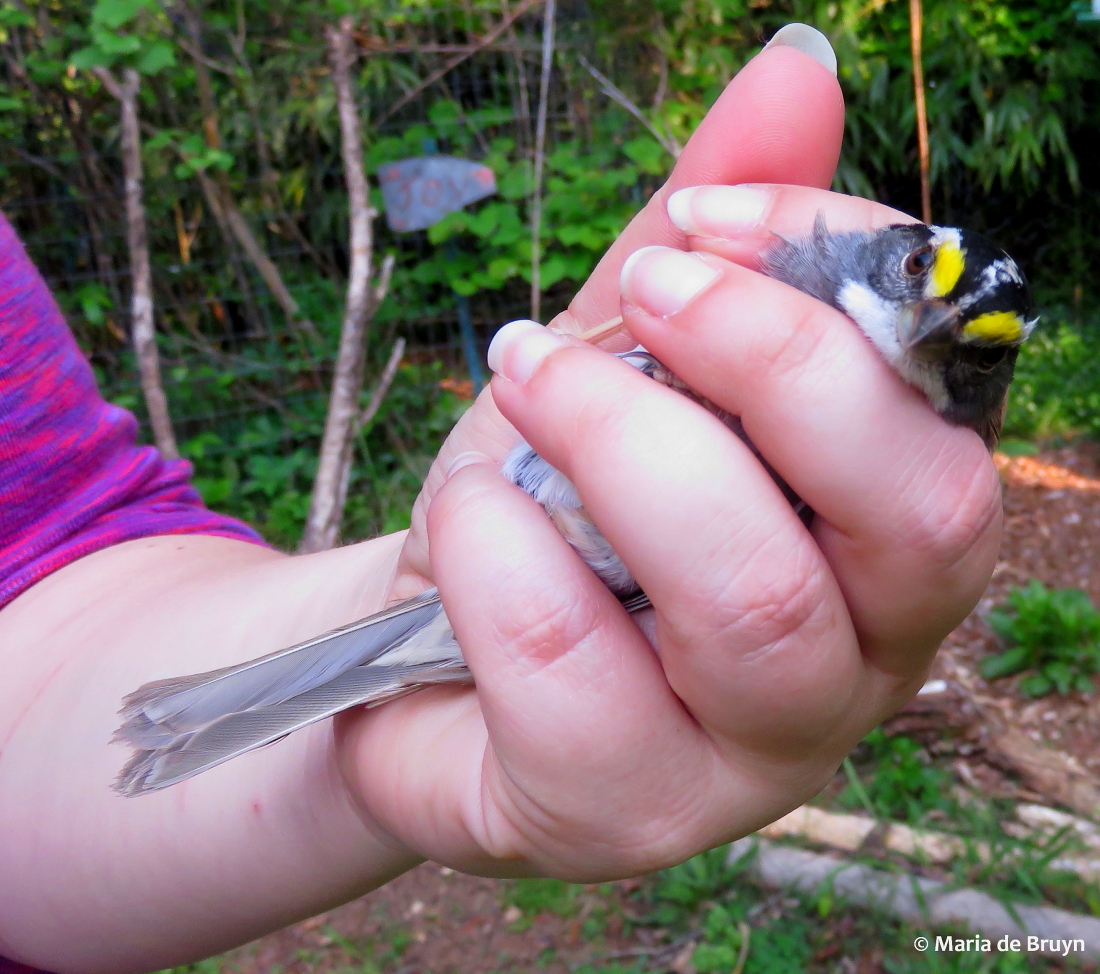
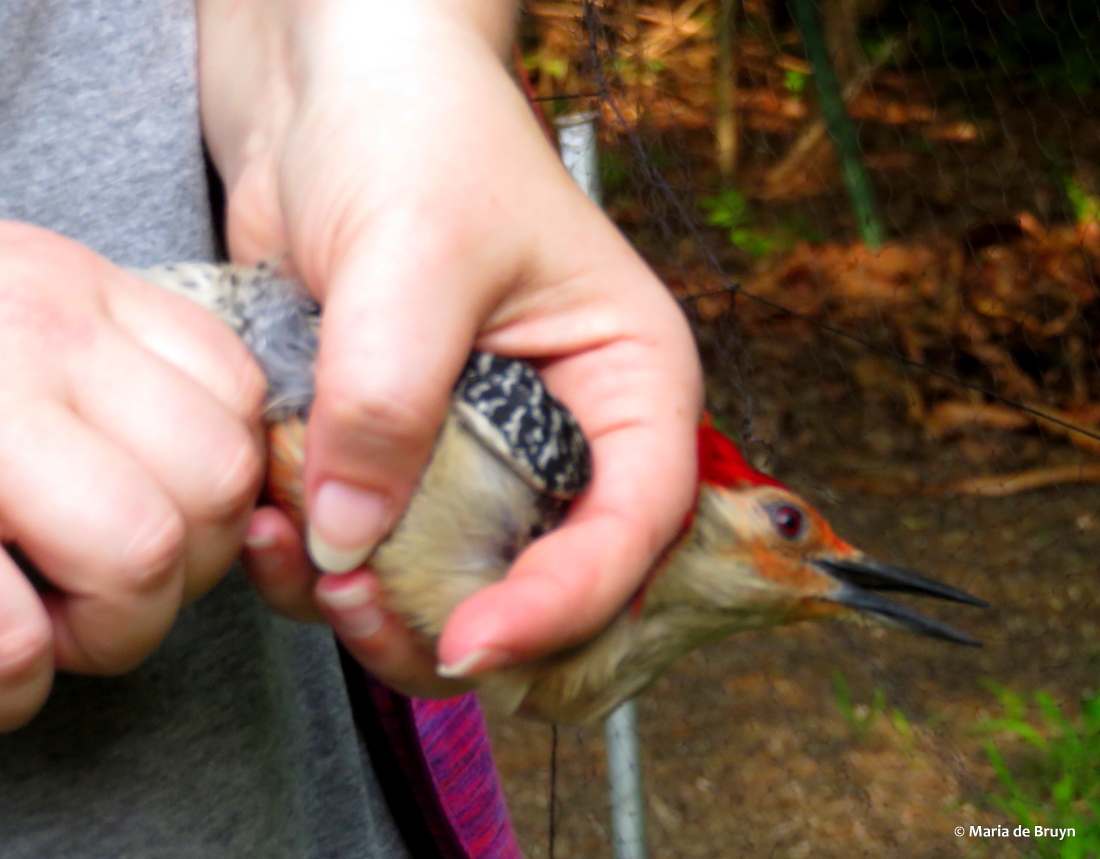
A few birds not targeted for the study ended up tangled in a net. A white-throated sparrow (Zonotrichia albicollis) had beautiful vivid breeding colors on his head. A red-bellied woodpecker (Melanerpes carolinus) was not calm like the sparrow, fluttering his wings constantly as Alicia, the bird bander, got him loose.

white-throated sparrow IMG_3837© Maria de Bruyn res red-bellied woodpecker IMG_3822© Maria de Bruyn res

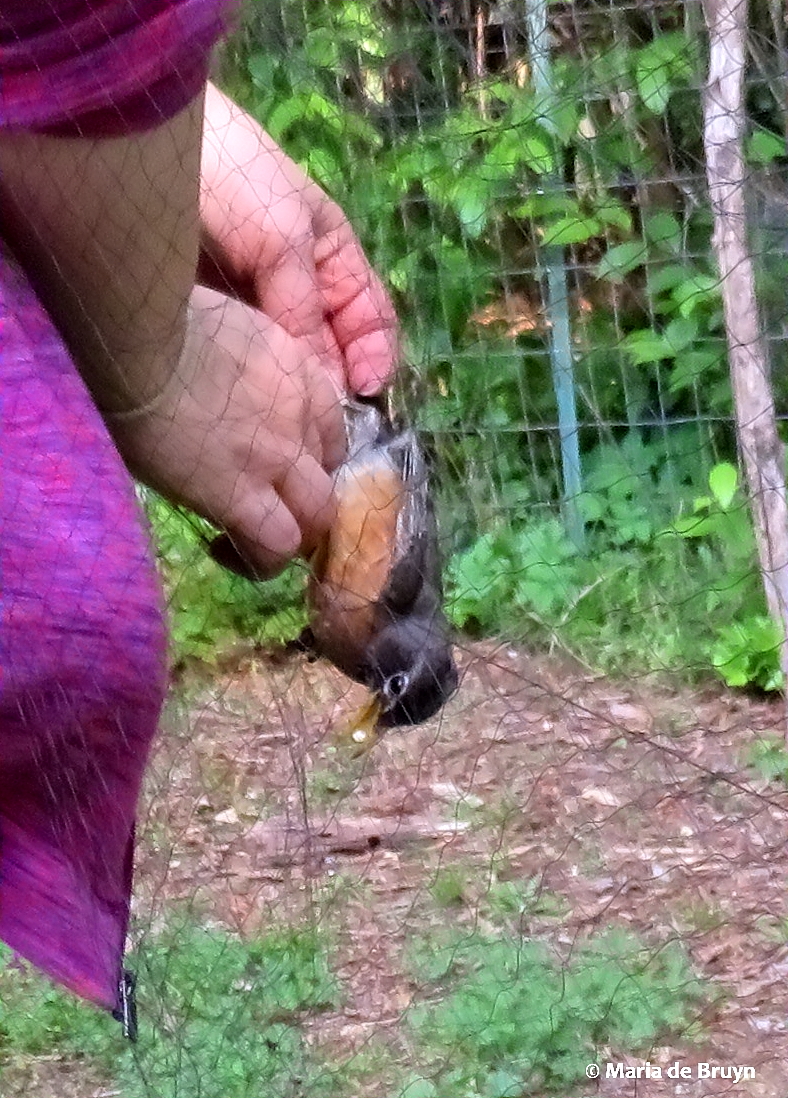
Next up were a male cardinal and a female American robin. Like last year, the birds were measured and weighed. Although about the same length, the weight difference between the heaviest Northern cardinal we banded (41.2 oz) and the American robin was striking (79.6oz). The robin’s fondness for worms and other dietary preferences helps account for this. When I let her go, she didn’t feel very heavy in my hand as she rested a second before flying off.

American robin Raisin IMG_3854© Maria de Bruyn

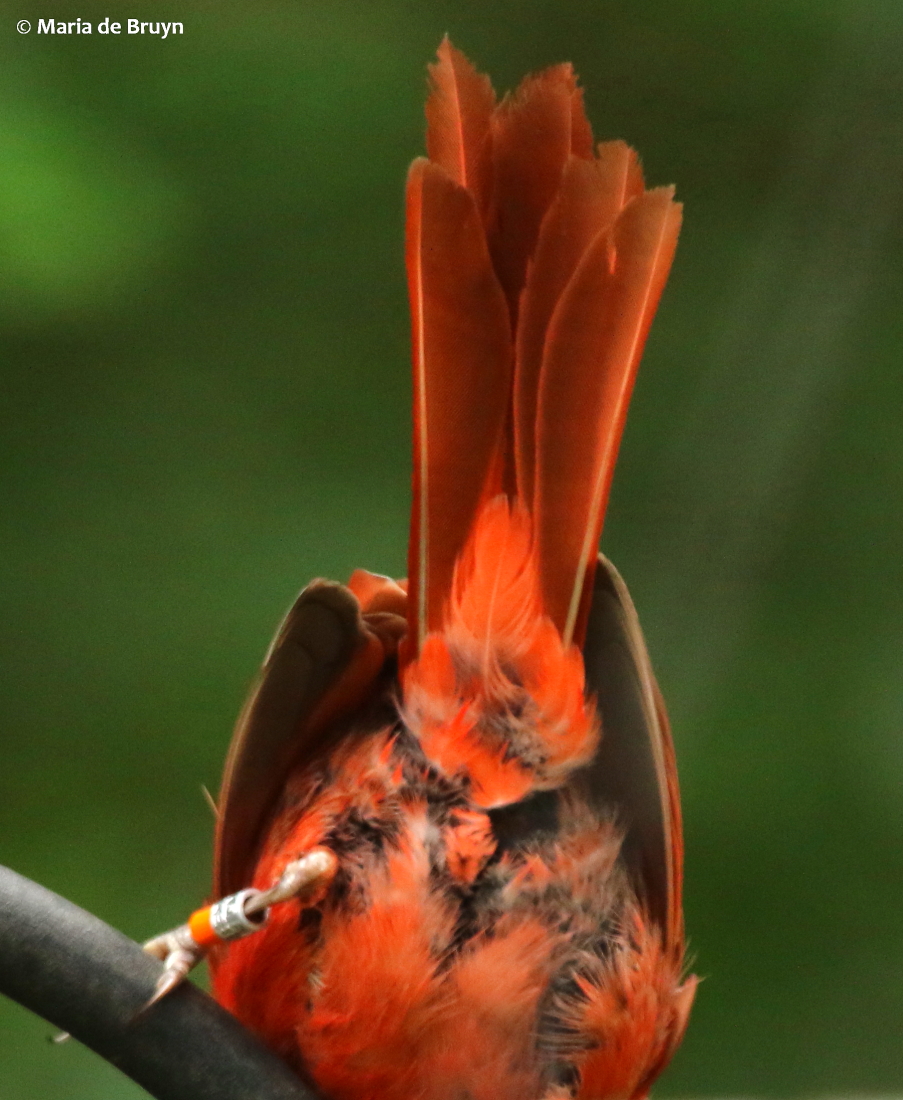
Except for birds that were molting their tail feathers, Alicia also removed the third left tail feather; this is done primarily for stable isotope analysis, which allows a researcher to estimate where the bird was when that feather was grown.

Northern cardinal Crake I77A0559© Maria de Bruyn res

Carolina chickadee Chancey I77A7762© Maria de Bruyn resThe catbirds avoided the mist nets skillfully this year. Playback of their songs drew them to the vicinity but the two pairs visiting the feeders were more interested in chasing each other away from the territory. Alicia hoped that we could get a Carolina chickadee (Poecile carolinensis); with playback we got a male and then, 45 minutes later after banding another cardinal, we got a pair of them.

Carolina chickadee Chase I77A0348© Maria de Bruyn res Carolina chickadee Chantal I77A9525© Maria de Bruyn res

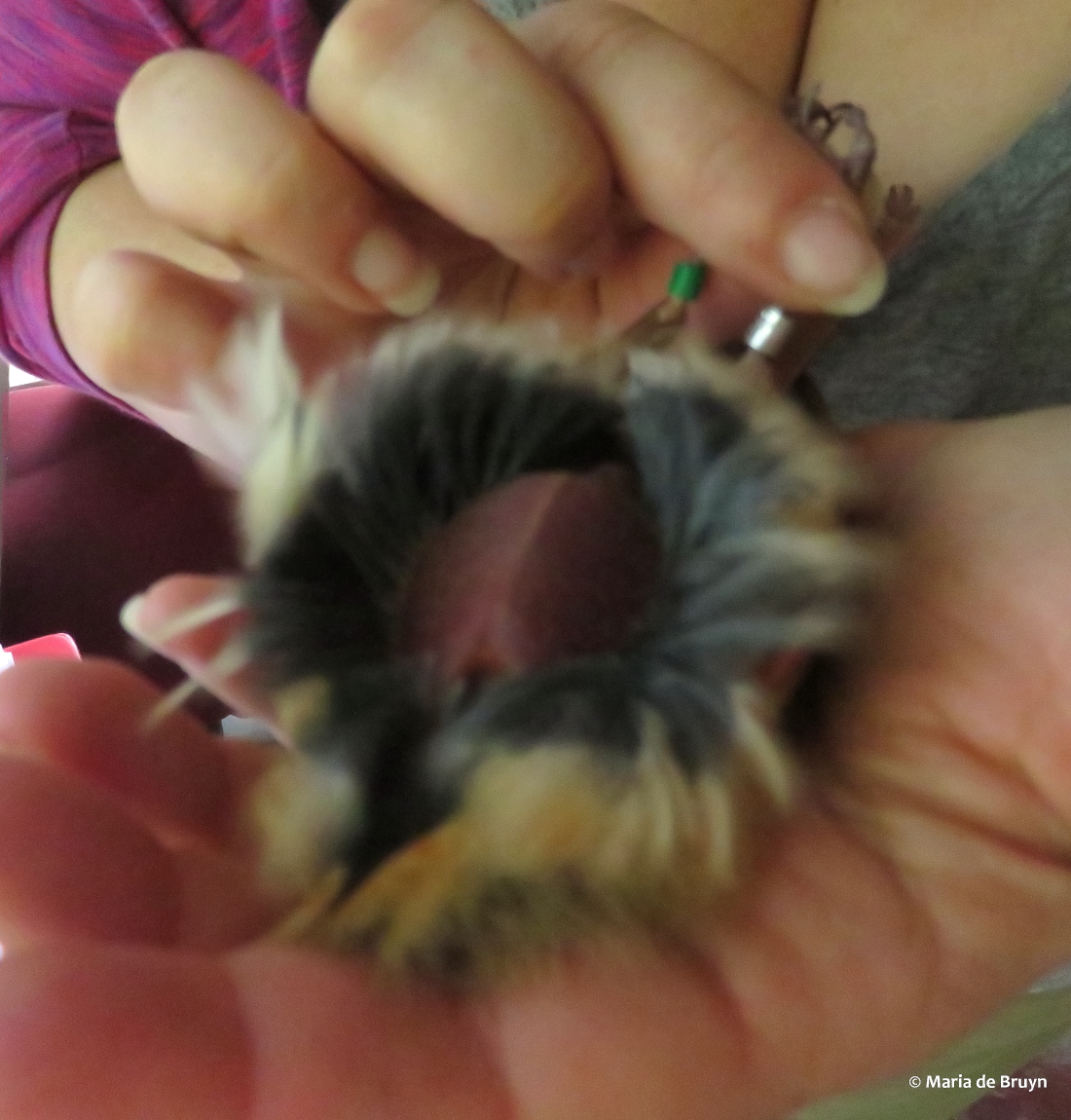
Alicia blew on the birds’ undersides (forgive the blurry photo) to assess fat reserves, which are stored along the flanks and up near the furcula by the collar bone. She could also determine sex that way and thought that one chickadee might be developing an egg – hopefully, one of the females who lost a nest to predators in my yard a week ago. The last male chickadee released was out of sorts after the experience; before leaving my hand to fly off rapidly, he turned and bit me as a parting shot.

Carolina wren Renee IMG_3813© Maria de Bruyn res Carolina chickadee IMG_3856© Maria de Bruyn res

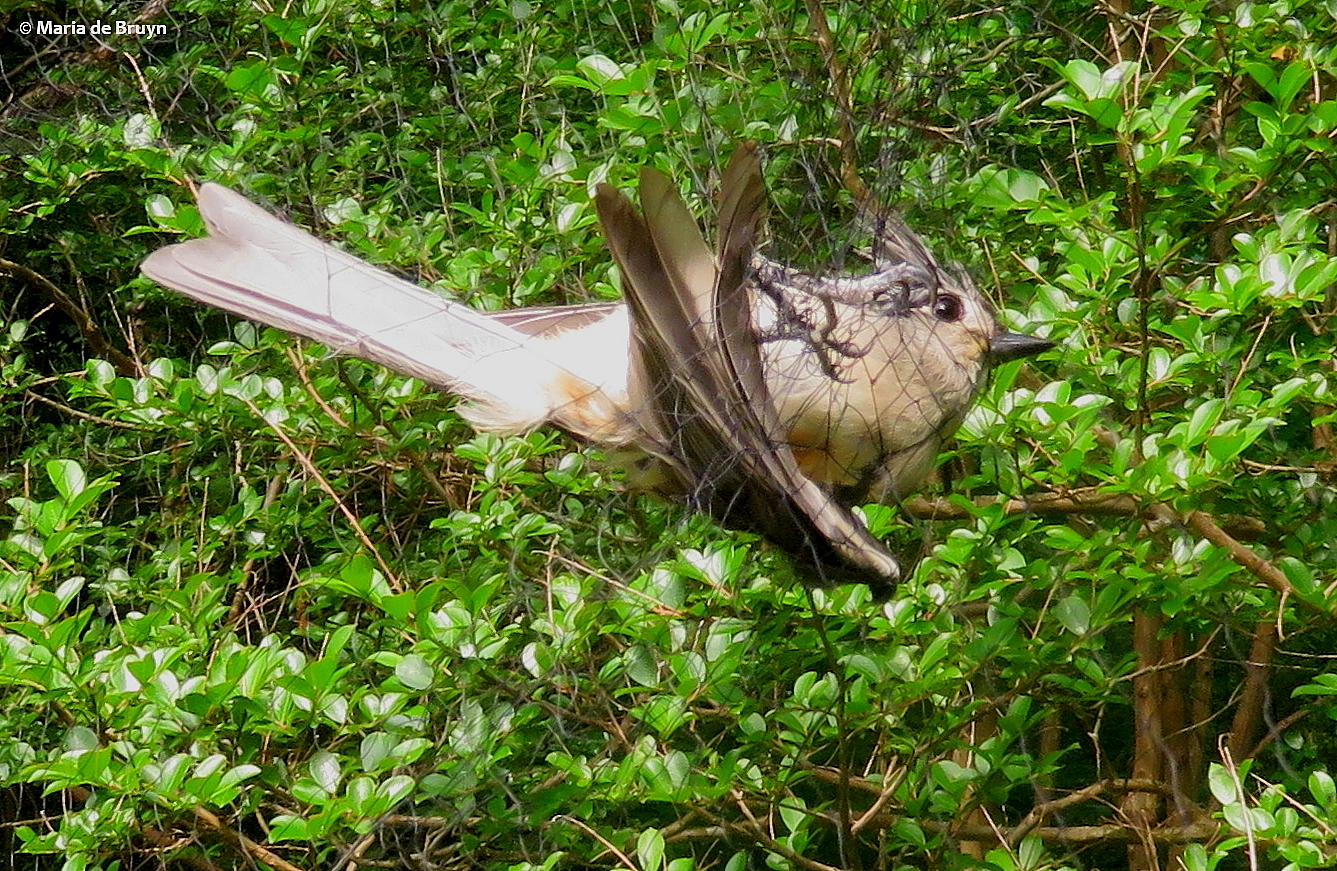
Alicia had remarked that she hoped no tufted titmouse (Baeolophus bicolor) would be caught; they are not part of the study and she said they are so feisty that their bites can be a bit painful like those of the cardinals. Unfortunately, one leaving a feeder did end up in a net and lived up to its reputation as a feisty bird. A chipping sparrow (Spizella passerina), who was the last bird in a net remained fairly calm as the net was removed from its claws.

tufted titmouse IMG_3858© Maria de Bruyn res

Tufted titmouse IMG_3861© Maria de Bruyn res

Yesterday, I spent some time watching the feeders and yard to see if all the banded birds had left. Luckily, some of them showed up and were here again today. So here are a few of “my birds” with bling – this is a truly enjoyable citizen science project. 🙂

Northern cardinal Clarence I77A0124© Maria de Bruyn res Northern cardinal Crake I77A0593© Maria de Bruyn res

Clarence                                                                       Crake

Carolina wren Renee I77A9354© Maria de Bruyn resCarolina wren Riley I77A0508© Maria de Bruyn res

Renee and Riley Carolina wrens


Birds, berries, nuts and seeds – enjoyment of nature’s bounty

So this wasn’t my last blog of 2015 after all. An unexpected hospital admission on 30 December brought about quite a delay in my blogging efforts. But I managed to complete this in instalments over the past days and hope you enjoy the final version, which I am happily able to post on my second day at home in 2016!

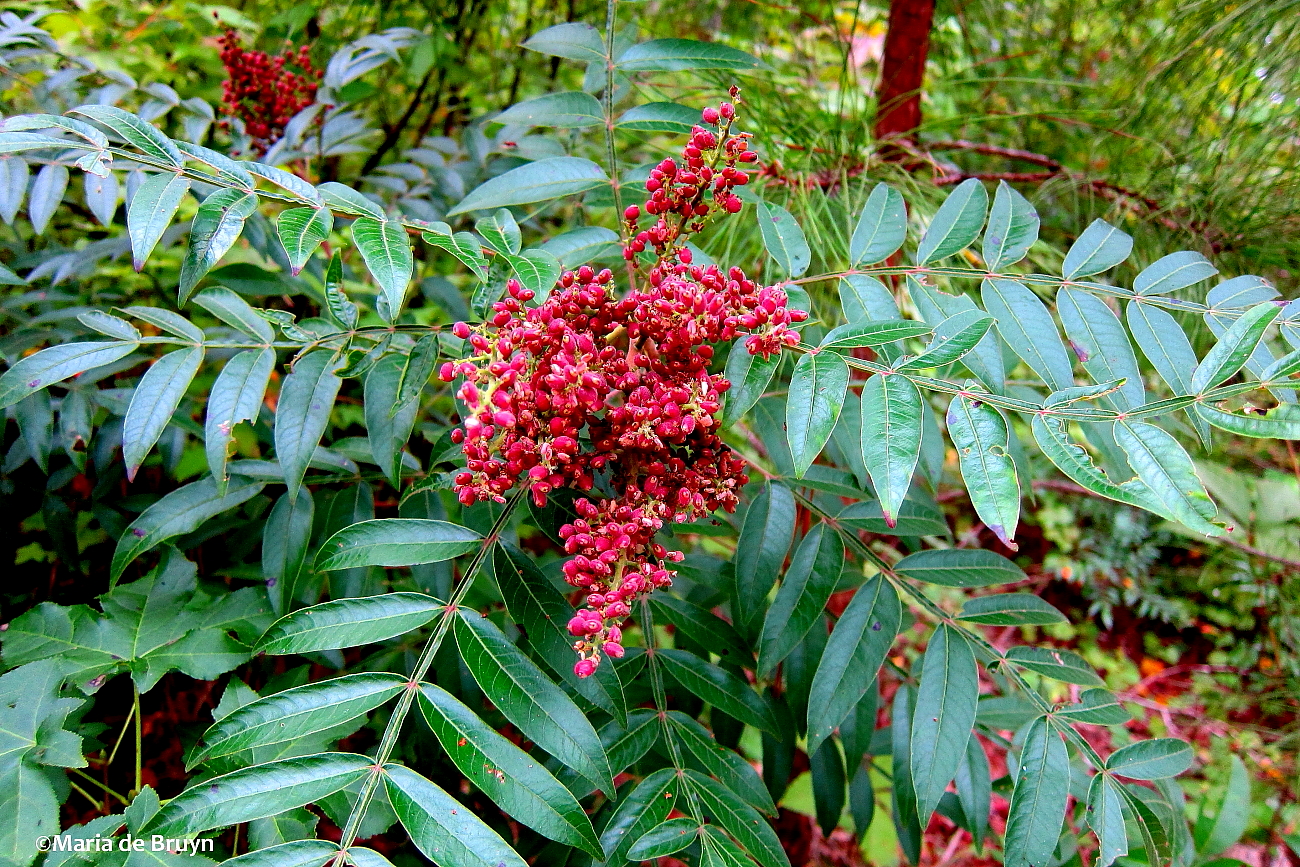
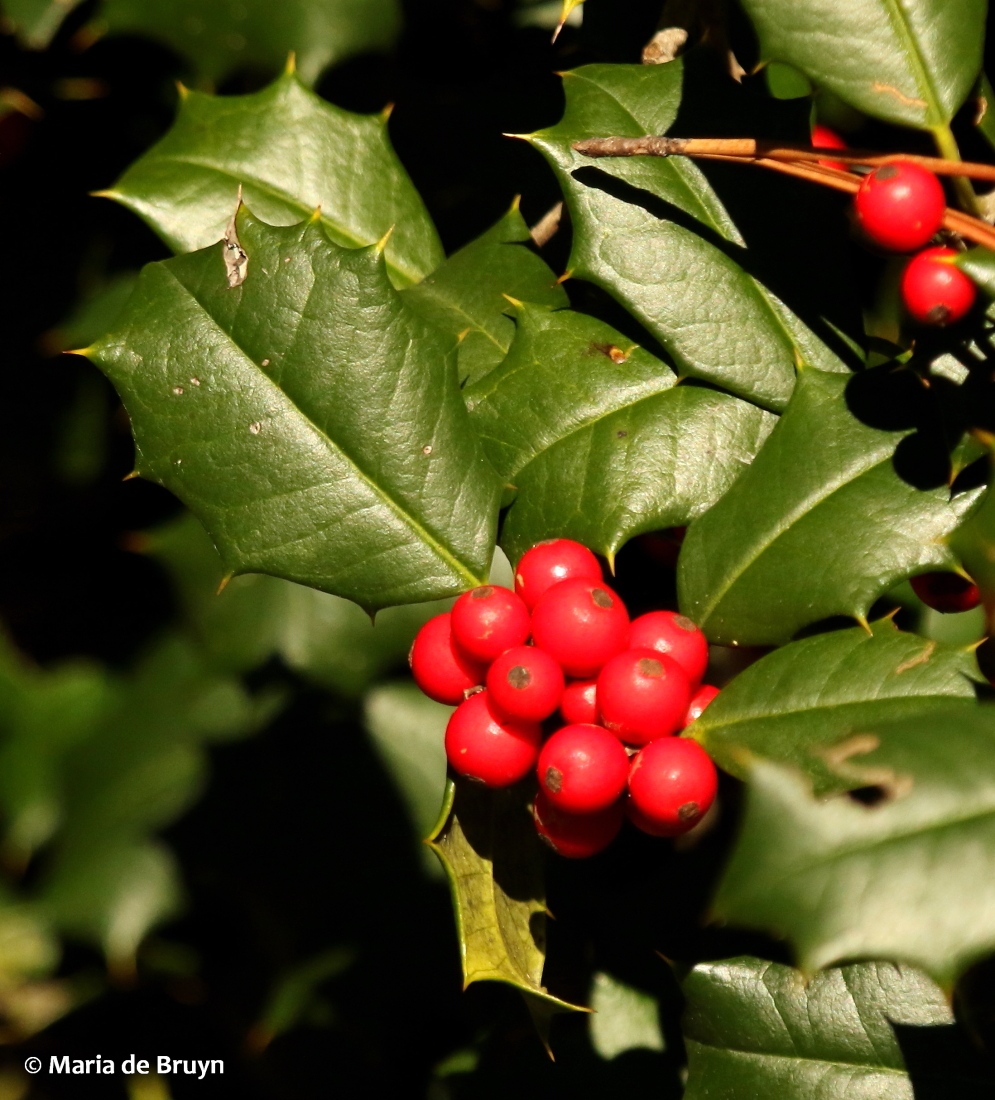
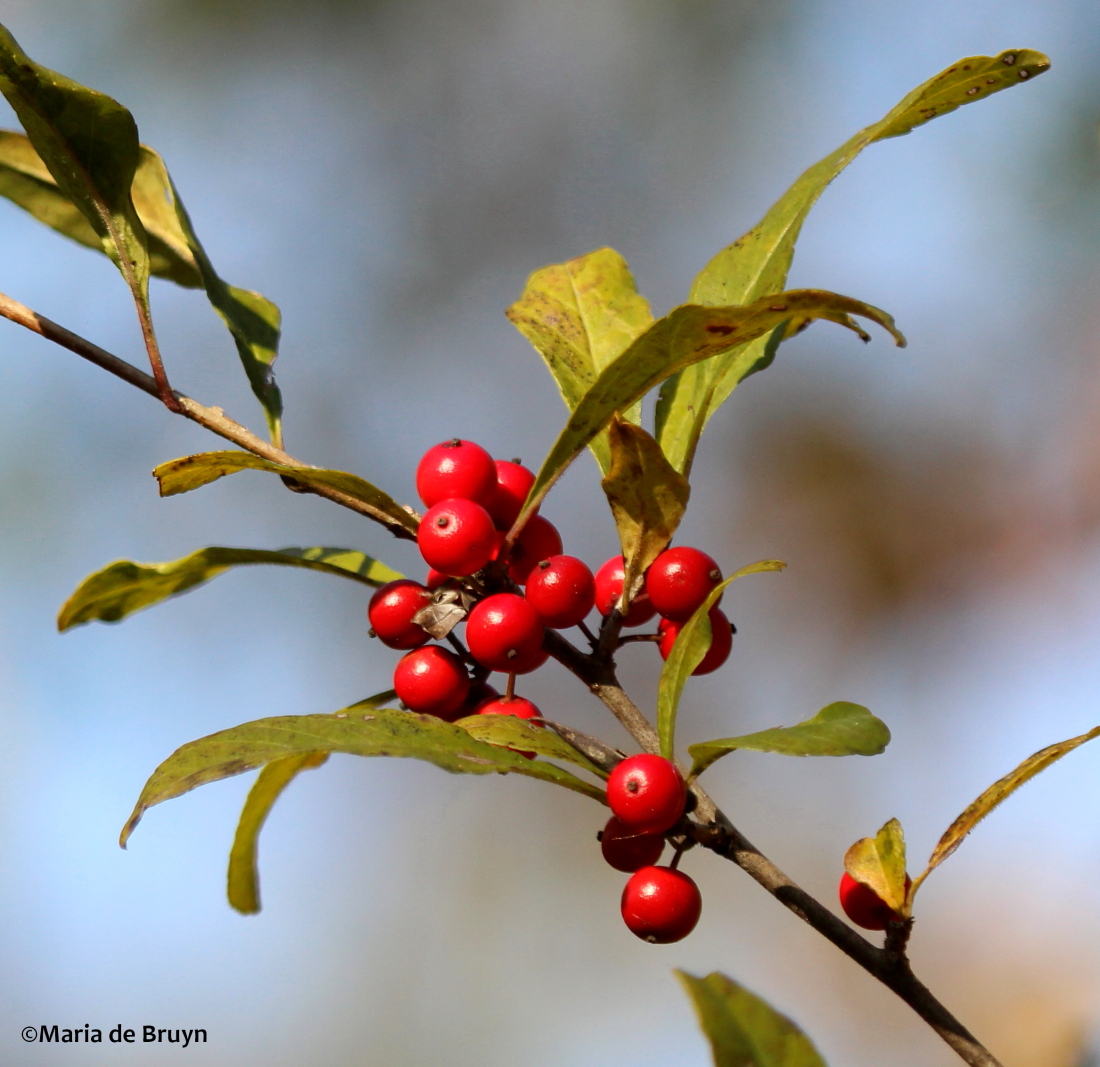
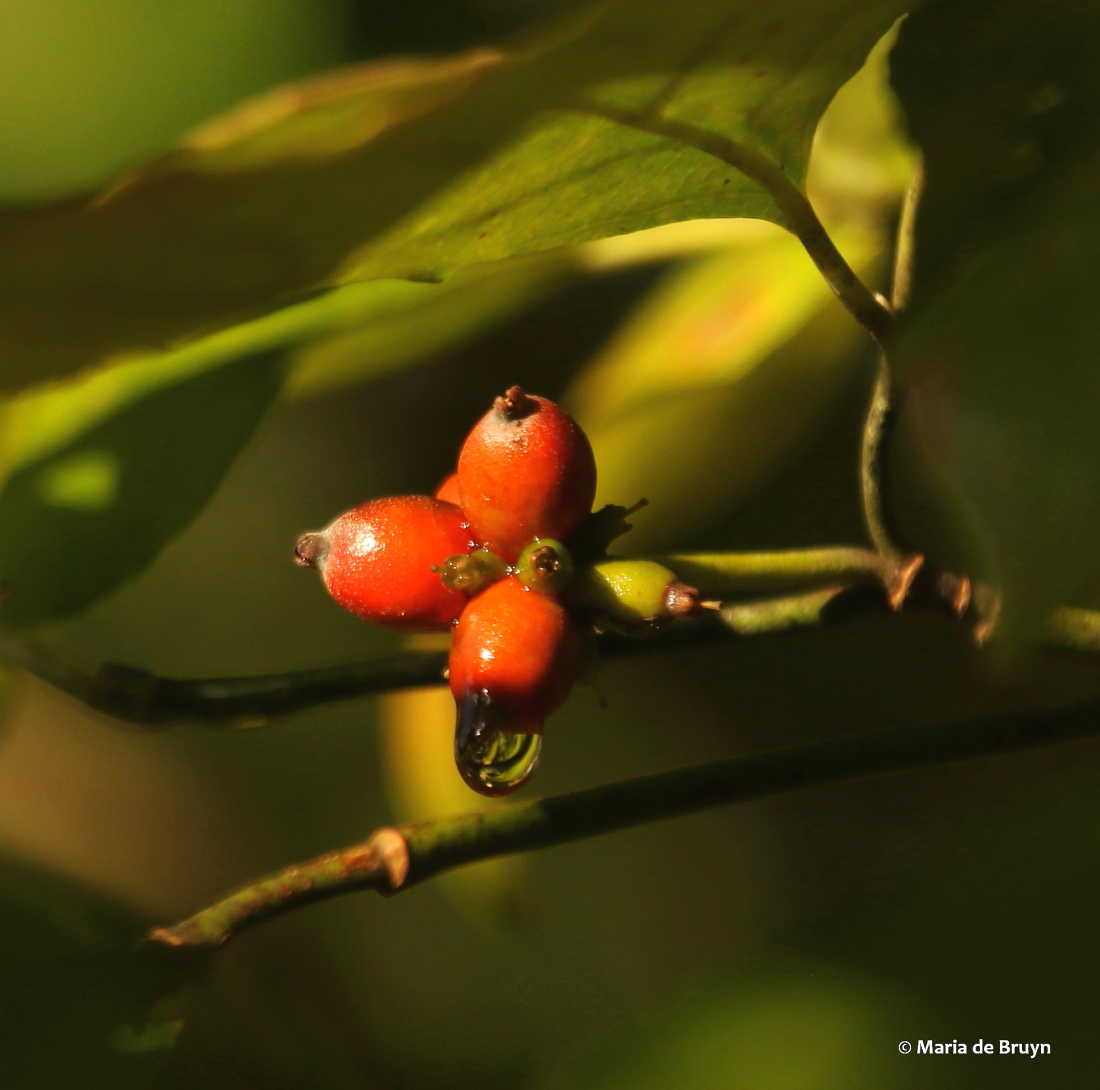
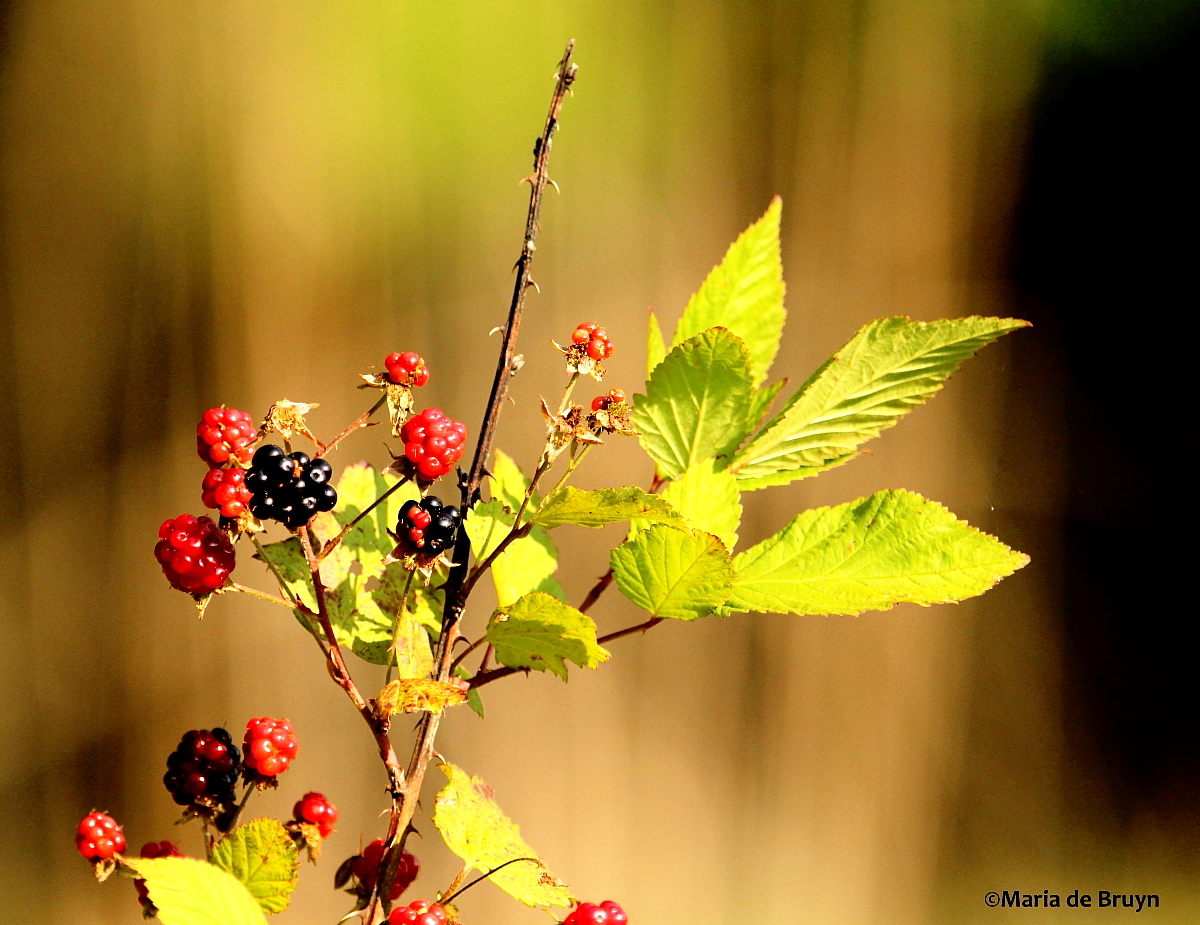
During late summer, when various plants have or start developing fruit, the birds begin to enjoy nature’s bounty. Here in North Carolina, they will eat the berries of native plants such as American beautyberry (Callicarpa americana), winged sumac (Rhus copallinum), American holly (Ilex opaca), possumhaw (deciduous holly, Ilex decidua), flowering dogwood (Cornus florida) and wild blackberries (Rubus).

American beautyberry IMG_7637© Maria de Bruyn resWinged sumac IMG_5377©Maria de Bruyn res

American holly I77A3150© Maria de Bruyn resDeciduous holly IMG_4428© Maria de Bruyn res

Flowering dogwood DK7A7731© Maria de Bruyn reswild blackberryIMG_2588©Maria de Bruyn res


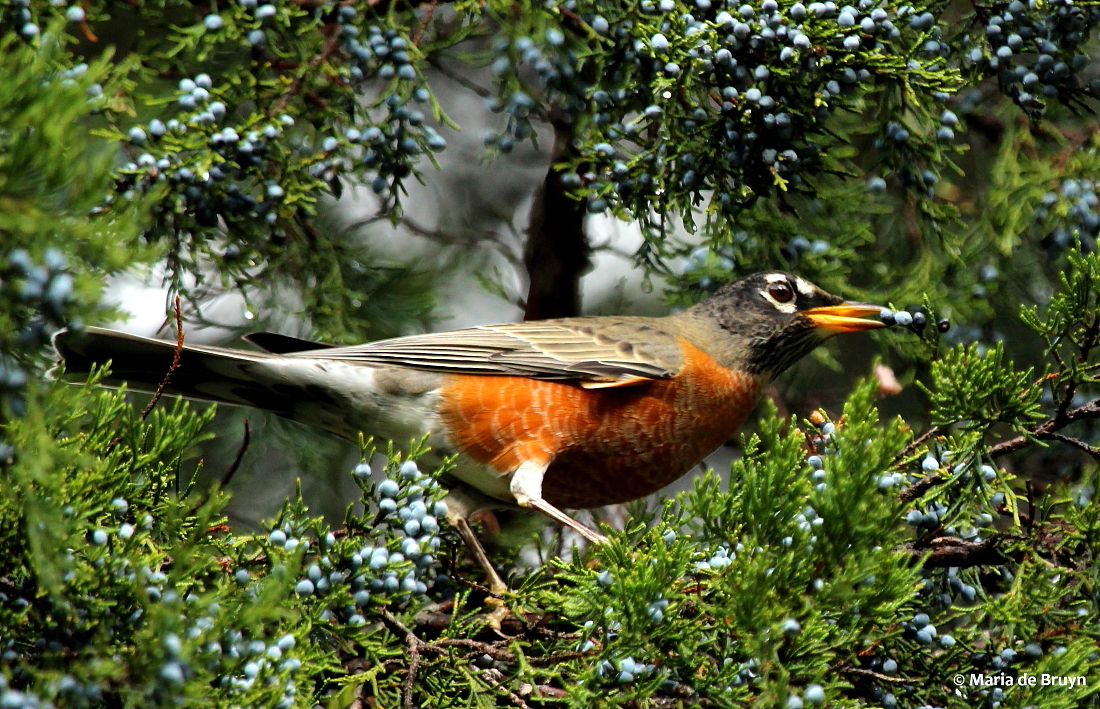
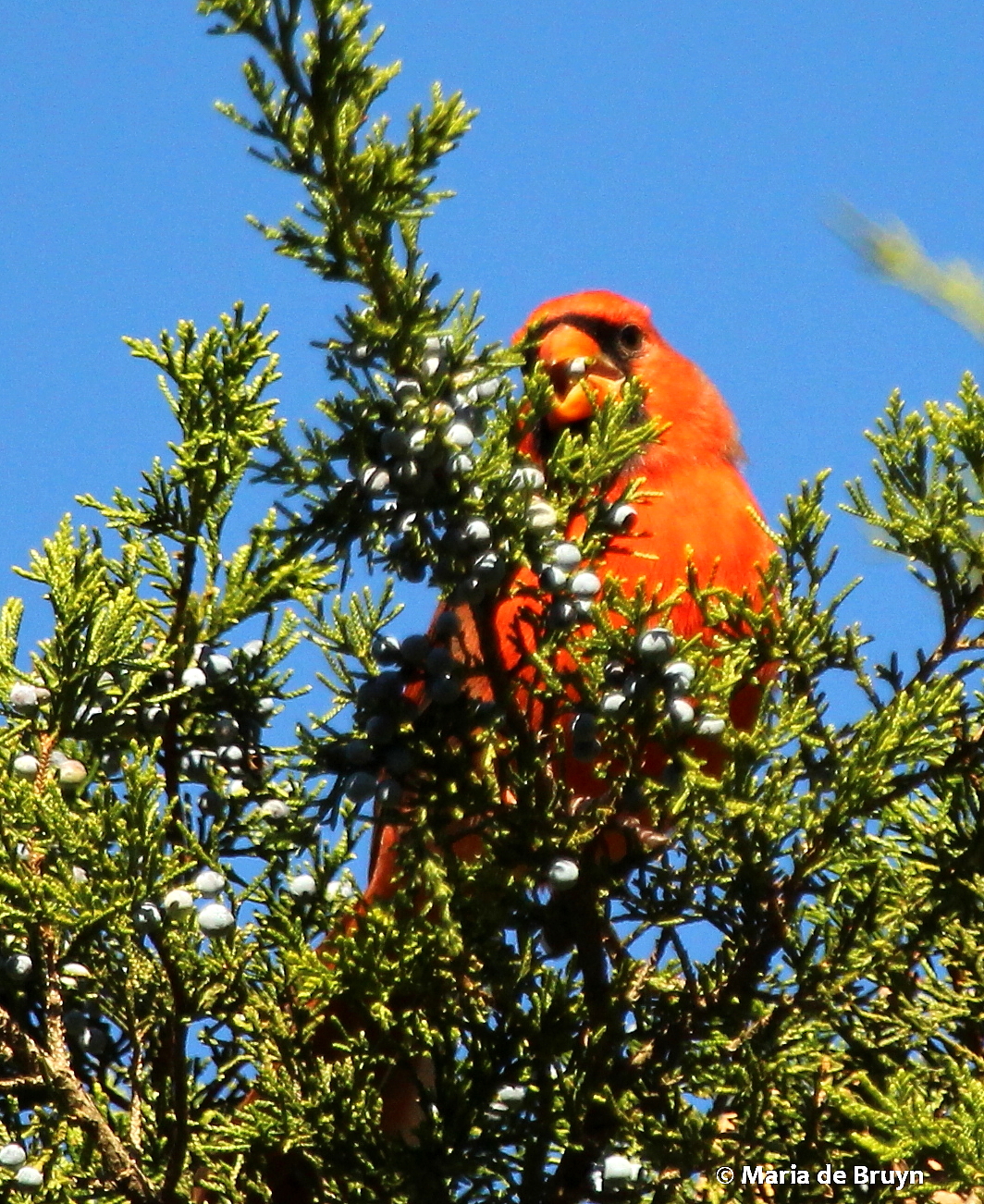
This year, the juniper berries were a real crowd pleaser. The American robins (Turdus migratorius) went for them first, soon followed by Northern cardinals (cardinalis cardinalis), Eastern bluebirds (Sialia sialis), Northern mockingbirds (Mimus polyglottos polyglottos) and Northern flickers (Colaptes auratus).

American robin IMG_6567© Maria de Bruyn res

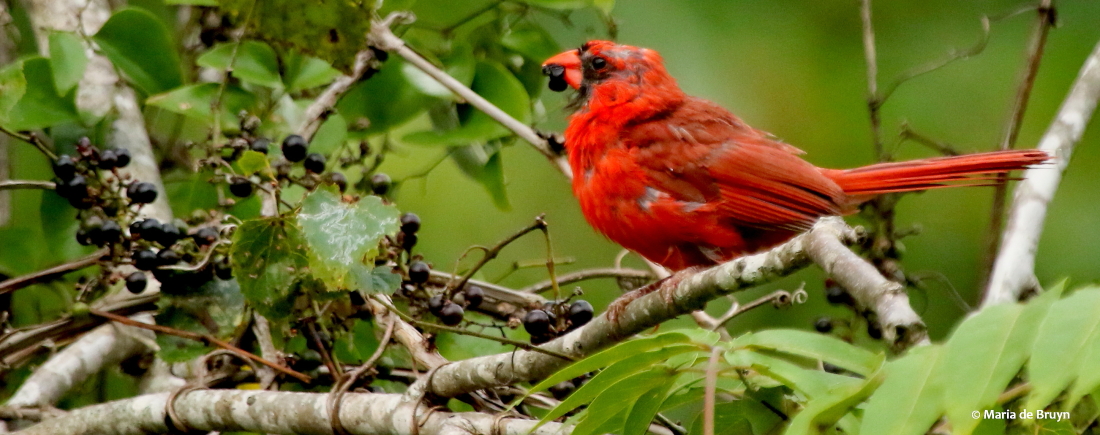
Northern cardinal IMG_3653© Maria de BruynAmerican robin I77A0801©Maria de Bruyn res

Eastern bluebird I77A0913©Maria de Bruyn resNorthern mockingbird 2 IMG_6308© Maria de Bruyn res

Northern flicker IMG_5853© Maria de Bruyn res

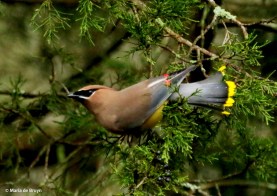
The beautiful cedar waxwings (Bombycilla cedrorum) enjoyed the cedar berries, too.

cedar waxwing I77A4266© Maria de Bruyn res

cedar waxwing I77A4293© Maria de Bruyn res

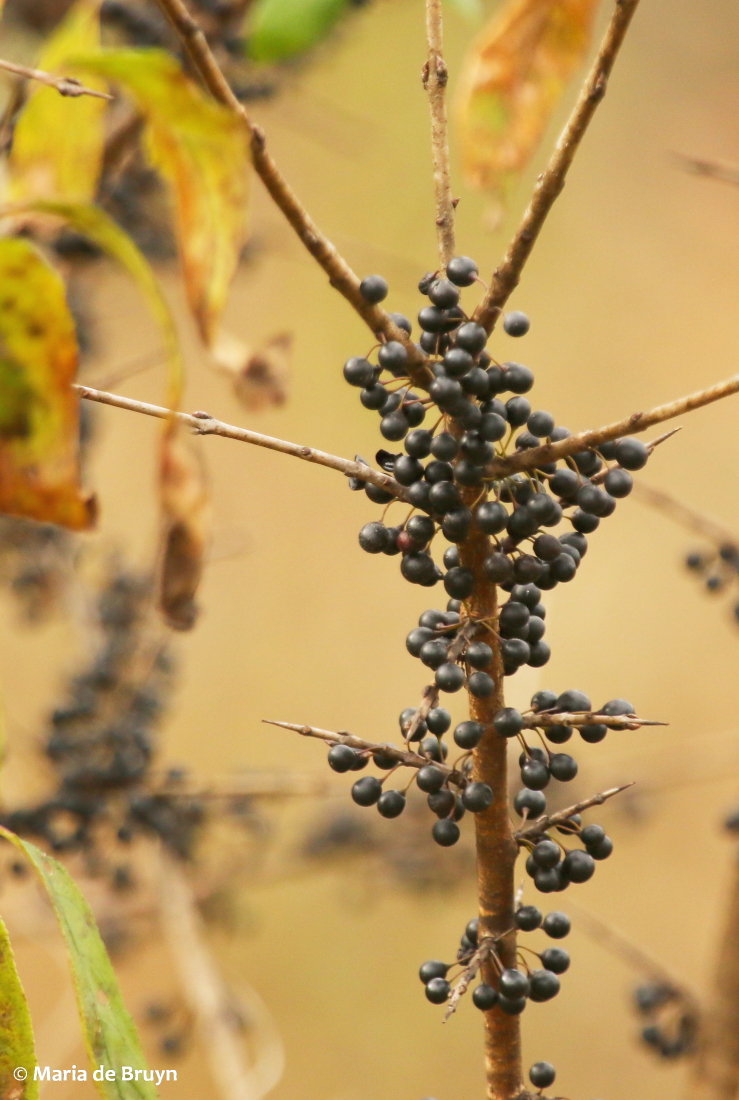
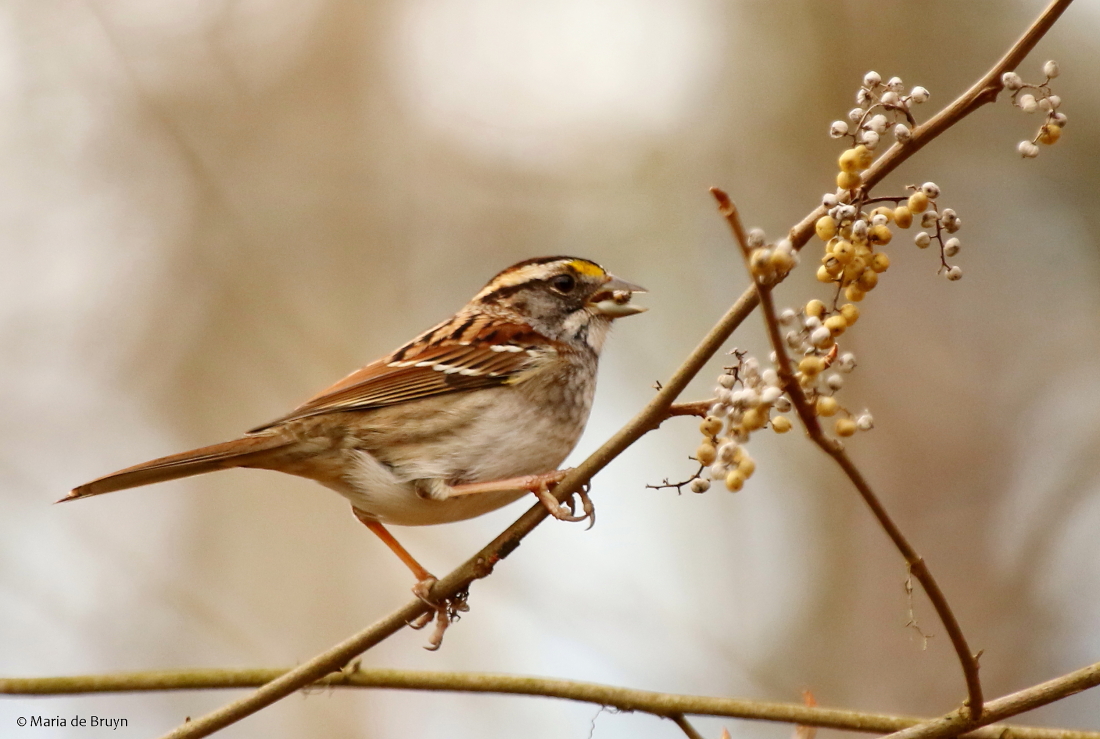
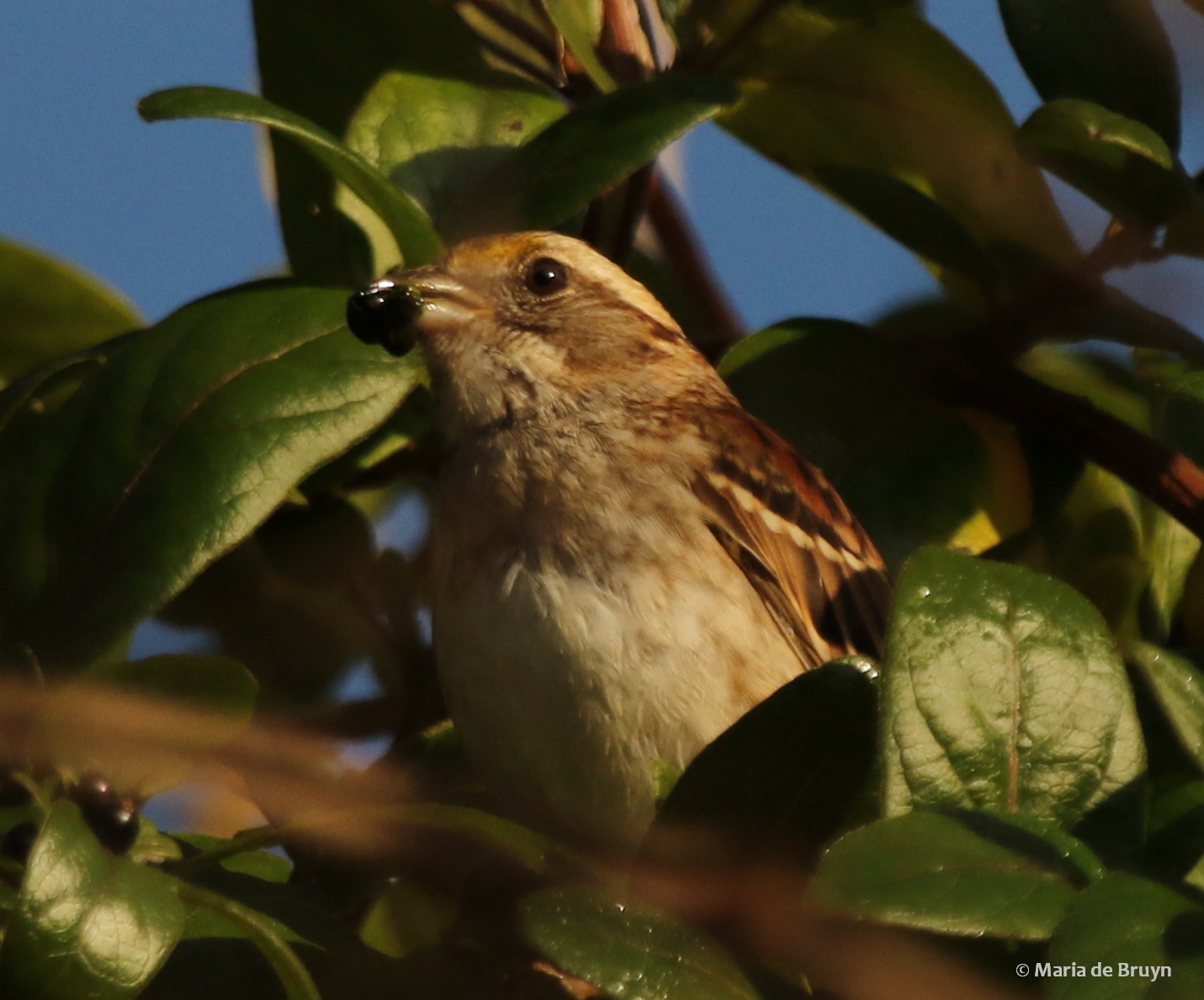
Birds like thbuckthorn I77A2455© Maria de Bruyn signed rese Northern mockingbird and white-throated sparrow (Zonotrichia albicollis) also enjoy the berries of invasive plants such as privet (Ligustrum), common buckthorn (Rhamnus cathartica. left), Chinaberry (Melia azedarach) and autumn olive (Eleagnus umbellata).

Northern mockingbird I77A2924© Maria de Bruyn res
white-throated sparrow I77A8188© Maria de Bruyn 2 reswhite-throated sparrow I77A4714© Maria de Bruyn signed

Watching our avian friends enjoy snapping up berries from vines can create enjoyment for the birdwatcher, too!

Northern cardinal DK7A8841© Maria de Bruyn signed res

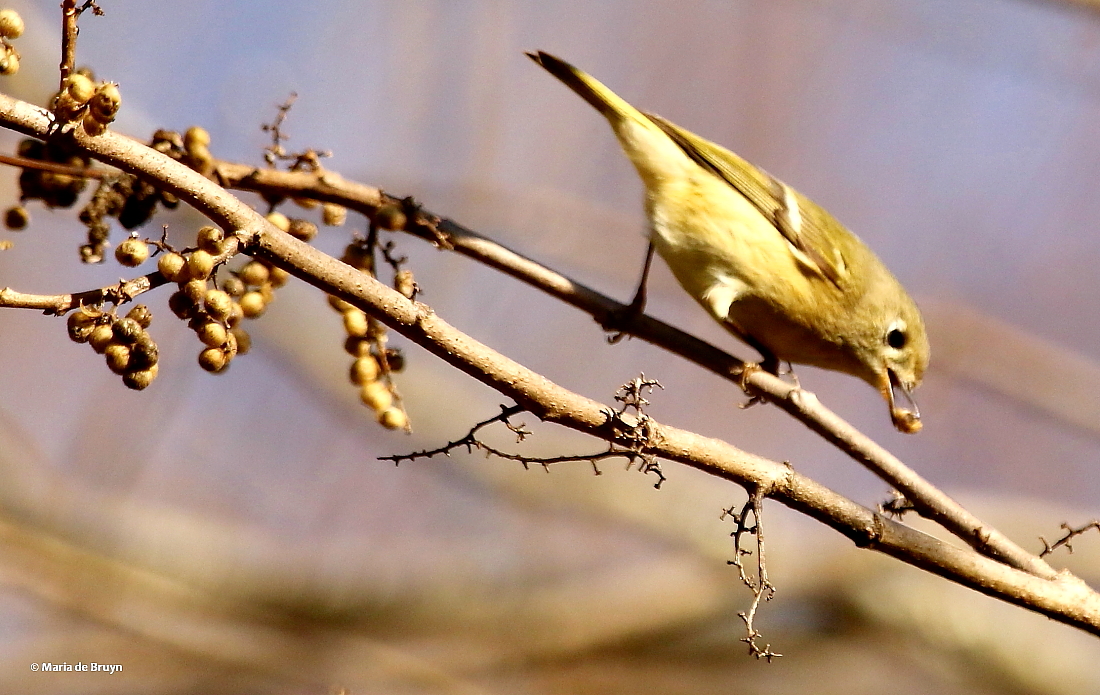
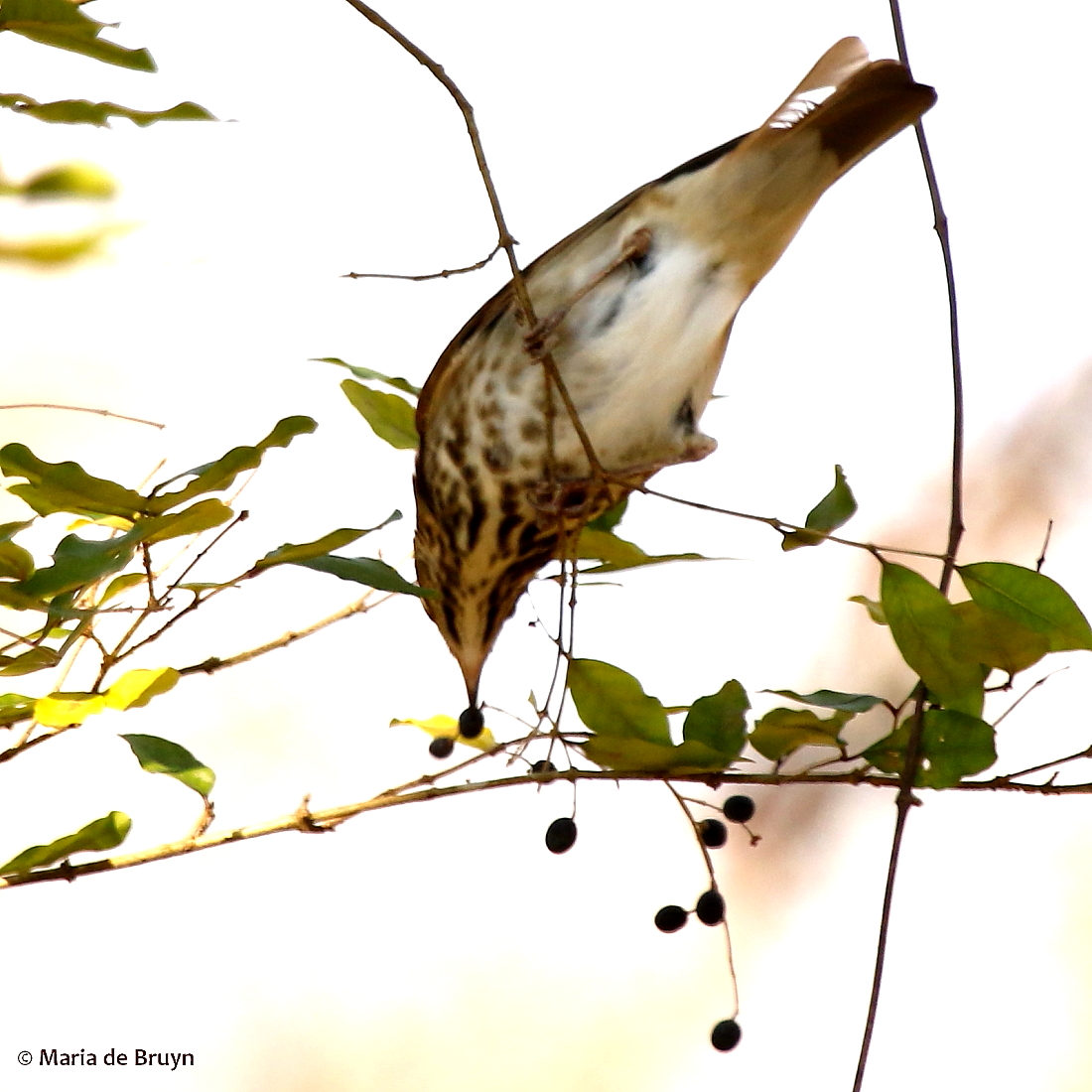
ruby-crowned kinglet I77A5319© Maria de Bruyn reshermit thrush I77A5816© Maria de Bruyn signed res

Ruby-crowned kinglet (Regulus calendula)

Hermit thrush (Catharus guttatus)


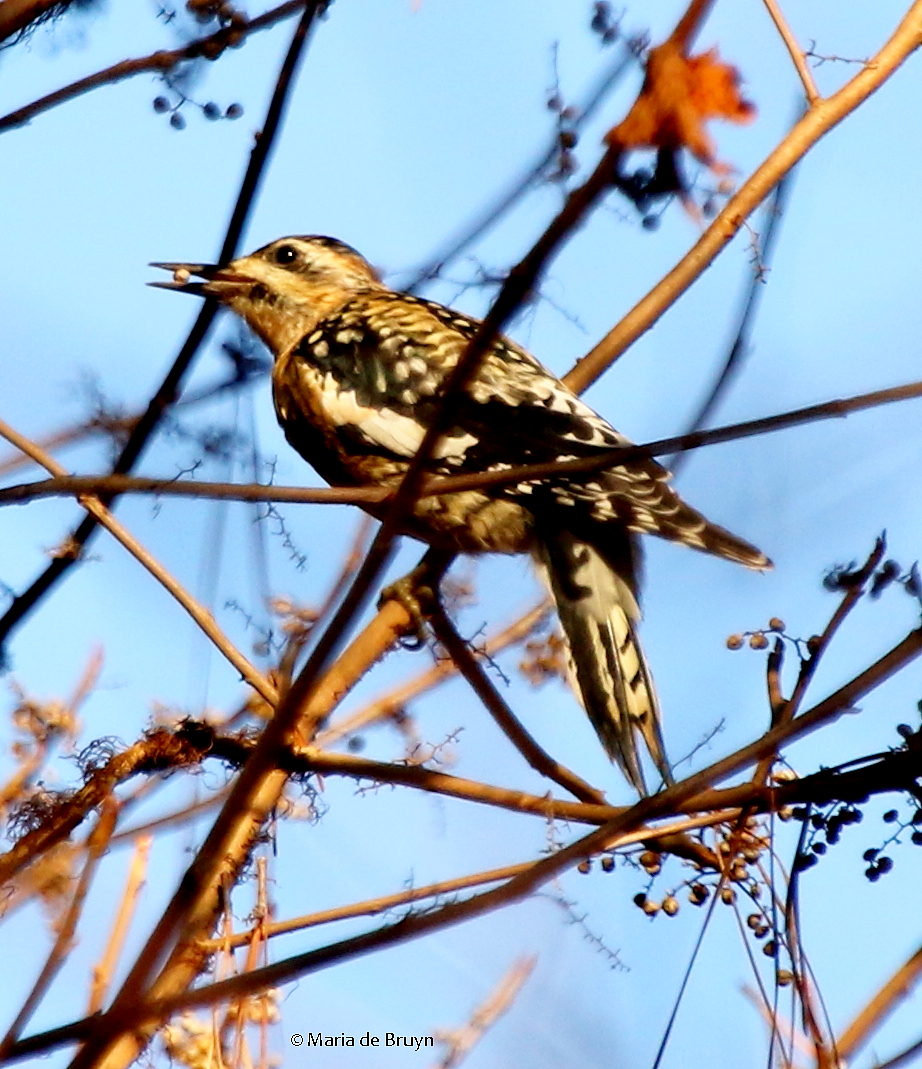
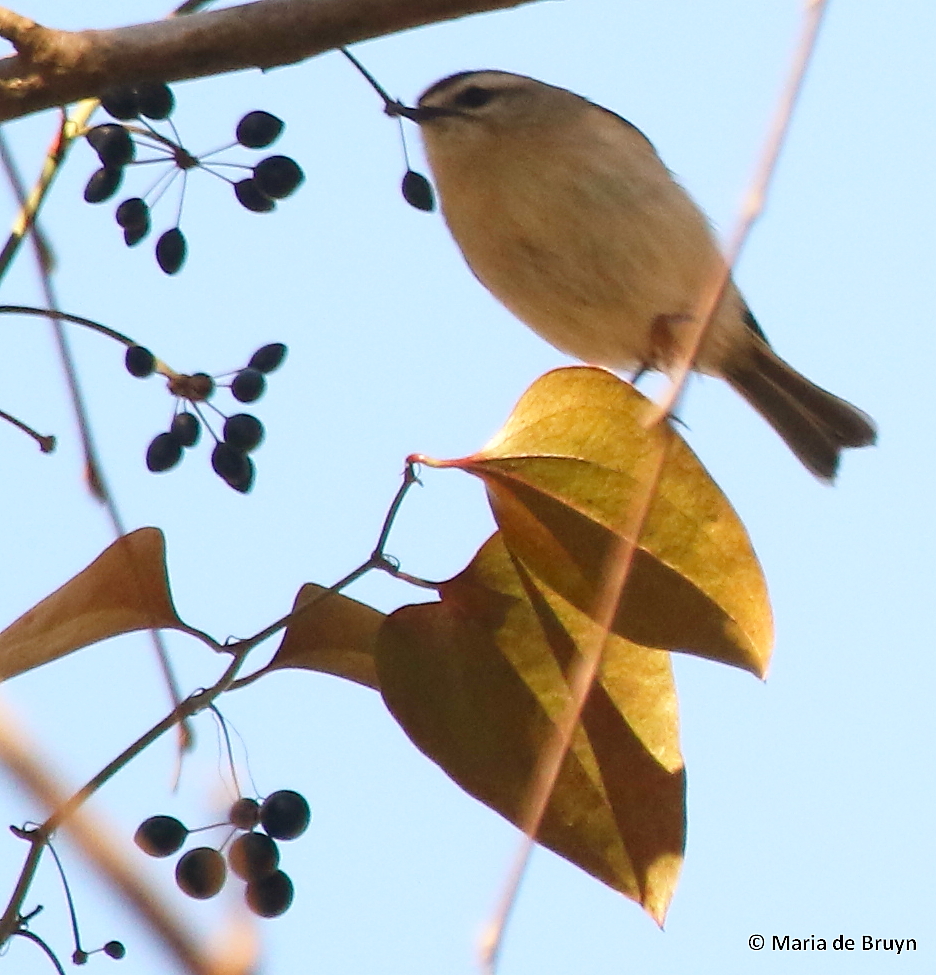
In some cases, they may also be seeking insects along with the berries, as this yellow-bellied sapsucker (Sphyrapicus varius) and tiny golden-crowned kinglet (Melanerpes erythrocephalus) may have been doing.

Yellow-bellied sapsucker I77A9133© Maria de Bruyngolden-crowned kinglet I77A1918© Maria de Bruyn

American goldfinch DK7A4411© Maria de Bruyn signed


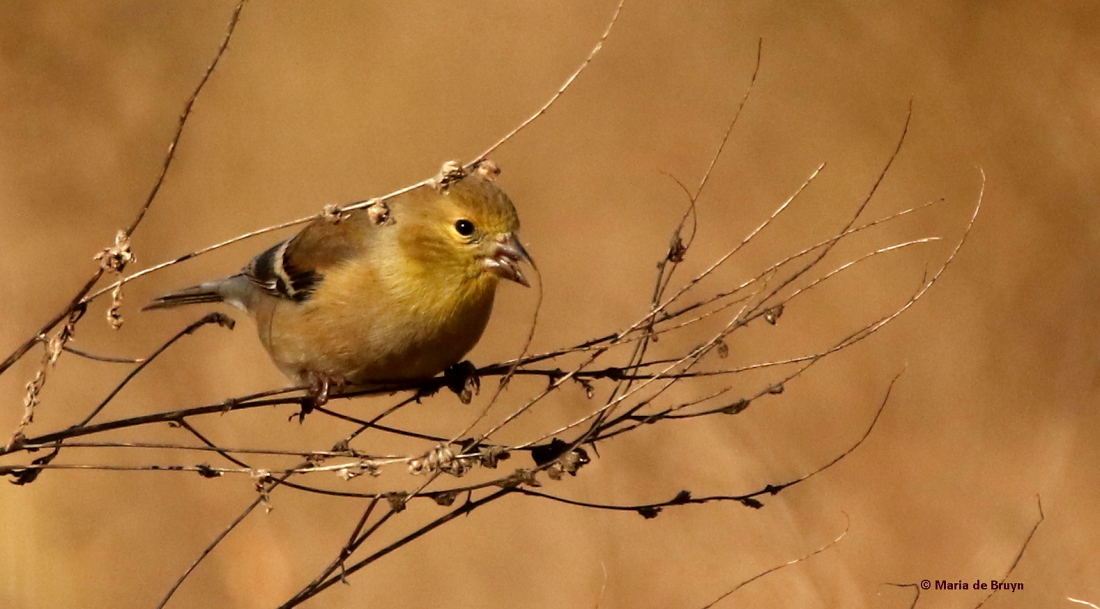
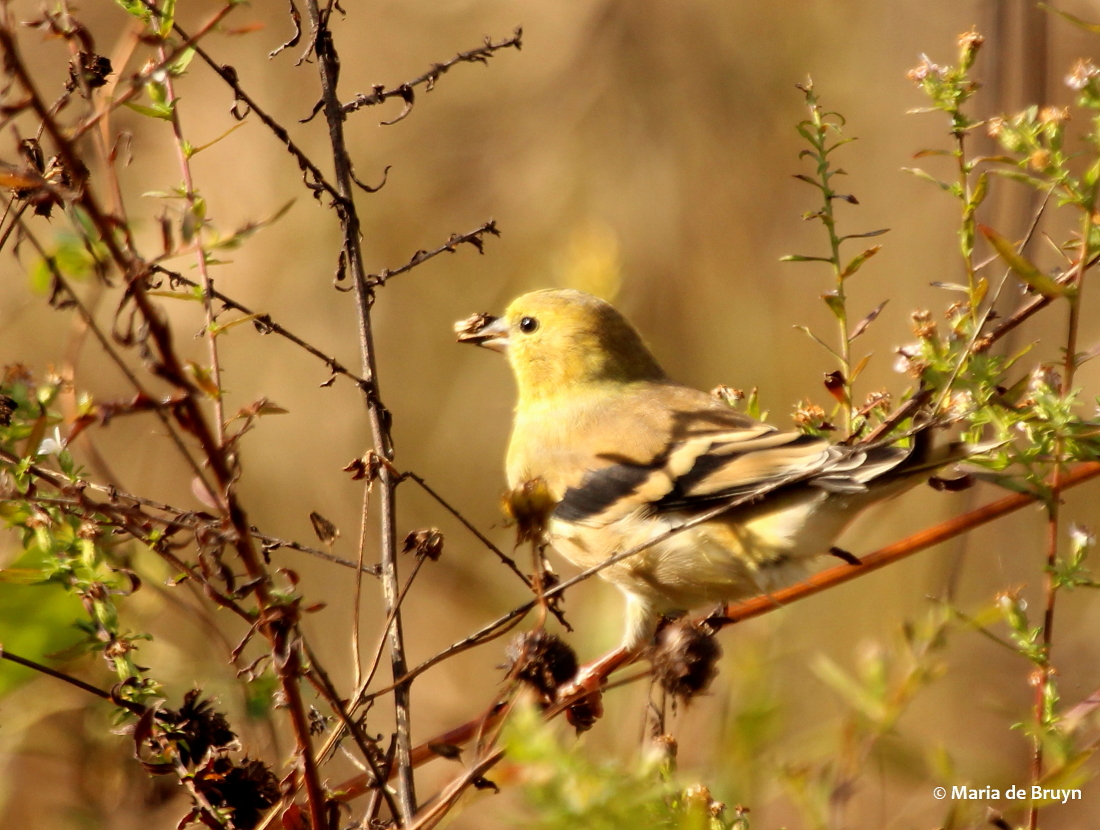
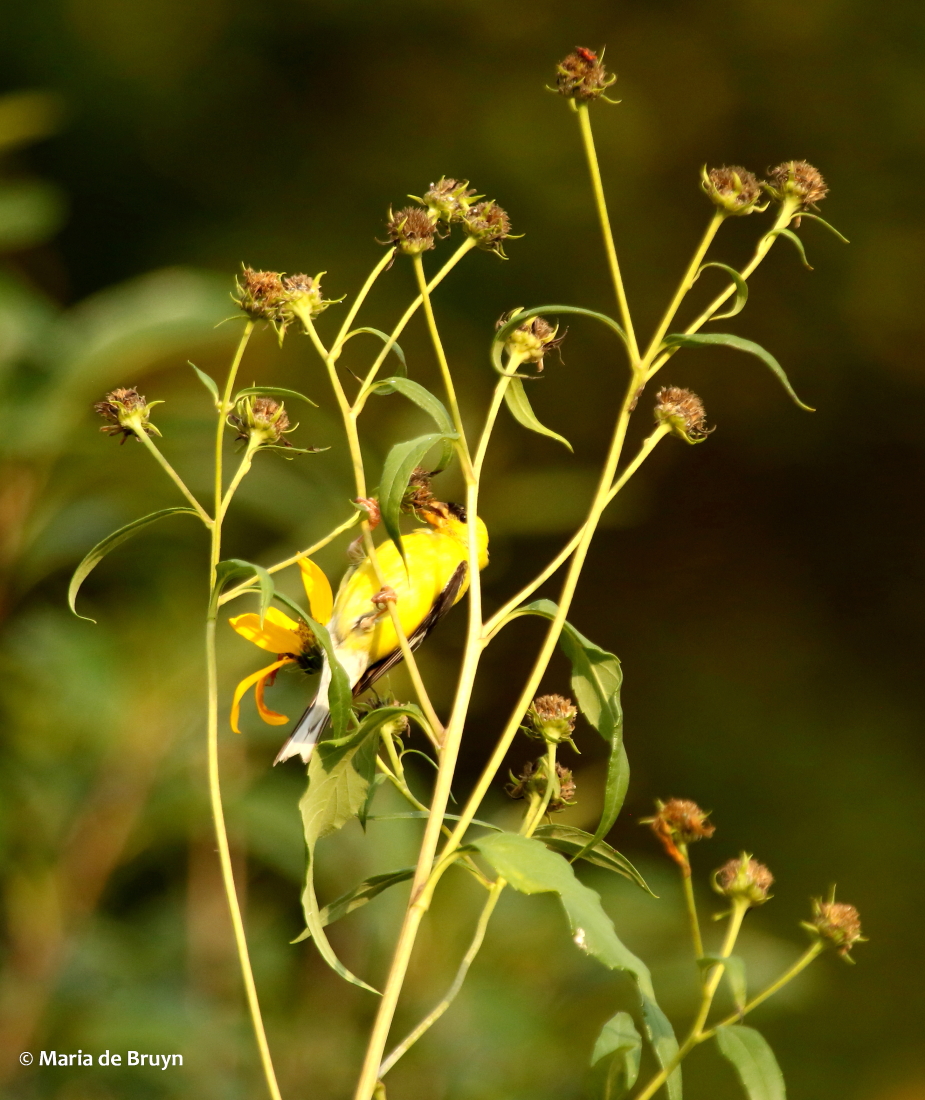
It’s not only the fruit that draws them away from the bird feeders in the autumn though. Sunflower seeds (Helianthus) are a big hit with the American goldfinches (Spinus tristis), who also seek out different kinds of seed pods.


American goldfinch I77A2510© Maria de Bruyn res American goldfinch IMG_7947© Maria de Bruyn signed res

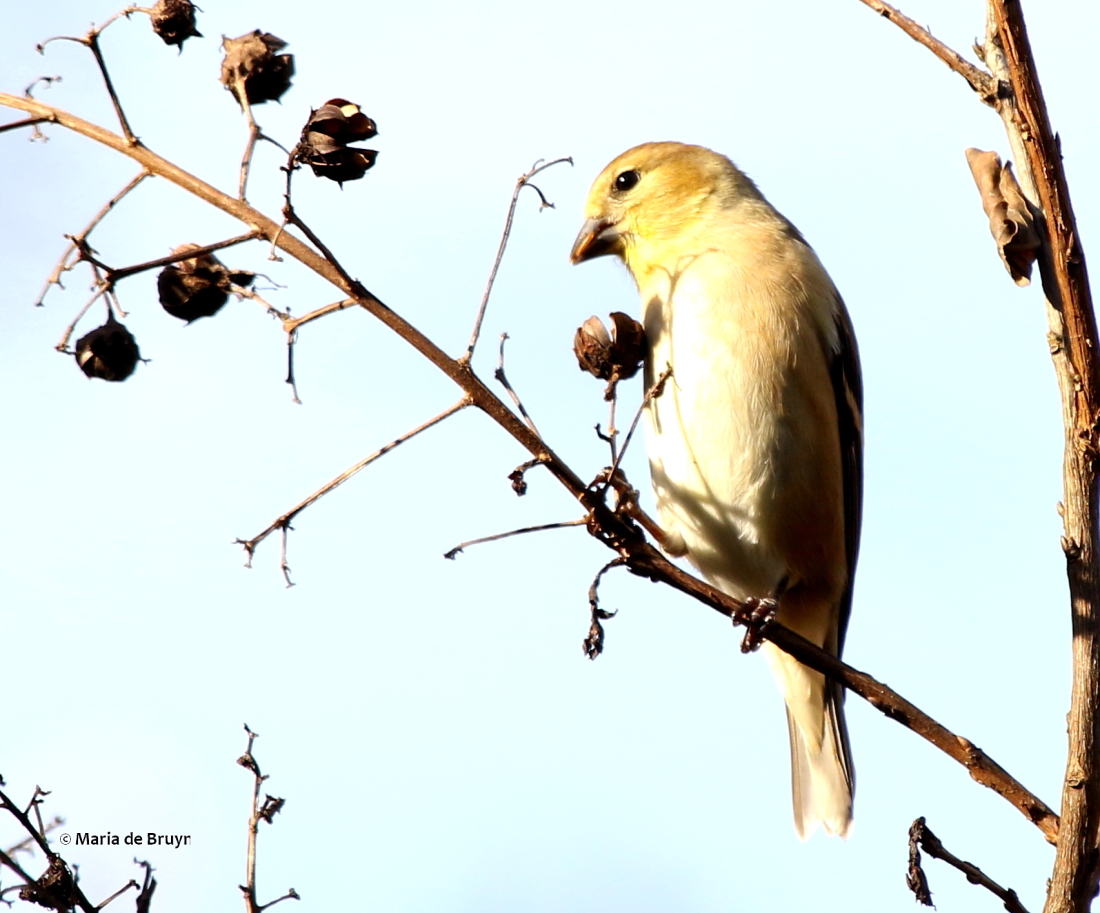
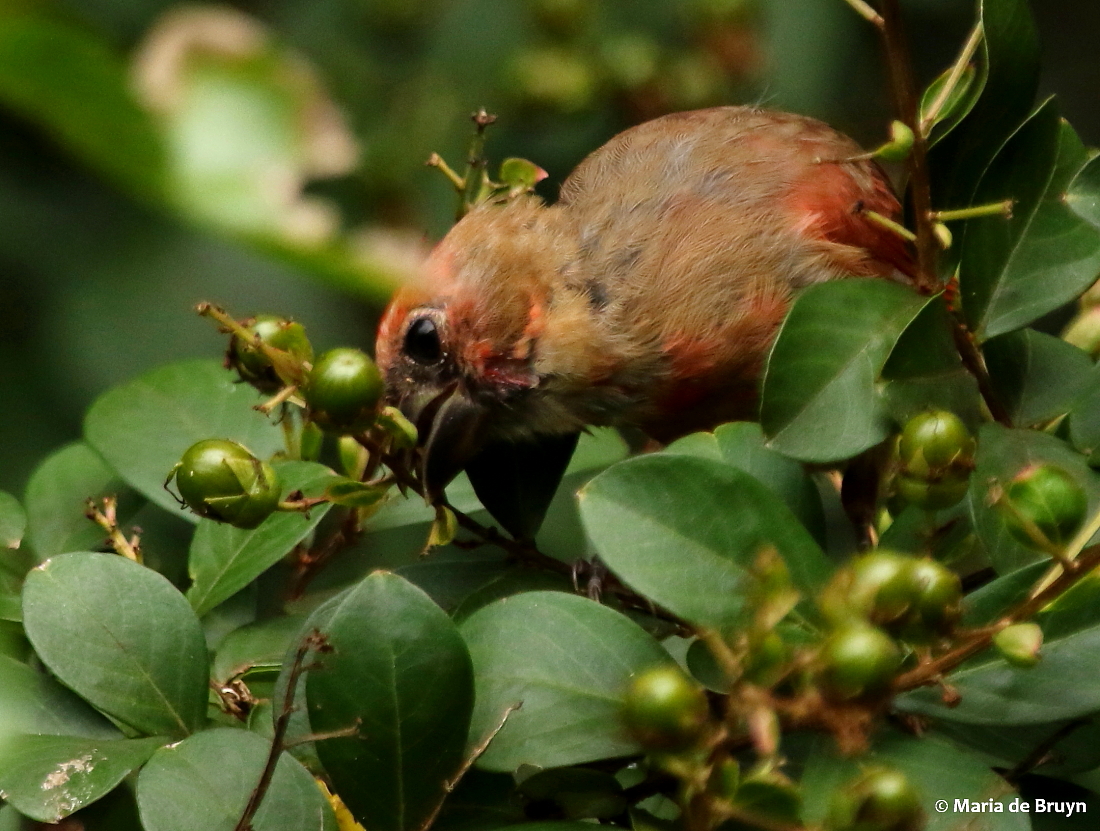
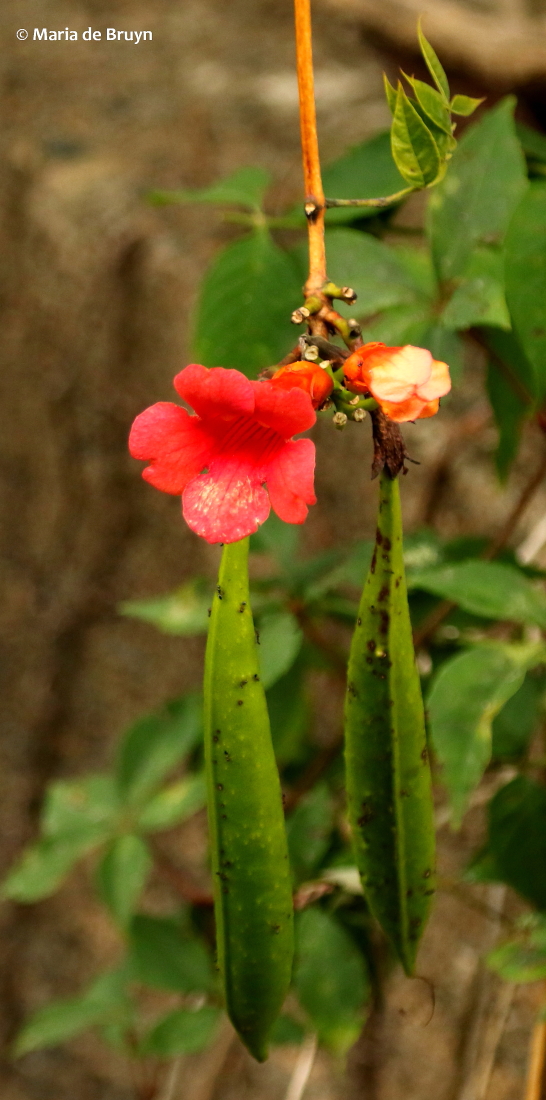
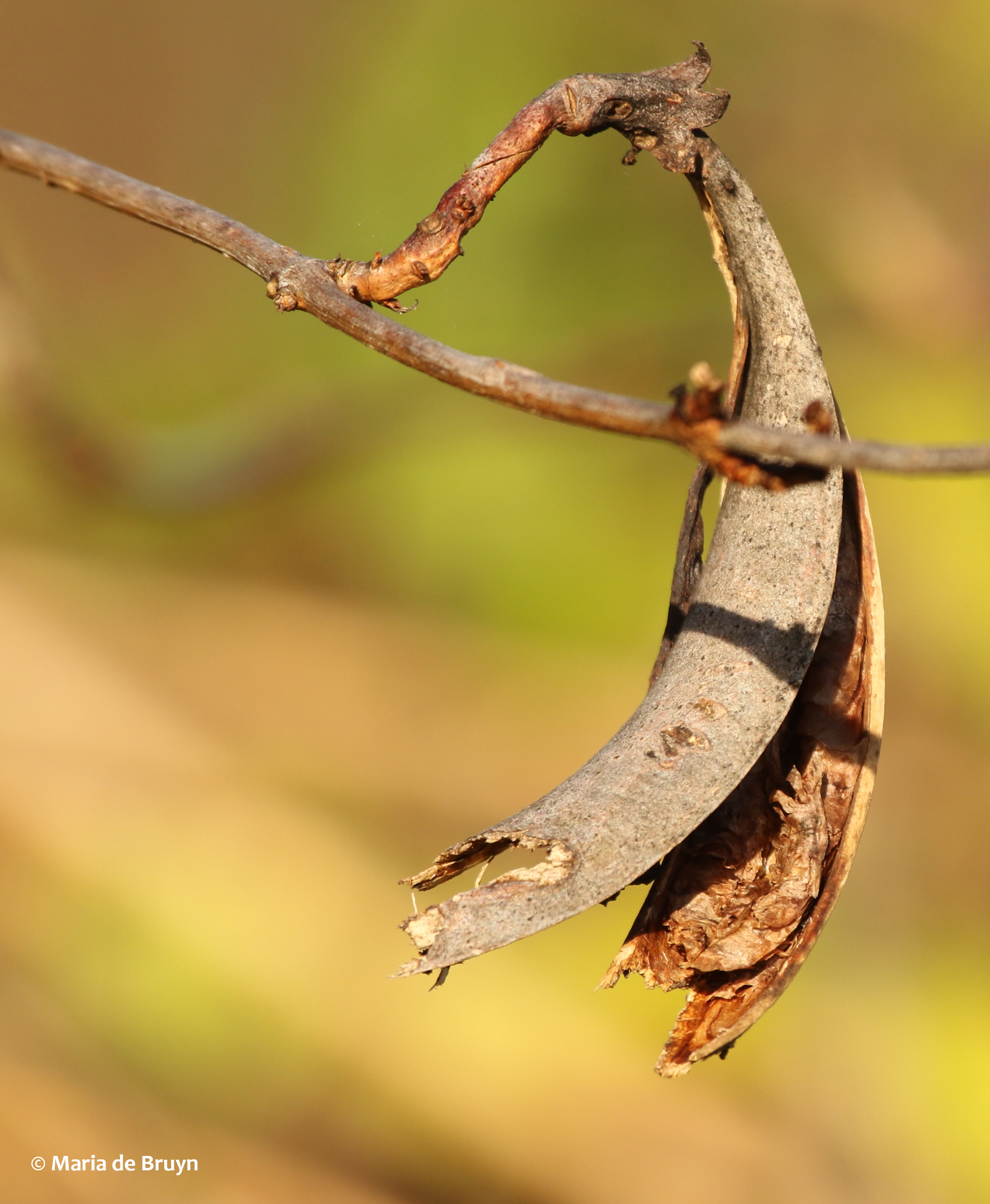
Pods on trees, like the crepe myrtle (Lagerstroemia fauriei), and on vines such as the trumpet creeper (Campsis radicans) offer attractive meals, too.

goldfinch I77A2097© Maria de Bruyn resNorthern cardinal DK7A1206© Maria de Bruyn signed res

American goldfinch and Northern cardinal both eating crepe myrtle

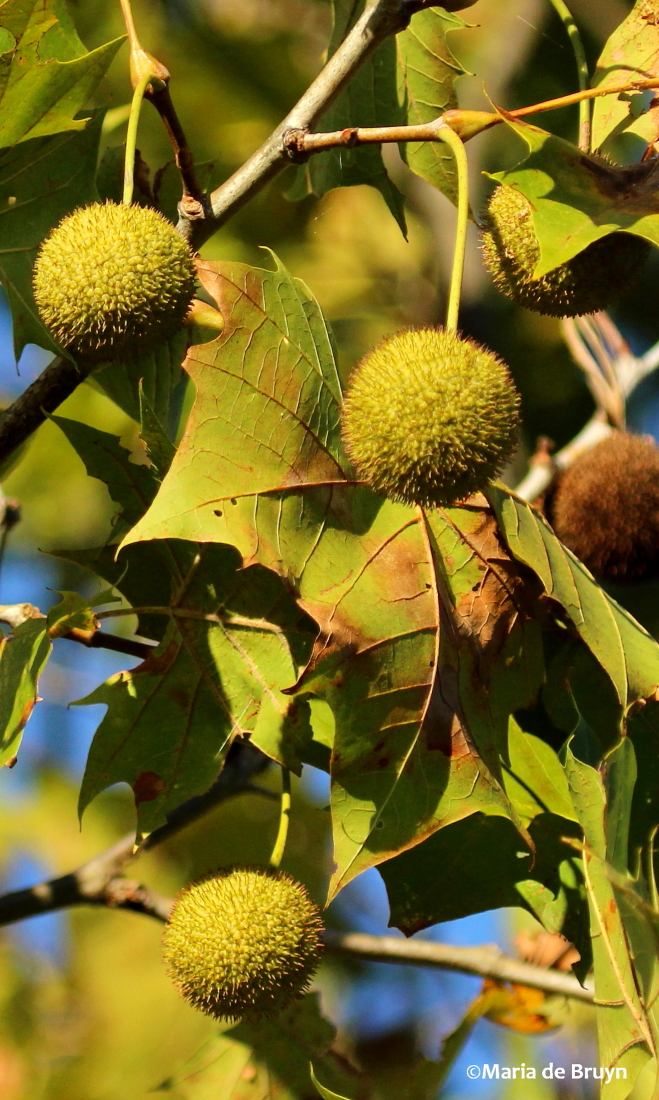
Trumpet vine DK7A9266© Maria de Bruyn signed restrumpet vine I77A1487© Maria de Bruyn ressycamore IMG_2339©Maria de Bruyn res

Trumpet vine                                         American sycamore (Platanus occidentalis)

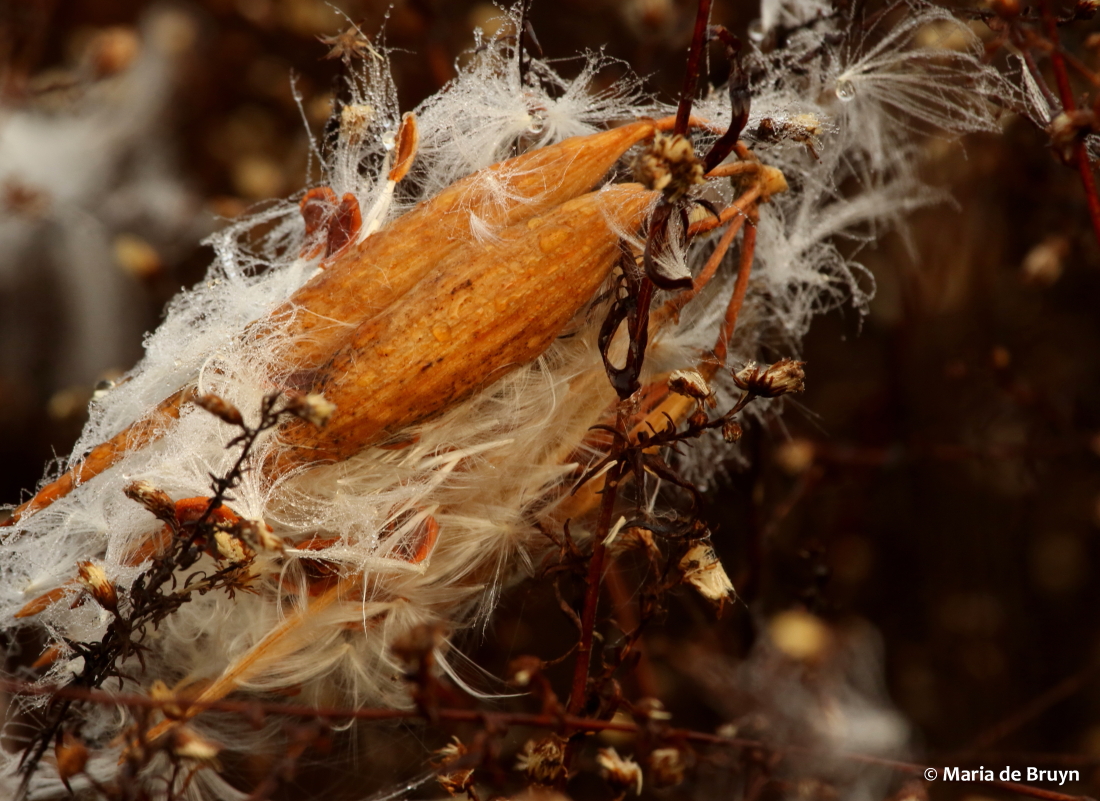
milkweed I77A7144© Maria de Bruyn signed resCarolina wren I77A8006©Maria de Bruyn res

Milkweed (Asclepius) and Carolina chickadee (Poecile carolinensis)

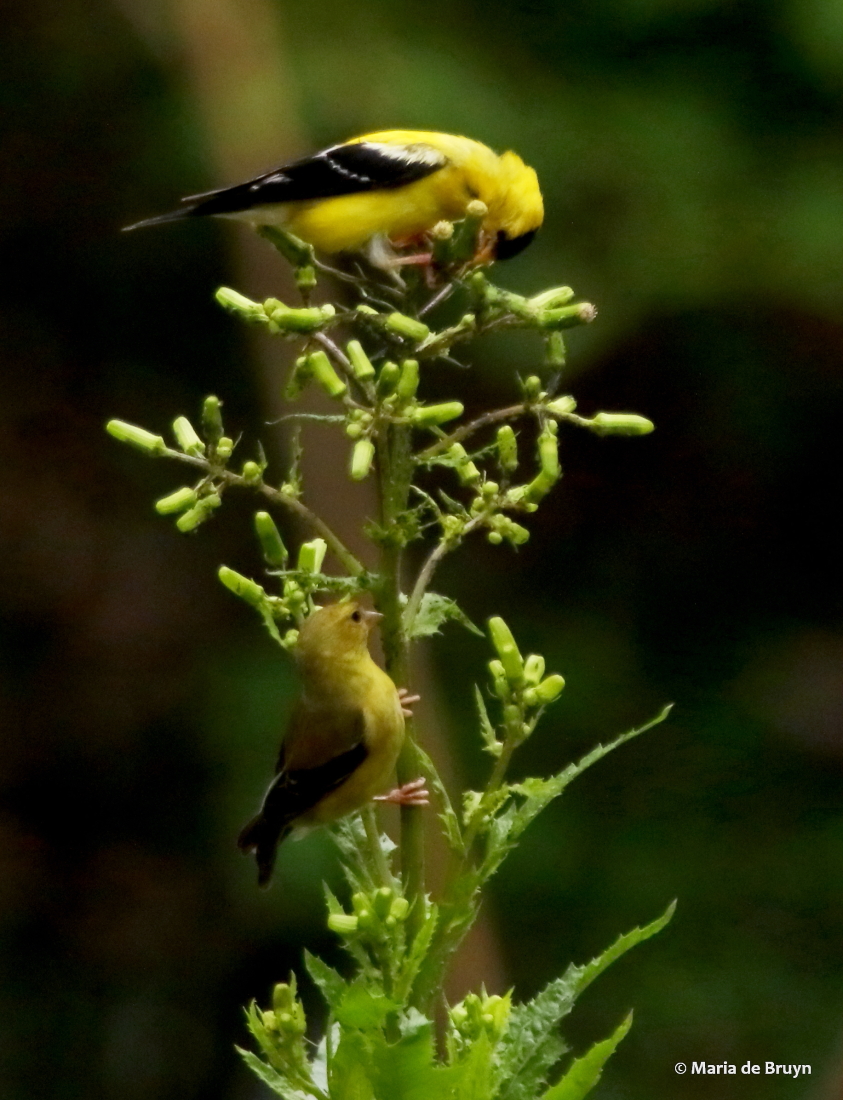
American goldfinch DK7A1355© Maria de Bruyn SIGNED RESamerican goldfinch DK7A7127© Maria de Bruyn signed res

American goldfinches

Indigo bunting DK7A7525© Maria de Bruyn signed res

Indigo bunting ( Passerina cyanea)

Scarlet tanager IMG_7415© Maria de Bruyn signed

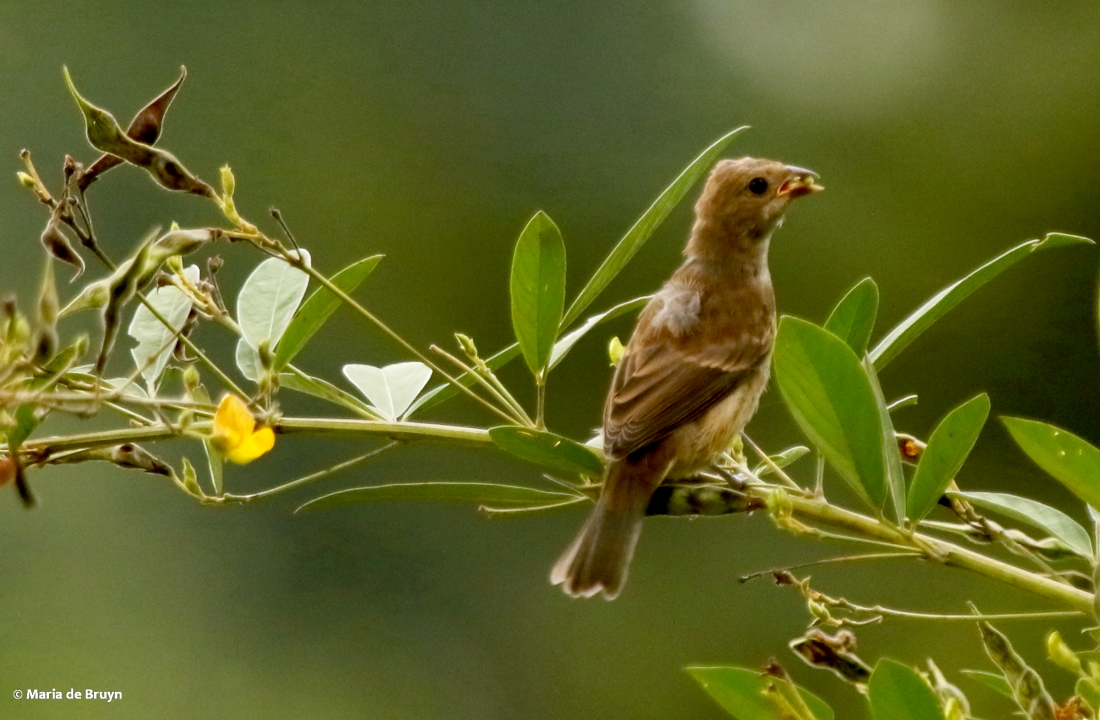
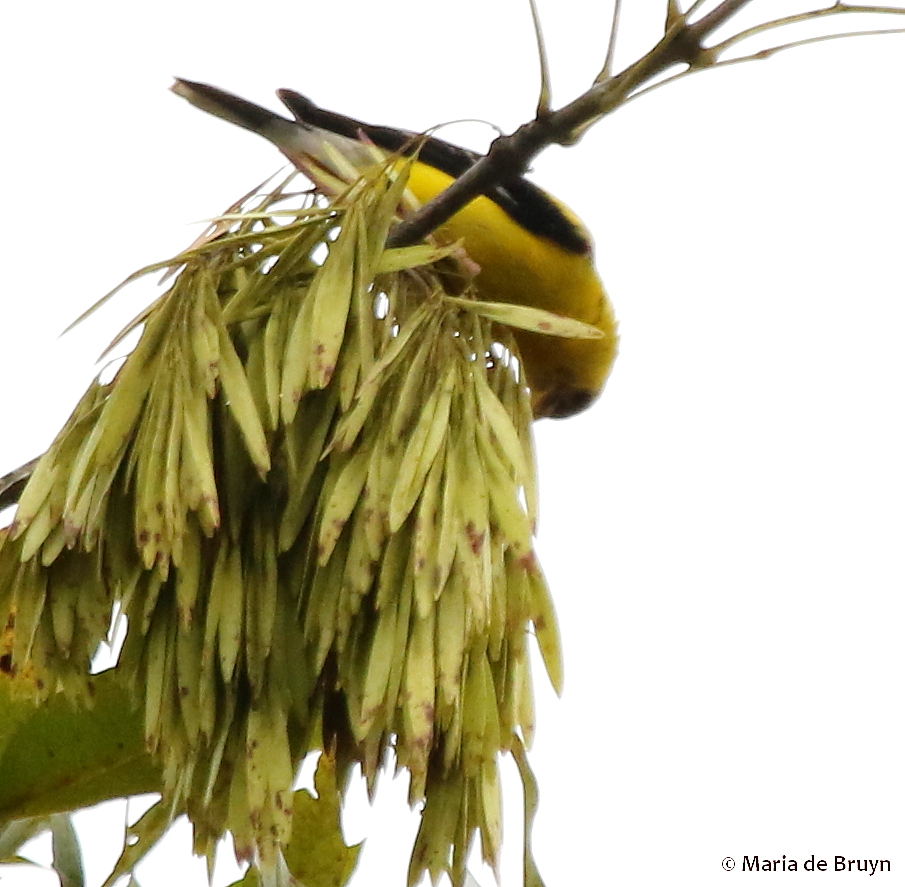
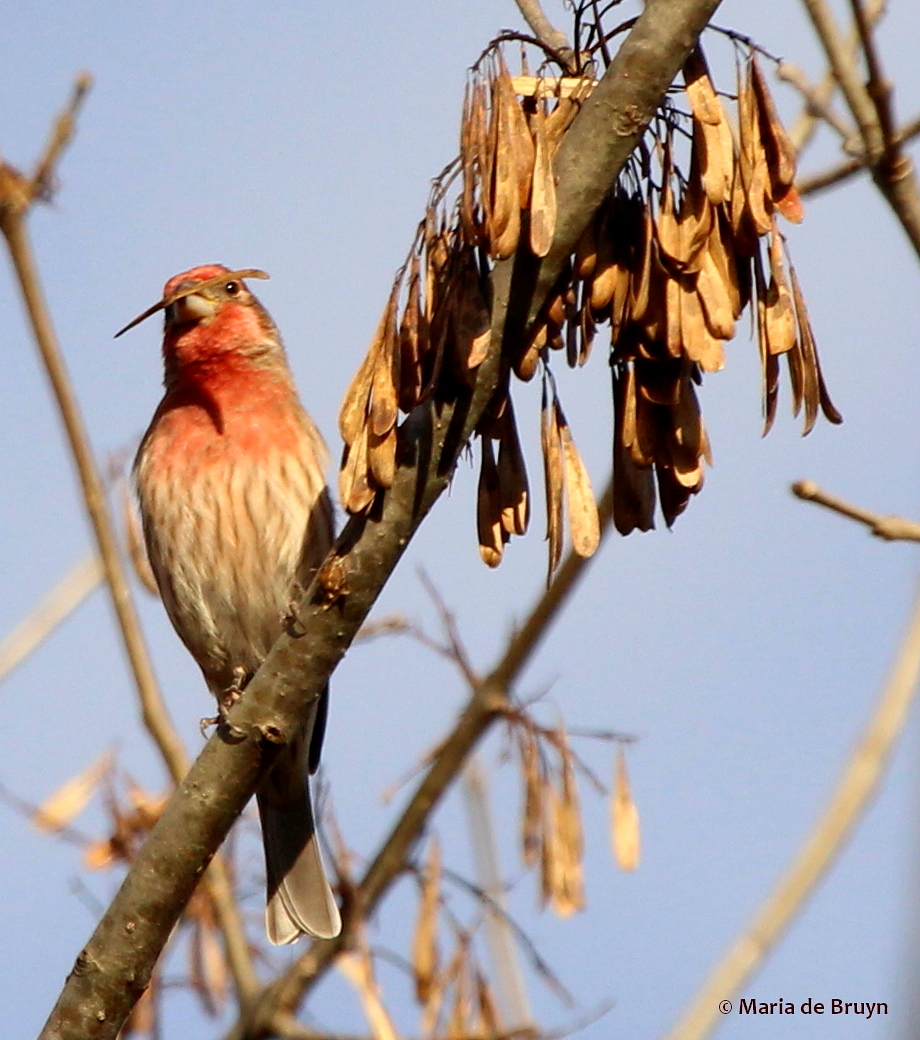
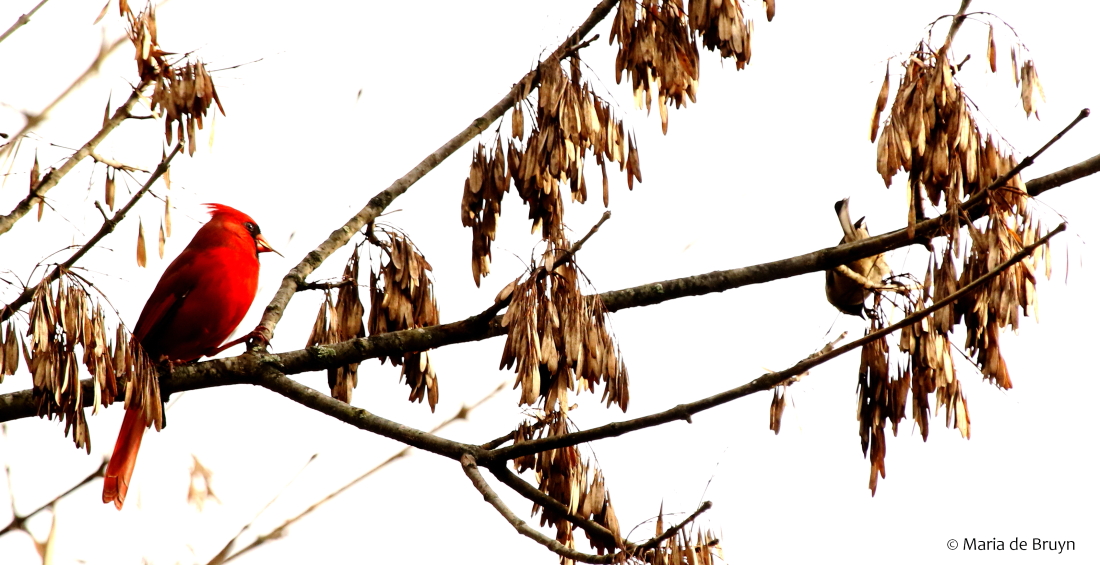
Some trees like maples have samara seed pods, in which a single seed is surrounded by a paper-like tissue that is dispersed by the wind. Ash trees have samaras that grow in clusters. Here a young scarlet tanager (Piranga olivacea) is dining. Below are an American goldfinch, house finch (Haemorhous mexicanus) and Northern cardinal, all of them males.


American goldfinch DK7A5026© Maria de Bruyn signedHouse finch IMG_7718© Maria de Bruyn signed


Northern cardinal I77A8006© Maria de Bruyn res


cedar waxwing I77A6594© Maria de Bruyn signed res

Cedar waxwing (left) with samara of the tulip tree (Liriodendron tulipifera)


blue jay IMG_7806© Maria de Bruyn signed


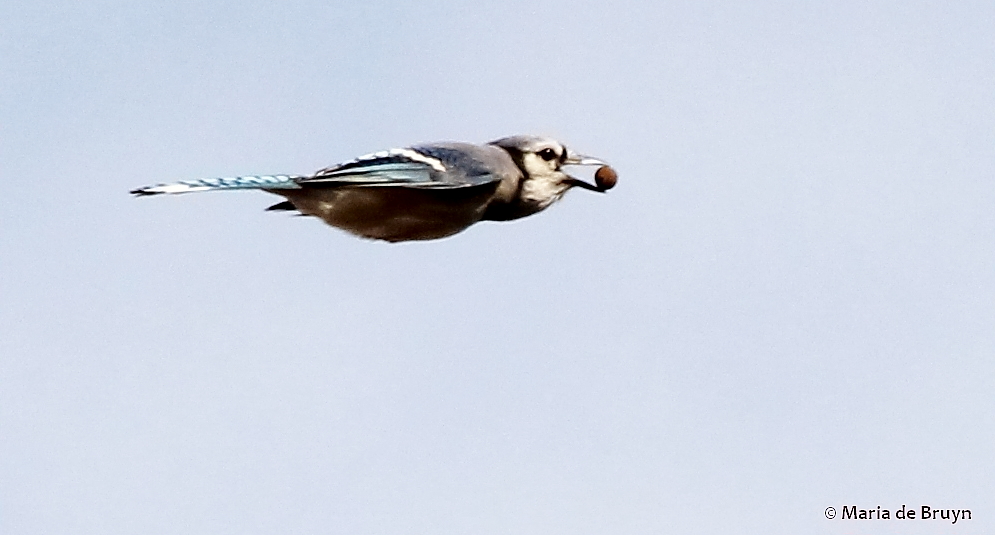
Blue jays (Cyanocitta cristata, above) like nuts a great deal and can often be seen flying away with a prize.

red-bellied woodpecker IMG_5780© Maria de Bruyn (2)


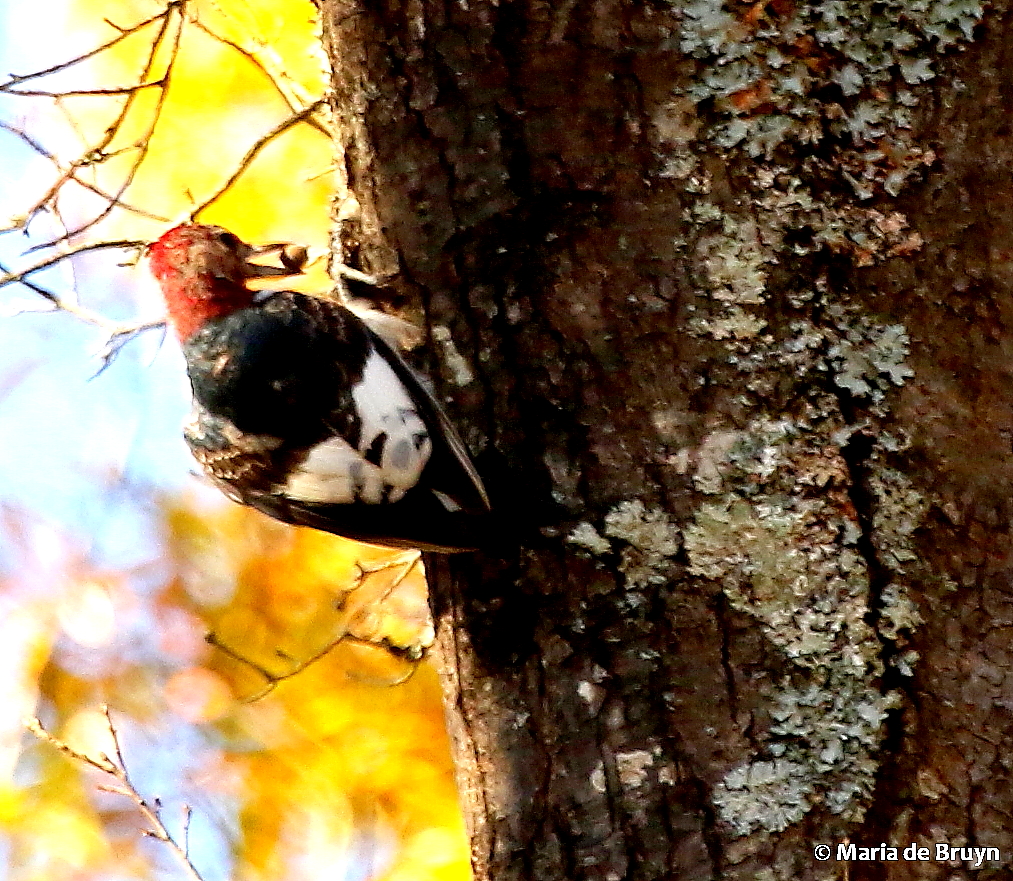
The red-bellied woodpeckers (Melanerpes carolinus) and red-headed woodpeckers (Melanerpes erythrocephalus) don’t turn away from nuts either.


Red-headed woodpecker I77A7844© Maria de Bruyn signed       red-headed woodpecker I77A5149© Maria de Bruyn res

Northern cardinal I77A2153© Maria de Bruyn res

It may feel a bit sad when activity dies down at the feeders for a time, but if you can manage to have nut-, seed- and fruit-bearing vegetation around your home, you can still enjoy watching your avian friends forage – and the natural surroundings can make for lovelier photos, too!