Outwitting the starlings during Winter Storm Helena

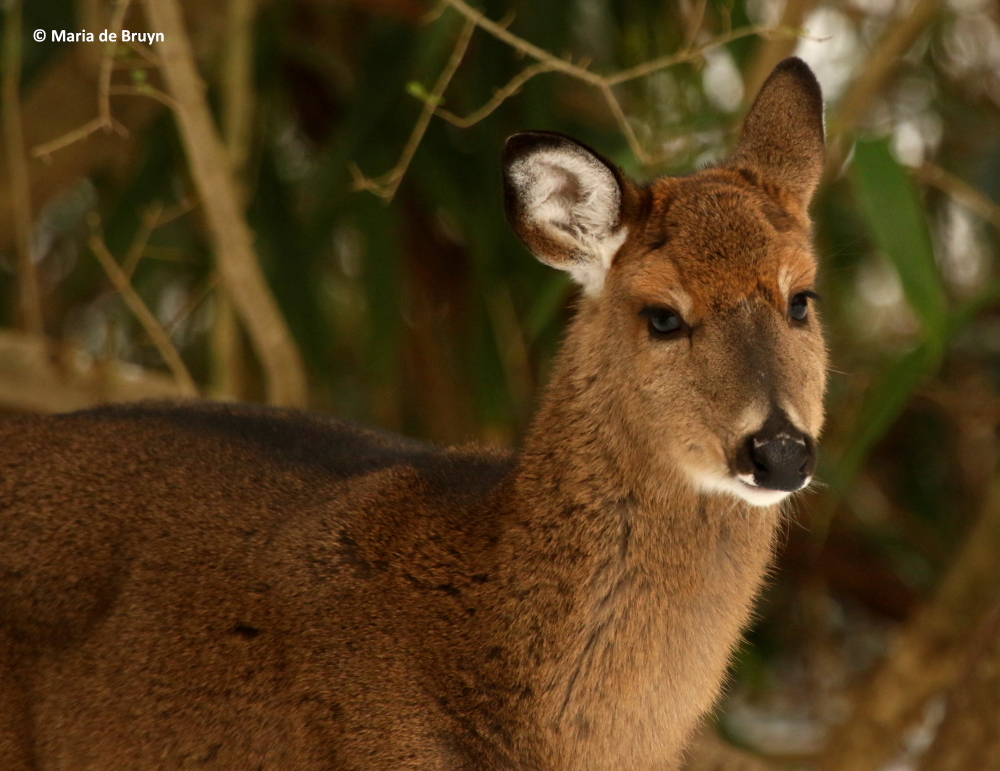
white-tailed-deer-i77a4029-maria-de-bruyn-resSo this past weekend, our part of North Carolina dealt with Winter Storm Helena, which brought us 83 straight hours of below-freezing temperatures (e.g., -9C/15F but we had lower) and a need to bundle up really well if venturing outside. (It also brought me a realization that winter storms are being named like hurricanes.) The first morning, when I went out to fill the bird feeders, I didn’t put on gloves or a cap and dealt with hypothermia symptoms when I finally went inside. I had on triple layers after that! The deer had their fur puffed up and seemed to be coping well.

The frigid air made me feel very sorry for the wildlife, although living outdoors is, of course, what they do and what they have evolved to accommodate. (I did hear today, however, of some birds and small animals that were found frozen to death!) With the snow covering the ground, it turned out the birds were more than happy to visit the feeders and piles of food I had strewn on the snow for the ground feeders.
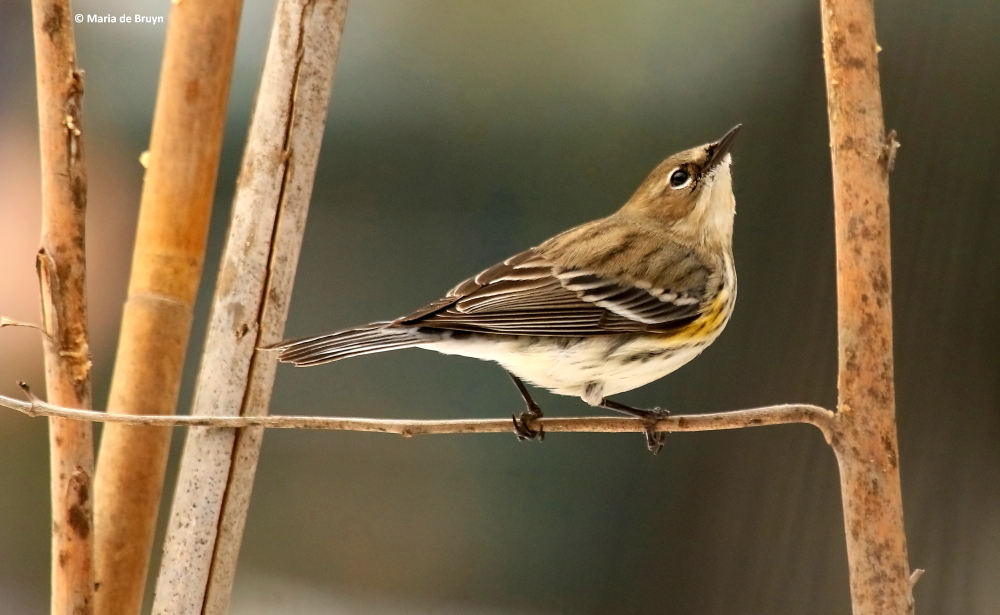
yellow-rumped-warbler-i77a4305-maria-de-bruyn-res

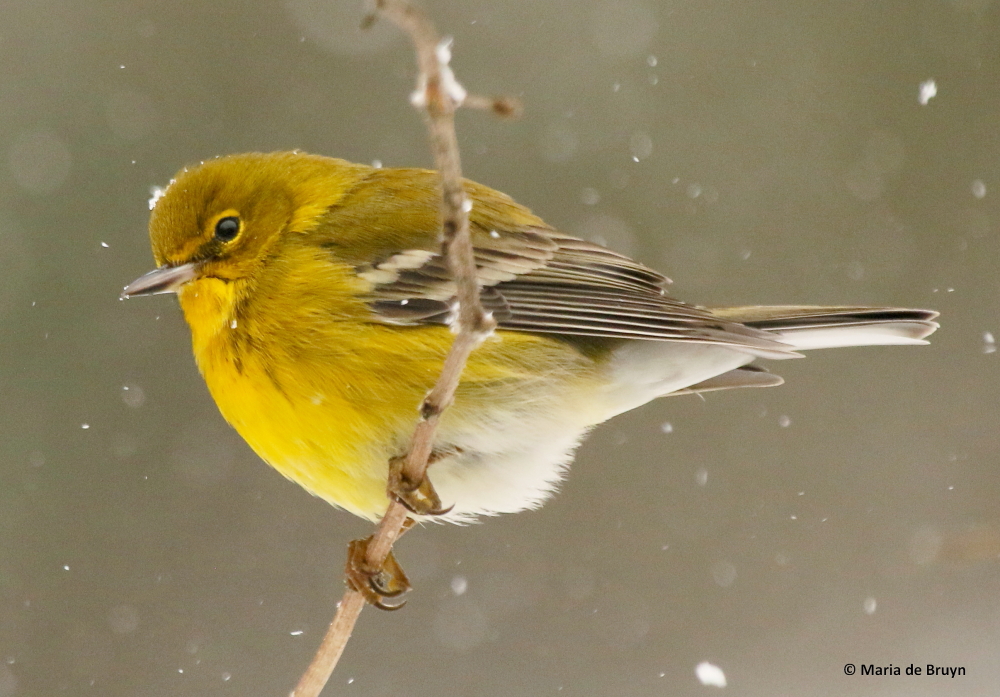
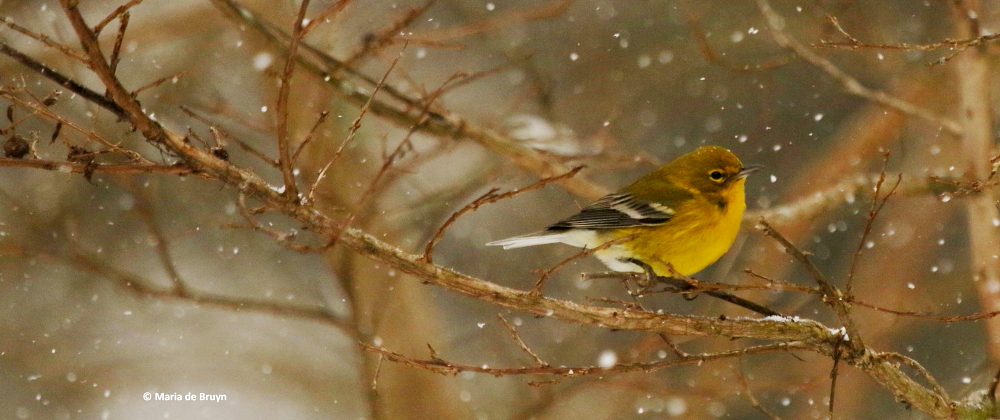
Not only did I have many types of birds coming round, but also record numbers of them. Some birds, like the yellow-rumped warblers (Setophaga coronata, above), usually tend to visit on their own and are not happy with their species mates in the vicinity but during these days, I had four of them alighting near feeders at a time. The same was true for the colorful pine warblers (Setophaga pinus) although they didn’t come close to each other.
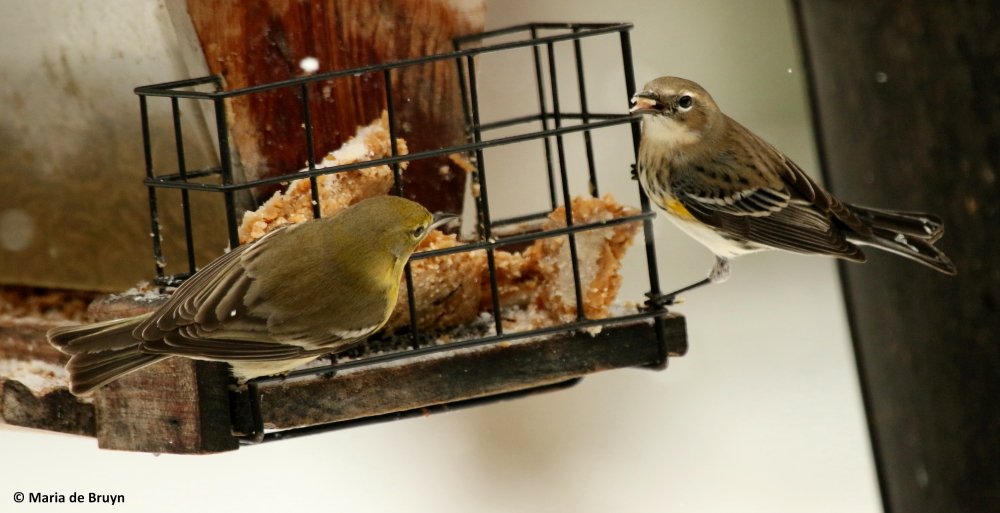
yellow-rumped-warbler-i77a3138-maria-de-bruyn-res

pine-warbler-i77a2441-maria-de-bruyn-res

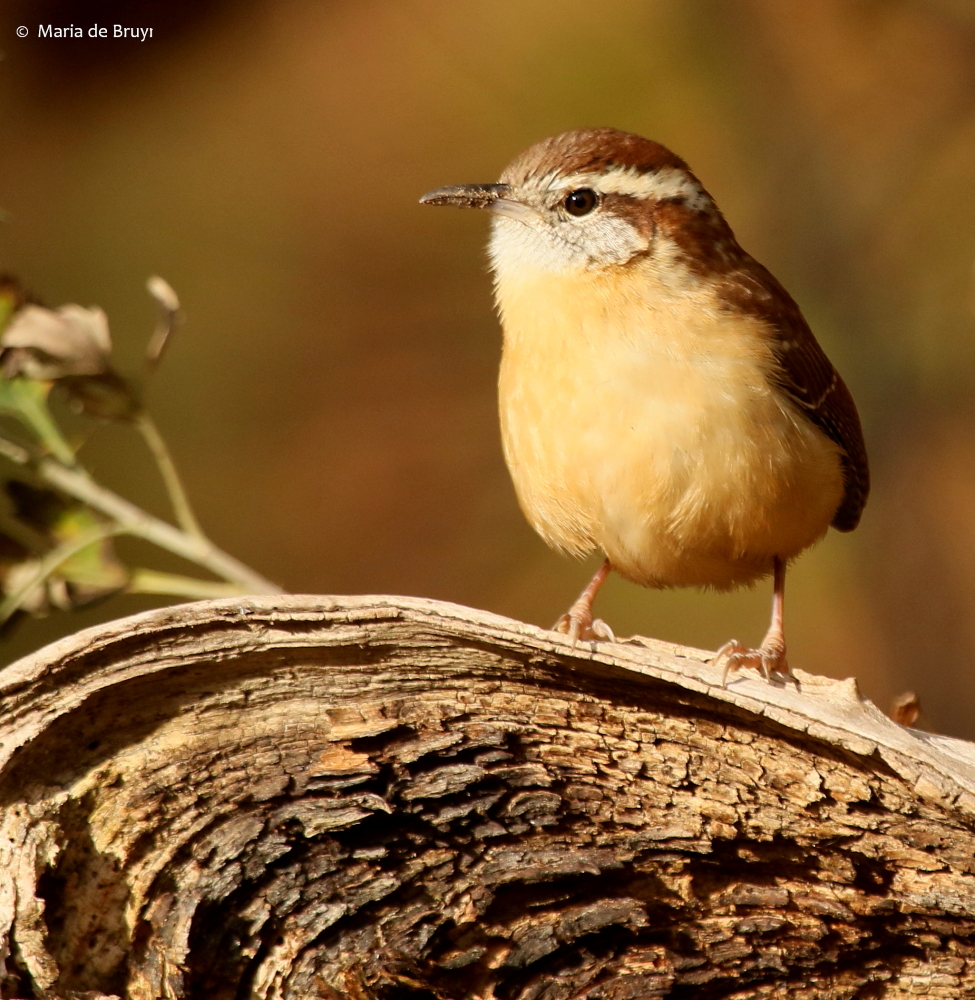
The Carolina wrens (Thryothorus ludovicianus) and Carolina chickadees (Poecile carolinensis) don’t seem to have too many problems with sharing space and visited the feeders in the same way they always do – quick flights to and fro from nearby tree and shrub branches.
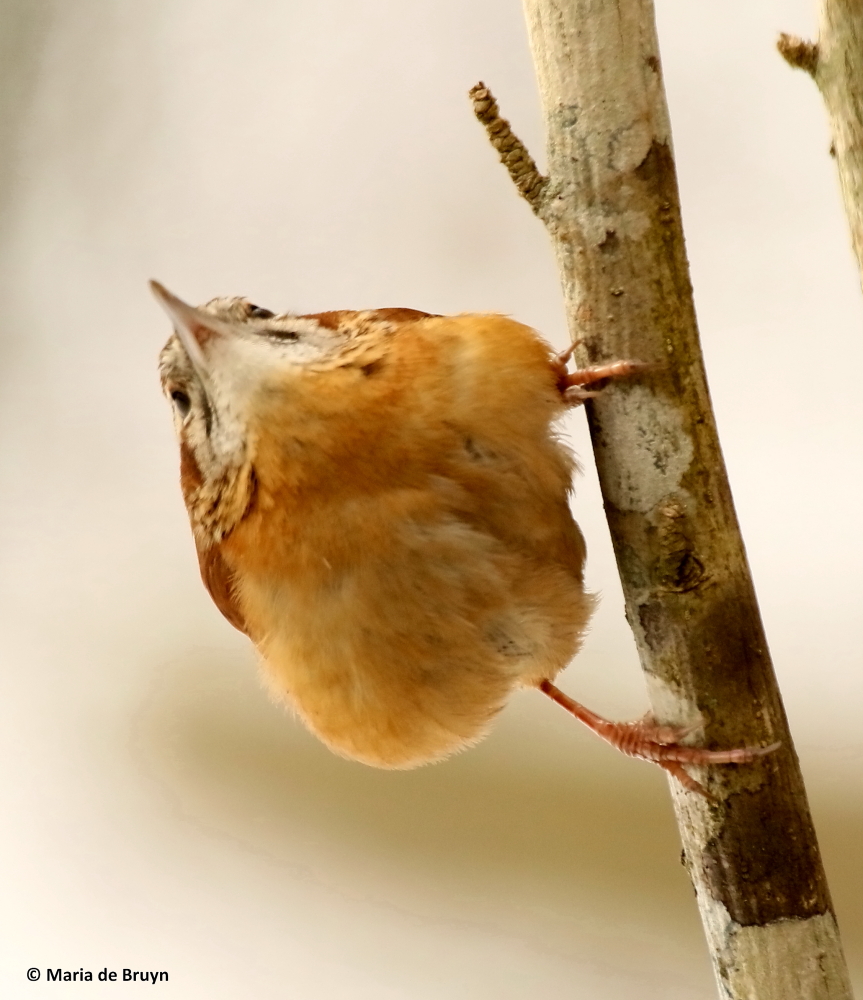
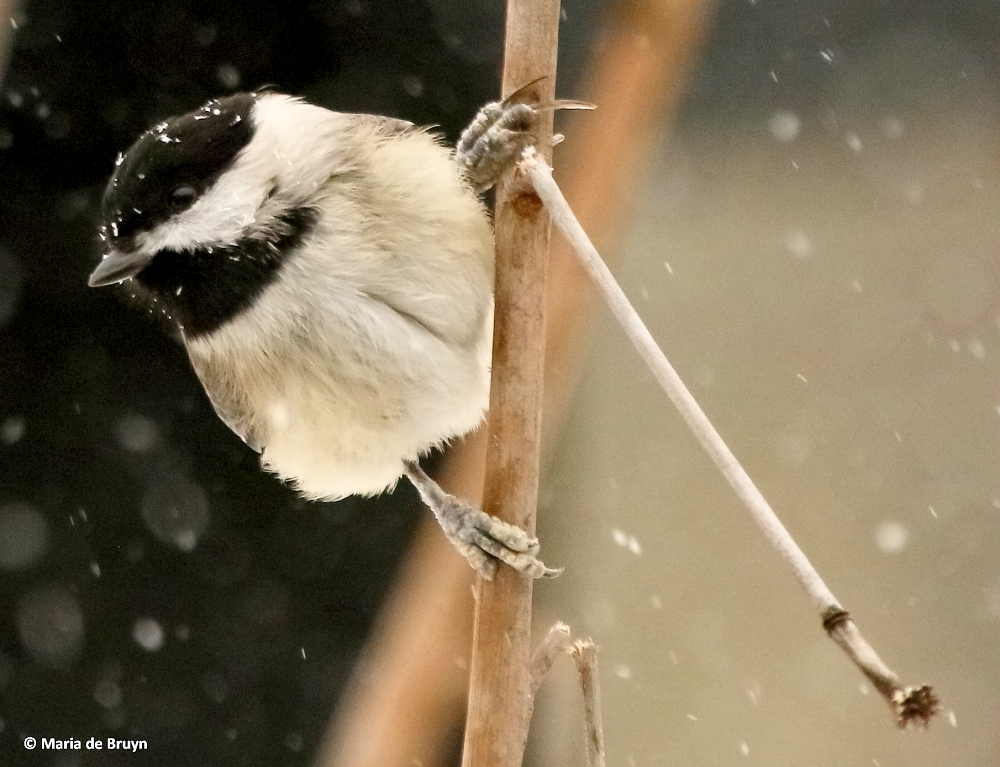
carolina-wren-i77a3873-maria-de-bruyn-res   carolina-chickadee-i77a2710-maria-de-bruyn-res

brown-thrasher-i77a4236-maria-de-bruyn-res


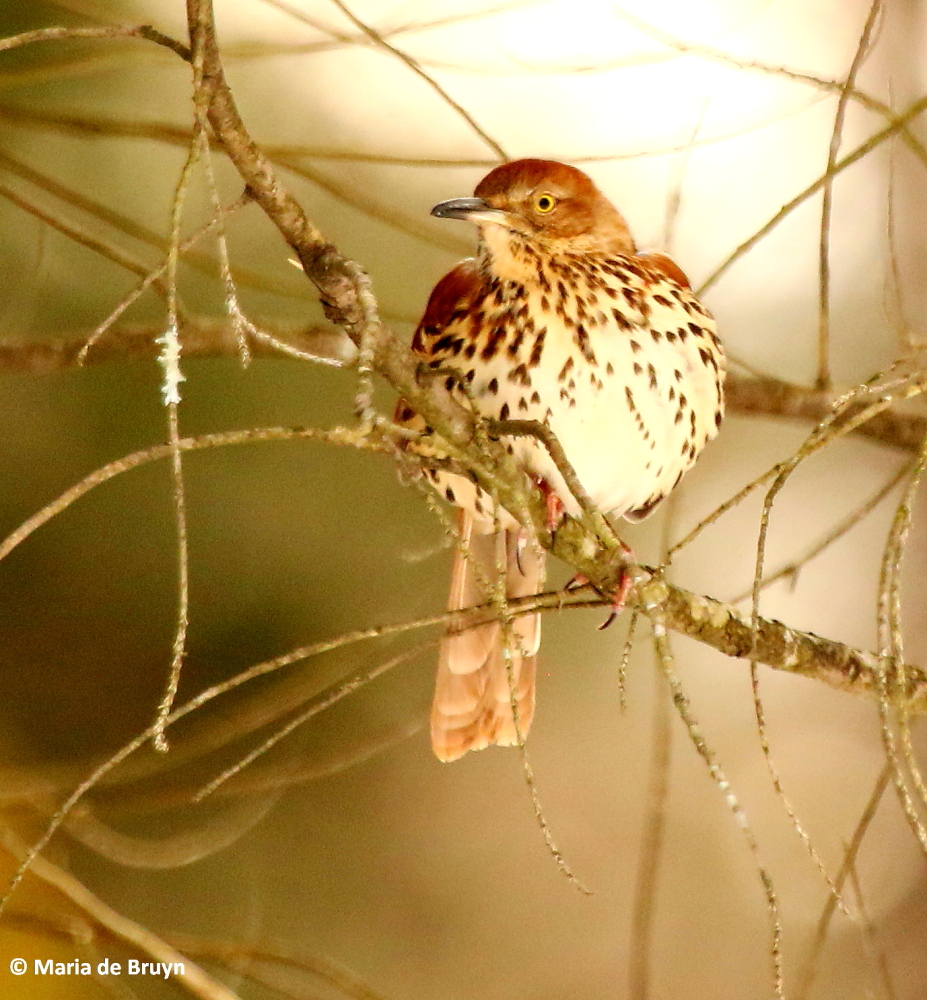
Most of the birds were fairly content to be in close proximity to one another during the snow days. The brown thrashers (Toxostoma rufum) did get very cross with one another, however, when they came too close to one another and chased their rivals away.

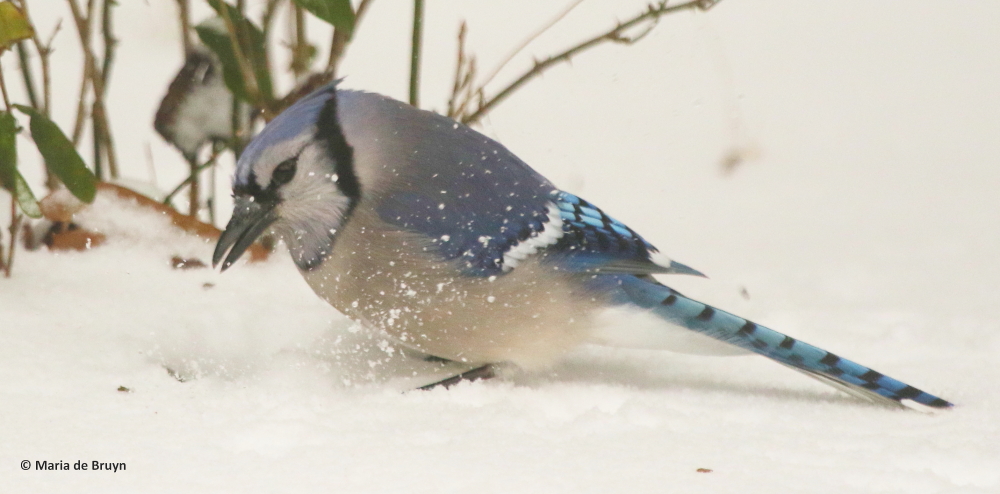
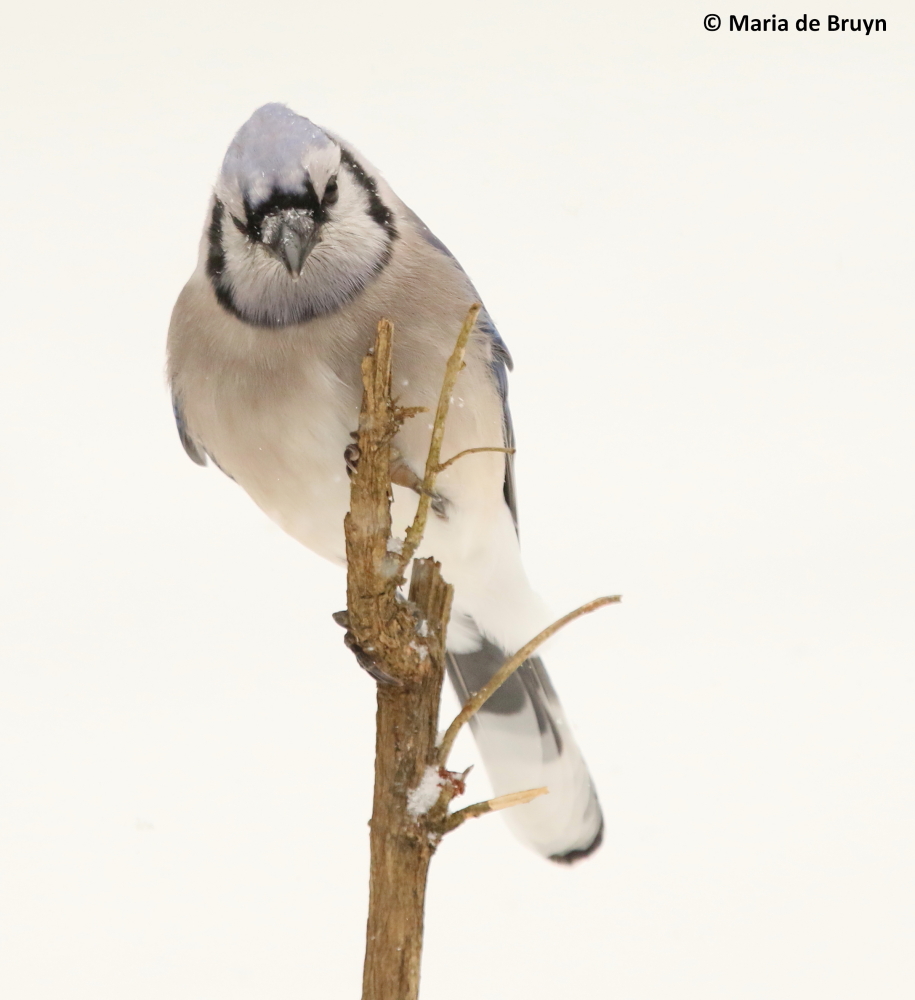
Sometimes a bird would go off and rummage in the snow, like this blue jay (Cyanocitta cristata).
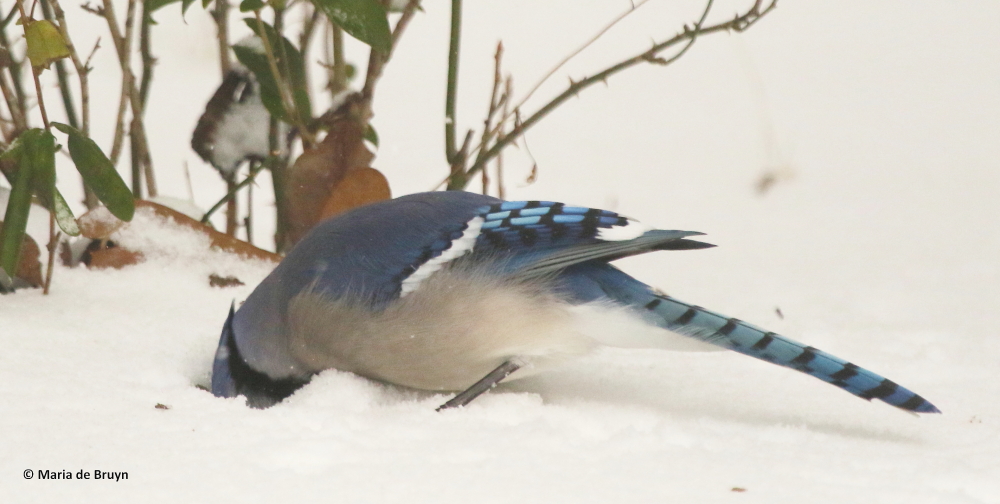
 

blue-jay-i77a2776-maria-de-bruyn-res blue-jay-i77a2770-maria-de-bruyn-res

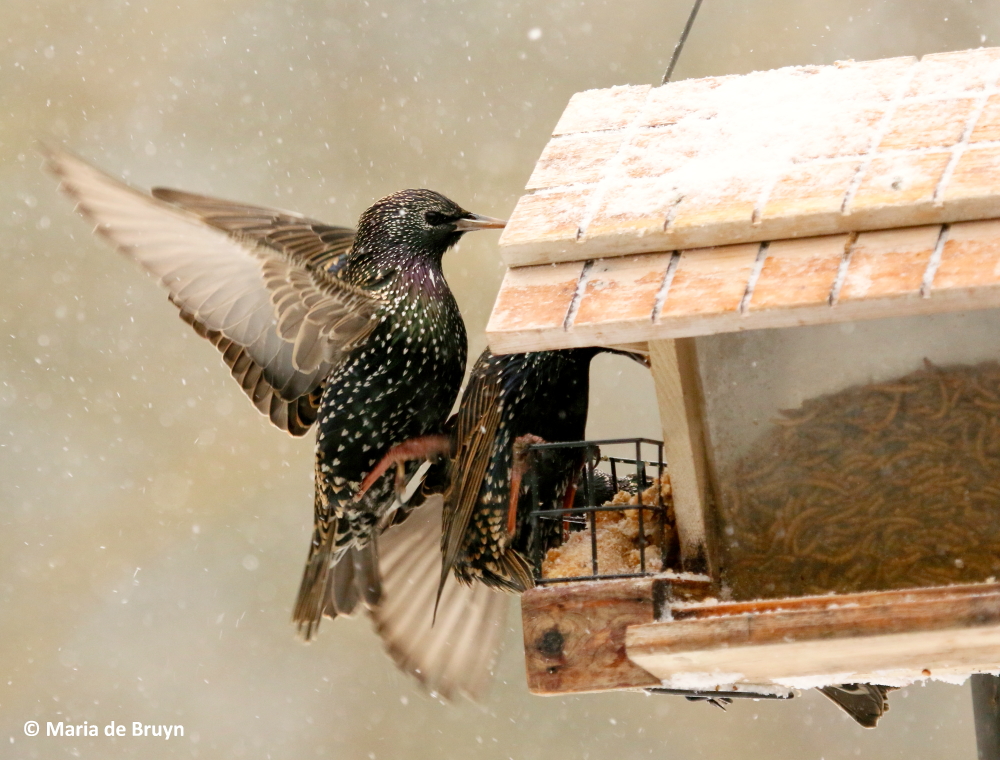
european-starling-i77a2674-maria-de-bruyn-resThe biggest challenge for me was keeping the suet and meal worms in supply, mainly because the European starlings (Sturnus vulgaris) show up in large groups and gulp down food at a speedy pace. The other birds nibble but the starlings seem to inhale food as if they have vacuum cleaners in their throats. They can get grumpy with one another and don’t mind landing atop each other to get a foothold on the feeder.
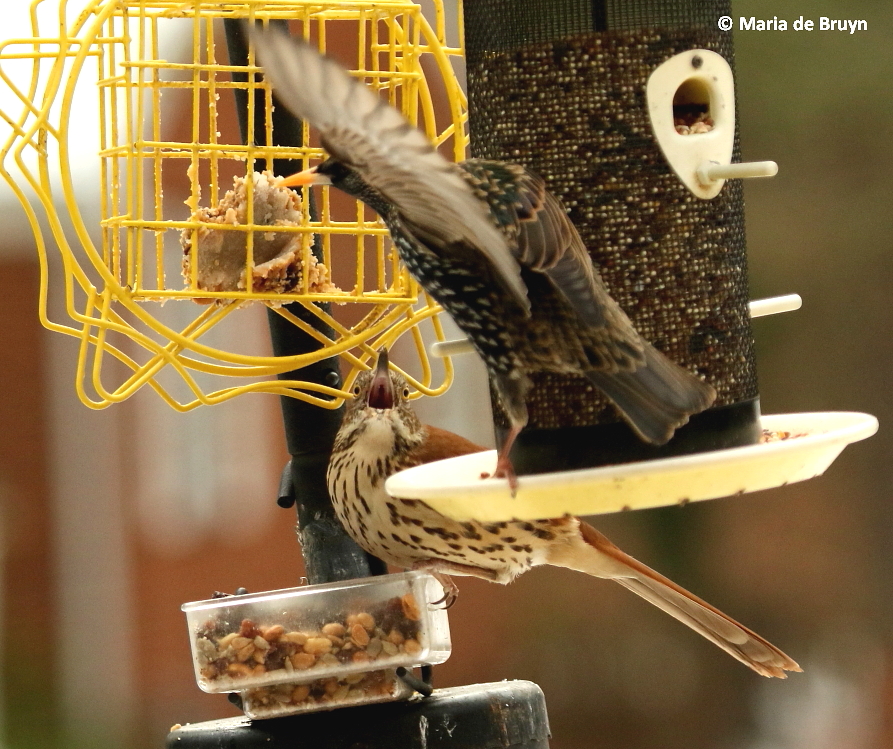
brown-thrasher-i77a3641-maria-de-bruyn-resI was pleased that the other species of birds are learning to cope with them, no longer being intimidated to fly away when these greedy avians arrive. However, they may get displaced from a feeder just because the bulky starlings take up so much room and never wait their turn to get a spot. The larger birds, like the thrashers and red-bellied woodpeckers, may express their displeasure to the starlings while trying to hold their ground. Other people report common grackles (Quiscalus quiscula) as feeder dominant birds but they are well behaved at my house.
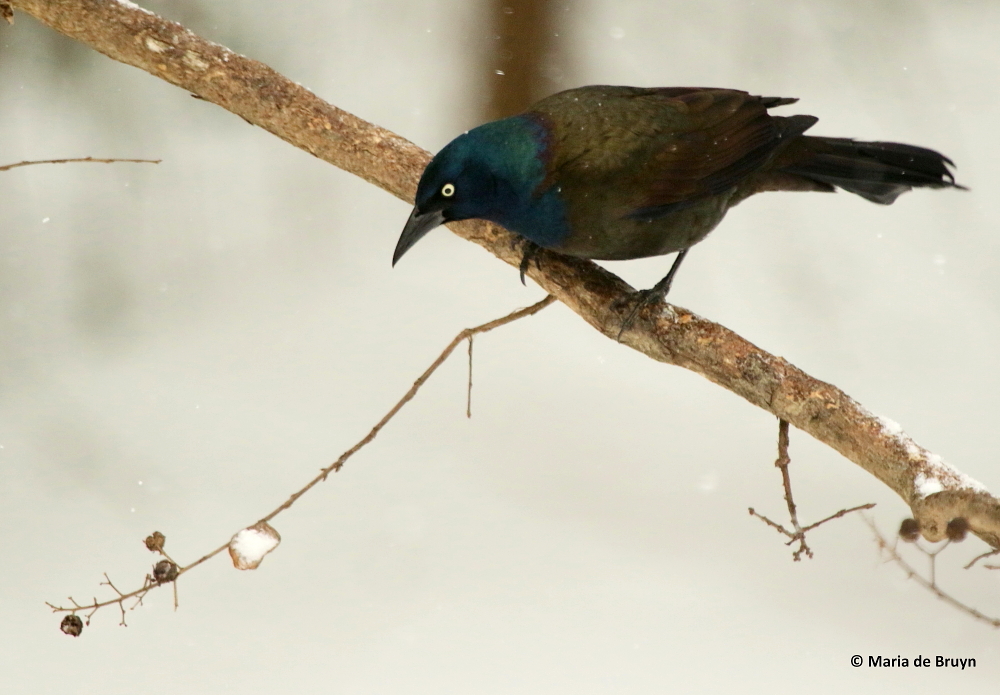
common-grackle-i77a3068-maria-de-bruyn-res

suet-i77a3541-maria-de-bruyn-res

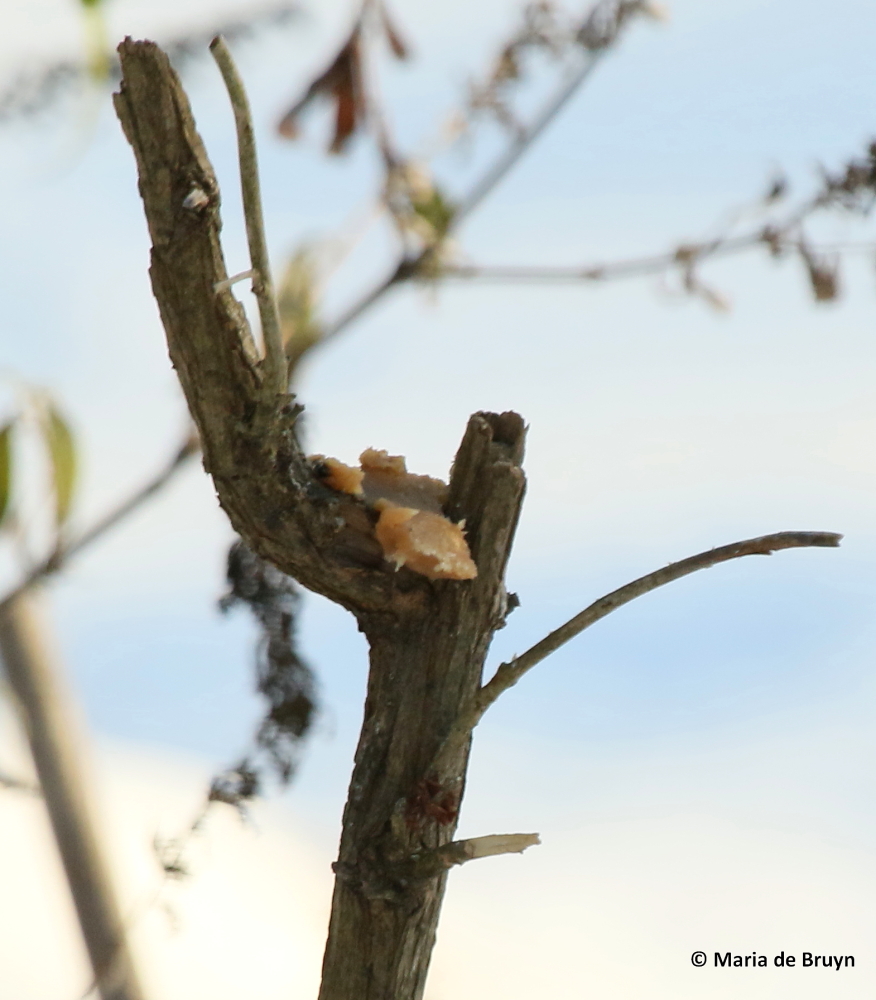
So, what was I going to do? Some of my feeders are set in a flower garden and I had left the dried stalks of sage, butterfly bush and scarlet mallow standing. They don’t look pretty but the birds love sitting on them near the feeders as they digest a bite before getting another. So I began smearing suet on the stalks, which are not sturdy enough to hold the starlings.

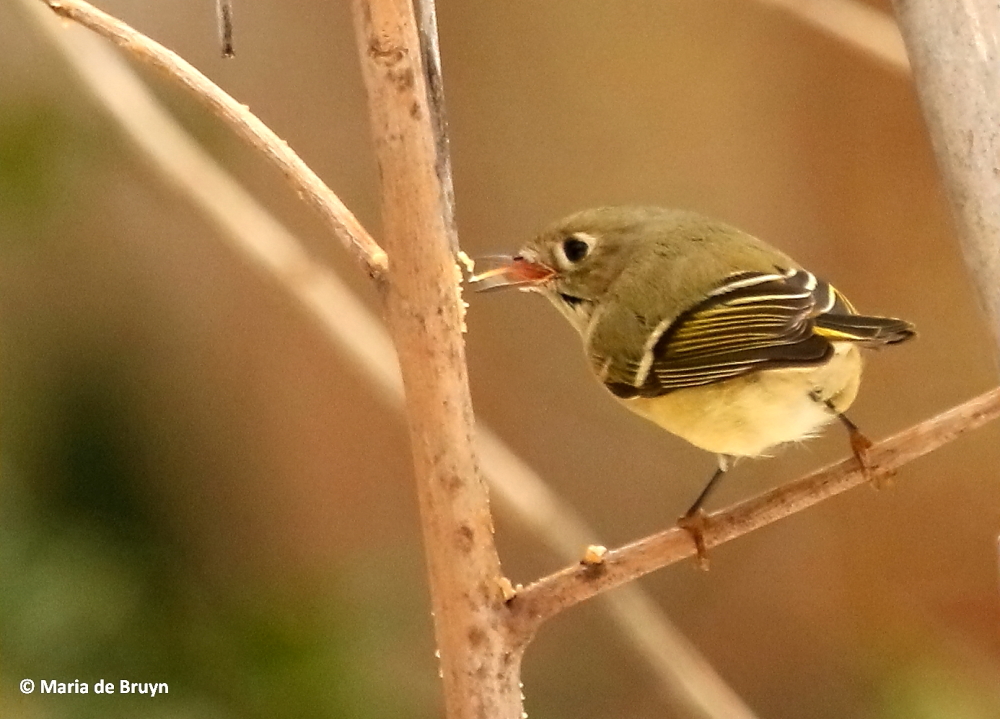
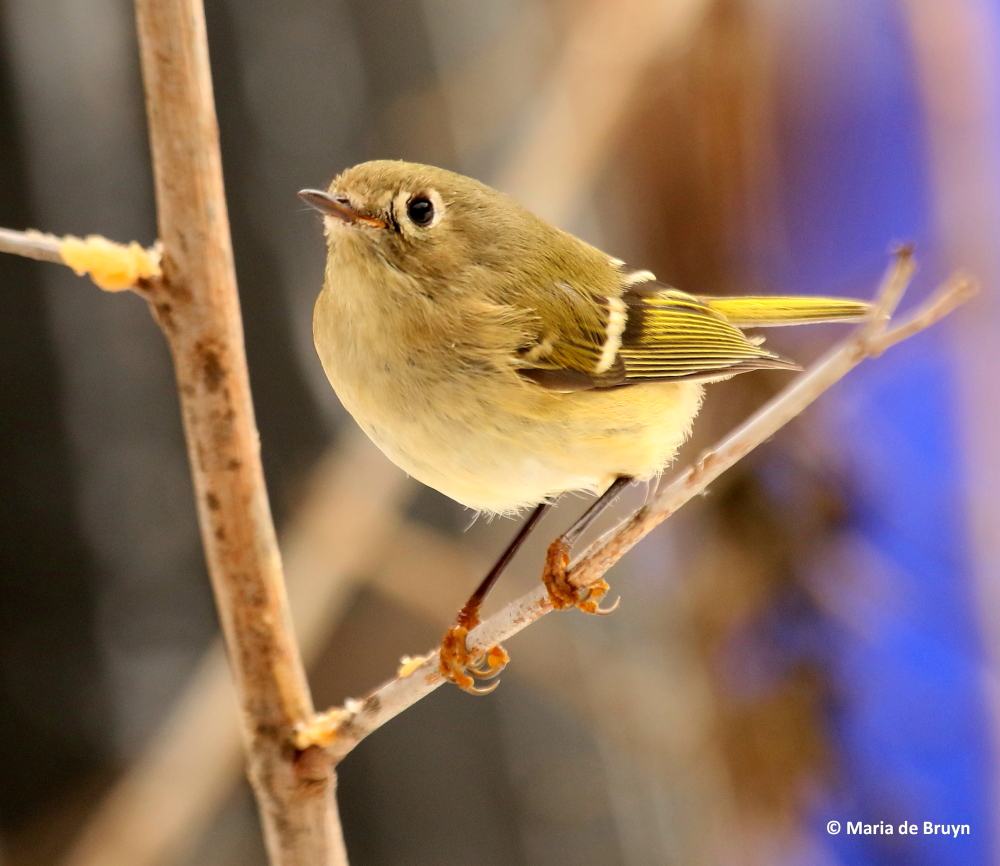
The yellow-rumped warblers and chickadees were pleased, as was my faithful ruby-crowned kinglet (Regulus calendula) and the Carolina chickadee.
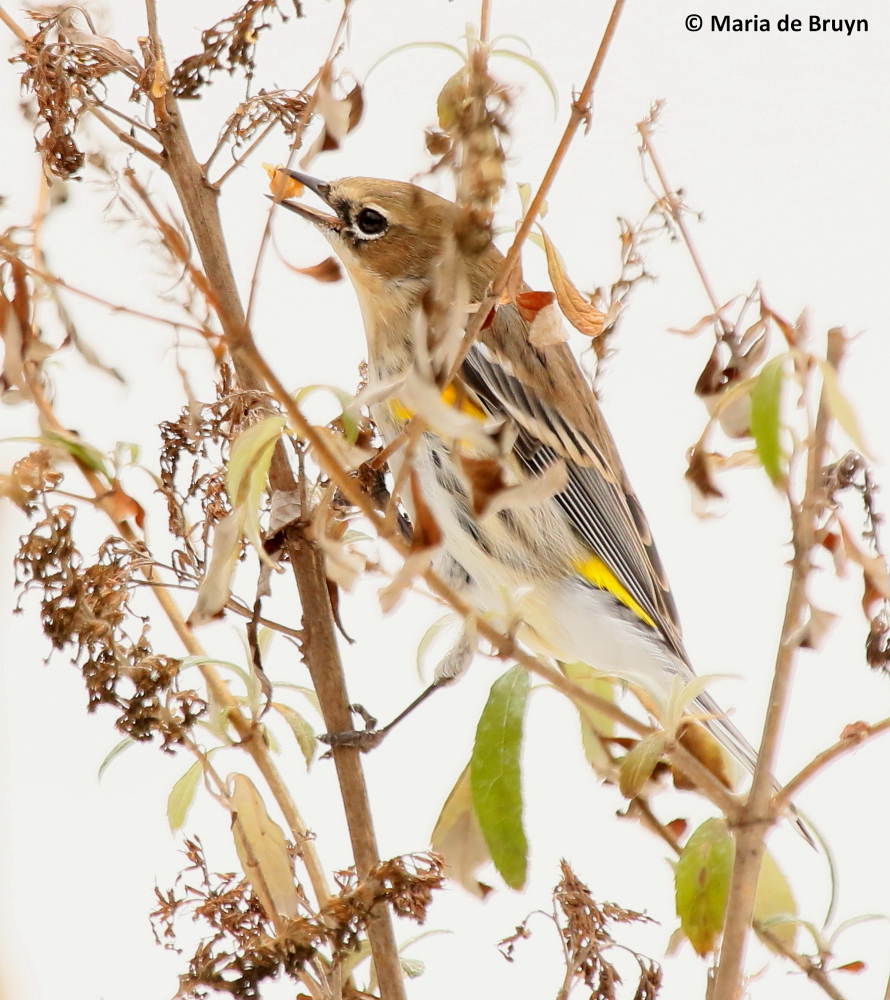
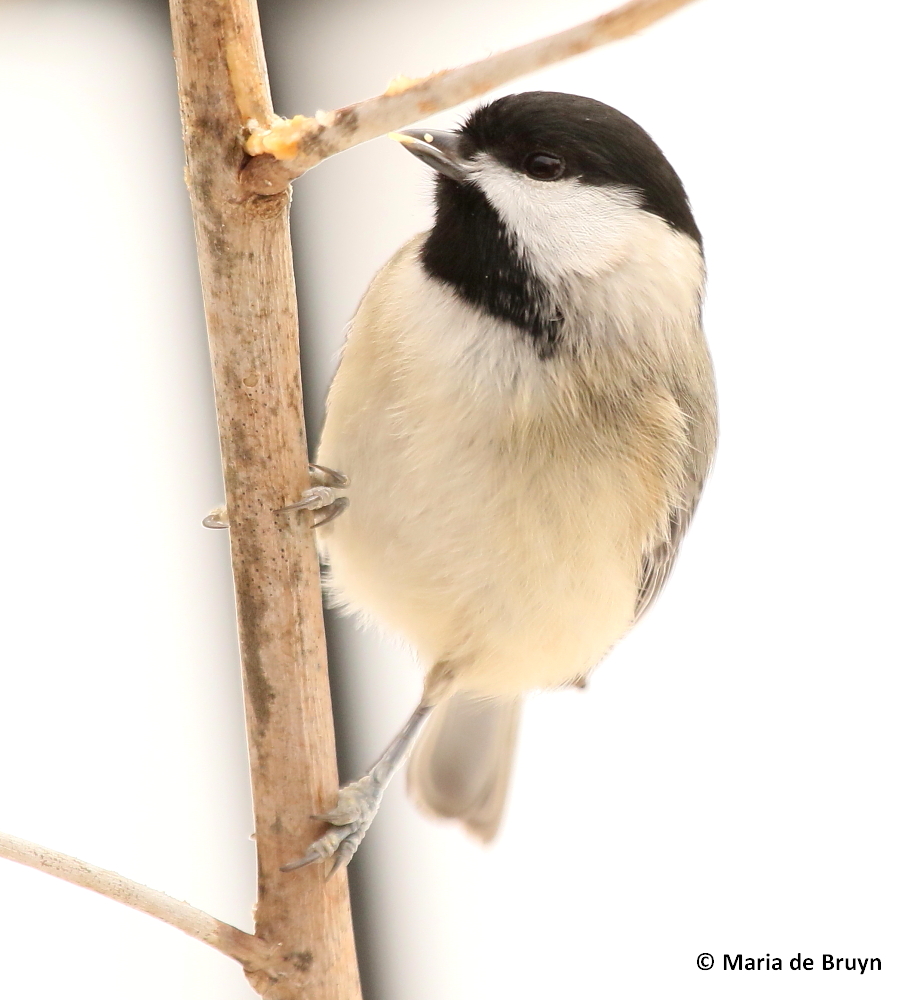
yellow-rumped-warbler-i77a3913-maria-de-bruyn-res  carolina-chickadee-i77a4283-maria-de-bruyn-res

ruby-crowned-kinglet-i77a4167-maria-de-bruyn-res

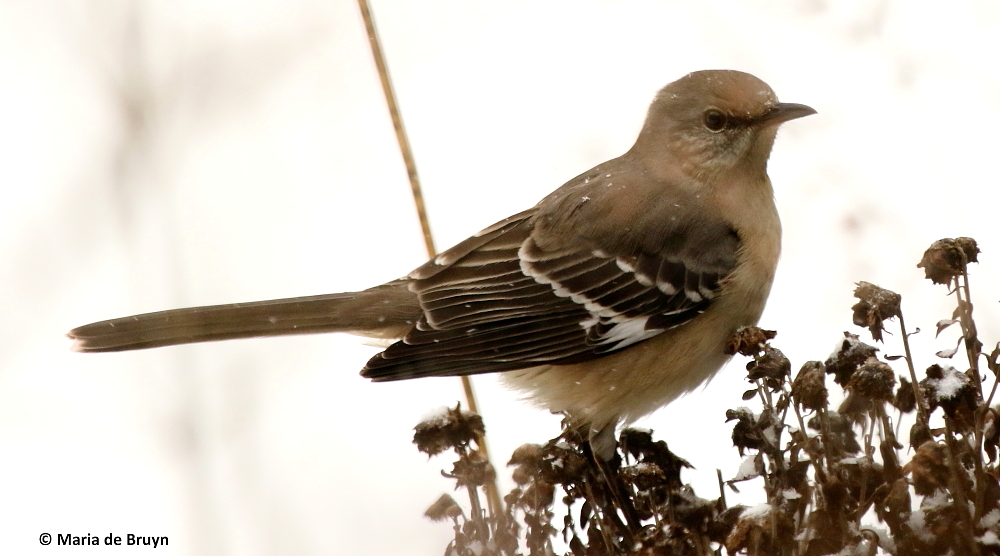
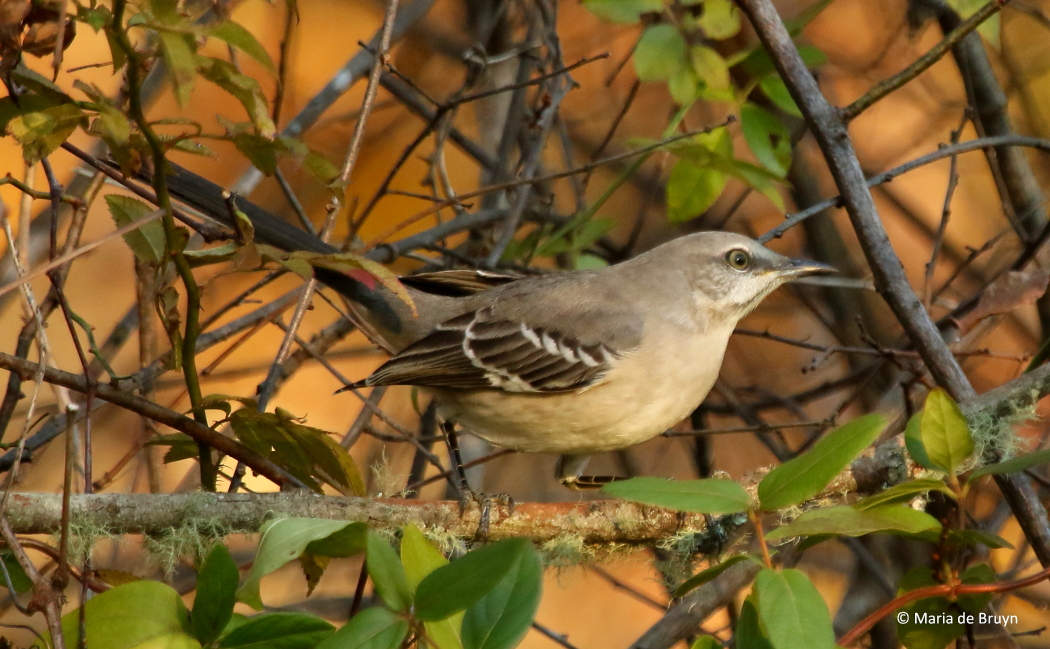
To my surprise, even the larger Northern mockingbird (Mimus polyglottos) and brown thrashers discovered and sampled the suet-laden stalks.
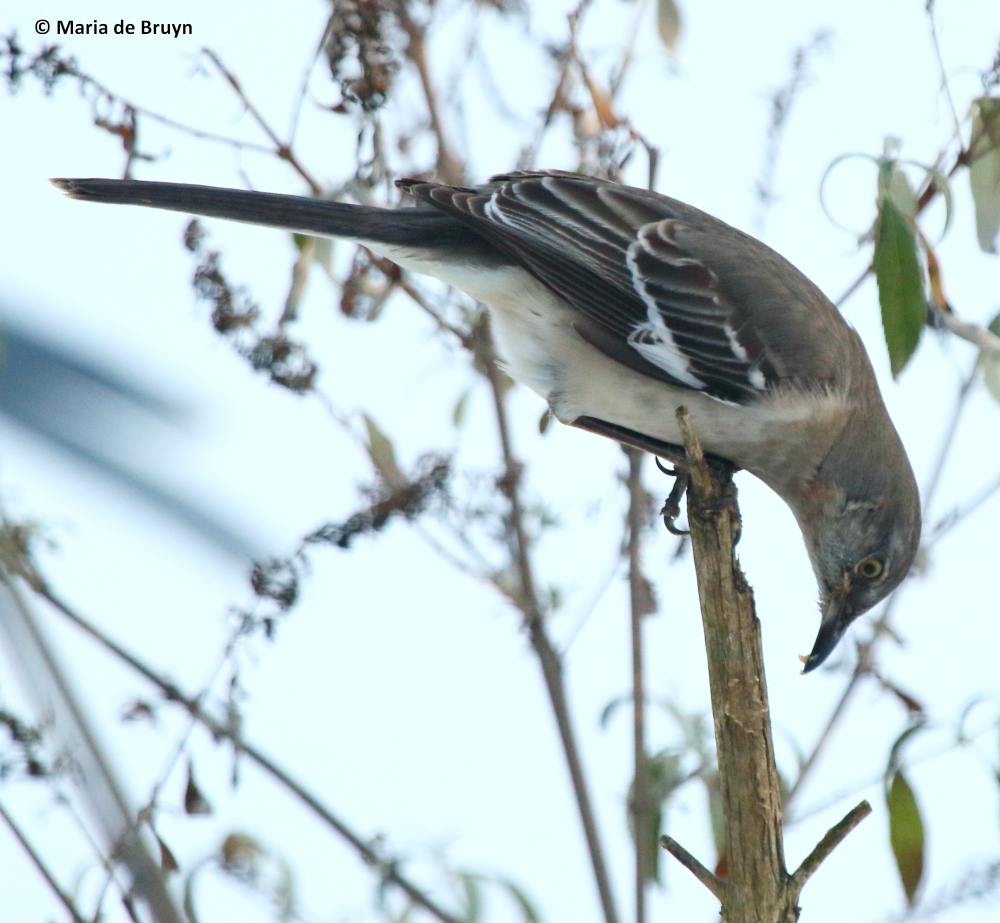
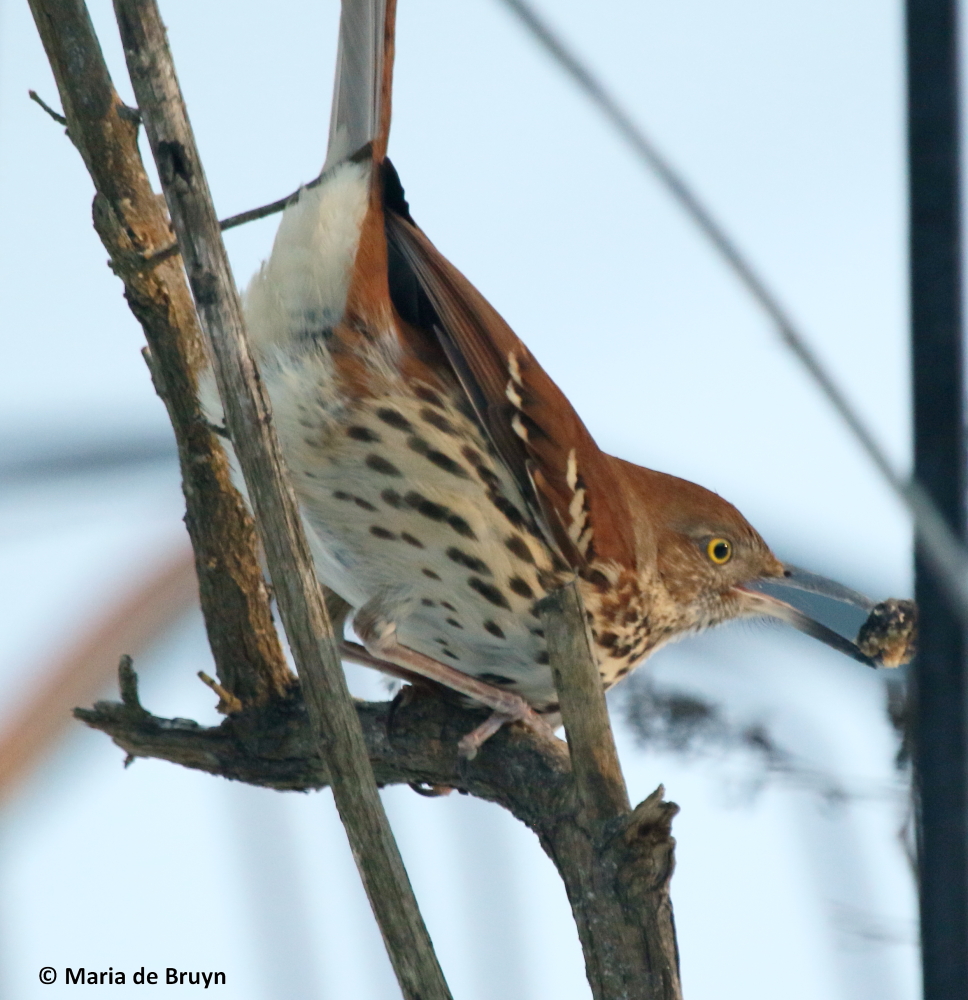
northern-mockingbird-i77a3629-maria-de-bruyn-res   brown-thrasher-i77a3607-maria-de-bruyn-res

Following advice from the Bird Sleuth program, I had stuffed the bluebird and nuthatch boxes with pine needles and wool in case the birds wanted to shelter there overnight. I don’t know if any of them did, but the brown-headed nuthatches (Sitta pusilla) were again checking out their preferred nest box, so perhaps they did roost there overnight.
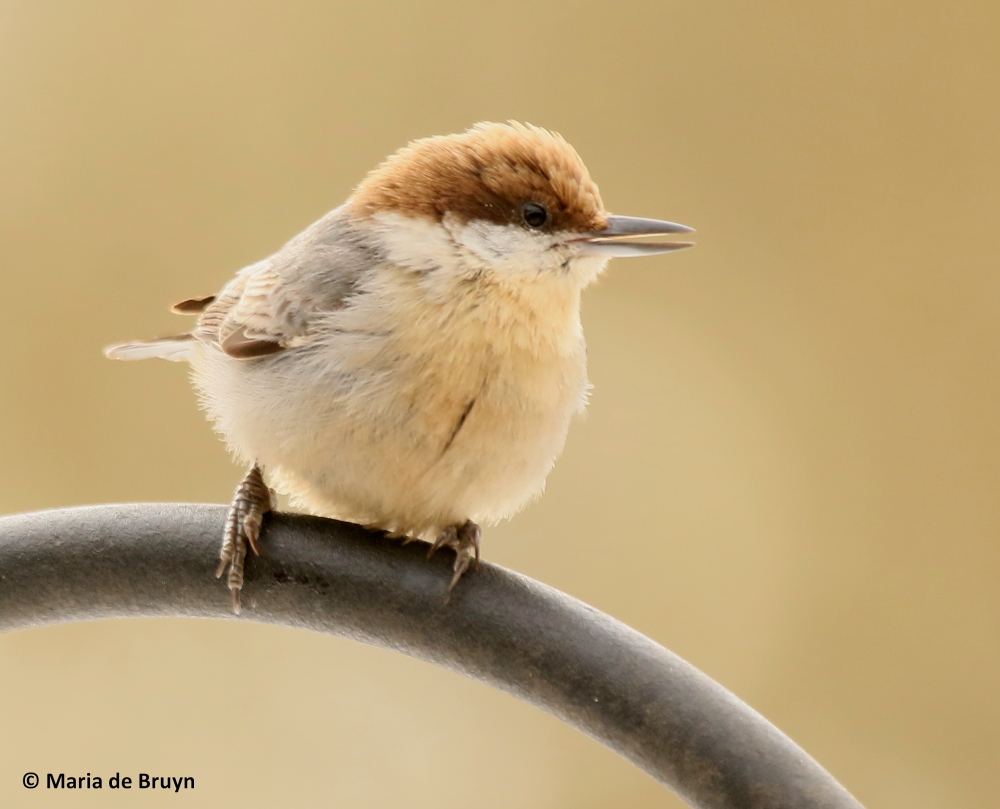
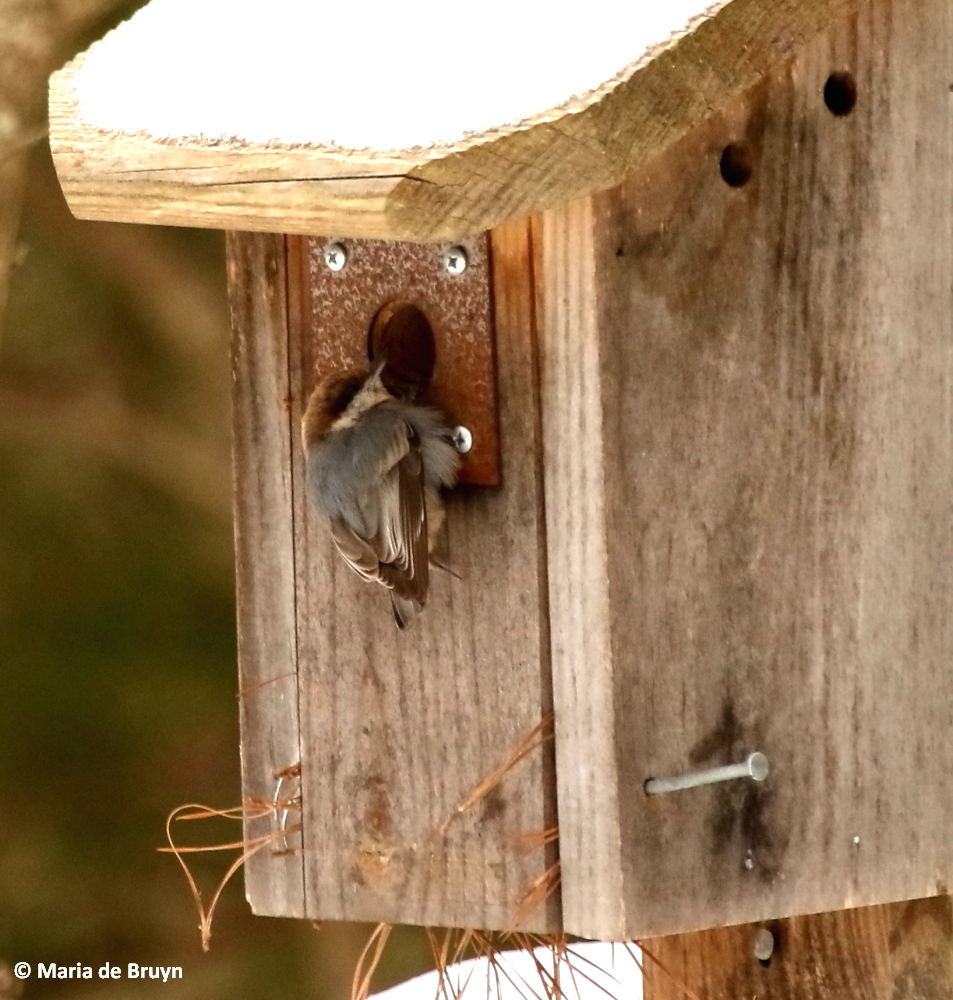
brown-headed-nuthatch-i77a3959-maria-de-bruyn-res    brown-headed-nuthatch-i77a4183-maria-de-bruyn-res

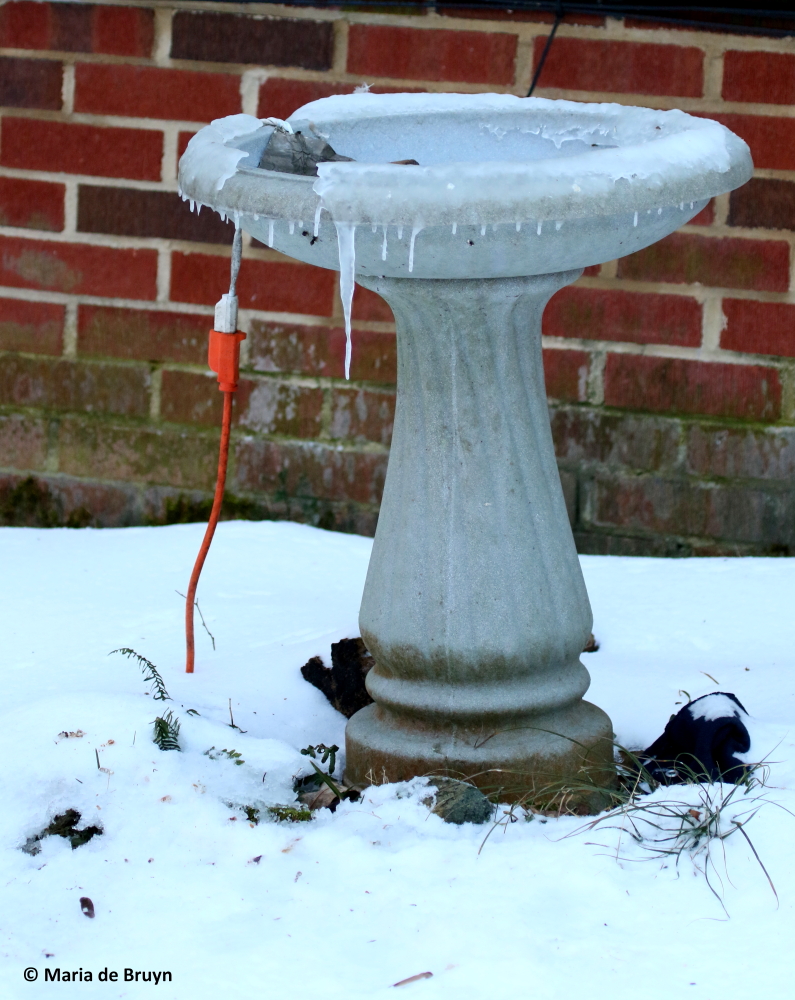
heated-fountain-i77a3586-maria-de-bruyn-res


I was filling the heated bird bath daily, too, as it became a popular drinking fountain.

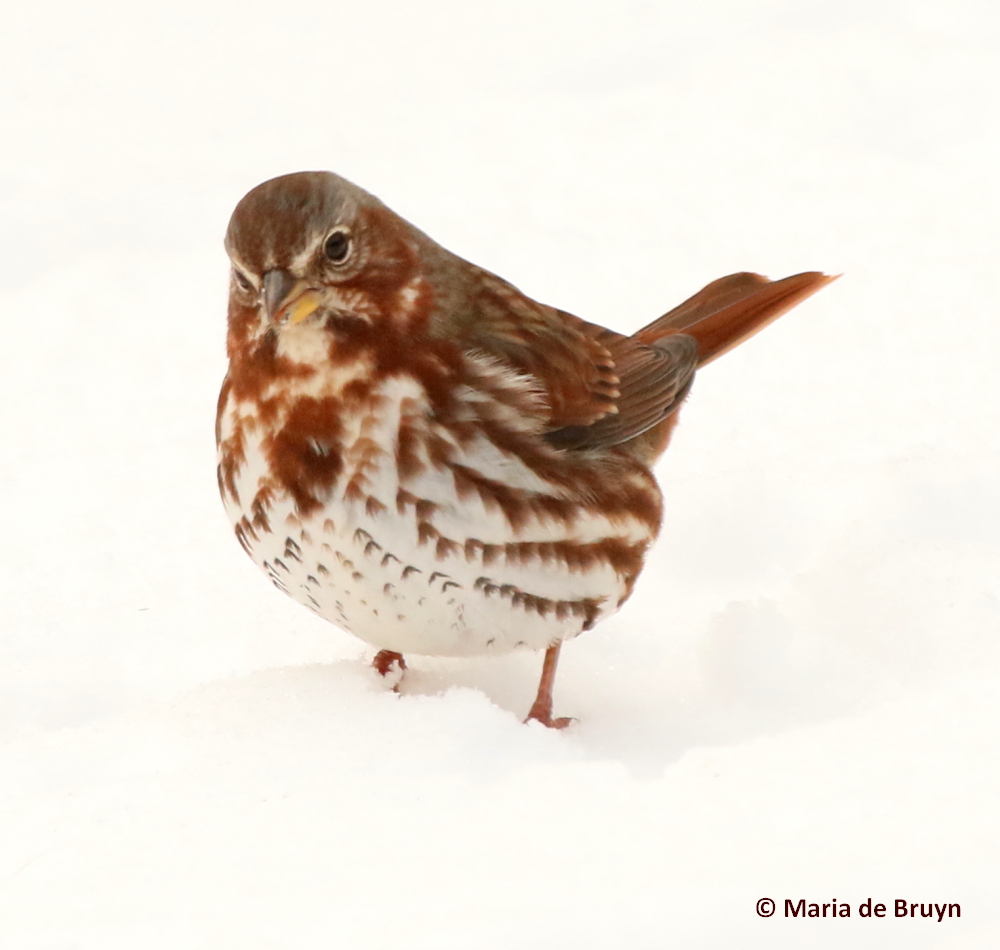
The thrill of the wintery snow days for me was a new yard visitor, a gorgeous fox sparrow (Passerella iliaca). I have never had one here before so it was a wonderful surprise and discovery. (I’m still hoping that a red-breasted nuthatch will turn up, too.)
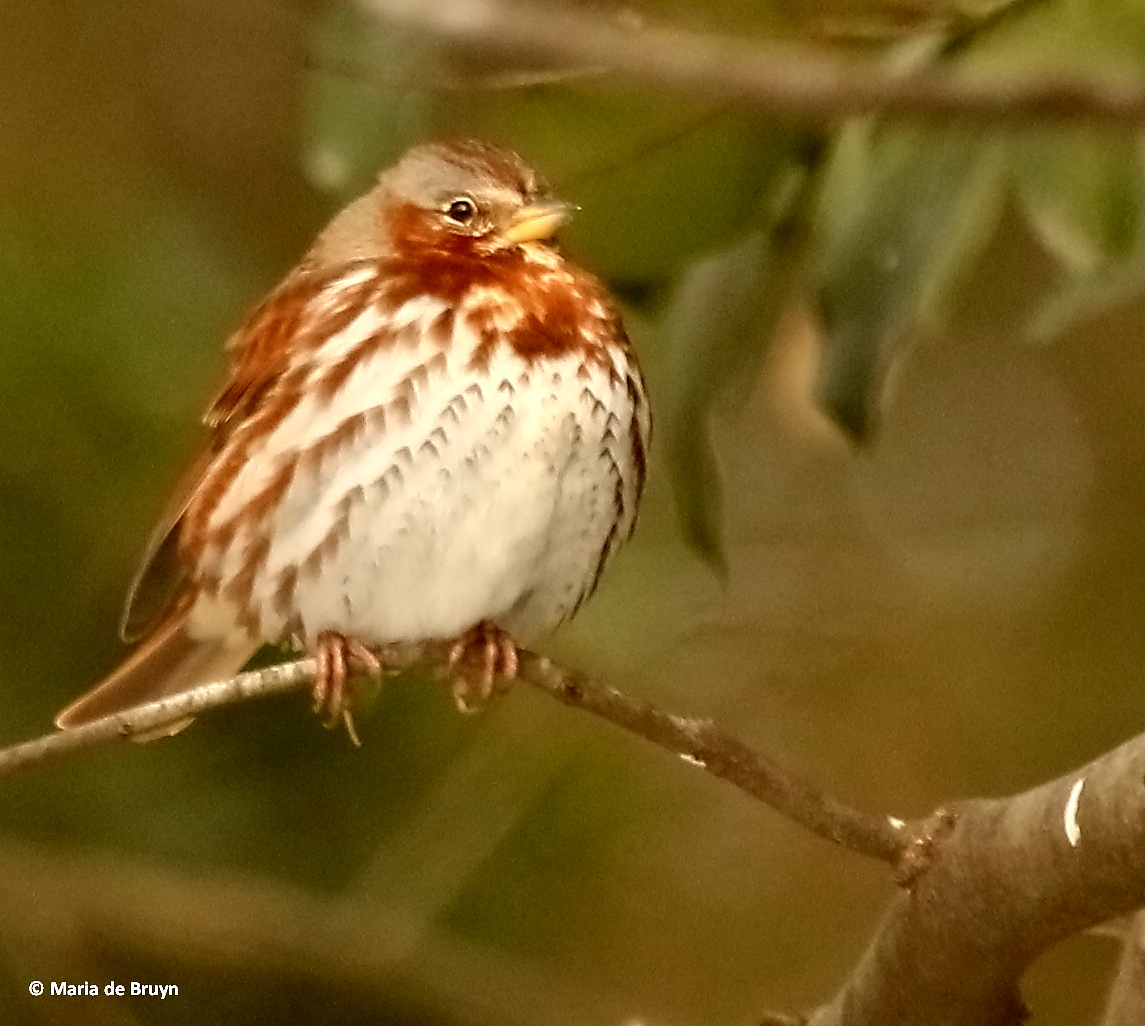
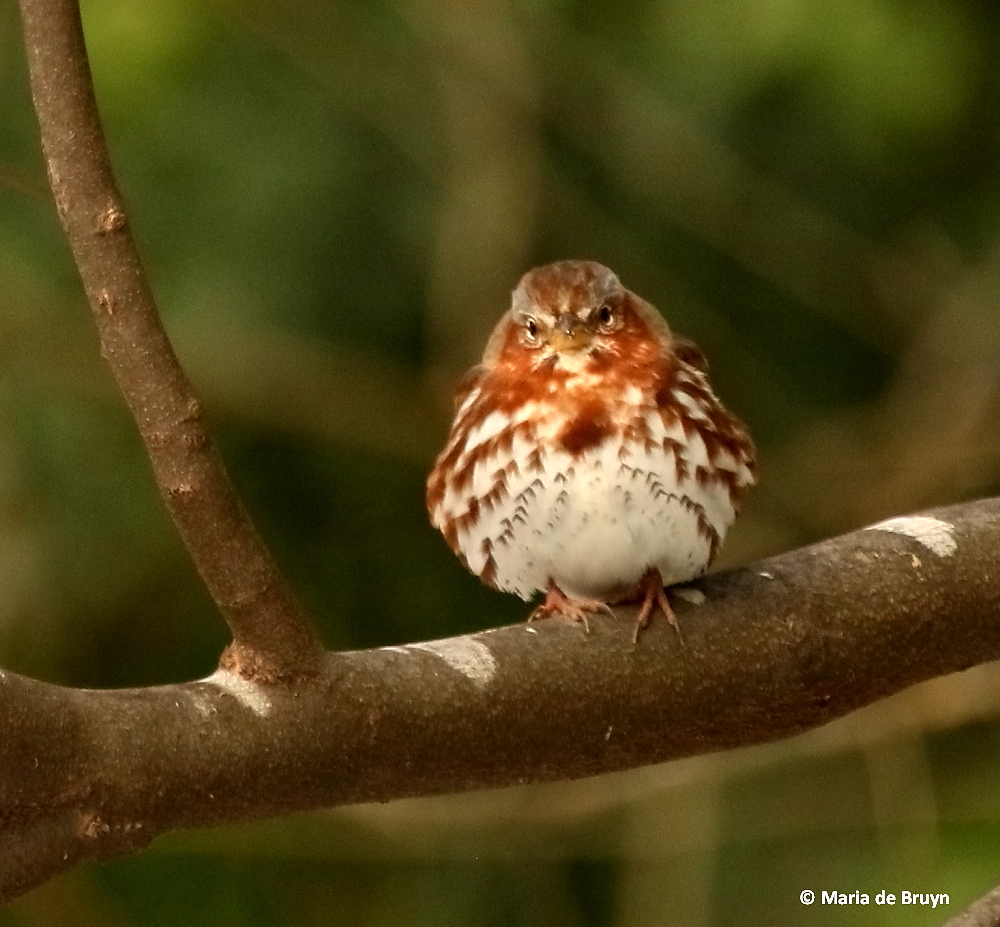


fox-sparrow-i77a4347-maria-de-bruyn  fox-sparrow-i77a4348-maria-de-bruyn-res

fox-sparrow-i77a3773-maria-de-bruyn-res

The birds “missing” from the storm gathering were the hawks. I’ve had a Cooper’s hawk  (Accipiter cooperii) visiting for years, but recently discovered that a sharp-shinned hawk (Accipiter striatus) is also taking birds from my yard. As they look quite similar, the sharpie may have been coming around for some time and I just never realized it. They were both here in the last couple weeks, but neither one made an appearance during the storm.
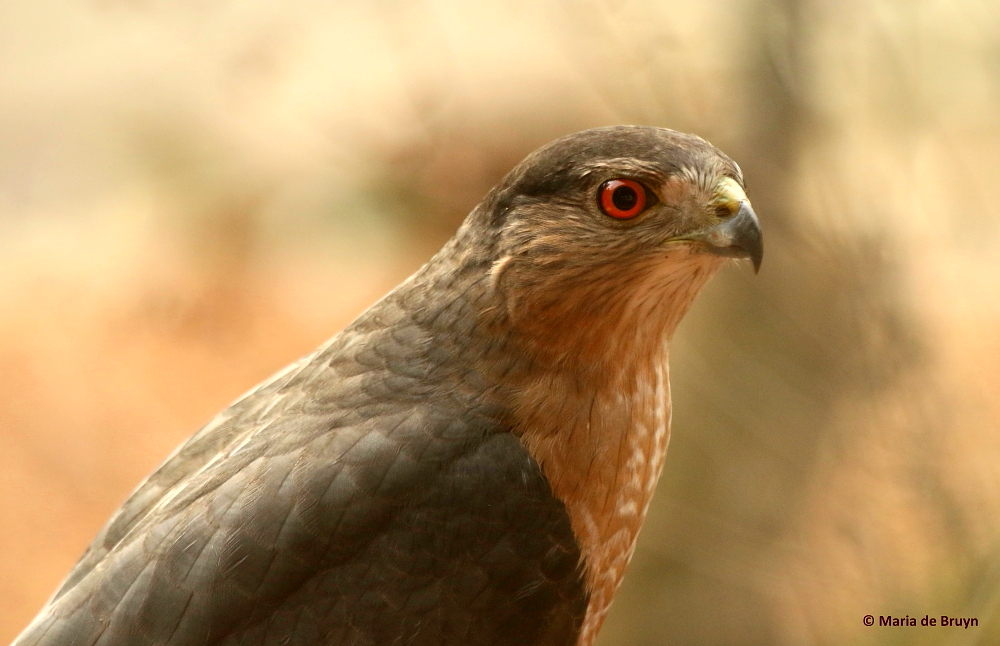
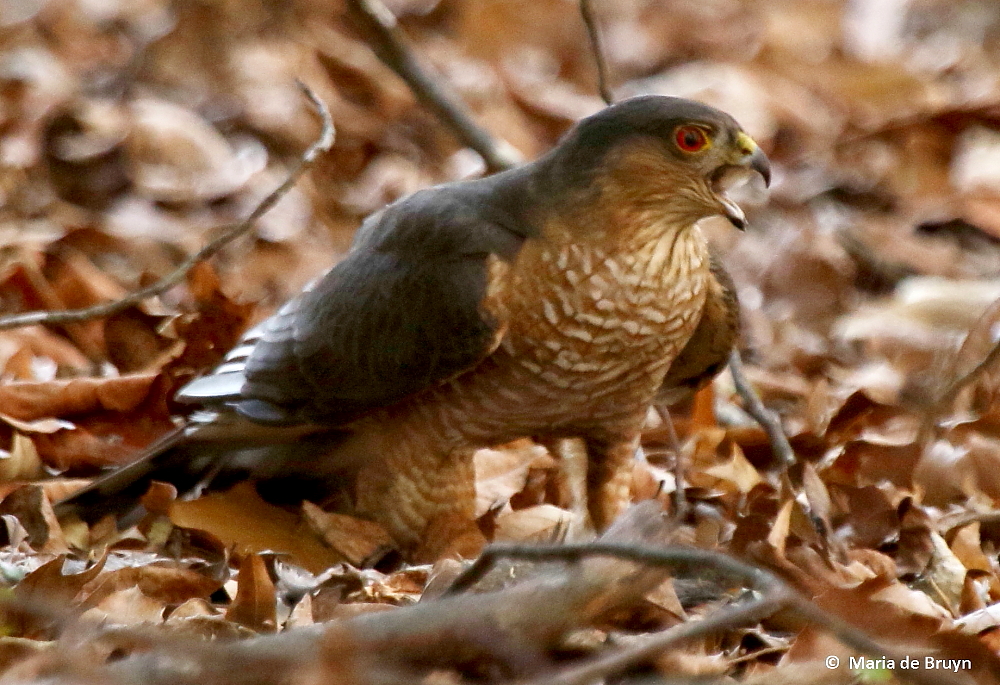
coopers-hawk-i77a1341-maria-de-bruyn-res   sharp-shinned-hawk-i77a8520-maria-de-bruyn-res

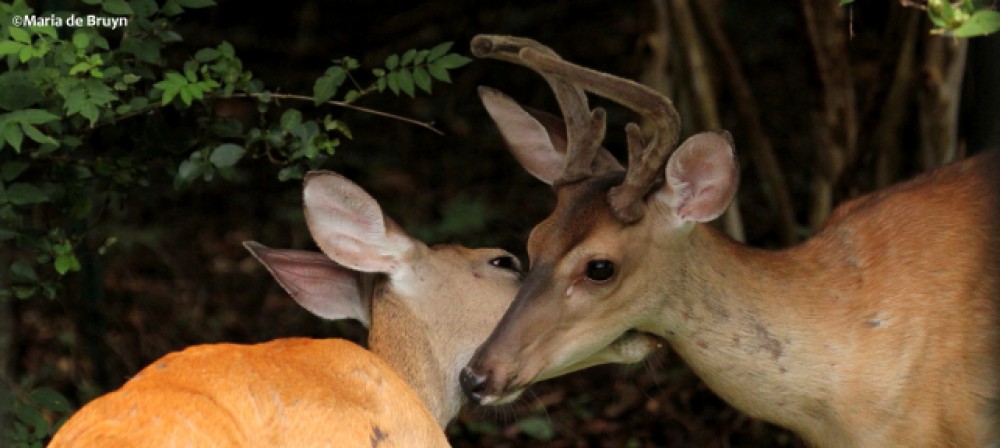
Our two neighborhood white-tailed does (Odocoileus virginianus) and their three offspring came by, obviously finding my yard a peaceful and safe space to rest.
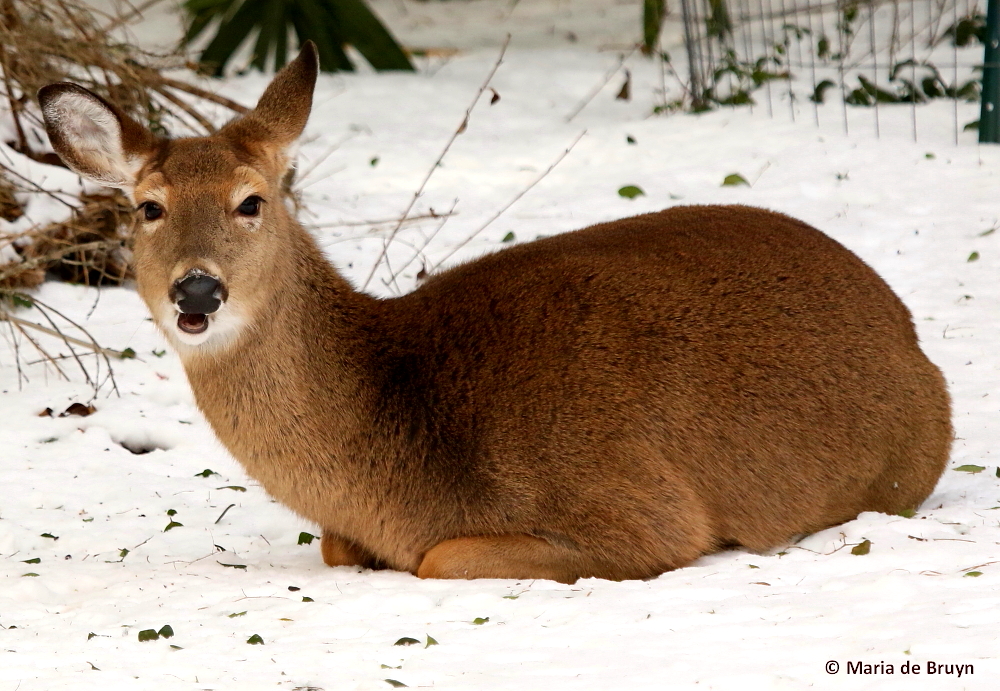
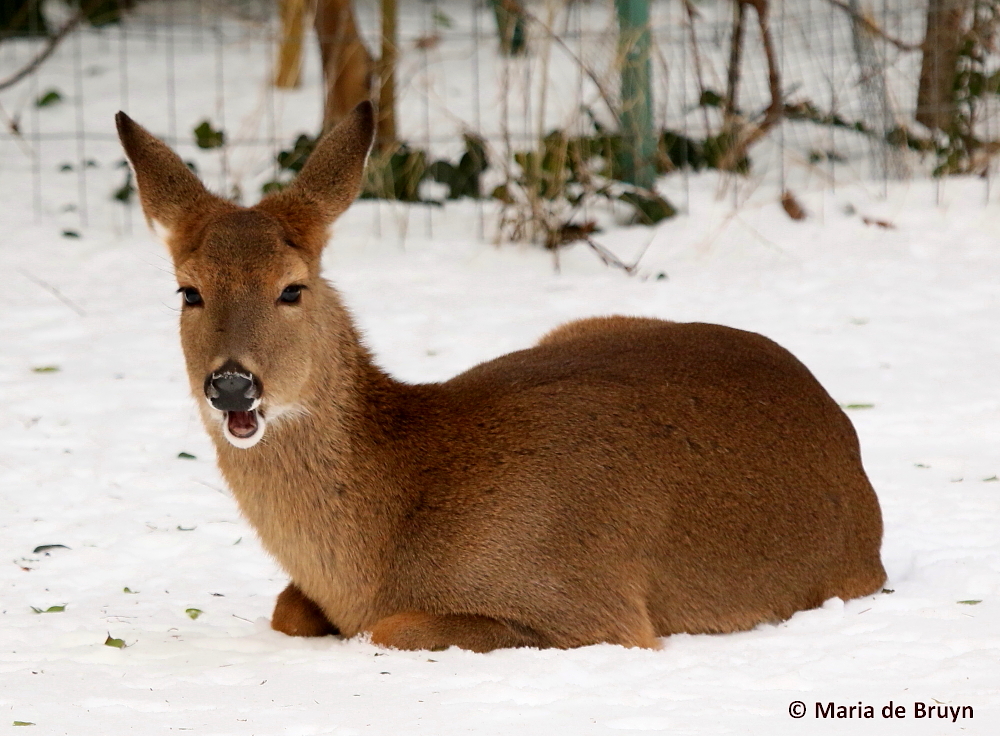
white-tailed-deer-i77a4432-maria-de-bruyn-res   white-tailed-deer-i77a4431-maria-de-bruyn-res

So I’ll end with some “beauty shots” from the snow days as the snow and ice are now melting. In two days’ time, we are supposed to be having temperatures of 68F/20C or higher! And then we can wait out the rest of January as well as February and March to see if we get any more winter storms.
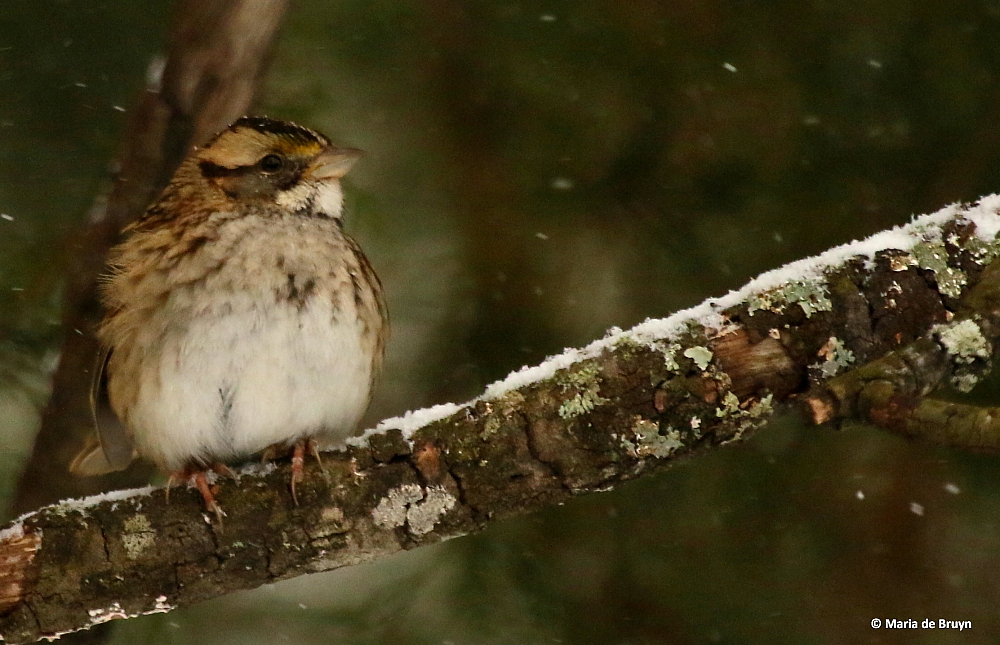
white-throated-sparrow-i77a2733-maria-de-bruyn-res

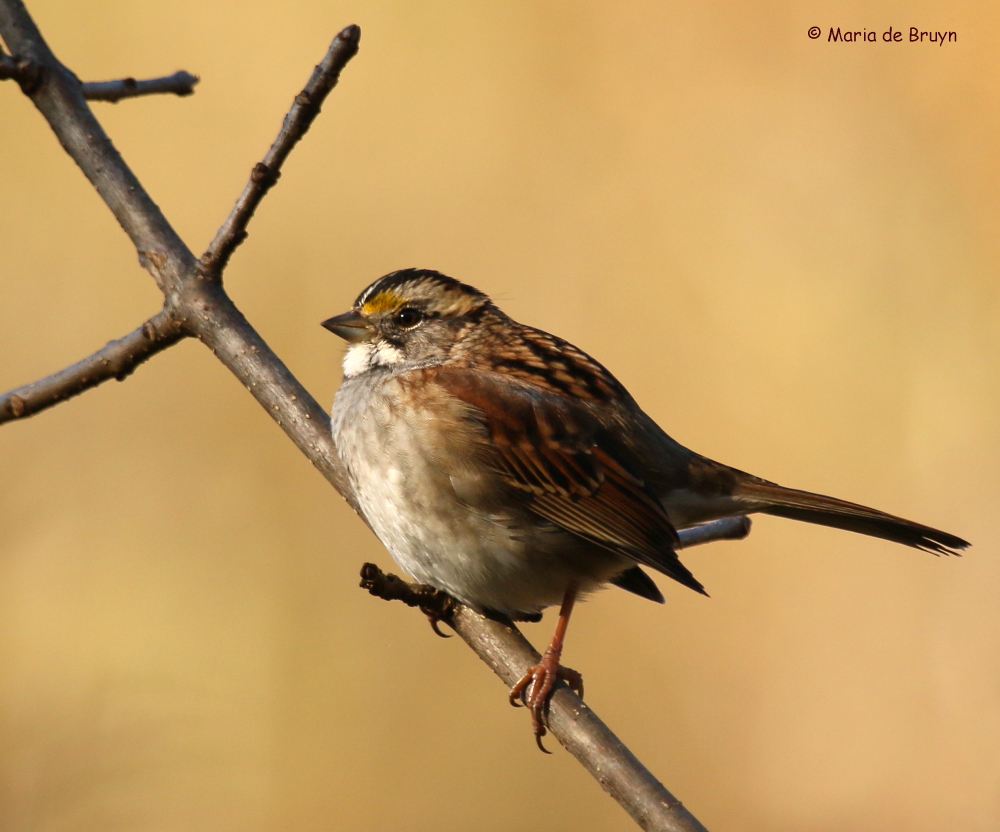
White-throated sparrow (Zonotrichia albicollis)
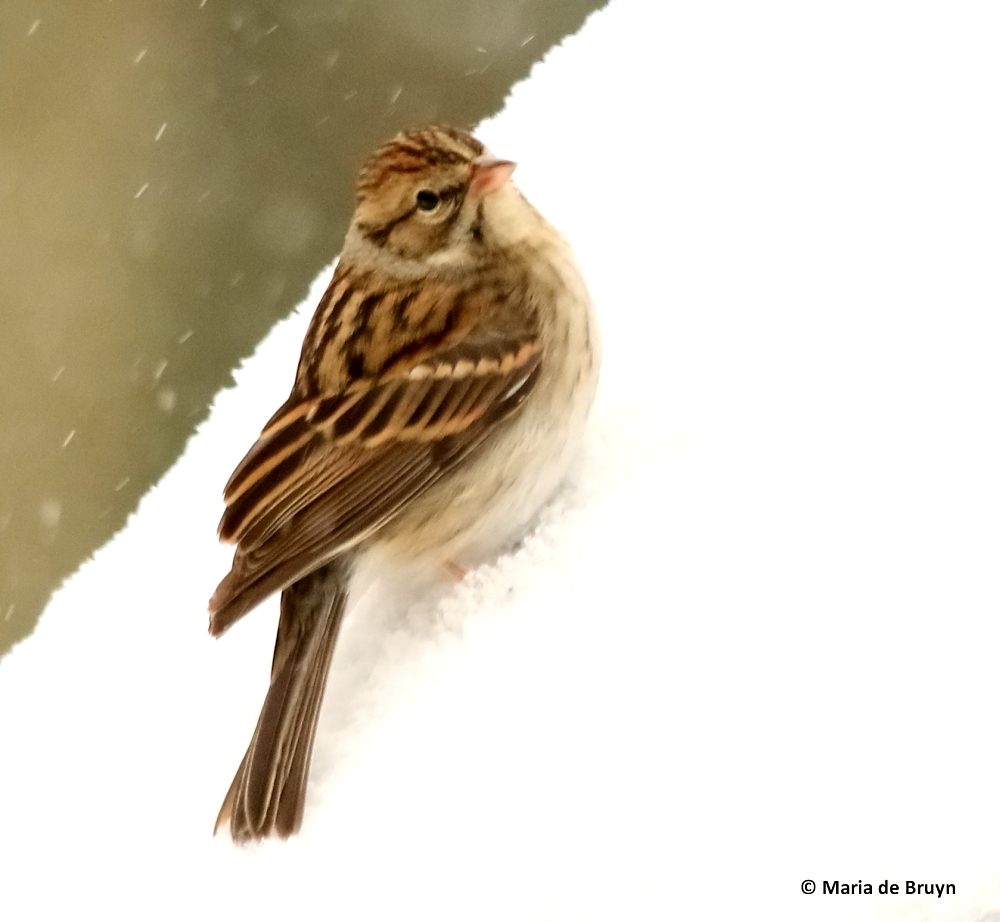
chipping-sparrow-i77a2830-maria-de-bruyn-res

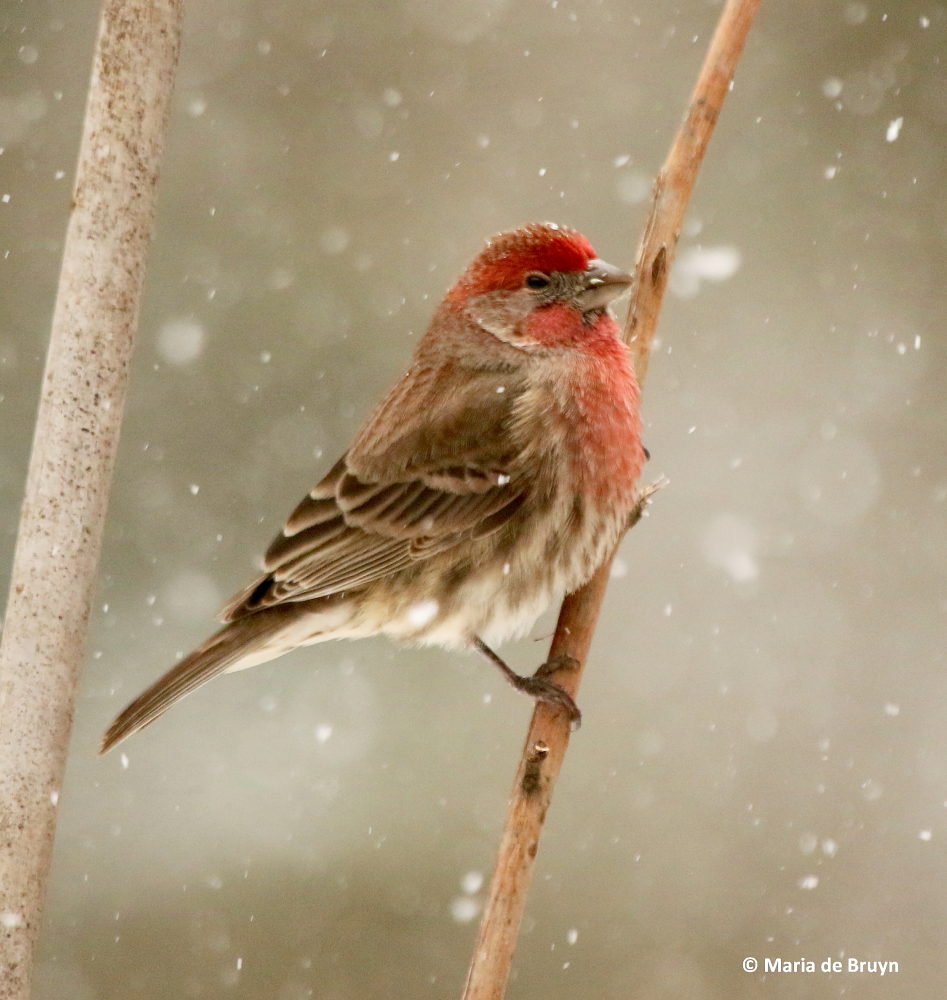
     house-finch-i77a2852-maria-de-bruyn-res

Chipping sparrow (Spizella passerina)        House finch (Haemorhous mexicanus)

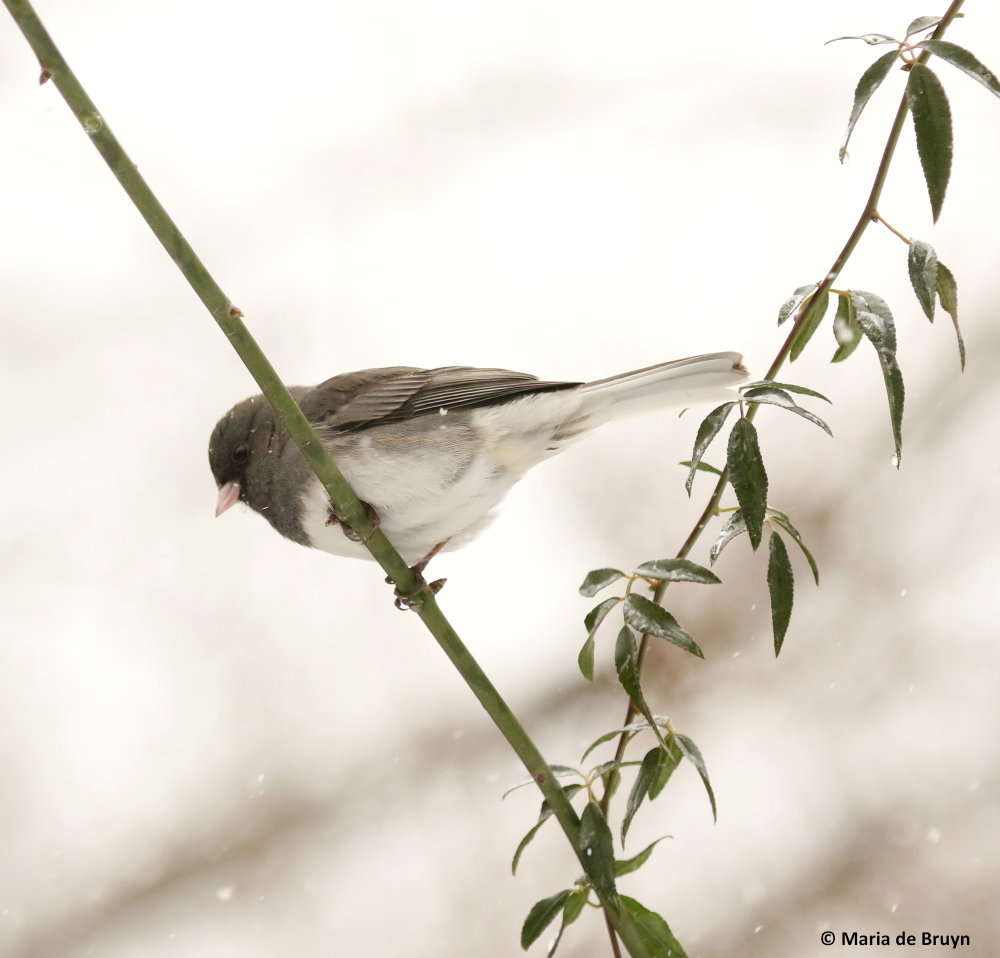
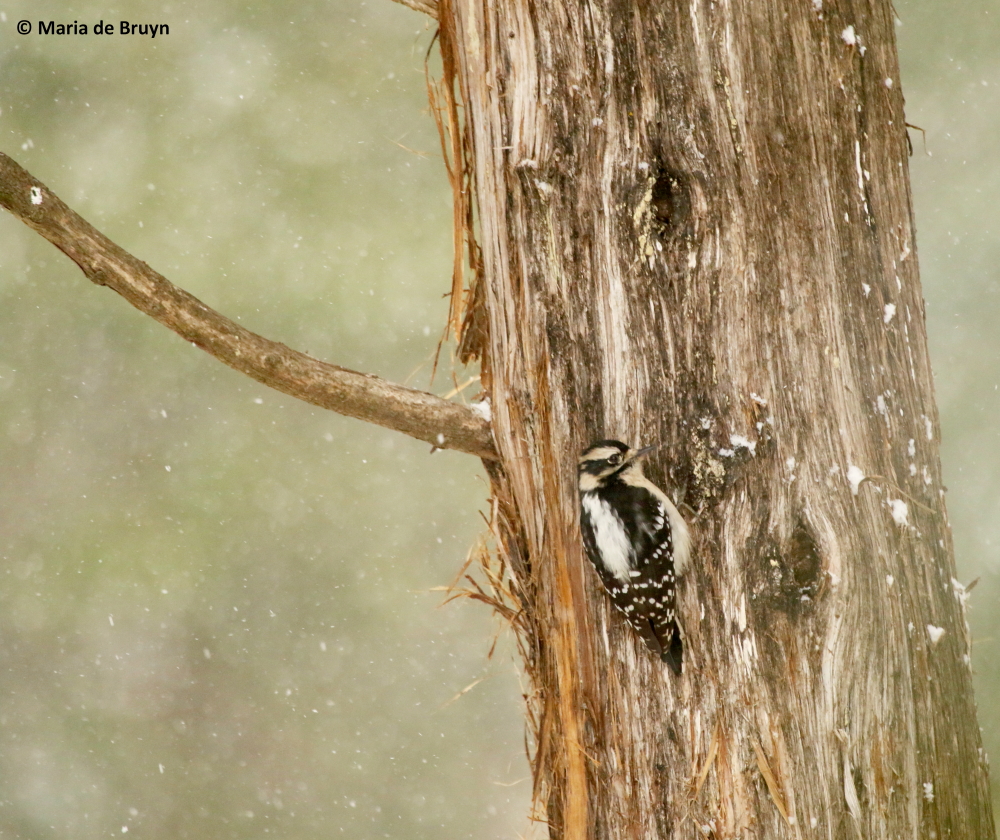
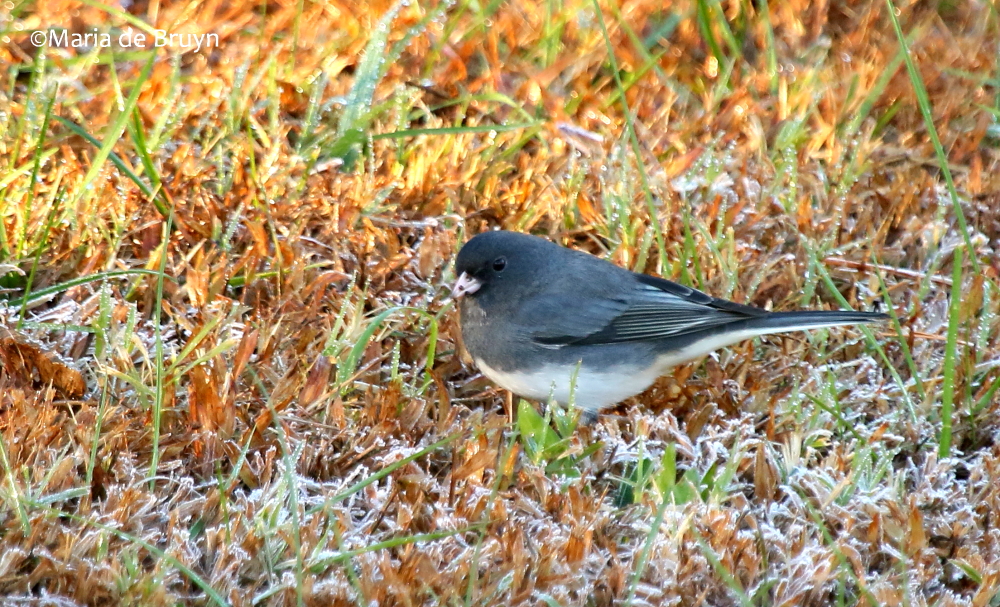
dark-eyed-junco-i77a2590-maria-de-bruyn-res  downy-woodpecker-i77a2810-maria-de-bruyn-res

Dark-eyed junco (Junco hyemalis)          Downy woodpecker (Dryobates pubescens)

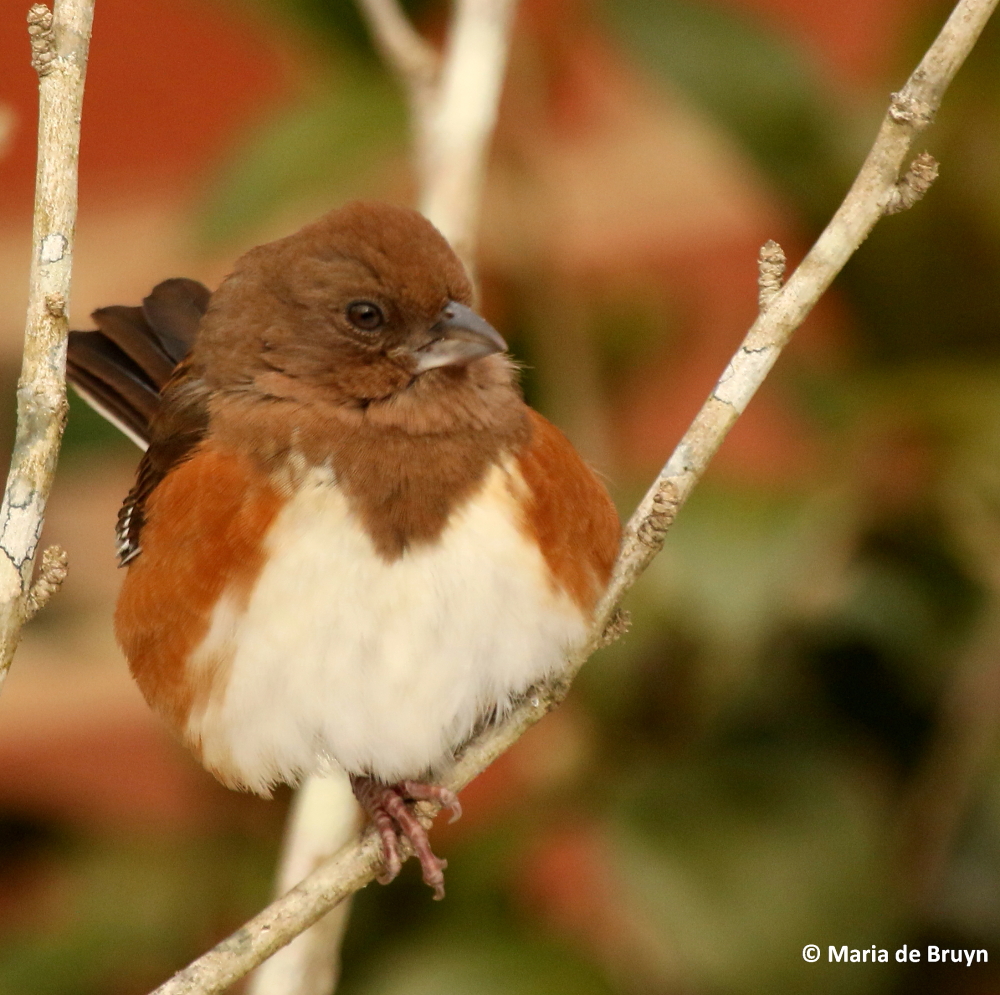
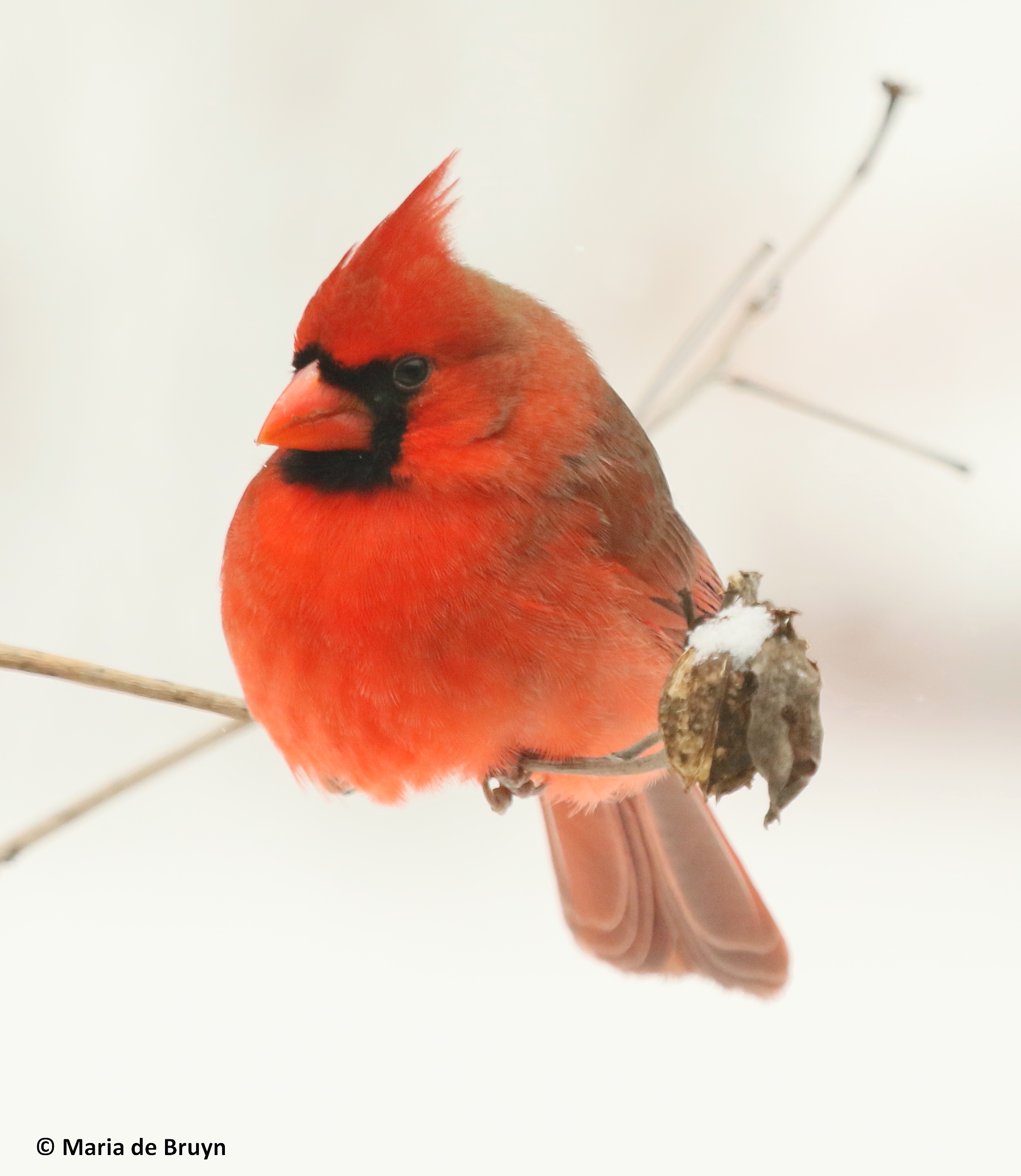
eastern-towhee-i77a4111-maria-de-bruyn-res    northern-cardinal-i77a3099-maria-de-bruyn-res

Eastern towhee (Pipilo erythrophthalmus)      Northern cardinal (Cardinalis cardinalis)

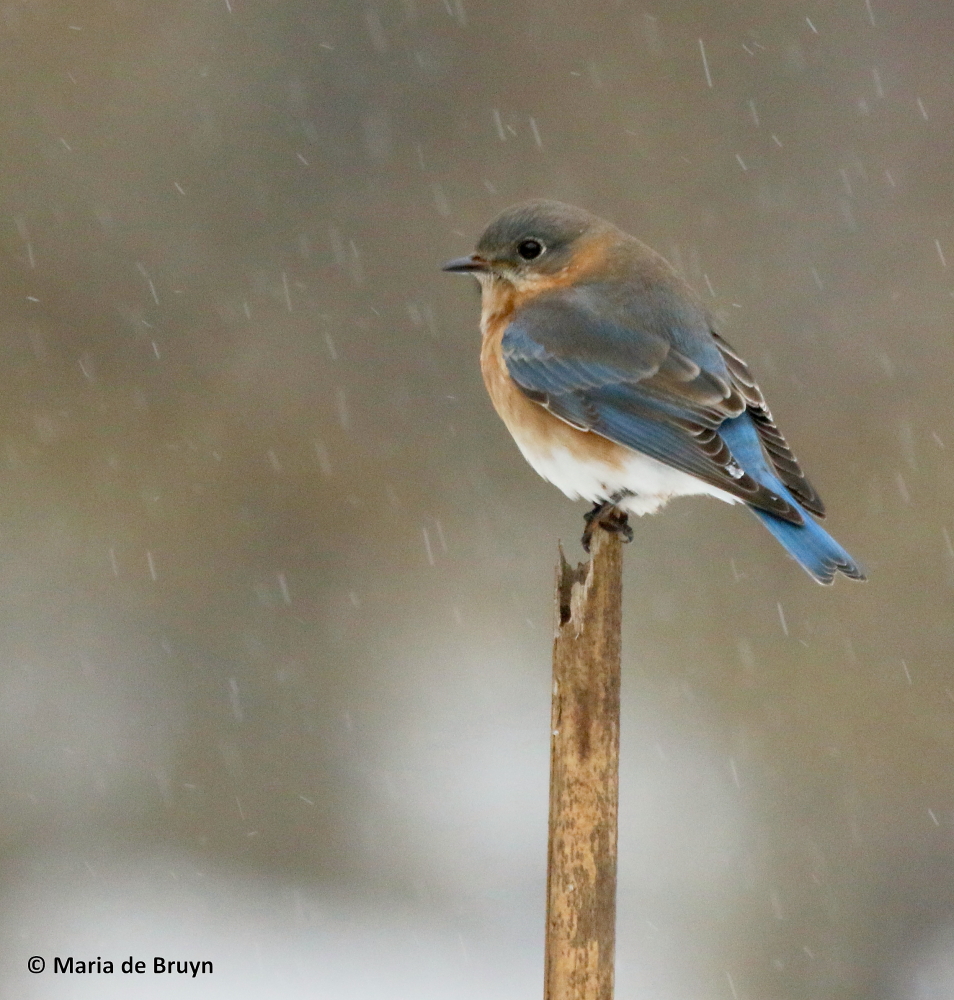
blue-jay-i77a2858-maria-de-bruyn-res     eastern-bluebird-i77a2285-maria-de-bruyn-res

Blue jay                                                       Eastern bluebird (Sialia sialis)

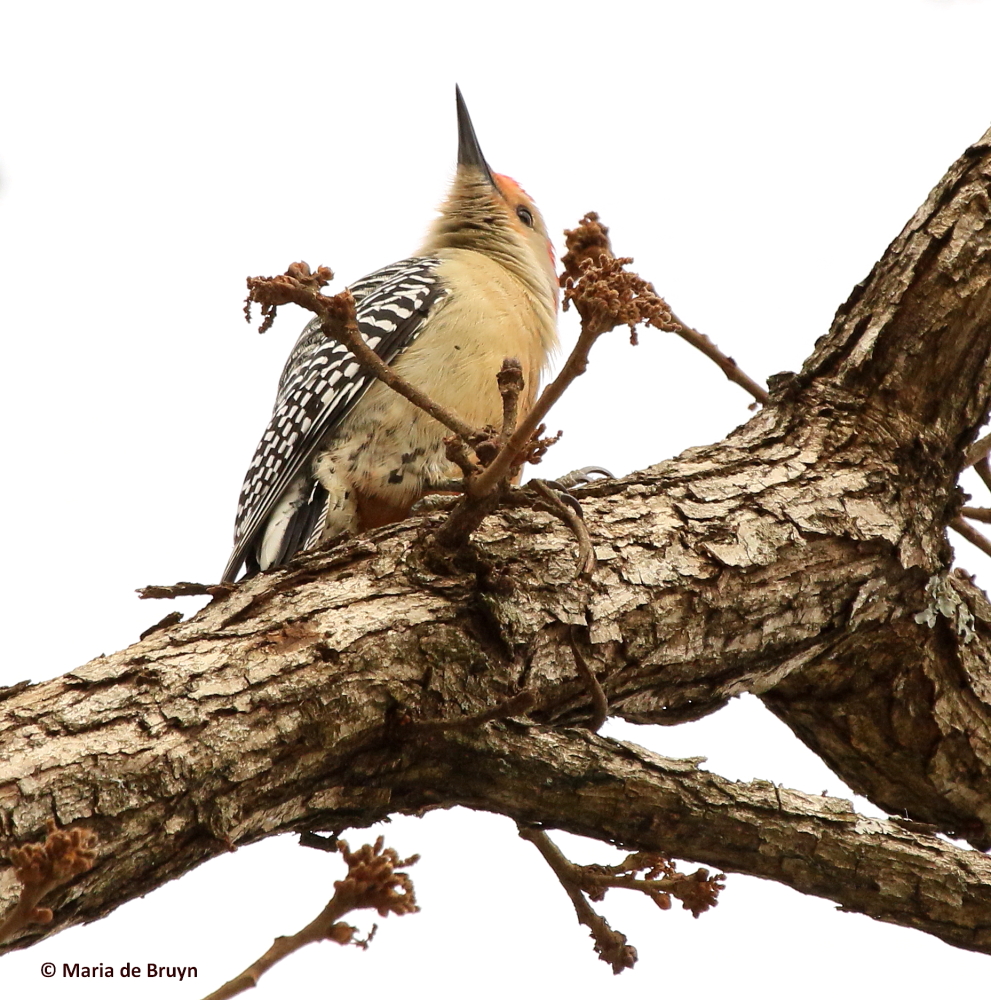
red-bellied-woodpecker-i77a4047-maria-de-bruyn-res       ruby-crowned-kinglet-i77a4263-maria-de-bruyn-res

Red-bellied woodpecker (Melanerpes carolinus)     Ruby-crowned kinglet

northern-mockingbird-i77a2714-maria-de-bruyn-res   pine-warbler-i77a2657-maria-de-bruyn-res

Northern mockingbird                                              Pine warbler


Soothing my spirit, seeking solace for the soul

leaf-i77a2875-maria-de-bruyn-resAlthough more people in the USA voted for the Democratic ticket than the Republican one, the electoral college system will likely lead to the installation of a Republican presidency unless election re-counts affect those designated votes. This distresses me greatly given the persons who have been announced as top administration advisers and cabinet members. My work on social issues and on behalf of vulnerable people will continue and is increasing. But in the meantime, to keep from going into a 100% depressed mode, I have sought solace in nature walks and spiritual strengthening in the flora and fauna I see.

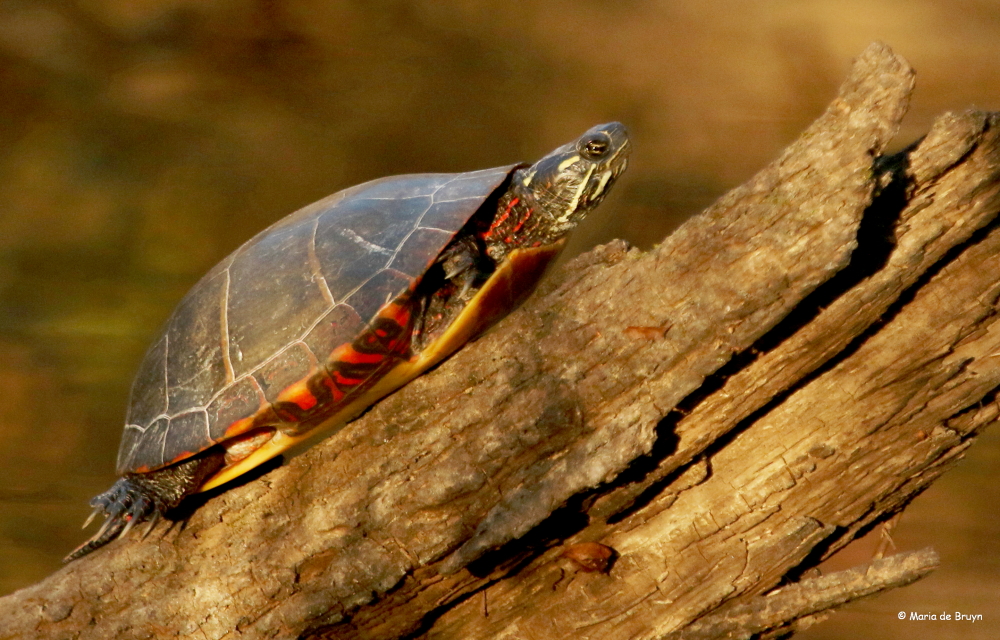
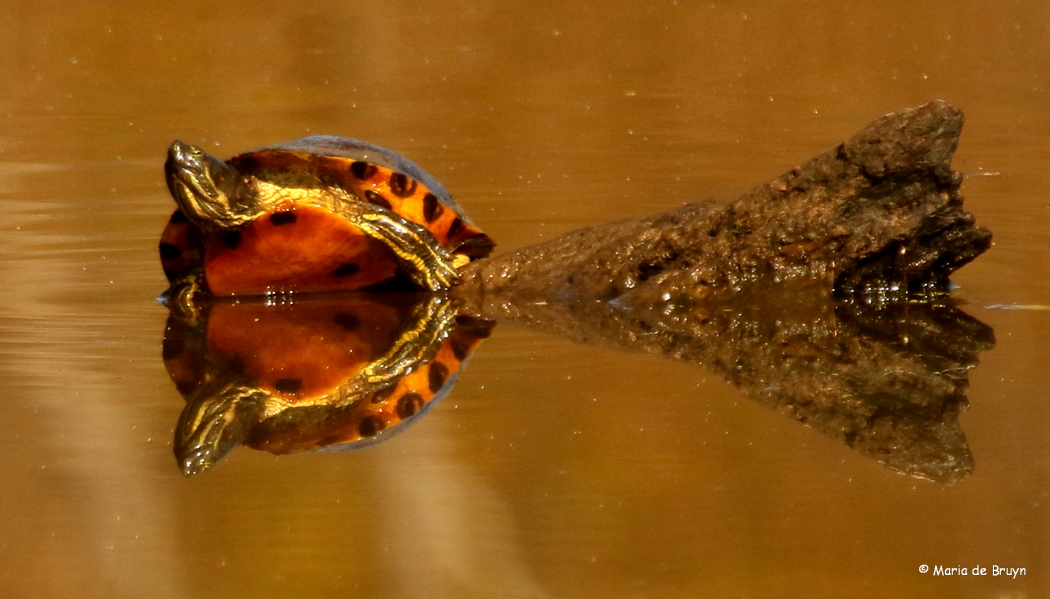
painted-turtle-i77a2277-maria-de-bruyn-resToday, I will share some of words of wisdom from a conscientious spiritual leader with you, along with some photos of nature’s beauties seen during my walks at the Cane Creek Reservoir, Sandy Creek Park and Mason Farm Biological Reserve just before and since the November election. It’s a bit of a long blog but offers some visual sustenance to ponder, like the painted turtle (Chrysemys picta, above) at Mason Farm and the yellow-bellied slider (Trachemys scripta scripta) at Sandy Creek sunning in the morning sun despite chilly temperatures. (From a distance, the slider looked a bit as if there was something with open jaws in the pond!)

yellow-bellied-slider-i77a2954-maria-de-bruyn-res

flower-77a1303maria-de-bruyn-res


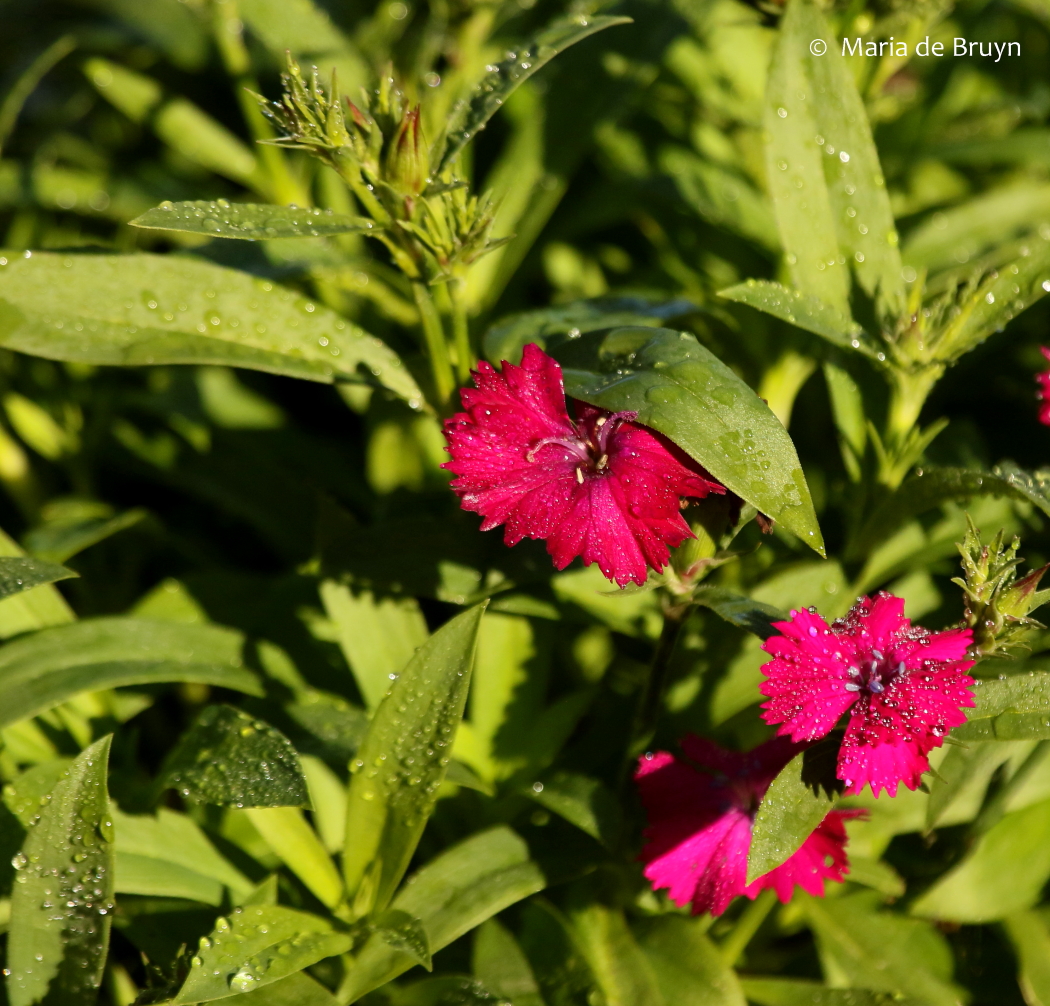
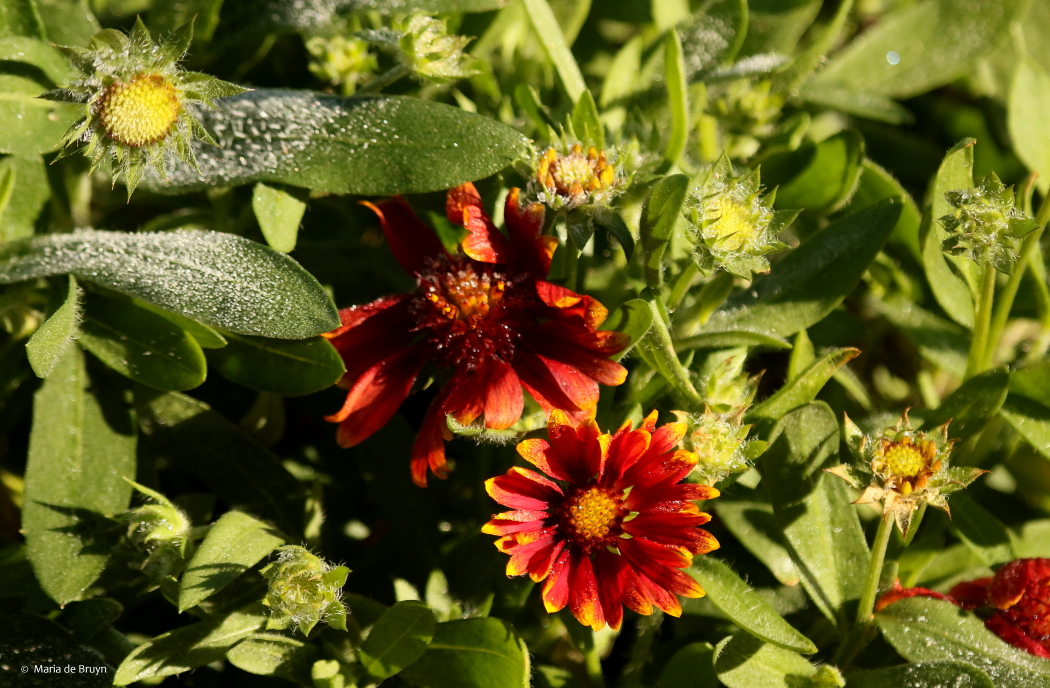
Early in the morning, you can find frost- and dew-covered plants and a few remaining flowers glistening in the sun.


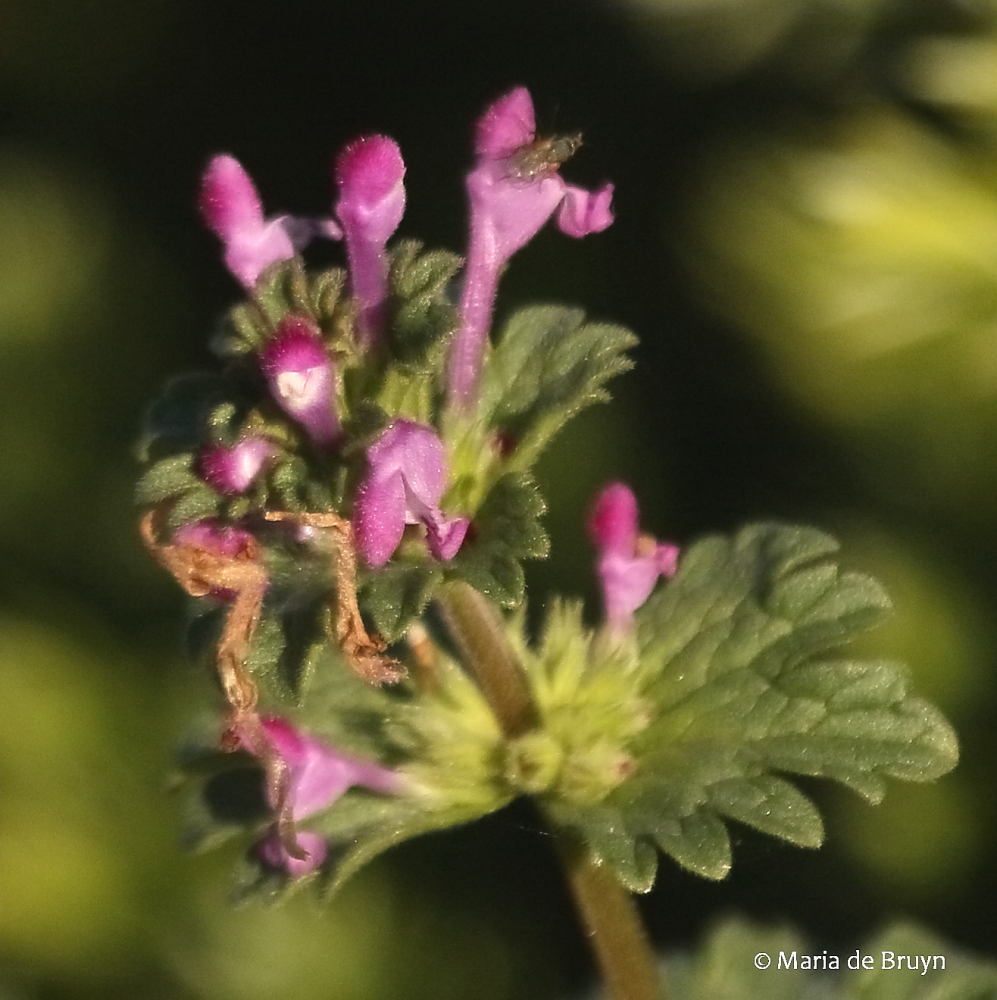
blanket-flower-i77a1309maria-de-bruyn-res  henbit-i77a0825maria-de-bruyn-res

Blanket flower (Gaillardia)                           Henbit (Lamium amplexicaule)

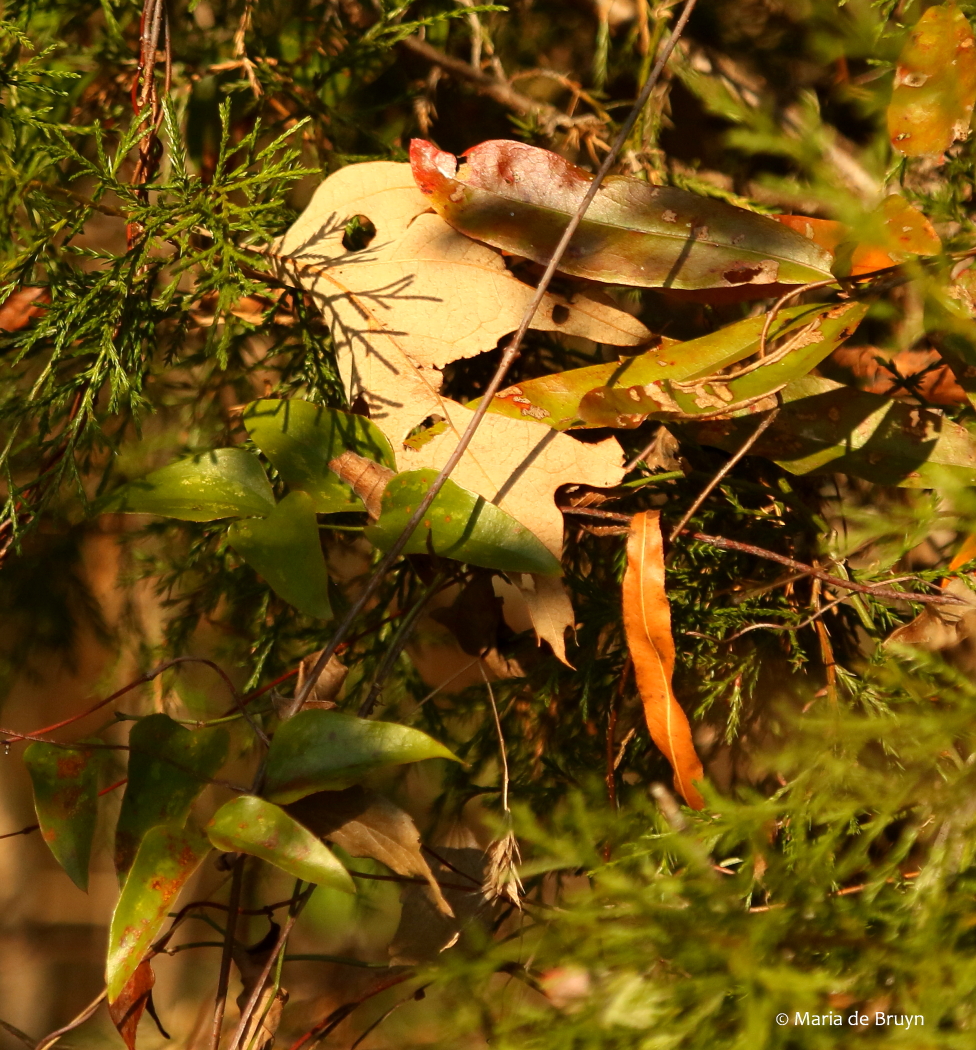
leaf-bird-i77a2906-maria-de-bruyn-res


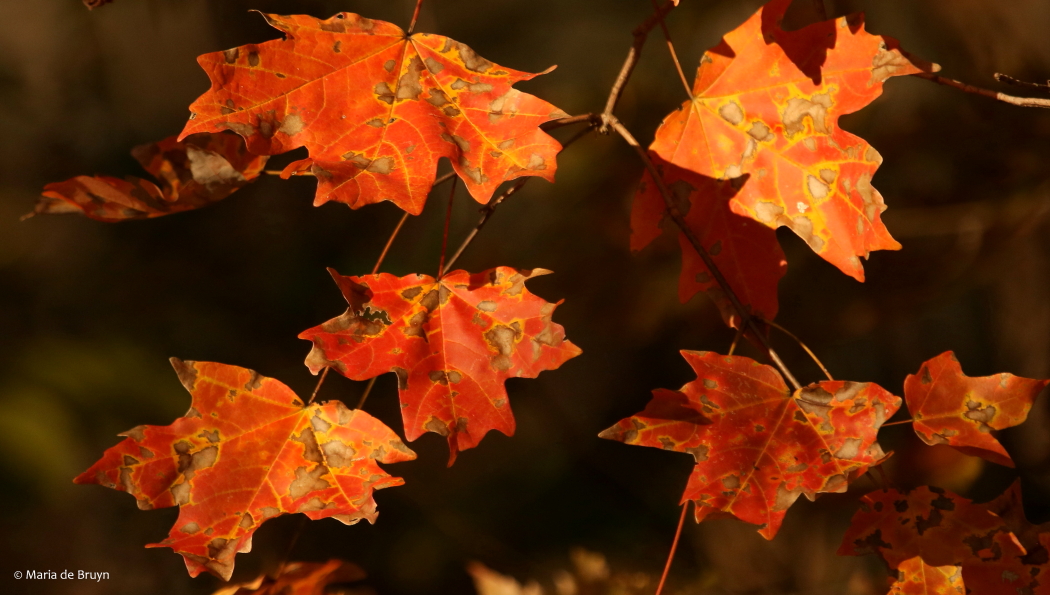
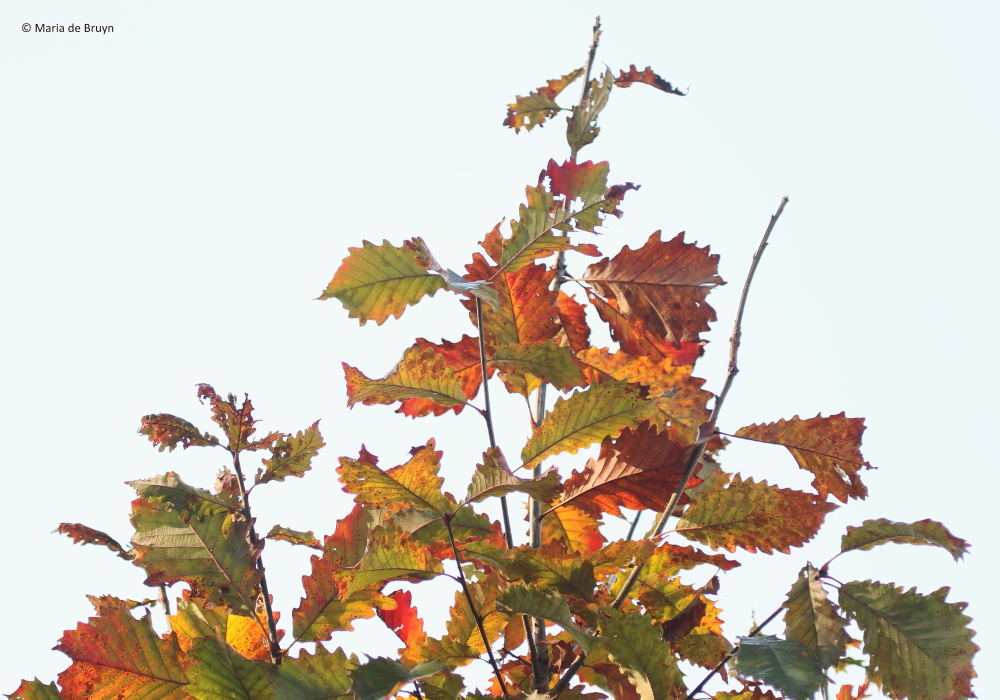
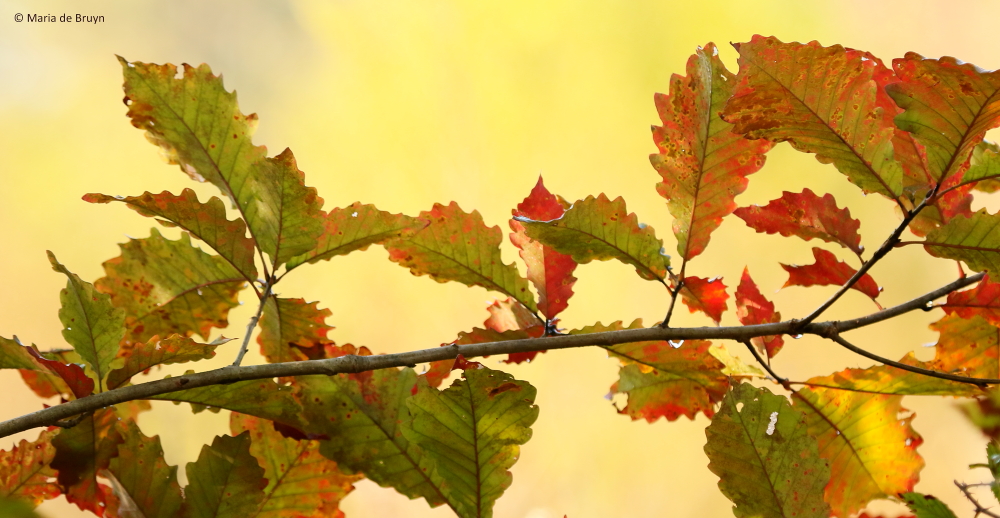
Later in the morning, the autumn-colored leaves make nice patterns as you search for birds high and low. And occasionally you get to see the fabled “leaf bird”.


leaves-i77a2893-maria-de-bruyn-res   leaves-i77a2882-maria-de-bruyn-res

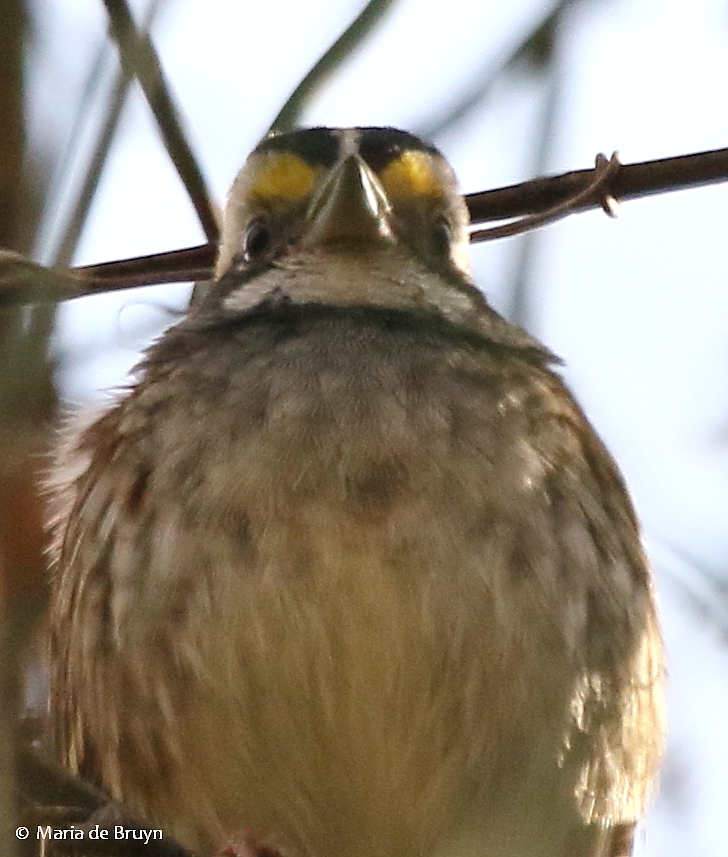
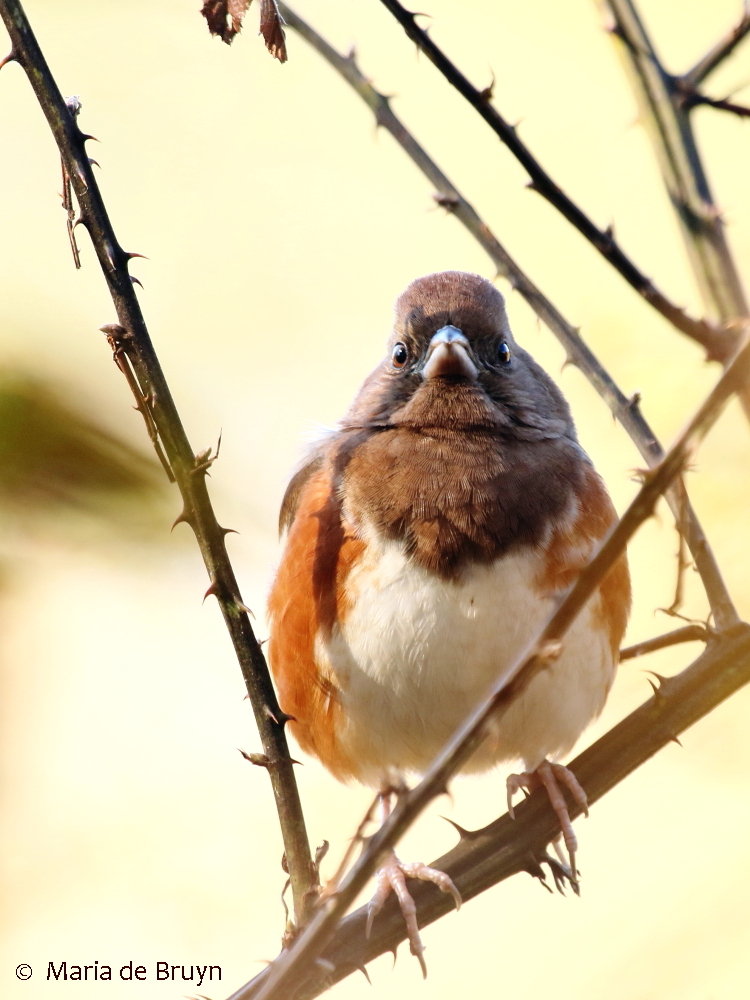
When looking high, you may find the birds looking down on you; face-level stares as you gaze straight ahead may also occur!

white-throated-sparrow-i77a6365-maria-de-bruyn-res                     eastern-towhee-i77a1659maria-de-bruyn-res

White-throated sparrow (Zonotrichia albicollis)  Eastern towhee (Pipilo erythrophthalmus)
killdeer-i77a0916maria-de-bruyn-res


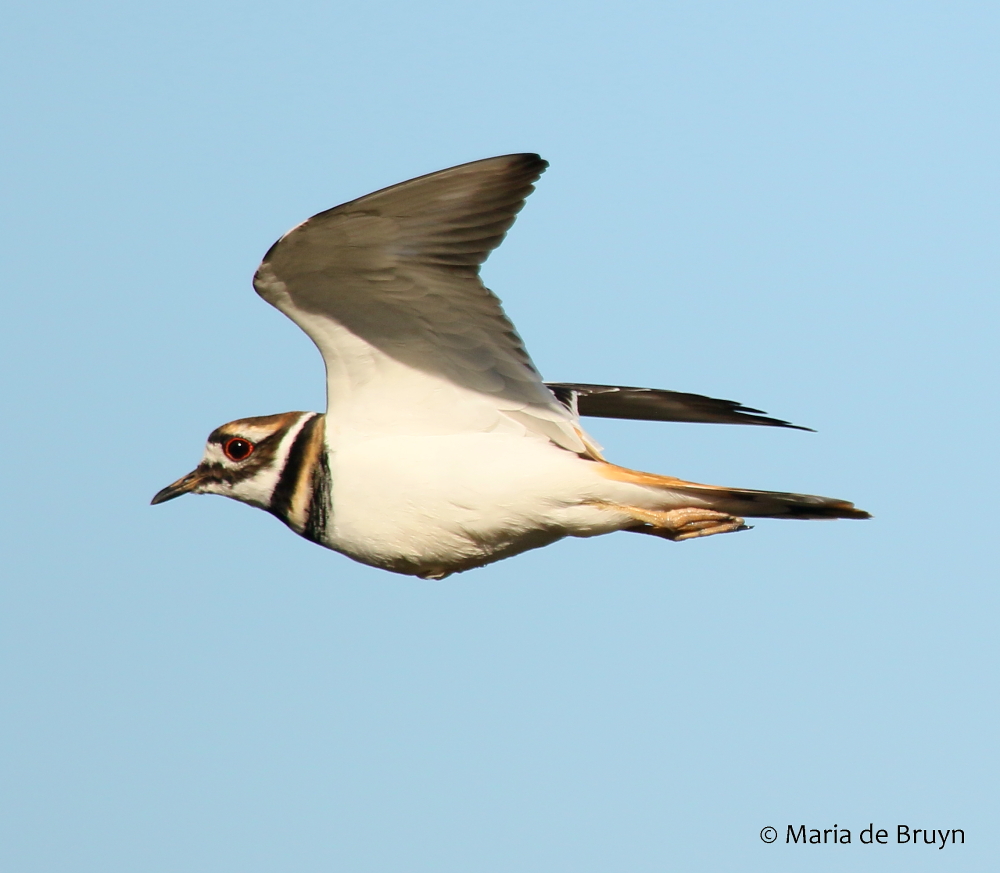
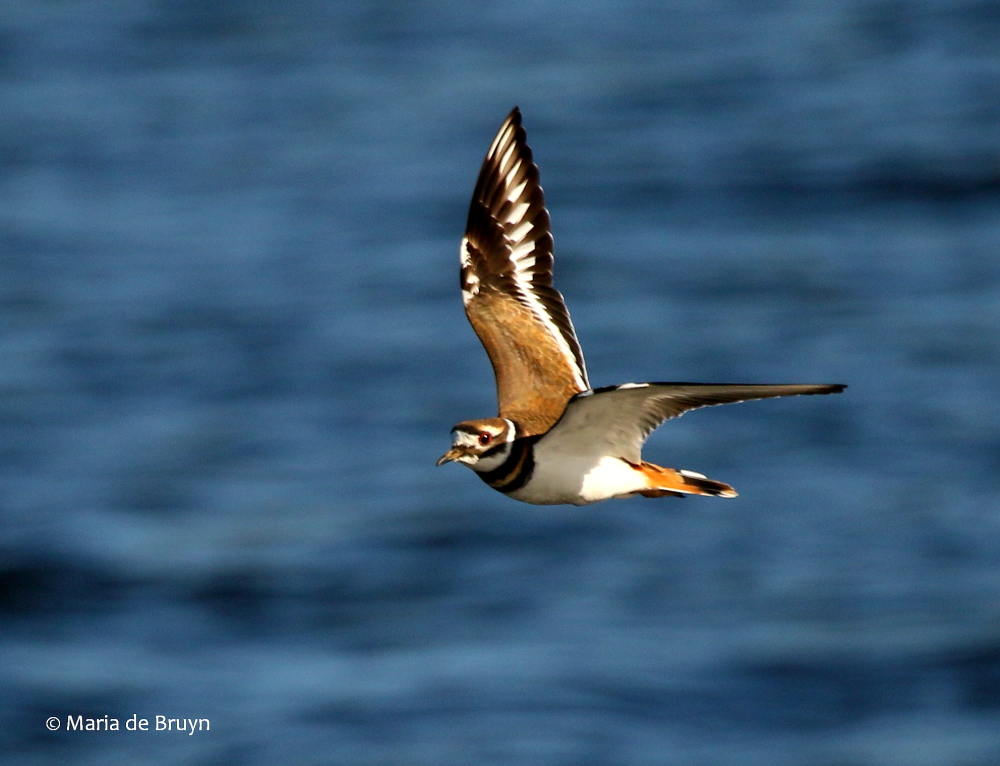
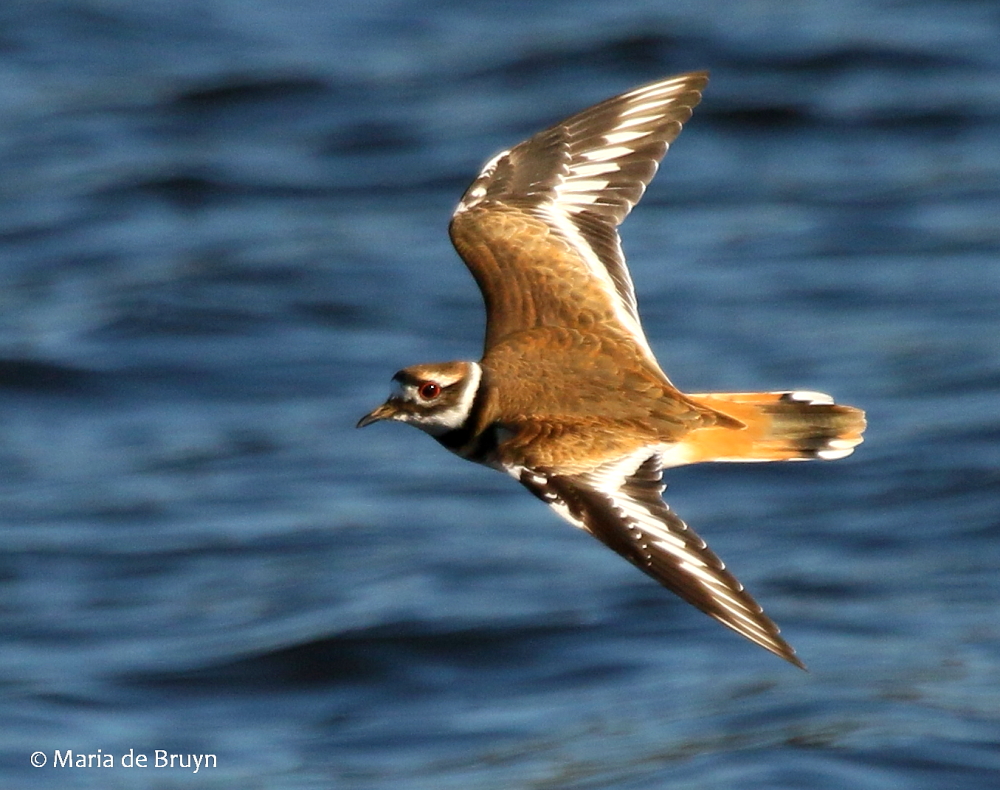
At Cane Creek, the killdeer (Charadrius vociferous) make their presence known by their distinctive calls and you can enjoy their gorgeous appearance as they fly over the lake.


killdeer-i77a0913maria-de-bruyn-res  killdeer-i77a0911maria-de-bruyn-res

Taking care of our planet is like taking care of our houses. Since we human beings come from Nature, there is no point in our going against Nature, which is why I say the environment is not a matter of religion or ethics or morality. These are luxuries, since we can survive without them. But we will not survive if we continue to go against Nature.  – Dalai Lama

red-bellied-woodpecker-i77a2988maria-de-bruyn-res


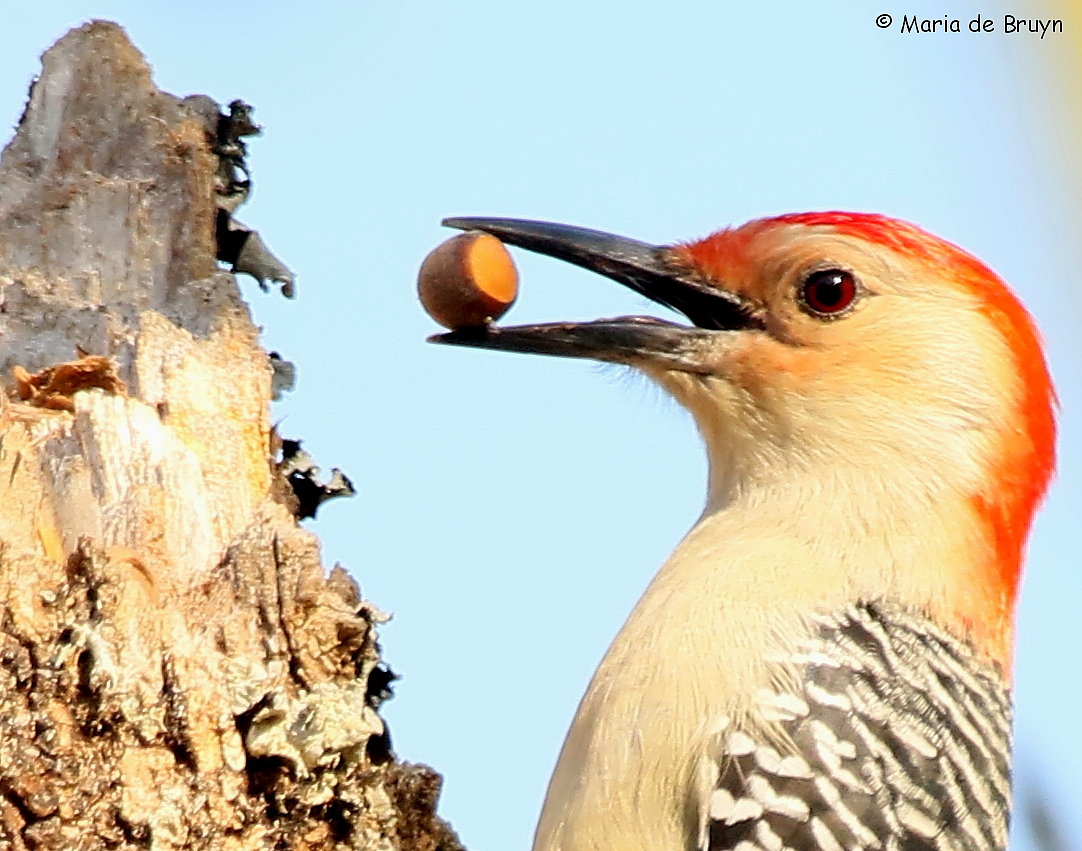
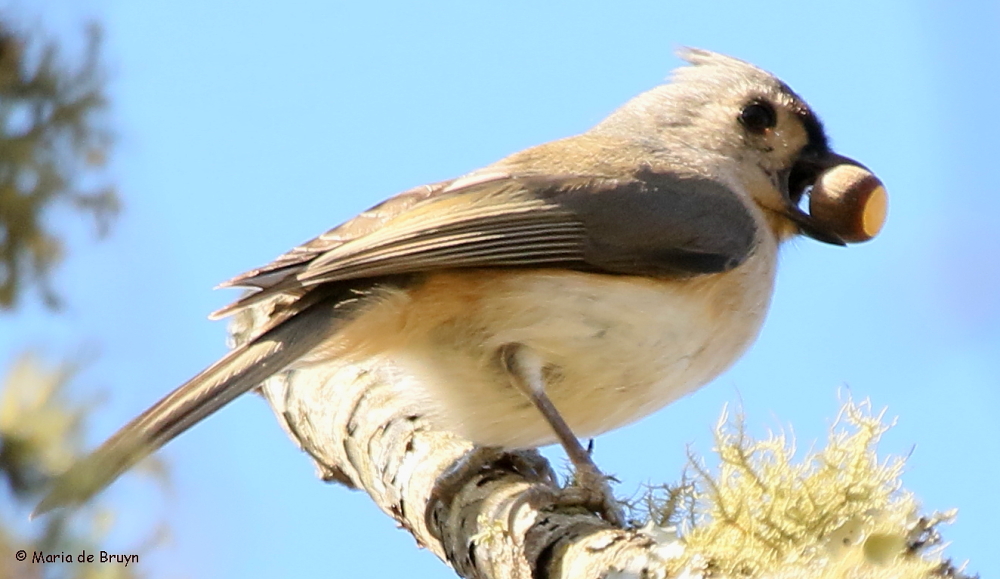
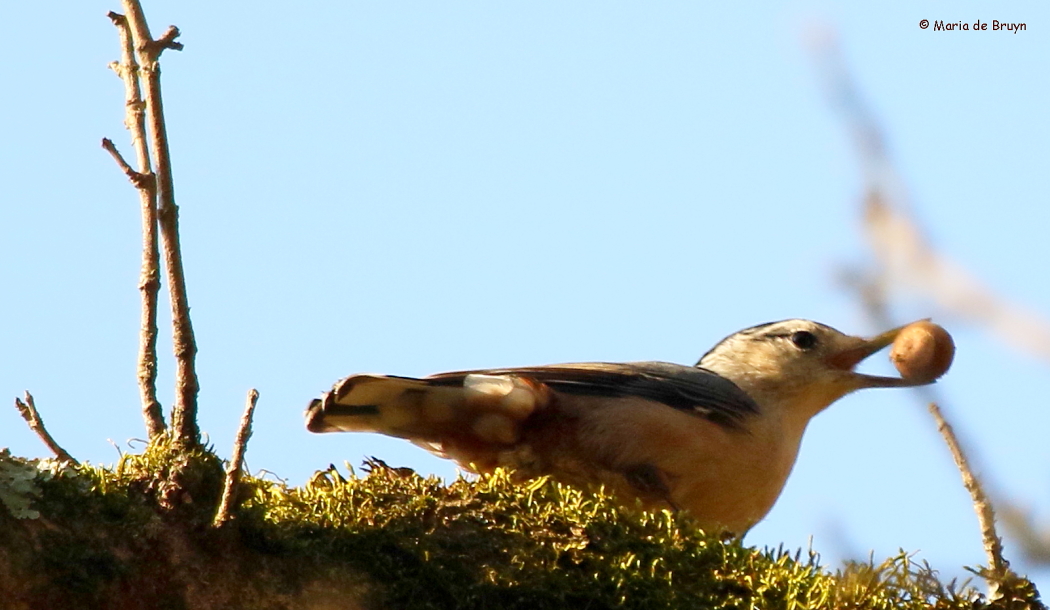
Many birds, like this red-bellied woodpecker (Melanerpes carolinus), are busy finding seeds and nuts for their meals.


tufted-titmouse-i77a1965maria-de-bruyn-res  white-breasted-nuthatch-i77a2671maria-de-bruyn-res

Tufted titmouse (Baeolophus bicolor)          White-breasted nuthatch (Sitta carolinensis)

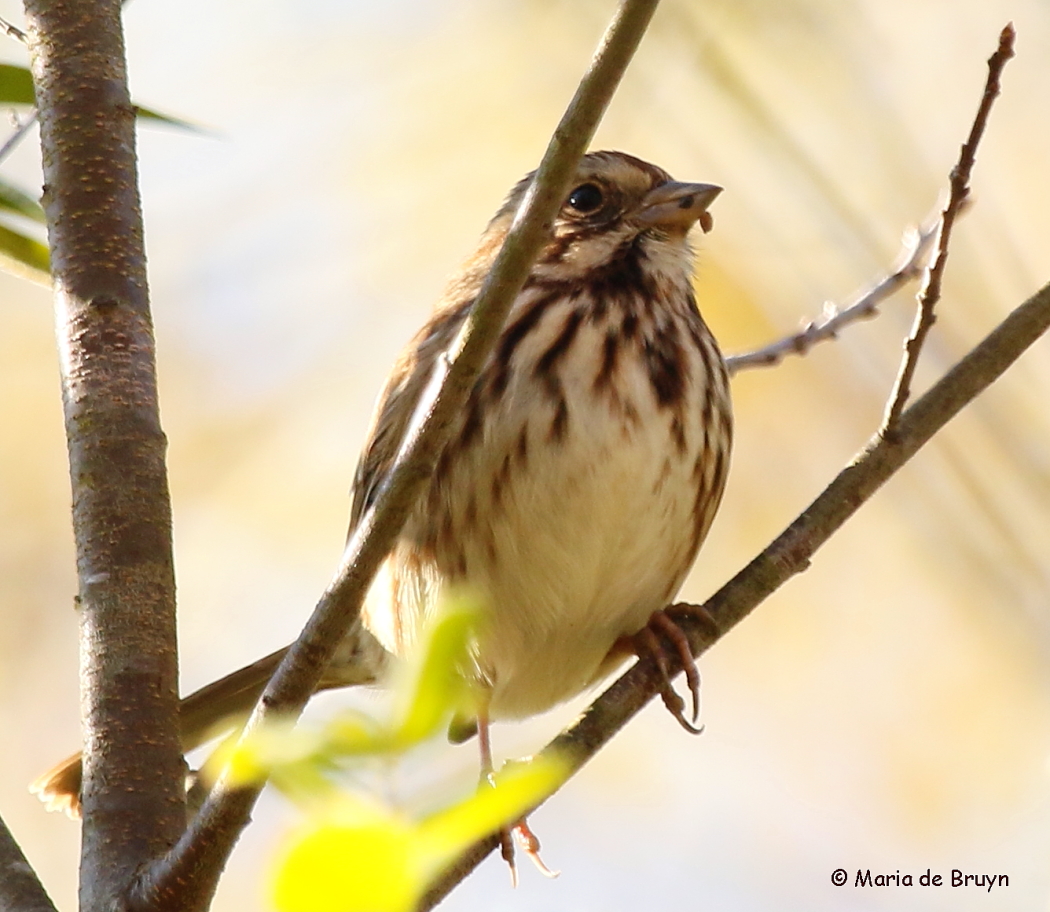
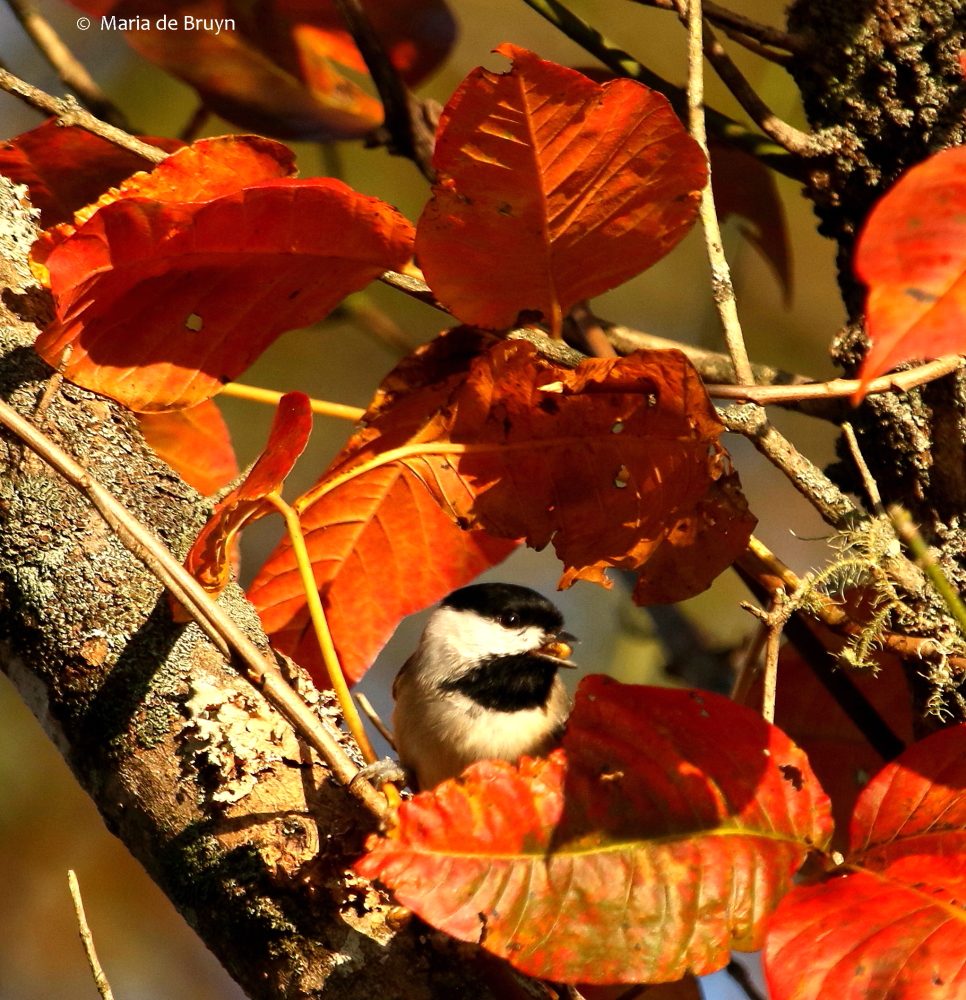
song-sparrow-i77a1499maria-de-bruyn-res   carolina-chickadee-i77a8444-maria-de-bruyn-res

Song sparrow (Melospiza melodia)                 Carolina chickadee (Poecile carolinensis)

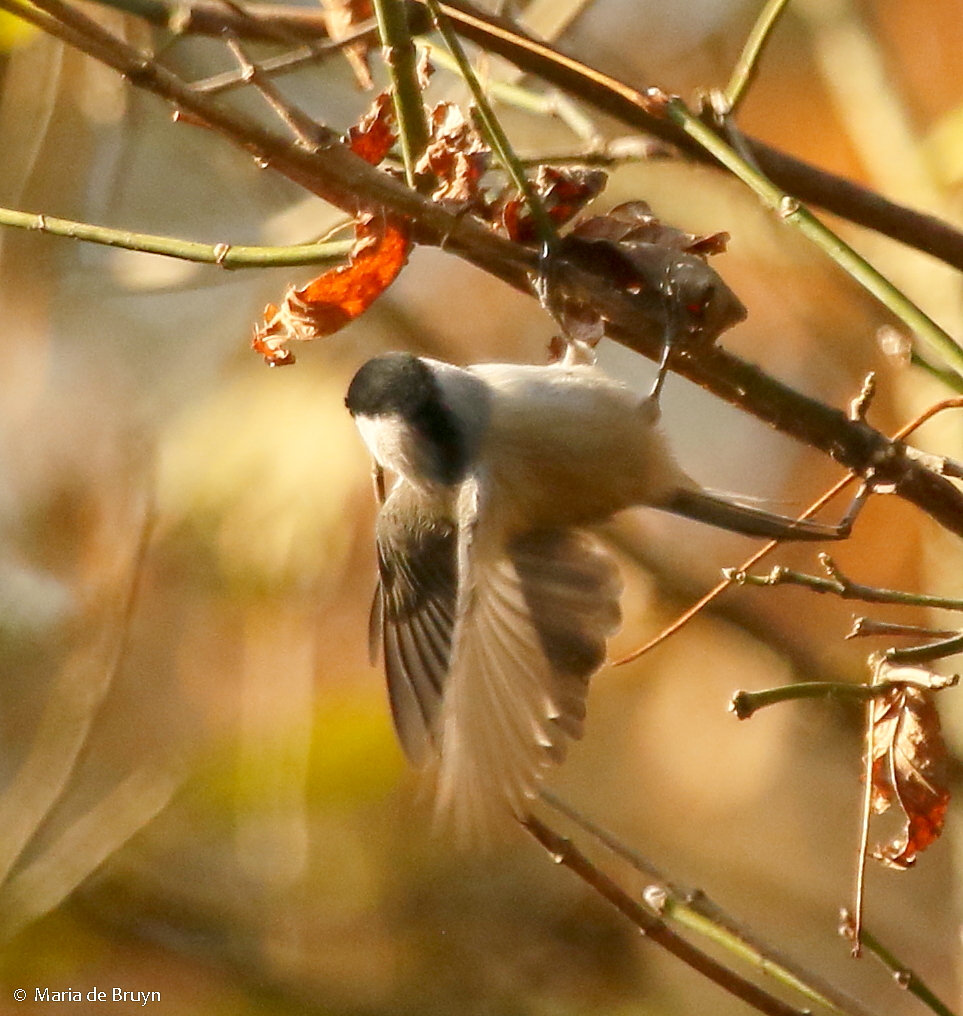
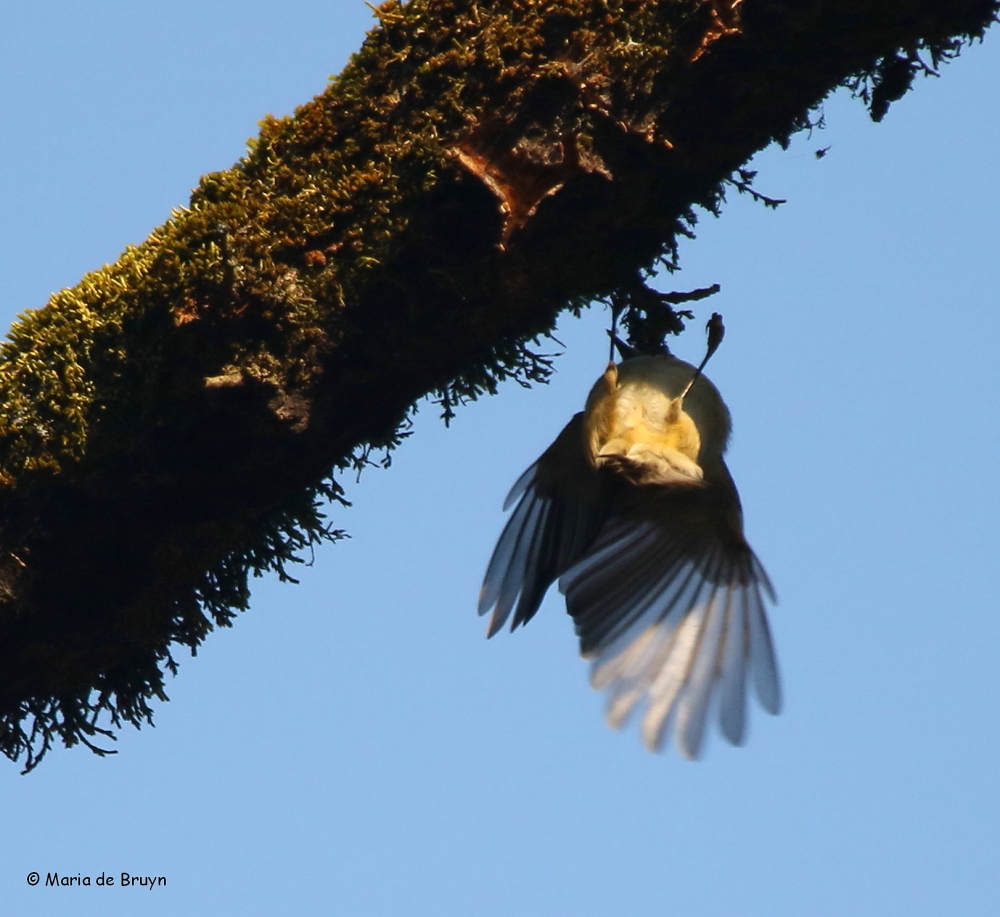
Sometimes, it involves hanging upside down to snag a tasty morsel and their wings help in balancing.

carolina-chickadee-i77a2699maria-de-bruyn    ruby-crowned-kinglet-i77a2565-maria-de-bruyn-res

Carolina chickadee                                    Ruby-crowned kinglet (Regulus calendula)

If we unbalance Nature, humankind will suffer. Furthermore, as people alive today, we must consider future generations: a clean environment is a human right like any other. It is therefore part of our responsibility towards others to ensure that the world we pass on is as healthy, if not healthier, than when we found it. – Dalai Lama

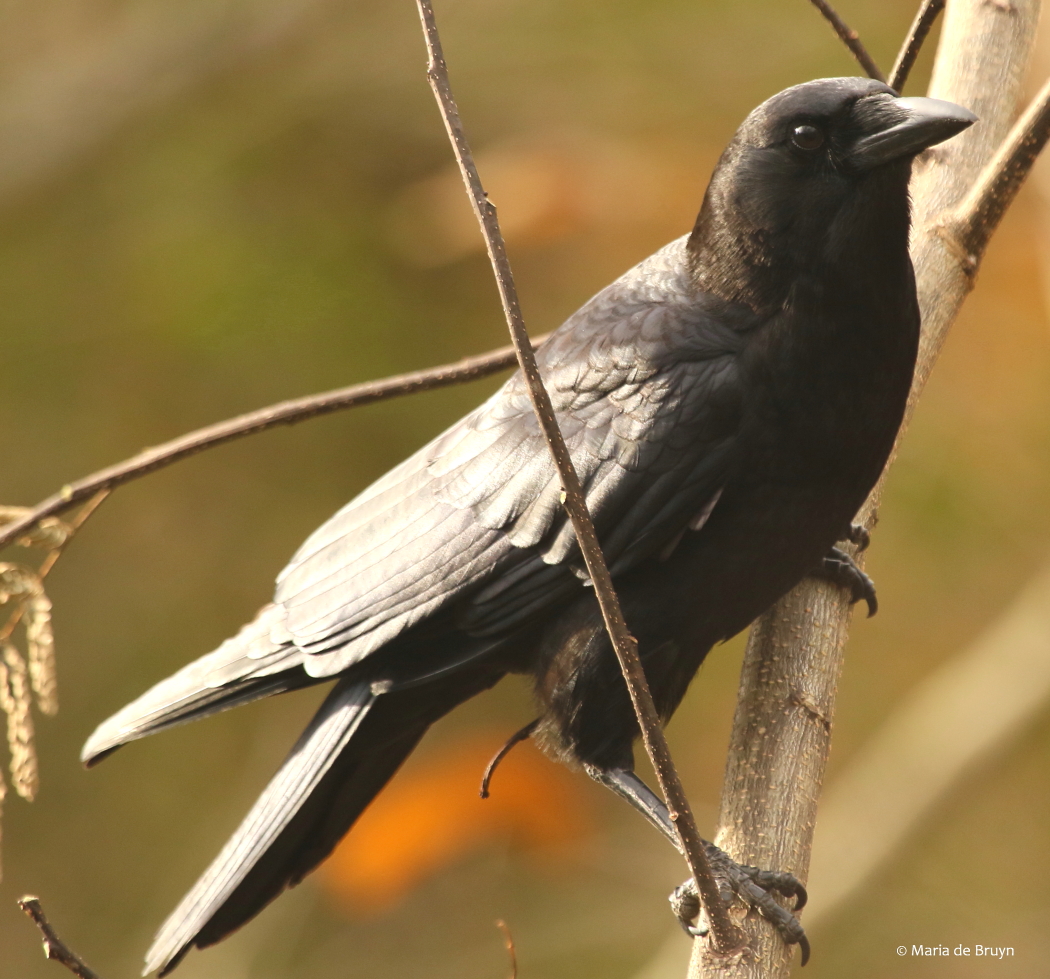
american-crow-i77a6327-maria-de-bruyn-res


At Sandy Creek, a group of American crows (Corvus brachyrhynchos) flew down to investigate what had dropped to the ground from an overflowing garbage can but they soon flew off to seek more normal food elsewhere.


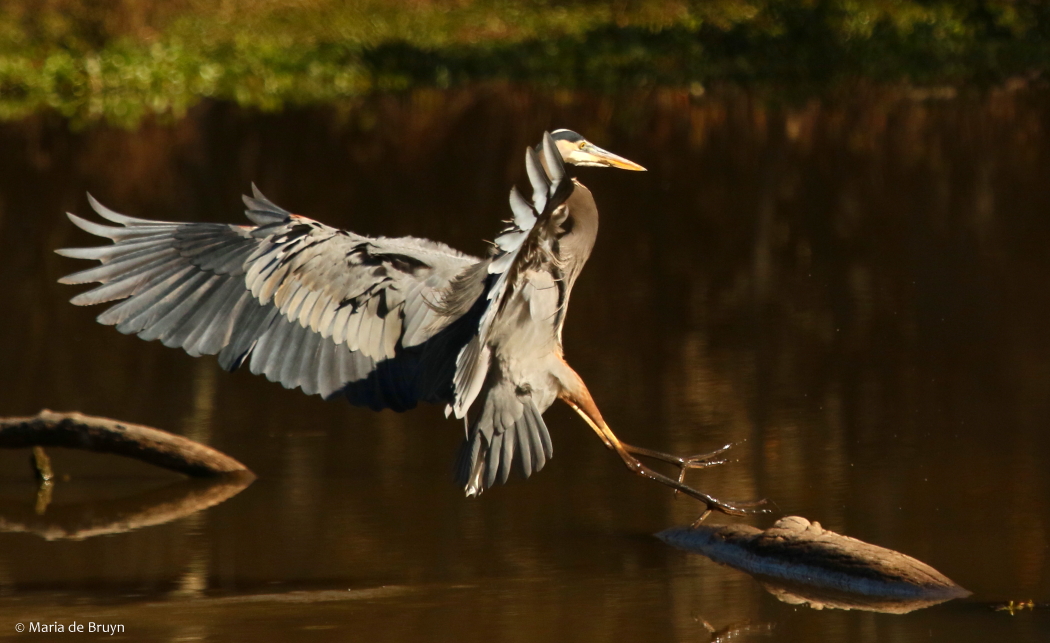
great-blue-heron-i77a1936maria-de-bruyn-res


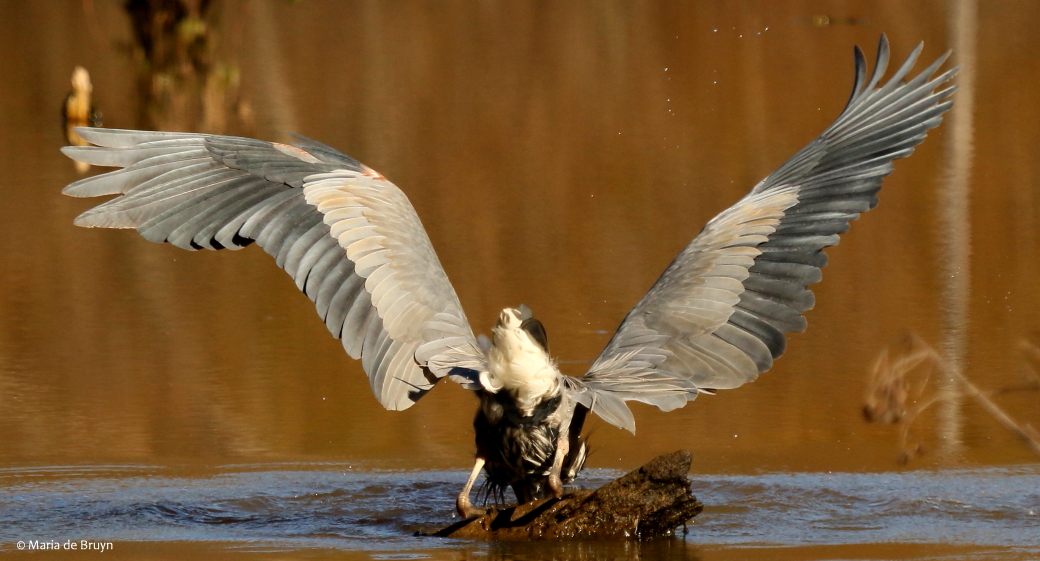
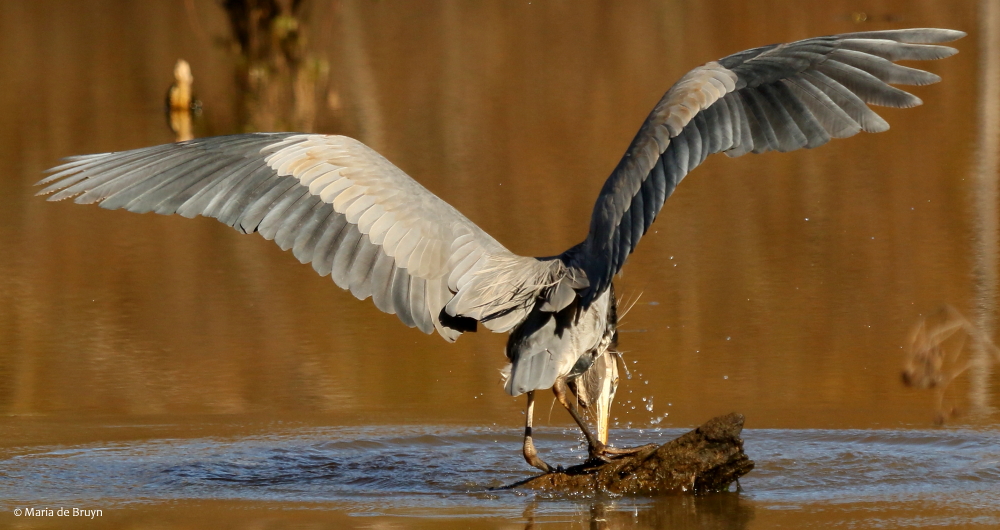
A great blue heron (Ardea herodias) was stalking the pond for fish; after I saw him (or her) snag a medium-sized fish, he turned his back so I saw the fishing technique from the rear.

great-blue-heron-i77a1438maria-de-bruyn-2-res  great-blue-heron-i77a1440maria-de-bruyn-res

flowering-dogwood-i77a0882maria-de-bruyn-res


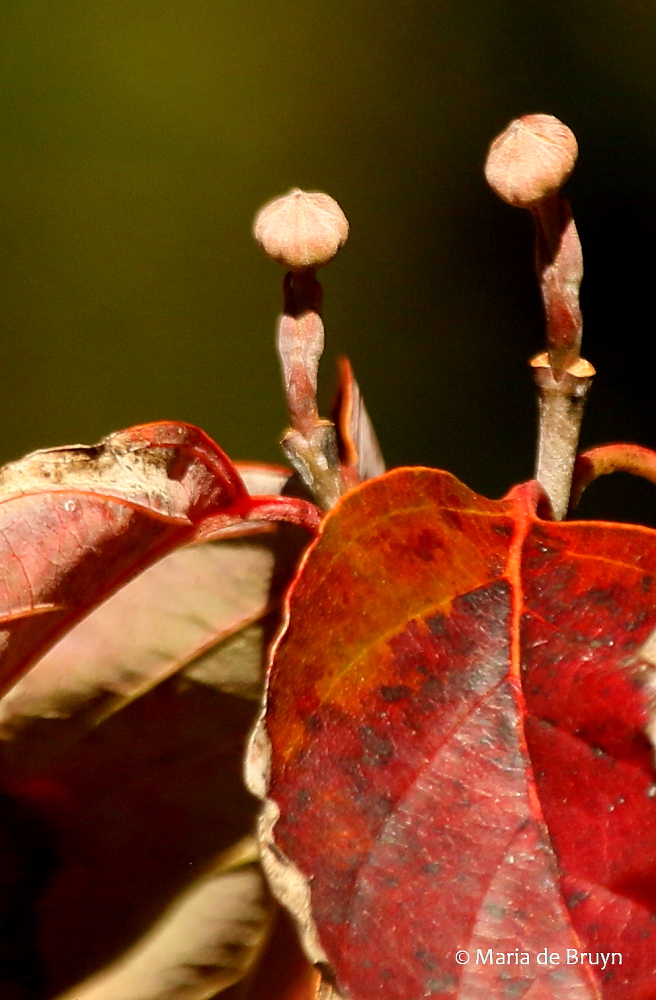
The flowering dogwoods (Cornus florida) at Cane Creek still had a few blossoms; at Sandy Creek and Mason Farm, they offered bright berries. On one tree, they made me think of a movie-inspired alien peeking out of the branches with eyes on stalks.


flowering-dogwood-i77a5820-maria-de-bruyn-res       flowering-dogwood-i77a1012maria-de-bruyn-res

Destruction of nature and nature resources results from ignorance, greed and lack of respect for the earth’s living things. – Dalai Lama

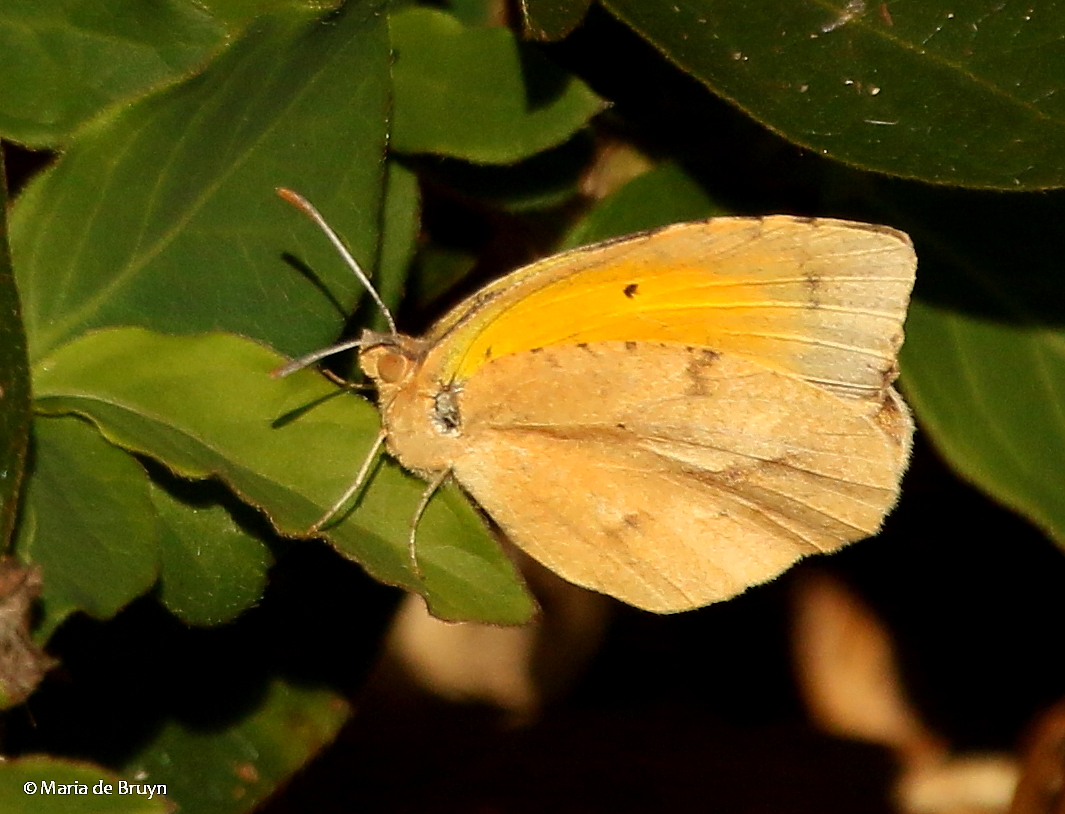
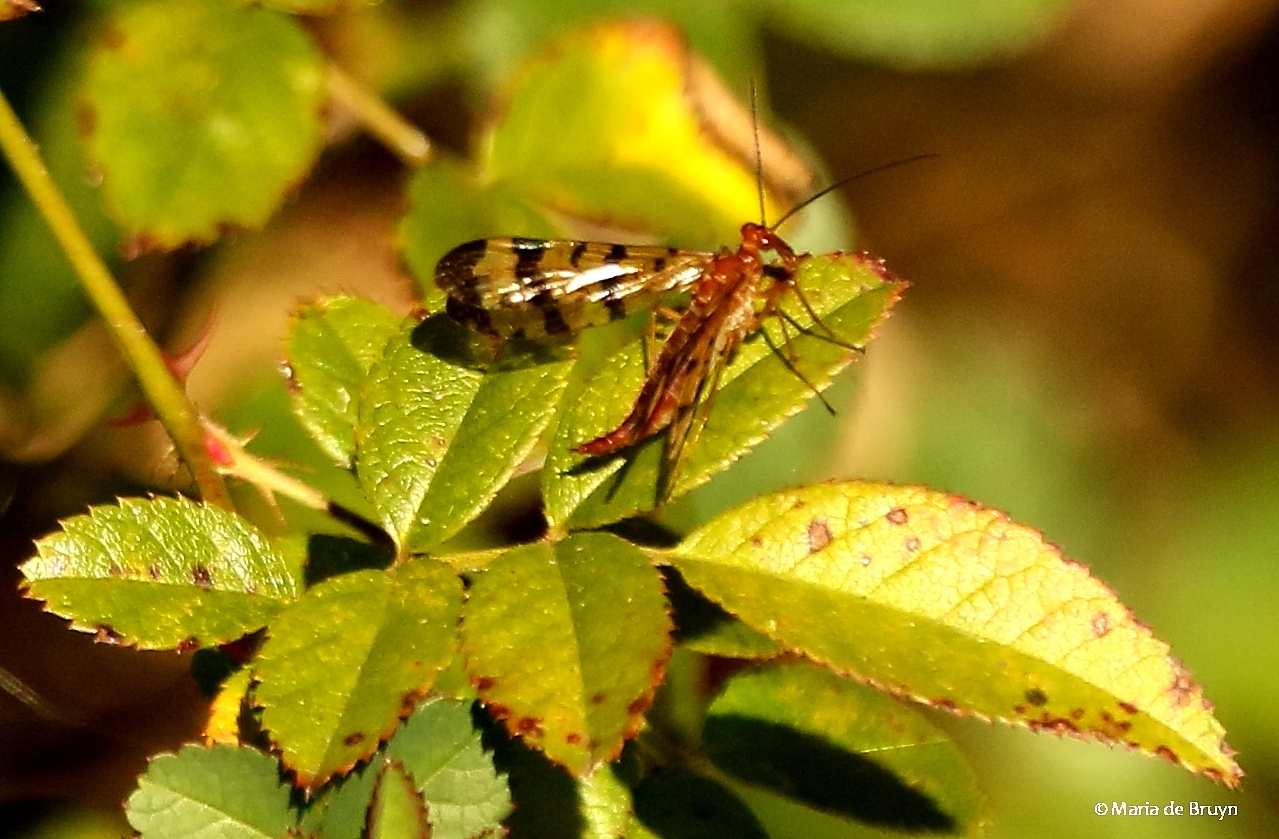
Up until the first morning frost this autumn, butterflies were still around, like this sleepy orange (Eurema nicippe); now that we have had several mornings of below-freezing temperatures, the butterflies are mostly gone as are the majority of bees. A scorpion fly (Panorpa) was in evidence at Cane Creek to my surprise.

sleepy-orange-i77a1003maria-de-bruyn-res  scorpion-fly-i77a0991maria-de-bruyn-res

eastern-gray-squirrel-i77a2505-maria-de-bruyn-res


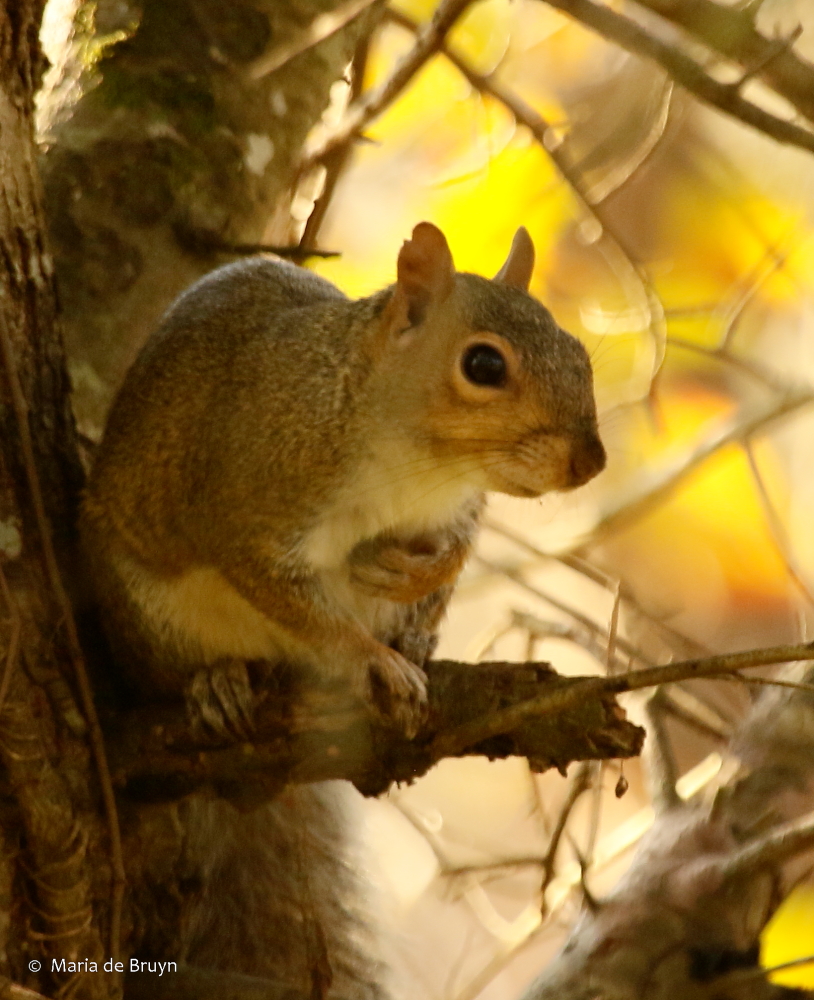
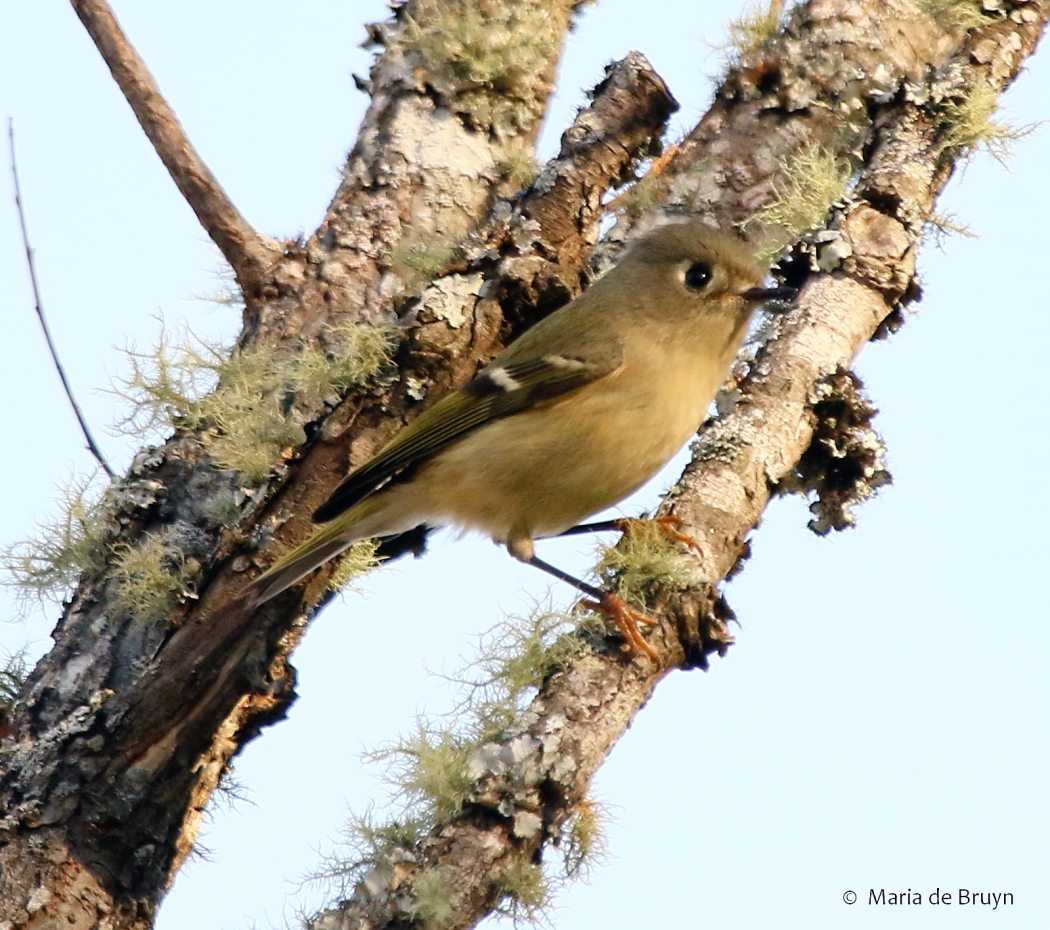
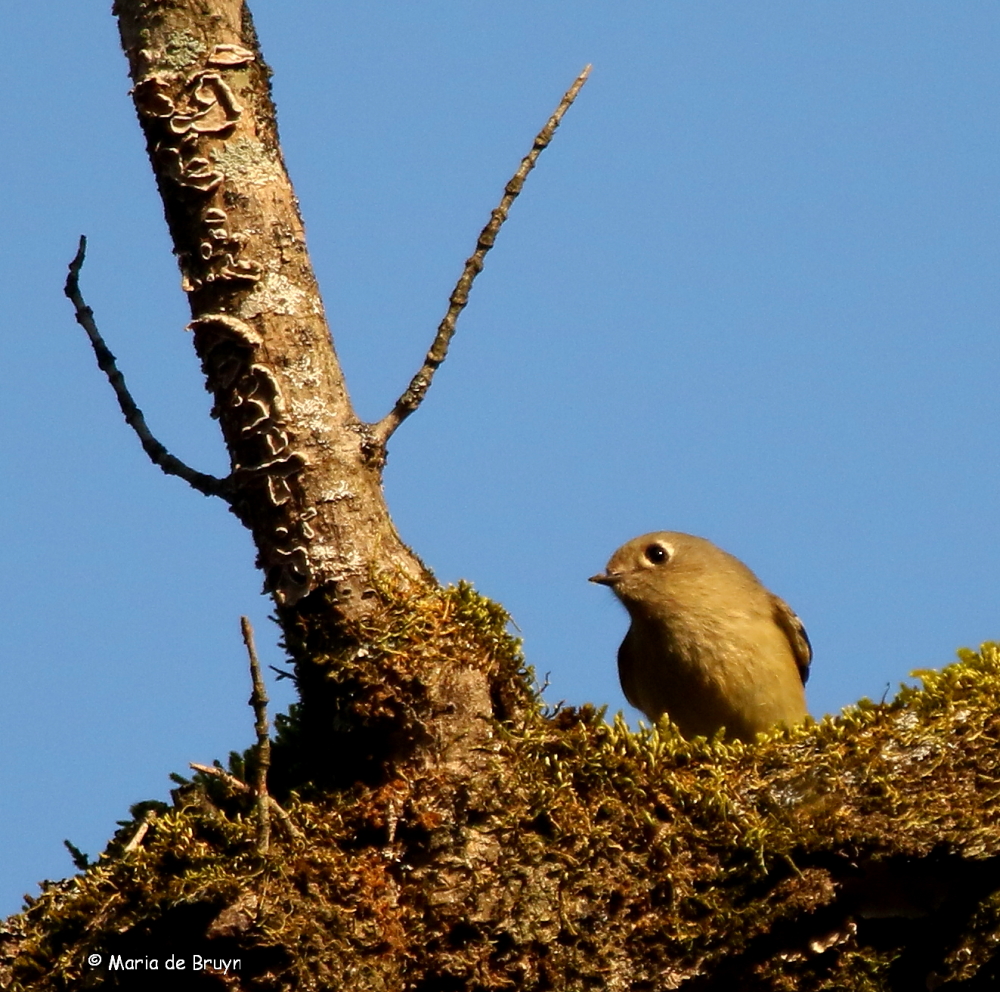
In between bird spottings, Eastern gray squirrels (Sciurus carolinensis) chittered at me at all three parks. And I was pleased to see some ruby-crowned kinglets since the one that has enjoyed the suet at my house the past three years hasn’t appeared yet.


ruby-crowned-kinglet-i77a6241-maria-de-bruyn-res     ruby-crowned-kinglet-i77a2574-maria-de-bruyn-res

…until now, Mother Earth has been able to tolerate our sloppy house habits. However, the stage has now been reached where she can no longer accept our behaviour in silence. The problems caused by environmental disasters can be seen as her response to our irresponsible behaviour. She is warning us that there are limits even to her tolerance. –  Dalai Lama

Some of the birds common in my yard are welcome sights at the nature reserves, too.

northern-mockingbird-i77a2312-maria-de-bruyn-res    dark-eyed-junco-i77a0624maria-de-bruyn-res

Northern mockingbird (Mimus polyglottos)         Dark-eyed junco (Junco hyemalis)

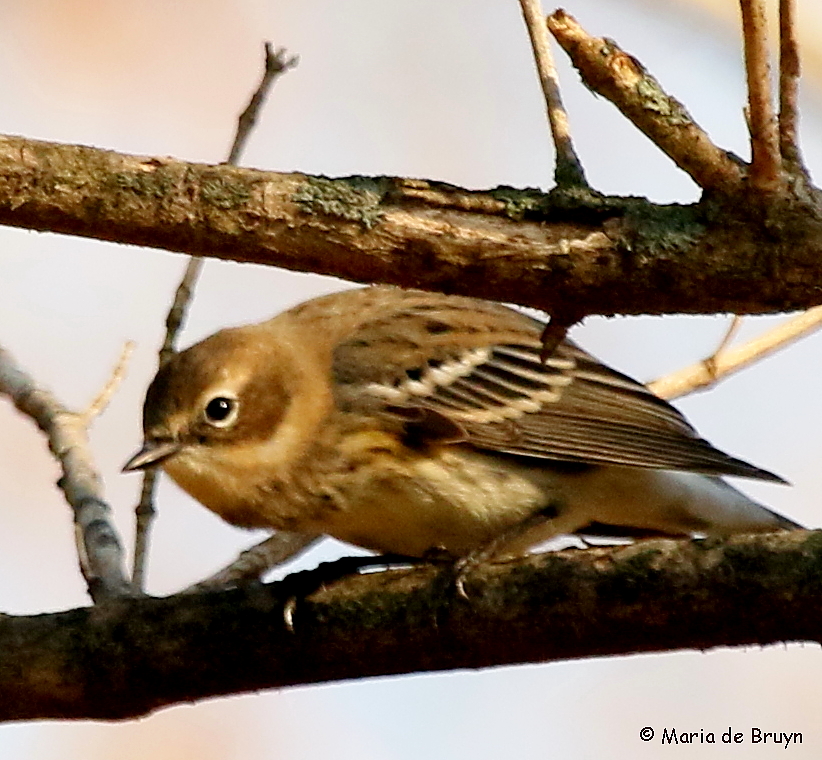
carolina-wren-i77a6358-maria-de-bruyn-res   yellow-rumped-warbler-i77a2780maria-de-bruyn-res

Carolina wren (Thryothorus ludovicianus)   Yellow-rumped warbler (Setophaga coronata)

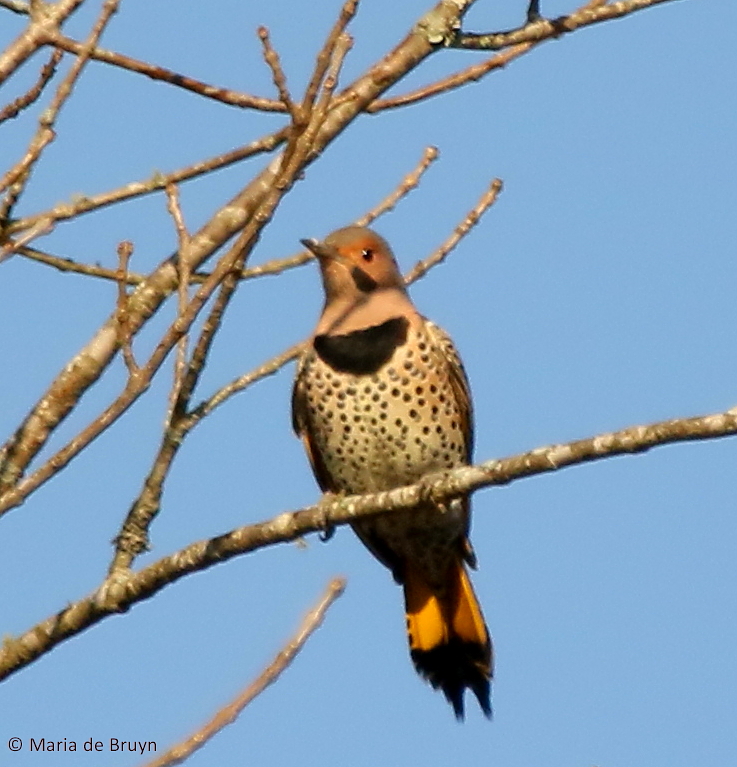
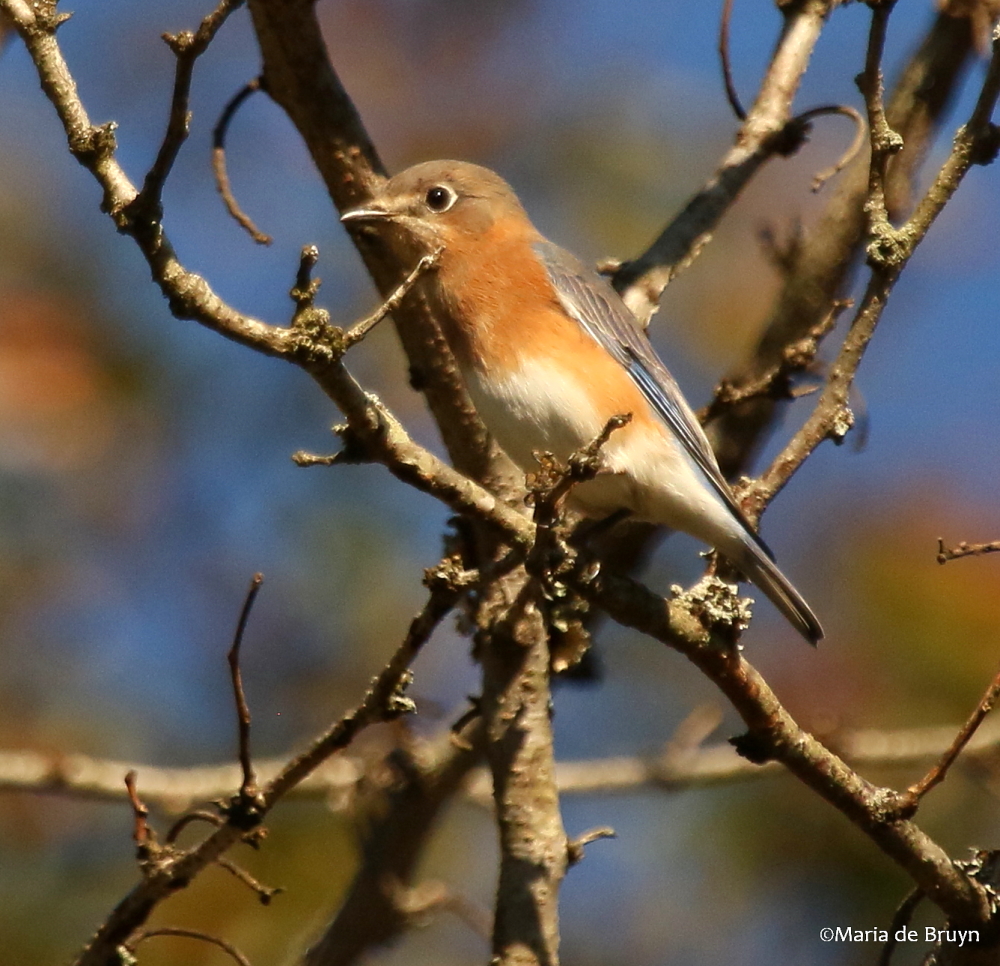
northern-flicker-i77a2485-maria-de-bruyn-res          eastern-bluebird-i77a0688maria-de-bruyn-res

Northern flicker (Colaptes auratus)               Eastern bluebird (Sialia sialis)

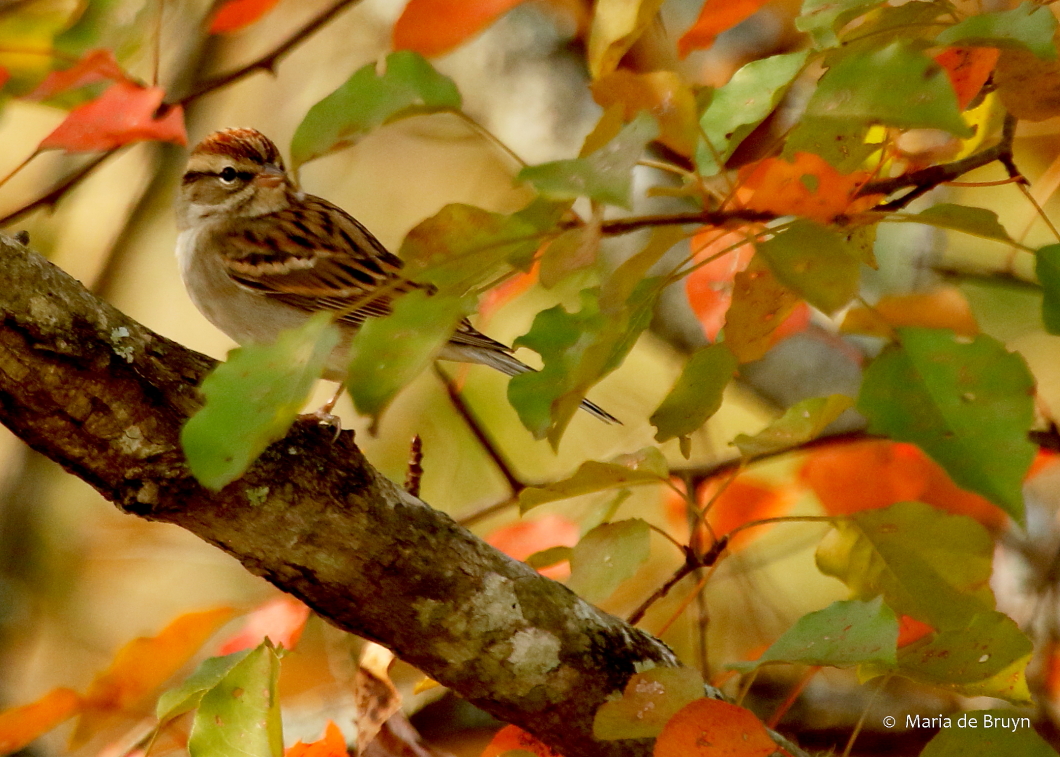
chipping-sparrow-i77a2915-maria-de-bruyn-res    chipping-sparrow-i77a2925-maria-de-bruyn-res

Chipping sparrow (Spizella passerina)

Many of the earth’s habitats, animals, plants, insects, and even microorganisms that we know of as rare or endangered, may not be known at all by future generations. We have the capacity, and the responsibility. We must act before it is too late.    Dalai Lama

And the occasional or rare visitors to my yard are appreciated in the woods and fields, too!

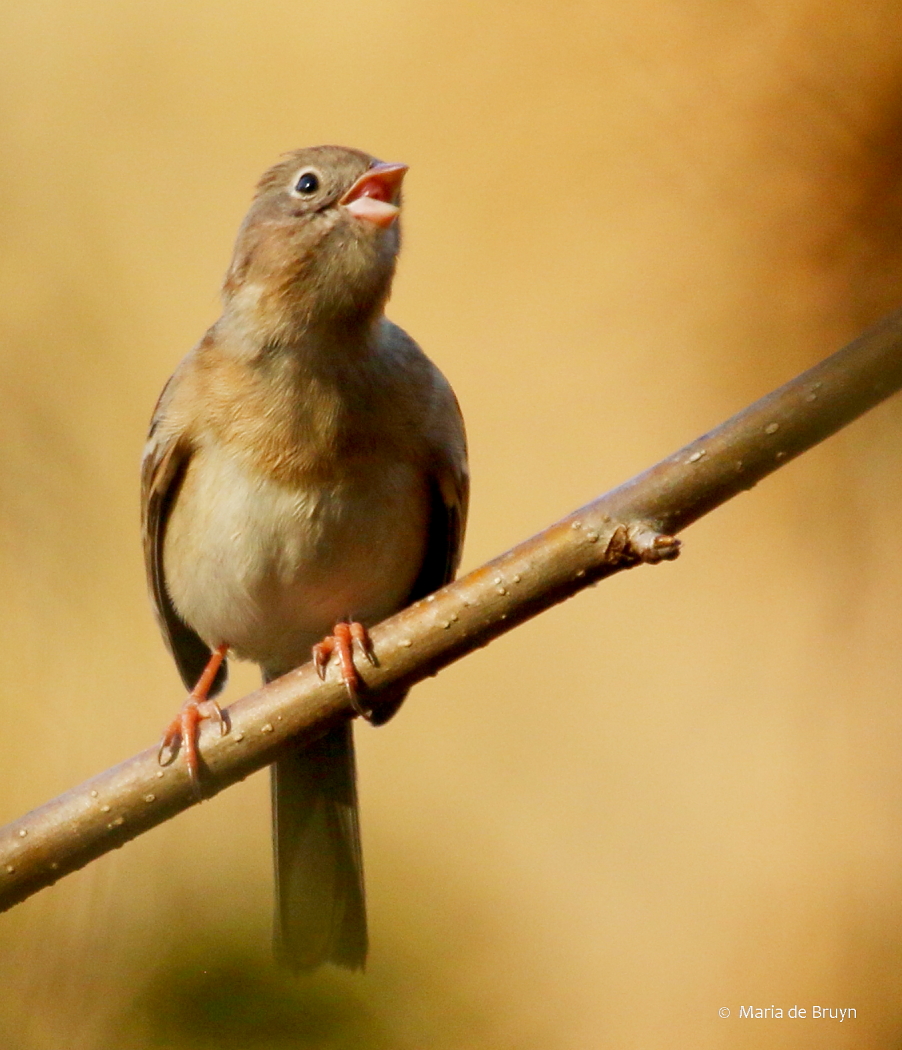
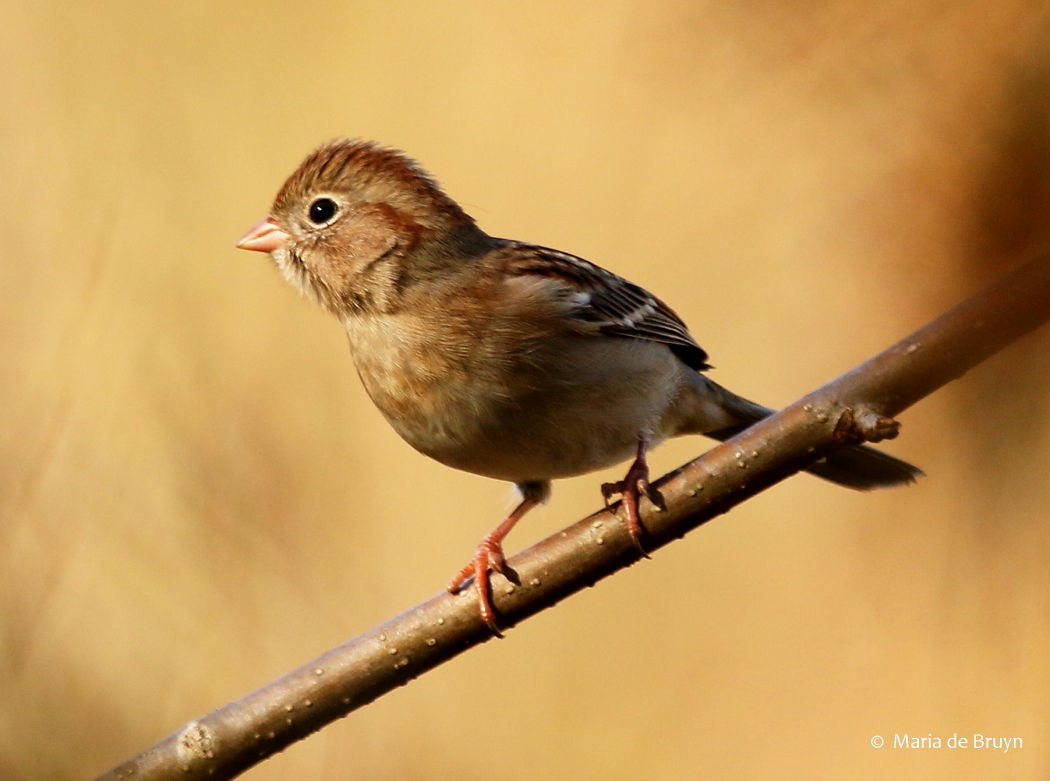
field-sparrow-i77a1587maria-de-bruyn-res      field-sparrow-i77a1634maria-de-bruyn-res

Field sparrow (Spizella pusilla)

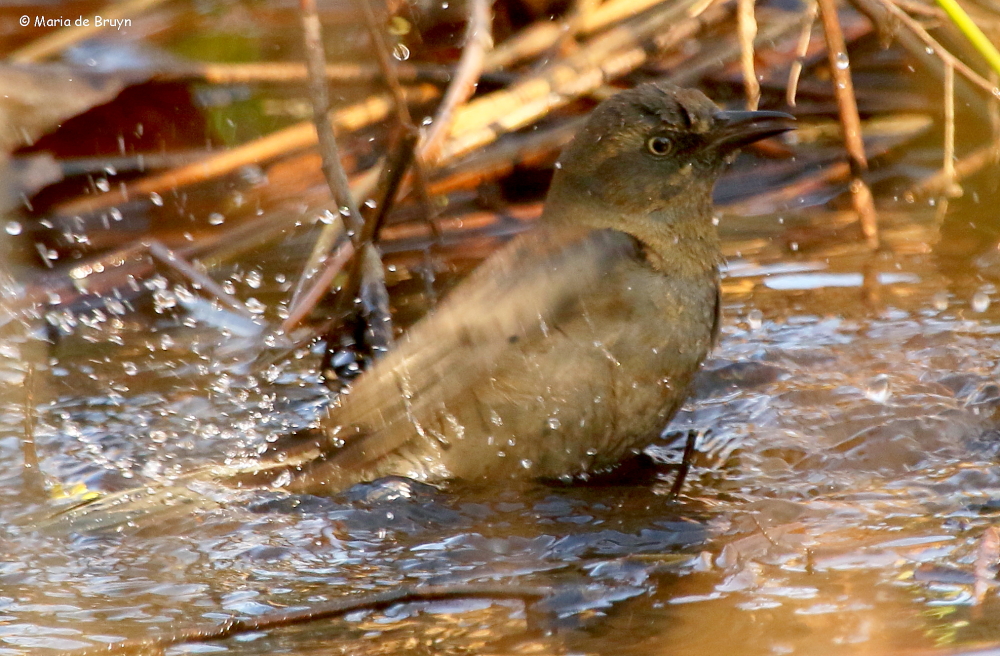
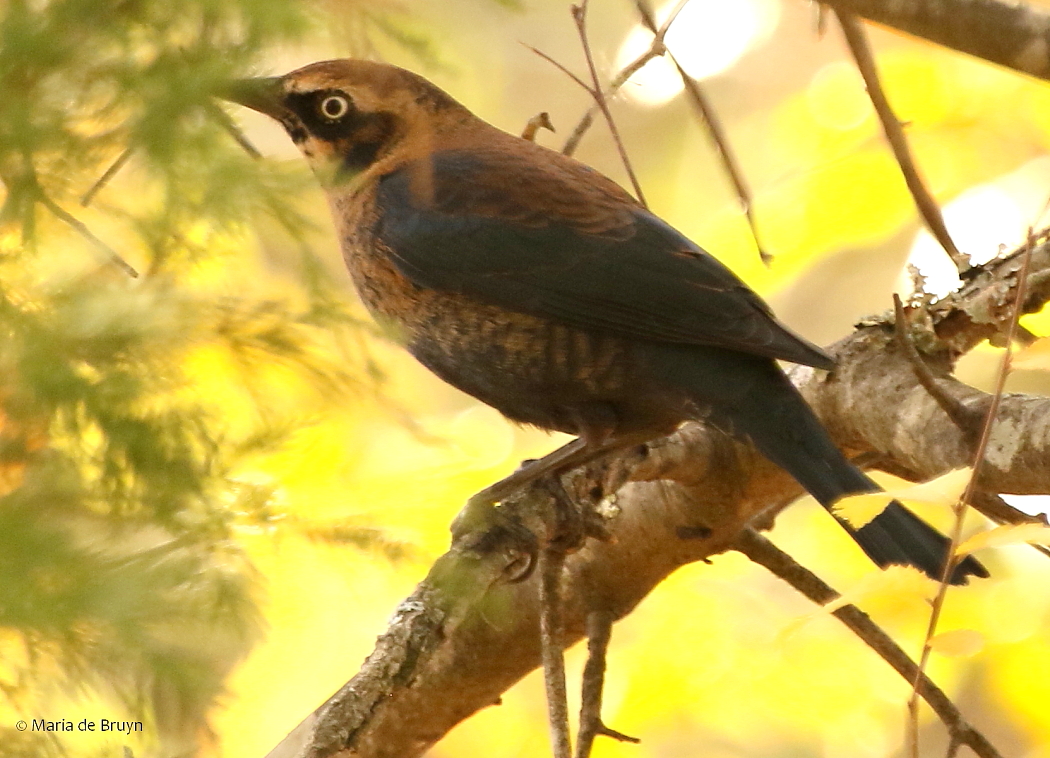
rusty-blackbird-i77a3199-maria-de-bruyn-res rusty-blackbird-i77a3110maria-de-bruyn-res

Rusty blackbird (Euphagus carolinus)

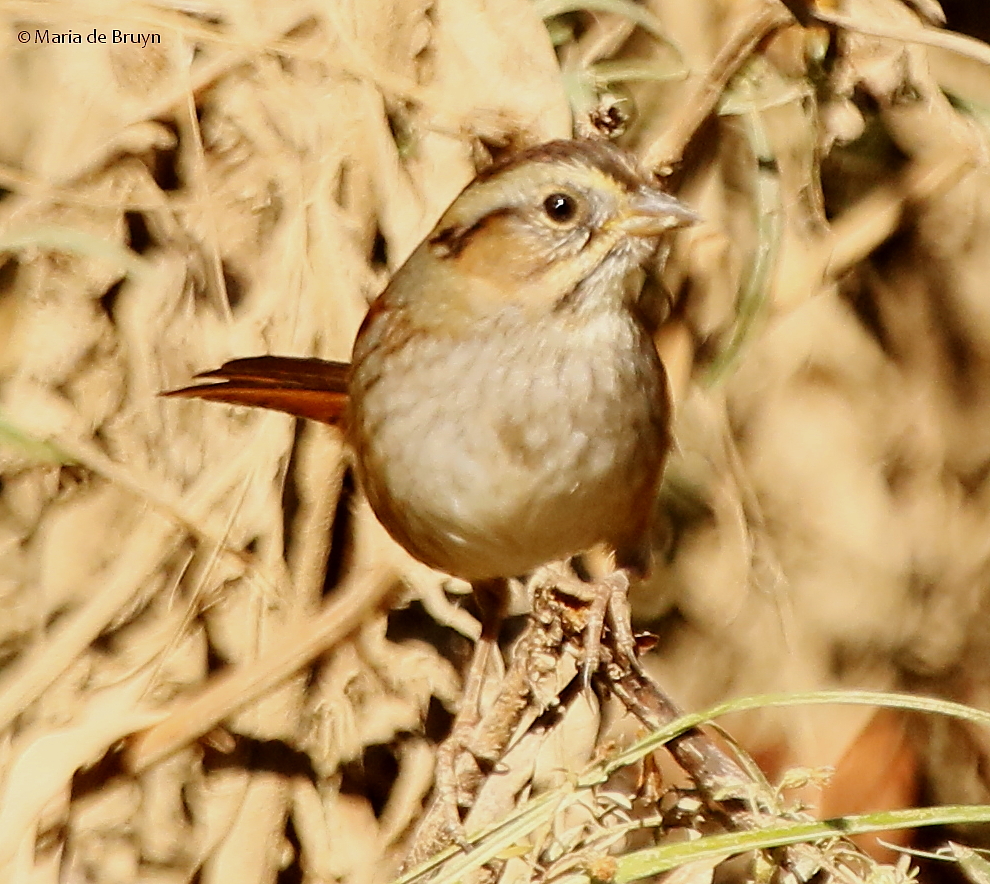
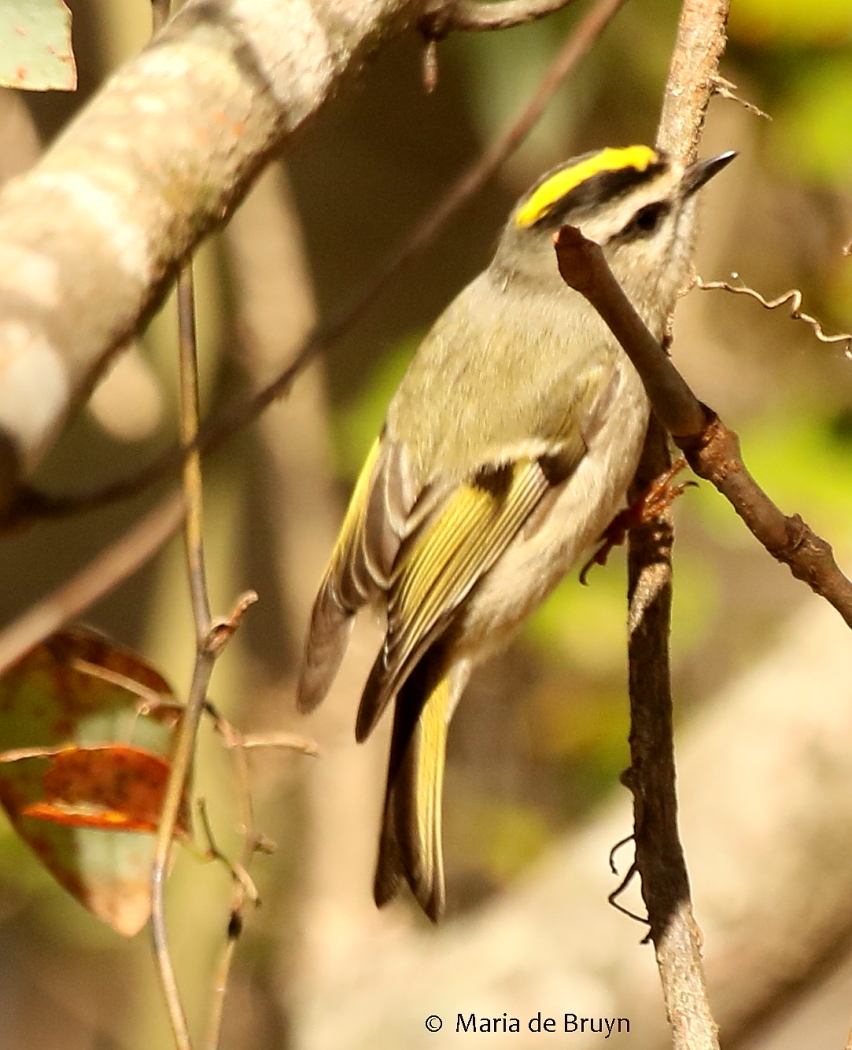
swamp-sparrow-i77a6063-maria-de-bruyn-res      golden-crowned-kinglet-maria-de-bruyn-i77a1711maria-de-bruyn-res

Swamp sparrow (Melospiza georgiana)             Golden-crowned kinglet (Regulus satrapa)

I feel that it is extremely important that each individual realize their responsibility for preserving the environment, to make it a part of daily life, create the same attitude in their families, and spread it to the community. – Dalai Lama

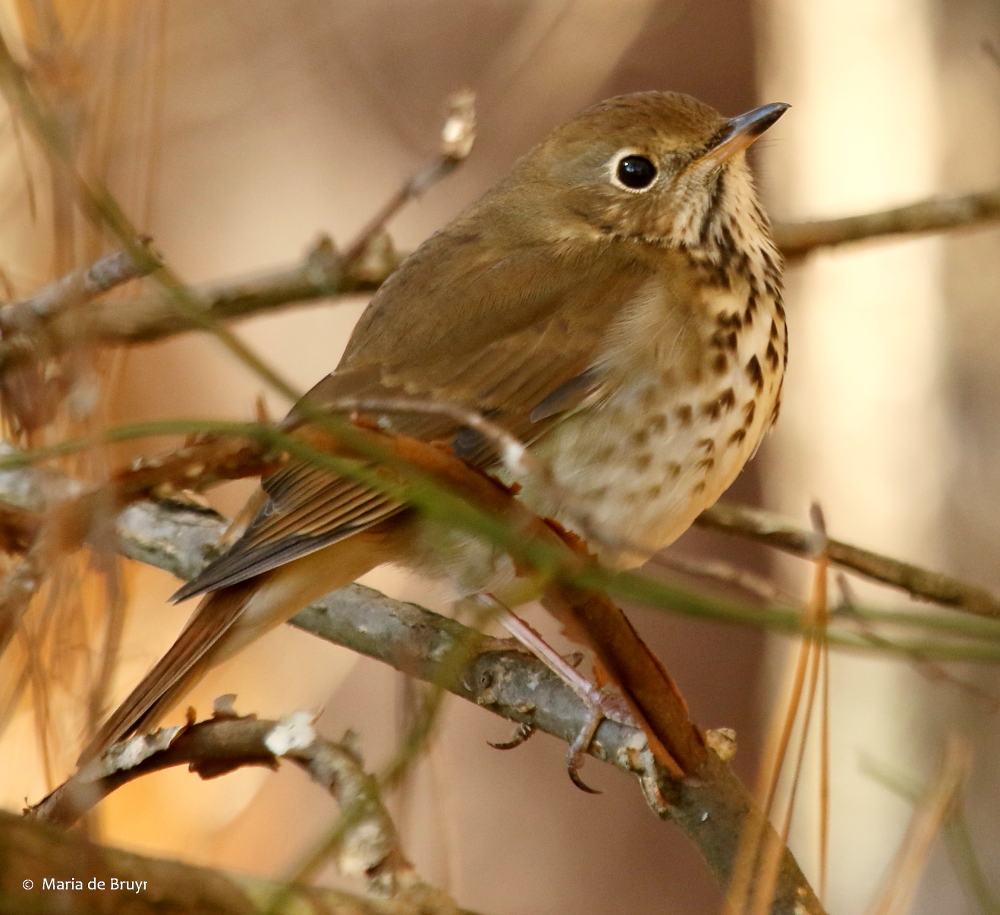
hermit-thrush-i77a6034-maria-de-bruyn-res  cedar-waxwing-i77a5945-maria-de-bruyn-res

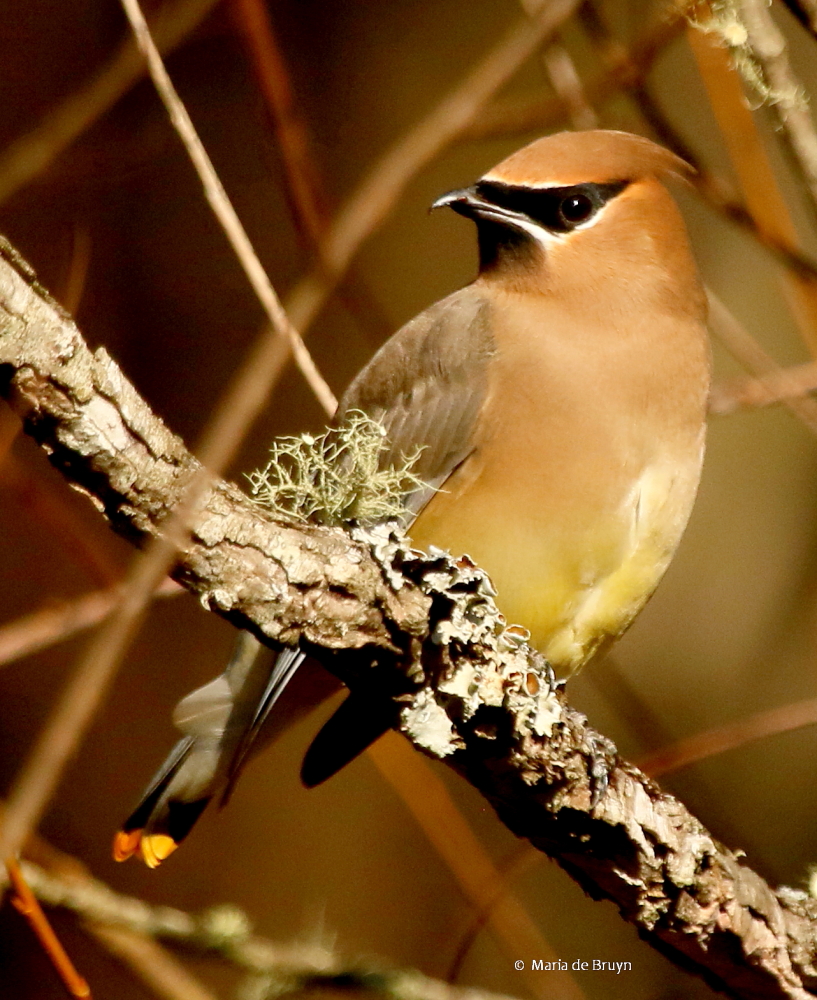
Hermit thrush (Catharus guttatus)                          Cedar waxwing (Bombycilla cedrorum)

white-throated-sparrow-i77a1564maria-de-bruyn-res


What a great quote and slogan material:


Preserve the environment, make it part of your daily life and spread it to the community!

Braeburn Farm is for the birds!

I don’t often get the chance to visit a farm (other than organized farm tours, which are a bit pricey and then might be crowded). Last year, I was invited to one during an annual llama shearing, which was educational. This year, however, I’ve had the chance to visit Braeburn Farm four times so far because the owner and manager have decided to make it a nature reserve as well as a cattle farm. Nick, the land manager, is a birder who is more than willing to share his knowledge with the visitors.

pond I77A6227© Maria de Bruyn res

My first visit to this farmland/nature reserve was in the early spring to see Wilson’s snipes at one of the five ponds. By late June, these birds had moved on but the ponds were now harboring mallards (Anas platyrhynchos), red-winged blackbirds (Agelaius phoeniceus), belted kingfishers (Megaceryle alcyon) and killdeer (Charadrius vociferous).

mallard duck I77A7320© Maria de Bruyn res     red-winged blackbird I77A6920© Maria de Bruyn res

belted kingfisher I77A6936© Maria de Bruyn (2)   killdeer I77A6934© Maria de Bruyn res

My quest to see green herons at one pond was unsuccessful, but my 20-minute walk there was accompanied by the non-stop screaming of a red-tailed hawk (Buteo jamaicensis), who called both from tree tops and the air as she circled overhead.

red-tailed hawk I77A6030© Maria de Bruyn res   red-tailed hawk I77A6044© Maria de Bruyn res

A non-native bird who might greet you as you come down the road near the farm manager’s home is a helmeted guineafowl (Numida meleagris), the sole survivor of a neighbor’s flock. This bird now comes to visit the domestic chickens (Gallus gallus domesticus) at Braeburn, perhaps seeking some companionship in addition to the easily available chicken feed.

helmeted guineafowl I77A5648© Maria de Bruyn res    chicken I77A6958© Maria de Bruyn (2)

chicken I77A6949© Maria de Bruyn resThe farm chickens are in a large pen while other chickens run free, including one with a wild hairdo.

A trio of wild turkeys left the woods and entered a field during one of my visits but they were at a considerable distance; still, I could say I had seen them that day! The Eastern meadowlarks (Sturnella magna) have often been visible at a distance in the fields, but on my last visit I saw one a bit closer on a fence post, giving me the chance to enjoy its beautiful plumage.


Eastern meadowlark I77A8597© Maria de Bruyn    Eastern meadowlark I77A5898© Maria de Bruyn

Eastern kingbird I77A5683© Maria de Bruyn res


Eastern kingbirds (Tyrannus tyrannus) can be seen in many of the fields and on wires. They take advantage of the ponds to snag dragonfly meals and the dry grasses provide materials for nests.


Eastern kingbird I77A7653© Maria de Bruyn        Eastern kingbird I77A7099© Maria de Bruyn res

They also pose very prettily on the shrubbery!

Eastern kingbird I77A7007© Maria de Bruyn   Eastern kingbird I77A6380© Maria de Bruyn res

grasshopper sparrow I77A7118© Maria de Bruyn res


The grasshopper sparrows (Ammodramus savannarum) are numerous, which was lovely for me as this species was a lifer for me. If you approach on foot, they fly off, but Nick said they are so used to his motorized cart, they stay put as he chugs on by!


grasshopper sparrow I77A6976© Maria de Bruyn res      grasshopper sparrow I77A5738© Maria de Bruyn res

Savannah sparrow I77A8690© Maria de Bruyn res


In the spring, when we had gone to see the snipes, we were lucky to see savannah sparrows (Passerculus sandwichensis) running about in the grass (I had at first thought we were seeing field mice scurrying about).


orchard oriole I77A7271© Maria de Bruyn resIn June, a pair of orchard orioles (Icterus scpurius) had built a nest in a tree bordering one pond and I was excited to see two babies just days before they fledged. The father was feeding them and brought one baby a large cricket, which seemed to be too large for it swallow easily. Dad tried to help by pushing it down but when I left, the insect was still sticking out of baby’s mouth and its sibling was still hungry, too.

orchard oriole I77A7475© Maria de Bruyn res

orchard oriole I77A7510© Maria de Bruyn    orchard oriole I77A7500© Maria de Bruyn

barn swallow I77A7161© Maria de Bruyn resThe barn swallows (Hirundo rustica) adopted an abandoned barn as their hotel of choice. When I visited in June, the young had just been fledging; they and their parents were circling the barn and resting on fences nearby, showing off their beautiful colors.

In July, a few stragglers remained in nests. Some that had taken the great leap were hanging around outside, even clutching the barn wall.

barn swallow I77A7062© Maria de Bruyn res        barn swallow IMG_4527© Maria de Bruyn

barn swallow I77A7145© Maria de Bruyn res

barn swallow I77A7139© Maria de Bruyn res

Others were enjoying the view on a wire line, together with some purple martins.

barn swallow I77A6990© Maria de Bruyn res

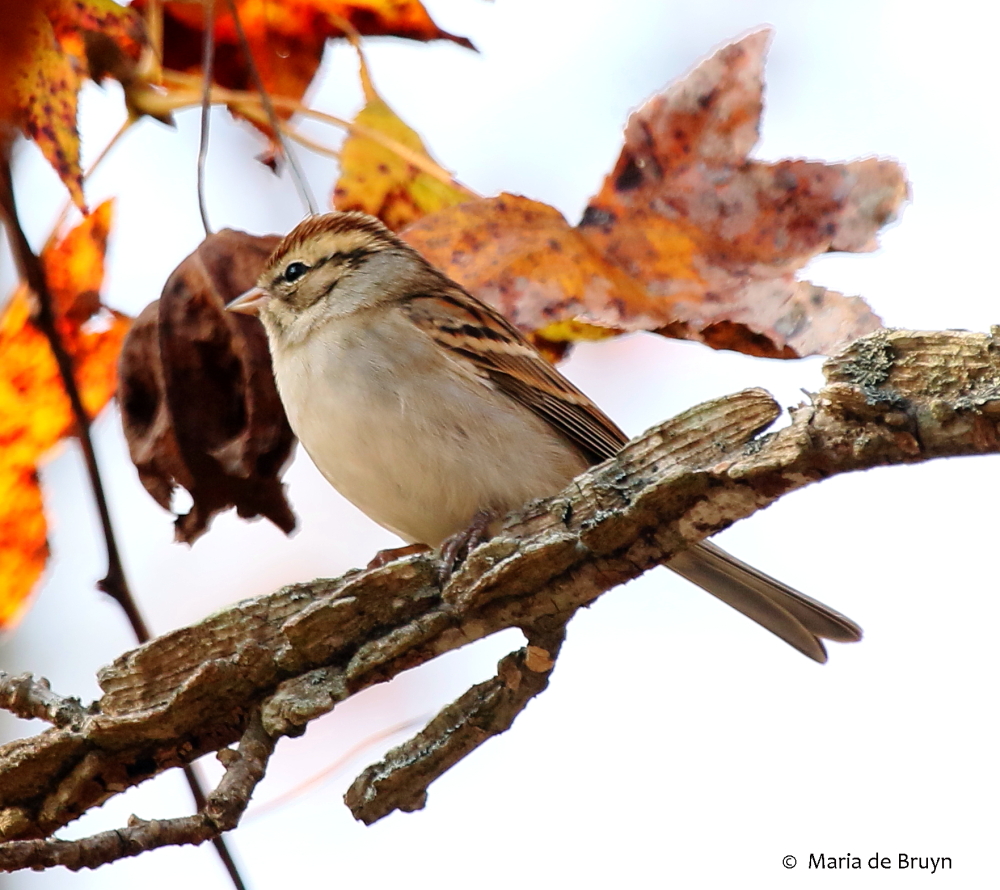
The fence posts and other farm structures offer resting places for various birds, like the Eastern wood peewee (Contopus virens), chipping sparrow (Spizella passerina), house finches (Haemorhous mexicanus) and Eastern bluebirds (Sialia sialis).

Eastern wood-peewee I77A6694© Maria de Bruyn res    Eastern wood peewee I77A6675© Maria de Bruyn res

chipping sparrow I77A6665© Maria de Bruyn res   house finch I77A6529© Maria de Bruyn res

Eastern bluebird I77A5859© Maria de Bruyn res  Eastern bluebird I77A5847© Maria de Bruyn res

turkey vulture I77A7105© Maria de Bruyn res


The turkey vultures (Cathartes aura) take advantage of the cattle’s well-water stations to get a drink, but then may retire to a tree branch for a bit of sunning. Nick likes them better than the black vultures, who had killed a newborn calf when its mother wasn’t taking care of it.


turkey vulture I77A7107© Maria de Bruyn res    turkey vulture IMG_4469© Maria de Bruyn res

Northern mockingbird I77A7669© Maria de Bruyn res


Other birds, like the Northern mockingbirds (Mimus polyglottos) and great-crested flycatchers (Myiarchus crinitus) enjoy the view from the vantage of high branches in trees.


great-crested flycatcher I77A7199© Maria de Bruyn res     great-crested flycatcher I77A7193© Maria de Bruyn res

While the 500-acre farm is mostly advertised in relation to its beef and opportunities to hold events such as receptions there, the farm management is now increasingly promoting it as a place for wildlife observation as well. The biodiversity in birds, mammals, insects, reptiles and plants is wonderful and my next blog will focus on examples of the non-avian wildlife to be seen there. If you’d like to visit the farm, do contact them!

Nest Watch citizen science – 2016 edition

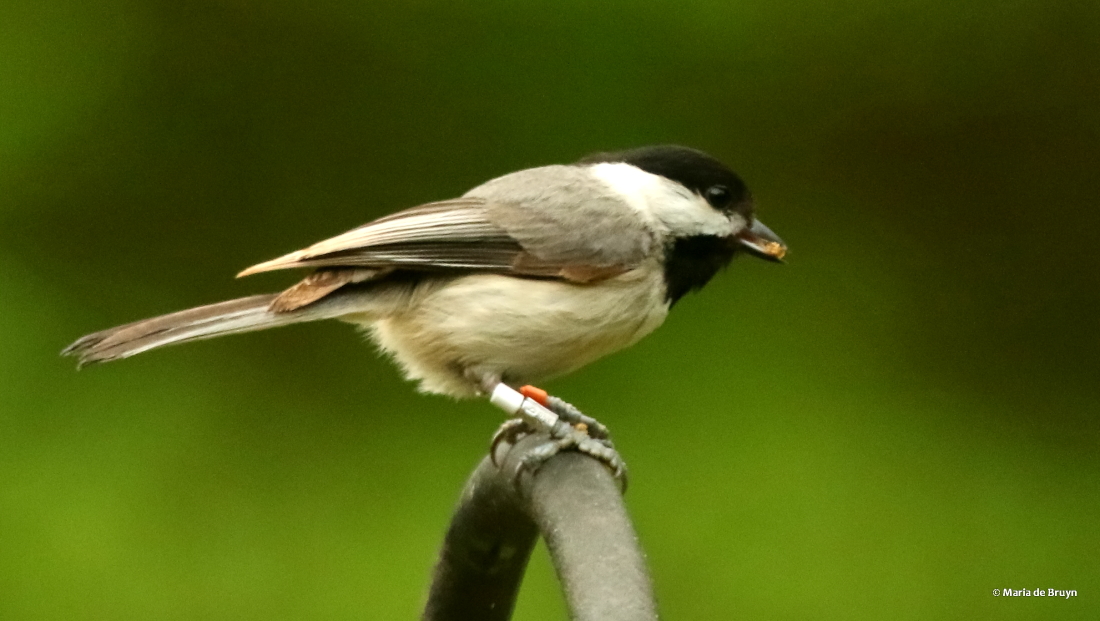
Carolina wren Renee and Riley I77A9074© Maria de Bruyn resLast year, I became a Nest Watch volunteer, which involves having birds banded in your yard so that you can follow and report to researchers the birds’ presence over time as they visit and leave your yard.

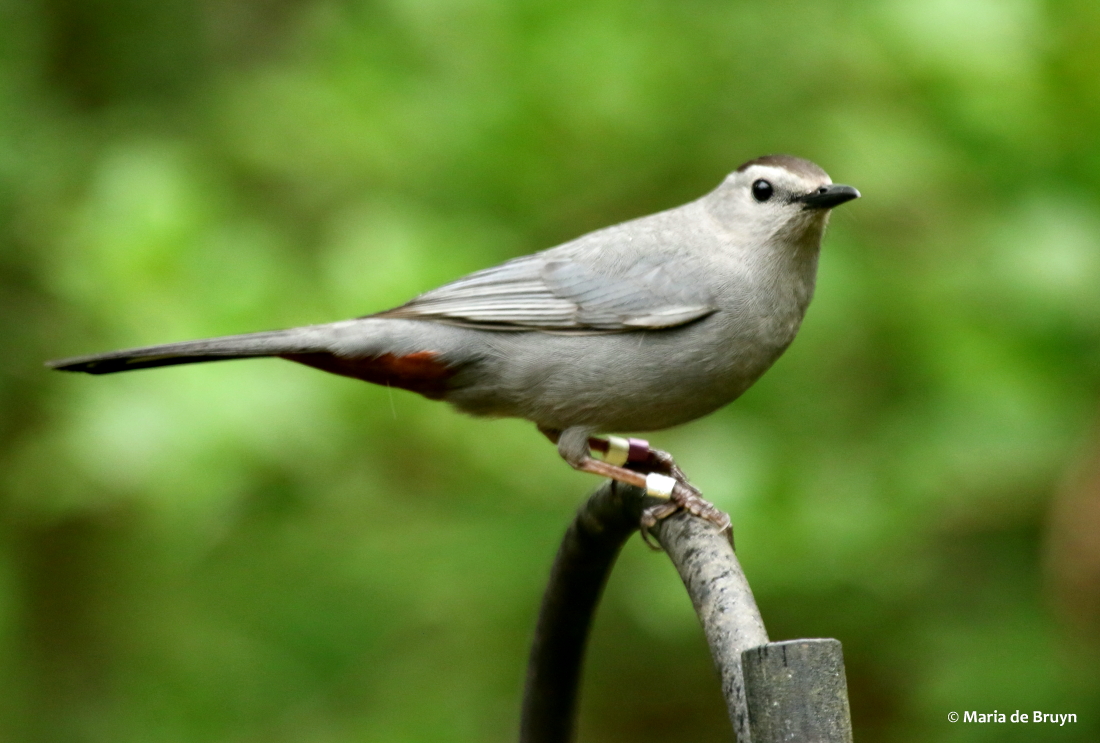
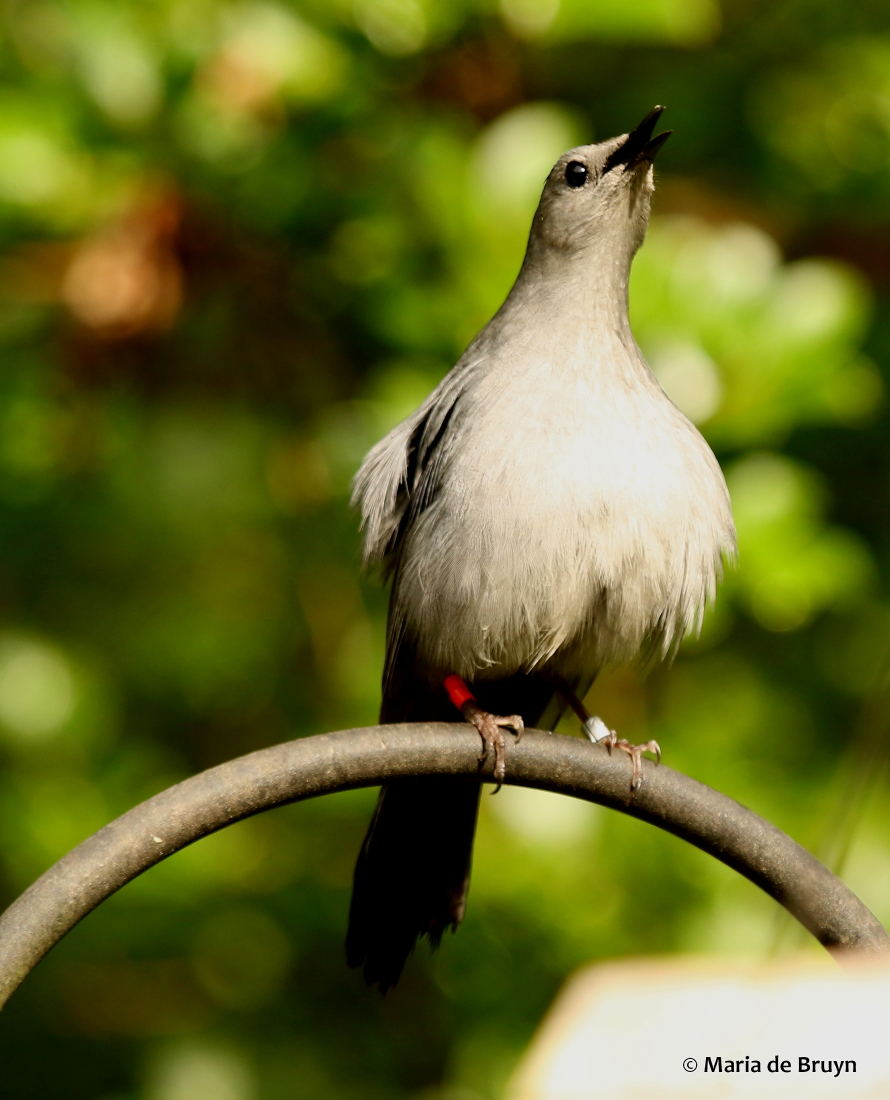
In 2015, we banded six birds. If a bird is only a temporary visitor or if it died outside the yard due to disease, old age or predation, you just won’t see it again and have no idea what became of it. The American robin (Turdus migratorius) that was banded last year never returned. If the birds stick around, however, you have the enjoyment of observing birds you get to know. The three gray-headed catbirds (Dumetella carolinensis) stayed around all summer and fall, and two of them – Camden and Corey – returned to my yard from winter migration a few days ago. They have been accompanied by females whom they appear to be assiduously courting.
gray-headed catbird Camden I77A8990© Maria de Bruyn res

gray-headed catbird Corey I77A8083© Maria de Bruyn res

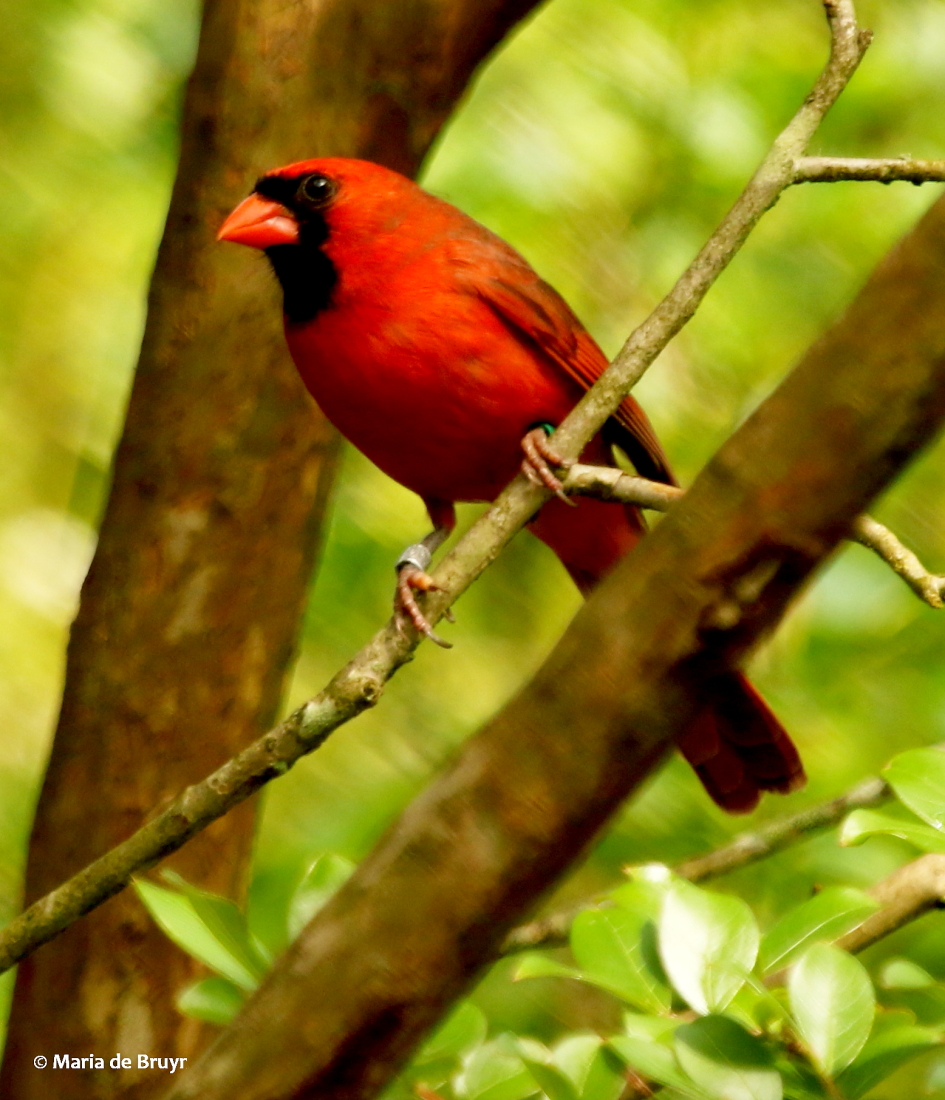
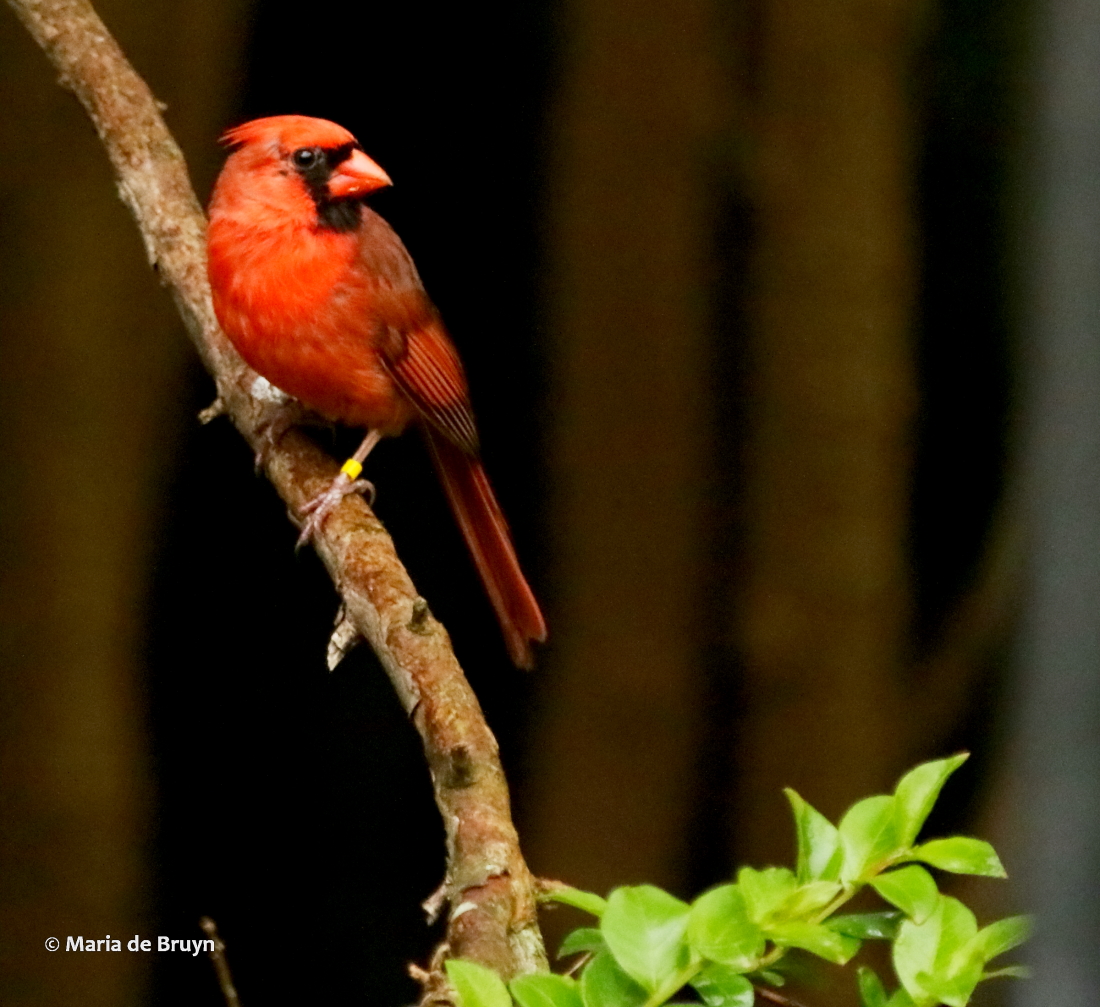
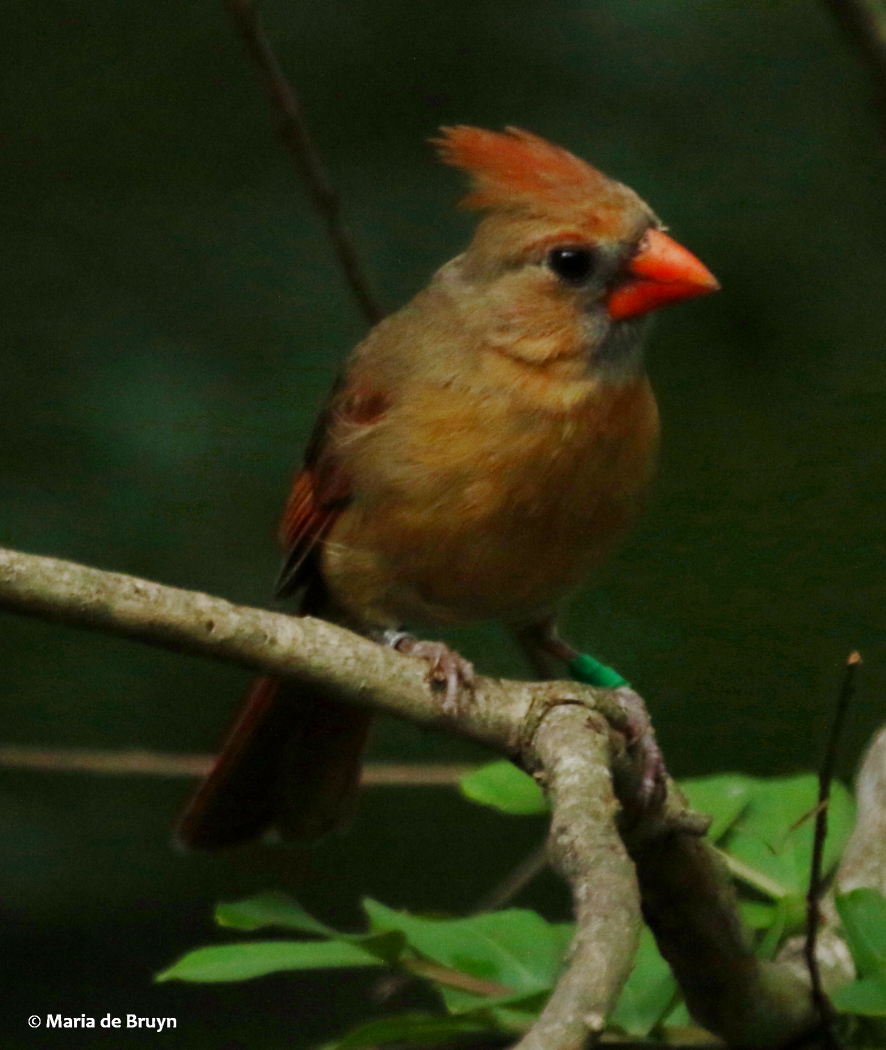
Northern cardinal Clancy I77A8123© Maria de Bruyn resOne Northern cardinal (Cardinalis cardinalis) was banded last year, but Clancy only stayed a few days and then disappeared for the rest of the summer, fall and winter. He suddenly appeared yesterday – perhaps encouraged to spend time at the feeders by the other birds with bracelets.
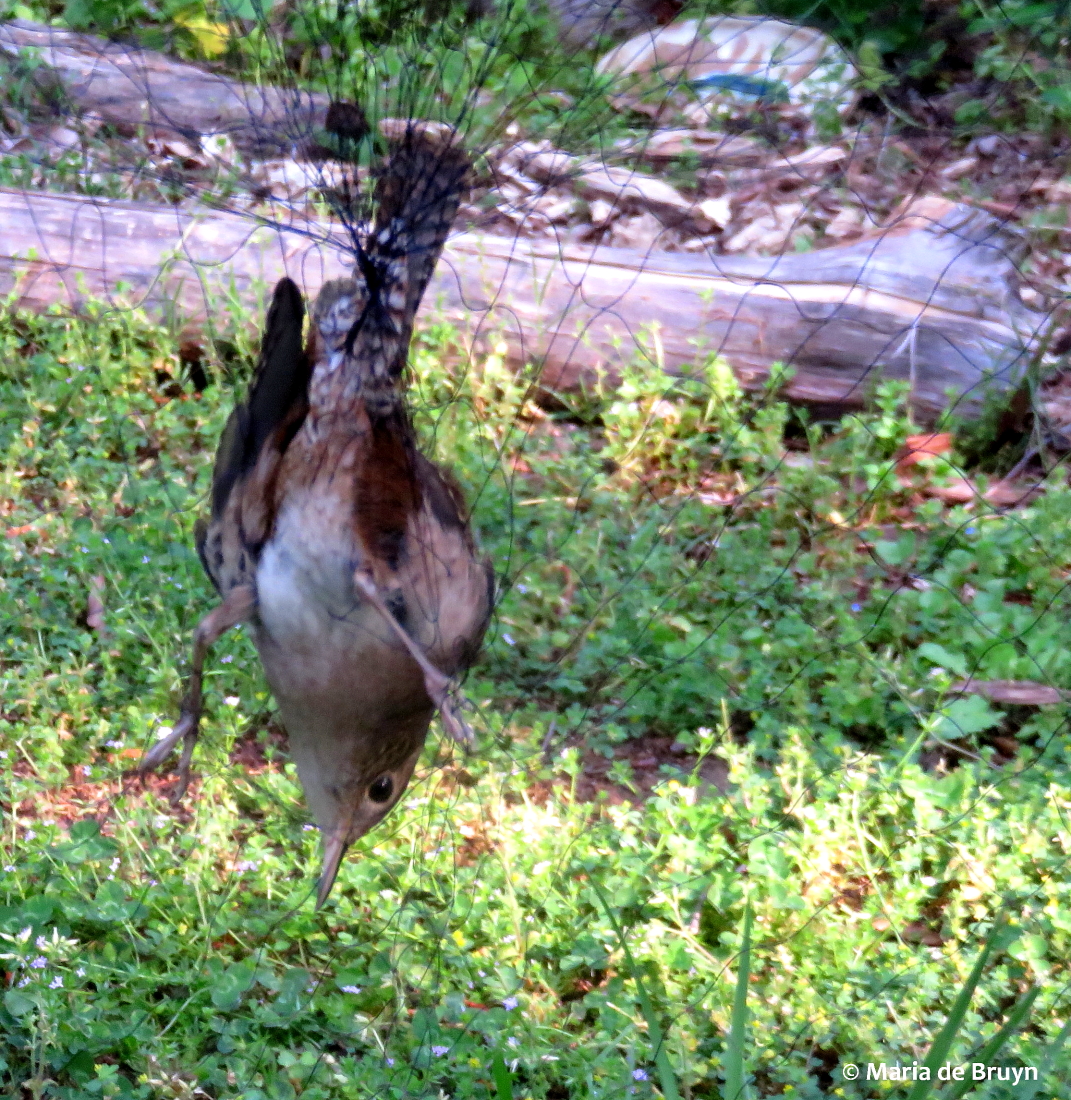
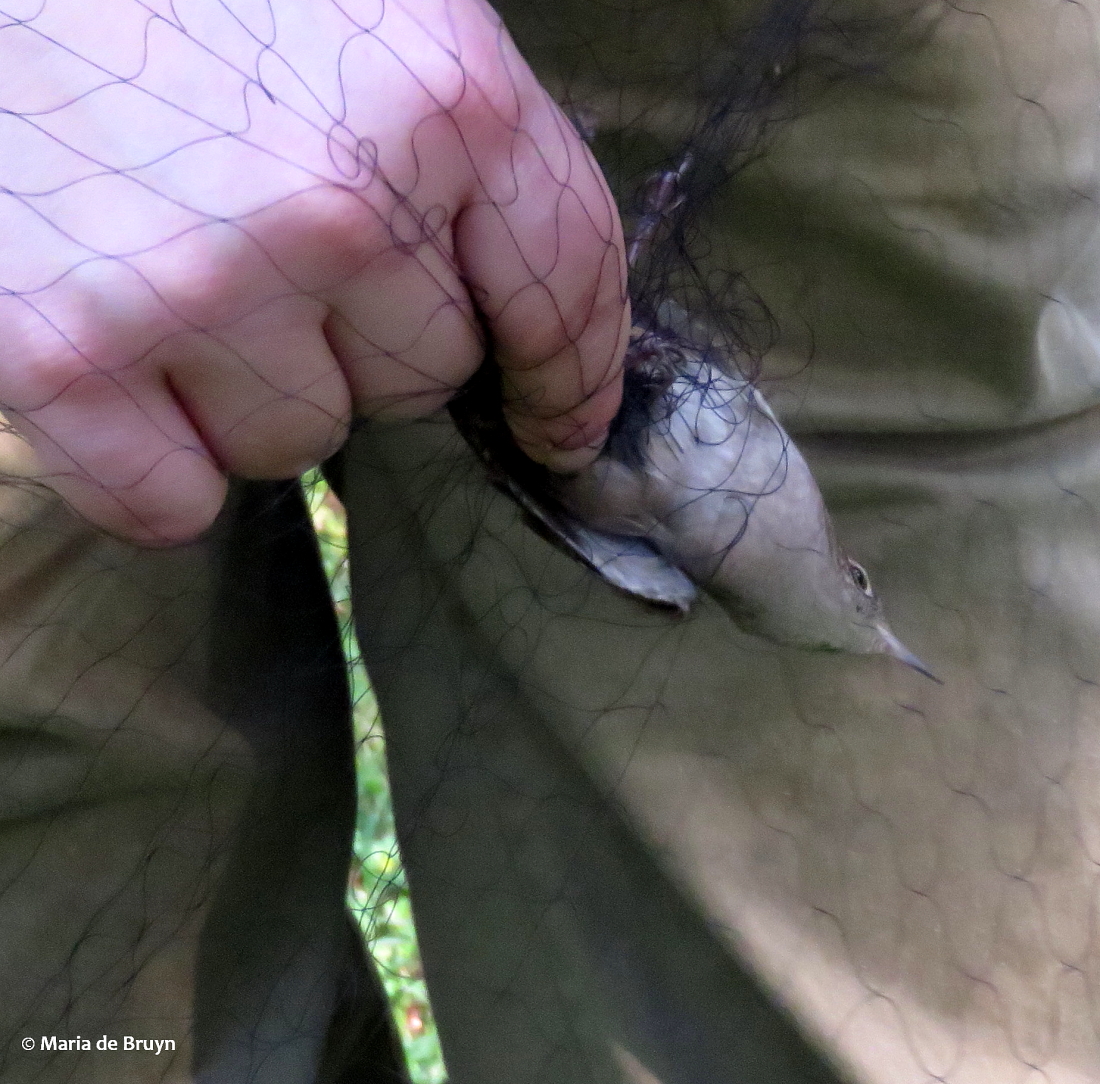
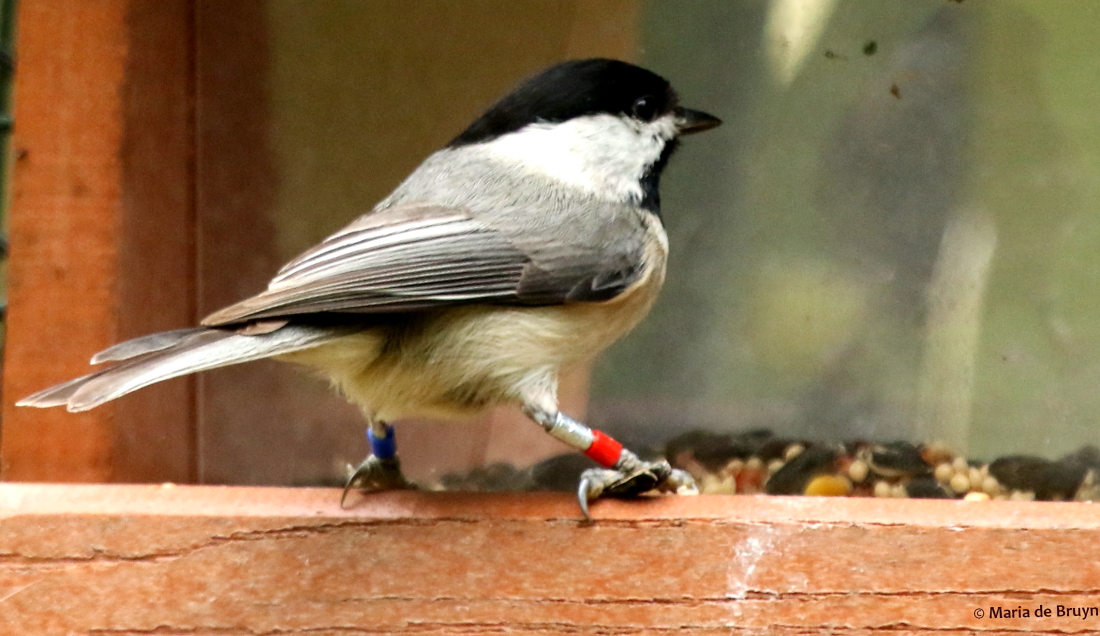
Three days ago, a second round of banding was done and we put the colorful anklets on a total of 10 birds. They were caught in two mist nets – one near my back garden and one near the backyard feeders.

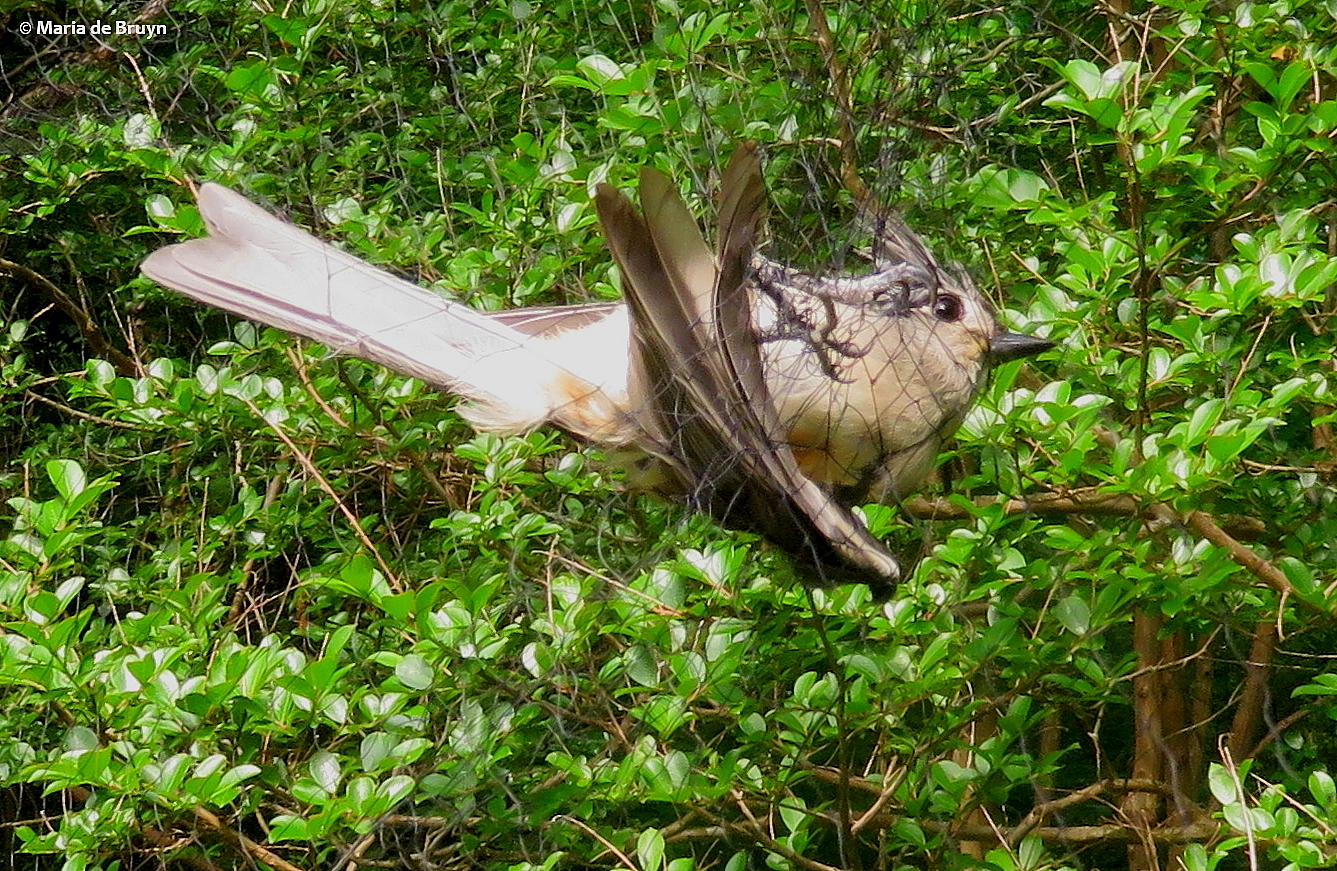
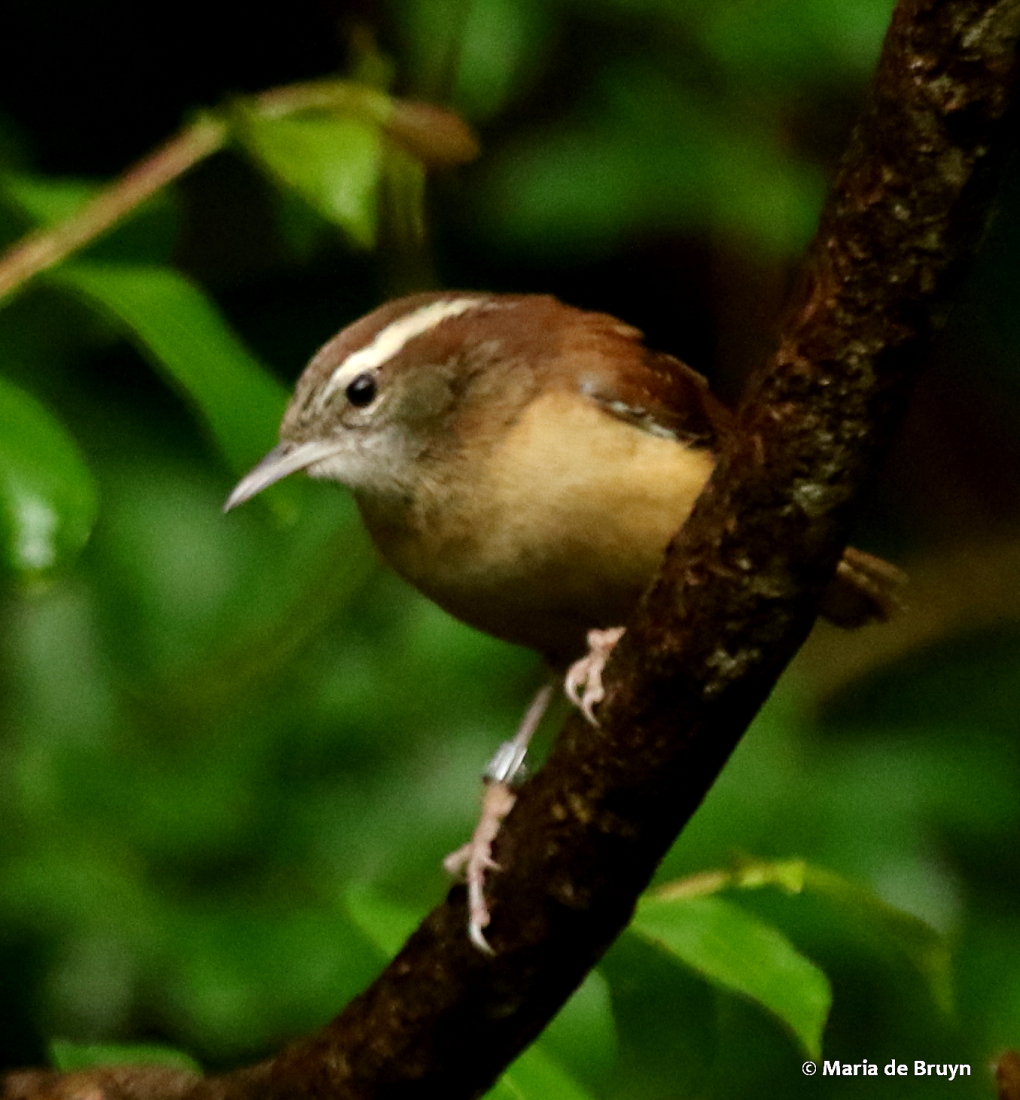
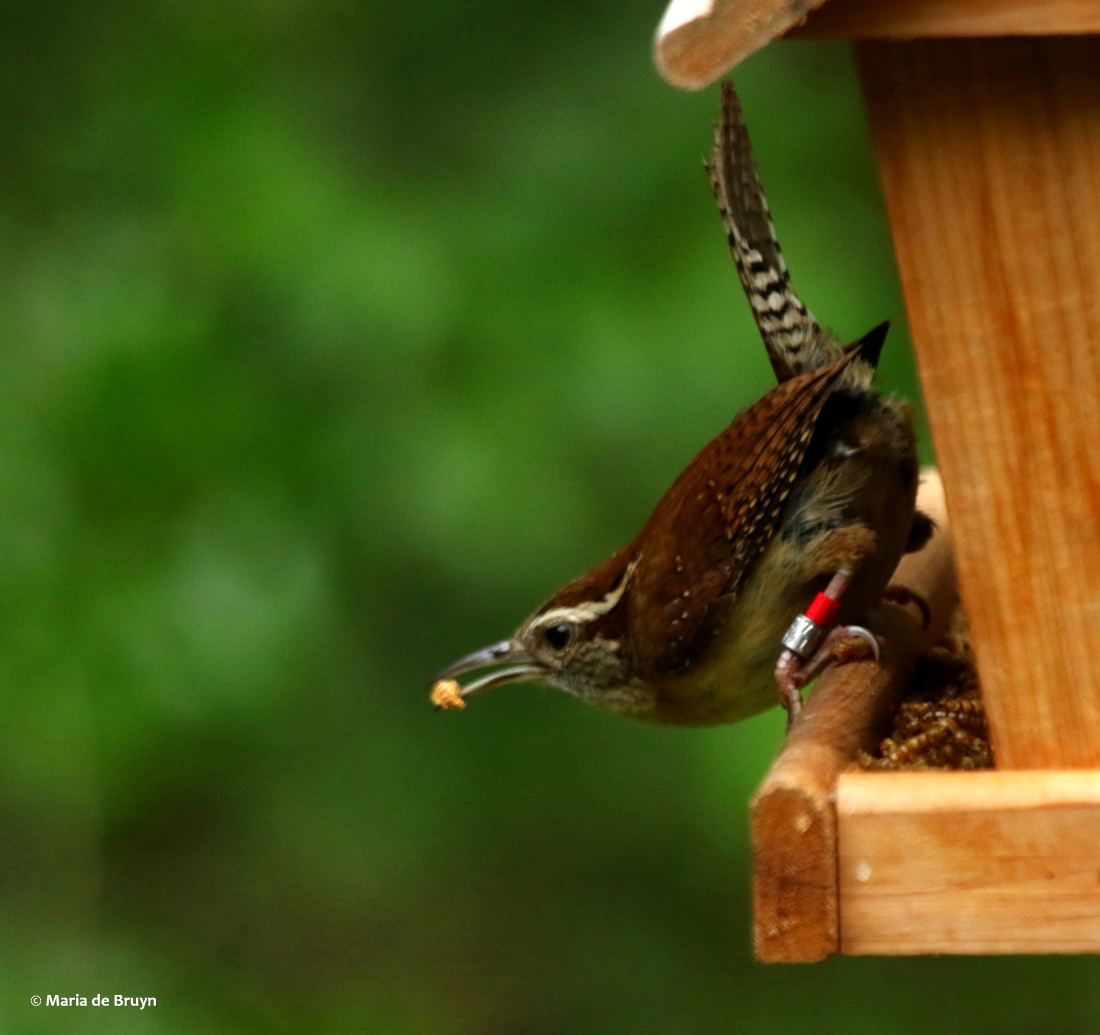
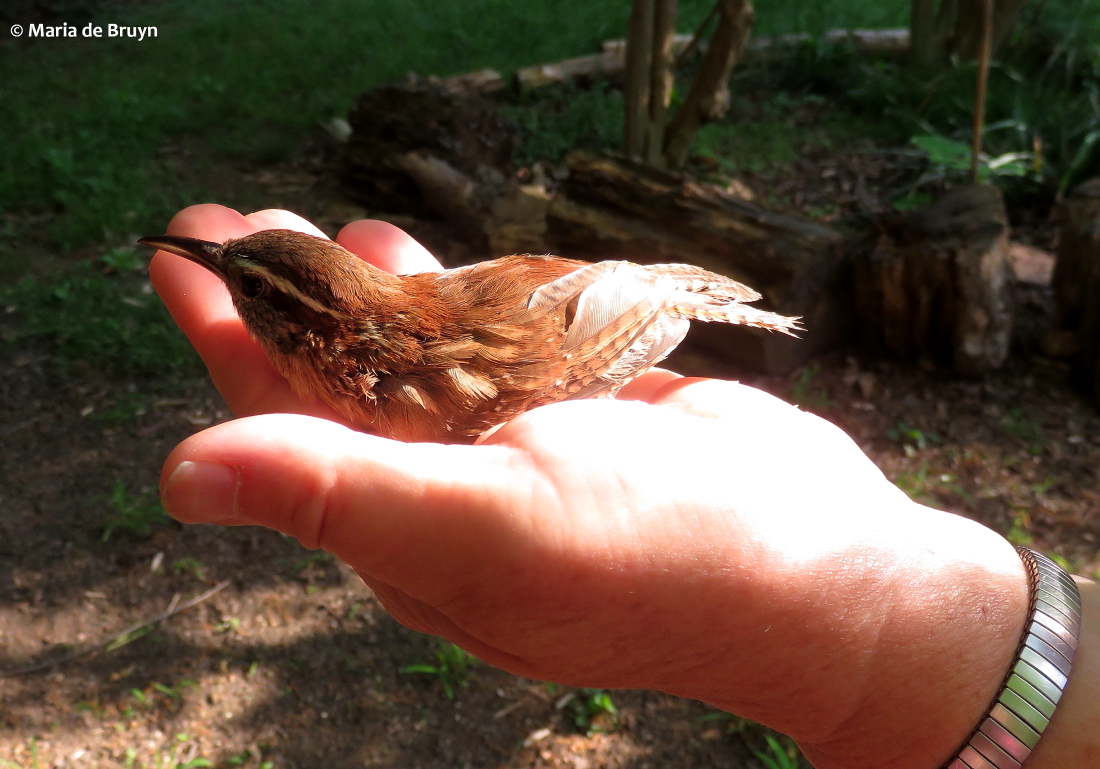
Northern cardinal Camilla I77A9127© Maria de Bruyn resThe nets had just been installed when our first visitor, a female Northern cardinal, was caught. She was not happy and when put in a bag until she could be banded, weighed, examined and measured, she did not remain still and calm. She had a little wait, however, as a female Carolina wren (Thryothorus ludovicianus) flew into the other net at just about the same time, followed by her mate within seconds. As the cardinals can tolerate being in a bag better than the smaller birds, the two wrens were banded first. Alicia let the first one go and then I released the second one, who rested on my palm for a bit. He felt so nice and soft!
Carolina wren Riley IMG_3832© Maria de Bruyn res

Forty-five minutes later, playback of a house wren’s song (Troglodytes aedon) led to the capture of a male who immediately came to investigate who was invading his territory. His mate, who was busy putting the finishing touches on a nest in a box near the mist net, didn’t go near the net.

house wren Hans IMG_3842© Maria de Bruyn reshouse wren Hans IMG_3844© Maria de Bruyn res

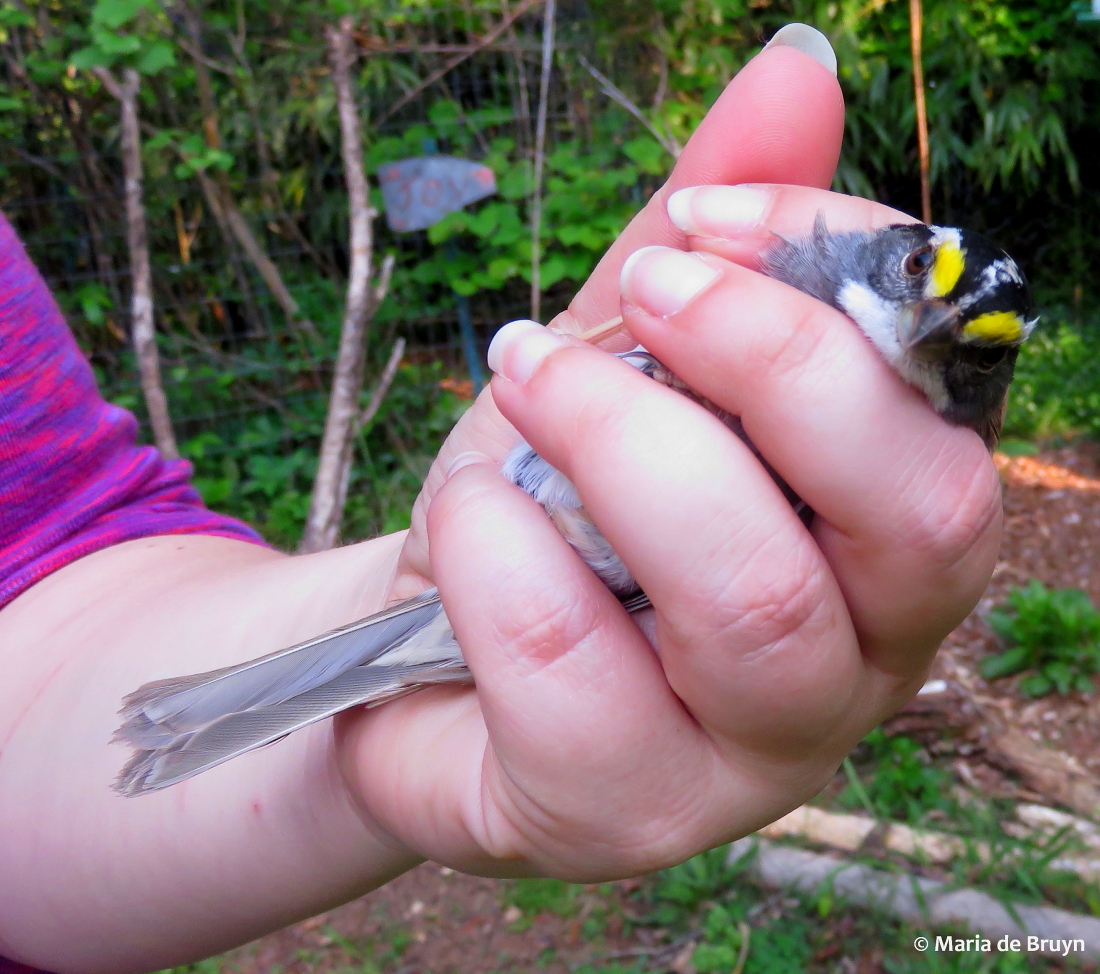
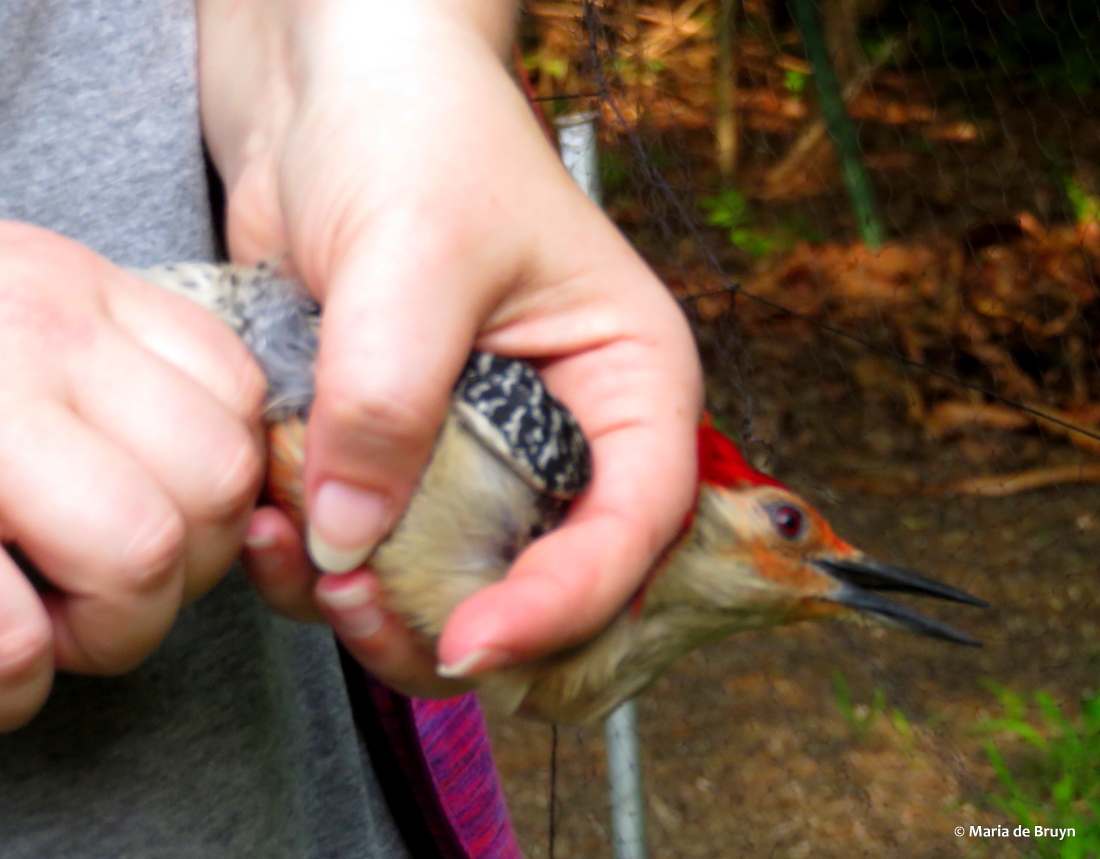
A few birds not targeted for the study ended up tangled in a net. A white-throated sparrow (Zonotrichia albicollis) had beautiful vivid breeding colors on his head. A red-bellied woodpecker (Melanerpes carolinus) was not calm like the sparrow, fluttering his wings constantly as Alicia, the bird bander, got him loose.
white-throated sparrow IMG_3837© Maria de Bruyn res red-bellied woodpecker IMG_3822© Maria de Bruyn res
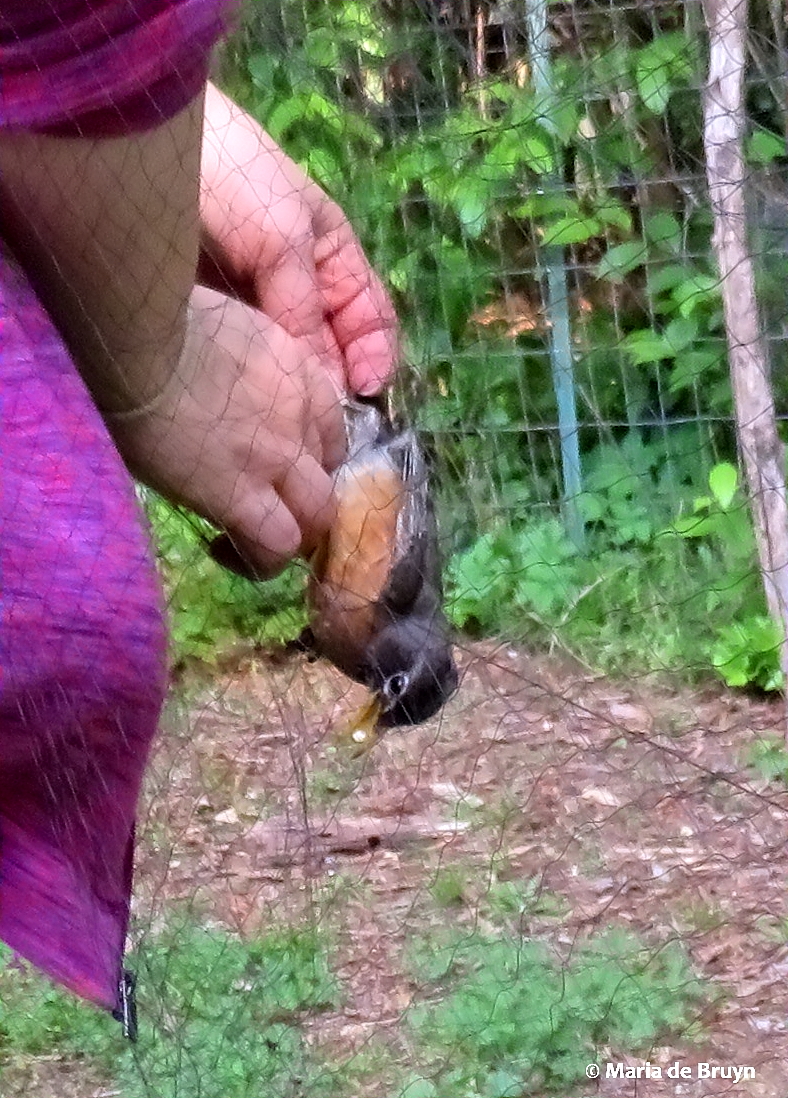
Next up were a male cardinal and a female American robin. Like last year, the birds were measured and weighed. Although about the same length, the weight difference between the heaviest Northern cardinal we banded (41.2 oz) and the American robin was striking (79.6oz). The robin’s fondness for worms and other dietary preferences helps account for this. When I let her go, she didn’t feel very heavy in my hand as she rested a second before flying off.
American robin Raisin IMG_3854© Maria de Bruyn

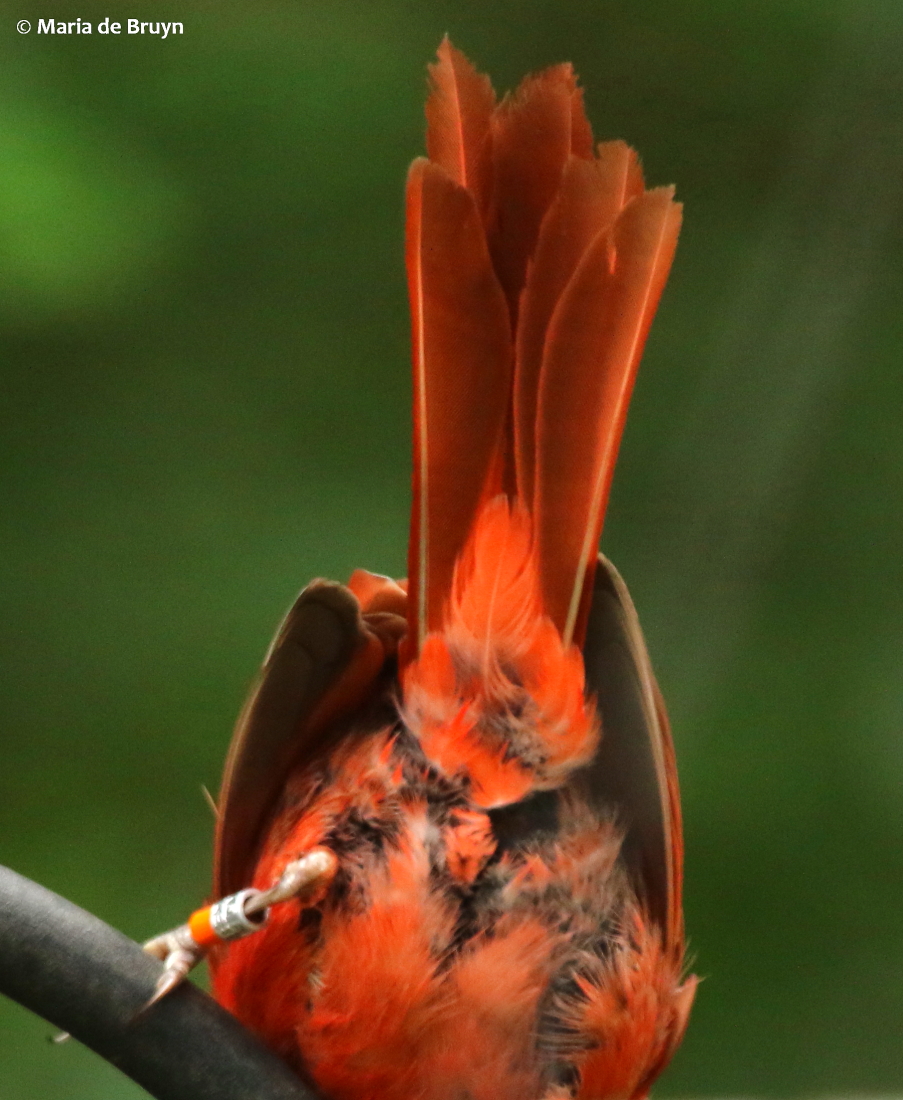
Except for birds that were molting their tail feathers, Alicia also removed the third left tail feather; this is done primarily for stable isotope analysis, which allows a researcher to estimate where the bird was when that feather was grown.

Northern cardinal Crake I77A0559© Maria de Bruyn res

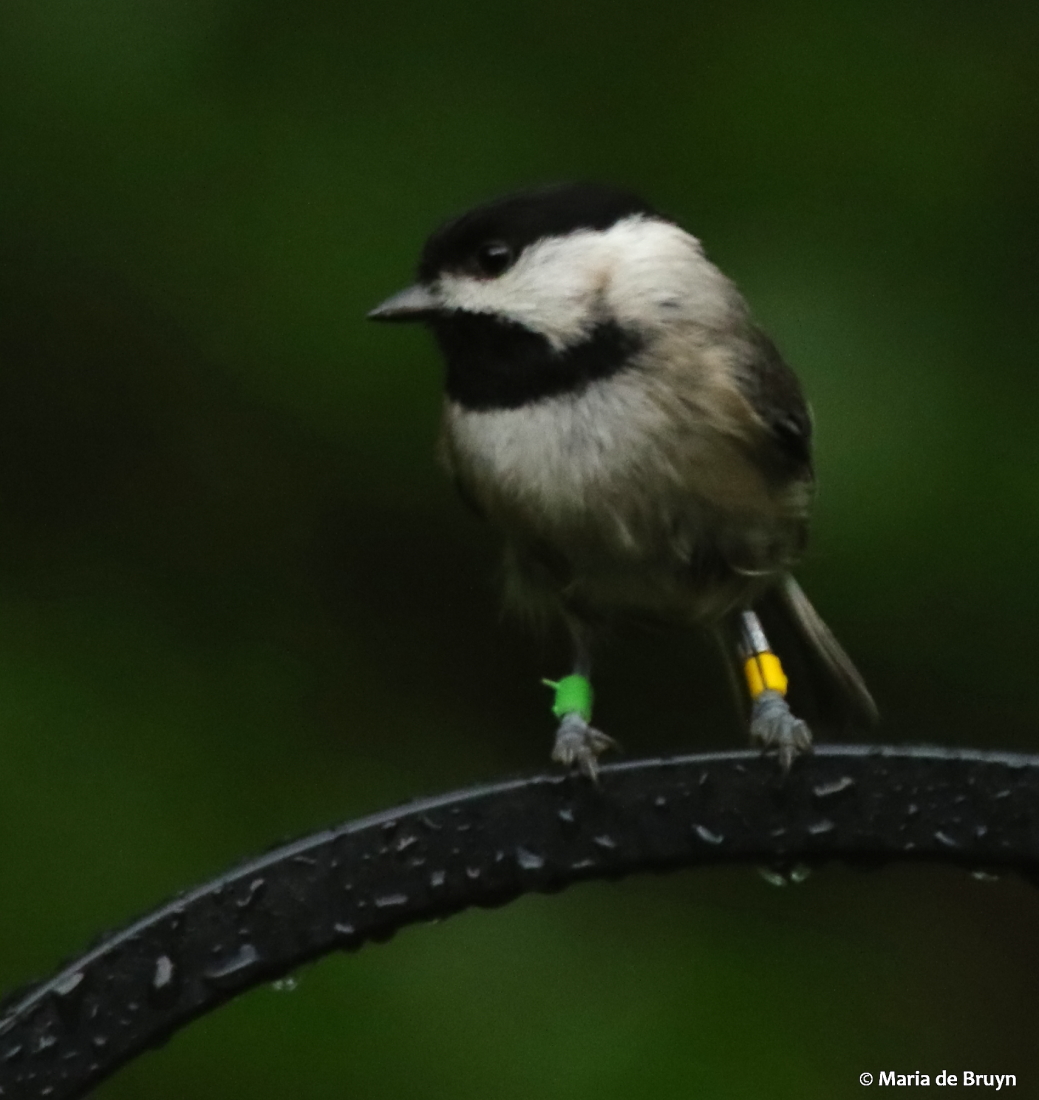
Carolina chickadee Chancey I77A7762© Maria de Bruyn resThe catbirds avoided the mist nets skillfully this year. Playback of their songs drew them to the vicinity but the two pairs visiting the feeders were more interested in chasing each other away from the territory. Alicia hoped that we could get a Carolina chickadee (Poecile carolinensis); with playback we got a male and then, 45 minutes later after banding another cardinal, we got a pair of them.

Carolina chickadee Chase I77A0348© Maria de Bruyn res Carolina chickadee Chantal I77A9525© Maria de Bruyn res

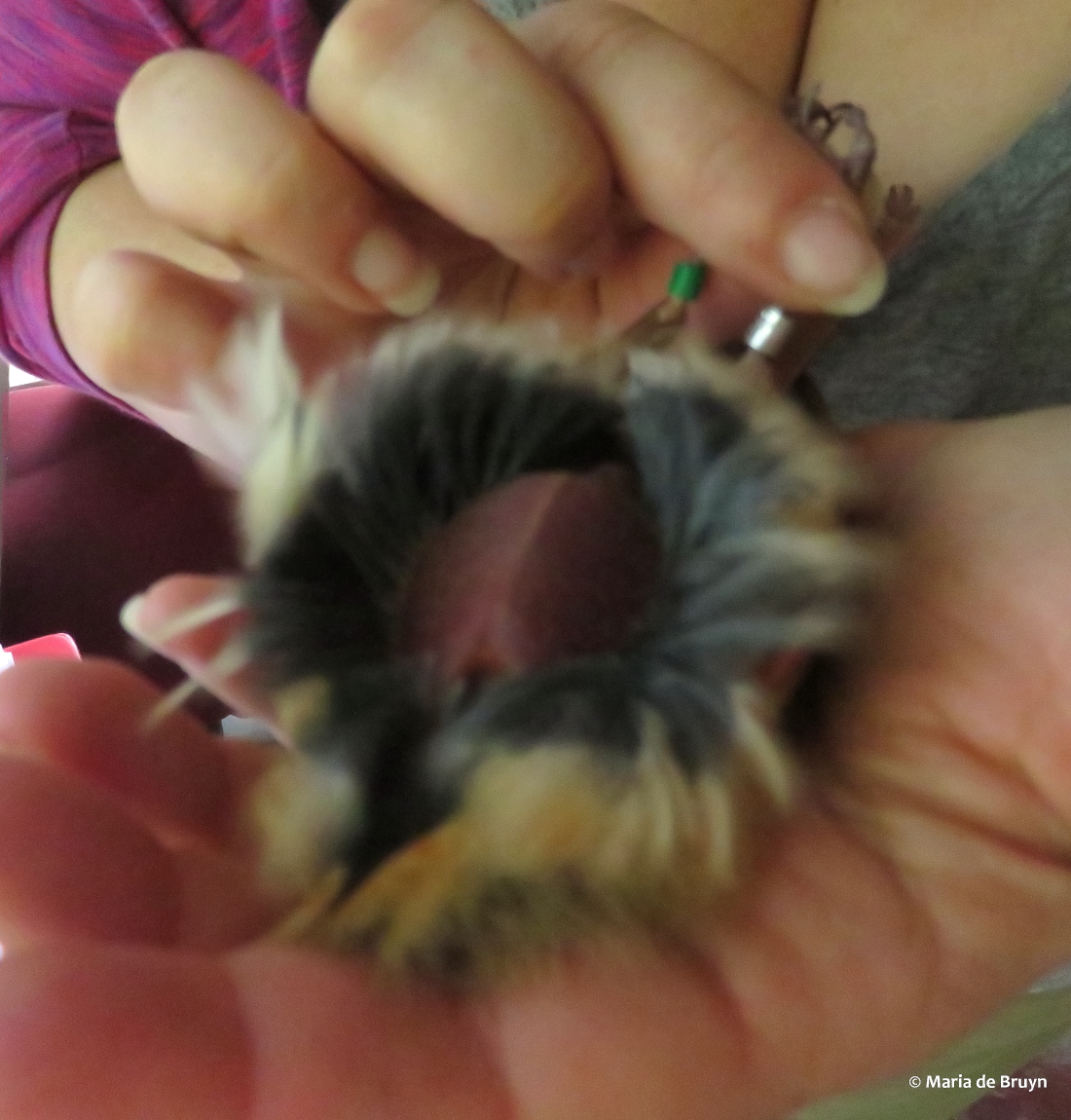
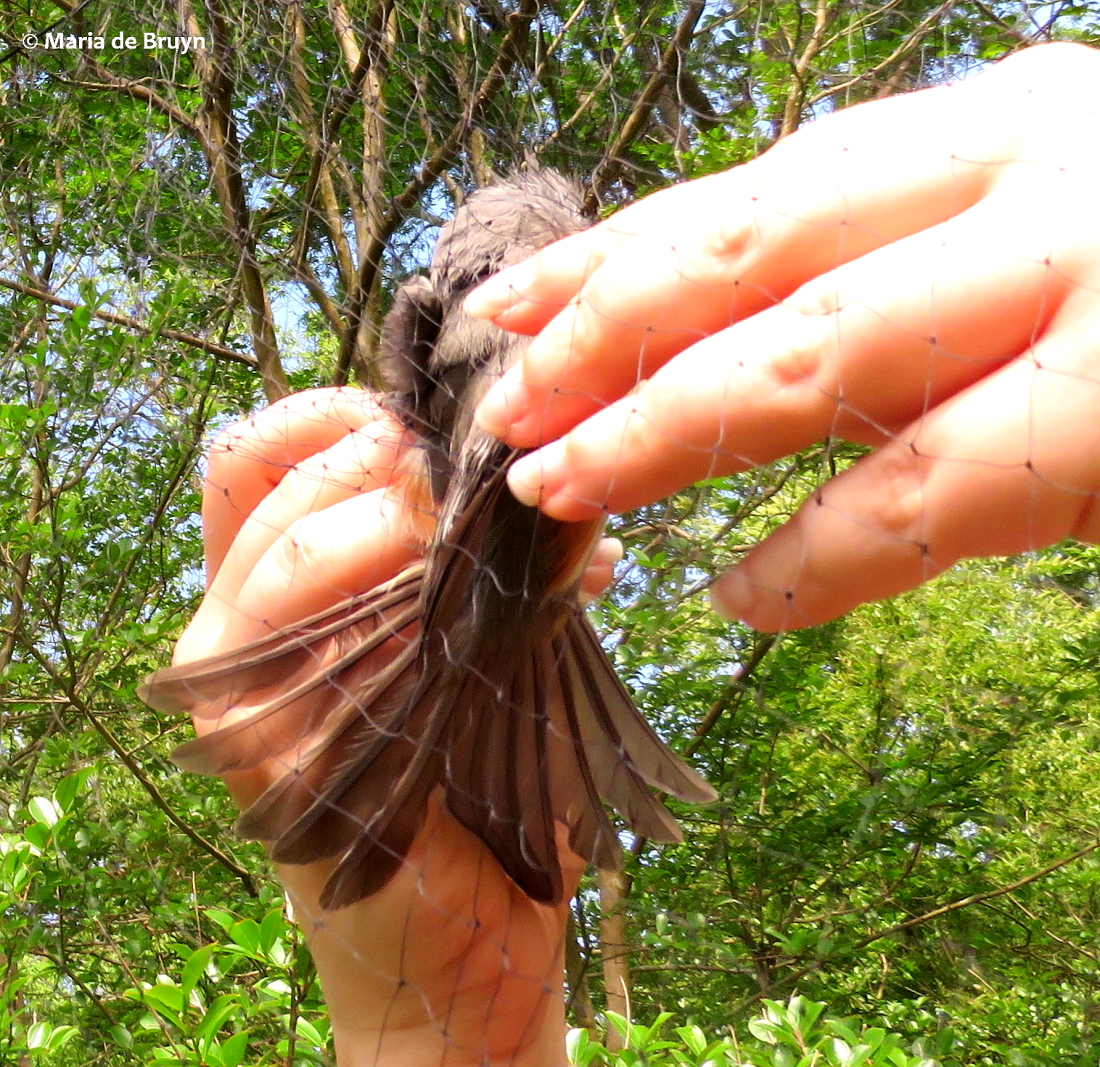
Alicia blew on the birds’ undersides (forgive the blurry photo) to assess fat reserves, which are stored along the flanks and up near the furcula by the collar bone. She could also determine sex that way and thought that one chickadee might be developing an egg – hopefully, one of the females who lost a nest to predators in my yard a week ago. The last male chickadee released was out of sorts after the experience; before leaving my hand to fly off rapidly, he turned and bit me as a parting shot.

Carolina wren Renee IMG_3813© Maria de Bruyn res Carolina chickadee IMG_3856© Maria de Bruyn res

Alicia had remarked that she hoped no tufted titmouse (Baeolophus bicolor) would be caught; they are not part of the study and she said they are so feisty that their bites can be a bit painful like those of the cardinals. Unfortunately, one leaving a feeder did end up in a net and lived up to its reputation as a feisty bird. A chipping sparrow (Spizella passerina), who was the last bird in a net remained fairly calm as the net was removed from its claws.

tufted titmouse IMG_3858© Maria de Bruyn res

Tufted titmouse IMG_3861© Maria de Bruyn res

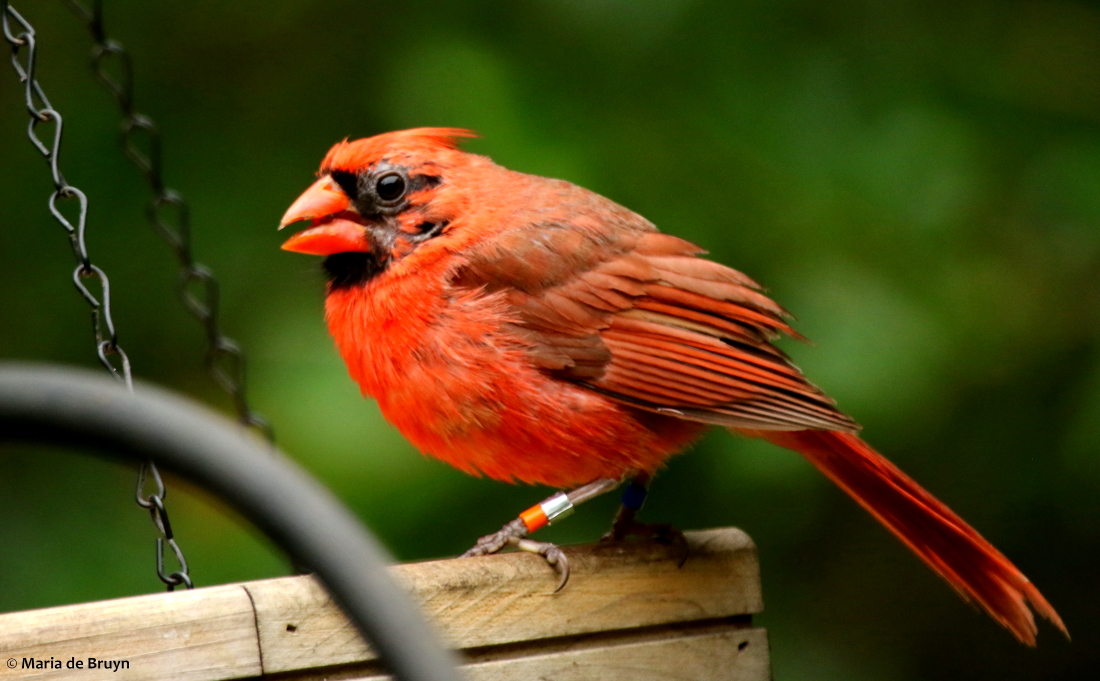
Yesterday, I spent some time watching the feeders and yard to see if all the banded birds had left. Luckily, some of them showed up and were here again today. So here are a few of “my birds” with bling – this is a truly enjoyable citizen science project. 🙂

Northern cardinal Clarence I77A0124© Maria de Bruyn res Northern cardinal Crake I77A0593© Maria de Bruyn res

Clarence                                                                       Crake

Carolina wren Renee I77A9354© Maria de Bruyn resCarolina wren Riley I77A0508© Maria de Bruyn res

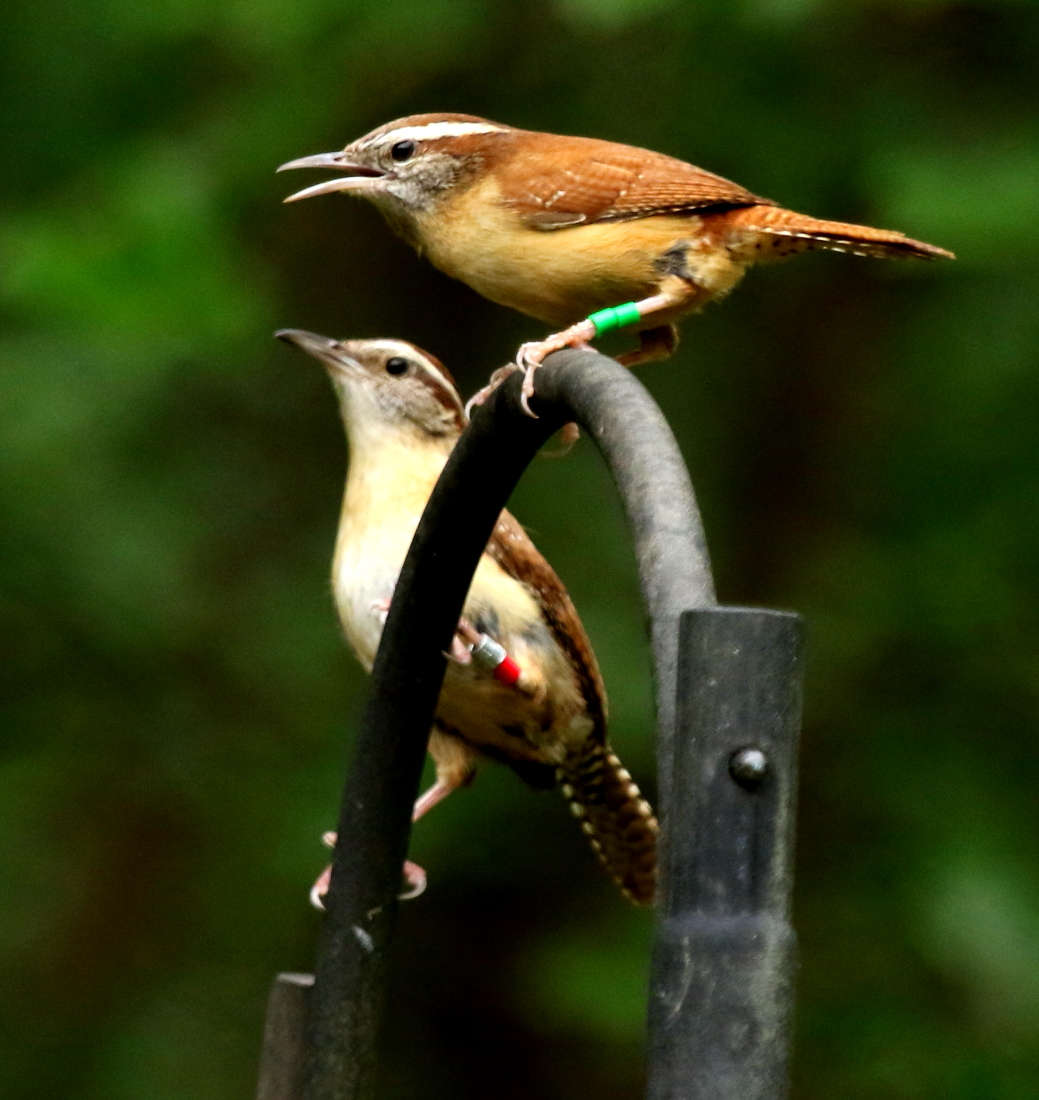
Renee and Riley Carolina wrens


Maintaining culture through plants

Burmese farmer IMG_5217© Maria de Bruyn resChapel Hill’s largest refugee community comprises three ethnic groups who fled the country of Myanmar (Burma); a number of them lived in refugee camps in Thailand before they came to the USA. Some 30 of these families have been receiving assistance since 2010 at the Transplanting Traditions Community Farm, through which they are able to grow many of the plants on which they relied as farmers in their home country. The gardens they maintain not only help feed members of their families and community, but also enable them to maintain some of their original culture through dietary customs. The farm also helps the families earn an income through the crops they sell via farmers’ markets and a community supported agricultural (CSA) project wherein customers commit to buying a box of vegetables from them every week.

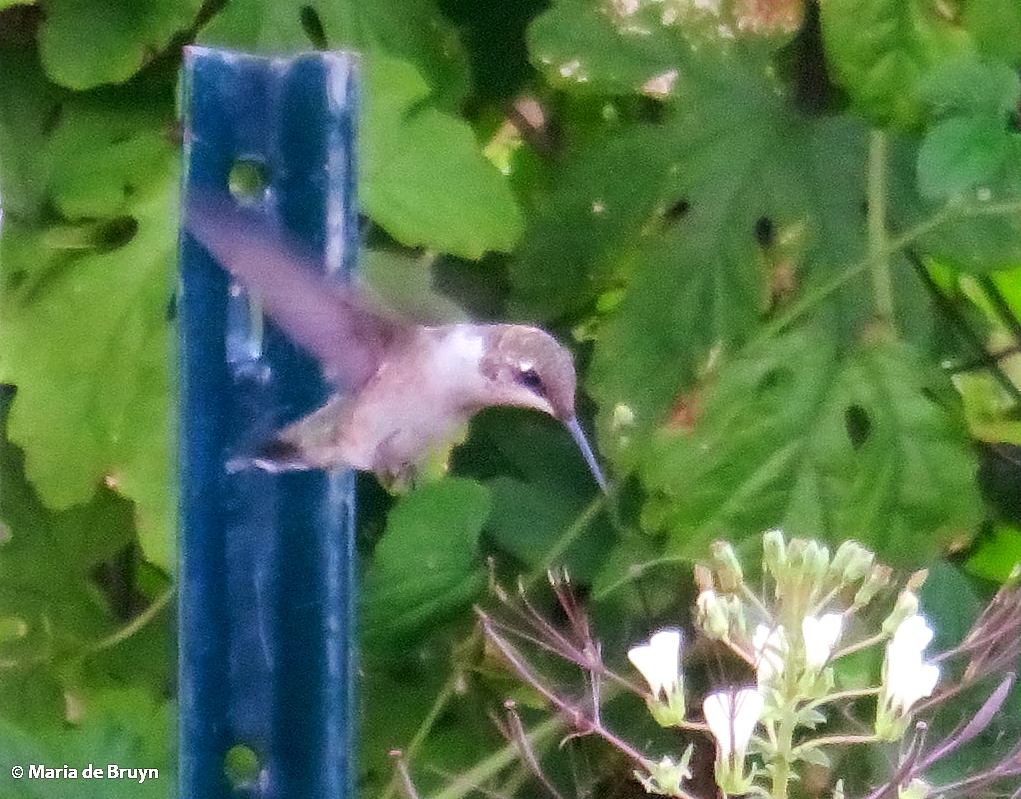
IMG_5230© Maria de BruynThis evening, the Community offered the general public a chance to tour their gardens and sample some of their traditional dishes, a delightful experience to be sure. When I arrived for the event, I first toured one of the plots with shared vegetable gardens. What first struck me was the large number of birds that were in the garden, including American goldfinches (Spinus tristis), chipping sparrows (Spizella passerina), ruby-throated hummingbirds (Archilochus colubris) and great-crested flycatchers (Myiarchus crinitus) among others.

American goldfinch IMG_5117© Maria de Bruyn res

chipping sparrow IMG_5063© Maria de Bruyn res flycatcher IMG_5075© Maria de Bruyn res

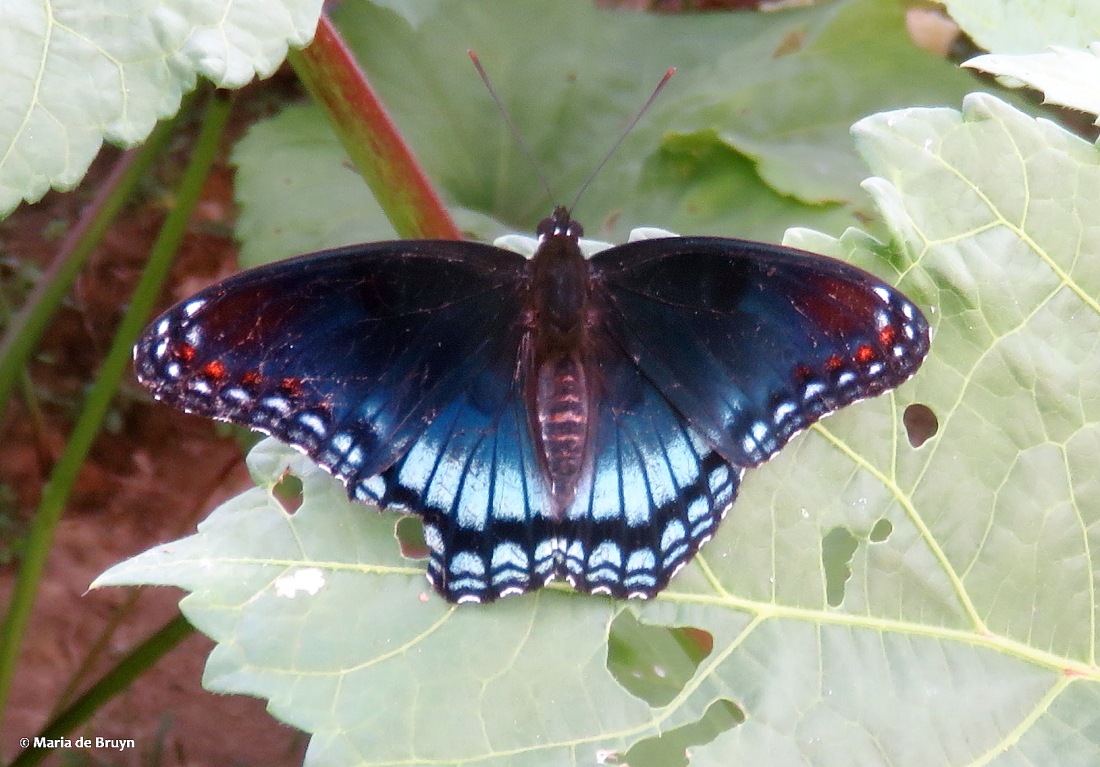
ruby-throated hummingbird IMG_5088© Maria de BruynThe air was alive with bird calls and song and as dusk fell, you could see the birds flitting from ground to plant to plant. Butterflies, like this red-spotted purple (Limenitis arthemis astyanax), were also flying about the garden, which had a mix of full-grown vegetables and blossoms promising more crops to come.

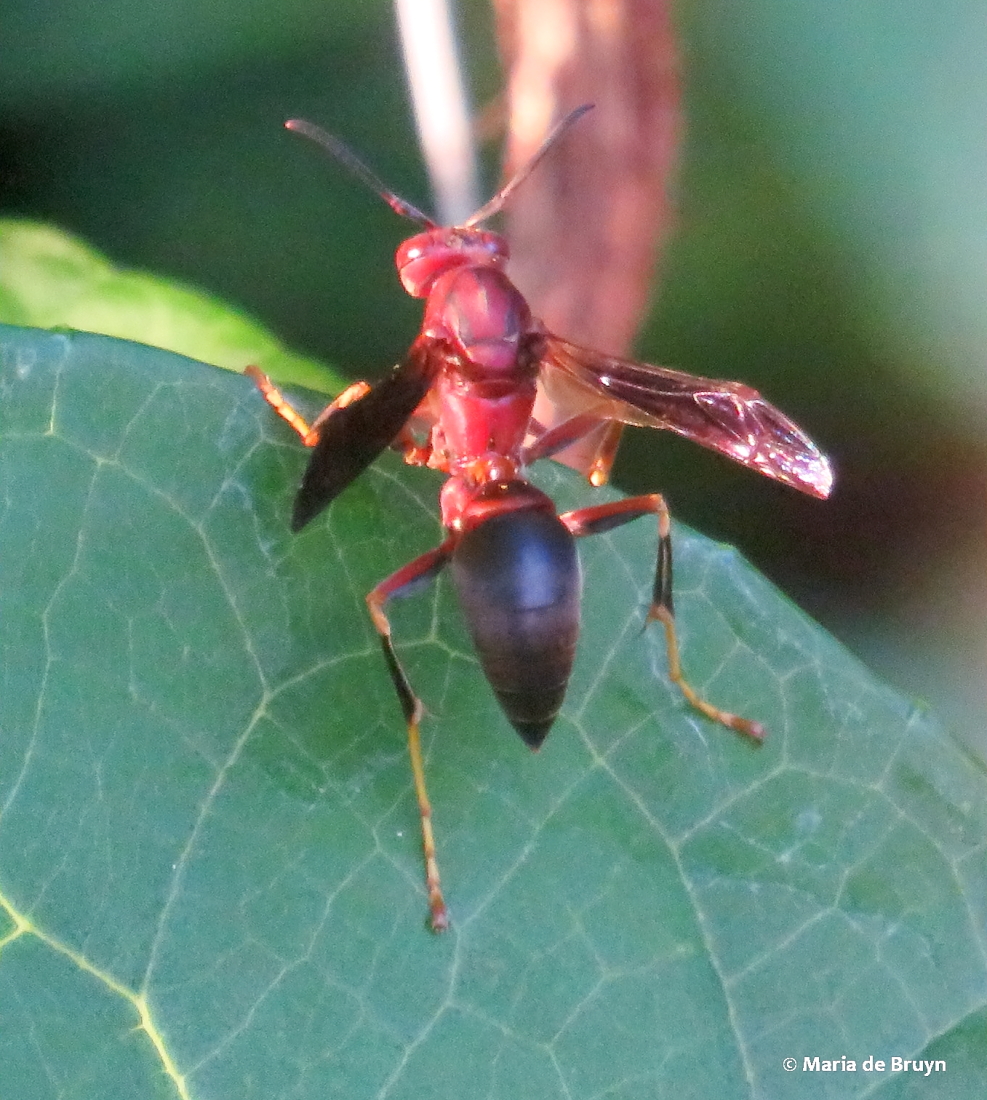
Paper wasps (Polistes) and other insects were also plentiful.

red-spotted purple IMG_5151© Maria de Bruyn res Paper wasp IMG_5182© Maria de Bruyn res

squash IMG_5095© Maria de Bruyn res vegetable blossom IMG_5065© Maria de Bruyn res

The event was co-sponsored by The Conservation Trust for North Carolina, Orange County Partnership for Young Children, and Triangle Land Conservancy, which provided the Community Farm with space in its Irvin Nature Preserve. Representatives of the organizations said a few words about their work and then we were led on a guided tour of a newer part of the Community Farm by Kelly Owensby, the Project Director, and one of the Karen teenagers participating in the project, Joe.

IMG_5194© Maria de Bruyn

We had some tasty beer, provided by a donor, and were given a bit of the Farm’s history as we walked along the path to the new section.  The 5-acre Farm is on land in the rural outskirts of Chapel Hill and, while it is a wonderful site on this 269-acre Preserve, it is not served by public transportation, a circumstance that has made it impossible for some refugee families to participate in the project. The 30 families that have managed to get there daily, in addition to their regular jobs, have made over $125,000 over the past three years with their produce sales.

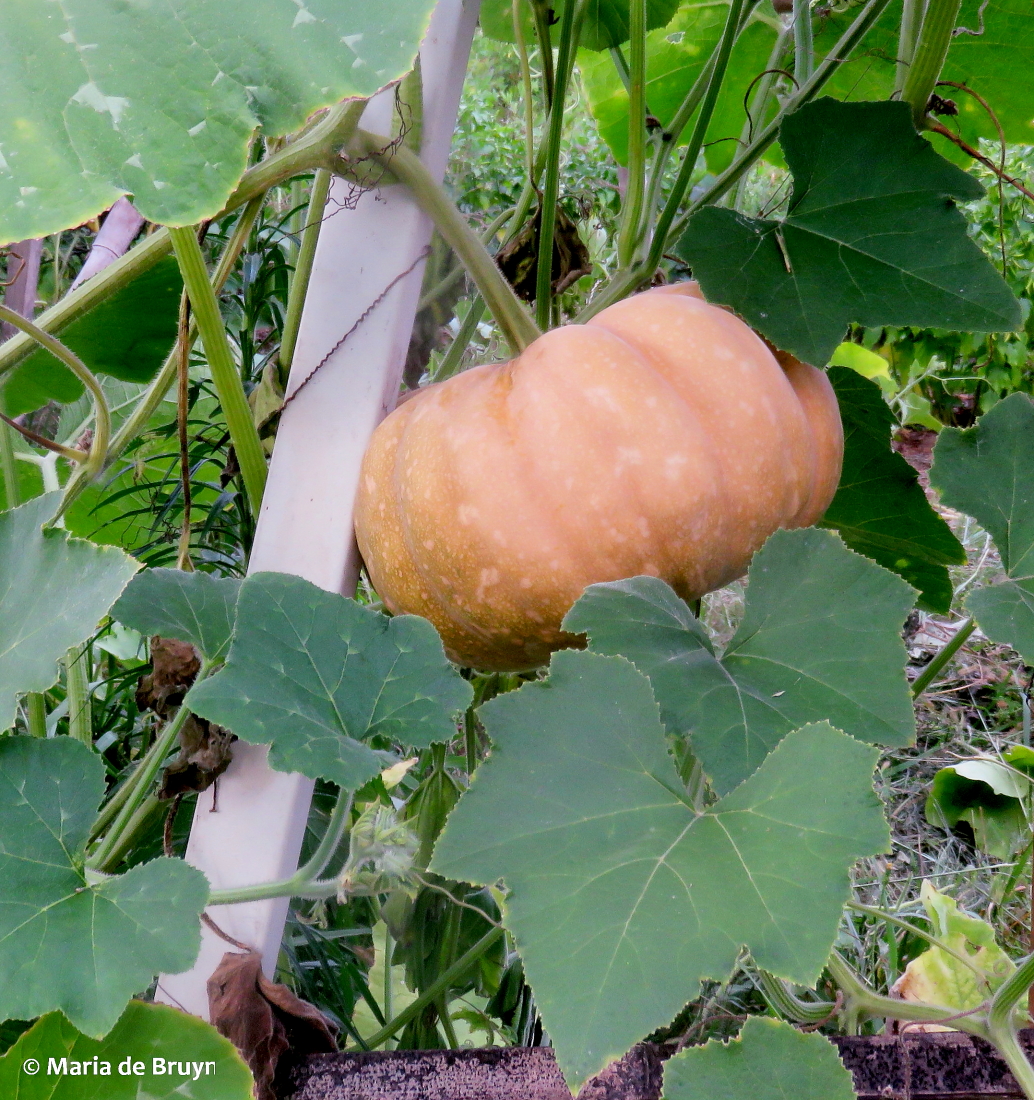
pumpkin IMG_5070© Maria de Bruyn resKaren plant IMG_5139© Maria de Bruyn res

Joe told us about a Karen holiday that are celebrated by these ethnic families here in North Carolina. The wrist-tying ceremony recalls how the Karen people fled through Mongolia a long time ago; elders bind the wrists of young people by winding white thread around them three times wound three times with white string, which wards off misfortune and evil.

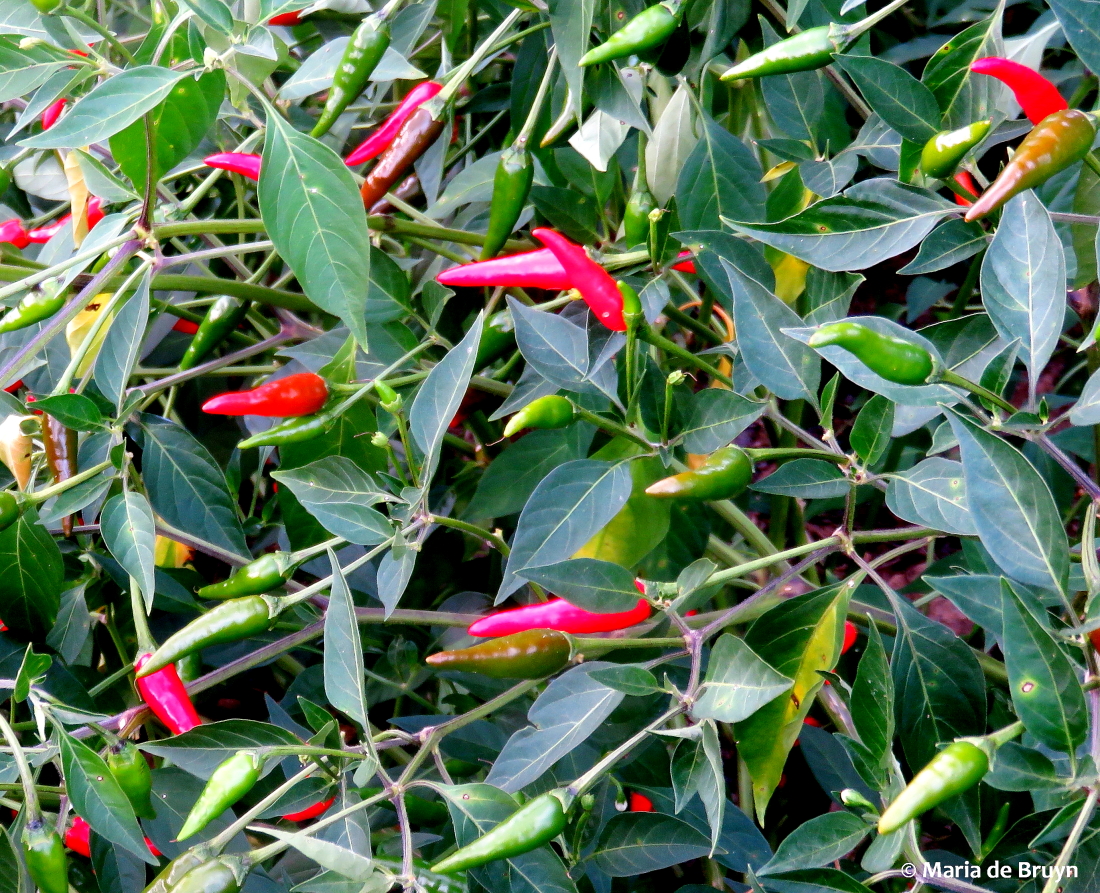
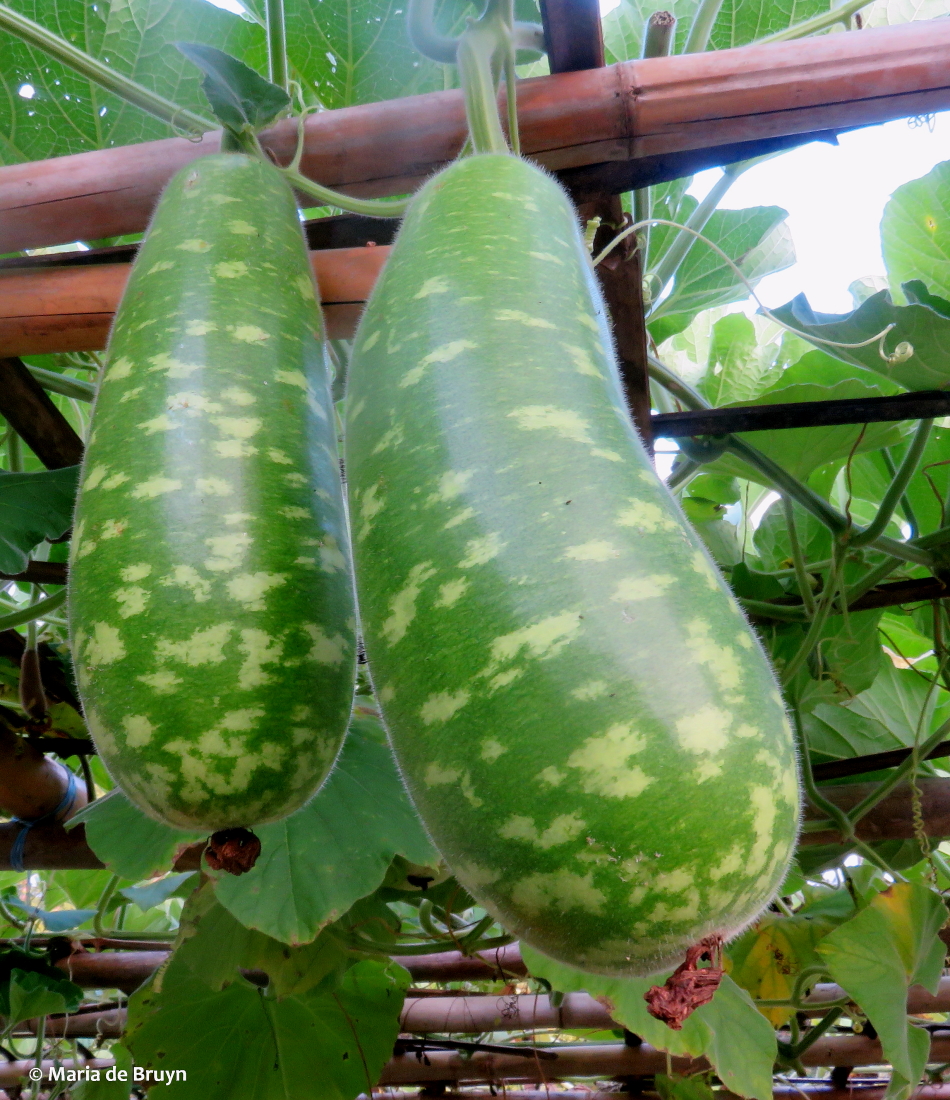
Papaya IMG_5176© Maria de BruynThe farmers grow some 40 plants native to Burma. These plants need to be re-planted from seeds each year since the North Carolina climate is too cold in winter for them to survive as perennials. The papayas don’t bear fruit but the Burmese refugees use their leaves in various dishes. Some of the native plants include gourds, turmeric, bitter melons, ginger, taro root, medicinal herbs and lemongrass. Plain green gourds could be seen hanging near spotted water gourds.

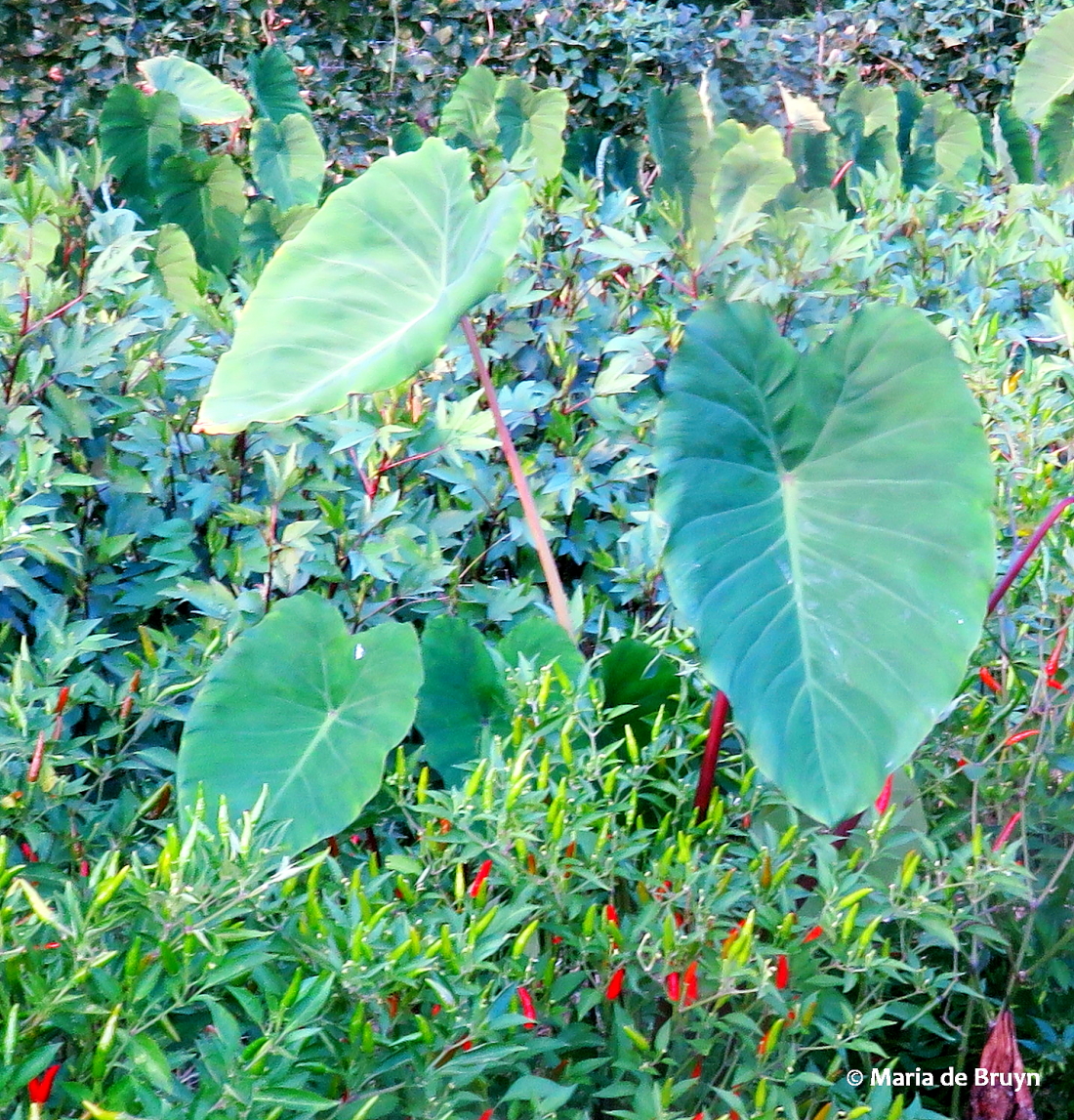
taro IMG_5201© Maria de Bruyn respepper IMG_5115© Maria de Bruyn res

gourd IMG_5211© Maria de Bruyn res water gourd IMG_5204© Maria de Bruyn res

Sesame IMG_5187© Maria de Bruyn resOne female farmer had begun growing sesame seed, a crop she had had in her native country and which she was very glad to be growing here. The bamboo trellises are commonly used to suspend gourds and provide shade for crops that need protection from constant sun such as ginger and turmeric.


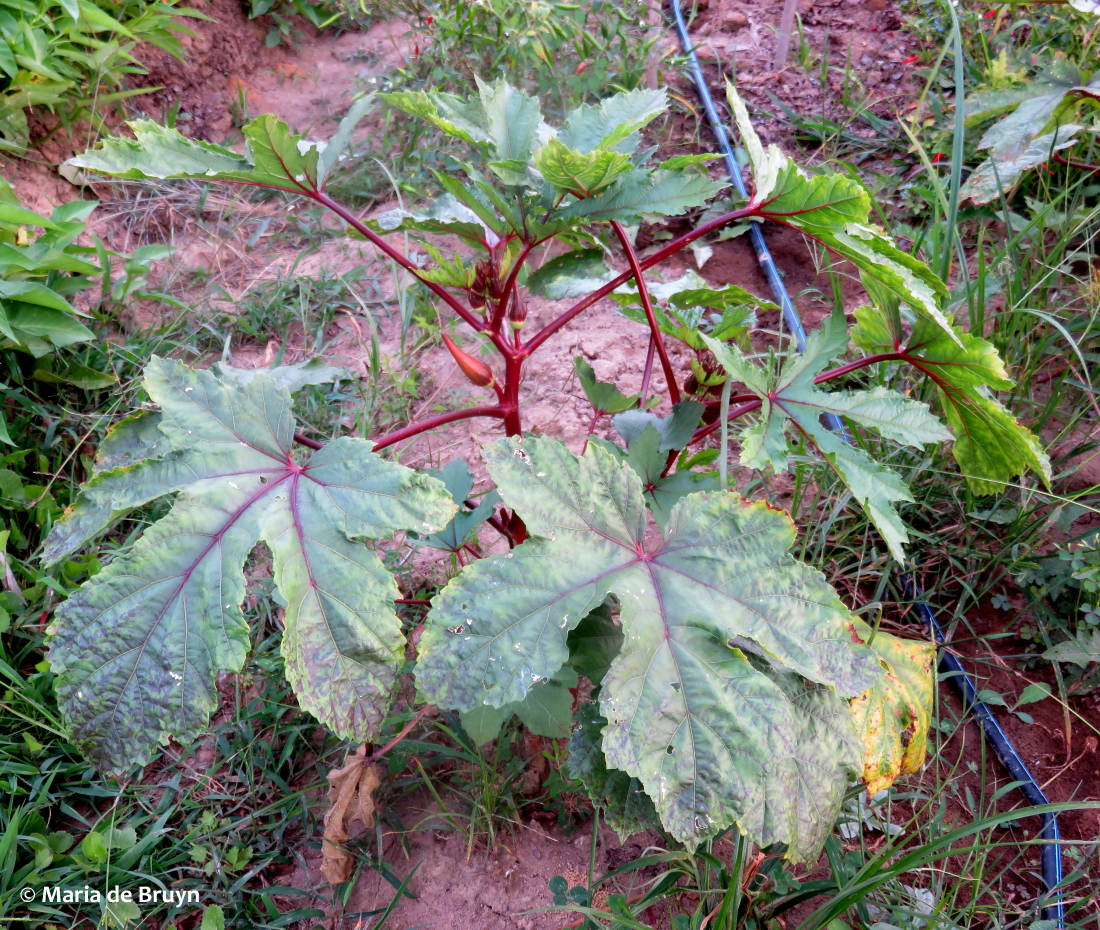
The farmers are also growing plants native to North Carolina, such as okra.

okra IMG_5199© Maria de Bruyn res

IMG_5231© Maria de Bruyn


Burmese vegetables IMG_5219© Maria de Bruyn resBurmese meal IMG_5229© Maria de Bruyn res

The okra featured alongside water gourd and ridge gourd as part of our meal appetizer of vegetable tempura. We were also treated to a delicious soup incorporating okra along with lemon grass and shitake mushrooms, a delicious and slightly spicy pumpkin curry and a salad with some bitter elements that went well with the other dishes.

gourd IMG_5113© Maria de Bruyn res Karen plant IMG_5156© Maria de Bruyn res

I had told four people about this opportunity to sample Karen and other Burmese cuisine but none of them came; they missed a really delicious meal! I hope many more people attend the evening next year.