
In 2019, I came across a few areas on walks where beavers were active and local residents were enjoying their presence. The animals weren’t shy and would come out in the mornings and evenings to eat and work on their lodges and dams, so I was able to observe them fairly often.

In the intervening years, people have taken varied actions to deal with these mammals at the sites I visit, and my sightings have decreased. So, I was very pleased this past fall when I came across a beaver who had put aside his (or her) shyness and was coming out to swim often during daytime hours at one pond.

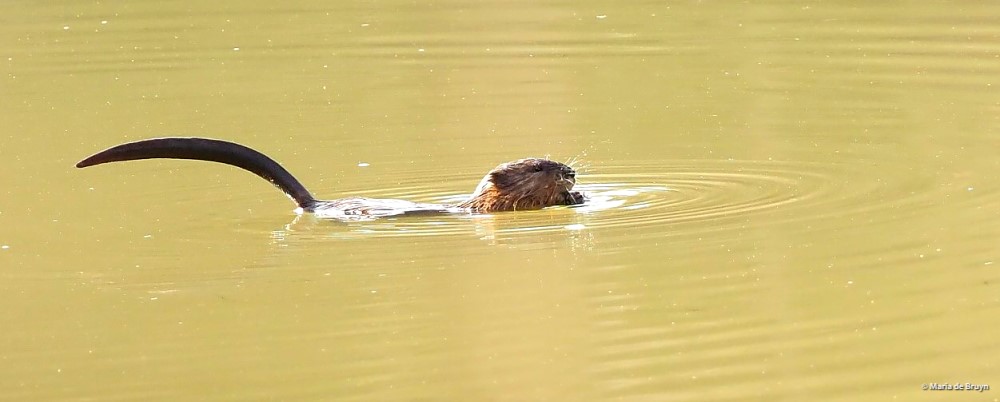
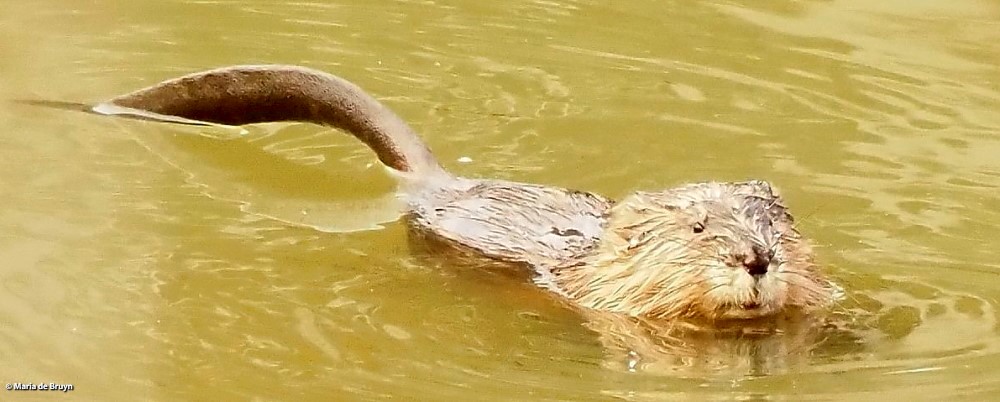
One day, this amiable animal decided to have a prolonged grooming session and gave me some good looks at its anatomy. S/he had what is considered a typical beaver tail: large and flat. Later I learned that beaver tails differ from animal to animal, with tail shapes (short, long, narrow, broad) being determined by individual and family traits.

Their large tails not only assist them in swimming and balancing on land — they also serve as a storage unit for fat that can be accessed during winter periods with less food available. Those tails can increase their body fat supply for cold weather by as much as 60%!

The beaver has long digging claws on its front paws.


Their hind feet have two specialized toes which were described by Vernon Bailey in 1923 after he had studied young beavers in his home. He called these inner toes the combing claw and the louse-catching claw. The innermost toe he termed a coarse combing tool and the second toe a fine-toothed comb.

The second toe, which has a double toenail, is now called a preening toe or grooming claw.

These toes are useful tools, as their comb-like action during grooming helps prevent the beavers’ soft fur from matting. (Unfortunately, the beaver only used his/her front paws while I watched; I’d like to see those back claws in action!)

Beavers may spend almost 20% of their time on preening and grooming as this activity helps them remove burrs and parasites and aids in keeping their fur’s insulation and waterproof characteristics intact.

An oil from abdominal glands is used to help waterproof their fur, too. Scents from these glands are further used to mark territory. And, oddly, castoreum (one of their castor gland secretions) smells and tastes like vanilla and has been used in human food preparation. Fortunately, it is difficult to obtain (the beaver must be anesthetized and “milked”) and scarcely used – about 292 lbs. (132 kg) yearly around the world.

The beaver’s well-developed whiskers are useful in dark water and narrow burrows because they help the animal detect objects.

Like birds and otters, beavers have a nictitating membrane to protect their eyes underwater. They can also keep water out of their ears and nostrils by closing anatomical valves.

The beautiful beavers have been designated a keystone species because of their important role in creating environments suitable for other animals and plants. The habitats they create remove pollutants from ground and surface water. Their dams act as water filtration systems and help lessen compounds such as nitrogen and phosphorus so that we can obtain cleaner drinking water. In addition, some research has shown that the plants and algae in beaver ponds may help remove toxic metals from water, including lead, arsenic, copper, mercury, cadmium and selenium.

There are ongoing efforts by some people in our area to get rid of beavers but fortunately an increasing number of advocates are looking for ways to coexist with beavers in urban and semi-urban areas. Researchers from local universities are aiding in the effort and hopefully this will lead to co-existence successes!

And some closing words…. When I was a child, I loved a small statue of three monkeys that sat on a shelf in our home: “speak no evil, see no evil, hear no evil.” I liked the message and the fact that it was advised by an animal. Unfortunately, over the past decades, the statuette did not survive intact, but I’ve kept it nonetheless.

Here below we have a new version, brought to you courtesy of my friendly beaver. 😊

Speak no evil!

See no evil!

Hear no evil!

And have a wonderful upcoming day, week, month and year!
Next up – back to birds of the woodpecker family!


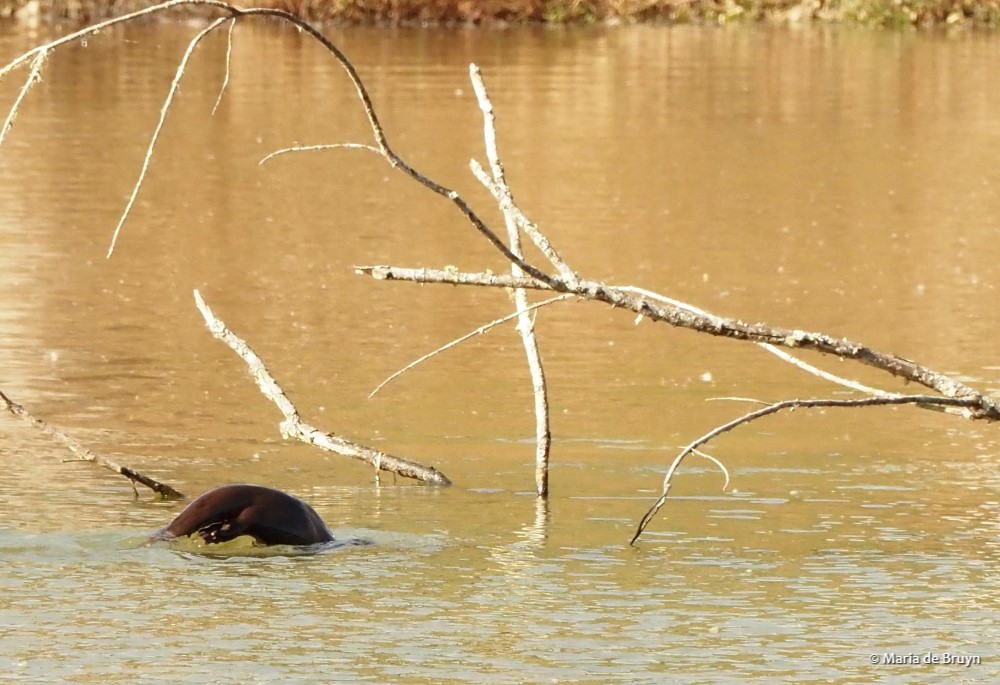

 The otters don’t always appreciate spectators. Sometimes, they emerge from the water briefly and give me a view shrouded by vegetation before they dive back down. That’s frustrating when you’re trying to get a nice photo, but at least I’ve never scared them enough for them to sound their alarm scream, which apparently can be
  The other day at another pond, I was lucky enough to see a pair close to shore. They were foraging and when they finally disappeared, they appeared to have entered a beaver lodge located next to a walking path (seen here). The beavers may have abandoned this lodge as they have at least two others in this park.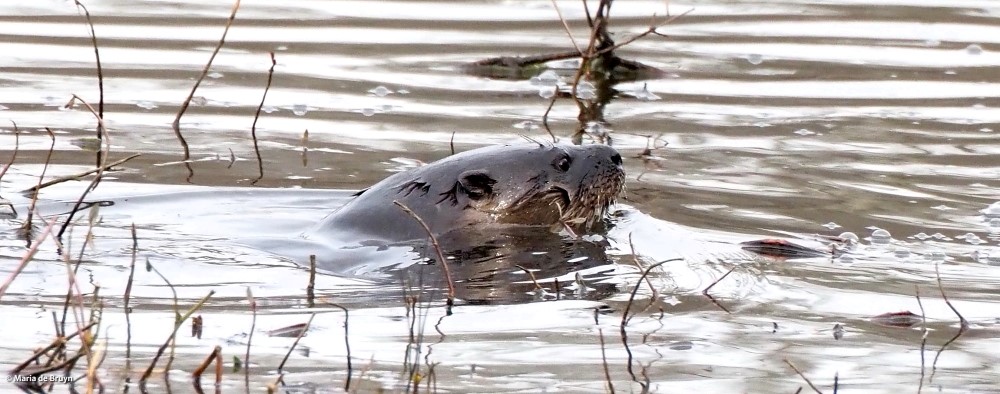
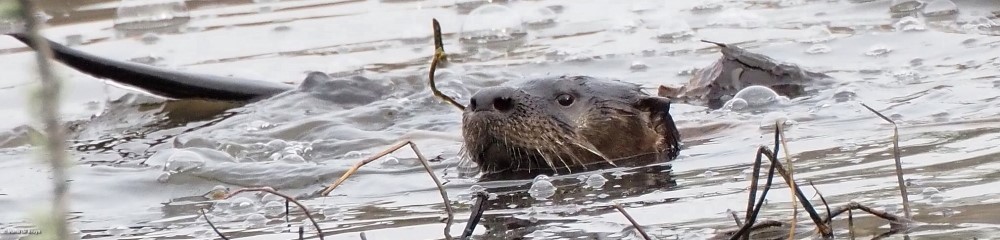
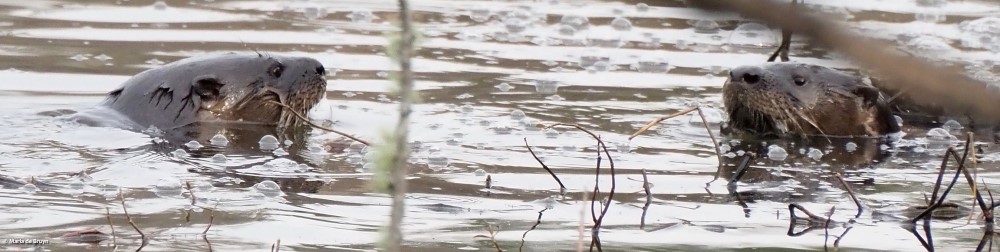


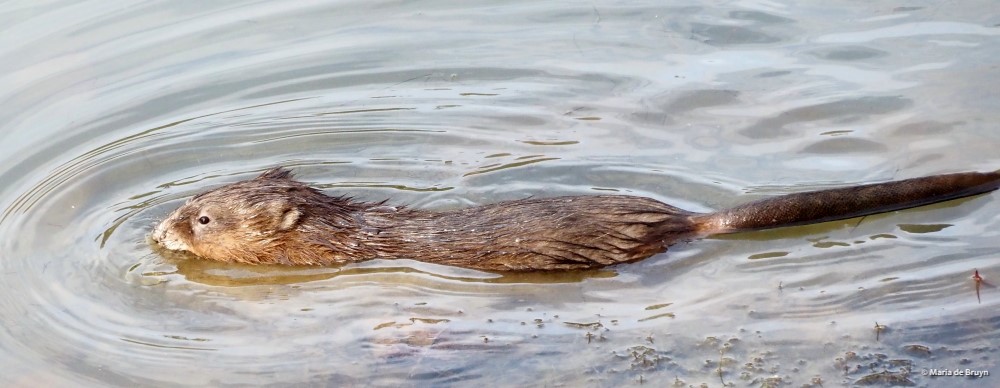
 That’s lucky because last year our county had its 12th


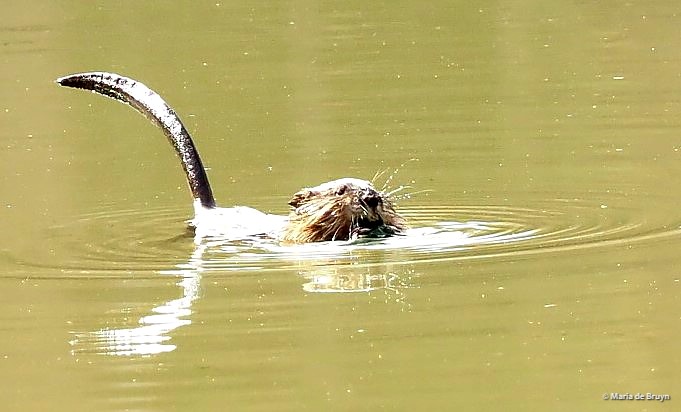
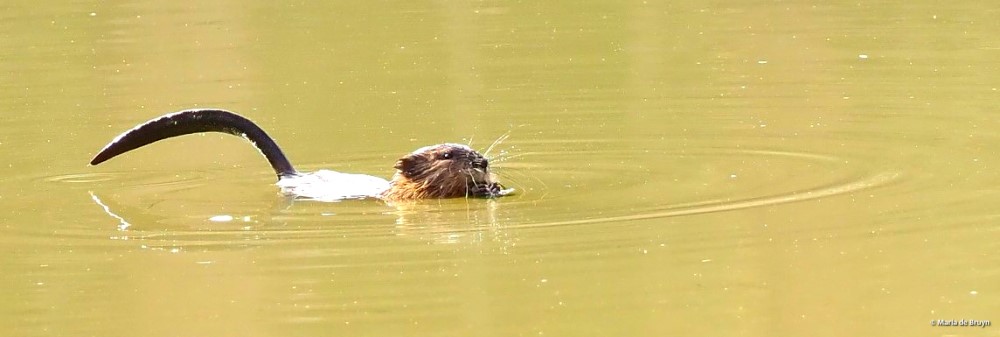
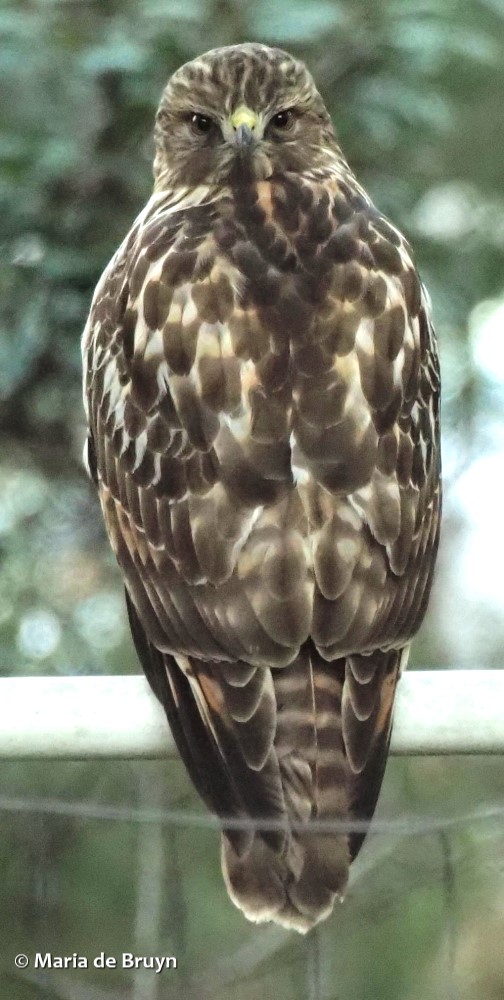
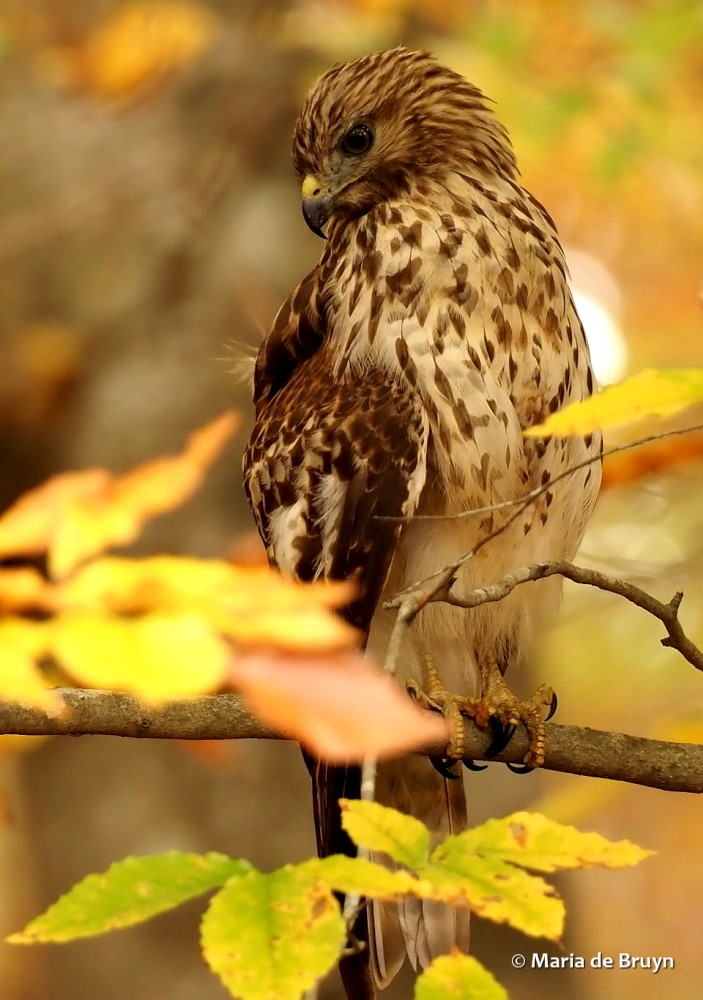
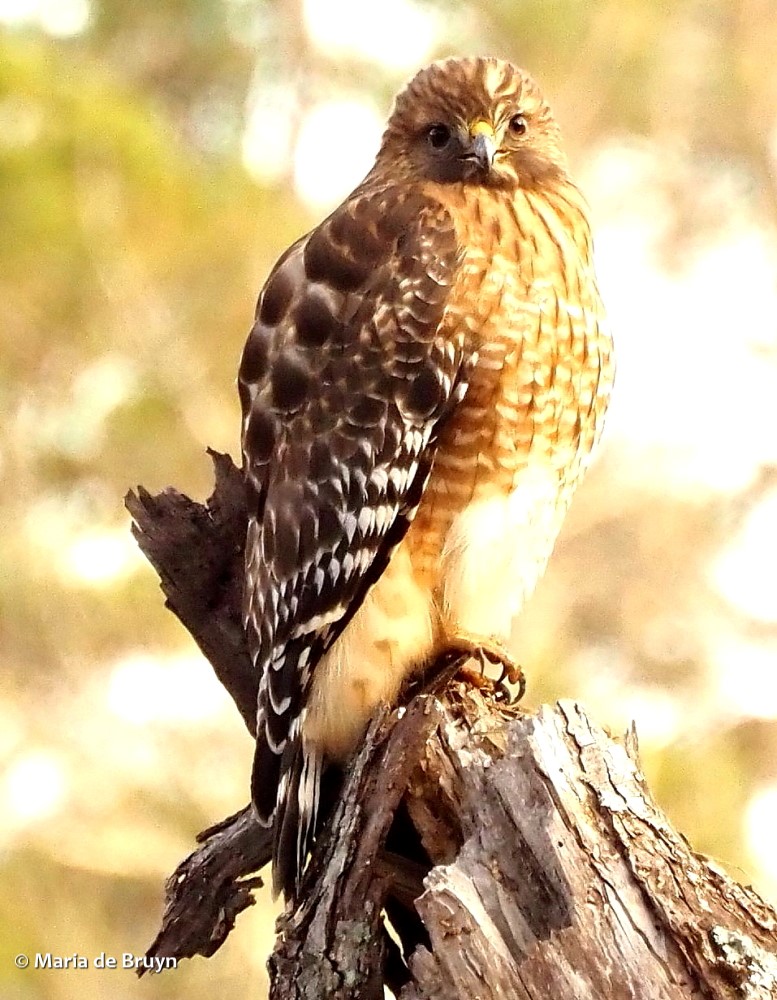
 When facing unpleasant challenges, it’s helpful to have an interest to help put them mentally aside while you find enjoyment doing something else. Observing and connecting with wildlife and plant life does that for me. For at least a while, I can think, “I don’t give a shit,” and instead focus on what’s going on immediately around me, like the red-shouldered hawk (Buteo lineatus) above actually giving a shit. 😊
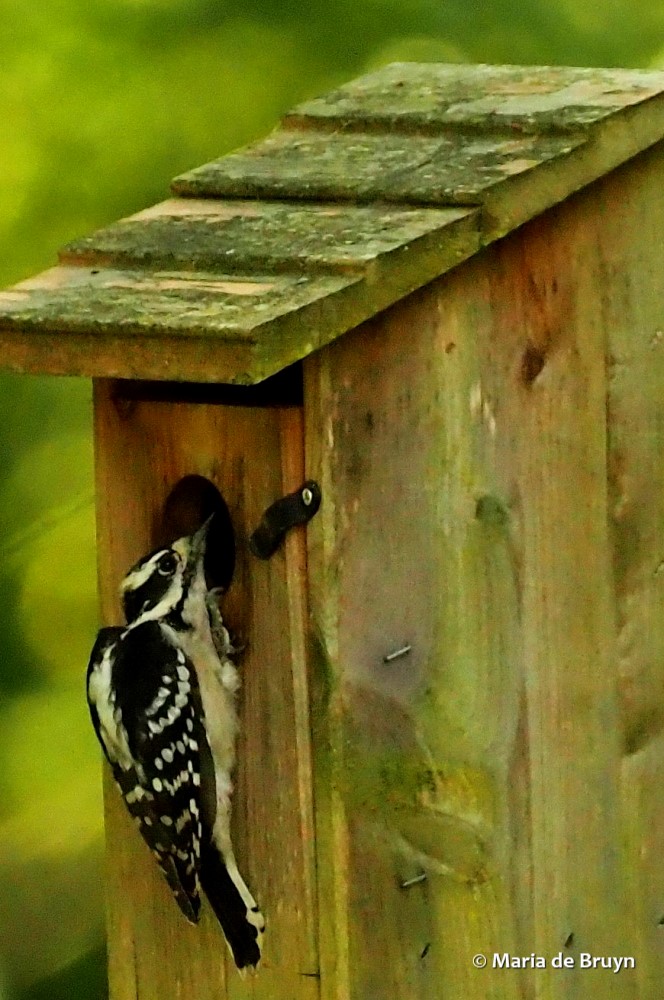 It’s my good fortune to live in a home with sizeable front and backyards where I can entice birds to spend time. Nest boxes border the yards and nesting gourds hang on the front porch, so that attracts pairs who raise young ones here in the spring. They also use these nesting sites to spend the night during cold autumn and winter nights. Downy woodpeckers (Dryobates pubescens) seem especially fond of one nest box next to the driveway.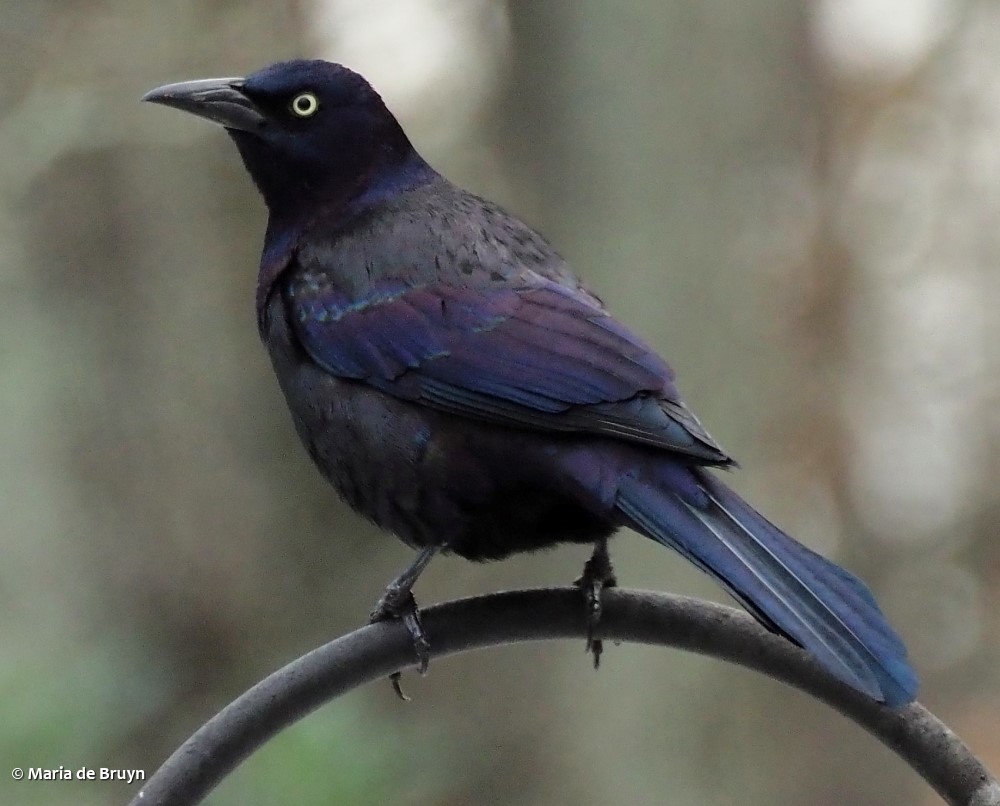
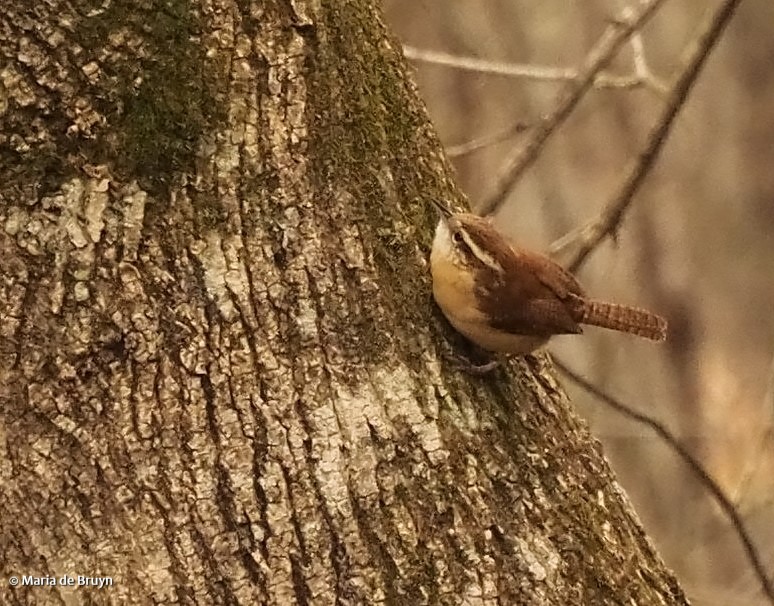 Since converting much of my front yard lawn into flower gardens (and I’m working on that in the back, although there I’ve planted more flowering and berry-bearing trees), the insect population has increased. That has helped the pollination of my flowers and provided the resident birds with meals, like one of the 6 or so Carolina wrens (Thryothorus ludovicianus) who occupy specific niches. One pair hangs out near a water-filled tub; another pair hangs out near a brush pile out back and the third pair hops in and out of a brush pile in the front yard.
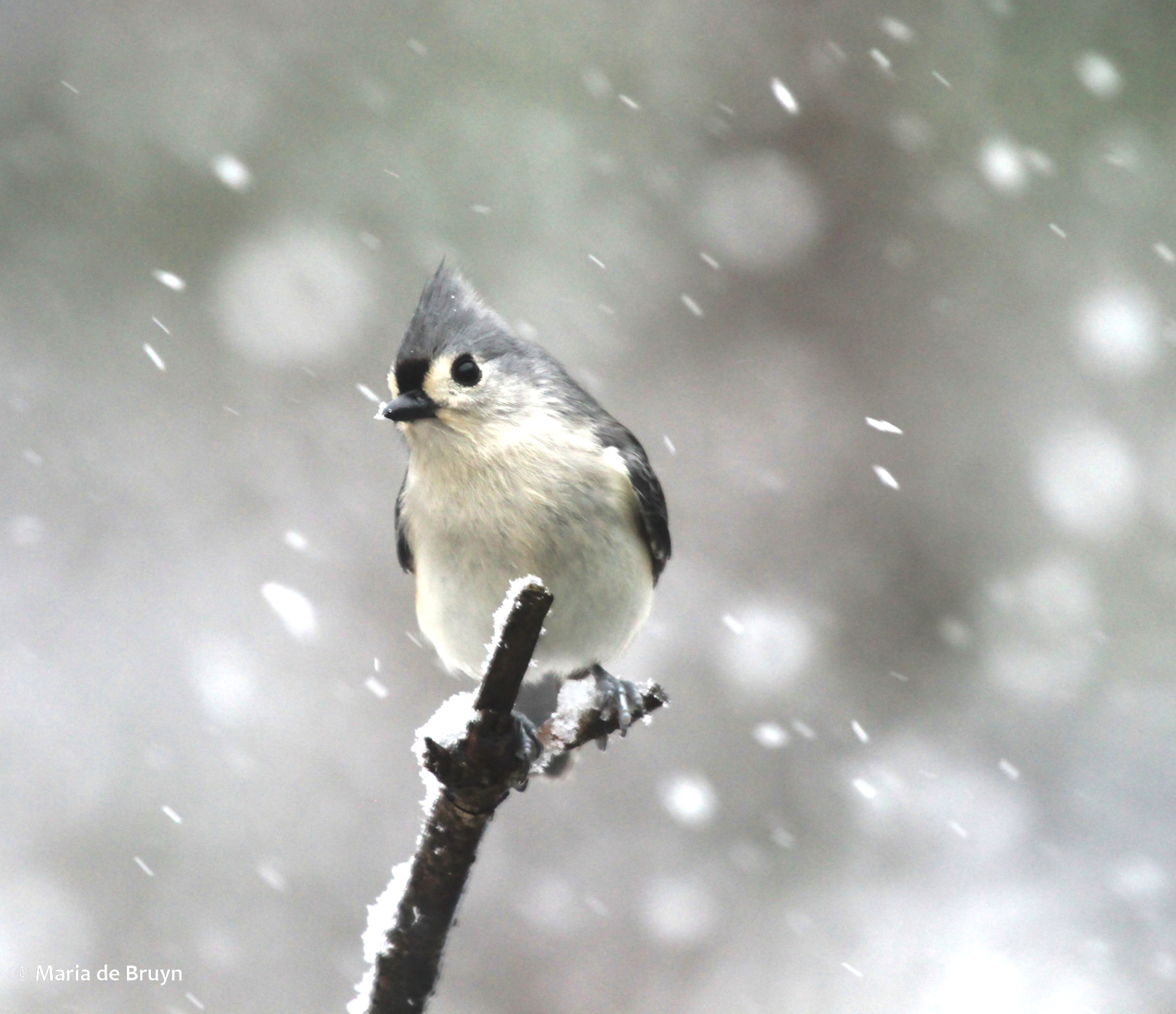
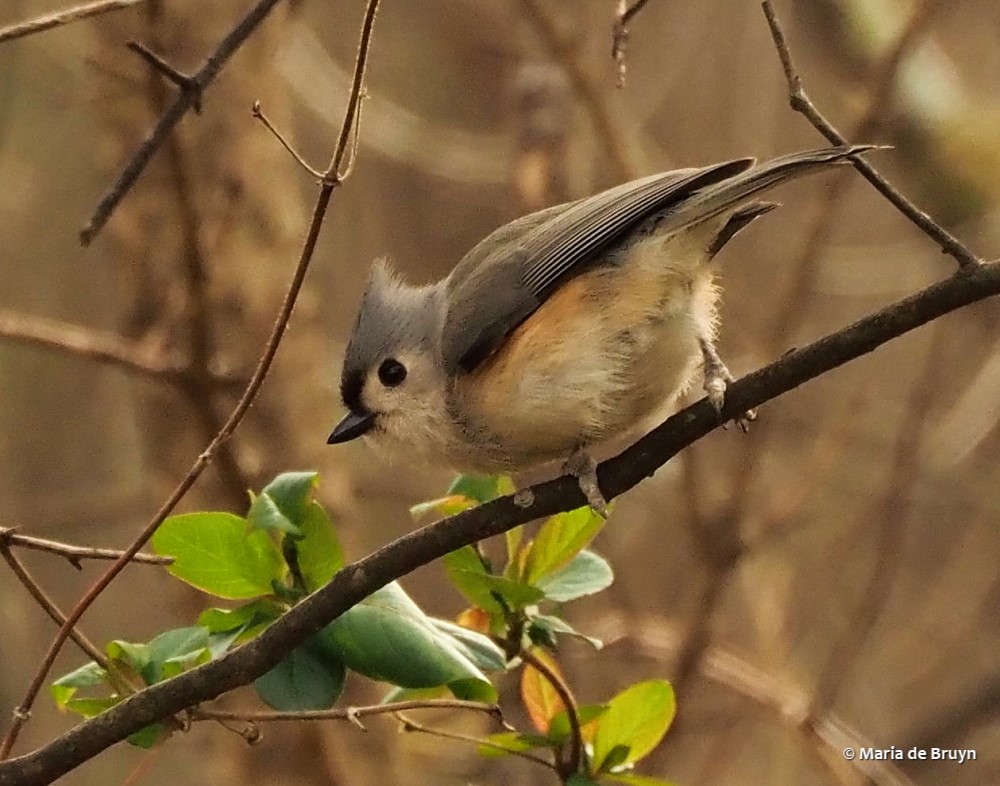
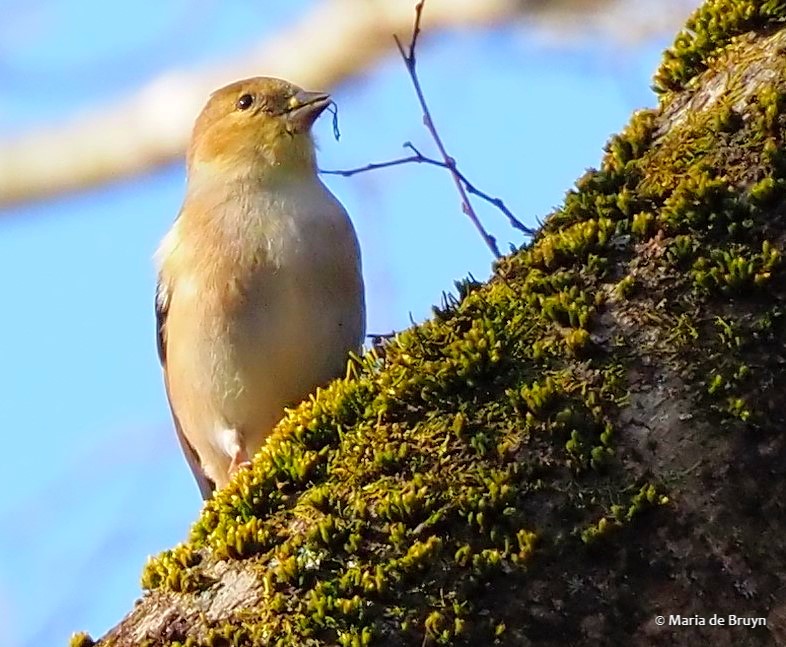
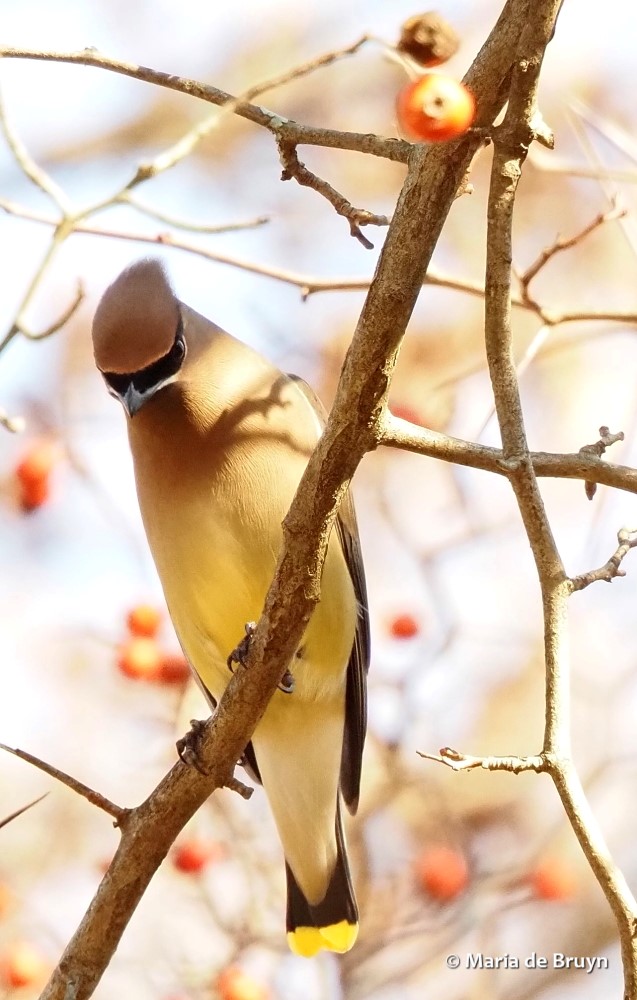 The cedar waxwings (Bombycilla cedrorum) are picky eaters. The American robins in my yard ate a lot of the juniper berries they prefer and there weren’t many other berries around (as was the case at the local arboretum). At my house, they’ve mostly been using the small ponds to drink and bathe.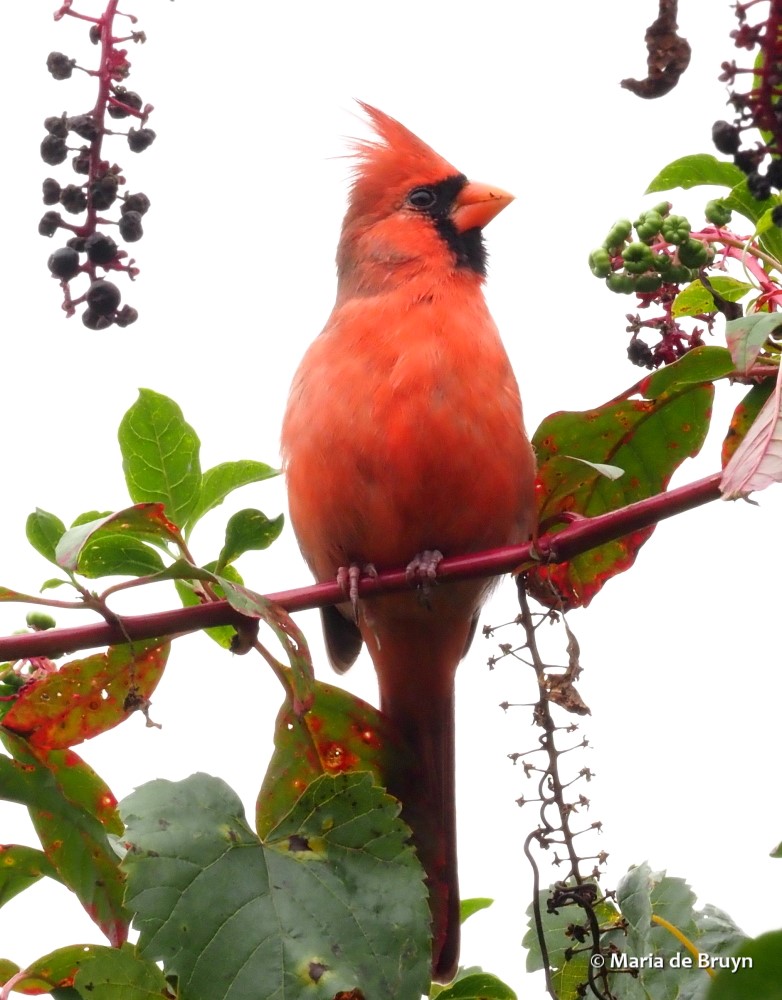
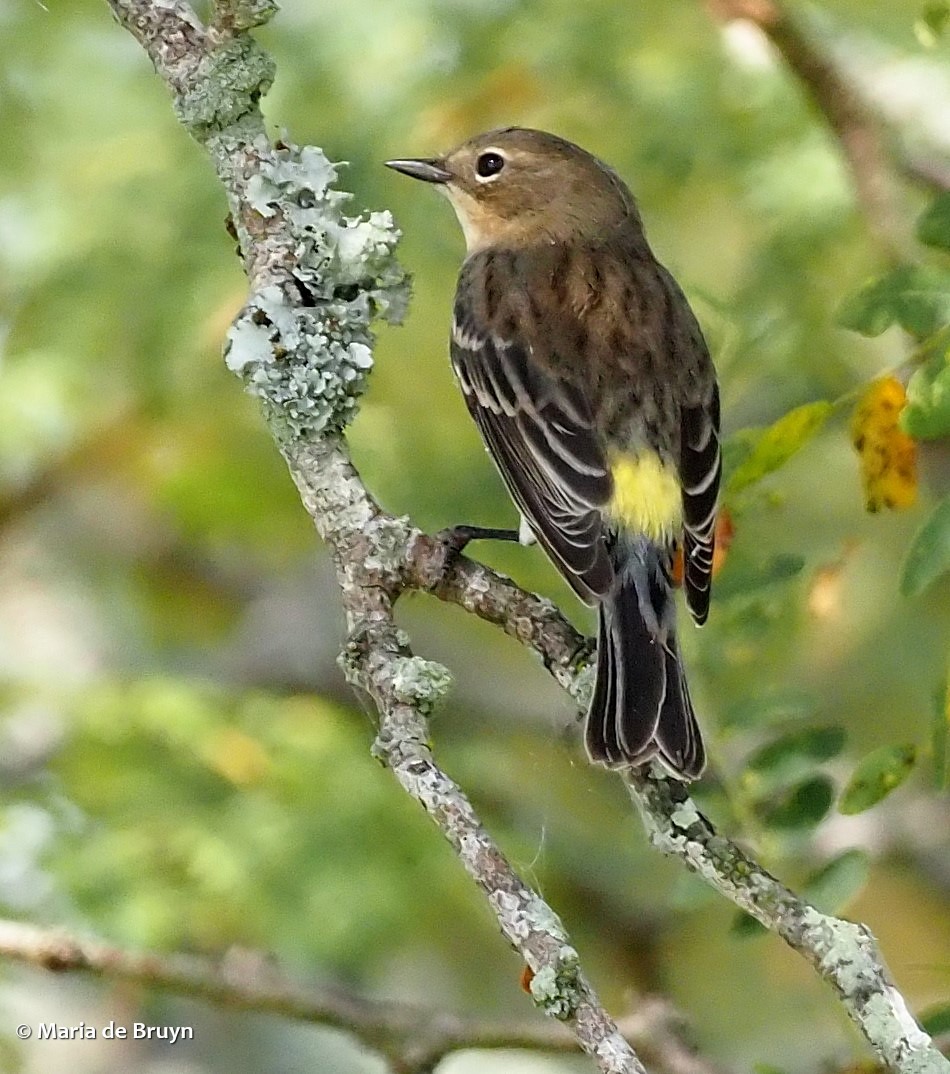
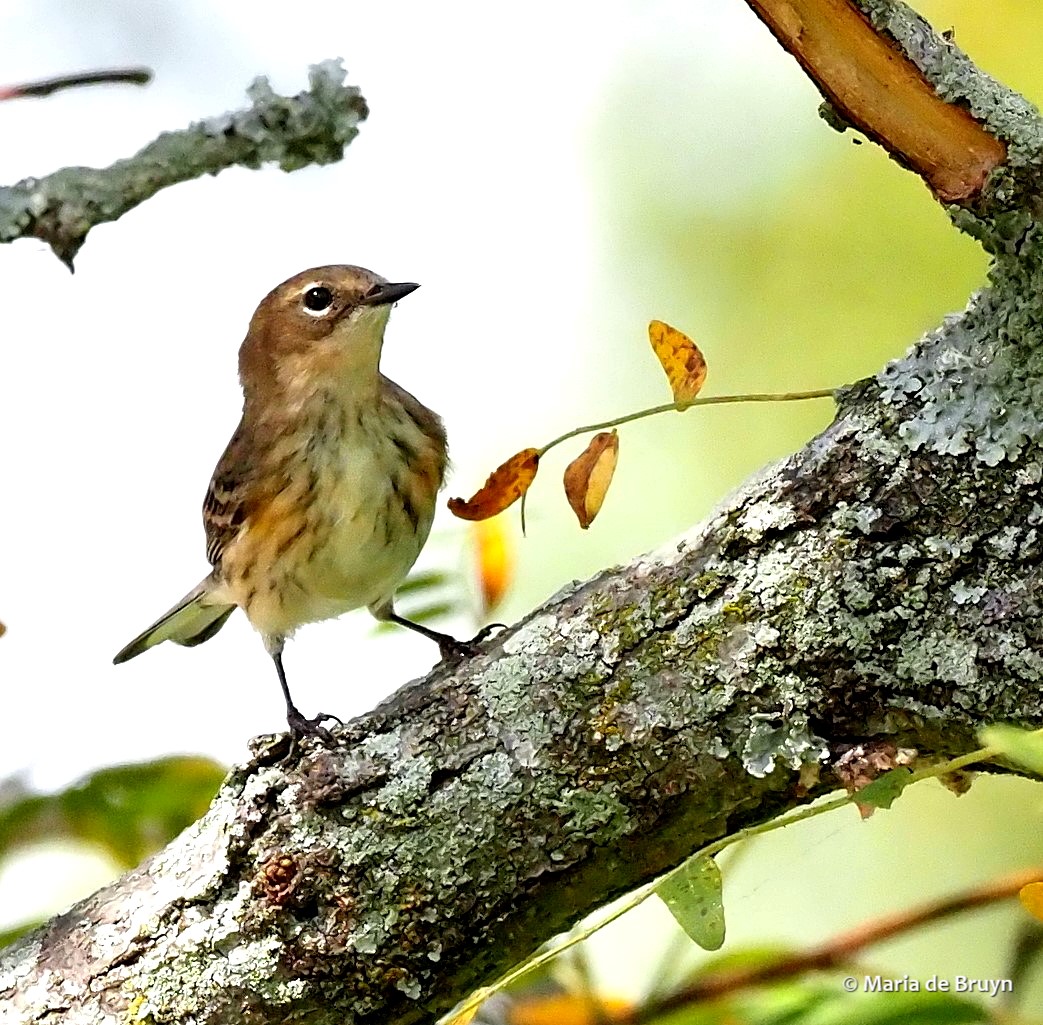 In past years, the visiting yellow-rumped warblers (Setophaga coronata) have lived peacefully with one another. This year, however, I have two birds who seem to be quite incensed when they spy each other. If one is at a feeder, the other zooms in to chase it off and often they flutter upward in a tangle with wings spread. So far, I’ve always been a couple seconds too late to capture the mid-air tussle – it is one of my goals for yard birding this year.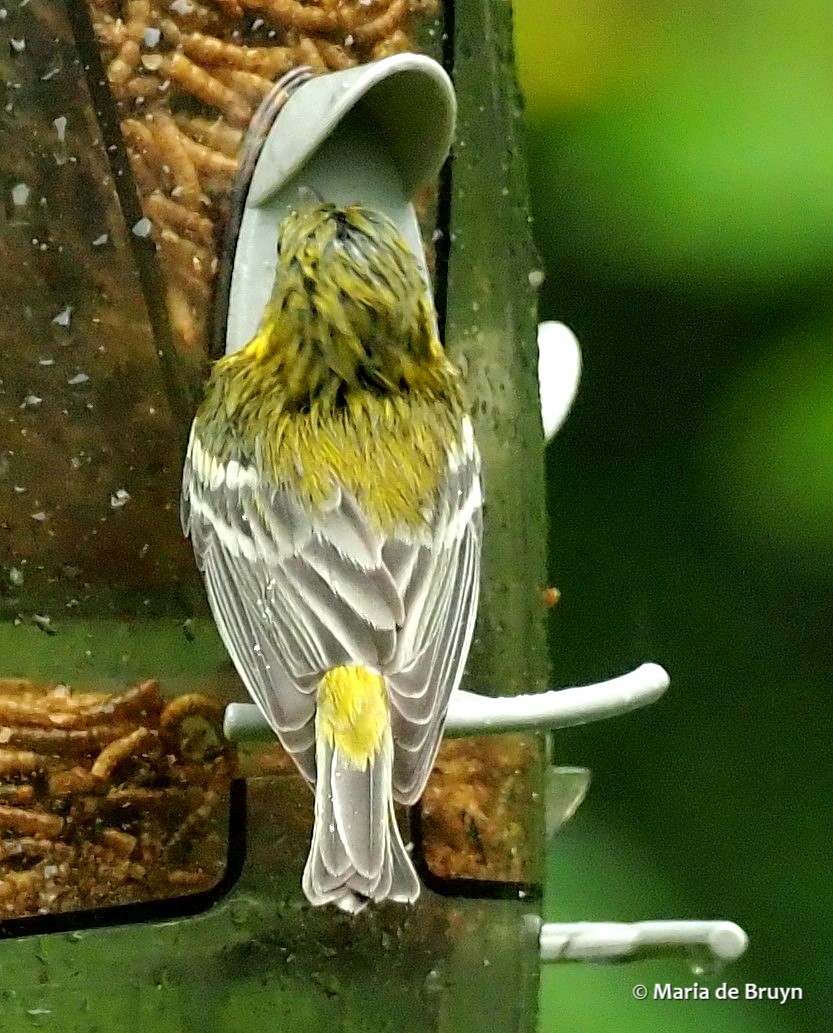
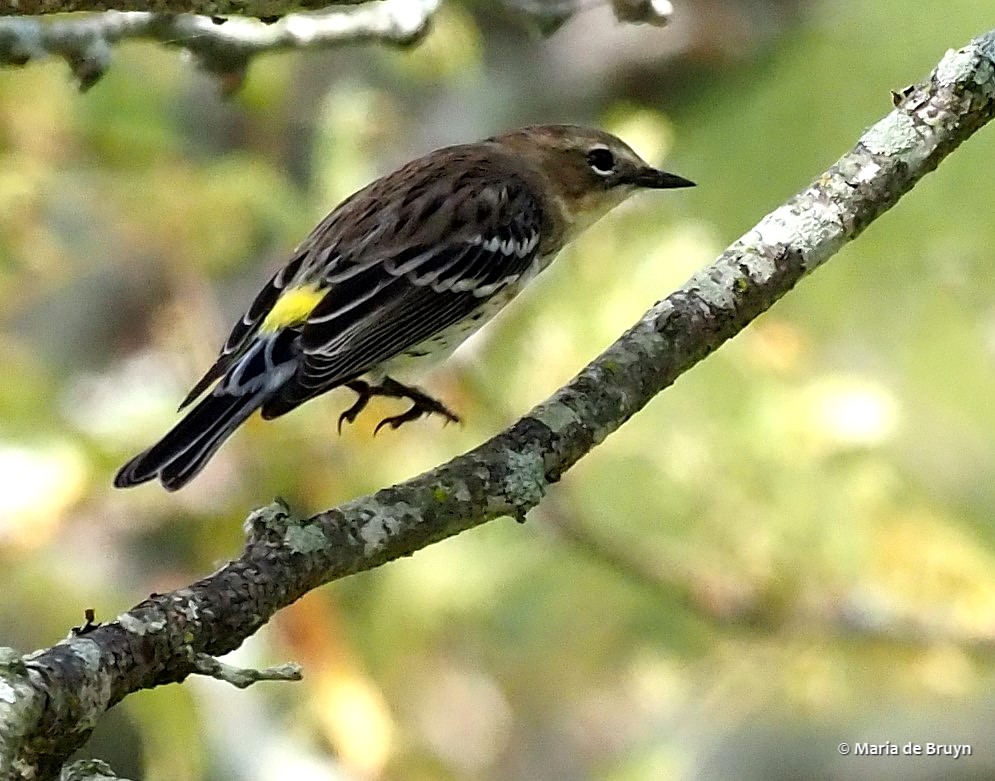
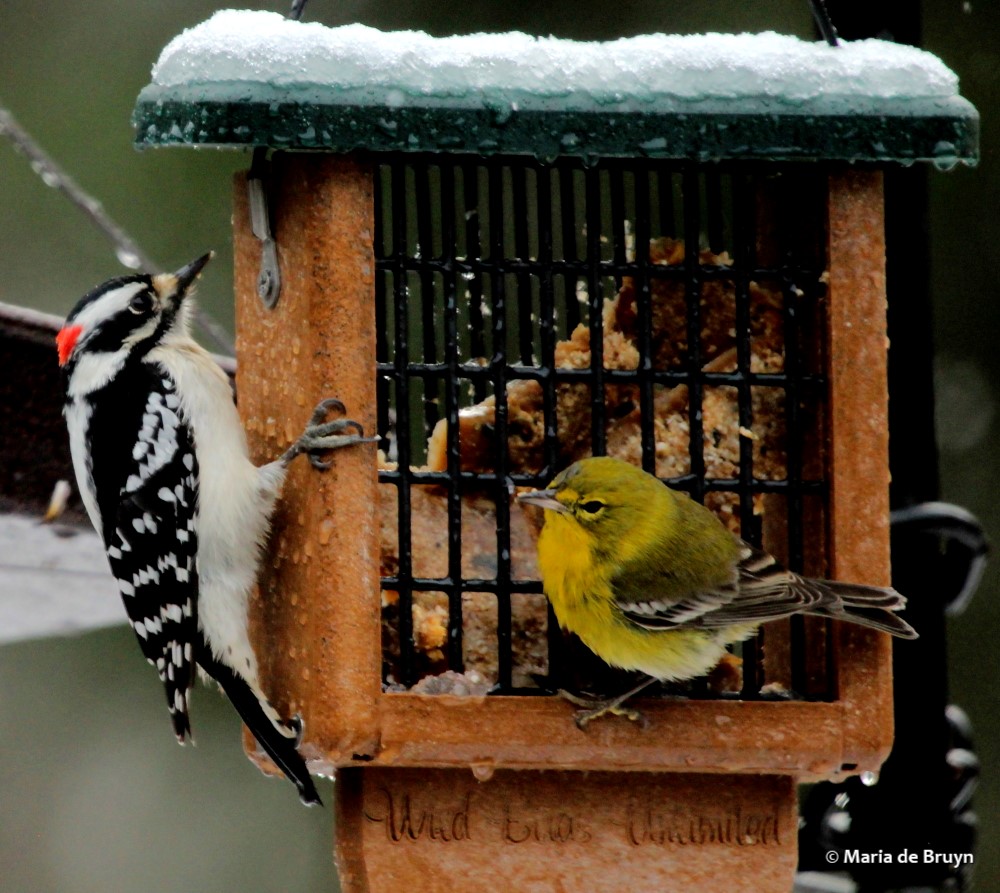 The pine warblers (Setophaga pinus) in my yard are quite tolerant and polite.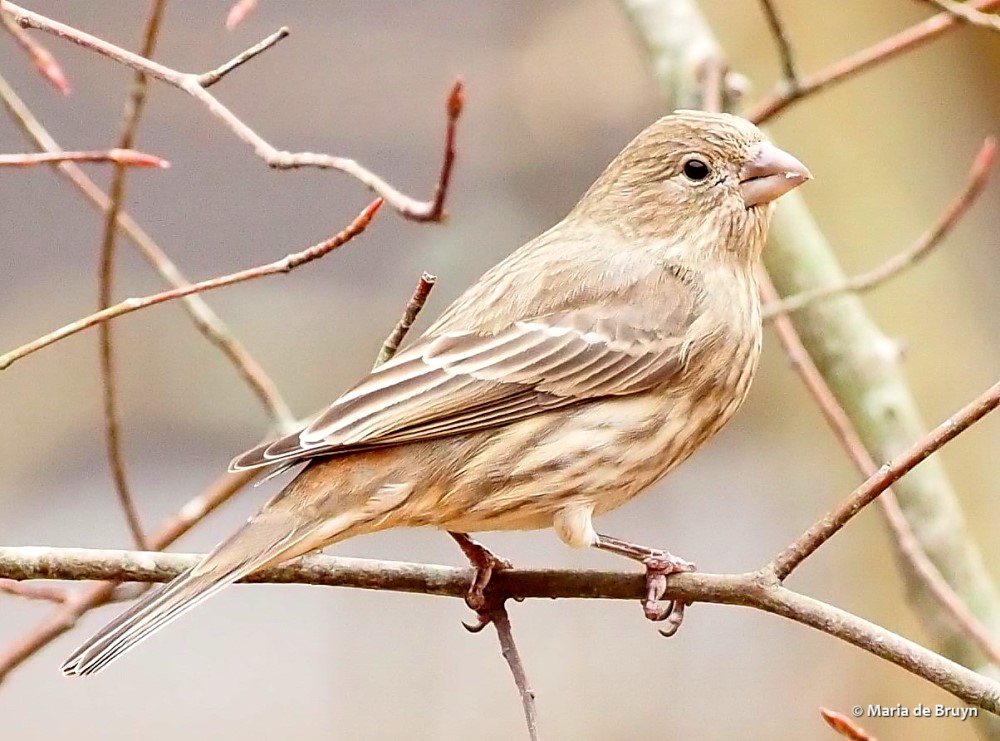

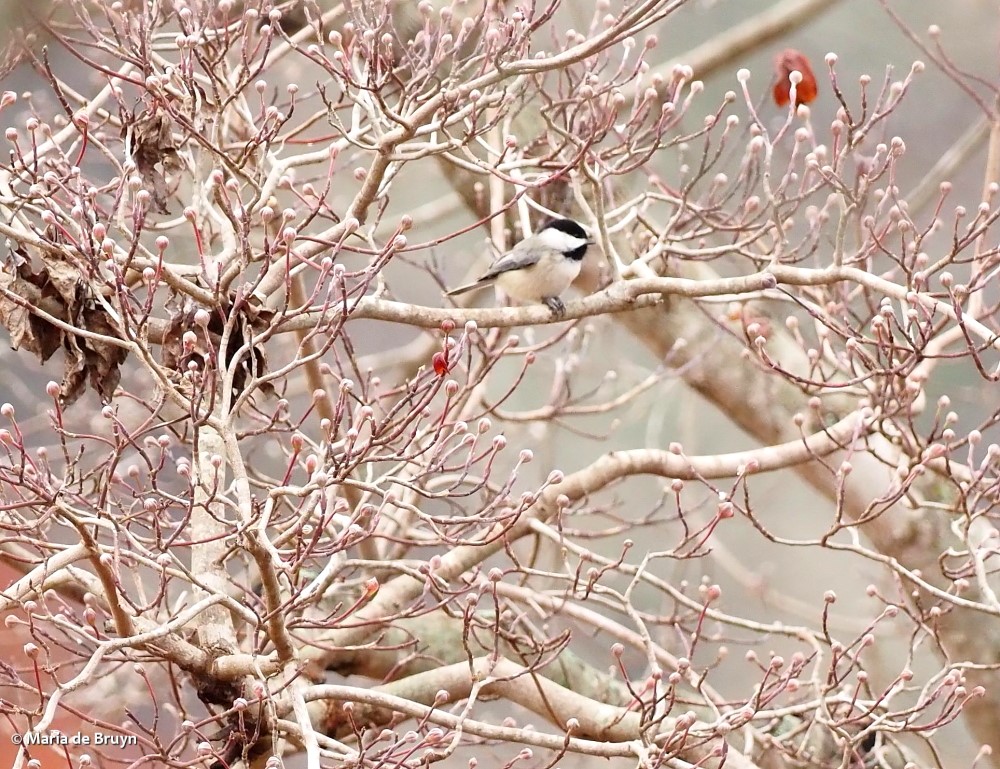
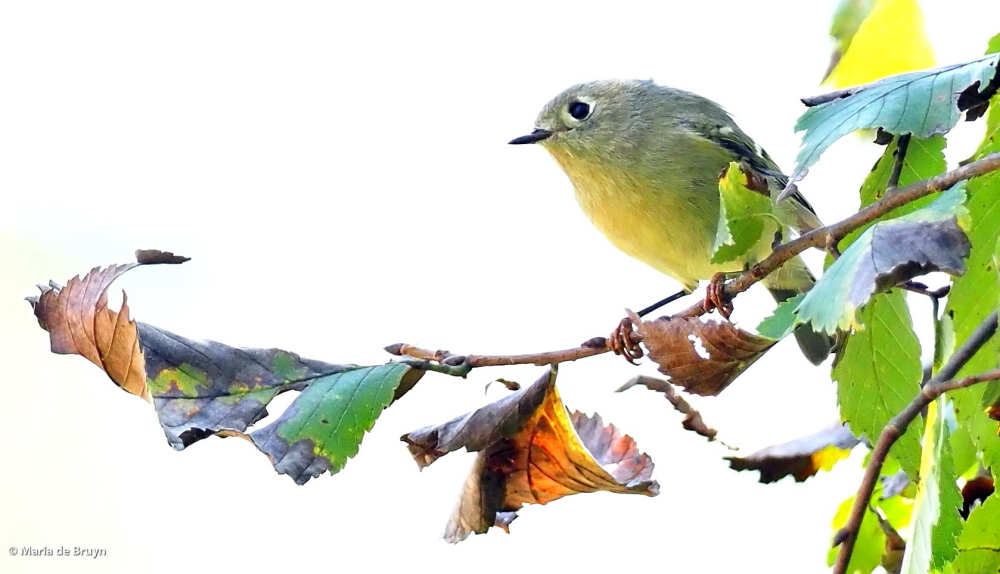
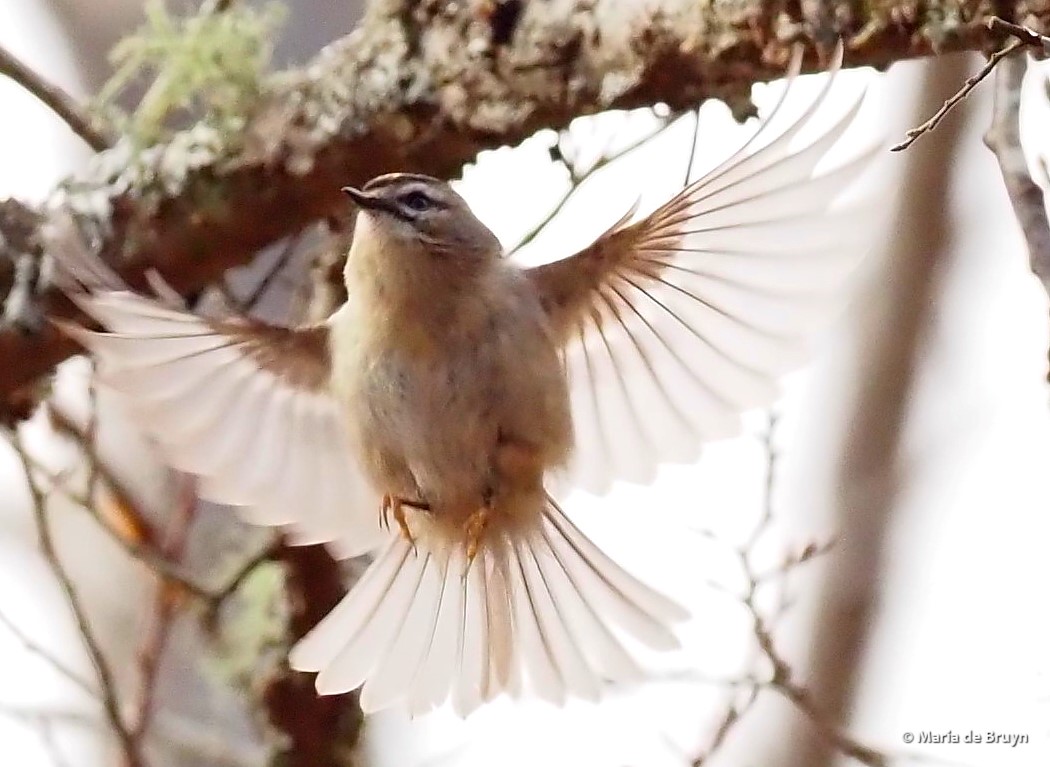
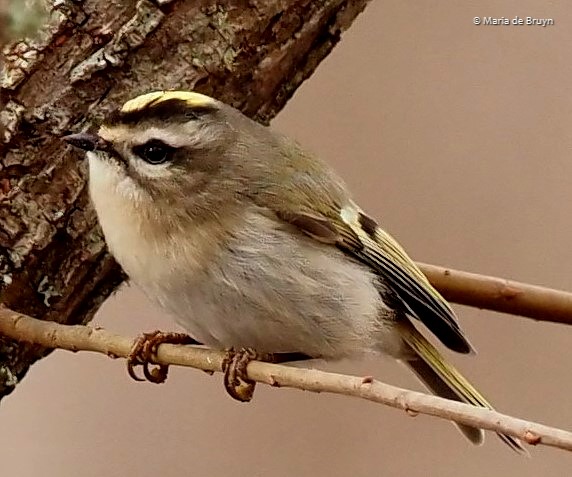 I hadn’t had golden-crowned kinglets (Regulus satrapa) in my yard much before this year; now I have at least one living here but s/he never comes to the feeders. Because this bird stays very high and I haven’t had access to my long camera lens for some time, it’s been difficult to get photos at home. I’ve had somewhat more success on walks.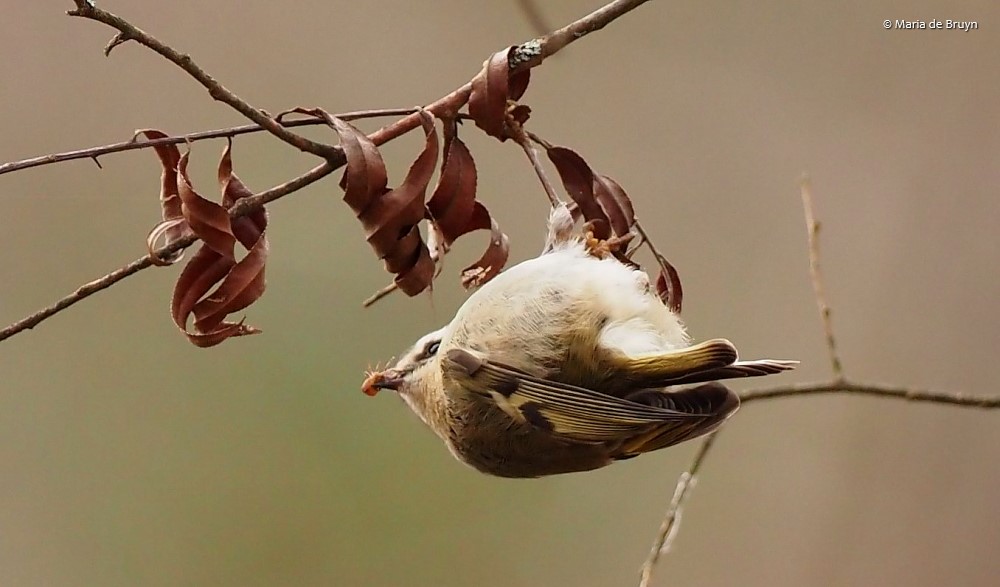















 My beautiful world